
United States Nuclear Forces
|
|
|
- Joel Owens
- 9 years ago
- Views:
Transcription
1 2008 Center for Defense Information United States Nuclear Forces U.S. Strategic Nuclear Arsenal L-Based Ballistic Missiles Maximum Missile Yield (kt) Number Spares LGM-30G Minuteman III Mk , W /20 LGM-30G Minuteman III Mk 12A (MIRV) , LGM-30G Minuteman III Mk 21/SERV LGM-118 MX/Peacekeeper SLBMs W78 (MIRV) / (1986 ) 13, W / (Retired in 2006) 9,600-11,000 0 W /0 Maximum Missile Yield (kt) Number Spares Notes Capable of being loaded with 3 warheads from Peacekeeper missile (MX) attached to a Minuteman III W87 warhead; all operational MX withdrawn in 2006 Notes

2 UGM-96A Trident I C (Retired in 2005) 7, MIRV 100 0/0 UGM-133A Trident II D-5 Mk , * UGM-133A Trident II D-5 Mk , * Other Delivery Platforms Aircraft Maximum Platform B-52H Stratofortress , W76 (MIRV) 100 1,344/80 6 W88 (MIRV) /20 Weapons ALCM/ W-80-1 x Yield (kt) Number Spares /25 Trident II D-5 replaced Trident I C-4 by 2006 Notes B61-7 (360 kt), B61-11, or B83 B-2A Spirit , bombs (1.2 Mt) 360 kt, 1.2 Mt 555/25 Submarines Platform Weapons Notes Ohio class Other Strategic Nuclear Weapons UGM-133A Trident II D-5 SLBMs Four of the current 14 Ohio class were converted into SSGNs (see text) Max Platform Yield (kt) Quantity Notes Carried on B-2A Spirit; versions 3 4 have a variable yield, version 11 is the bunker buster designed for deep B61-3, 4, n/a variable penetration

3 BGM-109A Tomahawk** , W W80-0 warhead; carried on Los Angeles-class submarines some surface ships The Advanced Cruise Missiles have been removed from service are in the process of being dismantled. *Both Mk-4 Mk-5 warheads are deployed on missiles on 14 submarines **Because of their subsonic speeds, ALCMs SLCMs are not always considered strategic weapons. Those that have been included here are noteworthy due to both the size of their yields their ranges. Summary of U.S. Nuclear Forces: As of January 2008, the U.S. stockpile contains approximately 5,400 operational nuclear warheads, including 3,575 strategic 500 non-strategic warheads as well as 1,260 warheads in the inactive stockpile. An additional 5,150 warheads await dismantlement. Current plans call for the United States to reduce its operationally deployed strategic nuclear arsenal to 1,700-2,200 warheads by the end of The majority of the weapons removed from the arsenal, however, will probably be moved to either a responsive or inactive capacity, rather than dismantled. In addition, the United States has a sizable tactical nuclear weapons arsenal. The Strategic Offensive Reductions Treaty (SORT) agreement between the United States Russia calls for a reduction in Russia s the United States' strategic nuclear arsenals to 1,700-2,200 operationally deployed warheads by the end of While no specific numbers have been released by the Pentagon, it is likely that 600 W62s, 500 W78s, 1,500 W76s, 1,000 W80-1s, 400 W84s, 600 B61-10s will be removed from the operational stockpile. 2 Dismantlement retirement of the Peacekeeper missile fleet was completed in late Some Peacekeeper missiles will be put into storage, either for space missions or possible future redeployment. The 2002 Nuclear Posture Review (NPR) prescribes the retention of Peacekeeper silos as well. In addition, some of the Mark 21 reentry vehicles W87 warheads formerly deployed on Peacekeeper missiles have been reused in Minuteman IIIs in the Safety Enhanced Reentry Vehicle (SERV). The Minuteman fleet is also seeing changes. Guidance propulsion systems are being upgraded a program to refurbish their liquid-propulsion stage has been planned. In addition, the Air Force is decommissioning 50 Minuteman IIIs (of the 500 it currently possesses), for use in future testing. 3 The plan to do away with all MIRVed missiles under START II has been aboned following Russia s withdrawal from the treaty. The 250 missiles carrying the W78 have MIRV capability; they can carry one to three warheads. No longer bound by START II, the United States may also repurpose the warheads from the 50 decommissioned Minuteman missiles to make up to 25 of the remaining Minuteman missiles MIRVs again, with 3 warheads on each. 4

4 Currently, the United States bases its Trident SLBMs on 14 Ohio-class submarines armed with approximately 1,728 warheads. In late 2005, the Navy replaced all of its Trident C- 4 missiles with Trident II D-5 missiles. 5 It is likely that in the context of SORT, each Trident II missile will go from being armed with six MIRVed warheads to four, which would reduce the SLBM arsenal to approximately 1,200 warheads. In addition, the four oldest Ohio submarines have been converted to SSBNs now carry conventionally armed Tomahawks. Also, since 2001 there has been a proposal to disarm some of the Trident missiles carried by the SSBNs of their nuclear payload, so that they could be used to attack targets that needed to be attacked quickly. With many subs patrolling throughout the oceans of the world there would be a good chance that at least one sub carrying conventional Tridents would be within range. However there is a danger that such a launch could be interpreted incorrectly as a nuclear launch since it would look the same to detection devices. As such it is likely that the weapons development will go to different technologies with similar capabilities, such as hypersonic cruise missiles, with Congress directing money spent on the Prompt Global Strike program not be spent on the conventional Trident missile program. 6 The United States currently deploys two classes of aircraft that can carry strategic nuclear weapons, the B-2A Spirit the B-52H Stratofortress. The B-1B no longer has a nuclear mission, although a plan remains to outfit it for nuclear weapons should the need arise. Other planes in the U.S. inventory could be similarly equipped but might require retrofitting as well as a change in doctrine. The B-52 can carry 20 AGM-86B airlaunched cruise missiles (ALCMs) which are equipped with a single W80 nuclear warhead. The United States has eliminated its Advanced Cruise Missile stock from service is in the process of dismantling it. 7 The B-2A Spirit carries the B61-7 B61-11 earth penetrators B83 gravity bombs. 8 In 1998, the Pentagon decided to maintain the size of its tactical nuclear arsenal in response to Russia s dependence on its own large tactical arsenal. The nuclear-tipped Tomahawk SLCMs are arguably tactical weapons, the United States also stores approximately 350 tactical nuclear bombs in Europe for U.S. NATO use. 9 Some aircraft that are not necessarily designed as bombers, like the F-16, also maintain a nonstrategic nuclear capability. 10 Recent accidents involving the misplacement of nuclear weapons or their components have shown a worrying loss of focus within the U.S. military establishment. 11 At the end of August 2007, a B-52 bomber mistakenly transported nuclear-armed cruise missiles over U.S. territory. 12 More recently, the United States discovered in late March 2008 that it had accidently shipped four fuses for nuclear missiles to Taiwan in August 2006, only discovered the mistake when alerted to it by Taiwan. 13 Both of these events illustrate the findings of the Defense Science Board report commissioned in the wake of the 2007 nuclear flyover accident: While the size of the nuclear force the deployed nuclear weapons stockpile has been decreased, the complexity of the mission remains deming. Despite these complex dems, the level of focus on the nuclear enterprise has been drastically reduced. 14

5 Amidst these troubles, many within U.S. Strategic Comm (STRATCOM) the National Nuclear Security Administration (NNSA) are pushing for the Reliable Replacement (RRW) program, which would develop a new nuclear warhead, 15 to replace the W76 warhead carried by the Trident missiles. The NNSA supports the program because they claim that the reliability of the existing stockpile is deteriorating, despite a continuing stewardship program. Also, they want the new weapon because it will be optimized for a post-cold War world by optimizing security longevity instead of maximizing explosive yield. Many experts members of Congress are concerned about RRW because of the expense, because they are concerned that creating a new weapon will require additional nuclear tests, which may undermine the nonproliferation regime be politically inflammatory abroad. Critics of RRW point to Department of Energy (DOE) life extension programs (LEP) for the B61, W76, W87 warheads under the Stockpile Stewardship Program. Arguing that the LEPs have been successful, they say RRW is unnecessary. In addition, a study by the JASON group, a collection of distinguished scientific advisors to the government, concluded that the nuclear pits at the core of nuclear warheads are likely last up to one hundred years, greatly lessening the need to develop new cores for U.S. nuclear weapons in the short term. 16 Because Congress zeroed out most of the funding for RRW last year, leaving in only $15 million in the 2008 defense appropriation budget, 17 the program is unlikely to make significant progress in the short term. Nevertheless, the Administration requested $30 million for RRW in FY 09 the Navy plans for the new warhead to be deployed on its SLBMs starting in 2014, in spite of the fact that development is proceeding so slowly. 18 Whether or not the new warhead will be built what impact it will have on current future nonproliferation efforts remain to be seen. Active Strategic Nuclear s: ~4,075 Reserve Strategic Nuclear s: ~1,260 Strategic Nuclear s Awaiting Dismantlement: ~5,150 Strategic s: ~10,485 Sources: 5 Minutes to Midnight. Bulletin of Atomic Scientists, 63, no. 1. January/February 2007: Cochran, Thomas, Hans M. Kristensen, Robert S. Norris. Too Many, Too Slow: The Bush Administration s Stockpile Reduction Plan. (accessed March 26, 2007) The Defense Science Board Permanent Task Force on Nuclear Weapons Surety, Report on the Unauthorized Movement of Nuclear Weapons, Office of the Under Secretary of Defense For Acquisition, Technology Logistics, Feb. 11, 2008,

6 Federation of American Scientists. B-2 Spirit. 2.htm (accessed April 9, 2007) Federation of American Scientists. Bombers Bomber Weapons United States Nuclear Forces Guide. (accessed on March 16, 2007). Hebert, Adam J., Making it Without Minuteman IV, Air Force Magazine Online, June 2007, Vol. 90, No. 6, Kristensen, Hans M., Robert S. Norris. U.S. Nuclear Forces, Bulletin of Atomic Scientists, 64, no. 1, March/April Parsch, Andreas Directory of U.S. Military Rockets Missiles, AGM/BGM/RGM/UGM-109. Designation-Systems.net. (accessed April 9, 2007). Popejoy, Mary. USS Alabama Offloads Last of C4 Trident Missiles. Navy Newst, Nov. 5, Sirak, Michael. Air Force Prepares To Draw Down Minuteman III Fleet By 50 Missiles. Defense Daily. April 17, Woolf, Amy F. Nonstrategic Nuclear Weapons. Congressional Research Service, Order Code RL32572, Jan. 9, Minutes to Midnight, Bulletin of Atomic Scientists, January/February Ibid; also see, Thomas Cochran, Hans M. Kristensen Robert S. Norris, Too Many, Too Slow: The Bush Administration s Stockpile Reduction Plan, Natural Resources Defense Council, 3 Michael Sirak, Air Force Prepares To Draw Down Minuteman III Fleet By 50 Missiles. Defense Daily. April 17, Elaine Grossman, U.S. Might Retain Multiple s on 25 Intercontinental Ballistic Missiles, Global Security Newswire, Nov. 6, Mary Popejoy, Journalist 1st Class, USS Alabama Offloads Last of C4 Trident Missiles, Navy Newst Story Number: NNS , Nov. 5, Elaine Grossman, Pentagon Must Avoid Global Strike Ambiguity, Report Says, Global Security Newswire, Dec. 13, Hans Kristensen Robert S. Norris. U.S. Nuclear Forces, Bulletin of Atomic Scientists, 64, no. 1, March/April Federation of American Scientists. B-2 Spirit. (Accessed April 9, 2007) 9 Hans Kristensen, United States Removes Nuclear Weapons From German Base, Documents Indicate, FAS Strategic Security Blog, Jul. 9, 2007, 10 Hans Kristensen Robert Norris, U.S. nuclear weapons in Europe, , Bulletin of the Atomic Scientists, November/December 2004,

7 11 The Defense Science Board Permanent Task Force on Nuclear Weapons Surety, Report on the Unauthorized Movement of Nuclear Weapons, Office of the Under Secretary of Defense For Acquisition, Technology Logistics, Feb. 11, Ibid. p Thom Shanker, Missile Parts Sent to Taiwan in Error, New York Times, Mar. 26, DSB report, p $30 million are still requested by DOE for RRW in this budget request, Gen. Kevin Chilton, Speech at Strategic Weapons in the 21st Century Conference, Jan. 31, 2008, 16 JASON report on Plutonium Pits, Nov. 28, 2006, 17 House-Senate Defense Appropriations Conference Committee Approves Measure to Limit Funding for the Development of the Reliable Replacement Program, Press Release of Sen. Dianne Feinstein, D-Calif., Nov. 6, ae61fe-e204-eafd-daf4-5654e6de38a2 18 Kristensen, Norris, Nuclear Notebook 2008, p. 2

a V e N als enting/gee Mers IGN rse amp Nuclear a can Ica
 Nuclear Arsenals ICAN CAMPAIGNERS MEETING/GENEVA 1. Nuclear weapons 101 2. Who has nuclear weapons? How many do they really have? How do they work? Most nuclear weapons today are twostage thermonuclear
Nuclear Policy Paper No. 11 November 2012. Modernizing NATO s Nuclear Forces:
 Arms Control Association (ACA) British American Security Information Council (BASIC) Institute for Peace Research and Security Policy at the University of Hamburg (IFSH) Nuclear Policy Paper No. 11 November
Beyond the United Kingdom: Trends in the Other Nuclear Armed States
 Beyond the United Kingdom: Trends in the Other Nuclear Armed States Ian Kearns Discussion Paper 1 of the BASIC Trident Commission An independent, cross-party commission to examine UK nuclear weapons policy
The United States of America and the Russian Federation, hereinafter referred to as the Parties,
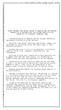 TREATY BETWEEN THE UNITED STATES OF AMERICA AND THE RUSSIAN FEDERATION ON MEASURES FOR THE FURTHER REDUCTION AND LIMITATION OF STRATEGIC OFFENSIVE ARMS The United States of America and the Russian Federation,
GAO NUCLEAR WEAPONS. DOD and NNSA Need to Better Manage Scope of Future Refurbishments and Risks to Maintaining U.S. Commitments to NATO
 GAO United States Government Accountability Office Report to Congressional Requesters May 2011 NUCLEAR WEAPONS DOD and NNSA Need to Better Manage Scope of Future Refurbishments and Risks to Maintaining
NATIONAL NUCLEAR SECURITY ADMINISTRATION
 NATIONAL NUCLEAR SECURITY ADMINISTRATION (Discretionary dollars in thousands) FY 2013 FY 2014 FY 2015 FY 2015 vs. FY 2014 Current Enacted Request $ % National Nuclear Security Administration Weapons Activities
UNIDIR RESOURCES IDEAS FOR PEACE AND SECURITY. Disposition of Excess Military Nuclear Material February 2012. Overview. Pavel Podvig UNIDIR
 IDEAS FOR PEACE AND SECURITY UNIDIR RESOURCES Pavel Podvig UNIDIR Overview Disposition of Excess Military Nuclear Material February 2012 Nuclear material in military stockpiles is the largest category
The Trillion Dollar Nuclear Triad
 The Trillion Dollar Nuclear Triad January 2014 $$$$$ $$$$ $$$ $$ $ 2010 2020 2030 2040 Jon B. Wolfsthal Jeffrey Lewis Marc Quint James Martin Center for Nonproliferation Studies Monterey, California January
NUCLEAR WEAPONS POLICY UNDER PRESIDENT BUSH
 NUCLEAR WEAPONS POLICY UNDER PRESIDENT BUSH June 1, 2001 On 1 May, 2001, President Bush gave a keynote speech in which he outlined US plans for the deployment of a missile defence system dubbed "Star Wars"
The cost of British nuclear weapons
 The cost of British nuclear weapons Campaign for Nuclear Disarmament www.cnduk.org The cost of British nuclear weapons Cost of Trident Replacement Procurement: up to 25 billion Although the Defence White
Audit Report. The National Nuclear Security Administration's Weapons Dismantlement and Disposition Program
 U.S. Department of Energy Office of Inspector General Office of Audits and Inspections Audit Report The National Nuclear Security Administration's Weapons Dismantlement and Disposition Program OAS-L-13-06
Exhibit R-2, RDT&E Budget Item Justification
 PE NUMBER: 0101120F PE TITLE: ADVANCED CRUISE Exhibit R-2, RDT&E Budget Item Justification BUDGET ACTIVITY PE NUMBER AND TITLE 07 Operational System Development 0101120F ADVANCED CRUISE Cost ($ in Millions)
DEPARTMENT OF THE AIR FORCE PRESENTATION TO THE SENATE ARMED SERVICES COMMITTEE STRATEGIC FORCES SUBCOMMITTEE UNITED STATES SENATE
 NOT FOR PUBLICATION UNTIL RELEASED BY SENATE ARMED SERVICES COMMITTEE STRATEGIC FORCES SUBCOMMITTEE UNITED STATES SENATE DEPARTMENT OF THE AIR FORCE PRESENTATION TO THE SENATE ARMED SERVICES COMMITTEE
February 2012 GLOBAL ZERO NATO-RUSSIA COMMISSION REPORT. Removing U.S. and Russian Tactical Nuclear Weapons from European Combat Bases
 February 2012 GLOBAL ZERO NATO-RUSSIA COMMISSION REPORT Removing U.S. and Russian Tactical Nuclear Weapons from European Combat Bases PREPARED FOR THE 48 TH MUNICH SECURITY CONFERENCE GLOBAL ZERO NATO-RUSSIA
Strategic Stability in the Second Nuclear Age
 Strategic Stability in the Second Nuclear Age Cover Photo: Pakistan s long-range surface-tosurface missile, Shaheen II. (Courtesy Reuters) Council Special Report No. 71 November 2014 Council on Foreign
Why build so many nukes? Factors behind the size of the Cold War stockpile
 Why build so many nukes? Factors behind the size of the Cold War stockpile Alex Wellerstein Lecturer, Department of the History of Science, Harvard University Research Fellow, Managing the Atom Project,
Fleet Ballistic Missile Eastern Range Operations Supporting Navy Testing and Deployment
 Fleet Ballistic Missile Eastern Range Operations Supporting Navy Testing and Deployment Lockheed Martin Space Systems Company Test & Support Systems Engineering Pier Road, Hanger Y Mail Drop: MRL 156 Cape
Electric Boat Business Update
 Electric Boat Business Update Presentation to Commission for Connecticut s Future September 30, 2014 Copyright Electric Boat Corporation - Use Only With Permission Electric Electric Boat Proprietary Boat
Workshop on U.S. Nuclear Weapons Safety and Security
 CLOCKWISE: WIKIMEDIA/DEPARTMENT OF DEFENSE; ISTOCKPHOTO/ALENGO; ISTOCKPHOTO/MICHAELBWATKINS; WIKIMEDIA/U.S. AIR FORCE PHOTO/MASTER SGT. LANCE CHEUNG; ISTOCKPHOTO/TELEGRAHAM Workshop on U.S. Nuclear Weapons
Table of Contents. I. Introduction... 1. II. Goals... 2. III. Sector Guidelines... 3. IV. Cross-Sector Guidelines... 6
 National Space transportation policy NOVEMBER 21, 2013 Table of Contents I. Introduction.................................. 1 II. Goals..................................... 2 III. Sector Guidelines................................
Report of the Defense Science Board Task Force on Future Strategic Strike Skills
 Report of the Defense Science Board Task Force on Future Strategic Strike Skills March 2006 Office of the Under Secretary of Defense For Acquisition, Technology, and Logistics Washington, D.C. 20301-3140
STRATEGIC STABILITY AFTER THE COLD WAR
 INSTITUTE OF WORLD ECONOMY AND INTERNATIONAL RELATIONS RUSSIAN ACADEMY OF SCIENCES NUCLEAR THREAT INITIATIVE STRATEGIC STABILITY AFTER THE COLD WAR Foreword by Academician Alexander A. Dynkin at the Conference
A New START Model for Transparency in Nuclear Disarmament. Tamara Patton, Pavel Podvig, and Phillip Schell
 Transparency and accountability are important elements of nuclear disarmament. The action plan adopted at the 2010 Non-Proliferation Treaty Review Conference encouraged the nuclear weapon states to agree
UNCLASSIFIED. UNCLASSIFIED Office of Secretary Of Defense Page 1 of 9 R-1 Line #139
 Exhibit R-2, RDT&E Budget Item Justification: PB 2015 Office of Secretary Of Defense Date: March 2014 0400: Research, Development, Test & Evaluation, Defense-Wide / BA 6: RDT&E Management Support COST
EXPERT EVIDENCE REPORT
 Criminal Justice Act 1988, s.30 Magistrates Courts Act 1980, s.5e Criminal Procedure Rules (2014), r.33.3(3) & 33.4 EXPERT EVIDENCE REPORT NOTE: only this side of the paper to be used and a continuation
Beyond New START. a report of the csis next generation working group on u.s.-russian arms control
 a report of the csis next generation working group on u.s.-russian arms control Beyond New START advancing u.s. national security through arms control with russia Cochairs James M. Acton Michael S. Gerson
Reducing the Risk of Nuclear War
 Reducing the Risk of Nuclear War Taking Nuclear Weapons Off High Alert Twenty-five years after the end of the Cold War, the United States and Russia continue to keep many hundreds of nuclear weapons on
Public Law 111 118 111th Congress An Act
 123 STAT. 3409 Public Law 111 118 111th Congress An Act Making appropriations for the Department of Defense for the fiscal year ending September 30, 2010, and for other purposes. Be it enacted by the Senate
Close Calls with Nuclear Weapons
 FACT SHEET Close Calls with Nuclear Weapons HIGHLIGHTS Both the United States and Russia keep nuclear-armed missiles on high alert, ready to launch within minutes. This posture increases the risk of an
Department of Energy FY 2017 Congressional Budget Request
 DOE/CF-0125 Department of Energy FY 2017 Congressional Budget Request Budget in Brief February 2016 Office of Chief Financial Officer DOE/CF-0125 Department of Energy FY 2017 Congressional Budget Request
DEPARTMENT OF DEFENSE
 DEPARTMENT OF DEFENSE Funding Highlights: Provides $553 billion for the base budget, an increase of $22 billion above the 2010 appropriation. This reflects continued investment in national security priorities
FUNDING FOR DEFENSE, MILITARY OPERATIONS, HOMELAND SECURITY, AND RELATED ACTIVITIES SINCE
 FUNDING FOR DEFENSE, MILITARY OPERATIONS, HOMELAND SECURITY, AND RELATED ACTIVITIES SINCE 9/11 Steven Kosiak, Director of Budget Studies, Center for Strategic & Budgetary Assessments Since the terrorist
Naval Energy. A Strategic Approach
 Naval Energy A Strategic Approach October 2009 Message from the Secretary of the Navy I am committed to the Department of the Navy taking a leadership role in energy reform, not just within the Department
Joint Publication 3-12. Doctrine for Joint Nuclear Operations
 Joint Publication - Doctrine for Joint Nuclear Operations Final Coordination () March 00 0 0 PREFACE. Scope This publication provides guidelines for the joint employment of forces in nuclear operations.
April 10, 2002. Transforming the National Security Strategy
 Statement of Dr. Everet H. Beckner Deputy Administrator for Defense Programs National Nuclear Security Administration Before the Senate Armed Services Committee April 10, 2002 Thank you for the opportunity
JIUS Maritime Security Coalition
 The 60 th Anniversary of the Establishment of Diplomatic Relationship between Japan And India Session 1 : Regional Security in Asia JIUS Maritime Security Coalition December 13, 2012 VADM (ret) Hideaki
PLRC Pacific Life Research Center
 PLRC Pacific Life Research Center 631 Kiely Boulevard * Santa Clara, CA 95051 * Phone 408/248-1815 * Fax 408/985-9716 * E-mail [email protected] PLRC-011117D This paper is current only to 16 November 2002 U.S.
Protecting US Security by Minimizing the Role of Nuclear Weapons: a New US Nuclear Policy
 Blechman and Rumbaugh Protecting US Security by Minimizing the Role of Nuclear Weapons: A NEW US NUCLEAR POLICY Barry Blechman and Russell Rumbaugh MAY 2015 STIMSON 1 Protecting US Security by Minimizing
Curriculum Vitae. Hans M. Kristensen. Contact address:
 Curriculum Vitae Hans M. Kristensen Contact address: Federation of American Scientists 1725 DeSales St., NW, 6 th Floor Washington, D.C. 20039 Phone: (202) 454-4695 Fax: (202) 675-1010 E-mail: [email protected]
Edited extract from: Department of the Army Historical Summary, FY 1980 (Washington, D.C.: U.S. Army Center of Military History, 1983, pp. 222-228.
 Edited extract from: Department of the Army Historical Summary, FY 1980 (Washington, D.C.: U.S. Army Center of Military History, 1983, pp. 222-228.) Ballistic Missile Defense The Ballistic Missile Defense
UNCLASSIFIED. UNCLASSIFIED Air Force Page 1 of 8 R-1 Line #200
 Exhibit R-2, RDT&E Budget Item Justification: PB 2015 Air Force Date: March 2014 3600: Research, Development, Test & Evaluation, Air Force / BA 7: Operational Systems Development COST ($ in Millions) Prior
GCC Missile Defense: A Threat
 GCC Missile Defense: A Threat Driven Imperative By Ian Williams & Wes Rumbaugh The Gulf Cooperation Council (GCC), a loose economic and military confederation of the six Arab nations along the Arabian
THE SECRETARY OF THE NAVY WASHINGTON DC 20350-1 000
 THE SECRETARY OF THE NAVY WASHINGTON DC 20350-1 000 MEMORANDUM OF DECISION SUBJECT: Authority to Indemnify Certain Contractors and Subcontractors Against Nuclear Risks and Unusually Hazardous Risks Attributable
Speech by Jimmy Carter (Washington, 18 June 1979)
 Speech by Jimmy Carter (Washington, 18 June 1979) Caption: On 18 June 1979, a few hours after having signed, in Vienna, the SALT II agreements on the limitation of strategic nuclear weapons, the US President,
Russia s Nuclear Posture: Modernization and the State of Arms Control
 Russia s Nuclear Posture: Modernization and the State of Arms Control Vincent C. Fournier and Ulrich Kühn This issue brief analyzes Russia s nuclear posture, meaning the composition of the Russian strategic
Physics 280: Session 17
 Physics 280: Session 17 Plan for This Session Student questions Next session: Midterm Exam (100 MSEB) Module 6: Nuclear Arsenals 12p280 Programs and Arsenals, p. 1 Physics/Global Studies 280 Module 6:
The History of Tinker AFB
 The History of Tinker AFB 70+ Years in the Heartland of America Tinker AFB History In October 1940, as German troops rolled through Europe and Japan expanded its empire, a dozen Oklahoma City businessmen
INTRODUCTION. John P. Gibson and Stephen P. Yanek
 The Fleet Ballistic Missile Strategic Weapon System: APL s Efforts for the U.S. Navy s Strategic Deterrent System and the Relevance to Systems Engineering John P. Gibson and Stephen P. Yanek his article
STATEMENT OF ADMIRAL C. D. HANEY COMMANDER UNITED STATES STRATEGIC COMMAND BEFORE THE SENATE COMMITTEE ON ARMED SERVICES
 SENATE COMMITTEE ON ARMED SERVICES STATEMENT OF ADMIRAL C. D. HANEY COMMANDER UNITED STATES STRATEGIC COMMAND BEFORE THE SENATE COMMITTEE ON ARMED SERVICES 10 MARCH 2016 SENATE COMMITTEE ON ARMED SERVICES
GAO AIR FORCE WORKING CAPITAL FUND. Budgeting and Management of Carryover Work and Funding Could Be Improved
 GAO United States Government Accountability Office Report to the Subcommittee on Readiness and Management Support, Committee on Armed Services, U.S. Senate July 2011 AIR FORCE WORKING CAPITAL FUND Budgeting
Part II: Agency R&D Budgets
 Part II: Agency R&D Budgets 5 Department of Defense Travis R. Doom Consortium for Science, Policy and Outcomes Highlights Department of Defense (DOD) R&D would continue its recent downward trend since
U.S. Nuclear Weapons in Europe
 U.S. Nuclear Weapons in Europe A Review of Post-Cold War Policy, Force Levels, and War Planning Prepared by Hans M. Kristensen Natural Resources Defense Council February 2005 About the Author Hans M. Kristensen
JOINT STATEMENT OF THE SECURITY CONSULTATIVE COMMITTEE
 JOINT STATEMENT OF THE SECURITY CONSULTATIVE COMMITTEE A STRONGER ALLIANCE FOR A DYNAMIC SECURITY ENVIRONMENT The New Guidelines for Japan-U.S. Defense Cooperation April 27, 2015 By Minister for Foreign
Implementing Catch All Controls A Risk Assessment-based Approach Toward Nonproliferation
 Implementing Catch All Controls A Risk Assessment-based Approach Toward Nonproliferation Mr. Dennis Krepp Office of National Security and Technology Transfer Controls U.S. Department of Commerce March
The Boeing Company Strategic Missile & Defense Systems
 The Boeing Company Strategic Missile & Defense Systems Brad Bruce November 8, 2011 Boeing Business Units How SM&DS Fits Organizationally Boeing BDS Network & Space Systems Boeing Defense, Space & Security
CRS Report for Congress Received through the CRS Web
 CRS Report for Congress Received through the CRS Web Order Code RS20243 Updated July 23, 1999 DOE Security: Protecting Nuclear Material and Information Zachary S. Davis Specialist Resources, Science, and
Prospects for the NATO Warsaw Summit Testimony before the U.S. Helsinki Commission By Hans Binnendijk June 23, 2016
 Prospects for the NATO Warsaw Summit Testimony before the U.S. Helsinki Commission By Hans Binnendijk June 23, 2016 NATO is anything but obsolete. It is needed more now than at any point since the end
The Implication of TMD System in Japan to China s Security
 The Sixth ISODARCO Beijing Seminar on Arms Control October 29-Novermber 1, 1998 Shanghai, China The Implication of TMD System in Japan to China s Security Institute of World Economics & Politics Chinese
OPNAVINST 4440.26A N4 5 Jun 2012. Subj: OPERATING MATERIALS AND SUPPLIES AND GOVERNMENT FURNISHED MATERIAL MANAGEMENT
 DEPARTMENT OF THE NAVY OFFICE OF THE CHIEF OF NAVAL OPERATIONS 2000 NAVY PENTAGON WASHINGTON, DC 20350-2000 OPNAVINST 4440.26A N4 OPNAV INSTRUCTION 4440.26A From: Chief of Naval Operations Subj: OPERATING
Short-Term Compromises and Long-Term Dangers for Russian-American Security Cooperation
 Short-Term Compromises and Long-Term Dangers for Russian-American Security Cooperation Matthew October 1997 PONARS Policy Memo 6 Cornell University Russia's current economic and military weakness should
The End of MAD? For nearly half a century, Keir A. Lieber and Daryl G. Press. The Nuclear Dimension of U.S. Primacy
 The End of MAD? The End of MAD? The Nuclear Dimension of U.S. Primacy Keir A. Lieber and Daryl G. Press For nearly half a century, the world s most powerful nuclear-armed countries have been locked in
FUNDING FOR DEFENSE, HOMELAND SECURITY AND COMBATING TERRORISM SINCE 9-11: WHERE HAS ALL THE MONEY GONE?
 FUNDING FOR DEFENSE, HOMELAND SECURITY AND COMBATING TERRORISM SINCE 9-11: WHERE HAS ALL THE MONEY GONE? By Steven M. Kosiak The tragic events of September 11, 2001 have had a significant impact on federal
Does NATO s Article V Genuinely Protect Its Members?
 Does NATO s Article V Genuinely Protect Its Members? NATO has been the most successful alliance of history. We repeat this truth quite frequently, especially now that we celebrate 60 years of its successful
Our long-term transformation strategy will exploit these tactical advances to achieve two key operational level objectives:
 TASK FORCE ASW Anti-Submarine Warfare Conceptt off Operrattiions fforr tthe 21 s st t Centturry BACKGROUND As we sail deeper into the 21 st century, Anti-Submarine Warfare (ASW) will remain a core mission
DBQ 13: Start of the Cold War
 Name Date DBQ 13: Start of the Cold War (Adapted from Document-Based Assessment for Global History, Walch Education) Historical Context: Between 1945 and 1950, the wartime alliance between the United States
Physics 280: Session 17
 Physics 280: Session 17 Plan for This Session Questions Next session (Thursday, 2-3.20pm, March 14 th ): Midterm Exam in 100 Noyes Module 6: Nuclear Arsenals 13p280 Programs and Arsenals, p. 1 Physics/Global
DEPARTMENT OF DEFENSE
 DEPARTMENT OF DEFENSE The Department of Defense (DoD) provides military forces and capabilities to project power in order to protect the security of the United States and its interests around the world
HIGHLY ENRICHED URANIUM INVENTORY
 U NITE D DEPARTMENT OF ENERGY STATES OF A M ERICA HIGHLY ENRICHED URANIUM INVENTORY AMOUNTS OF HIGHLY ENRICHED URANIUM IN THE UNITED STATES U.S. DEPARTMENT OF ENERGY OFFICE OF SECURITY AND SAFETY PERFORMANCE
Military Transactions
 8 Military Transactions In this section: Coverage and definitions Estimation methods overview U.S. receipts Transfers under U.S. military agency sales contracts U.S. payments Direct defense expenditures
The Guidelines for U.S.-Japan Defense Cooperation April 27, 2015
 The Guidelines for U.S.-Japan Defense Cooperation April 27, 2015 I. Defense Cooperation and the Aim of the Guidelines In order to ensure Japan s peace and security under any circumstances, from peacetime
Ministry of Defence. Managing the defence inventory. Methodology
 Ministry of Defence Managing the defence inventory Methodology JUNE 2012 2 Managing the defence inventory Methodology 1 This document accompanies Ministry of Defence: Managing the defence inventory, a
CRS Report for Congress
 Order Code RL32347 CRS Report for Congress Received through the CRS Web Bunker Busters : Robust Nuclear Earth Penetrator Issues, FY2005 and FY2006 Updated June 23, 2005 Jonathan Medalia Specialist in National
U.S. Forces in Iraq. JoAnne O Bryant and Michael Waterhouse Information Research Specialists Knowledge Services Group
 Order Code RS22449 Updated April 7, 28 U.S. Forces in Iraq JoAnne O Bryant and Michael Waterhouse Information Research Specialists Knowledge Services Group Summary Varying media estimates of military forces
WORLD WAR 2 Political and economic conditions in Europe and throughout the world after World War 1 led directly to World War 2:
 Political and economic conditions in Europe and throughout the world after World War 1 led directly to World War 2: 1. The Treaty of Versailles, ending World War 1, was particularly harsh on Germany and
September 19, 1996 FACT SHEET NATIONAL SPACE POLICY
 APPENDIX F-2 (Continued) THE WHITE HOUSE National Science and Technology Council September 19, 1996 FACT SHEET NATIONAL SPACE POLICY Introduction (1) For over three decades, the United States has led the
20, 1994. Service on Feb. 20, 1994.
 DEPARTMENT OF AGRICULTURE Agricultural Cooperative Service Agricultural Marketing Service Agricultural Research Service Agricultural Stabilization & Conservation Service Animal & Plant Health Inspection
FINANCIAL IMPROVEMENT AND AUDIT READINESS (FIAR) PLAN STATUS REPORT
 FINANCIAL IMPROVEMENT AND AUDIT READINESS (FIAR) PLAN STATUS REPORT MAY 2014 UNITED STATES DEPARTMENT OF DEFENSE OFFICE OF THE UNDER SECRETARY OF DEFENSE (COMPTROLLER)/CHIEF FINANCIAL OFFICER Table of
Nuclear Weapons in 21st Century U.S. National Security
 Nuclear Weapons in 21st Century U.S. National Security Report by a Joint Working Group of AAAS, the American Physical Society, and the Center for Strategic and International Studies December 2008 Acknowledgments
The Meaning of Russia s Campaign in Syria
 Defense and Intelligence The Meaning of Russia s Campaign in Syria By S.R. Covington Foreword by Kevin Ryan December 2015 Defense and Intelligence The Meaning of Russia s Campaign in Syria By S.R. Covington
Andrea Gilli, PhD Post-doctoral Fellow - Center for Security Studies Metropolitan University Prague
 Andrea Gilli, PhD Post-doctoral Fellow - Center for Security Studies Metropolitan University Prague PH.D. DISSERTATION EXECUTIVE SUMMARY Unipolarity, Technological Change and Arms Manufacturing: Industrial