
Guidelines for treatment of autoimmune neuromuscular transmission disorders
|
|
|
- Nathan Young
- 9 years ago
- Views:
Transcription
1 European Journal of Neurology 2010 EFNS GUIDELINES doi: /j x Guidelines for treatment of autoimmune neuromuscular transmission disorders G. O. Skeie a, S. Apostolski b, A. Evoli c, N. E. Gilhus d, I. Illa e, L. Harms f, D. Hilton-Jones g, A. Melms h, J. Verschuuren i and H. W. Horge j a Department of Neurology, University of Bergen, Norway; b Institute of Neurology, School of Medicine, University of Belgrade, Serbia and Montenegro; c Neuroscience Department, Catholic University, Rome, Italy; d Department of Neurology, University of Bergen, Norway; e Servei Neurologia, Hospital Sta. Creu i Sant Pau, Barcelona, Ciberned, Spain; f Universita tsmedizin Berlin Charite, Neurologische Klinik Berlin, Germany; g Radcliffe Infirmary, Oxford, UK; h Neurologische Klinik, Universita t Tu bingen, Germany; i Department of Neurology, LUMC, Leiden, The Netherlands; and j The Norwegian Musculary Disorders Association, Norway Keywords: Lambert Eaton myasthenic syndrome, myasthenia gravis, neuromuscular transmission disorders, neuromyotonia Received 8 November 2010 Accepted 19 February 2010 Background: Important progress has been made in our understanding of the autoimmune neuromuscular transmission (NMT) disorders; myasthenia gravis (MG), Lambert Eaton myasthenic syndrome (LEMS) and neuromyotonia (IsaacsÕ syndrome). Methods: To prepare consensus guidelines for the treatment of the autoimmune NMT disorders, references retrieved from MEDLINE, EMBASE and the Cochrane Library were considered and statements prepared and agreed on by disease experts. Conclusions: Anticholinesterase drugs should be given first in the management of MG, but with some caution in patients with MuSK antibodies (good practice point). Plasma exchange is recommended in severe cases to induce remission and in preparation for surgery (recommendation level B). IvIg and plasma exchange are effective for the treatment of MG exacerbations (recommendation level A). For patients with non-thymomatous MG, thymectomy is recommended as an option to increase the probability of remission or improvement (recommendation level B). Once thymoma is diagnosed, thymectomy is indicated irrespective of MG severity (recommendation level A). Oral corticosteroids are first choice drugs when immunosuppressive drugs are necessary (good practice point). When long-term immunosuppression is necessary, azathioprine is recommended to allow tapering the steroids to the lowest possible dose whilst maintaining azathioprine (recommendation level A). 3,4-Diaminopyridine is recommended as symptomatic treatment and IvIG has a positive short-term effect in LEMS (good practice point). Neuromyotonia patients should be treated with an antiepileptic drug that reduces peripheral nerve hyperexcitability (good practice point). For paraneoplastic LEMS and neuromyotonia optimal treatment of the underlying tumour is essential (good practice point). Immunosuppressive treatment of LEMS and neuromyotonia should be similar to MG (good practice point). Background and objectives Autoimmune neuromuscular transmission (NMT) disorders are relatively rare, but often debilitating diseases. Myasthenia gravis (MG) is caused by autoantibodies against components of the post-synaptic neuromuscular junction. The autoimmune attack at the muscle endplate leads to NMT failure and muscle weakness. Correspondence: Geir Olve Skeie (chair), Department of Neurology, Haukeland University Hospital, 5021 Bergen, Norway (tel.: ; fax: ; [email protected]). Lambert Eaton myasthenic syndrome (LEMS) is caused by antibodies against the voltage-gated calcium channels (VGCC) at the pre-synaptic side of the muscle endplate. The antibodies inhibit acetylcholine release and cause NMT failure and muscle weakness. Neuromyotonia (peripheral nerve hyperexcitability; IsaacsÕ syndrome) is caused by antibodies to nerve voltagegated potassium channels (VGKC) that produce nerve hyperexcitability and spontaneous and continuous skeletal muscle overactivity presenting as twitching and painful cramps and stiffness. Our increased understanding of the basic mechanisms of neuromuscular transmission and autoimmunity has Journal compilation Ó 2010 EFNS 1

2 2 G. O. Skeie et al. led to the development of novel treatment strategies. NMT disorders are now amenable to treatment and their prognoses are good. Treatment developed for other and more common antibody-mediated autoimmune disorders with similar pathogenetic processes have been applied also for NMT disorders. Although present treatment strategies are increasingly underpinned by scientific evidence, they are still based partly on clinical experience. In this article, we have evaluated the available literature and have given evidence-based treatment guidelines. Materials and methods Search strategy MEDLINE and EMBASE were examined with appropriate MESH and free subject terms: 1. myasthenia, 2. myasthenia gravis, 3. Lambert Eaton, 4. Lambert Eaton myasthenic syndrome/ LEMS, 5. neuromyotonia, 6. IsaacsÕ syndrome. 1 6 was combined with the terms: 7. treatment, 8. medication, 9. therapy, 10. controlled clinical trial, 11. randomized controlled trial, 12. clinical trial, 13. multicenter study, 14. meta-analysis, 15. cross-over studies, 16. thymectomy and 17. immunosuppression. The Cochrane Central Register of Controlled Trials (CENTRAL) was also sought. Articles in English that contained data which could be rated according to the guidance statement for neurological management guidelines of EFNS were included [1]. Information from patient and other voluntary organizations and existing guidelines including those from the American Academy of Neurology was reviewed and validated according to the above-mentioned criteria. Finished and ongoing Cochrane data based projects on LEMS treatment, immunosuppressive MG treatment, IvIg for MG, plasmapheresis for MG and corticosteroids for MG in addition to thymectomy for MG were reviewed. Methods for reaching consensus Four members of the task force prepared parts of the manuscript and draft statements about the treatment of MG, LEMS and neuromyotonia. Evidence was classified as classes I to IV and recommendations as levels A to C according to the scheme agreed for EFNS guidelines (1). When only class IV evidence was available but consensus could be reached, the task force has offered advice as good practice points (1). The statements were revised and collated into a single document, which was then revised iteratively until consensus was reached. Myasthenia gravis (MG) MG is characterized by a fluctuating weakness of skeletal muscle with remissions and exacerbations [2]. In 85% of patients with MG, the disease is caused by antibodies against the AChR at the post-synaptic side of the neuromuscular junction that cause transmission failure and produce destruction of the endplate. Of the 15% of generalized MG patients without AChR antibodies, 20 50% have antibodies against another synaptic antigen, muscle-specific tyrosine kinase [MuSK] [3]. The remaining patients probably have antibodies against unknown antigens at the neuromuscular junction or low level/affinity antibodies against AChR or MuSK that are not detectable by standard assays. MG is closely associated with thymic pathology. Fifteen per cent of patients with MG have a thymoma and often have antibodies against additional striated muscle antigens such as titin [4] and ryanodine receptors [5]. These antibodies are more common in thymoma and severe MG and are considered as useful markers [6,7]. A hypertrophic thymus is found in 60% of patients with MG, typically young women, whilst most patients with debut after 50 years of age have a normal or atrophic thymus. MG often used to cause chronic, severe disability and had a high mortality. However, improved treatment allied with advances in critical care have transformed the long-term prognosis and life expectancy is now near normal [8 11]. Symptomatic treatment Acetylcholine esterase inhibitors (of which pyridostigmine is the most widely used) inhibit the breakdown of ACh at the neuromuscular junction. This increases the availability of ACh to stimulate AChR and facilitates muscle activation and contraction. These drugs are most helpful as initial therapy in newly diagnosed patients with MG, and as sole long-term treatment of milder disease. These drugs are usually well tolerated at standard doses of up to 60 mg five times per day. Adverse effects are caused by the increased concentration of ACh at both nicotinic and muscarinic synapses. The common muscarinic effects are gut hypermotility (stomach cramps, diarrhoea), increased sweating, excessive respiratory and gastrointestinal secretions [12,13], and bradycardia. The main nicotinic adverse effects are muscle fasciculations and cramps. There are no placebo-controlled randomized studies of these drugs, but case reports, case series and daily clinical experience demonstrate an objective and marked clinical effect (class IV evidence). Although

3 Autoimmune neuromuscular disorders 3 there is inadequate evidence for a formal recommendation, the task force agreed that an anticholinesterase drug should be the first-line treatment for all forms of MG (class IV evidence, good practice point). Although its use should be cautious in patients with anti-musk antibodies who often show Ach hypersensitivity [14]. The optimal dose is determined by the balance between clinical improvement and adverse effects and can vary over time and with concomitant treatment. There is one report of additional effect of intranasally administered pyridostigmine, although this is not commercially available [15] (class III evidence). 3,4-Diaminopyridine releases ACh from nerve terminals. In a double-blind, placebo-controlled trial, the drug seemed effective in congenital (hereditary and non-immune) myasthenia patients. Juvenile patients with MG did not respond [16] (class III evidence). The drug is not recommended in autoimmune MG, although it may prove useful in some forms of congenital myasthenia (level C recommendation). Ephedrine increases ACh release. It has probably less effect and more severe side effects including sudden death and myocardial infarction, compared with pyridostigmine [17] (class III evidence). Terbutalin, a B2-adrenergic agonist has also been tried and seems promising as an adjunct for a subgroup of patients with MG [18]. Pyridostigmine should be preferred to ephedrine in the symptomatic treatment of MG (level C recommendation). Immune-directed treatment Definitive MG treatments target the autoimmune response by suppressing the production of pathogenic antibodies or the damage induced by the antibodies. The aim of immunotherapy is to induce and then maintain remission. MG patients with a thymoma and other patients with anti-titin and anti-ryr antibodies usually have a severe disease [6,19] (class III evidence), thus suggesting more aggressive treatment strategies should be considered in these patients (level C recommendation). Most MG treatment studies are insufficient. There is no consideration of whether patients have had thymectomy. In non-operated patients, it is unknown how many of them had thymoma. In studies conducted before 1980, the percentage of patients with and without AChR antibodies is not known, and the MuSK antibodies were detected recently. There are no controlled and prospective trials of immunosuppressive treatment in children and adolescents. Evidence suggests that each immunological subtype of MG may be associated with a different spectrum of clinical phenotypes and thymus pathologies that should be considered when designing optimum treatment strategies [20]. Plasma exchange Antibodies are removed from patient sera by membrane filtration or centrifugation. The onset of improvement is within the first week and the effect lasts for 1 3 months. From unrandomized reports, semi-selective immunoadsorption to tryptophan-linked polyvinylalcohol gels or protein-a columns appears to be as effective as plasmapheresis, with the advantage that protein substitution is not required. Short-term benefits of plasma exchange have been reviewed by Gajdos et al. (Cochrane review) [21] who conclude: ÔThere are no adequate randomized controlled trials, but many case series report short-term benefit from plasma exchange in myasthenia gravis, especially in myasthenic crisisõ. The NIH consensus of 1986 states: Ôthe panel is persuaded that plasma exchange can be useful in strengthening patients with myasthenia gravis before thymectomy and during the post-operative period. It can also be valuable in lessening symptoms during initiation of immunosuppressive drug therapy and during an acute crisis.õ (class IV evidence). Plasma exchange is recommended as a shortterm treatment in MG, especially in severe cases to induce remission and in preparation for surgery (level B recommendation). There is one report on the use of repeated plasma exchange over a long period in refractory MG. It failed to show any cumulative long-term benefit in combination with immunosuppressive drugs [22] (class II evidence) [21] (class I evidence). Repeated plasma exchange is not recommended as a treatment to obtain a continuous and lasting immunosuppression in MG (level B recommendation). Intravenous immunoglobulin (IvIg) IvIg had a positive effect in several open studies especially in the acute phase of MG [23,24] (class IV evidence). It has been used for the same indications as plasma exchange; rapidly progressive disease, preparation of weak patients for surgery including thymectomy and as an adjuvant to minimize long-term side effects of oral immunosuppressive therapy [25]. A recent Cochrane review compared the efficacy of IvIg compared to plasma exchange, other treatments or placebo. It concluded: Ôthe only randomized controlled trial examining early treatment effects did not show a significant difference between IvIg and plasma exchange for the treatment of myasthenia gravis exacerbationsõ. Non-randomized evidence consistently favours the

4 4 G. O. Skeie et al. interpretation that they are equally effective in this situation [26,27] (class I evidence) (level A recommendation). Two multicentre randomized controlled studies suggest that although efficacy is equal, side effects of IvIg may be fewer and less severe. Thus, IvIg may be the preferred option [28] (class I evidence). However, the controlled study by Gajdos et al. (1997) used a lower volume of plasma exchange than usual for the treatment of MG crisis, and the end-point was improvement at a time-point set too late to allow proper assessment of whether one therapy worked quicker than the other. There are published abstracts but no articles suggest that plasma exchange work faster in MG crisis. In mild or moderate MG, no significant difference in efficacy of IvIg and placebo was found after 6 weeks. In moderate exacerbations of MG, no statistically significant difference in efficacy was found between IvIg and methylprednisolone. Randomized controlled trials have not shown evidence of improved functional outcome or steroid-sparing effect with the repeated use of IvIg in moderate or severe stable MG [26,27] (class I evidence). However, a randomized placebo-controlled study showed a significant response in patients treated with IvIg, the greatest improvement occurring in subjects with more severe disease [29]. Thymectomy (TE) There are several surgical approaches to TE: full or partial sternotomy, transcervical and thoracoscopic. There are no randomized controlled studies for TE in MG. It is difficult to compare the outcomes of the different operative techniques (confounding factors influenced both the controlled and the uncontrolled studies) but outcomes are probably similar [30] (Meyer et al., 2009) (class III evidence). Despite the absence of randomized, well-controlled studies, TE in MG patients with and without thymoma is widely practised. Post-operative improvement can take months or years to appear, making it difficult to distinguish TE effects from those of immunosuppressive drugs, which are often used concomitantly. In a controlled study, a 34% remission and a 32% improvement rate were achieved after TE compared with 8% and 16% for matched patients without the operation [31] (class III evidence). The patient should be in a clinically stable condition before this elective intervention. The perioperative morbidity is very low and consists in wound healing disorders, bronchopneumonia, phrenic nerve damage and sternum instability. The Quality Standard Subcommittee of the American Academy of Neurology [32,33] analysed 28 articles written describing outcomes in 21 MG cohorts with or without TE (class II evidence). Most series used the trans-sternal approach, and the followup ranged from 3 to 28 years. There are a number of methodological problems in the studies including the definition of remission, the selection criteria, the medical therapy applied in both groups and data on antibody status. However, 18 of the 21 cohorts showed improvement in patients with MG who underwent TE. Patients with MG undergoing TE were twice as likely to attain medication-free remission, 1.6 times as likely to become asymptomatic, and 1.7 times as likely to improve. No study found a significant negative influence of TE. Patients with purely ocular manifestations did not benefit from TE. The outcome for younger TE patients was not significantly different from the total MG group. Mild MG (Ossermann grade 1 2) did not profit from surgery, whilst more severe cases (Ossermann grade 2b-4) were 3.7 times as likely to achieve remission after TE than those without surgery (P < ). Gronseth et al. asserted unequivocally that Ôfor patients with non-thymomatous autoimmune MG, thymectomy is recommended as an option to increase the probability of remission or improvementõ. Their recommendation is supported by this task force with the specification that patients with generalized MG and AChR antibodies are the group most likely to benefit (level B recommendation). The widespread opinion that an early TE in the course of MG improves the chance of a quick remission is based on observations that lack detailed information and cannot be verified by meta-analysis. However, from pathogenic considerations it is tempting to assume that early TE should be preferred to TE after many years. The indication for TE in AChR antibody-negative patients with MG is controversial. This group is heterogenic. Some patients are false negative as they have low affinity AChR antibodies not detected by standard assays [34], whilst others have MuSK and possible other still undetected antibodies. A retrospective cohort study displayed a similar post-operative course in AChR antibody-negative and AChR antibody-positive patients with a follow-up of at least 3 years [35]. Remission or improvement after TE occurred in 57% of AChR antibody-negative patients and in 51% of AChR antibody-positive patients. One study [36] could not prove any effect of TE in 15 MuSK antibody-positive patients, whilst MuSK antibodies predicted a poor outcome of TE in another study [37]. Available evidence suggests that TE should not be recommended in MuSK antibody-positive patients. Early onset generalized MG without AChR and MuSK antibodies should
![Thus, IvIg may be the preferred option [28] (class I evidence). However, the controlled study by Gajdos et al.](/docs-images/46/21221282/images/page_4.jpg "(1997) used a lower volume of plasma exchange than usual for the treatment of MG crisis, and the end-point was improvement at a time-point set too late to allow proper assessment of whether one")
5 Autoimmune neuromuscular disorders 5 have TE in the same way as MG with AChR antibodies. In MG patients with a thymoma, the main aim of TE is to treat the tumour rather than for any effect on the MG. Once thymoma is diagnosed, TE is indicated irrespective of the severity of MG (good practice point). Thymoma is a slow-growing tumour, and TE should be performed only after stabilization of the MG. After TE, the AChR antibody titre usually falls less in patients with thymoma than in those with thymic hyperplasia [38]. The prognosis depends on early and complete tumour resection [39]. Corticosteroids In observational studies, remission or marked improvement is seen in 70 80% of patients with MG treated with oral corticosteroids, usually prednisolone [40] (class IV evidence), but the efficacy has not been studied in double-blind, placebo-controlled trials. Steroids have side effects including weight gain, fluid retention, hypertension, diabetes, anxiety/depression/ insomnia/psychosis, glaucoma, cataract, gastrointestinal haemorrhage and perforations, myopathy, increased susceptibility to infections and avascular joint necrosis. The risk of osteoporosis is reduced by giving bisphosphonate [41] (class IV evidence), and antacids may prevent gastrointestinal complications. The task force agreed that oral prednisolone should be a first choice drug when immunosuppressive drugs are necessary in MG (good practice point). Some patients have a temporary worsening of MG if prednisolone is started at high dose. This steroid dip occurs after 4 10 days and sometimes can precipitate a MG crisis. Thus, we recommend starting treatment at low dose, mg on alternate days increasing the dose gradually (10 mg per dose) to mg on alternate days. If the patient is critically ill, one should start on a high dose every day and use additional short-time treatments to overcome the temporary worsening. When remission occurs, usually after 4 16 weeks, the dose should be slowly reduced to the minimum effective dose given on alternate days (good practice point). Azathioprine Azathioprine is in extensive use as an immunosuppressant. It is metabolized to 6-mercaptopurine, which inhibits DNA and RNA synthesis and interferes with T-cell function. The onset of therapeutic response may be delayed for 4 12 months, and maximal effect is obtained after 6 24 months. Azathioprine is usually well tolerated but idiosyncratic flu-like symptoms or gastrointestinal disturbances including pancreatitis occur in 10%, usually within the first few days of treatment. Some patients develop hepatitis with elevations of liver enzymes. Leucopenia, anaemia, thrombocytopenia or pancytopenia usually respond to drug withdrawal. Blood cell effects and hepatitis often do not recur after cautious reintroduction of the drug. Careful monitoring of full blood cell count and liver enzymes is mandatory and the dosage should be adjusted according to the results. About 11% of the population are heterozygous and 0.3% homozygous for mutations of the thiopurine methyltransferase gene (which can be monitored in blood) and have an increased risk of azathioprine-induced myelosuppression. One large double-blind randomized study has demonstrated the efficacy of azathioprine as a steroidsparing agent with a better outcome in patients on a combination of azathioprine and steroids than in patients treated with steroids alone [42] (class I evidence). It has an immunosupressive effect when used alone without steroids [43] (class III evidence). In a small randomized study, prednisone was associated with better and more predictable early improvement in muscle strength than azathioprine [44] (class III evidence). In patients where long-term immunosuppression is necessary, we recommend starting azathioprine together with steroids to allow tapering the steroids to the lowest dose possible, whilst maintaining azathioprine (level A recommendation). Methotrexate Methotrexate should be used in selected patients with MG who do not responde to first choice immunosuppressive drugs (good practice point). It is well studied in other autoimmune disorders, but there is no evidence of sufficient quality published for MG. Cyclophosphamide Cyclophosphamide is an alkylating agent with immunosuppressive properties. It is a strong suppressor of B-lymphocyte activity and antibody synthesis and at high doses it also affects T-cells. In a randomized, double-blind, placebo-controlled study including 23 patients with MG, those on treatment had significantly improved muscle strength and a lower steroid dose compared with the placebo group. Intravenous pulses of cyclophosphamide allowed reduction of systemic steroids without deterioration of muscle strength or serious side effects [45] (class II evidence). However, the relative high risk of toxicity including bone marrow suppression, opportunistic infections, bladder toxicity, sterility and neoplasms, limits the use of this medication to patients with MG intolerant or unresponsive to
![After TE, the AChR antibody titre usually falls less in patients with thymoma than in those with thymic hyperplasia [38]. The prognosis depends on early and complete tumour resection [39].](/docs-images/46/21221282/images/page_5.jpg "Corticosteroids In observational studies, remission or marked improvement is seen in 70 80% of patients with MG treated with oral corticosteroids, usually prednisolone [40] (class IV evidence), but")
6 6 G. O. Skeie et al. steroids plus azathioprine, methotrexate, cyclosporin or mycophenolate mofetil (level B recommendation). Cyclosporin Cyclosporin has an immunosuppressive effect in both organ transplantation and autoimmune disorders. It is an inhibitor of T-cell function through inhibition of calcineurin signalling [46]. Tindall et al. [47] conducted a placebo-controlled double-blind randomized study in 20 patients for 6 months with an open extension (class II evidence) [48,49] (class III evidence). The cyclosporin group had significantly improved strength and reduction in AChR antibody titre compared with the placebo group. Two open trials of 1 and 2 years treatment and one retrospective study all support the beneficial effect of cyclosporin [10,50 52] (class III evidence). Cyclosporin is effective in MG, has significant side effects of nephrotoxicity and hypertension and should be considered only in patients intolerant or unresponsive to azathioprine (level B recommendation). Mycophenolate mofetil Mycophenolate mofetilõs active metabolite, mycophenolic acid, is an inhibitor of purine nucleotide synthesis and impairs lymphocyte proliferation selectively. A few studies including a small double-blind, placebo-controlled study of 14 patients have shown that mycophenolate mofetil is effective in patients with poorly controlled MG and as a steroid-sparing medication [53 59] (class III, class IV evidence). These findings could not be reproduced in a recent placebo-controlled study over 9 months [60] (class II evidence). Therefore, the effect of mycophenolate mofetil in MG is not unequivocally documented, but it may be tried in patients intolerant or unresponsive to azathioprine (recommendation level B). FK506 (tacrolimus) Tacrolimus (FK506) is a macrolide molecule of the same immunosuppressant class as cyclosporin. It inhibits the proliferation of activated T-cells via the calcium calcineurin pathway. FK506 also acts on ryanodine receptor-mediated calcium release from sarcoplasmic reticulum to potentiate excitation contraction coupling in skeletal muscle [61]. Case reports and a small open trial all showed a useful improvement of MG with minor side effects [9,62 66] (class III evidence). Interestingly, patients with anti-ryr antibodies (and potential excitation contraction coupling dysfunction) had a rapid response to treatment indicating a symptomatic effect on muscle strength in addition to the immunosuppression (53). FK506 should be tried in MG patients with poorly controlled disease, especially in RyR antibody-positive patients (level C recommendation). Antibodies against leucocyte antigens There are case reports of improvement of refractory MG with monoclonal antibodies against different lymphocyte subsets such as anti-cd20 (rituximab) (B-cell inhibitor) [67 70] (class IV evidence) and anti- CD4 (T-cell inhibitor) [71](class IV evidence), both reporting good clinical outcome. These treatment strategies are promising, but more evidence is needed before any recommendations can be given. Training, weight control and lifestyle modifications The importance of reducing weight and modification of activities of daily living has been suggested, but there is no hard scientific evidence to this. There are reports that show some benefit of respiratory muscle training in MG [72,73] (class III evidence) and strength training in mild MG [74] (class III evidence). Physical training can be carried out safely in mild MG and produces some improvement in muscle force (level C recommendation). Seasonal flu vaccination should be recommended in patients with MG (good practice point). MG is associated with a slightly increased rate of complications during birth and more frequent need of operative interventions [75,76] (class II evidence). Transient neonatal MG occurs in 10 20% of children born to MG mothers. Maternal MG is also a rare cause of arthrogryphosis congenita and of recurrent miscarriages [77]. Acetylcholine esterase inhibitors and immunosuppressive drugs should be continued during pregnancy when necessary for the MG, except for methotrexate which is damaging to ova and sperm and should be stopped at least 3 months before attempting conception. Mycophenolate mofetil and other new drugs where no safety data are available should also be stopped 3 months before conception [78] (good practice point). Effective immunosuppression can improve severe foetal MG-related conditions (class III evidence). Women with MG should not be discouraged from conceiving, and pregnancy does not worsen the longterm outcome of MG [79] (class II evidence). Recommendations for MG After the diagnosis of MG is established, an acetylcholine esterase inhibitor should be introduced. Thymoma patients should have thymectomy. AChR antibody-positive early-onset patients with generalized
![Tindall et al. [47] conducted a placebo-controlled double-blind randomized study in 20 patients for 6 months with an open extension (class II evidence) [48,49] (class III evidence).](/docs-images/46/21221282/images/page_6.jpg "The cyclosporin group had significantly improved strength and reduction in AChR antibody titre compared with the placebo group.")
7 Autoimmune neuromuscular disorders 7 MG and insufficient response to pyridostigmine therapy should be considered for thymectomy, ideally within 1 year of disease onset. Immunosuppressive medication should be considered in all patients with progressive MG symptoms. We recommend starting with prednisolone covered by bisphosphonate and antacid and azathioprine. Non-responders or patients intolerant to this regime should be considered for treatment with one of the other recommended immunosupressive drugs. Recommendation levels are B, C or good practice points. Lambert Eaton myasthenic syndrome (LEMS) Antibodies to peripheral nerve P/Q-type VGCC antibodies are present in the serum of at least 85% of LEMS patients [80]. The disease is characterized by ascending muscle weakness that usually starts in the proximal lower limb muscles and is associated with autonomic dysfunction. Ptosis and ophthalmoplegia tend to be milder than in MG [81]. LEMS rarely causes respiratory failure [81]. In half of the patients, LEMS is a paraneoplastic disease and a small cell lung carcinoma (SCLC) will be found [82]. Symptomatic and immune-directed treatment Evidence from small, randomized, controlled trials showed that both 3,4-diaminopyridine and IvIg improved muscle strength scores and compound muscle action potential amplitudes in LEMS patients [83] (Cochrane review) (class I evidence). First-line treatment is 3,4-diaminopyridine [84]. An additional therapeutic effect may be obtained if combined with pyridostigmine. If symptomatic treatment is insufficient, immunosuppressive therapy should be started, usually with a combination of prednisone and azathioprine. Other drugs like cyclosporin or mycophenolate can be used, although evidence of benefit is limited to case series reports (class IV evidence) (level C recommendation). For patients with a paraneoplastic LEMS, it is essential to treat the tumour. Chemotherapy is the first choice in SCLC, and this will have an additional immunosuppressive effect. In LEMS patients with a possible underlying SCLC corticosteroids, when required for the disease treatment, can be used; immunosuppressants should be avoided before the tumour is ruled out. This does not apply to thymoma that has a slow growth. The presence of LEMS in a patient with SCLC improves tumour survival [85]. For a more detailed description of LEMS, consult the Guidelines for the management of paraneoplastic disorders [86]. Neuromyotonia (peripheral nerve hyperexcitability)/isaacs syndrome This commonest acquired form of generalized peripheral nerve hyperexcitability is autoimmune and caused by antibodies to nerve voltage-gated potassium channels (VGKC). [87], although the only generally available assay detects these antibodies in only 30 50% of all patients [87]. Neuromyotonia is paraneoplastic in up to 25% of patients and can predate the detection of neoplasia, usually thymus or lung, by up to 4 years [88]. The clinical hallmark is spontaneous and continuous skeletal muscle overactivity presenting as twitching and painful cramps and often accompanied by stiffness, pseudomyotonia, pseudotetany and weakness [89]. One third of patients also have sensory features and up to 50% have hyperhidrosis suggesting autonomic involvement. Central nervous system features can occur (MorvanÕs syndrome). [88,90] Symptomatic and immune-directed treatment Neuromyotonia usually improves with symptomatic treatment [89], although evidence is case reports and case series (class IV evidence). Carbamazepine, phenytoin, lamotrigine and sodium valproate can be used, if necessary in combination. Neuromyotonia often improves and can remit after treatment of an underlying cancer [89]. In patients whose symptoms are debilitating or refractory to symptomatic therapy, immunomodulatory therapies should be tried [89,91]. Plasma exchange often produces useful clinical improvement lasting about 6 weeks accompanied by a reduction in electromyography activity [89] and a fall in VGKC antibody titres [92]. Single case studies suggest that IvIg can also help [93]. There are no good trials of long-term oral immunosuppression. However, prednisolone, with or without azathioprine or methotrexate, has been useful in selected patients 86 [94] (class IV evidence) (good practice point). References 1. Brainin M, Barnes M, Baron JC, et al. Guidance for the preparation of neurological management guidelines by EFNS scientific task forces revised recommendations Eur J Neurol 2004; 11: Vincent A. Unravelling the pathogenesis of myasthenia gravis. Nat Rev Immunol 2002; 2: Hoch W, McConville J, Helms S, Newsom-Davis J, Melms A, Vincent A. Auto-antibodies to the receptor tyrosine kinase MuSK in patients with myasthenia gravis without acetylcholine receptor antibodies. Nat Med 2001; 7: Aarli JA, Stefansson K, Marton LS, Wollmann RL. Patients with myasthenia gravis and thymoma have in

8 8 G. O. Skeie et al. their sera IgG autoantibodies against titin. Clin Exp Immunol 1990; 82: Mygland A, Tysnes OB, Matre R, Volpe P, Aarli JA, Gilhus NE. Ryanodine receptor autoantibodies in myasthenia gravis patients with a thymoma. Ann Neurol 1992; 32: Skeie GO, Mygland A, Aarli JA, Gilhus NE. Titin antibodies in patients with late onset myasthenia gravis: clinical correlations. Autoimmunity 1995; 20: Somnier FE, Skeie GO, Aarli JA, Trojaborg W. EMG evidence of myopathy and the occurrence of titin autoantibodies in patients with myasthenia gravis. Eur J Neurol 1999; 6: Gerber NL, Steinberg AD. Clinical use of immunosuppressive drugs: part II. Drugs 1976; 11: Evoli A, Di Schino C, Marsili F, Punzi C. Successful treatment of myasthenia gravis with tacrolimus. Muscle Nerve 2002; 25: Goulon M, Elkharrat D, Gajdos P. Treatment of severe myasthenia gravis with cyclosporin. A 12-month open trial. Presse Med 1989; 18: Owe JF, Daltveit AK, Gilhus NE. Causes of death among patients with myasthenia gravis in Norway between 1951 and J Neurol Neurosurg Psychiatry 2006; 77: Szathmary I, Magyar P, Szobor A. Air-flow limitation in myasthenia gravis. The effect of acetylcholinesterase inhibitor therapy on air-flow limitation. Am Rev Respir Dis 1984; 130: Shale DJ, Lane DJ, Davis CJ. Air-flow limitation in myasthenia gravis. The effect of acetylcholinesterase inhibitor therapy on air-flow limitation. Am Rev Respir Dis 1983; 128: Punga AR, Flink R, Askmark H, Stalberg EV. Cholinergic neuromuscular hyperactivity in patients with myasthenia gravis seropositive for MuSK antibody. Muscle Nerve 2006; 34: Sghirlanzoni A, Pareyson D, Benvenuti C, et al. Efficacy of intranasal administration of neostigmine in myasthenic patients. J Neurol 1992; 239: Anlar B, Varli K, Ozdirim E, Ertan M. 3,4-diaminopyridine in childhood myasthenia: double-blind, placebocontrolled trial. J Child Neurol 1996; 11: Sieb JP, Engel AG. Ephedrine: effects on neuromuscular transmission. Brain Res 1993; 623: Soliven B, Rezania K, Gundogdu B, Harding-Clay B, Oger J, Arnason BG. Terbutaline in myasthenia gravis: a pilot study. J Neurol Sci 2009; 277: Romi F, Skeie GO, Aarli JA, Gilhus NE. The severity of myasthenia gravis correlates with the serum concentration of titin and ryanodine receptor antibodies. Arch Neurol 2000; 57: Meriggioli MN, Sanders DB. Autoimmune myasthenia gravis: emerging clinical and biological heterogeneity. Lancet Neurol 2009; 8: Gajdos P, Chevret S, Toyka K. Plasma exchange for myasthenia gravis. Cochrane Database Syst Rev 2002; 4: CD Gajdos P, Simon N, de Rohan-Chabot P, Raphael JC, Goulon M. Long-term effects of plasma exchange in myasthenia. Results of a randomized study. Presse Med 1983; 12: Fateh-Moghadam A, Wick M, Besinger U, Geursen RG. High-dose intravenous gammaglobulin for myasthenia gravis. Lancet 1984; 1: Elovaara I, Apostolski S, van Doorn P, et al. EFNS guidelines for the use of intravenous immunoglobulin in treatment of neurological diseases: EFNS task force on the use of intravenous immunoglobulin in treatment of neurological diseases. Eur J Neurol 2008; 15: Dalakas MC. Intravenous immunoglobulin in the treatment of autoimmune neuromuscular diseases: present status and practical therapeutic guidelines. Muscle Nerve 1999; 22: Gajdos P, Chevret S, Toyka K. Intravenous immunoglobulin for myasthenia gravis. Cochrane Database Syst Rev 2008; 1: CD Gajdos P, Chevret S, Toyka K. Intravenous immunoglobulin for myasthenia gravis. Cochrane Database Syst Rev 2003; 2: CD Gajdos P, Chevret S, Clair B, Tranchant C, Chastang C. Clinical trial of plasma exchange and high-dose intravenous immunoglobulin in myasthenia gravis. Myasthenia Gravis Clinical Study Group. Ann Neurol 1997; 41: Zinman L, Ng E, Bril V. IV immunoglobulin in patients with myasthenia gravis: a randomized controlled trial. Neurology 2007; 68: Meyer DM, Herbert MA, Sobhani NC, et al. Comparative clinical outcomes of thymectomy for myasthenia gravis performed by extended transsternal and minimally invasive approaches. Ann Thorac Surg 2009; 87: Buckingham JM, Howard FM Jr, Bernatz PE, et al. The value of thymectomy in myasthenia gravis: a computerassisted matched study. Ann Surg 1976; 184: Gronseth GS, Barohn RJ. Thymectomy for Myasthenia Gravis. Curr Treat Options Neurol 2002; 4: Gronseth GS, Barohn RJ. Practice parameter: thymectomy for autoimmune myasthenia gravis (an evidence-based review): report of the Quality Standards Subcommittee of the American Academy of Neurology. Neurology 2000; 55: Leite MI, Jacob S, Viegas S, et al. IgG1 antibodies to acetylcholine receptors in ÔseronegativeÕ myasthenia gravis. Brain 2008; 131: Guillermo GR, Tellez-Zenteno JF, Weder-Cisneros N, et al. Response of thymectomy: clinical and pathological characteristics among seronegative and seropositive myasthenia gravis patients. Acta Neurol Scand 2004; 109: Evoli A, Tonali PA, Padua L, et al. Clinical correlates with anti-musk antibodies in generalized seronegative myasthenia gravis. Brain 2003; 126: Pompeo E, Tacconi F, Massa R, Mineo D, Nahmias S, Mineo TC. Long-term outcome of thoracoscopic extended thymectomy for nonthymomatous myasthenia gravis. Eur J Cardiothorac Surg 2009; 36: Reinhardt C, Melms A. Normalization of elevated CD4)/ CD8) (double-negative) T cells after thymectomy parallels clinical remission in myasthenia gravis associated with thymic hyperplasia but not thymoma. Ann Neurol 2000; 48: Chen G, Marx A, Wen-Hu C, et al. New WHO histologic classification predicts prognosis of thymic epithelial tumors: a clinicopathologic study of 200 thymoma cases from China. Cancer 2002; 95: Pascuzzi RM, Coslett HB, Johns TR. Long-term corticosteroid treatment of myasthenia gravis: report of 116 patients. Ann Neurol 1984; 15:

9 Autoimmune neuromuscular disorders Saag KG. Prevention of glucocorticoid-induced osteoporosis. South Med J 2004; 97: Palace J, Newsom-Davis J, Lecky B. A randomized double-blind trial of prednisolone alone or with azathioprine in myasthenia gravis. Myasthenia Gravis Study Group. Neurology 1998; 50: Witte AS, Cornblath DR, Parry GJ, Lisak RP, Schatz NJ. Azathioprine in the treatment of myasthenia gravis. Ann Neurol 1984; 15: Bromberg MB, Wald JJ, Forshew DA, Feldman EL, Albers JW. Randomized trial of azathioprine or prednisone for initial immunosuppressive treatment of myasthenia gravis. J Neurol Sci 1997; 150: De Feo LG, Schottlender J, Martelli NA, Molfino NA. Use of intravenous pulsed cyclophosphamide in severe, generalized myasthenia gravis. Muscle Nerve 2002; 26: Matsuda S, Koyasu S. Mechanisms of action of cyclosporine. Immunopharmacology 2000; 47: Tindall RS, Rollins JA, Phillips JT, Greenlee RG, Wells L, Belendiuk G. Preliminary results of a double-blind, randomized, placebo-controlled trial of cyclosporine in myasthenia gravis. N Engl J Med 1987; 316: Tindall RS. Immunointervention with cyclosporin A in autoimmune neurological disorders. J Autoimmun 1992; 5(Suppl A): Tindall RS, Phillips JT, Rollins JA, Wells L, Hall K. A clinical therapeutic trial of cyclosporine in myasthenia gravis. Ann NY Acad Sci 1993; 681: Goulon M, Elkharrat D, Lokiec F, Gajdos P. Results of a one-year open trial of cyclosporine in ten patients with severe myasthenia gravis. Transplant Proc 1988; 20: Bonifati DM, Angelini C. Long-term cyclosporine treatment in a group of severe myasthenia gravis patients. J Neurol 1997; 244: Ciafaloni E, Nikhar NK, Massey JM, Sanders DB. Retrospective analysis of the use of cyclosporine in myasthenia gravis. Neurology 2000; 55: Ciafaloni E, Massey JM, Tucker-Lipscomb B, Sanders DB. Mycophenolate mofetil for myasthenia gravis: an open-label pilot study. Neurology 2001; 56: Chaudhry V, Cornblath DR, Griffin JW, OÕBrien R, Drachman DB. Mycophenolate mofetil: a safe and promising immunosuppressant in neuromuscular diseases. Neurology 2001; 56: Schneider C, Gold R, Reiners K, Toyka KV. Mycophenolate mofetil in the therapy of severe myasthenia gravis. Eur Neurol 2001; 46: Hauser RA, Malek AR, Rosen R. Successful treatment of a patient with severe refractory myasthenia gravis using mycophenolate mofetil. Neurology 1998; 51: Meriggioli MN, Rowin J. Single fiber EMG as an outcome measure in myasthenia gravis: results from a doubleblind, placebo-controlled trial. J Clin Neurophysiol 2003; 20: Meriggioli MN, Rowin J. Treatment of myasthenia gravis with mycophenolate mofetil: a case report. Muscle Nerve 2000; 23: Meriggioli MN, Ciafaloni E, Al-Hayk KA, et al. Mycophenolate mofetil for myasthenia gravis: an analysis of efficacy, safety, and tolerability. Neurology 2003; 61: Sanders DB, Hart IK, Mantegazza R, et al. An international, phase III, randomized trial of mycophenolate mofetil in myasthenia gravis. Neurology 2008; 71: Timerman AP, Ogunbumni E, Freund E, Wiederrecht G, Marks AR, Fleischer S. The calcium release channel of sarcoplasmic reticulum is modulated by FK-506-binding protein. Dissociation and reconstitution of FKBP-12 to the calcium release channel of skeletal muscle sarcoplasmic reticulum. J Biol Chem 1993; 268: Takamori M, Motomura M, Kawaguchi N, et al. Antiryanodine receptor antibodies and FK506 in myasthenia gravis. Neurology 2004; 62: Konishi T, Yoshiyama Y, Takamori M, Yagi K, Mukai E, Saida T. Clinical study of FK506 in patients with myasthenia gravis. Muscle Nerve 2003; 28: Yoshikawa H, Mabuchi K, Yasukawa Y, Takamori M, Yamada M. Low-dose tacrolimus for intractable myasthenia gravis. J Clin Neurosci 2002; 9: Tada M, Shimohata T, Oyake M, et al. Long-term therapeutic efficacy and safety of low-dose tacrolimus (FK506) for myasthenia gravis. J Neurol Sci 2006; 247: Nagaishi A, Yukitake M, Kuroda Y. Long-term treatment of steroid-dependent myasthenia gravis patients with low-dose tacrolimus. Intern Med 2008; 47: Wylam ME, Anderson PM, Kuntz NL, Rodriguez V. Successful treatment of refractory myasthenia gravis using rituximab: a pediatric case report. J Pediatr 2003; 143: Illa I, Diaz-Manera J, Rojas-Garcia R, et al. Sustained response to Rituximab in anti-achr and anti-musk positive Myasthenia Gravis patients. J Neuroimmunol 2008; 202: Lebrun C, Bourg V, Tieulie N, Thomas P. Successful treatment of refractory generalized myasthenia gravis with rituximab. Eur J Neurol 2009; 16: Stieglbauer K, Topakian R, Schaffer V, Aichner FT. Rituximab for myasthenia gravis: three case reports and review of the literature. J Neurol Sci 2009; 280: Ahlberg R, Yi Q, Pirskanen R, et al. Treatment of myasthenia gravis with anti-cd4 antibody: improvement correlates to decreased T-cell autoreactivity. Neurology 1994; 44: Weiner P, Gross D, Meiner Z, et al. Respiratory muscle training in patients with moderate to severe myasthenia gravis. Can J Neurol Sci 1998; 25: Rassler B, Hallebach G, Kalischewski P, Baumann I, Schauer J, Spengler CM. The effect of respiratory muscle endurance training in patients with myasthenia gravis. Neuromuscul Disord 2007; 17: Lohi EL, Lindberg C, Andersen O. Physical training effects in myasthenia gravis. Arch Phys Med Rehabil 1993; 74: Hoff JM, Daltveit AK, Gilhus NE. Myasthenia gravis: consequences for pregnancy, delivery, and the newborn. Neurology 2003; 61: Wen JC, Liu TC, Chen YH, Chen SF, Lin HC, Tsai WC. No increased risk of adverse pregnancy outcomes for women with myasthenia gravis: a nationwide populationbased study. Eur J Neurol 2009; 16: Vincent A, Newland C, Brueton L, et al. Arthrogryposis multiplex congenita with maternal autoantibodies specific for a fetal antigen. Lancet 1995; 346: Ferrero S, Pretta S, Nicoletti A, Petrera P, Ragni N. Myasthenia gravis: management issues during pregnancy. Eur J Obstet Gynecol Reprod Biol 2005; 121:

10 10 G. O. Skeie et al. 79. Batocchi AP, Majolini L, Evoli A, Lino MM, Minisci C, Tonali P. Course and treatment of myasthenia gravis during pregnancy. Neurology 1999; 52: Motomura M, Johnston I, Lang B, Vincent A, Newsom-Davis J. An improved diagnostic assay for Lambert-Eaton myasthenic syndrome. J Neurol Neurosurg Psychiatry 1995; 58: Wirtz PW, Sotodeh M, Nijnuis M, et al. Difference in distribution of muscle weakness between myasthenia gravis and the Lambert-Eaton myasthenic syndrome. J Neurol Neurosurg Psychiatry 2002; 73: Wirtz PW, Willcox N, van der Slik AR, et al. HLA and smoking in prediction and prognosis of small cell lung cancer in autoimmune Lambert-Eaton myasthenic syndrome. J Neuroimmunol 2005; 159: Maddison P, Newsom-Davis J. Treatment for Lambert- Eaton myasthenic syndrome. Cochrane Database Syst Rev 2003; 2: CD McEvoy KM, Windebank AJ, Daube JR, Low PA 3. 3,4- Diaminopyridine in the treatment of Lambert-Eaton myasthenic syndrome. N Engl J Med 1989; 321: Maddison P, Newsom-Davis J, Mills KR, Souhami RL. Favourable prognosis in Lambert-Eaton myasthenic syndrome and small-cell lung carcinoma. Lancet 1999; 353: Vedeler CA, Antoine JC, Giometto B, et al. Management of paraneoplastic neurological syndromes: report of an EFNS Task Force. Eur J Neurol 2006; 13: Hart IK, Maddison P, Newsom-Davis J, Vincent A, Mills KR. Phenotypic variants of autoimmune peripheral nerve hyperexcitability. Brain 2002; 125: Hart IK, Waters C, Vincent A, et al. Autoantibodies detected to expressed K+ channels are implicated in neuromyotonia. Ann Neurol 1997; 41: Newsom-Davis J, Mills KR. Immunological associations of acquired neuromyotonia (IsaacsÕ syndrome). Report of five cases and literature review. Brain 1993; 2: Liguori R, Vincent A, Clover L, et al. MorvanÕs syndrome: peripheral and central nervous system and cardiac involvement with antibodies to voltage-gated potassium channels. Brain 2001; 124: Hayat GR, Kulkantrakorn K, Campbell WW, Giuliani MJ. Neuromyotonia: autoimmune pathogenesis and response to immune modulating therapy. J Neurol Sci 2000; 181: Shillito P, Molenaar PC, Vincent A, et al. Acquired neuromyotonia: evidence for autoantibodies directed against K+ channels of peripheral nerves. Ann Neurol 1995; 38: Alessi G, De Reuck J, De Bleecker J, Vancayzeele S. Successful immunoglobulin treatment in a patient with neuromyotonia. Clin Neurol Neurosurg 2000; 102: Nakatsuji Y, Kaido M, Sugai F, et al. IsaacsÕ syndrome successfully treated by immunoadsorption plasmapheresis. Acta Neurol Scand 2000; 102:

Guidelines for the treatment of autoimmune neuromuscular transmission disorders
 European Journal of Neurology 2006, 13: 691 699 EFNS TASK FORCE ARTICLE doi:10.1111/j.1468-1331.2006.01476.x Guidelines for the treatment of autoimmune neuromuscular transmission disorders G. O. Skeie
F r e q u e n t l y A s k e d Q u e s t i o n s
 Myasthenia Gravis Q: What is myasthenia gravis (MG)? A: Myasthenia gravis (meye-uhss- THEEN-ee-uh GRAV uhss) (MG) is an autoimmune disease that weakens the muscles. The name comes from Greek and Latin
L E A D I N G C N S A N T I B O D Y T E S T I N G S E R V I C E S
 L E A D I N G C N S A N T I B O D Y T E S T I N G S E R V I C E S Paraneoplastic Autoimmune Neurological Disorder Testing Services New Tests Now Available. Why Athena Diagnostics? Faster, More Relevant
THYMECTOMY. Thymectomy. Common questions patients ask about thymectomies. www.myasthenia.org
 THYMECTOMY Thymectomy Common questions patients ask about thymectomies. www.myasthenia.org The following are some of the most common questions asked when a thymectomy is being considered for adult and
National MS Society Information Sourcebook www.nationalmssociety.org/sourcebook
 National MS Society Information Sourcebook www.nationalmssociety.org/sourcebook Chemotherapy The literal meaning of the term chemotherapy is to treat with a chemical agent, but the term generally refers
Paraneoplastic Antibodies in Clinical Practice. Mohammed El lahawi New Cross Hospital Wolverhampton
 Paraneoplastic Antibodies in Clinical Practice Mohammed El lahawi New Cross Hospital Wolverhampton 1 Effects of Neoplasm Direct mass ( pressure ) effect Metastasis effect Remote effect 2 The Nervous System
RELAPSE MANAGEMENT. Pauline Shaw MS Nurse Specialist 25 th June 2010
 RELAPSE MANAGEMENT Pauline Shaw MS Nurse Specialist 25 th June 2010 AIMS OF SESSION Relapsing/Remitting MS Definition of relapse/relapse rate Relapse Management NICE Guidelines Regional Clinical Guidelines
Immunosuppressive drugs
 Immunosuppressive drugs RJM ten Berge Afd. Inw. Geneeskunde AMC contents overview targets mechanism of action Effects on immune capacity measured by responses to vaccination Immune response 1 calcineurin
EVIDENCE BASED TREATMENT OF CROHN S DISEASE. Dr E Ndabaneze
 EVIDENCE BASED TREATMENT OF CROHN S DISEASE Dr E Ndabaneze PLAN 1. Case presentation 2. Topic on Evidence based Treatment of Crohn s disease - Introduction pathology aetiology - Treatment - concept of
A Genetic Analysis of Rheumatoid Arthritis
 A Genetic Analysis of Rheumatoid Arthritis Introduction to Rheumatoid Arthritis: Classification and Diagnosis Rheumatoid arthritis is a chronic inflammatory disorder that affects mainly synovial joints.
Disclosures. Consultant and Speaker for Biogen Idec, TEVA Neuroscience, EMD Serrono, Mallinckrodt, Novartis, Genzyme, Accorda Therapeutics
 Mitzi Joi Williams, MD Neurologist MS Center of Atlanta, Atlanta, GA Disclosures Consultant and Speaker for Biogen Idec, TEVA Neuroscience, EMD Serrono, Mallinckrodt, Novartis, Genzyme, Accorda Therapeutics
Omega-3 fatty acids improve the diagnosis-related clinical outcome. Critical Care Medicine April 2006;34(4):972-9
 Omega-3 fatty acids improve the diagnosis-related clinical outcome 1 Critical Care Medicine April 2006;34(4):972-9 Volume 34(4), April 2006, pp 972-979 Heller, Axel R. MD, PhD; Rössler, Susann; Litz, Rainer
An overview of CLL care and treatment. Dr Dean Smith Haematology Consultant City Hospital Nottingham
 An overview of CLL care and treatment Dr Dean Smith Haematology Consultant City Hospital Nottingham What is CLL? CLL (Chronic Lymphocytic Leukaemia) is a type of cancer in which the bone marrow makes too
9/16/2014. Anti-Immunoglobulin E (IgE) Omalizumab (Xolair ) Dosing Guidance
 Disclosure Statement of Financial Interest New Therapies for Asthma Including Omalizumab and Anti-Cytokine Therapies Marsha Dangler, PharmD, BCACP Clinical Pharmacy Specialist James H. Quillen VA Medical
CLINICAL POLICY Department: Medical Management Document Name: Opdivo Reference Number: CP.PHAR.121 Effective Date: 07/15
 Page: 1 of 6 IMPORTANT REMINDER This Clinical Policy has been developed by appropriately experienced and licensed health care professionals based on a thorough review and consideration of generally accepted
Media Release. Basel, 11 June 2009. RA patients with enhanced response identified
 Media Release Basel, 11 June 2009 New data demonstrate the ability of MabThera to reduce the progression of joint damage when used as a first-line biologic treatment in rheumatoid arthritis RA patients
Not All Clinical Trials Are Created Equal Understanding the Different Phases
 Not All Clinical Trials Are Created Equal Understanding the Different Phases This chapter will help you understand the differences between the various clinical trial phases and how these differences impact
Selective IgA deficiency (slgad) [email protected] 0800 987 8986 www.piduk.org
 Selective IgA deficiency (slgad) [email protected] 0800 987 8986 www.piduk.org About this booklet This booklet provides information on selective IgA deficiency (sigad). It has been produced by the PID UK
TREATING AUTOIMMUNE DISEASES WITH HOMEOPATHY. Dr. Stephen A. Messer, MSEd, ND, DHANP Professor and Chair of Homeopathic Medicine
 TREATING AUTOIMMUNE DISEASES WITH HOMEOPATHY Dr. Stephen A. Messer, MSEd, ND, DHANP Professor and Chair of Homeopathic Medicine AUTOIMMUNE DISEASES An autoimmune disorder occurs when the body s immune
NATIONAL INSTITUTE FOR HEALTH AND CARE EXCELLENCE. Multiple Technology Appraisal
 NATIONAL INSTITUTE FOR HEALTH AND CARE EXCELLENCE Multiple Technology Appraisal Infliximab, adalimumab and golimumab for treating moderately to severely active ulcerative colitis after the failure of conventional
Lymphomas after organ transplantation
 Produced 21.03.2011 Revision due 21.03.2011 Lymphomas after organ transplantation People who have undergone an organ transplant are more at risk of developing lymphoma known as post-transplant lymphoproliferative
Summary of the risk management plan (RMP) for Orkambi (lumacaftor and ivacaftor)
 EMA/662624/2015 Summary of the risk management plan (RMP) for Orkambi (lumacaftor and ivacaftor) This is a summary of the risk management plan (RMP) for Orkambi, which details the measures to be taken
5.07.09. Aubagio. Aubagio (teriflunomide) Description
 Federal Employee Program 1310 G Street, N.W. Washington, D.C. 20005 202.942.1000 Fax 202.942.1125 5.07.09 Subject: Aubagio Page: 1 of 6 Last Review Date: December 5, 2014 Aubagio Description Aubagio (teriflunomide)
Rheumatoid Arthritis. Outline. Treatment Goal 4/10/2013. Clinical evaluation New treatment options Future research Discussion
 Rheumatoid Arthritis Robert L. Talbert, Pharm.D., FCCP, BCPS University of Texas at Austin College of Pharmacy University of Texas Health Science Center at San Antonio Outline Clinical evaluation New treatment
Crohn's disease and pregnancy.
 Gut, 1984, 25, 52-56 Crohn's disease and pregnancy. R KHOSLA, C P WILLOUGHBY, AND D P JEWELL From the Gastroenterology Unit, Radcliffe Infirmary, Oxford SUMMARY Infertility and the outcome of pregnancy
Medical management of CHF: A New Class of Medication. Al Timothy, M.D. Cardiovascular Institute of the South
 Medical management of CHF: A New Class of Medication Al Timothy, M.D. Cardiovascular Institute of the South Disclosures Speakers Bureau for Amgen Background Chronic systolic congestive heart failure remains
Multifocal Motor Neuropathy. Jonathan Katz, MD Richard Lewis, MD
 Multifocal Motor Neuropathy Jonathan Katz, MD Richard Lewis, MD What is Multifocal Motor Neuropathy? Multifocal Motor Neuropathy (MMN) is a rare condition in which multiple motor nerves are attacked by
IMPORTANT DRUG WARNING Regarding Mycophenolate-Containing Products
 Dear Healthcare Provider: Mycophenolate REMS (Risk Evaluation and Mitigation Strategy) has been mandated by the FDA (Food and Drug Administration) due to postmarketing reports showing that exposure to
Parvovirus B19 Infection in Pregnancy
 Parvovirus B19 Infection in Pregnancy Information Pack Parvovirus B19 Infection in Pregnancy Information Booklet CONTENTS: THE VIRUS page 3 CLINICAL MANIFESTATIONS page 6 DIAGNOSIS page 8 PATIENT MANAGEMENT
2006 7.012 Problem Set 6 KEY
 2006 7.012 Problem Set 6 KEY ** Due before 5 PM on WEDNESDAY, November 22, 2006. ** Turn answers in to the box outside of 68-120. PLEASE WRITE YOUR ANSWERS ON THIS PRINTOUT. 1. You create an artificial
Interesting Case Series. Periorbital Richter Syndrome
 Interesting Case Series Periorbital Richter Syndrome MarkGorman,MRCS,MSc, a Julia Ruston, MRCS, b and Sarath Vennam, BMBS a a Division of Plastic Surgery, Royal Devon and Exeter Hospital, Exeter, Devon,
INITIATING ORAL AUBAGIO (teriflunomide) THERAPY
 FOR YOUR PATIENTS WITH RELAPSING FORMS OF MS INITIATING ORAL AUBAGIO (teriflunomide) THERAPY WARNING: HEPATOTOXICITY AND RISK OF TERATOGENICITY Severe liver injury including fatal liver failure has been
Glioblastoma (cancer affecting the brain) A guide for journalists on glioblastoma and its treatment
 Glioblastoma (cancer affecting the brain) A guide for journalists on glioblastoma and its treatment Section 1 Glioblastoma Section 2 Epidemiology and prognosis Section 3 Treatment Contents Contents 2 3
Kidney Cancer OVERVIEW
 Kidney Cancer OVERVIEW Kidney cancer is the third most common genitourinary cancer in adults. There are approximately 54,000 new cancer cases each year in the United States, and the incidence of kidney
The sensitive marker for glomerular filtration rate (GFR) Estimation of GFR from Serum Cystatin C:
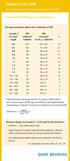 The sensitive marker for glomerular filtration rate (GFR) Estimation of GFR from Serum Cystatin C: The good correlation allows close estimation of GFR Cystatin C GFR GFR in serum estimated* measured* n
How To Get Ivig To Treat Neuromyelitis Optica
 Aetna Customer Resolution Team PO Box 14002 Lexington, KY 40512 RE: Patient Type of service: IVIg Dates of service: To be determined (prior authorization) Dear Sir or Madam: I am writing on behalf of your
Facts About. Myasthenia Gravis, Lambert-Eaton Myasthenic Syndrome & Congenital Myasthenic Syndromes
 Facts About Myasthenia Gravis, Lambert-Eaton Myasthenic Syndrome & Congenital Myasthenic Syndromes Updated December 2009 Judy Walsh Dear Friends: Several years ago, I started to feel weak and tired all
Cholinesterase inhibitors and memantine use for Alzheimer s disease TOPIC REVIEW
 Cholinesterase inhibitors and memantine use for Alzheimer s disease TOPIC REVIEW Diagnosis of Dementia : DSM-IV criteria Loss of memory and one or more other cognitive abilities Aphasia Apraxia Agnosia
New strategies in anticancer therapy
 癌 症 診 療 指 引 簡 介 及 臨 床 應 用 New strategies in anticancer therapy 中 山 醫 學 大 學 附 設 醫 院 腫 瘤 內 科 蔡 明 宏 醫 師 2014/3/29 Anti-Cancer Therapy Surgical Treatment Radiotherapy Chemotherapy Target Therapy Supportive
NP/PA Clinical Hepatology Fellowship Summary of Year-Long Curriculum
 OVERVIEW OF THE FELLOWSHIP The goal of the AASLD NP/PA Fellowship is to provide a 1-year postgraduate hepatology training program for nurse practitioners and physician assistants in a clinical outpatient
Safe and Effective Surgery for Endometriosis Including Detection and Intervention for Ovarian Cancer
 Safe and Effective Surgery for Endometriosis Including Detection and Intervention for Ovarian Cancer Camran Nezhat,, MD, FACOG, FACS Stanford University Medical Center Center for Special Minimally Invasive
FastTest. You ve read the book... ... now test yourself
 FastTest You ve read the book...... now test yourself To ensure you have learned the key points that will improve your patient care, read the authors questions below. Please refer back to relevant sections
NATIONAL INSTITUTE FOR HEALTH AND CLINICAL EXCELLENCE. Health Technology Appraisal
 NATIONAL INSTITUTE FOR HEALTH AND CLINICAL EXCELLENCE Health Technology Appraisal Adalimumab, etanercept, infliximab, rituximab and abatacept for the treatment of rheumatoid arthritis after the failure
acquired chronic immune-mediated inflammatory condition of CNS. MS in children: 10% +secondary progressive MS: rare +primary progressive MS: rare
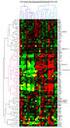 Immunomodulatory Therapies in Pediatric MS Vuong Chinh Quyen Neurology Department Medscape Mar 8, 2013 Multiple Sclerosis in Children. Iran J Child Neurol. 2013 Spring Introduction acquired chronic immune-mediated
Immuno-Oncology Therapies to Treat Lung Cancer
 Immuno-Oncology Therapies to Treat Lung Cancer What you need to know ONCHQ14NP07519 Introduction: Immuno-oncology represents an innovative approach to cancer research that seeks to harness the body s own
The Quantitative Myasthenia Gravis (QMG) Test. The Manual
 The Quantitative Myasthenia Gravis (QMG) Test The Manual (This Manual is Designed to Accompany the Videotape) Richard J.Barohn, M.D., Professor of Neurology Laura Herbelin, Clinical Evaluator University
subcutaneous initially every 4 weeks then every 12 weeks Coverage Criteria: Express Scripts, Inc. monograph dated 02/24/2010
 BENEFIT DESCRIPTION AND LIMITATIONS OF COVERAGE ITEM: PRODUCT LINES: COVERED UNDER: DESCRIPTION: CPT/HCPCS Code: Company Supplying: Setting: Humira (adalimumab subcutaneous injection) Commercial HMO/PPO/CDHP
ECG may be indicated for patients with cardiovascular risk factors
 eappendix A. Summary for Preoperative ECG American College of Cardiology/ American Heart Association, 2007 A1 2002 A2 European Society of Cardiology and European Society of Anaesthesiology, 2009 A3 Improvement,
Series 1 Case Studies Adverse Events that Represent Unanticipated Problems: Reporting Required
 Welcome! This document contains three (3) series of Case Study examples that will demonstrate all four OHSU reporting categories (#1 4) as well as examples of events that are considered not reportable.
Fulfilling the Promise
 Fulfilling the Promise Advancing the Fight Against Cancer: America s Medical Schools and Teaching Hospitals For more than a century, the nation s medical schools and teaching hospitals have worked to understand,
Medication Policy Manual. Topic: Gilenya, fingolimod Date of Origin: November 22, 2010
 Medication Policy Manual Policy No: dru229 Topic: Gilenya, fingolimod Date of Origin: November 22, 2010 Committee Approval Date: December 11, 2015 Next Review Date: December 2016 Effective Date: January
Rheumatoid arthritis: an overview. Christine Pham MD
 Rheumatoid arthritis: an overview Christine Pham MD RA prevalence Chronic inflammatory disease affecting approximately 0.5 1% of the general population Prevalence is higher in North America (approaching
chronic leukemia lymphoma myeloma differentiated 14 September 1999 Pre- Transformed Ig Surface Surface Secreted Myeloma Major malignant counterpart
 Disease Usual phenotype acute leukemia precursor chronic leukemia lymphoma myeloma differentiated Pre- B-cell B-cell Transformed B-cell Plasma cell Ig Surface Surface Secreted Major malignant counterpart
Malignant Lymphomas and Plasma Cell Myeloma
 Malignant Lymphomas and Plasma Cell Myeloma Dr. Bruce F. Burns Dept. of Pathology and Lab Medicine Overview definitions - lymphoma lymphoproliferative disorder plasma cell myeloma pathogenesis - translocations
Understanding How Existing and Emerging MS Therapies Work
 Understanding How Existing and Emerging MS Therapies Work This is a promising and hopeful time in the field of multiple sclerosis (MS). Many new and different therapies are nearing the final stages of
Gateway Health SM Non-Formulary Prior Authorization Criteria Intravenous Immune Globulin (IVIG)
 Gateway Health SM Non-Formulary Prior Authorization Criteria Intravenous Immune Globulin (IVIG) Coverage is provided in the following situations: PARP Approved 6/2015 Coverage is provided for Primary Immunodeficiency
News on modifying diseases therapies. Michel CLANET CHU Toulouse France ECTRIMS
 News on modifying diseases therapies Michel CLANET CHU Toulouse France ECTRIMS Current treatment strategies Future oral treatments Future non oral treatments Drug safety and risks CIS at risk of MS Active
Cytotoxic and Biotherapies Credentialing Programme Module 2
 Cytotoxic and Biotherapies Credentialing Programme Module 2 1. The Cell Cycle 2. Cancer Therapies 3. Adjunctive Therapies On completion of this module the RN will State the difference between a normal
NEW CLINICAL RESEARCH OPTIONS IN PANCREATIC CANCER IMMUNOTHERAPY. Alan Melcher Professor of Clinical Oncology and Biotherapy Leeds
 NEW CLINICAL RESEARCH OPTIONS IN PANCREATIC CANCER IMMUNOTHERAPY Alan Melcher Professor of Clinical Oncology and Biotherapy Leeds CANCER IMMUNOTHERAPY - Breakthrough of the Year in Science magazine 2013.
MULTIPLE MYELOMA. Dr Malkit S Riyat. MBChB, FRCPath(UK) Consultant Haematologist
 MULTIPLE MYELOMA Dr Malkit S Riyat MBChB, FRCPath(UK) Consultant Haematologist Multiple myeloma is an incurable malignancy that arises from postgerminal centre, somatically hypermutated B cells.
Targeted Therapy What the Surgeon Needs to Know
 Targeted Therapy What the Surgeon Needs to Know AATS Focus in Thoracic Surgery 2014 David R. Jones, M.D. Professor & Chief, Thoracic Surgery Memorial Sloan Kettering Cancer Center I have no disclosures
Thymus Cancer. This reference summary will help you better understand what thymus cancer is and what treatment options are available.
 Thymus Cancer Introduction Thymus cancer is a rare cancer. It starts in the small organ that lies in the upper chest under the breastbone. The thymus makes white blood cells that protect the body against
Asthma (With a little SCID to start) Disclosures Outline Starting with the Immune System The Innate Immune System The Adaptive Immune System
 1 2 3 4 5 6 7 8 9 Asthma (With a little SCID to start) Lauren Smith, MD CHKD Pediatric Allergy/Immunology Disclosures None Will be discussing some medications that are not yet FDA approved Outline SCID
Original Policy Date
 MP 5.01.20 Tysabri (natalizumab) Medical Policy Section Prescription Drug Issue 12:2013 Original Policy Date 12:2013 Last Review Status/Date Local Policy/12:2013 Return to Medical Policy Index Disclaimer
SYNOPSIS. 2-Year (0.5 DB + 1.5 OL) Addendum to Clinical Study Report
 Name of Sponsor/Company: Bristol-Myers Squibb Name of Finished Product: Abatacept () Name of Active Ingredient: Abatacept () Individual Study Table Referring to the Dossier (For National Authority Use
TREATING INFLAMMATORY BOWEL DISEASE (IBD) BACKGROUNDER
 Press information for journalists only TREATING INFLAMMATORY BOWEL DISEASE (IBD) BACKGROUNDER Why treat IBD? IBD describes a range of chronic diseases of the gastrointestinal system, encompassing Ulcerative
25-hydroxyvitamin D: from bone and mineral to general health marker
 DIABETES 25 OH Vitamin D TOTAL Assay 25-hydroxyvitamin D: from bone and mineral to general health marker FOR OUTSIDE THE US AND CANADA ONLY Vitamin D Receptors Brain Heart Breast Colon Pancreas Prostate
Summary HTA. Interferons and Natalizumab for Multiple Sclerosis Clar C, Velasco-Garrido M, Gericke C. HTA-Report Summary
 Summary HTA HTA-Report Summary Interferons and Natalizumab for Multiple Sclerosis Clar C, Velasco-Garrido M, Gericke C Health policy background Multiple sclerosis (MS) is a chronic inflammatory disease
How To Find Out If The Gulf War And Health Effects Of Serving In The Gulf Wars Are Linked To Health Outcomes
 Gulf War and Health: Update of Health Effects of Serving in the Gulf War Statement of Stephen L. Hauser, M.D. Professor and Chair of Neurology University of California, San Francisco, School of Medicine
Roche s RoACTEMRA improved rheumatoid arthritis signs and symptoms significantly more than adalimumab as single-agent therapy
 Media Release Basel, 6 June 2012 Roche s RoACTEMRA improved rheumatoid arthritis signs and symptoms significantly more than adalimumab as single-agent therapy Roche (SIX: RO, ROG; OTCQX: RHHBY) today announced
CHAPTER 2. Neoplasms (C00-D49) March 2014. 2014 MVP Health Care, Inc.
 Neoplasms (C00-D49) March 2014 2014 MVP Health Care, Inc. CHAPTER SPECIFIC CATEGORY CODE BLOCKS C00-C14 Malignant neoplasms of lip, oral cavity and pharynx C15-C26 Malignant neoplasms of digestive organs
Disease Modifying Therapies for MS
 Disease Modifying Therapies for MS The term disease-modifying therapy means a drug that can modify or change the course of a disease. In other words a DMT should be able to reduce the number of attacks
Science Highlights. To PSA or not to PSA: That is the Question.
 Science Highlights June 2012 by Ann A. Kiessling, PhD at the To PSA or not to PSA: That is the Question. The current raucous debate over the commonly used PSA blood test to screen for prostate cancer,
B Cells and Antibodies
 B Cells and Antibodies Andrew Lichtman, MD PhD Brigham and Women's Hospital Harvard Medical School Lecture outline Functions of antibodies B cell activation; the role of helper T cells in antibody production
Medication Policy Manual. Topic: Aubagio, teriflunomide Date of Origin: November 9, 2012
 Medication Policy Manual Policy No: dru283 Topic: Aubagio, teriflunomide Date of Origin: November 9, 2012 Committee Approval Date: December 12, 2014 Next Review Date: December 2015 Effective Date: January
Future strategies for myeloma: An overview of novel treatments In development
 Future strategies for myeloma: An overview of novel treatments In development Dr. Matthew Streetly Guys and St. Thomas NHS Trust How far have we come? Melphalan and prednisolone VAD Autologous SCT Thalidomide
GENENTECH S OCRELIZUMAB FIRST INVESTIGATIONAL MEDICINE TO SHOW EFFICACY IN PEOPLE WITH PRIMARY PROGRESSIVE MULTIPLE SCLEROSIS IN LARGE PHASE III STUDY
 NEWS RELEASE Media Contact: Tara Iannuccillo (650) 467-6800 Investor Contacts: Stefan Foser Karl Mahler (650) 467-2016 011 41 61 687 8503 GENENTECH S OCRELIZUMAB FIRST INVESTIGATIONAL MEDICINE TO SHOW
In non-hodgkin s lymphoma, MabThera is used to treat two types of the disease, both of which affect B-lymphocytes:
 EMA/614203/2010 EMEA/H/C/000165 EPAR summary for the public rituximab This is a summary of the European public assessment report (EPAR) for. It explains how the Committee for Medicinal Products for Human
Treating myeloma. Dr Rachel Hall Royal Bournemouth Hospital
 Treating myeloma Dr Rachel Hall Royal Bournemouth Hospital Treatment overview When to treat? Aim of treatment Which treatment? Monitoring response to treatment Prevention of complications What happens
Blood-Forming Stem Cell Transplants
 Blood-Forming Stem Cell Transplants What are bone marrow and hematopoietic stem cells? Bone marrow is the soft, sponge-like material found inside bones. It contains immature cells known as hematopoietic
Supplementary appendix
 Supplementary appendix This appendix formed part of the original submission and has been peer reviewed. We post it as supplied by the authors. Supplement to: Gold R, Giovannoni G, Selmaj K, et al, for
By Dr Sarosh R Irani, Dr Camilla Buckley and Prof Angela Vincent
 Limbic Encephalitis By Dr Sarosh R Irani, Dr Camilla Buckley and Prof Angela Vincent This factsheet aims to provide people affected by Encephalitis, their families, friends and carers with a better undertstanding
Outline of thesis and future perspectives.
 Outline of thesis and future perspectives. This thesis is divided into two different sections. The B- section involves reviews and studies on B- cell non- Hodgkin lymphoma [NHL] and radioimmunotherapy
Lauren Berger: Why is it so important for patients to get an accurate diagnosis of their blood cancer subtype?
 Hello, I m Lauren Berger and I m the Senior Director of Patient Services Programs at The Leukemia & Lymphoma Society. I m pleased to welcome Dr. Rebecca Elstrom. Dr. Elstrom is an Assistant Professor in
New Evidence reports on presentations given at EULAR 2012. Rituximab for the Treatment of Rheumatoid Arthritis
 New Evidence reports on presentations given at EULAR 2012 Rituximab for the Treatment of Rheumatoid Arthritis Report on EULAR 2012 presentations Long-term safety of rituximab: 10-year follow-up in the
Disease Modifying Therapies for MS
 Disease Modifying Therapies for MS The term disease-modifying therapy (DMT) means a drug that can modify or change the course of a disease. In other words a DMT should be able to reduce the number of attacks
Tumour Markers. What are Tumour Markers? How Are Tumour Markers Used?
 Dr. Anthony C.H. YING What are? Tumour markers are substances that can be found in the body when cancer is present. They are usually found in the blood or urine. They can be products of cancer cells or
Management in the pre-hospital setting
 Management in the pre-hospital setting Inflammation of the joints Two main types: Osteoarthritis - cartilage loss from wear and tear Rheumatoid arthritis - autoimmune disorder Affects all age groups,
Fact Sheet for Health Care Providers: Interpreting Results from the Aptima Zika Virus Assay. June 17, 2016
 Dear Health Care Provider: Fact Sheet for Health Care Providers: Interpreting Results from the Aptima Zika Virus Assay June 17, 2016 The U.S. Food and Drug Administration (FDA) has issued an Emergency
Sponsor Novartis. Generic Drug Name Secukinumab. Therapeutic Area of Trial Psoriasis. Approved Indication investigational
 Clinical Trial Results Database Page 2 Sponsor Novartis Generic Drug Name Secukinumab Therapeutic Area of Trial Psoriasis Approved Indication investigational Clinical Trial Results Database Page 3 Study
How To Choose A Biologic Drug
 North Carolina Rheumatology Association Position Statements I. Biologic Agents A. Appropriate delivery, handling, storage and administration of biologic agents B. Indications for biologic agents II. III.
ROLE OF EXERCISES IN FASCICULATION ANXIETY SYNDROME
 Science, Movement and Health, Vol. XV, ISSUE 1, 2015 January 2015, 15 (1): 17-21 Original article ROLE OF EXERCISES IN FASCICULATION ANXIETY SYNDROME DOCU ANY AXELERAD 1, DOCU DANIEL AXELERAD 2 Abstract
Arthritis in Children: Juvenile Rheumatoid Arthritis By Kerry V. Cooke
 Reading Comprehension Read the following essay on juvenile rheumatoid arthritis. Then use the information in the text to answer the questions that follow. Arthritis in Children: Juvenile Rheumatoid Arthritis
FastTest. You ve read the book... ... now test yourself
 FastTest You ve read the book...... now test yourself To ensure you have learned the key points that will improve your patient care, read the authors questions below. The answers will refer you back to
Inhaled and Oral Corticosteroids
 Inhaled and Oral Corticosteroids Corticosteroids (steroids) are medicines that are used to treat many chronic diseases. Corticosteroids are very good at reducing inflammation (swelling) and mucus production