
IT IS WELL ESTABLISHED that testicular germ cell
|
|
|
- Joseph Green
- 9 years ago
- Views:
Transcription
1 Impaired Testicular Function in Patients With Carcinoma-In-Situ of the Testis By Peter Meidahl Petersen, Aleksander Giwercman, Steen W. Hansen, Jørgen G. Berthelsen, Gedske Daugaard, Mikael Rørth, and Niels E. Skakkebæk Purpose: To elucidate the biologic association between germ cell neoplasia and testicular dysfunction, through investigation of Leydig cell function and semen quality in men with carcinoma-in-situ (CIS) of the testis. Patients and Methods: We examined two groups of men, unilaterally orchidectomized for testicular cancer. Biopsy of the contralateral testis had showed CIS in a group of 24 patients and no evidence of CIS in the other group of 30 patients. Semen quality and serum levels of testosterone, luteinizing hormone (LH), and folliclestimulating hormone (FSH) were compared in these two groups of men after orchidectomy but before further treatment for testicular cancer. Results: Significantly higher LH levels (median, 8.1 IU/L v 4.8 IU/L; P F.001) and generally lower testosterone levels (median, 12.5 nmol/l v 15.5 nmol/l; P.13) were found in the CIS group. The proportion of patients with Leydig cell dysfunction was higher in the group of IT IS WELL ESTABLISHED that testicular germ cell cancer (TGCC) is associated with poor spermatogenesis 1-8 and occurs more frequently in men with other types of testicular dysfunction, such as testicular atrophy and cryptorchidism However, it remains to be established whether these testicular abnormalities cause germ cell cancer or whether they are associated with germ cell cancer because of common etiologic factors. Increased incidence of genital abnormalities and germ cell cancer in patients with testicular dysgenesis and the androgen insensitivity syndrome indicates that changes in the fetal endocrine milieu could be involved in the pathogenesis of testicular cancer Moreover, even though the data are ambiguous, some epidemiologic studies have shown that factors, which are associated with variations in intrauterine hormone levels, are correlated with the risk of testicular cancer. 14,18-20 It is thus likely that testicular neoplasia is associated with fetal exposure to harmful endocrine factors. If this is true, one would expect that not only spermatogenesis but also Leydig cell function could be impaired in a testis with germ cell neoplasia, even before the development of invasive disease. The finding of decreased Leydig cell function in patients orchidectomized for testicular cancer compared with patients orchidectomized for other causes is in line with these suggestions. 21 However, little is known about Leydig cell function in these patients. To elucidate the hypothesis of an association between germ cell neoplasia and testicular dysfunction, we compared patients with CIS (11 of 24) than in the group of patients without (two of 30) (P.01). Sperm concentration and total sperm count were significantly lower (P F.001) in patients with CIS (median, /ml and , respectively) than in patients without (median, /ml and , respectively), whereas the levels of FSH were significantly higher (P F.001) in the former group of men (median, 19.6 IU/L v 9.0 IU/L). Conclusion: Not only spermatogenesis but also Leydig cell function is impaired in testes with CIS. This impairment could be due to common factors in the pathogenesis of germ cell neoplasm and testicular dysfunction. Alternatively, CIS cells may have a negative impact on Leydig cell function. J Clin Oncol 17: by American Society of Clinical Oncology. testicular function in men orchidectomized for testicular cancer with and without carcinoma-in-situ (CIS) in the contralateral testis. Subjects PATIENTS AND METHODS Group 1 consisted of 25 consecutive patients who had CIS in the contralateral testis at the time of orchidectomy for TGCC. They were examined from 1986 to 1993 after orchidectomy but before further treatment. Group 2 included 31 consecutive patients who had unilateral testicular cancer and no evidence of CIS in the contralateral testis. They were examined from 1995 to 1996 after orchidectomy but before further treatment. Biopsy of the contralateral testis was performed in all patients at the time of orchidectomy. The diagnosis of CIS was in all cases established From the Department of Growth and Reproduction and Department of Oncology, Finsencenter, Copenhagen University Hospital, Rigshospitalet, Copenhagen; Department of Oncology, Herlev Hospital, University of Copenhagen, Copenhagen; and Department of Gynaecology, Hillerød Sygehus, Hillerød, Denmark. Submitted June 17, 1998; accepted September 23, Supported by the Danish Cancer Society. Address reprint requests to Peter Meidahl Petersen, MD, Department of Growth and Reproduction, Copenhagen University Hospital, Rigshospitalet, 9 Blegdamsvej, Copenhagen, Denmark by American Society of Clinical Oncology X/99/1701/0173$3.00/0 Journal of Clinical Oncology, Vol 17, No 1 (January), 1999: pp
2 174 PETERSEN ET AL by histologic examination of the biopsy specimens. The amount of CIS was assessed semiquantitatively by determining the percentage of tubules containing CIS. In each group, one patient was excluded because of elevated levels of human chorionic gonadotropin beta in serum. Characteristics of patients in the study are shown in Table 1. All patients were examined less than 6 months after orchidectomy, and there was no statistically significant difference in age between the two groups. Semen analyses and analyses of serum levels of luteinizing hormone (LH), follicle-stimulating hormone (FSH), testosterone, and estradiol were performed as described in the next sections. Semen Analysis All analyses of ejaculates were performed in our laboratory, in accordance with the guidelines of the World Health Organization. 22,23 The following parameters were analyzed: volume, total sperm count, sperm concentration, morphology, motility, and duration of abstinence. Ejaculates for analysis were obtained from 23 patients in group 1 and 26 patients in group 2. Hormone Analyses Serum values of FSH and LH were measured by time-resolved immunoflurometric assay (DELFIA, Wallac, Turku, Finland). Luteinizing hormone and FSH levels were expressed in international units per liter. Detection limits and interassay variations for LH and FSH were 0.05 and 7% and 0.05 and 10%, respectively. Testosterone and estradiol were analyzed by radioimmunoassay (Coat-a-Count, DPC, Los Angeles, CA). Detection limits and interassay variations for testosterone and estradiol were 0.23 and 13% and 18 and 13%, respectively. Reference values for LH, FSH, testosterone, and estradiol are given in Table 2. Blood samples for hormone analyses were obtained from all men. All analyses were performed during the years 1995 and Blood samples from patients examined before 1995 had been stored at 20 C. The consequence of freezing has been tested and no detectable effect on the results of hormonal analyses was seen. Table 1. Patient Characteristics Group 1 (n 24) Group 2 (n 30) P* Age at orchidectomy, years Median Range Time from orchidectomy to examination, months Median Range Diagnosis Seminoma/nonseminoma 17/7 17/12.57 Cancer stage I II 3 3 III 0 1 *Group 1 versus group 2. One patient had unilateral CIS. Statistical Methods Table 2. Results of Hormone Analyses Group 1 (n 24) Group 2 (n 30) Reference Values P* FSH, IU/L Median Range LH, IU/L Median Range Testosterone, nmol/l Median Range Estradiol, pmol/l Median Range Leydig cell dysfunction NOTE. Values are expressed as median, range, or n. *Group 1 versus group 2. n 17. n 14. LH level above reference value and/or testosterone level below reference value. The Mann-Whitney test was used for comparison of the data in the two groups because neither response parameters nor log-ofresponse parameters were normally distributed. The correlations between time from orchidectomy to examination and semen characteristics and hormone levels were tested by calculation of Spearman rank correlation coefficient. The 2 test was used to test the statistical significance of the differences between the groups in the numbers of patients with seminomas and nonseminomas, the number of patients with azoospermia, and the number of patients with Leydig cell dysfunction. The relationship between amount of CIS and response parameters was examined by dividing the patients in group 1 into two groups of 12 patients with the highest and lowest amounts of tubules containing CIS. The data were analyzed using Mann-Whitney test. RESULTS Semen Analysis The results of semen analyses are shown in Table 3 and Fig 1. The duration of abstinence was not statistically different between the two groups. The differences in sperm concentration and sperm count between group 1 and group 2 were highly significant. Sufficient numbers of spermatozoa to allow analysis of morphology were present in only seven patients in group 1 and 20 patients in group 2, and motility could be analyzed in only 10 patients in group 1 and 21 patients in group 2. In this small subset of patients, we did
3 LEYDIG CELL FUNCTION IN TGCC 175 Table 3. Results of Semen Analyses Group 1 (n 23) Group 2 (n 26) P* Abstinence time, days Median Range Total sperm count, 10 6 Median Range Sperm concentration, 10 6 /ml Median Range Volume, ml Median Range Motile sperm, % Median Range Sperm with normal morphology, % Median 33 36#.62 Range Azoospermia NOTE. Values are expressed as median, range, or n. *Group 1 versus group 2. n 19. Patients with azoospermia and severe oligozoospermia were not included. n 10. n 21. n 7. #n 20. not find any statistically significant differences between the two groups in proportions of sperm with normal morphology nor in proportions of motile sperm. No correlation was seen between time from orchidectomy to examination and sperm concentration or total sperm count. In group 1, the groups with the highest and lowest amounts of CIS had similar sperm concentrations and total sperm counts (P.38 and P.41), respectively. Hormone Analyses The results of the hormone analyses are presented in Table 2. The serum values of FSH were significantly higher in group 1 than in group 2 (Fig 1), and serum LH concentrations were significantly higher in group 1 than in group 2 (Fig 2). Moreover, serum testosterone showed a tendency toward lower values in group 1 than in group 2 (Fig 2). All patients in group 2 had serum levels above the lower limit of the reference values, whereas three patients in group 1 had testosterone levels below the lower limit of normality. Furthermore, the number of patients with Leydig cell dysfunction, as indicated by testosterone levels below reference values and/or LH levels above the reference interval, was significantly higher in group 1 than in group 2. Estradiol levels in the two groups were not significantly different. No correlation was seen Fig 1. Sperm concentrations (A) and serum FSH values (B) in patients with (group 1) and without (group 2) CIS in the contralateral testis after orchidectomy for testicular cancer. The differences in sperm concentration and FSH levels were highly significant (P F.001). Bar median value. The median sperm concentration in group 1 was ml.
4 176 PETERSEN ET AL Fig 2. Serum testosterone (A) and LH (B) values in patients with (group 1) and without (group 2) CIS in the contralateral testis after orchidectomy for testicular cancer. The difference in testosterone levels did not reach statistical significance (P.13), whereas the difference in LH levels was highly significant (P F.001). Bar median values. between time from orchidectomy to investigation and any of the hormone levels. In group 1, the groups with the highest and lowest amounts of CIS had similar levels of FSH, LH, and testosterone (P.99, P.55, and P.98), respectively. DISCUSSION We found a pronounced impairment of both Leydig cell function and spermatogenesis in testes with CIS. This is to our knowledge the first study that demonstrates this relationship between CIS in the testis and Leydig cell dysfunction. The Leydig cell dysfunction in the CIS group was expressed as testosterone levels below reference values and/or LH levels above reference values in a higher proportion of men, significantly higher LH levels, and a tendency toward lower testosterone levels, compared with levels in a similar group of patients without CIS. The low sperm output and high FSH levels in patients with CIS in the contralateral testis are in line with the observations in histologic studies that have shown generally poor spermatogenesis in testes harboring germ cell neoplasia (Fig 3). 24,25 The purpose of the biopsies was to assess whether the testis harbored CIS. The histologic investigation did not reveal any apparent relationship between the amount of CIS and semen-related parameters or hormone levels. In the present study, no correlation was seen between time from orchidectomy to examination and semen characteristics or levels of any of the reproductive hormones in the two groups of patients. Thus, the differences between semen characteristics and hormone levels in men with and without CIS cannot be explained by differences in time from orchidectomy to investigations. Fig 3. Histologic section of testicular tissue from a patient with CIS of the testis. Right: tubule with CIS cells and Sertoli cells only. Left: impaired spermatogenesis in a tubule without CIS cells. Hematoxylin and eosin stain. Bar: 50 m.
5 LEYDIG CELL FUNCTION IN TGCC 177 Our findings could be explained by a common etiology of germ cell neoplasia, Leydig cell dysfunction, and impairment of spermatogenesis or impairment of Leydig cell function due to presence of CIS cells in the seminiferous tubules. In laboratory animals, exposure to excessive amounts of estrogens in fetal life causes disturbances of Leydig cell and of Sertoli cell development, resulting in permanent Leydig cell dysfunction and impairment of spermatogenesis. 26,27 Fetal exposure to diethylstilbestrol has been shown to increase the risk of development of gonadal malformations and poor semen quality in humans, although the studies were inconclusive regarding the risk of developing testicular cancer. 31 Epidemiologic investigations have shown that conditions associated with abnormal intrauterine hormone levels are correlated with risk of testicular cancer. 14,18-20 Thus, even though the data are ambiguous, 32 hormonal involvement in the pathogenesis of TGCC seems likely. Possibly CIS cells may inhibit Leydig cell function directly, via Sertoli cells or because of germ cell depletion. We have no information on factors produced by CIS cells that may inhibit Leydig cell function. However, because tubules with CIS are depleted of germ cells and tubules in the same testis without CIS often contain germ cells (Fig 3), CIS may have some influence on surrounding cells. Impaired Sertoli cell function in tubules with CIS and in tubules with impaired spermatogenesis due to other causes has been indicated by abnormal expression of cytokeratins in Sertoli cells of these men. 33 Inhibition of Sertoli cell function and germ cell depletion could possibly cause secondary alterations in Leydig cell function because these cells interact in a complex manner. 34 Several paracrine factors, including activin, LH releasing hormone like factor, and growth factors such as insulin-like growth factor I, transforming growth factor-beta, and fibroblast growth factor, produced by Sertoli cells, may be involved in these interactions with Leydig cells, but we have no data indicating alterations in production of these paracrine factors in tubules with CIS. At present, it is not known whether germ cell depletion has any effect on Leydig cell function. Our findings have important clinical implications because patients with CIS require treatment that has serious impact on their gonadal function. The options for treatment of CIS are either radiotherapy (RT), with a dose level that eradicates CIS cells without severe impairment of Leydig cell function, 38 or surveillance followed by orchidectomy when a second invasive testicular cancer evolves. The reason for the latter strategy might be a desire to preserve fertility until the development of a second testicular cancer. It has been shown that almost all, if not all, cases of CIS will progress to invasive cancer if left untreated. 39 Permanent androgen insufficiency after bilateral orchidectomy would, therefore, be the final outcome in all patients with CIS in the contralateral testis if the strategy of surveillance was followed. In the present study, 11 of 23 patients with bilateral disease had azoospermia and only three patients had sperm concentrations above 5 times 10 6 /ml, which in infertile men has been shown to be the critical limit for inducing pregnancy without assisted fertilization. 40 Therefore, few if any patients with bilateral germ cell neoplasm are expected to be able to induce pregnancy without assisted reproductive techniques. Thus, in vitro fertilization with intracytoplasmic sperm injection is needed to achieve paternity in the vast majority of patients, irrespective of whether they are treated with RT at the moment of diagnosis or whether the treatment is postponed until development of invasive cancer. The present results are in line with the observation that none of 38 men with bilateral testicular cancer achieved fatherhood between diagnoses of first and second tumors. 41 We therefore recommend that patients orchidectomized for testicular cancer in whom CIS is present in the contralateral testis receive RT at a dose that eradicates CIS cells but preserves Leydig cell function. 38 The treatment should be preceded by cryopreservation of semen in patients with viable sperm in the ejaculate. A report has indicated that patients with CIS may actually be fertile, 42 and treatment can be individualized and delayed for a few months in patients with good semen quality and a keen desire for fatherhood. The high number of patients with Leydig cell dysfunction (11 of 24) indicates that andrologic follow-up is necessary in all patients with CIS in the contralateral testis in order to fulfill any need for androgen substitution. In conclusion, we demonstrated that Leydig cell function and spermatogenesis are severely affected in testes with CIS. It remains to be established whether there is a pathogenic link between the development of testicular germ cell neoplasia and Leydig cell dysfunction. However, the present results are in line with the assumption that hormonal factors are involved in the etiology of testicular germ cell neoplasia. In light of the poor semen quality associated with CIS in the testis, local RT at a dose that eradicates the CIS cells but allows preservation of Leydig cell function is the optimal treatment for patients with CIS in the contralateral testis.
6 178 PETERSEN ET AL Careful surveillance of androgen status in these patients is needed before and after RT to detect and treat androgen insufficiency. ACKNOWLEDGMENT We thank Kenneth M. Grigor, Department of Pathology, Edinburgh University, Edinburgh, Scotland, for revising the manuscript. 1. Hansen PV, Trykker H, Andersen J, et al: Germ cell function and hormonal status in patients with testicular cancer. Cancer 64: , Drasga RE, Einhorn LH, Williams SD, et al: Fertility after chemotherapy for testicular cancer. J Clin Oncol 1: , Lampe H, Horwich A, Norman A, et al: Fertility after chemotherapy for testicular germ cell cancer. J Clin Oncol 15: , Nijman JM, Schraffordt Koops H, Kremer J, et al: Gonadal function after surgery and chemotherapy in men with stage II and III nonseminomatous testicular tumors. J Clin Oncol 5: , Nijman JM, Schraffordt Koops H, Kremer J, et al: Fertility and hormonal function in patients with a nonseminomatous tumor of the testis. Arch Androl 14: , Carroll PR, Whitmore WF Jr, Herr HW, et al: Endocrine and exocrine profiles of men with testicular tumors before orchiectomy. J Urol 137: , Bouchot O, Plougastel ML, Karam G, et al: Sterilité et tumeurs du testicule. J Urol (Paris) 95: , Berthelsen JG, Skakkebæk NE: Gonadal function in men with testis cancer. Fertil Steril 39:68-75, Giwercman A, Grindsted J, Hansen B, et al: Testicular cancer risk in boys with maldescended testis: A cohort study. J Urol 138: , Strader CH, Weiss NS, Daling JR, et al: Cryptorchism, orchiopexy, and the risk of testicular cancer. Am J Epidemiol 127: , Ford TF, Parkinson MC, Pryor JP: The undescended testis in adult life. Br J Urol 57: , Møller H, Prener A, Skakkebæk NE: Testicular cancer, cryptorchidism, inguinal hernia, testicular atrophy, and genital malformations: Case-control studies in Denmark. Cancer Causes Control 7: , Schottenfeld D, Warshauer ME, Sherlock S, et al: The epidemiology of testicular cancer in young adults. Am J Epidemiol 112: , Depue RH, Pike MC, Henderson BE: Estrogen exposure during gestation and risk of testicular cancer. J Natl Cancer Inst 71: , Müller J: Morphometry and histology of gonads from twelve children and adolescents with the androgen insensitivity (testicular feminization) syndrome. J Clin Endocrinol Metab 59: , Müller J, Skakkebæk NE, Ritzén EM, et al: Carcinoma in situ of the testis in children with 45,X/46,XY gonadal dysgenesis. J Pediatr 106: , Savage MO, Lowe DG: Gonadal neoplasia and abnormal sexual differentiation. Clin Endocrinol 32: , Prener A, Hsieh C, Engholm G, et al: Birth order and risk of testicular cancer. Cancer Causes Control 3: , Henderson BE, Benton B, Jing J, et al: Risk factors for cancer of the testis in young men. Int J Cancer 23: , Brown LM, Pottern LM, Hoover RN: Prenatal and perinatal risk factors for testicular cancer. Cancer Res 46: , 1986 REFERENCES 21. Willemse PHB, Sleijfer DT, Sluiter WJ, et al: Altered Leydig cell function in patients with testicular cancer: Evidence for a bilateral testicular defect. Acta Endocrinol 102: , World Health Organization: Laboratory Manual for the Examination of Human Semen and Semen-Cervical Mucus Interaction. Geneva, World Health Organization, World Health Organization: Laboratory Manual for the Examination of Human Semen and Semen-Cervical Mucus Interaction (ed 2). New York, Cambridge University Press, Berthelsen JG, Skakkebæk NE, von der Maase H, et al: Screening for carcinoma in situ of the contralateral testis in patients with germinal testicular cancer. BMJ 285: , Ho GT, Gardner H, De Wolf WC, et al: Influence of testicular carcinoma on ipsilateral spermatogenesis. J Urol 148: , Yasuda Y, Kihara T, Tanimura T: Effect of ethinyl estradiol on the differentiation of mouse fetal testis. Teratology 32: , Yasuda Y, Konishi H, Tanimura T: Leydig cell hyperplasia in fetal mice treated transplacentally with ethinyl estradiol. Teratology 33: , Whitehead ED, Leiter E: Genital abnormalities and abnormal semen analyses in male patients exposed to diethylstilbestrol in utero. J Urol 125:47-50, Gill WB, Schumacher GFB, Bibbo M: Pathological semen and anatomical abnormalities of the genital tract in human male subjects exposed to diethylstilbestrol in utero. J Urol 117: , Gill WB, Schumacher GFB, Bibbo M, et al: Association of diethylstilbestrol exposure in utero with cryptorchidism, testicular hypoplasia and semen abnormalities. J Urol 122:36-39, Gershman ST, Stolley PD: A case-control study of testicular cancer using Connecticut tumour registry data. Int J Epidemiol 17: , Raman-Wilms L, Tseng AL, Wighardt S, et al: Fetal genital effects of first-trimester sex hormone exposure: A meta-analysis. Obstet Gynecol 85: , Stosiek P, Kasper M, Karsten U: Expression of cytokeratins 8 and 18 in human Sertoli cells of immature and atrophic seminiferous tubules. Differentiation 43:66-70, Skinner MK, Norton JN, Mullaney BP, et al: Cell-cell interactions and the regulation of testis function. Ann N Y Acad Sci 637: , Sharpe RM, Fraser HM, Cooper I, et al: Sertoli-Leydig cell communication via a LHRH-like factor. Nature 290: , Verhoeven G, Cailleau J: A factor in spent media from Sertoli-cellenriched cultures that stimulates steroidogenesis in Leydig cells. Mol Cell Endocrinol 40:57-68, Lejeune H, Chuzel F, Thomas T, et al: Paracrine regulation of Leydig cells. Ann Endocrinol (Paris) 57:55-63, Giwercman A, von der Maase H, Berthelsen JG, et al: Localized irradiation of testes with carcinoma in situ: Effects on Leydig cell function and eradication of malignant germ cells in 20 patients. J Clin Endocrinol Metab 73: , 1991
7 LEYDIG CELL FUNCTION IN TGCC von der Maase H, Rørth M, Walbom-Jørgensen S, et al: Carcinoma in situ of contralateral testis in patients with testicular germ cell cancer: Study of 27 cases in 500 patients. BMJ 293: , Bostofte E, Serup J, Rebbe H: Relation between sperm count and semen volume, and pregnancies obtained during a twenty-year follow-up period. Int J Androl 5: , Fordham MVP, Mason MD, Blackmore C, et al: Management of the contralateral testis in patients with testicular germ cell cancer. Br J Urol 65: , Dieckmann KP, Loy V: Paternity in a patient with testicular seminoma and contralateral testicular intraepithelial neoplasia. Int J Androl 16: , 1993
HUMAN SEMEN QUALITY IN THE NEW MILLENIUM: A MATTER OF CONCERN?
 HUMAN SEMEN QUALITY IN THE NEW MILLENIUM: A MATTER OF CONCERN? Niels Jørgensen, Ulla N. Joensen, Tina K. Jensen, Martin B. Jensen, Kristian Almstrup, Inge A. Olesen, Elisabeth Carlsen, Jørgen H. Petersen,
Varicocele: To Fix or Not to Fix? That is the Question. Edmund S. Sabanegh, MD
 Varicocele: To Fix or Not to Fix? That is the Question. Edmund S. Sabanegh, MD Professor and Chairman, Department of Urology, Cleveland Clinic Lerner College of Medicine; Cleveland, Ohio Objectives: Review
Minimum standards for ICSI use, screening, patient information and follow-up in WA fertility clinics. January 2006
 Minimum standards for ICSI use, screening, patient information and follow-up in WA fertility clinics January 2006 1. BACKGROUND ICSI has been shown to be effective for male factor infertility and it also
Male Health Issues. Survivorship Clinic
 Male Health Issues The effects of cancer therapy on male reproductive function depend on many factors, including the boy s age at the time of cancer therapy, the specific type and location of the cancer,
Topic: Male Factor Infertility
 Topic: Male Factor Infertility Topic Overview: Male Factor Infertility Comparisons of pregnancy rates at insemination based on total motile sperm counts from the 1999 and 21 World Health Organization (WHO)
Clinical Policy Committee
 Northern, Eastern and Western Devon Clinical Commissioning Group South Devon and Torbay Clinical Commissioning Group Clinical Policy Committee Commissioning policy: Assisted Conception Fertility assessment
How to Find Out What s Wrong A BASIC GUIDE TO MALE. A doctor s guide for patients developed by the American Urological Association, Inc.
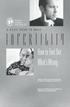 A BASIC GUIDE TO MALE How to Find Out What s Wrong A doctor s guide for patients developed by the American Urological Association, Inc. Based on the AUA Best Practice Policy and ASRM Practice Committee
Anatomy and Physiology of Human Reproduction. Module 10a
 This work is licensed under a Creative Commons Attribution-NonCommercial-ShareAlike License. Your use of this material constitutes acceptance of that license and the conditions of use of materials on this
Prediction of Pregnancy Outcome Using HCG, CA125 and Progesterone in Cases of Habitual Abortions
 Prediction of Pregnancy Outcome Using HCG, CA125 and Progesterone in * (MBChB, FICMS, CABOG) **Sawsan Talib Salman (MBChB, FICMS, CABOG) ***Huda Khaleel Ibrahim (MBChB) Abstract Background: - Although
KIDNEY FUNCTION RELATION TO SIZE OF THE TUMOR IN RENAL CELL CANCINOMA
 KIDNEY FUNCTION RELATION TO SIZE OF THE TUMOR IN RENAL CELL CANCINOMA O.E. Stakhvoskyi, E.O. Stakhovsky, Y.V. Vitruk, O.A. Voylenko, P.S. Vukalovich, V.A. Kotov, O.M. Gavriluk National Canсer Institute,
The ABC s and T s of Male Infertility
 The ABC s and T s of Male Infertility Men s Health Initiative of BC - Focus on Testosterone Ethan D. Grober, MD, MEd, FRCSC Assistant Professor University of Toronto Department of Surgery, Division of
Good Semen Quality and Life Expectancy: A Cohort Study of 43,277 Men
 American Journal of Epidemiology ª The Author 2009. Published by the Johns Hopkins Bloomberg School of Public Health. All rights reserved. For permissions, please e-mail: [email protected].
Cell Phone Usage and Semen Quality, Hospital Based Study M El-Helaly 1*, M Mansour 2
 Scholars Journal of Applied Medical Sciences (SJAMS) Sch. J. App. Med. Sci., 2014; 2(6A):1978-1982 Scholars Academic and Scientific Publisher (An International Publisher for Academic and Scientific Resources)
Historical Basis for Concern
 Androgens After : Are We Ready? Mohit Khera, MD, MBA Assistant Professor of Urology Division of Male Reproductive Medicine and Surgery Scott Department of Urology Baylor College of Medicine Historical
Role of Optimizing Testosterone Before Microdissection Testicular Sperm Extraction in Men with Nonobstructive Azoospermia
 Role of Optimizing Testosterone Before Microdissection Testicular Sperm Extraction in Men with Nonobstructive Azoospermia Jennifer E. Reifsnyder, Ranjith Ramasamy, Jad Husseini and Peter N. Schlegel* From
EVALUATION OF FSH, LH AND TESTOSTERONE LEVELS IN DIFFERENT SUBGROUPS OF INFERTILE MALES
 EVALUATION OF FSH, LH AND TESTOSTERONE LEVELS IN DIFFERENT SUBGROUPS OF INFERTILE MALES S. Ramesh Babu, M.D. Sadhnani, M. Swarna, P. Padmavathi and P.P. Reddy Institute of Genetics & Hospital for Genetic
Male Hypogonadism. Hypogonadism is characterised by impaired testicular function, which may affect spermatogenesis and/or testosterone synthesis.
 L APPROCCIO MEDICO AL PAZIENTE AZOOSPERMICO Marco Rossato Università degli Studi di Padova Dipartimento di Medicina - DIMED Clinica Medica 3 Direttore: prof. Roberto VETTOR Male Hypogonadism Hypogonadism
BIOCHEMICAL TESTS FOR THE INVESTIGATION OF COMMON ENDOCRINE PROBLEMS IN THE MALE
 Authoriser: Moya O Doherty Page 1 of 7 BIOCHEMICAL TESTS FOR THE INVESTIGATION OF COMMON ENDOCRINE PROBLEMS IN THE MALE The purpose of this protocol is to describe common tests used for the investigation
Testosterone Treatment: Myths Vs Reality. Fadi Al-Khayer, M.D, F.A.C.E
 Testosterone Treatment: Myths Vs Reality Fadi Al-Khayer, M.D, F.A.C.E The Biological Functions of Testosterone in Men Testosterone is essential to the musculoskeletal and metabolic systems throughout a
Artificial insemination
 Artificial insemination What is involved? Artificial insemination is an assisted reproduction technique that consists of inserting laboratory-treated spermatozoa into the woman s uterus or cervical canal.
Methamphetamine induces abnormal sperm morphology, low sperm concentration and apoptosis in the testis of male rats
 ORIGINAL ARTICLE Methamphetamine induces abnormal sperm morphology, low sperm concentration and apoptosis in the testis of male rats S. Nudmamud-Thanoi & S. Thanoi Department of Anatomy, Faculty of Medical
TUE Applications for Testosterone Physician Worksheet
 TUE Applications for Testosterone Physician Worksheet **Attention Physicians** USADA will not process any Therapeutic Use Exemption for an athlete for the use of testosterone unless we receive all of the
Trends in Male Reproductive Health
 Trends in Male Reproductive Health Paul A.L. Lancaster University of New South Wales Thanks very much Prof. Hirahara, and I would like to add my thanks to the Ministry of the Environment and especially
Fertility Preservation in Women with Cancer. Objectives. Patient #1 10/24/2011. The audience will understand: How cancer therapy affects fertility.
 Fertility Preservation in Women with Cancer Leslie R. DeMars Dartmouth-Hitchcock Medical Center Objectives The audience will understand: How cancer therapy affects fertility. Who should be considered for
Continuity Clinic Educational Didactic. December 8 th December 12 th
 Continuity Clinic Educational Didactic December 8 th December 12 th MKSAP Question 1 A 60-year-old man is evaluated for a 1-year history of generalized fatigue and lack of energy. He has had erectile dysfunction
TESTICULAR CANCER LUMPS AND SELF-EXAMINATION A BOOKLET IN THE SERIES OF CONSUMER GUIDES ON MALE REPRODUCTIVE HEALTH FROM
 TESTICULAR CANCER LUMPS AND SELF-EXAMINATION A BOOKLET IN THE SERIES OF CONSUMER GUIDES ON MALE REPRODUCTIVE HEALTH FROM First published in October 2003 by Andrology Australia 4th Edition May 2014 Copyright
Welcome to chapter 2. The following chapter is called "Indications For IVF". The author is Dr Kamini A. Rao.
 Welcome to chapter 2. The following chapter is called "Indications For IVF". The author is Dr Kamini A. Rao. The indications for an IVF treatment have increased since the birth of the first IVF baby. The
East and North Hertfordshire CCG Fertility treatment and referral criteria for tertiary level assisted conception. December 2014
 East and North Hertfordshire CCG Fertility treatment and referral criteria for tertiary level assisted conception December 2014 1 1. Introduction This policy sets out the entitlement and service that will
Drug Therapy Guidelines: Injectable Fertility Medications
 Drug Therapy Guidelines: Injectable Fertility Medications Effective Date: 11/20/07 Committee Review Date: 7/12/00, 5/8/01, 1/15/02, 5/6/0, 12/16/0, 6/8/04, 12/16/05, 2/1/06, 10/15/06, 7/20/07, 11/5/07
ASSISTED REPRODUCTIVE TECHNOLOGIES (ART)
 ASSISTED REPRODUCTIVE TECHNOLOGIES (ART) Dr. Herve Lucas, MD, PhD, Biologist, Andrologist Dr. Taher Elbarbary, MD Gynecologist-Obstetrician Definitions of Assisted Reproductive Technologies Techniques
Publications 1980 1989, sorted by year
 Publications 1980 1989, sorted by year 1980 Berthelsen JG, Foegh M, Skakkebaek NE: Electron microscopical analysis of meiotic chromosomes from human spermatocytes during and after treatment with steriod
AZOOSPERMIA: RISULTATI DEI TRATTAMENTI
 AZOOSPERMIA: RISULTATI DEI TRATTAMENTI DR. ETTORE CAROPPO UO FISIOPATOLOGIA DELLA RIPRODUZIONE UMANA E P.M.A. ASL BARI, PTA F. JAIA, CONVERSANO (BA) AZOOSPERMIA 1% DELLA POPOLAZIONE MASCHILE 10-15% DELLA
Explanation of your PAP smear
 Explanation of your PAP smear Approximately 5-10% of PAP smears in the United States are judged to be abnormal. Too often, the woman who receives this news worries that she already has, or will develop,
Testosterone Replacement Therapy. Craig Ensign, MPAS, PA-C University of Utah School of Medicine Urology Division
 Testosterone Replacement Therapy Craig Ensign, MPAS, PA-C University of Utah School of Medicine Urology Division Lecture Outline 1. Anatomy and physiology 2. Definition and etiology 3. Signs and symptoms
December 4, 2014 Rebecca Johnson, MD Mary Bridge Hospital Tacoma, WA USA
 Fertility preservation for AYAs December 4, 2014 Rebecca Johnson, MD Mary Bridge Hospital Tacoma, WA USA Aims Guidelines Barriers to implementation Assessment of risk Methods of preserving fertility Optimising
Cancer and Fertility. Joanne Frankel Kelvin, MSN, RN, AOCN Clinical Nurse Specialist Memorial Sloan-Kettering Cancer Center
 Cancer and Fertility Joanne Frankel Kelvin, MSN, RN, AOCN Clinical Nurse Specialist Memorial Sloan-Kettering Cancer Center Advances in cancer treatment have led to improvements in survival Survival rates
FERTILITY AND AGE. Introduction. Fertility in the later 30's and 40's. Am I fertile?
 FERTILITY AND AGE Introduction Delaying pregnancy is a common choice for women in today's society. The number of women in their late 30s and 40s attempting pregnancy and having babies has increased in
Are Men Losing Their Gonads?
 Are Men Losing Their Gonads? Andre B. Araujo, Ph.D. Director, Epidemiology New England Research Institutes Watertown, MA 02472 USA [email protected] NIA R01AG020727 Endocrine Society Annual Meeting
Infertility Services Medical Policy For University of Vermont Medical Center and Central Vermont Medical Center employer groups
 Infertility Services Medical Policy For University of Vermont Medical Center and Central Vermont Medical Center employer groups File name: Infertility Services File code: UM.REPRO.01 Last Review: 02/2016
Assisted Reproductive Technologies at IGO
 9339 Genesee Avenue, Suite 220 San Diego, CA 92121 858 455 7520 Assisted Reproductive Technologies at IGO Although IGO no longer operates an IVF laboratory or program as such, we work closely with area
Endocrinology of the Female Reproductive Axis
 Endocrinology of the Female Reproductive Axis girlontheriver.com Geralyn Lambert-Messerlian, PhD, FACB Professor Women and Infants Hospital Alpert Medical School at Brown University Women & Infants BROWN
EFFECT OF INCREASED TESTOSTERONE LEVEL ON WOMAN S FERTILITY
 1 Nada Polyclinic, Po ega, Croatia 2 School of Medicine, University of Zagreb, Zagreb, Croatia Preliminary Communication Received: April 15, 2004 Accepted: June 16, 2004 EFFECT OF INCREASED TESTOSTERONE
Guidance for Preconception Care of Women with Thyroid Disease
 Before, Between & Beyond Pregnancy The National Preconception Curriculum and Resources Guide for Clinicians Guidance for Preconception Care of Women with Thyroid Disease Avi Alkalay, MD Department of Obstetrics
Tower Hamlets CCG Fertility policy
 Tower Hamlets CCG Fertility policy Approved December 2014 Introduction Tower Hamlets CCG is responsible for commissioning a range of health services including hospital, mental health and community services
Hormonal Oral Contraceptives: An Overview By Kelsie Court. A variety of methods of contraception are currently available, giving men and
 Hormonal Oral Contraceptives: An Overview By Kelsie Court A variety of methods of contraception are currently available, giving men and women plenty of options in choosing a method suitable to his or her
Testicular Cancer Overview
 Testicular Cancer Overview This overview is based on the more detailed information in Testicular Cancer. You can get this document and other information by calling 1-800-227-2345 or you can read it on
MALE AND FEMALE IMMUNOLOGIC INFERTILITY. By : Dr J.José WOLOMBY (Kinshasa,R.D.Congo) Tutor : Dr A. de AGOSTINI (Geneva,Switzerland)
 MALE AND FEMALE IMMUNOLOGIC INFERTILITY By : Dr J.José WOLOMBY (Kinshasa,R.D.Congo) Tutor : Dr A. de AGOSTINI (Geneva,Switzerland) INTRODUCTION Infertility prevalence : 10 to 30 % Unexplained infertility
Page 1. 1. The production of monoploid cells by spermatogenesis occurs in (1) zygotes (3) ovaries (2) testes (4) meristems
 1. The production of monoploid cells by spermatogenesis occurs in (1) zygotes (3) ovaries (2) testes (4) meristems Base your answers to questions 2 and 3 on the diagram below of the female reproductive
Clinical Reference Group Quality & Safety Committee Governing Body. Policy Screened
 Fertility Policy 1 SUMMARY This policy is intended to support individuals and couples who want to become parents but who have a possible pathological problem (physical or psychological) leading to them
Komorbide brystkræftpatienter kan de tåle behandling? Et registerstudie baseret på Danish Breast Cancer Cooperative Group
 Komorbide brystkræftpatienter kan de tåle behandling? Et registerstudie baseret på Danish Breast Cancer Cooperative Group Lotte Holm Land MD, ph.d. Onkologisk Afd. R. OUH Kræft og komorbiditet - alle skal
Standardising Access Criteria to NHS Fertility Treatment FOR COMMISSIONERS OF FERTILITY SERVICES
 Standardising Access Criteria to NHS Fertility Treatment FOR COMMISSIONERS OF FERTILITY SERVICES Status of the document This document offers guidance to help PCTs move towards more equitable provision
ATRAZINE & HEALTH: KEY STUDIES
 ATRAZINE & HEALTH: KEY STUDIES December, 2009 Pesticide Action Network North America (PANNA) has compiled and summarized some of the key studies documenting the known and potential health effects of the
Causes for unintentional childlessness
 Causes for unintentional childlessness We can define fertility as the inability to become pregnant after one year of regular sexual intercourse. The causes of infertility are evenly distributed among men
National Cancer Institute Research on Childhood Cancers. In the United States in 2005, approximately 9,510 children under age 15 will be
 CANCER FACTS N a t i o n a l C a n c e r I n s t i t u t e N a t i o n a l I n s t i t u t e s o f H e a l t h D e p a r t m e n t o f H e a l t h a n d H u m a n S e r v i c e s National Cancer Institute
Reproduction Multiple Choice questions
 Reproduction Multiple Choice questions 1. In mammals that are seasonal breeders, females are receptive only once a year. This is called A) a follicular cycle B) an estrous cycle C) a menstrual cycle D)
IVF OVERVIEW. Tracy Telles, M.D.
 IVF OVERVIEW By Tracy Telles, M.D. Dr. Hendler: Hello and welcome to KP Healthcast. I m your host Dr. Peter Hendler and today our guest is Dr. Tracy Telles. Dr. Telles is an IVF physician in Kaiser Walnut
Cellular/Mobile Phone Use and Intracranial Tumours
 Cellular/Mobile Phone Use and Intracranial Tumours September 2008 This document was produced by the National Collaborating Centre for Environmental Health at the BC Centre for Disease Control with funding
HUMAN STEM CELLS DERIVED FROM CORD BLOOD REDUCES THE SIZE OF PANCREATIC TUMOR IN SCID MICE.
 HUMAN STEM CELLS DERIVED FROM CORD BLOOD REDUCES THE SIZE OF PANCREATIC TUMOR IN SCID MICE. Jay P Sharma***, Saroj K. Basak ++ ***CELPROGEN INC., SAN PEDRO, CA 90731; ++ University of California (UCLA),
Testicular Microlithiasis
 Article Testicular Microlithiasis Our Experience of 10 Years Diana L. Lam, BS, Eugenio O. Gerscovich, MD, Michael C. Kuo, MD, John P. McGahan, MD Objective. Testicular microlithiasis (TM) is characterized
Testicular Cancer. What is cancer?
 What is cancer? Testicular Cancer The body is made up of trillions of living cells. Normal body cells grow, divide to make new cells, and die in an orderly way. During the early years of a person s life,
Hormones play a vital role in initiating and maintaining
 Journal of Andrology, Vol. 28, No. 3, May/June 2007 Copyright E American Society of Andrology Relationships Between Serum Hormone Levels and Semen Quality Among Men From an Infertility Clinic JOHN D. MEEKER,*
The relevant NICE Clinical Guidance 156, Fertility can be accessed here: http://www.nice.org.uk/guidance/cg156
 City and Hackney CCG Fertility policy Approved January 2015 Introduction City and Hackney CCG is responsible for commissioning a range of health services including hospital, mental health and community
male sexual dysfunction
 male sexual dysfunction lack of desire Both men and women often lose interest in sex during cancer treatment, at least for a time. At first, concern for survival is so overwhelming that sex is far down
Testicular Cancer. What is cancer?
 What is cancer? Testicular Cancer The body is made up of trillions of living cells. Normal body cells grow, divide to make new cells, and die in an orderly way. During the early years of a person s life,
GUIDELINES FOR THE INVESTIGATION AND TREATMENT OF MALE INFERTILITY
 GUIDELINES FOR THE INVESTIGATION AND TREATMENT OF MALE INFERTILITY (Text update February 2012) A. Jungwirth, T. Diemer, G.R. Dohle, A. Giwercman, Z. Kopa, C. Krausz, H. Tournaye 176 Male Infertility Eur
Hormonal abnormalities in azoospermic men in Kano, Northern Nigeria
 Indian J Med Res 124, September 2006, pp 299-304 Hormonal abnormalities in azoospermic men in Kano, Northern Nigeria M.A. Emokpae, P.O. Uadia +, A.Z. Mohammed* & A. Omale-Itodo** Departments of Chemical
The Menstrual Cycle. Model 1: Ovarian Cycle follicular cells
 The Menstrual Cycle REVIEW questions to complete before starting this POGIL activity 1. Gonads produce both gametes and sex steroid hormones. For the female, name the: A. gonads ovaries B. gametes oocyte/ovum/egg
INFERTILITY/POLYCYSTIC OVARIAN SYNDROME. Ovulatory Dysfunction: Polycystic ovarian syndrome (PCOS)
 Introduction Infertility is defined as the absence of pregnancy following 12 months of unprotected intercourse. Infertility may be caused by Ovulatory Dysfunction, Blocked Fallopian Tubes, Male Factor
Final Version Two (Sept 2014) Eastern Cheshire Clinical Commissioning Group NHS Funded Treatment for Subfertility Policy
 Final Version Two (Sept 2014) Eastern Cheshire Clinical Commissioning Group NHS Funded Treatment for Subfertility Policy NHS FUNDED TREATMENT FOR SUBFERTILITY ELIGIBILITY CRITERIA Table of Contents 1.
ANDROGEN DEFICIENCY A GUIDE TO MALE HORMONES A BOOKLET IN THE SERIES OF CONSUMER GUIDES ON MALE REPRODUCTIVE HEALTH FROM
 ANDROGEN DEFICIENCY A GUIDE TO MALE HORMONES A BOOKLET IN THE SERIES OF CONSUMER GUIDES ON MALE REPRODUCTIVE HEALTH FROM AT A GLANCE First published in July 2003 by Andrology Australia 4th Edition, December
Prevalence Diagnosis and Treatment of Hypogonadism in Primary Care Practice by Culley C. Carson III, MD, Boston University Medical Campus
 Prevalence Diagnosis and Treatment of Hypogonadism in Primary Care Practice by Culley C. Carson III, MD, Boston University Medical Campus Hypogonadism is defined as deficient or absent male gonadal function
If Your Child has an Inguinal Hernia, Hydrocele or Undescended Testicles. A Guide for Parents
 Introduction Urology Clinic If Your Child has an Inguinal Hernia, Hydrocele or Undescended Testicles A Guide for Parents Three of the most common birth defects in males are an inguinal hernia, hydrocele,
Sex for the purposes of this class refers to 4 components
 Sex for the purposes of this class refers to 4 components Gonadal sex Gonads or where gametes are produced by meiosis Somatic sex Somatic cells are cells that undergo mitosis. They can be divided into
PUBERTY. Dr. Valérie M. Schwitzgebel. Division of Pediatric Endocrinology and Diabetology Hôpital des Enfants HUG Genève Valerie.Schwitzgebel@hcuge.
 PUBERTY Dr. Valérie M. Schwitzgebel Division of Pediatric Endocrinology and Diabetology Hôpital des Enfants HUG Genève [email protected] V. Schwitzgebel 2004 PHYSIOLOGY of PUBERTY DEFINITION
Sex Hormone Testing by Mass Spectrometry
 Sex Hormone Testing by Mass Spectrometry Robert L. Fitzgerald, PhD, DABCC Professor of Pathology University of California-San Diego San Diego, CA, 92161 [email protected] Learning Objectives After this
Age and Fertility. A Guide for Patients PATIENT INFORMATION SERIES
 Age and Fertility A Guide for Patients PATIENT INFORMATION SERIES Published by the American Society for Reproductive Medicine under the direction of the Patient Education Committee and the Publications
HEALTH UPDATE. Polycystic Ovary Syndrome (PCOS)
 HEALTH UPDATE PO Box 800760 Charlottesville, VA 22908 Gynecology: (434) 924-2773 Polycystic Ovary Syndrome (PCOS) What is it? An endocrine (hormonal) disorder. Because there is such variability in how
SOGC recommendation on ZIKA virus exposure for clinicians caring for pregnant women and those who intend to get pregnant
 SOGC recommendation on ZIKA virus exposure for clinicians caring for pregnant women and those who intend to get pregnant Foreword The rapid emergence of Zika virus as a potential causative agent for fetal
GUIDELINES ON MALE HYPOGONADISM
 GUIDELINES ON MALE HYPOGONADISM G.R. Dohle (chair), S. Arver,. Bettocchi, S. Kliesch, M. Punab, W. de Ronde Introduction Male hypogonadism is a clinical syndrome caused by androgen deficiency. It may adversely
Anatomy of Male Reproductive System
 Anatomy of Male Reproductive System A. Reproductive Systems 1. Gonads: primary sex organs a. Produce gametes b. Produce hormones c. Male Gonads: testes d. Female Gonads: ovaries 2. Gametes: sex cells a.
Current Management of Undescended Testes David Kurz, MD 1 Gregory Tasian, MD, MSc, MSCE 2,*
 Curr Treat Options Peds (2016) 2:43 51 DOI 10.1007/s40746-016-0039-7 Pediatric Urology (P Reddy and B VanderBrink, Section Editors) Current Management of Undescended Testes David Kurz, MD 1 Gregory Tasian,
Fertility care for women diagnosed with cancer
 Saint Mary s Hospital Department of Reproductive Medicine Fertility care for women diagnosed with cancer Information For Patients INF/DRM/NUR/16 V1/01/11/2013 1 2 Contents Page Overview 4 Our Service 4
Artificial insemination with donor sperm
 Artificial insemination with donor sperm Ref. 123 / 2009 Reproductive Medicine Unit Servicio de Medicina de la Reproducción Gran Vía Carlos III 71-75 08028 Barcelona Tel. (+34) 93 227 47 00 Fax. (+34)
Male Infertility and Assisted Reproductive Technology: Lessons from the IVF
 138 The Open Reproductive Science Journal, 2011, 3, 138-153 Open Access Male Infertility and Assisted Reproductive Technology: Lessons from the IVF Sandro C. Esteves * and Danielle T. Schneider ANDROFERT,
PACKAGE INSERT PREGNYL. (chorionic gonadotropin for injection, USP) 10,000 units/vial. Human Gonadotropin
 PACKAGE INSERT PREGNYL (chorionic gonadotropin for injection, USP) 10,000 units/vial Human Gonadotropin Merck Canada Inc. 16750 route Transcanadienne Kirkland QC Canada H9H 4M7 Date of Revision: February
POLYCYSTIC OVARY SYNDROME
 POLYCYSTIC OVARY SYNDROME Information Leaflet Your Health. Our Priority. Page 2 of 6 What is polycystic ovary syndrome? (PCOS) Polycystic ovary syndrome (PCOS) is the most common hormonal disorder in women
Tumour Markers. What are Tumour Markers? How Are Tumour Markers Used?
 Dr. Anthony C.H. YING What are? Tumour markers are substances that can be found in the body when cancer is present. They are usually found in the blood or urine. They can be products of cancer cells or
How to choose an IVF clinic and understand success rates: Questions to ask when choosing an IVF clinic.
 Australia s National Infertility Network How to choose an IVF clinic and understand success rates: Questions to ask when choosing an IVF clinic. updated 26 05 2015 20 The information contained here is
Effects of Testosterone and Gonadotropin Therapy in Men with Hypogonadotropic Hypogonadism
 Int J Endocrinol Metab 2009;4: 242-247 Effects of Testosterone and Gonadotropin Therapy in Men with Hypogonadotropic Hypogonadism ORIGINAL ARTICLE Farshchi H, Shahnazi A, Azizi F Endocrine Research Center,