
Dulce Et Decorum Est
|
|
|
- Oswald Burke
- 9 years ago
- Views:
Transcription
1 Dulce Et Decorum Est Bent double, like old beggars under sacks, Knock-kneed, coughing like hags, we cursed through sludge, Till on the haunting flares we turned our backs And towards our distant rest began to trudge. Men marched asleep. Many had lost their boots But limped on, blood-shod. All went lame; all blind; Drunk with fatigue; deaf even to the hoots Of tired, outstripped Five-Nines that dropped behind. Gas! Gas! Quick, boys!-an ecstasy of fumbling, Fitting the clumsy helmets just in time; But someone still was yelling out and stumbling And flound'ring like a man in fire or lime... Dim, through the misty panes and thick green light, As under a green sea, I saw him drowning. In all my dreams, before my helpless sight, He plunges at me, guttering, choking, drowning. If in some smothering dreams you too could pace Behind the wagon that we flung him in, And watch the white eyes writhing in his face, His hanging face, like a devil's sick of sin; If you could hear, at every jolt, the blood Come gargling from the froth-corrupted lungs, Obscene as cancer, bitter as the cud Of vile, incurable sores on innocent tongues,- My friend, you would not tell with such high zest To children ardent for some desperate glory, The old Lie: Dulce et decorum est Pro patria mori. Wilfred Owen Page 1
2 ANALYSIS ONE In October 1917 Wilfred Owen wrote to his mother from Craiglockhart, "Here is a gas poem, done yesterday..the famous Latin tag (from Horace, Odes) means of course it is sweet and meet to die for one s country. Sweet! And decorous!" While the earliest surviving draft is dated 8 th October 1917, a few months later, at Scarborough or Ripon, he revised it. The title is ironic. The intention was not so much to induce pity as to shock, especially civilians at home who believed war was noble and glorious. It comprises four unequal stanzas, the first two in sonnet form, the last two looser in structure. Stanza 1 sets the scene. The soldiers are limping back from the Front, an appalling picture expressed through simile and metaphor. Such is the men s wretched condition that they can be compared to old beggars, hags (ugly old women). Yet they were young! Barely awake from lack of sleep, their once smart uniforms resembling sacks, they cannot walk straight as their blood-caked feet try to negotiate the mud. "Blood-shod" seems a dehumanising image - we think of horses shod not men. Physically and mentally they are crushed. Owen uses words that set up ripples of meaning beyond the literal and exploit ambiguity. "Distant rest" what kind of rest? For some the permanent kind? "Coughing" finds an echo later in the poem, while gas shells dropping softly suggests a menace stealthy and devilish. Note how in line 8 the rhythm slackens as a particularly dramatic moment approaches. In Stanza 2, the action focuses on one man who couldn t get his gas helmet on in time. Following the officer s command in line 9, "ecstasy" (of fumbling) seems a strange word until we realise that medically it means a morbid state of nerves in which the mind is occupied solely with one idea. Lines consist of a powerful underwater metaphor, with succumbing to poison gas being compared to drowning. "Floundering" is what they re already doing (in the mud) but here it takes on more gruesome implications as Owen introduces himself into the action through witnessing his comrade dying in agony. Stanza 3. The aftermath. From straight description Owen looks back from a new perspective in the light of a recurring nightmare. Those haunting flares in stanza 1 foreshadowed a more terrible haunting in which a friend, dying, "plunges at me" before "my helpless sight", an image Owen will not forget. Another aspect again marks Stanza 4. Owen attacks those people at home who uphold the Page 2
3 war s continuance unaware of its realities. If only they might experience Owen s own "smothering dreams" which replicate in small measure the victim s sufferings. Those sufferings Owen goes on to describe in sickening detail. The "you" whom he addresses in line 17 can imply people in general but also perhaps, one person in particular, the "my friend" identified as Jessie Pope, children s fiction writer and versifier whose patriotic poems epitomised the glorification of war that Owen so despised. Imagine, he says, the urgency, the panic that causes a dying man to be "flung" into a wagon, the "writhing" that denotes an especially virulent kind of pain. Hell seems close at hand with the curious simile "like a devil s sick of sin". Sick in what sense? Physically? Satiated? Then that "jolt". No gentle stretcher-bearing here but agony intensified. Owen s imagery is enough to sear the heart and mind. There are echoes everywhere in Owen and with "bitter as the cud", we are back with "those who die as cattle". (ANTHEM FOR DOOMED YOUTH). "Innocent" tongues? Indeed, though some tongues were anything but innocent in Owen s opinion. Jessie Pope for one perhaps, his appeal to whom as "my friend" is doubtless ironic, and whose adopted creed, the sweetness and meetness of dying for one s country he denounces as a lie which children should never be exposed to. A poem seemingly written at white heat. Harsh, effective in the extreme, yet maybe too negative to rank among Owen s finest achievements: those poems in which he transcends the scorn and the protest and finds the pity. Copyright : Kenneth Simcox, Page 3
4 ANALYSIS TWO Students who are familiar with the main effects of World War I will be able to appreciate the soul-shocking contrast offered by Wilfred Owen in "Dulce Et Decorum Est" between the idealistic way in which the war was viewed by outsiders - "Dulce et decorum est / Pro Patria mori" - and the bloody actuality of its trench-bound, gas-infected battles - "Gas! Gas! Quick boys! - An ecstasy of fumbling...." In its beginnings people spoke of World War I as a war "to end all wars", a war to "make the world safe for democracy." Like Armageddon which is referred to in Revelations as a great battle between the forces of good and the forces of evil, the titanic conflict which engulfed the nations of Europe in 1914 was viewed from both sides as a crusade against evil. When political leaders of France and England pronounced it a gallant effort to safeguard the rights of the weak and to preserve international law and morality, thousands of idealistic young men from both the working classes and the aristocracy - like the young poets, Wilfred Owen and Rupert Brooke - rushed into the fight, only to discover that in reality it was sordid and ugly, and ended in death. In all its ideals the war failed, for as Owen and other writers have so poignantly illustrated, it became simply a large-scale endurance test in the trenches against mustard gas, machine guns, liquid fire, and exploding bullets. Furthermore unlike any previous battle fought by the British, it was no mere expedition involving a few regiments but an onslaught that slaughtered seven million allied soldiers, disabled three million, and resulted in untold civilian casualties. For outside reading on some of the historical aspects of World War I, students could be referred to the following accounts: Propaganda Techniques in The World War by H. D. Sasswell; The Real War, by B. H. Liddell Hart; The Coming of the War by B. E. Schmitt; and England's Holy War by 1. C. Willis. Two novels, All's Quiet On the Western Front by Remarque, which is now considered a kind of classic, and A Farewell To Arms by Hemingway which describes the Italian campaign, could also be recommended, along with Katherine Anne Porter's short story, "Pale Horse, Pale Rider", which describes the reaction of people at home to the war. Owen's juxtaposition of the Latin quotation at the end of the poem with his moving description of an incident in the war shows the opposition between the ideal and the real which resulted in such colossal failure. The vivid, emotional account of the episode of gas poisoning on the battlefield alters Horace's statement that it is a sweet and glorious thing to Page 4
5 die for one's country so that it takes on a tone of bitter irony. Instead of sounding lofty and impressive, the old adage now rings hollow. Clearly the war pushed the British into the twentieth century, with the results that the classical ideals which were formerly cherished became outmoded. While the use of this Latin motto must have intensified the contemporaneity of the scene when the poem was first published, today it also has the effect of raising Owen's poem to a universal level, so that "Dulce Et Decorum Est" becomes a condemnation not only of World War I, but of all war. Students should be able to appreciate that when the statement was first coined in Roman times things were probably no different than they are today, although warfare was on a smaller scale. Suffering and death remain the same, and no amount of idealization or propaganda can change this fact. "Dulce Et Decorum Est" is not tightly compressed or objectively written because it was produced when the heat of the battle was high, as a way of showing outsiders what was really happening. Owen's poem is written boldly in the first person so that pity and terror, the two tragic elements, are profoundly felt by the reader. In addition, vivid, descriptive phrases verging on the sensational, such as "the blood /... gargling from the froth-corrupted lungs", add to the drama along with short dramatic sentences and lines such as "Bitter as the cud", and the comparison of the incident to a terrifying nightmare. - "In all my dreams before my helpless sight / He plunges at me." Finally, by addressing the reader directly - "My friend, you would not tell with such high zest... / The old Lie" -Owen draws his audience into the reality of the situation, thus making his poem a powerful condemnation of war in the twentieth century. In the first four lines the situation and the setting are dramatically presented. Some soldiers are returning from a battle, exhausted and suffering - " And towards our distant rest began to trudge." It is dark outside for there are "haunting flares", and there has been a recent rainfall as they are cursing their way "through sludge." The weariness and pain of the men is vividly suggested by words such as "bent double", "knock-kneed", and "coughing", and by a comparison of them to "beggars under sacks" and to "hags." Not so long ago the soldiers were young and virile (like Owen himself who was killed near the Sarne Canal at the age of twenty-five, seven days before the war ended), but now they are aging and emasculated by the degenerative effects of the battle. It is interesting to note that the poet does not say whether the skirmish has been won or lost since his purpose is to show that in war nobody wins. Page 5
6 In the next four lines the idea of war as a defeat for all of humanity is indicated by a description of the dehumanized state of the soldiers. While the short sentence, "Men marched asleep", indicates the absence of vitality and spirit, the description of them without shoes "bloodshod", not only indicates their physical suffering but also suggests their loss of human dignity. In the series of impressions set off by semi-colons and emphasized by short, heavily-stressed words such as "lame" "blind" "drunk" and "deaf", the loss of all their physical senses is shown. Having degenerated to such an insensate state, the soldiers accordingly are unable to hear "the hoots / Of gas shells dropping softly behind." In contrast to the softly-dropping, insidious gas shells, the shouts of "Gas! Gas! Quick, boys!" in line nine indicate that at least one person is conscious enough to notice the danger and to warn his comrades. The use of the word "ecstasy" in the description of the men fumbling to put on their gas-masks is appropriate here because it conveys their dazed confusion. Similarly the description of the gas-masks as "clumsy helmets" prepares the reader for the old Roman adage that appears at the end of the poem, and thus links World War I with all wars. Despite their exhaustion, the soldiers are all able to fit on their masks "just in time", with the exception of one who perhaps signalled the warning in the first place. The immediate effects of the gas upon this individual are dramatically shown in the participles used to describe his wild movements "yelling", "stumbling", "floundering", and by the phrase "in fire or lime" which denotes the fumes as burning and choking. In lines thirteen to sixteen the poet presents his own reactions to the poisoned man in an account that draws the reader closer to the situation. His own exhaustion and the fact that he is looking through goggles, coupled with the stricken soldier's drunken movements in the gaseous haze of the night, makes the scene a phantasmagoria Dim through the misty panes and thick green light, As under a green sea, I saw him drowning. In all my dreams before my helpless sight.... However, the use of the harshly realistic participles, "guttering, choking, drowning", show that it is not after all an illusion, but an actuality. Page 6
7 By line seventeen the reader has become a part of the event as the poet addresses him directly: If in some smothering dreams, you too could pace Behind the wagon that we flung him in.... While people today are perhaps better able to sympathize with Owen's attitude to war, it is understandable that, with phrases such as "the white eyes writhing" and "his hanging face", he should try to shock the readers of his time into feeling the brutal effects of war. Furthermore, with the description of the soldier's face, "like a devil's sick of sin", war is shown to be an evil itself, rather than a force to destroy evil as it was considered in Again the reader is drawn into the experience in lines 21 to 24, with the words: If you could hear, at every jolt (of the wagon), the blood Come gargling from the froth-corrupted lungs. With the short line "Bitter as the cud", which shatters the blank verse metre of the poem, the horror reaches a high point, for the words suggest how the man has been reduced by war to an animal level. With his lungs affected by the poison gas and his "innocent" tongue blistered with "vile, incurable sores", it is clear that he would be better off dead. In addressing the reader as "My friend" in the last four lines of the poem, Owen is being bitterly ironic, since it is the people who are not directly involved in the war but who "tell with such high zest / To children ardent for some desperate glory, / The old Lie" that are responsible for such unimaginable suffering. What makes the poet so angry is not so much "the old Lie" itself, but rather the influence it has upon impressionable young men - "children" whose lives are cut short or made forever painful by rushing idealistically into battle. The Latin adage at the end of the poem acts as an ironic climax. Juxtaposed with the earlier description of the suffering soldier, the old high-blown words now ring false. No further comment or explanation is necessary, for the reader by now can fully appreciate the dramatic difference between the ideal and the real. Thus the poem stops short - but sounds a prophetic note for the changing attitudes towards war in our own time. from Guidebook for Theme & Image Book 2, edited by Carol Gillanders Page 7
Dulce et Decorum Est. By Wilfred Owen
 Dulce et Decorum Est By Wilfred Owen Critical Evaluation My subject is War and the Pity of War. The Poetry is in the Pity - Owen. By analysing the poetic techniques of ONE of these poems Disabled, Spring
Dulce et Decorum Est by Wilfred Owen
 Dulce et Decorum Est by Wilfred Owen Bent double, like old beggars under sacks, Knock-kneed, coughing like hags, we cursed through sludge, Till on the haunting flares we turned our backs And towards our
Grade 8 Literature Mini-Assessment Dulce et Decorum Est by Wilfred Owen
 Grade 8 Literature Mini-Assessment Dulce et Decorum Est by Wilfred Owen This grade 8 mini-assessment is based on the poem Dulce et Decorum Est by Wilfred Owen. This text is considered to be worthy of students
Keywords: visual imagery, setting, victim, World War I INTRODUCTION
 The Visual Imagery Describing the Terrible Condition of the Victims of the War in Wilfred Owen s Dulce Et Docurom Est Rr. Arielia Yustisiana Universitas Katolik Widya Mandala Madiun Abstract The article
Poetry Across Time Conflict
 Poetry Across Time Conflict Introduce Bayonet Charge By Ted Hughes Establish When I first started writing, Ted Hughes acknowledged, I wrote again and again and again about the First World War. He ascribed
The Tragedy of War: Poetry, Propaganda and PTSD. President Dwight D. Eisenhower, the United States thirty fourth president, once stated,
 Summers 1 Katie Summers New Historical ENGL 305 17 November 2014 The Tragedy of War: Poetry, Propaganda and PTSD President Dwight D. Eisenhower, the United States thirty fourth president, once stated,
Notice: This material may be protected by law, (Title 17 US Code) Do Not Copy. 2000 First Place
 Notice: This material may be protected by law, (Title 17 US Code) Do Not Copy 2000 First Place War Imagery in Owen s Dulce et Decorum Est and Sting s Children s Crusade Is it really sweet and fitting to
British Civilisation 15: World War One War Poetry
 0 0 0 0 British Civilisation : World War One War Poetry A. SCHOOLING, Collège Vendôme, Lyon (00). Introducing the poetry of the First World War The First World War was, as we have already seen, an experience
Anthem for Doomed Youth
 Anthem for Doomed Youth Workshop activities based around Anthem for Doomed Youth by Wilfred Owen Learning objectives Develop and use vocabulary for discussing complex literary texts. Understand the role
Table of Contents. BookRags Essay...1 Dramatic Irony in "A Streetcar Named Desire"...1 Copyright Information...1
 Table of Contents BookRags Essay...1 Dramatic Irony in "A Streetcar Named Desire"...1 Copyright Information...1 Dramatic Irony in "A Streetcar Named Desire" Essay...2 i BookRags Essay Dramatic Irony in
How to write a war poem Two crunched WW1 poems
 1. Collect some effective words: Here are some examples, but add some of your own ideas below. You may also want to use a thesaurus to find some other examples: floundering scars death trudge rotten boots
Visiting Hour. By Norman MacCaig
 Visiting Hour By Norman MacCaig Themes Facing Death (either the dying person, or the relative) Isolation surrounding death/emotion Structure The way a text is put together and the development of ideas
ANALYZING SHORT STORIES/NOVELS
 ANALYZING SHORT STORIES/NOVELS When analyzing fiction, you should consider the plot, setting, characters, point of view, imagery, symbolism, tone, irony, and the theme. PLOT Plot refers to what happens
I DO, WE DO, YOU DO: Siege at the Alamo. WE DO-READERS THEATRE: Enrique Esparza and the Battle of the Alamo
 Name Date Page # I DO, WE DO, YOU DO: Siege at the Alamo WE DO-READERS THEATRE: Enrique Esparza and the Battle of the Alamo Characters: Narrator #1 Narrator #2 Enrique Esparza: an eight-year old boy living
English II Literary Terms: List I
 English II Literary Terms: List I Figurative Language- words or phrases that describe one thing in terms of another and are not meant to be understood on a literal level. o Literal- what is actually being
ROMEO AND JULIET Study Questions
 ROMEO AND JULIET Study Questions As you read the play either at home or in class, try to answer the questions as best you can and plan to come to class seeking the answers you could not get on your own.
Devotion NT267 CHILDREN S DEVOTIONS FOR THE WEEK OF: LESSON TITLE: The Second Coming. THEME: Jesus is coming again. SCRIPTURE: Matthew 24:27-31
 Devotion NT267 CHILDREN S DEVOTIONS FOR THE WEEK OF: LESSON TITLE: The Second Coming THEME: Jesus is coming again. SCRIPTURE: Matthew 24:27-31 Dear Parents Welcome to Bible Time for Kids. Bible Time for
Live by Faith. A Disciple s Response to God s Word
 Live by Faith A Disciple s Response to God s Word Most of us get along pretty well in this world. Our physical senses serve us well in exploring our world and exposing any dangers that dwell there. We
THEME: We should take every opportunity to tell others about Jesus.
 Devotion NT307 CHILDREN S DEVOTIONS FOR THE WEEK OF: LESSON TITLE: Paul Goes Before Agrippa THEME: We should take every opportunity to tell others about Jesus. SCRIPTURE: Acts 25:13 26:32 Dear Parents
Whereas I was Blind, Now I See. John 9: 1-11; 25
 Whereas I was Blind, Now I See John 9: 1-11; 25 We all know that great hymn well: Amazing grace, how sweet the sound, that saved a wretch like me; I once was lost, but now I m found; was blind, but now
Reality 2: God Pursues a Continuing Love Relationship with You that is Real and Personal
 Reality 2: God Pursues a Continuing Love Relationship with You that is Real and Personal Reality 2: God Pursues a Continuing Love Relationship with You that is Real and Personal Created for a Love Relationship
D36. Core Analysis Frame: Poetry. Examine Content. Examine Form and Structure. (continued on page D37)
 Core Analysis Frame: Poetry D36 The questions on this analysis frame will help you achieve a basic understanding of any poem you read. For more advanced, in-depth analysis of each element, use the following
WILL WE BE MARRIED IN THE LIFE AFTER DEATH?
 Explanatory Notes: WILL WE BE MARRIED IN THE LIFE AFTER DEATH? Series title: Topic: Marriage in heaven / heaven as a marriage Table of Contents: Message 1: What is the Life after Death Like? p. 1 Message
A Hollow Shell. 10 th Grade Exemplar Essay: Response to Literature
 10 th Grade Exemplar Essay: Response to Literature Introduction orients the reader. Writer provides a perceptive analysis of the text that integrates summary. Writer links credible evidence to the thesis
Romanticism. Romantic Writers
 Romanticism Romantic Writers Valued imagination and emotion Valued the individual human being Strove for freedom from the rules of form dictating writers at the time Used medieval subjects and settings
The Story of the Titanic Called "Lost or Saved?"
 The Story of the Titanic Called "Lost or Saved?" Introduction: Good afternoon everyone, my name is. Today I am here using this sketch board to share with you a great message. I would like to talk to you
La Haine. Despite all this, audiences loved it and ten years later a special anniversary edition has been released at the cinema.
 La Haine La Haine was premiered at the Cannes Film Festival in 1995 to great critical acclaim. Matthew Kassovitz was awarded Best Director and five times as many copies of the film were produced as would
Poster 5 - This is a primary source ; a poster ordered by the British government during the first world war. It was addressed to the English.
 Poster 1 ordered by the British government during the first world war. It was addressed to English men to incite them to enlist in the British army. - A military leader, Lord Kitchener, is drawn and painted
PUSD High Frequency Word List
 PUSD High Frequency Word List For Reading and Spelling Grades K-5 High Frequency or instant words are important because: 1. You can t read a sentence or a paragraph without knowing at least the most common.
CONTENTS. Chapter 9 Closing the Door When the Serpent Knocks...65. Chapter 12 The Serpent in Eternal Humiliation...85
 CONTENTS session 1: Chapter 1 Putting the Devil in His Place...5 session 2: Chapter 2 The Star that Bit the Dust...13 session 3: Chapter 3 There Is a Serpent in Our Garden...21 session 4: Chapter 4 The
FILMS AND BOOKS ADAPTATIONS
 FILMS AND BOOKS Reading a book is very different to watching a film. The way that we understand both is also different. We firstly need to think of the ways in which films and books tell their stories.
THEME: Jesus sent the Holy Spirit to indwell and empower us.
 Devotion NT285 CHILDREN S DEVOTIONS FOR THE WEEK OF: LESSON TITLE: The Day of Pentecost THEME: Jesus sent the Holy Spirit to indwell and empower us. Dear Parents SCRIPTURE: Acts 2:1-41 Dear Parents, Welcome
Laying the Foundation English Diagnostic Activity Comparison/Contrast Grade 7 KEY
 Multiple Choice Activity Mother to Son and Fear Answer Section 1. ANS: D The correct answer is choice D. The colon introduces the advice the mother is going to offer the son. She offers this advice in
What are you. worried about? Looking Deeper
 What are you worried about? Looking Deeper Looking Deeper What are you worried about? Some of us lie awake at night worrying about family members, health, finances or a thousand other things. Worry can
About This Lesson: Figurative Language and Imagery
 About This Lesson: Figurative Language and Imagery Common Core State Standards Grade 6 Grade 7 Grade 8 RL 4 Determine the meaning of words and phrases as they are used in a text, including figurative and
Sophia s War: a Tale of the Revolution Teaching Guide
 Sophia s War: a Tale of the Revolution Teaching Guide ABOUT THE BOOK In 1776, the War of Independence comes to New York City, and to twelve-year-old Sophia Calderwood s family. William, her older soldier
PRAYING FOR OTHER PEOPLE
 PRAYING FOR OTHER PEOPLE SESSION ONE HOW TO PRAY FOR OTHER PEOPLE When friends get together, they talk about their problems. Sometimes your friends will share with you about their own personal difficulties
A Modern Tragic Hero. Day had broken cold and gray, exceedingly cold and gray, (London, 341). In
 許 文 馨 Literary Criticism (I) January 12, 2006 A Modern Tragic Hero Day had broken cold and gray, exceedingly cold and gray, (London, 341). In the first sentence of Jack London s famous short story To Build
Theme: Bereavement Title: Surviving Loss
 Theme: Bereavement Title: Surviving Loss Target Group: Mainly Church background Age: 11 14 Aim: Equipment: Bible Base: To raise awareness of the feelings that bereavement brings. Bibles, Lion King video,
the call of moses after before
 the call of moses after before The Moses Series Day 1: The Call of Moses Sketchboard title: "God chose a leader" Text: Exodus 1-4 Introduction: Have you ever been asked to do something you didn't want
HELPING YOUNG CHILDREN COPE WITH TRAUMA
 HELPING YOUNG CHILDREN COPE WITH TRAUMA Disasters are upsetting to everyone involved. Children, older people, and/or people with disabilities are especially at risk. For a child, his or her view of the
ROMEO AND JULIET: Act I Reading and Study Guide
 Name Date Period ROMEO AND JULIET: Act I Reading and Study Guide I. VOCABULARY: Define the following words. adversary boisterous nuptial aside blank verse characterization conflict External: 1. vs. 2.
Write the key elements of the plot in a story you have read.
 F OR USE WITH F OCUS L ESSON 1: PLOT, SETTING, AND T HEME 1a Plot is the series of events in a story. Exposition is the author s introduction to the characters and setting. The conflict, or problem, sets
LESSON TITLE: Jesus Heals Blind Bartimaeus
 Devotion NT257 CHILDREN S DEVOTIONS FOR THE WEEK OF: LESSON TITLE: Jesus Heals Blind Bartimaeus THEME: Jesus always has time for us! SCRIPTURE: Mark 10:46-52 Dear Parents Welcome to Bible Time for Kids!
English 11 CP/ English 11 Summer Reading 2014-2015. Fahrenheit 451 by Ray Bradbury
 English 11 CP/ English 11 Summer Reading 2014-2015 Fahrenheit 451 by Ray Bradbury You will be reading a famous novel about the future. Ray Bradbury s vision of the future was quite clear, and as you will
ROMEO AND JULIET: Act I Reading and Study Guide
 Name Period ROMEO AND JULIET: Act I Reading and Study Guide I. VOCABULARY: Be able to define the following words and understand them when they appear in the play. adversary boisterous nuptial II. LITERARY
LESSON TITLE: Jesus is the Way, the Truth, and the Life
 Devotion NT271 CHILDREN S DEVOTIONS FOR THE WEEK OF: LESSON TITLE: Jesus is the Way, the Truth, and the Life THEME: We can always trust Jesus. SCRIPTURE: John 14:1-6 Dear Parents Welcome to Bible Time
Elements of a Short Story
 Elements of a Short Story Resource Package Sean Webster Elements of a Short Story SETTING The time and location in which a story takes place is called the setting. For some stories the setting is very
Arrogance and Metaphysical Conceits in Donne's Holy Sonnets. Michael Hall
 Course: English 301 Instructor: Joan Faust Essay Type: Poetry Analysis Arrogance and Metaphysical Conceits in Donne's Holy Sonnets Michael Hall The typical relationship between God and man is one of helpless
THEME: God desires for us to demonstrate His love!
 Devotion NT320 CHILDREN S DEVOTIONS FOR THE WEEK OF: LESSON TITLE: The Gift of Love THEME: God desires for us to demonstrate His love! SCRIPTURE: 1 Corinthians 13:1-13 Dear Parents Welcome to Bible Time
TWO KINGDOMS IN CONFLICT
 UNIT 1: SPIRITUAL FOUNDATIONS FOR SEPARATION Lesson 1 TWO KINGDOMS IN CONFLICT RELATED SCRIPTURES Genesis 3 Daniel 10:11-14 Romans 6:5-23 Leviticus 11:44, 45 Zechariah 3:1, 2 1 Peter 1:12-16 Job 1:6-12;
D24. Core Analysis Frame: Fiction. Examine Setting. Analyze Characters. Examine Plot. (continued on page D25)
 Core Analysis Frame: Fiction D24 These questions will help you understand any story you read. For more advanced, in-depth analysis of each element, use the following frames: Setting Plot Author s Craft
Lesson 3. The Novel ASSIGNMENT 8. Introduction to the Novel. Plot. Character
 The Novel ASSIGNMENT 8 Read the following Introduction to the Novel and the background to The Call of the Wild by Jack London. Then read pages 1 24 in the novel. When you finish your reading, study the
Active Reading Hamlet Act 1
 Active Reading Hamlet Act 1 All the major characters of Hamlet emerge in the first act. As you read act 1, focus on Hamlet s developing relationships with the characters listed below. In each box state
Introduction. Slowly, this strange fear grew into horror. Yes, horror. If I tell you why, you will not believe me. You will think I am mad.
 Introduction Slowly, this strange fear grew into horror. Yes, horror. If I tell you why, you will not believe me. You will think I am mad. The Black Cat is one of Edgar Allan Poe s most famous horror stories.
IN A SMALL PART OF THE CITY WEST OF
 p T h e L a s t L e a f IN A SMALL PART OF THE CITY WEST OF Washington Square, the streets have gone wild. They turn in different directions. They are broken into small pieces called places. One street
MAIN POINT THIS WEEK: Father, Son, and Spirit are united in their work (14:17 18, 23, 26; 15:26; 20:21 22).
 LESSON 12 The Word is UNIFIED WITH FATHER AND SPIRIT IN THEIR WORK OF REVELATION AND REDEMPTION FACILITATOR S Note MAIN POINT THIS WEEK: Father, Son, and Spirit are united in their work (14:17 18, 23,
Theme: The deliverance of the Israelites from Egypt demonstrates God s power
 Title: THE LIBERATING POWER AND LOVE OF GOD Theme: The deliverance of the Israelites from Egypt demonstrates God s power Bible Basis: Genesis 15:13-15 CEV; Exodus 1-12* Introduction: We have been learning
WRITING THE FIVE PARAGRAPH ESSAY
 WRITING THE FIVE PARAGRAPH ESSAY by Harry Livermore Cook High School Adel, Georgia Gratefully reprinted with permission from the author. Writing the Five Paragraph Essay The five-paragraph essay should
WELCOME TO GOD S FAMILY
 WELCOME TO GOD S FAMILY To all who received him, to those who believed in his name, he gave the right to become children of God children born not of natural descent, nor of human decision or a husband
FROM READING TO TEACHING, DULCE ET DECORUM EST IN EFL CLASSROOMS
 FROM READING TO TEACHING, DULCE ET DECORUM EST IN EFL CLASSROOMS Fahreta Fijuljanin & Samina Dazdarevic University of Novi Pazar, Serbia Article History: Submitted: 15.06.2015 Accepted: 26.06.2015 Abstract
Romeo and Juliet Questions
 Romeo and Juliet Questions Prologue 1. What is the purpose of the Prologue? 2. What events does the Prologue foreshadow? 3. What is the name of the poetic form which Shakespeare uses for the Prologue?
THE GREAT WAR and the Shaping of the 20th Century
 THE GREAT WAR and the Shaping of the 20th Century Lesson Plan Three: No One Spared Overview World War I crossed boundaries across the globe, not sparing most in its wake, civilians and military alike.
Year 5 Poetry based on Unit 2 Classic/narrative poems
 Narrative Poems (based on the Primary framework for literacy, Poetry Unit 2 Classic/narrative poems) Key aspects of learning Enquiry Children will investigate an older narrative poem, seeking the answers
English 9 Honors Required Summer Assignment
 English 9 Honors Required Summer Assignment Students enrolled in the English 9 Honors course for the 2015-2016 school year will be required to complete the enclosed assignments. Failure to complete these
ISAIAH SEES THE FUTURE
 Bible for Children presents ISAIAH SEES THE FUTURE Written by: Edward Hughes Illustrated by: Jonathan Hay Adapted by: Mary-Anne S. Produced by: Bible for Children www.m1914.org BFC PO Box 3 Winnipeg, MB
A Study of Anti-heroism: A Character Analysis of Holly Martins from the film The Third Man (1949)
 92 A Study of Anti-heroism: A Character Analysis of Holly Martins from the film The Third Man (1949) Yoshiya Nishi INTRODUCTION One of the ways to compare two cultures is to focus on the idea of heroism.
THE FORGIVING FATHER
 BOOK 1, PART 3, LESSON 4 THE FORGIVING FATHER THE BIBLE: Luke 15:11-32 THEME: We can discover what Jesus wants us to do and be by hearing the parables Jesus told. PREPARING FOR THE LESSON MAIN IDEA: Jesus
Gifted Middle School Summer Reading Animal Farm
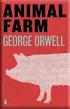 Name Gifted Middle School Summer Reading Animal Farm This summer you will read the novel, Animal Farm, which is about farm animals that rebel against the farmer in order to create a better life. But what
Macbeth Act Summaries
 Macbeth Act Summaries Act 1: The play takes place in Scotland. Duncan, the king of Scotland, is at war with the king of Norway, and as the play opens, he learns of Macbeth's bravery in battle against a
Act 5: scene 1:32-34 (34-36) scene 4: 25-29 (25-29) scene 5: 26-30 (26-30) scene 7: 15-18 (15-17) scene 8: 17-20 (17-20)
 Macbeth Unit Test Study Guide January 17 Exam will be between thirty and forty scan-tron multiple choice (40 points) Characters Be able to identify characters by either quotes or descriptions. To review
Section # 5: THERE IS STILL HOPE
 14 Section # 5: THERE IS STILL HOPE Discussion Guide Read to the Group: Adam and Eve made themselves a covering of fig leaves in order to make themselves presentable to, but refused to accept that clothing.
OVERCOMING THE FEAR OF REJECTION Series: Freedom From Your Fears - Part 7 of 10
 Series: Freedom From Your Fears - Part 7 of 10 Proverbs 29:25 Fear of man is a dangerous trap, but to trust in God means safety. (Living Bible) INTRODUCTION Today we're looking at the Fear of Rejection.
The Fall of the House of Usher
 E d g a r A l l a n P o e p The Fall of the House of Usher Part One It was a dark and soundless day near the end of the year, and clouds were hanging low in the heavens. All day I had been riding on horseback
A PRAYER IN THE GARDEN
 BOOK 3, PART I, LESSON 4 A PRAYER IN THE GARDEN THE BIBLE: Luke 22:39-53, Mark 14:32-50 THEME: We remember that Jesus taught about love and showed love in everything he did. During Lent and Easter we remember
The Bible gives the record of what happened in that desolate place:**
 Title: JESUS PASSES THE TESTS OF TEMPTATION* Theme: The Holy Spirit of God forces the dear Son of God to a severe test of temptation to evil so that Jesus may prove he is able to save others from such
THEME: We need to completely trust in Jesus.
 Devotion NT238 CHILDREN S DEVOTIONS FOR THE WEEK OF: LESSON TITLE: Jesus Walks on Water THEME: We need to completely trust in Jesus. SCRIPTURE: Mark 6:45-52 Dear Parents Welcome to Bible Time for Kids!
Alcohol and drug abuse
 Alcohol and drug abuse This chapter explores how alcohol abuse affects our families, relationships, and communities, as well as the health risks associated with drug and alcohol abuse. 1. Alcohol abuse
Università Cattolica del Sacro Cuore Scuola di Specializzazione per l Insegnamento secondario ENGLISH LITERATURE WORKSHOP. Student: ELENA BRAITO
 Università Cattolica del Sacro Cuore Scuola di Specializzazione per l Insegnamento secondario ENGLISH LITERATURE WORKSHOP Student: ELENA BRAITO TEACHING UNIT Arts and war the style of violence TARGET STUDENTS
First Station: Jesus is Condemned to Death
 STATIONS OF THE CROSS At the beginning of each station say: We adore you, O Christ, and we bless you, because by your holy cross you have redeemed the world. First Station: Jesus is Condemned to Death
What Do We Mean by Democracy and Freedom? (Speech scheduled for a Boston America First rally on December 12, 1941 that was never delivered)
 What Do We Mean by Democracy and Freedom? (Speech scheduled for a Boston America First rally on December 12, 1941 that was never delivered) In the slogans and propaganda that have been hurled back and
The Many Emotions of Grief
 The Many Emotions of Grief While it is important to understand grief and know how it can affect us, we must also acknowledge that: The focus of grief is not on our ability to understand, but on our ability
THE WARFARE OF PRAYER EPHESIANS 6:10-18
 THE WARFARE OF PRAYER EPHESIANS 6:10-18 Text: Ephesians 6:10-12, 18 Ephesians 6:10-12 10 Finally, my brethren, be strong in the Lord, and in the power of his might. 11 Put on the whole armour of God, that
You Have a Friend the Holy Spirit
 16 Lesson 1 You Have a Friend the Holy Spirit Today, more than ever before in the history of the world, people are talking about the Holy Spirit and His work. They have discovered that He is a Person,
The following questions are a combination of comprehension/knowledge level questions and interpretive level questions.
 THE GREAT GATSBY GUIDED QUESTIONS The following questions are a combination of comprehension/knowledge level questions and interpretive level questions. CHAPTER ONE 1. How does Nick describe himself at
The War of the Worlds
 Reflections: A Student Response Journal for The War of the Worlds by H. G. Wells Copyright 2002 by Prestwick House, Inc., P.O. Box 658, Clayton, DE 19938. 1-800-932-4593. www.prestwickhouse.com Permission
Devotion NT273 CHILDREN S DEVOTIONS FOR THE WEEK OF: LESSON TITLE: The Garden of Gethsemane. THEME: We always need to pray! SCRIPTURE: Luke 22:39-53
 Devotion NT273 CHILDREN S DEVOTIONS FOR THE WEEK OF: LESSON TITLE: The Garden of Gethsemane THEME: We always need to pray! SCRIPTURE: Luke 22:39-53 Dear Parents Welcome to Bible Time for Kids. Bible Time
Story and Novel Terms 9
 Story and Novel Terms 9 This list of terms is a building block that will be further developed in future grades. It contains the terms you are responsible for learning in your grade nine year. Short Stories:
English 10 Of Mice and Men Chapter 1 Questions (16pts) 2. List words that describe Lennie. What animal is he compared to?
 Chapter 1 Questions (16pts) 1. Describe the setting of chapter one. 2. List words that describe Lennie. What animal is he compared to? 3. List words that describe George. What animal could he be compared
THEME: Jesus knows all about us and He loves us.
 Devotion NT224 CHILDREN S DEVOTIONS FOR THE WEEK OF: LESSON TITLE: The Woman at the Well THEME: Jesus knows all about us and He loves us. SCRIPTURE: John 4:1-42 Dear Parents Welcome to Bible Time for Kids!
Parenting. Coping with DEATH. For children aged 6 to 12
 Parenting Positively Coping with DEATH For children aged 6 to 12 This booklet will help you to understand more about death and the feelings we all have when someone we care about, like a parent, a brother
Locke s psychological theory of personal identity
 Locke s psychological theory of personal identity phil 20208 Jeff Speaks October 3, 2006 1 Identity, diversity, and kinds............................. 1 2 Personal identity...................................
English (Standard) Paper 2 Modules 2008 HIGHER SCHOOL CERTIFICATE EXAMINATION. Total marks 60. Section I Pages 2 3
 2008 HIGHER SCHOOL CERTIFICATE EXAMINATION English (Standard) Paper 2 Modules Total marks 60 Section I Pages 2 3 General Instructions Reading time 5 minutes Working time 2 hours Write using black or blue
Jesus Parables in Chronological Order. Three Kingdom of Heaven Parables (#13-#15) Parable #13 Mark 4:26-29 The Growing Seed
 Jesus Parables in Chronological Order Three Kingdom of Heaven Parables (#13-#15) Parable #13 Mark 4:26-29 The Growing Seed 26 He also said, This is what the kingdom of God is like. A man scatters seed
work out your own salvation with fear and trembling.
 By: Dov Avnon It is important to know what does it mean to work out your salvation. Remember it is Paul who writing it to the members of the body of Christ in this dispensation of Grace. Paul is not talking
Teacher Guide for FAST-R Passage: FAST-R: Formative Assessments of Student Thinking in Reading. Sonnet 138 and Sonnet 73 Poetry.
 Teacher Guide for FAST-R Passage: FAST-R: Formative Assessments of Student Thinking in Reading At a Glance Approximate Grade Range: 2 3 4 5 6 7 8 9 10 11 Genre: Poetry Topic: Love belongs to those who
Readers Theatre Gettysburg and Mr. Lincoln s Speech
 245 Resource 17: Readers Theatre Gettysburg and Mr. Lincoln s Speech Gettysburg and Mr. Lincoln s Speech Script developed by Rasinski, T. (2004). Kent State University. 1304.109h/326.091 Parts (5): Narrators