
PREPARATION OF NARRATIVE APPRAISAL REPORTS
|
|
|
- Lorraine Flowers
- 9 years ago
- Views:
Transcription
1 PREPARATION OF NARRATIVE APPRAISAL REPORTS INTRODUCTION The preparation of the written appraisal report is one of the most critical efforts which the professional appraiser undertakes. The appraiser's efforts in compiling information and completing the analysis may have little meaning if it is not merged into a readable report which presents facts and conclusions in a logical and concise manner. Since the appraiser is not typically present when the report is reviewed or examined, the report becomes the appraiser's representative; a readable, well-organized report creates a favorable impression of the appraiser's professional competence. A narrative appraisal report should lead the reader from the definition of the appraisal problem through the descriptive data and reasoning process to a specific conclusion. The report should be sufficiently comprehensive to enable the reader to visualize the general area and the property appraised and to follow the writer's reasoning in each step of the appraisal.

2 GUIDELINES FOR PREPARING NARRATIVE RURAL APPRAISAL REPORTS Although not all appraisers organize their reports in the same manner, most reports contain certain common features. The required common features are specified in the Uniform Standards of Professional Appraisal Practice (USPAP). Appraisals that comply with all the requirements of USPAP are acceptable appraisals from standpoint of appraisal content and the following outline provides information required by USPAP. Some appraisal organizations require members writing demonstration reports to follow a more specific outline than is required by USPAP. The following outline is recommended to members of the American Society of Farm Managers and Rural Appraisers writing demonstration reports. The Handbook of Technical Writing, Brusaw, Alred, and Oliu, St. Martin's Press, New York, NY, Fifth Edition, 1997, is an excellent reference book and guide that contains numerous examples of writing various portions of technical reports. Throughout the following outline references are made to appropriate topics in Brusaw and readers are encouraged to use Brusaw as a technical writing reference when preparing appraisals. Appraisals are divided into four parts: Introduction, Factual Data, Analysis and Conclusions, and Addenda. Following are outlines for each section. Introduction The introduction states the purpose (market value, investment value, insurance value, etc.) and function (use of report, i.e., mortgage, estate, etc.) of the appraisal, identifies and describes the subject property, and presents the value conclusion. The introduction also includes any assumptions and conditions that limit the report. Two alternative organizations are appropriate for appraisal introductions. The traditional organization is title page, letter of transmittal, table of contents, summary of salient facts and conclusions, and assumptions and limiting conditions. An acceptable alternative eliminates the letter of transmittal and renames the summary of salient facts and conclusions as the executive summary. The resulting organization is title page, table of contents, executive summary, and assumptions and limiting conditions. The major components of the introduction are I. Title Page (Brusaw ) - The title page includes the following information. Property name and identification Address or location of the property being appraised Name and address of the client Name and address of the appraiser Effective date of the valuation Date of report preparation II. Letter of Transmittal (traditional organization only) (Brusaw 701) - The letter of transmittal formally presents the appraisal report to the client. Letters of transmittal are drafted in proper business style, being as brief as the character and nature of the assignment permits. The letter of transmittal is part of the appraisal report and is not to be confused with the cover letter used to convey the report to a client. The letter of transmittal is used to provide a permanent record for identifying the writer and intended reader(s). A suitable letter of transmittal includes:

3 Property name or identification Effective date of the value estimate Date of report preparation Type of value estimated Statement that the property inspection and all necessary investigation and analysis were made by the appraiser Final estimate of value Any extraordinary assumptions and limiting conditions A statement providing location of the property and a brief description, if necessary - Signature of the appraiser. In most cases the letter of transmittal is the first item readers will read. Use special care to reflect your professionalism. III. Table of Contents (Brusaw , The table of contents shows the page numbers of the various sections and subsections of the report. The table of contents is arranged to help readers locate specific items in the report. When the appraisal includes more than five tables, a 'List of Tables' containing table numbers, titles, and page numbers, follows the table of contents. When there are more than five figures (drawings, photographs, maps, charts, or graphs), a 'List of Figures' containing figure numbers, titles, and page numbers, follows the list of tables. IV. Summary of Salient Facts and Conclusions OR Executive Summary (Brusaw ) - The summary of salient facts and conclusions provides readers a summary of the appraisal problem, factors considered, analyses performed, and conclusions reached. Often the Summary of Salient Facts and Conclusions is presented in bullet form with brief statements made about each topic covered. Little or no effort is made to tie the points together. Executive summaries are usually prepared in narrative form to provide busy readers an opportunity to be informed without reading the complete report. Executive Summaries should fully inform readers of the problem studied and conclusions reached. Executive Summaries are usually proportional in length to the appraisal document. Complex appraisal problems require more detailed summaries to adequately inform readers. Normally, Executive Summaries should have the same organization as the appraisal report. At a minimum, both the Summary of Salient Facts and Conclusions and the Executive Summary cover the following points. A. Brief property identification B. Effective date of the valuation and date of report preparation C. Property ownership and property rights appraised D. Property location E. Acreage breakdown and brief list of improvements F. Zoning G. Highest and best use H. Brief summary of subject leases, if any I. Value indicated by the cost approach J. Value indicated by the income approach K. Value indicated by the sales comparison approach L. Final value estimate

4 V. Assumptions and Limiting Conditions - These statements inform the client and other readers of the report of the limiting conditions that are outside the scope of the assignment or not within the responsibilities of the appraiser. The appropriate conditions should be stated clearly and relevant to the current appraisal problem. The best location for the assumptions and limiting conditions section is early in the report to alert readers to the premises underlying the analysis and used to prepare the appraisal. The number and type of assumptions and limiting conditions vary depending upon the nature of the appraisal assignment. The letter of transmittal should contain a summary of extraordinary assumptions or limiting conditions. Special notice is given to any assumptions and/or limiting conditions that have a direct impact on value and it is imperative that appraisal readers understand those important assumptions and limiting conditions. The assumptions and conditions must be reasonable and justifiable. It is important that the client agree to the limiting conditions at the time of assumption. Otherwise, you may be assuming away a condition that the client wants the appraisal to address. Factual Data The Appraisal of Real Estate, Eleventh Edition and Communicating the Appraisal: A Guide to Report Writing are recommended reading. Both books contain numerous examples of specific assumptions and limiting conditions that you can incorporate into appraisal reports. Available report writing courses, such as offered by the American Society of Farm Managers and Rural Appraisers, also cover and provide examples of assumptions and limiting conditions. The factual data contains facts affecting the appraisal. In general, all information used to prepare the appraisal (except comparable sales information) is included as factual data and it is not appropriate to introduce additional information in the analysis that is not presented as factual data. Information included depends on the appraisal assignment. However, the following items are generally required. I. Property Identification - The property location is presented clearly along with distances to the nearest population centers. The size and overall type of the property should be mentioned, i.e., "a 759 acre farm 17 miles northwest of Boland, Iowa." II. III. Legal Description - The legal description of the estate appraised is provided. If the description is longer than one or two paragraphs, the description should be placed in the addenda and readers referred to its location. Appraisal Objective - The appraisal objective informs readers of the purpose and function of the report. The appraiser, perhaps in consultation with the client, determines the appraisal's purpose while the client indicates the intended use or function of the report. A. Purpose of the Appraisal The purpose of the appraisal is answering the value question the client wants to answer. The purpose may be to estimate market value, insurable value, or some other type of value.

5 B. Function of the Appraisal The client's expected use the appraisal should be clearly stated. Readers should be told whether the appraisal is to be used for loan purposes, estate settlement, bankruptcy, or some other use. The name of the person authorizing the appraisal report should be included. IV. V. VI. VII. VIII. IX. Definition of Value - A precise definition of the value sought should be provided. After reading the definition, readers should not question the type of value being determined. When estimating market value, the appraisal should state whether the estimate is expressed in terms of cash, terms equivalent to cash, or other precisely specified terms. If there are not dear guidelines as to what the definition of value ought to be for a particular appraisal problem, the definition of value provided by the Uniform Standards of Professional Appraisal Practice should be used. Scope - The process of collecting, confirming, and reporting data is described. Readers are informed about the extent of the investigation undertaken. This section aids readers who use the report to make decisions. Property Rights Appraised The particular rights or interests being valued are identified. This is particularly important in assignments that involve partial interests such as limited rights (surface or mineral rights only), fee simple estates subject to long-term leases, or leasehold interests. Also, other encumbrances such as easements, mortgages, or special occupancy or use requirements impacting the property should be listed. These encumbrances should be discussed relative to the value being estimated. Effective Date of the Appraisal - The effective date of the value estimate must be stated along with the date the report is prepared. Appraisal assignments may call for estimating current value or value at some other point in time. Stating the date of valuation precisely is essential for proper use and interpretation of the report. The effective date of the appraisal establishes the context for the value estimate. The date of the report indicates the perspective from which the report is prepared. Ownership History of the Property - At a minimum, the appraisal should include a summary of any agreement of sale, option, or listing of the property being appraised, all sales of one to four family residential properties within the last year and sales of all other properties within the last three years. If a sales history is not included, there should be an explanation of efforts undertaken to obtain the information. A preferred ownership history for the subject property is five years. The sale price, terms, and other pertinent information should be included in the history. Area-Regional and Neighborhood Analysis Prepare the area-regional and the neighborhood analysis to provide a foundation that will lead readers to recognize and accept your conclusions of the property's highest and best use(s). Include only information pertinent to the appraisal problem. Discuss both positive and negative aspects of the area. If only positive or only negative factors are included, the report is likely to be misleading. If significant supporting statistical data are needed, incorporate the information into tables or include a brief summary in the body of the report that refers to more lengthy material in the addenda.

6 Having information on file is no reason to include it in the appraisal report. For each item included, you should ask "Is the data relevant?" "Does the information add to the understanding of the physical, social, political, economic, or market setting of the subject property?" One good test is continuity. Does the material flow logically from section to section? The type of appraisal problem and the nature of the subject property dictate, to a large extent, the information that you should include in this section. The relevant area for a specific farm may, in some cases, have a five to ten mile radius, while in other cases, several counties or entire states are included. The number and type of agriculture enterprises in the area determines the size of the area-regional and neighborhood analysis. Always address physical, social, economic and governmental considerations having an effect on real estate values within the general area and neighborhood. Use the following partial list of topics as a guide for preparing the area-regional and neighborhood analysis. Physical Considerations - Location and the boundary of the area defined - Access and transportation within the area defined - Land use, tenure, and expected changes in land use - Terrain, soils, and climatic considerations within the general area - Adequacy of utilities Social Considerations - Community facilities and population - Schools, church and recreation available - Heritage of community and prestige of area - Conformity of development Economic Considerations - Proximity and adequacy of commodity markets - Types of farms and rent levels - Crop production levels - Typical management practices - Livestock carrying capacities - Local economy and possibilities for off-farm employment - Urban growth or population changes that may indicate trends in property values - Detriments and hazards Governmental Considerations - Discussion of taxes and their trends - Zoning or other governmental restrictions - Special easements or assessments that are common to the area. - Government policies as they impact returns to agricultural land.

7 Conclude the discussion of the area-regional and neighborhood analysis with a summary of trends relevant to the subject property. Keep in mind the area and neighborhood is fundamental to the highest and best use of the property. Always interpret the relevant data in terms of how they affect the subject property. Without this interpretation and summary, the area and neighborhood analysis lacks significance. Avoid stereo-typed or biased assumptions relating to race, age, color, religion, gender, or national origin. Do not presume racial, ethnic, or religious homogeneity is necessary to maximize value in the neighborhood. Either conclude each portion (physical, social, economic, and governmental) with a few sentences or add a conclusion for the entire section summarizing the points influencing the value of the property being appraised. X. Property Description Describe the property so the reader develops an accurate mental image. Use sufficient detail to answer all important questions that the client or reader might pose as to the physical characteristics of the property, its economic contribution, and any specific benefits or constraints attributed to it. Select from the following list topics that are relevant for the property being appraised. If additional items are essential, include them. Size and general shape of the property Location and access, including distance to markets and major trade centers Land use (i.e., acreage in cultivation, acreage irrigated, woodland acreage, minerals, etc.) Crop history, including yields, carrying capacity, rotation, fertilizer program management methods, etc. Farm/Ranch operational and lease information A.S.C.S. crop program information Terrain, drainage, and other physical features Soil information Vegetation Water rights, irrigation systems, stock water, well information, etc. Utilities Taxes and assessments Zoning Easements, encroachments and deed restrictions Descriptions of Land improvements, including fences, corrals, levees, roads, ditches, etc. Description of building improvements, including condition, quality, size, amenities, and utility of each Disadvantages of the property in relation to its market area Advantages of the property in relation to its market area If helpful, include photographs of major components of the subject property. Also, include good quality maps of the property if they help the reader. Photographs and maps can either be placed in the text or in the addenda. All items placed in the addenda should be referred to in the body of the report Some appraisers place all photographs and maps in one location. This helps concentrate the reader's attention on the report rather than having them repeatedly breaking concentration to look at photographs and maps. Where the photographs and maps are located is a matter of style.

8 As appropriate for the appraisal problem, include soil maps, topographical maps, site characteristics maps, building plats, etc. Agricultural properties are diverse and some require significantly more data than others. For example, if the majority of the overall property value consists of land, include fewer improvement photos. By contrast, if a significant portion of the total property value is attributable to the improvements, include fewer land photos. Assist readers in understanding maps, photographs, and other exhibits by adequately describing what is shown. Data Analysis and Conclusions Use the data analysis and conclusions portion of the report to lead readers through the logical sequence of steps you are completing to determine value. Base your analysis and valuation conclusions on the data presented in preceding sections and be sure nothing in the analysis or valuation process conflicts with information you provide earlier in the report. I. Highest and Best Use Relate the highest and best use conclusions to information presented in preceding and succeeding sections of the appraisal report. Always provide a definition of "Highest and Best Use" and convey the following ideas to your readers. Highest and best use conclusions are the foundation of the appraisal and the appraisal report. Highest and best use conclusions must be consistent with the area-regional data and subject property data. You must understand market behavior to develop the concept of highest and best use. Highest and best use conclusions form the foundation for applying the three approaches to value, performing the reconciliation, and selecting the final value. Determine the highest and best use for the property "as if vacant" using the following four criteria. If the property is improved, also determine the highest and best use of the property "as improved" using the same four criteria. 1. Physically possible - The use must be physically possible considering the size, shape, soil, and terrain of the property. 2. Legally permissible - The use must be legally permissible considering both public and private restrictions. Also, discuss any possibility and/or likelihood of change in what is legally permissible (change in zoning). 3. Financially feasible --The use must be financially feasible by producing returns greater than operating expenses. Probable uses expected to produce a positive return are regarded as financially feasible. Provide a list of the financially feasible alternatives.

9 4. Maximally productive -- The maximally productive use is the financially feasible use producing the highest price or value consistent with the rate of return warranted by the market. Report the highest and best use of vacant tracts assuming they will be developed to their highest and best use. Decide the "as if vacant" highest and best use of an improved property by using the four criteria to evaluate how the property would be used if the existing improvements are removed. Decide the "as improved" highest and best use by using the four criteria to identify how the property would be used if the existing improvements are not removed. Conclude both the "as if vacant" and "as improved" sections with summaries. In each summary discuss the four criteria for determining highest and best use. Finally, conclude the highest and best use section with your conclusion about the highest and best use of the property being appraised. II. Appraisal or Valuation Process Use this section to present the mechanics and theory of the appraisal process, particularly the rationale underlying the three approaches to value. There are alternative organizations for this section. You can include a section on valuation methodology after the highest and best use section and before the sections discussing the approaches to value. Title the section "Appraisal Process" or "Valuation Theory." Discuss the steps you are following in the current appraisal assignment and indicate why certain approaches to value are being used while others are excluded. When using this alternative, discuss the mechanics of each approach as an introduction to the section on that approach. An alternative organization of the appraisal or valuation process is to completely discuss the methodology and mechanics of each approach in this section. When using this approach, begin the discussion of the three approach sections with little or no introduction to the methodology you are using. III. Cost Approach If you have completely discussed the cost approach methodology in the above section, proceed to discussing land values. If you have not discussed the cost approach, summarize the theoretical basis, the principle of contribution on which the cost approach is based, the methodology, and the procedures you are using to determine the cost approach estimate to value. Readers should have a clear understanding of how you are performing the cost approach steps after reading this introduction. Use terms that will be understood by readers and, if necessary, define technical terms. A. Land Value Present market data and other information pertaining to land values along with data analysis and reasoning leading to the land value conclusion. In a clear and precise manner, identify and discuss all factors affecting land values on the property being appraised.

10 For most rural appraisals, the cost approach begins with valuing each of the various classes or types of land found on the subject property. Common land types include dry cropland, irrigated cropland, pasture, woodland or other land uses. Ranch land types include rangeland, irrigated, meadow, sub-irrigated, and dry cropland. Use whatever types are appropriate for the appraisal problem. Information for placing values on each land type separately comes from comparable sales having no improvements (whenever possible). Describe each comparable sale's location, size, zoning, utilities, soils, and other physical characteristics. When determining the land value using the cost approach, the best comparable sales have no improvements and one land type. The most desirable situation is having adequate comparable sales which only require adjusting for time and financing. From available comparable sales, choose for each land type, estimates of value for the land types on the the property being appraised. After the values per unit for each land type are determined, calculate the total value of the land component. B. Cost of Improvements Estimate either the replacement or reproduction cost of the subject property's improvements. For a particular appraisal problem, use either replacement or reproduction cost, but not both. For major improvements, present cost data on an item-by-item basis. Indicate the source of the cost estimates (contractor's bid, equipment supplier, or evaluation service such as Marshall & Swift, Dodge, Boeckh, etc.). Many technical words are usually included in this portion of appraisal. Include definitions for all technical terms such as physical deterioration, functional obsolescence, external obsolescence, replacement cost new, reproduction cost new, etc. The Dictionary of Real Estate Appraisal and The Appraisal of Real Estate, Eleventh Edition, contain excellent definitions of commonly used technical terms. C. Depreciation Estimate depreciation from all sources including physical deterioration (curable and incurable), functional obsolescence (curable or incurable, excess or deficiency), and external obsolescence. Prepare the depreciation analysis from relevant market data. Present all computations to help readers follow and understand your measurement of depreciation. Analyze all transactions "as of" the date of sale. Explain the procedure you are using to estimate accrued depreciation. Normally, you will be using one of the following methods: physical age-life, economic age-life, modified age-life, breakdown method, or a sales comparison approach. Carefully define all technical terms and explain methods of analysis within the report. If possible, use market extraction of depreciation using the improvement's effective age. D. Conclusion Estimate depreciation from all sources including physical deterioration (curable and incurable), functional obsolescence (curable or incurable, excess or deficiency), and external obsolescence. Prepare the depreciation analysis from

11 relevant market data. Present all computations to help readers follow and understand your measurement of depreciation. Analyze all transactions "as of' the date of sale. Explain the procedure you are using to estimate accrued depreciation. Normally, you will be using one of the following methods: physical age-life, economic agelife, modified age-life, breakdown method, or a sales comparison approach. Carefully define all technical terms and explain methods of analysis within the report. If possible, use market extraction of depreciation. At a minimum, extract an overall rate of depreciation using the improvement's effective age. Summarize your conclusions at the end of the cost approach presentation. Add the depreciated cost of improvements to the land value estimate to arrive at a cost approach estimate of the property's value. Explain to readers the applicability of the cost approach and point out any limitations that the cost approach may have for this particular problem. IV. Income Approach Unless discussed as part of the valuation process, introduce this section with a summary of the income approach and its foundation, including the principle of anticipation. Include a discussion of the theoretical basis and the relationship of the income approach to the highest and best use of the property. Point out that income and expense estimates are consistent with the highest and best use conclusion and that any renovation or conversion of improvements suggested in the highest and best use section is reflected within this approach. A. Subject Property Operating Statement Prepare a properly constructed operating statement for the subject property; indicate whether it is based on cash rental, share rental, or owner/operator information; and explain the basis for the estimated potential gross income. Include comparable rents, yields, and terms documenting your income estimates. B. Income Adjustments and Expenses Explain and justify estimated mortality losses (livestock), vacancies or other typical and annualized losses -- especially for share and owner/operator analyses. Explain in detail the basis for estimating fixed and operating expenses. Identify your sources, whether they be historical data (subject and sales), suppliers, U.S.D.A., Cooperative Extension Service, etc.

12 C. Capitalization Methodology Explain in detail the capitalization methodology applied. Frequently, this section of the report is confusing to readers, so strive for clarity and simplicity. Always use definitions and explain your rationale for the methodology used. D. The Capitalization Rate Provide calculations showing the development of the capitalization rates. Again, rates are calculated "as of" the date of the sale with rents, yields, and expenses applicable at that time. If possible, estimate capitalization rates using direct comparisons based on comparable sales information. Present the sales price and net income figures for comparable properties and calculate the indicated rates. If this analysis is lengthy, present a summary in this section, probably using a table, and include a more detailed analysis in the addenda. However the rate is determined, readers should have a clear understanding. E. Value Calculation Show the calculations for capitalizing income into value. If more than one capitalization method is used, provide a reconciliation of the value indications into a single value for the income approach. F. Conclusion Summarize your conclusions at the end of the income approach presentation. Explain to the reader the applicability of the income approach and point out any limitations that the income approach may have for this particular problem. V. Sales Comparison Approach Unless previously discussed as part of the valuation process section, provide a brief summary of the methodology used in the sales comparison approach, emphasizing that the approach is based on the principle of substitution. Summarize how proper execution of the sales comparison approach is tied to the conclusions reached within the arearegional, neighborhood, property description, and highest and best use sections. A. Units of Comparison Establish and discuss units of comparison. Depending on the property type and location, these might be price per bushel, price per box, price per animal unit, GIM/GRM, etc., rather than, or in addition to the "overall price per acre." B. Selection of Comparable Sales Choose comparable sales that have a highest and best use similar to the property being appraised and that have an area-regional situation similar to the property being appraised. Discuss the rationale for selecting the properties and discuss similarities and differences between the comparable sales and the property being appraised.

13 C. Comparable Sales Description and Analysis Place individual comparable sales descriptions and analyses either in the body of the report or in the addenda. Place lengthy descriptions, ("courthouse" data, i.e., book, page, type of instrument, dates, legal description, grantor, grantee, etc.; physical information and economic information related to the sale including size, soils, land type, U.S.D.A. base acreage, yields, etc.) in the addenda. You may wish to present a condensed version of the sales information in the body of the report either in paragraph form or as a summary table. The goal is providing readers clear and accurate information comparing the sales to the subject property while not reducing the "readability" of the report with unnecessary data.) When you execute the sales comparison approach, you should support your value adjustments using paired sales. The potential for "pairings" exists in most markets if you have all available data and sufficient knowledge of the circumstances surrounding each sale. In certain instances, pairings may result in isolating the effects of two or three variables. You may then use other sales data to further refine the indications into meaningful adjustment estimates. The lack of definitive market support does not eliminate the necessity to present a complete discussion of your adjustment reasoning for each category, e.g., location, size, time, productivity, etc. Demonstrating that market data is conflicting or inconclusive is an important part of the process of providing a defendable data analysis for the sales comparison approach. Prepare a comparable sales map showing the location of the comparable sales relative to the subject property and include the map either in this section or in the addenda. Label maps clearly and completely to help readers understand the information provided. D. Sales Comparison Grid Prepare a market data grid showing adjustments to sales and indicating a subject property value estimate based on each comparable sale. Follow the grid with a paragraph discussing the adjustment factors used. All adjustments entered in the grid should be directly supported using market evidence developed in the sales analysis section. Any adjustments that cannot be supported by market extraction should be clearly supported using solid market logic. The sales comparison approach becomes less defendable as the number of subjective adjustments increases. 1 Where you place the detailed sales analysis is your choice. You can place most material in the addenda with a summary in the body or you might place all material in the body as part of the sales comparison approach. A third alternative is preparing a separate appraisal report section titled ``comparable sales analysis" included as part of the factual data portion of the report. If you choose this approach, place all sales data and related sales analysis for all three approaches in this section. Along with the normal sales analysis for the sales comparison approach, the sale price for each comparable sale is separated into components to provide information for the cost approach and the rate of return expected on each comparable sale is estimated for use in the income approach. As each approach to value is discussed, refer to the appropriate part of the sales analysis section.

14 E. Conclusion The sales comparison grid provides an indication of the subject property's value based on each comparable sale. Summarize the strengths and weaknesses of the value indicated by each sale used in the grid and discuss how you are reconciling the several indications of value into a single sales comparison approach estimate of value. Finally, discuss the strengths and weaknesses of the sales comparison approach value estimate relative to the sales data available for this appraisal problem. VI. Reconciliation and Final Value Estimate Use the reconciliation to lead readers to your final estimate of value. Discuss the interdependence of the three approaches and the limitations of each approach for the appraisal problem. Restate the value conclusions derived from the three approaches and provide the reasoning for selecting your final estimate of value. Base your final value on the data and analysis presented. In effect, your discussion represents "an appraisal of the appraisal". Discuss the quantity, reliability, and sensitivity of the data used in each approach, the reliability of the value indication for each approach, and what makes one of the approaches provide a better value estimate than one or both of the other approaches. State the final value estimate as a single figure, a range, or a single figure within a range. The appropriate choice depends on the nature and complexity of the appraisal problem. VII. Certification The purpose of the certification is to certify that you are preparing the appraisal in a professional, objective, and ethical manner. Indicate that your are abiding by the code of ethics of an appraisal organization and state state whether your are or are not state licensed or certified. Indicate whether state and/or appraisal organization continuing education requirements have or have not been met. Sign the certification page showing the effective date of the appraisal report. The certification should be similar in content to the following statement taken from USPAP Standards Rule 2-3: I certify that, to the best of my knowledge and belief: the statements of fact contained in this report are true and correct. the reported analyses, opinions, and conclusions, are limited only by the reported assumptions and limiting conditions, and are my personal, unbiased professional analyses, opinions, and conclusions. I have no (or the specified) present or prospective interest in the property that is the subject of this report, and I have no (or the specified) personal interest or bias with respect to the parties involved. my compensation is not contingent upon the reporting of a predetermined value or direction in value that favors the cause of the client, the amount of the value estimate, the attainment of a stipulated result, or the occurrence of a subsequent event.

15 my analyses, opinions, and conclusions were developed, and this report has been prepared, in conformity with the Uniform Standards of Professional Appraisal Practice. I have (or have not) made a personal inspection of the property that is the subject of this report. (If more than one person signs the report, this certification must clearly specify which individuals did and which individuals did not make a personal inspection of the appraised property.) no provided significant professional assistance to the person signing this report. (If there are exceptions, the name of each individual providing significant professional assistance must be stated.) If you are an Accredited or Professional member of the American Society of Farm Managers and Rural Appraisers who has met the continuing education requirements, you may include the following statement. The American Society of Farm Managers and Rural Appraisers conducts a mandatory program of continuing education. I am current with the requirements of the program. Addenda Include necessary supplemental exhibits in the addenda Examples of items that may be included are leases, lengthy legal descriptions, lengthy soil descriptions, supplemental maps of the subject property or comparable sales, additional photographs of the subject or comparable sales, more detailed comparable sales information, and copies of governmental restrictions placed on the subject. You may place the section "Qualifications of the Appraiser" either in the body of the report after the certification or in the addenda. Provide qualification information pertinent to your education, technical training, type of work, and years of experience.

16 GENERAL SUGGESTIONS The written narrative appraisal report reflects your professionalism as an appraiser. Organize the report in a logical manner clearly stating the facts, assumptions, and conclusions. The importance of correct spelling, grammar, punctuation and sentence structure cannot be overemphasized. The following suggestions may also be helpful: Have the report proofread carefully, preferably by someone not involved in writing the report. Rarely are first drafts acceptable as final products. Edit the report carefully to make sure the appraisal is being presented m a concise, clear manner. Consider what factors affecting the subject property in one approach should also be considered in the other approaches to value. Explain any departure from normal appraisal practice and the state the effect of any adverse conditions on the subject property. Place North directional arrows on maps, plats, and aerial photos. Always include original copies of materials in the report unless available copies are clear and legible. Refrain from hand lettering maps, plats, or charts. Either type the report or have it professionally printed. Provide sources of definitions in acceptable footnote format. Double-spacing or spacing at one and one-half is not essential, although it is usually desirable. Separate sections of the report to enhance the appraisal's appearance. Never conclude that present use is the highest and best use simply because it conforms to other properties in the area or to zoning. Express estimates to the degree of precision compatible with good judgment. Always include a table of contents and number all pages. Avoid using technical terms prior to defining those terms. Double-check all calculations. Use attractive, business-like covers. Whenever possible, use vinyl or professional weight cover stock covers, cut to slightly larger than 8.5 x 11 inch standard paper. A professional binding service is recommended.

17 Date and describe photographs of the subject property, sales, and rent comparables, if required. Use good quality photographs and affix them so they do not fall from the report. Place photos in a logical sequence. Include original or high quality copies of ownership, soil, topographical and aerial maps of the subject property and comparable sales. Draw floor plans to scale and show dimensions. Reductions of actual surveys or blueprints may also be used. Tab all exhibits included in the Addenda of the report. Use professional quality exhibits and refer to them by title in the body of the report. Copies of original documents should be clear and legible. When feasible, present critical data such as sales data adjustment charts, adjustment analysis, and income information in chart or table form to enhance reader understanding. Use graphics to help readers understand the analysis.

PREPARATION OF TECHNICAL APPRAISAL REVIEW REPORTS
 INTRODUCTION PREPARATION OF TECHNICAL APPRAISAL REVIEW REPORTS The reporting of the results of an appraisal review is one of the most critical efforts the professional review appraiser undertakes. The
As of June 2014 MICHIGAN DEPARTMENT OF NATURAL RESOURCES (DNR) NARRATIVE APPRAISAL REPORT STANDARDS
 As of June 2014 MICHIGAN DEPARTMENT OF NATURAL RESOURCES (DNR) NARRATIVE APPRAISAL REPORT STANDARDS Working Together The DNR Appraisal Standards are designed to assist DNR staff, partners and local units
The Official Guide to the Demonstration of Knowledge Requirement: General
 The Official Guide to the Demonstration of Knowledge Requirement: General Effective February 7, 2013 Appraisal Institute advocates equal opportunity and nondiscrimination in the appraisal professional
Real Estate Appraisals Common Issues and Best Practices
 Real Estate Appraisals Common Issues and Best Practices Real estate appraisals are the first line of credit risk defense Common Issues Key Takeaways Common areas for improvement Selecting the best appraisers
4150.2 APPENDIX C: APPRAISAL OF SINGLE FAMILY HOMES ON NATIVE AMERICAN LANDS
 APPENDIX C: APPRAISAL OF SINGLE FAMILY HOMES ON NATIVE AMERICAN LANDS C-1 OVERVIEW For purposes of this appraisal guidebook, if a lender specifically needs an appraisal under HUD/FHA's Section 248 program
Understanding the Appraisal
 Understanding the Appraisal Understanding the Appraisal Much of the private, corporate and public wealth of the world consists of real estate. The magnitude of this fundamental resource creates a need
Guide Note 13 Performing Evaluations of Real Property Collateral for Lenders
 Guide Note 13 Performing Evaluations of Real Property Collateral for Lenders Introduction Federally insured lending institutions in the United States are subject to regulations regarding real estate appraisals.
Real Property Market Value Summary Appraisal Report
 Real Property Market Value Summary Appraisal Report This report is most likely to be appropriate when: (a) The appraisal does not include a partial acquisition (b) The appraisal problem is not so complicated
COMMERCIAL APPRAISAL DESK REVIEW PROPERTY. TWO South Shore Drive Miami Beach, Fl 33341. Prepared for. First National Bank.
 File Number: NOT AN APPRAISAL COMMERCIAL APPRAISAL DESK REVIEW PROPERTY This is a sample Desktop Review. Each appraiser and client will have their own set of requirements for reviewing an appraisal. Therefore,
Broker. Real Estate Valuation. Chapter 6. Copyright Gold Coast Schools 1
 Broker Chapter 6 Real Estate Valuation 1 Learning Objectives Define a federally related transaction Distinguish among price, cost, and value Distinguish among the different types of value Distinguish among
Preparation of Appraisal : Chase Requirements : Subject Information - All Appraisal Reports:
 Preparation of Appraisal : Chase Requirements : Assigned Appraiser Authorized Appraiser Appraiser Trainee Appraisal Prepared by Trainee acceptable only if countersigned by eligible Supervisory Appraiser
Useful information for Loan Officers regarding Residential Appraisals
 Useful information for Loan Officers regarding Residential Appraisals USPAP USPAP stands for Uniform Standards of Professional Appraisal Practice. USPAP establishes the standards and guidelines for real
THE APPRAISAL OF REAL ESTATE 3 RD CANADIAN EDITION BUSI 330
 THE APPRAISAL OF REAL ESTATE 3 RD CANADIAN EDITION BUSI 330 REVIEW NOTES by CHUCK DUNN CHAPTER 7 Copyright 2010 by the Real Estate Division and Chuck Dunn. All rights reserved CHAPTER 7 - THE VALUATION
Common Errors and Misconceptions in Yellow Book Assignments. Eric Paul Griffin, MAI
 Common Errors and Misconceptions in Yellow Book Assignments Eric Paul Griffin, MAI 2 Objectives: We will address what the Yellow Book is and when it is required The Yellow Book, USPAP and beyond. We will
Law Society and Council of Mortgage Lenders Approved Certificate of Title
 Law Society and Council of Mortgage Lenders Approved Certificate of Title Details box TO: (Lender) Lender's Reference or Account No: The Borrower: Property: Title Number: Mortgage Advance: Price stated
Agriculture & Business Management Notes...
 Agriculture & Business Management Notes... Crop Share Lease Agreements Quick Notes... 1. Crop share lease agreements reduce risks for both parties. 2. Input costs are shared by both parties. 3. Local share
Estimating Cash Rental Rates for Farmland
 Estimating Cash Rental Rates for Farmland Tenant operators farm more than half of the crop land in Iowa. Moreover, nearly 70 percent of the rented crop land is operated under a cash lease. Cash leases
DESKTOP APPRAISAL REPORT
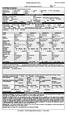 Phil Randazzo Appraisals (609) 579-6575 Main File No. Page #1 DESKTOP APPRAISAL REPORT File No. Loan No. FOR INTERNAL RISK ANALYSIS VALUE ESTIMATED FROM PUBLIC RECORD AND MLS DATA ONLY Intended Purpose:
Home Equity Conversion Mortgage (Reverse Mortgage) This Mortgage ("Security Instrument") is given on (date). The Mortgagor is (Name), of
 Home Equity Conversion Mortgage (Reverse Mortgage) This Mortgage ("Security Instrument") is given on (date). The Mortgagor is (Name), of (street address, city, county, state, zip code), hereafter called
The principle of excess land is a fundamental concept in appraisal practice,
 A Discussion of Excess Land Concepts and Theory by Joseph M. Webster, MAI The principle of excess land is a fundamental concept in appraisal practice, but surprisingly few articles have been devoted to
APPRAISING PIPELINE EASEMENTS
 APPRAISING PIPELINE EASEMENTS A Practical Approach BY GARY VALENTINE, MAI, ASA, SR/WA The appraisal of pipeline easements is more difficult than one might first assume. This is primarily due to legal issues,
Finding a Farm to Buy or Lease Resource Kit for Nova Scotia Farmers
 1 Finding a Farm to Buy or Lease Resource Kit for Nova Scotia Farmers Helpful Contacts for Buying a Farm Your local Agricultural Resource Coordinator (ARC) may know of farms for sale or rent in your area.
Copyright 2015, American Institute of Certified Public Accountants, Inc. All Rights Re... Page 1 of 59 STATEMENTS ON STANDARDS FOR VALUATION SERVICES
 Copyright 2015, American Institute of Certified Public Accountants, Inc. All Rights Re... Page 1 of 59 Valuation Services VS Section STATEMENTS ON STANDARDS FOR VALUATION SERVICES VS Section 100 Valuation
Administrative Policy Reminders. Changing Bank Accounts. Civil Rights/Discrimination Complaint Process. Nondiscrimination Statement
 Farm Service Agency Annual Policy Reminders Farm Service Agency works hard to get information to you in a timely manner regarding our programs and policies. This document provides a list of important FSA
Agricultural Land Assessment. Valuation Procedure For Property Tax Purposes
 Agricultural Land Assessment Valuation Procedure For Property Tax Purposes 1 Basic Formula Average Annual Net Cash Rental Capitalization Rate Land Full Cash Value 2 Valuation Statute 42-13101. Valuation
SAMPLE MULTI-YEAR LEASE AGREEMENT
 SAMPLE MULTI-YEAR LEASE AGREEMENT This Lease Agreement is entered into on this day of, 2009, by and between as lessor ( Lessor ), and, as lessee ( Lessee ), for the Lease of certain land bounded by in,
INTERNATIONAL STANDARD ON ASSURANCE ENGAGEMENTS 3000 ASSURANCE ENGAGEMENTS OTHER THAN AUDITS OR REVIEWS OF HISTORICAL FINANCIAL INFORMATION CONTENTS
 INTERNATIONAL STANDARD ON ASSURANCE ENGAGEMENTS 3000 ASSURANCE ENGAGEMENTS OTHER THAN AUDITS OR REVIEWS OF HISTORICAL FINANCIAL INFORMATION (Effective for assurance reports dated on or after January 1,
NON-RESIDENTS PURCHASING REAL PROPERTY IN THE U.S.
 NON-RESIDENTS PURCHASING REAL PROPERTY IN THE U.S. A. The Attorneys Role in the Purchase of Real Estate The purchase of real estate in the U.S. without the proper assistance can become a complex transaction.
Rural Business Enterprise Loan Program (RBE)
 Courthouse PO Box 607 Carlton, MN 55718 Rural Business Enterprise Loan Program (RBE) Mailing Address: Carlton County Economic Development Office PO Box 607 Carlton, MN 55718 (218) 384-9597 or (218)384-9564
WRITING A CRITICAL ARTICLE REVIEW
 WRITING A CRITICAL ARTICLE REVIEW A critical article review briefly describes the content of an article and, more importantly, provides an in-depth analysis and evaluation of its ideas and purpose. The
Appraisal Checklist. Single Family Appraisal or Marketability Report type required: 1004 2055 Exterior Only 2070 Exterior Only 2075 Exterior Only
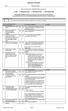 Appraisal Checklist Loan # Borrower Name Single Family Appraisal or Marketability Report type required: 1004 2055 Exterior Only 2070 Exterior Only 2075 Exterior Only *This appraisal checklist is a TOOL
Civil Engineering and Architecture (CEA) Detailed Outline
 Civil Engineering and Architecture (CEA) Detailed Outline Unit 1: Overview of Civil Engineering and Architecture (23 days) Lesson 1.1: History of Civil Engineering and Architecture 1. Many features of
Basic Property Appraisal
 Basic Property Appraisal Hidalgo County Appraisal District 4405 S. Professional Dr Edinburg, Texas 78539 HOW IS YOUR PROPERTY APPRAISED? PROPERTY TAX ADMINISTRATION In Texas, property owners pay property
Uniform Appraisal Standards for Federal Land Acquisitions
 Uniform Appraisal Standards for Federal Land Acquisitions The Interagency Land Acquisition Conference has developed, promulgated, and adopted the Uniform Appraisal Standards for Federal Land Acquisitions
Professional Property Management TREC 4507
 Professional Property Management TREC 4507 ANSWER KEY FOR FINAL EXAMINATION (With rational followed by chapter and page references) Example: (1:3 means the answer can be found in Chapter 1 on Page 3).
ANSWERS TO COMMONLY ASKED QUESTIONS ABOUT AGRICULTURAL LAND VALUE IN KANSAS
 ANSWERS TO COMMONLY ASKED QUESTIONS ABOUT AGRICULTURAL LAND VALUE IN KANSAS By The Ag Use Section Property Valuation Division (PVD) March 26 th 2013 General Questions: Who establishes the appraised value
Writing Reports BJECTIVES ONTENTS. By the end of this section you should be able to :
 Writing Reports By the end of this section you should be able to : O BJECTIVES Understand the purposes of a report Plan a report Understand the structure of a report Collect information for your report
Uniform Appraisal Standards for Federal Land Acquisitions
 Uniform Appraisal Standards for Federal Land Acquisitions The Interagency Land Acquisition Conference has developed, promulgated, and adopted the Uniform Appraisal Standards for Federal Land Acquisitions
Actuarial Standard of Practice No. 23. Data Quality. Revised Edition
 Actuarial Standard of Practice No. 23 Data Quality Revised Edition Developed by the General Committee of the Actuarial Standards Board and Applies to All Practice Areas Adopted by the Actuarial Standards
2. American National Standard for Product Safety Signs and Labels
 2. American National Standard for Product Safety Signs and Labels 1 Introduction The design of safety signs 1 for products has been influenced for many years by standards originally developed for accident
[Space Above This Line For Recording Data] which has the address of
![[Space Above This Line For Recording Data] which has the address of](/thumbs/25/4793700.jpg "[Space Above This Line For Recording Data] which has the address of") FORM 3C.8 HOME EQUITY CONVERSION: MODEL MORTGAGE FORM [Space Above This Line For Recording Data] State of [see note 1] MORTGAGE THIS MORTGAGE ( Security Instrument ) is given on, 20. The mortgagor is,
FORM 3C.8 HOME EQUITY CONVERSION: MODEL MORTGAGE FORM [Space Above This Line For Recording Data] State of [see note 1] MORTGAGE THIS MORTGAGE ( Security Instrument ) is given on, 20. The mortgagor is,
County of San Diego, Planning & Development Services SECOND DWELLING UNIT
 County of San Diego, Planning & Development Services ZONING DIVISION The Zoning Ordinance, Section 6156.x, allows the addition of a second dwelling unit to those properties zoned to allow the Family Residential
AMERICAN SOCIETY OF CIVIL ENGINEERS. Standards Writing Manual for ASCE Standards Committees. Prepared by ASCE Codes and Standards Committee
 AMERICAN SOCIETY OF CIVIL ENGINEERS Standards Writing Manual for ASCE Standards Committees Prepared by ASCE Codes and Standards Committee Revised August 20, 2010 Contents Section Page 1.0 Scope, purpose,
Appraisal Review Reminders
 Use the following list of reminders as a tool when underwriting the appraisal report. For complete information on appraisal requirements, refer to the Freddie Mac Seller/Servicer Guide (Guide) Chapter
BUSINESS VALUATION Detailed Valuation Report Introduction
 BUSINESS VALUATION Detailed Valuation Report The detailed report shall provide sufficient information to permit intended users to understand the data, reasoning, and analyses underlying the Valuator s
WHY WRITE A BUSINESS PLAN?
 KANSAS SMALL BUSINESS DEVELOPMENT CENTER PITTSBURG STATE UNIVERSITY PITTSBURG, KS 66762 PHONE: 620 235 4920; FAX: 620 235 4919 e mail: [email protected] WHY WRITE A BUSINESS PLAN? A business plan is
in the Real Estate Transaction
 The Critical Role of the REALTOR in the Real Estate Transaction Listed here are nearly 200 typical actions, research steps, procedures, processes, and review stages in a successful residential real estate
Preparing Agricultural Financial Statements
 Preparing Agricultural Financial Statements Thoroughly understanding your business financial performance is critical for success in today s increasingly competitive agricultural environment. Accurate records
Business Planning Worksheets
 Business Planning Worksheets Copyright 2003-2010 Lamar University SBDC Table of Contents Introductory Section... 1 Cover Sheet... 1 Executive Summary... 1 Narrative Section... 2 Description of the Business...
To fully understand real estate valuation, there are several
 11 C h a p t e r 1 1 The Value of Real Estate In This Chapter To fully understand real estate valuation, there are several definitions and concepts that are important to know. The seven characteristics
Note: All terms which are defined and which are used throughout this document appear in italicized text beginning with a CAPITAL letter.
 SCHEDULE OF CONSULTANT S SERVICES Note: All terms which are defined and which are used throughout this document appear in italicized text beginning with a CAPITAL letter. Project (Insert name and description
MODEL STANDARDS OF CONDUCT
 MODEL STANDARDS OF CONDUCT FOR MEDIATORS AMERICAN ARBITRATION ASSOCIATION (ADOPTED SEPTEMBER 8, 2005) AMERICAN BAR ASSOCIATION (APPROVED BY THE ABA HOUSE OF DELEGATES AUGUST 9, 2005) ASSOCIATION FOR CONFLICT
Chapter 12. Introduction to Value Determination
 Chapter 12 Value Theory, Highest and Best Use Analysis, and the Cost Approach 11/17/2005 FIN4777 - Special Topics in Real Estate - Professor Rui Yao 1 Introduction to Value Determination Price is usually
4235.1 REV-1 APPENDIX 4. [Space Above This Line For Recording Data]
![4235.1 REV-1 APPENDIX 4. [Space Above This Line For Recording Data]](/thumbs/33/16093938.jpg "4235.1 REV-1 APPENDIX 4. [Space Above This Line For Recording Data]") APPENDIX 4 FHA Case No. MODEL SECOND MORTGAGE FORM (HOME EQUITY CONVERSION) [See Instructions Attached] [Space Above This Line For Recording Data] SECOND MORTGAGE THIS MORTGAGE ("Security Instrument" or
APPENDIX 4 FHA Case No. MODEL SECOND MORTGAGE FORM (HOME EQUITY CONVERSION) [See Instructions Attached] [Space Above This Line For Recording Data] SECOND MORTGAGE THIS MORTGAGE ("Security Instrument" or
HOW TO WRITE A CRITICAL ARGUMENTATIVE ESSAY. John Hubert School of Health Sciences Dalhousie University
 HOW TO WRITE A CRITICAL ARGUMENTATIVE ESSAY John Hubert School of Health Sciences Dalhousie University This handout is a compilation of material from a wide variety of sources on the topic of writing a
AI Reports AI-100 Summary Appraisal Report Residential
 AI Reports AI-100 Summary Appraisal Report Residential Guidebook Copyright 2006, 2013 Appraisal Institute. All rights reserved. Printed in the United States of America. No part of this publication may
SMALL BUSINESS MANAGEMENT MNGT-470
 School for Professional Studies Degree Program SMALL BUSINESS MANAGEMENT MNGT-470 July2011. All course material copyrighted by Professor Jill Reza, unless otherwise indicated. Unauthorized sale or reproduction
2008 Schedule D (Form 990) Instructions - Draft April 7, 2008. Schedule D contains a compilation of various financial statement attachments.
 Highlights Schedule D contains a compilation of various financial statement attachments. Part I requires information regarding donor advised funds and other similar funds or accounts. This information
Qualitative Analysis Vs. Quantitative Analysis 06/16/2014 1
 Qualitative Analysis Vs. Quantitative Analysis 06/16/2014 1 What s the Difference? Qualitative adjustments are purely relative (inferior, similar and superior). Quantitative adjustments use specific numbers
INTERNATIONAL FRAMEWORK FOR ASSURANCE ENGAGEMENTS CONTENTS
 INTERNATIONAL FOR ASSURANCE ENGAGEMENTS (Effective for assurance reports issued on or after January 1, 2005) CONTENTS Paragraph Introduction... 1 6 Definition and Objective of an Assurance Engagement...
Chapter 5. Rules and Policies
 Chapter 5 Rules and Policies 5.1.1 NI 43-101 Standards of Disclosure for Mineral Projects, Form 43-101F1 Technical Report and Related Consequential Amendments NATIONAL INSTRUMENT 43-101 STANDARDS OF DISCLOSURE
Items Required to Submit for Specialized Certificate of Occupancy for Operating a Sexually-Oriented Business City of Fort Worth, Texas
 Items Required to Submit for Specialized Certificate of Occupancy for Operating a Sexually-Oriented Business City of Fort Worth, Texas Applicant should review Chapter 5, Article 2, Comprehensive Zoning
Conservation Tax Credit Regulations Chapter 391-1-6 A-1 RULES OF GEORGIA DEPARTMENT OF NATURAL RESOURCES CHAPTER 391-1-6
 Conservation Tax Credit Regulations Chapter 391-1-6 A-1 RULES OF GEORGIA DEPARTMENT OF NATURAL RESOURCES CHAPTER 391-1-6 GEORGIA CONSERVATION TAX CREDIT PROGRAM TABLE OF CONTENTS 391-1-6-.01 Purpose and
APPRAISERS, APPRAISALS, & YOU: A LENDER S GUIDE TO USPAP
 APPRAISERS, APPRAISALS, & YOU: A LENDER S GUIDE TO USPAP 1 2 In the lending world, the three C s (credit, capacity and collateral) are common knowledge. It is the valuation of the collateral that creates
SCHEDULES OF CHAPTER 40B MAXIMUM ALLOWABLE PROFIT FROM SALES AND TOTAL CHAPTER 40B COSTS EXAMINATION PROGRAM
 7/30/07 SCHEDULES OF CHAPTER 40B MAXIMUM ALLOWABLE PROFIT FROM SALES AND TOTAL CHAPTER 40B COSTS Instructions: EXAMINATION PROGRAM This Model Program lists the major procedures and steps that should be
Agreed-Upon Procedures Engagements
 Agreed-Upon Procedures Engagements 1323 AT Section 201 Agreed-Upon Procedures Engagements Source: SSAE No. 10; SSAE No. 11. Effective when the subject matter or assertion is as of or for a period ending
Crop-Share and Cash Rent Lease Comparisons Version 1.6. Introduction
 Crop-Share and Cash Rent Lease Comparisons Version 1.6 Alan Miller and Craig L. Dobbins Spreadsheet can be found at http://www.agecon.purdue.edu/extension/pubs/farmland_values.asp Introduction This spreadsheet
Business Plans for Agricultural Producers
 E-492 RM3-1.0 10-08 Risk Management Business Plans for Agricultural Producers Dean McCorkle and Stan Bevers* A business plan is a road map for a business. It describes the key functions of the business
Brevard County Public Works Finance and Contracts Administration
 Brevard County Public Works Finance and Contracts Administration Public Works Survey & Mapping Division Review Check Sheet for Land Acquisition, Drainage, Roadway and Pedway Expansion, Asbuilts, Maintenance
Keep the following key points in mind when writing each letter:
 Cover Letters How to Write a Great Letter You will have many different forms of correspondence with employers throughout your job search informational interview letters, cover letters, thank you notes,
Kirkland Zoning Code 113.25
 Kirkland Zoning Code 113.25 Chapter 113 COTTAGE, CARRIAGE AND TWO/THREE-UNIT HOMES Sections: 113.05 User Guide 113.10 Voluntary Provisions and Intent 113.15 Housing Types Defined 113.20 Applicable Use
WSMC High School Competition The Pros and Cons Credit Cards Project Problem 2007
 WSMC High School Competition The Pros and Cons Credit Cards Project Problem 2007 Soon, all of you will be able to have credit cards and accounts. They are an important element in the fabric of the United
REPORT WRITING GUIDE
 Report Writing Guide F2009 1 REPORT WRITING GUIDE Introduction The importance of good report writing and data presentation cannot be overemphasized. No matter how good an experiment, or how brilliant a
Right-Of-Way Acquisition Information
 Right-Of-Way Acquisition Information Introduction Larimer County covers 2,600 square miles, and has over 1,000 lineal miles of public roads. These roads are located within public right-of-way (an area
Chapter 11. Lender Underwriting HUD Review. 11.1 Lender Underwriting
 Lender Underwriting HUD Review 11.1 Lender Underwriting A. Pre-application. When a Lender is contemplating submitting a pre-application to HUD, the Lender should provide HUD immediately in writing the
2. Send seller a written or e-mail confirmation of listing appointment and call to confirm
 Nearly 200 Activities a Real Estate Agent Performs before, during and after your transaction Pre-Listing Activities 1. Make appointment with seller for listing presentation 2. Send seller a written or
CITY OF HUNTSVILLE, ALABAMA. DOWNPAYMENT ASSISTANCE PROGRAM - DAP Program Description & Guidelines
 CITY OF HUNTSVILLE, ALABAMA DOWNPAYMENT ASSISTANCE PROGRAM - DAP Program Description & Guidelines Contact information: Community Development, 120 E. Holmes Ave, Huntsville, Ala. 35801, 256-427-5400, fax.
Handbook on Test Development: Helpful Tips for Creating Reliable and Valid Classroom Tests. Allan S. Cohen. and. James A. Wollack
 Handbook on Test Development: Helpful Tips for Creating Reliable and Valid Classroom Tests Allan S. Cohen and James A. Wollack Testing & Evaluation Services University of Wisconsin-Madison 1. Terminology
1. Date 2. Page 1 of pages. 3. RECEIVED OF 4.
 3. RECEIVED OF 4. VACANT LAND PURCHASE AGREEMENT This form approved by the Minnesota Association of REALTORS, which disclaims any liability arising out of use or misuse of this form. 2009 Minnesota Association
TITLE CLOSING AND SETTLEMENT PROCEDURES
 10 TITLE CLOSING AND SETTLEMENT PROCEDURES RATIONALE FOR CHAPTER This chapter discusses the most important part of the real estate transaction: the closing. Not only will title transfer, but that well-earned
G.S. 47-30 Mapping Requirements for Recordable Maps
 G.S. 47-30 Mapping Requirements for Recordable Maps 47-30. Plats and subdivisions; mapping requirements. (a) Size Requirements. All land plats presented to the register of deeds for recording in the registry
City of Wichita. Housing and Community Services Department HOME INVESTMENT PARTNERSHIPS PROGRAM HOUSING DEVELOPMENT LOAN PROGRAM
 City of Wichita Housing and Community Services Department HOME INVESTMENT PARTNERSHIPS PROGRAM HOUSING DEVELOPMENT LOAN PROGRAM 2015-2016 Program Year INFORMATION PACKET APPLICATION FORM 1 Overview and
TORONTO STOCK EXCHANGE COMPANY MANUAL APPENDIX B DISCLOSURE STANDARDS FOR COMPANIES ENGAGED IN MINERAL EXPLORATION, DEVELOPMENT & PRODUCTION
 B-1 APPENDIX B DISCLOSURE STANDARDS FOR COMPANIES ENGAGED IN MINERAL EXPLORATION, DEVELOPMENT & PRODUCTION 1.0 INTRODUCTION The disclosure of the results of exploration and development activity on mineral
NJ Enhanced Residential Owner s Policy (1-14)
 NJ Enhanced Residential Owner s Policy (1-14) Chicago Title Insurance Company Chicago Title Insurance Company HOMEOWNER S POLICY OF TITLE INSURANCE FOR A ONE-TO-FOUR FAMILY RESIDENCE OWNER S INFORMATION