
Septoplasty and Turbinate Reduction Surgical Information
|
|
|
- Aubrie Bond
- 9 years ago
- Views:
Transcription
1 Septoplasty and Turbinate Reduction Surgical Information

2 PREOPERATIVE DISCUSSION FOR SEPTOPLASTY and TURBINATE REDUCTION Septoplasty The nasal septum is made of cartilage and bone covered with a lining (mucosa). It divides the nose into two separate chambers, left and right. Normally, the septum is relatively straight, with right and left nasal cavities of similar size. Occasionally, however, the nasal septum may be severely bent, or deviated enough to encroach on a nasal cavity. A deviated nasal septum may develop as the nose grows, or could result from an injury to the nose. Common complications are breathing interference and a predisposition to sinus infections. A deviated nasal septum that interferes with proper function of the nose is corrected by Septoplasty. The surgery can take place under general or local anesthesia. Using a headlight or an endoscope, the surgeon makes an incision inside the nose, lifts up the lining of the septum, and removes and straightens the deviated portions of the septal bone and cartilage. Surgery usually takes about hours and is scheduled as an outpatient. In the early period following the surgery, there is usually some tenderness and swelling inside the nose. Over time, because the nasal cartilage has some "memory," there can be a tendency for the septum to reshape itself back toward its deviated position. Other complications from the surgery are very rare, but can include bleeding, change in shape of the nose, some numbness of the front teeth, or impairment and even loss of the sense of smell. A septal perforation may occur on rare instances. This is a hole through both sides of the lining of the nasal septum. Crusting, bleeding, and whistling type noises may occur if a perforation exists. Small perforations may occur that do not require further intervention. Repeat operations are rare but do occasionally need to be performed.

3 PREOPERATIVE DISCUSSION FOR TURBINATE REDUCTION Reduction/Removal of the Inferior Turbinate Protruding into each breathing passage are bony projections called turbinates that increase the surface area of the inside of the nose and boost its 'air conditioning' and air filtering functions. There are three turbinates (inferior, middle, and superior) on each side of the nose. Large, swollen inferior turbinates can lead to blockage of nasal breathing. There are two main reasons for enlargement. Most of the time, enlarged inferior turbinates are the result of allergies, irritating environmental exposure, or some minor persistent inflammation within the sinuses. Another reason is deformity of the nasal septum that has caused the bone on the wider side of the turbinate to increase in size. In the case of allergyor irritant related enlargement, treatment of the underlying problem may reduce turbinate swelling and solve the problem. If not, turbinate reduction surgery may be required. Because the turbinates help the nose to clean and humidify the air we breathe, it is usually better to leave as much tissue intact as possible. The doctor will probably opt for selective, or targeted, turbinate reduction rather than extensive reduction. If the procedure is isolated, and not part of another sinus operation, reduction of the inferior turbinate is usually performed under local anesthesia. Sometimes, surgery is guided by a headlight, but increasingly, surgeons use endoscopes to improve visualization and provide a magnified view during surgery. Once oriented, the surgeon makes an incision in the lining mucosa of the turbinate and carefully removes the underlying bone of the turbinate. If selective removal of soft tissue is also necessary, it can be accomplished using a microdebrider or laser. Occasionally, persistent swollen inferior turbinates are effectively treated with a freezing technique (cryotherapy). Alternately, they are heated with radio frequency electrical current (cautery or radiofrequency surgery). These methods cannot be used when the surgeon must remove an enlarged underlying turbinate bone. Complications associated with inferior turbinate surgery include bleeding, crusting, dryness, and scarring. If you undergo an inferior turbinate reduction, your doctor may prescribe a spray or watery solution to relieve dryness and aid in healing. There is generally less risk of serious complications today than in the past, when inferior turbinates were extensively cut out, sometimes causing excessive crusting and nasal dysfunction. Reduction/Removal of Middle Turbinate

4 Protruding into each breathing passage are bony projections called turbinates that help increase the surface area of the inside of the nose and boost its 'air conditioning' and air filtering function. There are three turbinates (inferior, middle, and superior) on each side of the nose. Occasionally, the middle turbinate may become enlarged by the presence of an invading air cell (concha bullosa), or it may be abnormally shaped (paradoxically bent). Severe ethmoid sinusitis or nasal polyps can also lead to disease of the middle turbinates. Since most important sinus drainage occurs just alongside the middle turbinate, abnormal formations of the turbinate can contribute to sinus problems and require surgical correction. Like the inferior turbinates, healthy middle turbinates contribute to normal nasal functioning. They also contain some of the olfactory nerve endings that make up our sense of smell. For this reason, your doctor will probably prescribe the most minimal surgical procedure required to correct the situation. If there is an abnormal enlargement (concha bullosa), this may involve removing the bone on one side of the invading air sac. In the case of an abnormally shaped middle turbinate, part of the turbinate may be removed. When the middle turbinate has become severely inflamed or complicated with polyps, however, it may be necessary to remove much or all of the structure.

5 Septoplasty WHAT CAN I EXPECT AFTER SURGERY? There will be a mild to moderate amount of pain and discomfort associated with the surgery. This should be easily controlled with oral medications. The discomfort and pain should begin to decrease within 72 hours after surgery and a significant increase in pain after this period should prompt you to call the office. Bruising and swelling are not unusual after the surgery. These symptoms often worsen on the second day following surgery, and then steadily improve thereafter; this is normal. Only slight, if any, bruising will normally be expected to occur. Some bloody nasal discharge is to be expected after any nasal surgery. A small "mustache" type gauze dressing will be placed beneath your nose after your surgery. During the first hours, this absorbent dressing often needs to be changed times; this is to be expected. Often at the completion of the surgery, plastic splints are placed on the inside of the nose. Internal and external nasal dressings are removed in 5 7 days after surgery. Nasal stuffiness is the most annoying problem that you will face after surgery. It is most distressful in the first week after surgery, and significantly improves once the internal nasal splints are removed. Any residual stuffiness can be expected to gradually improve over a period of several weeks thereafter. Excess mucus is often present in the throat after surgery. It is due to the splints inside the nose stimulating the nose to temporarily produce more mucus than is normal. This will resolve once the splints are removed (5 to 7 days after surgery). Numbness in the tip of the nose, upper front teeth or roof of the mouth following surgery is to be expected because nasal surgery typically causes a temporary disruption of some of the nerves in the area. Sensation will generally return slowly over a period of several weeks, and rarely, months. Some temporary decrease or alteration in the sense of smell or taste is typical after surgery. This is, again, secondary to disruption of some nerves in the nose during surgery. These changes will begin to improve within the first 1 to 2 weeks after the procedure. Patients who have undergone only septal surgery do not normally have any significant swelling on the outside of the nose. CALL THE OFFICE PROMPTLY IF YOU NOTICE ANY OF THE FOLLOWING: development of a temperature elevation exceeding 100 degrees. unusual amount of bleeding from the nose. Any significant reinjury of the nose. a significant progressive increase in pain which is not easily relieved by taking your prescribed medication If any of the above should occur after regular office hours, do not hesitate to reach us through the answering service. For whatever reason, if you notice one of the above changes and cannot reach us at our office or through the answering service, present yourself to the emergency department for evaluation

6 HOW DO I CARE FOR MYSELF AFTER SURGERY? Make arrangements to have someone drive you to, and from, your surgery. Having someone stay with you on at least the first night after your surgery is highly recommended. Be sure to fill your prescriptions before your surgery since it means one less thing for you to worry about afterwards. You should squirt saline mist spray (e.g. salinex, ocean spray) and then place a small dab of either vaseline or antibiotic ointment (e.g. polysporin or bacitracin) inside your nose 4 to 6 times a day, beginning on the first day after surgery. This will minimize nasal crusting and make you feel more comfortable. Both the saline spray and antibiotic ointment are available at drugstores without a prescription. A Q tip moistened with hydrogen peroxide may be swabbed in the nose (be careful not to wet the outside of the nose) 2 to 3 times a day to also help reduce nasal crusting. Arrive for your surgery in loose, comfortable clothing. Your top should button or zip rather than pull over your head. Take the antibiotics and pain medication only as prescribed by the office. Do not take any aspirin or any anti inflammatory compounds for 2 weeks before and 2 weeks after your surgery unless you first discuss it with your surgeon. If you are a smoker, you should not smoke for at least 2 weeks prior to surgery and 2 weeks after surgery. Smoking and chewing tobacco inhibit your circulation and can significantly compromise your surgical outcome. To minimize swelling, you may use cool, clean compresses or ice wrapped in a dry cloth. Apply these gently to your closed eyes four to six times a day for the first twenty four hours after surgery. Sleep with the head elevated for the first week after surgery. You should not blow your nose for two weeks after surgery as it can disrupt proper healing and cause bleeding. If you have to sneeze, sneeze with your mouth wide open as this will minimize any disturbance within the nose. Do not travel by plane for 10 to 14 days after nasal surgery in order to avoid any possibility of sinus blockage. Usually, your surgeon will use dissolvable sutures inside the nose which will disappear on their own within a few weeks. Any external sutures should be kept clean and dry. If non dissolvable sutures are used on external incisions, they should be removed within 5 to 7 days after surgery (at the time of splint removal). You should do no vigorous exercise and should avoid any significant physical exertion, lifting or straining for a minimum of 3 weeks after your surgery, as this activity could disrupt your wound healing and cause bleeding. Plan on taking it easy. Although your nose will not feel painful while healing, it is still susceptible to injury. Be careful not to bump it or squeeze it. Be aware that the most common sources of inadvertent injury to your nose after surgery are children and pets.

7 RECOVERY TIMETABLE DAY 1 Return home. Nasal congestion mild. Change mustache dressing as needed (often 10 to 20 times). DAY 2 5 Nasal stuffiness is main problem. DAY 5 7 Internal nasal splints removed. Stuffiness and nasal congestion much better. DAY 7 10 Slightly worse nasal congestion. WEEK 3 4 Nasal breathing much improved. REMEMBER: If you have any concerns or questions, you should be comfortable contacting our office any time. Our office should be a source of information and reassurance throughout the entire period from the time of your first consultation and continuing after your surgery. If we can help you at all, please do not hesitate to contact us. Dr Sims Cell Phone: Greenview: Medical Center: Office:

8 Nasal Septoplasty and Turbinate Surgery Any surgery will require a healing period, which varied with the type of the operation performed and from patient to patient. The more you are informed about what to expect after surgery, the easier it will be for you or your child during this time. I will be happy to answer any questions you might have. During the weekday call my After hours you may the office and will be directed to the on call physician. If there is an emergency and you cannot reach us at these numbers, call the emergency room at Greenview Regional Hospital or The Medical Center SYMPTOM RECOMMENDATION 1. Pain & Headache... Use pain medication as prescribed. It may be felt in the top and back of your head or in the teeth as well as the face. If any nasal packs or stents are used, it will improve after they are out. 2. Nasal Congestion... Expect the nose to be congested after surgery. Salt-water nose spray, humidifier and vaporizer along with gentle nose blowing will help. Blow gently with both sides open. A "cold pill" might help the symptoms. Scabs will be produced inside the nose for up to several months. Breathing will improve as they clear up. 3. Bleeding... Your nose will likely bleed for several days. If large amounts of blood are seen, contact the office. 4. Humidification... Use a vaporizer and salt-water nose spray to keep your nose moist. The nose spray can be used every hour with 2-3 squirts in each side followed by gentle blowing to clear it. 5. Activity... Do not bend over or do any heavy lifting or straining. I will tell you when to return to work if heavy physical exertion is needed. 6. Medications... Resume any medications you have been on unless they are "blood thinners" or I have told you otherwise.

YALE UNIVERSITY SCHOOL OF MEDICINE: SECTION OF OTOLARYNGOLOGY PATIENT INFORMATION FUNCTIONAL ENDOSCOPIC SINUS SURGERY
 YALE UNIVERSITY SCHOOL OF MEDICINE: SECTION OF OTOLARYNGOLOGY PATIENT INFORMATION FUNCTIONAL ENDOSCOPIC SINUS SURGERY What is functional endoscopic sinus surgery (FESS)? Functional endoscopic sinus surgery
X-Plain Sinus Surgery Reference Summary
 X-Plain Sinus Surgery Reference Summary Introduction Sinus surgery is a very common and safe operation. Your doctor may recommend that you have sinus surgery. The decision whether or not to have sinus
Post-operative Instructions Following Rhinoplasty
 Post-operative Instructions Following Rhinoplasty Early healing of the nose depends upon how well you take care of yourself after surgery. Please review the following instructions before surgery and ask
Septoplasty/ Submucous Resection (SMR) and Turbinate Surgery. What is the nasal septum and what are turbinates?
 Septoplasty/ Submucous Resection (SMR) and Turbinate Surgery Mr H S Khalil, MS, FRCS(ORL-HNS),MD Consultant ENT Surgeon and Honorary Clinical Senior Lecturer What is the nasal septum and what are turbinates?
Royal National Throat, Nose and Ear Hospital
 Royal National Throat, Nose and Ear Hospital Septal surgery Ear, Nose and Throat Surgery 2 What is septal surgery? The partition in the middle of your nose is a thin piece of cartilage and bone called
Facial Sports Injuries
 Facial Sports Injuries Playing catch, shooting hoops, bicycling on a scenic path or just kicking around a soccer ball have more in common than you may think. On the up side, these activities are good exercise
Helping you to make a speedy recovery after nasal septoplasty
 Helping you to make a speedy recovery after nasal septoplasty Nasal Septoplasty Contents Who this leaflet is for 2 What to expect after the operation 3 Things that will help you recover more quickly 4
Corporate Medical Policy Septoplasty
 Corporate Medical Policy Septoplasty File Name: Origination: Last CAP Review: Next CAP Review: Last Review: septoplasty 4/1999 8/2015 8/2016 8/2015 Description of Procedure or Service There are many potential
Dacryocystorhinostomy (DCR)
 Patient information Adnexal Dacryocystorhinostomy (DCR) Patient information about an operation to form a new tear drain between the eye and the nose when there has been a blockage What is dacryocystorhinostomy
What is Balloon Sinuplasty?
 What is Balloon Sinuplasty? The painful symptoms associated with chronic sinusitis can be overwhelming. If symptoms are difficult to control with medications alone, your primary doctor may refer you to
Royal National Throat, Nose and Ear Hospital. Functional endoscopic sinus surgery (FESS) Ear, Nose and Throat Surgery
 Royal National Throat, Nose and Ear Hospital Functional endoscopic sinus surgery (FESS) Ear, Nose and Throat Surgery 31 If you need a large print, audio or translated copy of the document, please contact
Blepharoplasty - Eyelid Surgery
 Blepharoplasty - Eyelid Surgery Introduction Eyelid surgery repairs sagging or drooping eyelids. The surgery is also known as blepharoplasty, or an eyelid lift. Sagging or drooping eyelids happen naturally
Chapter 10. All chapters, full text, free download, available at http://www.divingmedicine.info SINUS BAROTRAUMA ANATOMY OF THE SINUSES
 Chapter 10 All chapters, full text, free download, available at http://www.divingmedicine.info SINUS BAROTRAUMA ANATOMY OF THE SINUSES The sinuses are air filled cavities contained within the bones of
Sinus and Nasal Surgery
 D E C A T U R M E M O R I A L H O S P I T A L Sinus and Nasal Surgery Introduction You are scheduled for sinus and nasal surgery. This helps open your sinuses and restore normal sinus functioning. Usually,
Cheekbone (zygoma) and/or eye socket (orbit) fracture surgery
 Ambulatory Care & Local Networks Cheekbone (zygoma) and/or eye socket (orbit) fracture surgery Information for patients You have been treated in the Emergency Department for a broken (fractured) cheekbone
Department of Surgery
 Thoracic Surgery After Your Lung Surgery Patient Education Discharge Information You have just had lung surgery. The following are definitions of terms you may hear in connection with your surgery: THORACOTOMY
Breast Reduction Post-Operative Instructions
 Breast Reduction Post-Operative Instructions What are my post-operative instructions? Have someone drive you home after surgery and help you at home for 1-2 days. Get plenty of rest and follow a balanced
Michael A. Boss, M.D. FMH Plastic, Reconstructive und Aesthetic Surgery
 Michael A. Boss, M.D. FMH Plastic, Reconstructive und Aesthetic Surgery Boss Aesthetic Center Schauplatzgasse 23 CH-3011 Bern Switzerland +41 31 311 7691 www.aesthetic-center.com B r e a s t A u g m e
Nasal and Sinus Disorders
 Nasal and Sinus Disorders Chronic Nasal Congestion When nasal obstruction occurs without other symptoms (such as sneezing, facial pressure, postnasal drip etc.) then a physical obstruction might be the
Inguinal Hernia (Female)
 Inguinal Hernia (Female) WHAT IS AN INGUINAL HERNIA? 2 WHAT CAUSES AN INGUINAL HERNIA? 2 WHAT DOES TREATMENT / MANAGEMENT INVOLVE? 3 DAY SURGERY MANAGEMENT 3 SURGICAL REPAIR 4 WHAT ARE THE RISKS/COMPLICATIONS
Having a circumcision information for men
 Having a circumcision information for men This leaflet aims to answer your questions about having a circumcision. It explains the benefits, risks and alternatives, as well as what you can expect when you
INFORMED CONSENT RHINOPLASTY SURGERY
 Purchasers of the Patient Consultation Resource Book are given a limited license to modify documents contained herein and reproduce the modified version for use in the Purchaser's own practice only. All
INFORMED CONSENT - CARPAL TUNNEL RELEASE
 . Purchasers of the Patient Consultation Resource Book are given a limited license to modify documents contained herein and reproduce the modified version for use in the Purchaser's own practice only.
FLIXONASE ALLERGY Non Drowsy Nasal Spray 24 hour Effective Relief and Prevention Available in 60 & 150 sprays
 FLIXONASE ALLERGY Non Drowsy Nasal Spray 24 hour Effective Relief and Prevention Available in 60 & 150 sprays CONSUMER MEDICINE INFORMATION WHAT IS IN THIS LEAFLET? Please read this leaflet carefully before
KNEE ARTHROSCOPY. Dr C.S. Waller. Orthopaedic Surgeon
 KNEE ARTHROSCOPY Dr C.S. Waller Orthopaedic Surgeon Specializing in surgery of the hip and knee 83826199 What is Arthroscopy? Arthroscopy involves the inspection of the inside of the knee joint with a
Understanding Dental Implants
 Understanding Dental Implants Comfort and Confidence Again A new smile It s no fun when you re missing teeth. You may not feel comfortable eating or speaking. You might even avoid smiling in public. Fortunately,
What Dental Implants Can Do For You!
 What Dental Implants Can Do For You! Putting Smiles into Motion About Implants 01. What if a Tooth is Lost and the Area is Left Untreated? 02. Do You Want to Restore Confidence in Your Appearance? 03.
X-Plain Perforated Ear Drum Reference Summary
 X-Plain Perforated Ear Drum Reference Summary Introduction Perforated eardrum is a common condition. The eardrum is a thin layer of tissue at the end of the ear canal inside the ear. Eardrum perforations
Elbow arthroscopy. Key points
 Patient information Elbow arthroscopy This information has been produced to help you gain the maximum benefit and understanding of your operation. It includes the following information: Key points About
Eye Injuries. The Eyes The eyes are sophisticated organs. They collect light and focus it on the back of the eye, allowing us to see.
 Eye Injuries Introduction The design of your face helps protect your eyes from injury. But injuries can still damage your eyes. Sometimes injuries are severe enough that you could lose your vision. Most
Epidural Continuous Infusion. Patient information Leaflet
 Epidural Continuous Infusion Patient information Leaflet April 2015 Introduction You may already know that epidural s are often used to treat pain during childbirth. This same technique can also used as
Lumbar or Thoracic Decompression and Fusion
 Lumbar or Thoracic Decompression and Fusion DO NOT TAKE ANY ASPIRIN PRODUCTS OR NON-STEROIDAL ANTI- INFLAMMATORY DRUGS (ie NSAIDs, Advil, Celebrex, Ibuprofen, Motrin, Naprosyn, Aleve, etc) FOR 2 WEEKS
Tympanoplasty. Tympanoplasty is an elective procedure. If your doctor recommends it, it is still your decision whether or not to have this surgery.
 Tympanoplasty Introduction Tympanoplasty is a surgical procedure to repair a perforated eardrum. The eardrum is a thin membrane inside the ear at the end of the ear canal. Eardrum perforations are not
Laparoscopic Gallbladder Removal (Cholecystectomy) Patient Information from SAGES
 Laparoscopic Gallbladder Removal (Cholecystectomy) Patient Information from SAGES Gallbladder removal is one of the most commonly performed surgical procedures. Gallbladder removal surgery is usually performed
Orthopaedic Spine Center. Anterior Cervical Discectomy and Fusion (ACDF) Normal Discs
 Orthopaedic Spine Center Graham Calvert MD James Woodall MD PhD Anterior Cervical Discectomy and Fusion (ACDF) Normal Discs The cervical spine consists of the bony vertebrae, discs, nerves and other structures.
INFORMED CONSENT BLEPHAROPLASTY SURGERY
 INFORMED CONSENT BLEPHAROPLASTY SURGERY INSTRUCTIONS This is informed-consent document which had been prepared to help your plastic surgeon inform you about blepharoplasty surgery, its risks, and alternative
MOHS MICROGRAPHIC SURGERY
 Mary E. Maloney, MD Director Professor of Medicine David E. Geist, MD Assistant Professor of Medicine Dori Goldberg, MD Assistant Professor of Medicine Mark J. Scharf, MD Professor of Medicine Jason D.
Shoulder Dislocation or Instability Surgery: A Guide to Recovery After Surgery
 What is Shoulder Instability? What is a Shoulder Dislocation? The shoulder joint is a ball in socket joint and is the most mobile joint in the human body. The socket, however, is quite shallow which means
Post operative instructions and information. after a Sinus Lift procedure
 This article is written and presented by Dr. Boris Pulec MDS Dr. Pulec graduated from the University of Toronto and has been practicing privately for over 27 years. He has been a proponent of patient education
Hand & Plastics Physiotherapy Department Cubital Tunnel Syndrome Information for patients
 Oxford University Hospitals NHS Trust Hand & Plastics Physiotherapy Department Cubital Tunnel Syndrome Information for patients This leaflet has been developed to answer any questions you may have regarding
Adult Forearm Fractures
 Adult Forearm Fractures Your forearm is made up of two bones, the radius and ulna. In most cases of adult forearm fractures, both bones are broken. Fractures of the forearm can occur near the wrist at
Femoral Hernia Repair
 Femoral Hernia Repair WHAT IS A FEMORAL HERNIA REPAIR? 2 WHAT CAUSES A FEMORAL HERNIA? 2 WHAT DOES TREATMENT/ MANAGEMENT INVOLVE? 3 DAY SURGERY MANAGEMENT 3 SURGICAL REPAIR 4 WHAT ARE THE RISKS/COMPLICATIONS
Hand & Plastics Physiotherapy Department Carpal Tunnel Syndrome Information for patients
 Oxford University Hospitals NHS Trust Hand & Plastics Physiotherapy Department Carpal Tunnel Syndrome Information for patients page 2 What is the Carpal Tunnel? The carpal tunnel is made up of the bones
Going home after an AV Fistula or AV Graft
 Going home after an AV Fistula or AV Graft TGH Information for patients and families During your hospital stay, your surgeon created an: AV Fistula AV Graft Read this booklet to learn: how to care for
Patient Information Leaflet for Flixonase Aqueous Nasal Spray (fluticasone propionate)
 Patient Information Leaflet for Flixonase Aqueous Nasal Spray (fluticasone propionate) Your doctor has decided to prescribe Flixonase Aqueous Nasal Spray as part of your treatment. This leaflet tells you
SURGICAL TREATMENT OF NASAL CONGESTION AND RHINORRHEA
 SURGICAL TREATMENT OF NASAL CONGESTION AND RHINORRHEA 2010 Allergy Symposium November 6, 2010 David Keschner, MD, JD HNS Orange County General Introduction Overview of material Anatomy and Clinical Features
Symptoms of allergic rhinitis can include:
 Rhinitis Rhinitis is an irritation and inflammation of the mucous membrane inside the nose. There are two types of rhinitis, allergic rhinitis (hay fever) and nonallergic (such as vasomotor) rhinitis.
What should I expect before the procedure?
 The British Association of Urological Surgeons 35-43 Lincoln s Inn Fields London WC2A 3PE Phone: Fax: Website: E- mail: +44 (0)20 7869 6950 +44 (0)20 7404 5048 www.baus.org.uk [email protected] PROCEDURE-
.org. Knee Arthroscopy. Description. Preparing for Surgery. Surgery
 Knee Arthroscopy Page ( 1 ) Arthroscopy is a common surgical procedure in which a joint (arthro-) is viewed (-scopy) using a small camera. Arthroscopy gives doctors a clear view of the inside of the knee.
Informed Consent For Laser Hair Removal
 Informed Consent For Laser Hair Removal INSTRUCTIONS This informed-consent document has been prepared to help inform you about laser procedures, its risks, as well as alternative treatment(s). It is important
Chapter 11. Everting skin edges
 Chapter 11 PRIMARY WOUND CLOSURE KEY FIGURE: Everting skin edges In primary wound closure, the skin edges of the wound are sutured together to close the defect. Whenever possible and practical, primary
GOING HOME AFTER YOUR TAVR PROCEDURE
 GOING HOME AFTER YOUR TAVR PROCEDURE HENRY FORD HOSPITAL CENTER FOR STRUCTURAL HEART DISEASE GOING HOME After your TAVR procedure, you will need help when you go home. It is hard to predict how much help
Endoscopic Plantar Fasciotomy
 Endoscopic Plantar Fasciotomy Introduction Plantar fasciitis is a common condition that causes pain centralized around the heel. It may be severe enough to affect regular activities. Health care providers
Post-surgery Instructions and What to Expect Information. For Nasal (Septoplasty) Surgery and Sinus Surgery
 Post-surgery Instructions and What to Expect Information For Nasal (Septoplasty) Surgery and Sinus Surgery Willamette Ear, Nose, Throat, and Facial Plastic Surgery 1-31-2013 Nasal Drainage: Mucous mixed
OPERATION:... Proximal tibial osteotomy Distal femoral osteotomy
 AFFIX PATIENT DETAIL STICKER HERE Forename.. Surname NHS Organisation. Responsible surgeon. Job Title Hospital Number... D.O.B.././ No special requirements OPERATION:..... Proximal tibial osteotomy Distal
Thyroid Eye Disease. Anatomy: There are 6 muscles that move your eye.
 Thyroid Eye Disease Your doctor thinks you have thyroid orbitopathy. This is an autoimmune condition where your body's immune system is producing factors that stimulate enlargement of the muscles that
Varicose Veins Operation. Patient information Leaflet
 Varicose Veins Operation Patient information Leaflet 22 nd August 2014 WHAT IS VARICOSE VEIN SURGERY (HIGH LIGATION AND MULTIPLE AVULSIONS) The operation varies from case to case, depending on where the
Laparoscopic Anti-Reflux (GERD) Surgery Patient Information from SAGES
 Laparoscopic Anti-Reflux (GERD) Surgery Patient Information from SAGES Surgery for "Heartburn" If you suffer from moderate to severe "heartburn" your surgeon may have recommended Laparoscopic Antireflux
Laparoscopic Colectomy. What do I need to know about my laparoscopic colorectal surgery?
 Laparoscopic Colectomy What do I need to know about my laparoscopic colorectal surgery? Traditionally, colon & rectal surgery requires a large, abdominal and/or pelvic incision, which often requires a
What is a mastoidectomy and why do I need this operation? What is the benefit of having a mastoidectomy?
 Mastoidectomy What is a mastoidectomy and why do I need this operation? A mastoidectomy is performed to remove infected mastoid air cells situated behind the middle ear and the removal of infected structures
Meatoplasty/Canalplasty
 Meatoplasty/Canalplasty What is a meatoplasty/canalplasty and why do I need this operation? This operation is performed to widen your ear canals so that they do not get blocked with wax and debris. It
Femoral artery bypass graft (Including femoral crossover graft)
 Femoral artery bypass graft (Including femoral crossover graft) Why do I need the operation? You have a blockage or narrowing of the arteries supplying blood to your leg. This reduces the blood flow to
Excision or Open Biopsy of a Breast Lump Your Operation Explained
 Excision or Open Biopsy of a Breast Lump Your Operation Explained Patient Information Introduction This leaflet tells you about the procedure known as excision or open biopsy of a breast lump. It explains
Dacro Cysto Rhinostomy (DCR) surgery to improve tear drainage
 Oxford Eye Hospital Dacro Cysto Rhinostomy (DCR) surgery to improve tear drainage Information for patients Why do I need a DCR? You may need a DCR because a part of the tear drainage system of your eye
Stapedectomy / Stapedotomy / Surgery for Otosclerosis
 Patient information Stapedectomy / Stapedotomy / Surgery for Otosclerosis Ear, Nose and Throat Directorate PIF 230 V6 Your Consultant / Doctor has advised you to have a Stapedectomy / Stapedotomy / Surgery
2. This is not for Cataract Surgery, which has its own instruction sheet.
 OculoFacial Plastic, Reconstructive, & Cosmetic Post-Operative Instructions: 1. This sheet applies for OculoFacial Plastic which includes: a. Eyelid Surgeries b. Lacrimal (Tearing) Surgeries c. Orbital
A separate consent form for the use of breast implants in conjunction with mastopexy is necessary.
 INFORMED CONSENT BREAST LIFT (MASTOPEXY) INSTRUCTIONS This is an informed consent document that has been prepared to help your plastic surgeon inform you about mastopexy surgery, its risks, and alternative
Minor Lid Surgery. Information for patients
 Minor Lid Surgery Information for patients This leaflet has been produced to give you information about the problems you have been having with your eyelid. If you have any questions or require further
Removal of Haemorrhoids (Haemorrhoidectomy) Information for patients
 Removal of Haemorrhoids (Haemorrhoidectomy) Information for patients What are Haemorrhoids? Haemorrhoids (piles) are enlarged blood vessels around the anus (back passage). There are two types of haemorrhoids:
Wrist Fracture. Please stick addressograph here
 ORTHOPAEDIC UNIT: 01-293 8687 /01-293 6602 UPMC BEACON CENTRE FOR ORTHOPAEDICS: 01-2937575 PHYSIOTHERAPY DEPARTMENT: 01-2936692 GUIDELINES FOR PATIENTS FOLLOWING WRIST FRACTURE Please stick addressograph
Sinusitis. Health Promotion and Education Program. Rev. 2014 MP-HEP-PPT-766-01-050514-E
 Sinusitis Health Promotion and Education Program Rev. 2014 2014, MMM Healthcare, Inc. - PMC Medicare Choice, Inc. Reproduction of this material is prohibited. MP-HEP-PPT-766-01-050514-E M&P-PRD-TEM-030-032511-S
X-Plain Trigeminal Neuralgia Reference Summary
 X-Plain Trigeminal Neuralgia Reference Summary Introduction Trigeminal neuralgia is a condition that affects about 40,000 patients in the US every year. Its treatment mostly involves the usage of oral
TOWN CENTER ORTHOPAEDIC ASSOCIATES P.C. Labral Tears
 Labral Tears The shoulder is your body s most flexible joint. It is designed to let the arm move in almost any direction. But this flexibility has a price, making the joint prone to injury. The shoulder
Information for adult patients. Common questions about tonsil surgery. Why do we have tonsils? How is the operation performed? What happens now?
 Information for adult patients The purpose of this information is to help everyone who undergoes tonsil surgery to feel as good as possible after the operation and to return to normal food and normal activities
Looking after your wound following skin surgery
 Looking after your wound following skin surgery Exceptional healthcare, personally delivered Introduction You have just undergone an operation, under local anaesthetic, for the removal of a skin lesion.
Plantar Fascia Release
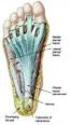 Plantar Fascia Release Introduction Plantar fasciitis is a common condition that causes pain around the heel. It may be severe enough to affect regular activities. If other treatments are unsuccessful,
Herniated Lumbar Disc
 Herniated Lumbar Disc North American Spine Society Public Education Series What Is a Herniated Disc? The spine is made up of a series of connected bones called vertebrae. The disc is a combination of strong
Breast Reduction Surgery. For the Patients of Dr. Morris
 2015 Breast Reduction Surgery For the Patients of Dr. Morris Breast Reduction Surgery for the Patients of Dr. Morris Please bring this booklet with you to the hospital on the day of surgery. What happens
CARDIAC REHABILITATION Follow-up Options & Dismissal Instructions Open Heart Surgery
 CARDIAC REHABILITATION Follow-up Options & Dismissal Instructions Open Heart Surgery For patients of Jeffrey Kramer, MD As you re discharged from the hospital, you may have questions about your continuing
Eyelid Surgery - Lower
 Eyelid Surgery - Lower Are your eyes still one of the most striking features on your face? Do they convey your actual emotions and inner vitality, or do they make you appear fatigued, sad, or older than
Basal Cell Carcinoma Affecting the Eye Your Treatment Explained
 Basal Cell Carcinoma Affecting the Eye Your Treatment Explained Patient Information Introduction This booklet is designed to give you information about having a Basal Cell Carcinoma near your eye and the
Breast Augmentation. If you are dissatisfied with your breast size, augmentation surgery is a choice to consider. Breast augmentation can:
 Breast Augmentation What is Breast Augmentation? Also known as augmentation mammaplasty, breast augmentation involves using implants to fulfill your desire for fuller breasts or to restore breast volume
A Patient s Guide to Guyon s Canal Syndrome
 A Patient s Guide to DISCLAIMER: The information in this booklet is compiled from a variety of sources. It may not be complete or timely. It does not cover all diseases, physical conditions, ailments or
.org. Distal Radius Fracture (Broken Wrist) Description. Cause
 Distal Radius Fracture (Broken Wrist) Page ( 1 ) The radius is the larger of the two bones of the forearm. The end toward the wrist is called the distal end. A fracture of the distal radius occurs when
Interstitial Breast Brachytherapy
 Patient Education Questions? Your questions are important. Call your doctor or health care provider if you have questions or concerns. UWMC clinic staff are also available to help at any time. During normal
The Children s Hospital Treatment for Hypospadias Information for parents
 The Children s Hospital Treatment for Hypospadias Information for parents What is hypospadias and what is the cause? Hypospadias is a congenital (since birth) abnormality of a boy s penis. Hypospadias
CONSENT FORM. Procedure: Descemet s Stripping Automated Endothelial Keratoplasty (DSAEK)
 CONSENT FORM Procedure: Descemet s Stripping Automated Endothelial Keratoplasty (DSAEK) Surgeon: Jeffrey W. Liu, M.D. Peninsula Laser Eye Medical Group 1174 Castro Street, Ste. 100 Mountain View, CA 94040
Cataract Information for Patients
 Cataract Information for Patients http://www.gov.pe.ca/health and click on Wait Times tab Page 1 What is a Cataract? A cataract is a clouding of the eye s naturally clear lens. When the lens becomes cloudy,
This booklet has been designed to give you all the information you need to undergo cataract surgery.
 Eye Unit Cataract Surgery: This booklet has been designed to give you all the information you need to undergo cataract surgery. University Hospitals Coventry and Warwickshire is a teaching hospital and
Total Abdominal Hysterectomy
 What is a total abdominal hysterectomy? Is the removal of the uterus and cervix through an abdominal incision (either an up and down or bikini cut). Removal of the ovaries and tubes depends on the patient.
Informed Patient Tutorial Copyright 2012 by the American Academy of Orthopaedic Surgeons
 Informed Patient Tutorial Copyright 2012 by the American Academy of Orthopaedic Surgeons Informed Patient - Carpal Tunnel Release Surgery Introduction Welcome to the American Academy of Orthopaedic Surgeons'
ILIOTIBIAL BAND SYNDROME
 ILIOTIBIAL BAND SYNDROME Description The iliotibial band is the tendon attachment of hip muscles into the upper leg (tibia) just below the knee to the outer side of the front of the leg. Where the tendon
Hip arthroscopy Frequently Asked Questions
 Hip arthroscopy Frequently Asked Questions What is a hip arthroscopy? Hip arthroscopy is key hole surgery. Usually 2-3 small incisions (about 1 cm long) are made on the side of your hip. Through these
Patient Information for Lumbar Spinal Fusion. What is a lumbar spinal fusion? Page 1 of 5
 Patient Information for Lumbar Spinal Fusion What is a lumbar spinal fusion? You have been offered surgery to the lumbar region of your spine, your lower back. The operation is called a lumbar spinal fusion.
Arthroscopic subacromial decompression and rotator cuff repair
 Further sources of information http://www.patient.co.uk/showdoc/553/ http://www.shoulderdoc.co.uk/article.asp?section=11 http://www.medic8.com/healthguide/articles/painfulshoulder.html http://www.cks.nhs.uk/patientinformationleaflet/shoulderpainarc/st
Information about cataract surgery
 Information about cataract surgery Delivering the best in care UHB is a no smoking Trust To see all of our current patient information leaflets please visit www.uhb.nhs.uk/patient-information-leaflets.htm
.org. Achilles Tendinitis. Description. Cause. Achilles tendinitis is a common condition that causes pain along the back of the leg near the heel.
 Achilles Tendinitis Page ( 1 ) Achilles tendinitis is a common condition that causes pain along the back of the leg near the heel. The Achilles tendon is the largest tendon in the body. It connects your
We ve got your back. Physical Therapy After Lumbar Fusion Surgery
 We ve got your back Physical Therapy After Lumbar Fusion Surgery Physical therapy is an extremely important part of you recovery after spinal surgery. This booklet, prepared by the therapists who specialize