
Topical steroids are available in a
|
|
|
- Jack Robinson
- 9 years ago
- Views:
Transcription
1 Choosing Topical Corticosteroids JONATHAN D. FERENCE, PharmD, Nesbitt College of Pharmacy and Nursing, Wilkes University, Wilkes-Barre, Pennsylvania ALLEN R. LAST, MD, MPH, Racine Family Medicine Residency Program, Medical College of Wisconsin, Racine, Wisconsin Topical corticosteroids are one of the oldest and most useful treatments for dermatologic conditions. There are many topical steroids available, and they differ in potency and formulation. Successful treatment depends on an accurate diagnosis and consideration of the steroid s delivery vehicle, potency, frequency of application, duration of treatment, and side effects. Although use of topical steroids is common, evidence of effectiveness exists only for select conditions, such as psoriasis, vitiligo, eczema, atopic dermatitis, phimosis, acute radiation dermatitis, and lichen sclerosus. Evidence is limited for use in melasma, chronic idiopathic urticaria, and alopecia areata. (Am Fam Physician. 2009;79(2): Copyright 2009 American Academy of Family Physicians.) Topical steroids are available in a variety of potencies and preparations. Physicians should become familiar with one or two agents in each category of potency to safely and effectively treat steroid-responsive skin conditions. When prescribing topical steroids, it is important to consider the diagnosis as well as steroid potency, delivery vehicle, frequency of administration, duration of treatment, and side effects. The usefulness and side effects of topical steroids are a direct result of their anti-inflammatory properties, although no single agent has been proven to have the best benefit-to-risk ratio. Table 1. Conditions Treatable with Topical Steroids High-potency steroids (groups I to III) Alopecia areata Atopic dermatitis (resistant) Discoid lupus Hyperkeratotic eczema Lichen planus Lichen sclerosus (skin) Lichen simplex chronicus Nummular eczema Poison ivy (severe) Psoriasis Severe hand eczema Medium-potency steroids (groups IV and V) Anal inflammation (severe) Asteatotic eczema Atopic dermatitis Lichen sclerosus (vulva) Nummular eczema Scabies (after scabicide) Seborrheic dermatitis Severe dermatitis Severe intertrigo (short-term) Stasis dermatitis Low-potency steroids (groups VI and VII) Dermatitis (diaper) Dermatitis (eyelids) Dermatitis (face) Intertrigo Perianal inflammation Indications An accurate diagnosis is essential when selecting a steroid. A skin scraping and potassium hydroxide test can clarify whether a steroid or an antifungal is an appropriate choice, because steroids can exacerbate a fungal infection. Topical corticosteroids are effective for conditions that are characterized by hyperproliferation, inflammation, and immunologic involvement. They can also provide symptomatic relief for burning and pruritic lesions. Many skin conditions are treated with topical steroids (Table 1), but evidence of effectiveness has been established only for a small number of conditions. For example, high- or ultra-high-potency topical steroids, alone or in combination with other topical treatments, are the mainstay of therapy for psoriasis. 1 They are also effective for treating vitiligo involving a limited area of a patient s skin, 2,3 lichen sclerosus, 4 bullous pemphigoid, and pemphigus foliaceus. 5,6 Alopecia areata, which is usually self-limited, may respond to ultra-high-potency topical corticosteroids, but randomized controlled trials have yielded conflicting results. 7,8 Medium- to high-potency topical corticosteroids are effective for atopic dermatitis and eczema in adults and children, 9,10 as well as for phimosis 11,12 (i.e., foreskin that cannot be retracted) and acute radiation dermatitis. 13,14 Topical corticosteroids may be effective for other conditions, but the data to support their use are from small, low-level, or uncorroborated studies. Melasma, 15 chronic idiopathic January 15, 2009 Volume 79, Number 2 American Family Physician 135 Downloaded from the American Family Physician Web site at Copyright 2009 American Academy of Family Physicians. For the private, noncommercial use of one individual user of the Web site. All other rights reserved. Contact [email protected] for copyright questions and/or permission requests.

2 SORT: KEY RECOMMENDATIONS FOR PRACTICE Clinical recommendation Evidence rating References Topical steroids can be used to treat psoriasis, vitiligo, lichen sclerosus, atopic dermatitis, eczema, and acute radiation dermatitis. C 1, 2, 4, 9-13 Ultra-high-potency topical steroids should not be used continuously for longer than three weeks. C 21 Low- to high-potency topical steroids should not be used continuously for longer than three months to avoid side effects. Combinations of topical steroids and antifungal agents generally should be avoided to reduce the risk of tinea infections. C 21 C 31 A = consistent, good-quality patient-oriented evidence; B = inconsistent or limited-quality patient-oriented evidence; C = consensus, diseaseoriented evidence, usual practice, expert opinion, or case series. For information about the SORT evidence rating system, go to org/afpsort.xml. urticaria, 16 infantile acropustulosis, 17 prepubertal labial adhesions, 18 and transdermal testosterone-patch induced skin irritation 19 fall into this category. Steroid Vehicles Steroids may differ in potency based on the vehicle in which they are formulated. Some vehicles should be used only on certain parts of the body. Ointments provide more lubrication and occlusion than other preparations, and are the most useful for treating dry or thick, hyperkeratotic lesions. Their occlusive nature also improves steroid absorption. Ointments should not be used on hairy areas, and may cause maceration and folliculitis if used on intertriginous areas (e.g., groin, gluteal cleft, axilla). Their greasy nature may result in poor patient satisfaction and compliance. Creams are mixes of water suspended in oil. They have good lubricating qualities, and their ability to vanish into the skin makes them cosmetically appealing. Creams are generally less potent than ointments of the same medication, and they often contain preservatives, which can cause irritation, stinging, and allergic reaction. Acute exudative inflammation responds well to creams because of their drying effects. Creams are also useful in intertriginous areas where ointments may not be used. However, creams do not provide the occlusive effects that ointments provide. Lotions and gels are the least greasy and occlusive of all topical steroid vehicles. Lotions contain alcohol, which has a drying effect on an oozing lesion. Lotions are useful for hairy areas because they penetrate easily and leave little residue. Gels have a jelly-like consistency and are beneficial for exudative inflammation, such as poison ivy. Gels dry quickly and can be applied on the scalp or other hairy areas and do not cause matting. Foams, mousses, and shampoos are also effective vehicles for delivering steroids to the scalp. They are easily applied and spread readily, particularly in hairy areas. Foams are usually more expensive. Because hydration generally promotes steroid penetration, applying a topical steroid after a shower or bath improves effectiveness. 20 Occlusion increases steroid penetration and can be used in combination with all vehicles. Simple plastic dressings (e.g., plastic wrap) result in a several-fold increase in steroid penetration compared with dry skin. 21 Occlusive dressings are often used overnight and should not be applied to the face or intertriginous areas. Irritation, folliculitis, and infection can develop rapidly from occlusive dressings, and patients should be counseled to monitor the treatment site closely. Flurandrenolide (Cordran) 4 mcg per m 2 impregnated dressing is formulated to provide occlusion. It is beneficial for treating limited areas of inflammation in otherwise difficult-to-treat locations, such as fingertips. Potency The preferred way to determine topical steroid potency is the vasoconstrictor assay, which classifies steroids based on the extent to which the agent causes cutaneous vasoconstriction ( blanching effect ) in normal, healthy persons. This is a useful but imperfect method for predicting the clinical effectiveness of steroids. 21 The antiinflammatory potency of some steroids may vary among patients, depending on the frequency of administration, the duration of treatment, and where on the body they are used. 22,23 A ranking system that compares clinical outcomes or an effectiveness-to-safety ratio may be of greater benefit, but does not currently exist. There are seven groups of topical steroid potency, ranging from ultra high potency (group I) to low potency (group VII). Table 2 provides a list of topical steroids and available preparations listed by group, formulation, and generic availability. 24 Brand name agents may be more expensive, which may reduce patient compliance. This should be considered when choosing steroid agents. Physicians should also be aware that some generic formulations have been shown to be less or more potent than their brand-name equivalent American Family Physician Volume 79, Number 2 January 15, 2009

3 Table 2. Potency Ratings of Topical Corticosteroids Medication Potency (group) Generic Brand Dosage vehicle Available sizes Ultra high (I) Augmented betamethasone dipropionate 0.05% Clobetasol propionate 0.05% Diprolene* G, O 15, 45, 50 g Clobex Olux* Temovate* Temovate E* L, Sh F C, G, O C 59, 118 ml (L); 118 ml (Sh) 50, 100 g 15, 30, 45 g (C, O); 15, 30, 60 g (G) 15, 30, 60 g Diflorasone diacetate 0.05% Apexicon* O 15, 30, 60 g Fluocinonide 0.1% Vanos C 30, 60 g Flurandrenolide 4 mcg per m 2 Cordran T 24 3 and 80 3 rolls Halobetasol propionate 0.05% Ultravate* C, O 15, 50 g High (II) Amcinonide 0.1% O 15, 30, 60 g Medium to high (III) Augmented betamethasone dipropionate 0.05% Diprolene* Diprolene AF* L C 30, 60 ml 15, 50 g Betamethasone dipropionate 0.05% Diprosone* O 15, 45 g Desoximetasone Topicort 0.25%* Topicort 0.05%* C, O G 15, 60 g 15, 60 g Diflorasone diacetate 0.05% Apexicon E* C 15, 30, 60 g Fluocinonide 0.05% Lidex* C, G, O 15, 30, 60 g Halcinonide 0.1% Halog C, O, So 15, 30, 60, 240 g (C, O); 30, 60 ml (So) Amcinonide 0.1% Cyclocort C 4, 15, 30, 60 g Betamethasone dipropionate 0.05% Betanate* C 15, 45 g Fluticasone propionate 0.005% Cutivate* O 15, 30, 60 g Triamcinolone acetonide 0.5% Cinalog* C, O 15 g (continued) C = cream; F = foam; G = gel; L = lotion; O = ointment; Sh = shampoo; So = solution; T = tape. * Generic is available. Brand not available in this formulation. Brand no longer available in the United States. Low-potency steroids are the safest agents for longterm use, on large surface areas, on the face or areas of the body with thinner skin, and on children. More potent agents are beneficial for severe diseases and for areas of the body where the skin is thicker, such as the palms and bottoms of the feet. High- and ultra-highpotency steroids should not be used on the face, groin, axilla, or under occlusion, except in rare situations and for short durations. 26 Frequency of Administration and Duration of Treatment Once- or twice-daily application is recommended for most preparations. 21 More frequent administration does not provide better results. 27 The optimal dosing schedule can be determined by trial and error, titrating to the minimum frequency of application that still provides relief. Chronic application of topical steroids can induce tolerance and tachyphylaxis. Ultra-high-potency steroids should not be used for more than three weeks continuously. 21 If a longer duration is needed, the steroid should be gradually tapered to avoid rebound symptoms, and treatment should be resumed after a steroid-free period of at least one week. This intermittent schedule can be repeated chronically or until the condition resolves. Side effects are rare when low- to high-potency steroids are used for three months or less, except in intertriginous areas, on the face and neck, and under occlusion. 21 The amount of steroid the patient should apply to a particular area can be determined by using the fingertip unit method. 28 A fingertip unit is defined as the amount that can be squeezed from the fingertip to the first crease of the finger. Table 3 describes the number of fingertip units needed to cover specific areas of the body. 28 One hand-size area (i.e., the area of one side of the hand) of skin requires 0.5 fingertip units or 0.25 g of steroid. The amount dispensed and applied should be considered carefully because too little steroid can lead to a poor response, and too much can increase side effects. January 15, 2009 Volume 79, Number 2 American Family Physician 137

4 Topical Corticosteroids Table 2. Potency Ratings of Topical Corticosteroids (continued) Medication Potency (group) Generic Brand Dosage vehicle Available sizes Medium (IV and V) Betamethasone valerate Beta-Val 0.1%* Luxiq 0.12% C, L F 14, 45 g (C); 60 ml (L) 100 g Desoximetasone 0.05% Topicort LP* C 15, 60 g Fluocinolone acetonide 0.025% Synalar* C, O 15, 60 g Fluticasone propionate 0.05% Cutivate* C 15, 30, 60 g Hydrocortisone butyrate 0.1% Locoid* O 5, 10, 15, 30, 45 g Hydrocortisone probutate 0.1% Pandel C 15, 45, 80 g Hydrocortisone valerate 0.2% Westcort* C, O 14, 45, 60 g (C, O); 120 g (C) Mometasone furoate 0.1% Elocon* C, L, O 15, 45 g (C, O); 30, 60 ml (L) Triamcinolone acetonide 0.025% Kenalog* C, L, O 15, 80, 454 g (C, O); 60 ml (L) Triamcinolone acetonide 0.1% Triderm* C, L, O 15, 80, 454 g (C, O); 15, 60 ml (L) Low (VI) Alclometasone dipropionate 0.05% Aclovate* C, O 15, 45, 60 g Desonide 0.05% Desonate Desowen* Lokara Verdeso G C, O L F 15, 30, 60 g 15, 60 g 60, 120 ml 100 g Fluocinolone 0.01% C 15, 60 g Hydrocortisone butyrate 0.1% Locoid* C 5, 10, 15, 30, 45 g Least potent (VII) Hydrocortisone 1%, 2.5% C, L, O 20, 30, 120 g (C, O); 60, 120 ml (L) C = cream; F = foam; G = gel; L = lotion; O = ointment; Sh = shampoo; So = solution; T = tape. * Generic is available. Brand not available in this formulation. Brand no longer available in the United States. Information from reference 24. Side Effects Prolonged use of topical corticosteroids may cause side effects (Table 4 29 ). To reduce the risk, the least potent steroid should be used for the shortest time, while still maintaining effectiveness. The most common side effect of topical corticosteroid use is skin atrophy. All topical steroids can induce atrophy, but higher potency steroids, occlusion, thinner skin, and older patient age increase the risk. The face, the backs of the hands, and intertriginous areas are particularly susceptible. Resolution often occurs after discontinuing use of these agents, but it may take months. Concurrent use of topical tretinoin (Retin-A) 0.1% may reduce the incidence of atrophy from chronic steroid applications. 30 Other side effects from topical steroids include permanent dermal atrophy, telangiectasia, and striae. Topical steroids can also induce rosacea, which may include the eruption of erythema, papules, and pustules. Steroid-induced rosacea occurs when a facial rash is treated with low-potency topical steroids that produce resolution of the lesions. If the symptoms recur and steroid potency is gradually increased, the rosacea may become refractory to further treatment, making it necessary to discontinue the steroid. This may then induce a severe rebound erythema and pustule outbreak, which may be treated with a 10-day course of tetracycline (250 mg four times daily) or erythromycin (250 mg four times daily). For severe rebound symptoms, the slow tapering of low-potency topical steroids and use of cool, wet compresses on the affected area may also help. The normal presentation of superficial infections can be altered when topical corticosteroids are inappropriately used to treat bacterial or fungal infections. Steroids interfere with the natural course of inflammation, potentially allowing infections to spread more rapidly. The application of high-potency steroids can induce a deeptissue tinea infection known as a Majocchi granuloma. 138 American Family Physician Volume 79, Number 2 January 15, 2009

5 Table 3. Quantity of Ointment Based on Fingertip Units* Topical Corticosteroids Area of the body Fingertip unit required for one application Weight of ointment required for one application (g) Face and neck Trunk (front or back) One arm One hand (one side) One leg One foot * One fingertip unit = approximately 0.5 g. Information from reference 28. This tinea folliculitis requires oral antifungal therapy. Combinations of antifungal agents and corticosteroids should be avoided to reduce the risk of severe, persistent, or recurrent tinea infections. 31 Any rash treated with topical steroids that worsens or does not significantly improve should be reevaluated for the possibility of an undiagnosed infectious etiology. Weight of ointment required for an adult male to treat twice daily for one week (g) Table 4. Potential Side Effects of Topical Corticosteroids Cutaneous/local effects Atrophic changes Easy bruising Increased fragility Purpura Stellate pseudoscars Steroid atrophy Striae Telangiectasis Ulceration Infections Aggravation of cutaneous infection Granuloma gluteale infantum Masked infection (tinea incognito) Secondary infections Miscellaneous Contact dermatitis Delayed wound healing Hyperpigmentation Hypertrichosis (hirsutism) Hypopigmentation Perioral dermatitis Photosensitization Cutaneous/local effects Miscellaneous (continued) Reactivation of Kaposi sarcoma Rebound flare Steroid-induced acne Steroid-induced rosacea Ocular changes Cataracts Glaucoma Ocular hypertension Systemic effects Endocrine Cushing disease Hypothalamic-pituitary-adrenal suppression Metabolic Aseptic necrosis of the femoral head Decreased growth rate Hyperglycemia Renal/electrolyte Hypertension Hypocalcemia Peripheral edema Adapted with permission from Hengge UR, Ruzicka T, Schwartz RA, Cork MJ. Adverse effects of topical glucocorticosteroids. J Am Acad Dermatol. 2006;54(1):5. Topical applications of corticosteroids can also result in hypopigmentation. This is more apparent with darker skin tones, but can happen in all skin types. Repigmentation often occurs after discontinuing steroid use. 29 Steroids can induce a contact dermatitis in a minority of patients, but many cases result from the presence of preservatives, lanolin, or other components of the vehicle. Nonfluorinated steroids (e.g., hydrocortisone, budesonide [Rhinocort]) are more likely to cause a contact dermatitis. Topically applied high- and ultra-highpotency corticosteroids can be absorbed well enough to cause systemic side effects. Hypothalamic-pituitary-adrenal suppression, glaucoma, septic necrosis of the femoral head, hyperglycemia, hypertension, and other systemic side effects have been reported. 29 It is difficult to quantify the incidence of side effects caused by topical corticosteroids as a whole, given their differences in potency. According to a postmarketing safety review, the most frequently reported side effects were local irritation (66 percent), skin discoloration (15 percent), and striae or skin atrophy (15 percent). 29 Side effects occur more often with higher potencies. Topical steroids can induce birth defects in animals when used in large amounts, under occlusion, or for long duration. 21 They have not been shown to do so in humans, and are classified by the U.S. Food and Drug Administration as pregnancy category C. It is unclear whether topical steroids are excreted in breast milk; as a precaution, application of topical steroids to the breasts should be done immediately following nursing to allow as much time as possible before the next feeding. Special Considerations Children often require a shorter duration of treatment and a lower potency steroid. When the diagnosis is unclear, when standard treatments fail, or when allergy patch testing is unavailable in the physician s office, referral to a dermatologist is recommended. This is one in a series of Clinical Pharmacology articles coordinated by Allen F. Shaughnessy, PharmD, Tufts University Family Medicine Residency at Cambridge Health Alliance, Malden, Mass. January 15, 2009 Volume 79, Number 2 American Family Physician 139

6 Topical Corticosteroids The Authors Jonathan D. Ference, PharmD, BCPS, is an assistant professor at the Wilkes University Nesbitt College of Pharmacy and Nursing in Wilkes-Barre, Pa., and a clinical pharmacist at the Wyoming Valley Family Medicine Residency Program in Kingston, Pa. At the time the article was written, Dr. Ference was a clinical assistant professor at the University of Oklahoma College of Pharmacy in Tulsa, and an adjunct assistant professor at the University of Oklahoma Family Medicine Residency Program in Tulsa. He received his doctorate of pharmacy from the Nesbitt College of Pharmacy and Nursing and completed residency training and a faculty development fellowship at the University of Pittsburgh (Pa.) Medical Center (UPMC) St. Margaret Family Medicine Residency Program. Allen R. Last, MD, MPH, is assistant program director at the Racine Family Medicine Residency Program at the Medical College of Wisconsin in Racine. He received his medical degree from the University of Wisconsin Medical School, Madison, and completed residency training and a faculty development fellowship at the UPMC St. Margaret Family Medicine Residency Program. He received a master s degree in public health from the University of Pittsburgh Graduate School of Public Health. Address correspondence to Jonathan D. Ference, PharmD, BCPS, Nesbitt College of Pharmacy and Nursing, 84 W. South St., Room 336, Wilkes-Barre, PA ( [email protected]). Reprints are not available from the authors. Author disclosure: Nothing to disclose. REFERENCES 1. Marsland AM, Chalmers RJ, Hollis S, Leonardi-Bee J, Griffiths CE. Interventions for chronic palmoplantar pustulosis. Cochrane Database Syst Rev. 2006;(1):CD Lepe V, Moncada B, Castanedo-Cazares JP, Torres-Alvarez MB, Ortiz CA, Torres-Rubalcava AB. A double-blind randomized trial of 0.1% tacrolimus vs. 0.05% clobetasol for the treatment of childhood vitiligo. Arch Dermatol. 2003;139(5): Handa S, Pandhi R, Kaur I. Vitiligo: a retrospective comparative analysis of treatment modalities in 500 patients. J Dermatol. 2001;28(9): Renaud-Vilmer C, Cavelier-Balloy B, Porcher R, Dubertret L. Vulvar lichen sclerosus: effect of long-term topical application of a potent steroid on the course of the disease. Arch Dermatol. 2004;140(6): Dumas V, Roujeau JC, Wolkenstein P, Revuz J, Cosnes A. The treatment of mild pemphigus vulgaris and pemphigus foliaceus with a topical corticosteroid. Br J Dermatol. 1999;140(6): Joly P, Roujeau JC, Benichou J, et al., for the Bullous Diseases French Study Group. A comparison of oral and topical corticosteroids in patients with bullous pemphigoid. N Engl J Med. 2002;346(5): Tosti A, Iorizzo M, Botta GL, Milani M. Efficacy and safety of a new clobetasol propionate 0.05% foam in alopecia areata: a randomized, double-blind placebo-controlled trial. J Eur Acad Dermatol Venereol. 2006;20(10): Charuwichitratana S, Wattanakrai P, Tanrattanakorn S. Randomized double-blind placebo-controlled trial in the treatment of alopecia areata with 0.25% desoximetasone cream. Arch Dermatol. 2000;136(10): Tan MH, Meador SL, Singer G, Lebwohl MG. An open-label study of the safety and efficacy of limited application of fluticasone propionate ointment, 0.005%, in patients with atopic dermatitis of the face and intertriginous areas. Int J Dermatol. 2002;41(11): Hanifin J, Gupta AK, Rajagopalan R. Intermittent dosing of fluticasone propionate cream for reducing the risk of relapse in atopic dermatitis patients. Br J Dermatol. 2002;147(3): Lund L, Wai KH, Mui LM, Yeung CK. Effect of topical steroid on nonretractile prepubertal foreskin by a prospective, randomized, doubleblind study. Scand J Urol Nephrol. 2000;34(4): Lund L, Wai KH, Mui LM, Yeung CK. An 18-month follow-up study after randomized treatment of phimosis in boys with topical steroid versus placebo. Scand J Urol Nephrol. 2005;39(1): Schmuth M, Wimmer MA, Hofer S, et al. Topical corticosteroid therapy for acute radiation dermatitis: a prospective, randomized, double-blind study. Br J Dermatol. 2002;146(6): Shukla PN, Gairola M, Mohanti BK, Rath GK. Prophylactic beclamethasone spray to the skin during postoperative radiotherapy of carcinoma breast: a prospective randomized study. Indian J Cancer. 2006; 43(4): Sarkar R, Bhalla M, Kanwar AJ. A comparative study of 20% azelaic acid cream monotherapy versus a sequential therapy in the treatment of melasma in dark-skinned patients. Dermatology. 2002;205(3): Ellingsen AR, Thestrup-Pederson K. Treatment of chronic idiopathic urticaria with topical steroids. An open trial. Acta Derm Venereol. 1996;76(1): Mancini AJ, Frieden IJ, Paller AS. Infantile acropustulosis revisited: history of scabies and response to topical corticosteroids. Pediatr Dermatol. 1998;15(5): Myers JB, Sorensen CM, Wisner BP, Furness PD 3rd, Passamaneck M, Koyle MA. Betamethasone cream for the treatment of pre-pubertal labial adhesions. J Pediatr Adolesc Gynecol. 2006;19(6): Wilson DE, Kaidbey K, Boike SC, Jorkasky DK. Use of topical corticosteroid pretreatment to reduce the incidence and severity of skin reactions associated with testosterone transdermal therapy. Clin Ther. 1998;20(2): Pariser DM. Topical steroids: a guide for use in the elderly patient. Geriatrics. 1991;46(10):51-54,57-60, Drake LA, Dinehart SM, Farmer ER, et al. Guidelines of care for the use of topical glucocorticosteroids. J Am Acad Dermatol. 1996; 35(4): Goa KL. Clinical pharmacology and pharmacokinetic properties of topically applied corticosteroids. A review. Drugs. 1988;36(suppl 5): McKenzie AW. Comparison of steroids by vasoconstriction. Br J Dermatol. 1966;78(3): Facts and Comparisons (password required). Accessed February 10, Olsen EA. A double-blind controlled comparison of generic and tradename topical steroids using the vasoconstriction assay. Arch Dermatol. 1991;127(2): Geraci AC, Crane JS, Cunha BA. Topical steroids: dosing forms and general considerations. Hosp Pharm. 1991;26: du Vivier A. Tachyphylaxis to topically applied steroids. Arch Dermatol. 1976;112(9): Long CC, Finaly AY. The finger-tip unit a new practical measure. Clin Exp Dermatol. 1991;16(6): Hengge UR, Ruzicka T, Schwartz RA, Cork MJ. Adverse effects of topical glucocorticosteroids. J Am Acad Dermatol. 2006;54(1): McMicheal AJ, Griffiths CE, Talwar HS, et al. Concurrent application of tretinoin (retinoic acid) partially protects against corticosteroid-induced epidermal atrophy. Br J Dermatol. 1996;135(1): Alston SJ, Cohen BA, Braun M. Persistent and recurrent tinea corporis in children treated with combination antifungal/corticosteroid agents. Pediatrics. 2003;111(1): American Family Physician Volume 79, Number 2 January 15, 2009

TOPICAL THERAPY. ADVANTAGES - increased dose of medication to affected area. - reduced systemic side effects and toxicity
 TOPICAL THERAPY ADVANTAGES - increased dose of medication to affected area. - reduced systemic side effects and toxicity DISADVANTAGES - takes time - may be greasy or messy - may have different preparations
TOPICAL TREATMENTS. for psoriasis NATIONAL PSORIASIS FOUNDATION. » Over-the-counter products» Combination agents» + more
 NATIONAL PSORIASIS FOUNDATION TOPICAL TREATMENTS for psoriasis» Topical steroids» Vitamin D derivatives» Vitamin A derivatives» Over-the-counter products» Combination agents» + more Photo illustration
Facial Use of Low Potency Steroids With Anti-microbials and Retinoids
 Facial Use of Low Potency Steroids With Anti-microbials and Retinoids Steven L. Harlan, MD Medical Director, Dermatology Center, Des Moines, IA Introduction: There have been many reports of topical corticosteroids
Guidelines of care for the management of psoriasis and psoriatic arthritis
 FROM THE ACADEMY Guidelines of care for the management of psoriasis and psoriatic arthritis Section 3. Guidelines of care for the management and treatment of psoriasis with topical therapies Alan Menter,
For Mild to Moderate Plaque Psoriasis and Moderate to Severe Atopic Dermatitis
 For Mild to Moderate Plaque Psoriasis and Moderate to Severe Atopic Dermatitis OLUX-E (clobetasol propionate) Foam, 0.05% Please see Important Safety Information on back page and accompanying Full Prescribing
Topical Tacrolimus or Pimecrolimus for the treatment of mild, moderate or severe atopic eczema. Effective Shared Care Agreement
 Topical Tacrolimus or Pimecrolimus for the treatment of mild, moderate or severe atopic eczema. Effective Shared Care Agreement A Copy of this page signed by all three parties should be retained in the
Key words: Psoriasis, Calcipotriol, Tazarotene. tazarotene. 16 ( 4 ) tazarotene calcipotriol ( 22 : 23-34, 2004)
 In the treatment of plaque psoriasis, tazarotene was known to be effective, but its efficacy in a Taiwanese population has not been reported. Our purpose was to compare the efficacy, side effects and the
NEW ZEALAND DATA SHEET BETNOVATE -C CREAM and OINTMENT
 NEW ZEALAND DATA SHEET BETNOVATE -C CREAM and OINTMENT Name of each active ingredient Betamethasone valerate 0.1% w/w and clioquinol 3% w/w Presentations BETNOVATE-C Cream is a smooth, straw-coloured water-miscible
South Carolina Department of Health and Human Services Post Office Box 8206 Columbia, South Carolina 29202-8206
 South Carolina Department of Health and Human Services Post Office Box 8206 Columbia, South Carolina 29202-8206 Pharmacy and Therapeutics (P&T) Committee Meeting MINUTES 1. Call to Order A meeting of the
D E R M A T O L O G Y
 We customize individual prescriptions for the specific needs of our patients. J A N U A R Y 2 0 1 3 I N S I D E T H I S I S S U E : Warts 2 Melasma 3 P R E S C R I P T I O N C O M P O U N D I N G F O R
1g cream or ointment contains 1 mg methylprednisolone aceponate.
 CONSUMER MEDICINE INFORMATION ADVANTAN 1g cream or ointment contains 1 mg methylprednisolone aceponate. What is in this leaflet Please read this leaflet carefully before you start using ADVANTAN. It will
AETNA BETTER HEALTH Prior Authorization guidelines for Step Therapy
 AETNA BETTER HEALTH Prior Authorization guidelines for Step Therapy Definition A form of automated Prior Authorization whereby one or more prerequisite medications, which may or may not be in the same
Injudicious Use of Topical Steroids, A Misconcept in Treatment of Patients with Acne Vulgaris
 ORIGINAL ARTICLE Injudicious Use of Topical Steroids, A Misconcept in Treatment of Patients with Acne Vulgaris Asma Khalid, Rushqia Mukhtar 20 ABSTRACT Objectives: To determine the frequency of use of
Neutral Superoxidized solution vs. benzoyl peroxide gel 5% in the treatment of. Superoxidized solution (SOS) is an electrochemically processed aqueous
 Neutral Superoxidized solution vs. benzoyl peroxide gel 5% in the treatment of acne vulgaris: a randomized open-label clinical trial. Summary. Superoxidized solution (SOS) is an electrochemically processed
PRODUCT MONOGRAPH. HydroVal. (Hydrocortisone Valerate USP) Cream & Ointment 0.2 % Topical Corticosteroid
 PRODUCT MONOGRAPH HydroVal (Hydrocortisone Valerate USP) Cream & Ointment 0.2 % Topical Corticosteroid TaroPharma Preparation Date: A Division of Taro Pharmaceuticals Inc. September 02, 2003 130 East Drive
FastTest. You ve read the book... ... now test yourself
 FastTest You ve read the book...... now test yourself To ensure you have learned the key points that will improve your patient care, read the authors questions below. Please refer back to relevant sections
Leukocytoclastic Vasculitis and Stasis Dermatitis With Id Reaction
 Id Reaction December 01, 2007 By David L. Kaplan, MD [1] A Photo Quiz to Hone Dermatologic Skills Case 1: A slightly pruritic eruption developed on the lower legs of a 39-year-old woman after she had an
Comparison of the Effect of Azelaic Acid 20% And Clindamycin 1% In the Treatment of Mild And Moderate Acne. Abstract
 Original Article Comparison of the Effect of Azelaic Acid 20% And Clindamycin 1% In the Treatment of Mild And Moderate Acne Soudabeh Tirgar Tabari, MD Ali Akbar Moghadam Nia, PharmD Karimollah Hajian Amirmajid
1. ACNE 1. Lisa Schmidt, MPH, Eve A. Kerr, MD, and Kenneth Clark, MD
 1. ACNE 1 Lisa Schmidt, MPH, Eve A. Kerr, MD, and Kenneth Clark, MD The general approach to summarizing the key literature on acne was to review relevant sections of two medical text books (Vernon and
Foam: A Unique Delivery Vehicle for Topically Applied Formulations
 : A Unique Delivery Vehicle for Topically Applied Formulations Dov Tamarkin, PhD ix Ltd. Key Words:, Emulsion, Lipophilic Emulsion, Nanoemulsion, Aqueous, Hydroethanolic, Potent-Solvent, Suspension, Ointment,
Prescribing advice for the management and treatment of psoriasis
 Prescribing advice for the management and treatment of psoriasis This guidance contains suggested advice for the management and treatment of patients presenting with psoriasis. This guidance applies to
Efficacy and Safety of Calcipotriol Ointment in Psoriasis Vulgaris - Experiences in Hong Kong
 ORIGINAL ARTICLES Efficacy and Safety of Calcipotriol Ointment in Psoriasis Vulgaris - Experiences in Hong Kong Drs. C. W. Fung, L.Y. Chong, C.Y. Leung, C. N. Look, K.K. Lo, K. M. Ho Social Hygiene Service
Indication under review: cutaneous treatment of acne vulgaris when comedones, papules and pustules are present.
 Resubmission adapalene 0.1%/benzoyl peroxide 2.5% gel (Epiduo ) SMC No. (682/11) Galderma UK Ltd 07 March 2014 The Scottish Medicines Consortium (SMC) has completed its assessment of the above product
TOPICAL TREATMENTS FOR PSORIASIS
 TOPICAL TREATMENTS FOR PSORIASIS What are the aims of this leaflet? Patients with psoriasis are usually treated with preparations that are applied to the skin. This leaflet has been written to help you
COMPOUNDING PHARMACY SOLUTIONS PRESCRIPTION COMPOUNDING FOR DERMATOLOGY
 JUNE 2012 COMPOUNDING PHARMACY SOLUTIONS PRESCRIPTION COMPOUNDING WWW.CPSRXS. COM We customize individual prescriptions for the specific needs of our patients. INSIDE THIS ISSUE: Acne 2 Cutaneous Candidiasis
Hydrozole Cream Hydrocortisone (microfine) 1% w/w and Clotrimazole 1% w/w
 CONSUMER MEDICINE INFORMATION What is in this leaflet? This leaflet answers some common questions about Hydrozole It does not contain all the available information. It does not take the place of talking
A t f e t r e r th t is s lec e t c u t re r e t h t e e st s u t den e t t sh s ould b e e a b a le e t o t :
 Dermatopharmacology Prof Werner Sinclair Department of Dermatology University of the Free State Outcomes for this Lecture After this lecture the student should be able to: Name the most important characteristics
Department of Dermatology, Churchill Hospital PUVA Treatment
 Oxford University Hospitals NHS Trust Department of Dermatology, Churchill Hospital PUVA Treatment information for patients CONTENTS What is PUVA 3 What conditions are treated with PUVA? 3 How is PUVA
Product: Tazarotene, cream, 500 micrograms per g (0.05%) and 1.0 mg per g (0.1%), 30 g, Zorac
 PUBLIC SUMMARY DOCUMENT Product: Tazarotene, cream, 500 micrograms per g (0.05%) and 1.0 mg per g (0.1%), 30 g, Zorac Sponsor: Genepharm Australasia Ltd Date of PBAC Consideration: July 2007 1. Purpose
Elocon Cream 0.1 25 W White
 Elocon Cream 0.1 25 W White generic mometasone furoate pricing without insurance elocon lotion how supplied usage buy mometasone furoate cream usp 0.1 brand name perrigo elocon ointment dosage lips elocon
Spongiotic reaction pattern Spongiosis = Intercellular edema Elongation of bridges vesiculation, bullae?mechanism unclear Fluid comes from dermis Impo
 Spongiotic Reaction Pattern and review Nathan C. Walk, M.D. Spongiotic reaction pattern Spongiosis = Intercellular edema Elongation of bridges vesiculation, bullae?mechanism unclear Fluid comes from dermis
SESSION F4. The Lichens: Cases of Vulvar Itching, Burning and Pain Andrea Prabhu, MD
 37th Annual Advanced Practice in Primary and Acute Care Conference: October 9-11, 2014 9:55 SESSION F4 The Lichens: Cases of Vulvar Itching, Burning and Pain Andrea Prabhu, MD Session Description: Vulvar
B. Disorders of sebaceous glands
 Go Back to the Top To Order, Visit the Purchasing Page for Details B. Disorders of sebaceous glands 1. Acne vulgaris It most frequently occurs on the face of adolescent men and women. Comedones, folliculitis,
Public Assessment Report. Pharmacy to General Sales List Reclassification. Pirinase Hayfever Relief for Adults 0.05% Nasal Spray.
 Public Assessment Report Pharmacy to General Sales List Reclassification Pirinase Hayfever Relief for Adults 0.05% Nasal Spray (Fluticasone) PL 00079/0688 Glaxo Wellcome UK Limited TABLE OF CONTENTS Introduction
CICLOSPORIN. What are the aims of this leaflet?
 CICLOSPORIN What are the aims of this leaflet? This leaflet has been written to help you understand more about ciclosporin. It tells you what it is, how it works, how it is used to treat skin conditions,
Betnovate -C 0.1% / 3% w/w Cream Betamethasone (as valerate) and Clioquinol
 [GSK Logo] Package Leaflet: Information for the User Betnovate -C 0.1% / 3% w/w Cream Betamethasone (as valerate) and Clioquinol Read all of this leaflet carefully before you start using this medicine
Common Skin Conditions in Children. Liz Moore and Emma King Dermatology Nurse Consultants
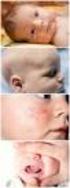 Common Skin Conditions in Children Liz Moore and Emma King Dermatology Nurse Consultants Diagnosis? Nummular Dermatitis Disc pattern rash (discoid eczema) Clearly demarcated edges Occurs at any age Can
74 Full Text Available On www.ijupls.com. Medical Sciences. Original Article!!!
 International Journal of Universal Pharmacy and Life Sciences 2(2): March-April 2012 INTERNATIONAL JOURNAL OF UNIVERSAL PHARMACY AND LIFE SCIENCES Medical Sciences Original Article!!! Received: 18-04-2012;
COMMON BACTERIAL SKIN INFECTIONS IN GENERAL PRACTICE
 COMMON BACTERIAL SKIN INFECTIONS IN GENERAL PRACTICE The two most common bacteria to cause skin infections are staphylococcus aureus (staph aureus ) and streptococcus pyogenes ( strep) (see Table 1). Staphylococcus
Pimecrolimus cream (Elidel) for facial atopic dermatitis
 for facial atopic dermatitis (pi-me-kro-ly-mus) Summary Pimecrolimus 1% cream is PBS listed for treating facial atopic dermatitis in adults and children when topical corticosteroids are contraindicated
Acne breakouts vulgaris is one of the commonest skin conditions, which dermatologists treat and it
 Introduction Acne breakouts vulgaris is one of the commonest skin conditions, which dermatologists treat and it mostly impacts teens, though it might appear at any sort of age. Acne breakouts cause necessarily
Is Monotherapy Treatment of Etanercept Effective Against Plaque Psoriasis?
 Philadelphia College of Osteopathic Medicine DigitalCommons@PCOM PCOM Physician Assistant Studies Student Scholarship Student Dissertations, Theses and Papers 2011 Is Monotherapy Treatment of Etanercept
Statement of Principles concerning PRURITUS ANI
 Instrument No.41 of 1996 Determination of Statement of Principles concerning PRURITUS ANI ICD CODE: 698.0 Veterans Entitlements Act 1986 1. This Statement of Principles is determined by the Repatriation
New Developments in the Topical Management of Acne
 Clinical Review New Developments in the Topical Management of Acne Abstract Adapalene 0.1%/BPO 2.5% (adapalene/bpo) gel is a novel agent for acne therapy that has recently become available in Canada. This
Wound Care on the Field. Objectives
 Wound Care on the Field Brittany Witte, PT, DPT Cook Children s Medical Center Objectives Name 3 different types of wounds commonly seen in sports and how to emergently provide care for them. Name all
Intravenous Methyl Prednisolone in Multiple Sclerosis
 Intravenous Methyl Prednisolone in Multiple Sclerosis Exceptional healthcare, personally delivered Relapse management in multiple sclerosis Relapses in multiple sclerosis (MS) are common and caused by
NEHSNORTH EASTERN HEALTH SPECIALISTS
 COSMETIC DERMATOLOGY NEHSNORTH EASTERN HEALTH SPECIALISTS nehs.com.au CONSENT FORM ACNE Treatment I, DOB:, of authorize of North Eastern Health Specialist to perform hair removal with the BBL / Nd-Yag
NERIDERM Cream, Ointment, Fatty Ointment
 PRESCRIBING INFORMATION NERIDERM Cream, Ointment, Fatty Ointment Qualitative and Quantitive Composition 1 g Neriderm contains 1 mg (0.1%) diflucortolone valerate. Pharmaceutical Form Cream, Ointment, Fatty
Fungsi Krim Elocon Mometasone Furoate
 Fungsi Krim Elocon Mometasone Furoate 1 what is mometasone furoate cream 0.1 used for ointment 2 elocon cream indications vs ointment 3 what is mometasone furoate cream usp 0.1 used for on face 4 elocon
Summary Acne vulgaris is a chronic, treatable disease but response to treatment may be delayed.
 TREATMENT OF ACNE VULGARIS Summary Acne vulgaris is a chronic, treatable disease but response to treatment may be delayed. Topical agents are useful as monotherapy for mild acne and in combination with
Preetha selva et al. / International Journal of Phytopharmacology. 6(1), 2015, 42-46. International Journal of Phytopharmacology
 International Journal of Phytopharmacology Journal homepage: www.onlineijp.com 42 e- ISSN 0975 9328 Print ISSN 2229 7472 IJP A CLINICAL STUDY TO EVALUATE THE EFFECT OF TOPICAL TAZAROTENE IN THE TREATMENT
PowerLight LED Light Therapy. The FUTURE of corrective skin
 PowerLight LED Light Therapy The FUTURE of corrective skin care TODAY LED facial treatments Effective when used with correct protocols Non thermal stimulation of collagen Increases circulation and lymphatic
Atopic eczema in children
 Issue date: December 2007 Atopic eczema in children Management of atopic eczema in children from birth up to the age of 12 years NICE clinical guideline 57 Developed by the National Collaborating Centre
Dermatologic Disease in Family Medicine
 Vol. 40, No. 7 507 Health Services Research Dermatologic Disease in Family Medicine Farah Awadalla; Daryl A. Rosenbaum, MD; Fabian Camacho, MS; Alan B. Fleischer, Jr, MD; Steven R. Feldman, MD, PhD Background
DERMATITIS ECZEMA JOHN L. BEZZANT, M.D.
 DERMATITIS ECZEMA JOHN L. BEZZANT, M.D. THE PHYSICIAN IS PRIMARILY A PROBLEM SOLVER FACULTY TEACHING HANDBOOK UNIVERSITY OF UTAH SCHOOL OF MEDICINE, FALL 2005, p 62. THE GODS ARE MORE WILLING TO HELP US
SHINGLES (Herpes zoster infection)
 SHINGLES (Herpes zoster infection) What are the aims of this leaflet? This leaflet has been written to help you understand more about shingles. It will tell you what it is, what causes it, what can be
Available online www.jocpr.com. Research Article
 Available online www.jocpr.com Journal of Chemical and Pharmaceutical Research, 2014, 6(2):736-741 Research Article ISSN : 0975-7384 CODEN(USA) : JCPRC5 A comparative study of efficacy and safety of combination
ICON PRE AND POST OP INSTRUCTIONS. MAXG or 1540 (XD/XF)
 ICON PRE AND POST OP INSTRUCTIONS MAXG or 1540 (XD/XF) Pre-Op Instructions 1. Please arrive to appointment 15 minutes before your scheduled time. Please be advised, running late may result in less than
Learn More About Product Labeling
 Learn More About Product Labeling Product label The product label is developed during the formal process of review and approval by regulatory agencies of any medicine or medical product. There are specific
Informed Consent for Cosmetic Laser Skin Resurfacing with the DOT laser
 Informed Consent for Cosmetic Laser Skin Resurfacing with the DOT laser INSTRUCTIONS This informed-consent document has been prepared to help inform you about laser procedure, its risks, as well as alternative
Lung Pathway Group Nintedanib (Vargatef) in advanced Non-Small Cell Lung Cancer (NSCLC)
 Lung Pathway Group Nintedanib (Vargatef) in advanced Non-Small Cell Lung Cancer (NSCLC) Indication: In combination with docetaxel in locally advanced, metastatic or locally recurrent NSCLC of adenocarcinoma
X-Plain Psoriasis Reference Summary
 X-Plain Psoriasis Reference Summary Introduction Psoriasis is a long-lasting skin disease that causes the skin to become inflamed. Patches of thick, red skin are covered with silvery scales. It affects
Dry skin, eczema, psoriasis and flare-ups
 Dry skin, eczema, psoriasis and flare-ups Let s feel comfortable in our skin FL4368_1000031525 BTS LFGT Specialist Skin A5LFT 12pp V7.indd 1 21/02/2014 09:58 Some of us live with a dry or sore skin condition.
PACKAGE LEAFLET: INFORMATION FOR THE USER. Elidel 10 mg/g Cream. pimecrolimus
 PACKAGE LEAFLET: INFORMATION FOR THE USER Elidel 10 mg/g Cream pimecrolimus Read all of this leaflet carefully before you start using Elidel cream Keep this leaflet. You may need to read it again. If you
8502-00-0821 Revision L Candela Proprietary Sheet 1 of 5 February 2005
 Vbeam Treatment Guidelines These guidelines were developed from clinical experience and do not take the place of the Operator s Manual and clinical judgment. These guidelines are subject to change as users
VITILIGO Charles Camisa, MD 1/24/12. Vitiligo is a common autoimmune skin disease that causes gradual loss of the natural
 VITILIGO Charles Camisa, MD 1/24/12 What is vitiligo? Vitiligo is a common autoimmune skin disease that causes gradual loss of the natural brown pigment in the skin called melanin. It affects about 1%
How To Know The Type Of Skin Disease In The United Kingdom
 Scholars Academic Journal of Pharmacy (SAJP) ISSN 2320-4206 Sch. Acad. J. Pharm., 2013; 2(4):304-309 Scholars Academic and Scientific Publisher (An International Publisher for Academic and Scientific Resources)
A comparison of efficacy and safety of topical 0.1% adapalene and 4% benzoyl peroxide in the treatment of mild to moderate acne vulgaris
 Original Article A comparison of efficacy and safety of topical 0.1% adapalene and 4% benzoyl peroxide in the treatment of mild to moderate acne vulgaris Usma Iftikhar, Shahbaz Aman, Muhammad Nadeem, Atif
FUNGAL INFECTIONS OF THE NAILS
 FUNGAL INFECTIONS OF THE NAILS What are the aims of this leaflet? This leaflet has been written to help you understand more about fungal infections of the nails. It tells you what they are, what causes
Treatments for allergy are usually straightforward, safe and effective. Common treatments include:
 Allergy Medications The treatments prescribed for allergy control the symptoms and reactions; they do not cure the condition. However, using treatments as prescribed can show a huge change in a patient
Learn to Like the Lichens: Lichen Sclerosus, Lichen Simplex Chronicus, and Lichen Planus
 Learn to Like the Lichens: Lichen Sclerosus, Lichen Simplex Chronicus, and Lichen Planus Hope K. Haefner, MD Professor, Dept. of OBGYN Co-Director The University of Michigan Center for Vulvar Diseases
Treating your skin condition with narrowband ultraviolet B radiation (NB-UVB)
 Treating your skin condition with narrowband ultraviolet B radiation (NB-UVB) Your doctor has referred you to the Dowling Day Treatment Centre for a course of narrow band ultraviolet treatment for your
What are spider veins? What is the best treatment for spider veins?
 Laser Spider/Leg Vein Q & A What are spider veins? Millions of women and men are bothered by unsightly spider veins on their faces and legs. Spider veins or telangiectasias are those small red, blue and
Scabies. Care Homes IPC Study Day. Sue Barber Lead Nurse Infection Prevention & Control AV & Chiltern CCG s
 Scabies Care Homes IPC Study Day Sue Barber Lead Nurse Infection Prevention & Control AV & Chiltern CCG s Scabies What is it? (warning you will experience itching during this session) Ancient disease evidence
Acne. Normal skin. What is acne?
 Acne Acne is extremely common in varying degrees of severity. About 9 out of 10 teenagers develop some degree of acne. However, this does not mean it should be ignored. Acne is a distressing condition
X-Plain Acne Reference Summary
 X-Plain Acne Reference Summary Introduction Nearly 17 million people in the United States have acne, making it one of the most common skin diseases in the USA. Although acne is not a serious health threat,
Informed Consent For Laser Hair Removal
 Informed Consent For Laser Hair Removal INSTRUCTIONS This informed-consent document has been prepared to help inform you about laser procedures, its risks, as well as alternative treatment(s). It is important
ZOVIRAX Cold Sore Cream
 Data Sheet ZOVIRAX Cold Sore Cream Aciclovir 5% w/w Presentation Topical cream Indications ZOVIRAX Cold Sore Cream is indicated for the treatment of Herpes simplex virus infections of the lips and face
TOP TIPS FOR TREATING
 TOP TIPS FOR TREATING Sandra Lawton OBE (Nurse Consultant Dermatology and Queen s Nurse, Nottingham University Hospitals NHS Trust) suggests practical ways to manage eczema. Caring for eczema can present
acne Dr. M. Goeteyn Dermatologie AZ Sint-Jan Brugge-Oostende AV [email protected]
 acne Dr. M. Goeteyn Dermatologie AZ Sint-Jan Brugge-Oostende AV [email protected] Why should you treat acne? -Impact on the quality of life -scarring What is acne? Acne is an inflammatory disease
 BISPHOSPHONATE RELATED OSTEONECROSIS OF THE JAW (BRONJ) BISPHOSPHONATES AND WHAT HAPPENS TO BONE VINCENT E. DIFABIO, DDS, MS MEMBER OF THE COMMITTEE ON HEALTHCARE AND ADVOCACY FROM THE AMERICAN ASSOCIATION
Frequency of application of topical corticosteroids for atopic eczema
 Frequency of application of topical corticosteroids for Issued: August 2004 guidance.nice.org.uk/ta81 NICE 2004 Contents 1 Guidance... 3 2 Clinical need and practice... 4 3 The technology... 8 4 Evidence
MicroSilver BG TM. The innovative agent for beautiful, healthy skin.
 The innovative agent for beautiful, healthy skin. Inhalt Why MicroSilver BG TM? 3 What is MicroSilver BG TM? 3 How does MicroSilver BG TM work? 3 Products and usage 4 MicroSilver BG TM still used today
COMMON SKIN DISEASES OF THE DOG ALLERGIES Dog Owners and Breeders Symposium University of Florida College of Veterinary Medicine July 29, 2000
 COMMON SKIN DISEASES OF THE DOG ALLERGIES Dog Owners and Breeders Symposium University of Florida College of Veterinary Medicine July 29, 2000 Gail Kunkle, D.V.M., Dip A.C.V.D. Professor, SACS, CVM, UF
Accurate diagnosis of the generalized
 The Generalized Rash: Part II. Diagnostic Approach JOHN W. ELY, MD, MSPH, and MARY SEABURY STONE, MD University of Iowa Carver College of Medicine, Iowa City, Iowa Although it is important to begin the
Professor Andrew Wright,
 Professor Andrew Wright, Systemic treatments are drugs taken as tablets or injections that travel through the bloodstream, dampening down the immune system to reach and treat eczema all over the body.
Oxford University Hospitals. NHS Trust. Dermatology Department Frontal Fibrosing Alopecia. Information for patients
 Oxford University Hospitals NHS Trust Dermatology Department Frontal Fibrosing Alopecia Information for patients What is Frontal Fibrosing Alopecia (FFA)? FFA is a condition which causes hair loss, mainly
Atopic Dermatitis/Eczema
 Atopic Dermatitis/Eczema Symptoms Eczema, also known as atopic eczema or atopic dermatitis, is a skin condition causing inflammation and intense irritation. Eczema symptoms tend to be caused by dry skin.