
for AntithromboticTherapy in Hospitals
|
|
|
- Adam Mitchell
- 9 years ago
- Views:
Transcription
1 2005 ISMP Medication Safety Self Assessment for AntithromboticTherapy in Hospitals Institute for Safe Medication Practices (ISMP)

2 Advisory Panel ISMP thanks the following members of our volunteer Advisory Panel, who helped review the content of the ISMP Medication Safety Self Assessment for Antithrombotic Therapy in Hospitals. Albert Bajjoka, PharmD, BCPS Clinical Pharmacy Coordinator Huron-Sinai Valley Hospital Commerce, MI Christina Barnes, PharmD, CACP Clinical Coordinator Medical Center Pharmacy/Smith Clinic Marion, OH Beverly Bishop, MS, RPh Asst. Director of Pharmacy Drug Use Policy William Beaumont Hospital Royal Oak, MI Mary Burkhardt, MS, RPh, FASHP Program Manager VA National Center for Patient Safety Ann Arbor, MI Sharon Hofmeister, RN Nurse Manager Red Wing Anticoagulation Clinic Red Wing Health Services Fairview Health Services Red Wing, MN Russell Jenkins, MD Diplomate American Board of Internal Medicine Medical Director, ISMP Huntingdon Valley, PA Barbara Konkle, MD Assoc. Professor of Medicine, Director of Penn Comprehensive Hemophilia and Thrombosis Program Hospital of the University of Pennsylvania Philadelphia, PA William Matthai, MD Interventional Cardiologist Presbyterian Medical Center Philadelphia, PA Steve Meisel, PharmD Director of Medication Safety Fairview Health Services Minneapolis, MN Thomas Paparella, DO Department of Emergency Medicine Mercy Suburban Hospital Norristown, PA Jannell Schultz, RPh Clinical Pharmacy Manager Fairview Southdale Hospital Fairview Health Services Edina, MN Thomas Sisca, PharmD, FCCP, BCPS Clinical Pharmacist, Antithrombosis Specialist Antithrombosis Service Memorial Hospital Easton, Md Lynda Thomson, PharmD, CACP Inpatient Anticoagulation Program Coordinator Jefferson Antithrombotic Service Jefferson Medical College Philadelphia, PA Daniel Witt, PharmD, BCPS Chief, Anticoagulation Service Kasier Permanente Westminster, CO

3 2005 ISMP MEDICATION SAFETY SELF ASSESSMENT F ANTITHROMBOTIC THERAPY 1 An Invitation to Participate Dear Healthcare Provider: The Institute for Safe Medication Practices (ISMP) is pleased to provide the nation s hospitals with the ISMP Medication Safety Self Assessment for Antithrombotic Therapy in Hospitals. This tool will help you assess the medication safety practices in your institution surrounding the use of antithrombotic therapy, identify opportunities for improvement, and compare your experience with the aggregate experience of demographically similar hospitals. This tool contains items that address the use of antithrombotic drugs in the clinical setting, many of which are on the ISMP list of high-alert medications. Many of the items included in the tool represent system improvements and safeguards that ISMP has recommended in response to analysis of medication errors reported to the United States Pharmacopeia ISMP Medication Errors Reporting Program, problems identified during on-site consultations with hospitals, and guidelines in the medical literature involving the use of antithrombotic agents. Antithrombotic therapy involves practitioners from multiple disciplines and departments. Therefore, we strongly urge you to use the following process to complete this tool: Establish a multidisciplinary team. Assess your organization s use of antithrombotic agents through a consensus vote from all team members after thoroughly investigating the level of implementation for each self-assessment item. Confidentially submit your data to ISMP to receive numerical, weighted scores for each of the self-assessment items. ISMP has extensive experience working with confidential, sensitive data. We understand that confidentiality is a priority and have taken every available precaution to protect the data you submit to ISMP. Compare your experience with the aggregate experience of demographically similar US hospitals. Document your progress toward improvement by re-assessing your use of antithrombotic agents with this tool on a regular basis. Consistent with the use of data submitted from the 2000 and 2004 ISMP Medication Safety Self Assessment for Hospitals, ISMP will use the aggregate findings of this self-assessment to plan curricula and other means of support to assist you in enhancing medication safety. We welcome the opportunity to work with you as you assess the safe use of antithrombotic agents in your organization. Sincerely, Michael R. Cohen, RPh, MS, ScD President Institute for Safe Medication Practices

4 ISMP MEDICATION SAFETY SELF ASSESSMENT F ANTITHROMBOTIC THERAPY About the Institute for Safe Medication Practices (ISMP) The Institute for Safe Medication Practices (ISMP), based in suburban Philadelphia, is the nation s only 501c(3) nonprofit organization devoted entirely to medication error prevention and safe medication use. The organization is known and respected worldwide as the premier resource for impartial, timely, and accurate medication safety information. The Institute s medication error prevention efforts began in 1975 with a groundbreaking and continuing column in Hospital Pharmacy that increases understanding and educates healthcare professionals and others about medication error prevention. ISMP was formally incorporated as a nonprofit organization in Today, a continuously expanding core of knowledge in medication safety fuels the Institute s highly effective initiatives to improve the medication use process. These initiatives, which are built upon a non-punitive approach and system-based solutions, fall into five key areas: knowledge, analysis, education, cooperation, and communication. More than 25 years ago, ISMP started a cornerstone of its medication error prevention efforts a voluntary practitioner error-reporting program to learn about errors happening across the nation, understand their causes, and share lessons learned with the healthcare community. Each year, the national Medication Errors Reporting Program (MERP), operated by the United States Pharmacopeia (USP) in conjunction with ISMP, receives hundreds of error reports from healthcare professionals. In addition, ISMP s wholly owned corporate subsidiary, Med-E.R.R.S (Medical Error Recognition and Revision Strategies), works directly and confidentially with the pharmaceutical industry to prevent errors that stem from confusing or misleading drug names, labels, and packages. The Institute s other initiatives include publishing four medication safety newsletters for healthcare professionals and consumers that reach more than 3.5 million readers; presenting frequent educational programs, including teleconferences, on current medication use issues; offering posters, videos, patient brochures, books and other resources; and providing confidential consultation services to healthcare systems to proactively evaluate medication systems or analyze medication-related sentinel events. ISMP collaborates on a continuing basis with a wide variety of healthcare practitioners, legislative and regulatory bodies, healthcare institutions, healthcare professional organizations, regulatory and accrediting agencies, employer and insurer groups, and the pharmaceutical industry. As an independent watchdog organization, ISMP receives no advertising revenue and depends entirely on charitable donations, educational grants, newsletter subscriptions, and volunteer efforts to pursue its lifesaving work. For more information, visit ISMP online at

5 2005 ISMP MEDICATION SAFETY SELF ASSESSMENT F ANTITHROMBOTIC THERAPY 3 About the Self-Assessment The ISMP Medication Safety Self Assessment for Antithrombotic Therapy in Hospitals is designed to: Heighten awareness of items related to the safe use of antithrombotic agents and create a baseline of hospital efforts to enhance safety with these agents and evaluate these efforts over time. The self-assessment is divided into eight key elements that significantly influence safe use of antithrombotic agents. Each key element is defined by one or more core characteristics of a safe medication system. Self-assessment items are provided to help you evaluate your success with achieving each core characteristic. The ISMP Medication Safety Self Assessment for Antithrombotic Therapy in Hospitals and its components are copyrighted by ISMP and may not be used in whole or in part for any other purpose or by any other entity except for self-assessment of antithrombotic therapy by US hospitals. The aggregate results of this assessment will be used for research and education purposes only. ISMP is not a standards-setting organization. As such, the self-assessment items in this document are not purported to represent a minimum standard of practice and should not be considered as such. In fact, some of the self-assessment criteria represent innovative practices and system enhancements that are not widely implemented in most hospitals today. However, their value in reducing errors is grounded in scientific research and expert analysis of medication errors and their causes. Glossary (for purposes of this self-assessment) ANTITHROMBOTIC AGENTS include warfarin, heparin(s), Factor Xa inhibitors, direct thrombin inhibitors, thrombolytics, and glycoprotein IIb-IIIa inhibitors. DIRECT THROMBIN INHIBITS argatroban bivalirudin (Angiomax ) lepirudin (Refludan ) FACT Xa INHIBIT fondaparinux (Arixtra ) GLYCOPROTEIN IIb-IIIa INHIBITS abciximab (Reopro ) eptifibatide (Integrilin ) tirofiban (Aggrastat ) EXAMPLES HEPARIN(S) unfractionated heparin low molecular weight heparins dalteparin (Fragmin ) enoxaparin (Lovenox ) tinzaparin (Innohep ) THROMBOLYTICS alteplase (Activase ) reteplase (Retavase ) streptokinase (Streptase ) tenecteplase (TNKase ) Abbreviations aptt activated partial thromboplastin time HIT heparin-induced thrombocytopenia INR international normalized ratio LMW heparin low molecular weight heparin

6 ISMP MEDICATION SAFETY SELF ASSESSMENT F ANTITHROMBOTIC THERAPY Key Definitions Key Definitions (for purposes of the self-assessment tool) CAREGIVER Family member, friend, or other person assisting or monitoring the patient s adherence to instructions in the outpatient setting. ERR-PRONE ABBREVIATIONS Certain medical abbreviations, symbols, and dose designations that are considered dangerous and have often contributed to serious medication errors. A complete list can be found at HIGH-ALERT MEDICATIONS ( DRUGS) Medications that have a high risk of causing serious injury or death to a patient if they are misused. Errors with these products are not necessarily more common, but their results can be more devastating. Examples of high-alert medications include warfarin and IV antithrombotics, insulin, chemotherapy, concentrated electrolytes, IV digoxin, opiate narcotics, neuromuscular blocking agents, and adrenergic agonists. A complete list can be found at INTERFACED A direct link between two information systems in which information from one system is immediately available to the user of the second system, and integrated in a way that supports clinical decision making (e.g., interfacing the laboratory and pharmacy computer systems would immediately provide corresponding laboratory data to the pharmacist while he/she is entering a specific medication order). This may or many not include a bi-directional interface of the systems to allow communication in both directions. MACHINE-READABLE CODING Any encoded identifying mark (e.g., bar code) representing data that can be read with a computerized reading device, such as a scanner or imager. PRACTITIONER A licensed healthcare professional such as a physician, physician assistant, nurse anesthetist, nurse practitioner, nurse, or pharmacist. IMPLEMENTED Accomplished or achieved in practice, not just policy; to carry into effect. INDEPENDENT DOUBLE CHECK A procedure in which two individuals, preferably two licensed practitioners, separately check each component of the work process. An example would be one person calculating a medication dose for a specific patient and a second individual independently performing the same calculation (not just verifying the calculation) and matching the results. TURNAROUND TIME An interval that represents the period of time it takes for a medication order to be processed, typically from the time an order is written or electronically prescribed until the drug is available to a practitioner for administration to a patient. SMART INFUSION PUMP An infusion pump with computer software that is capable of alerting the user to unsafe dose limits and programming errors if standard concentrations and dose limits have been programmed into the pump s library. Key terms with definitions are designated throughout the text with CAPITAL LETTERS.

7 2005 ISMP MEDICATION SAFETY SELF ASSESSMENT F ANTITHROMBOTIC THERAPY 5 Instructions for Conducting the Self Assessment 1 Establish a multidisciplinary team consisting of or similar to the following: representative from administration chief medical officer representative from nursing management representative from pharmacy management representative from clinical informatics risk management and/or quality improvement professionals at least two nurses from different specialty areas who administer antithrombotic drugs at least two pharmacists (clinical and distribution) who are involved in antithrombotic therapy representative from the clinical laboratory at least one active staff physician, preferably a hematologist, internist, or hospitalist representative from antithrombotic team and/or clinic (if team or clinic exists). Your team should be provided with sufficient time to complete the self-assessment and be charged with responsibility to evaluate, accurately and honestly, the current status of antithrombotic therapy in your facility. Because antithrombotic therapy is a complex, interdisciplinary process, the value and accuracy of the self-assessment is significantly reduced if it is completed by a single discipline. ISMP estimates that it will take two team meetings to complete the self-assessment. 2 Read and review the self-assessment in its entirety before beginning the assessment process. If possible, make copies of the self-assessment and send them to team members for review before the first meeting. 3 Complete the Demographic Information section. The team leader should verify the responses in this section with hospital administration. 4 Convene the team. 5 Discuss each core characteristic and evaluate the hospital s success with implementing the selfassessment items. As necessary, investigate and verify the level of implementation with other healthcare practitioners outside your team. When a consensus on the level of implementation for each self-assessment item has been reached, place a checkmark ( ) in the appropriate column using the following scoring key: Scoring Key A B C D E There has been no activity to implement this item. This item has been formally discussed and considered, but it has not been implemented. This item has been partially implemented in the organization for some or all areas, patients, drugs, and/or staff. This item is fully implemented in the organization for some areas, patients, drugs, and/or staff. This item is fully implemented throughout the organization for all patients, drugs, and/or staff.

8 ISMP MEDICATION SAFETY SELF ASSESSMENT F ANTITHROMBOTIC THERAPY Instructions for Conducting the Self Assessment continued Important Scoring Guidelines For all self-assessment items: Unless otherwise stated, self-assessment items refer to antithrombotics and related medications prescribed, dispensed, and administered to all inpatients and outpatients typically seen in most hospitals, such as patients admitted to the emergency department and ambulatory surgery/procedure units. For self-assessment items with multiple components: Full implementation (score D or E) is evidenced only if all components are present. If only one or some of the components have been partially or fully implemented throughout the organization, self-assessment scores should not exceed level C. For self-assessment items with two distinct elements, each separated with the word, and labeled (a) and (b): Answer either part (a) part (b), but not both. For self-assessment items that offer an option for Not Applicable : Select Not Applicable only if the item does not correspond to any services you provide in your hospital, either to inpatients or outpatients. Scores will not be negatively affected for selecting Not Applicable when appropriate. 6 Repeat the process for all self-assessment items. 7 If you have questions, please visit the Frequently Asked Questions (FAQ) section on the ISMP website ( Self-assessment items that have been initially associated with a Frequently Asked Question are highlighted near the item number with the initials FAQ. Other Frequently Asked Questions will be posted to the website as encountered. Contact ISMP at [email protected] or call (215) during usual business hours (Eastern Daylight Time) if you need additional assistance. 8 Transfer the password found on the back cover of the booklet mailed to you to the space provided after the last self-assessment item (page 27) to facilitate data submission to ISMP. 9 Go to and click on the link that identifies the self-assessment and begin to enter your data online. See page 7 for further information on submitting online. 10 Submit data from the completed self-assessment to ISMP by SMarch 1, See submission instructions on page 7.

9 2005 ISMP MEDICATION SAFETY SELF ASSESSMENT F ANTITHROMBOTIC THERAPY 7 Instructions for Submitting Data to ISMP Data Submision and Information Security We encourage each individual hospital to submit the results of their self-assessment using our web-based survey form, which is available on the ISMP home page ( by clicking on the link that identifies this project. The site can be accessed from any computer with Internet capability. The web-based survey form is a large file and may take a few minutes to access. Detailed instructions for submitting data to ISMP are available on our website and can be printed for reference before or during the data entry process. After data is entered into the special survey form, a prompt will appear for password entry. Each mailed selfassessment booklet contains a unique password listed on the inside back cover. The password is necessary to allow data submission only once for each hospital. Passwords cannot be traced back to a hospital. After the password has been entered and accepted, data can be submitted to ISMP. The survey tool will then immediately download the information into a database maintained solely by ISMP. After data submission, the program will prompt you to print the completed survey form on your printer. The printed survey form will include numerical, weighted scores for each of the self-assessment items, subtotals for each of the core characteristics and key elements, and a total score for the self-assessment. These weighted scores and your password should be maintained in a safe location and can be used later to compare your hospital s findings with other demographically similar hospitals. If you misplace your weighted survey scores after submitting data to ISMP, you can reenter your password to reprint a report. However, you will not be able to make any changes to the data you originally submitted. Please note, weighted scores are not visible on the web-based survey form during data entry. Hospitals can obtain their weighted scores only after they submit the self-assessment data to ISMP. Without weighted scores, hospitals will be unable to compare their experiences to other hospitals that have chosen to participate in this project. If hospitals do not have Internet access, the completed self-assessment can be mailed to the Institute for Safe Medication Practices, 1800 Byberry Road, Suite 810, Huntingdon Valley, PA ISMP staff will enter the information into the database. If the name and address of a designated person are included with the self-assessment, ISMP will print the survey form with the weighted scores and mail it to the hospital. Explanation of Weighted Scores To determine a weight for each self-assessment item, ISMP staff used a standard process to independently evaluate each item to determine its impact on patient safety and its ability to sustain improvement. Therefore, the self-assessment items with the highest weight are those that: Target the system, not the workforce Do not rely heavily on human memory and vigilance Demonstrate through scientific evidence that they are effective in reducing serious medication errors Prevent the most potentially harmful errors with antithrombotic medications Safeguard at-risk patient populations who take antithrombotic medications Make it harder for healthcare practitioners to do their job wrong, and easy for them to do it right. Some of the self-assessment items are weighted in a way that result in no numerical score (zero value) unless there is full implementation of the item throughout the organization. Access to Comparative Reports ISMP will publish on our website comparative reports of the level of safety with antithrombotic therapy in US hospitals based on these data. Once the data collection period has ended in September 2005, hospitals that submitted data to ISMP will be able to immediately access initial aggregate reports using the same password they used during the data submission process. Later, a workbook will be posted with more detailed aggregate comparative reports for comparison with like hospitals.

10 ISMP MEDICATION SAFETY SELF ASSESSMENT F ANTITHROMBOTIC THERAPY Demographics All questions in the demographics section must be completed unless otherwise noted as optional. We would hope that all questions are completed in order for us to better analyze the aggregate data and provide more concise demographic comparisons for hospitals Please check the one category that best describes the number of beds currently set up and staffed for use in your hospital. Fewer than 100 beds 100 to 299 beds 300 to 499 beds 500 beds and over Please check the one category that best describes the type of organization that is responsible for establishing policy for the overall operation of your hospital. State and local government Non-government, not-for-profit Investor-owned, for-profit Military To which branch of the service does your hospital belong? Army Navy Air Force Veterans Affairs US Public Health Service Other: Please check the one category that best describes the type of service that your hospital provides to the majority of its admissions. General medical and surgical Psychiatric Rehabilitation Specialty: Pediatric Specialty: Oncology Other: Does your hospital provide venous duplex ultrasound imaging services 24 hours per day and 7 days per week? Yes No Does your hospital have a physician residency-training program that has been approved by the Accreditation Council for Graduate Medical Education? Yes Do you offer a medical residency in the following specialties? (check all that apply) Emergency Medicine Hematology Hematology/Oncology No Does your hospital have a pharmacy residency-training program that has been accredited by the American Society of Health-System Pharmacists? Yes No

11 2005 ISMP MEDICATION SAFETY SELF ASSESSMENT F ANTITHROMBOTIC THERAPY 9 Demographics continued 7 Does your organization have an inpatient antithrombosis team to manage patients with complicated thrombotic episodes? Yes Does the team include the following types of healthcare providers? (check all that apply) Physician Pharmacist Nurse Dietician Laboratory Technician Patient Educator No 8 9 Does your hospital have an outpatient anticoagulation service/clinic affiliation? Yes Is the clinic/service staffed with the following healthcare providers? (check all that apply) Physician Pharmacist Nurse Dietician Laboratory Technician Patient Educator No Through which alliance group/purchasing organization does your organization purchase medications? None Amerinet Broadlane Consorta Department of Defense HCA HSCA Premier Purchase Connection Veterans Affairs VHA/Novation UHC/Novation Other: Please check the one category that best describes the location of your hospital. Urban Rural Is your hospital a critical access hospital? (Optional) Yes No Please tell us in which state you are located. State (or US military foreign) Have you completed the 2004 ISMP Medication Safety Self Assessment for Hospitals? (Optional) Yes No

12 I ISMP MEDICATION SAFETY SELF ASSESSMENT F ANTITHROMBOTIC THERAPY Patient Information Core Characteristic 1 Essential patient information is obtained and readily available in a useful form when prescribing, dispensing, and administering antithrombotic therapy A baseline hemoglobin, hematocrit, serum creatinine, and platelet count are obtained prior to initiating antithrombotic therapy (inpatient or outpatient) with unfractionated heparin or LMW heparin. During antithrombotic therapy (inpatient and outpatient) of more than 3 to 5 days with unfractionated heparin or LMW heparin, a platelet count is repeated every 3 days during the first 2 weeks of therapy. After initiating a heparin infusion, an aptt test is obtained no sooner than 6 to 8 hours after the start of the infusion (unless bleeding occurs). 4 The INR is the only laboratory test used to monitor and adjust warfarin therapy. 5 6 FAQ 7 FAQ Blood specimens for INRs are drawn at the same time each morning so the results are available to prescribers before warfarin doses are prescribed. The hospital provides stat laboratory test results 24 hours per day and 7 days per week to ensure safe and timely monitoring of antithrombotic therapy. The organization has defined the acceptable length of time between the ordering of critical hematological tests (e.g., INR, appt) and reporting of the test results, and between the availability of the results and receipt by a responsible licensed healthcare provider. All hematological lab values defined as critical by the laboratory are reported directly to a responsible licensed healthcare provider within the timeframe established by the organization. Prescribers, pharmacists, and nurses are informed when laboratory reagents that are used to measure the aptt or other hematologic tests are changed; and dosing protocols and nomograms are modified as needed (e.g., weight-based heparin protocols). Prescribers and nurses can easily and electronically access inpatient laboratory results (e.g., hemoglobin, hematocrit, liver function tests, serum creatinine, INR, aptt, platelet count, anti-factor Xa levels) to guide antithrombotic therapy INSTITUTE F SAFE MEDICATION PRACTICES

13 2005 ISMP MEDICATION SAFETY SELF ASSESSMENT F ANTITHROMBOTIC THERAPY 11 Patient Information continued 11 I FAQ Pharmacists can easily and electronically access inpatient laboratory results (e.g., hematocrit, hemoglobin, liver function tests, serum creatinine, INR, aptt, platelet count, anti-factor Xa levels) to guide antithrombotic therapy. Prescribers and nurses can easily and electronically access outpatient laboratory results (e.g., hematocrit, hemoglobin, liver function tests, serum creatinine, INR, aptt, platelet count, anti-factor Xa levels) to guide antithrombotic therapy. Pharmacists can easily and electronically access outpatient laboratory results (e.g., hematocrit, hemoglobin, liver function tests, serum creatinine, INR, aptt, platelet count, anti-factor Xa levels) to guide antithrombotic therapy. The computer system used for medication order entry is directly INTER- FACED with the laboratory system to automatically alert PRACTITIONERS to abnormal values, indicating a potential need to modify antithrombotic therapy. All weight-based guidelines or protocols identify whether the patient s ideal body weight, actual weight, or a medical staff-approved dosing-corrected weight is to be used in the calculations. Antithrombotic orders cannot be entered into the pharmacy computer system until the patient s weight (preferably in kilograms) and height have been entered. (Weight and height are required fields.) Prior to initiating antithrombotic therapy, healthcare PRACTITIONERS screen patients for co-existing diseases or conditions (e.g., hepatic impairment, hypothyroidism, hyperthyroidism, congestive heart failure, renal failure, hypoalbuminemia, high vitamin K intake) that could affect the dose requirements for antithrombotic therapy; and, if encountered, these conditions are documented on the medical record and clearly visible to healthcare providers who prescribe, dispense, or administer antithrombotic therapy. Prior to initiating antithrombotic therapy, healthcare PRACTITIONERS question patients about recent trauma, surgery, or bleeding problems experienced while receiving any previous antithrombotic therapy; and, if encountered, these conditions are documented on the medical record and clearly visible to healthcare providers who prescribe, dispense, or administer antithrombotic therapy INSTITUTE F SAFE MEDICATION PRACTICES

14 I ISMP MEDICATION SAFETY SELF ASSESSMENT F ANTITHROMBOTIC THERAPY Patient Information continued Prior to ordering any heparin product (including LMW heparin), prescribers specifically ask patients if they have a known history of HIT and/or an allergy to heparin; and positive responses are documented on the medical record and clearly visible to healthcare practitioners who prescribe, dispense, or administer heparin. Prior to initiating the use of heparin for catheter flushes, arterial line infusions, or heparin-coated catheters or instruments, patients are specifically asked if they have a known history of HIT and/or an allergy to heparin; and positive responses are documented on the medical record and clearly visible to healthcare providers who prescribe, dispense, or administer heparin. All antithrombotic order sets (including those used electronically) and drug administration flow sheets contain prompts or fields to document and display the patient s diagnosis, allergies, height, actual body weight, and most recent pertinent laboratory data; and these fields are consistently populated with the required information. MACHINE-READABLE CODING (e.g., bar coding) that utilizes at least two patient identifiers (e.g., name and birth date, name and medical record number, name and account number) is used to verify patient identity before administration of oral and intravenous antithrombotic agents. When warfarin is prescribed, nurses, pharmacists, and prescribers monitor all INR values to ensure that the range is maintained between 2 and 3, or at a level consistent with recommendations or protocols for the specific disease or condition for which antithrombotic therapy is prescribed. When heparin is prescribed for therapeutic anticoagulation, nurses, pharmacists, and prescribers monitor all aptt laboratory values to ensure that the range is maintained between 1.5 to 2.5 times the control value, or as dictated by a correlation between the aptt and heparin levels measured by anti-factor Xa assay or protamine titration method INSTITUTE F SAFE MEDICATION PRACTICES

15 2005 ISMP MEDICATION SAFETY SELF ASSESSMENT F ANTITHROMBOTIC THERAPY 13 Patient Information continued I Core Characteristic 2 Essential patient information is used to monitor and manage the effects of antithrombotic therapy, and to adjust the treatment plan when indicated by evidence-based practices a 26b FAQ The indication and therapeutic goal for antithrombotic therapy is documented in the patient s medical record and communicated to pharmacy for monitoring and managing patient therapy. Pharmacists can automatically modify antithrombotic therapy doses when laboratory values are below or above the target range, as specified by medical staff-approved protocols. Pharmacists directly contact the prescriber within a hospital-defined timeframe to discuss lab values below or above the target range and potential modifications of antithrombotic therapy. A pharmacist or prescriber routinely adjusts the doses of LMW heparin and Factor Xa inhibitors for patients with renal impairment, extremes of body weight, pregnancy, and in other special populations such as infants or neonates. Prescribers routinely order initial doses of warfarin between 2.5 mg and 5 mg for patients 65 and older, or for patients less than 65 who have co-morbid conditions (e.g., thyroid disease) that would affect their response to warfarin. If a patient s platelet count decreases to less than 100,000/mm 3 or less than 50% of the baseline, there is a mechanism in place to ensure that the patient is evaluated for HIT; and that all sources of heparin (including LMW heparin, heparin used for arterial line infusions or catheter flushes, and heparin-coated catheters or instruments) are discontinued. When warfarin therapy is initiated for a patient with active thrombosis, heparin or LMW heparin therapy is continued until warfarin has been administered for a minimum of 4 days and the INR reaches a therapeutic level for 2 consecutive days. Patients on warfarin therapy who are being discharged with a subtherapeutic INR are consistently evaluated regarding the need for LMW heparin until a therapeutic INR is reached; and, when appropriate, patients are maintained or bridged with LMW heparin until therapeutic INR levels are reached. If surgery is significantly delayed or postponed, a reliable process is in place to consistently remind the prescriber to evaluate the need to resume antithrombotic therapy for all patients who had previously been receiving such therapy INSTITUTE F SAFE MEDICATION PRACTICES

16 II ISMP MEDICATION SAFETY SELF ASSESSMENT F ANTITHROMBOTIC THERAPY Drug Information Core Characteristic 3 Essential drug information is readily available in a useful form and considered when ordering, dispensing, and administering antithrombotic therapy A complete history of medication use (including prescription and over-thecounter drugs, vitamins, herbal products, and illicit drugs) and other pertinent health issues, such as smoking and ethanol use, is obtained and documented on every inpatient and outpatient upon admission or initial encounter; and the information is verified upon each subsequent encounter. Warfarin and parenteral antithrombotics are included in the organization s defined list of HIGH-ALERT MEDICATIONS, which has been communicated to all healthcare PRACTITIONERS. Current protocols, pathways, guidelines, nomograms, order sets, flow sheets and/or checklists for antithrombotic therapy are readily accessible, in print or electronic form, to physicians, pharmacists, and nurses; and used when antithrombotics are prescribed, dispensed, and administered. All protocols, pathways, guidelines, nomograms, order sets, flow sheets, and/or checklists for antithrombotic therapy undergo a formal approval process before use, which includes at a minimum, review by a pharmacist and those who will be using the tool. All protocols, pathways, guidelines, nomograms, order sets, flow sheets, and/or checklists for antithrombotic therapy are reviewed at least annually and revised when significant, new information becomes available. There is an effective system in place to promptly retrieve outdated protocols, pathways, guidelines, nomograms, order sets, flow sheets, and/or checklists throughout the facility and in physician offices; and to replace outdated protocols with updated versions. Disease-specific protocols (e.g., atrial fibrillation, deep vein thrombosis, pulmonary embolism) are readily available and used to guide appropriate and safe warfarin therapy; and the different protocols are clearly labeled to ensure proper identification and use. Disease-specific protocols (e.g., stroke, cardiac disease, deep vein thrombosis) are readily available and used to guide appropriate and safe use of heparin and thrombolytics; and the different protocols are clearly labeled to ensure proper identification and use INSTITUTE F SAFE MEDICATION PRACTICES

17 2005 ISMP MEDICATION SAFETY SELF ASSESSMENT F ANTITHROMBOTIC THERAPY 15 Drug Information continued II a 48b Protocols direct prescribers to employ a continuous infusion (not intermittent IV administration) when intravenous heparin is prescribed to achieve a therapeutic aptt. Disease-specific protocols for antithrombotic therapy are readily available for reference in the pharmacy (and after-hours drug storage areas if the pharmacy is closed) and in all patient care areas where these medications are administered. When intravenous heparin or direct thrombin inhibitors are prescribed, a standardized weight-based protocol is readily available and used to guide dosing and dose adjustments based on aptt results. Tables that list doses and corresponding infusion rates for standard concentrations of antithrombotic infusions (e.g., heparin, direct thrombin inhibitors) are readily available in patient care units where these agents are administered, to reduce reliance on mathematical calculations. A protocol or guideline exists for safely managing the care and removal of epidural catheters placed during regional anesthesia when LMW heparin has been administered for surgical prophylaxis. A protocol or guideline exists for monitoring and/or discontinuing antithrombotic therapy prior to invasive procedures. Warnings appear on protocols, pathways, order sets, pharmacy order-entry screens, and automated dispensing cabinet monitors to review all medications the patient has received in the past 24 hours (including in the emergency department) to ensure that adequate time has elapsed between doses of the same or different antithrombotic (e.g., LMW heparin given in the emergency department, and heparin or fondaparinux prescribed upon admission to the hospital). In hospitals WITHOUT computerized prescriber order entry (CPOE) systems: The pharmacy computer system alerts healthcare PRACTITIONERS to duplicate class orders for antithrombotics (for two or more drugs within the same class). In hospitals WITH computerized prescriber order entry (CPOE) systems: The pharmacy computer system and the CPOE system alert healthcare PRACTI- TIONERS to duplicate class orders for antithrombotics (for two or more drugs within the same class). Scoring guideline: Score C if the pharmacy computer system provides this alert, but the CPOE system does not. Note: The weighted score for C is equal to the weighted score for E in 48a INSTITUTE F SAFE MEDICATION PRACTICES

18 II ISMP MEDICATION SAFETY SELF ASSESSMENT F ANTITHROMBOTIC THERAPY Drug Information continued 49a 49b 50a 50b 51a 51b In hospitals WITHOUT computerized prescriber order entry (CPOE) systems: The pharmacy computer system alerts healthcare PRACTITIONERS to drug interactions that can affect the dose of antithrombotic therapy. In hospitals WITH computerized prescriber order entry (CPOE) systems: The pharmacy computer system and the computerized prescriber order entry system alert healthcare PRACTITIONERS to drug interactions that can affect the dose of antithrombotic therapy. Scoring guideline: Score C if the pharmacy computer system provides this alert, but the CPOE system does not. Note: The weighted score for C is equal to the weighted score for E in 49a. In hospitals WITHOUT computerized prescriber order entry (CPOE) systems: The pharmacy computer system provides an alert and an electronic abstract or reference when drug-herbal interactions with prescribed antithrombotic therapy are detected. In hospitals WITH computerized prescriber order entry (CPOE) systems: The pharmacy computer system and the CPOE system provide an alert and an electronic abstract or reference when drug-herbal interactions with prescribed antithrombotic therapy are detected. Scoring guideline: Score C if the pharmacy computer system provides this alert, but the CPOE system does not. Note: The weighted score for C is equal to the weighted score for E in 50a. In hospitals WITHOUT computerized prescriber order entry (CPOE) systems: The pharmacy computer system alerts healthcare practitioners if aspirin or nonsteroidal anti-inflammatory agents are prescribed for PRN use in patients who are receiving antithrombotic therapy. In hospitals WITH computerized prescriber order entry (CPOE) systems: The pharmacy computer system and the CPOE system alert healthcare practitioners if aspirin or non-steroidal anti-inflammatory agents are prescribed for PRN use in patients who are receiving antithrombotic therapy. Scoring guideline: Score C if the pharmacy computer system provides this alert, but the CPOE system does not. Note: The weighted score for C is equal to the weighted score for E in 51a INSTITUTE F SAFE MEDICATION PRACTICES

19 2005 ISMP MEDICATION SAFETY SELF ASSESSMENT F ANTITHROMBOTIC THERAPY 17 Drug Information continued II FAQ 52a 52b 53 54a 54b 55 In hospitals WITHOUT computerized prescriber order entry (CPOE) systems: The pharmacy computer system performs dose range checks and warns PRACTITIONERS about antithrombotic overdoses and underdoses. In hospitals WITH computerized prescriber order entry (CPOE) systems: The pharmacy computer system and the CPOE system perform dose range checks and warn PRACTITIONERS about antithrombotic overdoses and underdoses. Scoring guideline: Score C if the pharmacy computer system provides this alert, but the CPOE system does not. Note: The weighted score for C is equal to the weighted score for E in 52a. The pharmacy computer system provides an alert and an electronic abstract or reference when a drug-food/nutritional product interaction with prescribed antithrombotic therapy is detected. The pharmacy computer system provides an alert and an electronic abstract or reference for drug-nutritional interactions between enteral nutrition products and antithrombotic therapy. Pharmacists use a manual process to screen for interactions between enteral nutrition products and antithrombotic therapy. The pharmacist directly reports significant dose concerns, drug interactions, contraindications, and duplicate drug therapy to the prescriber, within a hospital-defined timeframe, along with recommendations for alternative therapy or additional monitoring INSTITUTE F SAFE MEDICATION PRACTICES

20 II ISMP MEDICATION SAFETY SELF ASSESSMENT F ANTITHROMBOTIC THERAPY Drug Information continued Core Characteristic 4 Essential drug information is readily available in a useful form to guide the management of adverse drug reactions that may occur when antithrombotic agents are prescribed A protocol exists to guide the reversal of supra-therapeutic INR values while taking into consideration the INR value, the absence or presence of clinically significant bleeding, and other factors that gauge necessity and urgency of reversal. Unless rapid reduction of a supra-therapeutic INR is required, protocols direct prescribers to order oral phytonadione (vitamin K 1 ). If intravenous vitamin K 1 is required (e.g., life-threatening warfarin overdose or rapid reduction of a supra-therapeutic INR accompanied by life-threatening bleeding), admixture procedures require diluting the medication in at least 50 ml of solution and administering the medication over 30 to 60 minutes. If HIT is suspected or diagnosed, there is a mechanism in place to ensure that all sources of heparin (including LMW heparin, heparin used for arterial lines or catheter flushes, heparin-coated catheters or instruments) are discontinued. If HIT is suspected or diagnosed, there is a mechanism in place to ensure that a prominent notation is placed on the patient s medical record, pharmacy patient profile, and medication administration record to alert staff to avoid the administration of, or exposure to, heparin in any form (including LMW heparin, heparin used for arterial line infusions or catheter flushes, heparin-coated catheters or instruments). Medical staff-approved protocols exist to treat patients with known or suspected HIT with direct thrombin inhibitors (e.g., argatroban, lepirudin, bivalirudin) if antithrombotic therapy is required. If HIT is suspected, patient evaluation criteria consistently include laboratory testing for the HIT antibody. If HIT is diagnosed, this adverse reaction and the date on which it occurred are documented in the patient s medical record and the pharmacy patient profile. In patients with HIT, protocols permit warfarin therapy only if the patient is also receiving a direct thrombin inhibitor and the platelet count is trending upward. When combination therapy with warfarin and a direct thrombin inhibitor is used to treat HIT, protocols permit the discontinuation of the direct thrombin inhibitor only after the patient has achieved a therapeutic INR. Initial orders for antithrombotic agents include a comment indicating if this therapy is a new treatment or a continuation of previous antithrombotic therapy INSTITUTE F SAFE MEDICATION PRACTICES

21 2005 ISMP MEDICATION SAFETY SELF ASSESSMENT F ANTITHROMBOTIC THERAPY 19 Communication of Drug Orders and Other Drug Information III Core Characteristic 5 Methods of communicating orders for antithrombotics and other essential drug information are standardized and automated to minimize the risk for error. FAQ 67 FAQ Prescribers enter all antithrombotic orders into a computerized prescriber order entry (CPOE) system that is directly INTERFACED with the pharmacy computer system. Scoring guideline: Do not choose D or E if prescribers enter orders into a CPOE system that is not directly INTERFACED with the pharmacy computer. Antithrombotic therapy is entered into the pharmacy computer and screened electronically against the patient s clinical profile for contraindications, interactions, and dose appropriateness before drug(s) are administered. (Exception: lifethreatening situations such as those that require rapid administration of thrombolytics.) Orders for antithrombotics that are governed by a stop order policy are not discontinued without the specific approval of the prescriber. A protocol permits and guides the rounding of doses for certain antithrombotic agents (e.g., enoxaparin 73 mg could be rounded to 70 mg, a weight-based heparin bolus dose of 2,485 units could be rounded to 2,500 units). A list of ERR-PRONE ABBREVIATIONS (e.g., u for units) and dose expressions (e.g., using trailing zeros with whole number doses, not using leading zeros for doses less than one) that should never be used is established and IMPLEMENTED for all forms of communicating antithrombotic therapy in orders, during transcription, and on medication administration records, pharmacy-affixed labels, computer screens, and drug storage bins. Upon inpatient admission, all medications (including one-time doses) administered in the emergency department or other outpatient setting (e.g., cardiac catheterization lab, radiology, pre-hospital emergency care) are immediately communicated to the pharmacy and entered (or readily available) in the pharmacy computer system in a manner that facilitates an automated alert for duplicate therapy, contraindications, and drug interactions when antithrombotics prescribed upon admission are profiled. When an antithrombotic agent is administered in the emergency department or other outpatient settings (e.g., cardiac catheterization lab, radiology), the chart and medication administration record are boldly labeled to communicate this information to other PRACTITIONERS. A notation that identifies the specific interventions, treatments, or drugs that must be avoided (e.g., intramuscular injections, certain vascular access procedures) is recorded in the medical record, pharmacy profile, and the medication administration record for patients receiving antithrombotics. For inpatients, a process is in place to notify the food and nutrition department when patients are receiving warfarin therapy so that foods containing vitamin K can be provided in a similar pattern to home consumption INSTITUTE F SAFE MEDICATION PRACTICES
22 20 IV 2005 ISMP MEDICATION SAFETY SELF ASSESSMENT F ANTITHROMBOTIC THERAPY Drug Storage, Stock, Standardization, and Distribution Core Characteristic 6 Antithrombotic concentrations, doses, and administration times are standardized whenever possible. 76 Standard concentrations are used throughout the facility for IV antithrombotic infusions. 77 The formulary limits the variety of heparin concentrations and vial sizes. FAQ 78 79a 79b 80 FAQ 81a 81b 82a 82b Prefilled syringes of heparin flushes are provided to all patient care units. Scoring guideline: Score NOT APPLICABLE if heparin flushes are not used anywhere in the facility. Vials of heparin are not stocked in any patient care unit. If heparin vials are stocked in patient care units, a limited variety of strengths and vial sizes are available, based on unit-specific patient needs. Only commercially prepared, premixed IV solutions of heparin are used in the facility. Commercially prepared, premixed IV solutions of GPIIb-IIIa platelet inhibitors are used when available, or the solutions are prepared in the pharmacy if not available commercially. Scoring guideline: Score NOT APPLICABLE if you do not use GPIIb-IIIa inhibitors. IV infusions of GPIIb-IIIa platelet inhibitors are prepared in patient care units by trained PRACTITIONERS only, using a kit containing the drug, supplies needed for preparation, and preparation instructions. Scoring guideline: Score NOT APPLICABLE if you do not use GPIIb-IIIa inhibitors. Pharmacists prepare all thrombolytic bolus doses. Thrombolytic bolus doses are prepared by trained PRACTITIONERS only, using a disease-specific kit, (e.g., stroke, acute myocardial infarction) containing the protocol, drug, supplies needed for preparation, and preparation instructions. Not Applicable Not Applicable Not Applicable 2005 INSTITUTE F SAFE MEDICATION PRACTICES
23 2005 ISMP MEDICATION SAFETY SELF ASSESSMENT F ANTITHROMBOTIC THERAPY 21 Drug Storage, Stock, Standardization, and Distribution continued IV 83a 83b a 86b 87 Pharmacists prepare all thrombolytic infusions. Thrombolytic infusions are prepared by trained PRACTITIONERS only, using a disease specific kit, (e.g., stroke, acute myocardial infarction) containing the protocol, drug, supplies needed for preparation, and preparation instructions. TURNAROUND TIME for emergent (stat) and urgent (now) drug delivery of antithrombotics from the pharmacy is consistent with the timeframes established by the hospital. All strengths of warfarin tablets dispensed within the facility are purchased from a single manufacturer to promote consistent bioavailability (warfarin is a narrow therapeutic index drug). In hospitals WITHOUT automated dispensing cabinets: Warfarin is not available in unit stock. In hospitals WITH automated dispensing cabinets: Warfarin is available only in automated dispensing cabinets that are INTERFACED with the pharmacy information system; and warfarin doses cannot be removed from the cabinet until the order has been reviewed by pharmacy (not available via an override feature). Scoring guideline: Score A or B if all automated dispensing cabinets are not INTERFACED with the pharmacy information system; If automated dispensing cabinets are INTERFACED with the pharmacy information system, score no higher than D if warfarin is available via override during hours when pharmacy services are not available. Warfarin administration is scheduled for the same time each day, after INR results are available (e.g., afternoon, early evening) INSTITUTE F SAFE MEDICATION PRACTICES
24 V ISMP MEDICATION SAFETY SELF ASSESSMENT F ANTITHROMBOTIC THERAPY Medication Device Acquisition, Use, and Monitoring Core Characteristic 7 The potential for human error is mitigated through careful procurement, maintenance, use, and standardization of devices used to deliver medications and provide test results. 88a 88b General infusion pumps are used for the administration of all IV infusions of all antithrombotics (including platelet inhibitors). SMART INFUSION PUMPS are used for the IV administration of all antithrombotics (including platelet inhibitors), with functionality employed to intercept and prevent wrong dose/wrong infusion rate errors due to misprogramming the pump, miscalculation, or an inaccurately prescribed medication. Scoring guideline: If SMART INFUSION PUMPS are used in some patient care units, but not all areas where antithrombotics are administered, score D. When multiple parenteral infusions are being administered, the distal ends of all tubing (and the pump channels, if multiple-channel pumps are used) are clearly and boldly labeled to prevent line mix-ups. When a new lot of reagent is received, point-of-care testing and monitoring devices used during antithrombotic therapy (e.g., activated clotting time, INR) are checked and recalibrated. When a new lot of reagent is used, an electronic quality control test and a liquid sample quality control test are performed on a predetermined schedule (e.g., weekly) INSTITUTE F SAFE MEDICATION PRACTICES
25 2005 ISMP MEDICATION SAFETY SELF ASSESSMENT F ANTITHROMBOTIC THERAPY 23 Competency and Staff Education VI Core Characteristic 8 PRACTITIONERS receive sufficient orientation to antithrombotic therapy, and undergo baseline and ongoing competency evaluation of knowledge and skills related to safe medication practices All PRACTITIONERS who prescribe, dispense, administer, and/or monitor antithrombotic therapy receive initial training, and undergo baseline competency evaluation to demonstrate proficiency with their role in this drug therapy, before practicing independently. PRACTITIONERS who prescribe, dispense, administer, and/or monitor antithrombotic therapy are provided with the necessary support and time to attend internal and external educational programs related to management of this drug therapy. PRACTITIONERS who prescribe, dispense, administer, and/or monitor antithrombotic therapy are educated about any related new drugs added to the formulary and associated protocols/guidelines and restrictions before the drugs are used in the hospital. Pharmacists routinely provide nurses with important information about nonformulary antithrombotic drugs before dispensing the products to patient care areas for administration. A trained, multidisciplinary antithrombosis team is available 24 hours each day, and 7 days each week, to manage patients with complicated thrombotic episodes. Scoring guideline: Do not score E if the antithrombosis team is not, at a minimum, available on-call 24 hours each day and 7 days each week. Staff members who educate patients about the proper use of point-of-care selftesting devices (e.g., activated clotting time, INR) have demonstrated proficiency with the use and maintenance of the instruments. PRACTITIONERS who prescribe, dispense, administer, and/or monitor antithrombotic therapy receive ongoing information about related errors that occur within the organization, error-prone situations, errors occurring in other healthcare facilities, and strategies to prevent such errors INSTITUTE F SAFE MEDICATION PRACTICES
26 24 VII 2005 ISMP MEDICATION SAFETY SELF ASSESSMENT F ANTITHROMBOTIC THERAPY Patient Education Core Characteristic 9 Patients are included as active partners in their antithrombotic therapy through education about their medications and ways to avert errors When initiating antithrombotic therapy, patients and/or their CAREGIVERS receive information about the purpose, action, and side effects of the therapy; and information about the specific drugs being used, including the generic and brand (if applicable) names, strength/dose, and frequency/duration of use. All patient/caregiver education for antithrombotic therapy is documented on a multidisciplinary patient education record or other appropriate record, which is kept at the bedside or in the patient s medical record for reference. Inpatients and outpatients on warfarin, and/or their CAREGIVERS, receive verbal and up-to-date written information (8 th grade reading level or lower) about proper dietary measures and their effect on overall therapy goals. Inpatients and outpatients on antithrombotic therapy, and/or their CAREGIVERS, receive verbal and up-to-date written information (8 th grade reading level or lower) about how their antithrombotic therapy is monitored and the need for close medical supervision and adherence to prescribed treatment. Inpatients and outpatients on antithrombotic therapy, and/or their CAREGIVERS, receive verbal and up-to-date written information (8 th grade reading level or lower) about the signs and symptoms of bleeding or thromboembolic complications. Inpatients and outpatients on antithrombotic therapy, and/or their CAREGIVERS, receive verbal and up-to-date written information (8 th grade reading level or lower) about drug and herbal interactions, and are provided with a list of over-the-counter drugs, nutrional supplements, and herbal products to avoid. 105 Inpatients and outpatients on warfarin are informed that Coumadin and warfarin contain the same ingredients, to avoid the potential for duplicate therapy if the drug is prescribed using both brand and generic names Inpatients and outpatients on warfarin are instructed that their dose may change during the course of treatment based on their laboratory results. Inpatients and outpatients on warfarin are instructed on how to manage dose changes safely, once at home, when their existing tablet strength differs from a newly prescribed dose INSTITUTE F SAFE MEDICATION PRACTICES
27 2005 ISMP MEDICATION SAFETY SELF ASSESSMENT F ANTITHROMBOTIC THERAPY 25 Patient Education continued VII Inpatients and outpatients (or CAREGIVERS) who will be administering heparin products via the subcutaneous route at home demonstrate proficiency with the techniques and methods of drug administration prior to discharge or leaving the facility. Inpatients and outpatients (or CAREGIVERS) who will use point-of-care testing devices demonstrate proficiency with operation of the device prior to discharge or leaving the facility. Facility-approved instructional tools such as videos, drug information booklets, and special brochures (8 th grade reading level or lower) are routinely used to complement patient education about antithrombotic therapy. For inpatients, education about antithrombotics begins when therapy is initiated; and most of the information about their antithrombotic therapy after discharge is presented at least 24 hours prior to discharge. Prior to discharge, inpatients on warfarin therapy have a confirmed appointment scheduled with the laboratory, physician, or antithrombotic clinic; and the importance of keeping follow-up appointments is stressed. Patients diagnosed with HIT are instructed to communicate this information to all physicians and other healthcare providers. Pharmacists are available for consultations to assist with patient education when any healthcare PRACTITIONER (physician, pharmacist, nurse) identifies a patient who is at risk for non-adherence with their prescribed antithrombotic therapy INSTITUTE F SAFE MEDICATION PRACTICES
28 26 VIII 2005 ISMP MEDICATION SAFETY SELF ASSESSMENT F ANTITHROMBOTIC THERAPY Quality Processes and Risk Management Core Characteristic 10 PRACTITIONERS are stimulated to detect and report errors, and interdisciplinary teams regularly analyze errors that have occurred within the organization and in other organizations for the purpose of redesigning systems to best support safe practitioner performance FAQ In addition to PRACTITIONER reporting systems, computer markers or triggers for selected drug orders (e.g., reversal agents such at vitamin K 1 and protamine) are tracked and used to enhance detection of potential adverse drug events (both medication errors and adverse drug reactions). In addition to PRACTITIONER reporting systems, computer markers or triggers for selected laboratory tests (e.g., aptt greater than 100 seconds, INR greater than x as defined by facility, platelet count less than 100,000/mm 3 ) are used to enhance detection of potential adverse drug events (both medication errors and adverse drug reactions). A convened interdisciplinary team routinely analyzes and uses internal error experiences to target improvements in the use of antithrombotic agents. A convened interdisciplinary team routinely analyzes and uses external published error experiences from other organizations to proactively target improvements in the use of antithrombotic agents. A convened interdisciplinary team routinely evaluates the literature for new evidence-based practices and technologies that have been proven to be effective in reducing antithrombotic errors and improving patient outcomes to determine if it can improve its own antithrombotic therapy. On a regular basis a convened interdisciplinary team retrospectively reviews cases in which an aptt or INR falls outside of predetermined values; and the team makes organization-wide process recommendations aimed at reducing the variation in achieving and maintaining therapeutic drug levels. The organization performs ongoing review of compliance with established antithrombotic protocols; and a convened interdisciplinary team recommends and facilitates action to reduce noncompliance INSTITUTE F SAFE MEDICATION PRACTICES
29 2005 ISMP MEDICATION SAFETY SELF ASSESSMENT F ANTITHROMBOTIC THERAPY 27 Quality Processes and Risk Management continued VIII Core Characteristic 11 Simple redundancies that support a system of INDEPENDENT DOUBLE CHECKS are used for vulnerable parts of the antithrombotic therapy to detect and correct serious errors before they reach patients Pharmacists perform and document an INDEPENDENT DOUBLE CHECK of all calculations, preparations, and labeling of antithrombotic agents, using a copy of the order for verification, prior to dispensing the drugs. Antithrombotic agents removed from unit stock and/or automated dispensing cabinets are independently double checked against the actual order by another PRACTITIONER prior to drug administration; and the double check is documented. With each new bag/bottle, or change in the rate of infusion for IV antithrombotics (including platelet inhibitors), one PRACTITIONER readies the solution for administration and another PRACTITIONER independently verifies and documents that the correct drug, drug concentration, rate of infusion, patient, channel selection (for multiple-channel pumps), and line attachments have been selected before starting the infusion. MACHINE-READABLE CODING (e.g., bar coding) is used to verify the selection of antithrombotic agents prior to preparing and/or dispensing these medications (includes robotic dispensing). Transfer the password found on the inside back cover of the self-assessment: (password) 2005 INSTITUTE F SAFE MEDICATION PRACTICES
30 We thank GlaxoSmithKline... For providing an unrestricted grant to help support The 2005 ISMP Medication Safety Self Assessment for Antithrombotic Therapy in Hospitals. REQUIRED F ENTRY OF DATA PASSWD IMPTANT: Your password should be maintained in a safe location so it can be used later to compare your findings with other demographically similar hospitals.
31 Institute for Safe Medication Practices (ISMP)
Inpatient Anticoagulation Safety. To provide safe and effective anticoagulation therapy through a collaborative approach.
 Inpatient Anticoagulation Safety Purpose: Policy: To provide safe and effective anticoagulation therapy through a collaborative approach. Upon the written order of a physician, Heparin, Low Molecular Weight
Anticoagulant therapy
 Anticoagulation: The risks Anticoagulant therapy 1990 2002: 600 incidents reported 120 resulted in death of patient 92 deaths related to warfarin usage 28 reports related to heparin usage Incidents in
Use of Antithrombotic Agents In The Presence Of Neuraxial Anesthesia
 Use of Antithrombotic Agents In The Presence Of Neuraxial Anesthesia Insertion, removal or presence of a catheter in selected sites can place a patient who is antithrombotic agent at risk for a local bleeding
To aid practitioners in prescribing unfractionated heparin and low-molecular-weight heparins to patients.
 UNFRACTIONATED HEPARIN AND LOW-MOLECULAR-WEIGHT HEPARIN TARGET AUDIENCE: All Canadian health care professionals. OBJECTIVE: To aid practitioners in prescribing unfractionated heparin and low-molecular-weight
PROTOCOL TITLE: Ambulatory Initiation and Management of Warfarin for Adults
 PROTOCOL NUMBER: 7 PROTOCOL TITLE: Ambulatory Initiation and Management of Warfarin for Adults THIS PROTOCOL APPLIES TO: UW Health Clinics: all adult outpatients with an active order for warfarin TARGET
National Patient Safety Goals Effective January 1, 2015
 National Patient Safety Goals Effective January 1, 2015 Goal 1 Improve the accuracy of resident identification. NPSG.01.01.01 Long Term are ccreditation Program Medicare/Medicaid ertification-based Option
National Patient Safety Goals Effective January 1, 2015
 National Patient Safety Goals Goal 1 Nursing are enter ccreditation Program Improve the accuracy of patient and resident identification. NPSG.01.01.01 Use at least two patient or resident identifiers when
Institute for Safe Medication Practices
 Institute for Safe Medication Practices 1800 Byberry Road, Suite 810 Huntingdon Valley, PA 19006 FOR MORE INFORMATION, CONTACT : Michael A. Donio, MPA Marketing & Consumer Affairs 215-947-7797 [email protected]
0.9% Sodium Chloride injection may be used in most cases.
 Table 2. Alternatives to Heparin Sodium in Selected Situations 12-14 Situation Alternative Dose Maintain patency of peripheral venous catheters* 21-26 0.9% Sodium Chloride injection may be used in most
The Massachusetts Coalition for the Prevention of Medical Errors. MHA Best Practice Recommendations to Reduce Medication Errors
 The Massachusetts Coalition for the Prevention of Medical Errors MHA Best Practice Recommendations to Reduce Medication Errors Executive Summary In 1997, the Massachusetts Coalition for the Prevention
Administrative Policies and Procedures for MOH hospitals /PHC Centers. TITLE: Organization & Management Of Medication Use APPLIES TO: Hospital-wide
 Administrative Policies and Procedures for MOH hospitals /PHC Centers TITLE: Organization & Management Of Medication Use APPLIES TO: Hospital-wide NO. OF PAGES: ORIGINAL DATE: REVISION DATE : السیاسات
MEDICATION MANUAL Policy & Procedure
 MEDICATION MANUAL Policy & Procedure TITLE: High Alert Medication NUMBER: MM 50-010 Effective Date: September 13, 2013 Page 1 of 6 Applies To: Holders of Medication Manual This policy is applicable to
UNIVERSITY OF WISCONSIN HOSPITAL AND CLINICS DEPARTMENT OF PHARMACY SCOPE OF PATIENT CARE SERVICES FY 2014 October 1 st, 2014
 UNIVERSITY OF WISCONSIN HOSPITAL AND CLINICS DEPARTMENT OF PHARMACY SCOPE OF PATIENT CARE SERVICES FY 2014 October 1 st, 2014 Department Name: Department of Pharmacy Department Director: Steve Rough, MS,
DISPENSING HIGH RISK/ALERT MEDICATIONS. Lana Gordineer, MSN, RN Diabetes Educator
 DISPENSING HIGH RISK/ALERT MEDICATIONS Lana Gordineer, MSN, RN Diabetes Educator HIGH RISK/ALERT MEDICATIONS (or DRUGS) Medications that have a high risk of causing serious injury or death to a patient
Outpatient Treatment of Deep Vein Thrombosis with Low Molecular Weight Heparin (LMWH) Clinical Practice Guideline August 2013
 Outpatient Treatment of Deep Vein Thrombosis with Low Molecular Weight Heparin (LMWH) Clinical Practice Guideline August 2013 General Principles: There is compelling data in the medical literature to support
An introduction to High Risk Medications
 An introduction to High Risk Medications Une politique sure des médicaments : déjà deux approches 25 octobre 2013 Danguy Christine Hôpital A. Vésale An introduction to High Risk Medications 1. High Risk
DVT/PE Management with Rivaroxaban (Xarelto)
 DVT/PE Management with Rivaroxaban (Xarelto) Rivaroxaban is FDA approved for the acute treatment of DVT and PE and reduction in risk of recurrence of DVT and PE. FDA approved indications: Non valvular
ISMP Medication Safety Self Assessment for Hospitals
 2 011 ISMP Medication Safety Self Assessment for Hospitals Funded by The Commonwealth Fund Organizations That Have Endorsed the 2011 ISMP Medication Safety Self Assessment for Hospitals American Association
LOUISIANA STATE UNIVERSITY HEALTH SCIENCES CENTER - SHREVEPORT MEDICAL RECORDS CONTENT/DOCUMENTATION
 LOUISIANA STATE UNIVERSITY HEALTH SCIENCES CENTER - SHREVEPORT MEDICAL RECORDS CONTENT/DOCUMENTATION Hospital Policy Manual Purpose: To define the components of the paper and electronic medical record
Corporate Medical Policy
 Corporate Medical Policy File Name: Origination: Last CAP Review: Next CAP Review: Last Review: infusion_therapy_in_the_home 3/1998 2/2016 2/2017 2/2016 Description of Procedure or Service Home infusion
Anticoagulation Dosing at UCDMC Indication Agent Standard Dose Comments and Dose Adjustments VTE Prophylaxis All Services UFH 5,000 units SC q 8 h
 Indication Agent Standard Dose Comments and Dose Adjustments VTE Prophylaxis All Services UFH 5,000 units SC q 8 h See EMR adult VTE prophylaxis CI order set Enoxaparin See service specific dosing Assess
Session 3 Topics. Argatroban. Argatroban. Drug Use and Adverse Effects. Laboratory Monitoring of Anticoagulant Therapy
 ~~Marshfield Labs Presents~~ Laboratory Monitoring of Anticoagulant Therapy Session 3 of 4 Michael J. Sanfelippo, M.S. Technical Director, Coagulation Services Session 3 Topics Direct Thrombin Inhibitors:
Low Molecular Weight Heparin. All Wales Medicines Strategy Group (AWMSG) Recommendations and advice
 Low Molecular Weight Heparin All Wales Medicines Strategy Group (AWMSG) Recommendations and advice Starting Point Low Molecular Weight Heparin (LMWH): Inhibits factor Xa and factor IIa (thrombin) Small
ANTICOAGULATION THERAPY MANAGEMENT
 Department of Veteran Affairs Veterans Health Administration Washington, DC 20420 VHA DIRECTIVE 1033 Transmittal Sheet July 29, 2015 ANTICOAGULATION THERAPY MANAGEMENT 1. REASON FOR ISSUE: This Veterans
Overview of the TJC/CMS VTE Core Measures
 Overview of the TJC/CMS VTE Core Measures CMS Specification Manual 4.2 January 1, 2013 June 30, 2013 Victoria Agramonte, RN, MSN Project Manager, IPRO VTE Regional Learning Sessions NYS Partnership for
USE AND INTERPRETATION OF LABORATORY COAGULATION TESTS IN PATIENTS WHO ARE RECEIVING A NEW ORAL ANTICOAGULANT (DABIGATRAN, RIVAROXABAN, APIXABAN)
 USE AND INTERPRETATION OF LABORATORY COAGULATION TESTS IN PATIENTS WHO ARE RECEIVING A NEW ORAL ANTICOAGULANT (DABIGATRAN, RIVAROXABAN, APIXABAN) TARGET AUDIENCE: All Canadian health care professionals:
The author has no disclosures
 Mary Bradbury, PharmD, BCPS Clinical Pharmacy Specialist, Cardiac Surgery September 18, 2012 [email protected] This presentation will discuss unlabeled and investigational use of products The author
Electronic Medication Administration Record (emar) (For Cerner Sites Only)
 POLICY NO. 1009 Approved: 12/05 Effective: 12/05 Reviewed: 9/10; 5/12 1. Purpose: Electronic Medication Administration Record (emar) (For Cerner Sites Only) To provide direction for the transcription and
Evolution of a Closed Loop Medication Use Process
 Evolution of a Closed Loop Medication Use Process Paul J. Vitale, Pharm.D. [email protected] Vice President and Chief Pharmacy Officer The Mercy Medical Center Baltimore, Maryland Agenda Hospital Background
Dabigatran (Pradaxa) Guidelines
 Dabigatran (Pradaxa) Guidelines Dabigatran is a new anticoagulant for reducing the risk of stroke in patients with atrial fibrillation. Dabigatran is a direct thrombin inhibitor, similar to warfarin, without
Stroke/VTE Quality Measure Build for Meaningful Use Stage 1
 Stroke/VTE Quality Measure Build for Meaningful Use Stage 1 Presented by Susan Haviland, BSN RN Senior Consult, Santa Rosa Consulting Meaningful Use Quality Measures Centers for Medicare and Medicaid Services
PRESCRIBING GUIDELINES FOR THE MANAGEMENT OF PATIENTS ANTICOAGULANT THERAPY
 PRESCRIBING GUIDELINES FOR THE MANAGEMENT OF PATIENTS ON ANTICOAGULANT THERAPY Prepared by: NPSA Anticoagulation Steering Group Approved by: Wirral Drug & Therapeutics Committee 14 th May 2008 Review:
GUIDELINES ON PREVENTING MEDICATION ERRORS IN PHARMACIES AND LONG-TERM CARE FACILITIES THROUGH REPORTING AND EVALUATION
 GUIDELINES GUIDELINES ON PREVENTING MEDICATION ERRORS IN PHARMACIES AND LONG-TERM CARE FACILITIES THROUGH REPORTING AND EVALUATION Preamble The purpose of this document is to provide guidance for the pharmacist
Alert. Patient safety alert. Actions that can make anticoagulant therapy safer. 28 March 2007. Action for the NHS and the independent sector
 Patient safety alert 18 Alert 28 March 2007 Immediate action Action Update Information request Ref: NPSA/2007/18 4 Actions that can make anticoagulant therapy safer Anticoagulants are one of the classes
Standards of Practice for Pharmacists and Pharmacy Technicians
 Standards of Practice for Pharmacists and Pharmacy Technicians Introduction These standards are made under the authority of Section 133 of the Health Professions Act. They are one component of the law
Critical Bleeding Reversal Protocol
 Critical Bleeding Reversal Protocol Coagulopathy, either drug related or multifactorial, is a major contributing factor to bleeding related mortality in a variety of clinical settings. Standard therapy
Medication Management (Safe Practices 14-18)
 Medication Management (Safe Practices 14-18) David Bates, MD Hayley Burgess, PharmD Charles Denham, MD November 8, 2007 This Webinar focuses upon the following NQF-EndorsedTM Safe Practices: Safe Practice
SafetyFirst Alert. Errors in Transcribing and Administering Medications
 SafetyFirst Alert Massachusetts Coalition for the Prevention of Medical Errors January 2001 This issue of Safety First Alert is a publication of the Massachusetts Coalition for the Prevention of Medical
Prescriber Guide. 20mg. 15mg. Simply Protecting More Patients. Simply Protecting More Patients
 Prescriber Guide 20mg Simply Protecting More Patients 15mg Simply Protecting More Patients 1 Dear Doctor, This prescriber guide was produced by Bayer Israel in cooperation with the Ministry of Health as
Traditional anticoagulants
 TEGH Family Practice Clinic Day April 4, 03 Use of Anticoagulants in 03: What s New (and What Isn t) Bill Geerts, MD, FRCPC Director, Thromboembolism Program, Sunnybrook HSC Professor of Medicine, University
MCHENRY WESTERN LAKE COUNTY EMS SYSTEM OPTIONAL CE ADVANCED LEVEL (EMTP, PHRN, ECRN) August 2013. Anticoagulants
 MCHENRY WESTERN LAKE COUNTY EMS SYSTEM OPTIONAL CE ADVANCED LEVEL (EMTP, PHRN, ECRN) August 2013 Anticoagulants Anticoagulants are agents that prevent the formation of blood clots. Before we can talk about
New Oral Anticoagulants. How safe are they outside the trials?
 New Oral Anticoagulants How safe are they outside the trials? Objectives The need for anticoagulant therapy Indications for anticoagulation Traditional anticoagulant therapies Properties of new oral anticoagulants
To provide an evidenced-based approach to treatment of patients presenting with deep vein thrombosis.
 DEEP VEIN THROMBOSIS: TREATMENT TARGET AUDIENCE: All Canadian health care professionals. OBJECTIVE: To provide an evidenced-based approach to treatment of patients presenting with deep vein thrombosis.
Medication Reconciliation Training Packet. Legacy Health System
 Medication Reconciliation Training Packet Legacy Health System 1 Objectives To identify the key elements of the medication reconciliation process To describe the role of the nurse in the medication reconciliation
2.5mg SC daily. INR target 2-3 30 mg SC q 12 hr or 40mg daily. 10 mg PO q day (CrCl 30 ml/min). Avoid if < 30 ml/min. 2.
 Anticoagulation dosing at UCDMC (SC=subcutaneously; CI=continuous infusion) Indication Agent Dose Comments Prophylaxis Any or No bleeding risk factors see adult heparin (VTE prophylaxis) IV infusion order
Building a Safe Anticoagulation Program By knowing that Safety is not about numbers, Safety is about an attitude..
 Building a Safe Anticoagulation Program By knowing that Safety is not about numbers, Safety is about an attitude.. Speakers: Sue Dawson, MA, RN, CCRP Clinical Specialist-Cardiology Cam F. Campbell, M.D.
LAMC Reversal Agent Guideline for Anticoagulants 2013. Time to resolution of hemostasis (hrs) Therapeutic Options
 LAMC Reversal Agent Guideline for Anticoagulants 2013 Medication resolution of hemostasis (hrs) Intervention Administration Instructions Heparin 3-4 Protamine 1mg IV for every 100 units of heparin Slow
NHS FIFE WIDE POLICY - HAEMATOLOGY MANAGEMENT OF ANTICOAGULATION THERAPY DURING MAJOR AND MINOR ELECTIVE SURGERY
 MANAGEMENT OF ANTICOAGULATION THERAPY DURING MAJOR AND MINOR ELECTIVE SURGERY The scope of this guideline is to simplify the management of patients on oral anticoagulation undergoing major and minor surgery.
Enoxaparin for long term anticoagulation in patients unsuitable for oral anticoagulants
 Enoxaparin for long term anticoagulation in patients unsuitable for oral anticoagulants Traffic light classification- Amber 2 Information sheet for Primary Care Prescribers Relevant Licensed Indications
NnEeWw DdEeVvEeLlOoPpMmEeNnTtSs IiıNn OoRrAaLl AaNnTtIiıCcOoAaGgUuLlAaTtIiıOoNn AaNnDd RrEeVvEeRrSsAaLl
 NnEeWw DdEeVvEeLlOoPpMmEeNnTtSs IiıNn OoRrAaLl AaNnTtIiıCcOoAaGgUuLlAaTtIiıOoNn AaNnDd RrEeVvEeRrSsAaLl Mikele Wissing, RN June 2014 Introduction until recently, was the unrivaled medication for treatment
Safety indicators for inpatient and outpatient oral anticoagulant care
 Safety indicators for inpatient and outpatient oral anticoagulant care 1 Recommendations from the British Committee for Standards in Haematology (BCSH) & National Patient Safety Agency (NPSA) Address for
How To Manage An Anticoagulant
 PERI-OPERATIVE MANAGEMENT OF PATIENTS WHO ARE RECEIVING A NEW ORAL ANTICOAGULANT (DABIGATRAN, RIVAROXABAN, APIXABAN) TARGET AUDIENCE: All Canadian health care professionals, including primary care physicians,
NHS FORTH VALLEY Rivaroxaban for Stroke Prevention in Atrial Fibrillation
 NHS FORTH VALLEY Rivaroxaban for Stroke Prevention in Atrial Fibrillation Date of First Issue 06/06/2012 Approved 06/06/2012 Current Issue Date 29/10/2014 Review Date 29/10/2016 Version 1.4 EQIA Yes 01/06/2012
NHS FORTH VALLEY Rivaroxaban for Stroke Prevention in Atrial Fibrillation
 NHS FORTH VALLEY Rivaroxaban for Stroke Prevention in Atrial Fibrillation Date of First Issue 06/06/2012 Approved 06/06/2012 Current Issue Date 06/06/2012 Review Date 06/06/2014 Version 1.1 EQIA Yes /
CLINICAL QUALITY MEASURES FINALIZED FOR ELIGIBLE HOSPITALS AND CRITICAL ACCESS HOSPITALS BEGINNING WITH FY 2014
 CLINICAL QUALITY MEASURES FINALIZED FOR ELIGIBLE HOSPITALS AND CRITICAL ACCESS HOSPITALS BEGINNING WITH FY 2014 e 55 0495 2 Emergency Department (ED)- 1 Emergency Department Throughput Median time from
Disease Management Identifications and Stratification Health Risk Assessment Level 1: Level 2: Level 3: Stratification
 Disease Management UnitedHealthcare Disease Management (DM) programs are part of our innovative Care Management Program. Our Disease Management (DM) program is guided by the principles of the UnitedHealthcare
Medication Safety Committee Guidelines. Emergency Department Medication Management Safety Tool
 ication Safety Committee Guidelines Department ication Management Safety Tool TABLE OF CONTENTS REVISION LOG... 2 INTRODUCTION... 3 COMMITTEE REPRESENTATION... 3 EMERGENCY DEPARTMENT MEDICATION MANAGEMENT
CHAPTER 14 POLICY AND PROCEDURES
 CHAPTER 14 POLICY AND PROCEDURES 14.1 POLICY AND PROCEDURES Required for Florida BOP class II institutional permits Minimum content depends on specific practice setting Reference for P&Ps = State and Federal
Confirmed Deep Vein Thrombosis (DVT)
 Confirmed Deep Vein Thrombosis (DVT) Information for patients What is deep vein thrombosis? Blood clotting provides us with essential protection against severe loss of blood from an injury to a vein or
CLINICAL PRACTICE GUIDELINE: MOBILITY WITH A DEEP VEIN THROMBOSIS (DVT) Page 1 of 10
 Page 1 of 10 1.0 FOCUS: Mobilization with a Deep Vein Thrombosis (DVT). The purpose of this clinical practice guideline (CPG) is to ensure that new knowledge is integrated across Fraser Health and to standardize
Outpatient Anticoagulation Treatment Packet
 Emergency / Pharmacy Services Outpatient Anticoagulation Treatment Packet Check when complete (If indicated): Primary Care Provider Follow Referral to Franciscan Transitional Clinic (if no primary care
Community Pharmacies
 High-Alert Medication Modeling and Error-Reduction Scorecards (HAMMERS ) Workbook For Community Pharmacies Data Entry Errors (Patient) Data Entry Errors (Drug) Prescribing Errors Point of Sale Errors Drug
Medication Error. Medication Errors. Transitions in Care: Optimizing Intern Resources
 Transitions in Care: Optimizing Intern Resources DeeDee Hu PharmD, MBA Clinical Specialist Critical Care and Cardiology PGY1 Program Director Memorial Hermann Memorial City Medical Center Medication Error
ARTICLE X: RULES AND REGULATIONS
 ARTICLE X: RULES AND REGULATIONS The Medical Staff shall adopt such rules and regulations as necessary for the proper conduct of its work. Such rules and regulations may be a part of these bylaws except
NCC MERP Taxonomy of Medication Errors 1
 Preamble NCC MERP Taxonomy of Medication Errors 1 This document provides a standard taxonomy of medication errors to be used in combination with systems analysis in recording and tracking of medication
Medical Assistance EHR Incentive Program MAPIR Application. 2014 EH Stage 2 Screen Shots
 Medical Assistance HIT Initiative Medical Assistance EHR Provider Incentive Program Eligible Hospital Provider Manual v.3.1 Medical Assistance EHR Incentive Program MAPIR Application 2014 EH Stage 2 Screen
247 CMR: BOARD OF REGISTRATION IN PHARMACY
 247 CMR 9.00: CODE OF PROFESSIONAL CONDUCT; PROFESSIONAL STANDARDS FOR REGISTERED PHARMACISTS, PHARMACIES AND PHARMACY DEPART- MENTS Section 9.01: Code of Professional Conduct for Registered Pharmacists,
CDS In Community Hospitals. Fieldwork Manual 50750 9/07 CHR
 CDS In Community Hospitals Fieldwork Manual Date/Time: Site/Unit: Qualifications/Role: Years at institution: Clinical Decision Support & Knowledge Management Assessment Tool Site Inventory Hospital characteristics
Medication error is the most common
 Medication Reconciliation Transfer of medication information across settings keeping it free from error. By Jane H. Barnsteiner, PhD, RN, FAAN Medication error is the most common type of error affecting
Health Professions Act BYLAWS SCHEDULE F. PART 2 Hospital Pharmacy Standards of Practice. Table of Contents
 Health Professions Act BYLAWS SCHEDULE F PART 2 Hospital Pharmacy Standards of Practice Table of Contents 1. Application 2. Definitions 3. Drug Distribution 4. Drug Label 5. Returned Drugs 6. Drug Transfer
National Patient Safety Goals Effective January 1, 2016
 National Patient Safety Goals Effective January 1, 2016 Goal 1 Improve the accuracy of patient identification. NPSG.01.01.01 mbulatory Health are ccreditation Program Use at least two patient identifiers
Agency # 070.00 REGULATION 9 PHARMACEUTICAL CARE/PATIENT COUNSELING
 Agency # 070.00 REGULATION 9 PHARMACEUTICAL CARE/PATIENT COUNSELING 09-00: PATIENT COUNSELING 09-00-0001--PATIENT INFORMATION, DRUG USE EVALUATION, AND PATIENT COUNSELING The intent of this regulation
Mayo Clinic College of Medicine Pharmacy Services. Rotation Summary
 Mayo Clinic College of Medicine Pharmacy Services Rotation Summary Rotation Title: PGY-2 Pediatric Hematology-Oncology Rotation Length: 3-6 weeks Primary Preceptor Name: Amanda Kuper, PharmD, BPCS, Ron
Planning: Patient Goals and Expected Outcomes The patient will: Remain free of unusual bleeding Maintain effective tissue perfusion Implementation
 Obtain complete heath history including allergies, drug history and possible drug Assess baseline coagulation studies and CBC Assess for history of bleeding disorders, GI bleeding, cerebral bleed, recent
Medicines reconciliation on admission and discharge from hospital policy April 2013. WHSCT medicines reconciliation policy 1
 Medicines reconciliation on admission and discharge from hospital policy April 2013 WHSCT medicines reconciliation policy 1 Policy Title Policy Reference Number Medicines reconciliation on admission and
PPP 1. Continuation of a medication to ensure continuity of care
 PRESCRIBING POLICIES: 4.7 PHARMACIST AUTHORITY The College of Pharmacists of BC Professional Practice Policy (PPP) 58 Medication Management (Adapting a Prescription) became effective April 1, 2009. The
Pharmacy Practice in U.S. Hospitals. Douglas Scheckelhoff, MS, FASHP Vice President Practice Advancement
 Pharmacy Practice in U.S. Hospitals Douglas Scheckelhoff, MS, FASHP Vice President Practice Advancement Objectives Discuss ASHP and its mission Discuss the goals of hospital pharmacy Describe the historical
Office of Clinical Standards and Quality / Survey & Certification Group
 DEPARTMENT OF HEALTH & HUMAN SERVICES Centers for Medicare & Medicaid Services 7500 Security Boulevard, Mail Stop C2-21-16 Baltimore, Maryland 21244-1850 Office of Clinical Standards and Quality / Survey
Inpatient Quality Reporting Program
 Venous Thromboembolism 2015 Abstraction Guidance Questions and Answers Moderator: Candace Jackson, RN Inpatient Quality Reporting Support Contract Lead, HSAG Speakers: Denise Krusenoski, MSN, RN, CMSRN,
Acute Myocardial Infarction (the formulary thrombolytic for AMI at AAMC is TNK, please see the TNK monograph in this manual for information)
 ANNE ARUNDEL MEDICAL CENTER CRITICAL CARE MEDICATION MANUAL DEPARTMENT OF NURSING AND PHARMACY Guidelines for Use of Intravenous Alteplase (Tissue Plasminogen Activator (t-pa)), Activase in the Treatment
convey the clinical quality measure's title, number, owner/developer and contact
 CMS-0033-P 153 convey the clinical quality measure's title, number, owner/developer and contact information, and a link to existing electronic specifications where applicable. TABLE 20: Proposed Clinical
Anticoagulants. Anticoagulants Definition. When are blood clots GOOD? Where and why do blood clots occur? 6/12/2014
 Anticoagulants Steven R. Kayser, PharmD Professor Emeritus Department of Clinical Pharmacy UCSF Anticoagulants Definition A substance that hinders the clotting of blood Sometimes referred to as blood thinners
Preventing Blood Clots After Hip or Knee Replacement Surgery or Surgery for a Broken Hip. A Review of the Research for Adults
 Preventing Blood Clots After Hip or Knee Replacement Surgery or Surgery for a Broken Hip A Review of the Research for Adults Is This Information Right for Me? Yes, if: You are considering or planning to
Safe IV Compounding Procedures: The Release of ISMP Guidelines
 Safe IV Compounding Procedures: The Release of ISMP Guidelines Matthew P. Fricker, Jr., MS, RPh, FASHP, Program Director Institute for Safe Medication Practices 1 Objectives List system based causes of
What Does Pregnancy Have to Do With Blood Clots in a Woman s Legs?
 Patient s Guide to Prevention of Blood Clots During Pregnancy: Use of Blood-Thinning A Patient s Guide to Prevention of Blood Clots During Pregnancy: Use of Blood-Thinning Drugs to Prevent Abnormal Blood
NHS FORTH VALLEY RIVAROXABAN AS TREATMENT FOR DEEP VEIN THROMBOSIS AND PULMONARY EMBOLISM IN ADULTS
 NHS FORTH VALLEY RIVAROXABAN AS TREATMENT FOR DEEP VEIN THROMBOSIS AND PULMONARY EMBOLISM IN ADULTS Date of First Issue 01/12/ 2012 Approved 15/11/2012 Current Issue Date 29/10/2014 Review Date 29/10/2016
Practice Spotlight. Florida Hospital Orlando Orlando, FL www.floridahospital.com IN YOUR VIEW, HOW WOULD YOU DEFINE THE IDEAL PHARMACY PRACTICE MODEL?
 Practice Spotlight Florida Hospital Orlando Orlando, FL www.floridahospital.com Craig Coumbe, R.Ph., M.B.A. Director of Pharmacy Rania El Lababidi, Pharm.D., BCSP (AQ ID), AAHIVP Assistant Director, Clinical
THE INTERNET STROKE CENTER PRESENTATIONS AND DISCUSSIONS ON STROKE MANAGEMENT
 THE INTERNET STROKE CENTER PRESENTATIONS AND DISCUSSIONS ON STROKE MANAGEMENT Stroke Prevention in Atrial Fibrillation Gregory Albers, M.D. Director Stanford Stroke Center Professor of Neurology and Neurological
Reducing the risk of patient harm: A focus on insulin
 Reducing the risk of patient harm: A focus on insulin New York State Partnership for Patients (NYSPFP) Initiative Regional Educational Session November 2013 1 1 Disclosure Matt Fricker, Matt Grissinger,
ESCO- Information Technology Requirements With An Example of Solutions
 ESCO- Information Technology Requirements With An Example of Solutions Pramen Applasamy DCI Application Manager Doug Johnson, MD DCI Vice Chairman of the Board July 15, 2014 15-WEEK WEBINAR SERIES EVERY
Introduction. Background to this event. Raising awareness 09/11/2015
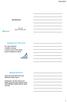 Introduction Primary Care Medicines Governance HSCB Background to this event New class of medicines Availability of training Increasing volume of prescriptions Reports of medication incidents Raising awareness
Question & Answer Guide
 Joint Commission Primary Care Medical Home (PCMH) Certification for Accredited Ambulatory Health Care Organizations Question & Answer Guide A. SCORING/DECISION-RELATED Question: We are already Joint Commission
Approved: Acute Stroke Ready Hospital Advanced Certification Program
 Approved: Acute Stroke Ready Hospital Advanced Certification Program The Joint Commission recently developed a new Disease- Specific Care Advanced Certification program for Acute Stroke Ready Hospitals
UW School of Dentistry Comprehensive Medication Policy
 UNIVERSITY OF WASHINGTON SCHOOL OF DENTISTRY Subject: UW School of Dentistry Comprehensive Medication Policy Policy Number: Effective Date: December 2014 Revision Dates: June 2015 PURPOSE This policy provides
How To Prevent Medication Errors
 The Academy of Managed Care Pharmacy s Concepts in Managed Care Pharmacy Medication Errors Medication errors are among the most common medical errors, harming at least 1.5 million people every year. The
NIMC VTE Prophylaxis Section Audit and Reporting Tool User Guide
 NIMC VTE Prophylaxis Section Audit and Reporting Tool User Guide November 2013 Commonwealth of Australia 2013 This work is copyright. It may be reproduced in whole or in part for study or training purposes