
Immunosuppression for Solid Organ and Bone Marrow Transplantation Thomas R Spitzer, MD
|
|
|
- Jemima Stevens
- 9 years ago
- Views:
Transcription
1 Harvard-MIT Division of Health Sciences and Technology HST.151: Principles of Pharmocology Instructor: Prof. Thomas Spitzer Spitzer/HST Immunosuppression for Solid Organ and Bone Marrow Transplantation Thomas R Spitzer, MD Overview The success of solid organ and bone marrow transplantation (BMT) has correlated with improvements in selective immunosuppression. Immunosuppression decreases both the incidence of acute and chronic organ graft and bone marrow rejection, and a potentially life threatening complication of BMT known as graft-vs-host disease (GVHD). Selective immunosuppression targets specific pathways of immune signaling and activation, and minimizes the incidence of deleterious side effects. History 1954: First successful human kidney transplant 1960s: Introduction of effective immunosuppressive drugs. Steroids, ATG, azathioprine 1968: Successful bone marrow transplants for congenital immunodeficiency syndromes 1970s: Cyclosporine introduced 1980s: OKT3, tacrolimus, mycophenolate mofetil introduced In year renal cadaver graft survival was 76% and 1 year renal living donor graft survival was 89% By 1995, graft survival rates improved to 87% and 93% respectively 1980s: The addition of cyclosporine to GVHD prophylaxis regimens halved the incidence of severe disease and improved survival post -transplant 1990s: Leflunomide, TNF antagonists, and selective mabs introduced; additional mab therapies expected in future Balancing Benefits and Risks of Immunosuppression Benefits: Immunosuppression decreases risks of both acute and chronic organ graft and bone marrow rejection, and GVHD Risks: Immunosuppression poses risk of several types of side effects to the patient: Acute effects: gastrointestinal upset Opportunistic infection because patient is immunocompromised: CMV, Candida, Pneumocystis carinii, etc. Malignancies (lymphomas, skin cancer, etc.) Toxicities specific to particular immunosuppressive agent: steroids, etc.

2 Spitzer/HST Types of Organ Graft Rejection Hyperacute: Occurs within minutes after transplant. Mediated by preformed antidonor antibodies in recipient. Involves small vessel thrombosis and graft infarction. Acute: Occurs weeks after transplant. Delayed-type hypersensitivity / Cell mediated response of cytotoxic T lymphocytes reacting against the foreign MHC molecules of the graft. Histologically characterized by mononuclear infiltrate, hemorrhage, and edema in graft. Reversible with immunosuppressive therapy. Chronic: Occurs months to years post transplant. Results from antibody mediated vascular damage (fibrinoid necrosis) and is irreversible. Vascular damage results in vascular cell wall proliferation which may occlude vessel lumen resulting in graft ischemia and fibrosis. Can progress insidiously despite increased immunosuppressive therapy. Graft Rejection and GVHD Following Bone Marrow Transplantation Graft rejection occurs uncommonly (<1%) after conventional myeloablative bone marrow/stem cell transplantation, with increased incidence (1-15%) after HLAmismatched BMT/cord blood transplantation. The rate of graft rejection is higher after nonmyeloablative preparative therapy for BMT Acute GVHD, which is usually evident before day 100 post-transplant, occurs in 1/3 of HLA matched transplants and 2/3 of HLA-mismatched transplants. Chronic GVHD (>day 100) occurs in approximately ½ of transplants Acute GVHD affects predominantly skin, the GI tract, and liver. Tissue injury involves effector cells (initiated by T-cells), particularly of the TH1 subset, and cytokines (e.g. TNF-alpha, interferon-gamma, and interleukin-1). Chronic GVHD may affect almost any organ/tissue and often mimics a collagen vascular disease in its clinical presentation. Molecular Basis of Immune Response and Immunosuppression The immune response involves both humoral and cellular responses: Humoral: The humoral response involves recognition of foreign antigens which causes the differentiation of B-cells into memory cells and plasma cells. Plasma cells secrete antibodies into circulation. Cellular: Macrophages ingest and present antigen via the major histocompatibility (MHC) II molecule. The macrophage is a type of antigen presenting cell which binds to CD4 T lymphocytes cells via the MHC II T cell receptor (TCR) interaction. CD3 is a necessary accessory molecule to the MHC II TCR interaction. The interaction induces proliferation of the CD4 T-cell (see diagram page 4), and release of IL-2, which promotes activation of cytotoxic CD8 T-cells. CD8 T cells bind to MHC I molecules. When CD8 cells recognize an antigen presented on an MHC I molecule (which indicates the presenting cell is foreign, or, for example, a tumor cell or virally infected cell) the CD8 cell induces the death of the target. In the context of an MHC mismatched organ or bone marrow transplant, the MHC molecules of the cells of the organ (or bone marrow) graft are recognized by the host

3 Spitzer/HST TCR not as self-mhc molecules, but rather in the same manner as a self-mhc plus the foreign peptide it is presenting. The immunologic response to the foreign MHC molecules is a major cause of most graft rejection. Conversely the donor immune system may recognize disparate MHC antigens in the host and initiate an immunologic response in the form of GVHD. MHC molecules are divided into class I and class II antigens; inheritance involves multiple alleles, and all loci are found on chromosome 6. Class I antigens include HLA A, HLA-B, and HLA-C alleles. Class II antigens include HLA-DR, HLA-DQ, and HLA-DP alleles. Minimization of the antigenic differences between donor and recipient, by matching their MHC alleles, has decreased rejection and GVHD and improved graft survival. Identical twins have identical MHC genes (6/6 loci), siblings have half similarity (3/6), and the match of unrelated persons must be determined by tissue typing. As most bone marrow/stem cell transplants are from HLA matched (or only minor mismatched) related or unrelated donors, minor histocompatibility antigens play a large role in eliciting an immune response (GVHD). Polymorphisms of minor histompatibility antigens have been identified as risk factors for GVHD in the HLA-matched setting. Types of Immunosuppressive Agents and Sites of Action The schematic on page 4 shows the molecular pathways that are activated in a helper T cell after it contacts an antigen presenting cell which presents an antigen on its MHC II molecule. Superimposed on the pathways are sites of pharmacologic intervention which will inhibit signaling and thus can be used as immunosuppressive agents. Affect NFAT pathway: Steroids (1) Affect Calcineurin: Cyclosporine (2); Tacrolimus (3) Affect Cell Cycle by inhibiting DNA synthesis (4): azathioprine, MMF, leflunomide, cyclophosphamide Anti-TCR/CD3 antibody agents (5): Polyclonal agents are ATG, ALG. OKT3 is a monoclonal agent. Inhibit IL-2 dependent signaling: Sirolimus (6)

4 Spitzer/HST Antigen presenting cell (5) Activated TCR/CD3 Peptide + MHC-II class B7 CD28 (2) Helper T cell Ca 2 + Activation IP3 NF-AT c/p P P P Nucleus PLCγ1 Calcineurin (1) ZAP70 Inhibition NF-AT c/p DAG FKBP12 PKC Jun Fos NF-AT c/p NF-AT Ras/GAP? (3) Jun Fos CD28RC CD28RE Raf/MEK? MAPK IL-2 Cell Cycle (6) (4) (1) Steroids (corticosteroids): Biochemical Mechanism: Affect NF-AT mediated pathway of signal transduction, which results in ultimate blockade of IL-1 and IL-6 production in macrophages at the earliest stage of immune response. Physiological Effects: Inhibits leukocyte proliferation, reduce leukocyte migration into bloodstream (by decreasing production of endothelial adhesion molecules). Steroids are non-specific and broad spectrum anti-inflammatory agents used in a large number of medical conditions. Side Effects: Cushing s Syndrome [hypertension, hyperglycemia, insulin resistance, weight gain, moon facies, osteoporosis, impaired wound healing, ulcers], hyperlipidemia, adrenal suppression which may result in crisis if withdrawn abruptly (2) Cyclosporine Biochemical Mechanism: Cyclosporine complexes with immunophilin protein in T cell. The complex blocks the phosphatase calcineurin. Without calcineurin activity, NF-AT is not dephosphorylated, is not translocated to the nucleus, and cannot activate transcription. Physiological Effects: Transcription of cytokines, including IL-2, is blunted. Consequently, T cell proliferation is inhibited, secretion of gamma interferon declines, and macrophage activation is limited. Side Effects: 3 N s and 7 H s

5 Spitzer/HST Nephrotoxicity (preventable with mannitol diuresis; chronic cyclosporine nephrotoxicity may produce irreversible interstitial fibrosis), Neurotoxicity (tremor, headache, tinnitus), Neoplasms (lymphoproliferative malignancy); Hypertension, Hyperkalemia, Hepatotoxicity, Hirsutism, Hypertrophy of gingiva, Hyperglycemia, Hyperlipidemia (3) Tacrolimus (similar to cyclosporine) Biochemical Mechanism: Binds to FK506 Binding Protein (FKBP). The Tacrolimus- FKBP complex inhibits calcineurin. The mechanism is therefore the same as that of cyclosporine. Physiological Effects: times more potent than cyclosporine, but similar mechanism: decreased production of IL-2 Side Effects: Similar to cyclosporine. Do not use with cyclosporine! (4) Cell Cycle Inhibitors Azathioprine: Azathioprine is metabolized in vivo to 6-mercaptopurine (6MP). 6MP is a purine anti-metabolite that prevents DNA and RNA synthesis which inhibits proliferation of lymphocytes. Side effects include pancytopenias, gastrointestinal symptoms, and hepatic dysfunction (hepatitis). Mycophenolate mofetil (MMF): MMF is a prodrug of mycophenolic acid (MPA), which is an inhibitor of inosine monophosphate dehydrogenase (IMPDH). Inhibition of IMPDH limits production of guanosine nucleotides required for nucleic acid synthesis, and thus exerts a potent, selective cytostatic effect on B- and T- lymphocytes (decreased antibody production and generation of cytotoxic T-cells). Side effects include pancytopenias, infections and malignancies, and gastrointestinal symptoms. Leflunomide: Leflunomide inhibits dihydroorotate dehydrogenase (an enzyme involved in de novo pyrimidine synthesis); as a result, nucleic acid synthesis and lymphocyte proliferation are inhibited. Side effects include pancytopenias, hepatotoxicity, risk of lymphoproliferative disorders, and rare cases of Stevens- Johnson syndrome and toxic epidermal necrolysis. Cyclophosphamide: Cyclophosphamide is an extremely potent alkylating agent which destroys proliferating lymphoid cells. Cyclophosphamide causes pancytopenias, hemorrhagic cystitis, alopecia, and infertility. (5) Anti-TCR/CD3 antibody agents: anti-lymphocyte globulin (ALG) and anti-thymocyte globulin (ATG) both inactivate peripheral lymphocytes and impair cellular immunity. These antibodies are used for induction of immunosuppression, treating initial rejection, and treating steroid resistant rejection. Side effects include anaphylactic response (because these antibodies are foreign proteins), serum sickness, antigen-antibody

6 Spitzer/HST induced glomerulonephritis, reactivation of latent viral infections, post transplant lymphoproliferative disease, and development of human anti(mouse) antibodies. OKT3: OKT3 is a murine monoclonal antibody that blocks the binding of the TCR to antigen, thus downregulating the activity of the entire TCR/CD3 receptor complex. Compared to ALG and ATG, there are fewer serum proteins associated with OKT3 preparations than with those polyclonal antibody preparations (which may result in a more specific effect and fewer side effects). Side effects of OKT3 include fever, myalgias, arthralgias, CNS symptoms, GI irritation, and B-cell lymphoproliferative disorders. (6) Sirolimus (rapamycin, a macrolide antbiotic) Biochemical Mechanism: Inhibits IL-2 mediated signaling by inhibiting Target of Rapamycin (TOR), an enzyme active in IL-2 cascades in proliferating lymphocytes. Physiological Effects: Cell cycle progression from G1 to S is blocked; T- cell and B- cell proliferation is limited, and B-cell antibody production is inhibited. Side Effects: Hyperlipidemia, Hypertension, Hypokalemia, Pancytopenias, decreased GFR / increased Serum Creatinine, metallic taste in mouth Newer agents: Anti-TNF agents include etanercept and infliximab (see Dr. Weinblatt s lecture). Etanercept is a form of soluble TNF receptor. Infliximab is a chimeric IgG1 monoclonal with a human Fc and murine Fab. By limiting TNF activity, the generation of proinflammatory cytokines IL-1 and IL-6 are diminished. In addition, anakinra is recombinant version of the human IL-1 receptor antagonist that inhibits IL-1 by blocking its receptor. Soluble IL-1 receptor antagonists are being developed. Daclizumab is a humanized monoclonal murine IgG1 antibody that binds to a subunit of the IL-2 (CD25) receptor on the surface of activated lymphocytes. Daclizumab thereby functions as an IL-2 inhibitor. Side effects include hypersensitivity, cellulitis, and wound infection. Basiliximab is a chimeric murine/human monoclonal IgG1 antibody that blocks the alpha chain of the IL-2 (CD25) receptor on the surface of activated T-cell lymphocytes. Basiliximab is indicated for the prophylaxis of acute organ rejection in renal transplantation. Side effects include hypersensitivity and gastrointestinal disorders. ALG/ATG can deplete the lymphocyte population. Since daclizumab and basiliximab preferentially affect activated T cells, they are less apt to cause lymphocyte depletion. Relationship Between Immunosuppressive and Cancer Chemotherapy. Many cytotoxic drugs are used for both immunotherapy and cancer chemotherapy, but the therapeutic goals are tied to important differences in the cellular targets.

7 Spitzer/HST Cancer cells undergo largely unregulated, asynchronous proliferation, while immune cells proliferate in a burst of activity when antigen (i.e. transplant) is presented. This means immunosuppressant therapy can be timed for maximal effect on the smallest population of immune cells. 2. An antigen stimulates proliferation by specific clones of precursor cells, so a cytotoxic drug will have greatly enhanced effects on those clones (i.e. the drug will be relatively selective for rapidly dividing cells). In cancer chemotherapy, selectivity of cell cycle active drugs depends upon the innate growth characteristics of the tumor relative to normal tissue (see Dr. Kufe s lecture) and is much harder to achieve. 3. Immunosuppressants are usually given in low, continuous dose regimens in order to maintain suppression of cellular and inflammatory responses to a persistent antigenic stimulus. In cancer chemotherapy high-dose pulse administration is more common because it allows for recovery of immune function and re-growth of normal cell populations.

Immunosuppressive drugs
 Immunosuppressive drugs RJM ten Berge Afd. Inw. Geneeskunde AMC contents overview targets mechanism of action Effects on immune capacity measured by responses to vaccination Immune response 1 calcineurin
T Cell Maturation,Activation and Differentiation
 T Cell Maturation,Activation and Differentiation Positive Selection- In thymus, permits survival of only those T cells whose TCRs recognize self- MHC molecules (self-mhc restriction) Negative Selection-
B Cells and Antibodies
 B Cells and Antibodies Andrew Lichtman, MD PhD Brigham and Women's Hospital Harvard Medical School Lecture outline Functions of antibodies B cell activation; the role of helper T cells in antibody production
Chapter 43: The Immune System
 Name Period Our students consider this chapter to be a particularly challenging and important one. Expect to work your way slowly through the first three concepts. Take particular care with Concepts 43.2
The immune system. Bone marrow. Thymus. Spleen. Bone marrow. NK cell. B-cell. T-cell. Basophil Neutrophil. Eosinophil. Myeloid progenitor
 The immune system Basophil Neutrophil Bone marrow Eosinophil Myeloid progenitor Dendritic cell Pluripotent Stem cell Lymphoid progenitor Platelets Bone marrow Thymus NK cell T-cell B-cell Spleen Cancer
OKT3. ~ The first mouse monoclonal antibody. used in clinical practice in the field of transplantation ~
 g944202 潘 怡 心 OKT3 ~ The first mouse monoclonal antibody used in clinical practice in the field of transplantation ~ As everybody knows, OKT3 is the first mouse monoclonal antibody produced for the treatment
Hematopoietic Stem Cell Transplantation. Imad A. Tabbara, M.D. Professor of Medicine
 Hematopoietic Stem Cell Transplantation Imad A. Tabbara, M.D. Professor of Medicine Hematopoietic Stem Cells Harvested from blood, bone marrow, umbilical cord blood Positive selection of CD34 (+) cells
2011 Update on the ECIL-3 guidelines for EBV management in patients with leukemia and other hematological disorders
 UPDATE ECIL-4 2011 2011 Update on the ECIL-3 guidelines for EBV management in patients with leukemia and other hematological disorders Jan Styczynski, Hermann Einsele, Rafael de la Camara, Catherine Cordonnier,
Name (print) Name (signature) Period. (Total 30 points)
 AP Biology Worksheet Chapter 43 The Immune System Lambdin April 4, 2011 Due Date: Thurs. April 7, 2011 You may use the following: Text Notes Power point Internet One other person in class "On my honor,
2) Macrophages function to engulf and present antigen to other immune cells.
 Immunology The immune system has specificity and memory. It specifically recognizes different antigens and has memory for these same antigens the next time they are encountered. The Cellular Components
Microbiology AN INTRODUCTION EIGHTH EDITION
 TORTORA FUNKE CASE Microbiology AN INTRODUCTION EIGHTH EDITION Differentiate between innate and acquired immunity. Chapter 17 Specific Defenses of the Host: The Immune Response B.E Pruitt & Jane J. Stein
Autoimmunity and immunemediated. FOCiS. Lecture outline
 1 Autoimmunity and immunemediated inflammatory diseases Abul K. Abbas, MD UCSF FOCiS 2 Lecture outline Pathogenesis of autoimmunity: why selftolerance fails Genetics of autoimmune diseases Therapeutic
specific B cells Humoral immunity lymphocytes antibodies B cells bone marrow Cell-mediated immunity: T cells antibodies proteins
 Adaptive Immunity Chapter 17: Adaptive (specific) Immunity Bio 139 Dr. Amy Rogers Host defenses that are specific to a particular infectious agent Can be innate or genetic for humans as a group: most microbes
Lymphomas after organ transplantation
 Produced 21.03.2011 Revision due 21.03.2011 Lymphomas after organ transplantation People who have undergone an organ transplant are more at risk of developing lymphoma known as post-transplant lymphoproliferative
B cell activation and Humoral Immunity
 B cell activation and Humoral Immunity Humoral immunity is mediated by secreted antibodies and its physiological function is defense against extracellular microbes (including viruses) and microbial exotoxins.
B Cell Generation, Activation & Differentiation. B cell maturation
 B Cell Generation, Activation & Differentiation Naïve B cells- have not encountered Ag. Have IgM and IgD on cell surface : have same binding VDJ regions but different constant region leaves bone marrow
A Genetic Analysis of Rheumatoid Arthritis
 A Genetic Analysis of Rheumatoid Arthritis Introduction to Rheumatoid Arthritis: Classification and Diagnosis Rheumatoid arthritis is a chronic inflammatory disorder that affects mainly synovial joints.
Activation and effector functions of HMI
 Activation and effector functions of HMI Hathairat Thananchai, DPhil Department of Microbiology Faculty of Medicine Chiang Mai University 25 August 2015 ว ตถ ประสงค หล งจากช วโมงบรรยายน แล วน กศ กษาสามารถ
Allergy and Immunology Review Corner: Chapter 21 of Immunology IV: Clinical Applications in Health and Disease, by Joseph A. Bellanti, MD.
 Allergy and Immunology Review Corner: Chapter 21 of Immunology IV: Clinical Applications in Health and Disease, by Joseph A. Bellanti, MD. Chapter 21: Transplantation Immunity and Clinical Applications
Challenges of Hematopoietic Stem Cell Transplantation. Robert J. Soiffer, MD Dana Farber Cancer Institute
 Challenges of Hematopoietic Stem Cell Transplantation Robert J. Soiffer, MD Dana Farber Cancer Institute Hematopoietic Stem Cell Transplantation Objectives Deliver sufficient chemo-radio therapy to destroy
Rheumatoid Arthritis. Outline. Treatment Goal 4/10/2013. Clinical evaluation New treatment options Future research Discussion
 Rheumatoid Arthritis Robert L. Talbert, Pharm.D., FCCP, BCPS University of Texas at Austin College of Pharmacy University of Texas Health Science Center at San Antonio Outline Clinical evaluation New treatment
The Immune System: A Tutorial
 The Immune System: A Tutorial Modeling and Simulation of Biological Systems 21-366B Shlomo Ta asan Images taken from http://rex.nci.nih.gov/behindthenews/uis/uisframe.htm http://copewithcytokines.de/ The
5.07.09. Aubagio. Aubagio (teriflunomide) Description
 Federal Employee Program 1310 G Street, N.W. Washington, D.C. 20005 202.942.1000 Fax 202.942.1125 5.07.09 Subject: Aubagio Page: 1 of 6 Last Review Date: December 5, 2014 Aubagio Description Aubagio (teriflunomide)
Cytotoxic and Biotherapies Credentialing Programme Module 2
 Cytotoxic and Biotherapies Credentialing Programme Module 2 1. The Cell Cycle 2. Cancer Therapies 3. Adjunctive Therapies On completion of this module the RN will State the difference between a normal
Corporate Medical Policy
 Corporate Medical Policy Hematopoietic Stem-Cell Transplantation for CLL and SLL File Name: Origination: Last CAP Review: Next CAP Review: Last Review: hematopoietic_stem-cell_transplantation_for_cll_and_sll
Inflammation and Healing. Review of Normal Defenses. Review of Normal Capillary Exchange. BIO 375 Pathophysiology
 Inflammation and Healing BIO 375 Pathophysiology Review of Normal Defenses Review of Normal Capillary Exchange 1 Inflammation Inflammation is a biochemical and cellular process that occurs in vascularized
One of the more complex systems we re looking at. An immune response (a response to a pathogen) can be of two types:
 Immune system. One of the more complex systems we re looking at. An immune response (a response to a pathogen) can be of two types: (pathogen - disease causing organism) 1) Non specific. Anything foreign
IMPORTANT DRUG WARNING Regarding Mycophenolate-Containing Products
 Dear Healthcare Provider: Mycophenolate REMS (Risk Evaluation and Mitigation Strategy) has been mandated by the FDA (Food and Drug Administration) due to postmarketing reports showing that exposure to
The Body s Defenses CHAPTER 24
 CHAPTER 24 The Body s Defenses PowerPoint Lectures for Essential Biology, Third Edition Neil Campbell, Jane Reece, and Eric Simon Essential Biology with Physiology, Second Edition Neil Campbell, Jane Reece,
The Immune System. 2 Types of Defense Mechanisms. Lines of Defense. Line of Defense. Lines of Defense
 The Immune System 2 Types of Defense Mechanisms Immune System the system that fights infection by producing cells to inactivate foreign substances to avoid infection and disease. Immunity the body s ability
Bone Marrow Transplantation and Peripheral Blood Stem Cell Transplantation: Questions and Answers. Key Points
 CANCER FACTS N a t i o n a l C a n c e r I n s t i t u t e N a t i o n a l I n s t i t u t e s o f H e a l t h D e p a r t m e n t o f H e a l t h a n d H u m a n S e r v i c e s Bone Marrow Transplantation
Human Leukocyte Antigens - HLA
 Human Leukocyte Antigens - HLA Human Leukocyte Antigens (HLA) are cell surface proteins involved in immune function. HLA molecules present antigenic peptides to generate immune defense reactions. HLA-class
Severe Combined Immune Deficiency (SCID)
 Severe Combined Immune Deficiency (SCID) ASCIA EDUCATION RESOURCES (AER) PATIENT INFORMATION Severe combined immune deficiency (SCID) is the most serious form of primary immune deficiency and is usually
Understanding How Existing and Emerging MS Therapies Work
 Understanding How Existing and Emerging MS Therapies Work This is a promising and hopeful time in the field of multiple sclerosis (MS). Many new and different therapies are nearing the final stages of
Solid Organ Transplantation in Singapore
 Solid Organ Transplantation in Singapore Prof A Vathsala Head, Division of Nephrology Director, Adult Transplantation Department of Medicine National University Hospital 1960 Timeline of Transplantation
Core Topic 2. The immune system and how vaccines work
 Core Topic 2 The immune system and how vaccines work Learning outcome To be able to describe in outline the immune system and how vaccines work in individuals and populations Learning objectives Explain
Pr Eliane Gluckman, MD, FRCP, Disclosure of Interest: Nothing to Disclose
 Pr Eliane Gluckman, MD, FRCP, Hospital Saint Louis, University Paris- Diderot, France Should Haplo-identical transplantation be preferred to cord blood in patients without a matched donor? Disclosure of
Blood-Forming Stem Cell Transplants
 Blood-Forming Stem Cell Transplants What are bone marrow and hematopoietic stem cells? Bone marrow is the soft, sponge-like material found inside bones. It contains immature cells known as hematopoietic
Corporate Medical Policy
 Corporate Medical Policy File Name: Origination: Last CAP Review: Next CAP Review: Last Review: adoptive_immunotherapy 11/1993 3/2016 3/2017 3/2016 Description of Procedure or Service The spontaneous regression
LESSON 3: ANTIBODIES/BCR/B-CELL RESPONSES
 Introduction to immunology. LESSON 3: ANTIBODIES/BCR/B-CELL RESPONSES Today we will get to know: The antibodies How antibodies are produced, their classes and their maturation processes Antigen recognition
Graft-versus-host disease (GvHD)
 Graft-versus-host disease (GvHD) This information is an extract from the booklet Understanding donor stem cell (allogeneic) transplants. You may find the full booklet helpful. We can send you a free copy
Your Life Your Health Cariodmetabolic Risk Syndrome Part VII Inflammation chronic, low-grade By James L. Holly, MD The Examiner January 25, 2007
 Your Life Your Health Cariodmetabolic Risk Syndrome Part VII Inflammation chronic, low-grade By James L. Holly, MD The Examiner January 25, 2007 The cardiometabolic risk syndrome is increasingly recognized
chronic leukemia lymphoma myeloma differentiated 14 September 1999 Pre- Transformed Ig Surface Surface Secreted Myeloma Major malignant counterpart
 Disease Usual phenotype acute leukemia precursor chronic leukemia lymphoma myeloma differentiated Pre- B-cell B-cell Transformed B-cell Plasma cell Ig Surface Surface Secreted Major malignant counterpart
Pharmacotherapy of the rheumatoid arthritis. Dr. Erika Pintér 2016
 Pharmacotherapy of the rheumatoid arthritis Dr. Erika Pintér 2016 Polyarthritis chronica progressiva (PCP) Multifactorial, immunologic disorder that causes significant systemic effects Chronic and progressive
INITIATING ORAL AUBAGIO (teriflunomide) THERAPY
 FOR YOUR PATIENTS WITH RELAPSING FORMS OF MS INITIATING ORAL AUBAGIO (teriflunomide) THERAPY WARNING: HEPATOTOXICITY AND RISK OF TERATOGENICITY Severe liver injury including fatal liver failure has been
Wake Forest School of Medicine Department of General Surgery
 Wake Forest School of Medicine Department of General Surgery TRANSPLANT SURGERY RESIDENT CURRICULUM (PGY-3) OVERVIEW This curriculum has largely been adapted from the curriculum for transplant surgery
Natalia Taborda Vanegas. Doc. Sci. Student Immunovirology Group Universidad de Antioquia
 Pathogenesis of Dengue Natalia Taborda Vanegas Doc. Sci. Student Immunovirology Group Universidad de Antioquia Infection process Epidermis keratinocytes Dermis Archives of Medical Research 36 (2005) 425
Epstein-Barr Virus (EBV) complications following HSCT: from viremia to post transplant lymphoproliferative disease (PTLD) and lymphoma
 Epstein-arr Virus (EV) complications following HSCT: from viremia to post transplant lymphoproliferative p disease (PTLD) and lymphoma Laurie A. Milner, MD Associate Professor, Pediatric Hematology / Oncology
Antibody Function & Structure
 Antibody Function & Structure Specifically bind to antigens in both the recognition phase (cellular receptors) and during the effector phase (synthesis and secretion) of humoral immunity Serology: the
INFORMATION ON STEM CELLS/BONE MARROW AND REINFUSION/TRANSPLANTATION SUR703.002
 INFORMATION ON STEM CELLS/BONE MARROW AND REINFUSION/TRANSPLANTATION SUR703.002 COVERAGE: SPECIAL COMMENT ON POLICY REVIEW: Due to the complexity of the Peripheral and Bone Marrow Stem Cell Transplantation
Malignant Lymphomas and Plasma Cell Myeloma
 Malignant Lymphomas and Plasma Cell Myeloma Dr. Bruce F. Burns Dept. of Pathology and Lab Medicine Overview definitions - lymphoma lymphoproliferative disorder plasma cell myeloma pathogenesis - translocations
LYMPHOMA. BACHIR ALOBEID, M.D. HEMATOPATHOLOGY DIVISION PATHOLOGY DEPARTMENT Columbia University/ College of Physicians & Surgeons
 LYMPHOMA BACHIR ALOBEID, M.D. HEMATOPATHOLOGY DIVISION PATHOLOGY DEPARTMENT Columbia University/ College of Physicians & Surgeons Normal development of lymphocytes Lymphocyte proliferation and differentiation:
Chapter 14: The Lymphatic System and Immunity
 Chapter 14: The Lymphatic System and Immunity Major function of the Lymphatic System o Network of vessels that collect and carry excess fluid from interstitial spaces back to blood circulation o Organs
Lymph capillaries, Lymphatic collecting vessels, Valves, Lymph Duct, Lymph node, Vein
 WLHS/A&P/Oppelt Name Lymphatic System Practice 1. Figure 12-1 provides an overview of the lymphatic vessels. First color code the following structures. Color code in Figure 12-1 Heart Veins Lymphatic vessels/lymph
Immunology and immunotherapy in allergic disease
 Immunology and immunotherapy in allergic disease Jing Shen, MD Faculty Advisor: Matthew Ryan, MD The University of Texas Medical Branch Department of Otolaryngology Grand Rounds Presentation February 2005
DEPARTMENT OF BONE MARROW AND STEM CELL TRANSPLANT
 www.narayanahealth.org DEPARTMENT OF BONE MARROW AND STEM CELL TRANSPLANT About Narayana Health City Narayana Health, one of India's largest and the world's most economical healthcare service providers
Cancer Immunotherapy: Can Your Immune System Cure Cancer? Steve Emerson, MD, PhD Herbert Irving Comprehensive Cancer Center
 Cancer Immunotherapy: Can Your Immune System Cure Cancer? Steve Emerson, MD, PhD Herbert Irving Comprehensive Cancer Center Bodnar s Law Simple Things are Important Very Simple Things are Very Important
Making the switch to a safer CAR-T cell therapy
 Making the switch to a safer CAR-T cell therapy HaemaLogiX 2015 Technical Journal Club May 24 th 2016 Christina Müller - chimeric antigen receptor = CAR - CAR T cells are generated by lentiviral transduction
The Immune System. How your immune system works. Organs of the Immune System
 UW MEDICINE PATIENT EDUCATION The Immune System How your immune system works The immune system is a network of special cells, tissues, and organs that defend the body against attacks from foreign invaders,
Asthma (With a little SCID to start) Disclosures Outline Starting with the Immune System The Innate Immune System The Adaptive Immune System
 1 2 3 4 5 6 7 8 9 Asthma (With a little SCID to start) Lauren Smith, MD CHKD Pediatric Allergy/Immunology Disclosures None Will be discussing some medications that are not yet FDA approved Outline SCID
1) Siderophores are bacterial proteins that compete with animal A) Antibodies. B) Red blood cells. C) Transferrin. D) White blood cells. E) Receptors.
 Prof. Lester s BIOL 210 Practice Exam 4 (There is no answer key. Please do not email or ask me for answers.) Chapters 15, 16, 17, 19, HIV/AIDS, TB, Quorum Sensing 1) Siderophores are bacterial proteins
Recognition of T cell epitopes (Abbas Chapter 6)
 Recognition of T cell epitopes (Abbas Chapter 6) Functions of different APCs (Abbas Chapter 6)!!! Directon Routes of antigen entry (Abbas Chapter 6) Flow of Information Barrier APCs LNs Sequence of Events
Treatment of Rheumatoid Arthritis in the New Millennium. Neal I. Shparago, D.O., FACP, FACR
 Treatment of Rheumatoid Arthritis in the New Millennium Neal I. Shparago, D.O., FACP, FACR What is RA? Symmetric inflammatory polyarthritis Rheumatoid factor positive in 80% Anti-CCP positive in approximately
FastTest. You ve read the book... ... now test yourself
 FastTest You ve read the book...... now test yourself To ensure you have learned the key points that will improve your patient care, read the authors questions below. Please refer back to relevant sections
Bone Marrow, Peripheral Blood Stem Cells or Umbilical Cord Blood transplantation? Federica Giannotti, MD Eurocord-Hôpital Saint Louis, Paris
 Bone Marrow, Peripheral Blood Stem Cells or Umbilical Cord Blood transplantation? Federica Giannotti, MD Eurocord-Hôpital Saint Louis, Paris Background Hematopoietic stem cell transplantation (HSCT) is
GRANIX (tbo-filgrastim)
 RATIONALE FOR INCLUSION IN PA PROGRAM Background Neutropenia is a hematological disorder characterized by an abnormally low number of neutrophils. A person with severe neutropenia has an absolute neutrophil
LCD for Viral Hepatitis Serology Tests
 LCD for Viral Hepatitis Serology Tests Applicable CPT Code(s): 86692 Antibody; Hepatitis, Delta Agent 86704 Hepatitis B Core Antibody (HBcAb); Total 86705 Hepatitis B Core Antibody (HBcAb); IgM Antibody
Biologic Treatments for Rheumatoid Arthritis
 Biologic Treatments Rheumatoid Arthritis (also known as cytokine inhibitors, TNF inhibitors, IL 1 inhibitor, or Biologic Response Modifiers) Description Biologics are new class of drugs that have been
Disclosures. I have no disclosures.
 Not Your Own Marrow Jenni Krajewski, MD Clinical Assistant Professor, Rutgers New Jersey Medical School Attending Physician, Pediatric Blood and Marrow Transplantation The Institute for Pediatric Cancer
Stem Cell Transplantation
 Harmony Behavioral Health, Inc. Harmony Behavioral Health of Florida, Inc. Harmony Health Plan of Illinois, Inc. HealthEase of Florida, Inc. Ohana Health Plan, a plan offered by WellCare Health Insurance
Pulling the Plug on Cancer Cell Communication. Stephen M. Ansell, MD, PhD Mayo Clinic
 Pulling the Plug on Cancer Cell Communication Stephen M. Ansell, MD, PhD Mayo Clinic Why do Waldenstrom s cells need to communicate? Waldenstrom s cells need activating signals to stay alive. WM cells
The Most Common Autoimmune Disease: Rheumatoid Arthritis. Bonita S. Libman, M.D.
 The Most Common Autoimmune Disease: Rheumatoid Arthritis Bonita S. Libman, M.D. Disclosures Two googled comics The Normal Immune System Network of cells and proteins that work together Goal: protect against
Infosheet. Allogeneic stem cell transplantation in myeloma. What is the principle behind stem cell transplantation?
 Infosheet Allogeneic stem cell transplantation in myeloma High-dose therapy and autologous stem cell transplantation is currently the first-line treatment standard of care for younger/fitter myeloma patients.
ANIMALS FORM & FUNCTION BODY DEFENSES NONSPECIFIC DEFENSES PHYSICAL BARRIERS PHAGOCYTES. Animals Form & Function Activity #4 page 1
 AP BIOLOGY ANIMALS FORM & FUNCTION ACTIVITY #4 NAME DATE HOUR BODY DEFENSES NONSPECIFIC DEFENSES PHYSICAL BARRIERS PHAGOCYTES Animals Form & Function Activity #4 page 1 INFLAMMATORY RESPONSE ANTIMICROBIAL
Final Review. Aptamers. Making Aptamers: SELEX 6/3/2011. sirna and mirna. Central Dogma. RNAi: A translation regulation mechanism.
 Central Dogma Final Review Section Week 10 DNA RNA Protein DNA DNA replication DNA RNA transcription RNA Protein translation **RNA DNA reverse transcription http://bass.bio.uci.edu/~hudel/bs99a/lecture20/lecture1_1.html
How To Save A Patient From A Cancer
 BIOSTATISTICS FOR TRANSLATIONAL & CLINICAL RESEARCH Blood-&-Marrow Transplants & CANCERS Stem Cells Stem cells are immature body cells that act like "starter dough" because they can make identical copies
What is a Stem Cell Transplantation?
 What is a Stem Cell Transplantation? Guest Expert: Stuart, MD Associate Professor, Medical Oncology www.wnpr.org www.yalecancercenter.org Welcome to Yale Cancer Center Answers with Drs. Ed and Ken. I am
10. T and B cells are types of a. endocrine cells. c. lymphocytes. b. platelets. d. complement cells.
 Virus and Immune System Review Directions: Write your answers on a separate piece of paper. 1. Why does a cut in the skin threaten the body s nonspecific defenses against disease? a. If a cut bleeds, disease-fighting
treatments) worked by killing cancerous cells using chemo or radiotherapy. While these techniques can
 Shristi Pandey Genomics and Medicine Winter 2011 Prof. Doug Brutlag Chronic Myeloid Leukemia: A look into how genomics is changing the way we treat Cancer. Until the late 1990s, nearly all treatment methods
LEUKEMIA LYMPHOMA MYELOMA Advances in Clinical Trials
 LEUKEMIA LYMPHOMA MYELOMA Advances in Clinical Trials OUR FOCUS ABOUT emerging treatments Presentation for: Judith E. Karp, MD Advancements for Acute Myelogenous Leukemia Supported by an unrestricted educational
Update in Hematology Oncology Targeted Therapies. Mark Holguin
 Update in Hematology Oncology Targeted Therapies Mark Holguin 25 years ago Why I chose oncology People How to help people with possibly the most difficult thing they may have to deal with Science Turning
Pharmaceuticals utilized in stem cell transplant
 Pharmaceuticals utilized in stem cell transplant Jill K. Leslie, Pharm.D.,BCPS,BCOP St. Francis Hospitals and Health Centers Indiana Blood and Marrow Transplant Beech Grove, IN 46107 Goals Review preparative
Rheumatoid arthritis
 Rheumatoid arthritis Rheumatoid arthritis Chronic multisystem disease Unknown cause Characteristic feature persistent inflammation of synovia in symmetric peripheral joints Synovial inflammation cartilage
NEW CLINICAL RESEARCH OPTIONS IN PANCREATIC CANCER IMMUNOTHERAPY. Alan Melcher Professor of Clinical Oncology and Biotherapy Leeds
 NEW CLINICAL RESEARCH OPTIONS IN PANCREATIC CANCER IMMUNOTHERAPY Alan Melcher Professor of Clinical Oncology and Biotherapy Leeds CANCER IMMUNOTHERAPY - Breakthrough of the Year in Science magazine 2013.
Understanding series. new. directions. 1-800-298-2436 LungCancerAlliance.org. A guide for the patient
 Understanding series LUNG CANCER: new treatment directions 1-800-298-2436 LungCancerAlliance.org A guide for the patient TABLE OF CONTENTS What s New in lung cancer? Advancements...4 Changes in genes that
In non-hodgkin s lymphoma, MabThera is used to treat two types of the disease, both of which affect B-lymphocytes:
 EMA/614203/2010 EMEA/H/C/000165 EPAR summary for the public rituximab This is a summary of the European public assessment report (EPAR) for. It explains how the Committee for Medicinal Products for Human
THE INFLUENCE OF TISSUE (IN)COMPATIBILITY IN UMBILICAL CORD BLOOD TRANSPLANTATION
 THE INFLUENCE OF TISSUE (IN)COMPATIBILITY IN UMBILICAL CORD BLOOD TRANSPLANTATION Matjaž Jeras Blood Transfusion Centre of Slovenia Tissue Typing Center Šlajmerjeva 6, 1000 Ljubljana, Slovenia [email protected]
Rheumatoid Arthritis:
 Rheumatoid Arthritis Update 2014 Mark Hulsey, MD FACR Rheumatoid Arthritis Key Features Symptoms >6 weeks duration Often lasts the remainder of the patient s life Inflammatory synovitis Palpable synovial
Rheumatoid arthritis: an overview. Christine Pham MD
 Rheumatoid arthritis: an overview Christine Pham MD RA prevalence Chronic inflammatory disease affecting approximately 0.5 1% of the general population Prevalence is higher in North America (approaching
SEARCHING FOR A BONE MARROW DONOR
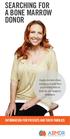 SEARCHING FOR A BONE MARROW DONOR Angela received a bone marrow transplant from an unrelated donor to treat her non-hodgkin s lymphoma. INFORMATION FOR PATIENTS AND THEIR FAMILIES For patients who need
TABLE OF CONTENT. Page ACKNOWLEDGEMENTS. iii ENGLISH ABSTRACT THAI ABSTRACT. vii LIST OF TABLES LIST OF FIGURES. xvi ABBREVIATIONS.
 x TABLE OF CONTENT ACKNOWLEDGEMENTS ENGLISH ABSTRACT THAI ABSTRACT LIST OF TABLES LIST OF FIGURES ABBREVIATIONS iii iv vii xv xvi xviii CHAPTER I: INTRODUCTION 1.1 Statement of problems 1 1.2 Literature
Drug Development Services
 Drug Development Services USING BLOOD AND BONE MARROW PRIMARY CELL SYSTEMS Clinically Relevant In Vitro Assays Broad Spectrum of Drug Classes Multi-Species Platforms Enhancing Drug Development through
HUMORAL IMMUNE RE- SPONSES: ACTIVATION OF B CELLS AND ANTIBODIES JASON CYSTER SECTION 13
 SECTION 13 HUMORAL IMMUNE RE- SPONSES: ACTIVATION OF B CELLS AND ANTIBODIES CONTACT INFORMATION Jason Cyster, PhD (Email) READING Basic Immunology: Functions and Disorders of the Immune System. Abbas,
An overview of CLL care and treatment. Dr Dean Smith Haematology Consultant City Hospital Nottingham
 An overview of CLL care and treatment Dr Dean Smith Haematology Consultant City Hospital Nottingham What is CLL? CLL (Chronic Lymphocytic Leukaemia) is a type of cancer in which the bone marrow makes too
A disease and antibody biology approach to antibody drug discovery
 A disease and antibody biology approach to antibody drug discovery Björn Frendéus, PhD VP, Preclinical research Presenter: Björn Frendéus Date: 2011-11-08 1 Antibodies have revolutionized Cancer Treatment!