
London New Drugs Group APC/DTC Briefing Document Mirabegron (Betmiga TM ) for overactive bladder March 2013
|
|
|
- Angela Fields
- 9 years ago
- Views:
Transcription
1 London New Drugs Group APC/DTC Briefing Document Mirabegron (Betmiga TM ) for overactive bladder March 2013 Summary Mirabegron is first of a new class of drug, beta-3-adrenoceptor agonists, for the treatment of overactive bladder. NICE recommend first-line treatment for OAB is with an antimuscarinic agent. Phase III studies have shown that mirabegron provides an effective treatment option for OAB in patients who discontinued antimuscarinic treatment because of e.g. insufficient effect or poor tolerability. Mirabegron has a lower incidence of dry mouth and cardiac arrhythmias than tolterodine, but otherwise its side effect profile is comparable. Mirabegron use is forecast to grow modestly, representing 1% of the OAB market in year 1, 2% in year 2 and 3.5% in year 3. The resulting total budget impact estimate in year 1 is 1,242, in year 2 is 2,485 and in year 3 is 4,348. These estimates do not consider any potential savings from lower rates of healthcare professional contact, avoidance of surgery, or avoidance of OAB symptom management. 1. Background and introduction In January 2013, mirabegron (Betmiga TM ) was approved for use in the EU for the symptomatic treatment of urgency, increased micturition frequency and/or urgency incontinence that may occur in patients with overactive bladder. 1 Mirabegron will be supplied as 25mg and 50mg (recommended dose) prolonged-release tablets and should be swallowed whole, not chewed or crushed. 1 Overactive bladder syndrome (OAB) is defined as urgency with or without urge urinary incontinence (UI) and is usually combined with frequency and nocturia. 2 Prevalence is difficult to determine due to differences in study populations, definition and measurement of UI, and survey method used. For women, most studies estimates range from 25% to 45% in those aged 15 years, with more severe UI prevalent in 4% to 7% in women <65 years and in 4% to 17% in those >65 years. 2 Studies have shown that the prevalence increases up to middle age, plateaus or fall between years, then increases steadily with advancing age. About 20% of women aged 40 years (about 5 million people in the UK), require medical treatment for OAB; in women this increases up to 35.6% in those 80 years. 2 Lower urinary tract symptoms (LUTS) occur in up to 30% of men over the age of 65 years, and these include UI. 3 Several common chronic conditions have been associated with OAB, such as depression, constipation, neurologic conditions and erectile dysfunction. 4 Guidelines and alternative treatments Lifestyle interventions and conservative management tend to be first line therapy, then followed by pharmacological treatment. 2;3 The mainstay of pharmacological therapy is controlling detrusor muscle over-activity by inhibiting muscarinic receptors on the bladder. 5 Acetylcholine activates muscarinic receptors to mediate normal detrusor contraction required for voiding urine; anticholinergics (antimuscarinics) block the action of acetylcholine and treat OAB symptoms. 5 NICE (2006) recommends that the antimuscarinic agent, immediate-release oxybutynin, is the first-line pharmacological therapy to treat OAB in women; this is based on cost-effectiveness because of the lack of evidence of clinically important differences in efficacy between the antimuscarinic drugs. 2 If this is not well tolerated, then alternate antimuscarinic drugs that can be tried include solifenacin, tolterodine or an extended release / transdermal formulation of oxybutynin. 2 For men, an anticholinergic should be used to manage OAB symptoms. 3 Mirabegron Mirabegron is a potent and selective beta-3-adrenoceptor agonist and causes relaxation of the bladder smooth muscle. By stimulating the beta-3 adrenoceptors in the bladder, mirabegron increases mean voided volume per micturition and decreases the frequency of non-voiding contractions. 1;6 2. Proposed place in therapy Currently, the market leader for the treatment of OAB in the UK is the antimuscarinic agent, solifenacin, with approximately one-third of patients treated with it. Mirabegron is not an antimuscarinic drug and therefore is thought to be less likely to have the muscarinic effects which can affect a number of body systems. Astellas Pharma anticipates that mirabegron will be used in a similar position to solifenacin, either as first- or second-line therapy. Note that in the studies, there was an active control (tolterodine) rather than comparator. 3. Evidence selected for inclusion Three main phase III studies have evaluated the efficacy and safety of mirabegron: ARIES, SCORPIO and TAURUS. In all three 1
2 studies, the primary endpoints were recorded in a micturition diary by the patient for the three days preceding a study visit. In the two efficacy studies (ARIES and SCORPIO), the primary endpoints were the change in the mean number of incontinence episodes/24 hours and the change in the mean number of micturitions/24 hours. In all three studies, the primary endpoint was assessed in all randomised patients taking 1 dose of study drug and with baseline and 1 postbaseline micturition measurements (Full Analysis Set, FAS). ARIES was a multicentre, randomised, parallel-group, double-blind, placebo-controlled study in 1329 adults with OAB who were randomly assigned to treatment with mirabegron 50mg OD (n=312), mirabegron 100mg OD (n=296) or placebo (n=325) for 12 weeks. 7 A sample size of 362 patients would provide 90% power to detect a reduction of 0.7 in the mean number of micturitions/24 hours over placebo. Although the co-primary endpoints were statistically significantly greater with mirabegron treatment, the differences were not very large due to the high placebo response rate. Mean number of incontinence episodes/ 24 hours: placebo, -1.13; mirabegron 50mg, (p<0.05) and mirabegron 100mg, (p<0.05). Mean number of micturitions/ 24 hours: placebo, -1.05; mirabegron 50mg, (p<0.05) and mirabegron 100mg, (p<0.05). SCORPIO was a double-blind, parallel-group, placebo- and active-controlled trial in 1978 adults with OAB who were randomly assigned treatment with placebo (n=494), mirabegron 50mg OD (n=493), mirabegron 100mg OD (n=494) or tolterodine SR 4mg OD (n=495) for 12 weeks. 6 About 50% had previously been treated with an anticholinergic. The study was powered (90%) to compare mirabegron treatment with placebo but not with tolterodine. As in the ARIES study, the coprimary endpoints were statistically significantly greater with mirabegron treatment, but the differences were not very large due to the high placebo response rate. Although this was not a head-to-head comparison, mirabegron was as good as tolterodine, the active control. Mean number of incontinence episodes/ 24 hours: placebo, -1.13; mirabegron 50mg, (p<0.003); mirabegron 100mg, (p<0.01) and tolterodine, (p=ns). Mean number of micturitions/ 24 hours: placebo, -1.37; mirabegron 50mg, (p<0.001); mirabegron 100mg, (p<0.005) and tolterodine, (p=ns). TAURUS was a phase III trial that assessed the long-term (12 month) safety and tolerability of mirabegron in 2444 adults with OAB, of whom 81% had participated in previous mirabegron phase 3 trials. 8 Patients were randomised to treatment with mirabegron 50mg OD (n=812) or 100mg OD (n=820) or tolterodine SR 4mg OD (n=812). The primary endpoint was the incidence and severity of treatment-emergent adverse events (TEAEs), which is discussed in Section 4.2 (Safety). The efficacy of long-term treatment of mirabegron relative to tolterodine was a secondary endpoint. The study was not designed to demonstrate a statistically significant difference in efficacy between the treatment groups. Numerical improvements in the mean number of micturitions/24 hours, the mean number of incontinence episodes/24 hours and the mean volume voided per micturition were evident from month 1 (first visit) and maintained through to month 12. Improvements with mirabegron were comparable to those seen with tolterodine. Results were presented graphically with no actual figures or P values. 4. Critical evaluation 4.1: Clinical application SCORPIO and ARIES were short studies (12 weeks) and give little indication of how effective mirabegron will be in treating OAB in the long-term. In both studies, mirabegron treatment was associated with a small but statistically significant improvement from baseline in terms of numbers of incontinence episodes and micturitions compared to placebo: over a 2-day period when compared with placebo, there was approximately one fewer incontinence episode and approximately one less micturition with mirabegron 50mg OD. Urgency, a key symptom of OAB, was a secondary, not primary endpoint of ARIES and SCORPIO. Mirabegron 50mg and tolterodine 4mg SR both significantly reduced the mean number of grade 3/4 urgency episodes compared with placebo (p<0.05), but mirabegron 100mg did not. Urgency was not assessed in TAURUS. Long-term (12 month) therapy showed an initial large improvement in symptoms by month 1, which were sustained over 12 months. Efficacy of mirabegron was comparable to that of tolterodine with respect to reductions in the mean numbers of micturitions and of incontinence episodes/24 hours, and mean volume voided. In all three studies, the approximately three-quarters of patients enrolled were women, which reflects the higher prevalence in women. In clinical practice, continued therapy with antimuscarinic drugs is much lower than in clinical trials, where adherence can be >80%. 9 A 12-month study analysing UK-based prescription data (n=4833 taking antimuscarinics) showed that at 3 months, 28-58% continued antimuscarinic therapy, falling to 16-46% at 6 months and % at 12 months. 9 Other systematic reviews and prescription monitoring studies have found discontinuation rates ranging from 43% to 83% within the first 30 days of therapy and <25% continuing at 1 year. 9 Discontinuations rates in the TAURUS study, where patients had trial visits every 3 months, were 5.9%-6.4% with mirabegron and 6% with tolterodine because of adverse events and 2
3 3.0%-4.2% and 5.5% respectively because of lack of efficacy. Most people discontinued because of withdrawn consent (7.9%-9.1%). Persistence with treatment will need to be assessed in clinical practice. 4.2: Safety In the studies most adverse events (AEs) were mild to moderate and comparable across groups. 6-8 The main advantage mirabegron appears to have over tolterodine with respect to side effects, is the lower incidence of dry mouth. This was reported by <3% of patients treated with mirabegron in all three studies, but by % of those treated with tolterodine. A slightly lower incidence of cardiac arrhythmias occurred patients treated with mirabegron in the TAURUS study ( %), compared with those treated with tolterodine (6%). No difference in the incidence of other side effects, such as hypertension, urinary tract infection or constipation, was seen between the groups in TAURUS. Antimuscarinic drugs can increase ocular pressure, making them unsuitable for use in patients with uncontrolled narrowangle glaucoma. 7;10 Mirabegron has been shown to have no effect on intraocular pressure (IOP) in an 8-week, placebocontrolled trial in 320 healthy volunteers. 10 The primary outcome assessment, mean change from baseline to day 56 in IOP, was -0.3mmHg with mirabegron vs. -0.2mmHg with placebo. No subject had an increase in IOP of 6mmHg. Limitations of the study are its short duration (8 weeks), lack of active control and patient population (healthy subjects). 4.3: Potential advantages and disadvantages over existing technologies 4.3.1: Convenience Mirabegron is an oral formulation taken once a day, which can be started in primary care. Mirabegron is not an antimuscarinic agent and therefore does not have antimuscarinic side effects, which are often the reason for patients discontinuing therapy. The main advantage in terms of the side effect profile with mirabegron appears to be a lower incidence of dry mouth than with tolterodine : Drug cost Mirabegron will cost 29 per 30 day pack for both the 25mg and 50mg doses. Mirabegron is expected to displace medicines of a broadly similar cost, as shown in the budget impact estimate detailed in : Healthcare resource utilisation Mirabegron can be initiated in primary care in place of antimuscarinics where they are contraindicated or after antimuscarinics have been tried. Use may potentially delay the requirement for hospital consultations and tests, although this is yet to be proven in clinical practice : Suitability for shared care None required : Likely budgetary impact The budget impact calculation provided by the manufacturer is based on a population of 100, Prevalence rates are quoted for adults over the age of 40 years. When applied to an adjusted population of >40yrs the manufacturer estimates approximately 12,000 patients to be suffering with OAB. Of these, 19% are expected to seek medical help and be prescribed a pharmacological treatment. Therefore 3,213 patients are estimated to receive pharmacotherapy. A simplified picture of the OAB market is presented in which mirabegron is expected to displace the use of the three market leading comparators in equal proportions, namely solifenacin(5mg), tolterodine (4mg ER) and oxybutynin (10mg IR). Mirabegron is forecast to grow modestly within this market, representing 1% of the market in year 1, 2% in year 2 and 3.5% in year 3. The resulting total budget impact estimate in year 1 is 1,242, in year 2 is 2,485 and in year 3 is 4,348. These estimates do not consider any potential savings from lower rates of healthcare professional contact, avoidance of surgery, or avoidance of OAB symptom management. Mirabegron (Betmiga TM ) budget impact calculation 11 (based on the budget impact estimate submitted for NICE single technology appraisal - ID542) Step One: Population details Population 100,000 Population ( 40 years) 62,640 Prevalence (clinically significant symptoms in adults 40years) 19% Patients currently on medication 27% Patients eligible for treatment (n) 11,902 Patients likely to present for treatment (n) 3,213 3
4 Step Two: Comparator details Comparator Pack price Annual cost (*based on 180 days treatment) Cost difference (vs. mirabegron) SOLIFENACIN (5mg od 30 tablet pack price used) TOLTERODINE (XL 4mg od 28 tablet pack price used) OXYBUTYNIN (5mg tds 84 tablet pack price (generic)) MIRABEGRON (50mg od 30 tablet pack) Step Three: Mirabegron local budget impact Average annual* price difference Year 1 Year 2 Year 3 Patients likely to present for treatment (n) 3,213 3,213 3,213 Predicted mirabegron share (of antimuscarinic market) 1.0% 2.0% 3.5% Average annual cost difference per patient Annual budget impact 1, , , Health Economics A de novo Markov model was developed to analyse the cost-effectiveness of mirabegron 50mg vs. appropriate antimuscarinics for the treatment of OAB as part of single technology appraisals to both NICE and SMC. 12 The model simulated the therapeutic management, the course of disease, and complications in hypothetical cohorts of patients with OAB and was used to predict costs and QALYs over 5 years. Base case analysis of the general OAB population compared mirabegron 50mg with tolterodine ER 4mg, based on results from SCORPIO. Subgroup analyses for male vs. female and previously treated vs. treatment-naïve populations were also conducted. Secondary analyses compared mirabegron 50 mg with alternative comparators (solifenacin 5mg and 10mg, fesoterodine 4mg, trospium chloride 60mg MR and oxybutynin 10mg IR and ER), based on results of a mixed treatment comparison (MTC). The following incremental cost-effectiveness ratios (ICERs) were submitted to NICE, but have not yet been formally accepted (decision expected in June 2013): In the base case analyses of the general OAB population, the ICER for mirabegron 50mg vs. tolterodine 4mg was 4,386 per QALY gained. Using further data from the MTC, mirabegron 50mg was found to be cost-effective when compared with other relevant antimuscarinics resulting in the following ICERs (cost per QALY gained) ; solifenacin 10 mg: 340, fesoterodine 4 mg: 3,607, tolterodine 4 mg: 3,715, oxybutynin 10 mg ER: 3,878, trospium 60 mg MR: 8,881, solifenacin 5mg: 12,493, and oxybutynin 10 mg IR: 21,796. In the subgroup analysis, mirabegron 50mg was shown to be cost-effective vs. tolterodine 4mg ER in both previously treated ( 3,836) and treatment-naïve ( 5,315) populations. 6. Likely commissioning and funding pathway Mirabegon will be in tariff. 7. Proposed recommendation Mirabegron is a new treatment option for the symptoms of overactive bladder. It may be useful in patients who discontinue anticholinergics because of dry mouth, which has been the main advantage over tolterodine seen in clinical trials or in those where antimuscarinics are contraindicated. A lower incidence of arrhythmias with mirabegron compared with tolterodine has been seen in studies, but this will need to be evaluated in clinical practice. Reference List (1) Summary of Product Characteristics. Betmiga 25mg prolonged-release tablets. Astellas Pharma Europe BV.. _Product_Information/human/002388/WC pdf (2) Urinary incontinence. The management of urinary incontinence in women. October National Collaborating Centre for Women's and Children's Health 4
5 (3) The management of lower urinary tract symptoms in men. National Clinical Guidelines Centre (4) Thüroff JW, Abrams P, Andersson K-E et al. EAU Guidelines on urinary incontinence. Eur Urol 2011; 59: (5) Tyagi P, Tyagi V, Chancellor M. Mirabegron: a safety review. Expert Opin Drug saf 2011; 10(2): (6) Khullar V, Amarenco G, Angulo JC et al. Efficacy and tolerability of mirabegron, a ß3-adrenoceptor agonist, in patients with overactive bladder: results from a randomised European-Australian phase 3 trial. Eur Urol 2013; 63: (7) Nitti V, Auerbach S, Martin N et al. Results of a randomized phase III trial of mirabegron in patients with overactive bladder. J Urol 2012; doi: /j.juro (8) Chapple CR, Kaplan SA, Mitcheson D et al. Randomized double-blind, active-controlled phase 3 study to assess 12- month safety and efficacy of mirabegron, a 3-adrenoceptor agonist, in overactive bladder. Eur Urol 2013; 63: (9) Wagg A, Compion G, Fahey A et al. Persistence with prescribed antimuscarinic therapy for overactive bladder: a UK experience. Br J Urol 2012; 110: (10) Martin NE, Lewis RA, Vogel R et al. Randomised, double-blind, placebo-controlled study to assess the ocular safety of mirabegron in normotensive IOP research subjects. Poster th Annual Congress of the European Association of Urology, Paris, France February, 2012 (11) Mirabegron (Betmiga TM ) budget impact calculation. Job bag number: BT13008UK. January Astellas Pharma Ltd. (12) Personal Communication. Health economy model. Astellas Pharma Ltd. Garnham, A. Produced by the London New Drugs Group. Correspondence to Alexandra Denby, Regional MI Manager, London Medicines Information Centre, Northwick Park Hospital, Watford Road, Harrow, Middlesex. HA1 3UJ. [email protected]. Astellas Pharma Ltd has commented on this review. Accessed via 5
mirabegron 25mg and 50mg prolonged-release tablets (Betmiga ) SMC No. (862/13) Astellas Pharma Ltd
 mirabegron 25mg and 50mg prolonged-release tablets (Betmiga ) SMC No. (862/13) Astellas Pharma Ltd 05 April 2013 The Scottish Medicines Consortium (SMC) has completed its assessment of the above product
Mirabegron for treating symptoms of overactive bladder
 Mirabegron for treating symptoms of overactive Issued: June 2013 guidance.nice.org.uk/ta NICE has accredited the process used by the Centre for Health Technology Evaluation at NICE to produce technology
Primary Care management of Overactive Bladder (OAB)
 DERBYSHIRE JOINT AREA PRESCRIBING COMMITTEE (JAPC) Primary Care management of Overactive Bladder (OAB) Prescribing Tips All medicines for OAB have similar dose-related efficacy. More than one agent (up
A review of antimuscarinic prescribing for urinary incontinence in primary care
 A review of antimuscarinic prescribing for urinary incontinence in primary care Seema Gadhia On behalf of NHS Buckinghamshire Medicines Management Team In Collaboration with Introduction Urinary incontinence
Prescribing Pathway for Drug Treatment for Overactive Bladder.
 East Surrey CCG, Guildford & Waverley CCG, North West Surrey CCG, Surrey Downs CCG, Surrey Heath CCG, North East Hampshire & Farnham CCG, Crawley CCG, Horsham & Mid-Sussex CCG - Prescribing Clinical Network
ORIGINAL PAPER. Introduction
 ORIGINAL PAPER Mirabegron for the treatment of overactive bladder: a prespecified pooled efficacy analysis and pooled safety analysis of three randomised, double-blind, placebo-controlled, phase III studies
Overactive Bladder (OAB) Content of the lecture
 Overactive bladder (OAB) : Introduction and Medical Management R.J. Opsomer Cliniques St Luc, labo d urodynamique, UCL - Bruxelles Overactive Bladder (OAB) Content of the lecture The syndrome of Overactive
Comparison of Fesoterodine, Tolterodine, Oxybutynin and Solifenacin in patients with overactive bladder A systematic review
 Comparison of Fesoterodine, Tolterodine, Oxybutynin and Solifenacin in patients with overactive bladder A systematic review Hamed Kakarª, Bastiaantje M. Kok b, Sahar Mokhles c, Malalay Sarwar d * Supervisors:
OVERACTIVE BLADDER DIAGNOSIS AND TREATMENT OF OVERACTIVE BLADDER IN ADULTS:
 2014 OVERACTIVE BLADDER DIAGNOSIS AND TREATMENT OF OVERACTIVE BLADDER IN ADULTS: AUA/SUFU Guideline (2012); Amended (2014) For Primary Care Providers OVERACTIVE BLADDER Diagnosis and Treatment of Overactive
A Systematic Review and Meta-Analysis of Randomized Controlled Trials with Antimuscarinic Drugs for Overactive Bladder
 european urology 54 (2008) 740 764 available at www.sciencedirect.com journal homepage: www.europeanurology.com Review Neuro-urology A Systematic Review and Meta-Analysis of Randomized Controlled Trials
botulinum toxin type A 50, 100, 200 Allergan units/vial (Botox ) SMC No. (916/13) Allergan Ltd
 botulinum toxin type A 50, 100, 200 Allergan units/vial (Botox ) SMC No. (916/13) Allergan Ltd 06 September 2013 The Scottish Medicines Consortium (SMC) has completed its assessment of the above product
It usually presents with a sudden urge to urinate that is very difficult to delay and may be associated with leakage. Other features include:
 visited on Page 1 of 5 View this article online at http://patient.info/doctor/overactive-bladder Overactive Bladder This PatientPlus article is written for healthcare professionals so the language may
Female Urinary Incontinence
 Female Urinary Incontinence Molly Heublein, MD Assistant Professor Clinical Medicine UCSF Women s Health Primary Care Disclosures I have nothing to disclose. 1 Objectives Review the problem Feel confident
Overactive Bladder Syndrome (OAB): Guidelines for prescribing. (CLINICAL GUIDELINE NO.)
 Overactive Bladder Syndrome (OAB): Guidelines for prescribing. (CLINICAL GUIDELINE NO.) Document Reference Number: Ratified By: Ratified: (s) Reviewed: Next Review : Responsibility for Review: Contributors:
COMMITTEE FOR PROPRIETARY MEDICINAL PRODUCTS (CPMP)
 The European Agency for the Evaluation of Medicinal Products Evaluation of Medicines for Human Use London, 18 December 2002 COMMITTEE FOR PROPRIETARY MEDICINAL PRODUCTS (CPMP) NOTE FOR GUIDANCE ON THE
TIBIAL NERVE STIMULATION: ONE OF SEVERAL NEW OPTIONS FOR THE MANAGEMENT OF OVERACTIVE BLADDER IN WOMEN
 TIBIAL NERVE STIMULATION: ONE OF SEVERAL NEW OPTIONS FOR THE MANAGEMENT OF OVERACTIVE BLADDER IN WOMEN Scott A Farrell MD Professor Dept of Obstetrics and Gynaecology Dalhousie University Declaration of
Treatments for Overactive Bladder
 Treatments for Overactive Bladder Patient Information Author ID: SA Leaflet Number: Gyn 051 Name of Leaflet: Treatments for overactive bladder Date Produced: October 2014 Review Date: October 2016 Treatment
U.S. Scientific Update Aricept 23 mg Tablets. Dr. Lynn Kramer President NeuroScience Product Creation Unit Eisai Inc.
 U.S. Scientific Update Aricept 23 mg Tablets Dr. Lynn Kramer President NeuroScience Product Creation Unit Eisai Inc. Unmet Need in Moderate to Severe Alzheimer s Disease (AD) Ongoing clinical deterioration
Female Urinary Incontinence
 Female Urinary Incontinence Molly Heublein, MD Assistant Professor Clinical Medicine UCSF Women s Health Primary Care Disclosures I have nothing to disclose. Objectives Which is most true? Review the problem
Nalmefene for reducing alcohol consumption in people with alcohol dependence
 Nalmefene for reducing alcohol consumption in people with alcohol dependence Issued: November 2014 guidance.nice.org.uk/ta325 NICE has accredited the process used by the Centre for Health Technology Evaluation
Classification of Mixed Incontinence
 european urology supplements 5 (2006) 837 841 available at www.sciencedirect.com journal homepage: www.europeanurology.com Classification of Mixed Incontinence Christopher Chapple * Sheffield Hallam University,
Cost-effectiveness of teriflunomide (Aubagio ) for the treatment of adult patients with relapsing remitting multiple sclerosis
 Cost-effectiveness of teriflunomide (Aubagio ) for the treatment of adult patients with relapsing remitting multiple sclerosis The NCPE has issued a recommendation regarding the cost-effectiveness of teriflunomide
KELLI DEWITT WHITEHEAD, RN, MS, ARNP
 CIRRICULUM VITAE KELLI DEWITT WHITEHEAD, RN, MS, ARNP Associated Urologist, PA 341 Wheatfield, Suite 180 Sunnyvale, TX 75182 972-270-8859 EDUCATION Master of Science, Family Nurse Practitioner University
Overactive bladder and urgency incontinence
 Overactive bladder and urgency incontinence As a health care provider you can make a significant difference to the quality of life of patients like these by addressing urinary incontinence, introducing
THE ROLE OF OVERACTIVE BLADDER TREATMENT
 THE ROLE OF OVERACTIVE BLADDER TREATMENT Prof. Junizaf, SpOG(K) Division of Urogynecology Department of Obstetrics and Gynecology School of Medicine, University of Indonesia/ Dr. Cipto Mangunkusumo Hospital
Summary 1. Comparative-effectiveness
 Cost-effectiveness of Delta-9-tetrahydrocannabinol/cannabidiol (Sativex ) as add-on treatment, for symptom improvement in patients with moderate to severe spasticity due to MS who have not responded adequately
OAB (Overactive Bladder)
 OAB (Overactive Bladder) PharmCon is accredited by the Accreditation Council for Pharmacy Education as a provider of continuing pharmacy education. This webcast has been supported by an educational grant
NICE Pathways bring together all NICE guidance, quality standards and other NICE information on a specific topic.
 Initial assessment and investigation of urinary incontinence bring together all NICE guidance, quality standards and other NICE information on a specific topic. are interactive and designed to be used
Women suffer in silence
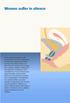 Women suffer in silence Stress urinary incontinence is the involuntary loss of urine resulting from increased intra-abdominal pressure. In people who suffer with this condition, forms of exertion such
Non-surgical Treatments for Urinary Incontinence. A Review of the Research for Women
 Non-surgical Treatments for Urinary Incontinence A Review of the Research for Women Is This Information Right for Me? Yes, if: You are a woman who is older than 18. You are having trouble holding your
Drugs for MS.Drug fact box cannabis extract (Sativex) Version 1.0 Author
 Version History Policy Title Drugs for MS.Drug fact box cannabis extract (Sativex) Version 1.0 Author West Midlands Commissioning Support Unit Publication Date Jan 2013 Review Date Supersedes/New (Further
Bladder and Bowel Control
 Bladder and Bowel Control Dr Sue Woodward Lecturer, Florence Nightingale School of Nursing and Midwifery 2 Why do we need to understand anatomy? Normal physiology Normal adult bladder capacity = 450-500mls
Nocturia. Dudley Robinson MD FRCOG Department of Urogynaecology, Kings College Hospital, London, UK
 Nocturia Dudley Robinson MD FRCOG Department of Urogynaecology, Kings College Hospital, London, UK Nocturia: Definition The complaint of interruption of sleep one or more times because of the need to
Faculty Disclosure. Objectives. Spectrum of Voiding Dysfunction. Types of Incontinence/Etiology. Urinary Incontinence Symptom Definitions
 Faculty Disclosure Strategies to Improve Adherence and Clinical Management of Overactive Bladder: Prevalence of OAB and Impact on Quality of Life Dr. Saffel has no actual or potential conflicts of interest
Question ID: 6 Question type: Intervention Question: Does treatment of overactive bladder symptoms prevent falls in the elderly?
 PRIORITY BRIEFING The purpose of this briefing paper is to aid Stakeholders in prioritising topics to be taken further by PenCLAHRC as the basis for a specific evaluation or implementation projects. QUESTION
Overactive bladder syndrome (OAB)
 Overactive bladder syndrome (OAB) Exceptional healthcare, personally delivered What is OAB? An overactive bladder or OAB is where a person regularly gets a sudden and compelling need or desire to pass
Riociguat Clinical Trial Program
 Riociguat Clinical Trial Program Riociguat (BAY 63-2521) is an oral agent being investigated as a new approach to treat chronic thromboembolic pulmonary hypertension (CTEPH) and pulmonary arterial hypertension
Mixed urinary incontinence - sling or not sling
 Mixed urinary incontinence - sling or not sling 吳 銘 斌 Ming-Ping Wu, M.D.,Ph.D. Director, Div. Urogynecology & Pelvic Floor Reconstruction, Chi Mei Foundation Hospital, Tainan, Taiwan Assistant Professor,
Medication for Overactive Bladder
 Saint Mary s Hospital Gynaecology Service Warrell Unit Medication for Overactive Bladder Information for Patients What medication is available for overactive bladder? There are two types of medication
The Effects of Antimuscarinic Treatments in Overactive Bladder: An Update of a Systematic Review and Meta-Analysis
 european urology 54 (2008) 543 562 available at www.sciencedirect.com journal homepage: www.europeanurology.com Review Neuro-urology The Effects of Antimuscarinic Treatments in Overactive Bladder: An Update
Effect of liraglutide on body weight in overweight or obese subjects with type 2 diabetes: SCALE - Diabetes
 Effect of liraglutide on body weight in overweight or obese subjects with type 2 diabetes: SCALE - Diabetes This trial is conducted in Africa, Asia, Europe and the United States of America (USA). The aim
Cost-effectiveness of dimethyl fumarate (Tecfidera ) for the treatment of adult patients with relapsing remitting multiple sclerosis
 Cost-effectiveness of dimethyl fumarate (Tecfidera ) for the treatment of adult patients with relapsing remitting multiple sclerosis The NCPE has issued a recommendation regarding the cost-effectiveness
Harmony Clinical Trial Medical Media Factsheet
 Overview Harmony is the global Phase III clinical trial program for Tanzeum (albiglutide), a product developed by GSK for the treatment of type 2 diabetes. The comprehensive program comprised eight individual
Re: LUMIGAN 0.03% (bimatoprost ophthalmic solution 0.03%) and LUMIGAN 0.01% (bimatoprost ophthalmic solution 0.01%)
 Allergan Ltd, 1st Floor, Marlow International, Parkway, Marlow, Bucks SL7 1YL Tel: (01628) 494444 Facsimile: (01628) 494449 Ref No: UK15-000677 Mandeep Allingham NW Surrey CCG February 18, 2015 Dear Ms
BEDFORDSHIRE AND LUTON JOINT PRESCRIBING COMMITTEE (JPC)
 BEDFORDSHIRE AND LUTON JOINT PRESCRIBING COMMITTEE (JPC) September 2014 Review date: September 2017 Bulletin 203: Tocilizumab (subcutaneous) in combination with methotrexate or as monotherapy for the treatment
PEER REVIEW HISTORY ARTICLE DETAILS TITLE (PROVISIONAL)
 PEER REVIEW HISTORY BMJ Open publishes all reviews undertaken for accepted manuscripts. Reviewers are asked to complete a checklist review form (http://bmjopen.bmj.com/site/about/resources/checklist.pdf)
ESCMID Online Lecture Library. by author
 Do statins improve outcomes of patients with sepsis and pneumonia? Jordi Carratalà Department of Infectious Diseases Statins for sepsis & community-acquired pneumonia Sepsis and CAP are major healthcare
Overactive bladder is a common condition thought to. women, and is a serious condition that can lead to. significant lifestyle changes.
 Overactive bladder is a common condition thought to FADE UP TO WIDE SHOT OF FEMALE MODEL WITH TRANSPARENT SKIN. URINARY BLADDER VISIBLE IN PELVIC REGION affect over 16 percent of adults. It affects men
SYNOPSIS. Risperidone: Clinical Study Report CR003274
 SYNOPSIS Protocol No: CR003274 Title of Study: An Open-Label, Long-Term Trial of Risperidone Long-Acting Microspheres in the Treatment of Subjects Diagnosed with Schizophrenia Coordinating Investigator:
Case Study Sanctura. (trospium chloride)
 Case Study Sanctura (trospium chloride) Bad Ad Case Study Sanctura (trospium chloride) Facilitator Guide Approximate Time: 30 minutes Exercise prerequisite: Students should view the Bad Ad e-learning CME/CE
Urinary Incontinence: an overview!! Neil Harris Consultant Urological Surgeon, Leeds
 Urinary Incontinence: an overview!! Neil Harris Consultant Urological Surgeon, Leeds Content 1. Epidemiology of pelvic floor dysfunction Urinary incontinence Bowel dysfunction Sexual dysfunction 2. Treatment
PROTOCOL SYNOPSIS Evaluation of long-term opioid efficacy for chronic pain
 P a g e 1 PROTOCOL SYNOPSIS Evaluation of long-term opioid efficacy for chronic pain Clinical Phase 4 Study Centers Study Period 25 U.S. sites identified and reviewed by the Steering Committee and Contract
Overview of Urinary Incontinence in the Long Term Care Setting
 Overview of Urinary Incontinence in the Long Term Care Setting Management Strategies for the Nursing Assistant Ann M. Spenard RN, C, MSN Courtney Lyder ND, GNP Learning Objectives Describe common types
This clinical study synopsis is provided in line with Boehringer Ingelheim s Policy on Transparency and Publication of Clinical Study Data.
 abcd Clinical Study for Public Disclosure This clinical study synopsis is provided in line with s Policy on Transparency and Publication of Clinical Study Data. The synopsis which is part of the clinical
Dabigatran etexilate for the treatment and secondary prevention of deep vein thrombosis and/or pulmonary embolism ERRATUM
 Dabigatran etexilate for the treatment and secondary prevention of deep vein thrombosis and/or pulmonary embolism ERRATUM This report was commissioned by the NIHR HTA Programme as project number 12/78
Version History. Previous Versions. Drugs for MS.Drug facts box fampridine Version 1.0 Author
 Version History Policy Title Drugs for MS.Drug facts box fampridine Version 1.0 Author West Midlands Commissioning Support Unit Publication Date Jan 2013 Review Date Supersedes/New (Further fields as required
Sativex. Spirella Building, Letchworth, SG6 4ET 01462 476700 www.mstrust.org.uk reg charity no. 1088353
 Sativex Spirella Building, Letchworth, SG6 4ET 01462 476700 www.mstrust.org.uk reg charity no. 1088353 Sativex Date of issue: July 2010 Review date: July 2011 Contents 1. Introduction 1 2. What is Sativex?
boceprevir 200mg capsule (Victrelis ) Treatment experienced patients SMC No. (722/11) Merck, Sharpe and Dohme Ltd
 boceprevir 200mg capsule (Victrelis ) Treatment experienced patients SMC No. (722/11) Merck, Sharpe and Dohme Ltd 09 September 2011 The Scottish Medicines Consortium (SMC) has completed its assessment
VITAMIN C AND INFECTIOUS DISEASE: A REVIEW OF THE LITERATURE AND THE RESULTS OF A RANDOMIZED, DOUBLE-BLIND, PROSPECTIVE STUDY OVER 8 YEARS
 39 Chapter 3 VITAMIN C AND INFECTIOUS DISEASE: A REVIEW OF THE LITERATURE AND THE RESULTS OF A RANDOMIZED, DOUBLE-BLIND, PROSPECTIVE STUDY OVER 8 YEARS Maxine Briggs TABLE OF CONTENTS I. Review of the
Sponsor Novartis Pharmaceuticals
 Clinical Trial Results Database Page 1 Sponsor Novartis Pharmaceuticals Generic Drug Name Indacaterol Therapeutic Area of Trial Chronic Obstructive Pulmonary Disease (COPD) Indication studied: COPD Study
1. Comparative effectiveness of alemtuzumab
 Cost-effectiveness of alemtuzumab (Lemtrada ) for the treatment of adult patients with relapsing remitting multiple sclerosis with active disease defined by clinical or imaging features The NCPE has issued
Urinary incontinence and Prolapse. Dr Zeelha Abdool Consultant OBGYN Steve Biko Academic Hospital
 Urinary incontinence and Prolapse Dr Zeelha Abdool Consultant OBGYN Steve Biko Academic Hospital Definitions: IUGA/ICS standardized terminology Urinary incontinence (symptom): complaint of involuntary
Posterior Tibial Nerve Stimulation for Voiding Dysfunction. Original Policy Date
 MP 7.01.86 Posterior Tibial Nerve Stimulation for Voiding Dysfunction Medical Policy Section Surgery Issue 12/2013 Original Policy Date 12/2013 Last Review Status/Date Reviewed with literature search/12/2013
ANNEX I SUMMARY OF PRODUCT CHARACTERISTICS
 ANNEX I SUMMARY OF PRODUCT CHARACTERISTICS 1 This medicinal product is subject to additional monitoring. This will allow quick identification of new safety information. Healthcare professionals are asked
Bladder and Bowel Assessment Ann Yates Director of Continence Services. 18/07/2008 Cardiff and Vale NHS Trust
 Bladder and Bowel Assessment Ann Yates Director of Continence Services Types of continence problems Bladder Stress incontinence Urgency and urge Incontinence Mixed incontinence Obstructive incontinence
Version History. Previous Versions. Policy Title. Drugs for MS.Drug facts box Glatiramer Acetate Version 1.0 Author
 Version History Policy Title Drugs for MS.Drug facts box Glatiramer Acetate Version 1.0 Author West Midlands Commissioning Support Unit Publication Date Jan 2013 Review Date Supersedes/New (Further fields
Botox (Botulinum Toxin) injections into the bladder
 York Teaching Hospital NHS Foundation Trust Botox (Botulinum Toxin) injections into the bladder Information for patients, relatives and carers Department of Urology York Teaching Hospital NHS Foundation
Sponsor Novartis. Generic Drug Name Secukinumab. Therapeutic Area of Trial Psoriasis. Approved Indication investigational
 Clinical Trial Results Database Page 2 Sponsor Novartis Generic Drug Name Secukinumab Therapeutic Area of Trial Psoriasis Approved Indication investigational Clinical Trial Results Database Page 3 Study
Disclosure. Recent Advances in the Management of Overactive Bladder (OAB) Overactive Bladder: Definition. Learning Objectives. Overactive Bladder
 Disclosure Recent Advances in the Management of Overactive Bladder (OAB) Astellas Regional Advisory Board Honorarium for talk Dharm Singh, MD, FACS Chief of Urology Campbellton Regional Hospital, New Brunswick
2. Background This drug had not previously been considered by the PBAC.
 PUBLIC SUMMARY DOCUMENT Product: Ambrisentan, tablets, 5 mg and 10 mg, Volibris Sponsor: GlaxoSmithKline Australia Pty Ltd Date of PBAC Consideration: July 2009 1. Purpose of Application The submission
Primary Care Management of Male Lower Urinary Tract Symptoms. Matthew B.K. Shaw Consultant Urological Surgeon
 Primary Care Management of Male Lower Urinary Tract Symptoms Matthew B.K. Shaw Consultant Urological Surgeon NICE LUTS Guidelines Lower Urinary Tract Symptoms (LUTS) in men. NICE Clinical Guideline 97
Clinical Study Synopsis
 Clinical Study Synopsis This Clinical Study Synopsis is provided for patients and healthcare professionals to increase the transparency of Bayer's clinical research. This document is not intended to replace
Tension Type Headaches
 Tension Type Headaches Research Review by : Dr. Ian MacIntyre Physiotherapy for tension-type Headache: A Controlled Study P. Torelli, R. Jenson, J. Olsen: Cephalalgia, 2004, 24, 29-36 Tension-type headache
Efficacy, safety and preference study of a insulin pen PDS290 vs. a Novo Nordisk marketed insulin pen in diabetics
 Efficacy, safety and preference study of a insulin pen PDS290 vs. a Novo Nordisk marketed insulin pen in diabetics This trial is conducted in the United States of America (USA). The aim of this clinical
Urinary Incontinence FAQ Sheet
 Urinary Incontinence FAQ Sheet Are you reluctant to talk to your doctor about your bladder control problem? Don t be. There is help. Loss of bladder control is called urinary incontinence. It can happen
COMMITTEE FOR PROPRIETARY MEDICINAL PRODUCTS (CPMP)
 The European Agency for the Evaluation of Medicinal Products Evaluation of Medicines for Human Use London, 19 March 2003 CPMP/EWP/785/97 COMMITTEE FOR PROPRIETARY MEDICINAL PRODUCTS (CPMP) POINTS TO CONSIDER