
Chemotherapy for pancreatic cancer
|
|
|
- Gervais Stone
- 9 years ago
- Views:
Transcription
1 Chemotherapy for pancreatic cancer This fact sheet is for anyone diagnosed with pancreatic cancer who would like to find out more about chemotherapy to treat pancreatic cancer. It provides information about how chemotherapy is given, the different chemotherapy drugs that may be used, the side effects, and looking after yourself during chemotherapy. Each hospital will do things slightly differently, and treatment will vary depending on your cancer, so speak to your doctor about your own situation. You can also speak to our specialist nurses on our Support Line about any questions you have about chemotherapy. You can call them free on , or Contents Introduction What is chemotherapy and how does it work? How is chemotherapy given? What are the side effects? Chemotherapy after surgery to remove cancer Chemotherapy for inoperable cancer Other uses of chemotherapy Main drugs for pancreatic cancer Check-ups during treatment Looking after yourself during chemotherapy Chemotherapy and clinical trials Questions to ask Further information and support 1

2 Introduction One of the most common treatments for pancreatic cancer is chemotherapy (using drugs to destroy cancer cells). For pancreatic cancer, chemotherapy is used in several different ways: before or after surgery to remove the cancer (resection) (see pages 5 and 10) when the cancer has spread to nearby structures such as the blood vessels around the pancreas (locally advanced pancreatic cancer) (see page 7) when the cancer has spread beyond the pancreas to other parts of the body (advanced or metastatic pancreatic cancer) (see page 7) on its own or in combination with radiotherapy (see page 10). Chemotherapy drugs can be used in several different ways: one chemotherapy drug on its own two or three different chemotherapy drugs given together (combination therapy) together with radiotherapy (chemoradiotherapy). We have detailed information about the different chemotherapy drugs available for pancreatic cancer on our website: What is chemotherapy and how does it work? Chemotherapy uses anti-cancer drugs to destroy cancer cells. Normal healthy cells grow and divide in a controlled way. But cancer cells divide much more quickly and in an uncontrolled way, forming tumours. The chemotherapy drugs damage and kill the dividing cancer cells. Chemotherapy is a systemic treatment, which means that it enters the bloodstream and can reach cancer cells around the body. But this means that normal cells are also affected. This happens particularly in areas of the body where cells are constantly being replaced such as hair, skin, bone marrow and the lining of the digestive system. This is why chemotherapy may cause side effects such as nausea (feeling sick), diarrhoea (loose, watery stools), hair loss and fatigue (extreme tiredness), and can make people more likely to pick up infections. Most side effects can be controlled and they will usually improve when chemotherapy treatment stops. See page 4 for information about the main side effects of chemotherapy. 2 Speak to our specialist nurses on our Support Line Freephone:

3 Different chemotherapy drugs are available. They can be used in a variety of ways depending on: the type of cancer being treated where it is in the body how far it has spread your general health and fitness. The information here is for people with an exocrine cancer. This is the most common type of pancreatic cancer more than nine out of ten people (95 per cent) with pancreatic cancer have an exocrine cancer. People with rarer endocrine cancers may have different chemotherapy and drug treatments available to them. These are also known as neuroendocrine tumours (NETs) or pancreatic (P)NETs. You can find out more from the NET Patient Foundation Read about the different types of pancreatic cancer on our website: How is chemotherapy given? Each person s chemotherapy prescription is prescribed and ordered individually. Your oncologist (cancer specialist) will work out the best chemotherapy drugs and exact dose for you. The dose you have depends on your body surface area, which is calculated using your height and weight. Chemotherapy can be given intravenously (as an injection or infusion through a vein), as tablets, or a combination of both. You will usually have intravenous chemotherapy as an outpatient in the hospital s chemotherapy unit, so you won t need to stay in hospital overnight. Sometimes it may be given as an inpatient (where you stay in hospital), or in the community for example, at mobile units or clinics in specific GP surgeries. You might even be able to have chemotherapy at home if you have private health insurance. A course of chemotherapy is normally given in cycles. Each cycle includes one or more treatment sessions and a rest period to allow your body to recover before the next cycle starts. Cycles lasting two, three or four weeks are the most common. Everyone responds differently to chemotherapy, and you will be closely monitored during your treatment. You will have a blood test before each chemotherapy cycle to make sure your white 3

4 blood cell and platelet levels are high enough (see below). If the levels are too low, treatment can be delayed to give the white blood cells or platelets time to recover. You will also have regular check-ups, usually just before each cycle of treatment is due (see page 11). Your chemotherapy team will give you information about your particular treatment, as well as contact numbers including who to call for urgent medical advice. Make sure you keep these details handy. If you have any questions about your chemotherapy or what it involves, call our specialist nurses on our free Support Line. What are the side effects? Chemotherapy drugs do cause side effects, though everyone is affected in different ways. Most people will get some side effects, but it s unusual to get all the possible side effects. You might get more side effects if you have a combination of different chemotherapy drugs. There are ways to manage the side effects, and you may be given medication to help with some of them. For example, you may be prescribed anti-sickness medication to deal with feeling sick (nausea). Make sure you take the medication exactly as you are told to. Speak to your medical team if you get any side effects that you re worried about, or that aren t being properly controlled. You should have been given a phone number to contact them on. They can help you manage them. If you have side effects that aren t easily managed, your medical team may change the dose of the chemotherapy drugs to try to improve them. For example, if your chemotherapy is delayed several times because of low white blood cell levels, the dose of chemotherapy may be changed. Perhaps the most significant side effect is the impact on your blood count. Chemotherapy can affect the bone marrow, which produces blood cells. This can result in: low levels of red blood cells (anaemia) which can make you very tired and sometimes breathless low levels of platelets (thrombocytopaenia), which can lead to bleeding, as platelets help blood clots to form low levels of white blood cells called neutrophils (neutropenia), which makes you more likely to get to infections (page 13). You will have regular blood tests while you are having chemotherapy to check your full blood count (page 11). 4 Speak to our specialist nurses on our Support Line Freephone:

5 Another possible side effect is a blood clot forming in a vein (called a thrombosis, deep vein thrombosis or DVT). This is not very common. But having pancreatic cancer means you may be more likely to get a blood clot, and some chemotherapy drugs can also make it more likely. Symptoms may include swelling, redness or pain in your arms or legs, or shortness of breath (if the clot is in your lungs). Blood clots are serious but they can usually be treated successfully. You can read more in our blood clots FAQ on our website: Occasionally someone may have a rare or unknown side effect from their chemotherapy drug. This is very unusual, but if it happens, the medical team will do their best to treat it. Speak to your medical team about the side effects of the chemotherapy drugs you are taking. You can also call our specialist nurses on our Support Line. You can read more about the specific side effects of each drug on our website: Chemotherapy after surgery to remove cancer If you have had surgery to completely remove your cancer your oncologist will discuss with you the benefit of having chemotherapy afterwards. This form of chemotherapy is called adjuvant chemotherapy. The aim is to try to reduce the chances of the cancer coming back. The drug most often used after surgery to remove the cancer is gemcitabine. Capecitabine may also be used. Occasionally, 5-fluorouracil (5-FU) may be an alternative treatment option. Clinical trials are looking at the best ways to use these drugs after surgery. Read more about surgery for pancreatic cancer on our website: 5

6 What are clinical trials? Clinical trials are medical research studies that involve patients. They happen in all areas of medicine. They are the only way for researchers and doctors to find out whether a new treatment is better than a current one. In cancer, trials may include looking at new treatments, better ways of giving an existing treatment or controlling treatment side effects. Most trials in pancreatic cancer are looking at different treatment options with the aim of finding more effective treatments to improve survival and quality of life. Find out more at: When will I start chemotherapy? You will need to have recovered well from your operation before starting chemotherapy treatment. You need to have recovered from any complications from your surgery, such as chest infections or bleeding. Your wound should have healed, with no signs of infection, such as if the wound becomes sore, red or inflamed, or is oozing. You should be able to eat and drink well, and your bowels should be working normally. You need to be back to a reasonable level of normal activity and fitness. Chemotherapy will usually start within 12 weeks of surgery. It will be planned to be given for six months. 6 Speak to our specialist nurses on our Support Line Freephone:

7 Chemotherapy for inoperable cancer If you have cancer that has spread to nearby structures such as the blood vessels around the pancreas (locally advanced pancreatic cancer), surgery to remove the cancer completely is very unlikely. But sometimes chemotherapy or chemotherapy with radiotherapy (chemoradiotherapy see page 10) can be used to shrink the cancer, slow down the growth of the cancer cells, and relieve your symptoms. For some people, this treatment shrinks the cancer enough to make surgery possible. If you have cancer that has spread from the pancreas to other parts of the body (advanced cancer), surgery to remove it won t be possible. Chemotherapy can be used to slow down the growth of the cancer and relieve your symptoms. Chemotherapy can t cure the cancer, but it may help people to live longer and improve the quality of their daily life. It is a good idea to talk to your specialist about the various chemotherapy treatment options that may be available and suitable for you. You may be eligible to take part in a clinical trial testing other chemotherapy drugs or chemotherapy combined with other treatments. You can ask your doctors if any suitable trials are taking place. We have information about current clinical trials on our website: You can also call our specialist nurses on our Support Line for information about trials. First-line therapy The first chemotherapy drugs you have are called first-line therapy. Different options for first-line chemotherapy are listed below. The choice of chemotherapy is usually based on a number of things, including: your physical fitness your medical history your blood test results your personal preference. Speak to your oncologist about the chemotherapy options that are suitable for you. 7

8 Gemcitabine Gemcitabine is a commonly used drug. It can be effective in controlling pancreatic cancer and improving symptoms. Gemcitabine may be given on its own or in combination with other chemotherapy drugs. In general, people who are less physically fit may be offered gemcitabine alone, as they may be less able to deal with the effects of combined treatment. People who have a better level of fitness may be offered gemcitabine combined with other drugs. FOLFIRINOX A combination of drugs called FOLFIRINOX (leucovorin, 5-fluorouracil, irinotecan and oxaliplatin) may be suitable for people who are fit and well enough to cope with several different drugs. In a clinical trial, people with advanced pancreatic cancer who had FOLFIRINOX lived about four months longer than people who had gemcitabine alone. FOLFIRINOX causes more side effects than gemcitabine, although one study found that people on FOLFIRINOX had a better quality of life for longer than those on gemcitabine. Doctors sometimes use different versions of FOLFIRINOX to make it easier to deal with. Nab-paclitaxel with gemcitabine A recent study found that people with advanced pancreatic cancer who had nab-paclitaxel (Abraxane ) combined with gemcitabine lived on average about two months longer than people who had gemcitabine alone. Although this treatment is licensed for use in advanced pancreatic cancer in the UK, at the moment it is not routinely available on the NHS in England or Northern Ireland. However, your doctor may be able to apply for you to have it, if it s suitable for you. Nab-paclitaxel is currently available on the NHS for people with advanced pancreatic cancer in Wales and Scotland. For the most up-to-date information on accessing this treatment, read our Abraxane FAQ on our website at: Nab-paclitaxel is also available in a number of clinical trials in the UK. Gemcitabine with capecitabine Gemcitabine given with capecitabine (GemCap) is another treatment option. In advanced cancer, GemCap is being used less since nab-paclitaxel was introduced. It might be an option for people with locally advanced cancer. 8 Speak to our specialist nurses on our Support Line Freephone:

9 Second-line therapy When a chemotherapy treatment stops working, different chemotherapy drugs may be used to try to control the cancer for a bit longer. This is known as second-line chemotherapy. Currently in the UK there is no standard second-line chemotherapy for pancreatic cancer, although there are options. A recent clinical trial showed that people who have previously had gemcitabine may respond to second-line therapy with a combination of oxaliplatin and 5-FU. This treatment is called FOLFOX. For people who are less fit and more at risk of side effects, capecitabine (or 5-FU) may be used after gemcitabine. People who have had FOLFIRINOX as first-line treatment and are fit enough for more chemotherapy may be able to have gemcitabine (with or without capecitabine). There are some clinical trials for second-line chemotherapy. Early (phase 1) clinical trials and other clinical trials looking at new cancer treatments may be an option. Speak to your doctor or nurse about what treatments or clinical trials are available that might be suitable for you. Call our specialist nurses on our free Support Line if you have any questions about any of these treatments. You can read more about all these chemotherapy treatments on our website at: Find out about current clinical trials at: 9

10 Other uses of chemotherapy Chemotherapy before surgery Occasionally chemotherapy may be given before surgery, which is known as neo-adjuvant treatment. The chemotherapy may be given on its own, or may be followed by chemoradiotherapy. The aim is to shrink the cancer to improve the chance of the surgery being successful. It may be appropriate for someone who is a borderline candidate for surgery. This means that the cancer is very close to the major blood vessels near the pancreas. The surgeon may be able to remove the tumour, but it depends on which blood vessels are affected and how far the cancer has grown. The evidence for the success of chemotherapy before surgery is still unclear, but there are clinical trials looking at it. Find out more about current clinical trials on our website at: Read more about surgery at: Chemotherapy with radiotherapy Chemotherapy can also be used in combination with radiotherapy. This is known as chemoradiotherapy. The chemotherapy drug is given in the normal way but at a lower dose, together with a daily dose of radiotherapy. The aim is for the chemotherapy drugs (and sometimes other drugs) to make the cancer cells more sensitive to the radiotherapy so that it is more effective. Chemoradiotherapy may be used in patients who are borderline candidates (see above) for surgery. It may also be used for locally advanced cancers that have responded to chemotherapy but have not shrunk enough for surgery. One phase II trial (known as SCALOP) looked at chemoradiotherapy for locally advanced pancreatic cancer. After four months of chemotherapy, chemoradiotherapy was given to patients whose cancer had remained stable or was responding to treatment. The study showed that people are able to deal with chemoradiotherapy given in this way. It also showed that capecitabine was a more effective drug than gemcitabine to combine with radiotherapy. There are clinical trials looking at chemoradiotherapy for pancreatic cancer. Find out more on our website: Read our information about radiotherapy at: 10 Speak to our specialist nurses on our Support Line Freephone:

11 Main drugs for pancreatic cancer The main drugs used in the UK to treat pancreatic cancer are listed below. We have used the general (generic) name of each drug, with its brand name in brackets. Gemcitabine (Gemzar ) FOLFIRINOX Nab-paclitaxel (Abraxane ) Fluorouracil (5-FU) Capecitabine (Xeloda ) Oxaliplatin (Eloxatin ) You can find out more about all these drugs, including how they are given and the side effects, on our website at: Check-ups during treatment You will usually see a specialist chemotherapy nurse or doctor at the start of each treatment cycle. During this appointment you will have blood tests taken to ensure that it is safe to continue with the next cycle. These will include: full blood count (FBC) kidney function liver function tumour markers, which are substances (proteins) produced by the cancer. These won t be tested every time. You will be weighed and your weight will be monitored throughout your treatment. You will also usually have a routine medical examination. If you have locally advanced or advanced pancreatic cancer, you may also have a CT scan every three months or so to check how the cancer is responding to treatment. As well as looking at your test results the oncologist will talk to you about how you feel, to build up a complete picture. For example, you might be feeling a lot better after having 11

12 chemotherapy, even though sometimes the scans don t show any change in the cancer. Or you may have side effects that mean the dose of the chemotherapy needs to be changed. You will also be asked about any side effects you have experienced from the last cycle of chemotherapy. If you can, it s a good idea to keep a brief diary of any side effects you have, how long they lasted, how bad they were and so on. Most side effects are graded from 0-4, with 0 being no side effect and 4 being severe, life-threatening side effects. The oncologist will go through a specific list of questions to find out how you coped with the chemotherapy. To treat you most effectively, your oncologist needs to balance the amount of any side effects and how bad they are with treating the cancer. They will use all this information to decide whether or not to change the dose of the chemotherapy drug or, for example, to prescribe a different anti-sickness drug. Reducing the dose may help you to keep having the treatment. Alternatively, they may delay treatment to give you more time to recover from side effects. Once your blood test results are back you will be told whether your blood count levels are good enough for you to go ahead with the next cycle of chemotherapy. You may not necessarily have your treatment on the same day as your clinic visit. You will be given an appointment to see a specialist chemotherapy nurse before your next cycle. Make sure you have this before you leave the hospital. Looking after yourself during chemotherapy Everyone reacts differently to chemotherapy so it s important to see how you respond and decide how much activity you can manage. Be kind to yourself and accept offers of help from family or friends. Chemotherapy causes fatigue (extreme tiredness) and it can take a number of months after treatment for your energy levels to get back to normal. Some outpatient chemotherapy units have complementary therapies available such as massage, relaxation, acupuncture and aromatherapy. Some people find these therapies helpful in coping with the side effects of chemotherapy. There are some useful tips here about looking after yourself during and after your treatment. You can also call our specialist nurses on our free Support Line with any questions. There is information about dealing with some of the diet-related side effects you may get, such as nausea, taste changes and a sore mouth, on our website at: You can also read other people s experiences of chemotherapy treatment in the real life stories on our website at: 12 Speak to our specialist nurses on our Support Line Freephone:

13 What if I get a temperature? White blood cells that fight infections are called neutrophils. If your neutrophil count drops significantly, it can result in an infection. This can be an infection picked up from outside, or even from within the body. The body contains healthy bacteria, which are generally harmless. But when the neutrophil count drops, these bacteria can become harmful. This type of infection is known as neutropenic sepsis. Signs of an infection include: a fever and high temperature a temperature of 37.5 o C or 38 o C (depending on the advice you ve been given by your chemotherapy team) is classed as high if you are having chemotherapy feeling shivery and cold headaches aching muscles feeling generally unwell or sluggish (lethargic). You may also have signs of a cough, sore throat, or pain or burning when passing urine. During chemotherapy, a temperature of 37.5 o C or 38 o C is classed as high. Everyone having chemotherapy should have their own digital thermometer to check their temperature. If your temperature goes above 37.5 o C or 38 o C, phone the chemotherapy emergency contact number you will have been given. Different hospitals use slightly different temperatures, so check with your chemotherapy team when you should phone. You should also phone if you suddenly feel unwell with flu-like symptoms, even if your temperature is normal. You don t need to go to your GP, as once you are having chemotherapy, you can be seen as an emergency at any time. An infection is a medical emergency and needs urgent treatment. It is important not to ignore these signs or think that they will settle down, as this won t happen without medical help. If you have any of these symptoms, call the number that your chemotherapy team will have given you. 13

14 You will need to be admitted to hospital for intravenous antibiotics through a drip, to fight the infection. Over time, your neutrophil count will recover and you will be able to go home when your medical team think you are ready. It s also possible that you may pick up an infection but your neutrophil count stays normal. You will still need to see a specialist, but you may be allowed to go home with a course of antibiotics. Can I take paracetamol or ibuprofen while I m on chemotherapy? Paracetamol and ibuprofen are generally very safe and effective painkillers. However, they also lower the body s temperature, so should be used with caution during chemotherapy. They may hide an underlying infection by lowering your temperature and making you feel better, but they won t cure the infection. You should always check your temperature before you take paracetamol or ibuprofen. If it s normal, it s safe to take them. If it s high, you should avoid taking them. If you re not sure what to do, talk to your chemotherapy team. Hair care Most chemotherapy drugs used for pancreatic cancer don t generally cause hair loss. You may find that your hair thins slightly, but you should keep most of it. It can help to use a gentle shampoo, such as baby shampoo. It can help to reduce the amount of friction caused to the hair follicles, for example by leaving your hair to dry naturally after you wash it. Avoid too much brushing, combing or straightening and only use hair products when absolutely necessary. If you have very long hair you may want to think about having it cut shorter. The combination treatments FOLFIRINOX and nab-paclitaxel plus gemcitabine are more likely to cause hair loss, although it will grow back gradually once treatment stops. Your nurse can give you advice and information on coping with losing your hair, or you can call our specialist nurses on our free Support Line. Macmillan Cancer Support also has information about hair loss. Having visitors Visits from family and friends, including children, can be a real boost and are part of leading a normal life. You can have as many visitors as you like, but make sure you don t overdo it and tire yourself out. 14 Speak to our specialist nurses on our Support Line Freephone:

15 If you know someone is unwell, it s better to put off their visit until they are better so that you don t increase your risk of getting an infection. This is particularly relevant with young children who pick up all sorts of bugs at school or nursery. Going out and about You can t be expected to stay at home throughout your treatment. You may need to get out and about for all sorts of reasons, from getting some fresh air to grocery shopping or having a special day out. This means coming into contact with people who have coughs and colds and other bugs. But you don t need to avoid people all together. Just use common sense and follow standard hygiene practices like washing your hands after you ve been out. Going out in the sun Some chemotherapy drugs can make you more sensitive to sunlight, which means you may quickly burn in the sun. It s best to avoid direct sunlight, especially from 12-3pm, even in the UK. Always wear sun cream with a fairly high protection factor and protect your head and neck with a hat or scarf. It s a good idea to stay in the shade wherever possible and drink plenty of water or other soft drinks to keep hydrated. Going to work You can work during treatment if you feel up to it, but you may need to agree flexible working with your employer. For example, chemotherapy can make you very tired, so shorter working days might help. Some working environments, such as classrooms, are less suitable for people having chemotherapy, so you might also want to talk to your oncology team about your work situation. You may be entitled to sick pay if you take time off work. It s a good idea to check the regulations with your employer and have it confirmed in writing before you start your treatment. Macmillan Cancer Support has lots of information about work and cancer for employees and employers. Drinking alcohol It is all right to drink alcohol in moderation during your chemotherapy treatment, although you might find that it tastes different and you don t enjoy it. You shouldn t drink too much alcohol as it can make nausea worse. 15

16 Having a flu jab and pneumo jab Having a flu jab to protect you from catching flu before you start chemotherapy or between chemotherapy cycles is recommended. A pneumo jab (pneumococcal vaccine) is also recommended to protect against uncommon but serious infections like pneumonia, meningitis and septicaemia. Going to the dentist Chemotherapy may affect your blood count, which can lower your resistance to infection. Because of this, routine invasive dental work isn t recommended once you have begun chemotherapy treatment. You may have treatment from the hygienist if absolutely necessary. You can change any regular dental check-up appointments until after chemotherapy. Emergency dental work such as treating an abscess or repairing a tooth that s causing toothache is unavoidable. It s very important to tell your dentist you are having chemotherapy. You should have a blood test (full blood count) to check you don t have a low level of white blood cells, which can cause infection, or a low level of platelets that can cause bleeding. It s best to have this done at the chemotherapy unit. They can tell you the result immediately and record what dental work you are having done. As a precaution the dentist should give you antibiotics afterwards. These can sometimes be for a shorter period than the usual week s course. Chemotherapy and clinical trials Clinical trials are medical research studies involving patients. Most trials in pancreatic cancer are for chemotherapy as it is the most common treatment. They may be testing out new combinations of existing drugs or adding new drugs to standard chemotherapy treatments. The aim is always to find more effective treatments to improve how long you live and the quality your daily of life. You may be interested in joining a clinical trial as part of your chemotherapy treatment. Talk to your oncologist about any trials that might be suitable for you. You could also call our specialist nurses on our free Support Line. Find out more about clinical trials on our website at: 16 Speak to our specialist nurses on our Support Line Freephone:

17 Questions to ask Will chemotherapy enable me to have surgery to remove my cancer? Will I have chemotherapy after my surgery? Which chemotherapy drugs will work best for me? What are the side effects of chemotherapy? Will chemotherapy help control my cancer? Will chemotherapy extend my life? Will chemotherapy relieve any of my symptoms? Where will I have this chemotherapy? Can I have chemotherapy closer to where I live? Are there any clinical trials involving chemotherapy I could take part in? Can I go on holiday while having chemotherapy treatment? 17

18 Further information and support Pancreatic Cancer UK is the only national charity fighting pancreatic cancer on all fronts: Support, Information, Campaigning and Research. We are striving for a long and good life for everyone diagnosed with pancreatic cancer. Support Line We run a confidential Support Line for anyone affected by pancreatic cancer. Our pancreatic cancer specialist nurses can provide individual specialist information about pancreatic cancer, treatment options and managing symptoms and side effects. They have time to listen, answer your questions and provide support. Freephone: (Monday to Friday, 10am-4pm) Information We provide information about pancreatic cancer, treatment options, side effects and living with pancreatic cancer. All our information is based on the latest evidence, and reviewed by health professionals and people affected by pancreatic cancer. Go to: Download and order publications at: Support groups There are pancreatic cancer support groups across the UK, where you can meet other people affected by pancreatic cancer, share experiences and find support. Find your nearest support group on our website at: Discussion forum Join our online discussion forum to talk to others affected by pancreatic cancer. Members include people with pancreatic cancer as well as family and friends. They share their experiences and tips, and support each other. Sign up on our website at: 18 Speak to our specialist nurses on our Support Line Freephone:

19 Other sources of information and support Cancer Research UK Helpline (Mon-Fri 9am-5pm) Information for anyone affected by cancer. Carers UK Advice Line Support, information and advice for carers. Healthtalkonline Personal experiences presented in written, audio and video formats. Macmillan Cancer Support Support Line (Mon-Fri 9am-8pm) Provides practical, medical and financial support for anyone affected by cancer. Maggie s Centres Centres around the UK, and online. Offer free, comprehensive support for anyone affected by cancer. NET Patient Foundation Call free on Information and support for people with neuroendocrine tumours (NETs). 19

20 This fact sheet has been produced by the Support and Information Team at Pancreatic Cancer UK. It has been reviewed by healthcare professionals and people affected by pancreatic cancer. References to the sources of information used to write this fact sheet and an acknowledgement of the health professionals who reviewed the fact sheet are available on our website Pancreatic Cancer UK makes every effort to make sure that its services provide up-to-date, unbiased and accurate information about pancreatic cancer. We hope that this information will add to the medical advice you have received and help you to take part in decisions related to your treatment and care. Please do continue to talk to your doctor, specialist nurse or other members of your care team if you are worried about any medical issues. Give us your feedback: We hope you have found this information helpful. If you have any comments or suggestions about this fact sheet or any of our other publications, you can or write to the Information Manager at the address below. Pancreatic Cancer UK 2nd floor, Camelford House 89 Albert Embankment London SE1 7TW Telephone: Website: Pancreatic Cancer UK March 2015 Review date March 2017 Pancreatic Cancer UK is a charity registered in England and Wales ( ) Chemo/March Speak to our specialist nurses on our Support Line Freephone:

Chemotherapy for head and neck cancers
 Chemotherapy for head and neck cancers This information is from the booklet Understanding head and neck cancers. You may find the full booklet helpful. We can send you a free copy see page 7. Contents
Chemotherapy for pancreatic
 Chemotherapy for pancreatic cancer 1 Chemotherapy for pancreatic cancer This information is from the booklet Understanding pancreatic cancer. You may find the full booklet helpful. We can send you a free
Chemotherapy for non-small cell lung cancer
 Chemotherapy for non-small cell lung cancer This information is an extract from the booklet Understanding lung cancer. You may find the full booklet helpful. We can send you a free copy see page 3. Contents
Surgery and other procedures to control symptoms
 Surgery and other procedures to control symptoms This fact sheet is for people diagnosed with inoperable pancreatic cancer who will be having surgery or another interventional procedure to relieve symptoms
Other treatments for chronic myeloid leukaemia
 Other treatments for chronic myeloid leukaemia This information is an extract from the booklet Understanding chronic myeloid leukaemia. You may find the full booklet helpful. We can send you a copy free
Treating Melanoma S kin Cancer A Quick Guide
 Treating Melanoma Skin Cancer A Quick Guide Contents This is a brief summary of the information on Treating melanoma skin cancer from our website. You will find more detailed information on the website.
Chemotherapy for lung cancer
 This information is an extract from the booklet Understanding lung cancer. You may find the full booklet helpful. We can send you a free copy see page 8. Contents Chemoradiation Small cell lung cancer
Treatment for pleural mesothelioma
 Treatment for pleural mesothelioma This information is an extract from the booklet Understanding mesothelioma. You may find the full booklet helpful. We can send you a free copy see page 9. Contents Treatment
Temozolomide (oral) with concurrent radiotherapy to the brain
 Temozolomide (oral) with concurrent radiotherapy to the brain Temozolomide (oral) with concurrent radiotherapy to the brain This leaflet is offered as a guide to you and your family. You will find it useful
Pneumonia. Pneumonia is an infection that makes the tiny air sacs in your lungs inflamed (swollen and sore). They then fill with liquid.
 Pneumonia Pneumonia is an infection that makes the tiny air sacs in your lungs inflamed (swollen and sore). They then fill with liquid. People with mild (not so bad) pneumonia can usually be treated at
Types of surgery for kidney cancer
 Useful information for cancer patients Contents This information is about the different operations that you may have for kidney cancer. Surgery can be used to treat almost any stage of kidney cancer. There
Treating Mesothelioma - A Quick Guide
 Treating Mesothelioma - A Quick Guide Contents This is a brief summary of the information on Treating mesothelioma from CancerHelp UK. You will find more detailed information on the website. In this information
Treatment of colon cancer
 Treatment of colon cancer This information is an extract from the booklet, Understanding colon cancer. You may find the full booklet helpful. We can send you a copy free see page 5. Contents How treatment
READ THIS LEAFLET VERY CAREFULLY, AND KEEP IT IN A SAFE PLACE. FLU IS SPREADING IN IRELAND, AND THIS INFORMATION IS IMPORTANT FOR YOU AND YOUR FAMILY.
 READ THIS LEAFLET VERY CAREFULLY, AND KEEP IT IN A SAFE PLACE. FLU IS SPREADING IN IRELAND, AND THIS INFORMATION IS IMPORTANT FOR YOU AND YOUR FAMILY. Information and medical advice for the public on Pandemic
Coping with chemotherapy
 This information is an extract from the booklet Understanding chemotherapy. You may find the full booklet helpful. We can send you a copy free see page 11. Contents Feelings and emotions How you can help
AC: Doxorubicin and Cyclophosphamide
 PATIENT EDUCATION patienteducation.osumc.edu What is AC? It is the short name for the drugs used for this chemotherapy treatment. The two drugs you will receive during this treatment are Doxorubicin (Adriamycin
CMF: Cyclophosphamide, Methotrexate and Fluorouracil
 PATIENT EDUCATION patienteducation.osumc.edu CMF: Cyclophosphamide, Methotrexate and Fluorouracil What is CMF? This is the short name for the drugs used for this chemotherapy treatment. The three drugs
FOLFOX Chemotherapy. This handout provides information about FOLFOX chemotherapy. It is sometimes called as FLOX chemotherapy.
 FOLFOX Chemotherapy This handout provides information about FOLFOX chemotherapy. It is sometimes called as FLOX chemotherapy. What is chemotherapy? Chemotherapy is a method of treating cancer by using
Gemcitabine and Cisplatin
 PATIENT EDUCATION patienteducation.osumc.edu What is Gemcitabine (jem-site-a been)? Gemcitabine is a chemotherapy medicine known as an anti-metabolite. Another name for this drug is Gemzar. This drug is
Surgery and cancer of the pancreas
 Surgery and cancer of the pancreas This information is an extract from the booklet Understanding cancer of the pancreas. You may find the full booklet helpful. We can send you a free copy see page 8. Introduction
Secondary liver cancer Patient Information Booklet
 Secondary liver cancer Patient Information Booklet Delivering the best in care UHB is a no smoking Trust To see all of our current patient information leaflets please visit www.uhb.nhs.uk/patient-information-leaflets.htm
Symptoms of Hodgkin lymphoma
 Produced 28.02.2011 Revision due 28.02.2013 Symptoms of Hodgkin lymphoma Lymphoma is a cancer of cells called lymphocytes. These cells are part of our immune system, which helps us to fight off infections.
FEC chemotherapy. The drugs that are used. How treatment is given
 Macmillan and Cancerbackup have merged. Together we provide free, high quality information for all. FEC chemotherapy This fact sheet is about a chemotherapy treatment for breast cancer called FEC. It describes
Surgery for breast cancer in men
 Surgery for breast cancer in men This information is an extract from the booklet Understanding breast cancer in men. You may find the full booklet helpful. We can send you a free copy see page 9. Contents
Contents. Overview. Removing the womb (hysterectomy) Overview
 This information is an extract from the booklet Understanding womb (endometrial) cancer. You may find the full booklet helpful. We can send you a free copy see page 9. Overview Contents Overview Removing
Lung cancer (non-small-cell)
 Patient information from the BMJ Group Lung cancer (non-small-cell) It can be devastating to find out that you or someone close to you has lung cancer. You will have to make some important decisions about
Procedure Information Guide
 Procedure Information Guide Surgery to remove the pancreas (whipple's procedure) Brought to you in association with EIDO and endorsed by the The Royal College of Surgeons of England Discovery has made
Radiotherapy for breast cancer
 Radiotherapy for breast cancer This information is an extract from the booklet Understanding breast cancer. You may find the full booklet helpful. We can send you a copy free see page 6. Contents Radiotherapy
Surgery for oesophageal cancer
 Surgery for oesophageal cancer This information is an extract from the booklet Understanding oesophageal cancer (cancer of the gullet). You may find the full booklet helpful. We can send you a free copy
Understanding Cytotoxic Chemotherapy
 Understanding Cytotoxic Chemotherapy Introduction Chemotherapy is part of your continuing treatment. This booklet has been compiled in an effort to help you understand cytotoxic chemotherapy. It is your
Chemotherapy. What is chemotherapy? How does it work? What is cancer? How will I be given chemotherapy? Cannula
 INFORMATION SHEET This information sheet has been written to help you understand more about chemotherapy. The sheet discusses the support and information your doctors, nurses and the Cancer Society can
Pancreatic cancer An overview of diagnosis and treatment
 Pancreatic cancer An overview of diagnosis and treatment Introduction This booklet is for anyone who has recently been diagnosed with pancreatic cancer. Partners, family members and friends may also find
Vincristine by short infusion Doxorubicin by injection Cyclophosphamide by injection Rituximab by an infusion over between 60 minutes to a few hours
 R-CHOP R-CHOP This leaflet is offered as a guide to you and your family. The possible benefits of treatment vary; for some people chemotherapy may reduce the risk of the cancer coming back, for others
Multiple Myeloma. This reference summary will help you understand multiple myeloma and its treatment options.
 Multiple Myeloma Introduction Multiple myeloma is a type of cancer that affects white blood cells. Each year, thousands of people find out that they have multiple myeloma. This reference summary will help
Patient identifier/label: Page 1 of 6 PATIENT AGREEMENT TO SYSTEMIC THERAPY: CONSENT FORM FEC-T. Patient s first names. Date of birth.
 Patient identifier/label: Page 1 of 6 PATIENT AGREEMENT TO SYSTEMIC THERAPY: CONSENT FORM FEC-T Patient s surname/family name Patient s first names Date of birth Hospital Name: Guy s Hospital St. Thomas
For the Patient: Paclitaxel injection Other names: TAXOL
 For the Patient: Paclitaxel injection Other names: TAXOL Paclitaxel (pak'' li tax' el) is a drug that is used to treat many types of cancer. It is a clear liquid that is injected into a vein. Tell your
Massage therapy and energy-based therapies
 Massage therapy and energy-based therapies This information is an extract from the booklet Complementary therapies and cancer. You may find the full booklet helpful. We can send you a copy free see page
After pelvic radiotherapy
 After pelvic radiotherapy in women 1 After pelvic radiotherapy in women This information is from the booklet Pelvic radiotherapy in women managing side effects during treatment. You may find the full booklet
Radiotherapy for a mesothelioma
 Oxford University Hospitals NHS Trust The Radiotherapy Department Radiotherapy for a mesothelioma Information for patients Introduction This leaflet is for people who have been recommended treatment with
TCH: Docetaxel, Carboplatin and Trastuzumab
 PATIENT EDUCATION patienteducation.osumc.edu TCH: Docetaxel, Carboplatin and Trastuzumab What is TCH? It is the short name for the drugs used for this chemotherapy treatment. The three drugs you will receive
The Radiotherapy Department Radiotherapy to the chest wall and lymph nodes
 Oxford University Hospitals NHS Trust The Radiotherapy Department Radiotherapy to the chest wall and lymph nodes Information for patients Introduction This leaflet is for people who have had surgery for
Radiotherapy for vulval cancer
 This information is an extract from the booklet Understanding cancer of the vulva. You may find the full booklet helpful. We can send you a copy free see page 6. Contents External radiotherapy Internal
The flu vaccination WINTER 2016/17. Who should have it and why. Flu mmunisation 2016/17
 The flu vaccination WINTER 2016/17 Who should have it and why Flu mmunisation 2016/17 The flu vaccination 1 Winter 2016/17 Helping to protect everyone, every winter This leaflet explains how you can help
Docetaxel (Taxotere) This booklet explains what docetaxel is, when it may be prescribed, how it works and what side effects may occur.
 Docetaxel (Taxotere) This booklet explains what docetaxel is, when it may be prescribed, how it works and what side effects may occur. Treatment Lorem ipsum and dolore side effects estes 2 Call our Helpline
Paclitaxel and Carboplatin
 PATIENT EDUCATION patienteducation.osumc.edu What is Paclitaxel (pak-li-tax-el) and how does it work? Paclitaxel is a chemotherapy drug known as an anti-microtubule inhibitor. Another name for this drug
PRIMARY LUNG CANCER TREATMENT
 PRIMARY LUNG CANCER TREATMENT Cancer Care Pathways Directorate Tailored Information in Cancer Care (TICC) Sir Anthony Mamo Oncology Centre December 2014 Contents About this booklet 1 Types of Lung Cancer
TC: Docetaxel and Cyclophosphamide
 PATIENT EDUCATION patienteducation.osumc.edu What is TC? It is the short name for the drugs used for this chemotherapy treatment. The two drugs you will receive during this treatment are Docetaxel (Taxotere
PATIENT INFORMATION ABOUT ADJUVANT THERAPY AFTER THE WHIPPLE OPERATION FOR ADENOCARCINOMA ( CANCER ) OF THE PANCREAS AND RELATED SITES.
 PATIENT INFORMATION ABOUT ADJUVANT THERAPY AFTER THE WHIPPLE OPERATION FOR ADENOCARCINOMA ( CANCER ) OF THE PANCREAS AND RELATED SITES. Radiation Oncology Sidney Kimmel Cancer Center at Johns Hopkins Last
swine flu vaccination:
 swine flu vaccination: what you need to know Flu. Protect yourself and others. Contents What is swine flu?............... 3 About the swine flu vaccine....... 4 What else do I need to know?...... 8 What
Epidural Continuous Infusion. Patient information Leaflet
 Epidural Continuous Infusion Patient information Leaflet April 2015 Introduction You may already know that epidural s are often used to treat pain during childbirth. This same technique can also used as
METASTASES TO THE BONE
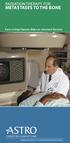 RADIATION THERAPY FOR METASTASES TO THE BONE Facts to Help Patients Make an Informed Decision TARGETING CANCER CARE AMERICAN SOCIETY FOR RADIATION ONCOLOGY WHAT ARE BONE METASTASES? Cancer that starts
BOWEL CANCER. The doctor has explained that you have a growth or tumour, in your bowel or rectum and could be cancer.
 Patient and Carer Information BOWEL CANCER Please read this leaflet carefully. It is important that you take note of any instructions or advice given. If you have any questions or problems that are not
It can be devastating to be diagnosed with a cancer like multiple myeloma. But there are treatments that can help you live longer and feel better.
 Patient information from the BMJ Group It can be devastating to be diagnosed with a cancer like multiple myeloma. But there are treatments that can help you live longer and feel better. What is multiple
Radioactive iodine treatment for thyroid cancer
 Radioactive iodine treatment for thyroid cancer This information is an extract from the booklet, Understanding thyroid cancer. You may find the full booklet helpful. We can send you a copy free see page
Chemotherapy for acute myeloid leukaemia
 Chemotherapy for acute myeloid leukaemia This information is an extract from the booklet Understanding acute myeloid leukaemia. You may find the full booklet helpful. We can send you a free copy see page
Dental care for patients with head and neck cancer
 Dental care for patients with head and neck cancer This leaflet explains why it is important to see a dentist before and after your treatment for head and neck cancer. It also explains what you can expect
Mouth care during chemotherapy
 Some people having chemotherapy treatment find that their mouth gets sore. This information gives some tips about how you can look after your mouth before and during your chemotherapy treatment. In this
BREAST CANCER TREATMENT
 BREAST CANCER TREATMENT Cancer Care Pathways Directorate Tailored Information in Cancer Care (TICC) Sir Anthony Mamo Oncology Centre December 2014 Contents About this booklet 1 Your First Oncology Consultation
How treatment is planned Giving your consent The benefits and disadvantages of treatment Second opinion
 Treatment overview for lung cancer This information is an extract from the booklet Understanding lung cancer. You may find the full booklet helpful. We can send you a free copy see page 5. Contents How
However, each person may be managed in a different way as bowel pattern is different in each person.
 Department of colorectal surgery Reversal of ileostomy A guide for patients Introduction This booklet is designed to tell you about your reversal of ileostomy operation and how your bowels might work after
M6-1 NOTE. Each major learning point is clearly identified by boldface type throughout the guide and emphasized in the PowerPoint presentation.
 Basics of Cancer Treatment Module 6 Basics of Cancer Treatment Target Audience: Community members Staff of Indian health programs, including Community Health Representatives Contents of Learning Module:
Tuberculosis: FAQs. What is the difference between latent TB infection and TB disease?
 Tuberculosis: FAQs What is TB disease? Tuberculosis (TB) is a disease caused by bacteria (germs) that are spread from person to person through the air. TB usually affects the lungs, but it can also affect
For the Patient: Dasatinib Other names: SPRYCEL
 For the Patient: Dasatinib Other names: SPRYCEL Dasatinib (da sa' ti nib) is a drug that is used to treat many types of cancer. It is a tablet that you take by mouth. Tell your doctor if you have ever
WHAT YOU SHOULD KNOW ABOUT. low blood counts.
 WHAT YOU SHOULD KNOW ABOUT low blood counts. 1 INTRODUCTION Overview It is important for you to be aware that cancer, and some treatments for cancer, may affect your blood counts. Radiation therapy and
For the Patient: Protocol LUAJNP Other names: Adjuvant Treatment of Non-Small Cell Lung Cancer with Cisplatin and Vinorelbine
 For the Patient: Protocol LUAJNP Other names: Adjuvant Treatment of Non-Small Cell Lung Cancer with Cisplatin and Vinorelbine LU = LUng AJ = AdJuvant NP = Navelbine (vinorelbine), cisplatin ABOUT THIS
Chemoembolization for Patients with Pancreatic Neuroendocrine Tumours
 Chemoembolization for Patients with Pancreatic Neuroendocrine Tumours What is this cancer? Pancreatic Endocrine Tumours are also called Pancreatic Neuroendocrine Tumours. This cancer is rare and it starts
Effect of breast cancer treatment
 Effect of breast cancer treatment on the bones 1 Effect of breast cancer treatment on the bones This information is from the booklet Managing the late effects of breast cancer treatment. You may find the
Managing Side Effects of Palliative Radiation Therapy
 RADIATION THERAPY SYMPTOM MANAGEMENT Managing Side Effects of Palliative Radiation Therapy In this booklet you will learn about: Common side effects when you receive palliative radiation therapy Tips on
Laparoscopic Nephrectomy
 Laparoscopic Nephrectomy Information for Patients This leaflet explains: What is a Nephrectomy?... 2 Why do I need a nephrectomy?... 3 What are the risks and side effects of laparoscopic nephrectomy?...
Supporting You Through Your Chemotherapy
 Today s topics How chemotherapy works Possible side effects of chemotherapy How to prevent and manage side effects How to prepare for your treatment Supporting You Through Your Chemotherapy A class for
OVARIAN CANCER TREATMENT
 OVARIAN CANCER TREATMENT Cancer Care Pathways Directorate Tailored Information in Cancer Care (TICC) Sir Anthony Mamo Oncology Centre National Cancer Plan May 2015 Contents About this booklet 1 The Ovaries
RADIATION THERAPY FOR LYMPHOMA. Facts to Help Patients Make an Informed Decision TARGETING CANCER CARE AMERICAN SOCIETY FOR RADIATION ONCOLOGY
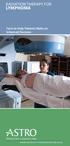 RADIATION THERAPY FOR Facts to Help Patients Make an Informed Decision TARGETING CANCER CARE AMERICAN SOCIETY FOR RADIATION ONCOLOGY FACTS ABOUT The lymphatic system is a network of tiny vessels extending
Hysterectomy for womb cancer
 Gynaecology Oncology Service Hysterectomy for womb cancer April 2014 Great Staff Great Care Great Future INTRODUCTION This leaflet has been produced to provide you with general information about your operation.
How To Deal With The Side Effects Of Radiotherapy
 Radiotherapy to the Bowel (Colo-Rectal Tumours) Information for patients Northern Centre for Cancer Care Freeman Hospital Introduction Your oncologist has advised you to have a course of radiotherapy to
SWINE FLU: FROM CONTAINMENT TO TREATMENT
 SWINE FLU: FROM CONTAINMENT TO TREATMENT SWINE FLU: FROM CONTAINMENT TO TREATMENT INTRODUCTION As Swine Flu spreads and more people start to catch it, it makes sense to move from intensive efforts to contain
Surgery. Wedge resection only part of the lung, not. not a lobe, is removed. Cancer Council NSW
 The treatment you receive will depend on your lung cancer type, for example, whether you have a non-small cell lung cancer Adenocarcinoma or Squamous cell carcinoma, and if this is a sub-type with a mutation.
Insertion of a Peripherally Inserted Central Catheter (PICC Line)
 Insertion of a Peripherally Inserted Central Catheter (PICC Line) Patient Information Introduction This booklet has been written to provide information to patients about to have a peripherally inserted
FEC chemotherapy Factsheet
 FEC chemotherapy Factsheet This factsheet explains what the chemotherapy combination FEC is, when it may be prescribed, how it works and what side effects may occur. 2 What is FEC? Visit www.breastcancercare.org.uk
ORAL ANTICOAGULANTS RIVAROXABAN (XARELTO) FOR PULMONARY EMBOLISM (PE)
 ORAL ANTICOAGULANTS RIVAROXABAN (XARELTO) FOR PULMONARY EMBOLISM (PE) Information Leaflet Your Health. Our Priority. Page 2 of 6 What Are Anticoagulants And What Do They Do? This information leaflet has
For the Patient: GDP Other names: LYGDP
 1 For the Patient: GDP Other names: LYGDP G D P Gemcitabine Dexamethasone (taken by mouth) CISPlatin Uses: GDP is a drug treatment given for Non-Hodgkins and Hodgkin Lymphoma with the expectation of destroying
Chemotherapy What It Is, How It Helps
 Chemotherapy What It Is, How It Helps What s in this guide If your doctor has told you that you have cancer, you may have a lot of questions. Can I be cured? What kinds of treatment would be best for me?
RADIATION THERAPY FOR BRAIN METASTASES. Facts to Help Patients Make an Informed Decision TARGETING CANCER CARE AMERICAN SOCIETY FOR RADIATION ONCOLOGY
 RADIATION THERAPY FOR BRAIN METASTASES Facts to Help Patients Make an Informed Decision TARGETING CANCER CARE AMERICAN SOCIETY FOR RADIATION ONCOLOGY FACTS ABOUT BRAIN METASTASIS Brain metastases are clusters
Multiple Myeloma. Understanding your diagnosis
 Multiple Myeloma Understanding your diagnosis Multiple Myeloma Understanding your diagnosis When you first hear that you have cancer, you may feel alone and afraid. You may be overwhelmed by the large
Patient Guide. Important information for patients starting therapy with LEMTRADA (alemtuzumab)
 Patient Guide Important information for patients starting therapy with LEMTRADA (alemtuzumab) This medicinal product is subject to additional monitoring. This will allow quick identification of new safety
Pancreatic Cancer Information for patients and their families
 Pancreatic Cancer Information for patients and their families This handout answers common questions that are often asked by our patients and families. The information in this booklet is what we talked
Having denervation of the renal arteries for treatment of high blood pressure
 Having denervation of the renal arteries for treatment of high blood pressure The aim of this information sheet is to help answer some of the questions you may have about having denervation of the renal
Parathyroidectomy An operation to remove overactive parathyroid glands Information for patients
 Oxford University Hospitals NHS Trust Parathyroidectomy An operation to remove overactive parathyroid glands Information for patients What are the parathyroid glands? There are four parathyroid glands
CLL. Handheld record. Stockport NHS foundation trust
 CLL 2015 Handheld record Contains- Patient information booklet, details of haematology clinic assessment and ongoing clinical assessment at GP surgery Stockport NHS foundation trust You have been diagnosed
Life after treatment for Lung Cancer
 Oxford University Hospitals NHS Trust Life after treatment for Lung Cancer A guide for patients and their carers Introduction Treatment for Lung Cancer can be very varied depending on the stage and type
Protecting your baby against meningitis and septicaemia
 Protecting your baby against meningitis and septicaemia caused by meningococcal B bacteria MenB vaccine now available! Information about the MenB vaccine and recommended paracetamol use mmunisation The
Excision or Open Biopsy of a Breast Lump Your Operation Explained
 Excision or Open Biopsy of a Breast Lump Your Operation Explained Patient Information Introduction This leaflet tells you about the procedure known as excision or open biopsy of a breast lump. It explains
Femoral artery bypass graft (Including femoral crossover graft)
 Femoral artery bypass graft (Including femoral crossover graft) Why do I need the operation? You have a blockage or narrowing of the arteries supplying blood to your leg. This reduces the blood flow to