
NON-TRADITIONAL CAPITAL STRUCTURES: EB-5 FINANCING
|
|
|
- Holly Fox
- 9 years ago
- Views:
Transcription
1 NON-TRADITIONAL CAPITAL STRUCTURES: EB-5 FINANCING JAMES ( J.R. ) ENGLAND, ESQ. Hunton & Williams LLP 1445 Ross Ave., Suite 3700 Dallas, Texas State Bar of Texas LEGAL ISSUES IN THE TEXAS HOSPITALITY INDUSTRY November 5-6, 2015 Dallas CHAPTER 7

2

3 James J.R. England Counsel PRICES Real Estate, Development and Fance Acquisitions and Dispositions Commercial Real Estate Lendg Construction Fance and Restructurg Land Use and Development Leasg Natural Resources (Real Estate) Hospitality CONT Dallas p f EDUCATION JD, SMU Dedman School of Law, cum laude, 2005 BS, Sat Louis University, summa cum laude, 2002 BAR ADMISSIONS Texas J.R. s practice focuses on commercial real estate acquisitions and dispositions, fance, hospitality, leasg and construction. J.R. s practice focuses on commercial real estate transactions, cludg acquisitions and dispositions, fancg, leasg, hospitality and construction transactions. He advises dividuals, corporate entities, vestment funds, sovereign wealth funds and foreign governments on a wide variety of real estate related transactions domestic and multijurisdictional transactions. Relevant Experience Represented our client, as buyer, connection with the acquisition of all the membership terests the owner of 1,400 acres of land formerly consistg of the Weymouth Naval Air Station outside of Boston, Massachusetts. Representg a large corporate client connection with the transfer of its ownership terests several office properties to a new jot venture partner, cludg analysis of CMBS loan restrictions and JV structurg considerations. Counselg large hedge funds and private equity funds various real estate transactions, cludg the acquisition of resorts, golf courses, office buildgs and residential properties. Representg a major hotel cha connection with the purchase, sale and operation of hotel properties throughout the United States. Counselg a sovereign wealth fund and a US-based vestment fund connection with the formation and structurg of a jot venture for the acquisition of commercial properties the UAE. Counselg a UAE government entity the corporate structurg, construction, leasg and ongog development of Masdar City, a carbon neutral city of 40,000 beg constructed the UAE. Representg multiple vestment funds various transactions, cludg (i) the $50 million purchase of substantially all of the assets of a convenience store cha with operations across the United States; (ii) the acquisition and development of 1,300 acres of commercial and residential properties located outside San Antonio, Texas; and (iii) the disposition of a portfolio of nursg home and assisted livg properties across Texas, Oklahoma, Missouri and Arkansas. Representg a large private equity fund and five of its prcipals through the gamg license process 15 states, a pivotal gatg event that opened the door to the leverage buyout of a major caso company. Hunton & Williams LLP

4 News Hunton & Williams Further Expands Global Real Estate Practice, James J.R. England jos Dallas, September 23, 2014 Alerts Hunton & Williams Further Expands Global Real Estate Practice, James J.R. England jos Dallas, September 23, 2014 Publications Author, Real Estate Investg In The Middle East: Foreign Ownership Restrictions In The GCC, The Metropolitan Corporate Counsel, February 2012 Author, Real Estate Chapter, The Busess Laws of the United Arab Emirates, February 2011 Co-author, The Nuts & Bolts of Purchasg a Real Estate e: Issues, Approaches, and Forms, Texas State Bar Advanced Real Estate Law Course, July 2005 Hunton & Williams LLP

5 Non-Traditional TABLE OF CONTENTS I. INTRODUCTION... 1 II. HISTORY AND BACKGROUND OF THE EB-5 PROGRAM... 1 A. History & Background... 1 B. EB-5 Program Basics General Requirements Job Creation Regional Centers Target Employment Areas III. SECURITIES LAW CONSIDERATIONS... 4 IV. IMMIGRATION PROCESS... 4 A. Introduction... 4 B. Visa Steps and Timg... 4 C. At Risk and Lawful Source Requirements At Risk Lawful Source D. Visa Caps and Limitations... 7 V. EB-5 CAPITAL STRUCTURE... 7 A. Introduction... 7 B. Capital Raise & Structurg Basics Mezzane Loans Preferred Equity C. Immigration Risk & Capital Structure... 9 VI. LEGISLATIVE DEVELOPMENTS... 9 VII. CONCLUSION EXHIBITS i

6

7 Non-Traditional NON-TRADITIONAL CAPITAL STRUCTURES: EB-5 FINANCING I. INTRODUCTION Over the last ten to fifteen years the real estate dustry has seen many different types of project fancg structures wax and wane popularity. Certa structures that were vogue the early neties have decled popularity, while others have arisen to take their place due to changes law, vestment climate or simply due to their practicality. The EB-5 program, sometimes referred to as the Immigrant Investor Program was created by Congress enactment of the United States Immigration and Nationality Act of 1990 (the INA ). 1 The EB-5 program was established order to provide economic stimulus to the U.S. economy by givg foreign entrepreneurs the opportunity to permanently live and work the U.S. after they had vested substantial capital to an American commercial enterprise creatg a sufficient number of jobs. This article will focus on the EB-5 program and real estate fancg structures utilizg EB-5 capital. The article is broken to six ma sections: (a) history and the basics of the EB-5 program, (b) a brief summary of securities law considerations, (c) the immigration process, (d) EB-5 capital structure, (e) legislative developments, and (f) a brief conclusion. While there are dozens of possible issues to discuss the most complicated EB-5 fancgs, the purpose of this article is not to provide a comprehensive analysis. Rather, this article is tended to be an explanatory document providg a basic level of understandg to real estate and fance practitioners who may be asked to represent a client connection with a fancg volvg EB-5 capital. Fally, although this article will touch on related immigration, securities law and tax concerns, this article is primarily aimed at real estate and fance practioners and a detailed analysis of these related topics is beyond the scope of this article. II. HISTORY AND BACKGROUND OF THE EB-5 PROGRAM A. History & Background As previously noted, the EB-5 program was created 1990 by the passage of the INA. The EB-5 program was later modified by Section 610 of Public Law , Section 402(a) of Public Law , Section 610 of Public Law , Section 4 of Public Law and H.R. 719, among other laws modifyg an extendg the EB-5 program or components thereof. The EB-5 program is also subject to additional regulations found at 8 C.F.R and 8 C.F.R , respectively. In addition, United 1 Pub. L. No , 104 Stat (1990). 1 States Customs and Immigration Service ( USCIS ) has issued several policy memoranda, policy manuals and precedent decisions (the Precedent Decisions ), all of which add to the body of EB-5 related laws and regulations. 2 The USCIS is the primary federal agency that regulates the EB-5 program, but the USCIS only regulates the immigration aspects associated with the EB-5 program. The Securities and Exchange Commission ( SEC ) also regulates EB-5 capital vestment, though the vast majority of EB-5 projects and vestment structures are exempt from securities law requirements. 3 The term EB-5 refers to the fifth category of the five permanent residency visas available the employment-based preference system that prioritizes immigrants based on their skills. 4 The EB-5 program was tended to ject foreign capital to the U.S. economy and create jobs for American workers at very little cost to the government or the American taxpayer. Reportg from around the time of the INA s passage suggests that Congress anticipated as many as 4,000 foreign vestors and their families would seek EB-5 visas each year, brgg fresh vestment funds totalg $4 billion and creatg 40,000 new jobs. 5 However, early results from the program proved extremely anemic. Between fiscal year 1992 and fiscal year 2004, a total of 6,024 EB-5 visas were issued, an average of just over 460 visas per year. 6 The so-called mastream discovery of and the rise popularity of the EB-5 program is largely attributable to the fancial crisis. The EB-5 program surged to the forefront the years followg 2008 when traditional bank fancg became more difficult to obta. In 2008, 1,258 EB-5 visa applications were filed, contrast to 2014 when 10,928 applications were filed, representg a 769% crease the number of EB-5 visa 2 See The Precedent Decisions clude: Matter of Izummi, 22 I&N Dec 169 (BIA 1998); Matter of Ho, 22 I&N Dec. 206, (BIA 1998); Matter of Soffici, 22 I&N Dec 158 (BIA 1998); Matter of Hsiung, 22 I&N Dec 201 (BIA 1998). 3 See Rule 506 of Regulation D, as well as Rule 903 of Regulation S to the Securities Act of See also Section 12(g) of the Exchange Act of 1934 (as modified by the Jumpstart Our Busess Startups Act of 2012), subject to the Investment Company Act of 1940 (the Reg D & S Exemptions ). 4 See 5 Al Kamen, An Investment American Citizenship; Immigration Program Invites Millionaires to Buy Their Way In, Washgton Post (Sept. 29, 1991). 6 U.S. Government Accountability Office Report to Congressional Committees, Immigrant Investors: Small Number of Participants Attributed to Pendg Regulations and Other Factors, p. 2 (Apr. 2005) (GAO ).

8 Non-Traditional applications filed. 7 The growth use of the EB-5 program was fueled by developers and real estate entrepreneurs desire to utilize EB-5 capital (due, at least itially, to the absence of other traditional sources), thus creatg a greater supply of projects tailored to qualify for the EB-5 program. Further, as more developers and real estate companies began to employ EB-5 capital more regularly, they began to realize the flexible and expensive nature of EB-5 capital and have contued to employ it despite the fact that traditional sources of capital are now widely available. As more and more developers began to realize the benefits and potential of EB-5 capital, which can take the form of debt or equity at any location with the capital stack, it has led to explosive growth the utilization of EB-5 capital recent years. B. EB-5 Program Basics 1. General Requirements. The EB-5 program allocates 10,000 EB-5 visas per year to qualified dividuals seekg permanent resident status. At its most basic level, the EB-5 program requires two thgs: (i) a potential immigrant must make a standard capital vestment of $1,000,000 a new commercial enterprise (a NCE ) (or if the project for which the vestment is designated is located with a Targeted Employment Area (a TEA ) 8 the amount of such vestment is reduced to $500,000); and (ii) the project to which the vestment applies must directly create ten new, full-time jobs per immigrant vestor. 9 However, if the project is affiliated with a regional center, 10 then direct jobs may also be counted agast the ten job per vestor threshold. Skeptics often refer to the EB-5 program as the visa for sale or green card for cash program, 11 but each vestor s capital is not actually utilized toward the purchase of a visa (and is not paid to the U.S. government), but is stead an vestment a job-creatg U.S. enterprise with the expectation that the vestor s capital will be returned at some pot the future. However, unlike a traditional vestor, where the chief reason for makg an vestment is the 7 See eports%20and%20studies/immigration%20forms%20data/ Employment-based/I526_performancedata_fy2014_qtr4.pdf 8 See Section II, B4 of this article for further formation on TEAs. 9 INA, Sections 203(b)(5)(C) and 203(b)(5)(A). 10 See Section II, B3 of this article below for further discussion on regional centers. 11 See Patrick McGeehan and Kirk Semple, Rules Stretched as Green Cards Go to Investors by Patrick McGeehan and Kirk Semple, New York Times (December 18, 2011) (the McGeehan Semple Article ). 2 potential return generated, an EB-5 vestor s ma motivation is securg a visa. Thus, an EB-5 vestor s primary objective is to ensure the project satisfies the EB-5 visa requirements. 2. Job Creation. Job creation is the central focus and overall goal of the EB-5 program. Each EB-5 vestment project must create 10 full time jobs for American workers for each EB-5 vestor. Thus, the number of jobs that a project will create is the most critical factor determg the size and viability of any EB-5 capital raise. Most EB-5 projects strive to create more jobs than the mimum required by EB-5 rules and regulations, primarily to create a cushion for vestor marketg purposes. The cushion provides comfort to the EB-5 vestors that a sufficient number of jobs will be created to have their EB-5 applications approved, the event the actual development deviates from its origal plans or the USCIS determes that certa jobs created are not eligible jobs. Jobs created can clude constructions jobs (if they last 2 years or longer), as well as the ongog operation of the project followg completion. A basic outle of the job creation requirements is set forth below. a. Direct Jobs If an EB-5 vestor vests a project that is not sponsored by a regional center, only direct jobs count towards the ten job per vestor threshold. Direct jobs are generally full-time jobs filled by W-2 employees of a commercial enterprise. 12 An applicant demonstrates direct jobs to the USCIS by producg W-2 tax forms and other reasonable evidence of employment. The overwhelmg majority of jobs associated with construction activity are not direct, but rather direct jobs. Because direct jobs can only be counted if the EB-5 project is sponsored by a regional center, the overwhelmg majority of projects are affiliated with a regional center. b. Indirect Jobs Indirect jobs are those created as a result of the project. In contrast to direct jobs, direct jobs serve those who provide goods or services to the project. 13 Indirect jobs, as well as a subset thereof called duced jobs, are demonstrated to the USCIS based on a job model contaed with an economic impact 12 Donald Neufeld, Adjudication of EB-5 Regional Center Proposals and Affiliated Form I-526 and form I-829 Petitions; Adjudicator s Field Manual (AFM) Update to Chapters 22.4 and 25.2 (AD09-38), (December 11, 2009); and Donald Neufeld, EB-5 Alien Entrepreneurs Job Creation and Full Time Positions, (June 17, 2009) (collectively, the 2009 Neufeld Memoranda ). 13 See 2009 Neufeld Memoranda.

9 Non-Traditional report. 14 An economist prepares the economic impact report based on the busess plans submitted by the developer and/or regional center. Generally, at the first step of the immigration review process, the busess plan must reasonably demonstrate that the jobs will be created with two and one-half years after the USCIS approves an immigrant s I-526 petition. 15 Indirect jobs count even if the work is performed outside the geographic area of the project, and fact, they can be performed anywhere the United States. For example, direct jobs clude the steel mill workers Ohio that create steel beams for a project New York City as well as the factory worker manufacturg bath tubs Texas for a hotel project Los Angeles. Indirect jobs also clude workers who supply lens to a hotel after it opens and those who perform professional services to the hotel, cludg accountants and lawyers. Induced jobs are generated when those with direct and direct jobs spend part of their compensation on consumer goods and services. In practice, duced jobs are limited to those created with the geographic area of the project, due to the detailed reportg requirements to count duced jobs outside the geographic region of the sponsorg regional center. However, jobs generated by hotel guest spendg or by tenants of the project followg completion are not counted as direct or duced jobs Regional Centers. The regional center concept was not part of the origal legislation establishg the EB-5 program. However, it soon became apparent that very few busesses could generate a sufficient number of direct jobs to support EB-5 capital raises large enough to make the EB-5 program meangful. In October 1992, Congress responded by creatg the Immigrant Investor Pilot Program which provided for the concept of regional centers. 17 The law establishg regional centers (now rebranded the Regional Center Program ) is not permanent and has been extended several times, although the Regional Center Program is set to expire on December 11, 2015 unless Congress acts to extend it. 18 The term regional center lends itself to the mistaken impression that it is a governmental or quasi-governmental body. However, a regional center is simply an entity (public or private) that seeks and coordates foreign vestment a 14 8 C.F.R (m)(7)(ii). 15 See Section IV of this article for further formation on the immigration process. 16 See 17 Pub. L. No , 106 Stat (1992). 18 Contug Appropriations Act, H.R.719 (2015). 3 defed geographic area with the EB-5 legal framework. 19 A regional center does not have exclusive jurisdiction over a particular region and many geographic regions have multiple regional centers which can make vestments anywhere with its geographic territory. 20 Each regional center, once established, can sponsor an unlimited number of EB-5 related projects. The Regional Center Program imposes very few requirements or standards upon the structure and operation of regional centers. For example, a regional center s owners and executives do not have to pass any special test, demonstrate any particular level of qualification, educational background or vestment experience. Additionally, no mimum net worth or capital requirements are required for a regional center s ownership or operations, and with the exception of the Vermont regional center, no accountg, audit or fancial oversight is required. After its formation, a regional center is required to file an annual return, Form 924A, with USCIS, but no dependent verification or audit of the form is required. The Form 924A only requires very basic formation about EB-5 capital raised, jobs created and vestor petitions, but the formation is not required to be project specific, thus the filg represents only a very high level, nondetailed snapshot of the regional center s operations. 21 Despite the lack of governmental oversight and regulation of regional centers, the vast majority of EB- 5 projects associate with a regional center. The reason is simple, association with a regional center allows a project to satisfy the ten jobs per vestor center requirement by countg direct jobs as well as direct jobs. 22 The ability to count direct jobs generally leads to a substantial crease the amount of EB-5 capital that can be raised for a particular project. 4. Target Employment Areas. A geographic area qualifies as a TEA if its unemployment rate is at least 150% of the national average. A location can also qualify as a TEA if it is located a rural area as defed INA Section The majority of projects strive to qualify as a TEA order to attract a greater number of immigrant 19 8 C.F.R (c). 20 See 21 Jeanne Calderon and Gary Friedland, Esq., A Roadmap to the Use of EB-5 Capital: An Alternative Fancg Tool for Commercial Real Estate Projects, NYU Stern Center for Real Estate Fance Research (May 22, 2015) (the Roadmap Paper ). 22 USCIS Policy Memorandum re EB-5 Adjudication Policy, PM (May 30, 2013) (the May 2013 Policy Memo ).

10 Non-Traditional vestors by lowerg the vestment required to $500,000 (rather than the $1,000,000 otherwise required). The EB-5 program permits (and fact delegates to) each U.S. state the authority to determe whether a particular property is located a TEA and the USCIS defers to these state determations. 23 Each state (through the entity or persons it has designated) issues a TEA designation letter if its determes that a project location satisfies the TEA requirements. Often the first step a developer will undertake is to attempt to secure a TEA designation letter. If the applicable state authority were to determe a project was not located a TEA, many developers would simply forgo the use of EB-5 capital altogether because of the difficulty attractg sufficient vestor terest a project with a mimum vestment requirement of $1,000,000 rather than $500,000 if the project were located a TEA. Many states have adopted a generous view of what qualifies as a TEA because each state is competg with every other state for development projects and the EB-5 capital associated therewith. Each state is different and the designated authority and the methodology applied by each state for makg such determations greatly differs. 24 Many states have approved TEAs areas that most people presume wouldn t qualify, such as the Midtown, Chelsea and Tribeca areas of New York City, and affluent areas of Las Vegas and Los Angeles. 25 However, it has become commonplace for developers to utilize unemployment data to stitch together contiguous tracts to the project s census area order to parcel together an area that qualifies as a TEA, despite the fact that certa parts of the combed TEA are basically different worlds. Many critics have referred to the practice of manipulatg census tracts as nothg more than gerrymanderg, with some argug the practice has made the origal TEA concept practically meangless C.F.R (i). 24 See e.g., (describg the State of California process to request a TEA letter which has been automated by a new teractive database tool that allows up to 12 contiguous census tracts to be combed); (explag that New York State delegates the determation makg authority to the Empire State Development Agency); 20TEA%20Designations.pdf (explag that Texas delegates this authority to local mayors or county judges). 25 McGeehan Semple Article; See also 26 See ec_2011_newsletter.pdf. 4 III. SECURITIES LAW CONSIDERATIONS Detailed securities law considerations EB-5 fancgs are beyond the scope of this article. However, as with the immigration process, a basic understandg of the application of securities laws and applicable exemptions is critical to understandg the EB-5 vestment process and structure. When a developer or third party solicits EB-5 vestors to contribute capital to the NCE (whether the form of debt or equity) such offerg typically constitutes a security for purposes of federal securities laws. 27 As mentioned previously, the securities offered connection with most EB-5 projects will usually be exempt from the registration requirements of federal securities laws. In conventional real estate projects the developer relies upon the private offerg exemption under SEC Rule 506 of Regulation D. The NCE, as issuer, typically also relies on the same exemption. However, light of the fact foreign vestors that may be solicited abroad, an NCE may also rely on the safe harbor created by Regulation S with respect to offergs made outside the United States. 28 Due part to the necessity of securg an exemption from SEC registration requirements, securities offerg documents, cludg a private placement memorandum and subscription agreement, are a necessary part of the EB-5 offerg documents provided to all solicited vestors. IV. IMMIGRATION PROCESS A. Introduction Although this article s focus is not a deep dive to immigration law, a basic understandg of the immigration process as it relates to obtag an EB-5 visa is important to understandg EB-5 vestment structure, vestor exit strategy and the timg of a developer s access to EB-5 funds. After an vestor selects a target vestment project, the vestor will typically execute a subscription agreement and wire the required vestment to the regional center together with the onetime admistrative fee charged by the regional center. The funds are wired prior to the vestor s visa petition beg filed. 29 B. Visa Steps and Timg The first step of the visa application process is the filg of a Form I-526 petition for conditional permanent residency with the USCIS. The USCIS reviews or adjudicates (i.e., approves or denies) the petition. The assigned adjudicator conducts a review 27 See Section 2(a)(1) of The Securities Act of 1933 (settg forth the defition of a security ). 28 Reg D & S Exemptions. 29 Roadmap Paper.

11 Non-Traditional of (i) the project itself, and (ii) the dividual vestor. Durg the project review, the USCIS ma consideration is whether the project creates a sufficient number of qualifyg jobs based on the planned amount of EB-5 capital raised. Typically, the project level documents are supplied to the vestor by the regional center, cludg the organizational, transactional and vestor documents as well as the economic impact report utilized to justify the number of jobs to be created. At the dividual level, the USCIS determes whether (i) the vestors funds have been obtaed from a lawful source, and (ii) whether the vestor s funds will be placed at risk. 30 Ultimately, the USCIS either approves or denies the I- 526 petition. Approval signifies that the USCIS has accepted the busess plan of the project, cludg its job creation assumptions. The second step of the visa application process is the filg of a Form I-485 with the USCIS (or Form DS-230 with the U.S. Department of State if the applicant resides abroad). If application is successful, the U.S. Department of State issues a conditional visa (or temporary green card ). The conditional visa entitles the vestor to conditional permanent resident status, which permits residency the U.S. for a period of two years. It is important to note that as soon as the I-485 (or DS-230) petition is approved, the immigrant vestor becomes taxable as a U.S. person and his worldwide come is subject to U.S. tax. However, if the vestor does not ultimately have his fal I-829 Form approved (grantg unconditional permanent citizenship) as described below, such person will no longer be subject to U.S. tax. 31 The third step of the visa application process requires the applicant to file a Form I-829 application which seeks to convert the vestor s status from conditional to permanent resident. The Form I-829 must be filed 21 to 24 months followg the issuance of the conditional permanent resident visa. Similar to the I-526 review, an assigned adjudicator conducts a review of (i) the project itself, and (ii) the dividual vestor. At project level, the USCIS ma consideration is whether the project has created a sufficient number of jobs or that a sufficient number of jobs can be expected to be created with a reasonable period of time. 32 The project review entails verification that all of the busess plan commitments are still valid, cludg confirmation of the actual 30 See 8 C.F.R (j); See also Matter of Izummi, 22 I&N Dec 169 (BIA 1998) ( Matter of Izumi ); Matter of Ho, 22 I&N Dec. 206, (BIA 1998). 31 See IRS section 7701(a)(30)(A) (which defes United States person to clude lawful residents); 8 C.F.R (d)(2); and 32 May 2013 Policy Memo. 5 expenditure of project funds. It is not necessary that all busess plan assumptions or expenditures rema unchanged, but if the actual project expenditure is less than as set forth the origal busess plan, fewer jobs are likely to be created and verified, which could lead to the denial of the I-829 petition unless the project has a sufficient job cushion to provide a comfortable marg of error. At the dividual level, the USCIS review centers on whether the immigrant vestor has sustaed his vestment the project and the vestment contues to be at risk. If the I-829 petition is approved, unconditional permanent resident status is granted, a permanent green card is issued, and the vestor may permanently live and work the United States. From start to fish, the process of obtag an unconditional permanent resident visa typically takes between four and five years from the date the origal I-526 petition is filed. Lastly, if the immigrant vestor so desires, he/she may, after a five-year residency period (clusive of both the conditional visa and permanent visa period), apply for U.S. citizenship. 33 C. At Risk and Lawful Source Requirements 1. At Risk. The EB-5 program requires that an immigrant vestor s capital be placed at risk 34 and be contuously mataed until the I-829 petition is approved. 35 The mere tent to vest is not sufficient and prospective arrangements without a present commitment do not suffice. While the degree of risk is not specified by the USCIS regulations, a Precedent Decision issued by the Admistrative Appeals Office ( AAO ) of USCIS (Matter of Izummi, 22 I&N Dec 169 (BIA 1998)) provides examples of when an vestment is not considered at risk. In Matter of Izummi, the AAO stated that if the immigrant vestor is guaranteed the return of a portion of his or her vestment or is guaranteed a rate of return on a portion of his or her vestment, then the portion of the capital is not at risk. For the capital to be considered at risk there must be a risk of loss and a chance for ga. In Matter of Izummi, the immigrant vestor s capital was deemed not to be at risk because the vestment cluded a redemption agreement protectg agast the risk of loss which constituted an impermissible debt arrangement under 8 C.F.R (e). In the case of a promissory note, order for the vestment to be considered at risk, it must be secured by assets 33 8 C.F.R (3) C.F.R (j)(2); May 2013 Policy Memo C.F.R (a)(iii); May 2013 Policy Memo. The contuously mataed requirement often leads vestors to require that their funds be escrowed.

12 Non-Traditional enforceable a U.S. court for which the vestor is primarily liable. 36 In addition, an vestment with a promise to return any portion of the immigrant vestor s mimum required capital would also not be considered at risk (if the return was guaranteed prior to the I-829 visa approval). If an agreement between the NCE and the immigrant vestor, such as that of a limited partnership agreement or operatg agreement, states that the vestor may demand return of or redeem some portion of capital after obtag conditional lawful permanent residence status (as opposed to unconditional status), that portion of capital is also not at risk. Further, if the vestor is dividually guaranteed the right to eventual ownership or use of a particular asset consideration of the vestor s contribution of capital (such as a home, real estate terest or item of personal property), the expected present value of the guaranteed ownership or use of such asset does not count toward the total amount of the vestor s capital contribution decidg how much money was placed at risk. It is important to note that an vestor is not prohibited from receivg a return on his or her capital (prior to approval of the I-829 application), so long as the return is not a portion of the vestor s prcipal vestment and the return was not guaranteed to the vestor. 37 Although the NCE cannot directly guarantee return of the vestor s capital vestment, if the NCE utilizes the capital to loan money to another entity actually owng and operatg the project, the repayment of the loan to the NCE can be guaranteed by a third party. This third party guaranty structure is permitted even though repayment of the loan is essentially equivalent to mandatory redemption of an equity terest (if the vestment were structured as equity rather than debt). In contrast, a third party guaranty structure is not viable an EB-5 vestment structured as equity Lawful Source. An EB-5 visa applicant must have vested or be the process of vestg the requisite amount of lawfully obtaed capital at the time of filg its I- 526 petition. 39 There are multiple methods to prove lawful source of funds. The key is to provide solid documentation showg both the source and path of the money utilized. 40 On February 26, 2015, USCIS hosted a teleconference which was the first a series of 36 8 C.F.R (e); May 2013 Policy Memo 37 Id. 38 Id. 39 See generally 8 U.S.C. 1153(b)(5)(A). 40 See generally Charles Gordon, Stanley Mailman, Stephen Yale-Loehr & Ronald Y. Wada, Immigration Law and Procedure (rev. ed. 2015). 6 teractive engagements designed to address adjudicative issues reviewg EB-5 filgs. This teleconference focused on how to deal with requests for evidence ( RFEs ) EB-5 source of funds issues. The teleconference stressed the importance of credible, third party documentation. USCIS representatives noted that self-servg documents prepared by the petitioner or friends are not as useful as documents from third parties, such as governmental authorities and banks. USCIS officials explaed common EB-5 source of funds scenarios and the proper methods to document them. For example: (i) Earned Income: The vestor should present proof of his/her salary, employment certificates, affidavits from past employers, come tax records and bank statements showg deposits over time; (ii) Investment Proceeds: The vestor should show: (1) that the money used to make the itial vestment were obtaed lawfully; (2) that the vestor owned the vestment; and (3) receipt of the capital from the vestment proceeds. Bank statements and documents of the sale of the vestment are the most important evidentiary documentation; (iii) Sale of Property: The vestor should clude the purchase contract for the property, the ownership registration or deeds, and tax receipts for property taxes paid on the property. If a mortgage has to be paid off as part of the property sale, clude documentation of that payoff the source of funds package; (iv) Property Loans: The vestor should clude documentation of the loan or mortgage contract, the notation of the lien on the ownership documents, evidence of the value of the property compared to the value of the loan and any relevant bank records. The vestor must be personally liable to repay the loan; (v) Ownership a Company: The vestor should show the lawful source of the money used to buy an ownership terest the company; (vi) Company Loans: The vestor must show that the company has enough assets to make the loan to the vestor. If the vestor is a shareholder, clude fancial audit reports, bank statements, etc. Further, the vestor should submit a copy of the shareholder meetg mutes documentg and approvg the loan; and (vii) Gifts: The donor must show how he/she lawfully obtaed the money provided to the vestor. For example, if a parent earned money over many years, the documentation described above concerng earned come would apply to show that the parent lawfully earned the money given to his or her child for the EB-5 vestment. Fally, the USCIS concluded the call with general tips for avoidg a source of funds RFE: (w) expla any consistencies the documents provided; (x) if a required document is unavailable, expla why; (y) consider the probative value of evidence (i.e., evidence from an objective third party is

13 Non-Traditional better than evidence from the vestor, his or her friends or family members, or his or employer); and (z) provide full translations of foreign documents rather than translations of just part of a document. 41 In practical terms, most experienced regional centers are skilled at structurg EB-5 vestments such that they comply with the at risk requirement. Although more exotic structures have passed USCIS muster the past, 42 general, the project proposal submitted to the USCIS will pass the at risk requirement if the vestment is viewed as a pooled equity vestment to an NCE where the return of the vestment is tied to the success of the project itself. 43 D. Visa Caps and Limitations As mentioned previously, the EB-5 program allocates 10,000 EB-5 visas per year to qualified dividuals seekg permanent resident status. The EB-5 visa is available not only to the vestor, but also to his or her spouse and their unmarried children under the age of 21 ( Derivative Family Members ). Each Derivative Family Member does not require any additional vestment, thus EB-5 visas, if ultimately approved, are granted to the vestor and each of his Derivative Family Members based solely on a sgle $1,000,000 or $500,000 vestment, as applicable. However, each vestor and each Derivative Family Member does count agast the overall annual 10,000 EB-5 visa cap. 44 Thus, if the average number of Derivative Family Members was 3 per vestor, then only 2,500 visas per year would be issued to vestors themselves. In addition to the aggregate 10,000 visa limit, an annual per country visa limit applies. No more than 7.1% of EB-5 vestor visas can be issued to a sgle nationality. However, if the 10,000 annual cap has not been reached, the remag visas can be reallocated. 45 Durg fiscal year 2013, more than 85% of EB-5 visa applicants were maland Chese. 46 Though the EB-5 program is domated by Chese vestors, other nationalities participate the program as well, albeit much smaller numbers. Exhibit A to this article provides a country by country breakdown 41 See affairs/uscis-government-affairs/uscis-explas-deal-eb5- source-funds-issues-stephen-yaleloehr/ (providg a summary of the teractive teleconference). 42 See (e.g., regardg a municipal bond structure). 43 Id. 44 INA, Section INA, Section 202(a)(2). 46 See 7 for fiscal year 2014 as to the number of EB-5 visas issued. 47 V. EB-5 CAPITAL STRUCTURE A. Introduction EB-5 capital is extremely flexible and can fill any space the capital stack. EB-5 capital can take the form of debt (secured or unsecured) or equity. Individual EB-5 capital raises have ranged from $500,000 to more than $600 million. In the past five years, EB-5 capital played a significant role several large-scale projects, particularly major urban areas. Examples of such projects clude: The Related Companies $600 million raise for the Hudson Yards project on the West side of Manhattan; Forest City Ratner s $477 million raise for the Atlantic Yards project New York City; Silverste Properties pendg raise of $250 million for the mixed-use, Four Seasons Hotel and luxury condomium Tribeca; and Stockbridge/SBE s nearly $400 million raise for the renovation of the SLS Hotel and Caso Las Vegas. Although vestor s funds can be deployed as either debt or equity, directly or directly, recent EB-5 vestments have most commonly been structured as gap fancg the form of mezzane loans or preferred equity and have been associated with a regional center. 48 B. Capital Raise & Structurg Basics Typically, five players are volved at the capital raise stage of an EB-5 project (i) the immigrant vestor, (ii) the regional center, (iii) the NCE, typically an entity formed by the regional center servg as an vestment vehicle to which the immigrant vestor contributes its capital, (iv) the job creatg entity ( JCE ), typically the entity that owns the project, and (v) the migration agent located overseas, or broker the U.S., who solicits the immigrant vestor. Once a developer and NCE determe a project is suitable for EB-5 vestment, a variety of documents are created to solicit immigrant vestors, cludg: (i) project busess plan, (ii) economic impact analysis report supportg the number of jobs created, (iii) regional center designation letter (also called 924 approval) issued by the USCIS, (iv) TEA designation letter, (v) offerg documents cludg private placement memorandum, (vi) subscription agreement, (vii) escrow agreement, if any, pursuant to which vestors funds are held pendg satisfaction of certa conditions (e.g., attament of conditional permanent resident status, or some cases unconditional permanent resident status), (viii) limited partnership or 47 U.S. State Department Report of the Visa Office, Table V, Part 3 (2014). 48 See generally Roadmap Paper.

14 Non-Traditional limited liability company agreement of the NCE and the JCE, (xi) if the funds are contributed as a loan, loan and security documents, (x) commitments from other capital sources to fund the balance of the project costs, (xi) documents supportg the regional center s history and track record, and (xii) description of developer s exit strategy (cludg repayment of the EB-5 capital). 49 There are two basic options to vest the immigrant vestor s capital to an EB-5 project the loan model and the equity model. The immigrant vestor s capital must be itially provided as equity either vestg directly to a NCE or directly to a JCE. An immigrant vestor cannot loan funds directly to a JCE because it would violate the EB-5 at risk requirements and/or would be prohibited debt capital. 50 This prohibition is part of the reason the two-tier loan model is more popular. Under the loan model, the immigrant vestor s capital is vested to an NCE as equity and turn loaned to the JCE. This direct loan is not considered prohibited debt capital. The loan can be secured by a senior or junior mortgage, equity terests, or even be unsecured entirely. The equity model can be either a one-tier or two-tier structure. In the case of a one-tier model, the immigrant vestors contribute capital directly to the JCE the form of equity and they are equity owners of the JCE (i.e., the project owng entity and the job creatg entity are one the same). The equity ownership stake can be the form of common or preferred equity. In the twotier equity structure the NCE is most commonly a preferred equity owner the JCE. The structure of the capital stack for each EB-5 project varies from deal to deal, but the amount of EB- 5 capital that a project can support (based on how many jobs the project will create) is a material determant where EB-5 capital will fit relation to other capital sources fundg the project. Although the run up to the fancial crisis many senior mortgage lenders were willg to lend up to 90% of a property s market value, senior lenders today are only willg to lend 50-70% of total project costs. Lenders typically require a developer to vest some equity the project to evidence its commitment to the project and ensure it has sk the game. The amount of equity required varies by lender, but generally ranges from 5-10%. If you add up the senior mortgage loan slice and the developer equity slice, it leaves a capital stack fundg gap somewhere the range of 20-45%. Sometimes senior lenders will permit a second, junior mortgage 49 See Initial Evidence Requirements section of Instructions to Form I-924, Application for Regional Center str.pdf 50 8 C.F.R (e); May 2013 Policy Memo; Matter of Izumi. 8 loan to fill the gap, but many lenders, especially those desirg to bundle and securitize the loan to a pool of commercial mortgage backed securities ( CMBS ), prohibit junior mortgage debt because the national credit ratg agencies prohibit the practice if the loan is to be securitized. Mezzane debt or preferred equity on the other hand, is not considered junior or secondary mortgage debt and deployment of such debt or preferred equity, general, will not prohibit the securitization of the senior mortgage loan. 51 Although there are exceptions, it is typically very difficult for any large scale project to support a sufficient number of jobs to clude EB-5 capital as a senior-secured fundg source. For example, if total project costs are $200 Million, but the project only supports a sufficient number of jobs to raise $10 Million of EB-5 capital, the EB-5 piece is obviously not gog to be a senior mortgage loan. Because of job creation constrats, the EB-5 slice is most often structured as mezzane debt or preferred equity lower down the capital structure. Although this location the capital structure carries herently more risk, the ma concern of the immigrant vestor is securg a visa, not return on vestment, and a junior location the capital stack is typically not a deterrent to vestment. Additionally, certa immigrant vestors actually assume that a project is more likely to succeed if there are larger senior lenders willg to lend funds to the project because they consider the project to have been vetted by such larger stitutional lenders Mezzane Loans. Mezzane debt is a loan secured by the mezzane borrower s equity another entity. The other entity is typically the owner of the real property which is the security for the senior mortgage loan. The mezzane borrower does not directly own any real property and does not operate a busess. Therefore, the mezzane lender s only collateral is the mezzane borrower s direct terest the underlyg real property, the project and improvements thereon. The term of a typical EB-5 loan is generally five years. This period is utilized because a term of this length will generally ensure the vestor s capital is sustaed and remas at risk through the entire four to five year unconditional visa approval process. In certa cases, the loan will provide for additional extensions of the maturity date if the project runs to delays and/or vestors visa applications are delayed. Reportedly, some loan documents even provide that the maturity date does not occur until the later to occur of 5 years or the approval of the I-829 petition 51 Paul Rub, Strategic Thkg for the Mezzane Lender, American Bankruptcy Institute Journal 28:8, , 88 (2009). 52 See generally Roadmap Paper.

15 Non-Traditional (grantg unconditional permanent residency status). 53 Most EB-5 vestors prefer to utilize the loan structure, because such structures typically clude a fixed maturity date, periodic terest payments and a foreclosure remedy the event of a default by the JCE. It is perceived that all of these features will create an additional centive for the developer to complete the project a timely fashion. 2. Preferred Equity. Preferred equity structures do not constitute loans. Instead they effectuate direct ownership terests a particular entity. Often preferred equity deals, an vestor makes a capital contribution to the property owner exchange for an equity stake the project owng entity. However, some senior mortgage lenders (similar to a mezzane loan situation) will require that the preferred equity is vested to a special purpose entity that turn owns a direct equity terest the project owng entity. The term preferred refers to the vestor s preferential rights (usually with respect to capital distributions) which are superior to the common equity owners. In a conventional real estate project, available free cash flow is periodically distributed to the equity holders. However, if preferred equity is volved, the preferred equity vestors are typically paid full first, until a particular return hurdle is met (typically rangg from 6% to 10% per annum on the funds vested). Once the hurdle is met, any remag free cash flow will be passed on to the common equity holders a manner specified by the governg documents of the applicable entities. In contrast to the loan model, the preferred equity model typically lacks a fixed maturity or redemption feature and generally a guaranty overlay (whether full or for bad boy acts) is also not appropriate. The preferred equity model imposes less pressure on the developer to make payments durg the term of the project and there is typically no deadle to returng the vestors capital. Generally, only the future sale of the project or other exit event by the JCE will result a return of the vestors capital. The preferred equity model is thus not preferred by vestors, however, sometimes the preferred equity model is utilized because the senior lender prohibits all forms of junior debt, cludg mezzane debt. 54 Occasionally the EB-5 context a fixed rate preferred equity structure is utilized that has features very similar to debt. In this fixed rate structure the NCE is entitled to a dividend set at a fixed rate, payable to the extent the JCE has adequate cash flow. Typically, the dividend is cumulative, so if a dividend payment is missed due to lack of adequate 53 Id. 54 See Generally Roadmap Paper. 9 cash flow, catch-up payments are made future periods to make the vestor whole for missed dividend payments. This dividend feature makes the vestment slightly more attractive to vestors for many of the same reasons mentioned the discussion of the loan model, but the JCE may be required to pay a higher dividend rate to vestors the preferred equity model compared to the terest rate a loan structure to compensate for perceived greater risk associated with a lack of a maturity date or redemption feature. Occasionally, preferred vestors are entitled to a profit split on top of their preferred return, but this is not as common the EB-5 context as it would be traditional non-eb-5 projects. 55 C. Immigration Risk & Capital Structure In a conventional real estate project without EB-5 capital, the rate of return applicable to each source of capital is adjusted by market forces based on fancial risk. However, a project with an EB-5 component also troduces immigration risk. As noted previously, an EB-5 vestor s primary concern is securg a visa, not maximizg its return on the capital vested. Thus, the primary concern of EB-5 vestors is the project s ability to satisfy the job creation requirements. Sce all of the jobs created by a particular project can be allocated to the EB-5 vestors, the lower the percentage of EB-5 capital sought vis-à-vis the rest of the capital stack, the greater likelihood the project will meet the job creation requirements. Thus, as the percentage of EB-5 capital employed the capital stack decles, often too does the immigration risk. 56 VI. LEGISLATIVE DEVELOPMENTS The EB-5 program was temporarily extended on September 30, 2015 by H.R.719 (the Contug Appropriations Act ) until December 11, The EB-5 program has come under heavy scruty the media lately and many members of Congress feel the EB-5 program should be reformed (if not termated entirely). The Contug Appropriations Act, at least as it relates to the EB-5 program, is largely seen as simply kickg the can down the road to give Congress more time to debate substantive reforms to the EB-5 program. The positions of Congressman on the EB-5 program range from those that wish to end the program entirely, to those that want to make it permanent and expand it significantly. Most dustry siders do not believe the EB-5 program is at any real risk of beg elimated, but many believe the EB-5 program will be reformed (at least at some pot). 55 Id. 56 See Section II, B(2) hereof discussg the jobs cushion concept.

16 Non-Traditional Several bills have been proposed the House of Representatives and the Senate this year, cludg, but not limited to: (1) S. 2115, the Targeted Employment Areas Improvement Act, troduced by Senator Jeff Flake (R-AZ), which is narrowly focused on TEAs; (2) H.R. 606, the American Entrepreneurship and Investment Act of 2015 troduced by representatives Jared Polis (D-CO) and Mark Amodei (R-NV), which would, pertent part (a) make the Regional Center Program permanent, (b) codify the state designation authority with respect to TEAs, (c) require the Secretary of Homeland Security establish a preapproval procedure for busess plans, (d) require the USCIS defer to its prior rulgs except the case of material change, fraud or legal deficiency, (e) enhance regional center transparency and accountability, (f) provide an expedited adjudication process for I-924 or I-526 filgs, and (g) affirm the applicability of the Foreign Corrupt Practices Act to any EB-5 petition; (3) S., the American Job Creation and Investment Promotion Reform Act of 2015 troduced by Senators Chuck Grassley (R-IA) and Patrick Leahy (D-VT), which is a comprehensive bill that would (a) reauthorize the Regional Center Program for five years, (b) provide additional oversight tools, security enhancements, and anti-fraud protections, (c) crease the required mimum vestment amount a TEA from $500,000 to $800,000 and from $1 million to $1.2 million for non-tea vestments, (d) revise the defition of a TEA, (e) modify the countg of direct jobs, (f) require that regional centers provide an annual certification, (g) limit the use of gifts and loans as the source of EB-5 vestments, and (h) modify requirements for children whose parents have had I-829 petition termated, among other modifications; (4), the Invest Our Communities Act troduced by Senator Rand Paul (R-KY), which combes many of the accountability measures found S. and other programmatic changes similar to H.R., together with the followg key reforms (a) permanent reauthorization of the Regional Center Program, (b) elimation of Derivative Family Members from the annual 10,000 visa cap, (c) creasg the number of EB- 5 visas available each year, and (d) elimatg certa per country quotas; and (5), The Entrepreneurial Busess Creatg Jobs Act of 2015 troduced by Representatives 10 Zoe Lofgren (D-CA) and Luis Gutierrez (D-IL). The bill is a hybrid of H.R. and S. and focuses on reformg and strengtheng the tegrity of the EB-5 program. The bill proposes (a) permanent reauthorization of the program, (b) allowg additional visa numbers if the 10,000 cap is reached, (c) additional security and compliance measures for the regional centers, (d) a process for timely adjudication of all cases, and (e) a revised, workable defition for designatg TEAs. For ease of reference, a summary and comparison of the material pendg legislation on the EB-5 program is attached hereto as Exhibit B. 57 While no one is exactly sure what legislation will be passed on the EB- 5 program (if any), most commentators acknowledge that the EB-5 program is likely here to stay, but it is also likely to be subject to contual reform and refement the comg years. VII. CONCLUSION The rise the use of, and consequently the public s awareness of, the EB-5 program has exploded over the last few years. Sophisticated U.S. busesses that have long relied on fancg from traditional sources are now turng to EB-5 fancg (even where the project could have been funded entirely with traditional sources) simply to lower their overall weighted average cost of capital. Busesses of all shapes and sizes, from assisted livg facilities to hotels, sports complexes and restaurants, have raised billions through the EB-5 program, with new EB-5- funded projects comg on le all the time. An entire cottage dustry has been created due to the program creatg hundreds if not thousands of jobs across the country simply to facilitate EB-5 vestment ( addition to the jobs created by the EB-5 projects themselves). As more and more sophisticated busesses employ EB-5 capital as a matter of course their real estate projects, support for the program the busess community will rise and ertia supportg the permanence of the EB-5 program will beg to set. While there will no doubt be scruty the media and by members of Congress highlightg perceived (and actual) abuses of the origal tentions of the EB- 5 program, ultimately, this author believes such scruty will lead to positive reform of the program rather than its demise. 57 See

17 Non-Traditional EXHIBIT A 11

18

19 EXHIBIT B Comparison of S., H.R.,, H.R. 2122, H.R. 2115, & Act Senate S. House H.R. Permanency? September 30, 2020 (5 years) p. 2 Permanent p. 3-4 Permanent p. 17 Permanent p. 3 Permanent Job Creation Methodology Revised methodology (repeals part section 610 of Public Law ); 90% can be direct; 10% must be direct; Can have credit of jobs from non-alien vestors only for percentage of total jobs created that is equal to p. 4-7 No change to existg law. Reasonable methodologies for determg jobs created directly through revenues generated from creased exports, improved regional productivity, or creased domestic capital vestment. p. 5 Methodology to be approved by DHS and Commerce; job creation outside the geographic boundary of the RC may be considered if the estimated job creation is supported by substantial evidence and is no more than 50% of p Reasonable methodologies for determg the number of jobs, cludg jobs created directly from: creased exports; improved regional productivity; or creased domestic capital vestment resultg from the RC. p

20 Senate S. House H.R. percentage of estimated jobs. total vestment, but cannot exceed 30%; No tenant occupancy allowed. Bureau of Economic Analysis (BEA) must accept methodology. Amendment to Regional Center Any changes, need to file an amendment, cludg sale or rental. p. 7 Preapproval of NCE Required, and will need the followg for adjudication: 1) comprehensive p Optional preapproval process cluded p. 5-6 Optional preapproval process cluded p. 20 Optional; preapproval elimates the need to submit project documents with any I-526 petition. p. 6-7 busess plan; 2) 14

21 Senate S. House H.R. economic report; 3) SEC documents; 4) vestment and offerg documents, 5) cludg marketg materials; description of policies and procedures to confirm compliance with securities law; 6) certification that persons volved have complied with securities laws; 7) economic analysis for TEA/CSA. 15
22 Senate S. House H.R. Will be bdg on subsequent petitions and afford deference unless there is Deference given: evidence of legislation fraud, requires that the misrepresentatio Secretary make n, crimal fal decisions on misuse, a threat all issues... Effect of Preapproval to public safety or national security, a material change that affects the p. 12 Deference given. p. 7 other than those issues unique to an dividual vestor the new commercial p Deference given for both the I-526 and I- 829 stages. p. 7-8 approved enterprise. economic Elimates the model, other need for repeated evidence submission of affectg project documents program once preapproved. eligibility that was not disclosed durg the approval process, or a 16
23 Senate S. House H.R. material mistake of law or fact the prior adjudication. Processg times On average : 120 days for I- 924, 150 days for I-526, and 180 days for I Fees may be adjusted to achieve these processg timeframes. p Adjudication with 180 days; if RFE, 30 days upon receipt of response p. 7-8 Does not address or prescribe processg times. Preapproval process provided see below. Adjudications with 180 days. Requests for evidence shall be issued with 30 days of filg, and adjudication of RFEs shall be with 30 days after it is received. p. 8-9 Secretary has The Secretary Grounds for Denial or Revocation of Investor s Visa or Status unreviewable discretion to deny or revoke vestor status at any pot, p. 14 may deny or revoke an vestor s petition for classification as an immigrant cludg based vestor or a on fraud, petition to remove 17
24 Senate S. House H.R. misrepresentatio conditions based n, crimal on participation misuse, or that is contrary threats to public to the national safety or terest, poses a national threat to national security. security, or Secretary not because the required to dividual seeks disclose the to engage any basis for any crimal or civil determation. violation of any law relatg to fraud, deceit, misrepresentation, or crimal misuse. Mandatory site Requires site visits. visits to be Site visits Secretary shall perform at least P. 14 performed on a random basis of p site visit to not less than 5% each regional of all approved center associated regional center 18
25 Senate S. House H.R. commercial capital vestment enterprise... projects per fiscal year. Premium processg Premium processg option provided for Busess Plan and project documents, and can also expedite site visit. Secretary will impose the fee. $5,000 fee that can be adjusted per CPI. Premium processg option only available to petitions associated with preapproved vestment offerg. 60 days for adjudication. p If vestment is Job Creation Counts a TEA TEA, at least 50% of job creation must be TEA/CSA. If p it is below 50%, the total number 19
26 Senate S. House H.R. of jobs created will be limited to the number at which 50% of the job creation occurs. Each year, the Annual statement RC must submit submitted to a statement USCIS cludg: certifyg description of compliance, litigation or disclosg any bankruptcy Annual Statement litigation or bankruptcy, accountg of foreign vestor money, evidence p cluded proceedgs; accountg of all foreign vestor money to the RC and projects; p % of capital accountg of is committed, a capital vested detailed for each project; progress, description of accountg of how capital is direct jobs deployed per created/preserve busess plan; 20
27 Senate S. House H.R. d, and evidence the description of all capital is 100% funds. committed to the Disclosure of project; evidence whether there progress is made has been a to completion of material change. the project; accountg of all the jobs counted (direct and direct); fees collected from vestors other than for the vestment, cludg a description, entities that received the fees, and the purpose for the fees; and a statement certifyg the accuracy. 21
28 Senate S. House H.R. The Director Authorized may implement sanctions will be graduated graduated, Sanctions sanctions if there is a violation, cludg monetary, p cluded cludg fes, temporary suspension, a permanent bar from program p temporary participation, and suspension, and termation of RC permanent bar. status. Regional Center Operators- Bona Fides Must have a clean record general (crimal, civil) for 10 years. p Clean record for 5 years. p Must have a clean record general (crimal, civil) for 5 years. p Must have a clean record general (crimal, civil) for 5 years. p Must not be an aggravated felon, admissibl e. Regional Center Prcipals Must be U.S. citizen or LPR. p. 26 cluded Must be U.S. citizen or LPR. p. 29 Must be U.S. citizen or LPR. p
29 Senate S. House H.R. Foreign Government Ownership/ Adm. allowed. P. 26 cluded allowed. p. 29 allowed. p. 15 Secretary shall Secretary shall require perform such attestations Background background checks concerng checks required as the Secretary crimal history, Background checks Background checks on RC prcipals and Secretary is authorized. Includes fgerprtg as part of the p. 27 the Secretary s discretion considers appropriate. Attestation and p. 10 cludg submission of fgerprts to the FBI and shall perform crimal p required and Secretary is authorized. Includes fgerprtg as part of the background p. 15 Backgroun d checks conducted by DHS. background fgerprts record and other check. check. required of background regional center checks as the prcipals. Secretary deems appropriate. Termation of Regional Center Secretary has unreviewable discretion to p. 28 Secretary authorized to termate regional p. 11 Secretary has unreviewable discretion to p Secretary authorized to termate regional center based on p DHS Secretary given 23
30 Senate S. House H.R. termate center and shall termate or violations such as unreviewab regional center provide procedures suspend the RC if failure to provide le authority based on for appeal. it is found to have attestations or to suspend violations. violated SEC engaged fraud. or rules and termate regulations, or regional fails to provide a center. certification related to SEC compliance ; effective immediately. Sec retary may termate based on other enumerated violations such as fraud, misrepresentation etc. Securities Attestations Regional Center needs to certify compliance and has policies and p RC needs to certify that the RC, to the best knowledge of the p Regional Center needs to certify compliance and has policies and p RC must certify compliance 24
31 Senate S. House H.R. procedures applicant, and all procedures place. place and must parties to the RC and must annually annually reissue are compliance reissue such such with securities certification. RC will certification. laws. RC will be be responsible to responsible to monitor and monitor and supervise all offers supervise all and sales of securities offers and sales of and to mata the securities and to records. Annual mata the certification. records. Annual certification. Can remedy if RC discovers Can remedy if RC Securities Attestations- remedies? there was noncompliance, need to describe the actions taken to remedy it and p Does not clude. discovers there was noncompliance, need to describe the actions taken to remedy it and certify p certify compliance. compliance. 25
32 Senate S. House H.R. Oversight RC has burden to mata all records of securities/sales for 5 years. p. 32 RC has burden to mata records, data, and formation relatg to the offers and sales of securities. p. 32 RC has burden to mata records, data, and formation relatg to the offers and sales of securities. p. 20 Suspension or Suspension or termation termation (unreviewable (unreviewable discretion) for discretion) for failure failure to provide to provide Regional Effect of certification, is certification, is center failure to provide securities Suspension or termation. p enjoed connection with offer, purchase, or p enjoed connection with offer, purchase, or p designation shall be revoked for certification sale of a security; sale of a security; SEC subject to a fal subject to a fal violations. order of the SEC, order of the SEC, or or submitted a submitted a knowgly false knowgly false certification. certification. 26
33 Senate S. House H.R. Secretary of Homeland Security may delegate to the Secretary of Commerce Delegation authority authority and responsibility to p. 36 adopt rules, and determe whether job creation requirements have been met. From Jan. 1, 2016, $20,000 EB-5 Integrity Fund fee for RC to go fund audits, site visits, vestigations outside the U.S., p Immigrant Entrepreneur Account created to admister the program. p and generally combat fraud. Must be paid 27
34 Senate S. House H.R. with 90 days. Must register or Promoters/ Agents be barred. RC must have compliance and signed agreement with p dividual. Lays out specific guideles. Gift restrictions- limited to Source of Funds family. Loan restrictions- p must be secured by vestor s assets and issued by reputable bank 28
35 Senate S. House H.R. The legislation cludes a safe Safe Harbor for Investor If Regional Center is termated CPR still goes on. No unlawful presence for 180 days, but CPR will be termated 6 months, unless the vestor vests aga and can have CPR removed 2 years after the vestment. p harbor provision for vestors who cannot meet the requirements under 203(b)(5) and 216A after two years and permits a twoyear extension. This may be drafted a way that an vestor a termated regional center p. 44 could obta an extension. GAO Report Must submit a report no later than December 31, economic p cluded, but requires a report to the Committee on the Judiciary of the House and p cluded, but requires a report to the Committee on the Judiciary of the House and Senate p benefits, USCIS Senate, detailg the 29
36 Senate S. House H.R. compliance, addition to an percentage of records, SOF, Annual Site Visit completed and and use of EB-5 and Biennial pendg projects tegrity fund. Report from DHS. all areas; whether Federal fancial assistance is given; and whether market demands exceed visa allocation. cluded, but Inspector General Report Must submit report no later than December 31, assessg vulnerabilities, threats. p cluded, but requires a report to the Committee on the Judiciary of the House and Senate, addition to an Annual Site Visit and Biennial Report p requires a report to the Committee on the Judiciary of the House and Senate detailg the percentage of completed and pendg projects all areas; whether Federal fancial assistance is given; p and whether market demands exceed visa 30
37 Senate S. House H.R. allocation. Performed on a Secretary shall random basis of perform a site not less than 5% Site visit for Project visit to JCE any time after an p. 53 of all approved regional center p. 21 application for capital vestment approval is filed. projects per fiscal year. TEA designation 5,000 visa set aside for TEA; valid for 2 years. Authority rests with DHS and not bound by Federal or State governmental or nongovernmental entity. p ; p ,000 visas set aside; determed by State agency. DHS shall defer to State. Valid for 2 years. p ,000 visas set aside for high unemployment areas; 2,000 for rural areas, and 2,000 for counties with a 20% or greater decrease population sce 1970, a state or federal economic p Reserves 5,000 visas under the annual cap for vestments made targeted employment areas; Provides that an area designated as a targeted employment area shall be TEA designation determed based upon Departmen t of Labor determati on of geographic boundary of high unemploy development valid for five ment area. 31
38 Senate S. House H.R. centive years, with the Secretary program, or an possibility for of area with the renewal five- Homeland boundaries of a year crements; Security military Provides that an has stallation closed vestor who ultimate under the BRAC vests a discretion law. TEA valid targeted to for 5 years. employment determe area shall not be TEA for required to purposes of crease the the vestment program. should the designation expire; Deems as a targeted employment area a community adversely affected a military base closure pursuant to a recommendation 32
39 Senate S. House H.R. from the Defense Base Closure and Realignment Commission High TEA High unemployment defition High unemployment area for TEA purposes is limited to a sgle census tract with 150% of the national average unemployment rate. p. 62 No change to existg law. High unemployment area is defed as an area comprisg of one or more contiguous census tracts with one Core Based Statistical Area with unemployment rate of at least 150% of national average. p unemployment area defed as: a census tract or group of census tracts that are economically tegrated and which take to consideration commuter flow patterns, that meet the unemployment threshold of 150 percent of the defition tightened to only clude an area which has an unemploy ment rate of 150% and fits entirely with a geographic al unit the Secretary of Labor national has unemployment determed 33
40 Senate S. House H.R. average; an area has an with the unemploy boundaries of a ment rate Federal or State of 150%+ development ventive program such as an enterprise zone, renewal community, promise zone, or empowerment zone, or any Federal or State program designed to create jobs, start small busesses, or revitalize neighborhoods Defes rural area as: any area outside of a metropolitan statistical area, 34
41 Senate S. House H.R. and areas with a metropolitan statistical area that are 1) a city or town with a population of 20,000 or fewer residents on the outer boundary of an MSA, 2) a city or town with a population of 20,000 or fewer residents that is with a state with a population of fewer than 1.5 million residents, or 3) an area located a census tract with an MSA that as a population 35
42 Senate S. House H.R. density of fewer than 500 people per square mile Mimum Investment Amount $1,200,000 for non- TEAs, and $800,000 for TEAs. Automatically adjusted every 5 years, or can be annual as wellbased on CPI. p $1,000,000 for TEA, $2,000,000 for non-tea. Effective for first fiscal year that begs more than 6 months after date of enactment. Adjusted every 3 years per CPI. p Will be creased based on changes CPI. Adjustment s will take place on an annual basis. Position requirg position at least 35 hours requirg at least per week, and FTE defition 35 hours of service per week p. 62 expected to last for 2 years. May p for 24-month be satisfied on a period full-time equivalent basis by calculatg the 36
43 Senate S. House H.R. number of full time employees that could have been employed if the reported number of hours worked by parttime employees had been worked by FTE. I-526 Petition processg times Adjudication with 180 days; if RFE, 30 days upon receipt of response p Does not address Numerical Limits Spouse and child elimated from 10,000 numerical limitation, and elimates per country quotas. p. 13 If the visa numbers have been exhausted, an additional 10,000 may be made available for that fiscal year unless a jot Spouse and child elimated from 10,000 numerical limitation, and elimates per country quotas. Adds additional visa numbers. p. 2-3 Per country limits are elimated for employme nt-based categories. For family 37
44 Senate S. House H.R. resolution is cases, the enacted. limit is raised from 7% to 15%. If a petition is Age-out children termated, will still be considered a child if the parents file another petition one year and the child does not marry. May only file one p If a petition is termated, will still be considered a child if the parents file another petition one year and the child does not marry. May only file one more. p Does not address If a petition is termated, will still be considered a child if the parents file another petition one year and the child does not marry. May only file one more. p more. Conditional specifically If there is a delay One year Permanent Residence legislation but filg the petition (case-by- p extension possible at Extended there is some case), the second Secretary s vestor safe anniversary discretion 38
45 Senate S. House H.R. harbor if RC which to remove if facts and termated. conditions will be circumstan extended to the ces fourth anniversary warrant. Concurrent filg of I-526 and AOS Allowed if there is a visa available. p. 65 Allowed if there is a visa available p Allowed if there is a visa available. p. 47 Order of filg Cannot file I- 526 without I- 924 approval. p. 66 No preferential treatment by any agency Transparency employee relation to any p dividual connected with EB-5 program. Improper 39
46 Senate S. House H.R. activities enumerated the bill. All communications must be recorded between agency and Eb-5- associated dividual and cluded case file. Oral communications must be recorded electronically or with notes. Any formation received from law enforcement or telligence agencies, or from any whistleblower, shall be protected and 40
47 Senate S. House H.R. cluded record. Protect whistleblowers. DHS will establish an account for quiries, which will be an appropriate channel. USCIS will log all communications, identity of participants, and subject matter, and will make such log public under FOIA. General requirements for agency employees: shall act impartially and may not give preferential 41
48 Senate S. House H.R. treatment to any organization or dividual, cludg expeditg or fluencg cases, meetg or communicatg with parties associated with the entities at their requests that is not available to others. Sanctions for violation clude written reprimand; suspension; demotion; or removal. 42
49 Senate S. House H.R. Any persons subject to suspension or termation due to the discretion of DHS will be entitled to a hearg before an admistrative law judge with all facts Appellate Rights and documents. DHS has the burden to p prove, by a preponderance of the evidence, that the suspension or termation was valid. The ALJ has fal decision-makg authority. 43
50
PARISH OF JEFFERSON DEPARTMENT OF COMMUNITY DEVELOPMENT 2015 FIRST-TIME HOMEBUYER ASSISTANCE PROGRAM DESCRIPTION OVERVIEW
 PARISH OF JEFFERSON DEPARTMENT OF COMMUNITY DEVELOPMENT 2015 FIRST-TIME HOMEBUYER ASSISTANCE PROGRAM DESCRIPTION OVERVIEW Jefferson Parish has been designated as a Participatg Jurisdiction for the HOME
EB-5 Immigrant Investor Program & U.S. Securities Laws
 EB-5 Immigrant Investor Program & U.S. Securities Laws Ronald R. Fieldstone, Esq. Arnstein & Lehr LLP 9672564.1 1 Summary of Employment Based Fifth Preference (EB-5 Program) for Immigration Purposes Overview
I. OVERVIEW STATUTORY REQUIREMENTS. A. The Regular Program
 I. OVERVIEW Congress created the employment-based fifth preference (EB-5) immigrant visa category in 1990 for immigrants seeking to enter to engage in a commercial enterprise that will benefit the U.S.
How To Understand The Fundamentals Of An Eb5
 Understanding the Fundamentals of EB-5 Practice Kate Kalmykov (dl), New York, NY David Andersson, EB-5 Investor Committee, Vancouver, BC Robert Divine, Chattanooga, TN Introduction EB-5 category created
Raising EB-5 Capital: Key Securities Laws Considerations and a Compliance Roadmap
 Raising EB-5 Capital: Key Securities Laws Considerations and a Compliance Roadmap Mariza E. McKee, Robert J. Ahrenholz and Robert B. Keim, Kutak Rock LLP, with Practical Law Labor & Employment A Practice
EB 5 Briefing Paper: USCIS Immigration through Investment Program
 EB 5 Briefing Paper: USCIS Immigration through Investment Program March 20, 2012 ESI Corp Real Estate and Economic Development Counselors In an effort to offer a program to compete with the efforts of
DECEMBER 8, 2010 FINANCIAL MARKETS UPDATE. SEC Proposes Rules Exempting Certain Private Fund Advisers from Investment Adviser Registration.
 December 8, 2010 FINANCIAL MARKETS UPDATE SEC Proposes Rules Exempting Certain Private Fund Advisers from Investment Adviser Registration The Securities and Exchange Commission (the SEC ) has published
EB-5 Immigrant Investor Program Overview
 EB-5 Immigrant Investor Program Overview 12/11/2009 USAINVESTCO This document explains the EB-5 program and how to qualify. It also includes answers to many of the frequently asked questions concerning
Spouses and unmarried children under the age of 21 of an E1 or E2 nonimmigrant may be granted the same status to accompany the E1 or E2.
 Nonimmigrant Treaty Traders and Investors and Immigrant Employment-Based Alien Entrepreneurs OVERVIEW The E1 and E2 nonimmigrant visa categories are comprised of treaty traders and treaty investors entitled
Questions and Answers
 Questions and Answers A Discussion about the EB-5 Immigrant Investor Program Teleconference February 26, 2014 Overview On February 26, 2014, the Public Engagement Division and USCIS Immigrant Investor
SCOPE: This PM is applicable to, and is binding on, all USCIS employees.
 U.S. Citizenship and Immigration Services Office of the Director (MS 2000) Washington, DC 20529-2000 May 30, 2013 PM-602-0083 Policy Memorandum SUBJECT: EB-5 Adjudications Policy PURPOSE: The purpose of
Cross Border Tax Issues
 Cross Border Tax Issues By Reinhold G. Krahn December 2000 This is a general overview of the subject matter and should not be relied upon as legal advice or opinion. For specific legal advice on the information
EB-5 Visa. County Business Council Economic Development Committee. Wednesday, Sept 24, 2014. Presentation by
 EB-5 Visa County Business Council Economic Development Committee Wednesday, Sept 24, 2014 Presentation by David Hirson, Partner, David Hirson & Partners, LLP Janet Wang, Principal, EB5 Direct Investment
BANKING ON SOMETHING NEW: THE EB-5 ALTERNATIVE TO TRADITIONAL BANK FINANCING
 BANKING ON SOMETHING NEW: THE EB-5 ALTERNATIVE TO TRADITIONAL BANK FINANCING M. KEIL HACKLEY RYAN KOSOBUCKI PUBLISHED IN CONSTRUCTION INK! FALL 2010 INTRODUCTION Since our last review of the state of the
EB-5 Immigrant Investor
 EB-5 Immigrant Investor I Visa Description The fifth employment based visa preference category, created by Congress in 1990, is available to immigrants seeking to enter the United States in order to invest
BUSI NESS & INVESTMENT I M MIGR ATION LAW. Investment & Business Immigration
 BUSI NESS & INVESTMENT I M MIGR ATION LAW Investment & Business Immigration WELCOME David Hirson & Partners, LLP has over 30 years of experience in immigration law. Our practice provides a full range of
Grossman Law, LLC Tel: 240-403-0913 110. N. Washington St. Suite 350 Fax: 240-453-0915 EB-5 IMMIGRANT VISA
 Tel: 240-403-0913 110. N. Washington St. Suite 350 Fax: 240-453-0915 Rockville, MD 20850 www.grossmanlawllc.com EB-5 IMMIGRANT VISA Eligibility The EB-5 Immigrant Visa, also known as the Employment Creation
EMPLOYMENT CREATION VISAS (PERMANENT INVESTOR VISAS) EB-5
 12000 Biscayne Boulevard Suite 106 Miami, Florida 33181 Phone (305) 895-0300 Fax (305) 895-0306 EMPLOYMENT CREATION VISAS (PERMANENT INVESTOR VISAS) EB-5 CHECKLIST OF DOCUMENTS REQUIRED TO SUPPORT EMPLOYMENT
About the EB5 Immigrant Investor Visa Classification. The EB5 Visa Regional Center and the Immigrant Investor
 About the EB5 Immigrant Investor Visa Classification The EB5 Visa Regional Center and the Immigrant Investor The Fifth Employment-Based Visa Preference ( EB-5 ) was enacted by Congress in 1991 and is administered
EB-5 I-829 RFEs: What Does USCIS Look for? By Stephen Yale-Loehr, Robert C. Divine, and Sonia Sujanani 1
 EB-5 I-829 RFEs: What Does USCIS Look for? By Stephen Yale-Loehr, Robert C. Divine, and Sonia Sujanani 1 Introduction In response to a Freedom of Information Act (FOIA) request filed by Invest In the USA
Form I-924, Application for Regional Center under the Immigrant Investor Pilot Program RCW 1227850774 / RC ID 1227850774
 U.S. Citizenship and Immigration Services Immigrant Investor Program Washington, DC 20529 DATE: 06/04/2014 Patrick Hogan CMB Texas, LLC 7819 42nd Street West Rock Island, IL 61201 Application: Applicant(s):
UNITED STATES BANKRUPTCY COURT FOR THE NORTHERN DISTRICT OF OHIO EASTERN DIVISION - YOUNGSTOWN
 UNITED STATES BANKRUPTCY COURT FOR THE NORTHERN DISTRICT OF OHIO EASTERN DIVISION - YOUNGSTOWN In re: ) Chapter 13 Case No.: ) ) Judge Kay Woods ) ) G Original Chapter 13 Plan dated ) G (First) Amended
EB-5 Immigrant Investor Funding
 What is EB5? EB-5 was created by Congress in 1990 to stimulate the U.S. economy through job creation. The EB-5 program is a source of funding for projects from immigrant investors motivated in part by
Dodd-Frank Act Changes Affecting Private Fund Managers and Other Investment Advisers By Adam Gale and Garrett Lynam
 Dodd-Frank Act Changes Affecting Private Fund Managers and Other Investment Advisers By Adam Gale and Garrett Lynam I. Introduction The Dodd-Frank Wall Street Reform and Consumer Protection Act ( Dodd-Frank
Case 10-33583-bjh11 Doc 31 Filed 12/07/10 Entered 12/07/10 18:18:45 Desc Main Document Page 1 of 10
 Document Page 1 of 10 Eric A. Liepins ERIC A. LIEPINS, P.C. 12770 Coit Road Suite 1100 Dallas, Texas 75251 Ph. (972) 991-5591 Fax (972) 991-5788 ATTORNEYS FOR DEBTOR IN THE UNITED STATES BANKRUPTCY COURT
EB-5 Immigrant Investor Program Frequently Asked Questions (09/2013)
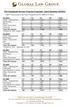 EB-5 Immigrant Investor Program Frequently Asked Questions (09/2013) 1. EB-5 Visas Issued to the Top 5 Countries for FY-2009 to FY-2013: FY-2013* C5 T5 I5 R5 Total China Mainland born 154 139 5,771 4 6,008
CHAPTER 17. Financial Management
 CHAPTER 17 Financial Management Chapter Summary: Key Concepts The Role of the Financial Manager Financial managers Risk-return trade-off Executives who develop and implement their firm s financial plan
U.S. Immigration Options for Hiring and Transferring Foreign Personnel
 U.S. Immigration Options for Hiring and Transferring Foreign Personnel by H. Ronald Klasko * One of the critical concerns of foreign-owned companies establishing U.S. operations and of U.S. businesses
EB-5 INVESTMENT For Green Card in the US
 EB-5 INVESTMENT For Green Card in the US Overview U.S. Congress introduced EB-5 immigrant visa category for foreign investors in 1990. Under this program, prospective investors are offered the opportunity
Daily Income Fund Retail Class Shares ( Retail Shares )
 Daily Income Fund Retail Class Shares ( Retail Shares ) Money Market Portfolio Ticker Symbol: DRTXX U.S. Treasury Portfolio No Ticker Symbol U.S. Government Portfolio Ticker Symbol: DREXX Municipal Portfolio
Daily Income Fund Retail Class Shares ( Retail Shares )
 Daily Income Fund Retail Class Shares ( Retail Shares ) Money Market Portfolio Ticker Symbol: DRTXX U.S. Treasury Portfolio No Ticker Symbol U.S. Government Portfolio Ticker Symbol: DREXX Municipal Portfolio
North Carolina Power of Sale Foreclosure Procedure
 North Carolina Power of Sale Foreclosure Procedure Pre-Foreclosure Notice G.S. 45-102 and G.S. 53-244.111 require that the servicer/noteholder mail a preforeclosure notice to the borrower s last known
Federation for American Immigration Reform. The Failure of the EB-5 Visa Program
 Federation for American Immigration Reform selling AMERIcA short: The Failure of the EB-5 Visa Program Eric A. Ruark, Director of Research and Aniqa Moinuddin, Researcher March 2012 Federation for American
Important Information about Real Estate Investment Trusts (REITs)
 Robert W. Baird & Co. Incorporated Important Information about Real Estate Investment Trusts (REITs) Baird has prepared this document to help you understand the characteristics and risks associated with
The EB-5 Immigrant Investor Pilot Program
 The EB-5 Immigrant Investor Pilot Program A technical analysis by ACFI s General Counsel By Boyd Campbell Attorney and Civil Law Notary visaus.com The Immigrant Investor Pilot Program (also called the
UNDERSTANDING DEBT AND EQUITY CROWDFUNDING FROM A LEGAL PERSPECTIVE
 UNDERSTANDING DEBT AND EQUITY CROWDFUNDING FROM A LEGAL PERSPECTIVE What Is Crowdfunding? In today s economy the term crowdfunding can take on many contexts but it is, by definition, the practice of funding
OBSOLETE PROPERTY REHABILITATION ACT Act 146 of 2000. The People of the State of Michigan enact:
 OBSOLETE PROPERTY REHABILITATION ACT Act 146 of 2000 AN ACT to provide for the establishment of obsolete property rehabilitation districts in certain local governmental units; to provide for the exemption
Real Estate IRAs Made Easy
 Real Estate IRAs Made Easy About Advanta IRA As the nation s premier self-directed individual retirement arrangement (IRA) administrator, the regional offices of Advanta IRA have over 25 years of experience
SILVER CREEK ST. AUGUSTINE LLLP FINANCIAL STATEMENTS AND INDEPENDENT AUDITORS' REPORT. December 31, 2015 and 2014
 FINANCIAL STATEMENTS AND INDEPENDENT AUDITORS' REPORT TABLE OF CONTENTS INDEPENDENT AUDITORS' REPORT 1 FINANCIAL STATEMENTS: BALANCE SHEET STATEMENT OF OPERATIONS STATEMENT OF PARTNERS' CAPITAL STATEMENT
Invest in America... Obtain a Green Card
 Texas Growth Fund Invest in America... Obtain a Green Card THE DIRECT EB-5 VISA PROGRAM The Green Card Investment Program The EB-5 Immigrant Investor Visa Program is a United States Green Card program
Revisions to Adjudicator s Field Manual (AFM) Regarding Certain Alien Physicians Chapter 22.2(b) General Form I-140 Issues (AFM Update AD09-10)
 U.S. Citizenship and Immigration Services Office of Domestic Operations Washington, DC 20529 (MS-2110) June 17, 2009 HQ 70/6.2 AD09-10 Memorandum TO: FROM: SUBJECT: USCIS Leadership Donald Neufeld /s/
Treatment of COD Income by Partnerships
 Treatment of COD Income by Partnerships Stafford Presentation January 28, 2015 Polsinelli PC. In California, Polsinelli LLP Allocation of COD Income COD income is allocated to those partners who are partners
2 Be it enacted by the People of the State of Illinois, 4 Section 1. Short title. This Act may be cited as the
 SB49 Enrolled LRB9201970MWcd 1 AN ACT concerning home mortgages. 2 Be it enacted by the People of the State of Illinois, 3 represented in the General Assembly: 4 Section 1. Short title. This Act may be
Form I-924, Application for Regional Center under the Immigrant Investor Pilot Program. Midwest Metropolitan Regional Center, Inc.
 U.S. Citizenship and Immigration Services Immigrant Investor Program Washington, DC 20529 06/04/2014 Jeffery E Campion Midwest Metropolitan Regional Center, Inc. 1675 Market St, 211 Weston, FL 33326 Application:
Tax-Exempt Housing Bond Basics
 Tax-Exempt Housing Bond Basics This handout contains excerpts from the LIHTC Basics workshop presented by Novogradac & Company LLP. Contact Wayne Michael at [email protected], or 415.356.8073 for
U.S. EB-5 INVESTOR IMMIGRATION PROGRAM. Investing in Education EB-5 Charter School Projects
 U.S. EB-5 INVESTOR IMMIGRATION PROGRAM Investing in Education EB-5 Charter School Projects Immigrate to the U.S. through Investment The U.S. Immigrant Investor Program known as EB-5 is one of the most
Action: Notice of an application for an order pursuant to: (a) section 6(c) of the Investment
 SECURITIES AND EXCHANGE COMMISSION [Investment Company Act Release No. IC-32163; File No. 812-14523] MainStay Funds Trust, et al.; Notice of Application June 27, 2016 Agency: Securities and Exchange Commission
Details on EB-5, U.S. Permanent Residency/Greencard for Investors
 Details on EB-5, U.S. Permanent Residency/Greencard for Investors The immigrant investor, or EB-5, program is a highly beneficial permanent residence option for the wealthy individual. Since there is no
American Bar Association Administrative Law Section. Jennifer Hermansky Associate Attorney Klasko, Rulon, Stock & Seltzer, LLP
 American Bar Association Administrative Law Section Jennifer Hermansky Associate Attorney Klasko, Rulon, Stock & Seltzer, LLP EB-5 category created in 1990 for foreign nationals who invest in a new commercial
Client Alert. Real Estate Activities Under the Framework of the Bank Holding Company Act: Limits and Opportunities
 January 14, 2009 Client Alert Jointly Prepared by Goodwin Procter s Financial Services and RE, REITs & RE Capital Markets Groups Real Estate Activities Under the Framework of the Bank Holding Company Act:
The EB- 5 Immigrant Investor Program
 The EB- 5 Immigrant Investor Program The Woodlands Bar Associa1on CLE Presenta1on Agenda Facts & Figures Implementation What is EB-5? EB-5 Process Timeline Investment Categories Why EB-5 Projects Fail
Land Acquisition and Development Finance Part IV
 Land Acquisition and Development Finance Part IV In last month s Learn article, we discussed tying up the land and a more in depth formal due diligence process. This article will discuss Development financing.
Introduction to the United States EB-5 Program
 Introduction to the United States EB-5 Program USCIS logo is the exclusive property of the United States Government Slide 1 of 22 Introduction: EB-5 is a US Immigrant visa category. The US Congress created
Avoiding Fiduciary Liability In Real Estate Investments Made By Pension Plans
 Avoiding Fiduciary Liability In Real Estate Investments Made By Pension Plans Stanley L. Iezman Stanley Iezman is Chairman of the Board and Chief Executive Officer of American Realty Advisors and is responsible
TITLE 20. COMMERCE, FINANCIAL INSTITUTIONS, AND INSURANCE CHAPTER 4. DEPARTMENT OF FINANCIAL INSTITUTIONS ARTICLE 1. GENERAL
 TITLE 20. COMMERCE, FINANCIAL INSTITUTIONS, AND INSURANCE CHAPTER 4. DEPARTMENT OF FINANCIAL INSTITUTIONS ARTICLE 1. GENERAL Section R20-4-102. Table A. Definitions Licensing Time-frames ARTICLE 9. MORTGAGE
IRS Issues Final FATCA Regulations
 IRS Issues Final FATCA Regulations The United States Internal Revenue Service (IRS) has issued long-awaited final regulations (the Final Regulations) under the Foreign Account Tax Compliance Act (FATCA).
Lord Abbett Family of Funds and Lord, Abbett & Co. LLC; Notice of Application. AGENCY: Securities and Exchange Commission ( Commission ).
 This document is scheduled to be published in the Federal Register on 07/07/2016 and available online at http://federalregister.gov/a/2016-16038, and on FDsys.gov 8011-01p SECURITIES AND EXCHANGE COMMISSION
Articles. SEC Adopts Rules to Allow Crowdfunding Beginning May 16, 2016. Alan Bickerstaff, Jeff C. Dodd and Ted Gilman December 2, 2015
 SEC Adopts Rules to Allow Crowdfunding Beginning May 16, 2016 Alan Bickerstaff, Jeff C. Dodd and Ted Gilman December 2, 2015 Over two years after proposing rules, the Securities and Exchange Commission
POST ISSUANCE COMPLIANCE CHECKLIST
 POST ISSUANCE COMPLIANCE CHECKLIST The National Association of Bond Lawyers ( NABL ) and the Government Finance Officers Association ( GFOA ) have jointly developed the following checklist to assist bond
A Guide to Crowdfunding for Companies Seeking to Raise Capital
 A Guide to Crowdfunding for Companies Seeking to Raise Capital A publication of the Securities Law Practice mefiifmp=kfwbo LLP June 2012 On April 5, 2012, President Obama signed into law the Jumpstart
33 BUSINESS ACCOUNTING STANDARD FINANCIAL STATEMENTS OF FINANCIAL BROKERAGE FIRMS AND MANAGEMENT COMPANIES I. GENERAL PROVISIONS
 APPROVED by Order No. VAS-6 of 12 May 2006 of the Director of the Public Establishment the Institute of Accounting of the Republic of Lithuania 33 BUSINESS ACCOUNTING STANDARD FINANCIAL STATEMENTS OF FINANCIAL
T he restrictions of Sections 23A and Regulation W
 BNA s Banking Report Reproduced with permission from BNA s Banking Report, 100 BBR 109, 1/15/13, 01/15/2013. Copyright 2013 by The Bureau of National Affairs, Inc. (800-372-1033) http://www.bna.com REGULATION
UNITED STATES BANKRUPTCY COURT FOR THE WESTERN DISTRICT OF MICHIGAN ORIGINAL CHAPTER 13 PLAN
 UNITED STATES BANKRUPTCY COURT FOR THE WESTERN DISTRICT OF MICHIGAN In Re: Debtor(s), / Case #: Chapter 13 Hon. Filed: ORIGINAL CHAPTER 13 PLAN Check this box if this plan deviates in any way from the
REGULATION 1-1-1 CONCERNING GOOD-FAITH TEMPORARY REGISTRATION FOR MORTGAGE BROKERS. [Eff. 09/30/2007]
![REGULATION 1-1-1 CONCERNING GOOD-FAITH TEMPORARY REGISTRATION FOR MORTGAGE BROKERS. [Eff. 09/30/2007]](/thumbs/40/20573933.jpg "REGULATION 1-1-1 CONCERNING GOOD-FAITH TEMPORARY REGISTRATION FOR MORTGAGE BROKERS. [Eff. 09/30/2007]") DEPARTMENT OF REGULATORY AGENCIES Division of Real Estate RULES REGARDING MORTGAGE BROKERS 4 CCR 725-3 [Editor s Notes follow the text of the rules at the end of this CCR Document.] Rule A Mortgage Brokers
DEPARTMENT OF REGULATORY AGENCIES Division of Real Estate RULES REGARDING MORTGAGE BROKERS 4 CCR 725-3 [Editor s Notes follow the text of the rules at the end of this CCR Document.] Rule A Mortgage Brokers
LAYOFFS / TERMINATION OF EMPLOYMENT FREQUENTLY ASKED QUESTIONS
 The information contained in this FAQ memo is general in nature. It cannot be used in lieu of advice from an attorney familiar with immigration law. We encourage you to seek counsel from an attorney who
TAX CONSIDERATIONS IN REAL ESTATE TRANSACTIONS. Investment by Foreign Persons in U.S. Real Estate
 TAX CONSIDERATIONS IN REAL ESTATE TRANSACTIONS Investment by Foreign Persons in U.S. Real Estate Keith R. Gercken Pillsbury Winthrop LLP San Francisco, California Overview U.S. taxation of foreign persons
DISTRICT OF COLUMBIA OFFICIAL CODE
 DISTRICT OF COLUMBIA OFFICIAL CODE TITLE 31. INSURANCE AND SECURITIES. CHAPTER 50B. TITLE INSURANCE PRODUCERS. 2001 Edition DISTRICT OF COLUMBIA OFFICIAL CODE CHAPTER 50B. TITLE INSURANCE PRODUCERS. TABLE
CITY OF HUNTSVILLE, ALABAMA. DOWNPAYMENT ASSISTANCE PROGRAM - DAP Program Description & Guidelines
 CITY OF HUNTSVILLE, ALABAMA DOWNPAYMENT ASSISTANCE PROGRAM - DAP Program Description & Guidelines Contact information: Community Development, 120 E. Holmes Ave, Huntsville, Ala. 35801, 256-427-5400, fax.
Guide to SBIR/STTR Program Eligibility
 Guide to SBIR/STTR Program Eligibility Updated: January 2013 U.S. Small Business Administration This document is published by the U.S. Small Business Administration as the official compliance guide for
Questions and Answers Aug. 31, 2009
 Office of Communications Questions and Answers Aug. 31, 2009 USCIS Provides Interim Deferred Action Relief For Surviving Spouses Relief for Spouses of Deceased U.S. Citizens Married Less Than Two Years
Minimum Investment $1,000,000! Minimum Investment in a Targeted Employment Area (TEA) $500,000!
 PRESENTED BY Employment Based 5 th Level USCIS administers the Immigrant Investor Program, also known as EB-5, created by Congress in 1990 to stimulate the U.S. economy through job creation and capital
Assembly Bill No. 344 CHAPTER 733
 Assembly Bill No. 344 CHAPTER 733 An act to amend Sections 4970, 4973, 4974, 4975, 4977, 4978, 4978.6, 4979, and 4979.7 of the Financial Code, as added by Assembly Bill 489 of the 2001-02 Regular Session,
Tax Exempt Bond Financing For Affordable Housing Projects
 Tax Exempt Bond Financing For Affordable Housing Projects April 9, 2015 Sujyot S. Patel Partner Dinsmore & Shohl LLP (513) 639-9256 [email protected] Lewis Diaz Partner Dinsmore & Shohl LLP (513)
Drafting Private Placement Memoranda for EB-5 Securities Offerings WHAT THE TREATISES DON T TELL YOU
 EB-5 Services Comprehensive, Detailed Consultations Analyzing the Possible Options Under the EB-5 Program to Determine the Best Fit for You Experienced Counsel on Regional Center Feasibility and Creation
COLORADO CONSUMER EQUITY PROTECTION ACT July 1, 2011
 COLORADO CONSUMER EQUITY PROTECTION ACT July 1, 2011 Table of Contents COLORADO CONSUMER EQUITY PROTECTION ACT... 1 PART 1 OBLIGOR PROTECTION... 1 5-3.5-101. Definitions.... 1 5-3.5-102. Protection of
EB-5 Visa The rules Regional center FAQ Tax considerations. Investor Green Card (Detail)
 EB-5 Visa The rules Regional center FAQ Tax considerations Investor Green Card (Detail) US Green Card The Fast and Easy Way An EB-5 Visa with American Life Inc. EB-5 Visa The EB-5 Visa provides the most
New Markets Tax Credits for Developers Presented by Tim Favaro, Esq. and Steven Weiss, Esq. Cannon Heyman & Weiss, LLP
 New Markets Tax Credits for Developers Presented by Tim Favaro, Esq. and Steven Weiss, Esq. Cannon Heyman & Weiss, LLP I. Background a. Codified in Section 45D of the Internal Revenue Code, the New Markets
CITIZENS PROPERTY INSURANCE CORPORATION. INVESTMENT POLICY for. Liquidity Fund (Taxable)
 CITIZENS PROPERTY INSURANCE CORPORATION INVESTMENT POLICY for Liquidity Fund (Taxable) INTRODUCTION Citizens is a government entity whose purpose is to provide property and casualty insurance for those
BUSINESS LOAN APPLICATION
 BUSINESS LOAN APPLICATION Each owner, shareholder, partner or member owning 20 percent or more interest in the business must sign a personal guaranty. A minimum of 1 guarantor is required regardless of