
TYPE 2 DIABETES IS associated with low total testosterone
|
|
|
- Dinah Cecily Beasley
- 9 years ago
- Views:
Transcription
1 X/04/$15.00/0 The Journal of Clinical Endocrinology & Metabolism 89(11): Printed in U.S.A. Copyright 2004 by The Endocrine Society doi: /jc Frequent Occurrence of Hypogonadotropic Hypogonadism in Type 2 Diabetes SANDEEP DHINDSA, SATHYAVANI PRABHAKAR, MANAK SETHI, ARINDAM BANDYOPADHYAY, AJAY CHAUDHURI, AND PARESH DANDONA Division of Endocrinology, Diabetes, and Metabolism, State University of New York at Buffalo and Kaleida Health, Buffalo, New York Type 2 diabetes is associated with lower total testosterone (T) levels in cross-sectional studies. However, it is not known whether the defect is primary or secondary. We investigated the prevalence of hypogonadism in type 2 diabetes by measuring serum total T, free T (FT), SHBG, LH, FSH, and prolactin (PRL) in 103 type 2 diabetes patients. FT was measured by equilibrium dialysis. FT was also calculated by using T and SHBG (cft). Hypogonadism was defined as low FT or cft. The mean age was yr, mean body mass index (BMI) was kg/m 2, and mean HbA1c was %. The mean T was nmol/liter ( ng/dl), SHBG was nmol/liter, and FT was nmol/liter. Thirty-three percent of patients were hypogonadal. LH and TYPE 2 DIABETES IS associated with low total testosterone (T) in cross-sectional studies (1 8). Barrett-Connor (1) in the Rancho Bernardo Study, demonstrated that the 44 elderly men (mean age 72 yr) with type 2 diabetes had lower total T levels than age- and body mass index (BMI)-matched nondiabetics. Prediabetes was also associated with lower levels of total T and bioavailable T (BT) in the Rancho Bernardo study (3). Another population-based case control study conducted in New Caledonia (CALDIA survey) found lower total T levels in 16 European and 77 Melanesian men with type 2 diabetes compared with an equal number of controls (6). Andersson et al. (7) reported lower total T and SHBG levels in 46 diabetics compared with 11 healthy men of similar BMI and age. Total T concentrations are determined to a large extent by circulating SHBG concentrations. In the blood of normal men, 44% of total T is bound to SHBG, 2% is unbound [free T (FT)], and 54% circulates bound to albumin and other proteins (9). Because albumin-bound T has 1000 times lower affinity than SHBG, it can freely disassociate in capillaries. Virtually all the non-shbg-bound T (also called BT) is therefore available for tissue uptake (10). Circulating SHBG concentrations are also dependent upon a number of factors, the most important association being with obesity. SHBG levels decrease in obesity and increase with aging. Type 2 diabetics Abbreviations: BLSA, Baltimore Longitudinal Study of Aging; BMI, body mass index; BT, bioavailable testosterone; cft, calculated free testosterone; ED, equilibrium dialysis; FT, free testosterone; MRI, magnetic resonance imaging; NIRKO, neuron-specific insulin receptor knockout; PRL, prolactin; T, testosterone. JCEM is published monthly by The Endocrine Society ( endo-society.org), the foremost professional society serving the endocrine community. FSH levels were significantly lower in the hypogonadal group compared with patients with normal FT levels ( vs miu/ml for LH and vs miu/ml for FSH; P < 0.05). There was a significant inverse correlation of BMI with FT (r 0.382; P < 0.01) and T (r 0.327; P < 0.01). SHBG correlated inversely with BMI (r 0.267; P < 0.05) but positively with age (r 0.538; P < 0.001) and T (r 0.574; P < 0.001). FT correlated strongly with cft (r 0.919; P < 0.001) but not with SHBG. LH levels correlated positively with FT (r 0.287; P < 0.05). We conclude that hypogonadotropic hypogonadism occurs commonly in type 2 diabetes. (J Clin Endocrinol Metab 89: , 2004) have even lower SHBG levels compared with age- and BMImatched nondiabetics (2). A complete assessment of hypogonadism should therefore include measurement of FT. FT levels were low in diabetics in the CALDIA study (6). However, the FT was measured by RIA, a method that is now considered unreliable because it represents a variable fraction (20 60%) of the FT measured by equilibrium dialysis (ED) (11 13). The purpose of FT and BT is to correct the total testosterone concentration for the effect of variable binding with SHBG. Winters et al. (14) found that SHBG is an important determinant of FT measured by analog RIA in men. Furthermore, RIA measures a constant percentage of total testosterone ( %). ED is considered to be the gold standard for measuring FT. FT measured by this technique represents 1.5 4% of total T and is not dependent upon SHBG concentrations (14). To our knowledge, no study has compared FT levels done by ED in diabetics and nondiabetics. The probable reason for this is that ED is a delicate, tedious, and time-consuming technique and therefore not suitable for population-based or large studies. It is therefore not clear whether the lower SHBG levels in diabetics can account for all the differences in T levels between diabetics and nondiabetics. It is also not known whether the lower T levels in diabetics are associated with changes in LH and FSH. We have previously published data showing that the commonest form of gonadal dysfunction associated with type 2 diabetics with erectile dysfunction is hypogonadotropic hypogonadism (15). Ando et al. (5) reported low total T and normal LH levels in diabetics, whereas Ali et al. (16) found that subjects with diabetic neuropathy had low T and high LH and FSH levels. Neither of these studies presented data on FT concentrations. 5462

2 Dhindsa et al. Hypogonadism and Diabetes J Clin Endocrinol Metab, November 2004, 89(11): We therefore decided to systematically investigate consecutive male patients with type 2 diabetes mellitus who had been referred to our center (Diabetes-Endocrinology Center of Western New York) by measuring total T, FT, SHBG, LH, FSH, and prolactin (PRL) to determine the prevalence of hypogonadism (as defined by a low FT) in type 2 diabetes and to differentiate whether the nature of hypogonadism is hypogonadotropic or hypergonadotropic. We hypothesized that hypogonadism occurs frequently in type 2 diabetes and that it is secondary to a hypogonadotropic defect. Patients and Methods The study was conducted in the Diabetes-Endocrinology Center of Western New York, a tertiary referral center affiliated with the State University of New York and Kaleida Health in Buffalo, NY. The study was done with male patients with type 2 diabetes referred to the center for management of diabetes. Patients with known history of hypogonadism, panhypopituitarism, or chronic debilitating disease such as renal failure, cirrhosis, or HIV were excluded from the study. Demographic parameters were collected, and height, weight, glucose, and HbA1c were measured. Data related to the duration of diabetes, medications, and clinical history, including the presence of erectile dysfunction, neuropathy, retinopathy, and coronary artery disease were collected systematically. Fasting blood samples were then obtained to measure serum total T, FT, SHBG, LH, FSH, PRL, glucose, and HbA1c. All these tests are done in our clinic as part of the work-up at the initial visit. We evaluate T routinely in type 2 diabetes patients in view of the frequency of low T concentrations in our patients. Informed consent was therefore not obtained. Total T was measured by solid-phase RIA (Coat-A-Count from Diagnostic Products Corp., Los Angeles, CA). The lower limit of normal for T in our clinical lab is 10.4 nmol/liter (300 ng/dl). SHBG was tested at Specialty Laboratories, Santa Monica, CA, by immunochemiluminometric assay. FT was measured by ED. FT was calculated by multiplying the total T by the dialyzable fraction. The lower limit of FT in our reference lab is nmol/liter (50 pg/ml). ED is considered to be the gold standard for measuring FT. FT was also calculated from SHBG and T using the method of Vermeulen et al. (12) and using a computer program and web site address supplied by Dr. T. Fiers, University Hospital Ghent, Ghent, Belgium ( This calculated FT (cft) has been shown to correlate very well with FT measured by ED (11). For cft, nmol/liter (64.8 pg/ml) was taken as the lower limit of normal (17). It is known that cft values are generally 10 15% higher than FT measured by ED. This reason is not clear but could be because of the type of SHBG standardization or because of a bias in the association constant used for SHBG in the equation of Vermeulen et al. (12). BT (non-shbg-bound T) was also similarly calculated using SHBG and T. The lower limit of normal was considered to be 5.2 nmol/liter (150 ng/dl) (17). LH and FSH were measured by chemiluminescent immunometric assays. Because FT is the gold standard for diagnosing hypogonadism and cft values are reliable for estimating FT (17), hypogonadism was defined as low FT or low cft. Data are presented as mean se. Kruskal-Wallis ANOVA on ranks was used to compare data across groups. Mann Whitney rank sum test was used to compare nonparametric data, and t test was used to compare parametric data. Fisher exact test or 2 test was also used to compare the groups whenever appropriate. Spearman correlation (for nonparametric data) or Pearson correlation (for parametric data) was used to establish correlations. Multiple regression analysis between variables was performed if there was more than one independent variable. P 0.05 was considered significant. Sigma Stat software was used for analysis. Results Data from 103 consecutive new male patients in our clinic were analyzed. All the patients had type 2 diabetes mellitus. The mean age of patients was yr (range, yr), the mean weight was kg (range, kg), and the mean BMI was kg/m 2 (range, kg/ m 2 ). The mean HbA1c was % (range, %). Subjects had diabetes for an average of yr (range, yr). All patients had either FT measured by ED or cft (FT calculated using SHBG and T). Hypogonadism was defined as low FT or cft. The mean total T in our study patients (n 103) was nmol/liter ( ng/dl; range, nmol/liter), and 45 patients (43.7%) had T levels less than 10.4 nmol/liter (300 ng/dl). Of 103 patients, 57 had FT measured by ED. The mean FT level was nmol/liter ( pg/ml; range, nmol/liter). Fourteen of the 57 patients (24.6%) had levels less than nmol/liter (50 pg/ml) and were therefore hypogonadal. SHBG was available in 75 of 103 patients, allowing the calculation of cft and BT. The mean SHBG concentration was nmol/liter (range, nmol/liter). The average cft level was nmol/liter ( pg/ml; range, nmol/liter). Twenty-seven patients (36%) had levels less than nmol/liter (64.8 pg/ ml) and were therefore hypogonadal. Thus, of a total of 103 patients who had either FT or cft measured, 34 patients (33%) were hypogonadal. If only total T had been used to define hypogonadism, there would have been 36% false positives and 12% false negatives, and the frequency of hypogonadism would have been 43.7%. Twenty-nine patients had values available for both FT and cft. cft values in our study were 12% higher than FT measured by ED. As reported in the literature, cft values correlated excellently with FT obtained by ED (r 0.92; P 0.001) (11, 12). The average BT levels were nmol/liter (range, nmol/liter), and 36% of the patients had values below the lower limit (5.2 nmol/liter). T, SHBG, and BT levels across different age groups are depicted in Fig. 1. The rise in SHBG was significant (P 0.001) across the age groups, but there was no significant change in T or BT levels with age. The mean values for LH, FSH, and PRL were miu/ml, miu/ml, and ng/ml, respectively. Nine patients had either high LH or FSH levels (three patients had high concentrations of both LH and FSH; two patients had isolated high LH levels, whereas four patients had isolated high FSH levels). Three of these nine patients had low FT or cft concentrations, and the remaining six had normal FT or cft concentrations. None of the patients had abnormal PRL values. The LH concentrations and FSH concentrations were significantly lower in the hypogonadal group (Table 1). To rule out the possibility that the cause of hypogonadotropic hypogonadism was a pituitary lesion, we carried out magnetic resonance imaging (MRI) in 10 randomly selected hypogonadal subjects. None of the MRIs showed pituitary or hypothalamic abnormalities. Dividing patients into hypogonadal and eugonadal groups based on FT (only) yielded similar results for LH and FSH. Both LH and FSH were significantly lower in the hy-

3 5464 J Clin Endocrinol Metab, November 2004, 89(11): Dhindsa et al. Hypogonadism and Diabetes FIG. 1. Serum concentrations of total T, SHBG, and BT according to age. The rise in SHBG was significant (*, P 0.001) across the age groups, but there was no significant change in T or BT levels with age. Lower limit of normal for T is 10.4 nmol/liter and for BT is 5.2 nmol/liter. Normal range for SHBG is 7 50 nmol/liter. To convert T from SI units (nmol/liter) into conventional units (ng/dl), multiply by TABLE 1. Clinical and biochemical features of patients with normal or low FT or cft Hypogonadal Eugonadal n Age (yr) BMI (kg/m 2 ) T (nmol/liter) a FT (nmol/liter) a cft (nmol/liter) a LH (miu/ml) b FSH (miu/ml) b PRL (miu/ml) SHBG (nmol/liter) HbA1c (%) LDL (mg/dl) HDL (mg/dl) Triglycerides (mg/dl) Cholesterol (mg/dl) h microalbuminuria (mg) Retinopathy 27% 20% Neuropathy 43% 35% Erectile dysfunction 17% 20% Coronary artery disease 30% 38% Use of statins 33% 38% Use of insulin 50% 35% Use of thiazolidinediones 35% 26% Creatinine (mg/dl) Duration of diabetes (yr) To convert testosterone from SI units (nmol/liter) into conventional units (ng/dl), multiply by LDL, Low-density lipoprotein; HDL, high-density lipoprotein. a P vs. hypogonadal group. b P 0.05 vs. hypogonadal group. For comparison of the gonadotrophs, hypergonadotropic patients were excluded from the analysis. pogonadal group (LH levels were vs miu/ml, P 0.001; FSH levels were vs miu/ml, P 0.01). The data were then analyzed after dividing patients into categories based on BMI (Table 2): lean ( 25.0 kg/m 2 ), overweight ( kg/m 2 ), obese ( kg/m 2 ), and severely obese ( 40.0 kg/m 2 ). Total T, BT, and FT levels (both calculated and measured by dialysis) fell progressively with increase in BMI, and the trend was significant across the groups. SHBG concentrations were significantly higher (P 0.05) in the lean group compared with the severe obesity group. Figure 2 illustrates the prevalence of hypogonadism (based on low FT or cft) in our study across decades of age from yr. Correlations Total T correlated inversely with weight and BMI (r for weight and for BMI; P 0.01 for both) but not with age. SHBG correlated inversely with weight (r 0.300; P 0.01) and BMI (r 0.262; P 0.05) but positively with age (r 0.538; P 0.001) and T (r 0.574; P 0.001). In a multiple regression analysis using T as the dependent variable and BMI and SHBG as independent variables, both BMI and SHBG were significant predictors of T (P 0.01). Inclusion of age and LH in this model did not modify the results. FT correlated strongly and directly with T (r 0.884; P 0.001). FT correlated inversely with weight (r 0.413; P 0.01) and BMI (r 0.382; P 0.01) (Fig. 3). However, the prevalence of hypogonadism in the normal BMI group (Table 2) was 31.3%. Thus, despite the relatively weak but significant inverse correlation of FT with BMI, low FT or cft values were common in the normal BMI group. LH levels correlated significantly and positively with FT concentrations (r 0.287; P 0.05). However, in multiple regression analysis using FT as the dependent variable and BMI and LH as independent variables, only BMI remained a significant predictor of FT (P 0.005). FT did not correlate with age or SHBG. As reported in the literature, cft values correlated excellently with FT obtained by ED (r 0.919; P 0.001) (11, 12).

4 Dhindsa et al. Hypogonadism and Diabetes J Clin Endocrinol Metab, November 2004, 89(11): TABLE 2. Biochemical and clinical parameters of patients divided into groups on the basis of BMI (lean, overweight, obese, and severely obese) BMI (kg/m 2 ) 25 (lean) (overweight) (obese) 40 (severely obese) n Age (yr) Total T (nmol/liter) a b b b BT (nmol/liter) a b b b FT (nmol/l) a b b b cft (nmol/liter) a b b b % hypogonadal 31.3% 21.1% 27.9% 57.9% SHBG (nmol/liter) b LH (miu/ml) FSH (miu/ml) PRL (miu/ml) HbA1c % % % % Duration of diabetes (yr) a P 0.05 across groups. b P 0.05 as compared with severe obesity group. FIG. 2. Percentage of hypogonadal (low FT or cft) patients with type 2 diabetes in age groups ranging from yr. cft also correlated significantly and negatively with weight (r 0.229; P 0.05) and BMI (r 0.267; P 0.05). BT correlated inversely with BMI (r 0.317; P 0.01) and weight (r 0.289; P 0.05) but not with age or SHBG. BT correlated strongly and positively with FT (r 0.871; P 0.001) measured by ED. In a multiple regression analysis using BT as the dependent variable and BMI, SHBG, age, and LH as independent variables, only BMI was a significant predictor of BT (P 0.001). There was no correlation of either T or FT with FSH, PRL, age, HbA1c, duration of diabetes, or the use of insulin or thiazolidinediones. Discussion Our data clearly show that hypogonadotropic hypogonadism is a common defect in type 2 diabetes, irrespective of the glycemic control, duration of disease, and the presence of complications of diabetes or obesity. The prevalence of hypogonadism is much higher than that expected based on the age of subjects. Normal aging is associated with a decrease in total T levels of the order of 0.5 2% per year. The fall in T is gradual and constant over all decades and starts early in life, probably after the third decade. In longitudinal data from the Massachusetts Male Aging Study, total T decreased at a rate of 1.6% per year, whereas SHBG increased by 1.2% per year (18). In the Baltimore Longitudinal Study of Aging (BLSA), one of the most quoted studies describing agerelated decline of T, the decrease in T averaged nmol/ liter per year. We compared the prevalence of hypogonadism obtained in our study with that in the BLSA (19). The investigators in that study performed an analysis of 3661 samples for T and SHBG. The BLSA study population was largely middle class with 87% Caucasians. BLSA had 16% diabetics in its population, and there was no association between T levels and the presence of diabetes (19). Diabetes was diagnosed by performing oral glucose tests in all the study volunteers. It is therefore likely that their diabetic cohort consisted primarily of milder diabetics who were early in their stage of disease compared with the population we have studied. Hypogonadism was described in that study as T less than 325 ng/dl (11.28 nmol/liter). We compared the prevalence of hypogonadism in our study (using the same criteria as BLSA) across various age ranges with the prevalence from BLSA. The average age of our patients was 54.7 yr (compared with 53.8 yr in BLSA) and had a higher BMI (33.4 vs kg/m 2 ) than BLSA subjects. Our patients were markedly more hypogonadal in all age groups from yr (prevalence of hypogonadism in age group yr, 54 vs. 8%; age group yr, 46 vs. 12%; age group yr, 56 vs. 19% in our study and the BLSA, respectively). We also compared the BT levels in our study with those in nondiabetics from a population-based study done in Utrecht, The Netherlands (20). In this study, Muller et al. (20) measured total T and SHBG concentrations in 400 male volunteers (age range, yr; mean, 60.2 yr). BT levels were calculated from T and SHBG using the method of Vermeulen et al. (12). We found that diabetics from our study had lower BT levels at all age groups (age 40 50, 6.36 vs nmol/liter; age 51 60, 6.56 vs nmol/liter; age 61 70, 5.70 vs nmol/liter; age 71 80, 5.63 vs nmol/liter for our study and the Utrecht study, respectively). No large studies are available describing levels of FT (mea-

5 5466 J Clin Endocrinol Metab, November 2004, 89(11): Dhindsa et al. Hypogonadism and Diabetes FIG. 3. Correlation of FT (nmol/liter) with BMI (kg/m 2 ) and weight (kg). sured by ED) in different age groups for comparison with results obtained in our study. Tsai et al. (21) measured T and SHBG levels and cft and BT values in 221 nondiabetic men with a mean age of 57 yr and BMI of 29 kg/m 2. Mean cft concentration was 0.32 nmol/liter, BT was 7.9 nmol/liter, T was 18 nmol/liter, and SHBG was 42.2 nmol/liter. In contrast, our study patients (diabetics with a mean age of 54.7 yr and BMI 33.4 kg/m 2 ) had mean cft levels of nmol/ liter; BT was 6.28 nmol/liter, T was nmol/liter, and SHBG was nmol/liter. Although the techniques for measurement of T and SHBG levels are well established and consistent among most labs, it cannot be denied that there may be variability in the T and SHBG concentrations obtained in different labs with different kits. Therefore, we also compared T levels obtained in our study with those in the CALDIA survey study (6), a population-based study conducted in New Caledonia (a French South Pacific island). T in this study was measured by the same commercial kit and method as the one used in our study (RIA; Coat-A-Count). In the study, Defay et al. (6) compared T levels in 16 European men with 16 controls from the same population. The mean age was similar in both groups (46.9 yr). Subjects with diabetes had a higher BMI (32.8 kg/m 2 in diabetics vs kg/m 2 in controls). The mean duration of diabetes was 1.8 yr. The mean T levels were 13.8 nmol/liter (397 ng/dl) vs nmol/liter in controls. The mean total T levels in our study patients were similar to levels in their diabetic population, nmol/liter ( ng/dl). It is not clear whether the age-related decline in T levels is because of the chronic illnesses, which increase with aging. Some studies have found that age-associated decline in T is diminished or abolished in healthy men (defined as absence of chronic illnesses and/or healthy lifestyle) (20). Chronic illnesses that have been consistently associated with low T levels are malignancy and HIV infection (22). The etiology of hypogonadism in chronic illness appears to be complex, with both hypo- and hypergonadotropic hypogonadism having been reported (22). In the BLSA, the presence of cancer was associated with a greater decline in T levels than that observed with aging alone (23). T levels have been reported to be higher in smokers and lower in subjects who take more than 40 g/d of alcohol (20). The cause of age-related decline in T is likely a combination of testicular and pituitary/hypothalamic defects. Testicular response to gonadotropins is diminished in older men, gonadotrope responsiveness to androgen suppression is attenuated, and the pulsatility of the hypothalamic pulse generator is altered (22). Cross-sectional as well as longitudinal studies have generally suggested that LH/FSH levels rise slightly with age (23, 24). The increase in LH does not correlate with the decrease in T, suggesting an age-related alteration in this feedback mechanism (24, 25). It is not clear whether there is attenuation of the GnRH signal as well (26). Prolonged exogenous GnRH infusion restores daily LH secretory activity but fails to normalize T levels (27). PRL levels remain constant or either increase or decrease slightly with age (18, 23). In our study, PRL levels were not different between hypogonadal and nonhypogonadal groups, and they did not correlate with age. The levels were comparable to those in normal subjects. Gonadotropin concentrations were not elevated in the hypogonadal patients in our study, and thus the primary defect in these patients would appear to be either in the pituitary gland or hypothalamus. In fact, the LH and FSH levels were significantly lower in the hypogonadal group than the eugonadal group. This may suggest that the cause of hypogonadism in these patients could be decreased gonadotropin secretion. To rule out the possibility that the cause of hypogonadotropic hyopogonadism was a pituitary lesion, we carried out MRI in 10 randomly

6 Dhindsa et al. Hypogonadism and Diabetes J Clin Endocrinol Metab, November 2004, 89(11): selected hypogonadal subjects. None of the MRIs showed pituitary or hypothalamic abnormalities. Further resolution of this defect was not possible because GnRH was no longer available for testing. So we could not define whether the defect originates in the pituitary or hypothalamus. However, in our previous study on diabetic (type 2) patients with erectile dysfunction, we had conducted some tests with GnRH (15). These tests had revealed a normal LH and FSH rise, suggesting a hypothalamic rather than a pituitary defect. The existence of a hypothalamic defect resulting in hypogonadotropic hypogonadism in type 2 diabetes is of interest in view of its association with insulin resistance. Neuron-specific insulin receptor knockout (NIRKO) mice with a specific knockout of the insulin receptor in neurons exhibit hypogonadotropic hypogonadism (28). Plasma LH levels were decreased by 60 90% in NIRKO mice compared with controls. When these mice were injected with lupron, a GnRH receptor agonist, they displayed a normal to 2-fold increase in LH levels compared with control mice. These mice also had increased adipose tissue and insulin resistance. Metabolic syndrome, insulin resistance, and visceral obesity have all been associated with low SHBG and low total T levels in men (29, 30). Tsai et al. (21) found that in nondiabetic men, cft and BT correlate inversely with regional and overall body fat (measured by computed tomography and dual-energy x-ray absorptiometry, respectively) as well as with measures of insulin resistance [homeostasis model assessment for insulin resistance (HOMA-IR), fasting insulin]. However the association of cft and BT with insulin resistance was no longer significant when adjustments were made for regional and total body fat. In our study, total T correlated inversely with BMI (r 0.327; P 0.01). In a multiple linear regression model using T, BMI, and SHBG, both BMI and SHBG were independent predictors of T. Thus, it seems that in diabetics, BMI has an effect on T independently of SHBG concentrations. It is believed that the low total T in obesity is caused by low SHBG concentrations. However, FT levels have also been found to be low in massively obese males, and the defect appears to be at the hypothalamic or pituitary level. Zumoff et al. (31) studied 48 healthy men (mean age, 33.2 yr) with BMI ranging from kg/m 2 and found that both FT and non-shbg-bound T (calculated from T and SHBG) correlated inversely with BMI. Vermeulen et al. (32) found that 35 obese men (mean BMI, 41.1 kg/m 2 ) had significantly lower FT levels than 54 lean men (0.31 vs nmol/liter). The FT levels correlated inversely with BMI. They also compared LH pulsatility over 12 h in eight obese and lean men and found that the mean integrated LH levels over 12 h were significantly lower in obese men. FT levels correlated positively with the sum of LH pulse amplitudes in each individual (32). It is remarkable that 57.9% of massively obese (BMI 40) patients in our study were hypogonadal. Furthermore, LH levels in our study correlated significantly and positively with FT concentrations (r 0.287; P 0.05). Thus, data from the literature in humans and NIRKO mice and from our study seem to suggest that obesity/insulin resistance is associated with hypogonadism and that the hypogonadism appears to be hypogonadotropic in nature. Obesity is associated with increased plasma levels of proinflammatory cytokines such as TNF-, IL-6, C-reactive protein, and adhesion molecules (33 35). In this regard, it is interesting to note that TNF- and IL-1 have been shown to reduce hypothalamic GnRH and LH secretion in animals and in vitro (36, 37). In our study, both FT and BT correlated significantly with BMI (r and 0.317, respectively). These data are the first to show that FT (measured by ED) correlates inversely with BMI in type 2 diabetics. However, on the basis of the correlation coefficient, it can be derived that only 10 15% of variability (r 2 ) in FT can be explained by BMI. Furthermore, a large number (31.3%) of lean subjects in our study were hypogonadal. Thus, although obesity may explain part of the high prevalence of hypogonadism, it is likely that other factors associated with type 2 diabetes also contribute significantly. This area is clearly ripe for further investigation. A diagnosis of hypogonadism commits the patient to lifelong androgen replacement therapy. Experts disagree on how hypogonadism should be defined. Although in many studies (including ours), hypogonadism is defined solely on the basis of T levels, others argue that hypogonadism should be defined by the presence of a clinical syndrome in association with low total T and FT levels. A practical bioassay of T activity is not yet available. Furthermore, different androgen-dependent physiological processes appear to require a different serum level of T (38). Serum T levels in the lower range of normal are able to maintain aspects of sexual functions, but muscle strength, muscle size, and fat-free mass increase progressively in a dose-dependent fashion with increase in circulating T concentrations even within the normal range (39, 40). Because there is no clear consensus as to what the normal range for total T should be, both diagnosis of hypogonadism and monitoring of therapy after T treatment pose problems. Even fewer data are available for normal ranges of FT. In our study, we found that if hypogonadism had been defined as a total T of less than 300 ng/dl, there would have been 12% false negatives and 36% false positives on the basis of low FT (FT or cft). Therefore, any patient with type 2 diabetes who has a low or low normal T should have FT measured before he is labeled as hypogonadal. Because the technique for ED is cumbersome and not readily available, whereas cft values (using T and SHBG) are reliable, cft can also be used instead of FT in a clinical setting (41). Hypogonadism is associated with an increase in fat mass, decreased muscle mass, accelerated bone loss, and decreased libido, and treatment with T results in improvement in these parameters (42). The high prevalence of hypogonadism in type 2 diabetes raises important issues about its possible consequences on libido, erectile dysfunction, body musculature, abdominal adiposity, bone density, mood, and cognition. It has been recently shown that T has an antiinflammatory and antiatherogenic effect in experimental animals and in humans (43). This raises the question of whether T deficiency can be proatherogenic. Thus, the question of T replacement becomes an important issue. This question needs to be addressed in prospective randomized studies (44). In conclusion, hypogonadotropic hypogonadism is a common defect in type 2 diabetes that requires further assess-

7 5468 J Clin Endocrinol Metab, November 2004, 89(11): Dhindsa et al. Hypogonadism and Diabetes ment in terms of the etiology of the defect and the possible consequences, complications, and treatment. Acknowledgments We acknowledge the assistance of Patty Kepler, L.P.N., and the clinical staff of the Diabetes-Endocrinology Center of Western New York, Millard Fillmore Gates Hospital, for helping us with this study. We thank Dr. T. Fiers (University Hospital Ghent, Ghent, Belgium) for providing us with the website address for calculation of FT using T and SHBG. Received April 29, Accepted July 26, Address all correspondence and requests for reprints to: Paresh Dandona, B.Sc., M.B. B.S., D.Phil., F.R.C.P., Director, Diabetes-Endocrinology Center of Western New York, Chief of Endocrinology, State University of New York at Buffalo, 3 Gates Circle, Buffalo, New York [email protected]. References 1. Barrett-Connor E 1992 Lower endogenous androgen levels and dyslipidemia in men with non-insulin-dependent diabetes mellitus. Ann Intern Med 117: Barrett-Connor E, Khaw KT, Yen SS 1990 Endogenous sex hormone levels in older adult men with diabetes mellitus. Am J Epidemiol 132: Goodman-Gruen D, Barrett-Connor E 2000 Sex differences in the association of endogenous sex hormone levels and glucose tolerance status in older men and women. Diabetes Care 23: Chang TC, Tung CC, Hsiao YL 1994 Hormonal changes in elderly men with non-insulin-dependent diabetes mellitus and the hormonal relationships to abdominal adiposity. Gerontology 40: Ando S, Rubens R, Rottiers R 1984 Androgen plasma levels in male diabetics. J Endocrinol Invest 7: Defay R, Papoz L, Barny S, Bonnot-Lours S, Caces E, Simon D 1998 Hormonal status and NIDDM in the European and Melanesian populations of New Caledonia: a case-control study. The CALedonia DIAbetes Mellitus (CALDIA) Study Group. Int J Obes Relat Metab Disord 22: Andersson B, Marin P, Lissner L, Vermeulen A, Bjorntorp P 1994 Testosterone concentrations in women and men with NIDDM. Diabetes Care 17: Betancourt-Albrecht M, Cunningham GR 2003 Hypogonadism and diabetes. Int J Impot Res 15(Suppl 4):S14 S20 9. Dunn JF, Nisula BC, Rodbard D 1981 Transport of steroid hormones: binding of 21 endogenous steroids to both testosterone-binding globulin and corticosteroid-binding globulin in human plasma. J Clin Endocrinol Metab 53: Pardridge WM 1986 Serum bioavailability of sex steroid hormones. Clin Endocrinol Metab 15: Morley JE, Patrick P, Perry 3rd HM 2002 Evaluation of assays available to measure free testosterone. Metabolism 51: Vermeulen A, Verdonck L, Kaufman JM 1999 A critical evaluation of simple methods for the estimation of free testosterone in serum. J Clin Endocrinol Metab 84: Rosner W 2001 An extraordinarily inaccurate assay for free testosterone is still with us. J Clin Endocrinol Metab 86: Winters SJ, Kelley DE, Goodpaster B 1998 The analog free testosterone assay: are the results in men clinically useful? Clin Chem 44: Tripathy D, Dhindsa S, Garg R, Khaishagi A, Syed T, Dandona P 2003 Hypogondotrophic hypogonadism in erectile dysfunction associated with type 2 diabetes mellitus: a common defect? Metabol Syndr Relat Disord 1: Ali ST, Shaikh RN, Ashfaqsiddiqi N, Siddiqi PQ 1993 Serum and urinary levels of pituitary-gonadal hormones in insulin-dependent and non-insulindependent diabetic males with and without neuropathy. Arch Androl 30: Vermeulen A, Kaufman JM 2002 Diagnosis of hypogonadism in the aging male. Aging Male 5: Gray A, Feldman HA, McKinlay JB, Longcope C 1991 Age, disease, and changing sex hormone levels in middle-aged men: results of the Massachusetts Male Aging Study. J Clin Endocrinol Metab 73: Harman SM, Metter EJ, Tobin JD, Pearson J, Blackman MR 2001 Longitudinal effects of aging on serum total and free testosterone levels in healthy men: Baltimore Longitudinal Study of Aging. J Clin Endocrinol Metab 86: Muller M, den Tonkelaar I, Thijssen JH, Grobbee DE, van der Schouw YT 2003 Endogenous sex hormones in men aged years. Eur J Endocrinol 149: Tsai EC, Matsumoto AM, Fujimoto WY, Boyko EJ 2004 Association of bioavailable, free, and total testosterone with insulin resistance: influence of sex hormone-binding globulin and body fat. Diabetes Care 27: Bhasin S, Bremner WJ 1997 Emerging issues in androgen replacement therapy. J Clin Endocrinol Metab 82: Feldman HA, Longcope C, Derby CA, Johannes CB, Araujo AB, Coviello AD, Bremner WJ, McKinlay JB 2002 Age trends in the level of serum testosterone and other hormones in middle-aged men: longitudinal results from the Massachusetts male aging study. J Clin Endocrinol Metab 87: Morley JE, Kaiser FE, Perry 3rd HM, Patrick P, Morley PM, Stauber PM, Vellas B, Baumgartner RN, Garry PJ 1997 Longitudinal changes in testosterone, luteinizing hormone, and follicle-stimulating hormone in healthy older men. Metabolism 46: Veldhuis JD 1999 Recent insights into neuroendocrine mechanisms of aging of the human male hypothalamic-pituitary-gonadal axis. J Androl 20: Veldhuis JD 2000 Recent neuroendocrine facets of male reproductive aging. Exp Gerontol 35: Mulligan T, Iranmanesh A, Kerzner R, Demers LW, Veldhuis JD 1999 Twoweek pulsatile gonadotropin releasing hormone infusion unmasks dual (hypothalamic and Leydig cell) defects in the healthy aging male gonadotropic axis. Eur J Endocrinol 141: Bruning JC, Gautam D, Burks DJ, Gillette J, Schubert M, Orban PC, Klein R, Krone W, Muller-Wieland D, Kahn CR 2000 Role of brain insulin receptor in control of body weight and reproduction. Science 289: Haffner SM, Karhapaa P, Mykkanen L, Laakso M 1994 Insulin resistance, body fat distribution, and sex hormones in men. Diabetes 43: Laaksonen DE, Niskanen L, Punnonen K, Nyyssonen K, Tuomainen TP, Salonen R, Rauramaa R, Salonen JT 2003 Sex hormones, inflammation and the metabolic syndrome: a population-based study. Eur J Endocrinol 149: Zumoff B, Strain GW, Miller LK, Rosner W, Senie R, Seres DS, Rosenfeld RS 1990 Plasma free and non-sex-hormone-binding-globulin-bound testosterone are decreased in obese men in proportion to their degree of obesity. J Clin Endocrinol Metab 71: Vermeulen A, Kaufman JM, Deslypere JP, Thomas G 1993 Attenuated luteinizing hormone (LH) pulse amplitude but normal LH pulse frequency, and its relation to plasma androgens in hypogonadism of obese men. J Clin Endocrinol Metab 76: Hotamisligil GS, Shargill NS, Spiegelman BM 1993 Adipose expression of tumor necrosis factor- : direct role in obesity-linked insulin resistance. Science 259: Dandona P, Weinstock R, Thusu K, Abdel-Rahman E, Aljada A, Wadden T 1998 Tumor necrosis factor- in sera of obese patients: fall with weight loss. J Clin Endocrinol Metab 83: Weisberg SP, McCann D, Desai M, Rosenbaum M, Leibel RL, Ferrante Jr AW 2003 Obesity is associated with macrophage accumulation in adipose tissue. J Clin Invest 112: Watanobe H, Hayakawa Y 2003 Hypothalamic interleukin-1 and tumor necrosis factor-, but not interleukin-6, mediate the endotoxin-induced suppression of the reproductive axis in rats. Endocrinology 144: Russell SH, Small CJ, Stanley SA, Franks S, Ghatei MA, Bloom SR 2001 The in vitro role of tumour necrosis factor- and interleukin-6 in the hypothalamicpituitary gonadal axis. J Neuroendocrinol 13: Bhasin S 2000 The dose-dependent effects of testosterone on sexual function and on muscle mass and function. Mayo Clin Proc 75(Suppl):S70 S75; discussion S75 S Bhasin S, Woodhouse L, Casaburi R, Singh AB, Bhasin D, Berman N, Chen X, Yarasheski KE, Magliano L, Dzekov C, Dzekov J, Bross R, Phillips J, Sinha-Hikim I, Shen R, Storer TW 2001 Testosterone dose-response relationships in healthy young men. Am J Physiol Endocrinol Metab 281:E1172 E Woodhouse LJ, Gupta N, Bhasin M, Singh AB, Ross R, Phillips J, Bhasin S 2004 Dose-dependent effects of testosterone on regional adipose tissue distribution in healthy young men. J Clin Endocrinol Metab 89: Matsumoto AM, Bremner WJ 2004 Serum testosterone assays: accuracy matters. J Clin Endocrinol Metab 89: Snyder PJ, Peachey H, Berlin JA, Hannoush P, Haddad G, Dlewati A, Santanna J, Loh L, Lenrow DA, Holmes JH, Kapoor SC, Atkinson LE, Strom BL 2000 Effects of testosterone replacement in hypogonadal men. J Clin Endocrinol Metab 85: Malkin CJ, Pugh PJ, Jones RD, Jones TH, Channer KS 2003 Testosterone as a protective factor against atherosclerosis: immunomodulation and influence upon plaque development and stability. J Endocrinol 178: Barrett-Connor E, Bhasin S 2004 Time for (more research on) testosterone. J Clin Endocrinol Metab 89: JCEM is published monthly by The Endocrine Society ( the foremost professional society serving the endocrine community.

Men Sexual Dysfunction Associated with Obesity and Metabolic Syndrome
 Men Sexual Dysfunction Associated with Obesity and Metabolic Syndrome By Aly A. Abbassy, MD, FACE Professor of Medicine (Endocrinology) Alexandria University My Talk will include: 1-Types of Men sexual
Testosterone Replacement Therapy. Craig Ensign, MPAS, PA-C University of Utah School of Medicine Urology Division
 Testosterone Replacement Therapy Craig Ensign, MPAS, PA-C University of Utah School of Medicine Urology Division Lecture Outline 1. Anatomy and physiology 2. Definition and etiology 3. Signs and symptoms
testosterone_pellet_implantation_for_androgen_deficiency_in_men 10/2015 N/A 11/2016 10/2015 This policy is not effective until December 30, 2015
 Corporate Medical Policy Testosterone Pellet Implantation for Androgen Deficiency in File Name: Origination: Last CAP Review: Next CAP Review: Last Review: testosterone_pellet_implantation_for_androgen_deficiency_in_men
Prevalence Diagnosis and Treatment of Hypogonadism in Primary Care Practice by Culley C. Carson III, MD, Boston University Medical Campus
 Prevalence Diagnosis and Treatment of Hypogonadism in Primary Care Practice by Culley C. Carson III, MD, Boston University Medical Campus Hypogonadism is defined as deficient or absent male gonadal function
Continuity Clinic Educational Didactic. December 8 th December 12 th
 Continuity Clinic Educational Didactic December 8 th December 12 th MKSAP Question 1 A 60-year-old man is evaluated for a 1-year history of generalized fatigue and lack of energy. He has had erectile dysfunction
Are Men Losing Their Gonads?
 Are Men Losing Their Gonads? Andre B. Araujo, Ph.D. Director, Epidemiology New England Research Institutes Watertown, MA 02472 USA [email protected] NIA R01AG020727 Endocrine Society Annual Meeting
Hypogonadism and Testosterone Replacement in Men with HIV
 NORTHWEST AIDS EDUCATION AND TRAINING CENTER Hypogonadism and Testosterone Replacement in Men with HIV Stephanie T. Page, MD, PhD Robert B. McMillen Professor in Lipid Research, Associate Professor of
Testosterone: Is Just for the GOP?
 Testosterone: Is Just for the GOP? Brad Anawalt, MD Vice Chair and Professor of Medicine University of Washington May 1, 2015 [email protected] Testosterone continuum Severe hypogonadism
Prevalence and Characteristics of Low Serum Testosterone Levels in Men with Type 2 Diabetes Mellitus Naïve to Injectable Therapy
 Prevalence and Characteristics of Low Serum Testosterone Levels in Men with Type 2 Diabetes Mellitus Naïve to Injectable Therapy International Society for Sexual Medicine 2014 Presenter: Felipe Borges
Testosterone in Old(er) Men
 Testosterone in Old(er) Men Disclosure Information J. Bruce Redmon, M.D. Associate Professor Division of Endocrinology I have no financial relationships to disclose. I will not discuss off label use and/or
Plasma Testosterone Level in Male Patients with Metabolic Syndrome
 Med. J. Cairo Univ., Vol. 77, No. 1, June: 351-357, 2009 www.medicaljournalofcairouniversity.com Plasma Testosterone Level in Male Patients with Metabolic Syndrome NASHWA EL-SARRAF, M.D. and AMR EL-HADIDY,
1. PATHOPHYSIOLOGY OF METABOLIC SYNDROME
 1. PATHOPHYSIOLOGY OF METABOLIC SYNDROME Izet Aganović, Tina Dušek Department of Internal Medicine, Division of Endocrinology, University Hospital Center Zagreb, Croatia 1 Introduction The metabolic syndrome
Focus. Andropause: fact or fiction? Introduction. Johan Wilson is an Auckland GP KEY POINTS
 1 of 5 Focus Andropause: fact or fiction? Johan Wilson is an Auckland GP Introduction Androgen deficiency in the ageing male, or andropause, is being diagnosed with increased frequency. A growing body
INSULIN RESISTANCE, POLYCYSTIC OVARIAN SYNDROME
 1 University of Papua New Guinea School of Medicine and Health Sciences Division of Basic Medical Sciences Discipline of Biochemistry and Molecular Biology PBL SEMINAR INSULIN RESISTANCE, POLYCYSTIC OVARIAN
Testosterone Treatment: Myths Vs Reality. Fadi Al-Khayer, M.D, F.A.C.E
 Testosterone Treatment: Myths Vs Reality Fadi Al-Khayer, M.D, F.A.C.E The Biological Functions of Testosterone in Men Testosterone is essential to the musculoskeletal and metabolic systems throughout a
Diabetes mellitus (DM) comprises a group of
 Assessment of Hypogonadism with Reference to Clinical Features and Serum Testosterone Levels in Asian-Indian Male Type 2 Diabetics Ibraheem Khan*, Chandra Kant**, Anil Samaria Abstract Objective: To assess
Role of Body Weight Reduction in Obesity-Associated Co-Morbidities
 Obesity Role of Body Weight Reduction in JMAJ 48(1): 47 1, 2 Hideaki BUJO Professor, Department of Genome Research and Clinical Application (M6) Graduate School of Medicine, Chiba University Abstract:
Testosterone Treatment in Older Men
 Testosterone Treatment in Older Men J. Bruce Redmon, M.D. Professor Division of Endocrinology Departments of Medicine and Urologic Surgery Disclosure Information I have no financial relationships to disclose.
GUIDELINES ON MALE HYPOGONADISM
 GUIDELINES ON MALE HYPOGONADISM G.R. Dohle (chair), S. Arver,. Bettocchi, S. Kliesch, M. Punab, W. de Ronde Introduction Male hypogonadism is a clinical syndrome caused by androgen deficiency. It may adversely
BIOCHEMICAL TESTS FOR THE INVESTIGATION OF COMMON ENDOCRINE PROBLEMS IN THE MALE
 Authoriser: Moya O Doherty Page 1 of 7 BIOCHEMICAL TESTS FOR THE INVESTIGATION OF COMMON ENDOCRINE PROBLEMS IN THE MALE The purpose of this protocol is to describe common tests used for the investigation
Your Life Your Health Cariodmetabolic Risk Syndrome Part VII Inflammation chronic, low-grade By James L. Holly, MD The Examiner January 25, 2007
 Your Life Your Health Cariodmetabolic Risk Syndrome Part VII Inflammation chronic, low-grade By James L. Holly, MD The Examiner January 25, 2007 The cardiometabolic risk syndrome is increasingly recognized
CONSIDERATIONS BEFORE TESTOSTERONE THERAPY WHAT S UP WITH THE T?
 CONSIDERATIONS BEFORE TESTOSTERONE THERAPY WHAT S UP WITH THE T? Emily Wood Demetriou, MD MMP Endocrinology and Diabetes ACP Conference September 26, 2015 -29 yo man presents to your clinic for hypogonadism
Serum testosterone and short-term mortality in men with acute myocardial infarction
 ORIGINAL ARTICLE Cardiology Journal 2010, Vol. 17, No. 3, pp. 249 253 Copyright 2010 Via Medica ISSN 1897 5593 Serum testosterone and short-term mortality in men with acute myocardial infarction Constantin
Protein Intake in Potentially Insulin Resistant Adults: Impact on Glycemic and Lipoprotein Profiles - NPB #01-075
 Title: Protein Intake in Potentially Insulin Resistant Adults: Impact on Glycemic and Lipoprotein Profiles - NPB #01-075 Investigator: Institution: Gail Gates, PhD, RD/LD Oklahoma State University Date
Sex Hormone Testing by Mass Spectrometry
 Sex Hormone Testing by Mass Spectrometry Robert L. Fitzgerald, PhD, DABCC Professor of Pathology University of California-San Diego San Diego, CA, 92161 [email protected] Learning Objectives After this
Endocrine issues in FA SUSAN R. ROSE CINCINNATI CHILDREN S HOSPITAL MEDICAL CENTER
 Endocrine issues in FA SUSAN R. ROSE CINCINNATI CHILDREN S HOSPITAL MEDICAL CENTER 80% of children and adults with FA have an endocrine abnormality Endocrine cells make a hormone (message) Carried in bloodstream
THE ROLE OF FREE TESTOSTERONE COMPARATIVE WITH TOTAL TESTOSTERONE IN MALE PATIENTS WITH ERECTILE DYSFUNCTION
 THE ROLE OF FREE TESTOSTERONE COMPARATIVE WITH TOTAL TESTOSTERONE IN MALE PATIENTS WITH ERECTILE DYSFUNCTION Porav-Hodade Daniel 1, Coman Ioan 2, Boja Radu M 1, Todea Ciprian 1, Georgescu Carmen 2, Crisan
Deficient testosterone levels in men above 45 years with major depressive disorder an age-matched case control study
 Deficient testosterone levels in men above 45 years with major depressive disorder an age-matched case control study A M Dikobe, MB ChB, MMed (Psych) C W van Staden, MB ChB, MMed (Psych), MD, FCPsych,
Chapter 45: Hormones and the Endocrine System
 Name Period Overview 1. What is a hormone? 2. Why does a hormone elicit a response only with target cells? 3. The body has two long-distance regulating systems. Which involves chemical signals by hormones?
Testosterone and Heart Disease
 Testosterone and Heart Disease By Pamela W. Smith, M.D., MPH, MS Introduction Two recent trials suggest that testosterone replacement therapy may increase the risk of heart disease and/or stroke. 1, 2
Shalender Bhasin, MD. Glenn R Cunningham, MD. Mohit Khera, MD, MBA, MPH
 Shalender Bhasin, MD Program Chair Professor of Medicine Boston University School of Medicine Section Chief Division of Endocrinology, Diabetes & Nutrition Boston, MA Glenn R Cunningham, MD Professor of
TYPE 2 DIABETES MELLITUS: NEW HOPE FOR PREVENTION. Robert Dobbins, M.D. Ph.D.
 TYPE 2 DIABETES MELLITUS: NEW HOPE FOR PREVENTION Robert Dobbins, M.D. Ph.D. Learning Objectives Recognize current trends in the prevalence of type 2 diabetes. Learn differences between type 1 and type
HDL Cholesterol Subfractions and the Effect of Testosterone Replacement in Hypogonadism
 HDL Cholesterol Subfractions and the Effect of Testosterone Replacement in Hypogonadism E. Bolu 1, A. Sonmez 1, S. Tapan 2, A. Taslipinar 1, A. Aydogdu 1, C. Meric 1, Y. Basaran 1, G. Uckaya 1, M. Serdar
Aging Well - Part V. Hormone Modulation -- Growth Hormone and Testosterone
 Aging Well - Part V Hormone Modulation -- Growth Hormone and Testosterone By: James L. Holly, MD (The Your Life Your Health article published in the December 4th Examiner was a first draft. It was sent
The Relationship Between Insulin Resistance and Total Testosterone
 Clinical Care/Education/Nutrition O R I G I N A L A R T I C L E Association of Bioavailable, Free, and Total Testosterone With Insulin Resistance Influence of sex hormone binding globulin and body fat
MMM. Topic Diagnosis and Testosterone Replacement Therapy for Androgen Deficiency in the Aging Male (ADAM)
 Dr Tan & Partners MMM Vol. 1 No. 3 Morbidity & Mortality Meeting 12 th December 2014 Topic Diagnosis and Testosterone Replacement Therapy for Androgen Deficiency in the Aging Male (ADAM) Introduction Androgen
0021-972X/00/$03.00/0 Vol. 85, No. 1 The Journal of Clinical Endocrinology & Metabolism Copyright 2000 by The Endocrine Society
 0021-972X/00/$03.00/0 Vol. 85, No. 1 The Journal of Clinical Endocrinology & Metabolism Printed in U.S.A. Copyright 2000 by The Endocrine Society Effects of Hypogonadism and Testosterone Administration
嘉 義 長 庚 醫 院 藥 劑 科 Speaker : 翁 玟 雯
 The Clinical Efficacy and Safety of Sodium Glucose Cotransporter-2 (SGLT2) Inhibitors in Adults with Type 2 Diabetes Mellitus 嘉 義 長 庚 醫 院 藥 劑 科 Speaker : 翁 玟 雯 Diabetes Mellitus : A group of diseases characterized
25-hydroxyvitamin D: from bone and mineral to general health marker
 DIABETES 25 OH Vitamin D TOTAL Assay 25-hydroxyvitamin D: from bone and mineral to general health marker FOR OUTSIDE THE US AND CANADA ONLY Vitamin D Receptors Brain Heart Breast Colon Pancreas Prostate
Diabetes Mellitus. Melissa Meredith M.D. Diabetes Mellitus
 Melissa Meredith M.D. Diabetes mellitus is a group of metabolic diseases characterized by high blood glucose resulting from defects in insulin secretion, insulin action, or both Diabetes is a chronic,
Guidelines for the management of hypertension in patients with diabetes mellitus
 Guidelines for the management of hypertension in patients with diabetes mellitus Quick reference guide In the Eastern Mediterranean Region, there has been a rapid increase in the incidence of diabetes
X-Plain Low Testosterone Reference Summary
 X-Plain Low Testosterone Reference Summary Introduction Testosterone is the most important male sex hormone. It helps the body produce and maintain adult male features. Low levels of testosterone affect
Testosterone for women, who when and how much?
 Medicine, Nursing and Health Sciences Testosterone for women, who when and how much? Susan R Davis MBBS FRACP PhD Women s Health Research Program School of Public Health Monash University Melbourne Medicine,
Calcium. Table 1: Difference between method means in percent
 Calcium Measurement of total calcium is widely used for both the diagnosis and the monitoring of a range of conditions related to the bones, heart, nerves, and kidneys. Total calcium measurements include
Homeostatic Model Assessment (HOMA)
 Homeostatic Model Assessment (HOMA) Historically, insulin resistance (IR) was measured with an invasive test called a euglycemic clamp test. Basically it s a test to measure how much insulin a person needs
Common Endocrine Disorders. Gary L. Horowitz, MD Beth Israel Deaconess Medical Center Boston, MA
 Common Endocrine Disorders Gary L. Horowitz, MD Beth Israel Deaconess Medical Center Boston, MA Objectives Describe the typical laboratory values for TSH and Free T4 in hypo- and hyperthyroidism Explain
Body Composition & Longevity. Ohan Karatoprak, MD, AAFP Clinical Assistant Professor, UMDNJ
 Body Composition & Longevity Ohan Karatoprak, MD, AAFP Clinical Assistant Professor, UMDNJ LONGEVITY Genetic 25% Environmental Lifestyle Stress 75% BMI >30 OBESE 25-30 OVERWEIGHT 18-25 NORMAL WEIGHT 18
Short Synacthen Test for the Investigation of Adrenal Insufficiency
 Pathology at the Royal Derby Hospital Short Synacthen Test Standard Clinical Guidelines Chemical Pathology Department Valid Until 31 st March 2015 Document Code: CHISCG1 Short Synacthen Test for the Investigation
Definitions. Androgen deficiency. Clinical Hypogonadism* Low serum testosterone level Also called biochemical hypogonadism
 MALE HYPOGONADISM Mark Sigman Krishnamurthi Family Professor and Chief of Urology Warren Alpert Medical School of Brown University Chief of Urology Rhode Island and the Miriam Hospitals 1 Topics What is
Hypogonadism and Subnormal Total Testosterone Levels in Men with Type 2 Diabetes Mellitus
 ORIGINAL ARTICLE Hypogonadism and Subnormal Total Testosterone Levels in Men with Type 2 Diabetes Mellitus Okeoghene Anthonia Ogbera 1, Chinenye Sonny 2, Fasanmade Olufemi 3 and Ajala Wale 4 ABSTRACT Objective:
Testosterone Therapy in Adult Men with Androgen Deficiency Syndromes:
 T h e E n d o c r i n e S o c i e t y s Clinical Guidelines Testosterone Therapy in Adult Men with Androgen Deficiency Syndromes: An Endocrine Society Clinical Practice Guideline Authors: Shalender Bhasin,
TESTOSTERONE The Future?
 TESTOSTERONE The Future? Martin M. Miner MD Co-Director Men s Health Center The Miriam Hospital Clinical Professor of Family Medicine and Urology Warren Alpert School of Medicine of Brown University Providence,
Age Management Panel Male Fasting Panel
 801 SW 16th St Suite 126 Renton WA 98057 Phone: 425.271.8689 Fax: 425.271.8689 CLIA # 50D0630590 Age Management Panel Male Fasting Panel Doctor ID 1001 Age 55 Date Collected 01/01/07 Patient Name DOE,
Relationship between weight at puberty and mature weight in beef cattle
 Relationship between weight at puberty and mature weight in beef cattle M.P. Davis and R.P. Wettemann STORY IN BRIEF The relationship between weight at puberty and mature weight was evaluated in Angus
Testosterone; What s all the hype? KRISTEN WYRICK, LTCOL,USAFR, MC USUHS, FAMILY MEDICINE JOINT BASE LANGLEY-EUSTIS
 Testosterone; What s all the hype? KRISTEN WYRICK, LTCOL,USAFR, MC USUHS, FAMILY MEDICINE JOINT BASE LANGLEY-EUSTIS The faces of Low Testosterone What your patients are seeing Pharmacy Industry Testosterone
Diabetes and Obesity in Children. Janie Berquist, RN, BSN, MPH, CDE Children s Mercy Hospitals and Clinics Kansas City, MO
 Diabetes and Obesity in Children Janie Berquist, RN, BSN, MPH, CDE Children s Mercy Hospitals and Clinics Kansas City, MO Diabetes and Obesity in Children What is Diabetes? How are Diabetes and Obesity
The sensitive marker for glomerular filtration rate (GFR) Estimation of GFR from Serum Cystatin C:
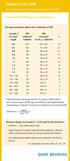 The sensitive marker for glomerular filtration rate (GFR) Estimation of GFR from Serum Cystatin C: The good correlation allows close estimation of GFR Cystatin C GFR GFR in serum estimated* measured* n
ALPHA (TNFa) IN OBESITY
 THE ROLE OF TUMOUR NECROSIS FACTOR ALPHA (TNFa) IN OBESITY Alison Mary Morris, B.Sc (Hons) A thesis submitted to Adelaide University for the degree of Doctor of Philosophy Department of Physiology Adelaide
Diabetes mellitus. Lecture Outline
 Diabetes mellitus Lecture Outline I. Diagnosis II. Epidemiology III. Causes of diabetes IV. Health Problems and Diabetes V. Treating Diabetes VI. Physical activity and diabetes 1 Diabetes Disorder characterized
Endocrine Responses to Resistance Exercise
 chapter 3 Endocrine Responses to Resistance Exercise Chapter Objectives Understand basic concepts of endocrinology. Explain the physiological roles of anabolic hormones. Describe hormonal responses to
Why is HDL Cholesterol Low in People with Insulin Resistance and Type 2 Diabetes Mellitus?
 Why is HDL Cholesterol Low in People with Insulin Resistance and Type 2 Diabetes Mellitus? Henry Ginsberg, MD Columbia University College of Physicians and Surgeons Henry Ginsberg: Disclosures Research
Testosterone Testing
 20, 2012 Health Technology Assessment Testosterone Testing Final Evidence Report February 6, 2015 Health Technology Assessment Program (HTA) Washington State Health Care Authority PO Box 42712 Olympia,
Diabetes and Heart Disease
 Diabetes and Heart Disease Diabetes and Heart Disease According to the American Heart Association, diabetes is one of the six major risk factors of cardiovascular disease. Affecting more than 7% of the
FACT SHEET TESTETROL, A NOVEL ORALLY BIOACTIVE ANDROGEN
 FACT SHEET TESTETROL, A NOVEL ORALLY BIOACTIVE ANDROGEN General Pantarhei Bioscience B.V. is an emerging specialty pharmaceutical company with a creative approach towards drug development. The Company
Analog-Based Free Testosterone Test Results Linked to Total Testosterone Concentrations, Not Free Testosterone Concentrations
 Clinical Chemistry 54:3 512 516 (28) Endocrinology and Metabolism Analog-Based Free Testosterone Test Results Linked to Total Testosterone Concentrations, Not Free Testosterone Concentrations Kristofer
Introduction. Pathogenesis of type 2 diabetes
 Introduction Type 2 diabetes mellitus (t2dm) is the most prevalent form of diabetes worldwide. It is characterised by high fasting and high postprandial blood glucose concentrations (hyperglycemia). Chronic
Historical Basis for Concern
 Androgens After : Are We Ready? Mohit Khera, MD, MBA Assistant Professor of Urology Division of Male Reproductive Medicine and Surgery Scott Department of Urology Baylor College of Medicine Historical
Testosterone Therapy in Men with Androgen Deficiency Syndromes: An Endocrine Society Clinical Practice Guideline
 SPECIAL FEATURE Clinical Practice Guideline Testosterone Therapy in Men with Androgen Deficiency Syndromes: An Endocrine Society Clinical Practice Guideline Shalender Bhasin, Glenn R. Cunningham, Frances
The Role of Albumin in the Calculation of Free and Bioavailable Testosterone in Women with Hyperandrogenemia
 The Role of Albumin in the Calculation of Free and Bioavailable Testosterone in Women with Hyperandrogenemia ANDREAS MUELLER, SUSANNE CUPISTI, HELGE BINDER, INGE HOFFMANN, MATTHIAS W. BECKMANN and RALF
Take a moment Confer with your neighbour And try to solve the following word picture puzzle slides.
 Take a moment Confer with your neighbour And try to solve the following word picture puzzle slides. Example: = Head Over Heels Take a moment Confer with your neighbour And try to solve the following word
Obesity in the United States Workforce. Findings from the National Health and Nutrition Examination Surveys (NHANES) III and 1999-2000
 P F I Z E R F A C T S Obesity in the United States Workforce Findings from the National Health and Nutrition Examination Surveys (NHANES) III and 1999-2000 p p Obesity in The United States Workforce One