
ALCOHOL USE AMONG US ADOLEScents
|
|
|
- Christian Shields
- 9 years ago
- Views:
Transcription
1 MEDICINE AND THE MEDIA Alcohol Advertising in Magazines and Adolescent Readership Craig F. Garfield, MD, MA Paul J. Chung, MD, MS Paul J. Rathouz, PhD ALCOHOL USE AMONG US ADOLEScents has been identified as a key area of focus for Healthy People Adolescent drinking is associated with a host of negative consequences, including injuries, suicides, driving under the influence of alcohol, driving fatalities, unsafe or increased sexual activity, sexual assault, and acquaintance or date rape Episodic heavy or binge drinking is particularly prevalent in this age group and is associated with even more risk to both the individual and the community at large. 4 Yet in 2002, 20% of 8th graders admitted to drinking an alcoholic beverage in the past 30 days, as well as 35% of 10th graders, and 49% of 12th graders. 12 Adolescent drinkers have also been found to account for nearly 20% of total alcohol consumption, spending an estimated $22.5 billion in Alcohol advertising has been shown to correlate at least modestly with consumption Several studies have found that children and adolescents who are exposed to greater amounts of alcohol advertising are more likely to use or intend to use such products. 16,18-22 The possible link between advertising and consumption is of interest to several professional organizations concerned with child welfare, including the American College of Emergency Physicians 23 and the American Academy of Pediatrics The alcohol industry operates under no federal restrictions explicitly aimed at advertising. Instead, voluntary self-regulation is the only form of Context Adolescent drinking is a major public health concern. The federal government does not restrict alcohol advertising to adolescents, but relies on the alcohol industry for self-regulation. Objectives To investigate recent alcohol advertising in magazines and to determine whether advertising frequency is associated with adolescent readership. Design, Setting, and Subjects All alcohol advertisements were counted that appeared from in 35 of 48 major US magazines, which tracked their adolescent readership (3 refused all alcohol advertisements; and advertisement counts were unavailable for 10). Variation was assessed in the advertisement placement frequency for each major category of alcohol (beer, wine and wine coolers, and distilled liquor) by a magazine s adolescent readership (age years), young adult readership (age years), and older adult readership (age 25 years); readership demographics (sex, race, and income); year; frequency of publication; and cost per advertisement. Main Outcome Measure Variation in alcohol advertising frequency by adolescent readership. Results Adolescent readership ranged from 1.0 to 7.1 million. The alcohol industry placed 9148 advertisements at a cost of $696 million. Of the 9148 advertisements, 1201 (13%) were for beer, 443 (5%) for wine, and 7504 (82%) for liquor. After adjustment for other magazine characteristics, the advertisement rate ratio was 1.6 times more for beer (95% confidence interval [CI], ; P=.05) and liquor (95% CI, ; P=.01) for every additional million adolescent readers. Wine industry advertising was not associated with adolescent readership. Conclusions Magazine advertising by the beer and liquor industries is associated with adolescent readership. Industry and federal policymakers should examine ways to regulate advertising that reaches large numbers of adolescents. JAMA. 2003;289: public policy control of alcohol advertising. The 3 major alcoholic beverage trade associations (the Beer Institute, the Distilled Spirits Council of the United States, and the Wine Institute) have created codes that pledge to advertise and market to adults, and to specifically avoid advertising to adolescents The Federal Trade Commission believes self-regulation is a realistic, responsive, and responsible approach to many of the issues raised by underage drinking. 30 However, several special reports to the Federal Trade Commission from the alcohol industry corroborate evidence presented by researchers suggesting that a large fraction of television and radio advertisements are shown to audiences that are primarily adolescent. 30 In 2000, the alcohol industry spent $1.42 billion on advertising through television, radio, print, and outdoor adver- Author Affiliations: Department of Pediatrics, Evanston Northwestern Healthcare Research Institute, Evanston, Ill, and Feinberg School of Medicine, Northwestern University, Chicago, Ill (Dr Garfield); Department of Pediatrics, David Geffen School of Medicine, University of California, Los Angeles (Dr Chung); and Department of Health Studies, University of Chicago, Chicago, Ill (Dr Rathouz). Corresponding Author and Reprints: Craig F. Garfield, MD, MA, Evanston Northwestern Healthcare Research Institute, 2650 Ridge Ave, Evanston, IL ( [email protected]). Medicine and the Media Section Editor: Annette Flanagin, RN, MA, Managing Senior Editor JAMA, May 14, 2003 Vol 289, No. 18 (Reprinted) 2003 American Medical Association. All rights reserved.

2 tisements, which is a 17% increase from The beer industry spent $891 million; the distilled liquor industry, $365 million; and the wine and wine cooler industry, $133 million. More than 77% of distilled liquor advertising expenditures went to magazines. While the majority of beer and wine advertising dollars were spent on television, magazine expenditures accounted for 4% of beer and 28% of wine advertising expenditures, making magazines the most important alcohol advertising outlet after television. Recently, the Center on Alcohol Marketing and Youth reported that in a sample of 98 magazines, nearly 30% of magazine alcohol advertising dollars were spent in magazines with at least 25% adolescent readers. 34 More than half of the money was spent in magazines whose adolescent and young adult audiences exceeded 15.8%, which is the proportion of the US population between the ages of 12 and 20 years. While the study reported that adolescents saw more beer and distilled liquor advertisements than adults did, the study did not examine whether adolescent exposure to these advertisements was beyond expected levels of incidental exposure. In this study, we analyzed alcohol advertising in magazines from 1997 to 2001 to examine whether alcohol advertisement placement is associated with adolescent readership. METHODS Data Sources Magazine Readership. We obtained magazine readership data from the Mediamark Research Inc database, an advertising industry group. 35 Every 6 months, the advertising industry group conducts face-to-face interviews supplemented with self-administered questionnaires with more than persons selected through stratified random sampling of US households to track media and product usage. The group s data include every major nationally distributed periodical published in the United States. In 48 of the most widely read magazines in this data set, the group collects data on both adolescent and adult readership. 35 Readership is measured not through purchases or subscriptions, but through actual self-reported recent readership and can include shared magazines or magazines read in public settings. We abstracted readership data for these 48 magazines from the advertising industry group s fall 1999 report, the midpoint of our data collection period. We divided total readership into 3 age categories tracked by the advertising industry group: adolescents aged 12 to 19 years; young adults aged 20 to 24 years; and older adults aged 25 years or older. Although 21 years is the legal age at which an individual can purchase alcohol in all 50 states, the advertising industry group data we obtained did not distinguish between readers just older and just younger than 21 years. Instead, we used the ages of 20 to 24 years to represent those readers who were at or near the legal age. Magazine Advertisement Placements and Expenditures. Advertisement placement and spending data were obtained from Competitive Media Reporting, who compiles all advertisement placements and estimates expenditures for all members of the Publishers Information Bureau. 36 Advertisement placement is an absolute count rather than a proportion of product advertisements relative to a magazine s total advertisement content. We abstracted alcohol advertisement and spending data for the 48 magazines, tracking each year from 1997 through Magazines that did not accept alcohol advertising as a matter of policy were excluded because advertisers would not have considered such magazines in their strategies. Of the 48 magazines, 3 (Seventeen, Teen, and YM) did not accept alcohol advertisements. Ten more were not completely tracked by the media reporting group, leaving 35 magazines in the final data set (TABLE 1). In general, magazines that were not tracked by the media reporting group were either tabloid newspapers (eg, National Enquirer, Star) or special interest magazines (eg, Guns & Ammo, World Wrestling Federation Magazine). The final data set did include 7 of the 10 most popular magazines among adolescents (Seventeen, Teen, and YM being excluded), and these 7 did accept alcohol advertisements (TV Guide, Sports Illustrated, National Geographic, People Weekly, Reader s Digest, Rolling Stone, and Vibe). Statistical Analysis The media reporting group created 14 distinct categories of alcohol, but we collapsed the categories into the 3 umbrella categories of beer, distilled liquors, and wine and wine coolers. Within each umbrella category, a small number of magazines did not have any advertisements across all 5 years. Responses from telephone calls to the magazines suggested that most of these zeros were due to magazine policies. These magazines were therefore dropped for individual category analyses, leaving 27 magazines in the beer category, 31 in distilled liquors, and 24 in wine and wine coolers. We counted the number of advertisements placed by the alcohol industry in each umbrella category in each magazine in each full year from 1997 through We analyzed the data using regression analysis, in which the dependent variable is the number of advertisements in each magazine in each year, and the independent variables include magazine readership statistics and variables such as the annual number of issues and the cost of placing an advertisement. However, standard linear regression is inadequate for this type of data for 2 reasons. First, standard analysis assumes each observation to be independent of every other observation. Observations are unlikely to be independent because the number of advertisements placed in 1 magazine in 1 year probably correlates strongly with the number of advertisements placed in the same magazine in previous or subsequent years. We corrected for this lack of independence by using generalized estimating equations, a common method of longitudinal data analysis that accounts specifically for these correlations. 37 Second, standard regression analysis assumes that responses are at least approximately normally distributed across observations and that 2003 American Medical Association. All rights reserved. (Reprinted) JAMA, May 14, 2003 Vol 289, No

3 the mean of responses is a linear function of covariates. When the observations are counts that are positive, they tend to have many small values and a few large values and are unlikely to be normally distributed. In our analysis, we used Poisson regression for the logarithm of the advertisement rate (ie, the mean number of advertisements placed per magazine per year). Regression coefficients in this model are reported as advertisement rate ratios (ARRs), which is the proportional difference in advertisement rate for each unit difference in readership. We performed analyses to confirm the above assumptions of nonindependence and nonnormality. First, we confirmed that advertisement placement in a magazine in a given year correlated strongly with advertisement placement in the same magazine in every other year. Using generalized estimating equations, we were able to incorporate this correlation pattern (the exchangeable correlation) into our model assuming all correlations are approximately equal. After model fitting, we also graphed the distribution of advertisement count residuals across observations to confirm that our regression model for the log advertisement rate was an accurate representation of the data. However, we found greater variability in the number of advertisements than would be expected from the Poisson model (overdispersion). To make our inferences more robust, we used the sandwich estimator, which is an alternative method of determining SEs and confidence intervals (CIs) that is commonly used with generalized estimating equations. This method automatically accounts for the possibilities that the data are overdispersed and Table 1. US Readership Demographics for 35 Major Magazines in 1999 Total Readers in Millions, by Age Group Type of Adult Readers in Millions, No. (%) No. of Advertisements for Magazine y y 25 y Men Black Lower Income Beer Distilled Wine Allure (12) 0.6 (20) 0.8 (28) Better Homes and Gardens (22) 3.6 (11) 8.7 (27) Car and Driver (88) 0.8 (10) 1.6 (21) Cosmopolitan (16) 4.2 (12) 4.5 (30) Ebony (39) 9.4 (93) 4.4 (44) Elle (15) 0.8 (20) 1.3 (31) Entertainment Weekly (43) 1.1 (15) 2.3 (31) Essence (27) 6.0 (90) 2.9 (43) Family Circle (10) 2.0 (9) 7.2 (33) Field and Stream (81) 0.6 (6) 3.0 (28) Glamour (8) 1.3 (13) 2.8 (28) Good Housekeeping (13) 2.4 (10) 7.4 (31) In Style (13) 0.6 (14) 0.6 (16) Jet (45) 7.5 (92) 3.7 (45) Life (49) 2.5 (17) 4.4 (30) Marie Claire (6) 0.2 (11) 0.6 (29) Motor Trend (90) 0.7 (11) 1.5 (24) National Geographic (54) 2.2 (8) 7.0 (25) Newsweek (55) 1.8 (10) 3.7 (20) People Weekly (34) 3.4 (10) 8.9 (26) Popular Mechanics (86) 0.6 (8) 2.3 (29) Popular Science (83) 0.4 (8) 1.1 (21) Reader s Digest (41) 4.4 (10) 14.4 (33) Road and Track (91) 0.3 (8) 0.7 (17) Rolling Stone (63) 0.8 (11) 2.0 (28) Soap Opera Digest (8) 1.8 (28) 2.6 (42) Spin (67) 0.2 (9) 0.6 (26) Sport (79) 0.7 (24) 1.0 (32) Sporting News (87) 0.5 (16) 0.7 (22) Sports Illustrated (78) 3.6 (17) 6.0 (28) Time (52) 2.6 (12) 5.2 (24) TV Guide (44) 5.2 (16) 11.5 (35) Vibe (50) 3.0 (70) 1.7 (40) Vogue (13) 1.7 (20) 2.7 (32) Woman s Day (7) 2.0 (10) 6.2 (31) JAMA, May 14, 2003 Vol 289, No. 18 (Reprinted) 2003 American Medical Association. All rights reserved.

4 that the correlations among the annual observations on a given magazine are not exactly equal. For each alcohol category, we regressed the log annual advertisement rate on the number of readers of that magazine who were between the ages of 12 and 19 years. We examined the number of readers rather than the percentage of readership because advertisers often calculate their ability to reach an audience using absolute numbers. 38 Bivariate analyses were performed for each alcohol category, followed by multivariate analyses to control for potential confounders. Because the most obvious potential confounder was the number of adults that could be reached through that magazine, we controlled for both the number of readers aged 20 to 24 years and the number of readers aged 25 years or older. We also controlled for the numbers of adult male readers; adult black readers; adult readers with an annual household income of less than $30000 or an annual household income of greater than $60000; the frequency of publication; and the average cost per advertisement. We estimated the average cost per advertisement in each magazine in each alcohol category and in each year and used the log average cost per advertisement as a covariate. Finally, year was included as a set of 4 indicator covariates. STATA statistical software was used (Version 7.0, STATA Corp, College Station, Tex); and P.05 was the level of significance. RESULTS Univariate Description From 1997 through 2001, the alcohol industry spent $696 million placing 9148 advertisements in the 35 magazines in the sample. Beer advertisements accounted for 13% (1201) of the total, wine and wine coolers 5% (443), and distilled liquor 82% (7504). Overall, annual placement of alcohol advertisements in the magazines decreased by 29% between 1997 and 2001, with similar declines in each category. However, annual expenditures for alcohol advertisements in the magazines increased by 27% during the same period, and the average cost per advertisement increased by 79% from $57500 to $ The downward trend in advertisements and the upward trend in expenditures were generally consistent across magazines and alcohol categories and mirror trends for other industries during the same period, such as tobacco. 39 Thus, these findings may reflect global rather than industry-specific changes in magazine advertising. The number of alcohol advertisements placed in each of the magazines over the 5-year period ranged from 2 to The number of readers aged 12 to 19 years ranged from 1.0 million to 7.1 million (Table 1). Bivariate Analyses Using generalized estimating equations, we found that there were 1.6 times more beer advertisements in a magazine for each additional 1 million readers aged 12 to 19 years (95% CI, ; P.001). There were 1.3 times more distilled liquor advertisements in a magazine for each additional 1 million readers aged 12 to 19 years, but this association was not statistically significant (95% CI, ; P=.11). There were neither more nor less wine and wine cooler advertisements in a magazine for each additional 1 million readers aged 12 to 19 years (ARR, 1.00 [95% CI, ]; P=.85). Multivariate Analyses An annual income of greater than $60000 and cost per advertisement were not found to be significant independent predictors or confounders of other parameter estimates and were therefore dropped from the final model. For beer advertisements, the association with readership among adolescents aged 12 to 19 years remained (ARR, 1.6 [95% CI, ]; P=.05) after controlling for covariates (TABLE 2), but no association was found between beer advertisements and each additional 1 million readers aged 20 to 24 years (ARR, 1.00 [95% CI, ]; P =.91). Distilled liquor advertisements were associated with adolescent readership (ARR, 1.6 [95% CI, ]; P=.01) and young adult (aged years) readership (ARR, 2.6 [95% CI, ]; P.001). There remained no association between wine and wine cooler advertisements and adolescent readership (ARR, 0.72 [95% CI, ]; P=.36), but the association was positive for young adults aged 20 to 24 years (ARR, 3.0 [95% CI, ]; P.001). The analyses also demonstrated associations between male readership and beer advertisements; black and higher-income readerships and distilled liquor advertisements; and older adult and higherincome readerships and advertisements for wine and wine coolers (Table 2). We tested the robustness of our model. Sports Illustrated, with both a high number of adolescent readers and the highest number of alcohol advertisements, might have had a disproportionate influence on the regressions. Removing the magazine from the sample did not change the associations. In addition, to account for the possibility that the relationship between advertisements and readership might not be log linear, we added a quadratic term for readership among those aged 12 to 19 years. The quadratic component was not a significant contributor in any of the analyses, suggesting a mostly loglinear association between alcohol advertisements and readership among those aged 12 to 19 years. COMMENT To our knowledge, this study is the first to use advertisement placement frequency to statistically examine the association between alcohol industry magazine advertising and adolescent readership. We found that after adjustment for age, sex, race, and household income of magazine readers, as well as year, frequency of publication, and cost per advertisement, both beer and distilled liquor advertisements appeared more frequently in magazines with higher adolescent readership from 1997 through This relationship was nearly log linear, with the frequency of 2003 American Medical Association. All rights reserved. (Reprinted) JAMA, May 14, 2003 Vol 289, No

5 Table 2. Multivariate Analyses of Alcohol Advertisements* Beer Distilled Liquors Wine and Wine Coolers ARR (95% CI) P Value ARR (95% CI) P Value ARR (95% CI) P Value Readers in millions by age group y 1.6 ( ) ( ) ( ) y 1.00 ( ) ( ) ( ) y 0.81 ( ) ( ) ( ).001 Type of adult readers in millions Men 1.2 ( ) ( ) ( ).34 Black 0.99 ( ) ( ) ( ).08 Income $ ( ) ( ) ( ).001 No. of annual issues 1.01 ( ) ( ) ( ).18 Abbreviations: ARR, advertisement rate ratio; CI, confidence interval. *The ARR is the mean annual advertisements placed in a magazine for each unit difference in the readership covariate (eg, on average, a magazine with 1 million more readers aged years than another magazine will have 1.6 times the number of beer advertisements). Analysis of each variable controlled for all other listed variables plus year. Incomes higher than $ and cost per issue were not included. advertising increasing exponentially as adolescent readership increased. We did not find the same relationship for wine and wine cooler advertisements. Young adult readership was associated with distilled liquor and wine and wine cooler advertisements, but not beer advertisements. A number of our findings are consistent with the demographics of alcohol consumption. 35 Men tend to consume beer, blacks tend to consume distilled liquors, and individuals who earn a high income tend to consume distilled liquors and wine. Beer, distilled liquor, and wine coolers are all consumed more by young adults than older adults. Older adults tend to prefer wine to other types of alcohol. As one would expect, the adult groups most likely to drink a particular product were essentially the same adult groups whose readerships correlated most with that product s advertisements. Given this context, it is concerning that the types of alcohol preferred by adolescents (beer and distilled liquor) were also found to be the same types of alcohol whose advertising was most strongly associated with adolescent readership. 30 While these findings do not establish causality between advertising and adolescent consumption, they do suggest that alcohol advertisers may be aware of adolescent consumption demographics. We are unable to determine if the beer and distilled liquor industries intentionally target adolescents. The extensive history of tobacco research supports, however, the existence and importance of unintentional targeting. Citing expert opinion in a trial involving tobacco advertising, the Superior Court of California defined the 2 types of targeting. The first kind of targeting, direct targeting, occurs where the advertiser intends to deliberately target members of a particular group. The second type of targeting, indirect targeting, occurs when there is no demonstrable evidence of intent to target, but nevertheless a group other than the group directly targeted is reached in a measurable way similar to the group directly targeted. 40 At a minimum, our results suggest that both the beer and distilled liquor industries indirectly targeted adolescent readers, as defined by the courts. 40 Even in the absence of direct targeting, any practices through which adolescent exposure to advertising exceeds expected incidental levels are an important public health concern, given the prevalence of adolescent drinking, its negative health effects, and the likely association between alcohol advertising and consumption. Our study also suggests that such practices can be avoided. The wine industry appears to be able to focus advertising on their intended targets (higher-income adults, including young adults) without increasing adolescent exposure. Our study has limitations. First, our sample of 35 magazines may not be representative of all magazines. Nevertheless, these magazines are among the most widely read in the United States and account for $700 million of alcohol advertising expenditures, approximately half of all magazine advertisement expenditures by the alcohol industry during the study period Second, magazine advertisements may not be representative of all advertising. Magazines attract a minority of alcohol advertising expenditures, particularly with respect to beer, and are skewed toward distilled liquor advertisements, which face higher barriers to entry on television. Nevertheless, magazines still account for a quarter of the total expenditures and the large majority of distilled liquor expenditures ,41 Even if magazine advertisements prove not to be representative of all advertising, they are still important in their own right. Third, not all advertisements are created equal. Our advertisement counts did not distinguish, for instance, between the effects of an advertisement occupying 1 advertisement space out of 20 and an advertisement occupying 1 advertisement space out of 200. Nor did we evaluate the content of any of these advertisements. Finally, it is possible that we did not account for important confounders. However, we did account for many of the most important known or suspected magazine-level factors, and even these covariates produced little change from the initial bivariate results for beer and distilled liquor advertisements. Regardless of the presence of unmea JAMA, May 14, 2003 Vol 289, No. 18 (Reprinted) 2003 American Medical Association. All rights reserved.

6 sured factors, our findings make clear that a large number of adolescent readers are routinely exposed to beer and liquor advertisements in magazines. We conclude that self-regulation by the alcohol industry is not adequately preventing indirect targeting of adolescents through magazines. In the tobacco industry, similar selfregulation in the 1990s failed, even in the context of intense public scrutiny and civil agreements. 39 Mechanisms to monitor and enforce compliance with alcohol industry codes may bring the industry to a zero-tolerance stance on indirect adolescent targeting. If selfregulation remains ineffective, a third party, such as the government or an independent private auditor, may need to be empowered with the ability and authority to help monitor media advertising. In addition, the advertising agencies that create the advertisements and the magazines that publish them should recognize that alcohol could not be marketed to adolescents without their active involvement. Cooperation among the alcohol, advertising, and magazine industries may be one way to eliminate indirect adolescent targeting. As written in the Beer Institute Advertising and Marketing Code, all parties should be responsible corporate citizens, sensitive to the problems of the society in which they exist, and their advertising should reflect that fact. 27 Author Contributions: Drs Garfield and Chung contributed equally to the authorship of this article. Study concept and design: Garfield, Chung. Acquisition of data: Chung. Analysis and interpretation of data: Garfield, Chung, Rathouz. Drafting of the manuscript: Garfield, Chung. Critical revision of the manuscript for important intellectual content: Garfield, Chung, Rathouz. Statistical expertise: Chung, Rathouz. Obtained funding: Garfield, Chung. Administrative, technical, or material support: Garfield. Funding/Support: This research was supported by funds from the Robert Wood Johnson Clinical Scholars Program. Acknowledgment: We thank John Lantos, MD, and Diane Lauderdale, PhD, for their helpful advice and critical review and Maury Raycroft for his excellent research assistance. REFERENCES 1. US Department of Health and Human Services. Healthy People 2010: With Understanding and Improving Health and Objectives for Improving Health. 2nd ed. Washington, DC: US Government Printing Office; Ninth Special Report to the US Congress on Alcohol and Health. Washington, DC: US Dept of Health and Human Services; Traffic Safety Facts 1997: A Compilation of Motor Vehicle Crash Data From the Fatality Analysis Reporting System and the General Estimates System. Washington, DC: National Highway Traffic Safety Administration; Wechsler H, Dowdall GW, Maenner G, Gledhill- Hoyt J, Lee H. Changes in binge drinking and related problems among American college students between 1993 and 1997: results of the Harvard School of Public Health College Alcohol Study. J Am Coll Health. 1998;47: Alcohol Alert No. 31: Drinking and Driving. Bethesda, Md: National Institute on Alcohol Abuse and Alcoholism; Youth Drinking: Risk Factors and Consequences. Bethesda, Md: National Institute on Alcohol Abuse and Alcoholism; Johnston LD, O Malley PM, Bachman JG. National Survey Results on Drug Use From the Monitoring the Future Study, , Volume I: Secondary School Students. Rockville, Md: National Institute on Drug Abuse; NIH publication Alcohol-related traffic fatalities among youth and young adults: United States, MMWR Morb Mortal Wkly Rep. 1991;40: , Valois RF, Oeltmann JE, Waller J, Hussey JR. Relationship between number of sexual intercourse partners and selected health risk behaviors among public high school adolescents. J Adolesc Health. 1999;25: Office of the Inspector General. Youth and Alcohol: Dangerous and Deadly Consequences. Washington, DC: US Dept of Health and Human Services; Strunin L, Hingson R. Alcohol, drugs, and adolescent sexual behavior. Int J Addict. 1992;27: Johnston L, Bachman JG, O Malley PM. Monitoring the Future: National Results on Adolescent Drug Use. Overview of Key Findings, Bethesda, Md: National Institute on Drug Abuse; Foster SE, Vaughan RD, Foster WH, Califano JA. Alcohol consumption and expenditures for underage drinking and adult excessive drinking. JAMA. 2003; 289: Atkin CK. Effects of televised alcohol messages on teenage drinking patterns. J Adolesc Health Care. 1990;11: Atkin C, Hocking J, Block M. Teenage drinking: does advertising make a difference? J Commun. 1984; 28: Atkin CK. Effects of media alcohol messages on adolescent audiences. Adolesc Med. 1993;4: Strasburger VC. Alcohol advertising and adolescents. Pediatr Clin North Am. 2002;49: Strasburger VC. Adolescents, drugs and the media. Adolesc Med. 1993;4: Grube JW, Wallack L. Television beer advertising and drinking knowledge, beliefs, and intentions among schoolchildren. Am J Public Health. 1994;84: Madden PA, Grube JW. The frequency and nature of alcohol and tobacco advertising in televised sports, 1990 through Am J Public Health. 1994; 84: Grube JW. Television alcohol portrayals, alcohol advertising, and alcohol expectancies among children and adolescents. In: Martin SE, ed. Effects of the Mass Media on Use and Abuse of Alcohol. Bethesda, Md: National Institute on Alcohol Abuse and Alcoholism; 1995: Martin SE, Snyder LB, Hamilton M, et al. Alcohol advertising and youth. Alcohol Clin Exp Res. 2002; 26: American College of Emergency Physicians. Alcohol advertising. Ann Emerg Med. 2001;37: American Academy of Pediatrics Committee on Substance Abuse. Alcohol use and abuse: a pediatric concern. Pediatrics. 2001;108: American Academy of Pediatrics Committee on Public Education. Media education. Pediatrics. 1999; 104: American Academy of Pediatrics Committee on Communications. Children, adolescents, and advertising. Pediatrics. 1995;95: The Beer Institute Advertising and Marketing Code. Available at: Accessed April 9, Code of Good Practice for Distilled Spirits Advertising and Marketing. Available at: Accessed March 13, The Wine Institute Code of Advertising Standards. Available at: Accessed March 13, Federal Trade Commission. Self-regulation in the alcohol industry: a review of industry efforts to avoid promoting alcohol to underage consumers. Available at: Accessed March 13, US Beer Market: Impact Databank Review and Forecast. New York, NY: M. Shanken Communications; US Spirits Market: Impact Databank Review and Forecast. New York, NY: M. Shanken Communications; US Wine Market: Impact Databank Review and Forecast. New York, NY: M. Shanken Communications; Overexposed: Youth a Target of Alcohol Advertising in Magazines. Washington, DC: Georgetown University s Center on Alcohol Marketing and Youth; Mediamark Reporter. New York, NY: Mediamark Research Inc; Target 2: Consumer Magazine Occurrence Information. New York, NY: Competitive Media Reporting; Diggle P, Liang K-Y, Zeger SL. Analysis of Longitudinal Data. Oxford, England: Oxford University Press; Iacobucci D, ed. Kellogg on Marketing. New York, NY: John Wiley & Sons; Chung PJ, Garfield CF, Rathouz PJ, Lauderdale DS, Best D, Lantos J. Youth targeting by tobacco manufacturers since the master settlement agreement. Health Aff (Millwood). 2002;21: People of the State of California vs RJ Reynolds Tobacco Company, No. GIC (S Ct Calif, June 6, 2002). 41. Snyder LB, Milici FF, Mitchell EW, Proctor DC. Media, product differences and seasonality in alcohol advertising in J Stud Alcohol. 2000;61: American Medical Association. All rights reserved. (Reprinted) JAMA, May 14, 2003 Vol 289, No

How Does. Affect the World of a. Child?
 How Does Affect the World of a Child? Because we are constantly updating our web pages to incorporate the most recent statistics, there may be some differences between the statistics in our published documents
Underage Drinking. Underage Drinking Statistics
 Underage Drinking Underage drinking is a serious public health problem in the United States. Alcohol is the most widely used substance of abuse among America s youth, and drinking by young people poses
Center for Health Statistics
 Center for Health Statistics May 2004 COUNTY HEALTH FACTS No. 04-03 County Health Facts is a series of reports using California Health Interview Survey data to describe the health status of California
9. Substance Abuse. pg 166-169: Self-reported alcohol consumption. pg 170-171: Childhood experience of living with someone who used drugs
 9. pg 166-169: Self-reported alcohol consumption pg 170-171: Childhood experience of living with someone who used drugs pg 172-173: Hospitalizations related to alcohol and substance abuse pg 174-179: Accidental
Teacher s Resource. Alcohol advertising in Australia. Media & Marketing The marketing of alcohol. Why does alcohol advertising matter?
 Alcohol advertising in Australia Why does alcohol advertising matter? Every day in Australia, young people are exposed to increasing levels of alcohol advertising and marketing. Alcohol advertising and
Youth Drinking Rates and Problems: A Comparison of European Countries and the United States
 Youth Drinking Rates and Problems: A Comparison of European Countries and the United States Bettina Friese and Joel W. Grube Prevention Research Center Pacific Institute for Research and Evaluation Introduction
National Adolescent Health Information Center NAHIC NAHIC NAHIC NAHIC NAHIC NAHIC NAHIC NAHIC NAHIC NAHIC NAHIC NAHIC NAHIC NAHIC
 National Adolescent Health Information Center N 2007 Fact A H I C Sheet on Substance : Adolescents & Young Adults Highlights: 4 After an increase in the early 1990s, adolescent substance use has decreased
A conversation with CDC s Alcohol Program, September 5, 2014
 A conversation with CDC s Alcohol Program, September 5, 2014 Participants Robert Brewer, MD, MSPH Epidemiologist; Lead, Excessive Alcohol Use Prevention Team (Alcohol Program), Division of Population Health
Preventing Adolescent Alcohol Abuse and Dependence
 Preventing Adolescent Alcohol Abuse and Dependence A national longitudinal survey has shown that a person has an increased risk of becoming alcohol dependent (by DSM-IV criteria) the earlier the person
Alcohol. HP 2010 Objectives:
 Alcohol Alcohol is one of the most commonly used substances during adolescence. Though underage drinking is against the law, alcohol may be easily accessible to many teens. Binge drinking (defined by the
Alcoholic Beverages Drinking among Female Students in a Tourist Province, Thailand
 Alcoholic Beverages Drinking among Female Students in a Tourist Province, Thailand Wirin Kittipichai Faculty of Public Health, Mahidol University Bangkok, Thailand E-mail: [email protected] Hatairat
Alcohol Awareness Month October 2013. Chad Asplund, MD, FACSM Medical Director, Student Health Georgia Regents University
 Alcohol Awareness Month October 2013 Chad Asplund, MD, FACSM Medical Director, Student Health Georgia Regents University Alcohol Statistics According to the Office of Juvenile Justice and Delinquency
NBER WORKING PAPER SERIES ALCOHOL ADVERTISING AND ALCOHOL CONSUMPTION BY ADOLESCENTS. Henry Saffer Dhaval Dave
 NBER WORKING PAPER SERIES ALCOHOL ADVERTISING AND ALCOHOL CONSUMPTION BY ADOLESCENTS Henry Saffer Dhaval Dave Working Paper 9676 http://www.nber.org/papers/w9676 NATIONAL BUREAU OF ECONOMIC RESEARCH 1050
The Effects of Price on Alcohol Use, Abuse and Consequences
 The Effects of Price on Alcohol Use, Abuse and Consequences Frank J. Chaloupka Director, ImpacTeen, University of Illinois at Chicago www.uic.edu/~fjc www.impacteen.org Prepared for the National Academy
T obacco use is rising among young adults (aged 18 24
 ii20 Tobacco use by Massachusetts public college students: long term effect of the Massachusetts Tobacco Control Program N A Rigotti, S Regan, N E Majchrzak, J R Knight, H Wechsler... Tobacco Control 2002;11(Suppl
Prevention Status Report 2013
 The Prevention Status Reports (PSRs) highlight for all 50 states and the District of Columbia the status of public health policies and practices designed to prevent or reduce important health problems.
Alcohol Facts and Statistics
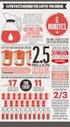 Alcohol Facts and Statistics Alcohol Use in the United States: Prevalence of Drinking: In 2012, 87.6 percent of people ages 18 or older reported that they drank alcohol at some point in their lifetime;
Family Ties: How Parents Influence Adolescent Substance Use
 ][ Strength ening our community through education and awaren ess ][ Report from the Mercyhurst College Civic Institute Vol.1 Issue 1 Summer 2009 Additional Reports Erie County Truancy Assessment Erie County
THE EFFECT OF AGE AND TYPE OF ADVERTISING MEDIA EXPOSURE ON THE LIKELIHOOD OF RETURNING A CENSUS FORM IN THE 1998 CENSUS DRESS REHEARSAL
 THE EFFECT OF AGE AND TYPE OF ADVERTISING MEDIA EXPOSURE ON THE LIKELIHOOD OF RETURNING A CENSUS FORM IN THE 1998 CENSUS DRESS REHEARSAL James Poyer, U.S. Bureau of the Census James Poyer, U.S. Bureau
2009 Mississippi Youth Tobacco Survey. Office of Health Data and Research Office of Tobacco Control Mississippi State Department of Health
 9 Mississippi Youth Tobacco Survey Office of Health Data and Research Office of Tobacco Control Mississippi State Department of Health Acknowledgements... 1 Glossary... 2 Introduction... 3 Sample Design
Does referral from an emergency department to an. alcohol treatment center reduce subsequent. emergency room visits in patients with alcohol
 Does referral from an emergency department to an alcohol treatment center reduce subsequent emergency room visits in patients with alcohol intoxication? Robert Sapien, MD Department of Emergency Medicine
October 31, 2014. The effect of price on youth alcohol. consumption in Canada. Stephenson Strobel & Evelyn Forget. Introduction. Data and Methodology
 October 31, 2014 Why should we care? Deaths 0 500 1000 1500 2000 2500 2000 2002 2004 2006 2008 2010 2012 Year Accidents (unintentional injuries) Intentional self-harm (suicide) Other causes of death Assault
Trends in Adult Female Substance Abuse Treatment Admissions Reporting Primary Alcohol Abuse: 1992 to 2007. Alcohol abuse affects millions of
 Treatment Episode Data Set The TEDS Report January 7, 2010 Trends in Adult Female Substance Abuse Treatment Admissions Reporting Primary Alcohol Abuse: 1992 to 2007 In Brief Between 1992 and 2007, the
Key trends nationally and locally in relation to alcohol consumption and alcohol-related harm
 Key trends nationally and locally in relation to alcohol consumption and alcohol-related harm November 2013 1 Executive Summary... 3 National trends in alcohol consumption and alcohol-related harm... 5
Enforcement of Zero Tolerance Laws in the United States
 Enforcement of Zero Tolerance Laws in the United States 1 S.A. Ferguson, 1 M. Fields, and 2 R.B. Voas 1 Insurance Institute for Highway Safety, Arlington, Virginia, USA 2 Pacific Institute for Research
YOUTH DRUG SURVEY CHARLOTTE-MECKLENBURG PUBLIC SCHOOLS
 YOUTH DRUG SURVEY CHARLOTTE-MECKLENBURG PUBLIC SCHOOLS 2010 Paul C. Friday, Ph.D. Research & Training Specialists, Inc. Concord, NC June, 2011 Special appreciation is extended to Helen Harrill, John Basilice,
Alcohol Awareness: An Orientation. Serving Durham, Wake, Cumberland and Johnston Counties
 Alcohol Awareness: An Orientation Alcohol Facts The most commonly used addictive substance in the United States o 17.6 million people (1 in 12 adults) suffer from alcohol abuse or dependence o Millions
Teenage Alcohol and Drug Abuse Jesse Bales Theo Edwards Kyle Kiesel Adam Stahl Types of Alcohol
 Teenage Alcohol and Drug Abuse Jesse Bales Theo Edwards Kyle Kiesel Adam Stahl Types of Alcohol Gin: a colorless alcoholic beverage made by distilling or redistilling rye or other grains. Vodka: originally
Employee Alcohol Abuse: Is It Costing Your Government Money? A Report on the Impact of Employee Alcohol Abuse on Governments. September 18, 2003
 Employee Alcohol Abuse: Is It Costing Your Government Money? A Report on the Impact of Employee Alcohol Abuse on Governments September 18, 2003 This report was produced by the Metropolitan Washington Council
JAMAICA. Recorded adult per capita consumption (age 15+) Last year abstainers
 JAMAICA Recorded adult per capita consumption (age 15+) 6 5 Litres of pure alcohol 4 3 2 Beer Spirits Wine 1 1961 1965 1969 1973 1977 1981 1985 1989 1993 1997 21 Sources: FAO (Food and Agriculture Organization
Drinking and Driving Among College Students The Influence of Alcohol-Control Policies
 Drinking and Driving Among College Students The Influence of Alcohol-Control Policies Henry Wechsler, PhD, Jae Eun Lee, DrPH, Toben F. Nelson, MS, Hang Lee, PhD Background: Methods: Results: Conclusion:
Underage College Students Drinking Behavior, Access to Alcohol, and the Influence of Deterrence Policies
 JOURNAL OF AMERICAN COLLEGE HEALTH, VOL. 50, NO. 5 Underage College Students Drinking Behavior, Access to Alcohol, and the Influence of Deterrence Policies Findings From the Harvard School of Public Health
Source: Minnesota Student Survey, Key Trends Through 2007, Minnesota Departments of Corrections, Education, Health, Human Services and Public Safety.
 Underage Drinking in Minnesota The Consequences of Drinking Outweigh the Experience. What s the Big Deal? Underage alcohol use is a big deal and directly related to criminal behavior and serious social
Screening, Brief Intervention, and Referral for Treatment: Evidence for Use in Clinical Settings: Reference List
 Screening, Brief Intervention, and Referral for Treatment: Evidence for Use in Clinical Settings: Reference List Elinore F. McCance Katz, MD, PhD Professor of Psychiatry University of California San Francisco
Alcohol Marketing, the Alcohol Industry and Their Impact on Binge Drinking by Adolescents
 Alcohol Marketing, the Alcohol Industry and Their Impact on Binge Drinking by Adolescents Thomas F. Babor, PhD, MPH The University of Connecticut School of Medicine Department of Community Medicine and
AZERBAIJAN. Lower-middle Income Data source: United Nations, data range 1999-2006
 AZERBAIJAN SOCIOECONOMIC CONTEXT Total population 8,406,000 Annual population growth rate 0.6% Population 15+ years 76% Adult literacy rate 98.8% Population in urban areas 52% Income group (World bank)
Motor Vehicle Deaths Updated: August 2014
 Motor Vehicle Deaths Updated: Motor vehicle death rates rise rapidly during the teen years and remain very high into early adulthood. The rate for teens, however, has followed a downward trend for most
Alcohol Abuse Among our Nation s Youth What to do as educators
 Alcohol Abuse Among our Nation s Youth What to do as educators The devastating rate of drug and alcohol abuse by American youth is cause for alarm and its prevention and treatment remains one of our nation
Maternal and Child Health Issue Brief
 Maternal and Child Health Issue Brief Substance Abuse among Women of Reproductive Age in Colorado September 14 9 Why is substance abuse an issue among women of reproductive age? Substance abuse poses significant
The relationship among alcohol use, related problems, and symptoms of psychological distress: Gender as a moderator in a college sample
 Addictive Behaviors 29 (2004) 843 848 The relationship among alcohol use, related problems, and symptoms of psychological distress: Gender as a moderator in a college sample Irene Markman Geisner*, Mary
Trauma Victims and Blood Alcohol Testing:
 Page 1 of 6 Trauma Victims and Blood Alcohol Testing: Attitudes and Practices of IHS Physicians Matthew J. Powers, MSEH, MS, RS, Staff Sanitarian, and Richard J. Smith, III, MS, RS, IHS Injury Prevention
The Benefits of a Creating a Healthy Work Environment
 Eaton County Substance Abuse Advisory Group (ECSAAG) Barry-Eaton District Health Department The Benefits of a Creating a Healthy Work Environment This presentation includes: Harmful affects of alcohol,
Whitney Colbert Research Methods for the Social Sciences Trinity College Spring 2012
 ALCOHOL IN COLLEGE ATHLETICS: THE FIGHT TO RAISE AWARENESS OF BINGE DRINKING ON COLLEGE ATHLETIC TEAMS Whitney Colbert Research Methods for the Social Sciences Trinity College Spring 2012 While there is
Alcohol Excise Taxes in Maryland: A Case for an Increase
 Alcohol Excise Taxes in Maryland: A Case for an Increase Center for Science in the Public Interest Alcohol Policies Project 1875 Connecticut Avenue, NW, Suite 300 Washington, DC 20009 March 2004 Budget
Communities Mobilizing for Change on Alcohol
 SAMHSA Model Programs Communities Mobilizing for Change on Alcohol Brief Description Recognition Program IOM Intervention Type Content Focus Interventions by Domain Key Program Approaches Outcomes Evaluation
Factors Influencing Night-time Drivers Perceived Likelihood of Getting Caught for Drink- Driving
 T2007 Seattle, Washington Factors Influencing Night-time Drivers Perceived Likelihood of Getting Caught for Drink- Driving Jean Wilson *1, Ming Fang 1, Gabi Hoffmann 2. 1 Insurance Corporation of British
Special Report Substance Abuse and Treatment, State and Federal Prisoners, 1997
 U.S. Department of Justice Office of Justice Programs Bureau of Justice Statistics Special Report Substance Abuse and Treatment, and Prisoners, 1997 January 1999, NCJ 172871 By Christopher J. Mumola BJS
SMOKING TOBACCO: SMOKING
 TOBACCO: SMOKING One in 4 adults in Guam is a smoker. Among youth, 1 in 5 smokes. Guam s smoking rate is higher than most US States and Territories; this has remained unchanged since 2001. T O B A C C
Distance Limitations Applied to New Alcohol Outlets Near Universities, Colleges, and Primary and Secondary Schools
 Policy Summary Distance Limitations Applied to New Alcohol Outlets Near Universities, Colleges, and Primary and Secondary Schools This policy summary is excerpted from: The 2013 Report to Congress on the
 June 2006 Dear Traffic Safety Partners: The Wisconsin Department of Transportation, Bureau of Transportation Safety is pleased to provide you with a copy of the 2003 Wisconsin Alcohol Traffic Facts book.
TAJIKISTAN. Recorded adult (15+) alcohol consumption by type of alcoholic beverage (in % of pure alcohol), 2005
 TAJIKISTAN SOCIOECONOMIC CONTEXT Total population 6,640,000 Annual population growth rate 1.3% Population 15+ years 61% Adult literacy rate 99.5% Population in urban areas 25% Income group (World bank)
CODE OF RESPONSIBLE PRACTICES BEVERAGE ALCOHOL FOR ADVERTISING AND MARKETING DISTILLED SPIRITS COUNCIL OF THE UNITED STATES, INC.
 CODE OF RESPONSIBLE PRACTICES FOR BEVERAGE ALCOHOL ADVERTISING AND MARKETING DISTILLED SPIRITS COUNCIL OF THE UNITED STATES, INC. OCTOBER 2003 PREAMBLE The Distilled Spirits Council of the United States,
Binge Drinking on College Campuses: A Road Map to Successful Prevention. Preventing binge drinking on college campuses: A guide to best practices
 Binge Drinking on College Campuses: A Road Map to Successful Prevention Preventing binge drinking on college campuses: A guide to best practices Binge Drinking on College Campuses: A Road Map to Successful
A PROSPECTIVE EVALUATION OF THE RELATIONSHIP BETWEEN REASONS FOR DRINKING AND DSM-IV ALCOHOL-USE DISORDERS
 Pergamon Addictive Behaviors, Vol. 23, No. 1, pp. 41 46, 1998 Copyright 1998 Elsevier Science Ltd Printed in the USA. All rights reserved 0306-4603/98 $19.00.00 PII S0306-4603(97)00015-4 A PROSPECTIVE
Macomb County Office of Substance Abuse MCOSA. Executive Summary
 Macomb County Office of Substance Abuse MCOSA Executive Summary This report marks the second data profile of alcohol and illicit drugs burden in Macomb County. The first report produced in 2007 detailed
An Integrated Substance Abuse Treatment Needs Assessment for Alaska EXECUTIVE SUMMARY FROM FINAL REPORT. Prepared by
 An Integrated Substance Abuse Treatment Needs Assessment for Alaska EXECUTIVE SUMMARY FROM FINAL REPORT Prepared by William McAuliffe, Ph.D. Ryan P. Dunn, B. A. Caroline Zhang, M.A. North Charles Research
CHILDHOOD SEXUAL ABUSE FACT SHEET
 CHILDHOOD SEXUAL ABUSE FACT SHEET Emily M. Douglas and David Finkelhor PART 1: HOW MANY CHILDREN ARE THE VICTIMS OF CHILD SEXUAL ABUSE? There are many estimates of the number of children who are the victims
Health Status, Health Insurance, and Medical Services Utilization: 2010 Household Economic Studies
 Health Status, Health Insurance, and Medical Services Utilization: 2010 Household Economic Studies Current Population Reports By Brett O Hara and Kyle Caswell Issued July 2013 P70-133RV INTRODUCTION The
Not in Our House. Alcohol & Your Child. www.2young2drink.com. Facts about Underage Drinking Every Parent Should Know
 Not in Our House Report Underage Drinking 1-888-THE-TABC www.2young2drink.com Alcohol & Your Child Facts about Underage Drinking Every Parent Should Know Texas Alcoholic Beverage Commission www.tabc.state.tx.us
Sports Participation in Secondary Schools: Resources Available and Inequalities in Participation
 Research Brief September 2012 Sports Participation in Secondary Schools: Resources Available and Inequalities in Participation Participating in school sports is an important means to increase physical
Conference Summary Report
 Conference Summary Report 2013 SOUTHERN C ONNECTICUT C ONFERENCE ON THE P REVENTION OF A LCOHOL-I MPAIRED D RIVING: THE CROSSROADS OF TECHNOLOGY AND PRACTICE 1 The 2013 Southern Connecticut Conference
Morbidity and Mortality among Adolescents and Young Adults in the United States
 Morbidity and Mortality among Adolescents and Young Adults in the United States AstraZeneca Fact Sheet 2011 Authors Robert Wm. Blum MD, MPH, PhD William H. Gates, Sr. Professor and Chair Farah Qureshi,
CODE OF RESPONSIBLE PRACTICES
 CODE OF RESPONSIBLE PRACTICES FOR BEVERAGE ALCOHOL ADVERTISING AND MARKETING DISTILLED SPIRITS COUNCIL OF THE UNITED STATES, INC. www.discus.org MAY 26, 2011 Preamble The Distilled Spirits Council of the
Tobacco Advertising. William G. Shadel, PhD RAND
 Tobacco Advertising William G. Shadel, PhD RAND The Central Goal of Regulating Tobacco Advertising is to Reduce Youth Exposure Tobacco Ads Communicate to Youth Tobacco use is normative; Tobacco users
Drinking in America: Myths, Realities, and Prevention Policy
 U.S. Department of Justice Office of Justice Programs Office of Juvenile Justice and Delinquency Prevention Drinking in America: Myths, Realities, and Prevention Policy Myths About American Drinking Alcohol
Deterrence Effect of Sting Operations on Driving with a Suspended/Revoked License in Maryland
 Deterrence Effect of Sting Operations on Driving with a Suspended/Revoked License in Maryland W.J. Rauch 1, H. Rohrback, Jr. 2, E.M. Ahlin 1, P.L. Zador 1, and H.M. Baum 1 1 Center for Studies on Alcohol,
Media Definitions. MEDIA MIX: A combination of media used for a particular schedule / campaign
 AUDIENCE PROFILE: The characteristics of the people who make up an audience of an advertising medium in terms of age, sex, region, education, socio-economic group, occupation or any other demographic aspects.
Trauma Center Alcohol Screening. Michael Mello, MD, MPH Injury Prevention Center at Rhode Island Hospital /Hasbro Children s Hospital
 Trauma Center Alcohol Screening and Intervention Michael Mello, MD, MPH Injury Prevention Center at Rhode Island Hospital /Hasbro Children s Hospital Disclosures I have no affiliations, sponsorship, financial