
REMOVABLE ORTHODONTIC THERAPY - CLINICS OR/AND SCIENCE
|
|
|
- Lorraine Craig
- 9 years ago
- Views:
Transcription
1 UDK: Review Received: 27 August 2012 Accepted: 26 September 2012 REMOVABLE ORTHODONTIC THERAPY - CLINICS OR/AND SCIENCE Marina Lapter Varga Department of Orthodontics, School of Dental Medicine, University of Zagreb, Zagreb, Croatia Summary Class II malocclusion is one of the most common orthodontic problems in our population, and the most consistent diagnostic finding is mandibular skeletal retrusion. There are many treatment approaches for the correction of this malocclusion with varying degrees of scientific support. In the last twenty years, functional appliances were widely used for correction of sagittal intermaxillary relationship in children, but mostly in Angle Class II treatment. One of the most controversial topics in orthodontics relates to the effectiveness of functional appliances on mandibular growth. Much of the debate about Class II treatment centres on the possibility of permanently increasing mandibular length, because an underdeveloped mandible is a common cause of Class II malocclusion. Functional appliances based their wide application on the hypothesis that they stimulate growth modification, which is only possible in patients with adequate growth amount, or potential, to correct maxilomandibular relationship, which is the reason why they should be used before or during adolescent growth spurt. Functional appliances encompass a range of removable and fixed devices that are designed to alter the position of the mandible, both sagittally and vertically, to induce supplementary lengthening of the mandible by stimulating increased growth at the condylar cartilage. The results of the new, relevant studies state there is no evidence that functional appliances significantly increase horizontal growth when evaluated in the long term, and that most of the correction of the malocclusion is due to dentoalveolar changes with a small but statistically significant amount of skeletal effect. Despite of this there are some indications for their application with successful results Key words: functional orthodontic appliances; malocclusion. INTRODUCTION Class II malocclusion is one of the most common orthodontic problems, and it occurs in about one third of the population [1,2]. The most frequent diagnostic 117

2 cephalometric finding in Class II maloccusion in Croatian population is bimaxillary skeletal retrusion with dominance of mandibular retrusion [3]. Contemporary treatment approaches address the chin as the important part for profile attractiveness. People frequently seed orthodontic therapy because of facial disharmony; straighter profiles and more prominent chins are preferred esthetically over retruded chin positions [4]. Possible mechanisms for improving AP chin position include: increase in mandibular size, repositioning of the glenoid fossa, and counterclockwise or forward rotation of the mandible. Three commonly used methods of Class II correction have been: 1) Extraction therapy with headgear and Class II elastics, 2) Nonextraction headgear treatment and 3) Functional appliances. One of the most controversial topics in orthodontics relates to the effectiveness of functional appliances on mandibular growth. A wide range of functional appliances aimed to stimulate mandibular growth by forward posturing of the mandible is traditionally indicated in these patients [5]. Functional appliances encompass a range of removable and fixed devices that are designed to alter the position of the mandible, both sagitally and vertically, to induce supplementary lengthening of the mandible by stimulating increased growth at the condylar cartilage. In the 1970s and 80s there was an increase in the numbers of papers published in refered journals supporting functional appliance stimulated mandibular growth. Many studies performed on animals have demonstrated that skeletal mandibular changes can be produced by posturing the mandible forward, but the effect on humans are more controversial [6,7]. The question of whether the effect of mandibular forward positioning appliances in increasing mandibular growth in animal studies can be reproduced in humans has been widely addressed by many, with inconsistent findings. Many of the reports concerning growth effects of functional appliances have been characterized by poor methodology, or are simply anecdotal case reports. The problem has been recognized and acknowledged by the profession, with steps taken to rectify the situation. Evidence shows that favourable growth responses are not always achieved with functional therapy; some authors reported increases in overall mandibular length, and changes in the amount of condylar growth, but others believe that mandibular length cannot be altered by such therapy [8-10]. The studies reporting a positive effect on mandibular growth still leave this question unanswered due to characteristics such as lack of a control group, clinically minimal effect and patients being retained with a mandibular positioning appliance [11]. The clinical significance of a measured increase in mandibular length needs to be considered in terms of forward chin positioning. The increase in length may be 118
![People frequently seed orthodontic therapy because of facial disharmony; straighter profiles and more prominent chins are preferred esthetically over retruded chin positions [4].](/docs-images/43/17553758/images/page_2.jpg "Possible mechanisms for improving AP chin position include: increase in mandibular size, repositioning of the glenoid fossa, and counterclockwise or forward rotation of the mandible.")
3 negated by clockwise mandibular rotation. For example, in the studies of McNamara et al. [12], despite giving an increase in mandibular length, the Frankel appliance did not increase anterior chin projection compared with the control, although the Herbst appliance did demonstrate this effect. It has been claimed that most of the correction of the malocclusion is due to dentoalveolar changes with a small but statistically significant amount of skeletal effects [13,14]. There are also controversies concerning the effects of functional appliances on the maxilla. Many studies indicate that forward growth of the maxilla might be inhibited, but others stated that there is no appreciable effect on the position of the maxilla [15,16]. All of these conflicting claims could be attributable to retrospective study designs of methodologic limitations such as small samples, inadequate or no control group, dishomogenity of the groups for sex an age at the start of therapy, and different lengths of treatment [17]. In addition, there is a lack of long-term studies on the effect of functional appliances to evaluate the stability of skeletal changes because of the great difficulties in recruiting patients after treatment. REVIEW OF THE LITERATURE To date, very few RCTs on treatment outcomes of functional jaw orthopedics have been published in the orthodontic literature. A systematic review on the efficacy of functional appliances on mandibular growth by Chen et al. [18] analyzed the relevant literature from 1966 to 1999, and were limited to randomized clinical trials (RCTs). RCTs have been recommended as the standard for comparing alternative treatment approaches. The results of their study were inconclusive. Illing et al. [19]. and Keeling et al. [20] have undertaken prospective randomized clinical trials of Class II appliances, as well as Ghafari et al. [21], but the conclusion was that activators do not bring about an increase in mandibular growth. Based on randomized clinical implant study of 25 patients followed longitudinally for 1 year Araujo et al. [22] concluded that bionator therapy: alters the direction but not the amount of condylar growth; produced greater than expected posterior drift of bone in the condylar and gonial region; and displaces the mandible anteriorly but limits the amount of true mandibular forward rotation that would normally occur. Illing et al. [19] in their clinical trial examined the responses to treatment with Bass, Bionator and Twin Block appliances. The treatment and control groups consisted of patients with mandibular retrusion. None of the appliances were successful in increasing either the SNB angle or the forward projection of pogonion, compared 119
![effect. It has been claimed that most of the correction of the malocclusion is due to dentoalveolar changes with a small but statistically significant amount of skeletal effects [13,14].](/docs-images/43/17553758/images/page_3.jpg "There are also controversies concerning the effects of functional appliances on the maxilla.")
4 with the control group. Of the three appliances, the Bionator and Twin Block gave an increase in mandibular length (or mandibular displacement), as measured from articulare to gnathion, compared with the control. La Haye et al. [23] in their study evaluate the effect of extraction headgear and Class II elastics, nonextraction headgear, and Herbst treatment, and conclude that methods commonly used to correct Class II skeletal malocclusions produce no significant improvements in AP chin position, and that skeletal Class II correction in growing adolescents results primarily from maxillary growth restriction or inhibition. Validating previously established mathematical models, approximately 80% of the variability in AP movement of the chin can be explained by true rotation, AP and vertical condylar growth, and AP movement or drift of the glenoid fossa. True mandibular rotation is the most important determinant of AP changes of chin position. In the most recent study, Perillo et al. [24] performed a meta-analysis of articles (from 1966 to 2009) to verify the mandibular changes produced by the Fränkel-2 (FR- 2) appliance during the treatment of growing patients with Class II malocclusions when compared with untreated growing class II subjects. Meta-analysis showed that the FR-2 was associated with enhancement of mandibular body length, total mandibular length and mandibular ramus height. Despite the heterogeneity among studies for all the considered linear measurements, they stated that the FR-2 appliance had a statistically significant effect on mandibular growth. They advocate that the evidence-based approach to the orthodontic outcomes of FR-2 appliance is needed, by selecting and comparing groups of children with the same cephalometric characteristics with and without treatment. The aim of the systematic review by Cozza and colleagues [25] was to assess the scientific evidence on the efficiency of functional appliances in enhancing mandibular growth in Class II subjects. The survey covered the period from 1966 to 2005 and included: randomized clinical trials (RCTs), prospective and retrospective longitudinal controlled clinical trials (CCTs) with untreated Class II control. Among 704 articles, four were RCTs and 18 CCTs. Two-thirds of the samples in the 22 studies reported a clinically significant supplementary elongation in total mandibular length as a result of overall active treatment with functional appliances. The amount of this growth was significantly larger if the functional treatment is performed at the pubertal peak in skeletal maturation. But, it was interesting that none of the 4 RCTs reported a clinically significant change in mandibular length. The aim of the study of Marsico and colleagues [26] was to analyze the current literature for the best evidence (RCTs) about the efficacy of functional appliances on mandibular growth in the short term. Electronic searches identified thirty two 120

5 articles that fulfilled the specific inclusion criteria and were identified as potentially appropriate randomized clinical trials to be included in this meta-analysis. Only four articles, based on data from 338 patients with Class II malocclusion in the mixed dentition were selected for the final analysis. The results of the metaanalysis from the random-effects model showed a statistically significant difference of 1,79 mm in annual mandibular growth of the treatment group compared with the control group. They concluded that skeletal changes were statistically but unlikely clinically significant. In the most recent meta-analysis performed by Marsico et al. [26] they investigated the current literature with best evidence (RCTs) about the efficacy of functional appliances on mandibular growth. They included only articles that reported the anatomic condylion (they excluded studies that used articulare because its location is determinate by mandibular position). This meta-analysis showed that the treatment resulted in a change of skeletal pattern; however, these effectively small increases of the mandibular length, even if statistically significant, appear unlikely to be very clinically significant. These data seem to support recent reports that 2-phase treatment has no advantages over 1-phase treatment. However, several benefits must be attributed to the early treatment of Class II malocclusion with functional appliances; prevention of trauma to maxillary incisors associated with a large overjet, interception of the development of dysfunction, psychosocial advantages for the child during an important formative period of life, stable dentoalveolar correction, and improved prognosis and shorter duration of treatment with fixed appliances. LENGTH OF TREATMENT: One versus two phase treatment Class II malocclusion can be treated according different treatment protocols according to the characteristics of the problem, such as anteroposterior discrerpancy, age and patient compliance. Both 1-phase and 2-phase treatment protocols are considered effective approaches for correcting a Class II malocclusion [27,28]. The 1-phase treatment begins after the emergence of the second molars with fixed appliances associated with Class II intermaxillary elastics and extraoral appliances, and the 2-phase treatment start in the mixed dentition with functional appliances, and is followed by a second phase with fixed appliances for completition of the treatment. The choice of a specific treatment protocol is based on the benefits of treatment, and its effectiveness in correcting several aspects of the malocclusions, especially the occlusal characteristics. Early, or phase I, orthodontic treatment refers to treatment that precedes the conventional treatment protocol in which brackets and bands are placed on perma- 121

6 nent teeth. This early treatment begunn during either the primary or transitional dentition to intercept malocclusions in a manner that will ultimately lead to a better, more stable result than that which would be achieved by starting treatment later. The goal of many clinicians who provide early treatment is to reduce the time and complexity of fixed-appliance therapy. Whether early treatment is beneficial for orthodontic patients is still controversial question. In cases where functional appliances are utilized, the patient usually requires further therapy with fixed appliances. Although early functional appliance therapy has been reported to decrease the time in fixed appliances (phase 2), the total treatment time is generally increased over that for fixed appliances only. Recently, the results of three randomized clinical trials specifically designed to address these important issues were published [20,21,29]. Tulloch and colleagues [29] studied benefits of two-phase vs. one-phase Class II treatment. In this randomized clinical trial, children with a moderate to severe Class II malocclusion assigned to one of three groups: headgear treatment, bionator treatment or an observational group in which no treatment was performed. The results suggested that treatment with either headgear or bionator can improve the relationship of the jaws in most children (76 percent), although there was substantial individual variation noted in both treatment groups, as well as in the untreated control group. The second phase of this study was designed to test whether these changes represented long-term differences. At the end of treatment, they did not found significant differences among the three groups in regard to their skeletal relationships, and occlusions. It appears, from these results that, on average, the skeletal changes that occur with early treatment are not sustained. The improvement in jaw relationships seems to represent a period of accelerated growth rather than a permanent change. These authors concluded that for children with moderate to severe Class II malocclusion, early (phase I) treatment followed by conventional orthodontics later (phase II) does not produce skeletal or occlusal relationships that differ substantially from those produced by phase II treatment alone. As reported by Ghafari and colleagues [21] who conducted another randomized clinical trial of the effectiveness of early Class II treatment, it seems to be just as effective in late childhood as it is at an earlier age. Keeling and colleagues [20] reported findings from a similar randomized clinical trial. Their data showed that both headgear and bionator treatments in preadolescent children can result in short-term skeletal changes. One year after completion of treatment the skeletal changes were stable, but the some of the dental movements relapsed. On the basis of these three ongoing clinical trials we can conclude that both the one or two- phase treatments are effective in correcting the Class II malocclusion. 122

7 This correction is due to both a skeletal and dental change. These studies do not support the claim that a favourable effect on skeletal growth patterns is limited to two-phase orthodontic treatment. In fact, these and other recent studies suggest that as long as the patient is treated while he or she is still growing, the time at which treatment begins may not make a difference in the success of the Class II correction. We can conclude that a later-stage treatment approach is preferable because of the advantages accompanied with the reduced treatment time. Tulloch et al. [28] also compared one and two-phase treatment, and concluded on the basis of the two-phase randomized trial that early treatment (phase 1) followed by later comprehensive treatment (phase 2- Fixed appliance therapy), on average, does not produce major differences in the jaw relationship or dental occlusion, compared with later one-stage treatment. Although favourable skeletal changes were noted in the functional appliance group following phase 1 therapy, the changes were not maintained. This finding agrees with previous that also failed to demonstrate any benefits in terms of skeletal change with early phase 1 therapy. The study of Keeling et al. [20] concurred with that of Tulloch et al. [28] in that functional appliances brought about some favourable skeletal change following phase 1 treatment. The change in mandibular length was greater in the functional group than the control and amounted to a little less than 1 mm per year. The purpose of the study performed by Cancado et al. [30] was to compare the occlusal outcomes and the efficiency of 1-phase and 2-phase treatment protocols in class II/1 malocclusions. They have two groups of patients, one comprised 78 patients treated with 1-phase treatment protocol and the second group comprised 61 patients treated with 2-phase treatment protocol. The initial and final study models of the patients were evaluated by using the peer assessment rating index. They found similar occlusal outcomes between 1-phase and the 2-phase treatment protocols, but the duration of treatment was significantly shorter in the 1-phase treatment protocol group. They prefer the 1-phase treatment of Class II Division 1 malocclusions. In terms of practical clinical applications, a lack of significant skeletal change with functional appliances does not diminish their use in correcting overjets. The appliance is still a useful orthodontic tool for correcting Class II malocclusions. For a patient who has a severe retrognathic profile with a deficient chin where surgery may be required, the use of a functional appliance is unlikely to change the longterm surgical needs. However, in many cases favourable profile changes can occur. The overall facial profile is the result of skeletal, dental and soft tissue contributions, so improving dental relationships may result in an improved profile due to more favourable soft tissue drape. In Class II division 1 pattern patient with lower lip habit the reduction of the overjet using functional appliance can result in a substantial 123

8 improvement in facial aesthetics, without altering the skeletal base relationship. After reduction of the overjet, the lower lip can rest and function in front of the upper teeth [31]. CONCLUSION On the basis of available evidence, it cannot be concluded that functional appliances are effective in stimulating and increasing mandibular growth. Although favourable growth changes have been reported following phase 1 therapy they are generally not substantial and long-term stability appears to be poor. Evidence suggests the modest skeletal changes revert with time. References [1] Mc Lain JB, Proffit WR. Oral health status in the United States: prevalence of malocclusion. J Dent Educ. 1985;49: [2] Proffit WR, Fields HW, Moray LJ. Prevalence of malocclusion and orthodontic treatment need in the United States: estimates from the N-HANES III survey. Int J Adult Orthod Orthog Surg. 1998;13: [3] Kišić-Merlo S. Procjena sagitalnih međučeljusnih odnosa u ispitanika s anomalijama Klase II po Angleu. Magistarski rad, Zagreb:1999. [4] Spyropoulos MN, Halazonetis DJ. Sifnificance of the soft tissue profile on facial estherics. Am J Orthod Dentofacial Orthop. 2001;119: [5] Mc Namara JA, Brudon WL. Orthodontics and dentofacial orthopedics. Ann Arbor: Needham Press; 2001; [6] Xiong H, Hagg U, Tang GH, Rabie ABM. The effect of continuos bite-jumping in adult rats: a morphnological study. Angle Orthod. 2004;74: [7] Mc Namara JA, Carlson DS. Quantitative analysis of temporomandibular joint adaptations to protrusive function. Am J Orthod. 1979;76: [8] Ruf S, Baltromejus S, Panchers H. Effective condylar growth and chin position changes In Herbst treatment: a cephalometric roentgenographis long-term study. Am J Orthod Dentofacial Orthod. 1998;114: [9] Mills JR. The effect of functional appliances on the skeletal pattern. J Orthod. 1991;18: [10] Croft RS, Buschang PH, English JD. Meyer R. A cephalometric and tomographic evaluation of Herbst treatment in the mixed dentition. Am J Orthod Dentofacial Orthop. 1999;116: [11] Collett RA. Current concepts on functional appliances and mandibular growth stimulation. Austr Den J. 2000;45:

9 [12] Mc Namara JA, Howe RP, Dischinger TG. A comparison of the Herbst and Fränkel appliances in the treatment of Class II malocclusion. Am J Orthod Dentofacial Orthop. 1990;98: [13] Creekmore TD, Radney LJ. Frankel appliance therapy: orthopaedic or orthodontic? Am J Orthod. 1983;83: [14] Vargevik K, Harvold EP. Response to activator treatment in Class II malocclusions. Am J Orthod. 1985;88: [15] Baccetti T, Franchi L, Toth LR, Mc Namara JA. Treatment timing for Twin-block therapy. Am J Orthod Dentofac Orthop. 2003;118: [16] Bascftci FA, Uysal T, Buyukerkmen A, San Z. The effects of activator treatment on the craniofacial structures of Class II division 1 patients. Eur J Orthod. 2001;25: [17] Tulloch JFC, Medland W, Tuncay OC. Methods used to evaluate growth modification in Class II malocclusion. Am J Orthod Dentofacial Orthod. 1990;98: [18] Chen JY, Will LA, Niederman R. Analysis of efficacy of functional appliances on mandibular growth. Am J Orthod Dentofacial Orthop. 2002;122: [19 ] Illing HM, Morris DO, Lee RT. A prospective evaluation of Bass, Bionator and Twin block appliances. Part I- the hard tissues. Eur J Orthod. 1998;20: [20] Keeling SD, Wheeler TT, King GJ, et al. Anteroposterior skeletal and dental changes after early Class II treatment with bionators and headgear. Am J Orthod Dentofacial Orthop. 1998;113: [21] Ghafari J, Shofer FS, Jacobsson-Hunt U, Markowitz DL. Laster LL. Headgear versus function regulator in the early treatment of Class II, division 1 malocclusion: A randomized clinical trial. Am J Orthod Dentofacial Orthop. 1998;113: [22] Araujo AM, Buschang PH, Melo ACM. Adaptive condylar growth and mandibular remodelling changes with bionatro therapy-an implant studyx. Eur J Orthod. 2004;26: [23] LaHaye M, Buschang H, Alexander RG, Boley JC. Orthodontic treatment changes of chin position in Class II Division 1 patients. Am J Orthod Dentofacial Orthop. 2006;130: [24] Perrilo L, Cannavale R, Ferro F, Franchi L, Masucci C, Chiodini P, Baccetti T. Meta-analyssis of skeletal mandibular changes during Frankel appliance treatment. Eur J Orthod. 2001; 33: [25] Cozza P, Baccetti T, Franchi L, De Toffol L, Mc Namara JA. Mandibular changes produced by functional appliances in Class II malocclusion: a systematic review. Am J Orthod dentofacial Orthop. 2006;129: [26] Marsico E, Gatto E, Burrascano M, Matarese F, Cordasco G. Effectiveness of orthodontic treatment with functional appliances on mandibular growth int he short term. Am J Orthod Dentofacial Orthop. 2011;139: [27] King GJ, Mcgorray SP, Wheeler TT, Dolce C, Taylor M. Comparison of peer assessment ratings (PAR) from 1-phase and 2-phase treatment protocols for Class II malocclusions. Am J Orthod Dentofacial Orthop. 2003;123:
![Response to activator treatment in Class II malocclusions. Am J Orthod. 1985;88:242-51. [15] Baccetti T, Franchi L, Toth LR, Mc Namara JA. Treatment timing for Twin-block therapy.](/docs-images/43/17553758/images/page_9.jpg "Am J Orthod Dentofac Orthop. 2003;118:159-70. [16] Bascftci FA, Uysal T, Buyukerkmen A, San Z. The effects of activator treatment on the craniofacial structures of Class II division 1 patients.")
10 [28] Tulloch JFC, Proffit WR, Phillips C. Outcomes in a 2-phase randomized clinical trial of early class II treatment. Am J Orthod Dentofacial Orthop. 2004;125: [29] Tulloch JF, Phillips C, Proffit WR. Benefit of early Class II treatment: progress report of two-phase randomized clinical trial. Am J Orthod Dentofacial Orthop. 1998;113: [30] Cançado RH, Pinzan A, Janson F, Henriques JFC, Neves LS, Canuto CE. Occlusal outcomes and efficiency of 1- and 2- phase protocols in the treatment of Class II Division 1 malocclusion. Am J Orthod Dentofacial Orthop. 2008;133: [31] Schudy F. Vertical growth versus anteroposterior growth as related to function and treatment. Angle Orthod. 1964;34: Sažetak Mobilna ortodontska terapija kliničko iskustvo i/ili znanost Anomalije Klase II i njihova terapija su jedan od najčešćih ortodontskih problema u našoj populaciji, a dijagnostički nalaz većinom ukazuje na skeletni retrognatizam mandibule. Postoje brojni terapijski pristupi za liječenje te malokluzije s različitim stupnjem znanstvene podloge. Zadnjih dvadeset godina terapija funkcionalnim napravama postala je opće prihvaćeno sredstvo za terapiju sagitalnih međučeljusnih nepravilnosti u djece, no ipak se najčešće koriste u korekciji Klase II po Angleu. Jedno od najkontroverznijih pitanja u ortodonciji danas odnosi se na učinak funkcionalnih naprava na rast mandibule. Većina debata o učinku terapije Klase II odnosi se na mogućnost trajnog produženja mandibularne dužine, jer je upravo nedovoljno razvijena mandibula glavni uzrok te anomalije. Funkcionalne naprave temelje svoju široku upotrebu na hipotezi da se radi o terapiji modifikacijom rasta, koja je moguća jedino kod pacijenata kod kojih je preostala dovoljna količina, tj. potencijal rasta sa željom da se isprave međučeljusni odnosi utječući na rast te ih je stoga najbolje koristiti prije ili tijekom adolescentnog ubrzanja rasta. Funkcionalne naprave obuhvaćaju velik broj mobilnih ali i fiksnih naprava koje su dizajnirane kako bi promijenile položaj mandibule, sagitalno i vertikalno, te proizvele dodatno produženje mandibule stimulacijom rasta kondilarne hrskavice. Rezultati novih istraživanja ukazuju da nema dokaza da funkcionalne naprave dugoročno značajno povećavaju horizontalan rast mandibule, te da se glavnina ispravljanja malokluzije događa zbog dentoalveolarnih promjena s malim, statistički značajniim, ali klinički inferiornim skeletnim učinkom. Usprkos tome i danas postoje indikacije za njihovu upotrebu koje dovode do zadovoljavajućih rezultata. Ključne riječi: funkcionalne ortodontske naprave; malokluzija. Corresponding author: Marina Lapter Varga [email protected] 126
![[30] Cançado RH, Pinzan A, Janson F, Henriques JFC, Neves LS, Canuto CE. Occlusal outcomes and efficiency of 1- and 2- phase protocols in the treatment of Class II Division 1 malocclusion.](/docs-images/43/17553758/images/page_10.jpg "Am J Orthod Dentofacial Orthop. 2008;133:245-53. [31] Schudy F. Vertical growth versus anteroposterior growth as related to function and treatment. Angle Orthod. 1964;34:75-93.")
Patients with a Class II malocclusion are common
 ONLINE ONLY Long-term treatment effects of the FR-2 appliance of Fränkel David C. Freeman, a James A. McNamara, Jr, b Tiziano Baccetti, c Lorenzo Franchi, c and Christine Fränkel d Ann Arbor, Mich, Fresno,
Removable appliances II. Functional jaw orthopedics
 Removable appliances II. Functional jaw orthopedics Melinda Madléna DMD, PhD Associate professor Department of Pedodontics and Orthodontics Faculty of Dentistry Semmelweis University Budapest Classification
U.O.C. Ortognatodonzia Area Funzionale Omogena di Odontoiatria
 U.O.C. Ortognatodonzia Area Funzionale Omogena di Odontoiatria Alcune pubblicazioni della Scuola: Impacted maxillary incisors: diagnosis and predictive measurements. Pavoni C, Mucedero M, Laganà G, Paoloni
SYSTEMATIC APPROACH TO ORTHODONTIC DIAGNOSIS DENT 656
 SYSTEMATIC APPROACH TO ORTHODONTIC DIAGNOSIS DENT 656 ORTHODONTIC CLASSIFICATION / DIAGNOSIS Goal of diagnosis: An orderly reduction of the data base to a useful list of the patient s problems Useful??
Control of mandibular incisors with the combined Herbst and completely customized lingual appliance - a pilot study
 Control of mandibular incisors with the combined Herbst and completely customized lingual appliance - a pilot study Dirk Wiechmann 1 *, Rainer Schwestka-Polly 2 *, Hans Pancherz 3 *, Ariane Hohoff 4 *
Long-term effects of Class III treatment with rapid maxillary expansion and facemask therapy followed by fixed appliances
 ORIGINAL ARTICLE Long-term effects of Class III treatment with rapid maxillary expansion and facemask therapy followed by fixed appliances Patricia Vetlesen Westwood, DDS, MS, a James A. McNamara, Jr,
Headgear Appliances. Dentofacial Orthopedics and Orthodontics. A Common Misconception. What is Headgear? Ideal Orthodontic Treatment Sequence
 Ideal Orthodontic Treatment Sequence Headgear Appliances Natalie A. Capan, D.M.D. 580 Sylvan Avenue, Suite 1M Englewood Cliffs, New Jersey 07632 (201)569-9055 www.capanorthodontics.com [email protected]
Growth: Is it a friend or foe to orthodontic treatment?
 orthodontic waves 68 (2009) 1 5 available at www.sciencedirect.com journal homepage: www.elsevier.com/locate/odw Review Growth: Is it a friend or foe to orthodontic treatment? Peter Ngan * West Virginia
Classification of Malocclusion
 Classification of Malocclusion What s going on here? How would you describe this? Dr. Robert Gallois REFERENCE: Where Do We Begin? ESSENTIALS FOR ORTHODONTIC PRACTICE By Riolo and Avery Chapter 6 pages
The etiology of orthodontic problems Fifth session
 بنام خداوند جان و خرد The etiology of orthodontic problems Fifth session دکتر مھتاب نوری دانشيار گروه ارتدنسی Course Outline( 5 sessions) Specific causes of malocclusion Genetic Influences Environmental
The Current Concepts of Orthodontic Discrepancy Stability
 Open Journal of Stomatology, 2014, 4, 184-196 Published Online April 2014 in SciRes. http://www.scirp.org/journal/ojst http://dx.doi.org/10.4236/ojst.2014.44028 The Current Concepts of Orthodontic Discrepancy
Objectives. Objectives. Objectives. Objectives. Describe Class II div 1
 Class II div 1 Malocclusion Class II div 1 Malocclusion Objectives OR What can we do about Goofy? Objectives Describe Class II div 1 Objectives Describe Class II div 1 Describe principles of treatment
ABSTRACT INTRODUCTION. Facial Esthetics. Dental Esthetics
 ABSTRACT The FACE philosophy is characterized by clearly defined treatment goals. This increases diagnostic ability and improves the quality and stability of the end result. The objective is to establish
Dr. Park's Publications
 Dr. Park's Publications Jae Hyun Park, D.M.D., M.S.D., M.S., Ph.D. Diplomate, American Board of Orthodontics Editor-in-Chief, Pacific Coast Society of Orthodontists Chief Editor, Computed Tomography: New
Topics for the Orthodontics Board Exam
 Topics for the Orthodontics Board Exam I. Diagnostics, relations to paediatric dentistry, prevention 1. Etiology of dental anomalies. 2. Orthodontic anomalies, relationship between orthodontic treatment
Current trends in headgear use for the treatment of Class II malocclusions
 Original Article Current trends in headgear use for the treatment of Class II malocclusions Eser Tüfekçi a ; Samuel B. Allen b ; Al M. Best c ; Steven J. Lindauer d ABSTRACT Objective: To investigate American
CRANIOMAXILLOFACIAL DEFORMITIES/COSMETIC SURGERY. Reza Movahed, DMD,* Marcus Teschke, DMD, MD,y and Larry M. Wolford, DMDz
 CRANIOMAXILLOFACIAL DEFORMITIES/COSMETIC SURGERY Protocol for Concomitant Temporomandibular Joint Custom-Fitted Total Joint Reconstruction and Orthognathic Surgery Utilizing Computer-Assisted Surgical
Clinical Practice Guideline For Orthodontics
 Clinical Practice Guideline For Orthodontics MOH- Oral Health CSN -Orthodontics -2010 Page 1 of 15 Orthodontic Management Guidelines 1. Definitions: Orthodontics is the branch of dentistry concerned with
Orthodontic treatment of gummy smile by using mini-implants (Part I): Treatment of vertical growth of upper anterior dentoalveolar complex
 O n l i n e O n l y Orthodontic treatment of gummy smile by using mini-implants (Part I): Treatment of vertical growth of upper anterior dentoalveolar complex Tae-Woo Kim*, Benedito Viana Freitas** Abstract
Ahmed Abdel Moneim El Sayed Beirut Arab University (961) 1 300110 Ext: 2263 [email protected] [email protected]
 PERSONAL INFORMATION Ahmed Abdel Moneim El Sayed Beirut Arab University (961) 1 300110 Ext: 2263 [email protected] [email protected] Gender Male Date of birth 19/10/1952 Nationality Egyptian
Efficiency of Three Mandibular Anchorage Forms in Herbst Treatment: A Cephalometric Investigation
 Original Article Efficiency of Three Mandibular Anchorage Forms in Herbst Treatment: A Cephalometric Investigation Dominique Weschler, DDS, Dr Med Dent a ; Hans Pancherz, DDS, Odont Dr, FCDSHK (Hon) b
Skeletal Class lll Severe Openbite Treatment Using Implant Anchorage
 Case Report Skeletal Class lll Severe Openbite Treatment Using Implant Anchorage Yuichi Sakai a ; Shingo Kuroda b ; Sakhr A. Murshid c ; Teruko Takano-Yamamoto d Abstract: A female patient with a skeletal
Accuracy of space analysis with emodels and plaster models
 ORIGINAL ARTICLE Accuracy of space analysis with emodels and plaster models S. Russell Mullen, a Chris A. Martin, b Peter Ngan, c and Marcia Gladwin d Leesburg, Va, and Morgantown, WVa Introduction: The
Over 70% of patients with a dentofacial deformity
 ONLINE ONLY Comparative study of 2 software programs for predicting profile changes in Class III patients having double-jaw orthognathic surgery Osvaldo Magro-Filho, a Natasha Magro-Érnica, b Thallita
Rapid Maxillary Expansion Followed by Fixed Appliances: A Long-term Evaluation of Changes in Arch Dimensions
 Original Article Rapid Maxillary Expaion Followed by Fixed Appliances: A Long-term Evaluation of Changes in Arch Dimeio James A. McNamara Jr, DDS, PhD a ; Tiziano Baccetti, DDS, PhD b ; Lorenzo Franchi,
Orthodontic treatment need in the Italian child population
 Orthodontic treatment need in the Italian child population C. GRIPPAUDO, E.G. PAOLANTONIO, R. DELI, G. LA TORRE* ABSTRACT. Aim To assess orthodontic treatment need in the Italian child population using
Specific dimensional relationships must exist between
 ORIGINAL ARTICLE Intermaxillary tooth size discrepancy and mesiodistal crown dimensions for a Turkish population Tancan Uysal a and Zafer Sari b Kayseri and Konya, Turkey Introduction: The aims of this
General Explanation of the Straight Wire Appliance in the Treatment of Young People and Adults Publication for the Journal du Dentiste in Belgium
 General Explanation of the Straight Wire Appliance in the Treatment of Young People and Adults Publication for the Journal du Dentiste in Belgium Today, our dental patients are asking us to provide them,
JCO-Online Copyright 2009. An Orthopedic Approach to the Treatment of Class III Malocclusion in Young Patients
 JCO-Online Copyright 2009 An Orthopedic Approach to the Treatment of Class III Malocclusion in Young Patients VOLUME 21 : NUMBER 09 : PAGES (598-608) 1987 JAMES A. MCNAMARA, JR., DDS, PHD Most orthodontists
Pitch, roll, and yaw: Describing the spatial orientation of dentofacial traits
 SPECIAL ARTICLE Pitch, roll, and yaw: Describing the spatial orientation of dentofacial traits James L. Ackerman, a William R. Proffit, b David M. Sarver, a Marc B. Ackerman, c and Martin R. Kean d Chapel
SURGICAL ORTHODONTICS: LITERATURE REVIEW AND CASE REPORT
 Orthodontics Piyush Heda, Babita Raghuwanshi, Amit Prakash, Kishore Sonawane SURGICAL ORTHODONTICS: LITERATURE REVIEW AND CASE REPORT Piyush HEDA 1, Babita RAGHUWANSHI 2, Amit PRAKASH 3, Kishore SONAWANE
Guidelines for Referrals for Orthodontic Treatment
 Advice for General Dental Practitioners, PCTs and LHBs Guidelines for Referrals for Orthodontic Treatment This document has been produced by the British Orthodontic Society Guidelines for Referrals for
CRANIOFACIAL ABNORMALITIES
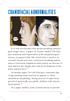 CRANIOFACIAL ABNORMALITIES It is well documented that mouth-breathing children grow longer faces. A paper by Tourne entitled The long face syndrome and impairment of the nasopharyngeal airway, recognised
Severe Anterior Open-Bite Case Treated Using Titanium Screw Anchorage
 Case Report Severe Anterior Open-Bite Case Treated Using Titanium Screw Anchorage Shingo Kuroda, DDS, PhD a ; Akira Katayama, DDS b ; Teruko Takano-Yamamoto, DDS, PhD c Abstract: Anterior open bite is
The Effects, Limitations, and Long-Term Dentofacial Adaptations to Treatment With the Herbst Apphance
 The Effects, Limitations, and Long-Term Dentofacial Adaptations to Treatment With the Herbst Apphance Hans Pancherz The purpose of this article is to summarize the existing scientific data with respect
Multimodality Treatment for Rehabilitation of Adult Orthodontic Patient with Complicated Dental Condition and Jaw Relation
 CASE REPORT Multimodality Treatment for Rehabilitation of Adult Orthodontic Patient with Complicated Dental Condition and Jaw Relation Yu-Cheng Liaw 1,2, Shou-Hsin Kuang 1,2, Ya-Wei Chen 1,2, Kai-Feng
Guideline on Management of the Developing Dentition and Occlusion in Pediatric Dentistry
 Guideline on Management of the Developing Dentition and Occlusion in Pediatric Dentistry Originating Committee Clinical Affairs Committee Developing Dentition Subcommittee Review Council Council on Clinical
GUIDELINES FOR AJODO CASE REPORTS
 GUIDELINES FOR AJODO CASE REPORTS Case reports are published on a regular basis in the AJODO. Not only are these short communications interesting to the clinician in private practice, but they provide
About the Doctor. Jae Hyun Park, D.M.D., M.S.D., M.S., Ph.D.
 About the Doctor Jae Hyun Park, D.M.D., M.S.D., M.S., Ph.D. Dr. Jae Hyun Park is a highly regarded, Board Certified Orthodontist with a strong commitment to clinical education, patient care and research.
Orthodontic mini-implants, or temporary anchorage devices
 Anchors, away by John Marshall Grady, DMD, Dan E. Kastner, DMD, and Matthew C. Gornick, DMD Drs. John Marshall Grady (center), Dan E. Kastner (left), and Matthew C. Gornick (right). Drs. John Marshall
Ideal treatment of the impaired
 RESEARCH IMPLANTS AS ANCHORAGE IN ORTHODONTICS: ACLINICAL CASE REPORT Dale B. Herrero, DDS KEY WORDS External anchorage Pneumatized Often, in dental reconstruction, orthodontics is required for either
ORTHODONTIC TREATMENT ALTERNATIVE TO A CLASS III SUBDIVISION MALOCCLUSION
 www.fob.usp.br/jaos or www.scielo.br/jaos J Appl Oral Sci. 2009;17(4):354-63 ORTHODONTIC TREATMENT ALTERNATIVE TO A CLASS III SUBDIVISION MALOCCLUSION Guilherme JANSON 1, José Eduardo Prado de SOUZA 2,
Condylar position in children with functional posterior crossbites: before and after crossbite correction*
 PEDIATRIC DENTISTRY/Copyright 1980 by The American Academy of Pedodontics/Vol. 2, No. 3 Condylar position in children with functional posterior crossbites: before and after crossbite correction* David
EARLY TREATMENT. First Phase Treatment: Your foundation for a lifetime of beautiful teeth
 EARLY TREATMENT For some people, early orthodontic treatment means that a child simply has braces placed on the teeth at a young age. While that concept may be somewhat true, early orthodontic treatment
Congenital absence of mandibular second premolars
 CLINICIAN S CORNER Congenitally missing mandibular second premolars: Clinical options Vincent G. Kokich a and Vincent O. Kokich b Seattle, Wash Introduction: Congenital absence of mandibular second premolars
Course Curriculum for the Master Degree in Dentistry/Orthodontics
 Jordan University of Science and Technology Faculty of Graduate Studies Course Curriculum for the Master Degree in Dentistry/Orthodontics The Master Degree in Dentistry/ Orthodontics is awarded by the
Facial keys to orthodontic diagnosis and treatment planning. Part I
 299 Facial keys to orthodontic diagnosis and treatment planning. Part I G. William Arnett, DDS and Robert T. Bergman, DDS, MS Santa Barbara, Calif. The purpose of this article is twofold (1) to present
Assessment of mandibular advancement surgery with 3D CBCT models superimposition
 O r i g i n a l A r t i c l e Assessment of mandibular advancement surgery with 3D CBCT models superimposition Alexandre Trindade Simões da Motta*, Felipe de Assis Ribeiro Carvalho**, Lúcia Helena Soares
ORTHODONTIC PROBLEMS IN PATIENTS WITH HYPODONTIA AND TAURODONTISM OF PERMANENT MOLARS
 Journal of IMAB - Annual Proceeding (Scientific Papers) 2011, vol. 17, book 2 ORTHODONTIC PROBLEMS IN PATIENTS WITH HYPODONTIA AND TAURODONTISM OF PERMANENT MOLARS Miroslava Yordanova 1, Svetlana Yordanova
ORTHODONTIC SCREENING GUIDE FOR NORTH DAKOTA HEALTH TRACKS NURSES
 ORTHODONTIC SCREENING GUIDE FOR NORTH DAKOTA HEALTH TRACKS NURSES The North Dakota Department of Human Services Medical Services Division and the North Dakota Department of Health s Oral Health Program
RESIDENT TRAINING GOALS AND OBJECTIVES STATEMENTS
 RESIDENT TRAINING GOALS AND OBJECTIVES STATEMENTS Evaluation and treatment of dental emergencies Recognize, anticipate and manage emergency problems related to the oral cavity. Differentiate between those
Retrospective analysis of factors influencing the eruption of delayed permanent incisors after supernumerary tooth removal
 Retrospective analysis of factors influencing the eruption of delayed permanent incisors after supernumerary tooth removal R.A.E. BRYAN*, B.O.I. COLE**, R.R. WELBURY* ABSTRACT. Aim This was to assess the
The American Board of Orthodontics (ABO) Digital Model Requirements Original Release 04.23.2013 Last Update 03.26.2015
 Page 1 of 7 The American Board of Orthodontics (ABO) Digital Model Requirements Original Release 04.23.2013 Last Update 03.26.2015 Introduction In order to provide access to board certification for all
Treatment of dental and skeletal bimaxillary protrusion in patient with Angle Class I malocclusion
 Treatment of dental and skeletal bimaxillary protrusion in patient with Angle Class I malocclusion Claudio José Ramos 1 In the orthodontic clinic, skeletal and dental bimaxillary protrusion is presented
ORTHODONTIC CARE IN NAVAL MILITARY TREATMENT FACILITIES
 DEPARTMENT OF THE NAVY BUREAU OF MEDICINE AND SURGERY 2300 E STR EET NW WASHINGTON DC 20372-5300 IN REPL Y REFER TO BUMEDINST 6670.2A BUMED-M3B6 BUMED INSTRUCTION 6670.2A From: Chief, Bureau of Medicine
Introduction to Dental Anatomy
 Introduction to Dental Anatomy Vickie P. Overman, RDH, MEd Continuing Education Units: N/A This continuing education course is intended for dental students and dental hygiene students. Maintaining the
In the past decade, there has been a remarkable
 TECHNO BYTES Principles of cosmetic dentistry in orthodontics: Part 1. Shape and proportionality of anterior teeth David M. Sarver, DMD, MS Vestavia Hills, Ala In the past decade, there has been a remarkable
Course Instructors. Dr. Straty Righellis Oakland, CA. Dr. Douglas Knight Louisville, KY. Dr. Jorge Ayala Chile. Dr. Bill Arnett. Dr.
 Course Instructors Dr. Douglas Knight Louisville, KY Dr. Straty Righellis Oakland, CA Dr. Jorge Ayala Chile Dr. Jeffrey McClendon Dr. Bill Arnett Dr. Michael Gunson Dr. David Hatcher New York City, NY
Anchorage onto deciduous teeth: effectiveness of early rapid maxillary expansion in increasing dental arch dimension and improving anterior crowding
 Mutinelli et al. Progress in Orthodontics (2015) 16:22 DOI 10.1186/s40510-015-0093-x RESEARCH Open Access Anchorage onto deciduous teeth: effectiveness of early rapid maxillary expansion in increasing
Resorptive Changes of Maxillary and Mandibular Bone Structures in Removable Denture Wearers
 Resorptive Changes of Maxillary and Mandibular Bone Structures in Removable Denture Wearers Dubravka KnezoviÊ-ZlatariÊ Asja»elebiÊ Biserka LaziÊ Department of Prosthodontics School of Dental Medicine University
TRI Product NewsFlash. December 2015
 TRI Product NewsFlash December 2015 Study Overview 2015 Dear Partners Year in, year out, we are screening all major scientific journals to ensure that our TRI Performance Concept still reflects the latest
Three-Dimensional Analysis Using Finite Element Method of Anterior Teeth Inclination and Center of Resistance Location
 Three-Dimensional Analysis Using Finite Element Method of Anterior Teeth Inclination and Center of Resistance Location Allahyar GERAMY 1, Ahmad SODAGAR 1, Mehdi HASSANPOUR 1 Objective: To locate the centre
Dr. Little received his doctorate degree in dentistry from UT Health at San Antonio Dental
 Implant Solutions for the Implant Patient: Diagnosis and Treatment Planning for Predictable Results David Little, DDS 6961 U.S. Highway 87 East San Antonio, TX 78263 Phone: (210)648-4411 Fax: (210) 648-6498
LIP INCOMPETENCE. Robert M. Mason, DMD, PhD
 LIP INCOMPETENCE Robert M. Mason, DMD, PhD If you were to enter an elementary school classroom, you would expect to see a lot of teeth showing as you talk to the students who are (hopefully) sitting quietly
Saudi Fellowship In Dental Implant (SF-DI)
 Saudi Fellowship In Dental Implant (SF-DI) Prepared and Updated by Dr. Arwa AL-Sayed Consultant Periodontics and Dental Implants M E M B E R S Dr. Arwa AL-Sayed Dr. Abdulhadi Abanmy Dr. Ali AL-Ghamdi Dr.
Winning Combinations. Volume IX No. 1
 Winning Combinations Volume IX No. 1 Contents Message from the President Waldemar B. Szwajkowski Winning Combinations John Sanker Clinical Application and Effects of the Forsus Spring Dr. Gernot R. Göz
ORTHODONTICS, OCCLUSION AND TEMPOROMANDIBULAR DYSFUNCTION. February 2016
 Theoretical-Practical Postgraduate Program ORTHODONTICS, OCCLUSION AND TEMPOROMANDIBULAR DYSFUNCTION New concepts on diagnosis and treatment planning February 2016 Aimed at Dentists and Physiotherapists*
Orthodontic Treatment of an Ankylosed Maxillary Central Incisor through Osteogenic Distraction
 Case Report Orthodontic Treatment of an Ankylosed Maxillary Central Incisor through Osteogenic Distraction Doğan Dolanmaz a ; Ali Ihya Karaman b ; A.Alper Pampu c ; Ahu Topkara d ABSTRACT Tooth ankylosis
Managing the Developing Occlusion. A guide for dental practitioners
 Managing the Developing Occlusion A guide for dental practitioners INTRODUCTION Whether knowingly or not, every dentist who treats children practices orthodontics. It is not enough to think of orthodontics
Residency Competency and Proficiency Statements
 Residency Competency and Proficiency Statements 1. REQUEST AND RESPOND TO REQUESTS FOR CONSULTATIONS Identify needs and make referrals to appropriate health care providers for the treatment of physiologic,
Molar Uprighting Dr. Margherita Santoro Division of Orthodontics School of Dental and Oral surgery. Consequences of tooth loss.
 Molar Uprighting Dr. Margherita Santoro Division of Orthodontics School of Dental and Oral surgery Molars The wide occlusal surface is designed for food grinding. The surface needs to be aligned with the
Oftentimes, as implant surgeons, we are
 CLINICAL AVOIDING INJURY TO THE INFERIOR ALVEOLAR NERVE BY ROUTINE USE OF INTRAOPERATIVE RADIOGRAPHS DURING IMPLANT PLACEMENT Jeffrey Burstein, DDS, MD; Chris Mastin, DMD; Bach Le, DDS, MD Injury to the
ROLE OF ORAL APPLIANCES TO TREAT OBSTRUCTIVE SLEEP APNEA
 1 ROLE OF ORAL APPLIANCES TO TREAT OBSTRUCTIVE SLEEP APNEA There are three documented ways to treat obstructive sleep apnea: 1. CPAP device 2. Oral Appliances 3. Surgical correction of nasal and oral obstructions

Expansion Screws. 600-400-10 1 piece 600-400-30 10 pieces. 600-300-30 10 pieces 600-300-60 100 pieces. 600-301-30 10 pieces 600-301-60 100 pieces
 Standard Expansion Screws Expansion Screws 600-400-10 1 piece 600-400-30 10 pieces rematitan -Expansion Screw, Medium Made of pure titanium. Skeleton design For transversal expansion and distalization
T4A THE TRAINER FOR ALIGNMENT PROCEDURES MANUAL. For the alignment of anterior teeth in the permanent dentition T4A CONTENTS:
 PROCEDURES MANUAL T4A THE TRAINER FOR ALIGNMENT developed by Dr. Chris Farrell (BDS Sydney University) For the alignment of anterior teeth in the permanent dentition CONTENTS: Introduction - Mode of action
The distal movement of mandibular molars is
 ORIGINAL ARTICLE Distal movement of mandibular molars in adult patients with the skeletal anchorage system Junji Sugawara, DDS, PhD, a Takayoshi Daimaruya, DDS, PhD, b Mikako Umemori, DDS, PhD, b Hiroshi
Corporate Medical Policy
 Corporate Medical Policy File Name: Origination: Last CAP Review: Next CAP Review: Last Review: orthognathic_surgery 1/1996 10/2015 10/2016 10/2015 Description of Procedure or Service Orthognathic surgery
Ridge Reconstruction for Implant Placement
 Volume 1, No. 5 July/August 2009 The Journal of Implant & Advanced Clinical Dentistry Ridge Reconstruction for Implant Placement 2 Hours of CE Credit Oral Implications of Cancer Chemotherapy Immediate
Group Distal Movement of Teeth Using Microscrew Implant Anchorage
 Original Article Group Distal Movement of Teeth Using Microscrew Implant Anchorage Hyo-Sang Park a ; Soo-Kyung Lee b ; Oh-Won Kwon c Abstract: The purpose of this study was to quantify the treatment effects
Rachel Sarig PhD, DMD 17.5.2014 CURRICULUM VITAE
 CURRICULUM VITAE Name: Rachel Sarig PhD, DMD, ID: 040347585 Department of Orthodontics, the Maurice and Gabriela Goldschleger School of Dental Medicine, Faculty of Medicine, Tel Aviv University, Israel
Smile analysis in different facial patterns and its correlation with underlying hard tissues
 Grover et al. Progress in Orthodontics (2015) 16:28 DOI 10.1186/s40510-015-0099-4 RESEARCH Smile analysis in different facial patterns and its correlation with underlying hard tissues Neha Grover 1*, DN
Activity: Can You Identify the Age?
 Activity: Can You Identify the Age? Skeletons are good age markers because teeth and bones mature at fairly predictable rates. How Teeth Reveal Age For toddler to age 21, teeth are the most accurate age
Temporo-Mandibular Joint Complex Exercise Suggestions
 Temporo-Mandibular Joint Complex Exercise Suggestions I. Exercise Generalizations: A. Patients with post-traumatic TMJ problems or with recent-onset dysfunction that is largely posture-related will generally
Use of variable torque brackets to enhance treatment outcomes
 Use of variable torque brackets to enhance treatment outcomes Ralph Nicassio DDS Many clinicians performing Orthodontics for their patients are missing an opportunity to get better results because they
Using Networks To Understand Medical Data: The Case of Class III Malocclusions
 Using Networks To Understand Medical Data: The Case of Class III Malocclusions Antonio Scala 1,2 *, Pietro Auconi 1,3, Marco Scazzocchio 1, Guido Caldarelli 1,2,4, James A. McNamara 5,6,7,8, Lorenzo Franchi
Semirapid Maxillary Expansion A Study of Long-Term Transverse Effects in Older Adolescents and Adults
 Original Article Semirapid Maxillary ExpansionA Study of Long-Term Transverse Effects in Older Adolescents and Adults Haluk İşeri, DDS, PhD a ; Serhat Özsoy, DDS, PhD b Abstract: A new approach, namely,
ORTHODONTIC TREATMENT
 ORTHODONTIC TREATMENT Informed Consent for the Orthodontic Patient As a general rule, positive orthodontic results can be achieved by informed and cooperative patients. Thus, the following information
Frankel Function Regulators JWL
 Volume 1 Number 2 Frankel Function Regulators JWL ALIVODENT LTD DENTAL APPLIANCES 3, North Guildry Street, Elgin, Moray IV301JR, Scotland,. ** ^'x? X*^ ALIVODENT/A' are now sole UK Agents for Orthodontic
Wired for Learning - Orthodontic Basics
 Wired for Learning - Orthodontic Basics Lori Garland Parker, BS, MAOM, RDAEF, CDA, COA Continuing Education Units: 3 hours Online Course: www.dentalcare.com/en-us/dental-education/continuing-education/ce365/ce365.aspx