
Collection Strategies for Today s Self-Storage Manager
|
|
|
- Benjamin Morgan Ramsey
- 9 years ago
- Views:
Transcription
1 A Texas Self Storage Association Publication Spring/Summer 2009 Volume 5 Issue No. 1 Collection Strategies for Today s Self-Storage Manager Collecting accounts payable is not something that most businesses enjoy. However, it is literally one of the most cost-effective uses of your time. If you spend 10 minutes collecting $200 from a delinquent tenant, this is the equivalent of being paid $20 a minute, or $1,200 an hour. Businesses with a high collection rate have consistent practices that have proven effective. All owners should consider adopting a consistent collection procedure for their facilities. Among the things to consider in your collection procedures are timing, method, strategy and legal compliance with all pertinent laws. Timing There is certainly a balancing act between starting the collection procedure too soon, and waiting too long. Under the TSSA lease, a tenant is legally late the day after rent is due, even though late fees may not accrue until several days later. Paragraph 11 of the TSSA lease states: Rent is delinquent and tenant is in default if rent is not received by [the due date in paragraph 4(b) of the lease]. The lease expressly states that there is by Connie Heyer, Niemann & Heyer, LLP no grace period. So theoretically, you could overlock a unit and institute the Chapter 59 process the day after a tenant is late. Most facilities do not do this, but rather wait for some established period before placing an overlock on a unit. It would make sense for each facility to make its own judgment call as to the timing for the overlock. Furthermore, it would make sense to have a concrete policy regarding the timing and methods for following up with delinquent tenants. Once you overlock a unit, you are no longer in danger of the tenant taking his property, effectively removing your collateral. So, you can start communications with the tenant right after overlocking. Methods The method that is probably the most effective is phone calls. Tenacity will get you everywhere, whether it is a fiveyear old asking for a popsicle 20 times until dad finally caves in, or you in your collection process. If someone is hearing from you every day or every few days, and hearing from other creditors only every now and then, you will probably go to the top of their list for payment. Texas law, which will be discussed further, Continued on page 6 Inside TSSA Legal Update Collection Strategies...1 Self-Storage Solutions...2 Form of the Month...3 TSSA Lease Charge Amounts...4 Wisconsin Case Muddies Waters...4 Using the Internet to Find Tenants... 7
2 Self-Storage Solutions by Connie Heyer, TSSA Legal Counsel Niemann & Heyer, LLP Q: What is the best way to quickly remove a tenant who is living in the unit? I know we can give a three-day notice to vacate for violating the lease, but if they do not move out is there something quicker than eviction? Criminal trespass perhaps? A: You are correct in that you can give a three-day written notice to vacate for violation of the lease. Living in the unit is expressly against the provisions of the TSSA lease. Short of eviction, your best bet is to make the tenant want to vacate. If your facility has controlled access, you can disable his access code. This will make it harder for him to get in and out of the facility, and maybe it will be such a hassle that he will look elsewhere. I obviously would not recommend locking a tenant into a unit, but this could certainly happen inadvertently if your manager walked the facility on a regular basis, noticed an unlocked unit, and put a lock on it. Avoiding this scenario is one more reason that it is important not to allow tenants to reside in units. The criminal trespass statutes will probably not be of assistance. Your tenant has a legal right to enter into the property, as he has a lease with you. What your tenant is doing is a breach of contract, and that is something that law enforcement normally will not help with. You can call law enforcement and explain the situation, and depending on the jurisdiction they may be willing to come out and talk to the tenant, but chances are that they will not be of assistance, and it is not their job to be of assistance in a breach of contract type situation. Your best bet is to deny the tenant access to the facility, give him as much incentive as possible to leave (perhaps forgive a portion of unpaid rent if that is the case), and if all else fails, proceed with the eviction process. Q: If a tenant pays all charges on the notice of claim but not the charges that have continued to accrue after it has been sent, can we still hold an auction without sending a new notice of claim? A: The statute requires your notice of claim to contain an itemized amount of the claim and a statement that if the claim is not satisfied before the 15th day after the day that the notice is delivered, the property may be sold at public auction. So, the notice of claim requires all charges to be detailed. However, I would recommend, that you detail charges that will come due in the future, to the extent that you know them. For example, along with the rest of your itemized past-due charges, you may state if paid after May 1, May rent of x dollars ; and if paid after June 1, June rent of x dollars. If you do not list future rent on the notice of claim, out of caution I would suggest that you do not proceed with a foreclosure if someone pays all amounts due as stated on the notice of claim prior to the foreclosure. Rather, send a new notice of claim. Q: I have a unit that was found without its lock, but with furniture still inside. I have not been able to reach the tenant for some time now. We contacted his sister, who is on the contract as an emergency contact, and she said that her brother (the tenant) has moved back to his home country and he left the unit for her to clean out. She took what she wanted and does not want to come get the rest. The unit is almost six months late now. Is this considered abandonment, since these couches probably contain some value to the average person? There is no notice to vacate form, but the sister gave us a fax number so we could fax her one to sign. Can we also fax her an abandonment form? A: If the sister is not a tenant, then the sister does not have the right to declare the tenant s unit abandoned. And as you noted, this does not meet the definition of abandonment under the TSSA lease (see paragraph 26), mainly because the tenant s space cannot be said to contain nothing of value to the ordinary person. Your best bet in this scenario is to attempt to get the tenant himself to sign an abandonment form, explaining to the sister that this will stop the clock from ticking with regard to unpaid rent. If you choose, you can try to entice the tenant to sign the abandonment form by forgiving some of the unpaid rent. Otherwise, you will have little choice but to proceed with the foreclosure process. Q: I have a lease for a vehicle parking rental signed by a tenant. This tenant put her boyfriend down as a person with additional access rights. Her boyfriend is now an ex-boyfriend. Shortly after signing the lease, the tenant faxed a letter to me asking to have her name taken off as the tenant and to put her boyfriend on as the tenant, as the boyfriend would be making all payments. I was new to the job at the time and did not print a new lease. I made the change to list the boyfriend as the new tenant on the lease, but I never got the boyfriend to sign the lease. Do I have grounds to foreclose on the vehicle? A: If you agreed to take the tenant off the lease, then I don t believe that you have grounds to foreclose on this vehicle with full confidence. You are somewhat in limbo with this account. It appears that certainly at the time, the tenant and her boyfriend agreed that he was going to be the new tenant and he was going to take over rental payments. However, the fact remains that the boyfriend never signed the lease, so you cannot hold the boyfriend legally responsible. The fact also remains that it appears that you agreed with the tenant either orally or in writing that she is now removed from the Continued on next page
3 Self-Storage Solutions Continued... lease and has no further responsibility. At best, at this point, I believe you have an oral lease with the boyfriend, hopefully supported by the fact that he has been making rental payments over the months. Since you need a written lease for a foreclosure, I would suggest filing for eviction against the boyfriend. Q: The post office has notified us of a change in our ZIP code. Do we have to give written notice to all of our tenants of this change? What is the standard procedure in this situation? A: You will need to make sure that all communication that goes out from your office, especially a notice of claim (which is legally required to include your mailing address) is correct. But in my opinion you have no duty to send out a notice to all of your tenants. You may wish to do so as a preemptive measure, however, to maximize the on-time rent you receive. Q: I have sent notices of abandonment to a tenant (both regular and certified mail). The notices came back to me as unable to forward. Do I need to attempt to track the person down or can I foreclose on the unit that I believe to be abandoned? The person used to contact me on a regular basis, informing me that he could not pay the bill but eventually would get caught up. I have not heard from the tenant in a couple of months. TSSA Form of the Month Chapter 59 Pre-Lien/Post Lien Checklist Form L-7 When to Use This form would be helpful to use any time a tenant becomes delinquent and you contemplate the seizure and lien foreclosure process. It is a good double check to ensure that you have complied with the requirements of the foreclosure process that you have sent letters to the correct address, and in general have done all the big ticket items correctly. This form is not a substitute for reviewing the legal article and complying with every step in the foreclosure process. However, it is an excellent way to double check yourself on the big ticket areas. How to Use You can use this form at every step of the foreclosure process: before you seize a unit, during the seizure/notice of claim process, and after the sale actually takes place. Before the seizure process, for example, it is important to make sure the rental agreement is signed, check for any military status on the rental agreement, and check for any change of address that the tenant has submitted to you. This form has check boxes for all of these items. Once you seize the contents by overlocking and sending the notice of claim, you can double-check this process prior to the sale by going down the checklist items on the form related to this process. Lastly, there is a post-lien sale audit checklist that you would fill out after you conduct the sale, to ensure that you have carried out all of the post-sale steps appropriately. Tips for Use Use this form as a supplement to your regular process of checks and balances for a sale. This form should be used before the sale to catch any mistakes before they happen, rather than used solely after the sale to learn that you have just made a serious mistake. A: I assume that you have been attempting to get the tenant to sign the Authorization and/or Release by Tenant, a TSSA official form for sale. With this form, if you check the check box 5, and the tenant signs the form, the tenant is stating that he abandons the contents. Because the post office is not able to forward this mail to the tenant, obviously you have not received this authorization and agreement of abandonment from the tenant. In this case, unless the unit contains nothing of value to the ordinary person (and you satisfy the other conditions for abandonment, which it appears that you do), then your only practical alternative is to proceed with the foreclosure process, starting with a notice of claim. Questions? Contact TSSA: 595 Round Rock West Dr. #503 Round Rock, TX Fax: (512) [email protected]
4 Charges Under the TSSA Lease: What Amount Is Right? At TSSA we often receive questions like, How much should I charge for a late fee? How much should I charge for a returned check fee? and other questions of this nature. Paragraph 4 of the TSSA lease has 15 fill-in-the-blank charges that each facility fills in. This article covers these charges and provides background information that should be helpful in determining an appropriate charge for your facility to fill-in-the-blanks. Paragraph 4 begins with subsection (a) and ends with subsection (o). Each subsection will be reviewed individually. 4(a), rent. This is simply the monthly rent. If your rent calls for a minimum lease term, do not forget to fill it in in paragraph 3 of the TSSA lease. 4(b), monthly rental due date. Most facilities fill in the 1st so that the rent is due on the first of the month. It is important to note that whatever day is filled in this blank, the next day rent is late. Even if late charges are not due until several days later, rent is legally late and you may overlock and institute the foreclosure process if you desire. Most facilities obviously do not do this when an account is one day late, but it is legally permissible. 4(c), initial late charge. This is the initial late charge if the rent is not received by days after the due date. Most facilities fill in anywhere from between three and 10 days as a period after which the late fee is assessed. There is no magic number for a late fee amount, but any late fee that you charge must be a reasonable estimate of your damages in not receiving payment on time. There is mailing expense (late notices), and manager time and overhead expense associated with late payments. One of the best ways to make sure you are in the ballpark with late fees is to look around and see what your competition is charging. You definitely cannot all agree to charge the same late fee, but if you are charging about what the rest of the market is charging, chances are the late fee is reasonable. 4(d), subsequent late charge. This is a blank for the dollar amount for a subsequent late charge, if rent is not received by days after the due date. So if you filled in the 1st of the month in 4(b), the rent is due on the first of the month, and if you filled in 3 days in 4(c) the initial late charge is assessed if rent is not received by three days after the due date (which in this scenario would be the 4th of the month), and if you filled in 10 days in paragraph 4(d), a subsequent late charge is assessed if rent is not received by 10 days after the due date (10 days after the due date would be day 11 in this scenario), you would charge the initial late fee on the 5th of the month, and the subsequent late fee on the 12th of the month. 4(d), returned check charges. Many people are under the mistaken impression that return check charges are limited by statute to $30. The default maximum rate for return check charges is $30 per Texas statute, but this is only the cap unless the parties have agreed otherwise in writing. If you fill in a different number in paragraph 4(e) of the TSSA lease, you have agreed to another number in writing, and you may charge your agreed fee. The fee needs to be reasonable, but certainly you should cover your bank charges, mail costs, time, and overhead. Do not forget about the Notice to Issuer of Return Check form, TSSA official form 6-07, that you can and should send to the tenant if the tenant writes a hot check. 4(f), returned mail charge. This is a charge for not providing a change of address. Paragraph 33 of the TSSA lease requires all tenants to notify the facility of any change in their mailing address. It is very important that facilities be able to contact tenants at all times, not only for breach of lease and collection matters, but for matters involving a casualty, for example, that threatens to harm the tenant s items. 4(g), charge for locking space. This is the charge for locking a space when the space is unlocked or improperly locked. The TSSA lease, in Paragraph 35, requires that if the tenant has rented a lockable space (as opposed to an outdoor space), the tenant s space must be locked with the tenant s lock at all times, and if the tenant fails to lock the space and you lock the space for him, a locking charge is due. This charge should cover the time and hassle of your putting a lock on the tenant s unit, and dealing with the tenant to get his own lock back on the unit. 4(h), charge per day This is a charge per day if a tenant fails to lock his unit after seven days notice. This charge should in all likelihood be less than the charge in Paragraph 4(g) because you are not having to go and place a new lock on the unit every day, but it does serve as incentive for a tenant to come and place his own lock on the unit. It is important that the facility owner get the tenant s lock back on the tenant s unit, and minimize the amount of facility locks on occupied units, to the extent possible. If your facility lock is the only lock on an occupied unit, technically you are in possession of the unit and could potentially have liability for items that were damaged or stolen. If you used a lock of at least the same quality as the tenant s, the likelihood of the tenant prevailing in that type of a lawsuit is probably very small, but nonetheless it is important to get the tenant s own lock back on the unit. You can use the Notice of Unlocked or Improperly Secured Space TSSA form, Form BUS-12 in the TSSA Goldbook Appendix CD, to inform the tenant to put his own lock on, and inform him of the locking charge that is due. 4(i), charge for removing tenant s lock. This is the charge for removing a tenant s lock when authorized by Paragraph 18 (there are many entry rights under Paragraph 18; the one used the most is the right to enter in the exercise of your lien rights), or by Paragraph 19 (where a law enforcement officer has a search warrant), or by Paragraph 24 (where you remove the lock in the context of your lien sale procedure), or by Paragraph 32 (if you remove the lock while carrying out an overlock). Again this charge should cover your administrative time and overhead in removing the lock. 4(j), charge for overlocking tenant s space. This is a charge for overlocking the tenant s space or chaining the tenant s property (wheel booting, etc.) when authorized by Paragraph 24 (detailing the overlock process) or Paragraph 32 (again, detailing the overlock process). Continued on next page
5 TSSA Lease Charges Wisconsin Lawsuit Muddies Waters Continued... 4(k), charge for sending notice of claim. This is the charge for sending the statutory notice of claim for unpaid sums. You should certainly cover your certified mailing costs and all administrative and overhead costs associated with compiling and mailing this letter. 4(l), charge for newspaper ads. This is the charge for newspaper ads in conjunction with Chapter 59 foreclosure sale. You should cover your time associated with the preparation of the ad and at minimum also cover your advertising costs. 4(m), charge for conducting foreclosure sale. This is the charge for conducting the foreclosure sale at public auction. You will probably want to charge more if you are paying an auctioneer. This figure is likely going be a number arrived at based on your historical experience as to what your typical auction costs are, and how many units are typically sold in any one auction. 4(n), charge for having to judicially evict tenant. This is a charge for having to judicially evict a tenant, not including attorney s fees or court costs. This is a charge for your estimated time, expense and hassle in dealing with a tenant whom you must evict for whatever reason rather than foreclose on. You can count on spending, at minimum, two to three hours in court with any typical eviction, because more often than not, you wait your turn and the judge hears multiple eviction hearings in one day. 4(o), charge per hour for removing or cleaning. This is the charge for removing debris or cleaning when the tenant litters or fails to leave a unit clean. This is an hourly charge for cleaning out a unit when the tenant has failed to clean out. The TSSA lease requires the tenant to fully vacate the unit and leave it broom clean. If you utilize a cleaning service, certainly at minimum charge the cleaning service s hourly rate. In summary, there are no magic numbers for any of these fill-in-the-blanks. The best guide to reasonable numbers for most of these blanks is your historical experience based on your actual costs or loss of administrative time in dealing with the situations mentioned in Paragraph 4. On September 25, 2008 an unsettling decision on a Wisconsin case was handed down (Cook, et al v. Public Storage, Inc.). Although the Wisconsin statutes are quite different from Texas statutes, this wrongful foreclosure case resulted in several disturbing court findings that are worth discussing, and may warrant possible action to help avoid similar problems in our own backyard. In short, the court found that the facility s sale was in violation of Wisconsin statutes, and allowed not only the tenant, but his parents (who were listed as persons having additional access rights) a cause of action against the facility. This case is a classic example of the long-standing legal saying: Bad facts make for bad law. In this case, the defendant storage facility made many errors. In these types of situations, courts, judges, and juries tend to try to bend over backwards to construe the law to punish the actions of those they consider to have acted in an egregious manner. In my opinion, this is exactly what happened in this case. But again, there may be some precautionary lessons to be learned from it. Facts Summary The defendant facility failed to send notice of a foreclosure sale to a listed alternate contact, for whom it was statutorily required to send such notice. The defendant facility sent all notices of sale to the tenant at an address with a significant typo (that was the facility s fault), resulting in the tenant never receiving notice. The facility manager acknowledged that she knew of the problem, but did not correct it. Wisconsin statutes, unlike Texas statutes, give a cause of action for damages to any person harmed by a selfstorage foreclosure, not just the tenant. The tenant had notified the facility that the address he provided the facility was no longer current, and the tenant s mother, with whom the facility had dealt with in the past and from whom payments had been accepted, later provided the facility with an updated address, which the facility did not use. The facility failed to comply with the Wisconsin excess proceeds statutes after the foreclosure sale. Details Under Wisconsin law, every self-storage rental agreement must be in writing and contain a provision allowing the lessee to specify the name and last known address of a person who, in addition to the lessee, the facility is required to notify in the event of a default. (So under Wisconsin law, you would send the notice of claim equivalent not only to the tenant, but also to the alternate contact named by the tenant.) Mistake number one was that the facility management never sent the notice to the alternate contact. The tenant listed his parents as persons entitled to have access to the premises. The court held that while this did not make the parents lessees under the lease, it did give them the right to store goods on the premises, so under Wisconsin law, the parents would have a cause of action for any misdeeds by the defendant facility. Another error was the failure of the facility to send the claim notice to the tenant s correct address. The tenant had filled out a tenant information sheet. The facility manager copied the address incorrectly onto the lease. The manager subsequently sent all of the notices to the incorrect address. It appears from the facts that it was not much of a stretch for the facility to be found liable for a wrongful foreclosure sale. However, the most disturbing aspect of this case is that the parents, listed on the lease as having additional access rights, were also found to have a cause of action. The courts found (by some arguably strained reasoning) that because the tenant s parents were listed as having access rights, they were entitled to Continued on page 8
6 Collecting Accounts Payable Follow Collection Laws... Collection Strategies Continued... prohibits harassing a debtor, but making calls to a debtor s home or office is generally not considered harassment. However, if a debtor asks you to stop calling him, you do need to stop and proceed with other collection methods. Another effective method is to exercise your rights under Paragraph 11 of the TSSA lease to notify the delinquent tenant that you will turn their account over to a collection agency and that the tenant will be charged all fees charged by the collection agency, if the account is not brought current in 10 days. You may utilize TSSA Goldbook Appendix CD form BUS- 10, titled Final Notice Before Collection Agency Fees Charged. Even if you have no intention of turning the account over to a collection agency, this can be an effective tool to use as an incentive for tenants to pay you. It is perfectly legal to threaten to sue a tenant for an unpaid amount, or threaten to turn the account over to a collection agency. You need not have a judgment from a court in order to turn an account over to a collection agency. However, if a consumer disputes the amount due, you must notify the collection agency that the amount is disputed, and verify the amount of the debt. Another alternative is to file suit in small claims court to obtain a judgment against the tenant for unpaid amounts. Then you abstract this judgment, meaning you file it to record in the county records. Texas is a debtorhaven state, so you may not garnish the wages of a debtor after receiving a judgment against him, but filing the judgment of record does mean that it will affect the debtor s credit, and if the debtor ever seeks to borrow money the lender will normally make him pay off all outstanding judgments filed of record. Small claims court is probably something to more seriously consider when larger amounts are due. The filing fees and service of process fees will probably be between $100 and $200. You do not need to have a lawyer for small claims court, but it obviously will take a bit of time to carry out the process. Small claims court is a very informal procedure. Strategy I have found in my practice, which involves performing hundreds of collections a year for clients, that the best strategy by far is the you catch more flies with honey than with vinegar strategy. Being cordial to the debtors, at least initially until it becomes clear that is no longer doable (they are hostile, etc.), is very effective. If the debtor is delinquent in payments to you, chances are he or she is delinquent in payments to others. If you are treating them cordially and another collector is treating them poorly, they are going to be much more apt to work with you. Another important component of the collection strategy is not to let the account get too delinquent. If you let an account get delinquent months and months behind, the debt is often insurmountable for many tenants, and they simply throw up their hands and walk away. You are then left with little choice but to foreclose, and you rarely recoup the amount of rent that is due. A final strategy is to try not to personalize collections, but simply treat each collection as a business decision, at all times. You may be absolutely livid that a tenant has gotten to you for six months of rent. The tenant may have lied to you on multiple occasions. You may shudder at the thought of cutting the tenant any slack. However, if you can get payment for 75% of what is due, or half of what is due, and be rid of the tenant for good, that is usually the best business decision. Take the money and move on. It is far too easy to let emotions get in the way of good business judgment when it comes to collections. Follow the law There are federal and state debt collection laws. A comprehensive legal article on these laws can be found behind the Federal Statutes tab in the TSSA Goldbook. The Federal Fair Debt Collection Practices Act requires some debt collectors to, in all communications with the debtor, include a notice giving the debtor 30 days to contest the validity of a debt, and other such language. This law does not apply to owners of facilities or employees of owners of facilities collecting debts owed to the facility. If a tenant owes you rent or other amounts, the owner or any of the owner s employees may collect debts on behalf of the owner and not fall under the Federal Act. Third-party management companies, with one exception, may collect debts on behalf of the owner without falling under the Federal Act. As long as the debt being collected by the third-party management company did not become delinquent before the management company took over the property, the management company is exempt from the Act. An attorney does fall into the definition of debt collector and must comply with the Federal Act. Texas law Under Texas law, anyone collecting any debt is considered a debt collector. Any debt collector may not use threats, coercion, threaten violence, arrest, or criminal action. You may threaten to initiate a civil lawsuit or a Chapter 59 proceeding, or to exercise your seizure right (but hopefully you have already overlocked at this point). You may not harass or abuse a debtor by using profane or obscene language, placing anonymous phone calls with the intent to annoy or harass a person, or otherwise taking actions with the intent to harass. In all of your communications with your tenants (whether the employee or the owner is calling, or sending a late notice or demanding payment) you must make it clear that you are attempting to collect a debt, and make it clear who the debt collector is, including your street or P.O. box, and your phone number. Collections are challenging and often a dreaded part of doing business, but with effective strategies to maximize your collection success, you can significantly enhance your facility s financial bottom line.
7 Using the Internet to Find Tenants This article will give you starting points for locating tenants for debt collection purposes, or simply for trying to find someone with whom you have lost contact. It will concentrate principally on the use of the Internet, simply because it is far and away the most effective and efficient tool to find someone. I will give many suggestions for different types of searches to try. There is no one best website. They are all moving targets, constantly changing, and dependent on the goals and computer sophistication of the person performing the search. Googling Google is perhaps the best overall site, but there is truly an art to using Google. There have been hundreds of pages of how-to manuals written on how to use Google most effectively. By using special characters and operators, like +, -, OR, and quotation marks, you can fine-tune your searches and increase the accuracy of your results. You can search for a phrase or a proper name most effectively by putting them in double quotes. For example Jeff Jackson finds pages containing the phrase Jeff Jackson. So with this search you are not going to find pages containing information regarding Jeff with a home in Jackson, Mississippi. Some other simple Google tips: Type in the last known telephone number you have for an individual. Try all of this with and without quotation marks, and type in the name with and without quotation marks. Experiment with the name, try including a middle name or initial or excluding a middle name or initial, including an address or partial address, etc. You just have to play with it to see what works in your particular search. Using Addresses If you have the address of the person you are searching for, whether an old or a new one, type in the portion of the address before sign. This can be particularly useful for AOL or gmail addresses (such as [email protected]), as these addresses tend to be unique. For example, if this person has logged into a chat room under this address, the message will pop up and may lead to direct communication with the person you are seeking, or his or her friends. If the address you have seems to be tied to a particular business site (ex.: [email protected]), look for that site ( com) or something similar. This will likely lead you to someone s employer. Death Records If you think someone has passed away, try the Social Security death index ( The Basics Do not forget to do the simple things. For example, when you send collection letters, always mark on the front of the envelope address service requested and you will receive notice of any new address. Always call the telephone numbers in the file. Even if the debtor is hiding from you, the person who answers the Helpful Websites Some of the more helpful sites: phone may be a house guest or otherwise have no clue that the debtor is doing so, and may give you helpful information. (Don t mention the debt to anyone but the debtor; you can simply say you are calling about his lease at your facility.) Bring in Some Ringers Try giving two teenagers a tenant to find, and make it a contest among them to see who can find the most information first on the Internet. Then get them to explain how they ran their searches, and document those searches for later use. This might well be the most effective strategy of all! In summary, the Internet allows us to find people in ways we never could have imagined. The ability to easily find a phone number or address on the Internet may very well make certain collections worth pursuing that you would otherwise be tempted to write off. Publicdata.com You can search for people, utilizing driver s license numbers and other identifiers. Experian.com/credit_solutions Experian Credit Bureau is good for the most current changes in address. Appraisal district websites The tax appraisal offices of all counties are often very valuable information sources. If you Google Harris County Appraisal District or other similar counties, you will find the appraisal district s website. (For Harris County, it is You can look up information by the debtor s name (to give you the street address on file for the debtor), or you can put in an address and find the property owner of that address. Even if the debtor rents, if you have his home address, the appraisal district information will provide the property owner s name and mailing address, and the owner might be able to provide helpful information. Virtualchase.com is a comprehensive instructional website about searching for individuals. Addresses.com is likely the world s largest directory. It is about 10 times the size of any other address directory on the Web. All people searches are free and content is protected from spammers. This site can also help you with phone numbers. Also FreshAddress.com is a free worldwide registry of working addresses. Whitepages.com can be helpful, and YellowPages.com is another good one click on find a person. For a military lookup, the Defense Manpower Data Center (DMDC) maintains a website to verify an individual s record of military enrollment to furnish certification of active duty status. The DMDC is the central repository of the Department of Defense Human Resource Information. This is the best way to prove up military affidavits if you need one for a default judgment, for a foreclosure proceeding against a military tenant, or other such needs. The site is
8 Wisconsin Lawsuit Muddies Waters Continued from page 5... store goods in the facility (even though they clearly were not tenants), and thus had a cause of action as an agg r i eve d p a r t y under the Wisconsin statute. The court held that because the parents were not parties to the agreement (not lessees), they did not have any claim against the facility for breach of contract. However, the court held that the parents, because they were entitled to store goods in the facility (based on the court s ruling), had a cause of action under a Wisconsin statute that provides that any person injured by a violation of the selfstorage statute may sue for damages. In contrast, Texas law says that a person injured by a violation of Chapter 59 may sue for damages under the Deceptive Trade Consumer Protection Act (DTPA). The Texas DTPA provides certain remedies for consumers. It defines consumer as an individual who seeks or acquires by purchase or lease any goods or services. Thus, a consumer would in all likelihood be the lessee/tenant because the person entitled to access rights is not seeking goods or services; the tenant is simply giving them the right to access the unit. The Texas DTPA is not a breach of contract statute; it allows a cause of action for false, misleading or deceptive acts or practices in the conduct of trade or commerce. DTPA actions are typically brought for misstatement of square footage (the TSSA lease specifically guards against this by stating that all square footage is approximate); false advertising (for example, advertising that the property is monitored 24 hours a day or is fully protected by fire sprinklers when it is not); or other false representations. Had this situation occurred in Texas, with the facility making similar mistakes as it did in the Wisconsin case, in my opinion this case would likely have resulted in a finding in favor of the tenant for wrongful foreclosure/breach of contract, but without any damages for the tenant s parents with additional access rights, as there was no deceptive trade practice. However, under Wisconsin law there was a right of the parents to bring a civil action to recover [any] damages not just those related to deceptive trade practices. Another harmful fact for the facility was that the tenant had moved while the rental agreement was in place, though he had called the facility to tell them of the move (telling them that his former address was no longer valid), but that he did not know his new address. He did, however, provide his new phone number. This was undisputed at trial. The manager knew that the tenant lived with his mother, who later came to the storage facility and provided the family s new address in writing. Unfortunately, the manager ignored this new information, and no correspondence was ever sent to the new address. To add insult to injury, the facility failed to comply with the excess proceeds statutes of Wisconsin law, and did not return the amount made from the lien sale in excess of what the tenant owed. Commercial Reasonableness Issue Finally, the case also brought into question the commercial reasonableness of the sale. Wisconsin law requires the sale to be commercially reasonable, and the court held that by requiring bidders to bid blind on the unit (without the opportunity to view what they were bidding on), this was not commercially reasonable. In contrast, Texas law requires only that a public sale be held at the self-storage facility or a reasonably near public place. Potential Lessons to be Learned Though there is little question that, because of the differences in statutory language, the case would probably have resulted in a different outcome in Texas (at least regarding the tenant s parents, the additional access rights persons), there are likely some lessons to be learned and applied in day-to-day practice that can help prevent a similar situation from happening at a Texas facility: (1) Make sure you get the tenant s address correct on the lease. Check it against his driver s license; check it against the tenant information sheet he filled out. And check the tenant information sheet against the lease again before sending out any notice of claim. (2) Consider making it clear in your rules that neither the persons having additional access rights nor persons listed as emergency contacts are entitled to store anything in the unit. This will help eliminate any argument that a person entitled to access rights is a consumer with a cause of action under the Texas DTPA. (3) Send any notice of claim via certified mail to all addresses you have for the tenant, even those that are not just the last known address as stated in the rental agreement or in a written notice from the tenant to the lessor, as the Texas statute requires. Suggestions (2) and (3) above are not required by Texas law, but may be good practice to lessen any potential exposure along the lines of those seen in the recent Wisconsin case. All articles in the TSSA Legal Update are authored by Connie Heyer. Heyer is a partner in the law firm of Niemann & Heyer, LLP in Austin and serves as legal counsel for the Texas Self Storage Association. She is co-author of the TSSA Goldbook, a comprehensive guide to laws and regulations affecting self-storage professionals in Texas. Niemann & Heyer, LLP is also the author of the current TSSA Rental Agreement and official forms.
Car Title Loans. What is a car title loan? How does a car title loan work?
 Car Title Loans What is a car title loan? When you take out a car title loan, you are borrowing money and giving the lender the title to your car as collateral. This means that the lender can repossess
CALIFORNIA FAIR DEBT COLLECTION PRACTICES ACT Updated 1 January 2012
 I. BACKGROUND CALIFORNIA FAIR DEBT COLLECTION PRACTICES ACT Updated 1 January 2012 A. Contents: This memorandum summarizes California's Fair Debt Collection Practices Act, California Civil Code (the "CCC")
YOUR RIGHTS AS A TENANT
 YOUR RIGHTS AS A TENANT Under Virginia Law, tenants have certain rights when they move in, while they are renting, and before they can be evicted. The specific rights you have depend on whether or not
Fair Debt Collection Practices Act
 Background The Fair Debt Collection Practices Act (FDCPA) (15 USC 1692 et seq.), which became effective in March 1978, was designed to eliminate abusive, deceptive, and unfair debt collection practices.
VII 3.1. VII. Unfair and Deceptive Practices FDCPA. Fair Debt Collection Practices Act. Introduction. Communications Connected with Debt Collection
 Fair Debt Collection Practices Act Introduction The Fair Debt Collection Practices Act (FDCPA), effective in 1978, was designed to eliminate abusive, deceptive, and unfair debt collection practices. The
Debt Collection. Federal Trade Commission consumer.ftc.gov
 Debt Collection Federal Trade Commission consumer.ftc.gov If you re behind in paying your bills, or a creditor s records mistakenly make it appear that you are, a debt collector may be contacting you.
Fair Debt Collection Practices Act 1
 Fair Debt Collection Practices Act 1 The Fair Debt Collection Practices Act (FDCPA)(15 U.S.C. 1692 et seq.), which became effective March 20, 1978, was designed to eliminate abusive, deceptive, and unfair
The Rosenthal Fair Debt Collection Practices Act California Civil Code 1788 et seq.
 The Rosenthal Fair Debt Collection Practices Act California Civil Code 1788 et seq. 1788. This title may be cited as the Rosenthal Fair Debt Collection Practices Act. 1788.1 (a) The Legislature makes the
Debt Collection From the Debtor s Perspective. A Few Facts About the Debt Burden of American Households. Debt Facts 8/14/2013
 Debt Collection From the Debtor s Perspective Linda Cook Senior Staff Attorney Ohio Poverty Law Center [email protected] 2013 Ohio Poverty Law Center A Few Facts About the Debt Burden of American
Missouri Small Claims Court Handbook. The Missouri Bar Young Lawyers' Section
 Missouri Small Claims Court Handbook The Missouri Bar Young Lawyers' Section TABLE OF CONTENTS I. INTRODUCTION TO THE SMALL CLAIMS COURT...1 Page II. THINGS TO CONSIDER BEFORE BRINGING A CLAIM...1 A. WHO
Question 11 February 2013 Selected Answer 1
 Question 11 February 2013 Selected Answer 1 1. Yes, Hospital is liable for Dan's wrongful debt collection under the TDCA. The Texas Debt Collection acts prohibits a specifically enumerated list of specific
PAYDAY LOANS. What is a payday loan?
 PAYDAY LOANS What is a payday loan? A payday loan is a small loan that has to be paid back in a very short amount of time, within two pay periods. It has a definite due date for full repayment, unlike
January 9, 2006. The Self Help Legal Center. Southern Illinois University School Of Law Carbondale, IL 62901 (618) 453-3217
 January 9, 2006 The Self Help Legal Center Southern Illinois University School Of Law Carbondale, IL 62901 (618) 453-3217 2 TABLE OF CONTENTS Table of Contents 2 Disclaimer 3 Warning to all readers 4 Who
Free Report: How To Repair Your Credit
 Free Report: How To Repair Your Credit The following techniques will help correct your credit and should be done with all Credit Bureaus. In this section you will learn the ways of removing negative items
STATE OF NEW JERSEY. SENATE, No. 1988. 213th LEGISLATURE. Sponsored by: Senator JEFF VAN DREW District 1 (Cape May, Atlantic and Cumberland)
 SENATE, No. STATE OF NEW JERSEY th LEGISLATURE INTRODUCED JUNE, 00 Sponsored by: Senator JEFF VAN DREW District (Cape May, Atlantic and Cumberland) SYNOPSIS "New Jersey Fair Debt Collection Practices Act."
FORECLOSURE. I don t think I can make my mortgage payments but I don t want to go through a foreclosure. What are some of my options?
 FORECLOSURE When you borrow money to buy a house or land, the creditor usually takes a security interest in the property you buy. This means that if you don t pay, the creditor can foreclose upon (or take
GUIDE TO SMALL CLAIMS COURT The Rural Law Center of New York, Inc.
 This material is provided to answer general questions about the law in New York State. The information and forms were created to assist readers with general issues and not specific situations, and, as
Civil Suits: The Process
 Jurisdictional Limits The justice courts have exclusive jurisdiction or the authority to hear all civil actions when the amount involved, exclusive of interest, costs and awarded attorney fees when authorized
Delinquent Tax Collection Methods. Vermont League of Cities and Towns Municipal Assistance Center Gwynn Zakov, Staff Attorney I
 Delinquent Tax Collection Methods Vermont League of Cities and Towns Municipal Assistance Center Gwynn Zakov, Staff Attorney I Delinquent Tax Collection Methods The concept of debt collection triage. Informal
Creditor Lawsuits Handbook
 Creditor Lawsuits Handbook In Magisterial District Court A Handbook for people dealing with creditor lawsuits, including information on such suits and common defenses. Revised July 2009 Introduction This
How To Know If You Can Get A Court Order To Stop Being Sued And Garnished
 Five minute guide to being sued & wage garnishment First, it is important to distinguish between actually being sued and having creditors threaten to sue you. The difference is important. We have seen
BANKRUPTCY SOME FREQUENTLY ASKED QUESTIONS AND ANSWERS
 BANKRUPTCY SOME FREQUENTLY ASKED QUESTIONS AND ANSWERS 1 You should file for bankruptcy only after carefully deciding that bankruptcy is the best way to deal with your financial problems. This pamphlet
Guide to the Debt Recovery Process
 Guide to the Debt Recovery Process How it works, and what we The debt recovery process can seem confusing and daunting. We aim to simplify it as much as we can, and to make clear from the outset what we
A Guide To Understanding The Community Association Collection And Foreclosure Process
 A Guide To Understanding The Community Association Collection And Foreclosure Process What is the initial demand letter? What is a Claim of Lien? What is a thirty (30) day letter? How do you foreclose
Bankruptcy/Debt Collection
 Bankruptcy/Debt Collection [ADVOCATE: Give caller advice per script. Check case acceptance list and refer to appropriate offfice for more services.] I. Explain Judgment Proof Judgment proof means you have
CLARK COUNTY, NEVADA. ANSWER ) Defendant. ) )
 1 2 3 4 5 6 7 8 9 10 11 12 13 14 15 16 17 18 19 20 21 22 23 24 25 26 27 28 ANS (NAME) (ADDRESS) (CITY, STATE, ZIP) (TELEPHONE) Defendant Pro Se DISTRICT COURT CLARK COUNTY, NEVADA ) ) Case No.: Plaintiff,
 20-28.3. Seizure, impoundment, forfeiture of motor vehicles for offenses involving impaired driving while license revoked or without license and insurance, and for felony speeding to elude arrest. (a)
EARLY CARE & EDUCATION LAW UNIT WHAT YOU NEED TO KNOW ABOUT SMALL CLAIMS COURT
 EARLY CARE & EDUCATION LAW UNIT Publication Date: November 2013 WHAT YOU NEED TO KNOW ABOUT SMALL CLAIMS COURT In the operation of your child care business you may encounter problems which force you to
SMALL CLAIMS PROCEDURE
 INDEX WHO CAN BE SUED IN SMALL CLAIMS Pg. 1 RESTRICTIONS ON CLAIM AMOUNTS Pg. 1 FILING FEES Pg. 1 OTHER LEGAL OPTIONS Pg. 1 HOW DO I FILE A CLAIM Pg. 2 WHERE SHOULD I FILE A SMALL CLAIM Pg. 2 WHAT HAPPENS
Chapter 11. Resources
 Rental Law and the Eviction Process (Forcible Entry and Detainer) In Illinois, the law which defines the process of eviction in this state is known as the Forcible Entry and Detainer Act. The Forcible
Information For Tenants. About Evictions. And the Court Process
 Information For Tenants About Evictions And the Court Process Prepared By: APPALACHIAN LEGAL SERVICES Page 2 "Information About Evictions" 1-800-834-0598 "Information About Evictions" Page 3 If you have
CONSUMER. Dealing with Debt Collection Harassment
 CONSUMER Information for Advocates Representing Older Adults National Consumer Law Center Debt collectors have been the most complained-about industry on the Federal Trade Commission s consumer website
MARTIN SELF-STORAGE RENTAL AGREEMENT (Please print legibly)
 MARTIN SELF-STORAGE RENTAL AGREEMENT (Please print legibly) Mailing Address PO Box 1749 PMB6 Big Bear Lake, CA 92315 Facility Address 42000 Big Bear Blvd. Big Bear Lake, CA 92315 Occupant Information Name
COMMON QUESTIONS ABOUT BANKRUPTCY
 SCUDDER G. STEVENS, P.A. ATTORNEYS AT LAW A PROFESSIONAL ASSOCIATION 120 North Union Street P.O. Box 1156 Kennett Square, PA 19348 (610) 444-9840 (800) 294-4242 FAX (610) 444-9841 COMMON QUESTIONS ABOUT
DEPARTMENT STORES NATIONAL BANK CREDIT CARD DISCLOSURES. This APR will vary with the market based on the Prime Rate.
 (DSNB180TC122315) (PL068) DEPARTMENT STORES NATIONAL BANK CREDIT CARD DISCLOSURES Interest Rates and Interest Charges Annual Percentage Rate 24.75% * (APR) for Purchases Store Accounts This APR will vary
Florida Foreclosure/Real Estate Law. E-Book. A Simple Guide to Florida Foreclosure/Real Estate Law. by: Florida Law Advisers, P.A.
 Florida Foreclosure/Real Estate Law E-Book A Simple Guide to Florida Foreclosure/Real Estate Law by: Florida Law Advisers, P.A. 1 Call: 800-990-7763 Web: www.floridalegaladvice.com TABLE OF CONTENTS INTRODUCTION...
How To Process A Small Claims Case In Anarizonia
 What is a small claims division? Every justice court in Arizona has a small claims division to provide an inexpensive and speedy method for resolving most civil disputes that do not exceed $2,500. All
Thursday Morning July 26, 2007 Essay Questions 1-6
 Thursday Morning July 26, 2007 Essay Questions 1-6 TEXAS BAR EXAMINATION COPYRIGHT 2007 TEXAS BOARD OF LAW EXAMINERS THIS MATERIAL, OR ANY PORTION HEREOF, MAY NOT BE REPRINTED WITHOUT THE ADVANCE WRITTEN
Your Rights as a Landlord or Tenant in Illinois
 Your Rights as a Landlord or Tenant in Illinois The Self Help Legal Center Southern Illinois University School Of Law Carbondale, IL 62901 (618) 453-3217 e-mail: [email protected] TABLE OF CONTENTS Table
PATHS OF A FORECLOSURE IN NEW YORK STATE
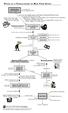 PATHS OF A FORECLOSURE IN NEW YORK STATE BORROWER DELINQUENT 2-3 months late with mortgage payments Lender sends notices, bills, letters to borrower stating that he/she is delinquent Borrower has multiple
JUSTICE COURT # 2 GRAHAM COUNTY STATE OF ARIZONA P.O. BOX 1159, 136 WEST CENTER STREET, PIMA AZ 85543 PHONE (928) 485-2771 FAX (928) 485-9961
 JUSTICE COURT # 2 GRAHAM COUNTY STATE OF ARIZONA P.O. BOX 1159, 136 WEST CENTER STREET, PIMA AZ 85543 PHONE (928) 485-2771 FAX (928) 485-9961 SMALL CLAIMS INSTRUCTIONS FOR FILING ***EFFECTIVE JANUARY 1,
SB 588. Employment: nonpayment of wages: Labor Commissioner: judgment enforcement.
 SB 588. Employment: nonpayment of wages: Labor Commissioner: judgment enforcement. (1) The Enforcement of Judgments Law provides for the enforcement of money judgments and other civil judgments. Under
What Is Small Claims Court? What Types Of Cases Can Be Filed In Small Claims Court? Should I Sue? Do I Have the Defendant s Address?
 SMALL CLAIMS COURT What Is Small Claims Court? Nebraska law requires that every county court in the state have a division known as Small Claims Court (Nebraska Revised Statute 25-2801). Small Claims Court
Home Equity Conversion Mortgage (Reverse Mortgage) This Mortgage ("Security Instrument") is given on (date). The Mortgagor is (Name), of
 Home Equity Conversion Mortgage (Reverse Mortgage) This Mortgage ("Security Instrument") is given on (date). The Mortgagor is (Name), of (street address, city, county, state, zip code), hereafter called
BETTER YOUR CREDIT PROFILE
 BETTER YOUR CREDIT PROFILE Introduction What there is to your ITC that makes it so important to you and to everyone that needs to give you money. Your credit record shows the way you have been paying your
Section 1: The Eviction Process. Section 2: Eviction Answer Packet. Section 3: Eviction Answer and Counterclaim Packet
 Section 1: The Eviction Process Section 2: Eviction Answer Packet Section 3: Eviction Answer and Counterclaim Packet Section 4: Possession Bond Hearing Request Packet!! "#!! "$%&%"'! (!(!!!!!!") $# (!(!!((
TOO MANY DEBTS? HOW TO DEAL WITH YOUR DEBTS AND STOP DEBT COLLECTORS FROM HARASSING YOU
 LEGAL AID CONSUMER FACT SHEET # 1 TOO MANY DEBTS? HOW TO DEAL WITH YOUR DEBTS AND STOP DEBT COLLECTORS FROM HARASSING YOU Important Note: The following fact sheet is not intended to substitute for legal
Travis County Credit Union MasterCard Credit Card Agreement & Truth in Lending Disclosure
 Travis County Credit Union MasterCard Credit Card Agreement & Truth in Lending Disclosure Please retain for personal records This is your MasterCard Credit Card Agreement and Truth-In-Lending disclosure.
Legal Aid of North Carolina
 LANDLORD/TENANT LAW Landlord-Tenant Laws Table of Contents Legal Aid of North Carolina Greensboro Office 122 North Elm Street Suite 700 Greensboro, NC 27401 Legal Aid of North Carolina Greensboro Office
GLOSSARY OF COLLECTION LAW TERMINOLOGY
 GLOSSARY OF COLLECTION LAW TERMINOLOGY The purpose of this glossary is to assist community association board members and property managers in better understanding legal terms and procedures that are frequently
WORKERS COMPENSATION SUBROGATION AND THIRD PARTY SETTLEMENTS. B. Industrial Revolution and Workers Compensation Statutes
 I. HISTORICAL BACKGROUND A. Common Law WORKERS COMPENSATION SUBROGATION AND THIRD PARTY SETTLEMENTS Before the advent of workers compensation statutes, the only protection afforded to victims of work place
CODING: Words stricken are deletions; words underlined are additions. hb0087-00
 1 2 3 4 5 6 7 8 9 10 11 12 13 14 15 16 17 18 19 20 21 22 23 24 25 26 27 28 A bill to be entitled An act relating to mortgage foreclosures; amending s. 95.11, F.S.; revising the limitations period for commencing
TEXAS RESIDENTIAL LANDLORD/TENANT. 3. Leases. Lease Agreement. Rick McElvaney Clinical Associate Professor University of Houston Law Center
 TEXAS RESIDENTIAL LANDLORD/TENANT Rick McElvaney Clinical Associate Professor University of Houston Law Center 1. Applicable Landlord and Tenant Law * denotes 2007 changes* (NEW) denotes 2009 changes Texas
The eviction process. The eviction process. Non-payment of rent
 The eviction process The eviction process is the only legal means by which a landlord can get a tenant to leave their home. Landlords usually file eviction actions because of a violation of the lease terms,
SMALL CLAIMS DIVISION INFORMATION
 SMALL CLAIMS DIVISION INFORMATION PARTIES The individual or corporation who initiates an action is known as the plaintiff. The individual or corporation against whom an action is brought is known as the
Residential Lease. Form 11-5. Basic Terms. Date: Landlord: Landlord s Address: Tenant: Tenant s Address: Premises. Street address/suite:
 Basic Terms Date: Landlord: Landlord s Address: Tenant: Tenant s Address: Premises Street address/suite: City, state, zip: Monthly Rent: Include or attach any additional necessary legal description. Term
Williams Bankruptcy A Debt Relief Agency helping people eliminate debt and obtain relief under Chapter 7 of the Bankruptcy Code
 A Publication of the Law Office of Richard L. Williams Williams Bankruptcy A Debt Relief Agency helping people eliminate debt and obtain relief under Chapter 7 of the Bankruptcy Code Tips for Questionnaire
NEW YORK STATE BAR ASSOCIATION. Rights of Residential Owners and Tenants
 NEW YORK STATE BAR ASSOCIATION Rights of Residential Owners and Tenants Caution: The information in this pamphlet is intended as a general guide for informational purposes only, not as legal advice. Special,
January 9, 2006. The Self Help Legal Center. Southern Illinois University School Of Law Carbondale, IL 62901 (618) 453-3217
 January 9, 2006 The Self Help Legal Center Southern Illinois University School Of Law Carbondale, IL 62901 (618) 453-3217 2 TABLE OF CONTENTS Table of Contents 2 Disclaimer 3 Warning to all readers 4 Who
FOR USE IN THE MARION COUNTY SMALL CLAIMS COURTS
 LITIGANTS MANUAL FOR USE IN THE MARION COUNTY SMALL CLAIMS COURTS The Indiana General Assembly created the Marion County Small Claims Courts and provided that litigants may try their cases in such courts
Small Claims Court Information provided by Oregon State Bar http://www.osbar.org/public/legalinfo/1061_smallclaims.htm
 Community Alliance of Tenants Tenant Education Information is for general information purposes only, and is not a substitute for the advice of an attorney Small Claims Court Information provided by Oregon
FARM LEGAL SERIES June 2015 Mortgage Foreclosures
 Agricultural Business Management FARM LEGAL SERIES June 2015 Mortgage Foreclosures Phillip L. Kunkel, Jeffrey A. Peterson, Jason Thibodeaux Attorneys, Gray Plant Mooty INTRODUCTION If a farm debtor is
BANKRUPTCY BASICS AGENDA
 BANKRUPTCY BASICS Shana Khader, Esq. General Legal Services Unit New York Legal Assistance Group (NYLAG) June 2, 2014 1:00 2:30 p.m. CLE: 1.5 Professional Practice (Transitional and Nontransitional) AGENDA
Consumer Collection Agencies
 Sec. 36a-809 page 1 (12-08) TABLE OF CONTENTS Consumer Collection Agencies Repealed.......................... 36a-809-1 36a-809-5 Definitions................................ 36a-809-6 Books and records...........................
Special Report: IRS Tax Lien
 Special Report: IRS Tax Lien TAX PLANNING AND IRS DEFENSE C a l l T o d a y! 540-438- 5344 What an IRS Tax Lien is and How it Works What is Inside? Why the IRS Files a Notice of Federal Tax Lien IRS Tax
To find more about the housing or health codes that apply in your city contact your local city and county government.
 All information contained in this pamphlet is only legal information and is not intended to replace or serve as legal advice. The law may apply differently depending on your location, individual circumstances
CHAPTER 51. ALTERNATE PROCEDURE FOR COLLECTION OF PROPERTY TAXES
 CHAPTER 51. ALTERNATE PROCEDURE FOR COLLECTION OF PROPERTY TAXES SECTION 12-51-40. Default on payment of taxes; levy of execution by distress and sale; notice of delinquent taxes; seizure of property;
To help you better understand the foreclosure process, these definitions are presented in a logical order, rather than alphabetical order.
 FORECLOSURE GLOSSARY NOTICE: This glossary of legal words and phrases related to foreclosure is provided to you by the Clermont County Common Pleas Court to help you better understand your legal problem
TOOLKIT FOR TENANTS LIVING IN FORECLOSED PROPERTIES
 TOOLKIT FOR TENANTS LIVING IN FORECLOSED PROPERTIES Department of the Public Advocate Division of Public Interest Advocacy 240 West State Street Trenton, NJ 08625 March 2010 TABLE OF CONTENTS INTRODUCTION...
Southern Arizona Legal Aid, Inc. Consumer Information February 2014
 Southern Arizona Legal Aid, Inc. Consumer Information February 2014 1 Landlord & Tenant Issues Which Law Applies?» Arizona Residential Landlord Tenant Act Applies to rental units» Arizona Mobile Home Parks
Blispay Card agreement
 Blispay Card agreement 1. Definitions 2. How Blispay Card works 3. Making payments 4. Fees and interest 5. When things go wrong 6. Arbitration Provision 7. Legal 8. Communications and information sharing
How To Pay Off Debt Through Bankruptcy
 Bankruptcy 13 Bankruptcy Debts & Debt Collection What happens if I can't pay my bills? Persons to whom you owe money have several methods of recourse if you fail to pay a debt. The method used depends
Utah Eviction Training
 Utah Eviction Training Presented dby Attorney Jeremy Shorts www.utahevictionlaw.com [email protected] 801-610-9879 You ll be hearing PLENTY of free legal advice & war stories To start Don t rent
Frequently Asked Questions Foreclosure
 Frequently Asked Questions Foreclosure What is a Foreclosure? How Can I Avoid A Foreclosure Once a Complaint Has Been Filed Against Me? Where is a Foreclosure Complaint Filed? What Should You Do if Served
Bankruptcy for Volunteer Attorneys Transcript (Colorado Legal Services, Montana Legal Services Association, and Utah Legal Services)
 Bankruptcy for Volunteer Attorneys Transcript (Colorado Legal Services, Montana Legal Services Association, and Utah Legal Services) Bankruptcy for Volunteer Attorneys This training is designed to assist
NC General Statutes - Chapter 44A Article 4 1
 Article 4. Self-Service Storage Facilities. 44A-40. Definitions. As used in this Article, unless the context clearly requires otherwise: (1) "E-mail" or "electronic mail" means an electronic message or
IX. FLORIDA CONSUMER COLLECTION PRACTICES ACT
 IX. FLORIDA CONSUMER COLLECTION PRACTICES ACT Sec. 559.55 Definitions. 559.551 Short title. PART IV - CONSUMER COLLECTION PRACTICES (FCCPA) 559.552 Relationship of state and federal law. 559.553 Registration
Chapter 213. Enforcement of Texas Unemployment Compensation Act... 2 Subchapter A. General Enforcement Provisions... 2 Sec. 213.001.
 Chapter 213. Enforcement of Texas Unemployment Compensation Act... 2 Subchapter A. General Enforcement Provisions... 2 Sec. 213.001. Representation in Court... 2 Sec. 213.002. Prosecution of Criminal Actions...
Credit Repair Made Easy
 Credit Repair Made Easy A simple self help guide to credit repair By Don Troiano Introduction My name is Don Troiano and I spent over 15 years in the mortgage industry. Knowing how to guide customers in
INFORMATION FOR LANDLORDS
 NEW JERSEY JUDICIARY INFORMATION FOR LANDLORDS Superior Court of New Jersey Law Division Special Civil Part Landlord/Tenant Section Information for Landlords page 1 Most disputes between landlords and
THE BASICS Getting a Divorce in New York State
 THE BASICS Getting a Divorce in New York State Either the wife or the husband can ask a Court for a divorce. In this booklet, we say that the wife is the person who will go to Court to request a divorce
LegalShield Service Definition Listing
 LegalShield Service Definition Listing Advice & Consultation Attorney Advice & Consultation LegalShield gives the member the ability to talk to an attorney on any of his/her legal matters without worrying
I m behind in my mortgage payments, what should I do?
 FORECLOSURES This handout was prepared by Legal Services of Greater Miami, Inc.(LSGMI) with support from the Institute for Foreclosure Legal Assistance. LSGMI represents homeowners in foreclosure and homeowners
Proposed Self-Storage Bill for 2011 Texas Legislative Session by Connie Heyer, Niemann & Heyer, LLP
 A Texas Self Storage Association Publication Fall/Winter 2010 Volume 6 Issue No. 2 Proposed Self-Storage Bill for 2011 Texas Legislative Session by Connie Heyer, Niemann & Heyer, LLP There have been significant
PATHS OF A FORECLOSURE IN NEW YORK STATE
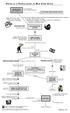 PATHS OF A FORECLOSURE IN NEW YORK STATE BORROWER DELINQUENT 2-3 months late with mortgage payments 90-DAY PRE-FORECLOSURE NOTICE Lender sends notices, bills, letters to borrower stating that he/she is
CHAPTER 32-19 FORECLOSURE OF REAL ESTATE MORTGAGES BY ACTION
 CHAPTER 32-19 FORECLOSURE OF REAL ESTATE MORTGAGES BY ACTION 32-19-01. Action to foreclose mortgage on real estate authorized. The plaintiff shall bring an action in district court for the foreclosure
I. BASICS OF COLORADO LANDLORD/TENANT LAW A. Statutes: Colorado Security Deposit Act: Colo. Rev. Stat. 1973 38-12-101 to 103 (1982 & Supp. 1990).
 I. BASICS OF COLORADO LANDLORD/TENANT LAW A. Statutes: Colorado Security Deposit Act: Colo. Rev. Stat. 1973 38-12-101 to 103 (1982 & Supp. 1990). Colorado Mobile Home Park Act: Colo. Rev. Stat. 38-12-200.1
Case 10-33583-bjh11 Doc 31 Filed 12/07/10 Entered 12/07/10 18:18:45 Desc Main Document Page 1 of 10
 Document Page 1 of 10 Eric A. Liepins ERIC A. LIEPINS, P.C. 12770 Coit Road Suite 1100 Dallas, Texas 75251 Ph. (972) 991-5591 Fax (972) 991-5788 ATTORNEYS FOR DEBTOR IN THE UNITED STATES BANKRUPTCY COURT
Property Management Agreement
 2200 E. River Rd #108 Tucson, Arizona, 85718 (Office) 520-382-6800 (Fax) 520-382-6804 Property Management Agreement PLEASE MAKE SURE ALL BLANKS ARE FULLY FILLED OUT ON EVERY PAGE. PLEASE DO NOT WRITE ANY
HOW TO FILE AN ANSWER TO A CIVIL COMPLAINT FOR BREACH OF AN AGREEMENT (CONTRACT)
 SUPERIOR COURT OF STANISLAUS COUNTY SELF HELP CENTER HOW TO FILE AN ANSWER TO A CIVIL COMPLAINT FOR BREACH OF AN AGREEMENT (CONTRACT) (THIS GUIDE ONLY APPLIES TO LAWSUITS INVOLVING $25,000.00 OR LESS)
Bankruptcy Law Firm Ursula Jones, Attorney
 ATTORNEY-CLIENT BANKRUPTCY RETAINER AGREEMENT The Client(s) hereby enter into this Attorney-Client Retainer Agreement with Ursula Jones ( Attorney ). 1. TOTAL FEES AND COSTS (a) Fixed Fee: A fixed fee
ONYX BUSINESS AUTO POLICY COVERAGE
 ONYX BUSINESS AUTO POLICY COVERAGE Various provisions in this policy restrict overage Read the entire policy carefully to determine rights, duties and what is and is not covered. Throughout this policy
Bankruptcy may make it possible for you to:
 A decision to file for bankruptcy should be made only after determining that bankruptcy is the best way to deal with your financial problems. This brochure cannot explain every aspect of the bankruptcy
CHARLES (CHUCK) JOHNSON ATTORNEY AT LAW
 CHARLES (CHUCK) JOHNSON ATTORNEY AT LAW CHERI KNIGHT SHELLY MUSTAIN 985 KK DRIVE, SUITE 104 PO BOX 1030, OSAGE BEACH, MO 65065 PHONE: 573-348-0503 TOLL FREE: 866-342-6063 FAX: 573-348-0537 E-MAIL: [email protected]