
Role of Massage in Cancer Protocol
|
|
|
- Rosemary McDowell
- 9 years ago
- Views:
Transcription
1 Role of Massage in Cancer Protocol By Simon Black Apollo Correspondence Classes
2 2 Copyright 2009 Shirley Henderson All rights reserved FBI Anti-Piracy Warning: The unauthorized reproduction or distribution of a copyrighted work is illegal. Criminal copyright infringement, including infringement without monetary gain, is investigated by the FBI and is punishable by up to five years in federal prison and a fine of $250,000. Apollo Correspondence Classes Banff Lane Huntington Beach, CA [email protected] Disclaimer The material in this book should not be construed as medical advice. Properly qualified professionals should be consulted for the medical ramifications of any particular fact pattern. This text will address the current issues in the use of massage for cancer patients. It will help the therapist decide if adding cancer massage is a good idea for the practice. However, this book does not replace hands-on training in the techniques of cancer massage.
3 3 Table of Contents Chapter 1 Chapter 2 Chapter 3 Chapter 4 What is Cancer? Page 4 The Benefits of Massage for Cancer Patients Page 9 When Not to Massage a Cancer Patient Page 13 Who Needs a Doctor Page 19
4 4 Chapter 1: What is Cancer? We throw the word cancer around all the time. In a single day s edition of the New York Times, cancer was used 197 times. (AIDS got only 10 mentions the same day.) But what is cancer? Heresy has been described as the truth gone wild. Cancer is a similar phenomenon. It is an uncontrolled growth of cells which, if unrestrained, can invade other cells and ultimately cause death. Cancer is an umbrella word covering many different diseases; there are over 100 kinds of cancer. The word cancer comes from the Latin word for crab and, in English, dates from the 14 th century. The connection between the two words is said to be from the Greek physician Galen ( /217 Common Era). He thought some tumors having swollen veins looked like crabs. 11,100,000 living Americans were said to have a history of cancer in 2005, according to the National Cancer Institute, including some who were by then cancer-free. That was about 3.74% of the total population.
5 5 New Diagnoses The American Cancer Society projects 1,479,350 Americans will be diagnosed with cancer in That s approximately the same number as the population of Philadelphia or San Antonio, the sixth and seventh most populous cities in the country. Slightly more males than females (51.78% to 48.21%) are expected to be so diagnosed. The riskiest age group is thought to be 70 and up. The four states anticipated to have the most (almost one-third) new cancer patients are California, Florida, New York and Texas. The leading types are projected to be prostate for men and breast for women, both roughly a quarter of the cases for that gender. Race, education and socio-economic status are risk factors for cancer. Hispanics, Asian Americans and Pacific Islanders have lower incidence rates for the most common types of cancer than whites. People with more education tend to get cancer less than people with less education. Likewise, people in a higher socioeconomic status are less likely to get cancer than people in a lower socioeconomic status. People in higher socioeconomic brackets tend to have better health care and to engage less in high risk behaviors such as smoking. Their working and living conditions may not expose them to as many cancer causing agents as well.
6 6 Deaths The Society expects 562,340 deaths from cancer in 2009; it is the second leading cause of death. That means about 1,500 deaths a day. Put another way, that s the same number of deaths as would occur if four Boeing 777s crashed every day of the year. The five states with the most cancer deaths anticipated are California, Florida, New York, Texas and Pennsylvania; they are expected to have a little over one-third of the total deaths. The leading cancer causing death is projected to be lung and bronchus for both men and women. African Americans are more likely to die from cancer than any other race. 36% more African American males die from cancer than white males, 17% more African American females than white females. You don t have to smoke to die from cancer. The American Cancer Society says 3,400 nonsmoking adults die each year from secondhand smoke. (The real problem with secondhand smoke is heart disease, which causes 46,000 deaths annually.) Exposure to secondhand smoke has substantially declined since the 1990s, according to the National Cancer Institute.
7 7 Survivability Having cancer is not necessarily a death sentence, however. Sixty-six percent of the people whose cancers were diagnosed between 1996 and 2004 survived an improvement over 50 percent in The survival improvement is attributed to better diagnosis of certain cancers earlier than before and improved treatment. (This is an overall figure among different cancers, survival rates vary widely. They range, for example, from pancreatic (5% of patients survive) and lung (15%) to breast (89%) and melanoma (99%).) The most preventable cause of cancer is tobacco. 30% of all cancer deaths are caused by smoking according to the American Cancer Society. Smoking is responsible for 87% of lung cancer deaths. A male smoker is 23 times more likely to develop lung cancer than a male lifelong nonsmoker. (The figure is 13 times for women.) Light or low-tar products do not change these statistics. About 20% of American adults smoke, down from 42% in 1965.
8 8 Chapter Summary Cancer is the second leading cause of death. Cancer is often survivable. The most preventable cause of cancer is tobacco.
9 9 Chapter 2: The Benefits of Massage for Cancer Patients Massage is a fairly common adjunct procedure to cancer treatment. Researchers estimated 18 to 53% of adults with cancer used massage now or in the past to supplement conventional cancer treatment. (How would you like to get paid for coming up with numbers that exact?) Reduces anxiety--a 2007 study in the United Kingdom found anxiety and depression were reduced in people with cancer for a few weeks when aromatherapy massage was given. A 2004 review of aromatherapy and massage studies by the Cochrane Collaboration showed patients experiencing better feelings in the short term when the two disciplines were used. A small 1993 study found a 24% decrease in anxiety among male cancer patients after massage. Feelings of relaxation rose 58%. Levels of dopamine, a brain chemical which helps produce a feeling of well being, were found to be increased by massage in a 2003 University of Miami study. The 5 weeks study involved women with breast cancer.
10 10 Pain relief--a large American study published in 2004 tracked almost 1,300 people with cancer for 3 years to observe the effects of massage. The massage sessions lasted 20 minutes for in hospital patients and 1 hour for outpatients. The findings were great reductions in pain, sickness, fatigue, anxiety, depression. As might be expected, the effects lasted longer for those with the lengthier sessions. A small study involving 9 men with cancer reported the perception of pain was reduced by 60% after massage therapy. A study published in 2008 in the Annals of Internal Medicine took 340 patients with advanced cancer (i.e., dying) and gave some 6 sessions of massage and others 6 sessions of touching for 3 minutes on 10 sites. The massage patients experienced a decline in pain score twice as high as non-massage patients. The effects were short-lived (less than three weeks). Speed healing--a suggestive study involving 29 men with HIV or AIDS who received 1 hour massages showed higher natural killer cell numbers. There were other major neuroendocrine findings. Protective white blood cells, sometimes called natural killer cells because they help boost the immune system, were found to increase because of massage. This study, of 58 women with
11 11 breast cancer, was done over 5 weeks at the University of Miami in Massage may promote healing at incision sites. Scarring may be reduced or prevented with massage. But the therapist needs special training to work with scar tissue and needs to go over specific techniques with the surgeon. Improved sleep--massage Magazine cites a study in the United Kingdom of 42 patients with advanced cancer. Participants who received aromatherapy with massage and massage alone had significantly better sleep scores than patients who received neither. Gayle MacDonald in Massage for the Hospital Patient and Medically Frail Client states 7 investigators found massage improved the quality and quantity of sleep. Three of the studies involved cancer patients. Reduce medications--a 2003 study of 230 cancer patients at University of Minnesota, massage was found to reduce the need for pain medicine. Maybe CIGNA will start giving a 10% discount in premiums for massage clients! Nausea control--nausea and vomiting are reported by 70-80% of chemotherapy patients. There is a small amount of research to suggest massage can help. Much more research has been done on acupressure to reduce nausea.
12 12 Chapter Summary Massage is a fairly common adjunct procedure to cancer treatment. Studies show massage reduces anxiety and pain in cancer patients. Studies shows massage improves healing and sleep in cancer patients.
13 13 Chapter 3: When Not to Massage a Cancer Patient: The Contraindications Massaging persons with cancer is an advanced skill. One of the qualifications is: knowing when to keep hands off. It is possible to worsen a client s cancer condition by using massage inappropriately. You might massage a non-cancer client in some of the situations below. But the addition of cancer adds a risk calling for re-evaluation. It may be appropriate to ask the cancer client more initial questions than would be necessary for a non-cancer client. Spreading the tumor whether deep massage at the site of a tumor can cause the cancer to spread is hotly debated. The safest, albeit conservative, approach is to avoid deep massage at tumor sites. How cancer spreads is highly complex, and still incompletely understood despite a great deal of research. One side judges It must be noted, however, that the current lack of certain knowledge may pose some degree of risk to our clients.
14 14 The spreading (or metastasis) occurs in 3 steps. First, cancer cells shed off from the primary tumor. It is thought that direct pressure at the tumor site might accelerate shedding. Two, the shed cells circulate through the body via blood or lymph channels. This step is not considered a risk factor for massage, according to Curties. Finally, the cancer cells arrive at their new home and settle in (or implant). One author notes that: the destination of various cancers is known. So a conservative therapist, that author suggests, should know to which sites various cancer cells may metastasize, avoiding both point of origin and newly infected site. Bone fractures some cancers weaken the bones. The therapist should be alert to the kind the client has and avoid deep massage as appropriate. Massage should be administered with caution for clients who already have bone fractures. Bone metastasis avoid massage when present. Injury avoids massage when present. Bleeding avoid deep massage for clients who bleed easily.
15 15 Open wounds or bruises avoid massage when open wounds are present; do not massage skin which is bruised or broken. Massage may cause bruising in patients with low platelet counts or who are taking blood thinners. If infection at the incision site is suspected, massage should not be given. The patient should be referred to the physician. Lymphedema this disease can occur or worsen (when already present) if certain parts of the body are massaged, particularly vigorously, after the lymph nodes are removed due to cancer. Massage treatment in these circumstances requires special skills, such as the Vodder Method. The Lymphology Association of North America offers certification which requires at least 135 hours of training. Lymph node removal the affected arm and area around the underarm should only be massaged very lightly. Pain Pain is said to be the symptom cancer patients fear the most. 30 to 60% of such patients report chronic pain during treatment. In cancer s advanced stages, that number may rise to 90%. Some forms of massage are initially painful. The Cancer patient may already be in pain. Good
16 16 information from the patient, triggered by the therapist s awareness of the issue, enables the therapist to make a calculation as to what form of massage is appropriate. This prevents the client from being overwhelmed. Flu-like Symptoms many patients undergoing chemotherapy show flu-like symptoms after bodywork. It may then be appropriate to abstain from massage while doing chemo. Joint inflammation avoid massage when present Phlebitis (inflammation of vein, often in leg) avoid massage when present Skin infections avoid massage when present Heart problems administer massage with caution when present Blood clots (thrombus) avoid massage if client has a history of blood clots. Avoid local or regional pressure where the client is at risk of developing a thrombus. Arthritis administer massage with caution when present Pregnancy or breastfeeding administer massage with caution when present
17 17 Radiotherapy/Radiation Therapy Avoid massaging treated areas. Another authority advises omitting massage while a patient is undergoing this therapy. Feelings thoughts and emotions may arise during massage recalling previous events or issues. Since having cancer is in itself a huge emotional occurrence, the therapist should be sensitive to avoid letting these aspects become overwhelming. Lactic acid and other toxins may be released by massage Lower neck massage with caution to avoid numbness, tingling or fainting Scar requires special training and coordination with the attending physician. Chemotherapy exercise caution in areas where chemo has disturbed the skin. If flu-like symptoms are present, it may be appropriate not to massage. If risk of thrombocytopeniainduced bruising exists, avoid massage. If peripheral neuropathy (nerve damage in the peripheral nervous system) is present, avoid deep pressure. (Another source says avoid deep massage after any chemotherapy.) Focused pressure on areas affected by neuropathies is inappropriate.
18 18 Position breast cancer patients should receive massage while reclining on their backs until cleared by their doctors to be on their stomachs. Timing lighter work should be used until 2 to 3 months after treatment. Avoid massaging the lower limbs immediately following surgery. Chapter Summary There are many cautions to be alert for when massaging a cancer patient.
19 19 Chapter 4: Who Needs a Doctor? Many therapists may be willing to massage cancer patients without a doctor s approval. They see themselves as healers. They do not want to turn clients (especially regulars) away, particularly in a tough economy, or make them feel abandoned. Another reason for going it alone is if a cancer patient under his own volition goes and gets a massage, then it is that patient s responsibility not the therapist s. One therapist developed the argument: When you buy a ticket to a scary movie the theater does not ask you if you have a bad heart. When you eat in a restaurant they don't ask you if you have food allergies or even list the ingredients. These are commercial enterprises. Massage is a commercial enterprise. The national certificant will evaluate whether to treat without a doctor s consent using the NCBTMB s Standards of Practice. It is useful to divide the question into two parts: when the patient is under the direct care of a doctor, receiving regular treatment, and when the patient has completed
20 20 treatment and is seeing a doctor less regularly (for example, annually) for follow up. Patient Undergoing Cancer Treatment Under A Doctor s Care The questions, listed together and discussed separately below, are: 1. Is it in the patient s best interests to receive a massage without the therapist coordinating with the doctor? Is doing so providing the highest quality of care? 2. Is a needs assessment of the patient required? 3. Does doing so respect the practices of other professionals? 4. Is doing so within the scope of practice of the therapist? Addressing each question by itself: 1. Is it in the patient s best interests to receive a massage without the therapist coordinating with the doctor? Is doing so providing the highest quality of care? This question springs from NCBTMB Standard of Practice I.M.:
21 21 The certificant shall refer to other professionals when in the best interest of the client and practitioner and NCBTMB Code of Ethics I: Certificants will Have a sincere commitment to provide the highest quality of care to those who seek their professional services. The Barbara Ann Karmanos Cancer Institute is part of the Marquette General Health System which tells its cancer patients to get a written recommendation from their physician before getting a massage. The Clinical Journal of Oncology Nursing reports that many massage therapists still rely on a physician's order or note that contains directions for the therapy and permission to treat patients with cancer. This is certainly the safest approach. The Canadian Cancer Society recommends an ongoing dialogue between doctor and massage therapist. The Dana-Farber Cancer Institute writes It is important to consult with your physician prior to beginning massage therapy. Dana-Farber is an affiliate institution of Harvard Medical School and handles 185,000 patient visits a year. The American Cancer Society agrees a cancer patient should clear massage with the attending physician.
22 22 This suggests, at a minimum, it is best practice for the therapist to ask 2 questions, perhaps on the intake questionnaire, along the lines of Are you a patient with cancer under a doctor s care? and If so, has your doctor approved of you getting a massage? If the doctor voiced particular concerns, such as telling the patient Have the therapist call me, the therapist has an obligation to contact the doctor before doing the massage. If the client states the doctor said no, it may be appropriate for the therapist to decline to massage under Standard of Practice I.m.: refer to other professionals when in the best interest of the client and practitioner. It is likely not in the best interest of the client to ignore doctor s advice and the therapist may choose not to participate in that. Why is it the therapist s responsibility to ask those questions? Because doing so is in the best interests of the patient and affords the highest quality of care. Given the 23 contraindications for massaging a cancer patient (Chapter 3), it is important that a therapist know the patient on the table has cancer. It is best for the patient if the doctor is aware the complementary procedure is occurring. For example, if a therapist was unaware the client was a cancer patient, the lower neck or radiated areas might be massaged more vigorously than is
23 23 appropriate. A conservative approach would want to know the tumor location and the destination of metastasis to avoid massaging those areas. The therapist would want to know if lymphedema was present, particularly if the therapist was not trained in the appropriate massage methods. The client may not have the answers to some of these questions, suggesting a need for the therapist to communicate with the doctor. But, bottom line, if the therapist doesn t ask the questions, is there going to be a lawsuit? Probably not. The National Practitioner Databank reports 6 massage medical malpractice suits over 15 years. While it is likely not all such suits were logged, it appears the incidence is low. The discussion here is directed primarily not on how to avoid being sued but how to meet the Standard of Practice and Code of Ethics. So the short answer is No to the question Is it in the patient s best interests to receive a massage without the therapist coordinating with the doctor? Is doing so providing the highest quality of care? The therapist should at least ask if the client is under a doctor s care for cancer and if so, has the doctor s permission for massage been obtained.
24 24 2. Is a needs assessment of the patient required? Standard of Practice I.j. says if applicable, conduct an accurate needs assessment, develop a plan of care with the client, and update the plan as needed. If there was ever a good time to do a needs assessment, having a client with cancer is probably right up there. The contraindications discussed in Chapter 3, and question #1 gives many areas for the therapist to watch for and be careful about. One authority wrote that it is very important for the massage therapist to know the tumor location and metastatic patterns. Questions about pain, feelings, and recent treatments such as radiation or chemotherapy may be important in giving the best, and even possibly a safe, massage to a cancer patient.
25 25 3. Does doing so respect the practices of other professionals? Standard I.o. calls on the certificant to Respect the traditions and practices of other professionals and foster collegial relationships. Massaging a cancer patient when the therapist is unaware of the cancer because no question was asked is probably not respectful. It makes the therapist the lone decision maker, at odds with the Standard s vision of collegial relationships. 4. Is doing so within the scope of practice of the therapist? Standard I.l. says the certificant will Be knowledgeable of his/her scope of practice and practice only within these limitations. Of course, therapists need specialized hands-on training before massaging cancer patients. Answering the first three questions, argued a therapist, should at least ask a client if she or he is
26 26 under care for cancer and, if so, is the massage OK with doctor. If the therapist has any questions about how the contraindications apply to the client, it may be necessary to contact the doctor directly. The therapist who meets these requirements is practicing within scope on this issue. Cancer Survivors Clients who are post-cancer treatment may still have issues relevant to massage but are only under occasional doctor s care. Survivorship traits may include fatigue, immune system changes, heart problems (caused by treatment) and osteoporosis. Cancer survivors may have strong feelings such as anxiety, loneliness or guilt. Massage is seen as a component in dealing with the stress of survival. The therapist has much more freedom to take a cancer survivor who is not directly under a doctor s care. However, the therapist should be aware of the greater needs of such a client. Are there any health issues I should know about? is a good question to have on a questionnaire. The therapist should feel free to decline service or seek help when there are issues he or she is not comfortable with. An example would be the presence with lymphedema when the therapist is not trained in an appropriate massage technique. (Correct
27 27 massage is said to reduce the risk of lymphedema in breast cancer survivors.) Chapter Summary The decision whether to massage a cancer patient under a doctor s care is conditioned upon the Code of Ethics and Standards of Practice. The therapist should ask a cancer patient under direct care if the doctor is OK with the massage. The therapist may massage a cancer survivor without the doctor s knowledge.
28 28
Brain Cancer. This reference summary will help you understand how brain tumors are diagnosed and what options are available to treat them.
 Brain Cancer Introduction Brain tumors are not rare. Thousands of people are diagnosed every year with tumors of the brain and the rest of the nervous system. The diagnosis and treatment of brain tumors
co-sponsored by the Health & Physical Education Department, the Health Services Office, and the Student Development Center
 Cancer is a group of more than 100 related diseases. Normally, cells grow and divide to produce more cells to keep the body healthy. Sometimes, this process goes wrong. New cells form when the body doesn
Remember: Not everyone experiences these persistent and late side effects.
 Persistent and Late Effects of Breast Cancer and Breast Cancer Treatment PMH You may have already experienced side effects from cancer and its treatment. Fortunately, most side effects are short-lived
17. Undiagnosed lumps and bumps and unexplained areas of pain. 2. Varicose veins (do not treat anything below the vein site).
 15. Acute rheumatism. 16. Asthma. 17. Undiagnosed lumps and bumps and unexplained areas of pain. 18. Whiplash. 19. Slipped Disc. LOCAL CONTRA-INDICATIONS 1. Skin diseases (non contagious). 2. Varicose
Multiple Myeloma Understanding your diagnosis
 Multiple Myeloma Understanding your diagnosis Multiple Myeloma Understanding your diagnosis When you first hear that you have cancer you may feel alone and afraid. You may be overwhelmed by the large amount
CANCER TREATMENT: Chemotherapy
 CANCER TREATMENT: Chemotherapy Chemotherapy, often called chemo, is the use of drugs to treat a disease. The term chemotherapy is now most often used to describe a type of cancer treatment. Dr. Khuri:
Physical therapies. Massage
 This information is an extract from the booklet, Understanding complementary therapies. You may find the full booklet helpful. We can send you a copy free see page 6. This information discusses eight physical
Table 16a Multiple Myeloma Average Annual Number of Cancer Cases and Age-Adjusted Incidence Rates* for 2002-2006
 Multiple Myeloma Figure 16 Definition: Multiple myeloma forms in plasma cells that are normally found in the bone marrow. 1 The plasma cells grow out of control and form tumors (plasmacytoma) or crowd
Throughout this reference summary, you will find out what massage therapy is, its benefits, risks, and what to expect during and after a massage.
 Massage Therapy Introduction Massage therapy is the manipulation of the soft tissues of the body, including the skin, tendons, muscles and connective tissue by a professional, for relaxation or to enhance
Therapeutic Massage .(W). Chiropractor
 Therapeutic Massage Please take a moment to answer the following questions. The information you provide will be used to customize your session to your needs and exclude any techniques that may be medically
DENVER CHIROPRACTIC CENTER GLENN D. HYMAN, DC, CSCS
 DENVER CHIROPRACTIC CENTER GLENN D. HYMAN, DC, CSCS Are you in the right place? Please read this before proceeding with paperwork: At Denver Chiropractic Center, we specialize in treating muscles with
MEDICATION GUIDE. PROCRIT (PRO KRIT) (epoetin alfa)
 MEDICATION GUIDE PROCRIT (PROKRIT) (epoetin alfa) Read this Medication Guide: before you start PROCRIT. if you are told by your healthcare provider that there is new information about PROCRIT. if you are
Lung Cancer. Know how to stay strong
 Lung Cancer Know how to stay strong What is cancer? 2 Cancer is a disease when some cells in the body grow out of control Normal cells Your body has many tiny cells and keeps making new cells to keep you
Multiple Myeloma. This reference summary will help you understand multiple myeloma and its treatment options.
 Multiple Myeloma Introduction Multiple myeloma is a type of cancer that affects white blood cells. Each year, thousands of people find out that they have multiple myeloma. This reference summary will help
MEDICATION GUIDE POMALYST (POM-uh-list) (pomalidomide) capsules. What is the most important information I should know about POMALYST?
 MEDICATION GUIDE POMALYST (POM-uh-list) (pomalidomide) capsules What is the most important information I should know about POMALYST? Before you begin taking POMALYST, you must read and agree to all of
Sientra Silicone Gel Breast Implants Quick Facts About Breast Augmentation And Reconstruction
 Sientra Silicone Gel Breast Implants Quick Facts About Breast Augmentation And Reconstruction About This Brochure This brochure is intended to provide you with a high level overview of the facts about
BREAST CANCER AWARENESS FOR WOMEN AND MEN by Samar Ali A. Kader. Two years ago, I was working as a bedside nurse. One of my colleagues felt
 Ali A. Kader, S. (2010). Breast cancer awareness for women and men. UCQ Nursing Journal of Academic Writing, Winter 2010, 70 76. BREAST CANCER AWARENESS FOR WOMEN AND MEN by Samar Ali A. Kader Two years
What If I Have a Spot on My Lung? Do I Have Cancer? Patient Education Guide
 What If I Have a Spot on My Lung? Do I Have Cancer? Patient Education Guide A M E R I C A N C O L L E G E O F C H E S T P H Y S I C I A N S Lung cancer is one of the most common cancers. About 170,000
METASTASES TO THE BONE
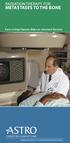 RADIATION THERAPY FOR METASTASES TO THE BONE Facts to Help Patients Make an Informed Decision TARGETING CANCER CARE AMERICAN SOCIETY FOR RADIATION ONCOLOGY WHAT ARE BONE METASTASES? Cancer that starts
WHEN PROSTATE CANCER RETURNS: ADVANCED PROSTATE CANCER. How Will I Know If My Prostate Cancer Returns?
 WHEN PROSTATE CANCER RETURNS: ADVANCED PROSTATE CANCER (The following information is based on the general experiences of many prostate cancer patients. Your experience may be different.) How Will I Know
Surgery Choices. National Cancer Institute. For Women with DCIS or Breast Cancer. National Institutes of Health
 National Cancer Institute Surgery Choices For Women with DCIS or Breast Cancer U.S. DEPARTMENT OF HEALTH AND HUMAN SERVICES National Institutes of Health The National Cancer Institute is grateful for our
(Intro to Arthritis with a. Arthritis) Manager of Education & Services for the Vancouver Island Region of The Arthritis Society
 Arthritis 101 (Intro to Arthritis with a Focus on Rheumatoid Arthritis) by Cari Taylor by Cari Taylor Manager of Education & Services for the Vancouver Island Region of The Arthritis Society What You Will
The Radiotherapy Department Radiotherapy to the chest wall and lymph nodes
 Oxford University Hospitals NHS Trust The Radiotherapy Department Radiotherapy to the chest wall and lymph nodes Information for patients Introduction This leaflet is for people who have had surgery for
Helping you manage symptoms and side effects associated with metastatic breast cancer treatment
 Helping you manage symptoms and side effects associated with metastatic breast cancer treatment 2015 AstraZeneca. All rights reserved. 3156710 Last Updated 9/15 with metastatic breast cancer treatment
Learning about Mouth Cancer
 Learning about Mouth Cancer Creation of this material was made possible in part by a pioneering grant from CBCC-USA. Distributed by India Cancer Initiative What is mouth cancer? Our bodies are made up
Quick Facts about Breast Augmentation with IDEAL IMPLANT Saline-filled Breast Implants
 Quick Facts about Breast Augmentation with IDEAL IMPLANT Saline-filled Breast Implants Important Factors Breast Augmentation Patients Should Consider October 2015 Caution: Federal law restricts this device
Medicines To Treat Alcohol Use Disorder A Review of the Research for Adults
 Medicines To Treat Alcohol Use Disorder A Review of the Research for Adults Is This Information Right for Me? Yes, this information is right for you if: Your doctor* said you have alcohol use disorder
The type of cancer Your specific treatment Your pre training levels before diagnose (your current strength and fitness levels)
 Exercise and Breast Cancer: Things you can do! Cancer within the fire service is one of the most dangerous threats to our firefighter s health & wellness. According to the latest studies firefighters are
Disease/Illness GUIDE TO ASBESTOS LUNG CANCER. What Is Asbestos Lung Cancer? www.simpsonmillar.co.uk Telephone 0844 858 3200
 GUIDE TO ASBESTOS LUNG CANCER What Is Asbestos Lung Cancer? Like tobacco smoking, exposure to asbestos can result in the development of lung cancer. Similarly, the risk of developing asbestos induced lung
Cancellation/No Show Policy
 Cancellation/No Show Policy If you are unable to keep your scheduled appointment we require a 24 hour advance notice. Failure to provide this notice will result in a $50.00 cancellation/no show fee. You
Lymph Nodes and Cancer What is the lymph system?
 Lymph Nodes and Cancer What is the lymph system? Our bodies have a network of lymph vessels and lymph nodes. (Lymph is pronounced limf.) This network is a part of the body s immune system. It collects
GENERAL QUESTIONS FOR YOUR DOCTOR OR NURSE. 3. Can you refer me to a breast cancer support group or counselor?
 GENERAL QUESTIONS FOR YOUR DOCTOR OR NURSE 1. You can bring members of your family or a friend to talk to the doctor or nurse directly. 2. Where can I find more information about breast cancer? 3. Can
Massage therapy and energy-based therapies
 Massage therapy and energy-based therapies This information is an extract from the booklet Complementary therapies and cancer. You may find the full booklet helpful. We can send you a copy free see page
Mesothelioma. 1995-2013, The Patient Education Institute, Inc. www.x-plain.com ocft0101 Last reviewed: 03/21/2013 1
 Mesothelioma Introduction Mesothelioma is a type of cancer. It starts in the tissue that lines your lungs, stomach, heart, and other organs. This tissue is called mesothelium. Most people who get this
Electronic Health Records Intake Form
 Dr. Sam Yoder, D.C. 101 Winston Way Ste B Campbellsville, KY 42718 Electronic Health Records Intake Form In compliance with requirements for the government EHR incentive program First Name: Address: Last
dedicated to curing BREAST CANCER
 dedicated to curing BREAST CANCER When you are diagnosed with breast cancer, you need a team of specialists who will share their knowledge of breast disease and the latest treatments available. At Cancer
Introduction Breast cancer is cancer that starts in the cells of the breast. Breast cancer happens mainly in women. But men can get it too.
 Male Breast Cancer Introduction Breast cancer is cancer that starts in the cells of the breast. Breast cancer happens mainly in women. But men can get it too. Many people do not know that men can get breast
Understanding. Pancreatic Cancer
 Understanding Pancreatic Cancer Understanding Pancreatic Cancer The Pancreas The pancreas is an organ that is about 6 inches long. It s located deep in your belly between your stomach and backbone. Your
Cancer in Children. What is cancer?
 What is cancer? Cancer in Children The body is made up of trillions of living cells. Normal body cells grow, divide to make new cells, and die in an orderly fashion. During the early years of a person
Lung Cancer: Diagnosis, Staging and Treatment
 PATIENT EDUCATION patienteducation.osumc.edu Lung Cancer: Diagnosis, Staging and Treatment Cancer begins in our cells. Cells are the building blocks of our tissues. Tissues make up the organs of the body.
Smoking and Lung Cancer
 Smoking and Lung Cancer Objectives! Students should be able to identify some of the other consequences of smoking other than lung cancer! Students should be able to identify the effects of the chemicals
Acute Myeloid Leukemia
 Acute Myeloid Leukemia Introduction Leukemia is cancer of the white blood cells. The increased number of these cells leads to overcrowding of healthy blood cells. As a result, the healthy cells are not
Questions and answers on breast cancer Guideline 10: The management of persistent pain after breast cancer treatment
 Questions and answers on breast cancer Guideline 10: The management of persistent pain after breast cancer treatment I ve had breast cancer treatment, and now I m having pain. Does this mean the cancer
UW MEDICINE PATIENT EDUCATION. Xofigo Therapy. For metastatic prostate cancer. What is Xofigo? How does it work?
 UW MEDICINE PATIENT EDUCATION Xofigo Therapy For metastatic prostate cancer This handout explains how the drug Xofigo is used to treat metastatic prostate cancer. What is Xofigo? Xofigo is a radioactive
PSA Screening for Prostate Cancer Information for Care Providers
 All men should know they are having a PSA test and be informed of the implications prior to testing. This booklet was created to help primary care providers offer men information about the risks and benefits
Skin cancer Patient information
 Skin cancer Patient information What is cancer? The human body is made up of billions of cells. In healthy people, cells grow, divide and die. New cells constantly replace old ones in an orderly way. This
Prostate Cancer. There is no known association with an enlarged prostate or benign prostatic hyperplasia (BPH).
 Prostate Cancer Definition Prostate cancer is cancer that starts in the prostate gland. The prostate is a small, walnut-sized structure that makes up part of a man's reproductive system. It wraps around
Tricia Cox on 7/18/2012 at Oncology Center. Sarah Randolf. Female
 SAMPLE This Survivorship Care Plan will facilitate cancer care following active treatment. It may include important contact information, a treatment summary, recommendations for follow-up care testing,
TREATING LUNG CANCER AT VA PITTSBURGH HEALTHCARE SYSTEM A HERO S GUIDE
 Providing the best in cancer care for Veterans TREATING LUNG CANCER AT VA PITTSBURGH HEALTHCARE SYSTEM A HERO S GUIDE VA Pittsburgh s state-of-the-art TomoTherapy machine, which delivers radiation to patients.
Prostate Cancer Screening
 Prostate Cancer Screening The American Cancer Society and Congregational Health Ministry Team June Module To access this module via the Web, visit www.cancer.org and type in congregational health ministry
Lung Cancer. This reference summary will help you better understand lung cancer and the treatment options that are available.
 Lung Cancer Introduction Lung cancer is the number one cancer killer of men and women. Over 165,000 people die of lung cancer every year in the United States. Most cases of lung cancer are related to cigarette
Other Noninfectious Diseases. Chapter 31 Lesson 3
 Other Noninfectious Diseases Chapter 31 Lesson 3 Diabetes Diabetes- a chronic disease that affects the way body cells convert food into energy. Diabetes is the seventh leading cause of death by disease
Medical Massage Client Intake Form Medical Massage Client Intake Form
 Medical Massage Client Intake Form Medical Massage Client Intake Form Client Name: Date: Please note: The more information you are able to provide, the better equipped our therapists will be to help you.
QUESTIONS FOR YOUR LUNG CANCER CARE TEAM
 What should I ask my doctor? Thinking about lung cancer brings up many questions. Sometimes it is difficult to keep all of your questions straight. Many patients have topics in mind they want to discuss
Lexi Harlow, DPT, CLT Physical Therapy Department Seattle Cancer Care Alliance June 26 th, 2010
 Lexi Harlow, DPT, CLT Physical Therapy Department Seattle Cancer Care Alliance June 26 th, 2010 Presentation Topics 1) What are the benefits of exercise? 2) How can exercise help cancer survivors? 3) What
Ovarian cancer. Patient information from the BMJ Group. What is ovarian cancer? What are the symptoms?
 Patient information from the BMJ Group Ovarian cancer Ovarian cancer is a serious disease. If it s diagnosed at an early stage, ovarian cancer can usually be cured. But even cancers that are more advanced
Early Prostate Cancer: Questions and Answers. Key Points
 CANCER FACTS N a t i o n a l C a n c e r I n s t i t u t e N a t i o n a l I n s t i t u t e s o f H e a l t h D e p a r t m e n t o f H e a l t h a n d H u m a n S e r v i c e s Early Prostate Cancer:
Test Your Breast Cancer Knowledge
 Test Your Breast Cancer Knowledge Regular exams and a good understanding can help defend against breast cancer, yet many women hold outdated ideas about their own breast cancer risk. Take this quiz to
An Introduction to PROSTATE CANCER
 An Introduction to PROSTATE CANCER Being diagnosed with prostate cancer can be a life-altering experience. It requires making some very difficult decisions about treatments that can affect not only the
Guide to Understanding Breast Cancer
 An estimated 220,000 women in the United States are diagnosed with breast cancer each year, and one in eight will be diagnosed during their lifetime. While breast cancer is a serious disease, most patients
Cancer is the leading cause of death for Canadians aged 35 to 64 and is also the leading cause of critical illness claims in Canada.
 Underwriting cancer In this issue of the Decision, we provide an overview of Canadian cancer statistics and the information we use to make an underwriting decision. The next few issues will deal with specific
Cocaine. Like heroin, cocaine is a drug that is illegal in some areas of the world. Cocaine is a commonly abused drug.
 Cocaine Introduction Cocaine is a powerful drug that stimulates the brain. People who use it can form a strong addiction. Addiction is when a drug user can t stop taking a drug, even when he or she wants
BASIC INFORMATION ABOUT HIV, HEPATITIS B and C, and TUBERCULOSIS Adapted from the CDC
 BASIC INFORMATION ABOUT HIV, HEPATITIS B and C, and TUBERCULOSIS Adapted from the CDC HIV What are HIV and AIDS? HIV stands for Human Immunodeficiency Virus. This is the virus that causes AIDS. HIV is
X-Plain Low Testosterone Reference Summary
 X-Plain Low Testosterone Reference Summary Introduction Testosterone is the most important male sex hormone. It helps the body produce and maintain adult male features. Low levels of testosterone affect
RADIATION THERAPY FOR BRAIN METASTASES. Facts to Help Patients Make an Informed Decision TARGETING CANCER CARE AMERICAN SOCIETY FOR RADIATION ONCOLOGY
 RADIATION THERAPY FOR BRAIN METASTASES Facts to Help Patients Make an Informed Decision TARGETING CANCER CARE AMERICAN SOCIETY FOR RADIATION ONCOLOGY FACTS ABOUT BRAIN METASTASIS Brain metastases are clusters
Frequently Asked Questions About Ovarian Cancer
 Media Contact: Gerri Gomez Howard Cell: 303-748-3933 [email protected] Frequently Asked Questions About Ovarian Cancer What is ovarian cancer? Ovarian cancer is a cancer that forms in tissues
Understanding Metastatic Disease
 Supported by an unrestricted educational grant from Pfizer Understanding Metastatic Disease Metastatic disease or metastases are phrases that mean the same as Secondary cancer. This means that the cancer
Proton Therapy. What is proton therapy and how is it used?
 Scan for mobile link. Proton Therapy Proton therapy delivers radiation to tumor tissue in a much more confined way than conventional photon therapy thus allowing the radiation oncologist to use a greater
Alcohol and drug abuse
 Alcohol and drug abuse This chapter explores how alcohol abuse affects our families, relationships, and communities, as well as the health risks associated with drug and alcohol abuse. 1. Alcohol abuse
Saint Francis Kidney Transplant Program Issue Date: 6/9/15
 Kidney Transplant Candidate Informed Consent Education Here are educational materials about Kidney Transplant. Please review and read these before your evaluation visit. The RN Transplant Coordinator will
RESEARCH EDUCATE ADVOCATE. Just Diagnosed with Melanoma Now What?
 RESEARCH EDUCATE ADVOCATE Just Diagnosed with Melanoma Now What? INTRODUCTION If you are reading this, you have undergone a biopsy (either of a skin lesion or a lymph node) or have had other tests in which
CHAPTER 2: UNDERSTANDING CANCER
 CHAPTER 2: UNDERSTANDING CANCER INTRODUCTION We are witnessing an era of great discovery in the field of cancer research. New insights into the causes and development of cancer are emerging. These discoveries
Massage Therapy & Multiple Sclerosis
 Massage Therapy & Multiple Sclerosis National Massage Therapy Awareness Week October 2008 Presented by the Massage Therapist Association of Saskatchewan, Inc. MTAS Inc., 2008 Researched & written by Cynthia
Patient Guide. Brachytherapy: The precise answer for tackling breast cancer. Because life is for living
 Patient Guide Brachytherapy: The precise answer for tackling breast cancer Because life is for living This booklet is designed to provide information that helps women who have been diagnosed with early
Thyroid Surgery at Massachusetts General Hospital Frequently Asked Questions
 Thyroid Surgery at Massachusetts General Hospital Frequently Asked Questions Q: What is the thyroid gland? A: The thyroid is a butterfly-shaped gland located in the front of the neck. It is one of the
NORTHERN EDGE PHYSICAL THERAPY
 REGISTRATION PAPERWORK CHECKLIST In order to make registration simple and quick, please use this checklist to make sure you have provided all necessary information and signatures. The process, including
Bone Marrow or Blood Stem Cell Transplants in Children With Severe Forms of Autoimmune Disorders or Certain Types of Cancer
 Bone Marrow or Blood Stem Cell Transplants in Children With Severe Forms of Autoimmune Disorders or Certain Types of Cancer A Review of the Research for Parents and Caregivers Is This Information Right
A separate consent form for the use of breast implants in conjunction with mastopexy is necessary.
 INFORMED CONSENT BREAST LIFT (MASTOPEXY) INSTRUCTIONS This is an informed consent document that has been prepared to help your plastic surgeon inform you about mastopexy surgery, its risks, and alternative
What Causes Cancer-related Fatigue?
 What Causes Cancer-related Fatigue? The causes of cancer-related fatigue are not fully understood. It may be the cancer and/or the cancer treatment. Cancer and cancer treatment can change normal protein
What is cancer? Who gets cancer? Common symptoms of cancer. Treatment for cancer. What you can do to help. Pain management. Helpful cancer resources
 What is cancer? Who gets cancer? Common symptoms of cancer Treatment for cancer What you can do to help Pain management Helpful cancer resources C A N C E R Caring for a loved one with cancer is no easy
How To Quit Smoking
 The American College of Obstetricians and Gynecologists f AQ FREQUENTLY ASKED QUESTIONS FAQ065 WOMEN S HEALTH It s Time to Quit Smoking What are the dangers of smoking? How does smoking affect the body?
Thymus Cancer. This reference summary will help you better understand what thymus cancer is and what treatment options are available.
 Thymus Cancer Introduction Thymus cancer is a rare cancer. It starts in the small organ that lies in the upper chest under the breastbone. The thymus makes white blood cells that protect the body against
Understanding. Multiple Sclerosis. Tim, diagnosed in 2004.
 Understanding Multiple Sclerosis Tim, diagnosed in 2004. What Is Multiple Sclerosis? Multiple sclerosis (MS) is a neurologic disorder that affects the central nervous system (CNS). The CNS includes the
Tuberculosis and You A Guide to Tuberculosis Treatment and Services
 Tuberculosis and You A Guide to Tuberculosis Treatment and Services Tuberculosis (TB) is a serious disease that can damage the lungs or other parts of the body like the brain, kidneys or spine. There are
Radiation Oncology Patient information. Radiation Therapy for breast cancers
 Radiation Oncology Patient information Radiation Therapy for breast cancers Radiation Therapy for breast cancers 1 Radiation therapy for breast cancer Radiation therapy plays a vital role in treating and
Understanding Endometriosis - Information Pack
 What is endometriosis? Endometriosis (pronounced en- doh mee tree oh sis) is the name given to the condition where cells like the ones in the lining of the womb (uterus) are found elsewhere in the body.
Rotation Specific Goals & Objectives: University Health Network-Princess Margaret Hospital/ Sunnybrook Breast/Melanoma
 Rotation Specific Goals & Objectives: University Health Network-Princess Margaret Hospital/ Sunnybrook Breast/Melanoma Medical Expert: Breast Rotation Specific Competencies/Objectives 1.0 Medical History
Herniated Cervical Disc
 Herniated Cervical Disc North American Spine Society Public Education Series What Is a Herniated Disc? The backbone, or spine, is composed of a series of connected bones called vertebrae. The vertebrae
Treating Localized Prostate Cancer A Review of the Research for Adults
 Treating Localized Prostate Cancer A Review of the Research for Adults Is this information right for me? Yes, this information is right for you if: Your doctor * said all tests show you have localized
Chemotherapy. What is chemotherapy? How does it work? What is cancer? How will I be given chemotherapy? Cannula
 INFORMATION SHEET This information sheet has been written to help you understand more about chemotherapy. The sheet discusses the support and information your doctors, nurses and the Cancer Society can
RADIATION THERAPY FOR LYMPHOMA. Facts to Help Patients Make an Informed Decision TARGETING CANCER CARE AMERICAN SOCIETY FOR RADIATION ONCOLOGY
 RADIATION THERAPY FOR Facts to Help Patients Make an Informed Decision TARGETING CANCER CARE AMERICAN SOCIETY FOR RADIATION ONCOLOGY FACTS ABOUT The lymphatic system is a network of tiny vessels extending
Understanding Cancer Basics
 Goals & Objectives Section 1 Understanding GOALS Participants will learn how a cancer diagnosis is made and become familiar with common medical words used when describing cancer. Participants will be able
Metastatic Melanoma What You Need to Know
 ESSENTIALS Metastatic Melanoma Metastatic Melanoma What You Need to Know If you have metastatic melanoma, you may feel as though your life has been turned upside down. It s a serious disease, but patients
Patient Information Form Pain Management Center at Phoebe
 Patient Information Form Pain Management Center at Phoebe Please complete the following form, so that we may facilitate your visit Occupation: or (circle) Retired, Disabled Homemaker, Full time student
Total hip replacement
 Patient Information to be retained by patient What is a total hip replacement? In a total hip replacement both the ball (femoral or thigh bone) side of the hip joint and the socket (acetabular or pelvic
After Diagnosis: A Guide for Patients and Families
 After Diagnosis: A Guide for Patients and Families Finding out you have cancer brings many changes for you and your loved ones. You probably have lots of questions: Can it be cured? What are the best treatment