
A GUIDE FOR HOA BOARD MEMBERS
|
|
|
- Arthur Andrews
- 9 years ago
- Views:
Transcription
1 Lathem s Mill Homeowners Association A GUIDE FOR HOA BOARD MEMBERS Tips for understanding HOA Board duties, responsibilities, and proper procedures while protecting the best interests or HOA and our residents. Lathem s Mill Webmaster 9/1/2011

2 Should Board Members Receive Compensation? Understanding Fines Understanding The Function & Authority Of Committees Using Residents as Vendors Board Confidentiality Board Code Of Conduct Fiduciary Duties of the Board Five Ways To Increase Association Revenues Without Raising Dues The Association's First Year After Developer Turnover Retention & Detention Ponds In Homeowner Associations Why Some Purchasers Don't Know They Bought Into A Mandatory Association The Georgia POA Act and Your Association Why Your HOA May Want to Adopt the POA Protect the Association from Liquor Liability This Holiday Season Top 10 Non Compliance Weaknesses The 3 Rs of Homeowner Associations: Rules, Regulations & Resolutions HOA Governing Documents Black and White, or Shades of Gray? HOAs: What You Need To Know About Rules Three Unenforceable Rules Establishing Rules Pre-emptive Rule Making How To Quell HOA Quarrels How To Solve Grinding HOA Disputes Who Let the Dogs Out? Creating Rental Restriction Policies The Right Way The Effect of Renting For Associations Renter Rights in Homeowner Associations Rental Compliance Page 1 of 47

3 Should Board Members Receive Compensation? Being a Board member is at best a thankless job, and at worst requires the use of a body guard. I personally feel Board members deserve both compensation and medals. Unfortunately, there are more important considerations than my personal beliefs. You might be surprised to know that compensation for Board members is not prohibited under Georgia law. Almost all associations are formed as non-profit corporations (not to be confused with tax exempt), and there are plenty of non-profit corporations in Georgia that compensate their Board members. On the other hand, almost all community association Bylaws prohibit compensation for serving on the Board. The most common question I receive regarding compensation is whether or not the Board members dues can be waived in return for their service. Assuming the Bylaws prohibit compensation, the answer is a clear No. This is because waiver of assessments is a type of compensation. The word compensation is much broader than the term payment. Compensation is defined as receiving something of value in return for service, which means that creative attempts to reward the Board will probably not work. Another obstacle in waiving assessments is the typical covenant provision requiring uniform assessment of the annual dues on all homeowners. Even though Bylaws may prohibit compensation for Board members, the same may not necessarily be true for Officers. It is important to note that Bylaws usually differentiate between Board members and their specific Officer designations. If you look at your Bylaws, you will probably see that the Article regarding Board members is separate from the Article regarding Officers. In fact, the homeowners usually only elect Board members, and do not elect the Officers (President, Treasurer, Secretary, etc ). It is usually the Board members themselves who decide upon the Officer positions. Board members duties are to attend meetings and vote on important association issues. But in their dual role as an Officer, they often provide services beyond those of a Board member. The most common example is the role of the Treasurer. If the association is self-managed, the duties of the Treasurer can become very extensive. The Treasurer pays the association bills; keeps track of the bank account; and sends out invoices for assessments. The Treasurer may also do the bulk of the work in putting together the annual budget. In these circumstances it may be reasonable, and in the best interest of the association, to compensate the Treasurer in some way for all their time and effort. Still, there are practical and political issues to consider before compensating Board members or Officers. Many homeowners are not aware how much work and expenses are involved in running an association. This in turn makes some suspicious about how their money is being spent. If Board members or Officers receive compensation it may only compound suspicions and cause further resentment. If the compensation is substantial, homeowners might run for the Board with money as the main motive rather than the best interest of the association. Page 2 of 47

4 As it becomes more difficult to find owners who want to serve on the Board, the compensation issue will continue to grow. If compensation becomes an issue, the best alternative may be to amend the Bylaws. A provision could be allowing compensation for the Board in an amount equivalent to the annual assessments. This way there is a reasonable limit on the compensation, while at the same time adding some extra incentive for homeowners to serve. If compensation at a higher amount is being considered, a Bylaw amendment requiring approval by a vote of the homeowners may be more appropriate. The least desirable option would be for the Board to pass a resolution without a vote of the homeowners granting compensation to an Officer. This could be a much more divisive approach among the members since they would feel they had not input. In addition, there may be conflict questions and procedures that would have to be addressed. In fact, if your Bylaws prohibit all conflicts on the part of the Board, it may not be possible for the Board to pass this type of resolution. As you can see this is both a controversial and complex area, so it is imperative to first obtain a written opinion from the association s attorney before trying to navigate these waters. Page 3 of 47

5 Understanding Fines Board members have an affirmative duty to enforce the covenants and other governing documents. The only practical tool for enforcement is fines. Although an association usually has the authority to suspend a member s right to vote and use of amenities, these types of sanctions are often not strong enough to encourage compliance. Of course, an Association could also bring suit for an injunction to force someone to correct a violation, but this can create a very large expense to the association in the form of attorney fees. The most common types of fines are those that accrue on a daily basis. Since the purpose of fines is to encourage compliance, the violator has no further incentive to correct a violation after a one time, lump-sum fine. The other advantage to using a daily fine for every type of violation is the ease in demonstrating the fine was applied equally and fairly to everyone. The law also requires that the amount of the fine be reasonable. Although we don t know what the upper limits of reasonable might be, a Georgia court found that a daily fine of $25 was not excessive. This is the reason almost all associations in Georgia set their daily fines at $25. There are several important considerations for the Board regarding the handling of fines. First, it is imperative to follow the procedural requirements in the governing documents (usually contained in the bylaws). These provisions will usually dictate the exact language contained in the notice including the number of days to correct the violation without a fine and the homeowner s right of appeal. Since fines are such a strong remedy, a court will want to see notices that include all of the mandated provisions. Secondly, fines must be uniformly applied to all violations within the subdivision. If the association levies fines for some types of violations, but not others, the violator may have a valid defense of selective enforcement, waiver, or abandonment. Finally, the association must have a reasoned approach towards the forgiveness of fines. If an association always waives the fines after a violation is corrected, this will become common knowledge throughout the community. Once this happens, the fines will lose their effectiveness in deterring homeowners from violating the governing documents; which is the purpose for using fines in the first place. The easiest solution is to always insist the balance is paid in full, but this does not offer much flexibility to the Board. If the fines are challenged in court because other violators fines were forgiven in the past, it will become important to prove that the Board had a basis for why they decided forgiveness was in the best interest of the association. This is why the Board should keep documentation of the reasons behind forgiving a fine. Page 4 of 47

6 The most frequent situation for accepting less than the full amount is when a home is in the process of being sold or refinanced. Sometimes the seller will offer a lump sum payment for less than the balance due. Since fines are a soft cost and the association is getting money in hand now, it can make sense to take less than payment in full. Another example is when the homeowner has an arguable defense (such as improper fine notice) and the association agrees to forgive fines in return for correction of the violation. In Summary: Daily fines are much more effective than lump-sum fines. Fines should be uniform in their amount and in their application. Fine notices should track the language required by the governing documents. Boards should have a reasoned and documented approach to forgiveness of fines Page 5 of 47

7 Understanding The Function & Authority Of Committees Sometimes there is confusion between the powers held by a committee and the powers held by a board of directors. The first thing to keep in mind is that the general purpose of every committee is to assist the Board in its execution of duties and responsibilities. This principle is contained in the Georgia Nonprofit Corporation Act and Roberts Rules of Order. The board is the body elected by the homeowners to take actions on behalf of the association. Any authority on the part of a committee can only come from the governing documents or by delegation of the board. One of the issues occasionally confronted by a board is how to deal with a rogue committee. Perhaps the committee believes it no longer has to answer to the board, or is exercising control never granted to it. In some extreme examples, the committee may take the position it is no longer subject to the board or the association. In the context of community associations, some committees are given authority over a particular area. The most common is the Architectural Control Committee ( ACC ) sometimes called the Architectural Review Committee ( ARC ). The ACC is usually granted jurisdiction over the approval process for applications by homeowners to modify the house or Lot. In addition, they are sometimes given the responsibility of creating and/or changing the architectural guidelines. Even so, it is the board who appoints the ACC, and it is the Board who can remove an ACC member including the chairperson. Boards need to understand that if they have the power to appoint, they also have the power to remove. (In rare circumstances the covenants will require that the ACC be elected by the homeowners, in which case, the board could not remove an ACC member.) The power to remove an ACC member gives the Board ultimate control over the committee. In fact, the governing documents do not typically prohibit the board from appointing itself as the ACC, and in many small communities it is common for the board to act as the ACC. Some associations avoid the issue of rogue committees by requiring a board member to serve as the chairperson. Another alternative is to mandate there be a liaison from board who attends the committee meetings, but does not vote. The issue of a committee out of control is not just a philosophical dilemma because the board is ultimately responsible for the actions of a committee. Page 6 of 47

8 Using Residents as Vendors It is understandably tempting to hire a resident when you consider the savings over commercial vendors and the Board s easy access to a service provider who lives on property. Ironically, these same apparent advantages contain the seed of future problems. Part of the discount on price comes from the resident s lower overhead, like costs of travel, office expenses, etc Unfortunately, this lower overhead often includes lack of insurance and proper licensing. Of particular concern is the absence of liability coverage, which can be disastrous in the event of injury to a third party. Since the Association s insurance policy probably doesn t cover independent contractors, the Board is in greater danger of being sued for negligence in their selection of the vendor. Another reason it can cost less to hire a resident is their lack of expertise. In short, you are hiring an amateur instead of a professional. Landscaping is a popular example. Anyone who cuts their own lawn believes they can handle the landscaping for the subdivision. Of course, the absence of expertise can result in much greater costs down the road when there is an error of judgment. This brings up another important point. Will the resident vendor have the cash flow and assets to correct a mistake? Is the Association going to be reimbursed for something like expensive plants that quickly died? For one reason or another, the relationship between the resident vendor and the Association will usually break down. This type of breakup often involves strong feelings, and to make it worse, there is less of a buffer because the angered vendor lives right there in the subdivision. The situation can begin a long and painful neighborhood feud. Better to avoid such dilemmas in the first place by not hiring a resident. There is only one scenario that is worse than using a resident vendor using a resident vendor who is also a Board member. Not only does this business relationship have all the down sides mentioned above, but now there is the issue of a financial conflict. I will go into more detail about Board conflicts in a later article. For now, suffice it to say that it is a horrible idea. Founded or unfounded, some homeowners are already suspicious of Board members, and wonder where all their money is going. These suspicions can only be greatly compounded by the fact that the Board member is making money from the Association. What if a Board does not heed the above warnings and still insists in hiring a resident vendor? The Association s insurance carrier should be contacted to see if it is possible to add the resident to the policy. Also, a full written contract should be executed by the Association and the resident one that includes an indemnification clause whereby the resident agrees to reimburse the Association for any damages caused by the resident. The contract should be drafted and/or reviewed by the Association s attorney. On a final note, I would suggest that a resident making money off of the Association is rarely in the best interests of the homeowners. Page 7 of 47

9 Board Confidentiality Here is a typical scenario: The board holds an executive session to privately discuss sending delinquent homeowners to an attorney for collections. It turns out one of the board members is friends with a homeowners on the list. The board member informs the delinquent homeowner he s in legal collections and is about to have a lien filed on his home; he also mentions this to a mutual acquaintance. It is later discovered that the board did not have the most recent collection report. In fact, the delinquent homeowner had paid in full a month earlier. The homeowner sues the Association for slander, and sues the individual board members. The board is horrified to find that their Directors and Officers policy does not cover slander or libel because of intentional act exclusions. There are certain privileged or private matters that should not be discussed outside of a board meeting, including: Communications with the association attorney; Discussions by the board regarding possible litigation; and Private issues involving specific homeowners, such as covenant violations and collection of delinquent assessments. These types of topics should be addressed during an executive session of the board. The purpose of an executive session is to keep privileged, private, or otherwise sensitive subjects confidential. If the board goes into an executive session, it should be noted in the minutes along with a brief description, such as The board then went into an executive session to discuss sending delinquent accounts for legal collection and voted to do so. If your bylaws require the board to hold meetings that are open to homeowners, all such observers must leave before the beginning of the executive session. Most community associations use Robert s Rules of Order for procedural issues. Section 9 addresses executive sessions, and provides in part that a board member can be punished under disciplinary procedure if he violates the secrecy of an executive session. The question then becomes what kind of disciplinary actions can be taken by the board. Almost all bylaws require a vote of the homeowners in order to remove a board member except perhaps for continued absences or delinquent payment of assessments, in which case they can be removed by the board itself. On the other hand, bylaws often allow the board to strip the member of their officer designation (President, Treasurer, Secretary, etc.). If a member is stripped of their office they would still serve on the board with a vote, but would only as a Member-At-Large. You may want to consider having all board members sign an acknowledgement regarding their duty to maintain confidentiality (of course, you should consult with an attorney to obtain the proper language for your particular situation). For example: Page 8 of 47

10 Confidentiality Statement I [BOARD MEMBER] agree that all information learned or discussed at an Executive Session of the board of Directors is privileged and confidential, and I acknowledge that such matters are not to be publicly discussed until such information becomes part of the Association's public records. I understand that if I violate board confidentiality I may loss my officer position; and the defense of any possible claims or lawsuits might not be covered by the Association s Directors & Officers insurance. Further I may not be entitled to indemnification/reimbursement by the Association for any damages I incur as a result of my actions. Page 9 of 47

11 HOA Board Code Of Conduct Homeowners have a variety of motivations for serving on the board of directors, but it is still important for all of the directors to be on the same page regarding their basic fiduciary duties to the association. For this reason it is helpful to adopt a written code of conduct, sometimes also known as a code of ethics. After the code is adopted by a vote of the board, it should be signed by each of the directors. To further emphasize the significance of the code, it can be incorporated into the bylaws by amendment. In this way signing the code can become a requirement for sitting on the board. Once it is in the bylaws, the code will provide firm guidance for future boards. I prefer to call the code of conduct an Agreement to Serve. Incoming board members may not want to think in terms of how their conduct might be scrutinized and judged. Also, keep it short and simple. The code can appear intimidating if it sounds overly formal or contains endless pages of do s and don ts. An example of an Agreement to Serve is shown below. Keep in mind that there are many variations on how they can be drafted, so it is important to have it first reviewed by legal counsel. AGREEMENT TO SERVE I agree to serve on the board of directors for ( Association ) and I also agree to be guided by the following principles: To attend and participate in all meetings and communications to the best of my ability to be present. To respect parliamentary procedure at all meetings, to refrain from speaking out of turn, and to participate in a business-like manner. To maintain confidentiality with respect to the board s "executive session" meetings, discussions, and communications. To accept the board s decisions, even if I disagree, as I understand there may not be unanimous support for every action taken by the board. To promote the goals and interests of the Association in a constructive manner, rather than create unnecessary conflict among the homeowners. To disclose to the board any financial conflicts of interests. To do my best to ensure that the Association s finances are well managed. To uniformly enforce the covenants and other governing documents. To place the best interests of the Association above my personal interests; the interests of a particular homeowner; or the interests of a faction of homeowners. To resign from the Board if I find I can no longer maintain this agreement to serve. Dated: Signed Page 10 of 47

12 Fiduciary Duties of the Board Community associations are usually formed as corporations under the Georgia Nonprofit Corporation Act ( Act ), and the board is subject to the same duties as the directors for any other type of corporation. The homeowners are like the shareholders who have an interest in the corporation, while the board runs the association on their behalf. The board members are in an important position of trust, and therefore owe a fiduciary duty to the association. More specifically, Georgia law imposes a duty of good faith and a duty of care. Duty of Good Faith. The Act requires that A director shall discharge his or her duties In a manner the director believes in good faith to be in the best interests of the corporation. In other words, a board member must act in the best interests of the association as a whole, and not in the board member s own personal interests or the individual interests of a single homeowner. In a separate article we will discuss the conflict of interest that can arise when a board member acts in their own interests. Good faith calls for fair and equal treatment of all members. Adopting written procedures for the enforcement of covenants, including collection of assessments, can help guard against the board allowing an unfair exception. Without these written guidelines the Board may feel greater pressure to disregard a uniform approach. Even when a good excuse is offered by a homeowner as to why they deserve special treatment, the board needs to be extremely cautious in granting any exceptions. For example, a homeowner who is delinquent in the payment of their assessments may present a compelling story for being allowed to enter into an extended payment plan. Nevertheless, times are hard for many, and if one owner is allowed to make small installment payments it is going to be hard to justify turning down someone else. The scenario of catering to the interests of an individual homeowner over the best interests of the association often arises when the board members are trying to be good neighbors rather than professionals following a consistent policy. Duty of Care. The Georgia courts usually interpret the duty of care to mean that the board should use reasonable business judgment in its decisions and actions. The court will want to see that he board had a logical approach in coming to a decision. This is one of the reasons the board s actions should be well documented in the minutes. To help make well informed decisions, the board should seek advice when appropriate from property managers, attorneys, accountants, engineers or other knowledgeable persons. The board is not required to be experts in these fields and is not elected to guess at highly complex issues. The Act explicitly allows the board to rely on the information or opinions provided by such experts. Page 11 of 47

13 The board is under a fiduciary duty to actively enforce the governing documents (covenants, bylaws, guidelines, rules and regulations). Although the media image of association boards is one of over zealous police, the much more common problem is the board that doesn t take any action. Although the board will have to make decisions that are not always easy or popular, the association must be run like a business in order to be successful in maintaining the common areas and the curb appeal of the subdivision. Page 12 of 47

14 Five Ways To Increase Association Revenues Without Raising Dues Raising annual assessments is one of the most unpopular actions taken by an association board... maybe even more so during these difficult economic times. Following are five ways for an association to increase revenues without raising dues. Consider Initiation Fees. Initiation fees are becoming a common way for associations to obtain more capital. An initiation fee is a one-time charge paid to the association during the purchase of a property. These additional funds can help reduce, or at least delay, increases in assessments. The amount for an initiation fees typically ranges anywhere from fifty percent of the annual assessment up to the same amount as the annual assessment. In order to charge an initiation fee, the authority to do so must appear in the Declaration of Covenants or Condominium. An association interested in amending its Declaration to include initiation fees should consult with legal counsel. Charge Closing Letter Fees. When a property is sold or refinanced, the closing attorney's office requires a written statement from the association regarding any delinquent assessments. This document goes by many names; estoppel letter, certificate of account, and clearance letter... to name a few. Self-managed associations are often not aware they can charge fees for providing a closing letter. The amount of the fee varies depending on State law and the governing documents, but is often between $25 and $100. There are additional expenses and costs an Associations may be able to charge within the closing letter; such as document fees (for providing a copy of the governing documents to the purchaser), owner transfer fees (changing the owner information in the association's records), and charges related to providing pool keys or entry cards. It is important to consult with legal counsel to determine what fees your association can charge in your State. Keep Dues Current. Annual budgets are based on the assumption that all the homeowners will promptly pay their assessments. Delinquency rates for an association typically range between five to twenty-five percent... and sometimes, even more. This can amount to a significant shortfall of funds, and could result in the need to increase assessments. Residents are generally aware whether or not a board is slow or lax in collecting assessments. If the board is lax, more of the owners will be slow in payment. The key to keeping down delinquency rates is for the association to be prompt, consistent, and persistent. A late fee should be charged immediately on all past due amounts, and any accounts more than 60 days in arrears should be sent to an attorney for collection. Reduce Insurance Costs. Reducing the costs for insurance can result in more available funds. The typical insurance premiums for community associations can vary significantly from year-to-year and from company-to-company. It may not be efficient to shop around for new vendors every year, but when it comes to insurance coverage, obtaining competing estimates every couple of years may produce substantial savings. Also, some insurance carriers have safety programs and measures that could reduce premiums. Page 13 of 47

15 Decrease Collection Costs. Don't throw good money after bad. Attorney fees for collections can quickly add up. Many law firms charge their fees upfront, and/or on an hourly basis. This can result in paying out attorney fees that are greater than the amount the association is trying to collect. For example; if a law firm charges $2,000 to record a lien and pursue suit to collect $1,000, the association is now out $3,000 that they may never see again. There is a recent trend for some law firms to 'defer' payment of their fees, or a significant portion, until the funds to cover them have been collected from the delinquent homeowner. In other words, the law firm only gets paid if they collect. This approach has some obvious advantages. The financial burden for collections is now shifted from the homeowners who pay on time to the delinquent homeowners, and the attorney has a shared interest with the client to collect the outstanding amount. In short, associations may save thousands of dollars or more in attorney fees. Page 14 of 47

16 The Association's First Year After Developer Turnover It is important to successfully turnover control of an Association from the developer to the homeowners. Inheriting numerous problems can make a new Board's transition very difficult. (See "An Association's Guide to Successful Turnover" Georgia Commons, 3rd Quarter 2001.) Assuming that the new Board is in place and that turnover has gone well; what should the new Directors do next? The first year of homeowner control can set a tone for the life of the Association by establishing precedents for new routines. One of these routines is the scheduling of regular Board meetings. Directors should be able to plan for their attendance well in advance of the meeting date. Boards might try something like "the second Tuesday evening of each month". I have seen Boards spend much of their precious time trying to set a new time each month that fits everyone's schedule. If a particular Board member cannot make a meeting, they often have the option of giving their Proxy vote to another Director on an upcoming issue. Another good habit is setting an agenda for the meetings. The agenda can be simple, but it helps keep the proceedings organized and on-track. Otherwise, Board members can easily spend two hours or more wandering over different topics. Board members can find it unpleasant to police their neighbors, but it is crucial to consistently enforce Architectural Guidelines from the start. It is easy to let violations go, and realize a year later that the neighborhood has gone downhill. Just as bad, the homeowners may now have a legal defense to the assessment of penalties due to the delay in attempting enforcement. Associations in this situation need to consult legal counsel. Another vital area is communication. Homeowners need to be kept informed of a Board's major decisions. Newsletters and websites are great tools. An exit sign is a wonderful place to post announcements, along with basic contact information for residents and real estate agents. A welcome package for new residents should contain at least the governing documents, modification request forms, and a letter from the President of the Association. One of the most significant duties of the Board is control of the budget. An excellent beginning to a wellplanned Association is a Reserve Study. This will let the Board know what amount to set the annual dues based on the projection of future expenses. In other words, it is important to start a reserve fund (savings account) right from the beginning. This way it may not be necessary to charge residents with a large special assessment when funds fall short. Once the base reserve study is completed it can be updated on an annual basis for a small fee. Other considerations during the first year are legal review of the governing documents for possible amendments, and review of the property tax assessments for the common areas. These taxes should only be a minimal amount. This is because the valuation on the individual lots already includes the right to usage of the common areas. Associations can spend years overpaying on property taxes, which are in effect double taxation. Speaking of taxes, the first year is a an excellent time to start the annual practice of having an accountant review the Association's financial records, and file the Federal and State tax returns. It can be comforting for the residents and the Board to know that a third party has looked over the books. Page 15 of 47

17 Retention & Detention Ponds In Homeowner Associations Retention & detention ponds help the stormwater management in a subdivision. Retention ponds hold runoff water, and usually stay wet. Detention ponds simply slow down water that eventually drains off into creeks, rivers, or surrounding ground. Detention ponds are often dry until a large rain accumulation. Both of types of ponds pose many issues for community associations: Who is responsible for maintaining the land surrounding the pond? Who is responsible for removing silt build-up and debris from the pond? Who is responsible for safety, such as protective fences around the pond? Who is responsible for insect control, such as mosquitoes? These questions can only be answered on a case-by-case basis. Gone are the days when the County or City owned these ponds. Although there may codes that obligate the County or City to do some maintenance, it is more likely that the responsibility will fall upon the association or property owners bordering the ponds. For instance, the Cobb County code provides that any retention or detention pond within a homeowners' association will not be publicly owned or maintained. Code Section (a). If these ponds are not owned and maintained by the local government, then the adjoining landowners, and/or the association, are going to be responsible for maintenance. In order to determine responsibility, you must first establish who owns the ponds and bordering land. Secondly, all relevant documents must be reviewed to find out if they assign particular duties to the association. The plat of the subdivision filed on the County Deed Records by the Developer will indicate what areas of the pond are owned by the adjoining Lots. It is possible that the Lots include ownership of the whole pond. In this circumstance, the property owners are responsible for maintaining the pond, unless the Declaration of Covenants requires the association to maintain the pond. The more likely scenario is that the Developer has transferred ownership of the pond to the association. In this case, the association would be responsible for maintaining the pond and any surrounding area owned by the association. Once it is determined who is responsible for various duties, what are their exact obligations? It may be necessary to build a fence around the pond to protect others from injury. The pond may need occasional maintenance in the form of removing silt build-up, debris, and algae. With the onset of the West Nile Virus, some ponds may also need insect control. There is also the question of maintenance for the bordering areas, including the cutting of grass and weeds. Depending on the location of the pond, there may be some Aesthetic consideration that would then require landscaping. Every association should be aware of their duties for maintenance of retention & detention ponds. To determine the extent of the association's ownership and obligations, the association should obtain competent legal counsel. Page 16 of 47

18 Why Some Purchasers Don't Know They Bought Into A Mandatory Association Some purchasers in Georgia have no idea that they have bought a home in a mandatory community association. How could this happen? The first thing to understand is that there is no affirmative duty in Georgia on the part of the seller, real estate agent, mortgage company, or closing attorney to inform the buyer that their property is part of an association. This, in spite of the fact, that many of the standard disclosure forms for sellers contain sections covering questions about whether the home is in an association. These standard seller disclosures are attached to the real estate sales contract, and also encourage the seller to give copies of the covenants, rules, and bylaws to the buyer. Thanks to the Georgia Association of Realtors, these types of disclosure forms are becoming the norm. Unfortunately, the presence of questions on the disclosure form about the existence of an association do not in and of themselves create a legal duty on the part of the seller. If the seller does not disclose that there is a mandatory association, wouldn't the purchaser be informed at closing? Not necessarily. Although the closing attorney conducts a title search, the search does not always reveal the association. This is because some title examiners do not search for the Declaration of Covenants. They simply look at the last Security Deed to see if it included a "Planned Unit Development (P.U.D.) Rider" or a "Condominium Rider." The Rider is a document that the mortgage company requires to be signed by the purchaser. The provisions state that the purchaser will obey all the covenants & rules of the association, in addition to paying any assessments and fines. It also provides that if the buyer does not pay dues or fines, the mortgage company can pay and assess them against the homeowner. If the Rider is absent from the first Security Deed, a property can exchange hands many times without a title search revealing the existence of an association. The recorded Declaration of Covenants that create the association "run with the land.' This means that the purchaser is considered to have constructive notice of the homeowner association. Therefore, the covenants are binding on the homeowner whether or not they actually knew of them, and whether or not they signed a Rider. This whole problem is compounded by the fact that some communities do not have any amenities (such as a pool) that would help indicate the existence of the association. I recently started helping such a community and discovered that there were no P.U.D. Riders for about twenty-five percent of the lots. I have suggested to the association that they erect an exit sign. The sign could indicate the existence of a "permanent membership' association, along with contact information. The problem of some purchasers not being aware they are buying into a mandatory association will continue until laws are developed that require the seller to disclose this type of information to the buyer. Page 17 of 47

19 The Georgia POA Act and Your Association WHAT IS IT: The State of Georgia actually has two forms of associations for subdivisions with fee simple homes; Homeowner Associations and Property Owners Associations. They are similar in many respects, except that a Property Owners Association is created by statute. Following a trend across the country, in 1994 Georgia passed the Property Owners' Association Act, O.C.G.A , et.seq. ( Act ). This Act set-out a statutory scheme for Homeowners Associations regarding familiar covenant provisions for such items as the collection of assessments, voting, notice of meetings, and powers and duties of Associations. Homeowners associations in existence at the time the Act was passed did not automatically become subject to this law. Instead each homeowners association, whether incorporated prior to 1994 or this year, must pass an amendment to its Declaration of Covenants ( Declaration ) if it wishes to submit itself to the terms and conditions of the Act. WHY SUBMIT: The Act contains certain benefits for an HOA. For instance, most associations' Declarations state that unpaid assessments (dues) along with late charges become a lien in favor of the association. However, the lien must be filed in the county records to perfect this right of the association. An association that has become a POA has an automatic statutory lien against any owner who is delinquent in his or her assessments, fines or other reasonable charges. Although filing a physical notice on the county records is still recommended, so that any title examiner can easily see it, the lien became perfected at the time the assessments were incurred by the homeowner. This is particularly important if an owner files bankruptcy or the Lot is sold before the physical notice can be filed. The Act provides that the Declaration itself serves as notice to prospective purchasers that they should contact the association for a statement of account before they can close the loan or the sale of the home. Some other helpful provisions of the Act are the standard requirements that the association can charge the greater of $10.00 or 10% of the amount due for late charges; interest at the rate of 10 % per annum from the date the assessment was due and payable; and the authorization to recovery of reasonable attorney fees actually incurred for collection action against a homeowner who is delinquent in payment of assessments. This allows the association to recover their attorney fees from the delinquent homeowner, rather than being absorbed by the owners who pay on time. The Act also allows the association to file suit for a court order allowing them to foreclose on an assessment lien subject to any mortgages as opposed to having to pay-off the mortgages at the foreclosure. All of these provisions have the force of statutory law when an association is a POA. In addition, the Act also clarifies that the homeowners cannot be sued individually for a claim against the association. There are some other provisions of importance, especially for associations that were created prior to 1993, when Georgia Code Section (b) provided that covenants expire after twenty years. Section of the Act states that this portion of Georgia law does not apply to those older Declarations that submit themselves to the Act, which in effect allows for the perpetual duration of the Declarations of Associations that become POAs. Additionally, Section (f) of the Act states that when a POA amends their Declaration that the adoption of the amendment shall be presumed valid if a suit in challenge of the validity of the amendment is commenced more than one year after the recording of the amendment on the public record. Page 18 of 47

20 Finally, those associations that become a POA have the advantage of not being subject to Section (4) of the Georgia Code. This code section states that no change in the covenants which imposes a greater restriction on the use or development of the land will be enforced unless agreed to in writing by the owner of the affected property at the time such change is made. This advantage is most readily apparent in those Associations who wish to pass amendments to their Declaration to enact stricter leasing restrictions. If an association is not a POA, then a homeowner who did not affirmatively vote for the new leasing restriction could attempt to argue that they were not subject to the new leasing restrictions because of Section (4). However, in an association that is a POA all owners are subject to the new restrictions on the use of their Lots, if the amendment is validly passed by the required percentage of members needed to pass an amendment to the Declaration. HOW TO SUBMIT: To become a POA an association has to amend its Declaration to state that it submits to the POA. The association then has to change certain provisions of the Declaration to reference the Act. It also has to address any conflicting provisions such as, amounts of interest rates and late charges and meeting notice requirements, to comply with the requirements of the Act. This amendment requires the consent of the number of owners as stated in the Declaration for any other amendment. WHY NOT SUBMIT: One of the main reasons that developers did not initially submit their new subdivisions to the Act was a provision that required the developer to pay assessments for Lots not yet built out. Developers wanted to be exempt from assessments until a Lot was sold to a builder or homeowner. The Act has now been amended to allow developers to exempt Lots under certain conditions. One point for associations to consider is that since the POA is statutory, it can be amended by the Georgia legislature to provide for new provisions that will govern your Association if it has submitted itself to the POA. Although this should be taken into consideration, the advantages of submitting to the Act probably outweigh any disadvantages of future amendments to the Act. It is also just as possible that future amendments to the Act may provide additional benefits to the Association. Page 19 of 47

21 Why Your HOA May Want to Adopt the POA In 1994, the Georgia Legislature adopted the Property Owners Association Act ( POA ). The POA provides significant advantages to homeowners associations. Here are some of the most important advantages of the POA: 1. Automatic Statutory Liens After submitting to the POA, an association no longer needs to file liens at the county courthouse for unpaid assessments or other charges. Instead, the POA creates an automatic statutory lien against a delinquent owner s lot for any sums owed to the association. The POA provides that the declaration of covenants itself serves as notice that there is a lien on every lot in the community for any unpaid assessment or other charges. As a result, closing attorneys, title examiners, purchasers or owners must contact the association for a statement of any amounts owed to the association prior to concluding a sale or refinance of the lot, or risk the existence of a lien. If the association is not paid out of the proceeds of the sale or refinance, the lien continues against the lot and will generally have priority over subsequent liens and mortgages. Another benefit of the POA s automatic lien is that it protects the association even if the association s records have incorrect or misspelled owner names. Recorded liens are only effective if filed under the correct owner names. If the association s records have an owner s name misspelled the recorded lien may be ineffective. The POA makes the lien effective, even if you have incorrect or no information about an owner. 2. Buyers and Sellers are Jointly and Severally Liable to Pay Assessments The POA includes another provision that helps strengthen an association s assessment collection powers. The POA makes buyers and sellers jointly and severally liable for all unpaid assessments. This means that, if the automatic statutory lien is not paid at the closing, the association can proceed against the new owner, who will be personally liable for all amounts owed prior to the closing. 3. Tenants are Obligated to Comply With Association Regulations The POA also requires that both owners and tenants must comply with all the provisions of the declaration of Covenants and the association s rules and regulations. 4. Fines and Suspension of Privileges The POA gives homeowners associations a statutory power to assess fines against violators and to suspend the common area use rights of violators, if allowed in the Covenants. Fines constitute a lien against the violator s lot, and the ability to fine significantly strengthens the association s powers to enforce the Covenants and the rules and regulations. 5. Late Fees and Interest Submission to the POA allows homeowners associations to charge a late fee equal to the greater of $10.00 or ten percent (10%) of the amount due, and interest at a rate of ten percent (10%) per annum on unpaid assessments and charges, if allowed by the Covenants. 6. Recovery of Attorney s Fees from Owners The POA authorizes the recovery of the association s costs of collection of the delinquent assessments, including reasonable attorney s fees actually incurred. This provision is extremely helpful with judges who otherwise are reluctant to grant the association its attorneys fees, when it sues delinquent or violating owners. Page 20 of 47
22 7. Perpetual Duration Prior to 1993, Georgia law at Code Section (d)(1) generally provided that Covenants expire after twenty years. That statute was amended in 1993 to permit Covenants to automatically renew, but the Georgia courts have held that Covenants in communities that were recorded prior to 1994 do not receive the benefit of the new 1994 law. One of the most important benefits of the POA is that it has a provision that states Georgia Code Section (d)(1) shall not apply to any Covenants contained in any instrument submitted to the POA. That means that if a community s Covenants were recorded prior to 1994, submission to the POA now will eliminate the possibility that the Covenants will expire after twenty years. 8. Ease of Adoption In most communities, Board members can quickly and easily adopt the POA by obtaining the consent of the association members by mail or by going door to door, depending upon the specific amendment provisions within a community s governing documents. Once in place, the POA provides clear advantages to homeowners associations seeking to maximize their collections. Page 21 of 47
23 Protect the Association from Liquor Liability This Holiday Season The holidays frequently result in numerous parties and meetings with lots of food and drink. Many communities gather together during this season to celebrate. Most of the time the association serves alcohol. When someone has too much to drink at an association sanctioned event, the potential for liability if someone is injured or killed increases. Although there is no way to ensure that the association will not be sued in a situation like this, the association can take steps to help minimize the exposure to such liability. With respect to tort liability for alcohol-related injuries, the general rule in Georgia is that the provider of alcohol is not liable for injuries suffered by the consumer, or third parties who are injured by the consumer, unless the alcohol provider was negligent. Courts have held the host of a party to be negligent and, therefore, liable for the acts of an intoxicated adult when the host knowingly continued to serve alcohol to the intoxicated person and injury resulted. Hosts who knowingly allowed intoxicated guests to drive and cause injury also have been held liable. There is still some question under Georgia law as to whether a social host can be held liable for injuries caused by an intoxicated guest when the host had no reason to believe that the guest would be driving a vehicle. Courts apply a standard of simple negligence (not gross negligence or willful negligence) to determine if a social host can be held liable for damages. To limit the association s exposure to a negligence claim, the association must plan these events carefully and follow sensible procedures. 1. First, the association should designate who is permitted to serve liquor at the event and the servers should be aware of their obligation to stop serving liquor to any person who becomes visibly intoxicated. 2. Second, the association should take appropriate steps to ensure that no person drives while intoxicated. For example, the association could encourage members to walk together to and from the party (if it is held in the community), the association could provide access to a taxi service, and the association could encourage and provide designated drivers for parties held outside the neighborhood. 3. Third, the association should identify certain non-drinking party-goers to assist with visibly intoxicated guests and calling taxis, if necessary. 4. Fourth, the association could sponsor the event but not provide the alcohol. When members bring their own alcohol to the party or when the association hires a caterer to serve the alcohol. the association significantly reduces its exposure to liability. Note that if the association hires a caterer to provide a cash bar (from which the association should receive no compensation) it is very important to execute a contract with the appropriate indemnification terms and confirm that the caterer is properly insured and licensed and in compliance with State law and local liquor licensing requirements. Page 22 of 47
24 As stated above, the general rule in Georgia is that a social host is liable for injuries only if the host is negligent. However, if alcohol is served to a minor the association can be held liable for injuries to the minor and for injuries to others due to the minor s intoxication, even if the association was not otherwise negligent. Criminal penalties may be imposed against the individuals who serve alcohol to minors and against the association if the board made any decision or created any policy allowing alcohol to be served to minors at the event. Therefore, the association must take steps to ensure that minors are never served alcohol at association-sponsored parties. Additionally, the association should never charge for alcohol. According to the Georgia Department of Revenue, Alcohol and Tobacco Division, unless the association obtains a proper liquor license, the association cannot legally charge guests (directly or indirectly) for alcohol served at its private events. Exchanging purchased tickets for drinks is considered charging for alcohol, as is charging a higher entrance fee to the drinkers than the non-drinkers. By contrast, if an association pays for alcohol from the general assessments collected from the owners it is not charging for alcohol within the meaning of Georgia law. As most readers know, the financial implications of a judgment against the association could be devastating; even a successful defense to a suit can be very expensive. To mitigate possible financial repercussions, the association should review its liability insurance coverage before sponsoring a party at which alcohol will be served. Specifically, the association should consider purchasing a policy or rider for host liquor liability coverage if it does not already have such coverage in its general policy. Host liquor insurance covers the association s legal defense and any judgments (up to the policy limits) for claims resulting from injuries caused by a person who was served alcohol by the association. The holiday season is a festive and happy time. With careful planning, association sponsored parties can be safe as well as enjoyable. Page 23 of 47
25 Top 10 Non Compliance Weaknesses 1. The Association is unaware of its own responsibilities as stated in the governing documents. Research the association governing documents to see what is typically authorized in the documents. What specific maintenance responsibilities does the Association have for common elements, easements, or the lots owned by the members? What rules and regulations does the Association have the authority to publish concerning the governance of the common areas (for instance, pool rules)? 2. The Association is not in compliance with its own rules or responsibilities as stated in the governing documents. Is the common area of the Association being maintained at the same standards imposed on the members? Has the board established and communicated those standards to the management company, members, and vendors who may be responsible for maintaining those standards? 3. There is selected enforcement of the governing documents. Most documents provide that the board shall have the right to interpret the provisions of the governing documents and to establish clarification on terms such as: reasonable use a reasonably high standard of care ; substantially detract ; public or private nuisance 4. Inconsistency exists as to when noncompliance notices are sent out and what follow through action is implemented to remedy the noncompliance. Take the time to create a covenants compliance process that can be implemented to address: Sequence of the notifications Tone and content of the noncompliance notices Fine system procedures Appeal and hearing process Legal action 5. Design Guidelines are not established to create consistency in the architectural review process and decisions. Design guidelines set the standard for the community and establish critical criteria for common homeowner projects (paint colors, landscape material, exterior ornamentation). By creating these standards before the first homeowner moves in, it is easier to pursue architectural prohibitions up front. 6. Inspections are not conducted as scheduled or so infrequently that the violations are not being handled on a timely basis. When establishing the covenants compliance process, take a tour around the community and get a sense of what needs to be inspected, how long the site inspections will take, and based on that review establish the frequency of the inspections. In addition, put the inspections of the common elements on a regular schedule. Page 24 of 47
26 7. Inspections are usually conducted at the same time, same day each time. Try staggering the days or conducting the site tours at hours outside the normal operating times to observe different situations. For instance, if street parking is an issue, it may be a good idea to approach that task on weekends or at nights to catch those violations when they most frequently occur. 8. Recurring noncompliance problems are not remedied, causing the issue to continue over time from one board to another board. Address these issues head on with the board members and gain closure on the issues. Allowing the problems to spread out over time only makes it harder to enforce new violations that are discovered. 9. The Board establishes rules and regulations but fails to communicate the policies to the member. Always send out the final approved document to the members and have any new documents available for member meetings. 10. The noncompliance process is not updated on a timely basis. Are there annual reviews of all the governing documents, rules and regulations? How about soliciting the help of member volunteers to review the process for noncompliance and seek input from the membership? Page 25 of 47
27 The 3 Rs of Homeowner Associations: Rules, Regulations & Resolutions Every community association has various methods available for establishing acceptable community standards. As a benchmark, community standards must stand the test of federal law: For example, the board cannot enact a rule that flies in the face of the Fair Housing Act. Sometimes community standards or rules are clearly defined in the governing documents, also called the Declaration and Bylaws or CC&Rs (Covenants, Conditions & Restrictions). More often, however, these documents only provide a framework or starting point, leaving the "fleshing out" process up to the Board. This is done to allow flexibility and customization of policy. The Board may use either rules and regulations or resolutions to accomplish this goal. So what s the difference? Rules and Regulations should be limited to addressing rules of conduct in the common or limited common area property. Appropriate topics include: Hours of operation Restrictions (like pool rules) Limitation on guest use. When adopting new or revised rules, it s wise for the Board to solicit owner input for a greater degree of compliance. And always make sure to follow the dictates of governing documents when adopting, amending or revoking rules and regulations. Resolutions are the preferred method of establishing procedures for the Association. Resolutions come in two flavors: Policy Administrative. Policy Resolutions define acceptable community standards. An example of a policy resolution: Many governing documents are unclear with regard to maintenance responsibilities. Who repairs a water supply line after it enters an owner s unit? Who repairs damage from a flood originating in an upper unit? There are many variations on this theme that could be answered in a policy resolution that defines association versus owner maintenance responsibility. Other significant and critical policy resolutions deal with money collection, parking, architectural guidelines and enforcement procedures. Administrative Resolutions define procedural guidelines, like how to hold more effective board and homeowner meetings. The mechanics of formulating a resolution: The resolution should first cite the relevant provisions of the governing documents and any applicable state statute, especially those sections which give the Association authority to establish policies. Following the authority section are the details of the resolutions. It is advisable to circulate any proposed resolution to the membership for a minimum 30 day period for comment before the Board votes on it. Once approved, it should be dated and signed by the Board President and the Secretary. A word about amending the governing documents: As opposed to rules, regulations and resolutions, amendments must be approved by a required percentage of the owners dictated in the governing documents, often 75% or more. Reaching this majority is not easy so amendments should not be undertaken lightly. The process is relatively costly and time consuming. If, however, the documents are unwieldy or in violation of the law in some respect, amending may be prescribed. Consult with an attorney knowledgeable in homeowner association law. Page 26 of 47
28 Rules, regulations and resolutions help solve a frequent problem in homeowner associations: inconsistent enforcement that results from frequent board turnover. Inconsistent enforcement may lead to permanent unenforceability of a particular restriction. Rather than reinventing the wheel every time a problem arises, thoughtful rules, regulations and resolutions can be crafted that answer most questions so the Board only need deal with those periodic issues that fall outside the norm. Community associations each have their own unique set of governing documents. However, one tie that binds them all together are House Rules (also known as Rules and Regulations). House rules provide an invaluable mechanism in which to convey specific requirements of the association to owners, tenants and guests. Generally, these rules explain the day-to-day use and governance of the association. They are also far less cumbersome to read than the towering stack of governing documents owners receive at closing. It is highly recommended that all associations have some form of house rules or project rules. Generally, a committee, manager, and/or the board of directors should review these rules at least annually to determine if they still meet the needs of the association. If there are no rules in existence, they usually can be created and approved by the board of directors as outlined in the governing documents. Amendments to the rules typically fall under the board of director s scope of authority as well. Always refer to the governing documents and state statutes for direction on any rule development. All owners should receive a copy of the adopted rules and any subsequent amendments. Notice should be given to owners and residents regarding the effective date of all new rules. Typically, thirty-day notice is given before enforcement commences. Rules should be derived from the governing documents (by-laws or covenants, conditions & restrictions also known as CC&Rs) to ensure that no house rule supercedes the association s governing authority. House rules cannot conflict with provisions in the association s recorded documents. House rules are meant to be a resource that will be used by owners, tenants and guests to enable them to enjoy the association and its many facets without causing harm or injury to the association, its population or physical assets. In order for the house rules to be effective, they should be clear, easy to understand, reasonable, necessary and enforceable. Guidelines should be easily distinguished from rules that carry a fine if violated. Rules should be stated in positive terms and should support the governing documents. For example, if the governing documents allow for pets with the approval of the board, the house rules should reflect the same language and provide greater detail on the owner s rights and responsibilities of having a pet while in the community. Most importantly, house rules should have some form of enforcement language. The governing documents should contain language that allows the board of directors the right to assess fines, penalties and assessments. If the documents contain no such language, it would be well advised to seek a legal opinion from the association s attorney on developing such a policy or amendment. A reasonable process should be drafted with regards to rule violations. Typically, an initial notice is given in writing to an owner, with a copy to the renter if applicable, notifying them of the violation. The notice should contain the exact language from the house rules as a reference tool. The notice should also indicate what steps will be taken should the violation continue or recur. Additional steps may include continuous notices and/or fines. A realistic time frame should be established for each level of notice and inspections should be held by the manager or other designee to determine if the violation was corrected by the deadline. Page 27 of 47
29 When citing the fine policy, it is recommended that a copy of the fine process be attached to the notice. The process that is developed for violations should be followed uniformly with all violations to avoid any issues of impropriety or selective enforcement. The exception would be if the violation were potentially harmful to persons or property. A provision should be included in the house rules that describes situations that would cause imminent danger and how to proceed. As with any regulated process, a means for appeal should be included in your house rules. Guidance on developing an appeals process can be obtained by researching state statues and governing documents. Any owner who desires to file an appeal has the right to do so provided they follow the steps that are included in your house rules. A committee should be appointed by the board to address appeals. This method allows the board of directors to convene should the ruling from the appeal committee be contested. Generally, allowing an owner to air their grievance and having an impartial third party such as an appeals committee review the matter, is a far less threatening environment and many times allows resolution that is agreeable to all parties. Listening is the key to conflict resolution as it allows all emotions that contributed to the issue to be vented and, hopefully, clearer heads to prevail. Some associations have elected to send a thank you note to the owner or resident once the violation has been corrected. This presents the human, compassionate side of the association and board. Everyone appreciates being acknowledged for good behavior, and association homeowners are no different. If your house rules are clear and easily understandable with a fine policy in place that is enforceable, you will save time and money for the association by possibly avoiding unnecessary litigation. Education is important for a healthy and harmonious association. Helping owners understand the need for rules will go a long way towards a smooth running association. Page 28 of 47
30 HOA Governing Documents Black and White, or Shades of Gray? In a nation founded on an individual s rights, the wording provided in any given set of community association Covenants, Conditions, and Restrictions (CC&Rs), Declaration or Master Deed (for brevity s sake, we ll call these similar documents Declaration ) is clearly directive and controlling, concepts many people seem to find hard to live with. Obviously, it was the intent of the authors of every Declaration in existence today to place very specific use restrictions on the land within the community in order to provide for the protection of the appearance of that property and to enhance its value into the future. At first blush, one might say that Declarations seem to violate the basic tenets our forefathers envisioned for this country when we became a nation. Without a doubt, the restrictive nature of Declarations brings inherent challenges to every board member when it comes to their interpretation and implementation. We know that most sets of rules and regulations require interpretation to facilitate their effective implementation and that the task of understanding and implementing these documents falls squarely on the shoulders of the association s board. In many instances, a board will hire a management company to assist with the application and enforcement of the governing documents. Generally, association boards fall into two basic categories when it comes to this enforcement task: 1. Those who believe that if the Declaration doesn t specifically state that something is allowed, it is then effectively and completely prohibited a clear black and white issue. 2. Others who understand that if the Declaration doesn t state that something is specifically prohibited, it can then be allowed under the proper circumstances (this is the more reasonable approach). There is, of course, a third strategy that some Boards may attempt to use and this one must be avoided at all cost: the selective, or pick and choose method of interpretation and enforcement. While this method may be appealing on many subjective levels, it will quickly get the board into trouble with the membership. So, how do we avoid infringing on the rights of owners while enforcing the governing documents? This is the dilemma most board members face every day. They must choose between many plausible interpretations of often poorly written and sometimes well aged governing documents. Of course, any method of interpretation and enforcement a board may choose can prove problematic, but those boards who subscribe to the first philosophy and apply an unbending interpretation of the Declaration are probably most often challenged by the membership, followed closely by those boards who chose the selective method of enforcement. Both the literal and selective enforcement boards tend to end up at odds with what is oftentimes a majority of angry owners. Often the association manager becomes an additional or perhaps even the primary target for these disgruntled homeowners. After all, managers and the companies they work for are the ones the property owners most frequently interact with, not the members of the board. Not an enjoyable situation to find oneself, in any case. Page 29 of 47
31 Boards often feel that a black and white interpretation of the Declaration offers everyone concerned the most protection should a conflict arise. However, they tend to lose sight of the fact that not everyone or every situation is identical in all aspects. Most Declarations contain provisions allowing the board some level of latitude for interpretation, and it is important to remember that, so long as they have applied the tenets of the document fairly and consistently, with reasonableness and compassion, the board is protected under the law. How do we achieve this type of moderation and consistency? We should start with a review of the current inspection and enforcement policies in place for the association. If something more middle-ofthe-road is in order, the association manager can provide examples of policies from similar communities that work well or that can be modified to fall within the parameters of the Association s governing documents. Once the enforcement criteria have been established, representatives of the board should ride along on the next inspection of the community, allowing them to see first-hand the way an inspection is conducted and what owners are being cited for. The board members then have the opportunity to revise the enforcement process if they determine that the existing procedure is too strict and unreasonable, or to continue with what they conclude is a thorough and fair process. To be successful, the board of directors and the association manager must work together to avoid alienating the association s membership with rigid and unreasonable practices while upholding their obligation to protect and enhance property values for all the members of their community. This can be accomplished by utilizing a fair and consistent interpretation of the governing documents and recognizing that various shades of grey are sometimes very emotionally as well as aesthetically pleasing. Page 30 of 47
32 HOAs: What You Need To Know About Rules If you live in a newer suburban community or planned unit development, you like some 59.5 million other Americans, according to the Community Associations Institute are probably a member of a homeowners association. It s also a good bet that you haven t given your HOA much thought until you have a problem. Since HOAs make and enforce the community rules, it s smart to understand what you can do if you can t or don t want to follow them. HOA facts Each HOA, a volunteer group of neighbors who manage common areas of a subdivision, creates its own covenants, conditions, and restrictions. These CC&Rs cover resident behavior (no glass containers around the pool), property management (no fences higher than 8 feet) and common responsibilities (fee schedules and fines for non-compliance). When you don t like the rules Some boards can impose what some homeowners believe are invasive, silly, or elitist rules. In 2008, some news outlets reported on a homeowner in an upscale gated community in Frisco, Texas, who was threatened with fines for parking his new Ford F-150 series truck in his driveway overnight. The board made exceptions for several luxury brands, but his mid-range truck was ruled not classy enough. Even if you disagree with the rules, keep paying your dues. HOAs have broad legal powers to collect fines and fees and regulate activities. If you don t respond to letters from the board, property manager, or a collection agency, the HOA can and will turn to small claims court or file a lien against your property. You can handle some issues, if they don t affect the CC&Rs, with a phone call. For example, adding recycling to the garbage collection route is a budget (not a rules) issue. Call the board member who oversees trash collection to find out if there s leeway in the budget. Also, the board might find a way to add a service by cutting back on something else. If you want to do something that s against the rules like flying the American flag in your yard start by making a written request for variance, using the appropriate HOA form in your CC&R documents. A variance gives you permission to be the exception to the rule. Submit your request to the board and property management company. Help your cause by seeking a compromise: That you d like to fly the American flag, but only on national holidays. Don t expect a quick solution Some HOA boards meet as little as twice a year. If the board decides the issue is worth pursuing, it may require a community vote. If it passes a majority, the board will adopt it. Board members also may consult the HOA attorney to see if there s a legal liability if they rule against you. If you don t get a timely response, request a hearing and resubmit your request for variance with as much support for your cause as possible. If the board rules against you without a community vote, you can appeal the ruling with a petition signed by a majority of other homeowners. Page 31 of 47
33 But if you fly your flag without permission, expect to get fined. Fines can range from a nominal $25 to a painful $100 or more depending on the issue. Your CC&Rs will indicate the fine schedule per day, per incident, etc. Interest for nonpayment can accrue, and the HOA can sue you in small claims court. If you feel the ruling or the fines are unjust, the last resort is to hire an attorney and sue the HOA, as a flag-flying couple did in They battled their HOA in court for nine years before the case was settled in their favor. Become the rule-maker If you don t like the rules, the best way to change them is to become part of the process. 1. Know your CC&Rs, annual budget, and employee contracts. Do you see areas where expenses can be cut? Are service providers doing their jobs? 2. Volunteer for a committee or task. If the board needs to enforce parking rules, for instance, you can volunteer to gather license plate numbers of residents vehicles. In addition, put your professional expertise to work: Assist the board with data entry, accounting, or website design. 3. Stand for election to the board. When a position becomes open, the board notifies the members, and you can put your name forward. New board members are elected at the annual meeting by member majority vote. Many boards are three to nine members large, with terms of one to two years. Involvement drawbacks As a board member, be prepared to spend two to four hours a month reviewing property management reports, monitoring budgets, or talking to other board members and residents. Most boards meet quarterly; small boards only meet twice a year, for a couple of hours. Accept that you might become less popular if homeowners don t like your decisions. In the worst case, you could be sued, along with the rest of the association. Involvement benefits But there are rewards. You ll feel more in control of your community s fate. You may find that some rules you didn t support have merit after all. But most of all, you ll know you re doing all you can to protect your quality of life and your home s value. Page 32 of 47
34 Three Unenforceable Rules The first two rules contradict federal law and are unenforceable. Check your association s documents to see if either rule is there and, if so, eliminate it from your documents. The third rule may or may not be enforceable, depending on your county or city zoning laws. If it s in your documents, check with your attorney to see if it s enforceable under the current laws of your governing entity. Here are three rules to look out for. 1. Any rule that prohibits children under a specified age from swimming in the community pool. Because children are vulnerable to pool accidents and so could be a source of liability for the association, you might be tempted to ban them from your pool. If you set a rule banning children under a certain age from using the pool, you could be accused of violating federal fair housing law by discriminating against families with children and be ordered to pay damages. Instead of banning children under a certain age from using your pool, require them to be accompanied by and supervised by an adult. Also, it s okay to have kiddie pools that is, wading pools for infants and toddlers. But it s not okay for you to label some pools adult pools and other s family pools and then restrict children to family pools. If you do, again, you could be accused of discrimination, especially if there are more adult pools in the community than there are family pools. These rules may differ for senior communities. Because senior communities are specifically designed and run for people over the age of 55, federal law gives them more latitude in creating rules appropriate for their circumstance. But senior communities should be careful too, because even their members have the right to have guests, including children, at the pool. It s often better to focus your rules on noise and disruptive behavior than on age. 2. Any rule that bans, or effectively bans, all satellite dishes. Federal law makes any rule that bans (or effectively bans) the installation or use of satellite dishes unenforceable. Specifically, for community associations, satellite dishes of one meter or less in diameter may not be prohibited in exclusive use areas. Nor may the association enforce rules that unreasonably hinder reception of an acceptable quality signal. The association also cannot enforce rules that make it too difficult or costly to have dish reception. 3. Any rule that bans members business use of their units. For years, community associations have wanted to preserve the residential nature of their communities and therefore have banned all business use of the member s units. This might have made sense 20 years ago, but with the proliferation of telecommuters, Internet businesses, and home computers and fax machines, it no longer does. A rule banning all business use is often unenforceable, especially if any other members are using their units in nonresidential ways and the association isn t stopping them. Even if there are no other members being allowed to conduct business at home, it will be hard to enforce a total ban. Since a total ban isn t necessary to protect the residential nature of your community, a court is likely to be as unimpressed by the logic behind the ruling as are your members. Check with your attorney before attempting to modify your documents to accommodate business uses that do not negatively affect your communities. Page 33 of 47
35 Establishing Rules Community association living is a lifestyle and it is a choice. The problem is, not all associations are created equal and many members do not read and/or understand their governing documents. Establishing rules that balance architectural uniformity with a desire for personal expression is an ongoing challenge for any association. The way in which you approach rule making and breaking - will speak volumes about the spirit of your association. To set the right tone, remember these key points: There must be a need for the rule. Sounds simple, but how many times is a rule put in place because one set of neighbors can t get along or someone s grandchild acts up at the pool? Members don t want their neighbor to know who is making a complaint so they pressure the association to intervene. Ask yourself if the issue at hand warrants the establishment of a community wide rule. Could a private conversation or carefully written letter of inquiry from the association better serve the situation? Never adopt a rule under pressure. Take time to think things through and look at the situation from all angles. Try to predict the consequences of any rule you want to establish. If it s December 1 and you don t have your holiday decoration guidelines in place, wait until next year and use this year as a learning experience. Consider soliciting input from the membership. What do they consider reasonable, based on the decorations being displayed? Rules must be enforceable. If you are not willing to enforce a rule unilaterally and consistently, don t bother adopting it. You ll only spread ill will and expose the association to potential discrimination lawsuits. Base rules on proper authority. Create rules that are consistent with existing federal, state and local laws as well as your own governing documents. If you not sure if you have the power to make a rule, consult with the association s attorney. Rules should be reasonable. The object of any rule is compliance. The vast majority of your community should be more than willing to abide by the rule. Rules should be simple to understand. State its purpose clearly and concisely. Make a rule easy to understand by avoiding legal sounding terms. Consider this example: No signs placed by unit owners or persons other than the association, window displays or advertising, except for the name plate or sign, not exceeding nine square inches in area, on the main door to each unit and on each mailbox, with the unit number in a form approved by the association, will be maintained or permitted on any part of the common-interest community or any unit. Huh? Simply restated, this rule says: Residents may not place signs on the common areas or in their windows; however, they may place signs that do not exceed nine square inches on their front door or mailbox. Adopted rules should be published. Once adopted, distribute the rule to the membership. Be sure to include the date the rule was adopted as well as the date the rule becomes effective. Page 34 of 47
36 Pre-emptive Rule Making Homeowner association members can reap great benefits from association membership that residents living outside an association cannot. Membership in an association can include recreational amenities and architectural standards designed to protect and enhance property values. To realize the full advantages of being a homeowner in an association, rules and regulations are necessary to assure that everyone maintains a reasonable standard of conformity. As a starting point to any rule-making process, it s important to begin with a core assumption that members are reasonable adults, who freely chose to move into a community with association rules and regulations. When it comes to effective rule making, common sense tells us that fewer rules and restrictions are generally favored by most residents; however, in an association, rules are necessary for clarification purposes. Yet, in many homeowner associations there exists poorly worded and thoughtless regulation. How does this happen with well-meaning, conscientious Board members? Often, it s a case of Board members who overreact in search for a quick solution to a member s concern. Any board-adopted rule must be reasonable in order to withstand legal challenge. On this front, applying the business judgment rule, certainly supports the Board of Directors if a future challenge occurs. Therefore, even though there may be other solutions to a particular problem, a board-adopted rule will usually withstand a reasonableness challenge if it is rationally related to the management and operation of the community. Another common problem when deliberating upon board-adopted rules is one of vagueness. It has been consistently held by the courts that a rule made with uncertainty or ambiguity, when applied, will not be upheld. In addition, look to see by what authority the Board has to act upon a board-adopted rule. In some instances the Board may be entering into a situation to which the association has no legal jurisdiction. Board members are human, and their desire to fix a problem can occasionally serve to further complicate matters. Reasonable rules and regulations are essential for an effective homeowners association to maintain property values. Reasonable board members who use that criteria in their rule-making process will ensure a positive future for the association. Page 35 of 47
37 How To Quell HOA Quarrels The term "quarrel" has been defined as "the minimum number of people required to hold an argument". One of the many challenges facing homeowner associations is resolving disputes between neighbors. Noise, parking, pets, fences and other territorial imperatives can erupt into all-out war with seemingly little provocation. Most conflicts result from a failure to communicate. Neighbors, wanting to avoid confrontation, stew over issues until their emotional pots boil over, usually scalding innocent bystanders. Conflict is a natural part of human relationships. Self-interest almost always outweighs the neighbor's interest. Neighbors become embroiled because interests at are odds. Here are a few suggestions for quelling the quarrel: Know What's What. Some issues belong to the association, some do not. Don't get involved unless it affects the general harmony of the community. The Board wasn't elected to police neighborhood squabbles so don't take them on. People that can't get along often look for others (you) to blame. Let Them Deal With It. If asked to intercede, suggest they discuss and resolve it like adults. If they won't, so be it. Don't encourage immature behavior by facilitating it. Clarify the Issue. If the issue impacts the whole community, clarify it. What seems to be isn't always what is. Ask each party what they think "it" is. Often it boils down to personality issues that are very difficult to reconcile. If it is, this may be one of those situations where a stern written warning needs to be issued to both parties to "cease hostilities that disturb the whole community or the board will have to consider punitive measures". Exactly what those measures are depends on the nature of the problem and advice from a knowledgeable attorney. Hopefully, the warning letter will do the trick. Facilitate Discussion. If the association's interests are involved, here are several tips for facilitating the discussion: Schedule a convenient time to talk Agree on a neutral place for the meeting. Stick the facts. Steer clear of "He said, she said". Avoid blaming, insults and exaggerations which make it difficult to consider other viewpoints. Listen, even if you disagree, to better focus on the issues. Defuse hostility. Let them know you understand they are angry or upset. Explore what's behind the emotion. Direct the conversation toward solutions. Question claims and assertions: There are too many/much/little/few... Compared to what? You never...what would happen if we did? We've tried that already... What was the outcome? The only way is...yes, that's one option. Any others? It will never work...what would work? Good conflict resolution focuses on needs, not positions. Keeping peace in the "hood" should be a top priority and with the proper approach, you will quell the quarrel. Page 36 of 47
38 How To Solve Grinding HOA Disputes An "ax to grind." This common American phrase means "a private or selfish motive behind a request or action - something that is not obvious at first glance". The phrase is attributed to Benjamin Franklin. The story goes that a man needed an ax sharpened, pretended to young Franklin that he didn't know how a grindstone worked and asked Ben to show him. Many turns of the handle later Franklin was weary, the ax was beautifully sharp and the man, having gained his objective, jeered at Franklin for having been hoodwinked. Ben learned a lesson in human cruelty that he memorialized in the phrase. Ax grinding continues today in many homeowner associations. Residents and board members play out hidden agendas that are self-serving and contrary to the interests of the community. A resident may manipulate the landscaper to perform special bush pruning without payment. Someone may join the board with the express intention of getting his unit painted first. Whatever it is, the motive is selfish and undermines trust. Ax grinding also occurs when people feel that they are not getting what they paid for. When people feel cheated, some will take covert action. Are there ways for the Board to improve maintenance, reduce complaints and discourage ax grinders? Proactive maintenance and planning is the key. One of the strengths of a community association is the economies gained by sharing services and amenities. Pools, clubhouses, parks, ponds and other expensive amenities become a reality for a community when supporting such things as an individual would not be possible. A concession must be made for this system work: The community's welfare must be placed above the individual's. A good leader must be alert to ax grinding. If allowed to continue, it will promote antagonism and divisiveness. Realize that there are various motivations for it. It will happen in every homeowner association at some time or another. Be vigilant, sensitive and grind it to a halt. Page 37 of 47
39 Who Let the Dogs Out? One of the joys of home ownership for many people is the freedom and space accommodating pet ownership. While pets can provide rewarding and fulfilling companionship, there are responsibilities within a community association that accompany pet ownership. Whether family pets are housed indoors or live in enclosed property, a community association is responsible to its members to provide oversight and restrictions for certain pets and pet behavior. Most association s pet guidelines are consistent with established local ordinances and are primarily enforced for the health and safety of the community association residents and the animals. One of the most common ordinances for pets is a leash law that requires a dog to be on a leash when not contained within a fenced property. Another local ordinance in some cities is a prohibition against an animal leaving feces on another owner s property. This type of behavior can be subject to a fine for the owner. Additionally, a dog that barks all night can be in violation of local noise. Under these circumstances, an association has a duty to its members to provide controls regarding this behavior to protect a degree of harmony for other residents. Examples of common pet rules contained in community association deed restrictions are a limit on the number of cats and/or dogs or restrictions on the size and breed of dog that can inhabit a residence. Too many animals living in a home or dogs too large for condominium living can become unmanageable and a nuisance or health threat to the owner and the community. Associations can also enforce restrictions on the types of animal considered a family pet. No family desires to have their children playing near wild, dangerous animals. Responsible pet ownership can provide numerous benefits to the individual owner and the rest of the community. But pet owners should be conscientious in controlling their animals to eliminate the need for the association to address this as an issue. Page 38 of 47
40 Creating Rental Restriction Policies The Right Way Restricting the number of rentals in homeowner associations is often desirable -- but only when done for the right reasons. For example, restricting rentals because "renters are irresponsible and ruin the property" is a sweeping judgment unlikely to stand up in court. However, restricting rentals to protect mortgage financing options for unit owners can be justified. The reason is that when the number of rented units exceeds about 1/3 of the total, some lenders won't make loans or will only offer high-cost "investor" financing. With "too many" renters, the property is viewed as an "investment property" even if people would like to buy and live in their units. Investment property loans are higher risk and investors are historically less willing to invest money in maintenance and repairs. This jeopardizes a lender's collateral even for owner-occupied units, raises resident owner costs, makes units more difficult to re-sell (because larger down payments are required for investor loans), and increases the odds of loan default. When contemplating a rental restriction policy, closely examine the association's governing documents for existing restrictions and seek advice from legal counsel. Generally, one of the following applies: No Restrictions. If the governing documents contain NO rental restrictions, then owners have the right to rent their units. To change this, an amendment to the governing documents is required that either imposes rental restrictions or allows the Board to make rules or regulations. Minimum Rental Period. This restriction is usually intended to prevent short-term rentals at resort locations. To create this authority, an amendment to the governing documents is the required. Rental Restrictions. In this case, there are specific restrictions in the governing documents allowing the Board to make reasonable rules and regulations regarding rental issues. The rules may not violate any state or federal statutes, such as the federal Fair Housing Act. When it comes to enforcing rules, the Association has no authority to deal directly on tenants. And levying fines against non-resident owners for violations of their tenants is unlikely to quickly remedy a problem. For this reason, the Board should rule that any breach by the tenant of the governing documents or rules is a breach of the owner's rental agreement. This requirement allows the owner to evict a tenant if appropriate. Second, this policy should require an owner to take corrective action against a tenant, including eviction, in case of a violation. The policy should also require owners to provide their tenants copies of the governing documents and rules. Rental restrictions, if imposed, should be formalized in a Board policy called a "resolution". Resolutions deal with issues that are complicated and far reaching. They incorporate an owner review prior to enactment as well. This is a very important step if the Board wants to get compliance. The resolution not only identifies what the issue is but what will happen if it's violated. In fairness to many renters, owner and rental managers often "forget" to provide them with a set of rules and to quickly enforce them when notified of a violation. By holding the owner accountable, these problems can be reduced and renters better integrated into the community as they should be. Page 39 of 47
41 The Effect of Renting For Associations Many homeowner associations are currently facing a budgetary crisis as many of the owners within the association are going into foreclosure and losing their homes. It would seem that the best way to prevent homes from being foreclosed on would be to allow those owners to rent their units, so that they can pay their assessments and mortgage payments. But once units are rented, what will these rentals cost the association? Allowing unit rentals may hurt the value of the community and may hurt the association overall. Tenants may not treat the common area with as much care as an owner, and frequent move-ins and-outs may hasten the deterioration of a building. Some tenants do not treat the unit as if it were their own home, nor do they always respect their neighbors and the rules that were put into place to ensure harmony amongst all owners. Some tenants may not take pride in the association, nor do they feel the need to protect it, as most owners do. It can be very challenging to protect the association from tenants who do not care how their actions affect those around them. Additionally, having too many rentals in the association can also hurt the ability of future buyers and current owners to secure a mortgage (FannieMae s new guidelines for lenders limit rentals to no more than 51% of the homes). Mortgage lenders view too many rentals as a risk to the property and thus, once a certain percentage threshold has been met, will not lend the money needed to purchase a home in the association. If mortgages are not available, homes will not be sold, hurting the association further. Animosity from owners who cannot sell their units mounts against the board and manager as the number of rentals increases. To best protect the association and the investments of all owners, it is important to have a clear process in place for renting units in the association. Owners should be required to submit to the board or Leasing Committee a valid lease as well as all pertinent contact information for both the owner and tenants. This information not only educates the board as to who owns and who rents the unit, but in the case of an emergency, the correct contact person can be notified. Tenants should be advised of all the rules and regulations of the association prior to moving in, and owners must understand that they are responsible for any infractions of the rules by their tenants. The board can and should require additional information from the owner such as a criminal background check of all possible tenants, a business license from the landlord/owner, the tenant s signed agreement and acknowledgement of the association s rules, and more which can be tailored to the needs of the association. Renting units can become a highly emotional issue. Not only are resident owners frustrated by what they view as a non-caring attitude of both the renters and their landlords, but renters often feel unwelcome in a community, and often feel singled out for rules infractions. The board of directors should 1) review their governing documents and state and federal law to determine if they can limit the number of units that can be rented at any given time, 2) educate owners about the rental process and the checks and balances that have been put into place, and 3) make sure all owners are aware of how renting can affect the value of an association. Additionally, the board could foster a positive environment for renters in the community by including them in newsletter mail-outs and social functions, and even creating a Renters Committee to enable tenants to provide input into the operations of the association. Engaged, involved renters will feel as much a part of the community as owners do and will treat their units/homes and common areas with care and pride. Page 40 of 47
42 Depending on the governing documents and state statutes, the association may have the option of banning renting in a community. However, this process can be difficult as most owners do not want restrictions on how they may use their unit. Further, to completely eliminate renting in an association, the board would need to suggest to the owners an amendment to the association s declaration or bylaws that may require a high percentage of votes approving the restriction. Before considering the lengthy and costly process of amending the association s declaration or bylaws, it would be wise to conduct a survey of all owners or hold several informational meetings to find out whether a majority of votes could be obtained and what restrictions owners would be in favor of. Most often, owners will not agree to an immediate cessation of all rentals, but they often will agree to more lenient terms, including grandfathering in current renters, allowing rentals in hardship situations or allowing renting among certain blood relatives. The worst way to approach the rental issue is for the board to abruptly announce that there will be a special meeting for the purpose of amending the governing documents to prohibit rentals. If owners feel included in the decision-making process, and they understand just how renting could detrimentally impact their property values, they might be more likely to support an amendment to restrict rentals. The current economic situation has affected many owners and has brought the rental issue to the forefront. Boards must carefully consider how renting will impact their association, their property values, and their sense of community before permitting rentals if the association has empowered the board to make such a decision. Likewise, boards must also consider how limiting renting will affect owners and their ability to pay assessments. In the end, the board of directors must work with all owners to determine a solution on renting that will best fit the association and the needs of its owners, while protecting the investment that all owners have made in their homes. Page 41 of 47
43 Renter Rights in Homeowner Associations The phrase "absentee landlord" conjures up images of the "tenant from hell" and an owner who could care less what happens. However, both are myths... both want the highest return for their investment. What benefits the homeowner association will also benefit them. The Board can take some steps that will help assure a more successful tenancy. It is reasonable to want tenants and landlords to comply with the rules. Of course, the tenant has to know what they are in order to do that. Remind the landlord that the tenant is bound by the same rules as owners. Include renters with other new residents who receive information summarizing the rules and amenities. Landlords should provide the Board with: Name of the tenant, emergency number and contact Car information (make, model, plate number) A copy of the rental agreement that lists the association rules as a condition of the agreement The last item is the most important because it places the burden on the landlord to advise the tenant of rules and requires that the tenant acknowledge receipt of that information. Landlords also should: Perform background checks on prospective tenants Gather references from previous landlords (not the present one, who may have a vested interest in getting this tenant out) Understand the landlord tenant laws. Make sure to identify all occupants in the lease; and Be clear in the rental agreement about requirements for pets, parking and other association rules. Tenants are not second-class citizens. Treated like members of the community, they will probably act the part. Integrating them as neighbors, they will take care of the property and respect the neighbors. Treat renters like owners and all win. Page 42 of 47
44 Rental Compliance Community Associations help retain and improve the standard of living and property values within a community. While all owners sometimes wish that a particular restriction did not apply to them, most are grateful that the restrictions apply to their neighbors. In some cases their neighbor may not own the home; but have leased the home. Through the direction of your Board of Directors, the Management Firm should serve your community by coordinating common needs, overseeing and enforcing the governing documents (Covenants, Conditions and Restrictions, Articles of Incorporation, By Laws, Design Guidelines and Rules & Regulations). The communities governing documents may allow rentals; but in most cases the governing documents are not specific and allow broad interpretation. An example of the verbiage may be each residential dwelling unit constructed on the Property may be occupied only by a single-family. Any dwelling unit may be rented to a single-family tenant from time to time by the owner, subject to the Association Rules. Unfortunately for some community associations, especially the owner living next to the non-compliant renter, governing documents that are not specific or silent allow on-going problems and aggravations. The following is an example of how community Board of Directors can clarify the governing documents Covenants, Conditions and Restrictions ( CC&R s ) with a Resolution: ~~~~~~~~~~~~~~~~~~~~~~~~~~~~~~~~~~~~~~~~~~~~~~~~~~~~~~~~~~~~~~~~~~~~~ RESOLUTION OF THE BOARD OF DIRECTORS OF (NAME OF HOMEOWNERS ASSOCIATION) RELATING TO RENTAL RESTRICTIONS The Board of Directors of the (association name here) ( Board ), having duly noticed and convened a meeting of the Board pursuant to (quote _.R.S., article and section here) for (association name hererecorded as Instrument No.), in the records of County, (State) ( CC&R s), hereby adopts the following resolution by a majority vote; WHEREAS, under the present policy stated in (state article, section of CC&R s here) and Rental Resolution dated, 200_, WHEREAS, circumstances have arisen that indicate to the Board that the best interest of the Association are best served by allowing Owners to rent or lease their Dwelling Units for a term of not less than six (6) consecutive months, and require owners provide rental information and a transfer fee to the Association. Further, in accordance with the single-family occupancy requirements of (state article, section of CC&R s here), timeshares will not be permitted; WHEREAS, having duly deliberated on and investigated the policy on rental restrictions, the Board adopts the following Resolution to be inserted in the minute book of the corporation; IT IS HEREBY RESOLVED: Owners shall not rent or lease their Dwelling Unit for a term of less than six (6) consecutive months. Nor shall any Owner enter into any timeshare or other transaction that has the effect of a timeshare for a term of less than six months (6). Leases shall be for terms of not less than (6) consecutive months. The owner shall not be required to divulge the monetary consideration for the lease, conditions of the lease that pertain to options to purchase or the credit history of Tenants. Upon request of the Board, the Owner shall provide the Board with a copy of the lease, and any amendments or extensions of the lease. On all rentals, the Owner and Tenant shall fill out the attached Residential Page 43 of 47
45 Control Form and Crime-Free Lease Addendum, or as later modified by the Board. The Owner must also pay a $ registration fee to the Association not less than yearly for each rental transaction; THIS RESOLUTION was adopted on (date adopted) after full deliberation and a majority affirmative vote of the Board. Director Director Director Director ~~~~~~~~~~~~~~~~~~~~~~~~~~~~~~~~~~~~~~~~~~~~~~~~~~~~~~~~~~~~~~~~~~~~~ Once the Rental Resolution has been adopted, a copy of the Resolution must be sent to the community membership before the Rental Resolution may be enforced. Notification (mailing of the Rental Resolution to membership) requirements differ for each communities Governing Documents or state requirements, so be sure to verify the timeframe between notification and enforcement. The following is a sample letter, rental control agreement form and crime-free lease addendum that should be mailed to all off site owners. Name of Owner Address Address Lot Dear Owner, ~~~~~~~~~~~~~~~~~~~~~~~~~~~~~~~~~~~~~~~~~~~~~~~~~~~~~~~~~~~~~~~~~~~~~ This letter is being sent to all off-site Owners in (Name of Community). Pursuant to the CC&R requirements noted below and to update the Associations Owner records, please complete the forms included with the letter and return as specified below by. A copy of the CC&R s, Paragraph, is enclosed. There are two forms included with this mailing, Rental Control Agreement Form and Crime-Free Addendum to be attached to the lease that covers rentals of homes within (Name of Community). Please be aware you must complete a (state name) form supplied by the state, and it must be completed and submitted to the County Assessor s Office for all residential rental property. If your home is a rental and is not being assessed as a rental, the state can impose a fine of $. This is a State Statute requirement covering Residential Rental Property. If you have any question regarding this form, please contact the County Assessor s Office. Please be sure to include a copy of the Rental/Lease Agreement along with the completed Community Non-Resident Owners Renter/Lessee Information Form and return the completed form along with Renter/Lessee Agreement with the Crime Free Addendum to the address noted above. If you have any questions regarding completion of the Association Non-Resident Owners Form, please contact (Name of Management Firm) at the telephone number or address noted above, or you may . Page 44 of 47
46 Thank you for your cooperation in completing and returning the Association Form expeditiously so that the Associations records can be updated. Sincerely, ~~~~~~~~~~~~~~~~~~~~~~~~~~~~~~~~~~~~~~~~~~~~~~~~~~~~~~~~~~~~~~~~~~~~~ Rental Control Agreement Form (Association name here) Member (Landlord) Name: Lot#: Property Address: Member Mailing Address: Member Social Security Number: Name of Management Company (if applicable): Address of Management Co.: Management Co. Phone: Representative: Tenant Name: Length of Lease: Tenant s Phone: Number of Children: Number of Vehicles on Property: Vehicle No. 1: License #: Make: Color : Vehicle No. 2 License #: Make: Color: Signed Crime Free Lease Addendum Attached: Yes No Rental Property Registration Number: Date of Payment of Registration Fee: I (we), have received, read and agree to abide by the CC&R s, By-Laws and Rules and Regulations of (association name here) (and as altered or amended) knowing that if they are not adhered to, I will ultimately be fined for violations. All the parties acknowledge and agree that (association name here) is a third-party beneficiary of the rental agreement and can enforce all its terms against the tenant and can enforce all remedies under the Arizona Tenant and Landlord Laws against the tenant for violations of the Association s Community Documents and the rental agreements. The rights granted to the Association herein specifically include the right to evict the tenant(s). The Member expressly grants to the Association a Power of Attorney for these purposes, coupled with an interest. In no event may less than an entire unit be rented. Signature of Tenant Signature of Member (landlord) Date Date Please return this completed signed and dated form to us using the enclosed self-addressed envelope. ~~~~~~~~~~~~~~~~~~~~~~~~~~~~~~~~~~~~~~~~~~~~~~~~~~~~~~~~~~~~~~~~~~~~~ Page 45 of 47
47 Crime Free Lease Addendum In consideration of the execution or renewal of a lease of the dwelling unit identified in the lease, Owner and Resident agree as follows: Resident, any members of the resident s household or a guest or other persons affiliated with the resident: 1. Shall not engage in criminal activity, including drug-related criminal activity, on or near the said premises. Drug related criminal activity means the illegal manufacture, sale, distribution, use, or possession with intent to manufacture, sell, distribute, or use an illegal or controlled substance (as defined in Section 102 of the Controlled Substance Act [21 U.S.C.802]) 2. Shall not engage in any act intended to facilitate criminal activity 3. Shall not permit the dwelling unit to be used for, or to facilitate criminal activity, regardless or whether the individual engaging in such activity is a member of the household, or a guest 4. Shall not engage in the unlawful manufacturing, selling, using, storing, keeping, or giving of an illegal or controlled substance as defined in _.R.S. (section), at any locations, whether on or near the dwelling unit premises 5. Shall not engage in any illegal activity, including prostitution as defined in _.R.S. (section), criminal street gang activity as defined in _.R.S. (Section) and _.R.S. (section), threatening or intimidating as prohibited in _.R.S.(section), assault as prohibited in _.R.S. (section), including but not limited to the unlawful discharge of a weapon, on or near the dwelling unit premises, or any breach of the lease agreement that otherwise jeopardizes the health, safety, and welfare of the landlord, his agent, or other tenant, or involving imminent or actual serious property damage, as defined in _.R.S. (section) 6. VIOLATION OF THE ABOVE PROVISIONS SHALL BE A MATERIAL AND IRREPARABLE VIOLATION OF THE LEASE AND GOOD CAUSE FOR IMMEDIATE TERMINATION OF TENANCY. A single violation of any of the provisions of this added addendum shall be deemed a serious violation, and a material and irreparable non- compliance. It is understood that a single violation shall be good cause for immediate termination of the lease under _.R.S. (section), as provided in _.R.S. (section). Unless otherwise provided by law, proof of violation shall not require a criminal conviction, but shall be by a preponderance of the evidence 7. In case of conflict between the provisions of this addendum and any other provisions of the lease, the provisions of this addendum shall govern 8. This LEASE ADDENDUM is incorporated into the lease executed or renewed this day between Owner and Resident. Signature of Landlord Signature of Tenant Date Date Page 46 of 47
48 Community Board of Directors and Management Firms are not trying to eliminate the right of an owner s ability to lease their home or imply that all tenants are in non-compliance with the governing documents or bad neighbors. We are only stipulating a clarification to the Covenants, Conditions, and Restrictions. ~~~~~~~~~~~~~~~~~~~~~~~~~~~~~~~~~~~~~~~~~~~~~~~~~~~~~~~~~~~~~~~~~~~~~ Working as a partner with the Board of Directors and Committees the Management Firm should strive to preserve a beautiful community by keeping it a safe, healthy and happy place to live; but it is also the responsibility of all homeowners of the community. Page 47 of 47
PROPERTY MANAGEMENT AGREEMENT
 PROPERTY MANAGEMENT AGREEMENT OWNER: AGENT: PROPERTY: APN: Owner and Property Manager, as hereinafter identified, agree as follows: 1. APPOINTMENT OF AGENT: Owner hereby appoints and grants Property Manager
The Georgia Property Owners Association Act. 44-3-220. This article shall be known and may be cited as the 'Georgia Property Owners Association Act.
 The Georgia Property Owners Association Act OCGA 44-3-220 through OCGA 44-3-235 44-3-220. This article shall be known and may be cited as the 'Georgia Property Owners Association Act.' 44-3-221. As used
SURVEY OF SELECTED BANKRUPTCY ISSUES APPLICABLE TO HOMEOWNERS ASSOCIATIONS
 SURVEY OF SELECTED BANKRUPTCY ISSUES APPLICABLE TO HOMEOWNERS ASSOCIATIONS DISCLAIMER The information provided in this survey of bankruptcy issues is for informational purposes only. It does not constitute
Buying and Owning a Condominium
 This publication is intended to provide general information only and is not a substitute for legal advice. Contents Page Information about the Legislation 1 What is a condominium? 2 Condominium Corporation
How to Manage Your Home Owner s Association for Board Members
 How to Manage Your Home Owner s Association for Board Members Do you have questions about the right way to manage your Home Owners Association? Are you fully aware of your legal obligations as a Board
Table of Contents. 1. What should I do when the other driver s insurance company contacts me?... 1
 Table of Contents 1. What should I do when the other driver s insurance company contacts me?... 1 2. Who should be paying my medical bills from a car accident injury?... 2 3. What should I do after the
Terms and Conditions for Tax Services
 Terms and Conditions for Tax Services In the course of delivering services relating to tax return preparation, tax advisory, and assistance in tax controversy matters, Brady, Martz & Associates, P.C. (we
CONDOMINIUM LIVING IN FLORIDA. Department of Business and Professional Regulation Division of Florida Condominiums, Timeshares, and Mobile Homes
 CONDOMINIUM LIVING IN FLORIDA Department of Business and Professional Regulation Division of Florida Condominiums, Timeshares, and Mobile Homes Northwood Centre 1940 North Monroe Street Tallahassee, Florida
An Overview of the Common Interest Community Association Act (CICAA) By, Lara A. Anderson, Attorney at Law Fullett Rosenlund Anderson PC
 An Overview of the Common Interest Community Association Act (CICAA) By, Lara A. Anderson, Attorney at Law Fullett Rosenlund Anderson PC On July 29, 2010, the Illinois Common Interest Community Act 1 (
ASSEMBLY BILL No. 597
 AMENDED IN ASSEMBLY APRIL 14, 2015 california legislature 2015 16 regular session ASSEMBLY BILL No. 597 Introduced by Assembly Member Cooley February 24, 2015 An act to amend Sections 36 and 877 of, and
A Guide To Understanding The Community Association Collection And Foreclosure Process
 A Guide To Understanding The Community Association Collection And Foreclosure Process What is the initial demand letter? What is a Claim of Lien? What is a thirty (30) day letter? How do you foreclose
Fiduciary Duties of Board of Directors and Officers in a Condominium Association or HOA
 Fiduciary Duties of Board of Directors and Officers in a Condominium Association or HOA Daniel J. Miske Whyte Hirschboeck Dudek S.C. 555 E. Wells Street, Suite 1900 Milwaukee, WI 53202 (414) 978-5311 (414)
HOMEOWNERS ASSOCIATIONS WORKSHOP THINGS YOU SHOULD KNOW WASHINGTON STATE SECRETARY OF STATE OLYMPIA, WASHINGTON JUNE 28, 2013
 HOMEOWNERS ASSOCIATIONS WORKSHOP THINGS YOU SHOULD KNOW WASHINGTON STATE SECRETARY OF STATE OLYMPIA, WASHINGTON JUNE 28, 2013 Presented by Gary N. Ackerman Foster Pepper PLLC 1111 Third Avenue, Suite 3400
DEPARTMENT STORES NATIONAL BANK CREDIT CARD DISCLOSURES. This APR will vary with the market based on the Prime Rate.
 (DSNB180TC122315) (PL068) DEPARTMENT STORES NATIONAL BANK CREDIT CARD DISCLOSURES Interest Rates and Interest Charges Annual Percentage Rate 24.75% * (APR) for Purchases Store Accounts This APR will vary
SUMMARY OF THE 2011 HOA LAW REFORMS ENACTED BY THE TEXAS LEGISLATURE
 Open Board of Directors Meetings - Regular and special meetings of a Subdivision HOA's Board of Directors must be open to Homeowners subject to the limited right of the Board of Directors to meet in executive
LEASE. The term of this Lease is for a period of months, commencing on day of,, and terminating on the day of,.
 LEASE PARTIES The parties to this lease (Lease) are the state of North Dakota, acting through its (STATE), and having its principal place of business at (LANDLORD); SCOPE OF LEASE LANDLORD, in consideration
PROPERTY MANAGEMENT CONTRACT
 P.O. Box 379 Office: 410-838-0355 Bel Air, MD 21014 Fax: 410-838-4513 www.bmaadvantage.com Finding Opportunities to Make a Difference PROPERTY MANAGEMENT CONTRACT In consideration of the covenants contained
Remaining Questions from the Oct. 14 HOA Proposed Legislation Forum:
 Remaining Questions from the Oct. 14 HOA Proposed Legislation Forum: Dennis DiSabato Jennifer Harmon 1. Could we have Horry County involved in a mediation process vs. the State on this issue? That is something
WHAT YOU SHOULD KNOW ABOUT BUYING A HOME IN A CONDOMINIUM, COOPERATIVE, OR HOMEOWNERS ASSOCIATION
 WHAT YOU SHOULD KNOW ABOUT BUYING A HOME IN A CONDOMINIUM, COOPERATIVE, OR HOMEOWNERS ASSOCIATION Montgomery County, Maryland Commission on Common Ownership Communities 2011 WHAT YOU REALLY NEED TO KNOW
State of Maryland: Frequently Asked Questions Presented and Submitted by Jeffrey Van Grack January 1, 2011
 State of Maryland: Frequently Asked Questions Presented and Submitted by Jeffrey Van Grack January 1, 2011 State FAQs GENERAL 1. What general state statutes apply to Common Interest Communities in your
LIQUOR LIABILITY COVERAGE FORM
 COMMERCIAL GENERAL LIABILITY CG 00 34 12 07 LIQUOR LIABILITY COVERAGE FORM THIS FORM PROVIDES CLAIMS-MADE COVERAGE. PLEASE READ THE ENTIRE FORM CAREFULLY. Various provisions in this policy restrict coverage.
Blispay Card agreement
 Blispay Card agreement 1. Definitions 2. How Blispay Card works 3. Making payments 4. Fees and interest 5. When things go wrong 6. Arbitration Provision 7. Legal 8. Communications and information sharing
CHICAGO TITLE INSURANCE COMPANY
 CHICAGO TITLE INSURANCE COMPANY TOPIC: Condominium and Planned Community Assessments- Lien Priority Issues By: Mark Griffith State Underwriting Counsel, Chicago Title Insurance Company Homeowner association
BY-LAWS HUMANE SOCIETY AND SPCA OF CLAYTON COUNTY, INC. ARTICLE 1. NON-PROFIT CORPORATION STATUS
 BY-LAWS OF HUMANE SOCIETY AND SPCA OF CLAYTON COUNTY, INC. ARTICLE 1. NON-PROFIT CORPORATION STATUS The provisions of Code Section 14-3-101 through 14-3-1703 ( Georgia Nonprofit Corporation Code ) are
MASTER DEALER AGREEMENT
 MASTER DEALER AGREEMENT DATE: PARTIES: Finco Holding Corp. (dba The Equitable Finance Company) 4124 SE 82 nd Ave Suite 650 Portland, OR 97266 ( Company ) ( Dealer ) AGREEMENT: IN CONSIDERATION, of the
 TOP 20 TITLE ISSUES In no particular order, here are brief summaries of the top 20 title issues that can arise in a real estate transaction: 1. Trusts 2. Power of Attorney 3. Death 4. Divorce 5. Foreclosure
NEW YORK NY GENERAL OBLIGATIONS LAW 5-1701 5-1709 TITLE 17 STRUCTURED SETTLEMENT PROTECTION ACT
 NEW YORK NY GENERAL OBLIGATIONS LAW 5-1701 5-1709 TITLE 17 STRUCTURED SETTLEMENT PROTECTION ACT 5-1701. Definitions. For purposes of this title: a. "Annuity issuer" means an insurer that has issued an
NON-RESIDENTS PURCHASING REAL PROPERTY IN THE U.S.
 NON-RESIDENTS PURCHASING REAL PROPERTY IN THE U.S. A. The Attorneys Role in the Purchase of Real Estate The purchase of real estate in the U.S. without the proper assistance can become a complex transaction.
CREDIT UNION PRIVATE EDUCATION LINE OF CREDIT AGREEMENT AND DISCLOSURE
 CREDIT UNION PRIVATE EDUCATION LINE OF CREDIT AGREEMENT AND DISCLOSURE In this Private Education Line of Credit Agreement and Disclosure ( Agreement ) the terms I, me, my and mine mean each person who
The Georgia Brokerage Relationships in Real Estate Transactions Act
 Chapter 9 The Georgia Brokerage Relationships in Real Estate Transactions Act A. OVERVIEW PURPOSE OF THE ACT The Brokerage Relationships in Real Estate Transactions Act (BRRETA) http://www.crowngeorgia.com/brreta.htm
Board Basics 101: What Every Board Member Needs to Know. Weissman, Nowack, Curry & Wilco, P.C.
 Board Basics 101: What Every Board Member Needs to Know Weissman, Nowack, Curry & Wilco, P.C. I. OVERVIEW OF THE BASICS Community Association is the generic term for communities that are created pursuant
Article Estates and Trusts MARYLAND STATUTORY FORM PERSONAL FINANCIAL POWER OF ATTORNEY IMPORTANT INFORMATION AND WARNING
 [Previous][Next][Another Article] 17 202. Article Estates and Trusts MARYLAND STATUTORY FORM PERSONAL FINANCIAL POWER OF ATTORNEY IMPORTANT INFORMATION AND WARNING You should be very careful in deciding
First Time Home Buyer Glossary
 First Time Home Buyer Glossary For first time home buyers, knowing and understanding the following terms are very important when purchasing your first home. By understanding these terms, you will make
Assembly Bill No. 344 CHAPTER 733
 Assembly Bill No. 344 CHAPTER 733 An act to amend Sections 4970, 4973, 4974, 4975, 4977, 4978, 4978.6, 4979, and 4979.7 of the Financial Code, as added by Assembly Bill 489 of the 2001-02 Regular Session,
GENERAL ASSEMBLY OF NORTH CAROLINA SESSION 1991 H 1 HOUSE BILL 22
 GENERAL ASSEMBLY OF NORTH CAROLINA SESSION H HOUSE BILL Short Title: Regulate Reverse Mortgages. (Public) Sponsors: Representatives Brubaker, Easterling, Hasty, Ligon, Lineberry, Privette, and Woodard.
WHAT IS TITLE INSURANCE?
 WHAT IS TITLE INSURANCE? A title is the collective ownership records of a piece of real estate, including the transfer of any property rights and any loans using the property as collateral. A clear line
TEXAS ASSOCIATION OF REALTORS INDEPENDENT CONTRACTOR AGREEMENT FOR SALES ASSOCIATE. Robyn Jones Homes, LLC
 1 TEXAS ASSOCIATION OF REALTORS INDEPENDENT CONTRACTOR AGREEMENT FOR SALES ASSOCIATE USE OF THIS FORM BY PERSONS WHO ARE NOT MEMBERS OF THE TEXAS ASSOCIATION OF REALTORS IS NOT AUTHORIZED Texas Association
1. Executive Summary 2. Budget 3. Statutory Reserves 4. Disclosure Documents 5. Unpaid Assessments 6. Minutes and Financial Statements
 Compliance Tips for Condominium Associations It is important for Condominium Associations to keep good records, for the benefit of the Unit owners and to help guard against potential liability for all
ROGER K. SHERRILL, R.E. TUTOR, ALL TRUE NEVADA LAW
 ROGER K. SHERRILL, R.E. TUTOR, ALL TRUE NEVADA LAW The Division CANNOT step in and take control of a broker s trust account without a court order. They must pursue an injunction by court action. Salespersons
DISCHARGE. The Discharge in Bankruptcy. From an individual. debtor s standpoint, one. of the primary goals of. filing a bankruptcy case
 The Discharge in Bankruptcy DISCHARGE The bankruptcy discharge varies depending on the type of case a debtor files: chapter 7, 11, 12, or 13. This Public Information Series pamphlet attempts to answer
SOUTHGATE CIVIC CLUB, a Texas nonprofit corporation
 BYLAWS OF THE SOUTHGATE CIVIC CLUB, a Texas nonprofit corporation ARTICLE I PURPOSES In furtherance of the purposes of the Southgate Civic Club stated in its Articles of Incorporation, it shall: A. Sponsor
Frequently Asked Questions Short Sale Negotiators & Foreclosure Consultants
 ***These questions and answers represent a majority of the specific issues contained in the questions that were collected at the Fraud Symposium. The answers are a collaborative effort from DOJ, DCBS and
PUBLIC ENTITY RISK MANAGEMENT AUTHORITY MEMORANDUM OF WORKERS COMPENSATION AND EMPLOYERS LIABILITY COVERAGE
 PUBLIC ENTITY RISK MANAGEMENT AUTHORITY MEMORANDUM OF WORKERS COMPENSATION AND EMPLOYERS LIABILITY COVERAGE FOR THE PERIOD JULY 1, 2015 TO JUNE 30, 2016 EFFECTIVE: JULY 1, 2015 PUBLIC ENTITY RISK MANAGEMENT
PATHS OF A FORECLOSURE IN NEW YORK STATE
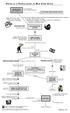 PATHS OF A FORECLOSURE IN NEW YORK STATE BORROWER DELINQUENT 2-3 months late with mortgage payments 90-DAY PRE-FORECLOSURE NOTICE Lender sends notices, bills, letters to borrower stating that he/she is
The condominium form of ownership in the United
 A Lender s Primer: Major Repair Loans for Condominiums and Other Common Ownership Communities By Richard A. Rosner The condominium form of ownership in the United States is the product of enabling legislation
florida ARECS Florida s New Revised Limited Liability Company ( LLC ) Act What Real Estate Attorneys Need to Know
 Florida s New Revised Limited Liability Company ( LLC ) Act What Real Estate Attorneys Need to Know James A Marx, Esq., Marx & Frankel PA, Miami, Florida Previously published in the spring 2015 edition
IC 24-4.5-7 Chapter 7. Small Loans
 IC 24-4.5-7 Chapter 7. Small Loans IC 24-4.5-7-101 Citation Sec. 101. This chapter shall be known and may be cited as Uniform Consumer Credit Code Small Loans. As added by P.L.38-2002, SEC.1. IC 24-4.5-7-102
A CONSUMER GUIDE TO FAIR LENDING
 FAIR HOUSING LEGAL SUPPORT CENTER A CONSUMER GUIDE TO FAIR LENDING AND HOME OWNERSHIP PRESERVATION A CONSUMER GUIDE TO FAIR LENDING AND HOME OWNERSHIP PRESERVATION OVERVIEW This guide explains your right
THE BEACON MUTUAL INSURANCE COMPANY CHARTER
 THE BEACON MUTUAL INSURANCE COMPANY CHARTER Rhode Island Public Laws 2003, Chapter 410, enacted August 6, 2003; as amended by Rhode Island Public Laws 2005, Chapter 117, Article16, Section10, enacted July
GENERAL TIPS FOR BUYING/SELLING A HOME Office of the Staff Judge Advocate, MacDill Air Force Base, Florida (813) 828-4422
 GENERAL TIPS FOR BUYING/SELLING A HOME Office of the Staff Judge Advocate, MacDill Air Force Base, Florida (813) 828-4422 TYPES OF HOMES Buying a house will be one of the biggest investments one will ever
MANAGEMENT AGREEMENT
 Revised 9/19/2013 MANAGEMENT AGREEMENT In consideration of the covenants herein contained (hereinafter called "Owner") and Rudulph Real Estate, Inc. (hereinafter called "Agent"), agree as follows: 1. EMPLOYMENT:
Summary of Borrower s Transaction Gross amount due from borrower 101. Contact Sales Price- The full purchase price as stated in the contract.
 1 Your Guide to the Settlement Statement A real estate transaction involves a series of exchanges, not only between the buyer and seller, but also with the lenders, brokers, and state and local governments.
NC General Statutes - Chapter 53 Article 21 1
 Article 21. Reverse Mortgages. 53-255. Title. This Article shall be known and may be cited as the Reverse Mortgage Act. (1991, c. 546, s. 1; 1995, c. 115, s. 1.) 53-256. Purpose. It is the intent of the
Home Equity Conversion Mortgage (Reverse Mortgage) This Mortgage ("Security Instrument") is given on (date). The Mortgagor is (Name), of
 Home Equity Conversion Mortgage (Reverse Mortgage) This Mortgage ("Security Instrument") is given on (date). The Mortgagor is (Name), of (street address, city, county, state, zip code), hereafter called
MORTGAGE TERMS. Assignment of Mortgage A document used to transfer ownership of a mortgage from one party to another.
 MORTGAGE TERMS Acceleration Clause This is a clause used in a mortgage that can be enforced to make the entire amount of the loan and any interest due immediately. This is usually stipulated if you default
FARM LEGAL SERIES June 2015 Mortgage Foreclosures
 Agricultural Business Management FARM LEGAL SERIES June 2015 Mortgage Foreclosures Phillip L. Kunkel, Jeffrey A. Peterson, Jason Thibodeaux Attorneys, Gray Plant Mooty INTRODUCTION If a farm debtor is
SB 1343. REFERENCE TITLE: home loans; prohibited activities. State of Arizona Senate Forty-fifth Legislature Second Regular Session 2002
 PLEASE NOTE: In most BUT NOT ALL instances, the page and line numbering of bills on this web site correspond to the page and line numbering of the official printed version of the bills. REFERENCE TITLE:
in the Real Estate Transaction
 The Critical Role of the REALTOR in the Real Estate Transaction Listed here are nearly 200 typical actions, research steps, procedures, processes, and review stages in a successful residential real estate
GENERAL ASSEMBLY OF NORTH CAROLINA 1991 SESSION CHAPTER 546 HOUSE BILL 22
 GENERAL ASSEMBLY OF NORTH CAROLINA 1991 SESSION CHAPTER 546 HOUSE BILL 22 AN ACT TO REGULATE REVERSE MORTGAGES. The General Assembly of North Carolina enacts: Section 1. Chapter 53 of the General Statutes
SB 588. Employment: nonpayment of wages: Labor Commissioner: judgment enforcement.
 SB 588. Employment: nonpayment of wages: Labor Commissioner: judgment enforcement. (1) The Enforcement of Judgments Law provides for the enforcement of money judgments and other civil judgments. Under
ASSEMBLY BILL No. 597
 california legislature 2015 16 regular session ASSEMBLY BILL No. 597 Introduced by Assembly Member Cooley February 24, 2015 An act to amend Sections 36 and 877 of, and to add Chapter 6 (commencing with
RETAINER AGREEMENT. Dibble & Miller, P.C.
 RETAINER AGREEMENT Dibble & Miller, P.C. Print Client s First Name, Middle Initial and Last Name This Retainer Agreement is a binding contract between the Law Firm of Dibble & Miller, P.C. and you, the
Below is an overview of the Molex lease process as it applies to Molex Application Tooling equipment.
 Dear Valued Customer, Below is an overview of the Molex lease process as it applies to Molex Application Tooling equipment. Lease process: Molex does not offer leases for all of the equipment that we promote.
DELINQUENT ASSESSMENT COLLECTION
 Salvatori, Wood, & Buckel ATTORNEYS AT LAW 9132 Strada Place, Fourth Floor, Naples, FL 34108-2683 John D. Humphreville Tel: 239.552.4100 Direct Dial: 239.552.4107 Fax: 239.649.1706 [email protected] Web:
UMB Discover Cardholder Agreement
 UMB Discover Cardholder Agreement 1. Your Agreement to these Terms and Conditions; Definitions. The terms and conditions in this Agreement govern your Card and all credit extended to you under this Agreement.
Bankruptcy Law Firm Ursula Jones, Attorney
 ATTORNEY-CLIENT BANKRUPTCY RETAINER AGREEMENT The Client(s) hereby enter into this Attorney-Client Retainer Agreement with Ursula Jones ( Attorney ). 1. TOTAL FEES AND COSTS (a) Fixed Fee: A fixed fee
NJ Enhanced Residential Owner s Policy (1-14)
 NJ Enhanced Residential Owner s Policy (1-14) Chicago Title Insurance Company Chicago Title Insurance Company HOMEOWNER S POLICY OF TITLE INSURANCE FOR A ONE-TO-FOUR FAMILY RESIDENCE OWNER S INFORMATION
I. RETURN INTEGRITY & ACCURACY TO FORECLOSURE AND BANKRUPTCY PROCEEDINGS
 I. RETURN INTEGRITY & ACCURACY TO FORECLOSURE AND BANKRUPTCY PROCEEDINGS A. Put an end to robosigning - signing affidavits filed with the court without personal knowledge. Affidavits/sworn statements utilized
Guide to Understanding Homeowner Associations
 Guide to Understanding Homeowner Associations For association boards, residents, and new home buyers Prepared by HOA-USA Sharing this document is encouraged (no edits) Please email comments to [email protected]
Strata Corporations and the new Limitation Act By Shawn M. Smith Cleveland Doan LLP
 Strata Corporations and the new Limitation Act By Shawn M. Smith Cleveland Doan LLP The application of limitation periods has generally not been given much consideration in the strata community. That is
California Senate Bill 474 Impact on Owners & Contractors
 California Senate Bill 474 Impact on Owners & Contractors Beginning January 1, 2013, project owners, general contractors ( GC ), construction managers ( CM ) and any lower tier contractor who employs subcontractors
Does Your Homeowners Association Make the Grade? Weissman, Nowack, Curry & Wilco, P.C.
 Does Your Homeowners Association Make the Grade? Weissman, Nowack, Curry & Wilco, P.C. Do you think your neighbors ever wonder where the monthly association dues are going? Is it all going into the flower
Frequently Asked Questions. for. Chapter 7 Debtors
 Frequently Asked Questions for Chapter 7 Debtors The information contained in this document is provided as a service to our clients, and does not constitute legal advice. We try to provide quality information,
Virginia Property Owners Association Act
 . Virginia Property Owners Association Act Code of Virginia Title 55. Property and Conveyances. Chapter 26 Virginia Property Owners Association Act Table of Contents 55-508. Applicability... 1 55-509.
CITY COUNTY INSURANCE SERVICES TRUST WORKERS' COMPENSATION COVERAGE AGREEMENT
 CITY COUNTY INSURANCE SERVICES TRUST WORKERS' COMPENSATION COVERAGE AGREEMENT Various provisions of this agreement restrict coverage. Read the entire coverage agreement carefully to determine rights, duties,
Advanced Bankruptcy for Bankers. Candace C. Carlyon, Esq. www.sheacarlyon.com
 Advanced Bankruptcy for Bankers Candace C. Carlyon, Esq. www.sheacarlyon.com 1 Pre Bankruptcy Review loan files, confirm collateral security, obtain as much information as possible Consider timing of remedies
AGREEMENT BETWEEN THE UNIVERSITY OF TEXAS HEALTH SCIENCE CENTER AT SAN ANTONIO and PROJECT ARCHITECT for A PROJECT OF LIMITED SIZE OR SCOPE
 AGREEMENT BETWEEN THE UNIVERSITY OF TEXAS HEALTH SCIENCE CENTER AT SAN ANTONIO and PROJECT ARCHITECT for A PROJECT OF LIMITED SIZE OR SCOPE This Agreement is made as of, 20 (the Effective Date ), by and
Liquor. (Occurrence Form)
 Liquor LIABILITY INSURANCE POLICY (Occurrence Form) 95A Turnpike Road Westborough, MA 01581 (508) 366-1140 THIS POLICY JACKET WITH THE Liquor LIABILITY POLICY FORM, DECLARATIONS PAGE AND ENDORSEMENTS,
PATHS OF A FORECLOSURE IN NEW YORK STATE
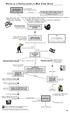 PATHS OF A FORECLOSURE IN NEW YORK STATE BORROWER DELINQUENT 2-3 months late with mortgage payments if S/P or N/T 90-DAY PRE-FORECLOSURE NOTICE* for all subprime and non-traditional loans (as defined by
PATHS OF A FORECLOSURE IN NEW YORK STATE
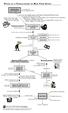 PATHS OF A FORECLOSURE IN NEW YORK STATE BORROWER DELINQUENT 2-3 months late with mortgage payments Lender sends notices, bills, letters to borrower stating that he/she is delinquent Borrower has multiple
NEBRASKA PROPERTY AND LIABILITY INSURANCE GUARANTY ASSOCIATION ACT
 NEBRASKA PROPERTY AND LIABILITY INSURANCE GUARANTY ASSOCIATION ACT Section. 44-2401. Purpose of sections. 44-2402. Kinds of insurance covered. 44-2403. Terms, defined. 44-2404. Nebraska Property and Liability
UNDERWRITING BULLETIN - TEXAS
 UNDERWRITING BULLETIN - TEXAS No. 01 DATE: May 7, 2010 RE: General Underwriting Guidelines The purpose of this initial Bulletin is to provide concise summaries of WFG s underwriting positions in areas
Arizona Rentals & Concierge Services, LLC. Property Management Agreement
 Arizona Rentals & Concierge Services, LLC ADRE License Number SE515963000 14245 W. Grand Ave. Suite #2 Surprise AZ. 85374 623-209-1656 WWW.arizonarentalservice.com [email protected] Property
Title 9-A: MAINE CONSUMER CREDIT CODE
 Title 9-A: MAINE CONSUMER CREDIT CODE Article 2: Finance Charges and Related Provisions Table of Contents Part 1. GENERAL PROVISIONS... 3 Section 2-101. SHORT TITLE... 3 Section 2-102. SCOPE... 3 Part
HOUSE BILL 2242 AN ACT AMENDING TITLE 6, ARIZONA REVISED STATUTES, BY ADDING CHAPTER 16; RELATING TO REVERSE MORTGAGES.
 Senate Engrossed House Bill State of Arizona House of Representatives Forty-ninth Legislature Second Regular Session HOUSE BILL AN ACT AMENDING TITLE, ARIZONA REVISED STATUTES, BY ADDING CHAPTER ; RELATING
WORKING DRAFT. Proposed Employee Misclassification Workers Compensation Coverage Model Act
 WORKING DRAFT Proposed Employee Misclassification Workers Compensation Coverage Model Act To be considered by the NCOIL Workers Compensation Insurance Committee on July 10, 2009. Sponsored for discussion
Short Sale Seller Advisory
 Short Sale Seller Advisory Short Sale Seller Advisory Recent economic challenges have resulted in many homeowners needing to sell their home but owing more on their home than the home is worth. This advisory
EQUITY SHARING AGREEMENT
 EQUITY SHARING AGREEMENT This Equity Sharing Agreement (the Agreement ) is entered into as of the date set forth below by and between a California nonprofit corporation (the Church ), and (the Occupant
Chapter 16. Transfer of Ownership Rights and Interests A. TITLE AND EVIDENCE OF GOOD AND MARKETABLE TITLE DEFINITION OF TITLE
 Chapter 16 Transfer of Ownership Rights and Interests A. TITLE AND EVIDENCE OF GOOD AND MARKETABLE TITLE DEFINITION OF TITLE In Georgia, the title to real property is the means or the evidence by which
06 LC 28 3090S/AP A BILL TO BE ENTITLED AN ACT
 0 LC 00S/AP House Bill (AS PASSED HOUSE AND SENATE) By: Representatives Scheid of the nd and Byrd of the 0 th A BILL TO BE ENTITLED AN ACT To create the Woodstock Area Convention and Visitors Bureau Authority
NPSA GENERAL PROVISIONS
 NPSA GENERAL PROVISIONS 1. Independent Contractor. A. It is understood and agreed that CONTRACTOR (including CONTRACTOR s employees) is an independent contractor and that no relationship of employer-employee
Governor Cuomo Signs New York Non-Profit Revitalization Act of 2013
 Governor Cuomo Signs New York Non-Profit Revitalization Act of 2013 On Thursday, December 19, Governor Cuomo signed the New York Non-Profit Revitalization Act of 2013 which aims to reduce burdens on the
GREENVILLE FEDERAL CREDIT UNION BUSINESS PLATINUM VISA CREDIT CARD QUARTERLY VARIABLE RATE WITH ANNUAL FEE AND REWARDS PROGRAM
 GREENVILLE FEDERAL CREDIT UNION BUSINESS PLATINUM VISA CREDIT CARD QUARTERLY VARIABLE RATE WITH ANNUAL FEE AND REWARDS PROGRAM REVOLVING LOAN AGREEMENT THIS IS YOUR AGREEMENT AND DISCLOSURE STATEMENT WITH