
A Homeowner's Rights Under Foreclosure
|
|
|
- Hannah Robinson
- 10 years ago
- Views:
Transcription
1

2 A Homeowner's Rights Under Foreclosure Judon Fambrough Senior Lecturer and Attorney at Law Texas A&M University Revised September , Real Estate Center. All rights reserved.

3 A Homeowner's Rights Under Foreclosure Contents Summary Definitions of Key Terms Three Elements of Foreclosure Waivers of Notice for Commercial Loans Steps in Foreclosure Process Contents of Notice Valid Sale by Trustee Administration of Foreclosure by Mortgage Servicer Division of Proceeds Deficiency Judgments Debtors' Alternatives and Remedies Statute of Limitations Examining Foreclosure Procedures Notice of Sale Receivorship Status

4 Summary Many homeowners facing foreclosure are unaware of their rights. Knowledge of the rules, regulations and laws governing Texas home foreclosures can help homeowners protect their interests from an improper or irregular foreclosure process. This report explains the foreclosure process from default on a payment through sale of the property and targets areas that a homeowner may wish to examine during or after foreclosure. This report is limited to foreclosures under deeds of trust. It does not cover foreclosures under executory contracts, sometimes referred to as contracts for deed or under home equity loans, which are conducted judicially. Definition of Key Terms Mortgagee. The lender or holder of the security interest in the property; the lienholder; the mortgage servicer under certain conditions. Mortgagor. The debtor, borrower and grantor of the security interest in the collateral; the owner of the property. Mortgage Servicer. The last person to whom the mortgagor has been instructed by the current mortgagee to send payments for the debt; the original mortgagee or lender may be the mortgage servicer, if it still receives payments from the debtor. Security Instrument. The deed of trust or mortgage; the document creating the lender s lien on the collateral and giving the trustee the power of sale. Trustee. The person or persons authorized in the deed of trust to exercise the power of sale under the terms of the security instrument. Substitute Trustee. The person or persons appointed by the current mortgagee or mortgage servicer to exercise the power of sale in lieu of the original trustee designated in the deed of trust. Debtor s Last Known Address. The debtor s residence address unless the debtor provided the mortgage servicer a written change of address before the date the mortgage servicer mailed a required notice. Three Elements of Foreclosure A proper foreclosure has three elements: (1) the real estate lien note executed by the mortgagor (borrower) at closing for the balance of the purchase price, (2) the deed of trust signed by the buyer at closing giving the mortgagee (lender) a security interest in the land being purchased and (3) the pertinent Texas statutory and case law. Generally, a foreclosure is proper as long as it complies with the procedure outlined in the deed of trust. Texas law is relevant only where the deed of trust is silent on an issue or where the deed of trust conflicts with Texas law. There is no mandatory (or promulgated) Texas deed of trust. The forms may vary from lender to lender. The deed of trust prepared by the State Bar of Texas serves as the basic guideline for this report. Other deeds of trust may contain different provisions. Copies of executed deeds of trust may be secured from the county clerk's office in the county where the land is located. The lender records the deed of trust to secure an interest in the financed property. To trigger a foreclosure, the borrower must, among other things, default on a periodic payment required by the real estate lien note as described in the deed of trust. The lender then has the option of accelerating the collection of the remaining balance of the note. The entire amount of remaining indebtedness, not just the periodic payment in arrears, becomes due and payable. This provision is known as the acceleration clause. Without it, the lender would be forced into a series of foreclosures, foreclosing only on the amount of the installment in default and not the entire unpaid balance of the note. If the collateral securing the note is the debtor s residence, the lender may not accelerate the note immediately following a default. Instead, the lender must give the debtor at least a 20-day written notice to cure the payments in arrears. The notice must be sent by certified mail. The notice cannot be waived and is required in all instances. If the debtor does not make the payments in default during the 20-day period, the lender may accelerate the debt by sending notice of the acceleration to the debtor. If the collateral serves as the debtor s residence, the lender must give the following three notices unless they are waived in the deed of trust: A demand notice for the installment in arrears and thereafter affording the debtor an opportunity to remedy the default A clear and unequivocal notice of the lender s intent to accelerate the debt after the debtor has been given a reasonable time to cure the installment in arrears A final notice that acceleration has in fact occurred. The first notice regarding the demand for the payment in arrears generally is not required by the deed of trust. However, the Texas Supreme Court has suggested that the lender "bring home to the borrower that failure to cure will result in acceleration of the note and foreclosure under the power of sale." It has been held proper to combine the first notice concerning the default with the second one involving the intent to accelerate. 1

5 Waivers of Notice for Commercial Loans If the collateral is not the debtor s residence, it is possible for the debtor to waive the described notices in the deed of trust. Texas courts disagree somewhat on the proper language for an effective waiver. Some courts have held that certain language waives the notice of acceleration but not the notice of intent to accelerate. The majority of courts, however, have upheld the effectiveness of most waivers. In cases of doubt, the courts tend to prevent acceleration of the note without proper notices. The lender s conduct may forfeit the right to accelerate without notice even where an effective waiver has been included in the deed of trust. The case in question involved a lender who had accepted seven consecutive late payments and then attempted to foreclose without giving notice of acceleration after the eighth default occurred. The courts held the lender s past conduct destroyed the clear and unequivocal intent to accelerate once the debtor defaulted on a payment. If the debt has been properly accelerated, the mortgagee (lender) may proceed to foreclose on the property by a nonjudicial sale. No lawsuit is required. If the foreclosure sale is conducted in accordance with the deed of trust and Texas law, the sale is effective in transferring title to the highest bidder. Steps in Foreclosure Process Steps leading to the foreclosure sale are described in the deed of trust and in Section of the Texas Property Code. First, the lender or mortgage servicer sends a residential debtor 20 days notice to cure the default. If not, the next step may be initiated. Second, the lender or mortgage servicer requests the trustee designated in the deed of trust (or the substitute trustee, as the case may be) to sell the property. Third, the trustee begins the process by giving a 21-day advance notice of the sale by posting, sending and filing the various notifications: A written or printed notice must be posted at the courthouse door in the county where the property is located. If the property is located in more than one county, posting must occur in all counties where the land is located and specify the county in which the sale will occur. The day of posting counts as the first day of the required 21. It has been held that the phrase "at the courthouse door" means near any main access door to the courthouse. The same written or printed notice posted at the courthouse door also must be filed with the county clerk of each county in which the property is located. The county clerk does not file the notice in the deed records. Instead, the county clerk is required to keep all such notices in a file conveniently available to the public for examination during normal business hours and until after the date of the sale specified in the notice. Note. Effective Sept. 1, 2007, special rules apply to closures. If the courthouse or county clerk's office is closed because of inclement weather, natural disasters or other acts of God, the required postings and filings may occur within 48 hours after the courthouse or county clerk's office reopens. By doing so, the effective dates of the postings and filings relate back to the date of the closure. The written or printed notice likewise must be sent by certified mail, postage prepaid, to each debtor obligated on the indebtedness. The notices must be forwarded to the debtor s most recent address as shown by the lender s records. (The day the notice is postmarked counts as the first day of the required 21.) Contents of Notice There is little Texas statutory law regarding the contents of the notice. Because the purpose of the notice is to alert the borrower and prospective purchasers of the sale, the notice should contain the date of the deed of trust along with the volume and page where it is recorded; the name of mortgagor, mortgagee and trustee; a statement of default and a request for the trustee to sell property; and the time, date, terms and place of sale. However, all notices for the foreclosure for deeds of trust executed on or after Sept. 1, 2005, must include the name and street address of the trustee(s) or substitute trustee(s). Consequently, if a substitute trustee is appointed after the notice of the sale has been posted, filed and sent, this may require a postponement of the foreclosure sale to allow time for new notices to be posted, filed and sent in compliance with the statute. The actual foreclosure sale is a public auction conducted by the trustee at or near the courthouse in the county where the land is located. The trustee conducts the auction on the first Tuesday occurring 21 days after posting, filing and sending the required notices. The sale may occur anytime between 10 a.m. and 4 p.m. but must be within three hours of the time specified in the notices. If the Tuesday occurs on a legal holiday, the sale is still valid. If the trustee fails to conduct the sale on the correct Tuesday, the entire process of posting, sending and filing the required notices must be repeated. Effective September 1, 2005, the commissioners' court may designate a public place other than the courthouse as the place to conduct the public auction (the foreclosure sale) as long as the area is in reasonable proximity of the courthouse, and it is as easily accessible to the public as the courthouse door. The commissioners court must record the designation in the real property records. However, no sale may occur at the designated location until 90 days expire after the recording. However, the posting of notices of the sale continue at the courthouse even though the sale occurs elsewhere. These notices are the minimum requirements necessary for a valid foreclosure sale. However, if the deed of trust requires more, the additional requirements must be strictly followed. For example, many pre-1976 deeds of trust require posting at three public places, not just at the courthouse door. Only the debtors and guarantors (those obligated to pay the debt) must receive personal notices at their last known addresses. Junior lienholders are not required to receive notice unless a contractual agreement mandates it. As a matter of policy, all lienholders and other interested partners should be contacted to ensure spirited bidding. 2

6 The trustee is the central character in the foreclosure process. The trustee has the sole authority to sell the collateral and to convey title. The debtor grants this authority to the trustee in the deed of trust. There are few restrictions on who can serve as trustee. Practically any competent person or persons qualify. The debtor may select the trustee, but in practice, the lender designates. The trustee may be the mortgagee or the mortgagee s agent but probably not the mortgagor. Regardless of who serves as trustee, the trustee's sole duty is to conduct the sale in a prescribed manner to reduce the loan as much as possible by securing a fair price. The office is one of personal confidence to the debtor. However, it does not rise to the level of a fiduciary duty to either the lender or debtor. If the designated trustee is unavailable, a substitute trustee may be appointed in strict compliance with the deed of trust. Only the party or parties designated in the deed of trust may appoint the substitute trustee. Effective September 1, 2005, lenders may authorize a mortgage servicer to appoint a substitute trustee or trustees to serve under the deed of trust. The mortgage servicer may then authorize an attorney to appoint a substitute trustee or trustees on behalf of the lender. The appointment or authorization may be made by power of attorney, corporate resolution or other written instrument. The name and street address of the substitute trustee or trustees must be disclosed on the appointments and in the notices posted and filed at the courthouse and sent to the debtor. The conditions contained in the deed of trust for the appointment of a substitute trustee, if any, must be strictly followed. For instance, if the deed of trust provides that a substitute trustee can be appointed only where the original trustee fails to act, or where the original trustee resigns or dies, then these conditions must occur before a valid substitute trustee may be appointed. The wording used in the State Bar deed of trust contains no conditions or contingencies for the appointment of a substitute trustee. It simply states that the lender may appoint a substitute trustee without any formality other than that the designation must be in writing. Unless the deed of trust provides otherwise, a trustee or trustees need not formally resign before another is appointed. If the original trustee has posted, filed and sent the required notices, the substitute trustee or trustees should postpone the sale. Because the statute requires the name and street address of the trustee or substitute trustee to be placed on the notices after 2005, new notices should be posted, filed and sent to comply with the statute. The sale may then occur 21 days after the new notices have been properly posted, filed and sent. Valid Sale by Trustee The trustee is the only person who can conduct a valid sale. However, agents of the trustee may sign, post, file and send the notices. Once the notice is posted, the trustee or the agents need not check the courthouse to ensure the notice remains in place. After the necessary notices have been posted, filed and sent and the required 21-day waiting period has elapsed, the trustee may proceed with the sale on the first Tuesday of the following month anytime between 10 a.m. and 4 p.m. but within three hours of the time designated in the notices. Generally, the sale is conducted at the courthouse. However, the county commissioners may designate another location. It must be a public place, within reasonable proximity to the courthouse and as easily accessible to the public as the courthouse door. The location must be recorded in the real property records. No sale may occur at the new location until 90 days expire after the recording occurs. The sale begins by the trustee reading a copy of the posted notice, followed by stating the terms of the sale and then by opening the bidding. Generally, the trustee will require cash-only sales. Section of the Texas Property Code contains no restrictions on the type of consideration required. If the deed of trust dictates cash only, only cash bids may be received. Effective June 15, 2007, the purchase price for the property sold at a nonjudicial foreclosure is, by statute, payable immediately on acceptance of the bid by the trustee or substitute trustee. This may pose a hardship for cash-only sales. However, under the statute, the trustee or substitute trustee may set reasonable conditions for conducting a nonjudicial foreclosure sale if the conditions are announced before bidding begins for the first sale. The trustee or substitute trustee may use the opportunity to place some reasonable time limts on "coming up with the cash." There is little guidance as to what constitutes a reasonable time. However, without a doubt, the cash must be forthcoming before 4 p.m. on the day of the sale. At the sale, all parties present may bid. Third parties, the lender and even the debtor are qualified. The trustee may bid, but it is important to ascertain for whom the bids are entered. If the trustee is the mortgagee, all bids must be for the mortgagee. If the trustee is not the mortgagee, the trustee cannot bid the property either on his or her behalf or on the account of a corporation the trustee controls. However, the trustee may purchase the property in the name of a disinterested third party. If the mortgagee enters the highest bid, the mortgagee can acquire the property without any out-of-pocket costs as long as the bid price does not exceed the balance of the debt. The lender simply applies the purchase price as a credit against the mortgagor s debt. As mentioned, the mortgagor (borrower) may bid at the foreclosure sale, but this is unlikely. If the borrower had sufficient funds, he or she would have paid off the installment in arrears to prevent the lender from ever accelerating the note. After the note is accelerated, the borrower still can prevent the foreclosure sale by redeeming the entire unpaid balance of the note anytime before the actual sale begins. This is known as an equity of redemption. In addition to the equity of redemption, many states give the mortgagor a right of redemption for a certain period after the sale occurs. The right of redemption enables the foreclosed borrower to repurchase the property for the price it brought at the foreclosure sale. The right of redemption attempts to ensure that the property will generate adequate revenue at the foreclosure sale. Unfortunately for foreclosed Texas homeowners, there is no right of redemption in this state. 3

7 Administration of Foreclosure by Mortgage Servicer The lender is not the only entity that may initiate and complete the foreclosure process. The mortgage servicer has the same authority as long as these conditions are met: the lender grants the current mortgage servicer the administrative authority to act on its behalf in the servicing agreement; all notices, filings and postings preceding the foreclosure sale show that the mortgage servicer represents the mortgagee under the service agreement between the two and the notices, postings and filings preceding the foreclosure contain the name and address of the mortgagee or the name and address of the mortgage servicer if the lender has granted the mortgage servicer the authority to service the mortgage. Division of Proceeds Once the sale occurs, the proceeds are divided in the following manner and in the following order: The expenses of advertising the sale and making the conveyance, including any commission to the trustee and attorney s fees other than those provided in the real estate lien note (the State Bar deed of trust includes a 5 percent commission for the trustee) The full amount of the unpaid principal, interest, attorney s fees and other charges due and unpaid as provided in the real estate lien note The remaining balance to the mortgagor Should the foreclosure sale not generate sufficient revenue to cover the first two categories, the borrower is still personally liable for the balance. To recover the deficiencies, the lender may institute and obtain a judgment against the borrower. This is sometimes called a deficiency suit or deficiency judgment. Deficiency Judgments In 1991, the 72nd Texas Legislature enacted new legislation altering the way deficiency judgments are handled. In the past, mortgagors (debtors) complained that the prices brought at foreclosure sales were below the fair market value of the collateral. When the mortgagee (lender) was the purchaser, a possible double recovery occurred. In the case of Olney Savings and Loan Association v. Farmers Market of Odessa, 764 S.W. 2d 869 (Tex. App. 1989), the lender purchased the property at the foreclosure sale for $150,000 and immediately sold it for $200,000. The lender then sued the debtor for a deficiency based on the foreclosure price of $150,000, even though a $50,000 profit had been realized in the interim. Texas case law has held consistently that the debtor has no recourse. As long as the lender complies strictly with the procedural rules specified in the deed of trust and in Chapter 51 of the Texas Property Code, both the foreclosure sale and price will be upheld. To remedy this situation, Texas legislators added Sections to the Texas Property Code. Section , entitled "Deficiency Judgments," applies only to nonjudicial foreclosures. It provides: The lender has two years to recover a deficiency judgment after the foreclosure sale (formerly it was four years). If the lender seeks a deficiency judgment, the debtor may request the court to determine the fair market value of the collateral as of the date of sale. The fair market value shall be determined by the finder of fact after the introduction of competent evidence of value by the parties. Competent evidence of value may include but not be limited to: expert opinion testimony; comparable sales; anticipated marketing time and holding costs; cost of sale; and the necessity and amount of any discount to be applied to the future sales price or the cash flow generated by the property to arrive at a current fair market value as of the date of the foreclosure sale. If the debtor does not request the determination of value, the foreclosure price shall be used to compute the deficiency. If the court determines that the fair market value is greater than the sales price, the debtor is entitled to an offset against the deficiency for the amount. Any money received by the lender from a private mortgage guaranty insurer shall be credited to the debtor s account prior to the suit for a deficiency. However, the private mortgage guaranty insurer may then sue the debtor for the amount of the payment. Sections and are entitled "Judicial Foreclosure Deficiency" and "Judicial or Nonjudicial Foreclosure after Judgment Against Guarantor Defeciency" respectively. The two sections were added primarily to protect both debtors and guarantors in the event of either a judicial or nonjudicial foreclosure. Either party may challenge the fair market value of the collateral within 90 days after the sale or 90 days after the guarantor receives actual notice of the sale, whichever is later. The procedure for determining fair market value and the offset against the deficiency is the same as specified in Section The primary differences between Section and Sections and are that the latter two sections: apply to both judicial and nonjudicial foreclosure sales, provide for the debtor or guarantor to challenge the fair market value of the collateral even before a lender seeks a deficiency judgment and can be used offensively by plaintiffs while Section can be used only defensively by a defendant. Note. Although the statutes attempt to remedy an inequitable position for debtors, substantive and technical legal questions persist. The statute may be unconstitutional. A similar law was passed in The Texas Supreme Court declared it unconstitutional because it impaired existing contract rights. Langever v. Miller, 76 S.W. 2d 1025 (Tex. 1934). However, similar legislation has been upheld by the U.S. Supreme Court not to be in 4

8 violation of the U.S. Constitution. Richmond Mortgage & Loan Corp. v. Wachovia Bank & Trust Co., 300 U.S. 124 (1937). The lender has three choices in the event of a default: (1) to seek a judgment for the unpaid balance of the note and perhaps foreclose later on the collateral, (2) to foreclose on the collateral and then seek a deficiency judgment or (3) to seek a judgment on the note and foreclose simultaneously on the collateral. The statutes are inapplicable when the lender sues on the real estate lien note but does not foreclose on the collateral. The phrase fair market value is not defined but the statutes describe five possible ways to determine it. However, the five guidelines are not inclusive. And finally, debtors still may be losers. When the difference between the fair market value and the foreclosure price exceeds the deficiency, the debtor has no right to a refund of the excess. Debtors' Alternatives and Remedies Many debtors faced with the possibility of foreclosure attempt to convey the property back to the lender. If the lender accepts the deed in lieu of foreclosure, it saves time, the expense of conducting the sale and possible litigation costs associated with an irregular or improper foreclosure. Although the law is not conclusive on the issue, a deed in lieu of foreclosure will satisfy the entire debt held by the lender against the property. Deficiency suits will be eliminated. If the original borrower resells the property before the existing note is retired, the new buyer may or may not be liable for a deficiency judgment. If the new buyer does not get independent financing, he or she must either assume or "take subject to" the existing note. If the note is assumed, the new buyer and the seller are mutually liable for the monthly installment payments. Likewise, both are jointly responsible for any deficiency judgments. However, if the new buyer takes "subject to" the note, he or she avoids personal liability both for the payment of the existing note and for any deficiency judgments. This leaves the original borrower solely responsible for both. The borrower may complain that the reason the property did not bring sufficient revenue was because of an impropriety, two possible remedies are available: setting aside (rescinding) the sale or suing for damages. The borrower may pursue only one of the two. An election to pursue one bars any action to pursue the other later. An exceedingly low price generated at the foreclosure sale is not sufficient in itself to render a sale invalid. However, the greater the disparity between the sales price and the market value of the property, the more readily the courts will find any irregularity sufficient for the debtor to successfully challenge the sale. The irregularity, however, must have contributed to the inadequacy of the consideration (low price) received at the sale. Further, the inadequacy of the consideration can be grounds to have the sale set aside under federal bankruptcy laws. If the sales price does not equal or exceed 70 percent of the property s fair market value, the sale can be voided as a fraudulent transfer if the debtor files for bankruptcy within one year of the sale. If the debtor does attack the sale under Texas law because of an irregularity, the attack most likely will be for damages and not to rescind. To set aside the sale, the debtor first must repay or offer to redeem the property from the purchaser at the price brought at the foreclosure sale. If the debtor possessed such resources, the foreclosure probably would never have occurred. Statute of Limitations The statute of limitations may be a barrier. With minor exceptions, an action to set aside a sale must be initiated within four years. And, if the property has been resold during the interim to a purchaser unaware of the irregularities, the action to rescind the sale (but not for damages) may be lost. For these reasons, most debtors who attack a foreclosure sale seek damages. To recover damages from a wrongful foreclosure, the debtor must prove how much the property would have brought if the irregularity had not occurred. In any event, the maximum recovery is limited to the difference in the fair market value of the property and unpaid balance of the note at the time of sale. Where the conduct of the lender or trustee can be proven to have been intentional or malicious, exemplary or punitive damages also may be recovered. Any action to recover damages must be initiated within four years of the sale. Because only one remedy may be pursued, the borrower must be careful to choose the correct one. The following example is based on an actual case. A Texas debtor sought damages for the wrongful appointment of a substitute trustee. The irregularity, but no resulting damages, was proven at trial. Consequently, the debtor recovered nothing. However, the court stated that the irregularity was sufficient to rescind the sale if such a remedy had been pursued first. Because it was not, the debtor was without further recourse. Foreclosure will continue to play an important role in the Texas real estate market into the 1990s. Even though the homeowner may have defaulted on an installment payment, Texas law requires that a subsequent foreclosure be conducted in strict conformity to Texas law and the deed of trust. Failure to comply with either may enable the homeowner to set aside the sale or sue for damages. Examining Foreclosure Procedures Here are some of the more strategic procedural points that a homeowner may wish to examine during or after a foreclosure. The list is not comprehensive and is not a substitute for legal counsel. The appropriate remedies for an irregularity are not included. Did the circumstances prompting the foreclosure actually occur? For instance, was there a default on an installment payment as specified and required by the deed of trust? Did the foreclosure take place within four years of the default? The Texas statute of limitations is four years and applies only to the delinquent payments due within the four years. If the collateral serves as the debtor s residence, did the lender give the debtor a 20-day notice to cure the payments 5

9 in default before accelerating the note? (This is mandatory and nonwaivable.) If the collateral did not serve as the debtor s residence, did the lender notify the debtor of the lender s intent to accelerate the note after the debtor defaulted on the payment? Did the lender notify the debtor that acceleration of the note had actually occurred? If not, was the right to receive such notices waived by the debtor in the deed of trust? (The interpretation of an effective waiver may require the services of an attorney.) If the notices were effectively waived (except for the 20-day notice to cure for a debtor s residence), has the lender received late payments in the past without resorting to foreclosure? If so, the right to foreclosure without giving the required notices at a later date may be deemed improper. Notice of Sale Did the trustee (or substitute trustee) or the trustee s agents post notice of the intended sale on the courthouse door, file notice of the sale with the county clerk and send notices to the debtors at least 21 days in advance of the actual sale? (The day of posting, filing and sending counts as the first day of the required 21.) If a pre-1976 deed of trust requires posting at three public places 21 days in advance of sale, was this requirement met? Did the street address of the trustee or substitute trustee who conducted the sale appear on the notices that were posted, filed and sent? If the land was located in more than one county, was the notice posted and filed in each county? Did each notice contain information specifying the county in which the sale would be conducted and the time the sale would begin? Were personal notices sent to each person liable on the note by certified mail to their last known address according to the lender s records? (If the husband and wife have separated, an individual notice may need to be sent to each spouse.) Was the substitute trustee, if any, properly appointed by the rightful parties in accordance with the terms of the deed of trust? Among other things, did the deed of trust require the original trustee to resign? Did the deed of trust require the appointment of the new trustee to be recorded 21 days in advance of the sale? Did the trustee conduct the sale in the area of the courthouse designated by the commissioners court and in accordance with the deed of trust and state law? Was the sale conducted at the courthouse? If not, had 90 days elapsed since the commissioners recorded the notice of the new location in the deed records? Among other things, was the sale conducted on the first Tuesday of the month between 10 a.m. and 4 p.m. (but within three hours of the time specified in the notices) following the expiration of the 21-day notice period? If cash bids were required in the deed of trust, did the trustee comply? Did the trustee acknowledge and accept all bids at the sale after the notice of the sale was read? Did the trustee leave the sale before it was completed without telling the bidders when it would reconvene? Did the trustee bid and purchase the property in his or her own behalf? (If the foreclosure sale has not occurred yet, the debtor may want to videotape the sale to preserve evidence of any irregularities.) Did the sale conclude by 4:00 pm? Case law exists that indicates the sale cannot linger beyond 4:00 pm on Tuesday the day of the sale. Did the deed records show a chain of title between the original beneficiary (the original lender or mortgagee) named in the deed of trust and the present lienholder conducting the foreclosure sale? Basically, the lienholder "of record" must be the same lienholder in charge of the sale. Most loans are assigned or sold to another lender. There must be a copy of this assignment or transfer recorded in the deed records. Otherwise, the wrong party may be conducting the sale and/or appointing the substitute trustee. This is a prevalent problem in today's market. Did the expenses and charges levied against the debtor s interest following the sale constitute usury? Among other things, were the interest charges calculated to the date of sale or were they calculated over the duration of the note as if there had been no default? In other words, were there charges for unearned, unaccrued interest? Receivorship Status Was the property in receivorship at the time of the sale? A receiver may have been appointed for an insolvency proceeding or a divorce. If so, the trustee under the deed of trust has no authority to sell the land unless authorized by the court in which the receivorship was pending. Was the debtor alive at the time of the foreclosure? If not, the administrator of the decedent s estate generally has the unconditional right to revoke the sale for up to four years after the debtor s death. (There are several exceptions to this rule.) Was the debtor a minor? If so, the property may not be foreclosed except under the probate court s supervision if the deed of trust was executed by the minor s guardian on behalf of the minor. Was the debtor in the armed services or discharged within three months of the proposed sale? If so, without a court order the foreclosure is prohibited by the Federal Soldiers and Sailors Civil Relief Act of See Volume 50 of the United States Code Annotated, Section 532(3). This federal statute applies only if the property was owned by the person before he or she went into the service. Related publications: "Foreclosure for Dummies," reprint Free download at "DILF or No DILF: Deed in Leiu of Foreclosure," reprint Free download at pdf/1806.pdf

A Homeowner's Rights Under Foreclosure
 A Homeowner's Rights Under Foreclosure Judon Fambrough Senior Lecturer and Attorney at Law Texas A&M University Revised November 2009 2009, Real Estate Center. All rights reserved. A Homeowner's Rights
FARM LEGAL SERIES June 2015 Mortgage Foreclosures
 Agricultural Business Management FARM LEGAL SERIES June 2015 Mortgage Foreclosures Phillip L. Kunkel, Jeffrey A. Peterson, Jason Thibodeaux Attorneys, Gray Plant Mooty INTRODUCTION If a farm debtor is
CODING: Words stricken are deletions; words underlined are additions. hb0087-00
 1 2 3 4 5 6 7 8 9 10 11 12 13 14 15 16 17 18 19 20 21 22 23 24 25 26 27 28 A bill to be entitled An act relating to mortgage foreclosures; amending s. 95.11, F.S.; revising the limitations period for commencing
11 LC 14 0449ER A BILL TO BE ENTITLED AN ACT
 House Bill 338 By: Representative Bryant of the 160 th A BILL TO BE ENTITLED AN ACT 1 2 3 4 5 6 7 8 9 10 11 12 13 14 15 16 To amend Title 44 of the Official Code of Georgia Annotated, relating to property,
CHAPTER 702 FORECLOSURE OF MORTGAGES, AGREEMENTS FOR DEEDS, AND STATUTORY LIENS. 702.06 Deficiency decree; common-law suit to recover deficiency.
 Florida Foreclosure is Judicial. Notice of Foreclosure Florida foreclosure begins when the lender files a lawsuit (Lis Pendens) against the homeowner. The homeowners must be notified of the legal action
State by State Foreclosure Laws
 State by State Foreclosure Laws Alabama Foreclosure Laws 49-74 21 365 Trustee Comments: Judicial Foreclosures are not common Alabama foreclosures occur both in court and out-of-court. The typical foreclosure
CHAPTER 2013-137. Committee Substitute for Committee Substitute for House Bill No. 87
 CHAPTER 2013-137 Committee Substitute for Committee Substitute for House Bill No. 87 An act relating to mortgage foreclosures; amending s. 95.11, F.S.; revising the limitations period for commencing an
Remedial Action in Texas: Foreclosure and Recent Litigation
 Remedial Action in Texas: Foreclosure and Recent Litigation Kari Robinson John Barnes 713.286.7161 713.210.7441 [email protected] [email protected] Kat Statman 713.210.7443 [email protected]
Defaulted Real Estate Loan Remedies in Tennessee
 Defaulted Real Estate Loan Remedies in Tennessee Nelwyn Inman Jay Ebelhar [email protected] [email protected] 423.752.4405 901.577.8204 Baker Donelson Offices 2 Tennessee Deed of Trust
COLORADO FORECLOSURE LAWS
 COLORADO FORECLOSURE LAWS Orten Cavanagh & Holmes, LLC Community Association Attorneys Denver Phone 720.221.9780 Fax 720.221.9781 Toll Free 888.841.5149 Colorado Springs Phone 719.457.8420 Fax 719.457.8419
Foreclosures: Everything You Wanted to Know but Was Afraid to Ask. 1. Lawsuit with Judge or Jury 2. Remedy for Defaults on Mortgages
 Foreclosures: Everything You Wanted to Know but Was Afraid to Ask A. Types of Foreclosures a. Judicial Foreclosure 1. Lawsuit with Judge or Jury 2. Remedy for Defaults on Mortgages b. Power of Sale Foreclosure
Insight from Carlton Fields
 Insight from Carlton Fields 2011 Nuts and Bolts of the Florida By Kathleen S. McLeroy Introduction Florida is a judicial foreclosure state. Mortgage foreclosures in Florida are judicial proceedings, and
Massachusetts Foreclosure Law Summary
 Foreclosure Summary Massachusetts Foreclosure Law Summary Quick Facts - Judicial Foreclosure Available: Yes - Non-Judicial Foreclosure Available: Yes - Primary Security Instruments: Deed of Trust, Mortgage
How a District should respond to Bank and Mechanics Lien Foreclosures and Bankruptcy Filings
 DISCLAIMER This presentation is intended to provide information about the law and is designed to help Board members of Colorado Special Districts gain a general understanding of relevant legal issues.
105-374. Foreclosure of tax lien by action in nature of action to foreclose a mortgage.
 105-374. Foreclosure of tax lien by action in nature of action to foreclose a mortgage. (a) General Nature of Action. The foreclosure action authorized by this section shall be instituted in the appropriate
CHAPTER 35-03 MORTGAGE OF REAL PROPERTY
 CHAPTER 35-03 MORTGAGE OF REAL PROPERTY 35-03-01. Mortgage of real property must be in writing - Formalities necessary. A mortgage of real property can be created, renewed, or extended only by writing,
Assembly Bill No. 284 Assemblymen Conklin, Horne; and Kirkpatrick
 Assembly Bill No. 284 Assemblymen Conklin, Horne; and Kirkpatrick CHAPTER... AN ACT relating to real property; revising provisions governing the recording of assignments of mortgages and deeds of trust;
Unit 11 Real Property: Acquisition and Disposition ARE 306
 Unit 11 Real Property: Acquisition and Disposition ARE 306 I. Contracts for Sale of Land A contract of sale is an agreement to acquire or to dispose of property at some specified date. Both parties are
The protections of this statute may not be waived. The statute applies to residential real property, with one to four units.
 CALIFORNIA FORECLOSURE LAW Real Estate Law Topics - DEFAULTS AND FORECLOSURES i. Non-judicial foreclosures 1. What is a non-judicial foreclosure? In California, the most common type of foreclosure is non-judicial.
CHAPTER 32-19 FORECLOSURE OF REAL ESTATE MORTGAGES BY ACTION
 CHAPTER 32-19 FORECLOSURE OF REAL ESTATE MORTGAGES BY ACTION 32-19-01. Action to foreclose mortgage on real estate authorized. The plaintiff shall bring an action in district court for the foreclosure
FARM LEGAL SERIES June 2015 Mortgages and Contracts for Deed
 Agricultural Business Management FARM LEGAL SERIES June 2015 Mortgages and Contracts for Deed Phillip L. Kunkel, Jeffrey A. Peterson, Jason Thibodeaux Attorneys, Gray Plant Mooty INTRODUCTION Purchases
NORTH CAROLINA POWER OF SALE FORECLOSURE ABSTRACT - LONG FORM
 NORTH CAROLINA POWER OF SALE FORECLOSURE ABSTRACT - LONG FORM Special Proceeding No. SP County, North Carolina Deed of Trust Foreclosed (DTF): Book Page Abstracted by on, 20 OWNER/PROPERTY/INTEREST FROM
Misc. Docket No. f ( '9256
 IN THE SUPREME COURT OF TEXAS Misc. Docket No. f ( '9256 FINAL APPROVAL OF AMENDMENTS TO TEXAS RULES OF CIVIL PROCEDURE 735 AND 736 ORDERED that: 1. Pursuant to Section 22.004 of the Texas Government Code,
BILL ANALYSIS. Senate Research Center S.B. 173 By: Patterson State Affairs 3-24-97 Committee Report (Amended)
 BILL ANALYSIS Senate Research Center S.B. 173 By: Patterson State Affairs 3-24-97 Committee Report (Amended) DIGEST Currently, the Texas Constitution prohibits the use of equity in a home for collateral
An Overview of Foreclosure
 An Overview of Foreclosure While the rising number of foreclosures is an alarming national trend, the real hardship is for any individual or family who knows the threat of foreclosure firsthand. Unfortunately,
AN ACT RELATING TO PROPERTY; ENACTING THE MORTGAGE FORECLOSURE CONSULTANT FRAUD PREVENTION ACT; IMPOSING PENALTIES.
 AN ACT RELATING TO PROPERTY; ENACTING THE MORTGAGE FORECLOSURE CONSULTANT FRAUD PREVENTION ACT; IMPOSING PENALTIES. BE IT ENACTED BY THE LEGISLATURE OF THE STATE OF NEW MEXICO: Section 1. SHORT TITLE.--This
Foreclosure Report Survey of State Foreclosure Laws
 Foreclosure Report Survey of State Foreclosure Laws State: Alabama Statutory citation: Ala. Code 35-10-1 to 35-10-30 and 6-5-247 to 6-5-256 Most Common Method of Foreclosure: Non-judicial; Power of Sale
1. Under an installment contract, the title to the property is held by the A) vendor. B) vendee. C) trustor. D) trustee.
 Name: Date: 1. Under an installment contract, the title to the property is held by the A) vendor. B) vendee. C) trustor. D) trustee. 2. Charging more interest than is legally allowed is known as A) escheat.
Home Equity Conversion Mortgage (Reverse Mortgage) This Mortgage ("Security Instrument") is given on (date). The Mortgagor is (Name), of
 Home Equity Conversion Mortgage (Reverse Mortgage) This Mortgage ("Security Instrument") is given on (date). The Mortgagor is (Name), of (street address, city, county, state, zip code), hereafter called
Statutory Redemption. Redemption. Example: Minnesota Statute 4/1/2013
 Redemption Until a foreclosure sale occurs, mortgagor has right of equitable redemption, by paying off the entire balance of the debt (ALL states) In some states, even AFTER foreclosure sale takes place,
Remedial Action in Southeastern States Foreclosure in Florida
 Remedial Action in Southeastern States Foreclosure in Florida Zachary J. Bancroft Heidi Weinzetl 407.367.5426 954.768.1600 [email protected] [email protected] Our Office Locations 2
FARM LEGAL SERIES June 2015 Foreclosure of Security Interests in Personal Property
 Agricultural Business Management FARM LEGAL SERIES June 2015 Foreclosure of Security Interests in Personal Property Phillip L. Kunkel, Jeffrey A. Peterson, Jason Thibodeaux Attorneys, Gray Plant Mooty
GENERAL ASSEMBLY OF NORTH CAROLINA 1991 SESSION CHAPTER 546 HOUSE BILL 22
 GENERAL ASSEMBLY OF NORTH CAROLINA 1991 SESSION CHAPTER 546 HOUSE BILL 22 AN ACT TO REGULATE REVERSE MORTGAGES. The General Assembly of North Carolina enacts: Section 1. Chapter 53 of the General Statutes
A security deed is an absolute conveyance of title to land from borrower to lender that includes the following provisions:
 Chapter 39 The Security Deed and the Promissory Note SECURITY DEEDS A security deed (also known as a deed to secure debt, loan deed, or warranty deed to secure debt) is the most common form of securing
CHAPTER 51. ALTERNATE PROCEDURE FOR COLLECTION OF PROPERTY TAXES
 CHAPTER 51. ALTERNATE PROCEDURE FOR COLLECTION OF PROPERTY TAXES SECTION 12-51-40. Default on payment of taxes; levy of execution by distress and sale; notice of delinquent taxes; seizure of property;
S.F. No. 2430, 3rd Engrossment - 86th Legislative Session (2009-2010) [s2430-3]
![S.F. No. 2430, 3rd Engrossment - 86th Legislative Session (2009-2010) [s2430-3]](/thumbs/27/11564477.jpg "S.F. No. 2430, 3rd Engrossment - 86th Legislative Session (2009-2010) [s2430-3]") 1.1 1.2 1.3 1.4 1.5 1.6 1.7 1.8 1.9 1.10 1.11 1.12 A bill for an act relating to mortgages; regulating reverse mortgages; requiring certain notices related to redemption rights be made to a mortgagor;
1.1 1.2 1.3 1.4 1.5 1.6 1.7 1.8 1.9 1.10 1.11 1.12 A bill for an act relating to mortgages; regulating reverse mortgages; requiring certain notices related to redemption rights be made to a mortgagor;
WARM SPRINGS TRIBAL CODE CHAPTER 206 REAL PROPERTY SECURED TRANSACTIONS. Table of Contents
 WARM SPRINGS TRIBAL CODE CHAPTER 206 REAL PROPERTY SECURED TRANSACTIONS Table of Contents Page 206.001 Legislative History... 1 206.010 Tribal Court Jurisdiction... 1 206.015 Security Interests Created
2 Proposed Amendments to Rules 735 and 736 of the
 1 2 Proposed Amendments to Rules 735 and 736 of the 3 Texas Rules of Civil Procedure 4 5 PART VII - RULES RELATING TO SPECIAL PROCEEDINGS 6 7 SECTION 1. PROCEDURES RELATED TO HOME EQUITY, REVERSE 8 MORTGAGE,
PATHS OF A FORECLOSURE IN NEW YORK STATE
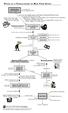 PATHS OF A FORECLOSURE IN NEW YORK STATE BORROWER DELINQUENT 2-3 months late with mortgage payments Lender sends notices, bills, letters to borrower stating that he/she is delinquent Borrower has multiple
REAL PROPERTY TODD COWAN TAX COMMISSIONER AND EX-OFFICIO SHERIFF
 REAL PROPERTY TODD COWAN TAX COMMISSIONER AND EX-OFFICIO SHERIFF As Delinquent Tax Officer, I receive many inquiries concerning Real Estate Tax Sales, how they work and what are the pros and cons. This
R. PORTER FEILD Burch, Porter & Johnson, PLLC 130 North Court Avenue Memphis, Tennessee 38103 (901) 524-5132. Unusual Issues in Today s Economy
 R. PORTER FEILD Burch, Porter & Johnson, PLLC 130 North Court Avenue Memphis, Tennessee 38103 (901) 524-5132 Unusual Issues in Today s Economy Real Estate Concerns in an Unstable Market Foreclosure by
SUMMARY OF THE 2011 HOA LAW REFORMS ENACTED BY THE TEXAS LEGISLATURE
 Open Board of Directors Meetings - Regular and special meetings of a Subdivision HOA's Board of Directors must be open to Homeowners subject to the limited right of the Board of Directors to meet in executive
Legislative Response to the Residential Mortgage Crisis
 Property Group December 2008 Legislative Response to the Residential Mortgage Crisis The current mortgage crisis has sparked legislative action in several states to modify foreclosure remedies and to provide
Nonjudicial Foreclosures of Commercial Loans Magnus Andersson
 Nonjudicial Foreclosures of Commercial Loans Magnus Andersson 1 Introduction This article will discuss the nonjudicial foreclosure process under Washington law, as it applies to foreclosures of commercial
NC General Statutes - Chapter 53 Article 21 1
 Article 21. Reverse Mortgages. 53-255. Title. This Article shall be known and may be cited as the Reverse Mortgage Act. (1991, c. 546, s. 1; 1995, c. 115, s. 1.) 53-256. Purpose. It is the intent of the
GENERAL ASSEMBLY OF NORTH CAROLINA SESSION 1991 H 1 HOUSE BILL 22
 GENERAL ASSEMBLY OF NORTH CAROLINA SESSION H HOUSE BILL Short Title: Regulate Reverse Mortgages. (Public) Sponsors: Representatives Brubaker, Easterling, Hasty, Ligon, Lineberry, Privette, and Woodard.
ADVANCED ISSUES IN FORECLOSURE MAZYAR HEDAYAT ESQ.
 ADVANCED ISSUES IN FORECLOSURE MAZYAR HEDAYAT ESQ. Page 1 of 13 The Process! Illinois foreclosures governed by Illinois Mortgage Law (735 ILCS 5/15 or IMFL)! process takes on average 9 months, but can
PUBLIC CHAPTER NO. 353
 ~tate of m:ennessee PUBLIC CHAPTER NO. 353 HOUSE BILL NO. 493 By Representative Sargent Substituted for: Senate Bill No. 601 By Senator Johnson AN ACT to amend Tennessee Code Annotated, Section 6-55-202
MCBA FAQS BANKRUPTCY Answer: i. LAW: ii. BEST PRACTICE:
 MCBA FAQS BANKRUPTCY 1. If an account is discharged in bankruptcy, is it necessary to file a release of lien, or does the mere fact of the discharge extinguish the lien? Answer: Sec 2809(6)(d) states that
No. 05-11-00700-CV IN THE FOR THE RAY ROBINSON,
 No. 05-11-00700-CV ACCEPTED 225EFJ016616444 FIFTH COURT OF APPEALS DALLAS, TEXAS 11 November 30 P8:40 Lisa Matz CLERK IN THE COURT OF APPEALS FOR THE FIFTH JUDICIAL DISTRICT DALLAS, TEXAS WELLS FARGO BANK,
PATHS OF A FORECLOSURE IN NEW YORK STATE
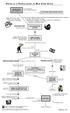 PATHS OF A FORECLOSURE IN NEW YORK STATE BORROWER DELINQUENT 2-3 months late with mortgage payments 90-DAY PRE-FORECLOSURE NOTICE Lender sends notices, bills, letters to borrower stating that he/she is
CHAPTER 35-22 FORECLOSURE OF MORTGAGES OF REAL PROPERTY BY ADVERTISEMENT
 CHAPTER 35-22 FORECLOSURE OF MORTGAGES OF REAL PROPERTY BY ADVERTISEMENT 35-22-01. Foreclosure under power of sale - Prohibition - Exception. Every mortgage of real property held by the state or any of
DELINQUENT ASSESSMENT COLLECTION
 Salvatori, Wood, & Buckel ATTORNEYS AT LAW 9132 Strada Place, Fourth Floor, Naples, FL 34108-2683 John D. Humphreville Tel: 239.552.4100 Direct Dial: 239.552.4107 Fax: 239.649.1706 [email protected] Web:
A Bill Regular Session, 2011 HOUSE BILL 1811
 Stricken language would be deleted from and underlined language would be added to present law. Act of the Regular Session 0 State of Arkansas th General Assembly As Engrossed: H// A Bill Regular Session,
Underwriting Bulletin: 2015-02
 Date: August 27, 2015 To: All Texas Agents From: Ellen Wied, VP/Underwriting Counsel RE: Same Sex Marriages and New Legislation SAME-SEX MARRIAGES Earlier this summer, the United States Supreme Court issued
FORECLOSURE. I don t think I can make my mortgage payments but I don t want to go through a foreclosure. What are some of my options?
 FORECLOSURE When you borrow money to buy a house or land, the creditor usually takes a security interest in the property you buy. This means that if you don t pay, the creditor can foreclose upon (or take
To help you better understand the foreclosure process, these definitions are presented in a logical order, rather than alphabetical order.
 FORECLOSURE GLOSSARY NOTICE: This glossary of legal words and phrases related to foreclosure is provided to you by the Clermont County Common Pleas Court to help you better understand your legal problem
OREGON BUSINESS DEVELOPMENT DEPARTMENT CREDIT ENHANCEMENT FUND INSURANCE PROGRAM LOAN INSURANCE AGREEMENT
 OREGON BUSINESS DEVELOPMENT DEPARTMENT CREDIT ENHANCEMENT FUND INSURANCE PROGRAM LOAN INSURANCE AGREEMENT In consideration of the mutual undertakings set forth in this Agreement, ("Lender") and the State
Chapter 5. Real Estate Finance Instruments. Chapter Objectives. Promissory Notes 10/11/2012
 Chapter 5 Real Estate Finance Instruments 1 Chapter Objectives Contrast a financing instrument from a security instrument. Discuss advantages and disadvantages of trust deeds. Discuss advantages and disadvantages
Real Estate Finance: Vermont
 View the online version at http://us.practicallaw.com/4-575-9565 Real Estate Finance: Vermont R. PRESCOTT JAUNICH AND KANE H. SMART, DOWNS RACHLIN MARTIN PLLC, WITH PRACTICAL LAW REAL ESTATE A Q&A guide
INSTRUCTIONS FOR COMPLETING OFFICIAL FORM 10, PROOF OF CLAIM I. INTRODUCTION
 INSTRUCTIONS FOR COMPLETING OFFICIAL FORM 10, PROOF OF CLAIM I. INTRODUCTION The principal response of a creditor to the filing of a bankruptcy case is to file a proof of claim (Official Form 10). Specifically,
Deed of Mortgage secured by Real Estate WESTERN AUSTRALIA
 Deed of Mortgage secured by Real Estate WESTERN AUSTRALIA 1 Deed of Mortgage secured by Real Estate - WESTERN AUSTRALIA Contents Parties Definitions 1 Purpose of Agreement; 2 Covenant to repay; 3 The Mortgagor
1$0675 ORDINANCE NO. _. An ordinance adding Article 7.2 to Chapter IV of the Los Angeles Municipal Code to regulate mortgage modification consultants.
 1$0675 ORDINANCE NO. _ An ordinance adding Article 7.2 to Chapter IV of the Los Angeles Municipal Code to regulate mortgage modification consultants. THE PEOPLE OF THE CITY OF LOS ANGELES DO ORDAIN AS
Florida Foreclosure/Real Estate Law. E-Book. A Simple Guide to Florida Foreclosure/Real Estate Law. by: Florida Law Advisers, P.A.
 Florida Foreclosure/Real Estate Law E-Book A Simple Guide to Florida Foreclosure/Real Estate Law by: Florida Law Advisers, P.A. 1 Call: 800-990-7763 Web: www.floridalegaladvice.com TABLE OF CONTENTS INTRODUCTION...
New York City Tax Sales
 New York City Tax Sales Michael J. Berey Senior Underwriting Counsel and Vice-President First American Title Insurance Company of New York Published in the Real Property Law Section New York State Bar
North Carolina Power of Sale Foreclosure Procedure
 North Carolina Power of Sale Foreclosure Procedure Pre-Foreclosure Notice G.S. 45-102 and G.S. 53-244.111 require that the servicer/noteholder mail a preforeclosure notice to the borrower s last known
Georgia 2013 Legislation as of March 14, 2013
 Georgia 2013 Legislation as of March 14, 2013 The Regular 2013 Session for the Georgia General Assembly began in January 2013. Below are updates on the bills of importance to the default servicing community.
PATHS OF A FORECLOSURE IN NEW YORK STATE
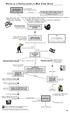 PATHS OF A FORECLOSURE IN NEW YORK STATE BORROWER DELINQUENT 2-3 months late with mortgage payments if S/P or N/T 90-DAY PRE-FORECLOSURE NOTICE* for all subprime and non-traditional loans (as defined by
Instructions for Forms 1099-A and 1099-C
 2016 Instructions for Forms 1099-A and 1099-C Department of the Treasury Internal Revenue Service Acquisition or Abandonment of Secured Property and Cancellation of Debt Section references are to the Internal
Texas Assignment of Rents Act (TARA) Presented by Dan Hopper TKREB CLE April 22, 2014
 Texas Assignment of Rents Act (TARA) Presented by Dan Hopper TKREB CLE April 22, 2014 TARA - Generally Texas Assignment of Rents Act (a/k/a TARA) Chapter 64 of the Texas Property Code Effective June 17,
 TOP 20 TITLE ISSUES In no particular order, here are brief summaries of the top 20 title issues that can arise in a real estate transaction: 1. Trusts 2. Power of Attorney 3. Death 4. Divorce 5. Foreclosure
Title 33: PROPERTY. Chapter 9: MORTGAGES OF REAL PROPERTY. Table of Contents
 Title 33: PROPERTY Chapter 9: MORTGAGES OF REAL PROPERTY Table of Contents Subchapter 1. GENERAL PROVISIONS... 3 Section 501. FORMS... 3 Section 501-A. "POWER OF SALE"... 3 Section 502. ENTRY BY MORTGAGEE...
NC General Statutes - Chapter 45 Article 9 1
 Article 9. Instruments to Secure Equity Lines of Credit. 45-81. Definitions. The following definitions apply in this Article: (1) Authorized person. Any borrower; the legal representative of any borrower;
UNITED STATES BANKRUPTCY COURT FOR THE WESTERN DISTRICT OF MICHIGAN ORIGINAL CHAPTER 13 PLAN
 UNITED STATES BANKRUPTCY COURT FOR THE WESTERN DISTRICT OF MICHIGAN In Re: Debtor(s), / Case #: Chapter 13 Hon. Filed: ORIGINAL CHAPTER 13 PLAN Check this box if this plan deviates in any way from the
How To Avoid Foreclosure
 For most families, a home is a place to live and raise children; it s a plan for the future, and also a source of pride. The Town of Davie promotes home preservation. Your home is not only a significant
I m behind in my mortgage payments, what should I do?
 FORECLOSURES This handout was prepared by Legal Services of Greater Miami, Inc.(LSGMI) with support from the Institute for Foreclosure Legal Assistance. LSGMI represents homeowners in foreclosure and homeowners
To all Interval Owners:
 To all Interval Owners: In September and October of 2010, the Massachusetts legislature and Governor Patrick approved major changes to Chapter 183B of the Massachusetts General Laws which substantially
Real Property Levy Guide
 Real Property Levy Guide How to use this Guide 1. Become familiar with conducting a basic (or fundamental) real property levy as described in Category C of this Guide. Category C serves as the standard
A. For the consideration agreed below to be paid to Contractor by City, Contractor shall provide
 STATE OF TEXAS CONTRACT FOR SERVICES COUNTY OF DALLAS THIS CONTRACT is made and entered into by and between the CITY OF DALLAS, a Texas municipal corporation, located in Dallas County, Texas (hereinafter
Housing Initiative Clinic Briefs
 THE EDWIN F. MANDEL LEGAL AID CLINIC OF THE UNIVERSITY OF CHICAGO LAW SCHOOL Housing Initiative Clinic Briefs Deeds in Escrow under Illinois Law By Megan Stephens 14 May 2014 This Housing Initiative Clinic
Cause No.: Application for an Expedited Order Under Rule 736 on a Home Equity, Reverse Mortgage, or Home Equity Line of Credit Loan
 Cause No.: In Re: Order for Foreclosure Concerning [property address] Under Tex. R. Civ. P. 736 Petitioner: Respondent(s): In the [type of court, e.g., district, county, or probate] Court County, Texas
Chapter 9 6/16/2010. Two Elements of a Mortgage Loan
 Some Effects of Mortgage Debt McGraw-Hill/Irwin Chapter 9 Real Estate Finance: The Laws and Contracts 9-1 Copyright 2010 by The McGraw-Hill Companies, Inc. All rights reserved. More households can own
3/24/15. Daniel P. Lindsey 312.347.8365 [email protected]. } Collection action (on a note) } Enforcing a security instrument (mortgage)
 Daniel P. Lindsey 312.347.8365 [email protected] } Note } Mortgage } Default } Acceleration } Foreclosure } Reinstatement } Redemption } Lien priority (senior/junior, first/second) } HELOC (Home
Bill Description Category Notes/Status
 OLTA Legislative Committee 2013 Bills Enacted - Sorted by Bill Number As of 01-Sep-13 Asterisk () - See Addendum - Summary of Bills Affecting Real Property Foreclosures Status: SG:Signed by Governor Bill
Williams Bankruptcy A Debt Relief Agency helping people eliminate debt and obtain relief under Chapter 7 of the Bankruptcy Code
 A Publication of the Law Office of Richard L. Williams Williams Bankruptcy A Debt Relief Agency helping people eliminate debt and obtain relief under Chapter 7 of the Bankruptcy Code Tips for Questionnaire
ALABAMA COURT OF CIVIL APPEALS
 REL: 6/30/11 Notice: This opinion is subject to formal revision before publication in the advance sheets of Southern Reporter. Readers are requested to notify the Reporter of Decisions, Alabama Appellate
FLOATING HOME RESIDENCY LAW. (As of 1/1/91)
 FLOATING HOME RESIDENCY LAW (As of 1/1/91) This booklet provides a summary and the actual wording of the Floating Homes Residency Law of California, as of January 1, 1991. The summary (in large type) is
Summary Outline of Mississippi Revised LLC Act (House Bill 683)
 Summary Outline of Mississippi Revised LLC Act (House Bill 683) In General The Revised Act is very friendly to small business but also supports freedom of contract principles. Existing LLCs that have written
FUNDAMENTALS OF UCC FORECLOSURES Bankruptcy Section Meeting October 25, 2011. Presented by Dennis G. Fenerty GROH EGGERS, LLC. fenertyd@groheggers.
 FUNDAMENTALS OF UCC FORECLOSURES Bankruptcy Section Meeting October 25, 2011 Presented by Dennis G. Fenerty [email protected] This outline describes the process required under Alaska s Uniform Commercial
Filing Bankruptcy: General Information. Debts
 Filing Bankruptcy: General Information The Big Picture The Big Picture when it comes to Bankruptcy is this: the person or entity that owes money and needs relief from creditors (the debtor ) is making
[Space Above This Line For Recording Data] which has the address of
![[Space Above This Line For Recording Data] which has the address of](/thumbs/25/4793700.jpg "[Space Above This Line For Recording Data] which has the address of") FORM 3C.8 HOME EQUITY CONVERSION: MODEL MORTGAGE FORM [Space Above This Line For Recording Data] State of [see note 1] MORTGAGE THIS MORTGAGE ( Security Instrument ) is given on, 20. The mortgagor is,
FORM 3C.8 HOME EQUITY CONVERSION: MODEL MORTGAGE FORM [Space Above This Line For Recording Data] State of [see note 1] MORTGAGE THIS MORTGAGE ( Security Instrument ) is given on, 20. The mortgagor is,
BUSINESS CREDIT AND CONTINUING SECURITY AGREEMENT
 BUSINESS CREDIT AND CONTINUING SECURITY AGREEMENT This Business Credit and Continuing Security Agreement ("Agreement") includes this Agreement and may include a Business Credit Agreement Rider and Business