
People-Centred Health Care A POLICY FRAMEWORK
|
|
|
- Lorin Ray
- 10 years ago
- Views:
Transcription
1 People-Centred Health Care A POLICY FRAMEWORK

2

3 People-Centred Health Care A POLICY FRAMEWORK

4 WHO Library Cataloguing in Publication Data People-Centred Health Care: A policy framework 1. Patient-centred care. 2. Delivery of health care. 3. Health policy. 4. Health systems. ISBN (NLM classification: W 84) World Health Organization 2007 All rights reserved. The designations employed and the presentation of the material in this publication do not imply the expression of any opinion whatsoever on the part of the World Health Organization concerning the legal status of any country, territory, city or area, or of its authorities, or concerning the delimitation of its frontiers or boundaries. The mention of specific companies or of certain manufacturers products does not imply that they are endorsed or recommended by the World Health Organization in preference to others of a similar nature that are not mentioned. Errors and omissions excepted, the names of proprietary products are distinguished by initial capital letters. The World Health Organization does not warrant that the information contained in this publication is complete and correct and shall not be liable for any damages incurred as a result of its use. Publications of the World Health Organization can be obtained from WHO Press, World Health Organization, 20 Avenue Appia, 1211 Geneva 27, Switzerland (tel: ; fax: ; [email protected]). Requests for permission to reproduce WHO publications, in part or in whole, or to translate them whether for sale or for noncommercial distribution should be addressed to WHO Press at the above address (fax: ; [email protected]). For WHO Western Pacific Regional Publications, requests for permission to reproduce should be addressed to Publications Office, World Health Organization, Regional Office for the Western Pacific, P.O. Box 2932, 1000, Manila, Philippines (fax: ; [email protected]).

5 Table of Contents Foreword Introduction Rationale for people-centred health care and health systems Vision for people-centred health care Domains and areas of reform for promoting people-centred health care...8 Individuals, families and communities...9 Health practitioners...10 Health care organizations...11 Health systems Conclusion...16 Annex: Regional Committee Resolution WPR/RC58.R4: People at the Centre of Care Initiative...18

6

7 Foreword Health improvements over the last century have been impressive, but health systems have reached a crucial turning point. Despite increasing health expenditures and unprecedented advances in modern medicine over the last century, people today are not necessarily healthier in mind and body. Neither are they more content with the health care they receive. Access, patient safety and quality and responsiveness of care are important and pressing global issues. As health is influenced by a complex interplay of physical, social, economic, cultural and environmental factors, it must be seen in a broader context, with all stakeholders involved. We need to re-establish the core value of health care, which is health and well-being of all people as the central goal. This entails a more holistic and people-centred approach to health care, and a balanced consideration of the rights and needs as well as the responsibilities and capacities of all health constituents and stakeholders. Health systems, therefore, need to change. This policy framework for people-centred health care has been prepared to help governments and other health partners in encouraging dialogue and initiating action. It was endorsed by WHO Member States during the fifty-eighth session of the Regional Committee for the Western Pacific held in the Republic of Korea in September The framework provides general principles and guidance for countries and areas in identifying and adapting policy reforms and interventions to their unique settings at national and local levels. It is important to realize that a carefully considered combination of measures which are mutually reinforcing will go a long way in bringing us closer to the desired goal and vision. WHO is committed to working closely with its partners to promote peoplecentred health care and providing practical guidance to Member States to ensure that health policies and interventions lead to more people-centred health care, better health outcomes, and improved health and well-being. It is our challenge and responsibility to move together in promoting this vision and to translate it into reality through our individual and collective action. Shigeru Omi, MD, Ph.D. Regional Director

8 People-centred health CARE

9 1 Introduction In recent years, there has been increasing interest in the patient s perspective of health care and how health systems can better respond to the needs of all health care stakeholders and constituencies in a holistic manner. Previous recommendations of Member States through the WHO Regional Committees for the Western Pacific and South-East Asia reflect the need to pursue work in the following: equity and fairness into policies; the development of programmes firmly grounded in ethical principles; the quality of health care and patient safety; human dignity, patients rights and needs, and the role of families, culture and society; the broader psychosocial and cultural determinants of health; and ethics related to medical practice, research and education. These issues have widespread relevance and significance. Improving health care quality and safety and enhancing the people s experience of care require attention not only to health system design but also to the focus and process of patient care. How to best use information about the needs and expectations of patients and other health stakeholders as a set of organizing principles for the design of health care systems is a shared challenge across countries in the Asia Pacific Region. A POLICY FRAMEWORK

10 2 Rationale for people-centred health care and health systems The achievements of modern medicine over the last century are impressive. Advances in diagnostic procedures, non-invasive interventions, pharmaceuticals, and effective health promotion and disease prevention strategies have greatly improved the ability of health practitioners to diagnose, manage and treat numerous health conditions. However, health systems have reached an important turning point. Globally, population health patterns and outcomes are changing as the burden of disease shifts from infectious diseases to chronic diseases. Diabetes, depression, cardiovascular disease and disabilities now account for over half the burden of disease globally and in the Western Pacific and South-East Asia Regions. This trend is expected to continue, representing a major challenge to today s health systems, particularly as the shift in the burden of disease increases the need for people to have continuing contact with multiple practitioners in the health system. At the same time, higher levels of education, increased availability of information, rising consumerism and greater access to goods and services are altering community expectations of health care delivery. With basic health infrastructure and essential health services in place, people now expect health systems, health care organizations and health practitioners to move to a higher level of performance and adopt a more humanistic and holistic approach to health care, where the individual who needs care is viewed and respected as a whole person with multidimensional needs. Patient satisfaction is an increasingly important consideration. According to the International Alliance of Patients Organizations, a cross-country study of the perceptions of health care quality revealed that overall, about half of patients are dissatisfied with current health care and roughly the same proportion see no significant improvement over a five-year horizon (A Survey of Patient Organizations Concerns: Perceptions of Healthcare, 2006). People-centred health CARE

11 Patient safety is a global issue. The World Alliance for Patient Safety reports that the risk of health care-associated infection in developing countries is 2 to 20 times higher than in developed countries. In some, the proportion of patients affected by a health care-acquired infection can exceed 25%. At any time, over 1.4 million people worldwide are suffering from infections acquired in hospitals, and up to 10% of patients admitted to modern hospitals in the developed world acquire one or more infections. The persistence of such high levels of unsafe care, which is largely avoidable, is alarming. Responsiveness of care is another important issue. It is one of three key measures of health systems performance identified in The World Health Report 2000, Health Systems: Improving Performance. It addresses people s non-medical expectations and comprises: respect for people, which covers respect for dignity, confidentiality and autonomy; and client orientation, which covers prompt attention, quality of amenities, access to social support networks and choice of provider. The World Health Report 2000 noted that poor populations receive the worst levels of responsiveness and emphasized that recognizing responsiveness as an intrinsic goal of health systems establishes that these systems are there to serve people, and involves more than an assessment of people s satisfaction with the purely medical care they receive. These are important aspects that are clearly beyond the realm of biomedicine and specialized models of care, where other factors such as psychosocial, cultural and broader environmental determinants of health are unduly neglected. The need for patient-centredness has become an important global issue, having been identified by the Institute of Medicine of the United States National Academies of Science as one of six attributes of health care quality, the others being safety, timeliness, effectiveness, efficiency and equity. But while the patient-centred approach addresses issues of quality and holistic health care, it does not meet some of the broader health challenges. The people-centred approach meets these broader challenges by recognizing that before people become patients, they need to be informed and empowered in promoting and protecting their own health. There is a need to reach out to all people, to families and communities beyond the clinical setting. In addition, health practitioners are people, and health care organizations and systems are made up of people. Their needs should also be considered, and they must be empowered to change the system for the better. That is, a people-centred approach involves a balanced consideration of the rights and needs as well as the responsibilities and capacities of all the constituents and stakeholders of the health care system. WHO has published relevant studies and reports addressing the issues and challenges faced by today s beleaguered health care systems, particularly in relation to putting people at the centre of health care. Key considerations include the importance of mental health issues (The World Health Report 2001), patient-centredness as a core competency of health workers (The Challenge of Chronic Conditions: Preparing a Health Care Workforce for the 21st Century, 2005), and being patient-centred as a key dimension of health care quality (Quality of Care: A Process for Making Strategic Choices in Health Systems, 2006). A POLICY FRAMEWORK

12 If health systems are to move beyond the traditional models of providing health care and of measuring health system performance, greater attention to health system design, financing mechanisms, and the focus and process of care is required. A literature review and a series of stakeholder consultations in selected countries identified a number of gaps and weaknesses in current health systems that need attention: Health systems and services have become overly biomedical oriented, disease focused, technology driven and doctor dominated. There is a need to restore balance in health care including the health system itself. Health care financing mechanisms have not been optimal, pushing provider behaviour towards inadequate care short consultations, lack of referrals, under- or over-servicing in relation to financial incentives, inadequate case management, and discontinuity of care. Medical education has increasingly concentrated on body systems and disease conditions. The broader and important aspects of cultural context, psychosocial factors, medical ethics, and communication and relational skills, among others, have been neglected. There is a need to put emphasis not only on technical quality but also on the experiential elements of care. Workforce development and policies should be reviewed accordingly. There is little patient and family participation in health care. This is abetted by factors such as low levels of education and health literacy, limited availability and sharing of understandable and culturally appropriate information and education materials, short and hurried consultations, and lack of population health and public health focus of the health system. Specialization and weak referral systems have led to fragmentation and discontinuity of care, both within and between health care institutions, and between the formal health care system and other sources of care, such as support groups and the community. Traditionally, the focus has been the supply side of the health equation the biomedical, technological, provider and delivery system side of health care. It is time to pay more attention to the demand side patients, families, communities and society at large. Across the Region, basic health infrastructure and essential health services are in place and socioeconomic conditions are improving. Strengthening and reorienting health systems to provide people-centred health care should now be on the health agenda. People-centred health CARE

13 3 Vision for people-centred health care The overall vision for people-centred health care is one in which individuals, families and communities are served by and are able to participate in trusted health systems that respond to their needs in humane and holistic ways. The health system is designed around stakeholder needs and enables individuals, families and communities to collaborate with health practitioners and health care organizations in the public, private and not-for-profit health and related sectors in driving improvements in the quality and responsiveness of health care. People-centred health care is rooted in universally held values and principles which are enshrined in international law, such as human rights and dignity, nondiscrimination, participation and empowerment, access and equity, and a partnership of equals. It aims to achieve better outcomes for individuals, families, communities, health practitioners, health care organizations and health systems by promoting the following: Culture of care and communication. Health care users being informed and involved in decision-making and having choices; providers showing respect for their privacy and dignity and responding to their needs in a holistic manner. Responsible, responsive and accountable services and institutions. Providing affordable, accessible, safe, ethical, effective, evidence-based and holistic health care. 3. Supportive health care environments. Putting in place appropriate policies and interventions, positive care and work environments, strong primary care workforce, and mechanisms for stakeholders involvement in health services planning, policy development and feedback for quality improvement. A POLICY FRAMEWORK

14 4 Domains and areas of reform for promoting people-centred health care The major challenge confronting health systems is the need to tip the balance away from health services that are overly biomedical oriented, disease focused, technology driven and doctor dominated. There is a clear call to restore balance in health care and the health system itself. There is demand for more to be done and there is an evidence base to justify a framework for strategic action. The Policy Framework charts pathways for balancing health systems in the Asia Pacific Region and achieving the desired reorientation to optimal, holistic and people-centred health care in the 21st century. This involves comprehensive and positive changes spanning four key policy and action domains, corresponding to key health care constituencies that will continue to drive and sustain the paradigm shift: (1) individuals, families and communities; (2) health practitioners; (3) health care organizations; and (4) health systems. The interrelatedness of these four domains necessitates mutually reinforcing changes in all parts of the health system if real transformation is to occur. Leadership within and across all domains will be the ultimate enabler of change. In recognition of the different levels of health systems development in the Region, the Policy Framework is non-prescriptive and is intended as a guide only. It is comprehensive but not exhaustive, providing Member States with an indicative list of evidence-based policy measures that can be utilized in placing people at the centre of health care and health systems. Member States can adopt an appropriate mix of reforms and interventions based on their own unique needs and circumstances. People-centred health CARE

15 4.1 Individuals, families and communities Holistic and compassionate health care requires an effective partnership between people who need care and people who provide care. To achieve this, action is required to support capacity-building for better informed and more empowered individuals, families and communities who are able to actively participate in health care and in health systems development. Strategic responses could include: (a) Increasing health literacy community and mass media education campaigns; skills-oriented health education programmes in schools; written information in conjunction with verbal information in clinical consultations; and evidence-based health education through the web. (b) Providing communication and negotiation skills that lead to meaningful participation in decision-making personalized and comprehensive decision-making aids, including computer-based and web-based health education packages; and access to health records, including audio recordings and written summaries of clinical consultations, as appropriate. (c) Improving capacity for self-management and self-care chronic disease management training programmes; computer or web-based targeted health education programmes; referral to appropriate patient or peer support groups; and interventions that promote patient adherence to medication regimes, e.g. providing explicit written instructions about taking prescribed medicines. (d) Increasing capacity of the voluntary sector, community-based organizations and professional organizations to extend mutual assistance volunteer training and support programmes; funding for self-help programmes; and funding mechanisms for nongovernmental organizations. A POLICY FRAMEWORK

16 (e) Promoting social infrastructure that supports community participation in health services planning and facilitates greater collaboration between local governments and communities participation and collaboration mechanisms for local governments, communities, health-oriented groups and consumer organizations; and funding and training for consumer organizations and their representatives. (f ) Developing community leaders who advocate and support community involvement in health service delivery identification of suitable leaders in local communities; leadership development programmes; and mechanisms for participation in hospital boards, health care advisory panels and community health programmes. 4.2 Health practitioners Competent health practitioners are required to deliver health care that is responsive to the needs, preferences and expectations of people accessing health services. The most effective and appropriate intervention in this domain is appropriate education and training of health practitioners. Strategic responses could include: (a) Increasing capacity for holistic and compassionate care identification of core competencies of people-centred health practitioners; promotion and integration of core competencies in all education and training programmes for health practitioners; and development of comprehensive, harmonized medical, nursing and allied health curriculum (including undergraduate, postgraduate and continuing professional development) and community-based training that: are skills-oriented; emphasize bio-psychosocial and spiritual factors; include humanities-based subjects (such as medical ethics) in addition to the clinically oriented subjects; 10 People-centred health CARE

17 cover communication skills, building trust and developing tailor-made interventions; increase cultural competency; facilitate understanding of psychosocial dimensions of health and illness and of the role of traditional medicine in health care; promote evidence-based practice; feature a balance of family medicine and specialities; use role models to instil in students the values of people-centred health care; bring medical, nursing and allied health students together during clinical training in order to allow students to develop skills necessary for working in a multidisciplinary team; inculcate a culture of reflective practice; encourage life-long learning, personal growth and development; instil the importance of taking care of one s health and wellbeing; utilize a variety of teaching and learning strategies; and provide continuing professional development for health practitioners in a number of forms (i.e. Internet, professional associations and journals). (b) Enhancing commitment to quality, safe and ethical services formation and reinforcement of people-centred values in the curriculum and in continuing education, professional codes of conduct, and workforce development and regulation policies; and recognition of and support for clinical educators and role models who espouse professionalism and humanism in health care and transfer values to trainees through active modes of instruction. 4.3 Health care organizations The way health care delivery is organized and managed can provide incentives for the delivery of quality health care, as well as address the fragmentation of care resulting from numerous health providers offering services from different, limited specialty perspectives or programme areas. At the institutional level, there is a need to adopt measures that respond to the needs of patients, health practitioners and other staff. Effective interventions at the organizational level specifically relate to physical environments; service coordination and continuity of care; multi-disciplinary collaboration and partnerships; patient education and counselling; models of care; incentives for safe, quality and ethical services; and leadership capacity. Strategic responses could include: A POLICY FRAMEWORK 11

18 (a) Providing a conducive and comfortable environment for people receiving health care and for health practitioners health care environment designed for comfort, safety and functionality, providing access to social, emotional and spiritual support for patients and their families, as well as for staff of the facility; appropriate and flexible visiting policies; risk management policies (i.e. infection control guidelines) that protect the public, patients and staff; and use of waiting rooms and other public spaces within the premises of health care facilities and organizations for opportunistic health education. (b) Ensuring effective and efficient coordination of care transparent, accessible and understandable service protocols that improve patient flow; appropriate scheduling of appointments; reminder notices for specific interventions; public announcements, loose or wall-mounted printed materials and signage to guide health service navigation; hand-held patient health records (electronic or hard copy); and protocols for discharge and referral. (c) Establishing and strengthening multidisciplinary care teams detailed job descriptions for each health worker, incorporating duties and responsibilities as a team member; support for team development and effective teamwork (e.g. training on group dynamics, communication and negotiation skills and conflict resolution); and communication protocols across disciplines. (d) Strengthening the integration of patient education, family involvement, self-management and counselling into health care concise, simple, harmonized and effective communication and counselling protocols for health practitioners; and educational guides and sessions on self-care and home care for patients and their families, with appropriate illustrations and demonstrations. 12 People-centred health CARE

19 (e) Providing standards and incentives for safe, quality and ethical services staffing standards, including quantity and workforce mix, for different levels and types of health facilities; staff salary levels that provide financial security; performance-based incentive packages, including public acknowledgement of model staff; opportunities for continuing professional development and competency-based skills training; and targeted monitoring and evaluation of individual and team performance for continuous quality improvement. (f ) Introducing and strengthening models of care continuing development and sharing of new models of care across all service areas and settings (e.g. outreach clinics, nursepractitioners, psychosocial interventions including group therapies, and shared careincluding community-based care). (g) Enhancing leadership capacity of health services managers in championing people-centred health care capacity-building to enhance leadership, managerial and organizational development competencies; creation of inter-professional leadership teams; and leadership training programmes. 4.4 Health systems Policies relating to the organization, delivery and financing of health care have not been optimal. It is imperative to involve stakeholders not only in the health sector, but also in other sectors whose work impacts health outcomes and health status. A supportive health system will ensure that interventions implemented at the organizational, health practitioner and health consumer levels are effective. Strategic responses could include: (a) Developing and strengthening primary care and the primary care workforce human resource planning that places due emphasis on primary care and provides for balanced geographical distribution of primary care practitioners; participation of professional bodies in setting standards for education and practice and in raising the profile of family medicine; A POLICY FRAMEWORK 13

20 networking and referral systems between primary care and higher levels of care; selection criteria for education and training that explicitly consider the needs of disadvantaged and cultural communities; standards of practice for traditional medicine, where appropriate; and link with and access to accredited traditional medicine practitioners or facilities. (b) Putting in place financial incentives that induce positive provider behaviour and improve access and financial risk protection for the whole population evidence-informed purchasing arrangements and payment systems that consider quality and responsiveness; performance evaluation systems and performance-based subsidies or grants (e.g. for improved service quality and more compassionate care); and social health insurance schemes. (c) Building a stronger evidence base on ways to improve health care and the health system itself to achieve better health outcomes developing guidelines and service evaluation tools; undertaking research and development on innovative approaches and interventions that promote holistic and compassionate care, are culturally appropriate and address equity issues; and monitoring and evaluation of health care reforms and interventions to guide the continuing health systems development process. (d) Ensuring rational technology use technology assessment criteria that balance economic and social costs with expected positive impact on health care and health outcomes; and participatory technology assessment processes. (e) Strengthening the monitoring of professional standards mechanisms to ensure adherence to standards of health professional education and practice; and public accountability for maintenance of professional standards. 14 People-centred health CARE

21 (f ) Instituting public accountability measures for health services organization, delivery and financing public reporting of performance of relevant health agencies and health care organizations, including specific services or departments in health care facilities; and social and institutional preparation for public reporting of performance, including ensuring that the reporting leads to a culture of quality and system improvement and not destructive litigation and blame. (g) Monitoring and addressing patient and community concerns about health care quality accessible and transparent system for the investigation of complaints; conciliation mechanisms for quicker resolution of disputes; independent party presence in dispute resolution; patient and public satisfaction surveys; and adverse events monitoring, including pharmaco-vigilance. (h) Assisting people who have experienced adverse events in the health system access to medical records to support investigation; autonomous investigation of adverse events; and mechanisms of redress, including counseling and compensation, as appropriate. (i) Ensuring protection of patient information legal protection of patient information; privacy policies in health care organizations; and training for health care organization staff responsible for, or with access to, sensitive health care-related information. A POLICY FRAMEWORK 15
22 5 Conclusion Health systems continue to struggle with issues of quality, safety and responsiveness to the needs, legitimate demands and reasonable expectations of the people whom health care systems were set up to serve. Economic, demographic and social forces have increasingly put pressure on health systems not only to provide universally accessible, effective and scientifically sound health care, but also to ensure that services are designed and delivered in ways that respect people s rights, needs and preferences for information, psychosocial support and participation in decisionmaking for their own health and health care. The need for innovative, balanced, and holistic approaches to health care has become a matter of urgency for health systems worldwide. A supportive and humanitarian health system embraces and promotes a more positive approach to health care that gives due consideration to the multifaceted needs and responsibilities of all health constituencies and stakeholders. It is a system where efficient and benevolent health care organizations, competent and responsive health practitioners, and informed and empowered individuals, families and communities mutually benefit from and contribute to people-centred health care. While health systems have diverse socioeconomic, cultural and political contexts, a people-centred approach to health care is relevant to and could be adopted by all forms of health systems at all stages of their development. Good practices have come from both resource-rich and resource-challenged health systems, showing that any health system can achieve positive changes and results with the judicious and appropriate use of current resources and capabilities. 16 People-centred health CARE
23 A paradigm shift in health systems towards people-centred health care that restores harmony and balance to individuals, as well as harmony and connectedness between people and their environment, promises many potential gains. These include increased patient safety, improved adherence to care plans, improved treatment and health outcomes, increased patient satisfaction with care, and improved quality of life for patients and their families, the community and society at large. The benefits also spill over to the provider side in terms of provider satisfaction, patient trust and loyalty, good public reputation, and a cost-effective and sustainable health system resulting from appropriate health care use by empowered patients, families and communities. The Policy Framework is designed as a menu of evidence-based interventions and best practices that promote people-centred health care and facilitate policy development and implementation at the country level. Countries and areas in the Western Pacific Region should take guidance from this Policy Framework according to their specific needs and situations. The Policy Framework will pave the way for cooperation and concerted action among all stakeholders at regional, subregional, national and local levels. The WHO Regional Office for the Western Pacific will take a leadership role in the further development and implementation of the Policy Framework through advocacy, technical support and assistance to countries and areas, and establishment of appropriate coordination, monitoring and evaluation mechanisms to sustain reforms and make people-centred health care a reality for all people in the Western Pacific Region and beyond. A POLICY FRAMEWORK 17
24 ANNEX : Regional Committee Resolution WPR/RC58.R4 People at the Centre of Care Initiative The Regional Committee, Recalling previous resolutions by the Regional Committee for the Western Pacific, particularly WPR/RC55.R1, WPR/RC54.R2 and WPR/RC53.R6, calling attention to the need to improve the quality of health care and to consider the broader psychosocial, cultural, ethical and social determinants of health, including the principles of biomedical ethics, fairness, equity and human rights; Further recalling resolution WPR/RC55.R1, requesting the Regional Director to produce, in collaboration with Member States and the WHO Regional Office for South-East Asia, a draft policy framework reflecting the significance of psychosocial factors affecting health outcomes and to present it to the Regional Committee at the appropriate time; Emphasizing the relevance of accelerating people-centred care to the strengthening of primary health care and health promotion; Appreciating the significance of broader psychological, cultural and social determinants of health and their impact on health care outcomes and on overall health and well-being; Realizing the need for health care approaches that harmonize mind and body, and people and their environment; Noting that while health systems have diverse socioeconomic, cultural and political contexts, a people-centred, patient-empowering approach to health care is relevant to all forms of health systems at all stages of their development; Mindful that effective and sustainable health care reform and reorientation towards people-centred health care require multisectoral participation and commitment by all; 18 People-centred health CARE
25 Recognizing the importance of people-centred health care to the range of programmes: prevention, primary health care, health promotion and other individualbased approaches; Acknowledging that people-centred health care is having some positive impact on patient safety, adherence to care plans, treatment and health outcomes, satisfaction with care, and quality of life, as well as provider satisfaction, patient trust and loyalty, good public reputation, and a cost-effective and sustainable health system resulting from appropriate health care use by empowered patients; Emphasizing the need to consolidate, build on and scale up current efforts in taking the people-centred movement forward and achieving the desired changes to health systems; Having considered the draft People-centred Health Care: A Policy Framework; 1 1. ENDORSES the draft People-centred Health Care: A Policy Framework as a guide for Member States to develop and implement people-centred health care policies and interventions according to their national contexts; 2. URGES Member States: (1) to consider initiating national, multisectoral action to review existing health policies and programmes in the light of the Policy Framework; (2) to critically assess the policy options and interventions, and prioritize adoption and implementation according to their relevance and applicability to national and local situations; (3) to cooperate with WHO in strengthening the evidence base and in pursuing advocacy and social mobilization activities to institutionalize the people-centred approach in health systems; 3. REQUESTS the Regional Director: (1) to continue to work with the WHO Regional Office for South-East Asia and relevant experts in developing international standard guidelines and providing practical guidance to Member States in the reorientation of health systems towards people-centred health care; 1 Annex to document WPR/RC58/11. A POLICY FRAMEWORK 19
26 (2) to undertake advocacy and social mobilization activities in consolidating and taking to scale current efforts and initiatives on people-centred health care; (3) to support and work with Member States in developing action plans and implementation tools, including monitoring and evaluation mechanisms, to ensure that health policies and interventions lead to more people-centred health care, better health outcomes, and improved health and well-being; (4) to report to the Regional Committee on the progress of the initiative at the appropriate time. Eighth meeting, 14 September 2007 WPR/RC58/SR/8 20 People-centred health CARE
27 A POLICY FRAMEWORK 21
28 ISBN
How To Be A Health Care Provider
 Program Competency & Learning Objectives Rubric (Student Version) Program Competency #1 Prepare Community Data for Public Health Analyses and Assessments - Student 1A1. Identifies the health status of
Policy Paper: Accessible allied health primary care services for all Australians
 Policy Paper: Accessible allied health primary care services for all Australians March 2013 Contents Contents... 2 AHPA s call to action... 3 Position Statement... 4 Background... 6 Healthier Australians
Adelaide Statement on Health in All Policies moving towards a shared governance for health and well-being
 Taking account of health means more effective government More effective government means improved health Report from the International Meeting on Health in All Policies, Adelaide 2010 The Adelaide Statement
Australian Medical Council Limited. Standards for Assessment and Accreditation of Primary Medical Programs by the Australian Medical Council 2012
 Australian Medical Council Limited Standards for Assessment and Accreditation of Primary Medical Programs by the Australian Medical Council 2012 Medical School Accreditation Committee December 2012 December
BS, MS, DNP and PhD in Nursing Competencies
 BS, MS, DNP and PhD in Nursing Competencies The competencies arise from the understanding of nursing as a theory-guided, evidenced -based discipline. Graduates from the curriculum are expected to possess
Standards of Proficiency and Practice Placement Criteria
 Social Workers Registration Board Standards of Proficiency and Practice Placement Criteria Bord Clárchúcháin na noibrithe Sóisialta Social Workers Registration Board Issued: January 2014 Contents Page
Personal Assessment Form for RN(NP) Practice for the SRNA Continuing Competence Program (CCP)
 Personal Assessment Form for RN(NP) Practice for the SRNA Continuing Competence Program (CCP) Completing a personal assessment is a mandatory component of the SRNA CCP. It allows a RN and RN(NP) to strategically
Nursing Knowledge for Your Benefit
 Nursing Knowledge for Your Benefit Policy of the Icelandic Nurses Association on Nursing and Health Care 2011-2020 About this Policy The present Policy of the Icelandic Nurses Association (INA) was developed
Subdomain Weight (%)
 CLINICAL NURSE LEADER (CNL ) CERTIFICATION EXAM BLUEPRINT SUBDOMAIN WEIGHTS (Effective June 2014) Subdomain Weight (%) Nursing Leadership Horizontal Leadership 7 Interdisciplinary Communication and Collaboration
December 23, 2010. Dr. David Blumenthal National Coordinator for Health Information Technology Department of Health and Human Services
 December 23, 2010 Dr. David Blumenthal National Coordinator for Health Information Technology Department of Health and Human Services RE: Prioritized measurement concepts Dear Dr. Blumenthal: Thank you
National Health Research Policy
 National Health Research Policy The establishment of a Department of Health Research (DHR) in the Ministry of Health is recognition by the GOI of the key role that health research should play in the nation.
Expected Competencies of graduates of the nursing program at Philadelphia University
 Expected Competencies of graduates of the nursing program at Philadelphia University Background Educational programs are prepared within the context of the countries they serve. They are expected to respond
Core Competencies for Public Health Professionals
 Core Competencies for Public Health Professionals Revisions Adopted: May 2010 Available from: http://www.phf.org/programs/corecompetencies A collaborative activity of the Centers for Disease Control and
Draft Sri Lanka National Health Promotion Policy
 Draft Sri Lanka National Health Promotion Policy Table of contents Executive summary...1 Forewords...2 Preamble...3 The Concept for Health Promotion development...4 Guiding Principles...4 Current Sri Lanka
Competencies for registered nurses
 1 Competencies for registered nurses Te whakarite i nga mahi tapuhi kia tiakina ai te haumaru a-iwi Regulating nursing practice to protect public safety December 2007 2007 2 Competencies for registered
Alberta Health. Primary Health Care Evaluation Framework. Primary Health Care Branch. November 2013
 Primary Health Care Evaluation Framewo Alberta Health Primary Health Care Evaluation Framework Primary Health Care Branch November 2013 Primary Health Care Evaluation Framework, Primary Health Care Branch,
ASPH Education Committee Master s Degree in Public Health Core Competency Development Project
 ASPH Education Committee Master s Degree in Public Health Core Competency Development Project Version 2.3 Word Format Domains and Competencies Only May 2007 Discipline-specific Competencies A. BIOSTATISTICS
Clinical Evaluation Criteria Clinical Nursing II NUR 1242L
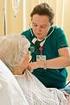 Clinical Evaluation Criteria Clinical Nursing II NUR 1242L Student Name Semester Year Clinical Instructor(s) Rate the student on a 1-4 scale for each of the following items. 1 - Inadequate. does not meet
Job Description. Wilson Health Centre, Cranmer Road, Mitcham, Surrey, CR4 4TP. Practice Manager / Clinical Manager (Clinical Matters)
 Job Description Job Title: Job Location: Responsible to: Hours of work: Salary: Nurse Practitioner (NP) Wilson Health Centre, Cranmer Road, Mitcham, Surrey, CR4 4TP Practice Manager / Clinical Manager
Test Content Outline Effective Date: February 9, 2016. Family Nurse Practitioner Board Certification Examination
 February 9, 2016 Board Certification Examination There are 200 questions on this examination. Of these, 175 are scored questions and 25 are pretest questions that are not scored. Pretest questions are
NMC Standards of Competence required by all Nurses to work in the UK
 NMC Standards of Competence required by all Nurses to work in the UK NMC Standards of Competence Required by all Nurses to work in the UK The Nursing and Midwifery Council (NMC) is the nursing and midwifery
AACN SCOPE AND STANDARDS
 AACN SCOPE AND STANDARDS FOR ACUTE AND CRITICAL CARE NURSING PRACTICE AMERICAN ASSOCIATION of CRITICAL-CARE NURSES AACN SCOPE AND STANDARDS FOR ACUTE AND CRITICAL CARE NURSING PRACTICE Editor: Linda Bell,
National Standards for Safer Better Healthcare
 National Standards for Safer Better Healthcare June 2012 About the Health Information and Quality Authority The (HIQA) is the independent Authority established to drive continuous improvement in Ireland
CODE OF ETHICS. Approved: June 2, 2014 Effective: December 1, 2014
 CODE OF ETHICS Approved: June 2, 2014 Effective: December 1, 2014 463 St. Anne s Road Winnipeg, MB R2M 3C9 [email protected] T: (204) 663-1212 TF: (1-877-663-1212 F: (204) 663-1207 Introduction: The Code of
Online MPH Program Supplemental Application Handbook
 Online MPH Program Supplemental Application Handbook Table of Contents Online MPH Supplemental Application Handbook Completing & Submitting the Supplemental Application 2 Eligible Previous Public Health
Guide for Documenting and Sharing Best Practices. in Health Programmes
 Guide for Documenting and Sharing Best Practices in Health Programmes Guide for Documenting and Sharing Best Practices in Health Programmes WORLD HEALTH ORGANIZATION Regional Office for Africa Brazzaville
WHO Consultation on the Zero Draft Global Mental Health Action Plan 2013-2020 International Diabetes Federation (IDF) Submission
 WHO Consultation on the Zero Draft Global Mental Health Action Plan 2013-2020 International Diabetes Federation (IDF) Submission The International Diabetes Federation (IDF), an umbrella organisation of
The Health Agenda, Volume 1. Issue 4. Oct, 2013. Masters of public health education in India: Current scenario and future prospect
 REVIEW ARTICLE Masters of public health education in India: Current scenario and future prospect Authors: Sagar D Meghe, Quazi Syed Zahiruddin, Abhay Gaidhane and Prakash B Behere Corresponding author:
Advanced Nurse Practitioner Specialist. Palliative
 JOB DESCRIPTION ellenor Advanced Nurse Practitioner Specialist Palliative Care Responsible to Accountable to: Head of Adult Community Services Director of Patient Care General ellenor is a specialist palliative
Standards of proficiency. Occupational therapists
 Standards of proficiency Occupational therapists Contents Foreword 1 Introduction 3 Standards of proficiency 7 Foreword We are pleased to present the Health and Care Professions Council s standards of
SALT LAKE COMMUNITY COLLEGE PHILOSOPHY OF THE NURSING PROGRAM
 SALT LAKE COMMUNITY COLLEGE PHILOSOPHY OF THE NURSING PROGRAM The philosophy of the nursing program is consistent with the mission statement and values of Salt Lake Community College. The mission of the
Nurse Practitioner Mentor Guideline NPAC-NZ
 Nurse Practitioner Mentor Guideline NPAC-NZ Purpose To provide a framework for the mentorship of registered nurses to prepare for Nurse Practitioner (NP) registration from the Nursing Council of New Zealand.
Following are detailed competencies which are addressed to various extents in coursework, field training and the integrative project.
 MPH Epidemiology Following are detailed competencies which are addressed to various extents in coursework, field training and the integrative project. Biostatistics Describe the roles biostatistics serves
Nurse practitioner standards for practice
 Orientating statements Nurse practitioners have the capability to provide high levels of clinically focused nursing care in a variety of contexts in Australia. Nurse practitioners care for people and communities
AANMC Core Competencies. of the Graduating Naturopathic Student
 Page 1 Introduction AANMC Core Competencies of the Graduating Naturopathic Student Page 2 Table of Contents Introduction... 3 Core Principles... 5 Medical Assessment and Diagnosis... 6 Patient Management...
Dear Colleagues, Best Regards, Pamela L. Quinones, RDH, BS
 A Letter from the 2011-2012 ADHA President Dear Colleagues, Partnering with ADEA to develop the Core Competencies for Graduate Dental Hygiene Education was a very positive and rewarding experience for
Medical College of Georgia Augusta, Georgia School of Medicine Competency based Objectives
 Medical College of Georgia Augusta, Georgia School of Medicine Competency based Objectives Medical Knowledge Goal Statement: Medical students are expected to master a foundation of clinical knowledge with
Chapter 2 Essential Skills for Case Managers
 Chapter 2 Essential Skills for Case Managers 2.1 Essential Skill Overview If you ask ten people what case management means to them, you will most likely get ten different answers. Though case management
POSITION DESCRIPTION
 POSITION DESCRIPTION SEPC s Mission: Supporting people with a life-limiting illness to live with dignity. Department: Position Title: Award: Hours of Duty: Responsible to: Performance Appraisal: Essential
Model Scopes of Practice & Career Ladder for Substance Use Disorder Counseling
 Model Scopes of Practice & Career Ladder for Substance Use Disorder Counseling February 2011 Background and Introduction Treatment of substance use disorders (SUD) is recognized as a multidisciplinary
Good Scientific Practice
 Section 1: The purpose of this document There are three key components to the Healthcare Science workforce in the UK: 1. Healthcare Science Associates and Assistants who perform a diverse range of task
Strengthening of palliative care as a component of integrated treatment throughout the life course
 EXECUTIVE BOARD EB134/28 134th session 20 December 2013 Provisional agenda item 9.4 Strengthening of palliative care as a component of integrated treatment throughout the life course Report by the Secretariat
WORLD HEALTH ORGANIZATION
 WORLD HEALTH ORGANIZATION FIFTY-SIXTH WORLD HEALTH ASSEMBLY A56/27 Provisional agenda item 14.18 24 April 2003 International Conference on Primary Health Care, Alma-Ata: twenty-fifth anniversary Report
The Bangkok Charter for Health Promotion in a Globalized World
 The Bangkok Charter for Health Promotion in a Globalized World Introduction Scope The Bangkok Charter identifies actions, commitments and pledges required to address the determinants of health in a globalized
PRACTICE FRAMEWORK AND COMPETENCY STANDARDS FOR THE PROSTATE CANCER SPECIALIST NURSE
 PRACTICE FRAMEWORK AND COMPETENCY STANDARDS FOR THE PROSTATE CANCER SPECIALIST NURSE MARCH 2013 MONOGRAPHS IN PROSTATE CANCER OUR VISION, MISSION AND VALUES Prostate Cancer Foundation of Australia (PCFA)
P O S I T I O N D E S C R I P T I O N POSITION # MANAGEMENT EXCLUDED BARGAINING UNIT
 P O S I T I O N D E S C R I P T I O N SECTION A: Position Identification POSITION TITLE: Social Worker (MSW) CLASSIFICATION DEPARTMENT DIVISION POSITION # MANAGEMENT EXCLUDED BARGAINING UNIT SECTION B:
The MPH. ability to. areas. program. planning, the following. Competencies: research. 4. Distinguish. among the for selection
 MPH COMPETENCIES The MPH competencies are based on those approved by the Association of Schools of Public Health (ASPH) in 2006. By graduation, all MPH students must demonstrate the ability to apply public
Section Three: Ohio Standards for Principals
 Section Three: Ohio Standards for Principals 1 Principals help create a shared vision and clear goals for their schools and ensure continuous progress toward achieving the goals. Principals lead the process
About the consultation
 Hearing Aid Council and Health Professions Council consultation on standards of proficiency and the threshold level of qualification for entry to the Hearing Aid Audiologists/Dispensers part of the Register.
Standards for the School Nurse [23.120]
![Standards for the School Nurse [23.120]](/thumbs/25/4559478.jpg "Standards for the School Nurse [23.120]") Standards for the School Nurse [23.120] STANDARD 1 Content Knowledge The certificated school nurse understands and practices within a framework of professional nursing and education to provide a coordinated
Standards for the School Nurse [23.120] STANDARD 1 Content Knowledge The certificated school nurse understands and practices within a framework of professional nursing and education to provide a coordinated
Appendix Health Service Psychology: Preparing Competent Practitioners
 Appendix Health Service Psychology: Preparing Competent Practitioners This document is copyrighted by the American Psychological Association or one of its allied publishers. Advances in psychological science
Harness Care Cooperative Ltd Quality primary care services provided through local cooperation Company registration: 06584450
 Harness Care Cooperative Ltd Quality primary care services provided through local cooperation Company registration: 06584450 Job Description Job title: Nurse Practitioner /Lead Nurse ACCOUNTIBILITY The
UTHealth School of Nursing MSN Preceptor Handbook
 UTHealth School of Nursing MSN Preceptor Handbook Introduction A clinical preceptorship is a supervised clinical experience that allows students to apply knowledge and skills in a practice setting. Each
Regional workshop on the development of public health control strategies on glaucoma
 Summary report on the Regional workshop on the development of public health control strategies on glaucoma Cairo, Egypt 14 16 December 2009 Summary report on the Regional workshop on the development of
ROLE OF FAMILY DOCTORS IN THE HEALTHCARE SYSTEM NOW AND THE FUTURE
 ROLE OF FAMILY DOCTORS IN THE HEALTHCARE SYSTEM NOW AND THE FUTURE Dr Donald K.T. Li Censor Hong Kong College of Family Physicians President WONCA APR Role of the Family Physician in the Healthcare System
Principles on Health Care Reform
 American Heart Association Principles on Health Care Reform The American Heart Association has a longstanding commitment to approaching health care reform from the patient s perspective. This focus including
National Aged Care Alliance
 National Aged Care Alliance Leading the Way Our Vision for Support and Care of Older Australians September 2009 Contents Preamble 3 1 The Vision 4 2 The Underpinning Principles 4 2.1 Older Australians
UTHealth School of Nursing Doctor of Nursing Practice (DNP) Preceptor Guidelines
 1 UTHealth School of Nursing Doctor of Nursing Practice (DNP) Preceptor Guidelines Introduction A clinical preceptorship/fellowship is a supervised clinical experience that allows students to apply knowledge
2011-2016 Strategic Plan. Creating a healthier world through bold innovation
 2011-2016 Strategic Plan Creating a healthier world through bold innovation 2011-2016 STRATEGIC PLAN Table of contents I. Global direction 1 Mission and vision statements 2 Guiding principles 3 Organizational
Occupational Therapists Registration Board. Standards of Proficiency and Practice Placement Criteria
 Occupational Therapists Registration Board Standards of Proficiency and Practice Placement Criteria Occupational Therapist Registration Board Page 1 of 22 Contents Background 3 Standards of proficiency
INDIGENOUS CHRONIC DISEASE PACKAGE CARE COORDINATION AND SUPPLEMENTARY SERVICES PROGRAM GUIDELINES
 CLOSING THE GAP tackling disease INDIGENOUS CHRONIC DISEASE PACKAGE CARE COORDINATION AND SUPPLEMENTARY SERVICES PROGRAM GUIDELINES November 2012 CONTENTS 1. Introduction... 3 Program Context... 3 Service
ACCOUNTABLE CARE ANALYTICS: DEVELOPING A TRUSTED 360 DEGREE VIEW OF THE PATIENT
 ACCOUNTABLE CARE ANALYTICS: DEVELOPING A TRUSTED 360 DEGREE VIEW OF THE PATIENT Accountable Care Analytics: Developing a Trusted 360 Degree View of the Patient Introduction Recent federal regulations have
Advanced Nurse Practitioner Adult Specialist Palliative Care
 JOB DESCRIPTION ellenor Advanced Nurse Practitioner Adult Specialist Palliative Care Responsible to Accountable to: Head of Adult Community Services Director of Patient Care General ellenor is a specialist
NURSE PRACTITIONER CORE COMPETENCIES April 2011
 NURSE PRACTITIONER CORE COMPETENCIES April 2011 Task Force Members Anne C. Thomas, PhD, ANP-BC, GNP - Chair M. Katherine Crabtree, DNSc, FAAN, APRN-BC Kathleen R. Delaney, PhD, PMH-NP Mary Anne Dumas,
Advanced Practice (Public Health)
 Advanced Practice (Public Health) Author: Claire Barley (Head of Professional and Organisational Development) and Kelly McFadyen (Professional and Organisational Development Manager) Date: 2 December 2014
NO HEALTH WITHOUT A WORKFORCE
 EXECUTIVE SUMMARY A UNIVERSAL TRUTH: NO HEALTH WITHOUT A WORKFORCE + EXECUTIVE SUMMARY Purpose This report is intended to inform proceedings at the Third Global Forum on Human Resources for Health and
POSITION DESCRIPTION. Clinical Psychologist AT & R Unit, Middlemore Hospital
 POSITION DESCRIPTION Clinical Psychologist AT & R Unit, Middlemore Hospital Date Produced/Reviewed: 22 nd February 2010 Position Holder's Name : Position Holder's Signature :... Manager / Supervisor's
Degree Level Expectations for Graduates Receiving the Doctor of Medicine, M.D. Faculty of Medicine University of Toronto
 Degree Level Expectations for Graduates Receiving the Doctor of Medicine, M.D. Faculty of Medicine University of Toronto 1 Introduction The University of Toronto, Undergraduate Medical Education Program
Core Competencies for Public Health Professionals
 Core Competencies for Public Health Professionals Introduction This document contains three different versions of the recently adopted Core Competencies for Public Health Professionals. Click on the name
2015 ASHP STRATEGIC PLAN
 2015 ASHP STRATEGIC PLAN ASHP Vision ASHP s vision is that medication use will be optimal, safe, and effective for all people all of the time. ASHP Mission The mission of pharmacists is to help people
UNAIDS ISSUES BRIEF 2011 A NEW INVESTMENT FRAMEWORK FOR THE GLOBAL HIV RESPONSE
 UNAIDS ISSUES BRIEF 2011 A NEW INVESTMENT FRAMEWORK FOR THE GLOBAL HIV RESPONSE Copyright 2011 Joint United Nations Programme on HIV/AIDS (UNAIDS) All rights reserved The designations employed and the
South African Nursing Council (Under the provisions of the Nursing Act, 2005)
 South African Nursing Council (Under the provisions of the Nursing Act, 2005) e-mail: [email protected] web: www.sanc.co.za P.O. Box 1123, Pretoria, 0001 Republic of South Africa Tel: 012 420 1000 Fax:
Scope of Practice for Registered Nurses (RN)
 Scope of Practice for Registered Nurses (RN) Health Regulation Department Dubai Health Authority (DHA) [email protected] DHA hotline tel. no: 800 DHA (342) www.dha.gov.ae Introduction Health Regulation
Australian ssociation
 Australian ssociation Practice Standards for Social Workers: Achieving Outcomes of Social Workers Australian Association of Social Workers September 2003 Contents Page Introduction... 3 Format of the Standards...
Standard 2: The program shall have an explicit philosophical statement and clearly defined knowledge base.
 Council for Standards in Human Service Education National Standards MASTER S DEGREE IN HUMAN SERVICES http://www.cshse.org 2013 (2010, 2009) I. GENERALPROGRAM CHARACTERISTICS A. Institutional Requirements
CanMEDS 2015: From Manager to Leader
 Royal College of Physicians and Surgeons of Canada 774 Echo Drive Ottawa, ON K1S 5N8 Canada Toll free 1-800-668-3740 TEL 613-730-8177 FAX 613-730-8262 WEB royalcollege.ca EMAIL [email protected]
Mental Health Declaration for Europe
 WHO European Ministerial Conference on Mental Health Facing the Challenges, Building Solutions Helsinki, Finland, 12 15 January 2005 EUR/04/5047810/6 14 January 2005 52667 ORIGINAL: ENGLISH Mental Health
Competencies for entry to the register: Adult Nursing
 for entry to the register: Adult Nursing Domain 1: Professional values All nurses must act first and foremost to care for and safeguard the public. They must practise autonomously and be responsible and
Core Competencies for Public Health Professionals: Tier 2
 Core Competencies for Public Health Professionals: Analytical/Assessment Skills (Mid Tier) 2 1B1. Describes factors impacting the health of a community (e.g., equity, income, education, environment) [formerly
Alignment of ANCC Forces of Magnitude and TIGER Collaboratives
 Alignment of and I. Transformational Today's health care environment is experiencing unprecedented, intense reformation. Unlike yesterday's leadership requirement for stabilization and growth, today's
South Australian Women s Health Policy
 South Australian Women s Health Policy 1 2 South Australian Women s Health Policy To order copies of this publication, please contact: Department of Health PO Box 287 Rundle Mall Adelaide SA 5000 Telephone:
How To Become A Registered Psychiatric Nurse
 CODE of ETHICS & STANDARDS of PSYCHIATRIC NURSING PRACTICE APPROVED May 2010 by the Board of the College of Registered Psychiatric Nurses of BC for use by CRPNBC Registrants REGISTERED PSYCHIATRIC NURSES
Paper E-180314-? Appendix 1 Annex A
 Comparison between the GCC s Degree Recognition Criteria (May 2010) and the Councils on Chiropractic Education International - International Chiropractic Accreditation Standards (2009) Introduction The
BOSTON UNIVERSITY SCHOOL OF PUBLIC HEALTH PUBLIC HEALTH COMPETENCIES
 BOSTON UNIVERSITY SCHOOL OF PUBLIC HEALTH PUBLIC HEALTH COMPETENCIES Competency-based education focuses on what students need to know and be able to do in varying and complex situations. These competencies
Westminster Campus Nursing Program Curriculum Organizing Framework
 Westminster Campus Nursing Program Curriculum Organizing Framework The curriculum organizing framework describes the concepts, beliefs and philosophy upon which the nursing curriculum is organized and
Nurse Practitioner Frequently Asked Questions
 HEALTH SERVICES Nurse Practitioner Frequently Asked Questions The Frequently Asked Questions (FAQs) have been designed to increase awareness and understanding of the Nurse Practitioner role within the
Healthy People First: Opportunities and Risks in Health System Transformation in Ontario
 HL9.3 STAFF REPORT FOR ACTION Healthy People First: Opportunities and Risks in Health System Transformation in Ontario Date: January 11, 2016 To: From: Wards: Board of Health Medical Officer of Health
Learning Disabilities Nursing: Field Specific Competencies
 Learning Disabilities Nursing: Field Specific Competencies Page 7 Learning Disabilities Nursing: Field Specific Competencies Competency (Learning disabilities) and application Domain and ESC Suitable items
Scope of Practice for the Acute Care CNS. Introduction
 Scope of Practice for the Acute Care CNS Introduction The historical conceptualization of nursing delineates clinical practice dimensions according to the practitioner s role, the practice environment,
Fixing Mental Health Care in America
 Fixing Mental Health Care in America A National Call for Measurement Based Care in Behavioral Health and Primary Care An Issue Brief Released by The Kennedy Forum Prepared by: John Fortney PhD, Rebecca
Overview The AONE Nurse Executive Competencies
 Overview The AONE Nurse Executive Competencies The vision of the American Organization of Nurse Executives (AONE) is to shape the future of health care through innovative and expert nursing leadership.
Graduate. scholars to. developing. meet the. scholarly learning. The inten establish. curriculum 1. programs. There are concisely
 Note: This document was developed as a collaboration between ADEA and the American Dental Hygienists Association. Introduction ADEA Core Competencies for Graduate Dental Hygiene Education (As approved
South African Nursing Council (Under the provisions of the Nursing Act, 2005)
 South African Nursing Council (Under the provisions of the Nursing Act, 2005) e-mail: [email protected] web: www.sanc.co.za P.O. Box 1123, Pretoria, 0001 Republic of South Africa Tel: 012 420 1000 Fax: