
Managing Your Money: How Much Credit Can I Afford?
|
|
|
- Matilda McDaniel
- 10 years ago
- Views:
Transcription
1 Managing Your Money: How Much Credit Can I Afford? Circular 595 Revised by Fahzy Abdul-Rahman 1 Cooperative Extension Service College of Agricultural, Consumer and Environmental Sciences INTRODUCTION Consumer credit, such as credit cards and loans, is a way of using future income to buy the goods and services you want today. When used wisely, credit can be a valuable financial tool. But when it is used carelessly, credit can cause serious financial problems. Can you recognize the credit danger signals? Take a few minutes to consider these statements and check all that apply to you. 1. I don t save money. 2. I m always out of money before payday. 3. I make new monthly credit card charges that are more than the monthly credit card payments I make. 4. I need longer than the allotted time to pay an account balance. 5. I juggle payments to creditors. 6. I borrow to pay fixed expenses, such as insurance. 7. I use credit card cash advances to pay everyday expenses. 8. I receive calls and letters from creditors demanding payment of overdue bills. 9. I m unsure of how much I owe. 10. I m always late in paying my bills. Now, total up the number of blanks you have checked. One check signals that you should use caution. Two checks mean that trouble is brewing. Three or more checks indicate that you should be very concerned and need to take some steps to help correct the problem. ADVANTAGES/DISADVANTAGES OF CREDIT Borrowing money isn t good or bad in itself. It just depends on how you use it. When you use credit, you are actually paying to borrow someone else s money. It s up to you to pay back what you have borrowed by a certain date and at a specified cost to you, which is usually the amount borrowed plus interest charges. Some advantages of using credit: Interest costs for some types of purchases may be deducted if you itemize deductions on your tax return. These include interest on a home mortgage, home equity loans, and some educational loans. Check with your tax preparer to see if any of these situations apply to you. 1 Extension Family Resource Management Specialist, Department of Extension Family and Consumer Sciences, New Mexico State University. To find more resources for your business, home, or family, visit the College of Agricultural, Consumer and Environmental Sciences on the World Wide Web at aces.nmsu.edu

2 When you repay a debt during inflationary times, you are actually repaying the debt with a lower dollar value than the one you borrowed on. It is possible to buy some goods at a lower price now than in the future. Credit cards are convenient to use and safer than carrying large amounts of cash. Credit allows you to buy items you can t afford but need to pay for immediately. Some credit cards may have rewards, such as airline mileage, cash back, discounts, and gifts. In desperate times, cash advance via credit cards may be affordable compared to predatory loans (such as payday loans, pawn shop, and car title loans), although cash advance is expensive due to high interest rates, upfront fees, and lack of grace period. Some disadvantages of using credit: You may be easily tempted to buy more than you really need because it s so simple to say, Charge it. Instead of comparison shopping for the best price, you may end up shopping at a store where you have credit. Buying on credit can be habit-forming and can add up to 20% or more to the cost of goods and services you purchase. If you do not repay quickly, you could actually end up paying more for an item you bought on sale than you would have paid at the regular price. Think about what you may have to give up later to pay for what you are getting now on credit. If you buy the stereo on credit now, what will you have to give up to repay the loan later? If you take out a student loan, will your increase in income cover the cost of repaying the loan? Is it worth it to use credit? at several places. Use Worksheet 1 to compare rent-toown, credit, and cash purchases. Annual percentage rate (APR) can be used to compare costs. The higher the APR and the longer it takes to repay the loan, the higher the total cost will be. At a given interest rate, borrowing a smaller amount of money will result in a lower overall credit cost to you. Therefore, a larger down payment will lower the total amount you will have to pay in interest charges. The longer you take to repay your debt, the more you will pay. Don t just look at how much you have to repay each month. Look at the total amount of money you will repay. Be sure you know the cost of credit. Try to take the shortest repayment period you can and make the highest monthly payments you can safely afford. Although repaying your debt in the shortest time will save money in interest charges, make sure that you have enough money to cover your current expenses as well. You do not want to create a situation in which you are stretching your cash flow too thin in order to repay a debt more quickly. CREDIT WORTHINESS Your credit history is based on your record of paying bills. It reflects your ability and willingness to repay debt in a prompt and reliable manner. A good credit history helps you qualify for future credit and may help you get credit at a lower cost. You can check your credit report through the three major credit-reporting services. Please refer to guide G-216, You Can Check Your Credit Rating ( for information on how to check your credit rating. You should also know that insurance companies use credit histories to decide whether to cover you initially, to decide whether to renew your coverage, and to determine how much to charge you for coverage. Employers may use your credit history to check you out before you are hired or to decide whether to give you a promotion. Landlords also check it to decide whether or not to rent to you. Keeping a good credit history is important for all of these reasons. CREDIT IS NOT FREE Typical costs of credit or borrowing include the interest payment, periodic membership or annual fees, account set-up fees, application fees, late fees, balance transfer fees, and over-the limit fees. The cost of credit depends on whom you borrow from, your credit history, how much you borrow, and how long you take to repay the money you borrowed. Credit costs will vary from lender to lender. Before you borrow, compare the costs CAN I AFFORD IT? Let s say you really want a new range for your kitchen, but you don t have the money for it. What do you do? Do you borrow the money? Or do you wait until you can save some money and buy it later? Consider these basic guidelines when thinking about borrowing money. Needs vs. wants. Using the kitchen range example, first notice that it was worded as you really want and Circular 595 Page 2

3 not you need. We are being targeted by advertisers and marketers to believe that the things we do not necessarily need are things that we can t live without. Advertisements may persuade you to upgrade your adequate 2-year old cellphone to the latest high-tech $300 cellphone in order to keep up with the Joneses. Use the 15 to 20% rule. Your total debt load (except for your mortgage payment) should not exceed 15 to 20% of your monthly, after-tax income. Caution: This maximum may still be too high for some families, such as those with an uncertain job future, low income, high rent, or a high mortgage payment. Use the credit signal light from Worksheet 2 to help you. Write down how much money you bring home monthly. Multiply the amount by 0.20 for the maximum amount of credit you can afford. Compare this to your current monthly payments. Then decide if you can really afford to purchase that new range. How much credit you use is a personal decision, but look at your needs realistically. Credit is just one part of your spending plan. Consider carefully before committing any of your future income. If you promise all your money to credit repayment, you won t have any money to live on. GETTING OUT OF TROUBLE The best way to handle debts is to avoid them in the first place. However, we all know that avoiding debt is very difficult for the majority of families. If you checked two or more of the statements at the beginning of this publication, it s time for you to act and do something to better manage your debt load. (You can complete Worksheet 1 in Circular 592, Managing Your Money: Where Does All the Money Go? [ then use it with this publication to figure out how much you owe.) Make sure you know how much you owe and to whom. Use Worksheet 3 to list each creditor (loan company, bank, department store, or family member), the total balance owed, the date the monthly payment is due, the amount of the monthly payment, the number of payments left, and any amount that is past due. Total the balance owed. Next, total your monthly payments. Use Worksheet 4 to keep a record of when your payments are due each month. Look for ways to increase your income or decrease your spending. Try to free up some income so you can make your payments. You might want to re-read Circular 593, Managing Your Money: Stop Spending Leaks ( for tips on reducing your spending leaks. Do not use any more credit until you are in better financial shape. Try hiding those credit cards so you won t be tempted to use them. You may even need to cut them up. That is exactly what some budget counselors make their clients do before payments are adjusted. If you know you will not be able to make your payments, contact your creditors. Do not ignore them. To be helpful, creditors must know of your problems before your payments are overdue. If you don t contact them about your financial difficulties and don t make scheduled payments, your account may be turned over to an independent collection agency. However, if creditors know the facts about your financial problems and are convinced of your intent to pay, many may agree to defer payments or refinance the debt to reduce the size of your monthly payments. Above all, be sure to keep your word. If creditors are willing to help you, be sure you follow through as you say you will. Only make promises that you are sure you will be able to keep. Obtain assistance from a credit counseling service. Contact the National Foundation for Credit Counseling ( ; Español ) for credit counselor listings in your area. Your county Extension office can provide budget counseling advice and information, but the staff is unable to mediate your payments with creditors. AVOID CREDIT CARD BLUES It is all too easy to make purchases when you just have to pull out the plastic. Easy, that is, until all of the monthly bills arrive. Many families use credit to make ends meet and then find it hard, if not impossible, to make all the monthly payments. That s when the credit card blues set in. If you have trouble meeting your monthly payments, let it be a warning to you to cut back on credit use. If you have a hard time avoiding impulse buying, leave the credit cards at home. Keeping track of what you charge will help keep you out of trouble. One suggestion to help you keep track is to use a separate check register to record credit card charges. Those purchases can add up at the end of the month. Circular 595 Page 3

4 Finding ways to reduce spending is hard for many families, but not impossible. Everyone in the family should be included in the cutbacks. The more involved family members are in planning ways to reduce spending, the more committed they will be to succeed. It also is a good lesson for your children to learn how to manage money responsibly early in life. CONCLUSION: BE CREDIT WISE Credit can be a friend or a foe. It can be an asset or a liability. If you abuse the privilege, it can ruin future plans. Take some time to think before committing to additional debt and monthly payments. Consider the added cost that interest adds to your credit card payments and whether or not a product is worth the price of purchase. Decide how much credit you can afford and don t exceed that amount. You have the responsibility to use credit wisely. If you find that your debts have piled up and are out of control, develop a plan to help solve the problem. Getting out of debt takes a lot of work and self-discipline. It can t be done overnight, but it can be done. Excel spreadsheet versions of some of these worksheets are available at pubs/_g/#circ. Original author: Constance Kratzer, Extension Home Economist. Fahzy Abdul-Rahman is the Extension Family Resource Management Specialist at New Mexico State University. He earned his Ph.D. and M.P.H. from The Ohio State University. His Extension programs focus on various personal finance topics, from basic banking to retirement planning. Circular 595 Page 4

5 WORKSHEET 1 Decisions, Decisions: Save First, Buy Later? Rent-to-Own? Buy on Credit? John and Mary want to get a color television with a DVD player in time for Christmas. What should they do? Should they buy the TV on credit? Go to a rent-to-own store? Wait until next Christmas and save the money each week to pay cash for a new TV? First, they must decide if they have a real need for the television, or if they just want it. Many people are attracted to rent-to-own stores because they can satisfy their wants immediately. If you are thinking about making a major purchase, weigh the pros and cons of each choice. Included here is a list of the options people have in making such a decision. Review them carefully so that when you are faced with this type of buying decision, you will be better prepared for the purchase. Table 1a is a sample comparison of a rent-to-own versus credit versus cash purchase. Use it as an example to fill in Table 1b for any major purchase. Since rent-to-own stores have become very popular, here are some questions you will want to ask about their contracts before making a purchase. What is the total cost? Multiply the monthly payment amount by the total number of payments. Does the company guarantee that the item being rented is new? Can the item be bought outright at a reduced price at some point during the contract, or do you need to make all the payments to become the owner? Even though the company may provide repairs at no charge, does it also provide a substitute at no extra charge or stop payments during the repair period? Does the company require a large balloon payment at the end of the contract? If the renter misses one or more payments, can the contract be reinstated without the customer losing the investment up to that point? Are there costly penalties charged? Does the company require the renter to purchase insurance on the rented item, even if the customer already has home or renter s insurance coverage? Circular 595 Page 5

6 Table 1a. An Example of Rent-to-Own Compared to Credit or Cash Purchase Rent-to-Own 78 weeks/18 months Credit Purchase to ownership 18 months Cash Purchase Cash price $ $ Price Sales tax $ Initial payment/down payment First and last weeks 10% down payment = $22.88 payment = $33 Installment payment $11/wk + $0.44 tax = $19.49/mo $49.19/mo 1 Loan payments/down payment $ = $ = $ $ $33 down payment Total cost $ $ $ Extra $ (above the purchase price) $ $52.11 Effective APR 2 163% 21% 1 The weekly payment should be multiplied by 4.3 weeks in a month because assuming only 4 weeks per month would equal a 48-week year, hiding the cost of 4 weeks of payments. 2 The customer could not figure out the APRs without a special calculator, but comparing the relative total dollar costs is dramatic enough. Adapted from Senior Consumer ALERT, American Association of Retired Persons (1993). Circular 595 Page 6

7 Table 1b. Rent-to-Own Compared to Credit or Cash Purchase Rent-to-Own 78 weeks/18 months Credit Purchase to ownership 18 months Cash Purchase Cash price $ Price + Sales tax $ First and last weeks % down Initial payment/down payment payment = $ payment = $ Installment payment $ /wk + $ tax $ /mo = $ /mo 1 $ = $ = Loan payments/down payment $ $ + $ down payment Total cost $ $ $ Extra $ (above the purchase price) $ $ Effective APR 2 % % 1 The weekly payment should be multiplied by 4.3 weeks in a month because assuming only 4 weeks per month would equal a 48-week year, hiding the cost of 4 weeks of payments. 2 The customer could not figure out the APRs without a special calculator, but comparing the relative total dollar costs is dramatic enough. Adapted from Senior Consumer ALERT, American Association of Retired Persons (1993). Circular 595 Page 7

8 WORKSHEET 2 Credit Signal Light Total monthly take-home pay Total monthly non-mortgage debt owed = $ = $ 10% of take-home pay = $ 20% of take-home pay = $ Compare your total monthly credit payment amount against your percentage of take-home pay. Then follow the guidelines below. RED! Monthly credit payments take 20% or more of your take-home pay. Stop! Avoid using more credit. YELLOW! Monthly credit payments take 15 to 19% of your take-home pay. Caution! Control new credit use. GREEN! Monthly credit payments take 10 to 15% of your take-home pay. Proceed carefully. Circular 595 Page 8

9 WORKSHEET 3 How Much Do You Owe? This worksheet will help you analyze your credit obligations. It is important for you to gather all of this information before you begin developing a money management plan. Do not include mortgage payments. Complete all the blanks that apply. Include all loans and credit cards. Amount Monthly Months Amount Company Still Owed Due Date Payment Left to Pay *APR Past Due E.g., Siti $2,500 5th of $50 9 years (if 14.99% $ Credit Card each month minimum payment) E.g., Seahorse $3,200 7th of $ % $0 Car Loan the month E.g., Holdit $330 In 25 days 120% Pawn LLC Total Amount Still Owed: $ *APR = Annual Percentage Rate Note: The average family should not commit more than 15 to 20% of its take-home pay to consumer debts. If your family is larger, you may need to keep the percentage even lower. To determine how much of your take-home pay goes toward consumer debt repayment, you need to calculate your Consumer Debt-Service Ratio. Consumer Debt-Service Ratio = Consumer debt repayment (monthly) / Take-home pay (monthly) Note: Consumer debt equals monthly repayments for all non-mortgage consumer debts, including home-equity credit-line loans. Take-home pay, sometimes called net pay or disposable income, is the income available after mandatory deductions for taxes and insurance. Irregular sources of earned or unearned income, such as interest earned or overtime earnings, are not included in disposable income for these calculations. Circular 595 Page 9

10 WORKSHEET 4 Income and Payment Calendar Accountants may be the only ones who enjoy keeping records, but it s something you must do if you want to develop a workable money management plan. It doesn t have to be a burden. Duplicate this calendar and use it each month, or just use your regular calendar. Fill in or highlight the dates you expect to receive income in green, the dates when bills are due in red, and other important information (e.g., CDs maturing, birthday expenses, etc.) in other colors. By using this system, you can see your finances in a specific time frame and plan ahead. The example below is for a month. You may simply have a list of items with their dates and expected income or payment. For example: No. Item Expected Date Expected Income Expected Payment 1. Tax refund 02/28 $2, Tuition fee, spring 01/21 $1, Car insurance March & Oct. $500/6 months 4. Cellphone bill Monthly $ You may also use an online calendar that is linked to your (e.g., Google Calendar) to have an reminder sent to you days, weeks, or even months before expected income or payment. A great advantage of this online calendar is its ability to have family members share these kinds of personal finance information so that even those without financial responsibilities will have a rough idea of the family s cash flow. E.g.: Month, Year June, 2013 Sunday Monday Tuesday Wednesday Thursday Friday Saturday 1 Monthly income from work 6 7 Credit card 8 9 Car 10 Utilities due payments due payment due Cellphone payment due Expected profit from garage sale Circular 595 Page 10

11 Month, Year Sunday Monday Tuesday Wednesday Thursday Friday Saturday Month, Year Sunday Monday Tuesday Wednesday Thursday Friday Saturday Circular 595 Page 11

12 Contents of publications may be freely reproduced for educational purposes. All other rights reserved. For permission to use publications for other purposes, contact or the authors listed on the publication. New Mexico State University is an equal opportunity/affirmative action employer and educator. NMSU and the U.S. Department of Agriculture cooperating. Revised August 2012 Circular 595 Page 12 Las Cruces, NM

K.4 Using Credit Wisely After Bankruptcy
 Appx. K.4 K.4 Using Credit Wisely After Bankruptcy Beware of Credit Offers Aimed at Recent Bankruptcy Filers Disguised Reaffirmation Agreement Carefully read any credit card or other credit offer from
USING CREDIT WISELY AFTER BANKRUPTCY
 USING CREDIT WISELY AFTER BANKRUPTCY Copyright April 2011, Legal Aid Society of Hawai`i All rights reserved. These materials may be reproduced. However, under no circumstances are persons receiving these
Table of Contents. Money Smart for Adults Curriculum Page 2 of 21
 Table of Contents Checking In... 3 Pre-Test... 4 What Is Credit?... 6 Collateral... 6 Types of Loans... 7 Activity 1: Which Loan Is Best?... 8 The Cost of Credit... 9 Activity 2: Borrowing Money Responsibly...
Managing Your Money: Where Do I Begin?
 Managing Your Money: Where Do I Begin? Circular 591 Revised by Fahzy Abdul-Rahman 1 Cooperative Extension Service College of Agricultural, Consumer and Environmental Sciences INTRODUCTION Wouldn t it be
Exercise 4A: What Info Do You Need for a Loan?
 Exercise 4A: What Info Do You Need for a Loan? What information do you think is needed to get a loan? Review several samples of loan applications to see what The Cost of Using Credit As mentioned earlier,
Using Credit to Your Advantage
 Hands on Banking Using Credit to Your Advantage Credit Reports, Credit Scores and Dealing with Debt The Hands on Banking program is a free public service provided by Wells Fargo. You may also access the
About Credit. Financial Literacy
 About Credit Financial Literacy What is Credit? Credit is the ability to borrow money with a promise of future payment. Why borrow? Goals - car, appliances, furniture, etc Home Education Health Plan your
Write Checks the Right Way
 Write Checks the Right Way Guide G-220 Revised by Fahzy Abdul-Rahman 1 Cooperative Extension Service College of Agricultural, Consumer and Environmental Sciences CHECKS VS. OTHER PAYMENT METHODS Checks
Using Credit to Your Advantage.
 Using Credit to Your Advantage. Topic Overview. The Using Credit To Your Advantage topic will provide participants with all the basic information they need to understand credit what it is and how to make
LINX EDUCATIONAL INSTRUCTOR S GUIDE
 EXTRA CREDIT: UNDERSTANDING THE DO S & DON TS OF USING CREDIT TAKING CHARGE OF CREDIT: 10 TIPS TO CREDIT DISCIPLINE Use the following suggestions as guidelines to self-discipline to keep your credit in
Using Credit to Your Advantage Credit Cards and Loans Participant Guide
 Hands on Banking Using Credit to Your Advantage The Hands on Banking program is a free public service provided by Wells Fargo. You may also access the program anytime at www.handsonbanking.org & www.elfuturoentusmanos.org
GET CREDITWISE SM SM
 GET CREDITWISE SM SM Table Of Contents October, 2006 Credit Matters 1 An introduction Establishing Credit 3 Begin building a solid financial base Using Credit Wisely 5 Narrowing your options Monitoring
Participant Guide Building: Knowledge, Security, Confidence FDIC Financial Education Curriculum
 Loan to Own Building: Knowledge, Security, Confidence FDIC Financial Education Curriculum Table of Contents Page Lending Terms 1 Consumer Installment Loan Versus Rent-to-Own 2 Federal Trade Commission
Do you know where your money
 Manage Your Money Lesson 2: Where Does Your Money Go?. Do you know where your money goes? You may say, House payments, car loan, utility bills, and food. But after that, things begin to get a bit fuzzy.
When Finances Go Wrong - Debt
 When Finances Go Wrong - Debt Very few people now have no debt at all after all a mobile phone contract, or your rent/mortgage are both debts. It becomes an issue for people when they cannot meet the payments
MODULE 2 FIRST STEPS TO FINANCIAL INDEPENDENCE
 MODULE 2 FIRST STEPS TO FINANCIAL INDEPENDENCE Debt & Easy Access Credit This lesson teaches students about good and bad debt, how to reduce debt, and easy access credit. The FIT Work has students reflecting
MANAGING CREDIT101 TM %*'9 [[[ EPXEREJGY SVK i
 MANAGING CREDIT101 TM i This book is intended as a general guide to the topics discussed, and it does not deliver accounting, personal finance, or legal advice. It is not intended, and should not be used,
Credit Workshop. What I need to know about credit and lending products of financial institutions. Financial Education Supported by:
 Credit Workshop What I need to know about credit and lending products of financial institutions. Financial Education Supported by: Concept Checklist What will I learn today? [ ] What is Credit? [ ] Advantages/
1 Identify your goal. What is it that you want to buy. 2 Gather information. What are the terms of the credit
 Be a Savvy Credit User About 40% of credit card holders carry individual balances of less than $1,000, while about 15% individually carry total card balances of more than $10,000. Forty-eight percent of
Welcome. 1. Agenda. 2. Ground Rules. 3. Introductions. Borrowing Basics 2
 Borrowing Basics Welcome 1. Agenda 2. Ground Rules 3. Introductions Borrowing Basics 2 Objectives Define what credit and a loan is Distinguish between secured and unsecured loans Identify three types of
Financial Literacy. Credit basics
 Literacy Credit basics 2 Contents HANDOUT 6-1 Types of credit Type of credit Lender Uses Conditions Revolving credit Credit Cards (secured and unsecured NOT prepaid) To make purchases, pay bills, make
Understanding Credit
 Teacher's Guide $ Lesson Seven Understanding Credit 01/11 understanding credit websites websites for understanding credit The internet is probably the most extensive and dynamic source of information in
Mortgage Fraud. Table of Contents. Home Equity Scams Choosing a Loan Home Equity Dos Home Equity Don ts
 Mortgage Fraud Table of Contents Home Equity Scams Choosing a Loan Home Equity Dos Home Equity Don ts Reverse Mortgages Home Loan Law HOEPA Prevents For more information on Mortgage Fraud visit: You could
Instructor Guide Building: Knowledge, Security, Confidence FDIC Financial Education Curriculum
 Loan to Own Building: Knowledge, Security, Confidence FDIC Financial Education Curriculum TABLE OF CONTENTS Page Module Overview 1 Purpose 1 Objectives 1 Time 1 Materials and Equipment Needed to Present
Dimes to Riches Money Management for Teens in Grades 7-12
 Dimes to Riches Money Management for Teens in Grades 7-12 s e e r t n o row g t n s e o yd e n o M t a! h k t n a w b o n a k t u n By now yo Your parents are & Life is getting busy and you need cash for
u n i t f i v e Credit: Buy Now, Pay Later To use credit wisely you need to know oming soon to a what s really
 Unit Five Credit: Buy Now, Pay Later To use credit wisely you C need to know oming soon to a what s really mailbox near you credit card offers! involved. If you haven t started receiving them already,
Credit Cards: Advantages & Disadvantages
 Credit Cards: Advantages & Disadvantages Latino Community Credit Union & Latino Community Development Center CREDIT CARDS: BUILDING A better FUTURE ADVANTAGES AND DISADVANTAGES Latino Community Credit
for Newcomers and New Canadians Module 2 How to Build Credit In Canada Student Workbook
 for Newcomers and New Canadians Module 2 How to Build Credit In Canada Student Workbook Welcome! This workshop is about credit. Credit is buying something now, but paying for it later. Credit can be useful
Your Money Matters! Financial Literacy Teacher Guide. Thanks to TD for helping us bring this resource to schools for free.
 Your Money Matters! Financial Literacy Teacher Guide 2 Table of Contents: Introduction...3 Toronto Star epaper...4 Financial Awareness Inventory...5 SPENDING To Spend or Not to Spend Activity...6 I Need
How the Fannie Mae Foundation can help.
 How the Fannie Mae Foundation can help. If you re like most Americans, homeownership is a major part of the American dream. The Fannie Mae Foundation can help you understand the steps you will need to
Financial Literacy. Credit is widely misunderstood and, perhaps even more to the point, widely misused. - Author Unknown. Section V.
 Credit is widely misunderstood and, perhaps even more to the point, widely misused. - Author Unknown Section V Credit 113 Credit: Friend or Foe? Families today do not spend much time together talking about
It lets you pay for expenses you could not afford with cash, such as a college education, a new vehicle, furniture or a home.
 USING CREDIT WISELY Credit Is An Important Financial Tool It lets you pay for expenses you could not afford with cash, such as a college education, a new vehicle, furniture or a home.
Lesson 2: Savings and Financial Institution Knowledge Making the Most of Your Money
 Lesson 2: Savings and Financial Institution Knowledge Making the Most of Your Money All the materials and information included in this presentation is provided for educational and illustrative purposes
Standard 7: The student will identify the procedures and analyze the responsibilities of borrowing money.
 TEACHER GUIDE 7.2 BORROWING MONEY PAGE 1 Standard 7: The student will identify the procedures and analyze the responsibilities of borrowing money. It Is In Your Interest Priority Academic Student Skills
lesson nine cars and loans overheads
 lesson nine cars and loans overheads the cost of owning and operating a motor vehicle ownership (fixed) costs: Depreciation (based on purchase price) Interest on loan (if buying on credit) Insurance Registration
Credit 100 understanding credit
 Credit 100 understanding credit An investment in knowledge always pays the best interest. Franklin D. Roosevelt Credit 100 1 Credit can open doors to buying a home or a car. But it can also lead to significant
Mortgage Fraud Home Equity Scams Choosing a Loan
 Mortgage Fraud You could lose your home and your money if you borrow from unscrupulous lenders who offer you a high-cost loan based on the equity you have in your home. Certain lenders target homeowners
How do I get good credit?
 Slide 1 Credit The information provided in this e-course is intended for educational purposes only and does not constitute specific advice for you as an individual. When evaluating your particular needs,
Renting vs. Owning a Home
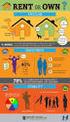 1.9.3.L1 Note taking guide Renting vs. Owning a Home Total Points Earned 30 Total Points Possible Percentage Name Date Class Housing is the largest personal expenditure Approximately of a person s income
Money Borrowing money
 Money Borrowing money Aims: To enable young people to explore ways of borrowing money and the advantages and possible consequences of doing so. Learning Outcomes: By the end of the session the participants
debt Managing debt Easy to get into, harder to get out Inside... Think before you borrow Know your options Make a debt repayment plan
 debt Managing debt Easy to get into, harder to get out Inside... Think before you borrow Know your options Make a debt repayment plan Think before you borrow Borrowing money is called getting into debt.
Credit: The Good and the Bad
 Managing Your Credit Effectively Credit can be a valuable addition to your financial toolbox if you use it carefully and sensibly. Credit means someone is willing to loan you money called Principal in
Dealing with a Drop in Income
 Dealing with a Drop in Income February 2009 Peggy Olive, Family Living Agent Richland County UW-Extension 1100 Highway 14 West Richland Center, WI 53581 (608) 647-6148 [email protected] When your
Credit Cards: What You Need to Know
 ALL ABOUT CREDIT A free publication provided by Consolidated Credit Counseling Services of Canada, Inc., a registered charitable credit counselling and debt management organization. Consolidated Credit
Loan Lessons. The Low-Down on Loans, Interest and Keeping Your Head Above Water. Course Objectives Learn About:
 usbank.com/student financialgenius.usbank.com Course Objectives Learn About: Different Types of Loans How to Qualify for a Loan Different Types of Interest Loan Lessons The Low-Down on Loans, Interest
Teacher's Guide. Lesson Eight. Credit Cards 04/09
 Teacher's Guide $ Lesson Eight Credit Cards 04/09 credit cards websites Before students use credit cards, it's important that they familiarize themselves with: the advantages and disadvantages of credit
Presentation Slides. Lesson Nine. Cars and Loans 04/09
 Presentation Slides $ Lesson Nine Cars and Loans 04/09 costs of owning and operating a motor vehicle ownership (fixed) costs: Depreciation (based on purchase price) Interest on loan (if buying on credit)
Managing debt. It s easy to get into, harder to get out. Inside... debt. Think before you borrow. Know your options. Make a debt repayment plan
 debt Managing debt It s easy to get into, harder to get out. Inside... Think before you borrow Know your options Make a debt repayment plan brought to you by the retirement commission Think before you
How To Get A Better Home Loan Rate In Australia
 AUSTRALIA S TOP 30 HOME LOAN MYTHS BUSTED Australia s Top 30 Home Loan Myths BUSTED! Fairer home loans for Australians Hi, I m Mark Bouris from Yellow Brick Road. Australia, it s time for a fairer deal
MONEY MANAGEMENT WORKBOOK
 MICHIGAN ENERGY ASSISTANCE PROGRAM MONEY MANAGEMENT WORKBOOK Life is a challenge. As the saying goes, just when you're about to make ends meet, someone moves the ends. While it can be a struggle to pay
Banking & Budgeting Basics: Making the most of your money
 Growing Dollars and $ense Workshops Banking & Budgeting Basics: Making the most of your money Presented by The Coalition for Debtor Education www.debtoreducati0n.org This program is made possible by a
Table of Contents Reverse Mortgage O verview... Reverse Mortgage K ey Questions... 5 Reverse Mortgage Pros and Cons... 7 Reverse Mortgage Borr
 1 Table of Contents Reverse Mortgage Overview... Reverse Mortgage Key Questions... Reverse Mortgage Pros and Cons... Reverse Mortgage Borrower Qualification... Reverse Mortgage Key Items... Reverse Mortgage
Welcome. 1. Agenda. 2. Ground Rules. 3. Introductions. Loan To Own 2
 Loan To Own Welcome 1. Agenda 2. Ground Rules 3. Introductions Loan To Own 2 Objectives Identify various types of installment loans Identify the factors lenders use to make home loan decisions Identify
Budgeting for Home Ownership
 A HOME FOR YOUR FAMILY 7 Budgeting for Home Ownership Perhaps you are just beginning to think about buying a home sometime in the future. Or maybe you have already found a home you would like to buy. Whether
Be Credit Wise Credit is a way of having something now and paying for it later. Many
 Be Credit Wise Credit is a way of having something now and paying for it later. Many of us want to take advantage of flexibility in our spending plans by using credit. Credit isn t free; it s paid for
Credit arrangements can be formal or informal. The three most common types of credit used by consumers are described below.
 1-888-842-6328 For toll-free numbers when overseas, visit Collect internationally 1-703-255-8837 TDD for hearing impaired 1-888-869-5863 Credit Wise Credit: a Useful Tool Most of us use consumer credit
Welcome. 1. Agenda. 2. Ground Rules. 3. Introductions. Your Own Home 2
 Your Own Home Welcome 1. Agenda 2. Ground Rules 3. Introductions Your Own Home 2 Objectives If you are a pre-homebuyer: Explain the advantages and disadvantages of renting versus owning a home Identify
for independent information mortgages made easy
 for independent information mortgages made easy About us We are an independent watchdog set up by the Government to: regulate firms that provide financial services; and help you make informed decisions
Part 2 Test Questions
 Module 1 1. To reach a financial goal you should a. Spend less than you make so you can save money to reach the goal. b. Borrow from family or friends. c. Depend on luck, like winning the lottery. d. Not
Effective Strategies for Personal Money Management
 Effective Strategies for Personal Money Management The key to successful money management is developing and following a personal financial plan. Research has shown that people with a financial plan tend
Loan Lessons. The Low-Down on Loans, Interest and Keeping Your Head Above Water. Course Objectives Learn About:
 Loan Lessons Course Objectives Learn About: Different Types of Loans How to Qualify for a Loan Different Types of Interest The Low-Down on Loans, Interest and Keeping Your Head Above Water usbank.com/financialeducation
debt solutions education financial strategies
 debt solutions education financial strategies Our Mandate To educate Canadians in personal money management and the wise use of credit To help individuals and families find solutions to their financial
Outstanding mortgage balance
 Using Home Equity There are numerous benefits to owning your own home. Not only does it provide a place to live, where you can decorate as you want, but it also provides a source of wealth. Over time,
Credit and Debt Management module
 Credit and Debt Management module Trainer s introduction Credit and debt probably cause more serious consumer problems than any other topic. It s relatively easy to take on debt, but harder to manage it
The Danger of Debt: Avoiding Financial Pitfalls LESSON 3
 The Danger of Debt: Avoiding Financial Pitfalls LESSON 3 The Danger of Debt: Avoiding Financial Pitfalls LESSON 3: TEACHERS GUIDE When teens borrow money from a friend or relative to buy the latest gadget,
Hofstra North Shore-LIJ School of Medicine. Office of Financial Aid
 Hofstra North Shore-LIJ School of Medicine Office of Financial Aid Consumer Credit and Your Credit Report Joseph M. Nicolini, MHA Director of Financial Aid What We Will Cover Consumer credit and credit
SOME IDEAS THAT MAY HELP WITH. Credit Problems and How to Get Help
 66308 1083 9/9/04 3:03 PM Page Cov1 SOME IDEAS THAT MAY HELP WITH Credit Problems and How to Get Help 66308 1083 9/9/04 3:03 PM Page Cov2 Table of Contents Do you have a credit problem? 1 Minor credit
housing information www.housing-information.org Reverse Mortgages A project of Consumer Action
 housing information www.housing-information.org Reverse Mortgages A project of Consumer Action One of the major benefits of buying a home is the opportunity to build equity, or ownership, in the property.
Credit Counseling. Credit Repair. Debt Management Plans. Debt Settlement and Negotiation. United Way of the Coastal Bend
 K C A B G N I Y A P Credit Counseling Credit Repair Debt Management Plans Debt Settlement and Negotiation United Way of the Coastal Bend INTRODUCTION United Way of the Coastal Bend (UWCB) is a nonprofit
Remember the Interest
 STUDENT MODULE 7.1 BORROWING MONEY PAGE 1 Standard 7: The student will identify the procedures and analyze the responsibilities of borrowing money. Remember the Interest Mom, it is not fair. If Bill can
Make your budget work for you
 Welfare Reform Make your budget work for you www.milton-keynes.gov.uk/welfare-reform Make your budget work for you Why budget It s always a good idea to keep track of your money. Budgeting is keeping track
ABOUT FINANCIAL RATIO ANALYSIS
 ABOUT FINANCIAL RATIO ANALYSIS Over the years, a great many financial analysis techniques have developed. They illustrate the relationship between values drawn from the balance sheet and income statement
Loan. Application. Money Smarts for Kids. Money Skills for Life. Member FDIC. What to Know About Loans. Completing a Loan Application
 Loan Application What to Know About Loans What do I need to know about applying for a loan? A loan is used to help you pay for something that you want to buy, like a car, college tuition, school trip or
It s Your Paycheck! Glossary of Terms
 Annual percentage rate The percentage cost of credit on an annual basis and the total cost of credit to the consumer. APR combines the interest paid over the life of the loan and all fees that are paid
Part 4: Borrowing Money and Using Credit
 Part 4: Borrowing Money and Using Credit CHAPTER 11: Borrowing Money Let s discuss... $ Why people borrow more money today than in the past $ Why people borrow money $ Types of debt/credit $ The cost
WELCOME COURSE OUTLINE
 WELCOME COURSE OUTLINE Dear Home Buyer: Thank you for giving us the opportunity to help guide you through your home lending process. It is typically the largest financial transaction you will make and
The Danger of Debt: Avoiding Financial Pitfalls
 The Danger of Debt: Avoiding Financial Pitfalls LESSON 15: TEACHERS GUIDE When teens borrow money from a friend or relative to buy the latest gadget, the thought of returning the payment often comes second
A Self Help Guide to Money Problems
 A Self Help Guide to Money Problems DERBY CITY COUNCIL Money Advice Service If you re in debt and don t know which way to turn, then this guide will help you. Act now! Help yourself by following these
Unit 7: Debt, Debt Reduction, & Bankruptcy
 Read Chapter 7 in the text. Unit 7: Debt, Debt Reduction, & Bankruptcy Read this unit including websites. You may want to take notes on the key points. You can't borrow your way to wealth. That sounds
Starting and Running a Successful Small Business 10 Tips
 Starting and Running a Successful Small Business 10 Tips This Guide has been prepared by DAN W. KEHR, ESQ. for informational purposes only and does not constitute advertising, a solicitation, or legal
Overview. Develop a plan Understand financial aid Be a responsible borrower Take charge of credit cards Understand your credit Prevent identity theft
 Lisa Croat and Andrea Clark Lunch provided by the Higher One Financial Literacy Counts Grant Overview Develop a plan Understand financial aid Be a responsible borrower Take charge of credit cards Understand
Personal Loans 101: UNDERSTANDING APR
 Personal Loans 101: UNDERSTANDING APR In today s world, almost everyone needs access to credit. Whether it is to make a small purchase, pay for an unexpected emergency, repair the car or obtain a mortgage