
WAUSAU HOSPITAL DRUG FORMULARY
|
|
|
- Tracey Bradford
- 10 years ago
- Views:
Transcription
1 WAUSAU HOSPITAL DRUG FORMULARY The Wausau Hospital Drug Formulary is published by the Pharmacy and Therapeutics Committee and its subcommittee, in cooperation with the Department of Pharmacy. Members of the Pharmacy and Therapeutics Committee include: Medical Representatives C. Brown, M.D. Pediatrics K. O'Connell, M.D. Family Practice, Chair J. Butler, MD Surgery T. Rengel, M.D. Pulmonary/Intensive Care S. Schneider, MD. Family Practice J. Jones, MD. Hospitalist Administrative Representatives K. Drengler Administration M. Hattem Administration J. Rowe, MD Administration J. Bresnahan, M.T., Infection Control S. Rosien, RN Employee Health H. Kolpitcke RN, CPAN. Nursing C Karcz-Miller, M.T. Microbiology J. Michaud, Pharm.D. Pharmacy V. Lepak, R.D. Clinical Nutrition T. Nikstad RPh. Pharmacy I. Lukowski, R.Ph. Pharmacy Subcommittees of the P&T Committee include the Antibiotic Utlization Subcommittee (Chair-W. Bowler, MD), and the Nutrition Subcommittee. A special thanks to all of the members of the Subcommittees for their contributions to the function of the P&T Committee.

2 Policy Information - Index I. Medication Use Policies and Other Important Information A. Statement of purpose of the drug formulary B. Procedure to request addition of a drug to the formulary C. Procedure to obtain use of a non-formulary drug D. Policy on use of generic medications E. Policy on sample drugs and pharmaceutical sales representatives F. Procedure to report adverse drug reactions G. Procedure to report medication events H. Policy on patient's medications from home I. Use of herbal or dietary supplement products J. Medication administration policies and procedures K. Policy on STAT and NOW medications L. Procedure for ordering parenteral nutrition M. Use of intravenous potassium chloride N. High-Risk Medication policy O. Dangerous Abbreviations for Clinical Documentation P. Availability of clinical pharmacy services Q. How to contact the pharmacy. R. Medication interchange policies S. Medication guidelines and list of medication protocol preprinted orders

3 I. MEDICATION USE POLICIES AND OTHER IMPORTANT INFORMATION A. Statement of purpose of the drug formulary The drug formulary represents the official listing of drugs approved for use at Wausau Hospital. The purpose of the drug formulary is to ensure the availability of safe, effective and costefficient medications. The drug formulary is established by the medical staff as described in medical staff policy and procedure #4663. Changes to the formulary are communicated on a regular basis in the Dr. Know newsletter. While the purpose of the formulary is to help ensure the availability of medications, at times there may be external factors that impact inventory levels of certain medications. Problems at the level of the pharmaceutical manufacturer or FDA often impact our ability to procure medications. Shortages of important medication are communicated to the medical staff whenever this occurs. B. Procedure to request addition of a drug to the formulary The procedure to request that a medication be added to the official drug formulary is described in medical staff policy and procedure #4663. Requests are to be submitted in writing using a FORMULARY ADDITION REQUEST FORM (available from the pharmacy department, ext ). The request, and pertinent supporting material, will be reviewed by the Pharmacy and Therapeutics Committee. Information considered by the Committee includes clinical pharmacology, efficacy, safety, cost, and availability of comparative agents. The requesting physician will be notified as to the date and time that the Committee will review the request. The Committee will vote to accept or not accept the requested medication onto the formulary. C. Procedure to obtain use of a non-formulary drug Physicians are encouraged to use those drugs approved and listed in the official drug formulary. These are the drugs that are stocked by the pharmacy and available for immediate use in the hospital. If for some reason there is not a suitable agent on the drug formulary, a physician may prescribe on a patient-specific basis, a drug that is non-formulary. Physicians should be aware that there may be a time delay because the pharmacy often must procure the drug from outside the hospital. The physician may also be asked to assess whether the medication is needed during the hospital stay or can be resumed when the patient is discharged. The procedure to prescribe a medication that is not listed in the official drug formulary is described in medical staff policy and procedure #4663. When a non-formulary drug order is received, the Pharmacist will contact the Physician with a formulary alternative, if available. D. Policy on use of generic drugs Medical staff policy and procedure #3291 describes the approval and use of FDA rated, pharmaceutically equivalent drug products at Wausau Hospital. Drug products that are FDA "A" rated

4 or otherwise evaluated and approved by the Pharmacy and Therapeutics Committee, will be substituted for brand name products. Physicians may call the pharmacy department to inquire about the generic availability of any particular pharmaceutical agent (ext ). E. Policy on sample drugs and pharmaceutical sales representatives Medical staff guideline #5071 describes the expected behavior of pharmaceutical sales representatives who visit Wausau Hospital, including display of identification, scheduling of appointments, dissemination of product information, and dissemination of samples. Physicians are encouraged to confirm scientific and cost-effectiveness claims of pharmaceutical sales representatives by calling the pharmacy department. Samples are not allowed in the hospital but may, at the discretion of a physician, be utilized in private physicians' offices. F. Procedure to report an adverse drug reaction Reporting of adverse drug reactions is required by both the JCAHO and FDA. Hospital policy and procedure #5237 describes the method by which physicians and other health care professionals may report adverse drug reactions. Adverse drug reactions (ADRs) are now reported via the intranet Patient Safety and Event reporting site. The Director of Pharmacy will be notified via of each event filed. A pharmacist will then follow-up to complete the report. For more information on adverse drug reaction reporting, please call the pharmacy department (ext ). G. Procedure to report a medication occurrence Reporting of medication events (and errors) is an important function in monitoring and improving patient care at Wausau Hospital. Hospital policy and procedure describes the method by which health care professionals should report occurrences that occur in the medication use process. In Aspirus-Wausau Hospital medication events (and errors) are reported electronically utilizing the Patient Safety and Event reporting form located on the organization s intranet web site. Upon discovery of an occurrence, the person with the best knowledge of the event should log onto the intranet and complete the form. Information on medication errors is used to identify ways to improve patient care. H. Policy on patient's medications from home Policy and procedure #3074 (ref# ) describes the procedure for storage, identification and use of personal medications while a patient is at Wausau Hospital. The use of personal (own) medications by inpatients at Wausau Hospital is discouraged unless absolutely necessary. The liability to the hospital and patient from a possible mix-up is much greater when medications come from a source other than the hospital pharmacy. Patients should be instructed to send own medications home with family members or store such in the locked medication drawer, not to be used until after discharge. Physicians are required to write specific orders for each and every medication a patient should receive while hospitalized. An order, such as continue medications from home, without specifically

5 identifying the drug names, dosages and schedules is not a valid medication order (see medical staff policy #2610). Physicians may request a pharmacy consult to help determine what medications a patient was receiving prior to admission. I. Use of herbal or dietary supplement products. Alternative medications are those commonly described as herbals or nutritional supplements. Alternative medications that the patient takes at home are allowed in Wausau Hospital but their use must comply with medical staff policy Alternative medications must be ordered individually by the physician and their administration must be documented as if they were supplied by the hospital pharmacy. The patient will need to use their own medication supply, the pharmacy will not identify or supply these types of medications due to the lack of standardization in these products. J. Medication administration procedures Hospital policy #6948 describes important information about administration of medications, including but not limited to who may administer medications, automatic medication stop dates, and standard medication administration times. Automatic stop dates. Policy #1735 addresses automatic stop dates. Automatic stop dates exist for the following medications. Physicians should renew orders for these agents as necessary prior to the stop date in order to continue therapy. a) anticoagulants (after 1 day during dosage adjustment) b) ketorolac (after 5 days) c) schedule II controlled substances (14 days) d) schedule III-V controlled substances (14 days) e) antibiotics (14 days). Standard medication administration times. Policy #5215 addresses medication administration times. Medications ordered will be administered according to the established standardized times, unless there is a clinical reason to do otherwise (e.g., nitroglycerin), or unless the physician writes a specific order for the administration time. A listing of medications with special considerations around administration time is included in the policy and available from the pharmacy. K. Policy on STAT and NOW medications Policy #2036 addresses STAT and NOW orders for medications. Physicians are encouraged to order as STAT only those medications immediately needed to treat or prevent a potentially lifethreatening situation. Items ordered STAT will be administered as soon as possible, not longer than 15 minutes after the order. Physicians are asked to order non-emergent therapy as either NOW (to be administered within 2 hours of the order) or ROUTINE (first dose to be given at the next available regular dosing time according to the schedule selected). L. Procedure for ordering parenteral nutrition

6 Policy #3887 addresses ordering of parenteral nutrition. Parenteral nutrition (PN) is ordered as a 24 hour 3-in-1 solution that contains amino acids, dextrose and fat emulsion. Physicians are asked to complete the Adult Parenteral Nutrition Order form. After the initial order, the form is to be completed by 12 noon daily by either checking the "renew current formula with no changes" box or writing changes according to patient needs. The Pharmacy will send the completed orders for the next day to the patient care area where the Unit Coordinator will place the order sheet on the chart of each patient receiving PN. This order sheet will supply the current formula and is to assist the Physician in the re-order process. PN will be hung daily at The back of the order form has guidelines for patient specific nutritional requirements. Pharmacists and Clinical Dietitians are available to assist in completing the PN order form and making specific recommendations about PN. M. Use of intravenous potassium chloride Policy #4994 addresses the use of intravenous potassium chloride. Undiluted KCl is never to be administered intravenously and is not available in patient care areas. Intravenous potassium chloride should be administered at a rate not to exceed 10 meq per hour unless that patient is monitored by telemetry. Premixed KCL/sterile water minibags will be used whenever possible for short-term replacement. N. High-risk Medication policy Policy #6873 addresses the identification and management of those medications that bear a risk of causing significant patient harm when used in error. The policy also identifies those medications with names that can potentially be confused with other medications and cause significant patient harm if administered in error. The management of medications included on this list include such measures as physical separation of stocking locations, development of standardized order sheets to guide prescribing and administration, requiring dual sign-off of administration, and the use of varying letter sizes in the names to help differentiate names. O. Dangerous Abbreviations for Clinical Documentation Policy #7465 contains the list of abbreviations which are not allowed for use in clinical documentation. The list contains a number of abbreviations which are considered dangerous and can be misinterpreted when written. Examples include: U for units, units should always be spelled out; QD for daily, suggestions are to write daily, or Q day; SC or SQ for subcutaneous, Sub-Q or SubQ is acceptable. The policy contains the procedures to be followed if any of the listed unacceptable abbreviations are used. P. Availability of clinical pharmacy consulting services and drug information. In addition to providing pharmaceutical products to patients and health care professionals at Wausau Hospital, the pharmacy department maintains expertise to provide general information and patient specific services related to medication use. Physicians may obtain specific and detailed information about drugs and pharmacotherapy by calling the pharmacy department (ext ).

7 Physicians may request patient-specific consultation from the clinical pharmacy services for a variety of medication-related problems, including but not limited to those listed below. Patient Medication History Interview. On request, the pharmacist will interview patient and consult other resources as necessary to record prescription and over-the-counter drug use, previous allergic or other adverse reactions, and other important medication history information. Patient Medication Teaching/Compliance Interview. On request pharmacist will instruct patient about medications prescribed, help patient understand importance of compliance, and provide compliance aids to the patient. Pharmacokinetic Dosing/Drug Review. On request, pharmacist will review patient specific data parameters, serum drug concentrations, make recommendations for dosage and monitoring for drugs such as aminoglycosides, vancomycin, digoxin, and others as necessary. Parenteral Nutrition. Working in concert with Clinical Nutrition, pharmacists provide recommendations to prescribers regarding parenteral nutrition formulation, and will participate in monitoring and follow-up of nutrition therapy. On request, the pharmacist will complete the ordering process for the prescriber. Hyperglycemia management Physicians may request pharmacists to recommend, write orders and monitor patients for elevated blood glucose readings. Pharmacists will work under the guidelines established by the medical staff approved Hyperglycemia Management policy, # Physicians will need to write an order in the physicians orders asking for pharmacy to manage insulin for their patient. Drug Information. The department is equipped with resources to provide detailed answers to medication information questions. On request, pharmacist provide drug-related information on a general or case-specific basis including, but not limited to questions concerning unusual adverse effects, information about investigational therapies, and detailed drug dosing or administration information. Investigational Drug Services. The department will assist researchers working with investigational drugs by providing clinical and administrative assistance with randomization, provision of drug product, inventory control, and other services as requested. Q. How to contact the pharmacy Inpatient Pharmacy Physician-only line: Main phone number: Aspirus-Clinics Pharmacy (Plaza Dr) Main phone number: MSICU/IMC Pharmacist mobile: CTU/CICU Pharmacist moblie: 54391

8 MAP/NICU Pharmacist mobile SCU/OCU Pharmacist mobile ORN/REHAB Pharmacist mobile Night Pharmacist pager: 0181 UW Cancer Center Pharmacy: Jill Michaud PharmD (Director) pager (1250) Ivan Lukowski R.Ph (Operations manager) Tim Nikstad R.Ph (Clinical Manager) Deb Berndt (Secretary) R. Medication Interchange Policies Wausau Hospital has multiple therapeutic interchange protocols which are outlined by policy New as of 12/2007 the pharmacist will place the interchange information on the MAR entry for the respective medication rather than writing a new medication order. The medications approved for interchange are as follows: LIST OF P&T APPROVED DRUGS FOR THERAPEUTIC INTERCHANGE, UPDATED 07/1/09 SUBSTITUTE Antibiotics (see attached tables) Amoxicilin FOR Ampicillin (oral) DATE APPROVED

9 Erythromycin base All oral salts E-mycin succinate susp Erythromycin estolate susp. Ceftriaxone Ceftizoxime 6/06 Meropenem See interchange table 3/08 Piperacilin/tazobactam Ticarcillin/clavulanate 12/02 Antifungals (topical) See interchange table 1/02 Misc agents Sotalol (generic) Betapace AF 6/02 Maxzide-25 (generic) Dyazide (any) 1/02 Hextend Hespan 5/06 Omacor Omega-3 products 2/07 Paroxetine (generic) Paxil CR 2/04 Verelan Verapamil SR FloraQ Probiotics 12/07 Dosing Interchanges/protocols (see attached tables) Epoetin dosing protocol 12/10 Histamine-2 antagonists 9/01 Histamine-1 antagonists (Second generation) 4/10 Hydrocodone product interchange 10/09 Hypnotic interchange 5/05 Insulin interchange 10/09 Laxative interchange 6/03 Oxycodone product interchange 12/02 Proton pump inhibitors 5/06 Vitamin product interchanges 12/07 Calcium products 12/07 Iron products 12/07 Magnesium products 12/07 Fosphenytoin Phenytoin 12/07 Low-molecular weight heparins 12/08 Amoxicillin / Ampicillin oral conversions Ampicillin 125 mg Q6h Ampicillin 250 mg Q6H Dispensed Medication Amoxicillin 125 mg Q8H Amoxicillin 250 mg Q8H

10 250 mg Q8H 250 mg Q8H Ampicillin 500 mg Q6H Amoxicillin 500 mg Q8H 500 mg Q8H 500 mg Q8H Ampicillin 1000 mg Q12H Amoxicillin 1000 mg Q12H If the dosing falls outside of the above dosing, contact the MD to clarify conversion. Oral Erythromycin Therapeutic interchange policy 7/05 Wausau Hospital/tpn Formulary agents are: Erythromycin base enteric coated (EC) capsules 250 mg Erythromycin base EC tablets 333 mg Erythromycin ethylsuccinate 200 mg / 5 ml susp. Ordered Medication Erythromycin Stearate tabs Erythromycin ethylsuccinate tabs (EES)* Erythromycin PCE or base tabs (E-Mycin, Ery- Tab, E-base, estolate) Dispense using same frequency Erythromycin Erythromycin EC base tabs EC capsules (E-Mycin (ERYC) 333) 250 mg dose 400 mg dose 250 mg 250 mg 333 mg 333 mg 200 mg 125 mg 500 mg 800 mg 500 mg 2 x 250 mg per dose Liquid conversion mg mg * If the dosing falls outside of the above dosing, contact the MD to clarify conversion. In general for the EES conversions each 200 mg = 125 mg of the estolate or base. Erythromycin Ethysuccinate 200 mg/5 ml susp. Ordered medication Ceftizoxime 1 gm at any frequency Ceftizoxime 2 gm at any frequency Ceftriaxone Ceftizoxime Interchange 6/06tpn Dispensed Ceftriaxone 1 gm q 24 hours Ceftriaxone 2 gm q 24 hours

11 Meropenem dosing guidelines 11/07tpn 500 mg every 6 hours for patients with CrCl 50 ml/min, per Cockroft-Gault, including those infections caused by Pseudomonas aeruginosa. 500 mg every 8 hours for CrCl between ml/min. 500 mg every 12 hours for CrCl between ml/min 500 mg every 24 hours for CrCl between <10 ml/min 1000 mg doses should be used with the intervals delineated above but only for the following patients: Dialysis Patients with actual body weight greater than 2 times their calculated ideal body weight. CNS and eye infections Cystic fibrosis patients Meropenem is removed by hemodialysis. Patients on hemodialysis should be doses 500 mg every 24 hours with the dose administered AFTER the dialysis session. Patients receiving CVVHD or CAVHD should be dosed based upon a CrCl of 50 ml/min Interchange guidelines are as follows: Ordered Imipenem Supplied as Meropenem (adjust for renal function per adopted dosing guidelines) 500 mg q6-8 hours 500 mg q6-8 hours 1 gm q8h 500 mg q6 hours 1 gm q12 hours 500 mg q6h Doses > 2 gms/day Contact prescriber with approved dosing guidelines. Timentin Zosyn Interchange 12/02 tpn The pharmacy will only be stocking the frozen Zosyn piggybacks and will be deleting the frozen Timentin bags. The pharmacy will stock a small amount of Timentin as dry powder vials only to be used for documented infections caused by Stenotrophomonas maltophilia. Upon receiving any order for Timentin write a new order for the corresponding dose of Zosyn from the table below. Check that the patient does not have reported cultures for Stenotrophomonas maltophilia prior to interchanging Zosyn.

12 DRUG PRESCRIBED DOSE ZOSYN IV * DOSAGE TO BE USED Timentin IV 3.1 grams q 8h grams q 8h Timentin IV 3.1 grams q 4-6h grams q 4-6h * Dosages will be adjusted for decreased renal function Creatinine Clearance Subsequent Dose (milliliter/minute) (milligram [mg]) grams q 6h < grams q 6h Hemodialysis 2.25 grams q 8h CAPD 2.25 grams q 8h Because Hemodialysis removes 30 to 40% of PIPERACILLIN/TAZOBACTAM a supplementary dose of 0.75 grams intravenously after dialysis is recommended (Prod info Zosyn, 1995) PIPERACILLIN/TAZOBACTAM is not removed to a significant degree by continuous ambulatory peritoneal dialysis (CAPD), so no dosage adjustment is necessary (Johnson et al, 1992) Flor-Q probiotic interchange 12/12/2007 Medication ordered Sample products Medication Dispensed Any probiotic product containing: lactobacillus acidophilus, bifidobacterium, lactobacillus paracasei and streptococcus thermophilus. Culturelle Laxtinex Bacid Flor-Q8 once capsule daily Flor-Q is a gluten, lactose, peanut and soybean free capsule. This is the only probiotic stocked in the pharmacy. TOPICAL ANTIFUNGAL PRODUCTS AND INTERCHANGES 1/26/2002 tpn This policy calls for the interchange of the approved formulary agent for the agent the physician has ordered. To implement this policy, a Pharmacist upon receiving a non-formulary order will proceed to write a new order for the approved interchange and then send this order sheet to the nursing unit to be placed in the chart. This order will indicate that the interchange was pursuant to a protocol approved by the medical staff. This order will then be transcribed into the medication record and MAR as would any new medication order. Formulary products are: Nystatin cr, oint., vaginal tabs; Miconazole 2% powder and spray; Miconazole cr & paste; Tolnaftate 1% soln; Terbinafine cr; Nystatin/triamcinolone cr; miconazole and terconazole vaginal cr & supp; clotrimazole troches, nystatin oral susp.

13 Ordered medication Trade Names Dispensed medication Nystatin (oint, crm) Mycostatin Nystatin Nystatin powder Miconazole powder Mycostatin Nitrazole 2% Miconazole (2% powder) Miconazole cream Clotrimazole Ciclopirox Econazole Haloprogin Ketoconazole Sulconazole Oxiconazole Micatin, Monistat-Derm Lotrimin, Mycelex-T Loprox Spectazole Halotex Nizoral Exelderm Oxistat Miconazole 2% cream Terbinafine cream Lamisil Terbinafine cream Tolnaftate powder Undecylenate Tinactin Desenex Miconazole powder (generic Desenex or Micatin) Miconazole paste Triple care ointment Extra Thick Antifungal Clotrimazole, Haloprogin, Tolnaftate 1% solution Sulconazole solution Clotrimazole/betamethasone cr Lotrisone Nystatin/triamcinolone (Mycogen II) Clotrimazole vag supp (100mg) Gyne-Lotrimin Mycelex Miconazole 100mg supp same number and freq. Miconazole 100mg Monistat-7 Miconazole 200mg supp Clotrimazole 200mg vag supp Monistat-3 Gyne-Lotrimin Miconazole 200mg supp same number and freq. Terconazole 0.4% vag crm Terconazol 80mg supp Terazol vag crm Terazol-3 Terconazole 0.4% vag crm Terconazole 80mg supp Nystatin vaginal tablets Mycostatin vaginal tablets Nystatin vaginal tablets Nystatin oral susp Mycostatin Nystatin oral susp. Clotrimazole oral troches Mycelex Clotrimazole oral troches Epoetin alfa/darbepoetin dosing protocol 12/10tpn 1. Orders for Darbepoetin, on inpatients will be converted to Epoetin according to the table below. 2. Darbepoetin dosing conversion is based on an approximate equivalency ratio of 270 units epoetin to 1 mcg darbepoetin for chronic kidney disease patients. 3. Exclusions to this dosing protocol: a. Pediatric and Neonatal patients. Epoetin requirements are much higher in those patients. b. Jehovah s witness with acute blood loss Epoetin (not darbepoetin) may be a reasonable alternative for treating acute anemia due to traumatic or surgical blood loss in those patients

14 whose religious beliefs do not allow blood products. Recommended dosing in this situation would be Epoetin in conjunction with folate, B12 and iron. Suggested dosing is 300 units /kg TIW x3 doses, then 150 units/kg TIW. 15,16 Dosing interchange table for Inpatients Physician order Epoetin 40,000 units once weekly Epoetin 60,000 units once weekly Darbepoetin orders: (chronic kidney disease) a. 25 mcg once weekly b. 40 mcg once weekly c. 60 mcg once weekly d. 100 mcg once weekly New order 10,000 units Epoetin TIW 20,000 units Epoetin TIW 7,000 units epoetin once weekly 10,000 units epoetin once weekly 15,000 units epoetin once weekly 25,000 units epoetin once weekly Physician override: A physician may override the automatic interchange by indicating Do not adjust or similar verbage. However, it is the physician s responsibility to document the reason for maintaining the patient on this therapy and orders for Do not adjust dose are subject to review by the Pharmacy and Therapeutics Committee. Indications in which epoetin alfa has questionable benefit and should be discouraged: 1. Hemoglobin level greater than or equal to 12 mg/dl. 2. Acute bleed 3. Short courses of therapy with no intention to continue as outpatient. 4. Acute renal failure 5. Anemia due to critical illness. 6. Blood conservation for anemic patients prior to non-elective surgery. H-2 blocker THERAPEUTIC INTERCHANGE POLICY Wausau Hospital 09/01tpn This policy calls for the interchange of the approved formulary agent in adult patients for the agent the physician has ordered. To implement this policy, a Pharmacist upon receiving a non-formulary order will proceed to enter the approved product into Epic and place a comment in the Administration instructions of that medication located on the emar indicating to the prescriber and nurse that this medications is the approved interchange product. The approved Histamine -2 blocking agents are: Parenteral: Famotidine (Pepcid)

15 Parenteral NICU/surgery: Oral (solid dosage form): Oral (liquid form): Ranitidine (Zantac) Famotidine (Pepcid) Ranitidine liquid (Zantac) Formulary Agent* Ordered Medication Dispensed Nizatidine Cimetidine** Ranitidine Famotidine Oral 150 mg bid 300 mg q4-6h 150 mg bid 20 mg bid 150 mg bid 400 mg bid 150 mg bid 20 mg bid 300 mg qd mg qd 300 mg qd 40 mg qd 150 mg qd < 600 mg qd 150 mg qd 20 mg qd NA NA 75 mg bid 10 mg bid IV NA 300 mg q6-8h 50 mg q8h 20 mg q12h NA < 900 mg / day 50 mg q12-24h 20 mg qd Infusion NA mg / 24 hrs 150 mg q24h 40 mg q24hr If the dosing falls outside of the above dosing, contact the MD to clarify conversion. * Famotidine dosage will be adjusted to 20 mg q24h when CrCl < 50 ml/min and no active GI bleeding ** IV Cimetidine will be available for acute allergic reactions if desired IV (or PO tablets) to LIQUID ( enteral route) switching of H-2 receptor antagonists IV (or PO tablets) - H2RA Dose* Interchanged Liquid H2RA dose Famotidine 20 mg q12h Famotidine 20 mg q24h Ranitidine 150 mg syrup BID Ranitidine 150 mg syrup q24h * In large bore enteral tubes, famotidine may be crushed and administered if desired. Second Generation H-1 blocker INTERCHANGE POLICY 4/10 tpn The approved second generation Histamine 1 blocking agents are: Oral (solid dosage form): Loratadine 10 mg (Claritin OTC) Oral (liquid form): Loratadine 1 mg/ml syrup Combination product Loratadine 5 mg/ pseudoephedrine 120 mg 12-hr tablet.

16 Product ordered Cetirizine 10 mg once daily Desloratadine 5 mg once daily Fexofenadine mg daily Fexofenadine 60 mg/ Pseudoephedrine 120 mg 12-hour tablet. Cetirizine (in patients less than 11 years) Desloratadine Fexofenadine Product dispensed Loratadine 10 mg once daily. (use syrup if order is for syrup) Loratadine 5 mg/pseudoephedrine 120 mg 12 hour tablet. Using tablet for tablet interchange and frequency Loratadine: > 5 yrs = 10 mg daily 2-5 yrs = 5 mg daily Less than 2 years, contact physician. Drug Ordered (Hydrocodone/ APAP) Hydrocodone Product Interchanges 8/09tpn Product dispensed Interchange Dose Lortab tab of 5/ tab per 1 dose Same frequency Vicodin, Lortab-5 (hydrocodone 5 mg and any amount of acetaminophen) Lortab, Lortab-7.5, Vicodin ES, Zydone 7.5 (7.5 mg hydrocodone and any amount acetaminophen) Norco, Lorcet-10, Zydone-10 (10 mg hydrocodone with any amount acetaminophen) 5 mg Hydrocodone / 325 mg APAP 7.5 mg Hydrocodone / 325 mg APAP 10 mg Hydrocodone / 325 mg APAP 1 tab per tab Same frequency 1 tab per tab Same frequency 1 tab per tab Same frequency Vicoprofen 7.5 mg Hydrocodone No interchange No interchange 200 mg Ibuprofen Interchange is based on the amount of hydrocodone per tablet. (e.g. All products which contain 7.5 mg hydrocodone will be dispensed as the 7.5/500 combination regardless of acetaminophen content.) Hypnotic Interchange Policy 12/7/05 tpn Formulary agents are: Temazepam, Estazolam and Zolpidem Ordered medication Approved interchanged medication

17 Eszopiclone (Lunesta) 1-2 mg Zapelon 5 mg Zolpidem CR (Ambien CR) 6.25 mg Eszopiclone (Lunesta) 3 mg Zapelon 10 mg Zolpidem CR (Ambien CR) 12.5 mg Flurazepam 15 mg Triazolam mg Flurazepam 30 mg Triazolam mg Zolpidem 5 mg same frequency Zolpidem 10 mg same frequency Temazepam 15 mg same frequency Temazepam 30 mg same frequency Insulin Interchange protocol 10/09tpn Formulary Insulin products: Regular human insulin (Novolin) NPH NPH/regular 70/30 mix Aspart Insulin (Novolog) NPH/Aspart 70/30 Glargine insulin (Lantus) Humulin 50/50 Dispensing: 1. Humulin 75/25 is not stocked and Novolog 70/30 will be interchanged on a unit per unit basis. 2. Regular insulin in vials will be retain for IV compounding 3. Glargine insulin will be dispensed on a per dose basis in a syringe prepared by pharmacy in a clean environment. 4. Doses larger than 80 units will need to be divided evenly into two syringes. Enter a comment into administration instructions of MAR for RN to use two syringes to administer total dose. 5. Teaching supplies: pharmacy will supply a vial of 0.9% saline to the patient for teaching purposes. LAXATIVE PRODUCT INTERCHANGE POLICY* The following stool softeners/stimulant laxatives are on formulary: Surfactants: Docusate 100 mg cap, Ca-240 mg cap, and 100 mg/10 ml liquid Stimulant agents: Senna 8.6 mg tab, Senna liquid 8.8 mg/5ml, Bisacodyl 5 mg tab, 10 mg supp, Stimulant-surfactant combination: Senokot-S (8.6 mg/50 mg)

18 Agent ordered Agent dispensed equivalency Surfactant agents Docusate 50 mg capsules Docusate 100 mg capsules Docusate 100 mg capsules Docusate potassium (Dialose) Docusate sodium 250 mg Docusate Ca 240 mg capsules Docusate calcium 240 mg Stimulant Surfactant combination Casanthranol / docusate (Peri-colace) Doxidan Modane plus Senna / docusate (Senokot-S) Interchange capsule per capsule same frequency. Ex-lax combinations Feen-a-mint combination Dialose plus Peri-Colace liquid Senokot liquid 5 ml plus Docusate 100 mg liquid Stimulant laxatives Feen-a-mint tablets, Correctol, Modane Bisacodyl 5 mg tabs Aromatic cascara fluidextract 5 ml MOM concentrate / cascara - 15 ml of comb. Senokot syrup 5 ml ( as the casacara component of any orders) Senna syrup 5 ml plus MOM 30 ml. * Table is not inclusive of all products. If product is not listed in table Pharmacists will interchange bisacodyl for solid entity dosage forms and senna syrup for liquid dosage forms products based on the following equivalencies: Senna 8.6 = Casanthanol 30 mg = Bisacodyl 5 mg Aromatic cascara fluidextract 5 ml = senna 8.8 mg syrup = cascara sagrada 5 ml BULK-FORMING LAXATIVE INTERCHANGES* Medication ordered Fiberall POWDER, Hydrocil, Konsyl, Serutan, Modane Bulk Medication dispensed Metamucil orange (Sugar free) same dose and frequency

19 (At patient request may substitute Citrucel) Maltsupex, Unifiber, Perdium Polycarbofil products Fiberall tablets Citrucel Fibercon tablets 2 Fibercon per fiberall with the same frequency. Fibercon same dose and frequency Fibercon Mitrolan Mira lax (polyethylene glycol 3350) Mira lax Oxycodone product dosing chart Interchange is based on the amount of oxycodone per tablet. (e.g. All products which contain 5 mg oxycodone will be dispensed as the 5/325 combination regardless of acetaminophen content.) Proton Pump Inhibitor Interchange 6/2006 tpn The approved Proton pump inhibiting agents are: Parenteral: Esomeprazole 40 mg IV Drug Ordered Product dispensed Substitute Dose Percocet Percocet-5 Tylox, Roxicet Percocet 7.5 (oxycodone 7.5 mg and APAP 325 mg) Percocet 10 (oxycodone 10 mg and APAP 325 mg) Oxyocdone 5 mg / 325 mg APAP Oxycodone 7.5 mg / 325 mg APAP Oxycodone 5 mg / 325 mg APAP 1 tab per tab/cap Same frequency No interchange 2 tabs per 10 mg dose ordered No interchange Same frequency Oxycodone Oxycodone 5 mg No interchange No interchange Roxycodone tabs (5 mg IR* tablets) Oxycontin tab 10 or 20 mg SRT No interchange 8-12 hour dosing (SRT** formulation) Roxycodone liquid 5 mg per 5 ml No interchange No interchange oxycodone Oral (solid dosage form): Omeprazole 20 mg capsules Enteral: Lansoprazole Solutabs Medication

20 Medication ordered Dispensed Pantoprazole Lansoprazole Omeprazole Rabeprazole Esomeprazole Omeprazole (Protonix ) (Prevacid ) (Prilosec ) (Aciphex ) (Nexium ) (Prilosec ) 20 mg daily 15mg daily 10mg daily 20mg daily 20 mg daily 40 mg daily 30mg daily 20mg daily 20mg daily 40 mg daily 20 mg daily 40 mg BID 30mg BID 20mg BID 20mg BID 40 mg BID 20 mg BID If the dosing falls outside of those listed, contact the MD to clarify conversion. Levalbuterol (Xopenex) Interchange 12/2008tpn Drug ordered Levalbuterol 1.25 mg SVN Levalbuterol 0.63 mg SVN Drug dispensed Albuterol 2.5 mg using same ordered frequency Albuterol 1.25 mg using same ordered frequency Serevent Foradil Interchange 12/2008tpn Drug ordered Serevent 50 mcg BID Drug dispensed Foradil 12 mcg BID Formulary vitamin and multivitamin interchange policy The therapeutic substitution follows the therapeutic interchange protocol outlined by policy Vitamins, vitamin-mineral combinations, and hematinics are placed into groups defined by the Facts & Comparison's classification system. All orders received for hematinics, vitamins and vitamin-mineral combinations will be placed in the appropriate grouping. The formulary agent will be sent in it's place. If the vitamin can not be placed in one of the groupings, the Physician will be contacted. Below is a chart that outlines the grouping scheme and gives some EXAMPLES of substitutions that may occur.

21 Vitamin and vitamin-mineral classordered MULTIVITAMIN (includes all B-complex vitamins, B-complex with and without vitamin C except mega dose B- complex therapeutic dose vitamins) MULTIVITAMIN WITH MINERALS (includes all multivitamins with iron or other minerals (regular or therapeutic strength)) Prenatal with folate (0.8-1mg (includes all prenatal vitamins with or without minerals) Iron with vitamins (Use when iron is > 30 mg. NOTE: This includes 1 mg folic acid.) Examples Unicap, Stresstab, One-A-Day Allbee with C, Theragran, Vi-Daylin Myadex, Centrum ( all varieties), Vicon, Mi-Cebrin, Z-Bec, Eldercap, Stresstabs with minerals Theragran-M Prenatal 1+ 1, Materna, Natalans Stuartnatal Plus, Niferex-150 Forte, Stuartinic, Fero-Grad-500, Geritol, Iberet-Folic-500 Medication dispensed Multivitamin With Minerals (A-Z) with Iron (i.e. Certagen) Multivitamin with Minerals (A-Z) with Iron (i.e. Certagen) Prenatal vitamin with minimum 0.8 mg folic acid, calcium, and iron (Prenatal vitamin with iron and folic acid) Niferex-150 Forte (with 1 mg folic acid and iron > 30 mg) Vitamin and vitamin-mineral classordered Examples Medication dispensed B-Complex mega dose (Hexavitamins or B- Vitamins with/without vitamin C) B-50, Mega-B, B Complex-150 Multivitamin with Minerals (A-Z) with Iron (i.e. Certagen) Pediatric multivitamin drops Poly-Vi-Sol, Vi-Daylin Pediatric Multiple Vitamin Drops --1 dose
22 Pediatric multivitamin with iron (drops, chewable tabs) Pediatric multivitamin chew tabs Adult Multivitamin Liquid (includes all orders for multiple vitamins and minerals-regular or therapeutic strength) Ophthalmic vitamin (with antioxidants) Renal multivitamin (Renal formula without oil soluble vitamins or minerals) Parenteral Multivitamin (adult) Parenteral Multivitamin (pediatric) Poly-Vi-Sol with iron, Tri-Vi- Sol with Iron, Vi-Daylin with Iron Poly-Vi-Sol, Vi-Daylin Kenwood therapeutic liquid, Geritol Ocuvite, I-cap, Ocuvite Preservision Dialyvite, Nephro-Vite MVI-12, Infuvite MVI-Peds, Infuvite Peds Pediatric Multiple Vitamin Tab Or one dose of drops PLUS Ferrous Sulfate Drops (10 mg iron per dose) Pediatric Multiple Vitamin Chew Tab (May crush.) Multiple vitamin liquid (NOTE: 5 ml = 1 daily dose) Ocuvite (one tab per dose) same frequency. Renal Multivitamin Infuvite adult Infuvite Peds Formulary Calcium products and interchanges Table is not inclusive of all products, it is merely acting as a guide using the more common agents. Other calcium salts: Pharmacist to clarify order for calcium carbonate based on elemental calcium content of non-formulary agent.
23 Formulary magnesium products and interchanges* 9/24/2007 tpn Calcium ordered Trade name examples Product dispensed Calcium < 200 mg elemental (Calcium carbonate, gluconate, and lactate salts) Tums, Os-Cal Calcium carbonate elemental ( mg) Calcium carbonate with Vitamin D 250 mg/125 units 500 mg/200 units 600 mg /200 units Os-Cal 500, Posture-500, Caltrate 600 Os-cal D 500, Os-Cal D 250, Posture-D Calcium carbonate chewable tablet 500 mg ( 200 mg elemental Ca + ) Calcium carbonate 1250 mg (500 mg elemental calcium) Calcium 500 mg with Vitamin D 200 units (One tab per two 250 tabs or a minimum of 1 daily. (eg Oscal D 250 bid = Oscal D qd). Calcium Citrate 950 mg Calcium citrate with Vitamin D Calcium Glubionate syrup ( 1.8 gms/5ml) Medication ordered Magnesium oxide( or any supplement containing over 100 mg up to 250 mg elemental Mg.) Citracal Citracal-D Calcionate, Calciquid Sample products Mag-200(elemental) Mag-Ox 400(salt) Citracal, Citracal-D Calcium Glubionate 1.8 gm/5ml Medication dispensed Magnesium Oxide 500mg (250 mg elemental) Magnesium chloride (any magesium product that contains 100 mg elemental Mg or less.) Slo-Mag Magnesium gluconate Mag. chloride SR (64 mg elemental) tab per tab *table is not inclusive of all the substitutions, it is merely acting as an example using the most widely used products Formulary Iron products and interchanges* 9/24/2007tpn Medication ordered Sample products Medication Dispensed Ferrous sulfate and fumarate 160, 300, 325 mg Feosol, Femiron Slow-Fe, Niferex Ferrous sulfate 325 mg tablet for tablet
24 Medication ordered Sample products Medication Dispensed (all sulfate, fumerate salts containing 60 mg elemental or less) Ferrous Gluconate^ 300mg; 325 mg (gluconate salts containing 40 mg elemental or less) Hematinics (containing 61 mg elemental or more ) Mo-Iron Feostat Fergon Simron Hematinic, Fero-Grad, Fero-Folate, Iberet Ferrous gluconate 325 (With physician order may use in patients intolerant of ferrous sulfate) Niferex-150 Forte Polysaccaride-iron complex 150 mg (elemental) Niferex-150 Nu-iron Niferex-150 *table is not inclusive of all the substitutions, it is merely acting as an example using the most widely used products Phenytoin administration policies 12/07tpn 1. Change all orders for IV phenytoin sodium to IV fosphenytoin. a. Equivalent phenytoin sodium dose changed to equal dose of fosphenytoin expressed as PE (phenytoin equivalent) 2. Change all orders for Dilantin Oral suspension to be delivered via feeding tube to Phenytoin sodium injection. a. Converting parenteral dose to enteral, use same ordered total daily dose of phenytoin divided into two administrations per day. b. Orders for Dilantin oral suspension will be changed to phenytoin sodium using same mg dose and frequency. c. Dose administration as follows: i. No holding of tube feeds. ii. Each dose diluted in 30 ml of 0.9% saline. iii. Feeding tube flushed before and after dose with 30 ml water. LMWH Therapeutic Interchange Dosing Guidelines Dispense Fondaparinux (Arixtra) as written. Pharmacy to adjust dalteparin dose for renal function. (For patients with CrCl <30 and dialysis patients, the recommendation is to use UFH. If dalteparin is used, recommendation is to decrease dose by 50%) Peak Anti-Xa levels are recommended for pregnant patients and may be appropriate for obese patients (> 150kg) and those with impaired renal function (CrCl <30). No max dose for patients up to 190 kg (actual body weight). No adjustment of prophylaxis doses for CrCl < 30 ml (non-dialysis patient)
25 Type of Surgery or Medical Condition Orthopedics: (DVT prophylaxis) Hip replacement/hip fracture Knee replacement Dose of Enoxaparin (Lovenox ) ordered 40mg SubQ daily OR 30mg SubQ q12h hours after surgery 30mg SubQ q12h hrs after surgery Converted to Dalteparin (Fragmin ) 2500 Units SubQ 6-8 hours after surgery, followed by 5000 Units SubQ daily on subsequent days. If patient received spinal anesthesia, initial doses are coordinated with anesthesia recommendations Units SubQ 6-8 hours after surgery, followed by 5000 Units SubQ daily on subsequent days. If patient received spinal anesthesia, initial doses are coordinated with anesthesia recommendations General or Abdominal Surgery: * (DVT prophylaxis) Moderate risk 40mg SubQ daily after surgery 2500 Units SubQ daily High risk or very high risk 40mg SubQ daily after surgery 5000 Units SubQ daily Bariatric Surgery: * (DVT prophylaxis) 40mg SubQ q12h 2500 Units SubQ 2 hours pre-op, 2500 Units SubQ at 2100 day of surgery, then 5000 Units SubQ daily Malignancy: (DVT prophylaxis) 30mg SubQ q12h 5000 Units SubQ daily Spinal Cord Injury: (DVT prophylaxis) 30mg SubQ q12h DAW (acute phase) 40 mg SubQ once daily (Rehab) Enoxaparin 30 mg SubQ q12h DAW Dalteparin 5,000 units SubQ daily Trauma:* (DVT prophylaxis) 30mg SubQ q12h DAW Enoxaparin 30 mg SubQ q12h DAW 40 mg SubQ once daily Dalteparin 5,000 units SubQ daily General Medical: (DVT prophylaxis) 40mg SubQ daily 5000 Units SubQ daily Treatment of Venous **Please use table attached** Thromboembolic Disease: **Includes: DVT, PE, ischemic stroke, atrial fibrillation** 1mg/kg SubQ q12h (inpatient/outpatient) 200 Units/kg SubQ q24h (<100kg) 100 Units/kg SubQ q12h ( 100kg) 1.5 mg/kg SubQ daily (outpatient) 1mg/kg SubQ q12h Unstable Angina/Non Q-wave 120 Units/kg SubQ q12h MI: *No consensus standard. Consider increasing prophylaxis dose in obese patients by 25-50%. (BMI > 35) * DAW= Dispense as written S. Medication guidelines PHOSPHORUS REPLENISHMENT RECOMMENDATIONS ****(For patients with normal renal function)**** SERUM LEVEL DOSE mm/kg (IDEAL BODY WEIGHT) < 0.5 mg/dl and symptomatic mm/kg IV give over 4-6 hours (max rate 5 mm/hour)
26 repeat serum level in 12 hours, repeat dose prn mg/dl mm/kg repeat serum levels in 24 hours, repeat dose prn mg/dl oral replacement if able(see products above) to provide mm of phosphorus daily. OR mm IV over 6 hours repeat serum levels in 24 hours, repeat dose prn RECOMMENDED DILUTION AND ADMINISTRATION RATES FOR IV PHOSPORUS 1.) Maximum rate of phosphorus administration regardless of concentration or IV access site is 5 mm per hour. The slow rate of administration is to prevent phosphorus intoxication and Ca-PO4 precipitation. 2.) Phosphate salts can be diluted in either D5W or 0.9% NaCl 3.) POTASSIUM PHOSPHATE ( KPO4) a.) Peripheral IV site - 15 mm/ 250 ml (concentration equivalent to 10 meq/100 ml) b.) Central IV site - 15 mm/250 ml; fluid restriction 25 mm/100 ml (conc equivalent to 20 meq/50 ml) 4.) SODIUM PHOSPHATE (NaPO4) a.) Peripheral or Central IV site 15 mm/250 ml ; fluid restriction 15 mm/100 ml Available Phophate containing products PRODUCT PHOSPHORUS POTASSIUM SODIUM K-Phos Neutral 8 mm 1.1 meq 13 meq K-PHOS Original (tab) 3.7 mm 3.7 meq None FLEET'S PHOSPHO-SODA KPO4 (IV) 4 mm per ml 3 mm per ml meq per ml 4.4 meq per ml NaPO4 (IV) 3 mm per ml 4 meq per ml Neutra-Phos and Neutra-Phos K are to be diluted in 2.5 oz of water of juice for each capsule. The K-Phos Neutral tablets are to be taken with a full glass of water of juice. Guidelines for Appropriate Use of Meperidine (Demerol ) in Adults Meperidine is one of the most widely used medications in the treatment of pain. However, problems specific to meperidine have caused unnecessary adverse effects and inadequate pain management in certain patients. Disadvantages of meperidine include short duration of action (2-3 hours), conversion to the toxic metabolite, normeperidine, which can cause severe neurological effects, and extensive first pass metabolism, requiring very high doses of oral meperidine and increasing concentrations of normeperidine. The following guidelines serve as a tool to help select appropriate patients and indications for the use of meperidine.
27 Appropriate Indications for Meperidine in Adult Patients 1. Acute episodes of moderate to severe pain in patients with a history of adverse reaction or treatment failure to other opioids given in adequate doses 2. Prevention or treatment of drug-induced or blood product-induced rigors 3. Conscious sedation used prior to procedures 4. Neuraxial analgesia for acute pain management (administered by anesthesiology service) Meperidine has not shown any unique benefit in patients with biliary colic or acute pancreatitis. The American Pain Society (APS) recommends limiting meperidine to 600 mg per 24 hour period and to 48 hours duration in patients with normal renal function. Doses should be reduced in patients with decreased renal or hepatic function, and in older patients. Meperidine is contraindicated in patients with renal insufficiency (creatinine clearance less than 50 ml/min), untreated hypothyroidism, Addison s disease, benign prostatic hypertrophy, urethral stricture, and those receiving monoamine oxidase (MAO inhibitors). Meperidine should be used with extreme caution in patients with convulsive disorders or patients receiving drugs known to increase the risk of seizures. Even patients with no risk factors can develop neurological side effects from meperidine. Meperidine should be discontinued at the first sign of tremor, twitching or jerking, anxiety, agitation, illusions, hallucinations, or confusion. Naloxone does not reverse the effects of normeperidine, and, therefore, should not be used to treat neurotoxic effects. Post-operative Nausea and Vomiting Guidelines The Pharmacy and Therapeutics Committee with input from members of the Surgery and Anesthesiology Departments has approved guidelines for the treatment of post-operative nausea and vomiting (PONV). These guidelines are designed to aid in the identification of patient risk factors for PONV. Risk Factors for PONV (*indicates high risk) *Previous history of nausea and/or vomiting peri-operatively *Hiatal hernia and/or gastroesophageal reflux
28 *Intra-abdominal procedure (laparoscopy, laparoscopic cholecystectomy or hernia) *Microscopic ear procedures (mastoidectomy, tympanoplasty) *Eye procedures (extraocular muscle surgery, stabismus surgery) *ENT surgery (where blood secretions may be swallowed) *Neurosurgery Obesity (BMI > 30) Diabetes Extreme pain/anxiety Previous gastric or esophageal surgery Inguinal/umbilical hernia repairs, orchiopexy Peri-menstrual females Some studies show no difference in efficacy between ondansetron (Zofran ) and other antiemetic agents such as droperidol (Inapsine ) or metoclopramide (Reglan ) for the treatment of PONV while other studies demonstrate superiority of ondansetron. These differences appear to be dependent on patient history of PONV and type of surgery. For low to moderate risk patients, other agents may be more costeffective (equal efficacy with lower cost) than ondansetron. An agent similar to ondansetron has recently been added to the formulary on a 6-month trial basis. The new agent, dolasetron (Anzemet ), has a similar mechanism of action and side effect profile. The recommended dosing of dolasetron is 12.5 mg IV for prevention or treatment of PONV. For more information on dolasetron, contact the pharmacy department for a complete monograph. Patient Risk for PONV Options for Prevention Options for Treatment Low or Moderate a. Omit prophylaxis b. Metoclopramide 10 mg IV c. Droperidol mg IV d. Prochlorperazine 5-10 mg IM/IV a. Repeat preventative agent b. Ondansetron 4 mg IV push High or History of PONV a. Metoclopramide 10 mg IV b. Droperidol mg IV c. Ondansetron 4 mg IV push a. Ondansetron 4 mg IV Cost of Antiemetic Agents at Wausau Hospital Medication Dosage Cost/dose Droperidol (Inapsine ) mg IV tid-qid prn $ 2.91 Metoclopramide (Reglan ) 10 mg IV q4-6h prn $ 0.57 Prochlorperazine (Compazine ) 5-10 mg IM/IV tid-qid $1.53 Promethazine (Phenergan ) mg IM/IV q4h prn $0.63 Ondansetron (Zofran ) 4 mg IV $0.27 Fluoroquinolones Preferred agent status The preferred fluoroquinolones at Wausau Hospital are moxifloxacin for RESPIRATORY indications and ciprofloxacin for non-respiratory indications. Moxifloxacin is NOT indicated for urinary tract infections. Moxifloxacin has lower in vitro MICs against Streptococcus pneumoniae in comparison to levofloxacin and gatifloxacin. Moxifloxacin also maintains concentrations in epithelial lining fluid, 24 hours post dosing, 5-20 times higher than the in vitro MICs against S. pneumoniae. It is felt that this
29 will help to reduce the occurrence of resistance of S. pneumoniae to fluoroquinolones here in Wausau that is appearing in case reports in other areas of the country. Ciprofloxacin was chosen for non-respiratory indications due to its pharmacodynamic advantages in the treatment of severe gram-negative infections including Pseudomonas aeruginosa. Also, ciprofloxacin is now available as a generic at a significantly lower cost. Both moxifloxacin and ciprofloxacin are cost effective alternatives to levofloxacin. Please consider using one of the preferred fluoroquinolones in place of Levofloxacin for your patient Recommended dosing: Moxifloxacin 400 mg IV/PO daily. No adjustment for renal dysfunction. Ciprofloxacin 250 mg BID for uncomplicated UTI 500 mg -750 mg PO (400 mg IV) q8-12 hours depending upon indication with adjustment for renal dysfunction Non-formulary quinolones: Gatifloxacin, Norfloxacin, Sparfloxacin, Ofloxacin, Gemfloxacin. Medication protocols with preprinted orders sheets: Unfractionated Heparin infusion orders for DVT/PE Parenteral Hyperalimentation orders Adult Insulin Infusion orders Diabetic Ketoacidosis Subcutaneous Insulin Management Argatroban infusion orders Epoprostenol inhalation for PAH/ARDS Drotregcogin for sepsis syndrome Amiodarone infusion protocol Hypertonic Saline with Furosemide in decompensated heart failure. Patient Controlled Analgesia (PCA) Dexmedetomidine for sedation in critical care Zosyn continuous infusion Continuous Infusion Amphoteracin B for Blastomycosis
PPP 1. Continuation of a medication to ensure continuity of care
 PRESCRIBING POLICIES: 4.7 PHARMACIST AUTHORITY The College of Pharmacists of BC Professional Practice Policy (PPP) 58 Medication Management (Adapting a Prescription) became effective April 1, 2009. The
AETNA BETTER HEALTH Over the counter (OTC) product list
 TOPICAL ANTIBACTERIAL/ANTIFUNAL OTC DRUGS OTC bacitracin topical ointment OTC clotrimazole (vaginal use) OTC clotrimazole (topical use) OTC miconazole 2% ointment OTC miconazole vaginal suppositories,
D( desired ) Q( quantity) X ( amount ) H( have)
 Name: 3 (Pickar) Drug Dosage Calculations Chapter 10: Oral Dosage of Drugs Example 1 The physician orders Lasix 40 mg p.o. daily. You have Lasix in 20 mg, 40 mg, and 80 mg tablets. If you use the 20 mg
Inpatient Anticoagulation Safety. To provide safe and effective anticoagulation therapy through a collaborative approach.
 Inpatient Anticoagulation Safety Purpose: Policy: To provide safe and effective anticoagulation therapy through a collaborative approach. Upon the written order of a physician, Heparin, Low Molecular Weight
Upstate University Health System Medication Exam - Version A
 Upstate University Health System Medication Exam - Version A Name: ID Number: Date: Unit: Directions: Please read each question below. Choose the best response for each of the Multiple Choice and Medication
Anticoagulation Dosing at UCDMC Indication Agent Standard Dose Comments and Dose Adjustments VTE Prophylaxis All Services UFH 5,000 units SC q 8 h
 Indication Agent Standard Dose Comments and Dose Adjustments VTE Prophylaxis All Services UFH 5,000 units SC q 8 h See EMR adult VTE prophylaxis CI order set Enoxaparin See service specific dosing Assess
2.5mg SC daily. INR target 2-3 30 mg SC q 12 hr or 40mg daily. 10 mg PO q day (CrCl 30 ml/min). Avoid if < 30 ml/min. 2.
 Anticoagulation dosing at UCDMC (SC=subcutaneously; CI=continuous infusion) Indication Agent Dose Comments Prophylaxis Any or No bleeding risk factors see adult heparin (VTE prophylaxis) IV infusion order
Appendix 4: Guidelines for Prescribing and Administering Drugs:
 Appendix 4: Guidelines for Prescribing and Administering Drugs: A midwife may prescribe and administer the following substances in accordance with the guidelines approved by the Board. This list indicates
DVT/PE Management with Rivaroxaban (Xarelto)
 DVT/PE Management with Rivaroxaban (Xarelto) Rivaroxaban is FDA approved for the acute treatment of DVT and PE and reduction in risk of recurrence of DVT and PE. FDA approved indications: Non valvular
Medication Calculation Practice Problems
 1 Medication Calculation Practice Problems Dosage Calculation 1. The order is for 60 mg of furosemide (Lasix) po daily. Available to the nurse is Lasix 40 mg/tablet. The nurse would administer how many
Administrative Policies and Procedures for MOH hospitals /PHC Centers. TITLE: Organization & Management Of Medication Use APPLIES TO: Hospital-wide
 Administrative Policies and Procedures for MOH hospitals /PHC Centers TITLE: Organization & Management Of Medication Use APPLIES TO: Hospital-wide NO. OF PAGES: ORIGINAL DATE: REVISION DATE : السیاسات
Electronic Medication Administration Record (emar) (For Cerner Sites Only)
 POLICY NO. 1009 Approved: 12/05 Effective: 12/05 Reviewed: 9/10; 5/12 1. Purpose: Electronic Medication Administration Record (emar) (For Cerner Sites Only) To provide direction for the transcription and
Clinical Algorithm & Preferred Medications to Treat Pain in Dialysis Patients
 Clinical Algorithm & Preferred Medications to Treat Pain in Dialysis Patients Developed by the Mid Atlantic Renal Coalition and the Kidney End of Life Coalition September 2009 This project was supported,
A new insulin order form should be completed for subsequent changes to type of insulin and/or frequency of administration
 of nurse A new insulin order form should be completed for subsequent changes to type of insulin and/or frequency of administration 1. Check times for point of care meter blood glucose testing. Pre-Breakfast
Use of Antithrombotic Agents In The Presence Of Neuraxial Anesthesia
 Use of Antithrombotic Agents In The Presence Of Neuraxial Anesthesia Insertion, removal or presence of a catheter in selected sites can place a patient who is antithrombotic agent at risk for a local bleeding
How To Treat An Alcoholic Patient
 Height Weight Allergies If appropriate for patient condition, please consider the following order sets: Initiate Electrolyte Replcement: Med/Surg, Med/Surg Tele Physician Order #842 Discontinue all lorazepam
COMPUTERIZED PROVIDER ORDER ENTRY: AD-HOC ORDERS
 COMPUTERIZED PROVIDER ORDER ENTRY: AD-HOC ORDERS Find Field Enter the desired order in the Find field. You may press Enter or select the Binoculars Icon to view all existing orderables. Orderable This
MUSC Opioid Analgesic Comparison Chart
 MUSC Opioid Analgesic Comparison Chart Approved by the Pharmacy and Therapeutics Committee (February 2006, November 2009, March 2010, December 2011) Prepared by the MUSC Department of Pharmacy Services
Nursing 113. Pharmacology Principles
 Nursing 113 Pharmacology Principles 1. The study of how drugs enter the body, reach the site of action, and are removed from the body is called a. pharmacotherapeutics b. pharmacology c. pharmacodynamics
General Surgery Admission / Post-Op Orders
 Vineet Choudhry, M.D. 12414 Alderbrook Dr., Ste 101 Austin, Texas 78758 512-491-6542 office 512-491-0161 fax General Surgery Admission / Post-Op Orders Admit: Admit to Observation Services Admit to Inpatient
Basic Medication Administration Exam LPN/LVN (BMAE-LPN/LVN) Study Guide
 Basic Medication Administration Exam LPN/LVN (BMAE-LPN/LVN) Study Guide Review correct procedure and precautions for the following routes of administration: Ear drops Enteral feeding tube Eye drops IM,
GUIDELINES ON THE MANAGEMENT OF PAIN DUE TO CANCER IN ADULTS
 GUIDELINES ON THE MANAGEMENT OF PAIN DUE TO CANCER IN ADULTS Bristol Palliative Care Collaborative Contact Numbers: Hospital Specialist Palliative Care Teams: Frenchay 0117 340 6692 Southmead 0117 323
[ ] POCT glucose Routine, As needed, If long acting insulin is given and patient NPO, do POCT glucose every 2 hours until patient eats.
![[ ] POCT glucose Routine, As needed, If long acting insulin is given and patient NPO, do POCT glucose every 2 hours until patient eats.](/thumbs/35/17205932.jpg "[ ] POCT glucose Routine, As needed, If long acting insulin is given and patient NPO, do POCT glucose every 2 hours until patient eats.") Glycemic Control - Insulin Infusion NOTE: For treatment of Diabetic Ketoacidosis or Hyperglycemic Hyperosmolar Syndrome please go to order set named Diabetic Ketoacidosis (DKA) and Hyperglycemic Hyperosmolar
Glycemic Control - Insulin Infusion NOTE: For treatment of Diabetic Ketoacidosis or Hyperglycemic Hyperosmolar Syndrome please go to order set named Diabetic Ketoacidosis (DKA) and Hyperglycemic Hyperosmolar
Anticoagulant therapy
 Anticoagulation: The risks Anticoagulant therapy 1990 2002: 600 incidents reported 120 resulted in death of patient 92 deaths related to warfarin usage 28 reports related to heparin usage Incidents in
Basic Medication Administration Exam RN (BMAE-RN) Study Guide
 Basic Medication Administration Exam RN (BMAE-RN) Study Guide Review correct procedure and precautions for the following routes of administration: Ear drops Enteral feeding tube Eye drops IM, subcut injections
Enoxaparin for long term anticoagulation in patients unsuitable for oral anticoagulants
 Enoxaparin for long term anticoagulation in patients unsuitable for oral anticoagulants Traffic light classification- Amber 2 Information sheet for Primary Care Prescribers Relevant Licensed Indications
Corporate Medical Policy
 Corporate Medical Policy File Name: Origination: Last CAP Review: Next CAP Review: Last Review: infusion_therapy_in_the_home 3/1998 2/2016 2/2017 2/2016 Description of Procedure or Service Home infusion
Calculations Practice Problems
 Calculations Practice Problems Note: A variety of types of problems are provided for practice. Not all situations will be encountered in all states, depending on state limitations to LPN/LVN practice.
Lidocaine Infusion for Perioperative Pain Management. Marley Linder, PharmD Matt McEvoy, MD
 Lidocaine Infusion for Perioperative Pain Management Marley Linder, PharmD Matt McEvoy, MD Perioperative Surgical Home: PCS Shared Goals Improved Outcomes (pain, PONV, LOS, SSI) Improve Throughput (Clinic
INPATIENT DIABETES MANAGEMENT Robert J. Rushakoff, MD Professor of Medicine Director, Inpatient Diabetes University of California, San Francisco
 INPATIENT DIABETES MANAGEMENT Robert J. Rushakoff, MD Professor of Medicine Director, Inpatient Diabetes University of California, San Francisco CLINICAL RECOGNITION Background: Appropriate inpatient glycemic
Dabigatran (Pradaxa) Guidelines
 Dabigatran (Pradaxa) Guidelines Dabigatran is a new anticoagulant for reducing the risk of stroke in patients with atrial fibrillation. Dabigatran is a direct thrombin inhibitor, similar to warfarin, without
5/21/2012. Perioperative Use Issues. On admission: During hospitalization:
 Dabigatran and Rivaroxaban: Challenges in the Perioperative Setting Claudia Swenson, Pharm.D., CDE, BC-ADM, FASHP Central Washington Hospital Wenatchee, WA [email protected] Dabigatran and Rivaroxaban:
Electronic Medical Record (EMR) Safety Results of CAH Testing. Tom Johns, PharmD Shands at the University of Florida
 Electronic Medical Record (EMR) Safety Results of CAH Testing Tom Johns, PharmD Shands at the University of Florida Vendors Evaluated CPSI Healthland Cerner Test Patients Test Patient A Age: 76 y/o Sex:
General PROVIDER INITIALS: PHYSICIAN ORDERS
 Height Weight Allergies If appropriate for patient condition, please consider the following order sets: Initiate Electrolyte Replcement: Med/Surg, Med/Surg Tele Physician Order #842 General Vital Signs
SECTION: NM NUMBER: 20. HENRY FORD HOSPITAL DETROIT, MICHIGAN TITLE: GLYCEMIC CONTROL INTENSIVE CARE PROTOCOL UNIT: All ICUs
 CLINICALPROTOCOL MULTIDISCIPLINARY SECTION: NM NUMBER: 2 HENRY FORD HOSPITAL DETROIT, MICHIGAN TITLE: GLYCEMIC CONTROL INTENSIVE CARE PROTOCOL UNIT: All ICUs APPROVED: 3/3 REVIEWED: REVISED: 12/3, 5/,
Dosage Calculations INTRODUCTION. L earning Objectives CHAPTER
 CHAPTER 5 Dosage Calculations L earning Objectives After completing this chapter, you should be able to: Solve one-step pharmaceutical dosage calculations. Set up a series of ratios and proportions to
Nurse Initiated Medications Procedure
 1. Purpose This Procedure is performed as a means of ensuring the safe administration of therapeutic medication to patients in accordance with all legislative and regulatory requirements. 2. Application
Nurses Self Paced Learning Module on Pain Management
 Nurses Self Paced Learning Module on Pain Management Dominican Santa Cruz Hospital Santa Cruz, California Developed by: Strategic Planning Committee Dominican Santa Cruz Hospital 1555 Soquel Drive Santa
PROTOCOL TITLE: Ambulatory Initiation and Management of Warfarin for Adults
 PROTOCOL NUMBER: 7 PROTOCOL TITLE: Ambulatory Initiation and Management of Warfarin for Adults THIS PROTOCOL APPLIES TO: UW Health Clinics: all adult outpatients with an active order for warfarin TARGET
INR: RUPTURED ANEURYSM: POST EMBOLIZATION Patient Identification Page 1 of 5. Allergies: Weight: kg Diagnosis:
 Page 1 of 5 Allergies: Weight: kg Diagnosis: Service: Admission Admit to Inpatient Admit to Daypatient Place on Outpatient Observation Status Hospital Attending: Attending Physician Attending Provider:
Acetylcysteine Inhalation Solution
 Drug Shortage information Action Plan delays and another manufacturer voluntarily suspending production. Hospira has a limited supply available and other manufacturers are unable to estimate a release
Association between Proton Pump Inhibitors and Clostridium difficile
 Association between Proton Pump Inhibitors and Clostridium difficile Lauren Petrik and Nicholas Hellebusch, Pharm.D. Candidates 2013, Tatum Mead, Pharm.D. UMKC School of Pharmacy Clostridium difficile,
Reducing the risk of patient harm: A focus on insulin
 Reducing the risk of patient harm: A focus on insulin New York State Partnership for Patients (NYSPFP) Initiative Regional Educational Session November 2013 1 1 Disclosure Matt Fricker, Matt Grissinger,
Opioid Analgesics. Week 19
 Opioid Analgesics Week 19 Analgesic Vocabulary Analgesia Narcotic Opiate Opioid Agonist Antagonist Narcotic Analgesics Controlled substances Opioid analgesics derived from poppy Opiates include morphine,
Upper Endoscopy (EGD)
 Upper Endoscopy (EGD) Appointment Information: Patient Name: MRN: Physician Name: Location: _ For information on Directions, please visit: http://www.brighamandwomens.org/general/directions/directions.aspx
Recommendations: Other Supportive Therapy of Severe Sepsis*
 Recommendations: Other Supportive Therapy of Severe Sepsis* K. Blood Product Administration 1. Once tissue hypoperfusion has resolved and in the absence of extenuating circumstances, such as myocardial
Low Molecular Weight Heparin. All Wales Medicines Strategy Group (AWMSG) Recommendations and advice
 Low Molecular Weight Heparin All Wales Medicines Strategy Group (AWMSG) Recommendations and advice Starting Point Low Molecular Weight Heparin (LMWH): Inhibits factor Xa and factor IIa (thrombin) Small
There seem to be inconsistencies regarding diabetic management in
 Society of Ambulatory Anesthesia (SAMBA) Consensus Statement on Perioperative Blood Glucose Management in Diabetic Patients Undergoing Ambulatory Surgery Review of the consensus statement and additional
TSOAC Initiation Checklist
 Task Establish appropriate dose based on anticoagulant selected, indication and patient factors such as renal function. Evaluate for medication interactions that may necessitate TSOAC dose adjustment.
Traditional anticoagulants
 TEGH Family Practice Clinic Day April 4, 03 Use of Anticoagulants in 03: What s New (and What Isn t) Bill Geerts, MD, FRCPC Director, Thromboembolism Program, Sunnybrook HSC Professor of Medicine, University
Prescription Drug Rider
 Prescription Drug Rider This Rider is part of the Evidence of Coverage and is effective on the date Your group is effective or renews its coverage with Southern Health Services, Inc. Benefits are available
SLIDING SCALE INSULIN ASPART PROTOCOL PLAN
 Weight Allergies Patient Care Accucheck Per Sliding Scale Insulin Frequency AC & HS AC & HS 3 days TID BID q12h q6h q6h 24 hr q4h q2h Sliding Scale Insulin Protocol Follow SSI Reference Text Medications
Outpatient Prescription Drug Benefit
 Outpatient Prescription Drug Benefit GENERAL INFORMATION This supplemental Evidence of Coverage and Disclosure Form is provided in addition to your Member Handbook and Health Plan Benefits and Coverage
PHYSICIAN SIGNATURE DATE TIME DRUG ALLERGIES WT: KG
 MED Hospitalist Stroke-TIA Vital Signs Vital Signs Q4H (DEF)* Q2H Q1H Vital Signs Orthostatic Activity Activity Bedrest, for 12 hours then Up ad lib (DEF)* Bedrest, for 24 hours then Up ad lib Up Ad Lib
SECTION N: MEDICATIONS. N0300: Injections. Item Rationale Health-related Quality of Life. Planning for Care. Steps for Assessment. Coding Instructions
 SECTION N: MEDICATIONS Intent: The intent of the items in this section is to record the number of days, during the last 7 days (or since admission/reentry if less than 7 days) that any type of injection,
Healthcare Math: Calculating Dosage
 Healthcare Math: Calculating Dosage Industry: Healthcare Content Area: Mathematics Core Topics: Applying medical abbreviations to math problems, using formulas, solving algebraic equations Objective: Students
MEDICATION GUIDE KOMBIGLYZE XR (kom-be-glyze X-R) (saxagliptin and metformin HCl extended-release) tablets
 MEDICATION GUIDE KOMBIGLYZE XR (kom-be-glyze X-R) (saxagliptin and metformin HCl extended-release) tablets Read this Medication Guide carefully before you start taking KOMBIGLYZE XR and each time you get
CLASS OBJECTIVES. Describe the history of insulin discovery List types of insulin Define indications and dosages Review case studies
 Insulins CLASS OBJECTIVES Describe the history of insulin discovery List types of insulin Define indications and dosages Review case studies INVENTION OF INSULIN 1921 The first stills used to make insulin
Introduction. Background to this event. Raising awareness 09/11/2015
 Introduction Primary Care Medicines Governance HSCB Background to this event New class of medicines Availability of training Increasing volume of prescriptions Reports of medication incidents Raising awareness
UNIVERSITY OF WISCONSIN HOSPITAL AND CLINICS DEPARTMENT OF PHARMACY SCOPE OF PATIENT CARE SERVICES FY 2014 October 1 st, 2014
 UNIVERSITY OF WISCONSIN HOSPITAL AND CLINICS DEPARTMENT OF PHARMACY SCOPE OF PATIENT CARE SERVICES FY 2014 October 1 st, 2014 Department Name: Department of Pharmacy Department Director: Steve Rough, MS,
SUR COLON Colo-Rectal POST OP ADULT [3043020758] Version: 18-Sep-2013 (3043020758)
![SUR COLON Colo-Rectal POST OP ADULT [3043020758] Version: 18-Sep-2013 (3043020758)](/thumbs/25/5847287.jpg "SUR COLON Colo-Rectal POST OP ADULT [3043020758] Version: 18-Sep-2013 (3043020758)") SUR COLON Colo-Rectal POST OP ADULT [3043020758] Version: 18-Sep-2013 (3043020758) PATIENT CARE Admission [30430200010003] Admit to Inpatient [ADT1] Admitting Physician: Level of Care: Diagnosis/Reason
SUR COLON Colo-Rectal POST OP ADULT [3043020758] Version: 18-Sep-2013 (3043020758) PATIENT CARE Admission [30430200010003] Admit to Inpatient [ADT1] Admitting Physician: Level of Care: Diagnosis/Reason
[ ] Cardiac monitoring Routine, Until discontinued, Starting today, PACU (only)
![[ ] Cardiac monitoring Routine, Until discontinued, Starting today, PACU (only)](/thumbs/26/8687689.jpg "[ ] Cardiac monitoring Routine, Until discontinued, Starting today, PACU (only)") If appropriate for patient condition, please consider the following order sets: Hydration Order for Reducing Risk of Radiocontrast Induced Nephrotoxicity #683 Over the Counter Patient Care Products #767
If appropriate for patient condition, please consider the following order sets: Hydration Order for Reducing Risk of Radiocontrast Induced Nephrotoxicity #683 Over the Counter Patient Care Products #767
National Digestive Diseases Information Clearinghouse
 Gastritis National Digestive Diseases Information Clearinghouse U.S. Department of Health and Human Services NATIONAL INSTITUTES OF HEALTH What is gastritis? Gastritis is a condition in which the stomach
Section II When you are finished with this section, you will be able to: Define medication (p 2) Describe how medications work (p 3)
 Section II When you are finished with this section, you will be able to: Define medication (p 2) Describe how medications work (p 3) List the different medication effects (p5) List the ways that medications
Dorset Cardiac Centre
 P a g e 1 Dorset Cardiac Centre Patients with Atrial Fibrillation/Flutter undergoing DC Cardioversion or Ablation procedures- Guidelines for Novel Oral Anti-coagulants (NOACS) licensed for this use February
Clinical Pathway Total Hip and Knee Replacement
 Procedure: THR TKR SIDE: RIGHT LEFT DISCHARGE DESTINATION: HOME INPATIENT REHAB PREADMISSION TARGET DISCHARGE DATE 1. Assessment Preadmission assessment completed Consult: anesthesia or internal medicine
0.9% Sodium Chloride injection may be used in most cases.
 Table 2. Alternatives to Heparin Sodium in Selected Situations 12-14 Situation Alternative Dose Maintain patency of peripheral venous catheters* 21-26 0.9% Sodium Chloride injection may be used in most
Docetaxel + Carboplatin + Trastuzumab (TCH) Adjuvant Breast Cancer
 Docetaxel + Carboplatin + Trastuzumab (TCH) Adjuvant Breast Cancer Background: A non-anthracycline based regimen for high-risk, HER 2 positive breast cancer in the adjuvant setting (BCIRG 006). Patient
LESSON ASSIGNMENT. After completing this lesson, you should be able to: 2-1. Compute medication dosages by the ratio and proportion method.
 LESSON ASSIGNMENT LESSON 2 Pharmacology TEXT ASSIGNMENT Paragraphs 2-1 through 2-34. LESSON OBJECTIVES After completing this lesson, you should be able to: 2-1. Compute medication dosages by the ratio
POAC CLINICAL GUIDELINE
 POAC CLINICAL GUIDELINE Acute Pylonephritis DIAGNOSIS COMPLICATED PYELONEPHRITIS EXCLUSION CRITERIA: Male Known or suspected renal impairment (egfr < 60) Abnormality of renal tract Known or suspected renal
PHENYLEPHRINE HYDROCHLORIDE INJECTION USP
 PRESCRIBING INFORMATION PHENYLEPHRINE HYDROCHLORIDE INJECTION USP 10 mg/ml Sandoz Canada Inc. Date of Preparation: September 1992 145 Jules-Léger Date of Revision : January 13, 2011 Boucherville, QC, Canada
Coventry Health Care of Georgia, Inc. Coventry Health and Life Insurance Company
 Coventry Health Care of Georgia, Inc. Coventry Health and Life Insurance Company PRESCRIPTION DRUG RIDER This Prescription Drug Rider is an attachment to the Coventry Health Care of Georgia, Inc. ( Health
The Outpatient Knee Replacement Program at Orlando Orthopaedic Center. Jeffrey P. Rosen, MD
 The Outpatient Knee Replacement Program at Orlando Orthopaedic Center Jeffrey P. Rosen, MD Anesthesia Pain Management Post-Op / Discharge Protocols The Orlando Orthopaedic Center Joint Replacement Team
Potassium Replacement
 Potassium Replacement ** Always look at phosphorus level to determine appropriate potassium product ** K < 4.0 Phos > 2.5 Phos 2.5 Give KCl Give K Phos See Phos Protocol (additional KCl may be warranted)
PRESCRIBING GUIDELINES FOR THE MANAGEMENT OF PATIENTS ANTICOAGULANT THERAPY
 PRESCRIBING GUIDELINES FOR THE MANAGEMENT OF PATIENTS ON ANTICOAGULANT THERAPY Prepared by: NPSA Anticoagulation Steering Group Approved by: Wirral Drug & Therapeutics Committee 14 th May 2008 Review:
Frequently Asked Questions: Gastric Bypass Surgery at CMC
 Frequently Asked Questions: Gastric Bypass Surgery at CMC Please feel free to talk with any member of the Obesity Treatment Center team at Catholic Medical Center regarding any questions, concerns or comments
Announcements ADMIT order REQUIRED to be entered to complete admission process for all appropriate ordersets.
 Page 1 of 9 HOSP: STROKE POST ALTEPLASE (tpa) INFUSION ORDERSET [1020] 6/9/10 PT OT ST start time restriction removed 5/4//10 Revised VTE Prophylaxis 4/13/10 mult new changes 12/22/09 stroke coordinator
LDU Maths, Stats and Numeracy Support. Metric Conversions
 Metric Conversions Here are some metric weights arranged in size order, starting with the biggest:- Kg (kilogram) g (gram) mg (milligram) mcg (microgram) Each one is a thousand (1000) times smaller than
Venous Thromboembolism: Long Term Anticoagulation. Dan Johnson, Pharm.D.
 Venous Thromboembolism: Long Term Anticoagulation Dan Johnson, Pharm.D. Disclosures No financial relationships with products discussed Off-label use of drug therapy always discussed Objectives Review clinical
Pharmacy. Page 1 of 10
 Department: Pharmacy PP # RX 6007.1 Policy and Procedure Effective Date: August, 2010 Page 1 of 10 Subject/Title: Pharmacy Tech-Check-Tech Program Dates of Review/Revision: Approved By and Title: Director,
Pharmacy Technician Web Based Calculations Review
 Pharmacy Technician Web Based Calculations Review MODULE 3 3 2009 PRESENTED BY: Jenifer Maki, JENIFER PharmD MAKI, PHARMD BRETT SALEM, PHARMD WITH CONTRIBUTIONS DEREK LOMAS, FROM: PHARMD Brett Salem, PharmD
FDA Approved Oral Anticoagulants
 FDA Approved Oral Anticoagulants Generic (Trade Name) Warfarin (Coumadin, Jantoven ) 1 FDA approved indication Prophylaxis and treatment of venous thromboembolism (VTE) Prophylaxis and treatment of thromboembolic
GUIDELINE FOR ADMINISTRATION OF FENTANYL FOR PAIN RELIEF IN LABOUR
 GUIDELINE FOR ADMINISTRATION OF FENTANYL FOR PAIN RELIEF IN LABOUR INTRODUCTION Intravenous (IV) Fentanyl is a good option for pain management during labour and should be administered in a safe and competent
MEDICAL ASSISTANCE HANDBOOK PRIOR AUTHORIZATION OF PHARMACEUTICAL SERVICES. A. Prescriptions That Require Prior Authorization
 MEDICAL ASSISTANCE HBOOK I. Requirements for Prior Authorization of Anticoagulants A. Prescriptions That Require Prior Authorization Prescriptions for Anticoagulants which meet any of the following conditions
EDUCATOR S LESSON PLAN
 EDUCATOR S LESSON PLAN Pharmacy Technician Training Program Student Version Orientation Orientation introduces the student to basic terms and definitions. An introduction to the Pharmacy Technician Certification
Medical Nutrition Therapy for Upper Gastrointestinal Tract Disorders. By: Jalal Hejazi PhD, MSc.
 Medical Nutrition Therapy for Upper Gastrointestinal Tract Disorders By: Jalal Hejazi PhD, MSc. Digestive Disorders Common problem; more than 50 million outpatient visits per year Dietary habits and nutrition
All Wales Prescription Writing Standards
 All Wales Prescription Writing Standards These standards should be read in conjunction with completing the All Wales Medication Chart e- learning package, available on the Learning@NHSWales internet site
Comparison between New Oral Anticoagulants and Warfarin
 Comparison between New Oral Anticoagulants and Warfarin Warfarin was the mainstay of oral anticoagulant therapy until the recent discovery of more precise targets for therapy. In recent years, several
Outpatient Treatment of Deep Vein Thrombosis with Low Molecular Weight Heparin (LMWH) Clinical Practice Guideline August 2013
 Outpatient Treatment of Deep Vein Thrombosis with Low Molecular Weight Heparin (LMWH) Clinical Practice Guideline August 2013 General Principles: There is compelling data in the medical literature to support
Medicines & Enteral Feeding Tubes A DELA V IDICKI-MASTILOVICH C LINICAL P HARMACIST R OYAL C HILDREN S H OSPITAL
 Medicines & Enteral Feeding Tubes A DELA V IDICKI-MASTILOVICH C LINICAL P HARMACIST R OYAL C HILDREN S H OSPITAL Introduction Types of Tubes Choosing a formulation Crushing tablets/opening capsules Administration
LINCOLN MEMORIAL UNIVERSITY
 1 LINCOLN MEMORIAL UNIVERSITY Caylor School of Nursing Dosage Calculations Packet Summer/Fall 2015 Dr. Tammy Dean, DNP, RN, CNE Assistant Dean CSON Associate Professor 2 Unit I Basic Mathematics Review
Resident s Guide to Inpatient Diabetes
 Resident s Guide to Inpatient Diabetes 1. All patients with diabetes of ANY TYPE, regardless of reason for admission, must have a Hemoglobin A1C documented in the medical record within 24 hours of admission
ONCE ONLY GLUCAGON and Fast Acting Glucose gel (PGD) For nurse administration under Patient Group Direction (Trust wide PGD in place)
 ADULT INSULIN PRERIPTION AND BLOOD GLUCOSE MONITORING CHART Ward CONSULTANT DATE OF ADMISSION Please affix Patient s label here Ward Ward.../...year PATIENT NAME....... DATE OF BIRTH... NHS NUMBER.......
Medications: A Double-Edged Sword Family Caregiver Alliance
 Any symptom in an elderly patient should be considered a drug side effect until proved otherwise. Brown University Long-term Care Quality Letter, 1995. Modern medicines have contributed to longer life
PHARMACY TECHNICIAN COURSE DESCRIPTIONS
 PHARMACY TECHNICIAN COURSE DESCRIPTIONS OCCUPATIONAL COMPLETION POINTS AND PROGRAM LENGTH: * Basic Healthcare Worker OCP A 90 Hours (COURSE #HSC 0003) * Community Pharmacy Technician OCP B 360 Hours (COURSE
PREPARATIONS: Adrenaline 1mg in 1ml (1:1000) Adrenaline 100micrograms in 1ml (1:10,000)
 ADRENALINE Acute hypotension Via a CENTRAL venous line Initially 100-300 nanograms/kg/minute 0.1-0.3 microgram/kg/minute adjusted according to response up to a maximum of 1.5 micrograms/kg/minute. Increase
Managing the Hospitalized Patient on Insulin: Care Transition. Catie Prinzing MSN, APRN, CNS
 Managing the Hospitalized Patient on Insulin: Care Transition Catie Prinzing MSN, APRN, CNS Diabetes and Hospitalization People with DM are hospitalized 3x more frequently than patients without diabetes
Humulin R (U500) insulin: Prescribing Guidance
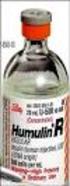 Leeds Humulin R (U500) insulin: Prescribing Guidance Amber Drug Level 2 We have started your patient on Humulin R (U500) insulin for the treatment of diabetic patients with marked insulin resistance requiring
Questions and Answers for Health Care Providers: Renal Dosing and Administration Recommendations for Peramivir IV
 Questions and Answers for Health Care Providers: Renal Dosing and Administration Recommendations for Peramivir IV The purpose of this document is to provide additional clarification to the existing information