
THE FORECLOSURE PROCESS
|
|
|
- Nelson Goodwin
- 10 years ago
- Views:
Transcription
1 THE FORECLOSURE PROCESS Respectfully submitted by The New Jersey Chancery Judges Ad hoc Advisory Committee on Foreclosures September 14, 2000

2 GENERAL INTRODUCTION TO THE FORECLOSURE PROCESS BINDER The committee authored this material in order to provide a ready reference for Judges, law clerks, and staff when dealing with foreclosure matters. This project originally started with a different focus eventually evolving to assist the judiciary and staff in commonly occurring instances where uniformity of result is preferable. The initial charge required the committee to solely cover the residential mortgage foreclosure procedure. Therefore, the residential mortgage foreclosure procedure is the first subject presented in this binder. Eventually, the committee will present outlines in all practice areas involving the foreclosure process to be included in this binder. Each supplemental outline will contain an appendix with suggested forms of orders and an appendix setting forth relevant case law. The committee recognizes there are different approaches utilized to handle the commonly identified problems. It is further acknowledged that particular circumstances of a specific case often require a more individualized approach. The committee does not intend the material presented in this binder to invade judicial independence. The material and suggested practices, which are identified by italics reflect, in the opinion of the committee, potential solutions to reoccurring problems, may be used as a guide; and hopefully, are of assistance to Judges specifically and staff generally. The material is presented in three-ring binder format in order to allow users to insert additional pages to supplement each event with notes or other authority. It is suggested that Judges, law clerks, and/or staff utilize the disk and/or binder to include internal procedures, deviations from the outline, and new development in foreclosure law thereby creating an up-todate ready reference. The committee will, from time to time, publish additional material to either substitute for or to be used in addition to previously published material and in a continuing format. This material is also available on disk. In addition, the committee has suggested that an annual seminar be conducted on or before October 1 of each year to educate new Chancery law clerks, new Chancery Judges, and others concerning foreclosure practices. The committee was made up of a Chancery Judge, plaintiff s counsel, defendant s counsel, a member of the Administrative Office of the Courts, and the Chief of the Foreclosure Unit. Before the outline was disseminated, it was reviewed by several Judges and additional foreclosure practitioners. CPAC;

3 Finally, the members of the committee appreciate being given the opportunity to be of service to the Bench and Bar and thank the many individuals who contributed to the production of this binder. Respectfully submitted: Honorable James D. Clyne, P.J.Ch. Keith A, Bonchi, Esquire James A. Colasurdo, Chief of the Foreclosure Unit Vincent DiMaiolo, Jr., Esquire Michael Jacobson, Esquire Gary F. Silvestri, Esquire

4 ABOUT THE OFFICE OF FORECLOSURE The Supreme Court established the Office of Foreclosure within the Administrative Office of the Courts by R. 1:34-6. This rule was adopted July 22, 1983 and became effective September 12, Before the enactment of R. 1:34-6, the Standing Master of the Supreme Court performed the duties now handled by the Office of Foreclosure, however, this judicial office was abolished effective April 1, After the position of Standing Master was abolished, the Clerk of the Superior Court performed those duties until the adoption of R. 1:34-6. The Office of Foreclosure reviews all uncontested foreclosure cases and is responsible for recommending and approving the entry of orders and final judgments in all uncontested foreclosure cases pursuant to R. 4:64-1 and R. 4:64-7. The Office issues writs of execution and writs of possession in all foreclosure matters. It reviews all answers filed in foreclosure actions to ascertain whether an answer contests the allegations of the foreclosure complaint. Those answers that the Office views as contesting the validity of the mortgage, the priority of the mortgage or creating an issue with respect to the plaintiff s right to foreclose results in the foreclosure case being transferred to the vicinage Chancery Judge for disposition.

5 RESIDENTIAL MORTGAGE FORECLOSURE OUTLINE

6 RESIDENTIAL MORTGAGE FORECLOSURE OUTLINE TABLE OF CONTENTS i Page Event One: Notice Of Intent To Foreclose Mailed To Debtor ( NOI ) (See the precise requirements of N.J.S.A. 2::50-56(b))... 1 Event Two: Searches, Inspections, Mortgage Documents, and Title Policy Obtained... 3 Event Three: Complaint Filed... 4 Event Four: Record Lis Pendens ( L.P. )... 5 Event Five: Continuation Searches and Upper Court Searches Ordered... 6 Event Six: Amend Complaint, If Necessary... 7 Event Seven: Service of Summons, Complaint, and Amendment to Complaint (If Amendment Necessary)... 8 Event Eight: Service of Amendments to Complaint if Filed After Original Service of Summons and Complaint... 9 Event Nine: If Necessary, Alternative Modes of Service Event Ten: Answers Filed Event Eleven: Once Case No Longer Contested, Plaintiff Submits Proofs and Requests the Entry of Default Against All Non-Answering Parties (May be Submitted Earlier Than Contested Portion of the Case). Notice of Motion Required if Actual Answering Time Expired More than 6 Months Prior to Submission Default Entered; 14 Day Notice Sent. Pursuant to N.J.S.A. 2A:50-58(b) Event Twelve: Final Judgment Package Sent to Foreclosure Unit Event Thirteen: Submission of Writ of Execution to Sheriff Event Fourteen: Sale... 20

7 Event Fifteen: Redemption Event Sixteen: Eviction Collateral Issue Bankruptcy Disclaimer ii

8 PREFACE TO RESIDENTIAL MORTGAGE FORECLOSURE OUTLINE This is a first in a series of outlines dealing with the foreclosure process. This initial outline covers the residential mortgage foreclosure process. The outline breaks down the process into significant events setting forth what is undertaken and accomplished by or on behalf of the plaintiff/mortgagee, defendant/mortgagor, and Court/staff-Foreclosure Unit during the course of each such event. Suggested practices are set forth at the end of the event material in an effort to assist with commonly recurring issues to produce uniform results. By way of illustration, the committee has included a suggested practice with suggested forms of order to be utilized when a mortgagor files a bankruptcy petition. This practice and order serve to close the foreclosure case during the pendency of the bankruptcy, thereby relieving the Superior Court of responsibility and accountability until the bankruptcy is resolved. This order allows the foreclosure case to remain open within the Foreclosure Unit and permits the mortgagee an avenue to proceed once the bankruptcy is concluded. The Fair Foreclosure Act, N.J.S.A. 2A:50-56 et seq. (the Act ), has significantly modified residential mortgage foreclosure practice. This was the first major change to this practice area during the last 42 years. Therefore, where appropriate, the application of the Act is part of this outline. The Act, in part, specifically applies to residential foreclosure actions (Sections 1 to and including 9 of the Act solely apply to residential mortgages.) Otherwise, the balance of the Act applies to both residential and non-residential mortgages. The Act includes an optional foreclosure procedure, N.J.S.A. 2A:50-63, which allows for completion of the foreclosure process without sale. This optional foreclosure procedure is applicable where the residential mortgage property has been abandoned, the mortgagor(s) voluntarily surrenders the residential mortgage property by signing a deed in lieu of foreclosure, or when there is no equity in the residential property. This optional foreclosure procedure is rarely, if ever, undertaken and therefore is not addressed in this outline. The significant events identified by the committee for this presentation move through the residential mortgage foreclosure process as a time line beginning with the original notice to the mortgagor required by the Act through eventual eviction of the mortgagor. Also included is a collateral issue referencing the filing of a bankruptcy petition by the mortgagor and its effect upon the foreclosure process. By utilizing a time line format to organize the material, an individual utilizing the outline should be able to easily cross reference the effect of one event upon the other for ready reference. iii

9 RESIDENTIAL MORTGAGE FORECLOSURE OUTLINE 1. EVENT ONE: NOTICE OF INTENT TO FORECLOSE MAILED TO DEBTOR ( NOI ) (SEE THE PRECISE REQUIREMENTS OF N.J.S.A. 2A:50-56 (b)). PLAINTIFF/MORTGAGEE: NOI mailed by Mortgagee or Attorney for Mortgagee (must allow at least 30 days before filing of Complaint) N.J.S.A. 2A: DEFENDANT(S)/MORTGAGOR: Debtor receives NOI by registered or certified mail, return receipt requested that mortgage lender intends to foreclose and that debtor has 30 days to cure default from date notice is delivered in person or mailed to party. N.J.S.A. 2A:50-56(b) NOI must clearly and conspicuously state: 1. the particular obligation or real estate security interest; 2. description of default; 3. right to cure default; 4. the performance needed to cure default, including what sum of money, if any, and interest; 5. date debtor shall cure default to avoid initiation of foreclosure proceedings and the name, address, and phone number of a person to whom the payment or tender shall be made; 6. if debtor does not cure default by date specified, lender may take steps to terminate debtor s ownership in property by commencing foreclosure suit; 7. that if lender takes steps in paragraph 6, debtor still has right to cure default, but debtor will be responsible for lender s court costs and attorney fees; 8. right, if any, of debtor to transfer real estate to another person subject to the security interest and that transferee may have right to cure the default; 1

10 9. that debtor is advised to seek counsel from an attorney. If debtor is unable to obtain an attorney, debtor may contact NJ Bar Association or Lawyer Referral Service in the county in which the property is located. If unable to afford an attorney, to contact the county Legal Service s office; 10. the possible availability of financial assistance for curing the default from programs operated by the State or Federal Government or nonprofit organization; 11. name, address, and telephone number of the lender whom debtor may contact, if debtor disagrees with lender that default occurred or correctness of amount required to cure default. N.J.S.A. 2A:50-56(c). COURT/STAFF AND FORECLOSURE UNIT: No involvement in this event. 2

11 2. EVENT TWO: SEARCHES, INSPECTIONS, MORTGAGE DOCUMENTS AND TITLE POLICY OBTAINED. PLAINTIFF/MORTGAGEE: Attorney orders searches, inspections, documents, etc., prior to filing Complaint. DEFENDANT(S)/MORTGAGOR: No involvement in this Event. COURT/STAFF AND FORECLOSURE UNIT: No involvement in this Event. 3

12 3. EVENT THREE: COMPLAINT FILED. PLAINTIFF/MORTGAGEE: Attorney prepares Complaint and files at least 30 days after NOI sent. Complaint must state mortgage lender has sent NOI to debtor and other notices that may be required. N.J.S.A. 2A:50-56(f). Pre-foreclosure servicing requirements on HUD insured, VA guaranteed and Rural Housing Service (RHS) mortgages may also apply. If lender alleges the property has been abandoned or voluntarily surrendered, it must plead specific facts. N.J.S.A. 2A:50-56(f). DEFENDANT(S)/MORTGAGOR: No involvement in this Event. COURT/STAFF AND FORECLOSURE UNIT: Pursuant to Rule 1:5-6(b)(7)(c), the Clerk of the Superior Court shall file all papers presented for filing. However, any complaint or paper presented for filing which is not accompanied by the required fee shall be returned by the Clerk stamped received but not filed (date) with notice that if the attorney retransmits the complaint or paper with the required filing fee within 10 days after date of the notice, then filing will be deemed to have been made as of the original stamped receipt date. 4

13 4. EVENT FOUR: RECORD LIS PENDENS ( L.P. ). PLAINTIFF/MORTGAGEE: Attorney prepares and records L.P. after Complaint filed and docket number assigned. L.P. is effective for 5 years from date of recording. N.J.S.A. 2A: Advisory Note: In the event L.P. expires during pendency of foreclosure action, plaintiff/mortgagee must rerecord a new L.P. and run further continuation searches through date of recording of new L.P. Any new intervening liens must be added to action. DEFENDANT(S)/MORTGAGOR: No involvement in this Event. COURT/STAFF AND FORECLOSURE UNIT: L.P. recorded in County Recording Office (L.P. cuts off any liens to attach to property after date L.P. filed). 5

14 5. EVENT FIVE: CONTINUATION SEARCHES AND UPPER COURT SEARCHES ORDERED. PLAINTIFF/MORTGAGEE: Plaintiff s attorney orders continuation search and upper court search through date L.P. filed (picks up intervening liens between time of original search and recording of L.P.). DEFENDANT(S)/MORTGAGOR: No involvement in this Event. COURT/STAFF AND FORECLOSURE UNIT: No involvement in this event. 6

15 6. EVENT SIX: AMEND COMPLAINT, IF NECESSARY. PLAINTIFF/MORTGAGEE: If continuation searches indicate additional parties to add to action, Plaintiff s attorney will prepare and file Amendment to Complaint. DEFENDANT(S)/MORTGAGOR: No involvement in this event. COURT/STAFF AND FORECLOSURE UNIT: Foreclosure Unit accepts and files Amendment to Complaint (no order necessary if no responsive pleadings filed). 7

16 7. EVENT SEVEN: SERVICE OF SUMMONS, COMPLAINT, AND AMENDMENT TO COMPLAINT (IF AMENDMENT NECESSARY). PLAINTIFF/MORTGAGEE: Attorney prepares Summons and sends to Sheriff and/or other process servers authorized by R. 4:4-3(a) with Complaint and Amendment to Complaint (35 day Summons must be used, R. 4:6-1(a), except for U.S. and State of New Jersey and/or their agencies (60 days), R. 4:64-1(g); State must be served with notice in lieu of Summons, N.J.S.A. 2A:45-2. DEFENDANT(S)/MORTGAGOR: Debtor has thirty-five (35) days from receipt of the Summons and Complaint to file a response with the Court and serve other parties. R. 4:6-1(a). COURT/STAFF AND FORECLOSURE UNIT: Foreclosure Unit receives and files returns of service. 8

17 8. EVENT EIGHT: SERVICE OF AMENDMENTS TO COMPLAINT IF FILED AFTER ORIGINAL SERVICE OF SUMMONS AND COMPLAINT. PLAINTIFF/MORTGAGEE: Amendments to be served on parties (a) appearing pro-se and attorneys of record; (b) joined in or directly affected by the amendment; (c) served after amendment filed; (d) served before amendment filed if party is not yet in default (answer to be filed and served within 20 days, R. 4:9-1; with respect to an existing defendant in default against whom a new or additional claim for relief is stated, original service must be made allowing 35 days within which to file an answer (R. 1:5-1) unless service is upon U.S. or State of New Jersey and/or their agencies, whereupon defendant is allowed 60 days within which to file an answer (certified mailing required to parties; ordinary mail to attorneys of record R. 1:5-2). DEFENDANT(S)/MORTGAGOR: Defendant has twenty (20) days from service to file a response to Amendment to Complaint with court and serve other parties. COURT/STAFF AND FORECLOSURE UNIT: Foreclosure Unit receives and files proofs of service for Amendment to Complaint. 9

18 9. EVENT NINE: IF NECESSARY, ALTERNATIVE MODES OF SERVICES.. PLAINTIFF/MORTGAGEE: If service cannot be made by Sheriff or by any other process server authorized by R. 4:4-3(a)- or by any rule giving personal jurisdiction over defendant, the attorney will serve by publication after diligent inquires are made and service cannot be effectuated within New Jersey. R. 4:4-5 Note: Personal jurisdiction may be effectuated by mail pursuant to R. 4:4-3 (a) and R. 4:4-4. DEFENDANT(S)/MORTGAGOR: No involvement in this Event. COURT/STAFF AND FORECLOSURE UNIT: Suggested practice: Substituted service forms are often utilized without prior court authorization under R. 4:4-5. Foreclosure Unit accepts alternate forms of service (ie., publication) as provided for by court rules. Note: There are special rule provisions providing for substituted service which are unique to the foreclosure process. Specifically, R. 4:4-3 and R. 4:4-5 provide for alternate service which does not require Court orders for substituted service. Attorneys should pursue certain inquiries to secure proper substituted and/or constructive service. Although what comprises a diligent inquiry is evaluated by courts given the facts presented in each individual case, the court should review the affidavit of diligent inquiry to determine whether plaintiff s inquires were in fact diligent. It is suggested that the court keep in mind the following modes of inquiry (although the following list is not all inclusive): 1. Postal inquiries 2. Division of Motor Vehicle inquiries 3. Municipal Officials 4. Telephone directories 5. Neighbors and prior occupants 6. Tenant and/or Occupants of mortgaged property 10

19 7. Surrogates offices (if applicable) 8. Department of Vital Statistics (if applicable) 9. Voter Registration Records 10. Employment Records 11. Internet Searches and any leads resulting from Internet searches (See Moden v. Moden, 327 N.J. Super. 44 (App. Div. Jan. 12, 2000). 11

20 10. EVENT TEN: ANSWERS FILED. (A) Non-Contesting: PLAINTIFF/MORTGAGEE: A subsequent encumbrancer may file a non-contesting answer asking their claim be joined in the final judgment (answering party must submit to Court a certification of amount due to subsequent encumbrancer prior to entry of judgment) and serve same upon all other parties pursuant to R.4:64-1(c). DEFENDANT(S)/MORTGAGOR: Files an appearance, if applicable, with the Foreclosure Unit. COURT/STAFF AND FORECLOSURE UNIT: Foreclosure Unit accepts for filing the answer with filing fee (file stays with Foreclosure Unit). The Clerk shall return any answer or other paper presented for filing not accompanied by the payment of the required fee. The answer or other paper shall be stamped received but not filed (date) with notice that if the attorney retransmits the answer or other paper with the required filing fee within 10 days after the date of the notice filing, the answer or other paper will be deemed to have been made as of the original stamped receipt date. Advisory Note: Pursuant to R. 1:5-6(c)(2), any answer or other paper presented prior to the entry of Final Judgment with the required fee must be filed by the Clerk s Office even if default has already been entered against that answering defendant. Advisory Note: Pursuant to R. 1:5-6(b)(3), in all foreclosure actions all papers are to be filed with the Clerk of the Superior Court in Trenton, unless the Foreclosure Unit has deemed the action contested and the Clerk has sent the file to the county of venue, in which event, all subsequent papers shall be filed with the Deputy 12

21 Clerk of the Superior Court in the county of venue. Advisory Note: If an attorney sends any answer or paper to the wrong office for filing, then the answer or paper shall be stamped received but not filed (date) and transmitted by that office to the proper filing office. A notice shall be sent by the transmitting office to the filer of the paper advising of the transmittal. The stamped received date shall be deemed to be the date of filing. Any answer received by the Deputy Clerk in a foreclosure action should be transmitted to Trenton for filing unless the Foreclosure Unit has already deemed the case contested and the file then is already at the county of venue. (B) Contested answer filed by defendant: - PLAINTIFF/MORTGAGEE: -Civil Court Rules apply as to discovery. -Contested issues to be resolved either by Summary Judgment (i.e. striking answer) or proof hearing/trial. Germane issues are defined by R. 4:46-5 and the case law interpreting same. Examples of such germane issues include: (1) validity of documents; (2) default and (3) right to foreclose DEFENDANT(S)/MORTGAGOR: Files a contesting answer and other responsive pleadings. COURT/STAFF AND FORECLOSURE UNIT: File sent to County Vicinage Judge to resolve pursuant to R. 4:6-4. Court schedules initial conference/case management conference. Vicinage Judge resolves contested issue either by Summary Judgment motion or trial and file is then returned to the Foreclosure Unit for further proceedings. First Suggested Practice: It is suggested County Vicinage Judge schedule a management conference within 30 days of the filing of a contested answer to set forth discovery and management schedule. 13
22 Second Suggested Practice: In most cases, an answer which acknowledges default but questions the total amount due may be determined by the court to be a non-contesting answer. An order may be entered advising the defendant of the right to contest the amount due at the time of application of the entry of the final judgment. The matter would be deemed uncontested and the matter would be referred back to the Foreclosure Unit. See form of order designated Exhibit A. If at the time of application of final judgment the total amount due is not resolved, the matter would be referred back to the vicinage judge for determination. Third Suggested Practice: In some instances, where it would appear there is a real potential for reinstatement, it might be more appropriate to schedule a hearing to determine the amount due as of a certain date. In the event reinstatement does not occur, those determinations would provide a bench mark for final computation of the judgment amount. See Exhibit B. Fourth Suggested Practice: Counterclaims (non-germane) and Third Party Complaints should be stricken without prejudice and allowed to be filed as a complaint in the appropriate Division. Requiring the filing of an initial pleading is the best way to assure the proper assignment of a separate docket number with its attendant tracking. See Exhibit C for suggested form of Order 14
23 11. EVENT ELEVEN: ONCE CASE NO LONGER CONTESTED, PLAINTIFF SUBMITS PROOFS AND REQUESTS THE ENTRY OF DEFAULT AGAINST ALL NON- ANSWERING PARTIES (MAY BE SUBMITTED EARLIER THAN CONTESTED PORTION OF THE CASE). NOTICE OF MOTION AND RESULTING ORDER REQUIRED IF ACTUAL ANSWERING TIME EXPIRED MORE THAN 6 MONTHS PRIOR TO SUBMISSION - DEFAULT ENTERED; 14 DAY NOTICE SENT. PURSUANT TO N.J.S.A. 2A:50-58 (b). PLAINTIFF/MORTGAGEE: Attorney for Plaintiff mails 14 day Notice [N.J.S.A. 2A:50-58(b)] (if no response to 14 day Notice - judgment may be entered 14 days after Notice sent; if defendant certifies that there is likelihood to cure default in response to 14 day Notice - judgment may not be entered for 45 days from effective date of notice). DEFENDANT(S)/MORTGAGOR: If the debtor has not responded to the complaint, or the matter is no longer contested, the Lender s attorney sends the debtor(s) notice it will apply for entry of a foreclosure judgment after fourteen (14) days from when the notice is delivered in person or mailed. This advises debtor that upon entry of Final Judgment, debtor shall lose the right to cure the default under this act. To preserve the right to cure, the debtor must mail to the lender, or lender s attorney no later then ten (10) days after receipt of this notice, a good faith statement in which the debtor certifies there is a reasonable likelihood debtor will be able to provide payment necessary to cure the default within forty-five (45) days of date the notice became effective (the date it was delivered in person or mailed). The statement must be sent by registered or certified mail, return receipt requested, to the address of the lender who gave the notice or lender s attorney. N.J.S.A. 2A:50-58 (a)(1) and (2). Federal National Mortgage Assn.. v. Bracero, 297 N.J. Super 105 (Ch. Div. 1996) COURT/STAFF AND FORECLOSURE UNIT: File goes back to Foreclosure Unit; Foreclosure Unit will enter default. Before default is entered, the Foreclosure Unit reviews all default papers to ensure the default will be properly entered on the docket. The Foreclosure Unit ensures that the default is entered pursuant to R. 4:43 and is within six months of actual default and after the expiration of the time to answer. 15
24 12. EVENT TWELVE: FINAL JUDGMENT PACKAGE SENT TO FORECLOSURE UNIT. PLAINTIFF/MORTGAGEE: The following items are submitted to Foreclosure Unit for entry of Final Judgment. 1. Plaintiff submits filed copies of all previously filed proofs of service, defaults, and papers. [Note: Summonses should be attached to copies of all service returns and acknowledgments.] 2. Plaintiff submits all papers not previously filed and which must be filed prior to final judgment -i.e. original acknowledgments of service, dismissals, affidavits etc. 3. Plaintiff submits any necessary orders (sometimes called housekeeping orders ) to be entered by the Office of Foreclosure pursuant to R. 1:34-6 i.e., correcting clerical error, correcting defendant s name, substituting Plaintiff, etc. 4. As to parties served with original process by mailed service, Plaintiff submits: (a) certification of mailing, which must include (I)copy of summons, (ii)original signed, return receipt card, if none, (iii)original unclaimed registered or certified mail envelope (emptied/non-window), and (b) affidavit of diligent inquiry. Separate envelopes must be used for each party served by mailed, even if husband and wife. R. 4:4-7., R. 4:4-5(b). 5. As to parties served by publication, Plaintiff submits: (a) affidavit of publication by newspaper, (b) affidavit of diligent inquiry, (c) affidavit of ordinary mailing of (i) notice to absent defendants and (ii)complaint (and amendments) to parties published against, within 7 days after publication (unless address unknown). R. 4:4-5(c). 6. As for minor or incompetent defendant: (a) serve and default minor or incompetent, R. 4:4-4(b); (b) have guardian ad litem appointed by Vicinage Judge (if no general guardian appointed) on 10-days notice of motion (Add three (3) business days for ordinary mailing) to persons designated in R. 4:4-4(a)(1),(2); R. 4:26-2(b)(3); (c)guardian or guardian ad litem must file an answer or report. R. 4:64-1(f). 16
25 Note: As to incompetent defendant, rules only require allegation of incompetency, not adjudication of incompetency. 7. As to military defendant (defaulted for failure to appear), obtain order appointing attorney from Vicinage Judge. Attorney must file answer or report, R.4:64-1(f). 8. As to service upon the United States, submit: (a) copy of 60-day summons and sheriff s return for service upon U.S. Attorney in Newark; (b) certification of mailing of summons, complaint (and amendments) to Attorney General in Washington, D.C. which must include (i)copy of summons, and (ii)original signed, return receipt card. Fed. R. Civ. P. 4(d)(4). 9. As to all appearing parties (even if their answers stricken), submit (a)notice of motion for judgment and (b) proof of service. If any one of the appearing parties is a subsequent encumbrancer (or tenant), give 30-day notice of motion to all appearing parties; otherwise only a 10-day notice of motion required. Add 3 days for ordinary mailing, R.4:64-1(b). 10. If judgment is out of time (add 6 months to date default entered; if judgment cannot be entered within this time), submit: 16-day notice of motion (add 3 business days for ordinary mailing) to defaulting defendants, and proof of service - order not required, R. 4: Submit certification of (a) search fees (limited to 1% of amount found due plaintiff, $500 max., $75 minimum if $75 paid) and (b) costs, R. 4: Submit certification of amount due and non-military service (as to all natural persons defaulted for failure to appear), R. 4:64-1(b); R. 4:42-9(a)(4); R. 1: Submit proposed final judgment. Possession cannot be awarded against residential tenants protected by Anti-Eviction Act. Copy of judgment must be mailed first class within 7 days to defaulted defendants in accordance with R. 1:5, R. 4:43-2(c), and to attorneys of record. 14. Submit proposed writ of execution (include names of all defendants in first paragraph of execution). 17
26 15. Submit proposed writ of possession (if required), with Anti-Eviction Act affidavit. 16. Submit original or certified instruments: Copies of (a) note or bond and (b) recorded mortgage and assignments certified to be true copies by N.J. attorney. DEFENDANT(S)/MORTGAGOR: No involvement in this Event unless objection filed to entry of Final Judgment. Entry of Final Judgment terminates right to reinstate. Note the difference between reinstatement and redemption. COURT/STAFF AND FORECLOSURE UNIT: If parties have appeared in action or answer filed, final judgment must be entered by way of Notice of Motion; if party opposes entry of final judgment, Foreclosure Unit will instruct objector by letter to file objection by motion within 10 days with Judge of local vicinage and Foreclosure Unit will withhold taking action during the 10 day period; local Judge will hold hearing on objection, or otherwise dispose of motion on papers. If no parties have appeared and default entered on all parties, Final Judgment may be entered without necessity of motion, provided an application for Final Judgment is made within 6 months of the filed default. 18
27 13. EVENT THIRTEEN: SUBMISSION OF WRIT OF EXECUTION TO SHERIFF. PLAINTIFF/MORTGAGEE: Writ of Execution sent to Sheriff with required deposit, concise description of property and affidavit of prior liens. Best practice: Include name of all remaining defendants in caption of writ and first paragraph of body of writ. Where sale cannot be held more than 24 months after judgment attorney must obtain alias writ. Note: The rule change effective September 5, 2000, extended the life of Writs to 24 months. Prior to September 5, 2000, Writs were only effective for 1 year. Writs issued prior to September 5, 2000, are still only effective for 1 year. DEFENDANT(S)/MORTGAGOR: No involvement in this Event. COURT/STAFF AND FORECLOSURE UNIT: Sheriff s office schedules sale date and posts notice of sale date at property. Sheriff s office further coordinates publication of sale date. Sheriff sends copy of sale notice to plaintiff. Sheriff is required to schedule sale within 120 days of receipt of writ. N.J.S.A. 2A:50-64(a)(3)(a). 19
28 14. EVENT FOURTEEN: SALE. PLAINTIFF/MORTGAGEE: Attorney mails out notice of sale to record owner (as of commencement of action), and every party appearing in action at least 10 days prior to sale. Proof of service of Notice of Sale sent to Foreclosure Unit, R. 4:65-2; R. 1:5-2. Sheriff must deliver deed to successful bidder within fourteen (14) days of sale. N.J.S.A. 2A: DEFENDANT(S)/MORTGAGOR: Owner and appearing parties (or their attorneys) receive notice of the Sheriff s Sale. Sheriff may give up to two (2) adjournments up to fourteen days each. Only other adjournments after the second request would be by an OSC filed with the court prior to the sale date, or the debtor filing for bankruptcy relief. After the sale, original mortgagors have a right to redeem the property. See Event Fifteen. COURT/STAFF AND FORECLOSURE UNIT: Vicinage Judge only gets involved if mortgagor requests further adjournment after the Sheriff grants the allowable number of adjournments or there is objection to sale within 10 days after sale occurs. Vicinage Judge will then hold hearing on the request for further adjournment or objection to the sale. OSC to be filed to stay sale (for good cause). Suggested practice: Recognizing that pro se litigant usually comes to Vicinage Judge without any formal OSC-Vicinage Judge should hear application and entertain objection on record or by phone conference with plaintiff s attorney present by speaker phone. See model form of application and order attached as Exhibits D and E. The pro se defendant should be given a copy of the signed docketed Order and a copy should be faxed to plaintiff s attorney. A provision should be included in Order as to who shall notify sheriff of results of hearing. 20
29 15. EVENT FIFTEEN: REDEMPTION. PLAINTIFF/MORTGAGEE: Procedure for redemption requires payment directly to Sheriff within ten (10) day period. Alternatively, motion should be made to Vicinage Judge with notice to Sheriff and plaintiff, which includes tender or offer of tender of amount due. DEFENDANT(S)/MORTGAGOR: Mortgagor has right to redeem until ten (10) days after Sale (the time within which to file objection to Sale -- R. 4:65-5) and if objection is timely filed until order confirming Sale is entered. (But see East Jersey S&L v. Shatto, 226 N.J.Super. 473 ( Ch.Div. 1987), which states that if objection is a sham, right of redemption is not extended). COURT/STAFF AND FORECLOSURE UNIT: If objection to Sale is filed within ten (10) days of Sale, the Vicinage Judge should schedule hearing not more than twenty (20) days after the Sale. If Vicinage Judge approves Sale, an Order of Confirmation of the Sale should be entered ordering the Sheriff to deliver deed to successful purchaser. See Hardyston Nat l Bank v. Tartamella, 56 N.J. 508 (1970). 21
30 16. EVENT SIXTEEN: EVICTION. PLAINTIFF/MORTGAGEE: Plaintiff applies for Writ of Possession on ex parte basis. No formal notice is necessary to any party. Writ of Possession is valid for 3 months unless extended by court order. After receipt of Writ of Possession, Writ sent to Sheriff to schedule eviction of all parties except those protected tenants according to Chase v. Josephson, 135 N.J. 209 (1994).. Attorney sends notice of eviction date to property. Plaintiff schedules locksmith and movers to coordinate eviction with Sheriff s office. DEFENDANT(S)/MORTGAGOR: After sale and redemption period, debtor receives Writ of Possession from the Sheriff. Debtor will be advised of the date by which he/she must vacate the property. Tenant(s) in the property who have a valid lease may be protected from eviction, pursuant to the New Jersey Anti Eviction Act, N.J.S.A. 2A: et seq. COURT/STAFF AND FORECLOSURE UNIT: Sheriff schedules eviction and sends notice to property. Vicinage Judge does not get involved with eviction unless application filed to stay eviction (for good cause). Suggested practice: Recognizing that pro se litigant usually comes to Vicinage Judge without any formal OSC-Vicinage Judge should hear application and entertain objection on record or by phone conference with plaintiff s attorney present by speaker phone. See model form of application and order attached as Exhibits F and G. The pro se defendant should be given a copy of the signed, docketed Order and a copy should be faxed to plaintiff s attorney. A provision should be included in Order as to who shall notify sheriff of results of hearing. 22
31 23
32 COLLATERAL ISSUE - BANKRUPTCY. PLAINTIFF/MORTGAGEE: Upon the filing of a Bankruptcy, the foreclosure attorney must determine whether or not to pursue this action in Bankruptcy Court or attempt to obtain relief from the Bankruptcy filing. Until the bankruptcy petition is either dismissed or the foreclosing attorney obtains relief from the Automatic Stay, the action is stayed and the foreclosure attorney is precluded from pursuing the foreclosure action in the Superior Court. DEFENDANT(S)/MORTGAGOR: Bankruptcy - If Bankruptcy is filed at any time during steps 1-15, the Automatic Stay pursuant to 11 USC Section 362 is in effect and the foreclosure action must be stopped. Debtor should consult with a bankruptcy attorney in the early stages in order to avoid losing possible rights. COURT/STAFF AND FORECLOSURE UNIT: Upon the filing of a Bankruptcy Petition by defendant, the foreclosure action is stayed pursuant to the automatic stay in Bankruptcy Court. If the file is with the Vicinage Judge, it should be returned to the Foreclosure Unit and the model Order attached hereto as Exhibit H should be entered. If the bankruptcy is dismissed or relief is obtained from the automatic stay, the attorney shall file a Certification with the Foreclosure Unit verifying the above, at which point in time, the Foreclosure Unit will reinstate the case. If it is a contested foreclosure, it will be returned to the Vicinage Judge. 24
33 DISCLAIMER THIS OUTLINE AND ITS CONTENTS ARE INTENDED TO PROVIDE A SYNOPSIS OF ACCURATE INFORMATION CONCERNING RESIDENTIAL FORECLOSURE PRACTICE IN NEW JERSEY. YOU ARE ADVISED TO UTILIZE FORMAL SOURCES TO DETERMINE RECENT DEVELOPMENTS, SPECIFIC AUTHORITY, OR SPECIAL RULES OF THE VICINAGE. THIS OUTLINE SHOULD NOT BE ACCEPTED AS AUTHORITY NOR SHOULD IT BE SUBSTITUTED FOR THE INDEPENDENT JUDGMENT AND SKILL OF A COMPETENT ATTORNEY AT LAW LICENSED TO PRACTICE IN NEW JERSEY. 25
34 EXHIBITS 1
35 (FIRM NAME) (Firm Address) (Phone Number) Attorneys for Plaintiff(s) SUPERIOR COURT OF NEW JERSEY CHANCERY DIVISION COUNTY v. Plaintiff, Defendant(s). DOCKET NO: CIVIL ACTION ORDER GRANTING SUMMARY JUDGMENT AND/OR STRIKING DEFENDANTS PLEADINGS WHERE RESPONSIVE PLEADINGS DISPUTE THE AMOUNT DUE THIS MATTER having been brought before the Court by way of plaintiff s motion for summary judgment and/or plaintiff s request to strike the defendants pleadings; and the Court having concluded that default is not an issue; and the Court having concluded the responsive pleadings have asserted the defendant does not owe as much money as alleged by the plaintiff; and the Court having concluded a dispute concerning the amount due is not a bar, at this time, to the foreclosure proceeding, and the Court having concluded the dispute as to the amount due is more appropriately resolved, in this matter, at the time plaintiff applies for entry of final judgment; and the Court being aware defendant will receive notice of the application to enter final judgment from plaintiff and defendant will be
36 given an opportunity to address the final amount due at that time, it is therefore; ORDERED, and the court having ascertained that the following determinations are warranted and appropriate, IT IS, on this day of, 200, ORDERED as follows: 1. Plaintiff s Motion for Summary Judgment and/or striking defendants pleadings is hereby granted. 2. Default is hereby entered in favor. 3. The matter is hereby transferred to the Foreclosure Unit of the Superior Court of New Jersey to proceed as a non-contested case. 4. Defendant shall have the right to challenge the amount due in opposition to plaintiff s motion for final judgment. J. S. C. EXHIBIT A EVENT 10 1
37 (FIRM NAME) (Firm Address) (Phone Number) Attorneys for Plaintiff(s) SUPERIOR COURT OF NEW JERSEY CHANCERY DIVISION COUNTY v. Plaintiff, Defendant(s). DOCKET NO: CIVIL ACTION, : : : : Plaintiff(s), : : v. : : : : : : Defendant(s). : SUPERIOR COURT OF NEW JERSEY CHANCERY DIVISION COUNTY DOCKET NO.: F Civil Action ORDER GRANTING SUMMARY JUDGMENT, STRIKING ANSWER AND SEPARATE DEFENSES, AND FIXING AMOUNT DUE AND TERMS OF MORTGAGE - THIS MATTER, being opened to the Court by, Esquire, of the law firm of, attorneys for plaintiff(s), and EXHIBIT A EVENT 10 1
38 , appearing as attorney for defendant(s), and the Court having considered the pleadings, certifications, and other moving papers, the briefs and arguments, and for good cause shown: as follows: IT IS on this day of, 200_, ORDERED, 1. Plaintiff(s) motion for summary judgment be and the same is herewith granted, the answer and separate defenses of the defendant(s), be stricken, and the Clerk of the Court shall forthwith enter the default of the defendant(s),, as though no answering pleading has been filed; and 2. This matter be referred to the Foreclosure Unit in the Office of the Clerk of the Superior Court in Trenton, New Jersey, for further proceedings and entry of final judgment, as an uncontested matter with the appropriate notices sent to all parties entitled to same in accordance with the Rules of this Court; and 3. The following are found and fixed in relation to the mortgage: A. The total amount to reinstate the mortgage as of is $, comprised of principal in the sum of $, accrued interest in the sum of $, late charges in the sum of $ and for advances as of the above date in the sum of $. B. Interest per diem from the date as set forth in Paragraph 3.A. above, at the rate of % per annum is $ per day. C. The total amount to pay off the mortgage as of is $, comprised of principal EXHIBIT B EVENT 10 1
39 in the sum of $, accrued interest in the sum of $, late charges in the sum of $, and advances as of the above date in the sum of $. Interest accrued thereafter shall be calculated at the rate as set forth in Paragraph 3.B. above. 4. A copy of this Order shall be served on all parties to these proceedings by regular mail, postage prepaid, within days of this Order. (FIRM NAME) (Firm Address) (Phone Number) Attorneys for Plaintiff(s) J. S. C. SUPERIOR COURT OF NEW JERSEY CHANCERY DIVISION COUNTY v. Plaintiff, DOCKET NO: CIVIL ACTION Defendant(s)., EXHIBIT B EVENT 10 1
40 v. : : : Plaintiff, : : : : : : Defendant(s). : SUPERIOR COURT OF NEW JERSEY CHANCERY DIVISION COUNTY DOCKET NO.: Civil Action ORDER DISMISSING NON- GERMANE COUNTERCLAIM AND/OR THIRD PARTY COMPLAINT WITHOUT PREJUDICE - THIS MATTER being brought before the Court by way of plaintiff s motion for summary judgment and/or plaintiff s request to strike the defendant s pleadings and the Court having reviewed moving pleadings and those filed in opposition, if any, concluding the Answer and/or Third Party Complaint is not germane to the within foreclosure proceeding, and for good cause appearing; IT IS on this day of, 200_, ORDERED as follows: 1. Defendants Answer and/or Third Party Complaint be and the same are hereby dismissed without prejudice as being non-germane. 2. In the event defendant(s) desires to pursue the counterclaim and/or third party complaint, defendant(s) must file same with the Law Division of the Superior Court within thirty (30) days of the date of this Order and the within dismissal shall not be utilized as a statute of limitations defense. 2 EXHIBIT C EVENT 10
41 3. The Court s dismissal of the counterclaim and/or third party complaint shall not raise an Entire Controversy defense if the counterclaim and/or third party complaint is re-filed in the Law Division within the time as set forth in Paragraph 2 above. 4. A copy of the within Order shall be served upon all counsel within seven (7) days of the date of this Order. (J.S.C.) 3 EXHIBIT C EVENT 10 CPAC;
42 (FIRM NAME) (Firm Address) (Phone Number) Attorneys for Plaintiff(s) SUPERIOR COURT OF NEW JERSEY CHANCERY DIVISION COUNTY v. Plaintiff, DOCKET NO: CIVIL ACTION Defendant(s). EMERGENT APPLICATION FOR STAY OF SHERIFF'S SALE hereby certifies: 1. I am the mortgagor of foreclosed property located at. 2. I have: G G G Exercised my two (2) statutory rights to adjourn the sale of the foreclosed property through the county sheriff and need to further adjourn the sale. The sheriff has refused to adjourn the sale as permitted by statute. Other. 3. The reason I am requesting that the Court stay the sale of the foreclosed property is: 1 EXHIBIT C EVENT 10
43 . 4. I am requesting that the Court stay the sale of the foreclosed property until (specify how long you are asking this Court to stay the sale). 5. I am requesting that the Court waive the filing fee in this matter. (If you are requesting the Court to waive the filing fee, specify the reasons why).. I hereby certify that the foregoing statements made by me are true. I am aware that if any of the foregoing statements made by me are willfully false, I am subject to punishment. Mortgagor 2 EXHIBIT C EVENT 10 CPAC;
44 (FIRM NAME) (Firm Address) (Phone Number) Attorneys for Plaintiff(s) SUPERIOR COURT OF NEW JERSEY CHANCERY DIVISION COUNTY v. Plaintiff, DOCKET NO: CIVIL ACTION Defendant(s). ORDER TO STAY SHERIFF'S SALE SUPERIOR COURT OF NEW JERSEY CHANCERY DIVISION COUNTY v. Plaintiff, DOCKET NO: CIVIL ACTION Defendant(s)., 1 EXHIBIT C EVENT 10
45 : : : Plaintiff, : : v. : : : : Defendant(s). : - SUPERIOR COURT OF NEW JERSEY CHANCERY DIVISION COUNTY DOCKET NO.: Civil Action THIS MATTER having been opened to the Court by, (pro se) to Stay the sheriff s sale of the foreclosed premises located at to be held by the Sheriff of County, at and the Court having considered the matter, and for good cause appearing; follows: IT IS on this day of, 200, ORDERED as 1. The sheriff s sale scheduled for be and the same is hereby stayed and adjourned until. 2. The Writ of Execution is hereby extended through. 3. The mortgagor(s) shall be required to. 2 EXHIBIT C EVENT 10
46 4. There shall be no further adjournments of the sale date. 5. The county sheriff shall be notified of this stay and a copy of this Order shall be sent to the sheriff by facsimile by: G A. Plaintiff s attorney. G B. The Judge s law clerk. 6. A copy of the within Order shall be served upon all counsel within seven (7) days of the date of this Order. (J.S.C.) 3 EXHIBIT C EVENT 10 CPAC;
47 (FIRM NAME) (Firm Address) (Phone Number) Attorneys for Plaintiff(s) SUPERIOR COURT OF NEW JERSEY CHANCERY DIVISION COUNTY v. Plaintiff, DOCKET NO: CIVIL ACTION Defendant(s). : SUPERIOR COURT OF NEW JERSEY : COUNTY Plaintiff, : CHANCERY DIVISION : v. : DOCKET NO. : : Civil Action : Defendant. : EMERGENT APPLICATION FOR STAY : OF REMOVAL OF OCCUPANT : JOHN SMITH, hereby certifies: 1. I am an occupant of property located at. 1 EXHIBIT C EVENT 10
48 2. The reason I am at this property is that I am: The prior owner A tenant Related to the owner Other (describe how you have obtained occupancy of said property) is: 3. The reason I am requesting that the Court stay my removal from the property 4. I am requesting that the Court stay the removal of me until (specify how long you are asking this Court to stay your removal). 2 EXHIBIT C EVENT 10
49 5. I am requesting that the Court waive the filing fee in this matter. (If you are requesting the Court to waive the filing fee, specify the reasons why). 6. I hereby certify that the foregoing statements made by me are true. I am aware that if any of the foregoing statements made by me are willfully false, I am subject to punishment. Occupant 3 EXHIBIT C EVENT 10
50 (FIRM NAME) (Firm Address) (Phone Number) Attorneys for Plaintiff(s) SUPERIOR COURT OF NEW JERSEY CHANCERY DIVISION COUNTY v. Plaintiff, DOCKET NO: CIVIL ACTION Defendant(s). : SUPERIOR COURT OF NEW JERSEY : COUNTY Plaintiff, : CHANCERY DIVISION : v. : DOCKET NO. : : Civil Action : Defendant. : ORDER TO STAY REMOVAL : OF OCCUPANT This matter having come before the Court to Stay the Removal by the Sheriff of (Pro Se) of the foreclosed premises at and the Court having considered the matter, and for good cause appearing; IT IS ON THIS day of, 2000, ORDERED AS FOLLOWS: 1 EXHIBIT G EVENT 16
51 1. The removal of the occupant, is hereby stayed and adjourned until. 2. The Writ/Order of Possession is hereby extended through. 3. The occupant shall be required to. 4. There shall be no further adjournments of the eviction. 5. A copy of the within Order shall be served upon all counsel within seven (7) days. J.S.C. 2 EXHIBIT G EVENT 16
52 (FIRM NAME) (Firm Address) (Phone Number) Attorneys for Plaintiff(s) SUPERIOR COURT OF NEW JERSEY CHANCERY DIVISION COUNTY v. Plaintiff, DOCKET NO: CIVIL ACTION Defendant(s). : SUPERIOR COURT OF NEW JERSEY : COUNTY Plaintiff, : CHANCERY DIVISION : v. : DOCKET NO. : : Civil Action : Defendant. : ORDER STAYING CASE PENDING : BANKRUPTCY AND REMOVAL : FROM VICINAGE DOCKET : This matter having been opened by the Court and upon Notification that defendant has filed a petition in bankruptcy and it appearing to the Court that as a result of the bankruptcy automatic stay, the plaintiff is enjoined from proceeding on its foreclosure pending disposition in the Bankruptcy Court and for good cause appearing; 1 EXHIBIT H
53 IT IS ON THIS day of, 2000, ORDERED AS FOLLOWS: 1. The within matter is hereby stayed pending disposition of the bankruptcy. 2. The file shall be returned by the Vicinage Judge to the Foreclosure Unit and shall be removed from the vicinage docket pending disposition of the bankruptcy. 3. In the event that the bankruptcy is dismissed or plaintiff obtains relief from the automatic stay, plaintiff or its counsel may file a Certification with the Foreclosure Unit indicating the above and the foreclosure action will be returned to the Vicinage Judge. 4. A copy of this Order shall be served upon all parties within seven (7) days of the date of this Order. J.S.C. 2 EXHIBIT H
54 FORECLOSURE: SUBSTANTIVE CASE LAW
55 PREFACE TO FORECLOSURE SUBSTANTIVE CASE LAW The New Jersey Chancery Judges Ad Hoc Advisory Committee on Foreclosure has authored this material to supplement the Foreclosure Process Binder prepared and presented at the 2000 Judicial College. The purpose of the supplement is to provide General Equity judges, law clerks and their staff with an outline of both the historical and current substantive case law commonly used and addressed in the foreclosure process. While the Committee believes that this outline provides a comprehensive overview of the current state of foreclosure law, the outline is by no means exhaustive. There are many complex and diverse facets of foreclosure and banking law that the outline does not address. Instead, the outline deals primarily with the issues and cases most commonly used by practitioners in the mortgage foreclosure process. Additionally, the Committee cautions judges and law clerks of the need to update the authorities included in this outline. The material is presented in three-ring binder format to allow users to insert additional pages to supplement each event with notes or other authority. The Committee further suggests that judges, law clerks or staff utilize the disk or binder to include internal procedures, deviations from the outline and developments in foreclosure law, thereby creating an up-to-date ready reference. The Committee will, from time to time, publish additional material either to substitute for or supplement previously published material. This material is also available on disk.
56 NOTICE OF INTENT TO FORECLOSE GE Capital Mortgage Services, Inc. v. Weisman, 339 N.J. Super. 590 (Ch. Div. 2000) Appropriate remedy where a mortgagee who brought residential foreclosure proceeding was unable to demonstrate its compliance with the provisions of the Fair Foreclosure Act (FFA) under which it was required, before commencing action, to serve a notice of intent to foreclose (NOI) by registered or certified mail, was not dismissal of action, but rather, order directing mortgagee to forward a new NOI setting forth information required by the FFA by certified mail, return receipt requested within ten days from the mailing of the NOI during which they could reinstate the mortgage without liability for costs and attorney fees. SERVICE: Drobney v. Drobney, 146 N.J. Super. 317, 322 (1977) Insurance Co. of N. America v. Allied Crude Vegetable Oil Ref. Corp., 89 N.J. Super. 518, (Ch. Div. 1965). It is common in foreclosure actions for the defendant to file contesting answers objecting to the manner of service, especially given the fact that substituted service is often utilized in a foreclosure action. However, the judgment in a foreclosure action is in rem, or quasi in rem. The judgment directs a sale of the property and payment of the proceeds of such a sale. Thus, it deals only with the mortgaged premises and establishes no personal liability of any kind against the defendant. Service in an in rem or quasi in rem proceeding is governed by R. 4:4-5. Service may be effected by publication or posting on the property that is the subject matter of the suit. It may also be made by mail. Requirements are considerably looser than those set out in R. 4:4-4 dealing with in personam jurisdiction. NON-CONTESTING ANSWERS: Pressler, Current N.J. Court Rules, R. 4:64-1 Court Rule 4:64-1 sets forth the criteria for determining whether an answer to a foreclosure action is contesting or non-contesting. An action to foreclose a mortgage is uncontested if: 5
57 (1) a default has been entered as the result of failure to plead or otherwise defend; or (2) none of the pleadings responsive to the complaint either contest the validity or priority of the mortgage or lien being foreclosed or create an issue with respect to plaintiff s right to foreclose it; or (3) all the contesting pleadings have been stricken or otherwise rendered noncontesting. The Court Rules further provide that if an allegation in an answer asserting that the answering party is without sufficient knowledge to form an answer is considered a noncontesting response. Metlife v. Washington Ave. Assoc., 159 N.J. 484 (1999) It is common for defendants to a foreclosure action to file an answer that does not deny the fact that the mortgage is in default, but instead contests the amount due to the plaintiff. Such an answer is considered non-contesting. In Metlife the Supreme Court held that a challenge by the mortgagor to the asserted amount due does not constitute a contesting answer for purposes of R. 4:64-1. Great Falls Bank v. Pardo, 263 N.J. Super. 388 (Ch. Div 1993). New Jersey Court s has long recognized that the only issues that the court should determine in a foreclosure action are the validity of the mortgage, whether the loan is in default and the right of the plaintiff to take the subject property to sale to satisfy the mortgage debt. See also, Central Penn National Bank v. Stonebridge Limited, 185 N.J. Super. 289 (Ch. Div. 1982). CONTESTING ANSWERS: PRIORITY ISSUES AND SUPERIOR LIENS: Myron C. Weinstein, 30 N.J. Practice, Law of Mortgages, (2d. Ed.). 6
58 As a rule, by filing an action to foreclose a mortgage, the foreclosing mortgagee may only foreclose the interests of the mortgagor and subsequent encumbrancers. Prior mortgages and lien holders, whose interests are not contested by the foreclosing mortgagee are not proper parties to the foreclosure action. However, if a foreclosing mortgagee challenges the validity, priority or amount due a prior encumbrancer, the prior lien should be properly joined as a defendant to the foreclosure action. 30 N.J.Practice, Law of Mortgages, supra. This practice is becoming more common given the failure of title companies and closing attorneys to discharge satisfied mortgages or record properly. As a result, the foreclosing mortgagee will join and challenge the prior lien holder alleging that the lien was fully satisfied from the proceeds of the loan being foreclosed. Unless the prior lien holder answers the complaint and contests the priority of foreclosing the mortgagee s lien, it will be bound by the final judgment. N.J.S A Generally, municipal liens for real estate taxes, water and sewer charges are paramount liens that cannot be foreclosed and should not be joined as defendants. Fleet Mortgage Corp. v. Stevenson, 241 N.J. Super. 408 (Ch. Div 1990). N.J.S A. 46:9-8. It should be noted that a purchase money mortgage (a mortgage whose proceeds are utilized by the mortgagor to acquire title to the mortgaged property) has priority over any judgment creditors whose liens were recorded prior to the recording of the mortgage. Goldome Realty Credit Corp. v. Harwick, 236 N.J. Super. 118 (Ch. Div 1989). A first mortgage securing and equity line of credit retains its priority over a subsequent mortgage, even as to advances made after the recording of the subsequent mortgage. First Fidelity Bank, NA, NJ v. Bock, 279 N.J. Super. 172 (Ch. Div 1994). N.J.S A.46:9-8.5 A first mortgagee who modifies its mortgage retains its priority position as the modification relates back to the date of the original mortgage. 7
59 Howard Savings Bank v. Brunson, 244 N.J. Super. 571 (Ch. Div 1990) However, a first mortgagee may lose its priority position if the county clerk has improperly indexed its mortgage. In Howard Savings Bank, the Chancery Court held that a subsequent purchaser and mortgagee of the subject property, who recorded their interests in the property without notice of the prior mortgage due to an error made by the county clerk in indexing the prior mortgage, had priority over that mortgage. The Court charged the prior mortgagee with the responsibility to ensure that its mortgage was properly recorded and indexed. Chase Manhattan Mortgage Corporation v. Spina, 325 N.J. Super. 42 (Ch. Div 1998) Chase Manhattan Mortgage Corporation v. Spina, 325 N.J. Super. 1 (App. Div. 1999) Condominium liens are given a limited priority over previously recorded mortgages pursuant to N.J.S A. 46:8B-21. Pursuant to that statute, condominium liens recorded prior to the filing of lis pendens by the foreclosing mortgage or receipt of service of the summons and complaint are granted special limited priority over the superior mortgage to the extent of six regular monthly condominium association dues. Recently, in Chase Manhattan Mortgage Corporation v. Spina, 325 N.J. Super. 42 (Ch. Div 1998), the Chancery Division held that the aforementioned statute applies prospectively and that both the mortgage lien and the condominium lien must be dated after the April 1, 1996 effective date of the statute in order for the provision to apply. This decision was affirmed by the Appellate Division in Chase Manhattan Mortgage Corporation v. Spina, 325 N.J. Super. 1 (App. Div. 1999). The priority of subsequent encumbrancers is generally addressed after the sheriff s sale if the sale generates surplus funds. We will address this issue later in the outline. COMPLIANCE WITH HUD REGULATIONS Associated East Mortgage Co. v. Young, 163 N.J. Super. 315 (Ch. Div. 1978) Blatant disregard by the servicer of HUD insured mortgage to abide by either the HUD regulations or advisory suggestions as espoused in the HUD Handbook constitutes unclean hands on the part of the mortgagee that a court of equity will not countenance. 8
60 Heritage Bank, N.A. v. Ruh, 191 N.J. Super. 53 (Ch. Div. 1983) Procedures in HUD Handbook are discretionary, not mandatory and a denial of a request for forbearance of a mortgagor by a servicer of a HUD mortgage is not a valid defense. HUD regulations held to be a guide in determining obligations of a mortgage servicer and determining whether conduct of a mortgagee is unconscionable and whether or not defense of unclean hands applies to act of the mortgagee so as to bar foreclosure action. Prudential Ins. v. Jackson, 270 N.J. Super. 510 (App. Div. 1994) Principles stated by Associated and Heritage Bank are the same. Both held that while the mortgagee s violation of HUD regulations and guidelines respecting the averting of foreclosure did not create an affirmative cause of action in favor of the mortgagor, such violations could nevertheless justify withholding the equitable remedy of foreclosure from the mortgagee. CONSOLIDATION OF CASES Family Savings Bank v. Devincentis, 284 N.J. Super. 503 (App. Div. 1995) RTC v. Berman Industries, 271 N.J. Super. 56 (Law Div. 1993) It is common for attorney s representing mortgagor s in a divorce action or other Law Division action to attempt to consolidate the two matter under Court Rule 4:38-1, asserting that both matters arise out of common issues of fact and involve the same or similar parties. However, Court Rule 4:64-5 provides that only germane claims may be joined in a foreclosure action. Germane claims include the validity of the note and mortgage, whether a default has occurred and the mortgagee s right to resort to the mortgaged premises in satisfaction of the debt. See, Family Savings Bank holding that claims against the instrument evidencing the debt are non germane to the foreclosure action. RTC v. Berman Industries holding that claims regarding a guarantee of a note are not germane to foreclosure action. Therefore, unless the Law Division action directly involves the validity of the mortgage, the amount of the debt or the mortgagees right to resort to the property in satisfaction of the debt, the matters should not be consolidated. RENT RECEIVERSHIP Linn v. Kay Corp., 123 N.J. Eq. 564 ( E. & A. 1938) A mortgagee is entitled to a receiver when its mortgage security in property 9
61 has been placed in an uncertain or precarious position. See also Trust Co. of New Jersey v. Lusbie Realty Co., 124 N.J. Eq. 265 ( E. & A. 1938); Broad & Market Nat l Bank v. Larsen, 88 N.J. Eq. 245 ( E. & A. 1917) Adams v. Adams, 125 N.J. Eq. 166 (E. & A. 1939) An appointment of a receiver rests in the sound discretion of the court. Tucker v. Nabo Construction Corp., 108 N.J. Eq. 451 (Ch. Ct. 1931) Failure to pay taxes and mortgage payments is factor supporting appointment of a receiver; the provision in a mortgage as to the entitlement of a receiver upon default is also an influencing factor for the appointment of a receiver. See also, York Motel Associates v. Blum, 78 N.J. Super. 108 (Ch. Div. 1962); Pols v. the Strand of Atlantic City, 136 N.J. Eq. 1 (Ch. Ct. 1944). Barclays Bank v. Davidson Ave. Associates, 274 N.J. Super. 519 (App. Div. 1994) Contractual provision for appointment of a receiver upon default is not binding on court and is not in and of itself warrant the appointment of a receiver. MOTIONS TO VACATE DEFAULT AND DEFAULT JUDGMENTS Inevitably, defendants in a foreclosure action wait until the last possible minute either to retain counsel or enter the action to defend against the foreclosure. As a result, many defendants in a foreclosure action file motions to either vacate the entry of default or a default judgment previously entered and permitting them to file a contesting answer. Pressler, Current N.J.Court Rules, R. 4:43-3 Court Rule 4:43-3 states that for good cause shown, the court may set aside an entry of default. While the standards for vacating the entry of default are less stringent than the standard for vacating a default judgment pursuant to R. 4:50-1, the defendant must nevertheless demonstrate the existence of excusable neglect and a meritorious defense. Trustees of Local 478 Trucking and Allied Industries Pension Fund v. Baron Holding Corporation, 224 N.J. Super. 485 (App. Div. 1988) However, the issue of whether the default of a defendant and a default judgement entered in a foreclosure action was addressed by the New Jersey 10
62 Appellate Division in Trustees of Local 478 Trucking. In that case, the Appellate Court held: [n]evertheless, before a default is set aside, defendant must at the very least show the presence of a meritorious defense worthy of a judicial determination. O'Connor v. Abraham Altus, 67 N.J. 106, (1975) Bank of New Jersey v. Pulini, 194 N.J. Super. 163, (App. Div. 1984). This is especially so in a foreclosure case where the mere denominating of the matter as a contested case moves it from the expeditious disposition by the Office of Foreclosure in the Administrative Office of the Courts, R. 1:34-6 and R. 4:64-1(a), to a more protracted treatment by the Chancery Division providing discovery and raising other problems associated with trial calendars. If there is no bona fide contest, a secured creditor should have prompt recourse to its collateral. Resolution Trust Corporation v. Associated Gulf Contractors, Inc., 263 N.J. Super. 332, 340 (App. Div. 1993), citing, Hodgson v. Applegate, 31 N.J. 29 (1959). The standards for vacating a final judgment or default judgment are governed by Court Rule 4:50-1. A motion to vacate a final judgment is a matter that lies within the sound discretion of the trial court. Marder v. Realty Construction Co., 84 N.J. Super. 313, 319 (App. Div.1 964), aff'd 43 N.J. 508 (1964). Citing Tradesmens Nat. Bank & Trust Co. v. Cummings, 38 N.J. Super. 1, 4-5 (App. Div. 1955); Ballurio v. Campanaro, 30 N.J. Super. 548, (App. Div. 1954). The Court should view a motion to vacate a default judgment "with great liberality, and every reasonable ground for indulgences [to be] tolerated to the end that a just result is reached." However, "a defendant seeking to reopen a default judgment must show that the neglect to answer was excusable under the circumstances and that he has a meritorious defense." SALES Porreca v. LaFerriere, 225 N.J. Super. 590 (App. Div. 1988) A sheriff selling land pursuant to a mortgage foreclosure judgment and executing a sheriff s deed to effect the sale is not responsible for the realty 11
63 transfer fee required by N.J.S. 46:15-7. Howard Savings Bank v. Sutton, 246 N.J. Super. 482(Ch. Div. 1990) A sheriff is not entitled to recover his fees directly from the bidder in addition to the amount of the bid unless the noticed terms of the sale expressly so advise. Resolution Trust Corp. v. Lanzaro, 140 N.J. 244(1995) The sheriff s fee allowed by N.J.S. 22A:4-8 in the event of a settlement before the sale has been held to constitute a tax, not a fee, and, therefore, is not within the federal exemption from state taxes accorded to the Resolution Trust Corp. by 12 U.S.C (b)(1). New Brunswick Savings Bank v. Markouski, 123 N.J. 402 (1991) The lien of a judgment creditor is a property interest entitled to due process protection and hence the validity of an execution sale vis-à-vis such creditors requires actual notice to those of them whose names and addresses are ascertainable. Rogan Equities, Inc. v. Santini, 289 N.J. Super. 95 (App. Div.), certif. den. 145 N.J. 375 (1996) Trust remaindermen need not be noticed of a sheriff sale. It is enough to notice the Trustee. Burbach v. Sussex Mun. Util. Auth., 318 N.J. Super. 228 (App. Div. 1999) Fidelity Union Bank v. Trim, 210 N.J. Super. 476 (App. Div. 1986) The sheriff can require payment by cash or certified funds even in the absence of publication of such condition. Mortgage Access Corp. v. Leek, 271 N.J. Super. 352 (App. Div. 1994) Defaulting bidder at sheriff sale could not use deposit made on first sale as deposit on second sale and could not have reasonably expected that deposit would be returned. Orange Land Company v. Bender, 96 N.J. Super. 158 (App. Div. 1967) Non-compliance with the notice rules constitute grounds for setting aside of the sale, provided the party entitled thereto has no knowledge of the pendency of the sale, seeks relief promptly upon learning thereof, and no intervening equities in favor of innocent third parties have been created in the interim. 12
64 Heinzer v. Summit Fed. S. & L. Assn., 87 N.J. Super. 430 (App. Div. 1965) Despite defective service of process, the mortgagor may be estopped by laches from attacking service after foreclosure sale to a bona fide purchaser for value and without notice of the defect. In re Eagleson Estate, 172 N.J. Super. 98 (App. Div. 1980), certif. den. 84 N.J. 431 (1980) Regardless of language of N.J.S A. 2A:17-71 providing for six month stay of sale of property of a decedent, the statute had no application where execution was issued prior to death of decedent. Jersey Shore S. & L. v. Edelstein, 219 N.J. Super. 664 (App. Div. 1987) Sale vacated where the mortgagee failed to give notice of the sale to a subsequent answering lienholder to prevent unjust enrichment. Assoulin v. Sugerman, 159 N.J. Super. 393 (App. Div. 1978) A sale may be set aside for failure to mail the mortgagor notice of sale at least ten days prior to sale. First Trust Nat. Assoc. v. Merola, 319 N.J. Super. 44 (App. Div. 1999) Where a second mortgagee has been properly noticed of a sheriff sale but, through error, failed to appear and bid at sale, it is not entitled to have the sale set aside. Lyons Doughty & Veldhuis v. Powers, 331 N.J. Super. 193 (App. Div. 2000) Second mortgagee may not hold the first mortgagee liable for failing to notify of the date of sale where the second mortgagee failed to file non-contesting answer or obtain the date from the sheriff. First Mut. Corp. v. Samojeden, 214 N.J. Super. 122 (App. Div. 1986) Interested parties are entitle to actual knowledge of adjourned date of sheriff sale when the sale held 13 months after original notice given. Independence One Mortg. Corp. v. Gillespie, 289 N.J. Super. 91 (App. Div. 1996) A Sheriff s conduct of a sale outside the statutory hours of 10:00 a.m. and 5:00 p.m. renders the sale voidable, not void. (Contra to Mancine.) 13
65 Empire of Am. Realty v. Mancine, 280 N.J. Super. 617 (Ch. Div. 1994) Sheriff s conduct of a sale outside statutory hours renders sale void. Galaxy Towers v. Elsis, 262 N.J. Super. 92 (Ch. Div. 1993) The right and authority of the sheriff to conduct foreclosure sales is non-exclusive; the court may appoint a special referee for that purpose if the sheriff cannot proceed in a timely fashion. Investors & Lenders v. Finnegan, 249 N.J. Super. 586 (Ch. Div. 1991) Should high bidder at a sheriff sale default by failing to pay balance of sale price, the sheriff must readvertise sale with high bidder liable for deficiency between bid at the second sale and the bid at first sale plus the cost of the first sale including the sheriff s fee for that sale. Union Cty. Savings Bank v. Johnson, 210 N.J. Super. 589 (Ch. Div. 1986) Filing of bankruptcy proceeding more than 10 days after the sale does not constitute statutory objection to sale. Hunter v. J &H Weisberger, 212 N.J. Super. 262 (Law Div. 1986) An unrelated purchaser at a sheriff sale of rental property succeeds to the owner s security deposit obligations whether or not he receives those funds. CKC Condominium v. Summit Bank, 335 N.J. Super. 385 (App. Div. 2000) The purchaser at a foreclosure sale does not succeed to all the rights and burdens of ownership until the delivery of the sheriff s deed after the expiration of the 10 day redemption period. Mauricio v. First Fidelity Bank, 329 N.J. Super. 342 (App. Div. 2000) The purchaser of rental premises is not a successor landlord obligated to repay the tenant s security deposit (Contra to Hunter v. Weisberger.) Jacoby v. Useo, 329 N.J. Super. 119 (App. Div. 2000) If a purchaser at sheriff sale fails to complete the sale, the sheriff s commission is calculated on the basis of the forfeited commission not the bid price. Summit Bank v. Thiel, 325 N.J. Super. 532 (App. Div. 1999), aff d 162 N.J. 51 (1999)\ Foreclosing mortgagee has prospective obligation of noticing the public of the 14
66 amount of tax liens on a property scheduled for sheriff sale as of the first scheduled sale date. Nat l Community Bank of N. J. v. Seneca-Grande, 202 N.J. Super. 303 (App. Div. 1985) The plaintiff is not obligated to seek bidders at the foreclosure sale and can purchase premises with a nominal bid. Soldoveri v. Taxation Div. Director, 3 N.J.Tax 392 (Tax Ct. 1981) The party taking title pursuant to a sheriff s deed is required to pay the realty transfer fee upon recording the sheriff s deed incident to a mortgage foreclosure action. Camp Clearwater, Inc. v. Plock, 52 N.J. Super. 583 (Ch. 1958) Foreclosure sale vests title free of easements and encumbrances which arose subsequent to mortgage, provided the holders of those easements and encumbrances are made parties to the foreclosure action. Crane v. Bielski, 15 N.J. 342 (1954) Court set aside sale where mortgagor failed to appear at the sale as a result of its own mistake. Koppel v. Olaf Realty Corp., 62 N.J. Super. 103 (App. Div. 1960) Mortgagee must make inquiry of rights of persons in possession. Purchaser at sheriff sale acquires only such right and title as mortgagor had at time of making of the mortgage. REDEMPTION Hardyston Nat. Bank v. Tartamella, 56 N.J. 508 (1970) The mortgagor may redeem mortgage not only during 10 day period proscribed by R. 4:65-5 for which a mortgagor may object to a sale, but also, if objections are filed, until an order is entered confirming the sale. Penn Federal S & L Assn. v. Joyce, 75 N.J. Super. 275 (App. Div. 1962) The right of redemption is a valuable right and is subject to transfer and conveyance as any other right or interest in real property. Carteret S & L Assn., F.A. v. Davis, 105 N.J. 344 (1987) 15
67 Hardyston is inapplicable to junior encumbrancer. Assignee of second mortgage did not succeed to the mortgagor s post sale redemption rights. Lobsenz v. Micucci Holdings, Inc., 127 N.J. Super. 50 (App. Div. 1974) The right of redemption is subject to transfer and assignment by mortgagor. See also, Kaplan v. Sleep E Hollow Motel Co., 112 N.J. Super. 296 (App Div. 1970), certif. den. 57 N.J. 435 (1971) Mooney v, Provident Savings Bank, 308 N.J. Super. 195 (Ch. Div. 1997) Court denied mortgagee s application to revive mortgage lien after the owners bought the property at public sale, there being no fraud or collusion. Little Falls S & L v. Holmberg, 165 N.J. Super. 93 (Ch. Div. 1978) Interest does not run during the 10 day period provided for by R. 4:65-5. Heritage Bank v Magnefax Corp., 194 N.J. Super. 377 (Ch. Div. 1984) An assignee of mortgagor s right to redeem who is also the successful bidder at the sheriff sale does not have the option of redeeming in lieu of completing his purchase. East Jersey S & L Assn v. Shatto, 226 N.J. Super. 473 (Ch. Div. 1987) Mortgagor s failure to redeem within 10 days after sheriff sale precluded subsequent redemption even though mortgagors moved to set aside sale nine days after sale. AMOUNTS TO REINSTATE/REDEEM Levine v. Levine, 210 N.J. Super. 585 ( Law Div. 1986) R. 4:42-9(a)(4) s provision permitting a fee in excess of $7500 is operative only when application of the percentage formula results in a calculation exceeding $7500. Farmers & Merchants v. Cotler, 225 N.J. Super. 160 (Ch. Div. 1988) Disagreed with Levine. On appropriate affidavit of services, the court may allow a fee in excess of $7500 irrespective of the amount adjudicated in the mortgagor s favor. 16
68 Luciani v. Hill Wallach, 329 N.J. Super. 170 (Ch. Div. 1999) The statutory formula of R. 4:42-9(a)(4) constitutes a cap, not a mandate, and the fee is limited to reasonableness if that standard produces an amount less than the formula. First Peoples Nat l Bank of N.J. v. Brown, 178 N.J. Super. 549 ( Ch. Div. 1981) When multiple mortgages are being foreclosed in a single action, the individual amounts due thereon by a single mortgagor must be aggregated for purposes of application of the formula. National City Mortgage v. Smith, 324 N.J. Super. 509 ( Ch. Div. 1999) Where defaulting mortgagor reinstates mortgage before entry of final judgment, recoverable attorney fee is calculated by applying formula of R. 4:42-9 to amount of fully accellerated debt, not amount to reinstate mortgage. Coastal State Bank v. Colonial Wood Products, Inc., 172 N.J. Super. 320 (App. Div. 1980) Regardless of a provision in a Note securing a mortgage for the collection of attorney fees, the recovery of attorney fees in a mortgage foreclosure is limited to the formula in R. 4:42-9. See also Bank of Commerce v. Markakos, 40 N.J. Super. 31 (Ch. Div. 1956) Collective Federal S & L Assn v. Toland, 207 N.J. Super. 157 ( Ch. Div 1985) Attorney fees allowed in foreclosure action pursuant to R. 4:42-9 even though judgment not yet entered. Somerset Trust Co. v. Sternberg, 238 N.J. Super. 279 ( Ch. Div. 1989) Litigant held to be entitled to an award of attorney fees both under R. 4:42-9 and frivolous suit or defense statute, N.J.S A. 46:8B-21. SURPLUS FUNDS National Mortgage Co. v. Syriaque, 293 N.J. Super. 547 (Ch. Div 1994) Resolution Trust Corp. v. Griffin, 290 N.J. Super. 88 (Ch. Div. 1994) Typically, the plaintiff(s) in a foreclosure action advance funds for real estate taxes and insurance following the entry of final judgment and prior to the sheriff sale. As these items were not included in the amount of the final judgment, 17
69 plaintiff(s) would traditionally bid at sale in excess of the amount due. In the event the property was purchased by a third party, the plaintiff would then make application to be reimbursed for the post judgment advances from the surplus funds. See, National Mortgage Co. v. Syriaque holding that a mortgagee advancing funds to pay real estate taxes and insurance to preserve the property was entitled to make application for surplus funds provided notice is given at sale, But compare, Resolution Trust Corp. v. Griffin holding that a mortgagee who inadvertently continued to pay real estate taxes and insurance premiums after entry of final judgment was not entitled to be reimbursed from surplus monies. Virginia Beach v. Bank of New York, 299 N.J. Super. 181 (App.Div.1997) In Virginia Beach the Appellate Division held that a foreclosing mortgagee was not entitled to be reimbursed from surplus funds for advances made after final judgment and prior to the sale. The Court reasoned that since the mortgage document, which allowed the mortgagee to make such advances, merged into the final judgment, the plaintiff had no right to recoup these advances absent an amendment to the final judgment. As a result, the common practice today is for the foreclosing plaintiff to obtain an order directing the sheriff to pay the plaintiff additional funds from the proceeds of sale. This order is obtained from the Foreclosure Unit in Trenton prior to sale and pursuant to Court Rule 1:34-6(5). Powell v. Giddens, 231 N.J. Super. 49 (App.Div.1989) Morsemere Fed. Savings & Loan Assoc. v. Nicolaou, 206 N.J. Super. 637 (App.Div.1986) This is also the point of the foreclosure matter where the issue of priority between subsequent encumbrancers is determined by the Court. In Powell v. Giddens the Appellate Division held that junior lien holders are entitled to make application and share in the surplus funds generated from the sale even if they defaulted in the foreclosure action. See also, Morsemere Fed. Savings & Loan Assoc. where the Court denied a post decree lienor the right to apply for surplus funds. In that case, the Court cautioned that the Chancery Court must guard against a party obtaining a double recovery. EVICTION Guttenberg Sav. & Loan Assoc. v. Rivera, 85 N.J. 617 (1981). 18
70 Chase Manhattan Bank v. Josephson, 135 N.J. 209 (1994). Prior to 1994, foreclosing mortgagees included tenants in possession as defendants in a foreclosure action as their rights to possession of the property were subordinate to the first mortgage interest. Guttenberg Sav. & Loan Assoc. v. Rivera. However, in 1994 the Supreme Court overruled Guttenberg and held that the provisions of the Anti Eviction Act, N.J.S A. 2A: , applied to foreclosing mortgagees, even if the leases were created subsequent to the mortgage document. Chase Manhattan Bank v. Josephson. In Josephson, the Supreme Court reasoned that application of the Anti Eviction Act to foreclosing mortgagees would prevent the eviction of blameless tenants given the continued shortage of available residential housing. Security Pacific National Bank v. Linda Masterson, 283 N.J. Super. 426 (Ch.1994) In Security Pacific National Bank the Court considered whether it must automatically give vitality to a lease which purports to have been entered into with a defaulting mortgagor when an alleged tenant claims shelter under the AntiEviction Act. There the Court examined whether a mortgagee should be bound by the terms of a lease entered into between a parent and child, for far less than the fair market rental value of the property, and for an extended term. The Court, in finding that the plaintiff was not bound by the terms of the "sweet-heart" lease, held:... [T]his case demonstrates the danger that mortgagors may use the Chase Manhattan decision to recast the AntiEviction Act into a sword from the shield it was intended to be. Mortgagors may attempt to work in concert with family members or friends and enter into unfavorable leases and thereby attempt to frustrate the foreclosure process. However, this court notes that it is empowered to inquire into the validity of a lease when the lessee claims AntiEviction protection. In fact, to do any less would be to turn the AntiEviction Act on its head. Declining to inquire into the validity of leases would be tantamount to subjecting blameless mortgagees to pretextual leases. When considering the legitimacy of a lease in this context, the court's determination must be informed by all of the principle of reason which imbue its judgement in its fact finding capacity. In this regard, there are several factors which a court need 19
71 consider. Among the relevant factors are: the relationship of the parties to the lease, whether the rental payments called for in the lease represent the fair rental value of the property, and the length of the lease. 20
72 IN PERSONAM TAX SALE FORECLOSURE OUTLINE NOVEMBER 2001
73 PREFACE TO IN PERSONAM TAX SALE FORECLOSURE OUTLINE This is the second in a series of outlines dealing with the foreclosure process. This outline covers the in personam tax sale foreclosure process. The Committee has identified the significant events in the in personam tax sale foreclosure process in the same manner utilized in the residential mortgage foreclosure process. The outline breaks the process into significant events and for each event set forth what is undertaken and accomplished on behalf of the plaintiff/lien owner, defendant and parties entitled to redeem and the Court/Foreclosure Unit staff. By organizing the material in a time line format an individual utilizing the outline should be able to easily cross-reference the effect of one event upon another for ready reference. N.J.S.A. 54:5-1 et seq. (the Tax Sale Law), originally enacted in 1918, is post-depression legislation designed to raise revenue for municipalities. Public policy in New Jersey is to encourage tax sale foreclosures to assist municipalities in collecting delinquent taxes. This outline addresses the in personam tax sale foreclosure process which is when third parties purchase liens at municipal tax sales and later move to obtain title to the property. It is important to note that municipally held liens can be foreclosed by municipalities under the In Rem Tax Foreclosure Act codified in N.J.S.A. 54: et seq. Normally, an in personam foreclosure is a strict foreclosure. This means that there is no judicial sale. However, the outline does address the procedure where a tax lien owner may elect a judicial sale. This is typically used when federal liens encumber the property. The in personam tax sale foreclosure outline simply refers the reader to those relevant portions of the residential mortgage foreclosure outline that sets forth the significant events of a judicial sale. A:\GE_foreclosure.wpd
74 IN PERSONAM TAX SALE FORECLOSURE OUTLINE TABLE OF CONTENTS Page Event One: Event Two: Tax Collector Conducts a Public Tax Sale Issuing a Tax Sale Certificate in Accordance with N.J.S.A. 54: Searches, Inspections and Copy of Tax Sale Certificate Obtained Event Three: Notice of Intention to File a Complaint Is Mailed to Those Entitled to Redeem (See the Precise Requirements of N.J.S.A. 54:5-97.1) Event Four: Complaint Filed Event Five: Record the Lis Pendens Event Six: Continuation Searches and Upper Court Searches Ordered.. 6 Event Seven: Amend Complaint, If Necessary Event Eight: Event Nine: Service of Summons, Complaint, and Amendment to Complaint (If Amendment Necessary) Service of Amendments to Complaint, If Filed After Original Service of Summons and Complaint Event Ten: If Necessary, Alternate Modes of Service Event Eleven:Answer Filed Event Twelve:Once a Case is No Longer Contested, If There Are No Federal Liens on the Real Estate, the Plaintiff Requests Entry of Default Against the Defendant(s) and for the Entry of an Order Setting Time, Place and Amount of Redemption. R. 4:64(1)(d) Event Thirteen: If Federal Liens Encumber the Real Estate, N.J.S.A. 54:5-87 Allows the Tax Lien Owner to Hold a Judicial Sale in the Same Manner of the Foreclosure of a Mortgage
75 Event Fourteen: Entry of Final Judgment in a Strict Foreclosure Event Fifteen: Removal of Occupants Event Sixteen: Motions to Vacate Final Judgments Barring the Right of Redemption Collateral Issue - Bankruptcy Disclaimer
76 IN PERSONAM TAX SALE FORECLOSURE OUTLINE EVENT ONE: A MUNICIPAL TAX COLLECTOR CONDUCTS A PUBLIC TAX SALE ISSUING A TAX SALE CERTIFICATE IN ACCORDANCE WITH N.J.S.A. 54:5-19 PLAINTIFF/TAX LIEN OWNER: The tax lien owner must record a tax sale certificate within three months of the date of the sale or it shall be void against a bona fide purchaser, lessee or mortgagee when they record a deed, lease or mortgage before the recording of the certificate. N.J.S.A. 54:5-51. (See copy of sample Tax Sale Certificate attached as Exhibit A ). Advisory Note. N.J.S.A. 54:5-9 makes a municipal tax lien a superpriority lien and, therefore, it is ahead of all other liens except subsequent municipal liens and a few environmental liens. This means that commonly a municipal tax lien will have priority over all mortgages, judgments or other encumbrances on real estate. In addition, if there is more than one tax lien on a parcel of real estate, the later tax lien has priority over the earlier tax liens. Unlike most mortgages, tax liens take priority in inverse order of time. DEFENDANT(S)/PARTIES ENTITLED TO REDEEM: N.J.S.A. 54:5-54 provides an owner, his heirs, holder of any prior outstanding tax lien certificate, mortgagee or occupant of land as having the exclusive right to redeem an outstanding tax sale certificate anytime before the entry of final judgment. The municipal tax collector provides written notice of the tax sale to the owner. N.J.S.A. 54:5-27. In addition, the municipal tax collector publishes notice of the sale in the newspaper circulating in the municipality and posted in five of the most public places in the municipality. N.J.S.A. 54:5-26. COURT/STAFF AND FORECLOSURE UNIT: 1
77 No involvement in this event. EVENT TWO: SEARCHES, INSPECTIONS AND COPY OF TAX SALE CERTIFICATE OBTAINED PLAINTIFF/TAX LIEN OWNER: N.J.S.A. 54:5-86 provides that a tax lien owner may commence an action to foreclose the right to redeem two years from the date of sale of the tax lien. Therefore, the attorney representing the tax lien owner will order foreclosure searches and an inspection of the property before sending out a Notice of Intent to Foreclose or filing a Complaint. The attorney should order the same as close to the time of foreclosing to ensure that the search and inspections do not become stale. DEFENDANT(S)/PARTIES ENTITLED TO REDEEM: No involvement in this event. COURT/STAFF AND FORECLOSURE UNIT: No involvement in this event. 2
78 EVENT THREE: NOTICE OF INTENTION TO FILE A COMPLAINT IS MAILED TO THOSE ENTITLED TO REDEEM (SEE THE PRECISE REQUIREMENTS OF N.J.S.A. 54:5-97.1) PLAINTIFF/TAX LIEN OWNER: Advisory Note: The notice of intention to file the complaint is only a prerequisite for a search or counsel fee and is not a prerequisite for a court to have jurisdiction. If a tax lien owner fails to comply with N.J.S.A. 54:5-97.1, he only loses the right to apply for the cost of a search, counsel fee or other fees relating to the certified mailings if there is a redemption. Therefore, the failure to comply with N.J.S.A. 54: is not a valid defense to the foreclosure but only a defense to paying a search or counsel fee in the event of redemption. The tax lien owner mails a Notice of Intent to File a Complaint to those parties entitled to redeem whose interest appears of record at the time of the tax sale. The tax lien owner normally has a foreclosure search at this point in time to identify those who have a right of redemption according to N.J.S.A. 54:5-54. The tax lien owner shall give those entitled to redeem at least 30 days written notice. However, R. 4:42-9(a)(5) provides that no counsel fee shall be awarded unless the plaintiff shall file the complaint not more than 120 days after the written notice to the parties having a right to redeem. N.J.S.A. 54: requires the Notice of Intent to File a Complaint to be sent by certified mail and shall contain the amount due on such tax lien as of the date of the notice. (A copy of a Notice of Intent to File a Complaint is contained in Schedule B ). DEFENDANT(S)/PARTIES ENTITLED TO REDEEM: Any party having a right to redemption may avoid paying a search or counsel fee by going to the municipal tax collector and redeeming the lien before the filing of the complaint. 3
79 COURT/STAFF AND FORECLOSURE UNIT: No involvement in this event. EVENT FOUR: COMPLAINT FILED PLAINTIFF/TAX LIEN OWNER: The attorney prepares the complaint and files it with the Superior Court Clerk s Foreclosure Unit in Trenton. The complaint must be filed no earlier than 30 days after the Notice of Intent to File Complaint is served and no later than 120 days to preserve the right to apply for search or counsel fees in case of redemption. DEFENDANT(S)/PARTIES ENTITLED TO REDEEM: No involvement in this event. However, parties entitled to redeem retain this right until the entry of Final Judgment. R. 4:64-6 (b). COURT/STAFF AND FORECLOSURE UNIT: Pursuant to R. 1:5-6 (b)(7)(c), the Clerk of the Superior court shall file all papers presented for filing. However, any complaint or paper presented for filing which is not accompanied by the required fee shall be returned by the Clerk stamped received but not filed (date) with notice that if the attorney transmits the complaint or paper with the required filing fee within 10 days of the date of the notice, then filing will be deemed to have been made as of the original stamped receipt date. 4
80 EVENT FIVE: RECORD THE LIS PENDENS PLAINTIFF/TAX LIEN OWNER: The attorney prepares and records the lis pendens after a complaint if filed and a docket number is assigned. A lis pendens is effective for 5 years from date of recording. N.J.S.A. 2A: Advisory Note: In the event the lis pendens expires during pendency of foreclosure action, the plaintiff/tax lien owner must record a new lis pendens and run further continuation searches through the date of recording of the new lis pendens. Any new intervening liens must be added to the action. DEFENDANT(S)/PARTIES ENTITLED TO REDEEM: No involvement in this event. COURT/STAFF AND FORECLOSURE UNIT: The lis pendens is recorded in County Recording Office. The lis pendens cuts off any liens attaching to the property after the date the lis pendens is filed. 5
81 EVENT SIX: CONTINUATION SEARCHES AND UPPER COURT SEARCHES ORDERED PLAINTIFF/TAX LIEN OWNER: The plaintiff s attorney orders a continuation search and an upper court search through the date that the lis pendens is filed. This continuation search picks up intervening liens between the time of the original search and the recording of the lis pendens. DEFENDANT(S)/PARTIES ENTITLED TO REDEEM: No involvement in this event. COURT/STAFF AND FORECLOSURE UNIT: No involvement in this event. 6
82 EVENT SEVEN: AMEND COMPLAINT, IF NECESSARY PLAINTIFF/TAX LIEN OWNER: If the continuation searches disclose additional parties, they must be added to the action. The plaintiff s attorney will prepare and file an Amendment to Complaint. DEFENDANT(S)/PARTIES ENTITLED TO REDEEM: No involvement in this event. COURT/STAFF AND FORECLOSURE UNIT: The Superior Court Clerk s Foreclosure Unit accepts and files the Amendment to Complaint. No order is necessary, if no responsive pleadings have been filed. 7
83 EVENT EIGHT: SERVICE OF SUMMONS, COMPLAINT, AND AMENDMENT TO COMPLAINT (IF AMENDMENT NECESSARY) PLAINTIFF/TAX LIEN OWNER: The attorney prepares the summons and sends the same to the Sheriff or other process servers authorized by R. 4:4-3(a) with the Complaint and, if necessary, an Amendment to Complaint. The 35 day summons must be used, R. 4:6-1(a), except the United States and/or its agencies, then 60 days must be provided, R. 4:64-1(g); the State of New Jersey must be served with notice in lieu of summons, N.J.S.A. 2A:45-2. DEFENDANT(S)/PARTIES ENTITLED TO REDEEM: The defendant has thirty-five (35) days from receipt of the summons and complaint to file a response with the Court and serve other parties. R. 4:6-1(a). COURT/STAFF AND FORECLOSURE UNIT: The Superior Court Clerk s Foreclosure Unit receives and files returns of service. 8
84 EVENT NINE: SERVICE OF AMENDMENTS TO COMPLAINT, IF FILED AFTER ORIGINAL SERVICE OF SUMMONS AND COMPLAINT PLAINTIFF/TAX LIEN OWNER: The plaintiff s attorney must serve amendments on (a) parties appearing pro se and any attorneys of record, (b) joined in or directly affected by the amendment, (c) served after the amendment is filed or (d) served before the amendment is filed, if the party is not yet in default (the answer to be filed and served within 20 days, R. 4:9-1; with respect to an existing defendant in default against whom a new or additional claim for relief is stated. Original service must be made allowing 35 days within which to file an answer (R. 1:5-1) unless service is upon the United States or State of New Jersey or their agencies. These defendants are allowed 60 days within which to file an answer. Service is effectuated by certified mailing to parties and ordinary mail to attorneys of record. R. 1-5:2. Advisory Note: N.J.S.A. 54:5-91 states that if with the exercise of reasonable diligence, you cannot determine the owner of the lands, and you have done a search for at least sixty years, you may name the owner as an unknown owner or unknown claimant. If the plaintiff chooses to name unknown owners or unknown claimants, R. 4:4-5(c) requires a copy of the notice that the plaintiff publishes in the newspaper to effectuate service upon the unknown owners or unknown claimants must also be posted on the lands affected by the action within seven (7) days of publication. DEFENDANT(S)/PARTIES ENTITLED TO REDEEM: The defendant has twenty (20) days from service to file a response to an Amendment to Complaint with the court and serve the same on other parties. COURT/STAFF AND FORECLOSURE UNIT: The Superior Court Clerk s Foreclosure Unit receives and files proofs of service for Amendment to Complaint. 9
85 EVENT TEN: IF NECESSARY, ALTERNATIVE MODES OF SERVICE PLAINTIFF/TAX LIEN OWNER: If service cannot be made by Sheriff, or by any other process server authorized by R. 4:4-3(a), or by any rule giving personal jurisdiction over the defendant, the attorney may serve by publication after diligent inquiries are made showing that service cannot be effectuated within New Jersey. R. 4:4-5. Note: The plaintiff may effectuate personal jurisdiction my mail pursuant to R. 4:4-3(a) and R. 4:4-4. DEFENDANT(S)/PARTIES ENTITLED TO REDEEM: No involvement in this event. COURT/STAFF AND FORECLOSURE UNIT: Suggested practice: Substituted service forms are often used without prior court authorization under R. 4:4-5. The Superior Court Clerk s Foreclosure Unit accepts alternate forms of service, i.e., publication, as provided for by the Court Rules. Note: There are special Rule provisions providing for substituted service that are unique to the foreclosure process. Specifically, R. 4:4-3 and R. 4:4-5 provide for alternate service that does not require a court order for substituted service. Attorneys should pursue certain inquiries to secure proper substituted or constructive service. Although what comprises a diligent inquiry is evaluated by courts given the facts presented in each individual case, the court should review the affidavit of diligent inquiry to determine whether the plaintiff s inquiries were in fact diligent. It is suggested that 10
86 the court keep in mind the following modes of inquiry (although the following list is not all inclusive): 1. Postal inquiries 2. Division of Motor Vehicle inquiries 3. Municipal Officials 4. Telephone directories 5. Neighbors and prior occupants 6. Tenant and/or Occupants of mortgaged property 7. Surrogates offices (if applicable) 8. Department of Vital Statistics (if applicable) 9. Voter Registration Records 10. Employment Records 11. Internet Searches and any leads resulting from Internet searches (See Moden v. Moden, 327 N.J. Super. 44 (App. Div. 2000)). 11
87 EVENT ELEVEN: (A) ANSWER FILED Non-Contesting: PLAINTIFF/TAX LIEN OWNER: No involvement in this event. DEFENDANT(S)/PARTIES ENTITLED TO REDEEM: Any defendant may file a non-contesting answer. Since most in personam tax sale foreclosures are strict foreclosures and do not involve a judicial sale, an answer by a subsequent encumbrancer will not preserve any rights to a junior lienholder in a tax sale foreclosure. If there is a federal lien, the tax lien owner may elect to go to a judicial sale where an answer by a subsequent encumbrancer may be filed thereby allowing a subsequent encumbrance to be joined in the final judgment. The answering party must submit to the court a certification of the amount due to any subsequent encumbrances before the entry of judgment and serve the same upon all other parties pursuant to R. 4:46-1(c). COURT/STAFF AND FORECLOSURE UNIT: The Superior Court Clerk s Foreclosure Unit accepts for filing the answer with filing fees (file stays with Foreclosure Unit). The Clerk shall return any answer or other paper presented for filing not accompanied by the payment of the required fee. The answer or other paper shall be stamped received but not filed (date) with notice that if the attorney retransmits the answer of other paper with the required filing fee within 10 days after the date of the notice filing, the answer of other papers will be deemed to have been made as of the original stamped receipt date. Advisory Note: Pursuant to R. 1:5-6(c)(2), any answer or other paper presented before the entry of the final judgment with the 12
88 required fee must be filed by the Clerk s Office, even if default has already been entered against the answering defendant. Advisory Note: Pursuant to R. 1:5-6(b)(3), in all foreclosure actions all papers are to be filed with the Clerk of the Superior Court in Trenton, unless the Superior Court Clerk s Foreclosure Unit has deemed the action contested and the Clerk has sent the file to the county of venue, in which event, all subsequent papers shall be filed with the Deputy Clerk of the Superior Court in the county of venue. Advisory Note: If an attorney sends any answer or paper to the wrong office for filing, then the answer or paper shall be stamped received but not filed (date) and transmitted by that office to the proper filing office. A notice shall be sent by the transmitting office to the filer of the paper advising of the transmittal. The stamped received date shall be deemed to be the date of filing. Any answer received by the Deputy Clerk in a foreclosure action should be transmitted to Trenton for filing unless the Superior Court Clerk s Foreclosure Unit has already deemed the case contested and the file is already at the county of venue. (B) Contesting Answer Filed by Defendant: PLAINTIFF/OWNER OF TAX LIEN: While the rules of discovery apply, most contesting answers are either not germane or not a valid defense under the Tax Sale Law. Accordingly, the plaintiff s counsel should immediately file a motion for summary judgment seeking to strike the contesting answer and have the action referred back to the Superior Court Clerk s Foreclosure Unit as an uncontested foreclosure. Many defendants will attempt to challenge the validity of the tax lien or the assessment as a defense in a foreclosure action. N.J.S.A. 54:5-52 states that a tax sale certificate recorded for more than two years shall be presumptive evidence in all courts... of the truth of the statements therein, of the title of the purchaser to the land therein described, and the regularity and 13
89 validity of all proceedings had in reference to the sale. The statute goes on to state that no evidence shall be admitted in any court to rebut the presumption unless the holder thereof shall have procured it by fraud, or had previous knowledge that it was fraudulently made or procured. N.J.S.A. 54:5-52 limits the ability of any defendant to attack the tax sale or the assessment as a defense to a tax sale foreclosure. Furthermore, most courts will apply the germane standard as defined by R. 4:46-5 and the case law interpreting the same. DEFENDANT(S)/PARTIES ENTITLED TO REDEEM: Files a contesting answer and other responsive pleadings. COURT/STAFF AND FORECLOSURE UNIT: The file is sent to the county vicinage judge to resolve pursuant to R. 4:6-4. The court will schedule an initial conference/case management conference. The vicinage judge resolves contested issues either by summary judgment motion or trial. Thereafter, the file is returned to the Foreclosure Unit for further proceedings. First Suggested Practice: It is suggested that the county vicinage judge schedule a management conference within 30 days of the filing of a contested answer to set a discovery and case management schedule. Second Suggested Practice: Nongermane counterclaims and third party complaints should be stricken without prejudice and allowed to be filed as a complaint in the appropriate Superior Court Division. Requiring the filing of an initial pleading is the best way to assure the proper assignment of a separate docket number with its attendant tracking. Third Suggested Practice: The motion to strike a contesting answer does not result in the entry of a final judgment. Many attorneys oppose this type of motion under the mistaken belief that a grant of the relief requested results in the entry of a final 14
90 judgment and a cutoff of the right of redemption. However, the motion only resolves the contested aspect of the case and causes the file to be returned to the Foreclosure Unit for entry of a final judgment in the normal course. Note. Some attorneys seek immediate appellate review from an adverse determination. However, since the motion only resolves an interlocutory issue (and the court has not yet entered a final judgment, thereby allowing an aggrieved party the right to appeal from a final judgment) leave to appeal must be granted by the Appellate Division. See Rule 2:
91 EVENT TWELVE: ONCE A CASE IS NO LONGER CONTESTED, IF THERE ARE NO FEDERAL LIENS ON THE REAL ESTATE, THE PLAINTIFF REQUESTS ENTRY OF DEFAULT AGAINST THE DEFENDANT(S) AND FOR THE ENTRY OF AN ORDER SETTING TIME, PLACE AND AMOUNT OF REDEMPTION. R. 4:64 (1)(d) PLAINTIFF/TAX LIEN OWNER: After service has been completed and there is no longer any contesting answers or the time to file an answer has expired, an application is made by the plaintiff s counsel to the Foreclosure Unit for the entry of an Order Setting Time, Place and Amount of Redemption. If there are no federal liens on the real estate, the attorney for the plaintiff will utilize strict foreclosure, meaning that there will be no Sheriff s sale. If there are federal liens on the property, the plaintiff s counsel may elect to utilize a Sheriff s sale. (See Event Thirteen). The Order Setting Time, Place and Amount of Redemption is entered by the Superior Court Clerk s Foreclosure Unit, but is an order signed by a Superior Court Judge. It purports to set a specific date that is the last date to redeem the lien. The Foreclosure Unit usually provides 45 to 60 days from the execution of the Order to the purported last day to redeem. A copy of the Order is served upon all defendants. (See copy of sample Order Setting Time, Place and Amount of Redemption as Exhibit C ). Advisory Note: Even though the Order Setting Time, Place and Amount of Redemption contains a specific date as the last day to redeem, there should be language in the Order that follows R. 4:64-6 (b) which allows redemption to be made until the entry of Final Judgment. The amount to redeem in the Order will not be accurate since the amount to redeem changes daily. The exact amount to redeem a lien should be obtained from the municipal tax collector and redemption should be made through the tax collector. The plaintiff should submit the following items to the Foreclosure Unit for entry of an Order Fixing Time, Place and Amount of redemption. 16
92 1. The plaintiff submits filed copies of all previously filed proofs of service, defaults, and papers. [Note: Summonses should be attached to copies of all service returns and acknowledgments.] 2. The plaintiff submits all papers not previously filed that must be filed before entry of Order Setting Time, Place and Amount of Redemption, i.e., original acknowledgments of service, dismissals, affidavits, et cetera. 3. The plaintiff submits any necessary orders (sometimes called housekeeping orders ) to be entered by the Foreclosure Unit pursuant to R. 1:34-6, e.g., correcting a clerical error, correcting a defendant s name, substituting the plaintiff, et cetera. 4. As to parties served with original process by mailed service, the plaintiff submits: (a) a certification of mailing, which must include: (i) a copy of the summons, (ii) an original signed, return receipt card, or, if not accepted and signed for, (iii) the original unclaimed registered or certified mail envelope (emptied/nonwindow), and (b) an affidavit of diligent inquiry. Separate envelopes must be used for each party served by mail, even if husband and wife. R. 4:4-7; R. 4:4-5(b). 5. As to parties served by publication, the plaintiff submits: (a) an affidavit of publication issued by the newspaper, (b)an affidavit of diligent inquiry, (c) an affidavit of ordinary mailing of: (i) the notice to absent defendants and (ii) the complaint (and amendments) to parties published against within 7 days of publication (unless the address is unknown). R. 4:4-5(c). 6. The plaintiff also submits a Certification of Plaintiff of the Amount Due, Certification in Support of Search Fees/Costs and, while not technically required before an application for the Final Judgment (N.J.S.A. 54:5-99), a certification by the municipal tax collector that the property taxes have been paid through the commencement of the action may be filed. 7. As for any minor or incapacitated defendants, the plaintiff must: (a) serve and default minor or incapacitated persons, R. 4:4-4(b); (b) have a guardian ad litem appointed by vicinage judge (if no guardian has previously been appointed for the minor or 17
93 incapacitated person) on 10 day notice of motion (add three (3) business days for ordinary mail service) to persons designated in R. 4:4-4(a)(1), (2); R. 4:26-2(b)(3); (c) the guardian or guardian ad litem must file and answer or report. R. 4:64-1(f). Note: As to an incapacitated (formerly referred to as incompetent) defendant, rules only require an allegation of incapacity, not an adjudication of incapacity. 8. As to any defendant in the military that was defaulted for failure to appear, obtain an order appointing an attorney for such defendant from the vicinage judge. The attorney must file an answer or report. R. 4:64-1(f). 9. As to service upon the United States, submit: (a) copy of the 60- day summons and the sheriff s return for service upon U.S. Attorney in Newark, (b) certification of mailing of summons, complaint (and amendments) to the Attorney General in Washington, D.C. The certification must include: (i) a copy of the summons and (ii) the original signed, return receipt card. Fed. R. Civ. P. 4(d)(4). 10. As to all appearing parties (even if their answers were stricken), submit: (a) a notice of motion for judgment and (b) a proof of service. If an appearing party is a subsequent encumbrancer (or a tenant), give 30-day notice of the motion to all appearing parties; otherwise, only a 10-day notice of motion is required. Add 3 days for ordinary mail service. R. 4:64-1(b). 11. If the judgment is out of time (6 months from date default was entered) and the judgment cannot be entered within this time, then submit a 16-day notice of motion (add 3 business days for ordinary mail service) to all defaulting defendants and a proof of service. An order is not required. R. 4: Submit a certification of (a) search fees (limited to 1% of the amount found due the plaintiff, the maximum fee is $500 and the minimum is $75 provided the same is paid) and (b) costs. R. 4:
94 13. Submit a certification of amount due and nonmilitary service (as to all natural persons defaulted for failure to appear). R. 4:64-1(b); R. 4:42-9(a)(4); R. 1: Submit a proposed Order Setting Time, Place and Amount of Redemption. DEFENDANT(S)/PARTIES ENTITLED TO REDEEM: Any party having a right to redeem can still go to the municipal tax collector and tender redemption monies until the entry of a final judgment which bars the right of redemption. COURT/STAFF AND FORECLOSURE UNIT: Once the vicinage judge resolves any contesting answer, the file is returned to the Superior Court Clerk s Foreclosure Unit. The lien owner s attorney submits to the Foreclosure Unit proof of service on all defendants, requests for defaults, various other procedurally required certifications and a proposed Order Setting Time, Place and Amount of Redemption. Staff attorneys in the Foreclosure Unit review the submissions and, if the papers are in order, the Order Setting Time, Place and Amount of Redemption is entered. 19
95 EVENT THIRTEEN: IF FEDERAL LIENS ENCUMBER THE REAL ESTATE, N.J.S.A. 54:5-87 ALLOWS THE TAX LIEN OWNER TO HOLD A JUDICIAL SALE IN THE SAME MANNER OF THE FORECLOSURE OF A MORTGAGE PLAINTIFF/TAX LIEN OWNER: If the plaintiff wants to remove and federal liens against the real estate, federal law requires a judicial sale. (See United States v. Kimble Foods, Inc., 440 U.S. 715, 99 S.Ct (1979); 28 U.S.C. 2410(c)). N.J.S.A.54:5-87 was amended in 1995 to allow tax lien owners the right to go to judicial sale. As set forth in the statute, the plaintiff s counsel should proceed in the same manner as a mortgage foreclosure. (See Events Twelve, Thirteen and Fourteen of Residential Mortgage Foreclosure Outline). DEFENDANT(S)/PARTIES ENTITLED TO REDEEM: No involvement in this event. COURT/STAFF AND FORECLOSURE UNIT: The Sheriff s office schedules a sale date and posts a notice of the sale date at the property. The Sheriff s office further coordinates publication of the sale date. The Sheriff sends a copy of the sale notice to the plaintiff. Sheriff is required to schedule the sale within 120 days of receipt of the writ. N.J.S.A. 2A:50-64(a)(3)(a). 20
96 EVENT FOURTEEN: ENTRY OF FINAL JUDGMENT IN A STRICT FORECLOSURE PLAINTIFF/TAX LIEN OWNER: After the date to redeem has expired in the Order Setting Time, Place and Amount of Redemption and, assuming that no party in interest has redeemed the tax lien, the plaintiff s attorney must obtain an affidavit of non-redemption from the tax collector. If a certification from the tax collector confirming that taxes have been paid through the commencement of the action as required by N.J.S.A. 54:5-99 has not previously been submitted, the plaintiff must also submit it to the Foreclosure Unit with a proposed Final Judgment. Advisory Note: The Tax Sale Certificate and the Final Judgment barring the right of redemption vests title in the tax lien owner. In strict foreclosure there is no Sheriff s deed. DEFENDANT(S)/PARTIES ENTITLED TO REDEEM: A party entitled to redeem under N.J.S.A. 54:5-54 continues to have an absolute right of redemption until the entry of final judgment. Once the court has entered a final judgment, a tax collector can no longer accept redemption monies and only the Superior Court has the right to vacate the Order under limited, appropriate circumstances. COURT/STAFF AND FORECLOSURE UNIT: If the parties have appeared in the action or an answer was filed, then final judgment must be entered by way of a Notice of Motion. If a party opposes entry of a final judgement, the Foreclosure Unit will instruct the objector by letter to file his/her/its objection by motion within 10 days with judge of local vicinage and the Foreclosure Unit will withhold taking action during the 10-day period. The local vicinage judge will hold a hearing on objection or otherwise dispose of the motion on the papers. If no parties have appeared and default is entered as to all parties, then a final judgment may be entered without necessity of a motion, provided, that the application for final judgment is made within six (6) months of the filed default. 21
97 EVENT FIFTEEN: REMOVAL OF OCCUPANTS The procedure is the same as set forth in EVENT SIXTEEN of the Residential Mortgage Outline. 22
98 EVENT SIXTEEN: MOTIONS TO VACATE FINAL JUDGMENTS BARRING THE RIGHT OF REDEMPTION PLAINTIFF/TAX LIEN OWNER: After a final judgment is entered in a strict foreclosure, or a Sheriff s Deed is issued after a judicial sale, title is vested in the owner of the tax sale certificate. It is not uncommon for motions to be filed by a party-ininterest, usually the owner, now seeking to vacate the final judgment. This will cause the Superior Court Clerk s Foreclosure Unit to send the file and the motion to vicinage judge for adjudication. DEFENDANT(S)/PARTIES ENTITLED TO REDEEM: After the final judgment is entered, the municipal tax collector is not allowed to redeem a lien, since the final judgment bars the same. The movant must convince the court that under Rule 4:50 there is a basis for vacating the final judgment. Advisory Note: In a foreclosure action, the traditional concepts of liberally vacating final judgments must be interpreted according to the legislative intent of the Tax Sale Law as set forth in N.J.S.A. 54:5-85 that states that courts should interpret the Tax Sale Law to encourage the barring of the right of redemptions by actions in the Superior Court to the end that marketable title may thereby be secured. In addition, N.J.S.A. 54:5-87 states... no application shall be entertained to reopen the judgment after 3 months from the date thereof, and then only upon the grounds of lack of jurisdiction or fraud in the conduct of the suit. COURT/STAFF AND FORECLOSURE UNIT: The Superior Court Clerk s Foreclosure Unit refers the motion to vacate to the vicinage judge for adjudication. 23
99 24
100 COLLATERAL ISSUE BANKRUPTCY Please refer to the section contained at page 16 in the Residential Mortgage Foreclosure outline for procedure. 25
101 DISCLAIMER THIS OUTLINE AND ITS CONTENTS ARE INTENDED TO PROVIDE A SYNOPSIS OF THE IN PERSONAM TAX SALE FORECLOSURE PRACTICE IN NEW JERSEY. YOU ARE ADVISED TO USE FORMAL SOURCES TO LEARN RECENT DEVELOPMENTS OR SPECIFIC AUTHORITIES. THIS OUTLINE SHOULD NOT BE ACCEPTED AS AUTHORITATIVE, NOR SHOULD IT BE SUBSTITUTED FOR THE INDEPENDENT JUDGMENT AND SKILL OF A QUALIFIED ATTORNEY AT LAW LICENSED TO PRACTICE IN NEW JERSEY. 26
102 FORECLOSURE: SUBSTANTIVE CASE LAW 27
103 PREFACE TO FORECLOSURE SUBSTANTIVE CASE LAW The New Jersey Chancery Judges Ad Hoc Advisory Committee on Foreclosure has authored this material to supplement the Foreclosure Process Binder prepared and presented at the 2000 Judicial College. The purpose of the supplement is to provide General Equity judges, law clerks and their staff with an outline of both the historical and current substantive case law commonly used and addressed in the foreclosure process. While the Committee believes that this outline provides a comprehensive overview of the current state of foreclosure law, the outline is by no means exhaustive. There are many complex and diverse facets of foreclosure and banking law that the outline does not address. Instead, the outline deals primarily with the issues and cases most commonly used by practitioners in the mortgage foreclosure process. Additionally, the Committee cautions judges and law clerks of the need to update the authorities included in this outline. The material is presented in three-ring binder format to allow users to insert additional pages to supplement each event with notes or other authority. The Committee further suggests that judges, law clerks or staff utilize the disk or binder to include internal procedures, deviations from the outline and developments in foreclosure law, thereby creating an up-to-date ready reference. The Committee will, from time to time, publish additional material either to substitute for or supplement previously published material. This material is also available on disk. 28
104 NOTICE OF INTENT TO FORECLOSE GE Capital Mortgage Services, Inc. v. Weisman, 339 N.J. Super. 590 (Ch. Div. 2000) Appropriate remedy where a mortgagee who brought residential foreclosure proceeding was unable to demonstrate its compliance with the provisions of the Fair Foreclosure Act (FFA) under which it was required, before commencing action, to serve a notice of intent to foreclose (NOI) by registered or certified mail, was not dismissal of action, but rather, order directing mortgagee to forward a new NOI setting forth information required by the FFA by certified mail, return receipt requested within ten days from the mailing of the NOI during which they could reinstate the mortgage without liability for costs and attorney fees. SERVICE: Drobney v. Drobney, 146 N.J. Super. 317, 322 (1977) Insurance Co. of N. America v. Allied Crude Vegetable Oil Ref. Corp., 89 N.J. Super. 518, (Ch. Div. 1965). It is common in foreclosure actions for the defendant to file contesting answers objecting to the manner of service, especially given the fact that substituted service is often utilized in a foreclosure action. However, the judgment in a foreclosure action is in rem, or quasi in rem. The judgment directs a sale of the property and payment of the proceeds of such a sale. Thus, it deals only with the mortgaged premises and establishes no personal liability of any kind against the defendant. Service in an in rem or quasi in rem proceeding is governed by R. 4:4-5. Service may be effected by publication or posting on the property that is the subject matter of the suit. It may also be made by mail. Requirements are considerably looser than those set out in R. 4:4-4 dealing with in personam jurisdiction. NON-CONTESTING ANSWERS: Pressler, Current N.J. Court Rules, R. 4:64-1 Court Rule 4:64-1 sets forth the criteria for determining whether an answer to a foreclosure action is contesting or non-contesting. An action to foreclose a mortgage is uncontested if: 2929
105 (1) a default has been entered as the result of failure to plead or otherwise defend; or (2) none of the pleadings responsive to the complaint either contest the validity or priority of the mortgage or lien being foreclosed or create an issue with respect to plaintiff s right to foreclose it; or (3) all the contesting pleadings have been stricken or otherwise rendered noncontesting. The Court Rules further provide that if an allegation in an answer asserting that the answering party is without sufficient knowledge to form an answer is considered a noncontesting response. Metlife v. Washington Ave. Assoc., 159 N.J. 484 (1999) It is common for defendants to a foreclosure action to file an answer that does not deny the fact that the mortgage is in default, but instead contests the amount due to the plaintiff. Such an answer is considered non-contesting. In Metlife the Supreme Court held that a challenge by the mortgagor to the asserted amount due does not constitute a contesting answer for purposes of R. 4:64-1. Great Falls Bank v. Pardo, 263 N.J. Super. 388 (Ch. Div 1993). New Jersey Court s has long recognized that the only issues that the court should determine in a foreclosure action are the validity of the mortgage, whether the loan is in default and the right of the plaintiff to take the subject property to sale to satisfy the mortgage debt. See also, Central Penn National Bank v. Stonebridge Limited, 185 N.J. Super. 289 (Ch. Div. 1982). CONTESTING ANSWERS: PRIORITY ISSUES AND SUPERIOR LIENS: Myron C. Weinstein, 30 N.J. Practice, Law of Mortgages, (2d. Ed.). As a rule, by filing an action to foreclose a mortgage, the foreclosing mortgagee may only foreclose the interests of the mortgagor and 3030
106 subsequent encumbrancers. Prior mortgages and lien holders, whose interests are not contested by the foreclosing mortgagee are not proper parties to the foreclosure action. However, if a foreclosing mortgagee challenges the validity, priority or amount due a prior encumbrancer, the prior lien should be properly joined as a defendant to the foreclosure action. 30 N.J.Practice, Law of Mortgages, supra. This practice is becoming more common given the failure of title companies and closing attorneys to discharge satisfied mortgages or record properly. As a result, the foreclosing mortgagee will join and challenge the prior lien holder alleging that the lien was fully satisfied from the proceeds of the loan being foreclosed. Unless the prior lien holder answers the complaint and contests the priority of foreclosing the mortgagee s lien, it will be bound by the final judgment. N.J.S A Generally, municipal liens for real estate taxes, water and sewer charges are paramount liens that cannot be foreclosed and should not be joined as defendants. Fleet Mortgage Corp. v. Stevenson, 241 N.J. Super. 408 (Ch. Div 1990). N.J.S A. 46:9-8. It should be noted that a purchase money mortgage (a mortgage whose proceeds are utilized by the mortgagor to acquire title to the mortgaged property) has priority over any judgment creditors whose liens were recorded prior to the recording of the mortgage. Goldome Realty Credit Corp. v. Harwick, 236 N.J. Super. 118 (Ch. Div 1989). A first mortgage securing and equity line of credit retains its priority over a subsequent mortgage, even as to advances made after the recording of the subsequent mortgage. First Fidelity Bank, NA, NJ v. Bock, 279 N.J. Super. 172 (Ch. Div 1994). N.J.S A.46:9-8.5 A first mortgagee who modifies its mortgage retains its priority position as the modification relates back to the date of the original mortgage. Howard Savings Bank v. Brunson, 244 N.J. Super. 571 (Ch. Div 1990) However, a first mortgagee may lose its priority position if the county clerk has improperly indexed its mortgage. In Howard Savings Bank, the Chancery Court held that a subsequent purchaser and mortgagee of the 3131
107 subject property, who recorded their interests in the property without notice of the prior mortgage due to an error made by the county clerk in indexing the prior mortgage, had priority over that mortgage. The Court charged the prior mortgagee with the responsibility to ensure that its mortgage was properly recorded and indexed. Chase Manhattan Mortgage Corporation v. Spina, 325 N.J. Super. 42 (Ch. Div 1998) Chase Manhattan Mortgage Corporation v. Spina, 325 N.J. Super. 1 (App. Div. 1999) Condominium liens are given a limited priority over previously recorded mortgages pursuant to N.J.S A. 46:8B-21. Pursuant to that statute, condominium liens recorded prior to the filing of lis pendens by the foreclosing mortgage or receipt of service of the summons and complaint are granted special limited priority over the superior mortgage to the extent of six regular monthly condominium association dues. Recently, in Chase Manhattan Mortgage Corporation v. Spina, 325 N.J. Super. 42 (Ch. Div 1998), the Chancery Division held that the aforementioned statute applies prospectively and that both the mortgage lien and the condominium lien must be dated after the April 1, 1996 effective date of the statute in order for the provision to apply. This decision was affirmed by the Appellate Division in Chase Manhattan Mortgage Corporation v. Spina, 325 N.J. Super. 1 (App. Div. 1999). The priority of subsequent encumbrancers is generally addressed after the sheriff s sale if the sale generates surplus funds. We will address this issue later in the outline. COMPLIANCE WITH HUD REGULATIONS Associated East Mortgage Co. v. Young, 163 N.J. Super. 315 (Ch. Div. 1978) Blatant disregard by the servicer of HUD insured mortgage to abide by either the HUD regulations or advisory suggestions as espoused in the HUD Handbook constitutes unclean hands on the part of the mortgagee that a court of equity will not countenance. Heritage Bank, N.A. v. Ruh, 191 N.J. Super. 53 (Ch. Div. 1983) Procedures in HUD Handbook are discretionary, not mandatory and a denial of a request for forbearance of a mortgagor by a servicer of a HUD mortgage is not a valid defense. HUD regulations held to be a guide in determining obligations of a mortgage servicer and determining whether conduct of a 3232
108 mortgagee is unconscionable and whether or not defense of unclean hands applies to act of the mortgagee so as to bar foreclosure action. Prudential Ins. v. Jackson, 270 N.J. Super. 510 (App. Div. 1994) Principles stated by Associated and Heritage Bank are the same. Both held that while the mortgagee s violation of HUD regulations and guidelines respecting the averting of foreclosure did not create an affirmative cause of action in favor of the mortgagor, such violations could nevertheless justify withholding the equitable remedy of foreclosure from the mortgagee. CONSOLIDATION OF CASES Family Savings Bank v. Devincentis, 284 N.J. Super. 503 (App. Div. 1995) RTC v. Berman Industries, 271 N.J. Super. 56 (Law Div. 1993) It is common for attorney s representing mortgagor s in a divorce action or other Law Division action to attempt to consolidate the two matter under Court Rule 4:38-1, asserting that both matters arise out of common issues of fact and involve the same or similar parties. However, Court Rule 4:64-5 provides that only germane claims may be joined in a foreclosure action. Germane claims include the validity of the note and mortgage, whether a default has occurred and the mortgagee s right to resort to the mortgaged premises in satisfaction of the debt. See, Family Savings Bank holding that claims against the instrument evidencing the debt are non germane to the foreclosure action. RTC v. Berman Industries holding that claims regarding a guarantee of a note are not germane to foreclosure action. Therefore, unless the Law Division action directly involves the validity of the mortgage, the amount of the debt or the mortgagees right to resort to the property in satisfaction of the debt, the matters should not be consolidated. RENT RECEIVERSHIP Linn v. Kay Corp., 123 N.J. Eq. 564 ( E. & A. 1938) A mortgagee is entitled to a receiver when its mortgage security in property has been placed in an uncertain or precarious position. See also Trust Co. of New Jersey v. Lusbie Realty Co., 124 N.J. Eq. 265 ( E. & A. 1938); Broad & Market Nat l Bank v. Larsen, 88 N.J. Eq. 245 ( E. & A. 1917) Adams v. Adams, 125 N.J. Eq. 166 (E. & A. 1939) An appointment of a receiver rests in the sound discretion of the court. 3333
109 Tucker v. Nabo Construction Corp., 108 N.J. Eq. 451 (Ch. Ct. 1931) Failure to pay taxes and mortgage payments is factor supporting appointment of a receiver; the provision in a mortgage as to the entitlement of a receiver upon default is also an influencing factor for the appointment of a receiver. See also, York Motel Associates v. Blum, 78 N.J. Super. 108 (Ch. Div. 1962); Pols v. the Strand of Atlantic City, 136 N.J. Eq. 1 (Ch. Ct. 1944). Barclays Bank v. Davidson Ave. Associates, 274 N.J. Super. 519 (App. Div. 1994) Contractual provision for appointment of a receiver upon default is not binding on court and is not in and of itself warrant the appointment of a receiver. MOTIONS TO VACATE DEFAULT AND DEFAULT JUDGMENTS Inevitably, defendants in a foreclosure action wait until the last possible minute either to retain counsel or enter the action to defend against the foreclosure. As a result, many defendants in a foreclosure action file motions to either vacate the entry of default or a default judgment previously entered and permitting them to file a contesting answer. Pressler, Current N.J.Court Rules, R. 4:43-3 Court Rule 4:43-3 states that for good cause shown, the court may set aside an entry of default. While the standards for vacating the entry of default are less stringent than the standard for vacating a default judgment pursuant to R. 4:50-1, the defendant must nevertheless demonstrate the existence of excusable neglect and a meritorious defense. Trustees of Local 478 Trucking and Allied Industries Pension Fund v. Baron Holding Corporation, 224 N.J. Super. 485 (App. Div. 1988) However, the issue of whether the default of a defendant and a default judgement entered in a foreclosure action was addressed by the New Jersey Appellate Division in Trustees of Local 478 Trucking. In that case, the Appellate Court held: [n]evertheless, before a default is set aside, defendant must at the very least show the presence of a meritorious defense worthy of a judicial determination. O'Connor v. Abraham Altus, 67 N.J. 106, (1975) Bank of New Jersey v. Pulini, 194 N.J. Super. 163, (App. Div. 1984). 3434
110 This is especially so in a foreclosure case where the mere denominating of the matter as a contested case moves it from the expeditious disposition by the Office of Foreclosure in the Administrative Office of the Courts, R. 1:34-6 and R. 4:64-1(a), to a more protracted treatment by the Chancery Division providing discovery and raising other problems associated with trial calendars. If there is no bona fide contest, a secured creditor should have prompt recourse to its collateral. Resolution Trust Corporation v. Associated Gulf Contractors, Inc., 263 N.J. Super. 332, 340 (App. Div. 1993), citing, Hodgson v. Applegate, 31 N.J. 29 (1959). The standards for vacating a final judgment or default judgment are governed by Court Rule 4:50-1. A motion to vacate a final judgment is a matter that lies within the sound discretion of the trial court. Marder v. Realty Construction Co., 84 N.J. Super. 313, 319 (App. Div.1 964), aff'd 43 N.J. 508 (1964). Citing Tradesmens Nat. Bank & Trust Co. v. Cummings, 38 N.J. Super. 1, 4-5 (App. Div. 1955); Ballurio v. Campanaro, 30 N.J. Super. 548, (App. Div. 1954). The Court should view a motion to vacate a default judgment "with great liberality, and every reasonable ground for indulgences [to be] tolerated to the end that a just result is reached." However, "a defendant seeking to reopen a default judgment must show that the neglect to answer was excusable under the circumstances and that he has a meritorious defense." SALES Porreca v. LaFerriere, 225 N.J. Super. 590 (App. Div. 1988) A sheriff selling land pursuant to a mortgage foreclosure judgment and executing a sheriff s deed to effect the sale is not responsible for the realty transfer fee required by N.J.S. 46:15-7. Howard Savings Bank v. Sutton, 246 N.J. Super. 482(Ch. Div. 1990) A sheriff is not entitled to recover his fees directly from the bidder in addition to the amount of the bid unless the noticed terms of the sale expressly so advise. Resolution Trust Corp. v. Lanzaro, 140 N.J. 244(1995) The sheriff s fee allowed by N.J.S. 22A:4-8 in the event of a settlement before the sale has been held to constitute a tax, not a fee, and, therefore, is not 3535
111 within the federal exemption from state taxes accorded to the Resolution Trust Corp. by 12 U.S.C (b)(1). New Brunswick Savings Bank v. Markouski, 123 N.J. 402 (1991) The lien of a judgment creditor is a property interest entitled to due process protection and hence the validity of an execution sale vis-à-vis such creditors requires actual notice to those of them whose names and addresses are ascertainable. Rogan Equities, Inc. v. Santini, 289 N.J. Super. 95 (App. Div.), certif. den. 145 N.J. 375 (1996) Trust remaindermen need not be noticed of a sheriff sale. It is enough to notice the Trustee. Burbach v. Sussex Mun. Util. Auth., 318 N.J. Super. 228 (App. Div. 1999) Fidelity Union Bank v. Trim, 210 N.J. Super. 476 (App. Div. 1986) The sheriff can require payment by cash or certified funds even in the absence of publication of such condition. Mortgage Access Corp. v. Leek, 271 N.J. Super. 352 (App. Div. 1994) Defaulting bidder at sheriff sale could not use deposit made on first sale as deposit on second sale and could not have reasonably expected that deposit would be returned. Orange Land Company v. Bender, 96 N.J. Super. 158 (App. Div. 1967) Non-compliance with the notice rules constitute grounds for setting aside of the sale, provided the party entitled thereto has no knowledge of the pendency of the sale, seeks relief promptly upon learning thereof, and no intervening equities in favor of innocent third parties have been created in the interim. Heinzer v. Summit Fed. S. & L. Assn., 87 N.J. Super. 430 (App. Div. 1965) Despite defective service of process, the mortgagor may be estopped by laches from attacking service after foreclosure sale to a bona fide purchaser for value and without notice of the defect. In re Eagleson Estate, 172 N.J. Super. 98 (App. Div. 1980), certif. den. 84 N.J. 431 (1980) Regardless of language of N.J.S A. 2A:17-71 providing for six month stay of sale of property of a decedent, the statute had no application where execution was issued prior to death of decedent. 3636
112 Jersey Shore S. & L. v. Edelstein, 219 N.J. Super. 664 (App. Div. 1987) Sale vacated where the mortgagee failed to give notice of the sale to a subsequent answering lienholder to prevent unjust enrichment. Assoulin v. Sugerman, 159 N.J. Super. 393 (App. Div. 1978) A sale may be set aside for failure to mail the mortgagor notice of sale at least ten days prior to sale. First Trust Nat. Assoc. v. Merola, 319 N.J. Super. 44 (App. Div. 1999) Where a second mortgagee has been properly noticed of a sheriff sale but, through error, failed to appear and bid at sale, it is not entitled to have the sale set aside. Lyons Doughty & Veldhuis v. Powers, 331 N.J. Super. 193 (App. Div. 2000) Second mortgagee may not hold the first mortgagee liable for failing to notify of the date of sale where the second mortgagee failed to file non-contesting answer or obtain the date from the sheriff. First Mut. Corp. v. Samojeden, 214 N.J. Super. 122 (App. Div. 1986) Interested parties are entitle to actual knowledge of adjourned date of sheriff sale when the sale held 13 months after original notice given. Independence One Mortg. Corp. v. Gillespie, 289 N.J. Super. 91 (App. Div. 1996) A Sheriff s conduct of a sale outside the statutory hours of 10:00 a.m. and 5:00 p.m. renders the sale voidable, not void. (Contra to Mancine.) Empire of Am. Realty v. Mancine, 280 N.J. Super. 617 (Ch. Div. 1994) Sheriff s conduct of a sale outside statutory hours renders sale void. Galaxy Towers v. Elsis, 262 N.J. Super. 92 (Ch. Div. 1993) The right and authority of the sheriff to conduct foreclosure sales is non-exclusive; the court may appoint a special referee for that purpose if the sheriff cannot proceed in a timely fashion. Investors & Lenders v. Finnegan, 249 N.J. Super. 586 (Ch. Div. 1991) Should high bidder at a sheriff sale default by failing to pay balance of sale price, the sheriff must readvertise sale with high bidder liable for deficiency 3737
113 between bid at the second sale and the bid at first sale plus the cost of the first sale including the sheriff s fee for that sale. Union Cty. Savings Bank v. Johnson, 210 N.J. Super. 589 (Ch. Div. 1986) Filing of bankruptcy proceeding more than 10 days after the sale does not constitute statutory objection to sale. Hunter v. J &H Weisberger, 212 N.J. Super. 262 (Law Div. 1986) An unrelated purchaser at a sheriff sale of rental property succeeds to the owner s security deposit obligations whether or not he receives those funds. CKC Condominium v. Summit Bank, 335 N.J. Super. 385 (App. Div. 2000) The purchaser at a foreclosure sale does not succeed to all the rights and burdens of ownership until the delivery of the sheriff s deed after the expiration of the 10 day redemption period. Mauricio v. First Fidelity Bank, 329 N.J. Super. 342 (App. Div. 2000) The purchaser of rental premises is not a successor landlord obligated to repay the tenant s security deposit (Contra to Hunter v. Weisberger.) Jacoby v. Useo, 329 N.J. Super. 119 (App. Div. 2000) If a purchaser at sheriff sale fails to complete the sale, the sheriff s commission is calculated on the basis of the forfeited commission not the bid price. Summit Bank v. Thiel, 325 N.J. Super. 532 (App. Div. 1999), aff d 162 N.J. 51 (1999)\ Foreclosing mortgagee has prospective obligation of noticing the public of the amount of tax liens on a property scheduled for sheriff sale as of the first scheduled sale date. Nat l Community Bank of N. J. v. Seneca-Grande, 202 N.J. Super. 303 (App. Div. 1985) The plaintiff is not obligated to seek bidders at the foreclosure sale and can purchase premises with a nominal bid. Soldoveri v. Taxation Div. Director, 3 N.J.Tax 392 (Tax Ct. 1981) The party taking title pursuant to a sheriff s deed is required to pay the realty transfer fee upon recording the sheriff s deed incident to a mortgage foreclosure action. 3838
114 Camp Clearwater, Inc. v. Plock, 52 N.J. Super. 583 (Ch. 1958) Foreclosure sale vests title free of easements and encumbrances which arose subsequent to mortgage, provided the holders of those easements and encumbrances are made parties to the foreclosure action. Crane v. Bielski, 15 N.J. 342 (1954) Court set aside sale where mortgagor failed to appear at the sale as a result of its own mistake. Koppel v. Olaf Realty Corp., 62 N.J. Super. 103 (App. Div. 1960) Mortgagee must make inquiry of rights of persons in possession. Purchaser at sheriff sale acquires only such right and title as mortgagor had at time of making of the mortgage. REDEMPTION Hardyston Nat. Bank v. Tartamella, 56 N.J. 508 (1970) The mortgagor may redeem mortgage not only during 10 day period proscribed by R. 4:65-5 for which a mortgagor may object to a sale, but also, if objections are filed, until an order is entered confirming the sale. Penn Federal S & L Assn. v. Joyce, 75 N.J. Super. 275 (App. Div. 1962) The right of redemption is a valuable right and is subject to transfer and conveyance as any other right or interest in real property. Carteret S & L Assn., F.A. v. Davis, 105 N.J. 344 (1987) Hardyston is inapplicable to junior encumbrancer. Assignee of second mortgage did not succeed to the mortgagor s post sale redemption rights. Lobsenz v. Micucci Holdings, Inc., 127 N.J. Super. 50 (App. Div. 1974) The right of redemption is subject to transfer and assignment by mortgagor. See also, Kaplan v. Sleep E Hollow Motel Co., 112 N.J. Super. 296 (App Div. 1970), certif. den. 57 N.J. 435 (1971) Mooney v, Provident Savings Bank, 308 N.J. Super. 195 (Ch. Div. 1997) Court denied mortgagee s application to revive mortgage lien after the owners bought the property at public sale, there being no fraud or collusion. Little Falls S & L v. Holmberg, 165 N.J. Super. 93 (Ch. Div. 1978) Interest does not run during the 10 day period provided for by R. 4:
115 Heritage Bank v Magnefax Corp., 194 N.J. Super. 377 (Ch. Div. 1984) An assignee of mortgagor s right to redeem who is also the successful bidder at the sheriff sale does not have the option of redeeming in lieu of completing his purchase. East Jersey S & L Assn v. Shatto, 226 N.J. Super. 473 (Ch. Div. 1987) Mortgagor s failure to redeem within 10 days after sheriff sale precluded subsequent redemption even though mortgagors moved to set aside sale nine days after sale. AMOUNTS TO REINSTATE/REDEEM Levine v. Levine, 210 N.J. Super. 585 ( Law Div. 1986) R. 4:42-9(a)(4) s provision permitting a fee in excess of $7500 is operative only when application of the percentage formula results in a calculation exceeding $7500. Farmers & Merchants v. Cotler, 225 N.J. Super. 160 (Ch. Div. 1988) Disagreed with Levine. On appropriate affidavit of services, the court may allow a fee in excess of $7500 irrespective of the amount adjudicated in the mortgagor s favor. Luciani v. Hill Wallach, 329 N.J. Super. 170 (Ch. Div. 1999) The statutory formula of R. 4:42-9(a)(4) constitutes a cap, not a mandate, and the fee is limited to reasonableness if that standard produces an amount less than the formula. First Peoples Nat l Bank of N.J. v. Brown, 178 N.J. Super. 549 ( Ch. Div. 1981) When multiple mortgages are being foreclosed in a single action, the individual amounts due thereon by a single mortgagor must be aggregated for purposes of application of the formula. National City Mortgage v. Smith, 324 N.J. Super. 509 ( Ch. Div. 1999) Where defaulting mortgagor reinstates mortgage before entry of final judgment, recoverable attorney fee is calculated by applying formula of R. 4:42-9 to amount of fully accellerated debt, not amount to reinstate mortgage. Coastal State Bank v. Colonial Wood Products, Inc., 172 N.J. Super. 320 (App. Div. 1980) 4040
116 Regardless of a provision in a Note securing a mortgage for the collection of attorney fees, the recovery of attorney fees in a mortgage foreclosure is limited to the formula in R. 4:42-9. See also Bank of Commerce v. Markakos, 40 N.J. Super. 31 (Ch. Div. 1956) Collective Federal S & L Assn v. Toland, 207 N.J. Super. 157 ( Ch. Div 1985) Attorney fees allowed in foreclosure action pursuant to R. 4:42-9 even though judgment not yet entered. Somerset Trust Co. v. Sternberg, 238 N.J. Super. 279 ( Ch. Div. 1989) Litigant held to be entitled to an award of attorney fees both under R. 4:42-9 and frivolous suit or defense statute, N.J.S A. 46:8B-21. SURPLUS FUNDS National Mortgage Co. v. Syriaque, 293 N.J. Super. 547 (Ch. Div 1994) Resolution Trust Corp. v. Griffin, 290 N.J. Super. 88 (Ch. Div. 1994) Typically, the plaintiff(s) in a foreclosure action advance funds for real estate taxes and insurance following the entry of final judgment and prior to the sheriff sale. As these items were not included in the amount of the final judgment, plaintiff(s) would traditionally bid at sale in excess of the amount due. In the event the property was purchased by a third party, the plaintiff would then make application to be reimbursed for the post judgment advances from the surplus funds. See, National Mortgage Co. v. Syriaque holding that a mortgagee advancing funds to pay real estate taxes and insurance to preserve the property was entitled to make application for surplus funds provided notice is given at sale, But compare, Resolution Trust Corp. v. Griffin holding that a mortgagee who inadvertently continued to pay real estate taxes and insurance premiums after entry of final judgment was not entitled to be reimbursed from surplus monies. Virginia Beach v. Bank of New York, 299 N.J. Super. 181 (App.Div.1997) In Virginia Beach the Appellate Division held that a foreclosing mortgagee was not entitled to be reimbursed from surplus funds for advances made after final judgment and prior to the sale. The Court reasoned that since the mortgage document, which allowed the mortgagee to make such advances, merged into the final judgment, the plaintiff had no right to recoup these advances absent an amendment to the final judgment. As a result, the common practice today is for the foreclosing plaintiff to obtain an order directing the sheriff to pay the plaintiff additional funds from 4141
117 the proceeds of sale. This order is obtained from the Foreclosure Unit in Trenton prior to sale and pursuant to Court Rule 1:34-6(5). Powell v. Giddens, 231 N.J. Super. 49 (App.Div.1989) Morsemere Fed. Savings & Loan Assoc. v. Nicolaou, 206 N.J. Super. 637 (App.Div.1986) This is also the point of the foreclosure matter where the issue of priority between subsequent encumbrancers is determined by the Court. In Powell v. Giddens the Appellate Division held that junior lien holders are entitled to make application and share in the surplus funds generated from the sale even if they defaulted in the foreclosure action. See also, Morsemere Fed. Savings & Loan Assoc. where the Court denied a post decree lienor the right to apply for surplus funds. In that case, the Court cautioned that the Chancery Court must guard against a party obtaining a double recovery. EVICTION Guttenberg Sav. & Loan Assoc. v. Rivera, 85 N.J. 617 (1981). Chase Manhattan Bank v. Josephson, 135 N.J. 209 (1994). Prior to 1994, foreclosing mortgagees included tenants in possession as defendants in a foreclosure action as their rights to possession of the property were subordinate to the first mortgage interest. Guttenberg Sav. & Loan Assoc. v. Rivera. However, in 1994 the Supreme Court overruled Guttenberg and held that the provisions of the Anti Eviction Act, N.J.S A. 2A: , applied to foreclosing mortgagees, even if the leases were created subsequent to the mortgage document. Chase Manhattan Bank v. Josephson. In Josephson, the Supreme Court reasoned that application of the Anti Eviction Act to foreclosing mortgagees would prevent the eviction of blameless tenants given the continued shortage of available residential housing. Security Pacific National Bank v. Linda Masterson, 283 N.J. Super. 426 (Ch.1994) In Security Pacific National Bank the Court considered whether it must automatically give vitality to a lease which purports to have been entered into with a defaulting mortgagor when an alleged tenant claims shelter under the AntiEviction Act. There the Court examined whether a mortgagee should be bound by the terms of a lease entered into between a parent and child, for far less than the fair market rental value of the property, and for an extended term. The Court, in finding that the plaintiff was not bound by the terms of the "sweet-heart" lease, held: 4242
118 ... [T]his case demonstrates the danger that mortgagors may use the Chase Manhattan decision to recast the AntiEviction Act into a sword from the shield it was intended to be. Mortgagors may attempt to work in concert with family members or friends and enter into unfavorable leases and thereby attempt to frustrate the foreclosure process. However, this court notes that it is empowered to inquire into the validity of a lease when the lessee claims AntiEviction protection. In fact, to do any less would be to turn the AntiEviction Act on its head. Declining to inquire into the validity of leases would be tantamount to subjecting blameless mortgagees to pretextual leases. When considering the legitimacy of a lease in this context, the court's determination must be informed by all of the principle of reason which imbue its judgement in its fact finding capacity. In this regard, there are several factors which a court need consider. Among the relevant factors are: the relationship of the parties to the lease, whether the rental payments called for in the lease represent the fair rental value of the property, and the length of the lease. 4343
119 IN PERSONAM TAX SALE FORECLOSURE OUTLINE NOVEMBER
120 PREFACE TO IN PERSONAM TAX SALE FORECLOSURE OUTLINE This is the second in a series of outlines dealing with the foreclosure process. This outline covers the in personam tax sale foreclosure process. The Committee has identified the significant events in the in personam tax sale foreclosure process in the same manner utilized in the residential mortgage foreclosure process. The outline breaks the process into significant events and for each event set forth what is undertaken and accomplished on behalf of the plaintiff/lien owner, defendant and parties entitled to redeem and the Court/Foreclosure Unit staff. By organizing the material in a time line format an individual utilizing the outline should be able to easily cross-reference the effect of one event upon another for ready reference. N.J.S.A. 54:5-1 et seq. (the Tax Sale Law), originally enacted in 1918, is post-depression legislation designed to raise revenue for municipalities. Public policy in New Jersey is to encourage tax sale foreclosures to assist municipalities in collecting delinquent taxes. This outline addresses the in personam tax sale foreclosure process which is when third parties purchase liens at municipal tax sales and later move to obtain title to the property. It is important to note that municipally held liens can be foreclosed by municipalities under the In Rem Tax Foreclosure Act codified in N.J.S.A. 54: et seq. Normally, an in personam foreclosure is a strict foreclosure. This means that there is no judicial sale. However, the outline does address the procedure where a tax lien owner may elect a judicial sale. This is typically used when federal liens encumber the property. The in personam tax sale foreclosure outline simply refers the reader to those relevant portions of the residential mortgage foreclosure outline that sets forth the significant events of a judicial sale. A:\GE_foreclosure.wpd IN PERSONAM TAX SALE FORECLOSURE OUTLINE 4545
121 TABLE OF CONTENTS Page Event One: Event Two: Tax Collector Conducts a Public Tax Sale Issuing a Tax Sale Certificate in Accordance with N.J.S.A. 54: Searches, Inspections and Copy of Tax Sale Certificate Obtained Event Three:Notice of Intention to File a Complaint Is Mailed to Those Entitled to Redeem (See the Precise Requirements of N.J.S.A. 54:5-97.1) Event Four: Complaint Filed Event Five: Record the Lis Pendens Event Six: Continuation Searches and Upper Court Searches Ordered.. 6 Event Seven: Amend Complaint, If Necessary Event Eight: Event Nine: Service of Summons, Complaint, and Amendment to Complaint (If Amendment Necessary) Service of Amendments to Complaint, If Filed After Original Service of Summons and Complaint Event Ten: If Necessary, Alternate Modes of Service Event Eleven: Answer Filed Event Twelve:Once a Case is No Longer Contested, If There Are No Federal Liens on the Real Estate, the Plaintiff Requests Entry of Default Against the Defendant(s) and for the Entry of an Order Setting Time, Place and Amount of Redemption. R. 4:64(1)(d) Event Thirteen: If Federal Liens Encumber the Real Estate, N.J.S.A. 54:5-87 Allows the Tax Lien Owner to Hold a Judicial Sale in the Same Manner of the Foreclosure of a Mortgage
122 Event Fourteen: Entry of Final Judgment in a Strict Foreclosure Event Fifteen: Removal of Occupants Event Sixteen:Motions to Vacate Final Judgments Barring the Right of Redemption Collateral Issue - Bankruptcy Disclaimer
123 IN PERSONAM TAX SALE FORECLOSURE OUTLINE EVENT ONE: A MUNICIPAL TAX COLLECTOR CONDUCTS A PUBLIC TAX SALE ISSUING A TAX SALE CERTIFICATE IN ACCORDANCE WITH N.J.S.A. 54:5-19 PLAINTIFF/TAX LIEN OWNER: The tax lien owner must record a tax sale certificate within three months of the date of the sale or it shall be void against a bona fide purchaser, lessee or mortgagee when they record a deed, lease or mortgage before the recording of the certificate. N.J.S.A. 54:5-51. (See copy of sample Tax Sale Certificate attached as Exhibit A ). Advisory Note. N.J.S.A. 54:5-9 makes a municipal tax lien a superpriority lien and, therefore, it is ahead of all other liens except subsequent municipal liens and a few environmental liens. This means that commonly a municipal tax lien will have priority over all mortgages, judgments or other encumbrances on real estate. In addition, if there is more than one tax lien on a parcel of real estate, the later tax lien has priority over the earlier tax liens. Unlike most mortgages, tax liens take priority in inverse order of time. DEFENDANT(S)/PARTIES ENTITLED TO REDEEM: N.J.S.A. 54:5-54 provides an owner, his heirs, holder of any prior outstanding tax lien certificate, mortgagee or occupant of land as having the exclusive right to redeem an outstanding tax sale certificate anytime before the entry of final judgment. The municipal tax collector provides written notice of the tax sale to the owner. N.J.S.A. 54:5-27. In addition, the municipal tax collector publishes notice of the sale in the newspaper circulating in the municipality and posted in five of the most public places in the municipality. N.J.S.A. 54:5-26. COURT/STAFF AND FORECLOSURE UNIT: No involvement in this event. 1 1
124 EVENT TWO: SEARCHES, INSPECTIONS AND COPY OF TAX SALE CERTIFICATE OBTAINED PLAINTIFF/TAX LIEN OWNER: N.J.S.A. 54:5-86 provides that a tax lien owner may commence an action to foreclose the right to redeem two years from the date of sale of the tax lien. Therefore, the attorney representing the tax lien owner will order foreclosure searches and an inspection of the property before sending out a Notice of Intent to Foreclose or filing a Complaint. The attorney should order the same as close to the time of foreclosing to ensure that the search and inspections do not become stale. DEFENDANT(S)/PARTIES ENTITLED TO REDEEM: No involvement in this event. COURT/STAFF AND FORECLOSURE UNIT: No involvement in this event. 2 2
125 EVENT THREE: NOTICE OF INTENTION TO FILE A COMPLAINT IS MAILED TO THOSE ENTITLED TO REDEEM (SEE THE PRECISE REQUIREMENTS OF N.J.S.A. 54:5-97.1) PLAINTIFF/TAX LIEN OWNER: Advisory Note: The notice of intention to file the complaint is only a prerequisite for a search or counsel fee and is not a prerequisite for a court to have jurisdiction. If a tax lien owner fails to comply with N.J.S.A. 54:5-97.1, he only loses the right to apply for the cost of a search, counsel fee or other fees relating to the certified mailings if there is a redemption. Therefore, the failure to comply with N.J.S.A. 54: is not a valid defense to the foreclosure but only a defense to paying a search or counsel fee in the event of redemption. The tax lien owner mails a Notice of Intent to File a Complaint to those parties entitled to redeem whose interest appears of record at the time of the tax sale. The tax lien owner normally has a foreclosure search at this point in time to identify those who have a right of redemption according to N.J.S.A. 54:5-54. The tax lien owner shall give those entitled to redeem at least 30 days written notice. However, R. 4:42-9(a)(5) provides that no counsel fee shall be awarded unless the plaintiff shall file the complaint not more than 120 days after the written notice to the parties having a right to redeem. N.J.S.A. 54: requires the Notice of Intent to File a Complaint to be sent by certified mail and shall contain the amount due on such tax lien as of the date of the notice. (A copy of a Notice of Intent to File a Complaint is contained in Schedule B ). DEFENDANT(S)/PARTIES ENTITLED TO REDEEM: Any party having a right to redemption may avoid paying a search or counsel fee by going to the municipal tax collector and redeeming the lien before the filing of the complaint. COURT/STAFF AND FORECLOSURE UNIT: No involvement in this event. 3 3
126 EVENT FOUR: COMPLAINT FILED PLAINTIFF/TAX LIEN OWNER: The attorney prepares the complaint and files it with the Superior Court Clerk s Foreclosure Unit in Trenton. The complaint must be filed no earlier than 30 days after the Notice of Intent to File Complaint is served and no later than 120 days to preserve the right to apply for search or counsel fees in case of redemption. DEFENDANT(S)/PARTIES ENTITLED TO REDEEM: No involvement in this event. However, parties entitled to redeem retain this right until the entry of Final Judgment. R. 4:64-6 (b). COURT/STAFF AND FORECLOSURE UNIT: Pursuant to R. 1:5-6 (b)(7)(c), the Clerk of the Superior court shall file all papers presented for filing. However, any complaint or paper presented for filing which is not accompanied by the required fee shall be returned by the Clerk stamped received but not filed (date) with notice that if the attorney transmits the complaint or paper with the required filing fee within 10 days of the date of the notice, then filing will be deemed to have been made as of the original stamped receipt date. 4 4
127 EVENT FIVE: RECORD THE LIS PENDENS PLAINTIFF/TAX LIEN OWNER: The attorney prepares and records the lis pendens after a complaint if filed and a docket number is assigned. A lis pendens is effective for 5 years from date of recording. N.J.S.A. 2A: Advisory Note: In the event the lis pendens expires during pendency of foreclosure action, the plaintiff/tax lien owner must record a new lis pendens and run further continuation searches through the date of recording of the new lis pendens. Any new intervening liens must be added to the action. DEFENDANT(S)/PARTIES ENTITLED TO REDEEM: No involvement in this event. COURT/STAFF AND FORECLOSURE UNIT: The lis pendens is recorded in County Recording Office. The lis pendens cuts off any liens attaching to the property after the date the lis pendens is filed. 5 5
128 EVENT SIX: CONTINUATION SEARCHES AND UPPER COURT SEARCHES ORDERED PLAINTIFF/TAX LIEN OWNER: The plaintiff s attorney orders a continuation search and an upper court search through the date that the lis pendens is filed. This continuation search picks up intervening liens between the time of the original search and the recording of the lis pendens. DEFENDANT(S)/PARTIES ENTITLED TO REDEEM: No involvement in this event. COURT/STAFF AND FORECLOSURE UNIT: No involvement in this event. 6 6
129 EVENT SEVEN: AMEND COMPLAINT, IF NECESSARY PLAINTIFF/TAX LIEN OWNER: If the continuation searches disclose additional parties, they must be added to the action. The plaintiff s attorney will prepare and file an Amendment to Complaint. DEFENDANT(S)/PARTIES ENTITLED TO REDEEM: No involvement in this event. COURT/STAFF AND FORECLOSURE UNIT: The Superior Court Clerk s Foreclosure Unit accepts and files the Amendment to Complaint. No order is necessary, if no responsive pleadings have been filed. 7 7
130 EVENT EIGHT: SERVICE OF SUMMONS, COMPLAINT, AND AMENDMENT TO COMPLAINT (IF AMENDMENT NECESSARY) PLAINTIFF/TAX LIEN OWNER: The attorney prepares the summons and sends the same to the Sheriff or other process servers authorized by R. 4:4-3(a) with the Complaint and, if necessary, an Amendment to Complaint. The 35 day summons must be used, R. 4:6-1(a), except the United States and/or its agencies, then 60 days must be provided, R. 4:64-1(g); the State of New Jersey must be served with notice in lieu of summons, N.J.S.A. 2A:45-2. DEFENDANT(S)/PARTIES ENTITLED TO REDEEM: The defendant has thirty-five (35) days from receipt of the summons and complaint to file a response with the Court and serve other parties. R. 4:6-1(a). COURT/STAFF AND FORECLOSURE UNIT: The Superior Court Clerk s Foreclosure Unit receives and files returns of service. 8 8
131 EVENT NINE: SERVICE OF AMENDMENTS TO COMPLAINT, IF FILED AFTER ORIGINAL SERVICE OF SUMMONS AND COMPLAINT PLAINTIFF/TAX LIEN OWNER: The plaintiff s attorney must serve amendments on (a) parties appearing pro se and any attorneys of record, (b) joined in or directly affected by the amendment, (c) served after the amendment is filed or (d) served before the amendment is filed, if the party is not yet in default (the answer to be filed and served within 20 days, R. 4:9-1; with respect to an existing defendant in default against whom a new or additional claim for relief is stated. Original service must be made allowing 35 days within which to file an answer (R. 1:5-1) unless service is upon the United States or State of New Jersey or their agencies. These defendants are allowed 60 days within which to file an answer. Service is effectuated by certified mailing to parties and ordinary mail to attorneys of record. R. 1-5:2. Advisory Note: N.J.S.A. 54:5-91 states that if with the exercise of reasonable diligence, you cannot determine the owner of the lands, and you have done a search for at least sixty years, you may name the owner as an unknown owner or unknown claimant. If the plaintiff chooses to name unknown owners or unknown claimants, R. 4:4-5(c) requires a copy of the notice that the plaintiff publishes in the newspaper to effectuate service upon the unknown owners or unknown claimants must also be posted on the lands affected by the action within seven (7) days of publication. DEFENDANT(S)/PARTIES ENTITLED TO REDEEM: The defendant has twenty (20) days from service to file a response to an Amendment to Complaint with the court and serve the same on other parties. COURT/STAFF AND FORECLOSURE UNIT: The Superior Court Clerk s Foreclosure Unit receives and files proofs of service for Amendment to Complaint. 9 9
132 EVENT TEN: IF NECESSARY, ALTERNATIVE MODES OF SERVICE PLAINTIFF/TAX LIEN OWNER: If service cannot be made by Sheriff, or by any other process server authorized by R. 4:4-3(a), or by any rule giving personal jurisdiction over the defendant, the attorney may serve by publication after diligent inquiries are made showing that service cannot be effectuated within New Jersey. R. 4:4-5. Note: The plaintiff may effectuate personal jurisdiction my mail pursuant to R. 4:4-3(a) and R. 4:4-4. DEFENDANT(S)/PARTIES ENTITLED TO REDEEM: No involvement in this event. COURT/STAFF AND FORECLOSURE UNIT: Suggested practice: Substituted service forms are often used without prior court authorization under R. 4:4-5. The Superior Court Clerk s Foreclosure Unit accepts alternate forms of service, i.e., publication, as provided for by the Court Rules. Note: There are special Rule provisions providing for substituted service that are unique to the foreclosure process. Specifically, R. 4:4-3 and R. 4:4-5 provide for alternate service that does not require a court order for substituted service. Attorneys should pursue certain inquiries to secure proper substituted or constructive service. Although what comprises a diligent inquiry is evaluated by courts given the facts presented in each individual case, the court should review the affidavit of diligent inquiry to determine whether the plaintiff s inquiries were in fact diligent. It is suggested that 1010
133 the court keep in mind the following modes of inquiry (although the following list is not all inclusive): 1. Postal inquiries 2. Division of Motor Vehicle inquiries 3. Municipal Officials 4. Telephone directories 5. Neighbors and prior occupants 6. Tenant and/or Occupants of mortgaged property 7. Surrogates offices (if applicable) 8. Department of Vital Statistics (if applicable) 9. Voter Registration Records 10. Employment Records 11. Internet Searches and any leads resulting from Internet searches (See Moden v. Moden, 327 N.J. Super. 44 (App. Div. 2000)). 1111
134 EVENT ELEVEN: (A) ANSWER FILED Non-Contesting: PLAINTIFF/TAX LIEN OWNER: No involvement in this event. DEFENDANT(S)/PARTIES ENTITLED TO REDEEM: Any defendant may file a non-contesting answer. Since most in personam tax sale foreclosures are strict foreclosures and do not involve a judicial sale, an answer by a subsequent encumbrancer will not preserve any rights to a junior lienholder in a tax sale foreclosure. If there is a federal lien, the tax lien owner may elect to go to a judicial sale where an answer by a subsequent encumbrancer may be filed thereby allowing a subsequent encumbrance to be joined in the final judgment. The answering party must submit to the court a certification of the amount due to any subsequent encumbrances before the entry of judgment and serve the same upon all other parties pursuant to R. 4:46-1(c). COURT/STAFF AND FORECLOSURE UNIT: The Superior Court Clerk s Foreclosure Unit accepts for filing the answer with filing fees (file stays with Foreclosure Unit). The Clerk shall return any answer or other paper presented for filing not accompanied by the payment of the required fee. The answer or other paper shall be stamped received but not filed (date) with notice that if the attorney retransmits the answer of other paper with the required filing fee within 10 days after the date of the notice filing, the answer of other papers will be deemed to have been made as of the original stamped receipt date. Advisory Note: Pursuant to R. 1:5-6(c)(2), any answer or other paper presented before the entry of the final judgment with the 1212
135 required fee must be filed by the Clerk s Office, even if default has already been entered against the answering defendant. Advisory Note: Pursuant to R. 1:5-6(b)(3), in all foreclosure actions all papers are to be filed with the Clerk of the Superior Court in Trenton, unless the Superior Court Clerk s Foreclosure Unit has deemed the action contested and the Clerk has sent the file to the county of venue, in which event, all subsequent papers shall be filed with the Deputy Clerk of the Superior Court in the county of venue. Advisory Note: If an attorney sends any answer or paper to the wrong office for filing, then the answer or paper shall be stamped received but not filed (date) and transmitted by that office to the proper filing office. A notice shall be sent by the transmitting office to the filer of the paper advising of the transmittal. The stamped received date shall be deemed to be the date of filing. Any answer received by the Deputy Clerk in a foreclosure action should be transmitted to Trenton for filing unless the Superior Court Clerk s Foreclosure Unit has already deemed the case contested and the file is already at the county of venue. (B) Contesting Answer Filed by Defendant: PLAINTIFF/OWNER OF TAX LIEN: While the rules of discovery apply, most contesting answers are either not germane or not a valid defense under the Tax Sale Law. Accordingly, the plaintiff s counsel should immediately file a motion for summary judgment seeking to strike the contesting answer and have the action referred back to the Superior Court Clerk s Foreclosure Unit as an uncontested foreclosure. Many defendants will attempt to challenge the validity of the tax lien or the assessment as a defense in a foreclosure action. N.J.S.A. 54:5-52 states that a tax sale certificate recorded for more than two years shall be presumptive evidence in all courts... of the truth of the statements therein, of the title of the purchaser to the land therein described, and the regularity and 1313
136 validity of all proceedings had in reference to the sale. The statute goes on to state that no evidence shall be admitted in any court to rebut the presumption unless the holder thereof shall have procured it by fraud, or had previous knowledge that it was fraudulently made or procured. N.J.S.A. 54:5-52 limits the ability of any defendant to attack the tax sale or the assessment as a defense to a tax sale foreclosure. Furthermore, most courts will apply the germane standard as defined by R. 4:46-5 and the case law interpreting the same. DEFENDANT(S)/PARTIES ENTITLED TO REDEEM: Files a contesting answer and other responsive pleadings. COURT/STAFF AND FORECLOSURE UNIT: The file is sent to the county vicinage judge to resolve pursuant to R. 4:6-4. The court will schedule an initial conference/case management conference. The vicinage judge resolves contested issues either by summary judgment motion or trial. Thereafter, the file is returned to the Foreclosure Unit for further proceedings. First Suggested Practice: It is suggested that the county vicinage judge schedule a management conference within 30 days of the filing of a contested answer to set a discovery and case management schedule. Second Suggested Practice: Nongermane counterclaims and third party complaints should be stricken without prejudice and allowed to be filed as a complaint in the appropriate Superior Court Division. Requiring the filing of an initial pleading is the best way to assure the proper assignment of a separate docket number with its attendant tracking. Third Suggested Practice: The motion to strike a contesting answer does not result in the entry of a final judgment. Many attorneys oppose this type of motion under the mistaken belief that a grant of the relief requested results in the entry of a final 1414
137 judgment and a cutoff of the right of redemption. However, the motion only resolves the contested aspect of the case and causes the file to be returned to the Foreclosure Unit for entry of a final judgment in the normal course. Note. Some attorneys seek immediate appellate review from an adverse determination. However, since the motion only resolves an interlocutory issue (and the court has not yet entered a final judgment, thereby allowing an aggrieved party the right to appeal from a final judgment) leave to appeal must be granted by the Appellate Division. See Rule 2:
138 EVENT TWELVE: ONCE A CASE IS NO LONGER CONTESTED, IF THERE ARE NO FEDERAL LIENS ON THE REAL ESTATE, THE PLAINTIFF REQUESTS ENTRY OF DEFAULT AGAINST THE DEFENDANT(S) AND FOR THE ENTRY OF AN ORDER SETTING TIME, PLACE AND AMOUNT OF REDEMPTION. R. 4:64 (1)(d) PLAINTIFF/TAX LIEN OWNER: After service has been completed and there is no longer any contesting answers or the time to file an answer has expired, an application is made by the plaintiff s counsel to the Foreclosure Unit for the entry of an Order Setting Time, Place and Amount of Redemption. If there are no federal liens on the real estate, the attorney for the plaintiff will utilize strict foreclosure, meaning that there will be no Sheriff s sale. If there are federal liens on the property, the plaintiff s counsel may elect to utilize a Sheriff s sale. (See Event Thirteen). The Order Setting Time, Place and Amount of Redemption is entered by the Superior Court Clerk s Foreclosure Unit, but is an order signed by a Superior Court Judge. It purports to set a specific date that is the last date to redeem the lien. The Foreclosure Unit usually provides 45 to 60 days from the execution of the Order to the purported last day to redeem. A copy of the Order is served upon all defendants. (See copy of sample Order Setting Time, Place and Amount of Redemption as Exhibit C ). Advisory Note: Even though the Order Setting Time, Place and Amount of Redemption contains a specific date as the last day to redeem, there should be language in the Order that follows R. 4:64-6 (b) which allows redemption to be made until the entry of Final Judgment. The amount to redeem in the Order will not be accurate since the amount to redeem changes daily. The exact amount to redeem a lien should be obtained from the municipal tax collector and redemption should be made through the tax collector. The plaintiff should submit the following items to the Foreclosure Unit for entry of an Order Fixing Time, Place and Amount of redemption. 1616
139 1. The plaintiff submits filed copies of all previously filed proofs of service, defaults, and papers. [Note: Summonses should be attached to copies of all service returns and acknowledgments.] 2. The plaintiff submits all papers not previously filed that must be filed before entry of Order Setting Time, Place and Amount of Redemption, i.e., original acknowledgments of service, dismissals, affidavits, et cetera. 3. The plaintiff submits any necessary orders (sometimes called housekeeping orders ) to be entered by the Foreclosure Unit pursuant to R. 1:34-6, e.g., correcting a clerical error, correcting a defendant s name, substituting the plaintiff, et cetera. 4. As to parties served with original process by mailed service, the plaintiff submits: (a) a certification of mailing, which must include: (i) a copy of the summons, (ii) an original signed, return receipt card, or, if not accepted and signed for, (iii) the original unclaimed registered or certified mail envelope (emptied/nonwindow), and (b) an affidavit of diligent inquiry. Separate envelopes must be used for each party served by mail, even if husband and wife. R. 4:4-7; R. 4:4-5(b). 5. As to parties served by publication, the plaintiff submits: (a) an affidavit of publication issued by the newspaper, (b)an affidavit of diligent inquiry, (c) an affidavit of ordinary mailing of: (i) the notice to absent defendants and (ii) the complaint (and amendments) to parties published against within 7 days of publication (unless the address is unknown). R. 4:4-5(c). 6. The plaintiff also submits a Certification of Plaintiff of the Amount Due, Certification in Support of Search Fees/Costs and, while not technically required before an application for the Final Judgment (N.J.S.A. 54:5-99), a certification by the municipal tax collector that the property taxes have been paid through the commencement of the action may be filed. 7. As for any minor or incapacitated defendants, the plaintiff must: (a) serve and default minor or incapacitated persons, R. 4:4-4(b); (b) have a guardian ad litem appointed by vicinage judge (if no guardian has previously been appointed for the minor or 1717
140 incapacitated person) on 10 day notice of motion (add three (3) business days for ordinary mail service) to persons designated in R. 4:4-4(a)(1), (2); R. 4:26-2(b)(3); (c) the guardian or guardian ad litem must file and answer or report. R. 4:64-1(f). Note: As to an incapacitated (formerly referred to as incompetent) defendant, rules only require an allegation of incapacity, not an adjudication of incapacity. 8. As to any defendant in the military that was defaulted for failure to appear, obtain an order appointing an attorney for such defendant from the vicinage judge. The attorney must file an answer or report. R. 4:64-1(f). 9. As to service upon the United States, submit: (a) copy of the 60- day summons and the sheriff s return for service upon U.S. Attorney in Newark, (b) certification of mailing of summons, complaint (and amendments) to the Attorney General in Washington, D.C. The certification must include: (i) a copy of the summons and (ii) the original signed, return receipt card. Fed. R. Civ. P. 4(d)(4). 10. As to all appearing parties (even if their answers were stricken), submit: (a) a notice of motion for judgment and (b) a proof of service. If an appearing party is a subsequent encumbrancer (or a tenant), give 30-day notice of the motion to all appearing parties; otherwise, only a 10-day notice of motion is required. Add 3 days for ordinary mail service. R. 4:64-1(b). 11. If the judgment is out of time (6 months from date default was entered) and the judgment cannot be entered within this time, then submit a 16-day notice of motion (add 3 business days for ordinary mail service) to all defaulting defendants and a proof of service. An order is not required. R. 4: Submit a certification of (a) search fees (limited to 1% of the amount found due the plaintiff, the maximum fee is $500 and the minimum is $75 provided the same is paid) and (b) costs. R. 4:
141 13. Submit a certification of amount due and nonmilitary service (as to all natural persons defaulted for failure to appear). R. 4:64-1(b); R. 4:42-9(a)(4); R. 1: Submit a proposed Order Setting Time, Place and Amount of Redemption. DEFENDANT(S)/PARTIES ENTITLED TO REDEEM: Any party having a right to redeem can still go to the municipal tax collector and tender redemption monies until the entry of a final judgment which bars the right of redemption. COURT/STAFF AND FORECLOSURE UNIT: Once the vicinage judge resolves any contesting answer, the file is returned to the Superior Court Clerk s Foreclosure Unit. The lien owner s attorney submits to the Foreclosure Unit proof of service on all defendants, requests for defaults, various other procedurally required certifications and a proposed Order Setting Time, Place and Amount of Redemption. Staff attorneys in the Foreclosure Unit review the submissions and, if the papers are in order, the Order Setting Time, Place and Amount of Redemption is entered. 1919
142 EVENT THIRTEEN: IF FEDERAL LIENS ENCUMBER THE REAL ESTATE, N.J.S.A. 54:5-87 ALLOWS THE TAX LIEN OWNER TO HOLD A JUDICIAL SALE IN THE SAME MANNER OF THE FORECLOSURE OF A MORTGAGE PLAINTIFF/TAX LIEN OWNER: If the plaintiff wants to remove and federal liens against the real estate, federal law requires a judicial sale. (See United States v. Kimble Foods, Inc., 440 U.S. 715, 99 S.Ct (1979); 28 U.S.C. 2410(c)). N.J.S.A.54:5-87 was amended in 1995 to allow tax lien owners the right to go to judicial sale. As set forth in the statute, the plaintiff s counsel should proceed in the same manner as a mortgage foreclosure. (See Events Twelve, Thirteen and Fourteen of Residential Mortgage Foreclosure Outline). DEFENDANT(S)/PARTIES ENTITLED TO REDEEM: No involvement in this event. COURT/STAFF AND FORECLOSURE UNIT: The Sheriff s office schedules a sale date and posts a notice of the sale date at the property. The Sheriff s office further coordinates publication of the sale date. The Sheriff sends a copy of the sale notice to the plaintiff. Sheriff is required to schedule the sale within 120 days of receipt of the writ. N.J.S.A. 2A:50-64(a)(3)(a). 2020
143 EVENT FOURTEEN: ENTRY OF FINAL JUDGMENT IN A STRICT FORECLOSURE PLAINTIFF/TAX LIEN OWNER: After the date to redeem has expired in the Order Setting Time, Place and Amount of Redemption and, assuming that no party in interest has redeemed the tax lien, the plaintiff s attorney must obtain an affidavit of non-redemption from the tax collector. If a certification from the tax collector confirming that taxes have been paid through the commencement of the action as required by N.J.S.A. 54:5-99 has not previously been submitted, the plaintiff must also submit it to the Foreclosure Unit with a proposed Final Judgment. Advisory Note: The Tax Sale Certificate and the Final Judgment barring the right of redemption vests title in the tax lien owner. In strict foreclosure there is no Sheriff s deed. DEFENDANT(S)/PARTIES ENTITLED TO REDEEM: A party entitled to redeem under N.J.S.A. 54:5-54 continues to have an absolute right of redemption until the entry of final judgment. Once the court has entered a final judgment, a tax collector can no longer accept redemption monies and only the Superior Court has the right to vacate the Order under limited, appropriate circumstances. COURT/STAFF AND FORECLOSURE UNIT: If the parties have appeared in the action or an answer was filed, then final judgment must be entered by way of a Notice of Motion. If a party opposes entry of a final judgement, the Foreclosure Unit will instruct the objector by letter to file his/her/its objection by motion within 10 days with judge of local vicinage and the Foreclosure Unit will withhold taking action during the 10-day period. The local vicinage judge will hold a hearing on objection or otherwise dispose of the motion on the papers. If no parties have appeared and default is entered as to all parties, then a final judgment may be entered without necessity of a motion, provided, that the application for final judgment is made within six (6) months of the filed default. 2121
144 EVENT FIFTEEN: REMOVAL OF OCCUPANTS The procedure is the same as set forth in EVENT SIXTEEN of the Residential Mortgage Outline. 2222
145 EVENT SIXTEEN: MOTIONS TO VACATE FINAL JUDGMENTS BARRING THE RIGHT OF REDEMPTION PLAINTIFF/TAX LIEN OWNER: After a final judgment is entered in a strict foreclosure, or a Sheriff s Deed is issued after a judicial sale, title is vested in the owner of the tax sale certificate. It is not uncommon for motions to be filed by a party-ininterest, usually the owner, now seeking to vacate the final judgment. This will cause the Superior Court Clerk s Foreclosure Unit to send the file and the motion to vicinage judge for adjudication. DEFENDANT(S)/PARTIES ENTITLED TO REDEEM: After the final judgment is entered, the municipal tax collector is not allowed to redeem a lien, since the final judgment bars the same. The movant must convince the court that under Rule 4:50 there is a basis for vacating the final judgment. Advisory Note: In a foreclosure action, the traditional concepts of liberally vacating final judgments must be interpreted according to the legislative intent of the Tax Sale Law as set forth in N.J.S.A. 54:5-85 that states that courts should interpret the Tax Sale Law to encourage the barring of the right of redemptions by actions in the Superior Court to the end that marketable title may thereby be secured. In addition, N.J.S.A. 54:5-87 states... no application shall be entertained to reopen the judgment after 3 months from the date thereof, and then only upon the grounds of lack of jurisdiction or fraud in the conduct of the suit. COURT/STAFF AND FORECLOSURE UNIT: The Superior Court Clerk s Foreclosure Unit refers the motion to vacate to the vicinage judge for adjudication. 2323
146 2424
147 COLLATERAL ISSUE BANKRUPTCY Please refer to the section contained at page 16 in the Residential Mortgage Foreclosure outline for procedure. 2525
148 DISCLAIMER THIS OUTLINE AND ITS CONTENTS ARE INTENDED TO PROVIDE A SYNOPSIS OF THE IN PERSONAM TAX SALE FORECLOSURE PRACTICE IN NEW JERSEY. YOU ARE ADVISED TO USE FORMAL SOURCES TO LEARN RECENT DEVELOPMENTS OR SPECIFIC AUTHORITIES. THIS OUTLINE SHOULD NOT BE ACCEPTED AS AUTHORITATIVE, NOR SHOULD IT BE SUBSTITUTED FOR THE INDEPENDENT JUDGMENT AND SKILL OF A QUALIFIED ATTORNEY AT LAW LICENSED TO PRACTICE IN NEW JERSEY. 2626
Recent years have brought tremendous challenges in the foreclosure case type to the
 NOTICE TO THE BAR COMMON FORECLOSURE FILING ISSUES AND DEFICIENCIES Recent years have brought tremendous challenges in the foreclosure case type to the bench and bar alike. As part of the Judiciary's continuing
Frequently Asked Questions Foreclosure
 Frequently Asked Questions Foreclosure What is a Foreclosure? How Can I Avoid A Foreclosure Once a Complaint Has Been Filed Against Me? Where is a Foreclosure Complaint Filed? What Should You Do if Served
CHAPTER 702 FORECLOSURE OF MORTGAGES, AGREEMENTS FOR DEEDS, AND STATUTORY LIENS. 702.06 Deficiency decree; common-law suit to recover deficiency.
 Florida Foreclosure is Judicial. Notice of Foreclosure Florida foreclosure begins when the lender files a lawsuit (Lis Pendens) against the homeowner. The homeowners must be notified of the legal action
ANSWER PACKET NON-SPECIFIC INSTRUCTIONS ON PREPARING AN ANSWER
 ANSWER PACKET NON-SPECIFIC INSTRUCTIONS ON PREPARING AN ANSWER You are strongly encouraged to obtain help from an attorney in order to protect your rights and to correctly follow all the applicable substantive
SMALL CLAIMS RULES. (d) Record of Proceedings. A record shall be made of all small claims court proceedings.
 SMALL CLAIMS RULES Rule 501. Scope and Purpose (a) How Known and Cited. These rules for the small claims division for the county court are additions to C.R.C.P. and shall be known and cited as the Colorado
CHAPTER 32-19 FORECLOSURE OF REAL ESTATE MORTGAGES BY ACTION
 CHAPTER 32-19 FORECLOSURE OF REAL ESTATE MORTGAGES BY ACTION 32-19-01. Action to foreclose mortgage on real estate authorized. The plaintiff shall bring an action in district court for the foreclosure
Consensus of Judges on Multnomah County Court Foreclosure Panel
 Consensus of Judges on Multnomah County Court Foreclosure Panel The judges who serve on the Multnomah County Court s Foreclosure Panel have been presented with the following recurring issues, which over
GLOSSARY OF COLLECTION LAW TERMINOLOGY
 GLOSSARY OF COLLECTION LAW TERMINOLOGY The purpose of this glossary is to assist community association board members and property managers in better understanding legal terms and procedures that are frequently
Part VIII RULES GOVERNING PRACTICE IN THE TAX COURT OF NEW JERSEY TABLE OF CONTENTS
 APPENDIX C - New Jersey Tax Court Rules Part VIII RULES GOVERNING PRACTICE IN THE TAX COURT OF NEW JERSEY Rule 8:1. Rule 8:2. Rule 8:3. Rule 8:4. TABLE OF CONTENTS Scope: Applicability Review Jurisdiction
IN THE TIDRTEENTH JUDICIAL CIRCUIT HILLSBOROUGH COUNTY, FLORIDA. ADMINISTRATIVE ORDER S-2015-022 (Supersedes Administrative Order S-2015-015)
 IN THE TIDRTEENTH JUDICIAL CIRCUIT HILLSBOROUGH COUNTY, FLORIDA ADMINISTRATIVE ORDER S-2015-022 (Supersedes Administrative Order S-2015-015) FORECLOSURE PROCEDURES In light of this circuit's Judicial Automated
COMMONWEALTH OF MASSACHUSETTS JUVENILE COURT DEPARTMENT JUVENILE COURT RULES
 COMMONWEALTH OF MASSACHUSETTS JUVENILE COURT DEPARTMENT JUVENILE COURT RULES FOR THE CARE AND PROTECTION OF CHILDREN Rule 1. Scope of Rules These rules apply to all actions in the Juvenile Court Department
PATHS OF A FORECLOSURE IN NEW YORK STATE
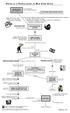 PATHS OF A FORECLOSURE IN NEW YORK STATE BORROWER DELINQUENT 2-3 months late with mortgage payments 90-DAY PRE-FORECLOSURE NOTICE Lender sends notices, bills, letters to borrower stating that he/she is
IN THE CIRCUIT COURT OF THE THIRTEENTH JUDICIAL CIRCUIT IN AND FOR HILLSBOROUGH COUNTY, FLORIDA GENERAL CIVIL DIVISION
 IN THE CIRCUIT COURT OF THE THIRTEENTH JUDICIAL CIRCUIT IN AND FOR HILLSBOROUGH COUNTY, FLORIDA GENERAL CIVIL DIVISION Plaintiff(s), v. Defendant(s). / CASE NO.: GENERAL CIVIL DIVISION: UNIFORM FINAL JUDGMENT
PATHS OF A FORECLOSURE IN NEW YORK STATE
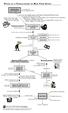 PATHS OF A FORECLOSURE IN NEW YORK STATE BORROWER DELINQUENT 2-3 months late with mortgage payments Lender sends notices, bills, letters to borrower stating that he/she is delinquent Borrower has multiple
CODING: Words stricken are deletions; words underlined are additions. hb0087-00
 1 2 3 4 5 6 7 8 9 10 11 12 13 14 15 16 17 18 19 20 21 22 23 24 25 26 27 28 A bill to be entitled An act relating to mortgage foreclosures; amending s. 95.11, F.S.; revising the limitations period for commencing
Rule 6. Civil Practice
 Page 1 Rule 6. Civil Practice 6.01 Pretrial procedure. A pretrial conference may be ordered by the judge to whom a civil case is assigned. Upon notice of the scheduling of a pretrial conference it shall
SPECIAL CIVIL A GUIDE TO THE COURT
 NEW JERSEY JUDICIARY SPECIAL CIVIL A GUIDE TO THE COURT Superior Court of New Jersey Law Division Special Civil Part Special Civil A Guide to the Court page 1 Special Civil is a court of limited jurisdiction
IN THE SUPREME COURT OF GUAM
 IN THE SUPREME COURT OF GUAM RE: ) Supreme Court Case No. PRM 06-006 ) ) QMENDING PROMULGATION ORDER ) PROMULGATION ORDER NO. YO. 06-006-02 ON THE LOCAL RULES 06-006-10 DF THE SUPERIOR COURT OF GUAM )
IN THE SUPREME COURT OF THE STATE OF ILLINOIS
 M.R. 3140 IN THE SUPREME COURT OF THE STATE OF ILLINOIS Order entered February 28, 2013. The effective dates of Supreme Court Rules 113 and 114, as adopted February 22, 2013, are revised from March 1,
JUSTICE COURT # 2 GRAHAM COUNTY STATE OF ARIZONA P.O. BOX 1159, 136 WEST CENTER STREET, PIMA AZ 85543 PHONE (928) 485-2771 FAX (928) 485-9961
 JUSTICE COURT # 2 GRAHAM COUNTY STATE OF ARIZONA P.O. BOX 1159, 136 WEST CENTER STREET, PIMA AZ 85543 PHONE (928) 485-2771 FAX (928) 485-9961 SMALL CLAIMS INSTRUCTIONS FOR FILING ***EFFECTIVE JANUARY 1,
CHAPTER 35-22 FORECLOSURE OF MORTGAGES OF REAL PROPERTY BY ADVERTISEMENT
 CHAPTER 35-22 FORECLOSURE OF MORTGAGES OF REAL PROPERTY BY ADVERTISEMENT 35-22-01. Foreclosure under power of sale - Prohibition - Exception. Every mortgage of real property held by the state or any of
11 LC 14 0449ER A BILL TO BE ENTITLED AN ACT
 House Bill 338 By: Representative Bryant of the 160 th A BILL TO BE ENTITLED AN ACT 1 2 3 4 5 6 7 8 9 10 11 12 13 14 15 16 To amend Title 44 of the Official Code of Georgia Annotated, relating to property,
PATHS OF A FORECLOSURE IN NEW YORK STATE
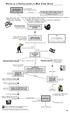 PATHS OF A FORECLOSURE IN NEW YORK STATE BORROWER DELINQUENT 2-3 months late with mortgage payments if S/P or N/T 90-DAY PRE-FORECLOSURE NOTICE* for all subprime and non-traditional loans (as defined by
Missouri Small Claims Court Handbook. The Missouri Bar Young Lawyers' Section
 Missouri Small Claims Court Handbook The Missouri Bar Young Lawyers' Section TABLE OF CONTENTS I. INTRODUCTION TO THE SMALL CLAIMS COURT...1 Page II. THINGS TO CONSIDER BEFORE BRINGING A CLAIM...1 A. WHO
State by State Foreclosure Laws
 State by State Foreclosure Laws Alabama Foreclosure Laws 49-74 21 365 Trustee Comments: Judicial Foreclosures are not common Alabama foreclosures occur both in court and out-of-court. The typical foreclosure
105-374. Foreclosure of tax lien by action in nature of action to foreclose a mortgage.
 105-374. Foreclosure of tax lien by action in nature of action to foreclose a mortgage. (a) General Nature of Action. The foreclosure action authorized by this section shall be instituted in the appropriate
CHAPTER 2013-137. Committee Substitute for Committee Substitute for House Bill No. 87
 CHAPTER 2013-137 Committee Substitute for Committee Substitute for House Bill No. 87 An act relating to mortgage foreclosures; amending s. 95.11, F.S.; revising the limitations period for commencing an
COLORADO FORECLOSURE LAWS
 COLORADO FORECLOSURE LAWS Orten Cavanagh & Holmes, LLC Community Association Attorneys Denver Phone 720.221.9780 Fax 720.221.9781 Toll Free 888.841.5149 Colorado Springs Phone 719.457.8420 Fax 719.457.8419
Home Mortgage Foreclosures in Maine
 Home Mortgage Foreclosures in Maine Find more easy-to-read legal information at www.ptla.org Important Note: This is very general information about home mortgage and foreclosure rules in Maine. It is not
Misc. Docket No. f ( '9256
 IN THE SUPREME COURT OF TEXAS Misc. Docket No. f ( '9256 FINAL APPROVAL OF AMENDMENTS TO TEXAS RULES OF CIVIL PROCEDURE 735 AND 736 ORDERED that: 1. Pursuant to Section 22.004 of the Texas Government Code,
Civil Suits: The Process
 Jurisdictional Limits The justice courts have exclusive jurisdiction or the authority to hear all civil actions when the amount involved, exclusive of interest, costs and awarded attorney fees when authorized
WARM SPRINGS TRIBAL CODE CHAPTER 206 REAL PROPERTY SECURED TRANSACTIONS. Table of Contents
 WARM SPRINGS TRIBAL CODE CHAPTER 206 REAL PROPERTY SECURED TRANSACTIONS Table of Contents Page 206.001 Legislative History... 1 206.010 Tribal Court Jurisdiction... 1 206.015 Security Interests Created
DELINQUENT ASSESSMENT COLLECTION
 Salvatori, Wood, & Buckel ATTORNEYS AT LAW 9132 Strada Place, Fourth Floor, Naples, FL 34108-2683 John D. Humphreville Tel: 239.552.4100 Direct Dial: 239.552.4107 Fax: 239.649.1706 [email protected] Web:
CIVIL PRACTICE AND PROCEDURE GARNISHMENT CHAPTER 77
 CIVIL PRACTICE AND PROCEDURE GARNISHMENT CHAPTER 77 77.01 Right to writ of garnishment.--every person or entity who has sued to recover a debt or has recovered judgment in any court against any person
SUPERIOR COURT OF NEW JERSEY LAW DIVISION: MIDDLESEX COUNTY DOCKET NO. L- IN RE: MIDDLESEX ASBESTOS LITIGATION CIVIL ACTION ASBESTOS LITIGATION
 SUPERIOR COURT OF NEW JERSEY LAW DIVISION: MIDDLESEX COUNTY DOCKET NO. L- IN RE: MIDDLESEX ASBESTOS LITIGATION CIVIL ACTION ASBESTOS LITIGATION GENERAL ORDER I. COMPLAINTS A. All complaints must: 1. Include
Case3:12-cv-05980-CRB Document265 Filed07/20/15 Page2 of 12
 Case:-cv-00-CRB Document Filed0// Page of UNITED STATES DISTRICT COURT NORTHERN DISTRICT OF CALIFORNIA SAN FRANCISCO DIVISION 0 IN RE HP SECURITIES LITIGATION, This Document Relates To: All Actions MASTER
UNITED STATES BANKRUPTCY COURT DISTRICT OF NEW JERSEY
 UNITED STATES BANKRUPTCY COURT DISTRICT OF NEW JERSEY In Re: CASES UNDER CHAPTER 13 OF THE BANKRUPTCY CODE ORDER RELATING TO MOTIONS FOR RELIEF FROM THE AUTOMATIC STAY; AND REQUIRING THE FILING OF CHAPTER
2015 IL App (1st) 143589-U. No. 1-14-3589 IN THE APPELLATE COURT OF ILLINOIS FIRST JUDICIAL DISTRICT
 2015 IL App (1st) 143589-U SIXTH DIVISION September 11, 2015 No. 1-14-3589 NOTICE: This order was filed under Supreme Court Rule 23 and may not be cited as precedent by any party except in the limited
N.J. Stat. 2A:50-53 (2013) 2A:50-53. Short title [Fair Foreclosure Act] This act shall be known and may be cited as the "Fair Foreclosure Act.
![N.J. Stat. 2A:50-53 (2013) 2A:50-53. Short title [Fair Foreclosure Act] This act shall be known and may be cited as the Fair Foreclosure Act.](/thumbs/27/9856773.jpg "N.J. Stat. 2A:50-53 (2013) 2A:50-53. Short title [Fair Foreclosure Act] This act shall be known and may be cited as the Fair Foreclosure Act.") TITLE 2A. ADMINISTRATION OF CIVIL AND CRIMINAL JUSTICE SUBTITLE 6. SPECIFIC CIVIL ACTIONS CHAPTER 50. FORECLOSURE ARTICLE 5. FORECLOSURE OF RESIDENTIAL MORTGAGES 2A:50-53. Short title [Fair Foreclosure
TITLE 2A. ADMINISTRATION OF CIVIL AND CRIMINAL JUSTICE SUBTITLE 6. SPECIFIC CIVIL ACTIONS CHAPTER 50. FORECLOSURE ARTICLE 5. FORECLOSURE OF RESIDENTIAL MORTGAGES 2A:50-53. Short title [Fair Foreclosure
JUDICIAL BRANCH MEMORANDUM. Re: New Hampshire Superior Court Civil Rules Effective October 1, 2013
 JUDICIAL BRANCH MEMORANDUM To: Attorneys; Legal Assistants; Litigants From: Patricia A. Lenz, Superior Court Administrator Julie W. Howard, Strafford Superior Court Clerk Date: Updated December 16, 2013
PRACTITIONER S GUIDE Superior Court Trust Fund Superior Court Clerk s Office www.njcourts.com
 PRACTITIONER S GUIDE Superior Court Trust Fund Superior Court Clerk s Office www.njcourts.com OVERVIEW The Superior Court Trust Fund is a temporary depository for funds claimed in connection with litigation
FORECLOSURE PROCEDURES
 IN THE THIRTEENTH JUDICIAL CIRCUIT HILLSBOROUGH COUNTY, FLORIDA ADMINISTRATIVE ORDER S-2012-038 (Supersedes Administrative Orders S-2011-010, S-2011-029, and S-2011-060) FORECLOSURE PROCEDURES Based on
New Jersey Tax Liens
 New Jersey Tax Liens Robert W. Keyser, Esquire Adam Greenberg, Esquire Taylor and Keyser Honig & Greenberg 76 E. Euclid Avenue, Suite 202 1949 Haddonfield-Berlin Road Haddonfield, NJ 08033 Cherry Hill,
NORTH CAROLINA POWER OF SALE FORECLOSURE ABSTRACT - LONG FORM
 NORTH CAROLINA POWER OF SALE FORECLOSURE ABSTRACT - LONG FORM Special Proceeding No. SP County, North Carolina Deed of Trust Foreclosed (DTF): Book Page Abstracted by on, 20 OWNER/PROPERTY/INTEREST FROM
PUBLIC CHAPTER NO. 353
 ~tate of m:ennessee PUBLIC CHAPTER NO. 353 HOUSE BILL NO. 493 By Representative Sargent Substituted for: Senate Bill No. 601 By Senator Johnson AN ACT to amend Tennessee Code Annotated, Section 6-55-202
Insight from Carlton Fields
 Insight from Carlton Fields 2011 Nuts and Bolts of the Florida By Kathleen S. McLeroy Introduction Florida is a judicial foreclosure state. Mortgage foreclosures in Florida are judicial proceedings, and
MOHAVE COUNTY JUSTICE COURT. If you want to file a SMALL CLAIMS ANSWER
 MOHAVE COUNTY JUSTICE COURT If you want to file a SMALL CLAIMS ANSWER MOHAVE COUNTY JUSTICE COURT You (the defendant) have TWENTY (20) calendar days to file an answer to the small claims complaint. The
ADVANCED ISSUES IN FORECLOSURE MAZYAR HEDAYAT ESQ.
 ADVANCED ISSUES IN FORECLOSURE MAZYAR HEDAYAT ESQ. Page 1 of 13 The Process! Illinois foreclosures governed by Illinois Mortgage Law (735 ILCS 5/15 or IMFL)! process takes on average 9 months, but can
Section 1: The Eviction Process. Section 2: Eviction Answer Packet. Section 3: Eviction Answer and Counterclaim Packet
 Section 1: The Eviction Process Section 2: Eviction Answer Packet Section 3: Eviction Answer and Counterclaim Packet Section 4: Possession Bond Hearing Request Packet!! "#!! "$%&%"'! (!(!!!!!!") $# (!(!!((
IN THE UNITED STATES BANKRUPTCY COURT FOR THE DISTRICT OF. Case No.
 FORM 10A.71 INTERIM FACTORING FINANCING ORDER IN THE UNITED STATES BANKRUPTCY COURT FOR THE DISTRICT OF In re: In Proceedings Under Chapter 11 Case No. Debtor. INTERIM ORDER APPROVING SECTION 364 FINANCING
PROSECUTING AND DEFENDING A SMALL CLAIMS CASE. Instructions Sample Forms Rules Statutes. Effective June 7, 2005
 PROSECUTING AND DEFENDING A SMALL CLAIMS CASE Instructions Sample Forms Rules Statutes Effective June 7, 2005 1 SMALL CLAIMS INFORMATION AND INSTRUCTIONS Please read carefully. Definitions follow the instructions.
2015 -- S 0581 SUBSTITUTE A ======== LC001375/SUB A ======== S T A T E O F R H O D E I S L A N D
 0 -- S 01 SUBSTITUTE A LC00/SUB A S T A T E O F R H O D E I S L A N D IN GENERAL ASSEMBLY JANUARY SESSION, A.D. 0 A N A C T RELATING TO PROPERTY -- MORTGAGE FORECLOSURE AND SALE Introduced By: Senators
IN THE COMMON PLEAS COURT, PREBLE COUNTY, OHIO
 IN THE COMMON PLEAS COURT, PREBLE COUNTY, OHIO IN THE MATTER OF THE CIVIL AND CRIMINAL LOCAL RULES: ENTRY The following local rules are adopted to govern the practice and procedures of this Court, subject
North Carolina Power of Sale Foreclosure Procedure
 North Carolina Power of Sale Foreclosure Procedure Pre-Foreclosure Notice G.S. 45-102 and G.S. 53-244.111 require that the servicer/noteholder mail a preforeclosure notice to the borrower s last known
IN THE CIRCUIT COURT OF COOK COUNTY, ILLINOIS COUNTY DEPARTMENT CHANCERY DIVISION
 IN THE CIRCUIT COURT OF COOK COUNTY, ILLINOIS COUNTY DEPARTMENT CHANCERY DIVISION Harris, NA f/k/a Harris Trust and ) and Savings Bank ) ) Plaintiff ) ) 09 CH 43873 v. ) ) Judge Jesse G. Reyes Ernest Taylor;
How To Process A Small Claims Case In Anarizonia
 What is a small claims division? Every justice court in Arizona has a small claims division to provide an inexpensive and speedy method for resolving most civil disputes that do not exceed $2,500. All
NINTH JUDICIAL CIRCUIT, IN AND FOR ORANGE COUNTY, FLORIDA
 ADMINISTRATIVE ORDER NO. 2009-02 IN THE CIRCUIT COURT OF THE NINTH JUDICIAL CIRCUIT, IN AND FOR ORANGE COUNTY, FLORIDA ADMINISTRATIVE ORDER GOVERNING MANDATORY CIRCUIT COURT MEDIATION FOR OWNER-OCCUPIED
To help you better understand the foreclosure process, these definitions are presented in a logical order, rather than alphabetical order.
 FORECLOSURE GLOSSARY NOTICE: This glossary of legal words and phrases related to foreclosure is provided to you by the Clermont County Common Pleas Court to help you better understand your legal problem
Case 4:08-cv-00507-RP-CFB Document 245 Filed 09/02/15 Page 1 of 10
 Case 4:08-cv-00507-RP-CFB Document 245 Filed 09/02/15 Page 1 of 10 IN THE UNITED STATES DISTRICT COURT FOR THE SOUTHERN DISTRICT OF IOWA CENTRAL DIVISION,etal., Plaintiffs, v. WELLSFARGO&CO.,and WELLSFARGOBANK,N.A.,
Massachusetts Foreclosure Law Summary
 Foreclosure Summary Massachusetts Foreclosure Law Summary Quick Facts - Judicial Foreclosure Available: Yes - Non-Judicial Foreclosure Available: Yes - Primary Security Instruments: Deed of Trust, Mortgage
IN THE SUPREME COURT OF THE STATE OF ILLINOIS
 M.R. 3140 IN THE SUPREME COURT OF THE STATE OF ILLINOIS Order entered February 16, 2011. (Deleted material is struck through and new material is underscored.) Effective immediately, Supreme Court Rules
TOOLKIT FOR TENANTS LIVING IN FORECLOSED PROPERTIES
 TOOLKIT FOR TENANTS LIVING IN FORECLOSED PROPERTIES Department of the Public Advocate Division of Public Interest Advocacy 240 West State Street Trenton, NJ 08625 March 2010 TABLE OF CONTENTS INTRODUCTION...
CHAPTER 35-03 MORTGAGE OF REAL PROPERTY
 CHAPTER 35-03 MORTGAGE OF REAL PROPERTY 35-03-01. Mortgage of real property must be in writing - Formalities necessary. A mortgage of real property can be created, renewed, or extended only by writing,
A Guide To Understanding The Community Association Collection And Foreclosure Process
 A Guide To Understanding The Community Association Collection And Foreclosure Process What is the initial demand letter? What is a Claim of Lien? What is a thirty (30) day letter? How do you foreclose
REAL PROPERTY TAX DUTIES OF THE COUNTY ATTORNEY S OFFICE
 REAL PROPERTY TAX DUTIES OF THE COUNTY ATTORNEY S OFFICE PREPARED BY THE OFFICE OF PROPERTY VALUATION February 2013 TABLE OF CONTENTS The Kentucky Property Tax Calendar...1 Overview of Sheriff s Property
MCHENRY COUNTY SHERIFF'S DEPARTMENT PROCEDURE ON MORTGAGE FORECLOSURE SALES
 MCHENRY COUNTY SHERIFF'S DEPARTMENT PROCEDURE ON MORTGAGE FORECLOSURE SALES Preliminary; l. Call Sheriff's office for Sale Date, all Foreclosure Sales are held in Room 262 on Thursday at 10:00 A.M. Sheriff's
IN THE SUPREME COURT OF THE STATE OF ILLINOIS
 M.R. 3140 IN THE SUPREME COURT OF THE STATE OF ILLINOIS Order entered February 22, 2013. Effective March 1, 2013, Supreme Court Rules 99.1, 113 and 114 are adopted, as follows. New Rule 99.1 Rule 99.1.
LOCAL BANKRUPTCY FORM 4001-1.1 [Caption as in Bankruptcy Official Form 16A]
![LOCAL BANKRUPTCY FORM 4001-1.1 [Caption as in Bankruptcy Official Form 16A]](/thumbs/26/7327530.jpg "LOCAL BANKRUPTCY FORM 4001-1.1 [Caption as in Bankruptcy Official Form 16A]") LOCAL BANKRUPTCY FORM 4001-1.1 NOTICE OF MOTION FOR RELIEF FROM STAY AND OPPORTUNITY FOR HEARING PURSUANT TO 11 U.S.C. 362(d) OBJECTION DEADLINE: (month/day/year). YOU ARE HEREBY NOTIFIED that a Motion
LOCAL BANKRUPTCY FORM 4001-1.1 NOTICE OF MOTION FOR RELIEF FROM STAY AND OPPORTUNITY FOR HEARING PURSUANT TO 11 U.S.C. 362(d) OBJECTION DEADLINE: (month/day/year). YOU ARE HEREBY NOTIFIED that a Motion
~,/ BISHOP PAIUTE TRIBE. Bishop Paiute Reservation. Bishop, California TRIBAL MORTGAGE LENDING AND UNLAWFUL DETAINER ORDINANCE
 ~,/ BISHOP PAIUTE TRIBE Bishop Paiute Reservation Bishop, California TRIBAL MORTGAGE LENDING AND UNLAWFUL DETAINER ORDINANCE Adopted: January 26, 2006.1 Tribal Mortgage Lending and Unlawful Detainer Ordinance
2013 Amendments to Local Rules and Invitation to Comment
 2013 Amendments to Local Rules and Invitation to Comment D.C.COLO.LCivR 1.1 D.C.COLO.LCivR 1.2 D.C.COLO.LCivR 3.1 D.C.COLO.LCivR 3.2 D.C.COLO.LCivR 3.3 D.C.COLO.LCivR 5.1 D.C.COLO.LCivR 5.2 D.C.COLO.LCivR
Local Rules 2084-1 through 2084-26 govern chapter 13 practice in cases filed after October 16, 2005.
 RULE 2084-1. SCOPE CHAPTER 13 RULES Local Rules 2084-1 through 2084-26 govern chapter 13 practice in cases filed after October 16, 2005. RULE 2084-2. FILING REQUIREMENTS (a) Application to Pay Fee in Installments.
Original FAQ Prepared July 30, 2013
 2013-2014 COURT COSTS AND FEES - FREQUENTLY ASKED QUESTIONS Original FAQ Prepared July 30, 2013 Note: All of the answers to the following frequently asked questions (FAQ) reflect the interpretation of
GUIDELINES AND PROCEDURES ORANGE COUNTY RESIDENTIAL FORECLOSURE CASES Effective January 6, 2014
 GUIDELINES AND PROCEDURES ORANGE COUNTY RESIDENTIAL FORECLOSURE CASES Effective January 6, 2014 In order to assist counsel, the litigants and the court, the following Guidelines and Procedures are hereby
LANDLORDS AND TENANTS. Rent Escrow
 LANDLORDS AND TENANTS Rent Escrow (THIS SECTION WAS NOT REVISED IN 10/04) The Landlord and Tenant Law is contained in Chapter 5321. It became effective November 4, 1974. Frequently, Forcible Entry (Chapter
Prepared by: Hon. Duncan W. Keir, Judge U.S. Bankruptcy Court for the District of Maryland. and. Richard L. Wasserman, Esq.
 Memorandum Summarizing Procedures With Respect To Removal Of Bankruptcy-Related State Court Actions To The United States District Court And United States Bankruptcy Court In Maryland Prepared by: Hon.
TEXAS RULES OF CIVIL PROCEDURE
 TEXAS RULES OF CIVIL PROCEDURE PART V - RULES OF PRACTICE IN JUSTICE COURTS Adopted by the Supreme Court of Texas Justice Court, Pct 1 1 of 24 TABLE OF CONTENTS SECTION 1. GENERAL... 6 RULE 523. DISTRICT
Counsel must be fully familiar with the Uniform Civil Rules for the Supreme Court 22 NYCRR Part 202.
 JUSTICE GERALD E. LOEHR, J.S.C. Rockland County Supreme Court 1 South Main Street New City, New York 10956 Courtroom 1 Tel: (845) 483-8343 Fax: (845) 708-7236 Staff Bruce J. Pearl, Principal Law Secretary
Case4:12-cv-03288-KAW Document2-1 Filed06/25/12 Page1 of 7 UNITED STATES DISTRICT COURT NORTHERN DISTRICT OF CALIFORNIA, OAKLAND DIVISION
 Case4:12-cv-03288-KAW Document2-1 Filed06/25/12 Page1 of 7 UNITED STATES DISTRICT COURT NORTHERN DISTRICT OF CALIFORNIA, OAKLAND DIVISION STANDING ORDER FOR MAGISTRATE JUDGE KANDIS A. WESTMORE (Revised
Case 08-01176-AJC Document 1 Filed 03/01/2008 Page 1 of 12 UNITED STATES BANKRUPTCY COURT SOUTHERN DISTRICT OF FLORIDA MIAMI DIVISION
 Case 08-01176-AJC Document 1 Filed 03/01/2008 Page 1 of 12 UNITED STATES BANKRUPTCY COURT SOUTHERN DISTRICT OF FLORIDA MIAMI DIVISION In re: JOSE SANCHEZ Case No.: 01-42230-BKC-AJC and FANNY SANCHEZ, Chapter
Schedule of Forms SCHEDULE OF FORMS 3. Nil
 Queen s Bench Forms SCHEDULE OF FORMS 3 Schedule of Forms FORMS FOR PART 1 [Foundational Rules] Form R Nil rule No. Form No. Source FORMS FOR PART 2 [Parties to Litigation] Form R rule No. Form No. Source
7.010 PLEAS, NEGOTIATIONS, DISCOVERY AND TRIAL DATES IN CRIMINAL CASES
 CHAPTER 7 Case Management and Calendaring 7.010 PLEAS, NEGOTIATIONS, DISCOVERY AND TRIAL DATES IN CRIMINAL CASES (1) At the time of arraignment, the court may either accept a not guilty plea and set a
Appeal Bonds, Sureties, and Stays
 Appeal Bonds, Sureties, and Stays Appellate Lawyers Association April 22, 2009 Brad Elward Peoria Office The Effect of a Judgment A judgment is immediately subject to enforcement and collection. Illinois
2 Proposed Amendments to Rules 735 and 736 of the
 1 2 Proposed Amendments to Rules 735 and 736 of the 3 Texas Rules of Civil Procedure 4 5 PART VII - RULES RELATING TO SPECIAL PROCEEDINGS 6 7 SECTION 1. PROCEDURES RELATED TO HOME EQUITY, REVERSE 8 MORTGAGE,
SUPERIOR COURT OF NEW JERSEY CHANCERY DIVISION COUNTY PROBATE PART. [Caption: See Rule 4:83-3 for Probate Part Actions] CIVIL ACTION
![SUPERIOR COURT OF NEW JERSEY CHANCERY DIVISION COUNTY PROBATE PART. [Caption: See Rule 4:83-3 for Probate Part Actions] CIVIL ACTION](/thumbs/18/860525.jpg "SUPERIOR COURT OF NEW JERSEY CHANCERY DIVISION COUNTY PROBATE PART. [Caption: See Rule 4:83-3 for Probate Part Actions] CIVIL ACTION") SUPERIOR COURT OF NEW JERSEY CHANCERY DIVISION COUNTY PROBATE PART [Caption: See Rule 4:83-3 for Probate Part Actions] IN THE MATTER OF Docket No.: CIVIL ACTION ORDER TO SHOW CAUSE SUMMARY ACTION THIS
SUPERIOR COURT OF NEW JERSEY CHANCERY DIVISION COUNTY PROBATE PART [Caption: See Rule 4:83-3 for Probate Part Actions] IN THE MATTER OF Docket No.: CIVIL ACTION ORDER TO SHOW CAUSE SUMMARY ACTION THIS
1. FILING FEE/COMPLAINT: In all Champaign County cases where a
 IN THE CIRCUIT COURT OF THE SIXTH JUDICIAL CIRCUIT CHAMPAIGN COUNTY, ILLINOIS ADMINISTRATIVE ORDER 2014-1 RESIDENTIAL FORECLOSURE MANDATORY MEDIATION PROGRAM WHEREAS, The Circuit Court with the approval
CHAPTER 2. CIVIL PROCEDURE MICHIGAN COURT RULES OF 1985
 CHAPTER 2. CIVIL PROCEDURE MICHIGAN COURT RULES OF 1985 Subchapter 2.000 General Provisions Rule 2.001 Applicability The rules in this chapter govern procedure in all civil proceedings in all courts established
Legislative Response to the Residential Mortgage Crisis
 Property Group December 2008 Legislative Response to the Residential Mortgage Crisis The current mortgage crisis has sparked legislative action in several states to modify foreclosure remedies and to provide
Real Property Levy Guide
 Real Property Levy Guide How to use this Guide 1. Become familiar with conducting a basic (or fundamental) real property levy as described in Category C of this Guide. Category C serves as the standard
IN THE UNITED STATES BANKRUPTCY COURT FOR THE NORTHERN DISTRICT OF OHIO
 IN THE UNITED STATES BANKRUPTCY COURT FOR THE NORTHERN DISTRICT OF OHIO IN RE: ) ADMINISTRATIVE ORDER NO. 07-2 ) ADMINISTRATION OF ) JUDGE RANDOLPH BAXTER CHAPTER 13 CASES IN ) JUDGE PAT E. MORGENSTERN-CLARREN
Any civil action exempt from arbitration by action of a presiding judge under ORS 36.405.
 CHAPTER 13 Arbitration 13.010 APPLICATION OF CHAPTER (1) This UTCR chapter applies to arbitration under ORS 36.400 to 36.425 and Acts amendatory thereof but, except as therein provided, does not apply
NO. 14-B-0619 IN RE: DAVID P. BUEHLER ATTORNEY DISCIPLINARY PROCEEDINGS
 05/23/2014 "See News Release 028 for any Concurrences and/or Dissents." SUPREME COURT OF LOUISIANA NO. 14-B-0619 IN RE: DAVID P. BUEHLER ATTORNEY DISCIPLINARY PROCEEDINGS PER CURIAM Pursuant to Supreme
IN THE SUPERIOR COURT FOR THE STATE OF ALASKA THIRD JUDICIAL DISTRICT AT ANCHORAGE
 IN THE SUPERIOR COURT FOR THE STATE OF ALASKA THIRD JUDICIAL DISTRICT AT ANCHORAGE In the Matter of a ) Uniform Pretrial Order ) ) Administrative Order 3AO-03-04 (Amended) UNIFORM PRETRIAL ORDER In order
NC General Statutes - Chapter 7A Article 19 1
 Article 19. Small Claim Actions in District Court. 7A-210. Small claim action defined. For purposes of this Article a small claim action is a civil action wherein: (1) The amount in controversy, computed