
Metastatic Bone Disease: A Guide to Good Practice.
|
|
|
- Christiana Cameron
- 10 years ago
- Views:
Transcription
1 Metastatic Bone Disease: A Guide to Good Practice. PREFACE This document sets out a statement of good practice in the Orthopaedic and Neurosurgical management of patients with metastatic bone disease. It represents a consensus statement from the British Orthopaedic Association and the British Orthopaedic Oncology Society. It is hoped that this guide, which is an interim statement, will inform Surgeons, Trusts and Purchasers and also improve the care of patients with bone metastases. ROGER M TILLMAN CHAIRMAN BOA WORKING PARTY 1

2 Members of the Working Party The Appendicular Skeleton Roger Tillman FRCS, FRCS(Orth) Consultant Orthopaedic Surgeon, Royal Orthopaedic Hospital Birmingham. (Chairman, Appendicular Group). Mike Jane BSc (Med Sci) MB ChB MCh(Orth) FRCS Ed(Orth). Consultant Orthopaedic Surgeon, Royal Liverpool University Hospital John Albert BSc MB FRCS Consultant Orthopaedic Surgeon, Norfolk & Norwich Hospital David Williams BSc MBBS. MCh(Orth) FRCS Consultant Orthopaedic Surgeon, Robert Jones & Agnes Hunt Orthopaedic Hospital, Oswestry. The Spine Alistair Stirling FRCS Consultant Spinal Surgeon. Royal Orthopaedic Hospital Birmingham. (Chairman, Spine Group) Bob Crawford MB ChB ChM FRCS Consultant Spinal Surgeon, Norfolk & Norwich Hospital Donal O Donoghue FRCS Ed(Orth) Consultant Spinal Surgeon, Royal Liverpool University Hospital Patrick Statham FRCS (Sn) Ed Consultant Spinal Surgeon, Western General Hospital, Edinburgh. Special Advisors to the Working Party Professor Charles S B Galasko ChM FRCS Professor of Orthopaedic Surgery, Manchester. Dr A N Harnett, Consultant Oncologist, Beatson Oncology Centre, Western Infirmary, Glasgow. Medical Oncology Advisor to the Working Party. 2

3 Sections 1. Introduction 2. Evidence Level 3. Cost Benefit and Implications. 4. Presentation to the Orthopaedic Surgeon. 5. The Role of the Orthopaedic Surgeon. 6. Aims of Surgery. 7. Adjuvant Therapy. 8. Fracture Risk Assessment. 9. Mechanism of Fracture. 10. Pre-Operative Assessment. 11. Surgical Treatment, Appendicular Skeleton. 12. Surgical Treatment, Spine. 13. When is Biopsy Necessary? 14. Hospital Facilities Required for the Treatment of MBD 15. Service Delivery and the Multi-Disciplinary Team. 16. Table 1. Mirel's Scoring System. 17. Selected References. 3

4 Key Points The prognosis for Patients with Metastatic Bone Disease (MBD) is steadily improving. Many patients will survive three or more years. Never assume that a lytic lesion, particularly if solitary, is a metastasis. Metastatic pathological fractures rarely unite, even if stabilized. Prophylactic fixation of long bone mets is generally easier for the surgeon and less traumatic for the patient. Use the Mirels scoring system. Fixation of pathological fractures or lytic lesions, especially around the hip /proximal femur have a high failure rate. Cemented hip prostheses (either standard or tumour prostheses) have a low failure rate. Never rush to fix a pathological fracture. Traction or splintage will suffice while investigations are performed and surgical intervention discussed with the lead clinician for MBD and other appropriate colleagues. When surgery is indicated for spinal metastases, both decompression and stabilization are generally required. Constructs, whether spinal or appendicular, should allow immediate weightbearing and aim to last the lifetime of the patient. Solitary renal metastases should, where possible, be radically excised. Each trauma group requires a lead clinician for MBD. Treatment should be within the context of a multi-disciplinary team. 4

5 1. INTRODUCTION. 1.1 This document is a statement of good practice in the orthopaedic management of patients with metastatic bone disease (MBD) and has been approved by the British Orthopaedic Association and the British Orthopaedic Oncology Society. 1.2 The incidence of MBD is difficult to determine accurately. Metastases may develop in two-thirds of cancer patients. It has been estimated that in the UK approximately 9000 women with breast cancer develop bone metastases each year. This suggests that the total for all cancers is in excess of 20,000 cases per year. Tumours which metastasise to bone most frequently are prostate, breast and kidney, followed by lung and thyroid. 1.3 Despite the Calman Initiative in the recognition of site-specific oncology services there has been a singular failure (a) to recognise the final common pathway of many of these patients and (b) to define adequate levels of provision of service and appropriate funding. 1.4 Despite the advances in oncology and spinal surgery, there remains a low level of awareness in the hospital and primary care settings of what can be achieved. A recent review of patients with breast carcinoma by Galasko documented that in only 45 of 207 patients with painful skeletal metastases and in only 6 of 51 patients with spinal instability was an orthopaedic opinion sought. A similar review by O Donoghue documented that in only half the instances where orthopaedic review would have been indicated was this undertaken and in only half of those in whom spinal surgery may have been beneficial was this undertaken. 5

6 1.5 There is a widespread and, we believe, a significant variation in the standard of management of MBD and the surgical techniques and implants used. Poor outcomes are due to a variety of reasons including the following: a. failure to intervene prophylactically where appropriate, often due to late referral. b. lack of understanding of the biomechanical basis of orthopaedic implants, leading to inappropriate surgery and high failure rates. c. delays inherent in the organisation of cancer and orthopaedic services including a relative shortage of orthopaedic and spinal surgeons. d. failure to appreciate the options available, particularly in more advanced cases of MBD. 1.6 From available data, this document identifies the best practice in general terms and the emphasis is therefore on process rather than precise techniques. It is not a statement which claims to be applicable to all patients or in all circumstances. Each consultant, or those working under the supervision of a consultant, must continue to take into account the individual requirements of each patient. Presently, there is a lack of auditable standards for the treatment of MBD. Standards can only be set by the widespread collection of uniform data, centred on NHS Trusts and made available for regional and national audit. 1.7 The prognosis for patients with MBD, and particularly those without visceral disease, has significantly improved in recent years due principally to advances in medical therapy including hormonal treatment, bisphosphanates and, to a lesser extent, chemotherapy. In the 1970s the average survival following recognition of bone metastases was 7 months. By 1990 this had increased to 2 years This improvement has been most marked in breast and prostate cancer, 6

7 and of these, breast cancer provides the great majority of cases which merit orthopaedic intervention due to the frequency of lytic bone lesions. This improvement places an increased burden of responsibility on orthopaedic surgeons treating MBD The poor outcome figures for some oncological treatments in the United Kingdom are likely to reflect, at least in part, the failure adequately to address skeletal metastatic disease 1.9 This document should be read in conjunction with The British Association of Surgical Oncology Guidelines for the Management of Metastatic Bone Disease in the UK, which gives additional information with regard to nonsurgical aspects of treatment. 7

8 2. EVIDENCE LEVEL. 2.1 This is a subject where there has, until recently, been a relative paucity of reliable scientific data. Controlled prospective trials in this field are difficult to construct, and in many cases unethical. Treatment with radiotherapy, for example, is historical rather than evidence-based, but nonetheless very effective. Despite this we consider that a sufficient volume of data and clinical experience exists to regard this guide as an evidence-based approach to MBD. 3. COST BENEFIT AND IMPLICATIONS. 3.1 We consider that the prompt and appropriate surgical management of skeletal metastases along broadly agreed principles detailed in this guide is highly cost-effective in terms of the overall management of cancer patients. The cost of even specialised implants is recouped within days if a previously immobile patient is enabled to walk and live independently. 3.2 There is, however, no doubt that this places extra demands on trauma, elective orthopaedic and spinal services, and this burden must be recognised by health care managers and purchasers. Savings, however, are often not within the Orthopaedic budget, but in the field of nursing care and community cancer services. Re-allocation of budgets may be necessary. 3.3 Inadequate orthopaedic treatment frequently leads to costly revision surgery, causing suffering and potential complications in addition to the financial cost. 4. PRESENTATION TO THE ORTHOPAEDIC SURGEON. 4.1 This is typically in one of three modes: a. acute admission with pathological fracture or neurological compromise b. referral to clinic with unexplained musculoskeletal pain 8

9 c. referral from oncologist/breast care team (surgeon, radiologist or oncologist). 4.2 Pain is the most frequent clinical symptom, ranging from a dull ache to a deep intense pain that is exacerbated by weight-bearing, and is sometimes worse at night. The aetiology of this pain is not fully understood, but probably involves the release of chemical mediators of pain including substance p, prostaglandins, growth factors, bradykinin and histamine. 5. THE ROLE OF THE ORTHOPAEDIC SURGEON. 5.1 The role of the orthopaedic surgeon in the management of MBD falls into three principal categories: a) prophylactic fixation of metastatic deposits where there is a risk of fracture. b) stabilisation or reconstruction following pathological fracture. c) decompression of spinal cord and nerve roots and/or stabilisation for spinal instability. 6. AIMS OF SURGERY. 6.1 The aims of surgery are to relieve pain and restore function. The general orthopaedic principles underlying the management of impending or actual pathological fractures through metastases are as follows: a) The procedure should provide immediate stability, allowing weight bearing. b) The surgeon must assume that the fracture may not unite. c) The fixation should aim to last the lifetime of the patient. d) All lesions in the affected bone should, where possible, be stabilised. 9

10 We consider that all patients requiring surgery must be admitted under the care of a surgeon who is on the Specialist Register. The Consultant Surgeon need not see all the patients nor carry out all procedures, but may delegate aspects of patient care to appropriate members of the team, appropriate to their skills and competence. 7. ADJUVANT THERAPY. 7.1 Radiotherapy is generally palliative, and often given as a single fraction. It can produce effective bone healing and sclerosis and, when given prophylactically, can prevent pathological fracture occurring. It will not, however, cure pain of a mechanical nature, and only 30-40% of pathological fractures will unite even after radiotherapy. It is recommended that following nailing or other surgical procedures in patients with MBD, radiotherapy to the affected bone and operative field (unless field sizes are excessive) should be considered by the appropriate specialist within the context of the multidisciplinary team. The spinal cord is radiosensitive, and this may limit the scope for adjuvant treatment of the axial skeleton. 7.2 Endocrine therapy, bisphosphonates and chemotherapy may all have a role in the management of patients with MBD. The indications are beyond the scope of this document but should be addressed by the multi-disciplinary team. 8. FRACTURE RISK ASSESSMENT 8.1 Where fracture is likely to occur then prophylactic fixation should be performed prior to the administration of radiotherapy. It is essential therefore to have a reliable method of predicting the risk of a pathological fracture occurring. 10

11 8.2 Plain radiographs are often unreliable as a measure of cortical destruction. As a rule of thumb, where 50% of a single cortex of a long bone (in any radiological view) has been destroyed, pathological fracture should be regarded as inevitable. In addition, avulsion of the lesser trochanter is an indication of imminent hip fracture. 8.3 In an effort to provide a more reliable and reproducible measure of the risk of pathological fracture, Mirels devised a scoring system (Table 1) which we regard as a useful aid to management, both for the orthopaedic surgeon, and for the breast care team and oncologists monitoring patients with MBD. For scores of eight or above, the risk of fracture is high and prophylactic fixation should be carried out prior to radiotherapy being administered. 9. MECHANISM OF FRACTURE. 9.1 With respect to the appendicular skeleton, the mechanism of fracture is significantly different in pathological bone when compared to normal traumatic fractures. Bone destruction may produce a stress riser or an open section defect in a long bone. Low energy fracture will then occur following minor trauma or a twisting movement. Soft tissue injury is minor compared to that seen in traumatic fractures in healthy bone. 10. PRE-OPERATIVE ASSESSMENT It is essential that the general condition of the patient is addressed prior to surgery. A full medical history and examination is mandatory Electrolyte Imbalance including hypercalcaemia must be assessed and, if possible, corrected prior to surgery and fluid balance monitored. 11

12 10.3 Staging studies and investigations appropriate to the clinical situation should be performed. Plain radiograph of the entire affected bone is a minimum requirement Patients with a life expectancy of less than six weeks rarely gain useful benefit from major reconstructive surgery. However, an accurate prognosis cannot always be given in MBD and decisions regarding the appropriateness of surgery, or indeed any other interventions, should be discussed within the context of the multidisciplinary team and an informed patient and family. 11. SURGICAL TREATMENT - APPENDICULAR SKELETON 11.1 Hip. Fractures about the hip present most frequently. Management differs significantly from that of purely traumatic fractures. When a case of suspected pathological fracture is admitted to a Trauma Unit, a full medical and radiological assessment should initially be made, speed of surgery being less important than planning and the use of an appropriate implant. Whilst there is clearly no virtue in undue delay, these patients are usually haemodynamically stable, and can be nursed comfortably in bed (± skin traction) for several days if necessary while appropriate investigations are carried out. Where destruction is limited to the femoral neck or head, a cemented hemiarthroplasty or total joint replacement is recommended as a primary procedure. Long stem femoral implants should be considered. Subtrochanteric fractures or lesions with limited bone loss are best stabilised by 'reconstruction' nails with locking screws up the femoral neck. This greatly reduces the risk of subsequent femoral neck fracture. 12

13 11.2 Pelvis and Acetabulum. The majority of pelvic lesions are treated with prophylactic palliative radiotherapy alone. Peri-acetabular lesions, however, may lead to central dislocation of the hip with migration of the femoral head into the pelvis. Patients who have undergone radiotherapy to this area may occasionally suffer pain due to radiation necrosis of the femoral head or articular cartilage. Total hip replacement with acetabular reconstruction using threaded rods, reinforcement rings and bone cement can be highly effective in restoring or maintaining mobility Shoulder Girdle and Upper Limb. Metastatic lesions or fractures of the scapula and clavicle are usually managed with radiotherapy alone. In the humeral head, significant destruction is, in most cases, best treated by hemiarthroplasty. In the forearm, however, where stresses are relatively low, plate fixation with cement augmentation can be highly effective Shafts of Major Long Bones (humerus, femur, tibia). Intramedullary nailing is the procedure of choice with locking screws to give rotational stability and to prevent telescoping. Apart from the case of solitary renal metastases, the potential spread of tumour cells within the medulla by nailing is acceptable within the context of palliative treatment. The entire bone and operative site should be included in the post-operative radiotherapy field. Since these fractures are unlikely to unite, load bearing, rather than load sharing, devices should be used, and solid nails, of a greater diameter than may be used for purely traumatic fractures, may be considered. Packing of major bone defects with methylmethacrylate bone cement is useful in maintaining stability in some cases. All of the lesions in the affected bone should be stabilised to minimise the risk of further surgery being required. 13

14 Reconstruction nails, stabilising the femoral neck, are recommended in the femur. Lesions of the humerus, particularly the distal humerus, can present a difficult reconstructive problem, and in some instances a cast brace and radiotherapy may be a useful approach Endoprosthetic Surgery. Extensive bone destruction at the metaphyses of major long bones is sometimes so great that reconstruction can only be achieved using custom or modular endoprostheses (sometimes called megaprostheses ). This is particularly applicable in the proximal femur, but lesions of the distal femur, proximal tibia and proximal or distal humerus can also be successfully treated this way. Endoprostheses are principally used in the management of primary bone tumours, but are increasingly used in MBD. They are highly effective in maintaining function, with a low re-operation rate. Referral to a supra-regional centre of orthopaedic oncology should be considered, but it is anticipated that endoprosthetic surgery will also be carried out in regional centres specialising in the management of MBD. 12. SURGICAL TREATMENT - SPINE Incidence The spine is the commonest site for MBD and whilst not all spinal metastases are symptomatic, pain is frequently disabling. Paresis or paralysis may be the presenting feature. Untreated, high levels of dependency result, with high human and financial costs Background Historically, surgical management of spinal MBD has been widely considered inappropriate due to poor outcomes for surgical and oncological reasons. Decompressive laminectomy in the presence of anterior column deficiency 14

15 frequently led to further destabilisation and early instrumentation had significant design faults Recent Improvements Over the last two decades there has been considerable improvement in the implants available to manage structural deficiency of the spine, notably pedicle screws, cages and plating or rodding systems. Even in the hospital sector there remains a low level of awareness regarding spinal reconstruction techniques, and a consultant spinal surgical opinion should be obtained before spinal surgical intervention is dismissed Presentation This is generally in one or more of the following ways: a. Back pain in isolation. In some it may be apparent that symptoms are similar to previous episodes of degenerative origin. In others de novo pain of mechanical type may be suggestive of pathological fracture. In either case neurological examination must be performed. It is suggested that plain radiographs be obtained in all those with a past history of malignancy. Whole spine sagittal MRI should ideally be performed but availability and cost precludes this at present. b. Incipient Neurological Compromise All patients with partial neurological deficit should be assumed to be at risk of sudden deterioration, and should be referred to a Spinal Surgeon/Unit capable of assessment. MRI should be performed. 15

16 c. Complete Neurological Deficit If gradual in onset and within hours of becoming complete, surgery may be considered. If rapid in onset or with complete deficit of more than 12 hours duration the probability of significant recovery, particularly in the elderly, is low. N.B. If pain is severe or there is a partial neurological deficit it may be appropriate to treat the patient as a potentially unstable spine until imaging confirming reasonable structural integrity is obtained. If instability is confirmed, spinal beds are recommended (with collar, if cervical) to assist in nursing prior to definitive management. Nursing staff should be familiar with care of the unstable spine Patient Factors Influencing Management a. biological, as opposed to chronological, age. b. general medical condition. c. patient motivation. Some patients may not wish to consider surgery in a palliative context, and sensitive discussion with patients and relatives is essential Spinal Factors Influencing Management a. whether compression is due to tumour in isolation or spinal fracture needs to be established. If the latter then radiotherapy will be ineffective, and surgery is the only option for neurological improvement. b. extent of spinal involvement. This can only be adequately be established with MRI c. level and direction of compression. This is important for surgical planning. 16

17 d. duration and degree of neurological compromise Tumour Factors Influencing Management a. tumour type. This will affect prognosis. b. adjuvant sensitivity to chemotherapy, radiotherapy or hormonal manipulation. c. staging Clinical Assessment. A complete history and examination with particular attention to neurological status is mandatory. Fluid balance charts to monitor sphincter function and neurological charts are required Laboratory Investigations In addition to standard haematological and biochemical analysis, the coagulation profile is essential. Site-dependent tumour markers may also be valuable, but their role is beyond the scope of this document Imaging Requirements Plain radiographs of spine MRI - Whole spine saggital views/projections, T1 & T2 axial projections of involved levels. Chest X Ray Chest CT Liver imaging (CT or US) Isotope bone scan (Those in italics represent desirable staging investigations, but should not delay appropriate surgical intervention if neurology is deteriorating). 17

18 12.11 Biopsy of Spinal Lesions General principles are as for non spinal tumours. Biopsy of an apparently solitary lesion should not be undertaken without prior discussion with a spinal centre. Biopsy generally requires imaging control in the form of CT or biplanar image intensifier, and should normally be performed by trephine. Multiple samples should be obtained, particularly with blastic lesions, in view of the difficulty in obtaining diagnostic material Spine Scoring Systems. A number have been reported and some validated as clinically useful. Their use is recommended (Tokuhashi, Tomita) but no system has been universally adopted Treatment Selection a. Indications for Radiotherapy No spinal instability Radiosensitive tumour Stable or slowly progressive neurology Multi-level disease Surgery precluded by general condition Poor prognosis Post operative adjuvant treatment b. Indications for Surgery Spinal instability evidenced by pathological fracture, progressive deformity, and/or neurological deficit Clinically significant neurological compression especially by bone. Tumour insensitive to radiotherapy, chemotherapy or hormonal manipulation 18

19 Patients who have reached spinal cord tolerance after prior radiotherapy Intractable pain unresponsive to nonoperative measures (eg radiotherapy, chemotherapy or hormonal manipulation.) Objectives of Surgery a. Maintenance of or restoration of spinal cord/nerve root function b. Preservation of or restoration of spinal instability c. Preservation of as many normal motion segments as possible Principles of Surgery of Particular Significance in Spinal Disease. a. The magnitude of the procedure should not exceed the patient s ability to survive it or the surgeon s level of competence. The surgeon requires familiarity with anterior and posterior approaches to all spinal levels. Junctional areas may require specialised approaches. b. All constructs will eventually fail unless replaced by living tissue. If the prognosis exceeds six months, adjunctive fusion should be considered. c. Implants should provide immediate stability d. Ideally, either anterior or posterior constructs alone should be sufficient to provide decompression and stability e. Surgical implants should be Titanium for MRI compatibility f. Posterior constructs should be based on pedicle screws, and rectangular for maximum stability g. An adequate range of implants for posterior and anterior reconstruction at all levels should be available in-house 19

20 12.16 Theatre Requirements for Spinal MBD a. Recognition of the surgical priority of these cases and displacement of other less pressing cases when necessary. b. Surgery during normal hours with full support, including appropriately trained theatre staff. c. Spinal operating table permitting biplanar imaging, and trained radiographers Anaesthesia Requirements a. Consultant Anaesthetist b. Facility for biluminal intubation Post Operative Requirements a. High Dependency Unit (HDU) facilities are mandatory. If it is anticipated that patients will require ITU facilities in terms of their general condition then it is questionable whether they should be undergoing surgery for this indication. b. Physiotherapy and hydrotherapy are particularly desirable in assisting mobilisation and recovery following spinal procedures. 13. WHEN IS BIOPSY NECESSARY? 13.1 If there is the slightest doubt as to the underlying pathology, and in particular where there is a solitary bony lesion, then further investigations including scintigraphy, MRI scan of the lesion and percutaneous bone biopsy should be carried out before definitive surgery. This will avoid so-called whoops procedures where a specimen of histology is sent only at the time of definitive surgery and it turns out that an inappropriate procedure has been performed. Nailing of a long bone lesion which proves to be a primary bone tumour can 20

21 be a disaster, spreading tumour cells throughout the marrow cavity, and frequently precluding limb salvage surgery Biopsy should generally be carried out by an experienced surgeon using percutaneous biopsy instruments and under X-ray control. If biopsy is carried out by a radiologist, there should be prior discussion with the surgical team, so that the creation of inappropriate biopsy tracts can be avoided Patients with a solitary renal metastasis have a good prognosis if the lesion is treated as a primary neoplasm and radically excised. Referral to a regional centre is recommended. 14. HOSPITAL FACILITIES REQUIRED FOR THE MANAGEMENT OF MBD Facilities should include a dedicated orthopaedic ward, consultant-led trauma or elective theatre lists, clean air theatre enclosure and an adequate inventory of trauma, spinal and arthroplasty implants A skilled and prompt pathology service and anaesthetists familiar with the metabolic disturbances commonly associated with MBD are essential. 15. SERVICE DELIVERY AND THE MULTI-DISCIPLINARY TEAM The management of MBD requires input from a wide range of specialists, including pathologists, radiologists, oncologists, radiotherapists, palliative care specialists, cancer nurses and pain specialists. The Chief Medical Officer has instructed that cancer care in England and Wales be concentrated into Cancer Centres and Cancer Units in order to improve outcomes. There must be orthopaedic input to these multi-disciplinary teams in order to provide optimum care for patients with MBD. 21
22 15.2 We consider that a lead orthopaedic surgeon for appendicular MBD should be designated in each trauma group as an integral part of the multidisciplinary team. The skills of the named individual need to be maintained by CPD and this added burden must be acknowledged by Trusts. Where workload is significant, a sessional commitment may be required The lead orthopaedic surgeon for MBD will not, in most cases, be skilled in all aspects of trauma, arthroplasty and spinal surgery, but will liaise with a network of colleagues and regional or supra-regional centres as necessary to optimise the management of more complex cases Within each Health Region, clear definition of those responsible for the provision of reconstructive spinal surgery for MBD is required. This will normally be the remit of those charged with the management of spinal trauma/infection. The relative contribution of orthopaedic spinal surgeons and neurosurgeons will be determined at local level A regular weekly conference is the most appropriate vehicle for contact between members of the team. A weekly combined clinic specifically for patients with bone pain or known MBD may however be a satisfactory alternative. Access to an orthopaedic opinion is widely perceived to be inadequate, and without a regular clinic or conference, we do not consider that this concern will be met Appropriate audit of referral, surgical requirement and outcome should be compiled and made available for national comparison. In particular, details of those in whom no intervention is undertaken and the reasons for this should be 22
23 included. Financial and administrative support for this should be made available It is imperative that sufficient and timely access to the appropriate imaging facilities is made available, notwithstanding that this may mean significant alteration to current custom and practice in on-call availability. With the recent provision of MRI facilities in most DGHs, it is no longer acceptable to transfer patients in pain and at risk of neurological deterioration to a centre for consideration of surgery only for them to be returned to the referring DGH when it has become apparent there is no surgical option Education of what can now be achieved for many of these patients remains a priority. The orthopaedic and spinal surgical community needs to inform professional colleagues, both in primary and secondary care, of the possibilities that now exist. Patients should be aware at the outset of their disease of the possibility of skeletal involvement and that this event can often be addressed effectively. 23
24 16. TABLE 1. MIRELS SCORING SYSTEM FOR METASTATIC BONE DISEASE. SCORE VARIABLE SITE UPPER LIMB LOWER LIMB PERITROCHANTERIC PAIN MILD MODERATE FUNCTIONAL LESION BLASTIC MIXED LYTIC SIZE* <1/3 1/3-2/3 >2/3 *As seen on plain X-Ray, maximum destruction of cortex in any view. Maximum possible score is 12. If lesion scores 8 or above, then prophylactic fixation is recommended prior to radiotherapy. 24
25 17. SELECTED REFERENCES British Association of Surgical Oncology. Guidelines for the Management of Metastatic Bone Disease in the United Kingdom. European J. Surg Oncology 1999:25:3-23 Department of Health Improving outcomes in breast cancer The research evidence. Department of Health Ref 539 1P 7k July 96 (05) Published by the NHS executive Tillman R M. The Role of the Orthopaedic Surgeon in Metastatic Disease of the Appendicular Skeleton - Editorial. Journal of Bone and Joint Surgery, (Br) 1999: 81 - B: 1-2. Harrington K D. Orthopaedic Management of Extremity and Pelvic Lesions. Clin Orthop Rel. Res.1995; 312: Galasko C S B, Norris H E, Crank S. Spinal Instability secondary to Metastatic Cancer. Current Concepts Review JBJS(Am) 2000; 82: Mirels H. Metastatic Disease in long bones. A proposed Scoring System for diagnosing impending pathologic fracture. Clin Orthop Rel Res 1989: 249; Galasko C S B. Skeletal Metastases. London. Butterworth Wedin R, Bauer H, Wersall P. Failures after operation for Skeletal Metastases of long bones. Clin Orthop Rel Res. 1999; 358: O Donoghue D S, Howell A, Walls J. Orthopaedic Management of structurally significant Bone Disease in Breast Cancer Metastases. J Bone Joint Surg (Br) 1997; 79B (Suppl 1): 98 Tokuhashi Y, Matsuzaki H, Toriyama S. A Scoring System for the preoperative evaluation of metastatic spine tumour prognosis Spine 1990: 15: 1110 Tomita K, Kawahara N. Kobayashi T, Yoshida A, Murakami H, Akamura T. Surgical strategy for Spinal Metastasis Spine 2001: 26:298 25
GUIDELINES FOR ASSESSMENT OF SPINAL STABILITY THE CHRISTIE, GREATER MANCHESTER & CHESHIRE. CP57 Version: V3
 GUIDELINES FOR ASSESSMENT OF SPINAL STABILITY THE CHRISTIE, GREATER MANCHESTER & CHESHIRE Procedure Reference: Document Owner: CP57 Version: V3 Dr V. Misra Accountable Committee: Acute Oncology Group Network
.org. Metastatic Bone Disease. Description
 Metastatic Bone Disease Page ( 1 ) Cancer that begins in an organ, such as the lungs, breast, or prostate, and then spreads to bone is called metastatic bone disease (MBD). More than 1.2 million new cancer
Management of spinal cord compression
 Management of spinal cord compression (SUMMARY) Main points a) On diagnosis, all patients should receive dexamethasone 10mg IV one dose, then 4mg every 6h. then switched to oral dose and tapered as tolerated
.org. Fractures of the Thoracic and Lumbar Spine. Cause. Description
 Fractures of the Thoracic and Lumbar Spine Page ( 1 ) Spinal fractures can vary widely in severity. While some fractures are very serious injuries that require emergency treatment, other fractures can
.org. Osteochondroma. Solitary Osteochondroma
 Osteochondroma Page ( 1 ) An osteochondroma is a benign (noncancerous) tumor that develops during childhood or adolescence. It is an abnormal growth that forms on the surface of a bone near the growth
MALIGNANT SPINAL CORD COMPRESSION. Kate Hamilton Head of Medical Oncology Ballarat Health Services
 MALIGNANT SPINAL CORD COMPRESSION Kate Hamilton Head of Medical Oncology Ballarat Health Services OVERVIEW Background Epidemiology Pathophysiology Diagnosis Investigation Differential Diagnosis Management
Clinical guidance for MRI referral
 MRI for cervical radiculopathy Referral by a medical practitioner (excluding a specialist or consultant physician) for a scan of spine for a patient 16 years or older for suspected: cervical radiculopathy
If you or a loved one have suffered because of a negligent error during spinal surgery, you will be going through a difficult time.
 If you or a loved one have suffered because of a negligent error during spinal surgery, you will be going through a difficult time. You may be worried about your future, both in respect of finances and
Surgical Treatment of Bone Metastases in Patients With Breast Cancer
 CLINICAL ORTHOPAEDICS AND RELATED RESEARCH Number 396, pp. 191 196 2002 Lippincott Williams & Wilkins, Inc. Surgical Treatment of Bone Metastases in Patients With Breast Cancer Hans Roland Dürr, MD*; Peter
BRIEFING PAPER THE USE OF RED FLAGS TO IDENTIFY SERIOUS SPINAL PATHOLOGY THE CHRISTIE, GREATER MANCHESTER & CHESHIRE. Version:
 BRIEFING PAPER THE USE OF RED FLAGS TO IDENTIFY SERIOUS SPINAL PATHOLOGY THE CHRISTIE, GREATER MANCHESTER & CHESHIRE Procedure Reference: Document Owner: Jackie Turnpenney Lena Richards Version: Accountable
Guidance on competencies for management of Cancer Pain in adults
 Guidance on competencies for management of Cancer Pain in adults Endorsed by: Contents Introduction A: Core competencies for practitioners in Pain Medicine B: Competencies for practitioners in Pain Medicine
Rotation Specific Goals & Objectives: University Health Network-Princess Margaret Hospital/ Sunnybrook Breast/Melanoma
 Rotation Specific Goals & Objectives: University Health Network-Princess Margaret Hospital/ Sunnybrook Breast/Melanoma Medical Expert: Breast Rotation Specific Competencies/Objectives 1.0 Medical History
Surgery for cervical disc prolapse or cervical osteophyte
 Mr Paul S. D Urso MBBS(Hons), PhD, FRACS Neurosurgeon Provider Nº: 081161DY Epworth Centre Suite 6.1 32 Erin Street Richmond 3121 Tel: 03 9421 5844 Fax: 03 9421 4186 AH: 03 9483 4040 email: [email protected]
Musculoskeletal: Acute Lower Back Pain
 Musculoskeletal: Acute Lower Back Pain Acute Lower Back Pain Back Pain only Sciatica / Radiculopathy Possible Cord or Cauda Equina Compression Possible Spinal Canal Stenosis Red Flags Initial conservative
SPINE SERVICE ROTATION ROTATION SPECIFIC OBJECTIVES (RSO) DEPT. OF ORTHOPEDICS AND PHYSICAL REHABILITATION UNIVERSITY OF MASSACHUSETTS
 SPINE SERVICE ROTATION ROTATION SPECIFIC OBJECTIVES (RSO) DEPT. OF ORTHOPEDICS AND PHYSICAL REHABILITATION UNIVERSITY OF MASSACHUSETTS The purpose of this RSO is to outline and clarify the objectives of
Information for the Patient About Surgical
 Information for the Patient About Surgical Decompression and Stabilization of the Spine Aging and the Spine Daily wear and tear, along with disc degeneration due to aging and injury, are common causes
4.2 Spinal Cord Compression
 4.2 Spinal Cord Compression AO Protocol Name: Metastatic Spinal Cord Compression (MSCC) AO Type: Type I (New Cancer), Type III (Cancer Complication) Author: ST Introduction: MSCC can cause irreversible
Spinal Surgery 2. Teaching Aims. Common Spinal Pathologies. Disc Degeneration. Disc Degeneration. Causes of LBP 8/2/13. Common Spinal Conditions
 Teaching Aims Spinal Surgery 2 Mr Mushtaque A. Ishaque BSc(Hons) BChir(Cantab) DM FRCS FRCS(Ed) FRCS(Orth) Hunterian Professor at The Royal College of Surgeons of England Consultant Orthopaedic Spinal
SPINAL STENOSIS Information for Patients WHAT IS SPINAL STENOSIS?
 SPINAL STENOSIS Information for Patients WHAT IS SPINAL STENOSIS? The spinal canal is best imagined as a bony tube through which nerve fibres pass. The tube is interrupted between each pair of adjacent
Wrist and Hand. Patient Information Guide to Bone Fracture, Bone Reconstruction and Bone Fusion: Fractures of the Wrist and Hand: Carpal bones
 Patient Information Guide to Bone Fracture, Bone Reconstruction and Bone Fusion: Wrist and Hand Fractures of the Wrist and Hand: Fractures of the wrist The wrist joint is made up of the two bones in your
METASTASES TO THE BONE
 RADIATION THERAPY FOR METASTASES TO THE BONE Facts to Help Patients Make an Informed Decision TARGETING CANCER CARE AMERICAN SOCIETY FOR RADIATION ONCOLOGY WHAT ARE BONE METASTASES? Cancer that starts
Radiologic Diagnosis of Spinal Metastases
 September 2002 Radiologic Diagnosis of Spinal Metastases Natalie J. M. Dailey, Harvard Medical Student Year III Our Patient s Presenting Story 70 year old male Presents to the hospital for laparascopic
Clarification of Medicare Benefits Schedule rules for the Transport Accident Commission and WorkSafe Victoria
 Clarification of Medicare Benefits Schedule rules for the Transport Accident Commission and WorkSafe Victoria MAY 2013 When paying the reasonable costs of medical services, the TAC and WorkSafe pay in
.org. Arthritis of the Hand. Description
 Arthritis of the Hand Page ( 1 ) The hand and wrist have multiple small joints that work together to produce motion, including the fine motion needed to thread a needle or tie a shoelace. When the joints
Cement augmentation for vertebral fractures in patients with multiple myeloma
 Acta Orthop. Belg., 2014, 80, 551-557 ORIGINAL STUDY Cement augmentation for vertebral fractures in patients with multiple myeloma Haroon Majeed, Rajendranath Bommireddy, Zdenek Klezl From Royal Derby
CHARACTERSTIC RADIOGRAPHIC APPEARANCE
 OSTEOLYTIC LESIONS APPROACH AGE Metastatic Neuroblastoma in infant and young child. Metastases and multiple myeloma in middle aged and elderly. Ewing s sarcoma and simple bone cyst in children and teens.
Acute Oncology Service Patient Information Leaflet
 Spinal cord compression Acute Oncology Service Patient Information Leaflet Introduction If you have been diagnosed with cancer, you need to know about spinal cord compression and the warning signs. What
This is my information booklet: Introduction
 Hip arthroscopy is a relatively new procedure which allows the surgeon to diagnose and treat hip disorders by providing a clear view of the inside of the hip with very small incisions. This is a more complicated
University College Hospital. Metastatic spinal cord compression (MSCC) information for patients at risk of developing MSCC.
 University College Hospital Metastatic spinal cord compression (MSCC) information for patients at risk of developing MSCC Cancer Services 2 If you would like this document in another language or format,
Oncology. Objectives. Cancer Nomenclature. Cancer is a disease of the cell Cancer develops when certain cells begin to grow out of control
 Oncology Objectives Describe the etiology and pathophysiological mechanisms of cancer Discuss medical and family history findings relevant to cancer Identify general signs and symptoms associated with
Hip replacements: Getting it right first time
 Report by the Comptroller and Auditor General NHS Executive Hip replacements: Getting it right first time Ordered by the House of Commons to be printed 17 April 2000 LONDON: The Stationery Office 0.00
Posterior Cervical Decompression
 Posterior Cervical Decompression Spinal Unit Tel: 01473 702032 or 702097 Issue 2: January 2009 Following your recent MRI scan and consultation with your spinal surgeon, you have been diagnosed with a
How do I find the best place to get treatment for my lymphoma?
 Produced November 2010 Next revision due November 2012 How do I find the best place to get treatment for my lymphoma? Introduction Fortunately this is not a question that patients with cancers of the blood
FEMORAL NECK FRACTURE FOLLOWING TOTAL KNEE REPLACEMENT
 1 FEMORAL NECK FRACTURE FOLLOWING TOTAL KNEE REPLACEMENT László Sólyom ( ), András Vajda & József Lakatos Orthopaedic Department, Semmelweis University, Medical Faculty, Budapest, Hungary Correspondence:
Advances In Spine Care. James D. Bruffey M.D. Scripps Clinic Division of Orthopaedic Surgery Section of Spinal Surgery
 Advances In Spine Care James D. Bruffey M.D. Scripps Clinic Division of Orthopaedic Surgery Section of Spinal Surgery Introduction The Spine - A common source of problems Back pain is the #2 presenting
A Patient s Guide to Artificial Cervical Disc Replacement
 A Patient s Guide to Artificial Cervical Disc Replacement Each year, hundreds of thousands of adults are diagnosed with Cervical Disc Degeneration, an upper spine condition that can cause pain and numbness
REHABILITATION MEDICINE by PROFESSOR ANTHONY WARD
 REHABILITATION MEDICINE by PROFESSOR ANTHONY WARD What is Rehabilitation Medicine? Rehabilitation Medicine (RM) is the medical specialty with rehabilitation as its primary strategy. It provides services
Radiotherapy in locally advanced & metastatic NSC lung cancer
 Radiotherapy in locally advanced & metastatic NSC lung cancer Dr Raj Hegde. MD. FRANZCR Consultant Radiation Oncologist. William Buckland Radiotherapy Centre. Latrobe Regional Hospital. Locally advanced
BONE PRESERVATION STEM
 TRI-LOCK BONE PRESERVATION STEM Featuring GRIPTION Technology SURGICAL TECHNIQUE IMPLANT GEOMETRY Extending the TRI-LOCK Stem heritage The original TRI-LOCK Stem was introduced in 1981. This implant was
Adult Spine Rotation Specific Evaluation Orthopaedic Surgery Training Program School of Medicine, Queen s University
 Adult Spine Rotation Specific Evaluation Orthopaedic Surgery Training Program School of Medicine, Queen s University CanMEDS Roles / Competencies Name: PGY Rotation Dates: s s Exceeds N/A Attending Staff:
A Patient s Guide to Diffuse Idiopathic Skeletal Hyperostosis (DISH)
 A Patient s Guide to Diffuse Idiopathic Skeletal Hyperostosis (DISH) Introduction Diffuse Idiopathic Skeletal Hyperostosis (DISH) is a phenomenon that more commonly affects older males. It is associated
How To Prepare A Meeting For A Health Care Conference
 THORACIC ONCOLOGY MULTIDISCIPLINARY TEAM MEETINGS: OPERATIONAL POLICY EXECUTIVE SUMMARY 1. All patients in Lothian with thoracic malignancies should be discussed at designated times in pathway (see App
Multiple Myeloma with Pathologic Fracture: the Role and Treatment Consideration of RT
 Multiple Myeloma with Pathologic Fracture: the Role and Treatment Consideration of RT Case Number: RT2009-37(M) Potential Audiences: Intent Doctor, Oncology Special Nurse, Resident Doctor Purpose: to present
Clinical Commissioning Policy: Proton Beam Radiotherapy (High Energy) for Paediatric Cancer Treatment
 Clinical Commissioning Policy: Proton Beam Radiotherapy (High Energy) for Paediatric Cancer Treatment Reference: NHS England xxx/x/x 1 Clinical Commissioning Policy: Proton Beam Radiotherapy (High Energy)
Clinical Management Guideline Management of locally advanced or recurrent Renal cell carcinoma. Protocol for Planning and Treatment
 Protocol for Planning and Treatment The process to be followed in the management of: LOCALLY ADVANCED OR METASTATIC RENAL CELL CARCINOMA Patient information given at each stage following agreed information
DUKE ORTHOPAEDIC SURGERY GOALS AND OBJECTIVES SPINE SERVICE
 GOALS AND OBJECTIVES PATIENT CARE Able to perform a complete musculoskeletal and neurologic examination on the patient including cervical spine, thoracic spine, and lumbar spine. The neurologic examination
ROYAL NATIONAL ORTHOPAEDIC HOSPITAL NHS TRUST CONSULTANT SPINAL SURGEON JOB DESCRIPTION
 ROYAL NATIONAL ORTHOPAEDIC HOSPITAL NHS TRUST CONSULTANT SPINAL SURGEON JOB DESCRIPTION TRUST PROFILE The Royal National Orthopaedic Hospital was founded in 1907 with the amalgamation of London s three
A review of spinal problems
 Dr Ulrich R Hähnle MD, FCS Orthopaedic Surgeon, Wits Facharzt für Orthopädie, Berlin Phone: +27 11 485 3236 Fax: +27 11 485 2446 Suite 102, Medical Centre, Linksfield Park Clinic P.O. Box 949, Johannesburg
Nonoperative Management of Herniated Cervical Intervertebral Disc With Radiculopathy. Spine Volume 21(16) August 15, 1996, pp 1877-1883
 Nonoperative Management of Herniated Cervical Intervertebral Disc With Radiculopathy 1 Spine Volume 21(16) August 15, 1996, pp 1877-1883 Saal, Joel S. MD; Saal, Jeffrey A. MD; Yurth, Elizabeth F. MD FROM
D14/S/a NHS STANDARD CONTRACT FOR COMPLEX SPINAL SURGERY (ALL AGES) SCHEDULE 2 THE SERVICES A. SERVICE SPECIFICATIONS. Service Specification No.
 D14/S/a NHS STANDARD CONTRACT FOR COMPLEX SPINAL SURGERY (ALL AGES) SCHEDULE 2 THE SERVICES A. SERVICE SPECIFICATIONS Service Specification No. Service Commissioner Lead Provider Lead Period Date of Review
Edinburgh Breast Unit
 Edinburgh Breast Unit Treatment: Questions and Answers about Breast Cancer in South East Scotland* These questions and answers will provide an overview of the standard approaches for treating breast cancer
Degenerative Spine Solutions
 Degenerative Spine Solutions The Backbone for Your Surgical Needs Aesculap Spine Backbone for Your Degenerative Spine Needs Comprehensive operative solutions, unique product technology and world-class
Options for Cervical Disc Degeneration A Guide to the Fusion Arm of the M6 -C Artificial Disc Study
 Options for Cervical Disc Degeneration A Guide to the Fusion Arm of the M6 -C Artificial Disc Study Each year, hundreds of thousands of adults are diagnosed with Cervical Disc Degeneration, an upper spine
Rodding Surgery. 804 W. Diamond Ave., Ste. 210 Gaithersburg, MD 20878 (800) 981-2663 (301) 947-0083
 Rodding Surgery 804 W. Diamond Ave., Ste. 210 Gaithersburg, MD 20878 (800) 981-2663 (301) 947-0083 Fax: (301) 947-0456 Internet: www.oif.org Email: [email protected] The Osteogenesis Imperfecta Foundation,
Spinal Arthrodesis Group Exercises
 Spinal Arthrodesis Group Exercises 1. Two surgeons work together to perform an arthrodesis. Dr. Bonet, a general surgeon, makes the anterior incision to gain access to the spine for the arthrodesis procedure.
Radiotherapy in Plasmacytoma and Myeloma. David Cutter Multiple Myeloma NSSG Annual Meeting 14 th September 2015
 Radiotherapy in Plasmacytoma and Myeloma David Cutter Multiple Myeloma NSSG Annual Meeting 14 th September 2015 Contents Indications for radiotherapy: Palliation in Multiple Myeloma Solitary Bone Plasmacytoma
Each year, hundreds of thousands of adults are diagnosed with Cervical Disc Degeneration, The Cervical Spine. What is the Cervical Spine?
 Each year, hundreds of thousands of adults are diagnosed with Cervical Disc Degeneration, an upper spine condition that can cause pain and numbness in the neck, shoulders, arms, and even hands. This patient
INJURIES OF THE HAND AND WRIST By Derya Dincer, M.D.
 05/05/2007 INJURIES OF THE HAND AND WRIST By Derya Dincer, M.D. Hand injuries, especially the fractures of metacarpals and phalanges, are the most common fractures in the skeletal system. Hand injuries
James A. Sanfilippo, M.D. CONSENT FOR SPINAL SURGERY PATIENT: DATE:
 James A. Sanfilippo, M.D. CONSENT FOR SPINAL SURGERY PATIENT: DATE: 1. I have been strongly advised to carefully read and consider this operative permit. I realize that it is important that I understand
Myeloma pathways to diagnosis UCLP audit
 Myeloma pathways to diagnosis UCLP audit Dr Neil Rabin Consultant Haematologist University College London Hospitals & North Middlesex University Hospital Myeloma Clinical Features Bone pain (70%) High
Exeter. Surgical Technique. V40 Stem Cement-in-Cement. Orthopaedics
 Exeter Orthopaedics V40 Stem Cement-in-Cement Surgical Technique Exeter V40 Stem Cement-in-Cement Surgical Technique Table of Contents Indications and Contraindications...2 Warnings and Precautions...2
Wrist Fracture. Please stick addressograph here
 ORTHOPAEDIC UNIT: 01-293 8687 /01-293 6602 UPMC BEACON CENTRE FOR ORTHOPAEDICS: 01-2937575 PHYSIOTHERAPY DEPARTMENT: 01-2936692 GUIDELINES FOR PATIENTS FOLLOWING WRIST FRACTURE Please stick addressograph
Spine Trauma: When to Transfer. Alexander Ching, MD Director, Orthopaedic Spine Trauma OHSU
 Spine Trauma: When to Transfer Alexander Ching, MD Director, Orthopaedic Spine Trauma OHSU Disclosures Depuy Spine Consultant (teaching and courses) Department education and research funds Atlas Spine
Smoking and misuse of certain pain medicines can affect the risk of developing renal cell cancer.
 Renal cell cancer Renal cell cancer is a disease in which malignant (cancer) cells form in tubules of the kidney. Renal cell cancer (also called kidney cancer or renal adenocarcinoma) is a disease in which
Sample Treatment Protocol
 Sample Treatment Protocol 1 Adults with acute episode of LBP Definition: Acute episode Back pain lasting
.org. Ankle Fractures (Broken Ankle) Anatomy
 Ankle Fractures (Broken Ankle) Page ( 1 ) A broken ankle is also known as an ankle fracture. This means that one or more of the bones that make up the ankle joint are broken. A fractured ankle can range
AA Life Insurance providing access to Best Doctors. AA Life Insurance is provided by Friends Life and Pensions Limited
 AA Life Insurance is provided by Friends Life and Pensions Limited What would be the first thing you might think about if you were diagnosed with a serious illness? 2 It is very likely that the first thing
When is Hip Arthroscopy recommended?
 HIP ARTHROSCOPY Hip arthroscopy is a minimally invasive surgical procedure that uses a camera inserted through very small incisions to examine and treat problems in the hip joint. The camera displays pictures
Y O U R S U R G E O N S. choice of. implants F O R Y O U R S U R G E R Y
 Y O U R S U R G E O N S choice of implants F O R Y O U R S U R G E R Y Y O U R S U R G E O N S choice of implants F O R Y O U R S U R G E R Y Your Surgeon Has Chosen the C 2 a-taper Acetabular System The
SPINAL FUSION. North American Spine Society Public Education Series
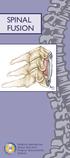 SPINAL FUSION North American Spine Society Public Education Series WHAT IS SPINAL FUSION? The spine is made up of a series of bones called vertebrae ; between each vertebra are strong connective tissues
Hip Replacement. Department of Orthopaedic Surgery Tel: 01473 702107
 Information for Patients Hip Replacement Department of Orthopaedic Surgery Tel: 01473 702107 DMI ref: 0134-08.indd(RP) Issue 3: February 2008 The Ipswich Hospital NHS Trust, 2005-2008. All rights reserved.
Spinal Cord Injury. North American Spine Society Public Education Series
 Spinal Cord Injury North American Spine Society Public Education Series What Is a Spinal Cord Injury? A spinal cord injury is a condition that results from damage or trauma to the nerve tissue of the spine.
Low Back Pain Protocols
 Low Back Pain Protocols Introduction: Diagnostic Triage And 1. Patient Group Adults aged 18 years and over with routine low back problems. Patients who have had recent surgery should be referred directly
Access to over 53,000 of the world s leading medical experts, from your first day of cover.
 For customers Friends Life Individual Protection providing access to Best Doctors Access to over 53,000 of the world s leading medical experts, from your first day of cover. A second medical opinion could
Adult Forearm Fractures
 Adult Forearm Fractures Your forearm is made up of two bones, the radius and ulna. In most cases of adult forearm fractures, both bones are broken. Fractures of the forearm can occur near the wrist at
SMALL CELL LUNG CANCER
 Protocol for Planning and Treatment The process to be followed in the management of: SMALL CELL LUNG CANCER Patient information given at each stage following agreed information pathway 1. DIAGNOSIS New
Maricopa Integrated Health System: Administrative Policy & Procedure
 Maricopa Integrated Health System: Administrative Policy & Procedure Effective Date: 03/05 Reviewed Dates: 09/05, 9/08 Revision Dates: Policy #: 64500 S Policy Title: Cervical & Total Spine Clearance and
There must be an appropriate administrative structure for each residency program.
 Specific Standards of Accreditation for Residency Programs in Radiation Oncology 2015 VERSION 3.0 INTRODUCTION The purpose of this document is to provide program directors and surveyors with an interpretation
The Right Choice. Exeter. total hip system
 The Right Choice Exeter total hip system Exeter The Right Choice Anatomic Reconstruction Offset The objectives of total hip replacement are to: relieve pain increase mobility and function Achieving a correct
National Bowel Cancer Audit Report 2008 Public and Executive Summary
 National Bowel Cancer Audit Report 2008 Public and Executive Summary Prepared in association with: Healthcare Quality Improvement Partnership HQIP Association of Coloproctology of Great Britain and Ireland
Temple Physical Therapy
 Temple Physical Therapy A General Overview of Common Neck Injuries For current information on Temple Physical Therapy related news and for a healthy and safe return to work, sport and recreation Like Us
CERVICAL SPONDYLOSIS
 CERVICAL SPONDYLOSIS Dr. Sahni B.S Dy. Chief Medical Officer, ONGC Hospital Panvel-410221,Navi Mumbai,India Introduction The cervical spine consists of the top 7 vertebrae of the spine. These are referred
Recommendations for cross-sectional imaging in cancer management, Second edition
 www.rcr.ac.uk Recommendations for cross-sectional imaging in cancer management, Second edition Breast cancer Faculty of Clinical Radiology www.rcr.ac.uk Contents Breast cancer 2 Clinical background 2 Who
YOUR GUIDE TO TOTAL HIP REPLACEMENT
 A Partnership for Better Healthcare A Partnership for Better Healthcare YOUR GUIDE TO TOTAL HIP REPLACEMENT PEI Limited M50 Business Park Ballymount Road Upper Ballymount Dublin 12 Tel: 01-419 6900 Fax:
Patient Information. Posterior Cervical Surgery. Here to help. Respond Deliver & Enable
 Here to help Our Health Information Centre (HIC) provides advice and information on a wide range of health-related topics. We also offer: Services for people with disabilities. Information in large print,
Treatment Algorithms for the Management of Lung Cancer in NSW Guide for Clinicians
 Treatment Algorithms for the Management of Lung Cancer in NSW Guide for Clinicians Background The Cancer Institute New South Wales Oncology Group Lung (NSWOG Lung) identified the need for the development
Lumbar Laminectomy and Interspinous Process Fusion
 Lumbar Laminectomy and Interspinous Process Fusion Introduction Low back and leg pain caused by pinched nerves in the back is a common condition that limits your ability to move, walk, and work. This condition
White Paper: Reducing Utilization Concerns Regarding Spinal Fusion and Artificial Disc Implants
 White Paper: Reducing Utilization Concerns Regarding Spinal Fusion and Artificial Disc Implants For Health Plans, Medical Management Organizations and TPAs Executive Summary Back pain is one of the most
Malignant Mesothelioma
 Malignant Malignant mesothelioma is a tumour originating from mesothelial cells. 85 95% of mesotheliomas are caused by asbestos exposure. It occurs much more commonly in the chest (malignant pleural mesothelioma)
Malignant Mesothelioma
 Malignant mesothelioma is a tumour originating from mesothelial cells. 85 95% of mesotheliomas are caused by asbestos exposure. It occurs much more commonly in the chest (malignant pleural mesothelioma)
There are many different types of cancer and sometimes cancer is diagnosed when in fact you are not suffering from the disease at all.
 About Cancer Cancer is a disease where there is a disturbance in the normal pattern of cell replacement. The cells mutate and become abnormal or grow uncontrollably. Not all tumours are cancerous (i.e.
AA Life Insurance providing access to Best Doctors. AA Life Insurance is provided by Friends Life Limited
 AA Life Insurance is provided by Friends Life Limited What would be the first thing you might think about if you were diagnosed with a serious illness? It is very likely that the first thing you might
Guidelines for Management of Renal Cancer
 Guidelines for Management of Renal Cancer Date Approved by Network Governance July 2012 Date for Review July 2015 Changes Between Versions 2 and 3 Section 5 updated bullets 5.3 and 5.4 Section 6 updated
Cerebral Palsy Integrated Pathway, Scotland. CPIPS. Mark Gaston FRCS PhD Royal Hospital for Sick Children, Edinburgh
 Cerebral Palsy Integrated Pathway, Scotland. CPIPS Mark Gaston FRCS PhD Royal Hospital for Sick Children, Edinburgh Cerebral Palsy Integrated Pathway Scotland the story so far Background What CPIPS is
CURRICULUM VITAE. MICHAEL A FOY FRCS Consultant Orthopaedic and Spinal Surgeon. Ridgeway Hospital Moormead Road Wroughton Wiltshire SN4 9DD
 CURRICULUM VITAE MICHAEL A FOY FRCS Consultant Orthopaedic and Spinal Surgeon Ridgeway Hospital Moormead Road Wroughton Wiltshire SN4 9DD 2 NAME Mr Michael Anthony FOY FRCS ADDRESS FOR MEDICO-LEGAL CORRESPONDENCE