
Lumbar Micro-Discectomy
|
|
|
- Aileen Maxwell
- 10 years ago
- Views:
Transcription
1 Lumbar Micro-Discectomy David M. Montgomery, M.D. Orthopaedic Spine Surgeon Lisa A. Olds, RN, BSN, ONC Spine Nurse Clinician Oakland Orthopaedic Surgeons, PLLC Woodward Avenue, Suite 100 Royal Oak, MI phone: fax:

2 DAVID M. MONTGOMERY, M.D. Dr. Montgomery is certified by the American Board of Orthopaedic Surgery and is a specialist in reconstructive surgery of the back and neck. A graduate of Wayne State University School of Medicine in Detroit, Dr. Montgomery completed an internship in internal medicine at the University of Michigan Medical Center in Ann Arbor. He then completed residencies in both general surgery and orthopaedic surgery at Wayne State University where he served as chief administrative resident. In addition, Dr. Montgomery completed a spine surgical fellowship at the University of Rochester s Strong Memorial Hospital in Rochester, New York. Dr. Montgomery is a clinical assistant professor at Wayne State University School of Medicine. He is also the former director of the Scoliosis and Spinal Deformities Clinic at Children s Hospital of Michigan in Detroit. He is actively involved in the medical education and training of orthopaedic surgical residents and spine surgical fellows at William Beaumont Hospital in Royal Oak. A member of many local and national medical societies, Dr. Montgomery has published several papers and presented lectures on topics related to orthopaedic and spine surgery. Dr. Montgomery is a member of the medical staff at William Beaumont Hospital in Royal Oak. 2

3 Micro-Discectomy Back pain caused by ligament or muscle strains can often be relieved with rest, medication, or physical therapy. However, back pain associated with numbness, tingling, pain, or weakness in the legs may indicate compression of the spinal nerves. This condition is more serious than a strain and may not improve without surgery. Pressure on the spinal nerves may be due to a herniated disc. Before surgery is recommended, several tests are performed to determine the exact cause and severity of the back and leg pain. Tests may include X-rays, MRI scans, CT scans, EMG tests or myelograms. If these tests show that you have significant compression of the spinal nerves, you may need a lumbar discectomy to relieve your symptoms. BASIC SPINE ANATOMY Vertebra A vertebra is a bone found in the spine. The human spine contains 33 vertebrae. These bones are the building blocks of the spine. They stack one on top of the other. Each vertebra is separated from the next by a cushion (disc). Many muscles, ligaments, and tendons attach to these bones. Disc A disc is the soft cushion found between the vertebrae. Its purpose is to protect the vertebrae by absorbing stresses and shocks that travel down the spine. The disc is made mostly of water. It has a soft center portion, which is contained by thick outer rings that act like rubber bands. Spinal Canal Each vertebra has an opening in the back portion to allow the spinal cord to pass through. These openings make up the spinal canal.. 3

4 Spinal Cord The spinal cord starts at the base of the brain and passes down through the cervical and thoracic regions of the spine and ends between the first and second lumbar vertebrae. The spinal cord relays information between the brain and the rest of your body. Nerve Root Nerve roots extend directly from the spinal cord and escape the spinal canal through small openings between the vertebrae. The nerve roots then branch out as smaller nerves that travel to specific places throughout the body. Information is constantly transmitted from nerves in the body, through the spinal cord, to the brain. The brain interprets the information and sends signals back to direct the body s response to the information. WHAT IS A HERNIATED DISC? Aging, hereditary factors and excessive stress on the back can weaken the disc tissue. The weakened disc tissue is more likely to be damaged from an injury. A herniation of the disc occurs when the thick outer rings of the disc tear and some of the soft center portion escapes into or through the outer rings of the disc. A herniated disc may also be described as a bulging, slipped, or ruptured disc. When the herniated disc material comes in contact with the nerve root, irritation progresses and symptoms can develop. This condition, commonly called sciatica, causes pain, numbness and weakness in the legs and/or back and can interfere with bladder function. 4

5 REASONS FOR SURGERY Surgery is often recommended if your symptoms continue despite at least six weeks of treatment such as restricting activity, medications and sometimes physical therapy. You may need surgery sooner if you have excruciating pain or develop severe, progressive weakness in your legs or lose control of your bowels or bladder. Surgery will decrease or relieve symptoms in the buttock, thigh, calf and foot. However, this surgery may or may not improve back pain. PREPARING FOR SURGERY If you have any health problems, you should see your family physician prior to the surgery so that your doctor can do a complete medical examination. If you do not have a family physician, please call my office. I will be happy to recommend one for you. One to two weeks prior to your surgery, a nurse from William Beaumont Hospital will call you to ask questions about your health and medical history. You may be asked to come to the hospital for testing. By completing this testing a few days in advance, you will save time the day of surgery. It is important to review your current medications before your surgery. Certain medications may cause excessive bleeding during surgery. Please review the following information carefully. Medication, Herbal & Dietary Supplements STOP TAKING aspirin, anti-inflammatory drugs (Ibuprofen, Advil, Motrin, Aleve, Naprosyn, Celebrex, Mobic, Arthrotec, Voltaren, etc.), Vitamin E and Glucosamine for 2 weeks prior to surgery. STOP TAKING all prescription diet medication or herbal supplements for 2 weeks prior to surgery. NOTIFY YOUR SURGEON if you are taking blood thinning medications and follow these recommendations: Coumadin Plavix, Persantine, Ticlid, Aspirin Stop 5 days prior to surgery Stop 2 weeks prior to surgery NOTIFY YOUR INTERNIST OR CARDIOLOGIST of the above recommendation to insure it is safe for your situation. 5

6 YOU SHOULD CONTINUE all other medications that you normally take. The Anesthesia Department will let you know in advance which medications you are to take the morning of surgery. If you are advised to take your medication, swallow only the smallest amount of water. IF YOU ARE DIABETIC, the Anesthesia Department will advise you on how to take your oral medication or the amount of insulin to take on the morning of surgery. Please let your surgeon and your anesthesiologist know about alcohol use. If you drink more than 2 alcoholic beverages a day, you may experience withdrawal symptoms after surgery. Symptoms may include mild shakiness, sweating, hallucinations and other more serious side effects. Interventions can be taken before surgery to minimize withdrawal symptoms. The best goal is for you to stop drinking alcohol for at least 2 weeks prior to surgery. STOP SMOKING. Smoking prevents fusions and soft tissue from healing. SURGICAL CHECKLIST Schedule an appointment with your family doctor or cardiologist if you have been told you that you need a medical clearance for your surgery. If you take your MRI, CT scan, or myelogram films from my office, you must return them to the office prior to surgery. THE DAY BEFORE SURGERY A nurse from Beaumont will call to give you final instructions and tell you what time to arrive, where to park, and where to register once you enter the hospital. Most patients are admitted to the hospital the same day as the surgery. Most importantly, do not eat or drink anything after midnight the night before your surgery. THE DAY OF YOUR SURGERY Do not eat breakfast or drink anything the day of your surgery. When you arrive at the hospital, go to the registration area and tell the staff that you are my patient and are scheduled for surgery. You will then be escorted to the surgical waiting area. Your family and friends may wait there during the surgery. 6

7 You will be taken to the pre-op area about one hour before your scheduled surgery. You will be given fluids through an IV and a sedative to help you relax. Once you are in the operating room, the anesthesiologist will administer a general or spinal anesthetic. General anesthesia is a medically induced and controlled loss of consciousness and sensation. You will not be in pain or discomfort during the surgery. The medications for the general anesthesia will be given through your IV or inhaled. Spinal anesthesia, sometimes called a saddle block, is injected directly into the spinal fluid in your back. It causes complete loss of sensation and movement in the area of the body involved in the operation. Once you are anesthetized, the actual surgery will begin. A small incision will be made on your low back. I will relieve the pressure on the nerve by removing the herniated portion of the disc. SURGICAL RISKS A lumbar micro-discectomy is generally a very safe and effective surgery for relief of leg pain. However, as with any surgical procedure, there are potential risks. Risks of the operation include, but are not limited to: infection, anesthesia complication, pneumonia, blood clots in the legs, tear of the nerve sac, weakness of the legs and injury to the nerves. Some of these complications are more common if you have had previous surgery on your back. These complications are uncommon, and many precautions are taken to prevent complications, but no surgery is risk free. HOSPITAL CARE After the surgery, you will be taken to the recovery room where your blood pressure, temperature, pulse and respiration will be checked frequently. You will stay in the recovery room for three to five hours. Meanwhile, I will speak with your family and friends in the waiting room regarding your condition. This operation is often done as an outpatient, but occasionally overnight admission to the hospital is necessary. This will be discussed with you individually. Although the nerve has been freed, it is still injured from being in contact with the disc material. The pain, numbness, or tingling in your leg usually begins to improve shortly after the surgery. In some cases, it may take several days before an improvement is noticed. Occasionally, it may even take a few weeks before the symptoms show a notable improvement. Nerves heal very slowly. Every patient experiences this healing process differently. 7

8 AT HOME You must see me in the office approximately two weeks after surgery. Your first postoperative appointment should be made when you schedule your surgery. If you do not have a post-operative appointment, please call the surgical scheduler immediately to schedule your appointment at There is a small hole in the disc where the herniated part was removed. It takes three months for the disc to heal this hole. Returning to normal activity before this healing is complete, may cause the disc to herniate again. The post-operative instructions outlined below have been designed to help give you the best possible chance to have a positive outcome from this surgery. POST-OPERATIVE INSTRUCTIONS During the first 24 hours after your surgery, you should: Rest in bed frequently Take short walks as your comfort allows Limit sitting in a chair to no longer than 10 to 15 minutes at a time The day after your surgery, you should: Remove the dressing from your back Take a shower you may gently wash the incision with soap and water rinse the incision well and pat it dry do not apply lotions or creams to the incision you may cover the incision with a light dressing Begin to gradually increase your walking as your comfort allows. 8

9 Please follow these instructions for 12 weeks after surgery: NO bending forward at the waist. NO twisting. NO lifting more than 10 pounds. NO driving until after your first post-op visit. Avoid all strenuous activities, including but not limited to the following examples: You may climb stairs as necessary. pushing or pulling motions using snow blowers, lawn mowers and riding mowers pushing grocery carts, strollers using a vacuum walking dogs on leashes pulling luggage Gradually increase the amount of walking you do each day. Two to three short walks a day are easier to tolerate than one long walk. You may use a treadmill. After your post-operative appointment, you may apply Vitamin E lotion or cocoa butter to your incision to soften it. You may resume sexual activity as your comfort allows. Please keep in mind the activity restrictions listed above. Six weeks after surgery, you will begin physical therapy. The therapist will help you strengthen your back muscles with back exercises. These exercises should be part of your lifelong fitness program. The therapist will also teach you about doing everyday tasks with proper body mechanics. RETURNING TO WORK Returning to work depends on your occupation and your employer s acceptance of your activity restrictions. 9

10 REASONS TO CALL THE OFFICE Temperature elevation greater than 101 F. Redness or drainage from the incision. If the pain and/or numbness in your buttocks, legs, or feet is becoming unbearable. Go to nearest emergency center or the emergency center at Beaumont Hospital in Royal Oak: Call 911 immediately: If you lose the ability to control your bowels or bladder. If you have shortness of breath or chest pain. A FINAL NOTE If you have any questions or concerns, please do not hesitate to call me or my staff during regular business hours, which are 8:30am 4:30pm, Monday through Friday. In an emergency after hours, our answering service will take your call and notify me. OFFICE PHONE NUMBER: RECOMMENDED WEB SITES FOR ADDITIONAL INFORMATION

.org. Herniated Disk in the Lower Back. Anatomy. Description
 Herniated Disk in the Lower Back Page ( 1 ) Sometimes called a slipped or ruptured disk, a herniated disk most often occurs in your lower back. It is one of the most common causes of low back pain, as
Orthopaedic Spine Center. Anterior Cervical Discectomy and Fusion (ACDF) Normal Discs
 Orthopaedic Spine Center Graham Calvert MD James Woodall MD PhD Anterior Cervical Discectomy and Fusion (ACDF) Normal Discs The cervical spine consists of the bony vertebrae, discs, nerves and other structures.
Herniated Lumbar Disc
 Herniated Lumbar Disc North American Spine Society Public Education Series What Is a Herniated Disc? The spine is made up of a series of connected bones called vertebrae. The disc is a combination of strong
Herniated Disk. This reference summary explains herniated disks. It discusses symptoms and causes of the condition, as well as treatment options.
 Herniated Disk Introduction Your backbone, or spine, has 24 moveable vertebrae made of bone. Between the bones are soft disks filled with a jelly-like substance. These disks cushion the vertebrae and keep
Herniated Cervical Disc
 Herniated Cervical Disc North American Spine Society Public Education Series What Is a Herniated Disc? The backbone, or spine, is composed of a series of connected bones called vertebrae. The vertebrae
Lumbar Decompression Surgery Guide
 Lumbar Decompression Surgery Guide TABLE OF CONTENTS: Page 3: Page 5: Page 7: Page 8: Page 9: Page 10: Page 11: Page 12: The Lumbar Spine Lumbar Surgery Before Surgery Medications Day of Surgery Evening
Lumbar or Thoracic Fusion +/- Decompression
 Lumbar or Thoracic Fusion +/- Decompression PLEASE DO NOT TAKE ANY NON-STEROIDAL ANTI-INFLAMMATORY DRUGS (NSAIDs like Advil, Celebrex, Ibuprofen, Motrin, Vioxx, Naprosyn, Aleve, etc) OR ASPIRIN PRODUCTS
Herniated Disk in the Lower Back
 Nader M. Hebela, MD Fellow of the American Academy of Orthopaedic Surgeons http://orthodoc.aaos.org/hebela Cleveland Clinic Abu Dhabi Cleveland Clinic Abu Dhabi Neurological Institute Al Maryah Island
Spinal Injections. North American Spine Society Public Education Series
 Spinal Injections North American Spine Society Public Education Series What Is a Spinal Injection? Your doctor has suggested that you have a spinal injection to help reduce pain and improve function. This
Low Back Surgery. Remember to bring this handout to the hospital with you.
 Remember to bring this handout to the hospital with you. Table of contents Page Why do I need low back surgery?... 1 What kinds of low back surgeries are there?... 2 Before your surgery... 3 After your
ANTERIOR CERVICAL DECOMPRESSION AND FUSION
 ANTERIOR CERVICAL DECOMPRESSION AND FUSION NOTE: PLEASE DO NOT TAKE ANY NON-STEROIDAL ANTI-INFLAMMATORY DRUGS (NSAIDs like Advil, Celebrex, Ibuprofen, Motrin, Vioxx, etc) OR ASPIRIN PRODUCTS FOR 2 WEEKS
Open Discectomy. North American Spine Society Public Education Series
 Open Discectomy North American Spine Society Public Education Series What Is Open Discectomy? Open discectomy is the most common surgical treatment for ruptured or herniated discs of the lumbar spine.
Lumbar Spine Surgery What to Expect
 Lumbar Spine Surgery What to Expect You have been scheduled for lumbar spine surgery and are probably wondering what to expect with your surgical journey. We will discuss pre- operative tasks, the day
Lumbar Spinal Stenosis
 Copyright 2009 American Academy of Orthopaedic Surgeons Lumbar Spinal Stenosis Almost everyone will experience low back pain at some point in their lives. A common cause of low back pain is lumbar spinal
Neck Surgery (Cervical spine surgery) Remember to bring this handout to the hospital with you.
 Neck Surgery (Cervical spine surgery) Remember to bring this handout to the hospital with you. 1 Neck Surgery (cervical spine surgery) Table of contents Page Why do I need neck surgery?... 2 What kinds
X-Plain Preparing For Surgery Reference Summary
 X-Plain Preparing For Surgery Reference Summary Introduction More than 25 million surgical procedures are performed each year in the US. This reference summary will help you prepare for surgery. By understanding
BRYAN. Cervical Disc System. Patient Information
 BRYAN Cervical Disc System Patient Information 3 BRYAN Cervical Disc System PATIENT INFORMATION BRYAN Cervical Disc System PATIENT INFORMATION 1 BRYAN Cervical Disc System This patient information brochure
Lumbar Laminectomy and Interspinous Process Fusion
 Lumbar Laminectomy and Interspinous Process Fusion Introduction Low back and leg pain caused by pinched nerves in the back is a common condition that limits your ability to move, walk, and work. This condition
Lateral Lumbar Interbody Fusion (LLIF or XLIF)
 Lateral Lumbar Interbody Fusion (LLIF or XLIF) NOTE: PLEASE DO NOT TAKE ANY NON-STEROIDAL ANTI-INFLAMMATORY DRUGS (NSAIDs like Advil, Aleve, Ibuprofen, Motrin, Naprosyn, Mobic, etc) OR ASPIRIN PRODUCTS
.org. Cervical Radiculopathy (Pinched Nerve) Anatomy. Cause
 Cervical Radiculopathy (Pinched Nerve) Page ( 1 ) Cervical radiculopathy, commonly called a pinched nerve occurs when a nerve in the neck is compressed or irritated where it branches away from the spinal
How to Care for Yourself after Lumbar Posterior Decompression
 How to Care for Yourself after Lumbar Posterior Decompression What is Lumbar Posterior Decompression? Lumbar Posterior Decomposition is the removal of part of or all of the bone that covers the back of
Selective Nerve Root Block
 Selective Nerve Root Block What is a selective nerve root block? Selective nerve root blocks is similar to epidural injections, as the preparation and approach is identical. Epidural refers to the space
Total Knee Replacement
 Total Knee Replacement Contents Introduction Total Knee Replacement Preparing for surgery Pre-op visit Day of surgery After surgery (In Hospital) After surgery (In Rehab) Exercise Program and Physical
Laparoscopic Colectomy. What do I need to know about my laparoscopic colorectal surgery?
 Laparoscopic Colectomy What do I need to know about my laparoscopic colorectal surgery? Traditionally, colon & rectal surgery requires a large, abdominal and/or pelvic incision, which often requires a
Does the pain radiating down your legs, buttocks or lower back prevent you from walking long distances?
 Does the pain radiating down your legs, buttocks or lower back prevent you from walking long distances? Do you experience weakness, tingling, numbness, stiffness, or cramping in your legs, buttocks or
Lumbar or Thoracic Decompression and Fusion
 Lumbar or Thoracic Decompression and Fusion DO NOT TAKE ANY ASPIRIN PRODUCTS OR NON-STEROIDAL ANTI- INFLAMMATORY DRUGS (ie NSAIDs, Advil, Celebrex, Ibuprofen, Motrin, Naprosyn, Aleve, etc) FOR 2 WEEKS
Patient Guide to Lower Back Surgery
 The following is a sampling of products offered by Zimmer Spine for use in Open Lumbar Fusion procedures. Patient Guide to Lower Back Surgery Open Lumbar Fusion Dynesys The Dynesys Dynamic Stabilization
SPINAL STENOSIS Information for Patients WHAT IS SPINAL STENOSIS?
 SPINAL STENOSIS Information for Patients WHAT IS SPINAL STENOSIS? The spinal canal is best imagined as a bony tube through which nerve fibres pass. The tube is interrupted between each pair of adjacent
Primary and revision lumbar discectomy. (nerve root decompression)
 Primary and revision lumbar discectomy (nerve root decompression) The aim of this leaflet is to help answer some of the questions you may have about having a lumbar discectomy. It explains the benefits,
Endovascular Abdominal Aortic Aneurysm Repair Surgery
 Endovascular Abdominal Aortic Aneurysm Repair Surgery You are scheduled for an admission to Cooper University Hospital for Endovascular Abdominal Aortic Aneurysm surgery (EVAR). Please read this handout,
Total Hip Replacement Surgery Home Care Instructions
 Total Hip Replacement Surgery Home Care Instructions Surgery: Date: Doctor: This handout will review the care you need to follow once you are home. If you have any questions or concerns, please ask your
Surgery for cervical disc prolapse or cervical osteophyte
 Mr Paul S. D Urso MBBS(Hons), PhD, FRACS Neurosurgeon Provider Nº: 081161DY Epworth Centre Suite 6.1 32 Erin Street Richmond 3121 Tel: 03 9421 5844 Fax: 03 9421 4186 AH: 03 9483 4040 email: [email protected]
SPINE ANATOMY AND PROCEDURES. Tulsa Spine & Specialty Hospital 6901 S. Olympia Avenue Tulsa, Oklahoma 74132
 SPINE ANATOMY AND PROCEDURES Tulsa Spine & Specialty Hospital 6901 S. Olympia Avenue Tulsa, Oklahoma 74132 SPINE ANATOMY The spine consists of 33 bones called vertebrae. The top 7 are cervical, or neck
Patient Information. Anterior Cervical Surgery. Here to help. Respond Deliver & Enable
 Here to help Our Health Information Centre (HIC) provides advice and information on a wide range of health-related topics. We also offer: Services for people with disabilities. Information in large print,
Sciatica Yuliya Mutsa PTA 236
 Sciatica Yuliya Mutsa PTA 236 Sciatica is a common type of pain affecting the sciatic nerve, which extends from the lower back all the way through the back of the thigh and down through the leg. Depending
Neck Injuries and Disorders
 Neck Injuries and Disorders Introduction Any part of your neck can be affected by neck problems. These affect the muscles, bones, joints, tendons, ligaments or nerves in the neck. There are many common
Anterior Cervical Decompression and Fusion or Anterior Cervical Corpectomy and Fusion
 Anterior Cervical Decompression and Fusion or Anterior Cervical Corpectomy and Fusion DO NOT TAKE ANY ASPIRIN PRODUCTS OR NON-STEROIDAL ANTI- INFLAMMATORY DRUGS (ie NSAIDs, Advil, Celebrex, Ibuprofen,
SPINE AND NECK SURGERY: MAKING A DECISION THAT S RIGHT FOR YOU
 1. GET THE FACTS: Back and neck pain affects 8 out of 10 people at some point in their life. Acute back and neck pain comes on suddenly and usually lasts from a few days to a few weeks. Chronic back and
.org. Fractures of the Thoracic and Lumbar Spine. Cause. Description
 Fractures of the Thoracic and Lumbar Spine Page ( 1 ) Spinal fractures can vary widely in severity. While some fractures are very serious injuries that require emergency treatment, other fractures can
Lower Back Pain An Educational Guide
 Lower Back Pain An Educational Guide A publication from the Center of Pain Medicine and Physiatric Rehabilitation 2002 Medical Parkway Ste 150 1630 Main St Ste 215 Annapolis, MD 21401 Chester, MD 21619
CORONARY ARTERY BYPASS GRAFT & HEART VALVE SURGERY
 CORONARY ARTERY BYPASS GRAFT & HEART VALVE SURGERY www.cpmc.org/learning i learning about your health What to Expect During Your Hospital Stay 1 Our Team: Our cardiac surgery specialty team includes nurses,
A Patient s Guide to Diffuse Idiopathic Skeletal Hyperostosis (DISH)
 A Patient s Guide to Diffuse Idiopathic Skeletal Hyperostosis (DISH) Introduction Diffuse Idiopathic Skeletal Hyperostosis (DISH) is a phenomenon that more commonly affects older males. It is associated
Pre and Post-Op instructions for lumbar fusion
 Pre and Post-Op instructions for lumbar fusion These instructions are divided in 3 sections: 1. Pre-op instructions (things to do) 2. The hospital stay 3. Post-op and discharge instructions Pre- op instructions
SO, YOU ARE HAVING DBS SURGERY?
 SO, YOU ARE HAVING DBS SURGERY? This resource is for Awake Deep Brain Stimulation (DBS) patients. Welcome to Brigham and Women s Hospital and the Deep Brain Stimulation (DBS) Program Serving patients in
Hitting a Nerve: The Triggers of Sciatica. Bruce Tranmer MD FRCS FACS
 Hitting a Nerve: The Triggers of Sciatica Bruce Tranmer MD FRCS FACS Disclosures I have no financial disclosures Objectives - Sciatica Historical Perspective What is Sciatica What can cause Sciatica Clinical
GOING HOME AFTER YOUR TAVR PROCEDURE
 GOING HOME AFTER YOUR TAVR PROCEDURE HENRY FORD HOSPITAL CENTER FOR STRUCTURAL HEART DISEASE GOING HOME After your TAVR procedure, you will need help when you go home. It is hard to predict how much help
Temple Physical Therapy
 Temple Physical Therapy A General Overview of Common Neck Injuries For current information on Temple Physical Therapy related news and for a healthy and safe return to work, sport and recreation Like Us
Pre and Post-Op instructions for laminectomy
 Pre and Post-Op instructions for laminectomy These instructions are divided in 3 sections: Pre-op instructions (things to do) The hospital stay Post-op and discharge instructions Pre- op instructions (things
Cervical Spondylosis (Arthritis of the Neck)
 Copyright 2009 American Academy of Orthopaedic Surgeons Cervical Spondylosis (Arthritis of the Neck) Neck pain is extremely common. It can be caused by many things, and is most often related to getting
You will be having surgery to remove a tumour(s) from your liver.
 Liver surgery You will be having surgery to remove a tumour(s) from your liver. This handout will help you learn about the surgery, how to prepare for surgery and your care after surgery. Surgery can be
MOHS MICROGRAPHIC SURGERY
 Mary E. Maloney, MD Director Professor of Medicine David E. Geist, MD Assistant Professor of Medicine Dori Goldberg, MD Assistant Professor of Medicine Mark J. Scharf, MD Professor of Medicine Jason D.
Anterior Cervical Discectomy and Fusion
 A Patient s Guide to Anterior Cervical Discectomy and Fusion 651 Old Country Road Plainview, NY 11803 Phone: 5166818822 Fax: 5166813332 [email protected] DISCLAIMER: The information in this booklet is
Avoid The Dreaded Back Injury by Proper Lifting Techniques
 Avoid The Dreaded Back Injury by Proper Lifting Techniques If you ve ever strained your back while lifting something, you ll know the importance of lifting safely. Agenda Introduction About the Back The
.org. Knee Arthroscopy. Description. Preparing for Surgery. Surgery
 Knee Arthroscopy Page ( 1 ) Arthroscopy is a common surgical procedure in which a joint (arthro-) is viewed (-scopy) using a small camera. Arthroscopy gives doctors a clear view of the inside of the knee.
Preoperative Education: CERVICAL SPINE SURGERY
 Preoperative Education: CERVICAL SPINE SURGERY 1 Dear Patient, In order to make your hospital stay as comfortable as possible, we have prepared this informational packet for you designed to outline and
Total Abdominal Hysterectomy
 What is a total abdominal hysterectomy? Is the removal of the uterus and cervix through an abdominal incision (either an up and down or bikini cut). Removal of the ovaries and tubes depends on the patient.
A Patient s Guide to Post-Operative Physiotherapy. Following Anterior Cruciate Ligament Reconstruction of the Knee
 A Patient s Guide to Post-Operative Physiotherapy Following Anterior Cruciate Ligament Reconstruction of the Knee Introduction The anterior cruciate ligament (ACL) is one of the main supporting ligaments
Lumbar Spinal Stenosis
 Lumbar Spinal Stenosis North American Spine Society Public Education Series What Is Lumbar Spinal Stenosis? The vertebrae are the bones that make up the lumbar spine (low back). The spinal canal runs through
PATIENT HANDBOOK AND JOURNAL DAY OF SURGERY
 PATIENT HANDBOOK AND JOURNAL DAY OF SURGERY PREPARING YOUR SKIN BEFORE SURGERY PRE-OP HIBICLENS BATHING INSTRUCTIONS: General Information: Because the skin is not sterile, it is important to make sure
Information for the Patient About Surgical
 Information for the Patient About Surgical Decompression and Stabilization of the Spine Aging and the Spine Daily wear and tear, along with disc degeneration due to aging and injury, are common causes
Orthopaedic Stem Cell Treatment
 Orthopaedic Stem Cell Treatment Stem Cell Injections Surgically Implanted Stem Cells Learn about the treatment option that is best for you. Emory Healthcare patients can benefit from surgical implantation
Whiplash and Whiplash- Associated Disorders
 Whiplash and Whiplash- Associated Disorders North American Spine Society Public Education Series What Is Whiplash? The term whiplash might be confusing because it describes both a mechanism of injury and
Neck Pain Frequently Asked Questions. Moe R. Lim, MD UNC Orthopaedics (919-96B-ONES) UNC Spine Center (919-957-6789)
 Neck Pain Frequently Asked Questions Moe R. Lim, MD UNC Orthopaedics (919-96B-ONES) UNC Spine Center (919-957-6789) Neck Pain Human Spine 25 bones Cervical (7) Thoracic (12) Lumbar (5) Sacrum Human Spine
Posterior Lumbar Decompression for Spinal Stenosis
 Posterior Lumbar Decompression for Spinal Stenosis Spinal Unit Tel: 01473 702032 or 702097 Issue 5: August 2014 Review date: July 2017 Following your recent MRI scan and consultation with your spinal surgeon
Preoperative Education: LUMBAR SPINE SURGERY
 Preoperative Education: LUMBAR SPINE SURGERY 1 Dear Patient, In order to make your hospital stay as comfortable as possible, we have prepared this informational packet for you designed to outline and explain
Patient Information. Lumbar Spine Segmental Decompression. Royal Devon and Exeter NHS Foundation Trust
 Lumbar Spine Segmental Decompression Royal Devon and Exeter NHS Foundation Trust Patient Information Lumbar Spine Segmental Decompression Reference Number: TO 05 004 004 (version date: June 2015) Introduction
Excision of Vaginal Mesh
 What is excision of vaginal mesh? This procedure is done to remove mesh from the vagina. When is this surgery used? If mesh has eroded into the vagina, bladder, urethra, or bowel If there is pain associated
Plantar Fascia Release
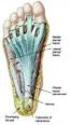 Plantar Fascia Release Introduction Plantar fasciitis is a common condition that causes pain around the heel. It may be severe enough to affect regular activities. If other treatments are unsuccessful,
SPINAL FUSION. North American Spine Society Public Education Series
 SPINAL FUSION North American Spine Society Public Education Series WHAT IS SPINAL FUSION? The spine is made up of a series of bones called vertebrae ; between each vertebra are strong connective tissues
Low Back Injury in the Industrial Athlete: An Anatomic Approach
 Low Back Injury in the Industrial Athlete: An Anatomic Approach Earl J. Craig, M.D. Assistant Professor Indiana University School of Medicine Department of Physical Medicine and Rehabilitation Epidemiology
Acute Oncology Service Patient Information Leaflet
 Spinal cord compression Acute Oncology Service Patient Information Leaflet Introduction If you have been diagnosed with cancer, you need to know about spinal cord compression and the warning signs. What
Lower Back Pain. Introduction. Anatomy
 Lower Back Pain Introduction Back pain is the number one problem facing the workforce in the United States today. To illustrate just how big a problem low back pain is, consider these facts: Low back pain
Patient information for cervical spinal fusion.
 Patient information for cervical spinal fusion. Introduction This booklet has been compiled to help you understand spinal cervical fusion surgery and postoperative rehabilitation. Anatomy The cervical
Posterior Cervical Decompression Surgery Guide
 Posterior Cervical Decompression Surgery Guide 1 TABLE OF CONTENTS: Page 3: Page 4: Page 6: Page 8: Page 9: Page 10: Page 11: Page 12: Page 13: Page 15: Frequently Asked Questions The Cervical Spine Cervical
Cervical Disk Surgery
 Cervical Disk Surgery Relieving Symptoms with Decompression and Fusion CONSIDER CERVICAL DISK SURGERY Do you suffer from nagging neck and arm pain or weakness caused by a disk problem in your upper (cervical)
Patient Guide to Neck Surgery
 The following is a sampling of products offered by Zimmer Spine for use in Anterior Cervical Fusion procedures. Patient Guide to Neck Surgery Anterior Cervical Fusion Trinica Select With the Trinica and
We ve got your back. Physical Therapy After Lumbar Fusion Surgery
 We ve got your back Physical Therapy After Lumbar Fusion Surgery Physical therapy is an extremely important part of you recovery after spinal surgery. This booklet, prepared by the therapists who specialize
My Spinal Surgery: Going Home
 My Spinal Surgery: Going Home The Spinal Surgery Team has prepared this insert containing information to help prepare you and your family for going home after your spinal surgery. Please visit the UHN
If you or a loved one have suffered because of a negligent error during spinal surgery, you will be going through a difficult time.
 If you or a loved one have suffered because of a negligent error during spinal surgery, you will be going through a difficult time. You may be worried about your future, both in respect of finances and
.org. Tennis Elbow (Lateral Epicondylitis) Anatomy. Cause
 Tennis Elbow (Lateral Epicondylitis) Page ( 1 ) Tennis elbow, or lateral epicondylitis, is a painful condition of the elbow caused by overuse. Not surprisingly, playing tennis or other racquet sports can
What are Core Muscles?... 2. A Healthy Lumbar Spine...3. What is Low Back Pain?...4. Rehabilitation...6. Stages of Rehabilitation...
 Table of Contents What are Core Muscles?... 2 A Healthy Lumbar Spine...3 What is Low Back Pain?...4 Rehabilitation...6 Stages of Rehabilitation...7 Pain Management....................... 8 Heat/Ice What
Discharge Information after a Coronary Angiogram or Coronary Angioplasty/ Stent Procedure
 Discharge Information after a Coronary Angiogram or Coronary Angioplasty/ Stent Procedure FORM # W-00500 June 2014 Discharge Information after a Coronary Angiogram or Coronary Angioplasty/ Stent Procedure
Patient Information for Lumbar Spinal Fusion. What is a lumbar spinal fusion? Page 1 of 5
 Patient Information for Lumbar Spinal Fusion What is a lumbar spinal fusion? You have been offered surgery to the lumbar region of your spine, your lower back. The operation is called a lumbar spinal fusion.
.org. Plantar Fasciitis and Bone Spurs. Anatomy. Cause
 Plantar Fasciitis and Bone Spurs Page ( 1 ) Plantar fasciitis (fashee-eye-tiss) is the most common cause of pain on the bottom of the heel. Approximately 2 million patients are treated for this condition
Shoulder Arthroscopy
 Copyright 2011 American Academy of Orthopaedic Surgeons Shoulder Arthroscopy Arthroscopy is a procedure that orthopaedic surgeons use to inspect, diagnose, and repair problems inside a joint. The word
Preventing & Treating Low Back Pain
 Preventing & Treating Low Back Pain An Introduction to Low Back Pain Low back pain is the number two reason that Americans see a health care practitioner second only to colds and flu. While most people
Total Vaginal Hysterectomy
 What is a total vaginal hysterectomy? Is the removal of the uterus and cervix through the vagina. Removal of the ovaries and tubes depends on the patient. Why is this surgery used? To treat disease of
POSTOPERATIVE INSTRUCTION FOR ANTERIOR/POSTERIOR LUMBAR SPINE FUSION
 www.southerarizonaspine.com POSTOPERATIVE INSTRUCTION FOR ANTERIOR/POSTERIOR LUMBAR SPINE FUSION This handout will review the care you need to follow once you are home. If you have any questions or concerns,
.org. Cervical Spondylosis (Arthritis of the Neck) Anatomy. Cause
 Cervical Spondylosis (Arthritis of the Neck) Page ( 1 ) Neck pain can be caused by many things but is most often related to getting older. Like the rest of the body, the disks and joints in the neck (cervical
Surgical removal of fibroids through an abdominal incision-either up and down or bikini cut. The uterus and cervix are left in place.
 What is an abdominal myomectomy? Surgical removal of fibroids through an abdominal incision-either up and down or bikini cut. The uterus and cervix are left in place. When is this surgery used? Treatment
SPINE SURGERY - LUMBAR DECOMPRESSION
 SPINE SURGERY - LUMBAR DECOMPRESSION Information Leaflet Your Health. Our Priority. Page 2 of 7 Introduction This booklet has been compiled by the physiotherapy department to help you understand lumbar
The Newest Breakthrough In Non- Surgical Treatment of Herniated or Degenerative Discs
 The Newest Breakthrough In Non- Surgical Treatment of Herniated or Degenerative Discs The DRX 9000 is Your Answer To Persistent Back Pain To People Who Want To Be Rid Of Lower Back Pain But Think They
What is the function of the spinal column?
 What is the function of the spinal column? Stability The function of the human spinal column is above all to stabilise the head, the upper body, and walking upright. Primarily responsible for this are
Posterior Cervical Decompression
 Posterior Cervical Decompression Spinal Unit Tel: 01473 702032 or 702097 Issue 2: January 2009 Following your recent MRI scan and consultation with your spinal surgeon, you have been diagnosed with a
Surgery for Disc Prolapse
 Contact Details Spinal Team Nuffield Orthopaedic Centre Windmill Road Headington Oxford OX3 7LD Surgery for Disc Prolapse Phone: 01865 738051 Fax: 01865 738027 Web Site www.noc.nhs.uk Surgery for disc
PERIACETABULAR OSTEOTOMY SURGERY
 1 PERIACETABULAR OSTEOTOMY SURGERY It is important to us that all of our patients know what to expect before surgery, during their hospitalization and after surgery. Office Visits Planning begins with
Total knee replacement: The enhanced recovery programme
 INFORMATION FOR PATIENTS Total knee replacement: The enhanced recovery programme Aim This leaflet aims to explain the enhanced recovery programme after total knee replacement surgery, and outline what
BACK PAIN: WHAT YOU SHOULD KNOW
 BACK PAIN: WHAT YOU SHOULD KNOW Diane Metzer LOWER BACK PAIN Nearly everyone at some point has back pain that interferes with work, recreation and routine daily activities. Four out of five adults experience
THE LUMBAR SPINE (BACK)
 THE LUMBAR SPINE (BACK) At a glance Chronic back pain, especially in the area of the lumbar spine (lower back), is a widespread condition. It can be assumed that 75 % of all people have it sometimes or
A review of spinal problems
 Dr Ulrich R Hähnle MD, FCS Orthopaedic Surgeon, Wits Facharzt für Orthopädie, Berlin Phone: +27 11 485 3236 Fax: +27 11 485 2446 Suite 102, Medical Centre, Linksfield Park Clinic P.O. Box 949, Johannesburg