
From questions to confidence. Simple tools and advice to help you feel at home while buying one
|
|
|
- Shonda Logan
- 10 years ago
- Views:
Transcription
1 From questions to confidence Simple tools and advice to help you feel at home while buying one

2 My New Home SM Homebuyer Guide Whether you re a first-time homebuyer or an experienced homeowner, this guide can help you through the mortgage process. It will help make your homebuying experience much easier. The My New Home Homebuyer Guide offers everything you need to know as you prepare to buy a home and will help you: Understand your costs up front Determine a price range that s realistic and comfortable for you Know more about how a real estate agent can help you Learn how your credit score can impact your loan Identify the paperwork you need for a smooth loan process 2

3 Table of Contents My New Home SM workbook Allows you to complete information and answer questions that apply to your personal situation as we discuss the homebuying process. Gives you take-home information you can refer to or update after our workshop. Provides websites with guides, including helpful tools, calculators, checklists and more. Includes a glossary of common mortgage terms, a homebuyer checklist and a list of documents you ll need to provide when applying for a mortgage. Five key questions...4 Section 1 Am I ready to buy?...5 Section 2 What do I need to know before I apply for a loan?...23 Section 3 What do I need to do before I start shopping for a home?...35 Section 4 How do I go about finding the perfect home and making an offer?...41 Section 5 What do I do after my offer is accepted?...50 Homebuying tools Next steps Information and documents you will need Homebuying process Key vocabulary Homebuyer s checklist Notes Visit chase.com/mynewhome/learn for more information. 3

4 Five key questions As you prepare to buy a home, this guide will help you answer these important questions. 1. Am I ready to buy? The first step in buying a home is making sure you understand the homebuying process. 2. What do I need to know before I apply for a loan? Feel confident that you re making the right choice. 3. What do I need to do before I start shopping for a home? Learn what you can do to get a head start. 4. How do I go about finding the perfect home and making an offer? Know what you want in your future home and how to find it. 5. What do I do after my offer is accepted? Make sure the final stretch goes smoothly, so you get your new home with minimal stress. 4

5 SECTION 1 Am I ready to buy? Visit chase.com/mynewhome/learn for more information. 5

6 If you re ready to buy, you should be able to say: I m better off buying than renting. The house I can afford meets my expectations. I have good credit. I understand the cost of homeownership. I m financially stable. 6

7 Section 1: Am I ready Section to buy? 1 Am I ready to buy? Think about whether you re ready to own a home. Determine if you are ready to apply for a mortgage loan. To get the best rates and the best results from lenders, you have to meet certain requirements. Review what those requirements are and how well you might meet them. Compare owning vs. renting. There are advantages to owning a home, but there are also disadvantages. Decide if owning or renting is the right choice for you. Understand the costs of homeownership. From one-time fees and closing costs to monthly and annual expenses, there are a lot of costs homeowners face that renters don t. Your credit rating is important. Banks will use your credit rating to decide whether to lend you money and how much to lend. See how the credit bureaus rate you and what you can do to boost your score. Visit chase.com/mynewhome/learn for more information. 7

8 Before you start looking for a house, ask yourself: Are you comfortable with what you can afford? If you can t afford to buy in a certain neighborhood where you want to live, or if you ll face a significantly longer commute from the places you can afford to live, it may make more sense to continue renting. Do you have a reserve of cash saved? You ll need money for your down payment, and you may be responsible for closing costs on the loan. You ll also face new costs in addition to your mortgage payment. If you have limited savings, it may make sense to continue a lower cost living arrangement until you can save more. How financially stable are you? If there s a chance you could be laid off soon, or if your job requires you to move to a different city in the near future, buying may not be the best choice for you right now. Do you have good credit? If you have recently missed payments or maxed out your credit cards, you may consider waiting to purchase a home until your credit improves so you can qualify for a lower interest rate. 8

9 Section 1: Am I ready to buy? Am I better off buying than renting? There are great advantages to owning a house, financially and emotionally. But there are also a lot of responsibilities: repairs, taxes, insurance and utilities. Weighing these against the advantages helps make the decision more clear. Complete the chart below to see if you re better off buying or renting at this time: Yes No Not Sure I want a house that s mine without restrictions from a landlord. Renting may restrict the changes you can make sometimes you can t even repaint the walls. I understand I ll have to pay for repairs and upkeep. If the toilet stops working in a rental, you call the landlord. When it s your house, you pay for the plumber or do the work yourself. I understand I ll have to pay for property taxes, insurance, utilities and homeowners association fees (if any). Property taxes, insurance and utilities add up quickly. I understand the value of my house may decrease. While your house could go up in value, it can also go down, depending on the housing market. I ve talked to an accountant or tax professional to see if I can benefit from the tax deduction on mortgage interest. CHECKPOINT: Am I better off buying than renting? Visit chase.com/mynewhome/learn for more information. 9

10 Does the house I can afford meet my needs? You need to know if you can afford to buy in the neighborhood you want, or if you re willing to make sacrifices, such as having a longer commute. If you can t afford the house that meets your needs, it may make more sense to wait before buying. You may want to purchase a new home if: You need more or less space because your family size has changed. You plan to relocate and purchase a home because of a job offer in a different city. You have been in your house for awhile and want newer features or want to move to a different neighborhood. Depending on the purchase price you can afford, will the house meet your needs based on: Yes No Not Sure The size of the house that amount buys (bedrooms, bathrooms, yard)? The area of town/neighborhood? The schools? The commute to work? CHECKPOINT: Will the house I can afford meet my needs? 10

11 Section 1: Am I ready to buy? Do I understand the cost of homeownership? Understand the different mortgage options While the details of every loan are different, each lender has a variety of mortgage options. You ll want to ask each lender you contact what special loan programs they offer that you may qualify for. Here are some of the basics you should know about mortgage options. Discuss the different options available with your lender. Mortgage types Most mortgages fall into two categories: fixed-rate and adjustable-rate. Fixed-rate mortgages provide a constant interest rate and monthly principal and interest payment for the life of the loan. The rate and payment on an adjustable-rate mortgage can fluctuate. VA loans Veterans Affairs (VA) Home Loans are provided by some private lenders, such as banks and mortgage companies. VA guarantees a portion of the loan, enabling the lender to provide you with more favorable terms, such as low or no down payment. Ask your lender about these programs. Low down payment loans Some lenders also offer low down payment loans. You may be able to put as little as 3.5% down. Ask your lender about their programs. Loan terms Most mortgage loans are 30-year loans. However, there are also 15- and 20-year options. Ways to reduce your rate You can reduce your interest rate when you pay for points to lower your monthly payment. One point costs 1% of your loan amount and can reduce your interest rate by about 0.25%. Your lender can explain the details of loan programs available and help you decide which one is best for you. Visit chase.com/mynewhome/learn for more information. 11

12 Do I understand the cost of homeownership? Complete the chart below to estimate your homeownership costs: Part 1: Cash for one-time fees Typical range Your estimated costs Your down payment 5% 20% of cost of house $ Home appraisal A professional analysis of the market value of the property. $200 $500 $ Home inspection A detailed report on the condition of the house, highlighting any significant problems that might affect the property s value. Termite inspection An evaluation of pest damage. The initial inspection will be less than $100, although if they find evidence of termites, which is common, the extermination can cost several thousand dollars. Origination fees Fees assessed by the bank to cover the processing of the loan and administrative costs. Closing costs Bank fees and third-party vendor fees that may include, but are not limited to: attorney fees, settlement fees, title insurance, recording fees and appraisal fees. $200 $1,000 $ $100 $ 0.5% 2% of loan amount $ 2% 6% of cost of house $ Moving costs The cost of moving all your furniture and belongings. Varies depending on how far you re going, how much you have to move, and if you decide to hire movers $ Subtotal Part 1: Cash for one-time fees $ 12

13 Section 1: Am I ready to buy? Part 2: Cash you ll need every month Typical range Your estimated costs Your monthly principal, interest, taxes and insurance payment Your comfortable monthly payment for today s session $ Mortgage insurance Insurance the lender will require if your down payment is less than 20% of the home s value. Typically amounts to about one-half of 1 percent of the loan $ Condo/maintenance fees These fees typically cover the cost of insurance, taxes, maintenance (i.e., lawn care) and reserves for a condominium project. $200 $350/month $ Homeowners association (HOA) dues If you choose a property in a neighborhood with an HOA, these annual or monthly fees cover neighborhood maintenance costs. Varies ask your real estate agent to investigate for you $ Utilities and fees Regular water, gas, electricity, sewage treatment and garbage pickup. $100 $500/month $ Lawn and property maintenance $100 $500/month $ Exterior and interior home repairs Depending on the age and type of your house, there will be periodic maintenance or repairs needed to keep your home in good condition. Subtotal Part 2: Cash you ll need every month $100 $500/month $ $ Yes No Not Sure CHECKPOINT: Do I understand the cost of homeownership? Visit chase.com/mynewhome/learn for more information. 13

14 What are additional costs I should consider? Major repairs Factor in major repairs to plumbing, roofing, electrical, heating, etc. that need to be made to your existing home before you move. You should also include the cost of home improvements like renovations, landscaping, carpeting, etc. that may help sell your home. Real estate agent fees Real estate agent fees could range from an average of 3% to 6%. These should also be included in your list of potential costs. Moving costs and rental fees Be sure to plan for costs associated with the move to your new home. You also may have to rent a place if you move before you find a new home, so consider these costs as well. Existing mortgage payments If you still own your existing home, the mortgage payments for both homes may be included in the debt-to-income ratio used to qualify you for the mortgage on your new home. 14

15 Section 1: Am I ready to buy? Homeownership expenses Homeownership expenses What How often Before You Buy During the Process After You Buy Credit Report Home Appraisal Home Inspection Termite Inspection Origination Fees Closing Costs Title Insurance Property Taxes Private Mortgage Insurance Homeowners Insurance Homeowners Association Dues Utility (Water, Gas, Sewage, etc.) Maintenance & Repairs Lawn Care/Landscaping One-time Fee One-time Fee One-time Fee One-time Fee One-time Fee One-time Fee One-time Fee Monthly Monthly Monthly/Annual Monthly Monthly Ongoing Ongoing Visit chase.com/mynewhome/learn for more information. 15

16 Benefits of owning The house is yours you can do what you want to it. Renters are usually extremely restricted, sometimes they can t even repaint the walls. If you own your home, the only restrictions are local building codes. You may be able to have more stable housing costs. With a fixed-rate mortgage, you ll be able to predict your monthly principal and interest payment amount. Property taxes and insurance are the primary things that can change the monthly cost of your home. Renters, on the other hand, could face big rent increases each time they move or if their lease is renewed. You may be able to reduce your income tax costs. You can deduct mortgage interest and your local property taxes at tax time. That could save you a lot, especially in the early years of your mortgage, when your payments will be mostly interest. Renters don t get this tax break. Consult a tax advisor about your personal situation. Eventually, you will own a home free and clear, with no payments required. Whether you get a 15- or 30-year loan, at the end of that time, the house will be yours. Renters will have to pay rent every month indefinitely. A house can increase in value. Depending on where your house is located, what kind of house you have and economic conditions, your house may become worth more than you paid for it. 16

17 Section 1: Am I ready to buy? How do I calculate the asking price for my existing home? Your real estate agent can help you set a selling price for your current home. Your agent will work with an appraiser to determine the price of homes recently sold in your neighborhood. Work with your agent and use information on comparable homes to determine a selling price for your home. Use our Home Value Estimator to get a free estimated value of homes in your neighborhood. Am I financially stable? Yes No Not Sure I feel relatively secure in my job. My current pay should stay about the same or increase. My co-borrower (if any) also feels relatively secure with his or her job and pay. I m able to cover any large upcoming expenses (new car, tuition, medical bills). CHECKPOINT: Do I feel financially stable? Visit chase.com/mynewhome/learn for more information. 17

18 Do I have good credit? When you apply for a mortgage loan, the bank collects as much information about your finances as possible and decides whether lending you money is a good risk. Banks will use your credit score to help evaluate whether you are likely to pay back your loan. Credit scores are calculated by these three credit rating agencies: Equifax equifax.com TransUnion transunion.com Experian experian.com To get your free credit report, go to: AnnualCreditReport.com. 18

19 Section 1: Am I ready to buy? Do I have good credit? Yes No Not Sure I ve missed/been late on some payments on other loans or my credit cards. How well have you repaid other loans in the past? Did you miss payments? Did you fail to pay back a debt entirely? Have you ever declared bankruptcy or gone into collections? Some of my credit cards are maxed out. I have other debts or loans. Do you have other outstanding loans, like car loans or student loans? I ve applied for other loans or credit cards somewhat often. Your credit score will also take into account how often you apply for new credit. The length of my credit history is relatively short. Your credit score will take into account not only how well you ve been handling credit, but for how many years. CHECKPOINT: Do I think I have good credit? Visit chase.com/mynewhome/learn for more information. 19

20 What does my credit score mean? A higher score can mean: A better chance of getting a loan A lower interest rate on your loan Excellent [ Above 720 ] Understanding your credit score Your credit score is a three-digit number that can range from 300 to 850. Most scores range from 600 to 700. A higher credit score increases your chances of getting approved for a loan and obtaining a lower interest rate. Good [ ] Fair [ ] Poor [ ] Very Poor [ Less than 580 ] 20

21 Section 1: Am I ready to buy? How can I improve my score? There is no quick fix to improve your credit score, but there are several ways you can improve it over time. Here are a few: 1. Pay your bills on time Sounds simple enough, but if you have trouble remembering this task, consider setting up or text payment reminders with your creditors, or automatic bill payment. 2. Pay at least the minimum on your credit card bill Pay more if you can. 3. Keep your existing credit card accounts with a zero balance open Don t close these accounts. Having available credit lessens your credit risk, and closing the accounts could decrease your score. 4. Correct errors on your credit report Look for things like incorrectly listed late payments. Contact the three credit rating agencies listed on page 18 if you see discrepancies. 5. Reduce your debt Create a plan to pay off your highest interest rate debts first while maintaining minimum payments on your other accounts. You may want to get help from a credit counseling service. You can find additional information about how to improve your credit and maintain good credit on sites like myfico.com and creditreport.com. Visit chase.com/mynewhome/learn for more information. 21
22 Summary: Are you ready to buy? Now that you ve gone through each section, consider whether you re ready to buy. If you don t think you are, think about what steps you need to take from here. Yes No Not Sure I m better off buying a new house than staying where I am. I know what I can afford to meet my needs. I know the cost of homeownership. I m financially stable. I have good credit. CHECKPOINT: Am I ready to buy? 22
23 What do I need to know before I apply for a loan? SECTION 2 Visit chase.com/mynewhome/learn for more information. 23
24 If you re ready to apply for a loan, you should be able to say: I know how much home I can afford. I know how much I need for a down payment. I know how to prequalify for a loan. I know what kind of mortgage is better for me. 24
25 Section 2: What do I need to know before I apply for a loan? How much home can I afford? It will be helpful to have a general idea of a home price and monthly payment you think you can comfortably afford. Before you look at houses, find out how much you can borrow. The best way to do that is to get prequalified by a lender. If you have already started looking at homes be sure that you receive a conditional approval. In reality, your ideal home price will depend on how much money a bank will lend you, which is based on: Credit: Your payment history/credit score The higher your credit score the better chance you have of getting a loan and obtaining a lower interest rate. Capacity: Your ability to pay The portion of your monthly income that will be devoted to your house payment and other debt. The amount of debt you carry on credit cards and revolving charge accounts will impact how much additional credit a lender is willing to extend to you. The more money you bring home every month, the more you will be qualified to borrow. Collateral: The market value of your home Your home will be valued based on an appraisal. The home you purchase will be used as collateral. The house becomes property of the bank if you don t repay your loan. When rates are low, it costs less to borrow the same amount than it would at a higher interest rate. Note: The actual amount of the loan for which you qualify will vary based on factors such as the amount of your down payment, your income, credit score and assets. You ll also want to consider how much of your monthly income you are comfortable devoting to your house payment and how much you ll have left over after purchasing your home. Get a general idea of a home price and monthly payment on the next page. Visit chase.com/mynewhome/learn for more information. 25
26 How much home can I afford? Rule of thumb for what you can afford You ll hear different advice on what you can afford to borrow depending on who you ask, but a good rule of thumb is to keep to these limits: 36% goes to pay debts. Banks generally advise that your mortgage payment not be more than 28% of your gross monthly income, leaving 8% for other debts like a car loan. 31% of your income goes toward taxes. That s the national average. 33% goes toward everything else food, clothes, entertainment, vacations, as well as savings and investments that you put away for a rainy day. Everything Else: 33% Taxes: 31% Debt: 36% Let s use this chart to find the price of the house and monthly payment you think you can comfortably afford. TIP: Find the monthly payment amount that s closest to your current housing payment. Purchase Price of Home 10% Down Payment Loan Amount Monthly Principal, Interest, Taxes & Insurance Payment* $100,000 $10,000 $90,000 $731 $150,000 $15,000 $135,000 $1,096 $200,000 $20,000 $180,000 $1,462 $250,000 $25,000 $225,000 $1,827 $300,000 $30,000 $270,000 $2,193 $400,000 $40,000 $360,000 $2,923 $500,000 $50,000 $450,000 $3,656 * The chart estimates the monthly principal, interest, property taxes and insurance (homeowners and private mortgage insurance) payments assuming a 10% down payment and a 30-year fixed-rate mortgage at 5%. Your comfortable home purchase price : Your comfortable monthly payment : $ $ Get a general idea of a home price and monthly payment on the next page. 26
27 Section 2: What do I need to know before I apply for a loan? How much home can I afford? Let s determine how much you can spend on housing based on some common guidelines: Enter your monthly gross income (before taxes) $ Multiply your monthly gross income x.36 $ = Multiply your monthly gross income x.28 $ = Common guideline for the maximum monthly debt you should have, including your new mortgage payment Common guideline for the maximum monthly mortgage debt you should have EXAMPLE (Using a gross income of $36,000/yr.) Enter your monthly gross income (before taxes) $3,000 Multiply your monthly gross income x.36 $1,080 Multiply your monthly gross income x.28 $840 Rule of Thumb: 36% of income should go to pay debt with no more than 28% going to your mortgage payment. You ll also want to consider how much of your monthly income you are comfortable devoting to your house payment and how much you ll have left over after purchasing your home. Visit chase.com/mynewhome/learn for more information. 27
28 How much do I need for a down payment? A down payment is the money you pay toward the cost of the house when you first buy it. You borrow the rest from the bank as a mortgage. The day after you close on your house, your down payment becomes the equity you have in your home. You have several down payment options. Some of the options include: 20%: One of the more conservative options banks may use; equals 20% of the home purchase price. 3.5% 5%: May be available for some government loans and some conventional loans. Additionally, a VA loan requires little to no down payment for eligible borrowers. Your possible down payment options include: Your home price for today s session Percent down Your down payment Option #1: 20% $ x 20% $ Option #2: 10% $ x 10% $ Option #3: 5% $ x 5.0% $ Option #4: 3.5% $ x 3.5% $ Option #5: 0% $ x 0% $ CHECKPOINT: How much will my down payment be? $ 28
29 Section 2: What do I need to know before I apply for a loan? Where can I get a down payment? If you re like most people, the down payment on your house will likely be one of the biggest cash investments that you ll make. There are a number of ways that you can get that amount of cash together. Savings Buyers often save regularly for years by reducing expenses, taking a second job or getting a smaller apartment if they are renting. Gift If you accept a gift, you ll need to get it clearly in writing that the person making the gift has no financial interest in or obligation toward the property. A bank will not accept it if your gift is really a loan. Proceeds from sale of existing home If you sell your home before you buy your next home, you may have proceeds from that sale that can be applied to the down payment on your new home. Special programs State and local governments offer down payment assistance to homebuyers. Many nonprofit organizations also offer down payment assistance. Contact your bank or your state housing authority for information on these programs. Savings Gifts Proceeds from existing home sale Other $ $ $ $ CHECKPOINT: Where will my down payment come from? Total $ Visit chase.com/mynewhome/learn for more information. 29
30 What happens if I don t have 20% to put down? If you choose conventional financing (a loan other than VA, etc.) and you put less than 20% down, you ll need to pay private mortgage insurance (PMI). PMI covers the bank if you stop paying your mortgage and default on your loan. PMI generally costs less than 1% of the outstanding loan balance, and it s usually combined with your monthly mortgage payment. It can add up to many thousands of dollars over the life of the loan. When you ve paid enough principal to own more than 20% of the house, you can apply to drop the PMI. Some examples of what PMI can cost per month: Loan Amount Interest Rate Term Down Payment Monthly PMI Cost $100,000 5% 30 years 10% $40.83 $150,000 5% 30 years 10% $61.25 $200,000 5% 30 years 10% $81.67 $250,000 5% 30 years 10% $ $300,000 5% 30 years 10% $ If you choose FHA financing, an up-front mortgage insurance premium and monthly mortgage insurance premiums (MIP) are required. The up-front MIP is 1.75% of the loan amount and can be financed. The monthly MIP amount is determined by the loan-to-value ratio (LTV) and the term of the mortgage. The monthly MIP may be canceled if your original LTV is less than 90% and after the first 11 years of the mortgage term or the end of the full mortgage term, whichever occurs first. The monthly MIP cannot be canceled for the first 30 years of the mortgage term, or until the end of the full mortgage term, whichever occurs first, if your original LTV is greater than 90%. Differences between adjustable-rate and fixed-rate mortgages are on the next page. 30
31 Section 2: What do I need to know before I apply for a loan? Should I choose a fixed-rate or adjustable-rate mortgage? A good Mortgage Banker will clearly explain the benefits of each type and help you determine which is best for you. Here are a few highlights: Fixed-rate mortgage You pay the same interest rate the entire length of the loan this means the same principal and interest payment every month and no worrying about increasing interest rates Interest rates are slightly higher Maximizes security since payment doesn t change Best if you plan to stay in your home at least seven years Usually available in 15- and 30-year time periods Visit chase.com/mynewhome/learn for more information. 31
32 Should I choose a fixed-rate or adjustable-rate mortgage? Adjustable-rate mortgage 1 After an initial period during which the interest rate stays the same, the rate will increase or decrease with changes in the market Interest rates may be slightly lower during the initial period, then they change Maximizes buying power and flexibility Your monthly payment can go up or down once the initial fixed-rate period ends Best for buyers who know they ll sell in 5 10 years Usually available in 5-year, 7-year, and 10-year fixed-rate periods Fixed-rate Adjustable-rate Not Sure CHECKPOINT: Is a fixed-rate or adjustable-rate mortgage better for me? 32
33 Section 2: What do I need to know before I apply for a loan? How much interest do I save with a 15- vs. a 30-year loan? An example: Loan amount $200, year loan (3.75%) 30-year loan (4.5%) Monthly payment (Principal and Interest) $1,454 $1,013 Total payments over life of the loan $261,800 $364,814 A 15-year loan saves you $103,014 in interest over the life of the loan vs. a 30-year loan, but the trade-off is that you pay a higher monthly payment. Visit chase.com/mynewhome/learn for more information. 33
34 Summary: Do you feel comfortable with what to do before you apply for a loan? Yes No Not Sure I know how much home I can afford. I know how much my down payment will be. I know where my down payment will be coming from. I know if I ll likely have to pay private mortgage insurance (PMI). I understand the difference between a fixed-rate and adjustable-rate mortgage. CHECKPOINT: Do I feel comfortable with the loan basics? 34
35 SECTION 3 What do I need to do before I start shopping for a home? Visit chase.com/mynewhome/learn for more information. 35
36 If you re ready to start shopping for a home, you should be able to say: I know how much I can borrow. I know how to choose the right lender. I know what paperwork I will need. 36
37 Section 3: What do I need to do before I start shopping for a home? What documents will I need to apply for a loan? When you apply for a loan, you ll typically need to provide quite a bit of information. The documents will enable your lender to verify your income and assets. Here s a list of typical documents and data you ll need to provide: Income verification Asset verification Debt verification Names and addresses of employers for two years W-2s for two years One to two years of tax returns Most recent year-to-date pay stub reflecting a minimum of 30 days of income or other proof of income If self-employed, year-to-date profit and loss statement, plus signed returns for last two years Proof of pension income, if applicable Social Security and Disability payments, if applicable Dividend earnings Bonuses Child support earnings (optional)* Alimony or separate maintenance (optional)* Bank account numbers and balances Bank statements for two to three months A copy of earnest money deposit Information on debts such as car loans, student loans, and credit card debt * It s not necessary to disclose alimony, child support, or separate maintenance income unless you want the lender to consider it as a basis for repaying the loan. Visit chase.com/mynewhome/learn for more information. 37
38 Select a lender you are comfortable with to obtain a prequalification or conditional approval. Prior to choosing your lender, you ll want to compare rates and fees The best way to compare rates among lenders is to look at the Annual Percentage Rate (APR) they charge NOT just the interest rate. The APR typically combines the interest rate and fees, so the higher the APR, the higher the costs. EXERCISE: WHICH LENDER CHARGES HIGHER FEES? Remember A higher APR could mean higher fees but it could also mean high rates and lower fees. Fees and rates are only one part. Customer service, trust and stability are also extremely important when choosing a lender. Interest Rate APR Lender % 4.25% Lender % 4.50% Yes No Not Sure CHECKPOINT: Do I feel comfortable comparing rates and closing cost fees among lenders? 38
39 Section 3: What do I need to do before I start shopping for a home? Find out how much you are qualified to borrow. We can help you set your budget based on where you are in the homebuying process. Prequalification 2 Get prequalified for a mortgage if you are thinking about buying a home but are just getting started and want to get a same-day estimate of your homebuying budget. A prequalification is simply an estimate of how much you can borrow based on information you provide. We will ask for basic financial information (income, debt, savings and assets) and may also check your credit. You will receive a prequalification letter, not a loan agreement, which summarizes what you may qualify for if you apply with us. Yes No Not Sure CHECKPOINT: Do I know how much I am qualified to borrow? Visit chase.com/mynewhome/learn for more information. 39
40 Summary: Do you feel comfortable with starting the process to find and finance your new home? Yes No Not Sure I know what paperwork I will need. I know how to prequalify for a loan. I know how much I can borrow. I know how to find the right real estate agent. CHECKPOINT: I feel comfortable starting the process to find and finance my new home. 40
41 SECTION 4 How do I go about finding the perfect home and making an offer? Visit chase.com/mynewhome/learn for more information. 41
42 If you re looking for the perfect home, you should be able to say: I know what type of house is right for me. I know how to find the right real estate agent. I know how to negotiate and make an offer. 42
43 Section 4: How do I go about finding the perfect home and making an offer? How do I go about finding the perfect home and making an offer? To buy a home you love, you need to know what you want and need in a house. Then you need to find a home that meets those needs. There are a number of steps along the way. Here s help on how to navigate your way through the process. Know what you want in a house. Single-family home, condo, or gated community? How much privacy do you want? How important are local schools? Consider all the factors that will make you satisfied when you move in. Select a real estate agent. The right agent is your partner in finding the right home and negotiating a good price for it. Make an offer and negotiate the price. The price of a home depends on many ever-changing factors, and negotiating that price involves insight, intuition, tact, and steady nerves. Find out how to play the game and who can help. Visit chase.com/mynewhome/learn for more information. 43
44 How do I find the right real estate agent? A good real estate agent is your partner in the homebuying process. You may be working with them for several months so it s important to find someone with whom you re totally comfortable. Ask your Mortgage Banker, friends or family to recommend agents. Personally interview each agent to make sure it s a good/appropriate/comfortable fit. As a buyer, you don t pay any commission (the seller pays it), so it s in your best interest to find an agent you trust before you start looking. Understand the difference between agents: A Buyer s Agent works for YOU to help you buy the right house at the lowest price. A Seller s Agent (or Listing Agent ) works for the SELLER and helps the seller get the highest price and best terms for them. How does a real estate agent help me? An agent will: Help you find a house you love Be knowledgeable about neighborhoods, pricing, local schools and public safety Make your home search more efficient by narrowing down your choices based on your preferences Assist you in negotiating a fair price Answer your questions and provide guidance Yes No Not Sure CHECKPOINT: Do I feel comfortable finding an agent? 44
45 Section 4: How do I go about finding the perfect home and making an offer? How will my real estate agent help me find the perfect home? Before you start looking, think about what you want in a house so your real estate agent shows you only houses that meet your needs. Some things to think about: Comfortable home purchase price: (calculated on page 26 of this guide) $ Type of home: Single-family home Can vary greatly in size, number of rooms and building style. It s the most private kind of dwelling you can own. Condominium Shares a wall or other structural part with an adjoining unit, so it s not as private. You only own the space inside your unit, so that s all you pay taxes on. You ll pay homeowners association (HOA) fees to cover the cost of exterior maintenance upkeep and those fees aren t tax deductible. Planned unit development A development where buyers own individual houses and lots, but common areas are reserved for shared use and managed by a homeowners association. You ll typically pay HOA fees. Co-op Usually an apartment-style building owned by a corporation. Buyers buy stock in the corporation and have the right to live in a unit under a proprietary lease. Features: New construction or Resale Number of bedrooms Number of bathrooms Family room Formal dining room Other features: Garage Yard Pool Fence 45 Visit chase.com/mynewhome/learn for more information. 45
46 Other important factors to consider: Schools If you have kids, or hope to in the future, then the local public schools near your home will be important for you. How are the nearby schools rated? What s the dropout rate? How far will your kids have to travel to get to school? A good real estate agent should be knowledgeable about these questions, and you can learn more through websites like greatschools.org. Safety What is the neighborhood crime rate? Talk to your real estate agent or local police for more information about safety in the neighborhood. Traffic How long will your commute to work be? How busy are the streets around your house? How much noise does the traffic make? How easy is it to run errands like grocery shopping? Privacy and neighbors Does the neighborhood seem active and energetic, or peaceful and quiet? Do you prefer to have neighbors close by or to have more distance between homes? Talk to neighbors and your real estate agent to get a sense of what the neighborhood is like. Yes No Not Sure CHECKPOINT: Can I effectively communicate my needs to my real estate agent? 46
47 Section 4: How do I go about finding the perfect home and making an offer? How do I decide how much to offer? Your initial offer should be based on: Prices of similar homes in the same neighborhood Condition of the house What you can comfortably afford based on your prequalification How can I tell if the asking price is fair/at market value? The asking price may be too high if: The house has been on the market for an extended period The listing price has been dropped Prices of similar homes are much lower Visit chase.com/mynewhome/learn for more information. 47
48 How do I write a good offer? Your real estate agent will help you prepare your offer to the seller telling them how much you are willing to pay. You can strengthen your offer by considering the concessions you d be willing to make for example, you may be able to offer to close quickly if you have your prequalification. Negotiating after your initial offer. The seller will likely come back with a counteroffer and you can work with your real estate agent to decide whether you can accept that offer, or if you want to make a new offer. Remember that negotiations can continue as you learn more about the home. If the home inspection reveals significant water damage or a faulty heating system, for instance, you may choose to lower your offer to make up for that, or require that the problem be repaired. Yes No Not Sure CHECKPOINT: Do I feel comfortable making an offer? 48
49 Section 4: How do I go about finding the perfect home and making an offer? Summary: Are you ready to find the perfect home? Yes No Not Sure I know how to find the right real estate agent. I know the type of house I m looking for. I know how to decide how much to offer. I know how to write a good offer. CHECKPOINT: Do I feel ready to find the perfect house? Visit chase.com/mynewhome/learn for more information. 49
50 What do I do after my offer is accepted? SECTION 5 50
51 Section 5: What do I do after my offer is accepted? If your offer is accepted, you should be able to say: I know what to do while my application is being reviewed. I know how to complete my loan application. I know what to do at closing. Visit chase.com/mynewhome/learn for more information. 51
52 Once my offer is accepted, what do I do next? Step 1: You ll work closely with your Mortgage Banker to complete your application. If you did not provide verification of your income and assets in the prequalification process, you will need to provide those documents now along with an executed purchase contract. If you already provided income and asset documentation, you will just need to provide a signed purchase contract. IMPORTANT: Your loan will be delayed if you don t submit the correct financial documents, such as copies of your pay stubs, bank statements and tax returns. Refer to page 59 in this guide for a list of documents required. Your Mortgage Banker may ask you if you want to lock in your rate. How do you decide if you should lock in your rate? 52
53 Section 5: What do I do after my offer is accepted? Should I lock in my interest rate? Most lenders allow you to lock in your interest rate for days This means your interest rate won t change even if interest rates go up or down while you are waiting for your loan to be approved. No one can predict what will happen with interest rates If you think interest rates will go down, you may want to wait to see if you can lock in a lower rate. If you think interest rates will go up, or if you don t want to have to worry about it, it makes sense to lock in the rate. Yes No Not Sure CHECKPOINT: Do I feel comfortable deciding whether or not to lock in my interest rate? Visit chase.com/mynewhome/learn for more information. 53
54 Once my offer is accepted, what do I do next? Step 2: Your Mortgage Banker will submit your application and financial information to a Loan Processor who will take an even closer look at your financial information. Your Loan Processor will contact you directly if they need any additional information. Be sure to reply quickly. During this period: You will: Obtain a homeowners insurance quote All lenders will require that you buy homeowners insurance, which covers the cost of repairing or rebuilding the house in case of damage or catastrophe. Contact an insurance company to determine what information they will need to insure the home and obtain an estimate of its costs. Proof of adequate insurance coverage (hazard and maybe flood) will be needed before your loan can close. Decide if you should pay points (discount points) A portion of your interest that you pay to the lender up front in exchange for a lower interest rate. One discount point is typically equal to 1% of the loan amount, paid at closing. For example, one point on a $100,000 loan would require an up-front payment of $1,000. There is no requirement to pay discount points. Generally speaking, the longer you plan to remain in a property or hold your mortgage, it is to your advantage to pay points. 54
55 Section 5: What do I do after my offer is accepted? Once my offer is accepted, what do I do next? Your lender will: Schedule a home appraisal Your lender will generally require a home appraisal. During this process, the lender hires an Appraisal Management Company to estimate the home s value using information about the condition of the home and the values of comparable properties nearby. As long as the appraised value supports the loan you have requested and there are no significant repairs to be made, it shouldn t hold up the loan. Order title insurance Your bank will require that you get lender s title insurance, which protects the bank in case someone else turns out to have a legitimate claim to the property, or if there are other defects, liens or claims against the property. For a small amount extra, you can also have a second policy which insures you against the same thing. Your real estate agent will: Schedule a home inspection A home inspection will reveal whether there are any significant defects in the construction of the house or any major repairs required. The bank may require this, but if not, you may want to make it a condition of your offer so you ll know what you re getting into. Schedule a pest inspection Separate from the home inspection, a pest inspector needs to evaluate the level of damage caused by termites and other organisms, such as mold. If the inspector finds a significant infestation, they could recommend extermination, which can be an added expense. You can negotiate with the seller about who will cover that cost. Visit chase.com/mynewhome/learn for more information. 55
56 Step 3: Depending upon what documentation you provided during the prequalification process, your Loan Processor will send all of your information to an Underwriter who will review it all and make a final decision on your loan. If your loan is approved, your Loan Processor will schedule your closing. Closing refers to the actual transfer of the title of the house from the seller, to you, the buyer. It can also be called settlement. What it costs: A Good Faith Estimate will be mailed to you within three business days of application. A day before your closing, you ll receive an itemized list of exact costs. IMPORTANT: Your itemized list of exact costs should only vary slightly from your original Good Faith Estimate. Talk to your Mortgage Banker immediately if there are charges you did not expect. You ll likely need to wire funds or bring cashier s checks or bank checks to pay for the charges due at closing. Step 4: Attend the closing and get the keys to your new home! Let us know your closing date and we ll discuss what is necessary to meet it (depending on how quickly you submit your financial information and obtain an insurance quote). Yes No Not Sure CHECKPOINT: Do I feel comfortable with the steps I need to take after my offer is accepted? 56
57 Section 5: What do I do after my offer is accepted? Summary: Do you know what to do after your offer is accepted? Yes No Not Sure I know how to complete the application process. I know how to obtain a homeowners insurance quote. I know how to decide if I should lock in my interest rate. I know what to expect at closing. CHECKPOINT: Do I feel ready to apply for my loan? Visit chase.com/mynewhome/learn for more information. 57
58 My New Home SM : Next steps Now that you ve completed the workshop, take advantage of the My New Home resources 3 we offer homebuyers. Visit the YouTube Channel to learn everything you need to buy your new home. Each video features real advice from homebuyers and industry experts. Visit youtube.com/mynewhome. Use the Mortgage Calculators and checklists to help you make the right decisions. Make an appointment with your Chase Mortgage Banker. Review your answers and ask for a prequalification. 58
59 Information and documents you will need Enjoy a smoother closing by gathering your paperwork beforehand. Here is a list of important documents we ll need from you and any co-borrowers to get started. We may need additional documents later in the process. If so, we ll let you know. Your most recent year-to-date pay stub(s) reflecting a minimum of 30 days of income Pay stub(s) cannot be more than one month old at the time you submit your application. For conventional, home equity and VA loans: One pay stub may be sufficient, provided it contains at least 30 days of year-to-date earnings. For FHA loans: If you re paid weekly, send your last five pay stubs. If you re paid every two weeks, send your last three pay stubs. If you re paid monthly, send your last pay stub. Your most recent two years of your Form W-2 from your employer Your W-2 is given to you every year by your employer so you can do your taxes. A copy of your W-2 should be attached to your tax return, so you should be able to find it there. If you filed electronically, you or your tax preparer should have a copy of your W-2. Your most recent three months of bank and investment statements Be sure to copy all pages of your statements (front and back). If you don t receive paper statements, please print your entire online statement. Don t forget to include all of your accounts (checking, savings and investments). Your accounts must show that you have enough money to afford your down payment and several mortgage payments. You will need to provide a detailed letter to explain any large deposits or withdrawals. Double check! Are the three months of statements your most recent? A completed and signed Form 4506-T or 4506T-EZ Your Mortgage Banker will give you this form. (It gives us authorization to access your tax return.) Your home purchase contract signed by you and the seller (not needed if refinancing) Additional required documents (varies by individual situation): NOTE: If you ARE SELF-EMPLOYED or you get paid any commissions, we also need your most recent two years of tax returns, signed. Don t forget to include all pages and schedules. We don t need copies of your state returns. If you own a business, we ll also need the most recent two years of personal tax returns and any business returns you filed for your company (e.g., 1120, 1120S, Schedule K-1 / 1065). If you filed electronically, you can print a copy from your tax software or ask your tax preparer. Double check! Do all your returns have your signature? Have you included two years? Visit chase.com/mynewhome/learn for more information. 59
60 Homebuying process 1. Gather paperwork Be sure to have your bank statements, pay stubs, W-2 and other information. 2. Select a lender Find a lender who will give you excellent service, a competitive rate and loan options that meet your needs. 3. Find out how much you can borrow Get prequalified to find out what you can comfortably afford. 4. Find the right real estate agent Find an agent who will be your partner in the homebuying process. 5. Find the perfect home Find a home that fits your wish list and your budget. 6. Submit your completed loan application Lock in your loan rate and protect your new home with homeowners insurance, an appraisal, title insurance and a home inspection. Review your Good Faith Estimate. 7. Move in Attend the closing and get the keys to your new home. 60
61 Key vocabulary Key vocabulary Adjustable-rate mortgage (ARM) A kind of home loan in which your interest rate is tied to a market index. As the index goes up or down, your interest rate and payments will also change at each scheduled adjustment period. These loans generally start out with an interest rate lower than a fixed-rate loan. This saves you money early on, and may help you qualify for a more expensive home. Rate caps limit the amount your interest rate can change during a given period. Amortization Gradually paying off a debt you owe, such as a mortgage, by making regular payments over a specified period of time. The payments must be sufficient to cover both principal and interest. Annual Percentage Rate (APR) A measure of both the interest charged as well as any other costs associated with the loan, such as discount points or lender origination fees, expressed as a single percentage rate. Because APR is designed to show you the total cost of a loan, it can be useful when comparing loans from different lenders. Buyer s Agent A Buyer s Agent is a real estate professional who represents the buyer and only the buyer in the purchase of a home. As a buyer, there s typically no cost to you in working with a Buyer s Agent, since he or she receives part of the commission paid by the seller when the house is sold. However, be sure to discuss compensation with any real estate agent before you start looking at homes, as conventions can vary from state to state and region to region. Closing costs Fees paid to the bank or third parties for services provided during the application and closing process. These fees vary, but typically range from 2 6% of the total amount of the loan. Collateral Something of value that you can use to secure a loan. When the loan is for a mortgage, the collateral is always the home itself. The collateral becomes property of the bank if you default on your loan. Credit rating A numerical score or rating given to a person by a credit bureau that helps a bank determine how likely you are to repay a new loan. To calculate your score, a credit reporting agency considers factors such as how you pay your bills, your outstanding debt, how long you ve had credit, the types of credit you ve had and how many times you ve applied for credit. Default When a borrower stops making payments on a mortgage loan or fails to comply with other requirements of the mortgage. Visit chase.com/mynewhome/learn for more information. 61
62 Key vocabulary Down payment The amount of money a borrower puts down toward the cost of the home to secure a mortgage. Some lenders require a down payment of 20% to avoid mortgage insurance. The amount of the down payment may also affect the interest rate you pay. Equity The amount of the home s value above what you owe on it. Escrow An escrow account is a special account that lenders set up to pay your property taxes and/or insurance. In some states, it is called an impound account. With an escrow account, you pay a portion of your taxes and/or insurance every month instead of once or twice a year. Each month, part of your monthly mortgage payment goes into your escrow account. When your taxes and insurance premiums are due, your lender pays those bills for you with the money in your escrow account. Fixed-rate mortgage A type of home loan in which the interest rate remains the same for the length of the loan. The most popular kind of home loan. Home inspection A visual examination of the readily accessible areas of a home by a certified professional to provide an accurate evaluation of the home s condition at the time of purchase. Homeowners insurance A form of insurance that protects your property against loss from theft, liability and most common disasters. Mortgage lenders often require a borrower to maintain an amount of homeowners insurance on the property that is equal to the amount of the mortgage loan or the insurable value of the improvements. Interest rate The money you pay a lender in exchange for a loan, expressed as a percentage of the amount you ve borrowed. Jumbo loan A loan that is for a larger dollar amount than the limits set by the Federal National Mortgage Association (FNMA) or Federal Home Loan Mortgage Corporation (FHLMC) guidelines. Loan origination fee The amount charged by a lender or broker to begin a mortgage loan. A loan origination fee is usually one point, or 1% of the loan amount. For example, a one-point loan origination fee on a $100,000 mortgage would be $1,
63 Key vocabulary Key vocabulary Mortgage Banker A bank employee who serves as your day-to-day contact with a mortgage lender. In addition to helping you select the right loan for your needs, the Mortgage Banker can also help you decide whether to buy discount points, figure out what you can afford in a house and complete your mortgage application. Points (discount points) A portion of your interest that you pay to the lender up front in exchange for a lower interest rate. One discount point is typically equal to 1% of the loan amount, paid at closing. For example, one point on a $100,000 loan would require an up-front payment of $1,000. There is no requirement to pay discount points. Generally speaking, the longer you plan to remain in a property or hold your mortgage, it is to your advantage to pay points. Prequalification A process whereby a lender tells you how much you would be qualified to borrow based on information that you volunteer, but which the lender does not verify. Principal balance The amount you owe on your mortgage, not counting interest. In other words, it s the face amount of the loan minus any principal payments you have already made. Private mortgage insurance (PMI) An insurance policy that covers the bank in case you can t pay your loan payments, and the bank can t recoup the entire value of the loan on the house in foreclosure. Banks will generally require that you get this insurance if you put less than 20% down as a down payment. Rate lock The guarantee of a specific interest rate for a specific period of time. Seller s Agent A real estate professional that represents the seller, also known as a Listing Agent. If you are working with a Buyer s Agent, you generally won t have any direct contact with the Seller s Agent. However, your agent will work closely with the Seller s Agent on your behalf. Settlement Also known as closing, this is the process whereby the property changes hands from the seller to the buyer, after both parties fulfill a set of conditions. Visit chase.com/mynewhome/learn for more information. 63
64 Homebuyer s checklist Shopping for and finding the perfect home can be complicated. To make this process a little easier, we ve developed the checklist below to help you keep track of the properties you visit. By keeping detailed information about each home you visit, you ll find it easier to compare your choices when making your final decision. Be sure to make complete copies of this checklist for each property you visit. Address: Price: Date visited: Specials: Time visited: Property information Style of home: Rambler/Ranch Traditional Contemporary Two story Split level Manufactured home Other: Construction: Wood siding Vinyl siding Aluminum siding Brick Stucco Stone Other: Age of home: Bedrooms: Number: Rate 1 5 (1 poor, 5 excellent) Master bedroom rating Master bathroom attached: Yes No Additional bedroom rating: Additional bedroom rating: Notes: Garage: Number of cars: Automatic door: Yes No Attached/Detached: Yes No 64
65 Homebuyer s checklist Bathrooms: Number: Rate 1 5 (1 poor, 5 excellent) Master bathroom rating Master bathroom attached: Yes No Additional bathroom rating: Additional bathroom rating: Notes: Heating and air conditioning: Type of heat: Gas Oil Electric Type of air conditioning: Central Wall units None Features: Basement: Yes No Separate dining room: Yes No Is it finished: Yes No Separate laundry room: Yes No Yard: Yes No Fireplace: Yes No Is it fenced: Yes No Attic: Yes No Notes on the kitchen: What did I like about this home? What didn t I like about this home? Notes on the school district: Additional comments: 65 Visit chase.com/mynewhome/learn for more information. 65
66 66 Notes
67 Notes Notes Visit chase.com/mynewhome/learn for more information. 67
68 68 Notes
69 1 For the Adjustable-Rate Mortgage (ARM) product, interest is fixed for a set period of time, and adjusts periodically thereafter. At the end of the fixed-rate period, the interest and payments may increase. The APR may increase after the loan consummation. 2 Results of the mortgage affordability estimate/prequalification are guidelines; the estimate is not an application for credit and results do not guarantee loan approval or denial. 3 Tools and calculators are provided as a courtesy to help you estimate your mortgage needs. Results shown are estimates only. Speak with a Chase Mortgage Banker for more specific information. Message and data rates may apply from your service provider. All home lending products are subject to credit and property approval. Rates, program terms and conditions are subject to change without notice. Not all products are available in all states or for all amounts. Other restrictions and limitations apply. Home lending products offered by JPMorgan Chase Bank, N.A JPMorgan Chase & Co KK-0615 Visit chase.com/mynewhome/learn for more information. 69
70
Homebuyer s Guide. Brought to you by:
 Homebuyer s Guide Brought to you by: AmeriSouth Mortgage Company NMLS ID: 67050 Phone: (704) 845-9400 [email protected] www.amerisouth.com The basics What is a mortgage? A mortgage is a loan secured
We ll help you open the door.
 We ll help you open the door. The Citizens Guide to Home Financing Lori Customer Table of Contents Before you look 4 The costs of purchasing a home 4 Getting a head start: Pre-approval 6 Choosing a mortgage
An Easy Guide to Buying a Home
 An Easy Guide to Buying a Home Dear Future Homeowner, You have just taken the first step on the road to realizing the American dream. Choosing your home loan is one of the most important decisions you
Home Buyer s. Helpful Information to Find and Finance Your Next Home. www.colonialnationalmortgage.com 1-800-937-6001
 Home Buyer s H A N D B O O K Helpful Information to Find and Finance Your Next Home www.colonialnationalmortgage.com 1-800-937-6001 The information herein is subject to change and is not an offer to extend
INTRODUCTION. A guide for homebuyers
 FINANCE GUIDE INTRODUCTION A guide for homebuyers The prospect of buying a home can be intimidating, particularly given the many changes to mortgage rules and requirements over the past several years.
Homebuyer Education: What You Need to Know
 Homebuyer Education: What You Need to Know Today s Objectives Prepare your finances for home ownership Steps to mortgage prequalification Shopping for a home- who are the major players? Choosing the correct
Your home financing process checklist
 Your home financing process checklist As you prepare to purchase a home or refinance your loan, it s important to know what to expect along the way. Here, we ve outlined some of the general steps in the
HOME BUYING101. 701.255.0042 www.capcu.org i
 HOME BUYING101 701.255.0042 www.capcu.org i This book is intended as a general guide to the topics discussed, and it does not deliver accounting, personal finance, or legal advice. It is not intended,
HOMEPATH BUYERS GUIDE WWW.HOMEPATH.COM
 HOMEPATH BUYERS GUIDE WWW.HOMEPATH.COM Buyers Guide Buyers Guide For a Fannie Mae-owned Home Whether you re buying your first home or your fifth, the experience can be exciting, confusing, overwhelming
Homebuyers Information Guidebook
 Homebuyers Information Guidebook Comparing Buying and Renting Getting Your Financial Picture In Focus Developing a Budget Determining Your Housing Needs and Wants Finding and Choosing a Real Estate Agent
Buying your first home.
 Financial Milestones: Buying your first home. What you should know to make the process easier and more rewarding. Everything you wanted to know about buying your first home Buying your first home can be
Your Step-by-Step Mortgage Guide. From Application to Closing
 Your Step-by-Step Mortgage Guide From Application to Closing Table of Contents In this guide, you will learn about one of the most important steps in the homebuying process obtaining a mortgage. The materials
INTERACT WITH CAPITOL FEDERAL
 TALK with an Associate in Capitol Federal s Customer Service Center 888-8CAPFED. EMAIL your questions to Capitol Federal securely online at capfed.com/contact. VISIT any one of Capitol Federal s convenient
First Timer s Guide PREParing First Time Homebuyers
 First Timer s Guide PREParing First Time Homebuyers SO MANY QUESTIONS Maybe you live in the best apartment with a great landlord and don t want to change a thing. Or maybe you ve looked at the rent going
Preparing for homeownership
 Preparing for homeownership What we ll cover 1. Getting ready for homeownership 2. Mortgage basics 3. What you need to buy a home 4. Finding the right home 5. Resources 2 Getting ready for homeownership
How To Buy A Home
 HOME BUYER S H A N D B O O K Helpful Information To Find and Finance Your Next Home Buying a home is one of the most important financial decisions you'll ever make. A home can be an excellent investment
Guide for Homebuyers
 Guide for Homebuyers Tips for Getting a Safe Mortgage You Can Afford Q u i c k S u m m a ry Figure out what you can afford. Contact at least 3 different lenders or brokers. When you call, say: I m buying
EASY KEYS FOR GUIDING THE FIRST-TIME HOME BUYER
 EASY KEYS FOR GUIDING THE FIRST-TIME HOME BUYER EASY KEYS FOR GUIDING THE FIRST-TIME HOME BUYER Purchasing your first home can be an exciting process but it can also be scary and a bit overwhelming. Buying
Fifth Third Home Buying Guide. A Guide to Residential Home Buying.
 Fifth Third Home Buying Guide A Guide to Residential Home Buying. Important Contacts and Numbers. Use this page to record important information as you move through the homebuying process. Realtor/Builder
Borrow Wisely with these Keys: Local servicing Pre-approvals Competitive interest rates Personal service Tailored loan programs*
 Your Home Financing Process Checklist As you prepare to purchase a home or refinance your loan, it s important to know what to expect along the way. Here, we ve outlined some of the general steps in the
Your Guide To Home Financing
 Your Guide To Home Financing You re buying your first home. We have an easy mortgage solution. When buying a home, the world of mortgages can be intimidating and overwhelming. The key to feeling good about
You Can Buy a Home The keys to Homeownership
 You Can Buy a Home The keys to Homeownership The keys to homeownership Buying a home is one of the most important purchases you ll ever make. Owning your own home helps you build wealth, save on taxes
UMB Mortgage Solutions. Home Buying 101
 UMB Mortgage Solutions Home Buying 101 1 Agenda Are You Ready to Buy a Home? Selecting a Lender Mortgage Loans Getting Started Home Checklist Purchase Contract Questions 2 Home buying Terms Mortgage Lender
Home Financing Guide
 Home Financing Guide Table of Contents Is Home Ownership Right for You? 1 Basics about Your Mortgage Options 2 Conventional or High Ratio Mortgage 3 Options for a Down Payment 3 Understanding Amortization
Questions to Ask Yourself When Buying a New Home
 Questions to Ask Yourself When Buying a New Home When I start visiting homes, what should I be looking for the first time through? The house you ultimately choose to call home will play a major role in
HOME BUYING101 TM %*'9 [[[ EPXEREJGY SVK i
 HOME BUYING101 TM i This book is intended as a general guide to the topics discussed, and it does not deliver accounting, personal finance, or legal advice. It is not intended, and should not be used,
HOME BUYING MADE EASY. Live the dream of owning your own home.
 HOME BUYING MADE EASY Live the dream of owning your own home. sm Getting started For most of us, buying our first home is a dream come true. It s also a lengthy process where potential and sometimes very
YOUR GUIDE. To Home Ownership
 YOUR GUIDE To Home Ownership FIRST TIME HOMEBUYER? There Are Many Advantages of Home Ownership Home ownership is one of life s major events, and it provides some unique personal and financial rewards.
federal credit union Home Buyer s Guide
 federal credit union Home Buyer s Guide Home Buyer s Guide Buying a home is one of the largest financial decisions you ll ever make. It can be an excellent investment since most houses increase in value
How To Get A Home Equity Line Of Credit
 A GUIDE TO HOME EQUITY LINES OF CREDIT Call or visit one of our offices today to see what products in this guide we have to offer you! TABLE OF CONTENTS Introduction What is a home equity line of credit
Your Mortgage Guide. Make the Most of Your Money When Buying a New Home LA CAP MORTGAGE GUIDE
 Your Mortgage Guide Make the Most of Your Money When Buying a New Home 1 Your Mortgage Guide Make the Most of Your Money When Buying a New Home Owning a home is the American dream, almost a rite of passage
MORTGAGE TERMS. Assignment of Mortgage A document used to transfer ownership of a mortgage from one party to another.
 MORTGAGE TERMS Acceleration Clause This is a clause used in a mortgage that can be enforced to make the entire amount of the loan and any interest due immediately. This is usually stipulated if you default
5+ Key Components To Most Adjustable Rate Mortgages
 5+ Key Components To Most Adjustable Rate Mortgages 1. Index rate The rate to which the interest rate on an adjustable rate loan is tied. One of the more popular indexes used is the 1-year U.S. Treasury
HOMEBUYER S MORTGAGE GUIDE
 WWW.WINTRUSTMORTGAGE.COM WINTRUST.COM/MYHOME HOMEBUYER S MORTGAGE GUIDE HELPFUL INFORMATION ABOUT THE MORTGAGE PROCESS TO GUIDE YOU AS YOU PURCHASE YOUR NEW HOME. www.wintrust.com/myhome WHY WINTRUST?
Standard 10: The student will explain and compare the responsibilities of renting versus buying a home.
 STUDENT MODULE 10.3 RENTING VERSUS BUYING PAGE 1 Standard 10: The student will explain and compare the responsibilities of renting versus buying a home. Buying a House Hank and Peggy decide it is finally
A mortgage is a loan that is used to finance the purchase of your home. It consists of 5 parts: collateral, principal, interest, taxes, and insurance.
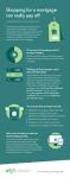 A mortgage is a loan that is used to finance the purchase of your home. It consists of 5 parts: collateral, principal, interest, taxes, and insurance. When you agree to a mortgage, you enter into a legal
HOME BUYING MADE EASY. Know what you need to get it right.
 HOME BUYING MADE EASY Know what you need to get it right. HOME BUYING MADE EASY PNC, PNC AgentView and Home Insight are registered service marks of The PNC Financial Services Group, Inc. ( PNC ). PNC has
HOME BUYING MADE EASY. Live the dream of owning your own home.
 HOME BUYING MADE EASY Live the dream of owning your own home. HOME buying Made Easy PNC, PNC AgentView and Home Insight are registered service marks of The PNC Financial Services Group, Inc. ( PNC ). PNC
HOMEOWNERSHIP: Understanding What You Can Afford, Mortgages, and Closing Costs. Illinois Association of REALTORS. Springfield, IL 62701
 Illinois Association of REALTORS 522 S. Fifth Street Springfield, IL 62701 www.illinoisrealtor.org www.yourillinoishome.com HOMEOWNERSHIP: Understanding What You Can Afford, Mortgages, and Closing Costs
Standard 10: The student will explain and compare the responsibilities of renting versus buying a home.
 TEACHER GUIDE 10.3 RENTING VERSUS BUYING PAGE 1 Standard 10: The student will explain and compare the responsibilities of renting versus buying a home. Buying a House Priority Academic Student Skills Personal
HOME FINANCING GUIDE
 HOME FINANCING GUIDE SECTION 1: Mortgage Loans Available Fixed Rate Mortgages A fixed rate mortgage is a home loan with a rate that remains the same over the entire term of the loan, regardless of how
Homebuyer s Handbook
 Homebuyer s Handbook Understanding the home buying process Buying a home is one of life s most exciting events and is still one of the smartest investments you can make. But the process of finding, buying
Appreciation is one way that the the difference between the market value of property and the amount owed on it increases.
 Chapter 22 Buying a Home 22.1 Why Buy a Home? Vocab Market value appraised value assessed value Equity conventional loan FHA loan Trust deed escrow account discount points Loan origination fee closing
Financial Planning for a Home of Your Own
 Financial Planning for a Home of Your Own FAMILY PLANNING EDUCATION INVESTMENT RETIREMENT SAVING EQUITY FAMILY PLANNING EDUCATION INVESTMENT RETIREMENT SAVING EQUITY FAMILY PLANNING EDUCATION INVESTMENT
Unlocking the Door to Homeownership
 Unlocking the Door to Homeownership A DIVISION OF CONSUMER CREDIT COUNSELING SERVICE OF SAN FRANCISCO A first home is the single most exciting purchase many people make in their lifetime. It is also, in
Real estate terms and definitions
 Real estate terms and definitions Annual Percentage Rate (APR): The total yearly cost of a mortgage as expressed by the actual rate of interest paid. The APR includes the base interest rate, points and
THANK YOU FOR CHOOSING CAPITAL ONE BANK
 KNOW ALL THE STEPS THANK YOU FOR CHOOSING CAPITAL ONE BANK WE RE HAPPY THAT YOU VE COME TO US FOR YOUR HOME LOAN NEEDS, AND WE LOOK FORWARD TO MAKING THE APPLICATION PROCESS AS CLEAR AS POSSIBLE. THIS
First Time Home Buyer Glossary
 First Time Home Buyer Glossary For first time home buyers, knowing and understanding the following terms are very important when purchasing your first home. By understanding these terms, you will make
Step 1 Getting Pre-Qualified
 Step 1 Getting Pre-Qualified Now that you ve made the decision to purchase a home, the next step is to get pre-qualified from a lending institution, like Michigan Mortgage Solutions, to determine how much
How To Buy A Home At Wright-Patt Credit Union
 How To Live The American Dream Your guide to buying a home. Wright-Patt Believes: Helping member-owners achieve the American Dream of homeownership is one of our most important roles Homeownership is the
The. Path. Refinancing. www.totalmortgage.com October. totalmortgage.com 877-868-2503
 The Path Refinancing totalmortgage.com 877-868-2503 www.totalmortgage.com October 1 2012 The Path Refinancing Over time, many things change and need adjustment, and the reality is your home financing is
Getting Prepared to Purchase Your Home
 Thank you for taking the time to download our Homebuyer s Kit. TJC Mortgage knows that you have options when choosing a mortgage company to assist with your home purchase and we want you to know that we
Your Mortgage Guide: The Process, Meet Your
 Your Mortgage Guide: The Process, Meet Your Team, Definitions, and Frequently Asked Questions Getting Started The first step begins by completing your mortgage application. You may hear this referred to
Welcome First-Time Buyers
 Welcome First-Time Buyers A Guide to Financing Your First Home Equal Housing Lender. Prospect Mortgage is located at 15301 Ventura Blvd., Suite D300, Sherman Oaks, CA 91403. Prospect Mortgage, LLC is a
Using Credit to Your Advantage
 Hands on Banking Using Credit to Your Advantage Credit Reports, Credit Scores and Dealing with Debt The Hands on Banking program is a free public service provided by Wells Fargo. You may also access the
The Knowledge Resource. First-Time Home Buyers FOR. Your Agent Is the Best Guide Save Time, Money, and Frustration
 K N O W L E D G E I S P O W E R The Knowledge Resource FOR First-Time Home Buyers Your Agent Is the Best Guide Save Time, Money, and Frustration The Keys to Homeownership Unlock the American Dream Is Buying
Tips for First Time Home Buyers
 Tips for First Time Home Buyers Thinking about buying your first home? Andrew L. Jaloza & Associates will help you understand the process of home ownership so you can make informed decisions about your
Is now a good time to refinance?
 Is now a good time to refinance? Our Business Is The American Dream At Fannie Mae, we are in the American Dream business. Our Mission is to tear down barriers, lower costs, and increase the opportunities
How Do I Qualify for a Loan?
 The three primary things a lender considers when approving a loan are: Credit - do you have a history of paying your bills? Income - do you earn enough to afford the mortgage payments? Assets - do you
RESIDENTIAL MORTGAGE PRODUCT INFORMATION DISCLOSURE
 RESIDENTIAL MORTGAGE PRODUCT INFORMATION DISCLOSURE Whether you are buying a house or refinancing an existing mortgage, this information can help you decide what type of mortgage is right for you. You
800.550.9435 www.pwsb.com
 800.550.9435 www.pwsb.com Thinking of buying your first home? Bet you re pretty nervous, huh? Maybe even cold sweats nervous. How in the world are you going to afford it? Where do you start? All these
FHA Home Loans 101 An Easy Reference Guide
 FHA Home Loans 101 An Easy Reference Guide Updated for loans on or after January 26, 2015 Congratulations on Starting Your Journey to Home Ownership This guide offers a quick look at vital information
BankFirst Mortgage Services
 BankFirst Mortgage Services Thank you for taking the time to educate yourself on your new mortgage loan. We understand that it is a difficult process for new home buyers. We ll be happy to answer any question
Planning for Homeownership. A Step- by- S tep Guide fo r Homeb u yer s
 Planning for Homeownership A Step- by- S tep Guide fo r Homeb u yer s 2 A STEP-BY-STEP GUIDE FOR HOMEBUYERS Planning for Homeownership Your Guide Preparing for your home purchase 03 Am I really ready to
WELCOME COURSE OUTLINE
 WELCOME COURSE OUTLINE Dear Home Buyer: Thank you for giving us the opportunity to help guide you through your home lending process. It is typically the largest financial transaction you will make and
Using Credit to Your Advantage.
 Using Credit to Your Advantage. Topic Overview. The Using Credit To Your Advantage topic will provide participants with all the basic information they need to understand credit what it is and how to make
Dr. Debra Sherrill Central Piedmont Community College
 Dr. Debra Sherrill Central Piedmont Community College 1 2 Describe the benefits and pitfalls of renting versus owning a home. List the steps required to obtain a mortgage loan. Identify mortgage options
Home Buyers. from application to closing. Derek Haley, Senior Loan Officer SunTrust Mortgage, Inc. 919.426.5023 Derek.Haley@SunTrust.
 Information for First-time Home Buyers An overview of the mortgage process, from application to closing. Derek Haley, Senior Loan Officer SunTrust Mortgage, Inc. 919.426.5023 [email protected] NMLSR#
Home HOW TO BUY A WITH A LOW DOWN PAYMENT 3 % A consumer s guide to owning a home with less than three percent down. or less
 A consumer s guide to owning a home with less than three percent down. 3 % WITH A LOW DOWN PAYMENT or less HOW TO BUY A Home If you re dreaming of buying a home, congratulations. You re in good company!
Your home financing process checklist
 Darrin R Van Loo Home Mortgage Consultant Phone: 231-439-1119 Cell: 231-675-5833 Fax: 866-443-0471 3890 Charlevoix Ave, Suite 360 Petoskey, MI 49770 www.wfhm.com/wfhm/darrin-vanloo/index.page [email protected]
OFFER HOMEBUYERS ROAD MAP
 OFFER HOMEBUYERS ROAD MAP Navigating with a REALTOR Your REALTOR can help you: REALTORS are experienced in everything you need to know and do when buying a home. Navigate the home buying process and paperwork
Appraiser: a qualified individual who uses his or her experience and knowledge to prepare the appraisal estimate.
 Mortgage Glossary 203(b): FHA program which provides mortgage insurance to protect lenders from default; used to finance the purchase of new or existing one- to four family housing; characterized by low
Home Finance. Slide 1
 Slide 1 Home Finance The information provided in this e-course is intended for educational purposes only and does not constitute specific advice for you as an individual. When evaluating your particular
Your Home Buying Checklist. Presented by:
 Your Home Buying Checklist Presented by: Are you ready to buy a house? Before you start getting click-happy with pictures and scheduling house showings, get prepared for the home buying process. Too many
Adjustment Date - The date on which the interest rate changes for an adjustable-rate mortgage (ARM).
 Glossary A Adjustable Rate Mortgage - An adjustable rate mortgage, commonly referred to as an ARM, is a loan type that allows the lender to adjust the interest rate during the term of the loan. Generally,
How to Avoid The Five Biggest First-time Homebuyer Mistakes. Mistake #1
 How to Avoid The Five Biggest First-time Homebuyer Mistakes Mistake #1 Failure To Examine And Repair Any Credit Problems Prior To Applying For Your Loan Many potential new home buyers have no idea what
HOMEBUYER S GUIDE. Know what it takes to buy your first home
 HOMEBUYER S GUIDE Know what it takes to buy your first home homebuyer s guide If you re thinking about buying a home, we say congratulations. Most likely, it s the biggest purchase decision you ve made
Planning for Homeownership. A Step-by-Step Guide For Homebuyers
 Planning for Homeownership A Step-by-Step Guide For Homebuyers 2 A STEP-BY-STEP GUIDE FOR HOMEBUYERS Planning for Homeownership We re here to guide you through the mortgage financing process. Owning a
New Home Buyer's Guide
 New Home Buyer's Guide Contents Steps for buying a new, natural gas home p. 3 Mortgage payment calculator p. 4 Mortgage qualification guide p. 5 Mortgage application checklist p. 6 Real estate glossary
Be in the know, before you go.
 Be in the know, before you go. Buying a home is a big decision, are you ready? A home is the biggest financial investment most of us make. The more you know about how to buy one, the more you ll save.
Questions & Answers About Buying A New Home
 Kim O Leary Prudential RealtyCenter.com 7522 E Brainerd Road Chattanooga, TN 37419 Questions & Answers About Buying A New Home Dear Future Homeowner: A home is a financial asset and more: it's a place
Home Buying Seminar. A presentation by The Summit Federal Credit Union
 Summit Branches are located in Rochester (7), Seneca Falls (1), Buffalo (3), Syracuse (5) and Cortland (2) Home Buying Seminar A presentation by The Summit Federal Credit Union What We Will Cover Today
Settlement. Coming to Grips With. What to Know before Your Closing. The Event. What Is Closing?
 Coming to Grips With Settlement What to Know before Your Closing The closing, or settlement, is the last step in getting your mortgage and actually becoming the owner of your new home. You ll probably
2013 BUYERS GUIDE. KW Market Navigator
 KW Market Navigator 2013 BUYERS GUIDE Am I ready to buy? How much can I afford? Where do I find homes? Why buy now? How s the market? Is there a right time to buy? What is this home worth in today s market?
Loan Closing. One right and honest definition of business is mutual helpfulness -William Feather
 chapter 9 Loan Closing You ve waited and worked so hard and the big day is here at last. You ll sign lots of papers, hand over lots of money, and finally get the keys to your new home. Closing will complete
Outstanding mortgage balance
 Using Home Equity There are numerous benefits to owning your own home. Not only does it provide a place to live, where you can decorate as you want, but it also provides a source of wealth. Over time,
Bokern Realty serving St. Louis since 1901. Home Buying Educational Seminar The WU Employer Assisted Housing Program
 Home Buying Educational Seminar The WU Employer Assisted Housing Program Agenda WU Employer Assisted Housing Program Program highlights Neighborhoods Home Financing Benefits of homeownership Preparation
TEXAS DEPARTMENT OF HOUSING AND COMMUNITY AFFAIRS
 In this packet... Introduction... 2 TDHCA s Homebuyer Assistance Options... 2 My First Texas Home (MFTH)... 2 Texas Mortgage Credit Certificate (MCC)... 2 Features of TDHCA s Homebuyer Assistance Programs...
Before we begin the process of finding your new home, let s go through some very important points you should know to make this experience more
 Before we begin the process of finding your new home, let s go through some very important points you should know to make this experience more enjoyable. DON T WORRY...you will find the right home!..you
Your Reverse Mortgage Guide. Reaping The Rewards Of A Lifetime Investment In Homeownership
 Your Reverse Mortgage Guide Reaping The Rewards Of A Lifetime Investment In Homeownership Contents Make The Most Of Retirement!...3 Program Overview...3 4 What Is A Reverse Mortgage? Why Get A Reverse
FINANCIAL PLANNING FOR A HOME OF YOUR OWN
 FINANCIAL PLANNING FOR A HOME OF YOUR OWN Buying a Home Reaching a Dr eam Owning a home is a cherished part of the American dream. Buying that home also may be the largest financial investment you will
Actions to Take Before Buying a Home Today
 Actions to Take Before Buying a Home Today As the housing downturn has shown, homeownership is about more than buying a home you have to make sure you can keep the home over the long term. If you re thinking