
REGULATIONS AND SYLLABUSES (BA 4-YEAR CURRICULUM IN THE ACADEMIC YEAR )
|
|
|
- Ashlynn Newman
- 10 years ago
- Views:
Transcription
1 REGULATIONS AND SYLLABUSES (BA 4-YEAR CURRICULUM IN THE ACADEMIC YEAR ) Contents Page Regulations 1 Syllabuses for the Degree of Bachelor of Arts 6 Chinese Language Enhancement Course 6 English Language Enhancement Course 7 Majors and minors offered by the Faculty of Arts 9 School of Chinese 10 School of English 34 School of Humanities Comparative Literature 85 Fine Arts 102 History 116 Linguistics 143 Music 151 Philosophy 163 School of Modern Languages and Cultures African Studies 180 American Studies 183 China Studies 196 European Studies 207 Global Creative Industries 217 Hong Kong Studies 224 Japanese Studies 231 Korean Studies 258 Languages 269 Centre of Buddhist Studies 317

2 1 REGULATIONS FOR THE DEGREE OF BACHELOR OF ARTS (BA) These regulations apply to students admitted to the BA 4-year 2012 curriculum in the academic year and thereafter. (See also General Regulations and Regulations for First Degree Curricula) Definitions A 1 1 For the purpose of these regulations and the syllabuses for the BA degree, unless the context otherwise requires: An academic year comprises two semesters, the first semester to commence normally in September and end in December, and the second semester to commence normally in January and end in June, on dates as prescribed by the Senate. It includes, normally at the end of each semester, a period during which candidates are assessed. A summer semester may be organized in addition to the normal two semesters. Programme means a major or a minor. Major means the study requirements, including a capstone experience, for a single major area of disciplinary, interdisciplinary or multidisciplinary study, accumulating not fewer than 72 credits nor more than 96 credits and including not more than 36 credits of prerequisite and other courses at introductory level, as prescribed in the syllabuses for a degree curriculum. Minor means the study requirements for a single minor area of disciplinary, interdisciplinary or multidisciplinary study, accumulating not fewer than 36 credits nor more than 48 credits and including not more than 18 credits of prerequisite and other courses at introductory level, as prescribed in the syllabuses for a degree curriculum. School refers to a teaching department in the Faculty of Arts, i.e. the School of Chinese, the School of English, the School of Humanities, the School of Modern Languages and Cultures, and units offering courses or programmes outside the Faculty. Centre refers to a sub-division of studies and learning in the Faculty of Arts, i.e. the Centre for Applied English Studies. Admission to the BA degree A 2 To be eligible for admission to the BA degree, candidates shall: (a) (b) (c) comply with the General Regulations; comply with the Regulations for First Degree Curricula; and satisfy all the requirements of the curriculum in accordance with these regulations and the syllabuses. 1 This regulation should be read in conjunction with UG 1 of the Regulations for First Degree Curricula.

3 2 Period of study A 3 The curriculum for the BA degree shall normally require eight semesters of full-time study, extending over not fewer than four academic years, and shall include any assessment to be held during and/or at the end of each semester. Candidates shall not be permitted to extend their studies beyond the maximum period of registration of six academic years, unless otherwise permitted or required by the Board of the Faculty. Selection of courses A 4 Candidates shall select their courses in accordance with these regulations and the guidelines specified in the syllabuses before the beginning of each semester. Changes to the selection of courses may be made only during the add/drop period of the semester in which the course begins, and such changes shall not be reflected in the transcript of the candidate. Requests for changes after the designated add/drop period of the semester shall not normally be considered. A 5 Candidates in any semester shall select courses only after obtaining approval from the Heads of the Schools/ Departments/ the Director of the Centre concerned, and the selection shall be subject to compliance with these regulations. Curriculum requirements A 6 To complete the curriculum, candidates shall (a) (b) satisfy the requirements prescribed in UG5 of the Regulations of First Degree Curricula, and take not fewer than 240 credits, in the manner specified in these regulations and the syllabuses. A 7 Subject to the approval of the Board of the Faculty, advanced standing may be granted to candidates in recognition of studies completed successfully before admission to the curriculum in accordance with UG 2 of the Regulations for First Degree Curricula but advanced credits will not be included in the calculation of the GPA or the classification of honours. A 8 (a) Candidates shall normally be required to take not fewer than 24 credits nor more than 30 credits in any one semester (except the summer semester) unless otherwise permitted or required by the Board of the Faculty, or except in the last semester of study when the number of outstanding credits required to complete the curriculum requirements may be fewer than 24 credits. (b) Candidates may, of their own volition, take additional credits not exceeding 6 credits in each semester, and/or further credits during the summer semester, accumulating up to a maximum of 72 credits in one academic year. With the special permission of the Board of the Faculty, candidates may exceed the annual study load of 72 credits in a given academic year provided that the total number of credits taken does not exceed the maximum curriculum study load of 288 credits for the normative period of study specified in A3, save as provided in A8(c). (c) Where candidates are required to make up for failed credits, the Board of the Faculty may give permission for candidates to exceed the annual study load of 72 credits provided that the total number of credits taken does not exceed the maximum curriculum study load of 432 credits for the maximum period of registration specified in the curriculum regulations. A 9 To satisfy the curriculum requirements, candidates shall successfully complete: (a) the requirements prescribed in UG5 of the Regulations of First Degree Curricula, including:

4 3 i. 12 credits in English language enhancement, including 6 credits in Core University English 2 in the first year and 6 credits in an English in the Discipline 3 course normally in the second year; ii. iii. 6 credits in Chinese language enhancement 4 in the third year; and 36 credits of courses in the Common Core Curriculum within the first three years, selecting not more than one course from the same Area of Inquiry (AoI) within one academic year and at least one and not more than two courses from each AoI during the whole period of study; (b) (c) at least one Arts major programme consisting of: i. 18 credits in introductory courses from any Arts programme(s), including the pre-requisite(s) of the major; ii. additional credits in the major programme including a capstone experience at advanced level; as prescribed in the syllabus for that major; and the remaining credits to make up not fewer than 240 credits, which may be chosen from any programme(s) in compliance with the relevant syllabus(es). Assessment A 10 Candidates shall be assessed for each of the courses for which they have registered, and assessment may be conducted in any combination of coursework, written examinations and/or any other assessable activities. Only passed courses will earn credits. Grades shall be awarded in accordance with UG8(a) of the Regulations for First Degree Curricula. A 11 Candidates who fail a course may retake the course or take another course to make up the failed credits. Courses in which a candidate is given an F grade shall be recorded on the transcript, together with the new grade obtained if the candidate chooses to repeat the failed course. All fail grades shall be included in the calculation of the GPA and shall be taken into account for the purposes of determining eligibility for award of the BA degree, honours classification and whether a candidate be recommended for discontinuation of his/her studies. 2 Candidates who have achieved Level 5** in English Language in the Hong Kong Diploma of Secondary Education Examination, or equivalent, may be exempted from this requirement and should take an elective course in lieu, see Regulation UG6. 3 (a) To satisfy the English in the Discipline (ED) requirement, candidates who have passed the ED course for a Major but subsequently change that Major are required to pass the ED course for the new Major, or either of the double Majors finally declared upon graduation irrespective of whether the second Major is offered within or outside of the candidates home Faculty. (b) Candidates declaring double Majors can, if they fail in the ED course for one of the Majors, either (i) retake and successfully complete that failed ED course, or (ii) successfully complete the ED course for the other Major, irrespective of whether the Major is offered within or outside of the candidates home Faculty. (c) Candidates who undertake studies in double Majors are not required to take a second ED course but may be advised by the School(s) to do so. 4 Candidates who have not studied the Chinese language during their secondary education or who have not attained the requisite level of competence in the Chinese language to take CART9001 may apply for exemption and take a credit-bearing Cantonese or Putonghua language course offered by the School of Chinese (especially for international and exchange students), or take an elective course in lieu, see Regulation UG6.

5 4 A 12 Candidates shall not be permitted to repeat a course for which they have received a D grade or above for the purpose of upgrading. A 13 Candidates shall be recommended for discontinuation of their studies if they have: (a) failed to complete successfully 36 or more credits in two consecutive semesters (not including the summer semester), except where they are not required to take such a number of credits in the two given semesters, or; (b) failed to achieve an average Semester GPA of 1.0 or higher for two consecutive semesters (not including the summer semester), or; (c) exceeded the maximum period of registration as specified in A3. A 14 Candidates who are unable, because of illness, to be present at the written examination of any course may apply for permission to present themselves at a supplementary examination of the same course to be held before the beginning of the First Semester of the following academic year. Any such application shall be made on the form prescribed within two weeks of the first day of the candidate s absence from any examination. Any supplementary examination shall be part of that academic year s examinations, and the provisions made in the regulations for failure at the first attempt shall apply accordingly. A 15 There shall be no appeal against the results of examinations and all other forms of assessment. Credit transfer A 16 Subject to the approval of the Board of the Faculty, credits may be transferred in recognition of studies completed at other institutions at any time during their candidature. Transferred credits may be recorded in the transcript of the candidate, but shall not be included in the calculation of the GPA or the classification of honours. Degree classification A 17 To be eligible for the award of the BA degree, candidates shall have: (a) (b) (c) satisfied the requirements in the UG5 of the Regulations for First Degree Curricula; passed not fewer than 240 credits; and achieved a Cumulative GPA of 1.00 or above. A 18 (a) The BA degree shall be awarded in five divisions: First Class Honours, Second Class Honours Division One, Second Class Honours Division Two, Third Class Honours, and Pass. (b) The classification of honours shall be determined by the Board of Examiners for the BA degree in accordance with the following Cumulative GPA (CGPA) scores, with all courses taken (including failed courses) carrying equal weighting: Class of honours CGPA range First Class Honours Second Class Honours ( ) Division One Division Two Third Class Honours Pass

6 5 (c) (d) Honours classification may not be determined solely on the basis of a candidate s CGPA and the Board of the Examiners for the BA degree may, at its absolute discretion and with justification, award a higher class of honours to a candidate deemed to have demonstrated meritorious academic achievement but whose CGPA falls below the range stipulated in A18(b) of the higher classification by not more than 0.1 Grade Point. A list of candidates who have successfully completed all the degree requirements shall be posted on Faculty noticeboards.

7 6 SYLLABUSES FOR THE DEGREE OF BACHELOR OF ARTS (N.B. 1. These syllabuses should be read in conjunction with the BA degree regulations. 2. On application to the various departments, undergraduates may obtain further details of courses and lists of books recommended for further study.) CHINESE LANGUAGE ENHANCEMENT CART9001. Practical Chinese for Arts Students (6 credits) This course is designed to enhance the students competence in the use of Chinese in the workplace. It helps students to master the techniques of writing different types of practical writings such as s, business letters, brochures, leaflets, reports and proposals. There are drilling practices to familiarize the students with simplified Chinese characters frequently used in the workplace context. This course will be offered in the second semester of the third year. Assessment: 40% coursework; 10% tutorial performance, 50% written examination. Note: Candidates who have not studied the Chinese language during their secondary education or who have not attained the requisite level of competence in the Chinese language to take CART9001 may apply for exemption and take a credit-bearing Cantonese or Putonghua language course offered by the School of Chinese (especially for international and exchange students), or take an elective course in lieu. CUND9002. Practical Chinese and Hong Kong Society (6 credits) This course is specifically designed for the students from the Mainland. With Putonghua as the medium of instruction, it aims to underscore the characteristic styles and formats of practical Chinese writings in the workplace context in Hong Kong. Topics addressing the rhetorical strategies for reader-oriented professional writings are included to strengthen the students' command of the language. In the Chinese Characters component, drilling practices provide ample opportunity for the students to learn to convert simplified characters into their traditional forms. The evolution of Cantonese and the lexical and phonetic systems of this dialect will be explored. The local history and culture of Hong Kong will also be considered. On-site visits are organized to deepen the students' understanding of local traditions and, more importantly, to enhance their ability to appreciate and accept cultural and regional differences. Assessment: 50% coursework, 50% examination. CUND9003. Cantonese for non-cantonese Speaking Students (6 credits) Through a comparative analysis of Putonghua and Cantonese, this course enables students to learn the characteristics of Hong Kong Chinese, to discover the differences in vocabulary and expression between the Cantonese dialect and Mandarin, to strengthen their communication skills in everyday life, and to have a proper understanding of the culture, traditions and people in Hong Kong. Assessment: 60% coursework, 40% examination.

8 7 ENGLISH LANGUAGE ENHANCEMENT CAES1000. Core University English (6 credits) The Core University English (CUE) course aims to enhance first-year students academic English language proficiency in the university context. CUE focuses on developing students academic English language skills for the Common Core Curriculum. These include the language skills needed to understand and produce spoken and written academic texts, express academic ideas and concepts clearly and in a well-structured manner and search for and use academic sources of information in their writing and speaking. Students will also complete four online-learning modules through the Moodle platform on academic grammar, academic vocabulary, citation and referencing skills and understanding and avoiding plagiarism. This course will help students to participate more effectively in their first-year university studies in English, thereby enriching their first-year experience. Assessment: 65% coursework, 35% examination CAES9220. Academic English for Students of Chinese Language, Literature, History, and Culture (6 credits) Academic English for Students of Chinese Language, Literature, History and Culture is a onesemester course for second year students in the Faculty of Arts who have declared, or who intend to declare a major in Chinese Language and Literature, Chinese History and Culture, or Chinese Studies. The primary aims of the course are for students to read and make use of scholarly English and Chinese-language sources to produce critical, readable essays on topics within their discipline for an English-reading audience, and for students to speak about such topics fluently and accurately in English. CAES9221. Academic English for Students of Modern Languages and Cultures (SMLC) (6 credits) Academic English for SMLC students is a one-semester course for second-year students in the Faculty of Arts who have declared, or intend to declare a major related to American Studies, China Studies, European Studies (or French, German, or Spanish), Global Creative Industries, Hong Kong Studies, Japanese Studies, or Korean Studies. It has two major aims: first, to enable students to read and write about a subject matter using multiple disciplinary perspectives; and second, to read and write about a single geographical region, that is, the U.S, Europe, Japan, China, Korea, or Hong Kong. CAES9222. Academic English for Students of Comparative Literature, English Studies, Philosophy, Fine Arts, & Translation (CEPAT) (6 credits) Academic English for CEPAT students is a one-semester course for second-year students in the Faculty of Arts who have declared, or intend to declare a major related to Comparative Literature, English Studies, Philosophy, Fine Arts, and/or Translation. It has two major aims: first, to enable students to read and write about a subject matter using multiple disciplinary perspectives; and second, to read and write about a single discipline, that is, Comparative Literature, English Studies, Philosophy, Fine Arts, or Translation. To achieve these aims, the course is divided into two parts: in the first part, students will explore and examine a topic from different disciplinary angles; in the second part, students having the same disciplinary interest will read texts and learn to write academic papers related to that discipline.

9 8 CAES9223. Academic English for History Students (6 credits) Academic English for History Students is a one-semester course for second year students in the Faculty of Arts who have declared, or intend to declare History as their major. Its primary aim is to enable students to read and make use of primary and secondary sources in order to produce wellstructured and stylistically appropriate history essays. Its secondary aim is to provide opportunities for students to practice their discussion and presentation skills. CAES9224. Academic English for Students of General Linguistics, and Language and Communication (6 credits) This is a one-semester course for second year students in the Faculty of Arts who have declared, or intend to declare a major related to General Linguistics, or Language and Communication. Its primary aim is to enable students to read linguistics texts in order to produce well-structured and stylistically appropriate linguistics essays. Its secondary aim is to provide opportunities for students to practice their discussion and presentation skills. CAES9225. Academic English for Music Students (6 credits) Academic English for Music Students is a one-semester course for second year students in the Faculty of Arts who have declared, or intend to declare Music as their major. It focuses on the English registers and genres used in the field of music and the language that students will need as music majors. It aims to help them to communicate effectively about music in English through a variety of written and spoken formats.

10 9 MAJORS AND MINORS OFFERED BY THE FACULTY OF ARTS School/Department Major Minor School of Chinese Chinese History and Culture Chinese Language and Literature Chinese Studies Translation School of English English Studies Language and Communication School of Humanities African Studies Comparative Literature Fine Arts History General Linguistics Music Philosophy School of Modern Languages and Cultures American Studies Arabic China Studies (Arts Stream)* European Studies French German Global Creative Industries Greek Hong Kong Studies Italian Japanese Culture Japanese Language Japanese Studies Korean Studies Portuguese Spanish Swedish Thai * China Studies (Arts Stream) programme is a re-structured new programme derived from the Modern China Studies (MCSP) programme, effective from

11 10 SCHOOL OF CHINESE The School of Chinese offers courses in Chinese language, literature, history, and culture as well as translation which appeal to those with a particular interest in study of Chinese and the literary and cultural interaction with the modern world. Courses are normally taught in Chinese. Students following these courses will develop a great language and analytical ability combined with a breadth of knowledge of and cultural and literary approaches in Chinese studies. In addition, the School contributes to the teaching of the double degree programme of the BA&BEd (LangEd)-Chin and offers courses to foreign students (refer to Courses for Foreign Students). Four majors and minors are offered in which students are required to take a pre-requisite course in the specified programme below. In addition, they should also take a certain number of introductory courses in the first two years and advanced courses in subsequent years. Students can choose to major or minor in the following programmes: (i) Chinese Language and Literature (ii) Chinese History and Culture (iii) Chinese Studies (iv) Translation The course components for the major and the minor except for Translation are as follows (see separate entry under Translation for its course components): Major (72 credits) Pre-requisite course: (6 credits) Introductory courses: (18 credits) Advanced courses: (42 credits) Capstone experience course (6 credits): This is a graduation requirement applicable to majors which can be fulfilled by taking a course listed under Capstone experience courses. It is designed to allow students to advance their analytical thinking by permitting the application of disciplinary knowledge and principles learned in their earlier years of studies. Minor (36 credits) Pre-requisite course: (6 credits) Introductory courses: (12 credits) Advanced courses: (18 credits) No Capstone experience course is required Not all the courses listed below will be offered every year. Students should refer to the course handbook for a list of courses on offer each year. CHINESE LANGUAGE AND LITERATURE Prerequisite courses CHIN1101. A Survey of the Chinese language (6 credits) This course introduces students to the various aspects of the Chinese language, including etymology, phonology, lexicology, and grammar, with special reference to the cultural context and its developments in the twentieth century. Assessment: 40% coursework, 60% examination.

12 11 CHIN1105. History of Chinese literature: a general survey (6 credits) This course is a study of the general characteristics and the development of Chinese literature from the pre-qin period to the nineteenth century. This course attempts to investigate objectively the patterns of cause and effect that determine the changes of Chinese literature. Introductory courses CHIN1101. A Survey of the Chinese language (6 credits) This course introduces students to the various aspects of the Chinese language, including etymology, phonology, lexicology, and grammar, with special reference to the cultural context and its developments in the twentieth century. Assessment: 40% coursework, 60% examination. CHIN1102. Introduction to standard works in classical Chinese literature (6 credits) This is a fundamental study of standard works and selected writings from the classical Chinese literature. Representative works and writings in various literary forms such as poetry, prose, and fiction are introduced. The themes and contents of the selected works and writings as well as the writing characteristics and styles of the writers are further elaborated and discussed. CHIN1103. Introduction to standard works in modern Chinese literature (6 credits) The historical development of modern and contemporary Chinese literature is comprehensively introduced. The standard works and selected texts of represented writers such as Lu Xun, Wu Shi, Zhang Ailing, Bai Xianyong etc. will be studied and appreciated through different perspectives. Assessment: 40% coursework, 60% examination. CHIN1105. History of Chinese literature: a general survey (6 credits) This course is a study of the general characteristics and the development of Chinese literature from the pre-qin period to the nineteenth century. This course attempts to investigate objectively the patterns of cause and effect that determine the changes of Chinese literature. CHIN1106. Poetry and the couplet: composition and appreciation (6 credits) The purpose of this course is to explore classical Chinese poetry and poetic culture, from early times to the present, through the study of three different but interrelated genres: regulated verse (shi), lyric poetry (ci), and antithetical couplet (duilian). Besides reading and discussing the literary merits of some of the most renowned poems and poets, students will also be given training in the rhyming schemes of classical Chinese poetry, and will be encouraged to compose their own original works.

13 12 CHIN1107. Creative writing (6 credits) This course aims to foster interest in the great works of modern Chinese literature and to help students develop and sharpen their writing skills. It examines how writers and readers interact with literary works in general, and considers how meanings and effects are generated in modern poems, prose, and fiction in particular. CHIN1109. Introduction to Chinese women s literature (6 credits) This course explores the historical development of Chinese women s literature from the Qin-Han period to contemporary China. The impact of various political, social, intellectual factors as well as the western trends and thoughts on women s literature are also investigated. The course provides students with an opportunity to study and appreciate women s literature in its various forms and styles through the examination of texts written by the most representative and best known women writers. CHIN1114. Contrastive study of Cantonese and Modern Standard Chinese (6 credits) This course aims to help students gain a sound knowledge of the phonetic, lexical, and syntactic differences and correspondences between Cantonese and Modern Standard Chinese and thus improve their language abilities of spoken and written Chinese. CHIN2121. Prose up to the nineteenth century (6 credits) This course acquaints students with important writers and works of the Chinese classical prose from the pre-qin till the end of the Qing periods. It emphasizes two areas of learning: First, a general landscape of the development of prose writing including its major theories and trends; and, second, close reading of selected texts, with particular attention to the styles, structures, images, and uses of rhetorical devices. Assessment: 40% coursework, 60% examination. CHIN2123. Shi poetry up to the nineteenth century (6 credits) This course covers the body of classical shi poetry, its characteristic techniques, and major practitioners from Western Han to late Qing (nineteenth century). Diverse methods will be employed, such as historical, biographical, and hermeneutical criticism. Broad thematic concerns are also presented, including Gender and identity, Humanizing Nature, and Creativity versus Imitation. Assessment: 40% coursework, 60% examination. CHIN2125. Ci poetry up to the nineteenth century (6 credits) This course provides a general survey of the ci poetry from its beginning in the Tang period to the Qing period, with special emphasis on the Song period, which is considered the golden age in the history of this literary genre. Students taking this course are expected to gain a sound knowledge of the development of the ci poetry from the eighth century to the nineteenth century. Its various forms and styles are examined through specimens taken from the most representative as well as best known authors. Assessment: 40% coursework, 60% examination.

14 13 CHIN2127. Classical Chinese fiction (6 credits) Based on an overview of the development of Chinese classical fiction from the Wei-Jin period to the late Qing, participants in this course will explore the defining characteristics, forms, and genres of traditional Chinese fictional narrative. Key examples from Tang chuanqi (short tales), Song and Yuan huaben (short stories), and the classical and vernacular fiction of the Ming and Qing dynasties will be studied with the aim of deepening understanding and appreciation of these forms. Attention will also be given to problems of editions, bibliographical and reference resources, as well as recent Chinese and foreign language advances in scholarship. Assessment: 40% coursework, 60% examination. CHIN2152. Literature, modernity and nation in twentieth-century China (6 credits) This course offers a general introduction for students to the literary history of China from the late Qing and Republican periods, to the current state of Chinese literature. It will be conducted chronologically and organized according to certain themes. After looking at general issues, certain literary thoughts and the works of selected writers will then be examined. Breaking the traditional 1949 division, the students will be introduced to the literature produced in the second half of the twentieth century, and the important scholarship in the field of modern Chinese literature. Assessment: 40% coursework, 60% examination. Advanced courses CHIN2122. Prose: selected writers (6 credits) Aimed at developing students ability to interpret and appreciate traditional Chinese sanwen (free essays), this course will focus on the sanwen of Han Yu and Liu Zongyuan from the Tang dynasty, as well as Su Shi from the Song. In order to strengthen students appreciation of the role of this form in the development of Chinese culture and literature we will: 1) discuss and analyze the literary achievements of Han, Liu, and Su and the significance of the judgment that with Han Yu literary standards were reinstated after eight dynasties of decline both in terms of Tang-Song writing and the writing of later periods, 2) engage in a systematic reading of their representative sanwen works, 3) consider recent approaches to their place in Chinese literary history. Assessment: 40% coursework, 60% examination. CHIN2124. Shi poetry: selected writers (6 credits) This course provides a detailed study of the shi poetry of one or two of the following: Cao Zhi, Tao Qian, Xie Lingyun, Wang Wei, Li Bai, Du Fu, Han Yu, Li Shangyin, Su Shi, and Huang Tingjian. Students taking this course are expected to demonstrate a sound knowledge of the shi poetry covered and a general ability to describe and analyze poetic styles in the examination. Assessment: 40% coursework, 60% examination. CHIN2126. Ci poetry: selected writers (6 credits) This course provides a detailed study of the ci poetry of one or two of the following: Su Shi, Zhou Bangyan, Xin Qiji, and Jiang Kui - the Four Great Masters of the ci poetry of the Song period. The course will consider the individual achievements and influences of the poets; their contemporaries will also be discussed. Assessment: 40% coursework, 60% examination.

15 14 CHIN2130. Modern Chinese literature ( ): fiction (6 credits) This course is a study of modern Chinese fiction from 1917 to The historical development of modern Chinese fiction will be introduced and the impacts of western literary trends or thoughts on fiction writers will also be explored. In addition, representative short stories and novels of different schools will be appreciated and studied in depth. Assessment: 40% coursework, 60% examination. CHIN2132. Contemporary Chinese literature (since 1949): fiction (6 credits) This course is a study of contemporary Chinese fiction in Mainland China since The historical development of contemporary Chinese fiction will be introduced and the influential factors such as political ideology or economic policy that interfered with the creation of fiction will also be illustrated. In addition, representative fictional works which were published before or after the Cultural Revolution will be deeply discussed. Assessment: 40% coursework, 60% examination. CHIN2136. Classical Chinese literary criticism (6 credits) This course provides a general survey of classical Chinese literary criticism. Assessment: 40% coursework, 60% examination. CHIN2138. Chinese etymology (6 credits) This course introduces students to some of the essential features of the Chinese characters, the principles underlying their construction, and the evolution of many of these characters. Assessment: 40% coursework, 60% examination. CHIN2139. Chinese phonology (6 credits) This course provides a detailed study of Chinese phonology. Topics covered include introduction to general phonetics, history of Chinese phonology, nature of Qieyun ( 切 韻 ), rhyme books and rhyme tables, and the reconstruction of Middle Chinese. The focus of this course is on Middle Chinese, but phonology of Old Chinese and Old Mandarin will also be introduced. Students are expected to gain a sound knowledge of various methods used in historical phonology and understand the rules governing sound changes from Middle Chinese to Modern Mandarin and Cantonese. Assessment: 40% coursework, 60% examination. CHIN2145. Chinese theatre during the Yuan, Ming, and Qing periods (6 credits) This course introduces to students the most important times in the development of pre-modern Chinese theatre, namely, the Yuan, Ming, and Qing periods. It surveys the rich theatrical traditions flourishing during these times, including: the Yuan variety plays and Southern plays; the Ming and Qing chuanqi plays; and the Qing regional popular theatre. It also guides students in reading/viewing and interpreting the most well-known scenes from the plays -- as both texts and stage performances. Assessment: 50% coursework, 50% examination.

16 15 CHIN2146. The sickly beauties : gender and illness in late imperial China (6 credits) This course looks into a cultural ideal that continued to hold the Chinese imagination across the late imperial times, namely, the sickly beauty or the bing meiren 病 美 人. It introduces students to interdisciplinary approaches to understanding the construction of this ideal in the full contexts of its time - in particular, how the conceptualizations of gender and of illness converged in late imperial China. It aims, in this way, to help students become aware of important cultural mentalities and literary trends that shaped people s perceptions of gender and of their gendered selves during this time. A variety of literary and cultural texts from this period, including poetry, fiction, biji writings, theatrical performances, paintings, and medical treatises, will be employed to illustrate the discussion. A comparative perspective e.g. how discourses of gender and illness converged in Victorian England - will also enrich the discussion when necessary. Assessment: 50% coursework, 50% examination. CHIN2147. Reading of classical Chinese texts (6 credits) This course provides a close study of one or more of the following classical texts: Shijing 詩 經, Chuci 楚 辭, Zuozhuan 左 傳, Zhuangzi 莊 子, Zhaoming Wenxuan 昭 明 文 選 etc., engaging various techniques of scholarship and criticism. Assessment: 40% coursework, 60% examination. CHIN2148. Modern Chinese grammar and rhetoric (6 credits) This course offers a comprehensive analysis of modern Chinese, with emphasis on the study of grammar and rhetoric. Both the theories and principles of application are covered. It promotes students understanding and ability not only in analyzing the grammatical structures but also in applying the rhetorical expressions in the use of Chinese language. Assessment: 40% coursework, 60% examination. CHIN2149. Chinese language from social perspectives (6 credits) This course focuses on the study of the use of Chinese language from social perspectives, with particular reference to Mainland China and Hong Kong. The linguistic phenomena, characteristics, and development are examined. It enables students to understand the relationship between language and society, and the linguistic and social factors affecting the use of Chinese language as a communicative tool in society. CHIN2150. A comprehensive survey of Chinese linguistics (6 credits) This course aims to provide a comprehensive introduction to the linguistic study of Chinese language. This course focuses on an overview of the key topics like origin and acquisition of language, operation rules of language, language mechanism, distinctiveness of Chinese language, and writing of the Chinese language. Assessment: 40% coursework, 60% examination.

17 16 CHIN2151. Gender and sexuality in Ming and Qing fiction (6 credits) Sexuality and gender are inevitably bound up with the world of fictional narrative and they thus provide a valuable entry into the interpretation of traditional fiction and its relation to social history. Reading and analysis will focus on selections from six novels from the Ming and Qing and their comparison will form the basis for discussion of six themes related to gender and sexuality in late imperial Chinese society. Students will be required to address three of the themes in three essays each consisting of approximately 2000 Chinese characters and developing an original analysis. CHIN2153. Sinophone literature and film (6 credits) As a result of Chinese diaspora and increasing global cultural interactions, scholars have proposed various analytical frameworks to remap the current field of Chinese-language literature and film. The concept of "sinophone" is such an attempt which celebrates the diverse expressions of "chineseness" and underscores the local particularities in which each Chinese-language or film is produced. This course offers students an opportunity to study selected sinophone literary works (by writers residing primarily in Hong Kong, Taiwan, and the west) and films, and to explore and challenge existing notions of nationalism, cultural identity, and linguistic authenticity. CHIN2154. Taiwan literature from the Japanese colonial period to the 1990s (6 credits) The first half of the twentieth century was a time of unprecedented upheaval and change in Taiwan; after Japan's colonial rule, the Nationalist government took over, beginning the period of martial law ( ) as well as a series of re-sinification projects to enhance its political legitimacy. Following the Nationalist Party's localization and the lifting of martial law, the society underwent a rapid transformation and literary writing in Taiwan exhibited unprecedented vitality and diversity in the 1980s and 1990s. This course provides an introduction to the literature from Taiwan in the twentieth century. It covers both the Japanese colonial and the post-war periods, with a focus on short stories and novels. The dynamics between politics (particularly the colonial control, the Nationalist government's policies, and the recent indigenization discourse) and literature through reading a variety of selected texts will be explored. CHIN2155. Topical studies of Sinophone literature (6 credits) This course will introduce students to some of the most critical issues in the study of Sinophone literature Sinitic-language or Huayu literature from around the world. Organized around such topics as conceptions of Chineseness, race and ethnic relations, cultural translation, multilingualism, diaspora and transnationalism, and politics of identity, we will read select Sinophone literary works from Asia (Malaysia, Taiwan, Hong Kong, and Singapore), Europe (France and England), and the United States. The goal of this class if for students to gain understanding of Sinophone literature while learning about some of the most critical issues in literary studies. CHIN2156. Topical studies of literary theory (6 credits) This course will introduce students to major issues and debates in literary theory from China to the West. Topics to be covered include Marxism and literature, postcolonial theory, feminism, modernism versus realism, transnationalism, and world literature.

18 17 CHIN2157. Topical studies of ethnic minority literature from China (6 credits) By official count, Chinese population consists of fifty-six ethnic groups, but the study of Chinese literature is dominated by the study of literary texts written by Han writers. Many minority nationality writers, such as Tibetans, Uyghurs, Mongolians, the Miao, and the Manchu, have all written very important works of literature. This course will explore some of the major texts of ethnic minority literature from China and consider such issues as bilingualism, ethnicity, otherness, and empire. CHIN2158. Classical Chinese grammar (6 credits) This course offers a study on the grammar of classical Chinese. In addition to synchronic analysis, this course also attempts to examine grammatical changes from a diachronic perspective. With an extensive understanding of the theories of classical Chinese grammar, students are expected to attain higher level of competence in ancient text reading and gain a solid foundation for further studies in Chinese philology and linguistics. CHIN2159. Chinese documentation (6 credits) This course provides a comprehensive introduction to Chinese documentation, including formation and forms of Chinese documents, bibliography (mulu xue 目 錄 學 ), edition studies(banben xue 版 本 學 ) and textual criticism(jiaokan xue 校 勘 學 ). It examines the formation, nature, spread and evolution of ancient texts to illustrate the key issues in Chinese documentation. In order to enhance students research capability in Chinese studies, this course also emphasizes the relationship of Chinese documentation to other research areas such as philology, literature and ancient thought studies. CHIN2160. Traditional literary relationship between China, Japan and Korea (6 credits) The course focuses on the study of the literary tradition and its varied representations in China, Japan and Korea since ancient times. Literary tradition is a collection of works with an underlying interconnectedness and coherence and the term literature, when applied broadly, includes art and culture. It is important to know the differences and similarities of East Asian literatures and to enhance the understanding of a country s uniqueness on the basis of a common East Asian society. The course consists of a series of public lectures, for undergraduate and postgraduate students, offered by scholars from different disciplines providing them comprehensive and cross disciplinary approaches in the studies of the literary tradition in East Asia. CHIN3401. Dissertation (12 credits) The purpose of this course is to provide students with an opportunity to conduct advanced research in the studies of Chinese language and literature, Chinese history, or translation, perhaps in anticipation of graduate school. It is open only to majors in their final year of studies who are expected to have prior knowledge in the subject they wish to research in. There is no formal lecture but students who undertake this course are expected to meet regularly with their tutor as well as to attend conferences and seminars organized by the School of Chinese.

19 18 Capstone experience courses CHIN4101. Topical research in Chinese language and literature (6 credits) This is a capstone course intended to be offered to the Chinese language and literature majors in their fourth year of studies. It focuses on an integration and application of knowledge and skills that students have acquired in their earlier years of studies. There is no formal lecture or tutorial but students are required to undertake and complete a topical research in the field of Chinese language and literature under the supervision of their advisers. CHINESE HISTORY AND CULTURE Prerequisite course: any course with a prefix CHIN12XX. Introductory courses CHIN1201. Topical studies of Chinese history (6 credits) The course explores a set of interrelated topics on several major aspects in pre-modern Chinese history, including politics, society, thought, and religion. It provides students with comprehensive knowledge of the key institutions, events, and figures within a broader historical context. Through indepth analysis and discussion, fundamental methods in reading and criticism of different types of historical sources will also be introduced. In addition, the course goes beyond the limits of mainstream historiography and leads students to examine some important non-chinese factors that have contributed to the transformation of Chinese society over time. CHIN1202. Introduction to the study of Chinese history (6 credits) This is a foundation course in the development of Chinese history and historiography. CHIN1203. Chinese history and culture in the twentieth century (6 credits) The course gives a brief survey of the transformation and reformation of Chinese history and examines the major cultural changes since CHIN1205. Chinese history: a general survey (6 credits) This course introduces Chinese political, social, and economic history from early times to the present century. Its purpose is to enlighten students about the development of autarchy by the imperial dynasties ruling China and to explore the methods of rule and the development of the education system that were to produce despotism in China. CHIN1206. Introduction to Chinese thought (6 credits) This course provides a broad overview of traditional Chinese thought. The emphasis will be on the teachings of Confucianism, Daoism, and Buddhism, but other schools of thought such as Mohism and Legalism will also be taught. Students will be introduced to the foundations of Chinese thought and will critically analyze its essential features. The relevance of traditional Chinese thought to the modern world will also be discussed.

20 19 CHIN1207. Traditional Chinese culture (6 credits) This course introduces the general characteristics of traditional Chinese culture giving special emphasis to the theory that man, being an integral part of nature, is in harmony with nature. It also explores some important aspects of traditional Chinese culture including science and technology in ancient China, the leisure activities of Chinese intellectuals, and the influence of Buddhism and Christianity on Chinese culture. CHIN1211. Economic and social development in China (6 credits) Agriculture is important to the economic and social development of Imperial China and a decline in agricultural growth and its land policies may be regarded detrimental to the social and economic stability in China. However, a number of other factors are closely related to these changes. Among them are the increase of domestic and international trading activities on silk, tea, keramic, and porcelain starting from the 5th century onwards. Besides, the rise of light industries, which is largely underestimated by historians, also contributed to the growth of economy in Imperial China. The purpose of this course is to study the various forces leading to the social and economic changes in China and the effects of these changes. CHIN1212. History of imperial China (6 credits) This is an introductory course for students to have a fundamental knowledge in traditional Chinese history. The course will give a brief account of the rise and fall of Chinese dynasties and the political crises that are cataclysmic to the empires. It covers the period from ancient to late Imperial China. The main theme will focus on the characteristic portrayals of Chinese emperors as well as the political influences of eunuchs, empresses, and their family members, etc. CHIN1213. Folklore and modern Chinese culture (6 credits) This course explores a set of prominent aspects in Chinese folklore, including myths, folktales, folk songs, folk performances and arts, folk architectures, folk rituals, and festivals, which have in many ways affected modern Chinese culture and social life. It introduces major theories in folklore, literature, and cultural criticism to help students reflect on the essential features of Chinese folk culture and its persistence through the eventful social and political transformations of China during the 20 th century. As part of experiential learning, students will also participate in site visits (folk art museums, operas, siheyuan houses, and temple fairs, etc.) to gain direct experience of traditional and modern Chinese folk culture. This is a two-week intensive course offered in collaboration with the Department of Chinese Language and Literature at the Peking University. All lectures, seminars, and site visits are conducted in Beijing during the summer time. Priority will be given to students in Chinese and related majors or minors. CHIN2231. Religious Daoism and popular religions in China (6 credits) This course gives an overview of the historical development of religious Daoism and Chinese popular religions and examines the religious practice of Taoist worship and its cultural significance in China from the early medieval times to the present.

21 20 CHIN2241. History of Chinese civilization (6 credits) This course examines the development of the concept of Chinese culture in relation to the historical interactions between the Han ethnicity and its neighboring ethnic groups. Through the examination of such topics as food, game, clothing, philology, and literature, students will be asked to consider the influence of cultural exchange on China s changing political environment from dynasty to dynasty, as well as to address the question of whether such influences are unilateral (from China proper to its neighbors) or bilateral. Advanced courses CHIN2221. History of the Qin and Han periods (6 credits) This course explores important issues reflecting the most significant changes in different aspects (political, institutional, social, and intellectual, etc.) during the Qin and Han periods. Students are encouraged to think critically on prevailing views over these issues and are challenged to develop their own observations and judgments by consulting relevant primary sources. CHIN2222. History of the Wei, Jin and the Northern-and-Southern periods (6 credits) The Wei, Jin, and the Northern-and-Southern Dynasties are often considered a period of disorder and fragmentation. However, cultural pluralism is a prevailing characteristic of this period. This course aims to explore the social, political, intellectual, and institutional organizations of the time and to trace the fluctuating dynamics of these complex and often puzzling interrelationships. CHIN2223. History of the Sui and Tang periods (6 credits) This course aims at investigating the shifting political environment and changes in cultural ideologies during the Sui and the Tang Dynasty. CHIN2224. History of the Song and Yuan periods (6 credits) This course deals with the dynastic histories of China from the tenth century to the fourteenth century. CHIN2225. History of the Ming period (6 credits) This course explores important issues reflecting the most significant changes in different aspects (political, institutional, social, and intellectual, etc.) during the Ming period. Students are encouraged to think critically on prevailing views over these issues and are challenged to develop their own observations and judgments by consulting relevant sources in Ming history. CHIN2226. History of the Qing period (6 credits) This course deals with the dynastic history of China from the seventeenth century to the twentieth century. CHIN2233. History of the Chinese legal system (6 credits) This course examines the main features and development of the legal systems from ancient time to the present in China.
22 21 CHIN2234. History of Chinese political institutions (6 credits) This course examines the main features and the development of political institutions from ancient time to the present in China. CHIN2235. Sources and methodology (6 credits) This course intends to provide a thorough training in research methodology related to the study of Chinese history. The ideas of noted ancient and contemporary Chinese historians will be drawn on. Particular emphasis is placed on the use of reference works and information search through internet. CHIN2243. History of Chinese science and civilization (6 credits) This course aims to investigate the importance of Chinese scientific thought and culture from the pre- Qin period to the early twentieth century. CHIN2245. Examination systems in Chinese history (6 credits) This course examines the theories and means of selecting men of talent, as well as the development of the examination systems in China. CHIN2246. Historical writings: texts and styles (6 credits) This course aims to lead students to develop an in-depth understanding of some of the most fundamentally important texts in traditional Chinese historical writings. One or more of the following will be selected for close study in each semester: (i) Shiji. (ii) Hanshu. (iii) Hou Hanshu. (iv) Sanguozhi. CHIN2247. Local histories (fangzhi) and genealogical records (zupu) (6 credits) This course examines the general characteristics and the compilation problems of local histories (fangzhi) and genealogical records (zupu) in pre-twentieth century China. CHIN2251. Chinese philosophy I: Confucianism (6 credits) This course examines the major philosophical texts of the Confucian tradition, particularly those of the pre-qin period like the Analects, the Mengzi, and the Xunzi. The key questions and ideas of Confucianism will be discussed and analyzed so that students can appreciate not only the common concerns and shared ideas of Confucianism but also different responses to similar questions. Students will also be encouraged to reflect critically on the validity and significance of Confucian thought.
23 22 CHIN2252. Chinese philosophy II: Daoism (6 credits) This course studies the major philosophical texts of the Daoist tradition, with a focus on the Dao De Jing and the Zhuangzi. Through a detailed exploration of the original texts, students will be led to appreciate and evaluate the metaphysical, ethical, social, and political ideas of Laozi and Zhuangzi. Students will also be encouraged to reflect critically on the contemporary relevance of the Daoist thought. CHIN2253. Chinese philosophy III: Buddhism (6 credits) This course examines the main streams of Indian Buddhist thought and their development in China. Students will be introduced to the basic tenets of Buddhism, especially those of the original Buddhism. The major schools of Mahayana Buddhism and their influence on Chinese Buddhism will be examined. The three major schools of Chinese Buddhism, Tiantai, Huayan, and Chan, will be studied in more details to help students gain a firm understanding of Chinese Buddhist philosophy. CHIN2254. Christianity and Chinese culture (6 credits) The course presents a historical survey on the spread of Christianity in China from the seventh century to the present day. It analyzes the multi-faceted impacts of Christianity and Western culture on Chinese society. Special attention will be paid to the diversified evangelical strategies adopted by missionaries in China, as well as layers of reactions from native (or indigenized) religions. By looking at the complex role of Christianity in both global and Chinese contexts, the course offers students a refreshing angle to better understand the dynamics of Chinese religious and cultural life over time. CHIN2255. Chinese intellectual history (Part I) (6 credits) This course deals with the main intellectual trends in China from the Qin-Han to the Sui-Tang period. CHIN2256. Chinese intellectual history (Part II) (6 credits) This course deals with the main intellectual trends in China from the Song period to the Qing period. CHIN2259. History of Chinese historiography (6 credits) This course explores some important issues of historical writing and historiography in traditional China with reference to the development of historical writing, the organization of historiography institutes, and the influence of emperors on historiography.
24 23 CHIN2264. Chinese eroticism (6 credits) This course examines the rise of eroticism in traditional China. It aims to account for the rapid growth of eroticism in China. Through an analysis of classic texts and drawings, arts and culture in different periods, students can gain insights into the development of sexual inequality and the change of female status in traditional China. CHIN2268. History of China-West cultural exchanges (6 credits) This course explores China s encounters with the West from the seventh century to the early twentieth century. It presents a series of case studies on Sino-Western exchanges in the cultural domain. Major topics will be discussed through an interdisciplinary approach to bring together several fields in religion, philosophy, ethics, arts, and sciences. The course also offers a cross-cultural perspective that goes beyond the limitations of traditional Euro-centric and/or China-centered views. CHIN2269. History of the Ming-Qing transition (6 credits) This course will give an in-depth discussion on the historical arena relating to the development of traditional Chinese culture during the period of the Ming-Qing transition. It deals with the history of the Ming-Qing dynastic change in seventeenth-century China, focusing on the political, socioeconomic, and cultural changes as well as the impact these had on the mentality of the Ming-Qing literati and on Chinese thought more generally. CHIN2272. School education in Chinese history (6 credits) This course examines the main features and development of school education from ancient time to the present in China. Special emphasis will be on its role for nurturing men of talent in Chinese history. CHIN2273. Socio-economic history of China (6 credits) Agriculture played a more predominant role than mercantile activities in ancient China especially in times of war and famine. Merchants used to be important supporters for government in economic declines but they were at the lowest rank of the traditional caste system and neglected by intellectuals who largely occupied the upper and the ruling class. Through an investigation of the social and economic developments of imperial and modern China, this course helps to explore the dynamics of socio-economic factors in shaping the transformation of the country. CHIN2274. History of material culture (6 credits) This course is a study of human evolution and cultural history from ancient to modern China. It covers topics which vary from a general introduction of archaeology and social anthropology to an orientation of cultural geography that gives rise to a variety of cultural differences in the appreciation of food, clothing, and architecture. Through an intensive study of the basic necessities of traditional living and narration on folklore, it examines the interchange of material culture between various ethnic groups in China and between East and West.
25 24 CHIN2275. The culture of flower in China (6 credits) This course provides an overview of flower culture in China. The characteristics of flowers in various cultural aspects will be examined. CHIN2276. Religions on the Silk Road in ancient times (6 credits) This course examines the major features and developments of the prominent religions on the Silk Road from remote antiquity down to the Tang Dynasty, including nature worship, shamanism, Zoroastrianism, Buddhism, Nestorian Christianity and Manichaeism. The Silk Road connected most of the important civilizations of Eurasia and constituted essentially the intersection point of the religions from different areas. What attracts our attention in particular is that most of these religions were indigenized and changed into new forms in this region. Needless to say, the cultural legacy of the religions on the Silk Road is incredibly immense and can be seen in the luxurious and splendid Dunhuang treasures, which comprise a wide variety of grottos, statues, murals, manuscripts, and so on. This prompted the emergence of the flourishing Dunhuang research throughout the twentieth century. The study of the religions on the Silk Road not only concerns a deeper understanding of the doctrines of varied religions worthy of comparison, but also opens the door to us of the crowning spectacle of the cultural exchange especially among China, India, Central Asia and Western Asia in ancient times. CHIN2277. Islam and Chinese culture (6 credits) This course presents a historical survey on the dissemination of Islam in China from the Tang Dynasty down to the present day, and explores in detail the interaction of Islam and Chinese culture. An enhanced emphasis will rest on a group of the Chinese Muslim scholars (or huiru 回 儒 ) who rose to prominence during the Ming-Qing Dynasties. Chinese Muslim scholars resembled Christians or Jesuits in China in the sense that they also demonstrated a continuous effort to harmonize Islamic and Confucian cultures, writing a substantial number of works on Islam and translating Arabic Qur an into Chinese. But what makes a striking difference between the two is that Muslims in China did not actively promulgate their religion to the Han Chinese, and neither did they seek to attack Neo- Confucianism or Buddhism for the purpose of justifying the supremacy of their beliefs. The Rites Controversy in Catholicism, therefore, finds no parallel among the Muslims in China. To summarize, it is widely recognized that the Muslims have in fact exercised considerable influence in the overall context of Chinese history in terms of religious culture, economic activities and scientific accomplishments. CHIN3401. Dissertation (12 credits) The purpose of this course is to provide students with an opportunity to conduct advanced research in the studies of Chinese language and literature, Chinese history, or translation, perhaps in anticipation of graduate school. It is open only to majors in their final year of studies who are expected to have prior knowledge in the subject they wish to research in. There is no formal lecture but students who undertake this course are expected to meet regularly with their tutor as well as to attend conferences and seminars organized by the School of Chinese.
26 25 Capstone experience course CHIN3221. Thematic study in Chinese history and culture (6 credits) This is a capstone course intended for students majoring in Chinese history and culture programme. The purpose of the course is to provide students with an opportunity to conduct advanced research, typically investigating a major theme in Chinese history and culture. It is open only to students in their third or final year of studies, who are expected to have prior knowledge in the subject they wish to research in. There is no formal lecture but students who undertake this course are expected to meet regularly with their tutor. CHINESE STUDIES This is a combination of the above two programmes: Chinese language and literature as well as Chinese history and culture. In fulfilling the credit requirements for majors and minors, students should choose: i) at least an introductory or advanced course from each of these two programmes concerned; and ii) a prerequisite course, a capstone course in case of the major, and the remaining course components from either of these two programmes. TRANSLATION The following are the course components required for the major and the minor: Major (72 credits) Pre-requisite course: CHIN1311. Introduction to translation (6 credits) Introductory courses including all List 1 courses (30 credits) Advanced courses including all List 1 courses: (30 credits) Capstone experience course: CHIN2320 Long translation project (6 credits) Minor (36 credits) Pre-requisite course: CHIN1311. Introduction to translation (6 credits) Introductory courses in List 1 or 2: (12 credits) Advanced courses in List 1 or 2: (18 credits) No capstone experience course is required Prerequisite course Students intending to major in Translation must attain a grade C or above in the first-year prerequisite course CHIN1311. CHIN1311. Introduction to translation (6 credits) This is an introduction to the skills and theoretical issues of translation, with guided practice in translating material of daily usage. Coursework assessment will be based on written assignments. Assessment: 50% coursework, 50% examination.
27 26 Introductory courses (List 1) CHIN2336. Interpretation workshop I (6 credits) This course introduces students to the basic skills required for the three modes of interpreting (consecutive, simultaneous, and sight translation). It enables students to acquire and develop notetaking skills for consecutive interpreting and learn about interpreters professional ethics. This course also provides students with a brief history of interpreting and an overview of different interpretation settings. Training will focus on sight translation and consecutive interpreting between English and Chinese. This is a workshop-based course supplemented by lectures. CHIN2361. Translation workshop E-C (6 credits) This seminar course is designed to develop students competency in conveying ideas in both Chinese and English through the studies of translation. Students will not only be taught to analyze the linguistic, stylistic, and cultural features of the source text, but also challenged to present innovative solutions for a variety of translation problems. The acquisition of and familiarization with various idiomatic expressions in both Chinese and English will be emphasized, with particular attention in English-Chinese translation. CHIN2362. Translation workshop C-E (6 credits) This seminar course is designed to develop students competency in conveying ideas in both Chinese and English through the studies of translation. Students will not only be taught to analyze the linguistic, stylistic, and cultural features of the source text, but also challenged to present innovative solutions for a variety of translation problems. The acquisition of and familiarization with various idiomatic expressions in both Chinese and English will be emphasized, with particular attention in Chinese-English translation.. Introductory courses (List 2) CHIN2333. Culture and translation (6 credits) This course focuses on the cross-cultural dimension of translation. It examines the most complex cultural barriers faced by the translator such as differences in the expression of emotions (for instance - love, anger, fear), codes of behavior (for instance intimacy, privacy, politeness), values and world views, notions of gender, aesthetic taste, humour, and forms of symbolism and metaphor. These issues arising from translation practice will be discussed in light of current theories on culture and translation from multiple disciplines. CHIN2334. Power of speech in written translation (6 credits) This is a course designed to teach Translation students specific communication skills required for social interactions in a cosmopolitan city such as Hong Kong. Good communicative behaviour exhibited in bilingual texts is studied within the general framework of an Interpersonal Rhetoric model.
28 27 CHIN2352. Language contrast and translation I (6 credits) This course will examine and compare the basic linguistic structures of Chinese and English, including phonology, morphology and syntax, and will apply such knowledge to the practice of translation. CHIN2355. Translation criticism (6 credits) Selected literary translations will be analyzed in terms of specific problems arising from the process of translation. This course is more concerned with understanding how translated texts work rather than value judgements, and seeks to define the translator s method and purpose. Assessment: 50% coursework, 50% examination. Advanced course (List 1) CHIN2354. Theories of translation studies (6 credits) This course introduces major theories in translation studies. By studying the ongoing theoretical debate in the field of translation, students will acquire a theoretical and methodological knowledge indispensable for evaluating and practicing translation. Advanced courses (List 2) CHIN2331. Choice of words in translation (6 credits) This course takes a new semantic approach to the analysis of different types of word meaning in a text. It addresses some key issues of a functional grammar pertaining to translation studies in Hong Kong and it is specially planned for students who aspire to carve out for themselves a career in administration, publishing, advertising and journalism. CHIN2332. Translation in Hong Kong society (6 credits) Translators work demands specialised knowledge of the ways translation functions in specific social contexts. The principal concern of this course is the practical information about the various circumstances in which translation serves its purpose as a communicative activity, either in the Government or in the private sector. This course will be assessed on the basis of a written seminar paper presented orally and participation in discussion. CHIN2339. Translation for administration and business (6 credits) This course examines the role of translation in Hong Kong s public administration procedures and business activities and how it is used for local and international communication. Students will practise translating papers related to negotiation, administration and the law arising from such contexts, and explore suitable translation techniques in the process.
29 28 CHIN2340. Film translation workshop (6 credits) Film-making today is becoming increasingly international, rendering translation almost indispensable to the industry. Translating films for dubbing and subtitling requires special skills distinct from those outside the field. This course concentrates on such skills, emphasizing audio-visual awareness and cinematic elements such as drama, dialogue, vernacular, and pacing. Critical theories on media and on cultural production and consumption will be introduced. Students learn through group projects, the hands-on translation of feature films, and critiques of film translation. CHIN2341. Translating writings on art (6 credits) This course introduces students to the skills of translating within the field of Chinese and western art history, art appreciation and art criticism. Chinese and English writings on art will be studied, and textual analysis and translation strategies concentrating on semantic and communicative aspects will be discussed. Through the viewing of artworks and practice in sight translation and written translation, students will acquire bilingual vocabulary and linguistic expressions for describing a range of artworks and art genres in specific socio-historical, cultural and aesthetic contexts. CHIN2342. Interpretation workshop II (6 credits) This course prepares students for the pursuit of a career in interpreting. Students will be provided with intensive training in interpreting on a variety of topics and taught the improvisation skills in interpreting. This course also provides training in the essential skills and techniques for simultaneous interpreting, including shadowing, rephrasing, abstraction and the cultivation of split attention. This is a workshop-based course supplemented by lectures. Prerequisite: CHIN2336. Interpretation Workshop I CHIN2343. Legal interpreting (6 credits) This course provides an overview of the legal system of Hong Kong and familiarises students with trial procedures, characteristics of legal English, common terms pertaining to trial proceedings, as well as principles and protocols associated with interpreting in the judicial system. Students will practise sight-translating of legal texts and other court-related documents, and interpreting consecutively or simultaneously as appropriate courtroom speeches, including witness testimony, submissions by counsel, jury instructions and court judgments. This is a workshop-based course supplemented by lectures and a court visit to observe court interpreters at work. Prerequisite: CHIN2342. Interpretation Workshop II CHIN2344. Short stories: East and West (6 credits) This course aims to introduce students to the fundamentals of short story composition and the techniques that are involved in their translation. It also aims to encourage them to pay close attention to the unique narrative techniques involved in the composition of short stories in both Chinese and English, and to encourage them to explore ways of re-creating such expositions in their translations.
30 29 CHIN2345. Syntax-based translation (6 credits) This is an interdisciplinary, Linguistics-Translation crossover course offered to third year students majoring in Translation, Linguistics, and Law. As its course title suggests, it aims to help students acquire two types of skills: (i) to analyze highly complex sentence structures in English and Chinese; (ii) to translate legal documents from English into Chinese, and vice versa. CHIN2346. From page to stage: A workshop on drama adaptation and translation (6 credits) The adaptation of literary classics into staged productions can be an extremely rewarding pedagogic exercise. They not only demand from students an in-depth reading of the original text, but also writing and analytical skills, an understanding of the basics of drama performance, as well as familiarity with the principles of translation. Throughout this course, students will not only be trained in the above areas, but by collaborating with Eduarts Classic Theatre, they will be given the valuable opportunity to become involved in an actual production of a literary classic. CHIN2356. Language contrast and translation II (6 credits) This course includes a contrastive study of the Chinese and English languages, and examines their language styles for special purposes, the emphasis being on the study of rhetoric both as a problem of translation and as a part of the language skills essential to translators. Assessment: 50% coursework, 50% examination. CHIN3311. Translation and sinology (6 credits) The purpose of this course is twofold - to provide an introduction on the history and development of sinology and to consider the specialized translation techniques involved in research in this field. Throughout the course, students will not only be asked to comparatively examine a variety of translated Chinese texts of different natures, ranging from such philosophical texts as the translation of Analects by James Legge and D. C. Lau to classical poetry by Xu Yuanzhong, David Hinton, and Arthur Cooper, and discuss their pros and cons, but also to analytically study a number of scholarly articles written in English that span both the literary and historical. Taught mostly in English but supplemented by Chinese, this course aims to satisfy students' intellectual curiosity in this field and at the same time engage them at a higher level of academic research. CHIN3401. Dissertation (12 credits) The purpose of this course is to provide students with an opportunity to conduct advanced research in the studies of Chinese language and literature, Chinese history, or translation, perhaps in anticipation of graduate school. It is open only to majors in their final year of studies who are expected to have prior knowledge in the subject they wish to research in. There is no formal lecture but students who undertake this course are expected to meet regularly with their tutor as well as to attend conferences and seminars organized by the School of Chinese.
31 30 Capstone experience course CHIN2320. Long translation (6 credits) The Long Translation project is an important part of the Translation degree. Its commencement is as early as the summer vacation between Years Three and Four when students are expected to find and decide on the texts for their translation. Close study of the chosen texts on the part of the students should occur in the vacation. From the beginning of the Forth Year to about the end of March of the graduation year, the actual translation will be done by the student under the supervision of a teacher, in each case assigned by the teachers of Translation. The length of the translation should be about twenty pages; the nature of the writing, as literary or practical as the individual student prefers. COURSES FOR FOREIGN STUDENTS Introductory courses CHIN9501. Chinese as a foreign language I (6 credits) This course is for foreign students who DO NOT have previous knowledge of Chinese. It covers five main areas: speaking, listening, reading, writing, and typing which will require Chinese word processing skills and knowledge of Chinese characters. Typing skill is emphasized for this course because it enables students to break the restrictions on the number of characters they can actually write and allows them to communicate in Chinese sooner. CHIN9502. Chinese as a foreign language II (6 credits) This intensive course is intended for foreign students who have completed CHIN9501 or who can demonstrate equivalent competence in the placement test. A greater emphasis will be placed on oral drills and listening comprehension. Students will be exposed to 800 frequently used Chinese characters, which are used to form expressions related to various aspects of life in China. Upon the completion of the course, students should be able to write approximately 500 Chinese characters and an essay of 200 characters. Students will also be exposed to various aspects of Chinese culture and history in learning the origins of Chinese characters and idioms. Prerequisite: CHIN9501 Chinese as a foreign language I or equivalent CHIN9511. Cantonese as a foreign language I (6 credits) This intensive course is intended for foreign students, including Mainland and Taiwan, who have no prior knowledge of Cantonese. The course introduces students to present-day Cantonese, with an emphasis on learning correct pronunciation through the Jyutping phonetic romanization transcription system and basic structure. It aims to develop fundamental oral communication skills through a variety of situational conversations in a highly interactive classroom.
32 31 CHIN9512. Cantonese as a foreign language II (6 credits) This intensive course is designed for foreign students, including Mainland and Taiwan, who have completed CHIN9511 or who can demonstrate equivalent competence in the placement test. It aims at strengthening students mastery of the phonetic romanization transcription, the Jyutping system, and at enhancing their competence in expressing themselves in the language. More practical sentence patterns and a large range of useful words and expressions related to various aspects of life will be introduced as well. Prerequisite: CHIN9511 Cantonese as a foreign language I or equivalent CHIN9521. The fundamentals of Chinese characters (6 credits) This intensive course is intended for foreign students whose mother tongue is not Chinese. It is designed to introduce the origins and evolution of Chinese characters. The formation and the structure of Chinese characters will be emphasized to help students to break the puzzles of Chinese written form. This course also familiarizes students with the distinctive features of the Chinese characters as a means to introduce them to the unique characteristics of the Chinese language and culture. Students will be equipped with the writing skills to copy any Chinese characters in correct stroke-order and will be familiar with the commonly used components of combined characters after this course. The course will teach up to 220 Chinese characters and about 350 compound words. Students are taught how to use Chinese dictionaries in order to continue learning Chinese characters by themselves. CHIN9522. Exploration of major cultural themes across Chinese history (6 credits) A history and culture course that familiarizes students with China and its past, approached from nontraditional perspectives. The course introduces foreign students to Chinese history, schools of thoughts, cultural themes and achievements in Chinese civilization; highlights differences and similarities between Chinese and other cultures; stimulates students interest in deeper understanding of China, its people, its history and its culture in the global context. Students are required to make presentations on assigned topics. Advanced courses CHIN9503. Chinese as a foreign language III (6 credits) This intensive course is intended for foreign students who have completed CHIN9502or have attained equivalent competence to Chinese Proficiency Test (New HSK) Level2. It aims to further develop students audio-lingual proficiency as well as raise their reading and writing ability. Students can use information obtained from the course to converse with Chinese people, and present speeches based on the assigned topics. Emphasis will be placed on everyday topics and common patterns so that students can experience communication in Chinese. Prerequisite: CHIN9502 Chinese as a foreign language II or equivalent
33 32 CHIN9504. Chinese as a foreign language IV (6 credits) This intensive course is intended for foreign students who have completed CHIN9503 orhave attained an equivalent level of competency. It aims to develop the student's overall language skills through reading and discussion of contemporary affairs. Students will not only distinguish the difference between written language and spoken language, but will also gain the ability to understand and speak Chinese in a variety of situations. Prerequisite: CHIN9503 Chinese as a foreign language III or equivalent CHIN9505. Chinese as a foreign language V (6 credits) This intensive course is intended for foreign students who have completed CHIN9504 or have attained equivalent competence tochinese Proficiency Test (New HSK) Level3. It aims to increase students communicative and linguistic competence in listening, speaking, reading, writing, and translating. It also provides in-depth study of Chinese culture and society. It familiarizes students with 150 core sentences, 450 new words, and 200 most frequently used Chinese characters in addition to 1400 Chinese characters acquired from previous levels. Prerequisite: CHIN9504 Chinese as a foreign language IV or equivalent CHIN9506. Chinese as a foreign language VI (6 credits) This intensive course is intended for foreign students who have completed CHIN9505 or have attained an equivalent level of competency. It aims to increase students communicative and linguistic competence in listening, speaking, reading, writing, and translating. It also provides in-depth study of Chinese culture and society. It familiarizes students with another 600 new words, 200 most frequently used Chinese characters, in addition to 1600 Chinese characters and 150 core sentences learnt. The course will be conducted mainly in Chinese. Prerequisite: CHIN9505 Chinese as a foreign language V or equivalent CHIN9507. Chinese as a foreign language VII (6 credits) This intensive course is for foreign students who have completed CHIN9506 or have attained equivalent competence to Chinese Proficiency Test (New HSK) level 4. It aims to enhance students communicative competence, specifically targeting at speaking, reading and writing. Students will be exposed to Chinese society and culture through a greater variety of topical presentations and discussions. The course will teach 400 new characters and phrases on top of about 1800 characters accumulated in previous levels. Students are required to write compositions of 750 or more characters. Prerequisite: CHIN9506 Chinese as a foreign language VI or equivalent CHIN9508. Chinese as a foreign language VIII (6 credits) This intensive course is intended for foreign students who have completed the courses from CHIN9501 to CHIN9507, or have attained equivalent competence to Chinese Proficiency Test (New HSK) Level 5.
34 33 This is an extensive course, which aims at enhancing students overall competence in listening, reading, speaking, and writing. Students will be exposed to Chinese society and culture through a variety of selected reading materials from well-known Chinese modern writers works, newspapers and magazines, short stories and novels. In addition, students will write summaries of some of their reading assignments to enhance comprehension and strengthen writing ability. Students will also be asked to accurately and fluently expressing ideas in different topics in class. This course will also prepare for sentence structure analysis, punctuation usage, and fundamentals of rhetorical methods and classical Chinese. Prerequisite: CHIN9507 Chinese as a foreign language VII or equivalent ASSESSMENT Each course will be examined by a written paper of not more than 2-hour duration except those courses which are assessed by 100% coursework.
35 34 SCHOOL OF ENGLISH INTRODUCTION The School of English offers teaching and conducts research in literary and cultural studies, English linguistics and language and communication. The School also contributes to the teaching of the BA&BEd in Language Education (English) double degree programme and the BA (Literary Studies) & LLB joint degree programme. The School offers two majors and two minors: (1) English Studies (ES) (2) Language and Communication (L&C) Admission to the School is strictly on the basis of academic record including a minimum Level 5 in English Language in the Hong Kong Diploma of Secondary Education (HKDSE) examination, or a C grade in the Use of English AS-level exam, or their equivalents. Students intending to declare a major or a minor in the School must pass at least one introductory course from List A in the first year. A major consists of five introductory courses (including the first-year prerequisite) and eight advanced courses (including a capstone experience). A minor consists of three introductory courses (including the first-year prerequisite) and three advanced courses. Students intending to enroll in advanced courses must normally have completed three introductory courses (with at least one course from both List A and List B). Choice of courses and options is subject to the School s approval. Students should consult the School web page about the actual course offerings and must ensure that their choice of courses conforms to any prerequisites laid down by the School. Majors in English Studies and Language and Communication are given priority entry into advanced courses in their respective major. Prescribed reading, specifications for each course, recommended course combinations, and information about prerequisites are available at the website Regular attendance at tutorials and other classes and the punctual completion of work prescribed by the student s tutor or supervisor are expected. ENGLISH STUDIES English Studies is the study and critique of the English language and its many uses in social and historical contexts from multiple perspectives, including linguistics, literary study, creative writing, and critical and cultural theory. It has a strong cross-cultural orientation, recognizing English as a language of global communication and world literature, a language which people make their own, creatively and habitually, all over the world. The major in English Studies consists of 30 credits of introductory courses (including the prerequisite) and 48 credits of advanced courses (including a capstone experience). It offers students both a solid foundation and a wide range of choices in various concentrations. Introductory courses emphasize the practice of critical reading, analysis and writing, as well as the development of historical and theoretical knowledge. Advanced courses focus on English language and literature as representations of culture and society in diverse historical contexts, on the production of meaning in different discursive contexts, genres and media, and on the place of English in relation to histories of colonization and globalization with special reference to Hong Kong and the region. A range of capstone courses, including research seminars, internships and senior colloquia, offer students opportunities to integrate and deploy their learning in the major while considering their options upon graduation.
36 35 The courses of the English Studies major incorporate a variety of teaching and learning methods, including formal lectures, seminars, small group tutorials, workshops, and online learning. They are mostly assessed by coursework, including oral presentations, in-class tests and quizzes, essays and research projects and portfolios. They are designed to provide students with skills of accurate and historically sensitive analysis, critical reading and thinking, and clear and coherent argument in both writing and speaking. Students are encouraged to discuss their study plans and course selections with their Academic Advisers or any teacher in the School of English. First-year Prerequisite Students intending to major or minor in English Studies must pass at least one introductory ENGL course from List A Historical and Theoretical Foundations (6 credits) in the first year. Admission to all introductory courses is on the basis of academic record including a minimum Level 5 in English Language in the Hong Kong Diploma of Secondary Education (HKDSE) examination, or a C grade in the Use of English AS-level exam, or their equivalents. Introductory Courses Prospective majors are required to take 30 credits of introductory courses (including the prerequisite to be taken in the first year), normally taken in the first two years of study, which must include: a. At least 12 credits from List A Historical and Theoretical Foundations ; and b. At least 12 credits from List B Critical Reading, Analysis and Writing. Prospective minors are required to take 18 credits of introductory courses, with at least 6 credits from List A and 6 credits from List B. List A: Historical and Theoretical Foundations The courses in this list will introduce students to the history and organization of diverse areas of literary and linguistic scholarship. Students will acquire a general overview of selected areas and issues, including major theoretical distinctions or classifications and their historical development over time. ENGL1011. ENGL1012. ENGL1013. ENGL1015. ENGL1016. ENGL1017. ENGL1018. ENGL1019. ENGL1020. ENGL1021. ENGL1022. ENGL1023. ENGL1024. ENGL1025. ENGL1037. ENGL1044. An introduction to the study of meaning (6 credits) Language as social action (6 credits) Exploring the modern: Reading early 20th century British writing (6 credits) Introduction to English linguistics (6 credits) Introduction to life writing (6 credits) Introduction to sociolinguistics (6 credits) Language and gender (6 credits) Literature and imitation (6 credits) Nineteenth-century literature and culture (6 credits) Periods of literary history (6 credits) Poetry past and present (6 credits) The view from nowhere: Experimental prose (6 credits) Topics in world literature (6 credits) Understanding narratives (6 credits) Persuasion (6 credits) Introduction to literary theory (6 credits)
37 36 LCOM1002. LCOM1003. LCOM1004. Language, communication, society, field (6 credits) Theorizing communication (6 credits) Introduction to pragmatics (6 credits) List B: Critical Reading, Analysis and Writing The courses in this list will introduce students to the practice and methods of critical reading, analysis and writing, focusing on different areas of literary and linguistic study. Students will acquire a basic grasp of analytical distinctions and terminology, and learn to ask questions and construct critical arguments. ENGL1014. ENGL1026. ENGL1027. ENGL1028. ENGL1029. ENGL1030. ENGL1031. ENGL1032. ENGL1033. ENGL1034. ENGL1035. ENGL1036. ENGL1038. ENGL1039. ENGL1040. ENGL1041. ENGL1042. ENGL1043. Imaginary geographies: The art of writing place (6 credits) Adaptation: From text to screen (6 credits) Analyzing discourse (6 credits) Awakenings: Exploring women s writing (6 credits) Drama: Comedy and renewal (6 credits) Dramatic changes: Versions of Renaissance literature (6 credits) English grammar(s) (6 credits) 'High' and 'low' literature (6 credits) Intercultural communication (6 credits) Language and prejudice (6 credits) Language crimes (6 credits) Meaning and metaphor (6 credits) Practice of criticism (6 credits) Realism and representation (6 credits) Rewriting and writing back (6 credits) Modernity and literary modernism (6 credits) World Englishes matters (6 credits) An introduction to 20th-century English poetry (6 credits) Advanced Courses Students declaring a major are required to take 48 credits in advanced courses from the list below, which must include a 6-credit capstone course to be taken preferably in the final year. Students declaring a minor have to take 18 credits of advanced courses. Students are encouraged to discuss their study plans and course selections with their Academic Advisers or any teacher in the School of English. In order to enroll in any advanced course in English Studies, students must normally have completed 18 credits of introductory courses, with at least 6 credits from both List A and List B. ENGL2002. ENGL2004. ENGL2007. ENGL2010. ENGL2011. ENGL2012. ENGL2022. ENGL2030. ENGL2031. ENGL2035. ENGL2039. ENGL2045. ENGL2047. ENGL2048. ENGL2050. Language in society (6 credits) English syntax (6 credits) Literary linguistics (6 credits) English novel I (6 credits) English novel II (6 credits) Contemporary literary theory (6 Credits) Women, feminism and writing I (6 credits) World Englishes (6 credits) The semantics and pragmatics of English (6 credits) Reading poetry (6 credits) Gender and discourse (6 credits) Travel writing (6 credits) English discourse structures and strategies (6 credits) Language and jargon (6 credits) English corpus linguistics (6 credits)
38 37 ENGL2055. ENGL2057. ENGL2069. ENGL2074. ENGL2075. ENGL2076. ENGL2078. ENGL2079. ENGL2080. ENGL2085. ENGL2086. ENGL2089. ENGL2092. ENGL2093. ENGL2095. ENGL2097. ENGL2099. ENGL2101. ENGL2103. ENGL2104. ENGL2112. ENGL2115. ENGL2117. ENGL2118. ENGL2119. ENGL2120. ENGL2121. ENGL2122. ENGL2123. ENGL2125. ENGL2126. ENGL2127. ENGL2128. ENGL2129. ENGL2130. ENGL2131. ENGL2132. ENGL2133. ENGL2134. ENGL2135. ENGL2136. ENGL2137. ENGL2138. ENGL2139. ENGL2140. ENGL2141. LCOM2001. LCOM2002. LCOM2003. LCOM2004. LCOM2005. LCOM2007. LCOM2008. American Gothic: Haunted homes (6 credits) Text and image (6 credits) Form and meaning (6 credits) Postcolonial readings (6 credits) The idea of China (6 credits) Romanticism (6 credits) The novel today (6 credits) Shakespeare (6 credits) Women, feminism and writing II (6 credits) Creative writing I (6 credits) Creative writing II (6 credits) Making Americans: Literature as ritual and renewal (6 credits) Postcolonial English (6 credits) Literary islands: English poetry and prose from the South Pacific and the Caribbean (6 credits) The East: Asia in English writing (6 credits) Imagining Hong Kong (6 credits) Language, identity, and Asian Americans (6 credits) Culture and society (6 credits) Language and new media (6 credits) Language in the USA (6 credits) An introduction to the history of English (6 credits) Theories of language acquisition (6 credits) English phonology and morphology (6 credits) Law and literature (6 credits) English in Hong Kong: Making it your own (6 credits) Science fiction and utopia (6 credits) Comedy, renewal, and cross-cultural drama (6 credits) Victorians at home and abroad (6 credits) Language and identity in Hong Kong (6 credits) English construction grammar (6 credits) Law, meaning, and interpretation (6 credits) Legal discourse and the mind (6 credits) Modernism (6 credits) English as a language of science (6 credits) Signs, language and meaning: Integrational reflections (6 credits) The critic as artist (6 credits) Cross-cultural issues and theories (6 credits) Topics in cross-cultural studies: Disciplinarity, methodology, and politics (6 credits) World literature (6 credits) The cosmopolitan imagination (6 credits) Cross-cultural discourses (6 credits) The profession of playwright in early modern England (6 credits) Language and globalization (6 credits) American modern (6 credits) Ideologies of language in early modernity (6 credits) Doing discourse analysis (6 credits) Theories of language and communication (6 credits) Language in the workplace (6 credits) Language and politeness (6 credits) Language, communication and the media (6 credits) Language, communication and globalization (6 credits) Visual communication (6 credits) Health communication, healthy communication (6 credits)
39 38 Capstone Courses ENGL3032. ENGL3033. ENGL3034. ENGL3036. ENGL3037. ENGL3039. ENGL3040. ENGL3041. ENGL3042. Advanced topics in English studies (12 credits) Research seminar in English studies (6 credits) Research seminar in English literary studies (6 credits) Research seminar in English linguistics (6 credits) Research seminar in language and society (6 credits) Research seminar in cross-cultural studies in English (6 credits) Internship in English studies (6 credits) Senior colloquium in English studies (6 credits) Extended essay in English studies (6 credits) Introductory Courses ENGL1011. An introduction to the study of meaning (6 credits) This course introduces the study of meaning in the English language. We will examine semantic meanings - meanings encoded in the language system itself - and also pragmatic meanings - meanings inferred from the communicative context of language use. Students will also be introduced to various theories of meaning and cognitive semantics. ENGL1012. Language as social action (6 credits) As a communicative tool, language is organized into spoken and written texts that are used to perform different social acts such as making people do different things, joke with them, make them feel good, or inform them of something. Doing things with language is a type of social practice (or discourse) and it fulfils different communicative functions. Language typically fulfils three main communicative functions: (1) it tells us something about the world (referential function); (2) it communicates who you are and how you relate to other people (interpersonal function); and (3) it carries information about its relevance to context (textual function). Communication is shaped by relations of power (i.e. patterns of influence and authority), and invested with ideologies (i.e. our beliefs and assumptions about the world). This course defines some of the key concepts in the study of language as social action, explains basic approaches to theorizing it, and introduces a useful toolkit for analyzing reallife examples (texts). We will explore language as social action in a wide range of situations with a specific focus on contexts and genres of talk and text, aspects of social interaction, and critical approaches to discourse and interaction. The course explores also the relationship between speech, writing and other modes of communication such as images, gestures and dress. ENGL1013. Exploring the modern: Reading early 20th century British writing (6 credits) This course will explore the early 20th century as a site of modernity. We will look at a range of texts to explore what the modern might mean and how writers have addressed issues of modernity and its impact on society and human relations. Some of the topics to be covered will include representations of the city, the changing roles of men and women, the rise of modern transportation and the impact of the First World War.
40 39 ENGL1014. Imaginary geographies: The art of writing place (6 credits) Through studying a wide range of landscape descriptions in poetry, travel writing, drama and the novel, students will learn about landscape description from aesthetic, historical, geo-humanist and geo-political perspectives. Students will learn to identify particular movements and styles, such as the picturesque, romanticism, modernism and environmentalism in selected descriptions of places. They will also learn how place description functions in literary texts to provide not only a realistic visual setting, but through metaphor, the thoughts and feelings of characters, and the cultural and ideological outlook of the writer. The course has a practical component in which students produce place descriptions of their own and discuss these within their groups. ENGL1015. Introduction to English linguistics (6 credits) This survey course offers a comprehensive first introduction to the linguistic study of English, covering the various levels of analysis (and the core branches of linguistics that study them): sounds (phonetics and phonology), words (morphology and lexicology), meanings (semantics and pragmatics), grammar (syntax), text and discourse (discourse analysis). It will also offer a first introduction to a number of key aspects of language use (and the linguistic disciplines dealing with them): language acquisition and processing (psycholinguistics), language change (historical linguistics), regional and social variation (sociolinguistics), [literary] style (stylistics). Finally, the course will introduce a number of methodological and theoretical approaches one can take in the academic study of a language, and consequently also in English language research. ENGL1016. Introduction to life writing (6 credits) This course will introduce the contemporary and surging field of Life Writing : the telling of lives. The basic questions open into extraordinary ones: who owns a life? who has the right to tell someone s life? who deserves a life-story to be told? how does the telling a life interfere with the conditions of the life itself? what material is left in and what is left out? The course will look at beginnings of life writing in early religious writings and move into the contemporary and intercultural directions of life-writing: for example, historical relationship to journalism and gossip; the offering of role models; and the mapping of voices otherwise unknown. ENGL1017. Introduction to sociolinguistics (6 credits) This course introduces students to the field of sociolinguistics a cross-disciplinary study of the relationship between language and society with insights from linguistics, sociology, psychology and linguistic anthropology. For decades, sociolinguists have looked for ways to understand human social behaviors and organization by studying what people do with language and why. This course provides a basic foundation for students who are interested in the scholarly research of language in social contexts, as well as for those who want an alternate perspective of their own social world.
41 40 ENGL1018. Language and gender (6 credits) In this course, we explore how gender ideologies influence and are influenced by language use, in language about men and women, and in language use by men and women. We will discuss different approaches to and historical perspectives on the study of language and gender, reviewing both qualitative and quantitative studies in the early development of the field. We will consider gender as one of many social categories that interact with other social categories such as age, race, class, ethnicity, profession, sexuality, and others. Stereotypes and biases about the sexes, standard and vernacular norms, and power and authority will also be examined in the course. The course will survey the history of the field and identify major strands in the development of knowledge in the discipline. It also traces the historical progression of the field, with reference to key historical texts and debates. ENGL1019. Literature and imitation (6 credits) In this introductory course we will study and explore one of the most enduring ideas regarding the nature of literature. Mimesis, the Greek word for imitation, is used to designate the way in which the real world and human actions are represented in literature and art. We will discuss arguments made about literature as imitation since Plato and Aristotle and study how the expectations of mimesis have been met in different periods and genres of literary history. We will also extend the notion of mimesis to consider the ways in which writers may imitate the work of past masters or other arts and the role of innovation and creativity in such efforts. Considering the status of mimesis in modern times, we will examine both the challenges posed to it by rivaling aesthetic concepts and the role given to imitation in anthropology, psychology, and cultural theory. In this context, we will also consider recent notions of iconicity, mimicry and the simulacrum, and ask about the meaning of imitation in the digital age, where the distinction between original and copy seems to be dissolving and identity to give way to identification. ENGL1020. Nineteenth-century literature and culture (6 credits) This course offers a survey of the literature and culture of the long nineteenth century, that is the period between the French Revolution (1789) and the beginning of the First World War (1914). We will be looking at the historical, social and political changes Great Britain underwent in this period: wars abroad and tumults at home, the industrial revolution, the scientific revolution, religious debate, empire, class and gender concerns. With such background and context, we will then look at the various writings (across all genres) that were produced under these circumstances: the realist novel, Romantic poetry, sensation and silver-fork fiction, aestheticist and fin-de-siècle writing, the bestselling romance, detective fiction, high and late Victorian drama, to name just some. ENGL1021. Periods of literary history (6 credits) In this introductory course we will examine and question the ways in which histories of writing have been organized sequentially. We will consider different kinds of periods and their relation to different methods of dividing history into stages, such as epochs in cultural development (designated by such names as the classical, medieval, Renaissance, Enlightenment, revolution, modernity), dynastic eras or ages (designated by such names as Elizabethan, Jacobean, Restoration, Victorian), and aesthetic movements (designated by such names as Romanticism, Realism, Naturalism, Symbolism, Modernism, Postmodernism). We will analyze and discuss the connections between the formation of periods and the definition and teaching of literature (as a distinct form and practice of writing) within and across national borders. We will also look at the processes of period formation in recent debates
42 41 about the contemporary (age of multiculturalism, globalization, etc.) and ask how different prefixes, such as post-, trans-, or cross-, often used to situate the present in relation to its antecedents (as in postmodern, postcolonial, transnational, cross-cultural), suggest different ways of reading and writing across time. ENGL1022. Poetry past and present (6 credits) This course introduces students who have little experience of poetry to two of the most popular generic forms in English poetry the sonnet and the lyric. Selected examples will be from the seventeenth to twentieth centuries and will include poems by British, American, and anglophone writers. A specific theme will be chosen as the focus for poems from different historical moments. ENGL1023. The view from nowhere: Experimental prose (6 credits) This course poses a theoretical question (what is literary prose?), and contemplates a variety of answers historically, by studying the flourishing prose genres of the English Renaissance. We begin with an introduction to theories of prose, before proceeding to a wide range of literary works and historical documents: essays, explorers journals, science fiction, utopias, and picaresque novels. The genres that we examine are all experimental not only in the late modern sense of attempting something new, but also in the early modern sense of relying on experience. But what sort of experience did writers consult to narrate trips to the moon and catalogue the customs of remote peoples? Moreover, how is such storytelling (fictional or first-hand) supposed to affect the lives of its readers? Our central critical focus will be the importance of narrative perspective, or the speaker s point of view, for determining what we, as readers, come to know. ENGL1024. Topics in world literature (6 credits) This course introduces students to the concept and practice of world literature. It seeks to understand world literature not as a collection of national literary canons created in different linguistic and cultural locations, but as a field of knowledge about literature as a cross-cultural and translingual system of production and circulation. We ll read a selection of seminal statements on world literature and discuss the historical formation of world literature: its methodology and scope, its politics and limitations, in close relation to historical forms and forces of globalization. ENGL1025. Understanding narratives (6 credits) This is a course about how stories work, and how to read them effectively and critically. We encounter narratives every day, in gossip and jokes, news reports, in books and films and on the internet. Everyone is experienced in understanding and interpreting stories. This course gives you the chance to articulate, understand, and develop your skills as a consumer (and creator) of stories, through describing and analyzing the various elements of a narrative such as narration, character, structure, genre, and point of view in a number of different examples in English. The course will develop a critical vocabulary which students working in small groups can use, with increasing confidence, to discuss, analyze and report on written narrative texts of various length and complexity. Besides the target stories, there will be critical readings, with plenty of examples, in textual studies and in narratology (the poetics of stories). At the end of the course, all students should have the skills and confidence to give a productive and well-informed reading of any narrative, literary or nonliterary, and some sense of the part that narrative plays in our understanding of the world we live in.
43 42 ENGL1026. Adaptation: From text to screen (6 credits) In this course, students will be introduced to literary and cinematic technique by studying recent film adaptations of English literature alongside the original text. We will take one period text, such as Jane Eyre, Pride and Prejudice, Bleak House or Mrs. Dalloway, and one contemporary text, such as Atonement, Cloud Atlas or Never Let Me Go. Students will confront the problems and possibilities of adaptation, the demands of fidelity to the original text, and the need to find contemporary resonances. As well as developing an awareness of the practical issues of moving from a textual to a predominantly visual medium, students will learn to identity aesthetic, cultural and political influences in the adaptation of literature. This course also allows students to think creatively about storyboards and visual techniques, by sketching alternative scenarios. ENGL1027. Analyzing discourse (6 credits) This course provides an introduction to the field of discourse, focusing on the analysis of spoken and written English. In this course, we will focus on exploring different approaches to the study of discourse, developing tools for analyzing particular texts, and understanding the relationship between discourse contexts and functions. Emphasis will be placed on data analysis in the course, which will give students the opportunity to apply concepts from the lectures to workshop discussions and assignments. Some units to be covered in the course include: narrative structure, rhetorical analysis, spoken versus written discourse, data collection and transcription, conversation analysis, and discourse in professional contexts. ENGL1028. Awakenings: Exploring women s writing (6 credits) This course will focus on close reading of passages from a selection of prose and poetry authored by women. As we read these texts, we will explore a few of the key issues that have concerned women writers. We will examine questions of the difference of the female point of view, the suppression of female subjectivity and autonomy as well as the renderings of an alternative worldview and culture. ENGL1029. Drama: Comedy and renewal (6 credits) In this course we will look at intercultural drama through the lens of renewal and comedy. Topics to be addressed include cross-cultural practices and theory of drama; dramatic representations of rigidity and renewal; development of character in cross-cultural stagings; oral and ritual origins of drama; humor and comedy. The course engages students in critical and creative perspectives: as readers, as writers, as voluntary participants in short original pieces, and as researchers on comedy and renewal in popular and literary settings. ENGL1030. Dramatic changes: Versions of Renaissance literature (6 credits) In this course we will read great plays of the English Renaissance in tandem with their non-dramatic sources (history, romance, chapbook, story cycle). In a couple of instances, the plays themselves will be considered as sources for contemporary representations (Hamlet for Stoppard s spinoff, Rosencrantz and Guildenstern are Dead, and Macbeth for Kurosawa s film, Throne of Blood). For Renaissance speakers the word version principally meant a translation from one language into another. We will observe and evaluate, therefore, what happens when a well-known or true story gets translated into the conventions and genres of the theater. We compare notable variations in the telling of the tales, with attention to the following questions: How does the alteration of a plot element
44 43 change a story s significance? How does the manner of presentation the enactment of drama (mimesis) or the narration of prose (diegesis) affect the way we understand characters? ENGL1031. English grammar(s) (6 credits) This course is an elementary and practical introduction to the analytical and terminological distinctions that are relevant to the study of the structure of English words and sentences. It will pay due attention to variation in the way they are covered and distinguished in different grammar books. Topics include: Word structure and word-formation, lexical and phrasal categories, grammatical functions and semantic roles, coordination and subordination, clause types, tense and aspect, mood, information structure. All classes will involve practical analysis of linguistic material. A key part of the course will be an individual assignment in which students critically compare two grammar books with the prescribed course text. ENGL1032. High and low literature (6 credits) At some point in the late nineteenth and early twentieth-century, a distinction between high and low literature, or elite and popular writing, emerged. Queenie Leavis, wife of F. R. Leavis, the Cambridge academic who certainly had something to do with the establishment and propagation of the high-low divide, wrote in her study Fiction and the Reading Public that Victorian novelist George Eliot was, in fact, the last author who was read by a homogeneous readership. After Eliot, the readership split into different groups. In this course, we want to trace the historical and cultural developments that lead to the high-low divide: the 1871 Education Act, the changes in the publishing and library systems, the climaxing of journal culture, the rise of the short story, the institutionalization of English Studies, to name just a few. With the simultaneous aesthetic debates over realism, romance and modernism, we enter the field of literary discourse and literary analysis: we will read select literary works published between 1880 and 1920 that further explain to us how the distinction between elite/ literary writing and popular writing arose and what actually marks either side of the spectrum (if there is, indeed, such a spectrum). ENGL1033. Intercultural communication (6 credits) Intercultural communication can be defined as the study of cultural identity, difference and similarity as constructed through discourse, i.e. different ways of speaking, doing and being. In the everchanging world defined by restructuring of economic, social and cultural relations, transnational migration, tourism, overseas study, and global media, more and more people from different backgrounds come into contact with one another. Their communication faces many challenges which include the linguistic challenges of language learning, the discursive challenges of stereotyping and the social challenges of equal work opportunities, inclusion and justice. This course provides a critical understanding of intercultural communication from discourse analytic and sociolinguistic perspectives and demonstrates how people in different situations of intercultural contact position themselves linguistically and discursively, and how the linguistic codes and varieties they speak and write give them access (or not) to different resources such as mobility, education opportunities, jobs, and so on. We examine the notions of sameness, difference, ethno-cultural stereotyping, discrimination, exclusion and exploitation, and the underlying language ideologies (i.e. assumptions and beliefs about language) that normalize and naturalize the views we hold of ourselves and other people. We ask to what extent we can assume culture to be synonymous with language and nation, and how acts of intercultural communication are performed or represented in different contexts such as international business, marketing, and interpersonal relations.
45 44 ENGL1034. Language and prejudice (6 credits) Prejudice is defined as dislike, hostility, or unjust behaviour deriving from preconceived and unfounded opinions (OED). Social prejudice and discrimination often manifest through language use, and/or attitudes and practice towards language users (who are considered as members of certain social/ethnic/gender/age categories), this course examines sociolinguistic case studies of language discrimination both locally and internationally. ENGL1035. Language crimes (6 credits) This course introduces the study of texts through utterances taken from criminal cases. Students will learn how to apply concepts such as types of meaning and speech acts to analyse the utterances in context, and formulate critical arguments about their observations. ENGL1036. Meaning and metaphor (6 credits) The course looks at different definitions of metaphor and reviews various approaches and theories that have been applied to figurative (non-literal) language. It presents the identification and analysis of metaphor as a tool in the study of texts of all kinds, and introduces more recent approaches which see the study of metaphor as a key to understanding human cognition and experience. The course shows how questions about metaphor are at the heart of debates about meaning and interpretation across the humanities and social sciences, and illustrates the role of metaphor in fundamental ideological and political discussions, concerning for example: social order ('the body politic'), ecology (the earth as a living being, 'Gaia' theory), economics (the 'market' metaphor), religion (heaven as 'above', God as 'father'). A related longstanding intellectual debate concerns whether languages create or embody particular culturally-specific world-views. The course equips students to analyze a range of texts in terms of metaphor and gives them a grounding in longstanding debates about meaning, interpretation and the relationship of language to reality. ENGL1037. Persuasion (6 credits) This is a course about rhetoric, in which students will explore ways language can be used to convey, reinforce or change ideas. In theory and in textual practice we will work together to understand how persuasion works in English in a number of different language domains. The course explores discourse relations in writing and speech, through critical analysis and practice of strategies of persuasion in some or all of the following domains: academic writing; advertising; the courtroom; polemic and propaganda; literary representation. ENGL1038. Practice of criticism (6 credits) This course introduces students to the development of criticism as a literary genre and as a space of engagement with creative literature. By studying a selection of key critical texts in conjunction with works of imaginative literature, the course will discuss the creative uses of criticism in the history of literature and the role criticism has played in our understanding of literature. There will be weekly lectures and workshops, in which we will discuss, and participate in, some of the most significant debates among major critical thinkers and to relate these debates to our own studies of literary texts.
46 45 ENGL1039. Realism and representation (6 credits) In this introductory course we will examine and explore one of the most dominant modes of literary representation. We will begin by situating realism as a movement in literary history and investigate its theoretical and material underpinnings and the literary conventions that characterize it. We will consider different ways of defining realism and situate them in relation to different arguments about the nature and role of literary representation. With close attention to texts from different times, we will try to trace how realism distinguishes itself from other forms of writing and how it persists in contemporary literary practice alongside and even within movements against realism in art and literature. We will also consider the conventions of realistic representation in different genres, art forms and media, and their role and relevance in non-fictional discourses and genres. Finally, we will also examine and discuss the relevance of arguments about realism to the writing and rhetoric of critical essays. ENGL1040. Rewriting and writing back (6 credits) In this introductory course, we will study and explore the ways in which literary creativity and the practice of writing are motivated and shaped by the reading of other texts. With close attention to texts from different times and places, we will identify some of the major acts of rewriting by which authors have sought to distinguish themselves ever since Virgil chose Homer as his model. Distinguishing between different modes of rewriting such as allusion, translation, parody, and counter-discourse, we will examine their role in specific contexts of literary production. Apart from considering the importance of rewriting in the formation and critique of a literary canon, we will also discuss the value of rewriting in the critical study of literature and the forms it may take in the writing of essays, including summary, paraphrase, and plagiarism. ENGL1041. Modernity and literary modernism (6 credits) Literary Modernism has often been characterized as an inward turn: as a growing preoccupation with the workings of consciousness; the nature of subjective experience; and the constitution, and definition, of the subjective self. In this introductory course we will examine depictions of subjectivity in modernist literature, discussing topics such as the unconscious and psychic conflict, impersonality, sexual and racial difference, the role of the body in consciousness, and the dynamics of fantasy and memory. We will contextualize our close readings in contemporary psychological and scientific research, the rise of urbanism and cosmopolitanism, colonialism and post-colonialism, technological advancements and the World Wars. Through response papers, presentations, and class discussions, students will learn to analyze textual details and techniques and organize their observations within cogent arguments. ENGL1042. World Englishes matters (6 credits) This course introduces students to a study of varieties of English world-wide, surveying the development and classification of English varieties in both historical and contemporary eras. It explores both structural and sociolinguistic aspects of World Englishes, with particular attention to New Englishes. Through the critical reading of introductory texts and research papers in the field, this course examines some of the fundamental issues and debates in World/ New Englishes, involving concepts of mother tongue, nativeness and ownership, issues of ideology, attitudes and identity, and challenges of creative expression, pedagogy and planning. Students will be expected to reflect critically on the readings and issues, and produce a written paper that engages with one of these issues in the field of World Englishes.
47 46 ENGL1043. An introduction to 20th-century English Poetry (6 credits) This course will introduce poems by such major 20th-century poets as T.S. Eliot, W.H. Auden, Dylan Thomas, Philip Larkin, Ted Hughes and Seamus Heaney as well as work by other English poets. The poems have been chosen not just for their intrinsic merits, but also to illustrate the patterns of sound, syntax, tone and figurative language poets use to achieve their effects. The classes will not be lectures on poetry but close readings and discussion of individual poems. ENGL1044. Introduction to literary theory (6 credits) This course offers you an introduction to the study of literature by looking at the development of literature as a subject of teaching and learning. We will begin by tracing the formation of related concepts in Western history leading up to the establishment of literature as an academic discipline. The course will then survey influential theoretical approaches to literature in the 20th century and will examine their accounts of what literature is and what its place and role are (or should be) in culture and society. Mapping important debates carried on in these accounts, we will ask how they define and explain basic activities, roles and effects that form part of literature, such as the activities of reading and writing, the roles of writers and readers, the network of publication, and the products of writing (work, text, script) and their meaning. A range of selected literary texts will allow us to critically explore the insights and interests of different approaches. At the end of the course, students will be able to orient themselves within the field of literature with the help of a basic vocabulary of critical terminology and to situate their own interests in relation to relevant theoretical concerns. LCOM1002. Language, communication, society, field (6 credits) In this introductory course to sociolinguistics, we address some fundamental topics in the positioning of language in human societies, from the beginnings in dialectology, and language variation, to code choice, and power, as well as consider applications in education and language policy and planning. We not only examine theories and issues, but also explore methods in conducting sociolinguistic research. Our investigation draws richly from both English as well as multilingual and non-english scenarios, critically examining classic sociolinguistic accounts from a contemporary perspective, and ultimately building a solid and comprehensive understanding of the workings of language and communication in society. LCOM1003. Theorizing communication (6 credits) This course offers an overview of the major currents in linguistic theory of how the fact of (human) communication is explained, what its prerequisites are, and how they align with everyday personal experience. Students will be introduced to the major theoretical schools and asked to engage and interact with each one of them by drawing on their critical reflection, their lay experience, and analyses of their personal communicational biographies. LCOM1004. Introduction to pragmatics (6 credits) People do not always say what they mean. So, how do we manage to understand each other if speakers regularly mean something other than what they say? Why don't people just say what they mean? We shall answer these and many other questions in this introductory course to Pragmatics. Some of the topics we shall be concerned with in this course include different levels of meaning, speaker's intention, interpretation and understanding of utterances; the role of context in utterance interpretations; speech acts; conversational implicature; presupposition and politeness.
48 47 Advanced Courses ENGL2002. Language in society (6 credits) This course will provide an introduction to the study of sociolinguistics, which deals with the relationship between language and society. Topics will vary, but may include the following: multilingualism, language varieties, language planning, language change, English in contact with other languages. ENGL2004. English syntax (6 credits) This course introduces the structure of English by investigating approaches to grammar, models of grammatical analysis, and the grammar of contemporary English. It is interested in the relationship between morphology and syntax, and grammar and linguistics. ENGL2007. Literary linguistics (6 credits) This course uses linguistic techniques to analyse literary texts by examining both the devices that literary authors employ and the literary effects they create in different styles and genres. It employs methods of structural linguistic analysis (looking at the syntax and phonology of texts) as well as socio-historical and pragmatic methods. ENGL2010. English novel I (6 credits) This course offers a study of narrative fiction, and of its development in the eighteenth and nineteenth centuries. ENGL2011. English novel II (6 credits) This course offers a study of narrative fiction, and of its development in the nineteenth and twentieth centuries. ENGL2012. Contemporary literary theory (6 Credits) In the late 20th century, developments in critical thought had a major impact on literature and criticism. Relations between literary production and language, politics and history were radically reexamined by and through what has become known as theory. As a body of thought, theory includes such diverse and conflicting schools and movements as Marxism, poststructuralism, feminism and gender theory, new historicism, postcolonialism and postmodernism. As well as exploring the institution of theory in the academy, students will put theory into practice in readings of selected literary texts.
49 48 ENGL2022. Women, feminism and writing I (6 credits) This course will explore questions of identity and difference as expressed in women s writing. It will provide a general introduction to feminist literary theory and the on-going range of feminist interventions in literary and cultural studies. ENGL2030. World Englishes (6 credits) This course explores both structural and sociolinguistic aspects of World Englishes, with particular attention to New Englishes, especially postcolonial Englishes of Asia We will examine how the structural features found in these Englishes are not a consequence of a lack of ability to learn English perfectly, or pronounce it correctly, or express it clearly. Rather, such features are completely appropriate to the multilingual and multicultural ecologies in which the Englishes have evolved, ecologies in which numerous other languages of diverse typologies abound. We will also critically consider issues and debates in World/ New Englishes, involving concepts of mother tongue, nativeness and ownership, issues of ideology, attitudes and identity, and challenges of creative expression, pedagogy and planning. ENGL2031. The semantics and pragmatics of English (6 credits) This course introduces the study of meaning in the English language. We will examine semantic meanings meanings encoded in the language system itself and also pragmatic meanings meanings inferred from the communicative context of language use. ENGL2035. Reading poetry (6 credits) This course demonstrates how poems can be used for self-exploration and self-expression, telling a story, and social comment. A conventional, received idea of poetry is that it is unmediated selfexpression. This course discusses and historicizes this idea with reference to selected texts from the 17th to 20th centuries. It also critiques this idea by attending to how the self in poetry is also a social self, formed in dialogue with external events and others. ENGL2039. Gender and discourse (6 credits) This course examines the relationship between cultural attitudes and language, how gender socialization is reflected in the structure and use of language, and the effectiveness of political and social forces in legislated linguistic change. Stereotypes and biases about the sexes, standard and vernacular norms will also be examined in the course. ENGL2045. Travel writing (6 credits) This is a survey of European travel writing as a literary genre from the medieval period to the present day. The writings of travelers and explorers such as Marco Polo, Christopher Columbus and James Cook are examined, as well as those of modern travel writers such as Freya Stark, Graham Greene, D.H. Lawrence, Paul Theroux and Jan Morris. European travel writing is explored formally and thematically with the aim of introducing students to its many strategies and subtexts, and especially its historical role in articulating otherness for the European imagination.
50 49 ENGL2047. English discourse structures and strategies (6 credits) This course will provide an introduction to the analysis of English discourse from a linguistic perspective. Students will learn rhetorical methodologies and examine their effects on readers and listeners. Units include: spoken and written English discourse, global organization and cohesion, discourse markers, information structure, narrative, and non-verbal structures and strategies. ENGL2048. Language and jargon (6 credits) This course focuses on specialized sub-group languages or jargons, and uses texts from a range of historical period to examine the socio-cultural dynamics behind the creation, maintenance and disappearance of such jargons. Particular attention will be paid to the history of criminal jargon, prison jargon and other speech varieties associated with other marginal or criminalized sub-groups (e.g. drug addicts, tramps, etc.), as well as to the history of the study of such jargons and the inclusion of jargon and slang items in mainstream dictionaries. Students will read texts from different periods in the history of English, as well as considering the role of jargons in modern societies such as the United States, Britain and Hong Kong, as well as in cyber-space. ENGL2050. English corpus linguistics (6 credits) Corpus linguistics is a rapidly-developing methodology in the study of language. It exploits the power of modern computer technology to manipulate and analyse large collections of naturallyoccurring language ( corpora ). This course will introduce students to the use of computers and computerized corpora as tools for exploring the English language. ENGL2055. American Gothic: Haunted homes (6 credits) In this course we will examine the gothic as an important genre in American literature and trace its tradition over two hundred years of literary history. As a response to dominant ideas and conventions that shaped American literature, the gothic offers us a challenging perspective on the mainstream as well as on what it excludes. Beginning with some classic examples of the genre, we will seek to identify the elements and the rhetoric of the gothic text in order to appreciate the specific use that later writers have made of the gothic form. ENGL2057. Text and image (6 credits) This interdisciplinary course explores relations between literature and various forms of image-based representation. It begins with painterly descriptions in novels and poetry, and common strands in art and literary criticism, and proceeds to discussion of relations between film and literature, such as the presence of cinematographic form in modern literature. In the concluding module, we consider the shift in emphasis from text-based to image-based culture and its impact on postmodern society. Course material consists of critical essays, and examples from literature, the pictorial arts and the moving image.
51 50 ENGL2069. Form and meaning (6 credits) An investigation into the relationship between English structure and meaning (semantics and pragmatics), considering how meanings are encoded and inferred. ENGL2074. Postcolonial readings (6 credits) This course examines important works of literature in English from perspectives opened up by recent debates on nation, narration, and hybridity. ENGL2075. The idea of China (6 credits) This course examines English representations and interpretations of China in a selection of writings from the 18th century to the early 20th century. ENGL2076. Romanticism (6 credits) The course studies the Romantic era, and traces its history through a selection of its main texts. ENGL2078. The novel today (6 credits) This course provides the opportunity to study selected novels in English which are representative of current trends in literature. Three or four novels will be studied and these will be selected from critically acclaimed novels such as those appearing on the Man Booker short list. American fiction and world literature might also be included. ENGL2079. Shakespeare (6 credits) This course will explore some of the themes and form of Shakespeare s drama, and will consider how his work has been interpreted in modern times. ENGL2080. Women, feminism and writing II (6 credits) This course will explore the often difficult relationship between women and what has been traditionally known as the feminine sphere. Women have commonly been associated with the feminine sphere of love, marriage and family and this course will consider how modernity and feminism have challenged and disrupted this assumption.
52 51 ENGL2085. Creative writing I (6 credits) This seminar offers an introduction to creative writing. Writers in the class will focus especially on telling and writing stories through workshops, readings, research, and individual coaching. Students will also practice the art of holding an audience page by page. Each writer in the class will develop a body of work specific to individual taste and discovery. No previous experience is necessary. Workshops and materials will be introduced to sharpen the writer s plot, characters, dialogue, with an emphasis on the writer s ear and eye for shaping stories across drafts. ENGL2086. Creative writing II (6 credits) This seminar offers an introduction to creative writing through the lens of drama and screenwriting. Workshops, studio exercises, and individual coaching will offer writers in the class a chance to work individually and collaboratively on plays, screenplays, and the art of the scene. With individual coaching and practice sessions in class, students will develop the structures and designs for plays or movie scripts, along with decisions for bringing each scene alive for viewers. Each writer in the class will develop plays or screenplays specific to voice and history. No previous experience is necessary, and there is no prerequisite for this course. Workshops and exercises will be introduced to help sharpen plot, character, set, staging, and drafts across scripts. ENGL2089. Making Americans: Literature as ritual and renewal (6 credits) This course will be an introduction to American literature primarily through fictional and nonfictional accounts of exemplary lives. Our focus will be on how successive generations of immigrants and settlers have constructed and transformed a vision of America as process and promise. The course aims to introduce students to the diversity of writing that constitutes American literature, to guide them in the development of critical reading and writing skills and to provide them with opportunities to build, present and respond to arguments about the texts and topics under discussion. ENGL2092. Postcolonial English (6 credits) For many creative writers - writers of poetry, fiction, drama - from outside the Anglo-American world, English has a complex history and often an uneasy relationship, with native languages. The decision, or the choice, to write and publish in English, is an issue they have reflected upon and debated, nationally and internationally, with other writers. Such reflections and debates constitute one of the dynamic contours of Global English as a discourse. Critical questions often raised in the debate concern the English language as the bearer of cultures. They include the changing roles of English as a colonial or postcolonial language, as the language of the unitary or pluralistic nations, as a dominant or minority language, as the language of English literature or Literature in English. In this course, students will be introduced to these questions through discussions of essays by writers who have considerable practical experience using English as the language of creativity, and who are active contributors to debates about English in their own locations.
53 52 ENGL2093. Literary islands: English poetry and prose from the South Pacific and the Caribbean (6 credits) In this course we will read and discuss literary texts - mainly poems and short stories - from two cultural regions that received the English language as colonial cargo between the 17th and 19th centuries. Looking at the different histories of the insular cultures of the South Pacific and the Caribbean, we will consider how these histories have shaped the emergence of Anglophone literatures, and how these literatures in turn challenge our expectations of English literature. We will pay special attention to the forms of communication these texts establish as they construct a sense of place and to the dialectic of tradition and innovation that is played out in them. ENGL2095. The East: Asia in English writing (6 credits) This course investigates ways in which the Orient has been imagined and represented in a selection of texts from the 1880s to the 1990s. We will study the construction of a western perspective on Asia, in fiction, poetry, film, and journalism, during the colonial period and beyond, and will consider questions of cultural encounter, of orientalism, and of representation and truth. ENGL2097. Imagining Hong Kong (6 credits) In this course, students will read selections of fiction, poetry, essays, and journalism from earlier moments in the twentieth century to post Questions of modernity, urbanization and the urban subject, and cross-cultural identities will be discussed from perspectives opened up by postcolonial theories, and with reference to historical change both locally and in Hong Kong s geopolitical situation in the last fifty years. ENGL2099. Language, identity, and Asian Americans (6 credits) This interdisciplinary course explores the relationship between language and identity with a special focus on Asian Americans and linguistic issues relevant to Asian Americans. With particular attention to the linguistic practices of Asian Americans, we will examine such questions as: What attitudes are associated with being bilingual? Do Asian Americans speak with an accent? Does accent determine whether Asian Americans are perceived of as white? Do any Asian Americans speak black? We will also explore the position of Asian Americans in social, political, and educational discourses in order to understand how an Asian American identity can be constructed through language practices. Although the course focuses on Asian American identities and experiences, students will be encouraged to discuss issues of social identity and language in general. ENGL2101. Culture and society (6 credits) What is culture? What is Cultural Studies? Why should we consider cultural formations in literary studies? Focusing on the cultural critic Raymond Williams ( ), this course introduces students to British Cultural Studies and discusses the importance of Cultural Studies in the changing landscape of literary studies. More specifically, we will discuss the historical transformation of literary studies from a text-based practice into a broad critical engagement with human experience and examine the critical energies within literary studies that have brought about such a transformation. Students in this course will read a selection of seminal writings by Williams with close reference to the literary examples he cites from prose fiction, poetry and drama.
54 53 ENGL2103. Language and new media (6 credits) [Non permissible combinations: LCOM2004. Language, communication and the media] Language is strongly influenced by the medium through which it is presented. When the medium itself is in wide use, norms emerge which determine not only the form that language can take, but also the pragmatic effects of any language use that either exploits or deviates from these norms. The nature of public language--that is, language generated by or for the public at large through various media--in turn influences public discourse (i.e., what is being talked about large-scale, and how it is talked about). When the nature of the medium is expressly exploited linguistically, then this change can achieve overwhelming and widespread effects. ENGL2104. Language in the USA (6 credits) This course addresses the problems (theoretical and practical) inherent in defining a variety of English as American. Issues treated include the history of American English; dialectology; sociolinguistics; Black English; and the politics of American English. ENGL2112. An introduction to the history of English (6 credits) This introductory seminar will acquaint students with the main historical periods of the English language (Old English, Middle English, Early Modern English) and theoretical and methodological problems and approaches in studying these varieties. Through the use of various media apart from academic literature (video, audio presentations, online sources, computer corpora), the seminar will offer students various modes of learning about the history of English, language change, and linguistic theory. ENGL2115. Theories of language acquisition (6 credits) [Non permissible combinations: EDUC2203 First and second language acquisition, LING2036 Child language] This course offers an introduction to the central themes in language acquisition, covering first language acquisition, second/foreign language acquisition and bilingualism. Students are expected to gain from the course a broad understanding of how children acquire their first language, how second language learners learn a new language, and the potential differences in processing and outcome. ENGL2117. English phonology and morphology (6 credits) This course provides a comprehensive study of the sounds (phonemes) and building blocks (morphemes) of English words. Students will examine the phonemes of English as they occur separately and in context, and the processes involved in producing those sounds. The course involves problems that Cantonese speakers might have in mastering English phonemes (and why) and ways in which those problems can be overcome. Students will also develop an understanding of the foundation of English words. In learning the various ways in which English words are formed, each student will be able to increase his/her own lexicon and develop an understanding of how and why words are constantly being added to or deleted from the English language, and who is generally responsible for those changes.
55 54 ENGL2118. Law and literature (6 credits) Law and literature are cognate disciplines: legal themes and characters recur in fiction, and rhetoric and storytelling arguably form an integral part of legal argumentation. This course will explore the relationship between law and literature via an examination of the ways they respond to common issues and problems. We will look at how the law has been represented in a literary context, and will investigate the possibility of interpreting legal material as literary product. Readings will be drawn from fiction, drama, court cases, and critical theory. ENGL2119. English in Hong Kong: Making it your own (6 credits) This course examines English as a cultural phenomenon in Hong Kong. Students investigate the ways in which Hong Kong English (HKE) differs from British English, and from Englishes in other excolonies of the Pacific region, particularly other Asian countries; you will have an opportunity to focus on a particular type of HKE discourse, including (but not limited to) everyday social interactions, business, the law, the media, and literature. You will be asked, specifically, to think about Hong Kong English as a language full of richness, distinguishable from other Englishes, and no less worthy of recognition than, say, American English. ENGL2120. Science fiction and utopia (6 credits) This is a web-based self-directed course that examines the concept of utopia (including eutopia and dystopia) through the reading of selected Science Fiction texts. The course begins by theorising utopia and then proceeds by way of three additional modules, each of which extends a particular aspect of the concept of utopia. Since this is a web-based course there are no formal lectures or tutorials for students to attend. Rather, lectures and other teaching and learning materials are available online for self-directed study. ENGL2121. Comedy, renewal, and cross-cultural drama (6 credits) In this course we will look at cross-cultural drama through the lens of renewal and comedy. Topics to be addressed include cross-cultural theory, dramatic renewal, development of character in crosscultural stagings, oral and ritual origins of drama, humor and comedy. The course involves students in several ways: as readers, as writers, as voluntary participants in short stage pieces, as collectors of data on comedy and renewal in popular and literary settings. ENGL2122. Victorians at home and abroad (6 credits) This course gives an overview of Great Britain and her Empire under the reign of Queen Victoria ( ), tracing its history, culture and politics through a number of representative fictional and non-fictional texts.
56 55 ENGL2123. Language and identity in Hong Kong (6 credits) This course is a continuation of ENGL2002 Language in Society with a special focus on language and identity in Hong Kong. Students who have taken ENGL2002 will have a foundation in sociolinguistics, which certainly will be helpful, but ENGL2002 is not a prerequisite. This course examines identity studies and related language ideology research in sociolinguistics and linguistic anthropology (including some relevant literature from sociology and social psychology). It specifically draws on research based in Hong Kong for comparison understanding, and application of currently available theoretical models. ENGL2125. English construction grammar (6 credits) This course will introduce students to two burgeoning paradigms in present-day linguistics: construction grammar and grammaticalization theory. The first of these is a general semanticosyntactic language theory; the second a (historical) linguistic discipline that focuses on how grammatical constructions come into being. The compatibility and complementarity of both approaches will be looked at through a detailed case study of English clausal complement constructions. ENGL2126. Law, meaning, and interpretation (6 credits) In this course law is used as a means of focusing discussion on a range of issues in the study of language, meaning and interpretation. No prior knowledge of law is assumed. The course shows how the interpretative issues that arise in law reflect fundamental questions in the way societies, institutions and individuals assign meaning to words, phrases and texts. Theories of language and meaning derived from linguistics and literary theory are applied to problems in legal interpretation, and models of language, meaning and interpretation developed by legal practitioners and legal theorists analyzed. Of particular interest are cases where social controversy, linguistic interpretation and law intersect, such as hate speech issues on American university campuses, arguments over the commercialization of language in trademark law, the control of language on the internet. These cases illustrate the role of law in the politics of language, and the pervasiveness of language politics at all levels of social interaction. Students are introduced to practical and intellectual problems of legal interpretation, and develop their analytical and rhetorical skills through applying general principles and interpretative strategies to difficult or contentious cases. ENGL2127. Legal discourse and the mind (6 credits) This course is a critical enquiry into how the law, as a cultural construct, attempts to reflect a society s values by regulating behaviour, and the challenges embedded in this ideology. It is argued that an improved understanding of the workings of the human mind will inform these issues. The course shows how the processes of human perception, interpretation of meaning, memory reconstruction and decision-making interact with the legal system, and how such interactions sometimes pose challenges to justice.
57 56 ENGL2128. Modernism (6 credits) This course explores a number of radical twentieth-century literary texts in various genres, written in or translated into English, each of which is an attempt to challenge and re-invent more traditional forms and modes of writing. These modernist texts, and their inter-relationship, will be considered under the rubric of world literature. The course will also look at some of the themes - such as empire and nation, the nature of the artist, the bourgeois experience, the city, and changing understandings of gender, race, sexuality and the foreign - that shaped modernity in the modernist century. ENGL2129. English as a language of science (6 credits) English is sometimes called the language of science. This could be more myth than reality, but there is no question that a great deal of academic communication takes place in English. Well-established notions like scientific English or academic English suggest that this is a special kind of English which has features that differ from general English. This course will provide a context for reflection on the present role of English in a globalized academic world and the history of that role, as well as on the nature of English-language discourse in various academic disciplines. It is not an academic writing course, but an analytical course dealing, on the one hand, with the sociology and history of the language of science, and, on the other, with the textual and linguistic characteristics of the discourse produced in natural-scientific, social-scientific and humanities disciplines. ENGL2130. Signs, language and meaning: Integrational reflections (6 credits) This course introduces students to the basic tenets of integrational linguistics and integrationism. Integrational linguistics takes as its point of departure a theory of the sign which emphasizes the temporal, contextual and experiential dimensions of language and communication. Language users are also seen as language makers, in that they constantly create meaning and integrate and adapt their linguistic experience to novel situations. The course aims to provide insight into a wide range of topics, including the nature of memory, experience, consciousness, and other psychological and philosophical questions. ENGL2131. The critic as artist (6 credits) The rise of modern literary criticism is concurrent with the rise of modern society. This course introduces students to the development of literary criticism as a literary genre and a historical formation. By studying a selection of key critical texts from the early nineteenth century to the midtwentieth century, the course will discuss the creative uses of criticism in the history of English literature and the role criticism has played in the development of our understanding of literature. There will be weekly lectures and workshops, in which we will discuss, and participate in, some of the most significant debates among major critical thinkers and to relate these debates to our own studies of literature.
58 57 ENGL2132. Cross-cultural issues and theories (6 credits) This course, which is compulsory for students majoring in Cross-Cultural Studies in English, will familiarize students with the most important terms and ideas to be encountered in cross-cultural studies, and the debates about them, including: globalization, world literature, world languages, the local, cosmopolitanism, translation, ethnography and auto-ethnography, Orientalism, alterity. This course must be taken in the second year of study. ENGL2133. Topics in cross-cultural studies: Disciplinarity, methodology, and politics (6 credits) This course is concerned with the complex ways that intellectual institutions and disciplines are formed. It begins with a discussion of the genealogy of cross-cultural studies as a discipline that emerged in response to the limitations of Area Studies and the post-cold War shifts in international power relations. The course focuses on the emergence of studies of Communist China during the Cold-War era as a particular research area and examines its transformation over time. We discuss how disciplines are formed in response to political needs and how explanations about the nature of Mao s China were established and developed in accordance with the political climate of the time. To understand the descriptive power of those politicized ideas about Communist China, we will read a collection of popular memoirs written by Chinese authors about their traumatic experience during the Cultural Revolution ( ) and discuss how these memories can be understood as the product of institutionalized knowledge. ENGL2134. World literature (6 credits) This course seeks to understand world literature not as a collection of national literary canons created in different linguistic and cultural locations, but as a field of knowledge about literature as a crosscultural and translingual system of production. Reading a selection of texts, both fictional and nonfictional, we will discuss the concept and practice of world literature: its genealogy and methodology, its scope and purpose, its politics and limitations, in close relation to historical forms and forces of globalization. ENGL2135. The cosmopolitan imagination (6 credits) Invented by Greek philosophers twenty-four centuries ago as a way to stretch received notions of belonging and obligation, the word cosmopolitan continues to tease the imagination even today, in a time when universities declare global citizenship as an educational aim and you can sign up for world citizenship online. In this course, we will critically examine different interpretations of what it might mean to be a citizen of the world or at home in every place (as Samuel Johnson s Dictionary of the English Language defined cosmopolitan in 1755). From the vantage point of recent debates about the promise or failure of cosmopolitanism to challenge dominant forms of globalization, we will read and discuss a selection of texts in various genres from the 18th to the 21st century, situating the cosmopolitan ideal and its critiques in relation to different modes of representation and discrepant experiences of globalization.
59 58 ENGL2136. Cross-cultural discourses (6 credits) This course is a seminar and lecture series for advanced students in which teachers introduce and discuss a variety of topics and critical issues in cross-cultural studies. Topics will vary from year to year but will always revolve around one coherent thematic cluster, which might be, for example, China-West, travel writing, cross-cultural theory and methodology, world literature, literary crossings in British history, globalism, colonialism, Hong Kong. Students will thus engage with a specific cross-cultural subject matter in-depth, and from a variety of critical perspectives. They will also learn specifically about academic research in cross-cultural studies. (written essay or project). ENGL2137. The profession of playwright in early modern England (6 credits) In this course we examine the emergence of writing for the theater as a profession commercial as well as artistic during the English Renaissance. An intersection of literary history and textual analysis, the course begins with a brief look at popular medieval plays as foils in style, production, and authorship. Subsequent readings include dramatic works (comedy, tragedy, masque), journals from key historical figures, acts of government, literary criticism, and material histories of the theater. Our inquiry comprises both the promotion and suppression of drama within the culture of early modern England. We pay special attention, therefore, to theories of dramatic value (what do authors profess to be doing?) and various legal regulations of drama (what do authorities find dangerous?). ENGL2138. Language and globalization (6 credits) Globalization has been defined in a number ways, for example as the increased interconnectedness of individuals, organizations and countries; intense flows of goods, services, capital, information, images, and people; a new world order with privileged centres and disadvantaged peripheries; or a geography of unequal development. Whichever of these definitions is adopted, an understanding of how language is used as part of these networks, flows, and inequalities, or indeed to facilitate them, is crucial in theorizing language and communication in the contemporary world. Therefore, this course examines language through the metaphors of transition, flux, mobility and displacement. In a world where people s lives and identities are no longer so neatly bounded or easily located, with positions of power and authority no longer clearly defined, we ask questions about the role of language in shaping contemporary globalized identities, relationships and communities. Some of the key areas of globalization that are considered from the perspective of language and communication are the new globalized economy; print, broadcast and new media; popular culture; tourism; and second language education. ENGL2139. American modern (6 credits) This course will examine American literature from , a period of tremendous change in American culture. We will explore how certain paradigms of American identity are challenged / reinforced / examined / sublimated in the literature during this tumultuous period. We will also explore how American modernist literature is in conversation with (and sometimes in conflict with) the broader Modernist movement. And finally we will seek to understand how the American modernist style is a deeply complicated and fraught response to the rapid and complex changes wrought by modernity in early twentieth century America.
60 59 ENGL2140. Ideologies of language in early modernity (6 credits) We analyze early modern reflections on the power of language in particular, the language of literary texts to bring about cultural change. The course investigates how assumptions about language support arguments that promote a political or social vision. Topics to be explored include: the functions of speech communication and persuasion; defenses of the vernacular as suitable for poetry and biblical translation; theories of poetic agency, or the capacity of fiction to shape readers moral character; epic and the formation of national identity; deviant speech and language crimes. ENGL2141. Doing discourse analysis (6 credits) In the last fifty years or so, discourse and discourse analysis (DA) have firmly established themselves as key notions in many academic disciplines, including linguistics, literary studies, communication studies, and social sciences, to name a few. As a consequence, there currently exist at least 40 tribes and sub-tribes of discourse analysis, with new approaches still appearing and older approaches being re-conceptualized. This course aims at, first, providing the students with an accessible introduction to the theoretical underpinnings of discourse analysis, and, second, taking them through a step-by step process of doing discourse analysis. The particular focus of the course is on introducing the students to the analysis of context-specific use of language in written, spoken and multimodal communication. Examples for the course will be drawn from different authentic discourses, such as everyday conversations, media, politics, business and healthcare encounters, with some of the examples coming from the sociocultural context of Hong Kong. LCOM2001. Theories of language and communication (6 credits) This course examines theoretical discussions of language and communication, with special reference to underlying assumptions about language (i.e. their metatheory) and the respective philosophies of language they are based on, their merits and shortcomings, as well as possible points of contact between them. These assumptions will also be critically discussed on the basis of exemplary linguistic studies presented in class. We shall hence consider the various traditions contributing to language and communication theory, among which are the semiotic, the phenomenological, and the sociocultural traditions. Particular emphasis will be placed on how sociolinguistic theory has dealt with the phenomena of language and communication. LCOM2002. Language in the workplace (6 credits) People spend a considerable amount of time at work. The workplace thus provides a useful site for investigating various aspects of language and communication. This course will discuss a range of features of workplace discourse and illustrate the impact social factors may have on the ways in which language is used in this context. We will also discuss and compare different methodological approaches and a variety of theoretical frameworks used for an analysis of workplace discourse. These tools will then be used by the students to analyse naturalistic data.
61 60 LCOM2003. Language and politeness (6 credits) This course will discuss various approaches to linguistic politeness. Students will be introduced to a number of theoretical frameworks that have been developed in order to capture and assess this complex concept. A particular focus will be on the question of universality and culturally influenced perceptions of politeness. Moreover, the impact of various social factors (including power, gender and ethnicity) on the performance and perception of linguistic politeness is discussed, and the topic of impoliteness is covered. Assessment: 60% examination and 40% in-class presentation. LCOM2004. Language, communication and the media (6 credits) [Non permissible combinations: ENGL2103. Language and new media] This course introduces students to the study of mass media discourse in today s society. The mass media phenomenon deserves particular attention because, as sociologists and sociolinguists point out, it has a deep impact on our knowledge of and on how we communicate about the world. The course considers cross-cultural issues of mediated discourse and looks how eastern and western ideologies amalgamate to form new local ideological discourses, with particular attention to Hong Kong. The course will take as its foundation the field of (social) semiotics, and will look more closely at how this field s theoretical premises match with our personal experiences as communicating members of society. The course also introduces students to philosophical-semiotic questions about epistemology and ontology. LCOM2005. Language, communication and globalization (6 credits) This course, centring on the phenomenon of globalization in relation to language and communication, critically examines some widely held notions, such as the view that globalization has resulted in the homogenization of cultures and languages, and in the hegemony of English, and is organized along three main lines. It investigates the politics of language and globalization, in how various nations, particularly those in Asia, struggle with the balance between their indigenous languages and languages of global import and/or wider local significance, e.g. English or Mandarin. It addresses the phenomenon of globalization bringing communities and languages into contact, the consequences of which are often viewed as situations of peril, involving the endangerment of languages, as well as the evolution of new linguistic varieties such as World/New Englishes. It identifies a number of communicative practices in pop culture that are ubiquitous in and representative of today s global world, such as SMSes, and other electronic communication, hiphop, and callcentres, and explores how languages are appropriated by users in managing their own local identity alongside wider global needs. LCOM2007. Visual communication (6 credits) All visual texts such as photographs, advertisements, magazine covers and websites are carefully designed and create specific effects. Designers use different semiotic tools such as colour, framing, focus, font style and positioning of elements to communicate with the viewer. Taken together, this visual vocabulary makes up a visual language that we can analyse. More broadly, this course is concerned with visuality the different ways in which we are capable of seeing (our vision ) are constructed: how we see, how we are able, allowed, or made to see, and how we relate to these acts of seeing (or not seeing). We will examine a wide range of visual examples from everyday life including photographs, advertisements, cartoons, magazine covers, artworks and websites.
62 61 LCOM2008. Health communication, healthy communication (6 credits) Health communication extends from patient-doctor interactions to inter-professional encounters and media campaigns. While research has shown that effective communication is an indispensable part of delivering quality healthcare, technological advances in modes of communication, together with increasingly complex social environments, are presenting professionals and patients alike with multiple challenges. This course pursues two main interrelated objectives (as reflected in the course title). First, it is aimed at introducing the students to one specific area of inquiry within the so-called applied linguistics of professions (Sarangi, 2005). The students will learn about different analytical approaches to healthcare communication, namely micro- and macro-perspectives on the analyses of spoken and written discourse data. Second, it is intended as a course with a more practical aim of developing the students understanding that effective health communication strategies may significantly improve the healthcare quality and outcomes. To achieve these two objectives, the students will engage with authentic data from a variety of healthcare sites (from primary care encounters to specialist clinics to genetic counseling) to examine some critical issues of health communication such as shared decision-making between healthcare professionals and patients; delivery of accurate and accessible healthcare information; communicating health risk and uncertainty (that is very common in modern medicine). Capstone Courses ENGL3032. Advanced topics in English studies (12 credits) This is an advanced tutorial course which allows the student to follow an in-depth programme of research under the guidance of a member of staff. There are no lectures, and the course aims to encourage the student to pursue independent research. Students should choose a topic which falls within the broad area of the English Department s curriculum. This should be done in consultation with a member of staff. The student and staff member should agree a programme of study, and the student can opt either to produce a single extended piece of work (a dissertation) or four essays on related topics. The student should have regular meetings with the tutor. Admission to this course is conditional on good academic performance, and the subject matter and scope of the course requires the approval of the department. (dissertation or four written essays). ENGL3033. Research seminar in English studies (6 credits) This course is designed for students who wish to pursue advanced work in a specialized area of English Studies. This course is open to third and fourth year students only. Students are normally expected to have prior knowledge in the subject area and should consult individual seminar coordinators before registering for the course. There will be no formal lectures. Students will meet regularly with their tutor for guidance but they will also be required to work independently. They will be expected to take the initiative in locating and evaluating primary and secondary sources research materials. (written essay or project). ENGL3034. Research seminar in English literary studies (6 credits) This course is designed for students who wish to pursue advanced work in the study of literatures in English. This course is open to third and fourth year students only. Students are normally expected to have prior knowledge in the subject area and should consult individual seminar co-ordinators before registering for the course. There will be no formal lectures. Students will meet regularly with their tutor for guidance but they will also be required to work independently. They will be expected to take the initiative in locating and evaluating primary and secondary sources research materials. (written essay or project).
63 62 ENGL3036. Research seminar in English linguistics (6 credits) This course is designed for students who wish to pursue advanced work in the study of English language and linguistics. This course is open to third and fourth year students only. Students are normally expected to have prior knowledge in the subject area and should consult individual seminar co-ordinators before registering for the course. There will be no formal lectures. Students will meet regularly with their tutor for guidance but they will also be required to work independently. They will be expected to take the initiative in locating and evaluating primary and secondary sources research materials. (written essay or project). ENGL3037. Research seminar in language and society (6 credits) This course is designed for students who wish to pursue advanced work in the study of language and society. This course is open to third and fourth year students only. Students are normally expected to have prior knowledge in the subject area and should consult individual seminar co-ordinators before registering for the course. There will be no formal lectures. Students will meet regularly with their tutor for guidance but they will also be required to work independently. They will be expected to take the initiative in locating and evaluating primary and secondary sources research materials. (written essay or project). ENGL3039. Research seminar in cross-cultural studies in English (6 credits) This course is designed for students majoring or minoring in Cross-Cultural Studies in English who wish to pursue advanced work. This course is open to third and fourth year students only, and students should consult the co-ordinator of the major before registering for the course. There will be no formal lectures. Students will meet regularly with their tutor for guidance but they will also be required to work independently. They will be expected to take the initiative in locating and evaluating primary and secondary sources research materials. (written essay or project). ENGL3040. Internship in English studies (6 credits) This course offers students a capstone learning experience by allowing them to take their classroom knowledge into the community. Students will have an opportunity for experiential learning, earn credits toward their degree, and engage in a rich experience while working in an organization that demonstrates a real impact on society. The internship experience draws on previous coursework to encourage students to apply their classroom knowledge to work in organizations that demonstrate the impact of using English in the community. Students can choose to apply for an internship at one of the established organizations below or pursue another internship venue with an organization of their choice. Arrangements should be made, under the guidance of the course supervisor, with the organization before the second semester of the students final year. The student must pass an interview with the organization before being allowed to register for this course. The duration of the internship will depend on the arrangement between the student and the organization, but should involve at least 40 contact hours of service for the organization. Assessment will be based on a written report as well as feedback from the organization contact.
64 63 ENGL3041. Senior colloquium in English studies (6 credits) This course is designed as a capstone course offering students an opportunity to integrate and reflect upon what they have learned in the major while focusing on current topics and critical debates in English studies. Students are expected to be able to build on courses they have taken before and should consult individual colloquium co-ordinators before registering for the course. There will be no formal lectures but weekly meetings for the discussion of texts and issues, led by students. Assessment will be based on contributions to colloquium discussions and a final essay. ENGL3042. Extended essay in English studies (6 credits) The Extended Essay in English Studies offers students an opportunity to undertake an undergraduate research project in a particular area of English Studies under the guidance and instruction of a supervisor. The extended essay course can only be taken in conjunction with another advanced ENGL course, and students will be required to attend the classes for that course, as part of a 12-credit combination. The supervisor of the extended essay will normally be the teacher of the conjoined course and students intending to enrol in an extended essay course must first seek approval from the prospective supervisor. Subject to the teacher s approval, students can enrol in the extended essay course either concurrently with the conjoined course or after they have completed the conjoined course. Assessment will normally consist of an extended essay of approximately 5,000 words in addition to the coursework of the conjoined course, or it may involve completing alternative pieces of coursework, including a research paper, for the taught and research courses together. LANGUAGE AND COMMUNICATION Language and Communication (L&C), an interdisciplinary programme within the Faculty of Arts, centres on the study and use of language in society in a multilingual, globalized world, with a particular focus on languages of global import, such as English, as well as those with local significance, in how they are appropriated and positioned in multilingual, cosmopolitan contexts of Asia. The programme provides the theoretical foundations and applied contexts for understanding and addressing linguistic and social questions of language and communication. It equips students with the intellectual and practical tools to critically examine, intelligently reflect on, and competently participate in communicative situations, in real-world contexts, such as in the workplace as well as in more informal sites of multilingual communication. The L&C programme takes particular pride in engaging in experiential learning, from projects in courses involving fieldwork in Hong Kong, to initiatives such as overseas field trips and internships. In addressing the need in society for linguistically versatile and culturally sensitive leaders in the 21st-century knowledge economy of Asia s world city and beyond, the programme aims at honing transferable skills for a wide range of careers, including education, materials development, editing and publishing, public administration, public relations, marketing, the media, event organization, tourism, cultural affairs and global creative industries. Students who declare a major or minor in Language and Communication will: Identify and critique relevant issues in the study of language and communication, and apply theoretical and methodological knowledge to real-world social and linguistic data; Critically evaluate established knowledge and creatively apply it to novel, contemporary contexts of communication, in this multilingual, globalized world, in particular in the settings of Hong Kong and Asia;
65 64 Identify, appreciate and critically examine the role of diversity in languages and communicative strategies across cultures and time, and how this shapes one s linguistic identity and comes to bear upon communicative situations, drawing on cross-cultural perspectives in the study of language and communication; Use the necessary intellectual, communicative and practical skills to participate in intellectual discussions of socio/linguistic issues and collaborate productively in research projects; Demonstrate an understanding of the complexities of contemporary social and political issues of language and communication in the context of globalization such as the appropriation and positioning of languages of global significance, in particular English, and the fine balance struck with other local languages, with a view to sustainability in multilingual, cosmopolitan contexts of Asia, which allows for intelligent, significant and responsible contributions to society. Students are encouraged to discuss their study plans and course selections with the Language and Communication programme coordinator, any teacher in the programme, or their Academic Advisers. First-year Prerequisite Students intending to major or minor in Language and Communication must pass at least one introductory LCOM course from List A (6 credits) in the first year. Admission to all introductory courses is on the basis of academic record including a minimum Level 5 in English Language in the Hong Kong Diploma of Secondary Education (HKDSE) examination, or a C grade in the Use of English AS-level exam, or their equivalents. Introductory Courses Prospective majors are required to take 30 credits of introductory courses (including the prerequisite to be taken in the first year) normally taken in the first two years of study, which consist of: a. 12 credits from List A (of which at least 6 credits must be from LCOM); b. 6 credits from List B; and c. 12 credits from List C. Prospective minors are required to take 18 credits of introductory courses (including the prerequisite to be taken in the first year), with at least 6 credits from List A, List B and List C. List A: Historical and Theoretical Foundations The courses in this list will introduce students to the history and organization of diverse areas of linguistic scholarship. Students will acquire a general overview of selected areas and issues, including major theoretical distinctions or classifications and their historical development over time. ENGL1011. ENGL1012. ENGL1015. ENGL1017. ENGL1018. ENGL1037. LCOM1002. LCOM1003. LCOM1004. An introduction to the study of meaning (6 credits) Language as social action (6 credits) Introduction to English linguistics (6 credits) Introduction to sociolinguistics (6 credits) Language and gender (6 credits) Persuasion (6 credits) Language, communication, society, field (6 credits) Theorizing communication (6 credits) Introduction to pragmatics (6 credits)
66 65 List B: Critical Reading, Analysis and Writing The courses in this list will introduce students to the practice and methods of critical reading, analysis and writing, focusing on different areas of literary and linguistic study. Students will acquire a basic grasp of analytical distinctions and terminology, and learn to ask questions and construct critical arguments. ENGL1014. ENGL1026. ENGL1027. ENGL1028. ENGL1029. ENGL1030. ENGL1031. ENGL1032. ENGL1033. ENGL1034. ENGL1035. ENGL1036. ENGL1038. ENGL1039. ENGL1040. ENGL1041. ENGL1042. ENGL1043. Imaginary geographies: The art of writing place (6 credits) Adaptation: From text to screen (6 credits) Analyzing discourse (6 credits) Awakenings: Exploring women s writing (6 credits) Drama: Comedy and renewal (6 credits) Dramatic changes: Versions of Renaissance literature (6 credits) English grammar(s) (6 credits) 'High' and 'low' literature (6 credits) Intercultural communication (6 credits) Language and prejudice (6 credits) Language crimes (6 credits) Meaning and metaphor (6 credits) Practice of criticism (6 credits) Realism and representation (6 credits) Rewriting and writing back (6 credits) Modernity and literary modernism (6 credits) World Englishes matters (6 credits) An introduction to 20th-century English Poetry (6 credits) List C: Introductory Courses from other programmes Comparative Literature CLIT1008. Ways of reading: Film, literature, and culture (6 credits) Global Creative Industries GCIN1001. Introduction to global creative industries (6 credits) Linguistics LING1000. LING2004. LING2009. LING2048. LING2050. LING2056. Translation CHIN2333. CHIN2334. CHIN2352. CHIN2355. Introduction to language (6 credits) Phonetics: Describing sounds (6 credits) Languages of the world (6 credits) Language and cognition (6 credits) Grammatical description (6 credits) Sociolinguistics (6 credits) Culture and translation (6 credits) Power of speech in written translation (6 credits) Language contrast and translation I (6 credits) Translation criticism (6 credits) Students should note that LING1000 is the pre-requisite for the five other introductory LING courses. However students who have completed any introductory course in List A may enroll in these LING courses without the pre-requisite LING course.
67 66 Advanced Courses Students declaring a major have to take 48 credits of advanced courses, which consist of: a. 24 credits from the ENGL and LCOM course lists below (of which at least 12 credits must be from LCOM), which must include a capstone course; b. 24 credits from any other programmes from the list below. Students declaring a minor have to take 18 credits of advanced courses from the list below (of which at least 6 credits must be from LCOM). Students intending to enroll in any advanced courses in English Studies or Language and Communication must normally have completed 18 credits of introductory courses, with at least 6 credits from both List A and List B. Students should note that they bear the responsibility of fulfilling the necessary pre-requisites, if any, for advanced courses in other programmes. Students who have completed any introductory course in List A may however enroll in some of the advanced LING courses in the list below without having to do the pre-requisite and/or introductory LING course(s), though it may still be preferable to do so. American Studies AMER2014. A dream in the heart: varieties of Asian American culture (6 credits) AMER2022. What s on TV? Television and American culture (6 credits) AMER2033. Asia on America s screen (6 credits) AMER2040. Creating culture in the world: American creative industries in the age of globalization (6 credits) AMER2042. Consuming culture: decoding American symbols (6 credits) AMER2043. Born in the USA: U.S. youth cultures (6 credits) Comparative Literature CLIT2025. Visual cultures (6 credits). CLIT2026. Digital culture (6 credits) CLIT2064. Hong Kong culture: Popular arts and everyday life (6 credits) CLIT2083. Film art, language and culture (6 credits) English Studies ENGL2002. Language in society (6 credits) ENGL2004. English syntax (6 credits) ENGL2007. Literary linguistics (6 credits) ENGL2030. World Englishes (6 credits) ENGL2031. The semantics and pragmatics of English (6 credits) ENGL2039. Gender and discourse (6 credits) ENGL2047. English discourse structures and strategies (6 credits) ENGL2048. Language and jargon (6 credits) ENGL2050. English corpus linguistics (6 credits) ENGL2057. Text and image (6 credits) ENGL2069. Form and meaning (6 credits) ENGL2092. Postcolonial English (6 credits) ENGL2099. Language, identity, and Asian Americans (6 credits) ENGL2103. Language and new media (6 credits) ENGL2104. Language in the USA (6 credits) ENGL2112. An introduction to the history of English (6 credits) ENGL2115. Theories of language acquisition (6 credits) ENGL2117. English phonology and morphology (6 credits) ENGL2123. Language and identity in Hong Kong (6 credits)
68 67 ENGL2125. ENGL2126. ENGL2127. ENGL2129. ENGL2130. ENGL2138. ENGL2140. ENGL2141. English construction grammar (6 credits) Law, meaning, and interpretation (6 credits) Legal discourse and the mind (6 credits) English as a language of science (6 credits) Signs, language and meaning: Integrational reflections (6 credits) Language and globalization (6 credits) Ideologies of language in early modernity (6 credits) Doing discourse analysis (6 credits) European Studies EUST2010. European Identity (6 credits) Global Creative Industries GNIC2002. Commercializing creativity: A cultural critique (6 credits) GNIC2006. Fashion and luxury: Cultural and organizational dynamics (6 credits) GNIC2007. Film and media: Cultural and organizational dynamics (6 credits) GNIC2008. Advertising: Cultural and organizational dynamics (6 credits) Japanese Studies JAPN2029. Japanese popular music and Hong Kong society (6 credits) JAPN2031. The media and Japan (6 credits) JAPN2045. Sex, gender, and technology in Japan and East Asia (6 credits) JAPN2046. Critical inquiries into Japanese and East Asian modernities (6 credits) JAPN2050. Creative industries in East Asia (Hong Kong, Taiwan, Korea and Japan) (6 credits) JAPN2051. Interpretation I (6 credits) JAPN2057. Multi-cultural advertising (6 credits) JAPN2058. Understanding popular culture in Japan and Greater China (Hong Kong, Taiwan, and mainland China) (6 credits) JAPN2067. Japanese pragmatics: Understanding the hidden meaning (6 credits) JAPN3021. Communication and society (6 credits) JAPN3022. Introduction to teaching Japanese as a foreign language (6 credits) JAPN3028. Contrastive linguistics: Discourse analysis of Japanese and Cantonese (6 credits) Language and Communication LCOM2001. Theories of language and communication (6 credits) LCOM2002. Language in the workplace (6 credits) LCOM2003. Language and politeness (6 credits) LCOM2004. Language, communication and the media (6 credits) LCOM2005. Language, communication and globalization (6 credits) LCOM2007. Visual communication (6 credits) LCOM2008. Health communication, healthy communication (6 credits) Linguistics LING3103. LING3113. LING3123. LING3134. LING3136. LING3137. LING3140. LING3157. Philosophy PHIL2075. PHIL2230. PHIL2410. Semantics: Meaning and grammar (6 credits) Language typology: The study of linguistic diversity (6 credits) Discourse analysis (6 credits) Psycholinguistics (6 credits) Child language (6 credits) Bilingualism (6 credits) Languages in contact (6 credits) Language evolution (6 credits) The semantics/pragmatics distinction (6 credits) Philosophy and cognitive science (6 credits) Mind and language in Chinese thought (6 credits)
69 68 Translation CHIN2331. CHIN2332. CHIN2339. CHIN2340. CHIN2341. CHIN2342. CHIN2343. CHIN2344. CHIN2345. CHIN2346. CHIN2356 CHIN3311 Choice of words in translation (6 credits) Translation in Hong Kong society (6 credits) Translation for administration and business (6 credits) Film translation workshop (6 credits) Translating writings on art (6 credits) Interpretation workshop II (6 credits) Legal interpreting (6 credits) Short stories: East and West (6 credits) Syntax-based translation (6 credits) From page to stage: A workshop on drama adaptation and translation (6 credits) Language contrast and translation II (6 credits) Translation and Sinology (6 credits) Capstone Courses ENGL3036. ENGL3037. LCOM3001. LCOM3003. LCOM3004. LCOM3005. LCOM3006. Research seminar in English linguistics (6 credits) Research seminar in language and society (6 credits) Cultural dimensions of language and communication (6 credits) LCOM Papers: Writing for, editing, and producing an academic e-journal (12 credits) Language and communication field trip (6 credits) Internship in language and communication (6 credits) Extended essay in language and communication (6 credits) Introductory Courses ENGL1011. An introduction to the study of meaning (6 credits) This course introduces the study of meaning in the English language. We will examine semantic meanings - meanings encoded in the language system itself - and also pragmatic meanings - meanings inferred from the communicative context of language use. Students will also be introduced to various theories of meaning and cognitive semantics. ENGL1012. Language as social action (6 credits) As a communicative tool, language is organized into spoken and written texts that are used to perform different social acts such as making people do different things, joke with them, make them feel good, or inform them of something. Doing things with language is a type of social practice (or discourse) and it fulfils different communicative functions. Language typically fulfils three main communicative functions: (1) it tells us something about the world (referential function); (2) it communicates who you are and how you relate to other people (interpersonal function); and (3) it carries information about its relevance to context (textual function). Communication is shaped by relations of power (i.e. patterns of influence and authority), and invested with ideologies (i.e. our beliefs and assumptions about the world). This course defines some of the key concepts in the study of language as social action, explains basic approaches to theorizing it, and introduces a useful toolkit for analyzing reallife examples (texts). We will explore language as social action in a wide range of situations with a specific focus on contexts and genres of talk and text, aspects of social interaction, and critical approaches to discourse and interaction. The course explores also the relationship between speech, writing and other modes of communication such as images, gestures and dress.
70 69 ENGL1014. Imaginary geographies: The art of writing place (6 credits) Through studying a wide range of landscape descriptions in poetry, travel writing, drama and the novel, students will learn about landscape description from aesthetic, historical, geo-humanist and geo-political perspectives. Students will learn to identify particular movements and styles, such as the picturesque, romanticism, modernism and environmentalism in selected descriptions of places. They will also learn how place description functions in literary texts to provide not only a realistic visual setting, but through metaphor, the thoughts and feelings of characters, and the cultural and ideological outlook of the writer. The course has a practical component in which students produce place descriptions of their own and discuss these within their groups. ENGL1015. Introduction to English linguistics (6 credits) This survey course offers a comprehensive first introduction to the linguistic study of English, covering the various levels of analysis (and the core branches of linguistics that study them): sounds (phonetics and phonology), words (morphology and lexicology), meanings (semantics and pragmatics), grammar (syntax), text and discourse (discourse analysis). It will also offer a first introduction to a number of key aspects of language use (and the linguistic disciplines dealing with them): language acquisition and processing (psycholinguistics), language change (historical linguistics), regional and social variation (sociolinguistics), [literary] style (stylistics). Finally, the course will introduce a number of methodological and theoretical approaches one can take in the academic study of a language, and consequently also in English language research. ENGL1017. Introduction to sociolinguistics (6 credits) This course introduces students to the field of sociolinguistics a cross-disciplinary study of the relationship between language and society with insights from linguistics, sociology, psychology and linguistic anthropology. For decades, sociolinguists have looked for ways to understand human social behaviors and organization by studying what people do with language and why. This course provides a basic foundation for students who are interested in the scholarly research of language in social contexts, as well as for those who want an alternate perspective of their own social world. ENGL1018. Language and gender (6 credits) In this course, we explore how gender ideologies influence and are influenced by language use, in language about men and women, and in language use by men and women. We will discuss different approaches to and historical perspectives on the study of language and gender, reviewing both qualitative and quantitative studies in the early development of the field. We will consider gender as one of many social categories that interact with other social categories such as age, race, class, ethnicity, profession, sexuality, and others. Stereotypes and biases about the sexes, standard and vernacular norms, and power and authority will also be examined in the course. The course will survey the history of the field and identify major strands in the development of knowledge in the discipline. It also traces the historical progression of the field, with reference to key historical texts and debates.
71 70 ENGL1026. Adaptation: From text to screen (6 credits) In this course, students will be introduced to literary and cinematic technique by studying recent film adaptations of English literature alongside the original text. We will take one period text, such as Jane Eyre, Pride and Prejudice, Bleak House or Mrs. Dalloway, and one contemporary text, such as Atonement, Cloud Atlas or Never Let Me Go. Students will confront the problems and possibilities of adaptation, the demands of fidelity to the original text, and the need to find contemporary resonances. As well as developing an awareness of the practical issues of moving from a textual to a predominantly visual medium, students will learn to identity aesthetic, cultural and political influences in the adaptation of literature. This course also allows students to think creatively about storyboards and visual techniques, by sketching alternative scenarios. ENGL1027. Analyzing discourse (6 credits) This course provides an introduction to the field of discourse, focusing on the analysis of spoken and written English. In this course, we will focus on exploring different approaches to the study of discourse, developing tools for analyzing particular texts, and understanding the relationship between discourse contexts and functions. Emphasis will be placed on data analysis in the course, which will give students the opportunity to apply concepts from the lectures to workshop discussions and assignments. Some units to be covered in the course include: narrative structure, rhetorical analysis, spoken versus written discourse, data collection and transcription, conversation analysis, and discourse in professional contexts. ENGL1028. Awakenings: Exploring women s writing (6 credits) This course will focus on close reading of passages from a selection of prose and poetry authored by women. As we read these texts, we will explore a few of the key issues that have concerned women writers. We will examine questions of the difference of the female point of view, the suppression of female subjectivity and autonomy as well as the renderings of an alternative worldview and culture. ENGL1029. Drama: Comedy and renewal (6 credits) In this course we will look at intercultural drama through the lens of renewal and comedy. Topics to be addressed include cross-cultural practices and theory of drama; dramatic representations of rigidity and renewal; development of character in cross-cultural stagings; oral and ritual origins of drama; humor and comedy. The course engages students in critical and creative perspectives: as readers, as writers, as voluntary participants in short original pieces, and as researchers on comedy and renewal in popular and literary settings. ENGL1030. Dramatic changes: Versions of Renaissance literature (6 credits) In this course we will read great plays of the English Renaissance in tandem with their non-dramatic sources (history, romance, chapbook, story cycle). In a couple of instances, the plays themselves will be considered as sources for contemporary representations (Hamlet for Stoppard s spinoff, Rosencrantz and Guildenstern are Dead, and Macbeth for Kurosawa s film, Throne of Blood). For Renaissance speakers the word version principally meant a translation from one language into another. We will observe and evaluate, therefore, what happens when a well-known or true story gets translated into the conventions and genres of the theater. We compare notable variations in the telling of the tales, with attention to the following questions: How does the alteration of a plot element change a story s significance? How does the manner of presentation the enactment of drama (mimesis) or the narration of prose (diegesis) affect the way we understand characters?
72 71 ENGL1031. English grammar(s) (6 credits) This course is an elementary and practical introduction to the analytical and terminological distinctions that are relevant to the study of the structure of English words and sentences. It will pay due attention to variation in the way they are covered and distinguished in different grammar books. Topics include: Word structure and word-formation, lexical and phrasal categories, grammatical functions and semantic roles, coordination and subordination, clause types, tense and aspect, mood, information structure. All classes will involve practical analysis of linguistic material. A key part of the course will be an individual assignment in which students critically compare two grammar books with the prescribed course text. ENGL1032. High and low literature (6 credits) At some point in the late nineteenth and early twentieth-century, a distinction between high and low literature, or elite and popular writing, emerged. Queenie Leavis, wife of F. R. Leavis, the Cambridge academic who certainly had something to do with the establishment and propagation of the high-low divide, wrote in her study Fiction and the Reading Public that Victorian novelist George Eliot was, in fact, the last author who was read by a homogeneous readership. After Eliot, the readership split into different groups. In this course, we want to trace the historical and cultural developments that lead to the high-low divide: the 1871 Education Act, the changes in the publishing and library systems, the climaxing of journal culture, the rise of the short story, the institutionalization of English Studies, to name just a few. With the simultaneous aesthetic debates over realism, romance and modernism, we enter the field of literary discourse and literary analysis: we will read select literary works published between 1880 and 1920 that further explain to us how the distinction between elite/ literary writing and popular writing arose and what actually marks either side of the spectrum (if there is, indeed, such a spectrum). ENGL1033. Intercultural communication (6 credits) Intercultural communication can be defined as the study of cultural identity, difference and similarity as constructed through discourse, i.e. different ways of speaking, doing and being. In the everchanging world defined by restructuring of economic, social and cultural relations, transnational migration, tourism, overseas study, and global media, more and more people from different backgrounds come into contact with one another. Their communication faces many challenges which include the linguistic challenges of language learning, the discursive challenges of stereotyping and the social challenges of equal work opportunities, inclusion and justice. This course provides a critical understanding of intercultural communication from discourse analytic and sociolinguistic perspectives and demonstrates how people in different situations of intercultural contact position themselves linguistically and discursively, and how the linguistic codes and varieties they speak and write give them access (or not) to different resources such as mobility, education opportunities, jobs, and so on. We examine the notions of sameness, difference, ethno-cultural stereotyping, discrimination, exclusion and exploitation, and the underlying language ideologies (i.e. assumptions and beliefs about language) that normalize and naturalize the views we hold of ourselves and other people. We ask to what extent we can assume culture to be synonymous with language and nation, and how acts of intercultural communication are performed or represented in different contexts such as international business, marketing, and interpersonal relations.
73 72 ENGL1034. Language and prejudice (6 credits) Prejudice is defined as dislike, hostility, or unjust behaviour deriving from preconceived and unfounded opinions (OED). Social prejudice and discrimination often manifest through language use, and/or attitudes and practice towards language users (who are considered as members of certain social/ethnic/gender/age categories), this course examines sociolinguistic case studies of language discrimination both locally and internationally. ENGL1035. Language crimes (6 credits) This course introduces the study of texts through utterances taken from criminal cases. Students will learn how to apply concepts such as types of meaning and speech acts to analyse the utterances in context, and formulate critical arguments about their observations. ENGL1036. Meaning and metaphor (6 credits) The course looks at different definitions of metaphor and reviews various approaches and theories that have been applied to figurative (non-literal) language. It presents the identification and analysis of metaphor as a tool in the study of texts of all kinds, and introduces more recent approaches which see the study of metaphor as a key to understanding human cognition and experience. The course shows how questions about metaphor are at the heart of debates about meaning and interpretation across the humanities and social sciences, and illustrates the role of metaphor in fundamental ideological and political discussions, concerning for example: social order ('the body politic'), ecology (the earth as a living being, 'Gaia' theory), economics (the 'market' metaphor), religion (heaven as 'above', God as 'father'). A related longstanding intellectual debate concerns whether languages create or embody particular culturally-specific world-views. The course equips students to analyze a range of texts in terms of metaphor and gives them a grounding in longstanding debates about meaning, interpretation and the relationship of language to reality. ENGL1037. Persuasion (6 credits) This is a course about rhetoric, in which students will explore ways language can be used to convey, reinforce or change ideas. In theory and in textual practice we will work together to understand how persuasion works in English in a number of different language domains. The course explores discourse relations in writing and speech, through critical analysis and practice of strategies of persuasion in some or all of the following domains: academic writing; advertising; the courtroom; polemic and propaganda; literary representation. ENGL1038. Practice of criticism (6 credits) This course introduces students to the development of criticism as a literary genre and as a space of engagement with creative literature. By studying a selection of key critical texts in conjunction with works of imaginative literature, the course will discuss the creative uses of criticism in the history of literature and the role criticism has played in our understanding of literature. There will be weekly lectures and workshops, in which we will discuss, and participate in, some of the most significant debates among major critical thinkers and to relate these debates to our own studies of literary texts.
74 73 ENGL1039. Realism and representation (6 credits) In this introductory course we will examine and explore one of the most dominant modes of literary representation. We will begin by situating realism as a movement in literary history and investigate its theoretical and material underpinnings and the literary conventions that characterize it. We will consider different ways of defining realism and situate them in relation to different arguments about the nature and role of literary representation. With close attention to texts from different times, we will try to trace how realism distinguishes itself from other forms of writing and how it persists in contemporary literary practice alongside and even within movements against realism in art and literature. We will also consider the conventions of realistic representation in different genres, art forms and media, and their role and relevance in non-fictional discourses and genres. Finally, we will also examine and discuss the relevance of arguments about realism to the writing and rhetoric of critical essays. ENGL1040. Rewriting and writing back (6 credits) In this introductory course, we will study and explore the ways in which literary creativity and the practice of writing are motivated and shaped by the reading of other texts. With close attention to texts from different times and places, we will identify some of the major acts of rewriting by which authors have sought to distinguish themselves ever since Virgil chose Homer as his model. Distinguishing between different modes of rewriting such as allusion, translation, parody, and counter-discourse, we will examine their role in specific contexts of literary production. Apart from considering the importance of rewriting in the formation and critique of a literary canon, we will also discuss the value of rewriting in the critical study of literature and the forms it may take in the writing of essays, including summary, paraphrase, and plagiarism. ENGL1041. Modernity and literary modernism (6 credits) Literary Modernism has often been characterized as an inward turn: as a growing preoccupation with the workings of consciousness; the nature of subjective experience; and the constitution, and definition, of the subjective self. In this introductory course we will examine depictions of subjectivity in modernist literature, discussing topics such as the unconscious and psychic conflict, impersonality, sexual and racial difference, the role of the body in consciousness, and the dynamics of fantasy and memory. We will contextualize our close readings in contemporary psychological and scientific research, the rise of urbanism and cosmopolitanism, colonialism and post-colonialism, technological advancements and the World Wars. Through response papers, presentations, and class discussions, students will learn to analyze textual details and techniques and organize their observations within cogent arguments. ENGL1042. World Englishes matters (6 credits) This course introduces students to a study of varieties of English world-wide, surveying the development and classification of English varieties in both historical and contemporary eras. It explores both structural and sociolinguistic aspects of World Englishes, with particular attention to New Englishes. Through the critical reading of introductory texts and research papers in the field, this course examines some of the fundamental issues and debates in World/ New Englishes, involving concepts of mother tongue, nativeness and ownership, issues of ideology, attitudes and identity, and challenges of creative expression, pedagogy and planning. Students will be expected to reflect critically on the readings and issues, and produce a written paper that engages with one of these issues in the field of World Englishes.
75 74 ENGL1043. An introduction to 20th-century English poetry (6 credits) This course will introduce poems by such major 20th-century poets as T.S. Eliot, W.H. Auden, Dylan Thomas, Philip Larkin, Ted Hughes and Seamus Heaney as well as work by other English poets. The poems have been chosen not just for their intrinsic merits, but also to illustrate the patterns of sound, syntax, tone and figurative language poets use to achieve their effects. The classes will not be lectures on poetry but close readings and discussion of individual poems. LCOM1002. Language, communication, society, field (6 credits) In this introductory course to sociolinguistics, we address some fundamental topics in the positioning of language in human societies, from the beginnings in dialectology, and language variation, to code choice, and power, as well as consider applications in education and language policy and planning. We not only examine theories and issues, but also explore methods in conducting sociolinguistic research. Our investigation draws richly from both English as well as multilingual and non-english scenarios, critically examining classic sociolinguistic accounts from a contemporary perspective, and ultimately building a solid and comprehensive understanding of the workings of language and communication in society. LCOM1003. Theorizing communication (6 credits) This course offers an overview of the major currents in linguistic theory of how the fact of (human) communication is explained, what its prerequisites are, and how they align with everyday personal experience. Students will be introduced to the major theoretical schools and asked to engage and interact with each one of them by drawing on their critical reflection, their lay experience, and analyses of their personal communicational biographies. LCOM1004. Introduction to pragmatics (6 credits) People do not always say what they mean. So, how do we manage to understand each other if speakers regularly mean something other than what they say? Why don't people just say what they mean? We shall answer these and many other questions in this introductory course to Pragmatics. Some of the topics we shall be concerned with in this course include different levels of meaning, speaker's intention, interpretation and understanding of utterances; the role of context in utterance interpretations; speech acts; conversational implicature; presupposition and politeness. Advanced Courses ENGL2002. Language in society (6 credits) This course will provide an introduction to the study of sociolinguistics, which deals with the relationship between language and society. Topics will vary, but may include the following: multilingualism, language varieties, language planning, language change, English in contact with other languages.
76 75 ENGL2004. English syntax (6 credits) This course introduces the structure of English by investigating approaches to grammar, models of grammatical analysis, and the grammar of contemporary English. It is interested in the relationship between morphology and syntax, and grammar and linguistics. ENGL2007. Literary linguistics (6 credits) This course uses linguistic techniques to analyse literary texts by examining both the devices that literary authors employ and the literary effects they create in different styles and genres. It employs methods of structural linguistic analysis (looking at the syntax and phonology of texts) as well as socio-historical and pragmatic methods. ENGL2030. World Englishes (6 credits) This course explores both structural and sociolinguistic aspects of World Englishes, with particular attention to New Englishes, especially postcolonial Englishes of Asia We will examine how the structural features found in these Englishes are not a consequence of a lack of ability to learn English perfectly, or pronounce it correctly, or express it clearly. Rather, such features are completely appropriate to the multilingual and multicultural ecologies in which the Englishes have evolved, ecologies in which numerous other languages of diverse typologies abound. We will also critically consider issues and debates in World/ New Englishes, involving concepts of mother tongue, nativeness and ownership, issues of ideology, attitudes and identity, and challenges of creative expression, pedagogy and planning. ENGL2031. The semantics and pragmatics of English (6 credits) This course introduces the study of meaning in the English language. We will examine semantic meanings meanings encoded in the language system itself and also pragmatic meanings meanings inferred from the communicative context of language use. ENGL2039. Gender and discourse (6 credits) This course examines the relationship between cultural attitudes and language, how gender socialization is reflected in the structure and use of language, and the effectiveness of political and social forces in legislated linguistic change. Stereotypes and biases about the sexes, standard and vernacular norms will also be examined in the course. ENGL2047. English discourse structures and strategies (6 credits) This course will provide an introduction to the analysis of English discourse from a linguistic perspective. Students will learn rhetorical methodologies and examine their effects on readers and listeners. Units include: spoken and written English discourse, global organization and cohesion, discourse markers, information structure, narrative, and non-verbal structures and strategies.
77 76 ENGL2048. Language and jargon (6 credits) This course focuses on specialized sub-group languages or jargons, and uses texts from a range of historical period to examine the socio-cultural dynamics behind the creation, maintenance and disappearance of such jargons. Particular attention will be paid to the history of criminal jargon, prison jargon and other speech varieties associated with other marginal or criminalized sub-groups (e.g. drug addicts, tramps, etc.), as well as to the history of the study of such jargons and the inclusion of jargon and slang items in mainstream dictionaries. Students will read texts from different periods in the history of English, as well as considering the role of jargons in modern societies such as the United States, Britain and Hong Kong, as well as in cyber-space. ENGL2050. English corpus linguistics (6 credits) Corpus linguistics is a rapidly-developing methodology in the study of language. It exploits the power of modern computer technology to manipulate and analyse large collections of naturallyoccurring language ( corpora ). This course will introduce students to the use of computers and computerized corpora as tools for exploring the English language. ENGL2057. Text and image (6 credits) This interdisciplinary course explores relations between literature and various forms of image-based representation. It begins with painterly descriptions in novels and poetry, and common strands in art and literary criticism, and proceeds to discussion of relations between film and literature, such as the presence of cinematographic form in modern literature. In the concluding module, we consider the shift in emphasis from text-based to image-based culture and its impact on postmodern society. Course material consists of critical essays, and examples from literature, the pictorial arts and the moving image. ENGL2069. Form and meaning (6 credits) An investigation into the relationship between English structure and meaning (semantics and pragmatics), considering how meanings are encoded and inferred. ENGL2092. Postcolonial English (6 credits) For many creative writers - writers of poetry, fiction, drama - from outside the Anglo-American world, English has a complex history and often an uneasy relationship, with native languages. The decision, or the choice, to write and publish in English, is an issue they have reflected upon and debated, nationally and internationally, with other writers. Such reflections and debates constitute one of the dynamic contours of Global English as a discourse. Critical questions often raised in the debate concern the English language as the bearer of cultures. They include the changing roles of English as a colonial or postcolonial language, as the language of the unitary or pluralistic nations, as a dominant or minority language, as the language of English literature or Literature in English. In this course, students will be introduced to these questions through discussions of essays by writers who have considerable practical experience using English as the language of creativity, and who are active contributors to debates about English in their own locations.
78 77 ENGL2099. Language, identity, and Asian Americans (6 credits) This interdisciplinary course explores the relationship between language and identity with a special focus on Asian Americans and linguistic issues relevant to Asian Americans. With particular attention to the linguistic practices of Asian Americans, we will examine such questions as: What attitudes are associated with being bilingual? Do Asian Americans speak with an accent? Does accent determine whether Asian Americans are perceived of as white? Do any Asian Americans speak black? We will also explore the position of Asian Americans in social, political, and educational discourses in order to understand how an Asian American identity can be constructed through language practices. Although the course focuses on Asian American identities and experiences, students will be encouraged to discuss issues of social identity and language in general. ENGL2103. Language and new media (6 credits) [Non permissible combinations: LCOM2004. Language, communication and the media] Language is strongly influenced by the medium through which it is presented. When the medium itself is in wide use, norms emerge which determine not only the form that language can take, but also the pragmatic effects of any language use that either exploits or deviates from these norms. The nature of public language--that is, language generated by or for the public at large through various media--in turn influences public discourse (i.e., what is being talked about large-scale, and how it is talked about). When the nature of the medium is expressly exploited linguistically, then this change can achieve overwhelming and widespread effects. ENGL2104. Language in the USA (6 credits) This course addresses the problems (theoretical and practical) inherent in defining a variety of English as American. Issues treated include the history of American English; dialectology; sociolinguistics; Black English; and the politics of American English. ENGL2112. An introduction to the history of English (6 credits) This introductory seminar will acquaint students with the main historical periods of the English language (Old English, Middle English, Early Modern English) and theoretical and methodological problems and approaches in studying these varieties. Through the use of various media apart from academic literature (video, audio presentations, online sources, computer corpora), the seminar will offer students various modes of learning about the history of English, language change, and linguistic theory. ENGL2115. Theories of language acquisition (6 credits) [Non permissible combinations: EDUC2203 First and second language acquisition, LING2036 Child language] This course offers an introduction to the central themes in language acquisition, covering first language acquisition, second/foreign language acquisition and bilingualism. Students are expected to gain from the course a broad understanding of how children acquire their first language, how second language learners learn a new language, and the potential differences in processing and outcome.
79 78 ENGL2117. English phonology and morphology (6 credits) This course provides a comprehensive study of the sounds (phonemes) and building blocks (morphemes) of English words. Students will examine the phonemes of English as they occur separately and in context, and the processes involved in producing those sounds. The course involves problems that Cantonese speakers might have in mastering English phonemes (and why) and ways in which those problems can be overcome. Students will also develop an understanding of the foundation of English words. In learning the various ways in which English words are formed, each student will be able to increase his/her own lexicon and develop an understanding of how and why words are constantly being added to or deleted from the English language, and who is generally responsible for those changes. ENGL2123. Language and identity in Hong Kong (6 credits) This course is a continuation of ENGL2002 Language in Society with a special focus on language and identity in Hong Kong. Students who have taken ENGL2002 will have a foundation in sociolinguistics, which certainly will be helpful, but ENGL2002 is not a prerequisite. This course examines identity studies and related language ideology research in sociolinguistics and linguistic anthropology (including some relevant literature from sociology and social psychology). It specifically draws on research based in Hong Kong for comparison understanding, and application of currently available theoretical models. ENGL2125. English construction grammar (6 credits) This course will introduce students to two burgeoning paradigms in present-day linguistics: construction grammar and grammaticalization theory. The first of these is a general semanticosyntactic language theory; the second a (historical) linguistic discipline that focuses on how grammatical constructions come into being. The compatibility and complementarity of both approaches will be looked at through a detailed case study of English clausal complement constructions. ENGL2126. Law, meaning, and interpretation (6 credits) In this course law is used as a means of focusing discussion on a range of issues in the study of language, meaning and interpretation. No prior knowledge of law is assumed. The course shows how the interpretative issues that arise in law reflect fundamental questions in the way societies, institutions and individuals assign meaning to words, phrases and texts. Theories of language and meaning derived from linguistics and literary theory are applied to problems in legal interpretation, and models of language, meaning and interpretation developed by legal practitioners and legal theorists analyzed. Of particular interest are cases where social controversy, linguistic interpretation and law intersect, such as hate speech issues on American university campuses, arguments over the commercialization of language in trademark law, the control of language on the internet. These cases illustrate the role of law in the politics of language, and the pervasiveness of language politics at all levels of social interaction. Students are introduced to practical and intellectual problems of legal interpretation, and develop their analytical and rhetorical skills through applying general principles and interpretative strategies to difficult or contentious cases.
80 79 ENGL2127. Legal discourse and the mind (6 credits) This course is a critical enquiry into how the law, as a cultural construct, attempts to reflect a society s values by regulating behaviour, and the challenges embedded in this ideology. It is argued that an improved understanding of the workings of the human mind will inform these issues. The course shows how the processes of human perception, interpretation of meaning, memory reconstruction and decision-making interact with the legal system, and how such interactions sometimes pose challenges to justice. ENGL2129. English as a language of science (6 credits) English is sometimes called the language of science. This could be more myth than reality, but there is no question that a great deal of academic communication takes place in English. Well-established notions like scientific English or academic English suggest that this is a special kind of English which has features that differ from general English. This course will provide a context for reflection on the present role of English in a globalized academic world and the history of that role, as well as on the nature of English-language discourse in various academic disciplines. It is not an academic writing course, but an analytical course dealing, on the one hand, with the sociology and history of the language of science, and, on the other, with the textual and linguistic characteristics of the discourse produced in natural-scientific, social-scientific and humanities disciplines. ENGL2130. Signs, language and meaning: Integrational reflections (6 credits) This course introduces students to the basic tenets of integrational linguistics and integrationism. Integrational linguistics takes as its point of departure a theory of the sign which emphasizes the temporal, contextual and experiential dimensions of language and communication. Language users are also seen as language makers, in that they constantly create meaning and integrate and adapt their linguistic experience to novel situations. The course aims to provide insight into a wide range of topics, including the nature of memory, experience, consciousness, and other psychological and philosophical questions. ENGL2138. Language and globalization (6 credits) Globalization has been defined in a number ways, for example as the increased interconnectedness of individuals, organizations and countries; intense flows of goods, services, capital, information, images, and people; a new world order with privileged centres and disadvantaged peripheries; or a geography of unequal development. Whichever of these definitions is adopted, an understanding of how language is used as part of these networks, flows, and inequalities, or indeed to facilitate them, is crucial in theorizing language and communication in the contemporary world. Therefore, this course examines language through the metaphors of transition, flux, mobility and displacement. In a world where people s lives and identities are no longer so neatly bounded or easily located, with positions of power and authority no longer clearly defined, we ask questions about the role of language in shaping contemporary globalized identities, relationships and communities. Some of the key areas of globalization that are considered from the perspective of language and communication are the new globalized economy; print, broadcast and new media; popular culture; tourism; and second language education.
81 80 ENGL2140. Ideologies of language in early modernity (6 credits) We analyze early modern reflections on the power of language in particular, the language of literary texts to bring about cultural change. The course investigates how assumptions about language support arguments that promote a political or social vision. Topics to be explored include: the functions of speech communication and persuasion; defenses of the vernacular as suitable for poetry and biblical translation; theories of poetic agency, or the capacity of fiction to shape readers moral character; epic and the formation of national identity; deviant speech and language crimes. ENGL2141. Doing discourse analysis (6 credits) In the last fifty years or so, discourse and discourse analysis (DA) have firmly established themselves as key notions in many academic disciplines, including linguistics, literary studies, communication studies, and social sciences, to name a few. As a consequence, there currently exist at least 40 tribes and sub-tribes of discourse analysis, with new approaches still appearing and older approaches being re-conceptualized. This course aims at, first, providing the students with an accessible introduction to the theoretical underpinnings of discourse analysis, and, second, taking them through a step-by step process of doing discourse analysis. The particular focus of the course is on introducing the students to the analysis of context-specific use of language in written, spoken and multimodal communication. Examples for the course will be drawn from different authentic discourses, such as everyday conversations, media, politics, business and healthcare encounters, with some of the examples coming from the sociocultural context of Hong Kong. LCOM2001. Theories of language and communication (6 credits) This course examines theoretical discussions of language and communication, with special reference to underlying assumptions about language (i.e. their metatheory) and the respective philosophies of language they are based on, their merits and shortcomings, as well as possible points of contact between them. These assumptions will also be critically discussed on the basis of exemplary linguistic studies presented in class. We shall hence consider the various traditions contributing to language and communication theory, among which are the semiotic, the phenomenological, and the sociocultural traditions. Particular emphasis will be placed on how sociolinguistic theory has dealt with the phenomena of language and communication. LCOM2002. Language in the workplace (6 credits) People spend a considerable amount of time at work. The workplace thus provides a useful site for investigating various aspects of language and communication. This course will discuss a range of features of workplace discourse and illustrate the impact social factors may have on the ways in which language is used in this context. We will also discuss and compare different methodological approaches and a variety of theoretical frameworks used for an analysis of workplace discourse. These tools will then be used by the students to analyse naturalistic data.
82 81 LCOM2003. Language and politeness (6 credits) This course will discuss various approaches to linguistic politeness. Students will be introduced to a number of theoretical frameworks that have been developed in order to capture and assess this complex concept. A particular focus will be on the question of universality and culturally influenced perceptions of politeness. Moreover, the impact of various social factors (including power, gender and ethnicity) on the performance and perception of linguistic politeness is discussed, and the topic of impoliteness is covered. Assessment: 60% examination and 40% in-class presentation. LCOM2004. Language, communication and the media (6 credits) [Non permissible combinations: ENGL2103. Language and new media] This course introduces students to the study of mass media discourse in today s society. The mass media phenomenon deserves particular attention because, as sociologists and sociolinguists point out, it has a deep impact on our knowledge of and on how we communicate about the world. The course considers cross-cultural issues of mediated discourse and looks how eastern and western ideologies amalgamate to form new local ideological discourses, with particular attention to Hong Kong. The course will take as its foundation the field of (social) semiotics, and will look more closely at how this field s theoretical premises match with our personal experiences as communicating members of society. The course also introduces students to philosophical-semiotic questions about epistemology and ontology. LCOM2005. Language, communication and globalization (6 credits) This course, centring on the phenomenon of globalization in relation to language and communication, critically examines some widely held notions, such as the view that globalization has resulted in the homogenization of cultures and languages, and in the hegemony of English, and is organized along three main lines. It investigates the politics of language and globalization, in how various nations, particularly those in Asia, struggle with the balance between their indigenous languages and languages of global import and/or wider local significance, e.g. English or Mandarin. It addresses the phenomenon of globalization bringing communities and languages into contact, the consequences of which are often viewed as situations of peril, involving the endangerment of languages, as well as the evolution of new linguistic varieties such as World/New Englishes. It identifies a number of communicative practices in pop culture that are ubiquitous in and representative of today s global world, such as SMSes, and other electronic communication, hiphop, and callcentres, and explores how languages are appropriated by users in managing their own local identity alongside wider global needs. LCOM2007. Visual communication (6 credits) All visual texts such as photographs, advertisements, magazine covers and websites are carefully designed and create specific effects. Designers use different semiotic tools such as colour, framing, focus, font style and positioning of elements to communicate with the viewer. Taken together, this visual vocabulary makes up a visual language that we can analyse. More broadly, this course is concerned with visuality the different ways in which we are capable of seeing (our vision ) are constructed: how we see, how we are able, allowed, or made to see, and how we relate to these acts of seeing (or not seeing). We will examine a wide range of visual examples from everyday life including photographs, advertisements, cartoons, magazine covers, artworks and websites.
83 82 LCOM2008. Health communication, healthy communication (6 credits) Health communication extends from patient-doctor interactions to inter-professional encounters and media campaigns. While research has shown that effective communication is an indispensable part of delivering quality healthcare, technological advances in modes of communication, together with increasingly complex social environments, are presenting professionals and patients alike with multiple challenges. This course pursues two main interrelated objectives (as reflected in the course title). First, it is aimed at introducing the students to one specific area of inquiry within the so-called applied linguistics of professions (Sarangi, 2005). The students will learn about different analytical approaches to healthcare communication, namely micro- and macro-perspectives on the analyses of spoken and written discourse data. Second, it is intended as a course with a more practical aim of developing the students understanding that effective health communication strategies may significantly improve the healthcare quality and outcomes. To achieve these two objectives, the students will engage with authentic data from a variety of healthcare sites (from primary care encounters to specialist clinics to genetic counseling) to examine some critical issues of health communication such as shared decision-making between healthcare professionals and patients; delivery of accurate and accessible healthcare information; communicating health risk and uncertainty (that is very common in modern medicine). Capstone Courses ENGL3036. Research seminar in English linguistics (6 credits) This course is designed for students who wish to pursue advanced work in the study of English language and linguistics. This course is open to third and fourth year students only. Students are normally expected to have prior knowledge in the subject area and should consult individual seminar co-ordinators before registering for the course. There will be no formal lectures. Students will meet regularly with their tutor for guidance but they will also be required to work independently. They will be expected to take the initiative in locating and evaluating primary and secondary sources research materials. (written essay or project). ENGL3037. Research seminar in language and society (6 credits) This course is designed for students who wish to pursue advanced work in the study of language and society. This course is open to third and fourth year students only. Students are normally expected to have prior knowledge in the subject area and should consult individual seminar co-ordinators before registering for the course. There will be no formal lectures. Students will meet regularly with their tutor for guidance but they will also be required to work independently. They will be expected to take the initiative in locating and evaluating primary and secondary sources research materials. (written essay or project). LCOM3001. Cultural dimensions of language and communication (6 credits) Taking its cue from the view of communicative practices as constitutive of the culture of everyday life, this fieldwork-based course has as a focus the speakers and cultures involved in language and communication. As a capstone course, the overarching goal is to have students (a) bring together the theoretical knowledge and methodological skills acquired in this and previous courses in this (and other) programmes, (b) with a focus on the local and contemporary in multilingual, globalised contexts, and (c) with an emphasis on issues of linguistic and cultural diversity and the responsibility
84 83 that each individual has to make informed and significant contributions to society, for sustainability and the advancement of the human condition. Topics of linguistic diversity and multilingualism, and language maintenance, shift and endangerment in minority communities will be explored, as well as related issues for education, policy and economic development. The course addresses not only the theories involved but just as importantly the methods for intellectual investigation. Activities and assignments, which aim to cultivate an understanding of the complexities of contemporary social and political issues, will involve investigative fieldwork projects on speech communities in Hong Kong, including local Hongkongers as well as other minority groups such as ethnic minorities and domestic workers. LCOM3003. LCOM Papers: writing for, editing, and producing an academic e-journal (12 credits) Prerequisites: LCOM2001. Theories of language and communication This course is designed for students who wish to pursue advanced work in a specialized area, while at the same time gaining practical experience of the editing and production process of an academic e- journal (LCOM Papers) in the form of a mini-internship. Students will meet regularly with the course co-ordinator for guidance while working on their own research project. This course will provide students with several skills relevant to the workplace, including cooperation and team-work, IT, drafting, editing and the presentation and organization of ideas, time-management and logistics. LCOM3004. Language and communication field trip (6 credits) [Course offering will be subject to student enrolment] The LCOM field trip provides students with a valuable international experience and a perfect opportunity for experiential learning: in this course, students of language and communication witness first-hand, engage in and intellectually reflect on communicative practices in multilingual settings (such as Singapore, Switzerland, Sri Lanka, South Africa, etc), where languages of global import are used in complementary or competing fashion alongside languages of local significance. LCOM3005. Internship in language and communication (6 credits) The internships in language and communication are meant as a capstone experience for students majoring in Language and Communication. This course, a development of the earlier Language and Communication Internship Scheme (LCIS), supports the Language and Communication (L&C) programme s goal of encouraging its students to begin exploring questions of their career, and provides an opportunity for L&C students to broaden their undergraduate education through experiential learning via an internship, and, in the process, acquire invaluable work experience through on-the-job training in organizations in Hong Kong. With the L&C programme having its focus on real-world contexts in the multilingual, globalized world of today, the internship places students in a context for the use and appreciation of communicative competence and a honing of transferable skills for a wide range of careers, including education, editing and publishing, public administration, public relations, marketing, the media, tourism, and cultural affairs.
85 84 LCOM3006. Extended essay in language and communication (6 credits) The Extended Essay in Language and Communication offers students an opportunity to undertake an undergraduate research project in a particular area of Language and Communication under the guidance and instruction of a supervisor. The extended essay course can only be taken in conjunction with another advanced LCOM course, and students will be required to attend the classes for that course, as part of a 12-credit combination. The supervisor of the extended essay will normally be the teacher of the conjoined course and students intending to enrol in an extended essay course must first seek approval from the prospective supervisor. Subject to the teacher s approval, students can enrol in the extended essay course either concurrently with the conjoined course or after they have completed the conjoined course. Assessment will normally consist of an extended essay of approximately 5,000 words in addition to the coursework of the conjoined course, or it may involve completing alternative pieces of coursework, including a research paper, for the taught and research courses together.
86 85 SCHOOL OF HUMANITIES COMPARATIVE LITERATURE The Department of Comparative Literature teaches culture and literature in their broadest senses, and from international and interdisciplinary perspectives. The department offers a curriculum that reaches beyond any single national culture to explore relations between various texts, cultures, and historical contexts. Students learn to read culture by analyzing literary texts and other forms of writing, films, and other socio-cultural phenomena, from the city and its multiple spaces and communities to the media and popular culture, and in a range of national and international contexts. Texts are studied in English, though texts in Chinese are often used in cross-cultural studies and in Hong Kong and Chinese cultural studies. At the end of the programme, students should be able to demonstrate a critical awareness of local and global socio-cultural issues through textual and theoretical analysis. They should be able to apply critical theories and methodologies to respond creatively to unfamiliar cultural texts and contexts. They should also be able to critically reflect upon their own identities as well as ways of seeing diversity in Hong Kong, China, Asia and the world. Because of the academic training in literary and cultural studies, students demonstrate strong communicative ability, cultural literacy, and a sharp ethical sense of being responsible and committed individuals in our society. Courses in the department can be divided into seven categories according to the levels of difficulty and learning modes: introductory, foundational, survey, advanced topical, seminar, research and workplace experience. Introductory level courses include a pre-requisite and foundational courses while the rest are classified as advanced courses. In order to major in Comparative Literature, students have to fulfill the following requirements. 1. Students must complete CLIT1008 or CLIT1009 or CLIT1010 (6 credits) in the first year. Students who fail to obtain a C grade in the first year course will normally not be allowed to major in Comparative Literature. 2. Students must complete 12 credits of introductory courses from any Arts programme(s), which may include additional credits in 1000-level CLIT courses. 3. Students must complete two six-credit foundational courses CLIT2001 and CLIT2094 in the second year. 4. In the second, third and fourth years, students must complete a minimum of 42 credits by taking advanced courses offered by the programme (including the capstone experience). 5. In their third or final year of study, students are required to fulfill the capstone experience designed to enable them to advance their analytical thinking by applying their disciplinary knowledge and principles learned in the introductory and foundational courses by completing at least one of the 6-credit courses as follows: CLIT2008, CLIT2018, CLIT2061, CLIT2069, CLIT2084, CLIT2087, CLIT2088, CLIT3019, CLIT 3020 and/or CLIT3021. Other than the above specific requirements in the major prerequisite (6 credits), foundational knowledge (12 credits) and capstone learning experience (at least 6 credits), Comparative Literature majors may freely choose courses from the abovementioned seven categories according to their interests and aptitude. Choice of courses is subject to the approval of the department and priority of entry into Advanced courses will be given to Comparative Literature majors. Students must make sure that their choices conform to any prerequisites set down by the department. Some of the capstone courses, for example research and internship courses, are offered to Comparative Literature majors only. A minor in Comparative Literature shall consist of CLIT1008 or CLIT1009 or CLIT1010 and 30 credit units of second, third or fourth year courses.
87 86 To fulfill the credit requirements of the major/minor in Comparative Literature, students may also take LLAW3141 and the following History courses: HIST2082, HIST2083, HIST2084, HIST2085 and HIST2119. Refer to the Law School and History syllabi for details. All courses offered in the department will be assessed continuously with 100% coursework. Teaching activities may include film screenings, workshops, and guest lectures. Assignments may include essay writing, oral presentations in tutorials, take-home or in-class tests, and so on. Course organizers will provide details of assessment at the beginning of their courses. FIRST-YEAR COURSES The department s first year consists of courses introducing students to cross-cultural and interdisciplinary perspectives in comparative literary, cultural, and visual studies. There will normally be at least one 6-credit course offered in each semester. CLIT1001. Introduction to film studies (6 credits) This course introduces students to the basic concepts in film studies and enables them to both appreciate and analyze films. The course analyzes some major elements of film and film languages such as editing, camera movement, lighting, sound, color, and point of view. In addition to the historical and generic approach, the course also discusses how to read film as a social and cultural practice by involving the study of the relation between film and a range of cultural, sociological, political, institutional, and psychological factors. Films will be drawn from the traditions of Euro- American, Asian, and/or Third cinema so as to broaden students knowledge of films and film studies. This course will be taught at an introductory level, preparing students to take CLIT2007 and CLIT2083. Note: This is a first-year elective course. CLIT1002. Introduction to gender studies (6 credits) Feminism, gender and sexuality, masculinity and femininity indeed, even what we mean by men and women are all areas of contemporary debate and will continue to be topical issues in human culture. This course introduces students to the subject of Comparative Literature by introducing the most important debates and issues in gender studies, which will remain important throughout the years of studies in the department. We will look at what is meant by gender through critical readings of some crucial texts and cases from various cultures both local and cross-cultural, and will support the examination of these texts and cases with reference to a range of different theoretical perspectives. Note: This is a first-year elective course. CLIT1008. Ways of reading: Film, literature, and culture (6 credits) The objective of this course is to introduce to students different approaches and techniques to read a wide range of texts such as short stories, poems, films, photographs, fashion statements, architecture, the city and urban spaces. Drawing on Nietzsche s view that slow reading is important, the course will initiate students to close and critical reading as well as the psychoanalytical practice of reading otherwise. The topics that we will explore include the following: What is the relation between a text and its social and cultural context? How do we read an event which generates multiple interpretations? How do we analyze a film-within-a-film structure? Can we decipher the meaning of what is absent in
88 87 a text? How can the city be read? As Roland Barthes says, those who fail to re-read are doomed to read the same text everywhere. The aim of the course is to learn the art of reading through different textual strategies. Students will also be introduced to a number of foundational concepts of critical and cultural theory. Note: Students who want to major or minor in Comparative Literature are required to take CLIT1008 or CLIT1009 or CLIT1010. CLIT1009. Introduction to postcolonialism and culture (6 credits) Through film and literature, this course introduces theoretical approaches to cultural issues in connection with colonial and postcolonial experiences. We will analyze cultural representations and issues of identity politics, such as the orientalist imagination and the nationalist imagination of culture, history and gender, as well as challenges to such imaginaries. We will also learn how to analyze the traumatic experience of racial and sexual discrimination under conditions of colonialism, slavery, exile and poverty, and the possibilities of survival and resistance. Texts from cultures that have undergone multiple colonial experiences will allow students to think also on the issue of inter-racial relations not just between the West and the rest, but also among peoples of colour. Note: Students who want to major or minor in Comparative Literature are required to take CLIT1008 or CLIT1009 or CLIT1010. CLIT1010. Ways of thinking about culture and society (6 credits) This course introduces ways of thinking about culture and society in an international frame. Culture and society are familiar yet difficult terms. The main purpose of this class is to arrive at a sense of why each of them represents something important, something that speaks to everyday, real life and not just the dominant accounts of what is going on. It will introduce students to some of the key terms, techniques, and interpretive strategies that enable them to think about culture and society in complex ways. Thinking in this sense means being familiar with a range of concepts, issues, and isms and being able to relate them to other texts and problems. But to think is also to read. Thus we will also study the ways of reading in its broadest and narrowest senses how we make sense of texts and problems and do readings of them. To do this we must place texts into their contexts and analyze them rhetorically. This includes the ability to do practical criticism or close reading to make advanced sense of the words on the page, or what people actually say and do. Texts from China and elsewhere will illustrate these ways of thinking. These range from literary, popular, and historical texts to visual ones like film and architecture as well as the practices of everyday life. The common emphasis is on the ways of thinking that can then be carried over into later classes in Comparative Literature. Note: Students who want to major or minor in Comparative Literature are required to take CLIT1008 or CLIT1009 or CLIT1010. COURSES IN THE SUBSEQUENT YEARS : Students taking nine or more 6-credit courses in the department must have taken at least one of the first-year courses. The following courses - or from time to time other courses - will be offered, as teaching arrangements permit. They contain Foundational, Survey, Advanced Topical, Seminar, Research and Internship courses.
89 88 FOUNDATIONAL COURSES IN THE SECOND YEAR CLIT2001. Comparative studies of literary and visual narratives (6 credits) This course will primarily investigate western critical concepts and theories that have informed the study of narratives. It will introduce students to a variety of narrative forms found in literature, film, and popular texts from different times and cultures. We will examine some of the ways in which critics and theorists interpret the aesthetic, psychological, and philosophical aspects of narrative. The course is divided into three sections: the mechanics of narrative, forms and intertextuality, and different critical approaches to the study of narrative. Through these three modules, we will chart the earlier moment of structuralism and how it was challenged by poststructuralist and postmodernist approaches to narrative study, culminating in the recent phase of the cultural turn. Topics to be explored include story and discourse, narrative time and space, the social functions of narrative texts, the relationship of ideology and narrative form, and the circulation of cultures. Note: This is a compulsory foundational course for those who want to major in Comparative Literature. Students should take it in their second year. Students who have not declared major in Comparative Literature will only be admitted if the class quota allows. Prerequisite: CLIT1008 or CLIT1009 or CLIT1010. CLIT2094. Introduction to critical theory and cultural studies (6 credits) This introductory course examines some of the foundational texts, concepts, -isms, and arguments within the fields of critical theory and cultural studies. It is not an advanced course but a foundational survey primarily intended for beginning majors. It prepares students for further work in literary, cultural, and theoretical studies by scrutinizing several foundational concepts and areas of theory. Some primary texts (extracts) will be read. But the bulk of the readings will be from standard guides and introductions to the fields. These may be supplemented by select literary, visual, or other texts which illuminate particular theories, concepts, or types of interpretation. The rise of post-structuralism (or postmodernism ) will be partially covered but is not the basis of the course. Alternative traditions and ideas within the long, rich history of critical theory will be addressed. These can range from ancient and early modern reflections on culture and literature, for example, to dialectical and Marxist notions of ideology and power as well as post-colonial and feminist critiques of history and patriarchy. The final part of the class will also deal with the interdisciplinary field of cultural studies in so far as it can be understood as a way to apply theory, on the one hand, or on the other as a way to rebuke the abstract and non-contextual pursuit of theory for its own sake. Note: This is a compulsory foundational course for those who want to major in Comparative Literature. Students should take it in their second year. Students who have not declared major in Comparative Literature will only be admitted if the class quota allows. Prerequisite: CLIT1008 or CLIT1009 or CLIT1010. ADVANCED COURSES FOR THE SUBSEQUENT YEARS CLIT2003. Modern drama in comparative perspective (6 credits) This course examines the development of modern drama from the late 19th century to the postwar period, in a comparative perspective which includes modern dramatic texts from European as well as Chinese contexts. While taking a textual approach to some significant dramatic works, the course will contextualize them within the larger background of intellectual history, examining concepts like individualism, modernism and postmodernism. Dramatic texts will also be related to theories such as
90 89 Brecht s distancing effect and the critique of identification, Beckett s theatre of the absurd and the emergence of post-dramatic theatre, paying renewed attention to the question of performance. The theatre will be considered as a framework for the interaction between individuals and society and the institutionalization of a form of public space. Note: This is a survey course which students can take in the second, third, or fourth year. CLIT2007. Film culture I (6 credits) This course is designed to explore global cinema by focusing on key genres, directors, and movements that emerged after World War II. It surveys some of the major developments in international film since It explores a variety of film types from popular genre films to art films, from realist drama to modernist experimentation, produced under a variety of conditions in order to provide students with an understanding of the relationship between film culture and issues of national identity, ethnicity, class, race, gender and sexual orientation. Students are expected to sharpen their critical and analytical abilities through the close analysis of individual films. Note: This is a survey course which students can take in the second, third, or fourth year. CLIT2008. Film culture II (6 credits) The 20th century was celebrated for achievements in technological progress, rapid urbanization, and massive production. It was remembered also for the world wars, several holocausts, deracination, impoverishment, and domestic violence that terminated the promises of utopia, the reign of reason, and the prospect of infinite progress. The series of unprecedented traumas reported in media and written about in testimonials and memoirs have motivated filmmakers to turn cinema into a medium of popular cultural memory. Films become innovative and reflexive in their search for forms to represent the traumatic experiences of modernity, to mediate the past and the present/future, and to find meanings in the embodied memories of their subjects. This course will explore the representation and representability of trauma and memory on film. Acclaimed postwar French films together with notable Chinese-language films will be examined along with more recent European and American titles in a transcultural inquiry. Students will gain an understanding of the forms of film that convey and complicate trauma, pain, mourning, testimony and forgetting. Close study of notable films will attend to their auditory-visual, narrative, and cultural dimensions, to examine a transnational film culture that has brought to light the complexities of modernity and remembering. Prerequisite: CLIT1008 or CLIT2007 or CLIT2025 or CLIT2061 or CLIT2065 or CLIT2074 or CLIT2084. Note: This is an advanced topical course which will fulfill the department s capstone learning purposes. Students should take it in their third or fourth year. CLIT2014. Feminist cultural studies (6 credits) This course surveys the history of the feminist critique of patriarchal culture from the First Wave to the Third Wave of feminist thought. Students are expected to acquire an appreciation for the range of approaches available within the field of feminist cultural studies, including psychoanalysis, Marxism, postmodernism, post-structuralism, performance theory, and queer critique. They will become familiar with the depiction of women in a range of cultural texts, including films, popular books, commercial advertising, music, theatre, and television. Note: This is a survey course which students can take in the second, third, or fourth year.
91 90 CLIT2016. The body in culture (6 credits) This course will explore various theoretical approaches as we attempt to develop discourses to address the notion of the body. There will be an emphasis on issues of corporeal identity, movement, and performance. We will present and discuss texts from the fields of philosophy, critical theory, psychoanalysis, architecture, literature, dance, theatre, film/media studies, gender studies, anthropology, technology, science, performance art, and cultural studies. Note: This is a survey course which students can take in the second, third, or fourth year. CLIT2018. Critiques of modernity (6 credits) This course will examine cultural critiques of, and reflections upon, modernity and its consequences in the West and the non-west (primarily China) over the past century or so. While this course will be informed by theoretical considerations of capitalist modernity and alternative modernities, the central texts discussed will be primary cultural texts that are foregrounded within their specific cultural contexts by the acuity and consciousness of their critique of modernity. Exploring the many faces of modernity, we will analyze our selected texts as metacommentaries on modernity s contradictions. In addition to selected essays from the reading list below, literary (short story and poetry) and visual (film and painting) texts will also be included to offer students an opportunity to analyze creative responses to processes of modernization and globalization. The class will be conducted in a seminar mode requiring students active participation. Prerequisite: CLIT1008 or CLIT1009 or CLIT1010. Note: This is an advanced topical course which will fulfill the department s capstone learning purposes. Students should take it in their third or fourth year. CLIT2025. Visual cultures (6 credits) This course introduces students to key issues and debates in visual culture studies. It explores how the cultures of visual consumption, surveillance, and simulacra are formed, how these visual cultures impact upon ways of seeing the world, upon feelings, desires, and thoughts. From advertising images to built spaces to videos and the cyberspace, there is an optical unconscious made up of the crisscrossings of technologies, power, ideologies, and desires. Students will learn to use critical concepts in cultural theory to assess the cultural politics of the image in visual cultures of the modern and the postmodern. Note: This is a survey course which students can take in the second, third, or fourth year. CLIT2026. Digital culture (6 credits) This course explores the evolving cultural dimensions of the digital domain. It examines moral issues, including privacy, surveillance, and hacking, as well as the political implications of our online lives. The course also examines the aesthetic potential of the digital and investigates key concepts such as virtuality, interactivity, hypertexts, simulation, cyborgs, and cyber-subcultures. Media synergy and depictions of cyberculture in the cinema, literature, and other art forms will also be considered. Note: This is a survey course which students can take in the second, third, or fourth year.
92 91 CLIT2028. The city as cultural text (6 credits) If contemporary cities are becoming more invisible, it is because the effects they have upon us are indirect and displaced. Our experience of cities becomes more problematic as cities themselves become more complex. This course explores the changing cultural space of cities mainly through major works of fiction and of cinema, though it will include other forms like painting and architecture as well as theoretical texts. Topics for discussion include: How is urban experience transformed by colonialism/imperialism, technology, information? What are the different ways of reading the city? Is Hong Kong a Chinese city? How can the city be read as a cultural text? Note: This is a survey course which students can take in the second, third, or fourth year. CLIT2037. Gender and sexuality in Chinese literature and film (6 credits) Why do Chinese films and novels usually convey male-oriented imagination and projections? When Chinese women directed and wrote, were the results different? Throughout the 20th century, film and literature produced in the Chinese mainland have supported the progressive causes of equality, independence and freedom for a modern nation. They also subsumed gender and sexuality under grand narratives of revolution and nation-building. A major shift took place as the cultures of postmodernism gained ground in post-mao urban culture open to neo-liberal economy and consumerism. Bodies, desires and sexuality became the flashy markers of self and identity. Apparently postfeminist interests gained prominence over Marxist feminism. Taking a textual and historical approach, this course explores the issues of gender and sexuality in contemporary Chinese film and literature. The selected texts of study include mainly well-known films along with some novels and short stories. The course encourages students to explore interpretive possibilities in the space of texts marked by the interrelated issues of gender and sexuality. Prerequisite: CLIT 1008 or CLIT2007 or CLIT2025 or CLIT2028 or CLIT2065 or CLIT2069 or CLIT2084 or CLIT2087. Note: This is a survey course which students can take in the second, third, or fourth year. CLIT2045. Colonialism/postcolonialism (6 credits) This course introduces students to the influential and inter-disciplinary field of Postcolonial Studies. It builds on earlier units in other departmental classes by surveying this field as a whole. It studies representative texts, problems, and concepts central to the study of colonialism and postcolonialism. Since this is a vast area of world history and culture (dating from at least 1492), not all issues, key texts, concepts, and geographic areas can be considered, and so will vary by instructor. However topics to be examined can include: definitions of colonialism, imperialism and the post-colonial condition; orientalism and occidentalism; colonial discourse and sexuality and gender; race; the nation and nationalism as imagined community; identities and mentalities of the colonized and colonizer. Representative areas might include the mainland and greater China, but will certainly include some texts from and places within South and South East Asia, Africa, the Caribbean and the Americas. Texts can include literature, film, non-fiction, television, advertizing and the media. Note: This is a survey course which students can take in the second, third, or fourth year. CLIT2050. Globalization and culture (6 credits) Globalization is not only an obvious buzzword of the post-cold War age, but is also an important historical, social, and cultural process that both predates the current era and yet is said to be new
93 92 and more important than ever. Whether you see it as the most salient feature of our age or as so much hype if not an alibi for transnational capitalism, it is an important term and phenomenon in the study of literature, film, and culture more broadly. This course introduces students to some of the key debates about globalization, especially but not only in terms of culture. We will examine questions like: How do we understand globalization in Hong Kong, China, South East Asia and elsewhere? What is new about it? Are we becoming more alike everywhere or more aware of our cultural differences because of globalization? Are our identities and cultures more or less hybrid and cosmopolitan than before recent globalization? And how do national and local cultures everywhere respond to globalization? Are the nation-state and nationalism fading away or is it the reverse? How can we analyze the problems of globalization from the spread of European cultures in the age of colonialism to the present new world orders of global capitalism? We will think through these types of questions with reference to local and global phenomena and texts. Note: This is a survey course which students can take in the second, third, or fourth year. CLIT2052. Chinese urban culture (6 credits) With specific references to contemporary Chinese cities ranging from Hong Kong and Taipei to Shanghai and Beijing, the course examines how forces of modernization, colonialism, and globalization have drastically transformed these cities and constantly changed, mutated, and revamped their cultural scenes. It ponders over key issues in urban studies like the politics of urbanity (the rural vs. the urban), the aesthetics of the city, sexual desire and sexual citizenship, as well as discourses on popular culture and global studies. The crucial issues will have to do with the questions of identity (urban, cultural, regional, global) and politics, as well as history and agency. We will focus on the changes which have emerged since the 1980s. Despite their different paths, these cities witnessed the growth of a capitalist culture and the relentless processes of globalization. We wish to explore the transformations of traditions and analyze the patterns of urban lives associated with consumptions, different modes of capitalisms, and cosmopolitanism. Dealing with debates on cosmopolitan cities, we shall see how these tensions are embedded and manifested in a wide range of filmic and literary texts. Note: This is a survey course which students can take in the second, third, or fourth year. CLIT2058. Histories of sexuality (6 credits) Analyzed, categorized, disciplined, pathologized, feared, fantasized, enjoyed and embedded in all sorts of cultural productions and human records: sexuality is a core part of human lives and civilizations. This course explores the development of sexuality as a concept and what we mean by it, how we practice it, how we talk about it in different cultures. This cross-cultural approach recognizes that the complex histories of sexuality in Eastern and Western cultures are also the result of intricate dynamics of colonial, racial, gender, class and cultural relations. Through examining different cultural and theoretical texts, this course considers questions like: What were the official or governing discourses of sexuality? What were the popular beliefs and practices about sexuality? What were the relationships of these ideas to the cultural contexts from which they emerged? What were the causes of transformations in sexual attitudes and behavior? What is the relationship between sexuality and other forms of social difference, such as gender, class, race and ethnicity? What are the changing responses to these questions since the 19th century in which sexuality as a concept and as a global movement has developed exponentially? Note: This is a survey course which students can take in the second, third, or fourth year.
94 93 CLIT2060. Fiction and film in contemporary Chinese societies (6 credits) This course will use a variety of literary and cinematographic sources to explore different faces of post-reform China within the larger sinophone context including Hong Kong and Taiwan. Literary fiction and essays, as well as documentary and feature films will be referred to in order to explore the representation of history and violence, colonialism, and their relationship with collective memory (Cultural Revolution, the 1989 protest movement and its repression, the memory of 2-28 in Taiwan, the handover of Hong Kong ). The use of fiction vs. documentary forms of narrative will be discussed in relation with realism. The course will also question the notions of Chinese post-socialism vs. globalizing postmodernism in the context of the 1990s and 2000s. Note: This is a survey course which students can take in the second, third, or fourth year. CLIT2061. Narratives of the past in the contemporary moment (6 credits) Organized around different kinds of narratives of the past in contemporary culture, this course raises basic questions about historical representation: What is history? How is it differentiated from memory and nostalgia? In what way is a spatial critique of culture pertinent to the study of historical representation? With reference to a range of texts such as literature, film, museum narratives, architecture and music from different cultures, the course explores the politics and poetics of historical representation in contemporary societies. Depending on the instructor, topics for discussion may include: tensions between official history and personal memory, different styles and forms of imagining and narrating history, and the role of the media and other cultural means such as oral narratives in the mediation of history. Note: This is an advanced topical course which will fulfill the department s capstone learning s purposes. Students should take it in their third or fourth year. CLIT2064. Hong Kong culture: Popular arts and everyday life (6 credits) This course looks into various aspects of culture and everyday life in Hong Kong from the perspective of cultural studies to examine the tension and intricate relationship between the popular and the artistic. The major media and popular forms of expressions to be discussed include popular music, popular literature, MTV, film, television program, talk show/theatrical performance, advertisement, and the Internet. Through this study, we aim to develop critical ways of reading popular texts in the context of Hong Kong s social, cultural, political, and historical background. We will discuss how culture is produced, consumed, and received so to as to develop our critical ability to assess and interpret Hong Kong popular culture. We will also negotiate and reconsider the boundary between the popular and the artistic, and see how popular arts cast an impact on the everyday life of Hong Kong people. Note: This is a survey course which students can take in the second, third, or fourth year. CLIT2065. Hong Kong culture: Representations of identity in literature and film (6 credits) This course aims primarily to examine the transformation of identity in Hong Kong through the analysis of the tropes of crisis, home, and border-crossing in contemporary Hong Kong literary and filmic texts. We shall explore how various crucial moments of transition in Hong Kong history have produced identity crises in the people of Hong Kong. Some of these intriguing moments include the communist takeover in 1949, the 1997 handover, as well as more recently the SARS outbreak and the urban redevelopment debates. We will discuss critically the relation between nation and home, self
95 94 and other, the individual and the collective, memory and forgetting so as to critique the cultural problems bound up in a space of flows called Hong Kong. Note: This is a survey course which students can take in the second, third, or fourth year. CLIT2066. Postmodernism (6 credits) This course aims to explore a wide variety of phenomena characteristic of late 20th century culture. The notion of postmodernism (PoMo) will be investigated. Ideas like fragmentation, irony, pastiche, playfulness, kitsch and camp, hypertext, etc. will be interpreted and explored. Literature, film, theory, visual arts, architecture, music, TV shows and computer games will be discussed in the attempt of gaining a decently comprehensive understanding of what has been going on recently in world culture, and of how we are determined by these phenomena. The dynamics of a constantly reshaped connection between knowledge, emotion, language and the social contexts of the body will be closely examined. Making use of the city as guiding image, we will ask how postmodernism inflects questions of the stability of knowledge, the meaning of the subject, and the prevalence of spectacles. Note: This is a survey course which students can take in the second, third, or fourth year. CLIT2069. The making of modern masculinities (6 credits) How have the concepts masculinity/masculinities and femininity/femininities been constructed philosophically, culturally, socially and institutionally in modern society? How do the considerations of class, race, sexuality, as well as national, postcolonial and trans-local contexts affect our understanding of masculinity/masculinities? Why is masculinity frequently thought to be in crisis nowadays? What new phenomena and discourses about masculinity can we identify nowadays and how can we analyze and deal with these changes? How can we as human beings understand ourselves and negotiate our relations with each other in relation to these changing concepts and relations? This course introduces students to the field of masculinity studies and its intersections with feminist, postcolonial and queer theories and movements as well as issues of nationalism, colonialism, homosexuality and homosociality. It addresses such issues as the emergence of modern masculinities in the East and the West as well as the culturally and historically specific configurations of such issues in Hong Kong, China and elsewhere. We will evaluate the critiques of masculinity as well as men s responses to these challenges in an open, appreciative and also critical manner that is respectful of differences. Note: This is an advanced topical course which will fulfill the department s capstone learning s purposes. Students should take it in their third or fourth year, or with the instructor s consent. CLIT2074. Film and ideology in contemporary China (6 credits) This course introduces students to the concepts of ideology and culture in the study of contemporary Chinese film. It surveys contemporary Chinese film forms of narratives and documentaries, and a range of Chinese film practices including blockbuster movies, festival films, independent features, and underground digital videos. It examines how these different forms and practices carry, convey, and contest official ideologies and values as well as those of civil society and those commonly found in popular culture. Topics of discussion include: 1) Concepts of ideology and culture in the study of narrative and documentary films and various film practices; 2) Changes in official ideology regarding nationalism, progress, wealth, heroism, and China s role in world economy and culture; 3) Civil society values in independent and underground films regarding social progress, justice and difference;
96 95 4) Thoughts and emotions regarding freedom, happiness, love, and community in everyday life. Students must complete viewing the assigned films in a group or on their own. Note: This is a survey course which students can take in the second, third, or fourth year. CLIT2075. Modern poetry: Hong Kong and beyond (6 credits) This course will examine the relationship between poetry and culture, exploring how culture is internalized, enacted, and resisted in the realm of poetry. We will situate the questions of ideology, subjectivity, resistance within the historical and cultural framework of world literature with a specific focus on Hong Kong and Greater China. The dynamics of a constantly reshaped connection between knowledge, sensation, language, and the social contexts of poetry will be closely examined. This course will focus on some of the recurrent themes of Chinese and Western poetry, including temporality and spatiality, visibility and invisibility, the notion of the city, etc. We will trace the moments when Europe and America defined themselves as modern as well as the development of modern Chinese poetry, considering not only the internal dynamics of the poems we read but also their implications in the (post)modern world. Prerequisite: CLIT1008 or CLIT1010 or with the consent of the teacher Note: This is a survey course which students can take in the second, third, or fourth year. CLIT2076. Fashioning femininities (6 credits) In The Second Sex (1949), Simone de Beauvoir states: One is not born, but rather becomes a woman. In this course, we will use this statement as a starting point to examine a number of theoretical and historical issues in gender studies: What is the relationship between sex and gender? Is sex a biological given and gender a socio-cultural construct? What is the role of the body in relation to sex and gender identities? How are these identities formed? How have these issues evolved in different societies at different periods? We will investigate these questions using as case study representations of femininities as found in a diverse range of texts such as philosophical treaties, medical writings, guidebooks for young girls and women, paintings, women's magazines, and fashion advertisings. Note: This is a survey course which students can take in the second, third, or fourth year. CLIT2083. Film art, language and culture (6 credits) This course examines key ways of analyzing film art and culture. How films create meaning and how viewers make sense of the cinema frame this exploration of film as visual language and cultural text in the context of global cultures. The course places emphasis on learning basic film terminology and the rudiments of film form. Critical discourses are also introduced to help students understand cultural issues such as identity, gender, history, and globalization. The student becomes acquainted with classical Hollywood cinema, other national cinemas, transnational cinemas, counter-cinemas, as well as hybrid, experimental and documentary film modes. At the conclusion of the course, the student should be able to look at motion pictures critically, understand films as formal constructs, and place films within broader institutional, economic, ideological, and cultural contexts. Note: This is a survey course which students can take in the second, third, or fourth year.
97 96 CLIT2084. New cinemas across national boundaries (6 credits) Almost as soon as the French nouvelle vague appeared, the next European new wave began to break on the cinematic horizon. Since then, new cinemas have appeared in places as diverse as the United States, Japan, Senegal, Brazil, Iran, South Korea and Taiwan. However, the emergence of postmodernism has called into question what can be claimed as new in global film culture. Interventions coming from post-classical Hollywood, the digital revolution, postcolonial cinemas, diasporic and transnational film cultures, post-feminist and queer considerations of gender and sexual orientation have further complicated the notion of the new in world cinema. This course examines what is beyond or behind the new waves in global cinema by exploring key auteurs, genres, film movements, aesthetic and technological innovations in world film culture from the mid-1980s to the present. Prerequisite: CLIT 2007 or with consent of the instructor Note: This is an advanced topical course which will fulfill the department s capstone learning purposes. Students should take it in their third or fourth year. CLIT2085. Hong Kong: Community and cultural policy in the global context (6 credits) How should we understand culture in a postcolonial city like Hong Kong? What aspects of globalization are relevant to the study of Hong Kong culture? How can postcolonial Hong Kong culture offer new ways to understand the relation between the colonial past and the present global world order? On the one hand, cultural production is becoming the new drive for global and local economy in post-industrial cities. Dynamic cultural policy and planning is gaining currency worldwide as a way to integrate cultural demands, political objectives, and socioeconomic goals. Recently, other countries have stressed the importance of cultural policies that are sustainable, democratic and grounded in local needs. How does Hong Kong fare in this picture? On the other hand, cultural politics and analysis are becoming increasingly important in the current global wave of youthful movements that aim at changing the global and local cultures of governance and development. In similar movements in Hong Kong, cultural politics and cultural activism also play a crucial role in generating new public discourses and values. We begin to ask: how should we understand issues of community, heritage, diversity and tolerance? How should we understand public space, public resources and public culture? What policy approach can enable and foster cultural talent incubation and creativity? How can we democratize and decolonize Hong Kong s culture of governance? This interdisciplinary course equips students with the capacity to engage in these complex debates and learn how to fill the intellectual gaps in mainstream Hong Kong s understanding of cultural politics and policy in the global context. Note: This is a survey course which students can take in the second, third, or fourth year. CLIT2086. Asia on global screens (6 credits) This course is designed to acquaint the student with the diverse national cinemas of Asia and with the ways Asia as a continent has been depicted in films from around the world. The interconnections among various national cinemas of Asia, the visualization of Asia and its people in Hollywood and European film, and the transnational history of Asian global film culture are given serious consideration in this course. Drawing on an eclectic blend of popular and art films, documentaries and experimental works, we will explore Asia on world screens within political, national, economic, and cultural contexts. Special attention will be paid to film as a popular art (e.g., Hong Kong martial arts films), the representation of women (e.g., in Hollywood, European, and Asian melodramas), and alternative media practices (Asian American independent film). Although the emphasis in this course is on cinema, the relationship between film and other arts will also be examined.
98 97 Note: This is a survey course which students can take in the second, third, or fourth year. CLIT2087. Modern Chinese culture and society: Rebellions and revolutions (6 credits) This course focuses on the social history, politics, and culture of modern China. We will study important moments of the May 4th and reform eras, but most of our attention will be spent on the most maligned but fascinating and still influential era of modern China: that of Mao Zedong and the continuous revolution (1930s-1979). This course is an advanced introduction but does not presume too much knowledge about mainland China. We ll look at the development of the P.R.C. as it is reflected and refracted in select literary, film, ethnographic, scholarly, and primary/historical documents from China and the world. Writers can range from Lu Xun, Liang Chi-Chao, and Mao Zedong to William Hinton and Gao Mobo. Films can include agit-prop as well as documentaries. But in addition to surveying this complex socio-cultural history, we will also contest conventional wisdom about the People s Republic. We will take China s long revolution seriously, in all its glory as well as its gory details. We ll explore some of the theoretical, ethical, interpretive, and political issues raised by a rich history of revolution and rebellion in modern China. Note: This is a survey course which students can take in the second, third, or fourth year. CLIT2088. Critical approaches to film studies (6 credits) This course is designed to acquaint the student with the principal critical methods and theoretical debates of film theory. In addition to providing a survey of film theories, this course focuses on the interconnections of theory with film criticism and production practices. A range of fiction and nonfiction films will be screened, including early Soviet, classical Hollywood, Third Cinema, French New Wave, and contemporary international productions. Theoretical perspectives include structuralism, semiology, Marxism, feminism, psychoanalysis, queer theory, post-structuralism, and cultural studies. Some of the theoretical issues covered include questions of narrative and narration, realism, formalism, modernism, postmodernism, post-colonialism, gender, sexuality, ideology, authorship, and genre. Note: This is a capstone learning course which students should take in their third or fourth year. Prerequisite: CLIT 2007 or with consent of the instructor Note: This is an advanced topical course which will fulfill the department s capstone learning purposes. Students should take it in their third or fourth year. CLIT2089. Culture and queer theory (6 credits) This course aims to examine the interconnections between queer and other discourses, such as race, class, gender, and politics. Topics may include queer consumerism (the myth of the pink dollar as well as gay/lesbian icons) and activism, and we will see how queer potentially invades established structures like religion and the nuclear family to explore both the vibrancy and limitations of queer theories. By consulting both theoretical accounts of queerness and engaging with a wide range of filmic and literary texts drawn from both Asian and Western contexts, this course aims at bringing students a global perspective to decipher the multifaceted nature of queer culture, theory, and dynamics. Note: This is a survey course which students can take in the second, third, or fourth year.
99 98 CLIT2090. Orientalism, China, and globalization (6 credits) This course focuses on the theory and history of orientalism both in themselves and as they apply or fail to usefully apply to Western understandings of China from dynastic times up to more recent decades of globalization. Edward Said s Orientalism (1978) has helped transform the humanities and social sciences and helped establish the field of postcolonial studies. It has also been taken up in problematic ways and remains a controversial if not notorious text in some circles. We will seek to gain a firm grasp of Said s book and the complex historical phenomenon of orientalism. We ll also examine two crucial areas that Said himself largely left unexplored: that of the real, historical China and the China of Western minds. We will then ask how well the theory fits China (and China) both in the past and in more recent, postcolonial or global times. How might the theory be revised, assuming it should be at all? Why does orientalism persist even after the formal end of colonialism? And what of its flip-side or obverse, occidentalism? How might we understand or represent the Other in non-orientalist or non-dominative ways? These are difficult, speculative questions but important for all of us living in an increasingly globalized and increasingly Chinese world. Note: This is a survey course which students can take in the second, third, or fourth year. CLIT2091. Gender, feminism and modern China (6 credits) This course focuses on literary, historical and theoretical/interpretive writings by and about modern Chinese women and their experiences of gender and of China s long revolution (from the late Qing and early Republican periods up to the present). We ll focus on how our selected texts reflect and record the place, significance, and experience of gender (and to a lesser extent, of sexuality) during key moments within Chinese history. Lectures will cover this historical ground and examine how women made history and were made by it, how the feminist movement impacted mainland China (and vice versa), and how the P.R.C. incorporated feminist analysis and sought to liberate women. We ll also delve into select interpretive and theoretical issues related to this focus, such as state feminism, gender neutrality, homosociality, (Confucian) patriarchy, gender discourse, and domestic labor. We ll emphasize the quest for women s liberation and (or in ) the revolution. While we will spend some time studying the post-mao era, the majority of the course will be on the radical decades from the fall of the Qing through the various campaigns of the Mao era ( ). Note: This is a survey course which students can take in the second, third, or fourth year. CLIT2092. Modern American poetry: Politics and aesthetics (6 credits) This course surveys modern American poetry in its aesthetics and politics. The richness of its language and formal expression is, in other words, rivaled only by its abilities to thematize social, intellectual and cultural problems (e.g. mass culture, racism or alienation) as well as their imaginative resolution. We will read both canonical and non-canonical poets. Among the authors we will study are: Walt Whitman, Robert Frost, T.S. Eliot, Ezra Pound, William Carlos Williams, Wallace Stevens, Langston Hughes, Kenneth Fearing, Tillie Olsen, Edwin Rolfe, Edna St. Vincent Millay, Allen Ginsberg, Amiri Baraka, and Adrienne Rich. Much of the course will be given over to instruction and practice in the art of reading modern poetry as well as discussing and writing about it. But we will also be concerned as much with content and historical and intellectual contexts as with form. Among the topics we will attend to are: the long-standing dialogue on the meaning, hope or nightmare of America; the search for a literary form adequate to the complexity of modern life; modernity as problem, possibility and feeling ; political poetry versus the politics of poetry; and lyricism vs. facts. Note: This is a survey course which students can take in the second, third, or fourth year.
100 99 CLIT th Century fashion and the making of the modern women (6 credits) Coco Chanel, the celebrated French fashion designer known for redefining the feminine form and silhouette, once said: I make fashions that women can live in, breathe in, feel comfortable in and look younger in. Using the work of Chanel as a launching point, students will develop a historical understanding of the emergence of the modern woman through the study of the evolution of women s fashion and clothing in 20th century, and will learn to analyze the economic, social and political dimensions of fashion and their impacts on the evolution of women s roles and identities. Note: This is a survey course which students can take in the second, third, or fourth year. CLIT2095. World, text, and critic (6 credits) Course materials for this class will be drawn from a variety of periods, traditions, cultures, and translations from around the world, and it will introduce students to conversations on how the globe, planet or world is figured in literature and film. Students will read and think about the tropes that are commonly used to describe travel, knowledge, or beliefs about other cultures from both the West and the East, and the South and the North. How do we interpret the presence of strangers in foreign lands? For example, does the stranger in the film Gran Torino perform the same function as the stranger in Tsai Ming-Liang s I Don t Want to Sleep Alone? How, in the first place, do we begin to imagine foreign lands? Do we see the world as individuals or as part of a collective? Other popular tropes may include those of kinship, friend or enemy, and maps. The critical questions of this course will focus on the relation between the political and the literary in this imagining of the world where there is an increasing need to articulate a shared history of the world while respecting the particularities of those same histories. Note: This is a survey course which students can take in the second, third, or fourth year. CLIT2096. Ethics of film and literature (6 credits) Controversial and often explosive, questions of good, bad, evil, or the moral and amoral have fueled debates and quarrels over cultural texts throughout history. Aesthetic evaluations and moral judgments are also not always easily distinguished. For instance, governments may censor or ban certain kinds of books, films and other art works, or censure the artists who produce them when they do not discriminate between the two acts. Consequently, because such arbitrations shape how we respond to, evaluate, and interpret these texts, students will read critical and creative texts that engage with narrative ethics as they appear in different cultural and linguistic traditions. This focus on ethics will simultaneously redirect us back to narrativity and the constructedness of texts. Prerequisite: CLIT1008 or CLIT1009 or CLIT1010. Note: This is a survey course which students can take in the second, third, or fourth year. CLIT2097. Independent Documentaries: Theory and Practice (6 credits) This course will introduce students to the theory and practice of independent documentaries. Through screenings, readings, and discussion, we will review and examine the various forms and approaches of documentary videos and films. We will discuss the key modes of documentary including: observational, expository, personal, interactive, reflective, and other mixed modes. We will examine the narrative, rhetorical, affective, and critical aspects of documentaries through examples taken from western and recent Chinese-language productions. The course will examine documentary work in a
101 100 range of subjects and will discuss questions of technique, poetics, politics, ethics, censorship, and legal issues. Note: This is a survey course which students can take in the second, third, or fourth year. ADVANCED COURSES OFFERED ONLY IN THE THIRD YEAR AND FOURTH YEAR CLIT3019. Internship in Comparative Literature and cultural sectors (6 credits) This course aims at placing final year Comparative Literature majors in the working environments where their cultural knowledge and their skills in writing, analysis and cultural research will find application and become enriched in the process. Internship placement will be made only if the student passes an interview and acquires the approval of the prospective host organization. Internship placements may include but are not limited to the following areas: Cultural criticism and publishing Film and media Cultural curatorship and management Cultural innovation/activism, non-government organizations Teaching and creative education Prerequisite: A minimum cumulative GPA of 2.9 is normally required. Students with a lower GPA may also be admitted with the consent of the instructor Note: This is a capstone learning course which students should take in the second semester of the third year, the summer semester of their third year (if it is offered) or the fourth year. It is for Comparative Literature majors only. CLIT3020. Independent research (6 credits) This course aims at providing well-prepared Comparative Literature majors in the final year an opportunity to pursue a research topic under the supervision of a teacher. It contributes to the capstone learning experience of major students in Comparative Literature majors. It helps students advance their skills in doing research for disciplinary and interdisciplinary topics in literary and cultural studies. The contact hours are minimal (10-14 hours for a 6-credit course) and will include teaching of research method and discussion of work-in-progress. Students will undertake independent research and writing. Assessment is through a single research essay or an undergraduate dissertation of approximately 7,000 words. The research courses require students to have a final year Comparative Literature Departmental major status, a GPA of 3.25 or above, and lecturer approval upon the receipt of a research proposal of approximately 1,000 words and a working bibliography at least one month prior to the semester when the course is taken. Prerequisite: 6-credits of first year Comparative Literature course and 12 credits of designated second year foundational Comparative Literature courses; a minimum cumulative GPA of 3.25 is normally required. Note: This is a capstone learning course which students should take in their third or fourth year. It is for Comparative Literature majors only. CLIT3021. Advanced studies in theory and cultural analysis (6 credits) This course serves as an advanced, undergraduate study of select traditions or problems within the fields of theory and cultural analysis. As befits an upper-level course it will focus on one or more specific strands of theory and/or cultural analysis. As opposed to earlier, more introductory theory
102 101 courses in the major, then, this course offers an in-depth study of particular theories, authors, subfields, or problems of cultural analysis. Primary texts will be emphasized, though secondary sources and overviews may also be drawn upon. The class will be conducted in a seminar mode requiring students active participation. Prerequisite: CLIT2094. Note: This is a capstone learning course which students should take in their third or fourth year. It is for Comparative Literature majors only. Non-Comparative Literature majors may also be admitted with the consent of the instructor.
103 102 FINE ARTS The Department of Fine Arts teaches the history and theory of art, including painting, calligraphy, sculpture, architecture, photography, conceptual art, and related visual media. Courses examine European, American, Chinese, Japanese, and Indian artistic traditions in depth. Several courses focus on specialized skills related to museum studies. Students may major or minor in Fine Arts and will discover many fruitful combinations between Fine Arts and other disciplines inside and outside the Arts Faculty. The Fine Arts Major (72 credits) Students wishing to major in Fine Arts must normally complete the following requirements: Complete one 6-credit Fine Arts course at the 1000-level Complete 12 credits of introductory courses from any Arts programme(s) (which may include additional credits in 1000-level Fine Arts courses) Complete 54 credits of Fine Arts courses from among those offered at the 2000-, 3000-, and 4000-levels, of which: o 6 credits must be the course FINE2081 (Art history & its methods) o 6 credits must be in Western art o 6 credits must be in Asian art o 12 credits must be in 3000-level courses o 6 credits must be in a 4000-level course to fulfill the capstone requirement The Fine Arts Minor (36 credits) Students wishing to minor in Fine Arts must normally complete the following requirements: Complete one 6-credit Fine Arts course at the 1000-level Complete 30 credits of Fine Arts courses from among those offered at the and levels Course Selection Prospective students are asked to note that individual upper-level courses in the Department of Fine Arts may require prerequisites which are listed in the relevant sections below. In exceptional cases, these requirements may be waived. All major, minor, and other course selections are subject to the approval of the Head of the School of Humanities on the recommendation of the Undergraduate Coordinator of the department. Experiential Learning The Department of Fine Arts fosters experiential learning in myriad ways. Most such experiences are not devised as specific courses, but involve learning activities as part of the overall curriculum. They may include but are not limited to studying art objects in museums and private collections; working on an art exhibition; participating in teacher-led field trips, both in and out of Hong Kong; assisting at art auctions or art fairs; short-term internships; and individual or group travel to study art, assisted by funding from the department. Students are also encouraged to seek out such experiences on their own, designing them to suit their particular aims and interests.
104 103 Learning Outcomes Over the course of their studies, students who major in Fine Arts can expect to: Apply skills of critical intellectual enquiry to the study of the visual arts Demonstrate knowledge and understanding of more than one area of the history of art Understand the visual arts to the point where further learning can be undertaken independently Critically evaluate works of art and art historical and theoretical writings Devise research topics and conduct independent research in the field of art history Use knowledge of art to reflect upon their own values and the assumptions underlying them Demonstrate a sensitivity to diversity through engagement with differing viewpoints and beliefs Demonstrate and articulate an awareness of the diversity of art of various time periods and cultures Develop effective oral and written communication skills Assessment All courses offered in the department are assessed by 100% coursework. Coursework assessment may include essays, research papers, tests, participation in tutorials and seminars, oral presentations, and other work as specified by the course instructor LEVEL COURSES The following courses are open to students in all years of study. FINE1001. Introduction to Western art history (6 credits) This course surveys the history of Western art from ancient Greece and Rome to the twenty-first century. Focusing on painting and sculpture, it explains how art has developed in relation to changes in historical context, including politics, religion, science, economics, and society. Students will learn to recognize the basic techniques of western art, to identify major artistic styles and movements, and to interpret visual culture both visually and historically. No previous knowledge of art history is assumed. FINE1006. Art and society (6 credits) This course introduces visual and critical skills for interpreting the art of different cultures from both the past and the present. We examine a variety of themes related to the techniques and functions of art, and we study the way art expresses various moral, social, political, and religious ideas. Students will gain a better understanding of cross-cultural communication and will learn how to analyze the complex visual culture of the contemporary world. FINE1008. Introduction to the arts of Asia: past and present (6 credits) This survey course introduces major themes in art from early formations of Asian civilizations to the twenty-first century. Students investigate the various forms of art production in China, Japan, India and Southeast Asia with an emphasis on the means by which art creates meaning in diverse Asian cultures. Themes include issues such as patronage, personal style, artistic autonomy, art institutions and collecting practices.
105 LEVEL COURSES The following courses are open to students in the second, third, and fourth years of study. FINE2012. Italian Renaissance art (6 credits) This course will examine the painting and sculpture of Italy from about 1300 to Beginning with Giotto s new approach to painting, the course will explore artistic developments in Italy throughout this period, concluding with a study of the art of the High Renaissance. The impact of the Antique and the interest in mathematics, characteristic of the Italian Renaissance, will be among the topics discussed. Prerequisite: One 1000-level Fine Arts course. FINE2013. Northern Renaissance art (6 credits) This course will examine the art produced in Flanders, France, and Germany between about 1300 and 1550, focusing primarily on painting and printmaking. It will begin with early 14th century illuminated manuscripts and the subsequent development of the International Style. It will then consider Flemish 15th century painting in some detail, concluding with a study of Flemish and German art of the 16th century. Prerequisite: One 1000-level Fine Arts course. FINE2020. American art (6 credits) This course surveys painting, sculpture, photography, and architecture in the United States from European settlement to The underlying theme is how art in the United States has helped project various new ideologies and values associated with this young and unique nation. Issues to be considered in relation to art will include Protestant values, democracy, wilderness, racial conflict, capitalism, popular culture, and America s gradual rise to power. FINE2025. The art of the Baroque (6 credits) This course will examine the art of the 17th century in Italy, Flanders, Spain, the Netherlands and France. The emphasis will be on painting, although sculpture will be studied as well. Particular attention will be given to the impact of the Counter Reformation, the features of Baroque naturalism, the use of allegory, and attitudes towards the antique by artists of this period. Prerequisite: One 1000-level Fine Arts course. FINE2026. The age of revolution: Art in Europe, (6 credits) This course examines the radical transformation in European art from the age of kings to the age of revolutions, c Painting, sculpture, and printmaking will be discussed in relation to various historical developments, including the decline of aristocratic culture and Christianity; the rise of science, industry, and democracy; and new, Romantic notions of nature, individuality, nationalism, and primitivism. Prerequisite: One 1000-level Fine Arts course.
106 105 FINE2027. The formation of modernity: Art in Europe, (6 credits) This course examines the early formation of modern European visual culture, from Realism to Impressionism. The underlying historical theme will be the rise of bourgeois society. Painting, sculpture, printmaking, and photography will be discussed in the context of related ideological issues such as industrial capitalism, mass media, urban leisure, tourism, new gender roles, and European imperialism. Prerequisite: One 1000-level Fine Arts course. FINE2028. Vision in crisis (6 credits) In art, as in other fields of knowledge, the late 19th century and the early 20th century was a time when pre-existing assumptions were challenged in a radical way. To certain artists in Europe, for instance, illusionistic realism or the conventions of perspective no longer seemed adequate tools for representing the world and our experience of it. Amongst the factors provoking this crisis of vision was an increasing awareness of other cultures and their differing modes of visual representation, and many non-western artists shared with their Western counterparts this new sense of the relativity of cultural knowledge, although they tended to respond to it in different ways. Vision in Crisis will examine this moment of great artistic change, focusing primarily on European examples, with Chinese art being taken as the main non-western case for study. Artists whose work may be discussed in depth include Van Gogh, Gauguin, Cézanne, Picasso and Matisse. Prerequisite: One 1000-level Fine Arts course. FINE2029. Modernity and its discontents (6 credits) Although certain 20th century artists can be taken as celebrating the modern, many artists offered instead a critical engagement with the newly-emerging forms of experience they were encountering, or sought various forms of escape from them. While the response of European artists to the modern condition is most well known, artists from other parts of the world were equally engaged with the task of creating an art adequate to the new environment in which they found themselves. Both will be considered in this course, which will focus primarily on European art of the first half of the 20th century. Chinese art will provide the main non-western case for study. Abstract art, Futurism, Expressionism, Dada and Surrealism may all be considered. Prerequisite: One 1000-level Fine Arts course. FINE2030. Towards the global (6 credits) Paris has been described as the capital of the 19th century, and indeed one can talk of a European cultural hegemony that lasted until the outbreak of the Second World War. The postwar period, however, saw a migration of cultural authority across the Atlantic to the United States, and with the ending of the Cold War American cultural dominance seemed to become even more deeply entrenched. If the close of the colonial era did not then eliminate the asymmetry of power between Western and non-western cultures, it did at least alter the conditions for artistic production in the latter. Furthermore, with an increasing pace of globalization at the end of the century, the opportunities for non-western artists to reach new audiences have expanded enormously. This course will begin with a consideration of Pollock and Abstract Expressionism, and later developments in American art will be a major focus of the course, which will also be concerned to document the contribution of non-western artists. A thematic approach will be adopted, with tendencies such as
107 106 Pop Art, Minimal and Post-Minimal art, Environmental and Installation Art, Performance Art, Conceptual and Neo-Conceptual Art being amongst those which may be considered. A wide variety of artworks dating from 1945 to the present day will be discussed. Prerequisite: One 1000-level Fine Arts course. FINE2031. The rise of modern architecture in Western culture (6 credits) Tracing the development of Western architecture from ancient Greece onward, this course focuses on the 19th and 20th centuries, from Neoclassicism in Washington, D.C. and Haussmann's renovation of Paris to the Bauhaus in Germany and the international spread of Modernism and Postmodernism. Emphasis is placed on the way buildings express institutional ideologies, as well as on construction technology and architectural theory. Numerous examples from Hong Kong are included. FINE2032. Art and the portrayal of women (6 credits) This course will consider the representation of women in Western art. The approach will be thematic, and examples ranging from medieval to modern will be considered. Topics will include good women (virgins, saints, mothers, wives) and bad (fallen women, temptresses, witches), as well as the nude and the portrait. Both religious and secular images will be considered. FINE2048. Arts of Japan (6 credits) This course surveys Japanese visual arts from prehistory to the eighteenth century. Lectures are chronologically arranged under thematic headings of: religion and politics, cross-cultural influences and urban arts. We will be looking at a diverse range of materials including painting, sculptures, prints, textiles and ceramics. The aim is to establish a solid critical foundation of Japanese art history. FINE2049. Art and gender in China (6 credits) This class will examine the role of gender in the production, consumption, and interpretation of Chinese art. Classes are chronologically organized into three broad time periods covering different themes each week. Topics will include the coding of landscapes and bird-and-flower paintings as gendered spaces, and the construction of male and female socio-political identities in portraits and figure paintings. The course is not intended to provide an overview of Chinese art, but a base that can challenge traditional perceptions of what constitutes masculinity and femininity. The broad historical frame will address how socio-cultural factors influencing gender roles in the arts, culture, and society changed over time. It will, more importantly, look at how these issues intersect with questions of ethnicity, social hierarchy, economic and cultural capital, and nationalism. Prerequisites: One 1000-level Fine Arts course.
108 107 FINE2051. Art, politics, and society in modern China (6 credits) This course will provide an overview of the developments in the visual arts in China from the 19th century to the present day, and will relate them to broader changes in Chinese politics and society. It will look at the ways in which the physical materiality of objects, as well as the social roles of its makers and audiences, changed over this period. A broad range of visual objects will be covered in this course including paintings in different formats and mediums, architecture, graphics and photography. Our fundamental concern will be to examine art's role in the rapidly changing world of modern China. FINE2052. Architecture of South and Southeast Asia (6 credits) This course is a study of the developments in architecture in South and Southeast Asia. It will offer a selective overview of the styles, theories, and structures of architecture from antiquity to the twentyfirst century. This course utilizes a thematic approach aimed at understanding the relationships between private property, public authority, and power as articulated in architecture. FINE2053. Beauties and the beasts: Song and Yuan painting (6 credits) The course explores the formations of Chinese figure painting or the painting of people in the Song and Yuan dynasty. It begins by investigating the types of portrayals of Tang-dynasty aristocrats and other social worthies to establish the forms of normative portraiture. The course moves on to consider changes in figure painting and its subject matter. The class also investigates a related development in the painting of animals as substitutes for representations of people. Topics discussed include the portrayal of the non-chinese who lived in frontier areas from the Tang to the Yuan, the Song dynasty s re-appraisal of the common person and his or her depiction, and the motivations for the use of animals to represent people. The course concludes by evaluating the impact of Mongol rule on figure painting. FINE2054. Visual culture of modern Japan (6 credits) Eighteenth century Edo (now known as Tokyo) was the world's largest city. It was the military headquarters of the shoguns, a cosmopolitan city with a vibrant milieu of merchants, samurai, actors, courtesans, craftsmen and artists. By the nineteenth century, it was transformed into Tokyo, the imperial capital with a reformed political infrastructure. This course will focus on the artistic traditions that were transformed and transplanted from Edo into Tokyo. Topics of discussion will include the revival of classical imagery, popular culture during the eighteenth century, the conflicts brought on by the opening of Japan to the West in the nineteenth century, the reconstruction of Tokyo and its artistic practices after the World War Two, and the impact of Japanese architecture, design and popular culture over the past twenty years. FINE2055. Crossing cultures: China and the outside world (6 credits) This course will begin with the 16th century and the arrival of the Jesuits and continue to the present. It will examine artists responses to the outside world and investigate how cultural exchanges were formed, merged, and clashed. Topics covered will include Western science and local culture in the Ming dynasty, Manchu identity and Qing expansionism, export trade art, Western impact on prints, intra-asian paintings, and visions of the East in the global art world.
109 108 FINE2056. Museum studies workshop (6 credits) This course aims to give students an introduction to the principles and practises of working in an art museum. The course will be conducted by curatorial staff of the University Museum and Art Gallery. Students majoring in Fine Arts will be given first preference, but other students fulfilling the prerequisite may apply. Any students wishing to apply for admission to FINE4005 (Museum studies internship) should take this course in their second or third year. Prerequisite: One 1000-level Fine Arts course. FINE2057. Arts of West, Central and Southern Africa (6 credits) This course explores some of the artistic practices and material culture found in West, Central and Southern Africa. It provides a general introduction to the topic and offers a selective overview of the diversity of practices, styles and mediums. The course is organized geographically beginning with West Africa; from the earliest evidence for sculptural traditions and the rise of centralized structures of authority, to the variety and richness of the artistic and material culture traditions found in this region. It proceeds on to Central and Southern African communities and concludes with some examples of contemporary art practice and the ways in which the twentieth century has been a time of great change for visual culture in Africa. FINE2061. Contemporary Chinese art (6 credits) This course examines the broad historical development of contemporary Chinese art in relation to its socio-political contexts. Emphasis will be put on major exhibitions and artworks made and exhibited at different stages of its development. In addition to stylistic characteristics, issues concerning art censorship, art criticism and art market will be explored. Works made by local and cross-border artists will be examined. Prerequisite: One 1000-level Fine Arts course. FINE2062. Land and garden in Chinese art (6 credits) This course examines the history and significance of land and its depiction in China from the fifth to the twentieth century. We will examine the cultural circumstances that promoted landscape to one of the most important subjects in Chinese art. Emphasis is placed on historical and interpretive issues that are important to the analysis of artwork and meaning. FINE2065. Introduction to Islamic art and architecture (6 credits) Since the advent of Islam in 622 CE, people from a vast region from Spain to Central Asia, from Russia to India and to Sub-Saharan Africa have constructed Muslim identities through artistic expressions. This course will familiarize students with visual material from the Islamic world for the last fourteen centuries, including the Dome of the Rock, the Mughal albums of paintings, and Iranian cinema. It covers issues of text/image, socio-political and religious functions of art, and cross-cultural visuality. By reading both secondary and primary sources, students will come to broad understandings of Islamic art history.
110 109 FINE2067. Architecture of East Asia (6 credits) Architecture is one of the most visible means for our interaction with the physical environment. It is a discipline that combines art, function, and public display. This course explores the history of East Asian architecture from early times to the present with an emphasis on religious, cultural, economic, and political contexts. Lectures provide a survey of important architectural constructions of China, Japan, Korea, Mongolia, and Tibet. Key structures including urban planning are taken as case studies for in depth discussion. Emphasis is placed on learning how to read the functional considerations and the symbolic meanings of works of architecture. FINE2070. Introduction to ancient Egyptian art and architecture (6 credits) Ancient Egyptian civilisation endured for more than 3,000 years and the many monuments, objects, and hieroglyphs that have survived are testimony to the splendour of ancient Egyptian culture, the beauty of its art, astounding accomplishments in its architecture, and the richness of its religious traditions. This course provides a general introduction to ancient Egyptian art and architectural forms (e.g. pyramids, tombs, temple complexes, wall paintings, sculpture, hieroglyphs), beginning with the pre-dynastic era and period of unification (3100 BC), through the Old, Middle and New Kingdom dynasties, up until the beginning of the Ptolemaic period in 332 BC. Egyptian mythological, cosmogonical/cosmological and religious concepts will be explored, as Egyptian art was highly symbolic and fully integrated into a religious context and a complex system of beliefs and practices. In addition, some key political, military, ideological and socio-cultural developments in Egypt s history will be examined in relation to their relevance to the development of art and architectural practices. FINE2072. Western architecture from Antiquity to Enlightenment (6 credits) The course examines the development of Western architecture from Classical Antiquity to the Eighteenth Century. We will begin by studying the buildings of the Greek and Roman civilizations, and those of the Middle Ages, before shifting our focus to Renaissance, Baroque and Rococo architecture in Early Modern Europe, and its offshoots around the world. While the course is, in part, a survey of buildings and architectural styles, we will emphasise the relation of architecture to its social, historical and intellectual contexts, and will also focus on particular buildings, architects and architectural theorists in greater depth. FINE2073. Visual culture in the age of European expansion (6 credits) This course examines art and architecture produced by and for Europeans in the context of the earlymodern exploration and colonisation that brought European peoples into closer contact with a broader range of cultures than they had previously known. Beginning in the 15th century and continuing into the 18th, the processes of trade, religious conversion, scientific study, mass enslavement, conquest, and settlement that ensued established some of the foundations of the modern world; not least because of the new forms of visual representation Europeans adopted to better comprehend (and exploit) their expanding world. This course covers a broad range of objects relating to Europe and the Mediterranean, North America and Asia which exemplify the role of the visual arts in the social and intellectual transformations that accompanied colonialism, including paintings, sculptures, prints, maps, buildings, city plans, collections, fountains and gardens. Topics covered include the changing representation of cultural, gender, ethnic, and racial identity; new concepts of savagery and civilisation; the rise of colonial cities; the spread of Christianity; diplomacy across cultures; and scientific curiosity and natural history.
111 110 FINE2074. Garden and landscape in Western culture (6 credits) The garden and its representations have long played a key role in the visual culture of Europe and the Americas. This course will trace the development of the garden and other cultivated landscapes in the West from the Renaissance to the nineteenth-century, from aristocratic estates to public parks. Special emphasis will be placed on the interpretation of different forms of literary, visual, and documentary evidence for the theory and practice of Early Modern garden design. Students will examine and analyze representations of gardens, including drawings, paintings and poetry. We will also explore the garden as a locus of cultural and botanical exchange, a site where objects and ideas from Asia and the New World were transplanted and naturalized. FINE2075. Collecting and display in early modern Europe, c (6 credits) This course will survey the ways in which strategies of collecting and display developed in the West from c to the mid-nineteenth century. Drawing on examples from Italy, France, Britain, Germany and the early years of the American republic, it will explore the history of a broad range of modes of collecting, as well as issues such as antiquarianism, connoisseurship, and the rise of the public art museum. The museum will be examined in its social context, and in relation to other culturally important institutions, including the art market, the academy, the court, and the nation-state. FINE2076. The sculptural object in early 20th century art (6 credits) Radical changes in the conception and definition of the sculptural object took place during the first half of the 20th century. Artists expanded the known sculptural repertoire by introducing new everyday materials and by inventing new sculpting styles. Traditional sculpting techniques were replaced by new categories such as the Dadaist readymade and the Surrealist found object. Artists also worked as product designers, using the stylistic lessons of abstraction to create modern-looking and affordable consumer goods. At the same time, monumental figurative sculpture was used to promote the ideologies of the totalitarian regimes in Germany, Italy, and Russia. Focusing on key examples from the history of sculptural production, this course will offer a chronological survey of early twentieth-century European sculpture, within its social, political and philosophical contexts. FINE2077. The European city in the early modern world (6 credits) This early modern period (ca ca. 1700) was a great period of European urbanism. Cities developed rapidly in response to political and religious change, economic development and trade, and advances in military technology. Ruling elites invested heavily in ambitious buildings and urban spaces. Architects and planners devised new styles, building types, and urban forms. Political thinkers reconsidered and redefined the idea of the city as a human community. The expansion of Europe through exploration and colonization brought Western forms of urbanism to the Americas and Asia, and brought Europeans into contact with the urbanistic achievements of other cultures. Many of Europe s major urban centres acquired their defining features during this period. We will look at Florence, Venice, Rome, London, Paris, Versailles and the cities of the Low Countries, as well as European exports like Mexico City and, closer to home, Macau. As well as studying a range of major metropolitan and colonial cities, we will examine the impact of broad social phenomena, such as the court society and the public sphere, and the development of building types and urban forms and of new forms of visual representation.
112 111 FINE2079. History and theory of fashion (6 credits) No matter what our cultural background, clothes are the objects and fashion the art form closest to our selves. Historians of art, including those specializing in the study of textiles and dress, have developed a variety of ways of talking about clothing that illuminate the rich cultural matrix from which it emerges. An understanding of the history of fashion, and the way that dress has been represented in various contexts, can also provide an important tool for analyzing other works of art, including portraits and the visual culture of exploration. This course is divided into four principal methodological approaches: design history, material culture, constructions of gender, and fashion theory. It includes readings based on the study of textiles, historical items of dress, representations of costume and the discourses of fashion. While concentrating on the development of fashion in the West, processes of adoption and adaptation of extra-european commodities and ideas are also emphasised. Drawing on a variety of topics ranging from the sixteenth century to the present day, the course explores the intersection of the world of fashion with cultural exchange, consumption, class formation, and changing definitions of masculinity and femininity. FINE2080. Art in conflict (6 credits) This course examines the complicated links between art and politics during the 20th century, a period typified by continuous political unrest and military conflicts. We ask what possible functions artists might occupy in a time of war, and what role the visual might have in expressing political opinions and promoting political ideas. By looking at a series of case studies from varied regions of the world throughout the century, we study the different positions artists have occupied in light of military conflicts and times of turmoil. Among the topics covered in the course are: propaganda; artistic reactions to the First World War; art in the service of the Russian Revolution; art under dictatorships; war photography and shock images; art during Apartheid; responses to the fall of the Soviet Union; 9/11 in art; and the visual representation of the Israeli-Palestinian conflict. FINE2081. Art history & its methods (6 credits) This course introduces students to art history as an academic discipline. It surveys the development of the study of both Asian and Western art and familiarises students with a range of methodological approaches and their applications, from early traditions of art historical writing, through the emergence of art history as a distinct field of study, to its transformation and development up to the present. The course also instructs students in the writing and study skills specific to art history. Prerequisite: One 1000-level Fine Arts course. FINE2082. Decorative arts in Europe (6 credits) This course will teach a survey of decorative arts from the early modern period ( ), and introduce directions in which to study objects, workshop practices, the history of collecting, and the international and cross-cultural influences upon both artists and collectors. Areas of interests include, but are not limited to art and propaganda, the court and royal academies of art, local art markets and international influences, chinoiserie and intercultural exchange, and the social history of material culture.
113 112 FINE2083. The histories of printmaking and visuality in China (6 credits) China has one of the oldest, continuous cultures of print in the world. This course will explore various contexts in which the visual print circulates. Various formats in which the visual print can be found will be covered: from sutra handscrolls and dharanis to illustrations in string-bound books, sheet prints, new year prints, pictorials (huabao), calendar and propaganda posters. The impact of technology on visuality from woodblock and movable type to colour printing and Western mechanized printing like lithography and collotype is also examined. It also addresses the changing relationships between publishers, artists and carvers during the dynastic period, and the emergence of professional illustrators and graphic and commercial designers in the modern era. FINE2084. Art of the classical world (6 credits) The classical tradition has had an enduring effect on the history of Western Art, providing both a canon of art works, including the Parthenon Frieze and Roman Colosseum, and aesthetic principles that have challenged successive generations of artists and been revisited by succeeding cultures. This course will present a survey of Greek and Roman art and architecture from c BCE to c. 500 CE, spanning the rise of Greek City States and the fall of the Western Roman Empire. A narrative history of art in the classical world will be supplemented with primary texts in translation by Greek and Roman authors, such as Vitruvius, Philostratus, and Pliny the Elder, highlighting ancient traditions of art criticism, historiography and ekphrasis (the description of works of art). The course will touch on themes such as gender, patronage and the ancient city. Special emphasis will be placed on the influence of classical modes and models on the subsequent development of art and art theory in the West. FINE2085. Chinese calligraphy: Form, materiality and history (6 credits) This course is an introduction to Chinese calligraphy from early imperial to contemporary period and will include both ink works, reproductions of calligraphy including rubbings of stele inscriptions and epitaphs, and seals. The course, thematically arranged, considers calligraphy within a variety of contexts (i.e. archaeological, cultural, historical, social and religious) to study the form, materiality and history of calligraphy. Other aspects such as social status of calligraphers and collectors, collecting practices, technologies and impact of printing, modern writing reform and national identity, as well as the computerization of writing will be covered. The course will include lectures, practical workshops, group discussion and when possible museum visits LEVEL COURSES The following courses are open to students in the third and fourth years of study. Students must complete at least one 2000-level course before taking a 3000-level course. FINE3011. The image in the era of religious reformations (6 credits) In the 17th century, the visual arts of Europe continued to be shaped by the political, social and cultural convulsions that had broken out during the Protestant Reformation. This course examines the impact of changing religious practices, concerns and controversies in early modern Europe, with a focus on the second half of the 16th Century and the first half of the 17th. We will examine the phenomenon of iconoclasm, and the emergence of religious images that responded to specifically
114 113 Protestant concerns. South of the Alps and Pyrenees, we will look at the concerns surrounding the sacred image in Catholic societies as its religious functions became increasingly hard to reconcile with its artistic qualities, at the impact of the Catholic Reformation, censorship, mystic visions, naturalism, and the development of the Baroque style. Artists covered include Michelangelo, Caravaggio, Annibale Carracci, Rubens and Bernini. FINE3012. Cross-cultural interactions in the 19th century (6 credits) Tracing the rise of global visual cultures, this course examines artistic interactions between Western and non-western cultures brought on by colonialism, war, trade, and scientific exploration in the period We study how European and American artists viewed the cultures they encountered elsewhere in the world, as well as how non-westerners viewed the West. Emphasis is placed on the varied processes of cultural interaction and on the importance of such interaction for the development of modernity in different cultural contexts. Major non-western regions to be studied might include China, Japan, India, the Near East, and elsewhere. FINE3013. Hong Kong art workshop (6 credits) This course will introduce Hong Kong art and related aspects of Hong Kong visual culture. It will be taught in a workshop format, and will provide the opportunity for students to develop skills in art criticism as well as an understanding of Hong Kong art history. FINE3014. The whys of where: an East Asian art history of imaginative geographies (6 credits) This course will examine the relationship between image-making and cultural encounters at regional and trans-national levels, and the role of visual artefacts in the making of real and imaginative geographies. The module will begin with 16th century Jesuit missionaries propagating their universal history with, amongst many things, world maps, and end with an investigation of modern Chinese artists visions of an East in the global context. Themes will be organized into two or three week classes, which are designed to stimulate students into making comparisons and parallels. In each instance, connections, commonalities, and differences are examined as patterns within East Asia, and between Japan and China. FINE3015. Arts of India (6 credits) This course examines the painting and sculpture of the Indian subcontinent and considers the impact of religion, politics, and patronage on art. Through an interdisciplinary approach, we focus on Buddhist and Vedic/Hindu art in its religious context and the later art patronage of the Muslim and Mughal rulers. The course will conclude by investigating the art of colonized India through the twentieth century. The various styles of Indian art are discussed in their respective historical, religious, social, and cultural contexts.
115 LEVEL COURSES The following courses fulfill the capstone requirement for the major and are open to Fine Arts majors in the fourth year of study. Selected courses may also be offered in the summer semester; if so, they may be taken by majors in the summer preceding their fourth year and will be counted as having been taken during the fourth year. Students must complete at least four Fine Arts courses at the and 3000-level, at least one of which must be at the 3000-level, before taking a 4000-level course. FINE4001. Art history methodology workshop (6 credits) This course is taught in the form of seminars. It requires active participation from students, and is intended for those in their fourth year who have already engaged seriously with art history during their previous study. It aims to deepen students understanding of the methods used by art historians by introducing various debates about interpretation. Students are expected to write a paper concerning an area of art history or visual culture of their own choice, in which they demonstrate their sensitivity to questions of method. FINE4002. Perspectives in Asian art (6 credits) This seminar will focus in depth on one area of Asian art and visual culture, with an emphasis on art historical strategies. Students will prepare a seminar paper drawing on knowledge of a certain area, but will further be encouraged to demonstrate a critical approach to broader methodological and theoretical issues. FINE4003. Perspectives in Western art (6 credits) This seminar will focus in depth on one area of Western art and visual culture, with an emphasis on art historical strategies. Students will prepare a seminar paper drawing on knowledge of a certain area, but will further be encouraged to demonstrate a critical approach to broader methodological and theoretical issues. FINE4004. Perspectives in art history (6 credits) This course, in the form of seminars, requires active participation from students. It is intended for students in their fourth year who have already engaged seriously with art history during their previous study. It aims to deepen students understanding of the discipline of art history. The course is designed to interrogate prevailing art historical scholarship through an initial exploration of the parameters of the discipline in general, or in specific locations or particular eras. The seminar then moves on to specific case studies of art objects and related aspects to consider modes of interpretation in combination with primary documents, secondary interpretations, and historiography. FINE4005. Museum studies internship (6 credits) The internship programme gives a limited number of qualified students professional, practical experience working in a museum setting. This enables them to apply academic skills learned in the classroom to concrete problems in the workplace and helps prepare them for museum careers. Selected interns will work with senior staff of the University Museum and Art Gallery or other art institutions in Hong Kong on a project relating to professional museological or curatorial practice. Prerequisite: FINE2056
116 115 FINE4006. Independent research project in art history (6 credits) Students with a focus of interest and the approval of a teacher may undertake independent study in art history to produce a research paper under the supervision of a teacher.
117 116 HISTORY The history programme at HKU is a carefully designed curriculum that gives students a broad general knowledge of history with necessary skills of historical analysis, writing and research. Courses in the Department of History are open both to B.A. students who wish to major in History and to other students in the Faculty of Arts who are not taking, or intending to take, History as a major. Students from the Faculty of Social Sciences and other faculties are also welcome in most courses offered by the Department of History, and a public examination result in History is not a prerequisite for any first-year course. The programme is offered both as major and minor. It consists of introductory and advanced courses. Introductory courses are normally taken in the first year while advanced courses are normally taken in subsequent years. To obtain a major in History, students are required to take: at least 6 credits from a course listed under Introductory Courses, designed normally for first-year students; no less than 54 credits of advanced history courses, including the capstone experience. Of these 54 credits, at least 12 credits must be in Asian history and at least 12 credits must be in western history. This requirement may be met by taking either survey or seminar courses; and 12 credits of any introductory courses from other Arts Faculty programmes in the first or second year. Students in the final or senior years must take at least 6 credits of capstone course listed under Capstone Experience Courses, designed to allow students in their final year to advance their analytical thinking through the application of disciplinary knowledge and principles learned in the previous years. Minor in History Students from the Arts Faculty and other faculties are welcome to declare a minor in history. To obtain a minor in history, students are expected to take a total of 36 credits with the following components: at least 6 credits from a course listed under Introductory Courses, designed normally for first-year students; and no less than 30 credits of advanced history courses. HISTORY COURSES Students should consult the Department of History Office to find out which courses are to be offered in a given semester. INTRODUCTORY COURSES Students intending to major/minor in History must take at least one Introductory History course.
118 117 HIST1010. An introduction to European history and civilization (6 credits) This course introduces students to the development of European civilization from its earliest beginnings in the Fertile Crescent through the classical age of Ancient Greece, and the Roman Empire, to the Middle Ages, the Renaissance, the Reformation, the Enlightenment and the French Revolution. Selected highlights from these topics will be treated in the lectures and seminars and coursework assignments will seek to establish linkages between modern western civilization and its historical foundations. This course is valuable for history students, but should also appeal to others studying literature, art, music or philosophy. It will be especially useful for European Studies Majors. All students are welcome. HIST1014. The early modern world (6 credits) This course offers a broad historical survey which aims at introducing students to the various interactions between the major civilizations of the world from the time of the European Renaissance until the early phase of the Industrial Revolution. The geographical coverage of the course will include Europe, Asia, the Middle East, Africa and the Americas. The course will adopt a comparative approach where possible and will be particularly concerned with the theme of globalisation. This course does not aim to be a comprehensive survey of all aspects of the history of the early modern world, but it does range widely in attempting to acquaint students with important developments in the areas of culture, religion, politics, society, and the world economy. HIST1016. The modern world (6 credits) This course offers a broad historical survey which aims at introducing students to the major developments in world history, in a period from the late eighteenth century to the present during which the world became increasingly interdependent. The course will adopt a comparative approach where possible and will be particularly concerned with the theme of globalization. This course does not aim to be a comprehensive survey of all aspects of the history of the modern world, but its range allows students to acquaint themselves with important developments in the areas of culture, religion, politics, society and the world economy. HIST1017. Modern Hong Kong (6 credits) This course explores the history of Hong Kong since the early 1800s from several angles: British imperial history, Chinese history, world history, and as a place with its own identity. Topics include: the opium wars, law and the administration of justice, gender and colonialism, Hong Kong and Chinese nationalism, the Japanese occupation, the 1967 disturbances, Hong Kong identity, the fight against corruption, the Sino-British negotiations and the retrocession to Chinese sovereignty, and developments since The goals of the course are to familiarize students with the history of Hong Kong, introduce the ways in which historians have approached this history, explore how Hong Kong's past has shaped its present, and help students learn to read and write analytically. No previous knowledge of history or Hong Kong is required.
119 118 HIST1018. Europe in the long nineteenth century, (6 credits) This course introduces students to the development of European nation states from the French Revolution to the outbreak of the First World War. It focuses on political, economic and social structures, on important historical events, and on various ideologies and national identities of the European powers. It will also deal with the histories of smaller countries. The course will adopt a comparative approach where possible and will be particularly concerned with presenting similarities and differences in the historical development of European nation states in the long nineteenth century. ADVANCED LEVEL COURSES (A) Survey Courses All candidates for the degree of B.A. or from any faculty may enroll in the second- or third-year courses offered by the Department of History. Survey Courses are intended to introduce the history of a geographic area, a country, an event, a historical problem or theme in a specific period. These courses will normally involve two lectures per week. HIST2003. Twentieth-century China (6 credits) This course examines the political, social, economic, intellectual and diplomatic history of China from the last decade of Manchu rule to the Communist victory in Attention will be drawn to the historical forces of continuity and change, and to the themes of nationalism, modernization, militarism, democracy and revolution. HIST2013. Twentieth-century Europe, Part I: The European Civil War, (6 credits) This period can be seen as a Thirty Years War fought over the problem of Germany, beginning with the First World War, , and climaxing with the total defeat of Germany at the end of the Second World War, Tensions between the Great Powers were exacerbated by new ideologies such as Fascism, Nazism and Communism, which appeared in Europe as part of a general crisis in Western Civilisation after the First World War. An attempt will be made to evaluate the debate between different schools of historians on what Fascism, Nazism and Communism signified. Finally one of the main aims of the course is to describe, and explain, the mass murders involving the deaths of millions carried out by a new breed of leaders such as Adolf Hitler and Joseph Stalin. HIST2014. Twentieth-century Europe, Part II: Europe divided and undivided, (6 credits) After the Second World War, Europe was divided into two camps, with Germany itself split into Western and Communist portions. The survey of the Western camp will focus on British, French and West German politics, social change, student revolts, and the growth of the consumer society and mass culture. In studying the Other Europe, the course will concentrate on the way Communism evolved and changed in the Soviet Union and its Eastern European empires, concluding with the dramatic popular revolutions that so suddenly toppled the Communist regimes in Eastern Europe in 1989 and the even more momentous collapse of Communism in the former Soviet Union in As the pace of change in the whole of Europe increased so dramatically in 1989, the course ends with a series of questions. What are the prospects for European unity, economically and politically? What role will the new unified Germany have in Europe? What are the prospects for Russia and the other republics that have emerged from the ruins of the Soviet Empire?
120 119 HIST2015. The United States before 1900 (6 credits) This is a general survey history of the United States from the colonial era up to Emphasis will be primarily on the nineteenth century. Key areas of focus include: industrialization and economic growth, urbanization, frontier communities, immigration, slavery, the Civil War, socio-political reform movements, and the Spanish-American War. This course is continued by The United States in the twentieth century, though the two courses can be taken separately. HIST2016. The United States since 1900 (6 credits) This course continues the survey of United States history begun in The United States before 1900, though it can be taken separately. It traces the United States response to its adjustment from an agrarian, small-scale society to a large-scale, urban, industrialized nation, characterized by large organizations. Concurrently, it covers the development into a global power with interests throughout the world. HIST2018. The foreign relations of China since 1949 (6 credits) This course studies developments in China's foreign relations after 1949, with reference to historical influences, ideological premises, and practical political, strategic, and economic considerations. Special attention is given to the interaction between theory and practice in China's foreign relations, the evolution of the impact of China's foreign policy on international politics and vice versa, and the assessment of major paradigms. HIST2021. Nineteenth century Russia, (6 credits) This course surveys developments within the Russian Empire from the duel between Alexander I and Napoleon through the Revolution of 1905, the dress rehearsal for the Revolution of 1917 which destroyed Tsarism. This course focuses on internal developments, rather than on foreign policy; and thus includes topics such as Slavophilism vs. Westernizers, the tsarist reaction, and then reform under Nicholas I and Alexander II, the revolutionary movement from the Decembrists to the Bolsheviks, industrialisation, the Nationalities Question, and the peasantry before and after Emancipation. This course requires no prior knowledge of European history. HIST2031. History through film (6 credits) This course looks at the manner in which film has portrayed events in history, considering the degree to which film can enhance or be detrimental to our understanding of history. Students may expect to gain some appreciation, not just of the films themselves, but of the degree to which any movie is the product of a certain historical period and reflect its values and preoccupations. This course should be particularly enlightening to students who are taking other United States history courses and American Studies majors.
121 120 HIST2034. A history of education in Hong Kong (6 credits) The course will provide students with the opportunity to relate educational developments in Hong Kong to contemporary opinion and other socio-economic pressures. It has been designed to introduce students to the perspectives, methods, and resources of history as they can be applied to educational matters and not merely to present a set of non-dispute-worthy facts about past Hong Kong schools. As such, it is essentially a form of social history. HIST2062. From empire to EU: Culture, politics and society in twentieth century Britain (6 credits) The course explores British politics, culture and society from the eve of World War I to the dawn of the third millennium. We will analyze and seek to understand some of the fundamental transformations that have occurred over the last century examining a number of prominent themes, including party politics, Britain and Europe, empire and decolonization, and domestic social transformations. Additionally, we will look closely at how the fortunes of different social groups evolved across the period, focusing in particular on ethnic minorities, women and young people. This will be an issues-based course, exploring themes of 20th century British history in relation to the wider European context and exploring how they have had an impact on the nature of British and European society today. The subject matter of the course will be shaped around the study of the evolving political system, the effect of industrial (and post-industrial) change on contemporary society, and the relationship of Britain to its former empire, to Europe, and the rest of the world. HIST2063. Europe and modernity: Cultures and identities, (6 credits) In this course we look at key social and cultural aspects of European modernity in the nineteenth and twentieth centuries, exploring in particular the way Europeans from all kinds of backgrounds were defined and defined themselves in relation to work, leisure, race, gender, regions and cities. We look at the impact of new forms of cultural expression such as advertising, cinema, sport and leisure, as well as the identities (of age, class, gender, race and ethnicity) which Europeans adopted and rejected in their pursuit of ways of belonging within the cultural parameters of urban modernity. In relation to this we will consider expressions of enthusiasm for the modern, as well as outbursts of dissatisfaction or irritation with modern civilization, expressed not just in aesthetic forms but also in violence against those identified as outsiders. HIST2065. Workshop in historical research (6 credits) The research skills and methodologies used by historians are based on the critical analysis of primary and secondary sources. Competency in these skills and an acquaintance with the various methodologies of the historian are central to advanced studies in the historical discipline, but these skills and methodologies are also highly transferable to the workplace. In this course, students will work in small groups on a research project. Learning will be through directed group discussions and coordinated individual research tasks. The course will introduce students to a wide range of historical sources, equip them with the skills to analyze and interpret those sources, and will also encourage students to develop leadership and team-work roles in solving real historical problems.
122 121 HIST2068. The intellectual history of twentieth-century China (6 credits) This course follows the thematic approach, with attention paid to both the intellectual leaders and the intellectual developments in China during the twentieth century. The leaders include Liang Qichao, Cai Yuanpei, Chen Duxiu, Hu Shi, Li Dazhao, Lu Xun, Gu Hongming, Lin Shu, Liang Shuming, Tao Xisheng, Chen Yinke, Chen Lifu, Xiong Shili, Zhang Wentian, Qian Mu, etc. The discussion of the intellectual waves focuses on such themes as traditionalism, cultural conservatism, liberalism, westernization, modernization, and Marxism. HIST2069. History of American popular culture (6 credits) From well before its inception as a nation, popular culture was an important part of American society. This course draws on recent work in cultural history and considers selected expressions of popular culture in the context of particular historical periods. We will move chronologically from the 18th century to the present drawing on diverse samples of historical documents and texts including newspapers, magazines, advertisements, photographs, music, cartoons, radio, television programs, films, websites, and blogs. Along the way we will examine difference and common ground between historical eras and modes of popular culture. HIST2072. A history of modern European warfare (6 credits) This course will survey the evolution of modern warfare through the study of selected episodes in European (and Europe s two extensions Russia/Soviet Union and the United States) military, naval, and aerial history from the dynastic and commercial wars of the eighteenth century, the French Revolutionary and Napoleonic Wars, the limited wars during the nineteenth century, the colonial wars, World War I, World War II, the proxy wars during the Cold War, Korea, Vietnam, through the war in Iraq. While emphasis will be given to the larger conflicts, such as the two World Wars, attention will be paid to less familiar but still important conflicts, such as the Crimean War, the Boer War, the Russian Civil War, the Spanish Civil War, Algeria and Palestine, and the Afghan Wars. The topics discussed will include causes of wars, technological changes, military strategies and tactics, social and economic changes, genocides, intelligence and espionage, and the use of ideology and propaganda in the conduct of warfare. HIST2073. Prussia in the age of absolutism and reform, (6 credits) Brandenburg-Prussia and the Hohenzollern Dynasty dominated the period of German history between the end of the Thirty Years War and the French Revolution. Under the Great Elector and the Prussian Kings, Prussia became a military and political power within Europe, demonstrating its strength in many European wars. It also practiced mercantilism, religious tolerance and an enlightened absolutism. The reign of King Frederick the Great ( ) is marked by wars, economic initiative, and the promotion of Enlightenment ideas. Prussia s capital Berlin became a European centre of science and culture in those years. During the Napoleonic period, the country was able to start a reform movement that paved the way for a modern German nation state. The course will be organized around such themes as: political rivalries and wars in the 17th and 18th centuries; economic, social and intellectual changes in early modern Europe and their effects on Brandenburg-Prussia; mercantilism; Enlightenment; absolutism and enlightened absolutism; religious toleration; promotion of sciences by academies; the development of Berlin and Potsdam as royal residences; the defeat of the Prussian army by Napoleon; the Prussian Reform Movement of Stein and Hardenberg; and the War of Liberation.
123 122 HIST2076. Germany and the Cold War (6 credits) During the Cold War period, Germany was divided into two independent states for more than forty years: The western-oriented Federal Republic of Germany (FRG) and the eastern-oriented German Democratic Republic (GDR). Under the auspices of the respective superpowers, USA and USSR, the Bonn and the East Berlin governments developed their own political and economic systems but also a distinct way of life in society and culture. In the international scene, the FRG was a founding member of the European Communities and became one of their staunchest supporters, while the GDR found itself reduced to satellite status inside the Soviet-dominated Eastern Bloc. The German Question remained open until the sudden downfall of the socialist-communist East Berlin regime in 1989 and the peaceful reunification in 1990, events, which also marked the end of the Cold War in Europe. The course will not only treat Germany as a case study of the Cold War period but will also deal extensively with important phases, milestones and persons in the history of the divided country in a comparative approach. HIST2077. Eating history: Food culture from the 19th century to the present (6 credits) This course is an introduction to cultural history with a specific focus on the relatively new and rapidly expanding academic field of food history/food studies. The approach will be thematic rather than chronological. In an effort to deepen interdisciplinary as well as disciplinary knowledge, we will engage texts and theoretical perspectives from other fields/disciplines in addition to history. HIST2078. Renaissance Europe (6 credits) The Intellectual upheavals of the Renaissance and Reformation changed the cultural and religious outlook of the whole European continent and opened the way for the emergence of the modern European state. This course therefore begins by considering the classical background to the Renaissance in Europe and seeks to explain how the intellectual changes of the fifteenth and earlysixteenth centuries contributed to the awakening of religious dissent in the 1520s. These developments are placed in the context of the general political history of the period and the course traces their impact through to the end of the Thirty Years War. HIST2079. Early modern Europe (6 credits) This course examines a crucial period of European history in which the emergence of the modern state, the birth of capitalism, and the expansion of European influence into the American and Asian hemispheres laid the foundations of the modern world. While the course concentrates primarily on political changes in Europe between the Thirty Years War and the French Revolution, considerable attention will also be paid to social, economic and cultural developments in this period. This course therefore provides a backdrop to the events of the nineteenth and twentieth centuries which have helped to shape modern Europe.
124 123 HIST2082. Europe and its others (6 credits) This course is an interdisciplinary exploration of the evolution of European perceptions of non- European peoples and cultures from the 18th to the early 20th centuries. Students will learn to investigate how Western representations of non-europeans were shaped by the various political debates, scientific theories and colonial ideology that dominated European societies of the time. The course uses the conceptual frameworks and methodologies of history and postcolonial studies to analyze a wide range of primary materials that include visual documents, travel narratives, fiction, scientific texts, philosophical treatises, and documentaries. HIST2083. Gender, sexuality and empire (6 credits) Colonial history has been traditionally dominated by narratives of military conquests, pacification, economic exploitation, and political administration, in which the dominant players were explorers, military commanders, soldiers, administrators, and settlers. This course introduces students to a new way of looking at colonial history through the lens of gender. Students will explore how gender and sexuality were used by the colonizing nations to construct the image of their imperial self and manage their relationships with the colonized peoples. Some of the topics we examine include the emergence of imperial manliness as a model for manhood, the deployment of sexual(ized) and gender categories in racial stereotyping of the colonized, the politics of interracial mixings, and the rhetoric of imperial motherhood and womanhood. The case studies of the course are based mainly on primary textual and visual materials related to the British and French empires, the two leading imperial powers of the late 19th and early 20th centuries. HIST2085. The history of modern sexual identity and discourse (6 credits) This course focuses on two 'new sciences' arising in the late nineteenth century that have shaped the modern understanding of sexual behavior -- sexology and psychoanalysis. It looks at key thinkers who pioneered sexology such as Havelock Ellis, Edward Carpenter, Richard von Krafft-Ebing, and Marie Stopes alongside the acknowledged founder of psychoanalysis Sigmund Freud. It will investigate primary sources in sexual science that have been subject to censorship and not generally available, until recently, for comparative study with Freudian psychosexual discourse. It will consider the historiographical debate (particularly among gay and feminist historians) as to whether these early investigators of sexology and psychoanalysis formulated progressive or repressive definitions of sexuality. It will explore the far-reaching consequences that these thinkers had on attitudes to the body and perceptions of gender and sexual difference. HIST2086. Bismarck: The Iron Chancellor (6 credits) Otto von Bismarck, a member of the Prussian nobility, began his political career as a conservative deputy of the Prussian diet, became Minister-President and served as Chancellor of the new German Empire. He was regarded as one of the leading European statesmen of his time. During his life span from 1815 to 1898, dramatic upheavals in political, constitutional, economic and social history took place in Prussia and in other parts of Germany, which had a deep impact on European history in the 19th and early 20th centuries. Therefore, the course will not deal with Bismarck s personality and career stations alone but will also study the German Confederation and the German Empire, the Revolutions of , the Unification Wars with Denmark, with Austria and with France, German domestic and foreign policies since 1871, and major developments that led into the First World War.
125 124 HIST2091. The British Empire (6 credits) This course examines the history of the British Empire from the late eighteenth century to the end of the twentieth century. The British Empire once spanned so much of the globe that it is impossible to understand the history of the modern world (including Hong Kong) without considering the role of British colonialism and imperialism. Topics include: the cultural and material foundations and the economic, political, and social consequences of empire; the relationship between metropole and periphery; collaboration and resistance; the dynamics of race, gender, and class; the relationship between empire and art; new national and local identities; decolonization, and independence; and the legacies of empire. The goals of the course are to familiarize students with the history of the British Empire; introduce them to the ways in which historians have approached this history; and help them learn to read and write analytically. HIST2092. The United States and Asia (6 credits) This course is a survey course covering U.S. relations with Asia, focusing largely on the twentieth century, but reaching back earlier. Topics covered include: Principles of American foreign policy; the early U.S. China trade; the U.S. and the opening of Japan; the U.S. acquisition of Hawaii; the Spanish-American War, 1898; the Open Door Notes and the Boxer Rebellion; U.S. Policy, Asia, and World War I; the Washington Conference System; U.S. Policy in the Philippines; the Coming of World War II; World War II in Asia; the Occupation of Japan; the U.S. and the Chinese Civil War; the Korean War and U.S. Pacific Strategy; the U.S. and Decolonization in Asia; the Vietnam War and Its International Context; Japanese and Korean Economic Revival; Richard Nixon s Opening to China; U.S. Responses to Tiananmen Square; the Impact of the Ending of the Cold War; the Effect of 9/11 and the War on Terror; U.S. Pacific Strategies in the Late Twentieth and Early Twenty-First Centuries. HIST2093. International history in the era of two World Wars (6 credits) The course explores the history of international relations from 1914 to It aims to equip students with a comprehensive understanding of the causative factors that drove international politics in this crucial period of the twentieth century; to offer a firm basis for more advanced work in history and international relations; and to provide the factual grounding and conceptual apparatus necessary to understand the contemporary world. HIST2096. The history of European business in China (6 credits) The termination of the East India Company s monopoly on British trade with China in 1834 provoked a flow of European goods and capital into the Chinese market. Since then foreign enterprises of different forms were operating in various business sectors of China under the strong influence of political and economic factors that shaped European-Chinese relations from the 18th century until the beginning of the Communist era in In Hong Kong, an international merchant community including Chinese, Europeans, Americans, and Japanese, were active in developing this British colony into a flourishing entrepôt facilitating trading with and investment in China. This course intends to provide a long-term historical perspective and will examine the structure and organisation of European, particularly British, German, and French business in China including Hong Kong, explore the links between European business and European diplomacy, and look to the impact of European business on China and the response of China.
126 125 HIST2098. A history of modern Taiwan (6 credits) This course examines the political and economic processes that have shaped Taiwan as a part of China until 1895, as Japan s first colony and as the Republic of China on Taiwan since In particular, the course surveys the evolution of Taiwanese political and economic development and scrutinises the conditions that allowed the process of democratisation to take place on the island and its geopolitical and social consequences. It examines Taiwan s relations with its two key partners, China and the United States, and accounts for the dynamics in this triangular partnership. Finally, the course looks at Taiwan s place in global economy and international relations. HIST2103. Russian state and society in the 20th century (6 credits) This course will analyze major themes and events shaping Russian history in the 20th century -- decline of the Russian empire, the October revolution, the Civil War, the rise of the Soviet Union and World War II, the Khrushchev era and the collapse of the Soviet state in The course will explore the role of individuals, institutions and trends behind radical transformation of Russian/Soviet society. Particular attention will be paid to the lives of ordinary people affected by state policies and socialist culture. HIST2105. The rise of modern Japan, 1830s to 1950s (6 credits) Japan s rapid and remarkable transformation from a semi-feudal, isolated island nation to that of a centralized nation state, empire, and eventual global power has had a profound impact on its people, its Asian and Pacific neighbors, and indeed world history. This course explores that extraordinary evolution and in doing so will not only help students understand Japan s past, but also this nation today. By introducing the history of Japan from the mid 19th century to the mid 20th century, this course explores what the rise of modern Japan has meant to its own people and that of others in Asia and the Pacific. Throughout, students will use Japan s modern emergence as a window into its political, social, cultural, environmental, economic, ideological, and military history. This course will focus considerable attention on how Japan s natural environment and this country s emergence as a nation state during a period of global industrialization and military expansion shaped the nature and trajectory of Japan s domestic transformations and its foreign relations. Finally, this course will help students understand more fully how Japan s modern emergence has changed its people, the nation, and the world in fundamental and sometimes profound ways. HIST2106. Imperial Japan: Its modern wars and colonial empire (6 credits) In the one hundred years following its birth as a nation state in 1868, Japan became directly involved in four major wars and countless military skirmishes. It also found itself indirectly involved in larger coalition-based conflicts in Korea and Vietnam. Between the 1870s and 1945, moreover, Japan amassed one of the largest colonial empires in history. This course explores both phenomena. Specifically, we will examine the causes behind the wars Japan fought, how these conflicts were waged, and what role they played in the rise, fall, and rebirth of Japan as a modern nation state. Rather than focus on warfare in a strictly military sense, however, this course will emphasize the broader political, ideological, diplomatic, economic, social and cultural aspects of Japan s wars. This course will also explore how and why Japan emerged as a major colonial power, how it ruled over and collaborated with its colonial subjects, and how it dealt with resistance to its empire from within and from the international community. Finally, this course will help students understand how and why Japan s military and colonial past has shaped Japan s history and how they continue to influence this country s relations with virtually every country in the Asia and Pacific region today.
127 126 HIST2107. The Second World War in Asia and the Pacific, (6 credits) Few events in the modern history of Asia and the Pacific have been as important or as transformative as the Second World War. This course explores the far-reaching effects that this conflict had on the state, society, and individuals in, and between Japan, China, the United States, the Soviet Union, and the British and French Empires. Importantly, this course will examine how this conflict helped change war conceptually and in real terms from a narrowly defined engagement between military forces to one that encompassed a total experience involving the mobilization of virtually all segments of society. In this course we will also trace the interconnectedness between the transformation of war and the development of new technology, changed concepts of morality, just war, and altered perceptions concerning the relationship between the state and society, the soldier and the civilian. Finally, this course will help students understand more fully how and why this war, and the numerous acts of barbarism that defined it, still influence relations today on personal, national, and international levels in Asia and the Pacific. HIST2108. Empire and the making of modern France (6 credits) This course examines the history of the French empire and its links with the making of identity in modern France. It focuses primarily upon modern French history as lived experience rather than on high politics while also providing students with knowledge of key events, debates, theories and concepts relating to theories of postcolonialism. The starting point for the course is an understanding of metropolitan France as the centre of an imperial nation-state the civilizing cultural influence of which was understood to radiate out from Paris and large provincial cities to metropolitan France and overseas colonies beyond the héxagone, transforming the peoples and societies with which it came into contact. This course examines the multiple interrelationships developed between centre and periphery in the modern era. It foregrounds the dual influence of metropole and colonies upon imperialism. In doing so it engages with theories of race, identity, governance and culture. It traces the ways in which European identity was reconceptualised in the colonies and how the European presence contributed to the transformation of colonised societies. Examining the decolonisation process, the course also takes up the controversial issues of how the history of the French empire has been written, and the French contribution to the development of postcolonial theory. HIST2109. Modern France: Society, politics and culture (6 credits) The course discusses key events in modern French history, from the revolution to the present day. It examines crucial moments in the evolution of French politics, culture and society, and the actors involved, explaining their meaning and significance for France, Europe and the World. The course examines the French contribution to modern culture, critical scholarly debates on the course of French history and the experiences of different sections of French society as they engaged with the dramatic changes of the modern era. HIST2110. China and the West (6 credits) This course analyses China s political, economic, and cultural relations with the Western Powers from the seventeenth century to Students will consider the changing structure of Chinese society in order to understand how Imperial China perceived the West. Additionally, this course addresses different strategies employed by the Western Powers to gain influence in China, ranging from missionary work and the opium trade to military invasion. In the twentieth century, Chinese people
128 127 borrowed such foreign concepts as republican government, revolution, and nationalism to overthrow the Qing dynasty and to launch political, economic, and social reforms that were unprecedented in scale and human cost. This course aims to help students reflect on the perceived and real impact of Chinese and Western civilizations on each other. HIST2111. War and medicine in Europe, (6 credits) Warfare played a crucial role in shaping European modernity in the nineteenth and twentieth centuries. If the experience of military conflict prompted medical innovation, reciprocally, scientific medicine was central to the rationalization of the military. In War and Medicine in Europe, , students will explore interconnected developments in warfare and medicine, and consider how these developments contributed to the rise of the modern state and to the modernization of European societies. Particular attention will be paid to the relationship between war and infectious diseases. Topics covered will include the rise of pathogenic theories of medicine in the 1860s and 1870s, sanitary discipline, antiseptics and the discovery of penicillin. The course will begin with an account of the Napoleonic Wars and the reorganization of French medicine. It will end with the establishment of public healthcare provisions, notably the creation of the National Health Service in Britain, following World War II. Although the principal focus will be on Western Europe, there will be some discussion of colonial warfare and medicine. Throughout, emphasis will be placed on the ways in which military technologies and the drive for efficient management determined medical practice, as well as the manner in which changes in medical organization, together with shifting conceptions of health and disease prevention, impacted upon military policy. HIST2112. Technologies of empire: Science, medicine and colonialism (6 credits) This course explores the emergence of bioscience and Western medicine as modern technologies that underpinned Europe s colonial expansion from the late eighteenth century to the twentieth century. Employing specific case studies, the course investigates the changing role of professionals involved in researching, developing, implementing and managing such medical technologies in a number of colonial contexts from Africa, to the Subcontinent, the Pacific and Southeast Asia, including Hong Kong. A key focus of the course is on the ways in which such technologies were integral to governmental rationalities and served to legitimate colonial rule. Students will examine this topic through three overarching themes. First, the course considers the colonies as sites of experimentation, where progressive scientific and medical knowledge was tested in the field. Second, it examines the role of colonial encounters in the formation of Western technologies and traces the complex dynamics between indigenous knowledge and colonial authority, and between centre and periphery. Third, the course investigates the interrelationship between colonising processes and the body, in particular the ways that biomedical technologies were deployed to regulate populations through specific colonial institutions, namely hospitals, schools, prisons, workplaces and the military. HIST2113. New worlds: Exploring the history of Latin America (6 credits) This course introduces students to the history of Latin America from its earliest settlement to the present day. Stretching from California to Patagonia, this region which has also been eloquently called the first America encompasses former Spanish and Portuguese colonies, hundreds of native cultures, and its societies have resulted from an intermingling of Amerindian, European, African, and Asian cultures that began half a millennium ago. We will explore the indigenous civilisations of the Mayas, Incas and Aztecs, Iberian colonisation and the varied responses of indigenous peoples, the
129 128 emergence of multi-racial societies and hybrid cultures as the region became an early site of globalisation, and the economic relations, revolutions, and frustrated dreams that have shaped the region s (under)development over the past century. Drawing on a wide array of media, including primary sources, novels, art, and film, this course will give students the tools to understand how this dynamic region has shaped world history. This course is also valuable to students of Spanish and Portuguese languages, literature, fine arts, and political science. HIST2114. China and the wider world since 1600 (6 credits) China has experienced remarkable transformation from the seventeenth century to the twentieth-first century. What has happened in China since 1600 has had a profound impact on both its own people and indeed the world. This course explores development of modern China from a perspective of international history and emphasizes the shared experiences the Chinese have had with the rest of the world. HIST2115. Sports and Chinese society (6 credits) This course deals with sports and its impact on Chinese society. Through an in-depth exploration of the roles of sports in defining the relationship between physical culture and Confucian culture, between men and women, between physical education and national identity, between gold medals and national pride, between politics and political legitimacy and international recognition, this course will highlight the roles of sports in Chinese national development, nationalism, and internationalism. HIST2117. Nanyang: The Chinese experience in Southeast Asia (6 credits) This course provides a broad survey of Chinese settlement and society in Southeast Asia from the 15th century until the late 1970s. Through a comparative and transnational approach it introduces key themes of migration, diaspora, entrepreneurship and network. The social, economic and cultural aspects closely associated with the history of the Chinese overseas, such as early Chinese migration, dialect organizations, guilds, occupational structure, and Chinese merchant culture will be discussed Students will also be encouraged to consider new and important questions still relevant to the Chinese in Southeast today. Was the Chinese story in this region as much about exploitation as entrepreneurship? Why did postcolonial governments across the region come to regard the Chinese as such a problem? And ultimately, what has it meant to be Chinese in a rapidly changing cultural and political landscape? HIST2120. International trade and finance in the early-modern world (6 credits) The modern economic world of international trade and finance is the result of developments which took place in Europe from the early Renaissance through to the Industrial Revolution. This course will examine the foundations of these developments focusing particularly on the pre-modern industrial base of Europe, the change in European trading patterns from a Mediterranean to an Atlantic dominance during the Renaissance, the growth of banking and other financial institutions in the early modern period, and the role of urbanisation as a background to the major economic advances which took place during the Industrial Revolution. This course is open to students from all faculties. Assessment: 75% coursework, 25% examination Note: Not taken HIST2027
130 129 HIST2122. The history of sport in modern Europe (6 credits) The course will focus on the development of modern sport in Europe (with a strong British focus), and develop historical themes of class, gender, age, race and locality. Particular emphasis will be given to the history of sport in relation to themes such as nationalism, empire and public health, in addition to the role of the state, the media and business in shaping and controlling the nature of contemporary sport. In brief, the course examines how and why sport has been located at the interstices of gender, race and class and has produced, and been generated by, multiple and contested social identities. Non-permissible combination: HIST2042 HIST2125. Hitler s Germany (6 credits) Adolf Hitler was an extreme nationalist who wanted a reawakened, racially united Germany to expand eastward at the expense of the Slavs. After finally seizing power in 1933, he installed a totalitarian state wiping out all democratic institutions. The Nazi persecution of the Jews and occupation, exploitation and domination of much of continental Europe in World War II became one of the blackest chapters in the history of Europe. In our course we will not concentrate on Hitler alone but study the outcome of World War I and the revolution of on the mentality of the German people, consider the problems of the fledgling Weimar Republic, and discuss the era of fascism in Germany and Italy, the nazification of culture and society, the Holocaust, and German aggression against Europe in World War II. Non-permissible combination: HIST2037 and HIST2121. HIST2126. The American family: Histories, myths, and realities (6 credits) This course is an introduction to topics and themes within the broad domain of the history of the American family. It engages an archive of material that illuminates various aspects of family life in the US via speeches and documents, sociological surveys, popular culture, and life narratives. Lectures will touch upon pivotal events and demographic shifts over the course of three centuries with particular emphasis on the period from 1900 to the present. Drawing heavily on works and theoretical approaches within the fields of social and cultural history, the course considers diverse accounts of family life as well as stereotypes and generalizations about America and American families that circulate inside and outside of the US. Students will consider their own family history in relation to lectures, readings, and insights gleaned throughout the term. HIST2127. Qing China in the world: (6 credits) This course examines Qing China s frontier and foreign relations from the beginning to the end of the dynasty, addressing specific administrative policies, their ideological and ritual background, and their wider political, military, and economic context. Particular attention is paid to local variations on individual Qing frontiers in response to differences in economic and trade conditions, terrain, and prevailing religious and cultural norms.
131 130 HIST2128. Germany, : From empire to republic (6 credits) The course discusses key events in Germany s history, from the founding of the Second German Empire to the end of the Weimar Republic. It examines crucial moments in the evolution of German politics, economy and society, and the actors explaining their meaning and significance for Germany, Europe and the world. We will study figures such as Bismarck, Kaiser Wilhelm II, Hindenburg, Ebert, Stresemann, and Hitler but focus especially on major ideologies such as conservatism, liberalism, nationalism, imperialism, socialism, and fascism, and concentrate on the developments and changes of the different political and economic systems in this period of modern German history. HIST2129. Living through war: Society, culture and trauma (6 credits) This course analyses war as a historical, social and cultural phenomenon. It goes beyond political and military dimensions of war to explore its long-term effects on society. The wars caused death, destruction, trauma, suffering and profound social change. War experiences unified and alienated people, fostering unique popular cultures, which will be examined through war narratives by witnesses, war reporters, writers and historians, who exposed the human costs of military conflicts. This course will examine several themes and case studies drawn from the major international wars of the 20th century, including the Russo-Japanese War (1904-5), the Great War ( ), World War Two ( ), the Korean War (1951-3), the Vietnam War ( ), the Afghan War ( ), and the Global War on Terror (2001-present). HIST2130. The civilizing mission and modern European imperialism (6 credits) This course introduces students to the history of the formation and dissemination of the discourse of civilizing mission, one of the master narratives European powers deployed to justify and legitimate their domination and exploitation of vast regions of the world during the heyday of high imperialism from the late 19th century to the interwar years. The course is divided into three modules. In the first part of the course, we engage in a critical study of the political, cultural, and scientific tenets underpinning the discourse of the civilizing mission through a close analysis of some of the core texts European politicians and thinkers had written on the subject. In module 2, we are going to examine how the idea of the civilizing mission was sold to the general public of the metropoles through a vast array of media ranging from textual and iconographic materials to state-sponsored propagandistic apparatuses such as colonial exhibitions, museums, and monuments. In the last module, we will look at the responses developed by both the colonized peoples as well as anti-colonial Europeans to challenge the claims that European colonization would help to bring progress to the underdeveloped nations and improve the lives of the subject peoples. The case studies of the course are based mainly on primary textual and visual materials related to the British and French empires, the two leading imperial powers of the time. HIST2136. The Graeco-Roman world: From Homer to Augustus (6 credits) This course covers the history of the Graeco-Roman world from the Greek Archaic period to the rise of the Roman Empire. The main topics which will be explored include the Greek city-states, Persian Wars, tyranny and democracy, Athenian imperialism, Alexander the Great and his successors, Hellenistic kingdoms, the Roman Republic, and the emergence of Rome as an imperial power. While the focus is on Greece and Rome, attention will also be paid to their interaction with neighbouring cultures such as Persia and Asia Minor.
132 131 HIST2137. Pandemic!: Contagious histories (6 credits) This course considers the social, cultural and political impact of catastrophic infectious disease outbreaks from the nineteenth to the twenty-first centuries. Focusing on specific case studies, including cholera in Europe, The Third Plague Pandemic in Asia, the Spanish Flu, and HIV/AIDS, which to-date has claimed over 25 million lives, the course adopts a comparative approach to address four interrelated questions: to what extent were these crises the consequence of the globalization of infectious disease? How have pandemics shaped development? In what ways have human societies produced the conditions for disease to flourish? And, finally, what can past pandemics teach us about the future? HIST2138. Humanity in crisis: Humanitarianism in the modern world (6 credits) This course charts the rise of humanitarianism from the formation of antislavery and missionary movements in the nineteenth century to the establishment of the Red Cross, the Geneva Convention, and peacebuilding interventions in the contemporary world. The course considers the relationship between humanitarianism, diplomacy and the military, exploring the forces that have shaped modern humanitarianism, including the development of the modern nation-state, warfare, terrorism, the media, NGOs, and global governance. Finally, it explores the ways in which humanitarian interventions have been justified in the name of justice, human rights, compassion, and expediency. The following courses are classified as survey courses and are counted towards the major and minor in History: CHIN2225 and CHIN2226. Please refer to the Chinese syllabus for details. (B) Seminar Courses Seminar Courses involve more advanced study of special topics in History and a higher level of training in the use of primary documents or historiography. These courses will normally offer no more than one lecture per week, but will also include one hour of seminar, tutorial or workshop classes each week. Except for the Theory and Practice of History and the Dissertation elective, the seminar courses listed may not be offered every year. Students should consult the Department of History Office to find out which Seminars are to be offered each year. HIST2046. The Modern European city: Urban living and open spaces (6 credits) Over the past century and a half, the majority of Europeans have become urban dwellers. On an individual, civic, national and international level, every aspect of social life has been influenced by this evolution. Consequently, the study of cities provides a powerful perspective upon European history. An essential part of the process of urbanisation involved the allocation of urban open spaces to specific social and cultural functions. A key focus for public and private life, the city s open spaces parks, gardens, streets and squares had a fundamental influence upon the nature of urban living. As those in positions of power influenced the provision and purpose of these areas, important developments in European social, economic, cultural and political life were linked closely to the evolution of open spaces in cities. In this course the changing use and allocation of urban open spaces and the evolution of meanings of public and private space will provide a lens through which the development of modern European cities will be analysed. The importance of open spaces will be addressed with recourse to a number of key themes, including the greening of cities of the nineteenth century, the construction of ideal Fascist and Socialist cities in the 1930s, functionalism and post-war reconstruction, and the
133 132 sustainable city of the 1990s. By the end of the course the students will not only be more familiar with historical approaches to urban space but will also have received an introduction to the evolution of European cities and the changing cultural importance of public and private open spaces. HIST2048. The history of childhood and youth (6 credits) Responses to and representations of young people provide a valuable insight into the values of the society and the culture which generated them. The aim of this course will be to compare changing experiences of growing up with evolving representations of the life-stages used to identify the young (childhood, adolescence and youth) in nineteenth- and twentieth century Europe. It therefore considers what it has meant to be young in different times and places. Through comparison of experiences and representations the course will reconsider the validity of terms used to describe the young, highlight the social, political and cultural motives for advancing different roles and representations of young people and generate a broad insight into regional patterns of similarity and difference in the European history of this demographic group. This course aims to teach students the importance of the historical context in shaping young people s lives by addressing variables such as class, gender and race. It will also introduce students to a variety of different methodological and theoretical approaches to the topic. HIST2053. The Cold War (6 credits) This course focuses upon the emergence and development of the Cold War in the 1940s and 1950s. It takes into account the new scholarship based on evidence from former Soviet, Eastern European, and Chinese archives since the early 1990s. Students are expected to make extensive use of documentary sources. HIST2070. Stories of self: History through autobiography (6 credits) Who has felt authorized to narrate their life history and what has compelled them to tell explanatory stories that make sense of their lives? How accurate is it to call autobiography the history of the self? Do we encounter other histories or selves in autobiography? What is the history of autobiography and how do we read it? Historians reading autobiography for documentary evidence of the past and endeavouring to write about it objectively will find that their task is complicated by the autobiographer's subjective and often highly creative engagement with memory, experience, identity, embodiment, and agency. This course is intended for students who wish to explore the interdisciplinary links between autobiography, history, literature, and personal narrative, and to acquire strategic theories and cultural understanding for reading these texts. HIST2075. Directed reading (6 credits) The aims and objectives of this intensive reading course are to provide the opportunity for students to pursue a specialized topic with a faculty member. Throughout the semester, the student and teacher will consult regularly on the direction of the readings and on the paper or papers (not to exceed 5,000 words) that will demonstrate the student s understanding of the material. This course cannot normally be taken before the fourth semester of candidature and subject to approval by the Head of the School of Humanities on the recommendation of the departmental Undergraduate Coordinator. Students wishing to take this course should consult with a teacher who is willing to supervise the reading project before enrolling.
134 133 HIST2081. Gender and history: Beauty, fashion and sex (6 credits) How do societies define what it means to be a man and a woman? Everyone, whatever their age, sex or social status, has an opinion on this issue, even if this is not always articulated consciously. Often, in fact, ideas about gender - the relations between the two sexes - are assumed to be natural or normal and timeless. However, by analysing the question of what being a man and being a woman means at different times and in different places this course sets out to illustrate how these identities are socially constructed. HIST2081 aims to introduce students to the various ways through which scholars have sought to understand gender over time. Beginning with the earliest efforts to write women s history, selections from the recent deluge of historical writing and new research on gender will be highlighted. The topics to be covered will include beauty norms, dress reform, prostitution, women s suffrage, the impact of War on constructions of manhood and womanhood, permissiveness in the swinging sixties and so on, down to the present day. A comparative geographical focus will be used, and the course will draw on a wide variety of material from the Early Modern period to the 21st Century, to facilitate the study of changing gender norms. HIST2084. Sexing the spirit: The history of the modern feminist challenge to Christianity (6 credits) Surveys of mainstream feminism have generally omitted the subject of faith. They have taken as a given wholesale feminist hostility to Christianity and have concluded that religion has little importance in the life of modern women. Recent global events are a reminder however that religion remains a passionate if volatile force in contemporary culture and politics. This course will consider a history that has been overlooked the critical engagement of modern feminism with Christianity. The course will begin with two mid-twentieth century events that have proved to be crucial catalysts in the active feminist response to Christian religion. The first was the ordination of Florence Li Tim Oi as the first Anglican woman priest in Hong Kong in The second was Simone de Beauvoir s publication of The Second Sex in Li s courageous war-time decision to pioneer female entrance into the all-male clerical establishment constitutes a reformist engagement with Christianity, while De Beauvoir s rejection of Christianity as a patriarchal institution oppressive to women reflects a more radical and uncompromising stance. Their two positions can be read as representational of the compatibility/incompatibility, reform/revolutionist debate that feminists have had with Christianity since the rise of second wave feminism in the 1960s. HIST2089. History s closet: Clothing in context (6 credits) Fashion has been called the mirror of history, and this seminar course will examine how the growth of the fashion industry, the democratization and mass production of clothing, and changing dress styles in outer as well as underwear reflect new understandings of women, their bodies, sexuality, and roles in society from the mid-nineteenth century through to the present day. HIST2089 will introduce students to a large, complex and vibrant field of study and suggest how the relationship of women to fashion constitutes a complicated pattern of conformity, self-expression, resistance, and subversion in which issues of identity, ideology, nationality, race, ethnicity, religion, class, and socioeconomic aspirations compete for influence.
135 134 HIST2090. The Great Famine ( ) (6 credits) The aim of this course is to introduce students to the history of famine through a sustained investigation of the Great Famine in China from 1959 to From a comparative perspective, the student will be introduced to a series of historical debates on the definition, causation and nature of famines with specific reference to some of the major famines of the nineteenth and twentieth century, including the Great Irish Famine of , the Great Bengal Famine of and the Great Ukrainian Famine of From a methodological perspective, the student will work with a wide range of primary and secondary sources on the Great Famine in China ( ) in order to develop specific skills of documentary analysis and historical interpretation. While the seminar will look in detail at the nature of the famine and its political, economic, social and demographic dimensions, we will try to get closer to an understanding of the famine as it was experienced from the bottom up: how did ordinary people cope with hunger and death on such a large scale? A grassroots approach will lead us to consider not only a variety of experiences among victims and survivors across the social spectrum, but also a number of methodological issues on the use of primary sources, the nature of memory and the making of official historiography. HIST2094. Museums and history (6 credits) Museums have become one of the most popular ways of telling history. Many scholars argue that museums are not neutral places; rather, they are often used for a wide range of strategic purposes: regulating social behavior, building citizenship and national identity, and expanding state power. But museums also face a variety of constraints and challenges: culture, money, politics, physical space, locating and selecting appropriate artifacts, and forming narratives. This course considers these issues by looking at history museums and heritage preservation in Hong Kong. The goals of the course are to familiarize students with a range of theoretical approaches to museum studies; explore the ways in which museums and heritage preservation can be used to further certain political, cultural, and commercial agendas; and help students learn to write an analytical research essay based on readings and museum fieldwork. HIST2095. The World Wars through documents (6 credits) This course focuses upon the two world wars. It aims at helping students to assess and analyze critically different types of documents generated in the process of war, and to enhance their ability to handle original sources. It is taught as a seminar course, with students required to attend one lecture and one seminar per week. The course focuses upon a variety of documentary materials, including: official reports; public statements; speeches; newspaper and media reports; propaganda; letters; diaries; memoirs; and oral histories. HIST2097. Mao (6 credits) The aim of this seminar is to critically examine existing accounts of the life of Mao Zedong, whether he is portrayed as a great revolutionary, a paranoid tyrant or a mass murderer. We will do so by exploring not only a variety of secondary sources, including texts, images and films produced by historians, but also by looking at some of the primary sources which have been used in biographies of Mao Zedong, for instance his own writings, interviews with journalists, reminiscences by contemporaries and key documents from the campaigns he instigated.
136 135 HIST2099. Themes in the history of the post-cold War world (6 credits) This seminar course introduces students to the major developments in the post-cold War history of the world. It breaks down the historical period around the Cold War, post-cold War and post-9/11 eras and considers specific issues, themes and case studies to broaden students understanding. The lectures and seminars will present information on the patterns of change in the major policy domains that have dominated recent history and influenced contemporary decision-makers and societies. The course places an emphasis on historical events between the first and third worlds, as these events often led to dramatic shifts and changes in contemporary international relations. Moreover, the course looks at various historiographical debates over the nature of historical interpretation of socio-political trends and does not treat history as a series of discrete facts but seeks to contextualize the theoretical basis of different historical viewpoints and how these contribute to our understanding of post-cold War diplomatic history, war and society. The course covers a broad range of areas that include the causes of the end of the Cold War, the Middle East and international oil wars, East Asia s economic miracle, the rise of China, European unification, ethnic strife in post-communist Europe, the third wave of democratization and post-9/11 political and military developments. HIST2116. Oceans in History (6 credits) This seminar explores the historical role of oceans as spaces of human interconnection and global transformation. Oceans have long been studied as linear conduits of exploration, imperialism, piracy, etc. Beneath these currents, historians have also taken new soundings in the depths, revealing stories of voluntary and forced migrations, of resistance and empowerment, of sudden fluctuations and centuries-long patterns, and of loss and gain. Focusing on the Age of Exploration (1450~1800), we will read noteworthy historical scholarship that has made the ocean its unit of analysis, its transformational element. As our point of departure, we begin with Fernand Braudel s vision of the Mediterranean as a coherent region unified by its internal sea. We shall then navigate the new history of the Atlantic, with its emerging stories of transatlantic slavery, radicalism, changing ecologies, and diasporas. We conclude on the latest frontiers of Pacific history, and in humanity s first ocean, the Indian Ocean. HIST2118. Chinese and Americans: A cultural and international history (6 credits) China and the United States are two very important nations in the world today. Their interactions and relations have had deep impact on both Chinese and American lives and the rest of the world. This course will explore Sino-American relations in the last several hundred years with special focus on their shared values and experiences and emphasize both diplomatic and people-people relations from cultural and international history perspectives. HIST2119. Changing lives: Women's history from Fin-de-Siècle to the interwar years (6 credits) The decades of late 19th and early 20th centuries had witnessed the emergence of new identities for women variously described as Eve nouvelle, the New Woman, xin nuxing, or la garçonne. In this course students will be introduced to the historical formation of these new images of women through a critical reading of a diverse range of primary sources such as advice literature, women s self-writings, fiction, visual arts, and periodicals. A comparative cross-cultural perspective which draws on case studies from different national and cultural contexts will be adopted in this course.
137 136 HIST2123. Meiji Japan, challenges and transformations, (6 credits) This course examines the transformation of Japan from a decentralized semi-feudal society to that of a highly centralized nation state and burgeoning regional power from 1853 to In essence, this seminar course explores the challenges, successes, and failures of nation building in Japan at a time of heightened international imperialism in East Asia and the Pacific and upheaval at home. It explores how Japan s governing elites attempted to create a stable state and society that balanced oligarchic rule with participatory democracy, economic authoritarianism with international capitalism, cosmopolitanism and internationalism with traditional cultural values, beliefs, and practices, and local and regional identities with those of the emerging Japanese nation state. Moreover, this course focuses on the writings, ideas, hopes and fears of people, elites and non-elite actors, who helped forge and maintain the institutions that helped make Japan a modern state and society. Non-permissible combination: HIST2008 HIST2124. Taishō and Shōwa Japan: Perfecting state, society and nation, 1912 to 1989 (6 credits) This course examines efforts undertaken by elites, institutions and citizen groups to overcome problems perceived and real that many believed modern Japan faced in both the domestic sphere as well as internationally. At home, these problems included: urbanization and poverty, exploitative industrialization, pollution, and labor unrest, socialism and ideological threats, moral degeneracy, crime and juvenile delinquency, agrarian decline and economic depression. Abroad, these threats included international diplomatic and economic isolation, racial inequality and discrimination, and foreign imperialism. Apart from exploring the perceived problems of Japan, this seminar also examines the various prescriptions advocated by officials and non-governing elites to ameliorate the afflictions that many believed threatened state, society, and the Japanese nation and empire. In doing so, this course will examine how and why concepts of reform, reconstruction, restoration, and even radical revolt and warfare influenced politics, economics, society, and Japan s relations with foreign powers during much of the twentieth century. Non-permissible combination: HIST2009 HIST2131. Growing up girl : Histories, novels, and American culture (6 credits) This course focuses on novels about girlhood/womanhood, with a particular emphasis on growing up in the US. Accompanying films will be considered as will the ways in which these texts concurrently teach history and are themselves historical documents. Noting various critical responses to (and public debates surrounding) these novels, lectures will explore diverse types of cultural/historical work the novels do as they tell stories about particular times, places, people, and episodes in US history. Supplementary reading/discussion considers author biography/autobiography, conduct literature, myths, visual art, and recent theoretical works on youth and gender. The course considers the ways in which novels reflect and influence historical changes and will underscore connections between real and imagined girls, and how both have helped to shape and are shaped by notions of race, nation, gender, sexuality, and consumption in both the US and Hong Kong.
138 137 HIST2132. Nineteenth-Century Europe through documents (1850s-1914) (6 credits) In this seminar course students learn to assess and analyse critically different types of documents generated in Europe s late nineteenth century from the 1850s to Students' ability to handle original sources will be enhanced by identifying documents clearly, set them in their historical context, comment on specific points, and sum up the documents' historical significance. A variety of documentary materials is used, including: official reports; public statements; speeches; newspaper and media reports; letters; diaries; and memoirs. Students' presentations in a weekly seminar are combined with one lecture per week. HIST2133. The Weimar Republic through documents ( ) (6 credits) In this seminar course students learn to assess and analyse critically different types of documents generated in the period of Germany s Weimar Republic ( ). Students' ability to handle original sources will be enhanced by identifying documents clearly, set them in their historical context, comment on specific points, and sum up the documents' historical significance. A variety of documentary materials is used, including: official reports; public statements; speeches; newspaper and media reports; letters; diaries; and memoirs. Students' presentations in a weekly seminar are combined with one lecture per week. Note: It is recommended to take this course in conjunction with the course HIST2128. Germany, : From empire to republic. HIST2134. The Third Reich through documents ( ) (6 credits) In this seminar course students learn to assess and analyse critically different types of documents generated in the period of Germany s Third Reich ( ). Students' ability to handle original sources will be enhanced by identifying documents clearly, set them in their historical context, comment on specific points, and sum up the documents' historical significance. A variety of documentary materials is used, including: official reports; public statements; speeches; newspaper and media reports; letters; diaries; and memoirs. Students' presentations in a weekly seminar are combined with one lecture per week. Note: It is recommended to take this course in conjunction with the course HIST2125. Hitler s Germany. HIST2135. Cold War Germany through documents ( ) (6 credits) In this seminar course students learn to assess and analyse critically different types of documents generated in West Germany and East Germany during the Cold War (1945/ ). Students' ability to handle original sources will be enhanced by identifying documents clearly, set them in their historical context, comment on specific points, and sum up the documents' historical significance. A variety of documentary materials is used, including: official reports; public statements; speeches; newspaper and media reports; letters; diaries; and memoirs. Students' presentations in a weekly seminar are combined with one lecture per week. Note: It is recommended to take this course in conjunction with the course HIST2076. Germany and the Cold War.
139 138 HIST2139. Greek religion, society and culture in the Classical Age (6 credits) This seminar course focuses on the social, cultural and religious life in ancient Greece in the fifth century B.C., a period also known as the Golden Age of Athens. It will approach Classical Greece from its political, social and cultural contexts, paying particular attention to the interaction between religion and politics and other categories in the historical process. Major themes that will be discussed include ethnicity and identity, gender relations, the Athenian invention of democracy, mythology and religion, Greek drama, archaeology of sacred space, Greek art and architecture, and the monumentalization of the Greek past. Students will encounter a range of evidence from literary texts to Greek poetry and drama, archaeology of cult, Greek art and iconography. Classical Athens will be the focus because of the preponderance of surviving evidence from Athens, but other Greek cities will also be considered. HIST2140. Health, medicine and society in late imperial and modern China (6 credits) This course will first examine the historiography of the history of health, medicine and society in the West and in China. It will then look at the changing meaning of disease, health, and the body in traditional and modern Chinese society. The course will be composed of lectures and discussions based on English publications in the history of medicine, with occasional reference to Chinese primary sources. Students are required to read assigned materials and participate in discussions. HIST2141. Reproduction and culture in the modern world (6 credits) This course explores the history of human reproduction from the early eighteenth century to the end of the twentieth century. Over time, human ability to reproduce and control fertility led to the rise and fall of civilisations across the globe. Instead of using a chronological approach, we will begin with different kinds of fertility control, and the move on to pregnancy, childbirth, and postpartum practices. By inspecting how various agents including the state, medical professionals and social activists strove to encourage births and regulate fertility, the course shows the interactive influence of political, social, and cultural factors on human reproduction. It also highlights how we can better tackle existing and future population problems through understanding these historical debates. HIST3025. Hitler and the National Socialist ideology (6 credits) Adolf Hitler s books Mein Kampf (My Struggle) and Zweites Buch (Second Book), both written in the 1920s, offer a clear and succinct statement of his views on the world. Preaching a message of hatred, violence and destruction the books reveal both the presence of a genocidal mentality and the statement of an implicitly genocidal message. Much of the interpretative challenge lies in appreciating the significance of the simple but extensive sets of synonyms and antonyms that Hitler uses throughout his writing. However, if we wish to understand how the National Socialist genocide of the Jews occurred it is with Hitler s books that we must start. In the course we will concentrate on those writings and evaluate their intellectual and philosophical roots in a 19th and early 20th century tradition, and their background and motivation in Hitler s own biography. Students wishing to enrol in the course HIST3025 must have successfully completed the HIST2125. Hitler s Germany. Prerequisite: HIST2125. Note: For third-year and fourth-year students only.
140 139 HIST3029. Transnational history: a new perspective on the past (6 credits) How can we move beyond ethnocentric approaches to history focusing upon the nation? What is the significance of the movement of individuals and institutions through networks spanning places, spaces, regions and political units to processes of historical transformation? Recently, calls have been heard for historians to respond to critiques of the national and comparative paradigm by adopting what has been referred to as a transnational or entangled perspective on the past. This involves the study of the flow of ideas, people and commercial goods across the networks and institutions that linked and overlay particular political units, rather than the units themselves. This course allows students to become familiar with this new perspective. Through small group discussion it provides an opportunity to discuss the problems and possibilities of transnational history and to critically evaluate recent works advancing attempts to move beyond the nation from fields as diverse as the history of empire, migration, politics, and youth. Note: For third-year and fourth-year students only. The following courses are classified as seminar courses and are counted towards the major and minor in History: CHIN2235, CLIT2076, CLIT2093 and GEOG2060. Please refer to the Chinese, Comparative Literature and Geography syllabuses for details. (C) Capstone Experience Courses HIST3015. The theory and practice of history (6 credits) This course aims to acquaint students with some of the theoretical and practical considerations which underlie the study and writing of history by considering the development of the discipline of history from its beginnings in the ancient world through to the postmodernist critique. The course is especially recommended to those who wish to pursue history at the postgraduate level. All students taking HIST3017. Dissertation elective are required to take The theory and practice of history. Note: For third-year and fourth-year students only. HIST3017. Dissertation elective (12 credits) This is a research course which requires submission of an extended written dissertation. All students taking the Dissertation elective are required to take HIST3015. The theory and practice of history. Co-requisite/Prerequisite: HIST3015 Note: For third-year and fourth-year History majors only; a whole-year course. HIST3022. History by numbers: Quantitative methods in History (6 credits) This course seeks to introduce students to the various quantitative approaches used by historians in research and to provide an opportunity for students to learn to use some of these methodologies in a workshop environment. Its focus is therefore both theoretical and practical, and students will learn skills which will be readily transferable to the workplace. This course is available only for History majors in their final year of study. Note: For third-year and fourth-year History majors and minors only.
141 140 HIST3023. History research project (6 credits) Students who wish to undertake a research project on a specialized historical topic in either semester of their final year of study may enroll in this course with the approval of the Head of the School of Humanities on the recommendation of the departmental Undergraduate Coordinator. The course aims at providing an opportunity for intensive research leading to the production of a long essay (not exceeding 7,000 words) which will be supervised by a faculty member with expertise in the chosen area of study. Note: For third-year and fourth-year History majors and minors only. HIST3024. Writing Hong Kong history (6 credits) This course looks at various themes, problems, and issues in Hong Kong's history since the 1800s. Rather than focusing on historical events, we will look at the ways in which certain themes have been studied. Thus we will be less concerned with dates and facts than with analysis and interpretation. Topics include: general approaches to Hong Kong history, the Opium War and the British occupation of Hong Kong, colonial education, regulation of prostitution and the mui tsai system, colonial medicine, colonialism and nationalism, WWII and the Japanese occupation, industrialization and economic development, history and identity, legacies and artifices of colonial rule, and history and memory. The goals of the course are to introduce students to the ways in which scholars have approached Hong Kong history, assess how theories based on other historical experiences can be used to understand Hong Kong history, and help students learn to argue effectively in written and oral presentations. Note: For third-year and fourth-year students only. HIST3026. History publishing (12 credits) This course expects students to draw together the various strands in their undergraduate history training in a project which aims to (1) allow individual students to produce a professional piece of historical writing suitable for publication, and (2) bringing several of these written outputs together in a volume designed and produced by the course participants. The course will enable students to learn all the stages and methods of book production through practical involvement in creating a published volume of historical essays as a group project. Publishing professionals will be involved in teaching the course and professional standards will be encouraged throughout the project work. This course will be of particular interest to students who are interested in pursuing careers in any area of publishing, but it will also be valuable to those who intend to pursue postgraduate studies or careers in writing. Note: For third-year and fourth-year History majors only; a whole-year course. HIST3027. Natural disasters in history, 1700 to present (6 credits) Natural disasters have had a destructive and often transformative impact on cities and rural landscapes, cultures and societies, and nation states for much of history. This course is designed to encourage students to look differently at natural disasters and their role in shaping the histories of peoples and nations across time and space from 1700 to the present. Using natural disasters as revealers or windows into the past this course will compel participants to think critically and creatively about fundamental relationships in society: What makes a natural phenomenon such as an earthquake, a cyclone, or a volcanic eruption a natural disaster; how have people interpreted disasters and what does
142 141 this tell us about our relationships with religion, science and technology; how have disasters been portrayed or represented in art, literature, and the media and for what interpretative ends; and how have disasters and the reconstruction processes that followed been used by opportunistic leaders or non-governmental agencies to redevelop landscapes and remake societies? By focusing on case studies from around the globe from 1700 to the present, this course will cross cultures, disciplines, and time, and demonstrate how disasters and catastrophes are cultural constructions that reflect and reinforce, yet sometimes overturn our understanding of nature, science, society, and the cosmos. Note: For third-year and fourth-year students only. HIST3028. History without borders: Special field project (6 credits) Enrolment in this special course is extended to students majoring in History by invitation, and on a performance-related basis. For those students invited to apply for enrolment this exclusive capstone course will provide an opportunity to design their own field project in a subject related to the History discipline. It will also provide funding to support field work undertaken across geographical, political and cultural borders, in Hong Kong and/or overseas. The course thus provides History majors with a unique, funded opportunity to design, plan and make their own creative contribution to historical knowledge. Students invited to submit a project proposal must do so by the specified deadline. The department panel will then notify applicants of approval or non-approval within the period specified. Those students eligible to enroll in the course who are interested in taking up the Department s invitation and whose project proposals are successful will be provided with financial support to be used for the purpose agreed. A range of innovative activities may be designed by students, including, for example, travel overseas to conduct field research, the editing and publication of a special online journal, attendance or organisation of a conference, workshop, or specialist history summer course. Each student will be supervised by a staff member working in a related field. Note: For third-year and fourth-year students only, and by invitation. HIST3030. Europe fieldtrip (6 credits) This course will engage students in a particular historical theme or period of history, in one or more geographical areas of Europe through a field trip to examine historical sites and historical remains in the field or in museums and archives. The nature of the field trip will vary from year to year depending upon the expertise of the teacher and the needs of students. Note: This course may be taken as a Summer Semester course before the commencement of the final year of studies. Note: For third-year and fourth-year History majors and minors only. HIST3031. East Asia fieldtrip (6 credits) This course will engage students in a particular historical theme or period of history, in one or more geographical areas of East Asia through a field trip to examine historical sites and historical remains in the field or in museums and archives. The nature of the field trip will vary from year to year depending upon the expertise of the teacher and the needs of students. This course may be selected as part of the capstone experience for the History major. Note: For third-year and fourth-year majors and minors only.
143 142 HIST3032. Great Kanto earthquake and the reconstruction of Tokyo (6 credits) This course explores the most deadly and destructive natural disaster in Japan s history, the Great Kantō Earthquake of 1923 and the reconstruction of Tokyo. In a general sense, this course will encourage students to reflect on the interconnections between nature, science, religion, the media, arts, politics, economics, the built environment, and society that large-scale disasters reveal. In a specific manner, this course will challenge students to explore questions such as: what did this catastrophic earthquake mean to the residents of Tokyo, how did they and others interpret this calamity, how was this localized or regional disaster constructed as Japan s greatest tragedy, why did grandiose plans for a reconstruction imperial capital fall victim to contentious political debates, how was the city rebuilt and what influences shaped its design, and how did people mourn and remember the dead and commemorate this catastrophe? Assessment will focus on students developing an extended research essay drawn from a large collection of translated primary sources, images, and art. Note: For third-year and fourth-year students only.
144 143 LINGUISTICS In the Department of Linguistics, students can investigate a variety of different languages and through such investigations, come to a better understanding of the shared structure and broad variation of the world s languages. The BA programme provides a firm foundation so that those students who wish to do so can go on to pursue advanced studies in linguistics. The undergraduate programme in Linguistics permits students to combine in a single field a variety of Arts and Social Science subjects and to develop their analytic skills in depth. Students are encouraged to explore with members of staff the many relationships of linguistics with other fields in order to discover the programme that best suits their individual goals and interests. The department offers the following majors and minors: I. Major in General Linguistics II. Minor in General Linguistics All courses, except LING1000, are assessed by 100% coursework. Coursework assessment may take a variety of formats, including projects, term-papers, essays, portfolios, class tests, and student presentations. All are taught as one-semester courses. Course availability is subject to staffing considerations. (I) MAJOR IN GENERAL LINGUISTICS General Linguistics is a broad and varied field that covers the study of human language in all its aspects. In the Department of Linguistics students majoring in General Linguistics who wish to specialize in particular areas are offered the three options below; specialization is optional. (1) Language documentation and description Language documentation and description involves the study of minority and endangered languages with a particular focus on East Asia and West Africa. The purpose is to investigate lesser-known languages and produce materials for a better understanding and preservation of linguistic diversity. (2) Empirical psycholinguistics. Empirical psycholinguistics, conducted in collaboration with the State Key Laboratory of Brain and Cognitive Sciences, introduces students to the field of brain sciences as well as cognitive linguistics and language disorders. Here the focus is on the study of Chinese and East Asian languages. (3) Language and society Language and society involves the study of the social functions of language and the way in which speakers use language in relation to their identity, culture and society. In this field students can investigate aspects of political and educational significance in the use of languages. Course selection depends on students intended specialization. Students wishing to specialize are encouraged to discuss with staff members which combination of courses is most relevant to their specific interests. Students majoring in General Linguistics are required to obtain a grade C- or above in LING1000, and to complete a minimum of 72 credits of Linguistics courses, including LING1000, at least 3 introductory courses and a capstone experience. Students should enrol in the English in the Discipline course for Linguistics. This course provides a learning experience which combines English enhancement with the acquisition of disciplinary knowledge and skills.
145 144 Prerequisite Course LING1000. Introduction to language (6 credits) This course is an introduction to linguistics. The first half of the course introduces the field, starting with a brief history of the ideas that lead to our current theories of language. We also introduce you to the main areas of inquiry in the field, including language variation and change over time, language and the brain, language acquisition and linguistic diversity. The second half of the course is devoted to what have been traditionally regarded as core areas in linguistics, i.e. the foundations required for the theory and analysis of human language: these include the study of (i) sound patterns (phonetics and phonology), (ii) word and sentence structure (morphology and syntax), (iii) meaning (semantics). These are some of the more fundamental tools that linguists use to analyze language. The aim is for students to get an overview of our diverse field as well as understand the foundations of its theory and practice. Assessment: 50% coursework, 50% examination Note: This course is a prerequisite for the majors in General Linguistics and all Introductory and Advanced Linguistics courses. Assessment: 50% coursework, 50% examination Introductory Courses LING2004. Phonetics: Describing sounds (6 credits) Phonetics studies the sounds of speech, as a topic in itself and as a basis for studying other levels of language structure such as Phonology and Morphology. This course focuses on articulatory phonetics; the speech mechanism; the description and classification of sounds of languages; sounds in context; prosodic features; tone and intonation; and practical work. Prerequisite: LING1000 LING2009. Languages of the world (6 credits) This survey of the world s languages covers how languages are classified into families and types as well as issues of linguistic diversity and endangered languages. The course involves regular practical work. The course satisfies the prerequisite for the advanced course, Language typology, and also provides useful background for all courses in linguistics. Prerequisite: LING1000 LING2048. Language and cognition (6 credits) This course examines various issues regarding cognition and language. Topics to be covered are: How is language processed and represented in the mind and the brain? Commonalities and particularities of cognitive and neuro-cognitive processing of different languages (e.g., English and Chinese). First and second language learning. What are the critical factors that facilitate language learning? The Chinese language and the brain; language and reading disorders. Applied cognitive psychology of language. Headline designs for newspaper, TV program, and advertisement. Cognitive basis of persuasion. Prerequisite: LING1000
146 145 LING2050. Grammatical description (6 credits) This course aims at giving the student a comprehensive introduction to basic concepts used in the description of morphology and syntax, independent of any model of grammar. Exercises accompany the topics introduced. Example analyses are drawn from various languages. The following topics in morphology and syntax will be covered: words, morphemes and morphs, word classes, immediate constituents, phrase structure, functional relations, sentence structure. The course provides a grounding in grammatical concepts useful for further study in grammatical theory, typology and language teaching. Prerequisite: LING1000 LING2056. Sociolinguistics (6 credits) The course introduces students to the study of the relationship between language and society. During the course we cover the following topics: fundamentals of language variation and change, multilingualism and language contact, language maintenance, shift and death, language planning, policy and education, and linguistic landscapes. The course has both theoretical and empirical content; in terms of the former, we focus in particular on evolutionary theories of language and usage-based approaches; as for the latter, we focus on the study of Asian contexts, in particular China, South and Southeast Asia through ethnographic methods. The course includes an active fieldwork component on sociolinguistic issues in Hong Kong. The course satisfies the prerequisite for the advanced course, Languages in Contact. A good understanding of sociolinguistics is recommended for linguistics majors and is an important asset for anyone who seeks to competently engage in the field of language usage in society. Prerequisite: LING1000. Advanced courses LING2003. Semantics: Meaning and grammar (6 credits) This course focuses on structural and cognitive aspects of meaning which are relevant to the description and theory of grammar. Examples will be drawn from Cantonese, Mandarin and English together with some other European and Asian languages. Prerequisite: LING1000 LING2011. Language and literacy in the information age (6 credits) This course aims at helping students gain an understanding of the role of language and literacy education in the socio-economic development of many societies. After the introduction of basic concepts in sociolinguistics and in literacy, we will compare linguistic situations in selected parts of the world and then take up major issues such as multilingualism, literacy education, including definitions and types of literacies, language planning policies, and how to integrate linguistic and educational issues in development projects. Prerequisite: LING1000
147 146 LING2012. Experimental phonetics (6 credits) The course covers the theoretical and instrumental study of the acoustic properties of speech sounds; classificatory criteria; speech analysis and synthesis; experimental techniques; and laboratory work. Prerequisite: LING1000 and LING2004 LING2013. Language typology: The study of linguistic diversity (6 credits) Typology investigates the structural diversity of the world s languages. Topics covered include: notions of language type with particular reference to morphology case marking, and word order; areal distribution of features; universals of language and their explanation. Prerequisite: LING1000 and LING2009 LING2018. Lexical-functional grammar (6 credits) The course offers an intensive introduction to the architecture of Lexical-Functional Grammar, with a discussion of how this syntactic theory addresses issues such as levels of representation, lexical integrity, complex predicates, serial verbs, optimality, and the syntax - semantics interface. Prerequisite: LING1000 and LING2050 LING2022. Pragmatics (6 credits) The course introduces students to Pragmatics, the study of meaning in context. Topics include: linguistic meaning, speaker intention, interpretation and understanding, context, deixis, reference, conversational implicature, inference, presupposition, speech acts, politeness, and relevance theory. Prerequisite: LING1000 LING2023. Discourse analysis (6 credits) This course covers fundamental concepts and methods in Discourse Analysis. Several approaches that describe and explain the structure and function of spoken, written and other types of discourses will be presented (e.g. ethnomethodological approach, conversation analysis, and interactional sociolinguistics). Examples will be drawn from different discourse genres, such as everyday conversations and various professional encounters to investigate how language is used. Many examples for this course will come from the unique sociocultural context of Hong Kong. Data collection and handling and practical applications of discourse analytic approaches will constitute an important part of the course as well as the assessment for the course. Prerequisite: LING1000 Note: Non-permissible combination: EDUC2204 or EDUC3202.
148 147 LING2027. Phonology: An introduction to the study of sound systems (6 credits) The goal of the course is to introduce students to the basic concepts in phonology and various phonological systems of human languages. Students acquire experience in analyzing language data and formulating phonological rules. Prerequisite: LING1000 and LING2004 LING2030. Morphological theory (6 credits) This course is an introduction to morphological theory which deals with the structure of words. The course offers an introduction to some of the current models of morphology, including Paradigm Function Morphology, Prosodic Morphology and Optimality Theory, among others, and considers how morphology interacts with other fields of linguistics such as syntax, semantics and phonology. Prerequisite: LING1000 LING2032. Syntactic theory (6 credits) The course explores recent theoretical approaches to syntax, focusing on generative grammar. Prerequisite: LING1000 and LING2050 LING2034. Psycholinguistics (6 credits) This course is an introduction to psycholinguistics and will examine issues concerning how language is acquired and processed in the mind. Essential concepts of the mental processes involved in language comprehension and production and contemporary research will be covered in this course. There will also be practical laboratory classes. Prerequisite: LING1000 and LING2048 LING2036. Child language (6 credits) The focus of this course is on how children acquire a first language, including a consideration of the stages of language development, the biological basis of language acquisition, language disorders and cross-linguistic differences in language acquisition. Prerequisite: LING1000 LING2037. Bilingualism (6 credits) This course aims to provide a theoretical understanding of bilingualism from a psycholinguistic and neuropsycholinguistic perspective, with emphasis on bilingual language development and mental representations of the two languages. Various aspects of bilingual behavior such as code-switching and language mixing and various factors that may affect bilingual behavior such as age-related differences, the influence of the first language, the role of attitudes, motivation and learning contexts will be discussed and examined. Prerequisite: LING1000 Note: Not to be taken with PSYC0038.
149 148 LING2040. Languages in contact (6 credits) No language exists in isolation and all show some effect of contact with other languages. The course will introduce basic concepts in language contact such as code-mixing, lexical borrowing, language shift and language creation. We focus on contact languages including pidgins and creoles and the challenges and opportunities they present to linguistics. The course is especially relevant to students interested in East-West contacts and the pre-colonial and colonial linguistic ecologies of Monsoon Asia such as Sri Lanka, the Malay/Indonesian archipelago and the Pearl River Delta. Prerequisite: LING1000 and LING2056 LING2047. Optimality theory (6 credits) This course introduces current issues in Optimality Theory, a formal theory of grammar applicable to phonology, morphology, and syntax. Prerequisite: LING1000 LING2053. Language and the brain (6 credits) This course is an introduction to the representation and processing of language in the human brain, the systems and processes that enables us to speak, understand speech, learn languages, and read and write. Through attending the course, students will acquire in-depth knowledge of how language is developed, processed, and organized in the brain. Traditional as well as most recent research from linguistics, cognitive neuroscience (e.g. brain imaging) and the study of language disorders will be reviewed. Prerequisite: LING1000 and LING2048 LING2055. Reading development and reading disorders (6 credits) This course aims to provide a deep understanding of reading development and reading disorders in different written languages. Through attending the course, students should be able to understand how different cognitive processes contribute to the development of skilled word reading and text comprehension and what possible problems children may encounter during the course of reading development. Effective treatment and instruction approaches will also be discussed. Prerequisite: LING1000 LING2057. Language evolution (6 credits) Questions concerning the origins and evolution of language and the relevant learning mechanisms in humans to process language arise naturally after one learns the fundamental features of language in areas such as phonetics, syntax, semantics and pragmatics. These questions belong to the realm of evolutionary linguistics, which has recently become a resurgent academic field, due in part to the application of knowledge and techniques from a variety of disciplines besides linguistics. This course will provide a general introduction to evolutionary linguistics. Following an interdisciplinary perspective, the course will introduce fundamental concepts of some relevant disciplines that could shed light on language origin and evolution, including archaeology and anthropology, comparative studies of humans and other animals, genetics, neuro- and psycho-linguistics, and computer simulation. Prerequisite: LING1000.
150 149 LING2058. Topics in Cantonese linguistics (6 credits) This course focuses on distinctive aspects of the Cantonese language as spoken in Hong Kong. The language will be viewed in its areal and historical context. Grammatical topics will include parts of speech in Cantonese, verbal aspect, noun classifiers, and sentence-final particles, with a particular focus on aspects of syntax which diverge from written Chinese and Putonghua such as dative, passive and comparative constructions. Topics of sociolinguistic interest such as the use of Cantonese as a written language, lazy pronunciation and the growth of trendy language will also be addressed. Prerequisite: LING1000. LING2059. Writing systems (6 credits) Writing is probably the most significant and fundamental cultural invention in the human world. It provides the means to record all aspects of spoken language in a permanent form, to convey information to others, to aid memory, to record historical events and to communicate to others across space and time. This course will investigate different features of writing, from its development, aspects of its classification, and its role in civilization and society. Students will be introduced to familiar and unfamiliar writing systems from around the world and will be able to understand and objectively assess different writing types during the course. Prerequisite: LING1000. Capstone Courses Students majoring in Linguistics should choose at least one capstone course in their third or fourth year. LING3002. Extended essay (6 credits) This is a one-semester course for individual research on a topic chosen by the student in consultation with staff, in preparation for possible postgraduate work and is offered for majors only. Students intending to study this course are required to attend an interview at the beginning of their third year to give a short presentation on their proposed topic. The thesis should normally be 5,000-6,000 words in length. There is no written examination but an oral exam will be required. Prerequisite: LING1000 Note: For General Linguistics majors only. LING3003. Linguistics field trip (6 credits) This is a required course for students majoring in General Linguistics. The field trip typically takes place in the summer between the third and fourth year. Students majoring in General Linguistics should plan their courses with this in mind. The aim of the course is to provide an opportunity for students of linguistics to have first-hand experience with languages as they are spoken and used in particular settings, and to carry out an empirical investigation on some aspect of a language on-site (e.g. structural, cognitive, socio-cultural, or technological aspects of a language). The field trip is the best way of putting knowledge about language structure and use into practice, and forms an essential part of a linguist s training. To satisfy the requirements of the course, students should (1) participate in a field trip of one to two weeks (e.g. to Asia, Europe, or Africa), led and supervised by members of staff; (2) carry out an
151 150 empirical investigation of a linguistics topic in consultation with their supervisors; and (3) write up and hand in a report upon return from the field trip. Prerequisite: LING1000 Assessment: Attendance in the pre-trip course, participation in the field trip and a written report. LING3004. Senior Seminar (6 credits) The course is available by invitation to students with outstanding records and/or those considering postgraduate study and research. Participants will read and present primary research literature and debate issues in the field. Prerequisite: LING1000 Note: For General Linguistics majors only. (II) MINOR IN GENERAL LINGUISTICS A minor in General Linguistics shall consist of LING1000, 2 Introductory courses and 3 Advanced courses from the programme, totaling 36 credits. As a prerequisite, students are required to pass LING1000.
152 151 MUSIC The Department of Music offers courses designed to meet the needs of students reading for a degree with either a specialist or non-specialist emphasis on music. Our curriculum has been designed with the following aims in mind: To deepen students' understanding of the functions, concepts, structures, and values of music and its role in society; To broaden students' knowledge of the diverse musical cultures of the world and their histories, styles, and ideas; To train students to think critically about music and equip them with the verbal skills which will enable them to articulate their thinking; To promote creative activity in the composition and performance of music as a mode of discourse that uniquely complements other modes of discourse in the humanities; To provide a comprehensive education that integrates the activities of scholarship, composition, and performance, connecting them to the larger world of learning in the humanities, the sciences, and commerce. The curriculum consists of a series of courses covering a wide range of topics and approaches at introductory and advanced levels. Cross-cultural and cross-disciplinary interests are particularly encouraged. All courses carry 6 credits unless otherwise specified. Prerequisites, if required, are stated in the course descriptions. In exceptional cases, these requirements may be waived. All major and other course selections are subject to the approval of the Head of the School of Humanities on the recommendation of the Department's Undergraduate Coordinator. Music Majors and Specialists First year music specialists and intending majors must take: MUSI1004 Introduction to musics of the world (6 credits) MUSI1023 Materials and structures of music (6 credits) an introductory course taken from any Arts programme (6 credits) A major in Music shall consist of 54 credit units of Level 2000, 3000, and 4000 courses from the music syllabus taken in the third to eighth semesters. As a prerequisite, music majors and specialists must take: MUSI2010 MUSI2052 MUSI2070 MUSI2071 Music of China (6 credits) Advanced tonal chromaticism and analysis (6 credits) Fundamentals of tonal music (6 credits) Topics in Western music history I (6 credits) and at least ONE of the following two courses: MUSI2072 MUSI2073 Topics in Western music history II (6 credits) Topics in Western music history III (6 credits) In addition, all music majors and specialists must take at least 24 elective credits from Level 2000, 3000, or 4000 advanced courses, of which at least one course should be a Capstone Experience course (see below), and no more than two courses can be performance courses (MUSI2047, MUSI2066, MUSI2068, MUSI3019, MUSI3021, MUSI3032, MUSI4001, and MUSI4002).
153 152 Capstone Courses Capstone Experience is a graduation requirement for music majors and specialists. Capstone Experience courses are designed to allow students to advance their analytical thinking by permitting the application of disciplinary knowledge and principles learned in the first and second years. The requirement can be fulfilled by taking at least one of the following courses: MUSI3022 Topics in Asian music history MUSI3028 Red is the colour: music and politics in post-1949 China MUSI3029 Music and science: conjunctions in Western history MUSI3030 Tonal counterpoint MUSI3031 Special study MUSI3032 Special performance study MUSI4002 Advanced music performance 4 MUSI4003 Dissertation Music Minors To obtain a minor in Music, students are required to take MUSI1004 Introduction to musics of the world (6 credits) and MUSI2071 Topics in Western music history I (6 credits), as well as at least 24 elective credits of Level 2000, 3000, and 4000 courses from the music syllabus taken in the third to eighth semesters, of which at least three courses should be advanced courses, and no more than two courses can be performance courses (MUSI2047, MUSI2066, MUSI2068, MUSI3019, MUSI3021, MUSI3032, MUSI4001, and MUSI4002). Level 1000 Courses All Level 1000 courses are introductory courses and are normally taken in the first year. MUSI1004. Introduction to musics of the world This course introduces a range of musical traditions from around the world and examines them in their social, cultural, and historical contexts. The course explores music as both a reflection and creation of society, discusses issues raised by cross-cultural research, and provides a theoretical framework for understanding the relationship between music and culture. Formal lectures will be supplemented by in-class demonstrations and hands-on experience of selected musical styles. MUSI1018. Advanced music performance 1 This one-year course provides students with the opportunity to develop their musicianship and perform in public. The coordinator offers the students advice in choosing repertoire, helps them plan their rehearsals and performances, and invites both local and overseas visitors to conduct two-hour masterclasses. The students offer two public recitals, one in the Autumn semester and one in the Spring; attend all masterclasses; write programme notes for their chosen pieces; and discuss their selection of works with the course coordinator. Repertoire changes every year and reflects the students' abilities as well as interests. Places in this course are limited and admission is by audition.
154 153 MUSI1022. Performance study 1 Students taking this course have to enrol in two performance ensembles or workshops offered by the Music Department over two semesters. Ensembles include University Choir, University Gamelan, HKU Early Music Ensemble, HKU Percussion Ensemble, and Union Philharmonic Orchestra. Performance workshops offered vary from year to year and may include classes in voice, percussion, Chinese instruments, and choral conducting. MUSI1023. Materials and structures of music This course develops students' conceptual and perceptual understanding of the basic materials and structures of music, including rhythm and meter, intervals and scales, modes and keys, as well as melody, harmony, and contrapuntal practices. The course integrates ear training with the analysis of a wide array of musical examples. Students completing this course are expected to have established a clear and solid understanding of the rudiments of music, and be able to make practical demonstrations of this knowledge. The course will serve as a thorough review of aural and theoretical skills necessary for those intending to major or minor in music. It is also available as an elective to students in other departments who seek a solid foundation in music fundamentals. Level 2000 Courses Except for the three introductory courses MUSI2010, MUSI2070, and MUSI2071, all Level 2000 courses are advanced courses. Introductory courses are normally taken within the second year. Advanced courses may be taken in either the second or third year, except MUSI2047 and MUSI2066, which are for students in their second year of study only. MUSI2010. Music of China This course presents the essential features of the music of China, its role in Chinese culture and history, and its position in world music. Subjects will include the qin and other musical instruments, theatrical genres such as kunqu, Peking opera and Cantonese opera, narrative songs such as Peking drum song, Suzhou tanci, and Cantonese nanyin, folk songs, and music in Confucian, Buddhist, and Taoist rituals. The course aims not only to introduce students to traditional Chinese music, but also to explore the nature of Chinese culture through its musical practices. Important works of Chinese music will be introduced, as well as issues such as change/stasis, politics/aesthetics, theory/practice, literati/masses, professional/amateur, ritual/entertainment, home-grown/foreign-influenced, and Han/Minority. The course is offered in alternate years with MUSI2029 Chinese music history. MUSI2015. Popular music: from Cantopop to techno This course covers a wide variety of popular musics ranging from the latest trends in the global market to locally produced music such as Hong Kong's Cantopop. The course surveys the development of key genres of popular music, in particular, those from the United States, such as blues, country, rock and roll, Motown, soul, hard rock, disco, hardcore, heavy metal, grunge, techno, and rap. In addition, the course examines themes and concepts that can be applied to the serious study of popular musics beyond those discussed. These themes and concepts concern the ways in which popular music is defined, produced, disseminated, and consumed across the world. Students will learn the basic critical tools to examine popular music from a scholarly perspective. Lectures are augmented with videos, film slides, and recordings.
155 154 MUSI2016. Music of contemporary Hong Kong This course aims to promote an understanding of the various styles of music in contemporary Hong Kong, and through such a study to understand music and ourselves better. Topics to be discussed may include technical analysis of selected musical works, procedures of musical production, compilation of radio programmes, recording industry, musicals, film music, high-art music, New Age music, jazz, alternative music, Chinese instrumental music, popular concerts by classical orchestras, karaoke, music on the Internet and other media, pop/serious artists, and musical promoters. MUSI2026. Fundamentals of music composition This course seeks to provide understanding of various musical techniques through writing music. It covers topics in notation, instrumentation, melodic writing, harmonization, timbral control, expansion and refinement of raw materials, and structural design. The course comprises lectures, tutorials, individual supervision, and composer/performer workshops. Students are required to attend some concerts specified by the lecturer and to participate in the performance of their own works. Students are expected to submit their composition scores (sometimes parts as well) in professional presentation (i.e., using the appropriate paper size, photocopy formatting, binding, programme notes, performance instructions, page-turning considerations, good visibility, and legibility). MUSI2029. Chinese music history This course introduces the history of China through an examination of selective source material including bells from the bronze period, the Book of Music attributed to Confucian philosophy, the earliest known musical notation of a composition from the 6th century A.D., major encyclopaedic compilations of musical sources from the Song dynasty, and Mao Zedong's Talks at the Yan'an Conference on Literature and Art in The course is offered in alternate years with MUSI2010 Music of China. MUSI2031. American music This course will examine the history, genres, styles, innovations, and cultural contexts of music in America. Following an overview of its European and African roots and the development of American music up to World War I, intensive consideration will be given to jazz, rock, blues, musicals, classical, and avant-garde musics. MUSI2044. Film music What does music contribute to a fiction film? When is it used? And why is it there in the first place? Directors use music with an effect in mind and it is music's force in the here and now of the moviegoing experience that we will try to describe. To do so, we will study films from various cinematic traditions through the various ways in which music functions within them as a powerful meaningmaking element. Under the assumption that film is an audio-visual medium, we will examine individual works representative of different genres musicals, horrors, dramas, comedies, and cartoons. Consideration will be given to the relationship between music and image as well as music and sound as they emerge from close readings of individual scenes. We will also look at how music is represented in the story world of the film, whether a character performs, listens to, or ignores it.
156 155 MUSI2047. Advanced music performance 2 (for students in their second year of study) This one-year course provides students with the opportunity to develop their musicianship and perform in public. The coordinator offers the students advice in choosing repertoire, helps them plan their rehearsals and performances, and invites both local and overseas visitors to conduct two-hour masterclasses. The students offer two public recitals, one in the Autumn semester and one in the Spring; attend all masterclasses; write programme notes for their chosen pieces; and discuss their selection of works with the course coordinator. Repertoire changes every year and reflects the students' abilities as well as interests. Places in this course are limited and admission is by audition. MUSI2052. Advanced tonal chromaticism and analysis This course is a continuation of MUSI2070 Fundamentals of tonal music, with emphases on chromatic harmonies, larger forms such as rondo and sonata, and contrapuntal genres such as canon and fugue. The basic concepts of Schenkerian theory will also be introduced. Students are required to complete a number of harmonic exercises and analytical projects. Prerequisite: MUSI2070. MUSI2054. The piano The course is open to all students with either some experience with, or interest in, the piano. It offers an overview of the history of the piano through a montage of lectures that focus on the personalities that were involved with it, the repertories they either composed for or performed on it, and the social and cultural milieus that provided the context for its extraordinary rise as arguably the most important instrument in the history of Western classical music. Students will be given the opportunity to study the piano as a medium of musical exploration and expression, the occasion for the display of virtuosity, a staple of the 19th-century bourgeois home, and an object of almost maniacal veneration. The course will end with an overview of the dissemination of the piano in East Asia, with particular reference to the piano culture of Hong Kong. MUSI2055. Chinese opera This course starts with an exploration of the structural and theoretical aspects of Chinese Opera, including the classification of tune types, text setting, and performance practice. While examples are mostly drawn from kunqu, Peking opera, and Cantonese opera, other regional derivatives will also be introduced for comparison and analysis. The second half of this course comprises a series of reading and examination of representative operas and their performances, through which the interplay between Chinese opera and its religious, social, cultural, and political contexts is investigated. The course is offered in alternate years with MUSI3028 Red is the colour: music and politics in post-1949 China.
157 156 MUSI2059. Music and the mind: introduction to the psychology of music This course considers music as a phenomenon of human behaviour and the human psyche, and examines issues concerning the relationship between music and the mind. We begin with an introduction to the psychoacoustical groundwork and auditory/musical perception, and move to issues in the cognitive psychology of music, such as how we represent the musical structure in the mind, and what roles expectation and memory play during the process of listening to music. Particular focus will be placed upon the psychological accounts of music-theoretical phenomena, such as consonance and dissonance, rhythm and meter, tonality, harmony, and voice-leading. Moreover, the significance of social and cultural contexts will be underlined, and ecological psychology of music and cross-cultural approaches to music perception will be introduced. The course will also touch upon more recent developments in the field of music psychology, including music and emotion, music performance, the social psychology of music, as well as neuro-scientific research. MUSI2063. The opera This course will chart the history of opera in the Western world in both its relationship to social and political history and that of other major musical and theatrical genres. Through the close reading of the genre, students will learn about opera as the art of singing, poetry, and stagecraft, and make their acquaintance with some of the remarkable protagonists of its history, be they singers or composers, poets or designers, impresarios or monarchs. Attention will also be placed on the strength and resilience of local, as opposed to national or continental, traditions, such as the ones that flourished in Rome and London in the 17th century, Naples in the 18th, or St. Petersburg in the 19th, to name a few. The course will also provide students with an appealing and vivid demonstration of the diversity of musical and literary traditions in Europe during the period between ca and The course will end with a reflection on the current state of Western opera as performed and consumed in East Asia, with particular reference to China. MUSI2066. Performance study 2 (for students in their second year of study) Students taking this course have to enrol in two performance ensembles or workshops offered by the Music Department over two semesters. Ensembles include University Choir, University Gamelan, HKU Early Music Ensemble, HKU Percussion Ensemble, and Union Philharmonic Orchestra. Performance workshops offered vary from year to year and may include classes in voice, percussion, Chinese instruments, and choral conducting. MUSI2067. Introduction to electroacoustic music This course is a hands-on introduction to the use of music technology and the creation of electroacoustic music. Topics covered include sound recording, digital audio mixing, music acoustics, synthesizer techniques, MIDI, MAX/MSP, interactive music making, score printing, and music databases. Students are required to do laboratory projects as well as attend lectures.
158 157 MUSI2068. University gamelan This course focuses on the performance of gamelan. Students will participate in weekly workshops on the gamelan over two semesters and may also have the opportunity to participate in public performances. MUSI2069. Jazz and contemporary writing This course will enable students to compose/arrange in jazz and other popular contemporary musical styles for rhythm section (drums, bass, guitar, keyboards, and percussion), and a leadline (one or more instruments, or voice/s). The music will be in the styles of jazz, rock, blues, funk, reggae, pop, or Latin. The use of software for musical notation and production is encouraged but not mandatory. Finale and Acid Pro will be used for demonstration. Students will learn original techniques and practical approaches to creating and writing contemporary grooves for a rhythm section, as well as contemporary jazz voicings, with production and performance goals in mind. At the end of the course, the students will present their produced work (compositions or arrangements) in a public concert. To take this course, the student must be able to read music and be familiar with basic music theory and harmony. MUSI2070. Fundamentals of tonal music This course further explores tonal procedures, of which the fundamentals were introduced in MUSI1023 Materials and structures of music. It examines the tonal logic and the voice-leading principles of diatonic and basic chromatic harmonic practices. Simple formal structures such as binary, ternary, and sonata forms are explored. Students completing this course are expected to have attained a thorough understanding of tonal syntax in the context of diatonic and simple chromatic harmony and to be able to analyze music in simple forms. Prerequisite: MUSI1023. MUSI2071. Topics in Western music history I The course examines selected topics in musical practices, works, and aesthetic ideas representative of the 20th and 21st centuries. Various musical styles as well as conceptual ideas behind the musical practices are examined. The course emphasizes the socio-cultural context in which the music was created, performed, and consumed, as well as its relationship to the other art forms. The course is also designed to enhance students' ability to think, read, and write in English within the discipline of music, and to teach them the fundamental processes involved in music research. By promoting foundational knowledge in music history, as well as basic research and writing skills, this course prepares students for other courses in the curriculum, such as MUSI2072 and MUSI2073. The focus of course content may vary from year to year. MUSI2072. Topics in Western music history II The course examines selected topics in musical practices, works, and aesthetic ideas representative of the 18th and 19th centuries. Various musical styles as well as conceptual ideas behind the musical practices are examined. The course emphasises the socio-cultural context in which the music was created, performed, and consumed, as well as its relationship to the other art forms. The focus of course content may vary from year to year. Prerequisite: MUSI2071.
159 158 MUSI2073. Topics in Western music history III The course examines selected topics in musical practices, works, and aesthetic ideas representative of the era before Various musical styles as well as conceptual ideas behind the musical practices are examined. The course emphasizes the socio-cultural context in which the music was created, performed, and consumed, as well as its relationship to the other art forms. The focus of course content may vary from year to year. Prerequisite: MUSI2071. MUSI2074. Introduction to contrapuntal styles and techniques This course offers a broad overview of contrapuntal styles and techniques from the 16th century to the first half of the 20th century. Investigation of various contrapuntal skills are made through analytic and written exercises, with emphasis on writing for keyboard, voices, or instrumental combinations that can be performed in class. The course is offered in alternate years with MUSI3030 Tonal counterpoint. Prerequisite: MUSI2070. MUSI2076. Instrumentation and orchestration 1 This course provides students with a comprehensive knowledge of the range, timbre, and characteristics of string and woodwind instruments and the techniques of combining these instruments when writing for small orchestral forces. Timbral contrast, mixing, balance, doubling, and some aspects of psycho-acoustics will also be studied. The teaching materials will be derived from examples of classical and contemporary music, as well as film scores. MUSI2077. Music and culture: an overseas field trip This course focuses on the study of music and its cultural context during an overseas field trip. Students may study performance in a traditional setting or conduct an ethnographical study. Students will be required to produce a field-trip report after their return. MUSI2078. All about dance: from popular culture to experimental arts in contemporary cyberspace This course examines the significance of the dancing body in the contemporary cyberspace, with a focus on forms such as music video, fan video, commercial, experimental performance, live recording, etc. It aims to provide students with a critical perspective on the complex role that the body has played in the shaping of contemporary mediascape, and to highlight its potential in contesting social, cultural, political, commercial, and aesthetical assumptions. The course is in two parts: the first focuses on theory and methodology, and the second centres selectively on case studies divided by themes. Major issues explored include cultural approaches in understanding body in the sound-image relationship; different aspects, styles, and genres of videos; as well as questions surrounding stardom, spectacle, hybridity (both in forms and in identity), parody, mass mobilisation, social mobility, intertextuality, (mis)translation, and (dis)synchronisation.
160 159 MUSI2079. Introduction to arts administration This yearly course is designed to provide students with a comprehensive overview of arts administration, with a supervised practicum element. Through discussions, interaction with guest speakers, and project-based internships, major topics to be explored include planning, development, marketing, artist relations, organizational structure, outreach, venue management, as well as issues and challenges commonly faced by arts administrators today. Level 3000 and 4000 Courses Level 3000 and 4000 courses are all advanced courses. All Level 3000 courses can be taken in either the third or fourth year, except MUSI3019 and MUSI3021, which are for students in their third year of study only. All Level 4000 courses can only be taken in the fourth year. MUSI3019. Advanced music performance 3 (for students in their third year of study) This one-year course provides students with the opportunity to develop their musicianship and perform in public. The coordinator offers the students advice in choosing repertoire, helps them plan their rehearsals and performances, and invites both local and overseas visitors to conduct two-hour masterclasses. The students offer two public recitals, one in the Autumn semester and one in the Spring; attend all masterclasses; write programme notes for their chosen pieces; and discuss their selection of works with the course coordinator. Repertoire changes every year and reflects the students' abilities as well as interests. Places in this course are limited and admission is by audition. MUSI3020. Music analysis This course endeavours to develop students' understanding of tonal procedures in the melodic and harmonic construction of music during the 18th and 19th centuries, focusing in particular on the music of the Classical period. Students are expected to develop skills in music analysis, primarily through examining Schoenberg's ideas of motif, phrase, period, sentence, and developing variation, in order to understand the construction of tonal form. Prerequisite: MUSI2070. MUSI3021. Performance study 3 (for students in their third year of study) Students taking this course have to enrol in two performance ensembles or workshops offered by the Music Department over two semesters. Ensembles include University Choir, University Gamelan, HKU Early Music Ensemble, HKU Percussion Ensemble, and Union Philharmonic Orchestra. Performance workshops offered vary from year to year and may include classes in voice, percussion, Chinese instruments, and choral conducting. Assessment: 100% practical coursework. MUSI3022. Topics in Asian music history Selected topics in the history of Asian musical cultures will be examined.
161 160 MUSI3023. Composing for the concert world This course encourages students to write music using 20th-century techniques. It introduces students to organising and manipulating various musical parameters such as pitch, rhythm, meter, texture, colour, form, etc. It also helps students to experiment with the incorporation of extra-musical inspiration and alternative aesthetics. The course is offered in alternate years with MUSI3024 Composing for the commercial world. Prerequisite: MUSI2026. MUSI3024. Composing for the commercial world This course helps students to write music that works for a given practical application such as film music, theatre music, multimedia performances, radio/television commercials, web pages, New Age music, and popular songs. Students are required to work on topics that vary from year to year. The course is offered in alternate years with MUSI3023 Composing for the concert world. Prerequisite: MUSI2026. MUSI3026. Post-tonal techniques and advanced analysis This course will focus on the modern and post-tonal techniques such as modality, atonality, serialism, minimalism, aleatoric music, collage, neo-tonality, jazz harmony, etc. Analytic techniques of pitchclass set theory, transformational theory, and timbral analysis will also be introduced. Students are required to complete various analytical and technical projects. Prerequisite: MUSI2052. MUSI3027. Instrumentation and orchestration 2 This course provides students with a comprehensive knowledge of the range, timbre, and characteristics of orchestral instruments, in particular, brass, percussion, and keyboards. It also covers the techniques of combining these instruments when writing for large orchestral forces. Timbral contrast, mixing, balance, doubling, and some aspects of psycho-acoustics will also be studied. The teaching materials will be derived from examples of classical and contemporary music, as well as film scores. Prerequisite: MUSI2076. MUSI3028. Red is the colour: music and politics in post-1949 China This course examines the relationship between music and politics in post-1949 China. It aims to provide students with a critical perspective on the complex role that politics has played in shaping contemporary Chinese musical culture. Major issues explored include music and national identity in modern China, the conflict between Western-style conservatories and Chinese traditional genres, music as propaganda under the Maoist regime, music of the Red Guards and Jiang Qing's model works during the Cultural Revolution, music in post-mao China, and the politics of globalization since the 1990s. The course is offered in alternate years with MUSI2055 Chinese opera.
162 161 MUSI3029. Music and science: conjunctions in Western history This course investigates the link between music and science in Western history. Music has been frequently associated with science, but the way the two realms have been interconnected with each other varies throughout history. The following are some instances of the connection between music and science: Pythagorean mathematics and the study of musical scales, tuning, and temperament; the medieval quadrivium of arithmetic, geometry, astronomy, and music; the bond between music and magic in neo-platonic philosophy; the rise of acoustics and the sounding body (corps sonore) as the basis for the theory of harmony; psycho-acoustical explanation of consonance/dissonance; music as information; composing with numbers; and the 21st-century scientific findings on music and the brain. In exploring each case of scientific thoughts on music in history, students are expected to obtain a contextual understanding of music and science as socio-cultural products and to gain insight into the interdisciplinary nature of the study of music. MUSI3030. Tonal counterpoint This course investigates the contrapuntal styles of the 18th century with special reference to the works of J.S. Bach. Students are expected to develop a comprehensive understanding of the techniques and stylistic features of 18th-century counterpoint through score analysis and compositional projects. A substantial original work in 18th-century style is required as a final project. The course is offered in alternate years with MUSI2074 Introduction to contrapuntal styles and techniques. Prerequisite: MUSI2070. MUSI3031. Special study In this course, the student works on a one-to-one basis with a supervisor throughout the year. The project may be an extensive research paper or a composition portfolio. Students planning to take this course must demonstrate competence in the particular area in which they wish to work. Entry to this course is at the discretion of the Head of the School of Humanities on the recommendation of the Department's Undergraduate Coordinator. MUSI3032. Special performance study Students taking this course have to enrol in two performance ensembles or workshops offered by the Music Department over two semesters. Ensembles include University Choir, University Gamelan, HKU Early Music Ensemble, HKU Percussion Ensemble, and Union Philharmonic Orchestra. Performance workshops offered vary from year to year and may include classes in voice, percussion, Chinese instruments, and choral conducting. This course may be taken to fulfil the capstone requirement. Entry to the course is at the discretion of the Head of the School of Humanities on the recommendation of the Department's Undergraduate Coordinator. Prerequisite: Completed at least one of MUSI1022, MUSI2066, or MUSI3021.
163 162 MUSI4001. Performance study 4 (for students in their fourth year of study) Students taking this course have to enrol in two performance ensembles or workshops offered by the Music Department over two semesters. Ensembles include University Choir, University Gamelan, HKU Early Music Ensemble, HKU Percussion Ensemble, and Union Philharmonic Orchestra. Performance workshops offered vary from year to year and may include classes in voice, percussion, Chinese instruments, and choral conducting. MUSI4002. Advanced music performance 4 (for students in their fourth year of study) This one-year course provides students with the opportunity to develop their musicianship and perform in public. The coordinator offers the students advice in choosing repertoire, helps them plan their rehearsals and performances, and invites both local and overseas visitors to conduct two-hour masterclasses. The students offer two public recitals, one in the Autumn semester and one in the Spring; attend all masterclasses; write programme notes for their chosen pieces; and discuss their selection of works with the course coordinator. Repertoire changes every year and reflects the students' abilities as well as interests. Places in this course are limited and admission is by audition. MUSI4003. Dissertation This two-semester research course requires submission of a musicological dissertation or a substantial composition portfolio. Students wishing to take the course must contact their proposed supervisor(s) in advance to secure agreement for the project. It is recommended that this be done before the end of June. Entry to this course is at the discretion of the Head of the School of Humanities on the recommendation of the Department's Undergraduate Coordinator, and is contingent on the student providing a working title, plan, and bibliography no later than 1 September. Prerequisite: MUSI3031 or supervisor's recommendation.
164 163 PHILOSOPHY Studying philosophy trains you to think critically, creatively, and independently. It provides excellent preparation for work in a variety of professions. Philosophy graduates hold important positions in government, business, education, journalism, and many other fields. Our syllabus enables you to take a small amount of philosophy (in any year of study, without prerequisites), to major in philosophy, to take a double major, combining philosophy with another Arts or Social Sciences discipline, or to take a minor in philosophy. We recommend that students complete PHIL1012 or PHIL1034 before enrolling in upper-level courses, but students who have not done so may enroll with the permission of the instructor. Philosophy majors and minors are required to take one of these courses as a prerequisite for the major and minor. Courses are generally organized as lectures or seminars and typically include tutorials. Particular importance is attached to tutorial participation. A distinctive part of a university education is developing the ability to formulate and defend one s own ideas. The philosophy syllabus and our approach to teaching is guided by this principle. The HKU Philosophy Department is known around the world for its pioneering role over the last two decades in exploiting the advantages of information technology as a new instrument in learning. Though not a substitute for thought or for more traditional forms of learning, properly used, I.T. facilitates our teaching and helps students develop skills that can be useful more generally. Our courses are divided into four levels and four groups. The four levels correspond to the four years of study for an undergraduate degree. But students in any Faculty may take, for instance, a first-year philosophy course in any year of study (provided that the regulations of their own degree programme permit it). The four groups are of courses related by subject. The two first-year courses each correspond roughly to two of these groups. Major in Philosophy. Students who major in philosophy must complete a total of 72 credits, including PHIL1012 or PHIL1034 (6 credits), 12 credits of introductory courses taken from any Arts programme normally in the first year, and not less than 54 credits worth of second- through fourthyear courses in philosophy (that is, nine 6-credit courses), of which at least 6 credits must be in a capstone course (see below). PHIL1012 or PHIL1034 is usually taken in the first year of study, but students may also take them in other years. Students are recommended to take at least one course from each of the four groups specified below. Fourth-year majors who qualify are recommended to take PHIL 4810 Senior Seminar in their final year, especially if they are considering further study in philosophy. Students may also take a double major, combining philosophy with another Arts or Social Science discipline. (BA students taking a double major with a Social Science discipline must conform to the requirements determined by the Faculty of Social Sciences for majors in a Social Science discipline.) Capstone courses. Third-year or fourth-year majors in philosophy must complete a senior capstone course giving them the opportunity to apply disciplinary knowledge and methods learned in the previous years of study. The capstone courses available are PHIL4910 Senior Essay and PHIL4920 Senior Thesis. Minor in Philosophy. Students who minor in philosophy must complete PHIL1012 or PHIL1034 and not less than 30 credits worth of second- through fourth-year courses in philosophy (that is, five 6-credit courses). PHIL1012 or PHIL1034 is usually taken in the first year of study, but students may also take them in other years.
165 164 FIRST YEAR The department offers two general introductory courses in philosophy and one introductory course in logic. There are no prerequisites. These courses will normally be offered every year. Students who intend to declare the major or minor in Philosophy are required to take PHIL1012 or PHIL1034. These courses are usually taken in the first year of study but may also be taken in other years. These two courses are also strongly recommended for students interested in taking individual second- and third-year courses without majoring or minoring in philosophy. PHIL1012. Mind and knowledge: an introduction to philosophy (6 credits) This course is an introduction to philosophical issues about mind and knowledge. These include metaphysical questions about what minds are, such as whether the mind is something non-physical or whether it is some kind of computer, and questions about what knowledge is and how we can obtain it. We also address epistemological questions about the limitations of human knowledge, such as whether we can really know what other people s experiences are like or whether God exists. PHIL1034. Ethics and politics, East and West: an introduction to philosophy (6 credits) This survey course is a comparative introduction to philosophy focusing primarily on topics in ethics and politics. Lectures and readings will draw equally on the Chinese and Western philosophical traditions and indicate various respects in which the two can be put into dialogue. Readings include Confucius, Mòzǐ, Mencius, Dàodéjīng, Xúnzǐ, Zhuāngzǐ, and Hán Fēi, on the Chinese side, along with Plato, Aristotle, Epictetus, Hobbes, Locke, Hume, Kant, Hegel, Bentham, Mill, Marx, Nietzsche, Bakunin, Russell, Berlin, Hart, Wolff, Rawls, Nozick, Taylor, and Scanlon, on the Western side. PHIL1068. Elementary logic (6 credits) This is a web-based self-study course on elementary formal logic. Formal logic uses special symbolic notations to study reasoning and arguments systematically. In this course we shall look at some basic concepts in logic, and learn how to use special logical symbols to construct and evaluate arguments. There are no lectures in this course, and all teaching material is available online for self-study. There are, however, optional tutorials for students to ask questions. Registered students should visit the philosophy department web site at the beginning of the semester to find out how they can obtain access to the learning material. Assessment: 60% coursework, 40% exam. Note: Students who have taken PHIL1006, PHIL1008, PHIL2006, PHIL2008, or PHIL2510 may not take this course. SECOND THROUGH FOURTH YEARS Students wishing to take the courses listed below are strongly recommended to have taken PHIL1012 or PHIL1034. However, students who have not done so may enroll with the instructor s permission. Apart from PHIL4810 Senior Seminar and PHIL4910 Senior Thesis, these courses are all secondthrough fourth-year courses. With the exception of PHIL4810, PHIL4910, and PHIL4920, all second- through fourth-year courses fall into one of four groups:
166 165 Knowledge and reality Mind and language Moral and political philosophy History of philosophy Of the second- through fourth-year courses, twelve to sixteen will normally be offered each year. The specific courses offered each year are published on the Department s website in August. Not every course will be available in every three-year period. Some courses are likely to be offered every year, however, while some are offered at least once every two to three years to make sure that every student has an opportunity to take them. Details are indicated below. Group I: Knowledge and Reality PHIL2006. Logic for philosophers 1 (6 credits) This is the first part of a two web-based self-study course on elementary formal logic for philosophy majors. The courses may also be taken by non-majors with permission of their home department. Formal logic uses special symbolic notations to study reasoning and arguments systematically. In this course we shall look at some basic concepts in logic, and learn how to use special logical symbols to construct and evaluate arguments. There are no lectures in this course, and all teaching material is available online for self-study. There are, however, optional tutorials for students to ask questions. Registered students should visit the philosophy department web site at the beginning of the semester to find out how they can obtain access to the learning material. Assessment: 60% coursework, 40% exam. Note: Students who have completed PHIL1006, PHIL1068, or PHIL2510 may not take this course. PHIL2008. Logic for philosophers 2 (6 credits) This is the second part of a two web-based self-study course on elementary formal logic for philosophy majors. The courses may also be taken by non-majors with permission of their home department. Formal logic uses special symbolic notations to study reasoning and arguments systematically. In this course we shall look at some basic concepts in logic, and learn how to use special logical symbols to construct and evaluate arguments. There are no lectures in this course, and all teaching material is available online for self-study. There are, however, optional tutorials for students to ask questions. Registered students should visit the philosophy department web site at the beginning of the semester to find out how they can obtain access to the learning material. Assessment: 60% coursework, 40% exam. Note: Students who have completed PHIL1008, PHIL1068, or PHIL2510 may not take this course. PHIL2100. Paradoxes of decision (6 credits) The aim of the course is to introduce a variety of tools from decision theory. Decision theory is arguably one of the most important topics in philosophy because of its pervasive influence on a wide range of traditional philosophical topics, including ethics and epistemology. The central question is: which actions are rational in the face of risk or uncertainty? Some of the writings on this topic are very technical, but the course will try to skip over technicalities as much as possible and introduce most of the main topics via a series of paradoxes or puzzles. Topics which will be covered include objective and subjective expected utility theory; Newcomb s problem and causal decision theory; game theory and the Nash equilibrium; and evolutionary game theory and the evolution of the social contract.
167 166 PHIL2105. Vagueness, indeterminacy, and uncertainty (6 credits) Philosophy aims for precision. But imprecision seems to be inherent in many philosophically important areas. For example, we are uncertain about what the future will be like, many of our important predicates seem to be vague, different kinds of goods seem to be incomparable, and personal identity may be indeterminate. Tension therefore arises between the desire to arrive at a clear analysis of the subject matter and essential unclarity within the subject matter. The course will look at a variety of traditional topics in philosophy where this kind of problem arises, and a variety of tools which may be helpful for solving such problems. PHIL2110. Knowledge (6 credits) Theory of knowledge deals with the nature and possibility of knowledge and its limits. We shall address questions that include: Is Scepticism possible? Are some kinds of knowledge more basic than others? Are our views of the world really true or just elaborate stories that serve our purposes? Can philosophers learn about knowledge from psychology and physiology? What could philosophers add to their stories? Is there one concept of justification (reason) or many (social and cultural differences)? Is truth an important goal of knowledge? PHIL2120. Topics in analytic philosophy (6 credits) An advanced introduction to contemporary philosophy, this course will focus on three areas of lively current debate. Students will have an opportunity to critically examine a sample of the best recent work in analytic philosophy. Careful attention will be paid to the roots of these debates in the work of Frege, Russell, Moore and Wittgenstein. Topics will include: skepticism, vagueness, and causation. PHIL2130. Philosophy of the sciences (6 credits) If we want to find out about the world around us, we look to science to provide the answers to our questions. But why? What justifies our faith in this enterprise? In this course, we shall investigate two related questions. First, what is the scientific method? We shall examine answers ranging from the rigid prescriptions of Popper to the anarchism of Feyerabend. Second, what reason do we have to think that the explanations provided by science are true? Here the answers range from optimism based on the success of science, to pessimism based on our repeated rejection of past theories. Along the way, we shall critically consider notions such as progress, objectivity, and the difference between science and non-science. We shall examine how philosophical questions arise in actual scientific practice. What examples are selected for this purpose will, to some extent, be determined by the interests of students. PHIL2140. Philosophy of social science (6 credits) How should we understand and explain human life and activities? This course will examine different models of explanation in the social sciences, and will proceed by case studies. Which cases are taken will depend on the interests and knowledge of those who enrol for the course.
168 167 PHIL2150. Philosophy and biology (6 credits) Charles Darwin s theory of evolution had a huge impact on the way we think about mankind s place in the world. In this course we will discuss some of the philosophical consequences of this impact. No previous knowledge of the theory is required as we will begin with a critical introduction to its development and main features. Later in the course we will also consider the contemporary debate concerning the scope and limits of evolutionary theory. PHIL2210. Metaphysics (6 credits) This course covers both the nature of reality and the nature of knowledge of it and treats the two questions as intrinsically connected. We shall examine a number of important theories of metaphysics, as well as anti-metaphysics, including those of Plato, Descartes, Hume, Kant, Nietzsche, Heidegger, and contemporary philosophers such as Habermas, Rorty and Putnam. We will treat these theories not only as representing different views on metaphysics but also as forming a logical order of development. PHIL2216. Philosophy of physics (6 credits) In this course we will explore the relationship between physics and philosophy at various points in the history of the two disciplines. By using particular physical theories, both classical and contemporary, we will explore issues that emerge at the intersection of physics and metaphysics, and the changes in our understanding of these ideas and concepts. Topics might include the nature of space and time, determinism, causation, laws of nature, the nature of material substance and others. PHIL2217. Issues in contemporary metaphysics (6 credits) Metaphysics is a very broad subject area, within which different, more specific debates can be distinguished. This course will focus on one or two specific, longstanding such debates in metaphysics. Examples of such topics include: the nature of properties, theories of modality (necessity, possibility), realism and antirealism. For the exact topics in a given year, contact the course coordinator. PHIL2420. Chinese philosophy: metaphysics (6 credits) We study Chinese views of reality, human nature, language, wisdom and the relation of each to human society. Our main texts will be Daoist texts from the classical period, but we shall also discuss Neo-Daoism, Buddhism and Neo-Confucian metaphysics. Group II: Mind and Language PHIL2070. Pragmatism (6 credits) This course is in two unequal parts. In the first and longer part, we shall study the writings of the classical pragmatists: Peirce, Dewey and James; in the second, we shall look more briefly at some of the so-called neo-pragmatists such as Quine, Davidson and Putnam. We shall then consider the question of the relationship between these two schools, and think seriously about the recent suggestion that the earlier is in fact the better.
169 168 Topics to be discussed include: truth and knowledge; religion and science; and rationality, personality and aesthetics. PHIL2075. The semantics/pragmatics distinction (6 credits) One of the central issues in contemporary philosophy of language and linguistics concerns whether and where one should draw the line between semantic meaning and pragmatic meaning, or the meanings of the words and sentences a speaker uses, and what a speaker means in using those words and sentences. One reason the issue is central is that there are debates over the semantic meanings of certain expressions, e.g. names and definite descriptions. Without a general account of the difference between semantic and pragmatic meaning, these debates cannot be settled. Another reason the issue is central is that there are some who, in a roughly Wittgensteinian manner, deny that there is any real sense to be made of the notion of semantic, or literal, meaning. According to them, there is, therefore, no line between pragmatic and semantic meaning at all. In this course we will try to determine whether the distinction can be drawn, and, if so, where. PHIL2220. The mind (6 credits) The human mind is the nexus of a number of great mysteries. What is the nature of self? Is the mind identical to the brain, or is it an immaterial substance? Is Artificial Intelligence possible, and can computers experience emotions and other feelings? Are our actions free, or are they determined by our genes and upbringing? We shall be exploring some of these issues and other related topics in this course. PHIL2230. Philosophy and cognitive science (6 credits) We shall look at some of the philosophical issues involved in studying minds and behaviour scientifically. We might discuss questions such as: Can we explain all mental phenomena in computational terms? What is consciousness? What is the role of language in thinking? How useful are neural networks in understanding the mind? PHIL2245. Philosophy and emotions (6 credits) What is an emotion? Is it a feeling, like the sensation of butterflies in the stomach that we experience when we are in love, or is it something more complex, something like a thought or a judgement? What is the relationship between emotions and knowledge? Why do we form emotions in response to things that we know are not real, like literature and movies for example? These and other questions will be the focus of this course.
170 169 PHIL2260. Seminar in mind and language (6 credits) The philosophy of mind and language occupies a central place within analytic philosophy. This course provides an advanced introduction to selected topics in the area, through intensive reading of recent publications. The course will be conducted mainly as a seminar, and students are required to give presentations and to participate in discussion. This format is intended to help students deepen their understanding of analytical and argumentative skills in philosophy. Topics might include: the semantics of natural language, philosophical foundation of linguistics, consciousness, philosophical issues relating to mental representation. PHIL2410. Mind and language in Chinese thought (6 credits) The philosophy of mind and language plays a crucial role in the philosophical dialectic of classical China. This course will guide students in reconstructing this dialectic and exploring its philosophical significance by interpreting and critically evaluating selected early Chinese philosophical texts that treat mind, language, and interrelated aspects of psychology. Issues to be discussed include the nature and functions of the heart-mind (xīn), its relation to other organs, the nature of perception and knowledge, semantic theories, and the role of language in knowledge and action. Texts may include the Analects, Mozi, Mencius, Daodejing, Xunzi, Zhuangzi, and Lushi Chunqiu. Students will be encouraged to read the original sources in Chinese, but translations will be made available for those without reading knowledge of classical Chinese. PHIL2460. Philosophical Chinese (6 credits) In this course, we shall learn to analyse grammatically and semantically the language used in the classical texts of Chinese philosophy. The analysis will help us construct arguments in favour of or against various interpretations and translations. We briefly discuss texts from the Analects of Confucius, the Mozi, the Zhuangzi and then do a detailed analysis of the Daode Jing. PHIL2510. Logic (6 credits) This is an introduction to formal logic. We will review sentential and predicate logic. We will discuss theorems about formal systems of logic, including soundness and completeness. Time permitting, we will discuss advanced topics such as Gödel s incompleteness theorems, computability, Tarski s theorem, or modal logic. Students are expected to know some elementary formal logic before enrolling in this course. In preparation, students can take PHIL1005, or PHIL2006, or else students can study the online material on logic produced by the department. For further details, please contact the department. PHIL2511. Paradoxes (6 credits) Paradoxes are arguments which proceed from highly plausible assumptions, through highly plausible and usually simple steps to highly implausible conclusions. Some examples: Zeno s paradoxes of motion, Kant s antinomies, the Liar and the paradox of the surprise examination. What such paradoxes show is that there is something deeply wrong with some of our most fundamental ways of thinking. We shall attempt to find solutions to certain of these paradoxes. Students are expected to know some elementary formal logic before studying this course. To prepare for the course, they can either take PHIL2006, or study the online material on logic produced by the department. For further details, please contact the department.
171 170 PHIL2520. Philosophy of logic (6 credits) When thinking about inference, a number of concepts come to our attention, such as truth, logical constants, propositions, necessity, consequence, logical form. Various questions with which the course deals include: What is the relation of Logic to reasoning? ; What does the existence of paradoxes tell us about our accepted logical principles? ; What is the best way to represent arguments in ordinary language if we wish to study the validity of such arguments? Are there types of discourse which are by nature fuzzy, demanding a fuzzy logic for their representation? ; Must logic fit empirical facts, or is it a pure discipline? Students are expected to know some elementary formal logic before studying this course. To prepare for the course, they can either take PHIL2006, or study the online material on logic produced by the department. For further details, please contact the department. PHIL2610. Philosophy of language (6 credits) What is a language, and what is involved in knowing or understanding a language? In this course we will see how philosophers and linguists answer such questions as the following: What can logic tell us about the grammar of natural languages? Are human beings born with a universal grammar? What makes a word meaningful? What is the difference between what we mean and what we convey when we say something? How does a metaphor work? Can we learn something from slips of the tongue about the nature of language? Group III: Moral and Political Philosophy PHIL2080. Marxist philosophy (6 credits) The world has changed a great deal since the time of Marx. But Marxism, duly updated and refined, still has a lot to teach us about the nature of human society and historical change, the capitalist organization of society, the foundation and limits of liberal democracy, the constitution of power and the political. These and other issues raised by Marxism are, or ought to be, among the central concerns of political philosophy or philosophy of history. We will examine how Marxism, especially contemporary Marxism, can serve as a useful critique of liberal political philosophy and liberal political institutions. We will also discuss how Marxism itself needs to be transformed or reconceived in order to create an appealing democratic vision of genuine contemporary relevance. PHIL2310. Theories of morality (6 credits) This course covers some of the main highlights of 20th century moral philosophy, with passing attention to some of the earlier, historical background as needed. Questions covered include: Is morality relative or absolute? Can a moral practice be right in one culture but wrong in another? Is morality basically a form of personal or social opinion, or is there any way it can be made objective or even scientific? If morality is not science, is there any rational way of resolving moral disputes? Perspectives considered include religious and nature-based theories, performative theories, rational intuitionism, utilitarianism and modern theories of justice.
172 171 PHIL2315. Value theory (6 credits) The aim of the course is to examine a variety of questions about goodness. It will cover three main topics: goodness for people; the distribution of goodness for people; and the goodness of creating new people. Topics to be covered include: the quality of experience, desire satisfaction, and objective goods; interpersonal comparisons, primary goods and capability sets; the measurement of goodness for people; utilitarianism; fairness and equality; giving priority to the worse off; the impartial spectator argument; veil of ignorance arguments; Harsanyi s aggregation theorem; the nonidentity problem; and the repugnant conclusion. The course will pay special attention to the way the utilitarian and contractualist traditions treat these topics, and what they agree and disagree about. PHIL2320. Happiness (6 credits) Happiness is something we all strive for, despite the fact that we have only hazy and inconsistent notions of what it would involve. Is it a psychological state or the condition of living a good life? Is it to be gained by withdrawing from the world, or engaging in it? Are we, in some sense, designed to be happy, or is it always an impossibility? This course will lead students through some of the most influential conceptualisations of happiness in the Western tradition. We will consider, in detail, the work of Aristotle (Nicomachean Ethics), J.S.Mill (Utlitarianism) and Freud (Civilisation and Its Discontents). This focus will allow us to explore a range of ideas about the nature of happiness and the possibility (or impossibility) of our achieving it. Particular emphasis will be placed on the ongoing influence of these conflicting ideas in our contemporary world. PHIL2340. Moral problems (6 credits) Many practical problems give rise to moral controversies. Among the questions to be considered in this course are Should one person treat all others equally? ; Is abortion a type of killing, and is it acceptable?, Should certain types of pornography be banned? ; Can capital punishment be justified? ; Is it right to take affirmative action in favour of groups who have been discriminated against in the past? ; Should old people be helped to die, if that is what they wish?. These are all large-scale questions, but we shall also be discussing less grand, but no less important moral dilemmas that we each confront from time to time. PHIL2345. Social contract theories (6 credits) In this course we study the major modern theories of social contract, starting with the seventeenthcentury Leviathan of Thomas Hobbes, which places the state above its subjects. Later in the same century John Locke s Second Treatise of Government argued that the contracting parties to the state would seek protection of their property above all, and that they could dismiss a non-performing government, an inspiration for the American Revolution. Jean-Jacques Rousseau rejected the positions of Hobbes and Locke, basing his social contract on the will of all jointly to secure the common good, or general will. John Rawls A Theory of Justice in the twentieth century bases the democratic system on a conception of social justice grounded in equality of basic rights and regard for the least advantaged members of society.
173 172 PHIL2350. Philosophy of law (6 credits) We shall set the scene by contrasting classical Western and Chinese views of law. Then we shall focus on what moral and political presuppositions are required to justify the rule of law. This will guide our view of how one ought to reason in interpreting the law, and finally see what the implications of theory of law are for our views of punishment, rights, justice, equality, responsibility, insanity, and negligence. This course should help you evaluate the arguments for the importance of the rule of law in Hong Kong. PHIL2355. Theories of justice (6 credits) All of us care about justice but perhaps you seldom pause to reflect on the nature of justice and the many difficult issues which justice raises. This course introduces you to these issues and systematic ways of thinking about them. In a nutshell, justice is concerned with the question, How should the benefits and burdens of social cooperation be distributed among members of society under conditions of scarcity and conflicting values? Or, as Serge-Christophe Kolm puts it, What should be done when different people s desires or interests oppose one another and cannot all be fully satisfied? Justice is the justified answer to this question and its science is the theory of justice. We will think about this question at two levels: the distribution of fundamental rights and duties in the basic structure of society; and the distribution of goods in particular domains, such as health care. Since controversy abounds at both levels, we will discuss and compare a variety of positions, including those of John Rawls, Brian Barry, Amartya Sen, Ronald Dworkin, Robert Nozick, Serge-Christophe Kolm, Norman Daniels, and Francis Kamm. We will also consider whether, and to what degree, Western theories of justice such as these are useful for thinking about issues of justice in Hong Kong and the PRC at large. PHIL2360. Political philosophy (6 credits) This survey course addresses fundamental questions in the history of political philosophy. Questions about government, justice, property and rights will be addressed through the work of a range of historical and contemporary thinkers. Philosophers to be studied may include Aristotle, Hobbes, Marx, Rawls, and others. PHIL2362. Liberal democracy (6 credits) Liberal democracy is the dominant political value and form of government in terms of power and influence in the world today. It is supposed to be a coherent combination of liberalism and democracy, and yet there are deep tensions between these two components. It is by identifying these tensions that we can best understand the workings of liberal democracy as a form of government and assess its plausibility and appeal as a political value. Within this context, such familiar topics as political agency, freedom, rights, and private life will be seen in a fresh light. PHIL2365. Philosophical problems of modernity (6 credits) This course will focus on responses to one of the key questions that is posed by twentieth century European philosophy: that is, what is the nature of this modernity in which we live? According to Marx, the experience of modernity is one in which all that is solid melts into air ; while according to
174 173 some contemporary philosophers this is precisely the experience of post-modernity. In this course, we will examine the responses of key 20th century philosophers to the question of modernity and postmodernity (these may include, Benjamin, Adorno & Horkheimer, Habermas, Foucault, Lyotard and Bauman). Particular attention will be paid to the way this questioning has led to a reconceptualisation of ethics and politics in contemporary societies. PHIL2369. Philosophy of nature (6 credits) In this course we will develop an understanding of historically and philosophically significant approaches to the environment such as anthropocentrism (mainstream environmentalism) and biocentrism (deep ecology). We will read authors both from the history of philosophy (Bacon, Descartes and Locke) as well as modern philosophers. We will look at the implications of these philosophies in recent environmental controversies in Hong Kong. PHIL2375. Philosophy of art (6 credits) This course focuses on the philosophical issues which arise when we consider the nature of aesthetic appreciation and judgement. These are some of the questions which will be discussed in the course: What is mimesis? Does art simply mirror nature? Is beauty merely in the eye of the beholder? What differences might there be between aesthetic appreciation of art and aesthetic appreciation of nature? What is the relation between art and society? What is the difference between the sublime and the beautiful? These and other questions will be explored through the work of philosophers such as Plato, Aristotle, Hume, Kant, Dewey, Heidegger Foucault and Lyotard. PHIL2380. Philosophy and literature (6 credits) This course introduces two ways of studying philosophy and literature in relation to each other. On the one hand, we shall try to illuminate a range of philosophical, particularly ethical, problems through a close reading of literary texts (which may include the work of Dostoevsky, Henry James, Franz Kafka, and James Joyce). On the other hand, we shall bring the resources of philosophy to bear on questions of literary theory and interpretation (for example, the role of the reader, the position of the writer and the ethics of reading). Both philosophical essays and literary works will be used in the course. PHIL2390. Philosophy of religion (6 credits) Topics discussed will include: the nature of religious experience, the existence of God, life after death, religion and morality, religion and reason. PHIL2430. Chinese philosophy: ethics (6 credits) An introduction to comparative moral philosophy, with readings drawn from the classical Chinese tradition as well as from modern, analytical sources. Figures likely to be taken up include Confucius, Mencius, Mo Tzu and Han Fei Tzu. Attention will be given to the historical development of Chinese moral thinking through these key representatives. Questions to be taken up include the question of whether traditional Chinese thought can have relevance to us in the modern world, and how our beliefs about our nature may shape our beliefs about what is moral or immoral.
175 174 PHIL2480. Confucianism and the modern world (6 credits) This course introduces some of the central ideas of Confucianism, particularly as they have been developed by Neo-Confucian thinkers, and considers the contemporary meaning and relevance of these ideas for societies with a Confucian tradition. The thematic focus of the course is on whether and how (Neo-)Confucianism promotes or hinders economic, political and cultural modernization. We shall also discuss how (Neo-)Confucianism interacts with Western ideas, and (in the case of the PRC) Marxism in the process of social transformation. Group IV: History of Philosophy PHIL2001. The beginnings of philosophy (6 credits) The contents of this course will vary from year to year, but it is likely to include important early thinkers like Plato and Aristotle in the West, and/or Confucius and Lao Tze in China. PHIL2002. Early modern philosophy (6 credits) This course examines the works of early-modern philosophers writing on politics and science, stressing the interconnections between them. We will examine the claim by some of these philosophers that modern science and technology hold the key to what Francis Bacon called the relief of man s estate. We will read Bacon, Descartes, Bossuet, Locke, La Mettrie, Diderot and Rousseau. PHIL2010. Plato (6 credits) This course offers a general introduction to the central concerns of Plato s philosophy. It focuses on Plato s early and middle dialogues in which the enigmatic character of Socrates is central. It addresses Plato s teachings on the role of philosophy in the life of the individual, the relation between knowledge and virtue, and his contribution to questions about the nature of love and desire. PHIL2011. Aristotle (6 credits) The ancient Greek philosopher Aristotle ( BCE) researched virtually every aspect of human knowledge, producing works that influence philosophy and many other fields down to the present. This course looks at his political and social philosophy; we will read his Parts of Animals, Politics and Constitution of Athens, examining his concepts of nature, human nature, slavery, property, citizenship, democracy, education and the ideal city. PHIL2020. Descartes (6 credits) The standard accounts of Descartes philosophy have tended to focus on his late metaphysics and epistemology, but this course is intended as an introduction to many more of the interesting aspects of Descartes thought. We shall, of course, discuss some of the standard issues in their rightful place (and discuss what that place might be), but we shall also consider Descartes contributions to, and
176 175 philosophical thoughts about, e.g. physics, mathematics, and medicine. (N.B. No specialist knowledge of these areas is required). The reading will be a combination of Descartes primary texts (recently published in a very clear translation) and contemporary secondary material. PHIL2025. Hume (6 credits) David Hume ( ) was one of the great founders of modern empiricism. This course will serve not only as an introduction to Hume s philosophy, but also as an introduction to modern empiricism as developed especially in the analytical tradition of modern philosophy. The course will appeal especially to students interested in the theory of knowledge, metaphysics and philosophy of mind, as well as to students interested primarily in the history of philosophy. The course takes up key topics in Hume, such as: Hume s theory of ideas; the formation of reason and imagination; knowledge of the external world and skepticism with regard to the senses; induction; causation, probability and the idea of necessary connection; personal identity; freedom and determinism, reasoning in animals; miracles; virtue and vice in the context of Hume s naturalism. Readings will be drawn primarily from Hume s A Treatise on Human Nature and An Enquiry Concerning Human Understanding. PHIL2027. Rousseau (6 credits) Jean-Jacques Rousseau ( ) was one of the most important philosophers of the French eighteenth century. He was critical of the Enlightenment s fascination with science, arguing that virtue, community and a kind of freedom, not technological progress, should be the goal of human striving. In this course we seek to understand Rousseau s thought in its historical context; we consider how he can be considered a philosopher for our own time, who respected the rights of nature as well as those of humanity. We read selections from his Confessions, and the entire texts of his Discourse on the Sciences and the Arts, and his Discourse on the Origins of Inequality among Men. PHIL2030. Kant s critical philosophy (6 credits) Two aspects of Kant s philosophy will be examined: first, topics in his theoretical philosophy such as objective knowledge, transcendental idealism and the thing-in-itself; second, topics in his practical philosophy such as moral duty, free will and rationality. Attempts will also be made to unify these two aspects of Kant s philosophy. PHIL2035. Philosophy of the Enlightenment (6 credits) The eighteenth-century European philosophical movement known as The Enlightenment called all previous philosophy into question, destabilizing conventional views of humanity, nature, society and the cosmos; the Enlightenment influences philosophy to this day. This course examines important European thinkers such as Francis Bacon, Bernard Mandeville, Denis Diderot, Jean le Rond D Alembert, Julien Offrray de La Mettrie, Jean-Jacques Rousseau and Immanuel Kant from a historical as well as philosophical perspective.
177 176 PHIL2040. Nietzsche (6 credits) Nietzsche occupies a special place in Western thought, both as a wholesale critic of the philosophical tradition that went before him (e.g. Socrates, Kant), and as a precursor of certain philosophical trends that are important today (e.g. Foucault, Derrida). This course offers an overview of Nietzsche s philosophy (including the will to power, perspectivism, nihilism, eternal return) and discusses Nietzsche s influence on contemporary thought. PHIL2050. Philosophy of history (6 credits) This course looks at ideas of a universal, sacred history stemming from Judaism and Christianity, as articulated by St. Augustine, and moves on to the secular idea of an underlying, universal pattern to the seeming chaos of human history expressed in the writings of thinkers from the eighteenth to the twentieth centuries. Readings will include excerpts from the writings of Herder, Kant, Condorcet, Hegel, Popper and Fukuyama. PHIL2060. Wittgenstein (6 credits) Wittgenstein said that his aim in philosophy was to show the fly the way out of the fly bottle. By this he meant that certain preconceptions, oversimplifications and poor analogies had led philosophers to construct misguided theories about such things as sensation, meaning, understanding and the nature of language, and that it was his task not to construct alternative theories but to point out the ways in which the theorists (including his earlier self) had become entrapped. This programme may appear modest, but Wittgenstein s approach has had far-reaching consequences and his work has received more discussion than that of any other twentieth century philosopher and has influenced philosophy and many other disciplines. PHIL2077. Habermas (6 credits) The important German philosopher Habermas, combining strengths of the Continental and Anglo- American philosophical traditions, has developed a highly influential theory on a wide range of moral, political and historical issues. This course is designed to provide a general introduction to Habermas s interdisciplinary, comprehensive, and politically engaged way of doing philosophy. Topics covered include discourse ethics, the public sphere, social action and rationality, technology and science as ideology, the nature of modernity, and legitimation problems in late capitalism. PHIL2085. Contemporary European philosophy (6 credits) The contents of this course will vary from year to year, but it is likely to cover various important twentieth century thinkers (these may include Husserl, Heidegger, Sartre, Foucault, Derrida) and/or major movements in twentieth century European thought (such as phenomenology, existentialism, structuralism and poststructuralism). Details will be announced in good time in the departmental booklet Choices in Philosophy.
178 177 PHIL2090. Foucault (6 credits) The work of French philosopher Michel Foucault ( ) has been enormously influential in many fields: from philosophy and politics to social theory and gender studies. This course offers a general introduction to this work, with particular focus on power, knowledge and sexuality. It will end with a consideration of Foucault s contribution to a contemporary re-thinking of subjectivity and ethics. PHIL2440. Confucius (6 credits) This course will look at modern interpretations of traditional Confucianism, primarily from the perspective of modern analytical philosophy, but with some attention also to the sociological literature, and to modern applications of Confucianism, for example in Singapore. PHIL2442. Mencius (6 credits) Mencius, the most influential of Confucian philosophers, presents interesting challenges to interpretation. Does his philosophy provide a basis for a Chinese theory of human rights? Is his conception of human nature defensible today? Which tradition of interpretation (mind or principle) gives the most plausible interpretation? We shall discuss these questions while looking at some modern scholarly interpretations of Mencius in his ancient context. PHIL2443. Xunzi (6 credits) Xunzi was an extremely influential Confucian of the late Warring States period whose writings are among the most elegant and tightly argued in the history of Chinese philosophy. The Xunzi covers a wide range of topics, including ethics, moral psychology, political philosophy, epistemology, philosophy of language, philosophy of mind, and even economics and military affairs. The aim of this course is to guide students in close reading, interpretation, and analysis of the Xunzi, in order to develop students ability to interpret and critique primary sources in Chinese philosophy. Class discussion will focus on Xunzi s epistemology, philosophy of language, ethics, political philosophy, and moral psychology. Class meetings will be devoted to joint interpretation of passages from the Xunzi, reconstruction of their arguments, and small-group discussion of topics assigned by the instructor. We will also call attention to relations between Xunzi s views and contemporary ethics, epistemology, philosophy of language, and moral psychology. PHIL2445. Mohism (6 credits) The Mohists were the first Chinese philosophers to attempt to develop systematic ethical and political theories and arguments. They came to advocate a Way that, they thought, best promoted benefit and reduced harm. It called for an end to warfare, exclusive moral attitudes, moderation in social expenditure, a rejection of traditional ritual extravagance, and conformity in moral judgment. In defending this Way, the Mohists developed a philosophical vocabulary that became fundamental to early Chinese philosophy. In this course we will study Mohist writings and some Confucian and Daoist responses to them. The issues we discuss will include the role of government and the justification of political authority; the integration of particular relationships within universalist moral
179 178 frameworks; the demandingness of ethics, especially of ethical or political views according to which the current state of things is massively unjust; the nature of consequentialism; and Mohist ideas about language, knowledge, and argument. PHIL2450. Zhuangzi (6 credits) In this course we shall explore different lines of interpretation of Zhuangzi s Daoist philosophy. Students will participate in defending either relativist, sceptical or mystical readings of key passages. We shall start our analysis with the historical context and some textual theory. Then we shall discuss several chapters in some detail, including the historical account of the development of Daoism in Tianxia, the relativism in Autumn Floods and Free and Easy Wandering, and finally the analytic scepticism and pluralism of the Essay on Making Things Equal. PHIL2451. Philosophers views of China in early-modern Europe (6 credits) This course examines the varied views of China, its philosophy and government in the writings of seventeenth- and eighteenth-century ( early-modern ) philosophers ranging from Leibniz to Rousseau. The debates broached at the time (e.g. is China a model for Europe or not?) resonate down to the present day. PHIL2470. Moral psychology in the Chinese tradition (6 credits) Issues pertaining to moral psychology played a central role in the philosophical discourse of ancient China. This course will guide students in reconstructing this role and exploring its philosophical significance by interpreting and critically evaluating selected early Chinese philosophical texts related to motivation, moral education, moral cultivation, moral reasoning, and action. Class time will be divided between lecture and discussion. Students will be asked to read primary source texts and participate actively in class discussion. They will be encouraged to read the original sources in Chinese, but translations will be available for those without knowledge of classical Chinese. Courses of unspecified category PHIL4810. Senior seminar (6 credits) This course will focus each year on one or more different key philosophical texts. Presentations will be made by students and discussed according to a schedule worked out in advance between students and the course co-ordinator. Selected fourth-year students will be invited to enroll. This is a fourth-year course and is normally offered every year. Permission to enroll will be given to students with outstanding second- and third-year grades. Note: by invitation; for fourth-year students only.
180 179 PHIL4910. Senior essay (6 credits) This is a capstone course for the Philosophy major. Students will write a substantial philosophical essay based on independent research on a topic of their choosing under supervision of one of the Department s teachers. Essays will be submitted not later than the last day of classes of the final year. Students must decide on a topic and approach a teacher in the relevant field for supervision. Topics may be an extension of work students have already done in other courses. No fixed word limit is prescribed, but theses will probably tend to be between 7500 and 10,000 words in length. Assessment will be based entirely on the completed thesis. This course is only available to students majoring in Philosophy. Note: For third- and fourth-year Philosophy majors only. This is a one-semester course. PHIL4920. Senior thesis (12 credits) A thesis may be prepared under supervision for submission not later than April 30 of the final year. Students must decide on a topic on which they would like to write, then select a teacher in the relevant field and discuss the project with him/her before the end of their second year. If the teacher deems the project viable, then a thesis title must be agreed by June 15. The student will then have to work on the thesis over the summer and be able to demonstrate progress made. If the progress is adequate, work on the thesis may continue; if not, the student will have to take two courses instead. There are no word limits prescribed, but theses tend to be between 15,000 and 25,000 words in length. Assessment will be based entirely on the completed thesis. This course is only available to students majoring in Philosophy. This course also counts as fulfilling the capstone requirement for the Philosophy major. Students who take PHIL4920 need not enroll in PHIL4910, although students may enroll in both with permission of the Undergraduate Coordinator. Note: For fourth-year Philosophy majors only; this is a whole-year course.
181 180 SCHOOL OF MODERN LANGUAGES AND CULTURES AFRICAN STUDIES The African Studies Programme at the University of Hong Kong offers a Bachelor of Arts Minor in African Studies, through which students can explore Africa as a study area from interdisciplinary perspectives. To obtain a Minor in African Studies students are required to take AFRI1001 Foundations in African Studies or CCGL9013 Globalization: African experiences, 12 credits from introductory courses, 12 credits from advanced courses and 6 credits from the capstone experience totaling 36 credits. The course FINE2057 is also counted towards the introductory and advanced credits required in the minor respectively. Please refer to the Fine Arts syllabus for details. Courses within the African Studies Programme are open to all BA students and also to students in other faculties. Pre-requisite Courses: AFRI1001. Foundations in African studies (6 credits) This course will present a basic outline of Africa s geographic location, its political map, history, languages, peoples, cultures, musics, literatures, etc. It will deal with contemporary issues affecting Africa such as the demands of nation-building, economic challenges, social and political conflict, health issues, sports, etc, and end with a survey of Africa and its relations to the outside world. Introductory Courses: AFRI2003. Proficiency course in an African language X (6 credits) Depending on staff and tutor availability, a selection of beginners courses in African languages like Swahili, Hausa, Akan, and Dagaare will be offered during the summer. Students going to a particular African country in connection with AFRI2001 must learn a language spoken in the area of Africa they are scheduled to go to. AFRI2004. Introduction to African linguistics (6 credits) This course will cover basic aspects of the phonology, morphology, syntax and semantics of major African languages, such as vowel harmony, tone, click sounds, the noun class system, verbal extensions, serial verbs, and other complex constructions. Some sociolinguistic features about various regions in Africa will also be included. AFRI2006. African music (6 credits) This course will introduce various music cultures and traditions from Africa. The course emphasizes the acquisition of basic skills and knowledge of the djembe and gahu drum ensembles from Senegal and Ghana, respectively. Lectures will discuss the music and cultural context of various musical and performance genres from Western, Southern and Eastern Africa. This will include the griot tradition, mbalax, high-life, bawa, morna, mbira and isicathamiya. No previous musical experience is necessary. Students will participate in intensive African percussion workshops and have the
182 181 opportunity to learn to play and sing djembe and gahu music. Students will also be expected to undertake and maintain a logbook that documents independent practice sessions, either alone or with other participants, and individual progress. Advanced Courses: AFRI2007. African Nobel Laureates in literature (6 credits) This course introduces students to the literature of Africa by way of its Nobel Prize-winning authors. It is intended that by studying what may be regarded as the very best literature of the continent that the student will begin, first, to appreciate the rich cultural history of the continent; second, to appreciate the complex social and political composition of the continent; and, thereby, to develop an informed sensitivity towards the diversity of African thought. AFRI3002. Africa studies workshop (6 credits) This course involves attending seminars and workshops on advanced topics in African Studies (including history, literature, linguistics, education, music, law, science, technology, and international relations) by leading Africanist scholars. Prerequisite: AFRI1001. AFRI3005. Africa-China relations (6 credits) In recent years, Africa and China have renewed their relations to include frequent official visits by top-level government officials between Beijing and the various African capitals, increased trade and economic relations, and more especially, increased interactions between ordinary Africans and Chinese. There are now growing Chinese communities in Africa and growing African communities in China. This course, based on contemporary research findings by the instructor and by visiting professors, will introduce students to the dynamics and consequences of these closer relationships and interactions. Students will be expected to do a field project on an African community in Hong Kong, Macau or mainland China. Capstone Courses: Students Minoring in African Studies should choose one of these courses: AFRI4001. Field trip to an African country (6 credits) In this course, students will be led by an experienced faculty member on a supervised two-week educational field trip to an African country, such as Ghana, Kenya, South Africa, Cameroon, and Mauritius. The rationale is to closely observe and study an aspect of Africa introduced in one of the courses on Africa Studies or in a related course. Leading up to the field trip, students must participate in three weeks of intensive preparation in Hong Kong. After returning to Hong Kong, students will be required to attend class meetings over one week. In addition, students will also be required to complete a written report of about 5,000 words based on the experience and knowledge they have acquired during the field trip.
183 182 AFRI4002. Readings in African Studies (6 credits) In this course, a student will work with a faculty member to read a selection of primary and secondary materials in an aspect of African Studies over a semester. Students will be required to complete a written report of about 4,000 words based on a review of the literature provided.
184 183 AMERICAN STUDIES The major and minor in American Studies provides an interdisciplinary approach to the study of United States culture, considered in relation to the Americas and in the context of global languages and cultures represented in the School of Modern Languages and Cultures (SMLC). Students gain admittance to the programme by taking AMER1050. Foundations of American Studies, I: The origins of the nation (6 credits). Normally students should take this course in their first or second years, although they may take it at any time in order to complete the requirements for the major. There are three more courses required for a major (AMER2021, AMER2050, AMER3050). For a minor, there are only two more required courses (AMER2050, AMER3050). The remaining credits that are required to fulfill the total number of credits of a major or minor will be taken from electives offered (listed below) in the American Studies Programme and in collaborating departments across the Faculty of Arts. The Major (72 credits) In order to ensure reasonable coverage and interdisciplinary understanding, students who intend to pursue a major in American Studies must, in their second and third years, take a minimum of 72 credits from the list below. Only in exceptional cases may a waiver be granted for a core course. Prerequisite course (6 credits): AMER1050. Foundations of American Studies, I: The origins of the nation (6 credits) Other Arts Faculty introductory courses to be taken from any Arts programmes (12 credits) Core courses (12 credits): AMER2021. On the road again: Field trip in American Studies (6 credits) AMER2050. Foundations of American Studies, II: Reconstructing the nation (6 credits) Capstone experience course (6 credits): AMER3050. Foundations of American Studies, III: Capstone (6 credits) Interdisciplinary electives courses (36 credits): 6 courses from the following list of American Studies and departmental offerings. {Note: Not all courses are offered in a given semester; students should check with individual units on course availability; students should also check on course prerequisites and other enrollment restrictions.} American Studies AMER2002. AMER2014. AMER2015. AMER2018. AMER2022. AMER2029. AMER2033. AMER2035. AMER2037. AMER2038. The road in American culture (6 credits) A dream in the heart: varieties of Asian American culture (6 credits) The American city (6 credits) Show me the money: doing business with Americans (6 credits) What s on TV? Television and American culture (6 credits) Current perspectives on the U.S. (6 credits) Asia on America s screen (6 credits) Addicted to war? The US at home and abroad (6 credits) Institutions in American life: home, education, work and play (6 credits) American film, from Golden-Age Hollywood to New Hollywood and beyond (6 credits)
185 184 AMER2039. The art of crime and its detection in the United States (6 credits) AMER2040. Creating culture in the world: American creative industries in the age of globalization (6 credits) AMER2041. How the West was won: The frontier in American culture and literature (6 credits) AMER2042. Consuming culture: decoding American symbols (6 credits) AMER2043. Born in the USA: U.S. youth cultures (6 credits) AMER2044. Wall Street: Issues in American business (6 credits) AMER2045. Film beyond the mainstream: American art cinema (6 credits) AMER2046. Legal fictions: United States citizenship and the right to write in America (6 credits) AMER2047. Religion in America (6 credits) AMER2048. American literature (6 credits) AMER2049. Immigrant nation: The cultural legacy of immigration in the United States (6 credits) AMER2051. Extended essay in American Studies (6 credits) AMER3007. Dissertation in American Studies (12 credits) AMER3008. American Studies internship (6 credits) Comparative Literature CLIT2045. CLIT2076. CLIT2084. CLIT2092. Colonialism/postcolonialism (6 credits) Fashioning feminities (6 credits) New cinemas across national boundaries (6 credits) Modern American poetry: Politics and aesthetics (6 credits) English ENGL2055. ENGL2089. ENGL2099. ENGL2104. ENGL2139. American gothic: Haunted homes (6 credits) Making Americans: Literature as ritual and renewal (6 credits) Language, identity, and Asian Americans (6 credits) Language in the USA (6 credits) American modern (6 credits) European Studies EUST3018. EUST3020. European empire: Comparative British and French imperialism (6 credits) The making of the West: From Descartes to Rorty (6 credits) Fine Arts FINE2020. FINE2029. FINE2031. FINE2033. FINE3009. American art (6 credits) Modernity and its discontents (6 credits) The rise of modern architecture in Western culture (6 credits) Cross-cultural interaction in the 19 th century (6 credits) Perspectives in Western art (6 credits) History HIST2015. HIST2016. HIST2031. HIST2053. HIST2069. HIST2092. The United States before 1900 (6 credits) The United States since 1900 (6 credits) History through film (6 credits) The Cold War (6 credits) History of American popular culture (6 credits) The United States and Asia (6 credits)
186 185 HIST2107. HIST2113. HIST2118. HIST2126. HIST2131. The Second World War in Asia and the Pacific, (6 credits) New worlds: Exploring the history of Latin America (6 credits) Chinese and Americans: A cultural and international history (6 credits) The American family: Histories, myths, and realities (6 credits) Growing up girl : Histories, novels and American culture (6 credits) Music MUSI2031. American music (6 credits) Philosophy PHIL2002. PHIL2035. PHIL2360. PHIL2380. Early modern philosophy (6 credits) Philosophy of the Enlightenment (6 credits) Political philosophy (6 credits) Philosophy and literature (6 credits) Politics and Public Administration POLI2105. POLI2106. POLI3005. POLI3010. POLI3044. POLI3047. POLI3079. POLI3080. Introduction to comparative politics (6 credits) Introduction to international relations (6 credits) Capitalism and social justice (6 credits) Democracy and its critics (6 credits) American democracy (6 credits) United States foreign policy (6 credits) Global justice (6 credits) Global political economy (6 credits) Sociology SOCI2011. Gender and crime (6 credits) The Minor (36 credits) Students may take American Studies as a minor by completing 30 credits of second-, third-, and fourth-year courses. Of these courses, students must take: Prerequisite course (6 credits): AMER1050. Foundations of American Studies, I: The origins of the nation (6 credits) Core courses (12 credits): AMER2050. Foundations of American Studies, II: Reconstructing the nation (6 credits) AMER3050. Foundations in American Studies, III: Capstone (6 credits) The remaining 3 courses may be drawn from the following (18 credits): AMER2002. The road in American culture (6 credits) AMER2014. A dream in the heart: varieties of Asian American culture (6 credits) AMER2015. The American city (6 credits) AMER2018. Show me the money: doing business with Americans (6 credits) AMER2022. What s on TV? Television and American culture (6 credits) AMER2029. Current perspectives on the U.S. (6 credits) AMER2033. Asia on America s screen (6 credits) AMER2035. Addicted to war? The US at home and abroad (6 credits) AMER2037. Institutions in American life: home, education, work and play (6 credits)
187 186 AMER2038. American film, from Golden-Age Hollywood to New Hollywood and beyond (6 credits) AMER2039. The art of crime and its detection in the United States (6 credits) AMER2040. Creating culture in the world: American creative industries in the age of globalization (6 credits) AMER2041. How the West was won: The frontier in American culture and literature (6 credits) AMER2042. Consuming culture: decoding American symbols (6 credits) AMER2043. Born in the USA: U.S. youth cultures (6 credits) AMER2044. Wall Street: Issues in American business (6 credits) AMER2045. Film beyond the mainstream: American art cinema (6 credits) AMER2046. Legal fictions: United States citizenship and the right to write in America (6 credits) AMER2047. Religion in America (6 credits) AMER2048. American literature (6 credits) AMER2049. Immigrant nation: The cultural legacy of immigration in the United States (6 credits) AMER2051. Extended essay in American Studies (6 credits) AMER3007. Dissertation in American Studies (12 credits) AMER3008. American Studies internship (6 credits) CORE COURSE AMER1050. Foundations of American Studies, I: The origins of the nation (6 credits) This is the first of three Foundation courses in American Studies (including AMER2050 and AMER3050). It focuses on the historical period beginning with Columbus s voyage and concluding with the Civil War. Our goal will be to develop a definition and understanding of American Culture by reading, viewing and discussing documents and images that are central to the theory and reality of the United States as a nation. Texts will include political and legal documents, novels, poems, an autobiography, a slave narrative, speeches, visual art and contemporary films. We will consider the ways in which the story of the United States has changed over time as we look for consistent ideas in what it means to be American. We will identify the authors various claims of American distinctiveness and evaluate these claims in relation to the legacies of slavery and Manifest Destiny in an international context. As we study the past, we will see how important it is to understand the present and thereby enrich our skills of interpreting contemporary literature, film and current political events. The course will also introduce theories of nationalism and print culture that students will find extremely useful in other courses and in interpreting the world today. Prerequisite: Nil AMER2021. On the road again: Field trip in American Studies (6 credits) Concentrating on North American points of interest from cities to landscape to cultural sites this course will explore the variety and complexity of American life. Throughout the semester students will conduct group research and deliver presentations on the cities and locations to be visited in the summer, which will typically vary in the years the course is offered. Prerequisite: Nil
188 187 AMER2050. Foundations of American Studies, II: Reconstructing the nation (6 credits) This is the second of three Foundation courses in American Studies (including AMER1050 and AMER3050). In this course, we will focus on period from after the Civil War to the twenty-first century and on the internal problems and international conflicts that shape the face of the United States today. Among the topics for study and discussion may be the post-civil War Reconstruction Era, the changing terms of civil rights, policies of racial segregation and desegregation, the Gilded Age, immigration at the turn of the 20th century, the gangster-friendly Jazz Age, the Great Depression, World War II, the worldwide Cold War and the conformist 50s, the struggle for civil rights, the psychedelic flower-power 60s, and the Vietnam War and its aftermath, the wars on terror, and the influence of multinational corporations on United States electoral politics. Through lectures and class debates we will attempt to compare our popular knowledge of America with the sometimes different historical reality behind it. From documentary sources and literary nonfiction, through film, novels, comic books and rap music, we will lay foundations for a better understanding of the United States and its changing relation to the world. Prerequisite: Nil AMER3050. Foundations of American Studies, III: Capstone (6 credits) This course is the third of three foundation courses in American Studies (including AMER1050 and AMER2050). It required of all majors in the American Studies Programme and is designed to cap students university careers with a rigorous, interdisciplinary and theme-based program of study. The specific area of study may vary from year to year depending on students background, interests and the expertise of the instructor. Students will deepen their research and writing skills, conduct discussion sessions, participate in intensive group work, get involved in a mentoring program and continue to hone the critical thinking skills nurtured during their education in American Studies. The seminar will seek ways to prepare students to make the transition from the university setting to a variety of employment settings. Prerequisite: AMER1050 ELECTIVE COURSES AMER2002. The road in American culture (6 credits) The popular hit song, Hit the road, Jack, is as much a part of American culture and slang as Jack Kerouac s bestselling account of his life on the American highway, On the Road. For better or worse, North Americans have always been on the road, pushing westward towards California, Oregon and British Columbia, moving around the country in pursuit of the American Dream, or just driving along Route 66 to escape the mundane suburban life. This restlessness and the ease with which large segments of the population move and resettle characterizes many aspects of US and Canadian life, turning the road into one of the most powerful symbols in North American literature and culture. Through the analysis of various media forms, which may include film, fiction, music, material culture and architecture, this course will consider the road in America as reality and icon, extending it to the recent emergence of the Internet and the information highway. Prerequisite: Nil
189 188 AMER2014. A dream in the heart: varieties of Asian American culture (6 credits) Like so many other immigrants to the United States, Asians Chinese, Japanese, Filipinos, Vietnamese, Koreans, etc. were also drawn by the dream of Golden Mountain. Yet once in America, they would confront not only promise and possibility but the dream s betrayal: hostility, rejection and exclusion. This course will explore the varieties of Asian American cultures that emerge out of the painful, disruptive struggles between expectation and reality faced by these immigrants and their children, and the representation of their experiences in the arts, media, politics and popular culture. Asian Americans are frequently stereotyped as model minorities for striving after the American dream of education, wealth and political representation. We will examine and challenge this model minority idea in American life and politics, especially as it relates to inter-minority conflict and cooperation, as individual American minority groups attempt to achieve their own version of American success. Prerequisite: Nil AMER2015. The American city (6 credits) In 1800 only 6% of Americans lived in cities; in 2000 this number was more than 80%. As a center of growth, power and cultural diversity, the American city has always occupied a crucial place in America s vision of itself as a new nation. A cruel city, but a lovely one, a savage city, yet it had such tenderness this quote from Thomas Wolfe s A Vision of the City is representative of the varied cultural representations of the American urban environment as a place where fortunes and lives are made or lost. Through an examination of literature, art, architecture, photography, film and music, this course will take a closer look at some of the greatest as well as the baddest American metropolises, looking for a way to understand the people who live, commute, work, create, govern, commit crime and conduct business in them. Prerequisite: Nil AMER2018. Show me the money: doing business with Americans (6 credits) This course is designed to familiarize students with business practice in the United States and in American corporations operating in Hong Kong, laying foundations for a better understanding of the individuals and institutions driving the economy. Weekly sessions will include lectures and, whenever possible, discussions with members of the American business community in the Asia- Pacific region. Topics may include: U.S. business history and economic cycles, American entrepreneurs, the ethics and etiquette of U.S. corporate culture, government/business relationships, gender and business, glass ceilings and opportunities for advancement, and business and technological change. Prerequisite: Nil AMER2022. What s on TV? Television and American culture (6 credits) Television has been a powerful force in US history and culture. American TV shows and programming styles have been exported globally, and are modified to suit diverse cultural settings, including Hong Kong. The United States exerts significant global influence, in part because of its success in marketing itself, both domestically and abroad, through media and entertainment. While many contest the content or perspective of American media, few are exempt from its impact. This course offers students a chance to consider the impact of television inside and outside of the US and
190 189 explore how the American media-machine reaches into every facet of the nation s life as well as into the lives of people around the world. Topics to be discussed in the course may include the history of television, strategies for critical viewing, war and TV, educational television, television s domination of politics, youth culture and TV, the technology behind television programming, and finally TV programming in Hong Kong. Prerequisite: Nil AMER2029. Current perspectives on the U.S. (6 credits) Students in this course will be discussing current and past events as reported in newspapers, magazines, television, literature, films and on the internet. The course will focus on domestic issues facing Americans at home as well as on political, economic and cultural links between the United States and other nations. Pedagogy will be student-centered and require students to participate regularly in (and at times lead) discussions. Typical topics may include the analysis of the American political system and the presidency, the relationship between business and politics, the role of sports in American life, the fallout from September 11, the rise of rap and hip-hop, manufacturing media, regionalism, stand-up comedy and social satire, and the US university system. These and other issues will form the basis of the course taught, on occasion, with the help of representatives of various disciplines across the spectrum of the arts, humanities and social sciences. Prerequisite: Nil AMER2033. Asia on America s screen (6 credits) The Orient has always held a dual attraction of romance and danger outside Asia, and this tradition has since been reinforced by Hollywood. The allure of wealth, trade and exoticism that brought millions of Americans across the Pacific provided rich material for movie drama. This combination of geographical attraction and cultural appeal was further reinforced during the wars the United States fought in Asia. War, violence and romance fill America s movie screens, pulling in vast crowds and in the process shaping and mis-shaping America s view of Asia. Asking what is Asia and how far it extends, this course will explore cinematic representations of the continent and its people as constructed by Hollywood during more than a century of selling romantic myths to a public that often has no first-hand experience of Asian culture and no firm grasp of its history. Prerequisite: Nil AMER2035. Addicted to war? The US at home and abroad (6 credits) The Vietnam War was the first war in the age of the television and the first war that America lost. The emotions aroused by the loss of American lives and the images of violence and brutality made TV and Hollywood important actors in the war for hearts and minds. This course will examine the multiple wars, police actions, military invasions, armed liberations, coups d etat, political assassinations, regime changes and other euphemisms for military aggression and intervention on an international scale. Among other issues discussed may be international weapons trade, the Cold War, the two World Wars, international peace keeping, wars on drugs and/or terrorism, and the state of civil liberties in the US. In the process we will also examine the role of movies, television and journalistic reportage in shaping public opinion and thus indirectly the American perception and misperception of the rest of the world. Prerequisite: Nil
191 190 AMER2037. Institutions in American life: home, education, work and play (6 credits) Institutions structure the lives of all Americans. While institutions can be thought of in terms of discreet organizations Harvard University, the New York Stock Exchange, National Basketball Association, the Metropolitan Museum of Art or even the buildings in which these organizations are housed, in the broader sense, institutions are the forms into which social activity is organized. Among the most fundamental institutions of this latter type are the family, school, business and leisure. Each of them is associated with values, beliefs and practices which, taken together, help to constitute American culture. The course will examine these and other types of institutions in order to understand the origins of the values, beliefs and practices which they embody. We will also study how these values, beliefs and practices may have been influenced by such factors as ethnicity, race, class, religion and geographic region, and how the institutions and the ideas they embody have persisted or changed over time. In the process, we will seek to identify common themes, and to consider how certain tensions for example between individualism and community, democracy and excellence, service and profit have shaped each of these institutions, and through them, American society. Finally, we will consider the extension of these institutions, and their values and practices, beyond the United States, asking how American ideas about home, school, work and play have impacted and interacted with other cultures, including Asian. Prerequisite: Nil AMER2038. American film, from Golden-Age Hollywood to New Hollywood and beyond (6 credits) Hollywood is known to spin dreams, visions and illusions but, caught-up in the big-screen experience, viewers often forget that these dreams and illusions are spun within particular social and cultural contexts. Films are woven into national myths, myths are woven into the society that builds them, and society is woven into the people that create and recreate America everyday as they live, work and go to the movies. This course will look at many of the biggest, most famous and most representative Hollywood blockbusters films and their movie-star icons that in many ways define American culture. We will consider films from the so-called Golden Age of Hollywood win the studios ruled the theater to the era of New Hollywood when directors drew increasing inspiration from European films. Students will be introduced to various genres that have become synonymous with Hollywood, among them the action thriller, classic and revisionist western, MGM musical, film noir and police story, science fiction, romantic comedy, Disney animation, and others. The experience of these films and their contexts will broaden our knowledge of American cultural values and help us critique these values, so that the reality of American life is explored alongside its ideals. The course will also aim to enhance critical and creative thinking as well as speaking and writing skills. Prerequisite: Nil AMER2039. The art of crime and its detection in the United States (6 credits) Images of the police permeate our international world of news and entertainment. In our daily lives we expect them to protect us in moments of distress but might not trust their authority to carry guns or to exercise physical power over us. This course considers the police as a modern institution of law enforcement by taking a close look at how they get represented in films, television shows, and journalism for audiences in the United States, the Americas and throughout the world. The course emphasizes contemporary depictions of the policing, but we will also consider the philosophical basis for law enforcement and the literary precedents that have shaped ways of telling a good story about solving a crime and arresting the perpetrator. The texts we read, watch and discuss may include: early literary stories of solving crimes; instructional materials that train police officers; procedural police dramas in TV and film; legal documents outlining the rules of arrest and interrogation and use of force; journalistic accounts of sensational police events; and early rock and roll music and music videos by contemporary hip-hop artists.
192 191 Prerequisite: Assessment: Nil 100% coursework AMER2040. Creating culture in the world: American creative industries in the age of globalization (6 credits) American creative industries companies exist primarily as for profit businesses. This course critically examines the relationship between American media and cultural content and the business context of its production and distribution. The seminar will introduce students to the business structures and practices of major American media industries such as film, television, music, comics, theme parks, and video games. As the United States are the most dominant global producer of media and cultural content, the course will give particular attention to overseas distribution strategies both conventional and online. The course will then critically examine examples of contemporary media and cultural content in light of their commercial origins and global distribution and consumption such as Hollywood movies, HBO Original Series, Disney comics and theme parks, animated television series, popular music, or massively multiplayer online games. Students will research a case study of one American creative industries company in which they will follow one cultural product form its inception to production, distribution and consumption. Prerequisite: Nil AMER2041. How the West was won: The frontier in American culture and literature (6 credits) The United States grew into a trans-continental nation stretching from the Atlantic to Pacific Oceans as settlers and citizens fixed their attention on frontiers of land and technological ability. In the process, the West was mythologized as a place of economic opportunity and agricultural virtue as well as a battleground to be claimed in the conquest of Native American peoples. In the early nineteenth century, expansion into the West also raised the question of how far slavery would extend and how long its practice would continue. This course looks at representations of the frontier and the West in literature and film. How did the idea of the West inspire people to move progressively inland? What were the politics and aesthetics of living in the frontier in the midst of agricultural innovation, railroad construction, the rise of American cities and suburbs, and the pursuit of valuable raw materials such as oil and gold? How has the West changed over time as the United States looked beyond North America to the Asian Pacific and even beyond the earth to the final frontier of space? Through an interdisciplinary approach that includes history, sociology, literature and film, this course charts the dynamically imaginative energy of the West in the United States. Prerequisite: Nil AMER2042. Consuming culture: decoding American symbols (6 credits) Images of America (as revealed in Hollywood films, television, advertisements, music and music videos, news media and consumer products) shape our vision of US culture. In a course specifically designed with Hong Kong students in mind, we will study and decode cultural products mediated to us by the increasingly global American media. We will approach national culture, including popular culture, as an extension and creation of national myths and propaganda and explore why Americans are so attached to certain symbols, and what these symbols mean for the United States as a whole. In the course of our discussions we may touch on the symbolism and reality of the American Dream and the myth of rags to riches, the notion of success, materialism and consumerist culture, as well as on the national and international symbols that for many define the image of America. We may also consider distinctions between high and low/popular cultures and see how class, gender and race affect notions of culture. Prerequisite: Nil
193 192 AMER2043. Born in the USA: U.S. youth cultures (6 credits) Baby boomers, Beats, Hippies, Yuppies and Gen (eration) Xers are labels assigned to various generations of American youth. This first-year survey course will explore the connection between historical change and adolescence/early adulthood in the United States during the second half of the 20th century. Throughout the term we will consider youth culture through the interdisciplinary mix of history, politics, literature and popular culture. From these diverse perspectives, we will discover how young people in America are defined and how they attempt to define themselves by their subcultures, fashion, leisure, music, use of the internet, slang, education and other expressions of identity. While teaching about American youth cultures, the course will offer students a chance to reflect on their own experiences as adolescents/young adults and will focus on improving critical thinking, speaking and writing skills. Prerequisite: Nil AMER2044. Wall Street: Issues in American business (6 credits) This course will draw on selected issues in American business in order to teach us about the essential characteristics of US society, including its character, values, as well as written (e.g. legal) and unwritten codes of behaviour. Every day, decisions are made on Wall Street which affect how business is conducted in America, Asia and everywhere else around the globe. How did one address become so influential in, and such an icon of, American business? This course seeks to examine the Wall Street phenomenon, as well as its culture, influence and impact on specific components of American business. Issues under discussion may involve the nature of American business, its place in the national life ( the business of America is business, affirmed President Coolidge), its code of ethics and failures to live by that code. Case studies will be drawn from the famous and infamous examples of American entrepreneurial spirit as they made headlines up to, and including, the 21st century. Furthermore, issues such as the rise of the Internet and the information age will be examined to explore the reverse how they shape Wall Street and the way business is conducted in America. Prerequisite: Nil AMER2045. Film beyond the mainstream: American art cinema (6 credits) While American and international cinema has been dominated by large Hollywood productions, some of America s most important, most popular, and most critically acclaimed films from the 1910s to the present have been art films, which were often produced independently from the major Hollywood studios. This course will first consider approaches to conceptualizing the art film and examine the question whether art films constitute a separate film genre or whether they are better defined by their production and distribution. We will discuss how art films distinguish themselves from classical Hollywood film and find out which formal characteristics they have in common despite their apparent heterogeneity. In addition to careful analysis of film form, we will consider the films meanings in their historical contexts and discuss how they represent the American experience differently compared to mainstream film. Films discussed may include independent art house, experimental, documentary, and low budget films, as well as Hollywood productions, which exhibit the director s auteur style. Selected films may include examples from directors such as D.W. Griffiths, F.W. Murnau, John Ford, Maya Deren, Orson Welles, Alfred Hitchcock, Stanley Kubrick, Terrence Malick, Martin Scorsese, Francis Ford Coppola, Robert Altman, John Cassavetes, Sam Raimi, Spike Lee, Jim Jarmush, David Lynch, Abel Ferrara, Gus van Sant, John Sayles, the Coen brothers, Paul Thomas Anderson, Todd Solondz, Richard Linklater, Quentin Tarantino, Darren Aronofsky, and Christopher Nolan. Prerequisite: Nil
194 193 AMER2046. Legal fictions: United States citizenship and the right to write in America (6 credits) In 1776, the idea of self-evidence grounded the philosophical assertion that all men are created equal. And yet, political, economic and social equality in the democratic republic of the United States has often proven less of a guarantee and more of a promise. Beginning with Thomas Jefferson s writing of the Declaration of Independence, the recognition of a person as fully human in the United States has depended on assumptions regarding race, class and gender. The course examines the changing definition of United States citizenship by putting legal texts (the U.S. Constitution, federal and state laws, Executive Orders, Supreme Court decisions) in dialogue with literary writings and film. In this course we will read stories by people whom federal and or state law barred from full citizenship. Through autobiographies, fiction, poetry and speeches, we will examine the cultural legacy of legal terms such as domestic dependent nation, illegal alien and unlawful enemy combatant. The course themes may include: property and democracy, slavery, westward expansion and Indian Removal, immigration (with particular focus on China and Asia), the right of women to vote, and the wartime powers of the Executive Office. Our goal will be to pay careful attention to the language and genres of the American legislative and judicial system, and conversely to contextualize literature in relation to the legal history through which the U.S. Constitution has been reinterpreted and amended to broaden its terms of equality. We will read writers who used words to protest against and revise the historical circumstances in which they had to fight for legal standing. We will also consider how different kinds of writing -- legal, scientific, autobiographical and fictional -- employ different rhetorical strategies to reach audiences, affect readers and influence the world. Prerequisite: Nil AMER2047. Religion in America (6 credits) This course surveys the history of religion in America, with a focus on the ways in which religious beliefs, movements, and conflicts have shaped and continue to shape how Americans view the world, their country, and ideals of self and society. The course provides the necessary religious context to understand defining moments in American history, characteristics of American culture, and the critical issues being debated in contemporary American society. It uses religion as a lens for viewing the lives of ordinary Americans from the 17 th century to the present through primary sources such as sermons, heresy trial transcripts, diaries, sacred texts, advertisements, and novels, with the additional use of multimedia and reading from secondary scholarship. Prerequisite: Nil AMER2048. American literature (6 credits) This course considers a selection of essays, novels, poetry and short stories by great American authors in the twentieth century. The course will offer a survey of excellent literature by interpreting themes that are important to American culture and that will allow us to compare and contrast styles of writing and patterns of narrative development. The reading list will embrace the rich cultural, ethnic and racial diversity of the twentieth-century literary scene in the United States and the class discussion will pay careful attention to the social context in which these authors wrote and published their work. The reading list may include a manageable amount of reading chosen from important authors such as Henry James, Robert Frost, W.E.B. Dubois, F. William Faulkner, Allen Ginsberg, Langston Hughes, James Baldwin, and Toni Morrison. Prerequisite: Nil
195 194 AMER2049. Immigrant nation: The cultural legacy of immigration in the United States (6 credits) From its very foundation, the American culture has been fundamentally shaped by the arrival of immigrants who for many varied reasons decided to live and work in the United States in search of economic opportunity. This course considers the cultural, social, economic and political consequences of immigration as well as the changing patterns of immigration over the past nearly two hundred and fifty years. We will consider the shifting trends of peoples arrivals from Europe, Africa, South and Central Americas, and Asia, and compare and contrast their accounts of becoming American. We will trace the ways that many immigrants maintain ties with their original homeland or even travel back and forth between nations. Keeping in mind the changing legal contexts of immigration, we will analyze contemporary debates about who deserves citizenship and explore connections between contemporary conflicts over immigration policy and the early historical developments of the nation s borders. The syllabus will include a manageable amount of reading from writers such as Jacob Riis, Willa Cather, Anzia Yezierska, Louis Chu, Henry Roth, Sandra Cisneros, Chang-Rae Lee, Gish Jen, Edwidge Dandicat, Frank McCourt, and Jhumpa Lahiri. Prerequisite: Nil AMER2051. Extended essay in American Studies (6 credits) This is a directed reading and research course aimed at students who would like to pursue an individualized programme of research in American Studies under the supervision of a mentor, typically (though not necessarily) an American Studies Programme instructor or an American Studies Board member. The student is responsible for approaching the instructor in advance and obtaining consent for supervision. The coursework will normally consist of designing the project around a topic relevant to the Programme, compiling a bibliography, research and reading, and finally writing a research paper. The student has to submit a research paper proposal (at least 500 words), a detailed outline, and a working bibliography no later than the first school day after reading week. The full research paper (at least 7500 words) shall be completed and presented for examination by the end of the examination period of the semester in which the course is taken. Students enrolled in this course may not enroll in AMER3007. Prerequisite: AMER1050 Co-requisite: AMER2050 AMER3007. Dissertation in American Studies (12 credits) This is a directed reading course aimed at top students in American Studies who would like to pursue an individualized program of research under the supervision of a mentor, typically (though not necessarily) an American Studies Programme instructor or an American Studies Board member. The student is responsible for approaching the instructor in advance and obtaining consent for supervision. The coursework will normally consist of designing the project around a topic relevant to the Programme, compiling a bibliography, research and reading, and finally writing the dissertation. A project proposal consisting of a thesis statement, preliminary outline of research (typically 3-5 pages), timetable for completion, and working bibliography will be filed with the Programme Coordinator no later than November 30. The full dissertation (approximately pages) shall be completed and presented for examination by April 30 of the academic year in which the course is taken. Prerequisites: AMER1050, AMER2050
196 195 AMER3008. American Studies internship (6 credits) The internship course provides top American Studies students with an opportunity to gain valuable working experience in an American business or non-governmental organization. During the semester prior to the summer internship (internship duration must be at least three weeks), students will pursue individualized research related to the industry of their hosting organization under the supervision of a mentor, typically (though not necessarily) an American Studies Programme instructor or board member. Through readings students will study theoretical frameworks from American Studies disciplines that are suited to analyzing the industry in question. Students will present their preparatory research in a short essay, which includes their expectations for the internship. During the internship, students will write a journal in which they reflect critically on their day-to-day experiences. To conclude, students write a second essay after the internship in which they summarize their experiences and compare them to their expectations as stated in the first essay. The host institution s evaluation of the intern s performance will be included in the assessment. The selection for participation in the American Studies Internship is competitive and students need to submit their applications including a resume, a letter of intent, and one letter of recommendation to the Programme Coordinator no later than November 30. The final essay shall be submitted no later than August 31 following the internship. Prerequisite: AMER1050 **Other courses, offered from time to time by the component departments and approved by the Board of Studies in American Studies in conjunction with the department concerned, may be used to fulfill programme requirements.
197 196 CHINA STUDIES The China Studies addresses the growing interest in the academic study of China (including Taiwan and Hong Kong/Macau) from a multi-disciplinary approach that includes both humanities and social sciences. Given China s place in the world today an intensive study of the country and its peoples that focuses on its history, language, culture, politics, economics and society is crucial. Students as they prepare for their future careers will benefit from multi-disciplinary knowledge of historical and social change and development in China informed by rigorous empirical research in the humanities and social sciences. In addition to rigorous training in China studies, the programme also allows students a) to integrate a possible second major with a better understanding of China as an empirical case, and b) to develop their interest as well as to enhance their academic ability in area studies. This joint cross-faculty programme offered with two streams one arts and the other in social sciences provides the most suitable platform for developing such a programme for both international and local students. International students in both streams, if they are interested in studying the Chinese language, may take Chinese language courses. The programme also offers experiential learning opportunities and exchanges that focus on China studies on the mainland, Taiwan, or any China studies center overseas to all student majors (indeed, Social Sciences students are required to undertake an internship and an out-of-hong Kong program to graduate). That is, the programme provides both local and international students with the opportunity of learning the language, culture and improved understanding of China s social institutions through a real-life context through the major s exchange programmes. Students should follow their respective Faculties regulations and syllabus governing the degree. Students of the Bachelor of Arts and Bachelor of Social Sciences who declare the stream of China Studies major outside their home Faculty should select an additional major offered by their home Faculty. BA students wish to opt for the Social Sciences streams should refer to the Social Sciences syllabus. The Major The Social Sciences stream and Arts stream in the China Studies programme are mutually exclusive. Major in China Studies: Social Sciences stream Candidates who wish to major (96 credits) in China Studies must complete: a) Introductory courses (18 credits) i) Compulsory courses SINO1001. China: the long twentieth century (6 credits) SINO1002. Introduction to contemporary China (6 credits) ii) Pre-requisite course One 6-credit course from the Faculty of Social Sciences (6 credits)
198 197 b) Advanced courses (78 credits) i) Compulsory courses (12 credits) The following should be taken in the first semester of second year SINO2003. Contemporary China Studies: issues and perspectives (6 credits) AND One of the following courses must be taken before the commencement of the Directed project GEOG2120. Introductory spatial analysis (6 credits); or POLI2104. Research methods in politics and public administration (6 credits); or SOCI3030. Quantitative sociological analysis (6 credits) ; or SOWK3129. Research method in social work and social administration I (6 credits) ii) Capstone experience (6 credits) The following course must be taken in Year 3 or above SINO3002. Directed project (6 credits) iii) Disciplinary elective courses (60 credits) For Social Sciences students Social Sciences students shall select not fewer than 30 credits (including the credits transferred from exchange studies) of core electives for a major (Social Sciences stream) from the course list provided by the Faculty of Social Sciences and/or the Faculty of Arts. Social innovation requirement Exchange studies* Disciplinary elective courses 12 credits for FOSS2018 Social Innovation internship - 12 credits for fulfilling Global Citizenship requirement - 12 credits counted towards disciplinary electives courses - 24 credits of disciplinary elective courses * Compulsory one-semester exchange programme in China studies for Social Sciences students with transfer of a minimum of 24 credits (taken in the 2 nd Semester of Year 2 or 3 and for major students only). The 24 credits should be closely related to disciplinary elective courses listed below, and these courses will be identified from the partnering universities in China (including Taiwan) and in overseas China studies centres, by the Programme Coordinator. Major students must obtain prior approval from the Programme Coordinator on the course selection for credit transfer. For non-social Sciences students Non-Social Sciences students shall select not fewer than 36 credits (including the credits transferred from exchange studies) of core electives for a major (Social Sciences stream) from the course list provided by the Faculty of Social Sciences and/or the Faculty of Arts.
199 198 Social innovation# Exchange studies# Disciplinary elective courses 12 credits for FOSS2018 Social Innovation internship or 12 credits of disciplinary elective courses Transfer of a minimum of 24 credits (taken in the 2 nd Semester of Year 2 or 3 and for major students only). The 24 credits should be closely related to disciplinary elective courses provided by the Faculty of Social Sciences and/or the Faculty of Arts, and these courses will be identified from the partnering universities in China (including Taiwan) and in overseas China studies centres, by the Programme Coordinator or 24 credits of disciplinary elective courses - 24 credits of disciplinary elective courses # Both social innovation and exchange opportunities are optional for non-social Sciences students. Major students must obtain prior approval from the Programme Coordinator on the course selection for credit transfer. Minor in China Studies: Social Sciences stream Candidates who wish to minor (36 credits) in China Studies must complete: a) Introductory courses (12 credits) Compulsory courses SINO1001. China: the long twentieth century (6 credits) SINO1002. Introduction to contemporary China (6 credits) b) Advanced courses (24 credits) i) Compulsory courses (12 credits) SINO2003. Contemporary China studies: issues and perspectives (6 credits) AND GEOG2120. Introductory spatial analysis (6 credits); or POLI2104. Research methods in politics and public administration (6 credits); or SOCI3030. Quantitative sociological analysis (6 credits) ; or SOWK3129. Research method in social work and social administration I (6 credits) ii) Disciplinary elective courses (12 credits) Social Sciences and non-social Sciences students shall select not fewer than 6 credits of core electives for a minor (Social Sciences stream) from the course list provided by the Faculty of Social Sciences and/or the Faculty of Arts.
200 199 Major in China Studies: Arts stream Candidates who wish to major (72 credits) in China Studies must complete: a) Introductory course (24 credits): These can be completed in the junior years (i.e. Years 1&2) i) Compulsory courses (12 credits) SINO1001. China: the long twentieth century (6 credits) SINO1002. Introduction to contemporary China (6 credits) ii) Arts requirement (12 credits) Introductory courses from any Arts programme(s) (12 credits) b) Advanced courses (48 credits): i) Compulsory courses (6 credits) SINO2001. China in the world: from sinology to China Studies (6 credits); OR SINO2002. China in the world: critical paradigms (6 credits) ii) Capstone experience course (6 credits): SINO3001. China Studies research project (6 credits) The Minor iii) Disciplinary elective courses (36 credits): Arts stream Majors shall select not fewer than 30 credits of core electives from the course list(s) provided by the Faculty of Arts and/or the Faculty of Social Sciences. They may select not more than 6 credits of other electives from the course list(s) provided by the Faculty of Arts or the Faculty of Social Sciences. Candidates who wish to minor (36 credits) in China Studies must complete: a) Introductory courses (12 credits) Compulsory courses: SINO1001. China: the long twentieth century (6 credits) SINO1002. Introduction to contemporary China (6 credits) b) Advanced courses (6 credits): i) Compulsory coures SINO2001. China in the world: from sinology to China Studies (6 credits); OR SINO2002. China in the world: critical paradigms (6 credits) ii) Disciplinary elective courses (18 credits): Arts stream Minors shall select 18 credits of core electives from the course list(s) provided by the Faculty of Arts and/or the Faculty of Social Sciences. They shall not select any credits of other electives from the course list(s) provided by the Faculty of Arts or the Faculty of Social Sciences.
201 200 CORE COURSES (SINO) SINO1001. China: the long twentieth century (6 credits) This is a topical course that adopts multi-disciplinary perspectives to examine significant and complex issues in China s modern century. It serves as a gateway course that introduces students to the interdisciplinary approach to China studies and showcases the best of contemporary international scholarship on China. Topics include the symbolic sites of: Tiananmen Square, the Great Wall, Global China Towns, the Bund, The Yellow River, Chinese Gardens, Parades, and the Three Gorges Dam. We examine both fictional (including audiovisual) and scholarly materials that deal with the historical, political, social, and artistic aspects of these sites and phenomena in order to understand modern China at its politico-cultural core, in its relations with the outside world, its symbolic function in the new global order and its path to modernization. This course is compulsory for the Major and Minor. SINO1002. Introduction to contemporary China (6 credits) This is a foundation course on contemporary China (after the establishment of the People s Republic of China) that provides students with a basic and comprehensive understanding on the development and social change of China after This course prepares students for taking up special and advanced compulsory courses and electives in the China studies major/minor programme. Being a general, cross-disciplinary and social science oriented course, areas of study include historical development, market-oriented modernization, geography, international relations, political science, economics, law, demographic transition, social development, social protection, urban development, rural development, mass media, the 12 th Five Year Plan and future prospects. Assessment: 60% coursework, 40% examination. SINO2001. China in the world: from sinology to China Studies (6 credits) This course surveys the history of the international scholarship on China from the early European and Middle Eastern encounters, through missionary and sinological endeavors up to Emphasizing methodological issues and disciplinary dialogues, the course encourages students to reflect on the historical and political conditions of knowledge production while training students in innovative and boundary-crossing modes of inquiry. Prerequisite: Nil SINO2002. China in the world: critical paradigms (6 credits) This course surveys the history of the international scholarship on China from 1945 through to the present as it transformed around the major academic centres in North America, Europe, Australia, and Asia. We explore how these new paradigms have transformed China studies and brought the field into productive engagements with broader intellectual currents and debates. Prerequisite: Nil
202 201 SINO2003. Contemporary China studies: issues and perspectives (6 credits) This course examines and unravels the key features and outcomes of China s experiences/ model in reforms and development. After introductory lectures on the macro-development framework, students are required to form project groups and select key issues for presentations in a series of research seminars. Under the guidance of the course teacher, project groups are expected to make investigation and data search on the selected issues. Current and emerging specific political, economic, and social issues/ phenomena may include: globalization and the Chinese economy, environmental protection, income disparity and poverty, civil service reform and corruption, population mobility and migrant workers, human resources and employment, regional development (Pearl River Delta), civil society, rural development, protest movements and social unrest, and various dimensions of integration in Greater China. Guest lecturers may be invited to participate in research seminars. CAPSTONE EXPERIENCE COURSE SINO3001. China Studies research project (6 credits) Students in this course pursue independent research and produce a research paper under the supervision of a teacher in China Studies. This course is designed to provide students with the opportunity to explore in depth a topic of interest to them in relation to China s development and position in the world. It can either adopt a single disciplinary methodology OR a multidisciplinary problem-oriented perspective. Students undertaking the course will negotiate the topic in conjunction with the program coordinator to determine its feasibility and ensure academic rigor. This course is a capstone course. Prerequisite: SINO2001 or SINO2002 SINO3002. Directed project (6 credits) A directed study project involves an independent and empirical investigation on a specific political, economic and social issue in contemporary China. Being an empirical study, data can be secondary (review of existing data, government and research reports) or directly collected (through participant observation, interviews, focus groups and surveys). Through the application of social science theories and concepts, the project will assess and analyze the background and impact of the issue as well as government policy responses. Students have to submit their project titles and proposals to the programme coordinator for approval and assignment of supervisors at the beginning of the academic year. Students have to submit their final project reports by the end of the academic year of study. The directed project will be individually supervised by a teacher of the Faculty. The length of the directed project report will be a minimum of 5,000 words (excluding tables, bibliographies and appendices). DISCPINARY ELECTIVE COURSES {Note: Not all courses are offered in a given semester; students should check with individual units on course availability; students should also check on course prerequisites and other enrollment restrictions.}
203 202 SINO2004. Research skills for China Studies (6 credits) This course provides students with the opportunity to develop their research skills using Chinese language sources. Students will use a variety of Chinese-language texts (e.g. audio, video, documents, blogs, academic articles) that explore specific issues crucial to modern China s transformation. Prerequisite: SINO2001 or SINO2002 SINO2005. Readings in China Studies (6 credits) Readings in China Studies is designed to provide students with a platform to extend their reading and analysis skills in Chinese. Students will negotiate appropriate specific lists of readings relevant to their degree composition and academic interests in consultation with their lecturers. Prerequisite: SINO2001 or SINO2002 SINO2006. China Studies dissertation (12 credits) Students in this course will be expected to submit a written dissertation (aprox 9000 words) based on research into an aspect of China s development. Students will be expected to conduct field work in either China or Taiwan as part of this course. The dissertation must demonstrate the student s capacity to formulate a research problem and answer this research problem using interdisciplinary methods. Prerequisite: SINO2001 or SINO2002 SINO2007. Creative industries in China in a global context (6 credits) Students in this course examine the cultural industry sector in China and its interactions with the international cultural industry scene. The course is designed to give students the opportunity to examine a diverse range of media including music, art, literature, film, advertising, blogs and tweets in relation to the society and industrial practices that propel ideas into commercialized or widely circulating cultural products. The course places these cultural and commercial concerns in the changing social and political context of contemporary China and its interactions with the rest of the world. Prerequisite: Nil SINO2008. World heritage in Asia (6 credits) Students in this course examine the various UNESCO s World Heritage Listings in a range of countries in the Asian region. The cultural, commercial and political aspects of World Heritage processes are explored. Students develop an understanding of the contemporary significance of tradition in the formation of contemporary national identity as it is performed on an international stage. It examines the challenges in managing, operating and protecting world heritage (environmental, historical and intangible) as well as the associated political (domestic and international) disputes that surround each heritage item. Students also explore the historical and cultural value of each listing. Prerequisite: Nil
204 203 SINO2009. Popular protest and social movements in China (6 credits) This course explores social movements in Hong Kong, Taiwan, and the People s Republic of China through key social movement scholarship with these questions: when and why do social movements occur; who joins or supports movements; how are movements organized; how do movements make tactical choices; how do institutions influence movements; and what changes do movements bring about? We examine these questions by focusing primarily on movements for democracy, labor movements, and women s movements. Prerequisite: Nil Faculty of Social Sciences a) Core electives Social Sciences students shall select not fewer than 30 credits (including the credits transferred from exchange studies) of core electives for a major (Social Sciences stream) or 6 credits for a minor (Social Sciences stream) from the following list and/or the core electives list provided by the Faculty of Arts: Non-Social Sciences students shall select not fewer than 36 credits (including the credits transferred from exchange studies) of core electives for a major (Social Sciences stream) or 6 credits for a minor (Social Sciences stream) from the following list and/or the core electives list provided by the Faculty of Arts: GEOG2082. Economic development in rural China (6 credits) GEOG2126. Globalizing China: the land and the people (6 credits) GEOG2125. China s natural environment and resources (6 credits) GEOG3101. China s tourism resources and management (6 credits) GEOG3102. China: environment and sustainable development (6 credits) GEOG3104. Globalizing China: development issues (6 credits) POLI3022. Governing China (6 credits) POLI3023. Issues in contemporary Chinese politics (6 credits) POLI3031. Politics of economic reform in China (6 credits) POLI3034. Public administration in China (6 credits) POLI3059. China and the world (6 credits) SINO2003. Contemporary China studies: issues and perspectives (6 credits) SOCI2003. Contemporary Chinese society (6 credits) SOCI2013. Gender in Chinese societies (6 credits) SOCI2052. Traditional Chinese society (6 credits) SOCI2070. Chinese identities and global networks (6 credits) SOCI2077. Media, culture and communication in contemporary China (6 credits) SOWK2212. Social welfare in China (6 credits) JMSC3009. Covering China (6 credits) b) Other electives Social Sciences students shall select not more than 6 credits (including the credits transferred from exchange studies) for a major (Social Sciences Stream) and 6 credits for a minor (Social Sciences stream) from the following list and/or the other electives list provided by the Faculty of Arts:
205 204 Non-Social Sciences students shall select not more than 12 credits (including the credits transferred from exchange studies) for a major (Social Sciences Stream) and 6 credits for a minor (Social Sciences stream) from the following list and/or the other electives list provided by the Faculty of Arts: GEOG2127. Environmental management (6 credits) GEOG3207. Environmental management: impact assessment (6 credits) GEOG3306. Protected areas and their management (6 credits) GEOG3307. Cultural tourism in Hong Kong, Macau and South China (6 credits) GEOG3403. Urban planning in practice in Hong Kong (6 credits) GEOG3413. Urban development and evolution in Hong Kong (6 credits) POLI3012. East Asian political economy (6 credits) POLI3019. Hong Kong and the world (6 credits) POLI3020. Hong Kong politics (6 credits) POLI3024. Issues in public administration (6 credits) POLI3025. Managerial skills in public organizations (6 credits) POLI3035. Public administration in Hong Kong (6 credits) POLI3037. Managing people in public organizations (6 credits) POLI3039. Public policy analysis (6 credits) POLI3061. Hong Kong and South China: the political economy of regional development and cooperation (6 credits) POLI3070. Language and advice in politics and public administration (6 credits) POLI3115. Politics and public opinion (6 credits) SOCI2002. Class, wealth and poverty: inequality and injustice in Hong Kong (6 credits) SOCI2015. Hong Kong popular culture (6 credits) SOCI2016. Hong Kong society (6 credits) SOCI2036. Social anthropology of Hong Kong and Guangdong (6 credits) SOCI2075. Hong Kong: community and cultural policy in the global context (6 credits) SOWK2023. Social policy issues in Hong Kong (6 credits) SOWK2029. Comparative social administration (6 credits) SOWK2050. Government and politics of social services in Hong Kong (6 credits) SOWK2084. Theoretical foundations in social policy and planning (6 credits) SOWK2102. Social work in school settings (6 credits) SOWK2109. Working with ethnically diverse communities in Hong Kong (6 credits) SOWK2122. Community building and the civil society (6 credits) SOWK2123. Community partnership and political dynamics (6 credits) SOWK2124. Urban development and community engagement (6 credits) SOWK2209. Issues and interventions in mental health settings (6 credits) Faculty of Arts c) Core electives Arts stream Majors shall select not fewer than 30 credits of core electives from the following course list provided by the Faculty of Arts and/or the Faculty of Social Sciences listed above. Arts stream Minors shall select 18 credits of core electives from the following course list provided by the Faculty of Arts and/or the Faculty of Social Sciences listed above. School of Chinese (The following courses require proficiency in Chinese) CHIN2130. Modern Chinese literature ( ): fiction (6 credits) CHIN2132. Contemporary Chinese literature (since 1949): fiction (6 credits) CHIN2138. Chinese etymology (6 credits) CHIN2148. Modern Chinese grammar and rhetoric (6 credits)
206 205 CHIN2149. CHIN2150. CHIN2152. CHIN2153. CHIN2243. Chinese language from social perspectives (6 credits) A comprehensive survey of Chinese linguistics (6 credits) Literature, modernity and nation in twentieth-century China (6 credits) Sinophone literature and film (6 credits) History of Chinese science and civilization (6 credits) Chinese as a Foreign Language CHIN9503. Chinese as a foreign language II (Part I) (6 credits) CHIN9504. Chinese as a foreign language II (Part II) (6 credits) CHIN9505. Chinese as a foreign language III (Part I) (6 credits) CHIN9506. Chinese as a foreign language III (Part II) (6 credits) CHIN9507. Chinese as a foreign language IV (Part I) (6 credits) CHIN9508. Chinese and a foreign language IV (Part II) (6 credits) CHIN9511. Cantonese as a foreign language I (6 credits) CHIN9521. The fundamentals of Chinese characters (6 credits) CHIN9522. Exploration of major cultural themes across the dynasties of China (6 credits) School of English ENGL2075. The idea of China (6 credits) ENGL2133. Topics in cross-cultural studies: disciplinarity, methodology and politics (6 credits) School of Humanities AFRI3005. Africa-China relations (6 credits) CLIT2037. Gender and sexuality in Chinese literature and film (6 credits) CLIT2052. Chinese urban culture (6 credits) CLIT2074. Film and ideology in contemporary China (6 credits) CLIT2087. Modern Chinese culture and society: rebellions and revolutions (6 credits) CLIT2090. Orientalism, China, and globalization (6 credits) CLIT2091. Gender, feminism and modern China (6 credits) FINE2049. Art and gender in China (6 credits) FINE2051. Art, politics, and society in modern China (6 credits) FINE2053. Beauties and the beasts: Song and Yuan painting (6 credits) FINE2055. Crossing cultures: China and the outside world (6 credits) FINE2061. Contemporary Chinese art (6 credits) FINE2062. Land and garden in Chinese art (6 credits) FINE2067. Architecture of East Asia (6 credits) HIST2003. Twentieth-century China (6 credits) HIST2018. The foreign relations of China since 1949 (6 credits) HIST2053. The Cold War (6 credits) HIST2068. The intellectual history of twentieth-century China (6 credits) HIST2090. The Great Famine ( ) (6 credits) HIST2096. The history of European business in China (6 credits) HIST2097. Mao (6 credits) HIST2110. China and the West (6 credits) HIST2114. China and the wider world since 1600 (6 credits) HIST2115. Sports and Chinese society (6 credits) HIST2117. Nanyang: The Chinese experience in Southeast Asia (6 credits) HIST2118. Chinese and Americans: A cultural and international history (6 credits) HIST2127. Qing China in the World: (6 credits) MUSI2010. Music of China (6 credits) MUSI2055. Chinese opera (6 credits) MUSI2060. Red is the colour: music and politics in post-1949 China (6 credits) PHIL2420. Chinese philosophy: metaphysics (6 credits) PHIL2430. Chinese philosophy: ethics (6 credits) PHIL2451. Philosophers views of China in early-modern Europe (6 credits)
207 206 PHIL2460. PHIL2480. Philosophical Chinese (6 credits) Confucianism and the modern world (6 credits) School of Modern Languages and Cultures EUST3012. The EU as a global actor and Sino-European relations (6 credits) JAPN2052. Business strategy in Asia: Japan and China (6 credits) JAPN2058. Understanding popular culture in Japan and Greater China (Hong Kong, Taiwan, and mainland China) (6 credits) JAPN2059. Family and social institutions in Japan and Greater China (6 credits) JAPN2060. Contemporary Sino-Japanese relations (6 credits) JAPN3018. Japan and China as great powers in international security and global affairs (6 credits) ITAL years of Sino-Italian relations (6 credits) SINO2001. China in the world: from Sinology to China Studies (6 credits) SINO2002. China in the world: critical paradigms (6 credits) SINO2004. Research skills for China Studies (6 credits) SINO2005. Readings in China Studies (6 credits) SINO2006. China Studies dissertation (12 credits) SINO2007. Creative industries in China in a global context (6 credits) SINO2008. World heritage in Asia (6 credits) SINO2009. Popular protest and social movements in China (6 credits) SINO3001. China Studies research project (6 credits) d) Other electives Arts stream Majors may select not more than 6 credits of other electives from the Faculty of Arts or the Faculty of Social Sciences listed above. Arts stream Minors shall not select any credits of other electives from the Faculty of Arts or the Faculty of Social Sciences list above. CHIN2154. Taiwan literature from the Japanese colonial period to the 1990s (6 credits) CHIN2332. Translation in Hong Kong society (6 credits) CLIT2064. Hong Kong culture: popular arts and everyday life (6 credits) CLIT2065. Hong Kong culture: representations of identity in literature and film (6 credits) CLIT2075. Modern poetry: Hong Kong and beyond (6 credits) CLIT2085. Hong Kong: community and cultural policy in the global context (6 credits) ENGL2097. Imagining Hong Kong (6 credits) ENGL2119. English in Hong Kong: making it your own (6 credits) ENGL2123. Language and identity in Hong Kong (6 credits) HIST2034. A history of education in Hong Kong (6 credits) HIST2098. A history of modern Taiwan (6 credits) HIST3024. Writing Hong Kong history (6 credits) HKGS2001. Speaking of Hong Kong: Global voices (6 credits) HKGS2002. Hong Kong identities in local, national and global contexts (6 credits) HKGS2003. Hong Kong Studies research project (6 credits) MUSI2016. Music of contemporary Hong Kong (6 credits)
208 207 EUROPEAN STUDIES Brief description: The European Studies Programme is an interdisciplinary area studies programme which focuses on European politics and governance, history and culture, Europe s economy and its role in the world, as well as its intellectual tradition, philosophy, and literature. The programme provides a comprehensive and holistic introduction to Europe and the European tradition. This programme is designed to provide students with the opportunity to develop their expertise on European affairs, acquire sound knowledge of key developments in human history and institutions that emanated from Europe, critically reflect on the contemporary challenges Europe faces, assess the changing ways how Europe has engaged with the world including Asia and China, and analyse and apply the ideas and philosophical traditions that emerge out of Europe. The focus is on interdisciplinary learning. There is also a language requirement which enables students to become conversant in one European language of their choice, thereby allowing for a more concise appreciation of the culture and society of one particular European country. At the end of the programme, students should be able to demonstrate a well-rounded and nuanced understanding of the major tenets of the European traditions, as well as the continent s current political and economic structures in Europe and their development over time. It consists of introductory and advanced courses. Introductory courses are normally taken within the first two years while advanced courses are normally taken in subsequent years. It is offered both as a major or a minor. Major (72 credits) Students are expected to take a total of 72 credits with the following components: Prerequisite courses (18 credits): EUST1010 Foundations of European Studies (6 credits) and FREN1001. French I.1 (6 credits) and FREN1002. French I.2 (6 credits) or GRMN1001. German I.1 (6 credits) and GRMN1002. German I.2 (6 credits) or GREK1001. Greek I.1 (6 credits) and GREK1002. Greek I.2 (6 credits) or ITAL1001. Italian I.1 (6 credits) and ITAL1002. Italian I.2 (6 credits) or PORT1001. Portuguese I.1 (6 credits) and PORT1002. Portuguese I.2 (6 credits) or SPAN1001. Spanish I.1 (6 credits) and SPAN1002. Spanish I.2 (6 credits) or SWED1001. Swedish I.1 (6 credits) and SWED1002. Swedish I.2 (6 credits)
209 208 Core courses (30 credits): EUST2010. European identity (6 credits) EUST2020. European Studies in Europe (6 credits) (field trip) EUST3010. European political and economic institutions and processes (6 credits) FREN2001. French II.1 (6 credits) and FREN2002. French II.2 (6 credits) or GRMN2001. German II.1 (6 credits) and GRMN2002. German II.2 (6 credits) or GREK2001. Greek II.1 (6 credits) and GREK2002. Greek II.2 (6 credits) or ITAL2001. Italian II.1 (6 credits) and ITAL2002. Italian II.2 (6 credits) or PORT2001. Portuguese II.1 (6 credits) and PORT2002. Portuguese II.2 (6 credits) or SPAN2001. Spanish II.1 (6 credits) and SPAN2002. Spanish II.2 (6 credits) or SWED2001. Swedish II.1 (6 credits) and SWED2002. Swedish II.2 (6 credits) Capstone experience courses (6-12 credits): This is a graduation requirement only for a major and can be fulfilled by taking one of the courses listed under Capstone experience courses. EUST3003. European Studies dissertation (12 credits) EUST3004. European Studies research project (6 credits) Interdisciplinary electives courses (12-18 credits): 2 to 3 courses from the list of interdisciplinary elective courses below. Minor (36 credits) Students are expected to take a total of 36 credits with the following components: Prerequisite courses (6 credits): EUST1010. Foundations of European Studies (6 credits) Core courses (12 credits): EUST2010. European identity (6 credits) EUST3010. European political and economic institutions and processes (6 credits) Interdisciplinary electives courses (18 credits): 3 courses from the list of interdisciplinary elective courses below.
210 209 CORE COURSES EUST1010. Foundations of European Studies (6 credits) This first year course serves as an introduction to European Studies. It is a core requirement for students wishing to major in European Studies, but it is also suitable for anyone seeking a broad understanding of European society and culture. The course examines the forces which have led to Europe becoming increasingly integrated (not the least being the sheer devastation of two world wars) as well as the subsequent tensions and objections to that process. We study the processes and structures of the specific institutions of the European Union and the Council of Europe as well as some of the major issues confronting the EU now. We will also look at some major European domestic concerns as well as divergent foreign policy issues between Europe and the US. The approach is multidisciplinary, embracing politics, economics, history, culture and religion. Assessment: 50% coursework, 50% examination EUST2010. European identity (6 credits) This course, which is required of all European Studies majors in their second year, will introduce students to the linkages between modern Europe, its historical foundations and its various national identities. Issues of identity will include history, politics, society, languages, religion and culture from the ancient to contemporary periods. Each week we will concentrate on one country. We will be asking the question What are the major characteristics of identity of a particular country? That is not an easy or straightforward question and we will explore why the question is itself something of a problem. EUST2020. European Studies in Europe (6 credits) (This course is offered to European Studies majors only.) This summer course, conducted for three weeks in Europe, is offered to European Studies majors between their second and third years of study. This course gives students a direct experience of the culture and politics of parts of Europe. In addition to visiting a number of European countries we will be visiting key political European institutions in Brussels and Strasburg, and attending lectures by their representatives. We will also be hearing lectures from political analysts, university lecturers and representatives of other organizations. There will also be a range of cultural activities including visiting historical sites, museums and art galleries. Prerequisite: EUST1010. Foundations of European Studies AND EUST2010. European identity EUST3010. European political and economic institutions and processes (6 credits) This course, which is required of all European Studies majors in their third year, will further familiarise students with the major international economic and political institutions in Europe such as the European Union and NATO. The organisation of the institutions will be explored along with the processes by which decisions are made and changes can be introduced. Included in the syllabus will be an examination of Europe in the international setting. Taught within a seminar type framework, students will be encouraged to select, in consultation with a staff member, subject areas within the area of focus for deeper examination.
211 210 CAPSTONE EXPERIENCE COURSES EUST3003. European Studies dissertation (12 credits) Students in this course will be expected to submit a written dissertation based on research into an aspect of European politics, history, culture or economics. The dissertation must be supervised by a teacher, either in European Studies or in another department of the university. Students enrolled in this course may not enroll in EUST3004. EUST3004. European Studies research project (6 credits) Students in this course pursue independent research and produce a research paper under the supervision of a teacher, either in European Studies or in another department of the university. Students enrolled in this course may not enroll in EUST3003. ELECTIVE COURSES EUST2011. Modern European lifestyle: Fashion, food, music and sex in Europe (6 credits) This course provides students with an in depth look at major issues surrounding some of the fundamentals of modern European lifestyle in Europe. The subject takes both a historical and contemporary approach, concentrating mainly, though not exclusively, on the change of habits that came out of the style revolution of the 1960s. EUST2012. Problems of contemporary European politics and society (6 credits) This is an optional course aimed at second year undergraduate students. The course familiarises students with European political systems, examines current issues which shape public debate and illustrates the continent s different political cultures. The aim of the course is to analyse how and why different political systems and political cultures have formed in Europe and what implications this has for contemporary European societies. EUST2014. Classical roots of European civilization (6 credits) This course looks at how European society and thought has been shaped by the contributions of the classical age. Using an interdisciplinary approach, it examines the influence the Ancient Greeks and Romans have had on different aspects of European civilization, including philosophy, art, literature, science, politics, and language. The course is taught in lecture/small group format to allow students to develop critical analysis and communication skills.
212 211 EUST2015. From cinema to society: Understanding Europe through film (6 credits) This survey course is designed to give students an insight into key European issues as portrayed in a representative selection of European films by major directors. The course will be tackled in two ways. First, by reading a selection of films as representative of European culture and history, students will learn about issues and events that are instrumental for understanding contemporary European society such as the effects of immigration, the question of national identity, the role of women, the tolerance to differences in sexual identity, the rise of fascism, the post war reconstruction and the fall of the Berlin Wall. Second, by focusing on the formal analysis of the films, students will develop their critical and analytical thinking skills. The language of instruction is English, but tutorials may be conducted in English and any of the following languages, depending on students linguistic abilities (French, German, Italian, Swedish and Spanish). EUST2016. Creative industries in Europe in a global context (6 credits) Students in this course examine the cultural industry sector in the European countries such as France, Germany, Spain, etc. depending on students interest and the expertise of the instructor. and its interactions with the international cultural industry scene. The course is designed to give students the opportunity to examine a diverse range of media including music, art, literature, film, advertising, blogs and tweets in relation to the society and industrial practices that propel ideas into commercialized or widely circulating popular cultural products. The course places these cultural and commercial concerns in the changing social and political context of contemporary Europe and its interactions with the world. EUST2030. The modern imagination in Europe (6 credits) This course is an introduction to the modern imagination and changing aesthetic sensibility in the late nineteenth and early twentieth centuries in Europe. It emphasises some of the major stylistic innovations and intellectual currents that have transformed the way in which Europeans (and now increasingly the world at large) perceive and shape the world around them. The course combines examples from literature (including drama), visual art and film. We will explore how the styles, currents and works we are studying have emerged as creative responses to the great upheavals that have taken place in European society with the rise of modernity. EUST3011. European values in conflict (6 credits) While Western Europe has presently experienced a rare if not completely unprecedented period of prolonged peace that peace is far from being assured as it faces serious divisions along ethnic, religious, cultural and political lines. We will be examining the hot spots and flash points today in Europe by taking account of the deep historical roots of these problems. EUST3012. The EU as a global actor and Sino-European relations (6 credits) This is an optional course aimed at final year undergraduate students. The course sheds light on the history of the EU and the mechanisms and institutions through which it frames and administers its external relations. It also explores the problems and challenges the EU faces in making its voice heard in global affairs with particular attention being paid to the relations between the EU and China.
213 212 EUST3014. Love in the European tradition (6 credits) This course serves as an introduction to the understanding of love and its development in the Western tradition, through a detailed inquiry into select philosophical and artistic texts from classical antiquity, early modern-, late modern-, and contemporary Europe. As such, this course deals with the nature of love; love, patriarchy, and democracy; love, desire, and religious morality; marriage as an institution; romantic love versus rational calculation as the basis of marriage; nature, innocence, and love of self; civilization, corruption, and vanity; and, changing gender roles and sexual liberation. EUST3016. Europe and Scandinavia: Economies, business cultures, and social models (6 credits) This course analyzes the ideational foundations, structural conditions, and cultural contexts shaping the European and Scandinavian economy, its social welfare systems, and its diverse business cultures. It elucidates why and how European economies and companies have been successful in achieving a very high level of competitiveness while developing extensive welfare systems. By focusing specifically on Scandinavian countries, the course illustrates how cultural predilections and public attitudes influence the ways of organizing the economy and society. The course also explores major future challenges to these economic and social models (demographic decline, rising global competition, and economic fragility of some welfare systems) and asks what China and Hong Kong can learn from the Nordic experience. EUST3018. European empire: Comparative British and French imperialism (6 credits) This course will deepen your understanding of European imperialism and the Chinese experience with European imperialism by exploring the broader currents of European imperial expansion from 1800 to This course emphasizes the British and French imperial missions in two countries: China and Egypt. In addition, French and British imperial expansion in Southeast Asia, Japan, Madagascar, and the Levant (present-day Turkey) will also be considered. Though many European countries participated in Europe's colonial expansion, this course will focus on the British and French experiences. The main learning outcome of the course is for you to be able to assess critically the European colonial experience and to examine critically its broader political, economic, historical, literary and artistic legacy. EUST3020. The making of the West: From Descartes to Rorty (6 credits) The main purpose of this course is to introduce students to ideas and concepts that have shaped Western civilisation, particularly Europe. It seeks to demonstrate that the current project of European unification is best understood against a specific historical background which made it possible conceptually and feasible politically. For example, the evolution of the concept of European citizenship can be traced back to Rene Descartes, who presaged the notion of moral autonomy; to Jean Jacques Rousseau, who conceptualised a Social Contract and the republican notion of citizenship; Immanuel Kant, who foresaw the need for transcending the boundaries of nation-states; and finally and more recently to Jürgen Habermas, who revived these ideals after the devastating experience of the two world wars in Europe.
214 213 INTERDISCIPLINARY ELECTIVES COURSES European Studies majors must take twelve to eighteen credits from the following list, including courses from at least two disciplines/programmes. European Studies minors must take eighteen credits of any courses from the following list. {Note: Not all courses are offered in a given semester; students should check with individual units on course availability; students should also check on course prerequisites and other enrollment restrictions.} 1. EUROPEAN STUDIES COURSES EUST2011. Modern European lifestyle: Fashion, food, music and sex in Europe (6 credits) EUST2012. Problems of contemporary European politics and society (6 credits) EUST2014. Classical roots of European civilization (6 credits) EUST2015. From cinema to society: Understanding Europe through film (6 credits) EUST2016. Creative industries in Europe in a global context (6 credits) EUST2030. The modern imagination in Europe (6 credits) EUST3011. European values in conflict (6 credits) EUST3012. The EU as a global actor and Sino-European relations (6 credits) EUST3014. Love in the European tradition (6 credits) EUST3016. Europe and Scandinavia: Economies, business cultures, and social models (6 credits) EUST3018. European empire: Comparative British and French imperialism (6 credits) EUST3020. The making of the West: From Descartes to Rorty (6 credits) 2. DEPARTMENTAL COURSES Comparative Literature CLIT2003. CLIT2045. CLIT2058. Modern drama in comparative perspective (6 credits) Colonialism/postcolonialism (6 credits) Histories of sexuality (6 credits) Economics and Finance ECON2252. Theory of international trade (6 credits) ECON2253. International finance (6 credits) ECON2272. History of economic thought (6 credits) ECON2276. State, law and the economy (6 credits) ECON2278. Great events in history: an economic analysis (6 credits) English ENGL2010. English novel I (6 credits) ENGL2011. English novel II (6 credits) ENGL2012. Contemporary literary theory (6 credits) ENGL2022. Women, feminism and writing I (6 credits) ENGL2030. World Englishes (6 credits) ENGL2045. Travel writing (6 credits) ENGL2076. Romanticism (6 credits) ENGL2078. The novel today (6 credits) ENGL2079. Shakespeare (6 credits) ENGL2080. Women, feminism and writing II (6 credits) ENGL2112. An introduction to the history of English (6 credits)
215 214 ENGL2128. Modernism (6 credits) ENGL2131. The critic as artist (6 credits) ENGL2134. World literature (6 credits) ENGL2135. The cosmopolitan imagination (6 credits) Fine Arts FINE2012. FINE2013. FINE2025. FINE2026. FINE2027. FINE2028. FINE2029. FINE2032. Italian Renaissance art (6 credits) Northern Renaissance art (6 credits) The art of the Baroque (6 credits) The age of revolution: Art in Europe, (6 credits) The formations of modernity: Art in Europe, (6 credits) Vision in crisis (6 credits) Modernity and its discontents (6 credits) Art and the portrayal of women (6 credits) History HIST2013. Twentieth-century Europe, Part I: the European Civil War, (6 credits) HIST2014. Twentieth-century Europe, Part II: Europe divided and undivided, (6 credits) HIST2021. Nineteenth century Russia, (6 credits) HIST2046. The Modern European city: Urban living and open spaces (6 credits) HIST2048. The history of childhood and youth (6 credits) HIST2053. The Cold War (6 credits) HIST2062. From empire to EU: Culture, politics and society in twentieth century Britain (6 credits) HIST2063. Europe and modernity: Cultures and identities, (6 credits) HIST2072. A history of modern European warfare (6 credits) HIST2073. Prussia in the age of absolutism and reform, (6 credits) HIST2076. Germany and the Cold War (6 credits) HIST2078. Renaissance Europe (6 credits) HIST2079. Early modern Europe (6 credits) HIST2082. Europe and its others (6 credits) HIST2084. Sexing the spirit: The history of the modern feminist challenge to Christianity (6 credits) HIST2085. The history of modern sexual identity and discourse (6 credits) HIST2086. Bismarck: The Iron Chancellor (6 credits) HIST2099. Themes in the history of the post-cold War world (6 credits) HIST2103. Russian state and society in the 20th century (6 credits) HIST2108. Empire and the making of modern France (6 credits) HIST2109. Modern France: Society, politics and culture (6 credits) HIST2111. War and medicine in Europe, (6 credits) HIST2120. International trade and finance in the early-modern world (6 credits) HIST2122. The history of sport in modern Europe (6 credits) HIST2125. Hitler's Germany (6 credits) HIST2128. Germany, : From empire to republic (6 credits) HIST2132. Nineteenth-Century Europe through documents (1850s-1914) (6 credits) HIST2133. The Weimar Republic through documents ( ) (6 credits) HIST2134. The Third Reich through documents ( ) (6 credits) HIST2135. Cold War Germany through documents ( ) (6 credits) HIST3025. Hitler and the National Socialist ideology (6 credits) Modern China Studies MCSP2002. China in the world: critical paradigms (6 credits) SINO2002. China in the world: critical paradigms (6 credits) (formerly MCSP2002)
216 215 Language Programmes FREN2027. French culture and society (6 credits) FREN2038. French cultural icons I (6 credits) FREN2039. French cultural icons II (6 credits) FREN2221. A profile of contemporary France (6 credits) FREN3001. French III.1 (6 credits) FREN3002. French III.2 (6 credits) FREN3021. Francophone literatures and identities (6 credits) FREN3022. French and Francophone cinema (6 credits) FREN3023. Media watch: Tracking French news (6 credits) FREN3024. Modern French literature (6 credits) FREN3025. French-speaking comic strip culture (6 credits) FREN3026. Conveying otherness: French imaginings of Asia (6 credits) FREN3027. Decoding commercials in French (6 credits) FREN3028. The art of brevity in French (6 credits) FREN3031. Maupassant s short stories (6 credits) FREN3032. French in the economic context (6 credits) FREN3033. French popular music (6 credits) GREK3001. Greek III.1 (6 credits) GREK3002. Greek III.2 (6 credits) GRMN2023. Contemporary German society in the media (6 credits) GRMN2027. Understanding Germany and her German-speaking neighbours (6 credits) GRMN3001. German III.1 (6 credits) GRMN3002. German III.2 (6 credits) GRMN3022. German project (6 credits) GRMN3026. Fairytale princes, nature lovers and revolutionaries The German Romantics (6 credits) GRMN3028. Kino! Studies in German cinema (6 credits) GRMN3029. History of the German language and German linguistics (6 credits) ITAL2021. Italian reading course (6 credits) ITAL2022. Italian for business (6 credits) ITAL2023. Italian lifestyle and culture (6 credits) ITAL2024. Italian cinema (6 credits) ITAL years of Sino-Italian relations (6 credits) ITAL2221. History of the Italian language and grammar (6 credits) ITAL3001. Italian III.1 (6 credits) ITAL3002. Italian III.2 (6 credits) ITAL3021. Contemporary Italian literature (6 credits) ITAL3022. Society and politics of modern Italy (6 credits) PORT2221. Portuguese reading course (6 credits) PORT3001. Portuguese III.1 (6 credits) PORT3002. Portuguese III.2 (6 credits) PORT3026. Film in Portugal and Brazil (6 credits) SPAN2023. Spanish culture and society (6 credits) SPAN2025. Spanish-writing workshop I (6 credits) SPAN2026. Spanish-writing workshop II (6 credits) SPAN2027. Cultural icons from the Hispanic world (6 credits) SPAN2028. Spanish for professional purposes (6 credits) SPAN3001. Spanish III.1 (6 credits) SPAN3002. Spanish III.2 (6 credits) SPAN3023. Hispanic film and literature (6 credits) SPAN3025. Spanish-American cultures and civilizations (6 credits) SPAN3027. Developing autonomy in Spanish language learning (6 credits) SPAN3028. Spanish for business and intercultural communication (6 credits) SWED2003. Nordic lights: Introduction to cultures and societies in Scandinavia (6 credits)
217 216 SWED3001. Swedish III.1 (6 credits) SWED3002. Swedish III.2 (6 credits) (Note: some language culture courses have a third year language course prerequisite, students are advised to check with the relevant programmes) Music MUSI2054. The piano (6 credits) MUSI2063. The opera (6 credits) Philosophy PHIL2002. PHIL2010. PHIL2011. PHIL2020. PHIL2025. PHIL2030. PHIL2035. PHIL2040. PHIL2060. PHIL2077. PHIL2080. PHIL2085. PHIL2090. PHIL2210. PHIL2360. PHIL2380. Early modern philosophy (6 credits) Plato (6 credits) Aristotle (6 credits) Descartes (6 credits) Hume (6 credits) Kant s critical philosophy (6 credits) Philosophy of the Enlightenment (6 credits) Nietzsche (6 credits) Wittgenstein (6 credits) Habermas (6 credits) Marxist philosophy (6 credits) Contemporary European philosophy (6 credits) Foucault (6 credits) Metaphysics (6 credits) Political philosophy (6 credits) Philosophy and literature (6 credits) Politics and Public Administration POLI2105. POLI2106. POLI3004. POLI3005. POLI3010. POLI3067. POLI3091. Introduction to comparative politics (6 credits) Introduction to international relations (6 credits) Bureaucracy and the public (6 credits) Capitalism and social justice (6 credits) Democracy and its critics (6 credits) Liberalism and its limits (6 credits) History of western political thoughts (6 credits) Sociology SOCI2001. SOCI3024. A history of social theory (6 credits) Modern social theory (6 credits)
218 217 GLOBAL CREATIVE INDUSTRIES The creative industries have become one of the fastest-growing and increasingly influential sectors of the global economy. The Global Creative Industries Major constitutes an interdisciplinary framework to the study of the complex relation and interaction between commerce and culture. It examines and analyzes the intertwined cultural, economic, social and political forces behind the commercialization of creativity and the culturalization of commerce at an industry-level. Through its global and comparative emphasis, the programme aims primarily to engage students in examining different perspectives on culture and to reflect critically on its changing roles, forms and contents in today s society in which culture and commerce increasingly overlap with each other. This programme provides an East-West global framework to the comparative study of the creative industries in Asia and the West. It provides students with a panoramic view of the emergence, development and prospect of the creative industries at the global, regional, national as well as local levels. It aims to examine the broader system of production, distribution, marketing, consumption, and regulation of the key creative industries including but not limited to advertising, fashion, art, antiques and crafts, publishing, music, performing arts, digital entertainment, design, film and video, software and computing, and television and radio. It covers topics ranging from the cultural critique on the development of the creative industries, the examination of the process of cultural production to the assessment of cultural policy to provide students chances to explore and analyze the interplay of culture, business and politics. A major in Global Creative Industries consists of a prerequisite core course (GCIN1001) and 12 other introductory credits from any Arts programme(s) normally taken in the first year, and 54 credits taken in the remaining years of the programme. These 54 credits consist of 24 credits of core courses (GCIN2001, GCIN2002, GCIN2003 and GCIN2004), 6 credits of an Area Creative Industries course (AMER2040 or EUST2016 or JAPN2050 or KORE2027 or MCSP2007/SINO2007) and a further 24 credits of elective courses listed below. GCIN2004 is the capstone course designed to allow students to advance their analytical thinking by permitting the application of disciplinary knowledge and principle. A minor in Global Creative Industries consists of the 6-credit prerequisite core course (GCIN1001) and other courses in the programme, including 12 credits of core courses (GCIN2001 or GCIN2002 and GCIN2003) and a further 18 credits of elective courses as listed below totaling 36 credits. The Major A major in Global Creative Industries consists of 72 credits with the following components: Prerequisites courses (6 credits): GCIN1001. Introduction to global creative industries (6 credits) Other Arts Faculty introductory course to be take from any Arts programmes (12 credits) Core courses (24 credits): Global Creative Industries courses: GCIN2001. Creative industries in practice: Labor, organization and management (6 credits) GCIN2002. Commercializing creativity: A cultural critique (6 credits) GCIN2003. Cultural policy: A complex marriage of business, politics and culture (6 credits) GCIN2004. Global creative industries research project (6 credits)
219 218 Area Studies courses (6 credits): AMER2040. Creating culture for the world: American creative industries in the age of globalization (6 credits) or EUST2016. Creative industries in Europe in a global context (6 credits) or JAPN2050. Creative industries in East Asia (Hong Kong, Taiwan, Korea and Japan) (6 credits) or KORE2027. Creative industries in Korea in a global context (6 credits) or MCSP2007. Creative industries in China in a global context (6 credits) SINO2007. Creative industries in China in a global context (6 credits) (formerly MCSP2007) Interdisciplinary elective courses (24 credits): Elective courses totally 24 credits selected from the list below. Capstone experience course: GCIN2004. Global creative industries research project (6 credits) This course will be offered to undergraduates in their third and fourth years. The Minor NB 1: The capstone course designed to allow students to advance their analytical thinking by permitting the application of disciplinary knowledge and principles learned in the earlier years. NB 2: Students may take Introductory Level courses at any point in their degree. A minor in Global Creative Industries consists of 36 credits with the following components: Pre-requisite courses (6 credits): GCIN1001. Introduction to global creative industries (6 credits) Core courses (12 credits): GCIN2001. Creative industries in practice: Labor, organization and management (6 credits) or GCIN2002. Commercializing creativity: A cultural critique (6 credits) GCIN2003. Cultural policy: A complex marriage of business, politics and culture (6 credits) Interdisciplinary elective courses (18 credits): Elective courses totally 18 credits selected from the list below. CORE COURSES GCIN1001. Introduction to global creative industries (6 credits) This introductory course will adopt an interdisciplinary approach to examine significant and complex issues related to the emergence, development and prospect of the global creative industries. This course is a prerequisite for all students intending to declare a major or minor in Global Creative Industries, but it is also suitable for anyone seeking a broad understanding of the interplay between culture and creative economy.
220 219 We will examine the concept of the global creative industries by offering a brief overview of the industries of advertising, art, fashion, antiques and crafts, publishing, music, performing arts, digital entertainment, design, film and video as well as television and radio. We will survey and identify the key players and characteristics of the emerging global creative economy by exploring the development of creative industries in different regions, such as East Asia, North America and Europe. We will also analyze the impact and implication of the growth of global creative industries on the role and function of culture in society today. Our goal is to help students examine and reflect critically on the cultural, economic, social as well as political forces that shape the form and content of global creative industries. Prerequisite: Nil GCIN2001. Creative industries in practice: Labor, organization and management (6 credits) This course is required of all students intending to major in Global Creative Industries. It examines the actual operation and practices of the cultural and creative industries. We will investigate the roles of cultural worker, the complex organizational networks of the industries as well as the management principles of people, resources and creativity embedded in the production system. We will analyze and explain the social logics of a variety of prevailing business models of public and private cultural enterprises. We will discuss theoretical and practical issues facing entrepreneurs, artists and managers in the industries, for instance, funding, piracy, sustainability and marketing and branding. Our goal is to help students understand the concrete details of the division of labor, institutional arrangement and business principles of the global creative industries and challenge them to seek new solutions to the existing problems. Prerequisite: GCIN1001 GCIN2002. Commercializing creativity: A cultural critique (6 credits) This course is required of all students intending to major in Global Creative Industries. This course will provide students an in-depth understanding of the mechanism of production, circulation, consumption, regulation and representation of the global creative industries. We will examine the process of commercialization of creativity and culture. We will focus particularly on how cultural products are being produced, branded and reproduced at the industry-level. By drawing examples from a variety of areas such as Korea, China, Hong Kong, Japan, America and Europe, we will demonstrate how the business activities of the creative industries are shaped by and reshaping respective cultural traditions. Our goal is to encourage students to critique the increasingly complex relationship and interaction between culture and commerce. Prerequisite: GCIN1001 GCIN2003. Cultural policy: A complex marriage of business, politics and culture (6 credits) This course is required of all students intending to major or minor in Global Creative Industries. This course will examine the relationship between cultural policy and the development of the global creative industries. We will analyze why and how the state intervenes in the production, distribution and consumption of cultural goods and ideas. We will trace the development of cultural policies in different countries through a comparative approach. We will also explore the impact and limitation of national cultural policy in the global arena. Our goal is to help students identify and explain the complex interaction among business, politics and culture behind the operation of the global creative industries. Taught within a seminar type framework, students will be encouraged to select, in consultation with a staff member, a country or an area of focus for deeper examination. Prerequisite: GCIN2001 or GCIN2002
221 220 CAPSTONE EXPERIENCE COURSE GCIN2004. Global creative industries research project (6 credits) Students in this course pursue independent research and produce a research paper under the supervision of a teacher in Global Creative Industries. Students will be expected to explore in depth a topic of interest to them in relation to the development of the global creative industries and the interaction between culture and commerce. We will provide a research skills workshop for students undertaking this course. Prerequisite: GCIN2001 and GCIN2002 INTERDISCIPLINARY ELECTIVE COURSES Majors must select courses totaling 24 credits from the following list of electives with at least 6 credits from each category. Minors must select courses totaling 18 credits from the following list of electives with at least 6 credits from each category. {Note: Not all courses are offered in a given semester; students should check with individual units on course availability; students should also check on course prerequisites and other enrollment restrictions.} GCIN2005. Overseas internship in global creative industries (6 credits) This course enables students to understand the creativity and innovation process of cultural production. It gives students chances to experience the practical business environment through onsite work and interaction with creative and support personnel in overseas creative institutions and companies. Students are required to complete a report which examines the socio-cultural factors which affect the business strategies and success of the creative enterprises. The major aim of the course is to develop students in-depth understanding of the interplay among the business operation of the creative industries and other social, cultural and political forces. Students intending to undertake this course have to pass the assessment for the confirmation of placement. Prerequisite: GCIN2001 GCIN2006. Fashion and luxury: Cultural and organizational dynamics (6 credits) This course enables students to study the cultural and organizational dynamics of the fashion and luxury industry to understand the economic, social, cultural and material processes that underpin the whole industry. Through an in-depth and comparative study of the creative processes, technology adaptation, value chains, overall organizational structures, and consumer images of the industry, the course aims to engage students in a critical discourse on the complex interplay between the economic and cultural forces which drive the development of the fashion and luxury industry in the global market. Prerequisite: Nil
222 221 GCIN2007. Film and media: Cultural and organizational dynamics (6 credits) This course enables students to study the cultural and organizational dynamics of the film and media industry to understand the economic, social, cultural and material processes that underpin the whole industry. Through an in-depth and comparative study of the creative processes, technology adaptation, value chains, overall organizational structures, and consumer images of the industry, the course aims to engage students in a critical discourse on the complex interplay between the economic and cultural forces which drive the development of the film and media industry in the global market. Prerequisite: Nil GCIN2008. Advertising: Cultural and organizational dynamics (6 credits) This course enables students to study the cultural and organizational dynamics of the advertising industry to understand the economic, social, cultural and material processes that underpin the whole industry. Through an in-depth and comparative study of the creative processes, technology adaptation, value chains, overall organizational structures, and consumer images of the industry, the course aims to engage students in a critical discourse on the complex interplay between the economic and cultural forces which drive the development of the advertising industry in the global market. Prerequisite: Nil List of electives from other Faculties/Schools Category A: Culture and Social Context I. Faculty of Arts School of English ENGL2101. Culture and society (6 credits) ENGL2138. Language and globalization (6 credits) LCOM2005. Language, communication and globalization (6 credits) School of Humanities Comparative Literature CLIT2050. Globalization and culture (6 credits) School of Modern Languages and Cultures ITAL2023. Italian lifestyle and culture (6 credits) JAPN2058. Understanding popular culture in Japan and Greater China (Hong Kong, Taiwan, and mainland China) (6 credits) MCSP2008. World heritage in Asia (6 credits) SINO2008. World heritage in Asia (6 credits) (formerly MCSP2008) II. Faculty of Social Sciences Geography GEOG2057. Leisure and recreation in modern society (6 credits) Sociology SOCI2008. SOCI2015. SOCI2053. SOCI2055. SOCI2089. Culture and society (6 credits) Hong Kong popular culture (6 credits) Youth and youth culture (6 credits) A cultural study of tourisms and tourists (6 credits) Japanese consumer society and popular culture (6 credits)
223 222 Category B: Creativity and Cultural Form I. Faculty of Arts School of English ENGL2103. Language and new media (6 credits) ENGL2121. Comedy, renewal, and cross-cultural drama (6 credits) LCOM2004. Language, communication and the media (6 credits) LCOM2007. Visual communication (6 credits) School of Humanities Comparative Literature CLIT2086. Asia on global screens (6 credits) Music MUSI2015. Popular music: from Cantopop to techno (6 credits) MUSI2044. Film music (6 credits) MUSI2055. Chinese opera (6 credits) MUSI2063. The opera (6 credits) School of Modern Languages and Cultures AMER2022. What s on TV? Television and American culture (6 credits) AMER2033. Asia on America's screen (6 credits) AMER2038. American film, from Golden-Age Hollywood to New Hollywood and beyond (6 credits) AMER2045. Film beyond the mainstream: American art cinema (6 credits) EUST2015. From cinema to society: Understanding Europe through film (6 credits) FREN3033. French popular music (6 credits) JAPN2029. Japanese popular music and Hong Kong society (6 credits) JAPN2031. The media and Japan (6 credits) JAPN2082. Japanese film and society (6 credits) PORT3026. Film in Portugal and Brazil (6 credits) II. Faculty of Social Sciences Sociology SOCI2006. SOCI2077. SOCI2080. SOCI2085. SOCI2086. Critical issues in media studies (6 credits) Media, culture and communication in contemporary China (6 credits) Media and culture in modern societies (6 credits) Understanding media (6 credits) Art worlds in transnational perspective (6 credits) Category C: Industry and Business Behavior I. Faculty of Arts School of Modern Languages and Cultures GCIN2005. Overseas internship in global creative industries (6 credits) GCIN2006. Fashion and luxury: Cultural and organizational dynamics (6 credits) GCIN2007. Film and media: Cultural and organizational dynamics (6 credits) GCIN2008. Advertising: Cultural and organizational dynamics (6 credits) JAPN2010. Japanese business: an anthropological introduction (6 credits) JAPN2052. Business strategy in Asia: Japan and China (6 credits) JAPN2053. International marketing strategy: Focus on Japan (6 credits) JAPN2054. Strategy management: Focus on Japan (6 credits) JAPN2057. Multi-cultural advertising (6 credits)
224 223 II. Faculty of Social Sciences Geography GEOG3305. Geography of tourism and tourist behaviour (6 credits) III. Faculty of Business and Economics School of Business BUSI0004. Advertising management (6 credits) BUSI0022. International marketing (6 credits) MKGT3501. Consumer behaviour (6 credits) MKGT3525. Services marketing (6 credits)
225 224 HONG KONG STUDIES Hong Kong Studies is an interdisciplinary programme aimed at giving students a broad-based education on Hong Kong its society, culture, creative industries, economy, politics, history and environment. The programme combines the perspectives and curricular strengths of a variety of disciplines, including literature, art history, history, sociology, politics, economics, journalism and communications. The goal for Hong Kong Studies is to adopt a problem-based approach where students engage with core issues in Hong Kong s evolution such as the interaction between citizens/subjects and rulers (imperial, colonial, communist); the importance of symbols in creating Hong Kong identity within colonial and communist eras; Hong Kong s global influence as a cultural and financial hub; the role of Chinese tradition in creating new meanings for modern Hong Kong; the role of Hong Kong as a transition zone for ideas, capital and people. Graduates will be prepared to enter a wide range of careers in the public and private sectors in which a comprehensive and sophisticated understanding of Hong Kong is essential to success. A major in Hong Kong Studies consists of two prerequisite courses HKGS1001 and HIST1017, plus 6 introductory credits from any other Arts programme, and 54 credits taken in the subsequent years. These 54 credits consist of 18 credits of core courses (HKGS2001, HKGS2002 and HKGS2003) and a further 36 credits of elective courses listed below. HKGS2003 is the capstone course designed to allow students to advance their analytical thinking by permitting the application of disciplinary knowledge and principle. A minor in Hong Kong Studies consists of the 6-credit prerequisite course (HKGS1001), 12 credits of core courses (HKGS2001, and HKGS2002) and a further 18 credits of elective courses as listed below totaling 36 credits. The Major A major in Hong Kong Studies consists of 72 credits with the following components: Prerequisite course (12 credits): HKGS1001. Hong Kong s long twentieth century (6 credits), and HIST1017. Modern Hong Kong (6 credits) Other Arts Faculty introductory courses to be take from any Arts programmes (6 credits). Core courses (12 credits): HKGS2001. Speaking of Hong Kong: Global voices (6 credits) HKGS2002. Hong Kong identities in local, national and global contexts (6 credits) Interdisciplinary elective course (36 credits): Elective courses totally 36 credits as listed below Capstone experience course (6 credits): HKGS2003. Hong Kong Studies research project (6 credits) This course will be offered to undergraduates in their third and fourth years. NB 1: The capstone course is designed to allow students to advance their analytical thinking by permitting the application of disciplinary knowledge and principles learned in the earlier years. NB 2: Students may take Introductory Level courses at any point in their degree.
226 225 The Minor A minor in Hong Kong Studies consists of 36 credits with the following components: Prerequisite course (6 credits): HKGS1001. Hong Kong s long twentieth century (6 credits) Core courses (12 credits): HKGS2001. Speaking of Hong Kong: Global voices (6 credits) HKGS2002. Hong Kong identities in local, national and global contexts (6 credits) Interdisciplinary elective courses (18 credits): Elective courses totally 18 credits from the list below. CORE COURSES HKGS1001. Hong Kong s long twentieth century (6 credits) This is a topical course that adopts multi-disciplinary perspectives to examine significant and complex issues in Hong Kong s modern century. It serves as a gateway course that introduces students to the interdisciplinary approach to Hong Kong studies. We examine both popular and scholarly materials that deal with the historical, political, social, and artistic aspects of Hong Kong and phenomenon in order to understand modern Hong Kong at its politico-cultural core, in its relations with Britain and the People s Republic of China, and its symbolic function in the new global order. The purpose of this course is to give students a good grounding in the key symbolic sites of Hong Kong in a global context. It provides you with the analytical tools for thinking more deeply about the way such sites are infused with diverse, competing and evolving political and cultural meanings. Topics to be covered include the following sites and discussion revolves around their symbolic significance and their meanings to Hong Kong s evolving identity: Peninsula Hotel, Kowloon Walled City, Public Housing Estates, Statue Square, Historic Mansions, Country Parks and Sitting Out Areas, MTR & Peak Tram, the Old Star Ferry terminal and Victoria Harbour, and Street Stalls and Markets. Prerequisite: Nil HKGS2001. Speaking of Hong Kong: Global voices (6 credits) This course is required of all students intending to major or minor in Hong Kong Studies. We explore the key international and local scholarship and commentary on Hong Kong from before its transition to a colony, through to the present. The course provides students with insights into the significance of the diverse range of voices speaking about Hong Kong. The purpose of the course is to facilitate in students a sophisticated appreciation of the importance of perspective when analyzing materials. At the completion of this course students will be able to explain how the 'speaking position' of either an individual or an institution alters the significance of a given text and alters according to historical moment and genre. The materials below comprise a corpus of global voices that speak of Hong Kong in relation to its position in the Empire, as a Colony, and in the People s Republic: Travelers records, missionary letters, administrators diaries, and reminiscences of war-time internees. These materials will be examined alongside documents such as cartographic records, gazetteers, policy statements, planning documents, photographs, census documents, and posters. Prerequisite: HKGS1001
227 226 HKGS2002. Hong Kong identities in local, national and global contexts (6 credits) This course is required of all students intending to major or minor in Hong Kong Studies. HKGS2002 explores the creation of a uniquely Hong Kong identity and the contested notions of this identity from inside and outside of Hong Kong. Core aspects of local identity markers are examined. The course aims to instill in students a deep appreciation of the evolution and transformation of Hong Kong's identity in a global and national context. HKGS2002 explores the creation of a uniquely Hong Kong identity and the contested notions of this identity from inside and outside of Hong Kong. At the end of this course students will have developed foundational knowledge in the politics of identity formation in the context of changing political milieus. Prerequisite: HKGS1001 CAPSTONE EXPERIENCE COURSE HKGS2003. Hong Kong Studies research project (6 credits) This course is required of all students intending to major in Hong Kong Studies Students in this course pursue independent research and produce a research paper under the supervision of a teacher in Hong Kong Studies. This course is designed to provide students with the opportunity to explore in depth a topic of interest to them in relation to Hong Kong s development and position in the world. It can either adopt a single disciplinary methodology or a multidisciplinary problem-oriented perspective. Students undertaking the course will negotiate the topic in conjunction with the programme coordinator to determine its feasibility and ensure academic rigor. This course is the capstone course for the major. Prerequisite: HKGS2001 INTERDICIPLINARY ELECTIVE COURSES Majors must select courses totaling 36 credits from the following list of electives. Minors must select courses totaling 18 credits from the following list of electives. In order to maintain the interdisciplinary academic focus of the major/minor students must complete at least: 6 credits from courses coded CLIT or ENGL, and 6 credits from courses coded HIST or HKGS and 6 credits from courses coded GEOG or POLI or SOCI {Note: Not all courses are offered in a given semester; students should check with individual units on course availability; students should also check on course prerequisites and other enrollment restrictions.} HKGS2004. Hong Kong s economic growth: a modernisation and internationalisation miracle (6 credits) This course explores the dramatic transformations in Hong Kong s political economy as it evolved from an Opium trading port to a global financial hub. It addresses core questions about the relationship between economic transformations and social, cultural and political change. The course does not require expertise in economic theory but it will introduce students to such common economic concepts as students would expect to encounter on news and current affairs media. Topics to be discussed include codification and transformation of trading regulations, negotiations between colonial and Chinese elites on business matters, the origins and impact of the Independent
228 227 Commission Against Corruption on the political economy and cultural life of Hong Kong, the transformation in the legal and regulatory systems and their role in propelling Hong Kong to international financial centre status, labour rights and workers benefits, banking and stock-market cultures as experienced by ordinary people and financiers, the impact of industrialisation and deindustrialisation on the employment profile and livelihoods of Hong Kong people, the effects of China s opening up and reform on Hong Kong s economy. HKGS2005. An anthropology of Hong Kong s belief systems and religious practices (6 credits) Hong Kong s population has a rich array of religious practices and beliefs systems. Some of these arrived with the migration of diverse peoples from around the world and others emerged locally as residents interacted with their environment and the life challenges it presented. Many Hong Kong people experience their spiritual life in an eclectic fashion visiting Daoist temples as frequently as Christian churches. Others remain singular in their adherence to one faith such as Buddhism or Islam. In contrast to the secularization that has marked western societies with economic development Hong Kong sustains a vibrant religious culture. The course adopts an anthropological approach to the study of how Hong Kong people find meaning in their lives through religion, how spirituality informs their social support system and the myriad ways it creates their sense of cultural identity. Apart from providing an overview of the diverse religions manifest in Hong Kong, specific topics explored in the course include the role of folk religions in Hong Kong family life, the interaction between religious beliefs and notions of essential Chinese cultural preferences, the experience of Overseas Domestic Workers in Hong Kong s religious life, the significance of overseas religious in Hong Kong s cultural and ethical life (e.g. Vietnamese nuns, Irish Priests, Taiwanese Monks), religion or non-religion as a marker of class status or cultural capital, the role of religious organizations in social welfare and international outreach. The course will also introduce students to the core concepts operating in the anthropology of religion. HKGS2006. Engendering Hong Kong: sociological and demographic perspectives (6 credits) Hong Kong is currently unique among the world s Chinese communities for the preponderance of females relative to males in the population. It is also remarkable for its low birth rate and growing proportion of unmarried adults. How did this remarkable situation emerge and what are its implications for the way Hong Kong people perceive of their identities in gendered terms? Using sociological and demographic approaches this course explores key issues in the transformation of Hong Kong s gender norms. Topics include: increases in international marriages, changing attitudes to sexual morality, tensions in work-family balance, competition-aversion as contraception, changing expectations of marital partner relationships, the prohibition on concubinage but continued prevalence second wives, the significance of patriarchal gender norms as inhibitors to marriage, undertqanding Hong Kong s divorce patterns, changing ideals of parenthood, transformations in expectations of childhood and the impact of China s opening and reform on marriage choices through such phenomenon as mainland mothers. HKGS2007. Geographic Challenges: the space premium and Hong Kong society (6 credits) Hong Kong is the most densely populated area on earth space is at a premium. As pedestrians jostle for space on pavements, residents contemplate rising apartment prices, and leisure seekers struggle to find space to relax Hong Kong s leaders face challenges that no other government around the world experience. This course explores the challenges that Hong Kong s geography has posed for its leaders (indigenous, colonial and SAR), its residents and its wildlife. The course uses approaches from geography and urban planning but does not require specialist expertise rather, it will introduce
229 228 students to such common geographic and planning concepts as students would expect to encounter on news and current affairs media. The course explores key issues in the management of space in Hong Kong. Topics include: changing concerns of key planning bodies (e.g. influx of refugees from China in the 1950s), changing demands from residents as their expectations of a decent life evolve (e.g. access to recreational space and country-parks), public debates about the impact of facilities related to death and waste disposal (e.g. real estate values, fengshui), environmental deterioration (e.g. public health concerns, economic damage, loss of habitat). HKGS2008. Introduction to Hong Kong Cantopop lyrics (6 credits) Since the mid 1970s, Hong Kong popular music has been very much identified with Cantopop, a distinctive genre with lyrics written in standard modern Chinese as well as Cantonese. Cantopop lyrics have exerted a profound impact on Hong Kong people over the past forty years. The course will be divided into two parts. The first half will introduce renowned Hong Kong Cantopop lyricists and examine their typical styles. The second half will discuss Cantopop lyrics from cultural perspectives. The course will enhance students understanding of Cantopop through close textual readings. HKGS2009. We are what we eat: Cantonese cuisine in Hong Kong and America (6 credits) This course traces the crystallization of a conscious distinction of Cantonese food among the people of Hong Kong as well as in regional and global communities. We will explore material and cultural factors that continuously transform the menus and practices of Cantonese diners in Hong Kong and in Chinese communities overseas. In addition, we will examine how Cantonese culinary practices paralleled, reinforced, and/or transformed general perceptions of the people of Hong Kong as well as of overseas Chinese (especially Chinese Americans). HKGS2011. Hong Kong: Whose city is it? (6 credits) This course will discuss various ways of conceptualizing the city. Drawing on different aspects of humanities and related disciplines, it begins with an overview of key developments in recent studies of the city. Students will explore the influence of forces shaping contemporary cities and tactics to deal with them. They will also examine related theories and their relation to contemporary Chinese cities as centers of modernization as well as conflicts. It will then focus on the shaping forces of global capitalism and examine "Hong Kong" as a marketable brand "Asia's world city" in the global context. Case studies will be used to shed light on the transformation of Hong Kong cityscape. HKGS2012. Shop till you drop: the symbols of consumer culture in Hong Kong (6 credits) Economic prosperity in Hong Kong allows its residents a vast array of consumption choices. These choices, though made by individuals, come under the heavy influence of debates on ethnicity and modernity, as well as comparisons with other developing communities. Our discussion will focus on the development of certain department stores in Hong Kong. Unlike individual retail establishments with defined areas of specialty, department stores present shoppers with entire packages of lifestyle choices that encompass products in such areas as fashion, household goods, food items, as well as health and beauty merchandise. Some of these department stores owed their origin to British
230 229 merchants or overseas Chinese entrepreneurs while others were established as extensions of Japanese chains or outlets for merchandise from mainland China. We will explore these issues of material culture by examining print and television advertisements, company brochures, corporate documents, as well as records of consumer experience. List of electives from other Faculties/Schools I. Faculty of Arts School of Chinese CHIN2332. Translation in Hong Kong society (6 credits) (requires advanced knowledge of Chinese) School of English ENGL2097. Imagining Hong Kong (6 credits) ENGL2119. English in Hong Kong: Making it your own (6 credits) ENGL2123. Language and identity in Hong Kong (6 credits) School of Humanities Comparative Literature CLIT2064. Hong Kong Culture: Popular arts and everyday life (6 credits) CLIT2065. Hong Kong Culture: Representations of identity in literature and film (6 credits) CLIT2075. Modern Poetry: Hong Kong and beyond (6 credits) CLIT2085. Hong Kong: Community and cultural policy in the global context (6 credits) History HIST2094. HIST3024. Museums and history (6 credits) Writing Hong Kong history (6 credits) Music MUSI2015. Popular music: from Cantopop to techno (6 credits) MUSI2016. Music of contemporary Hong Kong (6 credits) School of Modern Languages and Cultures Japanese Studies JAPN2029. Japanese popular music and Hong Kong society (6 credits) JAPN2050. Creative industries in East Asia (Hong Kong, Taiwan, Korea and Japan) (6 credits) JAPN2058. Understanding popular culture in Japan and Greater China (Hong Kong, Taiwan and mainland China) (6 credits) China Studies SINO2002. China in the world: critical paradigms (6 credits) SINO2007. Creative industries in China in a global context (6 credits) SINO2008. World heritage in Asia (6 credits)
231 230 II. Faculty of Social Sciences Geography GEOG3307. Cultural tourism in Hong Kong, Macau and South China (6 credits) GEOG3403. Urban planning in practice in Hong Kong (6 credits) GEOG3413. Urban development and evolution in Hong Kong (6 credits) Politics and Administration POLI3019. Hong Kong and the world (6 credits) POLI3020. Hong Kong politics (6 credits) POLI3035. Public administration in Hong Kong (6 credits) Sociology SOCI2015. Hong Kong popular culture (6 credits)
232 231 JAPANESE STUDIES The Japanese Studies Major has two programmes of study: 1. Japan Studies 2. Japanese Language Students should identify their particular programme in their second year of study. 1. Japan Studies Programme Japan Studies is an interdisciplinary programme aimed at giving students a broad-based education on Japan its language, culture, history, society, economy, governance, environment, and people. The programme combines the perspectives and curricular strengths of a variety of disciplines, including literature, linguistics, art history, history, anthropology, sociology, geography, politics, international relations, economics, journalism and popular culture. Graduates will be prepared to enter a wide range of careers in the public and private sectors in which a comprehensive and sophisticated understanding of Japan is essential to success. For the 4 -year curriculum students in the major are required to complete 72 credits of courses. Prerequisite courses (18 credits): All students seeking to complete the Major in the programme of Japan Studies must complete 18 credits of courses in their first year. Students with no prior qualifications in the Japanese language must take 18 credits from List A below. Students with prior qualifications in the Japanese language must take 18 credits from List B below. List A (no prior Japanese language experience required) JAPN1011. Introduction to Japanese Studies (6 credits) JAPN1088. Japanese language I (Part 1) (6 credits) JAPN1099. Japanese language I (Part 2) (6 credits) List B (prior Japanese language experience required) JAPN1011. Introduction to Japanese Studies (6 credits) JAPN1188. Japanese language II (Part 1) (6 credits) JAPN1199. Japanese language II (Part 2) (6 credits) First year students with prior qualifications in the Japanese language should contact the School s general office for information on the date and time of the placement test, usually held in early September. The above courses will fulfill the 18 introductory credits requirements. Core courses (18 credits): JAPN2101. Japanese Studies: cultures and critiques (6 credits) JAPN2088. Japanese language II (Part 1) (6 credits) and JAPN2099. Japanese language II (Part 2) (6 credits); OR JAPN2188. Japanese language III (Part 1) (6 credits) and JAPN2199. Japanese language III (Part 2) (6 credits)
233 232 Interdisciplinary elective courses (30 credits): 30 credits of interdisciplinary elective courses as listed below. Capstone experience courses (6 credits): JAPN4101. Japanese Studies research project (6 credits) The Minor in Japanese Culture (36 credits) Students seeking to complete the Minor in Japanese Culture in the programme of Japan Studies must complete 30 credits of courses in their Second, Third and Fourth years. Prerequisite courses (6 credits): JAPN1011. Introduction to Japanese Studies (6 credits) Core course (6 credits): JAPN2101. Japanese Studies: Cultures and critiques (6 credits) Interdisciplinary elective courses (24 credits): 24 credits of interdisciplinary elective courses as listed below. CORE COURSES JAPN1011. Introduction to Japanese Studies (6 credits) Introduction to Japanese Studies is a survey course of Japan, examining various aspects of Japanese society and culture through the historical inquiry of key themes. Students will not only learn about Japan, but also learn how to analyse it critically. By the end of the course, students should have a broad understanding of Japan and the different approaches and questions posed by the diverse disciplines making up Japanese Studies. This course is targeted primarily at those Faculty of Arts students who have enrolled in Japanese language courses, but students from other faculties may take the course subject to availability. (presentations, essay assignments, etc.) JAPN1088. Japanese language I (Part 1) (6 credits) This introductory course is designed for complete beginners in the study of the Japanese language. The fundamentals of the language will be presented through a carefully graded syllabus. While the emphasis is on a thorough understanding of basic Japanese grammar and vocabulary, it also aims to develop communicative competence in order to prepare students for smooth transition to the study of Japanese at a more advanced level. Assessment: 100% coursework (including tests, quizzes, assignments/class performance and final oral test) N.B. Since Chinese characters are an integral part of this course and will be given no separate introduction by the course instructors, students with no prior knowledge of Chinese characters should ensure that they discuss this issue with their class teacher at the beginning of the semester.
234 233 JAPN1099. Japanese language I (Part 2) (6 credits) This elementary Japanese course focuses on proficiency-based foreign language learning. While the emphasis is on a thorough understanding of basic Japanese grammar and vocabulary, it also aims to develop communicative competence in order to prepare students for a smooth transition to the study of Japanese at a more advanced level. Prerequisite: JAPN1088. Japanese language I (Part 1) Assessment: 100% coursework (including tests, quizzes, assignments/class performance and final oral test) N.B. Since Chinese characters are an integral part of this course and will be given no separate introduction by the course instructors, students with no prior knowledge of Chinese characters should ensure that they discuss this issue with their class teacher at the beginning of the semester. JAPN1188. Japanese language II (Part 1) (6 credits) This course is open to first year students who have completed approximately 150 hours of Japanese language learning at other institutions prior to entering HKU, or who, at the time of their admission to HKU, have attained a level of Japanese proficiency equivalent to that of students who have successfully completed the course JAPN1099. Japanese language I (Part 2). Students will learn elementary vocabularies, grammar patterns and linguistic knowledge in grammar classes, which provides the linguistic foundation for the acquisition of the four language skills of speaking, listening, reading and writing in Japanese. These four skills are to be consolidated and enhanced by various activities in skills groups. Prerequisite: Course instructors approval N.B. 1) This course is designed for students who are still at the elementary level. Students with an intermediate or upper level should check with the applicable teachers as to their suitability for the course before enrolling in it. Students may be required to take a placement test. 2) This course and JAPN2088 refer to the same course. The difference in course codes is for registration purposes only. JAPN1199. Japanese language II (Part 2) (6 credits) This course is a continuation of JAPN1188. Japanese language II (Part 1). The course is open to first year students who have successfully completed JAPN1188, or first year students who can demonstrate that they have attained a comparable level of ability in the Japanese language. Students will learn most of the vocabularies and grammar of the elementary level, and proceed gradually to the intermediate level. By attending regular skills classes, students will develop the four language skills of speaking, listening, reading and writing by applying what they have learnt in grammar classes. Prerequisite: JAPN1188. Japanese language II (Part 1) N.B. 1) This course is designed for students who are still at the elementary level. Students with an intermediate or upper level should check with the applicable teachers as to their suitability for the course before enrolling in it. Students may be required to take a placement test. 2) This course and JAPN2099 refer to the same course. The difference in course codes is for registration purposes only.
235 234 JAPN2088. Japanese language II (Part 1) (6 credits) This course is a continuation of JAPN1099. Japanese language I (Part 2). Students will learn elementary vocabularies, grammar patterns and linguistic knowledge in grammar classes, which provides the linguistic foundation for the acquisition of the four language skills of speaking, listening, reading and writing in Japanese. These four skills are to be consolidated and enhanced by various activities in skills groups. Prerequisite: JAPN1099. Japanese language I (Part 2) or equivalent N.B. This course is designed for students who have successfully passed the first year language course JAPN1099, and are still at the elementary level. Students with an intermediate or upper level should check with the applicable teachers as to their suitability for the course before enrolling in it. Students may be required to take a placement test. JAPN2099. Japanese language II (Part 2) (6 credits) This course is a continuation of JAPN2088. Japanese language II (Part 1). Students will learn most of the vocabularies and grammar of the elementary level, and proceed gradually to the intermediate level. By attending regular skills classes, students will develop the four language skills of speaking, listening, reading and writing by applying what they have learnt in grammar classes. Prerequisite: JAPN2088. Japanese language II (Part 1) N.B. This course is designed for students who have successfully passed JAPN2088, and are still at the elementary level. Students with an intermediate or upper level should check with the applicable teachers as to their suitability for the course before enrolling in it. Students may be required to take a placement test. JAPN2101. Japanese Studies: Cultures and critiques (6 credits) This course is required of all students intending to focus on the Japan Studies programme. It will provide students with an overview of the various disciplines represented in the Japanese studies department. Each module (e.g. literature, history, anthropology, political science, etc) will devote several weeks to the particular disciplinary approaches and deal with significant cultural issues and topics, with relevant readings assigned. Emphasizing methodological issues and disciplinary dialogues, the course encourages students to reflect on the diversity of knowledge production while training students in innovative and boundary-crossing modes of inquiry. Prerequisite: JAPN1011. Introduction to Japanese Studies (presentations, essay assignments, etc.) JAPN2188. Japanese language III (Part 1) (6 credits) This course is a continuation of JAPN2099 or JAPN1199. Japanese language II (Part 2), and aims at developing a more integrated proficiency in the Japanese language by building on the foundations students have already acquired. The course consists of three modules: structure and reading, writing, and oral expressions. Practical training will be given using a wide range of materials and activities. Students who took part in a one-year exchange programme to Japan are not eligible to take this course. Credit transfer for this course is not accepted. Prerequisite: JAPN2099. Japanese language II (Part 2) or JAPN1199. Japanese language II (Part 2) or equivalent (test, quizzes, presentation and homework)
236 235 JAPN2199. Japanese language III (Part 2) (6 credits) This course is a continuation of JAPN2188. Japanese language III (Part 1) and focuses on further developing integrated proficiency in the Japanese language, with an emphasis on increasing accuracy and fluency. The course aims at helping students acquire synthetic Japanese abilities. Students who have taken part in a one-year exchange programme to Japan are not eligible to take this course. Credit transfer for this course is not accepted. Prerequisite: JAPN2188. Japanese language III (Part 1) (test, quizzes, presentation and homework) CAPSTONE EXPERIENCE COURSE JAPN4101. Japanese Studies research project (6 credits) The Japanese Studies research project will allow students to pursue independent research under the supervision of a Japanese Studies teacher. The seminar is designed to provide students with the opportunity to explore in depth a topic related to Japanese Studies. They may choose to adopt a disciplinary approach (e.g. history, literature, anthropology) or engage in a multi-disciplinary approach, depending on the nature of the question or issue of inquiry. This is the capstone seminar for the Japan Studies programme in the Japanese Studies major. Prerequisite: JAPN2101. Japanese Studies: Cultures and critiques (presentations, essay assignments, etc.) INTERDISCIPLINARY ELECTIVE COURSES There are three types of courses in the elective pool: I. English language medium courses offered in the School of Modern Languages and Cultures II. Japanese language medium courses offered in the School of Modern Languages and Cultures III. English language medium courses offered in other Schools and Faculties {Note: Not all courses are offered in a given semester; students should check with individual units on course availability; students should also check on course prerequisites and other enrollment restrictions.} I. English Language medium courses offered in School of Modern Languages and Cultures JAPN2010. Japanese business: an anthropological introduction (6 credits) This interdisciplinary content course - taught by means of lectures and tutorials - focuses on various aspects of Japanese business. It is particularly concerned with the native notion of kaisha (corporations), the managerial control and institutional culture of Japanese companies, and deals with such varied topics as Japanese ways of organizing work, ranking system, compensation system, promotion system, managerial control and institutional culture. The course is open to both secondand third-year Japanese Studies students, as well as to students from other departments and faculties who may have an academic interest in its contents. (group projects and final essays)
237 236 JAPN2011. Anthropology of Japan (6 credits) This interdisciplinary content course - taught by means of lectures and tutorials - is designed to provide undergraduate students specializing in Japanese Studies with an anthropological introduction, and understanding of, consumer society in post-war Japan. It begins with a discussion of what anthropology as a discipline is and its trademark: anthropological fieldwork. It then examines the development of consumer society in post-war Japan and the consumption of various products including department stores & supermarket, comics and animation, TV dramas, pornographic culture, Boy Love comics, popular music and mobile phone in Japan. (group projects and final essays) JAPN2031. The media and Japan (6 credits) This course introduces students to the workings of the media in Japan. The course will focus on the following three areas: coverage of the Hong Kong handover; TV documentary features on international affairs; and Japanese TV entertainment programmes available in Hong Kong. It will examine how the Japanese media covered the 1997 handover and will contrast its coverage of the event with that of other international media organisations. Students will watch and analyse featurelength documentaries whose broadcasting subsequently influenced the decisions of high-ranking Japanese Government officials. The course will also look at the distribution and consumption of Japanese cartoons, dramas and entertainment shows amongst the local Hong Kong Chinese population from the 1970s onwards. (projects, and essays) JAPN2045. Sex, gender, and technology in Japan and East Asia (6 credits) This class will explore the social and material structures that have shaped understandings of sex and gender in East Asia, focusing on Japan, with some exploration of the Chinese and Korean situations. Technology is taken to be the sum of the techniques and practices that shape material, social, and cultural production and reproduction. This deliberately broad definition allows us to trace the interactions between social norms, political structures, and cultural change. Our source materials are similarly interdisciplinary: they are drawn from literature, memoirs, and anthropology as well as history. (presentations, essay assignments, etc) JAPN2046. Critical inquiries into Japanese and East Asian modernities (6 credits) This seminar will examine the role of Japan in Asia, beginning with an Area Studies inquiry to investigate the boundaries and purposes of Japanese Studies and Asian Studies. This inquiry will lead to a further examination of how the modern experiences of Japan and Asia were seen by both non-asians and Asian. What does it mean to be the first modern nation of Asia? What is the significance of Japan s modern experience for Asia? The topic covered will include (but are not limited to): Japan, Orientalism, colonialism and decolonization, inventions of traditions, modernity, nationalism and identity. (presentations, essay assignments, etc)
238 237 JAPN2050. Creative industries in East Asia (Hong Kong, Taiwan, Korea and Japan) (6 credits) Previously, research in media or cultural studies has paid much attention to the consumption of cultural and media texts. This course, however, calls for their production to be examined, by focusing on the creative industries in East Asia including Hong Kong, Japan, Korea, and Taiwan. While it is important to examine the inter-relation between production, circulation, consumption, regulation, and representation when we study the meaning of a cultural text, production remains a primary and vital moment in creating the meaning of a cultural text. Furthermore, while there are studies on the creative industries outside East Asia, the production of media and cultural texts within the region has been little studied. Given the fact that media and cultural texts in East Asia, such as Japanese comics, animation and pornography, Korean and Hong Kong movies, and the Taiwanese performing arts, have spread and had tremendous impact globally, an understanding of their production is increasingly important. In this course, we shall explore how the recent trends in the political economies in East Asia have influenced the production of media and cultural texts in the region; several important sectors within the creative industries, including comics and animation, pornography, movie, popular music, and performing arts in East Asia; the production and marketing strategies of several major corporations in the region such as TVB in Hong Kong, Sony in Japan; and the manufacture of idols in the creative industries. JAPN2052. Business strategy in Asia: Japan and China (6 credits) This course starts with an overview of the various business strategies adopted by Asian companies, with a focus on those favoured by Japanese and Chinese corporations in a variety of industries. It then examines the organizational behaviour and business philosophy of selected companies in Japan and China from a comparative perspective before moving onto a cross-cultural analysis of Western and Eastern management practices. This course is taught using a combination of lecture, tutorial, small group discussion, and case analysis. Practical business applications and case studies of Japanese and Chinese corporations are integrated into the lectures and tutorials throughout the course. The course also requires students to work effectively as a team (4-6 persons) in the preparation of their group presentation. This exercise is designed to enable students to develop practical presentation skills, as well as to enhance their interpersonal, leadership, negotiation and organisational capabilities. JAPN2053. International marketing strategy: Focus on Japan (6 credits) This course looks at the marketing strategies and innovative solutions that have made Japanese corporations successful in the global arena and asks whether these are sufficient to face the competitive threat posed by Chinese and Korean companies in the 21st century. This course is taught using a combination of lecture, tutorial, small group discussion, and case analysis. Practical business applications and scenario analyses of Japanese, Chinese and Korean business models are integrated into the lectures and tutorials throughout the course. The course requires students to work effectively as a team (4-6 persons) in the preparation of their group presentation. This exercise is designed to enable students to develop practical presentation skills, as well as to enhance their interpersonal, leadership, negotiation and organisational capabilities.
239 238 JAPN2054. Strategy management: Focus on Japan (6 credits) This course provides a detailed examination of various aspects of the Japanese management system, including the formulating of vision and mission statements, the setting of objectives, as well as the implementation of corporate strategies and adoption of organizational frameworks that have distinguished Japanese corporations from those of other countries around the world. This course is taught using a combination of lecture, tutorial, small group discussion, and case analysis. Practical business applications and scenario analyses of Japanese corporations are integrated into the lectures and tutorials throughout the course. The course requires students to work effectively as a team (4-6 persons) in the preparation of their group presentation. This exercise is designed to enable students to develop practical presentation skills, as well as to enhance their interpersonal, leadership, negotiation and organizational capabilities. JAPN2057. Multi-cultural advertising (6 credits) This course examines how the cultures of different countries or regions, more specifically those of the United States, Europe, Japan, Hong Kong and China, impact on product advertising, marketing and consumer behaviour at both a local and global level. This course is taught using a combination of lecture, tutorial, small group discussion, and case studies. Practical business applications and scenario analyses of American, European, Japanese, Chinese and Hong Kong marketing models are integrated into the lectures and tutorials throughout the course. The course requires students to work effectively as a team (4-6 persons) in the preparation of their group presentation. This exercise is designed to enable students to develop practical presentation skills, as well as to enhance their interpersonal, leadership, negotiation and organizational capabilities. Prerequisite: JAPN2053. International marketing strategy: Focus on Japan JAPN2058. Understanding popular culture in Japan and Greater China (Hong Kong, Taiwan, and mainland China) (6 credits) This course begins with an introduction of various socio-cultural theories on popular culture. It then examines the development of popular culture including comics, shopping culture, TV dramas, movies, pornographic culture, food, magazines, fan culture and popular music in post-war Japan and Greater China. Lastly, it investigates the transfer and reception of Japanese popular culture in, and the impact on, Chinese societies in Hong Kong, Taiwan, and Mainland China. JAPN2059. Family and social institutions in Japan and Greater China (6 credits) The course starts with an examination of traditional Chinese families and introduces the basic concepts of qi (breath), xing (form), and fang/jia-zu which are fundamental to an understanding of Chinese family life and kinship. The course critically reviews current understandings of the traditional Japanese family before moving onto an analysis of the social institution of marriage and the social expectations it engenders in Chinese and Japanese societies. The final part of the course focuses on how traditional Chinese and Japanese family systems impact on non-kinship organizations, the running of family firms, and post-war nation-building in Hong Kong, Taiwan, Mainland China and Japan. It also examines how the traditional family system orders the concepts of public and private in contemporary Chinese and Japanese society.
240 239 JAPN2060. Contemporary Sino-Japanese relations (6 credits) Contemporary Sino-Japanese Relations is a course specializing in the study of one of the most intriguing sets of bilateral relations in East Asia: Sino-Japanese relations. The overall theoretical approach of the course is interdisciplinary in nature and draws heavily from the discipline of history and international relations. The course aims to provide the students with an understanding of how geopolitics and regional processes are complexly interlinked with the fate of these two nations since the industrial revolution brought to Western powers to East Asia. It examines the evolution and experimentation by Japan and China the philosophies and ideas that have underpinned the political and economic systems during the different eras. Departing from their feudal systems, Japan and China flirted with republicanism, liberal democracy, capitalism authoritarianism, imperialism, colonialism, militarism and nationalism before engaging each other in a protracted and disastrous conflict that lasted for several decades. The course then examines contemporary Sino-Japanese relations broadly conceived. Students are introduced to topics by means of two broad survey lectures, and are invited to examine in greater detail, the various controversial topics within this set of bilateral relations. It examines the following themes from the perspective of Sino-Japanese relations: legacy of history (e.g. textbook writing, disposal of chemical weapons, wartime apologies), nationalism and identity, the Pinnacles (Senkaku/Diaoyu) Islands dispute, the Taiwan issue, the Korean Peninsula crisis and the competition for energy sources between China and Japan. JAPN2068. Japan, the United States and the international relations of Asia-Pacific (6 credits) This course seeks to scrutinize the political and security developments within the Asia-Pacific region by contextualizing at the centre of its enquiry Japan s foreign policy, in particular her alliance with the United States. In doing so, the course utilizes basic International Relations theories, concepts and analytical frameworks to help students acquire an introduction to Japanese foreign policy and to the international politics of this fascinating region. Given the relative peace and prosperity that the Asia- Pacific region enjoys, it is ironic that the security architecture of region today is underpinned principally by the US-Japan alliance, an institution born out of the Cold War. The continued existence of the US-Japan Security Treaty should not be taken for granted as developments in the domestic politics of the countries involved as well as regional politics have continually highlighted a need for Japan and the US to rethink and reevaluate the existence of this partnership. This course is also designed to give students an understanding of the main aspects of Japan s key political aspirations of becoming a normal nation six decades after the Pacific War, and the implications this has for today s Japanese foreign policy. Students completing the course will acquire a good knowledge of the international relations of Asia-Pacific in the post-1945 period, and a thorough appreciation of the strategic difficulties and political-economic challenges faced by Japan and the United States in the region s evolving politics. JAPN2080. Globalizing Japanese food (6 credits) This course explores the processes of globalization in relation to Japanese food and food technology. The class begins with a discussion of food and identity politics by asking what is Japanese food. It then moves on to a consideration of global inflows by examining how modern Japanese cuisine has evolved, incorporating and transforming elements from an imagined West and China. This will be followed by an examination of global outflows by looking at how Japanese food products and technology went regional and then global starting in the 1960s. The course also focuses on the particular example of sushi, including a discussion of the highly specialized system of apprenticeship for sushi chefs, the way in which ingredients are sourced globally, and how international consumers and distributors have localized its taste. As has been the case since 2007, Hong Kong currently imports more Japanese food items than any other country or region in the world. The territory, therefore, provides extraordinary opportunities to consider globalization and localization in action.
241 240 Prerequisite: Assessment: Nil 100% coursework JAPN2081. Japanese literature (in translation) (6 credits) This course is a survey of Japanese literature. Material will be presented more or less in a chronological and thematic fashion, with the aim of providing the student with an overall view of literary trends. May include: selected classical poetry and literature (Noh drama, poetry, diaries, and epic histories of the early feudal and Warring States Period, scenarios of puppet drama and kabuki drama, novellas, feudal period poetry); post-meiji literature, post WWII literature. The class format will include lectures and discussion; preparation for class (i.e., doing the reading) is an important part of your grade. All materials are in English translation; no knowledge of Japanese is required. Prerequisite: JAPN1011. Introduction to Japanese Studies JAPN2082. Japanese film and society (6 credits) This course traces the development of Japanese film, from silent movies to the present, including anime. In addition to covering the works of famous directors (Ozu, Mizoguchi, Kurosawa, Oshima, et al), the birth of the Pure Film movement, Japanese imperialism, the American Occupation, and the postwar "new wave" and the role of film criticisms may be examined in this course. This exploration of Japanese cinema will offer a perspective on the genre s development in specific socio-culturalhistorical contexts. No prior knowledge of Japanese history, language or film is presumed. All readings on the course are in English, and the films have English subtitles. Prerequisite: JAPN1011. Introduction to Japanese Studies JAPN3014. Project in Japanese business (9 credits) This course is designed to provide students with an opportunity to apply their knowledge of Japanese language, society and culture to a project commissioned by a Japanese business organization. Through this project, students will gain real life experience in dealing with Japanese organizations at a managerial level, while perfecting their communication and interpersonal skills. Upon completion of their projects, students will make use of various theoretical frameworks to analyze the problems encountered during their tasks and will write these up in the form of an essay. Enrolment in this course involves a selection process and requires the approval of the course instructor. Co-requisite: Either JAPN2188. Japanese language III (Part 1) or JAPN3188. Japanese language IV (Part 1) (report, project portfolio, presentation, etc.) JAPN3018. Japan and China as great powers in international security and global affairs (6 credits) This course aims to provide students with a theoretical as well as a policy-oriented introduction to the study of International Security and Global Affairs, paying special attention to the role of Japan and China as strategic and security actors in the world. The ascendance of China and Japan in the post Cold War era has major repercussions as their economic clout, diplomatic stature and political influence are already felt way beyond the Asia-Pacific region. Their rise not only signifies the ascendance of new global Great Powers, but heralds a new period in the history of both Japan s and China s foreign relations. For the first time in history, we witness a strong China co-existing next to a
242 241 strong Japan. As both Japan and China seek to carve out new roles for themselves worldwide, this course invites students to re-examine how China and Japan could and should contribute to global affairs. In particular, this course examines how China and Japan are making their presence felt in various parts in the world. At the same time, students are invited to consider regional and international security through the study of Japanese and Chinese foreign relations by looking at their record of direct military and political participation, and also through their multilateral diplomacy and institution-building activities. Note: Students should ideally have taken JAPN2060 and/or JAPN2068 before taking this course. Alternatively, they should have prior knowledge of Japan s and China s Foreign Policy. JAPN3029. Readings in Japanese Studies (6 credits) This course is designed to provide students with a platform to extend their reading and analytical skills in Japanese. Students will negotiate appropriate specific lists of readings relevant to their degree composition and academic interests in consultation with their lecturers. Prerequisite: JAPN2101. Japanese Studies: Cultures and critiques II. Japanese language medium courses offered in the School of Modern Languages and Cultures JAPN1013. JAPN2041. JAPN2061. JAPN2062. JAPN2069. Situational Japanese conversations (6 credits) Comprehensive basic grammar (6 credits) Japanese for effective communication (6 credits) Japanese through Manga (6 credits) Basic translation (Chinese Japanese) (6 credits) III. English Language medium courses offered in other Schools and Faculties Faculty of Arts Fine Arts FINE2048. Arts of Japan (6 credits) FINE2054. Visual culture of modern Japan (6 credits) FINE2067. Architecture of East Asia (6 credits) History HIST2105. The rise of modern Japan, 1830s to 1950s (6 credits) HIST2106. Imperial Japan: Its modern wars and colonial empire (6 credits) HIST2107. The Second World War in Asia and the Pacific, (6 credits) HIST2123. Meiji Japan, challenges and transformations, (6 credits) HIST2124. Taishō and Shōwa Japan: Perfecting state, society and nation, 1912 to 1989 (6 credits) School of Modern Languages and Cultures MCSP2008. World heritage in Asia (6 credits) SINO2008. World heritage in Asia (6 credits) (formerly MCSP2008)
243 242 Faculty of Social Sciences Department of Sociology SOCI2017. Japanese economic institutions (6 credits) SOCI2018. Japanese society (6 credits) SOCI2090. World city Tokyo (6 credits) 2. Japanese Language Programme The Japanese Language Programme provides students with well-balanced instruction in speaking, writing, listening, and reading from basic to high levels of proficiency. The courses are designed with proficiency-oriented language learning in mind, and coursework includes task-based activities that enhance the development of students communicative abilities in Japanese. Many of the Japanese language courses also aim at the training of Japanese for specific purposes such as business Japanese, translation, and interpretation. Another area that the programme emphasizes is inquiries into the culture, people, and society in Japan, which are incorporated into the language courses as well as the Japanese-medium theme-based courses that have strong links with the language. Selected students are sent to Japanese universities to participate in exchange programmes. Furthermore, the students who attain a high level of Japanese proficiency will qualify for the programme of Special Honours in Japanese Language. Course structure (i) (ii) Japanese language core courses: Japanese language forms the backbone of the programme in Japanese Studies. The courses that make up this component are designed to provide balanced training in reading, writing, speaking and listening and to take students from an elementary to an advanced level of competence in each of these skills. Japanese language elective courses: Courses in this category are used to back up the core language courses and are designed to further enhance students language skills. They also broaden students knowledge of the Japanese language and Japanese culture/ society through the examination of a wide range of materials, including excerpts from newspaper articles, essays, animation films, comic books, TV programmes, web pages and so on. All language elective courses require some knowledge of the Japanese language. (iii) Japanese-medium interdisciplinary content courses: Interdisciplinary content courses in the Japanese Language Programme are conducted in Japanese. They provide students with a deeper understanding of different facets of Japanese society and culture through discussions and analyses in the language-related fields such as literature, linguistics, films, etc. The Major (72 credits) Prerequisite courses (18 credits): Students with no prior qualifications in the Japanese language are strongly encouraged to take a total of 18 credits of first year courses on List A below, and students with prior qualifications in the Japanese language are encouraged to take a minimum of 18 credits of first year courses on List B below.
244 243 Students who choose not to take these courses in their first year can take them in their second year. List A JAPN1011. Introduction to Japanese Studies (6 credits) JAPN1088. Japanese language I (Part 1) (6 credits) JAPN1099. Japanese language I (Part 2) (6 credits) List B JAPN1011. Introduction to Japanese Studies (6 credits) JAPN1188. Japanese language II (Part 1) (6 credits) JAPN1199. Japanese language II (Part 2) (6 credits) First year students with prior qualifications in the Japanese language should contact the School s general office for information on the date and time of the placement test, usually held in early September. JAPN1013. Situational Japanese conversation (6 credits) (This course is an elective course offered to students who wish to improve their conversational skills and Japanese pronunciation.) Core course (24 credits): Students who have no prior qualifications in the Japanese language and have completed JAPN1088. Japanese language I (Part 1) (6 credits), JAPN1099. Japanese language I (Part 2) (6 credits) and JAPN1011. Introduction to Japanese Studies (6 credits) in the first or second year must normally take the language courses below in the following year: JAPN2088. Japanese language II (Part 1) (6 credits) JAPN2099. Japanese language II (Part 2) (6 credits) Students who do not choose to participate in a one-year exchange programme to Japan must normally take the courses below in the following year. JAPN2188. Japanese language III (Part 1) (6 credits) JAPN2199. Japanese language III (Part 2) (6 credits) Students who choose to participate in a one-year exchange programme to Japan must normally take the following courses in their fourth year: JAPN3188. Japanese language IV (Part 1) (6 credits) JAPN3199. Japanese language IV (Part 2) (6 credits) However, students who choose not to take JAPN3188. Japanese language IV (Part 1) (6 credits) may be exempted from taking the course if they pass a qualifying test. Students who have prior qualifications in the Japanese language and have completed JAPN1188. Japanese language II (Part 1) (6 credits), JAPN1199. Japanese language II (Part 2) (6 credits) and JAPN1011. Introduction to Japanese Studies (6 credits) in their first year or JAPN2088. Japanese language II (Part 1) (6 credits), JAPN2099. Japanese language II (Part 2) (6 credits) and JAPN1011. Introduction to Japanese Studies (6 credits) in their second year must normally take the language courses below in the following years.
245 244 JAPN2188. Japanese language III (Part 1) (6 credits) JAPN2199. Japanese language III (Part 2) (6 credits) JAPN3188. Japanese language IV (Part 1) (6 credits) JAPN3199. Japanese language IV (Part 2) (6 credits) Students who choose to participate in a one-year exchange programme to Japan must normally take the following courses after coming back from their host institutions: JAPN3188. Japanese language IV (Part 1) (6 credits) JAPN3199. Japanese language IV (Part 2) (6 credits) However, students who choose not to take JAPN3188. Japanese language IV (Part 1) (6 credits) may be exempted from taking the course if they pass a qualifying test. Elective courses (30 credits): - The students who have completed JAPN1088. Japanese language I (Part 1) (6 credits) and JAPN1099. Japanese language I (Part 2) (6 credits) in First or Second years must take at least one Japanese language elective course (6 credits) (to be selected from List D at the end of this section) in Second or Third year along with JAPN2088. Japanese language II (Part 1) (6 credits) and JAPN2099. Japanese language II (Part 2) (6 credits). The students who have completed JAPN1188. Japanese language II (Part 1) (6 credits) and JAPN1199. Japanese language II (Part 2) (6 credits) in First year must take at least one Japanese language elective course (6 credits) in Second year along with JAPN2188. Japanese language III (Part 1) (6 credits) and JAPN2199. Japanese language III (Part 2) (6 credits). - All the students must take at least two more Japanese language elective courses (6 credits each) (to be selected from List D at the end of this section) in Third and/ or Fourth year(s) N.B. JAPN3188. Japanese language IV (Part 1) (6 credits) and JAPN3199. Japanese language IV (Part 2) (6 credits) are categorized as Japanese language elective courses when they are taken after the student has fulfilled the credit requirement of Japanese language core courses. - All the students must take at least two Japanese-medium interdisciplinary content courses (6 credits each) (to be selected from List E at the end of this section) in Third and/ or Fourth year(s). Capstone experience courses: The Japanese language elective courses or Japanese-medium interdisciplinary content courses the student takes must include one capstone course from the following list taken in their Third or Fourth year. JAPN3026. Directed study in Japanese (6 credits) JAPN3028. Contrastive linguistics: Discourse analysis of Japanese and Cantonese (6 credits) JAPN3199. Japanese language IV (Part 2) (6 credits)
246 245 Special Honours (SH) in Japanese Language Goals and objectives of the SH programme The SH provides students with opportunities to achieve upper-advanced levels of Japanese language proficiency, along with superior critical and analytical understanding in their study of Japanese culture and society. By the end of the programme, students will be able to: Use Japanese with high levels of accuracy and fluency in most formal and informal contexts and in the discussion of practical, social and abstract topics. Communicate effectively, express opinions, and hypothesize in oral/written communication. Read and fully comprehend a variety of literary texts and passage/pieces of expository prose. Follow the essentials of complex discourse in academic/professional settings, in lectures, speeches and reports. Display the ability to articulate a sophisticated level of critical and analytical argument about Japan in Japanese, sufficient to create a sound basis for postgraduate research. Eligibility Students who are enrolled in JAPN3188. Japanese language IV (Part 1) (6 credits) and JAPN3199. Japanese language IV (Part 2) (6 credits). Students who are exempted from taking JAPN3188. Japanese language IV (Part 1) (6 credits) and enrolled in JAPN3199. Japanese language IV (Part 2) (6 credits). Assessment for Special Honours Exit assessment based on course grades: an average grade of B or above in Japanese Language Programme courses is required for the award of a Special Honours. Course/credit requirements The SH consists of 60 credits taken in Second, Third, and Fourth years as follows. (i) Requirements of Compulsory Courses (Japanese language core courses) (24 credits): This includes 6 credits from JAPN3199. Japanese language IV (Part 2) (6 credits) (ii) Requirements of Elective Courses (36 credits): o Japanese language elective courses 18 credits including at least 6 credits from the following courses. JAPN3016. Advanced business Japanese (6 credits) JAPN3025. Advanced media Japanese (6 credits) Non-SH students are normally not eligible to take the language elective courses listed above. Exceptions can be made however, at the teacher s discretion, should non-sh students wish to take these courses.
247 246 o Japanese-medium interdisciplinary content courses 18 credits including at least 12 credits from the following courses. JAPN3008. Contemporary Japanese popular music (6 credits) JAPN3021. Communication and society (6 credits) JAPN3022. Introduction to teaching Japanese as a foreign language (6 credits) JAPN3023. Nihonjinron : The question of Japanese uniqueness (6 credits) JAPN3024. Japanese culture in films (6 credits) JAPN3026. Directed study in Japanese (6 credits) Non-SH students are normally not eligible to take the content courses listed above, with the exception of JAPN3026. Directed study in Japanese (6 credits). Exceptions can be made however, at the teacher s discretion, should non-sh students wish to take these courses. o The Japanese language elective courses or Japanese-medium interdisciplinary content courses the student takes must include one capstone experience course (to be selected from List D at the end of this section) taken in Third or Fourth year. Credit transfer o Japanese language core courses Credit transfer for JAPN3188. Japanese language IV (Part 1) and JAPN3199 Japanese language IV (Part 2) is not accepted. o Japanese language advanced elective courses and Japanese-medium interdisciplinary content courses Credit transfer can be considered in the case of students who in their host institutions have taken similar or higher levels of courses than the 3000-level courses in these categories offered by the Japanese Language Programme. Students are required to submit detailed information about the course (ex: syllabus and course description, course materials, etc.) to the programme director in order to have their credit transfer request considered. o Capstone experience course Credit transfer for capstone courses is not accepted. The Minor (36 credits) A minor in Japanese Language consists of 36 credit units. Prerequisite courses (12 credits): Students with no prior qualifications in the Japanese language JAPN1088. Japanese language I (Part 1) (6 credits) JAPN1099. Japanese language I (Part 2) (6 credits) Students with prior qualifications in the Japanese language JAPN1188. Japanese language II (Part 1) (6 credits) JAPN1199. Japanese language II (Part 2) (6 credits) Core courses (24 credits): Students with no prior qualifications in the Japanese language must take the following course: JAPN2088. Japanese language II (Part 1) (6 credits)
248 247 JAPN2099. Japanese language II (Part 2) (6 credits) JAPN2188. Japanese language III (Part 1) (6 credits) JAPN2199. Japanese language III (Part 2) (6 credits) Students with prior qualifications in the Japanese language must take the following course: JAPN2188. Japanese language III (Part 1) (6 credits) JAPN2199. Japanese language III (Part 2) (6 credits) + at least two Japanese language elective courses (6 credits each) (to be selected from List D at the end of this section) Note: Not all courses are offered in a given semester; students should check with individual units on course availability; students should also check on course co-requisites, prerequisites, and other enrollment restrictions. CORE COURSES JAPN1011. Introduction to Japanese Studies (6 credits) Introduction to Japanese Studies is a survey course of Japan, examining various aspects of Japanese society and culture through the historical inquiry of key themes. Students will not only learn about Japan, but also learn how to analyse it critically. By the end of the course, students should have a broad understanding of Japan and the different approaches and questions posed by the diverse disciplines making up Japanese Studies. This course is targeted primarily at those Faculty of Arts students who have enrolled in Japanese language courses, but students from other faculties may take the course subject to availability. (presentations, essay assignments, etc.) JAPN1088. Japanese language I (Part 1) (6 credits) This introductory course is designed for complete beginners in the study of the Japanese language. The fundamentals of the language will be presented through a carefully graded syllabus. While the emphasis is on a thorough understanding of basic Japanese grammar and vocabulary, it also aims to develop communicative competence in order to prepare students for smooth transition to the study of Japanese at a more advanced level. Assessment: 100% coursework (including tests, quizzes, assignments/class performance and final oral test) N.B. Since Chinese characters are an integral part of this course and will be given no separate introduction by the course instructors, students with no prior knowledge of Chinese characters should ensure that they discuss this issue with their class teacher at the beginning of the semester. JAPN1099. Japanese language I (Part 2) (6 credits) This elementary Japanese course focuses on proficiency-based foreign language learning. While the emphasis is on a thorough understanding of basic Japanese grammar and vocabulary, it also aims to develop communicative competence in order to prepare students for a smooth transition to the study of Japanese at a more advanced level. Prerequisite: JAPN1088. Japanese language I (Part 1) Assessment: 100% coursework (including tests, quizzes, assignments/class performance and final oral test) N.B. Since Chinese characters are an integral part of this course and will be given no separate introduction by the course instructors, students with no prior knowledge of Chinese characters should ensure that they discuss this issue with their class teacher at the beginning of the semester.
249 248 JAPN1188. Japanese language II (Part 1) (6 credits) This course is open to first year students who have completed approximately 150 hours of Japanese language learning at other institutions prior to entering HKU, or who, at the time of their admission to HKU, have attained a level of Japanese proficiency equivalent to that of students who have successfully completed the course JAPN1099. Japanese language I (Part 2). Students will learn elementary vocabularies, grammar patterns and linguistic knowledge in grammar classes, which provides the linguistic foundation for the acquisition of the four language skills of speaking, listening, reading and writing in Japanese. These four skills are to be consolidated and enhanced by various activities in skills groups. Prerequisite: Course instructors approval N.B. 1) This course is designed for students who are still at the elementary level. Students with an intermediate or upper level should check with the applicable teachers as to their suitability for the course before enrolling in it. Students may be required to take a placement test. 2) This course and JAPN2088 refer to the same course. The difference in course codes is for registration purposes only. JAPN1199. Japanese language II (Part 2) (6 credits) This course is a continuation of JAPN1188. Japanese language II (Part 1). The course is open to first year students who have successfully completed JAPN1188, or first year students who can demonstrate that they have attained a comparable level of ability in the Japanese language. Students will learn most of the vocabularies and grammar of the elementary level, and proceed gradually to the intermediate level. By attending regular skills classes, students will develop the four language skills of speaking, listening, reading and writing by applying what they have learnt in grammar classes. Prerequisite: JAPN1188. Japanese language II (Part 1) N.B. 1) This course is designed for students who are still at the elementary level. Students with an intermediate or upper level should check with the applicable teachers as to their suitability for the course before enrolling in it. Students may be required to take a placement test. 2) This course and JAPN2099 refer to the same course. The difference in course codes is for registration purposes only. JAPN2088. Japanese language II (Part 1) (6 credits) This course is a continuation of JAPN1099. Japanese language I (Part 2). Students will learn elementary vocabularies, grammar patterns and linguistic knowledge in grammar classes, which provides the linguistic foundation for the acquisition of the four language skills of speaking, listening, reading and writing in Japanese. These four skills are to be consolidated and enhanced by various activities in skills groups. Prerequisite: JAPN1099. Japanese language I (Part 2) or equivalent N.B. This course is designed for students who have successfully passed the first year language course JAPN1099, and are still at the elementary level. Students with an intermediate or upper level should check with the applicable teachers as to their suitability for the course before enrolling in it. Students may be required to take a placement test.
250 249 JAPN2099. Japanese language II (Part 2) (6 credits) This course is a continuation of JAPN2088. Japanese language II (Part 1). Students will learn most of the vocabularies and grammar of the elementary level, and proceed gradually to the intermediate level. By attending regular skills classes, students will develop the four language skills of speaking, listening, reading and writing by applying what they have learnt in grammar classes. Prerequisite: JAPN2088. Japanese language II (Part 1) N.B. This course is designed for students who have successfully passed JAPN2088, and are still at the elementary level. Students with an intermediate or upper level should check with the applicable teachers as to their suitability for the course before enrolling in it. Students may be required to take a placement test. JAPN2188. Japanese language III (Part 1) (6 credits) This language course is a continuation of JAPN2099. or JAPN1199. Japanese language II (Part 2), and aims at developing a more integrated proficiency in the Japanese language by building on the foundations students have already acquired. The course consists of three modules: structure and reading, writing, and oral expressions. Practical training will be given using a wide range of materials and activities. Students who took part in a one-year exchange programme to Japan are not eligible to take this course. Credit transfer for this course is not accepted. Prerequisite: JAPN2099. Japanese language II (Part 2) or JAPN1199. Japanese language II (Part 2) or equivalent (test, quizzes, presentation and homework) JAPN2199. Japanese language III (Part 2) (6 credits) This language course is a continuation of JAPN2188. Japanese language III (Part 1) and focuses on further developing integrated proficiency in the Japanese language, with an emphasis on increasing accuracy and fluency. The course aims at helping students acquire synthetic Japanese abilities. Students who have taken part in a one-year exchange programme to Japan are not eligible to take this course. Credit transfer for this course is not accepted. Prerequisite: JAPN2188. Japanese language III (Part 1) (test, quizzes, presentation and homework) JAPN3188. Japanese language IV (Part 1) (6 credits) This language course is for students who have taken part in a one-year exchange programme to Japan or who have a similar level of proficiency in Japanese. It consists of three two-hour classes per week, which focus on reading, writing, and oral/ aural skills respectively. Students in the Japanese Studies Special Honours stream are required to complete this course. This course is categorized as a Japanese language elective course when it is taken after the student has completed the credit requirement for Japanese language core courses. Credit transfer for this course is not accepted. Prerequisite: Course instructors approval
251 250 CAPSTONE COURSES JAPN3026. Directed study in Japanese (6 credits) This interdisciplinary content course is for third year students who have completed at least one Japanese-medium interdisciplinary content course in the programme. During the add/drop period, students must obtain their supervisor s approval for the research project that they wish to conduct. The research topic must be related to the content of the Japanese-medium interdisciplinary content course that the student took in the past. He/ she is required to meet with the supervisor regularly to receive tutorial guidance on the research and write a research paper in Japanese that contains at least 10,000 Japanese characters. This course is a capstone experience course in Japanese Language Programme. Pre-requisite: One of the following courses: JAPN2029. Japanese popular music and Hong Kong society, JAPN2064. The Tale of Genji, JAPN2065. Selected works in modern Japanese literature, JAPN2067. Japanese Pragmatics: Understanding the hidden meaning, JAPN3008. Contemporary Japanese popular music, JAPN3021. Communication and society, JAPN3022. Introduction to teaching Japanese as a foreign language, and JAPN3023. Nihonjinron : The question of Japanese uniqueness. JAPN3028. Contrastive linguistics: Discourse analysis of Japanese and Cantonese (6 credits) This Japanese-medium interdisciplinary content course explores the structure and function of speech acts of the two languages. Examples will be drawn from everyday conversations that include request, acceptance, refusal, apology, etc. to investigate how people carry out conversations in order to accomplish their goals in speech acts. Research methods will be introduced through analysis of sample speech acts in Japanese. Students are required to collect conversation data in Japanese and Cantonese and analyze structures, expressions, and intensions of the discourse, based on major theories in pragmatics and present a comparative study on Japanese and Cantonese in the forms of written and oral report. This course is offered as a capstone experience course of the Japanese Language Program. Prerequisite: JAPN2067. Japanese pragmatics: Understanding the hidden meaning JAPN3199. Japanese language IV (Part 2) (6 credits) Japanese language IV (Part 2) is for students who took part in a one-year exchange programme in Japan or who have a similar levels of proficiency in Japanese. It consists of three two-hour classes per week, which focus on reading, writing, and oral/ aural skills respectively. Skills acquired in JAPN3188 Japanese language IV (Part 1) will be continuously applied to the learning activities carried out in this course. Students in the Special Honours Stream in Japanese Studies are required to complete the course. This course is categorized as a Japanese language elective course when it is taken after the student has completed the credit requirement for Japanese language core courses. Credit transfer for this course is not accepted. This is a capstone experience course in the Japanese Language Programme. Prerequisite: JAPN3188. Japanese language IV (Part 1) and the course instructors approval
252 251 ELECTIVE COURSES JAPN1013. Situational Japanese conversation (6 credits) This is an optional course for first year students who are also taking Japanese language I (Part 2). The course consists of two parts, namely conversation practice and pronunciation training. The overall aim of the course is to stimulate interest in learning more about Japanese culture and society, as well as its language, by travelling simulation exercises in which students need to communicate in Japanese to fulfill various needs, and Japanese customs are also introduced. Co-requisite: JAPN1099. Japanese language I (Part 2) JAPN2029. Japanese popular music and Hong Kong society (6 credits) This interdisciplinary content course examines the way in which Japanese popular music was integrated into the Hong Kong music scene in the 1980s, a time when Japanese popular music was at its most influential stage. To understand this phenomenon, the course will first take a look at the popular music scene in Japan in the 1970s and the 1980s. Then, it will give students opportunities to examine how socio-political developments in Hong Kong shaped the local popular music industry and influenced the selection, import, and distribution of Japanese popular music in the territory. Lastly, students will analyze the transitional processes of how Japanese popular music has been accepted by consumers in Hong Kong from the 1990s to the present. In so doing, the course investigates the transnational/ transcultural consumption in the contemporary popular music scene in both Hong Kong and Japan. Co-requisite: JAPN3188. Japanese language IV (Part 1) or JAPN3199. Japanese language IV (Part2) or JAPN2188. Japanese language III (Part 1) or JAPN2199. Japanese language III (Part2). Enrolment in this course involves a selection process and requires the lecturer s approval (quiz, test and essay) JAPN2041. Comprehensive basic grammar (6 credits) This course aims to consolidate and further expand students grammatical knowledge. The course will start with a revision of basic grammar patterns taught in the first year, to ensure that they are fully understood. Following that, new patterns commonly used in daily life will be introduced. Though the course s focus will be on grammar, a wide range of vocabulary, will be incorporated to promote proficiency in Japanese. Co-requisite: JAPN2088. Japanese language II (Part 1) JAPN2049. Media Japanese (6 credits) This language elective course enhances students listening and reading capabilities in the Japanese language through the watching of Japanese TV programmes (primarily internet broadcasts), and the reading of Japanese newspapers and current affairs publications. It also introduces students to the most prominent Japanese media outlets. Co-requisite: JAPN2188. Japanese language III (Part 1) or JAPN2199. Japanese language III (Part 2) (tests and projects/assignments)
253 252 JAPN2051. Interpretation I (6 credits) This elementary course in interpretation is skill-oriented (listening and speaking) with a focus on rendering Cantonese/English into Japanese and vice versa. Students are introduced to different practical and theoretical aspects of interpreting, modes of interpretation, as well as the skills necessary to provide consecutive interpretation in a variety of settings. Emphasis is placed on generating equivalent messages in Japanese and the target language(s) and on correctly interpreting the nuances arising from the cultural differences that exist between Hong Kong and Japan. Students are to be given opportunities to undertake practical training/ Interpreter Internships at selected Japanese institutions in Hong Kong. Co-requisite: JAPN2188. Japanese language III (Part 1) & JAPN2199. Japanese language III (Part 2). JAPN2056. Traditional stories in Japanese (6 credits) This is a language elective course designed to give students opportunities to further enhance their reading and writing skills through close reading of Japanese traditional stories. Students will read Japanese traditional stories for text/grammatical analysis and narrate them to improve their oral skills. They will also improve their writing skills by choosing a non-japanese story and reproduce it in a written form and an oral form in Japanese. Co-requisite: JAPN2188. Japanese language III (Part 1) or JAPN2199. Japanese language III (Part 2) JAPN2061. Japanese for effective communication (6 credits) This course aims to enhance students previously acquired Japanese language skills through various activities and tasks, assignments and exercises. In addition to providing further training in accurate pronunciation and intonation, the course will concentrate on improving students speaking and writing skills. Using various pedagogical approaches, students will be introduced to the characteristics of written and spoken Japanese, as well as given instruction in how to master different means of expression, and in how to present their ideas verbally and in writing. Co-requisite: JAPN2099. Japanese language II (Part 2) JAPN2062. Japanese through Manga (6 credits) This is a Japanese language elective course designed for students who have received approximately 230 hours of formal instruction. It aims to help students further develop their basic levels of Japanese skills, using Manga as the primary learning material. The items that are introduced in the Manga will be expanded into various task-based activities such as story-telling and oral presentations. Through the course materials, students will also learn about some aspects of Japanese society and everyday lives of Japanese people. Prerequisite: JAPN2088 Japanese language II (Part 1) Co-requisite: JAPN2099. Japanese language II (Part 2) or JAPN2188. Japanese language III (Part 1)
254 253 JAPN2063. Selected readings in Japanese (6 credits) This tutorial-based elective language course provides students with an opportunity to read and discuss Japanese-language texts related to specific aspects of Japanese language. The course aims to enhance students' knowledge of the Japanese Language and culture as well as their reading skills through the examination of works by various authors. The focus will be on the Japanese way of thinking and how it affects and forms the Japanese language. It is open to second, third and fourth year students who have successfully completed JAPN1199 OR at least one 2000-level elective language course. Co-requisite: JAPN2188. Japanese language III (Part 1) or approval from the instructor (short quizzes, presentation(s) and essay assignment) JAPN2064. The Tale of Genji (6 credits) This Japanese-medium interdisciplinary content course explores The Tale of Genji, the worldfamous Japanese classic written by Lady Murasaki. The novel consists of fifty-four chapters describing Genji s romantic involvement with a number of noble ladies who resided in the veiled imperial court in the 11th century Heian era. It has been widely read as a story of love and hatred that vividly epitomizes human nature that can be still observed in contemporary society. While focusing on the personalities and portraits of major female characters who were tossed about by fate, the course also provides students with an opportunity to study the background of The Tale of Genji, including fashion, aesthetics, traditional events, and history. A range of familiar sources to students such as translations into modern Japanese, comics, and dramas is mainly used for analyses. Co-requisite: JAPN2188. Japanese language III (Part 1) or JAPN2199. Japanese language III (Part 2) JAPN2065. Selected works in modern Japanese literature (6 credits) This Japanese-medium interdisciplinary content course looks at selected works of authors in Meiji through post-war Showa period, such as Natsume Soseki, Mori Ohgai, Kawabata Yasunari, Akutagawa Ryunosuke, Shiga Naoya, Muroo Saisei and Dazai Osamu. The themes, literary techniques and styles of the authors and works will be critically evaluated and discussed at length to give further insight into some of the major social and cultural elements of the period. Students will be expected to read and analyze the novels and poems in their original Japanese language version, and required to write critical essays in Japanese. The course also aims to provide students with basic training in writing academic analytical essays in Japanese. Co-requisite: JAPN2188. Japanese language III (Part 1) or JAPN2199. Japanese language III (Part 2) JAPN2067. Japanese pragmatics: Understanding the hidden meaning (6 credits) This Japanese-medium interdisciplinary content course aims to help students acquire a basic understanding of Japanese Pragmatics through analysis of a native Japanese speakers language usage in contrast with their own. Native Japanese speakers use implicatures in communication to express their true feelings and intentions (that only an informed listener can understand). For instance, one may choose to add or withhold information to exaggerate or soften the message. Through the pragmatic approach, students will have the opportunity to contrast Japanese with their own language in order to analyze the appropriate use of greetings. With Politeness theory, students will analyze why expressions in their own language may be found to be impolite in the Japanese context. Co-requisite: JAPN2188. Japanese language III (Part 1) or JAPN2199. Japanese language III (Part 2)
255 254 JAPN2069. Basic translation (Chinese Japanese) (6 credits) This elective language course aims to provide students with the basic skills required for translating Chinese texts into Japanese and vice versa. Students will translate short, simple texts, chosen to illustrate a range of sentence patterns in both Chinese and Japanese. Texts with more complex structures will also be introduced to build up students translation skills. Students who have taken JAPN2079. Japanese to Chinese translation are NOT eligible to take this course. Co-requisite: JAPN2099 Japanese language II (Part 2) or JAPN2199 Japanese language III (Part 2) JAPN2079. Japanese to Chinese translation (6 credits) This language elective course aims to promote students skills in translating Japanese texts into Chinese. Through discussions and regular practice, students will learn about the subtleties and complexities of Japanese expressions, and how to render them into fluent Chinese. Co-requisite: JAPN2188 Japanese language III (Part 1) or JAPN3188 Japanese language IV (Part 1) JAPN3007. Translation II - Japanese English (6 credits) This advanced translation course aims to help students acquire the necessary skills and to render a variety of Japanese texts into English. The first objective of the course is to improve students competence in both the original language (Japanese) and the target language (English). Students are expected to acquire the necessary grammatical and analytical tools to enable a grammatically and semantically correct understanding of the Japanese text. This objective will be attained through the completion of practical Japanese-into-English translation exercises, both in class and as homework. The second objective is to introduce students to a number of translation strategies and concepts which can help them evaluate their own translations and those of others. Various approaches to translation and their appropriateness to different types of texts will be discussed. This objective will be accomplished through lectures, reading course handouts and completion of practical exercises aimed at evaluating particular translations in terms of the theories introduced during the course. Co-requisite: JAPN2188. Japanese language III (Part 1) and JAPN2199. Japanese language III (Part 2), or JAPN3188. Japanese language IV (Part 1) and JAPN3199. Japanese language IV (Part 2) JAPN3008. Contemporary Japanese popular music (6 credits) This interdisciplinary content course is for students who took part in one-year exchange programmes in Japan or who have similar levels of proficiency in Japanese. It looks at the contemporary Japanese popular music scene since World War Two using social scientific approach. Co-requisite: JAPN3188. Japanese language IV (Part 1) or JAPN3199. Japanese language IV (Part2) (tests, assignment, and presentation)
256 255 JAPN3016. Advanced business Japanese (6 credits) This is an advanced language elective course for students who are enrolled in JAPN3188. Japanese language IV (Part 1) or JAPN3199. Japanese language IV (Part 2). The class will meet twice a week, focusing on written and spoken business communications in Japanese. The two classes are integrated into a semester-long business simulation that allows students to play roles of company representatives. Co-requisite: JAPN3188. Japanese language IV (Part 1) or JAPN3199. Japanese language IV (Part 2) (assignments, written/ oral quizzes, discussions and presentations) JAPN3017. Business Japanese (6 credits) This is a language elective course for third-year Japanese language students. The course will concentrate on basic concepts of positive face and negative face as proposed under the Politeness theory and will enable students to understand the underlying reasons why some behaviours are acceptable in Japanese society and others are not. Emphasis will be placed on the differences between Japanese and Hong Kong behaviours and practices. Students will also acquire basic spoken and written business Japanese skills and the behaviours appropriate to a Japanese business context with a focus on the language styles, vocabulary and phraseology needed to deal with a variety of business situations. By the end of the course, students are expected to effectively employ the concepts in Politeness theory and business language, as well as other knowledge acquired throughout the course, in the presentation of a short skit. Students enrolled in JAPN3188 Japanese language IV (Part 1) or JAPN3199 Japanese language IV (Part 2) are not eligible to take this course. Prerequisite: JAPN3017 is open to students who have sucessfuly completed JAPN2199 Japanese language III.2 in their 2nd year. OR Co-requisite: Students enroll in JAPN2199 Japanese language III.2 in their 3rd year. (assignments, quizzes and oral interview test) JAPN3021. Communication and society (6 credits) This Japanese-medium interdisciplinary content course explores the social behaviour of speakers of Japanese that is embedded in their language use. Sociolinguistic approaches to Japanese culture are promoted through students active participation in the empirical analyses of language variations in modern Japanese. Coursework also includes reference to other languages such as English and Cantonese. Co-requisite: JAPN3188. Japanese language IV (Part 1) or JAPN3199. Japanese language IV (Part 2) (project, presentations, journal writing and essays) JAPN3022. Introduction to teaching Japanese as a foreign language (6 credits) This Japanese-medium interdisciplinary content course introduces Applied linguistics with a focus on teaching Japanese as a foreign language to students who are interested in teaching the Japanese language to various levels of learners. A wide range of topics will be covered in relation with language teaching and learning. The coursework will also include practical aspects such as observing language classes, preparing lesson plans, and conducting a lesson. Co-requisite: JAPN3188. Japanese language IV (Part 1) or JAPN3199. Japanese language IV (Part 2)
257 256 JAPN3023. Nihonjinron : The question of Japanese uniqueness (6 credits) This Japanese-medium interdisciplinary content course looks at major influential Nihonjinron texts written in the post-war era. The term Nihonjinron refers to a genre of texts which discuss unique features of Japanese society and people and have been written by authors of various fields. Students will be expected to read a selection of key texts in their Japanese-language version in depth and examine them critically. The historical background of each text will be discussed thoroughly to provide students with critical perspectives on these texts. Co-requisite: JAPN3188. Japanese language IV (Part 1) or JAPN3199. Japanese language IV (Part 2) JAPN3024. Japanese culture in films (6 credits) This interdisciplinary content course explores contemporary Japanese films and adaptations of the films for the market in the regions and countries with different social and cultural background. By analyzing the contents of the films, (such as interpretation and visualization of the main story depicted), and the popularity, the course investigates the peculiarity and universality of Japanese culture reflected in the films. To analyze the film contents, it employs the analytical framework advocated by structuralists such as Propp, Lacan, Barthes, and Uchida. To complement the analysis, it also examines domestic and foreign critiques of the films. Co-requisite: JAPN3188. Japanese language IV (Part 1) or JAPN3199. Japanese language IV (Part2) JAPN3025. Advanced media Japanese (6 credits) This advanced language elective course is for students who took part in one-year exchange programmes in Japan or who have similar levels of proficiency in Japanese. It focuses on training to conduct own investigation by collecting the information from a variety of Japanese media sources. Co-requisite: JAPN3188. Japanese language IV (Part 1) or JAPN3199. Japanese language IV (Part 2) (tests and projects/assignments) List C. Japanese Language Core Courses First and Second Years JAPN1088. Japanese language I (Part 1) (6 credits) JAPN1099. Japanese language I (Part 2) (6 credits) JAPN1188. Japanese language II (Part 1) (6 credits) JAPN1199. Japanese language II (Part 2) (6 credits) Second and Third Years JAPN2088. Japanese language II (Part 1) (6 credits) JAPN2099. Japanese language II (Part 2) (6 credits) Second, Third, and Fourth Years JAPN2188. Japanese language III (Part 1) (6 credits) JAPN2199. Japanese language III (Part 2) (6 credits)
258 257 Third and Fourth Years JAPN3188. Japanese language IV (Part 1) (6 credits) JAPN3199. Japanese language IV (Part 2) (6 credits) List D. Language Elective Courses Second and Third Years JAPN2041. Comprehensive basic grammar (6 credits) JAPN2061. Japanese for effective communication (6 credits) JAPN2062. Japanese through Manga (6 credits) JAPN2069. Basic translation (Chinese Japanese) (6 credits) Second, Third, and Fourth Years JAPN2049. Media Japanese (6 credits) JAPN2051. Interpretation I (6 credits) JAPN2056. Traditional stories in Japanese (6 credits) JAPN2063. Selected readings in Japanese (6 credits) JAPN2079. Japanese to Chinese translation (6 credits) Third and Fourth Years JAPN3007. Translation II - Japanese English (6 credits) JAPN3016. Advanced business Japanese (6 credits) JAPN3017. Business Japanese (6 credits) JAPN3025. Advanced media Japanese (6 credits) List E. Interdisciplinary Content Courses Second, Third, and Fourth Years JAPN2029. Japanese popular music and Hong Kong society (6 credits) JAPN2064. The Tale of Genji (6 credits) JAPN2065. Selected works in modern Japanese literature (6 credits) JAPN2067. Japanese pragmatics: Understanding the hidden meaning (6 credits) Third and Fourth Years JAPN3008. Contemporary Japanese popular music (6 credits) JAPN3021. Communication and society (6 credits) JAPN3022. Introduction to teaching Japanese as a foreign language (6 credits) JAPN3023. Nihonjinron : The question of Japanese uniqueness (6 credits) JAPN3024. Japanese culture in films (6 credits) JAPN3026. Directed study in Japanese (6 credits) JAPN3028. Contrastive linguistics: Discourse analysis of Japanese and Cantonese (6 credits)
259 258 KOREAN STUDIES The objective of the Korean Studies programme is to bring participants to a high level of proficiency in the language and to provide them with a sound knowledge of Korea within the interdisciplinary framework of Area Studies to be able to discuss matters relating to Korea in a critical and analytical fashion. The Major A major in Korean Studies consists of three prerequisite courses (KORE1001, KORE1002 and KORE1021). In order to declare a major in Korean Studies, applicants must achieve at least grade C in KORE1002. In the subsequent years, students must take 54 credits which should consist of 18 credits of core language proficiency courses (LIST A) and a further 24 credits of core non-language courses including KORE3022. Korean Studies research project (6 credits) (LIST B) and 12 credits of electives including at least one 6-credit non-language course (LIST C). KORE3022 is the capstone course designed to allow the application of disciplinary knowledge and principles learned in the first, second and third years. Finally, students will be strongly encouraged to participate in a 3 to 4-week linguistic stay in Korea during the summer either between their second and third year or third and fourth year of study. The Minor A minor in Korean Studies will provide students with a good command of the four different language skills: speaking, listening, reading, and writing. A minor in Korean Studies will also allow students to gain a deeper insight into the core issues relating to Korea s development, history and culture. In order to qualify for a Minor in Korean Studies, students must complete the junior years prerequisite courses (KORE1001 and KORE1002) and a total of 24 credits in subsequent years. These 24 credits must include KORE2001 and KORE2002, 12 credits of electives drawn from LIST B or C. Minor students can also include KORE3001 and KORE3002 as electives. Major in Korean Studies (72 credits) To complete a major in Korean Studies, students are expected to take a total of 72 credits with the following components: Prerequisite courses (18 credits): KORE1001. Korean I.1 (6 credits) KORE1002. Korean I.2 (6 credits) KORE1021. Introduction to Korean culture and society (6 credits) - These courses will be offered to undergraduates in Year 1 or 2. - The above courses will fulfill the 18 introductory credits requirements. Courses in the subsequent years (54 credits): List A. Core Language Proficiency courses (18 credits) The following core courses are compulsory for all students taking the major. KORE2001. Korean II.1 (6 credits) KORE2002. Korean II.2 (6 credits) KORE3001. Korean III.1 (6 credits)
260 259 List B. Inter-disciplinary non-language courses (24 credits) Students must select 24 credits from this list including KORE3022 to fulfill the capstone experience for the major. KORE2024. Advanced Korean Studies 1 (6 credits) KORE2026. Advanced Studies in Korean culture and society (6 credits) KORE2031. Korea in a global context (6 credits) KORE2032. Introduction to Korean literature in translation (6 credits) KORE2033. Korean society: Modern to contemporary (6 credits) KORE2034. Topics in Korean culture (1): Gender, sexuality and family (6 credits) KORE2035. Thoughts and society in Korea (6 credits) KORE3022. Korean Studies research project (6 credits) KORE3026. Modern Korean literature (6 credits) KORE3027. The Korean language in historical perspective (6 credits) KORE3028. Korean identity in the 20th century (6 credits) List C. Electives (12 credits) Students must select 12 credits (with at least one 6-credit non-language course) from this list. Korean Studies KORE2021. Korean reading course (6 credits) KORE2023. Korean conversation workshop 1 (6 credits) KORE2025. Advanced Korean Studies 2 (6 credits) KORE2027. Creative industries in Korea in a global context (6 credits) KORE2028. The Other Korea North Korea (6 credits) KORE2029. The miracle of Korea s economic development (6 credits) KORE2030. Understanding world heritage in Korea (6 credits) KORE2036. Korean society before 1900 (6 credits) KORE3002. Korean III.2 (6 credits) KORE3021. Contemporary Korean society (6 credits) KORE3023. Korean writing 1 (6 credits) KORE3024. English-Korean translation 1: Practical skills (6 credits) KORE3025. Korean for business 1 (6 credits) KORE3119. Overseas immersion language course Korean (6 credits) KORE4001. Korean IV.1 (6 credits) KORE4002. Korean IV.2 (6 credits) Comparative Literature CLIT2086. Asia on global screens (6 credits) Japanese Studies JAPN2045. Sex, gender, and technology in Japan and East Asia (6 credits) JAPN2050. Creative industries in East Asia (Hong Kong, Taiwan, Korea and Japan) (6 credits) Faculty of Social Science Politics and Administration POLI3052. International relations of East Asia (6 credits) Sociology SOCI2066. The Asian economic miracles and beyond (6 credits)
261 260 {Note: Not all courses are offered in a given semester; students should check with individual units on course availability; students should also check on course prerequisites and other enrollment restrictions.} Capstone experience courses: KORE3022. Korean Studies research project (6 credits) Minor in Korean Studies (36 credits) To complete a minor in Korean Studies, students are expected to take a total of 36 credits with the following components: Prerequisite courses (12 credits): KORE1001. Korean I.1 (6 credits) KORE1002. Korean I.2 (6 credits) Core courses (24 credits): KORE2001. Korean II.1 (6 credits) KORE2002. Korean II.2 (6 credits) Plus 12 credits of electives from List B or C above. CORE COURSES KORE1001. Korean I.1 (6 credits) This introductory course is the First Part of Korean I, which is designed for complete beginners (ab initio) who are interested in learning the Korean language and learning about Korean culture. On completion of the course, students will be able to participate in simple conversations related to daily life, and will have acquired a basic knowledge of the written forms of the Korean language. Pre-requisites: Nil KORE1002. Korean I.2 (6 credits) This elementary Korean course continues to focus on proficiency-based Korean learning, further developing students overall Korean language ability established in Korean I.1. On completion of the course, students will be able to participate in simple conversations related to daily life, and will have acquired a general knowledge of the written forms of the Korean language. Pre-requisites: KORE1001. Korean I.1 Students wishing to be admitted to KORE1002 without having previously completed KORE1001. Korean I.1 will be required to satisfy the Faculty Board through the Head of the School of Modern Languages and Cultures that they have attained elsewhere the required standard.
262 261 KORE1021. Introduction to Korean culture and society (6 credits) The course provides students with a broad-based description of Korean culture and society. It will include a brief historical overview on the country, examine various socio-cultural issues in traditional and modern Korea, and compare them to those of the other East Asian countries. Pre-requisites: Nil KORE2001. Korean II.1 (6 credits) This course continues to focus on proficiency-based Korean learning, further developing students overall Korean language ability established in Korean I. 2. On completion of the course, students will have mastered basic grammar and the vocabulary needed to write short essays. Students will also be able to carry out daily conversations at a more advanced level than Korean I.1 and I.2. Prerequisites: KORE1002. Korean I.2. Students wishing to be admitted to KORE2001 without having previously completed KORE1002. Korean I. 2 will be required to satisfy the Faculty Board through the Head of the School of Modern Languages and Cultures that they have attained elsewhere the required standard. KORE2002. Korean II.2 (6 credits) This course continues to focus on proficiency-based Korean learning, further developing students overall Korean language ability established in Korean II. 1. On completion of the course, students will be able to write short essays with an appropriate grammatical structure, and have acquired the essential vocabulary and expressions to participate in situational conversations on topics related to daily life, entertainment and social activities. Prerequisites: KORE2001. Korean II.1. Students wishing to be admitted to KORE2002. Korean II. 2 without having previously completed KORE2001. Korean II.1 will be required to satisfy the Faculty Board through the Head of the School of Modern Languages and Cultures that they have attained elsewhere the required standard. KORE3001. Korean III.1 (6 credits) This course continues to build on the first and second year s work. The intention is to lead students towards an in-depth understanding of Korean language through the study of various materials provided in class. On completion of the course, students will be able to write essays with complex grammatical structures, and participate in situational conversations on social and cultural issues at an advanced level. Prerequisites: Assessment: KORE2002. Korean II.2. Students wishing to be admitted to KORE3001 without having previously completed KORE2002. Korean II.2 will be required to satisfy the Faculty Board through the Head of the School of Modern Languages and Cultures that they have attained elsewhere the required standard. 100% coursework
263 262 CAPSTONE EXPERIENCE COURSE KORE3022. Korean Studies research project (6 credits) This course is required of all students intending to major in Korean Studies. Students in this course pursue independent research and produce a research paper under the supervision of a teacher in Korean Studies. This course is designed to provide students with the opportunity to explore in depth a topic of interest to them in relation to Korea s development and position in the world. It can either adopt a single disciplinary methodology or a multidisciplinary problem-oriented perspective. Students undertaking the course will negotiate the topic in conjunction with the program coordinator to determine its feasibility and ensure academic rigor. Prerequisites: KORE2024 or KORE2025 or KORE2026 ELECTIVE COURSES KORE2021. Korean reading course (6 credits) This course is offered to students who have attained an intermediate level of Korean in order to further enhance their language skills and extend their knowledge of Korean society through an analysis of Korean texts. Students will analyze and discuss various contemporary texts and documents written in different styles such as newspapers, magazines and song lyrics related to current Korean society. The teaching materials and the main medium of instruction will be Korean. Co-requisites: KORE2002. Korean II.2 KORE2023. Korean conversation workshop 1 (6 credits) This course is a multimedia-based course that emphasizes the practice of pronunciation and conversation in various situations through activities created to develop speech reception and production skills. Students will be asked to work with audio materials and recording facilities in class. Class activities will be organized in small groups thus allowing the teacher to work closely on a one to one basis with each student. Co-requisites: KORE2001. Korean II.1 or KORE2002. Korean II.2 KORE2024. Advanced Korean Studies 1 (6 credits) Advanced Korean Studies 1 provides students with the opportunity to explore core aspects of Korean culture from a humanities perspective and explore the ways in which Korean culture has spread around the world and also consolidated a Korean identity within the nation itself. Topics may vary from year to year which cover the Korean Wave around the world, modern Korean identity and traditional values, the Korean popular culture industry, literary and art trends, East Asian cultural interchange, food and national identity, etc., depending on students interest and the expertise of the instructor. Prerequisites: KORE1021. Introduction to Korean culture and society
264 263 KORE2025. Advanced Korean Studies 2 (6 credits) Advanced Korean Studies 2 provides students with the opportunity to explore more core aspects of Korean society from a social science perspective. Topics may vary from year to year which cover Korean government structure, interactions with North Korea, Korean economic development, urban development and innovation, etc., depending on students interest and the expertise of the instructor. Students will further deepen their knowledge of Korean society by learning about Korean politics and economics. They will also analyze Korean society from a sociological and anthropological angle. Prerequisites: KORE1021. Introduction to Korean culture and society KORE2026. Advanced Studies in Korean culture and society (6 credits) This is a topical course that adopts multi-disciplinary perspectives to examine significant and complex issues in Korea during the 20-21st centuries. Topics include symbolic sites, activities and objects with discussion revolving around their significance and their meanings to Korea s evolving identity. Questions about the mobilization of tradition in contemporary Korea underpin this course. Prerequisites: KORE1021. Introduction to Korean culture and society KORE2027. Creative industries in Korea in a global context (6 credits) Students in this course examine the cultural industry sector in Korea and its interactions with the international cultural industry scene. The course is designed to give students the opportunity to examine a diverse range of media including music, art, literature, film, advertising, blogs and tweets in relation to the society and industrial practices that propel ideas into commercialized or widely circulating popular cultural products. The course places these cultural and commercial concerns in the changing social and political context of contemporary Korea and its interactions with the world. Prerequisites: KORE1021. Introduction to Korean culture and society KORE2028. The Other Korea North Korea (6 credits) While East and West Germany were reunited after 40 years of separation, the Korean peninsula remains divided into two very distinct states. This course introduces students to the history of North Korea and its society, culture and politics. It places a special emphasis on prominent contemporary issues of the country, such as economic reform, famine, six-party talks, the weapons of mass destruction, and the strategic role of North Korea in U.S.-Northeast Asian relations. It will also analyse inter-korean relations and how they have been changing since Prerequisites: KORE1021. Introduction to Korean culture and society KORE2029. The Miracle of Korea s economic development (6 credits) This course offers a broad understanding of the basic characteristics of Korean economic development since the end of the Second World War. It focuses on the emergence of the large Korean corporations that were instrumental to driving the economic miracle. The course will enhance students knowledge about the past, present and future of Korea by focusing on post-war economic development as it interacted with cultural, social, and political influences. The evolution of the Korean economy will also be discussed in comparison with other East Asian economies. Prerequisites: KORE1021. Introduction to Korean culture and society
265 264 KORE2030. Understanding world heritage in Korea (6 credits) This course provides a comprehensive overview on World Heritage Sites in Korea with the goal of exploring the key characteristics of each Korean site and understanding their significance to Korea s national identity and to global human history. Students explore questions such as: What makes a site worthy of World Heritage listing? What is the social and cultural basis for the identification of each site as globally significant? What makes Korean World Heritage unique compared to other countries? It also queries the role of World Heritage in nationalism and identity formation. Prerequisites: KORE1021. Introduction to Korean culture and society KORE2031. Korea in a global context (6 credits) Korea was once known as the Hermit Kingdom for its preference for isolation from international affairs. Yet in the 21st century Korea is enthusiastically playing major international roles in key global forums. Ban Ki-moon, has served as Secretary-General of the United Nations since 2007, Korean-American Kim Jim Yong was elected President of the World Bank in 2012 and Shin Kyungsook won the prestigious Mann Asia Literary Award for In 2011 South Korea was the 7th largest exporter in the world. Korea s recent prominence in global political, economic and cultural spheres is no matter of mere chance. This course introduces students to the key policies, events, conditions and strategies that have facilitated Korea s international leadership. Topics discussed in the course include: the impact of Korean migration around the world, Korean popular activism in global trade negotiations, Korean government s internationalization strategies and educational reforms. Prerequisites: KORE1021. Introduction to Korean culture and society KORE2032. Introduction to Korean literature in translation (6 credits) This course is s survey course on Korean literary texts from Korea from the early form of literary expressions to contemporary popular fiction forms. Texts will be drawn from the women s epistles and diaries, premodern fictions and poetry in the Joseon Dynasty, New Fiction in early 20th Century, modern novels and poetry from the Japanese colonial period ( ) and the post-war liberation period (1945-present), and also explore contemporary internet production of literary works. We will supplement our reading of literary works with theoretical texts and recent scholarship on Korea. Key issues include the following: the development of literary publish in the premodern era, early modern literature, Japanese colonialism and modern literature, the post-war liberation politics and the Korean War, social movements and literature, and Korean diaspora and world literature, popular narratives and media. Prerequisites: KORE1021. Introduction to Korean culture and society KORE2033. Korean society: Modern to contemporary (6 credits) This course is designed to foster further knowledge about Korean society in the modern and contemporary era for students who took KORE1021. This is a topical course that adopts a multidisciplinary approach to examine significant and complex issues in Korea in the 20th and 21st century. This course will primarily concentrate on cultural practices and political economy of Korean society and culture. Students will explore fictional and visual texts, scholarly materials in the disciplines of anthropology, sociology, cultural studies, history, film studies, women s studies, and literary studies. This course also examines the social changes in Korea in transitional and global contexts: in relationship with Korea s neighboring countries including China and Japan, and in relationship with the U.S. Prerequisites: KORE1021. Introduction to Korean culture and society
266 265 KORE2034. Topics in Korean culture (1): Gender, sexuality and family (6 credits) This course is the first of two-part series in Topics in Korean Culture. This course investigates representation of gender and sexuality in Korean society through the examination of various literary, cinematic, historical, and theoretical texts. From an interdisciplinary perspective, the course will question how the Korean nation-state and its socio-political changes have impacted gender and sexuality in historical & transnational contexts. We will critically explore how gendered images are framed by social norms but also challenges and de-stabalize those norms. Texts include literature, ethnographies, oral histories, visual culture, and films. Prerequisites: KORE1021. Introduction to Korean culture and society KORE2035. Thoughts and society in Korea (6 credits) This course surveys Korean thoughts from the earliest records to the modern era. We will read canonical texts on politics, society, and culture and explore the production of these thoughts: how Korean society adopts, transforms, and applies these thoughts in everyday life. Topics include: religious thoughts such as Shamanism, premodern Korean Buddhism, Taoism, Christianity; Political thoughts in Joseon Dynasty, neo-confucianism on good government and the social order; early modern and modern period thoughts on nationalism, economic thinking and practice; minjung ideology. We will also consider the original forms of these thoughts found in India, China, Japan, and the West. Prerequisites: KORE1021. Introduction to Korean culture and society KORE2036. Korean society before 1900 (6 credits) This course surveys the history of the Korean civilization from the early times to Drawing on sources from a variety of disciplines, this course provides a deeper understanding of Korean tradition and identity in the context of East Asia. Some questions we will explore are: How is Korea as a nation distinctive from others? Is there such a thing as Korean identity? If so, how has Korean identity been constructed over time? How is this history reflected and/or produced in cultural production? The course will examine the following themes from interdisciplinary perspectives: foundation myths, early Korean kingdoms, peninsular society and maritime trades, spread of Buddhism and Confucius s ideology, neo-classicism, aristocratic and bureaucratic culture. Students will also learn different positions of national history in the context of global history and early modern studies. Prerequisites: KORE1021. Introduction to Korean culture and society KORE3002. Korean III.2 (6 credits) This course is designed for students who have completed Korean III. 1 or who have attained a comparable level of proficiency in Korean. On completion of the course, students will be able to write essays with complex grammatical structures, and participate in situational conversations relating to topics in current affairs, social and cultural issues at an advanced level of Korean. Prerequisites: KORE3001. Korean III.1. Students wishing to be admitted to KORE3002 without having previously completed KORE3001. Korean III.1 will be required to satisfy the Faculty Board through the Head of the School of Modern Languages and Cultures that they have attained elsewhere the required standard.
267 266 KORE3021. Contemporary Korean society (6 credits) This course is designed to provide students with knowledge and insights on the historical development in South Korea since the twentieth century in respect of social change, economic development and political progress by examining social and cultural issues rising up to South Korean society today. Course materials will include authentic texts selected from newspapers, literature and magazines as well as movies and documentary films. The teaching materials and the main medium of instruction will be Korean. Prerequisites: KORE2002. Korean II.2 KORE3023. Korean writing 1 (6 credits) The aim of this course is to develop students reading and writing skills and being able to distinguish and analyze how they are written. Students will be taught how to use and work with the target language in order to achieve a specific objective in their writing. Course materials will be selected according to the progress made by students in the core course (KORE3001) in order to further consolidate the students reception and production skills. Prerequisites: KORE2002. Korean II.2 KORE3024. English-Korean translation 1: Practical skills (6 credits) This course is an introduction to translating texts from English to Korean using a variety of texts written in different styles. It will provide students with intermediate level translation skills, a further understanding of Korean grammar and additional information on contemporary Korean topics. Special attention will be given to the particular problems or common errors arising from differences in grammar and other influences from the students mother tongue. Students will practice additional structures and texts gradually. This is a practical rather than a theoretical course for translation. Students will be expected to do practical work in class as well as at home. Prerequisites: KORE3001. Korean III.1 KORE3025. Korean for business 1 (6 credits) This course is designed for students with advanced level of Korean who want to prepare their career at a Korean-speaking company or institution by dealing with issues related to business activities, global economy and trade. A variety of topics and situations will be analyzed, such as the structure of a firm and the way it operates, job application, interviews, business correspondence and etiquette, transactions and contracts etc. Also guests will be invited to give students a deeper understanding of the differences between the working cultures of Korean and Chinese speakers. Classes will be conducted in Korean. Prerequisites: KORE3001. Korean III.1 KORE3026. Modern Korean literature (6 credits) This course offers an overview of modern Korean literature from the early 1900s to present. In this course, students will examine Korean literature and its social, cultural and historical background of these works. Many of famous literary works of Korea of this period have had a significance appeal on national identity, dealing related issues on modernity, independence, resistance against Japanese rule, and national division, rapid industrialization and authoritarianism. In class, students will be provided the knowledge and skills to read, analyze and assess critically the forms and themes of modern Korean literature. Prerequisites: KORE1021. Introduction to Korean culture and society
268 267 KORE3027. The Korean language in historical perspective (6 credits) This course explores the history and structure of the Korean language in it political and cultural contexts. Students are expected to demonstrate advanced analytical skills in the understanding of Korean linguistics and the historical development of the Korean language as well as its interactions with neighbouring languages. The course discusses how the shift in government policies towards the Korean script from the 1950s onwards is an indicator of a shift in Korean national identity as a whole. The course also analyses the dynamics shaping Korean language today, e.g. The English Fever. The teaching materials and the main medium of instruction will be Korean. Prerequisites: KORE1021. Introduction to Korean culture and society KORE3028. Korean identity in the 20th century (6 credits) This course offers the students the opportunity to develop a rich understanding of Korean national identity through an exploration of the forces that shaped it throughout the history of modern Korea. The main emphasis lies in the shift in Korean identity prompted during the 20th century with the major themes of discussion including: aspirations for modernity, struggles with Japanese colonialism, war and the militarization of society, industrialization and the emergence of Koreans as IT leaders, reengaging with tradition from a high-tech cosmopolitan present, rural-urban drift and its impact on notions of home, the dream of equality as manifest in the politics of gender and class. The course also looks at other countries ideas of Koreanness, with a focus on recent shifts in their perception of Korea, its culture and politics. Prerequisites: KORE1021. Introduction to Korean culture and society Assessment: 100% coursework KORE3119. Overseas immersion language course Korean (6 credits) This course provides an opportunity to study Korean and to experience linguistic and cultural immersion in a partner institution located in Korea. The course usually takes place in the summer months (e.g., June, July and/or August) and the duration of the stay may vary from two weeks to one month, but must include at least 60 hours of formal class tuition. Students typically take part in this course after the completion of their second year of language studies at HKU. The course is designed to build on and to reinforce the language competence acquired during the previous years of study as well as to prepare the participants for more advanced work in the final years of the programme. Prerequisites: KORE2002. Korean II.2 Students wishing to be admitted to KORE3119 without having previously completed KORE2002. Korean II.2 will be required to satisfy the Faculty Board through the Head of the School of Modern Languages and Cultures that they have attained elsewhere the required standard. Assessment: In order to be granted credits for this course, participants are requested to check with the teacher in charge prior to their enrolment and departure whether the course they have chosen is suitable for the purpose and, after completing of the course, (1) to produce a formal statement of attendance and certified transcript bearing mention of the final grade(s) obtained from the host institution, (2) to provide a portfolio including i. a learning journal written in Korean relating to daily class activities and, ii. samples of assessments (written assignments, tests, examinations, projects etc.) along with evaluation results.
269 268 KORE4001. Korean IV.1 (6 credits) This course is for advanced learners of Korean who wish to continue to develop their communication skills by examining various topics relating to contemporary Korean society and culture. Emphasis will be placed on the expansion of their proficiency in listening, speaking, reading, and writing. The course includes lectures on various aspects of Korean society and culture including Korean history and socio-political issues in 1950 s ~ 1990 s, such as industrialization, democratization and division of South and North Koreas. Course materials will include authentic texts selected from newspapers, literature and magazines as well as movies, radio programmes and documentary films. The teaching materials and the main medium of instruction will be Korean. Prerequisite: KORE3002. Korean III.2 KORE4002. Korean IV.2 (6 credits) The aim of this course is to further develop students skills based on the work done in the previous semester with KORE4001. Korean IV.1 Emphasis will be placed on the expansion of their proficiency in listening, speaking, reading, and writing. Students will give 20 minute-long presentations about various topics on current issues in Korea to their peers and it will be followed by in a classroom discussion. Course materials will include authentic texts selected from newspapers, literature and magazines as well as movies, radio programmes and documentary films. The teaching materials and the main medium of instruction will be Korean. Prerequisite: KORE4001. Korean IV.1
270 269 LANGUAGE PROGRAMMES ARABIC The objective of the Arabic Minor programme is to provide students with a good command of the four different language skills: speaking, listening, reading and writing. An Arabic minor will also allow students to gain a deeper insight into the contemporary life and culture of the respective Arabic country. Arabic language combines well with all major programmes offered within the Arts Faculty and it also provides students with additional opportunities to further studies overseas. Minor (36 credits) To complete a minor in Arabic, students are expected to take a total of 36 credits with the following components: Prerequisite courses (12 credits): ARAB1001. Arabic I.1 ARAB1002. Arabic I.2 These courses will be offered to undergraduates in Year 1 or 2. Core course (24 credits): ARAB2001. Arabic II.1 ARAB2002. Arabic II.2 ARAB3001. Arabic III.1 ARAB3002. Arabic III.2 These courses will be offered to undergraduates in Year 2, 3 and 4. CORE COURSES ARAB1001. Arabic I.1 (6 credits) This course is intended for students with little or no previous knowledge of Arabic. Participants will acquire basic skills in listening, speaking, reading and writing Arabic. Small tutorial groups will be conducted in order to facilitate interaction among participants. Special attention will be given to pronunciation and building a base of core vocabulary. This course is a pre-requisite for students wishing to pursue a minor in Arabic. Prerequisite: Nil ARAB1002. Arabic I.2 (6 credits) This course is a continuation of ARAB1001. Arabic I.1. Vocabulary and grammar will be presented in context covering a variety of situations. The emphasis will continue to be on the spoken language, as well as on providing a solid foundation in written Arabic. Small tutorial groups are arranged throughout the semester to optimise opportunities for interactive practice. This course is a prerequisite for students wishing to pursue a minor in Arabic. Prerequisite: Students wishing to be admitted to ARAB1002 without having previously completed ARAB1001. Arabic I.1 will be required to satisfy the Faculty Board through the Head of the School of Modern Languages and Cultures that they have attained elsewhere the required standard.
271 270 ARAB2001. Arabic II.1 (6 credits) This course further develops students overall Arabic language ability established in Arabic I. 2. On completion of the course, students will have mastered basic grammar and the vocabulary needed to write short essays. Students will also be able to carry out conversations in Arabic to deal with a variety of everyday situation at a higher level than Arabic I.2. Small tutorial groups are arranged throughout the semester to optimise opportunities for interactive practice. Prerequisite: Students wishing to be admitted to ARAB2001 without having previously completed ARAB1002. Arabic I.2 will be required to satisfy the Faculty Board through the Head of the School of Modern Languages and Cultures that they have attained elsewhere the required standard. ARAB2002. Arabic II.2 (6 credits) This course builds on Arabic II. 1 and further develops students overall Arabic language skills through further syntax acquisition: reading and text analysis, listening comprehension, composition, translation, oral expression and communicative skills. A wide variety of teaching techniques is used. Small tutorial groups are arranged throughout the semester to optimise opportunities for interactive practice. Prerequisite: Assessment: Students wishing to be admitted to ARAB2002 without having previously completed ARAB2001. Arabic II.1 will be required to satisfy the Faculty Board through the Head of the School of Modern Languages and Cultures that they have attained elsewhere the required standard. 100% coursework ARAB3001. Arabic III.1 (6 credits) This course is a continuation of ARAB2002. Arabic II.2. It continues to build on the first and second year s work. The intention is to lead students towards an in-depth understanding of the Arabic language through the study of various materials provided in class. A wide variety of teaching techniques is used. Small tutorial groups are arranged throughout the semester to optimise opportunities for interactive practice. Prerequisites: Students wishing to be admitted to ARAB3001 without having previously completed ARAB2002. Arabic II.2 will be required to satisfy the Faculty Board through the Head of the School of Modern Languages and Cultures that they have attained elsewhere the required standard. ARAB3002. Arabic III.2 (6 credits) This course is a continuation of ARAB3001. Arabic III.1. It offers a balanced range of language skills and further explores the various linguistic aspects of the language. Special attention will be given to language registers and patterns, specific terminology and structures used in a variety of fields (literature, media, etc) to enable students to communicate at an advanced level in Arabic. Small tutorial groups will be arranged to optimise opportunities for interactive practice. Prerequisites: Students wishing to be admitted to ARAB3002 without having previously completed ARAB3001. Arabic III.1 will be required to satisfy the Faculty Board through the Head of the School of Modern Languages and Cultures that they have attained elsewhere the required standard.
272 271 ELECTIVE COURSES Students are encouraged to take the following elective courses during their studies of the language. ARAB2021. Introduction to Islam (6 credits) This course gives a general introduction on the formation and development of Islam. Historical and socio-political, as well as literary, judicial, and religious aspects of Islam will be analyzed. Prerequisite: Nil Medium of instruction: English No previous knowledge of Arabic is required. Texts and materials are in English and/or with facing English translations. ARAB3119. Overseas immersion language course - Arabic (6 credits) This course provides an opportunity to study Arabic and to experience linguistic and cultural immersion in a partner institution located in an Arabic-speaking country. The course usually takes place during the summer months (e.g., June, July and/or August) and the duration of the stay may vary from two weeks to one month, but must include at least 60 hours of formal class tuition. Students typically take part in this course after the completion of their second year of language studies at HKU. The course is designed to build on and to reinforce the language competence acquired during the previous years of study as well as to prepare the participants for more advanced work in the final years of the programme. Prerequisite: Students must have completed ARAB2002. Arabic II.2. Students wishing to be admitted to ARAB3119 without having previously completed ARAB2002. Arabic II.2 will be required to satisfy the Faculty Board through the Head of the School of Modern Languages and Cultures that they have attained elsewhere the required standard. In order to be granted credits for this course, participants are requested to check with the teacher in charge prior to their enrolment and departure whether the course they have chosen is suitable for the purpose and, after completing of the course, (1) to produce a formal statement of attendance and certified transcript bearing mention of the final grade(s) obtained from the host institution; (2) to provide a portfolio including i. a learning journal written in Arabic relating to daily class activities and, ii. samples of assessments (written assignments, tests, examinations, projects etc.) along with evaluation results. FRENCH The objective of the French programme is to bring participants to a high level of proficiency in the language and to acquire a sound knowledge of French society and culture as well as of the Frenchspeaking world. The French programme is offered both as a major and a minor. In order to declare a major in French, applicants must initially complete two introductory core language courses, i.e., FREN1001 and FREN1002 (12 credits in all). Students intending to major in French should achieve at least grade C- in FREN1002. In their second, third, and fourth years of study, students pursuing a major in French must take a total of 54 credits of French courses which should normally be distributed as follows: - 24 credits from courses at Level 2XXX (except FREN2221), of which 12 credits must be from the core language courses, i.e., FREN2001 and FREN2002;
273 credits from courses at Level 3XXX, of which 12 credits must be from the core language courses, i.e., FREN3001 and FREN3002, and 6 credits from FREN3030, a capstone course designed to allow the application of disciplinary knowledge and principles learned in the first, second and third years. Finally, students will be strongly encouraged to participate in a 3 to 4-week linguistic stay in France or in a French-speaking country during the summer either between their second and third year or third and fourth year of studies. Major in French (72 credits) To complete a major in French, Students are expected to take a total of 72 credits with the following components: Prerequisite courses (12 credits): FREN1001 French I.1 FREN1002 French I.2 These courses will be offered to undergraduates in Year 1 or 2. Any 6-credit Arts Faculty introductory course to be taken from outside the major in French. Core courses (24 credits): FREN2001 French II.1 FREN2002 French II.2 FREN3001 French III.1 FREN3002 French III.2 These courses will be offered to undergraduates in Year 2, 3 and 4. French elective courses (24 credits): At least four 6-credit courses from the list below. These courses will be offered to undergraduates in Year 2, 3 and 4. Capstone experience course (6 credits): FREN3030 Guided writing in French This course will be offered to undergraduates in Year 4. Minor in French (36 credits) To complete a minor in French, students are expected to take a total of 36 credits with the following components: Prerequisite courses (12 credits): FREN1001 French I.1 FREN1002 French I.2 These courses will be offered to undergraduates in Year 1 or 2. Core courses (24 credits): FREN2001 French II.1 FREN2002 French II.2 FREN3001 French III.1 FREN3002 French III.2 These courses will be offered to undergraduates in Year 2, 3 and 4.
274 273 CORE COURSES FREN1001. French I.1 (6 credits) This course is intended for complete beginners in French and does not require any previous knowledge of the language. The course offers a broad introduction to the French language and culture of contemporary France. While participants will learn how to express themselves in French and understand the fundamentals of the language, they will also gain a deeper appreciation of the French society, its cultural heritage and its way of life. Conversation and grammar tutorials will also be arranged separately on a regular basis. Prerequisite: Nil FREN1002. French I.2 (6 credits) This course is a continuation of French I.1 and continues to build on the previous work. Participants will consolidate and develop their knowledge in the four areas of competence (listening, speaking, reading, and writing), with a particular emphasis on communicative skills in contextual situations. In this process, participants will also get progressively acquainted with French and Francophone societies and cultures. As in French I.1, separate conversation and grammar groups will be arranged to complement classroom tuition. Prerequisites: Students wishing to be admitted to FREN1002 without having previously completed FREN1001. French I.1 will be required to satisfy the Faculty Board through the Head of the School of Modern Languages and Cultures that they have attained elsewhere the required standard. Includes: (i) progress tests, (ii) participation in class and (iii) various assignments. FREN2001. French II.1 (6 credits) This course continues to build on work done in the First Year. The intention is to develop students proficiency and the functional use of language in the areas of speaking, listening, reading, and writing. Class lectures are based on communicative methods and approaches whereby participants are encouraged to be creative, problem-solving users of the language at basic level. Literary and nonliterary French texts selected from various sources will be used, with the aim of stimulating critical reading and discussion. Linguistic activities will also be supported by audio-visual and web-based materials which will help students to familiarize themselves further with French and francophone cultures. Prerequisites: Assessment: Students wishing to be admitted to FREN2001 without having previously completed FREN1002. French. I.2 will be required to satisfy the Faculty Board through the Head of the School of Modern Languages and Cultures that they have attained elsewhere the required standard. 100% coursework FREN2002. French II.2 (6 credits) This course is a continuation of FREN2001. French II.1. The intention is to develop students proficiency in the functional use of language, i.e. in the areas of speaking and listening, reading and writing. Class lectures are based on communicative methods and approaches whereby participants are encouraged to use the language creatively to solve basic problems. Literary and non-literary French texts selected from various sources will be used, with the aim of stimulating critical reading and discussion. Linguistic activities will also be supported by audio-visual and web-based materials which will help students to familiarize themselves further with French and francophone cultures.
275 274 Prerequisites: Assessment: Students wishing to be admitted to FREN2002 without having previously completed FREN2001. French II.1 will be required to satisfy the Faculty Board through the Head of the School of Modern Languages and Cultures that they have attained elsewhere the required standard. 100% coursework FREN3001. French III.1 (6 credits) In this course students continue to build upon work done in the First and Second Year. The intention is to develop students proficiency in speaking, listening, reading, and writing in French. Class lectures will be based on communicative methods and approaches designed to encourage participants to be creative, problem-solving, and independent users of the language. Various literary and nonliterary texts from France and other French-speaking countries will be used, with the aim of stimulating critical reading and discussion. Linguistic activities will also be supported by audiovisual and web-based materials which will help students to familiarize themselves further with French and francophone cultures. Prerequisites: Students wishing to be admitted to FREN3001 without having previously completed FREN2002. French II.2 will be required to satisfy the Faculty Board through the Head of the School of Modern Languages and Cultures that they have attained elsewhere the required standard. FREN3002. French III.2 (6 credits) This course is a continuation of French III.1. The intention is to develop students proficiency in speaking, listening, reading, and writing in French. Class lectures will be based on communicative methods and approaches designed to encourage participants to be creative, problem-solving, and independent users of the language. Various literary and non-literary texts from France and other French-speaking countries will be used, with the aim of stimulating critical reading and discussion. Linguistic activities will also be supported by audio-visual and web-based materials which will help students to familiarize themselves further with French and francophone cultures. Prerequisites: Students wishing to be admitted to FREN3002. French III.2 without having previously completed FREN3001. French III.1 will be required to satisfy the Faculty Board through the Head of the School of Modern Languages and Cultures that they have attained elsewhere the required standard. CAPSTONE COURSE FREN3030. Guided writing in French (6 credits) In this course, participants will receive tuition and guidance to complete a words piece of writing in French based on a topic of their choice related to France and/or the French speaking world. Discussions with tutors will focus on developing students organization skills, and ability to use discourse markers and text grammar to present their composition in a sequenced and coherent way. Prerequisites: Students wishing to be admitted to FREN3030 without having previously completed FREN2002. French II.2 will be required to satisfy the Faculty Board through the Head of the School of Modern Languages and Cultures that they have attained elsewhere the required standard.
276 275 ELECTIVE COURSES FREN2027. French culture and society (6 credits) This course is designed to review key aspects of France s society and culture as well as to offer a concise introduction to the main stages of the country s historical and territorial development. Topics will include institutions and society (government, education, politics, economy, labour, media, etc.) and essential cultural features (festivals, customs, traditions, etiquette, colloquialisms, way of life, leisure, etc.). Major events that have contributed to the shaping of the country will also be presented and their significance discussed. The role and place of the regions within this historical process will be examined, so as to understand the correlation of distinct regional characteristics with related historical developments. The teaching material and resources used for this course will be in French, and the main medium of instruction will be French. Prerequisites: Students wishing to be admitted to FREN2027 without having previously completed FREN1002. French I.2 will be required to satisfy the Faculty Board through the Head of the School of Modern Languages and Cultures that they have attained elsewhere the required standard. FREN2029. French/Chinese Words and syntax (6 credits) This course is intended to students of French at intermediate level who wish to improve their command of the language through the process of transferring meaning across languages. A number of issues arising from the translation of French materials into Chinese and, to a lesser extent, from Chinese into French, will be examined. The main focus will be on indispensable vocabulary and essential phrase structures. By way of class discussions and exercises, the participants will be encouraged to compare French and Chinese in the key areas of grammar, syntax and lexicon. Practical solutions will be proposed to address common errors and misconceptions caused by interferences with Chinese in the process of translation. Prerequisites: Students wishing to be admitted to FREN2029 without having previously completed FREN1002 will be required to satisfy the Faculty Board through the Head of the School of Modern Languages and Cultures that they have attained elsewhere the required standard. FREN2030. French/Chinese Registers and genres (6 credits) This course is intended to students of French at intermediate level and its objective is to approach French to Chinese translation from a practical, methodological standpoint. The main focus will be on rendering and interpreting texts from a range of registers, styles and genres. French source texts of various types (e.g., literary, journalistic, scientific, business, political, etc.) will be examined in relation to key translation issues. By way of class discussions and translation assignments, the participants will be encouraged to compare French and Chinese in the areas of semantics, style and culture. Prerequisites: Assessment: Students wishing to be admitted to FREN2030 without having previously completed FREN1002 will be required to satisfy the Faculty Board through the Head of the School of Modern Languages and Cultures that they have attained elsewhere the required standard. 100% coursework
277 276 FREN2031. French/English Words and syntax (6 credits) This course is intended to students of French at intermediate level who wish to improve their command of the language through the process of transferring meaning across languages. A number of issues arising from the translation of French materials into English and, to a lesser extent, from English into French, will be examined. The main focus will be on indispensable vocabulary and essential phrase structures. By way of class discussions and exercises, the participants will be encouraged to compare French and English in the key areas of grammar, syntax and lexicon. Practical solutions will be proposed to address common errors and misconceptions caused by interferences with English in the process of translation. Prerequisites: Students wishing to be admitted to FREN2031 without having previously completed FREN1002 will be required to satisfy the Faculty Board through the Head of the School of Modern Languages and Cultures that they have attained elsewhere the required standard. FREN2032. French/English Registers and genres (6 credits) This course is intended to students of French at intermediate level and its objective is to approach French to English translation from a practical, methodological standpoint. The main focus will be on rendering and interpreting texts from a range of registers, styles and genres. French source texts of various types (e.g., literary, journalistic, scientific, business, political, etc.) will be examined in relation to key translation issues. By way of class discussions and translation assignments, the participants will be encouraged to compare French and English in the areas of semantics, style and culture. Prerequisites: Assessment: Students wishing to be admitted to FREN2032 without having previously completed FREN1002 will be required to satisfy the Faculty Board through the Head of the School of Modern Languages and Cultures that they have attained elsewhere the required standard. 100% coursework FREN2034. Reading course in French (6 credits) This course is designed to introduce students at intermediate level to a range of genres and styles of writing in French, literary and non-literary. The course will review a number of forms and conventions that relate to and/or define these genres, e.g., descriptive, informative, narrative, prescriptive and argumentative. The investigation will lead to the analysis of how important acts of communication and types of discourses appear in these various genres or mutate across genres. This course is very practical in nature and will rely on small group activities. The teaching material used will be in French, and the main medium of instruction will be French. Prerequisites: Students wishing to be admitted to FREN2034 without having previously completed FREN1002 will be required to satisfy the Faculty Board through the Head of the School of Modern Languages and Cultures that they have attained elsewhere the required standard.
278 277 FREN2036. Phonetics of French I (6 credits) Students at intermediate level of French will find an opportunity in this course to improve their reception and production of French sounds and to develop their proficiency in the spoken language. Participants will be introduced to the fundamental notions of French phonetics and sounds system; there will be a thorough review of typical pronunciation difficulties encountered by learners of French, in particular those caused by the interference of Chinese and English. Prerequisites: Students wishing to be admitted to FREN2036 without having previously completed FREN1002 will be required to satisfy the Faculty Board through the Head of the School of Modern Languages and Cultures that they have attained elsewhere the required standard. FREN2037. Phonetics of French II (6 credits) This course is a continuation of FREN2036. Students at intermediate level of French will find further opportunities in this course to improve their reception and production of French sounds and to step up their proficiency in the spoken language. Participants will be introduced to more advanced notions of French phonetics and sounds system. Discussion topics will cover specific phonological phenomena and prosodic features in French, along with some of their paralinguistic implications. There will also be an emphasis on various language discourses and registers in use in contemporary French. Prerequisites: Students wishing to be admitted to FREN2037 without having previously completed FREN1002 will be required to satisfy the Faculty Board through the Head of the School of Modern Languages and Cultures that they have attained elsewhere the required standard. FREN2038. French cultural icons I (6 credits) This course is intended for students at intermediate level. It is designed to build up a strong basis in the French language while exploring contemporary French society though its cultural icons. Cultural icons (people, artefacts, signs, objects, rituals, historical events, etc.) are symbolic figures that play an essential role in constructing and maintaining the national and social imaginaries, as well as the collective identity. This course investigates a range of cultural icons shared by the French people in the areas of history and culture, work and education, celebrities, daily life, food. Participants will reflect critically on these iconic figures and assess the way they interrelate with each other so as to form a cultural grammar. Simultaneously, participants will be led to conduct a critical appraisal of their own iconic figures. All the materials used in this course will be in French. Prerequisites: Students wishing to be admitted to FREN2038 without having previously completed FREN1002 will be required to satisfy the Faculty Board through the Head of the School of Modern Languages and Cultures that they have attained elsewhere the required standard. FREN2039. French cultural icons II (6 credits) This course is a continuation of FREN2038. It is intended to provide more opportunities for exposure and practice of the French language while continuing to explore French contemporary society. Cultural icons (people, artefacts, signs, objects, rituals, historical events, etc.) are symbolic figures that play an essential role in constructing and maintaining the national and social imaginaries, as well as the collective identity. This course investigates a range of cultural icons shared by the French people in the areas of food, history and culture, daily life, celebrities, work and education. Participants will reflect critically on these iconic figures and assess the way they interrelate with each other so as to form a cultural grammar. Simultaneously, participants will be led to conduct a critical appraisal of their own iconic figures. All the materials used in this course will be in French.
279 278 Prerequisites: Assessment: Students wishing to be admitted to FREN2039 without having previously completed FREN1002 will be required to satisfy the Faculty Board through the Head of the School of Modern Languages and Cultures that they have attained elsewhere the required standard. 100% coursework FREN2221. A profile of contemporary France (6 credits) This course is intended to investigate current issues and debates taking place in France today, and to examine the way these issues are presented in the French and international media. The notions of French cultural identity and national citizenship will be looked at, as well as France s relations with its European neighbors and with the rest of the world. To provide essential references in support of the discussions, the course will bring in background information on various aspects of France; its national iconography, its government and its political, social, demographic environment. At the same time, the course will relate these facts to significant moments of the country s recent history, such as the post-war period of recovery, the decolonization process, the construction of the Francophone community, the European Union project, students and workers upheavals and the current debates related to immigration and integration. Prerequisite: Nil Medium of instruction: English FREN3021. Francophone literatures and identities (6 credits) This course offers a broad introduction to leading authors from the French-speaking world outside France, with a special emphasis on Quebec, the Caribbean, the Maghreb, West Africa, and Vietnam. The discussions will be based on a selection of works involving the issues of race and minorities, identity and nationality, colonization and self-determination, native land and exile, as well as multilingualism and universality, modernity and tradition. In investigating the way these various themes appear in Francophone literary texts and essays, students shall aim to gain a better understanding of how the use of the French language as a medium of expression may facilitate creativity and reception or, on the contrary, distort or hinder cultural distinctiveness. The medium of discussion will be French, and the supporting material will be in French. Prerequisites: Students wishing to be admitted to FREN3021 without having previously completed FREN2002. French II.2 will be required to satisfy the Faculty Board through the Head of the School of Modern Languages and Cultures that they have attained elsewhere the required standard. FREN3022. French and Francophone cinema (6 credits) This course offers an introduction to French and Francophone cinema through a range of topics, such as its historical, cultural, economic development, popular genres, and major trends. These aspects will be discussed in relation to important issues in France and the rest of the Francophone world such as the question of identity, cultural policy and globalization. Additionally, students will analyze the position of French-speaking cinema and its standing in today s broader international context. The medium of instruction and most of the materials used will be in French. Prerequisites: Students wishing to be admitted to FREN3022 without having previously completed FREN2002. French II.2 will be required to satisfy the Faculty Board through the Head of the School of Modern Languages and Cultures that they have attained elsewhere the required standard.
280 279 FREN3023. Media watch: Tracking French news (6 credits) This course focuses on the media industry in France and the management of information in relation to news and current affairs on the national scene. There will be a detailed scrutiny of the French press in its various forms: newspapers, periodicals, radio, TV, and Internet. Students shall compare and contrast how the different media process information and target their audience according to political, social or gender affiliation, commercial interest, and intended readership. By doing so, they will also be keeping abreast with the country s current affairs. The medium of instruction and all the materials used will be in French. Prerequisites: Students wishing to be admitted to FREN3023 without having previously completed FREN2002. French II.2 will be required to satisfy the Faculty Board through the Head of the School of Modern Languages and Cultures that they have attained elsewhere the required standard. FREN3024. Modern French literature (6 credits) This course offers a broad survey of French authors and literary movements from the 19th century to the present day. Emphasis will be placed on the literary ideas and styles that emerged during this period. The discussions will also cover the most important moments in French recent history as imagined and rendered by writers. In addition, through the close reading of selected passages of major works, the participants will be introduced to methods of textual analysis and critical appraisal of literary texts in various genres (novel and prose, poetry and drama). The medium of discussion will be French, and the supporting material (excerpts, press articles, films, iconography and notes) will be in French or, where appropriate, provided in translation. Prerequisites: Students wishing to be admitted to FREN3024 without having previously completed FREN2002. French II.2 will be required to satisfy the Faculty Board through the Head of the School of Modern Languages and Cultures that they have attained elsewhere the required standard. FREN3025. French-speaking comic strip culture (6 credits) This course offers a broad introduction to comic strip culture in the French language, known as BD (bande dessinée). Students will learn about key aspects of its history, its various formats and its status in France, as well as in other French-speaking societies. In this process, students will become familiar with major authors, stories, and characters that have had an impact upon the consciousness of several generations of readers. Through a range of selected readings, the course will also focus on some of the important language features found in the BD and the links that can be established between the textual content and the drawings. The medium of discussion will be French, and the supporting material will be in French. Prerequisites: Students wishing to be admitted to FREN3025 without having previously completed FREN2002. French II.2 will be required to satisfy the Faculty Board through the Head of the School of Modern Languages and Cultures that they have attained elsewhere the required standard.
281 280 FREN3026. Conveying otherness: French imaginings of Asia (6 credits) This course discusses the way French travelers, writers, and artists from the Renaissance to the 20th century have represented in their works countries such as India, China, Vietnam, and Japan commonly regrouped under the Euro-centered term of Extreme-Orient. Students shall investigate a selection of key novels, narratives, essays, travel logs, memoirs, journalistic reports, films, as well as works of art that depict discoveries, encounters, and experiences with the view of identifying underlying trends and recurrent themes. While the question of the construction of the Far East as Other and its subsequent orientalization by Western visitors will come into play in our readings, the extent to which these various accounts have inspired and influenced the aesthetics and the literary production in France will also be examined. The medium of discussion will be French, as well as all the material under investigation. Prerequisites: Students wishing to be admitted to FREN3026 without having previously completed FREN2002. French II.2 will be required to satisfy the Faculty Board through the Head of the School of Modern Languages and Cultures that they have attained elsewhere the required standard. FREN3027. Decoding commercials in French (6 credits) Commercial advertising is often regarded as an art form, to the point that some advertisement campaigns have earned cult status. This course will examine a wide range of contemporary advertisements and commercials from France as well as from other French-speaking societies in the form of print materials, posters, and film footages. In this process, students shall be exposed to some of the basic techniques used in advertisements and commercials (iconography, narratives, design and layout, puns and humor, catch lines and rhetorical devices) as well as to the various messages and constructs one finds subsumed in these creations: social mythologies and representations, genderbased stereotyping and characterization, racial exoticization, and class politics, among others. The medium of discussion will be French. Prerequisites: Students wishing to be admitted to FREN3027 without having previously completed FREN2002. French II.2 will be required to satisfy the Faculty Board through the Head of the School of Modern Languages and Cultures that they have attained elsewhere the required standard. FREN3028. The art of brevity in French (6 credits) This course focuses on the study of various forms of textual brevity in the French language, literary as well as non-literary. While short textual forms include a large range of distinct genres (e.g. poems, maxims, witticisms, aphorisms, proverbs, adages, idioms, idiomatic expressions, slogans, graffiti, telegrams, titles, catch phrases), they still share common goals: to achieve optimal impact upon the reader and to convey meaning concisely. In examining many examples from a large historical corpus, from Chamfort s aphorisms to May 68 situationist graffiti, students shall also review some of the common rhetorical devices that support or reinforce condensed expression, such as ellipsis, brachylogy, zeugma, paradox, antanaclasis, euphemism, and alliteration, to name some of the most important forms. The medium of instruction and all the materials used will be in French. Prerequisites: Students wishing to be admitted to FREN3028 without having previously completed FREN2002. French II.2 will be required to satisfy the Faculty Board through the Head of the School of Modern Languages and Cultures that they have attained elsewhere the required standard.
282 281 FREN3031. Maupassant s short stories (6 credits) Guy de Maupassant ( ), rightly regarded as one of the finest authors in modern French literature, is notorious for his numerous short stories, or nouvelles. These stories do not only carry a universal appeal and timelessness, they are also written in a concise, delicately crafted style that has eventually become Maupassant s most distinctive feature as a writer. This course undertakes to read a selection of short stories by Maupassant so as to underscore on one hand the way they relate to French society in recent history and, on the other hand, why these works are still relevant today. All the materials used in the course will be in French. Prerequisites: Students wishing to be admitted to FREN3031 without having previously completed FREN2002. French II.2 will be required to satisfy the Faculty Board through the Head of the School of Modern Languages and Cultures that they have attained elsewhere the required standard. FREN3032. French in the economic context (6 credits) This course is intended to students with advanced level of French who want to develop their language and cultural skills from within a corporate environment standpoint and familiarize themselves with issues related to business activities, global economy and trade. A variety of topics and situations will be studied, such as the structure of a firm and the way it operates both internally and with its partners, job application, interviews, business correspondence and etiquette, transactions and contracts etc. The material used for this course will be drawn from actual sources and discussions will focus on the local region, with the particular aim to provide the participants with first-hand facts and information on the current relationship between various French-speaking economic partners and the Hong Kong corporate sector. Prerequisites: Students wishing to be admitted to FREN3032 without having previously completed FREN2002. French II.2 will be required to satisfy the Faculty Board through the Head of the School of Modern Languages and Cultures that they have attained elsewhere the required standard. FREN3033. French popular music (6 credits) This course is intended for students who have reached an advanced level of proficiency in the language. The course examines a range of key authors and songs that have marked the popular music of the French-speaking world (la Chanson française) from the 1940s to the present day. The discussion will focus on the reception of these texts by the public, the socio-historical context and how, in many instances, particular song lyrics have interacted with and been incorporated into the French language. The literary nature and the cultural dimension of these lyrics will be emphasized throughout the course. Short biographies of important authors will also be examined. Prerequisites: Students wishing to be admitted to FREN3033 without having previously completed FREN2002. French II.2 will be required to satisfy the Faculty Board through the Head of the School of Modern Languages and Cultures that they have attained elsewhere the required standard.
283 282 FREN3034. Internship for students of French (6 credits) This FREN3034 course Internship for Students of French offers students an internship learning experience by allowing them to take their classroom knowledge into the community. Students will have an opportunity for experiential learning, earn credits towards their degree, and engage in a rich experience while working in an organisation that demonstrates a real impact on society. The internship experience draws on the French Programme coursework to encourage students to apply their classroom knowledge to work in organisations that demonstrate the use of French in the community. Internships may be conducted at any point between the summer before a student enters Year 3 and the second semester of Year 4. The duration of the internship will depend on the arrangement made between the student and the organisation, but should involve approx. 120 contact hours of committed service for the host organisation. Internships can be conducted during the semester (e.g. 8 hours/ week) or at full-time equivalent during the lecture-free period. Students should spend at least 15 working days with the organisation. Staffing resources and operations mechanisms allowing, students will be assessed by the organisation contact throughout the duration of the internship and will also, if possible, receive a letter of reference from the organisation at the end of the internship. A written report (800-1,000 words) with a description, critical assessment of and reflection on the internship experience, will be assessed by the course supervisor at HKU. Students are asked to make their own internship arrangements with an organisation of their choice. They are asked to do this in liaison with a relevant teacher at the French Programme of HKU. Pre-requisite: FREN3034 is open to students who have successfully completed FREN2002. French II.2, or FREN3001. French III.1 or FREN3002. French III.2 or equivalent. Students wishing to be admitted to FREN3034 without having previously completed FREN2002. French II.2 or FREN3001. French III.1 or FREN3002. French III.2, will be required to satisfy the Faculty Board through the Head of the School of Modern Languages and Cultures that they have attained elsewhere the required standard. FREN3119. Overseas immersion language course French (6 credits) This course provides an opportunity to study French and to experience linguistic and cultural immersion in a partner institution located in a French-speaking country. The course usually takes place in the summer months (e.g., June, July and/or August) and the duration of the stay may vary from two weeks to one month, but must include at least 60 hours of formal class tuition. Students typically take part in this course after the completion of their second year of language studies at HKU. The course is designed to build on and to reinforce the language competence acquired during the previous years of study as well as to prepare the participants for more advanced work in the final years of the programme. Prerequisites: Students wishing to be admitted to FREN3119 without having previously completed FREN2002. French II.2 will be required to satisfy the Faculty Board through the Head of the School of Modern Languages and Cultures that they have attained elsewhere the required standard. Assessment: In order to be granted credits for this course, participants are requested to check with the teacher in charge prior to their enrolment and departure whether the course they have chosen is suitable for the purpose and, after completing of the course, (1) to produce a formal statement of attendance and certified transcript bearing mention of the final grade(s) obtained from the host institution, as well as the level attained according to the Common European Framework of Reference for Languages (CEFRL); (2) to provide a portfolio including i. a learning journal written in French relating to daily class activities and, ii. samples of assessments (written assignments, tests, examinations, projects etc.) along with evaluation results.
284 283 GERMAN The B.A. Major in German provides students with a comprehensive knowledge of both spoken and written German. In addition to the acquisition of these linguistic skills students will be introduced to a wide range of aspects of contemporary German society and culture through the study of numerous multimedia materials and documents in the target language that will be included in the advanced courses in area studies, translation, linguistics and literature. The German programme is offered both as a major and a minor. All German Major Students are encouraged to attend an intensive summer language course (GRMN3119. Overseas immersion language course German) of about 4 weeks duration at a university in Germany during the summer between their 2nd and 3rd year and successful completion of such a course at the appropriate level will count as 6 credits towards their major requirements. Longer stays of one to two semesters are also encouraged and can be arranged through the German Programme. In order to major in German, students must initially complete two introductory courses, i.e. GRMN1001 (6 credits) and GRMN1002 (6 credits). In their second, third and fourth years of study, they must take a total of at least 54 credits of German courses which should normally be distributed as follows: - 24 credits from courses at level 2XXX, of which 12 credits must be from the core language courses GRMN2001 and GRMN credits from courses at level 3XXX, of which 12 credits must be from the core language courses GRMN3001 (6 credits) and GRMN3002 (6 credits) and 6 credits from GRMN3022, a capstone course designed to allow the application of disciplinary knowledge and principles acquired in the first, second and third years. The BA in German combines well with all other majors in the Faculty of Arts, in particular with courses and programmes on linguistics, literature, translation and area studies such as European Studies. Students from other faculties such as Business and Economics, Education, Engineering, Science, Social Sciences, etc. might find the programme useful to widen their international outlook and intercultural communication skills and to enhance their chances for postgraduate studies at an international level. Major (72 credits) To complete a major in German, students are expected to take a total of 72 credits with the following components: Prerequisite courses (12 credits): GRMN1001. German I.1 GRMN1002. German I.2 These courses will be offered to undergraduates in Year 1 or 2. Any 6-credit Arts Faculty introductory course to be taken from outside the major in German. Core courses (24 credits): GRMN2001. German II.1 GRMN2002. German II.2 GRMN3001. German III.1 GRMN3002. German III.2 These courses will be offered to undergraduates in Year 2, 3and 4.
285 284 German elective courses (24 credits): At least four 6-credit elective courses from the list below These courses will be offered to undergraduates in Year 2, 3and 4. Capstone experience course (6 credits): GRMN3022. German Project This course will normally be offered to undergraduates in Year 4. Minor (36 credits) To complete a minor in German, students are expected to take a total of 36 credits with the following components: Prerequisite courses (12 credits): GRMN1001. German I.1 GRMN1002. German I.2 These courses will be offered to undergraduates in Year 1 or 2. Core courses (24 credits): GRMN2001. German II.1 GRMN2002. German II.2 GRMN3001. German III.1 GRMN3002. German III.2 These courses will be offered to undergraduates in Year 2, 3 and 4. CORE COURSES GRMN1001. German I.1 (6 credits) This beginners course does not require any previous knowledge of German. Students will acquire basic linguistic and communicative skills in German in speaking, listening, reading, and writing. Apart from their regular language classes, students will be taught in small tutorial groups to further enhance their language skills. Prerequisite: Nil GRMN1002. German I.2 (6 credits) This course is a continuation of German I.1. It combines linguistic and communicative skills in German with a balanced emphasis on speaking, listening, reading and writing. Small tutorial groups, which will be arranged in addition to the regular language classes, will provide the students with an environment highly conducive to practicing their language skills. The course will also encourage students to exploit resources available on the Internet and in the SMLC s self-practice facilities (the Practice Lab) which provide a wide range of materials for language practice, such as audio and video discs, CD-ROMs and computer programmes. Prerequisite: GRMN1001. German I.1 or comparable level acquired elsewhere. Students wishing to be admitted to GRMN1002 without having enrolled in GRMN1001. German I.1 previously will be required to satisfy the Faculty Board through the Head of the School of Modern Languages and Cultures that they have attained elsewhere the required standard.
286 285 GRMN2001. German II.1 (6 credits) This course builds on the first-year work. It offers a balanced range of the various language skills through further syntax acquisition: reading and text analysis, listening comprehension, composition, translation, oral expression and communicative skills. A wide variety of teaching techniques is used. Small tutorial groups are arranged throughout the semester to optimise opportunities for interactive practice. All students continuing their studies in the third year are strongly encouraged to attend a summer intensive immersion course in Germany. Prerequisites: GRMN1002. German I.2 or comparable level acquired elsewhere. Students wishing to be admitted to GRMN2001 without having enrolled for GRMN1002. German I.2 previously will be required to satisfy the Faculty Board through the Head of the School of Modern Languages and Cultures that they have attained elsewhere a standard adequate to enable them to complete the course satisfactorily. GRMN2002. German II.2 (6 credits) This course is a continuation of GRMN2001. German II.1. It offers a balanced range of the various language skills through further syntax acquisition: reading and text analysis, listening comprehension, composition, translation, oral expression and communicative skills. A wide variety of teaching techniques is used. Small tutorial groups are arranged throughout the semester to optimise opportunities for interactive practice. All students continuing their studies in the third year are strongly encouraged to attend a summer intensive immersion course in Germany. Prerequisites: GRMN2001. German II.1 or comparable level acquired elsewhere. Students wishing to be admitted to GRMN2002 without having enrolled for GRMN2001. German II.1 previously will be required to satisfy the Faculty Board through the Head of the School of Modern Languages and Cultures that they have attained elsewhere a standard adequate to enable them to complete the course satisfactorily. GRMN3001. German III.1 (6 credits) This course is a continuation of GRMN2002. German II.2. It offers a balanced range of language skills and furthers exploration of the various linguistic aspects of the language. Special attention will be given to language registers and patterns, specific terminology and structures used in a variety of fields (literature, press, business documents, etc.) to enable students to communicate at an advanced level in German. As in German II.2, small tutorial groups will be arranged to optimise opportunities for interactive practice. Prerequisites: GRMN2002. German II.2 or comparable level acquired elsewhere. Students wishing to be admitted to GRMN3001 without having enrolled in GRMN2002. German II.2 previously will be required to satisfy the Faculty Board through the Head of the School of Modern Languages and Cultures that they have attained elsewhere a standard adequate to enable them to complete the course satisfactorily. GRMN3002. German III.2 (6 credits) This course is a continuation of GRMN3001. German III.1. It offers a balanced range of language skills and furthers exploration of the various linguistic aspects of the language. Special attention will be given to language registers and patterns, specific terminology and structures used in a variety of fields (literature, press, business documents, etc.) to enable students to communicate at an advanced level in German. As in German III.1, small tutorial groups will be arranged to optimise opportunities for interactive practice.
287 286 Prerequisites: Assessment: GRMN3001. German III.1 or comparable level acquired elsewhere. Students wishing to be admitted to GRMN3002 without having enrolled in GRMN3001. German III.1 previously will be required to satisfy the Faculty Board through the Head of the School of Modern Languages and Cultures that they have attained elsewhere a standard adequate to enable them to complete the course satisfactorily. 100% coursework CAPSTONE COURSE GRMN3022. German project (6 credits) In this course students will study in-depth an approved topic of their choice in German. They will present their findings to their peers and teachers and submit a written project of around 4,000 words in German at the end of the course. Students wishing to enroll in this course are encouraged to make use of their stay in Germany to collect materials for their project and are strongly advised to attend the pre-course meeting. Prerequisites: GRMN3001. German III.1 or comparable level acquired elsewhere. Students wishing to be admitted to GRMN3022 without having enrolled in GRMN3001. German III.1 previously will be required to satisfy the Faculty Board through the Head of the School of Modern Languages and Cultures that they have attained elsewhere a standard adequate to enable them to complete the course satisfactorily. Students may not enrol in GRMN3022 without enrolling in GRMN3002. German III.2 unless they have previously attained a standard adequate to enable them to complete the course satisfactorily. Assessment: Coursework assessment shall count 100% of the grade awarded for German project ELECTIVE COURSES GRMN2021. Chinese-German translation (6 credits) This course is an introduction to translating texts from German to Chinese and from Chinese to German using a variety of texts written in different styles. It will provide students with intermediate level translation skills, a further understanding of German grammar and additional information on contemporary German topics. Special attention will be given to the particular problems or common errors arising from differences in grammar and other influences from the students mother tongue. Students will practise additional structures and texts gradually. This is a practical rather than a theoretical course for translation. Students will be expected to do practical work in class as well as at home. Prerequisite: GRMN1002. German I.2 GRMN2023. Contemporary German society in the media (6 credits) This course will provide students with background information on various aspects of post war Germany. Students will be asked to analyse significant issues in German society over the past 60 years, such as the American influence on German society, the changing role of women, or the impact of foreign immigrants on German society, by studying authentic materials in German (advertisements, TV commercials, newspaper texts, songs, film clips and movies).
288 287 Prerequisite: GRMN1002. German I.2. Co-requisites: GRMN2001. German II.1 or comparable level acquired elsewhere. Students wishing to be admitted to GRMN2023 without having enrolled in GRMN2001. German II.1 will be required to satisfy the Faculty Board through the Head of the School of Modern Languages and Cultures that they have attained the requisite standard elsewhere. GRMN2024. Producing German texts (6 credits) This course will provide students with the skills needed to produce texts of different styles in German such as postcards, personal letters, formal letters, short essays (descriptive / argumentative), or short stories. The focus will be strongly on practical work. Students are expected to submit a piece of writing ( words, depending on the type of writing) on a weekly or biweekly basis. Each session will be divided into two parts: Part I will be a discussion and analysis of texts prepared by the students following the introduction of the topic in the previous session. The discussion will focus both on the structure of the writings and as well as on grammatical and lexical correctness. Part II will introduce the topic of the following session. Students will be given advice on how to approach the topic and how to structure their texts. This course is taught in German supplemented by English. Prerequisite: GRMN1002. German I.2 Co-requisites: GRMN2001. German II.1 or GRMN2002. German II.2 or comparable level acquired elsewhere. Students wishing to be admitted to GRMN2024 without having enrolled in GRMN2001. German II.1 or GRMN2002. German II.2 will be required to satisfy the Faculty Board through the Head of the School of Modern Languages and Cultures that they have attained the requisite standard elsewhere. GRMN2027. Understanding Germany and her German-speaking neighbours (6 credits) The course is designed to give students a better understanding of Germany and her German-speaking neighbours by providing students with an introduction to topics that relate to major current events and developments in these countries from the diversified political and social to cultural aspects. Topics covered include Germany s political system, contemporary life in unified Germany, family and social life, German customs and traditions, and multicultural aspects of German society. Students will work individually, in pairs and in groups. They will present the result of their work to their fellow students for peer review. This involves project work and class work. They will be instructed on the use of new media to allow practice and improvement of both oral and reading skills. During the course, students will be required to complete in-class tests, submit a research paper and conduct a presentation on a topic of their choice written in German from a list of topics. This course will also give an overview of other German speaking countries. Classes will be conducted in German and English. Guest lecturers will be invited to give talks on selected topics. Students will be given the opportunity to discuss and raise in-depth questions during the talks. Prerequisite: GRMN2001. German II.1 Co-requisites: GRMN2002. German II.2 or comparable level acquired elsewhere. Students may not enroll in GRMN2027 without enrolling in GRMN2002. German II.2 unless they have previously attained a standard adequate to enable them to complete the course satisfactorily.
289 288 GRMN3023. English-German translation (6 credits) In this course, students practice translating from English to German using a variety of texts written in different genres. These texts refer to contemporary life in Germany, other German-speaking countries and Hong Kong and usually deal with topics like culture, politics, and social life. The course will be divided into two parts: Part I will focus on the analysis of the major structural, lexical and semantic differences between German and English. Part II will concentrate on translating a variety of text genres from English to German in order to provide students with information on contemporary German topics and life-style. Students will work individually, in pairs and in groups. They will take an active role in class by presenting the result of their work to their fellow students for peer review. Prerequisite: GRMN3001. German III.1 Co-requisites: GRMN3002. German III.2 or comparable level acquired elsewhere. Students wishing to be admitted to GRMN3023 without having enrolled in GRMN3002. German III.2 will be required to satisfy the Faculty Board through the Head of the School of Modern Languages and Cultures that they have attained the requisite standard elsewhere. GRMN3026. Fairytale princes, nature lovers and revolutionaries The German Romantics (6 credits) This course explores one of the most popular periods in German literature - German Romanticism. While this period is well known for its emotional and imaginative descriptions of nature and expressions of feelings, many of its writers also had been deeply affected by the historical, political and social events of their times. The course begins with providing a short overview over the literary and historical developments leading up to and following this period, followed by an in-depth study of authentic texts from various authors representing the two main streams of German Romanticism and it concludes by tracing Romantic influences in modern society. Prerequisite: GRMN2002. German II.2 Co-requisites: GRMN3001. or GRMN3002. or comparable level acquired elsewhere. Students wishing to be admitted to GRMN3026 without having enrolled in GRMN3001. German III.1 or GRMN3002. German III.2 will be required to satisfy the Faculty Board through the Head of the School of Modern Languages and Cultures that they have attained the requisite standard elsewhere. GRMN3027. German for business (6 credits) This course is designed to prepare students for their future career at a German-speaking company or institution. It will be divided in two parts: Part I will equip students with the necessary communication, reading and writing skills in order to apply for a job/internship. Visits to German, Austrian or Swiss companies and institutions will be organized. During the reading week, students will gain an insight into the day-to-day work activities of a visited company. Part II will focus on the students sharing experiences on the business entity. This includes analysis of company profiles. In addition, students will design a personal portfolio which will include a selection of their business writing. Guests will be invited to give students a deeper understanding of the differences between the working cultures of German and Chinese speakers. Classes will be conducted in German. Prerequisite: GRMN2002. German II.2 Co-requisites: GRMN3001. German III.1 or comparable level acquired elsewhere. Students wishing to be admitted to GRMN3027 without having enrolled in GRMN3001. German III.1 will be required to satisfy the Faculty Board through the Head of the School of Modern Languages and Cultures that they have attained the requisite standard elsewhere.
290 289 GRMN3028. Kino! Studies in German cinema (6 credits) The goal of this course is to analyze German cinema from the first major German expressionist film The Cabinet of Dr. Caligari (Das Kabinett des Dr. Caligari) to the present time within a cultural and social framework so as to gain insight into some of the major shifts in life and culture in Germany. Prerequisites: GRMN2002. German II.2 or comparable level acquired elsewhere. Students wishing to be admitted to GRMN3028 without having passed GRMN2002. German II.2 previously will be required to satisfy the Faculty Board through the Head of the School of Modern Languages and Cultures that they have attained the required standard elsewhere. GRMN3029. History of the German language and German linguistics (6 credits) This course is designed to provide students with an overview of the major fields of history of the German language and German linguistics as they apply to Standard German. It will introduce students to the broad outlines of the historical development of the German language from the earliest times until the modern period. It will look at some of the key sound changes and at the grammatical developments which give the modern language its distinctive features. There will also be discussions on regional variation within the German-speaking world. The linguistic aspect of this course will cover the traditional branches of linguistic theory: phonology, the study of the sounds and sound systems; morphology, the study of word structure, and syntax, as well as the study of sentence structure. Prerequisites: Assessment: GRMN2001. German II.1 or comparable level acquired elsewhere. Students wishing to be admitted to GRMN3029 without having previously completed in GRMN2001. German II.1 will be required to satisfy the Faculty Board through the Head of the School of Modern Languages and Cultures that they have attained elsewhere the required standard. 100% coursework GRMN3119. Overseas immersion language course German (6 credits) This course provides an opportunity to study German and to experience linguistic and cultural immersion in a partner institution located in a German-speaking country. The course usually takes place in the summer months (e.g., June, July and/or August) and the duration of the stay may vary from two weeks to one month, but must include at least 60 hours of formal class tuition. Students typically take part in this course after the completion of their second year of language studies at HKU. The course is designed to build on and to reinforce the language competence acquired during the previous years of study as well as to prepare the participants for more advanced work in the final years of the programme. Prerequisites: Students wishing to be admitted to GRMN3119. without having previously completed GRMN2002. German II.2 will be required to satisfy the Faculty Board through the Head of the School of Modern Languages and Cultures that they have attained elsewhere the required standard. Assessment: In order to be granted credits for this course, participants have to ensure that the course builds on their previous work done at HKU and is offered at the A2 level or above of the Common European Framework of Reference for Languages (CEFRL) and, after completion of the course, students have (1) to produce a formal statement of attendance and certified transcript bearing mention of the final grade(s) obtained from the host institution, as well as the level attained according to the Common European Framework of Reference for Languages; (2) to provide a portfolio including i. a learning journal written in German relating to daily class activities and, ii. samples of assessment (written assignments, tests, examinations, projects etc.) along with evaluation results.
291 290 GREEK The minor in Greek aims to give students a good command of Greek in the four skill areas of speaking, listening, reading and writing, as well as to provide them with an in-depth understanding of contemporary societies and cultures in Greece and Cyprus. Minor (36 credits) To complete a minor in Greek, students are expected to take a total of 36 credits with the following components: Prerequisite courses (12 credits): GREK1001. Greek I.1 (6 credits) GREK1002. Greek I.2 (6 credits) These courses will be offered to undergraduate in Year 1 or 2. Core courses (24 credits): GREK2001. Greek II.1 (6 credits) GREK2002. Greek II.2 (6 credits) GREK3001. Greek III.1 (6 credits) GREK3002. Greek III.2 (6 credits) These courses will be offered to undergraduate in Year 2, 3 and 4. CORE COURSES GREK1001. Greek I.1 (6 credits) In this course students will acquire basic linguistic and communicative skills in speaking, listening, reading, and writing in Greek. Beginning with the Greek alphabet and grammar, the lessons will provide students with the ability to handle basic communication in a Greek-speaking environment. Through the study of this language at a basic level, students will also gain an insight into some aspects of Greek and Cypriot culture. Prerequisite: Nil GREK1002. Greek I.2 (6 credits) Building on Greek I.1, students will continue to expand their knowledge of Greek grammar and vocabulary. Through readings focusing on the cultural and linguistic heritage of the Greek-speaking world, students will continue to develop some insight into aspects of Greek and Cypriot culture. Prerequisites: GREK1001. Greek I.1. Students must have satisfactorily completed GREK1001. Greek I.1. Students wishing to be admitted to GREK1002 without having enrolled in GREK1001 Greek I.1 previously will be required to satisfy the Faculty Board through the Head of the School of Modern Languages and Cultures that they have attained elsewhere a standard adequate to enable them to complete the course satisfactorily.
292 291 GREK2001. Greek II.1 (6 credits) Greek II.1 is a continuation of Greek I.1 and Greek I.2. The intention is to build further on the junior level work and widen the scope of exposure to more complex aspects of the Greek language. The course offers a balanced range of the various language skills through further syntax acquisition: reading and text analysis, listening comprehension, composition, translation, oral expression, and communicative skill. The teaching will diversify through the use of more elaborate material and a variety of teaching techniques including work with video and Internet. Participants are expected to consolidate their understanding of the Greek language and to further develop their production and reception skills. Small tutorial groups will be arranged throughout the semester to ensure maximum opportunities for interactive practice. Through continuing to study this language, students will gain further insight into aspects of Greek and Cypriot culture. Prerequisites: GREK2001. Greek II.1. Students wishing to be admitted to GREK2002 without having previously completed GREK2001. Greek II.1 will be required to satisfy the Faculty Board through the Head of the School of Modern Languages and Cultures that they have attained elsewhere the required standard. GREK2002. Greek II.2 (6 credits) Greek II.2 is a continuation of Greek II.1. Students will begin the semester by briefly reviewing material from the previous semester, and will then build upon skills learned in semester 1, while adding new vocabulary and grammar fundamental to basic communication and writing skills and techniques. Speaking, listening and writing skills will be emphasized, and readings will be assigned as well. Small tutorial groups are arranged throughout the semester to ensure maximum opportunities for interactive practice. Students will continue to gain an insight into aspects of Greek and Cypriot culture. All students continuing their studies in the third year are strongly encouraged to attend a summer intensive immersion course in a Greek-speaking country. Prerequisites: GREK2001. Greek II.1. Students wishing to be admitted to GREK2002 without having previously completed GREK2001. Greek II.1 will be required to satisfy the Faculty Board through the Head of the School of Modern Languages and Cultures that they have attained elsewhere the required standard. GREK3001. Greek III.1 (6 credits) This course enables students to build on the two previous years work to reach a more advanced level. The intention is to lead participants towards a fairly comprehensive understanding of the Greek language through the study of a variety of documents (written, audio, and video). The course emphasizes the use of correct spoken and written Greek at an advanced level with the aim of further stimulating reading abilities. Through readings focusing on the cultural and linguistic heritage of the Greek-speaking world, students will have an opportunity to develop their mastery of grammar, vocabulary, and the Greek language more generally. Students will also be introduced to culturespecific components of the Greek language and, through the study of the language, will continue to gain an insight into aspects of Greek and Cypriot culture. Prerequisites: GREK2002. Greek II.2. Students wishing to be admitted to GREK3001 without having previously completed GREK2002. Greek II.2 will be required to satisfy the Faculty Board through the Head of the School of Modern Languages and Cultures that they have attained elsewhere the required standard.
293 292 GREK3002. Greek III.2 (6 credits) Greek III.2 is a continuation of Greek III.1. The emphasis of the second part of this third-year course is on the use of correct spoken and written Greek on an advanced level. As in Greek III.1, in Greek III.2 students will expand and develop their abilities to use Greek grammar and vocabulary, as well as will broaden their knowledge of the Greek language further. Students will continue to concentrate on speaking and writing Greek. Students will also be introduced to culture-specific components of the Greek language and, through the study of the language, will continue to gain an insight into aspects of Greek and Cypriot culture. Prerequisites: GREK3001. Greek III.1. Students wishing to be admitted to GREK3002 without having previously completed GREK3001. Greek III.1 will be required to satisfy the Faculty Board through the Head of the School of Modern Languages and Cultures that they have attained elsewhere the required standard. ELECTIVE COURSE Students are encouraged to take the following elective course during their studies of the language. GREK1021. Introduction to Greek culture and society (6 credits) This course provides an orientation for students of diverse backgrounds across the vast and immensely rich panorama of Greek and Hellenic/Hellenistic cultures. Beginning with art and religion, the course will then move onto literature: e.g., Homer s Iliad and Odyssey, as well as archaic poetry and Athenian tragedy and comedy, among the others. (Topics, within this genre, will vary annually). The course combines detailed literary and artistic appreciation with an understanding of the cultural contexts in which Greek and Hellenic/Hellenistic art and literature flourished from ancient times to the present. Topics will include aspects such as: myth and religion, heroic values, the archaic world, the artistic and intellectual life of classical Athens and other Greek-speaking areas, the theatre, education, the transformations of Greek culture under Rome, the Hellenic/Hellenistic World, presentday Greece and Cyprus, and the Greek-speaking Diaspora in the world. Prerequisite: Nil Medium of instruction: English. Knowledge of Greek is not necessary. ITALIAN The Italian programme is designed to provide students with a good command of the Italian language in the four skills areas of speaking, listening, reading and writing, as well as to provide them with an in-depth understanding of Italian society and culture. The Italian programme is offered as a minor. In order to declare a minor in Italian, applicants must initially complete two introductory courses, i.e., ITAL1001 and ITAL1002 (12 credits in all). In their second, third and fourth years of study, students, pursuing a minor in Italian must take a total of 24 credits, distributed as follows: - ITAL2001 and ITAL2002 (12 credits) - ITAL3001 and ITAL3002 (12 credits) Finally, students will be strongly encouraged to participate in a 3 to 4-week linguistic stay in Italy during the summer either between their second and third year or third and fourth year of studies.
294 293 Minor (36 credits) Students are expected to take a total of 36 credits with the following components: Prerequisite courses (12 credits): ITAL1001. Italian I.1 ITAL1002. Italian I.2 These courses will be offered to undergraduates in Year 1 or 2 Core courses (24 credits): ITAL2001. Italian II.1 ITAL2002. Italian II.2 ITAL3001. Italian III.1 ITAL3002. Italian III.2 These courses will be offered to undergraduates in Year 2, 3 and 4. CORE COURSES ITAL1001. Italian I.1 (6 credits) This course is for complete beginners in Italian and does not require any previous knowledge of the language. Students will acquire basic linguistic and communicative skills in the four areas of competence (listening, speaking, reading and writing).the course will also give students an insight to Italian culture and society. Prerequisite: Nil ITAL1002. Italian I.2 (6 credits) This course is a continuation of ITAL1001. Participants will consolidate their knowledge of the Italian language in the four areas of competence (listening, speaking, reading and writing). The course will also offer insights into the Italian culture and society. Prerequisite: Students must have satisfactorily completed ITAL1001. Italian I.1. Students wishing to be admitted to ITAL1002 without having previously completed ITAL1001. Italian I.1 will be required to satisfy the Faculty Board through the Head of the School of Modern Languages and Cultures that they have attained elsewhere the requisite standard. ITAL2001. Italian II.1 (6 credits) This course is a continuation of ITAL1002. Italian I.2. and continues to develop students skills in speaking, listening, reading and writing Italian. It introduces new syntactic and morphological structures and provides students with opportunities to practice those learnt previously in a variety of contexts. The course also examines aspects of Italian society and culture. Audio visual materials are used throughout the course. Prerequisites: ITAL1002 or Students wishing to be admitted to ITAL2001 without having previously completed ITAL1002 will be required to satisfy the Faculty Board through the Head of the School of Modern Languages and Cultures that they have attained elsewhere the required standard.
295 294 ITAL2002. Italian II.2 (6 credits) This course is a continuation of ITAL2001. Italian II.1 and further develops students skills in speaking, listening, reading and writing Italian to an intermediate level of proficiency. It introduces more complex syntactic and morphological structures and provides students with opportunities to practice those learnt previously in a variety of contexts. The course also examines aspects of Italian society and culture. Audio visual materials are used throughout the course. Prerequisites: ITAL2001. Italian II.1. Students wishing to be admitted to ITAL2002 without having previously completed ITAL2001 will be required to satisfy the Faculty Board though the Head of the School of Modern Languages and Cultures that they have attained elsewhere the required standard. ITAL3001. Italian III.1 (6 credits) This course is a continuation of Italian II.2. It further explores the different linguistic aspects of the language and continues to develop students skills in speaking, listening, reading and writing Italian to an advanced level of proficiency. It introduces new syntactic and morphological structures and provides students with opportunities to practice those learnt previously in a variety of contexts. The course also examines aspects of Italian society and culture, including the North/South divide, organized crime and the media. Audio visual materials are used throughout the course. Prerequisites: ITAL2002. Italian II.2. Students wishing to be admitted to ITAL3001 without having previously completed ITAL2002 will be required to satisfy the Faculty Board though the Head of the School of Modern Languages and Cultures that they have attained elsewhere the required standard. ITAL3002. Italian III.2 (6 credits) This course is a continuation of ITAL3001. Italian III.1. It further explores the different linguistic aspects of the language and continues to develop students skills in speaking, listening, reading and writing Italian to an advanced level of proficiency. It introduces new syntactic and morphological structures and provides students with opportunities to practice those learnt previously in a variety of contexts. The course also examines aspects of Italian society and culture, including the North/South divide, organized crime and the media. Audio visual materials are used throughout the course. Prerequisites: ITAL3001. Italian III.1. Students wishing to be admitted to ITAL3002 without having previously completed ITAL3001 will be required to satisfy the Faculty Board though the Head of the School of Modern Languages and Cultures that they have attained elsewhere the required standard. ELECTIVE COURSES Students are encouraged to take the following elective courses during their studies of the language. ITAL2021. Italian reading course (6 credits) This course is designed to expand students knowledge of the Italian language through the analysis of authentic texts related to different aspects of Italian culture. The texts studied include literary excerpts, newspaper and magazine articles, and song lyrics. Every week, students are asked to analyze specific texts prior to each lesson for further discussion in class. The main medium of instruction is Italian
296 295 Prerequisites: ITAL1002. Italian I.2. Students wishing to be admitted to ITAL2021 without having previously completed ITAL1002 will be required to satisfy the Faculty Board though the Head of the School of Modern Languages and Cultures that they have attained elsewhere the required standard. ITAL2022. Italian for business (6 credits) This course introduces the vocabulary and phraseology for both oral and written communication typical of business and commercial fields in Italy. It also provides insight into various aspects of the Italian economy and Italian business culture and explores how they differ from those of other cultures. As part of the course students are required to liaise with locally based Italian companies, set up a short-term work placement shadowing a specific member of staff, and write a report on their experience, in Italian Prerequisites: ITAL1002. Italian I.2. Students wishing to be admitted to ITAL2022 without having previously completed ITAL1002 will be required to satisfy the Faculty Board though the Head of the School of Modern Languages and Cultures that they have attained elsewhere the required standard. ITAL2023. Italian lifestyle and culture (6 credits) This course provides a literary, social, and historical outline of Italian civilization and contemporary culture, with a particular emphasis on youth culture. Topics covered range from the visual arts, music, customs and traditions in different regions and cities, to cinema, cultural tourism, food, fashion, and education. The course examines what it means to be Italian in the world today and encourages students to reflect on the elements that contribute to the construction of a national identity. The course is taught in English. Prerequisite: Nil ITAL2024. Italian cinema (6 credits) This course will look at some of the most representative movements of the Italian cinema, from its origin to the present day. The heyday of Italian cinema was the so-called Neo-Realism of the 1940s and 1950s. Rossellini s Rome Open City and De Sica s Shoeshine or The Bicycle Thief were internationally regarded as the prototypes of a new genre of cinema. Since then, Italian cinema has regularly won international awards. The course will acquaint students both with the great masterpieces of Italian cinema as well as with the work of famous contemporary Italian filmmakers, including Gabriele Salvatore, Giuseppe Tornatore, Nanni Moretti, etc. Students will be introduced to films that touch on some of the key issues in modern Italian society. The main medium of instruction is English. Prerequisite: Nil
297 296 ITAL years of Sino-Italian relations (6 credits) From the Venice Republic to the fall of the Chinese Empire, Italy and China established numerous cultural relations and exchanges through merchants, traveling monks, envoys and diplomats. The stories of the first travelers have exerted strong appeal for the Orient, which inspired many Italian scholars and artists through the centuries. In the last two centuries the institution of political and economic relations between Italy and China have enabled to greatly improve the understanding of Chinese society and culture. Nevertheless, in books, films and commercials China is still often depicted by means of gross stereotypes, some of which have been handed down from the literary tradition. Students will be introduced to the representations of Chinese society and culture in Italy since Marco Polo's Il Milione book, through various sources including literature, opera plays and - more recently - film and television. The course will also present direct source materials and accounts. The main medium of instruction is English. Prerequisite: Nil ITAL2221. History of the Italian language and grammar (6 credits) This course will provide students with an overview of the history of the Italian language and the grammar of Italian. It will offer a broad outline of the historical development of the Italian language and other Romance languages deriving from Latin. This will be followed by a discussion on the use of various regional languages by influential intellectuals before and after the unification of Italy. After the unification (1861), one of these languages became Italy s official language while the other local idioms gained the status of dialects, which still survive in various degrees today. Finally, the course will introduce students to important issues in standard Italian syntax. The course will also introduce students to some of the issues in Standard Italian syntax. Prerequisite: ITAL2001. Italian II.2 ITAL3021. Contemporary Italian literature (6 credits) This course introduces students to some of the most prominent Italian writers of the 20th century and their literary masterpieces. These include Primo Levi, Alberto Moravia, Cesare Pavese, Italo Calvino and Pier Paolo Pasolini. The works of contemporary writers, such as Antonio Tabucchi, Susanna Tamaro, and Andrea Camilleri are considered. The selection of texts will also serve as a basis for discussion of various aspects of Italian culture and society. Students are required to read excerpts from these texts in their original language. Prerequisites: ITAL2002. Italian II.2. Students wishing to be admitted to ITAL3021 without having previously completed ITAL2002 will be required to satisfy the Faculty Board though the Head of the School of Modern Languages and Cultures that they have attained elsewhere the required standard. ITAL3022. Society and politics of modern Italy (6 credits) This course provides an overview of Italian contemporary society and culture in its manifold aspects with particular emphasis on politics. The course explores how various issues that existed prior to Italy s unification approximately 150 years ago have endured and continue to impact the country today, including the economic gap between the North and the South. It will also examine the existence of organized crime the Mafia and the Camorra as well as other legal and illegal organizations that are active players in Italian politics and society. This course is taught in English. Prerequisite: Nil
298 297 ITAL3119. Overseas immersion language course Italian (6 credits) This course provides an opportunity to study Italian and to experience linguistic and cultural immersion in a partner institution located in a [Italian-speaking] country. The course usually takes place during the summer months (e.g., June, July and/or August) and the duration of the stay may vary from two weeks to one month, but must include at least 60 hours of formal class tuition. Students typically take part in this course after the completion of their second year of language studies at HKU. The course is designed to build on and to reinforce the language competence acquired during the previous years of study as well as to prepare the participants for more advanced work in the final years of the programme. Prerequisite: Students must have completed ITAL2002. Italian II.2. Students wishing to be admitted to ITAL3119 without having previously completed ITAL2002. Italian II.2 will be required to satisfy the Faculty Board through the Head of the School of Modern Languages and Cultures that they have attained elsewhere the required standard. In order to be granted credits for this course, participants are requested to check with the teacher in charge prior to their enrolment and departure whether the course they have chosen is suitable for the purpose and, after completing of the course, (1) to produce a formal statement of attendance and certified transcript bearing mention of the final grade(s) obtained from the host institution, as well as the level attained according to the Common European Framework of Reference for Languages (CEFRL); (2) to provide a portfolio including i. a learning journal written in Italian relating to daily class activities and, ii. samples of assessments (written assignments, tests, examinations, projects etc.) along with evaluation results. PORTUGUESE The objective of the Portuguese programme is to raise participants proficiency in Portuguese language to a high level while acquiring a solid grounding of knowledge of the Lusophone world. The Portuguese programme is offered as a minor. To complete a minor in Portuguese students are required to take a total of 36 credits with the following components: Minor (36 credits): Prerequisite courses (12 credits): PORT1001. Portuguese I.1 PORT1002. Portuguese I.2 These courses will be offered to undergraduates in Year 1 or 2. Core courses (24 credits): PORT2001. Portuguese II.1 PORT2002. Portuguese II.2 PORT3001. Portuguese III.1 PORT3002. Portuguese III.2 These courses will be offered to undergraduates in Year 2, 3 and 4. CORE COURSES PORT1001. Portuguese I.1 (6 credits) This course is intended for students with little or no previous knowledge of Portuguese. Participants will acquire basic skills in listening, speaking, reading and writing Portuguese. Classes will be conducted in small groups in order to facilitate interaction among participants. Special attention will
299 298 be given to pronunciation and building a base of core vocabulary. This course is a pre-requisite for students wishing to pursue a minor in Portuguese. PORT1002. Portuguese I.2 (6 credits) This course is a continuation of PORT1001. Portuguese I.1. It aims at extend the written and oral skills acquired by students in their first semester of studies. Students develop the ability to express ideas and opinions in Portuguese and learn about life in Lusophone countries through the analysis of selected written and oral texts. This course is a pre-requisite for students wishing to pursue a minor in Portuguese. Prerequisite: PORT1001. Portuguese I.1 PORT2001. Portuguese II.1 (6 credits) This course is a continuation of PORT1002. Portuguese I.2. The intention is to build further on the junior level work and widen the scope of exposure to more complex aspects of the language. The teaching will diversify through the use of more elaborate material and a variety of teaching techniques including work with video. Participants are expected to develop further their production and reception skills. Prerequisites: Assessment: Students wishing to be admitted to PORT2001 without having previously completed PORT1002. Portuguese I.2 will be required to satisfy the Faculty Board through the Head of the School of Modern Languages and Cultures that they have attained elsewhere the required standard. 100% coursework PORT2002. Portuguese II.2 (6 credits) This course is a continuation of PORT2001. Portuguese II.1. The intention is to build further on the junior level work and widen the scope of exposure to more complex aspects of the language. The teaching will diversify through the use of more elaborate material and a variety of teaching techniques including work with video. Participants are expected to consolidate their understanding of Portuguese language. All students continuing their studies in the third year are strongly encouraged to attend a summer intensive immersion course in a Portuguese-speaking country. Prerequisites: Students wishing to be admitted to PORT2002 without having previously completed PORT2001. Portuguese II.1 will be required to satisfy the Faculty Board through the Head of the School of Modern Languages and Cultures that they have attained elsewhere the required standard. PORT3001. Portuguese III.1 (6 credits) This course is a continuation of PORT2002. Portuguese II.2. Participants develop their ability to deal with non-routine information using lexical inference and compensating strategies such as restructuring, circumlocution and substitution in order to successfully accomplish communicative tasks. A variety of written, audio and video materials will serve as a basis for study and discussion on issues pertinent to life in Portugal and in other Lusophone areas. Prerequisites: Students wishing to be admitted to PORT3001 without having previously completed PORT2002. Portuguese II.2 will be required to satisfy the Faculty Board through the Head of the School of Modern Languages and Cultures that they have attained elsewhere the required standard.
300 299 PORT3002. Portuguese III.2 (6 credits) This course is a continuation of PORT3001. Portuguese III.1. Participants are expected to further develop their ability to deal with non-routine information as well as their awareness of language registers and social conventions. The intention is to lead participants towards an advanced understanding of the Portuguese language. Learning activities include the study of articles and reports about contemporary issues expressing a particular viewpoint and production of a variety of text types, including small research projects and short essays. Prerequisites: Students wishing to be admitted to PORT3002 without having previously completed PORT3001. Portuguese III.1 will be required to satisfy the Faculty Board through the Head of the School of Modern Languages and Cultures that they have attained elsewhere the required standard. ELECTIVE COURSES Students are encouraged to take the following elective courses during their studies of the language. PORT2221. Portuguese reading course (6 credits) This course will introduce students to the literature of the Portuguese- speaking countries through reading, analysis and discussion of a selection of texts from twentieth-century and contemporary authors. The course will be conducted in Portuguese and it is recommended for students with good basic knowledge of the language who wish to improve their ability to read, speak and write. Passages from novels and plays, short stories and poems will enable the students to perceive the writer s skills and aims, while practicing a wide range of language tasks. Prerequisites: Students wishing to be admitted to PORT2221 without having previously completed PORT1002. Portuguese I.2 will be required to satisfy the Faculty Board through the Head of the School of Modern Languages and Cultures that they have attained elsewhere the required standard. PORT3026. Film in Portugal and Brazil (6 credits) This course will introduce students to contemporary Portuguese and Brazilian cinema paying close attention to the social and intellectual currents in which the films were produced. We will view, analyze and discuss a selection of the most acclaimed films to emerge in the last 20 years from Portugal and Brazil. Though classes will be conducted in English and films will have English subtitles, students may choose to write their essays in English or Portuguese. Prerequisite: Nil PORT3119. Overseas immersion language course Portuguese (6 credits) This course provides an opportunity to study Portuguese and to experience linguistic and cultural immersion in a partner institution located in a Portuguese-speaking country. The course usually takes place in the summer months (e.g., June, July and/or August) and the duration of the stay may vary from two weeks to one month, but must include at least 60 hours of formal class tuition. Students typically take part in this course after the completion of their second year of language studies at HKU. The course is designed to build on and to reinforce the language competence acquired during the preliminary years of study as well as to prepare the participants for more advanced work in the final years of the programme.
301 300 Prerequisites: Assessment: PORT2002. Portuguese II.2 100% coursework. In order to be granted credits for this course, participants are requested to check with the teacher in charge prior to their enrolment and departure whether the course they have chosen is suitable for the purpose and, after completing of the course, (1) to produce a formal statement of attendance and certified transcript bearing mention of the final grade(s) obtained from the host institution, as well as the level attained according to the Common European Framework of Reference for Languages (CEFRL); (2) to provide a portfolio including i. a learning journal written in Portuguese relating to daily class activities and, ii. samples of assessments (written assignments, tests, examinations, projects etc.) along with evaluation results. SPANISH The objective of the Spanish programme is to bring participants to a high level of proficiency in the language as well as to provide them with a sound knowledge of the society and culture of Spanishspeaking countries. The Spanish programme is offered both as a major and a minor. In order to declare a major in Spanish, applicants must initially complete two introductory courses i.e. SPAN1001. Spanish I.1 and SPAN1002. Spanish I.2 (12 credits in all) and achieve at least a grade C minus in SPAN1002. In their second, third and fourth years of study, students pursuing a major in Spanish must take a total of 54 credits of Spanish courses which should normally be distributed as follows: - 24 credits from courses at level 2XXX, of which 12 credits must be from the core language courses, i.e. SPAN2001. Spanish II.1 and SPAN2002. Spanish II.2-30 credits from courses at level 3XXX, of which 12 credits must be from the core language courses, i.e. SPAN3001. Spanish III.1 and SPAN3002. Spanish III.2 and 6 credits from SPAN3027, a capstone course designed to allow students to advance their analytical thinking by permitting the application of disciplinary knowledge and principles learned in the first, second and third years. Finally, students will be strongly encouraged to participate in a 3 to 4 week linguistic stay in Spain or a Spanish-speaking country during the summer either between their second and third year or their third and fourth year of study. Major (72 credits) To complete a major in Spanish, students are expected to take a total of 72 credits with the following components: Prerequisite courses (12 credits): SPAN1001. Spanish I.1 SPAN1002. Spanish I.2 These courses will be offered to undergraduates in Year 1 or 2. Other Arts Faculty introductory courses to be taken from any Arts programmes (6 credits). Core courses (24 credits): SPAN2001. Spanish II.1 SPAN2002. Spanish II.2 SPAN3001. Spanish III.1 SPAN3002. Spanish III.2 These courses will be offered to undergraduates in Year 2, 3 and 4.
302 301 Spanish elective courses (24 credits): At least four 6-credit elective courses from the list below. These courses will be offered to undergraduates in Year 2, 3 and 4. Capstone experience course (6 credits): SPAN3027. Developing autonomy in Spanish language learning This course will be offered to undergraduates in Year 4. Minor (36 credits) To complete a minor in Spanish, students are expected to take a total of 36 credits with the following components: Prerequisite courses (12 credits): SPAN1001. Spanish I.1 SPAN1002. Spanish I.2 These courses will be offered to undergraduates in Year 1 or 2. Core courses (24 credits): SPAN2001. Spanish II.1 SPAN2002. Spanish II.2 SPAN3001. Spanish III.1 SPAN3002. Spanish III.2 These courses will be offered to undergraduates in Year 2, 3 and 4. CORE COURSES SPAN1001. Spanish I.1 (6 credits) SPAN1001 is taught in the first semester and is intended for students who have no previous knowledge of Spanish. The main objective of the course is to teach students the basics of Spanish grammar and to provide the participants with a firm foundation in the four language skills (reading, writing, listening and speaking) as well as to offer insights into Spanish culture. Based on guidelines set out by the Common European Framework of Reference for Languages (CEFRL), the course should lead students towards a basic and relatively autonomous use of the language, equivalent to an A1 level. Classes will be conducted in small groups in order to ensure a high degree of interaction between students and teachers. Tutorial groups will also be arranged separately to further practice language skills and students will be expected to actively participate in the classroom setting. Prerequisite: Assessment: Nil 100% coursework. Coursework includes: i) progress tests, ii) other assignments and iii) participation in class. SPAN1002. Spanish I.2 (6 credits) SPAN1002 is taught in the second semester and is a continuation of SPAN1001. The objective of the course is to consolidate the knowledge acquired in the first semester and broaden participants foundation in Spanish in the four language skills (reading, writing, listening and speaking). Based on the guidelines set out by the Common European Framework of Reference for Languages (CEFRL), the course should lead students towards a more independent and autonomous use of the language, equivalent to an A2.1 level. Classes will be conducted in small groups in order to ensure a high degree of interaction between students and teachers. Tutorial groups will also be arranged separately to further practice language skills and students will be expected to actively participate in the classroom setting.
303 302 Prerequisite: Assessment: Students wishing to be admitted to SPAN1002 without having previously completed SPAN1001. Spanish I.1 will be required to satisfy the Faculty Board through the Head of the School of Modern Languages and Cultures that they have attained elsewhere the required standard. 100% coursework. Coursework includes: i) progress tests, ii) participation in class, iii) a brief oral test and iv) other assignments. SPAN2001. Spanish II.1 (6 credits) This course continues to build on the previous years work by helping students to develop Spanish speaking, reading and writing to an intermediate level. The intention is to lead participants towards the acquisition of the Spanish language at a level that allows them to communicate effectively in tasks requiring a direct exchange of information on familiar and routine matters encountered in work, school, leisure, etc. through the study of a variety of documents (written and audiovisual) and the development of a series of communicative activities. This course follows a task-based approach with explicit attention to the formal aspects of language. Prerequisites: Students wishing to be admitted to SPAN2001. Spanish II.1 must have completed SPAN1002. Spanish I.2. Students wishing to be admitted to SPAN2001 without having previously completed SPAN1002. Spanish I.2 will be required to satisfy the Faculty Board through the Head of the School of Modern Languages and Cultures that they have attained elsewhere the required standard. Coursework includes: i) progress tests, ii) other assignments, and iii) participation in class. SPAN2002. Spanish II.2 (6 credits) This course is a continuation of SPAN2001. Spanish II.1. The course builds further on the first semester s work allowing students to develop a more independent approach to learning the language through the study of a variety of documents (written and audiovisual) and the development of a series of communicative activities that integrate the different skills (reading, writing, listening, speaking) and competences (cultural and strategic) involved in effective communication. This course follows a task-based approach with explicit attention to the formal aspects of language. Prerequisites: Students wishing to be admitted to SPAN2002. Spanish II.2 must have completed SPAN2001. Spanish II.1. Students wishing to be admitted to SPAN2002. without having previously completed SPAN2001. Spanish II.1 will be required to satisfy the Faculty Board through the Head of the School of Modern Languages and Cultures that they have attained elsewhere the required standard. Coursework includes: i) progress tests, ii) other assignments iii) an oral examination at the end of the semester and iv) participation in class. SPAN3001. Spanish III.1 (6 credits) This course is taught in the first semester and it continues to build on the two previous years work at a more advanced level. The intention is to lead participants towards a more independent use of the Spanish language. Students will be exposed to a variety of texts from different media (written, audio and video) from the Hispanic world. This course aims to develop students language proficiency through a more in-depth study of important grammatical topics as well as to increase their vocabulary acquisition. By the end of this course students should be able to understand the main ideas of relatively complex standard texts. They should also be able to interact with native speakers with a certain degree of fluency, produce clear, detailed texts on familiar topics, and give reasons and explanations for their own opinions and plans.
304 303 Prerequisites: Assessment: Students wishing to be admitted to SPAN3001. Spanish III.1 must have completed SPAN2002. Spanish II.2. Students wishing to be admitted to SPAN3001 without having previously completed SPAN2002. Spanish II.2 will be required to satisfy the Faculty Board through the Head of the School of Modern Languages and Cultures that they have attained elsewhere the required standard. 100% coursework. Coursework includes: i) progress tests, ii) other assignments and iii) participation in class. SPAN3002. Spanish III.2 (6 credits) This course is taught in the second semester and its aim is to build on the work done in the previous semester with SPAN3001. The intention is to continue leading participants towards a more independent use of the Spanish language. Students will be exposed to a variety of texts from different media (written, audio and video) from the Hispanic world. The selection of documents will also serve as a basis for discussion on social issues related to contemporary Spain and Spanish-speaking countries. This course aims at further developing students language proficiency through a more indepth study of important grammatical topics. It also aims to increase students vocabulary acquisition so as to facilitate oral and written expression and comprehension of the Spanish language. By the end of this course students should have reached a stage where they are able to use the language independently and understand the main ideas of complex texts dealing with concrete and abstract topics. They should also be able to interact with native speakers with a degree of fluency and spontaneity, produce clear, detailed texts on a wide range of subjects and explain a viewpoint in detail giving the advantages and disadvantages of various options. Prerequisites: Students wishing to be admitted to SPAN3002 without having previously completed SPAN3001. Spanish III.1 will be required to satisfy the Faculty Board through the Head of the School of Modern Languages and Cultures that they have attained elsewhere the required standard. Coursework includes: i) progress tests, ii) other assignments, and iii) an oral examination at the end of the semester and iv) participation in class. CAPSTONE COURSE SPAN3027. Developing autonomy in Spanish language learning (6 credits) The objective of this course is to enable students to develop autonomous habits in Spanish language learning, at the same time as they get exposed to authentic samples of linguistic and cultural production. Students will demonstrate mastery of the skills they have developed and the knowledge they have gained during their degree, as well as reflect on their academic, personal, social and linguistic development. The course takes the form of a portfolio of autonomous learning activities to be completed throughout the semester. Students will be required to complete a portfolio consisting of a series of activities of their choice within a given repertoire (e.g. watching a film in Spanish, analysing a historical documentary, summarising and critically assessing the contents of weekly news bulletins, etc.) with the aim of putting into practice all the language skills and cultural knowledge they have developed during their university studies. Teachers will organize a series of workshops aimed at preparing students for such tasks. They will also provide students with worksheets to facilitate and monitor their work. Students will have to attend supervision meetings to review the progress of their portfolio. By the end of the semester students should have compiled the number of activities as required and should have demonstrated that they can self-manage their language learning.
305 304 Prerequisite: Assessment: This course is open to students who have successfully completed SPAN3001. Spanish II.2 and are currently enrolled in SPAN3002. Spanish III.2. Students wishing to be admitted to SPAN3027 without having previously completed SPAN3001. Spanish III.1 will be required to satisfy the Faculty Board through the Head of the School of Modern Languages and Cultures that they have attained elsewhere the required standard. 100% coursework. Coursework includes a series of activities which students will have to complete in order to satisfy the requisites of the course. ELECTIVE COURSES SPAN1021. Introduction to the culture of Spain (6 credits) This course is a general introduction to the culture of Spain. Through a series of lectures and talks, students will learn about the history, economy and geography of Spain. The history of the Spanish Civil War and its consequences, and the political evolution of Spain from the 20th century to the present will be covered. The course will also explore different aspects of Spanish customs, traditions and festivals. Prerequisite: Nil Medium of Instruction: English This course is a free standing elective and as such cannot be counted towards the Major/Minor. SPAN1023. Introduction to the cultures of Latin America (6 credits) SPAN1023 is taught during the second semester and English is the medium of instruction. The main objective of the course is to offer a basic introduction to various aspects of Latin American cultures and it is aimed at students with no previous knowledge (or a minimum knowledge) of the subject. The course will present basic contents and concepts about the geography, history, politics, economy and cultures of Latin America. Topics discussed in lectures include the development of Latin American civilizations before the arrival of the Spanish to the sub-continent, the conquest and development of a colonial system, the national independence processes, the tensions between revolutions and dictatorships in the region, contemporary socio-political trends and existing fora for regional integration, and main Latin American contributions to art and social development (including literary, filmic and musical forms of art). Students will be exposed to texts in different formats (print and audiovisual) which will illustrate the topics studied, and various experts in the field will participate in the course. Prerequisite: Nil Medium of Instruction: English This course is a free standing elective and as such cannot be counted towards the Major/Minor. SPAN2021. The sounds of Spanish: An introduction to Spanish phonetics and pronunciation (6 credits) The Sounds of Spanish is a multimedia-based course that emphasizes the practice of pronunciation through activities created to develop speech reception and production skills. Students will be asked to work with audio materials and recording facilities in class, using the language lab, and at home, using the Internet. Class activities will be organized in small groups thus allowing the teacher to work closely on a one to one basis with each student.
306 305 The general objective of this course is to improve students oral skills, focusing on the particular pronunciation difficulties encountered by Cantonese speakers when learning Spanish. This course covers an introductory theoretical study of the basic concepts of Spanish phonetics and phonology and it also explores the main differences between Cantonese, English and Spanish in order to detect and correct interferences between the three languages. This is mainly a practical course and no previous knowledge of Linguistics is required. Teaching materials and medium of instruction will be Spanish. Prerequisites: (i) SPAN2021. The sounds of Spanish: An introduction to Spanish phonetics and pronunciation is open to students who have successfully completed SPAN1002. Spanish I.2. Students wishing to be admitted to SPAN2021 without having previously completed SPAN1002. Spanish I.2 will be required to satisfy the Faculty Board through the Head of the School of Modern Languages and Cultures that they have attained elsewhere the required standard. (ii) Students may not enroll in SPAN2021. without enrolling in SPAN2001. Spanish II.1. Coursework includes the following: progress tests (written and oral) and assignments such as internet based tasks (WebQuests) and blogs (podcasts) as well as class participation SPAN2023. Spanish culture and society (6 credits) The objective of this course is to give an introduction to contemporary Spain. Through a series of lectures and talks, students will learn about the history and geography of Spain. The history of the Spanish Civil War and its consequences, the political evolution of Spain in the 20th century, with a special emphasis on the transition from a dictatorship to a democracy, and the economic development of the country will be covered. The course will also look at the challenges that Spain faces in the 21st century, in particular problems regarding changes in society (family, religion, youth issues, unemployment, immigration). Students will also learn about the cultural diversity of Spain (customs, festivals, traditions, etc.) as well as important aspects of the Spanish language. This course can help students intending to go to Spain in the summer to learn more about the country. Teaching materials are in Spanish and medium of instruction will be Spanish. Prerequisites: (i) SPAN2023 is open to students who have successfully completed SPAN2001. Spanish II.1. Students wishing to be admitted to SPAN2023 without having previously completed SPAN2001. Spanish II.1 will be required to satisfy the Faculty Board through the Head of the School of Modern Languages and Cultures that they have attained elsewhere the required standard. (ii) Students may not enroll in SPAN2023 without also enrolling in SPAN2002. Spanish II.2 Coursework includes: i) progress tests, ii) other assignments, and iii) participation in class. SPAN2025. Spanish-writing workshop I (6 credits) The aim of the course is to familiarize students with different writing genres ( biographies, decalogues, etc.) to lead them to an understanding about how different purposes are commonly expressed. Another objective is to provide the students with good strategies when reading and writing in Spanish. This course is very practical and students are expected to work in class and also at home. Course materials will be selected according to the progress made by students in the core course (SPAN2001) in order to further consolidate the students reception and production skills. Teaching materials are in Spanish and medium of instruction will be Spanish.
307 306 Prerequisites: (i) Students wishing to be admitted to SPAN2025. Spanish writing workshop I must have completed SPAN1002. Spanish I.2. Students wishing to be admitted to SPAN2025 without having previously completed SPAN1002. Spanish I.2 will be required to satisfy the Faculty Board through the Head of the School of Modern Languages and Cultures that they have attained elsewhere the required standard. (ii) Students may not enroll in SPAN2025 without also enrolling in SPAN2001. Spanish II.1 SPAN2026. Spanish-writing workshop II (6 credits) The aim of this course is to further develop students reading and writing skills and to capacitate them to distinguish different genres (literary and film) and to analyze how they are written. Students will be taught how to work with the target language in order to achieve a specific objective in their writing. Course materials will be selected according to the progress made by students in the core course (SPAN2002) in order to further consolidate the students reception and production skills. This course has a distinct hands on approach which will require students to work in class as well as at home. Teaching materials are in Spanish and the medium of instruction will be Spanish. Prerequisites: (i) Students wishing to be admitted to SPAN2026. Spanish writing workshop II must have completed SPAN2001. Spanish II.1 (ii) Students may not enroll in SPAN2026 without also enrolling in SPAN2002. Spanish II.2 SPAN2027. Cultural icons from the Hispanic world (6 credits) This course explores a variety of cultural icons related to the Spanish speaking world (Spain and Latin America) from the fields of art, music, architecture, historical figures, pop culture and cinema. It will introduce students to the origin, meaning and values related to some of the most common icons of the Hispanic world from a local and global perspective. It will also look at country specific cultural referents and their role in the formation of identity and language. In addition to that, the course will explore the role played by media, advertising and internet in the creation of a cultural icon in today s world. Students will be encouraged to reflect on their own culture, establish comparisons and identify and critically assess their own preconceived ideas. The course will be taught mainly in Spanish through a series of simple readings and audiovisual materials (films, videos, photographs) provided by the teacher. The course will integrate culture and language teaching by paying explicit attention to grammar and vocabulary practice. Reading and oral practice are an essential part of the course. Prerequisite: This course is open to students who have successfully completed SPAN1002. Spanish I.2 and are currently enrolled in SPAN2001.Spanish II.1. Students wishing to be admitted to SPAN2027 without having previously completed SPAN1002. Spanish I.2 will be required to satisfy the Faculty Board through the Head of the School of Modern Languages and Cultures that they have attained elsewhere the required standard.
308 307 SPAN2028. Spanish for professional purposes (6 credits) This is a Spanish for Specific Purposes course which aims to prepare students to interact effectively with Spanish-speaking commercial or governmental institutions. The course covers topics such as job applications and interviews, structure and organization of companies, cultural differences between Spanish-speaking and Chinese business environments, business meetings, international fairs and international commerce organizations. The topics are addressed in several ways: with topical readings from manuals used in business schools, as well as analyses of letters, office documents, and newspaper, magazine and Internet articles about business. Audiovisual materials are also used throughout the course. Guest speakers from Spanish-speaking institutions and companies located in Hong Kong are invited to visit the classes. Prerequisite: SPAN2028. Spanish for Professional Purposes is open to students who have successfully completed SPAN2001. Spanish II.1 and are currently enrolled in SPAN2002. Spanish II.2. Students wishing to be admitted to SPAN2028 without having previously completed SPAN2001. Spanish II.1 will be required to satisfy the Faculty Board through the Head of the School of Modern Languages and Cultures that they have attained elsewhere the required standard. SPAN3021. The art of translation: From Spanish to English (6 credits) This course is an introduction to the art of translating texts from Spanish to English and to a lesser extent from English to Spanish. Special attention will be paid to the particular problems created by differences in grammar and other common errors such as false friends and influences from the mother tongue. The aim of this course is to provide students with basic translation skills and to develop their understanding of Spanish grammar and syntax. Special attention will be paid to the differences in verb tenses in English and Spanish. Students will also learn about the stylistic differences of various genres (newspaper articles, novels, business letters) and how to translate these different types of texts. Course materials will be selected according to the topics covered in the core course (Spanish III.1) in order to further consolidate the students knowledge of Spanish grammar and sentence structure. The course focuses mainly on acquiring practical translation skills rather than the theoretical background and students will be expected to do extensive practical work in class as well as at home. Prerequisite: (i) This course is open to students who have successfully completed SPAN2002. Spanish II.2 and are currently enrolled in SPAN3001. Spanish III.1. (ii) Students wishing to be admitted to SPAN3021 without having previously completed SPAN2002. Spanish II.2 will be required to satisfy the Faculty Board through the Head of the School of Modern Languages and Cultures that they have attained elsewhere the required standard. Coursework includes the following: in-class tests, translation assignments and class participation. SPAN3023. Hispanic film and literature (6 credits) SPAN3023 is taught during the second semester and Spanish is the medium of instruction. This course introduces students to the Spanish and Latin American Cinema and Literature through the analysis of key texts written by a representative selection of authors and films directed by internationally renowned directors. The topics are organized thematically to allow for the combination of the study of literary and cinematographic texts dealing with the same topic. The socio-historical context reflected in the texts or in which texts were produced will be taken into account throughout the analysis. There is also a very practical component to allow students to experience the complexities of filmmaking: they will have to create a digital story to experiment with the pre-production,
309 308 production and post-production phases of a short filmed story of 3-5 minutes combining images and sound. The course is intended for students who are at a B1-B2 level or higher of the Common European Framework of Reference for Languages. Reading, writing, oral and listening skills are equally practiced and an interactive approach is followed in order to ensure students active involvement in their learning process. Prerequisite: (i) This course is open to students who have successfully completed SPAN3001. Spanish III.1 and are currently enrolled in SPAN3002. Spanish III.2. (ii) Students wishing to be admitted to SPAN3023 without having previously completed SPAN3001. Spanish III.1 will be required to satisfy the Faculty Board through the Head of the School of Modern Languages and Cultures that they have attained elsewhere the required standard. Coursework includes: i) a written test, ii) a digital story and iii) weekly assignments. SPAN3025. Spanish-American cultures and civilizations (6 credits) This course adds a New World dimension to the already existing courses on Spanish language and culture currently on offer. It focuses on the Spanish-speaking countries of Latin America (México, Guatemala, Nicaragua, El Salvador, Costa Rica, Honduras, Panamá, República Dominicana, Puerto Rico, Cuba, Venezuela, Colombia, Ecuador, Perú, Bolivia, Paraguay, Uruguay, Argentina and Chile) where Spanish is also the official language (19 of the 21 Spanish-speaking countries in the world are located in central and south America). The course will explore different aspects of their cultures and civilizations, from the discovery of America and the establishment of colonies to the fight for independence and the development of the different nations. Topics will include history (from Pre- Columbian civilizations up to contemporary developments), geography, politics, economy, society, art and traditions of a selected number of countries. These will be examined with a view towards understanding contemporary cultural patterns and their historical antecedents. Teaching materials will be in Spanish and medium of instruction will be Spanish. Prerequisite: This course is open to students who have successfully completed SPAN3001. Spanish III.1 and are currently enrolled in SPAN3002. Spanish III.2. Students wishing to be admitted to SPAN3025 without having previously completed SPAN3001. Spanish III.1 will be required to satisfy the Faculty Board through the Head of the School of Modern Languages and Cultures that they have attained elsewhere the required standard. SPAN3026. Spanish in Latin America and bilingualism in the U.S. (6 credits) This course is taught in the first semester and it intends to build upon the general Spanish language courses by providing a more in-depth study of the features that characterise the Spanish varieties spoken in Latin America and the U.S. Students will be exposed to a wide range of language samples from different typologies (written, audio, video...) belonging to the main dialect areas in Latin America and the Spanish spoken by U.S. Latinos. By the end of the course students will be able to understand different regional varieties of Spanish in context and will be able to communicate efficiently with speakers of a wider range of varieties of Spanish. This course will also contribute to help students gain a better understanding of the linguistic diversity of Spanish as well as geographically locate the countries where Spanish is spoken. As a consequence, students will be able to broaden their horizons in terms of employability and the possibility of further experiential learning and work in Spanish-speaking regions other than Spain. Prerequisite: This course is open to students who have successfully completed SPAN2002. Spanish II.2 and are currently enrolled in SPAN3001.Spanish III.1. Students wishing to be admitted to SPAN3026 without having previously completed
310 309 Assessment: SPAN2002. Spanish II.2 will be required to satisfy the Faculty Board through the Head of the School of Modern Languages and Cultures that they have attained elsewhere the required standard. 100% coursework SPAN3028. Spanish for business and intercultural communication (6 credits) This course aims to prepare students to interact effectively with Spanish-speaking commercial and governmental institutions. It covers topics such as product promotion and publicity, oral and written business transactions (offers, requests, complaints, etc.), banking transactions, major Spanish and Latin American companies, natural resources and existing forums for conducting business exchanges with the Spanish-speaking world. Audiovisual materials are used throughout the course. A number of short internships in Spanish-speaking companies and institutions may be arranged, to give students the opportunity to learn outside the classroom environment. Guest speakers from Spanish-speaking institutions and companies located in Hong Kong are regularly invited to the classes. Co-requisite: SPAN3028 is open to students who are currently enrolled in SPAN3001.Spanish III.1. Students wishing to be admitted to SPAN3028 without being enrolled in SPAN3001. Spanish III.1 will be required to satisfy the Faculty Board through the Head of the School of Modern Languages and Cultures that they have attained elsewhere the required standard. SPAN3029. Internship for students of Spanish (6 credits) This course offers students an internship learning experience by allowing them to take their classroom knowledge into the community. Students will have an opportunity for experiential learning, earn credits towards their degree, and engage in a rich experience while working in an organisation that demonstrates a real impact on society. The internship experience draws on the Spanish Programme coursework to encourage students to apply their classroom knowledge to work in organisations that demonstrate the use of Spanish in the community. Internships may be conducted at any point between the summer before a student enters Year 3 and the second semester of Year 4. The duration of the internship will depend on the arrangement made between the student and the organisation, but should involve approx. 120 contact hours of committed service for the host organisation. Internships can be conducted during the semester (e.g. 8 hours/ week) or at full-time equivalent during the lecture-free period. Students should spend at least 15 working days with the organisation. Staffing resources and operations mechanisms allowing, students will be assessed by the organisation contact throughout the duration of the internship and will also, if possible, receive a letter of reference from the organisation at the end of the internship. A written report (800-1,000 words) with a description, critical assessment of and reflection on the internship experience, will be assessed by the course supervisor at HKU. Students will be asked to make their own internship arrangements with an organisation of their choice in liaison with the course coordinator within the Spanish Programme of HKU. Pre-requisite: Assessment: SPAN3029 is open to students who have successfully completed SPAN2002. Spanish II.2, or SPAN3001. Spanish III.1 or SPAN3002. Spanish III.2 or equivalent. Students wishing to be admitted to SPAN3029 without having previously completed SPAN2002. Spanish II.2 or SPAN3001. Spanish III.1 or SPAN3002. Spanish III.2, will be required to satisfy the Faculty Board through the Head of the School of Modern Languages and Cultures that they have attained elsewhere the required standard. 100% coursework
311 310 SPAN3119. Overseas immersion language course - Spanish (6 credits) This course provides an opportunity to study Spanish and to experience linguistic and cultural immersion in a partner institution located in a Spanish-speaking country. The course usually takes place during the summer months (e.g., June, July and/or August) and the duration of the stay may vary from two weeks to one month, but must include at least 60 hours of formal class tuition. Students typically take part in this course after the completion of their second year of language studies at HKU. The course is designed to build on and to reinforce the language competence acquired during the previous years of study as well as to prepare the participants for more advanced work in the final years of the programme. The aims and objectives of this course are as follows: i. to expand the participants proficiency in all aspects of the language; ii. to offer a first-hand cultural and linguistic experience of the environment where the language is spoken; iii. to better prepare the participants for more advanced work upon their return. Prerequisite: Assessment: Students must have completed SPAN2002. Spanish II.2. Students wishing to be admitted to SPAN3119 without having previously completed SPAN2002. Spanish II.2 will be required to satisfy the Faculty Board through the Head of the School of Modern Languages and Cultures that they have attained elsewhere the required standard. In order to be granted credits for this course, participants are requested to check with the teacher in charge prior to their enrolment and departure whether the course they have chosen is suitable for the purpose and, after completing of the course, (1) to produce a formal statement of attendance and certified transcript bearing mention of the final grade(s) obtained from the host institution, as well as the level attained according to the Common European Framework of Reference for Languages (CEFRL); (2) to provide a portfolio including i. a learning journal written in Spanish relating to daily class activities and, ii. samples of assessments (written assignments, tests, examinations, projects etc.) along with evaluation results. SWEDISH The objective of the Swedish programme is to bring students to a proficient level in the language and gain a good command of the four language skills; speaking, listening, reading and writing and to acquire a sound knowledge of Swedish culture and society as well. The Swedish programme is offered as a minor. In order to declare a minor in Swedish, students must complete two introductory courses, SWED1001 and SWED1002 (12 credits in all) in year 1 or 2, followed by four advanced courses in year 2, 3 or 4, i.e. SWED2001, SWED2002, SWED3001 and SWED3002. Finally, students are encouraged to participate in a 3 to 4 week linguistic stay in Sweden during the summer either between their second and third year or third and fourth year of study. Minor (36 credits): To complete a Minor in Swedish, students are expected to take the following courses: Prerequisite courses (12 credits): SWED1001. Swedish I.1 SWED1002. Swedish I.2 Core courses (24 credits): SWED2001. Swedish II.1 SWED2002. Swedish II.2 SWED3001. Swedish III.1 SWED3002. Swedish III.2
312 311 CORE COURSES SWED1001. Swedish I.1 (6 credits) This course is for beginners of Swedish and will introduce the students to the essentials of the Swedish language. The course will cover speaking, listening, reading and writing with a special emphasis on speaking. Students will learn how to interact in everyday situations and describe their personal circumstances, such as family, profession and hobbies. Apart from using textbooks, additional classroom materials, such as videos and other audio-visuals will be used. The course will also give students an insight to Swedish culture and society. Since Sweden, Norway, and Denmark are closely related in culture and language, the course will also enable students to develop an understanding of Scandinavia. SWED1002. Swedish I.2 (6 credits) This course is a continuation of SWED1001. Swedish I.1 and will further introduce the students to the essentials of the Swedish language. Students will be able to engage in short conversations about everyday situations such as shopping, means of transport, asking for directions, making a phone call, etc. Apart from using textbooks, additional classroom materials, such as videos and other audiovisuals will be used. Prerequisite: SWED1001. Swedish I.1 SWED2001. Swedish II.1 (6 credits) This course is a continuation of SWED1002. Swedish I.2. The intention is to build further on the junior level work and widen the scope of exposure to more complex aspects of the language. The teaching will diversify through the use of more elaborate material and a variety of teaching techniques. Participants are expected to consolidate their understanding of Swedish language and develop further their production and reception skills. Prerequisites: Students wishing to be admitted to SWED2001 without having previously completed SWED1002. Swedish I.2 will be required to satisfy the Faculty Board through the Head of the School of Modern Languages and Cultures that they have attained elsewhere the required standard. Assessment: 100 % coursework SWED2002. Swedish II.2 (6 credits) This course is a continuation of SWED2001. Swedish II.1. The intention is to build further on the previous level work and widen the scope of exposure to more complex aspects of the language. The modes of teaching adopted will diversify, and more elaborate material will be used. Participants are expected to consolidate their understanding of Swedish language and develop further their production and reception skills. Prerequisites: Students wishing to be admitted to SWED2002 without having previously completed SWED2001. Swedish II.1 will be required to satisfy the Faculty Board through the Head of the School of Modern Languages and Cultures that they have attained elsewhere the required standard
313 312 SWED3001. Swedish III.1 (6 credits) This course continues to build on the two previous years work on a more advanced level. The intention is to allow students to develop a fairly comprehensive understanding of the Swedish language through the study of a variety of documents (written, audio and video). The selection of documents will also serve as a basis for discussion on some social issues regarding contemporary Sweden, as well as its history and cultural background. Prerequisites: Students wishing to be admitted to SWED3001without having previously completed SWED2002. Swedish II.2 will be required to satisfy the Faculty Board through the Head of the School of Modern Languages and Cultures that they have attained elsewhere the required standard. SWED3002. Swedish III.2 (6 credits) This course is a continuation of SWED3001. Swedish III.1 and the students are expected to be able to use the spoken and written language on an increasingly advanced level. The students will continue to develop their language skills and simultaneously actively apply their acquired knowledge within different contexts of the course. The selection of documents will serve as a basis for discussions pertaining Swedish society as well as the students own experiences of Hong Kong society. Prerequisites: Students wishing to be admitted to SWED3002 without having previously completed SWED3001. Swedish III.1 will be required to satisfy the Faculty Board through the Head of the School of Modern Languages and Cultures that they have attained elsewhere the required standard. ELECTIVE COURSES Students are encouraged to take the following elective courses during their studies of the language. SWED2003. Nordic lights: Introduction to cultures and societies in Scandinavia (6 credits) This course will introduce the region of Scandinavia, which includes Sweden, Denmark, Norway, Finland, and Iceland, through the main themes of its history and culture. It will explore features common to Scandinavia as a whole as well as aspects unique to each country. It will also take a look at Sino-Scandinavian relations and draw comparisons between the contrasting lifestyles of Scandinavians and Hong Kongers. Students can expect to gain an understanding of a region famous for balancing the demands of an advanced and highly competitive economy with one of the world s most comprehensive social welfare systems. Prerequisite: Nil Medium of instruction: English SWED3003. Swedish reading course (6 credits) This course will introduce students to the literature of Sweden through reading, analysis and discussion of a selection of texts, covering a range from late 19th century to contemporary authors. The texts will enhance the students understanding of historical developments and contemporary trends in Swedish society as well as different literary genres in Sweden. Texts from other Scandinavian countries will also be introduced. The course will be conducted in Swedish and students are required to have a good knowledge of the language. Students will enhance their language and communication skills.
314 313 Prerequisites: Assessment: Students wishing to be admitted to SWED3003 without having previously completed SWED3001. Swedish III.1 will be required to satisfy the Faculty Board through the Head of the School of Modern Languages and Cultures that they have attained elsewhere the required standard. 100% coursework SWED3119. Overseas immersion language course - Swedish (6 credits) This course provides an opportunity to study Swedish and to experience linguistic and cultural immersion in a partner institution located in a Swedish-speaking country. The course usually takes place during the summer months (e.g., June, July and/or August) and the duration of the stay may vary from two weeks to one month, but must include at least 60 hours of formal class tuition. Students typically take part in this course after the completion of their second year of language studies at HKU. The course is designed to build on and to reinforce the language competence acquired during the previous years of study as well as to prepare the participants for more advanced work in the final years of the programme. Prerequisite: Students must have completed SWED2002. Swedish II.2. Students wishing to be admitted to SWED3119 without having previously completed SWED2002. Swedish II.2 will be required to satisfy the Faculty Board through the Head of the School of Modern Languages and Cultures that they have attained elsewhere the required standard. In order to be granted credits for this course, participants are requested to check with the teacher in charge prior to their enrolment and departure whether the course they have chosen is suitable for the purpose and, after completing of the course, (1) to produce a formal statement of attendance and certified transcript bearing mention of the final grade(s) obtained from the host institution, as well as the level attained according to the Common European Framework of Reference for Languages (CEFRL); (2) to provide a portfolio including i. a learning journal written in Swedish relating to daily class activities and, ii. samples of assessments (written assignments, tests, examinations, projects etc.) along with evaluation results. THAI The objective of the Thai programme is to bring participants to a high level of proficiency in the language and to acquire a sound knowledge of Thai society and culture as well as of the Thaispeaking part of the world. The Thai programme will also offer a minor in Thai which will provide students with a good command of the four different language skills: speaking, listening, reading, and writing. A language minor will also allow students to gain a deeper insight into the contemporary life and culture of the respective country. Languages combine well with all major programmes offered within the Arts Faculty and they also provide students with additional opportunities to pursue further studies overseas. In order to qualify for a minor in Thai, students must complete a total of 24 credits in their second (12 credits) and third (12 credits) years of studies in one of the languages listed below. In addition, students will be strongly encouraged to participate in a 3 to 4-week linguistic stay in Thailand during the summer between their second and third year. Minor (36 credits) To complete a minor in Thai, students are expected to take a total of 36 credits with following components:
315 314 Prerequisite courses (12 credits): THAI1001. Thai I.1 THAI1002. Thai I.2 These courses will be offered to undergraduates in year 1 or 2. Core courses (24 credits): THAI2001. Thai II.1 THAI2002. Thai II.2 THAI3001. Thai III.1 THAI3002. Thai III.2 These courses will be offered to undergraduates in Year 2, 3 and 4 CORE COURSES THAI1001. Thai I.1 (6 credits) This course aims to teach complete beginners the basics of Thai with respect to the four linguistic skills of listening, speaking, reading, and writing. Students will also be introduced to Thai culture and society. Vocabulary and grammar will be presented in a communicative way for a variety of situations, e.g. making introductions, leave-taking, giving directions, shopping, making telephone calls and so on. The emphasis will be on spoken Thai. Prerequisite: Nil THAI1002. Thai I.2 (6 credits) This course is a continuation of Thai I.1. It combines linguistic and communicative skills in Thai with a balanced emphasis on speaking, listening, reading and writing. Small classes will provide the students with an environment highly conducive to practicing their language skills. The course will also encourage students to exploit resources available on the Internet and in the SMLC s self-practice facilities (the Language Resources Centre and Practice Lab) which provide a wide range of materials for language practice such as audio and video discs. Prerequisite: THAI1001. Thai I.1 THAI2001. Thai II.1 (6 credits) This course continues to build on the First Year s work. The intention is to develop students proficiency in the areas of speaking and listening, reading and writing. Class lectures are based on communicative methods. Prerequisites: THAI1002. Thai I.2 Students wishing to be admitted to THAI2001 without having previously completed THAI1002. Thai I.2 will be required to satisfy the Faculty Board through the Head of the School of Modern Languages and Cultures that they have attained elsewhere the required standard.
316 315 THAI2002. Thai II.2 (6 credits) This course is a continuation of Thai II.1. The intention is to build further on the previous work and widen the scope of exposure to more complex aspects of the language. More elaborate material will be used. Students are expected to consolidate their understanding of Thai and further develop their production and reception skills. Prerequisite: THAI2001. Thai II.1 THAI3001. Thai III.1 (6 credits) This course continues to build on the first and second years work. The intention is to lead students towards an in-depth understanding of Thai through the study of various materials provided in class. Prerequisites: THAI2002. Thai II.2 Students wishing to be admitted to THAI3001 without having previously completed THAI2002. Thai II.2 will be required to satisfy the Faculty Board through the Head of the School of Modern Languages and Cultures that they have attained elsewhere the required standard. THAI3002. Thai III.2 (6 credits) The course is designed for students who have completed Thai III.1. Students are expected to be able to use the spoken and written language at an advanced level. Pre-requisites: THAI3001. Thai III.1 ELECTIVE COURSES Students are encouraged to take the following elective courses during their studies of the language. THAI1021. Introduction to Thai culture and society (6 credits) This course provides students with a broad-based description of Thai culture and society. It will include a brief historical overview of the country to examine various socio-cultural issues in traditional and modern Thai, and compare them to those of the Southeast Asian countries. Prerequisite: Nil THAI3003. Thailand today (6 credits) This course will look at representations of various aspects of contemporary Thai society in the media in current time. Topics will include: Society and cultures in advertisements and films, fashion and music, Western and other Asian influences on youth culture and everyday life, Students will study each topics from materials in Thai such as TV commercials, newspaper texts, Thai songs, film clips and movies. Co-requisites: THAI3001. Thai III.1 or THAI3002. Thai III.2
317 316 THAI3004. Thai/English Translation: Practical skills (6 credits) The objective of this course is to reinforce students' language skills in Thai. Students will practice written translations from Thai to English and from English to Thai conversely using a variety of texts from literature, Thai newspapers, magazines, posters, signs posts, brochures, and leaflets. Co-requisites: THAI3001. Thai III.1 or THAI3002. Thai III.2 THAI3119. Overseas immersion language course - Thai (6 credits) This course provides an opportunity to study Thai and to experience linguistic and cultural immersion in a partner institution located in Thailand. The course usually takes place in the summer months (e.g., June, July and/or August) and the duration of the stay may vary from two weeks to one month, but must include at least 60 hours of formal class tuition. Students typically take part in this course after the completion of their second year of language studies at HKU. The course is designed to build on and to reinforce the language competence acquired during the previous years of study as well as to prepare the participants for more advanced work in the final years of the programme. Prerequisite: THAI2002. Thai II.2 Students wishing to be admitted to THAI3119 without having previously completed THAI2002. Thai II.2 will be required to satisfy the Faculty Board through the Head of the School of Modern Languages and Cultures that they have attained elsewhere the required standard. In order to be granted credits for this course, participants are requested to check with the teacher in charge prior to their enrolment and departure whether the course they have chosen is suitable for the purpose and, after completing of the course, (1) to produce a formal statement of attendance and certified transcript bearing mention of the final grade(s) obtained from the host institution; (2) to provide a portfolio including i. a learning journal written in Thai relating to daily class activities and, ii. samples of assessments (written assignments, tests, examinations, projects etc.) along with evaluation results. THAI4001. Thai IV.1 (6 credits) This course is designed to further develop students' fluency in written and spoken Thai. They will be able to achieve the goal of communicative competence in Thai beyond predictable everyday use. The selection of material used in class will also serve as a basis for discussion on social issues, current situation in Thailand and historic and cultural background. Pre-requisite: THAI3002. Thai III.2 THAI4002. Thai IV.2 (6 credits) This course is intended to be a final stage for the Advanced Thai. It is aimed to deepen and strengthen the four skills of listening, writing, reading and speaking in advanced contexts. The course will make ample use of television footages, excerpts of radio programmes, and articles from newspapers. There will also be opportunities to experience real-life situations, such as job interviews. Pre-requisite: THAI4001. Thai IV.1 Assessments: 100% coursework
318 317 CENTRE OF BUDDHIST STUDIES The Centre of Buddhist Studies offers undergraduate courses which focus on the elementary understanding and practical usage of Buddhist teachings. Each course carries six credits. All courses are taught in English, and are open to students of all the Faculties in any year of their studies. No major or minor in Buddhist Studies will be offered but candidates may select the following courses as elective courses: BSTC1001. Introduction to Buddhist teachings (6 credits) Buddhism, being a major world religion, is an important component within mankind s cultural heritage. Its teachings have not only influenced art and philosophy throughout history, but have also been a source of inspiration for those conducting research in the fields of psychotherapy, neuroscience and education. This course will introduce students to the essence of Buddhist teachings. Special emphasis will be placed on the core teachings of the Buddha, which include the Four Noble Truths, Dependent Origination, Prajna wisdom, Bodhisattva ideal, etc. and their practical applications in daily life. BSTC1002. Life and Buddhism (6 credits) This course guides students to explore the thought, values and practices of Buddhism through a detailed analysis and examination of its fundamentals of philosophical theories and principles. Buddhist teaching focuses entirely on the analysis of human life and offers its unique way to solve life s problems and achieve happiness. Just as the Buddha said, he taught one thing: suffering and its cessation. In this course, the basic Buddhist teachings of dependent arising, the relationship of mind and body, human behaviours and its consequences, the human condition and its causes, the concept of happiness, etc. will be investigated on the basis of the earliest Buddhist literatures recorded in the Pali Nikayas and Chinese Agamas. Even without any prior knowledge of Buddhism, students will benefit from learning the fundamental theories and practices of Buddhism. Students are expected to obtain a basic understanding of Buddhist philosophy of life, values and attitudes towards life and the Buddhist ways to achieve happiness in life. BSTC2003. Zen in East Asia (6 credits) Zen ( 禪 ) is a significant element in the cultural backbone of East Asia. In this course, attention will be focused upon three broad areas of study: Zen thought, its practice, and its impact on the culture of East Asia. The course will begin with the introduction of Zen to China, followed by a description of its basic teachings and historical development in China, Korea and Japan. Zen practices will be examined through a survey of Zen monastic life. The cultural impact of Zen forms an integral component of this course and, for this purpose, the following themes will be discussed: paintings, poetry ( 禪 詩 ), and other forms of Zen art in China and Korea; Cha-no-yu (Tea Ceremony), Haiku ( 俳 句 ) poetry, Zen gardens, and swordsmanship in Japan. In this course, students will gain a basic understanding of Zen Buddhism and the impact it has had upon the thought and culture of East Asia.
319 318 BSTC2004. Chinese Buddhism and ritual (6 credits) Throughout the history of Buddhism, Buddhist traditions have adopted indigenous rituals and practices, and devised a great variety of new rituals. This course provides an introduction to Buddhist ritual practice in Chinese Buddhism from the perspectives of their psychological, religious and spiritual significance. We will begin by exploring several theories and research methods of ritual adopted in anthropology and religious studies. Having studied the theoretical basis of ritual studies, students will further study the doctrinal, mythic and other dimensions of Buddhist practice, examine the structural patterns of various rituals, survey the different categories of ceremonies, and analyse the most important groups of rituals. The focus of study will be on the role of ritual experiences in individual enlightenment, and upon ritual as an expression of participants' understanding of Buddhist teaching. As a comparative approach to Buddhist rituals, the course will analyse related myths, texts, and video recordings of rituals. Rituals including the recitation of sutras (scriptures) and mantras, funeral rituals, rituals for the liberation of living animals, and rituals to save sentient beings from water and land (shuilu fahui) are examined in some detail. Fieldwork studies will also be conducted. Students therefore can personally witness how Hong Kong Buddhists perform these kinds of rituals. BSTC2005. Buddhism in today s world (6 credits) Buddhism was founded by Buddha Sakyamuni more than 2500 years ago. Since then, it has spread to various places, and has become one of the major religions in the contemporary world. Buddhism has undergone a long historical development and its practices have experienced magnificent changes. This course is designed to explore, from various perspectives, the development of Buddhism in the contemporary period. It will first give an overview of the major Buddhist doctrines, and then review its history in a concise manner. Then it will look into a number of aspects of Buddhism, including institutional developments, lay Buddhism, ritual practices, and social relationships in various areas of today s world. Recent developments of Chinese Buddhism, which are closely concerned with human life in this world, along with how Buddhism has transformed itself to suit the needs of the modern world, will be explored. BSTC2006. Buddhist psychology and mental cultivation (6 credits) Buddhist teachings provide a thorough and systematic view of the human mind, and how it functions. According to the Buddha, it is because of the lack of understanding of the nature and working of the mind and mental activities that entangles sentient beings into all kinds of sufferings. Therefore, it is through the development of understanding of the nature of the mind and mental activities that Buddhist practitioners progress in their quest for spiritual advancement. This course will study and examine Buddhist teachings on the nature and functions of the mind and its psychological factors. In addition, it will introduce students to Buddhist methods of mental cultivation, including the forty exercises for meditation (bhavana) which, according to Buddhist teachings, would lead to the pacification of the mind and the attainment of wisdom. Therefore, through the study and investigation of these topics, it is hoped that students would develop an understanding of how Buddhist comprehend the cause of sufferings and the mean to eliminate them through mental cultivation.
320 319 BSTC2008. Introductory Sanskrit (6 credits) Sanskrit, being one the most ancient languages known to humankind, is considered to be a key to understanding human civilization, in particular, the rich cultural, philosophical and religious heritage of India whose influence on our world continues to be felt. Students of history, history of science, comparative literature, general and historical linguistics, philosophy and religions will discover that a basic knowledge of the language greatly enriches their studies. For students who intend to specialize in Buddhism, Indian literature or Indian philosophy, a reading knowledge of Sanskrit is essential. This course will give a comprehensive overview of the history, structure, and grammar of the language, covering topics such as scripts, phonetics, declensions, conjugations, and meters. Students are expected to be able to read, recite, and parse a simple Sanskrit text such as the Heart Sutra in devanāgarī script by the end of the course. Assessment: 50% coursework, 50% examination. BSTC2009. Japanese culture and thought: the Buddhist impact (6 credits) Buddhism was perhaps the first instance of cultural globalization particularly in Asia beginning from the 3rd century B.C. Through missionary zeal it spread far and wide beyond the shores of the Indian subcontinent touching and influencing many lives of Asian peoples. Since its introduction in the 6th century A.C., Buddhism played a pivotal role in molding ways of thinking of the Japanese people. This course introduces the Japanese culture and thought from the Buddhist perspectives especially in the light of Buddhist globalization by making constant references to both common and different features in the ways of thinking between Chinese and Japanese peoples, and also to how Japanese Buddhism and culture including Zen Buddhism, tea ceremony, Japanese cuisine, and others became a global phenomenon after the 19th century. The aim is to critically appraise the cultural diversity based on Buddhism and heighten awareness of other cultures through the understanding of Japanese culture and thought. BSTC2010. Introduction to Buddhist art (6 credits) Visual art has always played a key role in delivering the message of the Buddha throughout the long history of Buddhism. During the process of its dissemination, various forms of visual art were created with symbolic meanings to facilitate and enhance the practice of Buddhist ritual and meditation. Therefore, when Buddhism was transmitted to China from the Eastern Han dynasty onwards, not only did it influence the religious belief of Chinese people, it also had great impact on the development of Chinese art, culture and science. This course will study and examine Chinese Buddhist art from historical and cultural perspectives to explore its origin, evolution and influence. The transmission of Buddhism as well as its transformations will also be studied through the investigation of the various art treasures found along the Silk Road. A study of these archaeological artifacts, religious monuments, and art and sculpture from the area would reveal to us the fascinating story of the development of Buddhism from India to Central Asia and eventually to China, Korea and Japan. BSTC2011. An introduction to the translation of Buddhist texts (6 credits) For over two millennia, the spread of Buddhism beyond its native India has depended greatly on the translations of the Buddhist teachings. In particular, the Chinese and Tibetan translations of Sanskrit Buddhist texts are amongst the great translation projects undertaken by the humankind and have exerted a great influence on the Asian cultures up to this day. Topics to be discussed in this class include: i) Problems of the original language(s) of Buddhist texts and the ur-kanon(s); ii) History of Buddhist translations; iii) Translation procedures and techniques; iv) Modern translations. Knowledge of a second language besides English would be useful but not compulsory.
REGULATIONS FOR FIRST DEGREE CURRICULA 1
 REGULATIONS FOR FIRST DEGREE CURRICULA 1 (See also General Regulations) UG 1 Definitions: For the purpose of regulations and syllabuses for all first degree curricula unless otherwise defined An academic
REGULATIONS FOR THE DEGREE OF BACHELOR OF BUSINESS ADMINISTRATION IN ACCOUNTING AND FINANCE (BBA[Acc&Fin])
![REGULATIONS FOR THE DEGREE OF BACHELOR OF BUSINESS ADMINISTRATION IN ACCOUNTING AND FINANCE (BBA[Acc&Fin])](/thumbs/33/16550756.jpg "REGULATIONS FOR THE DEGREE OF BACHELOR OF BUSINESS ADMINISTRATION IN ACCOUNTING AND FINANCE (BBA[Acc&Fin])") REGULATIONS FOR THE DEGREE OF BACHELOR OF BUSINESS ADMINISTRATION IN ACCOUNTING AND FINANCE (BBA[Acc&Fin]) These regulations apply to candidates admitted to the first year of study of the 3-year curriculum
REGULATIONS FOR THE DEGREE OF BACHELOR OF BUSINESS ADMINISTRATION IN ACCOUNTING AND FINANCE (BBA[Acc&Fin]) These regulations apply to candidates admitted to the first year of study of the 3-year curriculum
REGULATIONS FOR THE DEGREE OF BACHELOR OF BUSINESS ADMINISTRATION (INTERNATIONAL BUSINESS AND GLOBAL MANAGEMENT) (BBA[IBGM])
![REGULATIONS FOR THE DEGREE OF BACHELOR OF BUSINESS ADMINISTRATION (INTERNATIONAL BUSINESS AND GLOBAL MANAGEMENT) (BBA[IBGM])](/thumbs/24/2801746.jpg "REGULATIONS FOR THE DEGREE OF BACHELOR OF BUSINESS ADMINISTRATION (INTERNATIONAL BUSINESS AND GLOBAL MANAGEMENT) (BBA[IBGM])") REGULATIONS FOR THE DEGREE OF BACHELOR OF BUSINESS ADMINISTRATION (INTERNATIONAL BUSINESS AND GLOBAL MANAGEMENT) (BBA[IBGM]) These regulations apply to candidates admitted to the first year of the 4-year
REGULATIONS FOR THE DEGREE OF BACHELOR OF BUSINESS ADMINISTRATION (INTERNATIONAL BUSINESS AND GLOBAL MANAGEMENT) (BBA[IBGM]) These regulations apply to candidates admitted to the first year of the 4-year
REGULATIONS FOR THE DEGREE OF BACHELOR OF BUSINESS ADMINISTRATION (INFORMATION SYSTEMS) (BBA[IS])
![REGULATIONS FOR THE DEGREE OF BACHELOR OF BUSINESS ADMINISTRATION (INFORMATION SYSTEMS) (BBA[IS])](/thumbs/33/16309634.jpg "REGULATIONS FOR THE DEGREE OF BACHELOR OF BUSINESS ADMINISTRATION (INFORMATION SYSTEMS) (BBA[IS])") REGULATIONS FOR THE DEGREE OF BACHELOR OF BUSINESS ADMINISTRATION (INFORMATION SYSTEMS) (BBA[IS]) These regulations apply to candidates admitted to the first year of study of the 4-year curriculum in the
REGULATIONS FOR THE DEGREE OF BACHELOR OF BUSINESS ADMINISTRATION (INFORMATION SYSTEMS) (BBA[IS]) These regulations apply to candidates admitted to the first year of study of the 4-year curriculum in the
REGULATIONS FOR THE DEGREE OF BACHELOR OF BUSINESS ADMINISTRATION IN ACCOUNTING AND FINANCE [BBA(Acc&Fin)]
![REGULATIONS FOR THE DEGREE OF BACHELOR OF BUSINESS ADMINISTRATION IN ACCOUNTING AND FINANCE [BBA(Acc&Fin)]](/thumbs/25/5915283.jpg "REGULATIONS FOR THE DEGREE OF BACHELOR OF BUSINESS ADMINISTRATION IN ACCOUNTING AND FINANCE [BBA(Acc&Fin)]") REGULATIONS FOR THE DEGREE OF BACHELOR OF BUSINESS ADMINISTRATION IN ACCOUNTING AND FINANCE [BBA(Acc&Fin)] These regulations apply to students admitted to the first year of study in the academic year 2010-2011
REGULATIONS FOR THE DEGREE OF BACHELOR OF BUSINESS ADMINISTRATION IN ACCOUNTING AND FINANCE [BBA(Acc&Fin)] These regulations apply to students admitted to the first year of study in the academic year 2010-2011
REGULATIONS FOR THE DOUBLE DEGREE OF BACHELOR OF ARTS (BA) AND BACHELOR OF EDUCATION IN LANGUAGE EDUCATION (BEd[LangEd])
![REGULATIONS FOR THE DOUBLE DEGREE OF BACHELOR OF ARTS (BA) AND BACHELOR OF EDUCATION IN LANGUAGE EDUCATION (BEd[LangEd])](/thumbs/27/9517468.jpg "REGULATIONS FOR THE DOUBLE DEGREE OF BACHELOR OF ARTS (BA) AND BACHELOR OF EDUCATION IN LANGUAGE EDUCATION (BEd[LangEd])") REGULATIONS FOR THE DOUBLE DEGREE OF BACHELOR OF ARTS (BA) AND BACHELOR OF EDUCATION IN LANGUAGE EDUCATION (BEd[LangEd]) These regulations apply to students admitted to the 5-year Bachelor of Arts and
REGULATIONS FOR THE DOUBLE DEGREE OF BACHELOR OF ARTS (BA) AND BACHELOR OF EDUCATION IN LANGUAGE EDUCATION (BEd[LangEd]) These regulations apply to students admitted to the 5-year Bachelor of Arts and
REGULATIONS FOR THE DEGREE OF BACHELOR OF SCIENCE IN INFORMATION MANAGEMENT (BSc[IM])
![REGULATIONS FOR THE DEGREE OF BACHELOR OF SCIENCE IN INFORMATION MANAGEMENT (BSc[IM])](/thumbs/31/15048046.jpg "REGULATIONS FOR THE DEGREE OF BACHELOR OF SCIENCE IN INFORMATION MANAGEMENT (BSc[IM])") REGULATIONS FOR THE DEGREE OF BACHELOR OF SCIENCE IN INFORMATION MANAGEMENT (BSc[IM]) These regulations apply to students admitted to the Bachelor of Science in Information Management (BSc[IM]) 2012 curriculum
REGULATIONS FOR THE DEGREE OF BACHELOR OF SCIENCE IN INFORMATION MANAGEMENT (BSc[IM]) These regulations apply to students admitted to the Bachelor of Science in Information Management (BSc[IM]) 2012 curriculum
REGULATIONS FOR THE DEGREE OF BACHELOR OF ARTS (BA) IN CONJUNCTION WITH THE DEGREE OF BACHELOR OF EDUCATION IN LANGUAGE EDUCATION (BEd[LangEd])
![REGULATIONS FOR THE DEGREE OF BACHELOR OF ARTS (BA) IN CONJUNCTION WITH THE DEGREE OF BACHELOR OF EDUCATION IN LANGUAGE EDUCATION (BEd[LangEd])](/thumbs/27/11411871.jpg "REGULATIONS FOR THE DEGREE OF BACHELOR OF ARTS (BA) IN CONJUNCTION WITH THE DEGREE OF BACHELOR OF EDUCATION IN LANGUAGE EDUCATION (BEd[LangEd])") REGULATIONS FOR THE DEGREE OF BACHELOR OF ARTS (BA) IN CONJUNCTION WITH THE DEGREE OF BACHELOR OF EDUCATION IN LANGUAGE EDUCATION (BEd[LangEd]) These regulations apply to students admitted to the 4-year
REGULATIONS FOR THE DEGREE OF BACHELOR OF ARTS (BA) IN CONJUNCTION WITH THE DEGREE OF BACHELOR OF EDUCATION IN LANGUAGE EDUCATION (BEd[LangEd]) These regulations apply to students admitted to the 4-year
These regulations apply to students admitted to the BJ curriculum in the academic year 2013-2014 and thereafter.
 1 REGULATIONS FOR THE DEGREE OF BACHELOR OF JOURNALISM (BJ) These regulations apply to students admitted to the BJ curriculum in the academic year 2013-2014 and thereafter. (See also General Regulations
REGULATIONS FOR THE DOUBLE DEGREE OF BACHELOR OF EDUCATION (BEd) AND BACHELOR OF SOCIAL SCIENCES (BSocSc)
 REGULATIONS FOR THE DOUBLE DEGREE OF BACHELOR OF EDUCATION (BEd) AND BACHELOR OF SOCIAL SCIENCES (BSocSc) These regulations apply to students admitted to the Bachelor of Education and Bachelor of Social
REGULATIONS FOR THE DEGREE OF BACHELOR OF SCIENCE IN SURVEYING (BSc[Surv])
![REGULATIONS FOR THE DEGREE OF BACHELOR OF SCIENCE IN SURVEYING (BSc[Surv])](/thumbs/27/10584244.jpg "REGULATIONS FOR THE DEGREE OF BACHELOR OF SCIENCE IN SURVEYING (BSc[Surv])") REGULATIONS FOR THE DEGREE OF BACHELOR OF SCIENCE IN SURVEYING (BSc[Surv]) These regulations are applicable to candidates admitted under the 4-year 2012 curriculum to the first year of the Bachelor of
REGULATIONS FOR THE DEGREE OF BACHELOR OF SCIENCE IN SURVEYING (BSc[Surv]) These regulations are applicable to candidates admitted under the 4-year 2012 curriculum to the first year of the Bachelor of
A-H 106 RENAISSANCE THROUGH MODERN ART. (3) Historical development of Western art and architecture from the fourteenth century through the present.
 101 INTRODUCTION TO VISUAL STUDIES. (3) The course introduces students to the concepts and techniques of visual literacy. It explores a full spectrum of man-made visual forms encountered by contemporary
REGULATIONS FOR THE DEGREE OF BACHELOR OF ARTS IN ARCHITECTURAL STUDIES (BA[ArchStud])
![REGULATIONS FOR THE DEGREE OF BACHELOR OF ARTS IN ARCHITECTURAL STUDIES (BA[ArchStud])](/thumbs/27/11124348.jpg "REGULATIONS FOR THE DEGREE OF BACHELOR OF ARTS IN ARCHITECTURAL STUDIES (BA[ArchStud])") REGULATIONS FOR THE DEGREE OF BACHELOR OF ARTS IN ARCHITECTURAL STUDIES (BA[ArchStud]) These regulations are applicable to candidates admitted under the 4-year 2012 curriculum to the first year of the
REGULATIONS FOR THE DEGREE OF BACHELOR OF ARTS IN ARCHITECTURAL STUDIES (BA[ArchStud]) These regulations are applicable to candidates admitted under the 4-year 2012 curriculum to the first year of the
Master of Arts. Program in English
 Master of Arts Program in English Indiana University East Department of English Program Contact: Edwina Helton, Director of Graduate Programs in English [email protected] Master of Arts in English The Master
THE BACHELOR S DEGREE IN SPANISH
 Academic regulations for THE BACHELOR S DEGREE IN SPANISH THE FACULTY OF HUMANITIES THE UNIVERSITY OF AARHUS 2007 1 Framework conditions Heading Title Prepared by Effective date Prescribed points Text
REGULATIONS FOR THE DEGREE OF MASTER OF URBAN DESIGN (MUrbanDesign)
 109 REGULATIONS FOR THE DEGREE OF MASTER OF URBAN DESIGN (MUrbanDesign) These regulations and syllabuses apply to students admitted in the academic year 2006-2007 and thereafter. (See also General Regulations)
REGULATIONS FOR THE DEGREE OF MASTER OF ARTS IN TEACHING ENGLISH TO SPEAKERS OF OTHER LANGUAGES (MA[TESOL])
![REGULATIONS FOR THE DEGREE OF MASTER OF ARTS IN TEACHING ENGLISH TO SPEAKERS OF OTHER LANGUAGES (MA[TESOL])](/thumbs/22/1441440.jpg "REGULATIONS FOR THE DEGREE OF MASTER OF ARTS IN TEACHING ENGLISH TO SPEAKERS OF OTHER LANGUAGES (MA[TESOL])") REGULATIONS FOR THE DEGREE OF MASTER OF ARTS IN TEACHING ENGLISH TO SPEAKERS OF OTHER LANGUAGES (MA[TESOL]) (See also General Regulations) Any publication based on work approved for a higher degree should
REGULATIONS FOR THE DEGREE OF MASTER OF ARTS IN TEACHING ENGLISH TO SPEAKERS OF OTHER LANGUAGES (MA[TESOL]) (See also General Regulations) Any publication based on work approved for a higher degree should
Master of Philosophy (MPhil) and Doctor of Philosophy (PhD) Programs in Humanities
 Master of Philosophy (MPhil) and Doctor of Philosophy (PhD) Programs in Humanities Curriculum for Master of Philosophy (MPhil) Program in Humanities Master of Philosophy (MPhil) program aims to provide
REGULATIONS FOR THE DEGREE OF BACHELOR OF SCIENCE IN SURVEYING (BSc[Surv])
![REGULATIONS FOR THE DEGREE OF BACHELOR OF SCIENCE IN SURVEYING (BSc[Surv])](/thumbs/39/18704996.jpg "REGULATIONS FOR THE DEGREE OF BACHELOR OF SCIENCE IN SURVEYING (BSc[Surv])") REGULATIONS FOR THE DEGREE OF BACHELOR OF SCIENCE IN SURVEYING (BSc[Surv]) These regulations are applicable to candidates admitted under the 3-year curriculum to the first year of the Bachelor of Science
REGULATIONS FOR THE DEGREE OF BACHELOR OF SCIENCE IN SURVEYING (BSc[Surv]) These regulations are applicable to candidates admitted under the 3-year curriculum to the first year of the Bachelor of Science
How To Take A Minor
 Make a Major difference to your degree. Flexible Learning at Southampton 2 Studying a Minor subject allows you to broaden your educational experience Make a Major difference to your degree by choosing
This syllabus applies to candidates admitted to the first year of study of the 4-year curriculum in the academic year 2014-15 and thereafter.
 SYLLABUS FOR THE DEGREE OF BACHELOR OF ECONOMICS AND FINANCE This syllabus applies to candidates admitted to the first year of study of the 4-year curriculum in the academic year 2014-15 and thereafter.
FACULTY OF HUMANITIES
 The Faculty of Humanities, Universitas Indonesia is one of the oldest faculties among the thirteen faculties at Universitas Indonesia. Founded in 1940 by the Dutch colonial administration, it has undergone
REGULATIONS FOR THE DEGREE OF BACHELOR OF BUSINESS ADMINISTRATION IN INTERNATIONAL BUSINESS AND GLOBAL MANAGEMENT (BBA[IBGM])
![REGULATIONS FOR THE DEGREE OF BACHELOR OF BUSINESS ADMINISTRATION IN INTERNATIONAL BUSINESS AND GLOBAL MANAGEMENT (BBA[IBGM])](/thumbs/21/1220474.jpg "REGULATIONS FOR THE DEGREE OF BACHELOR OF BUSINESS ADMINISTRATION IN INTERNATIONAL BUSINESS AND GLOBAL MANAGEMENT (BBA[IBGM])") 469 REGULATIONS FOR THE DEGREE OF BACHELOR OF BUSINESS ADMINISTRATION IN INTERNATIONAL BUSINESS AND GLOBAL MANAGEMENT (BBA[IBGM]) These regulations apply to students admitted in the academic year 2005-2006
469 REGULATIONS FOR THE DEGREE OF BACHELOR OF BUSINESS ADMINISTRATION IN INTERNATIONAL BUSINESS AND GLOBAL MANAGEMENT (BBA[IBGM]) These regulations apply to students admitted in the academic year 2005-2006
GER 101 BASIC GERMAN. (4) Fundamentals of German with development of the four basic skills: reading, writing, listening, and speaking.
 011 MAN FOR READING KNOWLEDGE. (3) This course is designed to meet the needs of upper division and graduate students who are preparing for the graduate reading examination, who need a reading knowledge
These regulations apply to students admitted in the academic year 2004-2005 and thereafter.
 427 REGULATIONS FOR THE DEGREE OF BACHELOR OF BUSINESS ADMINISTRATION (LAW) (BBA[Law]) These regulations apply to students admitted in the academic year 2004-2005 and thereafter. (See also General Regulations
REGULATIONS FOR THE DEGREE OF MASTER OF URBAN DESIGN (MUrbanDesign)
 112 REGULATIONS FOR THE DEGREE OF MASTER OF URBAN DESIGN (MUrbanDesign) These regulations and syllabuses apply to students admitted in the academic year 2007-2008 and thereafter. (See also General Regulations)
REGULATIONS FOR THE DEGREE OF MASTER OF FINANCE (MFIN)
 Subject to the final approval of the University REGULATIONS FOR THE DEGREE OF MASTER OF FINANCE (MFIN) These regulations apply to candidates admitted to the Master of Finance in the academic year 2016-17
REGULATIONS FOR THE DEGREE OF BACHELOR OF BUSINESS ADMINISTRATION / BACHELOR OF BUSINESS ADMINISTRATION IN ACCOUNTING AND FINANCE [BBA/BBA(Acc&Fin)]
![REGULATIONS FOR THE DEGREE OF BACHELOR OF BUSINESS ADMINISTRATION / BACHELOR OF BUSINESS ADMINISTRATION IN ACCOUNTING AND FINANCE [BBA/BBA(Acc&Fin)]](/thumbs/25/4903241.jpg "REGULATIONS FOR THE DEGREE OF BACHELOR OF BUSINESS ADMINISTRATION / BACHELOR OF BUSINESS ADMINISTRATION IN ACCOUNTING AND FINANCE [BBA/BBA(Acc&Fin)]") 442 REGULATIONS FOR THE DEGREE OF BACHELOR OF BUSINESS ADMINISTRATION / BACHELOR OF BUSINESS ADMINISTRATION IN ACCOUNTING AND FINANCE [BBA/BBA(Acc&Fin)] These regulations apply to students admitted to
442 REGULATIONS FOR THE DEGREE OF BACHELOR OF BUSINESS ADMINISTRATION / BACHELOR OF BUSINESS ADMINISTRATION IN ACCOUNTING AND FINANCE [BBA/BBA(Acc&Fin)] These regulations apply to students admitted to
Study Plan. Bachelor s in. Faculty of Foreign Languages University of Jordan
 Study Plan Bachelor s in Spanish and English Faculty of Foreign Languages University of Jordan 2009/2010 Department of European Languages Faculty of Foreign Languages University of Jordan Degree: B.A.
REGULATIONS FOR THE DEGREE OF BACHELOR OF ARTS IN LANDSCAPE STUDIES (BA[LS])
![REGULATIONS FOR THE DEGREE OF BACHELOR OF ARTS IN LANDSCAPE STUDIES (BA[LS])](/thumbs/26/9323473.jpg "REGULATIONS FOR THE DEGREE OF BACHELOR OF ARTS IN LANDSCAPE STUDIES (BA[LS])") REGULATIONS FOR THE DEGREE OF BACHELOR OF ARTS IN LANDSCAPE STUDIES (BA[LS]) These regulations are applicable to candidates admitted under the 4-year 2012 curriculum to the first year of the Bachelor of
REGULATIONS FOR THE DEGREE OF BACHELOR OF ARTS IN LANDSCAPE STUDIES (BA[LS]) These regulations are applicable to candidates admitted under the 4-year 2012 curriculum to the first year of the Bachelor of
A-H 106 RENAISSANCE THROUGH MODERN ART. (3) Historical development of Western art and architecture from the fourteenth century through the present.
 # 101 INTRODUCTION TO VISUAL STUDIES. (3) The course introduces students to the concepts and techniques of visual literacy. It explores a full spectrum of man-made visual forms encountered by contemporary
REGULATIONS FOR THE DEGREE OF BACHELOR OF BUSINESS ADMINISTRATION (LAW) (BBA[Law])
![REGULATIONS FOR THE DEGREE OF BACHELOR OF BUSINESS ADMINISTRATION (LAW) (BBA[Law])](/thumbs/24/4044659.jpg "REGULATIONS FOR THE DEGREE OF BACHELOR OF BUSINESS ADMINISTRATION (LAW) (BBA[Law])") 49 REGULATIONS FOR THE DEGREE OF BACHELOR OF BUSINESS ADMINISTRATION (LAW) (BBA[Law]) These regulations apply to students admitted in the academic year 2004-2005 and thereafter. (See also General Regulations
49 REGULATIONS FOR THE DEGREE OF BACHELOR OF BUSINESS ADMINISTRATION (LAW) (BBA[Law]) These regulations apply to students admitted in the academic year 2004-2005 and thereafter. (See also General Regulations
REGULATIONS FOR THE DEGREE OF BACHELOR OF HOUSING MANAGEMENT (BHousMan)
 1391 REGULATIONS FOR THE DEGREE OF BACHELOR OF HOUSING MANAGEMENT (BHousMan) (See also General Regulations and Regulations for First Degree Curricula) HM1 In these Regulations, and in the Syllabuses for
ENGLISH (ENGL) Updated March 17, 2016
 ENGLISH (ENGL) Updated March 17, 2016 Chair: Associate Professor A. Turner; Professors Emeriti: P. Nodelman, E.E. Reimer, D. Schnitzer, M.G. Wanamaker; Professors: N. Besner, M. Evans, C. Hunter, Z. Izydorczyk,
REGULATIONS FOR THE DEGREE OF BACHELOR OF BUSINESS ADMINISTRATION (INTERNATIONAL BUSINESS AND GLOBAL MANAGEMENT) (BBA[IBGM])
![REGULATIONS FOR THE DEGREE OF BACHELOR OF BUSINESS ADMINISTRATION (INTERNATIONAL BUSINESS AND GLOBAL MANAGEMENT) (BBA[IBGM])](/thumbs/33/16701246.jpg "REGULATIONS FOR THE DEGREE OF BACHELOR OF BUSINESS ADMINISTRATION (INTERNATIONAL BUSINESS AND GLOBAL MANAGEMENT) (BBA[IBGM])") 464 REGULATIONS FOR THE DEGREE OF BACHELOR OF BUSINESS ADMINISTRATION (INTERNATIONAL BUSINESS AND GLOBAL MANAGEMENT) (BBA[IBGM]) These regulations apply to students admitted in the academic year 2005-2006
464 REGULATIONS FOR THE DEGREE OF BACHELOR OF BUSINESS ADMINISTRATION (INTERNATIONAL BUSINESS AND GLOBAL MANAGEMENT) (BBA[IBGM]) These regulations apply to students admitted in the academic year 2005-2006
(See also General Regulations and Regulations for First Degree Curricula)
 1 REGULATIONS FOR THE DEGREE OF BACHELOR OF SOCIAL SCIENCES (BSocSc) These regulations apply to students admitted under the 4-year 2012 curriculum to the first year of the BSocSc curriculum in the academic
SYLLABUS FOR THE DEGREE OF BACHELOR OF BUSINESS ADMINISTRATION
 SYLLABUS FOR THE DEGREE OF BACHELOR OF BUSINESS ADMINISTRATION This syllabus applies to candidates admitted to the first year of study of the 4-year curriculum in the academic year 2014-15 and thereafter.
REGULATIONS FOR THE DEGREE OF BACHELOR OF CRIMINAL JUSTICE (BCJ)
 917 REGULATIONS FOR THE DEGREE OF BACHELOR OF CRIMINAL JUSTICE (BCJ) (See also General Regulations and Regulations for First Degree Curricula) Definitions BCJ 1 In these Regulations, and in the Syllabuses
SPANISH UNDERGRADUATE COURSE DESCRIPTIONS
 SPANISH UNDERGRADUATE COURSE DESCRIPTIONS SPAN 111 Elementary Spanish (3) Language laboratory required. Credit Restriction: Not available to students eligible for 150. Comment(s): For students who have
Bachelor of Business Administration (BBA) Degree Completion Program
 Bachelor of Business Administration (BBA) Degree Completion Program Note that the intended audience for the BBA degree completion program is the graduate of an AA or AS with a liberal arts and/or science
REGULATIONS FOR THE POSTGRADUATE DIPLOMA IN INTERNATIONAL ARBITRATION AND DISPUTE SETTLEMENT (PDipArb)
 386 REGULATIONS FOR THE POSTGRADUATE DIPLOMA IN INTERNATIONAL ARBITRATION AND DISPUTE SETTLEMENT (PDipArb) (See also General Regulations) Admission requirements LL75 To be eligible for admission to the
REGULATIONS FOR THE DEGREE OF BACHELOR OF CRIMINAL JUSTICE (BCJ)
 1 REGULATIONS FOR THE DEGREE OF BACHELOR OF CRIMINAL JUSTICE (BCJ) These regulations apply to students admitted to the BCJ curriculum in the academic year 2011-2012 and thereafter. (See also General Regulations
FOREIGN LANGUAGE, BACHELOR OF ARTS (B.A.) WITH A CONCENTRATION IN SPANISH
 VCU 1 FOREIGN LANGUAGE, BACHELOR OF ARTS (B.A.) WITH A CONCENTRATION IN SPANISH Mar Góngora Associate professor and program coordinator, Spanish worldstudies.vcu.edu/spanish (http://worldstudies.vcu.edu/spanish)
Official Guide. to Graduate Study in History. The University of Texas at Austin
 Official Guide to Graduate Study in History at The University of Texas at Austin ADMINISTRATION AND GOVERNANCE The Graduate Adviser has primary responsibility for administering the graduate program. She
REGULATIONS FOR THE DEGREE OF BACHELOR OF SCIENCE IN INFORMATION MANAGEMENT (BSc[IM])
![REGULATIONS FOR THE DEGREE OF BACHELOR OF SCIENCE IN INFORMATION MANAGEMENT (BSc[IM])](/thumbs/31/15047676.jpg "REGULATIONS FOR THE DEGREE OF BACHELOR OF SCIENCE IN INFORMATION MANAGEMENT (BSc[IM])") 622 REGULATIONS FOR THE DEGREE OF BACHELOR OF SCIENCE IN INFORMATION MANAGEMENT (BSc[IM]) (See also General Regulations and Regulations for First Degree Curricula) The degree of Bachelor of Science in
622 REGULATIONS FOR THE DEGREE OF BACHELOR OF SCIENCE IN INFORMATION MANAGEMENT (BSc[IM]) (See also General Regulations and Regulations for First Degree Curricula) The degree of Bachelor of Science in
 THE LESTER AND SALLY ENTIN FACULTY OF HUMANITIES School of Jewish Studies School of History School of Cultural Studies School of Philosophy School of Education 069 Department of Geography and the Human
REGULATIONS FOR THE DEGREE OF MASTER OF HOUSING MANAGEMENT (MHousMan)
 592 REGULATIONS FOR THE DEGREE OF MASTER OF HOUSING MANAGEMENT (MHousMan) (See also General Regulations) Any publication based on work approved for a higher degree should contain a reference to the effect
Academic Programs General Studies 67. Students wishing to obtain a Liberal Arts Studies degree may pursue any one of two options:
 Academic Programs General Studies 67 GENERAL STUDIES Dr. Allison B. Jablonski, Associate Dean for Academic Affairs General Studies courses are offerings of general interest. LIBERAL ARTS STUDIES MAJOR
REGULATIONS FOR THE DEGREE OF MASTER OF BUSINESS ADMINISTRATION (MBA)
 REGULATIONS FOR THE DEGREE OF MASTER OF BUSINESS ADMINISTRATION (MBA) These regulations apply to students admitted to the Master of Business Administration in the academic year 2014-15 and thereafter.
Master of Fine Arts in Creative Writing and Media Arts University of Missouri-Kansas City
 Master of Fine Arts in Creative Writing and Media Arts University of Missouri-Kansas City The Department of English offers the degree Master of Fine Arts (M.F.A.) in Creative Writing and Media Arts. This
Department of Modern Languages
 373 Department of Modern Languages Phone: (512) 245-2360 Office: Centennial Hall 214 Fax: (512) 245-8298 Web: http://www.modlang.txstate.edu/ Degree Programs Offered BA, major in French BA, major in French
Graduate Study in History
 Graduate Study in History Degrees and Options The History Program in the Department of History and Social Sciences at Pittsburg State University offers a graduate program leading to the MASTER OF ARTS
SCHOOL OF LANGUAGE & LITERATURE POSTGRADUATE GUIDE. www.abdn.ac.uk/sll
 SCHOOL OF LANGUAGE & LITERATURE POSTGRADUATE GUIDE www.abdn.ac.uk/sll A reputation of excellence in the arts and humanities Home to some of the world s leading scholars in language, linguistics and literary
DEPARTMENT OF HUMANITIES AND FINE ARTS
 Department of Humanities and Fine Arts / 87 DEPARTMENT OF HUMANITIES AND FINE ARTS THE BACHELOR OF ARTS DEGREE IN ENGLISH The goal of the English and Communication program is to help students develop the
REGULATIONS FOR THE DEGREE OF MASTER OF SCIENCE IN URBAN PLANNING (MSc[UrbanPlanning])
![REGULATIONS FOR THE DEGREE OF MASTER OF SCIENCE IN URBAN PLANNING (MSc[UrbanPlanning])](/thumbs/27/9938136.jpg "REGULATIONS FOR THE DEGREE OF MASTER OF SCIENCE IN URBAN PLANNING (MSc[UrbanPlanning])") REGULATIONS FOR THE DEGREE OF MASTER OF SCIENCE IN URBAN PLANNING (MSc[UrbanPlanning]) To be applicable to all students enrolled for 2012-13 academic year and thereafter. (See also General Regulations)
REGULATIONS FOR THE DEGREE OF MASTER OF SCIENCE IN URBAN PLANNING (MSc[UrbanPlanning]) To be applicable to all students enrolled for 2012-13 academic year and thereafter. (See also General Regulations)
List of All AIMS Specialized Courses 2014~Fall 2016 (Tentative)
 List of All AIMS Specialized Courses 014~Fall 016 (Tentative) School Course Key Class Course Tutle Credits Core School of Political Science and Economics 1100001F3 01 Introduction to Chinese Linguistics
SYLLABUSES FOR THE DEGREE OF BACHELOR OF ENGINEERING (BENG)
 BEng-1 E30/812 SYLLABUSES FOR THE DEGREE OF BACHELOR OF ENGINEERING (BENG) General Engineering courses (applicable to candidates admitted in the academic year 2012-13 to the three-year curriculum) General
Professional Programs in the Arts Degree Requirements for Students Fulfilling the REVISED General Education Curriculum
 Your Responsibility as a Student Professional Programs in the Arts Degree Requirements for Students Fulfilling the REVISED General Education Curriculum The following lists semester courses. For quarter
REGULATIONS FOR THE DEGREE OF MASTER OF FINANCE (MFin)
 REGULATIONS FOR THE DEGREE OF MASTER OF FINANCE (MFin) These regulations apply to students admitted to the Master of Finance in the academic year 2010-11 and thereafter. (See also General Regulations)
REGULATIONS FOR THE DEGREE OF MASTER OF EDUCATION (MEd)
 247 REGULATIONS FOR THE DEGREE OF MASTER OF EDUCATION (MEd) (See also General Regulations) Any publication based on work approved for a higher degree should contain a reference to the effect that the work
Degree Type Bachelor of Arts (BA) Degree Title English
 Degree Type Bachelor of Arts (BA) Degree Title English The English degrees at the University of Texas Rio Grande Valley, which include the BA in English, MA in English, MA in English as a Second Language,
30 Survey of European Literature. Selected works in continental European literature in English translation. Prereq: Eng 11/12. 3 u.
 UNDERGRADUATE Comparative Literature (CL) 30 Survey of European Literature. Selected works in continental European literature in English translation. Prereq: Eng 11/12. 3 u. 40 Survey of Asian Literature.Selected
How To Complete An Online B.A. In English
 Guide to the Technical and Professional Writing Online B.A. Degree Completion Program in English Modified: 9-10-2011 Indiana University East Department of English 1 Guide to the Technical and Professional
Study Plan for Master of Arts in Applied Linguistics
 Study Plan for Master of Arts in Applied Linguistics Master of Arts in Applied Linguistics is awarded by the Faculty of Graduate Studies at Jordan University of Science and Technology (JUST) upon the fulfillment
(See also General Regulations and Regulations for First Degree of 4-year Curricula)
 1 REGULATIONS FOR THE DEGREE OF BACHELOR OF SOCIAL WORK (FULL-TIME) (BSW) These regulations apply to students admitted under the 4-year 2012 curriculum to the first year of the BSW 4-year curriculum in
University of Minnesota 2011 13 Catalog. Degree Completion
 University of Minnesota 2011 13 Catalog Degree Completion Bachelor of Arts Degree... 60 Degree Requirements... 60 Specific Provisions... 61 General Education Requirements... 61 Major or Area of Concentration...
GENERAL AND SPECIAL REQUIREMENTS FOR TEACHERS OF RECOGNISED SUBJECTS IN MAINSTREAM POST- PRIMARY EDUCATION
 GENERAL AND SPECIAL REQUIREMENTS FOR TEACHERS OF RECOGNISED SUBJECTS IN MAINSTREAM POST- PRIMARY EDUCATION REQUIREMENTS FOR RECOGNITION AS A SUBJECT TEACHER The following Requirements must be satisfied
(See also General Regulations and Regulations for First Degree of 4-year Curricula)
 1 REGULATIONS FOR THE DEGREE OF BACHELOR OF SOCIAL WORK (FULL-TIME) (BSW) These regulations apply to students admitted under the 4-year 2012 curriculum to the first year of the BSW 4-year curriculum in
Research interest of some of our PhD students
 Research interest of some of our PhD students Chin Hsuen Wei Education: National Taiwan University; National University of Singapore; University of 陈 雪 薇 Wisconsin-Madison Research Interest: Sinophone
REGULATIONS FOR THE DEGREE OF BACHELOR OF SCIENCE IN SPORTS SCIENCE AND LEISURE MANAGEMENT (BSc[SSLM])
![REGULATIONS FOR THE DEGREE OF BACHELOR OF SCIENCE IN SPORTS SCIENCE AND LEISURE MANAGEMENT (BSc[SSLM])](/thumbs/26/8865393.jpg "REGULATIONS FOR THE DEGREE OF BACHELOR OF SCIENCE IN SPORTS SCIENCE AND LEISURE MANAGEMENT (BSc[SSLM])") 539 REGULATIONS FOR THE DEGREE OF BACHELOR OF SCIENCE IN SPORTS SCIENCE AND LEISURE MANAGEMENT (BSc[SSLM]) (See also General Regulations and Regulations for the First Degree Curricula) The degree of Bachelor
539 REGULATIONS FOR THE DEGREE OF BACHELOR OF SCIENCE IN SPORTS SCIENCE AND LEISURE MANAGEMENT (BSc[SSLM]) (See also General Regulations and Regulations for the First Degree Curricula) The degree of Bachelor
Teaching institution: Institute of Education, University of London
 PROGRAMME SPECIFICATION MA Geography in Education Awarding body: Institute of Education, University of London Teaching institution: Institute of Education, University of London Name of the final award:
How To Become A Nurse
 REGULATIONS FOR THE DEGREE OF DOCTOR OF NURSING (DNurs) (See also General Regulations) N30 Definition The degree of Doctor of Nursing (DNurs) is a professional doctorate degree awarded for the satisfactory
A. Bachelor of Arts Degree
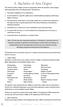 A. Bachelor of Arts Degree The University offers a Major or Honours programme within the Bachelor of Arts Degree. Both programmes have the following basic requirements: 1. Successful completion of 120
REGULATIONS FOR THE DEGREE OF MASTER OF ARTS IN CHINA DEVELOPMENT STUDIES (MAChDS)
 582 REGULATIONS FOR THE DEGREE OF MASTER OF ARTS IN CHINA DEVELOPMENT STUDIES (MAChDS) (See also General Regulations) Any publication based on work approved for a higher degree should contain a reference
RELIGION & CULTURE (REL) Updated January 29, 2016
 RELIGION & CULTURE (REL) Updated January 29, 2016 Note: The department/program code REL replaces the former code 47. Students cannot hold credit in REL-xxxx and the former 47.xxxx having the same course
BA (International Honours) - St Andrews/William & Mary Joint Degree Programme: Arrangements and Regulations
 BA (International Honours) - St Andrews/William & Mary Joint Degree Programme: Arrangements and Regulations The purpose of this document is to detail the arrangements and regulations unique to the BA (International
Hours Required 6 ENGL 606 Introduction to Graduate Studies in English ENGL 699 Research and Thesis
 Master of Arts in English 19 Master of Arts Master of Arts (MA) in English Program Director: Dr. Casey Clabough The focus of the MA in English is on providing a rigorous academic program that affords students
REGULATIONS FOR THE DEGREE OF MASTER OF SCIENCE IN INFORMATION TECHNOLOGY IN EDUCATION (MSc[ITE])
![REGULATIONS FOR THE DEGREE OF MASTER OF SCIENCE IN INFORMATION TECHNOLOGY IN EDUCATION (MSc[ITE])](/thumbs/27/10722922.jpg "REGULATIONS FOR THE DEGREE OF MASTER OF SCIENCE IN INFORMATION TECHNOLOGY IN EDUCATION (MSc[ITE])") [For reference only] MSc(ITE) Regulations and Syllabuses 2015/16 1 REGULATIONS FOR THE DEGREE OF MASTER OF SCIENCE IN INFORMATION TECHNOLOGY IN EDUCATION (MSc[ITE]) (See also General Regulations) Any publication
[For reference only] MSc(ITE) Regulations and Syllabuses 2015/16 1 REGULATIONS FOR THE DEGREE OF MASTER OF SCIENCE IN INFORMATION TECHNOLOGY IN EDUCATION (MSc[ITE]) (See also General Regulations) Any publication
Course Description (MA Degree)
 Course Description (MA Degree) Eng. 508 Semantics (3 Credit hrs.) This course is an introduction to the issues of meaning and logical interpretation in natural language. The first part of the course concentrates
The University of North Carolina at Pembroke 2015-2016 Academic Catalog. THE MASTER OF ARTS IN ENGLISH EDUCATION (M.A.) Director: Roger A.
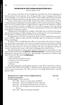 392 THE MASTER OF ARTS IN ENGLISH EDUCATION (M.A.) Director: Roger A. Ladd The curriculum in the Master of Arts in English Education affirms the richness of language and literature produced by diverse
Associate of Applied Science Physical Therapist Assistant. McLENNAN COMMUNITY COLLEGE
 Associate of Applied Science Physical Therapist Assistant McLENNAN COMMUNITY COLLEGE 2015-2016 Degree Description Accredited by the Commission on Accreditation in Physical Therapy Education (CAPTE) of
Graduate Courses. 713 PERFORMANCE CRITICISM (3). Introduction to the critical analysis and interpretation of performance events.
 Graduate Courses 700 INTRODUCTION TO RESEARCH AND THEORY IN COMMUNICATION STUDIES I (3). Prerequisite, admission to graduate program or permission of the chair. Considers theory and philosophy in the study
EUROPEAN STUDIES (EUR) Spring 2016
 (EUR) Interdisciplinary Major and Minor in Department of European Languages, Literatures, and Cultures; College of Arts and Sciences Chairperson: Judy Lochhead Director of Undergraduate Studies: Peter
Spanish. In the College of Arts and Letters
 In the College of Arts and Letters OFFICE: Arts and Letters 134 TELEPHONE: 619-594-6588 / FAX: 619-594-5293 Faculty Emeritus: Barrera, Case, Castro (Castillo), Christensen, Head, Jiménez-Vera, Kish, Lemus,
FA 101: Introduction to Film. FA 257: Literature into Film
 Humanities Department Telephone (541) 383-7520 FA 101: Introduction to Film Outcome 1: Will be able to identify and explain the different languages of filmmaking, including cinematography, editing, mise-en-scene
UNIVERSITI TUNKU ABDUL RAHMAN. Rule XIV MASTER OF INFORMATION SYSTEMS
 UNIVERSITI TUNKU ABDUL RAHMAN Rule XIV MASTER OF INFORMATION SYSTEMS IN exercise of the powers conferred by Part IV of the Constitution of Universiti Tunku Abdul Rahman, the President, on the advice of
Degree Type Bachelor of Arts (BA) Degree Title Spanish
 Degree Type Bachelor of Arts (BA) Degree Title Spanish Globalization and the Internet Revolution have intensified contact among cultures, and hence an education in multiple languages and technology is
Compulsory for Environmental History Postgraduate Programme. Weekly contact: Individual supervision. Coursework (Dissertation) = 100%
 Interdisciplinary - Environmental History - MLitt & MPhil - 2015/6 - November 2015 Masters in Environmental History Programme Coordinator: Dr John Clark Taught Element: 40 credits: MO5601 or (MO5151 and
History Graduate Program Handbook
 History Graduate Program Handbook Introduction: Welcome to the history department at the University of Miami. We pride ourselves on providing a close individualized training for the next generation of
Programme Specification (Postgraduate) Date created: 15/09/15
 Programme Specification (Postgraduate) Date created: 15/09/15 1. Programme Title(s): MA in Global Media and Communication PG Diploma/PG certificate in Global Media and Communication * *Exit awards only
Curriculum for the Master of Arts programme in Slavonic Studies at the Faculty of Humanities 2 of the University of Innsbruck
 The English version of the curriculum for the Master of Arts programme in Slavonic Studies is not legally binding and is for informational purposes only. The legal basis is regulated in the curriculum
Master Program for Chinese Religious Studies in English. Fudan University (Shanghai, China)
 Master Program for Religious Studies in English Fudan University (Shanghai, China) 1. Overview China has been called land of gods since ancient times. people have unique religious experience as well as
(applicable to full-time undergraduate credit-unit based programmes)
 THE CHINESE UNIVERSITY OF HONG KONG Double Major s (applicable to full-time undergraduate credit-unit based programmes) The Senate of CUHK approved in its fourth meeting (2004-05) held on 8 June 2005 the
TECHNICAL AND Professional Writing
 TECHNICAL AND Professional Writing Online B.A. Degree Completion Program IN English choices@east Indiana University East Department of English Technical and Professional Writing Online B.A. Degree Completion
Masters in Transnational, Global and Spatial History
 Masters in Transnational, Global and Spatial History Programme Coordinator: Dr Konrad Lawson Taught Element: 40 credits: MO5151 and MO5152 40 credits: MO5161 OR (with the permission of the programme coordinator)