
GENTRIFICATION & NEIGHBORHOOD CHANGE Helpful Tools for Communities
|
|
|
- Andrew Patterson
- 10 years ago
- Views:
Transcription
1 GENTRIFICATION & NEIGHBORHOOD CHANGE Helpful Tools for Communities A supplement to The Socioeconomic Change of Chicago s Community Areas ( ) MARCH 2015 for more information visit:
2 Contents Using This Toolkit 3 Before Gentrification 1. Coalition Building 2. Right to Purchase 3. Community Land Trusts 4. Inclusionary Zoning 5. Limited Equity Co-op Housing 6. Community Benefit Agreements Mid Stage Gentrification 1. Strengthened Rental Protections 2. Tax Abatement Policies 3. Protections Against Condominium Conversion 4. Rehabilitation & Preservation 4 10 Late Stage Gentrification 1. Employer Assisted Housing 2. Affordable Housing Trust Fund 3. Housing Levies 4. Dealing with NIMBYism 14 To Learn More 18
3 Using this Toolkit GENTRIFICATION IS A PROCESS in which low-income households are displaced by rising costs as higher income households move into a neighborhood. When a neighborhood gentrifies, housing and land costs rise. As rents and house values increase, current residents and business owners can often no longer afford to live or operate there, and may move elsewhere to find more affordable opportunities. This is a process of displacement that destabilizes communities, and can result in significant financial and emotional stress for those affected. This toolkit presents strategies for addressing the pressures of gentrification in a community during different phases of gentrification: before it happens, as it is happening, and after a neighborhood has been gentrified. It is possible to have development without displacement. These tools may offer a starting point for collaboration with community residents, non-profit organizations, local businesses, elected officials, and even developers. We understand that not all neighborhoods are dealing with pressures of gentrification. In fact, many Chicago neighborhoods are struggling with decline and a lack of investment. Still, our goal is to ensure that all Chicago neighborhoods are accessible to households of any income level. This toolkit is intended for anyone who is interested in addressing or preventing gentrification. Tools presented here can be adapted to meet the needs of diverse groups. For example, using accessibility as a lens can result in tools that more fully address the needs of people with disabilities. The first step in any plan to deal with gentrification is to build partnerships among all stakeholders and interested parties: neighborhood residents, non-profit organizations, local businesses, and local officials. Most tools presented here are regulatory, and need support from City, County, and / or State representatives in order to be developed and implemented. Building a coalition of residents, business owners, non-profit organizations, and other interested parties is a key step in raising awareness and building momentum to advocate for affordable housing and addressing the negative effects of gentrification. The tools presented here are organized into three key stages: Before Gentrification, Mid Stage Gentrification, and Late Stage Gentrification. Each of these stages requires unique responses to address the immediate context of gentrification. In all stages, communities should understand their affordable housing situation how many people are paying too much for housing? CRN s Affordable Housing Factbook (see To Learn More) can provide this and other useful community data. Each tool in this resource is presented in the same way: first, we offer a definition of the strategy. Then, we outline when each strategy is most useful, and to whom, as well as a note about how this tool is currently used in Chicago. Each tool has accompanying opportunities for and challenges to implementation. Many are not new, but have proven themselves helpful. At the end of this toolkit, we have provided real-world case studies where these tools have been used effectively. We hope this resource may help guide your community in practice. 3
4 Before Gentrification Signs that areas are vulnerable to gentrification: Near areas that are already gentrified or in the process Areas close to downtown, especially with good transportation access Interesting historic or character buildings Where property values are lower than the surrounding areas Coalition Building Coalition building is a way to share information and to collaborate with others to advance a common cause. By building a network of committed actors, a community is strengthened and can advocate to elected officials and others for shared priorities. A coalition is also a way to support and train community leaders. Coalitions create a stronger, more cohesive voice for the community, and enable the community to draw up a more representative and consensusdriven anti-gentrification plan for their neighborhood. Sharing information, providing opportunities for people to discuss issues and strategies, and developing unified approaches to dealing with collective problems is ongoing work. Coalitionbuilding should begin as early as possible, and should continue to engage coalition members until the end of a campaign. Defining scope and selecting a geography (neighborhood, city, state, etc.) for a campaign can help determine which community members would be appropriate to include in a coalition. This is an opportunity to involve a variety of stakeholders: housing and community organizations, elected officials, religious institutions, neighborhood businesses, and local residents. There might be organizations outside the geographic bounds of the community that can provide data or information who can be included. There are many ongoing and active coalitions and neighborhood groups throughout the City of Chicago. These groups work together to address issues of importance to the community, including provision of safe, decent, and affordable housing units. Fosters political participation in the community through advocacy meetings and education workshops. Collaboration may generate fresh anti-displacement strategies as well as access to new sources of funding. Great way to share information about what s happening in the community. Can provide legal resources to tenants and host community trainings to inform them of their rights to reduce risk of coercion and/or unlawful eviction. To be done well, coalition-building requires a large investment of time and energy. Reaching agreement on vision, goals, and objectives can be difficult due to clashing interests, poor communication and/or divided leadership. 4
5 Tenant or Non-Profit Developer Right to Purchase A strategy where a current tenant or local non-profit developer has the first right of refusal to purchase before a property can be sold to a private developer. This strategy includes both acquisition and the adaptive reuse of vacant or brownfield sites. This strategy is most cost-effective before gentrification hits, but can also be employed after a period of neighborhood change. This strategy is best employed when community members want to keep local ownership of community land, affordable housing units, or commercial space. This strategy will benefit community residents, tenants who want the opportunity to acquire real property, and non-profit organizations and developers. Right to Purchase must be implemented by the City, and requires collaboration between tenants / non-profit organizations, current owners, and City staff. Tenant opportunity to purchase may be offered by Departments of Housing & Community Development, including both financial and technical assistance. Though Chicago does not have an overarching right to purchase policy for tenants and nonprofit developers, Chicago s SRO preservation ordinance includes a stipulation that mandates right to purchase to developers that will keep properties affordable. For condominium conversions, current tenants have right to purchase before other buyers. Promotes local control of assets. Is an inexpensive first step to create relationships with present owners, and an opportunity to participate in negotiations with third party purchasers. Offers some assurance that an organization (in the case of non-profit purchase) is not paying more than Fair Market Value. Long term affordability is prioritized for both housing and commercial units. Right to Purchase period is often a small window of time, which can make it difficult for tenants and nonprofit developers to obtain necessary financing. A right of first purchase agreement needs careful negotiation and drafting to achieve desired outcomes for the community. Tenants may not be able to afford the asking price, and may still face displacement. YoChicago View from Hairpin Lofts, December
6 Community Land Trusts A Community Land Trust (CLT) is a non-profit that owns, develops, and stewards properties on behalf of a community. Though a land trust typically focuses its efforts on the acquisition of residential properties, its principles can be applied in a commercial context to aid the preservation of affordable commercial space in communities. This is a proactive, not reactive solution. Land trusts work best when established before land prices rise. Developing plans of this magnitude takes time and preparation. This strategy benefits low-income households and businesses. It can be employed by community non-profit organizations and land developers, and requires the development of a non-profit corporation to manage the trust. Balances security of tenure with a community s need to maintain affordability, economic diversity, and local access to essential services. Deed restrictions control the resale prices of property, ensuring their long-term affordability. Separation of land ownership from building ownership allows property owners to build equity over time. The Chicago Community Land Trust was established in It works to preserve the long-term affordability of homes created through City programs and provide permanent homeownership opportunities. The First Community Land Trust of Chicago was created in 2003 and is operated as a non-profit serving the West Humboldt Park area. It has built three new affordable for-sale homes on land provided by the city. In a high end market, Community Partners for Affordable Housing has built new housing and renovated foreclosed homes for re-sale in the North Shore area. Properties held by a Community Land Trust may be perceived as undesirable because the property owner does not own the land. 6 Hilowitz, D. Suburban Chicago from the Air July 2009
7 Inclusionary Zoning Inclusionary zoning programs require developers to sell or rent a certain percentage of newly developed housing units at below-market rates to lower-income households. Often, developers are given the option of a fee in lieu of affordable units within a building. Inclusionary zoning is most effective when enacted in early stages of gentrification to combat future damage. Inclusionary zoning most benefits a neighborhood when affordable units remain in the neighborhood and an option for in lieu fees is not accepted. Inclusionary zoning ordinances need to be enacted by locally elected and city planning officials. Guidance from residents and community organizations will encourage local support of inclusionary zoning measures. This strategy benefits low- and moderate- income households and mixed-income neighborhoods. Chicago first adopted an inclusionary zoning policy, the Affordable Requirements Ordinance (ARO), in The City recently reviewed the ARO and implemented changes that can effectively create, preserve, and improve more affordable housing across Chicago, by raising fees for developers, making it harder for them to opt out of affordable housing provision. Inclusionary zoning programs promote housing affordability without raising taxes or using public funds. Can foster mixed socio-economic neighborhoods and integrate low- and moderate- income housing into high-income areas. This is best portrayed in municipalities that set high in-lieu fees or who do not have in-lieu fees built into their programs. Can be done independent of zoning by simply requiring a percentage of affordable units or an in-lieu fee for new development. When developers are given the opportunity to pay an in lieu fee. This does not reflect the real cost of building an affordable unit in a high-income neighborhood. This often leads to further concentration of affordable housing in low-opportunity areas. Housing developed through inclusionary zoning is usually targeted to moderate-income households, excluding low-income households that are most in need of affordable housing When the stipulations of inclusionary zoning are optional, affordable housing goals are rarely met. Vance, S. Rowhouses: Pullman March
8 Limited Equity Co-op Housing Limited equity co-op housing (LECH) creates shared ownership of housing units. Each resident owns shares of stock in the building corporation. Residents do not own their unit or obtain mortgages for their homes. Ownership obligations are shared, and co-op shares give residents a long term lease on their unit as well as a vote in cooperative governance. When residents leave, they sell their shares, not their unit. The value that can be obtained from each stock share is restricted to maintain affordable units for future residents. These housing cooperatives require time, planning, and preparation in order to be successful. They are best enacted before the pressures of gentrification raise housing costs and limit the availability of units. LECHs require collaboration among an active resident base. Initially, a building must be obtained and maintained to provide the option for resident shareholding. Limited equity housing co-ops can be found across the City of Chicago. At this time, however, there are no City programs or incentives that make it easier to start or maintain limited equity co-op housing. Co-ops can provide benefits of property ownership without obtaining a mortgage. Residents have direct and shared control over their housing. There is no landlord profit, which helps keep rental costs down. LEHCs can serve a broad range of income groups. Residents have control over building finances and repairs. Maintaining cooperative relationships can be a challenge much time must be invested into the community. LEHCs require long-term tenant participation and interaction. 8 Ellerbrook, Z. Merchandise Mart S-Curve February 2014
9 Community Benefit Agreements A Community Benefit Agreement (CBA) is a legally binding agreement between a developer and one or more community groups. Each agreement is specific to the community. It might include provisions such as requirements for training and employment for local residents, construction of community amenities, funding for community programs and / or organizations, or mitigation for environmental concerns arising from the development. In exchange, the community groups agree to support the development. CBAs should be negotiated as early as possible in the development process, so that they have as much influence over the final development as possible. CBAs work best when there is a strong coalition of organizations working together to present a unified front for the neighborhood. This coalition should include a wide variety of stakeholders, and might include neighborhood residents, business owners, affordable housing advocates, and representatives from community and labor organizations. CBAs have been used in Chicago, including in the bid for the 2016 Olympics. This particular CBA would have included affordable housing development and jobs for Chicago residents in affected areas. It was annulled when Chicago lost the Olympic bid. CBAs allow developers and community members to negotiate an agreement that provides benefit for both sides. These agreements decrease the risk for developers while ensuring that communities have a voice in what development takes place in the community. When negotiations are led by the local government, community organizations may not have as strong a voice in the development of the CBA. Jones, A. 18th Street L Station April
10 Signs that areas are beginning to gentrify: Mid Stage Gentrification Rents and property values are starting to increase New, boutique stores and restaurants begin to move in Changes in neighborhood demographics (e.g. more White residents, fewer Latino or Black residents). Strengthened Rental Protections for Tenants Tightened rental regulations encompass many strategies to protect renters in both residential and commercial contexts from unfair practices. These can include rent control (which limits how often, in what context, or how much rent can be raised) and rent reduction programs (which reduce a tenant s rent in connection with missing or inadequate services). Rental regulations can also protect renters through just cause eviction controls and strict code enforcement, which prevent unfair eviction and enforce proper maintenance of residential and commercial buildings. Tightened rental regulations have most the impact for neighborhood resilience if they can prevent displacement of current renters, and help prepare adequate affordable housing and commercial space options for the community s next generation of renters. A city can implement tighter rental regulations. Partnerships between the legal community and neighborhood organizations can form to establish tightened rental regulations, as well as eviction free zones, which increase the cost of the eviction process and slow down the process of displacement. Tenants benefit from the security of predictable rental costs. Many rental protections are outlined in Chicago s Residential Landlord and Tenant Ordinance. Chicago s Protecting Tenants in Foreclosed Rental Property Ordinance, enacted in response to the foreclosure crisis, offers a tenant protections in the event of a foreclosure. The 1997 Illinois Rent Control Preemption Act prohibits municipalities from enacting rent control policies. Can protect vulnerable residents and business owners while penalizing negligent landlords, developers, and / or government agencies. Protections can address rights under eviction, just compensation in cases of displacement, right to return if temporary relocation is necessary, and access to information about rights and opportunities. Stabilizes buildings because tenants tend to hold on to their units long-term, producing more trusting relationships between landlords and tenants. Depending on how rents are regulated, affordable units may change hands less often, making it difficult to meet demand for affordable housing and forcing households into the more expensive pool of market-rate housing. There is no guarantee that rental protections will focus on low- or moderate- income households. 10
11 Tax Abatement Policies Tax abatement policies fix property taxes as land values begin to rise. Residents and business owners who meet specified criteria (e.g. income, length of time in the neighborhood) can apply for fixed property taxes. Tax abatement policies work best when they are installed before land prices have risen and pushed out long-term residents and local businesses. Tax abatement is a policy which needs support from local elected officials. It can benefit both homeowners and renters in a neighborhood to combat rising property taxes. Chicago does not currently have any tax abatement policies that support the construction or preservation of affordable housing. Fixing property taxes creates stability and security for residents and business owners who otherwise may have been threatened by rising land and property tax values. Can prevent speculative pricing of units. Keeps payments for long term homeowners manageable, and stabilizes rents for tenants as well as long-term businesses. Fixing property taxes has an impact on the amount of revenue the government collects, potentially affecting community amenities and vital services. Brubaker, C.W. West Chicago Ave. Businesses
12 Protections Against Condominium Conversion As property values rise, landlords may convert their apartments into condominiums in order to cash in on the increase in value. This reduces the number of affordable rental units available. Regulation of condo conversions can be effected through a local moratorium, or may be contextual (i.e. when the vacancy rate in a city or neighborhood drops below a predetermined number). Restrictions on condo conversions should be put in place before the market is affected by rising housing costs. These protections can be enforced through resident partnerships alongside local elected officials and state-level policy. Municipalities can also develop a permit system that tracks and regulates condo conversions and protects a community s affordable rental housing stock. Chicago does maintain an ordinance on condominium conversions and rights to tenants. Currently, however, the City focuses on rights of tenants in a converting building, not on provision of adequate affordable units. Uniquely, an Illinois law allowing for deconversion of underutilized condominium buildings has provided new affordable rental units in Chicago communities. Stabilizes a local rental market. When tied to vacancy rates, this strategy ensures that the rental supply does not shrink too quickly. Condominiums can also be a form of affordable housing, particularly in (older) converted buildings, though for a slightly higher income demographic. Reducing the availability of condominiums may not ease a housing crunch. 12 Hambright, A. Rent Strike, July 2013
13 Rehabilitation & Preservation Rehabilitation and preservation of buildings can help communities retain affordable units. The preservation process can allow faster, easier, and cheaper maintenance of existing properties than building new. Rehab and preservation can also help low-income communities with maintenance of units, including weatherization and improved accessibility. This tool can be used in all stages of community change. It works best when current units are facing expiring affordability covenants, when units are at risk of redevelopment or conversion, or when landlords are choosing to opt out of the rental assistance voucher program. This process may utilize Historic Preservation Tax credit funding, requiring a partnership between property owners, local officials, and tenants. Communities can advocate for rehab and preservation through adaptive reuse of buildings that have outlived original uses. The Chicago Rehab Network provides Chicago with a Section 8 Preservation Initiative, which includes a current database of Section 8 properties expiration dates throughout the City. The City also maintains a Department of Historic Preservation, which has goals that may align with affordable housing needs in Chicago communities. Can provide unique units in the community: often SRO, Resident Hotel, and efficiency units are found in older buildings. Can be combined with funding and support for historic preservation goals Can encourage affordable housing to be more adequately spread throughout a community, allowing rental housing to remain in job-rich areas and allowing neighbors to stay near one another. If combined with historic preservation goals, the controls and regulations are often too strict for those interested in preserving housing units. This can add more money to a total cost of rehabilitation, and historic design regulations are often inflexible. Rogers E.A. House of the Day, January
14 Signs that areas have experienced gentrification: Late Stage Gentrification Only a small number of low-income households remain Shops and restaurants primarily cater to an upper-income clientele Little opportunity for low-income households to move into the neighborhood Employer Assisted Housing Employer Assisted Housing is a strategy in which employers work to provide local affordable housing to their employees living in the same community. This approach keeps workers close to where they live, which reduces transit costs, and may provide financial assistance to help homeowners build equity or help tenants meet rent payments. Employer Assisted Housing programs are most successful when employers can offer high levels of choice and financial contribution for participating employees, and establish a solid base of local employees who can find decent affordable housing near work. These programs benefit employees who can afford housing near their work, and employers who have a stable base of nearby employees. Employer Assisted Housing plans are private partnerships between an employer and their local employees, but may benefit from local regulatory assistance. Local or State agencies may provide additional financial incentives to employees who commit to living near their workplaces. Though employer assisted housing is not a municipally led program, many community organizations, businesses, and institutions in Chicago are working together to create affordable rental and homeownership opportunities for City residents. Employers can improve employee recruitment and retention by participating in an employer-assisted housing program. Tax incentives can offset the cost of participation for the employer, making it more affordable and encouraging the expansion of affordable workforce housing. Smaller local employers may not be able to afford participation in employer housing programs. Often targets higher wage workers. 14
15 Affordable Housing Trust Fund Affordable Housing Trust Funds establish dedicated streams of revenue to create or preserve affordable housing for low-income households. They can be used as gap financing in support of rehab or new development, and revenues are often tied to other market-driven programs. Investment of trust fund dollars can be a critical tool in a neighborhood that has already experienced a rise in land prices and housing costs. Affordable Housing Trust Funds rely on partnerships among elected officials, community groups, and residents. The Chicago Low-Income Housing Trust Fund was created in 1989, and operates two programs. The Rental Subsidy Program provides financial assistance to low-income residents in 55 of Chicago s 77 community areas. The Multi-year Affordability Through Upfront Investment Program provides interest-free forgivable loans to replace up to 50 percent of a developer s first mortgage loan. Trust funds can be flexible tools, supporting rental, homeownership, and mixed-use projects, and / or targeting special populations in the creation and provision of affordable housing. Relying on revenues generated through market-driven activities, such as housing construction fees or demolition fees can result in unstable streams of revenue. Love, S. 4 Houses on Damen January,
16 Housing Levies A Housing Levy is a property tax assessment which generates money designated toward affordable housing projects. These levies can be combined with affordable housing trust funds for ongoing development, or can be used for specific projects. This strategy should be used to strengthen a base of affordable housing options in a community and to ensure the continuation of a robust local affordable housing stock. Levies are enacted through the City. Advocacy and support from community organizations, engaged residents, and local elected officials can help to establish a levy. Low-income households will benefit from increased spending on affordable housing. Housing levies do not currently exist in Chicago. Can provide a dedicated stream of funding for affordable housing production and rehabilitation. Funds are flexible, and can be applied through a variety of programs (e.g. housing construction, renovation & maintenance, emergency funding). Cost of assessment to landlords may be passed on to tenants, which would lead to increased housing costs for residents. 16 Bentley, C. Lawndale October, 2012
17 Addressing NIMBYism The best way to address NIMBYism (Not In My BackYard syndrome) is through education and relationship building before a proposed project begins. NIMBY attitudes can make it difficult to build new affordable housing in a community. Addressing NIMBY attitudes is an ongoing project, and should be initiated before a controversial project begins. Education and relationship-building increase residents comfort and support for new housing projects. Nonprofit housing organizations and specialty housing providers, as well as tenants, benefit from better understanding of the project. Everyone can help to dispel NIMBY attitudes by speaking up to support affordable housing projects and educating friends and neighbors about the plan and its anticipated impacts. Chicago is often home to development projects that result in community conflict. Many strategies are used by developers, community organizations, businesses, and residents to stem the negative effects that NIMBYism can have on affordable housing development. NIMBY attitudes can bring more community members to the table. Being proactive and anticipating NIMBY concerns can make a housing development process go more smoothly. It can be difficult to distinguish between NIMBY attitudes and genuine fears and concerns about the proposal. Fischer, T. Glenwood Green Acres April
18 To Learn More... Inclusionary zoning and Chicago s Affordable Requirements Ordinance: city/en/depts/dcd/supp_info/affordable_housingrequirementsordinance.html Right to Purchase: visit Community Land Trusts: and cpahousing.org Tax abatement policies: Rental regulations: Condominium conversion: Affordable housing trust funds: and UploadedPDF/411294_gentrification.pdf Employer assisted housing: Housing levies: NIMBYism: CRN s Affordable Housing Factbook at/ Coalition Building: Community Benefit Agreements: inpractice_ html Rehabilitation and Preservation: 18 Fister, B. Not For Sale! July 2009
19 Nathalie P. Voorhees Center for Neighborhood and Community Improvement College of Urban Planning and Public Affairs University of Illinois at Chicago P F South Peoria St., Suite 2100 Chicago, IL
How To Improve The Housing Situation In A City Of More Than 100,000
 Mayor s Task Force on Preserving Dynamic & Diverse Neighborhoods November 24, 2014 Contents Gentrification Definitions Gentrification Mitigation Strategies Methods Used by Peer Cities City Incented Housing
7.0 GOALS, OBJECTIVES & POLICIES
 7.0 GOALS, OBJECTIVES & POLICIES The following Goals, Objectives and Policies specific to Housing are organized into broad categories including: 7.1: Housing Availability 7.2: Protection of Existing Neighborhoods
PRESERVATION OF AFFORDABLE HOUSING. Housing Affordability, Human Services, and Economic Resiliency Committee Seattle City Council, July 16, 2014
 1 PRESERVATION OF AFFORDABLE HOUSING Housing Affordability, Human Services, and Economic Resiliency Committee Seattle City Council, July 16, 2014 Topics to be covered 2 Affordability and preservation trends
Creating More Affordable Housing in Chicago
 Creating More Affordable Housing in Chicago The Home Builders Association of Greater Chicago (HBAGC) supports increasing the availability of affordable housing in the City of Chicago and strongly encourages
Delaware Housing Coalition P.O. Box 1633 Dover, DE 19903-1633 (302) 678-2286 FAX (302) 678-8645 www.housingforall.org www.whynimby.
 Delaware Housing Coalition P.O. Box 1633 Dover, DE 19903-1633 (302) 678-2286 FAX (302) 678-8645 www.housingforall.org www.whynimby.org JUNE 1, 2011 David Culver General Manager New Castle County Department
- 1 - Neighborhood Stabilization Program Information Summary Sheet
 - 1 - Neighborhood Stabilization Program Information Summary Sheet Eligible Uses: Purchase and rehab abandoned or foreclosed homes and residential properties. Establishing financing mechanisms for purchase
CITY OF TEMPE COMMUNITY DEVELOPMENT DEPARTMENT HOUSING SERVICES DIVISION www.tempe.gov
 CITY OF TEMPE COMMUNITY DEVELOPMENT DEPARTMENT AFFORDABLE HOUSING STRATEGY DOCUMENT 1 CITY OF TEMPE COMMUNITY DEVELOPMENT DEPARTMENT HOUSING SERVICES DIVISION www.tempe.gov P.O. BOX 5002 21 E. Sixth Street,
Development without Displacement RESISTING GENTRIFICATION IN THE BAY AREA
 Development without Displacement RESISTING GENTRIFICATION IN THE BAY AREA Written by Causa Justa :: Just Cause with health impact research and data and policy analysis contributed by the Alameda County
Land Banks and Affordable Housing
 September 2008 Volume 7 Issue 5 Land Banks and Affordable Housing You can hardly turn on the news today without hearing a report that the number of foreclosed properties continues to rise nationwide. In
The Coordinated Plan. to Address Foreclosures in Minnesota
 The Coordinated Plan to Address Foreclosures in Minnesota A review of and as summarized by the Minnesota Foreclosure Partners Council March 2009 The Problem The number of mortgage foreclosures in Minnesota
AFFORDABLE HOUSING POLICY Recommended July 23, 2013
 AFFORDABLE HOUSING POLICY Recommended July 23, 2013 It shall be the policy of Albemarle County to promote a variety of housing choices for residents. Choice shall be defined by type, tenure, and price
Why does TBI matter?
 Why does TBI matter? The Troubled Buildings Initiative has opened the door to a wide range of new or previously underutilized techniques for saving at-risk buildings: buying notes and mortgages, then completing
RESIDENTIAL PROPERTY TAX INCENTIVE PROGRAMS in New York City
 RESIDENTIAL PROPERTY TAX INCENTIVE PROGRAMS in New York City A Guide to Basic Program Rules and Eligibility FEBRUARY 2011 ABOUT ENTERPRISE Enterprise is a leading provider of the development capital and
2. Inventory available public property within the site area. Include publiclyheld property, tax-foreclosures, and donated property.
 Land Assembly and Redevelopment What is it? Land is location, and location is the most valuable asset in successful real estate development. The right land transaction is crucial to each of the twin objectives
DRAFT Enterprise Community Partners CITY OF DURHAM. Date GOALS. Karen Lado, Consultant March 10, 2016
 DRAFT Enterprise Community Partners CITY OF DURHAM AFFORDABLE Title HOUSING Date GOALS Karen Lado, Consultant March 10, 2016 Useful Definitions Income Groups Low-income: 51-80% AMI Very low income: 31-50%
APPENDIX D: HOUSING PROGRAM DIRECTORY
 APPENDIX D: HOUSING PROGRAM DIRECTORY Table D-1 Housing Rehabilitation Programs 1. HOME MAINTENANCE AND IMPROVEMENT PROGRAM (HMIP) To provide loans to correct health and safety violations, abate code deficiencies
More than just housing... CO-OP HOUSING
 More than just housing... CO-OP HOUSING How you can profit by living in a housing cooperative. Introduction A combination of factors including the rising cost of housing in recent years, have forced many
Building Affordable Housing for 22 Years
 Building Affordable Housing for 22 Years Mi Casa was founded in 1992 with a mission to foster diverse neighborhoods through redeveloping existing buildings and infill lots into affordable housing opportunities,
Community Engagement for Preservation Rental Housing: Preservation and Rehabilitation
 Rhode Island Housing Page 1 of 3 Opting Out is Not an Option The preservation of our scarce inventory of affordable apartments has always been a priority for Rhode Island Housing. Faced with record-high
Attachment 3 DCHA Response to FY2016 Budget Oversight Pre-hearing Questions. DC Housing Authority Capital Needs and Maintenance Review
 DC Housing Authority Capital Needs and Maintenance Review Capital Needs Overview The District of Columbia Housing Authority is responsible for providing safe, affordable housing for the District s low-income
How To Improve Housing In Seminole County
 ELEMENT Introduction Issues and Concerns Goals, Objectives and Policies Exhibits 2020 ELEMENT INTRODUCTION Since populations group themselves into households, the socioeconomic makeup of those households
Project-Based Rental Assistance
 Project-Based Rental Assistance By Staff of the National Housing Trust Administering agency: HUD s Office of Multifamily Housing Programs and Office of Recapitalization Years started: 1961 - Section 221(d)(3)
Housing Cooperatives. An Accessible and Lasting Tool for Home Ownership. Northcountry Cooperative Development Fund
 Housing Cooperatives An Accessible and Lasting Tool for Home Ownership Northcountry Cooperative Development Fund Did you know. that in the United States, more than 1.5 million families of all income levels
RE-BUILDING BETTER NEIGHBORHOODS (R-BBN) & SINGLE-FAMILY HOUSING REHABILITATION PROGRAMS PROGRAM INFORMATION AND CONTACTS
 RE-BUILDING BETTER NEIGHBORHOODS (R-BBN) & SINGLE-FAMILY HOUSING REHABILITATION PROGRAMS Mission PROGRAM INFORMATION AND CONTACTS Greater Minnesota Housing Fund invests in affordable housing and sustainable
Making Homes Affordable Labour s Plan for Housing
 Making Homes Affordable Labour s Plan for Housing Labour Making Homes Affordable.indd 1 10/02/2016 15:47 Every person should have access to good quality, secure, affordable housing, appropriate to their
Housing Resource Panel SWOT Analysis Allegheny Places The Allegheny County Comprehensive Plan
 Housing Resource Panel SWOT Analysis Allegheny Places The Allegheny County Comprehensive Plan University Center for Social and Urban Research University of Pittsburgh October 2005 Introduction As part
Vancouver s Housing and Homelessness Strategy 2012-2021 A home for everyone
 Vancouver s Housing and Homelessness Strategy 2012-2021 A home for everyone A home for everyone Vancouver s Housing and Homelessness Strategy 2012-2021 Prepared by Context Ltd. June 2011 ACKNOWLEDGEMENTS:
WHEREAS, Santa Monica is a coastal city in a prime location, being bordered by the City of Los Angeles to the north, east and south; and
 City Council Meeting / /2013 ORDINANCE NUMBER (CCS) (City Council Series) AN ORDINANCE OF THE CITY COUNCIL OF THE CITY OF SANTA MONICA AMENDING SANTA MONICA MUNICIPAL CODE SECTIONS 9.56.020, 9.56.030,
Agencies and Resources
 The following local, state and federal agencies administer programs or provide funds for housing programs and projects: Murray County EDA P.O. Box 57 Slayton, MN 56172 Contact: Amy Hoglin, Economic Development
DEPARTMENT OF HOUSING AND URBAN DEVELOPMENT
 DEPARTMENT OF HOUSING AND URBAN DEVELOPMENT Funding Highlights: Provides $44.8 billion, an increase of 3.2 percent, or $1.4 billion, above the 2012 program funding level. Increases are made to protect
Administration of Affordable Dwelling Units by the Department of Housing and Community Development
 Administration of Affordable Dwelling Units by the Department of Housing and Community Development The mission of the Department of Housing and Community Development (DHCD) is to create and preserve opportunities
DISPLACEMENT DUE TO GENTRIFICATION: MITIGATION STRATEGIES
 DISPLACEMENT DUE TO GENTRIFICATION: MITIGATION STRATEGIES Chibuzo Ugenyi Professor Michael Dobbins, Advisor City and Regional Planning 8990 Applied Research Paper Georgia Institute of Technology August
APPENDIX 6: FUNDING SOURCES MATRIX
 APPENDIX 6: ING S MATRIX NAME FEDERAL S Assisted Living Conversion Program (ALCP) Community Development Block Grant (CDBG) Energy Efficiency and Conservation Block Grants (EECBG) Green Retrofit Program
Renters in Foreclosure: What Are Their Rights?
 Renters in Foreclosure: What Are Their Rights? by Attorney Janet Portman Federal legislation signed in May 2009 gives important rights to tenants whose landlords have lost their properties through foreclosure.
IHDA 47 ILLINOIS ADMINISTRATIVE CODE 355 TITLE 47: HOUSING AND COMMUNITY DEVELOPMENT CHAPTER II: ILLINOIS HOUSING DEVELOPMENT AUTHORITY
 IHDA 47 ILLINOIS ADMINISTRATIVE CODE 355 TITLE 47: HOUSING AND COMMUNITY DEVELOPMENT CHAPTER II: ILLINOIS HOUSING DEVELOPMENT AUTHORITY PART 355 ILLINOIS AFFORDABLE HOUSING TAX CREDIT PROGRAM SUBPART A:
Village of Ossining Affordable Housing Rules and Regulations (as revised 1/15/13)
 Village of Ossining Affordable Housing Rules and Regulations (as revised 1/15/13) Purpose: The Village Board of Trustees adopted an Affordable Housing Policy on April 14, 2006 and Chapter 62 of the Village
Re: Draft Environmental Impact Statement & Growth and Equity Analysis for the Seattle Comprehensive Plan Update
 June 18, 2015 City of Seattle Department of Planning and Development Attn: Gordon Clowers 700 5th Avenue, Suite 2000 PO Box 34019 Seattle, WA 98124 Re: Draft Environmental Impact Statement & Growth and
There are two principal ways of securing affordable housing:
 Information Brief Affordable Housing and the Section 8 Home Choice Voucher Program * When adults with disabilities want their own place (e.g., a manufactured home, a condominium, an apartment), they face
City of Palo Alto (ID # 4924) City Council Staff Report
 City of Palo Alto (ID # 4924) City Council Staff Report Report Type: Consent Calendar Meeting Date: 9/8/2014 Summary Title: $200k PAHC CO Park Rehab Request Title: Approval of a Request From Palo Alto
Stabilizing Rural Communities Through Housing Partnerships
 Stabilizing Rural Communities Through Housing Partnerships SOUTHWEST MINNESOTA HOUSING PARTNERSHIP SLAYTON, MINNESOTA CASE STUDY Program Overview When municipalities in 30 southwest and southcentral Minnesota
WHAT YOU SHOULD KNOW ABOUT BUYING A HOME IN A CONDOMINIUM, COOPERATIVE, OR HOMEOWNERS ASSOCIATION
 WHAT YOU SHOULD KNOW ABOUT BUYING A HOME IN A CONDOMINIUM, COOPERATIVE, OR HOMEOWNERS ASSOCIATION Montgomery County, Maryland Commission on Common Ownership Communities 2011 WHAT YOU REALLY NEED TO KNOW
NEIGHBORHOOD LAND BANK
 NEIGHBORHOOD LAND BANK Purpose: Contribute to the community stabilization, revitalization and preservation of San Diego County s communities, particularly San Diego s low and moderate income communities,
Federal Housing Assistance Programs
 National Coalition for the Homeless 2201 P. St. NW Washington, DC 20037 Phone: (202) 462-4822 Fax: (202) 462-4823 Email: [email protected] Website: http://www.nationalhomeless.org Federal Housing
Commonwealth of Massachusetts HOME Investment Partnerships Program/Housing Stabilization Fund Project-Based Homeownership Program
 Commonwealth of Massachusetts HOME Investment Partnerships Program/Housing Stabilization Fund Project-Based Homeownership Program Application Guidelines A. Overview The Commonwealth of Massachusetts Department
Community Investment Plan (CIP) 2014-2016
 Community Investment Plan (CIP) 2014-2016 SECTION 1: Community or constituency to be served by the organization The Downtown Taunton Foundation (DTF) is a place-based nonprofit Community Development Corporation
2016 HOME REQUEST FOR PROPOSALS AFFORDABLE HOUSING ACQUISITION AND/OR REHABILITATION or NEW CONSTRUCTION
 2016 HOME REQUEST FOR PROPOSALS AFFORDABLE HOUSING ACQUISITION AND/OR REHABILITATION or NEW CONSTRUCTION The Eugene-Springfield HOME Consortium invites proposals from for-profit developers, non-profit
5. CONSERVATION OF AFFORDABLE UNITS
 5. CONSERVATION OF AFFORDABLE UNITS The analysis of the Conservation of Affordable Units section relied primarily on data from the San Benito County Housing and Economic Development Department, San Benito
Program Status Report June 2012
 Status Report June 2012 Housing Development First-Time Homebuyer Services Down Payment Assistance City of Austin Neighborhood Housing and Community Development Department The Down Payment Assistance (DPA)
COMPREHENSIVE PLAN HOUSING ELEMENT
 COMPREHENSIVE PLAN HOUSING ELEMENT Policy Document CHAPTER 3: HOUSING ELEMENT TABLE OF CONTENTS Chapter 3: HOUSING ELEMENT... 1 INTRODUCTION... 2 GOALS, OBJECTIVES AND POLICIES... 3 Goal: Housing... 3
DETAILS REGARDING USE OF MORTGAGE FUNDS
 DETAILS REGARDING USE OF MORTGAGE FUNDS Attorney General Tom Horne has announced a comprehensive multi-year program for the allocation of the $57 million in mortgage settlement funds aimed at keeping people
Michigan State Housing Development Authority. Office of Community Development MSHDA MISSION
 Michigan State Housing Development Authority Office of Community Development MSHDA MISSION The Michigan State Housing Development Authority (MSHDA) provides financial and technical assistance through public
Acquiring Bank Owned Foreclosures
 Acquiring Bank Owned Foreclosures The news and local conversations are full of stories about investors getting great deals on foreclosed houses. Why wouldn t affordable housing providers want to do the
Affordable Housing Partnership Housing Counseling Program
 Affordable Housing Partnership Housing Counseling Program ORGANIZATION AND STAFF INFORMATION Name of Organization: Affordable Housing Partnership of the Capital Region Inc. 255 Orange Street Albany, New
ILLINOIS ASSOCIATION OF REALTORS HOUSING POLICY
 ILLINOIS ASSOCIATION OF REALTORS HOUSING POLICY ILLINOIS ASSOCIATION OF REALTORS HOUSING POLICY As an Association, we reaffirm our commitment to the goal of decent housing and a suitable living environment
Condo Project Approval Documentation Requirements
 All documentation should be submitted at one time to our Condo Project Approval Department at [email protected]. The subject line of the email should contain the loan number, Borrower s last
THE COMMUNITY REDEVELOPMENT AGENCY OF THE CITY OF LOS ANGELES, CALIFORNIA DATE: DECEMBER 16, 2004 C9 2010 ROBERT R. OVROM, CHIEF EXECUTIVE OFFICER
 THE COMMUNITY REDEVELOPMENT AGENCY OF THE CITY OF LOS ANGELES, CALIFORNIA REVISED Pg. 3 as underlined and Attachment C as underlined, also deleting #10 & 11 M E M O R A N D U M 17 DATE: DECEMBER 16, 2004
Renting vs. Owning a Home
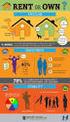 1.9.3.L1 Note taking guide Renting vs. Owning a Home Total Points Earned 30 Total Points Possible Percentage Name Date Class Housing is the largest personal expenditure Approximately of a person s income
Housing Matters BC HOUSING STRATEGY FOR BRITISH COLUMBIA: A FOUNDATION FOR STRONG COMMUNITIES JANUARY 2014
 Housing Matters BC HOUSING STRATEGY FOR BRITISH COLUMBIA: A FOUNDATION FOR STRONG COMMUNITIES JANUARY 2014 Table of Contents MESSAGE FROM THE MINISTER... 3 OUR IMPACT... 4 TODAY S OPPORTUNITIES... 6 SUCCESS
BuildPreserveLead. A Housing Agenda for Chicago s Neighborhoods. Affordable Housing Plan 2004 2008. City of Chicago Richard M.
 BuildPreserveLead A Housing Agenda for Chicago s Neighborhoods Affordable Housing Plan 2004 2008 City of Chicago Richard M. Daley, Mayor Chicago Department of Housing John G. Markowski, Commissioner The
What is a Community Land Trust?
 What is a Community Land Trust? Community Land Trusts are community-based membership organizations whose missions include permanent stewardship of land for community benefit and perpetual preservation
How To Write An Article 7A Program Review
 THE CITY OF NEW YORK INDEPENDENT BUDGET OFFICE 110 WILLIAM STREET, 14 TH FLOOR NEW YORK, NEW YORK 10038 (212) 442-0632 FAX (212) 442-0350 EMAIL: [email protected] http://www.ibo.nyc.ny.us Review of the
HARRIS COUNTY, TEXAS NEIGHBORHOOD STABILIZATION PROGRAM
 HARRIS COUNTY, TEXAS NEIGHBORHOOD STABILIZATION PROGRAM SUBSTANTIAL AMENDMENT TO THE 2008-2012 CONSOLIDATED PLAN FY 2008 ANNUAL ACTION PLAN AMENDMENT APPLICATION Prepared by the Community Services Department
PROGRAM DESCRIPTION FY 2007 ANNUAL PROGRAM PERFORMANCE MEASURES. APPROPRIATION UNIT: Michigan State Housing Development Authority Date:02/12/08
 PROGRAM DESCRIPTION FY 2007 ANNUAL PROGRAM PERFORMANCE MEASURES DEPARTMENT: Michigan Department of Labor & Economic Growth APPROPRIATION UNIT: Michigan State Housing Development Authority Date:02/12/08
Program Guide. Michigan State Housing Development Authority
 Program Guide Michigan State Housing Development Authority MSHDA Programs The Michigan State Housing Development Authority (MSHDA) is dedicated to building a thriving and vibrant future for Michigan.
Homeownership Preservation Policy for Residential Mortgage Assets. Section 110 of the Emergency Economic Stabilization Act (EESA)
 Homeownership Preservation Policy for Residential Mortgage Assets Section 110 of the Emergency Economic Stabilization Act (EESA) requires that each Federal property manager that holds, owns, or controls
ECONOMIC DEVELOPMENT. in this chapter. 8.1 Overview of Economic Conditions. 8.2 Priority Economic Development Needs
 8 ECONOMIC DEVELOPMENT in this chapter 8.1 Overview of Economic Conditions 8.2 Priority Economic Development Needs 8.3 Economic Development Goals and Policies chapter 8 economic development Creating new
Overview of the Chicago Housing Market
 REport Overview of the Chicago Housing Market Background Data for Chicago s 2014-2018 Housing Plan Prepared by 2013 Table of Contents section I Who Lives in Chicago s Neighborhoods 3 section II Where
July 1, 2010 thru September 30, 2010 Performance Report
 Grantee: Riverside, CA Grant: B-08-MN-06-0519 July 1, 2010 thru September 30, 2010 Performance Report 1 Grant Number: B-08-MN-06-0519 Grantee Name: Riverside, CA Grant Amount: $6,581,916.00 Grant Status:
Community Development & Recreation Committee. Acting Executive Director, Social Development, Finance & Administration
 STAFF REPORT ACTION REQUIRED CD2.6 Toronto Social Development Dashboard Date: March 9, 2015 To: From: Wards: Reference Number: Community Development & Recreation Committee Acting Executive Director, Social
GREATER SYRACUSE PROPERTY DEVELOPMENT CORPORATION DISPOSITION OF REAL AND PERSONAL PROPERTY POLICY
 GREATER SYRACUSE PROPERTY DEVELOPMENT CORPORATION DISPOSITION OF REAL AND PERSONAL PROPERTY POLICY SECTION 1. PURPOSE. This policy (the "Policy") sets forth guidelines for the Land Bank's disposal of real
Tenant Rights and Responsibilities in the District. Presenters: Joel Cohn, OTA Gilles Stucker, DHCD
 Tenant Rights and Responsibilities in the District Presenters: Joel Cohn, OTA Gilles Stucker, DHCD Basic D.C. law on tenant evictions In the District, a landlord may evict a tenant only for a reason specified