
COMMON GASTROINTESTINAL PROBLEMS IN PEDIATRIC PATIENTS
|
|
|
- Elijah Hill
- 10 years ago
- Views:
Transcription
1 COMMON GASTROINTESTINAL PROBLEMS IN PEDIATRIC PATIENTS By Marsha Kay, M.D. and Vasundhara Tolia, M.D. Department of Pediatric Gastroenterology and Nutrition The Cleveland Clinic Foundation and Division of Gastroenterology, Childrens Hospital Of Michigan GASTROESOPHAGEAL REFLUX What is gastroesophageal reflux? Gastroesophageal reflux is the bringing up of stomach contents or acid into the esophagus (the swallowing tube). Almost everyone refluxes at some point during the day especially after meals. What distinguishes normal reflux from pathologic or abnormal reflux is how often reflux occurs and if it causes symptoms or damage to the esophagus. Reflux is being increasingly recognized in children and adolescents. Although the symptoms in teenagers may be similar to those seen in adults, the symptoms in infants and younger children may differ enough so that they are not recognized as being due to reflux. Is it normal if my infant spits up? Almost all infants reflux or regurgitate a portion of their feeding at one time or another. What distinguishes normal regurgitation from abnormal regurgitation is how often the reflux occurs, if it is associated with discomfort, and if it results in other complications. These complications include poor weight gain known as failure to thrive, breathing difficulties such as infrequent breaths or apnea, asthma symptoms such as wheezing, or a hoarse voice or cry. Other complications of reflux are aspiration, which is when the refluxed stomach contents reach the lungs, pneumonia due to aspiration, or inflammation of the esophagus called esophagitis. Spitting up blood or material that looks like old coffee grounds is rarely seen and requires evaluation by a physician. Reflux symptoms in infants tend to get better as they get older, usually by 12 to 15 months. This is because as infants get older their stomach is able to empty quicker and their esophagus lengthens, therefore there is less material in the stomach to regurgitate. Infants who reflux or regurgitate will not necessarily have problems with reflux as they get older or as adults. Is vomiting in my baby always due to gastroesophageal reflux? There are a number of reasons, other than reflux, that a baby may vomit. Babies may be allergic to the milk or soy protein that they are getting in their formula and this can result in irritability, vomiting, poor weight gain and blood in the bowel movements. This is treated with a change to a specialized formula where the proteins are broken down to make them less allergenic (allergy causing). Babies can be born with problems where the

2 intestine is not formed or positioned properly or is blocked. These types of problems are usually found in the immediate newborn period but can present later in some infants. A combination of x-rays and or endoscopy (looking at the lining of the stomach and upper intestines and/or colon with a long tube with a video camera at the tip) is usually helpful to make this diagnosis. Between 4-8 weeks of age infants can develop a condition known as pyloric stenosis. This results in significant and forceful vomiting and is usually associated with poor weight gain and possibly weight loss. Parents of infants with this problem describe their child's vomiting as projectile. Pyloric stenosis is currently treated with surgery. There are other non-gastrointestinal causes of vomiting in infants and young children including hormonal problems, kidney problems and problems with increased pressure on the brain. These are unusual conditions but patients should be tested for these problems if their physician feels that their symptoms are not typical or they are not responding to medications. What are the symptoms of reflux in older children and adolescents? Reflux symptoms in children are variable. Children may be unable to communicate typical heartburn symptoms. They may complain of generalized stomachaches, frequently around the area of the belly button and on occasion may complain of chest pain. Often children will report a feeling that they need to throw up and on occasion will describe that they get a taste in their mouth as if they have thrown up. Other children will report that they feel that the food is coming back up and that they then re-swallow it. Occasionally they will report a feeling that food is not going down correctly or feels like it is getting stuck. Some patients may complain of asthma symptoms such as cough or wheezing that are worsened by reflux. Even though children may not relate reflux symptoms to eating, obtaining a dietary history for foods and medicines that trigger reflux is important. How is the diagnosis of reflux made? Reflux is usually diagnosed based on symptoms and physical examination. X-rays are generally not helpful in diagnosing abnormal reflux although they are often used to exclude other problems that may mimic reflux. Performing an upper intestinal endoscopy with biopsies can be helpful to determine if inflammation of the esophagus is present. The test currently considered most helpful in making the diagnosis of acid reflux is a ph probe. This probe is a small tube inserted through the nose into the esophagus that continuously measures how often acid is being regurgitated into the esophagus. There are normal expected values for children and adults. What are treatment choices for children and adolescents with gastroesophageal reflux?

3 There are many medications available to treat gastroesophageal reflux. Many of these medications have been used successfully to treat children. Dosages of medication must be modified for a child's weight. Also they require monitoring to reduce possible long-term side effects. Diet is an important part of reflux management and children and teenagers with reflux should avoid the products listed below. Medications such as aspirin, ibuprofen and alcohol based products should be avoided if possible in children with reflux. Rarely a surgical procedure called a fundoplication (or wrap) is required for severe reflux. This procedure is usually reserved for patients with severe symptoms or complications of reflux that do not respond to standard medications and dietary treatment. Foods to avoid if you have reflux Spicy, acidic or tomato based foods Fatty foods Citrus products including citrus juices Apple juice (apples are fine) Caffeinated drinks- cola, tea, coffee, hot chocolate Chocolate and licorice LACTOSE INTOLERANCE What is Lactose Intolerance? Lactose is the sugar found in milk and dairy products such as cheese and yogurt. After eating dairy products that contain this sugar, lactase a digestive enzyme of the small intestine, helps to breakdown this complex sugar into two simple sugars. Normally lactase breaks down lactose into two components, glucose and galactose. These simple sugars are then absorbed in the small intestine and ultimately reach the blood stream where they act as nutrients. The enzyme lactase is located in the lining of the small intestine known as the intestinal villi. Lactose is also the sugar found in breast milk and standard infant formulas. Therefore almost all babies are able to digest and absorb this sugar and it serves as their primary dietary sugar. What are other sources of lactose? In addition to milk and dairy products such as ice cream, yogurt and cheese, lactose can be found in bread and baked goods, processed breakfast cereals, instant potatoes, some soups and non-kosher lunch meats, candies, dressings and mixes for pancakes and biscuits. Who gets lactose intolerance?

4 Rarely babies may be born with a deficiency or absence of the enzyme lactase. This condition is very rare and is known as primary lactase deficiency. Babies inherit this condition by getting one gene that causes this problem from each of their parents, even though both parents may be lactose tolerant. Babies who lack this enzyme may have severe feeding problems with diarrhea, vomiting and poor growth starting in early infancy. These babies require a specialized formula with another type of sugar such as sucrose (present in table sugar), which they are able to digest. The majority of infants who have feeding problems however are not lactose intolerant. A cause of temporary lactose intolerance in infants and young children is infection. Older infants and young children will commonly be infected by a virus known as rotavirus. Most children will have had at least one episode of this type of infection by the age of five years, with the majority of cases occurring before two years of age. The symptoms of rotavirus infection include vomiting, diarrhea (frequent watery stools), and fever. This type of viral infection commonly causes damage to the lining of the small intestine. Because this is where the enzyme lactase is located, rotavirus infection often results in lactose intolerance. This type of lactose intolerance is transient or temporary, however, and when the lining of the intestine returns to normal within three to four weeks, the lactose intolerance usually goes away. Another type of infection that causes temporary lactose intolerance is giardia infection. Giardia is a parasite that is found in well water and fresh water from lakes and streams and also causes damage to the surface of the small intestine resulting in temporary lactose intolerance. Treatment of the giardia with antibiotics will resolve the lactose intolerance. Many individuals acquire lactose intolerance as they get older. It is estimated that approximately one half of adults in the United States have acquired lactase deficiency. This condition is due to a normal decline in the amount of the enzyme lactase present in the small intestine as we age. Although lactose is an important part of the diet in infants and young children it represents only 10% of the carbohydrate (sugar) intake in adults. However, individuals who are lactose intolerant may not be able to tolerate even small amounts of this sugar in their diet. Lactose intolerance occurs more frequently in certain families. One of the most important factors affecting the rate of developing lactose intolerance is an individual's ethnic background. Approximately 15% of adult Caucasians, and 85% of adult African Americans in the United States are lactose intolerant. The rate of lactose intolerance is also very high in individuals of Asian descent, Hispanic descent, Native Americans and Jewish individuals. What are the symptoms of lactose intolerance? The symptoms of lactose intolerance can start during childhood or adolescence and tend to get worse with age. The severity of symptoms is usually proportional to the amount of the milk sugar ingested with more symptoms following a meal with higher milk sugar content. The symptoms of lactose intolerance are abdominal distension and pain, excess

5 burping, loud bowel sounds, excess gas and diarrhea following ingestion of lactose. An individual who is lactose intolerant may have very watery and explosive bowel movements. Individuals who are lactose intolerant may feel a sense of urgency with bowel movements. This means that they feel that they have to get to the bathroom immediately or they will have an accident. If someone who is lactose intolerant does not eat lactose they will not have the symptoms noted above. Although eating lactose containing products will result in discomfort for someone who is lactose intolerant, they will not be harmed by eating lactose. There are no long term concerns for someone who is lactose intolerant of developing more serious intestinal disease because of this. The only exception to this would be for babies who are born with primary lactase deficiency or children with secondary lactase deficiency as discussed above. These children may have poor growth as a result of chronic diarrhea and malnutrition if they are not switched to a lactose free diet or supplemented with the lactase enzyme (commercially available). What causes the symptoms of lactose intolerance? Because lactose is not digested properly in the small intestine in individuals who are lactose intolerant, it passes whole into the large intestine or colon. Upon reaching the colon it is broken down by the normal colon bacteria. This breakdown results in the production of carbon dioxide and hydrogen gases and short chain fatty acids. The carbon dioxide and short chain fatty acids produced in the colon result in the symptoms of lactose intolerance. The hydrogen is absorbed and ultimately excreted in the breath as described below. How is lactose intolerance diagnosed? Lactose intolerance is diagnosed by a simple test called a breath hydrogen test. After a period of fasting from midnight the night before the test, an individual drinks a specified amount of the milk sugar as a syrup. In adults this corresponds to the amount of milk sugar in a quart of milk. They then breathe into a test bag every fifteen minutes for approximately two hours. The breath that they exhale into the bag is analyzed to determine its hydrogen content. During the course of the test individuals who are lactose intolerant will have an increase in the amount of hydrogen that they exhale. If the values for hydrogen increase above a certain value the diagnosis of lactose intolerance is made. Patients who are lactose intolerant may also develop their typical symptoms during the test. What can be done to treat or manage lactose intolerance? The best treatment of the symptoms of lactose intolerance is a combination of dietary modification and taking a supplement to aid in digestion of lactose. Individuals who are lactose intolerant should meet with a dietician to review the sources of lactose in their diet. Some reduction in the daily lactose consumption is usually required. When an

6 individual is going to be eating a food that contains lactose they should take a commercially available non prescription lactase supplement at the time of lactose ingestion. This type of supplement can be taken throughout the day whenever lactose is ingested. Some individuals will be less lactose intolerant and therefore will be able to tolerate comparatively larger amounts of lactose. Alternatives to milk for lactose intolerant individuals include products such as soy milk. If an individual is restricting their milk/ dairy intake it is important to ensure adequate supplementation of calcium in the diet. This is especially important for pediatric patients and women. Recommended daily calcium intakes 1-3 years of age 500 mg 4-8 years of age 800 mg 9-24 years of age 1300 mg Age 25 and above mg Pregnant and nursing women 1200 mg Is it possible to become temporarily lactose intolerant? There are several conditions in older children, adolescents and adults that can cause temporary lactose intolerance. The lactose intolerance usually resolves with treatment. These diseases include acute diarrhea due to an infection, celiac sprue which is an intolerance to wheat products, Crohn s disease of the small intestine discussed below, and other causes of malnutrition. INFLAMMATORY BOWEL DISEASE What is inflammatory bowel disease? Inflammatory bowel disease refers to a chronic (long term/ lifelong) inflammation or irritation of the stomach, small intestine and/or colon (large bowel). Inflammatory bowel disease should not be confused with irritable bowel syndrome which is discussed elsewhere in the web book. There are two types or categories of inflammatory bowel disease, Ulcerative Colitis and Crohn's disease. Patients can have either type but not both. Occasionally one type of inflammatory bowel disease is diagnosed and with further testing or time the disease may be re-diagnosed as the other type. What is the difference between Ulcerative colitis and Crohn's disease? Ulcerative colitis and Crohn's disease differ primarily in the portions of the bowel that they each involve and also the layers of the bowel wall that are involved. Ulcerative colitis involves only the large bowel. It can involve a part of the large bowel only or the entire large bowel but it does not have skip areas. Skip areas are areas of the intestine

7 that are normal with abnormal areas on either side of them. Ulcerative colitis only involves the innermost layer of the bowel (the lining of the bowel) known as the mucosa. It does not involve deeper layers of the bowel. Crohn s disease on the other hand can involve any area of the gastrointestinal tract from the mouth to the rectum (the last portion of the colon) and the anus. Crohn s disease involves not only the lining of the bowel, but can and usually does involve the deeper layers of the bowel. Even though Crohn s disease can involve any portion of the gastrointestinal tract it typically does not involve every portion of the gastrointestinal tract. The most common sites of involvement are the end of the small intestine known as the terminal ileum, involved in up to 80% of patients, involvement in the colon in approximately 50% of patients, with approximately 5% of patients having disease in their stomach or first part of the small intestine known as the duodenum. How common is ulcerative colitis and Crohn s disease in pediatric patients? Both ulcerative colitis and Crohn s disease are relatively uncommon problems in both children and adults. The incidence or number of new cases occurring each year appears to be increasing more for Crohn s disease than for ulcerative colitis. In a group of approximately 100,000 children age 15 years or younger, it is estimated that approximately 2 or 3 of them will develop Crohn s disease each year. However in a group of 100,000 children age 15-19, the rate of developing Crohn s disease increases to 16 new cases per year. The chance of developing ulcerative colitis in childhood and adolescence is less than the chance of developing Crohn s disease, with an incidence of 2 to 10 new cases per 100,000 population per year. The teenage years are one of the most likely times for inflammatory bowel disease to be diagnosed. The other most common time is between years of age. Both ulcerative colitis and Crohn s disease are more common in certain families. In large studies it has been shown that if someone has either ulcerative colitis or Crohn s and all of their close family members (parents, grandparents, brothers, sisters and children) are followed for a period of thirty years there is a one in three chance of another family member developing either ulcerative colitis or Crohn s disease. If the original family member has ulcerative colitis the relative is likely to develop ulcerative colitis and if they have Crohns disease the relative is likely to develop Crohns. Neither ulcerative colitis nor Crohn s disease are contagious, which means that you cannot catch it from your family member. The reason for family members being more likely to develop these diseases is probably due to inheriting a gene that makes an individual more susceptible to develop this type of inflammation of the bowel. In addition to being more common in certain families, both ulcerative colitis and Crohn s disease are more common in certain ethnic groups, especially Jewish individuals of eastern European descent. What are the symptoms of Ulcerative Colitis in children and teenagers? The most common symptoms of ulcerative colitis in children and teenagers are diarrhea, blood in the bowel movements and pain in the abdomen. Patients with this condition may

8 have pain prior to a bowel movement that improves after a bowel movement, and frequent bowel movements up to 10 times per day or more. Patients may also feel that they need to have a bowel movement immediately or they are going to have an accident. Having bowel movements at night is not uncommon in patients with ulcerative colitis, especially when the colon is more inflamed. Other symptoms in children can include anemia (a low blood count), weight loss and poor growth, although the later two are more common with longstanding disease and more likely to occur with Crohn s disease. What are the symptoms of Crohn s disease in children and teenagers? The symptoms of Crohn s disease may be subtler than those of ulcerative colitis or may be dramatic. Abdominal pain, diarrhea and weight loss are the most common symptoms occurring in 65-75% of patients. Poor growth is also common and a very important sign of pediatric Crohn s disease. A child who is usually amongst the tallest in their class who becomes amongst the smallest, especially around the time of puberty may have Crohn s disease. The average time between the first symptoms of Crohn s disease and the diagnosis of Crohn s disease may be up to a year in some studies, due to the subtle first symptoms of Crohns disease. Fatigue or being tired due to anemia is common as is blood in the bowel movements, although less common than in ulcerative colitis. Up to 25% of patients will have disease around their bottom or anus; this may go unrecognized in a teenager who is uncomfortable discussing bowel issues with their parents or doctors. This includes extra folds of skin, which may become inflamed and can be painful, drainage of pus from small openings in the skin known as fistulas and fissures or cracks in the skin around the anus that may be painful. How is the diagnosis made of ulcerative colitis or Crohn s disease? After a careful history and physical examination your doctor can order blood work to screen for ulcerative colitis or Crohn s disease. Blood work that would be abnormal in these conditions can include a blood count demonstrating anemia, especially if the iron level is low, an increased white blood cell count which may indicate inflammation or infection, an increased platelet count (the part of the blood that is responsible for helping blood clot), decreased blood levels of proteins such as albumin and an elevated sedimentation rate, a nonspecific marker of inflammation. There are new additional blood tests available that detect certain antibodies found more commonly in patients with inflammatory bowel disease. However testing positive or negative for these antibodies does not establish or rule out the diagnosis of inflammatory bowel disease and therefore expert interpretation of these blood tests is required. An x-ray called an upper GI with small bowel follow through can be obtained to look for irregularity in the small intestine. This is particularly helpful in pediatric patients, as the terminal ileum, which is the end of the small intestine, is the site most commonly abnormal in children with Crohn s disease.

9 Endoscopy with biopsy (taking samples of tissue) also known as performing a scope test is the definitive way to diagnose inflammatory bowel disease and also to determine how much of the colon is involved. Endoscopy can also be performed of the stomach and first part of the small intestine in patients suspected of having Crohn s disease. Medications are given during the procedure to sedate the patient and increase the comfort of the procedure. What does my gastroenterologist mean when he talks about extra intestinal manifestations of Crohn s disease or ulcerative colitis? Although the stomach, small intestine and colon are the areas of the body that are most commonly involved with inflammatory bowel disease, patients can develop symptoms outside of the GI tract that are due to their inflammatory bowel disease. How severe the symptoms are may in some cases be related to how severe the bowel disease is or may be independent of the bowel symptoms. These symptoms are generally not due to medications administered for the bowel disease. The table below indicates some of the most common extraintestinal manifestations of inflammatory bowel disease. Symptom Crohn s disease Ulcerative colitis Joint swelling or pain/arthritis yes yes Skin rashes yes yes Mouth sores yes no Inflammation of the eye yes yes, but less common Clotting problems yes yes Kidney stones yes no Abnormal liver function tests yes yes Inflammation of the pancreas yes uncommon except with meds Bone disease yes yes, but less common Anemia yes yes What are the treatment options for Ulcerative colitis and Crohn s disease? There are a variety of medications available to treat both ulcerative colitis and Crohn s disease. Important pediatric considerations for medical therapy include long term side effects of the medications especially with regards to growth, bone disease such as osteoporosis (decreased calcium in the bone), development of cataracts in the eyes from medications such as steroids and a small risk of developing certain types of cancer with some medications or as a result of having chronic inflammatory bowel disease over a long period of time.

10 Medications used for pediatric patients with inflammatory bowel disease include the following: Types How it is given Aminosalicylate or 5-ASA products by mouth, as a suppository or an enema Steroids Immunosuppressants (Imuran, 6-MP) by mouth by mouth, in the vein, or as an enema Immunosuppressants (Methotrexate) by mouth or by injection Immunosuppressants (Cyclosporine) by mouth or in the vein Antibiotics Immune-modulators (Infliximab) by mouth, in the vein in the vein There are a variety of nutritional options also available for patients with Crohn s disease and it has been shown that disease activity appears to decrease if patients are able to significantly increase their caloric intake through the use of standard or specialized diets. Supplementation with folic acid, calcium and Vitamin D in patients with decreased bone calcium is also helpful in patients with inflammatory bowel disease. Can surgery cure ulcerative colitis or Crohn s disease? Surgery is curative for ulcerative colitis, but not for Crohn s disease. Surgery is usually performed for disease that does not get better despite medications, if severe medication side effects develop or for other complications of the underlying inflammatory bowel disease. Children undergoing removal of their colon for ulcerative colitis can have a pouch fashioned of small intestine that serves as a reservoir for stool and takes the place of the rectum. Children undergoing surgery for Crohn's disease generally do so for development of a specific complication of their disease or their medication. Because Crohn s disease always comes back following surgery patients are usually continued on maintenance medications following surgery to cut down how quickly or how severely the disease comes back. Also the amount of bowel removed is limited in patients with Crohns disease in order to prevent additional problems with absorption of nutrients after surgery. Patients still require regular follow up with their pediatric gastroenterologist or their gastroenterologist after surgery for either ulcerative colitis or Crohn s disease. DIARRHEA Diarrhea is a very common problem in children younger than age five. In developing or non-industrialized countries, multiple episodes of diarrhea can lead to serious problems such as malnutrition (poor nutrition). In the United States and Canada, young children have an average of two episodes of diarrhea per year.

11 What is acute diarrhea? Acute diarrhea often called acute gastroenteritis by physicians is when stools are softer and more frequent then normal, (usually more than three bowel movements each day for less than 3 weeks total). Diarrhea may be due to infections with bacteria, viruses or parasites. Diarrhea is more common in children attending day care and is usually due to a virus. While cases of diarrhea due to infection are usually mild and go away on their own, it is important to avoid becoming dehydrated from loss of body fluid in diarrheal stools. What is dehydration and how can I tell if my child is starting to develop this? Dehydration is when someone is unable to take in sufficient fluid orally to meet their daily requirements and compensate for losses in their stools. Physicians can determine if someone is dehydrated and how severely they are dehydrated by examining them. Parents can watch for signs of dehydration by checking how often their child is passing urine, determining if they are able to cry with tears, or have dry lips. Figuring out how much a child is urinating may be difficult if an infant is in diapers, and the urine is mixed with loose bowel movements. Children often become fussy with decreased energy level. What testing should my child have if they are having diarrhea? Diarrhea due to acute infection (acute gastroenteritis) usually does not require tests. In some cases doctors will order blood tests to determine if a child is dehydrated. Collection of stool samples (stool cultures) can be done to identify the specific cause of the diarrhea in some children, especially if they have blood in stools. Stool cultures can take from 2 to 5 days before a result is available. Stool studies can also be done to look for parasites including giardia. What can I do to treat my child s diarrhea and dehydration? Children with mild dehydration can be treated outside of the hospital with special oral rehydration solutions (ORS) that can be purchased at the pharmacy or grocery store. Oral rehydration solutions are the best way to rehydrate a child who is able to drink and is not vomiting. Although other drinks such as juices, colas and sports drinks are frequently used, they are not a good substitute for ORS, and can actually worsen the diarrhea. Patients with more severe diarrhea, vomiting and dehydration may require intravenous fluids (fluids given through a vein in the arm) in the hospital. In a child who is otherwise healthy, it is very important to start feeding them their regular diet as soon as possible. Breast fed infants should be nursed normally during episodes of acute gastroenteritis. Formula fed infants can continue their regular diet and older children should be re-introduced to their regular diet as soon as possible. Older children may avoid dairy initially and try a bland diet consisting of bananas, apple sauce, rice, and toast. Careful hand washing should be practiced by all family members especially after diaper changes. Rarely, antibiotics are prescribed for children with specific bacterial or

12 parasitic illnesses, although in most cases antibiotics do not change how long the diarrhea lasts or its severity. While oral rehydration solutions can prevent dehydration, they do not decrease the number of stools or how long the diarrhea lasts. Medicines which slow down bowel movements are not recommended in children with acute diarrhea. When diarrhea lasts longer than three weeks it is considered to be chronic. There are many causes of chronic diarrhea. Usually chronic diarrhea is due to a disease that causes inflammation of the bowel, but diarrhea may also be due to other causes such as malabsorption of nutrients. Common causes of chronic diarrhea are shown below: Diarrhea following infection (post infectious diarrhea) Chronic nonspecific diarrhea Celiac disease (wheat intolerance) Inflammatory bowel disease (ulcerative colitis and Crohn s disease) Lactose intolerance Irritable bowel syndrome Diarrhea after antibiotic use (antibiotic associated colitis) Food allergies The diagnosis of these conditions usually requires confirmatory tests. Chronic nonspecific diarrhea is seen in toddlers and is usually dietary in origin, such as from drinking too much juice. It resolves by simply limiting the amount of juice intake. Celiac disease is mostly seen in Caucasian children and usually presents with chronic symptoms including diarrhea, poor weight gain, decreased energy, and abdominal distension. A child can be screened for this condition by a blood test. Inflammatory bowel disease is discussed above. Irritable bowel syndrome is a common cause of diarrhea in teenagers, although many patients will present with abdominal pain and diarrhea that alternates with constipation. Irritable bowel syndrome and diarrhea are discussed elsewhere in this webbook. Antibiotic associated diarrhea is seen after antibiotic use and is thought to be due to an imbalance between the good and bad bacteria in the intestine. One such bacterium is called clostridium difficile, which can be tested for in stool samples. Establishing the exact cause of chronic diarrhea may require several different tests, some of which are listed below: Common tests for chronic diarrhea Blood tests Stool tests X-ray studies Endoscopy with biopsy (EGD) Colonoscopy with biopsy Lactose breath hydrogen test Colonoscopy is usually indicated when stool studies have not identified an infection and diarrhea persists. It is most useful in distinguishing acute inflammation of the colon that

13 gets better on its own, known as acute self limited colitis, from chronic inflammation of the bowel known as chronic colitis. Colonoscopy does not usually help to find the cause of diarrhea due to infection with the exception of diarrhea that follows antibiotic use. Colonoscopy is invaluable in making the diagnosis of inflammatory bowel disease and figuring out what portion of the colon is involved with the inflammation. Your physician can assist you in choosing the best treatment after determining the cause of your child s diarrhea. CONSTIPATION What is constipation? Constipation is defined as infrequent bowel movements, hard bowel movements, and difficulty in passing bowel movements or painful bowel movements. It is a very common problem but not always easy to treat. Children may not complain of this problem to their parents. Parents may be reluctant to talk about this problem with their family members or physicians. It is one of the most frequent reasons that children are sent to see a pediatric gastroenterologist. What is considered a normal bowel pattern? Infants The first bowel movement usually occurs within 36 hours after birth in term babies (babies born within two weeks of their expected due date). Regular or normal bowel movements can vary significantly among children, especially among infants. Breast fed infants usually have more frequent bowel movements than formula fed babies. Children Most children have from 3 bowel movements per day to 3 per week. What causes constipation? Any change in a child's normal routine including a change in diet, a change in activity level or a different bathroom can cause constipation. Although it can start without any clear cause, there are certain times when a child is more likely to become constipated: When solid foods are introduced as an infant During toilet training At the start of school Birth of a sibling Parents separating or divorcing Move to a new place Whenever bowel movements become hard, passing them becomes a painful and unpleasant experience. The child then usually tries to avoid passing bowel movements by

14 holding it. This may eventually lead to larger, harder stools that worsen the situation. The children may cross their legs, stand on toes, or squeeze their buttocks together to try to avoid passing a bowel movement. Many times parents misinterpret these behaviors as straining to pass stools when in reality the children are trying not to have a bowel movement. These behaviors are called retentive withholding. Who is likely to develop chronic constipation? It is slightly more common in boys than girls. About 25-50% of children with constipation will have a family member with similar problems. Children whose development is delayed and those born with problems affecting the anus or rectum are more likely to suffer from chronic constipation, as do those with attention deficit disorder. What happens when my child is constipated? Constipation may be associated with stomachaches or pain in other parts of the abdomen. Constipation can result in tears of the anus called anal fissures. These cause blood in the bowel movements. Because stools may be painful to pass over an anal tear, children who have these tears may develop withholding behavior as described above. Withholding can result in chronic constipation, soiling of the underwear with stool and even difficulty walking. Soiling is usually an indication of rectal impaction with stool. It often occurs when the child is relaxed such as in a warm bathtub or sleeping and is not withholding. Soft, clay-like stool then leaks around the ball of impacted stool in the rectum. Children who are withholding their bowel movements often have a decreased appetite and activity level. Is my child's constipation a sign that they have another disease? In over 90% of children, constipation is not associated with other diseases. There are however certain 'red flags' or worrisome characteristics that should alert the physician that another underlying disease should be considered and tested for. Diseases that can have constipation as one of their symptoms include: Hirschsprung's disease - a condition where the nerves of the large intestine (colon) are not properly formed at birth Thyroid problems- usually underactive thyroid Celiac disease- a severe wheat intolerance Lead poisoning Hormonal problems that cause abnormal blood calcium levels Constipation can also be a side effect of a medicine that the child is taking for another condition.

15 When should my child see a specialist about their constipation? If constipation does not go away or does not get better after the treatment that your pediatrician prescribes, seeing a pediatric gastroenterologist can be helpful. These specialists will obtain a detailed history and perform a physical examination to distinguish constipation that is due to withholding behavior or from constipation due to an underlying disease. While most children do not need any tests, your physician is the best judge to decide which test if any is necessary and to provide the most information about the cause of your child s constipation. What types of tests might my child have to determine what is causing their constipation? Your doctor may suggest one or more of the following special tests for constipation: Plain x-ray of the abdomen (also known as a KUB) This is a single or set of x-rays that can give your physician a rough idea if there is a lot of stool present. It may also indicate if the colon is dilated. This type of x-ray is also obtained prior to a barium enema which is described below. Anorectal manometry or motility test This test determines if the nerves and muscles responsible for passing a bowel movement are working together. It is performed by inserting a very small balloon at the end of a catheter into the rectum and blowing up the balloon. The response to inflating the balloon determines if the nerves and muscles are working together properly. This test is used to diagnose Hirschsprung s disease. Normal relaxation of the anal muscles, known as the anal sphincter, after inflation of the balloon means that a patient does not have Hirschsprung's disease. Barium enema This is an x-ray test where barium or another type of contrast is inserted via a catheter into the rectum and x-rays of the abdomen are taken. The test may or may not require a special bowel preparation to clean out the bowel before the test. This test is used to diagnose a blockage in the intestine or an area that may be narrowed or abnormal. It is also used in the diagnosis of Hirschsprung s disease. This test is being used less frequently to diagnose Hirschsprung s disease than it has been in previous years because of the availability of other simpler types of tests such as anorectal manometry that is described above.

16 Rectal biopsy This is a test where a small (pinch) biopsy is performed from the lining of the rectum to determine if normal nerve cells are present in its walls. The sample of tissue that is obtained is examined under the microscope. This test is being used less frequently than it has been in previous years because of the availability of anorectal manometry testing. Transit study or marker study Colonoscopy This test is performed to determine if the reason for constipation is due to slow movement throughout the colon or just in the last part of the colon known as the rectum. Plastic markers, which can be seen on x-ray, are swallowed and then several x-rays are performed over the next 4-7 days to determine how long it takes them to pass through the GI tract. Patients with normal motility pass the majority (>80%) of the markers within 5 days. If the markers are not passed but are found to remain throughout the colon, this suggests slowing of the entire colon. If the markers do not pass and are clustered in the rectum, this may indicate a problem in the rectum only. This is a scope test. This test is usually not indicated for the evaluation of routine constipation in children. This test may be helpful if children have blood in their bowel movements not due to a fissure or straining or for placing a colonic manometry catheter (see below). Colonic manometry This is a specialized test done in children who have continued problems with intractable constipation despite adequate medical therapy. It involves placing a catheter at the time of colonoscopy to determine whether there are normal contractions in all parts of the colon. The test requires a period of prolonged monitoring of the contractions of the colon after placement of the catheter. This test is used to establish the diagnosis of colonic pseudo-obstruction in children, a very rare condition. How is constipation treated in children? The best way to treat constipation is a combination of education, behavioral modification, dietary modification and non-habit forming medications. If there is an impaction of stool, which means a very large amount of stool in the rectum, it needs to be evacuated first either by an enema or by a medication given by mouth. Patients are then started on a maintenance medication for a few months to soften the stools, and a program of bowel

17 retraining is started. The child is advised to sit on the potty after every major meal for 5-10 minutes and try to have a bowel movement. Positive reinforcement (reward) is provided if the child has a stool in the potty. Behavioral modification may be needed in some patients. Some children, especially boys, tend to get so involved in sports or playing video games that they ignore the urge to have a bowel movement. Postponing the event makes things worse in the long run. The goal of treatment is to make having a bowel movement pain free for the child by softening the stools. Consistency in treatment is crucial for success. Dietary and lifestyle changes may be helpful in improving a patient s symptoms. Increasing dietary fiber over 1 to 2 weeks is often helpful, by increasing bulk that then stimulates colon contractions. This strategy may take a while to work and should not be tried in children with severe constipation as it may make it worse. High fiber foods include: Bran Fresh fruits: apricots, apples, pears, melons Fresh vegetables: asparagus, beans, broccoli, carrots, beets, cauliflower, other greens Whole wheat products: cereals, breads, and pasta. Fiber supplements are available if parents find their children will not eat more fiber in their diet. There is little information to recommend one product over another. A patient may have to try several before finding one that is acceptable and that they are willing to take regularly. Fiber supplements are given two times a day and must be taken with a sufficient amount of water. Some patients may notice increased passage of gas while on fiber supplements. Increasing a patient s physical activity is also helpful to promote regular bowel movements. What types of medications are used in children? If constipation does not get better with dietary and behavior modifications, stool softeners are indicated. The two most common stool softeners used in children are Miralax and lactulose. Miralax (polyethylene glycol) has become the most widely used medication for treating constipation in children. It is a white powder that can be dissolved in juice or water and does not get absorbed. It is tasteless, safe and non-habit forming. They have soft, more frequent stools on this medication. Lactulose is a laxative that is made of a sugar that is not absorbed by the intestine. It works by pulling water into the bowel movements that helps to keep them soft. Because it is not absorbed, lactulose is not associated with side effects except for increased gassiness and diarrhea if the dose of the medicine is too high. Lactulose is not a stimulant and therefore the bowel does not become dependent on it.

18 Milk of Magnesia is a mild stimulant laxative that may be used at bedtime in children with mild constipation. It is available over the counter without a prescription. The major limiting factor in its use in children is its taste, even though it is now available in different flavors. Mineral oil, which is given mixed with juice or milk, acts as a lubricant to allow bowel movements to pass easier. This type of medication is particularly useful in toddlers who withhold their bowel movements. Older children may have leakage of the oil in their underwear that may not be acceptable. This problem usually goes away with decreasing the dose of mineral oil. Mineral oil should not be given to children with neurologic problems who are at high risk for aspiration. Flavored forms of mineral oil are also available. Stimulant laxatives, such as senna or bisacodyl (dulcolax), that cause the colon to have strong contractions, are not popular with pediatricians due to the concerns that they may damage the intestinal nerves, if given over prolonged periods. Is surgery ever performed for treatment of constipation? Surgery is rarely needed for constipation. The exception to this is Hirschsprung s disease, which is treated with surgical removal of the portion of the bowel where there are no normal nerves. Also, there are rare cases when children develop a dilated and floppy colon that has no normal contractions, a condition called pseudo-obstruction. These children also may benefit from removing the affected colon surgically. Recently special surgical procedures, such as cecostomy (opening between the bowel and skin which allows drainage of stool), have been devised to help children with spinal cord abnormalities that have severe problems with constipation.

Problems of the Digestive System
 The American College of Obstetricians and Gynecologists f AQ FREQUENTLY ASKED QUESTIONS FAQ120 WOMEN S HEALTH Problems of the Digestive System What are some common digestive problems? What is constipation?
CHOC CHILDREN SUROLOGY CENTER. Constipation
 Constipation What is constipation? Constipation is a condition in which a person has uncomfortable or infrequent bowel movements. Generally, a person is considered to be constipated when bowel movements
Constipation in the older child
 Constipation in the older child Definition Constipation in children is a common problem. Constipation in children is often characterized by infrequent bowl movements or hard, dry stools. Various factors
Gastrointestinal Bleeding
 Gastrointestinal Bleeding Introduction Gastrointestinal bleeding is a symptom of many diseases rather than a disease itself. A number of different conditions can cause gastrointestinal bleeding. Some causes
Chronic Diarrhea in Children
 Chronic Diarrhea in Children National Digestive Diseases Information Clearinghouse What is chronic diarrhea? Diarrhea is loose, watery stools. Chronic, or long lasting, diarrhea typically lasts for more
It s A Gut Feeling: Abdominal Pain in Children. David Deutsch, MD Pediatric Gastroenterology Rockford Health Physicians
 It s A Gut Feeling: Abdominal Pain in Children David Deutsch, MD Pediatric Gastroenterology Rockford Health Physicians Introduction Common Symptom Affects 10-15% of school-aged children Definition (Dr.
Gastrointestinal problems in children with Down's syndrome
 Gastrointestinal problems in children with Down's syndrome by Dr Liz Marder This article was written for parents for the Down s Syndrome Association newsletter and is reproduced here with the permission
Gastroschisis and My Baby
 Patient and Family Education Gastroschisis and My Baby Gastroschisis is a condition where a baby is born with the intestine outside the body. Learning about the diagnosis What is gastroschisis? (pronounced
Learning Objectives. Introduction to Medical Careers. Vocabulary: Chapter 16 FACTS. Functions. Organs. Digestive System Chapter 16
 Learning Objectives Introduction to Medical Careers Digestive System Chapter 16 Define at least 10 terms relating to the digestive Describe the four functions of the digestive Identify different structures
Irritable Bowel Syndrome
 Irritable Bowel Syndrome National Digestive Diseases Information Clearinghouse U.S. Department of Health and Human Services NATIONAL INSTITUTES OF HEALTH What is irritable bowel syndrome (IBS)? Irritable
FUNCTIONAL BOWEL DISORDERS
 FUNCTIONAL BOWEL DISORDERS Contributed by the International Foundation for Functional Gastrointestinal Disorders (IFFGD) and edited by the Patient Care Committee of the ACG. INTRODUCTION Doctors use the
Laparoscopic Colectomy. What do I need to know about my laparoscopic colorectal surgery?
 Laparoscopic Colectomy What do I need to know about my laparoscopic colorectal surgery? Traditionally, colon & rectal surgery requires a large, abdominal and/or pelvic incision, which often requires a
Recovery After Stroke: Bladder & Bowel Function
 Recovery After Stroke: Bladder & Bowel Function Problems with bladder and bowel function are common but distressing for stroke survivors. Going to the bathroom after suffering a stroke may be complicated
Bowel Control Problems
 Bowel Control Problems WOMENCARE A Healthy Woman is a Powerful Woman (407) 898-1500 Bowel control problems affect at least 1 million people in the United States. Loss of normal control of the bowels is
DIETARY ADVICE FOR CONSTIPATION
 Leicestershire Nutrition and Dietetic Services DIETARY ADVICE FOR CONSTIPATION What is constipation? Constipation is one of the most common digestive complaints. Normal bowel habits vary between people.
I can t empty my rectum without pressing my fingers in or near my vagina
 Since the birth of my baby, I can t control my bowel movements Normally bowel movements (stools) are stored in the rectum until the bowel sends a message to the brain that it is full, and the person finds
Surgical Weight Loss. Mission Bariatrics
 Surgical Weight Loss Mission Bariatrics Obesity is a major health problem in the United States, with more than one in every three people suffering from this chronic condition. Obese adults are at an increased
If a child or adult needs to avoid cows milk, remember that it may be present in many foods, such as:
 Milk Allergy Cows milk allergy affects around 3 6% of (3 6 in every 100) infants and young children who usually start to have symptoms in their first few months. This causes many health problems and is
Care and Problems of the Digestive System. Chapter 18 Lesson 2
 Care and Problems of the Digestive System Chapter 18 Lesson 2 Care of the Digestive System Good eating habits are the best way to avoid or minimize digestive system problems. Eat a variety of foods Avoid
Patient Information Once Weekly FOSAMAX (FOSS-ah-max) (alendronate sodium) Tablets and Oral Solution
 Patient Information Once Weekly FOSAMAX (FOSS-ah-max) (alendronate sodium) Tablets and Oral Solution Read this information before you start taking FOSAMAX *. Also, read the leaflet each time you refill
Motility Disorders that are Commonly Mistaken for Reflux by Susan Agrawal
 www.complexchild.com Motility Disorders that are Commonly Mistaken for Reflux by Susan Agrawal A surprisingly large number of children with motility disorders experience the same progression of events
Colon and Rectal Cancer
 Colon and Rectal Cancer What is colon or rectal cancer? Colon or rectal cancer is the growth of abnormal cells in your large intestine, which is also called the large bowel. The colon is the last 5 feet
Understanding Colitis and Crohn s Disease
 Improving life for people affected by Colitis and Crohn s Disease Understanding Colitis and Crohn s Disease 1 Understanding Colitis and Crohn s Disease Understanding Ulcerative Colitis and Crohn s Disease...
Geriatric Medicine. Advice on. Constipation and Laxatives
 Geriatric Medicine Advice on Constipation and Laxatives 1 Constipation Constipation is defined as having bowel movements less than three times a week. Stools are usually hard, dry, small in size and difficult
Digestive System Why is digestion important? How is food digested? Physical Digestion and Movement
 Digestive System The digestive system is made up of the digestive tract a series of hollow organs joined in a long, twisting tube from the mouth to the anus and other organs that help the body break down
Virtual or CT Colonography
 Virtual or CT Colonography CT Department Ground Floor, Lanesborough Wing Please contact the CT department on 020 8725 1730 to confirm your appointment. This information leaflet is for patients who are
Millions of Americans suffer from abdominal pain, bloating, constipation and diarrhea. Now new treatments can relieve your pain and discomfort.
 3888-IBS Consumer Bro 5/8/03 10:38 AM Page 1 TAKE THE IBS TEST Do you have recurrent abdominal pain or discomfort? YES NO UNDERSTANDING IRRITABLE BOWEL SYNDROME A Consumer Education Brochure Do you often
Patients who fail to bring a driver/someone to stay with them for the night will have their procedure cancelled immediately.
 Preparing for your Colonoscopy You must have someone and/or a driver accompany you and stay with you for 24 hours after your procedure. Patients who fail to bring a driver/someone to stay with them for
Dietary Fiber. Soluble fiber is fiber that partially dissolves in water. Insoluble fiber does not dissolve in water.
 Dietary Fiber Introduction Fiber is a substance in plants. Dietary fiber is the kind of fiber you get from the foods you eat. Fiber is an important part of a healthy diet. Fiber helps get rid of excess
Colon Cancer Surgery and Recovery. A Guide for Patients and Families
 Colon Cancer Surgery and Recovery A Guide for Patients and Families This Booklet You are receiving this booklet because you will be having surgery shortly. This booklet tells you what to do before, during,
Medication Guide. Serious loss of body fluid (dehydration) and changes in blood salts (electrolytes) in your blood.
 Medication Guide MoviPrep (moo-vee-prěp) (PEG 3350, sodium sulfate, sodium chloride, potassium chloride, sodium ascorbate, and ascorbic acid for oral solution) Read this Medication Guide before you start
HIGH FIBER DIET. (Article - Web Site) August 20, 2003
 HIGH FIBER DIET (Article - Web Site) August 20, 2003 Dietary fiber, found mainly in fruits, vegetables, whole grains and legumes, is probably best known for its ability to prevent or relieve constipation.
Spinal Cord and Bladder Management Male: Intermittent Catheter
 Spinal Cord and Bladder Management Male: Intermittent Catheter The 5 parts of the urinary system work together to get rid of waste and make urine. Urine is made in your kidneys and travels down 2 thin
MEDICATION GUIDE KOMBIGLYZE XR (kom-be-glyze X-R) (saxagliptin and metformin HCl extended-release) tablets
 MEDICATION GUIDE KOMBIGLYZE XR (kom-be-glyze X-R) (saxagliptin and metformin HCl extended-release) tablets Read this Medication Guide carefully before you start taking KOMBIGLYZE XR and each time you get
Diarrhea National Digestive Diseases Information Clearinghouse
 Diarrhea National Digestive Diseases Information Clearinghouse National Institute of Diabetes and Digestive and Kidney Diseases NATIONAL INSTITUTES OF HEALTH Diarrhea Diarrhea loose, watery stools occurring
Irritable Bowel Syndrome
 What I need to know about Irritable Bowel Syndrome NATIONAL INSTITUTES OF HEALTH National Digestive Diseases Information Clearinghouse U.S. Department of Health and Human Services What I need to know
Bile Duct Diseases and Problems
 Bile Duct Diseases and Problems Introduction A bile duct is a tube that carries bile between the liver and gallbladder and the intestine. Bile is a substance made by the liver that helps with digestion.
Medication Guide TASIGNA (ta-sig-na) (nilotinib) Capsules
 Medication Guide TASIGNA (ta-sig-na) (nilotinib) Capsules Read this Medication Guide before you start taking Tasigna and each time you get a refill. There may be new information. This information does
Informed Consent for Laparoscopic Vertical Sleeve Gastrectomy. Patient Name
 Informed Consent for Laparoscopic Vertical Sleeve Gastrectomy Patient Name Please read this form carefully and ask about anything you may not understand. I consent to have a laparoscopic Vertical Sleeve
The Digestive System
 School of Social Work The Digestive System Undergraduate researcher: Nancy D. Bergerson (2010). 1 The Digestive System breaks down and absorbs food. When food is eaten, it is not in a form the body can
Quality Measures for Long-stay Residents Percent of residents whose need for help with daily activities has increased.
 Quality Measures for Long-stay Residents Percent of residents whose need for help with daily activities has increased. This graph shows the percent of residents whose need for help doing basic daily tasks
Please read the instructions 6 days before your colonoscopy.
 979-776-8440 Please read the instructions 6 days before your colonoscopy. COLONOSCOPY MIRALAX PREP SIX DAYS BEFORE THE COLONOSCOPY - Stop iron medications 6 days before your colonoscopy. - Stop taking
Crohn's disease and ulcerative colitis
 Crohn's disease and ulcerative colitis Summary Crohn s disease and ulcerative colitis are collectively known as inflammatory bowel disease (IBD). Crohn s disease can appear in any part of a person s digestive
Recovery After Stroke: Bladder & Bowel Function. Treatments
 Recovery After Stroke: Bladder & Bowel Function Problems with bladder and bowel function are common but distressing for stroke survivors. Going to the bathroom after suffering a stroke may be complicated
University of California, Berkeley 2222 Bancroft Way Berkeley, CA 94720 Appointments 510/642-2000 Online Appointment www.uhs.berkeley.
 Constipation Why Am I Constipated? Constipation is passage of small amounts of hard, dry bowel movements, usually fewer than three times a week. People who are constipated may find it difficult and painful
Peptic Ulcer. Anatomy The stomach is a hollow organ. It is located in the upper abdomen, under the ribs.
 Peptic Ulcer Introduction A peptic ulcer is a sore in the lining of your stomach or duodenum. The duodenum is the first part of your small intestine. Peptic ulcers may also develop in the esophagus. Nearly
7 Reasons You Can t Eat the Foods You Love!
 Dr. Susan Plank s Report: 7 Reasons You Can t Eat the Foods You Love! Betsy Coltrain sat feeling miserable on the couch. She had just finished eating dinner and began to feel the uncomfortable fullness,
NHS Greater Glasgow and Clyde Yorkhill Hospital CONSTIPATION IN CHILDREN
 NHS Greater Glasgow and Clyde Yorkhill Hospital CONSTIPATION IN CHILDREN Constipation in Children Version: 1 Page 1 of 8 Background Constipation is a common complaint in infants and children. The aetiology
Probiotics for the Treatment of Adult Gastrointestinal Disorders
 Probiotics for the Treatment of Adult Gastrointestinal Disorders Darren M. Brenner, M.D. Division of Gastroenterology Northwestern University, Feinberg School of Medicine Chicago, Illinois What are Probiotics?
Preparing for Your Colonoscopy
 Preparing for Your Colonoscopy Information, Instructions and Answers to Your Questions What s Inside This Booklet? About This Booklet 1 About Your Insides 2 About Colon Cancer 3 How Does a Colonoscopy
A Parent s Guide to Understanding Congenital Hypothyroidism. Children s of Alabama Department of Pediatric Endocrinology
 A Parent s Guide to Understanding Congenital Hypothyroidism Children s of Alabama Department of Pediatric Endocrinology How did you get here? Every baby born in the state of Alabama is required by law
What to Expect While Receiving Radiation Therapy for Prostate Cancer
 What to Expect While Receiving Radiation Therapy for Prostate Cancer Princess Margaret Information for patients who are having radiation therapy Read this pamphlet to learn about: The main steps in planning
Patient Medication Guide Brochure
 Patient Medication Guide Brochure 1 MEDICATION GUIDE TASIGNA (ta-sig-na) (nilotinib) Capsules Read this Medication Guide before you start taking TASIGNA and each time you get a refill. There may be new
Women s Continence and Pelvic Health Center
 Women s Continence and Pelvic Health Center Committed to Caring 580-590 Court Street Keene, New Hampshire 03431 (603) 354-5454 Ext. 6643 URINARY INCONTINENCE QUESTIONNAIRE The purpose of this questionnaire
Daily Habits and Urinary Incontinence
 Effects of Daily Habits on the Bladder Many aspects of our daily life influence bladder and bowel function. Sometimes our daily habits may not be in the best interest of the bladder. A number of surprisingly
Normal Gastrointestinal Motility and Function
 Normal Gastrointestinal Motility and Function "Motility" is an unfamiliar word to many people; it is used primarily to describe the contraction of the muscles in the gastrointestinal tract. Because the
Caring for your perineum and pelvic floor after a 3rd or 4th degree tear
 Caring for your perineum and pelvic floor after a 3rd or 4th degree tear Most women, up to nine in ten (90%), tear to some extent during childbirth. Most tears occur in the perineum, the area between the
Pediatric Incontinence
 Alberta Aids to Daily Living P R O G R A M Pediatric Incontinence PROGRAM MANDATE: The Alberta Aids to Daily Living (AADL) program helps Albertans with a long-term disability, chronic illness or terminal
National Digestive Diseases Information Clearinghouse
 Diarrhea National Digestive Diseases Information Clearinghouse National Institute of Diabetes and Digestive and Kidney Diseases NATIONAL INSTITUTES OF HEALTH U.S. Department of Health and Human Services
Laparoscopic Cholecystectomy
 Laparoscopic Cholecystectomy Removal of Gall Bladder Page 12 Patient Information Further Information We endeavour to provide an excellent service at all times, but should you have any concerns please,
Controlling Pain Part 2: Types of Pain Medicines for Your Prostate Cancer
 Controlling Pain Part 2: Types of Pain Medicines for Your Prostate Cancer The following information is based on the general experiences of many prostate cancer patients. Your experience may be different.
Frequently Asked Questions: Ai-Detox
 What is Ai-Detox? Frequently Asked Questions: Ai-Detox Ai-Detox is a Chinese herbal medicinal formula, produced using state of the art biotechnology, which ensures the utmost standards in quality and safety.
Here's how to include more fiber in your diet.
 July 1, 2012 Welcome to our first newsletter which will address the issue of fiber in your diet. If you are not regular or are having difficulty going to the bathroom then you should consider eating more
The Well Woman Centre. Adult Urinary Incontinence
 The Well Woman Centre Adult Urinary Incontinence 1 Adult Urinary Incontinence... 3 Stress Incontinence Symptoms... 3 Urge Incontinence Symptoms... 4 Mixed Incontinence Symptoms... 5 Where to Start?...
Laparoscopic Surgery of the Colon and Rectum (Large Intestine) A Simple Guide to Help Answer Your Questions
 Laparoscopic Surgery of the Colon and Rectum (Large Intestine) A Simple Guide to Help Answer Your Questions What are the Colon and Rectum? The colon and rectum together make up the large intestine. After
Staying Dry: Good bladder habits for your child
 Staying Dry: Good bladder habits for your child Developed by the health care professionals of Urology Department with assistance from the Department of Learning and Development. All rights reserved. No
How To Care For A Sick Person
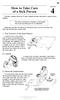 39 How to Take Care of a Sick Person Sickness weakens the body. To gain strength and get well quickly, special care is needed. Medicines are often not necessary. But good care is always important. The
Frequently Asked Questions: Gastric Bypass Surgery at CMC
 Frequently Asked Questions: Gastric Bypass Surgery at CMC Please feel free to talk with any member of the Obesity Treatment Center team at Catholic Medical Center regarding any questions, concerns or comments
X-Plain Hypoglycemia Reference Summary
 X-Plain Hypoglycemia Reference Summary Introduction Hypoglycemia is a condition that causes blood sugar level to drop dangerously low. It mostly shows up in diabetic patients who take insulin. When recognized
Constipation in Parkinson's Disease
 Constipation in Parkinson's Disease Constipation is an almost universal problem among patients with Parksinson's Disease. Constipation can vary from mild and bothersome to severe and very troubling. It
CHOP Chemotherapy Regimen for Lymphoma Information for Patients
 CHOP Chemotherapy Regimen for Lymphoma Information for Patients The Regimen Contains: C: Cytoxan (cyclophosphamide) H: Adriamycin (hydroxy doxorubicin) O: vincristine (Oncovin ) P: Prednisone How Is This
Laparoscopic Antireflux Surgery Information Sheet
 Laparoscopic Antireflux Surgery Information Sheet What is Laparoscopic Antireflux Surgery? Antireflux surgery (also known as fundoplication) is the standard surgical method of treating gastro-oesophageal
Laparoscopic Fundoplication for Reflux
 Laparoscopic Fundoplication for Reflux Exceptional healthcare, personally delivered Understanding Reflux General Reflux happens when acid from the stomach washes up into the gullet (oesophagus) from the
VAD Chemotherapy Regimen for Multiple Myeloma Information for Patients
 VAD Chemotherapy Regimen for Multiple Myeloma Information for Patients The Regimen contains: V = vincristine (Oncovin ) A = Adriamycin (doxorubicin) D = Decadron (dexamethasone) How Is This Regimen Given?
Gas in the Digestive Tract
 Altru HEALTH SYSTEM Gas in the Digestive Tract What is gas? Everyone has gas and eliminates it by burping or passing it through the rectum. However, many people think they have too much gas when they really
Calcium. 1995-2013, The Patient Education Institute, Inc. www.x-plain.com nuf40101 Last reviewed: 02/19/2013 1
 Calcium Introduction Calcium is a mineral found in many foods. The body needs calcium to maintain strong bones and to carry out many important functions. Not having enough calcium can cause many health
For the Patient: GDP Other names: LYGDP
 1 For the Patient: GDP Other names: LYGDP G D P Gemcitabine Dexamethasone (taken by mouth) CISPlatin Uses: GDP is a drug treatment given for Non-Hodgkins and Hodgkin Lymphoma with the expectation of destroying
Sleeve Gastrectomy Surgery & Follow Up Care
 Sleeve Gastrectomy Surgery & Follow Up Care Sleeve Gastrectomy Restrictive surgical weight loss procedure Able to eat a smaller amount of food to feel satiety, less than 6 ounces at a meal Surgery The
Incontinence. What is incontinence?
 Incontinence What is incontinence? Broadly speaking, the medical term incontinence refers to any involuntary release of bodily fluids, but many people associate it strongly with the inability to control
Digestive System. About the Digestive System. How Digestion Works
 Digestive System The first step in the digestive process happens before we even taste food. Just by smelling that homemade apple pie or thinking about how delicious that ripe tomato is going to be, you
Fecal Incontinence. What is fecal incontinence?
 Scan for mobile link. Fecal Incontinence Fecal incontinence is the inability to control the passage of waste material from the body. It may be associated with constipation or diarrhea and typically occurs
What is the Sleeve Gastrectomy?
 What is the Sleeve Gastrectomy? The Sleeve Gastrectomy (also referred to as the Gastric Sleeve, Vertical Sleeve Gastrectomy, Partial Gastrectomy, or Tube Gastrectomy) is a relatively new procedure for
Background (cont) World Health Organisation (WHO) and IDF predict that this number will increase to more than 1,3 million in the next 25 years.
 Diabetes Overview Background What is diabetes Non-modifiable risk factors Modifiable risk factors Common symptoms of diabetes Early diagnosis and management of diabetes Non-medical management of diabetes
Opioid Analgesic Medication Information
 Opioid Analgesic Medication Information This handout provides information about treating pain with opioid analgesics or narcotics. Please read this entire handout. We want to be sure that you understand
Managing Acute Side Effects of Colorectal & Anal Radiation Therapy
 RADIATION THERAPY SYMPTOM MANAGEMENT Managing Acute Side Effects of Colorectal & Anal Radiation Therapy In this booklet you will learn about: Common side effects when you receive radiation therapy to your
Urine Leaks After Prostate Cancer Treatment
 Managing Symptoms After Prostate Cancer Urine Leaks After Prostate Cancer Treatment Urine leaks after surgery or radiation for prostate cancer are common. The medical term for this is incontinence (say:
Nash Heartburn Treatment Center
 Nash Heartburn Treatment Center a division of Nash Health Care NHCS Mission Statement: To provide superior quality health care services and to help improve the health of the community in a caring, efficient
Colonoscopy Preparation - Standard
 Colonoscopy Preparation - Standard Please note: If your appointment is before 8 am please contact: 303.604.5000 Please read ALL the following information regarding your upcoming procedure (both front and
C. difficile Infections
 C. difficile Infections Introduction C. difficile is a type of bacteria that can cause diarrhea and infection of the colon. This bacterium is more likely to infect patients at hospitals and other healthcare
What Is Clostridium Difficile (C. Diff)? CLOSTRIDIUM DIFFICILE (C. DIFF)
 What Is Clostridium Difficile (C. Diff)? Clostridium difficile, or C. diff for short, is an infection from a bacterium, or bug, that can grow in your intestines and cause bad GI symptoms. The main risk
Gastric Sleeve Surgery
 Gastric Sleeve Surgery Introduction Obesity is associated with many diseases such as diabetes, high blood pressure, heart problems, and degeneration of the joints. These diseases and the obesity itself
Streptococcal Infections
 Streptococcal Infections Introduction Streptococcal, or strep, infections cause a variety of health problems. These infections can cause a mild skin infection or sore throat. But they can also cause severe,
Venous Thrombosis and Pulmonary Embolism Treatment with Rivaroxaban
 Venous Thrombosis and Pulmonary Embolism Treatment with Rivaroxaban Information for patients and families Read this booklet to learn: about venous thrombosis and pulmonary embolism how the medicine Rivaroxaban
Ulcerative Colitis & Proctitis. About Ulcerative Colitis & Proctitis
 Ulcerative Colitis & Proctitis About Ulcerative Colitis & Proctitis When you first learn that you have ulcerative colitis, you will probably feel overwhelmed. You may not even have heard of ulcerative
Crohn s Disease. What I need to know about. U.S. Department of Health and Human Services
 What I need to know about Crohn s Disease NATIONAL INSTITUTES OF HEALTH National Digestive Diseases Information Clearinghouse U.S. Department of Health and Human Services What I need to know about Crohn
My Spinal Surgery: Going Home
 My Spinal Surgery: Going Home The Spinal Surgery Team has prepared this insert containing information to help prepare you and your family for going home after your spinal surgery. Please visit the UHN
Digestive System Notes
 Digestive System Notes Structure Function Relation Mouth cavity Mechanical digestion by teeth; chemical digestion of starch by saliva. Salivary glands Three pairs of glands which secrete saliva containing
QS114. NICE quality standard for irritable bowel syndrome in adults (QS114)
 NICE quality standard for irritable bowel syndrome in adults (QS114) QS114 NICE approved the reproduction of its content for this booklet. The production of this booklet is sponsored by Thermo Fisher Scientific,
Organic Acid Disorders
 Genetic Fact Sheets for Parents Organic Acid Disorders Screening, Technology, and Research in Genetics is a multi-state project to improve information about the financial, ethical, legal, and social issues