
Interventions for treating chronic ankle instability (Review)
|
|
|
- Antonia Simmons
- 10 years ago
- Views:
Transcription
1 de Vries JS, Krips R, Sierevelt IN, Blankevoort L, van Dijk CN This is a reprint of a Cochrane review, prepared and maintained by The Cochrane Collaboration and published in The Cochrane Library 2011, Issue 8

2 T A B L E O F C O N T E N T S HEADER ABSTRACT PLAIN LANGUAGE SUMMARY BACKGROUND OBJECTIVES METHODS RESULTS Figure Figure DISCUSSION AUTHORS CONCLUSIONS ACKNOWLEDGEMENTS REFERENCES CHARACTERISTICS OF STUDIES DATA AND ANALYSES Analysis 1.1. Comparison 1 Conservative treatment: Neuromuscular training versus control, Outcome 1 Functional outcome scores at end of training (higher = better) Analysis 2.1. Comparison 2 Surgery: Non anatomic versus anatomic reconstruction, Outcome 1 Subjective instability and pain Analysis 2.2. Comparison 2 Surgery: Non anatomic versus anatomic reconstruction, Outcome 2 Complications and revisions Analysis 2.3. Comparison 2 Surgery: Non anatomic versus anatomic reconstruction, Outcome 3 Radiographic instability. 41 Analysis 2.4. Comparison 2 Surgery: Non anatomic versus anatomic reconstruction, Outcome 4 Reduction in measures of radiographic ligament laxity Analysis 3.1. Comparison 3 Surgery: Anatomic (reinsertion) versus anatomic (imbrication), Outcome 1 Unsatisfactory functional score at 2 years Analysis 3.3. Comparison 3 Surgery: Anatomic (reinsertion) versus anatomic (imbrication), Outcome 3 Subjective instability and pain Analysis 3.4. Comparison 3 Surgery: Anatomic (reinsertion) versus anatomic (imbrication), Outcome 4 Complications. 44 Analysis 3.6. Comparison 3 Surgery: Anatomic (reinsertion) versus anatomic (imbrication), Outcome 6 Operating time (minutes) Analysis 4.1. Comparison 4 Surgery: Dynamic tenodesis versus static tenodesis, Outcome 1 Unsatisfactory function at 25 months Analysis 4.2. Comparison 4 Surgery: Dynamic tenodesis versus static tenodesis, Outcome 2 Complications and revisions. 46 Analysis 5.1. Comparison 5 Post-operative rehabilitation: Early mobilisation in a brace versus plaster immobilisation, Outcome 1 Karlsson score - unsatisfactory function Analysis 5.3. Comparison 5 Post-operative rehabilitation: Early mobilisation in a brace versus plaster immobilisation, Outcome 3 Non-return to prior athletic activity Analysis 5.4. Comparison 5 Post-operative rehabilitation: Early mobilisation in a brace versus plaster immobilisation, Outcome 4 Return to previous activity level (weeks) Analysis 5.8. Comparison 5 Post-operative rehabilitation: Early mobilisation in a brace versus plaster immobilisation, Outcome 8 Postoperative complications ADDITIONAL TABLES APPENDICES WHAT S NEW HISTORY CONTRIBUTIONS OF AUTHORS DECLARATIONS OF INTEREST SOURCES OF SUPPORT DIFFERENCES BETWEEN PROTOCOL AND REVIEW INDEX TERMS i

3 [Intervention Review] Interventions for treating chronic ankle instability Jasper S de Vries 1, Rover Krips 2, Inger N Sierevelt 2, Leendert Blankevoort 2, C N van Dijk 2 1 Department of Orthopaedic Surgery, Tergooiziekenhuizen, Hilversum, Netherlands. 2 Department of Orthopaedic Surgery, Academic Medical Center, Amsterdam, Netherlands Contact address: Jasper S de Vries, Department of Orthopaedic Surgery, Tergooiziekenhuizen, Van Riebeeckweg 212, Hilversum, Noord-Holland, 1213 XZ, Netherlands. [email protected]. Editorial group: Cochrane Bone, Joint and Muscle Trauma Group. Publication status and date: New search for studies and content updated (conclusions changed), published in Issue 8, Review content assessed as up-to-date: 12 May Citation: de Vries JS, Krips R, Sierevelt IN, Blankevoort L, van Dijk CN. Interventions for treating chronic ankle instability. Cochrane Database of Systematic Reviews 2011, Issue 8. Art. No.: CD DOI: / CD pub3. Background A B S T R A C T Chronic lateral ankle instability occurs in 10% to 20% of people after an acute ankle sprain. Initial treatment is conservative but if this fails and ligament laxity is present, surgical intervention is considered. Objectives To compare different treatments, conservative or surgical, for chronic lateral ankle instability. Search methods We searched the Cochrane Bone, Joint and Muscle Trauma Group Specialised Register, the Cochrane Central Register of Controlled Trials, MEDLINE, EMBASE, CINAHL and reference lists of articles, all to February Selection criteria All identified randomised and quasi-randomised controlled trials of interventions for chronic lateral ankle instability were included. Data collection and analysis Two review authors independently assessed risk of bias and extracted data from each study. Where appropriate, results of comparable studies were pooled. Main results Ten randomised controlled trials were included. Limitations in the design, conduct and reporting of these trials resulted in unclear or high risk of bias assessments relating to allocation concealment, assessor blinding, incomplete and selective outcome reporting. Only limited pooling of the data was possible. Neuromuscular training was the basis of conservative treatment evaluated in four trials. Neuromuscular training compared with no training resulted in better ankle function scores at the end of four weeks training (Ankle Joint Functional Assessment Tool (AJFAT): mean difference (MD) 3.00, 95% CI 0.3 to 5.70; 1 trial, 19 participants; Foot and Ankle Disability Index (FADI) data: MD 8.83, 95% CI 4.46 to 13.20; 2 trials, 56 participants). The fourth trial (19 participants) found no significant difference in the functional outcome after six weeks training programme on a cyclo-ergometer with a bi-directional compared with a traditional uni-directional pedal. Longer-term follow-up data were not available for these four trials. 1

4 Four studies compared surgical procedures for chronic ankle instability. One trial (40 participants) found more nerve injuries after tenodesis than anatomical reconstruction (risk ratio (RR) 5.50, 95% CI 1.39 to 21.71). One trial (99 participants) comparing dynamic versus static tenodesis excluded 17 patients allocated dynamic tenodesis because their tendons were too thin. The same trial found that dynamic tenodesis resulted in higher numbers of people with unsatisfactory function (RR 8.62, 95% CI 1.97 to 37.77, 82 participants). One trial comparing techniques of lateral ankle ligament reconstruction (60 participants) found that operating time was shorter using the reinsertion technique than the imbrication method (MD minutes, 95% CI to -4.52). Two trials (70 participants) compared functional mobilisation with immobilisation after surgery. These found early mobilisation led to earlier return to work (MD weeks, 95% CI to -0.94; 1 trial) and to sports (MD weeks, 95% CI to -1.51; 1 trial). Authors conclusions Neuromuscular training alone appears effective in the short term but whether this advantage would persist on longer-term follow-up is not known. While there is insufficient evidence to support any one surgical intervention over another surgical intervention for chronic ankle instability, it is likely that there are limitations to the use of dynamic tenodesis. After surgical reconstruction, early functional rehabilitation appears to be superior to six weeks immobilisation in restoring early function. P L A I N L A N G U A G E S U M M A R Y Chronic lateral ankle instability may be treated with or without surgery Chronic ankle instability is common after an acute lateral ankle sprain. Initial treatment is conservative, either with bracing or neuromuscular training. However, if symptoms persist and the ligaments on the outside of the ankle are elongated or torn, surgery is usually considered. This review includes 10 small and flawed trials that recruited a total of 388 people with chronic ankle instability. Limitations in the design, conduct and reporting of these trials meant that it was difficult to be certain that their results were valid. Three trials compared neuromuscular training with no training. These found a programme of neuromuscular training appears to provide short term improvement in functional stability. One trial testing the use of a special cycle pedal found that it did not make an important difference to function. However, none of these four trials followed-up patients after the end of treatment. Four trials compared different types of surgical intervention. There was insufficient evidence to strongly support any specific surgical procedure for treating chronic ankle instability. Two trials found that, after surgical reconstruction, early functional rehabilitation enabled patients to return to work and sports quicker than six weeks immobilisation. B A C K G R O U N D Description of the condition Damage to the lateral ankle ligaments by forced inversion of the ankle joint (outward snapping of the ankle relative to the foot) is one of the most common lower limb injuries. In most people, only the anterior talo-fibular ligament (ATFL, the front ligament on the outside ankle) is affected but in a minority this is combined with a rupture of the calcaneo-fibular ligament (CFL, the middle ankle ligament on the outside ankle) (Brostrom 1966). Although surgical treatment for acute injuries of the lateral ankle ligaments probably gives slightly better functional results than conservative treatment, it is unclear whether this compensates for a higher risk of complications, higher costs and required operation time (Kerkhoffs 2007; Pijnenburg 2000). Conservative treatment leads to full functional recovery in most people (Kerkhoffs 2007). However, up to 20% continue to suf- 2

5 fer from lateral ankle instability, characterised by recurrent ankle sprains or a feeling of apprehension in the ankle (giving way). If this persists for longer than six months, the terms chronic (lateral) ankle instability (CAI) is used (Karlsson 1996). Prior to the 1960s, it was assumed that chronic ankle instability was mechanical in origin, resulting from structural laxity of the injured ankle ligaments. This mechanical instability (MI) can be assessed by physical and radiological examination, using the anterior drawer test and the ankle inversion test (Karlsson 1996). However, it is now clear that chronic ankle instability may occur with or without increased ligament laxity (Bozkurt 2006). Nor does increased ligament laxity always result in symptomatic instability. These observations have led to the concept that functional instability (FI) resulting from a neuromuscular deficit is implicated along with mechanical instability in people with symptoms of chronic ankle instability (Halasi 2005; Hertel 2002; Hubbard 2007). Description of the intervention Initial treatment of chronic ankle instability may therefore consist of neuromuscular training of the ankle. Several training programmes have been developed. This may be supplemented by external ankle support, e.g. tape or a brace (Richie 2001). If, after a programme of rehabilitation, symptoms persist and increased ligament laxity is present, surgical treatment is usually considered (Karlsson 1996). Surgical procedures fall into two main categories. In anatomic reconstructions (Brostrom 1966), the previously ruptured ligaments are tightened by overlapping (imbrication) or by re-attaching one end of the ligament into the bone (reinsertion). In nonanatomic reconstructions, the structural laxity is corrected using other tissues, normally tendon (tenodesis) (Chrisman 1969; Evans 1953). Retrospective comparative studies seem to suggest that anatomic reconstructions show superior results in the long term (Krips 2002). How the intervention might work The aim of neuromuscular rehabilitation is to optimise lower limb postural control and restore active stability by training (Loudon 2008). The aim of surgical reconstruction is the reduction of increased ligament laxity. Tape and braces may provide some external mechanical support for an unstable ankle, but it has also been suggested that the beneficial effect is explained by enhancement of proprioception (awareness of position, movement and balance) through skin pressure (Baier 1998). Why it is important to do this review The effectiveness of neuromuscular training needs to be formally evaluated. Also, it remains unclear whether and in what circumstances surgery is effective in management of chronic instability, with or without a component of neuromuscular rehabilitation), and which treatment programme provides the best balance of benefits and adverse effects. In this circumstance, a regularly updated review of evidence is important. O B J E C T I V E S To assess the effects of any treatment, conservative or surgical, compared with any other treatment or no treatment, for chronic lateral ankle instability in skeletally mature people. M E T H O D S Criteria for considering studies for this review Types of studies Any randomised or quasi-randomised (methods of allocating participants to a treatment which are not strictly random e.g. date of birth, hospital record number or alteration) controlled trial comparing any conservative or surgical treatments for chronic lateral ankle instability with any other or no treatment was considered for inclusion. Types of participants Skeletally mature individuals with chronic lateral ankle instability. Chronic lateral ankle instability was defined as symptoms of ankle instability, recurrent sprains or giving way, persisting for more than six months (Karlsson 1996). Trials dealing exclusively with children or people with congenital deformities or degenerative conditions were excluded. A trial with a mixed population of adults and children would have been included if the adult population was reported separately. Trials dealing exclusively with the prevention of ankle sprains in healthy individuals were excluded. This is the subject of another Cochrane review (Handoll 2001). A trial dealing with prevention of ankle sprains in a mixed population of healthy individuals and people suffering from chronic ankle instability would have been included if data from participants with chronic ankle instability were reported separately. Trials evaluating the treatment of acute injury to the lateral ankle ligaments were also excluded; their effectiveness is addressed in three separate Cochrane reviews (Kerkhoffs 2007; Kerkhoffs 2002a; Kerkhoffs 2002b). 3

6 Types of interventions Any type of treatment for chronic lateral ankle instability was considered: any form of non-operative treatment, e.g. neuromuscular training programmes or ankle joint support (orthotic braces, tape, etc); any surgical procedure to reinforce and/or shorten the lateral ankle ligaments; and any form of post-surgical rehabilitation. Types of outcome measures Details about outcome measures are given in Table 1. In the table, outcome measures are divided in the categories patient derived, physical examination and additional. Primary outcomes 1. Functional outcome 2. Subjective stability Secondary outcomes 1. Recurrent injury 2. Use of external support 3. Pain 4. Swelling 5. Time to return to work/sports 6. Patient satisfaction 7. Mechanical laxity (manual) 8. Range of motion (ROM) 9. Swelling 10. Muscle atrophy or objective muscle weakness 11. Mechanical laxity (radiological) 12. Complications of surgical interventions 13. Re-operation Search methods for identification of studies Electronic searches We searched the Cochrane Bone, Joint and Muscle Trauma Group Specialised Register (to February 2010), the Cochrane Central Register of Controlled Trials (The Cochrane Library 2010, Issue 1), MEDLINE (1950 to February Week ), EMBASE (1980 to 2010 Week 06) and CINAHL (1937 to February 2010). No language restrictions were applied. In MEDLINE (OVID) the subject-specific strategy was combined with the Cochrane Highly Sensitive Search Strategy for identifying randomised trials in MEDLINE: sensitivity-maximizing version (Lefebvre 2009) and modified for use in other databases (see Appendix 1). Searching other resources We searched reference lists of articles and contacted researchers in the field to identify further studies or additional data. Data collection and analysis Selection of studies From the title, abstract or descriptors, two review authors (JdV and IS) independently reviewed literature searches to identify potentially relevant trials for full review. From the full text articles, trials which met the selection criteria were included. All randomised trials of interventions for chronic ankle instability, as defined above, were included. Disagreement was resolved by a consensus procedure, followed, if required, by scrutiny from a third review author (LB). Data extraction and management Two review authors (JdV and RK) extracted the data independently using a data-extraction form. If necessary, trialists were contacted in order to complete the data or provide further information on methodology. Disagreement was resolved by a consensus procedure, followed, if necessary, by scrutiny from a third review author (LB). Assessment of risk of bias in included studies Two review authors (JdV and IS) assessed the risk of bias in the included studies, according to Higgins Disagreement was resolved by a consensus procedure, followed, if required, by scrutiny from a third review author (LB). The domains assessed were Adequate sequence generation?, Allocation concealment?, Blinding?, Incomplete outcome data addressed?, Free of selective reporting? and Free of other bias?. An interpretation of the overall risk of bias per study and the risk of bias for the three comparisons was assessed according to Schünemann Measures of treatment effect For each study, risk ratios and 95% confidence intervals were calculated for dichotomous outcomes and mean differences and 95% confidence intervals for continuous outcomes. Where possible, ordinal data were handled as dichotomous data where there were a small number of categories (e.g. < 5) or as continuous data where there were a larger number of categories. 4

7 Unit of analysis issues We were aware of potential unit of analysis issues in the two studies that included a few people who were treated for chronic instability of both ankles. We planned to use the data from the ankle with the worst results for such patients but this was not possible in the included trials; nor was sensitivity analysis to explore the effects of including unadjusted data. Dealing with missing data We contacted trial authors to request missing data. Where possible we performed intention-to-treat analyses to include all people randomised. However, where drop-outs were identified, the actual denominators of participants contributing data at the relevant outcome assessment were used. We were alert to the potential mislabelling or non identification of standard errors and standard deviations. Unless missing standard deviations could be derived from confidence intervals or standard errors, we did not assume values in order to present these in the analyses. Assessment of heterogeneity Heterogeneity between comparable trials was tested using a standard Chi² test, with additional consideration of the I² statistic. Data synthesis Where appropriate, the results of trials were pooled using both fixed-effect and random-effects models. We planned to present results for the fixed-effect model unless there was statistically significant heterogeneity (P < 0.10); in which case the results for the random-effects model would have been presented. Subgroup analysis and investigation of heterogeneity Proposed subgroup analyses for future updates are by activity level (athletes versus sedentary lifestyle). Sensitivity analysis We planned exploratory sensitivity analysis to examine the effects of excluding trials with a high risk of bias, and also the impact of missing dichotomous data on trial results. R E S U L T S Description of studies See: Characteristics of included studies; Characteristics of excluded studies; Characteristics of studies awaiting classification. Results of the search A total of 81 potentially eligible trials were identified. Studies were excluded because they were not randomised or controlled (31), had no clinical outcome measures (18), evaluated acute or sub-acute ankle injury (7), were retrospective (3) or for other reasons (10). Detailed reasons for exclusion can be found in the Characteristics of excluded studies. Two studies are awaiting assessment for inclusion (Helton 2008; Romero-Cruz 2004). Included studies Ten studies were included for analysis (Clark 2005; Hale 2007; Hennrikus 1996; Høiness 2003; Karlsson 1995; Karlsson 1997; Karlsson 1999; Larsen 1990; McKeon 2008b Rosenbaum 1999). All studies were published in English and peer reviewed medical journals between 1990 and They were all identified in MEDLINE, EMBASE or CINAHL. All studies evaluated people with chronic lateral ankle instability, although in three studies a pre-treatment duration of symptoms of more than six months was not explicitly mentioned (Larsen 1990; McKeon 2008b; Rosenbaum 1999). Since other inclusion criteria were met and according to the patient description a sufficient duration of complaints could be assumed, these studies were not excluded. A total of 388 participants was randomised, of whom 333 were analysed at final follow-up. Mean or median age ranged from 19.5 to 29.7 years. The youngest recorded patient was 17 years and the oldest 49 years. In most studies both males and females were included, with a male participation rate varying from 39% to 100%. Two studies evaluated men only (Clark 2005; Rosenbaum 1999). The 10 included studies were divided into three groups: four studies evaluated conservative treatment in the form of different neuromuscular training programmes for chronic (functional) ankle instability (four studies); studies comparing different forms of surgical interventions for chronic ankle instability (four studies); and studies comparing different rehabilitation programmes after a surgical intervention for chronic ankle instability (two studies). This division is used in all following sections. Studies comparing different programmes of neuromuscular training for chronic ankle instability All four studies in this category were designed as pre-test/ posttest randomised trials without a follow-up period. In three of the four studies, a four-week neuromuscular training programme was compared with no training (Clark 2005; Hale 2007; McKeon 2008b). The programmes consisted of 8 to 12 supervised training sessions of 20 to 30 minutes in four weeks, comprising multiple (balance) exercises. In Hale 2007, participants also had to train at home in the last two weeks. Group size varied from nine to 16 people with chronic ankle instability. In the fourth study, training with an experimental bi-directional pedal on a cyclo-ergometer (n 5

8 = 10) was compared to training with a standard uni-directional pedal (n = 9) during a six-week training programme (Høiness 2003). All four studies combined functional scores as outcome measure with physiologic outcome measures. Clark 2005 used the Ankle Joint Functional Assessment Tool (AJFAT) questionnaire, Hale 2007 and McKeon 2008b the Foot and Ankle Disability Index (FADI) and the FADI Sport, and Høiness 2003 assessed functional outcome with a modified Karlsson ankle score. Studies comparing different surgical procedures for chronic ankle instability None of the four studies evaluated exactly the same comparison, although two studies compared an anatomical reconstruction with a tenodesis (Hennrikus 1996; Rosenbaum 1999). Hennrikus 1996 compared the outcome after a modified Broström anatomical reconstruction of the lateral ankle ligaments with the Chrisman- Snook tenodesis in 40 people. The main outcome measure was the Sefton ankle score. Rosenbaum 1999 compared a modified Evans tenodesis with an anatomical reconstruction in 20 males. The main outcome measures were range of motion and mechanical stability. Karlsson 1997 compared two different anatomic reconstructions in 60 people. In one group, the lateral ligaments were shortened by reinsertion onto the distal fibula and reinforced by a periosteal flap. In the other group, the ligaments were imbricated (shortening of the ligament itself) and the reconstruction was reinforced by the inferior extensor retinaculum. The main outcome measure was the Karlsson ankle score. Larsen 1990 compared a dynamic tenodesis (26 people) with a static (Winfield) tenodesis (56 people). In the static tenodesis, an anatomic reconstruction according to the authors, the full-thickness distal end of the peroneus was used to reconstruct both the anterior talofibular ligament and the calcaneofibular ligament. In the dynamic variant, the distal brevis tendon was split longitudinally and the anterior half was used for dynamic repair. The main outcome measure for Larsen 1990 was a self-designed clinical ankle score. Studies comparing different rehabilitation programmes after surgery for chronic ankle instability Both studies, (conducted by Karlsson et al (Karlsson 1995; Karlsson 1999)) evaluating rehabilitation after surgery for chronic ankle instability, compared early mobilisation and range of motion training in a brace with six weeks of plaster immobilisation. Karlsson 1995 compared the outcome after six weeks of immobilisation by plaster cast with early range of motion training in a walking boot after an anatomical reconstruction of the lateral ankle ligaments in 40 people. The walking boot is a prefabricated brace that allows only for a preset plantar- and dorsiflexion range of motion. Participants in this group started with two weeks of immobilisation after which range of motion was gradually extended. After six weeks, both groups started with the same supervised rehabilitation programme. Main outcome measures were the Karlsson ankle score, range of motion and return to work and sports. Karlsson 1999 compared six weeks of immobilisation with controlled range of motion in an Air-Cast ankle brace after an anatomic reconstruction in 30 patients. During the first two weeks only free plantar and dorsiflexion was allowed in the brace group. Then two weeks of controlled range of motion was conducted. In weeks five and six, this was combined with co-ordination and strength training. After six weeks, both groups underwent the same rehabilitation programme again. The main outcome measure was the Karlsson ankle score. Further details about the individual studies can be found in the Characteristics of included studies. Risk of bias in included studies Risk of bias assessment for the included studies is shown for each study in Characteristics of included studies, and summarised in Figure 1 and Figure 2. All studies were judged at high risk of bias for at least one domain, mostly concerning blinding and selective reporting. 6


9 Figure 1. Risk of bias summary: review authors judgements about each risk of bias item for each included study. 7


10 Figure 2. Risk of bias graph: review authors judgements about each risk of bias item presented as percentages across all included studies. Allocation No study had a low risk of selection bias. In one study (Larsen 1990) the randomisation procedure was clearly described, and incomplete details were provided in three others (Hennrikus 1996; Høiness 2003; Karlsson 1997). However, adequate random sequence generation combined with adequate allocation concealment could not be confirmed in any of the studies. Conversely, no study had clearly inadequate sequence generation or allocation concealment (see the Characteristics of included studies for allocation concealment judgements). Larsen 1990 clearly did not follow the intention-to-treat principle. Comparability of the groups was good and well described in seven studies (Clark 2005; Hale 2007; Høiness 2003; Karlsson 1995; Karlsson 1997; Karlsson 1999; Rosenbaum 1999). In McKeon 2008b comparability was well described and showed a small difference in age between the groups. In two studies (Hennrikus 1996; Larsen 1990), comparability was not mentioned. Blinding In two studies (Karlsson 1995; Karlsson 1999), it was well described that assessors were blinded; none of the other studies mentioned who performed the outcome assessment. Incomplete outcome data In three studies there were no participants lost to follow-up and it was clear that all participants were included in the analyses ( Karlsson 1997; Karlsson 1999; Rosenbaum 1999). Three other studies described how many, and in most cases why, participants were lost to follow-up (Hale 2007; Høiness 2003; Karlsson 1995). In three more studies, it was unclear if there were participants lost to follow-up (Clark 2005; Hennrikus 1996; McKeon 2008b). In Larsen 1990, prior to surgery, participants were randomised to one of the two treatment groups (static or dynamic tenodesis), but during the operation, some of the participants in the dynamic group were excluded because the procedure was not feasible. These participants underwent a static repair and were not included in the analyses. Selective reporting Five studies reported clearly specified outcome measures (Clark 2005; Hale 2007; Høiness 2003; McKeon 2008b; Rosenbaum 1999). The other five studies (Hennrikus 1996; Karlsson 1995; Karlsson 1997; Karlsson 1999; Larsen 1990) mentioned some outcome measures in the methods section, but reported additional outcome measures which had not been pre-specified. Other potential sources of bias Generally reflecting lack of information to make judgements, all studies were assessed as unclear in this domain. 8

11 Effects of interventions Studies comparing different conservative treatment (primarily neuromuscular training) for chronic ankle instability Three (Clark 2005; Hale 2007; McKeon 2008b) of the four studies in this category compared a neuromuscular training programme with no training. In addition to several physiological outcome measures, all three trials used a foot and ankle functional score to evaluate outcome at the end of treatment. The data, estimated from a graph, for the Ankle Joint Functional Assessment Tool (AJ- FAT) in Clark 2005 showed that the training group (10 participants) had a better result than the control group (9 participants) (mean difference (MD) 3.00, 95% CI 0.3 to 5.70; see Analysis 1.1). Pooling of Foot and Ankle Disability Index (FADI) data from Hale 2007 (change scores) and McKeon 2008b (final values scores) also showed significantly higher and better scores in the neuromuscular rehabilitation groups (29 versus 27 participants; MD (fixed) 8.83, 95% CI 4.46 to 13.20; see Analysis 1.1). The same applied for the sport domain of the FADI tool (FADI Sport: MD (fixed) 11.59, 95% CI 6.48 to 16.69). Høiness 2003 reported no significant difference in baseline or at the end of training in function measured using a modified Karlsson score (0: worst to 85: best) between the group (10 participants) using bi-directional pedal compared with the group (9 participants) using a standard uni-directional pedal during a sixweek training programme on a cycle-ergometer. The mean baseline Karlsson scores were: 71.8 versus 63.2; the scores at the end of the programme were: 76.9 versus Studies comparing different surgical procedures for chronic ankle instability Non-anatomic versus anatomic reconstruction Both Hennrikus 1996, who compared the Chrisman-Snook (CS) procedure with a modified Brostrom (B) anatomic reconstruction, and Rosenbaum 1999, who compared a tenodesis (Modified Evans procedure) with an anatomic reconstruction, reported generally good results for both operations. There was no statistically significant differences between the two operations in subjective instability (3/28 versus 1/30; RR 2.49, 95% CI 0.39 to 15.83) or pain at follow-up (4/30 versus 2/30; RR 2.00, 95% CI 0.41 to 9.86: see Analysis 2.1). Hennrikus 1996 found a statistically significantly higher rate of nerve damage in the Chrisman-Snook group (11/ 20 versus 2/20; RR 5.50, 95% CI 1.39 to 21.71; see Analysis 2.2). Of the 18 participants available for clinical examination in Hennrikus 1996, one person in each group had radiographic instability (see Analysis 2.3). Rosenbaum 1999 found a significantly greater reduction of the radiographic talar tilt at follow-up for the non-anatomic reconstruction group (MD 5.30 degrees, 95% CI 0.89 to 9.71; see Analysis 2.4). The difference in anterior drawer test was not statistically significant (MD 0.70 mm, 95% CI to 3.28). Anatomic (reinsertion) versus anatomic (imbrication) reconstruction In a study evaluating two different anatomic reconstructions, Karlsson 1997 found here were no statistically significant differences between the two groups in the numbers of participants with an unsatisfactory functional outcome (3/30 versus 5/30; see Analysis 3.1) or in the Tegner scores (see Analysis 3.2). Similar findings of non-significant differences between the two groups applied to subjective instability (2 in each group), pain at follow-up (1/30 versus 4/30; see Analysis 3.3), complications (see Analysis 3.4), and radiographic stability (see Analysis 3.5). However, a statistically significant shorter operating time for the reinsertion technique was found (MD minutes, 95% CI to -4.52; see Analysis 3.6). Dynamic with static tenodesis Larsen 1990 compared dynamic with static tenodesis. Though 99 patients were randomised into the study, 17 out of the 43 patients allocated dynamic tenodesis were excluded because of too thin tendons. Larsen 1990 found that the dynamic tenodesis was associated with more frequent complaints of functional limitation (8/ 26 versus 2/56; RR 8.62, 95% CI 1.97 to 37.77; see Analysis 4.1) and subsequent distortion trauma (6/26 versus 1/56; RR 12.92, 95% CI 1.64 to ; see Analysis 4.2). There were no statistically significant differences between the two groups in numbers of participants with other complications, swelling or having a reintervention (see Analysis 4.3). There was no difference between the two operations in the time to return to work (see Analysis 4.3). Larsen 1990 reported that dynamic tenodesis was associated with greater hindfoot inversion (see Analysis 4.4). Studies comparing different rehabilitation programmes after surgery for chronic ankle instability Pooled data from the two trials (Karlsson 1995; Karlsson 1999) comparing early mobilisation in a brace versus immobilisation after surgery showed fewer participants of the early mobilisation group had an unsatisfactory outcome (fair or poor Karlsson score) at two-year follow-up (2/35 versus 7/35; RR 0.29; 95% CI 0.06 to 1.28; see Analysis 5.1). Of the five participants with an unsatisfactory outcome in Karlsson 1995, one participant in each group had subjective instability. The other three participants in the immobilisation group had unsatisfactory results due to stiffness and pain. Of the four participants with unsatisfactory results in Karlsson 1999, one was because of instability, two were because of pain and 9

12 the fourth because of pain and instability. Karlsson 1999 reported no significant difference in the final Tegner scores (see Analysis 5.2). Fewer participants in the early mobilisation group compared with the immobilisation group in both trials failed to return to their former athletic activity (2/35 versus 4/35; RR 0.50, 95% CI 0.10 to 2.55; see Analysis 5.3). None of the above differences were statistically significant. Time to return to work (MD weeks, 95% CI to ) and time to return to sport (MD weeks, 95% CI to -1.51) were both statistically significantly shorter in the early mobilisation group of Karlsson 1995 (see Analysis 5.4). Karlsson 1999 found only the difference for the time to return to sport was statistically significant (see Analysis 5.5). In Karlsson 1995, range of motion (dorsiflexion and plantarflexion) after six weeks was reported to be statistically significantly better in the early mobilisation (functionally treated) group (see Analysis 5.6). While range of motion continued to be better in the early mobilisation group at final follow-up, the differences between the two groups were smaller and not statistically significant. Neither trial found statistically significant differences between the two groups in radiologically assessed stability (see Analysis 5.7). There were no significant differences between treatment groups in the two named postoperative complications of superficial wound infection or sensory disturbance (see Analysis 5.8). D I S C U S S I O N Summary of main results The 10 included studies fell in three clearly distinct groups comprising four studies comparing different neuromuscular interventions for chronic ankle instability, four studies comparing different surgical techniques for chronic ankle instability, and two studies comparing different rehabilitation programmes after surgery. There were only limited opportunities for pooling of data, and few statistically significant differences in functional outcomes between groups. Data from three studies (Clark 2005; Hale 2007; McKeon 2008b) showed a better outcome for neuromuscular training compared with no training at the end of treatment. One trial (Høiness 2003) found that training on a bicycle with a bi-directional pedal did not significantly improve ankle function compared with training on a bicycle with a standard uni-directional pedal at the end of treatment. Two small randomised studies have compared non-anatomic versus anatomic reconstruction, each with a different non-anatomic surgical reconstruction. Pooled data for participants with instability or pain at follow-up did not show significant differences between the two operations. In Hennrikus 1996, nerve injury was more frequent after non-anatomic reconstruction. In Rosenbaum 1999, radiological measurement of ankle laxity showed that anatomic repair provided better correction of talar tilt. One study (Karlsson 1997), comparing two anatomic reconstruction techniques, found no difference in any clinical outcome at follow-up but operation time was significantly shorter in the reinsertion group. One study (Larsen 1990) comparing dynamic versus static tenodesis reported two outcomes favouring static tenodesis - fewer participants reported poor function, or had radiological instability. Pooling of data from two studies (Karlsson 1995; Karlsson 1999) comparing plaster immobilisation with early mobilisation and range of motion training in a brace found earlier return to work in the early mobilisation group; this may have reflected the significantly higher range of motion in the same groups at six weeks. Differences between the two groups at long-term follow-up in range of motion and functional outcome were, however, not statistically significant. Overall completeness and applicability of evidence None of the included studies have compared surgery alone versus functional rehabilitation alone, or surgery and functional rehabilitation versus functional rehabilitation alone. No randomised studies evaluating orthotics were identified. The search and selection of studies led to the inclusion of 10 trials, and the discovery of two others that await further assessment. In respect of external validity, the included studies are somewhat heterogeneous. In all studies interventions were described adequately, but only two studies used standardised protocols (Hennrikus 1996; Karlsson 1997). Inclusion criteria were adequately described in all studies. In five studies, the exclusion criteria were clearly described as well (Clark 2005; Hale 2007; Hennrikus 1996; Høiness 2003; McKeon 2008b). The other studies did not describe exclusion criteria or only mentioned a few criteria that did not exclude all conditions that could influence outcome. Care programmes other than the investigated treatment were comparable or not applicable (pre-test/post-test design) in all studies. Only four studies (Karlsson 1995; Karlsson 1997; Karlsson 1999; Larsen 1990) reported active follow-up of more than one year. Rosenbaum 1999 did not evaluate functional outcome. The four small studies evaluating the effectiveness of neuromuscular training in chronic ankle instability (Clark 2005; Hale 2007; Høiness 2003; McKeon 2008b) reported mainly physiological outcome measures, which were outside the scope of this review. However, they did report the results of validated patient-derived functional scores which, in three studies, demonstrated short-term effectiveness. It is not known whether this advantage persists on longer-term follow-up, nor is the clinical significance of the beneficial effect clear. 10

13 Quality of the evidence Although it is generally assumed that both surgical reconstruction, and non-operative functional rehabilitation have a beneficial effect on symptomatic chronic ankle instability, this impression is not based on high level clinical evidence. Although the first CONSORT statement was published in 1996, it is unlikely to have influenced the conduct or reporting of any of the six studies of surgical procedures or of rehabilitation after surgery published before Limitations in the design, conduct and reporting of the trials resulted in judgements of unclear or high risk of selection bias, detection bias, attrition bias and reporting bias in one or more trials. A high risk of detection bias resulted in the GRADE assessment of moderate for the four studies (Clark 2005; Hale 2007; Høiness 2003; McKeon 2008b) evaluating neuromuscular training. However, the lack of post-treatment follow-up is a major failing in all four studies. High risk of bias from various defects such as lack of blinding, selective reporting, incomplete outcome data together with problems with external validity resulted in a GRADE assessment of poor for all the four studies (Hennrikus 1996; Karlsson 1997; Larsen 1990; Rosenbaum 1999) comparing different surgical procedures. A high risk of bias resulting for reporting bias led to a GRADE assessment of moderate for the two studies comparing early mobilisation versus immobilisation after surgery. Potential biases in the review process Although we feel that our search strategy was comprehensive and our methods of study selection were thorough, publication bias, study identification bias and study selection bias can never completely be excluded. Agreements and disagreements with other studies or reviews Four systematic reviews evaluating conservative treatment options for chronic ankle instability have been published (Loudon 2008; McKeon 2008a; van der Wees 2006; Webster 2010). Three of these (Loudon 2008; McKeon 2008a; Webster 2010) included non-randomised trials as well, and two reviews (McKeon 2008a; van der Wees 2006) also evaluated prevention after an acute ankle injury. In accordance with the current review, although partially based on lower levels of evidence, in three of the studies (Loudon 2008; van der Wees 2006; Webster 2010) it was concluded that conservative measures, mainly neuromuscular training, are effective as treatment for chronic ankle instability. Only McKeon 2008a did not find a positive effect of neuromuscular training. However, this was not in accordance with a study by the same author the same year (McKeon 2008b). Two other studies that were included in the current review (Clark 2005; Hale 2007) and also showed a positive effect of training, were not evaluated in McKeon 2008a. No systematic reviews evaluating surgical treatment for chronic lateral ankle instability were identified. A U T H O R S C O N C L U S I O N S Implications for practice In view of the small size of the study populations, the moderate to high risk of bias of the studies, and clinical heterogeneity, this review does not provide strong evidence on which to base practice. Neuromuscular training appears to improve ankle function in the short term but it is unclear whether this advantage is clinically relevant and there is no evidence available on longer term outcome. There is insufficient evidence to support any one surgical intervention over another surgical intervention for chronic ankle instability. However, the practical limitations of dynamic tenodesis in terms of tendon thickness impose some restrictions on the use of this technique. In order to reduce the time to return to work and sports, rehabilitation after surgery for chronic ankle instability should be functional, with early mobilisation of the ankle joint, rather than six weeks of immobilisation. Implications for research There is a need for sufficiently powered, high quality and wellreported randomised controlled trials (Moher 2001) evaluating the treatment of chronic ankle instability, including an analysis of cost effectiveness. For all trials, including those evaluating neuromuscular training programmes, a sufficient follow-up period is important. There is a need for trials evaluating the effectiveness of orthotic devices for the treatment of chronic ankle instability. A C K N O W L E D G E M E N T S We would like to thank Bill Gillespie, Vicki Livingstone and John McKinley for valuable comments about this version of the review. We would like to thank Lesley Gillespie for designing the search strategy, assisting with the development of the protocol and data extraction. We are also grateful to Peter Herbison for his assistance with statistical questions, and Michael Callaghan, Lindsey Elstub, Vicki Livingstone, Bill Gillespie and Janet Wale for commenting on earlier versions of this review. 11

14 R E F E R E N C E S References to studies included in this review Clark 2005 {published data only} Clark VM, Burden AM. A 4-week wobble board exercise programme improved muscle onset latency and perceived stability in individuals with a functionally unstable ankle. Physical Therapy in Sport 2005;6(4): Hale 2007 {published data only} Hale SA, Hertel J, Olmsted-Kramer LC. The effect of a 4- week comprehensive rehabilitation program on postural control and lower extremity function in individuals with chronic ankle instability. Journal of Orthopaedic and Sports Physical Therapy 2007;37(6): [PUBMED: ] Hennrikus 1996 {published data only} Hennrikus WL, Mapes RC, Lyons PM, Lapoint JM. Outcomes of the Chrisman-Snook and modified- Brostrom procedures for chronic lateral ankle instability. A prospective, randomized comparison. American Journal of Sports Medicine 1996;24(4): [PUBMED: ] Høiness 2003 {published data only} Høiness P, Glott T, Ingjer F. High-intensity training with a bi-directional bicycle pedal improves performance in mechanically unstable ankles--a prospective randomized study of 19 subjects. Scandinavian Journal of Medicine & Science in Sports 2003;13(4): [PUBMED: ] Karlsson 1995 {published data only} Karlsson J, Rudholm O, Bergsten T, Faxen E, Styf J. Early range of motion training after ligament reconstruction of the ankle joint. Knee Surgery, Sports Traumatology, Arthroscopy 1995;3(3): [PUBMED: ] Karlsson 1997 {published data only} Karlsson J, Eriksson BI, Bergsten T, Rudholm O, Sward L. Comparison of two anatomic reconstructions for chronic lateral instability of the ankle joint. American Journal of Sports Medicine 1997;25(1): [PUBMED: ] Karlsson 1999 {published data only} Karlsson J, Lundin O, Lind K, Styf J. Early mobilization versus immobilization after ankle ligament stabilization. Scandinavian Journal of Medicine & Science in Sports 1999;9 (5): [PUBMED: ] Larsen 1990 {published data only} Larsen E. Chronic lateral instability of the ankle. A radiographical, clinical and functional study with evaluation of synovial changes and predisposing foot deformities. Danish Medical Bulletin 1993;40(3): [PUBMED: ] Larsen E. Static or dynamic repair of chronic lateral ankle instability. A prospective randomized study. Clinical Orthopaedics & Related Research 1990;(257): [PUBMED: ] McKeon 2008b {published data only} McKeon PO, Ingersoll CD, Kerrigan DC, Saliba E, Bennett BC, Hertel J. Balance training improves function and postural control in those with chronic ankle instability. Medicine & Science in Sports & Exercise 2008;40(10): [PUBMED: ] McKeon PO, Paolini G, Ingersoll CD, Kerrigan DC, Saliba EN, Bennett BC, et al.effects of balance training on gait parameters in patients with chronic ankle instability: a randomized controlled trial. Clinical Rehabiliation 2009;23 (7): [PUBMED: ] Rosenbaum 1999 {published data only} Rosenbaum D, Engelhardt M, Becker HP, Claes L, Gerngross H. Clinical and functional outcome after anatomic and nonanatomic ankle ligament reconstruction: Evans tenodesis versus periosteal flap. Foot & Ankle International 1999;20(10): [PUBMED: ] References to studies excluded from this review Angirasa 2008 {published data only} Angirasa AK, Barrett MJ. Talar anchor placement for modified Brostrom lateral ankle stabilization procedure. Journal of the American Podiatric Medical Association 2008; 98: [PUBMED: ] Baier 1998 {published data only} Baier M, Hopf T. Ankle orthoses effect on single-limb standing balance in athletes with functional ankle instability. Archives of Physical Medicine and Rehabilitation 1998;79(8): [PUBMED: ] Beazell 2009 {published data only} Beazell JR, Grindstaff TL, Magrum EM, Drewes LK, Ingersoll CD, Hertel I. Immediate effect of tibiofibular joint manipulation on ankle dorsiflexion range of motion and step down test scores in individuals with chronic ankle instability. Journal of Manual & Manipulative Therapy 2009;17(3):179. Bernier 1998 {published data only} Bernier JN, Perrin DH. Effect of coordination training on proprioception of the functionally unstable ankle. Journal of Orthopaedic & Sports Physical Therapy 1998;27(4): [PUBMED: ] Blackburn 2000 {published data only} Blackburn T, Guskiewicz KM, Petschauer MA, Prentice WE. Balance and joint stability: the relative contributions of proprioception and muscular strength. Journal of Sport Rehabilitation 2000;9(4): Camara 2009 {published data only} Camara EH, Bousso A, Sane JC, Tall M. The treatment of chronic laxities of the ankle by external ligament tension restoration. European Journal of Orthopaedic Surgery & Traumatology 2009;19(7): Carvalho 1997 {published data only} de Carvalho Junior AE, Fernandes TD, Corsato Mde A, Baptista AM, Campos M, et al.ankle arthodesis: critical 12

15 analysis of three techniques [Artrodese do tornozelo: analise critica de tres tecnicas]. Revista do Hospital das Clinicas 1997;52(3): [PUBMED: ] Chen 1990 {published data only} Chen SF. Ultrasound therapy for sprained ankle. Chinese Journal of Physical Therapy 1990;13(3):182. Chun 2002 {published data only} Chun DJ, Chow F. Physical therapy rehabilitation of the ankle. Clinics in Podiatric Medicine and Surgery 2002;19(2): [PUBMED: ] Collins 2004 {published data only} Collins N, Teys P, Vicenzino B. The initial effects of a Mulligan s mobilization with movement technique on dorsiflexion and pain in subacute ankle sprains. Manual Therapy 2004;9(2): [PUBMED: ] Colonna 1991 {published data only} Colonna S, Bocchi C, Caruso I. Isokinetic management of lateral ankle instability in athletes. Journal of Sports Traumatology & Related Research 1991;13(3): Coughlan 2009 {published data only} Coughlan G, Caulfield B. The effects of a 4-week ankle training program on ankle joint kinematics. Journal of Orthopaedic & Sports Physical Therapy 2009;39(10):A13. Delahunt 2009 {published data only} Delahunt E, O Driscoll J, Moran K. Effects of taping and exercise on ankle joint movement in subjects with chronic ankle instability: a preliminary investigation. Archives of Physical Medicine & Rehabilitation 2009;90(8): Denegar 2002 {published data only} Denegar CR, Miller SJ III. Can chronic ankle instability be prevented? Rethinking management of lateral ankle sprains. Journal of Athletic Training 2002;37(4): [PUBMED: ] Docherty 1998 {published data only} Docherty CL, Moore JH, Arnold BL. Effects of strength training on strength development and joint position sense in functionally unstable ankles. Journal of Athletic Training 1998;33(4): [PUBMED: ] Eils 2001 {published data only} Eils E, Rosenbaum D. A multi-station proprioceptive exercise program in patients with ankle instability. Medicine & Science in Sports & Exercise 2001;33(12): [PUBMED: ] Eils 2002 {published data only} Eils E, Demming C, Kollmeier G, Thorwesten L, Volker K, Rosenbaum D. Comprehensive testing of 10 different ankle braces. Evaluation of passive and rapidly induced stability in subjects with chronic ankle instability. Clinical Biomechanics 2002;17(7): [PUBMED: ] Ekstrand 1983 {published data only} Ekstrand J, Gillquist J, Liljedahl SO. Prevention of soccer injuries. Supervision by doctor and physiotherapist. American Journal of Sports Medicine 1983;11(3): [PUBMED: ] Freeman 1965a {published data only} Freeman MA. Co-ordination exercises in the treatment of functional instability of the foot. Physiotherapy 1965;51 (12): [PUBMED: ] Freeman 1965b {published data only} Freeman MA, Dean MR, Hanham IW. The etiology and prevention of functional instability of the foot. Journal of Bone and Joint Surgery - British Volume 1965;47(4): [PUBMED: ] Gribble 2009 {published data only} Gribble PA, Shinohara J. A comparison of 2 rehabilitation protocols on Star Excursion Balance Test performance in subjects with chronic ankle instability. Journal of Orthopaedic & Sports Physical Therapy 2009;39(10):A13. Gross 1997 {published data only} Gross MT, Clemence LM, Cox BD, McMillan HP, Meadows AF, Piland CS, et al.effect of ankle orthoses on functional performance for individuals with recurrent lateral ankle sprains. Journal of Orthopaedic & Sports Physical Therapy 1997;25(4): [PUBMED: ] Halasi 2005 {published data only} Halasi T, Kynsburg A, Tallay A, Berkes I. Changes in joint position sense after surgically treated chronic lateral ankle instability. British Journal of Sports Medicine 2005;39(11): [PUBMED: ] Hale 2006 {published data only} Hale SA, Stone T. Dynamic postural control and selfreported function improve bilaterally after unilateral balance training among subjects with chronic ankle instability. Journal of Orthopaedic and Sports Physical Therapy 2006;36: A17. [DOI: /jospt ] Halim 2009 {published data only} Halim-Kertanegara S, Raymond J, Kilbreath SL, Hiller CE, Refshauge KM. Tape differentially affects functional performance after recurrent ankle sprain. Journal of Orthopaedic & Sports Physical Therapy 2009;39(10):A16. Hals 2000 {published data only} Hals TM, Sitler MR, Mattacola CG. Effect of a semi-rigid ankle stabilizer on performance in persons with functional ankle instability. Journal of Orthopaedic & Sports Physical Therapy 2000;30(9): [PUBMED: ] Han 2009 {published data only} Han K, Ricard MD, Fellingham GW. Effects of a 4-week exercise program on balance using elastic tubing as a perturbation force for individuals with a history of ankle sprains. Journal of Orthopaedic & Sports Physical Therapy 2009;39(4): Hartsell 1997 {published data only} Hartsell HD, Spaulding SJ. Effectiveness of external orthotic support on passive soft tissue resistance of the chronically unstable ankle. Foot & Ankle International 1997; 18(3): [PUBMED: ] Hess 2001 {published data only} Hess DM, Joyce CJ, Arnold BL, Gansneder BM. Effect of a 4-week agility-training program on postural sway in the 13
![Clinics in Podiatric Medicine and Surgery 2002;19(2): 319 34. [PUBMED: 12123148] Collins 2004 {published data only} Collins N, Teys P, Vicenzino B.](/docs-images/41/12165518/images/page_15.jpg "The initial effects of a Mulligan s mobilization with movement technique on dorsiflexion and pain in subacute ankle sprains. Manual Therapy 2004;9(2):77 82.")
16 functionally unstable ankle. Journal of Sport Rehabilitation 2001;10(1): Hopper 2009 {published data only} Hopper D, Samsson K, Hulenik T, Ng T, Hall T, Robinson K. The influence of Mulligan ankle taping during balance performance in subjects with unilateral chronic ankle instability. Physical Therapy in Sport 2009;10(4): Jerosch 1996 {published data only} Jerosch J, Thorwesten L, Bork H, Bischof M. Is prophylactic bracing of the ankle cost effective?. Orthopedics 1996;19(5): [PUBMED: ] Jerosch 1997 {published data only} Jerosch J, Thorwesten L, Frebel T, Linnenbecker S. Influence of external stabilizing devices of the ankle on sport-specific capabilities. Knee Surgery, Sports Traumatology, Arthroscopy 1997;5(1):50 7. [PUBMED: ] Kakihana 2005 {published data only} Kakihana W, Torii S, Akai M, Nakazawa K, Fukano M, Naito K. Effect of a lateral wedge on joint moments during gait in subjects with recurrent ankle sprain. American Journal of Physical Medicine & Rehabilitation 2005;84(11): [PUBMED: ] Kaminski 2003 {published data only} Kaminski TW, Buckley BD, Powers ME, Hubbard TJ, Ortiz C. Effect of strength and proprioception training on eversion to inversion strength ratios in subjects with unilateral functional ankle instability. British Journal of Sports Medicine 2003;37(5): [PUBMED: ] Kidgell 2007 {published data only} Kidgell DJ, Horvath DM, Jackson BM, Seymour PJ. Effect of six weeks of dura disc and mini-trampoline balance training on postural sway in athletes with functional ankle instability. Journal of Strength and Conditioning Research 2007;21(2): [PUBMED: ] Knop 1999 {published data only} Knop C, Knop C, Thermann H, Blauth M, Bastian L, Zwipp H, et al.treatment of recurrence of fibular ligament rupture. Results of a prospective randomized study [Die Behandlung des Rezidivs einer fibularen Bandruptur. Ergebnisse einer prospektiv randomisierten Studie]. Unfallchirurg 1999;102(1):23 8. [PUBMED: ] Kohne 2007 {published data only} Kohne E, Jones A, Korporaal C, Price JL, Brantingham JW, Globe G. A prospective, single-blinded, randomized, controlled clinical trial of the effects of manipulation on proprioception and ankle dorsiflexion in chronic recurrent ankle sprain. Journal of the American Chiropractic Association 2007;44(5):7 17. Larsen 1991 {published data only} Larsen E, Lund PM. Peroneal muscle function in chronically unstable ankles. A prospective preoperative and postoperative electromyographic study. Clinical Orthopaedics & Related Research 1991;(272): [PUBMED: ] Lee 2008 {published data only} Lee AJ, Lin WH. Twelve-week biomechanical ankle platform system training on postural stability and ankle proprioception in subjects with unilateral functional ankle instability. Clinical Biomechanics 2008;23(8): [PUBMED: ] Lewis 2006 {published data only} Lewis T. The effect of a neoprene sleeve on postural control in subjects with functional instability of the ankle. Journal of Orthopaedic and Sports Physical Therapy 2006;36:A. [DOI: /jospt ] Mabit 1998 {published data only} Mabit C, Chaudruc JM, Fiorenza F, Huc H, Pecout C. Lateral ligament reconstruction of the ankle: comparative study of peroneus brevis tenodesis versus periostal ligamentoplasty. Foot and Ankle Surgery 1998;4(2):71 6. [DOI: /j x] Matsusaka 2001 {published data only} Matsusaka N, Yokoyama S, Tsurusaki T, Inokuchi S, Okita M. Effect of ankle disk training combined with tactile stimulation to the leg and foot on functional instability of the ankle. American Journal of Sports Medicine 2001;29(1): [PUBMED: ] McBride 2006 {published data only} McBride DJ, Ramamurthy C. Chronic ankle instability: management of chronic lateral ligamentous dysfunction and the varus tibiotalar joint. Foot and Ankle Clinics 2006;11 (3): [PUBMED: ] Michell 2006 {published data only} Michell TB, Ross SE, Blackburn JT, Hirth CJ, Guskiewicz KM. Functional balance training, with or without exercise sandals, for subjects with stable or unstable ankles. Journal of Athletic Training 2006;41(4): [PUBMED: ] NATA 2009 {published data only} 2009 NATA Annual Meeting & Clinical Symposia, NATA free communications program. Journal of Athletic Training 2009;44(3):S13-4; S Oostendorp 1987 {published data only} Oostendorp RAB. The functional instability after an inversion trauma of ankle and foot. Geneeskunde en Sport 1987;20: Paterson 2000 {published data only} Paterson R, Cohen B, Taylor D, Bourne A, Black J. Reconstruction of the lateral ligaments of the ankle using semi-tendinosis graft. Foot & Ankel International 2000;21 (5): Pellow 2001 {published data only} Pellow JE, Brantingham JW. The efficacy of adjusting the ankle in the treatment of subacute and chronic grade I and grade II ankle inversion sprains. Journal of Manipulative & Physiological Therapeutics 2001;24(1): [PUBMED: ] Powers 2004 {published data only} Powers ME, Buckley BD, Kaminski TW, Hubbart TJ, Ortiz C. Six weeks of strength and proprioception training does 14

17 not affect muscle fatigue and static balance in functional ankle instability. Journal of Sport Rehabilitation 2004;13(3): [PUBMED: ] Refshauge 2009a {published data only} Refshauge KM, Raymond J, Kilbreath SL, Pengel L, Heijnen I. The effect of ankle taping on detection of inversion-eversion movements in participants with recurrent ankle sprain. American Journal of Sports Medicine 2009;37 (2): Refshauge 2009b {published data only} Refshauge KM, Raymond J, Hiller CE, Kilbreath S. Wobbleboard training has no effect on balance and a selective effect on proprioception in recurrent ankle sprain. Journal of Orthopaedic & Sports Physical Therapy 2009;39 (10):A14. Richie 2007 {published data only} Richie DH Jr. Effects of foot orthoses on patients with chronic ankle instability. Journal of the American Podiatric Medical Association 2007;97(1): [PUBMED: ] Rosenbaum 1997 {published data only} Rosenbaum D, Becker HP, Sterk J, Gerngross H, Claes L. Functional evaluation of the 10-year outcome after modified Evans repair for chronic ankle instability. Foot & Ankle International 1997;18(12): [PUBMED: ] Ross 2007 {published data only} Ross SE, Arnold BL, Blackburn JT, Brown CN, Guskiewicz KM. Enhanced balance associated with coordination training with stochastic resonance stimulation in subjects with functional ankle instability: an experimental trial. Journal of Neuroengineering and Rehabilitation 2007;4(47): 1 8. [PUBMED: ] Rozzi 1999 {published data only} Rozzi SL, Lephart SM, Sterner R, Kuligowski L. Balance training for persons with functionally unstable ankles. Journal of Orthopaedic & Sports Physical Therapy 1999;29 (8): [PUBMED: ] Sawkins 2007 {published data only} Sawkins K, Refshauge K, Kilbreath S, Raymond J. The placebo effect of ankle taping in ankle instability. Medicine & Science in Sports & Exercise 2007;39(5): [PUBMED: ] Schmidt 2004 {published data only} Schmidt R, Cordier E, Bertsch C, Eils E, Neller S, Benesch S, et al.reconstruction of the lateral ligaments: do the anatomical procedures restore physiologic ankle kinematics?. Foot & Ankle International 2004;25(1):31 6. [PUBMED: ] Sitler 1994 {published data only} Sitler M, Ryan J, Wheeler B, McBride J, Arciero R, Anderson J, et al.the efficacy of a semirigid ankle stabilizer to reduce acute ankle injuries in basketball. A randomized clinical study at West Point. American Journal of Sports Medicine 1994;22(4): [PUBMED: ] Surve 1994 {published data only} Surve I, Schwellnus MP, Noakes T, Lombard C. A fivefold reduction in the incidence of recurrent ankle sprains in soccer players using the Sport-Stirrup orthosis. American Journal of Sports Medicine 1994;22(5): [PUBMED: ] Thacker 1999 {published data only} Thacker SB, Stroup DF, Branche CM, Gilchrist J, Goodman RA, Weitman EA. The prevention of ankle sprains in sports. A systematic review of the literature. American Journal of Sports Medicine 1999;27(6): [PUBMED: ] Vaes 1985 {published data only} Vaes P, De Boeck H, Handelberg F, Opdecam P. Comparative radiological study of the influence of ankle joint bandages on ankle stability. Acta Orthopaedica Belgica 1984;50(5): [PUBMED: ] Vaes P, De Boeck H, Handelberg F, Opdecam P. Comparative radiologic study of the influence of ankle joint bandages on ankle stability. American Journal of Sports Medicine 1985;13(1): [PUBMED: ] Vaes 1998 {published data only} Vaes P, Duquet W, Handelberg F, Casteleyn PP, Van Tiggelen R, Opdecam P. Influence of ankle strapping, taping and nine braces: a stress roentgenologic comparison. Journal of Sport Rehabilitation 1998;7(3): Vaes 2005 {published data only} Vaes P. Efficacy of control during sudden ankle inversion. Journal of Orthopaedic & Sports Physical Therapy 2005;35 (5):A12 3. [PUBMED: ] Vainionpaa 1979 {published data only} Vainionpaa S, Kirves P, Laike E. Lateral instability of the ankle and results when treated by the Evans procedure. American Journal of Sports Medicine 1980;8(6): [PUBMED: ] Vainionpaa S, Kirves P, Laike E. Surgical treatment of lateral instability of the ankle [Ulkosivultaan epavakaan nilkan leikkaushoito]. Duodecim 1979;95(24): [PUBMED: ] Vicenzino 2006 {published data only} Vicenzino B, Branjerdporn M, Teys P, Jordan K. Initial changes in posterior talar glide and dorsiflexion of the ankle after mobilization with movement in individuals with recurrent ankle sprain. Journal of Orthopaedic and Sports Physical Therapy 2006;36(7): [PUBMED: ] Volpini 2006 {published data only} Volpini SS, Sesma AR, Mattacola CG, Uhl TL, Nitz AJ. Effect of foot orthoses on double limb dynamic balance task in subjects with chronic ankle instability. Journal of Orthopaedic and Sports Physical Therapy 2006;36:A 27. [DOI: /jospt ] Wester 1996 {published data only} Wester JU, Jespersen SM, Nielsen KD, Neumann L. Wobble board training after partial sprains of the lateral ligaments of the ankle: a prospective randomized study. 15

18 Journal of Orthopaedic and Sports Physical Therapy 1996;23 (5): [PUBMED: ] Wyon 2006 {published data only} Wyon M, Cloak R. Treatment of functional ankle instability (FAI): brace versus strength and proprioception training. Journal of Orthopaedic and Sports Physical Therapy 2006;36: A 14. [PUBMED: /jospt ] Zhao 2005 {published data only} Zhao YZ. Therapeutic effects of electroacupuncture plus point-penetration for chronic ankle joint sprain. World Journal of Acupuncture-Moxibustion 2005;15(2):33 4. References to studies awaiting assessment Helton 2008 {published data only} Helton TJ, Robertson KA, Axmacher RP, Hale SA. Effects of a 4-week, unilateral neuromuscular control training program on bilateral lower extremity postural control and function in subjects with chronic ankle instability. Journal of Orthopaedic and Sports Physical Therapy 2008;38(1):A32 3. Romero-Cruz 2004 {published data only} Romero-Cruz JA, Ramírez-Salgado CU, de la Cruz- Honorato E, Acosta Rosales R. Study comparing surgical therapy vs conservative therapy in chronic ankle instability. Acta Ortopédica Mexicana 2004;18 (Suppl 1):S45 S50. Additional references Bozkurt 2006 Bozkurt M, Doral MN. Anatomic factors and biomechanics in ankle instability. Foot and Ankle Clinics 2006;11(3): [PUBMED: ] Brostrom 1966 Brostrom L. Sprained ankles V. Treatment and prognosis in recent ligament ruptures. Acta Chirurgica Scandinavica 1966;132(5): Chrisman 1969 Chrisman OD, Snook GA. Reconstruction of lateral ligament tears of the ankle. An experimental study and clinical evaluation of seven patients treated by a new modification of the Elmslie procedure. Journal of Bone and Joint Surgery - American Volume 1969;51(5): Evans 1953 Evans DL. Recurrent dislocation of the ankle: a method of surgical treatment. Proceedings of the Royal Society of Medicine 1953;46: Handoll 2001 Handoll HHG, Rowe BH, Quinn KM, de Bie R. Interventions for preventing ankle ligament injuries. Cochrane Database of Systematic Reviews 2001, Issue 3. [DOI: / CD000018] Hertel 2002 Hertel J. Functional anatomy, pathomechanics, and pathophysiology of lateral ankle instability. Journal of Athletic Training 2002;37(4): Higgins 2008 Higgins JPT, Altman DG (editors). Chapter 8: Assessing risk of bias in included studies. In Higgins JPT, Green S (editors). Cochrane Handbook for Systematic Reviews of Interventions Version (updated September 2008). The Cochrane Collaboration, Available from Hubbard 2007 Hubbard TJ, Kramer LC, Denegar CR, Hertel J. Correlations among multiple measures of functional and mechanical instability in subjects with chronic ankle instability. Journal of Athletic Training 2007;42(3): [PUBMED: ] Karlsson 1996 Karlsson J, Eriksson BI, Sward L. Early functional treatment for acute ligament injuries of the ankle joint. Scandinavian Journal of Medicine & Science in Sports 1996;6(6): Kerkhoffs 2002a Kerkhoffs GMMJ, Struijs PAA, Marti RK, Assendelft WJJ, Blankevoort L, van Dijk CN. Different functional treatment strategies for acute lateral ankle ligament injuries in adults. Cochrane Database of Systematic Reviews 2002, Issue 3. [DOI: / CD002938] Kerkhoffs 2002b Kerkhoffs GMMJ, Rowe BH, Assendelft WJJ, Kelly KD, Struijs PAA, van Dijk CN. Immobilisation and functional treatment for acute lateral ankle ligament injuries in adults. Cochrane Database of Systematic Reviews 2002, Issue 3. [DOI: / CD003762] Kerkhoffs 2007 Kerkhoffs GMMJ, Handoll HHG, de Bie R, Rowe BH, Struijs PAA. Surgical versus conservative treatment for acute injuries of the lateral ligament complex of the ankle in adults. Cochrane Database of Systematic Reviews 2007, Issue 2. [DOI: / CD pub2] Krips 2002 Krips R, Brandsson S, Swensson C, van Dijk CN, Karlsson J. Anatomical reconstruction and Evans tenodesis of the lateral ligaments of the ankle. Clinical and radiological findings after follow-up for 15 to 30 years. Journal of Bone and Joint Surgery - British Volume 2002;84(2): Lefebvre 2009 Lefebvre C, Manheimer E, Glanville J. Chapter : Search filters. In: Higgins JPT, Green S (editors). Cochrane Handbook for Systematic Reviews of Interventions Version (updated September 2009). The Cochrane Collaboration, Available from Loudon 2008 Loudon JK, Santos MJ, Franks L, Liu W. The effectiveness of active exercise as an intervention for functional ankle instability: a systematic review. Sports Medicine 2008;38(7): [: PM ] 16
![36: A 14. [PUBMED: 10.2519/jospt.2006.030] Zhao 2005 {published data only} Zhao YZ. Therapeutic effects of electroacupuncture plus point-penetration for chronic ankle joint sprain.](/docs-images/41/12165518/images/page_18.jpg "World Journal of Acupuncture-Moxibustion 2005;15(2):33 4. References to studies awaiting assessment Helton 2008 {published data only} Helton TJ, Robertson KA, Axmacher RP, Hale SA.")
19 McKeon 2008a McKeon PO, Hertel J. Systematic review of postural control and lateral ankle instability, part II: is balance training clinically effective?. Journal of Athletic Training 2008;43(3): [PUBMED: ] Moher 2001 Moher D, Schulz KF, Altman DG. The CONSORT statement: revised recommendations for improving the quality of reports of parallel-group randomised trials. Lancet 2001;357(9263): Pijnenburg 2000 Pijnenburg AC, van Dijk CN, Bossuyt PM, Marti RK. Treatment of ruptures of the lateral ankle ligaments: a meta-analysis. Journal of Bone and Joint Surgery - American Volume 2000;82(6): Richie 2001 Richie DH Jr. Functional instability of the ankle and the role of neuromuscular control: a comprehensive review. The Journal of Foot and Ankle Surgery 2001;40(4): Schünemann 2008 Schünemann HJ, Oxman AD, Vist GE, Higgins JPT, Deeks JJ, Glasziou P, Guyatt GH. Chapter 12.2: Assessing the quality of a body of evidence. In: Higgins JPT, Green S (editors), Cochrane Handbook for Systematic Reviews of Interventions Version (updated September 2008). The Cochrane Collaboration, Available from van der Wees 2006 van der Wees PJ, Lenssen AF, Hendriks EJM, Stomp DJ, Dekker J, de Bie RA. Effectiveness of exercise therapy and manual mobilisation in acute ankle sprain and functional instability: A systematic review. Australian Journal of Physiotherapy 2006;52(1): [PUBMED: ] Webster 2010 Webster KA, Gribble PA. Functional rehabilitation interventions for chronic ankle instability: a systematic review. Journal of Sport Rehabilitation 2010;19(1): [PUBMED: ] Indicates the major publication for the study 17

20 C H A R A C T E R I S T I C S O F S T U D I E S Characteristics of included studies [ordered by study ID] Clark 2005 Methods Participants Interventions Outcomes Notes Location: Department of Exercise and Sport Science, Manchester Metropolitan University, Cheshire, UK Design: Randomised trial Method of randomisation: not mentioned Assessor blinding: not mentioned Study period: not mentioned Follow-up: immediate post-treatment measurement only, at 4 weeks Intention-to-treat: no patients lost to follow-up or cross-over mentioned 19 male participants with functional ankle instability without increased laxity, mean age 29.7 (SD 4.9) years Inclusion criteria: a) weak ankle with at least 3 ankle sprains in 2 years; b) negative anterior draw test; c) normal biomechanics; d) informed consent. Exclusion criteria: no history of cardiac or neurologic balance problems Loss to follow-up: not mentioned a) Experimental group: 4-week wobble board training. After training, exercise programme was initially practised under guidance of physiotherapist. Exercise programme performed 3 x 10 minute sessions per week b) Control group: no training Assigned: 10 / 9 Analysed: 10 / 9 (no mention of losses) 1. Ankle Joint Functional Assessment Tool questionnaire, a 12-item self-report functional score (0 to 48: best result) 2. EMG: Time to muscle activation of the anterior tibial and long peroneal muscle on sudden inversion on a trap door Request sent to V.M. Clark and A.M. Burden by for raw data of the AJFAT There was baseline comparability in the two groups in age, weight, height, and number of sprains in the last 2 years Risk of bias Bias Authors judgement Support for judgement Random sequence generation (selection bias) Unclear risk Sequence generation not mentioned Allocation concealment (selection bias) Unclear risk Randomisation method not mentioned 18

21 Clark 2005 (Continued) Blinding (performance bias and detection bias) All outcomes Incomplete outcome data (attrition bias) All outcomes High risk Unclear risk Observer blinding not mentioned, but not possible for patient-reported outcomes Probably no patients lost to follow-up but not mentioned; incomplete data not mentioned Selective reporting (reporting bias) Unclear risk Most data are reported incompletely Other bias Unclear risk There was insufficient information to judge the risk from other sources of bias Hale 2007 Methods Location: Pennsylvania State University, PA, USA Design: Randomised trial Method of randomisation: not mentioned Assessor blinding: not mentioned Study period: not mentioned Follow-up: immediate post-treatment measurement only, at 4 weeks Intention-to-treat: 4 participants did not complete the study, not analysed Participants 29 participants with chronic ankle instability, 19 females and 10 males, mean age 21.5 (SD 3.3) years Inclusion criteria for people with chronic ankle instability: a) history of at least 1 unilateral ankle sprain with pain and/or limping for greater than 1 day; b) chronic ankle weakness, pain, or instability attributed to the initial injury; c) self reported giving way of the involved ankle in the last 6 months Exclusion criteria: a) bilateral ankle instability; b) history of ankle fractures; c) ankle injury within 3 months prior to participation; d) history of anterior cruciate ligament injury; e) history of balance disorders; f) current participation in supervised physical rehabilitation. Loss to follow-up: 4 participants (3 in the experimental group: ankle sprain, foot fracture, death in the family; and 1 in the control group: time constraints) Interventions a) Experimental group: 4-weeks rehabilitation programme: supervised and at home: range of motion, strengthening, neuromuscular control, functional tasks a) Control group: no training Assigned: 16 / 13 Analysed: 13 / 12 (patients dropped out or lost to follow-up not analysed) 19
22 Hale 2007 (Continued) Outcomes Notes 1. Foot and Ankle Disability Index (FADI), a 26-item self-report functional score 2. Foot and Ankle Disability Index - Sport (FADI-Sport), an 8-item self-report function sport score 3. Postural sway: Centre of pressure excursion velocities (COPV) measured during single leg stance on a force plate (AMTI, inc, Watertown, MA, USA): affected / non-affected, eyes open / eyes closed, 3 x 15 sec per condition 4. Star Excursion Balance Test (SEBT): single leg stance, reach distances of the contralateral leg in 8 directions sent to S Hale for raw data There was baseline comparability in the two groups in age and sex Risk of bias Bias Authors judgement Support for judgement Random sequence generation (selection bias) Unclear risk Sequence generation not mentioned Allocation concealment (selection bias) Unclear risk Randomisation method not mentioned Blinding (performance bias and detection bias) All outcomes Incomplete outcome data (attrition bias) All outcomes High risk Unclear risk Observer blinding not mentioned, but not possible for patient-reported outcomes Patients lost to follow-up mentioned. No correction in analysis possible. No difference reported in baseline measurements between patients lost to follow-up and patients that completed the study Selective reporting (reporting bias) Low risk All data for outcome measures as mentioned in the methods section seem to be fully reported Other bias Unclear risk There was insufficient information to judge the risk from other sources of bias 20
23 Hennrikus 1996 Methods Location: Department of Orthopaedic Surgery and Clinical Investigation, Naval Hospital, San Diego, California, USA Design: Randomised trial Method of randomisation: numbered envelopes containing randomly allocated assignments Assessor blinding: Not mentioned Study period: July 1989 to August 1992 Follow-up: Not fixed, mean 29 months, range 6 to 49 months Loss to follow-up: No, 2 patients lost to follow-up for the final evaluation, not analysed Participants 40 participants, 42 ankles, 4 females and 36 males, mean age 26 years (range 19 to 37); 39 were active-duty military personnel and 1 military dependent. All were recreational athletes Inclusion criteria: a) skeletal maturity; b) history of significant ankle injury followed by episodes of giving way for at least 6 months; c) positive manual anterior drawer test on physical examination; d) pre-operative physical therapy programme showing no improvement; e) informed consent Exclusion criteria: a) generalized ligamentous laxity disorder; b) radiographic arthritis or tarsal coalition; c) previous ankle surgery Loss to follow-up: 2, both in Chrisman-Snook group Interventions Outcomes Two methods of ankle ligament reconstruction: a) Chrisman-Snook procedure b) Modified-Brostrom procedure Assigned: 20 (all males) / 20 (female 4, male 16) Analysed: short term outcomes: 20 / 20, long-term outcomes: 18 / 20 (interview), 9 / 9 (physical examination and radiographs) 1. Sefton score: Excellent: full activity, including strenuous exercise, no giving way or feeling of apprehension; Good: occasional aching of the ankle but only after strenuous exercise, no giving way or feeling of apprehension; Fair: residual instability and remaining apprehension but less instability and apprehension as compared with the ankle condition before surgery; Poor: recurrent ankle instability and giving way unchanged or worse in normal activities with episodes of pain and swelling 2. Manual stability: Anterior drawer sign and talar tilt 3. Radiographic stability: ATT and TT 4. Post-operative complications: wound infection, nerve damage 5. Residual instability 6. Subjective limited function 7. Re-operation 8. Return to work Notes 21
24 Hennrikus 1996 (Continued) Risk of bias Bias Authors judgement Support for judgement Random sequence generation (selection bias) Low risk Numbered envelopes containing randomly allocated assignments Allocation concealment (selection bias) Unclear risk Envelopes used, no mentioned of further concealment protection Blinding (performance bias and detection bias) All outcomes Incomplete outcome data (attrition bias) All outcomes High risk Unclear risk No blinding mentioned, but not possible for patient-reported outcomes Patients lost to final follow-up mentioned (2, both Chrisman-Snook), no mention of how lost data were addressed Selective reporting (reporting bias) High risk Not all outcome measures mentioned in the results selection are described in the methods section Other bias Unclear risk There was insufficient information to judge the risk from other sources of bias Høiness 2003 Methods Participants Location: Ullevaal University Hospital, Oslo, Norway Design: Randomised trial Method of randomisation: closed mixed envelopes Assessor blinding: not blinded Study period: not mentioned Follow-up: immediate post-treatment measurement, at 6 weeks Intention-to-treat: no, 1 participant lost to follow-up was not analysed 20 individuals, with data for 19 individuals, 11 females and 8 males, mean age 25.3 (SD 4.1, range 20 to 33) years Inclusion criteria: a) history of major ankle sprain; b) unilateral recurrent ankle sprains for at least 6 months; c) manual and radiographic mechanical instability of the affected leg; d) informed consent. Exclusion criteria: a) no concomitant ankle fracture; b) other lower limb injuries; c) foot deformity; d) chronic pain in foot or ankle unrelated to sprains; e) recently undergone rehabilitation programme or physiotherapeutic therapy; 22
25 Høiness 2003 (Continued) f) any general disease, including neurological. Loss to follow-up: 1 participant sustained a severe ankle sprain and could not complete the study Interventions Outcomes Notes All participants: 6 week training programme, 3 times a week, 45 minutes a day, on a cycloergometer (Lifecycle 9500 HRT, Life Fitness, IL, USA), with individualised training intensity based on pre-test measurements, normal (sports) activity was allowed, unusual sports activity was discouraged a) Experimental group: training with bi-directional bicycle pedal b) Control group: training with unidirectional bicycle pedal Assigned: 10 / 9 (Radiographs were not taken in the case of one female in the experimental group due to pregnancy; 1 female was excluded because of an injury during testing - allocation not mentioned.) Analysed: 10 / 9 1. Modified Karlsson functional ankle score: 0 to 85 points 2. Figure of eight running: time and VAS for pain was registered for both ankles 3. Postural sway: single leg stance on a rapidly tilting platform (Chatecx Balance System) with increasing speed, highest speed before loosing balance was registered 4. Eversion peak torque: highest torque in the range of motion at any angle for two angular velocities, 60 and 180 degrees/sec There was baseline comparability in the two groups in age, weight, height and BMI (body mass index) Risk of bias Bias Authors judgement Support for judgement Random sequence generation (selection bias) Low risk Mixed envelopes used Allocation concealment (selection bias) Unclear risk Envelopes used, no mentioned of further concealment protection Blinding (performance bias and detection bias) All outcomes Incomplete outcome data (attrition bias) All outcomes High risk Unclear risk Observers not blinded Just one patient lost to follow-up; and data for figure-of-eight running lost for 1 patient as described in the caption of a table Selective reporting (reporting bias) Low risk Outcome measures the same in methods and results sections Other bias Unclear risk There was insufficient information to judge the risk from other sources of bias 23
26 Karlsson 1995 Methods Participants Interventions Outcomes Location: University of Goteborg, Goteborg, Sweden Design: Randomised assessor-blinded clinical trial Method of randomisation: Not mentioned Assessor blinding: Yes Study period: 12 weeks rehabilitation after ankle ligament reconstruction Follow-up: minimum 2 years Intention-to-treat: Not mentioned, complete follow-up 40 participants, 18 females and 22 males, mean age 24 (range 17 to 35) years; all were active in sports activities Inclusion criteria: a) standard anatomical reconstruction of the lateral ankle ligaments for chronic lateral ankle instability (symptoms > 6 months); b) pre-operative rehabilitation programme without success. Exclusion criteria: a) osteoarthrosis or other forms of cartilage damage in ankle or foot Loss to follow-up: no patients lost Post-operative rehabilitation a) Early range of motion group, in a Walker-Boot low-leg brace applied to ankle. Immobilised for 2 weeks, followed by 2 weeks with 10 degrees dorsiflexion to 20 degrees plantarflexion allowed, followed by 2 weeks of 20 degrees dorsiflexion to 40 degrees plantarflexion allowed, combined with a supervised training programme from week 3 to 6; instructions for active range of motion for 15 minutes four times a day as the brace allowed b) Immobilisation group: the ankle was immobilised in a plaster cast for 6 weeks and allowed to bear full weight Both groups underwent the same supervised rehabilitation programme from week 6 to 12, consisting of range of motion and proprioceptive training, patients were allowed to return to sports activity when they regained normal range of motion and full functional stability Assigned: 20/20 Analysed: 20/20 1. Karlsson functional ankle score: A 100 point scale with 8 items about ankle and general functioning 2. Range of motion: Dorsiflexion and plantarflexion preoperative, at 6 weeks and at 12 weeks 3. Subjective pain, stiffness and instability 4. Mechanical instability, radiographic 5. Mean time for sick leave 6. Sports activity level 7. Complications Notes Risk of bias Bias Authors judgement Support for judgement 24
27 Karlsson 1995 (Continued) Random sequence generation (selection bias) Unclear risk Method of sequence generation not mentioned Allocation concealment (selection bias) Unclear risk Method of allocation concealment not mentioned Blinding (performance bias and detection bias) All outcomes Incomplete outcome data (attrition bias) All outcomes Low risk Low risk Outcome observers were blinded No patients lost to follow-up and probably no data lost Selective reporting (reporting bias) High risk Addional outcome measure used but not described in the method section Other bias Unclear risk There was insufficient information to judge the risk from other sources of bias Karlsson 1997 Methods Participants Interventions Location: Ostra Hospital, Goteborg, Sweden Design: Randomised trial Method of randomisation: Closed envelopes Assessor blinding: Not mentioned Study period: 1989 to 1992 Follow-up: Mean 3.2 years, range 2 to 5 years in both groups Intention-to-treat: Not mentioned, complete follow-up 60 participants, 18 females and 42 males, mean age 24 (range 17 to 36) years Inclusion criteria: a) chronic ankle instability for more than 6 months; b) pre-operative supervised rehabilitation programme without success; c) radiographic mechanical instability (difference compared to the contralateral side: ATT 3 mm, TT 3 degrees) Exclusion criteria: Not mentioned. Loss to follow-up: No patients lost, 2 patients (1 of each group) refused radiographic assessment at follow-up a) Anatomic reconstruction of the anterolateral ankle ligaments with removal of a small bone block of the anterolateral side of the tip of the fibula, reinsertion of the ligaments and periosteal flap reinforcement b) Anatomic reconstruction of the anterolateral ankle ligaments by imbrication and with inferior extensor retinaculum reinforcement Both groups underwent the same post-operative rehabilitation programme: 6 weeks of immobilisation with a below-the-knee walking cast with full weight bearing followed by a standardised rehabilitation programme with ROM exercise from week 6 and isometric peroneal strengthening from 8 weeks, return to sports activity was allowed after 10 to 25
28 Karlsson 1997 (Continued) 12 weeks provided that peroneal strength and proprioception were normal Assigned: 30/30 Analysed: 30/30 (2 patients, 1 in each group, did not participate in radiographic assessment at follow-up) Outcomes 1. Karlsson functional ankle score: A 100 point scale with 8 items about ankle and general functioning 2. Mechanical instability, radiographic 3. Surgical complications 4. Reoperation Notes Risk of bias Bias Authors judgement Support for judgement Random sequence generation (selection bias) Low risk Closed envelopes used Allocation concealment (selection bias) Unclear risk Envelopes used, no mentioned of further concealment protection Blinding (performance bias and detection bias) All outcomes Incomplete outcome data (attrition bias) All outcomes High risk Low risk Observer blinding not mentioned, but not possible for patient-reported outcomes 2 patients, 1 in each group, did not participate in radiographic assessment at followup, no correction possible Selective reporting (reporting bias) High risk Addional outcome measure used but not described in the method section Other bias Unclear risk There was insufficient information to judge the risk from other sources of bias Karlsson 1999 Methods Location: Sahlgrens University Hospital/Ostra, Goteborg, Sweden Design: Randomised trial Method of randomisation: Not mentioned Assessor blinding: Yes Study period: 1993 to 1995 Follow-up: at least 2 years Intention-to-treat: Not mentioned, possibly no loss to follow-up 26
29 Karlsson 1999 (Continued) Participants Interventions Outcomes 30 participants, 12 females and 18 males, median age 27 (range 18 to 36) years Inclusion criteria: a) anatomical reconstruction for chronic functional and mechanical lateral ankle instability; b) pre-operative supervised rehabilitation programme without success Exclusion criteria: a) degenerative changes of the ankle joint. Lost to follow-up: No patients lost a) Early mobilisation: Post-operative immobilisation of the ankle for 7-10 days with a below the knee cast, followed by mobilisation Air-Cast ankle brace up to 6 weeks post-operatively combined with controlled range of motion training from week 3 and coordination and strength training from week 5 b) Post-operative immobilisation of the ankle for 6 weeks with a below the knee cast Both groups underwent the same rehabilitation programme from week 7 to 12, consisting of proprioceptive and strength training Assigned: 15/15 Analysed: 15/15 1. Strength: Isokinetic concentric and eccentric plantar and dorsiflexion peak torque at an angular velocity of 60 degrees/second 2. Mechanical stability: Radiographic assessment of both ATT and TT 3. Karlsson functional ankle score: A 100 point scale with 8 items about ankle and general functioning Notes Risk of bias Bias Authors judgement Support for judgement Random sequence generation (selection bias) Unclear risk Method of sequence generation not mentioned Allocation concealment (selection bias) Unclear risk Method of allocation concealment not mentioned Blinding (performance bias and detection bias) All outcomes Incomplete outcome data (attrition bias) All outcomes Low risk Low risk Outcome observers were blinded No patients lost to follow-up, probably no data lost Selective reporting (reporting bias) High risk Addional outcome measure used but not described in the method section 27
30 Karlsson 1999 (Continued) Other bias Unclear risk There was insufficient information to judge the risk from other sources of bias Larsen 1990 Methods Participants Interventions Outcomes Location: University of Copenhagen, Hellerup, Denmark Design: Randomised trial Method of randomisation: Patients chose a sealed envelope containing a slip designating the treatment by use of Geigy s random numbers Assessor blinding: Radiographic evaluation at follow-up was blinded Study period: 1980 to 1985 Follow-up: mean 25 months, range 18 to 38 months Intention-to-treat: No, 17 patients in the dynamic repair group were excluded and not analysed because the allocated operation was not feasible 99 participants (108 ankles) were randomised and operated on, 17 individuals (19 ankles) were excluded during operation, 82 individuals (89 ankles) were included for analysis, 36 females and 46 males, age range 17 to 49 years Inclusion criteria: a) recurrent giving way of one or both ankles; b) conservative treatment (tape, heel wedge, training) had failed; c) manual and radiographic mechanical ankle instability; d) skeletally mature. Exclusion criteria: a) exclusion during operation of patients allocated for dynamic repair when the peroneus brevis tendon was too thin for splitting Loss to follow-up: of the 82 participants included for analysis, none were lost to followup a) Dynamic repair: the distal peroneus brevis tendon is split and the anterior part is used for a dynamic repair b) Static repair: Windfield procedure: whole thickness of distal peroneus brevis tendon is used to make an anatomic reconstruction of both the ATFL and CFL Both groups underwent the same postoperative rehabilitation programme: 6 weeks below the knee plaster cast, followed by a progressive training programme Assigned: 99 participants (108 ankles): 43 participants (48 ankles) / 56 participants (60 ankles) Analysed: 82 participants (89 ankles): 26 participants (29 ankles) / 56 participants (60 ankles) 1. Evaluation scheme: A 12 point score with 3 items: pain, instability and strength (each 4 points maximum) was used for clinical assessment 2. Functional balance: Ability to stand on one forefoot for 10 seconds 3. Mechanical stability, radiographic 4. Ankle swelling 5. Recurrent instability 6. Duration of sick leave 7. Postoperative sports activity 28
31 Larsen 1990 (Continued) 8. Postoperative complications Notes Risk of bias Bias Authors judgement Support for judgement Random sequence generation (selection bias) Low risk Patients chose a sealed envelope containing a slip designating the treatment by use of Geigy s random numbers Allocation concealment (selection bias) Unclear risk Sealed envelopes used Blinding (performance bias and detection bias) All outcomes Incomplete outcome data (attrition bias) All outcomes Unclear risk High risk Radiographs assessors blinded, no blinding mentioned for other outcome observers Patients after randomisation excluded and not analysed Selective reporting (reporting bias) High risk A second publication with other outcome measures of the same study population has been published Other bias Unclear risk There was insufficient information to judge the risk from other sources of bias McKeon 2008b Methods Participants Location: University of Kentucky, Lexington, KY, USA; University of Charlottesville, VA, USA Design: Randomised trial Method of randomisation: Concealed, prepared by an independent investigator Assessor blinding: Not mentioned Study period: not mentioned Follow-up: immediate post-treatment measurement, at 4 weeks Intention-to-treat: No mention of patients lost to follow-up or change of group 31 physically active subjects with chronic ankle instability, 19 females and 12 males, mean age 20.9 (SD 3.3) years Inclusion criteria: a) more than one ankle sprain and residual symptoms, including giving way as quantified by more than four positive answers on the Ankle Instability Instrument or score of 90% or less on the Foot and Ankle Disability Index (FADI) and Foot and Ankle Disability Index Sport (FADI Sport) Exclusion criteria: a) history of lower extremity injury; 29
32 McKeon 2008b (Continued) b) ankle sprain within 6 weeks prior to inclusion; c) history of lower extremity surgery; d) balance disorders; e) neuropathies; f) diabetes; g) any condition affecting balance. Loss to follow-up: Not mentioned in this study. In McKeon 2009a the same 31 subjects were analysed regarding gait parameters. In that study, one participant in the intervention group was reported to have discontinued the training because of a sustained injury Interventions Outcomes a) Experimental group: 4-week progressive balance-training programme; 12 supervised sessions of 20 minutes consisting of: single-limb hops stabilization, hop to stabilization and reach, unanticipated hop to stabilization, single-limb stance activities with eyes open and closed b) Control group: no training Assigned: 16 / 15 Analysed: 16 / 15 (?) 1. Foot and Ankle Disability Index (FADI), a 26-item self-report functional score 2. Foot and Ankle Disability Index - Sport (FADI-Sport), an 8-item self-report function sport score 3. Postural sway: Time To Boundary (TTB) of the Centre of Pressure (COP) measured during single leg stance on a force plate (AMTI, inc, Watertown, MA, USA): eyes open / eyes closed, mean of 3 x 10 sec per condition 4. Star Excursion Balance Test (SEBT): single leg stance, reach distances of the contralateral leg in 3 directions, mean of 3 trials per direction Notes Risk of bias Bias Authors judgement Support for judgement Random sequence generation (selection bias) Unclear risk Method of sequence generation not mentioned Allocation concealment (selection bias) Unclear risk Randomisation was concealed and prepared by an independent investigator, no detailed explanation Blinding (performance bias and detection bias) All outcomes Incomplete outcome data (attrition bias) All outcomes High risk Unclear risk Blinding not mentioned, but not possible for patient-reported outcomes Lost data not mentioned Selective reporting (reporting bias) Low risk Outcome measures the same in methods and results sections 30
33 McKeon 2008b (Continued) Other bias Unclear risk There was insufficient information to judge the risk from other sources of bias Rosenbaum 1999 Methods Participants Interventions Outcomes Location: Westfalische Wilhelms-Universitat Munster, Munster, Germany Design: Randomised trial Method of randomisation: Not mentioned Assessor blinding: Not mentioned Study period: Not mentioned Follow-up: Mean 10 (range 6 to 14) months Loss to follow-up: Not mentioned, complete follow-up 20 participants, all male, mean age 25 years, military personnel Inclusion criteria: a) chronic ankle instability: recurrent inversion injuries with pain; b) radiographic mechanical instability: TT > 10 degrees, ATT > 10 mm Exclusion criteria: Not mentioned Loss to follow-up: Not mentioned a) Evans group: Modified Evans tenodesis, according to Zwipp et al, was used for reconstruction of the anterolateral ankle ligaments b) Periost group: Anatomic reconstruction of the anterolateral ankle ligaments with reinforcement with a periosteal flap Both groups underwent the same post-operative rehabilitation programme: 2 weeks immobilisation with a plaster cast without weightbearing, followed by 2 weeks mobilisation with a brace (Aircast) with full weight bearing Assigned: 10/10 Analysed: 10/10 1. Range of motion: Manually tested 2. Mechanical stability, radiographic 3. Dynamic pedobarography: Maximal pressure, gait line, ground reaction force and total impulse was measured with a capacitive pressure platform (EMED-SF2 System, Novel GmbH, Munich, Germany) Notes Risk of bias Bias Authors judgement Support for judgement Random sequence generation (selection bias) Unclear risk Randomisation described as stratified but no further details provided Allocation concealment (selection bias) Unclear risk Allocation concealment not mentioned 31
34 Rosenbaum 1999 (Continued) Blinding (performance bias and detection bias) All outcomes Incomplete outcome data (attrition bias) All outcomes High risk Unclear risk Blinding not mentioned Lost data not mentioned Selective reporting (reporting bias) Low risk Outcome measures the same in methods and results sections Other bias Unclear risk There was insufficient information to judge the risk from other sources of bias ATFL: anterior talo-fibular ligament ATT: anterior talar translation CFL: calcaneo-fibular ligament TT: talar tilt Characteristics of excluded studies [ordered by study ID] Study Angirasa 2008 Baier 1998 Beazell 2009 Bernier 1998 Blackburn 2000 Camara 2009 Carvalho 1997 Chen 1990 Chun 2002 Collins 2004 Colonna 1991 Reason for exclusion Patients not randomised Patients not randomised No clinical outcome measures No clinical outcome measures Healthy subjects Retrospective Study about different methods of arthrodesis, patients with chronic ankle instability not separately analysed Study about acute ankle sprains Patients not randomised, review Study about (sub)acute ankle sprains Patients not randomised 32
35 (Continued) Coughlan 2009 Delahunt 2009 Denegar 2002 Docherty 1998 Eils 2001 Eils 2002 Ekstrand 1983 Freeman 1965a Freeman 1965b Gribble 2009 Gross 1997 Halasi 2005 Hale 2006 Halim 2009 Hals 2000 Han 2009 Hartsell 1997 Hess 2001 Hopper 2009 Jerosch 1996 Jerosch 1997 Kakihana 2005 Kaminski 2003 Kidgell 2007 Knop 1999 No clinical outcome measures Patients not randomised Patients not randomised, review No clinical outcome measures Patients not randomised Patients not randomised Prevention study, patients with chronic ankle instability not separately analysed Patients not randomised Study about acute ankle sprains No clinical outcome measures Patients not randomised Healthy participants Patients not randomised Patients not randomised Patients not randomised No clinical outcome measures Patients not randomised No clinical outcome measures No clinical outcome measures Patients not randomised Patients not randomised Patients not randomised No clinical outcome measures No clinical outcome measures Study about second ruptures, not chronic ankle instability 33
36 (Continued) Kohne 2007 Larsen 1991 Lee 2008 Lewis 2006 Mabit 1998 Matsusaka 2001 McBride 2006 Michell 2006 NATA 2009 Oostendorp 1987 Paterson 2000 Pellow 2001 Powers 2004 Refshauge 2009a Refshauge 2009b Richie 2007 Rosenbaum 1997 Ross 2007 Rozzi 1999 Sawkins 2007 Schmidt 2004 Sitler 1994 Surve 1994 Thacker 1999 No clinical outcome measures No clinical outcome measure Included patients were part of the population studied in Larsen 1990, a randomised trial included in the review Patients not randomised Patients not randomised Patients not randomised No clinical outcome measures Patients not randomised No clinical outcome measures Patients not randomised / diagnostic studies Study about acute ankle sprains Patients not randomised Study about acute ankle sprains No clinical outcome measures Patients not randomised No clinical outcome measures Review Retrospective study No clinical outcome measures Patients not randomised Patients not randomised Cadaver study Study about acute ankle sprains Prevention study, patients with chronic ankle instability not separately analysed Patients not randomised, review 34
37 (Continued) Vaes 1985 Vaes 1998 Vaes 2005 Vainionpaa 1979 Vicenzino 2006 Volpini 2006 Wester 1996 Wyon 2006 Zhao 2005 Patients not randomised Patients not randomised Lecture Retrospective study Patients not randomised Patients not randomised Study about acute ankle sprains No clinical outcome measures Study about chronic ankle pain Characteristics of studies awaiting assessment [ordered by study ID] Helton 2008 Methods Participants Interventions Outcomes Location: Department of Physical Therapy, Shenandoah University, Winchester, VA, USA Design: Randomised (?) trial Method of randomisation: not mentioned Assessor blinding: not mentioned Study period: not mentioned Follow-up: immediate post-treatment measurement, at 4 weeks Intention-to-treat: no patients lost to follow-up mentioned 26 participants, 20 females and 6 males Inclusion criteria: uni- or bilateral ankle instability Exclusion criteria: not mentioned Loss to follow-up: not mentioned a) Experimental group: 4 weeks-neuromuscular control (NMC) training of the unaffected leg b) Control group: no training Assigned: 13 / 13 Analysed: 13 / 13 (?) 1. Foot and Ankle Disability Index (FADI), a 26-item self-report functional score 2. Foot and Ankle Disability Index - Sport (FADI-Sport), an 8-item self-report function sport score 3. Star Excursion Balance Test (SEBT, simplified): single leg stance, reach distances of the contralateral leg in 4 directions 4. Balance Error Scoring System (BESS): number of errors during bipedal, single leg and tandem stance on a firm and foam surface during 20 seconds per condition (120 seconds total) 35
38 Helton 2008 (Continued) Notes Abstract only, insufficient data for adequate analysis. sent to S Hale (corresponding author) for additional information Romero-Cruz 2004 Methods Participants Interventions Outcomes Notes Location: Orthopedic service of the Central Military Hospital, Mexico Design: Randomised trial Method of randomisation: not mentioned Assessor blinding: not mentioned Study period: Not mentioned Follow-up: 6 months to 2 years Intention-to-treat: no mention of patients switching groups or loss to follow-up 39 participants, 17 females and 22 males Inclusion criteria: clinical and radiological chronic ankle instability Exclusion criteria: not mentioned Loss to follow-up: not mentioned a) Surgical correction, use Chrisman-Snook method b) 10 sessions of neuromuscular training Assigned: 20 / 19 Analysed: 20 / 19 (?) 1. AOFAS 2. Radiological measure ligament laxity 3. Complications Probably eligible, to be analysed for the next update 36
39 D A T A A N D A N A L Y S E S Comparison 1. Conservative treatment: Neuromuscular training versus control Outcome or subgroup title No. of studies No. of participants Statistical method Effect size 1 Functional outcome scores at 3 Mean Difference (IV, Fixed, 95% CI) Subtotals only end of training (higher = better) 1.1 AJFAT (Ankle Joint 1 19 Mean Difference (IV, Fixed, 95% CI) 3.0 [0.30, 5.70] Functional Assessment Tool) 1.2 FADI (Foot and Ankle 2 56 Mean Difference (IV, Fixed, 95% CI) 8.83 [4.46, 13.20] Disability Index) 1.3 FADI Sport 2 56 Mean Difference (IV, Fixed, 95% CI) [6.48, 16.69] Comparison 2. Surgery: Non anatomic versus anatomic reconstruction Outcome or subgroup title No. of studies No. of participants Statistical method Effect size 1 Subjective instability and pain 2 Risk Ratio (M-H, Fixed, 95% CI) Subtotals only 1.1 Subjective instability 2 58 Risk Ratio (M-H, Fixed, 95% CI) 2.49 [0.39, 15.83] 1.2 Pain 2 60 Risk Ratio (M-H, Fixed, 95% CI) 2.0 [0.41, 9.86] 2 Complications and revisions 1 Risk Ratio (M-H, Fixed, 95% CI) Totals not selected 2.1 Wound complications 1 Risk Ratio (M-H, Fixed, 95% CI) 0.0 [0.0, 0.0] 2.2 Nerve damage 1 Risk Ratio (M-H, Fixed, 95% CI) 0.0 [0.0, 0.0] 2.3 Stiffness 1 Risk Ratio (M-H, Fixed, 95% CI) 0.0 [0.0, 0.0] 2.4 Reoperations 1 Risk Ratio (M-H, Fixed, 95% CI) 0.0 [0.0, 0.0] 3 Radiographic instability 1 Risk Ratio (M-H, Fixed, 95% CI) Totals not selected 4 Reduction in measures of 1 Mean Difference (IV, Fixed, 95% CI) Totals not selected radiographic ligament laxity 4.1 Anterior drawer (mm) 1 Mean Difference (IV, Fixed, 95% CI) 0.0 [0.0, 0.0] 4.2 Talar tilt (degrees) 1 Mean Difference (IV, Fixed, 95% CI) 0.0 [0.0, 0.0] Comparison 3. Surgery: Anatomic (reinsertion) versus anatomic (imbrication) Outcome or subgroup title No. of studies No. of participants Statistical method Effect size 1 Unsatisfactory functional score 1 Risk Ratio (M-H, Fixed, 95% CI) Totals not selected at 2 years 2 Tegner score (0: worst to 10: Other data No numeric data best) 3 Subjective instability and pain 1 Risk Ratio (M-H, Fixed, 95% CI) Totals not selected 3.1 Subjective instability 1 Risk Ratio (M-H, Fixed, 95% CI) 0.0 [0.0, 0.0] 37
40 3.2 Chronic pain 1 Risk Ratio (M-H, Fixed, 95% CI) 0.0 [0.0, 0.0] 3.3 Non-return to prior 1 Risk Ratio (M-H, Fixed, 95% CI) 0.0 [0.0, 0.0] athletic activity 4 Complications 1 Risk Ratio (M-H, Fixed, 95% CI) Totals not selected 4.1 Wound complications 1 Risk Ratio (M-H, Fixed, 95% CI) 0.0 [0.0, 0.0] 4.2 Nerve damage 1 Risk Ratio (M-H, Fixed, 95% CI) 0.0 [0.0, 0.0] 5 Radiographic stability at Other data No numeric data follow-up 6 Operating time (minutes) 1 Mean Difference (IV, Fixed, 95% CI) Subtotals only Comparison 4. Surgery: Dynamic tenodesis versus static tenodesis Outcome or subgroup title No. of studies No. of participants Statistical method Effect size 1 Unsatisfactory function at 25 1 Risk Ratio (M-H, Fixed, 95% CI) Subtotals only months 2 Complications and revisions 1 Risk Ratio (M-H, Fixed, 95% CI) Totals not selected 2.1 Distortion trauma 1 Risk Ratio (M-H, Fixed, 95% CI) 0.0 [0.0, 0.0] 2.2 Nerve damage 1 Risk Ratio (M-H, Fixed, 95% CI) 0.0 [0.0, 0.0] 2.3 Deep venous thrombosis 1 Risk Ratio (M-H, Fixed, 95% CI) 0.0 [0.0, 0.0] 2.4 Swelling 1 Risk Ratio (M-H, Fixed, 95% CI) 0.0 [0.0, 0.0] 2.5 Reintervention 1 Risk Ratio (M-H, Fixed, 95% CI) 0.0 [0.0, 0.0] 2.6 Revision 1 Risk Ratio (M-H, Fixed, 95% CI) 0.0 [0.0, 0.0] 3 Return to work (weeks) Other data No numeric data 4 Hindfoot inversion Other data No numeric data Comparison 5. Post-operative rehabilitation: Early mobilisation in a brace versus plaster immobilisation Outcome or subgroup title No. of studies No. of participants Statistical method Effect size 1 Karlsson score - unsatisfactory 2 70 Risk Ratio (M-H, Fixed, 95% CI) 0.29 [0.06, 1.28] function 2 Tegner score (0: worst to 10: Other data No numeric data best) 3 Non-return to prior athletic 2 70 Risk Ratio (M-H, Fixed, 95% CI) 0.5 [0.10, 2.55] activity 4 Return to previous activity level 1 Mean Difference (IV, Fixed, 95% CI) Totals not selected (weeks) 4.1 Time to return to work 1 Mean Difference (IV, Fixed, 95% CI) 0.0 [0.0, 0.0] 4.2 Time to return to sport 1 Mean Difference (IV, Fixed, 95% CI) 0.0 [0.0, 0.0] 5 Return to previous activity Other data No numeric data (weeks) 6 Range of motion Other data No numeric data 7 Radiographic stability at follow-up Other data No numeric data 38
41 8 Postoperative complications 2 Risk Ratio (M-H, Fixed, 95% CI) Totals not selected 8.1 Superficial wound 2 Risk Ratio (M-H, Fixed, 95% CI) 0.0 [0.0, 0.0] infection 8.2 Sensory disturbance on lateral aspect of foot 1 Risk Ratio (M-H, Fixed, 95% CI) 0.0 [0.0, 0.0] Analysis 1.1. Comparison 1 Conservative treatment: Neuromuscular training versus control, Outcome 1 Functional outcome scores at end of training (higher = better). Review: Interventions for treating chronic ankle instability Comparison: 1 Conservative treatment: Neuromuscular training versus control Outcome: 1 Functional outcome scores at end of training (higher = better) Study or subgroup Training No training Mean Difference Weight Mean Difference N Mean(SD) N Mean(SD) IV,Fixed,95% CI IV,Fixed,95% CI 1 AJFAT (Ankle Joint Functional Assessment Tool) Clark (3) 9 13 (3) % 3.00 [ 0.30, 5.70 ] Subtotal (95% CI) % 3.00 [ 0.30, 5.70 ] Heterogeneity: not applicable Test for overall effect: Z = 2.18 (P = 0.030) 2 FADI (Foot and Ankle Disability Index) Hale (7.99) (3.91) 80.3 % 7.98 [ 3.11, ] McKeon 2008b (7.4) (18.1) 19.7 % [ 2.45, ] Subtotal (95% CI) % 8.83 [ 4.46, ] Heterogeneity: Chi 2 = 0.59, df = 1 (P = 0.44); I 2 =0.0% Test for overall effect: Z = 3.96 (P = ) 3 FADI Sport Hale (7.87) (7.73) 69.5 % 8.47 [ 2.35, ] McKeon 2008b (14.4) (11.8) 30.5 % [ 9.46, ] Subtotal (95% CI) % [ 6.48, ] Heterogeneity: Chi 2 = 3.27, df = 1 (P = 0.07); I 2 =69% Test for overall effect: Z = 4.45 (P < ) Favours no training Favours training 39
42 Analysis 2.1. Comparison 2 Surgery: Non anatomic versus anatomic reconstruction, Outcome 1 Subjective instability and pain. Review: Interventions for treating chronic ankle instability Comparison: 2 Surgery: Non anatomic versus anatomic reconstruction Outcome: 1 Subjective instability and pain Study or subgroup Non-anatomic Anatomic Risk Ratio Weight Risk Ratio n/n n/n M-H,Fixed,95% CI M-H,Fixed,95% CI 1 Subjective instability Hennrikus /18 1/ % 2.22 [ 0.22, ] Rosenbaum /10 0/ % 3.00 [ 0.14, ] Subtotal (95% CI) % 2.49 [ 0.39, ] Total events: 3 (Non-anatomic), 1 (Anatomic) Heterogeneity: Chi 2 = 0.02, df = 1 (P = 0.88); I 2 =0.0% Test for overall effect: Z = 0.97 (P = 0.33) 2 Pain Hennrikus /20 1/ % 1.00 [ 0.07, ] Rosenbaum /10 1/ % 3.00 [ 0.37, ] Subtotal (95% CI) % 2.00 [ 0.41, 9.86 ] Total events: 4 (Non-anatomic), 2 (Anatomic) Heterogeneity: Chi 2 = 0.40, df = 1 (P = 0.53); I 2 =0.0% Test for overall effect: Z = 0.85 (P = 0.39) Favours non-anatomic Favours anatomic 40
43 Analysis 2.2. Comparison 2 Surgery: Non anatomic versus anatomic reconstruction, Outcome 2 Complications and revisions. Review: Interventions for treating chronic ankle instability Comparison: 2 Surgery: Non anatomic versus anatomic reconstruction Outcome: 2 Complications and revisions Study or subgroup Non-anatomic Anatomic Risk Ratio Risk Ratio n/n n/n M-H,Fixed,95% CI M-H,Fixed,95% CI 1 Wound complications Hennrikus /20 0/ [ 0.65, ] 2 Nerve damage Hennrikus /20 2/ [ 1.39, ] 3 Stiffness Hennrikus /18 2/ [ 0.77, ] 4 Reoperations Hennrikus /18 1/ [ 0.07, ] Favours non-anatomic Favours anatomic Analysis 2.3. Comparison 2 Surgery: Non anatomic versus anatomic reconstruction, Outcome 3 Radiographic instability. Review: Interventions for treating chronic ankle instability Comparison: 2 Surgery: Non anatomic versus anatomic reconstruction Outcome: 3 Radiographic instability Study or subgroup Non-anatomic Anatomic Risk Ratio Risk Ratio n/n n/n M-H,Fixed,95% CI M-H,Fixed,95% CI Hennrikus /9 1/ [ 0.07, ] Favours non-anatomic Favours anatomic 41
44 Analysis 2.4. Comparison 2 Surgery: Non anatomic versus anatomic reconstruction, Outcome 4 Reduction in measures of radiographic ligament laxity. Review: Interventions for treating chronic ankle instability Comparison: 2 Surgery: Non anatomic versus anatomic reconstruction Outcome: 4 Reduction in measures of radiographic ligament laxity Study or subgroup Non-anatomic Anatomic Mean Difference Mean Difference N Mean(SD) N Mean(SD) IV,Fixed,95% CI IV,Fixed,95% CI 1 Anterior drawer (mm) Rosenbaum (3.6) (2.1) 0.70 [ -1.88, 3.28 ] 2 Talar tilt (degrees) Rosenbaum (6.3) 10 2 (3.3) 5.30 [ 0.89, 9.71 ] Favours anatomic Favours non-anatomic Analysis 3.1. Comparison 3 Surgery: Anatomic (reinsertion) versus anatomic (imbrication), Outcome 1 Unsatisfactory functional score at 2 years. Review: Interventions for treating chronic ankle instability Comparison: 3 Surgery: Anatomic (reinsertion) versus anatomic (imbrication) Outcome: 1 Unsatisfactory functional score at 2 years Study or subgroup Reinsertion Imbrication Risk Ratio Risk Ratio n/n n/n M-H,Fixed,95% CI M-H,Fixed,95% CI Karlsson /30 5/ [ 0.16, 2.29 ] Favours reinsertion Favours imbrication Analysis 3.2. Comparison 3 Surgery: Anatomic (reinsertion) versus anatomic (imbrication), Outcome 2 Tegner score (0: worst to 10: best). Tegner score (0: worst to 10: best) Study Outcome Reinsertion Imbrication Comment 42
45 Tegner score (0: worst to 10: best) (Continued) Karlsson 1997 Tegner score mean = 5.8 range = 4 to 9 n = 30 mean = 6.1 range = 4 to 10 n = 30 No significant difference Analysis 3.3. Comparison 3 Surgery: Anatomic (reinsertion) versus anatomic (imbrication), Outcome 3 Subjective instability and pain. Review: Comparison: Outcome: Interventions for treating chronic ankle instability 3 Surgery: Anatomic (reinsertion) versus anatomic (imbrication) 3 Subjective instability and pain Study or subgroup Reinsertion Imbrication Risk Ratio Risk Ratio n/n n/n M-H,Fixed,95% CI M-H,Fixed,95% CI 1 Subjective instability Karlsson /30 2/ [ 0.15, 6.64 ] 2 Chronic pain Karlsson /30 4/ [ 0.03, 2.11 ] 3 Non-return to prior athletic activity Karlsson /30 7/ [ 0.25, 2.00 ] Favours reinsertion Favours imbrication 43
46 Analysis 3.4. Comparison 3 Surgery: Anatomic (reinsertion) versus anatomic (imbrication), Outcome 4 Complications. Review: Comparison: Outcome: Interventions for treating chronic ankle instability 3 Surgery: Anatomic (reinsertion) versus anatomic (imbrication) 4 Complications Study or subgroup Reinsertion Imbrication Risk Ratio Risk Ratio n/n n/n M-H,Fixed,95% CI M-H,Fixed,95% CI 1 Wound complications Karlsson /30 1/ [ 0.07, ] 2 Nerve damage Karlsson /30 4/ [ 0.01, 1.98 ] Favours reinsertion Favours imbrication Analysis 3.5. Comparison 3 Surgery: Anatomic (reinsertion) versus anatomic (imbrication), Outcome 5 Radiographic stability at follow-up. Radiographic stability at follow-up Study Outcome Reinsertion Imbrication Comment Karlsson 1997 Anterior talar translation (mm) mean = 7.1 range = 4 to 10 n = 29 mean = 6.7 range = 3 to 9 n = 29 No significant difference Karlsson 1997 Talar tilt (degrees) mean = 4.9 range = 0 to 8 n = 29 mean = 4.4 range = 0 to 8 n = 29 No significant difference 44
47 Analysis 3.6. Comparison 3 Surgery: Anatomic (reinsertion) versus anatomic (imbrication), Outcome 6 Operating time (minutes). Review: Comparison: Outcome: Interventions for treating chronic ankle instability 3 Surgery: Anatomic (reinsertion) versus anatomic (imbrication) 6 Operating time (minutes) Study or subgroup Reinsertion Imbrication Mean Difference Mean Difference N Mean(SD) N Mean(SD) IV,Fixed,95% CI IV,Fixed,95% CI Karlsson (6) (11) [ , ] Subtotal (95% CI) [ 0.0, 0.0 ] Heterogeneity: not applicable Test for overall effect: Z = 0.0 (P < ) Favours reinsertion Favours imbrication Analysis 4.1. Comparison 4 Surgery: Dynamic tenodesis versus static tenodesis, Outcome 1 Unsatisfactory function at 25 months. Review: Interventions for treating chronic ankle instability Comparison: 4 Surgery: Dynamic tenodesis versus static tenodesis Outcome: 1 Unsatisfactory function at 25 months Study or subgroup Dynamic Static Risk Ratio Risk Ratio n/n n/n M-H,Fixed,95% CI M-H,Fixed,95% CI Larsen /26 2/ [ 1.97, ] Subtotal (95% CI) [ 0.0, 0.0 ] Total events: 8 (Dynamic), 2 (Static) Heterogeneity: not applicable Test for overall effect: Z = 0.0 (P < ) Favours dynamic Favours static 45
48 Analysis 4.2. Comparison 4 Surgery: Dynamic tenodesis versus static tenodesis, Outcome 2 Complications and revisions. Review: Interventions for treating chronic ankle instability Comparison: 4 Surgery: Dynamic tenodesis versus static tenodesis Outcome: 2 Complications and revisions Study or subgroup Dynamic Static Risk Ratio Risk Ratio n/n n/n M-H,Fixed,95% CI M-H,Fixed,95% CI 1 Distortion trauma Larsen /26 1/ [ 1.64, ] 2 Nerve damage Larsen /26 3/ [ 0.08, 6.58 ] 3 Deep venous thrombosis Larsen /26 2/ [ 0.02, 8.49 ] 4 Swelling Larsen /26 0/ [ 0.52, ] 5 Reintervention Larsen /26 1/ [ 0.41, ] 6 Revision Larsen /26 0/ [ 0.52, ] Favours dynamic Favours static Analysis 4.3. Comparison 4 Surgery: Dynamic tenodesis versus static tenodesis, Outcome 3 Return to work (weeks). Return to work (weeks) Study Outcome Dynamic tenodesis Static tenodesis Comment Larsen 1990 Time to return to work median = 7 range = 1 to 21 n = 26 median = 6 range = 1 to 32 n = 56 P = 0.49 Analysis 4.4. Hindfoot inversion Comparison 4 Surgery: Dynamic tenodesis versus static tenodesis, Outcome 4 Hindfoot inversion. Study Outcome Dynamic tenodesis Static tenodesis Comment Larsen 1990 Cumulated reduction in ankle and subtalar joint mobility, i.e., inversion of the hind foot in participants median = 5 range = 0 to 20 n = 16 median = 10 range = 0 to 30 n = 40 P =
49 Hindfoot inversion (Continued) without subtalar instability (degrees) Note: denominators are ankles (not participants) Larsen 1990 Cumulated reduction in ankle and subtalar joint mobility, i.e., inversion of the hind foot in participants with subtalar instability (degrees) Note: denominators are ankles (not participants) median = 10 range = 0 to 25 n = 13 median = 30 range = 20 to 50 n = 20 P < 0.05 Analysis 5.1. Comparison 5 Post-operative rehabilitation: Early mobilisation in a brace versus plaster immobilisation, Outcome 1 Karlsson score - unsatisfactory function. Review: Interventions for treating chronic ankle instability Comparison: 5 Post-operative rehabilitation: Early mobilisation in a brace versus plaster immobilisation Outcome: 1 Karlsson score - unsatisfactory function Study or subgroup Functional Immobilisation Risk Ratio Weight Risk Ratio n/n n/n M-H,Fixed,95% CI M-H,Fixed,95% CI Karlsson /20 4/ % 0.25 [ 0.03, 2.05 ] Karlsson /15 3/ % 0.33 [ 0.04, 2.85 ] Total (95% CI) % 0.29 [ 0.06, 1.28 ] Total events: 2 (Functional), 7 (Immobilisation) Heterogeneity: Chi 2 = 0.04, df = 1 (P = 0.85); I 2 =0.0% Test for overall effect: Z = 1.64 (P = 0.10) Test for subgroup differences: Not applicable Favours functional Favours immobilisation Analysis 5.2. Comparison 5 Post-operative rehabilitation: Early mobilisation in a brace versus plaster immobilisation, Outcome 2 Tegner score (0: worst to 10: best). Tegner score (0: worst to 10: best) Study Outcome Functional Immobilisation Comment 47
50 Tegner score (0: worst to 10: best) (Continued) Karlsson 1999 Tegner score at 2 years median = 7 range = 4 to 10 n = 15 median = 6 range = 2 to 9 n = 15 No significant difference Analysis 5.3. Comparison 5 Post-operative rehabilitation: Early mobilisation in a brace versus plaster immobilisation, Outcome 3 Non-return to prior athletic activity. Review: Interventions for treating chronic ankle instability Comparison: 5 Post-operative rehabilitation: Early mobilisation in a brace versus plaster immobilisation Outcome: 3 Non-return to prior athletic activity Study or subgroup Functional Immobilisation Risk Ratio Weight Risk Ratio n/n n/n M-H,Fixed,95% CI M-H,Fixed,95% CI Karlsson /20 2/ % 0.50 [ 0.05, 5.08 ] Karlsson /15 2/ % 0.50 [ 0.05, 4.94 ] Total (95% CI) % 0.50 [ 0.10, 2.55 ] Total events: 2 (Functional), 4 (Immobilisation) Heterogeneity: Chi 2 = 0.0, df = 1 (P = 1.00); I 2 =0.0% Test for overall effect: Z = 0.83 (P = 0.40) Test for subgroup differences: Not applicable Favours functional Favours immobilisation 48
51 Analysis 5.4. Comparison 5 Post-operative rehabilitation: Early mobilisation in a brace versus plaster immobilisation, Outcome 4 Return to previous activity level (weeks). Review: Interventions for treating chronic ankle instability Comparison: 5 Post-operative rehabilitation: Early mobilisation in a brace versus plaster immobilisation Outcome: 4 Return to previous activity level (weeks) Study or subgroup Functional Immobilisation Mean Difference Mean Difference N Mean(SD) N Mean(SD) IV,Fixed,95% CI IV,Fixed,95% CI 1 Time to return to work Karlsson (1.6) (1.8) [ -3.06, ] 2 Time to return to sport Karlsson (2.2) (2.6) [ -4.49, ] Favours functional Favours immobilisation Analysis 5.5. Return to previous activity (weeks) Comparison 5 Post-operative rehabilitation: Early mobilisation in a brace versus plaster immobilisation, Outcome 5 Return to previous activity (weeks). Study Outcome Functional Immobilisation Comment Karlsson 1999 Time to return to work median = 6 range = 0 to 10 n = 15 Karlsson 1999 Time to return to sport median = 10 range = 7 to 12 n = 15 median = 7 range = 0 to 12 n = 15 median = 13 range = 10 to 17 n = 15 No significant difference P < 0.05 Analysis 5.6. Range of motion Comparison 5 Post-operative rehabilitation: Early mobilisation in a brace versus plaster immobilisation, Outcome 6 Range of motion. Study Outcome Functional Immobilisation Comment Karlsson 1995 Dorsal extension at 6 weeks (degrees) mean = 15.2 range = 10 to 20 n = 20 mean = 5.4 range = -5 to 10 n = 20 Statistically significant (P < 0.001) Karlsson 1995 Plantar flexion at 6 weeks (degrees) mean = 38.5 range = 20 to 60 n = 20 mean = 16.2 range = 5 to 25 n = 20 Statistically significant (P < 0.001) 49
52 Range of motion (Continued) Karlsson 1995 Dorsal extension at followup (degrees) mean = 19.1 range = 10 to 25 n = 20 mean = 15.3 range = 5 to 20 n = 20 No significant difference Karlsson 1995 Plantar flexion at follow-up (degrees) mean = 43.5 range = 25 to 75 n = 20 mean = 38.3 range = 25 to 60 n = 20 No significant difference Analysis 5.7. Radiographic stability at follow-up Comparison 5 Post-operative rehabilitation: Early mobilisation in a brace versus plaster immobilisation, Outcome 7 Radiographic stability at follow-up. Study Outcome Functional Immobilisation Comment Karlsson 1995 Anterior talar translation (mm) median = 5 range = 3 to 7 n = 15 median = 6.5 range = 3 to 8 n = 15 No significant difference Karlsson 1995 Talar tilt (degrees) median = 4 range = 0 to 5 n = 15 median = 4 range = 0 to 6 n = 15 No significant difference Karlsson 1999 Anterior talar translation (mm) mean = 6.7 range = 4 to 9 n = 20 mean = 7.2 range = 4 to 9 n = 20 No significant difference Karlsson 1999 Talar tilt (degrees) mean = 3.7 range = 0 to 5 n = 20 mean = 4.2 range = 0 to 6 n = 20 No significant difference 50
53 Analysis 5.8. Comparison 5 Post-operative rehabilitation: Early mobilisation in a brace versus plaster immobilisation, Outcome 8 Postoperative complications. Review: Interventions for treating chronic ankle instability Comparison: 5 Post-operative rehabilitation: Early mobilisation in a brace versus plaster immobilisation Outcome: 8 Postoperative complications Study or subgroup Functional Immobilisation Risk Ratio Risk Ratio n/n n/n M-H,Fixed,95% CI M-H,Fixed,95% CI 1 Superficial wound infection Karlsson /15 0/ [ 0.13, ] Karlsson /20 2/ [ 0.01, 3.92 ] 2 Sensory disturbance on lateral aspect of foot Karlsson /15 4/ [ 0.53, 4.26 ] Favours functional Favours immobilisation A D D I T I O N A L T A B L E S Table 1. Outcome measures Patient derived Physical examination Additional 1. Subjective instability (primary outcome measure) a) Feeling of apprehension: yes/no 2. Recurrent injury a) Yes/no b) Number of sprains per week 3. Use of external support a) Yes/no b) No/ during exercise/ constant 4. Pain a) Yes/no b) Visual analogue scale c) Numeric rating scale 5. Swelling a) Yes/no 6. Time to return to work/sports a) Weeks 1. Mechanical laxity a) Yes/ no 2. Limited range of motion a) Compared to healthy side: yes/no b) Compared to pre-treatment range of motion: increased/decreased 3. Swelling a) Yes/no 4. Muscle atrophy or weakness a) Compared to healthy side: yes/no b) Medical Research Council Scale for grading muscle power 1. Functional outcome a) (Ankle) scoring systems (primary outcome measure) 2. Mechanical laxity a) Ankle stress radiographs: anterior talar translation (ATT): > 10 mm or > 3 mm difference with uninjured ankle; Talar Tilt (TT): > 9 or > 3 difference with uninjured side (Karlsson 1992) 3. Complications after surgical interventions a) Yes/no b) Number of complications 4. Re-operation a) Yes/no 51
54 Table 1. Outcome measures (Continued) 7. Patient satisfaction a) Visual analogue scale b) Numeric rating scale A P P E N D I C E S Appendix 1. Search strategies The Cochrane Library (Wiley InterScience) #1 MeSH descriptor Ankle Injuries, this term only #2 MeSH descriptor Ankle Joint, this term only #3 MeSH descriptor Lateral Ligament, Ankle, this term only #4 (ankle* NEAR/5 (injur* or joint* or ligament* or sprain* or strain* or inversion*)):ti,ab,kw #5 (#1 OR #2 OR #3 OR #4) #6 MeSH descriptor Ligaments, Articular explode all trees #7 MeSH descriptor Sprains and Strains explode all trees #8 (#6 OR #7) #9 MeSH descriptor Ankle, this term only #10 (ankle):ti,ab,kw #11 (#9 OR #10) #12 (#8 AND #11) #13 (#5 OR #12) #14 MeSH descriptor Joint Instability, this term only #15 MeSH descriptor Chronic Disease, this term only #16 (instability or unstable or lax* or recurrent or chronic*):ti,ab,kw #17 (#14 OR #15 OR #16) #18 (#13 AND #17) MEDLINE (OVID) 1 Ankle Injuries/ 2 Ankle Joint/ 3 Lateral Ligament, Ankle/ 4 (ankle$ adj5 (injur$ or joint$ or ligament$ or sprain$ or strain$ or inversion$)).tw. 5 or/1-4 6 Ligaments, Articular/ 7 Sprains and Strains / 8 or/6-7 9 Ankle/ or ankle$.tw. 10 and/ or/5,10 12 Joint Instability/ 52
55 13 Chronic Disease/ 14 (instability or unstable or lax$ or recurrent or chronic$).tw. 15 or/ and/11,15 17 Randomized Controlled Trial.pt. 18 Controlled Clinical Trial.pt. 19 randomized.ab. 20 placebo.ab. 21 Drug Therapy.fs. 22 randomly.ab. 23 trial.ab. 24 groups.ab. 25 or/ exp Animals/ not Humans/ not and/16,27 EMBASE (OVID) 1 Ankle Instability/ 2 Ankle Injury/ 3 Ankle Sprain/ 4 Ankle Lateral Ligament/ 5 (ankle$ adj5 (injur$ or joint$ or ligament$ or sprain$ or strain$ or inversion$)).tw. 6 or/2-5 7 Ligament Injury/ 8 Ankle/ or ankle$.tw. 9 and/ or/6,9 11 Chronic Disease/ 12 Joint Laxity/ 13 (instability or unstable or lax$ or recurrent or chronic$).tw. 14 or/11,13 15 and/10,14 16 or/1,15 17 exp Randomized Controlled Trial/ 18 exp Double Blind Procedure/ 19 exp Single Blind Procedure/ 20 exp Crossover Procedure/ 21 Controlled Study/ 22 or/ ((clinical or controlled or comparative or placebo or prospective$ or randomi#ed) adj3 (trial or study)).tw. 24 (random$ adj7 (allocat$ or allot$ or assign$ or basis$ or divid$ or order$)).tw. 25 ((singl$ or doubl$ or trebl$ or tripl$) adj7 (blind$ or mask$)).tw. 26 (cross?over$ or (cross adj1 over$)).tw. 27 ((allocat$ or allot$ or assign$ or divid$) adj3 (condition$ or experiment$ or intervention$ or treatment$ or therap$ or control$ or group$)).tw. 28 or/ or/22,28 30 limit 29 to human 31 and/16,30 53
56 CINAHL (EBSCO) S1 (MH Ankle Injuries ) S2 (MH Ankle Joint ) S3 (MH Lateral Ligament, Ankle ) S4 TX (ankle* and (injur* or joint* or ligament* or sprain* or strain* or inversion*)) S5 S4 or S3 or S2 or S1 S6 (MH Ligaments, Articular ) S7 (MH Sprains and Strains ) S8 S7 or S6 S9 (MH Ankle ) S10 TX ankle S11 S10 or S9 S12 S11 and S8 S13 S12 or S5 S14 (MH Joint Instability ) S15 (MH Chronic Disease ) S16 TX (instability or unstable or lax* or recurrent or chronic*) S17 S16 or S15 or S14 S18 S17 and S13 S19 S17 and S13 S20 (MH Clinical Trials+ ) S21 (MH Evaluation Research+ ) S22 (MH Comparative Studies ) S23 (MH Crossover Design ) S24 PT Clinical Trial S25 S24 or S23 or S22 or S21 or S20 S26 TX ((clinical or controlled or comparative or placebo or prospective or randomi?ed) and (trial or study)) S27 (random* and (allocat* or allot* or assign* or basis* or divid* or order*)) S28 TX ((singl* or doubl* or trebl* or tripl*) and (blind* or mask*)) S29 TX (cross?over* or cross over ) S30 TX ((allocat* or allot* or assign* or divid*) and (condition* or experiment* or intervention* or treatment* or therap* or control* or group*)) S31 (S30 or S29 or S28 or S27 or S26) S32 S31 or S25 S33 S32 and S19 W H A T S N E W Last assessed as up-to-date: 12 May Date Event Description 21 June 2011 New citation required and conclusions have changed The main change to the conclusions reflects the inclusion of three trials testing neuromuscular training 21 June 2011 New search has been performed For this update, the following changes were made: 1. The search was updated to February Three new studies were identified and included (Clark 2005; Hale 2007; McKeon 2008b). All three studies assessed 54
57 (Continued) the use of neuromuscular training. 3. Risk of bias was assessed. 4. The conclusions were revised. H I S T O R Y Protocol first published: Issue 2, 2003 Review first published: Issue 4, 2006 Date Event Description 24 July 2008 Amended Converted to new review format C O N T R I B U T I O N S O F A U T H O R S JS de Vries designed, co-ordinated and collected data for the review. IN Sierevelt assisted with the study selection and quality assessment. Rover Krips assisted with data extraction and analysis. L Blankevoort was involved as the third reviewer to solve disagreement when necessary. CN van Dijk provided general advice and assisted with writing of the review. D E C L A R A T I O N S O F I N T E R E S T One author (JdV) received support for his PhD (of which this review forms a part) from DePuy Mitek. No other conflict of interest declared. S O U R C E S O F S U P P O R T Internal sources Orthopaedic Department, Academic Medical Centre, Amsterdam, Netherlands. External sources Mitek Depuy, PO Box 188, 3800 AD Amersfoort, Netherlands. 55
58 D I F F E R E N C E S B E T W E E N P R O T O C O L A N D R E V I E W For the update, published in Issue 8, 2011, we assessed the risk of bias rather than methodological quality. I N D E X T E R M S Medical Subject Headings (MeSH) Ankle Joint [surgery]; Chronic Disease; Early Ambulation; Exercise Therapy [methods]; Joint Instability [etiology; surgery; therapy]; Randomized Controlled Trials as Topic; Sprains and Strains [complications] MeSH check words Humans 56
Ankle Injury/Sprains in Youth Soccer Players Elite Soccer Community Organization (ESCO) November 14, 2013
 Ankle Injury/Sprains in Youth Soccer Players Elite Soccer Community Organization (ESCO) November 14, 2013 Jeffrey R. Baker, DPM, FACFAS Weil Foot and Ankle Institute Des Plaines, IL Ankle Injury/Sprains
Rehabilitation Guidelines for Lateral Ankle Reconstruction
 UW HEALTH SPORTS REHABILITATION Rehabilitation Guidelines for Lateral Ankle Reconstruction The ankle is a very complex joint. There are actually three joints that make up the ankle complex: the tibiotalar
Sports Injuries of the Foot and Ankle. Dr. Travis Kieckbusch August 7, 2014
 Sports Injuries of the Foot and Ankle Dr. Travis Kieckbusch August 7, 2014 Foot and Ankle Injuries in Athletes Lateral ankle sprains Syndesmosis sprains high ankle sprain Achilles tendon injuries Lisfranc
Lateral Ankle Instability Repair using TWINFIX Ti 3.5 mm Suture Anchors
 *smith&nephew ANKLE TECHNIQUE GUIDE Lateral Ankle Instability Repair using TWINFIX Ti 3.5 mm Suture Anchors Prepared in Consultation with: James Calder, MD KNEE HIP SHOULDER EXTREMITIES Lateral Ankle Instability
QUESTION I HAVE BEEN ASKED TO REHAB GRADE II AND III MCL INJURIES DIFFERENTLY BY DIFFERENT SURGEONS IN THE FIRST 6WEEKS FOLLOWING INJURY.
 QUESTION I HAVE BEEN ASKED TO REHAB GRADE II AND III MCL INJURIES DIFFERENTLY BY DIFFERENT SURGEONS IN THE FIRST 6WEEKS FOLLOWING INJURY. SOME ARE HINGE BRACED 0-90 DEGREES AND ASKED TO REHAB INCLUDING
Posttraumatic medial ankle instability
 Posttraumatic medial ankle instability Alexej Barg, Markus Knupp, Beat Hintermann Orthopaedic Department University Hospital of Basel, Switzerland Clinic of Orthopaedic Surgery, Kantonsspital Baselland
Outline. The Agony of the Foot: Disclosure. Plantar Fasciitis. Top 5 Foot and Ankle Problems in Primary Care. Daniel Thuillier, M.D.
 The Agony of the Foot: Top 5 Foot and Ankle Problems in Primary Care Daniel Thuillier, M.D. Assistant Professor of Clinical Orthopaedics University of California San Francisco Plantar Fasciitis Achilles
Chapter 5. Objectives. Normal Ankle Range of Motion. Lateral Ankle Sprains. Lateral Ankle Sprains. Assessment of Lateral Ankle Sprains
 Objectives Chapter 5 Assessment of Ankle & Lower Leg Injuries Review the following components of injury assessment related to the ankle and lower leg Stress tests Special tests Normal Ankle Range of Motion
Ankle Sports injuries. Ben Yates
 Ankle Sports injuries Ben Yates Common Extra-articular Conditions Lateral collateral ligament sprains (grades 1,2,3) Functional instability Mechanical instability Achilles tendonopathy (Achillodynia) superficial
A compressive dressing that you apply around your ankle, and
 Ankle Injuries & Treatment The easiest way to remember this is: R.I.C.E. Each of these letters stands for: Rest. Rest your ankle. Do not place weight on it if it is very tender. Avoid walking long distances.
.org. Posterior Tibial Tendon Dysfunction. Anatomy. Cause. Symptoms
 Posterior Tibial Tendon Dysfunction Page ( 1 ) Posterior tibial tendon dysfunction is one of the most common problems of the foot and ankle. It occurs when the posterior tibial tendon becomes inflamed
Mary LaBarre, PT, DPT,ATRIC
 Aquatic Therapy and the ACL Current Concepts on Prevention and Rehab Mary LaBarre, PT, DPT,ATRIC Anterior Cruciate Ligament (ACL) tears are a common knee injury in athletic rehab. Each year, approximately
George E. Quill, Jr., M.D. Louisville Orthopaedic Clinic Louisville, KY
 George E. Quill, Jr., M.D. Louisville Orthopaedic Clinic Louisville, KY The Ankle Sprain That Won t Get Better With springtime in Louisville upon us, the primary care physician and the orthopaedist alike
Syndesmosis Injuries
 Syndesmosis Injuries Dr. Alex Rabinovich Outline Anatomy Injury types and classification Treatment options Nonoperative vs. Operative Indications for operative Operative technique Postoperative management
Field Evaluation and Management of Non-Battle Related Knee and Ankle Injuries by the ATP in the
 Field Evaluation and Management of Non-Battle Related Knee and Ankle Injuries by the ATP in the JF Rick Hammesfahr, MD Editor s Note: Part Three consists of ankle injury evaluation and taping. Part Two
33 % of whiplash patients develop. headaches originating from the upper. cervical spine
 33 % of whiplash patients develop headaches originating from the upper cervical spine - Dr Nikolai Bogduk Spine, 1995 1 Physical Treatments for Headache: A Structured Review Headache: The Journal of Head
Anatomic Percutaneous Ankle Reconstruction of Lateral Ligaments (A Percutaneous Anti ROLL)
 Anatomic Percutaneous Ankle Reconstruction of Lateral Ligaments (A Percutaneous Anti ROLL) Mark Glazebrook James Stone Masato Takao Stephane Guillo Introduction Ankle stabilization is required when a patient
Knowing about your Ankle Sprain
 Knowing about your Ankle Sprain Knowing about ankle sprain Ankle sprain is a common injury amongst sports such as netball, basketball, rugby and soccer. Sprains can also happen with everyday activities
Foot and Ankle Injuries in the Adolescent Athlete
 Foot and Ankle Injuries in the Adolescent Athlete Kevin Latz, MD Children s Mercy Hospital Center for Sports Medicine Foot and Ankle Injuries Very common Influenced by the unique properties of growth plates
SHOULDER INSTABILITY IN PATIENTS WITH EDS
 EDNF 2012 CONFERENCE LIVING WITH EDS SHOULDER INSTABILITY IN PATIENTS WITH EDS Keith Kenter, MD Associate Professor Sports Medicine & Shoulder Reconstruction Director, Orthopaedic Residency Program Department
A Simplified Approach to Common Shoulder Problems
 A Simplified Approach to Common Shoulder Problems Objectives: Understand the basic categories of common shoulder problems. Understand the common patient symptoms. Understand the basic exam findings. Understand
ACCELERATED REHABILITATION PROTOCOL FOR POST OPERATIVE POSTERIOR CRUCIATE LIGAMENT RECONSTRUCTION DR LEO PINCZEWSKI DR JUSTIN ROE
 ACCELERATED REHABILITATION PROTOCOL FOR POST OPERATIVE POSTERIOR CRUCIATE LIGAMENT RECONSTRUCTION DR LEO PINCZEWSKI DR JUSTIN ROE January 2005 Rationale of Accelerated Rehabilitation Rehabilitation after
Is manual physical therapy more effective than other physical therapy approaches in reducing pain and disability in adults post whiplash injury?
 Is manual physical therapy more effective than other physical therapy approaches in reducing pain and disability in adults post whiplash injury? Clinical Bottom Line Manual therapy may have a role in the
INJURIES OF THE HAND AND WRIST By Derya Dincer, M.D.
 05/05/2007 INJURIES OF THE HAND AND WRIST By Derya Dincer, M.D. Hand injuries, especially the fractures of metacarpals and phalanges, are the most common fractures in the skeletal system. Hand injuries
Preventing Knee Injuries in Women s Soccer
 Preventing Knee Injuries in Women s Soccer By Wayne Nelson, DC, CCRS The United States has recently seen a rapid increase in participation of young athletes with organized youth soccer leagues. As parents
Edited by P Larking ACC Date report completed 18 January 2010
 Brief report Hart Walker Reviewer Adrian Purins AHTA Edited by P Larking ACC Date report completed 18 January 2010 1. Background Cerebral Palsy (CP) is a group of disorders that arise from brain damage
Rehabilitation Guidelines for Patellar Tendon and Quadriceps Tendon Repair
 UW Health Sports Rehabilitation Rehabilitation Guidelines for Patellar Tendon and Quadriceps Tendon Repair The knee consists of four bones that form three joints. The femur is the large bone in the thigh
Rehabilitation for ankle fractures in adults (Review)
 Lin CWC, Moseley AM, Refshauge KM This is a reprint of a Cochrane review, prepared and maintained by The Cochrane Collaboration and published in The Cochrane Library 2008, Issue 3 http://www.thecochranelibrary.com
ACL Non-Operative Protocol
 ACL Non-Operative Protocol Anatomy and Biomechanics The knee is a hinge joint connecting the femur and tibia bones. It is held together by several important ligaments. The most important ligament to the
SHOULDER INSTABILITY. E. Edward Khalfayan, MD
 SHOULDER INSTABILITY E. Edward Khalfayan, MD Instability of the shoulder can occur from a single injury or as the result of repetitive activity such as overhead sports. Dislocations of the shoulder are
Rehabilitation after ACL Reconstruction: From the OR to the Playing Field. Mark V. Paterno PT, PhD, MBA, SCS, ATC
 Objectives Rehabilitation after ACL Reconstruction: From the OR to the Playing Field Mark V. Paterno PT, PhD, MBA, SCS, ATC Coordinator of Orthopaedic and Sports Physical Therapy Cincinnati Children s
WALKING BOOTS WALKING BOOTS. AFO s: Provider vs Prescriber? Provider. Prescriber
 Douglas H. Richie, Jr., D.P.M. 550 Pacific Coast Highway Suite 209 Seal Beach, California 90740 562.493.2451 phone 562.596.3157 fax [email protected] WALKING BOOTS Definitions: L 4360 (defined by HCPS):
Semmelweis University Department of Traumatology Dr. Gál Tamás
 Semmelweis University Department of Traumatology Dr. Gál Tamás Anatomy Ankle injuries DIRECT INDIRECT Vertical Compression (Tibia plafond Pilon) AO 43-A,B,C Suppination (adduction + inversion) AO 44-A
BodyZone Physiotherapy for Ankle Welcome to BodyZone Physiotherapy's patient resource about ankle sprain and instability.
 BodyZone Physiotherapy for Ankle Welcome to BodyZone Physiotherapy's patient resource about ankle sprain and instability. An ankle sprain is a common injury and usually results when the ankle is twisted,
TRANSVAGINAL MESH IN PELVIC ORGAN PROLAPSE REPAIR.
 TRANSVAGINAL MESH IN PELVIC ORGAN PROLAPSE REPAIR. Spanish full text SUMMARY Introduction: Pelvic organ prolapse (POP) is characterised by the descent or herniation of the uterus, vaginal vault, bladder
The Ankle Sprain That Won t Get Better. By: George E. Quill, Jr., M.D. With springtime in Louisville upon us, the primary care physician and the
 The Ankle Sprain That Won t Get Better By: George E. Quill, Jr., M.D. With springtime in Louisville upon us, the primary care physician and the orthopaedist alike can expect to see more than his or her
Hand and Upper Extremity Injuries in Outdoor Activities. John A. Schneider, M.D.
 Hand and Upper Extremity Injuries in Outdoor Activities John A. Schneider, M.D. Biographical Sketch Dr. Schneider is an orthopedic surgeon that specializes in the treatment of hand and upper extremity
Lower Leg and Ankle Injuries. Ankle Injuries. Ankle Anatomy. Jon DeBord, PT, MS, ATC, SCS. Rehab Summit 2008. Most common injury in sports.
 Lower Leg and Ankle Injuries Jon DeBord, PT, MS, ATC, SCS Rehab Summit 2008 Ankle Injuries Most common injury in sports 38-45% of all sportsrelated injuries 86% are sprains Mechanism Forceful inversion
Pain and tissue-interface pressures during spineboard immobilization.
 Ann Emerg Med. 1995 Jul;26(1):31-6. Links Pain and tissue-interface pressures during spineboard immobilization. Cordell WH, Hollingsworth JC, Olinger ML, Stroman SJ, elson DR. Emergency Medicine and Trauma
Audit on treatment and recovery of ankle sprain
 Hong Kong Journal of Emergency Medicine Audit on treatment and recovery of ankle sprain WY Lee Study Objectives: The object of this study is to audit the care of ankle sprain of different severity and
Rehabilitation. Modalities and Rehabilitation. Basics of Injury Rehabilitation. Injury Rehabilitation. Vocabulary. Vocabulary
 Modalities and Rehabilitation Rehabilitation Chapter 12: Basics of Injury Rehabilitation Vocabulary Balance: ability to maintain our center of gravity over a base of support Kinesthesia: the ability to
WorkCover s physiotherapy forms: Purpose beyond paperwork?
 WorkCover s physiotherapy forms: Purpose beyond paperwork? Eva Schonstein, Dianna T Kenny and Christopher G Maher The University of Sydney We retrospectively analysed 219 consecutive treatment plans submitted
Common foot and ankle ballet injuries
 Common foot and ankle ballet injuries The instrument through which dance speaks is also the instrument through which life is lived... the human body Martha Graham, 1979 How Can We Help You? Physical therapy
5/13/2015. NATA Position Statements. Implementing the NATA Position Statement Recommendations for Ankle Sprain Rehab: An Evidence-Based Approach
 Implementing the NATA Position Statement Recommendations for Ankle Sprain Rehab: An Evidence-Based Approach Thomas W. Kaminski, PhD, ATC, FNATA, FACSM, RC Fellow Professor/Director of Athletic Training
KNEE LIGAMENT REPAIR AND RECONSTRUCTION INFORMED CONSENT INFORMATION
 KNEE LIGAMENT REPAIR AND RECONSTRUCTION INFORMED CONSENT INFORMATION The purpose of this document is to provide written information regarding the risks, benefits and alternatives of the procedure named
Nonoperative Management of Herniated Cervical Intervertebral Disc With Radiculopathy. Spine Volume 21(16) August 15, 1996, pp 1877-1883
 Nonoperative Management of Herniated Cervical Intervertebral Disc With Radiculopathy 1 Spine Volume 21(16) August 15, 1996, pp 1877-1883 Saal, Joel S. MD; Saal, Jeffrey A. MD; Yurth, Elizabeth F. MD FROM
PEER REVIEW HISTORY ARTICLE DETAILS VERSION 1 - REVIEW. Avinesh Pillai Department of Statistics University of Auckland New Zealand 16-Jul-2015
 PEER REVIEW HISTORY BMJ Open publishes all reviews undertaken for accepted manuscripts. Reviewers are asked to complete a checklist review form (http://bmjopen.bmj.com/site/about/resources/checklist.pdf)
Case Series on Chronic Whiplash Related Neck Pain Treated with Intraarticular Zygapophysial Joint Regeneration Injection Therapy
 Pain Physician 2007; 10:313-318 ISSN 1533-3159 Case Series Case Series on Chronic Whiplash Related Neck Pain Treated with Intraarticular Zygapophysial Joint Regeneration Injection Therapy R. Allen Hooper
LATERAL PAIN SYNDROMES OF THE FOOT AND ANKLE
 C H A P T E R 3 LATERAL PAIN SYNDROMES OF THE FOOT AND ANKLE William D. Fishco, DPM The majority of patient encounters with the podiatrist are secondary to pain in the foot and/or ankle. If we draw an
Medical Treatment Guidelines Washington State Department of Labor and Industries
 Complex regional pain syndrome (CRPS) Formerly known as reflex sympathetic dystrophy 1. Introduction This bulletin outlines the Department of Labor and Industries guidelines for diagnosing and treating
ACL Rehabilitation Pathway. Expediating Safe Return to Optimum Performance. www.sportssurgeryclinic.com
 Specialists in Joint Replacement, Spinal Surgery, Orthopaedics and Sport Injuries ACL Rehabilitation Pathway Expediating Safe Return to Optimum Performance www.sportssurgeryclinic.com Contents Introduction...
FRONT PAGE HEADING. AFTER INJURY PRACTICAL GUIDELINES Janine Gray BSc (Physio), BSc (Med)(Hons) Exercise Science) MAIN HEADING.
 FRONT PAGE HEADING MAIN HEADING Sub Headings Body Copy Body Copy + Bold Body Copy + Bold + Italic Body Copy + Normal + Italic PHASES Style Body for tables OF REHABILITATION STYLE HEADING FOR TABLES AFTER
Heel Steroid Injection
 Heel Steroid Injection Evidence of effectiveness 2 systematic reviews (2 included) ~/ ~ 2 experimental studies (2 included) ~/ -/~ 1 observational (1 included) 2.5/3 Evidence of safety and harm Generic
OUTPATIENT PHYSICAL AND OCCUPATIONAL THERAPY PROTOCOL GUIDELINES
 OUTPATIENT PHYSICAL AND OCCUPATIONAL THERAPY PROTOCOL GUIDELINES General Therapy Guidelines 1. Therapy evaluations must be provided by licensed physical and/or occupational therapists. Therapy evaluations
A Patient s Guide to Lateral Ligament Reconstruction of the Ankle
 A Patient s Guide to Lateral Ligament Reconstruction of the Ankle The Foot and Ankle unit at the Royal National Orthopaedic Hospital (RNOH) is a multi-disciplinary team. The team consists of three specialist
Ankle Stabilisation Procedure
 Ankle Stabilisation Procedure Exceptional healthcare, personally delivered Following your consultation with a member of the Foot and Ankle team you have been diagnosed with an unstable ankle. This leaflet
Plantar fascia. Plantar Fasciitis (pain in the heel of the foot)
 ! Plantar fascia Plantar Fasciitis (pain in the heel of the foot) Plantar Fasciitis is the most common foot problem seen in runners and is often associated with an increase in running mileage. Typically
ANKLE INSTABILITY The Brostrom-Gould Procedure
 CHAPTER 6 ANKLE INSTABILITY The Brostrom-Gould Procedure Steuem R. Carter, D.P.M. Mickey D. Stapp, D.P.M. Soft iissue injuries of the laleral ankle are extremely common and account for nearly one-third
Rehabilitation Guidelines for Achilles Tendon Repair
 UW HEALTH SPORTS REHABILITATION Rehabilitation Guidelines for Achilles Tendon Repair The Achilles tendon is the strongest and thickest tendon in the body. It attaches the calf muscles (soleus and gastrocnemius)
Theodore B. Shybut, M.D. 7200 Cambridge St. #10A Houston, Texas 77030 Phone: 713-986-5590 Fax: 713-986-5521. Sports Medicine
 Anterior Cruciate Ligament Reconstruction Accelerated Rehab This rehabilitation protocol has been designed for patients with ACL reconstruction who anticipate returning to a high level of activity as quickly
Foot and Ankle Conditioning Program. Purpose of Program
 Prepared for: Prepared by: OrthoInfo Purpose of Program After an injury or surgery, an exercise conditioning program will help you return to daily activities and enjoy a more active, healthy lifestyle.
Treatment of seizures in multiple sclerosis (Review)
 Koch MW, Polman SKL, Uyttenboogaart M, De Keyser J This is a reprint of a Cochrane review, prepared and maintained by The Cochrane Collaboration and published in The Cochrane Library 009, Issue 3 http://www.thecochranelibrary.com
.org. Lisfranc (Midfoot) Injury. Anatomy. Description
 Lisfranc (Midfoot) Injury Page ( 1 ) Lisfranc (midfoot) injuries result if bones in the midfoot are broken or ligaments that support the midfoot are torn. The severity of the injury can vary from simple
The Total Ankle Replacement
 The Total Ankle Replacement Patient Information Patient Information This patient education brochure is presented by Small Bone Innovations, Inc. Patient results may vary. Please consult your physician
Does training in workplace adjustment and posture prevent occupational overuse syndrome in workplace based computer users?
 Does training in workplace adjustment and posture prevent occupational overuse syndrome in workplace based computer users? Prepared by: Meryl Lovarini Research Project Manager and occupational therapist,
Handicap after acute whiplash injury A 1-year prospective study of risk factors
 1 Handicap after acute whiplash injury A 1-year prospective study of risk factors Neurology 2001;56:1637-1643 (June 26, 2001) Helge Kasch, MD, PhD; Flemming W Bach, MD, PhD; Troels S Jensen, MD, PhD From
Handoll, H. H. G. et al. (2009) 'Multidisciplinary rehabilitation for older people with hip fractures', The Cochrane Database of Systematic Reviews; 4
 This full text version, available on TeesRep, is the PDF (final version) of: Handoll, H. H. G. et al. (2009) 'Multidisciplinary rehabilitation for older people with hip fractures', The Cochrane Database
Achilles Tendon Repair, Operative Technique
 *smith&nephew ANKLE TECHNIQUE GUIDE Achilles Tendon Repair, Operative Technique Prepared in Consultation with: C. Niek van Dijk, MD, PhD KNEE HIP SHOULDER EXTREMITIES Achilles Tendon Repair, Operative
Dr. Benjamin Hewitt. Shoulder Stabilisation
 Please contactmethroughthegoldcoasthospitaswityouhaveanyproblemsafteryoursurgery. Dr. Benjamin Hewitt Orthopaedic Surgeon Shoulder Stabilisation The shoulder is the most flexible joint in the body, allowing
Clinical bottom line. For more detailed evidence on the effectiveness of injections for tennis elbow, please see the CAT on:
 Short Question: Specific Question: In patients presenting with acute or chronic tendinopathies, what is the incidence of harm for those receiving steroid injections compared to those receiving usual care?
If several different trials are mentioned in one publication, the data of each should be extracted in a separate data extraction form.
 General Remarks This template of a data extraction form is intended to help you to start developing your own data extraction form, it certainly has to be adapted to your specific question. Delete unnecessary
.org. Shoulder Pain and Common Shoulder Problems. Anatomy. Cause
 Shoulder Pain and Common Shoulder Problems Page ( 1 ) What most people call the shoulder is really several joints that combine with tendons and muscles to allow a wide range of motion in the arm from scratching
MEDIAL PATELLA FEMORAL LIGAMENT RECONSTRUCTION Rehab Protocol
 Rehab Protocol This rehabilitation protocol has been designed for patients who have undergone an MPFL reconstruction. Dependent upon the particular procedure, this protocol also may be slightly deviated
Non Operative Management of Common Fractures
 Non Operative Management of Common Fractures Mr Duy Thai Orthopaedic Surgeon MBBS, FRACS (Ortho), Dip Surg Anat NOT ALL FRACTURES NEED TO BE FIXED FRACTURE CLINIC EMERGENCY DEPARTMENTS GENERAL PRACTITIONERS
Predislocation syndrome
 Predislocation syndrome Sky Ridge Medical Center, Aspen Building Pre-dislocation syndrome, capsulitis, and metatarsalgia are all similar problems usually at the ball of the foot near the second and third
1 of 6 1/22/2015 10:06 AM
 1 of 6 1/22/2015 10:06 AM 2 of 6 1/22/2015 10:06 AM This cross-section view of the shoulder socket shows a typical SLAP tear. Injuries to the superior labrum can be caused by acute trauma or by repetitive
.org. Ankle Fractures (Broken Ankle) Anatomy
 Ankle Fractures (Broken Ankle) Page ( 1 ) A broken ankle is also known as an ankle fracture. This means that one or more of the bones that make up the ankle joint are broken. A fractured ankle can range
Self Management Program. Ankle Sprains. Improving Care. Improving Business.
 Ankle Sprains Improving Care. Improving Business. What is an ankle sprain? Ligaments attach to the ankle bones and allow for normal movement and help prevent too much motion within the joint. Ankle sprains
Physician Assistant Post Graduate Orthopaedic Surgery Fellowship Program. Watauga Orthopaedics
 Physician Assistant Post Graduate Orthopaedic Surgery Fellowship Program Watauga Orthopaedics Physician Assistant Post-Graduate Fellowship Program in Orthopaedic Surgery Required Texts: 1. Backache Macnab,
Sports Related Fractures of the Foot and Ankle
 Sports Related Fractures of the Foot and Ankle Patrick Ebeling, MD Orthopedic Foot and Ankle Surgeon Twin Cities Orthopedics Burnsville, MN No disclosures Sports Related Fractures of 5 th Metatarsal Fractures
Plantar Fascia Release
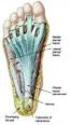 Plantar Fascia Release Introduction Plantar fasciitis is a common condition that causes pain around the heel. It may be severe enough to affect regular activities. If other treatments are unsuccessful,
Critical appraisal of systematic reviews
 Critical appraisal of systematic reviews Abalos E, Carroli G, Mackey ME, Bergel E Centro Rosarino de Estudios Perinatales, Rosario, Argentina INTRODUCTION In spite of the increasingly efficient ways to
Prepared by:jane Healey (Email: [email protected]) 4 th year undergraduate occupational therapy student, University of Western Sydney
 1 There is fair (2b) level evidence that living skills training is effective at improving independence in food preparation, money management, personal possessions, and efficacy, in adults with persistent
Spinal Cord Stimulation (SCS) Therapy: Fact Sheet
 Spinal Cord Stimulation (SCS) Therapy: Fact Sheet What is SCS Therapy? Spinal cord stimulation (SCS) may be a life-changing 1 surgical option for patients to control their chronic neuropathic pain and
Rehabilitation guidelines for patients undergoing knee arthroscopy
 Rehabilitation guidelines for patients undergoing knee arthroscopy At the RNOH, our emphasis is patient specific, which encourages recognition of those who may progress slower then others. We also want
Effectiveness of exercise therapy and manual mobilisation in acute ankle sprain and functional instability: A systematic review
 Effectiveness of exercise therapy and manual mobilisation in acute ankle sprain and functional instability: A systematic review Philip J van der Wees 1,2, Anton F Lenssen 3, Erik JM Hendriks 1,4, Derrick
Acute Ankle Injuries, Part 1: Office Evaluation and Management
 t June 08, 2009 Each acute ankle injury commonly seen in the office has associated with it a mechanism by which it can be injured, trademark symptoms that the patient experiences during the injury, and
Therapeutic Canine Massage
 Meet our Certified Canine Massage Therapist, Stevi Quick After years of competitive grooming and handling several breeds in conformation, I became interested in training and competing with my dogs in the
Integra. Subtalar MBA Implant
 Integra Subtalar MBA Implant Patient EDUCATION Overview: What is Flatfoot? Flatfoot is a physical deformity where there is an absence of the arch that runs from the heel of the foot to the toes. A common
Form B-1. Inclusion form for the effectiveness of different methods of toilet training for bowel and bladder control
 Form B-1. Inclusion form for the effectiveness of different methods of toilet training for bowel and bladder control Form B-2. Assessment of methodology for non-randomized controlled trials for the effectiveness
DROP FOOT AND TREATMENTS YOUNGMEE PARK
 DROP FOOT AND TREATMENTS YOUNGMEE PARK WHAT IS FOOT DROP Foot drop / Drop foot the inability to lift the front part of the foot not a disease a symptom of some other medical problems a sign of an underlying
.org. Rotator Cuff Tears: Surgical Treatment Options. When Rotator Cuff Surgery is Recommended. Surgical Repair Options
 Rotator Cuff Tears: Surgical Treatment Options Page ( 1 ) The following article provides in-depth information about surgical treatment for rotator cuff injuries, and is a continuation of the article Rotator
The Rehabilitation Team
 Considerations in Designing a Rehab Program Philosophy of Sports Medicine Healing Process Pathomechanics of Injury Psychological Aspects Goals of Rehab Chapter 1 Group effort The Rehabilitation Team AEP/Athletic
.org. Herniated Disk in the Lower Back. Anatomy. Description
 Herniated Disk in the Lower Back Page ( 1 ) Sometimes called a slipped or ruptured disk, a herniated disk most often occurs in your lower back. It is one of the most common causes of low back pain, as
Adult Forearm Fractures
 Adult Forearm Fractures Your forearm is made up of two bones, the radius and ulna. In most cases of adult forearm fractures, both bones are broken. Fractures of the forearm can occur near the wrist at