
MULTICULTURAL CARE at the TIME of DEATH & DYING
|
|
|
- Archibald Simpson
- 10 years ago
- Views:
Transcription
1 MULTICULTURAL CARE at the TIME of DEATH & DYING A LOOK AT THE NEEDS OF PATIENTS AND FAMILIES IN THE HOSPITAL SITUATION Rev d. M. Hope, Pastoral Care Coordinator K. Leeming C.C.R.N.

2 MULTICULTURAL CARE at the TIME of DEATH & DYING A LOOK AT THE NEEDS OF PATIENTS & FAMILIES IN THE HOSPITAL SITUATION K. Leeming C.C.R.N. Rev d. M. Hope, Pastoral Care Coordinator Visual Communication Services Alfred Health #

3 CONTENTS Introduction... 2 Points to consider... 3 The Hindu Religion... 4 The Jewish Religion... 7 The Islamic Religion The Buddhist Religion The Maori Culture The Greek Orthodox Religion The Sikh Religion The Aboriginal Culture Summary of Cultural And Religious Beliefs Regarding Organ Donation References Acknowledgements

4 INTRODUCTION Caring for a person as they die can be a stressful but very rewarding experience. In our present Multicultural society it will often be the duty of the nurse/allied health professional to care for a dying patient from a different ethnic background than their own. At the time of death and dying different cultures have different customs - originating from their religious beliefs - that loved ones and family may expect to follow. Nursing and allied health staff may often be unaware of these. This lack of knowledge can subsequently lead to relatives becoming stressed unnecessarily, This document is aimed at providing enough information about the basic doctrines of some Religions and beliefs so that areas of significance and sensitivity can be recognised and addressed. This is in the hope that by doing so it will lead to a better understanding and ultimately better care of families going through the bereavement process at the Alfred Hospital. It is not possible to discuss all religions where such sensitivities might exist. Those included were done so because they may be ones that are come across in the Alfred Hospital. Many people who subscribe to these beliefs may not speak English well enough to communicate their spiritual needs. Within the Alfred Hospital there are interpreter services for patients and families who may be unable to communicate their wishes and ministerial services for many different religions available. These services can provide a great deal of information and further support and are also available out of hours through the hospital switchboard. One of the most important things to remember is to ask the patient and family about religious or spiritual matters, rather than to impose our own beliefs or understanding of their beliefs upon them. Even if the belief is not fully understood, patients and families can still be supported by simply respecting their faith and its importance to them. 2

5 POINTS TO CONSIDER "In times of great stress a person will lean towards his own culturally acquired ways of coping which may seem strange to people of a different culture. We should try to ensure that the patient is allowed to die his own death, not one imposed on him by someone else", (l) If we are prepared to take the time to look at the world from a different viewpoint and understanding, we will usually be able to help people from different cultures to our own. The death of a loved one is usually a major event in a person's life. Emotional support can be expressed both verbally and non verbally. Although we may understand a person's culture, it may make them feel more comfortable if we ask them to explain it to us. In cultures in which emotion is normally suppressed or not easily shown, intense distress before or during the bereavement process may indicate a poor outcome in terms of their moving through their grief; in other societies it may have the opposite connotation. If we are prepared to consult with people as to their spiritual and religious wishes, they will usually be prepared to discuss them with us. (1) Walker, C Attitudes to death and bereavement among cultural minority groups, Nursing Times, December 15,p

6 THE HINDU RELIGION There are major differences in the observances of Hindus from different castes, areas and financial backgrounds. Close family, in particular the wives of critically ill patients may pray, fast and enlist the assistance of astrologers and others, hoping to appease the gods and restore their loved one to health. Few Hindus accept the imminent approach of death and remain at the patient's bedside throughout. The "Dharma" is the sacred duty of the family to deal with the death of a family member in accordance with their Hindu beliefs. That is, in accordance with the teachings of their sacred religious texts - the shastras - to perform all the expected rites and rituals, to engage in acts of piety and charity so as to ensure that the departed soul rests in peace. When it is apparent that the patient is about to die, he/she may be lifted out of bed and placed on the floor. The family and relatives may gather around the dying person, dip a leaf of basil into holy water - from the river Ganges - and place it on the lips of the patient, to the accompaniment of hymns and holy chants. If the patient is an elderly person, he/she will want the presence of the eldest son for he is the one who will conduct the funeral service. Patients may wish a Hindu priest to be present to help them to accept death. At the moment of death, loud wailing may be heard. Following death a Hindu priest may tie a thread around the neck or wrist of the deceased. If possible the deceased's body should be sent home unwashed after death. The family then may perform ritual washing. The widow may remove her wedding mark (sindoor) and for a year following death close female relatives may wear white saris. Sons may often have their heads shaved, save for a small tuft of hair. The funeral may last for twelve days and can put a severe strain on families that are fairly well off. For the twelve-day period the family members may sleep on the floor and eat only vegetarian food. There may be readings from the holy books, songs may be sung and prayers said. Food may be provided and friends join in the ceremonies, after the carrying out of formal ablutions at sunrise and sunset. They can visit the 4

7 body, which is lying, on the floor shrouded in a white sheet with the face left uncovered. The three separate faiths of Hinduism, Sikhism and Islam often come together during the twelve days of mourning. Many Hindu families engage Sikh priests, instead of Hindu priests for the entire duration of the ceremony. In India the body may be anointed, garlanded with flowers and carried in procession to be cremated at the burning ghat where the eldest son ignites the pyre. Mourners chant and wail with close family waiting until they hear the skull crack open signifying that the spirit can depart. In other countries the body may be taken to the crematorium and the eldest son may push the button to initiate the cremation. Further ablutions may then be carried out after which friends gather to offer condolences to the family using a ritual greeting. Tears are encouraged and professional mourners are sometimes hired to evoke these. At a later ceremony the ashes may be scattered into the waters of the Ganges. This will also happen with a death outside India if the family is able to afford to fly the ashes of the deceased back to India. Beggars may be fed as a tribute to the dead person. Understandably it may be difficult to carry out all these rituals outside India, therefore compromise may be necessary when death occurs overseas. Those who can afford it may prefer to fly bodies back to India. Those who cannot may wish to have the services of a Hindu funeral director or one who can meet the special needs of this group. In countries other than India the body may seldom be brought home. The body is transported by funeral directors and is kept in their mortuary until the time of the funeral. As mentioned previously it is a requirement of the Hindu religion that the close family prepares the body for the funeral. This may not now be possible and the bereaved may be denied the chance to perform the bathing, anointing and dressing of the body prior to the funeral that is such an important part of their faith, this being left to nurses or undertakers many of whom may have no idea of Hindu customs. What the effects - both short and long term - of such practices are likely to be on the recovery of the family from their sad loss and on their eventual well being is likely to be an unresolved issue. So what can be done? Doctors and nurses should consult the family to find out what they prefer. Some may want to follow their native customs whilst others may not. When death occurs, nurses may encourage the family to participate in the preparation of the body as much as they wish. 5

8 SOME CONSIDERATIONS THAT THE FAMILY MAY REQUEST AT THE TIME OF DEATH. Consult with the deceased's family to find out their wishes. Be aware that it may be upsetting to the family if a person other than a Hindu touches the body after death has occurred. If a Hindu priest has tied a thread around the wrist or neck of the deceased it should not be removed. Allow the family to wash, anoint and dress the body after death has occurred if the wish to do so. 6

9 THE JEWISH PHILOSOPHY OF "LIFE AND DEATH" Life is a "day" that lies between two nights (an interlude). The night of "not yet" before birth and the night of "no more" after death. Death is a "night" that lies between two days ( an interlude ) the day of life on earth and the day of eternal life in the world to come. Jewish customs at the time of death vary according to their region of origin. The two most important commands in Judaism at the time of death are to, honor the dead and comfort the mourner. The moments before death are usually taken up with a review of ones life. The dying may leave ethical wills to their families. These are messages expressing hopes, values and offering comfort to the bereaved. There are three current ways of thinking 1) after death the soul stays near the body until after the funeral. It then goes through a purification process varying in length, to cleanse it of sin. It is said that after this it returns. 2) The soul must await the coming of the Messianic Age. This is when the righteous will be reborn to live in eternal peace and the wicked will remain in the dust. 3) A belief held by many modem Jews is that immortality comes through ones children and not through the immortality of the soul. Every life as it fades, is to be respected and honored. The dying should be visited and helped to find peace of mind. No great efforts should be made to prolong life or hasten death. Those present at the bedside will probably sit quietly and at a lower level than the patient. Once death becomes imminent, the family may ask for the rabbi to be called to say the confessional prayer (the Vidui) and recite the fundamental affirmation of faith, the Shema. If no Rabbi is present anyone can say the Shema as the aim is for it to be the last thing heard by the dying person. 7

10 At the time of death they may observe the custom of no one leaving the room. As we are created in the image of God, the deceased's body may not be altered in any way and must be treated with respect. The family may wish to close the eyes, remove pillows, close the mouth, straighten and cover the body with a sheet and the feet may be pointed to the door. These procedures express two things. Firstly the sacredness of human kind - created in the image of God, and secondly respect for the body as it houses the spirit of God. Viewing of the body after death is usually forbidden by the Jewish religion. Some Orthodox Jews lie the body on the floor for twenty minutes and pour water on the floor outside the door. Others may place ashes on the eyes and a candle near the head. If it is absolutely necessary for a non-jewish person to handle the body after death, gloves should be worn. All lines, catheters etc should be left in situ. Once death has occurred the rabbi is usually notified, and he will call the undertaker and the Chevrah Kadisha who perform the ritual washing of the body and dress it and, if male, wrap it in a prayer shawl (Tallit). The family may not wish non-jews to wash the body. The same type of shroud is used for each body. This symbolizes: Democracy in Death, Purity, Simplicity and Dignity; Equality before God. The garment should be appropriate for someone standing in judgement before God. With Spanish Jews the rabbi may give a final blessing in the presence of the children. Jewish tradition generally forbids embalming, post mortem and exhumation. The belief being that as man is created in the image of God, no violence is allowed to the human form. It is felt that shame and dishonor would occur to the deceased if dissection were allowed. Blood stained clothes and removed / severed body parts may be required to be buried with the body without washing. Some Jews are opposed to organ donation. From the time of death until burial the family may wish the body to be accompanied/guarded. Mourners are not usually comforted at this time and they are not permitted to shave or socialize. 8

11 Funerals are simple and consist of prayers, psalms and a eulogy. Non Jews may attend and men should wear a head covering. There are no flowers but donations are given to charity in memory of the deceased. The body is generally buried in the earth and-unless the Sabbath intervenes; burial normally takes place within twenty-four hours of death. Soil from the Holy Land may be placed in the coffin. The coffins are always simple wooden affairs. The reason being that the body / shroud should decompose at a similar rate to the coffin. Non Jews are not permitted to take part in the internment, during which family and friends fill in the grave. A ritual washing of hands then follows this. There is then a gathering at the home of the deceased when traditional foods are brought as gifts. Shiva starts after the funeral: the first three days being for private grieving, with no visits being allowed in this time. The next four days the family sits Shiva on low stools, friends are allowed to visit and bring food and give comfort. Generally no greeting is given and visitors wait for the bereaved to speak first. Candles are burned and the prayer of the Kaddish is said daily. Non Jews are welcome. Sheloshim: A period lasting for thirty days following the funeral during which the family do not shave or cut their hair but may return to work. Kaddish is recited daily. For the next ten months Kaddish is recited weekly mainly by the men (in some congregations, women as well) on the Sabbath. Following this mourners are encouraged to stop mourning. At the end of one year the tombstone is unveiled and visitors to the grave often place a small stone on it. Yahrzeit: this is a family meeting on the anniversary of death. Yizkor: this is the annual Jewish holiday when the congregation recalls their dead in memorial services and light candles. Mourning is not permitted for a Jew who has adopted another religion, been cremated, committed suicide or whose body is missing. However in the case of suicide if a rabbi is consulted first mourning may be permissible. Teshuva - prayers for forgiveness may be helpful to mourners who blame themselves. 9

12 SOME CONSIDERATIONS THAT THE FAMILY MAY REQUEST AT THE TIME OF DEATH. Consult with the deceased's family to find out their wishes. As death becomes imminent the family may not wish to leave the patients room - unless they have uncontrollable emotions or are physically ill - as it is regarded as showing the greatest respect to watch over a person as they pass on into the next world. After death the family may wish that someone remains with the body at all times. The body is treated with respect and kept covered and modest. Adjust the bed so that the body is flat. Allow the family if present and they wish, to close the patients eyes, remove pillows, close the mouth and straighten and cover the body with a sheet - including the face - ensuring that the feet are pointed towards the door. Some Orthodox Jews may require the body to be laid on the floor for twenty minutes and pour water on the floor at the entrance to the deceased's area. Others may place ashes on the patient's eyes and ask to place a candle near the patient's head. If it is absolutely necessary for a non-jewish person to handle the body after death, gloves should be worn. The family or a rabbi may wish all lines, catheters etc to be left in situ. Once death has occurred the rabbi will call the undertaker and the Chevrah Kadisha who will perform the ritual washing and dressing of the body at a later date. If male they will also wrap it in a prayer shawl. Non Jews should not wash the body. False teeth should not be placed in the mouth but should accompany the body, as they will be buried with it. Any blood stained clothing or severed/removed body parts should also accompany the body, as they will also be buried with it. If it is wished jewelry might be left on the body as it will be returned to the family. 10

13 Unless otherwise required by hospital procedure the body should not be wrapped in plastic. Be aware that the placing of flowers near the deceased is not a Jewish custom. It is not common for Jews to wish to view the body after death. 11

14 THE ISLAMIC RELIGION Moslems regard life as never ending and death as another stage in life when the soul is released from the body. According to the Quran no one will die without God's will. The Islamic belief is that the soul does not die, but when it separates from the body at the death of the body, the soul gets a taste of death. There is much secular variation in the way loss and mourning is expressed within Islam, but religious rule continues to preside over death. A dying Muslim will almost certainly want to carry on with the ritual of daily prayer as long as is possible. Islamic law does however exempt the seriously ill. > When death is imminent most Muslims consider it important to sit up and face Mecca. The family should be warned when death is imminent and advised to bring an Imam if they wish to. Muslims prepare themselves for existence beyond death by confession of their faith. Those present at the bedside may moisten the mouth of the patient and then repeat the words over the dying patient who, if unable to speak, will lift an index finger in acknowledgement. Muslims believe that life after death continues in a form that makes preservation of the body essential. Immediately following death the family may request that the body be laid feet together, arms to the side, eyes closed and chin wrapped in a cloth to prevent the mouth opening. Ideally a Muslim should do this but if none are present a member of nursing staff may do it. At a later time the body will be washed in a ritual fashion by the family or by specialized washers of the same sex as the deceased. The family may request that a non-muslim should not wash it. It is then wrapped with three sheets of white cotton material. One called " sarong " covers waist to ankles. The other called " shirt " covers shoulder to knee. The final one called " wrap " covers the whole body and the two ends are knotted. The deceased lies on its right side in the grave so that it is facing Mecca. This means that the placement of the grave should be perpendicular to orientate towards Mecca. 12

15 Some Muslim sects lament loudly, scratch their faces and cry a long dirge for the dead. Others attempt to accept and contain their grief while reciting from the Quran. They aim for a severe stoic attitude. Muslims from Mediterranean countries often express emotion in couplets of song, which aim to make others cry. On the whole women mourn more vocally than men do. Professional female singers may be employed. Immigrants to secularized countries seldom lament loudly. Men go to the mosque to pray and friends visit the women at home. The dead should preferably be buried within 24 hours. A short ritual takes place before the burial, which enables friends and family to say farewell, offer prayers for the deceased and join in the ceremonial forgiving of sin. This can be held anywhere. During this the cloth covering the face is folded aside. If the sect permits it emotional expression will peak at this time. If this is the case people may crowd around the body and touch and kiss the face before burial. If the sect does not permit emotional expression the men must contain emotions while wrapping the body without touching it directly. Women would be permitted to shed discreet tears. During the funeral the Imam will ask," Was this a good or bad man / woman?" all present at the service answer, "Good". Prayers for the dead are then recited. Only the men carry out the actual burial, they lay out the body facing towards Mecca with the head covered with a board. The men leave and the Imam remains with the deceased praying, whilst the soul of the dead person is answering five questions. Some believe that the dead remain in the grave to await the judgement on their fate but their state of bodily and mental peace will be affected by their sins. Only the good will view paradise with their body and senses intact. Others believe that the soul of the dead body will be around the body and watching for a few days until the burial is complete then it will leave. Muslim women mourn in different colors the world over. North African in white. Middle Eastern in black and Turkish in subdued colors. Older women will mourn for a year whilst younger will mourn for only three months. Gathering will take place at the Mosque on the third, seventh and fortieth days after death. The men gather at the Mosque whilst the women prepare sugary dishes for visitors who pray together for the dead. The story of the prophet's birth is read aloud and tears are shed. 13

16 A ceremony is held one year after the death when a stone is placed on the grave. Young children are forbidden from attending these rituals. They are also discouraged from asking questions and expected to forget the death as soon as possible. The majority of Muslims who die overseas want their body returned to their "home". In doing so they leave their family in "exile". This leads to those left behind feeling all the more foreign, bound only by their religion. This therefore may take on particular importance. SOME CONSIDERATIONS THAT THE FAMILY MAY REQUEST AT THE TIME OF DEATH. Consult with the deceased's family to find out their wishes. Remember that when death is imminent many Muslims consider it important to sit up and face Mecca. Immediately following death the family may request that the deceased's feet should be placed together, arms to the side, eyes closed and the chin wrapped in a cloth to prevent the mouth opening. A Muslim should ideally do this but a member of nursing staff can do if none are present. The family may request that the body should not be washed by a non-muslim as it will be washed by specialized washers of the same sex as the deceased at a later time. 14

17 THE BUDDHIST RELIGION Buddhism emphasizes the principle of impermanence and the ceaseless transmutation of all existing forces. It also has an especially close affinity with death. Buddhism emphasizes the cycle of birth, death and rebirth, and the suffering that accompanies impermanence. Religion is to protect us from the terrors offinitude. Mahayana Buddhism introduced the saving ideas of Nirvana, a form of being beyond change, time, space, form, death and suffering. Some Buddhists also believe that after death, they will go to a blissful life in the pure Land of Lord Amitabha. A person's ideas of and attachment to his or her "I" are at the root of suffering. The "I" is as impermanent and illusory as anything else produced by the senses. Tibetan Buddhists and those from Ladakh (Vajrayana or Tantric Buddhists) where the harsh life causes many to seek liberation from the wheel of life by becoming monks, keenly experience a dream like feeling of impermanence. Theravada Buddhists believe in instant reincarnation after death. Vajrayana Buddhists believe in an intermediate bardo period. This can mean the six in-between states of awareness or the in-between state lasting from a person's death to his or her rebirth several weeks later- (up to forty-nine days) between death and rebirth. The ego is small and transient in contrast to the grandeur of limitless space and endless time. Behind vastness and change the Pilgrim seeks the Radiant Light of Pure Reality, the Mind that perceives change but does not change itself. There are two forms of Buddhism; the Higher Buddhism practiced by the monks and Folk Buddhism. The latter includes belief in magic and countless gods and other invisible beings that help or harm humans. Many rituals are required to placate them and to advance the person's security in this world and the next. The interaction of visible and invisible moral and natural causes determines all events. The transcendental world breaks through our normal consciousness in dreaming, meditation trances, the experience of Inner Light at the point of death and the two-bardo states after death. 15

18 The deceased persons spirit is guided through the perilous bardo by Tibetan monies reading from the Book of the Dead (Bardo T ' odrol.) Buddhism is open to interpretation in the contemporary language of psychology and is the most psychologically orientated of world religions. Due to the pressure of Tibetan refugees it is one of the fastest growing religions in England, Germany and America. An elderly or dying Ladakhi Buddhist may withdraw from the world of illusion to prepare him for death. He prays for a better reincarnation. An abbot (rinpoche) may help him to loosen the bonds of attachments to life. Its karma, its emotional state, and the emotional atmosphere surrounding it and the rituals of the monks determine the progress of the deceased's spirit after death. At the time of death, local monks, members of the family's local society (phaspun) and an astrologer may be called. A lama guides the deceased's consciousness (nam shes) and the astrologer prepares a death horoscope and prescribes prayers and ceremonies to ward of hostile influences The rinpoche may summons the nam shes back to the body before attempting to eject it a second time into the body of the Lord of Western Paradise (Opame). The monks and (phaspun) aid him. Relatives, friends and neighbors food and drink for the ceremonies which will continue for several days. The bardo is divided into three stages. During the first the nam shes is in a swoon. The rinpoche repeatedly enjoins it to enter the clear light of ultimate reality, to recognize its own Buddha nature. During the second bardo the nam shes recovers from its swoon and becomes aware, and frightened, by its own disembodied identity. It slowly becomes aware that it has died and perceives the dismantling of its life. Finally it enters the " illusory mental body " of a child, a dream - like state. At a time - determined as suitable by the astrologer - cremation is carried out. The body is carried in procession in a sedan chair by male phaspun friends to the site accompanied by musicians, monks, family and friends. The fire is seen as burning away attachments as well as sins. Clothes and personal belongings are then auctioned. Meanwhile the nam shes is experiencing overwhelming visions of the archetypal Buddhas and wrathful deities. The Lord and Judge of the Dead (shinje) pronounce his verdict. Some days later it meets the six lights (Lokas) who try to persuade it to become reborn in their negative realms. 16

19 The way to resist these and other dangers and attain liberation from the wheel of life is by enlightenment, but basic impulses of greed, hate and attachment to egoistic goals must be overcome by striving for ones own liberation and that of all other sentient beings. By recognizing and sharing universal sorrow, we overcome our own egocentricity and become part of the ceaseless flow of life. Bodhisattvas are enlightened beings who, out of compassion, forgo their chance to enter Nirvana to become reincarnated as tulkus and rinpoches. In Vajrayana Buddhism the bodhisattva Chenrezig is the patron deity and model of perfection. He is reincarnated as the Dalaai Lama. His female emanation, Tara, was formed as a crystal tear in Chenrezigs eye. The nam shes is still being buffeted by the winds of karma six weeks after death; it searches for and finds the "lotus gate" of a woman in sexual congress, entering her womb to become her unborn child. Less " lucky " nam shes will become dumb animals, greedy ghosts or angry hell -beings. At the time of death humans assume their true identity. The only things of worth that we can take with us are the results of spiritual practice. But a person's destiny after death is not only determined by our self - created karma; it is also influenced by the positive energies emanating from the sincere prayers of loved ones and monks. Theravada Buddhists emphasise the importance of personal effort in achieving salvation, the followers of the Pure Land sects of East Asia emphasize reliance on the grace of the Buddha Amitabha at the moment of death and Tibetan Buddhism strikes a middle path allowing both karma and the prayers of others to take a part. The Bardo T'odrol proposes that the art of living well and the art of dying well are one and the same. As death approaches the Buddhist patient may become reluctant to take pain-relieving drugs as they feel it may affect their state of spiritual awareness. The dying Buddhist may request the services of a monk to assist in making the experience of death as peaceful and as fear free as possible. Following bereavement, family members are given much social support by neighbors and extended family that share their sorrow. They may also be reassured by the rinpoche of the likely destination of the departed nam shes. 17

20 SOME CONSIDERATIONS THAT THE FAMILY MAY REQUEST AT THE TIME OF DEATH. In Buddhism, the dead body is seen as similar to an old house that the owner has left. There is of course respect for the deceased person and family, but there are no essential rites for the disposal of the body. Consult with the deceased's family to find out their wishes. The family may require a Buddhist priest to be contacted. Be aware that the family may chant the last rites at the bedside after death has occurred. 18

21 THE MAORI CULTURE The Maori Culture embraces the importance of the family and of being in harmony with the physical, natural and spiritual world. The Maori maintains a balance in their life by practicing their culture and adhering to the laws oftapu. This basically means that if you do not follow the laws oftapu and interfere with things in life that are sacred you will feel the wrath of the gods. As mentioned above the Maori culture is family orientated. There is very much a collective strength, and up to two hundred people may be regarded as close family with each person relying on the other for close support. This tends to be a natural aspect of the Maori culture. When a death occurs in the Maori community the elders of the community - this being the men in Australia - will usually contact the Funeral Directors. The elders may also make all arrangements on the families' behalf. > After death the family may wish to dress the deceased. A Maori funeral is split into two parts and will normally last 4-5 days. The first is the Tangi (meaning to cry and weep). This is held at a Marae (Maori meeting house). There are however no Marae in Australia so the family home or a venue able to accommodate large numbers will be used. The second part is the actual funeral itself. The family will usually accompany the deceased to the Tangi where the coffin will be opened and crying and emotional pain will be expressed. It is the Maori belief that the spirit of the deceased remains with the body during the period of mourning. It is therefore common for them to treat and talk to the body as if it were alive. Over the three days of the Tangi the deceased will be kept company 24 hours a day by members of the family. Elders will give speeches and address the body. They may be polite, angry and may even argue with the deceased. During this time touching, kissing, hugging and talking to the body is deemed as natural and acceptable. The speeches given will cover the Maori way of life and anything else that is felt appropriate. The coffin will be closed prior to the funeral service unless otherwise requested. The Maori people will usually grieve openly and honestly. There are no set expectations of how they should react. The Maori's grief will not be hidden but open and confronted. It is almost regarded as unacceptable not to cry and express emotions. The Maori however will not feel able to grieve 19
22 properly unless the deceased's body is present. Therefore if release of the body is held up due to procedural difficulties it will hinder the grieving process. This may consequently make it difficult for the family to accept their loss. SOME CONSIDERATIONS THAT THE FAMILY MAY REQUEST AT THE TIME OF DEATH. Consult with the deceased's family to find out their wishes. < Be aware that the family may wish to dress the deceased's body. Be aware that it is normal Maori practice to continue to address the deceased as if still alive and allow this to happen. Allow the family of the deceased to grieve openly, as this is their custom. 20
23 THE GREEK ORTHODOX RELIGION In the situation of dying or being in danger of dying, prayers are offered for health. Humble petitioning prayers are offered to various saints especially to the Virgin Mary (Panagia). The sacrament of healing or the blessing of oil may be offered when prayers are said for health of soul and body. There is Confession and the church believes that this is helpful in all cases for sick and dying patients alike. Holy Communion is also offered to the sick and the dying, if they can swallow. A fairly common custom is to utter prayers of exorcism over the sick or dying patient. Many Orthodox people may want these prayers as it may be felt that their situation is due to bad influences on their lives. There are also specific prayers for the dying person. These prayers ask the Lord that the person be allowed to die in peace and that their suffering be relieved. When these prayers are offered they also give comfort to the family. The Orthodox Church will also provide counseling services for both the patient and their family. It is recommended that as death approaches a Greek Orthodox priest be called in, having first consulted with the family as to their wishes. They may wish their own priest to be called in. If the family do not have their own priest one may be able to be contacted through the hospital switchboard. If this is not possible one can be contacted through the Greek Archdiocese of Australia which is listed under " G " in the white pages telephone directory. Once death has occurred there is a short Orthodox service prayed over the deceased's body. It is very important for the family to be allowed to stay with their dying 21
24 relative. Also to be allowed to spend time with the deceased once death has occurred. Organ donation is encouraged. > There is no objection to the withdrawal of treatment by the Orthodox Church. In the case of suicide the Orthodox Church will not normally provide funeral services unless mental instability can be proven. They will also not provide funeral services if the body is to be cremated. The church is not against autopsies. Some Greek Orthodox men may express concern if a male nurse is caring for their wife or daughter and this may have to be treated with care. Interestingly the opposite is not the case when a female cares for a male. SOME CONSIDERATIONS THAT THE FAMILY MAY REQUEST AT THE TIME OF DEATH. Consult with deceased's family to find out their wishes. The family should be consulted as to whether they would like a Greek Orthodox priest to be called. Allow the family to stay with their relative before and after death has occurred. The family may wish their dying relative to receive Communion from an Orthodox priest. 22
25 THE SIKH RELIGION Originated as an offshoot from Hinduism in the 16 th - 17 th Centuries. The Sikh Gurus came from the " warrior" class of Hindu society. Sikh women have a common surname, Kaur, meaning " princess " Sikh men will have Singh - meaning lion - as either their middle or surname. There are five sacred symbols of the Sikh community. KES (uncut hair). This is regarded as a saintly symbol. Sikh men will not shave or cut their hair. The hair will be done up and kept under a turban. The Sikh may be reluctant to remove this turban in hospital and an alternative such as a theatre cap may have to be used in its place. A Sikh may require counseling if head, facial or chest hair is required to be shaved prior to an operation. KANGA (comb). Needed to keep the hair neat and tidy and to keep the bun in place. It symbolizes order and discipline in spirituality. KARA (steel bracelet). Worn on the right wrist this symbolizes restraint from wrongdoing and reminds the Sikh of the sacred vows taken by him. If the Kara has to be removed due to limb injury the Sikh will not mind this. If it has to be cut off the family will obtain new ones from the Sikh temple. KIRPAN (steel sword). A symbol of dignity and self-sufficiency and also an emblem of courage and self-defense. May be removed during hospital admission. KACCH (underwear). Reminds the Sikh of the need for restraint over passions and desires. Must be worn at all times. Not all Sikhs wear all five symbols at once. Some Sikhs do cut their hair. Sikh women may feel awkward being cared for by a male nurse. At the time of death or dying close family may sit by their relative and recite prayers. 23
26 If death is imminent and no family attends the patient will gain great comfort from a member of the Sikh temple being in attendance. They will provide great comfort and spiritual support to the patient. The Japji or Sukhmani (special prayers) are uttered to console themselves and their relative. Some Sikhs may prefer their relative to die on the floor 24
27 THE ABORIGINAL CULTURE The Aboriginal culture lists five causes of illness: natural, introduced, environmental, direct supernatural intervention and indirect supernatural intervention. The Aboriginal male may feel awkward with a female nurse in attendance and likewise the Aboriginal female may feel awkward with a male nurse. Aborigines believe they are cured once any pain has gone and therefore may not be compliant with taking courses of medication / treatment. Many Aborigines may be opposed to surgery due to their belief that it impinges on the sanctity of the body and resembles witchcraft where organs and blood are removed from the body. A fear of dying in hospital far away from their spiritual land - or dreamtime - is very real for many Aboriginals. The death of an elderly Aboriginal in hospital can be a severe blow to a community as it is felt that much of that person's tribal knowledge will die with them. SOME CONSIDERATIONS THAT THE FAMILY MAY REQUEST AT THE TIME OF DEATH. Consult with the deceased's family to find out their wishes. Be aware of the significance of dying away from their" dreaming " place to the patient and their family. If possible arrange for the deceased's body to be transported to where the family requests so as to help with their spiritual beliefs. 25
28 SUMMARY OF CULTURAL/RELIGIOUS BELIEFS REGARDING ORGAN DONATION ABORIGINAL COMMUNITY - It is advisable to consult with Aboriginal Health Services prior to raising the issue with a family. BUDDHISM - Donation is permitted but is a matter of choice for each individual. GREEK ORTHODOX - Donation is permitted. HINDUISM - Donation is permitted but is a matter of choice for each individual. ISLAM - Donation is permitted providing prior consent has been obtained in writing from the donor. The organs of a Muslim must be transplanted immediately and not stored for later donation JEHOVAH'S WITNESS - Donation is permitted but is a matter of choice for each individual. Tissues / organs must be bloodless prior to transplantation JEWISH (LIBERAL) - Donation is permitted but it would be advisable to obtain Rabbinical consent. JEWISH (ORTHODOX) - Donation is generally unacceptable but different groups of Orthodox Judaism have different views therefore Rabbinical consultation is advisable. Some groups may accept donation from a living donor as with transplantation of kidneys. MAORI - Donation is permitted but is a matter of choice for each individual. The issue must be fully discussed with the family and their views respected. THE BAPTIST CHURCH - Donation is permitted. THE ANGLICAN CHURCH (formerly Church of England). - Donation is permitted. THE PRESBYTERIAN CHURCH - Donation is permitted. THE ROMAN CATHOLIC CHURCH - Donation is permitted. THE RUSSIAN ORTHODOX CHURCH - Donation is only permitted of the kidneys, eyes and tissues. Donation of the heart is not permitted. 26
29 REFERENCES APPENDIX. Cross - cultural customs and beliefs related to health crises, death, and organ donation / transplantation: a guide to assist health care professionals understand different responses and provide cross - cultural assistance. Critical care nursing clinics of north america. 7 (3): , 1995 sep. BEREAVEMENT AND HEALTH IN AUSTRALIA. GENDER, PSYCHOLOGICAL, RELIGIOUS AND CROSS - CULTURAL ISSUES. By Dr A. W. Ata. Published by David Lovell, Australia. (1994). CULTURE AND HEALTH CARE. Culture, settlement experience and life style of non- -English speaking background people in Western Australia. Multicultural Access Unit, Health Department of Western Australia CULTURAL AND RELIGIOUS ISSUES IN HEALTH CARE. SICKNESS, DYING, DEATH AND BIRTH IN A MULTICULTURAL SOCIETY. By Rabbi Ephraim Finch, Rabbi Peter Heilbrun, Dr Gurdip S. Aurora, Father Elias Kentrotis, et al. Monograph of Proceedings of Conference held atmonash Medical Centre Monday 9 th September - Thursday 12 th September DEATH AND BEREAVEMENT ACROSS CULTURES. Edited by Colin Murray Parkes, Pittu Laungani and Bill Young. Published by Routledge, Great Britain. (1997). INFLUENCES UPON AND ATTITUDES TOWARD HEALTH CARE - AN ABORIGINAL PERSPECTIVE. Bruni, N. Presented at 5 th Australian College of Nursing Conference Brisbane (1983). MULTICULTURAL ASPECTS OF FUNERALS. Symposium papers. Published by Australian Funeral Directors Association. (1996). NATIONAL GUIDELINES FOR ORGAN AND TISSUE DONATION. Australian Transplant Co - Ordinators Association Incorporated. THE CULTURAL CONTEXT OF DEATH: WHAT NURSES NEED TO KNOW. Nursing Times. 92 (34): 38-40, 1996 Aug THE JEWISH WAY IN DEATH AND MOURNING. By Maurice Lamm Published by Jonathan David, New York. (1969). 27
30 ACKNOWLEDGMENTS Thanks to the staff of the Alfred Hospital Library for their help with literature searches. Thanks to the Australian Funeral Directors Association for their provision of Symposium Papers. Thanks to Tobin Brothers - Ringwood - for the use of their reference library. 28
RELIGIOUS NEEDS OF PATIENTS DURING DYING & AFTER DEATH Reference: Sydney West Area Health Service - Pastoral Care and Chaplaincy Services.
 RELIGIOUS NEEDS OF PATIENTS DURING DYING & AFTER DEATH Reference: Sydney West Area Health Service - Pastoral Care and Chaplaincy Services. Australian Aboriginal and Torres Strait Islander The communities,
Religious Beliefs and Traditions at the End of Life. Handouts. Religious Beliefs and Traditions at the End of Life
 Cultural Considerations at, by Rabbi Lev Ba'esh Religious Beliefs and Traditions at Western and Eastern Traditions By Rabbi Lev Ba esh Handouts To download the handouts, please click the links button below
Faith and Cultural Aspects of Grief, Bereavement and Dying. An Islamic perspective
 Faith and Cultural Aspects of Grief, Bereavement and Dying Dr Mohammad Anas* An Islamic perspective The care of dying patients and their relatives is one of the most difficult aspects of a doctor's job.
_ Amen. Our help comes from the Lord, the Maker of heaven and
 Funeral Service I *The ceremonies or tributes of social or fraternal societies have no place within the service. Baptized Christians should be buried from the Church. We begin in the name of the Father
Jewish Funeral and Mourning Customs
 Jewish Funeral and Mourning Customs September/October 1997 Jewish Funeral Customs I have been to funerals for family members and friends who passed away. All funerals have different procedures depending
(Leader and Reader Text) Vigil Service for a Deceased Serran with Lay Leader
 (Leader and Reader Text) Vigil Service for a Deceased Serran with Lay Leader Prayers, readings and the quotes below are taken from Order of Christian Funerals, approved for use in the Dioceses of the United
FOR IMMEDIATE RELEASE
 FOR IMMEDIATE RELEASE Media contact: Claudia Sanchez, PR and Multicultural Outreach Coordinator LifeGift, a Donate Life Texas organization Office:713.349.2572 Cell:832.830.5203 [email protected] Media
Meaning and purpose making sense of life through: Values and commitments making sense of right and wrong through: own experiences.
 making sense of life 1 recognise and begin to ask questions about personal experience and feelings recognise things that are interesting or puzzling in life and begin to ask questions about them recognise
Organ and tissue donation is viewed as an act of neighborly love and charity by these denominations. They encourage all members to support donation
 RELIGION/DENOMINATION AME and Zion AME Amish Assembly of God Baptist Buddhism Catholicism SPECIFIC BELIEF Organ and tissue donation is viewed as an act of neighborly love and charity by these denominations.
Gardens of Peace. Child Funeral Charity 14 th July 2015
 Gardens of Peace Child Funeral Charity 14 th July 2015 Muslim Religious Requirements on Burials and Deaths implemented in Practice at Gardens of Peace Every Soul Shall Taste Death (21:35) Ability to implement
THE ORDER OF THE MASS
 THE ORDER OF THE MASS The first part of the Mass is about getting to know everyone and welcoming everyone to God s house. It s called the INTRODUCTORY RITES. Entrance Song We sing to celebrate that we
Theme: Bereavement Title: Surviving Loss
 Theme: Bereavement Title: Surviving Loss Target Group: Mainly Church background Age: 11 14 Aim: Equipment: Bible Base: To raise awareness of the feelings that bereavement brings. Bibles, Lion King video,
Whereas I was Blind, Now I See. John 9: 1-11; 25
 Whereas I was Blind, Now I See John 9: 1-11; 25 We all know that great hymn well: Amazing grace, how sweet the sound, that saved a wretch like me; I once was lost, but now I m found; was blind, but now
GCSE RE Revision & Homework Booklet:
 GCSE RE Revision & Homework Booklet: Name:.. Topics of study: 1. Religious teaching on the Sanctity of Life 2. Whose choice is it anyway? 3. Is there anything medicine cannot do? 4. Medical Ethics Key
The Sacrament of Extreme Unction is now called what sacrament? (Anointing of the Sick)
 Sacraments Questions Anointing the Sick The Sacrament of Extreme Unction is now called what sacrament? (Anointing of the Sick) True or False: The priest anoints the sick person with holy water. (False)
Prayers for a Virtual Pilgrimage with Pope Francis
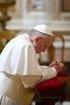 Prayers for a Virtual Pilgrimage with Pope Francis Tuesday, September 22 Washington, DC As our shepherd Pope Francis begins his pilgrimage to the United States, please pray for the Church in our country.
As a Catholic believer I see that they are so close to our own belief in terms of "The Holy Trinity", but maybe the only difference is in the way it i
 World Religion In this paper I would like to let the reader know what I think of and estimate in other religions and their beliefs. It is not easy since I am not part of any among them neither are they
Chapter 4 Islam & Ethics
 Chapter 4 Islam & Ethics Ethics, like other Islamic sciences, takes its origin form the Quran. The Quran lays down the foundation of a religious system on purely ethical principles, hence there is not
RELIGIOUS VIEWS ON ORGAN/TISSUE DONATION AND TRANSPLANTATION
 RELIGIOUS VIEWS ON ORGAN/TISSUE DONATION AND TRANSPLANTATION A common question that arises when people are asked to consider donation of their organs and tissues, or those of their loved ones, is: Is donation
Year 11 Revision. Complete the range of questions set within class and revise using the revision guides, working around a range of techniques.
 Year 11 Revision Complete the range of questions set within class and revise using the revision guides, working around a range of techniques. http://www.aqa.org.uk/exams-administration/exams-guidance/find-pastpapers-and-mark-schemes
A Ministry Serving Eastern Washington. Catholic Funeral & Cemetery Services of Spokane
 A Ministry Serving Eastern Washington Catholic Funeral & Cemetery Services of Spokane Catholic Funeral & Cemetery Services Caring for Families in Our Community. Living Our Mission Catholic Funeral & Cemetery
WELCOME TO GOD S FAMILY
 WELCOME TO GOD S FAMILY To all who received him, to those who believed in his name, he gave the right to become children of God children born not of natural descent, nor of human decision or a husband
Rite of Baptism. Celebrant: What name have you given your child?
 Rite of Baptism If possible, baptism should take place on Sunday, the day on which the Church celebrates the paschal mystery. It should be conferred in a communal celebration in the presence of the faithful,
This booklet contains a message of love and hope. An exciting adventure awaits all who discover these life-changing truths.
 This booklet contains a message of love and hope. An exciting adventure awaits all who discover these life-changing truths. The following four principles will help you discover how to know God personally
Joy Scripture Verses In The New Testament
 Joy Scripture Verses In The New Testament (Matthew 13:20) The one who received the seed that fell on rocky places is the man who hears the word and at once receives it with joy. (Matthew 13:44) "The kingdom
with Children Sharing the Plan of Salvation By Cheryl Markland
 Sharing the Plan of Salvation with Children By Cheryl Markland Font: Whiz Bang For more information contact: Childhood Ministry Baptist State Convention of North Carolina (800) 395-5102 ext. 5646 Sharing
Wednesday 11 June 2014 Afternoon
 Wednesday 11 June 2014 Afternoon GCSE RELIGIOUS STUDIES B (PHILOSOPHY AND/OR APPLIED ETHICS) B601/01 Philosophy 1 (Deity, Religious and Spiritual Experience, End of Life) *1244417157* Candidates answer
Holy Baptism is the basis of the whole Christian life, the gateway to life in the Spirit and the door that gives access to the other sacraments.
 Holy Baptism is the basis of the whole Christian life, the gateway to life in the Spirit and the door that gives access to the other sacraments. Sacrament Sacraments are outward (visible) signs of an inward
Change Cycle. Contact us at [email protected]
 Change Cycle Change often involves a process. The Bible describes five significant stages of change that are important to understand. They include Rebellion, Realization, Remorse, Repentance, and Restoration.
Grace to you and peace, from God our Father and from our Lord Jesus Christ.
 Whiplash 1 Matthew 16:21-28 (NRSV) From that time on, Jesus began to show his disciples that he must go to Jerusalem and undergo great suffering at the hands of the elders and chief priests and scribes,
Sign of the Cross. 5 - Seven Sacraments. Thank you prayer Angel of God Grace before Meals. 6 - Nicene Creed. 7 - Beatitudes 1 - Hail Mary Glory Be
 (Lettrhd) Prayers and Major Concepts of the Catholic Religion Below is a list of prayers students need to learn at the appropriate grade level. Although people can and should pray in whatever way they
Key Words Immortality: endless life or existence; life after death
 Key Words Immortality: endless life or existence; life after death Legacy: something handed down from an ancestor; a way of being remembered after death Resurrection: rising from the dead or returning
entrust to you the true riches? And if you have not been faithful with what belongs to another, who will give you what is your own?
 Serving Two Masters This month I am looking at the stories Jesus told. And since I like a challenge, I am either looking at stories we don t usually hear about or a different view of a familiar story.
The Christian Social Work Model
 The Christian Social Work Model Christian Social Work Model l Jesus is Lord The Christian social work model is based on an acknowledgment that Jesus is Lord of our lives and of our work. The social worker
Parenting. Coping with DEATH. For children aged 6 to 12
 Parenting Positively Coping with DEATH For children aged 6 to 12 This booklet will help you to understand more about death and the feelings we all have when someone we care about, like a parent, a brother
KNOWING GOD NEW BELIEVERS STUDY
 NEW BELIEVERS STUDY TABLE OF CONTENTS BIBLE STUDY 1: SALVATION 1 BIBLE STUDY 2: FAITH AND ASSURANCE 4 BIBLE STUDY 3: POWER OF THE HOLY SPIRIT 7 BIBLE STUDY 4: TRIALS 10 BIBLE STUDY 1: SALVATION SCRIPTURE
SERVICE. Funeral Program Information Form
 Page 1 of 6 This form is designed to assist in gathering obituary information. Funeral Program Information Form Program Title Choose one Farwell to Celebrating the life of In Loving Memory of In Remembrance
And the Books Were Opened
 JUDGMENT DAY And the Books Were Opened 1 And the Books Were Opened Hebrews 9:27 INTRODUCTION: A. Have you thought of the reality of the judgment day? 1. Judgment day is a real day! 2. Judgment day is a
Psalm 128: The Worshiper s Blessings
 Psalm 128: The Worshiper s Blessings Blessed are all who fear the Lord, who walk in His ways. You will eat the fruit of your labor, blessings and prosperity will be yours. Your wife will be like a fruitful
MARY PONDERS, DO WE?
 MARY PONDERS, DO WE? The Word of God on this Christmas Day is Luke 2:19 which reads: And Mary treasured up all these things and pondered them in her heart. So far the text. The glory of God has been revealed,
Living Water Church Ministry Training Center
 Living Water Church Ministry Training Center He that believeth on me, as the scripture hath said, out of his belly shall flow rivers of living water. John 7:38 1000 Hall Valley Drive Bridgeport, WV 26301
Yogi Tea Bag Inspirations received from all the Yogi Tea Debby has consumed over the last year
 Yogi Tea Bag Inspirations received from all the Yogi Tea Debby has consumed over the last year A Act selfless, you will be infinite. Appreciate yourself and honor your soul. As a plant can t live without
7.1.1 The church is Christ together with his people called both to worship and to serve him in all of life.
 Living Faith: Chapter 7 - "God's Church" Page 1 of 6 Living Faith - Chapter 7 - God's Church 7.1 The Church 7.1.1 The church is Christ together with his people called both to worship and to serve him in
End-of-Life Care: Diversity and Decisions Participant Handout
 FCH11 08 December, 2010 End-of-Life Care: Diversity and Decisions Participant Handout Every person is like all others, like some others, and like no others. -adapted from quote by Clyde Kluckhohn, American
Advance Health Care Planning: Making Your Wishes Known
 Page 1 of 26 Advance Health Care Planning: Making Your Wishes Known Page 2 of 26 What s Inside Why Health Care Planning Is Important... 2 What You Can Do... 4 Work through the advance health care planning
Bible for Children. presents THE MAN OF FIRE
 Bible for Children presents THE MAN OF FIRE Written by: Edward Hughes Illustrated by: Lazarus Adapted by: E. Frischbutter Produced by: Bible for Children www.m1914.org 2007 Bible for Children, Inc. License:
PRAYER OF THE FAITHFUL 27 th Sunday in Ordinary Time October 6/7, 2007
 27 th Sunday in Ordinary Time October 6/7, 2007 Celebrant: My sisters and brothers, trusting in the love and mercy of Almighty God, we bring all our needs before him: 1. For Pope Benedict and all bishops,
WILL WE BE MARRIED IN THE LIFE AFTER DEATH?
 Explanatory Notes: WILL WE BE MARRIED IN THE LIFE AFTER DEATH? Series title: Topic: Marriage in heaven / heaven as a marriage Table of Contents: Message 1: What is the Life after Death Like? p. 1 Message
GCSE BITESIZE Examinations. General Certificate of Secondary Education RELIGIOUS STUDIES. Marking Scheme. Total: 80 marks
 GCSE BITESIZE Examinations General Certificate of Secondary Education RELIGIOUS STUDIES Marking Scheme Total: 80 marks For each question, you should mark your answer according to levels of response. Below
Combined Living Will and Health Care Power of Attorney
 PENNSYLVANIA CATHOLIC CONFERENCE Combined Living Will and Health Care Power of Attorney INSTRUCTIONS 1. Before completing your LIVING WILL and HEALTH CARE POWER OF ATTORNEY, you should discuss your instructions
Church Services for People with Dementia in Care Homes. (Taken from various sources, particularly the Evening Star Project)
 Church Services for People with Dementia in Care Homes (Taken from various sources, particularly the Evening Star Project) Services with care homes should aim to enable to person with dementia to: Spark
God: As He Wants You to Know Him Study Guide
 God: As He Wants You to Know Him Study Guide Week 1 (Sections 1-2, Chapters 1-3) Day 1 Read Chapter 1 and respond to the following questions: Why and how does the pursuit of knowing God lead to: o A right
When Someone Dies in Hospital
 Page 1 When Someone Dies in Hospital The management and staff of Eastern Health wish to express our sincere condolences to you at this time. Eastern Health staff will do their best to support you to understand
INSTRUCTIONS for nine month family memorization plan:
 INSTRUCTIONS for nine month family memorization plan: 1. Eighteen scripture selections (two per month) will be memorized over the nine month period. 2. Three memorization levels are available for each
Four Noble Truths, Eightfold Path, Enlightenment
 The Way of Martial Arts MONTHLY INTERACTIVE LESSONS TO HELP IMPROVE YOUR DAILY LIFE B Y M A S T E R E R I C S B A R G E Lesson 39 Four Noble Truths, Eightfold Path, Enlightenment As you know, all of the
www.discoveryschemeofwork.com
 The Pan Berkshire Agreed Syllabus for Religious Education and Discovery RE www.discoveryschemeofwork.com Copyright of this document is the property of Jan Lever Education Consultancy and Training Ltd.
Shepherding School Notes
 Shepherding School Notes As you put a found sheep upon your shoulders, you need to lead them to a full understanding of the following subjects within the first month of your contact with them. 1. THE WAY
PRAYER SERVICE FOR THE YEAR OF MERCY
 PRAYER SERVICE FOR THE YEAR OF MERCY DECEMBER 8, 2015 NOVEMBER 20, 2016 This brief prayer service may be used in any number of contexts (parish meetings, small groups, family prayer, etc.), and may be
LINA AND HER NURSE. SUNDAY-SCHOOL UNI0 N, 200 MULBERRY-STREET, N. Y.
 LINA AND HER NURSE. SUNDAY-SCHOOL UNI0 N, 200 MULBERRY-STREET, N. Y. LINA AND HER NURSE. SUNDAY-SCHOOL UNION, 200 MULBERRY-STREET, NEW YORK. LINA AND HER NURSE. L INA lived away in that land of the East
How To Write A Values History Form
 VALUES HISTORY A form to assist you in making health care choices in accordance with your values It is important that your medical treatment be your choice. The purpose of this form is to assist you in
RELIGIOUS VIEWS ON DONATION
 RELIGIOUS VIEWS ON DONATION An often-heard question when organ donation is being discussed is: "Does my religion approve?" Recently the New York Regional Transplant Program published the views of major
HEATHER WILSON/PICO. SESSION FOUR How Our Criminal Justice System Excludes People. Study Guide for a Year of Encounter
 HEATHER WILSON/PICO SESSION FOUR How Our Criminal Justice System Excludes People Study Guide for a Year of Encounter SESSION FOUR: How our Criminal Justice System Excludes People We believe that both victims
BASIC CATHOLIC PRAYERS
 BASIC CATHOLIC PRAYERS Sign of the Cross In the name of the Father, and of the Son, and of the Holy Spirit. Amen. The Apostles Creed I believe in God, the Father almighty, creator of heaven and earth.
NOTICE TO THE INDIVIDUAL SIGNING THE POWER OF ATTORNEY FOR HEALTH CARE
 NOTICE TO THE INDIVIDUAL SIGNING THE POWER OF ATTORNEY FOR HEALTH CARE No one can predict when a serious illness or accident might occur. When it does, you may need someone else to speak or make health
41. Name and address of your physician:
 Providence Biblical Counseling Ministry - Personal Data Inventory Identification Data: 1. Name: 2. Phone: 3. Date: 4. Address/City/Zip: 5. Occupation: 6. Business Phone: 7. Cell Phone: 8. Email: 9. Birth
A Suggested Format for Conducting an A.A. Meeting
 A Suggested Format for Conducting an A.A. Meeting 1. Good Evening ladies and gentlemen. This is the regular meeting of the group of Alcoholics Anonymous. My name is and I am an alcoholic and your Secretary.
THE BOOK OF EPHESIANS
 Ephesians Roger A. Cox 1 THE BOOK OF EPHESIANS Introduction Except for the book of Romans, the book of Ephesians is the most carefully written presentation of Christian theology in the New Testament. Paul
Debbie Robson, RN, MBA, ACHE Executive Director Hospice Care of the West
 Debbie Robson, RN, MBA, ACHE Executive Director Hospice Care of the West An integrated pattern of human behavior including thought, communication, ways of interacting, roles & relationships, and expected
"God's Wisdom Revealed to All (Ephesians 3:7-20)
 "God's Wisdom Revealed to All (Ephesians 3:7-20) by Rev. Jackie Stoneman Paul begins this chapter by reminding the Ephesians that he is in fact a prisoner. Because he has been preaching to the Gospel especially
Key concepts: Authority: Right or power over others. It may be a person such as a priest, a set of laws, or the teachings from a sacred text.
 Is it fair? Is equality possible? Why do people treat others differently? What do we want? What do we need? What should our attitude be towards wealth? How should we treat others? How does the media influence
21. What was the original sin? A. It was Adam and Eve=s sin of pride and disobedience to God=s law. 22. When did you receive a share in God=s life
 92 Questions 1. How many Gods are there? A. One. 2. How many Persons are there in God? A. Three persons in God. 3. Who are they? What are their names? A. God the Father, God the Son, and God the Holy Spirit.
Studies of Religion I
 2001 HIGHER SCHOOL CERTIFICATE EXAMINATION Studies of Religion I Total marks 0 General Instructions Reading time minutes Working time 1 1 2 hours Write using black or blue pen Write your Centre Number
An Order for Morning Prayer on Sunday
 An Order for Morning Prayer on Sunday This Service of Morning Prayer on a Sunday is designed to be used when a Minister fails to arrive for the Sunday Service. It is designed to be led by a Churchwarden
Religious Studies (Short Course) Revision Religion and Young People
 Religious Studies (Short Course) Revision Religion and Young People How to use this presentation The first part of this presentation (blue headings) will give you brief information, religious viewpoints
The Covenant Service & Renewal of Baptismal Vows
 Church of England St. Mark s Church Bedford Methodist Church The Covenant Service & Renewal of Baptismal Vows You are standing here in order to enter into a covenant with the Lord your God Deuteronomy
Glory be to the Father, and to the Son, and to the Holy Spirit: As it was in the beginning, is now, and ever shall be, world without end. Amen.
 Traditional Prayers The Sign of the Cross. In the name of the Father, and of the Son, and of the Holy Ghost. Amen The Lord's Prayer, or Our Father. Our Father, Who art in heaven, hallowed be Thy name.
Listen, Protect, and Connect
 Page 1 Listen, Protect, and Connect PSYCHOLOGICAL FIRST AID FOR CHILDREN, PARENTS, AND OTHER CAREGIVERS AFTER NATURAL DISASTERS Helping you and your child in times of disaster. Page 2 As a parent or adult
Schedule 3 Alternative Great Thanksgivings Alternative Great Thanksgiving A (alternative to Thanksgiving of the People of God)
 The Lord is here. God s Spirit is with us. Lift up your hearts. We lift them to the Lord. Schedule 3 Alternative Great Thanksgivings Alternative Great Thanksgiving A (alternative to Thanksgiving of the
Self-imposed Curses Psalm 34:13 - Keep your tongue from evil, and your lips from speaking deceit.
 Power of Your Spoken Words - Sins of the Tongue Introduction: the tongue is powerful and we can use it for good or for evil. (God s word tells us that the power of life and death is in the tongue) We know
ISLAMIC REQUIREMENT IN A LIVING WILL WRITING YOUR OWN LIVING WILL/POWER OF ATTORNEY FOR HEALTH CARE *
 بسم االله الرحمن الرحيم In the name of Allah, Most Beneficent, Most Merciful ISLAMIC REQUIREMENT IN A LIVING WILL FOR WRITING YOUR OWN LIVING WILL/POWER OF ATTORNEY FOR HEALTH CARE * * All copyrights are
The Father s Heart Luke 15
 The Father s Heart Luke 15 Luke 15:2 This man welcomes sinners and eats with them! 1. Jesus was well known for seeking out lost people ( sinners ), and he delighted in welcoming them to his table. The
LECTURE NOTES ON PROFESSIONAL CHAPLAINCY George Grant
 1 LECTURE NOTES ON PROFESSIONAL CHAPLAINCY George Grant April, 2003 Introduction The Three Tracks of Ministry Academics: Basic degree for any form of ministry is the Master of Divinity (M.Div.). The M.Div.
Power of Attorney for Health Care For
 Power of Attorney for Health Care For Name: Date of Birth: Address: Telephone: This document is on file at Copies of this document have been given to my health care agent(s) and: 1. 2. 3. 4. 5. Courtesy
HELPS FROM THE CATECHISM OF THE CATHOLIC CHURCH
 HELPS FROM THE CATECHISM OF THE CATHOLIC CHURCH The Two Commandments of Love: 1. You shall love the Lord Your God with all Your heart, with all Your soul, and with all Your mind. 2. You shall love Your
Faith is the Victory In Overcoming Sin
 FAITH Faith is the Victory In Overcoming Sin 1 Faith is the Victory In Overcoming Sin 1 John 5:4-5 INTRODUCTION: A. The theme of this series is Faith is the Victory!, with our basic text found in 1 John
RECEIVING THE CANDIDATES GREETING
 CELEBRATION OF THE RITE OF ACCEPTANCE INTO THE ORDER OF CATECHUMENS AND OF THE RITE OF WELCOMING BAPTIZED BUT PREVIOUSLY UNCATECHIZED ADULTS WHO ARE PREPARING FOR CONFIRMATION AND/OR EUCHARIST OR RECEPTION
The importance of Prayer life
 The importance of Prayer life Prayer means communication with God. Prayer will lead us into dependence upon God. A person completely declared before God I am nothing and God is supreme. And declare without
GUIDELINES FOR CATHOLIC FUNERALS
 GUIDELINES FOR CATHOLIC FUNERALS Catholic Funeral Guidelines Diocese of Wilmington Catholic Funeral Guidelines Eternal rest grant unto them, O Lord, and let Perpetual Light shine upon them. May their souls
General Information. Prearrangements
 This book discusses funerals - a subject which, as we go about our everyday lives, seldom enters our minds. When it does, we do think about funerals emotionally, and often with difficulty. For your convenience,
Fundamental Principles of the Brothers of Saint Francis Xavier
 Fundamental Principles of the Brothers of Saint Francis Xavier Adapted for use in Xaverian Brothers Sponsored Schools Friend, You have freely chosen to respond to the call of God to live a life of love
1. The leads the procession to the sanctuary at the beginning of Mass.
 Mass Review Name 1. The leads the procession to the sanctuary at the beginning of Mass. a. priest b. lector c. Processional Cross 2. After the priest welcomes everyone to Mass, how do we respond to the
DPower of Attorney for Health Cared
 State of Illinois Illinois Department of Public Health Illinois Statutory Short Form DPower of Attorney for Health Cared NOTICE TO THE INDIVIDUAL SIGNING THE POWER OF ATTORNEY FOR HEALTH CARE No one can
Circle of Life: Cancer Education and Wellness for American Indian and Alaska Native Communities. Group Discussion True False Not Sure
 Hospice Care Group Discussion True False Not Sure 1. There is no difference between palliative care and hospice care. Palliative care is different from hospice care. Both palliative and hospice care share
Application. Cornerstone Christian Academy P.O. Box 897 Appomattox, VA 24522 (434) 352-2345
 Application Office use only 1. Date appl.received 2. Reg. Fee received 3. Interview date 4. Accepted Denied For admission to Cornerstone Christian Academy P.O. Box 897 Appomattox, VA 24522 (434) 352-2345
RELIGIOUS STUDIES B (PHILOSOPHY AND/OR APPLIED ETHICS) Philosophy 1 (Deity, Religious and Spiritual Experience, End of Life)
 GENERAL CERTIFICATE OF SECONDARY EDUCATION RELIGIOUS STUDIES B (PHILOSOPHY AND/OR APPLIED ETHICS) Philosophy 1 (Deity, Religious and Spiritual Experience, End of Life) B601 *OCE/27375* Candidates answer