
OCCUPATIONAL CANCER IN AUSTRALIA APRIL 2006
|
|
|
- Conrad Fletcher
- 10 years ago
- Views:
Transcription
1 OCCUPATIONAL CANCER IN AUSTRALIA APRIL 2006

2 Commonwealth of Australia This work is copyright. You may download, display, print and reproduce this material in unaltered form only (retaining this notice) for your personal, non-commercial use or use within your organisation. Apart from any use as permitted under the Copyright Act 1968, all other rights are reserved. Requests for further authorisation should be directed to the Commonwealth Copyright Administration, Attorney General s Department, Robert Garran Offices, National Circuit, Canberra. ACT or posted to [email protected]. Important Notice The Department of Employment and Workplace Relations through the Australian Safety and Compensation Council (ASCC) makes the recommendations given in this document to improve public access to information about occupational health and safety information generally. The vision of ASCC is Australian workplaces free from injury and disease. Its mission is to lead and coordinate national efforts to prevent workplace death, injury and disease in Australia. The information provided in this document can only assist you in the most general way. This document does not replace any statutory requirements under any relevant State and Territory legislation. The ASCC accepts no liability arising from the use of or reliance on the material contained on this document, which is provided on the basis that the ASCC is not thereby engaged in rendering professional advice. Before relying on the material, users should carefully make their own assessment as to its accuracy, currency, completeness and relevance for their purposes, and should obtain any appropriate professional advice relevant to their particular circumstances. To the extent that the material on this document includes views or recommendations of third parties, such views or recommendations do not necessarily reflect the views of the ASCC or the Department of Employment and Workplace Relations or indicate a commitment to a particular course of action. ISBN ii

3 FOREWORD Occupational Cancer The Australian Safety and Compensation Council (ASCC) leads and coordinates national efforts to prevent workplace death, injury and disease in Australia and aims to improve national workers compensation arrangements and return to work of injured employees. Through the quality and relevance of the information it provides, the ASCC seeks to influence the awareness and activities of every person and organisation with a role in improving Australia s occupational health and safety (OHS) performance. The National OHS Strategy , (the National Strategy) which was endorsed by the Workplace Relations Ministers Council on 24 May 2002, records a commitment by all Australian, State and Territory governments, the Australian Chamber of Commerce and Industry and the Australian Council of Trade Unions, to share the responsibility of ensuring that Australia s performance in work-related health and safety is continuously improved. The National Strategy sets out five national priorities to achieve short-term and longterm improvements. The priorities are to: reduce high incidence and high severity risks improve the capacity of business operators and worker to manage OHS effectively prevent occupational disease more effectively eliminate hazards a the design stage, and strengthen the capacity of government to influence OHS outcomes. In March 2004 it was agreed by the then National Occupational Health and Safety Commission (NOHSC) that, under the national priority to prevent occupational disease more effectively, eight disease categories would be considered for particular focus under any national action plan. These are work-related musculoskeletal disorders; mental disorders, noise-induced hearing loss; respiratory diseases; occupational cancers; contact dermatitis; infectious and parasitic diseases, and cardiovascular disease. To assist the setting of national action priorities to prevent these diseases, reports were prepared for members on each disease category. The following report is an extract of the information provided to members on the causes and risk factors for cardiovascular disease, the available data on the magnitude and severity for the disease category within Australia, approaches to prevention and evidence for their effectiveness. iii

4 ACKNOWLEDGMENTS Occupational Cancer This report was prepared for NOHSC by Dr Lin Fritschi (MBBS, FAFPHM, PhD) a cancer epidemiologist who at the time of the report publication was an Adjunct Associate Professor in the Faculty of Medicine and Dentistry of the University of Western Australia. She is now a senior research fellow at the Viertel Centre for Research in Cancer Control. The authors would like to thank Ms Julie Hill and Ms Helen Burbidge of the Office of the ASCC for assistance with preparing this report. iv

5 TABLE OF CONTENTS EXECUTIVE SUMMARY... vi DEFINITIONS... viii 1. OCCUPATIONAL CANCER: OVERVIEW AND CONTEXT MAGNITUDE OF THE OCCUPATIONAL CANCER BURDEN BURDEN OF DISEASE FROM OCCUPATIONAL CANCER IN AUSTRALIA NUMBER OF AUSTRALIAN WORKERS POTENTIALLY EXPOSED TO CARCINOGENS OCCUPATIONAL CARCINOGENS PREVENTION ACTIVITIES NATIONAL PREVENTION ACTIVITY CONCLUSIONS REFERENCES APPENDIX 1. INTERNATIONAL AND AUSTRALIAN ESTIMATES OF OCCUPATIONAL CANCER APPENDIX 2. DETERMINING THE RELATIVE RISK, NUMBER OF PEOPLE EXPOSED AND NUMBERS OF CASES APPENDIX 4. CALCULATIONS OF NUMBER OF WORKERS POTENTIALLY EXPOSED TO CARCINOGENS AT WORK APPENDIX 5. WORKPLACE PROFILE FOR WOOD WORKERS AND WOOD DUST EXPOSURE v

6 EXECUTIVE SUMMARY Cancer is a term for diseases in which abnormal cells divide without control. The term cancer is used to encompass a range of different diseases (eg adenocarcinoma of lung, melanoma, hepatocellular carcinoma). There are a number of well-known sets of circumstances which have demonstrated without doubt the link between some occupational exposures and some types of cancer. The problem arises when we examine more subtle effects on common cancers. The question then arises: Is this cancer one which would have occurred anyway, or is it is a direct result of the person s occupation? Magnitude of the problem There is no available data on the real magnitude of occupational cancer. Because of difficulties in proving causation, and the long lag time between occupational exposure and cancer, very few cancers are reported to compensation authorities. To estimate the magnitude of the problem of occupational cancer, we need to use more indirect methods to determine what proportion of cancers are due to occupational causes. In this paper, the proportion of cancers due to occupation has been estimated using the Finnish estimates (which are the most recent and the most evidenced based) and applying them to Australian cancer data. Using this method, it was estimated that about 11% of incident cancers in males and 2% in females may be caused by occupation. This equates to about 5000 cancers a year. The paper also provides an estimate of the number of workers potentially exposed to carcinogens at work. A recent estimate from the European Union (Kogevinas et al., 1998) on percentage of workers exposed to carcinogens in particular industries was applied to the Australian industry profile. Using this approach it was estimated that approximately 1.5 million workers in Australia are potentially 1 exposed to carcinogens at work. However, this does not consider the adequacy of workplace controls which may eliminate or reduce the exposure. Occupations and Industries The international agency for research in cancer (IARC) lists carcinogenic risks posed to humans by a variety of agents and circumstances. While it is known that the carcinogens and similar occupations and industries occur in Australia further work is required to characterise exposure in Australian workplaces in order to focus efforts on prevention in risk areas. Prevention activities The task of reviewing prevention activities is complicated because there are many different substances which do or may cause different types of cancer and these are used in many different occupations. In addition, there is no easily accessible information on prevention activities which have been successful (or have failed). 1 This calculation does not take into account control measures, thus they are potentially exposed. vi

7 The most effective means of preventing exposure is to ban the carcinogen. This is used for a small number of occupational carcinogens, with asbestos being the best-known example. Alternatively, a carcinogenic substance may be substituted with one that is not carcinogenic, or is less hazardous. A potentially expensive, but effective means of preventing exposure to carcinogens is to introduce engineering controls, for example, ventilation, enclosure or partial enclosure. Other methods include isolation in which the carcinogen is separated from workers by distance or using robotics. Safe work procedures can also be introduced in order to reduce exposure to carcinogens. Examples include limiting the times at which outdoor work is performed, or ensuring that dust is dampened down. Use of personal protective equipment (PPE) is the least efficient way of controlling hazardous exposures. It means that the emphasis is entirely on the worker to comply, regular maintenance and fitting checks are required, and the PPE may be uncomfortable or hot, or may make tasks difficult or dangerous. Unfortunately, PPE such as respirators, gloves or overalls are often used as the first step to decrease worker exposure to carcinogens. As occupational cancers can be difficult to identify and control, their prevention is likely to be more effective by implementing complementary actions such as education towards employers, workers, and physicians, research in order to identify new hazards and their impact on workers health and review of workplace safety and standards on an ongoing basis. Ideally, this process is best informed by a comprehensive national surveillance scheme to assist in effective targeting of preventive measures. Conclusions Very little co-ordinated information is available in Australia on how many people are potentially exposed to known or suspected carcinogens, how aware workers are of carcinogenic substances, whether regulations about carcinogenic substances are being followed, how many cancers are caused by occupational exposure to carcinogens, and what preventive activities including workplace controls are being undertaken. vii

8 DEFINITIONS Cancer Cancer is a term for diseases in which abnormal cells divide without control. Cancer cells can invade nearby tissues and can spread through the bloodstream and lymphatic system to other parts of the body. Cancer is really a term of convenience for a group of diseases. There are two main ways to group cancers: according to the site of origin, and according to the type of cell. The main subgroups for type of cell are carcinomas, leukaemias, lymphomas and sarcomas. The site of origin can be any organ of the body, such as the lung or the ovary. Cancers of different cell types or different sites of origin are quite different in their causes, their behaviour, their response to treatment and their prognosis. So when discussing cancer as an entity, it is important to realize that the overall picture of cancer depends on which cancers are most common in that population. Carcinogen A carcinogen is a substance or agent that causes the development of or increases the incidence of cancer. (Mosby s medical, nursing & allied health dictionary. 6 th ed. 2002) Carcinogenic risk Carcinogenic risk is the probability that exposure to an agent will lead to cancer in humans. (IARC) Carcinogenesis The process of initiating and promoting cancer Histology The science dealing with the microscopic identification of cells and tissues viii

9 1. OCCUPATIONAL CANCER: OVERVIEW AND CONTEXT 1.1 Cancer overview In 2000, there were over cases of cancer in Australia (not including non melanoma skin cancer) and over deaths (Australian Institute of Health and Welfare (AIHW) & Australasian Association of Cancer Registries (AACR), 2003). In addition, a recent study estimated that in 2002, there had been treated squamous cell carcinomas and treated basal cell carcinomas, meaning there were about treated non-melanoma skin cancers each year (National Cancer Control Initiative, 2003). The most common cancer sites in males in Australia are prostate, colorectal, lung, and melanoma. In females the most common sites of cancers are breast, colorectal, melanoma and lung (Australian Institute of Health and Welfare (AIHW) & Australasian Association of Cancer Registries (AACR), 2003). Because of different prognoses with different cancers, the cancers that cause the most death are somewhat different to those that occur most commonly. In males, the most common causes of cancer death are lung, prostate, colorectal and unknown primary site. In females they are breast, lung, colorectal and unknown primary site. Cancers of unknown primary site are ones that are diagnosed late after they have spread through the body. 1.2 Occupational cancer overview A number of well-known sets of circumstances have demonstrated without doubt the link between some occupational exposures and cancer. Most lay people are aware of the strong link between asbestos work and mesothelioma. Other well-established causal links have been made between vinyl chloride manufacture and angiosarcoma of the liver, and between cadmium and prostate cancer. For known occupational carcinogens, the usual occupational hygiene hierarchy of controls should be followed (elimination, substitution, engineering controls, safe work procedures, personal protective equipment). An occupational cause is relatively easy to prove if the cancer is a very unusual type, or the carcinogenic effect of the exposure is so strong that the number of cancers occurring in an occupation is clear. The problem arises when we examine more subtle effects on more common cancers. The question then arises: Is this cancer one which would have occurred anyway, or is it is a direct result of the person s occupation? Current carcinogenesis theory inclines to the view that cancer is a multistep process which arises from a combination of multiple genetic predispositions and multiple environmental insults. This process may take many years to result in cancer. For example, not everyone who is exposed to asbestos has the same risk of getting lung cancer. Possible 1

10 reasons for this include: differences in dose of asbestos; other factors which might also contribute to the risk of lung cancer (eg smoking, or other chemicals at work); the long time between exposure and cancer (so the person may die of something else first); and genes which increase or decrease the risk of lung cancer (perhaps ones which code for genetic repair mechanisms etc). Teasing out these different influences is not easy, especially when the relevant occupational exposures may have occurred many years earlier and been poorly documented. In addition, there is no way to differentiate histologically between cancers caused by different factors. There are many thousands of chemicals which are in use in industry today, some of these are known to cause cancer, and some are known not to be associated with cancer. There are also many chemicals for which the evidence is not yet strong enough to determine whether or not they are carcinogenic. Prevention of occupational cancer in Australia therefore consists of two major challenges: to ensure that workers are not exposed to known carcinogens: and to extend our knowledge regarding the carcinogenicity of chemicals used in industry today, and of those chemicals which may be introduced in the future. 2. MAGNITUDE OF THE OCCUPATIONAL CANCER BURDEN In order to estimate the magnitude of the problem of occupational cancer, we need to determine what proportion of cancers are due to occupational causes. In order to do this four different items of data are required: 1. A list of carcinogens 2. An estimate of the relative risk of each cancer type for each carcinogen 3. The proportion of people exposed to each carcinogen at work 4. The number of cancers in the country Except for the last point, obtaining these data is quite difficult because: 1. While we have a list of confirmed occupational carcinogens (category 1 carcinogens on the List of Designated Hazardous Substances, as classified using the Approved Criteria for Classifying Hazardous Substances), there may be other carcinogens that do not appear on the List. The List is not an exhaustive compilation of all hazardous substances used in Australia, however, suppliers of substances not included on the List are still obliged to classify them according to the Approved Criteria. The process of confirming that an agent is a definite human carcinogen is extremely difficult and time consuming. Several international organisations do have programs of classifying carcinogens, the best of which is the program co-ordinated by the International Agency for Research in Cancer (IARC). 2

11 2. We have poor evidence on the potency of even confirmed carcinogens 3. There is little information on prevalence of exposure to occupational chemicals in the workplace. Due to factors discussed previously 2, it is difficult to ascribe individual cases of cancer to a person s work. It is thus not possible to simply count the number of cases of cancer caused by work or contributed to by work. For this reason, we must rely on estimates of the proportion of cancers due to occupational factors. Appendix 1 discusses in full previous attempts to estimate the proportion of cancers due to occupational factors in Australia and overseas. 3. BURDEN OF DISEASE FROM OCCUPATIONAL CANCER IN AUSTRALIA As discussed above, in order to estimate the burden of disease the important pieces of information are: the definitive list of carcinogenic substances; an estimate of the relative risk of cancer for each carcinogen; the number of people exposed at work; and the number of cancers. In Appendix 2, the issues for each of these items are outlined, as relates to developing estimates for the burden of occupational cancer in Australia. 3.1 Determining the number of occupationally-caused cancers in Australia The most recent and most evidence-based estimate of the percent of cancers caused by occupational exposures is that of Nurminen and Karjalainen in Their estimates of the percent of cancers, which are caused by occupation, can be applied to Australian numbers of incident cancers. To do this, the number of incident cancers in 2000 (excluding non-melanoma skin cancers) was obtained from the Australian Institute of Health and Welfare (Australian Institute of Health and Welfare (AIHW) & Australasian Association of Cancer Registries (AACR), 2003). The Finnish estimate of the percent of each site of cancer, which was occupationally caused, was then multiplied by the number of cancers at that site in Australia. This calculation suggests that about cancers a year may be occupationally caused (Appendix 2, Table A2.1 and Table A2.2). This is about 11% of incident cancers in males and 2% in females. Australian cancer registries do not routinely collect data on non-melanoma skin cancer (NMSC). In 2002, a population survey was carried out to determine the number of treated NMSCs in Australia (National Cancer Control Initiative, 2003). The Finnish review suggested that 13.1% of NMSCs in males and 3.8% of NMSCs in females were caused by occupational exposure (Nurminen and Karjalainen, 2001). If these proportions are applied to the number of NMSCs in Australia (National 2 Long latency between exposure and manifestation of disease and the multi-factorial nature of cancer 3

12 Cancer Control Initiative, 2003), about NMSCs in Australia may be caused by occupation. 4. NUMBER OF AUSTRALIAN WORKERS POTENTIALLY EXPOSED TO CARCINOGENS An alternative to estimating the number of cancers is to use the number of workers exposed to carcinogens as a measure of the problem. Unfortunately, this information is almost impossible to collect at a national level in Australia even for prohibited and notifiable carcinogens on the NOHSC lists. Notifications of use go to individual state and territory authorities, that do not have databases which are easily accessible. In 2001, NOHSC attempted to estimate the number of Australian workers potentially exposed to just one well-regulated substance for the Regulatory Impact Statement of the Proposed Phase Out of Chrysotile Asbestos. NOHSC found that chrysotile asbestos was used by 3 manufacturers and processing and end use companies. Of these, of the processing and end use companies covered some separate work sites (repair shops). They estimated that 300 people were exposed to chrysotile in manufacturing, and from to were exposed in processing and end use. This takes into account an estimate from Victorian WorkCover that 2 in 5 employees in the automotive repair industry would be exposed to asbestos. It would be possible to repeat this exercise for either the 23 prohibited and notifiable substances on the NOHSC lists or the 57 different occupations or substances mentioned by Nurminen and Karjalainen (Nurminen and Karjalainen, 2001). To do this, for each carcinogen in turn, it would be necessary to determine all jobs in which exposure to the carcinogen could occur. The lack of concordance between exposures and job classifications would make this task quite difficult. Once the list of jobs had been decided upon, the proportion of workers in that job with exposure to each carcinogen would be estimated. The number of workers in each job could then be obtained from ABS statistics. An alternative is to use overseas estimates of the proportion of workers exposed and apply them to Australian statistics on the number of workers in each industry. The difficulty with this approach is the potential differences in the profile of industries in different countries. In the European Union, an international group of experts was asked to provide documented estimates of the number of workers exposed to carcinogens.(kogevinas et al., 1998, Kauppinen et al., 2000) They undertook the following steps: defined carcinogens as those classified by IARC as Group 1, Group 2A and some 2B. collected labour force data for 55 industrial classes collected the prevalence of workers exposed to each substance in each industry from Finland and the United States 4

13 entered this information into a specially designed exposure information system called CAREX which calculated the number of workers exposed to each substance earmarked industries with low level exposures estimated the number of workers exposed to multiple substances and converted the number of exposures to the number of exposed workers generated final estimates of number of workers exposed. From this process the finding was that 32 million workers (of a total 139 million employed workers) in the EU in were potentially occupationally exposed to carcinogens. This is 23% of the workforce. If we consider that 23% of the Australian workforce might be exposed to occupational carcinogens, then it is possible that approximately workers in Australia may be occupationally exposed. However, it should be noted that this does not consider the adequacy of workplace controls which may eliminate or reduce the potentia; exposure. However, the overall proportion calculated by the EU study, has within it a weighting for different industries depending on how many people in the EU are working in that particular industry. The profile of industry in Australia differs from that in the EU in several important respects. So a more accurate estimation may be to use the individual estimates for each industry and apply them to Australian data. The occupational groupings from the EU study (Kogevinas et al., 1998) were converted to the Australian and New Zealand Standard Industrial Classification groups (Australian Bureau of Statistics, 1993). The number of workers in each occupational group was obtained (Australian Bureau of Statistics, 2001). The number of workers in each group was then multiplied by the EU estimate of the proportion of workers in that group exposed to carcinogens. This calculation demonstrates that approximately workers in Australia may be potentially occupationally exposed to carcinogens (Appendix 4). Developing these estimates has involved a number of assumptions since Australian data are not available for a number of critical values. These estimates should therefore be considered only a rough estimate of the true number of Australian workers exposed to occupational carcinogens. Again, these estimates do not take into account what measures may be in place to control occupational exposure. In spite of this, these estimates and the estimates on the proportion of cancers due to work in Australia are a useful indicator of the importance of occupational cancer in Australia. The following section will consider some known occupational carcinogens and deal with some of these in an Australian context. 5

14 5. OCCUPATIONAL CARCINOGENS 5.1 Occupational carcinogens Appendix 3 of this report provides an overview of the IARC system for classification of carcinogens. Based on IARC evaluations, supplemented by other data, Siemiatycki et al. (2004) summarised current knowledge on occupational carcinogens, the occupations and industries in which they are found, and their target organs. The authors examined agents and exposure circumstances as categorised by IARC (see Appendix 3B) as Group 1; Group 2A and Group 2B. They then reviewed each one and identified those that are occupational carcinogens based on whether there are, or have been, significant numbers of workers exposed to the substance at significant levels. They excluded from their list some classes of agents (such as hormones and pharmaceuticals) on the grounds that occupational exposures are rare or very infrequent or at very low doses. Also excluded were viruses, such as human immunodeficiency virus (HIV), hepatitis B and C although health care workers may be at risk. With these criteria they derived the following lists of occupational carcinogens: 28 definite human occupational carcinogens (IARC group 1); 27 probable human occupational carcinogens (IARC group 2A); 113 possible human occupational carcinogens (IARC group 2B); and 18 occupations and industries that possibly, probably or definitely entail excess risk of cancer (IARC groups 1, 2A and 2B). Their complete tables can be found in their paper, but for our purposes we will deal with some of the definite human occupational carcinogens and occupations and industries at dot points 1 and 4 above and their tables for these are shown in Table 1 (Section 5.2). 5.2 Industries, occupations and exposures As mentioned elsewhere in this report, the nature and extent of exposure to and use of human carcinogens in Australian workplaces is not well characterised. The industries and occupations listed in Table1 below are known to exist in Australia. However, a substantial body of work is required to give the Australian workplace profile, that is: identify the work processes involved that give rise to exposures; what measures are in place to control worker exposure; estimates of worker population size; what is the progress of technological advancement in identified industries to eliminate carcinogenic substances or implement work processes that do not give rise to exposure to carcinogens; and evaluation of Australian cancer data for work-relatedness. 6

15 These profiles can then better inform prevention strategies that focus on carcinogens in the workplace in risk areas. Substances would need to be looked at in priority order. A sample profile on wood workers and wood dust exposure is under development in the NOHSC Office and is shown at Appendix 5. Table 1.1 (Reproduced from Siemiatycki et al. (2004) 7

16 Table 1.2 (Reproduced from Siemiatycki et al. (2004) 8

17 Table 1.3 (Reproduced from Siemiatycki et al. (2004) 6. PREVENTION ACTIVITIES The task of reviewing prevention activities is complicated because there are many different substances which do or may cause cancer and a full review of all activities addressing each possible substance would be prohibitive. In addition, there is no easily accessible information on prevention activities which have worked (or not). In this section we will summarize the types of activity aimed at preventing cancer and give international and national examples of each type of activity categorized according to the hierarchy of control. 6.1 Elimination Elimination of the substance is the most effective means of preventing exposure. The mechanisms may include banning of production (or mining), import, sales or use. Asbestos is the most obvious example of where prohibition is being used to control the effects. All types of asbestos will be banned throughout the EU by 2005, and Argentina, Chile, Croatia and Saudi Arabia have also banned asbestos. In the United States the EPA published the Asbestos: Manufacture, Importation, Processing, and Distribution in Commerce Prohibitions; Final Rule (40 CFR Part 763, Subpart I). The rule will eventually ban about 94 percent of the asbestos used in the U.S. (based on 1985 estimates). Asbestos is still mined, imported and used in many developing countries. In Australia, all forms of asbestos are subject to prohibition. For amosite, crocidolite, actinolite, anthophyllite, and tremolite asbestos, the ban extends to all use except for removal and disposal and in situations where 9

18 the asbestos occurs naturally and is not used for any new application. For chrysotile asbestos, there is a limited list of exempted circumstances in which it may still be used. These are: bona fide research or analysis; when handled for storage awaiting disposal; for removal or disposal; or where encountered during non-asbestos mining. 6.2 Substitution Substitution involves replacing a carcinogenic substance with one that is not carcinogenic, or is less carcinogenic. Methylene chloride is a probable carcinogen (classified as 2B by IARC) which is used mainly as a solvent, in paint removers, degreasers and aerosol products, and in the manufacture of foam polymers. In the US, a survey of some previously large users of this chemical found that many of the companies had moved to substitute methylene chloride with aqueous methods of cleaning (Roelofs and Ellenbecker, 2003). The overall impact of this substitution was deemed beneficial from the standpoint of both worker health and production. 6.3 Engineering controls Engineering controls may be introduced in order to reduce exposure of workers to carcinogens, for example, ventilation, enclosure or partial enclosure. Other methods include isolation in which the carcinogen is separated from workers by distance or by using robotics to undertake the tasks involving high exposure. For example, in a foundry in the US, an inspection by the regulating body disclosed high levels of crystalline silica (Irwin, 2003). The foundry made significant changes to the engineering controls in order to comply with the requirements of the regulators. This necessitated several weeks closure, but the improved workplace was likely to have delivered significant longterm savings. In Australia, monitoring of chrysotile asbestos exposure of car mechanics found very low levels of exposure (Yeung et al., 1999). The authors attributed this to the wet cleaning or aerosol spray methods used to replace the traditional compressed air jet cleaning. 6.4 Safe work procedures Safe working procedures refers to establishing procedures in the workplaces in order to reduce exposure to carcinogens. Examples include limiting the times at which outdoor work is performed, or ensuring that dust is dampened down. For example, in the US construction industry, silica dust exposures were reduced about 3-fold if wet dust suppression was used, and about 6-fold if ventilated cabs were used (Rappaport et al., 2003). 10

19 6.5 Personal protective equipment Use of personal protective equipment (PPE) is the least efficient way of controlling hazardous exposures. It means that the emphasis is entirely on the worker to comply with the use of PPE, regular maintenance and fitting checks of PPE with each worker are required, and the PPE may be uncomfortable or hot, or may make tasks difficult or dangerous. However, PPE such as respirators, gloves or overalls are used in many industries to decrease personal exposure to carcinogens. Similarly, the use of hats, long sleeved shirts and sunscreens is advocated as a way to avoid occupational sun exposure (Woolley et al., 2002). 6.6 Education As occupational cancers can be difficult to identify and control, their prevention is likely to be more effective by also implementing complementary actions such as education towards employers, workers, and physicians, research in order to identify new hazards and their impact on workers health and review of workplace safety and standards on an ongoing basis. Ideally, this process is best informed by a comprehensive national surveillance scheme to assist in effective targeting of preventive measures. 7. NATIONAL PREVENTION ACTIVITY National actions which will ultimately contribute to the reduction of exposure to occupational cancer risk factors are occurring. These include the creating or updating hazardous substances and dangerous goods regulations, standards and codes of practice, improving. Examples of ongoing or recent actions include: o Work to contribute to the globally harmonised system of classification and labelling of chemicals (GHS), and its implementation in Australia and Overseas. o Work under the National Dangerous Goods Framework which is designed to enable a nationally consistent regulatory approach to the control of workplace dangerous goods. o Implementation of the NOHSC National Standard for the Storage and Handling of Workplace Dangerous Goods [NOHSC:1015(2001)]. o Recent amendments to the Approved Criteria for Classifying Hazardous Substances [NOHSC:1008(1999)]. o New regulations have been or are being developed in most States and Territories to prohibit smoking in licensed premises and other public places. o Recent amendments to the exposure standards for crystalline silica. o Declaration of a revised Code of Practice for the Safe Removal of Asbestos 2nd Edition [NOHSC: 2002 (2005)]. 11

20 o Declaration of a new Code of Practice for the Management and Control of Asbestos in Workplaces [NOHSC:2018 (2005)]. o Release of the Hazardous Substances Information System and internet database that allows people to find information on hazardous substances that have been classified in accordance with the Approved Criteria for Classifying Hazardous Substances [NOHSC:1008(2004] 3rd Edition and/or have National Exposure Standards declared under the NOHSC Adopted National Exposure Standards for Atmospheric Contaminants in the Occupational Environment [NOHSC:1003(1995)] or subsequent updates. o Proposed amendments to the Adopted National Exposure Standards for Atmospheric Contaminants in Occupational Environment [NOHSC:1003(1995)] For information about actions being undertaken by agencies within Australia, readers are directed to the following websites for details about current programs. o o o o o o o o o o o o o Australian Department of Health and Ageing. NSW WorkCover Authority Victorian WorkCover Authority WorkSafe Western Australia South Australian WorkCover Authority or Workplace Services South Australia Queensland Division of Workplace Health and Safety Workplace Standards Tasmania Northern Territory WorkSafe ACT WorkCover Comcare Australian Council of Trade Unions Australian Chamber of Commerce and Industry. Australasian Faculty of Occupational Medicine (AFOM) 12
![Criteria for Classifying Hazardous Substances [NOHSC:1008(2004] 3rd Edition and/or have National Exposure Standards declared under the NOHSC Adopted National Exposure Standards for Atmospheric](/docs-images/45/11634751/images/page_20.jpg "Contaminants in the Occupational Environment [NOHSC:1003(1995)] or subsequent updates. http://www.nohsc.gov.")
21 8. CONCLUSIONS This report has provided an estimate of the size of the problem of occupational cancers in Australia. Accurate estimates are complicated as currently there are no routinely collected Australian statistics which give information on the real number of occupationally caused cancers. Previous calculations of the number of cases of cancer caused by occupation have been obvious underestimates because of gaps in our knowledge of which substances cause cancer and what the risks of each type of cancer are from each of these substances. And a fundamental problem is the long time delay between exposure and development of cancer which means it is not possible to use the number of cancers as a measure of how successful any prevention initiative has been. This review has found that approximately 13.8% of cancer deaths in males and 2.2% of cancer deaths in females are caused by occupational exposures. This means that, every year, about 5000 invasive cancers and about non-melanoma skin cancers are being caused by occupational exposures in Australia. This estimate was based on the most recent and most accurate evidence available but still required a number of assumptions, so should be considered to be approximate until better data are available. Approximately 1.5 million Australian workers may currently be exposed to occupational carcinogens. Again this estimate has involved a number of estimations and assumptions and should be considered to be approximate. The number of workers exposed and the number of cancers are not necessarily similar. Because cancer takes a long time to develop, although many substances are no longer used, a large number of workers will have been exposed to these substances in the past, and many current and future cancers will be due to these exposures. When we consider the prevention of occupational cancer there are two main themes: we need to prevent or decrease the exposure of workers to established carcinogens; and we need to develop systems such that new carcinogens are identified and classified. 13
22 9. REFERENCES 1. Australian Bureau of Statistics (1993) Australian Bureau of Statistics, Canberra. 2. Australian Bureau of Statistics (2001) 2001 Census Counts of Persons for Australia Classification Counts Occupation by Sex Catalogue No Australian Bureau of Statistics, Canberra 3. Australian Bureau of Statistics (2002) Australian Bureau of Statistics, Canberra. 4. Australian Institute of Health and Welfare (AIHW) & Australasian Association of Cancer Registries (AACR) (2003) AIHW, Canberra 5. Australian Institute of Health and Welfare.(2004) Cancer in Australia Canberra: AIHW & AACR. 6. Alwis, U et al. (1999) Dust exposures in the wood processing industry. American Industrial Hygiene Association Journal. 60: Axelson, O. (2002) "Alternative for estimating the burden of lung cancer from occupational exposures - some calculations based on data from Swedish men" Scandinavian Journal of Work, Environment & Health, 28, Concha-Barrientos, M., Nelson, D. I., Driscoll, T., Steenland, K., Punnett, L., Fingerhut, M., Pruss-Ustun, A., Corvalan, C., Leigh, J. and Tak, S. (Eds.) (2004) Selected occupational risk factors, World Health Organisation, Geneva. 9. Cullen, M., Cherniack, M. and Rosenstock, L. "Occupational Medicine. Part 1" (1990) The New England Journal of Medicine, 322, Demers, P. and Boffette, P. Cancer risk from occupational exposure to wood dust: a pooled analysis of epidemiological studies. IARC Technical Report No. 30. Lyon: IARC, Doll, R. and Peto, R. (1991) Journal of the National Cancer Institute, 66, Driscoll, T., Nelson, D. I., Steenland, K., Leigh, J., Concha- Barrientos, M., Fingerhut, M. and Pruss-Ustun, A. (In press) American Journal of Industrial Medicine. 13. Franklin, C. (1982) Adenocarcinoma of the paranasal sinuses in Tasmania. Australasian Radiology. 26,1: Ironside, P and Mathews, J. (1975) Adenocarcinoma of the nose and paranasal sinuses in woodworkers in the State of Victoria, Australia. Cancer. 36,3: Irwin, A.(2003) "overexposure to crystalline silica in a foundry operation." Applied Occupational & Environmental Hygiene, 18,
23 16. Kauppinen, T., Toikkanen, J., Pedersen, D., Young, R., Ahrens, W., Boffetta, P., Hansen, J., Kromhout, H., Maqueda Blasco, J., Mirabelli, D., de la Orden-Rivera, V., Pannett, B., Plato, N., Savela, A., Vincent, R. and Kogevinas, M. (2000) "Occupational exposure to carcinogens in the European Union." Occupational & Environmental Medicine, 57, Kerr, C., Morrell, S., Taylor, R., Salkeld, G. and Corbett, S. (1996) National Occupational Health and Safety Commission, Sydney. 18. Kogevinas, M., Kauppinen, T. and Boffetta, P. et al. (1998) Estimation of the burden of occupational cancer in Europe. Final Report. Institut Municipal d'investigacio Medica, Barcelona. 19. Kraut, A. (1994) Estimates of the Extent of Morbidity and Mortality due to Occupational Diseases in Canada." American Journal of Industrial Medicine, 25, Leigh, J. P., Markowitz, S. B., Fahs, M., Shin, C. and Landrigan, P. J. (1997) "Occupational injury and illness in the United States: Estimates of costs, morbidity and mortality." Archives of Internal Medicine, 157, Mathers, C., Vos, T. and Stevenson, C. (1999) The Burden of Disease and Injury in Australia. AIHW, Canberra. 22. Morrell, S., Kerr, C., Driscoll, T., Taylor, R., Salkeld, G. and Corbett, S. (1998) Occupational & Environmental Medicine, 55, National Cancer Control Initiative (2003) The 2002 national nonmelanoma skin cancer survey. NCCI, Melbourne. 24. National Cancer Control Initiative (2004) 'NCCI Clinical Cancer Core Data Set and Data Dictionary'. 25. Nurminen, M. and Karjalainen, A. (2001) "Epidemiologic estimate of the proportion of fatalities related to occupational factors in Finland." Scandinavian Journal of Work, Environment & Health, 27, Pearce, N., Dryson, E., Feyer, A.-M., Gander, P., McCracken, S. and Wagstaffe, M. (2004a) National Occupational Health and Safety Advisory Committee, Wellington. 27. Pearce, N., Dryson, E., Walls, C., Mannetje, A. t. and McLean, D. (2004b) In 17th International Symposium on Epidemiology in Occupational Health - Reducing the global burden of occupational disease and injurymelbourne, Australia. 28. Pisaniello, D, Connell, K. and Muriale, L. (1991) "Wood dust exposure during furniture manufacture - results from an Australian survey and considerations for threshold limit value development." American Industrial Hygiene Association Journal. 52,11:
24 29. Rappaport, S. M., Goldberg, M., Susi, P. and Herrick, R. F. (2003) "Excessive exposure to silica in the US construction industry." Annals of Occupational Hygiene, 47, Roelofs, C. R. and Ellenbecker, M. J. (2003) Environmental Health: A Global Access Science Source, 2, Siemiatycki, J. (1995) "Future Etiologic Research in Occupational Cancer." Environmental Health Perspectives, 103, Supp.8, Siemiatycki, J., Richardson, L., Straif, K., Latreille, B., Lakhani, R., Campbell, S., Rousseau, M.-C. and Boffetta, P. (2004) "Listing occupational carcinogens." Environmental Health Perspectives, 112, Steenland, K., Burnett, C., Lalich, N., Ward, E. and Hurrell, J. (2003) "Dying for work: the magnitude of US mortality from selected causes of death associated with occupation." American Journal of Industrial Medicine, 43, Winder, C. and Lewis, S. (1991) "A thousand a year: an estimate of deaths in Australia from cancer associated with occupation." Cancer Forum, 15, Woolley, T., Buettner, P. G. and Lowe, J. (2002) "Sun-related behaviors of outdoor working men with a history of non-melanoma skin cancer." Journal of Occupational & Environmental Medicine, 44, Yeung, P., Patience, K., Apthorpe, L. and Willcocks, D. (1999) "An Australian Study to Evaluate Worker Exposure to Chrysotile in the Automotive Service Industry." Applied Occupational & Environmental Hygiene, 14,
25 APPENDIX 1. INTERNATIONAL AND AUSTRALIAN ESTIMATES OF OCCUPATIONAL CANCER 1. International estimates of occupational cancer The most often quoted statistic concerning the number of cancers due to occupational factors is one which was estimated by Doll and Peto in 1981 (Doll and Peto, 1991). They concluded that 4% of cancer deaths were due to occupational factors. However, although many of the assumptions underlying the methods would have been reasonable in 1981, they are somewhat doubtful now. Exposures and working conditions used for the calculations were those in the 1940s to 1970s and are quite different to those encountered today. In addition, data on cancer deaths in the US in 1978 was used to weight the results. The mix of cancers in Australia today (or in fact in the US today) is quite different to that of 25 years ago, with more melanomas and fewer stomach cancers and lung cancers. Most importantly, Doll and Peto only included cancers occurring before the age of 65. Because cancer has such a long latency, this will exclude a large number of cancers which may be occupationally caused. The method of categorizing cancer sites according to likelihood of being occupationally caused was also quite unusual. First, 15 sites of cancer were stated as not known to be produced by occupational hazards and no cases were attributed to occupational causes. These sites included melanoma and lip cancer, as Doll and Peto felt that exposure to UV light associated with work in the open air should be ignored. In addition, they included breast cancer, which has been linked with a number of occupations, although the association with occupational physical activity is probably the strongest. For a further 10 sites of cancer 1% of male cancers and 0.5% of female cancers were considered to be occupationally attributable based on knowledge in This group includes cancers for which there is now reasonable evidence of an occupational link such as colorectal cancer (for which occupational physical activity is thought to be preventive), non- Hodgkin lymphoma (which has been consistently linked with pesticides and solvents), kidney cancer (which has been associated with solvents and metals), and pancreatic cancer (which has been associated with pesticides, solvents and rubber chemicals). Doll and Peto then assumed proportions of the remaining 11 sites based on the crude and unreliable basis of our interpretation of the literature and clinical impression. This included 1% of prostate cancers thought to be due to cadmium exposure, and 2% of laryngeal cancers in mustard gas manufacturers and perhaps in nickel refiners. Perhaps the biggest surprise is in the categorization of mesotheliomas: occupational causes were assumed for only 15% of male and 5% of female peritoneal cancers, and only 25% of male and 5% of female pleural cancers. The biggest number of occupational cancers came from lung cancer, of which 15% of 17
26 male cancers and 5% of female cancers were considered to be occupationally induced. Doll and Peto state in their review that is odd that despite the passionate debates that have taken place about the likely magnitude of the number of US cancer deaths that are or will be attributable to occupation, no routine system has been adopted in the US for generating reliable information. Unfortunately, this statement remains as true today as it was 23 years ago. They suggested that a large case-control study should be instigated to examine the effect of occupations on cancer risk. Such a study was the Montreal Case-Control Study which ran from 1979 to 1985 (Siemiatycki, 1995). Cases were subjects with one of any of 19 different sites of cancer (n = 3 730) and controls were randomly selected from the population (n = 533). A second set of controls was chosen from subjects in the study with cancer other than the one being studied. Extremely detailed occupational assessment was performed examining occupational exposure to nearly 300 different substances, including known carcinogens and chemicals for which there was no evidence as to carcinogenicity. In 1995 (Siemiatycki, 1995), the investigators used their data to estimate the population attributable risk percent due to occupational exposures for 9 different sites of cancer under two different assumptions: first if only substances with strong evidence of carcinogenicity were used, and second if any statistically significant exposures in the Montreal study were accepted (Table A1.1 ). Even if we consider these second set of proportions to be at the high end of plausible estimates, the gap between the results from the two methods is startling. This suggests that previous estimates have been vastly underestimated because of our limited knowledge of the number of chemicals which are carcinogenic, and the proportions of the population exposed to these chemicals at work. Table A1.1 Proportion of cancers of major sites occupationally caused using two different assumptions (from (Siemiatycki, 1995)) 18
27 Cancer site Recognized carcinogens Significan t findings Oesophagus Stomach Colon Rectum Pancreas Lung Prostate Bladder Kidney In Canada, Kraut reviewed the routine statistics available on occupationally caused diseases (such as compensation statistics) and concluded that they were underestimated by several orders of magnitude(kraut, 1994). He felt that Cullen s summary of literature estimates of between 4 and 10% of cancers was closer to the truth (Cullen et al., 1990). In the US, Leigh and colleagues assumed all mesotheliomas and 6% to 10% of other cancer deaths were due to occupational causes (Leigh et al., 1997). This was based on an examination of the attributable risk of lung and bladder cancers from case-control studies which produced an estimate of 3-4% of all cancer deaths, as well as a qualitative synthesis of other evidence suggesting that the estimate should be higher. They assumed the same proportion of new cancer cases were occupationally caused as deaths, and concluded that 6-10% of new cancers were occupationally caused. Another issue in calculating the proportion of cancers attributable to occupation is the fact that many blue-collar workers, who have high occupational exposures, also smoke. Axelson developed a method of adjusting for differing smoking rates in different groups. His method did not rely on identifying carcinogens, but assumed that any cancers not due to smoking were due to occupation (Axelson, 2002). Using this method, he calculated that 24% of lung cancers in economically active men were due to occupational exposures. In the US, Steenland and co-workers used relative risks for carcinogens classified by the International Agency for Research in Cancer as carcinogenic (see Appendix 3B) and national occupational surveys from the 1980s to determine the percent of people exposed to these carcinogens (Steenland et al., 2003). For lung cancer and bladder cancer, they also used carcinogens classified as Probably Carcinogenic by IARC. They did not include UV radiation. Their final estimate was that % 19
28 of cancer deaths were occupationally related, 0.8-1% among females and % among males. Another attempt to estimate the total burden of fatalities from occupational cancer was undertaken in Finland in 2001 by Nurminen and Karjalainen (Nurminen and Karjalainen, 2001). The authors used census data on occupation and a database of occupational hygiene measurements to determine numbers of workers exposed to 74 chemical physical and microbiological agents. They then calculated the attributable fraction using risk ratios for these 74 agents from methodologically strong studies. Points to note in these estimations were that they did not include any estimates of risk from sedentary occupations and that their estimate of the proportion of melanomas and non-melanoma skin cancers was based on the assumption that only occupations with similar sun exposure to Finnish seafarers had enough sun exposure to cause melanoma. Their study suggests that 13.8% of cancer deaths in males and 2.2% of cancer deaths in females were occupationally caused. Their site-specific estimates are outlined in Table A
29 Table A1.2 Percent of cancers of different sites attributed to occupation (from (Nurminen and Karjalainen, 2001)) % of cancers attributed to occupation Cancer site Male Female Oral cavity Pharynx Oesophagus Stomach Colon Rectum Liver Gallbladder Pancreas Nose and nasal sinuses Larynx Bronchus and lung Bone Melanoma Non melanoma skin cancer Mesothelioma Breast Cervix Corpus uteri Ovary Prostate Kidney Bladder Brain Hodgkin s disease Non-Hodgkin lymphoma Leukaemia In New Zealand, Pearce and colleagues reviewed the literature thoroughly and determined that the Nurminen estimates were the most appropriate 21
30 to use to calculate the burden of occupational cancer (Pearce et al., 2004a). They estimated that 5-9% of cancer deaths in men over 30 years old and 0.5-2% in women over 30 years old were occupationally related. The proportions of new cancer cases were similar. Recently, the World Health Organization has updated their international estimates of the burden of disease due to different causes (Concha- Barrientos et al., 2004). The methods were very complex, but for occupational cancers, only lung cancer, leukaemia and mesothelioma were examined. They found 9% of lung cancer and 2% of leukaemia worldwide was caused by occupational factors (Driscoll et al., In press). For mesothelioma, they used absolute risk estimates obtained from the literature, and applied these to estimates of asbestos exposure. This study was limited by having to use data from all countries, so if data were missing from, say, developing countries, that cause could not be used. The authors felt their estimates were a considerable underestimate. A different approach to all the above was taken by Pearce and colleagues in New Zealand (Pearce et al., 2004b). They established a panel of experts who reviewed all male cases of three cancers (non-hodgkin lymphoma, bladder cancer and leukaemia). A full occupational history was taken from each case and then the panel reviewed the history in the light of internationally published literature to see if it was likely that the cancer had been caused by occupational exposures. Using this method, they found that 23% of bladder cancers were likely to be occupationally related. In comparison, there had been no notifications of bladder cancer to the compensation scheme run by the occupational health and safety authorities. 1B Australian estimates of occupational cancer Given the considerable effort and expense involved in estimating the burden of occupational cancer, it is not surprising that few groups have attempted to calculate estimates for Australia. Winder and Lewis applied the Doll and Peto estimates for individual cancers to the Australian cancer rates (Winder and Lewis, 1991). Not surprisingly, they concluded that a similar proportion (3.8%) of Australian cancer deaths were due to occupational exposures. The authors felt this was an underestimate particularly for lung cancer, mesothelioma, melanoma and cancers caused by ionizing radiation. Kerr and colleagues produced the most comprehensive estimate to date of morbidity and mortality in Australia resulting from work related cancers (Kerr et al., 1996). They used the 1981 estimates from the Doll and Peto paper with some minor changes in that the proportions of mesothelioma deaths attributable to work were increased substantially. Their estimate of 3.2% of all cancer deaths attributable to occupation was similar to the attributable fraction estimates of Doll and Peto and Winder and Lewis (Doll and Peto, 1991, Winder and Lewis, 1991). 22
31 The Australian Institute of Health and Welfare also used the Kerr report estimates to determine that occupational causes could be responsible for 2.1% of cancer deaths (Mathers et al., 1999). 1C Routinely collected statistics in Australia Some estimates are also available from routinely collected statistics in Australia. These are thought to be considerable underestimates due to the previously discussed problems with attributing cancer to an occupational exposure which may have occurred many years or decades previously. The 2001 National Health Survey asked about long term medical conditions which were work-related. They estimated that there were prevalent cancers in 2001 which is about 2% of all cancers. There is considerable uncertainty about these estimates (Australian Bureau of Statistics, 2002) as people in hospitals and hospices were excluded, and prevalence is not usually a useful measure for cancer due to the relatively high case-fatality. The National Data Set for Compensation-based Statistics (NDS) collects data for injuries or diseases for workers compensation claims lodged with Commonwealth, State and Territory workers compensation schemes. Over three years ( ) the NDS recorded 403 claims for neoplasms, including 151 for mesotheliomas. The most common causes of compensated claims during this period were sun exposure (22%) and asbestos (21%). 41% of claims on the database did not have any known agency. 23
32 APPENDIX 2. DETERMINING THE RELATIVE RISK, NUMBER OF PEOPLE EXPOSED AND NUMBERS OF CASES 2A. Determining the relative risk of cancer The current theory of carcinogenesis suggests that cancer is due to a combination of factors. The effect of a specific factor can be large or can be small and can differ by cancer site. For example, occupational exposure to asbestos increases the risk of mesothelioma much more than it does colon cancer. So an accurate determination of the relative risk of cancer due to one or more occupational causes would need to consider each chemical and each type of cancer. This is a huge amount of work. Most previous studies have avoided doing this in a comprehensive way. For example, Doll and Peto did not use relative risk estimations, but instead estimated the proportion of deaths due to each type of cancer deaths caused by occupational causes based on previous estimates from the 1970s and their own opinions (Doll and Peto, 1991). Morrell (Morrell et al., 1998) used three previous studies: in Israel in 1992; in the US in 1989; and the Doll and Peto study from Steenland used similar methods to Doll and Peto, but included a greater range of substances and cancers, and extracted the data in a more systematic way (Steenland et al., 2003). However the authors only examined 10 sites of cancer. The Finnish review is the only recent review in which original studies were reviewed to provide relative risks for each cancer/substance combination (Nurminen and Karjalainen, 2001). The methodological quality of the studies was assessed and then the best of the studies were used to identify the most plausible relative risk. 2B. Determining the number of people exposed at work Studies tend to look at the issue of occupation and cancer in one of two ways: either by determining the risk of cancer for workers in a particular occupation; or by determining the risk of cancer for workers exposed to particular chemicals. The risk of cancer is obviously related to the chemical exposure, not the occupational group One important issue to be considered is that not all people within an occupational group have the same chemical exposures. Therefore when doing studies of an occupation, the result is diluted by having a combined exposed and unexposed group. This results in lower risk estimates than when a pure exposed group is used. Another issue is that by using occupational groupings, the number of people exposed to a chemical is split across a number of different groups. For example, some people in each of the occupations of shipbuilder, wharf worker and mechanic will have exposure to asbestos. If we look at each occupation separately we may only have a few cases of cancer and the 24
33 effects of asbestos exposure will be difficult to tease out. However, if we combine the groups, we may have different proportions of the workers exposed in each occupation so again we may dilute the effect. With these two disadvantages it would seem that it would be more scientifically valid to determine risks of cancer for workers exposed to particular chemicals. However, this route also poses difficulties as it is much more difficult to obtain information on the chemicals to which individuals are exposed, compared to information on occupational grouping. Another layer of complication is introduced because of the way occupational data are coded. Some codes include subjects in a wide variety of occupations and it is difficult to know whether it is more appropriate to include all occupations within that code as exposed or unexposed. For example, among doctors, ionizing radiation is a common exposure only for radiologists, some surgeons and some gastroenterologists. If we wanted to determine how many people in Australia were exposed to occupational ionizing radiation, would we include all doctors as exposed, when many aren t exposed at all? Or would we exclude all doctors, thus also excluding those who have significant potential for exposure? 2C. Determining the number of cancers Cancer registries are databases on which are recorded cases of cancer as they are diagnosed. Cancer registration is an important and fundamental tool in cancer monitoring. In Australia, each of the eight states and territories maintain a cancer registry of new cases of malignant cancer. Any health professional who diagnoses cancer (usually the pathologist) is required by law to notify their diagnosis to the state cancer registry. Within the registry, the data are cross-checked to determine if the cancer is new, and details including identifying information on the person as well as the type and site of cancer and date of diagnosis are recorded. Except for Tasmania, Australian cancer registries do not collect data on nonmelanoma skin cancer. In order to co-ordinate cancer statistics on a national basis, the National Cancer Statistics Clearing House (NCSCH) was established in 1986 at the Australian Institute of Health and Welfare. The NCSCH receives data from individual State and Territory cancer registries on cancer diagnosed in residents of Australia. The aim of the NCSCH is to foster the development and dissemination of national cancer statistics for Australia and specifically to: enable computation and publication of national statistics on cancer; allow tracking of interstate movement of cancer cases via record linkage; 25
34 facilitate exchange of scientific and technical information between cancer registries and promote standardisation in the collection and classification of cancer data; and facilitate cancer research both nationally and internationally. Cancer registries in Australia do not contain information on occupation. The recommended Clinical Cancer Core Data Set and Data Dictionary does not even mention occupation (National Cancer Control Initiative, 2004). Any information on occupation in other routine data sets such as hospital morbidity data is incomplete, unsystematically collected and coded, and includes large proportions of people classified as retired or on illness benefits because of their disease. So while the number of cancers is relatively easy to find, obtaining information on the occupations of those with cancer is less straightforward. An important issue in calculating the burden of occupational cancer is whether the appropriate measure of this burden is the number of new cases of cancer or the number of deaths from cancer. While death is the most serious consequence of a disease, and thus contributes the most impact to the burden of disease, the diagnosis of a cancer from which death does not occur also has significant consequences for the individual concerned as well as to society. A diagnosis of cancer results in the person undergoing various treatments which are often complex, timeconsuming and may have significant side effects. In addition, the whole process involves considerable worry and stress for the individual and the family. Financial costs to society include not only the cost of medical treatments, but also the time off work for the individual and their carers. In some cases, where the cancer is usually rapidly fatal (such as mesothelioma) the number of deaths is very similar to the number of new cancers. In cancers which are rarely fatal, such as non-melanoma skin cancer, the numbers are very different. All previous studies of the burden of occupational cancer have used deaths from cancer rather than new cases. 26
35 Table A2.1: Calculations of number of cases of cancer caused by occupation. MALES Cancer site % of cancers attributable to occupation No. of cancers 2000 No. of cancers occupationally caused Oral cavity Larynx Oesophagus Stomach Colon Rectum Liver Gallbladder Pancreas Nose and nasal sinuses Larynx Bronchus and lung Bone Melanoma Mesothelioma Prostate Kidney Bladder Brain Hodgkin s disease Non-Hodgkin lymphoma Leukemia TOTAL
36 Table A2.2: Calculations of number of cases of cancer caused by occupation. FEMALES Cancer site % of cancers attributable to occupation No. of cancers 2000 No. of cancers occupationally caused Oral cavity Pharynx Oesophagus Stomach Colon Rectum Liver Gallbladder Pancreas Nose and nasal sinuses Larynx Bronchus and lung Bone Melanoma Mesothelioma Breast Cervix Corpus uteri Ovary Kidney Bladder Brain Hodgkin s disease Non-Hodgkin lymphoma Leukemia TOTAL
37 APPENDIX 3. DETERMINING WHICH SUBSTANCES ARE CARCINOGENIC 3A. Determining which substances are carcinogenic A number of different organisations have established systems whereby they categorize chemicals according to their carcinogenicity. These use evidence from toxicological studies, from experiments on animals, and from epidemiological studies on humans. Studies on animals are not considered as useful as those on humans because of differences between species such as in the way that animals metabolise chemicals. In addition there are obvious differences in the way laboratory animals and free-living humans live their lives. For obvious ethical reasons, epidemiological studies rely on observations in which people exposed and unexposed to the chemical of interest are compared. The problem inherent in these designs is that there may be important differences between those who are exposed and who are not. For example, in smoking, in education, or in ethnic group. These differences may contribute to differences in cancer rates, which make it difficult to attribute the cancers to the chemical being studied. Also, studies of cancer require a large number of subjects in order to give statistically reliable results. Many studies are too small to produce definitive answers to the questions of carcinogenicity. In addition, every study to investigate one chemical, or one occupation costs a great deal in time and in money. Thus only a small proportion of all chemicals have been intensively examined. However, it is obviously important to make attempts to combine all the information available on each chemical to determine whether it is carcinogenic or not. Several organisations have developed systems to do this and below we summarize the most well-known of these systems. 3B. International Agency for Research in Cancer (IARC) The IARC Monographs series publishes independent assessments by panels of international experts of the carcinogenic risks posed to humans by a variety of agents, mixtures and exposures. Since its inception in 1972, the series has reviewed more than 895 agents. The expert panels consider the evidence on whether the agent causes cancer in animals, as well as epidemiological data on whether the agent causes cancer in humans. The body of evidence is considered as a whole, in order to reach an overall evaluation of the carcinogenicity to humans of an agent, mixture or circumstance of exposure. Four categories are possible: Group 1: The agent is carcinogenic to humans. This category is used when there is sufficient evidence of carcinogenicity in humans. 29
38 Group 2A: The agent is probably carcinogenic to humans. This category is used when there is limited evidence of carcinogenicity in humans and sufficient evidence of carcinogenicity in experimental animals. Group 2B: The agent is possibly carcinogenic to humans. This category is used for agents, mixtures and exposure circumstances for which there is limited evidence of carcinogenicity in humans and less than sufficient evidence of carcinogenicity in experimental animals. Group 3: The agent is not classifiable as to its carcinogenicity to humans. This category is used most commonly for agents, mixtures and exposure circumstances for which the evidence of carcinogenicity is inadequate in humans and inadequate or limited in experimental animals. Group 4: The agent is probably not carcinogenic to humans. This category is used for agents or mixtures for which there is evidence suggesting lack of carcinogenicity in humans and in experimental animals. Currently IARC has classified about 63 agents, 13 mixtures and 15 exposure circumstances as Group 1. This includes a number of occupations (eg painter, cabinet maker) as well as different chemicals used primarily in occupational circumstances. A further 31 agents and 3 exposure circumstances are classified in group 2A. Not all these agents are occupational carcinogens and a review of the IARC classifications found that 28 agents were definite occupational carcinogens, and a further 27 were probable occupational carcinogens (Siemiatycki et al., 2004). 3C. United States Department of Health and Human Services Report on Carcinogens (RoC) The RoC identifies and discusses substances which may pose a carcinogenic hazard to human health and to which a significant number of people in the US may be exposed. Substances on the RoC are classified into one of two groups: Known to be human carcinogen. Reasonably anticipated to be human carcinogenic. The 10 th RoC classifies 52 substances into the known carcinogens group, and a further 176 substances into the reasonably anticipated carcinogens group. 3D. United States Environmental Protection Authority (EPA) Various departments within the EPA assess hazards for their human carcinogenic potential. Agents can be classified as: Carcinogenic to humans: when there is convincing epidemiologic evidence demonstrating causality between human exposure and cancer. 30
39 Likely to be carcinogenic to humans: when the available data are adequate to demonstrate carcinogenic potential to humans. Suggestive evidence of carcinogenic potential: when the evidence from human or animal data is suggestive of carcinogenicity but is not sufficient for a stronger conclusion. Inadequate information to assess carcinogenic potential. Not likely to be carcinogenic to humans. These classifications have changed over time, but it is clear that the EPA are much more conservative than any other organisation. They have only classified three substances (arsenic, benzene, chromium IV) as carcinogenic to humans, and a further 102 as likely or probable carcinogens. They have not evaluated any form of asbestos. 3E. National Occupational Health and Safety Commission (NOHSC) Under NOHSC's National Model Regulations for the Control of Workplace Hazardous Substances [NOHSC:1005(1994)]1 (National Model Regulations) and the Australian, State and Territory government regulations introduced in accordance with the National Model Regulations, manufacturers and importers of substances supplied for use at work are required to determine whether they are hazardous to health before supply. To determine whether a substance is a hazardous substance, manufacturers and importers should first refer to the List of Designated Hazardous Substances (the List), published by NOHSC. The List comprises the more common hazardous substances that meet NOHSC's Approved Criteria for Classifying Hazardous Substances [NOHSC:1008(2004)] (the Approved Criteria). Under the National Model Regulations if a substance is on the List then it is a hazardous substance. The List identifies a range of hazardous properties of chemicals including whether the substance is carcinogenic. The List is therefore an aid to classifying hazardous substances, however, it is not necessarily an exhaustive list of all hazardous substances. If a substance (or mixture of substances) is not on the List, then importers and manufacturers must use the Approved Criteria to determine whether it is hazardous and derive the appropriate classification information. For the purpose of classification and labelling, and having regard to the current state of knowledge, the Approved Criteria defines the following three classification categories for substances that pose a carcinogenic hazard: 31
40 Category 1: Substances known to be carcinogenic to man. There is sufficient evidence to establish a causal association between human exposure to a substance and the development of cancer. Category 2: Substances that should be regarded as if they are carcinogenic to man. There is sufficient evidence to provide a strong presumption that human exposure to a substance may result in the development of cancer, generally on the basis of: appropriate long-term animal studies, other relevant information. Category 3: Substances that cause concern for man owing to possible carcinogenic effects but in respect of which the available information is not adequate for making a satisfactory assessment. There is some evidence from appropriate animal studies, but this is insufficient to place the substance in Category 2. Under this system 60 individual substances on the List have been classified as category 1, over 700 as category 2 and 123 as category 3. These numbers are not easily comparable to the IARC numbers as the NOHSC list includes each individual substance identified by its separate CAS number, while the IARC classifications group compounds. For example, IARC classifies coal tars and pitches as group 1 carcinogens, while NOHSC lists each eight chemically distinct coal tar pitch compounds as category 1 carcinogens. The NOHSC list is also confined to chemical substances and does not include physical agents such as ionizing or solar radiation. In addition to the Approved Criteria for Classifying Hazardous Substances and the List of Designated Hazardous Substances, NOHSC published the National Model Regulations for the Control of Scheduled Carcinogenic Substances [NOHSC:1011 (1995)] and the National Code of Practice for the Control of Scheduled Carcinogenic Substances [NOHSC:2014(1995)]. Substances are scheduled according to a set of general and specific criteria, including that they shall have been classified as Category 1 or Category 2 carcinogens in accordance with the Approved Criteria and with consideration to the nature and extent of exposure in Australian workplaces. In addition Schedule 1 (prohibited) carcinogens are those where a reasonably practicable substitute is available and Schedule 2 (notifiable) carcinogens are those where: no reasonably practicable substitute is available; and there is an absence of other regulatory controls to prevent or minimise exposure to the required standard; and it is practicable and purposeful to notify. Eleven substances have been classified as prohibited and 12 as notifiable carcinogens: 32
41 Prohibited Carcinogenic Substances 2-Acetylaminofluorene Aflatoxins 4-Aminodiphenyl Amosite (brown asbestos) Benzidine and its salts Bis(Chloromethyl) ether Chloromethyl methyl ether Crocidolite (blue asbestos) 4-dimethylaminoazobenzene 2-Naphthylamine and its salts 4-Nitrodiphenyl Notifiable carcinogenic substances (employers must notify the relevant public authority of the intention to use one of these substances). Acrylonitrile Benzene (feedstock containing more than 50% of benzene by volume) Chrysotile (white asbestos) Cyclophosphamide 3,3 -Dichlorobenzidine and its salts Diethyl sulfate Dimethyl sulfate Ethylene dibromide 4,4 -Methylene bis(2-chloroaniline) 2-Propiolactone o-toluidine and o-toluidine hydrochloride Vinyl chloride monomer NOHSC Current Review Activities The NOHSC Office is currently reviewing the national framework for workplace chemicals. It has been agreed through the NOHSC consultative process that the new framework will be based around the Globally Harmonised System for Classification and Labelling of Chemicals (the GHS). 33
42 The GHS is intended to develop a single, globally harmonized system to address classification of chemicals, labels, and safety data sheets. It is a hazard-based classification system that considers the health, physicochemical and environmental properties of chemicals and provides guidance on hazard communication, including product labels and safety data sheets. The United Nations Economic and Social Council's Sub-Committee of Experts on the Globally Harmonized System of Classification (UNSCEGHS) has developed the GHS since the end of The Office of the National Occupational Health and Safety Commission (NOHSC Office) provides the Australian expert to the UNSCEGHS. The first GHS document was approved in December 2002 and is intended to serve as the initial basis for global implementation of the GHS. The target date for global implementation of the GHS is Australia is committed to the implementation of the GHS across the chemical sector and the review of the NOHSC workplace chemicals framework provides a timely opportunity to align the national workplace chemicals instruments with the GHS. Adoption of the GHS classification criteria would alter the names of the carcinogen categories that are assigned, although the categories align fairly well with the categories from the Approved Criteria. The GHS criteria define the following hazard categories for carcinogens: Category 1: Known or presumed human carcinogen Category 1A: Known to have carcinogenic potential for humans; the placing of a chemical is largely based on human evidence. Category 1B: Presumed to have carcinogenic potential for humans; the placing of a chemical is largely based on animal evidence. Category 2: Suspected human carcinogens 34
43 APPENDIX 4. AT WORK. CALCULATIONS OF NUMBER OF WORKERS POTENTIALLY EXPOSED TO CARCINOGENS Numbers of employed workers, exposures, and exposed workers (in thousands) in the European Union by industry in converted to Australian workers. From (Kauppinen et al., 2000) ISIC -2 code Industry Employ ed workers (n) Exposed workers (n) % workers occupationa lly exposed No. of Australia n workers No. of Australian workers occupationally exposed 11 Agriculture and hunting Forestry and logging Fishing Coal mining Crude petroleum and natural gas production 23 Metal ore mining Other mining Food manufacturing Beverage industries Tobacco manufacture Manufacture of textiles Manufacture of wearing apparel Manufacture of leather and products of leather 324 Manufacture of footwear Manufacture of wood and wood and
44 cork products 332 Manufacture of furniture and fixtures Manufacture of paper and paper products 342 Printing, publishing, and allied industries 351 Manufacture of industrial chemicals Manufacture of other chemical products Petroleum refineries Manufacture of petroleum and coal products 355 Manufacture of rubber products Manufacture of plastic products Manufacture of pottery, china, and earthware 362 Manufacture of glass and glass products 369 Manufacture of other non-metallic mineral products 371 Iron and steel basic industries Non-ferrous metal basic industries Manufacture of fabricated metal products 382 Manufacture of machinery except electrical 383 Manufacture of electrical machinery Manufacture of transport equipment Manufacture of instruments, etc
45 39 Other manufacturing industries Electricity, gas, and steam Water works and supply Construction Wholesale and retail trade and restaurants 711 Land transport Water transport Air transport Services allied to transport Communication Financing, insurance, real estate, business services 91 Public administration and defence Sanitary and similar services Education services Research and scientific institutes Medical, dental, other health services Welfare institutions Business, professional, and other organisations 94 Recreational and cultural services Personal and household services International organisations Total
46 APPENDIX 5. WORKPLACE PROFILE FOR WOOD WORKERS AND WOOD DUST EXPOSURE 5A. Wood workers and wood dust exposure Both IARC (vol 62, 1995) and the US Tenth Report on Carcinogens classify wood dust as a known human carcinogen. Wood dust has been shown to be associated with cancer of the nasal cavities and paranasal sinuses in many epidemiological studies. The association between adenocarcinoma of the nasal cavities and paranasal sinuses and exposure to hardwood dust is particularly strong. There were too few studies to evaluate cancer risks attributable to softwood dust alone. In their review of studies, which included a pooled analysis of 12 separate case control studies, IARC concluded that these studies consistently found that occupational exposure to wood dust is causally related to adenocarcinoma of the nasal cavities and paranasal sinuses. (IARC. Wood dust. Summary of data reported and evaluation, 1995) IARC also reviewed studies of the association between nasopharyngeal cancer and occupational exposure to wood dust. IARC concluded that overall these studies provide suggestive but inconclusive evidence for a causal role of occupational exposure to wood dust in cancers of the nasopharynx. (IARC 1995). Subsequent to the publication of the IARC monograph on wood dust (1995), IARC conducted analyses of the two largest data sets ever assembled to examine the relationship between cancer and wood dust. In the pooled re-analysis of cohort studies, a large excess of nasopharyngeal cancer was found in furniture workers in jobs with the greatest likelihood of wood dust exposure (Demers & Boffetta 1998, p. 90). This study also suggested that the risk of multiple myeloma may be elevated amongst wood workers. The authors conclude that the overall pattern suggests that chemical agents that may occur within wood-related industries (such as paints, solvents and pesticides) as well as wood dust may play a role in the development of multiple myeloma (Demers and Boffetta 1998, p. 90). Nurminen and Karjalainen (2001) estimated that 15.7 per cent of cancers of the nose and nasal sinuses in men and 2.4 per cent in women could be attributed to exposure to wood dust. Two separate Australian studies published of patients with adenocarcinoma of the nose and paranasal sinuses, one in Victoria (Ironside and Mathews 1975) and one in Tasmania (Franklin 1982) found that there were a significantly higher proportion of woodworkers than in the general population (7 of 19 cases in Victoria and 9 of 13 cases in Tasmania). 38
47 5B. Australian cancer incidence Incidence of these cancers is rare. In Australia in 2001 there were 101 new cases of nasopharyngeal cancer (73 in men & 28 in women) and 128 new cases of cancer of the nasal cavity (92 in men and 36 in women) (AIHW 2004). There were also 48 deaths (40 in men and 8 in women) due to nasopharyngeal cancer and 45 (33 in men and 12 in women) due to cancer of the nasal cavities. 5C. Occupational exposure to wood dust Demers and Boffetta (1998, p. 9) found that the highest wood dust exposures occurred amongst woodworking machine operators, cabinet makers, furniture finishers, carpenters and related wood workers employed in the manufacture of wood products. In most cases these jobs involved sanding, milling or machining dry wood resulting in the generation of large amounts of finer dust, which would be more likely to remain airborne. Moderately exposed workers included cabinet makers, carpenters and related wood workers not employed in the mass production of wood products, as well as loggers, sawmill operators, wood chippers and grinders employed in the pulp and paper industry. Some of these processes involved work with fresh wood and/or processes that would generate wood with larger particle sizes that would not necessarily be inhaled into the sino-nasal passages. Australian workers potentially exposed to wood dust: Cabinet makers Carpentry & joinery tradesperson Wood machinists and turners Wood processing machine operators Wood products factory hands Forestry & logging workers Data from 2001 census data coded according to the Australian Classification of Occupations. Based on the work of Demers and Boffetta (1998) above, it is likely that wood machinists and turners and wood processing machine operators would fall into the high exposure category; cabinet makers, carpentry and joinery tradespersons and wood products factory hands may fall into the high or moderate exposure category depending on the nature of their workplace and forestry and logging workers are more likely to fall into the moderate exposure category. 39
48 5D. Control of wood dust The Australian exposure standard for hardwood dust is 1 mg/m3 (TWA) and 5 mg.m3 (TWA) for softwood exposure. A study of personal inhalable wood dust exposures in New South Wales logging sites (two), sawmills (four), one major wood chipping operation and five joineries, found that overall 62% of the exposures exceeded the current standards (Alwis et al. 1999). Among joineries, 95% of the hardwood exposures and 35% of the softwood exposures were above the relevant standards. In two of the sawmills, poorly maintained ventilation or ineffectively ventilated machines resulted in exposures as high as 51 mg/m3 (for a molder operator) and 67 mg/m3 (for a picket machine operator). In the joineries, handheld sanding operations nearly always resulted in exposures above the standard, with exposure measured as high as 35 mg/m3 (copy lathes) and 49 mg/m3 (horizontal band sander). An earlier study of wood dust exposure during furniture manufacture in Adelaide (Pisaniello et al. 1991) found that 78% of personal hardwood dust exposures exceeded the standard, while only 16% of personal softwood/reconstituted wood dust exposures exceeded the standard for softwood dust exposure. Both studies found respiratory protection was almost never worn. The authors of the NSW study concluded that the elevated exposures were due to a combination of factors including: lack of awareness of potential health effects of wood dust exposure among both management and workers; ageing equipment; inadequate and ineffective dust extraction systems (or none, especially for handheld tools); poor maintenance of the ventilation system in some; non-segregation of dusty processes; and dry sweeping and the use of compressed air jets to clean surfaces and machinery. The Adelaide study found that local exhaust systems were used widely with fixed woodworking machinery but were generally lacking for hand tools. This study also found that the dry sweeping and the use of compressed air for cleaning were common. 40
The Burden of Occupational Lung Cancer Paul A. Demers, PhD
 The Burden of Occupational Lung Cancer Paul A. Demers, PhD February 24 th, 2014 Measuring the Impact (burden) of Occupational Cancer Number or proportion of cancer deaths Number or proportion of new cancers
Work-Related Disease in New Zealand
 LABOUR AND COMMERCIAL ENVIRONMENT Work-Related Disease in New Zealand The state of play in 2010 MB 12548 AUG 13 Ministry of Business, Innovation and Employment (MBIE) Hīkina Whakatutuki Lifting to make
GUIDANCE MATERIAL GUIDANCE ON THE USE OF POSITIVE PERFORMANCE INDICATORS TO IMPROVE WORKPLACE HEALTH AND SAFETY
 GUIDANCE MATERIAL GUIDANCE ON THE USE OF POSITIVE PERFORMANCE INDICATORS TO IMPROVE WORKPLACE HEALTH AND SAFETY Office of the Australian Safety and Compensation Council NOVEMBER 2005 IMPORTANT NOTICE The
Key Work Health and Safety Statistics, Australia
 Key Work Health and Safety Statistics, Australia 2013 Disclaimer The information provided in this document can only assist you in the most general way. This document does not replace any statutory requirements
Mesothelioma in Australia: Incidence (1982 to 2013) and Mortality (1997 to 2012)
 Mesothelioma in Australia: Incidence (1982 to 213) and Mortality (1997 to 212) 215 Disclaimer The information provided in this document can only assist you in the most general way. This document does not
Key Work Health and Safety Statistics, Australia
 Key Work Health and Safety Statistics, Australia 2014 Disclaimer The information provided in this document can only assist you in the most general way. This document does not replace any statutory requirements
Update of the scientific evidence on asbestos and cancer. Kurt Straif, MD MPH PhD. The IARC Monographs
 Update of the scientific evidence on asbestos and cancer Kurt Straif, MD MPH PhD International Agency for Research on Cancer Lyon, France World Health Organisation Asturias, 17 March 2011 The IARC Monographs
Review of Eliminating occupational cancer in Europe and globally by J. Takala
 Review of Eliminating occupational cancer in Europe and globally by J. Takala There primary concerns of this manuscript are outlined below. More detail discussion of these points is presented on the following
Investigating Community Cancer Concerns--Deer Park Community Advisory Council, 2008
 Investigating Community Cancer Concerns--Deer Park Community Advisory Council, 2008 David R. Risser, M.P.H., Ph.D. [email protected] Epidemiologist Cancer Epidemiology and Surveillance Branch
Final Report Australian Firefighters Health Study. Summary
 Final Report Australian Firefighters Health Study Summary School of Public Health & Preventive Medicine Faculty of Medicine, Nursing and Health Sciences December 2014 STUDY TEAM Monash University Principal
Elimination of Asbestos- Related Diseases WHO action. Dr Ivan D. Ivanov Public Health and Environment WHO Headquarters
 Elimination of Asbestos- Related Diseases WHO action Dr Ivan D. Ivanov Public Health and Environment WHO Headquarters Worldwide 125 million people are exposed to asbestos (mostly chrysotile) 75 million
Six steps to Occupational Health and Safety
 Six steps to Occupational Health and Safety This booklet gives basic guidelines for workplace health and safety systems to help industry in NSW comply with the "duty of care" principle outlined in the
AS/NZS 4801:2001. Occupational health and safety management systems. Specification with guidance for use. Australian/New Zealand Standard
 Australian/New Zealand Standard Occupational health and safety management systems Specification with guidance for use This Joint Australian/New Zealand Standard was prepared by Joint Technical Committee
Occupational carcinogens
 Environmental Burden of Disease Series, No. 6 Occupational carcinogens Assessing the environmental burden of disease at national and local levels Tim Driscoll Kyle Steenland Annette Prüss-Üstün Deborah
Scientific Update on Safe Use of Asbestos. Robert P. Nolan, PhD International Environmental Research Foundation New York, New York www.ierfinc.
 Scientific Update on Safe Use of Asbestos Robert P. Nolan, PhD International Environmental Research Foundation New York, New York www.ierfinc.org When We Talk about Asbestos What Do We Mean? Anthophyllite
Compendium of OHS and Workers Compensation Statistics. December 2009 AUSTRALIA S SAFEST WORKPLACES
 Compendium of OHS and Workers Compensation Statistics December 2009 AUSTRALIA S SAFEST WORKPLACES Disclaimer This Compendium has been developed by Comcare and all attempts have been made to incorporate
Nebraska Occupational Health Indicator Report, 2013
 Occupational Health Indicator Report, 213 Occupational Safety and Health Surveillance Program Department of Health and Human Services Web: www.dhhs.ne.gov/publichealth/occhealth/ Phone: 42-471-2822 Introduction
Prevent what is preventable, cure what is curable, provide palliative care for patients in need, and monitor and manage for results.
 Proposed PAHO Plan of Action for Cancer Prevention and Control 2008 2015 Prevent what is preventable, cure what is curable, provide palliative care for patients in need, and monitor and manage for results.
Compendium of OHS and Workers Compensation Statistics. December 2010 PUTTING YOU FIRST
 Compendium of OHS and Workers Compensation Statistics December 2010 PUTTING YOU FIRST Disclaimer This Compendium has been developed by Comcare and all attempts have been made to incorporate accurate information
Cancer in Ireland 2013: Annual report of the National Cancer Registry
 Cancer in 2013: Annual report of the National Cancer Registry ABBREVIATIONS Acronyms 95% CI 95% confidence interval APC Annual percentage change ASR Age standardised rate (European standard population)
MESOTHELIOMA IN AUSTRALIA INCIDENCE 1982 TO 2009 MORTALITY 1997 TO 2011
 MESOTHELIOMA IN AUSTRALIA INCIDENCE 1982 TO 29 MORTALITY 1997 TO 211 OCTOBER 213 Safe Work Australia Mesothelioma in Australia Incidence 1982 to 29 Mortality 1997 to 211 OCTOBER 213 Acknowledgement Disclaimer
NATIONAL WORKERS COMPENSATION AND OCCUPATIONAL HEALTH AND SAFETY FRAMEWORKS
 NATIONAL WORKERS COMPENSATION AND OCCUPATIONAL HEALTH AND SAFETY FRAMEWORKS SUBMISSION TO THE PRODUCTIVITY COMMISSION FROM THE BUSINESS COUNCIL OF AUSTRALIA 1 INTRODUCTION SUBMISSION The BCA makes the
MESOTHELIOMA IN AUSTRALIA INCIDENCE 1982 TO 2008 MORTALITY 1997 TO 2007
 MESOTHELIOMA IN AUSTRALIA INCIDENCE 1982 TO 28 MORTALITY 1997 TO 27 August 212 Safe Work Australia Mesothelioma in Australia Incidence 1982 to 28 Deaths 1997 to 27 August 212 Acknowledgement Data on the
Dementia: a major health problem for Australia
 Dementia: a major health problem for Australia Position Paper 1 September 2001 Professor Anthony Jorm Director, Centre for Mental Health Research, Australian National University Dementia is one of the
AUSTRALIAN VIETNAM VETERANS Mortality and Cancer Incidence Studies. Overarching Executive Summary
 AUSTRALIAN VIETNAM VETERANS Mortality and Cancer Incidence Studies Overarching Executive Summary Study Study A u s t ra l i a n N a t i o n a l S e r v i c e V i e t n a m Ve t e ra n s : M o r t a l i
Australian Work Health and Safety Strategy 2012 2022. Healthy, safe and productive working lives
 Australian Work Health and Safety Strategy 2012 2022 Healthy, safe and productive working lives Creative Commons ISBN 978-0-642-78566-4 [PDF online] ISBN 978-0-642-78565-7 [Print] With the exception of
Statistics fact sheet
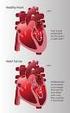 Statistics fact sheet Fact sheet last updated January 2015 EXTERNAL VERSION Macmillan Cancer Support Page 1 of 10 Macmillan and statistics Statistics are important to Macmillan because they help us represent
National Strategic Plan for Asbestos Awareness and Management 2013-2018
 National Strategic Plan for Asbestos Awareness and Management 2013-2018 July 2013 ISBN: 978-1-74361-140-1 Contents The essentials... 1 Aim... 1 Principles... 1 Strategies and Outcomes... 2 Introduction...
Women s Occupational Health and Safety in New Zealand. Mark Wagstaffe Centre for Public Health Research Massey University
 Women s Occupational Health and Safety in New Zealand Mark Wagstaffe Centre for Public Health Research Massey University NOHSAC Committee Professor Neil Pearce Professor Philippa Gander Professor John
OCCUPATIONAL LUNG CANCER
 OCCUPATIONAL LUNG CANCER Anwar Jusuf, Agus Dwi Susanto Department of Pulmonology & Respiratory Medicine, Faculty of Medicine University Of Indonesia - Persahabatan Hospital-Jakarta INTRODUCTION Occupational
Mesothelioma Trends as Predictors of the Asbestos- Related Lung Cancer Burden
 Mesothelioma Trends as Predictors of the Asbestos- Related Lung Cancer Burden Valerie McCormack UICC World Cancer Congress Montreal August 2012 Outline Background Estimating the lung cancer mortality burden
Wellness & Lifestyles Australia
 Wellness & Lifestyles Australia MANUAL HANDLING IN AGED CARE AND THE HEALTH CARE INDUSTRY E-BOOK prepared by Wellness & Lifestyles Australia 2007,2008,2009 Table of Contents Page No. IMPORTANT NOTICE...
Lung cancer and asbestos
 Lung cancer and asbestos Bureau Veritas Training Bill Sanderson For the benefit of business and people To begin with.. There are known knowns, that is there are things we know that we know. There are known
NIOSH Publishes Study of Cancer Among Firefighters Claire Reiss National League of Cities Risk Information Sharing Consortium.
 NIOSH Publishes Study of Cancer Among Firefighters Claire Reiss National League of Cities Risk Information Sharing Consortium The National Institute for Occupational Safety and Health has released the
ASBESTOS. Know what it is and how you can protect yourself. environmental affairs Department: Environmental Affairs REPUBLIC OF SOUTH AFRICA
 ASBESTOS Know what it is and how you can protect yourself environmental affairs Department: Environmental Affairs REPUBLIC OF SOUTH AFRICA 1 What is asbestos? The term asbestos designates a group of naturally
Asbestos and Mesothelioma in Ontario
 Asbestos and Mesothelioma in Ontario May 29, 2010 CARWH Conference: Worker Health in a Changing world of work Loraine Marrett, PhD Outline Part I: Asbestos & its uses Part II: Asbestos & cancer Part III:
ASBESTOS-RELATED DISEASE INDICATORS
 ASBESTOS-RELATED DISEASE INDICATORS May 2014 Safe Work Australia Asbestos-related Disease Indicators May 2014 Disclaimer The information provided in this document can only assist you in the most general
C162 Asbestos Convention, 1986
 C162 Asbestos Convention, 1986 Convention concerning Safety in the Use of Asbestos (Note: Date of coming into force: 16:06:1989.) Convention:C162 Place:Geneva Session of the Conference:72 Date of adoption:24:06:1986
How To Manage Asbestos At A University
 DIVISION OF FACILITIES MANAGEMENT Locked Bag 588 Boorooma Street Wagga Wagga NSW 2678 Australia Tel: +61 2 6933 2286 Fax: +61 2 6933 2180 www.csu.edu.au/division/facilitiesm ABN: 83 878 708 551 Asbestos
Preparing an estimate of the national pattern of exposure to asbestos in cases of malignant mesothelioma
 Preparing an estimate of the national pattern of exposure to asbestos in cases of malignant mesothelioma JULY 2008 Copyright Notice Commonwealth of Australia 2008 ISBN 978 0 642 32792 5 This work is copyright.
Table 2.2. Cohort studies of consumption of alcoholic beverages and cancer in special populations
 North America Canada Canadian 1951 Schmidt & Popham (1981) 1951 70 9 889 alcoholic men, aged 15 years, admitted to the clinical service of the Addiction Research Foundation of Ontario between Death records
Laboratory Work Risk Assessment
 1. Introduction Laboratory Work Risk Assessment The legislation governing Hazardous Substances and Dangerous Goods requires that all operations and experiments involving hazardous materials must have documentation
HOW TO SAFELY REMOVE ASBESTOS
 HOW TO SAFELY REMOVE ASBESTOS Code of Practice DECEMBER 2011 Safe Work Australia is an Australian Government statutory agency established in 2009. Safe Work Australia consists of representatives of the
Asbestos Policy. Planning, Performance Management and Support Services. Legacy Causeway Asbestos Policy (Ref: CHSST/04/211)
 Asbestos Policy Reference Number: NHSCT/09/192 Responsible Directorate: Planning, Performance Management and Support Services Replaces (if appropriate): Legacy Causeway Asbestos Policy (Ref: CHSST/04/211)
Asbestos Diseases. What Is Asbestos?
 1 Asbestos Diseases What Is Asbestos? Asbestos is a term applied to a group of minerals formed into rock and mined in a similar way to coal. In this form, asbestos is made up of strong, fine and flexible
Health effects of occupational exposure to asbestos dust
 Health effects of occupational exposure to asbestos dust Authors: N.Szeszenia-Dąbrowska, U.Wilczyńska The major health effects of workers' exposure to asbestos dust include asbestosis, lung cancer and
Asbestos and Cancer in Ontario and The Occupational Cancer Research Centre
 Asbestos and Cancer in Ontario and The Occupational Cancer Research Centre March 3 2010 A Presentation to the Asbestos Surveillance & Disease Compensation Think Tank, Toronto Dr. Loraine Marrett Associate
Asbestos Control Programs
 Asbestos Control Programs Effective: September 2000 Vice-President, Finance and Administration Applicable Legislation: Occupational Health and Safety (OHSA), R.S.O. 1990 O.Reg 837, R.R.O. 1990, Designated
Survey on the Mortality from Malignant Tumors of Female Asbestos Spinning Workers
 Table of Contents WS-E-12 Xing Zhang Survey on the Mortality from Malignant Tumors of Female Asbestos Spinning Workers Xing Zhang 1, Tong-da Sun 2, Nan-feng Shi 2, Li-qiu Zhu 1, Kenji Morinaga 3 1 Institute
June 20, 2002. 2002.06.20: Wagner Testimony on Workplace Exposure to Asbestos. This is an archive page. The links are no longer being updated.
 Page 1 of 6 skip navigational links This is an archive page. The links are no longer being updated. Statement by Gregory R. Wagner, M.D. Director, Division of Respiratory Disease Studies National Institute
NHS Barking and Dagenham Briefing on disease linked to Asbestos in Barking & Dagenham
 APPENDIX 1 NHS Barking and Dagenham Briefing on disease linked to Asbestos in Barking & Dagenham 1. Background 1.1. Asbestos Asbestos is a general name given to several naturally occurring fibrous minerals
Primary reason asbestos is used, is its special resistance to heat. Asbestos fibers are also virtually indestructible.
 ASBESTOS AWARENESS Asbestos Awareness Asbestos is a serious health hazard commonly found in our environment today. This module is designed to provide initial education of asbestos and its associated hazards.
WORK-RELATED INJURIES IN AUSTRALIA, 2005 06. Factors affecting applications for workers compensation
 WORK-RELATED INJURIES IN AUSTRALIA, 2005 06 Factors affecting applications for workers compensation AUGUST 2009 Disclaimer The information provided in this document can only assist you in the most general
4.05e WHS Guidelines for Incident Investigation Procedures Page 1 of 7
 Page 1 of 7 1 Purpose It is a legal requirement under the NSW Work Health and Safety Act 2011 and NSW Work Health and Safety Regulation 2011 to identify hazards, assess the risk of those hazards, implement
The Trend in Airborne Asbestos Concentrations at Plants Manufacturing Asbestos-Containing Products in Japan
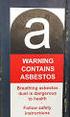 Industrial Health 2001, 39, 127 131 Original Article The Trend in Airborne Asbestos Concentrations at Plants Manufacturing Asbestos-Containing Products in Japan Koji YOSHIZUMI 1 *, Hajime HORI 2, Toshihiko
Emerging evidence that the ban on asbestos use is reducing the occurrence of pleural mesothelioma in Sweden
 596500SJP0010.1177/1403494815596500B. Järvholm and A. BurdorfAsbestos ban reduces mesothelioma incidence research-article2015 Scandinavian Journal of Public Health, 1 7 Original Article Emerging evidence
How To Know If You Have Cancer From Work
 NO TIME TO LOSE WORK CANCER: THE FACTS CANCER CAUSED BY WORK CLAIMS THE LIVES OF AT LEAST 666,000 PEOPLE A YEAR WORLDWIDE. 1 DEATH EVERY 47 SECONDS WORKING TOGETHER TO BEAT OCCUPATIONAL CANCER WORK CANCER:
Asbestos. General information
 Asbestos General information Key Points Fire Non flammable and non combustible under normal conditions Chemically inert under normal conditions. Resistant to most solvents, acids and alkalis In the event
Asbestos: health effects and risk. Peter Franklin Senior Scientific Officer, EHD Senior Research Fellow, UWA
 Asbestos: health effects and risk Peter Franklin Senior Scientific Officer, EHD Senior Research Fellow, UWA What is asbestos Naturally occurring mineral that has crystallised to form long thin fibres and
Testimony of. Dr. James Crapo. April 26, 2005
 Testimony of Dr. James Crapo April 26, 2005 Written Statement of Dr. James D. Crapo, Professor of Medicine, National Jewish Medical and Research Center and University of Colorado Health Sciences Center
Questions and Answers about the prevention of occupational diseases
 World Day for Safety and Health at Work 28 April 2013 Questions and Answers about the prevention of occupational diseases Occupational diseases cause huge suffering and loss in the world of work. Yet,
How to Safely Remove Asbestos
 How to Safely Remove Asbestos Code of Practice December 2012 CP113 Workplace Standards Department of Justice This code of practice has been approved by the Tasmanian Minister for Workplace Relations under
Changing Trends in Mesothelioma Incidence. Hans Weill, M.D. Professor of Medicine Emeritus Tulane University Medical Center
 Changing Trends in Mesothelioma Incidence Hans Weill, M.D. Professor of Medicine Emeritus Tulane University Medical Center International Conference on Chrysotile Montreal, May 23, 2006 Global Mesothelioma
Summary of Investigation into the Occurrence of Cancer Census Tract 2104 Zip Code 77009, Houston Harris County, Texas 1998 2007 May 11, 2010
 Summary of Investigation into the Occurrence of Cancer Census Tract 2104 Zip Code 77009, Houston Harris County, Texas 1998 2007 May 11, 2010 Background: Concern about a possible excess of cancer prompted
How To Deal With Asbestos In Minster Of Minsteria
 RELATED TO EXPOSURE TO ASBESTOS AT WORK [S.L.424.23 1 SUBSIDIARY LEGISLATION 424.23 RELATED TO EXPOSURE TO ASBESTOS AT WORK REGULATIONS LEGAL NOTICE 323 of 2006. 15th December, 2006 1. (1) The title of
The effect of the introduction of ICD-10 on cancer mortality trends in England and Wales
 The effect of the introduction of ICD-10 on cancer mortality trends in Anita Brock, Clare Griffiths and Cleo Rooney, Offi ce for INTRODUCTION From January 2001 deaths in have been coded to the Tenth Revision
ASBESTOS REGULATIONS 2001. Government Notice No 155 Gazette No 23108 dated 10 February 2002
 ASBESTOS REGULATIONS 2001 Government Notice No 155 Gazette No 23108 dated 10 February 2002 SUMMARY OF THE NEW PROVISIONS: More detailed and streamlined Method of assessment changed (A) INTRODUCTION Exposure
PATTERNS OF MORTALITY IN ASBESTOS FACTORY WORKERS IN LONDON*
 PATTERNS OF MORTALITY IN ASBESTOS FACTORY WORKERS IN LONDON* M. L. Newhouse TUC Centenary Institute of Occupational Health London School of Hygiene and Tropical Medicine London WCIE 7HT. England G. Berry
Hazard Identification, Risk Assessment And Control Procedure
 Hazard Identification, Risk Assessment And Control Procedure 1. Purpose 1.1 To ensure that there is a formal process for hazard identification, risk assessment and control to effectively manage hazards
Title: OHS Risk Management Procedure
 Issue Date: July 2011 Review Date: July 2013 Page Number: 1 of 9 1. Purpose: To outline the methodology by which Department of Education and Early Childhood Development (DEECD) identifies, assesses, controls
ADVICE to safety representatives
 UNITE LEGAL SERVICES - TRUST YOUR UNION ADVICE to safety representatives Unite has launched a new asbestos campaign aiming to: Raise members awareness of asbestos hazards at work Provide advice to Unite
OCCUPATIONAL HEALTH AND SAFETY AUTHORITY ACT (CAP. 424) Protection of Workers from the Risks related to Exposure to Asbestos at Work Regulations, 2006
 L.N. 323 of 2006 B 4649 OCCUPATIONAL HEALTH AND SAFETY AUTHORITY ACT (CAP. 424) Protection of Workers from the Risks related to Exposure to Asbestos at Work Regulations, 2006 IN EXERCISE of the powers
Testimony of. Laura Welch, M.D. Medical Director Center to Protect Workers Rights November 17, 2005
 Testimony of Laura Welch, M.D. Medical Director Center to Protect Workers Rights November 17, 2005 Testimony of Laura Welch, MD Medical Director, Center to Protect Workers Rights On Asbestos Related Diseases
United Nations Environment Programme. Food and Agriculture Organization of the United Nations. Chrysotile asbestos UNITED NATIONS
 UNITED NATIONS RC UNEP/FAO/RC/CRC.1/26/Add.1 United Nations Environment Programme Distr.: General 11 January 2005 English only Food and Agriculture Organization of the United Nations Rotterdam Convention
Cancer Risk Factors in Ontario. Dusts and Fibres
 Cancer Risk Factors in Ontario Dusts and Fibres dusts ANd fibres risk factor/exposure Cancer The context where high risks were reported Magnitude of risk* Strength of evidence a Asbestos Larynx Occupational
HOUSE OF REPRESENTATIVES STAFF ANALYSIS REFERENCE ACTION ANALYST STAFF DIRECTOR
 HOUSE OF REPRESENTATIVES STAFF ANALYSIS BILL #: HB 371 CS Cancer Drug Donation Program SPONSOR(S): Harrell TIED BILLS: IDEN./SIM. BILLS: SB 1310 REFERENCE ACTION ANALYST STAFF DIRECTOR 1) Health Care General
Progress Towards the 2020 target
 Progress Towards the 2020 target I ISBN 978-0-478-41778-4 (online) March 2014 Crown Copyright 2014 The material contained in this report is subject to Crown copyright protection unless otherwise indicated.
Workers compensation claims paid in Australia 2000-2012. Occupational exposures to carcinogens in Australia
 Workers compensation claims paid in Australia 2000-2012 Occupational exposures to carcinogens in Australia Monograph Series 2015 Occupational exposures to carcinogens in Australia: Workers compensation
Queensland Workplace Health & Safety Board - Key Statistical Indicators
 Workplace Health & Safety Queensland Queensland Workplace Health & Safety Board - Key Statistical Indicators Quarterly Update 1/2013-14 WHS Board Key Statistical Indicators November 2013 Page 1 of 19 CONTENTS