
Medication Safety Best Practices Guide for Ambulatory Care Use
|
|
|
- Joel Lloyd
- 10 years ago
- Views:
Transcription
1 for Ambulatory Care Use Instructions Inventory your safety practices by using the tool below. Once you have identified areas for improvement, you may establish an action plan for implementation. The tool is intended to provide you guidance on the resource requirements to consider when evaluating your environment for medication safety. The implementation level described below is intended to assist you with identifying the level of additional resource needs you may have. For additional assistance please contact: Kim Galt or Ann Rule Implementation. Implementation requires no additional resources. The solution is accomplished through changes in individual behavior to achieve safety improvement.. Implementation requires no additional resources. The solution is accomplished through change in policy or system(s).. Implementation requires additional resources. The solution is accomplished through additional financial or expert resources beyond those currently available to the office-based practice. Permission Statement This document may be downloaded from This document may be copied and distributed without permission.

2 MEDICATION USE PROCESS Chart The following information is always entered or confirmed as entered into the patient chart prior to any action that would result in a patient receiving a drug: patient s first and last name, address, telephone number, date of birth, and gender. Any action includes issuing a new prescription, renewal of a prescription or refills between office visits. The following information is always entered into the chart at each patient encounter (visit or phone call) when a change occurs: co-morbid and/or chronic conditions, pregnancy and lactation status, allergies, height, weight, smoking status and alcohol consumption.,, Patients should be surveyed to update their health history and demographic information in their chart at least annually. When a medication sample is given to a patient, the name and strength of the medication, instructions for use and the quantity or duration of therapy is always documented in the patient s chart. Therapeutic Decision Prescribers write prescriptions that are patient centered: the patient s lifestyle, frequency of use and cost are always considered. Prescribers expect to take the time necessary to answer questions that improve the safety of prescribing. Questions or concerns of pharmacists about prescription orders are always handled by the professional deemed most appropriate by the pharmacist making the request. If the pharmacist requests to speak to the prescriber, this is honored. 4,5 When a new medication is initiated that is either contraindicated or dose-adjusted based upon renal or hepatic function, this is assessed and entered into the chart. 6, 7 The medication history obtained from patients and entered into the chart includes prescription medications, over-the-counter medications, vitamins, herbal products, dietary supplements, alternative medicines and homeopathic medications. Prescribing When giving prescription orders over the telephone, the individual telephoning in the order specifically informs the pharmacy about co-morbid conditions, allergies, patient s weight, date of birth, and the indication for use. 8 Kimberly A. Galt Pharm. D. and Ann M. Rule Pharm. D. 004 Creighton University Health Services Research Program

3 MEDICATION USE PROCESS Transmission of Prescription Orders When telephone orders are given, the pharmacist is always requested to repeat it back for verification. 9 When telephoning prescription orders in to a pharmacy, individuals always request to speak with a pharmacist. Dispensing A prescription label for medication samples is prepared each time a sample is given to the patient to take home. Counseling Medication counseling given to the patient/caregiver includes the drug name, purpose, dose, directions for use, expected outcomes, risks and, 0- safety outcomes. Written information is given about medications prescribed by this office. Patients are encouraged to speak with their pharmacist for further information about their prescribed medications. 4,8 Patients are encouraged to ask us questions about the medications they are receiving. Patients are taught how to use and maintain any devices they get from the clinic as well as being provided with written information. Patients are encouraged to speak with their pharmacist for further education regarding the use and care of any devices. 4,8 If a patient is hearing impaired, information: is provided in writing. is provided to family members accompanying patient. is provided by sign language if necessary. by use of a relay phone system. 4 Patients who are hearing impaired are given the TDD (telecommunications device for the deaf) telephone number for the office. 4 Patients are provided language-appropriate written information about drugs to patients who do not speak English. If a patient is visually impaired, information is provided to family members accompanying patient. Kimberly A. Galt Pharm. D. and Ann M. Rule Pharm. D. 004 Creighton University Health Services Research Program

4 MEDICATION USE PROCESS Counseling If a patient has language barriers, information: is provided via interpreter. is provided in writing in the patient s language. is provided to family members accompanying patient. If the patient is illiterate, information is provided verbally with adequate time for the patient and family to ask questions. Prescription Renewal The patient s chart is always reviewed prior to prescription renewal. There is a method for patients to have their prescriptions renewed after hours/when the clinic is closed. The on-call physician notifies the clinic when a prescription renewal has occurred for one of the patients after hours. Only a qualified health professional (physician, nurse, physician assistant, nurse practitioner, or pharmacist) is allowed to phone refill prescriptions for patients. On-call physicians should not renew prescription for patients who are not in their care. Memo Kimberly A. Galt Pharm. D. and Ann M. Rule Pharm. D. 004 Creighton University Health Services Research Program

5 OFFICE ENVIRONMENT Adequate time is allocated to counsel patients about medications in this office. Drug information resources are kept up to date. Drug information resources are adequate in scope, breadth and depth to answer medication related questions. Drug information resources are easily accessible at the point of care. Examples of easily accessible locations for drug information resources are: centrally accessible location outside the patient exam room, in each patient encounter room, and/or accessible via an easily accessible 0,, 5-7 computer or handheld computer. The current medication sample inventory is reviewed monthly to remove expired products. When a new sample item is added to the clinic s drug inventory, we check to see: if its name looks or sounds like other products it might be confused with. if its packaging looks similar to other products it might be confused with. if the storage location we are choosing is away from products it might be confused with. if its storage location is away from packages of the same drug with different routes of administration. if it is shelved so that their labels face forward and are readable. 8 Practitioners and other staff report and openly discuss errors without 0,, 5-7, 9 undo embarrassment or fear of reprisal from clinic management. Sample medications should be stored in a locked medication storage room or cabinet. 8 Sample medications that require refrigeration should be stored in a medication-only refrigerator. Sample medications for clinic use should be stored in an area separate from medications used in the clinic. Sample medications should be arranged alphabetically by name. The current inventory of medications for clinic use is reviewed on a monthly basis to remove expired products. Kimberly A. Galt Pharm. D. and Ann M. Rule Pharm. D. 004 Creighton University Health Services Research Program

6 OFFICE ENVIRONMENT When a new medication for clinic use is added to the clinic s drug inventory, we check to see: if its name looks or sounds like other products it might be confused with. if its packaging looks similar to other products it might be confused with. if the storage location we are choosing is away from products it might be confused with. if its storage location is away from packages of the same drug with different routes of administration. if it is shelved so that their labels face forward and are readable. Medications for clinic use are stored in a locked medication storage room or cabinet. Medications for clinic use that require refrigeration are stored in a medication-only refrigerator. Medications for clinic use should be stored in an area separate from medication samples.they should be arranged alphabetically by name and stored in a locked room or cabinet. Patient care areas are clean, orderly and free from distractions and excessive noise. The clinic has adequate space for storage of drugs and drug supplies. When obtaining information from pharmaceutical representatives, the following questions are always asked: are there any other products that have a name that look or sound similar? are there any other products that have packaging that looks similar? Management actively demonstrates its commitment to patient safety. 9 This clinic keeps patient safety in mind when deciding on whether or not to offer new or expanded services. Memo Kimberly A. Galt Pharm. D. and Ann M. Rule Pharm. D. 004 Creighton University Health Services Research Program

7 ERROR MANAGEMENT When medication errors or adverse reactions come to the attention of the clinic staff, the following takes place: staff involved with the error or adverse reaction review the circumstances involved. entire staff are provided with service education and training. policies and procedures are reviewed and revised if necessary to prevent a reoccurrence. Prescribers and clinic staff involved in serious errors that caused a patient harm are offered psychological counseling as well as emotional support by their colleagues. Staff who are directly involved in a serious or potentially serous medication error participate in analyzing those failures in the system that allowed the error to happen and are encouraged to recommend system enhancements to reduce the potential for errors. As a matter of practice, medication errors and ways to avoid them are openly discussed between prescribers and clinic staff. Individuals are not dismissed from employment because of a medication error in this office. 9 Prescribers and nurses receive ongoing information regarding medication errors occurring within the organization, error-prone situations, errors occurring in other clinics, and strategies to prevent such errors. 9 Ongoing information regarding medication errors is communicated to staff members: verbally at the time of the medication error. by written communication. at regularly scheduled clinical staff meetings. Reference to errors is not included in employee personnel files. 9 Errors are not considered as a performance measure during either annual performance appraisals or during competency assessments. 9,0 Management provides positive incentives for individuals to report errors. Prescribers and clinic staff are reacted to in a positive manner for detecting and reporting errors. There is an integrated plan to detect, analyze and reduce medication errors in the clinic with at least one staff member responsible for the plan. 9 Kimberly A. Galt Pharm. D. and Ann M. Rule Pharm. D. 004 Creighton University Health Services Research Program

8 ERROR MANAGEMENT The patient care process is specifically evaluated for opportunities to reduce errors at least annually. 9 Clear definitions and examples of medication errors and hazardous situations that should be reported have been established for use in this clinic. A formal system is in place for reporting hazardous situations that could lead to an error. A formal system is in place for reporting actual errors. Near misses that have potential to cause harm are given the same high priority for analysis and error prevention strategies as errors that actually cause patient harm. 0 Prescribers use published error experiences from their organization to proactively target improvement in the prescribing process. Prescribers report to external voluntary reporting programs such as the USP Medication Errors Reporting Program, FDA MedWatch or the CDC Vaccine Adverse Reaction Reporting Program. If the prescriber discovers that an error has led to improper medication prescribing regardless of the level of harm that results, the error is disclosed to the patient/caregiver/family. Memo Kimberly A. Galt Pharm. D. and Ann M. Rule Pharm. D. 004 Creighton University Health Services Research Program

9 WORKPLACE CONDITIONS This clinic keeps workload issues in mind when deciding on whether or not to offer new or expanded services. Clinic staff have time to eat a well-balanced meal (i.e. lunch or dinner) during a work day. An effective back-up plan is in place for days when staffing is short due to illness, vacation, educational absences, and fluctuations in workload. Staffing patterns in the clinic are adequate to provide safe patient care on most days. Patient volume data is examined periodically to determine appropriate staffing levels, even during peak times when demand is highest. The level of physician staffing is adequate to meet our patient care needs. The staff in this office works on how to make our work flow more smoothly. The number of non-physicians on duty is usually sufficient to meet patient care needs. This office has adequate administrative support (for example: support drug sample inventory control and ordering, scheduling and computer upgrades). The flow of work in this office is very well organized. Primary care providers are rarely interrupted when working with a patient or with another health care provider. It is possible to adjust the volume on the clinic telephones. Lighting is adequate for your work needs in the clinic. 8 The clinic staff perceives the temperature and humidity in the office to be comfortable. There is a specific effort made in the clinic environment to reduce work related stress. Schedules and workload permit prescribers to take at least one 0-minute break per shift of work each day. Kimberly A. Galt Pharm. D. and Ann M. Rule Pharm. D. 004 Creighton University Health Services Research Program

10 WORKPLACE CONDITIONS In general, communication of important information in this office is very good. Those who train new staff have their workload reduced in other areas so they can accomplish the goals of orientation. The length of time for orienting new clinic staff is individualized and based on an ongoing assessment of their needs. Memo Kimberly A. Galt Pharm. D. and Ann M. Rule Pharm. D. 004 Creighton University Health Services Research Program

11 SAFETY EDUCATION Prescribers and clinic staff are trained about appropriate procedures in the event of a serious medication error. All office staff, including physicians, physician assistants, nurse practitioners, nursing staff and office assistants attend educational programming on ways to avoid medication errors at least annually. The clinic staff received education about important drug safety issues on a regular basis as well as after a medication safety event or near-miss. New clinic staff underwent a period of training and evaluation of their knowledge, skills and performance prior to participating independently in patient care activities. Clinic staff received training on the proper use and maintenance of devices used in the clinic (e.g., glucose monitors, humidifiers, spacers used with inhalers, etc.) in a structured manner such as vendor presentation at the clinic or on-the-job training by a qualified clinic colleague. During orientation, clinic staff was taught strategies designed to reduce the risk of errors. When temporary agency staff was used, they have undergone appropriate training and orientation. Each staff member is assessed on skills and knowledge related to safe medication practices at least annually. The non-physicians are competent and well-trained for their jobs. SAFETY PERCEPTIONS A systematic process that proactively identifies/screens for contraindications or precautions to medications for patients before prescribing a new medication or renewing an existing medication for a patient is in place. PATIENTS Patients are provided with the clinic s telephone number Kimberly A. Galt Pharm. D. and Ann M. Rule Pharm. D. 004 Creighton University Health Services Research Program

12 REFERENCES. Bates DW, Cullen DJ, Laird N, Petersen LA, Small SD, Servi D, et al. Incidence of adverse drug events and potential adverse drug events: implications for prevention. JAMA. 995:74:9-4.. Gandhi TK, Burstin HR, Cook EF, Puopolo AL, Haas JS, Brennan TA, et al. Drug Complications in Outpatients. J Gen Intern Med. 000:5: U.S. Pharmacopeia. Statement of Scientific Policy, Council of Experts Information Executive Committee: Guiding Principles Supporting Appropriate Drug Use at the Patient and Population. [updated 00 March ]. Available at: Principles.html. [Accessed /4/04]. 4. Beney J, Bero LA, Bond C. Expanding the roles of outpatient pharmacists: effects on health services utilization, costs and patient out comes (Cochrane Review). In: The Cochrane Library, Issue, 004. Chichester, UK: John Wiley & Sons, Ltd. 5. Folli HL, Poole RL, Benitz WE, Russo JC. Medication error prevention by clinical pharmacists in two children s hospitals. Pediatrics. 987;79: Kelly WN. Potential risks and prevention. Part : Fatal adverse drug events. Am J Health Syst Pharm. 00;58: McDonnell PJ, Jacobs MR. Hospital admissions resulting from preventable adverse drug reactions. Ann Pharmacother. 00;6: Kaushal R, Bates DW.The Clinical Pharmacist s Role in Preventing Adverse Drug Events. Chapter 7 in: Making Health Care Safer:A Critical Analysis of Patient Safety Practices. Markowitz AJ, editor. Rockville (MD):Agency for Healthcare Research and Quality Publication 0-E058; July 0, Joint Commission on Accreditation of Healthcare Organizations. 004 Comprehensive Accreditation Manual for Ambulatory Care (CAMAC). Oakbrook Terrace, IL: Joint Commission on Accreditation of Healthcare Organizations; Massachusetts Coalition for the Prevention of Medical Errors. MHA best practice recommendations to reduce medication errors. Available at: documents/best_practice_medication_errors.pdf. [Accessed /8/04]..The Massachusetts Coalition for the Prevention of Medical Errors.Your Role in Safe Medication Use Consumer Guide. Available at: [Accessed /8/04].. Joint Commission on Accreditation of Healthcare Organizations. 004 Comprehensive Accreditation Manual for Hospitals:The Official Handbook (CAMH). Oakbrook Terrace, IL: Joint Commission on Accreditation of Healthcare Organizations; American Society of Hospital Pharmacists. ASHP Guidelines on Preventing Medication Errors in Hospitals. Am J Hosp Pharm. 99:50: Iezzoni LI, O Day BL, Killeen M, Harker H. Communicating about health care: observations from persons who are deaf or hard of hearing. Ann Intern Med. 004;40: Leape LL, Bates DW, Cullen DJ, Cooper J, Demonaco HJ, Gallivan T, et al. Systems Analysis of Adverse Drug Events. JAMA. 995; 74: Cohen MR,Anderson RW,Atfilio RM, Green L, Muller RJ, Pruemer JMPreventing Medication Errors in Cancer Chemotherapy.Am J Health-Syst. Pharm. 996; 5: Leape LL, Cullen DJ, Clapp MD, Burdick E, Demonaco HJ, Erickson JI, et al. Pharmacist participation on physician rounds and adverse drug events in the intensive care unit. JAMA. 999 Jul ; 8(): American College of Physicians [homepage on the Internet]. Safety and Medication Samples. Available from: [Accessed /4/04]. 8. Pizzi LT, Goldfarb NI, Nash DB. Promoting a Culture of Safety. Chapt. 40 in: Making Health Care Safer:A Critical Analysis of Patient Safety Practices. Markowitz AJ, editor. Rockville (MD): Agency for Healthcare Research and Quality Publication 0-E058; July 0, Wald H, Shojania KG. Incident Reporting. Chapt. 4 in: Making Health Care Safer: A Critical Analysis of Patient Safety Practices. Markowitz AJ, editor. Rockville (MD): Agency for Healthcare Research and Quality Publication 0-E058; July 0, Cullen D, Bates D, Small S, Cooper J, Nemeskal A, Leape L.The incident reporting system does not detect adverse events: a problem for quality improvement. Jt Comm J Qual Improv. 995:: Barach P, Small S. Reporting and preventing medical mishaps: lessons from non-medical near miss reporting systems. BMJ. 000; 0: Kimberly A. Galt Pharm. D. and Ann M. Rule Pharm. D. 004 Creighton University Health Services Research Program
![Statement of Scientific Policy, Council of Experts Information Executive Committee: Guiding Principles Supporting Appropriate Drug Use at the Patient and Population. [updated 00 March ].](/docs-images/53/11011399/images/page_12.jpg "Available at: http://www.usp.org/patientsafety/tools/drugguide Principles.html. [Accessed /4/04]. 4. Beney J, Bero LA, Bond C.")
GUIDELINES ON PREVENTING MEDICATION ERRORS IN PHARMACIES AND LONG-TERM CARE FACILITIES THROUGH REPORTING AND EVALUATION
 GUIDELINES GUIDELINES ON PREVENTING MEDICATION ERRORS IN PHARMACIES AND LONG-TERM CARE FACILITIES THROUGH REPORTING AND EVALUATION Preamble The purpose of this document is to provide guidance for the pharmacist
The Massachusetts Coalition for the Prevention of Medical Errors. MHA Best Practice Recommendations to Reduce Medication Errors
 The Massachusetts Coalition for the Prevention of Medical Errors MHA Best Practice Recommendations to Reduce Medication Errors Executive Summary In 1997, the Massachusetts Coalition for the Prevention
Medication error is the most common
 Medication Reconciliation Transfer of medication information across settings keeping it free from error. By Jane H. Barnsteiner, PhD, RN, FAAN Medication error is the most common type of error affecting
Health Professions Act BYLAWS SCHEDULE F. PART 2 Hospital Pharmacy Standards of Practice. Table of Contents
 Health Professions Act BYLAWS SCHEDULE F PART 2 Hospital Pharmacy Standards of Practice Table of Contents 1. Application 2. Definitions 3. Drug Distribution 4. Drug Label 5. Returned Drugs 6. Drug Transfer
Learning Objectives. Introduction to Reconciling Medication Information. Background. Elements of Performance NPSG.03.06.01
 Pharmacy Evaluation of Medication Reconciliation Initiated in the Emergency Department Manuel A. Calvin, Pharm.D. PGY1 Pharmacy Resident Saint Francis Hospital, Tulsa, OK OSHP Annual Meeting Residency
Guidelines on Counseling. Approved by PEIPB
 Guidelines on Counseling Approved by PEIPB November 2005 1 Patient Counseling Patient counseling is a key competency element of the Pharmaceutical Care process. Given the advertising for medication in
TABLE OF CONTENTS CHAPTER 9 PATIENT COUNSELING AND PROSPECTIVE DRUG USE REVIEW REGULATIONS
 TABLE OF CONTENTS CHAPTER 9 PATIENT COUNSELING AND PROSPECTIVE DRUG USE REVIEW REGULATIONS Section 1. Authority 9-1 Section 2. Definitions 9-1 Section 3. Patient Profile Records 9-1 Section 4. Prospective
Health Professions Act BYLAWS SCHEDULE F. PART 3 Residential Care Facilities and Homes Standards of Practice. Table of Contents
 Health Professions Act BYLAWS SCHEDULE F PART 3 Residential Care Facilities and Homes Standards of Practice Table of Contents 1. Application 2. Definitions 3. Supervision of Pharmacy Services in a Facility
Administrative Policies and Procedures for MOH hospitals /PHC Centers. TITLE: Organization & Management Of Medication Use APPLIES TO: Hospital-wide
 Administrative Policies and Procedures for MOH hospitals /PHC Centers TITLE: Organization & Management Of Medication Use APPLIES TO: Hospital-wide NO. OF PAGES: ORIGINAL DATE: REVISION DATE : السیاسات
MEDICATION ADMINISTRATION PROCEDURE
 MEDICATION ADMINISTRATION PROCEDURE Objective: To provide procedure and protocols to ensure the safe administration of medication to students at school. Always refer to FFAC Legal and FFAC Local for district-approved
U.S. Bureau of Labor Statistics. Pharmacy Tech
 From the: U.S. Bureau of Labor Statistics Pharmacy Tech Pharmacy technicians fill prescriptions and check inventory. Pharmacy technicians help licensed pharmacists dispense prescription medication. They
105 CMR: DEPARTMENT OF PUBLIC HEALTH 105 CMR 210.000: THE ADMINISTRATION OF PRESCRIPTION MEDICATIONS IN PUBLIC AND PRIVATE SCHOOLS
 105 CMR 210.000: THE ADMINISTRATION OF PRESCRIPTION MEDICATIONS IN PUBLIC AND PRIVATE SCHOOLS Section 210.001: Purpose 210.002: Definitions 210.003: Policies Governing the Administration of Prescription
UW School of Dentistry Comprehensive Medication Policy
 UNIVERSITY OF WASHINGTON SCHOOL OF DENTISTRY Subject: UW School of Dentistry Comprehensive Medication Policy Policy Number: Effective Date: December 2014 Revision Dates: June 2015 PURPOSE This policy provides
CONNECTICUT. Downloaded January 2011 19 13 D8T. CHRONIC AND CONVALESCENT NURSING HOMES AND REST HOMES WITH NURSING SUPERVISION
 CONNECTICUT Downloaded January 2011 19 13 D8T. CHRONIC AND CONVALESCENT NURSING HOMES AND REST HOMES WITH NURSING SUPERVISION (d) General Conditions. (6) All medications shall be administered only by licensed
Custodial Procedures Manual Table of Contents
 Custodial Procedures Manual Table of Contents Page 1. Drug Policies and Procedures 1 A. Procurement of Prescription Drugs 1 i. Prescription drugs may only be accepted from 1 pharmacies and or practitioners.
How To Prevent Medication Errors
 The Academy of Managed Care Pharmacy s Concepts in Managed Care Pharmacy Medication Errors Medication errors are among the most common medical errors, harming at least 1.5 million people every year. The
Outpatient Prescription Drug Benefit
 Outpatient Prescription Drug Benefit GENERAL INFORMATION This supplemental Evidence of Coverage and Disclosure Form is provided in addition to your Member Handbook and Health Plan Benefits and Coverage
Agency # 070.00 REGULATION 9 PHARMACEUTICAL CARE/PATIENT COUNSELING
 Agency # 070.00 REGULATION 9 PHARMACEUTICAL CARE/PATIENT COUNSELING 09-00: PATIENT COUNSELING 09-00-0001--PATIENT INFORMATION, DRUG USE EVALUATION, AND PATIENT COUNSELING The intent of this regulation
Medication Management: A Family Caregiver s Guide
 Family Caregiver Guide Medication Management: A Family Caregiver s Guide Types of Medications You should make sure all of your family member s doctors and the home care nurse know all the overthe-counter
A b i l e n e I n d e p e n d e n t S c h o o l D i s t r i c t ABILENE INDEPENDENT SCHOOL DISTRICT MEDICATION ADMINISTRATION PROCEDURES
 A b i l e n e I n d e p e n d e n t S c h o o l D i s t r i c t 241 Pine Street Abilene, Texas 79601 (325) 677-1444 ABILENE INDEPENDENT SCHOOL DISTRICT MEDICATION ADMINISTRATION PROCEDURES All prescription
ADMINISTRATION OF MEDICATION
 ADMINISTRATION OF MEDICATION IN SCHOOLS MARYLAND STATE SCHOOL HEALTH SERVICES GUIDELINE JANUARY 2006 (Reference Updated March 2015) Maryland State Department of Education Maryland Department of Health
UNIVERSITY OF WISCONSIN HOSPITAL AND CLINICS DEPARTMENT OF PHARMACY SCOPE OF PATIENT CARE SERVICES FY 2014 October 1 st, 2014
 UNIVERSITY OF WISCONSIN HOSPITAL AND CLINICS DEPARTMENT OF PHARMACY SCOPE OF PATIENT CARE SERVICES FY 2014 October 1 st, 2014 Department Name: Department of Pharmacy Department Director: Steve Rough, MS,
11 MEDICATION MANAGEMENT
 1 11 MEDICATION MANAGEMENT OVERVIEW OF MEDICATION MANAGEMENT Depending on the size, structure and functions of the health facility, there may be a pharmacy with qualified pharmacists to dispense medication,
DIVISION OF CORPORATIONS, BUSINESS AND PROFESSIONAL P.O. BOX 110806 JUNEAU, ALASKA 99811-0806 ALASKA STATE BOARD OF PHARMACY
 DIVISION OF CORPORATIONS, BUSINESS AND PROFESSIONAL P.O. BOX 110806 JUNEAU, ALASKA 99811-0806 ALASKA STATE BOARD OF PHARMACY Remote Pharmacy Owner Name: DBA Name: Address: Telephone Number: Fax Number:
SafetyFirst Alert. Errors in Transcribing and Administering Medications
 SafetyFirst Alert Massachusetts Coalition for the Prevention of Medical Errors January 2001 This issue of Safety First Alert is a publication of the Massachusetts Coalition for the Prevention of Medical
West Virginia University School of Pharmacy Educational Outcomes Professional Curriculum Approved by the Faculty: October 11, 2013
 West Virginia University School of Pharmacy Educational Outcomes Professional Curriculum Approved by the Faculty: October 11, 2013 1 Preamble The School of Pharmacy s educational outcomes (EOs) are designed
Pharmacy Program Pre-Test
 Last Name: Pharmacy Program Pre-Test * For each question, put a check mark for the one option that you think is correct. 1. A pharmacist receives a security prescription from a known local medical group
Strategies for LEADERSHIP. Hospital Executives and Their Role in Patient Safety
 Strategies for LEADERSHIP Hospital Executives and Their Role in Patient Safety 1 Effective Leadership for Patient Safety Creating and Leading Significant Change Dear Colleague: In 1995, two tragic medication
Reducing Medical Errors with an Electronic Medical Records System
 Reducing Medical Errors with an Electronic Medical Records System A recent report by the Institute of Medicine estimated that as many as 98,000 people die in any given year from medical errors in hospitals
Recommended guidelines for. schools
 Recommended guidelines for medication administration in schools Objective At the end of the session the nurses will be aware of the HAAD standards and roles and responsibilities of a nurse in medication
Medicines reconciliation on admission and discharge from hospital policy April 2013. WHSCT medicines reconciliation policy 1
 Medicines reconciliation on admission and discharge from hospital policy April 2013 WHSCT medicines reconciliation policy 1 Policy Title Policy Reference Number Medicines reconciliation on admission and
Date Submitted: July 20, 2000 Date Reviewed: May 31, 2005 January 17, 2006 March 17, 2009 Subject: Administration of Medication
 POLICY SOMERSET COUNTY BOARD OF EDUCATION 1. PURPOSE Date Submitted: July 20, 2000 Date Reviewed: May 31, 2005 January 17, 2006 March 17, 2009 Subject: Administration of Medication Number: 600-32 Date
TRANSMUCOSAL IMMEDIATE RELEASE FENTANYL (TIRF) RISK EVALUATION AND MITIGATION STRATEGY (REMS)
 Initial REMS approval: 12/2011 Most recent modification: /2014 TRANSMUCOSAL IMMEDIATE RELEASE FENTANYL (TIRF) RISK EVALUATION AND MITIGATION STRATEGY (REMS) Page 1 of 16 I. GOALS The goals of the TIRF
Translating Patient Safety Research into Clinical Practice
 Translating Patient Safety Research into Clinical Practice David J. Magid, Paul A. Estabrooks, David W. Brand, Marsha A. Raebel, Ted E. Palen, John F. Steiner, Eli J. Korner, David W. Bates, Richard Platt,
Understanding Alberta s Drug Schedules
 Understanding Alberta s Drug Schedules Preface In May 2002, the provincial drug schedules to the Pharmaceutical Profession Act were amended. In April 2007, the Alberta Regulation 66/2007 to the Pharmacy
This technical advisory is intended to help clarify issues related to delegation of medications during the school day.
 This technical advisory is intended to help clarify issues related to delegation of medications during the school day. Actual Text - Ed 311.02 Medication During School Day (a) For the purpose of this rule
Introduction to Medication Management Systems, Inc. Comprehensive Medication Therapy Management Solutions
 Introduction to Medication Management Systems, Inc. Comprehensive Medication Therapy Management Solutions Vision Medication Management Systems, Inc. (MMS) envisions a health care system in which all patients
ADMINISTRATION OF MEDICATIONS POLICY
 Policy 6.007. ADMINISTRATION OF MEDICATIONS POLICY It is the policy of Cooperative Educational Services (C.E.S.) that students who require any medications to be administered during school hours, including
Practice Direction Clinical Practice Pharmacies
 Practice Direction Clinical Practice Pharmacies 1.0 Scope and Objective: 1.1 Expected Outcome This document is a practice direction of Council concerning the implementation of Clinical Practice Pharmacies
TABLE OF CONTENTS CHAPTER 14 TELEPHARMACY RULES AND REGULATIONS
 TABLE OF CONTENTS CHAPTER 14 TELEPHARMACY RULES AND REGULATIONS Section 1. Authority 14-1 Section 2. Definitions 14-1 Section 3. Licensing of Facilities 14-1 Section 4. Minimum Structural, Security and
Nurse-Managed Medication Inventory
 Nurse-Managed Medication Inventory Information for Employers College of Registered Nurses of British Columbia 2855 Arbutus Street Vancouver, BC Canada V6J 3Y8 T: 604.736.7331 F: 604.738.2272 Toll-free:
MARY T. INC. PROGRAM POLICY MANUAL
 MARY T. INC. PROGRAM POLICY MANUAL POLICY Safe Medication Assistance and SECTION: 2-2C TITLE: Administration Policy REVISED BY: Jane Strobel, RN PAGE: 1of 6 APPLIES TO: All Services Operating Under Rule
The Importance of Using Insulin Safely. Learning Objectives
 The Importance of Using Insulin Safely Victor Tran, PharmD PGY 1 Pharmacy Resident Ambulatory Care Diabetes Symposium November 12, 2015 Learning Objectives List the potential adverse drug events of insulin
Licensed Pharmacy Technician Scope of Practice
 Licensed Scope of Practice Adapted from: Request for Regulation of s Approved by Council April 24, 2015 Definitions In this policy: Act means The Pharmacy and Pharmacy Disciplines Act means an unregulated
Commentary USP 36-NF 31. Excerpt Related to General Chapter <17> Prescription Container Labeling
 Commentary USP 36-NF 31 Excerpt Related to General Chapter Prescription Container Labeling In accordance with USP s Rules and Procedures of the Council of Experts ( Rules ), USP publishes all proposed
POLICY SERVICES ADVISORY
 POLICY SERVICES ADVISORY Volume 12, Number 2 April 2015 CONTENTS Policy Advisory No. 114 JLCG Emergency Administration of Medications to Students JLCG-R Emergency Administration of Medications to Students
Medicines and You: A Guide for Older Adults
 Medicines and You: A Guide for Older Adults Council on Family Health Provided in cooperation with U.S. Department of Health and Human Services Food and Drug Administration and the Administration on Aging
Statement BAR CODE LABEL REQUIREMENTS FOR HUMAN DRUG AND BIOLOGIC PRODUCTS
 Statement on BAR CODE LABEL REQUIREMENTS FOR HUMAN DRUG AND BIOLOGIC PRODUCTS Edith Rosato, R.Ph. Vice President Pharmacy Affairs National Association of Chain Drug Stores Alexandria, VA July 26,2002 Submitted
HEALTH REQUIREMENTS & SERVICES: MEDICAL TREATMENT
 DESCRIPTOR TERM: Students Millard District Policy File Code: 6200 1 st Reading: 05-08-14 HEALTH REQUIREMENTS & SERVICES: MEDICAL TREATMENT Purpose The purpose of this policy is to authorize school personnel
CHAPTER 61-03-02 CONSULTING PHARMACIST REGULATIONS FOR LONG-TERM CARE FACILITIES (SKILLED, INTERMEDIATE, AND BASIC CARE)
 CHAPTER 61-03-02 CONSULTING PHARMACIST REGULATIONS FOR LONG-TERM CARE FACILITIES (SKILLED, INTERMEDIATE, AND BASIC CARE) Section 61-03-02-01 Definitions 61-03-02-02 Absence of Provider or Consulting Pharmacist
FAMILY ADULT DAY CARE CERTIFICATION STANDARDS CHECKLIST
 DEPARTMENT OF HEALTH SERVICES Division of Quality Assurance F-62611 (Rev. 07/08) STATE OF WISCONSIN FAMILY ADULT DAY CARE CERTIFICATION STANDARDS CHECKLIST NOTE: These standards apply when adult day care
How Can We Get the Best Medication History?
 How Can We Get the Best Medication History? Stephen Shalansky, Pharm.D., FCSHP Pharmacy Department, St. Paul s Hospital Faculty of Pharmaceutical Sciences, UBC How Are We Doing Now? Completeness of Medication
Pharmacy Technician Structured Practical Training Program Logbook
 Pharmacy Technician Structured Practical Training Program Logbook This logbook outlines the activities that pharmacy technician learners are required to complete in order to demonstrate competencies as
Medication Errors. Prevention and Reduction Guidelines. Approved by PEIPB November 2004
 Medication Errors Prevention and Reduction Guidelines Approved by PEIPB November 2004 Medication Error Reduction Given the complexity of the processes required to safely and accurately process a prescription
ALABAMA BOARD OF NURSING ADMINISTRATIVE CODE CHAPTER 610-X-5 ADVANCED PRACTICE NURSING COLLABORATIVE PRACTICE TABLE OF CONTENTS
 ALABAMA BOARD OF NURSING ADMINISTRATIVE CODE CHAPTER 610-X-5 ADVANCED PRACTICE NURSING COLLABORATIVE PRACTICE TABLE OF CONTENTS 610-X-5-.01 610-X-5-.02 610-X-5-.03 610-X-5-.04 610-X-5-.05 610-X-5-.06 610-X-5-.07
NEWFOUNDLAND AND LABRADOR PHARMACY BOARD Standards of Pharmacy Practice. Standards for Hospital Pharmacies
 NEWFOUNDLAND AND LABRADOR PHARMACY BOARD Standards of Pharmacy Practice Standards for Hospital Pharmacies Approved by the Newfoundland and Labrador Pharmacy Board January 11, 1998 Updated: June 16, 2007
5557 FAQs & Definitions
 5557 FAQs & Definitions These Questions and Answers are intended to present information that has been acquired as part of the discovery process and provides necessary context for the Policy Directives
SPRINGFIELD PUBLIC SCHOOLS COMPREHENSIVE SCHOOL HEALTH PROGRAM Administration of Medication in Springfield Public Schools
 SPRINGFIELD PUBLIC SCHOOLS COMPREHENSIVE SCHOOL HEALTH PROGRAM Administration of Medication in Springfield Public Schools LAW: Massachusetts General Law, Chapter 94 C These medical guidelines are established
Investigational Drugs: Investigational Drugs and Biologics
 : I. PURPOSE The purpose of this policy is to establish procedures for the proper control, storage, use and handling of investigational drugs and biologics to ensure that adequate safeguards are in place
Pharmacy Operations. Assisting the Pharmacist. Pharmacy Technician Training Systems Passassured, LLC
 Pharmacy Operations Assisting the Pharmacist Pharmacy Technician Training Systems Passassured, LLC Pharmacy Operations, Assisting the Pharmacist PassAssured's Pharmacy Technician Training Program Pharmacy
Plum Borough School District Nursing Services Department
 Information Regarding the Student with an Allergy Student s Name Grade Homeroom Date Physician s Name Physician s Phone # Type of Allergy (Food, Bee, Wasp, Latex, Other: Specify): Type of Reaction: For
Louisiana Administrative Code. Title 46 Professional and Occupational Standards. Part LIII: Pharmacists
 Chapter 17. Institutional Pharmacy Louisiana Administrative Code Title 46 Professional and Occupational Standards Subchapter A. General Requirements Part LIII: Pharmacists 1701. Cross References A. For
Measure #130 (NQF 0419): Documentation of Current Medications in the Medical Record National Quality Strategy Domain: Patient Safety
 Measure #130 (NQF 0419): Documentation of Current Medications in the Medical Record National Quality Strategy Domain: Patient Safety 2016 PQRS OPTIONS FOR INDIVIDUAL MEASURES: CLAIMS, REGISTRY DESCRIPTION:
Requirements for Drug Information Centres
 FIP Pharmacy Information Section Requirements for Drug Information Centres Summary All countries should provide drug information services either independently or as part of a regional network. The service
ROLE OF THE PARENT/LEGAL GUARDIAN IN THE ADMINISTRATION OF MEDICATION AT SCHOOL
 ROLE OF THE PARENT/LEGAL GUARDIAN IN THE ADMINISTRATION OF MEDICATION AT SCHOOL The parent/legal guardian who wishes medication to be administered at school to his/her child has the following responsibilities:
BIBLIOGRAPHICAL REVIEW ON COST OF PATIENT SAFETY FAILINGS IN ADMINISTRATION OF DRUGS. SUMMARY.
 BIBLIOGRAPHICAL REVIEW ON COST OF PATIENT SAFETY FAILINGS IN ADMINISTRATION OF DRUGS. SUMMARY. Bibliographical review on cost of Patient Safety Failings in administration of drugs. Summary This has been
Medicines: Use Them Safely
 National Institute on Aging AgePage Medicines: Use Them Safely When Jerry, age 71, came home from the drug store with his latest medication, he placed all his pill bottles on the kitchen counter and counted
Local Enhanced Service Specification for the Supply of Pharmaceutical Services to Care Homes through Community Pharmacy
 Local Enhanced Service Specification for the Supply of Pharmaceutical Services to Care Homes through Community Pharmacy Contents: 1. Introduction and purpose 2. Period of Service 3. Aim of the Service
WHEREAS updates are required to the Compensation Plan for Pharmacy Services;
 M.O. 23/2014 WHEREAS the Minister of Health is authorized pursuant to section 16 of the Regional Health Authorities Act to provide or arrange for the provision of health services in any area of Alberta
the use of abbreviations and dosage
 N O T E Educational interventions to reduce use of unsafe abbreviations MOHAMMED E. ABUSHAIQA, FRANK K. ZARAN, DAVID S. BACH, RICHARD T. SMOLAREK, AND MARGO S. FARBER The use of abbreviations and dosage
Pharmacy Technician Syllabus 14152
 Pharmacy Technician Syllabus 14152 Dianne Rider 43745 180 th Street Hazel, SD 57242 Instructor Home Phone (605) 628-2103 Cell Phone (605) 881-3973 Email: [email protected] Course Description Aim:
Initial Preventive Physical Examination
 Initial Preventive Physical Examination Overview The Medicare Prescription Drug, Improvement, and Modernization Act (MMA) of 2003 expanded Medicare's coverage of preventive services. Central to the Centers
LOUISIANA STATE UNIVERSITY HEALTH SCIENCES CENTER - SHREVEPORT MEDICAL RECORDS CONTENT/DOCUMENTATION
 LOUISIANA STATE UNIVERSITY HEALTH SCIENCES CENTER - SHREVEPORT MEDICAL RECORDS CONTENT/DOCUMENTATION Hospital Policy Manual Purpose: To define the components of the paper and electronic medical record
Administration of Oral Prescription Medication Directive
 Administration of Oral Prescription Medication Directive Directive for Policy 4.2 Medical/Health Supports Projected Review Date: Nov. 2018 RATIONALE: Hamilton-Wentworth District School Board is committed
Standards of Practice for Pharmacists and Pharmacy Technicians
 Standards of Practice for Pharmacists and Pharmacy Technicians Introduction These standards are made under the authority of Section 133 of the Health Professions Act. They are one component of the law
HIPAA Notice of Privacy Practices
 HIPAA Notice of Privacy Practices THIS NOTICE DESCRIBES HOW MEDICAL INFORMATION ABOUT YOU MAY BE USED AND DISCLOSED AND HOW YOU CAN GET ACCESS TO THIS INFORMATION. PLEASE REVIEW IT CAREFULLY. This Notice
247 CMR: BOARD OF REGISTRATION IN PHARMACY
 247 CMR 9.00: CODE OF PROFESSIONAL CONDUCT; PROFESSIONAL STANDARDS FOR REGISTERED PHARMACISTS, PHARMACIES AND PHARMACY DEPART- MENTS Section 9.01: Code of Professional Conduct for Registered Pharmacists,
Concept Series Paper on Electronic Prescribing
 Concept Series Paper on Electronic Prescribing E-prescribing is the use of health care technology to improve prescription accuracy, increase patient safety, and reduce costs as well as enable secure, real-time,
ADMINISTRATION OF MEDICATION BY AUTHORIZED POLK COUNTY SCHOOL PERSONNEL
 ADMINISTRATION OF MEDICATION BY AUTHORIZED POLK COUNTY SCHOOL PERSONNEL 1. Principals/Directors of each school are required to designate a minimum of three staff members as Health Contacts who will be
Humulin R (U500) insulin: Prescribing Guidance
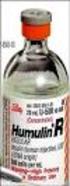 Leeds Humulin R (U500) insulin: Prescribing Guidance Amber Drug Level 2 We have started your patient on Humulin R (U500) insulin for the treatment of diabetic patients with marked insulin resistance requiring
FREQUENTLY ASKED QUESTIONS
 FREQUENTLY ASKED QUESTIONS What is the Nova Scotia Drug Information System? The Nova Scotia Drug Information System is one of the clinical components of the Electronic Health Record in Nova Scotia (SHARE).
BOARD OF PHARMACY DIVISION 41 OPERATION OF PHARMACIES (RETAIL AND INSTITUTIONAL DRUG OUTLETS) CONSULTING PHARMACISTS AND OPERATION OF DRUG ROOMS
 BOARD OF PHARMACY DIVISION 41 OPERATION OF PHARMACIES (RETAIL AND INSTITUTIONAL DRUG OUTLETS) CONSULTING PHARMACISTS AND OPERATION OF DRUG ROOMS 855-041-6050 Definitions Hospitals with Pharmacies (1) In
One of the Institute of Medicine s 10 rules for health
 MEDICATION RECONCILIATION TOOL A Practical Tool to Reduce Medication Errors During Patient Transfer from an Intensive Care Unit Peter Pronovost, MD, PhD, Deborah Baugher Hobson, BSN, Karen Earsing, RN,
18% Role of Pharmacist-Provided Medication Reviews in Workers Compensation Claims Management. Introduction. Role of the Pharmacist
 Role of Pharmacist-Provided Medication Reviews in Workers Compensation Claims Management Benjamin Link, PharmD, RPh Introduction According to information from the National Council on Compensation Insurance
Assessment of Pharmacy and Inventory Control in Ministry of Health Hospitals in Jordan
 Partners for Health Reformplus Assessment of Pharmacy and Inventory Control in Ministry of Health Hospitals in Jordan Executive Summary March 2006 Prepared by: Dr. Hamza Talafha PHRplus/Jordan This document
Overview of the BCBSRI Prescription Management Program
 Definitions Overview of the BCBSRI Prescription Management Program DISPENSING GUIDELINES mean: the prescription order or refill must be limited to the quantities authorized by your doctor not to exceed