
GENERIC BACHELOR OF SCIENCE IN NURSING (BSN) PROGRAM
|
|
|
- Clinton Stone
- 10 years ago
- Views:
Transcription
1 GENERIC BACHELOR OF SCIENCE IN NURSING (BSN) PROGRAM STUDENT MANUAL

2 TABLE OF CONTENTS Student Letter and Agreements Welcome Letter 3 Nursing Program Student Manual Notification 4 Core Performance Standards 5 Student Affiliation Agreement for Health Care Agencies 6 A Student s Guide to HIPAA 7 A Student s Guide to the Health Professions Skills and Simulation Center 8 Audio/Visual Recording Release 9 Nursing Curriculum Materials College of Saint Mary Mission Statement 11 Bachelor of Science in Nursing (BSN) Philosophy 12 BSN Program Conceptual Framework 14 BSN Program Integrative Strands and Sub-Concepts 15 Leveling of Integrative Strands in BSN Program 16 BSN Student Learning Outcomes 19 BSN Plans of Study 3-Year Track 4-Year Track Glossary of Terms 22 References 26 Administrative Policies 1.1 Admission to BSN Program Core Performance Standards for Clinical Courses Nursing Program Requirements Readmission to the BSN Program Transfer from Another Nursing Program Student Withdrawal from BSN Program Challenge Exam for Licensed Practical Nurse (LPN) Applications Seeking 39 Placement Into BSN Program Academic and Laboratory/Clinical Policies 2.1 Professional Conduct Audit Policy Independent Study Academic Evaluation Failing/Repeating Nursing Courses and Grade Appeal Procedure Progression and Graduation Attendance at Class and Clinical Laboratory Misrepresentation of Theory and/or Clinical Experience/Assignments Professional Image and Personal Appearance Smoking Policy Snow Policy Medications, Intravenous Therapy, and Blood Therapy ATI Comprehensive Assessment and Review Program Policy

3 Welcome Letter Dear Student, This manual has been developed to give you easy access to the policies by which decisions are made in the Division of Health Professions, BSN program. These policies will outline requirements, expectations, and answer questions about the BSN program. It is important that you read, understand, and refer to this manual when planning your curriculum, making decisions, and have any questions regarding the policy requirements and expectations in the BSN program. The introductory pages give an overview of the nursing curriculum and philosophy of the BSN program. The manual serves as a guideline for the plan of study and description of the expectations of the program. When policies are revised and represent significant change, the manual available online will reflect these changes. Questions about these policies should be addressed to your Academic Advisor. The advisor will then direct you to the Program Director or other members of the faculty as needed. Any questions may come directly to the Program Director if the Academic Advisor is not available. These policies are in addition to those of College of Saint Mary as listed in the College Catalog. Dr. Christi Glesmann Program Director, Undergraduate Nursing Dr. Kathleen Zajic Chair, Division of Health Professions 3

4 Nursing Program Student Manual Notification I have been notified that a copy of the Generic Bachelor of Science in Nursing Program Student Manual (containing curriculum material and policies) is located on the MyCSM website: The BSN Program Student Manual is located at the bottom of the page under Document Library. I attest I have read the policies in full this week and directed any questions about the policies to my Instructor, Academic Advisor, Program Director, or Division Chairperson. I understand that I am expected to read and abide by the policies for the duration of my nursing program. My signature indicates my willingness to comply with these regulations as stated in the policy manual. Student (PLEASE PRINT) Use black ink only Student s Signature Use black ink only Date Use black ink only Policies are subject to revision. Students are expected to review the handbook at the beginning of each semester to be aware of any policy revisions. This document will be retained in the Student Academic Advisor File. 4

5 Core Performance Standards The following are the core performance standards the student must possess to successfully complete the nursing programs. These abilities are not conditions of admission; however, they reflect the performance abilities and characteristics necessary for the student to successfully complete program requirements. The applicant must decide if she has any limitations that may restrict or interfere with satisfactory performance of any of the core performance standards. It is the responsibility of the applicant to meet the standards outlined below, and to request those accommodations that she feels are reasonable and necessary to perform the core performance standards. Technological adaptations can be made for some disabilities; however, a student must perform in a safe and reasonably independent manner. It is not acceptable to use a trained intermediary, as a student s judgment may be influenced by someone else s observations. All students must be able to meet the performance requirements to progress in and complete the nursing programs. The applicant should consult with the Program Director to discuss any individual circumstance in which she may not be able to meet the essential requirements. Core performance standards for successful completion of program outcomes include the following: Ability Standard Examples of Necessary Activities Critical Thinking Interpersonal Communication Mobility Motor Skills Hearing Visual Critical thinking ability sufficient for clinical judgment Interpersonal/intrapersonal abilities sufficient to interact with individuals, families and groups from a variety of social, emotional, cultural and intellectual backgrounds Communication abilities sufficient for interaction with others in verbal, nonverbal and written form. Physical abilities sufficient to move from room to room and maneuver in small places. Gross and fine motor abilities sufficient to provide safe and effective nursing care. Auditory ability sufficient to monitor and assess health needs. Visual ability sufficient for observation and assessment necessary in nursing care. (not all inclusive) Identify cause-effect relationships in clinical situations; develop nursing care plans. Establish rapport with clients and colleagues; Use selfawareness and active listening to function safely under stressful conditions with the ability to adapt to ever changing health care environment. Explain treatment procedures; initiate health teaching; interpret nursing actions; report client responses to others and appropriately document. Moves around in client rooms, work spaces, and treatment areas; administer cardiopulmonary resuscitation. Calibrate and use equipment; assist in lifting and positioning clients. Hears monitor alarm, emergency signals, breath sounds, cries for help. Observes client responses. Tactile Tactile ability sufficient for physical assessment. Perform palpation, functions of physical examination and/or those related to therapeutic intervention. I have read the above and declare that I am able to meet the core performance standards. Any falsification or misrepresentations will be sufficient grounds for my dismissal from the nursing program. Student (PLEASE PRINT) Use black ink only Student s Signature Use black ink only Date Use black ink only This document will be retained in the Student Academic Advisor File. 5

6 Student Affiliation Agreement for Health Care Agencies I, the undersigned, a student enrolled in a Health Professions Program at College of Saint Mary, abide by the policies enforced by the College of Saint Mary and do hereby agree to the following: 1. To be available for clinical activities to a schedule mutually agreed to between College of Saint Mary and the agency. 2. To abide by the rules, regulations, and policies of the agency. 3. To abide by the dress code of the agency. 4. To abide by existing laws and agency policies regarding the confidentiality of all information related to patients, staff, and facility and which prohibits reproduction of any protected health information for purposes of removal from the agency. 5. To follow all safety procedures in force for the agency. 6. To hold the agency harmless for possible losses incurred as a result of accident, injury, or illness that may occur to the student while on affiliation in the agency. 7. To obtain express written permission from both the College and the agency prior to submitting for publication any material obtained as a result of education training. This agreement will be in effect for the duration of the student s enrollment in the CSM BSN program. Student (PLEASE PRINT) Use black ink only Student s Signature Use black ink only Date Use black ink only This document will be retained in the Student Academic Advisor File. 6

7 A Student s Guide to HIPAA Just What is HIPAA? In 1996, Congress recognized the need for national patient privacy standards and set a 3-year deadline to enact such protections as part of the Health Insurance Portability and Accountability Act of 1996 (HIPAA). At your assigned clinical sites, efforts will primarily focus on Title II which mandates regulations that govern Privacy, Security, and Electronic Transactions. The Privacy Rule, for the first time, creates national standards to protect individuals medical records and other protected health information (PHI). PHI includes any information about a person s condition and anything about the care or payment received for it. Examples of PHI include: appointments diagnostic lab results symptoms treatments blood type procedures medical records patient s bills procedure coding aggregate data which includes patient identifiable information. All patients have the right to have confidential care provided. No one wants to receive services and have that information be available and/or given to others without a right or a need to know. It is your responsibility to protect this sensitive personal information. Patient confidentiality begins from the moment you receive the first information in regard to a patient. Confidential information should not be discussed with anyone except on a professional need-to-know basis in order to further the delivery of patient care. Releasing confidential patient information, whether intentional or accidental is in conflict with the professional guidelines of any medical/healthcare entity. This agreement will be in effect for the duration of the student s enrollment in the CSM BSN Program. Student (PLEASE PRINT) Use black ink only Student s Signature Use black ink only Date Use black ink only This document will be retained in the Student Academic Advisor File. 7

8 A Student s Guide to the Health Professions Skills and Simulation Center As a patron of the Health Professions Skills and Simulation Center (HPSSC), I understand the significance of confidentiality with respect to information concerning simulated patients and fellow students. I will uphold the requirements of the Health Insurance Portability Accountability Act (HIPAA) and any other federal or state laws regarding confidentiality. I agree to report any violations of confidentiality that I become aware of to my facilitator and/or Instructor. I agree to adhere to the following guideline: All patient information is confidential and any inappropriate viewing, discussion, or disclosure of this information is a violation of College of Saint Mary policy. This information is privileged and confidential regardless of format: electronic, written, overheard, and/or observed. I may view, use, disclose, or copy information only as it relates to the performance of my educational duties. Any inappropriate viewing, discussion, or disclosure of this information is a violation of hospital policy and may be violation of HIPAA and other state and federal laws. The HPSSC is a learning environment. All scenarios, regardless of their outcome, should be treated in a professional manner. The student running the scenario should have everyone s respect and attention. Situations simulated in the lab are to be used as a learning tool and not to be used for humiliation of fellow students. The simulation mannequins are to be used with respect and be treated as if they are live patients. No Betadine or ink pens may be used on or near the simulation mannequins. Only 22 gauge IV catheters, or smaller, may be used. When using the SimPad for skills and/or simulation, the wrist strap will be worn at all times or the cost of a new SimPad will be incurred to the student responsible for the damage caused. This agreement will be in effect for the duration of the student s enrollment in the CSM BSN Program. Student (PLEASE PRINT) Use black ink only Student s Signature Use black ink only Date Use black ink only This document will be retained in the Student Academic Advisor File. 8

9 Photograph and Audio/Visual Recording Release Photography and audio/visual recording equipment may or may not be in use while students are using the Health Professions Skills and Simulation Center (HPSSC) as well as in the classrooms and clinical/practicum setting. The use of photo/audio/visual recording equipment allows work done in these settings to be reviewed by faculty and students for learning purposes. A photo/audio/visual release form must be signed by all students prior to use of the HPSSC. Health Professions Skills and Simulation Center 7000 Mercy Rd Omaha, Ne Telephone: I,, grant permission to College of Saint Mary Health to make photo, audio and/or visual recordings of any or all sessions and to reproduce, communicate, or otherwise use some or all of the recordings for the College s educational purposes. I understand that the recordings may be edited; however, College of Saint Mary will not edit the recordings so as to misrepresent or alter the meaning of the contributions. This agreement will be in effect for the duration of the student s enrollment in the CSM BSN Program. Student (PLEASE PRINT) Student s Signature Date This document will be retained in the Student Academic Advisor File. 9

10 COLLEGE OF SAINT MARY GENERIC BACHELOR OF SCIENCE IN NURSING (BSN) CURRICULUM MATERIALS 10

11 College of Saint Mary Mission Statement College of Saint Mary is a Catholic university providing access to education for women in an environment that calls forth potential and fosters leadership. Consistent with the works, values and aspirations of the Sisters of Mercy, this mission inspires us to: Academic excellence, scholarship, and lifelong learning; Respect for the dignity of each person; Development of mind, body and spirit; and, Commitment to compassionate service. 11

12 Bachelor of Science in Nursing (BSN) Philosophy In accordance with the Mission of College of Saint Mary, the nursing faculty believes that: Nursing is an art and applied science. Professional nursing functions and actions are grounded in a strong liberal arts and science foundation which complement and enhance nursing courses. Nursing is a holistic, caring profession which requires skillful decision making and critical thinking/clinical reasoning skills. Nursing is an essential humanitarian service profession. Nursing practice requires inter-professional collaboration and communication to assist recipients of healthcare to achieve an optimal level of wellness or a dignified death. Nursing care recipients include individuals, families, groups, communities, and populations. Nursing is concerned with health promotion and maintenance along with disease and injury prevention. Nursing roles include: provider of care, designer/manager/coordinator of care, and member of the nursing profession. Nursing practice occurs across the lifespan in rapidly evolving and complex healthcare environments, thus requiring a commitment to life-long learning. Each human being is a unique individual with inherent rights, dignity, worth, and potential. An individual has basic needs psychosocial, cultural, intellectual, developmental, spiritual, environmental, and physical. An individual has the capacity to make decisions, to learn, and to change. Health and illness are viewed as a continuum. Health is influenced by genetics, environment, lifestyle decisions, and behaviors. Health decisions are made in partnership involving the patient and professional health care providers. Education is the process of developing knowledge, skill, and attitudes of an individual. Learning is the outcome of the education process and is manifested by changes in behavior that persist over time. Learning is evidenced by changes in the way the learner thinks, feels and acts. Education involves active efforts of the learner working in partnership with faculty to implement and achieve identified goals. Each learner is responsible for her own learning. While considering the diverse ages, backgrounds, and life experiences of the learner, faculty facilitates the learner s efforts and evaluates achievement of learning outcomes. Learning is influenced by conditions in the environment. A conducive learning environment includes the following attitudes and conditions: an environment which fosters open discourse, respect for the dignity of each individual, constructive guidance, opportunity for creativity, freedom of expression, recognition and acceptance of responsibility, participation in decision making, promotion of constructive citizenship, and cooperative relationships. Fiscal, physical, and other learning resources promote achievement of learning outcomes. Professional nursing education requires preparation, at a minimum, involving a baccalaureate nursing curriculum. Our BSN program prepares students to deliver safe, patient-centered care, as members of an interdisciplinary team, emphasizing evidence based practice, quality improvement approaches and informatics, consistent with the Institute of Medicine (IOM) core competencies and Quality and Safety Education for Nurses (QSEN) guidelines (IOM, 2003 and Cronenwett, Sherwood, Barnsteiner, et al., 2007). 12

13 Nursing faculty members are responsible for developing and updating the BSN curriculum to prepare students for entry into professional nursing practice. Nursing courses include classroom theory, skills and simulation labs, and clinical/practicum learning experiences working directly with patients across the lifespan in a variety of practice settings. Nursing care is provided to patients who may be individuals, families, groups, communities and populations with emphasis on health promotion and maintenance along with disease and injury prevention. The BSN educational program provides diverse learning through incorporation of theory, clinical/practicum experiences, preceptorships, and service learning opportunities to broaden student s knowledge, skills, attitudes, and civic responsibilities. Concepts addressed within the baccalaureate curriculum include patient-centered care, communication, leadership, safety, and professional role. Baccalaureate graduates function in a variety of health care settings. As members of the health care team, they may assume a leadership role and function as designers/managers/coordinators of care. In fulfilling the role as a member of the health care team, baccalaureate graduates provide direct or indirect nursing care to individuals, families, groups, communities, and populations consistent with professional nursing standards. Graduates assume individual accountability and responsibility as members of the nursing profession. Baccalaureate graduates have an understanding of evidence-based practice, nursing research, informatics, and quality improvement processes. Graduates are prepared to pursue advanced education in nursing. Baccalaureate graduates are prepared to provide safe and competent nursing care within the legally defined scope of practice. (NHHS, Rules and Regulations Governing the Approval of Nursing Programs in Nebraska, 2006). 13

14 BSN Conceptual Framework The conceptual framework of College of Saint Mary s Bachelor of Science in Nursing (BSN) program curriculum addresses five major concepts: Patient Centered Care, Communication, Leadership, Safety, and Professional Role. The five major concepts form the integrative strands which organize the curriculum and provide guidance for the development of level outcomes and course objectives. The integrative strands are further divided into sub-concepts which are incorporated throughout the BSN curriculum. Nursing faculty use the integrative strands and sub-concepts to identify essential content and plan learning opportunities that build sequentially from one level to the next level in the BSN program. The nursing program draws upon multiple nursing and educational theorists to form a foundation for concept development and strand integration. 14

15 BSN Program Integrative Strands and Sub-Concepts Patient-Centered Care Provider of holistic care Nursing process Cultural competency Evidence-based practice Research Clinical reasoning/critical thinking Informatics Technical skills Advocacy Health promotion and maintenance Disease and injury prevention Caring Spirituality Population based care Communication Leadership Safety Professional Role Verbal, nonverbal, Individual Accountability Core values and leadership Creating safe (honesty, written Manager of care integrity, Emerging care environment accountability, Technologies Professional System respect for Therapeutic leadership processes human communication Organizational Transfer of dignity, with and systems care, discharge caring, individuals, leadership planning, and autonomy, families, Civic home care social justice) groups, responsibility Continuous Professional communities, quality behavior and and improvement identity populations Emergency Healthcare Nursing team preparedness policy and Interprofessional and disaster regulation response Life-long collaboration learning and Legal and communication ethical practice considerations End of life care issues Professional advocacy 15

16 Leveling of Integrative Strands in BSN Program Patient-Centered Care includes sub-concepts of provider of holistic care, nursing process, cultural competency, evidence-based practice, research, clinical reasoning/critical thinking, informatics, technical skills, advocacy, health promotion and maintenance, disease and injury prevention, caring, spirituality, and population-based care. Level One Outcomes Level Two Outcomes Level Three BSN Student Begin to apply theories and concepts from required science and humanities courses which provide the foundation for evidence-based nursing practice Use evidence-based information from the sciences, humanities, and nursing to guide clinical decisions and validate clinical interventions Outcomes Synthesize theoretical knowledge and research from the sciences, humanities, and nursing in the provision of patientcentered professional nursing care Learning Outcomes Integrate theories and concepts from liberal arts education and nursing education into nursing practice Use beginning professional nursing technical skills and the nursing process to provide culturally sensitive, holistic care for individuals and families Demonstrate progression of professional nursing and informatics skills which focus on health promotion and maintenance as well as disease and injury prevention with individuals, families, groups, communities and populations Demonstrate the ability to think critically while providing safe, individualized, culturally competent, evidence-based, holistic, patientcentered care within and across the health care system Apply theoretical and empirical knowledge which is based on research and evidence-based practice, in order to be an advocate and provide safe, individualized, and culturally competent patient-centered nursing care 16

17 Communication includes sub-concepts of verbal, non-verbal, written, and emerging technological communication, therapeutic communication, communication with the nursing team, and inter-professional collaboration and communication. Level One Outcomes Level Two Outcomes Level Three BSN Student Describe techniques which facilitate professional and therapeutic communication with patients and members of the health care team Use professional verbal, non-verbal, and written communication skills when interacting with individuals, families, groups, communities, populations, and others within and across the health care system Outcomes Demonstrate competent use of contextually appropriate professional communication techniques and incorporation of emerging technological communication in nursing practice Learning Outcomes Use effective and professional written, verbal, non-verbal, and emerging technological communication skills/principles when interacting with individuals, families, groups, communities, populations, and others within and across the health care system Leadership includes sub-concepts of individual leadership, manager of care, professional leadership, organizational and systems leadership, and civic responsibility. Level One Outcomes Level Two Outcomes Level Three Outcomes BSN Student Learning Outcomes Identify individual leadership characteristics that are needed to carry out nursing roles which include provider of care, designer/manager/ coordinator of care, and member of the nursing profession Use critical thinking and effective leadership skills when providing and managing care for individuals, families, groups, communities, and populations Value professional/ organizational/ and systems leadership opportunities as a responsible citizen and future professional nurse Demonstrate leadership concepts, critical thinking skills, and ethical reasoning when working with individuals, families, groups, communities, populations, and other members of the healthcare team throughout various health care settings 17

18 Safety includes sub-concepts of accountability, creating a safe environment, system processes, transfer of care/discharge planning/home care, continuous quality improvement, and emergency preparedness and disaster response. Level One Outcomes Level Two Outcomes Level Three BSN Student Identify risks and potential threats to patient safety, and the nurse s accountability for initiating actions needed to create and maintain a safe environment Use knowledge of health care system processes to facilitate and provide a safe environment and efficient transfer of care, discharge planning and home care for patients Outcomes Discuss role expectations and engagement of professional nurses in continuous quality improvement activities, emergency preparedness and disaster response while providing a safe environment for patient care Learning Outcomes Demonstrate vigilant attention and risk reduction responses to safety-related concerns encountered in all areas of professional nursing practice Professional Role includes sub-concepts of core values, professional behavior, and integrity which are consistent with the College of Saint Mary mission, health care policy and regulation, life-long learning, legal and ethical practice considerations, end-of-life care issues, and professional advocacy. Level One Outcomes Level Two Outcomes Level Three BSN Student Display professional integrity, responsibility and accountability in nursing practice Demonstrate professional integrity, responsibility and accountability in nursing practice Outcomes Exhibit professional integrity, responsibility and accountability in nursing practice Learning Outcomes Demonstrate professional role behaviors consistent with the mission of College of Saint Mary and legal and ethical standards of conduct Discuss core values, legal and ethical standards, and professional advocacy considerations which are the foundation of professional nursing practice Recognize opportunities and constraints which are influenced by health care policy and regulation Examine professional role expectations and challenges anticipated during transition period from student to newly licensed nurse including plans for life-long learning, dealing with complex legal/ethical considerations such as end-of-life care issues, and access to health care Appreciate the pursuit of nursing practice excellence through lifelong learning and professional engagement in order to foster professional growth and development 18

19 BSN Student Learning Outcomes Upon completion of the Bachelor of Science in Nursing program, the nursing student will be able to demonstrate the following outcomes: Integrate theories and concepts from liberal arts education and nursing education into nursing practice Apply theoretical and empirical knowledge, which is based on research and evidencebased practice, in order to be an advocate and provide safe, individualized, and culturally competent patient-centered nursing care. Use effective and professional written, verbal, non-verbal, and emerging technological communication skills/principles when interacting with individuals, families, groups, communities, populations, and others within and across the healthcare system. Demonstrate leadership concepts, critical thinking skills, and ethical reasoning when working with individuals, families, groups, communities, populations, and other members of the healthcare team throughout various health care settings. Demonstrate professional role behaviors consistent with the mission of College of Saint Mary and legal and ethical standards of conduct. Appreciate the pursuit of nursing practice excellence through lifelong learning and professional engagement in order to foster professional growth and development. Demonstrate vigilant attention and risk reduction responses to safety-related concerns encountered in all areas of professional nursing practice 19

20 FALL Year 1 Level 1 COLLEGE OF SAINT MARY Bachelor of Science in Nursing Plan of Study CREDIT HOURS 3-Year Track / 128 total credit hours SPRING Year 1 CREDIT Level 1 HOURS SUMMER Year 1 Level 1 CREDIT HOURS Chemistry/Lab 4 A & P II/Lab 4 Philosophy A & P 1/Lab 4 Micro/Lab 4 Psychology English NUR 101: 9 History elective 3 Fundamentals of Nursing Math NUR 102: 1 Fundamentals of Nursing Pharmacology First-Year Seminar 1 NUR 100: Intro to 3 Nursing Total 18 Total 18 Total 9 FALL Year 2 Level 2 CREDIT HOURS SPRING Year 2 Level 2 CREDIT HOURS SUMMER Year 2 Level 2 CREDIT HOURS NUR 200:*Psychiatric- 4 NUR 203:*Maternal 4 Philosophy elective 3 Mental Health Nursing Newborn Nursing NUR 201: *Public 4 NUR 204:*Pediatric 4 Pathophysiology 3 Health Nursing Nursing NUR 202: 1 NUR 205: 1 Sociology *Psych/Public Health Pharmacology *Maternal/Child Pharmacology Theology elective 3 NUR 207: Intro to 3 Nursing Research & Evidence-Based Practice Communications 3 Math w/public Speaking NUR 206:Cultural and Spiritual Care in Nursing 3 English 200 Level 3 FALL Year 3 Level 3 NUR 300: Acute Med- Surgical Nursing NUR 301: Acute Med- Surgical Pharmacology NUR 302: Health Assessment Total 18 Total 18 Total 9 *Courses offered both fall and spring CREDIT HOURS SPRING Year 3 Level 3 8 NUR 303: Multi- System Med-Surgical 1 NUR 304: Multi- System Med-Surg Pharmacology 3 NUR 305: Professional Nursing In The Evolving Healthcare System Fine Arts elective 3 NUR 306: Nursing Management and Leadership CREDIT HOURS SUMMER Year 3 Level 3 CREDIT HOURS 8 NUR 307: Preceptorship 6 Theology elective 3 Total 15 Total 17 Total

21 FALL Year 1 General Education COLLEGE OF SAINT MARY Bachelor of Science in Nursing Plan of Study CREDIT HOURS 4-Year Track / 128 total credit hours SPRING Year 1 General Education CREDIT HOURS Chemistry/Lab 4 A & P I/Lab 4 English Communications 3 w/public Speaking Math History elective 3 FYS: First-Year Seminar 1 Sociology Psychology Total 14 Total 13 FALL Year 2 Level 1 CREDIT HOURS SPRING Year 2 Level 1 CREDIT HOURS NUR 100: Intro to Nursing 3 NUR 101: Fundamentals of 9 Nursing Philosophy NUR 102: Fundamentals of 1 Nursing Pharmacology Micro/Lab 4 Theology elective 3 English 200 Level 3 Fine Arts elective 3 A & P II/Lab 4 Total 17 Total 16 FALL Year 3 Level 2 CREDIT HOURS SPRING Year 3 Level 2 CREDIT HOURS NUR 200: *Psychiatric- 4 NUR 203: *Maternal 4 Mental Health Nursing Newborn Nursing NUR 201: *Public Health 4 NUR 204: *Pediatric 4 Nursing Nursing NUR 202:*Psych/Public 1 NUR 205: *Maternal/Child 1 Health Pharmacology Pharmacology NUR 206: Cultural and 3 Theology elective 3 Spiritual Care in Nursing Pathophysiology 3 NUR 207: Introduction to 3 Nursing Research and Evidence-Based Practice Math Total 18 Total 15 *Courses offered both fall and spring FALL Year 4 Level 3 CREDIT HOURS SPRING Year 4 Level 3 CREDIT HOURS SUMMER Year 4 Level 3 CREDIT HOURS NUR 300: Acute Med- 8 NUR 303: Multi-System 8 NUR 307: 6 Surgical Med-Surgical Preceptorship NUR 301: Acute Med- 1 NUR 304: Multi-System 1 Total 6 Surgical Pharmacology Med-Surgical Pharmacology NUR 302: Health 3 NUR 305: Nursing Trends 2 Assessment and Issues Philosophy elective 3 NUR 306: Professional 3 Nursing In The Evolving Healthcare System Total 15 Total 14 21
22 Glossary of Terms Clinical competence: Clinical competence involves action and demonstration of both physical and cognitive skills used in the practice environment (Schroeter, 2008). Clinical reasoning: The process used to assimilate information, analyze data, and make decisions regarding patient care (AACN, 2008). Communication: An interaction between a health care professional and patient that aims to enhance the patient s comfort, safety, trust, or health and well-being (Venes, 2013). Critical thinking: All or part of the process of questioning, analysis, synthesis, interpretation, inference, inductive and deductive reasoning, intuition, application, and creativity. Critical thinking underlies independent and interdependent decision making (AACN, 2008). Cultural competence: The attitudes, knowledge, and skills necessary for providing quality care to diverse populations. Cultural competence is an ongoing process in which the nurse continuously strives to achieve the ability to work effectively within the cultural context of patients. This involves accepting and respecting differences in personal beliefs, as well as having general cultural and cultural-specific information so the nurse knows what questions to ask (AACN, 2013). Cultural sensitivity: Cultural sensitivity is experienced when neutral language, both verbal and non-verbal, is used in a way that reflects sensitivity and appreciation for the diversity of another. It can expressed through behaviors that are considered polite and respectful to others (e.g. choice of words, use of distance, etc.). Cultural sensitivity may also be conveyed through words, phrases, and categorizations that are intentionally avoided, especially when referring to any individual who may interpret them as impolite or offensive (AACN, 2013). Delegation: Transferring to a competent staff member the authority and responsibility to perform a selected nursing task that the staff member would not normally be allowed to perform; the registered nurse retains the accountability for the delegated task (Cherry & Jacob, 2014). Designer/Manager/Coordinator of care: As the provider of care, the nurse assesses patient resources, strengths and weaknesses, coping behaviors, and the environment to optimize the problem-solving and self-care abilities of patients. The nurse plans therapeutic interventions in collaboration with patients and interdisciplinary team. The nurse takes responsibility for coordination of care that involves other health professionals or resources, providing continuity and helping patients deal effectively with the health care system. The nurse promotes what is best for patients, ensuring that needs are met, and rights are protected (Cherry & Jacob, 2014). Evidenced-based practice: Care that integrates best research with clinical expertise and patient values for optimum care (AACN, 2013). Health: A state of complete physical, social, and mental well-being, and not merely the absence of disease or infirmity. Health is a resource for everyday life, not the object of living, and is a 22
23 positive concept emphasizing social and personal resources as well as physical capabilities. Health is a fundamental human right (WHO, 2013). Health care team: The patient plus all of the healthcare professionals who care for the patient. The patient is an integral member of the healthcare team (AACN, 2008). Health care system: The complete network of agencies, facilities, and all providers of health care in a specific geographical area. Nursing services are integral to all levels and patterns of care, and nurses form the largest number of providers in a health care system (Myers, 2009). Health promotion: Any activity undertaken for the purpose of achieving a higher level of health and well-being (Berman & Snyder, 2012). Holistic care: A system of comprehensive or total patient care that considers the physical, emotional, social, economic, and spiritual needs of the person; his or her response to illness; and the effect of the illness on the ability to meet self-care needs (Myers, 2009). Illness: A highly personal state in which the person feels unhealthy or ill which may or may not be related to disease (Berman & Snyder, 2012). Information Technology/Health care informatics: The study of how health care data, information, knowledge, and wisdom are collected, stored, processed, communicated, and used to support the process of health care delivery to patients, providers, administrators, and organizations involved in health care delivery (Venes, 2013). Interdisciplinary team: Working across healthcare professions to cooperate, collaborate, communicate, and integrate care in teams to ensure that care is continuous and reliable. The team consists of the patient, the nurse, and other healthcare providers as appropriate (AACN, 2008). Job placement rates: Number of graduates, one year after graduation, employed in a position for which the program prepared them (ACEN, 2013). Leadership: A skill that focuses on the development and deployment of vision, mission, and strategy as well as the creation of a motivated workforce (Marquis & Huston, 2012). Licensure pass rate: Performance on the National Council Licensure Examination for Registered Nurses (NCLEX-RN) for first-time writers (ACEN, 2013). Member of the nursing profession: Core nursing roles include provider of care, a member of the profession, and a manager of patient care. As a member of the nursing profession, one will use the nursing process, demonstrate therapeutic communication skills, identify and practice within legal and ethical guidelines, demonstrate self-directed learning, and adhere to codes of conduct (Wywialowski, 2004). Nursing research: A process of systematic inquire or study to build knowledge in nursing. The purpose of nursing research is to affect the direct provision of nursing and health care to 23
24 recipients of nursing care as well as to generate knowledge in areas that affect nursing care processes indirectly (Cherry & Jacob, 2014). Nursing Process: A systematic rational method of planning and providing nursing care (Berman & Snyder, 2012). Observational Experience: An assignment to a facility or unit where students observe the role of the facility and the role of nurse within the facility, but where students do not participate in direct patient care. Direct faculty or preceptor supervision is not required for an observational experience outside the clinical facility. Observational experiences may be used to supplement, but not replace direct patient care experiences (NHHS, 2006). Patient: The recipient of nursing care or services. Patients may be individuals, families, groups, communities, or populations. Further, patients may function in independent, interdependent, or dependent roles, and may seek or receive nursing interventions related to disease prevention, health promotion, or health maintenance, as well as illness and end-of-life care. Depending on the context or setting, patients may, at times, more appropriately be termed clients, consumers, or customers of nursing services (AACN, 2008). Patient-centered care: Includes actions to identify, respect, and care about patients differences, values, preferences, and expressed needs; relieve pain and suffering; coordinate continuous care; listen to, clearly inform, communicate with, and educate patients; share decision making and management; and continuously advocate disease prevention, wellness, and promotion of healthy lifestyles, including a focus on population health (AACN, 2008). Partnership: An agreement (formal relationship) between a nursing education unit/governing organization and an outside agent/agency to accomplish specific objectives and goals over a period of time. This does not include clinical agreements for student learning experiences required by the nursing program (ACEN, 2013). Population: A collection of individuals having personal or environmental characteristics in common (AACN, 2008). Preceptor: An experienced registered nurse who provides direct supervision of student clinical learning experiences at the clinical agency where the preceptor is employed. The preceptor acts as a facilitator of student learning and serves as a role model who is immediately available in the clinical setting. Preceptors are employed by the agency where the student is placed for clinical experience (NHHS, 2006). Professional Nurse: An individual prepared with a minimum of a baccalaureate in nursing (AANC, 2008). Professional standards/guidelines for practice: Statements of expectations and aspirations providing a foundation for professional nursing behaviors of graduates of baccalaureate, master s, and professional doctoral programs. Standards are developed by a consensus of professional nursing communities who have a vested interest in the education and practice of 24
25 nurses. The professional nursing standard and guidelines are established through: state rules and regulations, nationally recognized accrediting agencies and professional nursing specialty organizations, national and institutional educational organizations, and health care agencies used in the education of nursing graduates (CCNE, 2009). Program completion rate: Number of students who graduate within 150% of the stated program length beginning with enrollment in the first nursing course (ACEN, 2013). Program outcomes: Indicators that reflect the extent to which the purposes of the nursing education unit are achieved and by which program effectiveness is documented. Program outcomes are measurable, consumer-orientated indexes designed to evaluate the degree to which the program is achieving its mission and goals (ACEN, 2013). Program satisfaction: Perceptions of the graduates and employers regarding the graduates achievement of the learning outcomes/competencies and the adequacy and effectiveness of the program (ACEN, 2013). Quality improvement: An organization s commitment and approach used to continuously improve all processes in the organization with the goal of meeting and exceeding customer expectations and outcomes (Berman & Snyder, 2012). Safety: Minimizes risk of harm to patients and providers through both system effectiveness and individual performance (QSEN, n.d.). Service Learning: A teaching and learning strategy that integrates meaningful community service with instruction and reflection to enrich the learning experiences, teach civic responsibility, and strengthen communities (National Service Learning Clearinghouse, 2013). Simulation: An activity that mimics the reality of the clinical environment that is designed to demonstrate procedures, decision-making, and critical thinking through techniques such as roleplaying and the use of devices (AANC, 2008). Wellness: Wellness is the optimal state of health of individuals or groups. There are two focal concerns: the realization of the fullest potential of an individual physically, psychologically, socially, spiritually, and economically; and the fulfillment of one s role expectations in the family, community, place of worship, workplace and other settings (Smith, Tang, & Nutbeam, 2006). 25
26 References Accreditation Commission for Education in Nursing (ACEN). (2013). ACEN 2013 standards and criteria baccalaureate. Retrieved from American Association of Colleges of Nursing (AACN). (2008). The essentials of baccalaureate education for professional nursing practice. Retrieved from Berman, A., & Snyder, S. (2012). Kozier & Erb s fundamentals of nursing (9 th ed.). Upper Saddle River, New Jersey: Person Education, Inc. Cherry, B., & Jacob, S. (2014). Contemporary nursing: Issues, trends, and management (6 th ed.). St. Louis, Missouri: Elsevier Mosby. Commission on Collegiate Nursing Education (CCNE). (2009). Standards for accreditation of baccalaureate and graduate degree nursing programs. Retrieved from Cronenwett, L., Sherwood, G., Barnsteiner, J., Disch, J., Johnson, J., Mitchell, P., (2007). Quality and safety education for nurses. Nursing Outlook, 55(3), Institute of Medicine (IOM). (2003). Health professions education: A bridge to quality. Retrieved from Marquis, B., & Huston, C. (2012). Leadership roles and management functions in nursing: Theory and application (6 th ed.). Hong Kong, China: Wolters Kluwer Health/Lippincott Williams & Wilkins Myers, T. (Ed.). (2009). Mosby s dictionary of medicine, nursing and health professions (8 th ed.). St. Louis, Missouri: Mosby Elsevier. National Service Learning Clearinghouse. (2013). Learn and serve. Retrieved from Nebraska Department of Health and Human Services (NHHS). (2006). Regulation and licensure: Approval of basic nursing programs in Nebraska. Retrieved from QSEN Institute. (n.d). Pre-licensure KSAS. Retrieved from 26
27 Schroeter, K. (2008). Competence literature review. Retrieved from Smith, B., Tang, K., and Nutbeam, D. (2006). WHO health promotion glossary: New terms. Retrieved from Venes, D. (Ed.). (20113). Taber s cyclopedic medical dictionary. Philadelphia, Pennsylvania: F.A. Davis Company. World Health Organization (WHO). (2013). Health. Retrieved from Wywialowski, E. (2004). Managing client care (3 rd ed.).st. Louis, Missouri: Mosby Elsevier. 27
28 COLLEGE OF SAINT MARY GENERIC BACHELOR OF SCIENCE IN NURSING (BSN) ADMINISTRATIVE POLICIES 28
29 Original Date: March 2014 Number: 1.1 Last Revised Date: June 2015 Section: Student Policies Policy: ADMISSION TO BSN PROGRAM 1. Students desiring admission to the BSN Program apply through Enrollment Services or the Centralized Application Service for Nursing Programs (Nursing CAS) and must meet the CSM admission criteria. 2. Detailed criteria for admission is found on the following page. 3. The nursing program reserves the right of admitting only those students who, in the judgment of the program, satisfy the requirements of scholarship, health, and personal suitability for nursing. 4. To participate in laboratory/clinical courses, the student must have the following on file: a) CPR certificate, b) Clinical Agency Requirements, c) Health Record, and d) be able to meet Core Performance Standards (See Policy 1.2: Core Performance Standards; and Policy 1.3: Nursing Program Requirements). Procedure: 1. Application materials for the nursing program are processed by Enrollment Services or NursingCAS and then submitted to the nursing Program Director for review. 2. Applications are reviewed by the nursing Program Director upon receipt of all of the following: application form official copy of high school transcript or GED with appropriate signatures official school transcripts from all colleges attended official school of nursing transcripts, if student has attended a nursing program results of ACT scores A personal interview may be requested by the Program Director. 3. If the applicant meets the criteria for nursing, she is notified of her acceptance in writing. 29
30 Admission Criteria BSN 3-Year Track Criteria for admission into the BSN 3 track for *recent high school graduates are as follows: High school chemistry High school physical science High school cumulative grade-point average of 3.0 (B) or higher 23 composite score on ACT Meet Core Performance Standards (Policy 1.2) and Nursing Program Requirements (Policy 1.3) *Recent High School Graduate refers to individuals who have graduated from high school within two years of application to nursing program. BSN 4-Year Track Criteria for admission into the BSN 4 track for *recent high school graduates are as follows: High school chemistry High school physical science High school grade-point average of 2.75 (C+) 21 composite score on ACT Meet Core Performance Standards (Policy 1.2) and Nursing Program Requirements (Policy 1.3) *Recent High School Graduate refers to individuals who have graduated from high school within two years of application to nursing program. BSN 3-Year Track Applicant with College Transfer Credit Criteria for admission into the BSN program for college transfer students are as follows: Cumulative grade-point average of at least Satisfactory completion of at least 12 semester hours (not to include developmental courses) including two CSM nursing program required sciences OR satisfactory completion of at least 21 CSM nursing program required (general education curriculum) courses credits. Meet Core Performance Standards (Policy 1.2) and Nursing Program Requirements (Policy 1.3) LPN to BSN Track Criteria for admission into the LPN-BSN program track are as follows: Provide verification of Practical Nurse License in good standing (unencumbered) with the State of Nebraska or compact state Cumulative grade-point average of at least 2.75 Completion of NUR 100: Introduction to Nursing Challenge Exam during fall semester (required prior to enrollment in NUR 101) (Policy 1.7) Meet Core Performance Standards (Policy 1.2) and Nursing Program Requirements (Policy 1.3) BSN PRE-NURSING STUDENTS Criteria for admission into the BSN program for pre-nursing students are as follows: Cumulative grade-point average of at least 2.75 with satisfactory completion of at least two CSM nursing program required sciences. Satisfactory completion of at least 12 semester hours (not to include developmental courses) Meet Core Performance Standards (Policy 1.2) and Nursing Program Requirements (Policy 1.3) 30
31 Original Date: March 2014 Number: 1.2 Last Reviewed Date: June 2015 Section: Student Policies CORE PERFORMANCE STANDARDS FOR CLINICAL COURSES The following are the core performance standards the student must possess to successfully complete the nursing program. These abilities are not conditions of admission; however, they reflect the performance abilities and characteristics necessary for the student to successfully complete program requirements. Policy: The applicant must decide if she has any limitations that may restrict or interfere with satisfactory performance of any of the core performance standards. It is the responsibility of the applicant to meet the standards outlined below, and to request those accommodations that she feels are reasonable and necessary to perform the core performance standards. Technological adaptations can be made for some disabilities; however, a student must perform in a safe and reasonably independent manner. It is not acceptable to use a trained intermediary, as a student s judgment may be influenced by someone else s observations. All students must be able to meet the performance requirements to progress in and complete the nursing program. The applicant should consult with the Program Director to discuss any individual circumstance in which she may not be able to meet the essential requirements. Core performance standards for successful completion of program outcomes include the following: Ability Standard Examples of Necessary Activities Critical Thinking Interpersonal Communication Mobility Motor Skills Hearing Visual Tactile Critical thinking ability sufficient for clinical judgment Interpersonal/intrapersonal abilities sufficient to interact with individuals, families and groups from a variety of social, emotional, cultural, and intellectual backgrounds Communication abilities sufficient for interaction with others in verbal, nonverbal and written form. Physical abilities sufficient to move from room to room and maneuver in small places. Gross and fine motor abilities sufficient to provide safe and effective nursing care. Auditory ability sufficient to monitor and assess health needs. Visual ability sufficient for observation and assessment necessary in nursing care. Tactile ability sufficient for physical assessment. (not all inclusive) Identify cause-effect relationships in clinical situations; develop nursing care plans. Establish rapport with clients and colleagues; Use self-awareness and active listening to function safely under stressful conditions with the ability to adapt to ever changing health care environment. Explain treatment procedures; initiate health teaching; interpret nursing actions; report client responses to others, and appropriately document. Moves around in client rooms, work spaces, and treatment areas; administer cardiopulmonary resuscitation. Calibrate and use equipment; assist in lifting and positioning clients. Hears monitor alarm, emergency signals, breath sounds, cries for help. Observes client responses. Perform palpation, functions of physical examination and/or those related to therapeutic intervention. Procedure: The student will be required to sign an attestation form declaring the ability to meet the core performance standards at the time of admission into the nursing program. 31
32 Original Date: March 2014 Number 1.3 Last Reviewed Date: June 2015 Section: Student Policies Policy: NURSING PROGRAM REQUIREMENTS Nursing program requirements include CPR, Clinical Agency Requirements, and Health Requirements. 1. CPR Requirement A current American Heart Association: Health Care Provider CPR card, Red Cross: Professional Rescuer CPR card, or American Safety & Health Institute: BLS for Healthcare Providers is required to participate in a lab/clinical course. Expense incurred by the student in connection with the CPR requirement is the responsibility of the student. 2. Clinical Agency Requirements Investigative Consumer Report (Background Check) - All students must complete a background check as partial fulfillment of clinical agency contracts. This process must be completed prior to beginning nursing courses. - Students will complete the application for background check as stipulated by nursing program. - Results of the background check will be given to the nursing Program Director. - If there is concern that the findings have a rational connection and/or pose a liability risk to nursing faculty or clinical agencies, findings will be brought to the Division Chair. - If findings indicate a rational connection and/or pose a liability risk to nursing, the student may be denied admission to nursing or be dismissed from the nursing program. - Decisions for continuing in the program in no way can be construed as a guarantee that the State Board of Nursing will find the student eligible for licensure even upon graduation. Boards of Nursing will make independent decisions on eligibility requirements as stated in the law. (Neb. Statutes ) Drug Screening - Students entering nursing will be required to undergo drug testing (5-panel or higher) as required by clinical contract. Current students will be required to repeat drug screening for reasonable cause (probable cause) when at least two licensed healthcare professionals believe that a nursing student is impaired as a result of the use or abuse of illegal drugs, controlled substances and/or alcohol. Reasonable cause exists when: i. actions or appearance are out of the ordinary and unusual to the normal behavior patterns of an individual and could indicate the presence of an intoxicating substance. 32
33 ii. behavior is such that it presents a danger to the safety of other students, faculty, clients, staff and/or member of the public. Refusal to submit to a drug screen when there is reasonable cause is grounds for the Nursing Student Policies Committee to dismiss the student from the program. If the drug screen is positive, the individual will be given an opportunity to list all medications currently being taken and to name the prescribing physician. 3. Health Requirements The following policies and procedures have been identified to meet health requirements of clinical agencies. The student must be physically and mentally able to engage in clinical practice to ensure the safety of clients, self, peers, faculty, and staff. These requirements will facilitate maintenance of our health as professionals and that of our clients. Policies: Every student in the BSN program is required to have current health records prior to beginning nursing courses. Health records will be maintained through either the student s CSM admission record or through CSM s designated health services office. Students who stop out and are readmitted to the program must submit another health record, current to within six months. Additional immunizations or health screening may be required as needed to meet clinical agency requirements. The student is responsible for any expense incurred in completing this process. Failure by the student to submit health records as required will result in missed lab/clinical days. All items on the medical form must be filled in for the record to be considered complete. Immunizations must be current and the report must include all dates immunizations were given. Students are to meet immunization requirements per the state of Nebraska Immunization Law and any further requirements as outlined in clinical agency policies. Students are responsible for updating their health records annually with the CSM designated health services office. Procedures: The CSM Nursing Program Director or the CSM designated health services office shall: - Review the medical form for completeness and content. - Notify student of any deficiencies. - Issue a clearance form/card to the student that includes an expiration date. - Share information that may affect the student s ability to function in the classroom or clinical area with appropriate faculty. The Program Director or designee shall: - Inform prospective or new students of the necessity of meeting the health requirement. - Notify Advisors, Instructors, and/or student of any deficiencies or special needs. 33
34 Faculty/Staff shall: - Allow students to come to the lab/clinical area with a valid health clearance form/card. - Refer students without a clearance form/card to the CSM Nursing Program Director or CSM designated health services office and not allow students to come to lab/clinical until proof of current/valid health clearance form/card is received. - Furnish the information that the student is in compliance with CSM health requirements to clinical agencies as needed. The student shall: - Maintain a valid health clearance form/card. - Show valid health clearance card at designated times. 34
35 Original Date: March 2014 Number: 1.4 Last Reviewed Date: June 2015 Section: Student Policies Policy: READMISSION TO THE BSN PROGRAM 1. The student who has withdrawn or has been terminated from the BSN program and wishes to be readmitted will be considered for readmission by the Program Director and/or Nursing Student Policies Committee with consideration of the following criteria: Facts/details surrounding withdrawal or termination The amount of time elapsed between withdrawal or termination from the BSN program to anticipated date of readmission The amount of time elapsed from withdrawal or termination from the BSN program and previous college transcripts will be reviewed and recommendations made about appropriate plan of study 2. If the Program Director desires additional information, the student application and information may be reviewed by the Nursing Student Policies Committee. 3. Students are subject to Policy 1.3: Nursing Program Requirements. 4. The student wishing to be readmitted to the BSN program must complete the application process according to Policy 1.1: Admission to BSN Program. 35
36 Original Date: March 2014 Number: 1.5 Last Reviewed Date: June 2015 Section: Student Policies Policy: TRANSFER FROM ANOTHER NURSING PROGRAM 1. Advanced standing may be granted to the student who qualified for transfer from an accredited program in nursing. The student who wishes to transfer with advanced standing must fulfill the following requirements before being considered for admission: - Fulfill admission requirements of Policy 1.1: Admission to BSN Program. - Present a minimum overall grade point average of Provide favorable reference(s) from the school from which she is transferring. - Submit all application materials in advance of admission date. 2. Credit allowance for nursing courses is considered on an individual basis. Non-nursing courses will not be accepted for nursing courses. The program of study will be developed based on accepted transfer college credits. The following materials may be requested: College catalog Course syllabi Results of standardized tests Sample of previous course work 3. Students are subject to Policy 1.3: Nursing Program Requirements. 4. If a transfer nursing student is admitted, the nursing transfer student will be accepted on a provisional basis for one semester and must show academic success in order to continue. 5. Nursing credit from a non-collegiate program will be determined by the Program Director in collaboration with the Registrar. Procedure: 1. NursingCAS or Enrollment Services shall: Secure application credentials and submit to Program Director. Send letter to applicant stating admission decision after review by Program Director. Instruct applicant regarding registration. Inform applicant of advisor s name. 2. Registrar shall evaluate the transcript for transferable credit of non-nursing courses. 3. Program Director shall: 36
37 Review applicant credentials for: satisfactory completion of required courses; academic standing and GPA; course deficiencies, if any; description of courses completed; recommendations from faculty of transfer school. Evaluate content of nursing courses for transferable credit. Arrange for interview with student as deemed necessary. Make decision regarding student s eligibility for admission or refer to the Nursing Student Policies Committee. 37
38 Original Date: March 2014 Number: 1.6 Last Reviewed Date: June 2015 Section: Student Policies Policy: STUDENT WITHDRAWAL FROM BSN PROGRAM 1. The student who withdraws from a course, the BSN program, and/or the College, and/or changes major of study follows the procedure described in the College Academic Catalog. 2. A student who voluntarily withdraws from the BSN program is not assured of readmission. Any commitment to the student will be given in writing and will be pending space availability. 38
39 Original Date: March 2014 Number: 1.7 Last Revised Date: June 2015 Section: Student Policies CHALLENGE EXAM FOR LICENSED PRACTICAL NURSE (LPN) APPLICANTS SEEKING PLACEMENT INTO BSN PROGRAM Policy: 1. Credit evaluation for students who meet other criteria for admission to the BSN program will be completed in accordance with college procedure. 2. The student must complete the NUR 100: Introduction to Nursing Challenge Exam during fall semester (required prior to enrollment in NUR 101). 3. If the student is unsuccessful, she will be referred to her Academic Advisor for review of her academic plan. The student will have the option to begin the BSN program in its entirety. 4. Students must submit the Alternatives for College Credit form as directed prior to registration to take the Challenge Exam. 5. After successful completion of the Challenge Exam, credits (3) will be placed on the transcript for NUR 100: Introduction to Nursing. The student will be placed into the second semester of Level 1 BSN courses. 6. If a student is unsuccessful on the NUR 100: Introduction to Nursing Challenge Exam, then the student cannot progress in nursing until the student takes and successfully completes NUR
40 COLLEGE OF SAINT MARY GENERIC BACHELOR OF SCIENCE IN NURSING (BSN) ACADEMIC AND LABORATORY/CLINICAL POLICIES 40
41 Original Date: March 2014 Number: 2.1 Last Reviewed Date: June 2015 Section: Student Policies PROFESSIONAL CONDUCT Inherent in the profession of nursing, there are values that are demonstrated through professional conduct. Examples of professional values include demonstrating a commitment to nursing, placing the client s welfare first, demonstrating cooperation and collaboration, exhibiting intellectual and personal integrity, and adhering to nursing program and clinical facility policies. These categories serve as examples by which the student may be evaluated in the area of professional conduct. In keeping with the CSM mission and Code of Conduct (found in the CSM Academic Catalog), and the BSN Philosophy, a student is expected to exhibit professional behavior when performing nursing activities or representing the College in any capacity. Policy: 1. Professional Conduct Commitment to Nursing When in the clinical area or any clinical experience, the student should be identified as a College of Saint Mary student by proper uniform, and identification as listed in the Professional Image and Personal Appearance Policy (2.9). The student is expected to exhibit a professional manner, which includes but is not limited to having a neat, clean appearance, utilizing appropriate language and behavior, and refraining from use of cell phones or other electronic devices for personal matters. The BSN student will be identified as a CSM nursing student (CSM SN) when completing official agency records or forms. Additional titles may not be used when in a student role. The student notifies the Clinical Instructor appropriately when she is unable to complete nursing responsibilities, will be absent from the clinical setting, or must leave the clinical area prior to the end of clinical time. Refer to Policy 2.7: Attendance at Class and Clinical Laboratory. The student comes to the clinical area on time and is prepared to give safe client care. The student maintains safety at all times when caring for clients. The student is expected not to enter the clinical area if impaired by physical or mental illness, medication or substance abuse, or any other problem that could jeopardize the client, themselves, or others. Refer to Policy 2.7: Attendance at Class and Clinical Laboratory. Client Welfare. The student is expected to deliver care in a nondiscriminatory and nonjudgmental manner that is culturally sensitive. When providing care, the student places the client s welfare first by: being accessible and prompt in answering client s requests; establishing a 41
42 priority of activities which reflects the client s needs; and being responsive and reliable when needs are identified by the client, staff or Clinical Instructor. The student delivers care in a manner that preserves and protects client autonomy, dignity, and rights. Cooperation and Collaboration. The student interacts professionally with faculty, staff, clients, and peers when giving and receiving information. When a question or unclear situation occurs, the student follows the appropriate channels of communication and chain-of-command for clarification. The student s written work/charting is accurate, has a professional appearance, and is completed according to standards of the agency and the College. The student is a cooperative team member who considers the needs of the entire group when working together, giving and receiving assignments, and accepting the roles and responsibilities of others in the group. The student accepts and acts upon constructive criticism. The Program Director, in consultation with the Course Coordinator, reserves the right to adjust assignments as warranted by clinical objectives, clinical facility requests, and faculty availability. Any changes which affect a student s schedule will be communicated to the student by the Course Coordinator and/or Program Director. Intellectual and Personal Integrity. The student exhibits intellectual and personal integrity by readily acknowledging mistakes and/or oversights, and takes action to correct the situation. The student is honest and truthful when interacting with client, peers, faculty, staff, and in completing written work such as charting, careplans, and the like. The student completes her own work, not representing anyone else s work as being their own. The student identifies group collaboration on projects when indicated and appropriate. Refer to Policy on Academic Dishonesty in the Academic Catalog. 2. Any student nurse who is asked to vacate a health care facility by duly authorized personnel of the facility is vulnerable to a recommendation of immediate dismissal from the Nursing Student Policies Committee by virtue of that decision itself. Procedures: Consequences of Non-Professional Conduct 1. Initial action If displaying unprofessional conduct, the student will be sent away from the classroom, clinical, or laboratory setting by the Instructor or designated authority. The Instructor then notifies the Course Coordinator and/or Program Director. The Program Director will notify other college officials as deemed necessary. Documentation will be completed as appropriate. 42
43 2. Follow-up Any violation of Policy 2.1: Professional Conduct will be reviewed by the Course Coordinator, Program Director, and any other college officials as deemed necessary. The student has the responsibility to follow appropriate communication channels in a timely manner in an attempt to resolve the situation. The student will be notified if she may return to the classroom, clinical, or laboratory setting. If warranted, the situation may be brought to the Nursing Student Policies Committee for review. The student will be notified of the committee decision. Clinical time missed in the above situation will be considered as an unexcused absence and may result in the unsuccessful completion of the course. Refer to Policy 2.7: Attendance at Class and Clinical Laboratory. Unprofessional conduct may result in student dismissal from the nursing program. 43
44 Original Date: March 2014 Number: 2.2 Last Reviewed Date: June 2015 Section: Student Policies Policy: AUDIT POLICY 1. Students out of sequence in nursing classes may be required to complete an audit of previous curriculum content or an individualized independent study before continuing in the BSN program. 2. Conditions of the audit will be determined by the Course Coordinator(s) and approved by the Program Director. The student who audits a nursing course will be required to meet the same objectives as students who are taking the course for credit. The decision regarding the audit will be based upon recommendation made by the faculty with consideration given to the length of time since the student was last enrolled in the nursing program. Curricular changes during the time the student is out of nursing courses will be taken into consideration when determining the specific audit conditions. Recommendations for audit will be recorded in the Nursing Student Policies Committee minutes. 3. The student must request in writing her intention to return to the BSN program prior to the deadline established by the Nursing Student Policies Committee. This request goes to the Program Director. 4. The student will not be allowed to proceed to the next nursing course until conditions of the audit have been met. 5. Fees will be charged according to the current college fee structure. 6. A student who has been away from nursing courses for more than one year will be required to reapply for admission. 44
45 Original Date: March 2014 Number: 2.3 Last Reviewed Date: June 2015 Section: Student Policies Policy: INDEPENDENT STUDY 1. Independent Study in nursing may be an option for students at the discretion of the Program Director for a specific area in nursing. 2. Course may carry 1-3 credit hours. 3. All requests for Independent Study must be approved by the student s Academic Advisor, Program Director, and Vice President for Academic Affairs prior to registration for the semester in which the course is to be taken. 4. Selection of faculty for the Independent Study will be based on: Faculty workload for the semester/year. Faculty expertise related to the area selected for study. Mutual agreement of faculty and Program Director. 5. The student will follow the College procedure for Independent Study from the office of the Vice President of Academic Affairs. 45
46 Original Date: March 2014 Number: 2.4 Last Reviewed Date: June 2015 Section: Student Policies Policies: ACADEMIC EVALUATION 1. The scale for the percentage method of grading in the BSN Program is as follows: Grade Percentage A A B B C C D F 70 or below 2. The BSN program follows the College Academic Catalog for incomplete grades. 3. In the BSN program, Nursing courses that have only a theory component are graded as follows: The final theory course grade shall consist of a letter grade. Nursing courses that have both a theory and clinical component are graded as follows: A final theory grade of 79% or higher and a Satisfactory (S) clinical grade are required to successfully pass a nursing theory/clinical course. A grade below 79% in theory and/or a grade of Unsatisfactory (U) in clinical will require that the entire course (theory and clinical components) be repeated. The final course grade will reflect the letter grade earned in the theory component of the course. However, if the student achieves a final theory grade of 79% or higher and an Unsatisfactory (U) grade in the clinical component, an Unsatisfactory (U) will be given for the final course grade. 4. The course syllabi outline expected criteria and the process of evaluating student achievement in the classroom, lab, and clinical experiences. 5. A student may request an evaluation of progress whenever the need for additional guidance is desired. 6. Upon completion of lab/clinical courses, the student s evaluation form will be placed in the student s permanent folder. Procedure: 1. The student will: Attend conferences as determined by faculty. 46
47 Demonstrate evidence of following through with suggestions of faculty. A student encountering academic difficulties in a nursing course is expected to make full use of all available college resources. Discuss questions or concerns with Instructor(s). The student will utilize appropriate communication channels when addressing concerns regarding grades/evaluations. The student may seek input from her Academic Advisor for assistance with this process. Sign name and date clinical evaluation form. Student signature documents that she has been notified of evaluation, not necessarily agreement with the evaluation. The student may respond to the evaluation in writing. Access midterm and final grades by utilizing the designated CSM website. Refer to Policy 2.5: Failing/Repeating Nursing Courses and Grade Appeal Procedure, and Policy 2.6: Progression and Graduation, if needed. 2. The faculty will: Orient students to evaluation policies and procedures at the beginning of each course. Meet with the student for clinical evaluation conferences a minimum of twice per semester (at midterm and following completion of the clinical rotation). Document clinical evaluation conferences on the student clinical evaluation form. Submit the midterm and final grades to the Course Coordinator. Course Coordinator will report grades to the Registrar and the Nursing Student Policies Committee. Present documented evidence of failures to the Nursing Student Policies Committee and make recommendations regarding the student s progress in the program. 47
48 Original Date: March 2014 Number: 2.5 Last Reviewed Date: June 2015 Section: Student Policies FAILING/REPEATING NURSING COURSES AND GRADE APPEAL PROCEDURE Policy: 1. In courses that includes both a theory and lab/clinical component, a final theory grade of 79% and Satisfactory (S) clinical grade are required to successfully pass the course. A grade below 79% in theory and/or a grade of Unsatisfactory (U) in clinical will require that the entire course (theory and clinical components) be repeated. The final course grade will reflect the letter grade earned in the theory component of the course. However, if the student achieves a final theory grade of 79% or higher and an Unsatisfactory (U) grade in the clinical component, an Unsatisfactory (U) will be given for the final course grade. 2. Whenever a student withdraws from or fails a nursing course, she is referred to the Nursing Student Policies Committee. A recommendation is made by the Committee concerning the student s progression in the program. This recommendation is sent to the Program Director, for a final decision. A letter stating the final decision is sent to the student by the Program Director. 3. A student may repeat and/or withdraw from the same nursing course only once. If a student withdraws, withdraws failing, and/or fails from the course for the second time, her progression in the program will be evaluated by the Nursing Student Policies Committee. After review, a recommendation regarding the student s continuation in the program will be made and forwarded to the Chair, Division of Health Professions and VPAA for a final decision. Withdrawals for reasons other than failing grades will be evaluated on an individual basis. 4. A student may withdraw, withdraw failing, and/or fail from only two nursing courses in her current program. If a student withdraws, withdraws failing, and/or fails two nursing courses, her progression in the program will be evaluated by the Nursing Student Policies Committee. After review, a recommendation regarding the student s continuation in the program will be made and forwarded to the Chair, Division of Health Professions and VPAA for a final decision. Withdrawals for reasons other than failing grades will be evaluated on an individual basis. 5. This policy applies to all nursing students, including those with ADA accommodations. 48
49 Grade Clarification / Appeal Procedure: COLLEGE OF SAINT MARY 1. The student shall: Discuss the grade with the Instructor and Course Coordinator, if applicable, for clarification as to how the course work was evaluated. If the student still has concerns about the evaluation, the student shall make an appointment to discuss concerns with the Program Director. If concerns remain after these steps, then the student shall make an appointment to discuss concerns with the Nursing Student Policies Committee. 2. The Nursing Student Policies Committee will review nursing student appeals and make recommendations to the Chair, Division of Health Professions and VPAA. The Nursing Student Policies Committee Chairperson shall: Review the written appeal submitted by the student. Schedule the Nursing Student Policies Committee meeting. Provide the written appeal to the Instructor/Course Coordinator, members of the Student Policies Committee, and Program Director. Arrange to have the student, Instructor and/or Course Coordinator, and Program Director at the beginning of the meeting for input of data and to answer questions the committee might have. Preside over the meeting. - Chair of Nursing Student Policies Committee calls group to order. - Student presents appeal and circumstances. Time limited to 5 minutes. - Instructor and Course Coordinator present rationale for grading decision(s). Time limited to 5 minutes. - Nursing Student Policies Committee members may question facts. Time limited to 5 minutes. - All non-nursing Student Policies Committee members asked to leave. - Committee makes recommendation; written recommendation with brief rationale based on facts. - No discussion of the appeal occurs outside the meeting itself. Inform the Chair, Division of Health Professions, and VPAA in writing of the committee s recommendation. The student may appeal a specific academic decision that the student considers unwarranted, unjust, or capricious by following the Academic Appeal process as outlined in the College of Saint Mary Undergraduate Catalog, see Academic Appeals Board. ( 49
50 Original Date: March 2014 Number: 2.6 Last Reviewed Date: June 2015 Section: Student Policies Policy: PROGRESSION AND GRADUATION 1. All BSN students are required to achieve a minimum grade of C in the following courses: CHM 100/100L: Fundamentals of Chemistry with lab, BIO 200/201: Anatomy & Physiology I with lab, BIO 202/203: Anatomy and Physiology II with lab, BIO 230/231: Microbiology with lab, BIO 366: Pathophysiology, PHL 200: Moral Reasoning, PSY 101: General Psychology, and MTH 242: Statistics to be allowed to progress to the next level in the BSN curriculum. 2. Any student who withdraws or receives a grade below a C in three required science courses, including the same science course if repeated or a combination of science courses will not be admitted and/or allowed to progress in the BSN nursing program. 3. To progress in the nursing program, students must have CSM cumulative GPA of 2.0. Students with a GPA below 2.0 will be reviewed on an individual basis by the Program Director who will notify the Nursing Student Policies Committee (Refer also to the Academic Probation and Dismissal policy in the Academic Catalog). 4. The BSN program is organized so that a student must satisfactorily complete all nursing courses at a given level before progressing to the next level. See CSM College Catalog for course pre-requisite and concurrent course requirements. 5. BSN students who take a Leave of Absence (LOA) for two semesters will be reviewed by the Nursing Student Policies Committee. This behavior may result in dismissal from the nursing program. 6. Academic success is only one requirement for progression in the nursing program. The student must meet Policy 2.1: Professional Conduct and the Code of Conduct in the Academic Catalog. 7. Each candidate for graduation from the nursing program must have satisfactorily completed all program requirements and have the required credit hours outlined in the Academic Catalog. 50
51 Original Date: March 2014 Number: 2.7 Last Reviewed Date: June 2015 Section: Student Policies Policy: ATTENDANCE AT CLASS AND CLINICAL LABORATORY Students are responsible to attend all scheduled classes and lab/clinical experiences. If a student chooses to miss a class or lab/clinical experience or has an emergency that necessitates missing class, clinical, or laboratory, the student is responsible for communicating with the Instructor and following the actions described below. Absences are considered to be excused or unexcused. The student is responsible to notify the Clinical Instructor and the clinical agency when she is unable to attend a scheduled clinical assignment. The only exceptions will be when all students will not attend due to weather or other emergencies that make communication impossible. Procedure: 1. Excused Absences Excused absences are those absences due to illness, personal crisis, or special events (i.e., workshops, college functions) For an excused absence related to a special event (see definition above), the student will notify the Clinical Instructor/Course Coordinator in advance. A special event must be approved in order to be considered an excused absence. If approved, arrangements will be made to make-up work missed in both clinical and classroom. When an excused clinical absence is due to illness, the student will see a primary care health practitioner to obtain permission to return to class and clinical area. The Clinical Instructor and/or Course Coordinator may waive this requirement when reviewing the nature of the illness and length of absence. The permission to return to clinical is noted in the student file. In the event of a crisis where the student is unable to notify the Clinical Instructor in advance, the situation will be reviewed by the Course Coordinator and/or Program Director as appropriate. An excused absence will be determined at that time and arrangements made for course work. Students with excused absences meet with Course Coordinator and Program Director to determine specific make-up requirements. Students who have an excused absence for any college laboratory or clinical experience will be brought to the attention of the Course Coordinator for review. - An evaluation will be made to determine required make-up activities. The Course Coordinator will inform the student and the Nursing Student Policies Committee if the completion of course objectives becomes a concern. - The Clinical Instructor and Course Coordinator will develop a plan/requirement the student needs to complete to meet the clinical objectives. - The Clinical Instructor and Course Coordinator will submit the above plan to the Program Director for final approval. 51
52 If course objectives are not met, the Nursing Student Policies Committee may recommend that the student be asked to withdraw from the course or be administratively withdrawn from the BSN program. Additional clinical time at the clinical site will be scheduled to make-up excused absences in excess of 20% of the total number of clinical hours for the course. Availability of clinical make-up time cannot be guaranteed for any absence, even though the absence may be an excused one; however, for excused absences every attempt will be made to provide a make-up experience given clinical site and Instructor availability considerations. Arrangements are made by the Program Director with coordinator input to obtain faculty and clinical site dates and times for clinical make-up. 2. Unexcused Absences An unexcused absence is any absence in which the student has not made contact, made prior arrangements, or upon review by the Clinical Instructor/Course Coordinator is not an approved absence. Unexcused absences from an examination or failure to turn in a graded assignment may result in a grade of zero. Unexcused absences from lab/clinical will result in an Unsatisfactory for the day and are not applicable for makeup. 52
53 Original Date: March 2014 Number: 2.8 Last Reviewed Date: June 2015 Section: Student Policies MISREPRESENTATION OF THEORY AND/OR CLINICAL EXPERIENCE/ASSIGNMENTS In keeping with its mission, College of Saint Mary seeks to prepare its students to be knowledgeable, forthright, and honest. It expects academic honesty from all its members. Academic honesty mandates ethical behavior in academic matters, and prohibits, among other things, plagiarism, cheating, tampering with the work of other students, or knowingly furnishing false information. (Refer to the CSM Academic Catalog for the Policy for Academic Dishonesty.) In keeping with the philosophy of College of Saint Mary and the BSN program, a student is responsible for all required theory, clinical experience, and assignments. Any misrepresentation of client visits, client assessments, or assignments will be considered by the Nursing Student Policies Committee for disciplinary action. Such misrepresentation may be cause for dismissal. (Refer to Policy 2.1.) 53
54 Original Date: March 2014 Number: 2.9 Last Reviewed Date: June 2015 Section: Student Policies Policy: PROFESSIONAL IMAGE AND PERSONAL APPEARANCE In clinical settings, nursing students are required to be well groomed and dressed to reflect a professional image. Student identification is visible. 1. Personal Appearance: Hair shall be neatly combed and pulled back in such a way that it is out of the face and does not fall forward while giving client care. Human colored hair is required. Nails should be filed to a moderate length and clean. Bright colored polish may not be worn. Artificial nails and shellac products are not allowed. The only acceptable jewelry to be worn to the clinical area will be wristwatches, a ring, and plain post-type pierced earrings (non-dangling), one earring per ear. No visible piercings, or the like, allowed elsewhere on the body. No visible tattoos/branding will be allowed. Tattoos/branding must be covered. If make-up is used, it should be applied in a manner that reflects a professional appearance. Professional appearance is based on the subjective opinion of clinical faculty and agency policy. 2. Uniform Requirements: Student uniforms will consist of a preselected uniform top with CSM logo, pants, and a white cardigan-length lab jacket with CSM logo. White turtlenecks or white long-sleeved tee shirts may be worn under the top. Students may wear a white lab jacket with the CSM logo on the upper left chest in the clinical area, unless otherwise directed. A CSM photo identification is a part of the student uniform. Uniforms are required to be worn for all pre-lab experiences, tours, and/or observational experiences. Jeans, sweatpants, or shorts may not be worn under lab coats or at any time in the clinical agency. Professional, closed, mostly white leather shoes and white socks are to be worn with the CSM uniform. Shoes for clinical must be clean, white, and polished. Shoelaces are to be kept clean. The style for shoes selected for clinical should be suitable for hospital wear. Sandals, canvas shoes, and boots are not suitable and may not be worn. Plain white socks are required. While in surgery, mental health nursing, and maternal/newborn settings, students will adhere to dress policies of the individual institutions to which they are assigned. The above policies will be enforced as long as they are congruent with each clinical agency s policies. Students and Instructors are responsible for following and supporting agency policies regarding student dress code. Students will be asked to leave the lab/clinical area if their appearance does not meet the guidelines for professional image and personal appearance. Students who need to adjust uniform requirements for cultural or religious reasons need to 54
55 contact the Program Director to see if this is feasible, prior to enrollment in lab/clinical courses. Students who need maternity uniforms should consult with the Program Director. 55
56 Original Date: March 2014 Number: 2.10 Last Reviewed Date: June 2015 Section: Student Policies Policy: SMOKING POLICY 1. The buildings at College of Saint Mary are smoke-free. 2. Students must follow clinical agency policies related to smoking. There is no smoking during any portion of clinical. 56
57 Original Date: March 2014 Number: 2.11 Last Reviewed Date: June 2015 Section: Student Policies Policy: SNOW POLICY The BSN program does not have authority to cancel classes. The Vice President or designee makes this decision and notifies the news media. If the College of Saint Mary is closed, all morning clinical is canceled. Decision about afternoon/evening clinical experience is made later in the day based on weather conditions. Procedure: 1. When driving conditions could be hazardous for students and Clinical Instructors with clinical assignments, the Program Director will call the Clinical Coordinators by 5:00 A.M. with a decision regarding morning clinical experience or two hours prior to the starting time for afternoon clinical experience. 2. Upon notification by the Program Director, Clinical Coordinators will then call the Clinical Instructors in their course. 3. Instructors will initiate the calling system to their students by 5:15 A.M. or at the time designated by the individual Instructor. Students having afternoon/evening clinical experience will be notified by their Clinical Instructor prior to clinical. If in doubt, the student should contact their Instructor before leaving for clinical. 4. Each clinical group should establish a system for notification of students. Nursing students should delay leaving home until 5:30 A.M. on days of hazardous driving conditions to give Instructors ample time to notify them of cancellation. 5. Alternate Clinical learning experiences may be arranged on campus. 6. The Clinical Instructor will notify the clinical area. 7. Due to geographical differences, clinical closings may not necessarily be uniform. Make-up or alternative assignments will be determined by the Course Coordinator. See Policy 2.7 for clinical absences. 8. If driving conditions appear to be hazardous the evening before clinical assignments, or projections of weather reports are very unfavorable, Course Coordinators will consult the Program Director for advance planning. 9. Should a student arrive at the clinical area and find that the Instructor has not yet arrived, the student will not give any client care. The student should inform the staff in the clinical area and call the Clinical Instructor, Course Coordinator, or Program Director for further instructions. 57
58 Original Date: March 2014 Number: 2.12 Last Reviewed Date: June 2015 Section: Student Policies MEDICATIONS, INTRAVENOUS THERAPY, AND BLOOD THERAPY Policy: Students must comply with written clinical agency policies and procedures when they differ from the CSM policy. The Clinical Instructor will be familiar with current agency policies and make them available to students regarding administration of medications. Students are expected to know the infusion rate and observe its effect on the assigned clients. Procedure: After instruction in the appropriate nursing course, nursing students, with the direct supervision of their Clinical Instructor, or RN designated by the Instructor, may do the following: Peripheral Lines: May start, regulate, and discontinue. Blood: May initiate saline setup as well as observe and document vital signs and client s response to blood infusion. The primary care nurse will hang the blood with another staff RN to ensure accuracy. Flushes: Peripheral, central lines, ports, and PICC lines with appropriate amounts of saline and/or heparin as needed according to policy. Intravenous Push and Intravenous Piggy-back (IVP/IVPB) Medications: Give as per drug administration information from the Physician s Desk Reference (PDR) or the manufacturer s information sheet with the exception of vasopressors and chemotherapeutic agents. Continuous Infusions: Administer standard intravenous solutions as well as those with other additives, for example: electrolytes, vitamins, antibiotics, dextran, and albumin. Exceptions include blood, vasopressors, chemotherapeutic agents, insulin, heparin, magnesium sulfate, and oxytocins. Regulate Infusions: Students are expected to know the side effects, infusion rate, and observe and document effects on the client. Students may regulate all continuous infusions except blood, vasopressors, chemotherapeutic agents, insulin, heparin, magnesium sulfate, and oxytocins. PCA Infusions: Document rate and effectiveness of infusion, change parameters and clear pump with primary nurse. Epidurals: Students are expected to know the indications, side effects, infusion rate, and observe for effects. Students may not perform any cares in relation to the epidural. Central Lines: May only observe removal of the central line. Documentation: The student and Clinical Instructor must document according to facility policy. 58
59 Original Date: March 2014 Number: 2.13 Last Revised Date: June 2015 Section: Student Policies Policy: ATI COMPREHENSIVE ASSESSMENT AND REVIEW PROGRAM POLICY All College of Saint Mary BSN students will be required to complete the Assessment Technologies Institute, LLC (ATI) standardized Content Mastery proctored exams. Procedure: 1. At the beginning of every semester, an ATI representative may visit each course to discuss ATI and the advantages of using this program as required by the faculty. 2. A few weeks into the course, the ATI Coordinator from College of Saint Mary may visit each course to discuss what resources are available for each specific course. 3. The Instructors and Course Coordinators encourage use of Learning System assessments as learning tools with rationales, then Practice Assessments, which do not have rationales provided. 4. Assessments Each student will be required to take the Practice Assessment and score at least an 80% prior to sitting for the ATI exam for said course. - There will be a time limit of 12-hours between assessment attempts. - The score sheet of the online Practice Assessment and photo ID must be presented at the time of each proctored assessment. Each student will be required to take the ATI Proctored Assessment assigned to that course. The goal is for at least 86% of the students successful in said course to achieve a Proficiency Level 2 or above on the first attempt with the exception of the RN Predictor. The RN Predictor benchmark is at least an 86%. - Students who do not meet a Proficiency Level 2 or above on the first attempt will be given the opportunity to remediate and retake an alternate version of the Proctored Assessment. This second assessment must be completed on the students time and scheduled with the Course Coordinator or the ATI Coordinator. - Prior to retaking the assigned ATI assessment, the students must remediate. Remediation will include creation and completion of a focused review based upon the first proctored exam. The score sheet of the online Practice Assessment and photo ID must be presented at the time of the assessment. 5. Scoring of Course Points Each Proctored Assessment will be awarded points as an Activity grade. The total amount of points from Proctored Assessments should represent between a 4-8% of the total course points. See course syllabi for specifics. 59
60 6. ATI Assessments NUR 101: - Self-Assessment Inventory Practice Assessment - RN Fundamentals Proctored Assessment NUR 200: - Mental Health Proctored Assessment NUR 203: - Maternal Newborn Proctored Assessment NUR 204: - Nursing Care of Children Proctored Assessment NUR 300: - 5 Medical-Surgical Practice Assessments NUR 303: - Adult Medical Surgical Proctored Assessment NUR 304: - Pharmacology Proctored Assessment NUR 306: - Leadership Proctored Assessment NUR 307: - An assortment of the Fundamentals, Nutrition, Community Health Practice Assessments as additional homework points (beyond the 4-8%). Each Practice Assessment must be completed at a 80% in order for students to receive completion points. There will be a time restriction of 24-hours between each attempt. - RN Comprehensive Predictor Proctored Assessment 60
BACHELOR OF SCIENCE IN NURSING COMPLETION (RN-BSN) PROGRAM
 BACHELOR OF SCIENCE IN NURSING COMPLETION (RN-BSN) PROGRAM STUDENT MANUAL 2014 1 TABLE OF CONTENTS Student Letter and Agreements Welcome Letter 3 Nursing Program Student Manual Notification 4 Core Performance
Calendar. Program Mission and Outcomes
 Mercy College of Nursing and Health Sciences 31 Mercy College of Nursing and Health Sciences Master of Science in Nursing Dean: Kezia Lilly Faculty: Dana Hunt Office: 4431 S. Fremont St. Springfield, MO
COLLEGE OF HEALTH & HUMAN SERVICES
 COLLEGE OF HEALTH AND HUMAN SERVICES 159 COLLEGE OF HEALTH & HUMAN SERVICES Degree Program Dothan Campus Montgomery Campus The College of Health and Human Services provides quality education for professional
Master s Entry into Nursing. Academic Manual 2015-2016
 Master s Entry into Nursing Academic Manual 2015-2016 TABLE OF CONTENTS Overview of the Master s Entry into Nursing (MEN) Program 2 Outcomes 2 Plan of Study 3-4 Course Descriptions 5-11 Overview of the
Westminster Campus Nursing Program Curriculum Organizing Framework
 Westminster Campus Nursing Program Curriculum Organizing Framework The curriculum organizing framework describes the concepts, beliefs and philosophy upon which the nursing curriculum is organized and
Calendar. Program Mission and Outcomes. Class Dates. Deadlines for Intent to Graduate Card Fall 2015... September 10 Spring 2016...
 43 Mercy College of Nursing and Health Sciences Master of Science in Nursing Dean: Kezia Lilly Director: Cozi Bagley Faculty: Dana Hunt Office: 4431 S. Fremont St. Springfield, MO 65804 (417) 820-2069
ASSOCIATE OF SCIENCE IN NURSING PROGRAM
 A LEADING AMERICAN UNIVERSITY WITH INTERNATIONAL REACH ASSOCIATE OF SCIENCE IN NURSING PROGRAM Dear Preceptor, The faculty members of the Associate of Science in Nursing Program of Western Kentucky University
COLLEGE OF HEALTH & HUMAN SERVICES
 COLLEGE OF HEALTH AND HUMAN SERVICES 195 COLLEGE OF HEALTH & HUMAN SERVICES The College of Health and Human Services provides quality education for professional practice in a variety of areas associated
SALT LAKE COMMUNITY COLLEGE PHILOSOPHY OF THE NURSING PROGRAM
 SALT LAKE COMMUNITY COLLEGE PHILOSOPHY OF THE NURSING PROGRAM The philosophy of the nursing program is consistent with the mission statement and values of Salt Lake Community College. The mission of the
MASTER OF SCIENCE IN NURSING Director: Jennifer Twaddell
 Nursing MASTER OF SCIENCE IN NURSING Director: Jennifer Twaddell Department of Nursing Mission and Purposes The Department of Nursing is dedicated to carrying out the mission of the College of Arts and
Nursing Programs Philosophical Concepts
 Nursing Programs Philosophical Concepts PHILOSOPHICAL CONCEPTS: DEFINITION OF TERMS CRITICAL ELEMENTS: The five critical elements (5 C s) are the essential attributes that the faculty believe all nursing
RN - BSN Student Handbook
 Department of Nursing RN - BSN Student Handbook August 2015 Dear R.N. Student: Your enrollment in the nursing program at Wheeling Jesuit University Department of Nursing affirms your choice to participate
ORGANIZATIONAL FRAMEWORK
 ORGANIZATIONAL FRAMEWORK The organizing framework of the associate degree in nursing program is derived from the Philosophy of the Division of Nursing. It supports the Values of the College, which include
COLLEGE OF HEALTH & HUMAN SERVICES
 COLLEGE OF HEALTH AND HUMAN SERVICES 187 COLLEGE OF HEALTH & HUMAN SERVICES The College of Health and Human Services provides quality education for professional practice in a variety of areas associated
Clinical Practicum From the second semester of the sophomore year, students will engage in clinical practice in various clinical settings.
 School of Nursing Elizabeth Simon, RN, PhD, CCRN, CEN, ANP, Director Nursing Major - B.S. Primary Faculty, Rockland: Inseon Hwang, DNSc, NP-C, RN, Assistant Professor Maureen Kroning, EdD, RN, Associate
MASTER OF SCIENCE IN NURSING Director: Jennifer Twaddell
 Graduate Studies and Research 476 The University of North Carolina at Pembroke 2014-2015 Academic Catalog MASTER OF SCIENCE IN NURSING Director: Jennifer Twaddell Department of Nursing Mission and Purposes
EDYTH T. JAMES DEPARTMENT OF NURSING
 EDYTH T. JAMES DEPARTMENT OF NURSING Our nursing program has a rich 106-year history that includes being the first nursing school established in the state of Maryland. The Washington Missionary College
Hagerstown Community College Official Course Syllabus Document. Course: NUR 112: Care of Human Needs (6 credits) Fall 2015
 Hagerstown Community College Official Course Syllabus Document Course: NUR 112: Care of Human Needs (6 credits) Fall 2015 INSTRUCTOR: Patricia Williams COURSE DESCRIPTION: This course focuses on the care
LEHMAN COLLEGE The City University of New York DEPARTMENT OF NURSING
 LEHMAN COLLEGE The City University of New York DEPARTMENT OF NURSING The upper division nursing program, which leads to a B.S. degree, is designed to prepare students for a career as a professional nurse
WWCC NURSING STUDENT HANDBOOK 2015-16 ADDENDUM: SECOND-YEAR STUDENTS DURING 2015-16 ACADEMIC YEAR ONLY (Revised 9.16.15) PROGRAM OF LEARNING
 WWCC NURSING STUDENT HANDBOOK 2015-16 ADDENDUM: SECOND-YEAR STUDENTS DURING 2015-16 ACADEMIC YEAR ONLY (Revised 9.16.15) Second-year nursing students during the 2015-16 academic year will be completing
OKLAHOMA BOARD OF NURSING 2915 North Classen Blvd., Suite 524 Oklahoma City, OK 73106 (405) 962-1800
 OKLAHOMA BOARD OF NURSING 2915 North Classen Blvd., Suite 524 Oklahoma City, OK 73106 (405) 962-1800 NURSING COMPETENCIES BY EDUCATIONAL LEVEL: GUIDELINES FOR NURSING PRACTICE AND EDUCATION IN OKLAHOMA
RN- BSN Program Admission and Curriculum. Accreditation Statement. Admission Criteria RN- BSN Program
 RN- BSN Program Admission and Curriculum Accreditation Statement The University of Pikeville RN- BSN program is accredited by the Accreditation Commission for Education in Nursing (ACEN), 4 Peachtree Road
LINCOLN UNIVERSITY DEPARTMENT OF NURSING COURSE SYLLABUS
 LINCOLN UNIVERSITY DEPARTMENT OF NURSING COURSE SYLLABUS COURSE TITLE: Adult Health I COURSE NUMBER: NUR304 TERM: XXXX PREREQUISITES: All Pre-nursing courses; NUR 301; NUR 302; NUR 303; NUR 310; (Students
COLLEGE SAINT MARY NURSING PROGRAM STUDENT MANUAL
 COLLEGE SAINT MARY NURSING PROGRAM STUDENT MANUAL 2011 Student Letter and Agreements Welcome Letter Nursing Curriculum Data and Student Policies COLLEGE OF SAINT MARY TABLE OF CONTENTS Student Affiliation
Bradley University Department of Nursing Graduate Student Handbook
 Bradley University Department of Nursing Graduate Student Handbook Welcome Graduate Nursing Students! The Graduate Student Handbook has been developed to provide guidelines to foster your success. Throughout
SCHOOL OF NURSING BACCALAUREATE IN NURSING DEGREE (BSN) Nursing. Nursing. Julie Luetschwager, Ph.D., Dean
 105 SCHOOL OF NURSING Julie Luetschwager, Ph.D., Dean Regina Hall, Room 118 (920) 923-8094 Excellence in education is at the forefront of Marian s commitment to students. Graduates of our programs in nursing
COURSE SYLLABUS Southeast MO State University. Title of Course: Fundamentals of Nursing: Concepts, Process, and Practice New: _X_
 COURSE SYLLABUS Southeast MO State University Department of Nursing Title of Course: Fundamentals of Nursing: Concepts, Process, and Practice Course No. NS371 Revision: New: _X_ I. Catalog Description
SAN JUAN COLLEGE DEPARTMENT OF NURSING NURS 130 Nursing Concepts and Practice II (5+9p) 8 Cr.
 SAN JUAN COLLEGE DEPARTMENT OF NURSING NURS 130 Nursing Concepts and Practice II (5+9p) 8 Cr. COURSE DESCRIPTION: The course introduces students to the specialized care of pediatric and maternity clients
CHAPTER SIX STANDARDS FOR NURSING EDUCATION PROGRAMS
 Agency #067.00 CHAPTER SIX STANDARDS FOR NURSING EDUCATION PROGRAMS SECTION I APPROVAL OF PROGRAMS This chapter presents the Standards established by the Arkansas State Board of Nursing for nursing education
PHILOSOPHY, MISSION AND GOALS STATEMENT
 PHILOSOPHY, MISSION AND GOALS STATEMENT The associate degree nursing program is an integral part of Heartland Community College and derives its philosophy from the mission and goals of the college. The
UTHealth School of Nursing Doctor of Nursing Practice (DNP) Preceptor Guidelines
 1 UTHealth School of Nursing Doctor of Nursing Practice (DNP) Preceptor Guidelines Introduction A clinical preceptorship/fellowship is a supervised clinical experience that allows students to apply knowledge
ASSOCIATE DEGREE IN NURSING (ADN)
 ASSOCIATE DEGREE IN NURSING (ADN) Judson s nursing program curriculum is in accordance with the Alabama Board of Nursing regulations for nursing education programs. The program is designed to provide a
University of Pikeville Division of Nursing RN-to-BSN Program. Accreditation Statement
 University of Pikeville Division of Nursing RN-to-BSN Program Accreditation Statement The University of Pikeville RN-BSN completion program is a candidate for accreditation by the National League for Nursing
NURSING Chair: Barbara B. Synowiez
 21 NURSING Chair: Barbara B. Synowiez Faculty: Joyce Beard, Cherry M. Beasley 1, Jennifer Johnson, Jennifer Jones-Locklear, Katharine Kemplin, Debbie Locklear, Kathy Locklear, Melonie Moody 2, Pamela Morgan,
College of Nursing Catalog 2015-2016
 College of Nursing Catalog 2015-2016 Graduate The College of Nursing at the University of Toledo offers several graduate-level degree and certificate programs. Doctor of Nursing Practice (DNP) and Master
Center for Medicine, Nursing and Health Sciences North Haven Campus
 School of Nursing School and Program Information..................................................168 Mission Statement.............................................................. 169 Values.........................................................................
Preceptor Orientation 1. Department of Nursing & Allied Health RN to BSN Program. Preceptor Orientation Program
 Preceptor Orientation 1 Department of Nursing & Allied Health RN to BSN Program Preceptor Orientation Program Revised January 2011 Preceptor Orientation 2 The faculty and staff of SUNY Delhi s RN to BSN
MASTER OF SCIENCE IN NURSING
 300 MASTER OF SCIENCE IN NURSING Clarke University offers a Master of Science in Nursing degree in Nurse Educator and Family Nurse Practitioner programs, a post-master s certificate program and a master
UTHealth School of Nursing MSN Preceptor Handbook
 UTHealth School of Nursing MSN Preceptor Handbook Introduction A clinical preceptorship is a supervised clinical experience that allows students to apply knowledge and skills in a practice setting. Each
Doctor of Nursing Practice
 308 Doctor of Nursing Practice Clarke University offers a Doctor of Nursing degree in Family Nurse Practice to serve the needs of the working health care professionals seeking post baccalaureate study.
M.S.N. Graduate Program
 M.S.N. Graduate Program Graduate Program Mission The Saint Luke s College of Health Sciences is an educational leader serving exceptional students pursuing a graduate nursing degree. An institution of
How To Be A Baccalaureate Prepared Nurse
 1 Statement of Understanding Thank you for your interest in becoming a part of the Carroll College Nursing Program. The decision to apply to the nursing program is one that you have already spent time
Purpose. Admission Requirements NURSING EDUCATION STUDENT LEARNING OUTCOMES RESIDENCY REQUIREMENTS. Clinical Requirements
 NURSING EDUCATION Purpose This program is designed for professional nurses who have earned a Master s or Doctoral Degree in Nursing and seek further education in advanced nursing practice. Concentrations
NLN Competencies for Graduates of Practical/Vocational Programs (2012) which LPN Programs shall meet.
 Added by ICN/INAC Education Subcommittee NLN Competencies for Graduates of Practical/Vocational Programs (2012) which LPN Programs shall meet. Competencies to Facilitate Seamless Nursing Educational Transition
COURSE NUMBER: HNI 373 CREDITS: (SIX) 6
 COURSE TITLE: Psychosocial Mental Health Nursing COURSE NUMBER: HNI 373 CREDITS: (SIX) 6 COURSE DESCRIPTION: This required nursing course focuses on psychosocial nursing as a continuum of care across the
Expected Competencies of graduates of the nursing program at Philadelphia University
 Expected Competencies of graduates of the nursing program at Philadelphia University Background Educational programs are prepared within the context of the countries they serve. They are expected to respond
BACHELOR OF SCIENCE IN NURSING (BSN)
 BACHELOR OF SCIENCE IN NURSING (BSN) (Please see the Undergraduate Program Offerings by Campus chart in the catalog or on the Herzing Website at www.herzing.edu/career-programs/downloads for a list of
Nursing Education Program Requirements in Arkansas
 CHAPTER SIX STANDARDS FOR NURSING EDUCATION PROGRAMS SECTION I APPROVAL OF PROGRAMS This chapter presents the Standards established by the Arkansas State Board of Nursing for nursing education programs
Arkansas State Board of Nursing Approval Survey for Nursing Education Programs
 Arkansas State Board of Nursing Approval Survey for Nursing Education Programs ME OF NURSING PROGRAM: ASU-BEEBE DATE OF SURVEY: 02-28-11 New Minimum Standards A. ADMINISTRATION AND ORGANIZATION 1. Institutional
Department of Health Sciences Moss School of Nursing. Master of Science Degree in Nursing (MSN)
 Department of Health Sciences Moss School of Nursing Master of Science Degree in Nursing (MSN) MSN Program Information Packet The Master of Science in Nursing degree will provide graduates with a foundation
University of Pikeville Division of Nursing RN-to-BSN Program. Admission and Curriculum Information
 Admission Criteria for the RN-to-BSN Program University of Pikeville Division of Nursing RN-to-BSN Program Admission and Curriculum Information 1. Must submit an application for admission to the University
School of Nursing Bachelor of Science in Nursing for Registered Nurses RN-BSN
 School of Nursing Bachelor of Science in Nursing for Registered Nurses RN-BSN Program Coordinator: P. Neal The King Nursing faculty believes nursing serves society through the competent and compassionate
Doctor of Nursing Practice (DNP)
 2014-2015 Creighton University Catalog 1 Doctor of Nursing Practice (DNP) Creighton University College of Nursing offers a program of study in nursing leading to the degree of Doctor of Nursing Practice
LEHMAN COLLEGE The City University of New York DEPARTMENT OF NURSING
 LEHMAN COLLEGE The City University of New York DEPARTMENT OF NURSING The upper division nursing program, which leads to a B.S. degree, is designed to prepare students for a career as a professional nurse
Master of Science in Nursing
 Curry College s Master of Science in Nursing focuses on the timely and relevant Clinical Nurse Leader (CNL ) role. The program is designed for nurses who want to enhance their practice with cutting-edge
Nursing (BS) Health assessment Leadership and management Nursing research Care of culturally diverse populations Global Health and policy issues
 Nursing (BS) ACADEMIC DIRECTOR: Margaret Reilly CUNY School of Professional Studies 101 West 31 st Street, 7 th Floor New York, NY 10001 Email Contact: Margaret Reilly, [email protected] URL: http://sps.cuny.edu/programs/bs_nursing
BAKER COLLEGE SCHOOL OF NURSING
 BAKER COLLEGE SCHOOL OF NURSING Graduate Nursing Handbook OVERVIEW MISSION, PHILOSOPHY AND PROGRAM OUTCOMES School of Nursing Mission The mission of the Baker College School of Nursing is to prepare graduates
Running head: PROGRAM DESCRIPTION 1. Program Description. Bachelor of Science and Master of Science Degree Programs in Nursing
 Running head: PROGRAM DESCRIPTION 1 Program Description Bachelor of Science and Master of Science Degree Programs in Nursing Messiah College Department of Nursing Approved_11-3-15 PROGRAM DESCRIPTION 2
Common Outcomes/Competencies for the CCN Nursing Web Page
 Common Outcomes/Competencies for the CCN Nursing Web Page NURS 120: Foundations of Nursing This course introduces concepts related to the practical nurse s roles and responsibilities in today s society.
James Sprunt Community College. Fall 2014. Admission Information and Process. For. Associate Degree Nursing
 James Sprunt Community College Fall 2014 Admission Information and Process For Associate Degree Nursing This information supersedes all previously published information. THERE HAVE BEEN CHANGES MADE TO
Develop students abilities to serve as Christian leaders in professional nursing roles and to be contributing members of the profession of nursing.
 Mission, Goals and Outcomes for BSN Online Nursing Program Concordia University, Texas 2015 Mission of the School of Nursing Programs (BSN and MSN) The mission of the Concordia Nursing program is to develop
SCHOOL OF NURSING. Baccalaureate in Nursing Degree (BSN) Nursing. Pat O Connor, Interim Dean Greta Kostac, Ph.D, Interim Dean
 102 SCHOOL OF NURSING Degree programs for Registered Nurses (RNs) Pat O Connor, Interim Dean Greta Kostac, Ph.D, Interim Dean Regina Hall, Room 118 (920) 923-8094 Excellence in education is at the forefront
Degree Level Expectations for Graduates Receiving the. Degree of Bachelor of Science in Nursing
 Degree Level Expectations for Graduates Receiving the Degree of Bachelor of Science in Nursing Second-Entry Program 1 Introduction The degree level expectations are based on the Ontario Council of Academic
Undergraduate Nursing Curriculum B.S. Program in Nursing: 121 Credits
 Undergraduate Nursing Curriculum B.S. Program in Nursing: 2 Required Foundation s: Required for BIO 22* Other Required STA 220 (M) OR NUR 20 BIO 2* Credit s for PSY 200 CHM 0* (N) Program NFS 207* (N)
NUR 111 INTRODUCTION TO HEALTH CONCEPTS
 NUR 111 INTRODUCTION TO HEALTH CONCEPTS COURSE DESCRIPTION: Prerequisites: Admission to the Associate Degree Nursing program; listing as a Nursing Assistant I on North Carolina Nurse Aide Registry Corequisites:
TECHNICAL STANDARDS FOR ADMISSION, PROGRESSION, AND GRADUATION
 TECHNICAL STANDARDS FOR ADMISSION, PROGRESSION, AND GRADUATION I. Introduction In spring 2008, the University of Colorado, College of Nursing adopted the following technical standards for admission, progression
Respiratory Care Associate in Science Degree
 2011-12 See your Career Program Advisor to help you get in the right classes. Respiratory Care Associate in Science Degree Set Yourself Up for a Great Career Respiratory therapists are an integral member
Master of Science in Nursing Program. Nurse Educator PRECEPTOR / FACULTY / STUDENT ORIENTATION HANDBOOK. Angelo State University
 Master of Science in Nursing Program Nurse Educator PRECEPTOR / FACULTY / STUDENT ORIENTATION HANDBOOK Angelo State University Revised Fall 2014 1 TABLE OF CONTENTS Master of Science in Nursing Program
Master of Science in Occupational Therapy
 Master of Science in Occupational Therapy Applicant Handbook (entering 202-20) Occupational Therapy: Living Life to Its Fullest Philadelphia University 420 Henry Avenue Philadelphia, PA 944-5497 25.95.29
Nursing, Generic Track
 2011-12 See your Career Program Advisor to help you get in the right classes. Nursing, Generic Track Articulated A.S. to B.S. Degree Set Yourself Up for a Great Career There is no career path hotter right
Master of Science in Nursing
 Curry College s Master of Science in Nursing is designed for nurses who want to enhance their practice with cutting-edge knowledge and skills. Among the program features are: Convenient campus locations
Nursing Vocational. Admission Requirements. Requirements Following Admission. Licensing as a Vocational Nurse (LVN) Completion Requirements
 Nursing Vocational Andrews Extension: 201 NW Ave. D, Andrews, Texas 79714 Phone: 432-524-4022 Faculty: Nancy Wells, chair; Nicole Hays, Rosa Tejeda Monahans Center: 806 South Dwight, Monahans, Texas 79756;
University of Pikeville Division of Nursing RN- to- BSN Program. Accreditation Statement. Admission Criteria* RN to BSN Program
 University of Pikeville Division of Nursing RN- to- BSN Program Accreditation Statement The University of Pikeville RN- BSN program is a candidate for accreditation by the National League for Nursing Accrediting
Comparison of Tuning Competencies to U.S. National Accepted Competencies
 November, 2008 Comparison of Tuning Competencies to U.S. National Accepted Competencies How Tuning might benefit higher education in the U.S. We in the United States might learn a great deal from the Tuning
Computer competency that includes word processing skills and the ability to communicate electronically.
 College of Nursing Graduate Programs The College of Nursing at the University of Toledo offers several graduate-level degree and certificate programs. DNP and MS degrees and academic certificates are offered.
THE SCHOOL OF NURSING
 NURSING BACHELOR OF SCIENCE IN NURSING The RN to BSN Program is a baccalaureate program for Registered Nurses who hold an active, unencumbered license as a Registered Nurse from any state in the United
This information supersedes all previously published information.
 James Sprunt Community College Practical Nursing Fall 2015 Admission Information and Process Please read all of the information carefully in this packet in order to understand the admission criteria and
BSN Program NURS-3620: Fundamentals of Nursing Care Syllabus COURSE INFORMATION
 BSN Program NURS-3620: Fundamentals of Nursing Care Syllabus Instructors: Cheryl McKenna, RN, MSN Bonnie Smithers, RN, MSN Carole McKenzie, PhD, RN, CNM Instructor Email: [email protected] [email protected]
ESSENTIAL DUTIES AND RESPONSIBILITIES. Program Duties and Responsibilities:
 An Invitation to Apply: Simmons College School of Nursing and Health Sciences: Department of Nursing Director of the Doctor of Nursing Practice (DNP) Program THE SEARCH Simmons College School of Nursing
NUNAVUT. HEALTH & WELLNESS CAREERS Nursing PROGRAM REPORT. 198 Bachelor of Science in Arctic Nursing
 NUNAVUT HEALTH & WELLNESS CAREERS Nursing PROGRAM REPORT 198 Bachelor of Science in Arctic Nursing Start Term: No Specified Start Date End Term: No Specified End Date Program Status: Approved Action Type:
Nursing Education Programs and Licensure Requirements General
 Nursing Education Programs and Licensure Requirements General Nursing Education Programs and Licensure Requirements General General 20-90-45. Definition of terms As used in sections 20-90-45 to sections
DEPARTMENT OF NURSING C.W.POST CAMPUS LONG ISLAND UNIVERSITY UNDERGRADUATE STUDENT HANDBOOK
 DEPARTMENT OF NURSING C.W.POST CAMPUS LONG ISLAND UNIVERSITY UNDERGRADUATE STUDENT HANDBOOK C.W. POST CAMPUS DEPARTMENT OF NURSING UNDERGRADUATE STUDENT HANDBOOK TABLE OF CONTENTS MISSION STATEMENT FOR
Crystal M. Lange College of Health and Human Services. Nursing Program Application Instructions
 Dear SVSU Nursing Program Applicant: Crystal M. Lange College of Health and Human Services Nursing Program Application Instructions In providing this application to you, the nursing faculty and I share
Bachelor of Science Degree In Nursing
 Bachelor of Science Degree In Nursing Option for Registered Nurses 2013/2014 Student Handbook On Blackboard at UT Martin Campus and UT Martin Ripley Center Campus Accredited by the Accreditation Commission
Differentiated Essential Competencies (DECs) Of Graduates of Texas Nursing Programs Evidenced by Knowledge, Clinical Judgments, and Behaviors
 Differentiated Essential Competencies (DECs) Of Graduates of Texas Nursing Programs Evidenced by Knowledge, Clinical Judgments, and Behaviors Vocational (VN) Diploma/Associate Degree (Diploma/ADN) Baccalaureate
School of Nursing and Allied Health Dean Dr. Kimberly Sharp
 300 School of and Allied Health Dean Dr. Kimberly Sharp Division of Division Chair Dr. Elizabeth Battalora Professors D. Sharp, K. Sharp Associate Professors Migues, Sonneland Instructor R. Shamblin The
Nursing. OCtech. Orangeburg-Calhoun Technical College. Nursing
 OCtech Orangeburg-Calhoun Technical College Nursing ASSOCIATE IN APPLIED SCIENCE MAJOR IN NURSING 68 SEMESTER HOURS Registered Nurses provide for the physical, mental, and emotional needs of their patients.
Post Graduate/APRN Certificate Programs
 POST-GRADUATE CERTIFICATE Post Graduate/APRN Certificate Programs Purpose This distance education program is designed for the experienced registered nurse who has earned a master s or doctoral degree in
DEPARTMENT OF NURSING C.W.POST CAMPUS LONG ISLAND UNIVERSITY GRADUATE STUDENT HANDBOOK
 DEPARTMENT OF NURSING C.W.POST CAMPUS LONG ISLAND UNIVERSITY GRADUATE STUDENT HANDBOOK C.W. POST CAMPUS DEPARTMENT OF NURSING GRADUATE STUDENT HANDBOOK TABLE OF CONTENTS PAGE MISSION STATEMENT FOR C.W.
BS, MS, DNP and PhD in Nursing Competencies
 BS, MS, DNP and PhD in Nursing Competencies The competencies arise from the understanding of nursing as a theory-guided, evidenced -based discipline. Graduates from the curriculum are expected to possess
Sec. 20-90 page 1 (11-04)
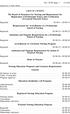 Department of Public Health Sec. 20-90 page 1 (11-04) TABLE OF CONTENTS The Board of Examiners for Nursing and Requirements for Registration of Professional Nurses and Certification of Licensed Practical
Doctor of Nursing Practice (DNP)
 REQUEST FOR NEW PROGRAM APPROVAL Catalog Copy for New Program Doctor of Nursing Practice (DNP) The doctor of nursing practice (DNP) degree prepares nurses with a blend of clinical, organizational, economic,