
Nonfiction in the Early Grades: Making Reading and Writing Relevant for All Students
|
|
|
- Donna Sanders
- 10 years ago
- Views:
Transcription
1 Nonfiction in the Early Grades: Making Reading and Writing Relevant for All Students Tiffany A. Flowers University of Iowa Lamont A. Flowers Clemson University Abstract The purpose of this literature-based article is to outline the benefits of integrating nonfiction literacy experiences in the early grades. This article also discusses recommendations and resources for teaching nonfiction reading and writing in the early grades. Expanding educational opportunities for young students by improving their ability to read and comprehend informational texts is an important goal for teachers, parents, and reading scholars (Allington, 2001; Block & Mangieri, 2003; Harvey, 1998, 2002; Kletzien & Dreher, 2004; Kurkjian & Livingston, 2005; Palmer & Stewart, 2003; Stien & Beed, 2004; Taboada & Guthrie, 2006). To accomplish this aim, many reading researchers have acknowledged the importance of fostering a child s interest in reading nonfiction in the early grades (Duke, 2000, 2004; Routman, 2000, 2003; Stead, 2002; Young & Moss, 2006). Research also suggests that teaching students how to appropriately read and write nonfiction should be a primary goal of early educational learning experiences because of the cognitive benefits received by students who are exposed to these types of literacy experiences (Boynton & Blevins, 2004; Duke, 2000, 2004; Routman, 2000; Young & Moss, 2006). Researchers have also indicated that educators should consider teaching children how to read informational texts to ensure that by the time they reach the intermediate grades they will have the requisite skills to excel academically (Chall, 1983; Duke, Bennett-Armistead, Roberts, 2003; Fisher, 1996; Hadaway, Vardell, & Young, 2002). Trussell-Cullen (1999) defines nonfiction as a way to document and celebrate the real world and that means everything about the real world that is actual, observable, recordable, demonstrable, and experienceable (p. 2). Trussell- Cullen s definition of nonfiction is important for teachers who want to create a classroom environment where the real world is meaningful to children. Further, this focus on nonfiction may enable teachers, especially teachers in the early grades, to make learning more relevant for students. Nonfiction materials include an array of resources such as periodicals, technology, and hands-on experiences, such as trips to airports, zoos, farms, museums, and factories (Danko-McGhee, 2004; Davis & Shade, 1999). Nonfiction reading materials also include recently published informational texts and trade books (Goodman, Shannon, Freeman & Murphy, 1988; Hadaway, Vardell, & Young, 2002). Rationale for Emphasizing Nonfiction in the Early Grades Focusing on nonfiction reading and writing is important for several reasons. The first reason for including nonfiction reading and writing in the primary grades curriculum is that nonfiction materials incorporate information from an array of subject areas, including math, science, social studies, technology, art, music, and writing (Duke, Bennett-Armistead, & Roberts, 2003; Pike & Mumper, 2004); thus nonfiction promotes learning across the curriculum. Given the benefits of nonfiction, it is reasonable to conjecture that teachers in the primary grades would devote a significant amount of instructional time to teaching nonfiction. However, educational researchers have shown that primary grade children spend little time reading or learning to read and write nonfiction (Duke, 2000, 2004; Moss, 2004). The second reason for including nonfiction reading and writing in the early childhood curriculum is that it has been hypothesized that a significant percentage of the content of standardized tests passages includes nonfiction material (Daniels, 2002; Duke & Bennett-Armistead, 2003; Kristo & 40 41

2 Bamford, 2004). Therefore, students in the early grades should spend more time with nonfiction and expository texts to be able to understand the complexity of these texts and receive adequate preparation for standardized tests of reading achievement. In addition, students need to have exposure to these texts before entering the upper grades. Early exposure to nonfiction and informational texts may be the best preparation for the increase in academic rigor that students will encounter at the intermediate grades (Stead, 2002). The third reason for including nonfiction reading and writing in the curriculum is that nonfiction reading materials include text structures which differ greatly from narrative texts. This means that children must learn to read expository texts (e.g., texts that emphasize cause and effect) because these texts differ structurally and organizationally from narrative texts (Blachowicz & Ogle, 2001). The fourth reason for including nonfiction reading and writing in the primary grades is that nonfiction allows children to have access to various literacy experiences (Padgett, 2006), such as engaging in inquiry-based instruction (Fang, Lamme, Fu, Patrick, 2006; Mardell, 1999; Schmidt, Gillen, Zollo, & Stone, 2002). Inquiry-based instruction involves conducting research to answer questions and extend previous knowledge. Therefore, nonfiction reading and writing is an important part of inquiry-based learning and should be a critical part of the early childhood curriculum. Integrating Nonfiction Literacy Experiences One example of an integrated literacy teaching method is student-centered inquiry. Inquiry is the idea that students actively pursue a research topic of interest (Harste, 1993; Palincsar, Magnusson, Cutter, & Vincent, 2001; Pardales & Girod, 2006). Through inquiry, students learn to read, write, analyze, critique, and build on their existing knowledge of a topic (Harvey, 2002; Mardell, 1999; Jablon, 2006). The topic that is chosen by the student reflects a topic that is both important and relevant to the student. Teachers support students through the process of inquiry to provide extra support and scaffold information. Throughout this process, students learn to read critically for information in order to answer questions by reviewing information from multiple sources. Inquiry-based instruction is a critical component of instruction for teachers who wish to teach students how to make learning more meaningful. Integrating nonfiction literacy experiences into the primary grades curriculum also prepares students to understand complex concepts, analyze data, and think logically (Goodman, Hood, & Goodman, 1991). For example, imagine that students in the early grades are learning about frogs. They may start the lesson by watching frogs, writing observations about frogs, and then researching the different species of frogs in various informational texts. Then, students can collect data from other informational texts about frogs and utilize this information to write about their learning experiences. These types of integrated learning opportunities allow students to study nonfiction material in relevant and innovative ways. Recommendations for Preservice and Inservice Teachers Recently, there has been an influx in the number of books published regarding how to teach nonfiction reading and writing (see Appendix A), as well as nonfiction and informational texts (see Appendix B). Many of these texts may aid teachers who are searching for conceptual and practical information concerning the use of nonfiction in the classroom. In addition to these texts, it is recommended that practicing teachers engage in professional development activities that provide them the opportunity to read research on the effects of nonfiction reading and writing on student achievement. Also, teachers may consider examining the scholarly literature concerning the usefulness and importance of developing students interest in nonfiction reading and writing. These types of professional development experiences will enable teachers to effectively utilize literacy-based strategies involving nonfiction literature in the classroom. Moreover, practicing teachers might consider collaborating with other teachers and university professors to engage in critical studies regarding the connection between theories of learning and classroom-based applications involving nonfiction literature. In this regard, practicing teachers and educational researchers can share ideas for teaching nonfiction and collaborate with one another on various topics, such as teaching students how to write biographies and teaching 42 43

3 students how to conduct research. In addition, practicing teachers might consider learning about the various strategies to teach students how to navigate complex informational texts, as well as the instructional potential of nonfiction materials during shared and guided reading sessions (Bamford, Kristo & Lyon, 2002). During a teacher preparation program, some of the methods courses often encourage the use of trade books, such as informational texts. However, they may not include strategies for teaching students how to navigate these texts (Harvey & Goudvis, 2007). Therefore, it may be advisable for teacher preparation programs to teach a separate nonfiction reading and writing course that focuses heavily on nonfiction to help prepare teachers to incorporate nonfiction in their classrooms. The underlying theme of this course might be to help teachers think critically about teaching nonfiction in the primary grades. In addition, students may learn new strategies, become acquainted with using innovative teaching techniques, and reflect on their current teaching practices. By reading the current research, preservice teachers may also be able to learn how to effectively use nonfiction in the classroom; how to arouse children's natural curiosity at a young age by guiding or facilitating inquiry; and how to encourage teacher collaboration around the topic of nonfiction. In addition, preservice teachers may have the opportunity to expand their knowledge of the importance of nonfiction reading and writing in the classroom. The overarching goal of this recommendation is to prepare teachers to teach students to comprehend informational texts, conduct research projects, and engage in independent reading in the early grades. Another goal is to help preservice teachers expand their definitions of early literacy beyond narrow definitions that include skill development such as sight vocabulary, decoding, and word recognition (Indrisano, 1995; Sears, 1999) to other conceptions of literacy that include conducting research and thinking critically. It is also important that preservice and practicing teachers study schema theory as a way to understand or comprehend new information (Stahl, 2004). According to Richgels (1982), A schema can be thought of as a knowledge structure, or framework, which interrelates all of one s knowledge about a given topic. Prior knowledge, organized in schemata, in turn influences the form and content of new knowledge (p. 54). In essence, a schema is the file cabinet inside the brain that stores information. Each drawer contains a file of existing information about various topics and information. As a person receives new information, that new information integrates with existing information and is stored in the brain. Scaffolding is a teaching process that involves learning about the existing knowledge that students possess and teaching the student new information using his or her pre-established knowledge base (Vygotsky, 1978). In addition, it is important that teachers have the opportunity to explore various ways to interpret or construct knowledge (Dewey, 1910; Johnston & Afflerbach, 1985) as it relates to teaching nonfiction reading and writing in the primary grades. References Allington, R. (2001). What really matters for struggling readers. New York: Addison-Wesley. Bamford, R.A., Kristo, J.V., Lyon, A. (2002). Facing facts: Nonfiction in the primary classroom. The New England Reading Association Journal, 38, Blachowicz, C., & Ogle, D. (2001). Reading comprehension: Strategies for independent learners. New York: Guilford. Block, C., & Mangieri, J. (2003). Exemplary literacy teachers: Promoting success for all children in grades K-5. New York: Guilford. Boynton, A., & Blevins, W. (2004). 5 keys to reading nonfiction. Instructor, 113, 4-6. Chall, J. (1983). Learning to read: The great debate. New York: McGraw-Hill. Daniels, H. (2002). Expository text in literature circles. Voices from the Middle, 9, Danko-McGhee, K. (2004). The museum-university connection: Partners in early childhood art experiences. Art Education, 57, Davis, B. C., & Shade, D. D. (1999). Integrating technology into the early childhood classroom: The case of literacy learning. Information Technology in Childhood Education Annual, 1, Dewey, J. (1910). How we think. Boston: D. C. Heath

4 Duke, N., & Bennett-Armistead, V. (2003). Reading and writing informational text in the primary grades: Research-based practices. New York: Scholastic. Duke, N., Bennett-Armistead, S., & Roberts, E. (2003). Filling the nonfiction void: Why we should bring nonfiction into the early-grade classroom. American Educator, 27, Duke, N. (2000). 3.6 minutes per day: The scarcity of informational texts in the first grade. Reading Research Quarterly, 35, Duke, N. (2004). The case for informational text. Educational Leadership, 61, Fang, Z., Lamme, L., Fu, D., & Patrick, J. (2006). Developing literacy through inquiry learning. Language Arts, 83, Fisher, B. (1996). Moving beyond letter of the week. Teaching PreK-8, 26, Goodman, Y., Hood, W., & Goodman, K. (1991). Organizing for whole language. Portsmouth, NH: Heinemann. Goodman, K., Shannon, P., Freeman, Y., & Murphy, S. (1988). Report card on basal readers. New York: Richard C. Owen. Hadaway, N., Vardell, S., & Young, T. (2002). Highlighting nonfiction literature: Literacy development and English language learners. The New England Research Association Journal, 38, Harste, J. C. (1993). Inquiry-based instruction. Primary Voices K-6, 1, 2-5. Harvey, S. (1998). Nonfiction matters: Reading, writing, and research 3-8. Maine: Stenhouse. Harvey, S. (2002). Nonfiction inquiry: Using real reading and writing to explore the world. Language Arts, 80, Harvey, S., & Goudvis, A. (2007). Strategies that work: Teaching comprehension to enhance understanding (2nd ed.). York, ME: Stenhouse. Indrisano, R. (1995). Literacy development. Journal of Education, 177, Jablon, P. (2006). Writing through inquiry. Science Scope, 29, Johnston, P., & Afflerbach, P. (1985). The process of constructing main ideas from text. Cognition and Instruction, 2, Kletzien, S. B., & Dreher, M. J. (2004). Informational text in K-3 classrooms: Helping children read and write. Newark, DE: International Reading Association. Kristo, J. V., & Bamford, R. (2004). Nonfiction in focus: A comprehensive framework for helping students become independent readers and writers of nonfiction, K-6. New York: Scholastic. Kurkjian, C., & Livingston, N. (2005). Learning to read and reading to learn: Informational series books. The Reading Teacher, 58, Mardell, B. (1999). From basketball to the Beatles: In search of compelling early childhood curriculum. New York: Heinemann. Moss, B. (2004). Teaching expository text structures through information trade book retellings. The Reading Teacher, 57, Padgett, R. (2006). Read All About It and teach kids how to use newspapers. Education Digest, 71, Palinscar, A., Magnusson, S., Cutter, J., & Vincent, M. (2001). Supporting guided-inquiry instruction, Teaching Exceptional Children, 34, Palmer, R. A., & Stewart, R. A. (2003). Nonfiction trade book use in primary grades. The Reading Teacher, 57, Pardales, M., & Girod, M. (2006). Community of inquiry: Its past and present future. Educational Philosophy & Theory, 38, Pike, K., & Mumper, J. (2004). Making nonfiction and other informational texts come alive: A practical approach to reading, writing, and using nonfiction and other informational texts across the curriculum. Boston: Allyn and Bacon. Richgels, D. (1982). Schema theory, linguistic theory, and representations of reading comprehension. Journal of Educational Research, 76, Routman, R. (2000). Conversations: Strategies for teaching, learning, and evaluating. Portsmouth, NH: Heinemann. Routman, R. (2003). Reading essentials: The specifics you need to teach reading well. Portsmouth, NH: Heinemann. Schmidt, P., Gillen, S., Zollo, T., & Stone, R. (2002). Literacy learning and scientific inquiry: Children respond. The Reading Teacher, 55, Sears, S. (1999). The development of reading strategies in a whole language classroom. Journal of Reading Psychology, 20,

5 Stahl, K. (2004). Proof, practice, and promise: Comprehension strategy instruction in the primary grades. The Reading Teacher, 57, Stead, T. (2002). Is that a fact? Teaching nonfiction writing in K-3. Portland, ME: Stenhouse. Stien, D., & Beed, P. (2004). Bridging the gap between fiction and nonfiction in the literature circle setting. The Reading Teacher, 57, Taboada, A., & Guthrie, J. (2006). Contributions of student questioning and prior knowledge to construction of knowledge from reading informational text. Journal of Literacy Research, 38, Trussell-Cullen, A. (1999). Starting with the real world: Strategies for developing nonfiction reading and writing, K-8. Carlsbad, CA: Dominie Press. Vygotsky, L. (1978). Mind in society: The development of higher psychological processes. Cambridge, MA: Harvard University Press. Young, T. A., & Moss, B. (2006). Nonfiction in the classroom library: A literacy necessity. Childhood Education, 82, Additional Resources Professional Texts about Nonfiction Reading and Writing Frey, N., & Fisher, D. B. (2007). Reading for information in elementary school: Content literacy strategies to build comprehension. Upper Saddle River, NJ: Pearson Merrill Prentice Hall. Jenkins, C., & Earle, A. (2006). Once upon a fact: Helping children write nonfiction. New York: Teachers College Press. Parsons, S. (2005). First grade writers: Units of ideas to help children plan, organize, and structure their ideas. New York: Heinemann. Stead, T., & Duke, N. (2005). Reality checks: Teaching comprehension with nonfiction, K-5. New York: Stenhouse. Pike, K., & Mumper, J. (2004). Making nonfiction and other informational texts come alive: A practical approach to reading, writing, and using nonfiction and other informational texts across the curriculum. Boston: Allyn and Bacon. Duke, N., & Bennett-Armistead, V. (2003). Reading and writing informational text in the primary grades: Research-based practices. New York: Scholastic. Kristo, J. V., & Bamford, R. (2004). Nonfiction in focus: A comprehensive framework for helping students become independent readers and writers of nonfiction, K-6. Scholastic. Kletzien, S. B., & Dreher, M.J. (2004). Informational text in K-3 classrooms. Newark, DE: International Reading Association. Miller, D. (2002). Reading with meaning: Teaching comprehension in the primary grades. New York: Stenhouse. Moss, B. (2002). Exploring the literature of fact. New York: Guilford. Stead, T. (2001). Is that a Fact? Teaching nonfiction writing K-3. New York: Stenhouse. Portalupi, J., & Fletcher, R. (2001). Nonfiction craft lessons: Teaching informational writing K-8. York, ME: Stenhouse. Harvey, S. Goudvis, A. (2007). Strategies that work: Teaching comprehension to enhance understanding (2nd ed.). York, ME: Stenhouse. Nonfiction and Informational Children s Texts by Subject Mathematics Hoban, T. (1997). Is it larger? Is it smaller? New York: HarperTrophy. Hoban, T. (1996). Shapes, shapes, shapes. New York: HarperTrophy. Pallotta, J. (1999). Hershey s fractions. New York: Cartwheel. Science Aliki. (1997). My visit to the zoo. New York: Harper Collins. Arnosky, J. (1999). All about owls. New York: Scholastic. Berger, M. (1993). Make mine ice cream. New York: Newbridge. Cowley, J. & Bishop, N. (1999). Red-eyed tree frog. New York: Scholastic. Fowler, A. (1991). What s the weather today? Chicago: Children s Press. Gibbons, G. (1996). The reasons for seasons. New York: Holiday House. Glaser, L. (1992). Wonderful worms. Brookfield, CT: The Millbrook Press. Pallotta, J. (1991). The underwater alphabet book. New York: Charlesbridge Publishing. Pallotta, J. (1987). The icky bug alphabet book. New York: Charlesbridge Publishing. Pallotta, J. (1986). The ocean alphabet book. New York: Charlesbridge Publishing

6 Social Studies Adler, D. (1999). A picture book of Thomas Alva Edison. New York: Holiday House. Adler, D. (1994). A picture book of Anne Frank. New York: Holiday House. Crews, D. (1978). Freight train. New York: Harper Collins. Gibbons, G. (1982). The post office book: Mail and how it moves. New York: Harper Collins. Maass, R. (1989). Fire fighters. New York: Scholastic. Munro, R. (2001). The inside-outside book of Washington, D.C. New York: Sea Star Books. Scillian, D. (2001). A is for America: An American alphabet. Farmington Hills, MI: Sleeping Bear Press. Shea, P., & Zahares, W. (2005). Liberty rising: The story of the Statue of Liberty. New York: Henry Holt. 50

Running head: INFORMATIONAL TEXT IN THE PRIMARY CLASSROOM 1. Informational Text in the Primary Classroom. A Research Project
 Running head: INFORMATIONAL TEXT IN THE PRIMARY CLASSROOM 1 Informational Text in the Primary Classroom A Research Project Submitted as a Requirement For The Degree of Masters In Reading Education In The
Fiction. VS. Informational Texts. Which Will Kindergartners Choose?
 Marlene Ponte Correia Fiction VS. Informational Texts Which Will Kindergartners Choose? During a professional development workshop, the facilitator asks participants to reflect on all the texts we ve read
Research Base. Units of Study for Primary Writing, K-2 Units of Study for Teaching Writing, grades 3-5 TCRWP Writing Curricular Calendars, grades K-8
 Research Base Units of Study for Primary Writing, K-2 Units of Study for Teaching Writing, grades 3-5 TCRWP Writing Curricular Calendars, grades K-8 The Units of Study for primary and intermediate grades
WORKSHOP HELP DESK M. COLLEEN CRUZ. A QUICK GUIDE TO Reaching Struggling Writers K 5. Workshop Help Desk Series
 WORKSHOP HELP DESK A QUICK GUIDE TO Reaching Struggling Writers K 5 M. COLLEEN CRUZ Workshop Help Desk Series Edited by Lucy Calkins with the Teachers College Reading and Writing Project HEINEMANN Portsmouth,
Position Statement on English Language Arts Education Connecticut State Board of Education December 3, 2008
 Position Statement on English Language Arts Education Connecticut State Board of Education December 3, 2008 The Connecticut State Board of Education believes a high-quality, comprehensive prekindergarten-12
Secondary Content Areas, Special Education, N-12. Teaching Reading in the Content Areas: Part I and Part II
 Secondary Content Areas, Special Education, N-12 Teaching Reading in the Content Areas: Part I and Part II Secondary Content Areas, Special Education, N-12 Teaching Reading in the Content Areas: Part I
MARCIA INVERNIZZI 125 Ruffner Hall University of Virginia Charlottesville, VA 22903 (434) 924--0844, e-mail: [email protected]
 MARCIA INVERNIZZI 125 Ruffner Hall University of Virginia Charlottesville, VA 22903 (434) 924--0844, e-mail: [email protected] Education University of Virginia 1985 Ph.D. Reading Education University of
Seven Literacy Strategies That Work
 November 2002 Volume 60 Number 3 Reading and Writing in the Content Areas Pages 70-73 Seven Literacy Strategies That Work Douglas Fisher, Nancy Frey and Douglas Williams A schoolwide commitment to reading
Literacy is found in all content areas. Therefore, we think it is important to address literacy through the lens of an English Language Learner.
 Literacy is found in all content areas. Therefore, we think it is important to address literacy through the lens of an English Language Learner. 1 Today we are going to be talking about how literacy is
AUDIOBOOKS & LITERACY
 AUDIOBOOKS & LITERACY An Educator s Guide to Utilizing Audiobooks in the Classroom By Dr. Frank Serafini Introduction The challenges facing individuals in today s society who are unable to read are well
READING SPECIALIST STANDARDS
 READING SPECIALIST STANDARDS Standard I. Standard II. Standard III. Standard IV. Components of Reading: The Reading Specialist applies knowledge of the interrelated components of reading across all developmental
District 203 K-4 Elementary Summer School 2015
 District 203 K-4 Elementary Summer School 2015 The following Elementary Summer School courses will be conducted from Monday, June 8, 2014, through Friday, June 26, 2015. THE SAME COURSES WILL BE OFFERED
Key Components of Literacy Instruction
 Key Components of Literacy Instruction The longer I write and read, the more I learn; writing and reading are lifelong apprenticeships --Donald M. Murray W e, in MPS, believe that effort creates ability.
Vocabulary. ThE R 1AGUAIP31 DOF stnw(c&
 ThE R 1AGUAIP31 DOF stnw(c& Abstract. Vocabulary is the essential element of comprehending concepts in content areas. Many words used in science content-area materials are used to define concepts and to
SD 308 Elementary Summer School Course Offerings
 SD 308 Elementary Summer School Course Offerings Dates: June 8 th June 26 th Hours: 8:30a.m. 11:30a.m. Location: Churchill Elementary School 520 Secretariat Lane Oswego, IL 60543 Contact: Please contact
An Early Childhood Practitioner s Guide: Developmentally Appropriate Literacy Practices for Preschool-Age Children
 An Early Childhood Practitioner s Guide: Developmentally Appropriate Literacy Practices for Preschool-Age Children SUMMARY In her discussion of user-friendly and developmentally appropriate literacy strategies
The Teacher As Professional Educator. Graduate standing, CE630 Standardized Assessment or equivalent course, and successful completion of EL615.
 COURSE SYLLABUS SOUTHEAST MISSOURI STATE UNIVERSITY Department of Elementary, Early & Special Education Course No. CE634 Course: Assessing Young Children s Learning and New: Sp 03 Development Part II:
Teaching Children to Read and Comprehend Nonfiction
 Teaching Children to Read and Comprehend Nonfiction Presented By Tony Stead Learning to Read (print concepts, working with words, letters and sounds, text features) Pre Emergent Readers Early print concepts
PBS TeacherLine Course Syllabus 1
 PBS TeacherLine Course Syllabus 1 Title Implementing Effective Writing Workshops (Grades 1-3) Formerly titled "Effective Writing Instruction" Target Audience This course is intended for pre-service and
TEACHING CREDENTIAL CANDIDATES HOW TO ADAPT LESSONS AND INCREASE VOCABULARY FOR ENGLISH LEARNERS. Abstract
 1 Abstract The purpose of this study was to measure the effectiveness of two instructional activities on teacher credential candidates as they learned how to adapt standards-based content lessons and increase
The Teacher as Professional Educator
 COURSE SYLLABUS SOUTHEAST MISSOURI STATE UNIVERSITY Department of Elementary, Early & Special Education Course No. EL316 Course: Foundations of Reading Techniques Revision: FA 01 The Teacher as Professional
Early Childhood Program Guidance for Children Ages Birth through Eight
 Early Childhood Program Guidance for Children Ages Birth through Eight Technology and Interactive Media in the Early Years Technology and interactive media are rapidly expanding the materials and experiences
WILLIAM PATERSON UNIVERSITY College of Education Department of Special Education and Counseling COURSE OF STUDY
 WILLIAM PATERSON UNIVERSITY College of Education Department of Special Education and Counseling COURSE OF STUDY Theme: Preparing Inquiring Educators: Knowledge, Understanding and Application A. Course
Standards for Certification in Early Childhood Education [26.110-26.270]
![Standards for Certification in Early Childhood Education [26.110-26.270]](/thumbs/24/3436110.jpg "Standards for Certification in Early Childhood Education [26.110-26.270]") I.B. SPECIFIC TEACHING FIELDS Standards for Certification in Early Childhood Education [26.110-26.270] STANDARD 1 Curriculum The competent early childhood teacher understands and demonstrates the central
I.B. SPECIFIC TEACHING FIELDS Standards for Certification in Early Childhood Education [26.110-26.270] STANDARD 1 Curriculum The competent early childhood teacher understands and demonstrates the central
A STUDY GUIDE. Nonfiction Matters. Stephanie Harvey
 A STUDY GUIDE Nonfiction Matters Reading,Writing, and Research in Grades 3 8 Stephanie Harvey Nonfiction Matters is divided into three parts: Conditions for Successful Inquiry, The Nitty-Gritty, and Getting
Required Texts Burke, Jim. What s the Big Idea?: Question-Driven Units to Motivate Reading, Writing, and Thinking. Portsmouth, NH: Heinemann, 2010.
 ENT 441 Teaching Reading and Literature Spring 2016 Mondays 5:10-8:00 p.m. JRH 203 Instructor: Leanne Deschamps Office Hours: Mondays (8:00-9:00 p.m. and by appointment) LA 109 [email protected]
Teaching Reading and Writing to Struggling Middle School and High School Students: The Case for Reciprocal Teaching
 Teaching Reading and Writing to Struggling Middle School and High School Students: The Case for Reciprocal Teaching WAYNE H. SLATER and FRANKLIN R. HORSTMAN Wayne H. Slater is an associate professor in
MED 600.970 RESEARCH IN MATHEMATICS EDUCATION SPRING, 2006
 MED 600.970 RESEARCH IN MATHEMATICS EDUCATION SPRING, 2006 Instructor Required Text Bibliography Course Objectives Course Requirements Weekly Schedule Outline of Course Course Evaluation Instructor: Bill
The Creative Curriculum for Preschool: Objectives for Development & Learning
 Curriculum Alignment of The Creative Curriculum for Preschool: Objectives for Development & Learning with Alignment of The Creative Curriculum for Preschool: Objectives for Development & Learning With
ESOL Endorsement Program
 NORTHWEST GEORGIA REGIONAL EDUCATIONAL SERVICE AGENCY ESOL Endorsement Program Methods and Materials NWGA RESA 6/1/2007 Instructor: Lynn Lewis Office: Griffin RESA Conceptual Framework Endorsement and
Research on Graphic Organizers
 Research on Graphic Organizers Graphic Organizers are visual representations of a text or a topic. Organizers provide templates or frames for students or teachers to identify pertinent facts, to organize
Improving Comprehension of Informational Text
 Improving Comprehension of Informational Text Presentation at the Center for the Improvement of Early Reading Achievement Summer Institute, July, 2002 Nell K. Duke Michigan State University Some Papers
Exploring Nonfiction: A Differentiated Content-Area Reading Program
 Research-Based Curriculum Teacher Created Materials Exploring Nonfiction: A Differentiated Content-Area Reading Program 2007 Teacher Created Materials 1 Introduction combines effective instruction of reading
COMMONLY USED SPECIAL EDUCATION READING PROGRAMS
 COMMONLY USED SPECIAL EDUCATION READING PROGRAMS Reading Mastery/ Corrective Reading Language! Wilson Reading System Saxon Reading Hill Methodology Edmark Reading Program Unique Learning System Phonemic
Growing Strong Nonfiction Readers and Writers What Matters Most in and out of Class Presenter: Mary Ehrenworth
 Parents as reading and writing partners: A day to help parents understand the literacy work their children are doing in school, and what to do at home to help their children grow and achieve at the highest
Differentiated Instruction: Are University Reading Professors Implementing It?
 45 The Reading Matrix 2010 Volume 10, Number 1, April 2010 Differentiated Instruction: Are University Reading Professors Implementing It? Thea Hayes Williams-Black The University of Mississippi Jennifer
Course Description \ Bachelor of Primary Education Education Core
 Course Description \ Bachelor of Primary Education Education Core EDUC 310 :Foundations of Education in Qatar and School Reform : This course has been designed to acquaint the learners with the progress
WiggleWorks Aligns to Title I, Part A
 WiggleWorks Aligns to Title I, Part A The purpose of Title I, Part A Improving Basic Programs is to ensure that children in high-poverty schools meet challenging State academic content and student achievement
Scaffolding Academic Language for English Learners: What, Why, How?
 Scaffolding Academic Language for English Learners: What, Why, How? Presenters: Mary Lou McCloskey ([email protected]) Lydia Stack ([email protected]) Janet Orr ([email protected]) Gabriela Kleckova
Leveled Literacy Intervention (LLI) consists of a series of planned lessons designed to provide supplementary instruction
 Research Base for Leveled Literacy Intervention Leveled Literacy Intervention (LLI) consists of a series of planned lessons designed to provide supplementary instruction to kindergarten, first, and second
Recommended Course Sequence MAJOR LEADING TO PK-4. First Semester. Second Semester. Third Semester. Fourth Semester. 124 Credits
 ELEMENTARY AND EARLY CHILDHOOD EDUCATION MAJOR LEADING TO PK-4 Recommended Course Sequence 124 Credits Elementary and Early Childhood Education majors will also complete a Reading Education minor within
Reviews of Scholarly Literature
 Reviews of Scholarly Literature Reviews of scholarly literature describe and evaluate important research ( literature ) available on a topic. We consult literature reviews when we need an overview of such
High-Yield Strategies to Improve Student Learning
 The Literacy and Numeracy Secretariat Webcast Professional Learning Series Viewer s Guide High-Yield Strategies to Improve Student Learning Featuring Newly Released Podcasts On this DVD you will find The
Faculty Vita. Truman State University. University of Missouri, St. Louis
 Faculty Vita Faculty: Cynthia Gordinier-Harkey Department: Elementary, Early Childhood and Special Education, / Reading Recovery Address: 313 F Scully Rank: Assistant Professor Phone: X2400 Email: [email protected]
Supporting the Implementation of NGSS through Research: Curriculum Materials
 Supporting the Implementation of NGSS through Research: Curriculum Materials Janet Carlson, BSCS/Stanford University Elizabeth A. Davis, University of Michigan Cory Buxton, University of Georgia Curriculum
The Power of Interactive Read Alouds By: Gwen Marra, Ed.D. Today s classrooms are bombarded with demands of all kinds. Teachers work to find balance
 The Power of Interactive Read Alouds By: Gwen Marra, Ed.D. Today s classrooms are bombarded with demands of all kinds. Teachers work to find balance to provide time to play and time to assess, time to
Masters of Education Degree with a specialization in Elementary Mathematics
 Masters of Education Degree with a specialization in Elementary Mathematics Program Proposal School of Professional and Continuing Studies Northeastern University February 2008 Revised 2/18/2008 Revised
Reading Instruction and Reading Achievement Among ELL Students
 Research Into Practice READING Reading Instruction and Reading Achievement Among ELL Students Principles of ELL Reading Instruction Some very straightforward principles, directly supported by research,
Under the Start Your Search Now box, you may search by author, title and key words.
 VISTAS Online VISTAS Online is an innovative publication produced for the American Counseling Association by Dr. Garry R. Walz and Dr. Jeanne C. Bleuer of Counseling Outfitters, LLC. Its purpose is to
Instructional Framework What Do We Mean By Strong Instructional Programs and Supportive School Communities?
 Instructional Framework What Do We Mean By Strong Instructional Programs and Supportive School Communities? Effective Instructional Programs Require a Focus Within and Across Classrooms In urban classrooms,
OTTAWA ONLINE ECE-30050 Early Childhood Math Methods
 Course Description OTTAWA ONLINE ECE-30050 Early Childhood Math Methods Examines theories of cognitive development framework to understand how young children acquire math skills, concepts and abilities.
Urban Education: School, Student, Family, Community Influences on Student Learning
 MA Degree: Core Curriculum and Specializations Coursework Overview: Elementary and Special Education DTR Course Work Plan 2012-2013 Degree Plan: Master s Degree in Curriculum and Instruction to begin June,
Vocabulary Instruction and Development Resources
 Vocabulary Instruction and Development Resources August, Diane, Maria Carolo, Cheryl Dressler, and Catherine Snow. 2008. The Critical Role of Vocabulary Development for English Language Learners. Learning
Information Books in Early Childhood
 Reading to Learn from the Very Beginning Information Books in Early Childhood The Mitten, Little Bear, Caps for Sale What do these and so many other books in early childhood classrooms have in common?
Balanced Literacy in Seattle Public Schools
 Introduction Balanced Literacy in Seattle Public Schools The goal for literacy instruction in Seattle Public Schools is to ensure that all pre- Kindergarten through twelfth grade students become proficient
EDF 6211 Educational Psychology
 EDF 6211 Educational Psychology Instructor: Dr. Sharon McGee Time: Tuesday 5:00-7:40 Home: 305-253-8757 Email: [email protected] Room: GC 285 Office Hours: Before and after class General Course Description
Scholastic ReadingLine Aligns to Early Reading First Criteria and Required Activities
 Scholastic ReadingLine Aligns to Early Reading First Criteria and Required Activities Early Reading First (ERF) is a federal grant program that is part of the President s Early Childhood Initiative, Good
Florida Teacher Certification Examinations Test Information Guide for Reading K 12
 Florida Teacher Certification Examinations Test Information Guide for Reading K 12 FLORIDA DEPARTMENT OF EDUCATION www.fldoe.org Fifth Edition Developed, produced, and printed under the authority of the
The Power of Documentation
 The Power of Documentation in the Early Childhood Classroom A parent eyes something on the wall in the hallway near her child s classroom. She stops and looks across the entire wall, as if trying to determine
Teaching and Learning (T&L)
 University of North Dakota 1 Teaching and Learning (T&L) Courses T&L 250. Introduction to Education. 3 This course is designed for students exploring the profession of teaching in early childhood, elementary,
Key Principles for ELL Instruction (v6)
 Key Principles for ELL Instruction (v6) The Common Core State Standards (CCSS) in English Language Arts and Mathematics as well as the soon-to-be released Next Generation Science Standards (NGSS) require
Together We Shape the Future through Excellence in Teaching, Scholarship, and Leadership.
 INSTRUCTOR: OFFICE NUMBER: PHONE: EMAIL: OFFICE HOURS: CLASS MEETING TIME/LOCATION: Course Number: SPED 303 Course Title: Behavior Management in Special Education COLLEGE OF EDUCATION CONCEPTUAL FRAMEWORK
EDEC 455 Creative Expression and Play in Early Childhood 1
 EDEC 455 Creative Expression and Play in Early Childhood 1 EDEC 455 002 (3 credits) 11412 CREATIVE EXPRESSION AND PLAY IN EARLY CHILDHOOD Fall Semester 2009 Monday and Wednesday 8:30 9:45 am McKee 0253
NSTA Position Statement: Early Childhood Science Education
 NSTA Position Statement: Early Childhood Science Education Introduction At an early age, all children have the capacity and propensity to observe, explore, and discover the world around them (NRC 2012).
Whole Language Content Lessons for ESL Students.
 DOCUMENT RESUME HD 295 468 FL 017 409 AUTHOR Freeman, David; Freeman, Yvonne TITLE Whole Language Content Lessons for ESL Students. PUB DATE Mar 88 NOTE 8p.; Paper presented at the Annual Meeting of the
Action Research Project Design Document
 Santa Clara University Department of Education EDUC 369: Action Research Winter 2009 Action Research Project Design Document Information Packet By Joe Chee Action research is an approach to scholarly inquiry
Instructional Technology Philosophy
 Instructional Technology Philosophy Do not train a child to learn by force or harshness; but direct them to it by what amuses their minds, so that you may be better able to discover with accuracy the peculiar
Methods to Assist in Teaching Planning and Scheduling
 Methods to Assist in Teaching Planning and Scheduling Kris G. Mattila, Ph.D., P.E. Visiting Professor, USAFA, CO Michigan Technological University Houghton, Michigan James B. Pocock, Ph.D., R.A. Patrick
Curriculum and Instruction
 Curriculum and Instruction Core curriculum is the foundation of Tier 1 instruction and is the basis for building K-12 literacy in Arizona students. The curriculum at each level must be based upon the 2010
Reading K 12 Section 35
 Reading K 12 Section 35 * *Competencies and skills incorporate the scientifically based reading research (SBRR) and the components of Florida's formula for reading success addressing improved reading outcomes
Supporting English Language Learners
 Supporting English Language Learners English language learners are a richly heterogeneous group. The paths they take to acquire a new language and to adjust to their new environment are also varied and
Opportunity Document for STEP Literacy Assessment
 Opportunity Document for STEP Literacy Assessment Introduction Children, particularly in urban settings, begin school with a variety of strengths and challenges that impact their learning. Some arrive
BEST PRACTICES RESOURCE GUIDE for ELEMENTARY, MIDDLE, and HIGH SCHOOLS
 BEST PRACTICES RESOURCE GUIDE for ELEMENTARY, MIDDLE, and HIGH SCHOOLS Elementary School Best Practices Small class size Pupil/Teacher ratio Vertical and Horizontal articulation at each grade level and
CURRICULUM VITAE. University of Michigan, Ann Arbor, MI August 2005 Master of Arts Major: Educational Studies; Language, Literacy, and Culture
 CURRICULUM VITAE Name Academic Rank Address Nicole A, PhD Assistant Professor 350 Spelman Lane SW 30314 (404) 270-5821 Email: [email protected] Education Georgia State University, August 2011 Doctor
The Effective Mathematics Classroom
 What does the research say about teaching and learning mathematics? Structure teaching of mathematical concepts and skills around problems to be solved (Checkly, 1997; Wood & Sellars, 1996; Wood & Sellars,
Course Description [Insert course description and any prerequisites or co-requisites here]
![Course Description [Insert course description and any prerequisites or co-requisites here]](/thumbs/27/11022112.jpg "Course Description [Insert course description and any prerequisites or co-requisites here]") PST [000] [Course Number and Section Number If cross-listed, be sure to include both the PST number and department number, e.g. PST 212/ DST 202] [Course Name] [Insert Program/Certificate/Series Name if
PST [000] [Course Number and Section Number If cross-listed, be sure to include both the PST number and department number, e.g. PST 212/ DST 202] [Course Name] [Insert Program/Certificate/Series Name if
Learning Today Smart Tutor Supports English Language Learners
 Learning Today Smart Tutor Supports English Language Learners By Paolo Martin M.A. Ed Literacy Specialist UC Berkley 1 Introduction Across the nation, the numbers of students with limited English proficiency
Standards of Quality and Effectiveness for Professional Teacher Preparation Programs APPENDIX A
 APPENDIX A Teaching Performance Expectations A. MAKING SUBJECT MATTER COMPREHENSIBLE TO STUDENTS TPE 1: Specific Pedagogical Skills for Subject Matter Instruction Background Information: TPE 1. TPE 1 is
PRE AND POST TEST TO SEE THE DIFFERENCE BETWEEN YEARS OF ANIMATED LITERACY AND KNOWLEDGE OF LETTERS STEPHANIE, BUCK. Submitted to
 Animated Literacy 1 RUNNING HEAD: Years of Animated Literacy Letters PRE AND POST TEST TO SEE THE DIFFERENCE BETWEEN YEARS OF ANIMATED LITERACY AND KNOWLEDGE OF LETTERS By STEPHANIE, BUCK Submitted to
Pre-Requisites EDAM-5001 Early Literacy Guiding Principles and Language
 . EDAM EDAM-5001. EARLY LITERACY: GUIDING PRINCIPLES AND LANGUAGE DEVELOPMENT This course is the prerequisite for all other courses in the Early Childhood Literacy program. It outlines the philosophical
CALIFORNIA S TEACHING PERFORMANCE EXPECTATIONS (TPE)
 CALIFORNIA S TEACHING PERFORMANCE EXPECTATIONS (TPE) The Teaching Performance Expectations describe the set of knowledge, skills, and abilities that California expects of each candidate for a Multiple
California University of Pennsylvania Guidelines for New Course Proposals University Course Syllabus Approved: 2/4/13. Department of Psychology
 California University of Pennsylvania Guidelines for New Course Proposals University Course Syllabus Approved: 2/4/13 Department of Psychology A. Protocol Course Name: Statistics and Research Methods in
To answer the secondary question, if hands-on activities would increase student interest and comprehension, several hands-on activities were used:
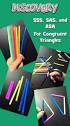 1 The Effect of an Overarching Topic on Student Performance in Algebra II Christine Consoletti and David Collins J.E.B. Stuart High School Fairfax County (VA) Public Schools June 2003 Question Does an
The face of content area literacy instruction
 BARBARA MOSS Making a case and a place for effective content area literacy instruction in the elementary grades The need is growing for content area literacy instruction to begin at the elementary level.
Master of Science in Early Childhood Education Singapore, 2004 2005
 Master of Science in Early Childhood Education Singapore, 2004 2005 Sponsored by Wheelock College s Center for International Education, Leadership, and Innovation and RTRC Asia in Singapore Background
Speaking of Writing: The Significance of Oral Language in English Learners Literacy Development
 Speaking of Writing: The Significance of Oral Language in English Learners Literacy Development By Connie Williams, Roberta Stathis, and Patrice Gotsch Teacher Writing Center November 2008 2008 Teacher
(MIRP) Monitoring Independent Reading Practice
 (MIRP) Monitoring Independent Reading Practice ~ A Returning Developer ~ For further information contact Kathy Robinson Lake Country Elem. School 516 County Road 29 Lake Placid, Florida 33852 863.699.5050