
Cosmetic blepharoplasty
|
|
|
- Nathan Goodman
- 10 years ago
- Views:
Transcription
1 Atlas Oral Maxillofacial Surg Clin N Am 12 (2004) Cosmetic blepharoplasty Joseph Niamtu, III, DDS Oral/Maxillofacial and Cosmetic Facial Surgery, Cherokee Road, Richmond, VA 23235, USA It is said that the eyes are the window to the soul. They are also the window to cosmetic surgery and facial rejuvenation. I believe that no other procedure carries such a degree of rejuvenation and patient and doctor satisfaction. The upper face frequently ages earlier than the lower face, and the eyelids and brow are frequent areas of concern in patients from the ages of 35 and older. Younger patients usually are concerned about droopy eyelids and fat bags, whereas older patients usually require brow repositioning along with eyelid surgery. For most patients it is a matter of cosmetics, although some patients have functional problems, such as eyelid ptosis, lid laxity, and visual obstruction. Because this is a basic article on diagnosis and treatment, the discussion is limited to primarily cosmetic blepharoplasty. The article minimally discusses functional treatment. The average oral and maxillofacial surgeon has adequate training and experience to understand and learn cosmetic blepharoplasty, largely from anatomy and trauma experience. Treatment of orbital blow out fractures and zygomatic fractures is more difficult to learn and perform than cosmetic blepharoplasty. For the novice blepharoplasty surgeon many avenues exist to learn this procedure. I recommend that one take several didactic observational courses with the inclusion of cadaver dissection. Multiple textbooks are cited at the end of this article; pictures and diagrams are instrumental in learning blepharoplasty. Finally, the most important step is to observe and proctor cases with a qualified surgeon. One should proctor at least 20 eyelids before performing surgery solo. As oral and maxillofacial surgeons, we are continually sedating patients for alternate procedures. One should pay close attention to eye anatomy and observe the various changes that occur with age. Cosmetic blepharoplasty is much like riding a bicycle. There is a learning curve, but once one becomes familiar with the nuances of the procedure, it becomes routine. Several pearls are discussed, and they are critical to stay out of trouble with blepharoplasty. Complications with eye surgery can be devastating and career ending, but they are rare when a surgeon uses conservative techniques and follows some basic tenets. Orbital anatomy The orbits and eyes have some of the most delicate and complex anatomy in the body. A thorough understanding of eye anatomy is essential to understanding blepharoplasty (Figs. 1,2). In consideration of external anatomy, one must be familiar with the following structures: eyelid skin, sclera, cornea, pupil, iris, lacrimal caruncle, punctum, upper and lower tarsi, conjunctiva, medial and lateral canthus, upper and lower lid fornices, and the gray line (immediately associated with lashes). Structures of the upper eyelid include orbicularis oculi muscle, retroorbicularis oculi fat, orbital septum (extension of periosteum), orbital fat pads (medial and central), lacrimal glands, superior oblique muscle, levator aponeurosis, and levator palpabrae address: [email protected] /04/$ - see front matter Ó 2004 Elsevier Inc. All rights reserved. doi: /j.cxom

2 92 J. Niamtu, III / Atlas Oral Maxillofacial Surg Clin N Am 12 (2004) Fig. 1. Eyelid anatomy upper lid. (Courtesy of Steve Bosniak, MD.) Fig. 2. Eyelid anatomy lower lid. (Courtesy of Steve Bosniak, MD.)

3 J. Niamtu, III / Atlas Oral Maxillofacial Surg Clin N Am 12 (2004) Fig. 3. Aging changes of the eyelids and periorbital tissues. Descent of the lateral eyebrow results in hooding. superioris (levator muscle). Structures of the lower eyelid include capsulopalpabral fascia (lower lid retractors), suborbicularis oculi fat, lower lid fat pads (medial, central, lateral), inferior oblique muscle, orbital rim, and Mueller s muscle. Aging conditions of the eyelids and periorbital areas As people age, various changes become evident in the eyelids. The most obvious change is the presence of brow ptosis. Most young men have flat brows at or above the level of the upper orbital rim, and most young women have arched brows above the level of the upper orbital rim. With age, the brows and forehead begin to droop, and ptosis causes redundant tissue. This is especially obvious in the lateral orbital region of the upper eyelids. This condition is known as hooding (Fig. 3). Patients often grab this excess skin and want it excised. It is important to educate them that this is actually forehead skin and cannot be cut off. It must be repositioned with brow lift. One easily can excise excess soft tissue of the eyelids proper, but failure to diagnose a ptotic brow and forehead is a common mistake, even from highly qualified surgeons. I have seen many patients present to my office for endoscopic brow and forehead lift who have had several blepharoplasties in the past. Unfortunately, there is not enough skin left to elevate the brow Fig. 4. This patient should have been offered a brow lift but was treated with two blepharoplasty surgeries. She desires brow lift, but the photo shows that when her brows are manually elevated, there is insufficient skin to close the eyelids. This is a classic case of misdiagnosis.

4 94 J. Niamtu, III / Atlas Oral Maxillofacial Surg Clin N Am 12 (2004) Fig. 5. Looking in the upward gaze while holding the head forward accentuates lower eyelid fat herniation. and close the eyes. This happens because of misdiagnosis on the part of the previous surgeon. The patient required a brow lift but received a blepharoplasty (Fig. 4). One should remember that brow position is integral to proper blepharoplasty. In actuality, most patients require both procedures, especially women. I perform simultaneous upper blepharoplasty on approximately 99.9% of brow lift patients. Aging changes in the upper and lower eyelid skin come from multiple sources. This skin is the thinnest in the body and is sometimes only 0.2 mm thick, which makes it vulnerable. Actinic damage is a big contributor to elastosis and texture changes in the eyelids. The skull also shrinks with age, and this causes a component of support loss. Excess and wrinkled skin is called dermatochalasis. Fig. 6. Having the patient look upward accentuates the herniated orbital fat.

5 J. Niamtu, III / Atlas Oral Maxillofacial Surg Clin N Am 12 (2004) Fig. 7. The effect of direct flash lighting on the dark circles (fat bag shadows) of the lower lids. The upper image is taken with a flash and the lower image is taken without a flash. Fat herniation is the second most common cosmetic problem that occurs in the eyelids (Fig. 5). Much discussion exists as to whether this is a herniation or pseudoherniation. Most clinicians agree that the orbital septum becomes weakened with age and the periorbital fat pads protrude though this weakened septum and cause the fat bags. To view the extent of fat pad herniation, gentle pressure is placed on the globe while the patient gently closes the eye. This maneuver is called retropulsion, and it causes the herniated fat pads to become evident. Asking a patient to look upward and open his or her mouth also causes the herniated fat to protrude (Fig. 6). In any event, fat herniation is frequently familial and hereditary, with some patients developing protruding fat bags in their late teens. These fat collections also are sensitive to fluid shifts and gravity, so they appear worse in the morning. Frequently patients present with the chief complaint of dark circles under their eyes. In reality, these dark circles represent shadows cast by the protruding fat bags. When patients are in a room with overhead lighting, the circles are much more apparent from shadowing. This appearance can be illustrated by positioning the patient under an overhead light source and taking a photo with and without a flash. The flashless picture accentuates the dark circles (Fig. 7). Fat herniation or pseudoherniation is referred as steatoblepharon. Some patients present with a chief complaint of fat bags, but in reality they have hypertrophic orbicularis oculi muscles in the lower lids. Patients with orbicularis hypertrophy show increased lower lid bulges when asked to squint. Fig. 8 shows a patient with lower eyelid orbicularis oculi hypertrophy.

6 96 J. Niamtu, III / Atlas Oral Maxillofacial Surg Clin N Am 12 (2004) Fig. 8. Orbicularis hypertrophy results in muscle bulges in the lower eyelid. Fig. 9. Xanthelasma of the upper eyelids. Fig. 10. Festoons are infraorbital or midfacial swellings caused by aging changes and actinic damage.

7 J. Niamtu, III / Atlas Oral Maxillofacial Surg Clin N Am 12 (2004) Box 1. Preoperative considerations and potential problems Visual acuity test Screening the patient for any medications that may affect coagulation Aspirin or aspirin-containing compounds Ibuprofen or other common medications that may affect coagulation Herbs (eg, garlic, ginkgo, ginseng, St. John s wort) that may affect coagulation Health problems Uncontrolled hypertension Uncontrolled diabetes Healing problems Anesthesia problems Ophthalmic problems Dry eyes Brow position Symmetry of brows, lids, orbits Fig. 11. A snap test on a patient with a normal lid. Note return to normal lid position. Fig. 12. A snap test on a patient with lax lids. Note that the lid does not return to normal position.

8 98 J. Niamtu, III / Atlas Oral Maxillofacial Surg Clin N Am 12 (2004) Fig. 13. (A) Normal Bell s phenomenon. Abnormal Bell s phenomenon (B), in which the eyeball does not rotate superiorly and does not afford protection to the cornea. Fig. 14. The pull test accesses lower lid laxity in the horizontal plane. Fig. 15. Endoscopic brow lift can be facilitated greatly by direct subperiosteal dissection of the lateral orbital rim and forehead through the upper blepharoplasty incision.

9 J. Niamtu, III / Atlas Oral Maxillofacial Surg Clin N Am 12 (2004) Fig. 16. The lower marking is usually made in the patient s natural eyelid crease or 8 mm in men and 10 mm in women. Some conditions do cause dark circles. Some patients (Indopakistanis) have genetic accumulations of pigment in this area. Short of skin excision, this is a difficult condition to treat. Other causes of dark circles include increased periorbital vascularity that shows through the thin eyelid skin and venous stasis from sinusitis. Ablative and vascular lasers are indicated to treat some of these conditions. Xanthelasma is an accumulation of yellowish plaques in the upper eyelid skin (Fig. 9). This condition is related to increased blood levels of cholesterol or hyperlipidemia and sometimes diabetes. These lesions are treated by surgical excision or laser ablation. Periorbital festoons are swellings from skin damage and fat in infraorbital or midface area (Fig. 10). Because they are below the lower eyelid they are sometimes referred to as bags on bags. These areas are Fig. 17. The upper incision marking is made at the junction of the forehead and eyelid skin.

10 100 J. Niamtu, III / Atlas Oral Maxillofacial Surg Clin N Am 12 (2004) Fig. 18. (A) If simultaneous brow lift is not planned, a bird beak incision is made to compensate for additional lateral skin removal. (B) If simultaneous brow lift is planned, a Napoleon hat incision is made because no lateral brow skin must be excised. challenging to correct and in the past have been treated by direct excision. With the advent of CO 2 laser resurfacing, these areas are treated more easily. Eyelid laxity is a condition that can be critical to function and esthetics and must be recognized preoperatively. This condition results from supporting structure laxity and elastosis of the surrounding tissues. This is especially significant in the senescent population. With this condition, the eyelids lose their normal tight approximation to the globe and sag like an overloaded clothesline. Patients with significant laxity may show sclera below the inferior pupil or, in extreme cases, the lid margin is everted, with visible conjunctiva. The problem with lid Fig. 19. A pinch test is performed with the brow manually elevated to ensure enough skin for adequate lid closure.

11 J. Niamtu, III / Atlas Oral Maxillofacial Surg Clin N Am 12 (2004) Fig. 20. A summarization of the upper eyelid incision with at least 20 mm of skin preserved for proper eyelid closure. Fig. 21. The medial extent of the upper blepharoplasty incision should stop at or just beyond the lacrimal punctum and not extend onto the multicontoured skin of the nose.

12 102 J. Niamtu, III / Atlas Oral Maxillofacial Surg Clin N Am 12 (2004) Fig. 22. A subciliary incision is marked 2 mm below the ciliary margin with a lateral extension to or slightly past the orbital rim. A minimum of 5 to 10 mm of tissue must be preserved between the upper and lower lid incisions. laxity is that the lid can be pulled down permanently by excessive skin excision or laser resurfacing, and one must assess critically the patient during preoperative consultation. This topic is discussed in the section on evaluation. Diagnosis and patient selection Some of the most important time spent with a patient is during the consultation. In this period, the patient is shopping for a doctor and the doctor is evaluating the patient, not only surgically but also psychologically. Patients who present for cosmetic treatment can be finicky and require much hand holding compared with dentoalveolar patients. The primary consideration is to evaluate a patient s expectations and appreciation of the reality of the situation. An elderly patient who presents with a magazine picture of a young model may have unrealistic expectations. A patient who presents with an obsession over a minor flaw may have body dysmorphic disorder. It is the surgeon s duty to give a patient an accurate presentation of what to expect in terms of diagnosis, treatment, recovery, and result. The more information presented up front, the easier it is to deal with problems that occur postoperatively. It is the surgeon s duty to present the typical scenario and best and worse case scenario options. A postoperative problem is a sequela if it was discussed preoperatively and a complication if it was not discussed preoperatively. Adequate time must be scheduled for an evaluation. Average time is 30 to 45 minutes. During that time, procedures, fees, complications, pre- and postoperative considerations, heath history, and anesthesia evaluation must be discussed. Pictures are everything in cosmetic surgery, and representative before-and-after images should be shown to give the patient an idea of what to expect. Having a list of patients who serve as references to discuss their surgical experience with prospective patients is also a useful adjunct. Any additional information, such as brochures, Web sites, before-and-after images, and slide shows, are useful in providing information to the patient. At the end of the first evaluation the patient should understand the following information: 1. Their diagnosis 2. Surgical options and alternatives 3. Preoperative requirements (history and physical [H&P], laboratory work, anesthesia considerations)

13 J. Niamtu, III / Atlas Oral Maxillofacial Surg Clin N Am 12 (2004) Fig to 2 ml of local anesthesia is injected just beneath the upper lid skin. 4. Postoperative care (overexertion can cause critical retrobulbar bleeding) 5. Scheduling and payment options 6. How to obtain further information about the procedure It is rare that a patient would only have one evaluation, because all patients should return to the office for final preparation. In our office, this preparation includes signing consents, making a down payment, obtaining forms for physician H&P and laboratory work, preoperative preparation shampoo, postoperative prescriptions, preoperative photographs, and finalizing surgery plans and questions. The more times you can see a patient before operating, the better your communication will be.

14 104 J. Niamtu, III / Atlas Oral Maxillofacial Surg Clin N Am 12 (2004) Fig ml of local anesthesia is injected into each of the lower three fat pads through the conjunctiva. Several paramount observations must be made and instructions must be given by the doctor and staff (Box 1): The following prescriptions are routinely given to blepharoplasty patients: (1) cephalosporin antibiotics, cephalexin 500 mg, every 6 hours beginning the day before surgery and for 5 days after surgery; (2) valacyclovir (if laser resurfacing is planned), 500 mg, every 12 hours starting 48 hours before surgery and lasting through 1 week after surgery; (3) methylprednisolone dose pack (usually reserved for four-quadrant blepharoplasty or multiple procedures, such as brow lift); (4) analgesic agent; (5) ophthalmic drops (Tobradex drops [Alcon, Fort Worth, Texas], two drops each eye every 8 hours). These drops are usually reserved for the transconjunctival approach. Several tests can assist the surgeon in assessing the risk of cosmetic blepharoplasty for a specific patient. These tests are a requirement for all blepharoplasty patients. Visual acuity (all offices should have a Snellen chart) Tear production Lid laxity: snap test and pull test Bell s phenomenon Visual acuity testing is performed easily in the office by having a patient read an eye chart with and without eyeglasses. Some patients claim that their vision has changed after eyelid surgery, and for clinical and medicolegal reasons this test is paramount. Dry eyes are problematic. If a patient cannot close his or her eyes after surgery, irreversible corneal damage Fig. 25. Placement of protective corneal shields.

15 J. Niamtu, III / Atlas Oral Maxillofacial Surg Clin N Am 12 (2004) Fig. 26. The author s tray of common blepharoplasty instruments. may result. A Schirmer test may be performed, but an ophthalmologic consultation is recommended for patients who require eye drops on a regular basis before eyelid surgery. Lower lid laxity can cause significant functional and cosmetic problems, and patients must be warned about this condition preoperatively. Surgery must be modified to avoid postoperative lower lid malposition or ectropion. The snap test involves pulling the lower eyelid inferiorly from the globe and letting it go. The lid should snap back into position within 1 second (Fig. 11). Failure to snap back into position or elapsed time of more than 1 second to return to position indicates a lax lower eyelid and merits caution (Fig. 12). A patient with dry eyes or without a protective Bell s phenomenon could have catastrophic corneal damage from corneal exposure and drying if a lagophthalmos should occur after Fig. 27. Ellman dual frequency radiowave surgery system (Ellman Innovations, Hewlett, New York) and the Lumenis (formerly Coherent, New York, New York), encore CO 2 laser.

16 106 J. Niamtu, III / Atlas Oral Maxillofacial Surg Clin N Am 12 (2004) Fig. 28. The thin upper eyelid skin is excised with CO 2 laser or Ellman radiofrequency microneedle. blepharoplasty and the patient was unable to close his or her eyes. To check for the presence of Bell s phenomenon, ask the patient to close their eyes and then pry their lids open with your fingers. With a normal Bell s phenomenon the eyeball should roll back and protect the cornea, in which case the examiner sees only the white sclera (Fig. 13A). A patient without a Bell s phenomenon presents the corneal surface with eyes closed or pried open (Fig. 13B). The pull test also assesses lower eyelid laxity and is performed by pulling the lower eyelid anteriorly from the globe and measuring the distance (Fig. 14). A gap of more than 7 mm indicates lower lid laxity and merits caution and conservative blepharoplasty, if not an Fig. 29. The orbicularis oculi muscle in the upper eyelid is resected with laser and radiofrequency modalities.

17 J. Niamtu, III / Atlas Oral Maxillofacial Surg Clin N Am 12 (2004) Fig. 30. The medial fat pad is reduced with a CO 2 laser, and the central fat pad is reduced with the Ellman radiofrequency microneedle, as shown in the photograph on the right. Fig. 31. When using a noncauterizing technique, the fat pads should be clamped to improve hemostasis.

18 108 J. Niamtu, III / Atlas Oral Maxillofacial Surg Clin N Am 12 (2004) Fig. 32. A convenient means of keeping track of symmetric tissue removal. adjunctive tightening procedure, such as canthopexy. Any patient with a hint of an ophthalmologic problem should receive an ophthalmologic consultation preoperatively. The need for preoperative images cannot be overemphasized. Patients rarely pay attention to their eyes until one operates on them, at which point they become critical. It is not unusual for patients to complain about something that was not there before the surgery. They may focus on the tiniest skin excess or asymmetry and blame the surgeon for this problem. At least once per month I show preoperative images to patients and explain that they always had one lid lower than the other (or a similar condition). Unanimously, they apologize for their misconception. A surgeon should indicate these problems to patients before surgery, but they forget. For this reason, any asymmetry or other variable that may affect outcome is documented and patients sign the documents. It has saved me many times. A minimum preoperative series of photographs should include (1) full frontal face, (2) close-up frontal face, (3) right and left lateral views, (4) right and left oblique views, (5) eyes closed views (to prove that the patient could close the eyes), and (6) eyes looking upward (to accentuate lower fat pad herniation). Fig. 33. There are many means of lid closure. This method shows alternating interrupted 6-0 nylon and 6-0 fast absorbing gut sutures. Note several millimeters of lagophthalmus, which is common in the immediate postoperative period.

19 J. Niamtu, III / Atlas Oral Maxillofacial Surg Clin N Am 12 (2004) Fig. 34. The transconjunctival incision is made from the lacrimal punctum to the lateral canthus approximately 8 mm below the lower lid. There are many loose ends to tie up before the scalpel touches the skin. Attention to details cannot be overstated and must be reinforced with staff so nothing falls between the cracks. Comprehensive treatment planning is also critical. Although some patients present for isolated upper or lower eyelid procedures, many patients request four-quadrant blepharoplasty with brow lift and possibly other cosmetic facial procedures. Upper eyelid blepharoplasty involves standard technique, but lower lid approaches vary in internal and external approaches to the fat. For years, external skin muscle approaches were used with a subciliary incision. This approach involves violating the orbital septum and excising skin or muscle from the external surface. This approach is still used, but most contemporary oculoplastic surgeons maintain that violating the middle lamella (septal layer) is the prime cause of lower lid malposition, which can result in lid retraction with scleral show, ectropion, and dry eyes. Transconjunctival approaches have become more popular because the orbital septum is spared, there is no external incision, and lower lid malposition is rare. When dealing with transconjunctival approaches, alternate methods are used to address excess skin. In young patients, no ancillary skin may be required. In older patients, CO 2 laser resurfacing of the eyelid skin has become the treatment of choice. Alternatively, skin pinch techniques can address the excess skin without invading the lower septum. These techniques are discussed in detail later. In terms of comprehensive treatment planning, brow position is addressed preoperatively. If concomitant endoscopic brow lift and upper blepharoplasty are planned, the sum of both procedures can stretch the upper lid skin to a point at which the eyelids cannot close, so these procedures must be tempered to account for adequate residual upper eyelid skin to close the eyes Fig. 35. A retraction suture improves surgical access and can serve to protect the cornea.

20 110 J. Niamtu, III / Atlas Oral Maxillofacial Surg Clin N Am 12 (2004) Fig. 36. The lower eyelid has three fat pads: central, medial, and lateral. fully. The average amount of skin that I remove is 7 to 10 mm in the upper eyelid. When performing simultaneous upper lid blepharoplasty and endoscopic brow lift, this amount is reduced by 50%. If laser resurfacing of the eyelids is planned with blepharoplasty and brow lift, even more caution is used. One can always take more skin away later, but it is difficult to replace once removed. A conservative upper blepharoplasty is performed in conjunction with endoscopic brow lift. This means that less upper eyelid skin is removed than if the brow lift were performed as an isolated procedure. Upper blepharoplasty may be performed before or after endoscopic brow lift, depending on the surgeon s plan. I typically perform the upper Fig. 37. The Ellman radiofrequency electrode #133 is useful in cauterizing and reshaping herniated fat pads.

21 J. Niamtu, III / Atlas Oral Maxillofacial Surg Clin N Am 12 (2004) Fig. 38. The inferior oblique muscle may be encountered between the medial and central fat pad on the lower transconjunctival approach. blepharoplasty first and, while the incision is open, perform much of the subperiosteal dissection through the upper lid incision (Fig. 15). This makes the endoscopic portion of the surgery easier and faster, because the lateral orbital rim area is one of the most difficult areas to dissect properly under endoscopic vision. It is also easier to deal with this area directly through the eyelid incision than from 5 cm above with the scope. This is especially true in patients with long or convex foreheads. Fig. 39. Suturing is usually not required. Generally, the passive approximation of the transconjunctival wound edges is adequate.
22 112 J. Niamtu, III / Atlas Oral Maxillofacial Surg Clin N Am 12 (2004) Fig. 40. Excess skin in the periorbital areas is addressed with laser resurfacing. Preoperative marking Upper eyelid marking The biggest challenge for novice blepharoplasty surgeons is learning how to mark eyelids properly. Once one understands the marking procedure, the surgery is relatively straightforward. If one understands correct marking technique, one understands blepharoplasty. There is no cookbook technique for marking the upper eyelid because each lid (even on the same patient) is different. It is imperative to mark the eyelids with the patient relaxed in the upright position. When the patient is lying down, the brows and lids are not in a natural position and the markings can be inaccurate. Also remember to take preoperative pictures before marking the patient. The lids are wiped with alcohol or acetone before marking so the ink adheres better, which preserves the markings through surgical scrub and manipulation. The first task is to decide where to locate the upper lid crease. Most men (non-asian) have an upper lid crease of 8 mm above the lashes, and most women (non-asian) have upper lid creases of 10 to 12 mm above the lashes. Generally the lid crease is drawn on the patient s existing lid crease. Too high of a crease in a man results in a feminine appearance, and too low of a crease in a woman results in a masculine appearance. Women desire a high lid crease to have a significant Fig. 41. Tissue redundancy estimation can be performed by pinching the excess lower lid skin with cotton pliers without displacing the lower eyelid.
23 J. Niamtu, III / Atlas Oral Maxillofacial Surg Clin N Am 12 (2004) Fig. 42. Approximately 5 mm of excess tissue is removed in the average patient, although this amount varies depending on the amount of dermatochalasis. lid shelf on which to apply eyeshadow. The position of the upper lid crease can be discussed preoperatively, but I prefer 10 mm for women and 8 mm for men. The crease is marked by having an assistant elevate the brow to a normal position (at the orbital rim for men, above the orbital rim for women) and asking the patient open and close the eyelid to visualize the crease. The crease is then marked from the lateral canthus to the lacrimal punctum with a fine tip surgical marker (Fig. 16). Generally the center of the crease is at the 8- to 10-mm mark, and the ends of the crease taper to 4 to 5 mm high, which creates an arc. The upper portion of the upper eyelid marking is made approximately 10 mm from the junction of the forehead and eyelid skin. If one closely examines the skin inferior to the eyebrow, one sees that there is an area (generally Fig. 43. A fine hemostat is used to crush repeatedly the base of the excess skin.
24 114 J. Niamtu, III / Atlas Oral Maxillofacial Surg Clin N Am 12 (2004) Fig. 44. The elevated and crushed skin ridge is cut at its base with fine-tipped scissors. corresponding to the bony orbit) in which the smooth, thicker forehead skin meets the thinner crinkly upper eyelid skin. This is usually just below the finest hairs of the eyebrow. A mark is made 10 mm below this junction to define the upper extent of the skin excision (Fig. 17). If the surgeon leaves 10 mm from the lash to the lid crease and 10 mm from the forehead/eyelid skin junction, this gives a total of 20 mm of upper eyelid skin preserved to enable lid closure. This is the most critical point of successful upper eyelid blepharoplasty. Failure to do so can result in overexcision of upper eyelid skin and permanent lagophthalmos. One should leave at least 20 mm of upper eyelid skin intact. The final step is to connect the incision at the lateral canthal area. If simultaneous brow lift is planned, lateral hooding of the upper lid is corrected and Napoleon hat incision is used for Fig. 45. The incision is crimped at the base after cutting the excess skin ridge away. Little bleeding occurs.
25 J. Niamtu, III / Atlas Oral Maxillofacial Surg Clin N Am 12 (2004) Fig. 46. Hypertrophic orbicularis oculi muscle may be shrunk or contracted with laser or radiofrequency. the lid skin (Fig. 18B). Because the brow lift lifts the lateral lid skin, no lateral lid skin must be excised. If a brow lift is not planned, then a bird beak incision is used with a lateral extension of extra lid skin excised to correct hooding (Fig. 18A). These nicknames are used by the author to teach and are not official nomenclature in the ophthalmologic literature. After the lid markings are made, a pinch test is made to check that the lids still can be closed with the prospective skin excised. When pinched, the lashes should just elevate, but the eyes still should be able to remain closed (Fig. 19). This test should be performed while elevating the brow to its normal position. This is especially critical when simultaneous brow lift is planned. Fig. 20 shows a summary of the planned incisions that are designed to leave a total of 20 mm of intact upper lid skin to ensure lid closure. Fig. 47. The skin pinch incision is closed with several fast absorbing 6-0 gut sutures.
26 116 J. Niamtu, III / Atlas Oral Maxillofacial Surg Clin N Am 12 (2004) Fig. 48. Fine scissors are angled parallel to the eyelid, and the skin/muscle interface is cut. The angulation of the scissors incises the muscle at a lower level than the skin. When addressing the medial junction of the upper and lower marks, it is important to avoid the multicontoured depression lateral to the nose. Generally the medial corner of this incision ends at the punctum. If the excision is performed laterally onto the nose, a scar will be apparent and scar webbing of this multicontoured area can occur (Fig. 21). One must remember to elevate the eyebrow to a normal position before making the incision markings. An additional means of marking the upper eyelid skin to be excised is to mark the upper lid crease as described. With the brow elevated to its normal position, the center of the upper lid is pinched from above with cotton pliers until the upper lashes just begin to evert. A mark is made at this point. This procedure is repeated on the lateral and medial portions of the upper lid, and Fig. 49. The orbital septum and the herniated fat pads are readily accessible from the skin/muscle approach.
27 J. Niamtu, III / Atlas Oral Maxillofacial Surg Clin N Am 12 (2004) Fig. 50. Conservative skin and muscle excision is necessary to prevent lower eyelid malposition after a skin/muscle approach for lower eyelid blepharoplasty. Fig. 51. The patient underwent simultaneous endoscopic brow and forehead lift with four-quadrant blepharoplasty, facelift, laser resurfacing, and midface lift.
28 118 J. Niamtu, III / Atlas Oral Maxillofacial Surg Clin N Am 12 (2004) Fig. 52. The patient underwent upper lid blepharoplasty with significant debulking of the lateral orbital rim. This image was taken 7 days after the operation. Fig. 53. Frontal view as the same patient in Fig. 52.
29 J. Niamtu, III / Atlas Oral Maxillofacial Surg Clin N Am 12 (2004) Fig. 54. This female patient could have benefited from brow lift but desired only blepharoplasty. She was treated with four-lid blepharoplasty and periorbital CO 2 laser resurfacing. these marks are connected. This approach ensures adequate skin preservation to close the lids. This technique is best reserved for the experienced blepharoplasty surgeon. Lower eyelid markings If an external skin muscle incision is planned for the lower lid, a line is marked 2 mm below the ciliary margin. This mark is extended just to the orbital rim in a horizontal direction (Fig. 22). This lateral incision can be incorporated in a natural crow s foot wrinkle, but if it extends beyond the orbital rim, an unsightly scar may result that takes months to resolve. It is important to leave 5 to 10 mm of uncut tissue between the upper and lower lateral incisions (Fig. 22). If a transconjunctival incision is to be used, the only markings made are the boundaries of the herniated orbital fat bags. Surgical preparation and anesthesia Although eyelid surgery is frequently performed in a sterile hospital environment, it also can be performed safely with a clean antiseptic environment. Postoperative blepharoplasty infections are rare because of the generous vascularity of the periorbita. The patient is given an antiseptic preparation such as Technicare Surgical Scrub and Prep (Care-Tech Laboratories, Saint Louis, Missouri). The patient is instructed to wash the face and shampoo the hair with this preparation the night before surgery and the morning of surgery. The lids are wiped with Technicare and then wiped with alcohol or acetone before marking. A surgical cap covers the hair. Fig. 55. The patient was treated with upper blepharoplasty. Note the excellent upper lid shelf, which allows the patient to wear eye shadow again after removing the excess skin.
30 120 J. Niamtu, III / Atlas Oral Maxillofacial Surg Clin N Am 12 (2004) Fig. 56. The patient shows upper and lower eyelid rejuvenation that consists of four-lid blepharoplasty with periorbital CO 2 laser resurfacing. This photograph indicates the importance of creating a shelf or platform above the lashes. I generally sedate all patients with the same type of anesthesia used by oral and maxillofacial surgeons for dentoalveolar procedures. Blepharoplasty also can be performed with local anesthesia, but most oral and maxillofacial surgeons are so skilled in sedation that it provides a more controlled surgical environment. Next, local anesthesia is administered. The standard technique is to sedate the patient, inject the lids, then scrub. This lapse allows the vasoconstrictor to take effect. A dental syringe with a 27 gauge needle and a cartridge of 2% lidocaine 1:100K epinephrine is convenient for lid injections. In the upper lid, the injection is superficial just beneath the skin. The needle is placed through the lateral lid and injected as the needle is withdrawn from the medial of the upper lid to the lateral of the upper lid. A full cartridge is injected in each upper lid. Fig. 23 shows local anesthetic infiltration of the upper eyelid. Lower eyelid anesthesia If the transconjunctival approach is to be used, the same 27 gauge needle is placed through the conjunctiva at the level of the orbital rim, and equal amounts are injected into the medial, central, and lateral fat pads (Fig. 24). Caution is always used to stay anterior to the globe. Generally 1 to 2 ml of local anesthesia is injected total one third of the volume in each fat pad. If a skin muscle approach is used, the needle is inserted at the lateral orbital rim to the bone. Because the periosteum of the lateral orbit is contiguous with the orbital septum, the needle is positioned parallel to the lower eyelid in the plane of the periosteum and advanced from lateral to medial. A natural space is created over the orbital septum and under the orbicularis oculi muscle, which is easy to inject, and creates a balloon-like space in this area, which facilitates dissection. Some type of eyelid shield is always used when performing blepharoplasty. If the laser is used for incision, metal corneal shields are required; otherwise plastic shields suffice. Before shield insertion, two drops of ophthalmic local anesthesia (tetracaine) are placed in each eye. The shields are then coated with bacitracin ophthalmic ointment. The shields are placed in the fornix to cover the cornea (Fig. 25). Surgical technique Blepharoplasty instrumentation Perhaps no other procedure has as much specialized instrumentation as blepharoplasty. One can purchase thousands of specialized instruments, such as pick-ups, scissors, and retractors.
31 J. Niamtu, III / Atlas Oral Maxillofacial Surg Clin N Am 12 (2004) Fig. 57. This 60-year-old man presented with a chief complaint of baggy lower eyelids. He was treated with bilateral transconjunctival lower blepharoplasty and skin pinch. Fortunately, most common blepharoplasty procedures can be performed with minimal specialized instrumentation. Fig. 26 shows the author s typical blepharoplasty tray. Only a few instruments really are necessary: 1. Plastic or metal corneal shields (metal if laser is used) 2. Jaeger lid plate (metal if laser is used) 3. Demarres retractor 4. Measuring caliper 5. Fine pick-ups with teeth 6. Small hemostat 7. Small skin hooks 8. Fine tip suction 9. Tenotomy, Wescott, or Iris scissors Incisional modalities include scalpel, scissors, CO 2 laser, and radiofrequency microneedle. I use the latter two instruments exclusively. Fig. 27 shows a picture of the 0.2-mm laser handpiece for the Lumenis CO 2 laser and the Ellman radiofrequency system with the Ellman Empire Microincision Needle (inset). I wear three power surgical loupes and a headlight for all blepharoplasty procedures. Hemostasis is the key to safe blepharoplasty. When fat pads are recontoured, it is not unusual for a blood vessel to retract deep into the orbit. If this occurs with a cut, bleeding vessel, it could cause a retrobulbar hematoma. Sometimes these vessels are small, and wearing loupes is a significant advantage. Many other small structures must be avoided, and surgical magnification and concentrated headlight instruments are superior. Upper lid incision Incisional modalities for the upper eyelid skin include scalpel, scissors, radiofrequency microneedle tip, and laser. I routinely use either CO 2 laser or radiofrequency (Fig. 28). These modalities, especially the CO 2 laser, produce minimal bleeding, which translates into fewer complications and faster recovery. I have conducted informal research using a CO 2 laser cutting handpiece with a 0.2-mm spot size on one upper eyelid and the Ellman radiofrequency microneedle on the other upper lid. Basically, these instruments perform similarly, although the CO 2 laser is more efficient at hemostasis. It is rare for me to lose a cotton swab-sized amount of blood in routine blepharoplasty. These modalities provide excellent healing, and at 6 weeks, the surgeon and staff cannot differentiate which side was treated with which modality. Once the upper lid has been marked, prepared, and anesthetized, a full-thickness skin ellipse is made. This skin is thin, and one must ensure that only the skin is dissected. This plane may be predissected by spreading a tenotomy scissors between the skin and muscle plane. Once the
32 122 J. Niamtu, III / Atlas Oral Maxillofacial Surg Clin N Am 12 (2004) Fig. 58. This 62-year-old man presented with the chief complaint of a tired look. He underwent four-lid blepharoplasty with lower skin pinch. skin ellipse is removed, the orbicularis oculi muscle is visualized. This muscle is vascular and frequently has a superficial network of large vessels on its surface. The next step is to excise or sculpt the orbicularis muscle. Some surgeons advocate removing the same amount of orbicularis as skin. I have found that by being more conservative in muscle resection, I have a better sculpted lid sulcus, faster return of eyelid function, and less bruising. Four to 5 mm of orbicularis muscle is excised using either the CO 2 laser or the Ellman radiofrequency. Fig. 29 shows the orbicularis oculi muscle in the upper eyelid being resected with laser and radiofrequency modalities. If the orbicularis oculi muscle is dissected in the proper plane, the orbital septum is visible. It is frequently translucent, and one can see the fat pads moving under the septum during light pressure on the globe. The septum can be incised with a small rent over the central and medial fat pads or incised totally from medial to lateral. For the novice surgeon, the orbital septum may not be apparent, and there is risk of incising through the levator aponeurosis (and deeper structures) if the incision is placed too inferiorly. When in doubt as to where the upper lid fat pads are located, one should err in the direction of the superior orbital rim. These fat pads cushion the globe between the bony orbit and anatomically are close to the orbital rim. Gentle pressure on the globe (retropulsion) accentuates the prolapsed fat pads and makes them visible. The septum is incised with the CO 2 laser or Ellman radiofrequency microneedle in the center of the orbit just below the orbital rim. The central fat pad generally prolapses and can be dissected to its lateral extent, which sometimes may extend to the lateral portion of the incision. The lacrimal gland lies in the superior lateral portion of the orbit and has been mistaken for fat pads. There are usually only two fat pads in the upper eyelid: a central and medial. The lacrimal glands are pinker (similar to parotid tissue) and firmer than the yellow central fat pad. If the lacrimal glands are slightly prolapsed, they can be tucked backed into the orbit. If they are significantly prolapsed, they are suspended to the orbital periosteum with a nonresorbable suture. Many surgical techniques exist to reduce or recontour the orbital fat pads. Whatever technique is used, the surgeon must pay close attention not to overly pull, stretch, or retract the fat pads. Many vessels traverse the fat pads from deep within the orbit. If the fat pads are overly stretched from the orbit, one could lacerate a deep vessel. When the fat pad is released it can retract deep into the orbit along with the bleeding vessel. If uncontrolled bleeding occurs deep in the orbit, a hematoma can form and compress the retinal artery and cause permanent blindness. Extreme caution should be used when handling the fat pads. Generally, one should excise only the amount of fat that easily protrudes with gentle pressure on the globe. The surgeon or the
33 J. Niamtu, III / Atlas Oral Maxillofacial Surg Clin N Am 12 (2004) Fig. 59. Post-blepharoplasty lagophthalmos is not uncommon after blepharoplasty, especially if periorbital laser resurfacing is performed. It usually resolves without treatment. assistant never should tug on the fat pads. Sometimes a surgeon views the fat pads as the enemy and removes as much as he or she can find. Blepharoplasty is an operation of what tissue is left, not what tissue is removed. Excessive fat resection causes a hollow-looking orbit, which gives the patient an older, gaunt appearance. One should be conservative. Resecting fat is not like eating a bowl of M&Ms Ò. You don t have to get the very last bit! A good general rule is to take only the fat that the orbit gives up and not be overly aggressive in searching for or removing deep fat. Some surgeons prefer melting the fat pads with laser or radiofrequency instead of resecting or recontouring portions of the fat pad. Fat pad removal has been described as teasing out the protruding fat then clamping the base of the fat pad with a hemostat before resecting. Although it makes sense to clamp and crimp the base of the fat pad to assist in hemostasis, the hemostat also can exert a lever effect on the fat pat and inadvertently stretch the base of the fat pad and lacerate a vessel. This can happen when the assistant holds the hemostat while the surgeon incises the fat pad. I have stopped clamping the fat pads before resection but qualify this statement. When the CO 2 laser or the Ellman #133 or microneedle tip electrode is used, excellent hemostasis ensues and the clamp is not required (Fig. 30). If a surgeon wishes to excise fat with a scalpel or scissors, I would recommend the use of a clamp before cutting. Cauterization the base of the fat pad above the hemostat also is recommended before release (Fig. 31). Locating the medial fat pad in the upper eyelid can be a challenge for the novice surgeon. It usually lies more medially than the medial incision. The best means of locating the medial fat pad is to spread a small hemostat gently in the inferior medial portion of the medial blepharoplastic incision while gently pressing on the globe. This should be done delicately, with small spreading motions. Once the medial fat pad is located and teased out, it frequently balloons to surprising proportions. The medial fat pad contains a larger amount of fibrous tissue than the other fat pads and is usually a whiter color when compared with the butter yellow color of the other fat pads. As fat is removed from each eye, it is placed on a gauze or towel to approximate similar volume removal on both eyes (Fig. 32). Once the medial and central fat pads are recontoured, the entire surgical site is reinspected for bleeding. Placing several drops of saline or local anesthesia in the incision site can help identify small or persistent bleeders. Once the surgeon is sure that the surgical field is dry, the incision is closed with either 6-0 nylon or 6-0 fast absorbing gut suture in an interrupted or running fashion. If a lateral extension is used on the blepharoplasty incision, several interrupted sutures
34 124 J. Niamtu, III / Atlas Oral Maxillofacial Surg Clin N Am 12 (2004) Fig. 60. Bleeding under the conjunctiva is concerning to the patient but does not cause problems. The patient must be reassured and reminded that the condition persists for 7 to 10 days. are placed to reinforce the tissue in the crow s feet areas. An interrupted or running 6-0 nylon suture is used for the remaining closures (Fig. 33). When performing simultaneous upper and lower blepharoplasty, the lower lids are usually done first so as not to disturb the upper incisions with retraction suture. The surgical site is then covered with triple antibiotic ointment and iced saline gauze. If nylon sutures are used, they are removed at 5 days. It is much easier and efficient to remove a single running suture than 10 to 12 interrupted sutures. Lower eyelid transconjunctival technique I prefer the transconjunctival approach for lower eyelid fat because it does not violate the orbital septum and produces less lid retraction. Some surgeons use the transconjunctival approach and perform a preseptal dissection, which requires septal incision and negates the septal sparing component of this approach. The surgical approach described is retroseptal. Using the thumb and index finger, the assistant retracts the lower eyelid. The surgeon gently depresses the globe with a Jaeger lid plate retractor, which prolapses the herniated fat. Technically the incision should be made approximately 4 mm inferior to the inferior tarsal margin or approximately 8 mm from the lower lid margin. (Because the lower tarsus is approximately 4 mm wide, placing the incision 4 mm below this equals 8 mm.) I make the incision directly through the middle of the conjunctival bulge that forms from the assistant s retraction and the surgeon s pressure from the Jaeger lid plate. This almost always corresponds to the same distance as 4 mm below the inferior tarsal margin. If in doubt, one should err in the direction of the orbital rim and not the globe. A transconjunctival incision too deep in the fornix can damage the extraocular muscles and initiate unnecessary bleeding. The incision is made from the lacrimal punctum medially to the lateral canthus laterally. Failure to carry the incision far enough laterally causes the surgeon to operate in a hole and makes surgery more difficult. To access the lateral canthal conjunctiva, the assistant must move the thumb and index finger more laterally to pull and spread the lateral canthus. Doing this provides access to the conjunctiva in the lateral corner of the eye. The CO 2 laser or Ellman microneedle is used to incise through conjunctiva and capsulopalpebral fascia (lower lid retractors) in gentle, sweeping motions (Fig. 34). At this point, a retraction suture is placed. A 5-0 gut suture on a small cutting needle is passed through the posterior incision and draped over the head and suspended with the weight of a hemostat (Fig. 35). This technique retracts the incision for facilitated view and instrumentation. It also can serve to protect the globe. After each level of incision, the fine hemostat is inserted and right-to-left spreading is done gently (as opposed to anterior posterior spreading, which could damage the eyeball). One must pay attention to staying anterior to the eyeball (globe) when incising and dissecting. In some patients these layers are thick and well defined, and the surgeon can incise directly to the fat
35 J. Niamtu, III / Atlas Oral Maxillofacial Surg Clin N Am 12 (2004) Fig. 61. Edema of the bulbar conjunctiva may result from overexertion, such as bending over, sneezing, or Valsalva maneuver. This condition is alarming to the patient but is generally benign. The top photograph shows the preoperative state, the middle photograph was taken 48 hours postoperatively, and the bottom photograph was taken 3 weeks after blepharoplasty. pads. In other patients the anatomy is less defined, and accessing the fat is a matter of gentle incision and gentle spreading with the small hemostats. As this gentle dissection is performed, gentle pressure is placed on the globe and the fat pads come into view. If the surgeon becomes disoriented or unsure of his or her position within the orbit, he or she should use an instrument to sound the inferior orbital rim. This ensures that the surgeon s position is anterior to the globe. As the fat pads come into view, their capsule is incised by laser or radiofrequency, which usually allows the herniated fat to billow out of the incision (Fig. 36). The fat is teased out and never stretched or pulled with significant traction. The lower lid fat is similarly incised with laser or radiofrequency electrode (Fig. 37). The central fat pad is usually the first encountered and the easiest to reduce. The medial fat pad, as in the upper lid, frequently takes some blunt dissection to locate, but once incised it gives up an impressive amount of fat. This fat is more fibrous and a whiter color. The lateral fat pad in the lower lid may be difficult to deliver into the surgical field, and some exploration may be necessary. It is usually located more laterally than the lateral extent of the transconjunctival incision. The surgeon should look continually at the external lid skin while pressing on the globe to verify adequate fat removal. The arcuate expansion of the inferior oblique muscle divides the central and medial fat pads, and this muscle is sometimes encountered in lower transconjunctival blepharoplasty (Fig. 38). The muscle is best avoided, with care taken not to incise it. It is not a problem to retract the muscle gently, but damage could result in extraocular muscle dysfunction. After the three lower fat pads have been recontoured, the surgical site is checked for hemostasis. Generally the incision is not closed unless it is gaping. Usually by picking up the
36 126 J. Niamtu, III / Atlas Oral Maxillofacial Surg Clin N Am 12 (2004) Fig. 62. Ecchymosis of the periorbital area is sometimes seen after blepharoplasty and may result from medications that affect coagulation. anterior and posterior portions with small forceps and approximating them, they stay together nicely and rarely, if ever, require suturing (Fig. 39). The next step is to address the dermatochalasis of the lower eyelid. My preference is CO 2 laser resurfacing of the periorbital areas. The Lumenis (formerly Coherent) ultrapulsed encore laser with a computer pattern generator is used. For periorbital resurfacing, a setting of 80 MJ, 600 Hz, and a number 1 pattern (circle) size 6 to 7 and a density of 6 (30% overlap) is selected. A full pass is made over both eyelids and crow s feet areas, if required (Fig. 40). It is hard to conceal laser redness outside the confines of the orbital rims. Inside the confines of the orbital rims, the treated and untreated junction is not as obvious and can be covered with sunglasses. If a patient wants resurfacing of the crow s feet and infraorbital areas, I frequently convert this to a full-face resurfacing procedure to better blend the laser areas and not end up with relative hypopigmentation of the treated skin when compared with the surrounding skin. After the first pass, the char is de brided with moist gauze followed by dry gauze. A second pass is made on the lower lid at the same or lower setting. Frequently only a single pass is used on the upper lids to blend the color. This is especially true if blepharoplasty and brow lift are performed together. Adding aggressive laser resurfacing with other procedures can cause lagophthalmos. If severe wrinkling exists, two passes are used on the upper lids. It is important to understand that there is no cookbook laser setting and that each laser and each patient involve separate situations and must be treated conservatively. The second pass is then de brided with the moist and dry gauze and a petrolatum dressing is applied. The laser shields are removed, and the eyes are copiously irrigated with basic saline solution and lubricated with bacitracin ophthalmologic ointment. If the laser is not used, the skin pinch technique is indicated. I try to avoid using a skin muscle approach to preserve the orbital septum. The skin pinch is a simple procedure to reduce blepharochalasis in the lower eyelid. If the patient has significant orbicularis oculi hypertrophy, then the skin pinch alone is not indicated because the orbicularis oculi muscle must be reduced. When performing blepharoplasty on four lids simultaneously (or sometimes two lids), a patient may have several millimeters of lagophthalmos (inability to close the eyelids completely). This is not unusual and results from swelling, local anesthesia, local hemorrhage and tissue traction. It usually resolves in several days or a week. Skin pinch technique The skin pinch technique is a convenient, minimally invasive procedure that deals with excess skin in the lower eyelid. It also complements the transconjunctival approach for individuals who cannot tolerate laser erythema. I use this technique mostly in men or patients with pigmented skin for whom the laser is contraindicated. Women can cover laser redness with makeup, but because erythema can persist for months, it is prohibitive in many men. African-American,
37 J. Niamtu, III / Atlas Oral Maxillofacial Surg Clin N Am 12 (2004) Fig. 63. The thin eyelid skin may separate before healing. It may be closed if it occurs in the early postoperative period. Asian, Latino, or other individuals with pigmented skin tend to have post-laser pigmentation problems, and the skin pinch technique is a favorable adjunct for that population. The procedure is simple and involves crimping the excess skin with a hemostat and resecting the skin. Because I usually sedate blepharoplasty patients, no local anesthesia is required with this technique. In a nonsedated patient, local anesthesia infiltration is required, but it distorts the skin and makes the judgment of how much skin to remove more difficult. The skin pinch is performed last, after completing the transconjunctival removal of herniated periorbital fat. The first step is to take cotton pliers and grasp the excess lower eyelid skin just below the lashes (Fig. 41). Generally, most patients require approximately 5 mm of skin to be removed (Fig. 42). By test pinching with the cotton pliers, the surgeon can judge how much skin to remove. The skin is pinched just below the lash so that the lower lid skin is tightened while the lower lashes are gently everted without retracting the lower eyelid. When satisfied with the correct amount of skin (one should be conservative), the pinching begins in the lateral one third of the lower lid. Using a small hemostat, the surgeon pinches 4 to 5 mm of excess skin and crushes it in the serrated beaks of the hemostat (Fig. 43). The surgeon must grab and crush the same piece of skin three to four times. Doing this elevates a ridge of excess skin that is crushed at its base. Then next step is to use a Wescott or other small scissors to sever the crushed skin ridge at its base (Fig. 44). One must remember to be careful of the eyelashes when trimming the skin. Because the skin is crushed, little bleeding occurs when the crimped base is cut. The incision edges also are crushed together (Fig. 45). When the base of this incision is separated, the surgeon initially notices bleeding that stops in several minutes. The same procedure is repeated on the central one third of the brow skin, and is finished by crushing and cutting the nasal one third of excess skin. The incision is pulled open, which exposes the orbicularis oculi muscle in the lower eyelid. If the muscle is hypertrophic, the surgeon can trim the excess or shrink it with the CO 2 laser or Ellman radiofrequency small ball electrode (Fig. 46). Because the skin has been crushed and cut at several points, a jagged incision may result. The Ellman Empire radiofrequency microneedle can be used to even out the incision to a semilunar shape. The final step is to close the incision with five to six 6-0 fast absorbing gut sutures (Fig. 47). Skin muscle approach for lower blepharoplasty I try to avoid this approach because of the increased incidence of lower lid malposition. There are times when a patient has hypertrophic orbicularis oculi muscle bulges in the lower lid and this technique is required. The periosteum of the lateral orbital rim is contiguous with the orbital septum. Local anesthesia is injected at the lateral orbital rim, the needle is angled horizontally to the lashes, and the plane between the septum and orbicularis muscle is ballooned with local anesthesia.
38 128 J. Niamtu, III / Atlas Oral Maxillofacial Surg Clin N Am 12 (2004) Fig. 64. The patient sustained a bilateral upper blepharoplasty wound dehiscence that was left to heal by secondary intention. A skin incision is made in the lateral canthal horizontal limb of the incision, and tenotomy (or other fine) scissors are used to dissect bluntly to the periosteum over the rim. Once this plane is reached, the scissors are turned sideways and the ballooned plane between the septum and the muscle is dissected easily by spreading the scissors from the lateral lid to the medial lid. The next step involves angling the scissors parallel with the lower lid and making a cut through the skin and muscle (Fig. 48). Because the scissors are repositioned parallel to the skin, the skin and muscle are cut on an angle, with the outside limb of the scissors cutting the skin surface and the inside limb of the scissors cutting the muscle surface. The muscle is cut at a lower level than the skin, which preserves the pretarsal muscle structure and decreases the chance of lower lid ectropion. When the subciliary incision is completed, the surgeon has an excellent open view of the orbital septum (Fig. 49). The septum is incised by the preferred modality, and the three lower fat pads are identified and recontoured. The septum is never sutured. The final and trickiest step is trimming the excess skin and muscle from the lower incision margin. This is described in many ways by various authors and is often contradictory. I have found the following technique to work effectively without causing lid retraction. The excess skin is grasped and pulled superiorly and slightly laterally at the lateral orbital rim area. There is more superior pull than lateral. This approach produces a triangle of excess lower lid skin and orbicularis muscle. The triangle is pulled with minimum traction to prevent overresection, and the base of the triangle is trimmed (Fig. 50). The skin is then closed with 6-0 nylon or 6-0 fast absorbing gut sutures. Before and after images of various combinations of eyelid rejuvenation are shown in Figures Postoperative blepharoplasty care Postoperative care is centered on keeping activity and blood pressure down. Catastrophic complications, including blindness, can occur from retrobulbar hematomas with retinal artery occlusion. Iced saline gauze (or commercially available cold packs or gel masks) are immediately applied and left on for 24 to 48 hours. The author makes all patients promise to be a couch potato for 48 hours and sleep with their head elevated. It is imperative that they do not perform Valsalva maneuver or otherwise increase blood pressure to the head. Retrobulbar bleeds have
39 J. Niamtu, III / Atlas Oral Maxillofacial Surg Clin N Am 12 (2004) Fig. 65. The same patient shown in Fig. 64 has healed nicely 1 month after upper wound dehiscence that was allowed to heal by secondary intention. occurred from coughing, straining with bowel movements, bending over, sexual intercourse, and other excretion in the immediate postoperative period. Patients are instructed not to lift anything over 10 pounds for 1 week. It is also important to ensure that patients refrain from any medication that may prolong bleeding, such as antibiotics, analgesics, tapering steroids, and ophthalmic drops (Tobradex or Oculoflox on occasion). Patients can expect swelling and sometimes bruising. Pain is generally minimal unless corneal abrasion has occurred from eye shields. Patients should be able to see light and count fingers. Severe pain, throbbing retrobulbar pain, or frank proptosis may signal retrobulbar hematoma and should be immediately accessed because it indicates a true emergency. If all four lids undergo surgery simultaneously or if endoscopic brow lift or periorbital laser is performed, the eyelids may swell shut for 24 to 48 hours. Patients should receive preoperative instruction regarding that possibility. Some patients cannot close their eyes completely after blepharoplasty; this condition usually resolves spontaneously in several days to several weeks (Fig. 59). One problem is dry eyes caused by lagophthalmos, which can be painful and irritating and, in severe cases, may cause corneal problems. The author uses Refresh eye drops (Allergan, Irvine, California) for these patients during the day and Refresh Plus eye drops at night. Generally they adequately hydrate the eye until the lagophthalmos resolves. If dryness is severe, especially at night, patients can cut a piece of plastic wrap the size of their palm and cover their eye at night. Applying petroleum jelly or lotion to the periorbital area keeps the plastic wrap in place. Another common complication is transconjunctival ecchymosis (Fig. 60). This harmless complication is a result of blood under the bulbar conjunctiva. Patients should be reassured that this condition will resolve, although sometimes it can last several weeks. Chemosis is edema of the bulbar conjunctiva and may be caused by inflammation or overactivity. The patient in Fig. 61 felt so good after her blepharoplasty that she went home and bent over to pull weeds, which caused severe chemosis. She was treated with prednisone, 60 mg once a day, for 5 days and warm compresses. The chemosis resolved within a week. Periorbital ecchymosis can occur for no apparent reason, but frequently it signals a coagulation problem. The patient in Fig. 62 did not discontinue his aspirin as requested. The ecchymosis resolves spontaneously, but bleeding can cause blindness, and a surgeon must reinforce with patients the importance of not taking coagulation-altering medications. Post-blepharoplasty wound dehiscence can occur, and unlike other surgical wounds it usually heals without any significant scarring. If the wound separates in the first 48 hours, it can be cleansed and resutured. Late wound dehiscence is treated by wound care with irrigation and topical antibiotic ointment. Fig. 63 shows an early wound dehiscence that was prepared and resutured. Fig. 64 shows a late wound dehiscence. Fig. 65 shows the same patient 1 month later. At 3 months, the scar was undistinguishable. Should a scar persist, it can be resurfaced or excised.
40 130 J. Niamtu, III / Atlas Oral Maxillofacial Surg Clin N Am 12 (2004) Summary Cosmetic blepharoplasty is the hallmark of facial rejuvenation and is rewarding for the surgeon and patient. No other cosmetic procedure is more common in the 40- to 65-year age group. This procedure carries a steep learning curve, but the training of an oral and maxillofacial surgeon is adequate to begin learning this procedure. Proper diagnosis and adherence to strict preoperative, intraoperative, and postoperative protocols are paramount to avoiding complications that may be serious. The author, like many surgeons, enjoys this procedure and believes that its place in the contemporary scope of oral and maxillofacial surgery is well established. Further readings Baker TJ, Gordon HL, Stuzin JM. Surgical rejuvenation of the face. 2 nd edition. St. Louis: Mosby-Year Book, Inc.; Bosniak SL, Zilkha MC. Cosmetic blepharoplasty and facial rejuvenation. 2 nd edition. Philadelphia: Lippincott-Raven; Epker B. Textbook of esthetic maxillofacial surgery. Malvern (PA): Lea & Febiger; Larrabee WD, Makielski KH. Surgical anatomy of the face. New York: Raven Press; Niamtu J. Cosmetic facial surgery. Oral Maxillofacial Surg Clin N Am 2000;12(4): Papel ID. Facial plastic and reconstructive surgery. 2 nd edition. New York: Thieme Medical Publishers; Putterman A. Cosmetic oculoplastic surgery: eyelid, forehead, and facial techniques. 3 rd edition. Philadelphia: WB Saunders; Owsley JQ. Aesthetic facial surgery. Philadelphia: WB Saunders; 1994.
Blepharoplasty & Cosmetic eyelid surgery
 Our cosmetic surgery team at The USF Eye Institute offers a wide variety of cosmetic procedures of the eyelids and face with the goal of obtaining a natural and rejuvenated appearance. Dr.Leyngold has
5 Upper eyelid blepharoplasty
 5 Upper eyelid blepharoplasty INSTRUMENTS Marking pen No. 15 scalpel blade Blade handle Castroviejo needle holder Castroviejo calipers 0.5 fixation forceps Westcott scissors 6-0 prolene suture Bovie cautery
Dermatochalasis is the crepey, wrinkled, Surgical Treatment Options for Lower Eyelid Aging. Cosmetic Technique. Joe Niamtu III, DMD
 Cosmetic Technique Surgical Treatment Options for Lower Eyelid Aging Joe Niamtu III, DMD The lower eyelid and associated anatomy represent a complex structure that is key in facial aging and rejuvenation.
Blepharoplasty - Eyelid Surgery
 Blepharoplasty - Eyelid Surgery Introduction Eyelid surgery repairs sagging or drooping eyelids. The surgery is also known as blepharoplasty, or an eyelid lift. Sagging or drooping eyelids happen naturally
Facial Nerve Paralysis: Management of the Eye
 Facial Nerve Paralysis: Management of the Eye Facial Nerve Paralysis: Management of the Eye Introduction Anatomy Options Discussion of Literature Introduction-Facial Nerve Paralysis Functional and cosmetic
Evaluation of the Cosmetic Patient
 APC Ophthalmology Conference Evaluation of the Cosmetic Patient David K. Isaacs, M.D. Clinical instructor Loma Linda University Clinial Staff Attending UCLA/Jules Stein Eye Institute Lecture Agenda Review
Thyroid Eye Disease. Anatomy: There are 6 muscles that move your eye.
 Thyroid Eye Disease Your doctor thinks you have thyroid orbitopathy. This is an autoimmune condition where your body's immune system is producing factors that stimulate enlargement of the muscles that
Cosmetic Eyelid Surgery & Blepharoplasty (Eye Bag Removal)
 MR DAVID CHEUNG Consultant Ophthalmic and Oculoplastic Surgeon Contact Info NHS: Sandwell General Hospital, Birmingham PA: Denise Kaur 0121 507 3165 Russells Hall Hospital, Dudley : PA Jo Gough: 01384
Basal Cell Carcinoma Affecting the Eye Your Treatment Explained
 Basal Cell Carcinoma Affecting the Eye Your Treatment Explained Patient Information Introduction This booklet is designed to give you information about having a Basal Cell Carcinoma near your eye and the
Lid Surgery (Blepharoplasty)
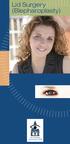 Lid Surgery (Blepharoplasty) Blepharoplasty Blepharoplasty surgery involves the removal or redistribution of eyelid tissue. These tissues include skin, muscle and fat, all of which undergo changes with
Corporate Medical Policy Reconstructive Eyelid Surgery and Brow Lift
 Corporate Medical Policy Reconstructive Eyelid Surgery and Brow Lift File Name: Origination: Last CAP Review: Next CAP Review: Last Review: reconstructive_eyelid_surgery_and_brow_lift 1/2000 9/2015 9/2016
Upper Eyelid Gold Weight Implantation in the Asian Patient with Facial Paralysis
 Upper Eyelid Gold Weight Implantation in the Asian Patient with Facial Paralysis Phillip H. Choo, M.D., Susan R. Carter, M.D., and Stuart R. Seiff, M.D. Sacramento and San Francisco, Calif. Patients with
Facial Sports Injuries
 Facial Sports Injuries Playing catch, shooting hoops, bicycling on a scenic path or just kicking around a soccer ball have more in common than you may think. On the up side, these activities are good exercise
Eyelid Surgery - Lower
 Eyelid Surgery - Lower Are your eyes still one of the most striking features on your face? Do they convey your actual emotions and inner vitality, or do they make you appear fatigued, sad, or older than
Open and Endoscopic Forehead Lift. Plastic Surgery. For All Brow and Forehead Lift Procedures. Revolutionizing. Soft-Tissue Fixation
 Plastic Surgery Open and Endoscopic Forehead Lift For All Brow and Forehead Lift Procedures Revolutionizing Soft-Tissue Fixation DESIGNED FOR SIMPLICITY AND PREDICTABILITY The versatile design can be applied
Pearls in Cosmetic Oculofacial Plastic Surgery
 Chapter 2 Pearls in Cosmetic Oculofacial Plastic Surgery Jonathan A. Hoenig 2 Core Messages Analyze the Face in Layers: Aging occurs in the skin, muscle, fat, and bony layers. The key for successful and
How To Improve Your Looks with Plastic Surgery
 How To Improve Your Looks with Plastic Surgery By Daniel Becker Plastic surgery is a special type of surgery that involves both a person's appearance and his or her ability to function. Plastic surgeons
Laser Procedure Note
 Laser Procedure Note Patient Name Date 1. Pre procedure diagnosis 2. Procedure and Eye Eye: 3. Pre procedure topical medications administered (and time) 4. Vital signs BP / HR Acuity OD: OS: 5. IOP: OD
Raising the suborbicularis oculi fat (SOOF): its role in chronic facial palsy
 Br J Ophthalmol 2;84:141 146 141 Raising the suborbicularis oculi fat (SOOF): its role in chronic facial palsy Jane M Olver Western Eye Hospital, Marylebone Road, London NW1 5YE and Eye Department, Charing
How To Harvest Fat From The Infratemporal Fossila
 Techniques in Cosmetic Surgery Harvesting Fat from the Infratemporal Fossa Bahman Guyuron, M.D., and Kevin Rose, M.D. Cleveland, Ohio As part of forehead rejuvenation and surgical treatment of migraine
INFORMED CONSENT BLEPHAROPLASTY SURGERY
 INFORMED CONSENT BLEPHAROPLASTY SURGERY INSTRUCTIONS This is informed-consent document which had been prepared to help your plastic surgeon inform you about blepharoplasty surgery, its risks, and alternative
Complications of Strabismus Surgery
 Complications of Strabismus Surgery Tjeerd de Faber, Martha Tjon Rutger van Ruyven Alexis Damanakis Ondercorrectie Overcorrectie Wat vind je erger? 1 DELLEN Corneal dellen are small areas of thinning associated
Ptosis. Patient Information - Adnexal
 Patient Information - Adnexal Ptosis What is ptosis? Ptosis is the medical name for the drooping of the upper eyelid, which can happen in one or both eyes. A low upper lid can interfere with vision by
Chapter 11. Everting skin edges
 Chapter 11 PRIMARY WOUND CLOSURE KEY FIGURE: Everting skin edges In primary wound closure, the skin edges of the wound are sutured together to close the defect. Whenever possible and practical, primary
TREATMENT 1. Control bleeding by applying pressure over wound with Gauze Pads (Surgical Supply-4). 2. Contact Surgeon for laceration repair options.
 Page 1 of 8 pages NOTE Contact Surgeon before giving any medication marked with an asterisk. In an emergency or during Loss of Signal, begin appropriate treatment; then call Surgeon as soon as possible.
Taking Out a Tooth. Before You Begin: Ask Questions! CHAPTER11
 159 CHAPTER11 Taking Out a Tooth Not every painful tooth needs to come out. You must decide how serious the problem is, and then decide if you can treat and save the tooth. Some problems such as root canal
Cheekbone (zygoma) and/or eye socket (orbit) fracture surgery
 Ambulatory Care & Local Networks Cheekbone (zygoma) and/or eye socket (orbit) fracture surgery Information for patients You have been treated in the Emergency Department for a broken (fractured) cheekbone
Minor Lid Surgery. Information for patients
 Minor Lid Surgery Information for patients This leaflet has been produced to give you information about the problems you have been having with your eyelid. If you have any questions or require further
Eye Injuries. The Eyes The eyes are sophisticated organs. They collect light and focus it on the back of the eye, allowing us to see.
 Eye Injuries Introduction The design of your face helps protect your eyes from injury. But injuries can still damage your eyes. Sometimes injuries are severe enough that you could lose your vision. Most
Cataracts. Cataract and Primary Eye Care Service...215-928-3041. Main Number...215-928-3000. Physician Referral...1-877-AT-WILLS 1-877-289-4557
 Main Number...215-928-3000 Physician Referral...1-877-AT-WILLS 1-877-289-4557 Emergency Service...215-503-8080 Cataract and Primary Eye Care Service...215-928-3041 Retina Service... 215-928-3300 Cataract
Thyroid eye disease (TED)
 Thyroid eye disease (TED) Mr David H Verity, MD MA FRCOphth Consultant Ophthalmic Surgeon Synonyms: Graves ophthalmopathy, thyroid ophthalmopathy, thyroid associated ophthalmopathy This information leaflet
Aestheticare Cosmetic Surgery Institute Dr. Ronald E. Moser 30260 Rancho Viejo Rd. San Juan Capistrano, CA 92675 (800) 662-1055
 Breast augmentation, or augmentation mammoplasty, is one of the most common plastic surgery procedures performed today. Over time, factors such as age, genetics, pregnancy, weight changes, sun exposure,
SHEEP EYE DISSECTION PROCEDURES
 SHEEP EYE DISSECTION PROCEDURES The anatomy of the human eye can be better shown and understood by the actual dissection of an eye. One eye of choice for dissection, that closely resembles the human eye,
Placement of Epidural Catheter for Pain Management Shane Bateman DVM, DVSc, DACVECC
 Placement of Epidural Catheter for Pain Management Shane Bateman DVM, DVSc, DACVECC Indications: Patients with severe abdominal or pelvic origin pain that is poorly responsive to other analgesic modalities.
Thyroid eye disease (TED) Synonyms: Graves ophthalmopathy, thyroid ophthalmopathy, thyroid associated ophthalmopathy
 Thyroid eye disease (TED) Synonyms: Graves ophthalmopathy, thyroid ophthalmopathy, thyroid associated ophthalmopathy This information leaflet briefly covers the following issues in TED: What is TED? When
St. Louis Eye Care Specialists, LLC Andrew N. Blatt, MD
 St. Louis Eye Care Specialists, LLC Andrew N. Blatt, MD 675 Old Ballas Rd. Suite 220 St. Louis, MO 63141 Phone:314-997-EYES Fax: 314-997-3911 Toll Free: 866-869-3937 STRABISMUS SURGERY (Post-Op Strabismus
ABDOMINOPLASTY - FREQUENTLY ASKED QUESTIONS (FAQs)
 Executive Level E1, Excen Centre, 119 Willoughby Road, Crows Nest 2065 Tel: 02 9817 7585 www.mycosmeticclinic.net AFFORDABILITY WITH EXCELLENCE Liposuction Breast Augmentation Abdominoplasty Eyelids Surgery
NIH Clinical Center Patient Education Materials Giving a subcutaneous injection
 NIH Clinical Center Patient Education Materials What is a subcutaenous injection? A subcutaneous injection is given in the fatty layer of tissue just under the skin. A subcutaneous injection into the fatty
Descemet s Stripping Endothelial Keratoplasty (DSEK)
 Descemet s Stripping Endothelial Keratoplasty (DSEK) Your doctor has decided that you will benefit from a corneal transplant operation. This handout will explain your options to you. It explains the differences
Upper blepharoplasty is one of the most common cosmetic. The Sigmoid Upper Eyelid Blepharoplasty: Redefining Beauty. John P. Fezza, M.D.
 SURGICAL TECHNIQUE The Sigmoid Upper Eyelid Blepharoplasty: Redefining Beauty John P. Fezza, M.D. * *Center for Sight, Sarasota; and Department of Ophthalmology, University of South Florida, Tampa, Florida,
ALTERNATIVES TO LASIK
 EYE PHYSICIANS OF NORTH HOUSTON 845 FM 1960 WEST, SUITE 101, Houston, TX 77090 Office: 281 893 1760 Fax: 281 893 4037 INFORMED CONSENT FOR LASER IN-SITU KERATOMILEUSIS (LASIK) INTRODUCTION This information
Institute of Ophthalmology. Thyroid Eye Disease. aka Thyroid Associated Ophthalmopathy
 Institute of Ophthalmology Thyroid Eye Disease aka Thyroid Associated Ophthalmopathy Causes TED/TAO is an eye disease associated with disease of the thyroid gland Most commonly, it occurs with an overactive
Michael A. Boss, M.D. FMH Plastic, Reconstructive und Aesthetic Surgery
 Michael A. Boss, M.D. FMH Plastic, Reconstructive und Aesthetic Surgery Boss Aesthetic Center Schauplatzgasse 23 CH-3011 Bern Switzerland +41 31 311 7691 www.aesthetic-center.com B r e a s t A u g m e
Surgical scissors and forceps Product List
 Surgical scissors and forceps Product List Sr. No Items Picture of Product Product specification 1 Grasping forceps-- 5 MM Grasping forceps are used to remove stones and retrieve foreign objects under
INFORMED CONSENT FOR LASER IN-SITU KERATOMILEUSIS (LASIK)
 Lasik Center 2445 Broadway Quincy, IL 62301 217-222-8800 INFORMED CONSENT FOR LASER IN-SITU KERATOMILEUSIS (LASIK) INTRODUCTION This information is being provided to you so that you can make an informed
2. This is not for Cataract Surgery, which has its own instruction sheet.
 OculoFacial Plastic, Reconstructive, & Cosmetic Post-Operative Instructions: 1. This sheet applies for OculoFacial Plastic which includes: a. Eyelid Surgeries b. Lacrimal (Tearing) Surgeries c. Orbital
IS BREAST AUGMENTATION RIGHT FOR YOU?
 IS BREAST AUGMENTATION RIGHT FOR YOU? (816) 286-4126 www.kansascitysurgicalarts.com For many women, having shapely, full breasts is an important part of feeling feminine. The breasts give the body proportion,
How To Remove An Eye From An Eye
 p r o c e d u r e s p r o O P H T H L M O L O G Y Sheryl G. Krohne, DVM, MS, Diplomate CVO, Purdue University Subconjunctival Enucleation Surgery in Dogs & Cats Enucleation surgery, a common procedure
Lateral Canthoplasty by the Micro-Mitek Anchor System: 10-Year Review of 96 Patients
 CRANIOMAXILLOFACIAL DEFORMITIES/COSMETIC SURGERY J Oral Maxillofac Surg 69:1745-1749, 2011 Lateral Canthoplasty by the Micro-Mitek Anchor System: 10-Year Review of 96 Patients Carmine Alfano, MD,* Stefano
Traumatic Primary Eyelid and Facial Laceration Repair. Riva Lee Asbell Philadelphia, PA
 Traumatic Primary Eyelid and Facial Laceration Repair Riva Lee Asbell Philadelphia, PA I INTRODUCTION I always have to work a little harder when coding for traumatic eyelid and facial repairs. There is
LASIK EPILASIK FEMTOSECOND LASER. Advantages
 LASIK EPILASIK FEMTOSECOND LASER Advantages There are many advantages to having laser vision correction. Laser vision correction gives most patients the freedom to enjoy their normal daily activities without
Lower eyelid retraction, secondary to middle lamellar cicatrix,
 SURGICAL TECHNIQUE En-Glove Lysis of Lower Eyelid Retractors With AlloDerm and Dermis-Fat Grafts in Lower Eyelid Retraction Surgery Heather S. Chang, M.D.*, Diana Lee, B.S.*, Mehryar Taban, M.D.*, Raymond
The Smooth Tuck Procedure
 The Smooth Tuck Procedure plastic surgery AN ALTERNATIVE APPROACH TO ABDOMINAL CONTOURING FOR THE OVERWEIGHT PATIENT atnt By Matthew R. Schulman, M.D. Body fat on an adult tends to increase gradually over
Eye Diseases. 1995-2014, The Patient Education Institute, Inc. www.x-plain.com otf30101 Last reviewed: 05/21/2014 1
 Eye Diseases Introduction Some eye problems are minor and fleeting. But some lead to a permanent loss of vision. There are many diseases that can affect the eyes. The symptoms of eye diseases vary widely,
Chapter 7. Expose the Injured Area
 Chapter 7 GUNSHOT WOUNDS KEY FIGURES: Entrance/exit wounds This chapter describes how to treat the external, surface wounds caused by a bullet. The evaluation for underlying injury related to gunshot wounds
Bankart Repair using the Smith & Nephew BIORAPTOR 2.9 Suture Anchor
 Shoulder Series Technique Guide *smith&nephew BIORAPTOR 2.9 Suture Anchor Bankart Repair using the Smith & Nephew BIORAPTOR 2.9 Suture Anchor Gary M. Gartsman, M.D. Introduction Arthroscopic studies of
Surgical Coding Errors & English 101. Riva Lee Asbell. Fort Lauderdale, FL
 Surgical Coding Errors & English 101 Riva Lee Asbell Fort Lauderdale, FL INTRODUCTION Many surgical coding mistakes result from misinterpretation of CPT (Current Procedural Terminology) wording. When the
Minimally Invasive Hip Replacement through the Direct Lateral Approach
 Surgical Technique INNOVATIONS IN MINIMALLY INVASIVE JOINT SURGERY Minimally Invasive Hip Replacement through the Direct Lateral Approach *smith&nephew Introduction Prosthetic replacement of the hip joint
Preparing to Suture. 6 th Annual Pediatric Advanced Practice Conference Tuesday, February 9, 2016 1:30 pm. Workshop B: Suturing for Beginners
 Preparing to Suture Kristen Devick, MPAS, PA-C University of Colorado Department of Emergency Medicine NONE! Skin Anatomy Trott, 2012, p.11 Preparing to suture Initial evaluation Hemostasis Anesthesia
Injecting Inside the Mouth
 Injecting Inside the Mouth 135 9 CHAPTER It is possible to treat a tooth without pain. You do this with an injection of local anesthetic. You must inject near the nerve, so to give good injections, you
TOWN CENTER ORTHOPAEDIC ASSOCIATES P.C. Labral Tears
 Labral Tears The shoulder is your body s most flexible joint. It is designed to let the arm move in almost any direction. But this flexibility has a price, making the joint prone to injury. The shoulder
Orthopaedic Spine Center. Anterior Cervical Discectomy and Fusion (ACDF) Normal Discs
 Orthopaedic Spine Center Graham Calvert MD James Woodall MD PhD Anterior Cervical Discectomy and Fusion (ACDF) Normal Discs The cervical spine consists of the bony vertebrae, discs, nerves and other structures.
LASIK What is LASIK? Am I a good candidate for LASIK? What happens before surgery? How is LASIK done?
 LASIK What is LASIK? Laser assisted in situ keratomileusis, or LASIK, is an outpatient surgical procedure used to treat myopia (nearsightedness), hyperopia (farsightedness), and astigmatism. With LASIK,
Breast Augmentation. If you are dissatisfied with your breast size, augmentation surgery is a choice to consider. Breast augmentation can:
 Breast Augmentation What is Breast Augmentation? Also known as augmentation mammaplasty, breast augmentation involves using implants to fulfill your desire for fuller breasts or to restore breast volume
41 Assisting with Minor Surgery
 Learning Outcomes 41.1 Define the medical assistant s role in minor surgical procedures. 41-2 CHAPTER 41 Assisting with Minor Surgery 41.2 Describe types of wounds and explain how they heal. 41.3 Describe
Integumentary System Individual Exercises
 Integumentary System Individual Exercises 1. A physician performs an incision and drainage of a subcutaneous abscess in his office for a particularly uncooperative established patient. How should this
Lesions, and Masses, and Tumors Oh My!!
 Lesions, and Masses, and Tumors Oh My!! Presented by: Susan Ward, CPC, CPC-H, CPC-I, CPCD, CEMC, CPRC 1 1 CPT GUIDELINES Agenda CPT DEFINITIONS OP REPORT CASES 2 Definitions Cyst - a closed sac having
Minimally Invasive Spine Surgery
 Chapter 1 Minimally Invasive Spine Surgery 1 H.M. Mayer Primum non nocere First do no harm In the long history of surgery it always has been a basic principle to restrict the iatrogenic trauma done to
Ophthalmology ROUNDS. The Complications of Blepharoplasty Surgery Part 1. Department of Ophthalmology and Vision Sciences
 JANUARY/FEBRUARY 2005 Volume 3, Issue 1 Ophthalmology ROUNDS AS PRESENTED IN THE ROUNDS OF THE DEPARTMENT OF OPHTHALMOLOGY AND VISION SCIENCES, FACULTY OF MEDICINE, UNIVERSITY OF TORONTO The Complications
Tucson Eye Care, PC. Informed Consent for Cataract Surgery And/Or Implantation of an Intraocular Lens
 Tucson Eye Care, PC Informed Consent for Cataract Surgery And/Or Implantation of an Intraocular Lens INTRODUCTION This information is provided so that you may make an informed decision about having eye
How To Know If You Can See Without Glasses Or Contact Lense After Lasik
 The LASIK experience I WHO CAN HAVE LASIK? To be eligible for LASIK you should be at least 21 years of age, have healthy eyes and be in good general health. Your vision should not have deteriorated significantly
Shoulder Arthroscopy
 Copyright 2011 American Academy of Orthopaedic Surgeons Shoulder Arthroscopy Arthroscopy is a procedure that orthopaedic surgeons use to inspect, diagnose, and repair problems inside a joint. The word
Information For Consent For Cataract Surgery
 Information For Consent For Cataract Surgery Your Ophthalmologist has diagnosed you with a visually significant cataract. The following handout will explain your condition and give you the information
Introduction A JP Drain is a soft tube and container used to drain fluids that build up under the skin after surgery.
 JP Drain Introduction A JP Drain is a soft tube and container used to drain fluids that build up under the skin after surgery. This reference summary explains what a JP Drain is and discusses how to take
ORIGINAL ARTICLE. Transconjunctival Lower Blepharoplasty. A Retrospective Comparison of Transposing Fat to the Subperiosteal vs Supraperiosteal Planes
 ORIGINAL ARTICLE Transconjunctival Lower Blepharoplasty With Fat Repositioning A Retrospective Comparison of Transposing Fat to the Subperiosteal vs Supraperiosteal Planes Donald B. Yoo, MD; Grace Lee
A separate consent form for the use of breast implants in conjunction with mastopexy is necessary.
 INFORMED CONSENT BREAST LIFT (MASTOPEXY) INSTRUCTIONS This is an informed consent document that has been prepared to help your plastic surgeon inform you about mastopexy surgery, its risks, and alternative
Pretarsal Fixation of Gold Weights in Facial Nerve Palsy
 Ophthalmic Plastic and Reconstructive Surgery 5(2): 104-109. 1989. 104 1989 Raven Press, Ltd., New York Pretarsal Fixation of Gold Weights in Facial Nerve Palsy Stuart R. Seiff, M.D., John H. Sullivan,
YALE UNIVERSITY SCHOOL OF MEDICINE: SECTION OF OTOLARYNGOLOGY PATIENT INFORMATION FUNCTIONAL ENDOSCOPIC SINUS SURGERY
 YALE UNIVERSITY SCHOOL OF MEDICINE: SECTION OF OTOLARYNGOLOGY PATIENT INFORMATION FUNCTIONAL ENDOSCOPIC SINUS SURGERY What is functional endoscopic sinus surgery (FESS)? Functional endoscopic sinus surgery
Arizona State University Institutional Animal Care and Use Committee STANDARD INSTITUTIONAL GUIDELINE RODENT SURGERY
 Arizona State University Institutional Animal Care and Use Committee STANDARD INSTITUTIONAL GUIDELINE RODENT SURGERY It is the policy of the IACUC that all survival surgeries involving rodents be conducted
X-Plain Trigeminal Neuralgia Reference Summary
 X-Plain Trigeminal Neuralgia Reference Summary Introduction Trigeminal neuralgia is a condition that affects about 40,000 patients in the US every year. Its treatment mostly involves the usage of oral
STANDARD OPERATING PROCEDURE #201 RODENT SURGERY
 STANDARD OPERATING PROCEDURE #201 RODENT SURGERY 1. PURPOSE The intent of this Standard Operating Procedure (SOP) is to describe procedures for survival rodent surgery. 2. RESPONSIBILITY Principal investigators
IntraLase and LASIK: Risks and Complications
 No surgery is without risks and possible complications and LASIK is no different in that respect. At Trusted LASIK Surgeons, we believe patients can minimize these risks by selecting a highly qualified
IACUC Policy on Survival Rodent Surgery
 IACUC Policy on Survival Rodent Surgery References: ILAR Guide for the Care and Use of Laboratory Animals: http://oacu.od.nih.gov/regs/guide/guide.pdf NIH OACU ARAC Guidelines: http://oacu.od.nih.gov/arac/documents/rodent_surgery.pdf
VARICOSE VEINS. Information Leaflet. Your Health. Our Priority. VTE Ambulatory Clinic Stepping Hill Hospital
 VARICOSE VEINS Information Leaflet Your Health. Our Priority. Page 2 of 7 Varicose Veins There are no accurate figures for the number of people with varicose veins. Some studies suggest that 3 in 100 people
To maintain a port of entry to venous flow when all available peripheral ports have failed.
 I. Purpose: To maintain a port of entry to venous flow when all available peripheral ports have failed. II. General Comments: Since its development, these catheters have been used with increasing frequency
How To Recover From A Surgical Wound From A Cast
 Care of Your Wounds After Amputation Surgery by Paddy Rossbach, RN Depending on the reason for your amputation and the state of your limb at the time of surgery, definitive closure of the wound may take
Chapter 30. Rotational deformity Buddy taping Reduction of metacarpal fracture
 Chapter 30 FINGER FRACTURES AND DISLOCATIONS KEY FIGURES: Rotational deformity Buddy taping Reduction of metacarpal fracture Because we use our hands for so many things, finger fractures and dislocations
Melbourne Children s Eye Clinic. Strabismus Surgery for Children
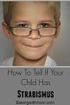 Melbourne Children s Eye Clinic Strabismus Surgery for Children Why operate on turned eyes? Surgery for turned eyes aims to improve the alignment of the eyes, that is, to make the eyes look straight. The
COW S EYE dissection. Dissecting a Cow s Eye Step-by-Step Instructions. Safety first!
 COW S EYE dissection Dissecting a Cow s Eye Step-by-Step Instructions One way to figure out how something works is to look inside it. To learn about how your eyes work, you can dissect, or take apart,
Dacryocystorhinostomy (DCR)
 Patient information Adnexal Dacryocystorhinostomy (DCR) Patient information about an operation to form a new tear drain between the eye and the nose when there has been a blockage What is dacryocystorhinostomy
Care for your child s Central Venous Catheter (CVC)
 Care for your child s Central Venous Catheter (CVC) This booklet is intended for general informational purposes only. You should consult your doctor for medical advice. Please call the clinic or your home
What are spider veins? What is the best treatment for spider veins?
 Laser Spider/Leg Vein Q & A What are spider veins? Millions of women and men are bothered by unsightly spider veins on their faces and legs. Spider veins or telangiectasias are those small red, blue and
How To Become A Surgical Technologist
 JOB DESCRIPTION: SURGICAL TECHNOLOGIST. The Standards and Guidelines for the Accreditation of Educational Programs in Surgical Technology have been approved by the Association of Surgical Technologists
Adult Forearm Fractures
 Adult Forearm Fractures Your forearm is made up of two bones, the radius and ulna. In most cases of adult forearm fractures, both bones are broken. Fractures of the forearm can occur near the wrist at
Sientra Silicone Gel Breast Implants Quick Facts About Breast Augmentation And Reconstruction
 Sientra Silicone Gel Breast Implants Quick Facts About Breast Augmentation And Reconstruction About This Brochure This brochure is intended to provide you with a high level overview of the facts about
VASECTOMY What is Vasectomy? How is the procedure performed? What is the no-scalpel method of doing vasectomy? When can I go back to work?
 VASECTOMY What is Vasectomy? Every man has a basic right to a vasectomy, a valuable medical procedure. Before you actually have a vasectomy, you should think about it carefully, because a vasectomy is
Abdominal Pedicle Flaps To The Hand And Forearm John C. Kelleher M.D., F.A.C.S.
 Abdominal Pedicle Flaps To The Hand And Forearm John C. Kelleher M.D., F.A.C.S. Global-HELP Publications Chapter Eight: TECHNICAL REQUIREMENTS FOR FORMATION OF A TUBED PEDICLE FLAP Creating a tube pedicle
a guide to understanding crouzon syndrome a publication of children s craniofacial association
 a guide to understanding crouzon syndrome a publication of children s craniofacial association a guide to understanding crouzon syndrome this parent s guide to Crouzon syndrome is designed to answer questions