
Home and Community Based Services (HCBS) Waiver Programs:
|
|
|
- Daniel Sparks
- 10 years ago
- Views:
Transcription
1 Home and Community Based Services (HCBS) Waiver Programs: A Manual for Consumers and Advocates in Southwestern PA July 2012 Pennsylvania Health Law Project

2 About PHLP The Pennsylvania Health Law Project is a 501(c)3 nonprofit organization. PHLP is a nationally recognized expert and consultant on access to health care for low-income consumers, the elderly, and persons with disabilities. PHLP engages in direct advocacy on behalf of individual consumers while working on the kinds of health policy changes that promise the most to the Pennsylvanians in greatest need. Pennsylvania Health Law Project Helpline: This publication is intended to provide general legal information, not legal advice. Each person s situation is different. If you have questions about how the law applies to your particular situation, please consult a lawyer or call the Helpline at

3 Table of Contents Introduction to Home Based Waiver Programs... 1 Background on HCBS Waiver Programs Eligibility... 6 Applying for Waiver Programs... 8 Accessing Waiver Services Can Family Members Be Paid Caregivers of a Waiver Recipient? 12 Specific Waiver Programs Available In Southwestern PA Aging Waiver... Living Independence For the Elderly LIFE) Attendant Care Community Services Program for People with Disabilities (OBRA, COMMCARE, and Independence Waivers) Autism Waiver... AIDS Waiver Person/Family Directed Support (PFDS) Waiver Consolidated Waiver Appeals Other State-Funded HCBS Programs.. 35 Long-Term Care Initiatives 37

4 Introduction to Home Based Waiver Programs Home and Community-Based Services (HCBS) Waiver Programs are available in Pennsylvania to provide supportive services to qualified individuals who wish to remain in their home and/or community rather than enter an institution (such as a nursing home or intermediate care facility). There are currently 10 programs available to adults in Pennsylvania. Some of these Waiver programs are currently closed to new applicants. The HCBS Waiver programs differ in terms of the population they serve, the number of people they can serve, the application process, the criteria that must be met in order to qualify, and the services provided. Because of all these differences, figuring out which program you qualify for, and which program may best meet your needs, can be overwhelming. PHLP receives numerous calls to our Helpline each year from individuals who are unaware of the Waiver programs but who may benefit from the services provided by a Waiver. Furthermore, individuals call us when they have questions about the Waivers or for assistance resolving a problem related to a Waiver program. This manual focuses on the Waiver programs currently available in Southwestern PA to adults with physical, sensory, and/or developmental disabilities; however, basic information about the various Waivers applies statewide. The intent of this manual is to help consumers, family members, providers, and advocates understand the various options available and help them navigate the system (from applying to the programs to actually accessing services under a Waiver). 1

5 Background on HCBS Waiver Programs What are HCBS Waiver Programs? These are programs that provide long-term care services and supports to individuals at risk for institutionalization but who want to remain living in their home and/or community. Waiver programs provide certain medical and non-medical services to individuals in their home or in another community-based setting in order to help them remain living independently in the community (which is the preference of most individuals). The services provided under the various programs are not typically covered under Medicare and/or Medical Assistance, especially on a long-term basis. Examples of Waiver services include: skilled nursing coverage, personal care assistance services, and home modifications. The services available differ depending on the Waiver program the person qualifies for and the service plan that is developed to address the individual s needs. Generally, individuals cannot receive services if they live in a Personal Care Home. There are certain exceptions which will be noted in the discussion of the individual Waiver programs starting on page 13. Individuals who qualify for a HCBS Waiver Program also receive full benefits through Medical Assistance (this is what PA calls its Medicaid program). Medical Assistance (MA) is public health care coverage for low-income families, older adults, and people with disabilities. In order to qualify, individuals must fit into a covered group (i.e., persons with a permanent disability or persons over 65 years old) and then meet the income and resource requirements of that group. Once they qualify, individuals get a certain package of medical benefits. MA covers certain medical services for children under 21 years old that are NOT covered for adults such as eyeglasses, hearing aids, and shift nursing. MA can be someone s only health insurance or their secondary insurance. 2

6 Background (Continued) Why are these programs called Waivers? The state Medical Assistance program must follow certain federal requirements. Waivers allow states to ask the Federal Government to waive (not apply) certain requirements that otherwise apply to the MA program. Under Federal rules, MA Programs must: Make Medical Assistance coverage available throughout the state; Follow the same eligibility rules and criteria statewide; and Offer certain benefit packages based on category of eligibility (benefit packages are the same across the state). A Waiver Program must show that it can serve the target population in the community for a lower cost than the same population can be served in an institutional setting. When states apply for Waiver programs, they ask the Federal Government to waive these requirements so that they can: Target a Waiver program to a particular area of the state where the need is greatest or to a certain group of people. Most of the Waivers currently available in PA are statewide, however, the LIFE program is only available in areas where there is a certified LIFE provider that covers a certain geographical area (see page 16 for more info). Waiver programs also target certain groups of people (such as people age 60 and older or people with certain diseases such as HIV/AIDS). Offer services through the Waiver programs that are not otherwise covered by MA. Waiver programs provide services such as personal assistance services (help with bathing, dressing, etc), skilled nursing services for adults, and home/environmental modifications. These services are not available to adult Medical Assistance recipients who do not qualify for a Waiver. Furthermore, not all Waiver recipients get the same services-an individualized plan is developed depending on the individual s needs and informal supports available. Offer certain services that are targeted to the population being served by that particular Waiver program. The different Waiver programs offer a distinct set of services designed to meet the needs of the population being served. For example, skilled nursing services are covered by some Waivers but not others. 3

7 Background (Continued) The following Waiver programs are available in Southwestern PA for adults with physical and developmental disabilities. This manual includes detailed information about these programs: Aging Waiver (PDA Waiver) AIDS Waiver Attendant Care Waiver Autism Waiver COMMCARE Waiver Independence Waiver OBRA Waiver LIFE Program Other Waivers that are available to adults in PA include two Waivers for adults with Intellectual Disabilities. This manual includes some basic information about these programs: Consolidated Waiver Person/Family Directed Support Waiver The manual will not discuss the Infants, Toddlers, and Families Waiver since it is not available to adults. This program is available to children under 3 years of age. Individuals interested in this program can find information on the Department of Public Welfare s website ( or by contacting

8 Background (Continued) Who can get a Waiver? As discussed in the following pages, there is general information that applies to all the Waiver Programs; however, each of the Waiver programs serves a different population and each program offers a different set of services. Some Waivers offer a limited set of services while others include a broad range of services. All of the Waivers have specific criteria individuals must meet in order to qualify. The specific information about each Waiver program begins on page 13. Important! Waiver services are NOT an entitlement. All programs have limited capacity and limited funding. There is no guaranteed entrance into a Waiver, even if someone meets all the eligibility criteria for a particular Waiver. Some programs have waiting lists. When Might Someone Need a Waiver? There are a number of circumstances under which someone may want to apply for a Waiver program. Here are just some examples: When someone turns 21 years old and no longer qualifies for coverage of skilled nursing services under Medical Assistance but still requires that level of care to remain living independently in the community. When someone s caregiver gets sick and is no longer able to provide all the care that person needs. When someone s health declines and they are no longer able to live independently without some supportive services. 5

9 Eligibility To be eligible for any Waiver program, individuals must meet functional criteria and financial criteria. Functional Eligibility In order to qualify for a particular Waiver program, individuals must meet certain level of care requirements specified by the individual program. Although the level of care requirements differ among the Waiver programs, individuals generally have to need the services of a Nursing Facility, Intermediate Care Facility for the Mentally Retarded (ICF/MR), or Intermediate Care Facility for Other Related Conditions (ICF/ORC) in order to qualify for a Waiver program. An assessment is completed to determine whether the person meets the level of care requirement. As part of this assessment, a doctor completes a physician certification form to certify the level of care the individual requires. Each Waiver program has additional functional criteria beyond the level of care requirement that someone must meet in order to qualify. These are specified in the description of each Waiver program beginning on page 13. Financial Criteria The following financial eligibility criteria are the same across all Waiver programs. Income: An applicant must have income below 300% of the federal benefit rate for SSI ($2,094/month for an individual applicant in 2012). Please note that only the individual applicant s income counts when determining financial eligibility (even if the person is married). Resources: Countable resources must be $8,000 or less. Spousal Impoverishment Rules apply which means that if an applicant is married, the resources of his or her spouse are considered. There is a calculation done to determine how much of the couple s resources are counted toward the Waiver applicant. If the Waiver applicant s portion of resources is less than $8,000, she is eligible. This is the same process used to determine resource eligibility for MA to cover nursing home care. 6

10 Eligibility (Continued) Determining Countable Income and Resources Unlike other categories of Medical Assistance, there are no disregards or deductions from income when determining eligibility for the Waiver. Certain resources are not counted when determining financial eligibility for a Waiver. Excluded resources include: the house that someone lives in, one car, irrevocable burial accounts, and life insurance that does not accumulate a cash value. Other information about Financial Eligibility There is a 5 year lookback period when counting resources to see if the person applying for a Waiver transferred resources for less than fair market value (FMV). For example, if someone owned a house valued at $100,000 and they sold it to their grandchild for $1, they transferred a resource for less than FMV. In situations where someone transfers resources for less than FMV, they may be ineligible for MA coverage (and for Waiver benefits) for a period of time depending on the amount of resources that were transferred for less than FMV. Estate Recovery in PA, the state can attempt to recover the costs of nursing home care, home and community-based services, and related hospital and prescription costs from an MA recipient s estate after they pass away. Please note that this only applies to individuals age 55 and older who receive long-term care services through a Waiver program or in a nursing home. It may not apply to everyone s situation. Before pursuing estate recovery, the state will consider: How much the estate is worth; Whether there are dependents still living in the recipient s house; and Whether someone qualifies for a hardship waiver. Individuals who have questions about financial eligibility, the lookback period, or estate recovery can call PHLP s Helpline at

11 Applying for Waiver Programs In general, individuals contact a specific agency to start the Waiver application process. The agency differs depending on which Waiver someone is trying to access (see pages for information about who to contact for each Waiver program). There are several steps in the Waiver application process: Determination that someone meets the level of care requirement and functional criteria: An in-person assessment is completed to determine whether someone meets the level of care requirement and other functional criteria. Sometimes, these are two different assessments done by two separate agencies. As part of the assessment process, the individual s physician completes paperwork to certify the level of care needed by the person applying for the Waiver program. Determination of financial eligibility: Once the above steps are completed and the person appears to meet the functional criteria and level of care requirement, then the application is sent to the County Assistance Office (CAO). The CAO reviews the person s income and resources to see if they qualify financially for the Waiver program. If a person is approved for the Waiver, then an individual service plan is created. The service plan outlines the types and frequency of services someone will receive under the Waiver program and how much the Waiver services will cost. See page 10 for more information. Please see page 33 for information about Appeals and what individuals can do when their application for a Waiver program has been denied. 8

12 Applying for Waiver Programs through Maximus As of December 2010, the Office of Long-Term Living began using an Independent Enrollment Broker (IEB) to handle the applications for a number of Waiver programs including the AIDS, Attendant Care, COMMCARE, Independence, and OBRA Waivers. The IEB in PA is Maximus. The goal for the IEB was to simplify and streamline the application process for consumers and to improve consistency across programs and counties. There have been a number of problems since the IEB started (delays, inappropriate denials). Although improvements have been made, accessing these programs often takes several months. Maximus is responsible for conducting the initial assessment to determine the person s functional criteria and help identify the most appropriate Waiver program for the individual applicant. They are then responsible for guiding the consumer through the remaining steps in the application process and for ensuring that all the necessary paperwork is received. Here s an overview of all the various steps involved in applying for a Waiver through Maximus: 1) Initial Assessment conducted by Maximus (this is supposed to be done within 7 days of the initial call) 2) Maximus obtains Physician Certification form from the applicant s treating doctor 3) Maximus requests a Level of Care Assessment (LOCA) be completed (usually this is done by the Area Agency on Aging) 4) If individual meets the functional criteria and level of care required, the application is forwarded to the County Assistance Office for a determination of financial eligibility 5) After the CAO approves, the case is sent to the Office of Long-Term Living for final approval. After OLTL has approved the individual for a Waiver, Maximus forwards the case to a Service Coordination entity chosen by the individual consumer to develop the Individual Service Plan (see the next page). Maximus can be reached by calling

13 Accessing Waiver Services After individuals have been determined eligible for a Waiver, a service plan (sometimes called a care plan) is developed and a budget is set in place. When developing a service plan, the Waiver recipient, along with family members and anyone else the consumer wants involved, meet with a Service Coordinator. Each Waiver program provides service coordination services. The Service Coordinator is supposed to provide information about all the services that are available through the Waiver as well as a listing of all the various providers of the different services. The consumer, along with all the parties involved in this meeting, determines what services will best meet his/her needs and how frequently he/she will receive those services. The consumer also has a choice of who will provide those services. This process is very important because the Waiver will not cover a service unless it is listed in the service plan. Also, once the service plan is developed, it is generally in place for a year and can be difficult to change. Individuals and their families need to carefully consider the services available, evaluate what services they need, and determine how frequently they need to receive those services to remain independent and safe in the community. Too often, PHLP hears from consumers and family members about problems with the service plan development process. Problems include not being told about the array of services available under the program and feeling pressured to not ask for as many services as truly needed. If the service coordinator does not tell individuals and families about all services available, they should request a list of services available under the particular Waiver program. Also, individuals should ask for the amount and frequency of services they believe are required to meet their needs and allow them to remain living in the community safely. If the Waiver program does not approve the service plan as requested, then the individual can go through the appeal process (see page 33). Individuals can contact PHLP for advice and assistance about these situations. Key Terms Service Plan: A document that includes all the services that an individual will be receiving through the Waiver program. It is based on the needs of the individual and must fit within the budget that is set in place. Service Coordinator: The person who will help the individual and the individual s family determine what services are available and which services are appropriate. 10

14 Accessing Waiver Services (Continued) After the service plan is developed, the Service Coordinator helps to make sure that the person is getting the services that have been approved. Also, the Service Coordinator can help identify other community resources available to help the consumer as needed. Individuals can contact their Service Coordinator when the services they are receiving are not meeting their needs or when a change is needed either to the services listed in the plan or to the provider of these services. More and more consumers want the freedom to hire, train, and supervise their own staff and to craft and manage their own staff schedules to ensure they receive the personal assistance services they need as well as certain other services. Many of the Waivers do allow for consumer or participant direction for certain services. Individuals who choose to receive services under the consumer directed model are then responsible for finding staff to fill the service plan hours as well as for supervising staff. Individuals then typically work with an agency to do payroll and other paperwork related to being an employer. Please see the discussion of each individual Waiver program (starting on page 13) for information about whether the program provides certain services through an agency model, a consumer model, or some combination of the two. 11

15 Can Family Members be Paid Caregivers of a Waiver Recipient? Some Waiver programs allow certain family members to be paid caregivers. This can be helpful in situations where it is the preference of the individual receiving Waiver services and/or because it is the preference of their family. Having family members be paid caregivers can help overcome some of the challenges people face finding qualified, reliable, and continuous caregivers due to workforce shortages or other issues such as living in a rural area or other area that is not easily accessible by public transportation. When professional caregivers are unavailable, relatives often have to fill in and provide the care necessary for their family member which may cause them to miss work or other activities and could impact their job security. If the family member can be paid for their services, it can help reduce the stress and the financial burdens of the situation. To be a paid caregiver under a Waiver program, the family member must be at least 18 years old and usually has to meet the same standards and training requirements as other paid caregivers. Generally, the state does not allow parents/step parents to be paid caregivers for their minor children (under 21 years old) nor can the spouse of someone on a Waiver be paid for the care they provide. Also, legal guardians, Powers of Attorney, and beneficiaries of life insurance policies are generally not allowed to be paid caregivers under these programs. The following Waiver programs allow certain family members to be paid caregivers for certain services. The services family members can be paid to provide differ from Waiver program to Waiver program. Further information about paid family caregivers can be found in the detailed information about the specific Waiver programs in the pages that follow and by contacting the agency that administers the particular Waiver. Aging (see page 13) Attendant Care (see page 18) OBRA (see page 21) COMMCARE (see page 23) Independence (see page 25) Person/family directed support (PFDS) (see page 31) Consolidated (see page 32) 12

16 Aging Waiver Program Details This Waiver Program offers older adults an alternative to institutional care by providing long-term care services to qualified Pennsylvanians age 60 and older living in their homes and/or communities. The PA Office of Long Term Living within the Department of Public Welfare) oversees this Waiver at the state level. It is administered at the local level by the county Area Agencies on Aging. Functional Eligibility Age 60 or older Be determined Nursing Facility Clinically Eligible (see below) An individual is considered Nursing Facility Clinically Eligible (NFCE) if he/she meets the following criteria: Has an illness, injury, disability or medical condition diagnosed by a physician, As a result of the diagnosis, the individual requires care and services above the level of room and board (of a nursing facility), A physician certifies that the individual is NFCE, and The care and services required are either skilled nursing or rehabilitation services as specified by the Medicare Program OR health-related care and services that may not be as inherently complex as skilled nursing or rehabilitation services but which are needed and provided on a regular basis in the context of a planned program of health care and management and were previously available only through institutional facilities. Therefore, individuals who, on a regular (but not necessarily daily) basis, have intermediate care needs (such as needing help with non-medical activities like bathing, dressing, transferring) OR skilled care needs (primarily medical in nature like skilled nursing, physical therapy, occupational therapy) can qualify as NFCE. Individuals who have been determined to not meet the NFCE standard can contact PHLP for assistance at

17 Aging Waiver (Continued) Services Available Accessibility Adaptations, Equipment, Technology, and Medical Supplies Adult Daily Living Services Community Transition Services (for people leaving an institution) Home Delivered Meals Home Health Services (Home Health Aides, Nursing, and Therapies such as Physical, Occupational and Speech) Personal Assistance Services (includes personal care, homemaker and companion services) Personal Emergency Response System Respite Care Telecare Therapeutic & Counseling Services Transportation (non-medical Payment to Family Member Family members (other than a spouse) may receive payment to provide Personal Assistance Services. See page 12 for more information about family members being paid caregivers under Waiver programs. Personal Assistance Services (help with eating, bathing, dressing, personal hygiene and other activities of daily living; also includes meal preparation, light housekeeping, health maintenance and routine wellness activities) can be received through: Consumer Directed Model, where the consumer (or their representative) hires, trains, schedules and supervises their own workers; or Agency Directed Model, where a provider agency takes on these activities for the consumer; or Combination of Consumer Directed and Agency Directed Model. *Individuals who choose the Consumer Directed Model get Financial Management Services to help with certain tasks of being an employer (i.e., payroll, tax paperwork). Services My Way is a service delivery option that provides an individual with greater flexibility, choice and control in the management of their Waiver services. Services My Way allows an individual or their representative to: Select and manage staff that perform Personal Assistance Services Manage flexible spending plan Purchase allowable goods and services through the spending plan *Individuals who are interested in this model should talk to their Service Coordinator. 14

18 Accessing the Aging Waiver Accessing the Program To apply for this program, individuals can contact the Office of Long Term Living Helpline at or the local Area Agency on Aging (AAA) in their county. Allegheny County AAA: (412) or Armstrong County AAA: (724) or Beaver County AAA: (724) Butler County AAA: (724) or 1 (888) Fayette, Greene, and Washington Counties (Southwestern PA AAA): Indiana County AAA: (724) or Lawrence County AAA (Challenges: Options in Aging): (724) Westmoreland County AAA: (724) or AAA staff will do an in-person assessment to determine whether an individual meets the functional criteria of the Waiver and meets the NFCE standard (see page 13). Service Coordinators help individuals eligible for the Waiver develop their service plan and access services. NOTE: Individuals who live in a Domiciliary Care Home can qualify for this Waiver. Depending on the county, there may be a waiting list for this Waiver. 15

19 Living Independence for the Elderly (LIFE) Program Program Details This is a managed care program that provides comprehensive health care and supportive services and is designed as an alternative to nursing facility care for persons in Allegheny, Beaver, Butler, Fayette, Greene, Lawrence, Washington, and Westmoreland Counties in Southwestern PA. Functional Eligibility Age 55 or older Meet Nursing Facility Clinically Eligible standard (see page 13) Live in an area serviced by a LIFE provider Be able to be safely served in the community Services Adult Day Health Services Audiology Services Dental Services Emergency Care End of Life Services Hospital and Nursing Facility Services In-Home Supportive Care Lab and X-ray Services Meals Medical Specialists Nursing Care Nursing & Medical Coverage 24 hrs/day Optometry Services and Eyeglasses Personal Care Pharmaceuticals Physical, Occupational, and Speech Therapy Primary Medical Care Recreational and Socialization Activities Social Services Specialized Medical Equipment and Supplies Transportation (medical and nonmedical) NOTE: Individuals in the LIFE program receive most of their services at an adult day health center or senior center (transportation is provided). This includes primary medical services. Because of this, individuals who wish to participate in the LIFE program may have to change their primary care doctor. Individuals who do not qualify financially for this program may be able to privately pay for LIFE program services. 16

20 LIFE Waiver (Continued) Accessing the Life Waiver Individuals interested in the LIFE Program should contact the program in their county. The individual program will explain the application process. Allegheny County: LIFE Pittsburgh (412) Community Life (412) Beaver County: LIFE Beaver (724) Butler County: LIFE Butler (724) Fayette County: Senior LIFE Washington (877) Greene County: Senior LIFE Washington (877) Lawrence County: LIFE Lawrence (724) Washington County: Senior LIFE Washington (877) Westmoreland County: Senior LIFE Johnstown (814) Community Life (412) Individuals can also get information about the LIFE program by calling the Office of Long- Term Living Helpline at

21 Attendant Care Waiver Program Details This Waiver Program provides services to eligible persons with physical disabilities in order to prevent institutionalization and allow them to remain as independent as possible. Functional Eligibility Ages Physical impairment lasting 12 months or more Mentally alert and capable of directing own care (selecting, supervising attendants & managing their own financial and legal affairs ) Meet Nursing Facility Clinically Eligible standard (see page 13) Individuals who are receiving services through this Waiver before their 60th birthday can choose to remain in this Waiver once they turn 60. They also have the option of moving to the Aging Waiver (see page 13) if that program better meets their needs. Services Personal Assistance Services Personal Emergency Response System Community Transition Services for individuals leaving an institution Payment to Family Member Family members (other than a spouse or parent/step-parent of minor child) may receive payment to provide Personal Assistance Services. See page 12 for more information about family members being paid caregivers under a Waiver. Personal Assistance Services can be received through the Consumer Directed Model, where the consumer hires, trains, schedules, and supervises their own attendants, or through the Agency Directed Model, where a provider agency takes on those activities for the consumer, or through a combination of the two models. Financial Management Services are available to individuals who choose the Consumer Directed Model to help with certain tasks related to being an employer. 18
22 Attendant Care Waiver (Continued) Services My Way is a service delivery option that provides an individual with greater flexibility, choice and control in the management of their Waiver services. Individuals who are interested in this model should talk to their Service Coordinator. Services My Way allows an individual or their representative to: Select and manage staff that perform Personal Assistance Services Manage flexible spending plan Purchase allowable goods and services through the spending plan Accessing the Program The Office of Long-Term Living oversees the Waiver at the state level and various agencies administer the Waiver at the local level. Individuals who are interested in this Waiver and want to apply should contact the Independent Enrollment Broker, Maximus at See page 9 for more info about the IEB and the waiver application process. Once approved, the individual s case is sent to the Service Coordination Agency of her choice for the development of the service plan. Individuals can also contact the Office of Long-Term Living Helpline at for information about the Attendant Care Waiver. 19
23 Community Services Program for People with Physical Disabilities (CSPPPD) CSPPPD Waivers There are three Waiver programs that fall under the Community Services Program for People with Disabilities (CSPPPD). These programs are: COMMCARE Waiver Independence Waiver OBRA Waiver Functional Eligibility There are certain common criteria that apply to all three programs. Each individual program then has additional criteria that someone has to meet in order to qualify for that particular program. These criteria apply to all three Waivers: Must have a physical disability, Traumatic Brain Injury, or other related condition. Other Related Condition includes physical, sensory or neurological disabilities that manifest before the age of 22 and are likely to continue indefinitely. Examples are: Cerebral Palsy, Spina Bifida, Spinal Cord Injury and Seizure Disorder. Must have substantial functional limitations in at least 3 of the following areas: Mobility Communication (understanding and use of language) Self Care Learning Self-direction Capacity for independent living The CSPPPD programs are administered by the Office of Long Term Living (OLTL) at the state level. Interested individuals should contact Maximus at See page 9 for more information about the application process through Maximus. 20
24 CSPPPD/OBRA Waiver Program Details This Waiver Program provides services to persons with developmental disabilities so that they can live in the community and remain as independent as possible (this includes relocating or diverting individuals from a nursing home to a community setting). Functional Eligibility In addition to the criteria listed on the previous page, the applicant must: Be 18 years or older; Be developmentally disabled; Have a disability that manifests itself before age 22; Have a disability that is likely to continue indefinitely ; Have a primary diagnosis that is not mental retardation or a major mental illness; and Meet the Intermediate Care Facility/Other Related Condition level of care (high need for habilitation services). Individuals already receiving services through the OBRA Waiver can remain in this Waiver program when they turn 60. However, if someone is 60 years old at the time he is applying for this waiver program, he will be referred to the Aging Waiver. Individuals living in Personal Care Homes (PCHs) are eligible for this Waiver as long as the Waiver services they receive do not duplicate services provided by a PCH or that are the responsibility of the PCH. Starting in January 2014, OBRA Waiver recipients cannot live in PCHs that are licensed for more than 8 residents. 21
25 CSPPPD/OBRA Waiver (Continued) Services Adult Day Health Services Accessibility Adaptations, Equipment, Technology and Medical Supplies Community Integration Community Transition Services (for individuals leaving institutions) Day Habilitation Services Home Health (Nursing, Home Health Aide, and Therapies-PT, OT, ST) Non-Medical Transportation Personal Assistance Services Personal Emergency Response System Prevocational Services Residential Habilitation Respite Services Supported Employment Services Therapeutic and Counseling Payment of Family Members Family members (other than a spouse or parent/step-parent of minor child) can be paid to provide Personal Assistance Services and/or Respite. In order for family members to be paid for providing respite services, the family member cannot live in the same household as the individual Waiver recipient. See page 12 for more information about family members being paid caregivers under Waiver programs. Personal Assistance Services and Respite Services can be received through: the Consumer Directed Model, where the consumer (or their representative) hires, trains, schedules and supervises someone to provide these services; through the Agency Directed Model, where a provider agency does those tasks for the consumer; or through a combination of the two models. Financial Management Services (FMS) are available to help individuals who choose the Consumer Directed Model with some of the tasks of being an employer (payroll, tax filing, etc). Interested individuals should contact Maximus (the IEB) at to apply (see page 9 for more information about the process). Once approved, the case is sent to a service coordination agency of the individual s choice to begin the development of the Individual Support Plan (ISP). *Please note: As of the date of publication, this Waiver is currently closed to new enrollments. 22
26 CSPPPD/COMMCARE Waiver Program Details This Waiver Program provides services in the community to eligible persons with a traumatic brain injury in order to prevent institutionalization and allow them to remain as independent as possible. Functional Eligibility In addition to the criteria listed on page 20, the individual must: Be 21 years old or older; Have a Traumatic Brain Injury (defined as a sudden insult or damage by an external force to the brain or its coverings, not of a degenerative, congenital, or post-operative nature, that is expected to last indefinitely and results in substantial functional limitations in 3 or more major life activities including behavior and cognitive capacity (judgment, memory and reasoning) in addition to those areas listed on page 20); and Require a Special Rehabilitation Facility (SRF) Level of Care. Special Rehabilitation Facility: a facility with residents more than 70% of whom have a neurological-muscular diagnosis and severe functional limitations. Individuals living in Personal Care Homes (PCHs) are eligible for this Waiver as long as the Waiver services they receive do not duplicate services provided by a PCH or that are the responsibility of the PCH. Starting in January 2014, OBRA Waiver recipients cannot live in PCHs that are licensed for more than 8 residents. 23
27 CSPPPD/COMMCARE Waiver (Continued) Services Accessibility Adaptations, Equipment, Technology, and Medical Supplies Adult Daily Living Community Integration Community Transition (for people leaving an institution) Day Habilitation Home Health (Nursing and Physical, Occupational, and Speech Therapies Non-medical Transportation Personal Assistance Services Personal Emergency Response System Prevocational Services Residential Habilitation Respite Care Supported Employment Structured Day Program Therapeutic and Counseling Payment of Family Members Family members (other than a spouse) may receive payment to provide personal care services. Family members who do not live in the consumer s household may be paid to provide respite services. See page 12 for more information about family members being paid caregivers under Waiver programs. Individuals interested in applying for the Commcare Waiver should contact Maximus at See page 9 for more information about this process. After the Office of Long- Term Living approves the individual for the Waiver, the case is sent to the service coordination agency the individual chose for the development of the ISP. *Please note: As of this publication, the COMMCARE Waiver is closed to new enrollments. 24
28 CSPPPD/Independence Waiver Program Details This Waiver Program provides services to eligible persons with physical disabilities in order to prevent institutionalization and allow them to remain as independent as possible. Functional Eligibility In addition to the criteria listed on page 20, the person must: Be 18 years old or older; Have a physical disability which is likely to continue indefinitely; Have a primary diagnosis that is not mental retardation or a major mental illness; and Meet Nursing Facility Clinically Eligible Level of Care (see page 13) Individuals who are already receiving services can remain in this Waiver program after they turn 60 years old. However, anyone applying for this Waiver at 60 years old or older will be referred to the Aging Waiver. Individuals interested in applying for this Waiver should contact Maximus at See page 9 for more information about this process. After the Office of Long-Term Living approves the individual for the Waiver, the case is sent to the service coordination agency the individual chose for the development of the ISP. 25
29 CSPPPD/Independence Waiver (Continued) Services Accessibility Adaptations, Equipment, Technology and Medical Supplies Adult Daily Living Community Integration Community Transition (for people leaving an institution) Home Health (Nursing and physical, occupational and speech therapies) Non-Medical Transportation Personal Assistance Services Personal Emergency Response System Respite Supported Employment Therapeutic and Counseling Payment to Family Member Family members (other than a spouse or parent/step-parent of a minor child) may receive payment to provide personal assistance service and respite services if the family member does not live in the consumer s household. See page 12 for more information about family members being paid caregivers. Personal Assistance Services and Respite Services can be received through the Consumer Directed Model, where the consumer hires, trains, schedules, and supervises someone to provide their personal assistance services and/or respite care, or through the Agency Directed Model, where a provider agency performs those tasks for the consumer, or through a combination of the two models. Individuals who choose the Consumer Directed Model can receive Financial Management Services to help some of the tasks of being an employer (payroll, tax filing, etc). 26
30 Autism Waiver Program Details This is Pennsylvania s newest Waiver program (approved in May 2008) and the first of its kind in the country! This program serves adults with Autism in order to help them remain living independently in the community. The Department of Public Welfare, Bureau of Autism Services administers this Waiver program. Functional Eligibility Age 21 and older; Diagnosis of Autism Spectrum Disorder (such as Childhood Disintegrative Disorder, Pervasive Developmental Disorder-Not Otherwise Specified (PDD-NOS), Rett Disorder, as determined by a licensed psychologist or physician); and Have significant functional limitations in daily living skills that began before 22 years of age and that are likely to continue indefinitely such as communication, learning, mobility, or capacity for independent living (meet ICF level of care). The individual s IQ is not considered when determining eligibility for this Waiver! This program is funded to serve up to 300 individuals across the state and Waiver slots are allocated on a regional basis. Priority for this Waiver is given to individuals who are not currently receiving any ongoing long-term care services through another Waiver and who are not residing in an ICF/MR or ICF/ORC, State MR Center, State MH Hospital, or Nursing Home. 27
31 Autism Waiver (Continued) Services Assistive Technology Behavioral Specialist Community Inclusion Community Transition Day Habilitation Environmental Modifications Family Counseling Family Training Job Assessment & Finding Nutritional Consultation Residential Habilitation Respite Supported Employment Temporary Crisis Services Therapies (Counseling, Occupational, Speech and Language) Transitional Work Services Providers of these services are required to complete an Autism-specific training program approved by the Bureau of Autism Services. The participant will choose a supports coordination agency to help the individual develop his/her Individual Support Plan (ISP). The Bureau of Autism Services reviews and approves the ISP before services can begin. Currently, this Waiver only offers agency-managed services; however, DPW plans to add participant-directed services at a later date. 28
32 Autism Waiver (Continued) Accessing the Program Individuals interested in applying for this program must call the Bureau of Autism Services (BAS) at to request an application. The caller must leave a message with basic information about the caller and about the person needing services (name of person who wants to apply daytime phone, address, county, and name and contact information of caller if different from the applicant). BAS will do a follow-up call to determine whether the individual meets basic eligibility requirements (like age, diagnosis). BAS will also check their system to see if the individual is receiving any state or federally-funded long-term care services. If the person appears to be eligible for this Waiver program, BAS will send a Priority Status letter followed by an application. Applications will be sent out depending on someone s priority group and the date of the initial call to BAS. Requests for applications are processed in the order they are received. Priority 1 Group: Adults with Autism Spectrum Disorder NOT currently receiving any ongoing long-term care services Priority 2 Group: Adults with Autism Spectrum Disorder who are currently receiving other ongoing long-term care services. Applications are sent and eligibility is determined as Waiver capacity allows. The application process includes a level of care assessment as long as slots are available. If all the Waiver slots in a region are filled, individuals requesting services will be placed on a waiting list. 29
33 AIDS Waiver Program Details This Waiver Program provides services that are not otherwise paid for under the Medicaid program to eligible persons with AIDS or Symptomatic HIV Disease as an alternative to hospitalization or institutionalization. Functional Eligibility Age 21 and older Diagnosis of Symptomatic HIV/AIDS Require hospital, skilled nursing, or intermediate care facility level of care Determined to benefit from medically necessary Waiver services Services Home health aide visits Homemaker services Nutritional Consultation Specialized Medical Equipment and Supplies (such as disposable eye shields, disposable gowns, sterile and non-sterile gloves, disposable masks, and rental of Enteral Nutritional Infusion Pump) Skilled Nursing visits Transitional services (for people leaving institutions) This Waiver is administered by the Office of Long-Term Living. Individuals interested in applying for this Waiver can contact Maximus at or their AIDS case manager. See page 9 for more information about the application process through Maximus. 30
34 Person/Family Directed Support (PFDS) Waiver Program Details This Waiver Program provides services to eligible persons with intellectual disabilities (formerly referred to as mental retardation) so that they can remain living as independently as possible in their homes and communities. Functional Eligibility Age 3 and older Mental retardation diagnosis Does not require Office of Mental Retardation licensed community residential services Requires active treatment Be recommended for ICF/MR level of care based on medical evaluation Services Assistive Technology Licensed Day Habilitation Home accessibility adaptations Home and Community Habilitation* (unlicensed) Homemaker/Chore services Prevocational services Education Support Services Behavioral Supports Respite care * Supported Employment* Therapy Services (PT, OT, speech/language, visual/mobility and behavioral) Transitional work services Transportation* Nursing Services Companion Specialize Supplies Vehicle accessibility adaptations *These services can be provided by certain family members. See page 12 for more information about family members being paid caregivers under Waiver programs. This Waiver also allows for participant direction of services and provides supports broker services for those that choose this option. *Please note: This Waiver has an individual budget cap of $30,000 per year. This means that the cost of all of the services provided to an individual during the year cannot exceed this cap (individual budgets are determined based on need). Slots are given to each county and people are placed on a waiting list if no slot is available. This Waiver Program is administered by the Department of Public Welfare s Office of Developmental Programs. County MH/MR Offices conduct the eligibility determinations and provide service coordination. Individuals interested in applying should contact the Intellectual Disabilities Customer Service Line at
35 Consolidated Waiver Program Details This Waiver Program provides services to eligible persons with intellectual disabilities (formerly referred to as mental retardation) so that they can remain in the community. This Waiver is similar to the PFDS Waiver with some important exceptions which are noted below. Functional Eligibility Individuals must meet the same criteria for this Waiver as for the PFDS Waiver except that the person can require Office of Mental Retardation licensed community residential services. Services The Consolidated Waiver includes all the services available under the PFDS Waiver on the previous page plus Residential Habilitation. Payment to family Members Family members can provide services under the Consolidated Waiver just as they can for the PFDS Waiver (see the previous page) with the exception of Education Support Services. The Consolidated Waiver also allows participant direction of certain services and provides Support Broker Services for individuals who choose this option. *Please note: Unlike the PFDS Waiver, this Waiver program does not have an upper limit on an individual s budget. For this reason, it is harder to access than the PFDS Waiver and there is a long waiting list with tiers of priority. This Waiver Program is administered by the Department of Public Welfare s Office of Developmental Programs. County MH/MR Offices conduct the eligibility determinations and provide service coordination. Individuals interested in applying should contact the Intellectual Disabilities Customer Service Line at
36 Appeals Individuals have the right to appeal when any of the following occur The initial application is denied either based on the functional criteria or the financial criteria; The Waiver is terminated; Waiver services are denied, reduced or changed; Individuals are not given a choice of providers or denied the provider of their choice for Waiver services; Individuals are not given the choice between institutional care and Home and Community Based Services; or There is a delay on the part of the state, or the agency that administers the Waiver on the local level, either in implementing the Waiver after it is initially approved or after a change is requested by the consumer. All appeals filed regarding Waiver services are heard through the DPW Fair Hearing process. Individuals should receive notice when they are denied eligibility or before their Waiver services are denied, terminated, reduced or changed. This notice should include information about appeal rights and instructions for filing an appeal. Generally, appeal requests need to be made in writing and individuals must appeal within 30 days of the date of the notice. Individuals receiving Waiver services that are being terminated, reduced or changed must appeal within 10 days of the date of notice about the change in order to keep their current benefits while going through the appeal process. If possible, individuals should send their appeal request via certified mail, return receipt requested, or some other way where they have proof of the mailing date should there be a problem. Individuals should also keep a copy of their appeal request. In some cases, individuals will not receive a notice informing them of their appeal rights and instructions for filing an appeal even though they have a right to an appeal (such as when there is a delay in implementing the Waiver). In these cases, individuals can call PHLP s HELPLINE for assistance at
37 Appeals (Continued) After an appeal is filed, the person will be scheduled for a DPW Fair Hearing either in person or by phone depending on the individual s preference noted on the appeal request. During the Fair Hearing, an Administrative Law Judge will review the case and will later issue a decision to uphold or to overturn the decision being appealed. If the ALJ upholds the original decision being appealed, an individual can request Reconsideration from the Secretary of the Department of Public Welfare. If he/she is unsuccessful at that level, he/she can appeal to Commonwealth Court. If you would like advice and/or assistance with a Waiver appeal, please contact PHLP s HELPLINE at Case Example: PHLP represented a 19-year-old woman with tuberous sclerosis (a rare genetic disease that causes tumors to grow in the brain and on other vital organs) who was denied the Independence Waiver on the basis that she had a primary diagnosis of MR. This individual and her family were seeking services through the Independence Waiver to get support services to allow her to remain living with her family in their home. Her symptoms were particularly severe and included uncontrollable seizures, kidney failure, chronic hip problems, and cognitive impairments; however, with appropriate medical care and supports in the home she enjoyed and benefited from a loving and caring relationship with her mother and father. PHLP advised the client and her family to file an immediate appeal challenging the denial. PHLP submitted additional medical information to the state to provide clear evidence that tuberous sclerosis was her primary diagnosis. The Office of Long-Term Living reversed its denial of services, and admitted this client into the Independence Waiver program which then provided the support services she needed to continue living at her home with her family. 34
38 Other State-Funded HCBS Programs Individuals who are not eligible for a HCBS Waiver Program may be able to get non-medical support services in their home through one of the following programs. Act 150 Act 150 provides the same type and amount of services as the Attendant Care Waiver, but it is not funded through Medical Assistance. As a result, some of the eligibility provisions that apply to the Attendant Care Waiver Program do not apply to the Act 150 Program. Under the Act 150 Program, there is: No resource limit No income limit (however, individuals with income above 125% of the federal poverty level pay for part of their services on a sliding scale). No estate recovery No assessment to determine whether someone meets the Nursing Facility Clinically Eligible standard Services Personal Assistance Services (i.e., bathing, dressing cleaning, meal preparation, shopping) Supports Coordination Personal Emergency Response System Accessing Services For Act 150 services, individuals should contact Maximus at * Please note: There is currently a waiting list for Act 150 services. 35
39 Other State-Funded HCBS Programs (Continued) OPTIONS PA operates a program called OPTIONS that provides some of the same services as the Aging Waiver but is not funded through Medical Assistance. As a result, some of the eligibility provisions required by Medical Assistance do not apply. OPTIONS is available for persons over 60 who do not qualify for the Aging Waiver. Under the OPTIONS Program, there are no income or resource limits; however, individuals with income above 125% of the federal poverty level may have to pay part of the cost of their services. Many of the services that are available under the Aging Waiver are available under the OPTIONS program. There is no assessment needed to determine whether someone meets the Nursing Facility Clinically Eligible standard. Unlike the Aging Waiver, OPTIONS services can be provided to persons living in a nursing home or a Personal Care Home. Individuals who are interested in OPTIONS services should contact their local Area Agency on Aging: Allegheny County AAA: (412) or Armstrong County AAA: (724) or Beaver County AAA: (724) Butler County AAA: (724) or 1 (888) Fayette, Greene, and Washington Counties (Southwestern PA AAA): Indiana County AAA: (724) or Lawrence County AAA (Challenges: Options in Aging): (724) Westmoreland County AAA: (724) or *Please note: some Counties do have waiting lists for these services. 36
40 Long-Term Care Initiatives In the State s efforts to offer Home and Community Based Services as an alternative to institutional care, there are two programs that help people who are already living in a nursing home or other type of institution but who want to return to the community and receive supportive services in their home. These programs are described below and are aimed at providing consumers a choice of where they live and receive support services, as well as helping to eliminate some of the barriers consumers face when trying to access the HCBS Waiver programs. Nursing Home Transition This program helps individuals currently living in a Nursing Home to leave the facility and receive services in their home or other community-based setting. Nursing Home Transition Coordinators target individuals who have been in nursing homes for a short time (3 months or less) to educate them about their alternatives to nursing home care. Individuals who qualify for the Aging, Attendant Care, OBRA, COMMCARE, and Independence Waivers can leave the nursing home and receive services in their home or a community-based setting through one of these Waiver programs. The nursing home transition program helps individuals with the Waiver application process as well as funding to help with set-up expenses (such as moving, security deposits, getting furniture for their home). Money Follows the Person This program helps individuals who have lived in certain institutional settings for six months or longer return to the community and receive their services and supports in a home or community-based setting. Under this initiative, the state gets additional monies from the federal government to fund several of the HCBS Waiver programs for 12 months after the qualified person transitions out of the institution and back to the community. 37
41 Long Term Initiatives (Continued) Eligibility be residing in a nursing facility, an Intermediate Care Facility for the Mentally Retarded (ICF/MR), or a state hospital for at least six months; be receiving Medical Assistance benefits for at least 30 days prior to their discharge from the institution; be transitioning to a qualified residence that is: o a home owned or leased by the participant or her family member; o an apartment with an individual lease; or o a community-based residential setting (i.e., group home) with four or fewer unrelated people living there. be eligible for services under one of the following Waiver programs: Aging, Consolidated, Attendant Care, OBRA, COMMCARE, or Independence. Individuals can get more information about the Nursing Home Transition Program and Money Follows the Person by contacting the Office of Long Term Living Helpline at or by going to their website at 38
42 Conclusion The Pennsylvania Health Law Project provides free legal services and assistance to consumers in Southwestern PA and throughout the state needing to access home and community based services through HCBS Waiver and statefunded programs. If you need further information about HCBS Waiver Programs or assistance in applying for services or receiving services once you ve been approved, please call us on our toll-free Helpline at Additional information about HCBS Waiver Programs can be found on our website at 39
HOME AND COMMUNITY BASED SERVICES (HCBS) WAIVER PROGRAMS:
 HOME AND COMMUNITY BASED SERVICES (HCBS) WAIVER PROGRAMS: A Manual for Consumers and Advocates in Southwestern PA Copyright May 2009 Pennsylvania Health Law Project Helpline: 1-800-274-3258 and 1-866-236-6310
Testimony on the Department of Human Services. Overview of Services Provided to Individuals with Disabilities. Kevin Hancock
 Testimony on the Department of Human Services Overview of Services Provided to Individuals with Disabilities Kevin Hancock Chief of Staff of the Office of Long Term Living Steve Suroviec Deputy Secretary
J. PATRICK HACKNEY ALABAMA DISABILITIES ADVOCACY PROGRAM
 J. PATRICK HACKNEY ALABAMA DISABILITIES ADVOCACY PROGRAM WHAT IS MEDICAID? Medicaid is a joint state/federal program that provides medical assistance for certain individuals and families with low income
Why Medical Assistance? Will my child qualify?
 Getting Medical Assistance for a Child (under 18) with a Severe Disability, Behavioral or Autism Spectrum Disorder under the PH-95 Category ( loophole ) Why Medical Assistance? Medical Assistance has the
MAWD or Marketplace?
 MAWD or Marketplace? What Pennsylvanians with Disabilities Need to Know About Choosing Health Insurance Coverage Summary Choosing health insurance coverage that best meets one s needs is important, especially
Brain Injury Association of New Jersey
 Brain Injury Association of New Jersey 825 Georges Road, 2nd Floor North Brunswick, NJ 08902 Phone: 732-745-0200 Helpline: 1-800-669-4323 Website: www.bianj.org E-mail: [email protected] SOURCES OF FUNDING
ASSISTIVE TECHNOLOGY: HOW TO PAY FOR THE DEVICE OR SERVICE THAT YOU NEED
 ASSISTIVE TECHNOLOGY: HOW TO PAY FOR THE DEVICE OR SERVICE THAT YOU NEED COMMUNICATION HEARING MOBILITY LEARNING VISION Prepared by: Disability Rights Network of Pennsylvania www.drnpa.org 1414 N. Cameron
HOME & COMMUNITY BASED SERVICES AND THE MEDICAID WAIVERS IN CONNECTICUT
 HOME & COMMUNITY BASED SERVICES AND THE MEDICAID WAIVERS IN CONNECTICUT Presented by: Christina Crain, Director of Programs, SWCAA In Partnership with The Aging & Disability Resource Center Collaborative
6. HOME AND COMMUNITY-BASED SERVICE
 6. HOME AND COMMUNITY-BASED SERVICE For help call your ADRC/AAA toll-free at 1-877-222-3737. 83 For help call your ADRC/AAA toll-free at 1-877-222-3737. 84 6. Home & Community-Based Services The goal of
130 CMR: DIVISION OF MEDICAL ASSISTANCE MASSHEALTH COVERAGE TYPES TABLE OF CONTENTS
 Page 519.000 TABLE OF CONTENTS Section 519.001: Introduction 519.002: MassHealth Standard 519.003: Pickle Amendment Cases 519.004: Disabled Adult Children 519.005: Community Residents 65 Years of Age and
STATE AGENCY WAIVER PROGRAMS: COMMUNITY LONG TERM CARE. Jocelin Dawson, SCDHHS Lori Manos, SCDDSN Susan Bolt, SCDHHS
 STATE AGENCY WAIVER PROGRAMS: COMMUNITY LONG TERM CARE Jocelin Dawson, SCDHHS Lori Manos, SCDDSN Susan Bolt, SCDHHS Presentation is current as of November 26, 2013 UPDATES ON MEDICAID LONG TERM CARE PROGRAMS
ASSISTIVE TECHNOLOGY FOR PERSONS WITH DISABILITIES: AN OVERVIEW
 ASSISTIVE TECHNOLOGY FOR PERSONS WITH DISABILITIES: AN OVERVIEW Figure 1: Man in manual wheelchair going up ramp to building. Prepared by: Disability Rights Network of Pennsylvania www.drnpa.org 1414 N.
130 CMR: DIVISION OF MEDICAL ASSISTANCE
 130 CMR 519.000: MASSHEALTH: COVERAGE TYPES Section 519.001: Introduction 519.002: MassHealth Standard 519.003: Pickle Amendment Cases 519.004: Disabled Adult Children 519.005: Community Residents 65 Years
Clarification of Medicaid Coverage of Services to Children with Autism
 DEPARTMENT OF HEALTH & HUMAN SERVICES Centers for Medicare & Medicaid Services 7500 Security Boulevard, Mail Stop S2-26-12 Baltimore, Maryland 21244-1850 CMCS Informational Bulletin DATE: July 7, 2014
Questions and Answers about Medicaid for Those Receiving Long-Term Care in Idaho
 Questions and Answers about Medicaid for Those Receiving Long-Term Care in Idaho Question 1: What is Medicaid? Answer: Medicaid is a government program that pays for medical services, including long-term
Florida Medicaid and Implementation of SB 2654
 Florida Medicaid and Implementation of SB 2654 Shachi Mankodi Counsel to the Chief of Staff Florida Agency for Health Care Administration Autism Compact Presentation September 18, 2008 Overview What is
DELAWARE HEALTH AND SOCIAL SERVICES DIVISION OF MEDICAID & MEDICAL ASSISTANCE Long Term Care Medicaid www.dhss.delaware.
 DELAWARE HEALTH AND SOCIAL SERVICES DIVISION OF MEDICAID & MEDICAL ASSISTANCE Long Term Care Medicaid www.dhss.delaware.gov/dhss/dmma/ Form 480 (Rev. 1/2012) Document #350701-02-02-05 As life s circumstances
QUESTIONS AND ANSWERS ON THE COPES PROGRAM
 QUESTIONS AND ANSWERS ON THE COPES PROGRAM COLUMBIA LEGAL SERVICES OCTOBER 2015 THIS PAMPHLET IS ACCURATE AS OF ITS DATE OF REVISION. THE RULES CHANGE FREQUENTLY. 1. What is COPES? COPES is a Home and
Office of Long-Term Living Waiver Programs - Service Descriptions
 Office of Long-Term Living Waiver Programs - Descriptions *The service descriptions below do not represent the comprehensive Definition as listed in each of the Waivers. Please refer to the appropriate
RULES AND REGULATIONS DEPARTMENT OF HEALTH DIVISION OF DEVELOPMENTAL DISABILITIES CHAPTER 1
 RULES AND REGULATIONS DEPARTMENT OF HEALTH DIVISION OF DEVELOPMENTAL DISABILITIES CHAPTER 1 Rules For Individually-selected Service Coordination Section 1. Authority. The Department of Health, through
Office of Developmental Programs - Service Descriptions
 1 Office of Developmental Programs - Descriptions *The service descriptions below do not represent the comprehensive Definition as listed in each of the Waivers. Please refer to the appropriate Waiver
Medicaid Home- and Community-Based Waiver Programs
 INFORMATION BRIEF Research Department Minnesota House of Representatives 600 State Office Building St. Paul, MN 55155 Danyell Punelli, Legislative Analyst 651-296-5058 Updated: November 2013 Medicaid Home-
IMPORTANT CONTACTS MEDICAID INCOME AND ASSET RULES FOR NURSING HOME RESIDENTS. As of July 1, 2015
 IMPORTANT CONTACTS For legal advice and counseling regarding the Medicaid Income and Asset Rules for Nursing Home Residents, contact the Lawyer Referral Service of the New Hampshire Bar Association at
ASSISTIVE TECHNOLOGY FOR PERSONS WITH BRAIN INJURY. Assistive technology is a device or service that can help you to be more
 Disability Rights Network of Pennsylvania 1414 N. Cameron Street Second Floor Harrisburg, PA 17103-1049 (800) 692-7443 (Voice) (877) 375-7139 (TDD) www.drnpa.org ASSISTIVE TECHNOLOGY FOR PERSONS WITH BRAIN
Identifying the Scopes of Services for People with Disabilities in Travis County Executive Summary
 Identifying the Scopes of Services for People with Disabilities in Travis County Executive Summary By Louise Bonneau, Jennifer Gordon, Ann Roth, and Ted Wilson The University of Texas at Austin, School
Habilitative Services Senate Bill 701
 Habilitative Services Senate Bill 701 Who? The IFSP or IEP team must present the information to the family. When? Transition from ITP to preschool special education Initial IEP At least annually Upon the
and the uninsured June 2005 Medicaid: An Overview of Spending on Mandatory vs. Optional Populations and Services
 I S S U E kaiser commission on medicaid and the uninsured June 2005 P A P E R Medicaid: An Overview of Spending on vs. Optional Populations and Services Medicaid is a federal-state program that provides
Answers to questions that many parents ask about how the CAH program works. Helpful advice from other parents who have children in the CAH programs
 Preface Care at Home: A Handbook for Parents is a guide that is intended to help parents/guardians meet some of the challenges of caring for a physically disabled child at home. It includes information
A BRIEF SUMMARY OF WHAT YOU NEED TO KNOW ABOUT THE ARIZONA LONG TERM CARE SYSTEM (ALTCS)
 Law Offices of CHESTER B. MCLAUGHLIN, P.C. CHESTER B. MCLAUGHLIN 127 N. MARINA STREET PRESCOTT, ARIZONA 86301 PHONE 928-443-9934 FAX 928-443-9938 www.azelderlaw.com A BRIEF SUMMARY OF WHAT YOU NEED TO
Long Term Service and Supports (LTSS) Program Overview
 Long Term Service and Supports (LTSS) Program Overview Eligibility Meridian Health Plan does not determine your eligibility into the Waiver or Nursing Home programs. Eligibility determination is under
NEW HAMPSHIRE ADULT ASSISTANCE PROGRAMS
 NEW HAMPSHIRE ADULT ASSISTANCE PROGRAMS The State of New Hampshire provides cash and medical benefits for adults with disabilities. These benefit programs are operated by the New Hampshire Department of
Introduction to One Care. MassHealth plus Medicare. www.mass.gov/masshealth/onecare
 Introduction to One Care MassHealth plus Medicare www.mass.gov/masshealth/onecare Overview of One Care Starting in fall 2013, MassHealth and Medicare will join together with health plans in Massachusetts
Arkansas Department of Human Services. Your Guide To Medicaid Estate Recovery In Arkansas
 Arkansas Department of Human Services Your Guide To Medicaid Estate Recovery In Arkansas Table of Contents What is Estate Recovery? 3 Who does it affect? 4 What is a HCBS Waiver Program? 4 What is an estate?
DEPARTMENT OF HUMAN SERVICES DIVISION OF DEVELOPMENTAL DISABILITIES
 DIVISION CIRCULAR #3 (N.J.A.C. 10:46) DEPARTMENT OF HUMAN SERVICES DIVISION OF DEVELOPMENTAL DISABILITIES EFFECTIVE DATE: January 22, 2013 DATE ISSUED: January 22, 2013 (Rescinds Division Circular #3,
Parents Guide to Habilitative Services
 Parents Guide to Habilitative Services 2013 PARENTS GUIDE TO HABILITATIVE SERVICES What are habilitative services? Habilitative services are therapeutic services that are provided to children with genetic
Division of Member Services
 2014 Division of Member Services Table of Contents This booklet provides a brief overview of the Arizona Health Care Cost Containment System (AHCCCS); Arizona s Medicaid Agency and State Children s Health
PASSPORT & Other Home Care Alternatives
 Helping Older Persons With Legal & Long-Term Care Problems PASSPORT & Other Home Care Alternatives 1. What Is The PASSPORT Program? PASSPORT stands for Pre-Admission Screening Providing Options and Resources
Medicaid Nursing Home Information
 Medicaid Nursing Home Information January 2015 This pamphlet tells you about Medicaid rules for: Utah Nursing Homes. Intermediate Care Facilities for people with Intellectual Disabilities (ICF/ID) This
Charting the System for Persons with Autism Spectrum Disorder. Page 1
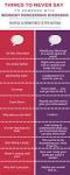 EI Early Intervention Families with eligible children receive an Individualized Family Service Plan (IFSP), which lists the s and supports that are needed for the child to achieve his/her outcomes. Services
Texas Medicaid Waivers
 WHICH WAIVER DOES WHAT An unofficial, quick reference quide to the Texas Medicaid Waivers Introduction Since early 2006, Imagine Enterprises has provided training about self-determination and the Medicaid
Long Term Service and Supports (LTSS)
 Long Term Service and Supports (LTSS) Long Term Service and Supports (LTSS) Program Overview Eligibility Community Care Alliance of Illinois (CCAI) does not determine your eligibility into the Waiver or
Pennsylvania Medicaid Long Term Care Services
 Pennsylvania Medicaid Long Term Care Services DISCLAIMER The purpose of this document is to provide a general overview of eligibility for Medicaid Long Term Care (LTC) in Pennsylvania. It is intended to
LONG TERM CARE AND SPOUSAL SUPPORT
 LONG TERM CARE AND SPOUSAL SUPPORT 2014 A Guide for Nevada's Married Seniors and Their Families (Protecting the non-disabled spouse from impoverishment) By: HANCOCK AND CAVALLERA, PLLC Reno, Nevada (775)
IN THE MATTER OF: Docket No. 2011-52740 EDW, Case No. 22907105 DECISION AND ORDER
 STATE OF MICHIGAN MICHIGAN ADMINISTRATIVE HEARING SYSTEM FOR THE DEPARTMENT OF COMMUNITY HEALTH P.O. Box 30763, Lansing, MI 48909 (877) 833-0870; Fax: (517) 334-9505 IN THE MATTER OF: Docket No. 2011-52740
QUESTIONS AND ANSWERS ON MEDICAID FOR NURSING HOME RESIDENTS. 1. What is Medicaid? COLUMBIA LEGAL SERVICES OCTOBER 2015
 QUESTIONS AND ANSWERS ON MEDICAID FOR NURSING HOME RESIDENTS COLUMBIA LEGAL SERVICES OCTOBER 2015 THIS PAMPHLET IS ACCURATE AS OF ITS DATE OF REVISION. THE RULES CHANGE FREQUENTLY. 1. What is Medicaid?
AGING STRATEGIC ALIGNMENT PROJECT MAINE. State Profile for. Home- and Community-based Services for Older Adults and Adults with Physical Disabilities
 State Prile for MAINE Home- and Community-based for Older Adults and Adults with Physical Disabilities Background Maine s 60+ population was 279,707 in 2008 (21.2% the state s total population), with 8.5%
Medicaid in New Jersey
 Medicaid in New Jersey New Jersey Medicaid, administered by the Division of Medical Assistance and Health Services, covers certain medical and health care services for individuals who meet eligibility
Your Long-Term Care Insurance Benefits
 Long-Term Care Long-Term Care Insurance can help you or an eligible family member pay for costly Long-Term Care assistance when you can no longer function independently. For more information on See Page
Are you a Social Security beneficiary who is considering returning to work? Many people
 WORKING AND KEEPING YOUR MEDICAL ASSISTANCE (MEDICAID) BENEFITS: A FACT SHEET FOR SOCIAL SECURITY BENEFICIARIES Prepared by the Disability Rights Network of Pennsylvania Are you a Social Security beneficiary
PENNSYLVANIA'S AUTISM INSURANCE ACT: A FACT SHEET. Prepared by the Disability Rights Network of Pennsylvania
 PENNSYLVANIA'S AUTISM INSURANCE ACT: A FACT SHEET Prepared by the Disability Rights Network of Pennsylvania Prior to the Pennsylvania Autism Insurance Act (sometimes called "Act 62"), 40 P.S. 764h, almost
Autism Insurance Act Frequently Asked Questions and Answers
 Autism Insurance Act Frequently Asked Questions and Answers Overview What does Autism Insurance Act (Act 62) do? Broadly speaking, Act 62 does three main things: 1. It requires many private insurers to
Iowa. State Supplementation. State Assistance for Special Needs. Medicaid. Iowa. Mandatory Minimum Supplementation
 Iowa Iowa Resource limitations: Federal SSI regulations apply. Income exclusions: Federal SSI regulations apply. Recoveries, liens, and assignments: None. State Supplementation Mandatory Minimum Supplementation
130 CMR: DIVISION OF MEDICAL ASSISTANCE 130 CMR 630.000: HOME- AND COMMUNITY-BASED SERVICES WAIVER SERVICES Section
 130 CMR 630.000: HOME- AND COMMUNITY-BASED SERVICES WAIVER SERVICES Section 630.401: Introduction 630.402: Definitions 630.403: Eligible Members 630.404: Provider Eligibility 630.405: HCBS Waiver Coverage
Medicaid Waiver Services Guide
 Medicaid Waiver Services Guide Home and Community-Based Services for People with Disabilities There s No Place Like Home March 2011 Edition Medicaid Waiver Information Center a collaborative project of
Willamette University Long-Term Care Insurance Outline of Coverage
 JOHN HANCOCK LIFE INSURANCE COMPANY Group Long-Term Care PO Box 111, Boston, MA 02117 Tel. No. 1-800-711-9407 (from within the United States) TTY 1-800-255-1808 for hearing impaired 1-617-572-0048 (from
Accessing Services for Children with Developmental Disabilities through Maryland Medical Assistance/Medicaid and MCHP
 Accessing Services for Children with Developmental Disabilities through Maryland Medical Assistance/Medicaid and MCHP A Guide from the Maryland Disability Law Center April 2012 2 Table of Contents What
Frequently Asked Questions about Fee-for-Service Medicare For People with Alzheimer s Disease
 Frequently Asked Questions about Fee-for-Service Medicare For People with Alzheimer s Disease This brochure answers questions Medicare beneficiaries with Alzheimer s disease, and their families, may have
Medical Assistance Eligibility and the Long Term Care Partnership in Minnesota
 Medical Assistance Eligibility and the Long Term Care Partnership in Minnesota This document is intended to help readers understand: General eligibility policy relating to Medical Assistance payment of
Getting Medicaid to pay for nursing home costs
 Getting Medicaid to pay for nursing home costs Legal Aid Society Of Middle Tennessee And The Cumberlands Tennessee January 2007 Getting Medicaid to pay for Nursing Home Services Introduction..........................................................
MISSOURI. 2. When did the law requiring insurance companies to cover services for children with autism spectrum disorder go into effect?
 MISSOURI FREQUENTLY ASKED QUESTIONS ABOUT THE AUTISM INSURANCE REFORM LAW 1. Generally speaking, what does the Missouri law do? The law requires all group health plans to cover the diagnosis and treatment
Questions & Answers on Medical Assistance for Nursing Home Care In Maryland
 Questions & Answers on Medical Assistance for Nursing Home Care In Maryland 1. What is Medical Assistance? Will the Nursing Home or the State take my house? Will we have to use my spouse s income to pay
The JOURNEY OF ELDERCARE
 The JOURNEY OF ELDERCARE ELDERSPEAK Glossary Terms commonly used by Professionals in Aging Acute v. Chronic Acute - care delivered in a hospital that is usually shortterm and recuperative. Chronic - condition
The Pennsylvania Insurance Department s. Your Guide to Long-Term Care. Insurance
 Your Guide to Long-Term Care Insurance When you re in the prime of life, it s hard to imagine being unable to do the basic activities of daily living because of age or disability. But the reality is that
Medical Assistance ESTATE RECOVERY PROGRAM. Questions and Answers
 Medical Assistance ESTATE RECOVERY PROGRAM Questions and Answers 1. What is the Medical Assistance Estate Recovery Program? Established under federal law, this program requires the Department of Public
The 2015 Self-Assessment Guide For Long Term Care Insurance
 The 2015 Self-Assessment Guide For Long Term Care Insurance A JOINT PUBLICATION BY: SHIP State Health Insurance Assistance Program And Indiana Partnership Long Term Care Insurance Program Both of the Indiana
Ryan White Program Services Definitions
 Ryan White Program Services Definitions CORE SERVICES Service categories: a. Outpatient/Ambulatory medical care (health services) is the provision of professional diagnostic and therapeutic services rendered
THE CONNECTICUT HOMECARE PROGRAM FOR ELDERS (CHCPE) & THE NEW ONLINE REFERRAL PROCESS
 THE CONNECTICUT HOMECARE PROGRAM FOR ELDERS (CHCPE) & THE NEW ONLINE REFERRAL PROCESS Presented by: SWCAA June 5, 2013 YOUR PRESENTERS: Mary Donnelly, Director of Care Management and the CT Homecare program
Appendix 4: SPA and Waiver Options to Enhance Concurrent Care Programs
 Appendix 4: SPA and Waiver Options to Enhance Concurrent Care Programs Medicaid State Plan Options Each state describes its Medicaid program in the Medicaid State Plan. The State Plan specifies how the
How To Get A Long Term Care Plan In New York
 Medicaid Managed Long Term Care (MLTC) Questions 1. What is Medicaid Managed Long Term Care (MLTC)? Medicaid Managed Long Term Care (MLTC) is a program that provides coverage for Medicaid long term care
Alabama Autism Task Force Preliminary Recommendations
 Alabama Autism Task Force Preliminary Recommendations Having reviewed the findings to date from the Alabama Autism Collaborative Group (AACG), The Alabama Autism Task Force proposes the following changes
Johnson County Community Developmental Disabilities Organization (CDDO)
 Johnson County Community Developmental Disabilities Organization (CDDO) What is the CDDO? Johnson County Developmental Supports (JCDS) is the Community Developmental Disabilities Organization (CDDO) for
State of California Health and Human Services Agency Department of Health Care Services
 State of California Health and Human Services Agency Department of Health Care Services TOBY DOUGLAS DIRECTOR EDMUND G. BROWN JR. GOVERNOR DATE: All Plan Letter 14-xxx TO: ALL MEDI-CAL MANAGED CARE HEALTH
QUESTIONS AND ANSWERS ON MEDICAL ASSISTANCE FOR NURSING HOME CARE
 QUESTIONS AND ANSWERS ON MEDICAL ASSISTANCE FOR NURSING HOME CARE Prepared by: Long Term Care Assistance Project, Maryland Legal Aid Updated January 2015 Medical Assistance is a government-funded program
SOME QUESTIONS AND ANSWERS ABOUT FINANCIAL ELIGIBILITY FOR MEDICAID NURSING HOME SERVICES
 SOME QUESTIONS AND ANSWERS ABOUT FINANCIAL ELIGIBILITY FOR MEDICAID NURSING HOME SERVICES This summary is intended to provide a limited overview of Medicaid eligibility for nursing home services in the