
EMERGING REPORT 2014 CYBER THREATS. Georgia
|
|
|
- Horatio Wood
- 10 years ago
- Views:
Transcription
1 Georgia Tech EMERGING CYBER THREATS REPORT 2014 Presented by the Georgia Tech Information Security Center (GTISC) and the Georgia Tech Research Institute (GTRI) Georgia Tech Cyber Security Summit 2013
2 Introduction With the Internet s pervasive reach into business, government, and private life, it is unsurprising that cybercrime and espionage not only continue to evolve, but that new techniques are quickly adopted. Cybercriminals continue to develop new ways to monetize victims, while nation-state hackers compromise companies, government agencies, and non-governmental organizations to create espionage networks and steal information. As we evolve as a society, changes to the way information technology supports business has caused fundamental changes to the threat landscape. For example, the vast majority of employees now bring mobile devices into the workplace and expect to be able to use their smartphones and tablets to work from anywhere. In addition, the adoption of cloud services has continued to accelerate. Companies are increasingly connecting to dozens, if not hundreds, of cloud services, and data is rapidly being exported outside the traditional security boundary of the firewall. To better understand and combat threats associated with these changes, the United States and other countries must continue to support investigative and defensive research. Researchers from academia, the private sector, and government must continue to work together and share information on emerging threats and innovate ways to combat them. The annual Georgia Tech Cyber Security Summit (GT CSS) on November 6, 2013, provides an opportunity for academia, private industry, and government to come together and prepare for the challenges we face in securing cyberspace and cyber-connected physical systems. By hosting the event, Georgia Tech aims to support efforts to develop new technologies and strategies that are effective against sophisticated cyber attacks. The Georgia Institute of Technology is one of the nation s leading public research universities. As a multi-unit, campus-wide organization, the Georgia Tech Information Security Center (GTISC) works to drive the study of cyber security problems, issues, and solutions. The Georgia Tech Research Institute (GTRI) and dozens of labs across campus are engaged in research efforts focused on producing technology and driving innovation that will help secure business networks, government systems, and people s data. As a leader in cyber security research, Georgia Tech focuses on developing novel solutions to solve important problems. Atlanta is a major hub for cyber security and Georgia Tech has acted as an incubator for multiple companies that have succeeded internationally. The discussion starts here. As key stakeholders, we all need to cooperate more effectively to combat the threats we face today and keep pace with their evolution. At Georgia Tech, we understand this need and, leveraging in-house research and expertise, have compiled the following Emerging Cyber Threats Report, which includes insight and analysis from a variety of experts in cyber security. The Report and the Summit provide an open forum for discussion of emerging threats, their potential impact, and countermeasures for containing them. In closing, we invite you to learn more about our work in cyber security and connect with our experts to understand and address the challenges we face going forward. Wenke Lee Director, GTISC Bo Rotoloni Director, Cyber Technology and Information Security Laboratory, GTRI


3 PROGRAM Losing Control of Cloud Data As companies move data to the cloud, trade-offs between security and usability hamper business to use reputable services to bypass many of the digital defenses erected by companies. In addition, technically sophisticated cybercriminals have created their own cloud services, so that anyone intent on utilizing compromised systems can sign up and immediately lease a botnet or purchase other illicit services. Highlights: Business data is regularly stored in the cloud without any security beyond that provided by the cloud storage firm While private-key encryption is an option, encrypting data in the cloud robs businesses of much of the cloud s utility Searchable encryption continues to have trade-offs between security, functionality, and efficiency With the rapid shift from business-owned to employeeowned information technology (IT), companies increasingly have to face the challenges of protecting data dispersed among workers devices and consumer-grade cloud services. The evolution of IT to a mobile, distributed ecosystem means that most companies have data seeping out into the cloud. Even though seven out of every ten IT managers have either confirmed or assumed that employees are saving business data to the cloud[1], few companies are doing anything about the issue. Yet, consumers and businesses are not the only ones using the cloud. The broad adoption of cloud services has allowed cybercriminals Against that backdrop, companies face a number of threats created by the ubiquity of the cloud. File sharing and other cloud services still have questionable security Companies continue to deal with the acceleration of so-called shadow IT, the adoption of cloud services by employees who are seeking to make their work more efficient. With unknown and unmanaged services, productivity may improve, but important business data is left outside the protection of the corporate network, potentially placing the information at more risk. Dropbox, Box.com, and Google Drive are file-sharing services regularly used by employees that could allow outsiders to gain access to unencrypted data. Companies first need to gain more visibility into the movement of business data. The average company s employees use more than 500 cloud services and most firms do not have a risk-based policy in place, according to data from Skyhigh Networks[2]. Cybercriminals are already using many services to exfiltrate data from inside the business or to gain access using trusted online services, such as reputable websites or file-sharing services from which malware can be downloaded. Inventorying a business s cloud use is a good first step. IT security professionals 1 Marko, Kurt, Backing Up Mobile Devices May Be A Nonissue, InformationWeek report, August 2013, Continuity/Research:-Backing-Up-Mobile-Devices-May-Be-A-Nonissue.html 2 Skyhigh Networks, 2013 Cloud Adoption and Risk Report, company blog post, August 2013, WS.html EMERGING CYBER THREATS REPORT


4 should also look to secure access to sensitive data in the cloud by using two-factor authentication, making access to the data more difficult for attackers. Other threats exist as well: the cloud service can itself be compromised or become subject to a legal request by a sovereign government for data access. In those cases, companies need to implement encryption before the data is exported to the cloud, said Sasha Boldyreva, associate professor in the School of Computer Science at Georgia Tech. Protecting data against malware using the cloud In 2009, a group of online hackers with links to China compromised Google and a number of other high-tech companies, stealing business information. Since then, nation-state-related attacks have only increased: From the Stuxnet attack on Iran s nuclear processing capability to the Syrian Electronic Army s hacktivism campaign to the ongoing collection of intellectual property by the Chinese[4]. In this environment, companies and government agencies need to protect information from data-stealing malware while still allowing employees to continue to do their jobs. The cloud can actually help. Pairing the reliability of cloud storage with strong encryption can create a system that is both secure and reliable even when using the public Internet. Some companies have already created cloud proxies that encrypt information as it is moved to a filesharing service, such as Dropbox. Georgia Tech researchers have developed a system that can use the cloud for online storage, and by pairing it to a secure and separate virtual machine instance, can create a highly secure way of accessing data. Called CloudCapsule, the project allows a user to switch into secure mode using the exact same workstation and access encrypted files stored in the cloud. To allow fast access to the stored files, each file is encrypted and stored separately, said Billy Lau, a research scientist with the Georgia Tech Information Security Center (GTISC). It allows the user to import sensitive files into this capsule and encrypt them before they are moved into the cloud, he said. The system has transparent integration with Google Drive and Dropbox, but can be used with any cloud storage. While encrypting data in the cloud using CloudCapsule strengthens security, it retains the weaknesses of any encrypted file storage system: data is less accessible. 4 Cisco, Cisco Visual Networking Index: Global Mobile Data Traffic Forecast Update, , Cisco Web site, Feb. 6, 2013, collateral/ns341/ns525/ns537/ns705/ns827/white_paper_c html 2 EMERGING CYBER THREATS REPORT 2014
5 PROGRAM Very Good Privacy Encrypting information sent to, or through, a cloud provider has other applications as well. With increasing evidence that the National Security Agency and other nations intelligence agencies have regularly accessed their citizens and other data, encrypting messages before they are sent to the cloud should be a priority. However, a popular option for data and encryption, Pretty Good Privacy (PGP), is not very useable. Georgia Tech researchers have created another, more user friendly option that can be used with popular cloud services. Dubbed Very Good Privacy, the software overlays a transparent user interface layer, or secure overlay, allowing the user to interact with their service but quickly encrypt and decrypt data. Any plain text that the user types in is intercepted and encrypted before it goes to the service, said Lau. The look and feel of the service is completely preserved and the workflow is unchanged. Trade-offs between security, functionality and efficiency While encryption can secure data stored in an online service, focusing on security alone can rob the company of much of the ability to use the data. Search, for example, is a key capability that companies want to continue to have even if their data is in the cloud. Yet, allowing an exact keyword search, a partial match, or the ability to order data by a specific field would require that data encrypted with regular encryption be reimported from the cloud and decrypted before performing any of these functions. Searchable encryption is the right tool for the problem. However, most existing solutions are inefficient. The problem is that most researchers target very strong security at the loss of both functionality and efficiency. Yet, most businesses do not want to reduce the efficiency of accessing and processing their data and want secured data to approximate the utility of plain text. Researchers at Georgia Tech have started with the functionality and efficiency desired for certain applications and found ways to achieve the best security under these constraints. We proposed several efficient and provably secure searchable encryption schemes for various query types, Boldyreva said. Most of the protocols do not require any change on the server side; the encrypted data is processed in the same way and with the same speed as the unencrypted data. In particular, Boldyreva s research team proposed orderpreserving encryption (OPE), which retains the order of the unencrypted information. Of course, to achieve efficient order-preserving functionality one has to sacrifice some security. The proposed scheme provides as much security as possible for such a protocol, according to Boldyreva. EMERGING CYBER THREATS REPORT


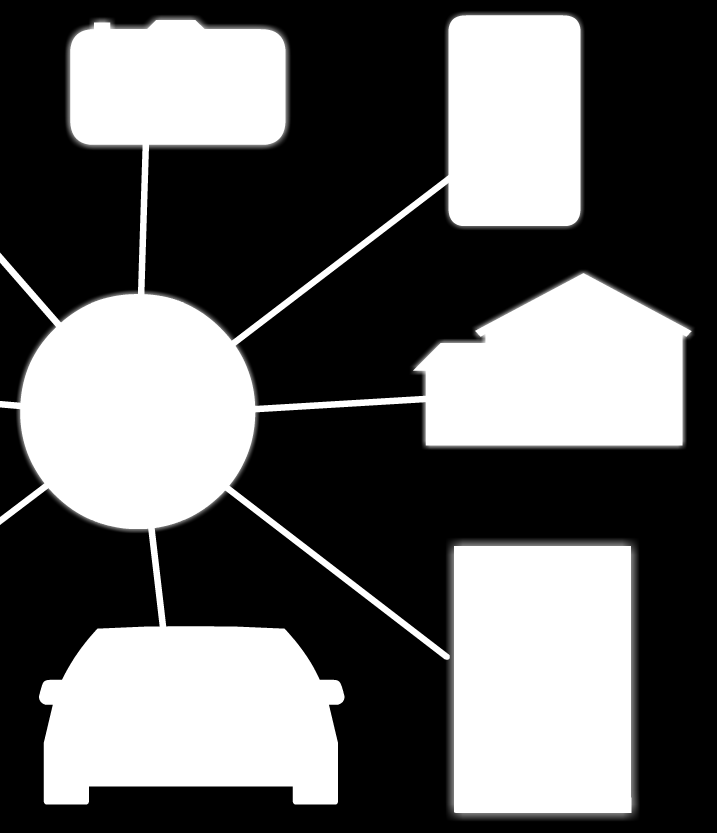
6 Insecure But Connected Devices The Internet of Things continues to expand, but security remains untested Highlights: Detecting compromised and counterfeit devices continues to be resource intensive, though research on fingerprinting devices has advanced Companies need to evaluate the security of their suppliers as well as their own security Critical infrastructure companies must find better ways to secure their devices and prevent possible outages The Internet of Things will have an unprecedented view into people s lives, but will be difficult to secure after the fact, so security should be considered from the start A plethora of devices now connect to the Internet. From embedded automotive systems to home automation to industrial control systems to consumer devices, the Internet of Things will only expand and become a more integral part of businesses and people s lives, making security and privacy important features of such systems. Yet, security issues remain. Many device makers continue to make the same mistakes as the manufacturers of early operating systems. Industrial control systems, most of which were not intended to connect to the Internet, can frequently be found online and are vulnerable. Engineers designing the next generation of such devices do not typically think about advanced attacks, such as those using timing, power fluctuations, and other side channels. Over the next five years, you will see a plethora of devices connected to your home or business network, said Andrew Howard, a research scientist with the Georgia Tech Research Institute (GTRI). And these can be used as avenues for attack. Proliferation of insecure devices threatens the Internet of Things Personal computers and servers, which dominated Internet-connected devices in the 1990s and early 2000s, have given way to smartphones and other mobile devices connected to the Internet. By the end of this year there will be more Internet-connected mobile devices about 7 billion than people on the planet, according to an annual prediction published by Cisco[4]. Yet, mobile devices are already being surpassed by sensors, consumer devices, industrial control systems, and other things that are quickly being connected to the network. Analysts estimate that in two years, between 15 billion and 25 billion devices will communicate across the Internet. This Internet of Things promises to allow companies to better monitor their business and for people to better monitor their life. The security and privacy implications of such a pervasive network remains an open question, although this summer s revelations of the National Security Agency s data-collection efforts have revealed the extent to which routine data collection can be used to spy on people. 4 Cisco, Cisco Visual Networking Index: Global Mobile Data Traffic Forecast Update, , Cisco Web site, Feb. 6, 2013, collateral/ns341/ns525/ns537/ns705/ns827/white_paper_c html 4 EMERGING CYBER THREATS REPORT 2014
7 For most of these systems, you are taking some things that were never meant to be connected to a network and adding another channel that can be exploited or leak information, Howard said. A significant problem for devices connected to the Internet will be in handling security updates without putting the devices at risk of compromise. Companies hesitate to upgrade critical infrastructure because of the potential repercussions if the update fails. Devices that are part of the Internet of Things, however, have to be managed remotely by the manufacturer. Moreover, the vast majority of devices will not be complex enough to run sophisticated security software, so companies will need to use network-level monitoring to detect compromises, said Raheem Beyah, PROGRAM determine the devices identity on the network will be important, Beyah said. Critical infrastructure in the crosshairs, but security still a question mark Over the past three years a succession of security researchers have used Internet scans or the easily accessible Shodan search engine to find critical infrastructure systems that are connected to the Internet. In January, for example, two researchers from security consultancy InfraCritical used Shodan to hunt for dozens of industrial control system products, finding more than 7,000 servers and systems directly connected online including energy, water, and building-automation control systems[3]. The threat is not theoretical. In 2009, the Stuxnet attack used specialized knowledge of industrial control systems used by Iran for uranium processing to destroy much of that nation s refinement capability. The malware compromised the facility when contractors inadvertently carried in USB drives infected with Stuxnet. In another case, attackers attempted to access and compromise the network of one water utility more than 70 times in five months. Fortunately, the network was a honeynet set up for research purposes[13]. Georgia Tech researchers continue to study the security of embedded devices. While attacks on many consumer devices may not be critical, the knowledge of related classes of vulnerabilities can help attackers compromise more critical systems, said GTRI s Howard. What I m worried about is someone taking one of these trivial attacks and escalating it to a more complex and critical system, he said. Looking for Bad Devices in the Supply Chain associate professor in the School of Electrical and Computer Engineering at Georgia Tech. It is likely that we will not have sophisticated software on these small systems to help us with security, so ways to While waterhole attacks and social engineering are the latest techniques, worries still persist that attackers will compromise a device s hardware or software somewhere along the supply chain. Malware has already infected devices such as digital picture frames and network appliances, and detecting such compromises continues to be difficult. 3 Boscovich, Richard, Microsoft Disrupts the Emerging Nitol Botnet Being Spread through an Unsecure Supply Chain, archive/2012/09/13/microsoft-disrupts-the-emerging-nitol-botnet-being-spread-through-an-unsecure-supply-chain.aspx, Sep. 13, Lemos, Robert, Water-Utility Honeynet Illuminates Real-World SCADA Threats, Dark Reading, Aug. 2, 2013, EMERGING CYBER THREATS REPORT
8 Many current approaches are too expensive to scale to a widespread program of auditing devices. Physical hardware inspection and examination of electronic emissions of the devices require too much effort or time for a typical business. Another approach, using benchmarking software to profile the device, can be used for computers, laptops and some other devices, but requires the availability of such software for every device. With the proliferation of devices, creating benchmarking software for each platform is difficult, said Georgia Tech s Beyah. At Georgia Tech, researchers are working on fingerprinting and profiling devices on the network using the traffic that moves to and from the device. The researchers boot the system, listen to the traffic it generates, and use network probes to determine if the architecture is compromised, and not what it is purported to be, said Beyah. By using a statistical approach, the researchers are able to determine if the device fits its profile. The idea is to detect traffic that indicates that the device is counterfeit or malicious and then block future communications, he said. Instead of installing agent software, you can pick up the internal composition of these devices through the network traffic, Beyah said. Is it a thermostat or a laptop that is trying to look like a thermostat? Attackers Adapt to Mobile Ecosystems While mobile platforms have largely been safe for consumers and businesses, researchers and attackers are finding ways around the ecosystems security Highlights: As sensors and not just computing platforms mobile devices bring a new set of threats, including allowing malicious software an unparalleled look into victims lives Employee-owned devices make platform-specific security difficult, suggesting that focusing on protecting data may be more effective Researchers and attackers have found ways to bypass the inherent security of the gated community of app stores By the end of this year, there will be more Internet-connected mobile devices than people on the planet, with four out of five workers using their personal mobile devices to do work[5]. While personal computers defined how people worked in the last decade, this post-pc decade will be defined by mobile devices and on-the-go productivity. Even though malware is still much less a problem for mobile devices than it is for PCs, the threats are quickly following workers onto mobile platforms. In addition, manin-the-middle attacks are increasingly common because mobile users are typically less leery of connecting to untrusted networks[16]. The implications to society of tracking ubiquitous mobile devices is not well understood, and U.S. courts have not yet come to a consensus on government access to the data 4 Cisco, Cisco Visual Networking Index: Global Mobile Data Traffic Forecast Update, , Cisco Web site, Feb. 6, 2013, collateral/ns341/ns525/ns537/ns705/ns827/white_paper_c html 14 Lemos, Robert, 4 Mobile Device Dangers That Are More Of A Threat Than Malware, Dark Reading, Sept. 11, 2013, 6 EMERGING CYBER THREATS REPORT 2014


9 Employee-owned devices change the security model Mobile devices have changed the dynamics of IT security in the workplace. The bring-your-own-device (BYOD) trend introduces two different threats to companies: relatively insecure devices are entering the network and data is increasingly stored on personal devices. First, because the platforms are owned by the employees, assuring that the device is secure is more difficult, as such malware can use smartphones and tablets as a launchpad for attacks into the corporate network. Second, because employees are using their devices for work, corporate data will be stored in these relatively insecure environments. If you get an infected device or phone coming into your business, your intellectual property could be stolen, said PROGRAM Gated app stores not a perfect defense The creators of mobile devices have attempted to learn from the mistakes of computer operating system manufacturers. Google added a permission-based security model, a variety of security controls, the ability to revoke applications, and eventually an automated system of vetting applications submitted to its application marketplace, Google Play. Apple adopted a much stricter approach to the gated community, keeping tight control over certain system functions and checking applications for potential malicious behavior from the start. Users that refrain from jailbreaking their phones and only use a major application marketplace have generally been safe. Current rates of mobile malware infections in North America run less than one percent of all devices, with jailbroken smartphones representing the most at-risk group of devices[12]. Yet, researchers and attackers have found ways of getting around the defenses provided by both Android and ios ecosystems. At the USENIX Security Conference in August 2013, four researchers from Georgia Tech showed that intentional vulnerabilities could be added to an application without being detected by Apple s vetting process. By exploiting the vulnerabilities at a later date, an attacker could gain access to the device. We have shown that the regular app store review process is not able to prevent the introduction of a malicious app, said Tielei Wang, research scientist with GTISC and one of the authors of the USENIX paper. Chuck Bokath, senior research engineer at the Georgia Tech Research Institute (GTRI). It is hard for IT professionals, the CIO, or the CTO to get their arms around it at this point. BYOD is not going away, however, because the productivity gains and cost savings are too alluring for most companies. Companies will have to take a variety of approaches to locking down or locking out devices, from compartmentalizing trusted apps and sensitive data using secure containers to using network access controls to bar untrusted devices from accessing parts of the network. 4 Lemos, Robert, Companies Need Defenses Against Mobile Malware, Dark Reading, Nov. 8, 2012, EMERGING CYBER THREATS REPORT
10 A number of countermeasures could help restore the security of the application marketplace model, including a more fine-grained permission system, control-flow integrity checking, or mandating that developers use a typesafe programming language. How likely these security measures are to be adopted remains an open question. Mobile devices leak user data without controls Malware and technical hacks represent a significant threat to the users of mobile devices, but a far more pervasive threat is the legal use of data collected from smartphones and tablets. When former National Security Agency contractor Edward Snowden revealed in June 2013 details of the data collection practices of the intelligence agency, the extent of the NSA s PRISM program for gathering data on persons of interest surprised most watchers. However, the program only scraped the surface of the data available for potential analysis. Given that mobile devices double as sensors and tracking platforms that consumers voluntarily carry with them, the wireless carrier, manufacturer, and a plethora of application developers regularly collect data about the user from the device. Much of that data can be used to track the user, although U.S. courts have split on whether law enforcement can request such information without a warrant[11]. In short, in human history, people have never carried tracking devices and now they do, said Peter Swire, the Nancy J. and Lawrence P. Huang Professor in the Law and Ethics at Georgia Tech. So as a society, and as a creator of the technology, we have to decide when that location information goes to different holders and when that information can be used for other purposes. Yet, even if the courts require that law enforcement agencies obtain a warrant to gain access to the historical location of the phone, such a ruling will be unlikely to rein in the amount of information extracted from the phone by application developers. Malicious USB charger allows hacking Another way that attackers can circumvent the gated mobile ecosystem is by leveraging security vulnerabilities in everyday activities, such as charging a device. At the Black Hat Security Briefings in July 2013, three Georgia Tech researchers demonstrated how attackers could create a hardware device that appears to be a USB charger, but in reality compromises any iphone that is connected to the hardware. Such devices could be placed in airports or hotels to automatically compromise phones, which would then connect back to command-and-control servers, said Billy Lau, a research scientist with GTISC. There is no question that someone could create a charger that looks like the real thing, he said. 11 Sengupta, Somini, Warrantless Cellphone Tracking Is Upheld, New York Times, July 30, 2013, tracking-is-upheld.html 8 EMERGING CYBER THREATS REPORT 2014
11 Costs of Defending Against Cyber Attacks Remain High Mitigating the risk of cyber attacks continues to be uncertain and costly, but gaining better visibility into threats and mitigating specific risks can help PROGRAM Highlights: Chasing technology and creating multiple layers of static defenses has driven up security costs Companies need to focus on gaining visibility into their networks and the external threats targeting their business Shifting focus from devices to data can simplify defensive concepts and better cope with the bring-yourown-device (BYOD) trend, but usability continues to be a problem While the market for cyber insurance is growing, fundamental problems continue to prevent broad acquisition of policies to mitigate risk (SIEM), data loss prevention, identity and access management (IAM), application firewalls, and more recently, mobile device management (MDM). Following the mantra of defense-in-depth, the more layers of technology placed between the attackers and the business, the better. Yet, a technology-oriented focus has driven the cost of security higher for companies. Despite slow economic growth, IT security budgets will climb five to ten percent higher in Surveys in the past year have found half[9] to two-thirds[8] of IT security professional expect budgets to increase in the coming year. Reducing cost while protecting the business will require a more data-driven approach to security. Researchers and businesses that focus on gathering more information on their security state and their current threats can better protect their networks and data while holding down costs. In addition, moving the focus of security from the device to a business s data can simplify defenses. Finally, cyber insurance can act as a safety net for companies, although questions remain over the efficacy of policies and coverage. Threat intelligence is necessary, but still in early stages Over the past decade, companies have moved from deploying a simple firewall, antivirus software, and patch deployment system to adopting a variety of other technologies: security information and event management Finding information on attackers is not difficult: blacklists, open-source intelligence, logs from a variety of network devices, malware analysis, social networks and other sources can all give defenders some insight into attackers techniques, identities and motivations. However, making sense of that data and turning it into intelligence relevant to a specific company or target is difficult. In addition, unless the information can be delivered to the right people in a short amount of time, it may lose value quickly. 8 SC Magazine Poll, Security Budgets in 2013, SC Magazine, 9 Presti, Ken, Report: Security Budgets Trending Upwards For 2013, CRN, Dec. 7, 2012, EMERGING CYBER THREATS REPORT
12 Data loss prevention shows promise, but security context remains a problem With a menagerie of employee-owned devices connecting to business networks, securing every device is no longer practical or desirable: the proliferation of devices is difficult to support and managing a worker s device raises sticky privacy issues. For those reasons, many companies are focusing on controlling where their data is sent and stored. Data loss prevention technologies promise to focus on the data and protect sensitive information from being leaked or stolen. There are different ways to address attack vectors. Companies can discover and map their networks and assets, then prioritize defenses by value, vulnerability, and criticality. They can also focus on the attacker, using kill-chain analysis to determine the steps necessary to target the company s valuable intellectual property. Rather than simply attempting to keep the attacker out, such an approach gives the company multiple opportunities to mitigate an attack. The goal is to quickly determine the current state of the network and assets, what the attacker may be targeting, and the pre-determined business impact if the attack succeeds. The process should help defenders prioritize incident response, said George Fred Wright, a principal research engineer at the Georgia Tech Research Institute (GTRI). Determining the context of the data remains a challenge, leading to a high incidence of false alarms. A nine-digit number, for example, could be a social security number, or it could be just a nine-digit number. Add to that the difficulty posed by encrypted or obfuscated data, and data loss prevention systems need to evolve if they are to help reduce the cost of security, said Andrew Howard, research scientist with GTRI. If I m trying to steal data, data loss prevention is not going to keep me from stealing it, he said. But currently, data loss prevention is effective at keeping good users from making a mistake. More companies are taking the first step and creating data-classification policies and estimating the costs associated with the loss of data. Researchers are focusing on aiding the classification of data and making data tagging easier. Companies are becoming more aware of how sensitive their data is, said Howard. Five years ago, most companies had no idea of what they had. It is a much bigger corpus of data than most realize. We should do better than just a gut feeling, he said. While there has been some interest on creating a single metric of risk, essentially a threat barometer for cyber security, such an oversimplification can remove any actionable content and cause apathy, rather than focus a defender s efforts, says Wright. The most well-known indicator of threat, the U.S. Department of Homeland Security advisory system for terrorism risk, was eventually scrapped; more attacks happened while it was yellow than while it was orange, and no attack occurred while it was red, a representation of the highest threat level[10]. With risk hard to quantify, insurance remains problematic Insurance has always been a way for companies to offset the risk of a catastrophic event. Due diligence and requirements mandated by insurance firms are credited with increasing the safety and security of many industries, but a lack of actuarial data on cyber attacks, the difficulty in quantifying damages, and disagreement on which se- 10 Schneier, Bruce, Why terror alert codes never made sense, CNN, Jan. 28, 2011, 10 EMERGING CYBER THREATS REPORT 2014
13 Companies buying cyber security insurance PROGRAM curity measures actually reduce the risk of a breach all make cyber insurance hard for many companies to justify insurance as an expense. In 2012, the number of companies buying cyber insurance policies increased by a third compared to the previous year, with educational institutions and professional service organizations accounting for much of the increase, according to risk management firm and insurance broker Marsh[5]. However, a great deal of confusion remains as to what is and is not covered. In August 2013, insurance company Liberty Mutual sued the Schnuck supermarket chain after hackers stole up to 2.4 million credit card numbers from the retailer resulting in eight class-action lawsuits and fines from banks and credit card companies. The supermarket claims that the lawsuits and fines should be covered, but Liberty Mutual argues that the costs are intangibles, which are not covered[7]. When you pick up the paper every day and read about a breach not at a mom-and-pop shop, but at a major company you understand that no one is immune to attack, said David Norfleet, senior vice president of professional liability at Starr Indemnity and Liability Co. We frequently walk away feeling like we still don t have the solution. Supporting information sharing Worries over giving rivals an advantage as well as the legal and business implications of admitting to being successfully compromised have limited companies from sharing information on attacks. A threat intelligence effort by GTRI, dubbed Apiary, allows participants to submit evidence of potential attack, exchange indicators of compromise (IOCs), and get automated analysis of any malware used in the attack all through an anonymous system. We found that most people would be unwilling to work with us if we were not Georgia Tech, said Chris Smoak, a research scientist at GTRI. The Apiary system analyzes the malicious software, or malware, used by attackers to compromise and control systems, giving companies fast information on the capabilities of the attack and linking the programs to previous attacks. Apiary can already detect malicious attacks before security companies and public intelligence sources, said Howard. GTRI is working with Starr and other insurance companies to clarify damages, define good security practices, and set standards around coverage options. 5 Marsh, Number of Companies Buying Cyber Insurance Up by One-Third in 2012: Marsh, press release, March 14, 2013, MarshPressReleases/ID/29878/Number-of-Companies-Buying-Cyber-Insurance-Up-by-One-Third-in-2012-Marsh.aspx 7 Walker, Danielle, Insurer to Schnucks: We won t pay for lawsuits related to your breach, SC Magazine, August 20, 2013, schnucks-we-wont-pay-for-lawsuits-related-to-your-breach/article/307960/ EMERGING CYBER THREATS REPORT
14 Information Manipulation Advances Online recommendation and reputation systems increase in importance while threats to them mature Highlights: As companies and governments rely more on data and intelligence to operate efficiently, information manipulation will become an increasingly important attack With reputation increasingly being used to make security decisions, attackers will continue attempts to poison or whitewash reputation Using cross-site request forgery, unscrupulous website owners can inject higher-value content to poison the profile of visitors and profit by fooling advertising networks Techniques for using information pollution and manipulation could be used to hide or camouflage attacks Businesses and governments have increasingly focused on collecting and analyzing a wide variety of data to make better decisions. Retailers and financial houses, for example, use big data analytics to make better business decisions and be more responsive to demand. Google and other search engines use information on users browsing habits to inform search query results and determine what advertisements are displayed. Government agencies, such as the National Security Agency, collect and process information to look for threats to national security. With this information driving business and security decisions, attackers will increasingly attempt to game these analysis systems in their favor. Google has already faced such attacks in the form of black hat search engine optimization (SEO). Other attacks could attempt to manipulate different aspects of the information economy, such as influencing the personalization algorithms used by many services. The designers of such analysis and correlation systems must account for attackers efforts to poison data. With reputation becoming increasingly important, attackers will focus on gaming the system Companies are increasingly focusing on reputation as a way to keep out many security threats. Firms use blacklists generated from the monitoring of a variety of malicious activities to block potentially hostile websites. More finegrained reputation systems are also being developed, from rating the trustworthiness of an application or service to grading the security of a partner. Information manipulation and pollution attacks can be used to undermine such reputation-based defenses. At the broadest applications, fraudsters have already gamed review services by using reputation whitewashing to bury bad reviews and SEO techniques to make sites seem more popular. Website blacklists can also be evaded by quickly changing domains or, as is increasingly the case, using legitimate but compromised sites. While information service providers can fight such techniques by checking their sources for pollution or manipulation, everyday users need an increasingly suspicious attitude, said Wenke Lee, professor of Computer Science and director of the Georgia Tech Information Security Center (GTISC). Consumers who are not savvy about the quality of information online can be easily misled, Lee said. Greater transparency in how information and intelligence providers create their reputation systems could help users be more savvy, he said. 12 EMERGING CYBER THREATS REPORT 2014
15 PROGRAM Poisoning personalized services can profit attackers From news to advertising to book recommendations, online services are increasingly personalized. Misrepresenting the user s interest can be profitable. Researchers from GTISC demonstrated a technique using cross-site request forgery (XSRF) to manipulate the data collected by third party services, such as advertising networks, online bookstores, and search engines. Using this technique attackers can influence the personalized results returned by a service provider. In a paper presented at the USENIX Security Conference in August 2013, GTISC researchers showed that they could manipulate the personalized results presented by Amazon, Google, and YouTube. By using XSRF, the researchers injected HTML code to make it appear that the users had clicked on and showed interest in certain content. This technique could be used by rogue publishers to fool advertising networks into delivering more expensive ads directed to high-value customers, said Wei Meng, a researcher at GTISC and one of the authors of the USENIX paper. The publisher could utilize this technique to inject some of the most expensive content into the webpage, essentially changing the interests of the user, he said. Manipulating information can be an attack on Big Data analytics Over the next decade, companies and government agencies will analyze an increasing amount of data to derive intelligence that can be used to streamline operations, make more informed decisions and detect anomalies that indicate a threat. As the use of such big data analytics spreads, attackers will have to find ways to hide from statistical analysis and anomaly detection. Information manipulation will likely be the attackers strategy, said GTISC s Lee. By polluting data in certain ways, such as slowly creating a wider variance in some metrics, a knowledgeable attacker could modify an analysis platform s threat model and cause it to consider anomalous behavior as normal. Or, an attacker could create a lot of fake attacks, causing false alarms and wasting the time of human analysts. How do we know that the data used for analytics has not been polluted? Lee asked. This threat represents a battle that we will have to fight in the next five to ten years. Defending against such attacks requires that defenders be able to detect very slow changes in the data and be able to flag such changes as suspicious. Defending against the attacks is difficult, because effective defenses would also hamper personalization, Meng said. EMERGING CYBER THREATS REPORT
16 Information Security Center Research Institute
Addressing APTs and Modern Malware with Security Intelligence Date: September 2013 Author: Jon Oltsik, Senior Principal Analyst
 ESG Brief Addressing APTs and Modern Malware with Security Intelligence Date: September 2013 Author: Jon Oltsik, Senior Principal Analyst Abstract: APTs first came on the scene in 2010, creating a wave
The Cloud App Visibility Blindspot
 The Cloud App Visibility Blindspot Understanding the Risks of Sanctioned and Unsanctioned Cloud Apps and How to Take Back Control Introduction Today, enterprise assets are more at risk than ever before
Beyond the Hype: Advanced Persistent Threats
 Advanced Persistent Threats and Real-Time Threat Management The Essentials Series Beyond the Hype: Advanced Persistent Threats sponsored by Dan Sullivan Introduction to Realtime Publishers by Don Jones,
Top five strategies for combating modern threats Is anti-virus dead?
 Top five strategies for combating modern threats Is anti-virus dead? Today s fast, targeted, silent threats take advantage of the open network and new technologies that support an increasingly mobile workforce.
Internet threats: steps to security for your small business
 Internet threats: 7 steps to security for your small business Proactive solutions for small businesses A restaurant offers free WiFi to its patrons. The controller of an accounting firm receives a confidential
Security Architecture: From Start to Sustainment. Tim Owen, Chief Engineer SMS DGI Cyber Security Conference June 2013
 Security Architecture: From Start to Sustainment Tim Owen, Chief Engineer SMS DGI Cyber Security Conference June 2013 Security Architecture Topics Introduction Reverse Engineering the Threat Operational
10 Smart Ideas for. Keeping Data Safe. From Hackers
 0100101001001010010001010010101001010101001000000100101001010101010010101010010100 0100101001001010010001010010101001010101001000000100101001010101010010101010010100000 0100101001001010010001010010101001010101001000000100101001010101010010101010010100000
Endpoint Threat Detection without the Pain
 WHITEPAPER Endpoint Threat Detection without the Pain Contents Motivated Adversaries, Too Many Alerts, Not Enough Actionable Information: Incident Response is Getting Harder... 1 A New Solution, with a
10 best practice suggestions for common smartphone threats
 10 best practice suggestions for common smartphone threats Jeff R Fawcett Dell SecureWorks Security Practice Executive M Brandon Swain Dell SecureWorks Security Practice Executive When using your Bluetooth
Fighting Advanced Threats
 Fighting Advanced Threats With FortiOS 5 Introduction In recent years, cybercriminals have repeatedly demonstrated the ability to circumvent network security and cause significant damages to enterprises.
KASPERSKY SECURITY INTELLIGENCE SERVICES. EXPERT SERVICES. www.kaspersky.com
 KASPERSKY SECURITY INTELLIGENCE SERVICES. EXPERT SERVICES www.kaspersky.com EXPERT SERVICES Expert Services from Kaspersky Lab are exactly that the services of our in-house experts, many of them global
Security A to Z the most important terms
 Security A to Z the most important terms Part 1: A to D UNDERSTAND THE OFFICIAL TERMINOLOGY. This is F-Secure Labs. Learn more about the most important security terms with our official explanations from
CORE INSIGHT ENTERPRISE: CSO USE CASES FOR ENTERPRISE SECURITY TESTING AND MEASUREMENT
 CORE INSIGHT ENTERPRISE: CSO USE CASES FOR ENTERPRISE SECURITY TESTING AND MEASUREMENT How advancements in automated security testing software empower organizations to continuously measure information
Content Security: Protect Your Network with Five Must-Haves
 White Paper Content Security: Protect Your Network with Five Must-Haves What You Will Learn The continually evolving threat landscape is what makes the discovery of threats more relevant than defense as
Enabling Business Beyond the Corporate Network. Secure solutions for mobility, cloud and social media
 Enabling Business Beyond the Corporate Network Secure solutions for mobility, cloud and social media 3 Trends Transforming Networks and Security Are you dealing with these challenges? Enterprise networks
Cyber Security. An Executive Imperative for Business Owners. 77 Westport Plaza, St. Louis, MO 63416 p 314.439.4700 f 314.439.4799
 Cyber Security An Executive Imperative for Business Owners SSE Network Services www.ssenetwork.com 77 Westport Plaza, St. Louis, MO 63416 p 314.439.4700 f 314.439.4799 Pretecht SM by SSE predicts and remedies
Enabling Seamless & Secure Mobility in BYOD, Corporate-Owned and Hybrid Environments
 Enabling Seamless & Secure Mobility in BYOD, Corporate-Owned and Hybrid Environments Efficiently and Cost- Effectively Managing Mobility Risks in the Age of IT Consumerization Table of Contents EXECUTIVE
I D C A N A L Y S T C O N N E C T I O N
 I D C A N A L Y S T C O N N E C T I O N Robert Westervelt Research Manager, Security Products T h e R o l e a nd Value of Continuous Security M o nitoring August 2015 Continuous security monitoring (CSM)
SANS Top 20 Critical Controls for Effective Cyber Defense
 WHITEPAPER SANS Top 20 Critical Controls for Cyber Defense SANS Top 20 Critical Controls for Effective Cyber Defense JANUARY 2014 SANS Top 20 Critical Controls for Effective Cyber Defense Summary In a
CyberArk Privileged Threat Analytics. Solution Brief
 CyberArk Privileged Threat Analytics Solution Brief Table of Contents The New Security Battleground: Inside Your Network...3 Privileged Account Security...3 CyberArk Privileged Threat Analytics : Detect
Marble & MobileIron Mobile App Risk Mitigation
 Marble & MobileIron Mobile App Risk Mitigation SOLUTION GUIDE Enterprise users routinely expose their employers data and threaten network security by unknowingly installing malicious mobile apps onto their
Beyond passwords: Protect the mobile enterprise with smarter security solutions
 IBM Software Thought Leadership White Paper September 2013 Beyond passwords: Protect the mobile enterprise with smarter security solutions Prevent fraud and improve the user experience with an adaptive
Data- centric Security: A New Information Security Perimeter Date: March 2015 Author: Jon Oltsik, Senior Principal Analyst
 ESG Solution Showcase Data- centric Security: A New Information Security Perimeter Date: March 2015 Author: Jon Oltsik, Senior Principal Analyst Abstract: Information security practices are in the midst
Managing Web Security in an Increasingly Challenging Threat Landscape
 Managing Web Security in an Increasingly Challenging Threat Landscape Cybercriminals have increasingly turned their attention to the web, which has become by far the predominant area of attack. Small wonder.
Why Device Fingerprinting Provides Better Network Security than IP Blocking. How to transform the economics of hacking in your favor
 Why Device Fingerprinting Provides Better Network Security than IP Blocking How to transform the economics of hacking in your favor Why Device Fingerprinting Provides Better Network Security than IP Blocking
Preparing for a Cyber Attack PROTECT YOUR PEOPLE AND INFORMATION WITH SYMANTEC SECURITY SOLUTIONS
 Preparing for a Cyber Attack PROTECT YOUR PEOPLE AND INFORMATION WITH SYMANTEC SECURITY SOLUTIONS CONTENTS PAGE RECONNAISSANCE STAGE 4 INCURSION STAGE 5 DISCOVERY STAGE 6 CAPTURE STAGE 7 EXFILTRATION STAGE
How To Deal With A Converged Threat From A Cloud And Mobile Device To A Business Or A Customer'S Computer Or Network To A Cloud Device
 Ten Tips for Managing Risks on Convergent Networks The Risk Management Group April 2012 Sponsored by: Lavastorm Analytics is a global business performance analytics company that enables companies to analyze,
IBM Security X-Force Threat Intelligence
 IBM Security X-Force Threat Intelligence Use dynamic IBM X-Force data with IBM Security QRadar to detect the latest Internet threats Highlights Automatically feed IBM X-Force data into IBM QRadar Security
Cisco Cyber Threat Defense - Visibility and Network Prevention
 White Paper Advanced Threat Detection: Gain Network Visibility and Stop Malware What You Will Learn The Cisco Cyber Threat Defense (CTD) solution brings visibility to all the points of your extended network,
White Paper. Data Security. The Top Threat Facing Enterprises Today
 White Paper Data Security The Top Threat Facing Enterprises Today CONTENTS Introduction Vulnerabilities of Mobile Devices Alarming State of Mobile Insecurity Security Best Practices What if a Device is
Gaining the upper hand in today s cyber security battle
 IBM Global Technology Services Managed Security Services Gaining the upper hand in today s cyber security battle How threat intelligence can help you stop attackers in their tracks 2 Gaining the upper
Carbon Black and Palo Alto Networks
 Carbon Black and Palo Alto Networks Bring Together Next-Generation Endpoint and Network Security Solutions Endpoints and Servers in the Crosshairs of According to a 2013 study, 70 percent of businesses
Unified Cyber Security Monitoring and Management Framework By Vijay Bharti Happiest Minds, Security Services Practice
 Unified Cyber Security Monitoring and Management Framework By Vijay Bharti Happiest Minds, Security Services Practice Introduction There are numerous statistics published by security vendors, Government
Teradata and Protegrity High-Value Protection for High-Value Data
 Teradata and Protegrity High-Value Protection for High-Value Data 03.16 EB7178 DATA SECURITY Table of Contents 2 Data-Centric Security: Providing High-Value Protection for High-Value Data 3 Visibility:
Addressing the SANS Top 20 Critical Security Controls for Effective Cyber Defense
 A Trend Micro Whitepaper I February 2016 Addressing the SANS Top 20 Critical Security Controls for Effective Cyber Defense How Trend Micro Deep Security Can Help: A Mapping to the SANS Top 20 Critical
Seven Things To Consider When Evaluating Privileged Account Security Solutions
 Seven Things To Consider When Evaluating Privileged Account Security Solutions Contents Introduction 1 Seven questions to ask every privileged account security provider 4 1. Is the solution really secure?
Security Practices for Online Collaboration and Social Media
 Cisco IT Best Practice Collaboration Security Cisco on Cisco Best Practice Security Practices for Online Collaboration and Social Media January 2012 2013 Cisco and/or its affiliates. All rights reserved.
Threat Intelligence Pty Ltd [email protected] 1300 809 437. Specialist Security Training Catalogue
 Threat Intelligence Pty Ltd [email protected] 1300 809 437 Specialist Security Training Catalogue Did you know that the faster you detect a security breach, the lesser the impact to the organisation?
QUARTERLY REPORT 2015 INFOBLOX DNS THREAT INDEX POWERED BY
 QUARTERLY REPORT 2015 INFOBLOX DNS THREAT INDEX POWERED BY EXPLOIT KITS UP 75 PERCENT The Infoblox DNS Threat Index, powered by IID, stood at 122 in the third quarter of 2015, with exploit kits up 75 percent
Cyber security Time for a new paradigm. Stéphane Hurtaud Partner Information & Technology Risk Deloitte
 Cyber security Time for a new paradigm Stéphane Hurtaud Partner Information & Technology Risk Deloitte 90 More than ever, cyberspace is a land of opportunity but also a dangerous world. As public and private
What is Penetration Testing?
 White Paper What is Penetration Testing? An Introduction for IT Managers What Is Penetration Testing? Penetration testing is the process of identifying security gaps in your IT infrastructure by mimicking
The dramatic growth in mobile device malware. continues to escalate at an ever-accelerating. pace. These threats continue to become more
 The dramatic growth in mobile device malware continues to escalate at an ever-accelerating pace. These threats continue to become more sophisticated while the barrier to entry remains low. As specific
The Hidden Dangers of Public WiFi
 WHITEPAPER: OCTOBER 2014 The Hidden Dangers of Public WiFi 2 EXECUTIVE SUMMARY 4 MARKET DYNAMICS 4 The Promise of Public WiFi 5 The Problem with Public WiFi 6 MARKET BEHAVIOR 6 Most People Do Not Protect
Cisco & Big Data Security
 Cisco & Big Data Security 巨 量 資 料 的 傳 輸 保 護 Joey Kuo Borderless Networks Manager [email protected] The any-to-any world and the Internet of Everything is an evolution in connectivity and collaboration that
Continuous Network Monitoring
 Continuous Network Monitoring Eliminate periodic assessment processes that expose security and compliance programs to failure Continuous Network Monitoring Continuous network monitoring and assessment
Bio-inspired cyber security for your enterprise
 Bio-inspired cyber security for your enterprise Delivering global protection Perception is a network security service that protects your organisation from threats that existing security solutions can t
Mobile Device Management
 1. Introduction Mobile Device Management This document introduces security risks with mobile devices, guidelines for managing the security of mobile devices in the Enterprise, strategies for mitigating
Enterprise Mobile Threat Report
 Enterprise Mobile Threat Report The State of ios and Android Security Threats to Enterprise Mobility I. Introduction This report examines enterprise security threats for ios and Android. While Android
Requirements When Considering a Next- Generation Firewall
 White Paper Requirements When Considering a Next- Generation Firewall What You Will Learn The checklist provided in this document details six must-have capabilities to look for when evaluating a nextgeneration
Session 9: Changing Paradigms and Challenges Tools for Space Systems Cyber Situational Awareness
 Session 9: Changing Paradigms and Challenges Tools for Space Systems Cyber Situational Awareness Wayne A. Wheeler The Aerospace Corporation GSAW 2015, Los Angeles, CA, March 2015 Agenda Emerging cyber
FERPA: Data & Transport Security Best Practices
 FERPA: Data & Transport Security Best Practices April 2013 Mike Tassey Privacy Technical Assistance Center FERPA and Data Security Unlike HIPAA and other similar federal regulations, FERPA does not require
IBM Security QRadar Risk Manager
 IBM Security QRadar Risk Manager Proactively manage vulnerabilities and network device configuration to reduce risk, improve compliance Highlights Visualize current and potential network traffic patterns
Proactive Credential Monitoring as a Method of Fraud Prevention and Risk Mitigation. By Marc Ostryniec, vice president, CSID
 Proactive Credential Monitoring as a Method of Fraud Prevention and Risk Mitigation By Marc Ostryniec, vice president, CSID The increase in volume, severity, publicity and fallout of recent data breaches
10 Things Every Web Application Firewall Should Provide Share this ebook
 The Future of Web Security 10 Things Every Web Application Firewall Should Provide Contents THE FUTURE OF WEB SECURITY EBOOK SECTION 1: The Future of Web Security SECTION 2: Why Traditional Network Security
CONTINUOUS DIAGNOSTICS BEGINS WITH REDSEAL
 CONTINUOUS DIAGNOSTICS BEGINS WITH REDSEAL WHAT IS CDM? The continuous stream of high profile cybersecurity breaches demonstrates the need to move beyond purely periodic, compliance-based approaches to
Who Drives Cybersecurity in Your Business? Milan Patel, K2 Intelligence. AIBA Quarterly Meeting September 10, 2015
 Who Drives Cybersecurity in Your Business? Milan Patel, K2 Intelligence AIBA Quarterly Meeting September 10, 2015 The Answer 2 Everyone The relationship between the board, C-suite, IT, and compliance leaders
Cyber Security. BDS PhantomWorks. Boeing Energy. Copyright 2011 Boeing. All rights reserved.
 Cyber Security Automation of energy systems provides attack surfaces that previously did not exist Cyber attacks have matured from teenage hackers to organized crime to nation states Centralized control
Protecting Your Organisation from Targeted Cyber Intrusion
 Protecting Your Organisation from Targeted Cyber Intrusion How the 35 mitigations against targeted cyber intrusion published by Defence Signals Directorate can be implemented on the Microsoft technology
[state of the internet] / SEO Attacks. Threat Advisory: Continuous Uptick in SEO Attacks
![[state of the internet] / SEO Attacks. Threat Advisory: Continuous Uptick in SEO Attacks](/thumbs/36/17600806.jpg "[state of the internet] / SEO Attacks. Threat Advisory: Continuous Uptick in SEO Attacks") TLP: GREEN Issue Date: 1.12.16 Threat Advisory: Continuous Uptick in SEO Attacks Risk Factor High The Akamai Threat Research Team has identified a highly sophisticated Search Engine Optimization (SEO)
TLP: GREEN Issue Date: 1.12.16 Threat Advisory: Continuous Uptick in SEO Attacks Risk Factor High The Akamai Threat Research Team has identified a highly sophisticated Search Engine Optimization (SEO)
Securing Your Business with DNS Servers That Protect Themselves
 Summary: The Infoblox DNS security product portfolio mitigates attacks on DNS/DHCP servers by intelligently recognizing various attack types and dropping attack traffic while responding only to legitimate
Vulnerability Management
 Vulnerability Management Buyer s Guide Buyer s Guide 01 Introduction 02 Key Components 03 Other Considerations About Rapid7 01 INTRODUCTION Exploiting weaknesses in browsers, operating systems and other
Concierge SIEM Reporting Overview
 Concierge SIEM Reporting Overview Table of Contents Introduction... 2 Inventory View... 3 Internal Traffic View (IP Flow Data)... 4 External Traffic View (HTTP, SSL and DNS)... 5 Risk View (IPS Alerts
Introduction: 1. Daily 360 Website Scanning for Malware
 Introduction: SiteLock scans your website to find and fix any existing malware and vulnerabilities followed by using the protective TrueShield firewall to keep the harmful traffic away for good. Moreover
How Attackers are Targeting Your Mobile Devices. Wade Williamson
 How Attackers are Targeting Your Mobile Devices Wade Williamson Today s Agenda Brief overview of mobile computing today Understanding the risks Analysis of recently discovered malware Protections and best
Machine-to-Machine Exchange of Cyber Threat Information: a Key to Mature Cyber Defense
 Machine-to-Machine Exchange of Cyber Threat Information: a Key to Mature Cyber Defense By: Daniel Harkness, Chris Strasburg, and Scott Pinkerton The Challenge The Internet is an integral part of daily
Unified Security, ATP and more
 SYMANTEC Unified Security, ATP and more TAKE THE NEXT STEP Martin Werner PreSales Consultant, Symantec Switzerland AG MEET SWISS INFOSEC! 27.01.2016 Unified Security 2 Symantec Enterprise Security Users
defending against advanced persistent threats: strategies for a new era of attacks agility made possible
 defending against advanced persistent threats: strategies for a new era of attacks agility made possible security threats as we know them are changing The traditional dangers IT security teams have been
Securing Remote Vendor Access with Privileged Account Security
 Securing Remote Vendor Access with Privileged Account Security Table of Contents Introduction to privileged remote third-party access 3 Do you know who your remote vendors are? 3 The risk: unmanaged credentials
THE TOP 4 CONTROLS. www.tripwire.com/20criticalcontrols
 THE TOP 4 CONTROLS www.tripwire.com/20criticalcontrols THE TOP 20 CRITICAL SECURITY CONTROLS ARE RATED IN SEVERITY BY THE NSA FROM VERY HIGH DOWN TO LOW. IN THIS MINI-GUIDE, WE RE GOING TO LOOK AT THE
Utilizing Pervasive Application Monitoring and File Origin Tracking in IT Security
 4 0 0 T o t t e n P o n d R o a d W a l t h a m, M A 0 2 4 5 1 7 8 1. 8 1 0. 4 3 2 0 w w w. v i e w f i n i t y. c o m Utilizing Pervasive Application Monitoring and File Origin Tracking in IT Security
Cisco Advanced Malware Protection
 Solution Overview Cisco Advanced Malware Protection Breach Prevention, Detection, Response, and Remediation for the Real World BENEFITS Gain unmatched global threat intelligence to strengthen front-line
Stay ahead of insiderthreats with predictive,intelligent security
 Stay ahead of insiderthreats with predictive,intelligent security Sarah Cucuz [email protected] IBM Security White Paper Executive Summary Stay ahead of insider threats with predictive, intelligent
The Importance of Cybersecurity Monitoring for Utilities
 The Importance of Cybersecurity Monitoring for Utilities www.n-dimension.com Cybersecurity threats against energy companies, including utilities, have been increasing at an alarming rate. A comprehensive
IBM Security Strategy
 IBM Security Strategy Intelligence, Integration and Expertise Kate Scarcella CISSP Security Tiger Team Executive M.S. Information Security IBM Security Systems IBM Security: Delivering intelligence, integration
Defending Against Data Beaches: Internal Controls for Cybersecurity
 Defending Against Data Beaches: Internal Controls for Cybersecurity Presented by: Michael Walter, Managing Director and Chris Manning, Associate Director Protiviti Atlanta Office Agenda Defining Cybersecurity
ProtectWise: Shifting Network Security to the Cloud Date: March 2015 Author: Tony Palmer, Senior Lab Analyst and Aviv Kaufmann, Lab Analyst
 ESG Lab Spotlight ProtectWise: Shifting Network Security to the Cloud Date: March 2015 Author: Tony Palmer, Senior Lab Analyst and Aviv Kaufmann, Lab Analyst Abstract: This ESG Lab Spotlight examines the
AVOIDING ONLINE THREATS CYBER SECURITY MYTHS, FACTS, TIPS. ftrsecure.com
 AVOIDING ONLINE THREATS CYBER SECURITY MYTHS, FACTS, TIPS ftrsecure.com Can You Separate Myths From Facts? Many Internet myths still persist that could leave you vulnerable to internet crimes. Check out
AIRDEFENSE SOLUTIONS PROTECT YOUR WIRELESS NETWORK AND YOUR CRITICAL DATA SECURITY AND COMPLIANCE
 AIRDEFENSE SOLUTIONS PROTECT YOUR WIRELESS NETWORK AND YOUR CRITICAL DATA SECURITY AND COMPLIANCE THE CHALLENGE: SECURE THE OPEN AIR Wirelesss communication lets you take your business wherever your customers,
5 Steps to Advanced Threat Protection
 5 Steps to Advanced Threat Protection Agenda Endpoint Protection Gap Profile of Advanced Threats Consensus Audit Guidelines 5 Steps to Advanced Threat Protection Resources 20 Years of Chasing Malicious
Cisco on Cisco Best Practice Security Practices for Online Collaboration and Social Media
 January 2012 Cisco on Cisco Best Practice Security Practices for Online Collaboration and Social Media January 2012 All contents are Copyright 1992 2012 Cisco Systems, Inc. All rights reserved. This document
AIRDEFENSE SOLUTIONS PROTECT YOUR WIRELESS NETWORK AND YOUR CRITICAL DATA SECURITY AND COMPLIANCE
 AIRDEFENSE SOLUTIONS PROTECT YOUR WIRELESS NETWORK AND YOUR CRITICAL DATA SECURITY AND COMPLIANCE THE CHALLENGE: SECURE THE OPEN AIR Wirelesss communication lets you take your business wherever your customers,