
2 Therapeutic Modalities
|
|
|
- Lilian Gilbert
- 10 years ago
- Views:
Transcription
1 c h a p t e r 2 Therapeutic Modalities Cryotherapy Description Indications Administration Techniques Cryotherapy is the use of cold to achieve therapeutic results. Cryotherapy is typically used for pain management, anti-inflammation, edema control, decrease of muscle guarding/spasm, spasticity management. Ice massage: Ice massage can easily and quickly anesthetize a local region of the skin. It is typically applied using an ice pop or water frozen in a paper cup. The ice is applied directly to the skin over the target area. Cold packs: Cold packs are typically applied to relatively large surface areas and around joints. They are helpful in reducing inflammation and pain. Cold packs are not applied directly to the skin. A moist towel between the cold pack and skin maximizes heat transfer. Cooling + compression devices: There are several devices on the market that combine compression and cooling by circulating chilled water through a compression cuff wrapped around a joint or limb segment. Edema control is continues 33 5_CH02_FINAL.indd 33 4/23/12 12:29:01 P

2 34 Chapter 2 Therapeutic Modalities Cryotherapy, continued Treatment Considerations Critical Assessment Parameters Effective Documentation Practices Precautions and Contraindications provided via the compression. The closed insulated environment containing the chilled water minimizes warming and therefore provides a more consistent and prolonged cooling. Patient sensation tolerance to cryotherapy is quite variable. The clinician must be very attentive to patient reports. Typical sensation progression during cryotherapy includes cold stinging aching anesthesia. Often patients do not tolerate the aching stage. It is important to specifically target the desired tissue to ensure effectiveness. Treatment time is typically from 10 to 15 minutes. Pretreatment assessment of skin condition and careful assessment of skin reaction should be undertaken. Normal response to cryotherapy includes mild to moderate skin erythema. Signs and symptoms of too much cooling include severe pain, skin discoloration, itching and burning, blistering, and edema. Effective documentation includes careful description of the cryotherapy technique used, treatment location, length of treatment, and patient tolerance and reaction. If being used to manage pain, pre- and posttreatment pain scales should be documented. Cryotherapy should be cautiously used on patients with sensory deficits, circulatory impairment, cold hypersensitivity, and hypertension. 5_CH02_FINAL.indd 34 4/23/12 12:29:01 P

3 Fluidotherapy 35 Fluidotherapy Description Indications Administration Techniques Treatment Considerations Fluidotherapy is a superficial heating modality that transfers heat by convection. Dried corn husks or other cellulose material are suspended by warmed circulating air. The specific heat of the suspended material and the air allow for higher therapeutic temperatures to be achieved. Fluidotherapy is practically used when moderate to vigorous heating of the wrist and hand is indicated. It can also be used for the ankle and foot. Clinical indications include arthritis, chronic tendonitis, postoperative conditions, postfracture management, and Raynaud s syndrome. The fluidotherapy machine must be preheated to the desired temperature. When at room temperature, it could take up to 40 minutes for the machine to reach the desired therapeutic temperature. The distal limb is placed inside of the fluidotherapy cabinet. Turbulence of the suspended particles can be controlled. Treatment time is typically from 15 to 20 minutes. Clinician must account for potentially long preheating period. This heating modality allows for simultaneous heating and range of motion activities. The patient can manipulate nonmetal therapeutic devices such as rubber balls while receiving treatment. Additional entry ports allow the clinician to enter the cabinet and provide passive range of motion. continues 5_CH02_FINAL.indd 35 4/23/12 12:29:01 P

4 36 Chapter 2 Therapeutic Modalities Fluidotherapy, continued Critical Assessment Parameters Effective Documentation Practices Precautions and Contraindications Hydrotherapy/Aquatic Therapy Description Pretreatment assessment of skin condition and careful assessment of skin reaction should be undertaken. Objective assessment of pain (pain scales) and range of motion is critical in gauging effectiveness. Posttreatment skin condition and patient response should be noted. Treatment time, temperature, and treatment area should be carefully documented. Objective documentation of the patient s report of pain, goniometric assessment, and skin condition is important. Subjective response related to stiffness, other symptoms, and the patient s response to treatment should be documented. Fluidotherapy should be cautiously used in the presence of open wounds. Open wounds must be covered with a plastic barrier to prevent cellulose particles from entering the wound. Hydrotherapy is one method used to deliver heat or cold, manage open wounds, and manage pain. Hydrotherapy utilizes water tanks of various sizes such as whirlpool and Hubbard tanks. Turbines mix air and water to agitate the water. The agitation plays a role in cleansing wounds as well as in activating mechanoreceptors to facilitate pain relief. When water is used in large pools for group or individual therapeutic exercises, it is referred to as aquatic therapy. Aquatic therapy takes advantage 5_CH02_FINAL.indd 36 4/23/12 12:29:01 P

5 Hydrotherapy/Aquatic Therapy 37 Hydrotherapy/Aquatic Therapy, continued Indications Treatment Considerations (Temperature Definitions) of the physical characteristics of water, including viscosity and buoyancy, to facilitate either therapeutic resistance or assistance activities. Hydrotherapy for the delivery of heat or cold is best indicated for the treatment of irregular surfaces associated with the distal extremities. It is also indicated for the cleansing and mechanical debridement of distal open wounds secondary to vascular, surgical, and traumatic conditions. Aquatic therapy is best indicated in conditions in which off-weight bearing, due to the effects of buoyancy, is beneficial. Such conditions may include arthritis, multiple sclerosis, muscular dystrophy and other neuro-myopathies, spinal cord injuries, and other orthopedic conditions. It is not unusual for a plan of care to refer to water temperatures using temperature range labels rather than specific temperatures. It is important that the PTA is familiar with the temperatures associated with each range label. Cold: 50 F (10 C) 66 F (19 C); management of acute inflammation Cool: 67 F (20 C) 79 F (26 C); decrease spasticity Tepid: 80 F (27 C) 91 F (33 C); therapeutic exercise (ideal for aquatic therapy) Neutral: 92 F (33 C) 93 F (34 C); management of circulatory disorders Warm: 94 F (34 C) 99 F (37 C); open wound management/debridement Hot: 100 F (38 C) 109 F (43 C); range of motion (ROM) management/improvement Very hot: 110 F (43 C); pain management continues 5_CH02_FINAL.indd 37 4/23/12 12:29:01 P

6 38 Chapter 2 Therapeutic Modalities Hydrotherapy/Aquatic Therapy, continued Critical Assessment Parameters Effective Documentation Practices Precautions and Contraindications Interferential Current (IFC) Description Indications Administration Techniques Objective assessment of the wound (e.g., size, color, odor) is critical in gauging effectiveness. Objective measures of pain and ROM are important. Precise documentation of water temperature is critical. Documentation of direction and force of agitation may be important. Depth of immersion during therapeutic exercise/gait is important in documenting buoyancy off-weight-bearing effects. General heat and cold precautions and contraindications apply. During aquatic therapy activities, clinician must watch for signs of overexertion or excessive loss of body heat. IFC uses two wave kilohertz frequencies and creates interference between them, resulting in a unique current. At times, the currents intersect and the amplitudes summate. At other times, they do not intersect and the amplitude is the difference of the two frequencies. IFC is used for pain management, edema reduction, and muscle spasm reduction. IFC settings may differ from machine to machine. Beat frequency (the interference frequency): Hz 5_CH02_FINAL.indd 38 4/23/12 12:29:01 P

7 Interferential Current (IFC), continued Treatment Considerations Critical Assessment Parameters Effective Documentation Practices Precautions and Contraindications Interferential Current (IFC) 39 Carrier frequency: 1,000 5,000 Hz (some machines are set at 4,000 Hz) Linear sweep: continuously modulating from maximum to minimum frequency Peak to peak: alternately modulating between maximum and minimum frequency IFC uses four electrodes set up so that the two wave currents intersect on one another perpendicularly. Because it is unclear where to predict the currents will intersect exactly, some machines offer a vector scan. A vector scan is a modulation of amplitude that changes the position of the interference pattern in a rhythmical way. The vector scan is used to cover a larger treatment area. Intensity is increased to patients tolerance. Patients should feel a comfortable tingling sensation. Objective assessment of pain (pain scales), circumferential measurements, and ROM is critical in gauging effectiveness. Documentation of specific targeted tissue, treatment time, electrode placement, frequency, type of sweep modulation, and vector scan (if appropriate) is critical for enhancing reproducibility. IFC should not be set up with electrodes that are designed to intersect over the thoracic cavity. IFC electrode interface tends to dry out quickly; interface material needs to be moistened enough to last the entire treatment time. continues 5_CH02_FINAL.indd 39 4/23/12 12:29:01 P

8 40 Chapter 2 Therapeutic Modalities Interferential Current (IFC), continued Electrical stimulation is generally contraindicated in pregnancy. It is also contraindicated in the presence of a cardiac pacemaker or other implanted electrical stimulators. Due to the risk of metastasis, electrical stimulation is contraindicated in the presence of cancer. Other contraindications include the presence of active tuberculosis, in an area of thrombophlebitis or thrombosis, over the carotid sinus, or in areas of active hemorrhage. Precautions include obesity, impaired sensation, over superficial metal implants, and impaired cognitive abilities. Iontophoresis Description Indications Administration Techniques In iontophoresis, a continuous direct current is used to transmit ions through the skin. Iontophoresis is typically used for pain management, anti-inflammation, scar lysis, and enhanced healing. For safety purposes, iontophoresis is best provided using a device specifically designed for ion transfer. Many of these devices automatically adjust treatment time as current intensity changes. Current intensity is typically measured in milliamps. Iontophoresis uses two electrodes: one active and one dispersive. The clinician determines the polarity of the active electrode based upon the charge of the ions to be transferred. 5_CH02_FINAL.indd 40 4/23/12 12:29:01 P

9 Iontophoresis, continued Treatment Considerations Critical Assessment Parameters Iontophoresis 41 Negative ions are transferred under the negative electrode and positive ions under the positive electrode. Dosage is expressed in milliamp-minutes (ma-min). For example, a dosage of 20 ma-min may be provided with an intensity of 4 ma applied for 5 minutes. The same dosage may be achieved with an intensity of 2 ma for 10 minutes. Typical dosages range from 20 to 40 ma-min with dosages dependent on the ion being transferred. Many treatment protocols exist. Iontophoresis is best applied to a specific, localized, and relatively superficial target tissue. Such tissues include rotator cuff tendons, common wrist/finger/hand flexor and extensor origins, patella ligament, Achilles tendon, etc. Given the somewhat caustic nature of continuous direct current, the clinician should gradually increase intensity and remain within the patient s tolerance. The patient should only experience a mild tingling sensation. The goal of the treatment should be kept in mind and appropriate assessment parameters established. The patient should be instructed to report any delayed posttreatment skin irritation immediately. Depending on the pathology, goals, and ion being transferred, if effective, positive results should be noted in one to three treatment sessions. Objective assessment of pain includes the use of questionnaires and visual analog scales. continues 5_CH02_FINAL.indd 41 4/23/12 12:29:01 P

10 42 Chapter 2 Therapeutic Modalities Iontophoresis, continued Effective Documentation Practices Precautions and Contraindications Low-Level Laser Therapy Description Indications Administration Techniques Careful notation of dosage, current intensity, ionic substance, and active electrode polarity is crucial. Specific descriptions of electrode placement are necessary. Documentation should also include description of pre- and posttreatment skin condition, patient s sensory tolerance, and posttreatment efficacy (using the most objective measures possible). Iontophoresis is contraindicated in areas with bruises, cuts, or otherwise broken skin. It is also contraindicated in acute injuries and over sites of active hemorrhage. General contraindications for electrical stimulation apply. Iontophoresis should be very cautiously applied in areas of impaired sensation. Low-level laser therapy uses light energy to facilitate therapeutic effects at the cellular level. Though used extensively in Europe, it is an emerging modality in the United States. Lasers in the United States use helium neon (HeNe) gas or gallium arsenide (GaAs) as lasing mediums. The Food and Drug Administration has specifically approved the sale of laser devices for the treatment of pain in carpal tunnel syndrome. Laser therapy has been found to be effective in wound healing, the treatment of tendon and ligament injuries, edema control, and scar tissue inhibition. Gridding technique: The treatment area is divided into a grid of square centimeters. The tip 5_CH02_FINAL.indd 42 4/23/12 12:29:01 P

11 Low-Level Laser Therapy, continued Treatment Considerations Critical Assessment Parameters Effective Documentation Practices Precautions and Contraindications of the applicator is placed in light contact with the skin. Each grid is stimulated for a specified period of time. A sterile plastic grid sheet may be placed over open wounds to allow for applicator contact. Scanning technique: This technique is the same as gridding except the applicator does not make contact with the treatment site. Treatment protocols are not well defined. More research is required to determine optimal and standardized dosages. Assessment is dictated by the goals of the treatment. Careful documentation of pain using pain scales is critical. Pre- and posttreatment circumferential measurements assess edema control effectiveness. Dosage must be carefully documented. Lasing technique must also be clearly indicated. There are apparently very few adverse effects of low-level laser. When applied to the head or neck, the patient should wear protective goggles. For safety purposes, the clinician should wear protective goggles. The modality should not be applied during the first trimester of pregnancy or over cancerous cells. Mechanical Intermittent Compression Description Mechanical Intermittent Compression 43 Intermittent compression techniques use gravity and compressed air to facilitate lymphatic and general venous flow in the treatment of joint swelling and lymphedema. continues 5_CH02_FINAL.indd 43 4/23/12 12:29:01 P

12 44 Chapter 2 Therapeutic Modalities Mechanical Intermittent Compression, continued Indications Administration Techniques Treatment Considerations Critical Assessment Parameters Effective Documentation Practices Intermittent compression can be used to treat lymphedema, traumatic and chronic edema, and stasis ulcers. Intermittent compression used various inflatable extremity sleeves that are alternately filled and emptied of air exerting external pressure on an extremity. These are several parameters under clinician control. They include: Inflation pressure: Inflation pressures are administered between 30 mm Hg and 80 mm Hg dependent upon treatment goals and target extremity. Pressure dosage is closely correlated with blood pressure and patient comfort. On/off cycle: On/off cycles may be variable and are protocol specific. On/off cycle refers to the amount of time the pressure is exerted versus the amount of time it is relieved. Treatment time: Typical treatment time is from 30 to 40 minutes. The limb should be elevated during treatment. The patient should have intact sensation and a reliable mental status. Blood pressure should be taken prior to treatment. Pressures should not exceed systolic pressure. Volumetric or limb girth measures effectively access edema reductions. Circumferential measurements must be carefully documented. Measurement areas should be identified by referring to distances from bony landmarks. 5_CH02_FINAL.indd 44 4/23/12 12:29:01 P

13 Mechanical Spinal Traction 45 Mechanical Intermittent Compression, continued Precautions and Contraindications Mechanical Spinal Traction Description Indications Administration Techniques Documentation of edema as a percentage comparison to the uninvolved extremity is effective. Specific documentation of dosage, on/off cycle, and treatment time is required. Contraindications include deep-vein thrombosis, local infection, congestive heart failure, acute pulmonary edema, and displaced fractures. Mechanical spinal traction is an intervention that uses pulleys, ropes, and harnesses appropriately attached to machinery that, when externally integrated with a patient s spinal column, causes changes in the spinal column length and the amount of space between each vertebra. Mechanical traction is indicated in the management of spinal pain when decompression of nervous, vascular, or articular structures is sought; the reduction of intervertebral disk herniation is desired; or muscular relaxation is required. Intermittent versus sustained: The physical therapy plan of care should indicate whether the traction should be applied in an intermittent or sustained fashion. Intermittent traction is applied with set traction on/off cycles. Often times during the off cycle, traction is reduced to a preset minimum that is not necessarily zero. Therefore, during continues 5_CH02_FINAL.indd 45

14 46 Chapter 2 Therapeutic Modalities Mechanical Spinal Traction, continued intermittent traction there may always be some applied force throughout the treatment. The on/off time or duty cycle should be included in the physical therapy plan of care. Treatment duration: Treatment time for mechanical traction is relatively short. Treatment time is typically between 10 and 30 minutes. Treatment time should always be reduced if symptoms appear to increase immediately following intervention. Treatment duration should be included in the physical therapy plan of care. Dosage: Ideal dosages for mechanical traction are not well researched. Lumbar mechanical traction dosages may range from 25% to 75% of body weight. Cervical dosages range from about 20 to 50 pounds. Changes in dosage are symptom dependent. Traction dosage should be included in the physical therapy plan of care. Pelvic and thoracic harness placement: Most commercial mechanical traction units require the use of a stabilization thoracic harness and a traction pelvic harness. It is crucial that these harnesses be effectively placed on the patient. It is more effective to place the harness on the patient while in standing position. This eliminates some of the awkward and potentially painful alterations that may be required if attempted in supine position. The pelvic harness should be placed so that its superior edge is just above the iliac crest. The thoracic harness should be placed over the lower rib cage. Both harnesses should be snuggly secured once the patient is positioned on the traction table. 5_CH02_FINAL.indd 46

15 Microelectrical Neuromuscular Stimulation (MENS) 47 Mechanical Spinal Traction, continued Critical Assessment Parameters Effective Documentation Practices Precautions and Contraindications Cervical traction: Cervical traction is most often applied using devices that exert traction force exclusively at the occiput. About 25 of cervical flexion should be maintained; however, position may change based on therapeutic goals. The assessment parameters are goal oriented. If the goal of the treatment is to reduce or change the behavior of pain symptoms, the clinician must use pre- and postintervention pain measures such as analog scales, pain maps, and descriptive questionnaires to best monitor and document efficacy. Accurate documentation of dosage (e.g., time, duty cycle, traction force, intermittent/static) is critical to effective application. Pre- and postobjective documentation of pain using visual analog scales or other measures is essential. Contraindications include spinal infection, rheumatoid arthritis, spinal cancers/neoplasms, osteoporosis, and evidence of spinal cord pressure. Precautions include acute inflammation, joint hypermobility, and pregnancy. Microelectrical Neuromuscular Stimulation (MENS) Description Indications MENS, also known as low-volt pulsed current (LVPC) or microelectrical stimulation (MES), uses a microcurrent waveform stimulator. MENS utilizes DC or monophasic pulsed current. Amplitude is less than 1 ma. MENS is used in wound healing. continues 5_CH02_FINAL.indd 47

16 48 Chapter 2 Therapeutic Modalities Microelectrical Neuromuscular Stimulation (MENS), continued Administration Techniques Treatment Considerations Critical Assessment Parameters Effective Documentation Practices Precautions and Contraindications Typical pulse duration is 500 msec, and frequency varies from 1 to 1,000 Hz. MENS utilizes an anode over the treatment area and a cathode placed nearby. Treatment time may vary from minutes to hours. Objective assessment of the wound (e.g., size, color, odor) is critical in gauging effectiveness. Pulse duration, frequency, and treatment time should be documented in order to effectively reproduce treatment. Careful pre- and postintervention measurements and wound descriptions are important. Electrical stimulation is generally contraindicated in pregnancy. It is also contraindicated in the presence of a cardiac pacemaker or other implanted electrical stimulators. Due to the risk of metastasis, electrical stimulation is contraindicated in the presence of cancer. Other contraindications include the presence of active tuberculosis, in an area of thrombophlebitis or thrombosis, over the carotid sinus, or in areas of active hemorrhage. Precautions include obesity, impaired sensation, over superficial metal implants, and impaired cognitive abilities. Neuromuscular Electrical Stimulation (NMES) Description NMES uses electrical stimulation to activate muscle by stimulating an intact or partially intact peripheral nerve. 5_CH02_FINAL.indd 48

17 Neuromuscular Electrical Stimulation (NMES), continued Indications Administration Techniques Treatment Considerations Neuromuscular Electrical Stimulation (NMES) 49 Functional electrical stimulation (FES) is a form of NMES. It is used as a substitute for an orthosis to stimulate paralyzed or paretic muscle. NMES can be accomplished with a variety of electrical stimulators, including low-voltage alternating current and high-voltage galvanic current stimulators. NMES is typically used to treat muscle atrophy, muscle weakness, peripheral neuropathy, and muscle spasm. Bipolar technique: This technique concentrates current in the target area. It tends to facilitate an effective contraction of the target muscle group. It is appropriate when targeting muscle groups such as the quadriceps, wrist flexors/extensors, ankle dorsiflexors, etc. One active electrode and an equal-sized dispersive electrode are placed over the target musculature. Monopolar technique: This technique concentrates current in a small, local target area. It is more appropriate when targeting a specific muscle rather than a group of muscles. This technique uses a single, small active or stimulating electrode placed over the target muscle. A second larger dispersive electrode is placed on the same side of the body away from the target area. Pulse amplitude/intensity: The strength or intensity of the current is one treatment parameter that influences the quality of the facilitated muscle contraction. Pulse amplitude continues 5_CH02_FINAL.indd 49

18 50 Chapter 2 Therapeutic Modalities Neuromuscular Electrical Stimulation (NMES), continued is gradually increased within the patient s sensory tolerance limits. As physiological accommodation occurs, the patient usually can tolerate increased intensity. Sometimes it may take one to two sessions for patients to tolerate their maximal intensity. Measured in amperes (A) low voltage and milliamperes (ma) low/high voltage. Pulse rate/frequency: Generally, smooth, tetanic contractions are achieved with pulse rates greater than pulses per second. Pulse rates will differ depending on the goal of the treatment. Because higher frequencies influence sensory perception and levels of muscle fatigue, the clinician should select the lowest frequency that achieves the desired results. Measured in pulses per second (pps) and hertz (Hz). Pulse duration/width: An inverse relationship exists between pulse duration and amplitude. Therefore, less amplitude is required with longer pulse widths. This relationship is helpful in achieving desired results within the patient s sensory limits. Measured in milliseconds (msec). Duty cycle: Duty cycle refers to the stimulation on/off ratio. This parameter is important in preventing muscle fatigue. Typically, clinical duty cycles are 1:3 (such as 5 seconds on and 15 seconds off) or 1:5 (such as 10 seconds on and 50 seconds off). On times rarely exceed 10 seconds. Ramp: Ramp refers to the rate of rise to maximum pulse intensity or pulse width. Ramp 5_CH02_FINAL.indd 50

19 Neuromuscular Electrical Stimulation (NMES), continued Critical Assessment Parameters Effective Documentation Practices Precautions and Contraindications Neuromuscular Electrical Stimulation (NMES) 51 may also include the rate of declination of intensity or width. In other words, the ramp function provides for a gradual change in pulse intensity or width rather than an instantaneous change. This parameter affects the quality of muscle contraction and sensory perception. Measured in milliseconds (msec). It is difficult to practically and objectively assess an electrically induced muscle contraction. Special emphasis should be placed on describing the quality of the muscle contraction, including smoothness and specificity of joint motion achieved. Effective documentation includes a careful description of all parameters (intensity, width, etc.) Total treatment time should be noted. The use of tape measures and surface anatomy sites should be used in order to accurately document electrode placement. Electrode stimulation is generally contraindicated in pregnancy. It is also contraindicated in the presence of a cardiac pacemaker or other implanted electrical stimulators. Due to the risk of metastasis, electrical stimulation is contraindicated in the presence of cancer. Other contraindications include in the presence of active tuberculosis, in an area of thrombophlebitis or thrombosis, over the carotid sinus, or in areas of active hemorrhage. Precautions include obesity, impaired sensation, and over relatively superficial metal implants. 5_CH02_FINAL.indd 51

20 52 Chapter 2 Therapeutic Modalities Paraffin Bath Description Indications Administration Techniques Treatment Considerations Critical Assessment Parameters Effective Documentation Practices Paraffin baths provide superficial heat by coating the target area with solution of melted paraffin wax and mineral oil. Paraffin is typically used for the treatment of chronic arthritis of the hand and foot. It may also be used in the treatment of various distal extremity conditions to increase ROM and to manage pain. The most popular and safer technique for the administration of paraffin treatment is called the dip technique. In this technique, the distal extremity is coated with 8 to 12 coats of paraffin. The distal extremity is then wrapped in plastic and then a terry towel. The patient is positioned so that the extremity is elevated. The paraffin glove remains in place for from 15 to 20 minutes. Paraffin provides heat at temperatures between 126 F and 128 F. This high temperature increases the risk of burn. The lower specific heat of paraffin allows for the higher therapeutic temperatures. Some patients are unable to tolerate the high therapeutic temperatures. Paraffin does not allow for inspection of the skin during the treatment. Objective assessment of pain (pain scales), skin condition/response, and ROM is critical in gauging effectiveness. Documentation must include pre- and posttreatment skin condition, objective pain and range of motion parameters, and patient s subjective reports. 5_CH02_FINAL.indd 52

21 Transcutaneous Electrical Nerve Stimulation (TENS) 53 Paraffin Bath, continued Precautions and Contraindications Careful documentation of circumferential measurements, including descriptions of distances from bony landmarks, is important. All general precautions and contraindications to heat apply to paraffin. Paraffin is clearly contraindicated in the presence of open wounds. Transcutaneous Electrical Nerve Stimulation (TENS) Description Indications Administration Techniques Typically, TENS is used to stimulate sensory and/or motor nerves in an effort to manage pain. It is thought that this modality is effective through the application of the gate control theory of pain, the stimulation of the release of endogenous opiates, and/or the central biasing theory. Although TENS is associated with specific compact portable units, its pain relief effects can be achieved using a variety of electrical stimulators. Indications include chronic pain syndrome, spinal radiculopathy, low back pain, reflex sympathetic dystrophy, etc. Gate control: This technique uses high pulse rate and low pulse width. Endogenous opiates: This technique uses high intensity, low pulse width, and low pulse rate. Central biasing: This technique uses very high intensity, high pulse width, and high pulse rate. continues 5_CH02_FINAL.indd 53
22 54 Chapter 2 Therapeutic Modalities Transcutaneous Electrical Nerve Stimulation (TENS), continued Treatment Considerations Critical Assessment Parameters Effective Documentation Practices TENS is principally designed as an ambulatory modality. Patients should be allowed to ambulate, perform activities of daily living (ADL), and occupational tasks while the modality is administered. If one of these techniques is not effective, clinician should systematically trial an alternative technique. Effectiveness may also be dependent on electrode placement, which may include several configurations. If effective, pain modulation is apparent within from 2 to 30 minutes of administration. Sensory accommodation may decrease effectiveness. In an effort to minimize physiological accommodation, many TENS units have an optional modulation mode that alternately changes treatment parameters, thereby decreasing accommodation potential. Careful attempts to objectively assess pain are critical in determining effectiveness. The use of pain ratings, visual analogs, and questionnaires provide the basis for pre- and posttreatment assessments. Effective documentation practices include specific notation of technique, frequency, pulse width, intensity changes, electrode placement, and treatment time. Pre- and posttreatment pain assessments should be carefully noted. 5_CH02_FINAL.indd 54
23 Transcutaneous Electrical Nerve Stimulation (TENS), continued Precautions and Contraindications Ultrasound 55 TENS may interfere with demand-type pacemakers and therefore is contraindicated in their presence. It should not be administered over the carotid sinus, a pregnant uterus, or the head and neck of epileptics. Ultrasound Description Indications Administration Techniques Treatment Considerations Ultrasound is a deep heating modality. Sound waves are extremely low intensity and very high frequency are introduced to tissue, producing thermal and nonthermal effects. Ultrasound is used to increase the extensibility of collagen fibers in tendons and joint capsules, reduce muscle spasm, and modulate pain. Nonthermal effects may positively affect healing in damaged tissue by altering the permeability of cells. Several ultrasound treatment parameters are under clinician control. They include intensity, frequency, treatment time, and waveform. Typical intensity: W/cm 2 Frequency: 1 MHz for deep penetration or 3 MHz for less deep penetration Treatment time: 5 10 minutes Waveform: Continuous wave for thermal and nonthermal effects or pulsed for primarily nonthermal effects. Liberal use of conducting gel is required. Underwater technique should be used when treating uneven surfaces. continues 5_CH02_FINAL.indd 55
24 56 Chapter 2 Therapeutic Modalities Ultrasound, continued Critical Assessment Parameters Effective Documentation Practices Precautions and Contraindications Specific and limited treatment area should be identified. Larger areas require longer treatment times. The sound head must remain in full contact with the gel at a 90 angle to the skin. When applying ultrasound to increase ROM, position the patient for simultaneous stretching, if possible. The patient should not perceive heat. If the sound head becomes excessively warm, the clinician should add additional gel and maintain good skin contact. If the problem persists, the unit should be checked by a biomedical technician. Sign of overdose is the patient s complaint of sudden and sharp pain in the treatment area. Some patients complain of a gradually increasing ache. Objective assessment of pain (pain scales) and ROM is critical in gauging effectiveness. Documentation of specific target tissue, intensity, treatment time, and waveform is critical for enhancing reproducibility. Ultrasound is contraindicated in areas of decreased circulation or impaired sensation and over the reproductive organs or eyes. It is also contraindicated over a pregnant uterus, pacemaker, or in the presence of malignancy. Ultrasound may be contraindicated over total joint replacements and active epiphyseal growth plates. 5_CH02_FINAL.indd 56
25 references 57 References Hecox, B., Mehreteab, T., Weisberg, J., & Sanko, J. (2006). Integrating physical agents in rehabilitation. Upper Saddle River, NJ: Pearson Prentice Hall. Michlovitz, S.L., Bellew, J.W., & Nolan, T.P., Jr. (2011). Modalities for therapeutic intervention. Fifth edition. Philadelphia: F.A. Davis. Prentice, W.E. (2011). Therapeutic modalities in rehabilitation. Fourth edition. New York: McGraw Hill. 5_CH02_FINAL.indd 57
26 5_CH02_FINAL.indd 58
Chapter 4 Physiological Therapeutics. 3 Therapeutic Ultrasound
 Chapter 4 Physiological Therapeutics 3 Therapeutic Ultrasound Therapeutic Ultrasound PHYSIOLOGIC EFFECTS OF ULTRASOUND 1. Increased collagen extensibility 5. Increased nerve conduction velocities 2. Increased
Chapter 4 Physiological Therapeutics. 2 Superficial Heat
 Chapter 4 Physiological Therapeutics 2 Superficial Heat Date revised 8/27/03 Superficial Heat PHYSIOLOGICAL EFFECTS OF HEAT APPLICATION 1. Increases blood flow 5. Promotes abnormal ossification 2. Increases
Chapter 4 Physiological Therapeutics. 1 Cryotherapy
 Chapter 4 Physiological Therapeutics 1 Cryotherapy CRYOTHERAPY PHYSIOLOGIC EFFECTS OF ICE APPLICATION 1. Decreased circulation 5. Increased tissue stiffness 2. Local vasoconstriction 6. Decreased muscle
Therapeutic Modalities. Modality Policy and Procedures
 Therapeutic Modalities Modality Policy and Procedures The Winona State University Athletic Training Program currently possesses multiple therapeutic modalities intended for the treatment of Winona State
User Manual Table of Contents. Instructions for Using the LaserTouchOne Charging the Unit... 5 Holding the Device... 5 Treatment Steps...
 User Manual User Manual Table of Contents Introduction The LaserTouchOne... 3 Device Features and Controls (Photo of device)... 4 Product Contents... 4 Laser Safety... 4 Electrical Safety... 5 Instructions
OUTPATIENT PHYSICAL AND OCCUPATIONAL THERAPY PROTOCOL GUIDELINES
 OUTPATIENT PHYSICAL AND OCCUPATIONAL THERAPY PROTOCOL GUIDELINES General Therapy Guidelines 1. Therapy evaluations must be provided by licensed physical and/or occupational therapists. Therapy evaluations
New York State Workers' Comp Board. Mid and Lower Back Treatment Guidelines. Summary From 1st Edition, June 30, 2010. Effective December 1, 2010
 New York State Workers' Comp Board Mid and Lower Back Treatment Guidelines Summary From 1st Edition, June 30, 2010 Effective December 1, 2010 General Principles Treatment should be focused on restoring
Do you have Back Pain? Associated with:
 Do you have Back Pain? Associated with: Herniated Discs? Protruding Discs? Degenerative Disk Disease? Posterior Facet Syndrome? Sciatica? You may be a candidate for Decompression Therapy The Dynatronics
Transmittal 55 Date: MAY 5, 2006. SUBJECT: Changes Conforming to CR3648 for Therapy Services
 CMS Manual System Pub 100-03 Medicare National Coverage Determinations Department of Health & Human Services (DHHS) Centers for Medicare & Medicaid Services (CMS) Transmittal 55 Date: MAY 5, 2006 Change
Sciatica Yuliya Mutsa PTA 236
 Sciatica Yuliya Mutsa PTA 236 Sciatica is a common type of pain affecting the sciatic nerve, which extends from the lower back all the way through the back of the thigh and down through the leg. Depending
THERAPEUTIC USE OF HEAT AND COLD
 THERAPEUTIC USE OF HEAT AND COLD INTRODUCTION Heat and cold are simple and very effective therapeutic tools. They can be used locally or over the whole body, and the proper application of heat and cold
Imagine LIFE WITHOUT PAIN
 Imagine LIFE WITHOUT PAIN High Dosage Laser Therapy (HDLT) What does it do? High Dosage Laser Therapy (HDLT) from Diowave offers a powerful new solution for numerous painful conditions previously refractive
Transcutaneous Electrical Nerve Stimulation Device LUMI-TENS
 Transcutaneous Electrical Nerve Stimulation Device LUMI-TENS Operation Manual Read Before Using LUMI-TENS-INS-LAB-RevA08 TABLE OF CONTENTS INTRODUCTION TO TENS INDICATIONS AND CONTRAINDICATIONS WARNINGS
Chapter 24: Physical Medicine Services
 Payment Policies for Healthcare Services Provided to Injured Workers and Crime Victims Effective July 1, 2014 Link: Look for possible updates and corrections to these payment policies at: http://www.lni.wa.gov/claimsins/providers/billing/feesched/2014/
CLINICAL PRACTICE GUIDELINES FOR MANAGEMENT OF LOW BACK PAIN
 CLINICAL PRACTICE GUIDELINES FOR MANAGEMENT OF LOW BACK PAIN Low back pain is very common, up to 90+% of people are affected by back pain at some time in their lives. Most often back pain is benign and
Pain Management. Practical Applications in Electrotherapy
 Pain Management Practical Applications in Electrotherapy The TENS Advantage Deliver Immediate Pain Relief using a unique waveform designed to help prevent nerve accommodation. Manage Dynamic Pain by adjusting
Recent Injuries. www.physiofirst.org.uk
 Recent Injuries www.physiofirst.org.uk A recent or acute injury can occur suddenly during any activity, from tripping over the kerb, to making the bed, to playing sport. In some cases, an acute injury
Herniated Disk. This reference summary explains herniated disks. It discusses symptoms and causes of the condition, as well as treatment options.
 Herniated Disk Introduction Your backbone, or spine, has 24 moveable vertebrae made of bone. Between the bones are soft disks filled with a jelly-like substance. These disks cushion the vertebrae and keep
THE WRIST. At a glance. 1. Introduction
 THE WRIST At a glance The wrist is possibly the most important of all joints in everyday and professional life. It is under strain not only in many blue collar trades, but also in sports and is therefore
Physiotherapy in Rheumatoid Arthritis. Information for patients Gina Wall Senior Physiotherapist
 Physiotherapy in Rheumatoid Arthritis Information for patients Gina Wall Senior Physiotherapist What do Physiotherapists do? We conduct assessments by asking detailed questions about your symptoms, medical
PowerLight LED Light Therapy. The FUTURE of corrective skin
 PowerLight LED Light Therapy The FUTURE of corrective skin care TODAY LED facial treatments Effective when used with correct protocols Non thermal stimulation of collagen Increases circulation and lymphatic
Electrodiagnostic Testing
 Electrodiagnostic Testing Electromyogram and Nerve Conduction Study North American Spine Society Public Education Series What Is Electrodiagnostic Testing? The term electrodiagnostic testing covers a
Most active and intricate part of the upper extremity Especially vulnerable to injury Do not respond well to serious trauma. Magee, 2008. pg.
 PTA 216 Most active and intricate part of the upper extremity Especially vulnerable to injury Do not respond well to serious trauma Magee, 2008. pg. 396 28 bones Numerous articulations 19 intrinsic muscles
THE LUMBAR SPINE (BACK)
 THE LUMBAR SPINE (BACK) At a glance Chronic back pain, especially in the area of the lumbar spine (lower back), is a widespread condition. It can be assumed that 75 % of all people have it sometimes or
Standard of Care: Cervical Radiculopathy
 Department of Rehabilitation Services Physical Therapy Diagnosis: Cervical radiculopathy, injury to one or more nerve roots, has multiple presentations. Symptoms may include pain in the cervical spine
X-Plain Varicose Veins Reference Summary
 X-Plain Varicose Veins Reference Summary Introduction Varicose veins are very common, in both women and men. Varicose veins can be painful and unattractive. Vein doctors use non-invasive ultrasound imaging
Contraindications & Precautions
 Contraindications & Precautions There remains some controversy over exactly what does and does not constitute a contraindication to each modality. In addition to any list produced, it is essential that
Tired, Aching Legs? Swollen Ankles? Varicose Veins?
 Tired, Aching Legs? Swollen Ankles? Varicose Veins? Healthy Legs 2006 http://healthylegs.com Page 1 Venous disorders are widespread Leg problems are widespread throughout the world, but what most people
Neck Injuries and Disorders
 Neck Injuries and Disorders Introduction Any part of your neck can be affected by neck problems. These affect the muscles, bones, joints, tendons, ligaments or nerves in the neck. There are many common
Types of electrical injuries
 Types of electrical injuries Electrical injury is a term for all injuries caused by contact with electrical energy. Electrical contact can cause a wide variety of injuries involving most organ systems.
Closed Automobile Insurance Third Party Liability Bodily Injury Claim Study in Ontario
 Page 1 Closed Automobile Insurance Third Party Liability Bodily Injury Claim Study in Ontario Injury Descriptions Developed from Newfoundland claim study injury definitions No injury Death Psychological
How to Get and Keep a Healthy Back. Amy Eisenson, B.S. Exercise Physiologist
 How to Get and Keep a Healthy Back Amy Eisenson, B.S. Exercise Physiologist Lesson Objectives Statistics of Back Pain Anatomy of the Spine Causes of Back Pain Four Work Factors Core Muscles Connection
Any rapid head movement can cause a Whiplash. ALTERNATIVE CARE CHIROPRACTIC Reston, Virginia
 ALTERNATIVE CARE CHIROPRACTIC Reston, Virginia P ROV E N R E L I E F F RO M W H I P L A S H Any rapid head movement can cause a Whiplash injury. Although whiplash is commonly associated with car accidents
Temple Physical Therapy
 Temple Physical Therapy A General Overview of Common Neck Injuries For current information on Temple Physical Therapy related news and for a healthy and safe return to work, sport and recreation Like Us
Information for the Patient About Surgical
 Information for the Patient About Surgical Decompression and Stabilization of the Spine Aging and the Spine Daily wear and tear, along with disc degeneration due to aging and injury, are common causes
Self Management Program. Ankle Sprains. Improving Care. Improving Business.
 Ankle Sprains Improving Care. Improving Business. What is an ankle sprain? Ligaments attach to the ankle bones and allow for normal movement and help prevent too much motion within the joint. Ankle sprains
ALL ABOUT SPASTICITY. www.almirall.com. Solutions with you in mind
 ALL ABOUT SPASTICITY www.almirall.com Solutions with you in mind WHAT IS SPASTICITY? The muscles of the body maintain what is called normal muscle tone, a level of muscle tension that allows us to hold
TENS PROTOCOL Dr. Deirdre M. Walsh D. Phil, B. Physio, PgCUT, MISCP, MCSP
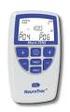 TENS PROTOCOL Dr. Deirdre M. Walsh D. Phil, B. Physio, PgCUT, MISCP, MCSP INTRODUCTION This protocol aims to provide an overview of Transcutaneous Electrical Nerve Stimulation (TENS), the choice of stimulation
Orthopaedic Spine Center. Anterior Cervical Discectomy and Fusion (ACDF) Normal Discs
 Orthopaedic Spine Center Graham Calvert MD James Woodall MD PhD Anterior Cervical Discectomy and Fusion (ACDF) Normal Discs The cervical spine consists of the bony vertebrae, discs, nerves and other structures.
Neck Pain Frequently Asked Questions. Moe R. Lim, MD UNC Orthopaedics (919-96B-ONES) UNC Spine Center (919-957-6789)
 Neck Pain Frequently Asked Questions Moe R. Lim, MD UNC Orthopaedics (919-96B-ONES) UNC Spine Center (919-957-6789) Neck Pain Human Spine 25 bones Cervical (7) Thoracic (12) Lumbar (5) Sacrum Human Spine
Hand Injuries and Disorders
 Hand Injuries and Disorders Introduction Each of your hands has 27 bones, 15 joints and approximately 20 muscles. There are many common problems that can affect your hands. Hand problems can be caused
Healing your pain changing your life.
 Healing your pain changing your life. About K-Laser What is Laser Therapy? Laser Therapy, or photobiomodulation, is the use of specific wavelengths of light (red and nearinfrared) to create therapeutic
THE THERAPIST S MANAGEMENT OF THE STIFF ELBOW MARK PISCHKE, OTR/L, CHT NOV, 17, 2014
 THE THERAPIST S MANAGEMENT OF THE STIFF ELBOW MARK PISCHKE, OTR/L, CHT NOV, 17, 2014 ELBOW FUNCTION 1. Required to provide stability for power and precision tasks for both open and closed kinetic chain
CHIROPRACTIC WELLNESS AWARENESS ONE FREE MASSAGE SESSION
 CHIROPRACTIC WELLNESS AWARENESS Do you want to have a healthy body? Do you like to maintain your high energy level? Do you want to be stress-less? Do you like to be pain free? Please call Conrad Nieh D.C.
Elbow Injuries and Disorders
 Elbow Injuries and Disorders Introduction Your elbow joint is made up of bone, cartilage, ligaments and fluid. Muscles and tendons help the elbow joint move. There are many injuries and disorders that
Instructions & Forms for Submitting Claims to Medicare
 Instructions & Forms for Submitting Claims to Medicare The Centers for Medicare and Medicaid services have issued a national coverage policy for the WalkAide. CMS will cover patients who have a diagnosis
Medical Treatment Guidelines Washington State Department of Labor and Industries
 Complex regional pain syndrome (CRPS) Formerly known as reflex sympathetic dystrophy 1. Introduction This bulletin outlines the Department of Labor and Industries guidelines for diagnosing and treating
Neck Pain Overview Causes, Diagnosis and Treatment Options
 Neck Pain Overview Causes, Diagnosis and Treatment Options Neck pain is one of the most common forms of pain for which people seek treatment. Most individuals experience neck pain at some point during
Tired, Aching Legs? Swollen Ankles? Varicose Veins? An informative guide for patients
 Tired, Aching Legs? Swollen Ankles? Varicose Veins? An informative guide for patients Are You at Risk? Leg problems are widespread throughout the world, but what most people don t know is that approximately
Case Studies Updated 10.24.11
 S O L U T I O N S Case Studies Updated 10.24.11 Hill DT Solutions Cervical Decompression Case Study An 18-year-old male involved in a motor vehicle accident in which his SUV was totaled suffering from
What are Core Muscles?... 2. A Healthy Lumbar Spine...3. What is Low Back Pain?...4. Rehabilitation...6. Stages of Rehabilitation...
 Table of Contents What are Core Muscles?... 2 A Healthy Lumbar Spine...3 What is Low Back Pain?...4 Rehabilitation...6 Stages of Rehabilitation...7 Pain Management....................... 8 Heat/Ice What
Exercise and FES cycle fact sheet
 Exercise and FES cycle fact sheet FES = Functional Electrical Stimulation. An electrical current is passed through paralysed muscle causing it to contract. The electrical current uses the peripheral nerves
EMG and the Electrodiagnostic Consultation for the Family Physician
 EMG and the Electrodiagnostic Consultation for the Family Physician Stephanie Kopey, D.O., P.T. 9/27/15 The American Association of Neuromuscular & Electrodiagnostic Medicine (AANEM) Marketing Committee
Spinal Anatomy. * MedX research contends that the lumbar region really starts at T-11, based upon the attributes of the vertebra.
 Spinal Anatomy Overview Neck and back pain, especially pain in the lower back, is one of the most common health problems in adults. Fortunately, most back and neck pain is temporary, resulting from short-term
Acute Low Back Pain. North American Spine Society Public Education Series
 Acute Low Back Pain North American Spine Society Public Education Series What Is Acute Low Back Pain? Acute low back pain (LBP) is defined as low back pain present for up to six weeks. It may be experienced
Temporo-Mandibular Joint Complex Exercise Suggestions
 Temporo-Mandibular Joint Complex Exercise Suggestions I. Exercise Generalizations: A. Patients with post-traumatic TMJ problems or with recent-onset dysfunction that is largely posture-related will generally
A Patient s Guide to Diffuse Idiopathic Skeletal Hyperostosis (DISH)
 A Patient s Guide to Diffuse Idiopathic Skeletal Hyperostosis (DISH) Introduction Diffuse Idiopathic Skeletal Hyperostosis (DISH) is a phenomenon that more commonly affects older males. It is associated
HIGH INTENSITY LASER A REVOLUTION IN THERAPEUTIC LASER TECHNOLOGY
 HIGH INTENSITY LASER A REVOLUTION IN THERAPEUTIC LASER TECHNOLOGY [email protected] www.btlnet.com All rights reserved. Although every care has been taken to provide accurate and up-to-date information,
Provided by the American Venous Forum: veinforum.org
 CHAPTER 1 NORMAL VENOUS CIRCULATION Original author: Frank Padberg Abstracted by Teresa L.Carman Introduction The circulatory system is responsible for circulating (moving) blood throughout the body. The
Spinal Injections. North American Spine Society Public Education Series
 Spinal Injections North American Spine Society Public Education Series What Is a Spinal Injection? Your doctor has suggested that you have a spinal injection to help reduce pain and improve function. This
Informed Patient Tutorial Copyright 2012 by the American Academy of Orthopaedic Surgeons
 Informed Patient Tutorial Copyright 2012 by the American Academy of Orthopaedic Surgeons Informed Patient - Carpal Tunnel Release Surgery Introduction Welcome to the American Academy of Orthopaedic Surgeons'
Spinal Cord Injury Education. An Overview for Patients, Families, and Caregivers
 Spinal Cord Injury Education An Overview for Patients, Families, and Caregivers Spinal Cord Anatomy A major component of the Central Nervous System (CNS) It is 15 to 16 inches long, and weighs 1 to 2 ounces
EXTENSOR POLLICIS TENDONITIS SYNDROME
 EXTENSOR POLLICIS TENDONITIS SYNDROME The extensor pollicis longus muscle has its origin on the lateral part of the middle third of the ulnar shaft on the dorsal border below the abductor pollicis longus
Goals of Rehabilitating Cranial Cruciate Ligament Rupture (CCL) (aka ACL in people)
 Goals of Rehabilitating Cranial Cruciate Ligament Rupture (CCL) (aka ACL in people) California Animal Rehabilitation (CARE) www.calanimalrehab.com Heather Oxford, DVM, MPH, CVA, CCRT Jessica H. Waldman,
Cervical Spondylosis (Arthritis of the Neck)
 Copyright 2009 American Academy of Orthopaedic Surgeons Cervical Spondylosis (Arthritis of the Neck) Neck pain is extremely common. It can be caused by many things, and is most often related to getting
Course Descriptions: PHTH 533 Functional Anatomy I (5)
 Course Descriptions: PHTH 501 Clinical Anatomy/Physiology I (5) This course is the first of three focusing on the structure of the human body and its related function. This course is designed to provide
Massage Therapy & Multiple Sclerosis
 Massage Therapy & Multiple Sclerosis National Massage Therapy Awareness Week October 2008 Presented by the Massage Therapist Association of Saskatchewan, Inc. MTAS Inc., 2008 Researched & written by Cynthia
Herniated Lumbar Disc
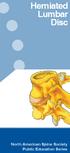 Herniated Lumbar Disc North American Spine Society Public Education Series What Is a Herniated Disc? The spine is made up of a series of connected bones called vertebrae. The disc is a combination of strong
An Easy Guide to TENS Pain Relief. Distibuted By: LgMedSupply.com PO Box 913 Cherry Hill, NJ 08003 www.lgmedsupply.com
 An Easy Guide to TENS Pain Relief Distibuted By: LgMedSupply.com PO Box 913 Cherry Hill, NJ 08003 www.lgmedsupply.com 1 LOW BACK PAIN MODE: C Mode PULSE WIDTH: 260 PULSE RATE: 50-80Hz comfortable intensity
What are spider veins? What is the best treatment for spider veins?
 Laser Spider/Leg Vein Q & A What are spider veins? Millions of women and men are bothered by unsightly spider veins on their faces and legs. Spider veins or telangiectasias are those small red, blue and
SUBCHAPTER 48C - SCOPE OF PHYSICAL THERAPY PRACTICE SECTION.0100 - PHYSICAL THERAPISTS
 SUBCHAPTER 48C - SCOPE OF PHYSICAL THERAPY PRACTICE SECTION.0100 - PHYSICAL THERAPISTS 21 NCAC 48C.0101 PERMITTED PRACTICE (a) Physical therapy is presumed to include any acts, tests, procedures, modalities,
High Dose Laser Therapy Revolutionizing Pain Management
 High Dose Laser Therapy Revolutionizing Pain Management The Best New Profit Center In Physical Medicine & Rehabilitation TECHNOLOGICAL MEDICAL ADVANCEMENTS, LLC High Dosage Laser Therapy (HDLT) Common
Cycling Injury Prevention Workshop
 Cycling Injury Prevention Workshop Focus on Thoracic-Shoulder & Associated Conditions Ian Wee Occupational Therapist / Cycle Coach Chris Thompson Physiotherapist / Cycle Coach/ Exercise Physiologist Workshop
Herniated Cervical Disc
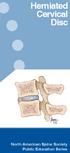 Herniated Cervical Disc North American Spine Society Public Education Series What Is a Herniated Disc? The backbone, or spine, is composed of a series of connected bones called vertebrae. The vertebrae
A Patient s Guide to Post-Operative Physiotherapy. Following Anterior Cruciate Ligament Reconstruction of the Knee
 A Patient s Guide to Post-Operative Physiotherapy Following Anterior Cruciate Ligament Reconstruction of the Knee Introduction The anterior cruciate ligament (ACL) is one of the main supporting ligaments
DACUM Competency Profile for The Physical Therapist Assistant
 DACUM Competency Profile for The Physical Therapist Assistant DACUM Panel Members Lisa Steiber Theracare Rehab Inc. Crestwood Convalescent Hospital Tammie B. Kirmil Community Hospital Monterey Peninsula
Physical & Occupational Therapy
 In this section you will find our recommendations for exercises and everyday activities around your home. We hope that by following our guidelines your healing process will go faster and there will be
APPLICATION FOR PHYSICAL AGENT MODALITY CERTIFICATION
 Revised: 08/12/2015 Department of Health and Human Services Division of Public Health - Licensure Unit P.O. Box 94986 - Lincoln, Nebraska 68509-4986 Telephone #: 402-471-2299 [email protected]
Y O U R S U R G E O N S. choice of. implants F O R Y O U R S U R G E R Y
 Y O U R S U R G E O N S choice of implants F O R Y O U R S U R G E R Y Y O U R S U R G E O N S choice of implants F O R Y O U R S U R G E R Y Your Surgeon Has Chosen the C 2 a-taper Acetabular System The
UHealth Sports Medicine
 UHealth Sports Medicine Rehabilitation Guidelines for Arthroscopic Rotator Cuff Repair Type 2 Repairs with Bicep Tenodesis (+/- subacromial decompression) The rehabilitation guidelines are presented in
Throughout this reference summary, you will find out what massage therapy is, its benefits, risks, and what to expect during and after a massage.
 Massage Therapy Introduction Massage therapy is the manipulation of the soft tissues of the body, including the skin, tendons, muscles and connective tissue by a professional, for relaxation or to enhance
Thyroid Eye Disease. Anatomy: There are 6 muscles that move your eye.
 Thyroid Eye Disease Your doctor thinks you have thyroid orbitopathy. This is an autoimmune condition where your body's immune system is producing factors that stimulate enlargement of the muscles that
Spinal Cord Stimulation (SCS) Therapy: Fact Sheet
 Spinal Cord Stimulation (SCS) Therapy: Fact Sheet What is SCS Therapy? Spinal cord stimulation (SCS) may be a life-changing 1 surgical option for patients to control their chronic neuropathic pain and
Hand and Upper Extremity Injuries in Outdoor Activities. John A. Schneider, M.D.
 Hand and Upper Extremity Injuries in Outdoor Activities John A. Schneider, M.D. Biographical Sketch Dr. Schneider is an orthopedic surgeon that specializes in the treatment of hand and upper extremity
Lean-Ergonomic methods to reduce workers compensation costs (Part 2 of 2) Cumulative trauma disorders can be classified as: What is CTD?
 #425 Lean-ergonomic methods to reduce workers compensation costs, Part 2 of 2 Lean-Ergonomic methods to reduce workers compensation costs (Part 2 of 2) Govid Bharwani, Ph.D, Biomedical Engineering Thursday,
Is manual physical therapy more effective than other physical therapy approaches in reducing pain and disability in adults post whiplash injury?
 Is manual physical therapy more effective than other physical therapy approaches in reducing pain and disability in adults post whiplash injury? Clinical Bottom Line Manual therapy may have a role in the
.org. Distal Radius Fracture (Broken Wrist) Description. Cause
 Distal Radius Fracture (Broken Wrist) Page ( 1 ) The radius is the larger of the two bones of the forearm. The end toward the wrist is called the distal end. A fracture of the distal radius occurs when
Resident will learn independently in addition to scheduled didactics. Learning is centered on the 7 core competencies as follows:
 Educational Goals & Objectives Physical and Occupational Therapies are an important part of patient care. The Physical Therapy rotation, under the supervision of the Director of Rehabilitation, is a one
Fact Sheet. Queensland Spinal Cord Injuries Service. Pain Management Following Spinal Cord Injury for Health Professionals
 Pain Management Following Injury for Health Professionals and Introduction Pain is a common problem following SCI. In the case where a person with SCI does have pain, there are treatments available that
Knowledgable Doctors & Caring Staff
 Knowledgable Doctors & Caring Staff Better Technology = Better Results = Patient Satisfaction Hello and thank you for visiting our website. We hope you find the information here helpful. We REGULARLY travel,
Does the pain radiating down your legs, buttocks or lower back prevent you from walking long distances?
 Does the pain radiating down your legs, buttocks or lower back prevent you from walking long distances? Do you experience weakness, tingling, numbness, stiffness, or cramping in your legs, buttocks or
Anterior Hip Replacement
 Disclaimer This movie is an educational resource only and should not be used to manage Orthopaedic health. All decisions about the management of hip replacement and arthritis management must be made in
Transcutaneous Electrical Nerve Stimulation Device. Operation Manual Read Before Using
 Transcutaneous Electrical Nerve Stimulation Device Operation Manual Read Before Using TABLE OF CONTENTS INTRODUCTION TO TENS INDICATIONS AND CONTRAINDICATIONS WARNINGS PRECAUTIONS/ADVERSE REACTIONS ABOUT
Practical Guide. Muscle & TENS Therapy. Danmeter A/S Kildemosevej 13, DK-5000 Odense C www.danmeter.dk [email protected]
 Practical Guide Muscle & Therapy Danmeter A/S Kildemosevej 13, DK-5000 Odense C www.danmeter.dk [email protected] Contents Introduction...1 Pain Relief with and BURST...1 Muscle Stimulation...1 Programmes...2
Rotator Cuff Pathophysiology. treatment program that will effectively treat it. The tricky part about the shoulder is that it is a ball and
 Rotator Cuff Pathophysiology Shoulder injuries occur to most people at least once in their life. This highly mobile and versatile joint is one of the most common reasons people visit their health care
HAND-ARM VIBRATION SYNDROME ASSESSMENT TESTS
 HAND-ARM VIBRATION SYNDROME ASSESSMENT TESTS St. Michael s Hospital Occupational Health Clinic 30 Bond Street Toronto ON M5B 1W8 Phone: 416.864.5074 Fax: 416.304.1902 Hand-arm vibration is transmitted
It is a syndrome characterized by chronic pain caused by multiple trigger points and
 1 WHAT IS MYOFASCIAL PAIN SYNDROME? It is a syndrome characterized by chronic pain caused by multiple trigger points and myofascial tightening. The term fascial pertains to the muscle, and it is a lining
Venous Reflux Disease and Current Treatments VN20-87-A 01/06
 Venous Reflux Disease and Current Treatments Leg Vein Anatomy Your legs are made up of a network of veins and vessels that carry blood back to the heart The venous system is comprised of: Deep veins Veins