
South African Learner Driver Manual
|
|
|
- Damon Claud O’Neal’
- 9 years ago
- Views:
Transcription
1 SA Learner Driver Manual Rules of the Road South African Learner Driver Manual i
2 SA Learner Driver Manual Rules of the Road COMPILED BY THE DEPARTMENT OF TRANSPORT OF THE REPUBLIC OF SOUTH AFRICA Department of Transport Forum Building 157 Struben Street Pretoria Tel: Disclaimer: This manual is the property of the Department of Transport and may not be copied and distributed for any financial gain. i

3 SA Learner Driver Manual Rules of the Road Table of contents Section 1: Rules of the Road 1 INTRODUCTION ACRONYMS AND DEFINITIONS INFORMATION FOR LEARNER S LICENCE TEST AND THE APPLICATION THEREOF SPECIAL REQUIREMENTS ARE COVERED BY THE LEGISLATION AS FOLLOWS: A PERSON IS DISQUALIFIED FROM OBTAINING OR HOLDING A LEARNER S OR DRIVING LICENCE: THE CODES ARE COVERED BY THE LEGISLATION AS FOLLOWS: TYPE OF LEARNER'S LICENCE CODES DRIVER OF MOTOR VEHICLE TO BE LICENSED LICENCE TO DRIVE, EITHER LEARNER S OR DRIVING LICENCE MANNER OF APPLICATION FOR LEARNER S LICENCE HOLDER OF LICENCE TO DRIVE MOTOR VEHICLE SHALL GIVE NOTICE OF CHANGE OF PLACE OF RESIDENCE UNLICENSED DRIVER NOT TO BE EMPLOYED OR PERMITTED TO DRIVE MOTOR VEHICLE PROFESSIONAL DRIVER TO HAVE PERMIT PERIOD OF VALIDITY OF MOTOR VEHICLE LICENCE AND LICENCE DISC OFFENCES ROAD TRAFFIC RULES LIGHTS Motorcycles Light and Heavy Motor Vehicles MAIN BEAM (BRIGHT) DIPPED BEAM PARKING LAMPS REAR LAMPS STOP LAMP NUMBER PLATE LAMP NUMBER PLATES FOG LAMPS SPOT LAMP DRIVING VIEW TO BE UNOBSTRUCTED (REAR-VIEW MIRRORS) STEERING GEAR Motorcycle Light and Heavy motor vehicles TURNING RADIUS BRAKES Motorcycle Light and Heavy motor vehicles HOOTER EMERGENCY WARNING DEVICE (SIREN) SEATBELTS Children PROTECTIVE HELMET FOR MOTORCYCLE RIDERS WINDSCREEN WINDSCREEN WIPERS EXHAUST SILENCERS / EXHAUST PIPES FUEL TANK, ELECTRICAL WIRING AND BATTERY ENGINE EMERGENCY WARNING SIGNS (TRIANGLES) EXCESSIVE NOISE ii

4 SA Learner Driver Manual Rules of the Road 6.26 SPEEDOMETERS SPEED LIMITS SPEED LIMIT IN RESPECT OF PASSENGER VEHICLES CONVEYING PERSONS FOR REWARD SPEED LIMIT FOR A PARTICULAR CLASS OF VEHICLES OVERALL LENGTH OF VEHICLES OVERALL HEIGHT OF VEHICLE OVERALL WIDTH OF VEHICLES CONVEYANCE OF GOODS CIRCUMSTANCES UNDER WHICH PERSONS MAY BE CARRIED ON GOODS VEHICLE PROJECTIONS/OVERHANG WARNING FLAGS/REFLECTORS DRIVING ON DIVIDED PUBLIC ROAD DRIVING ON LEFT SIDE OF ROADWAY PROHIBITION ON DRIVING ON SHOULDER OF ROAD, EXCEPT IN CERTAIN CIRCUMSTANCES LANE CHANGING DRIVING SIGNALS DIRECTION INDICATORS RETRO-REFLECTORS Motorcycles Light Motor Vehicles Heavy Motor Vehicle YELLOW REFLECTIVE MATERIAL OVERTAKING / PASSING INTERSECTIONS PARKING STOPPING GENERAL DUTIES OF DRIVER/RIDER DUTIES RELATING TO MOTORCYCLES MANNER IN WHICH SIDE CAR TO BE ATTACHED TO MOTORCYCLE CELL PHONES PEDESTRIANS RIGHT OF WAY VEHICLE LEFT / ABANDONED DAMAGE TO PUBLIC ROADS FREEWAYS TOWING RESTRICTION ON COMBINATION OF MOTOR VEHICLES CROSSING / ENTERING PUBLIC ROAD COMPULSORY STOPS TYRES Light Motor Vehicle Motorcycle ACCIDENTS INCONSIDERATE DRIVING RECKLESS OR NEGLIGENT DRIVING DRIVING WHILE UNDER THE INFLUENCE OF INTOXICATING LIQUOR OR DRUGS FUEL TANK, ELECTRICAL WIRING AND BATTERY Section 2: Section 3: Road Traffic Signs Vehicle and Motorcycle Controls and Components iii

5 1 INTRODUCTION The aim of this document is to provide a clear guide, in simple form, of the vehicle controls, rules of the road and road traffic signs that a driver is required to observe and apply in everyday driving. This manual also highlights the various procedures relating to learner and driving licences. It further provides advice on the safe operation of a vehicle under certain road and weather conditions. The statements in this manual should not be taken as precise legal interpretations of the road traffic laws. If a more detailed and precise statement of the law is required, you are advised to refer to the Road Traffic Act, (Act no 93 of 1996) and its Regulations. How to use this manual This Learner Driver manual provides you with comprehensive information about what you must and must not do on the roads as a driver of a motor vehicle or rider of a motorcycle. The manual covers aspects regulated under the South African Road Traffic Act that directly affect drivers and riders and, is set out in a clear format to enable all road users to gain an understanding of the law and their obligations to other road users. It is divided into three main sections. Learner Driver Manual 1 Rules of the Road 2 Road Traffic Signs 3 Vehicle and Motorcycle Controls and Components You will often see references to both drivers of motor vehicles and riders of motorcycles and to driving and riding. For the purposes of the manual, the terms 'driver' and 'driving' also refer to motorcycle riders and to riding a motorcycle. This manual has been written to help you become a safer, more considerate and more courteous driver, making our roads safer for all road users. 1

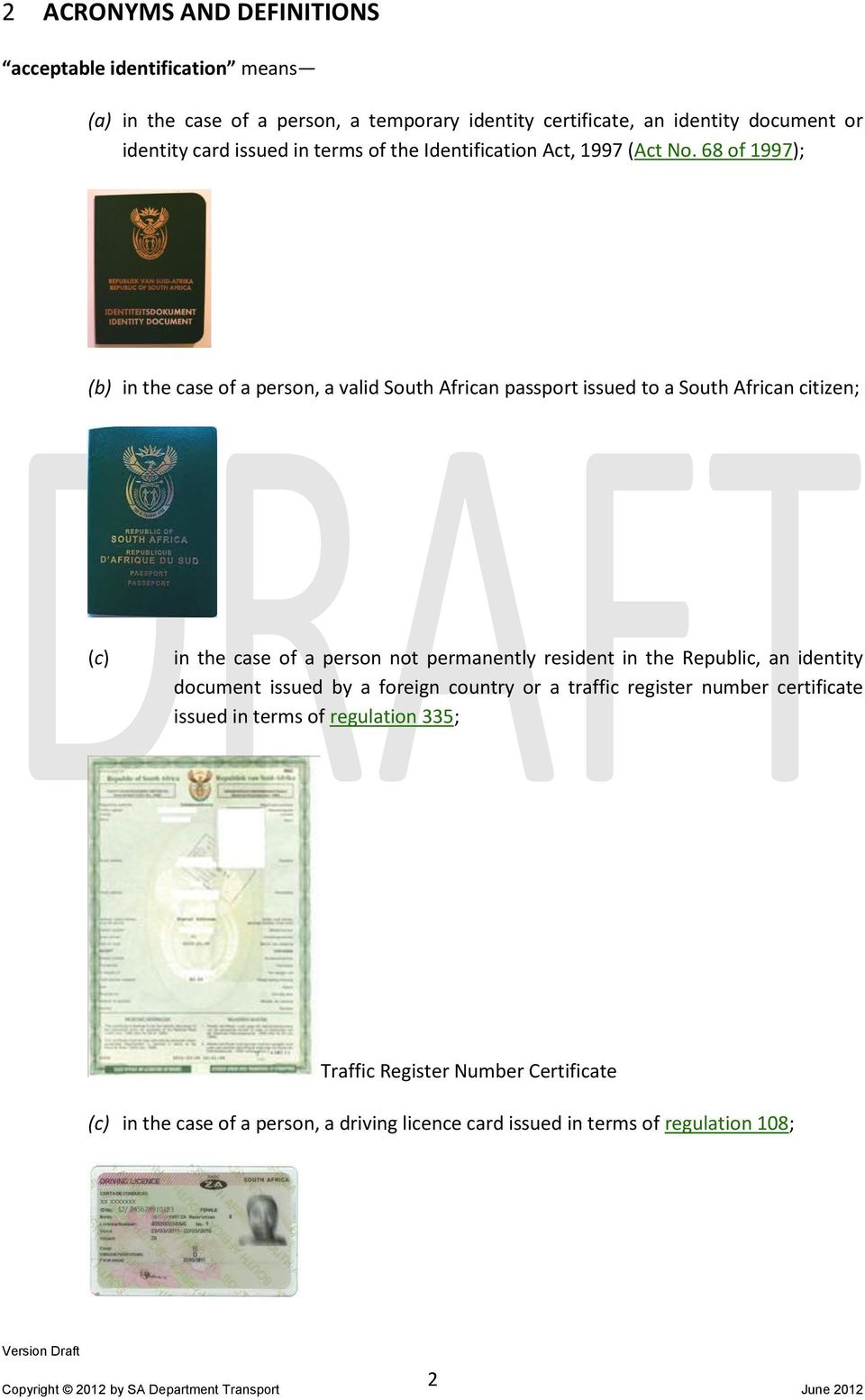
6 2 ACRONYMS AND DEFINITIONS acceptable identification means (a) in the case of a person, a temporary identity certificate, an identity document or identity card issued in terms of the Identification Act, 1997 (Act No. 68 of 1997); (b) in the case of a person, a valid South African passport issued to a South African citizen; (c) in the case of a person not permanently resident in the Republic, an identity document issued by a foreign country or a traffic register number certificate issued in terms of regulation 335; Traffic Register Number Certificate (c) in the case of a person, a driving licence card issued in terms of regulation 108; 2
7 articulated motor vehicle means a combination of motor vehicles consisting of a truck-tractor and a semi-trailer; bridge includes a culvert and a causeway; bus means a motor vehicle designed or adapted for the conveyance of more than 16 persons (including the driver, if any); combination of motor vehicles means two or more motor vehicles coupled together; cross, or any like expression, means to move on a public road in a direction, which intersects the normal course of travel of traffic on such road; dedicated lane means a portion of the public road reserved during certain period for the exclusive use of a certain categories of motor vehicles, the use and the categories of vehicles of which are prescribed by an appropriate sign; direction indicator means a device fitted to a motor vehicle for the purpose of enabling the driver of such motor vehicle to intimate his or her intention to change the direction of travel of such motor vehicle to the right or to the left; DLTC" means driving licence testing centre, which is registered according to the National Road Traffic Act (93 of 1996); drawing means drawing a vehicle designed or adapted solely for the purpose of being drawn, by a motor vehicle that is designed or adapted solely for the purpose of drawing such vehicle; driver means any person who drives or attempts to drive any vehicle or who rides or attempts to ride any pedal cycle or who leads any draught, pack or saddle animal or herd or flock of animals, and drive or any like word has a corresponding meaning; driving licence card means a driving licence card issued in terms of the Act; driving time means any period of time that the driver of a motor vehicle contemplated in the regulations occupies the drivers seat of such motor vehicle, whilst such motor vehicle is being operated on a public road or occupies the drivers seat of such motor vehicle, whilst the engine is running; edge of the roadway means the boundary between the roadway and the shoulder, which is indicated by an appropriate road traffic sign, or in the absence of such sign (a) (b) in the case of a road with a bituminous or concrete surface, the edge of such surface; or in the case of any other road, the edge of the improved part of the road intended for vehicular use; emergency brake means a brake, other than a service brake, which can stop a vehicle; 3

8 freeway means a public road or a section of a public road, which has been designated as a freeway by an appropriate road traffic sign; front end, in relation to (a) (b) a vehicle, other than a semi-trailer, means that part of the vehicle which projects furthest forward; or a semi-trailer, means a line running parallel with the centre-line of the kingpin and connecting the sides of the semi-trailer at the widest and furthest point in front of the kingpin; goods means any movable property; goods vehicle means a motor vehicle, other than a motorcycle, motor tricycle, motor quadrucycle, motorcar, minibus or bus, designed or adapted for the conveyance of goods on a public road and includes a truck-tractor, adaptor dolly, converter dolly and breakdown vehicle; GOODS VEHICLE This is a very important definition and is used throughout the regulations. Note that the following vehicles are by definition goods vehicles: Truck-tractor Breakdown vehicle Converter dolly Adopter dolly gross combination mass (GCM), in relation to a motor vehicle which is used to draw any other motor vehicle, means the maximum mass of any combination of motor vehicles, including the drawing vehicle, and load as specified by the manufacturer thereof or, in the absence of such specification, as determined by the registering authority; gross vehicle mass (GVM), in relation to a motor vehicle, means the maximum mass of such vehicle and its load as specified by the manufacturer thereof or, in the absence of such specification, as determined by the registering authority; haulage tractor means a motor vehicle, designed or adapted mainly for drawing other vehicles, and with a gross combination mass exceeding kg, but does not include a truck-tractor or tractor; instructor means any person who for direct reward (a) (b) instructs any other person in the driving of a motor vehicle; teaches any other person the rules of the road or road traffic signs in order to obtain a learner s or a driving licence; 4

9 intersection means the area embraced within the prolongation of the lateral boundary lines of two or more public roads, open to vehicular traffic, that join one another at any angle, whether or not one such public road crosses the other; junction means that portion of an intersection contained within the prolongation of the lateral limits of the intersecting roadways and includes any portion of the roadway between such lateral limits, and any stop or yield line marking which is painted at such intersection; INTERSECTION AND JUNCTION A junction is the area within the intersection on the improved part of the road. An intersection includes all parts of the road (sidewalks, verges, etc.) kerb line means the boundary between the shoulder and the verge or, in the absence of a shoulder, the part between the edge of the roadway and the verge; licence disc means a disc issued in terms of the Act that licenced a vehicle to be used on a public road and is only valid for 12 months; PLACEMENT OF DISC Cut out disc and affix to the lower left-hand corner on the inside of windscreen or disc holder as per Regulation 36. medical practitioner means any person registered as such in terms of the Medical, Dental and Supplementary Health Service Professions Act, 1974 (Act No. 56 of 1974); midibus means a sub-category of a bus, designed or modified solely or principally for the conveyance of more than 16 and not more than 35 persons (including the driver); minibus means a motor vehicle designed or adapted solely or principally for the conveyance of more than nine, but not more than 16 persons, including the driver; motor car means a motor vehicle, other than a motorcycle, motor tricycle or motor quadrucycle, designed or adapted solely or principally for the conveyance of not more than nine persons, including the driver; motorcycle means a motor vehicle that has two wheels and includes any such vehicle having a sidecar attached; motor quadrucycle means a motor vehicle, other than a tractor, which has four wheels and which is designed to be driven by the type of controls usually fitted to a motorcycle; motor tricycle means a motor vehicle, other than a motorcycle or a tractor, which has three wheels and which is designed to be driven by the type of controls usually fitted to a motorcycle; 5

10 motor vehicle means any self-propelled vehicle and includes (a) (b) a trailer; and a vehicle having pedals and an engine or an electric motor as an integral part thereof or attached thereto and which is designed or adapted to be propelled by means of such pedals, engine or motor, or both such pedals and engine or motor, but does not include (i) any vehicle propelled by electrical power derived from storage batteries and which is controlled by a pedestrian; or (ii) any vehicle with a mass not exceeding 230 kilograms and specially designed and constructed, and not merely adapted, for the use of any person suffering from some physical defect or disability and used solely by such person; number plate means a prescribed plate on which the licence number of a motor vehicle or motor trade number is displayed; operate on a public road or any like expression, in relation to a vehicle, means to use or drive a vehicle or to permit a vehicle to be used or driven on a public road, or to have or to permit a vehicle to be on a public road; owner, in relation to a vehicle, means (a) (b) (c) the person who has the right to the use and enjoyment of a vehicle in terms of the common law or a contractual agreement with the title holder of such vehicle; any person referred to in paragraph (a), for any period during which such person has failed to return that vehicle to the title holder in accordance with the contractual agreement referred to in paragraph (a); or a motor dealer who is in possession of a vehicle for the purpose of sale, and who is licensed as such or obliged to be licensed in accordance with the regulations made under section 4, and owned or any like word has a corresponding meaning; overall length, in relation to a vehicle, means the distance between the front end and the rear end of the vehicle and, in relation to a combination of vehicles, the distance between the front end of the leading vehicle and the rear end of the rearmost vehicle; overall height, in relation to a vehicle, means the distance measured from ground level to the highest part of any part of such vehicle; or any load thereon, 6

11 whichever part is the highest but, in the case of a vehicle driven by electrical power, the overall height does not include any overhead electrical contacting gear or catwalk protruding above such vehicle; overall width in relation to a vehicle, means the width measured between two planes parallel to the longitudinal centre-line of the vehicle and passing through the extreme projecting points on either side of such vehicle, excluding any side mirror or direction indicator or 30 millimetres on either side in respect of the fitment of air deflectors, reflectors or dangerous goods placards; park means to keep a vehicle, whether occupied or not, stationary for a period of time longer than is reasonably necessary for the actual loading or unloading of persons or goods, but does not include any such keeping of a vehicle by reason of a cause beyond the control of the person in charge of such vehicle; parking brake means a brake, normally a hand brake, used in the ordinary course of events to keep a vehicle stationary; pedestrian crossing means (a) (b) any portion of a public road designated as a pedestrian crossing by an appropriate road traffic sign; or that portion of a public road at an intersection included within the prolongation or connection of the kerb line and adjacent boundary line of such road, when no pedestrian crossing has been designated by appropriate road traffic sign; public road means any road, street or thoroughfare or any other place (whether a thoroughfare or not) which is commonly used by the public or any section thereof or to which the public or any section thereof has a right of access, and includes (a) (b) (c) the verge of any such road, street or thoroughfare; any bridge, ferry or drift traversed by any such road, street or thoroughfare; and any other work or object forming part of or connected with or belonging to such road, street or thoroughfare; Take note: For the purpose of this document a road refers to a public road. professional driver means the driver of a motor vehicle, which drive a motor vehicle of a prescribed class; No person shall drive a motor vehicle of a prescribed class on a public road except in accordance with the conditions of a professional driving permit issued to him or her and unless he or she keeps such permit with him or her in the vehicle: Provided that this shall not apply to the holder of a learner s licence who drives such vehicle while he or she is accompanied by a person registered as a professional driver in respect of that class of vehicle. 7

12 rear end, in relation to a vehicle, means that part of the vehicle which projects furthest to the rear; retro-reflector means a reflector which complies with the standard specification SABS 513 Retroreflectors (reflex reflectors), and which bears a certification mark or an approval mark, but where a reflector is incorporated in a cluster of lamps, the certification or approval mark can be on the cluster instead of the reflector; road traffic sign means a road traffic sign for the purpose of prohibiting, limiting, regulating or controlling traffic in general or any particular class of traffic on a public road or a section thereof; roadway means that portion of a road, street or thoroughfare improved, constructed or intended for vehicular traffic, which is between the edges of the roadway; roadworthy, in relation to a vehicle, means a vehicle, which complies with the relevant provisions of this Act and is otherwise in a fit condition to be operated on a public road; semi-trailer means a trailer having no front axle and so designed that at least 15 per cent of its tare is super-imposed on and borne by a vehicle drawing such trailer; service brake means a brake, normally a footbrake, used in the ordinary course of events to reduce the speed of a vehicle or to stop the vehicle; shoulder means that portion of a road, street or thoroughfare between the edge of the roadway and the kerb line; sidewalk means that portion of a verge intended for the exclusive use of pedestrians; stop means the bringing to a standstill of a vehicle by the driver thereof; stop lamp means a device fitted to a vehicle for the purpose of signalling, by means of a light, the intention of the driver of such vehicle to stop or reduce the speed of such vehicle; tare, in relation to a motor vehicle, means the mass of such vehicle ready to travel on a road and includes the mass of (a) (b) (c) (d) any spare wheel and of all other accessories and equipment supplied by the manufacturer as standard for the particular model of motor vehicle concerned; anything, which is a permanent part of the structure of such vehicle; anything attached to such vehicle so as to form a structural alteration of a permanent nature; and the accumulators, if such vehicle is self-propelled by electrical power, but does not include the mass of (i) fuel; and 8

13 (ii) anything attached to such vehicle, which is not of the nature referred to in paragraph (b) or (c); the Act means the National Road Traffic Act, 1996 (Act No. 93 of 1996); towing means towing a vehicle that is not designed or adapted for the purpose of being drawn; traffic island means a physical island that serves as a channelizing device within a junction or on a public road; traffic lane means a longitudinal division of a public road of sufficient width to accommodate the passage of a single line of vehicles; traffic signal means a road traffic sign, which, by means of automatic light signals, alternately directs traffic to stop and permits it to proceed; tractor means a motor vehicle designed or adapted mainly for drawing other vehicles and with a gross combination mass not exceeding kg, but does not include a truck-tractor; trailer means a vehicle which is not self-propelled and which is designed or adapted to be drawn by a motor vehicle, but does not include a side-car attached to a motorcycle; truck-tractor means a motor vehicle designed or adapted (a) (b) for drawing other vehicles; and not to carry any load other than that imposed by a semi-trailer or by ballast, but does not include a tractor or a haulage tractor; urban area means that portion of the area of jurisdiction of a local authority, which has by actual survey been subdivided into erven or is surrounded by surveyed erven, and includes the public roads abutting thereon; vehicle means a device designed or adapted mainly to travel on wheels or crawler tracks and includes such a device which is connected with a draw-bar to a breakdown vehicle and is used as part of the towing equipment of a breakdown vehicle to support any axle or all the axles of a motor vehicle which is being salvaged other than such a device which moves solely on rails; and verge means that portion of a road, street or thoroughfare, including the sidewalk, which is not the roadway or the shoulder. LMV - means Light Motor Vehicle of which the Tare/Gross Vehicle Mass shall not be more than 3500 kg. HMV - means all Heavy Motor Vehicle of which: the T (Tare) exceeds 3500 kg. 9

14 a minibus, a bus or a goods vehicle GVM (gross vehicle mass) exceeds 3500 kg. articulated vehicle and combinations of vehicles of which GCM (gross combination mass) of the drawing vehicle exceeds 3500 kilograms and combinations of vehicles of which the (GVM) of the trailer exceed 750kg. MC - means Motorcycle that includes a motorcycle, tricycle and quadrucycle. 10

15 3 INFORMATION FOR LEARNER S LICENCE TEST AND THE APPLICATION THEREOF A learner s licence is required before a person can legally be trained to drive a vehicle on a public road. You can apply to be tested for a learner s licence at any registered driving licence testing centre (DLTC) on the appropriate application form (form LL1). On issuance of the receipt, the DLTC will determine a date and time on which you will have to report for the approved learner's licence test. The test will cover the following aspects; (a) (b) (c) rules of the road and other legislative matters, road traffic signs, signals and road markings, and the use of controls of a vehicle. Once the approved learner s licence test was passed, your learner s licence will be valid for a period of 24 months from the day of the test. 4 Special requirements are covered by the legislation as follows: 4.1 A PERSON IS DISQUALIFIED FROM OBTAINING OR HOLDING A LEARNER S OR DRIVING LICENCE: (a) (b) (c) (d) (e) (f) If such person is addicted to the use of any drug having a narcotic effect or the excessive use of intoxicating liquor and ; during any period in respect of which he or she has been declared by a competent court or authority to be disqualified from obtaining or holding a licence to drive a motor vehicle, while such disqualification remains in force; where a licence to drive a motor vehicle held by him or her has been suspended by a competent court or authority, while such suspension remains in force; where a licence to drive a motor vehicle held by him or her has been cancelled by a competent court or authority, for such period as he or she may not apply for a licence; if such licence relates to a class of motor vehicle which he or she may already drive under a licence held by him or her; If suffering from one of the following diseases or disabilities: (i) uncontrolled epilepsy; 11

16 (ii) (iii) (iv) (v) (vi) (vii) sudden attacks of disabling giddiness or fainting due to hypertension or any other cause; any form of mental illness to such an extent that it is necessary that he or she be detained, supervised, controlled and treated as a patient in terms of the Mental Health Act, 1973 (Act No. 18 of 1973); any condition causing muscular in coordination; uncontrolled diabetes mellitus; defective vision ascertained in accordance with a prescribed standard; any other disease or physical defect which is likely to render him or her incapable of effectively driving and controlling a motor vehicle of the class to which such licence relates without endangering the safety of the public: Provided that deafness shall not of itself be deemed to be such a defect. 5 The codes are covered by the legislation as follows: 5.1 TYPE OF LEARNER'S LICENCE CODES (1) Code 1 learner's licence a) The holder of a code 1 learner s licence is authorised to ride motorcycle on a public road however a motor quadrucycles are not allowed to be ridden on a public road. b) To obtain a code 1 learner s licence you must be at least 16 years of age. c) If you are under the age of 18, you may only ride a motorcycle with a cylinder capacity not exceeding 125 cubic centimetres. d) A code 1 learners licence does not authorise the carrying of passengers. e) A learner s licence in respect of a motorcycle, shall not authorise the holder to drive a motorcycle on a public road while carrying another person. Code 1 Motorcycles (2) Code 2 learner's licence a) The holder of a code 2 learner s licence is authorised to drive any motor vehicle or combination of motor vehicles other than a motorcycle or a motor tricycle, of which neither the Tare, Gross Vehicle Mass, nor the Gross Combination Mass of such vehicle, or vehicles exceeds 3500 kilograms. 12

17 b) The holder of a code 2 learner s licence shall drive only those vehicles he or she is authorised to drive while under the direct supervision of a person who holds a driving licence for the applicable class of vehicle. c) To obtain a code 2 learner s licence you must be at least 17 years of age. d) Your learner s licence will be valid for 24 months from the date on which the approved test was passed. Code 2 Light Motor Vehicles (3) Code 3 learner's licence a) The holder of a code 3 learner s licence is authorised to drive any motor vehicle or combination of motor vehicles other than a motorcycle, a motor tricycle or a motor quadru cycle, of which neither the Tare, Gross Vehicle Mass, nor the Gross Combination Mass of such vehicle, or vehicles exceeds 3500 kilograms. b) The holder of a code 3 learner s licence shall drive any motor vehicle or combination of motor vehicles other than a motorcycle, or tricycle while under the direct supervision of a person who holds a driving licence for the applicable class of vehicle. c) To obtain a code 3 learner s licence you must be at least 18 years of age. d) Your learner s licence will be valid for 24 months from the date on which the approved test was passed. Code 3 Light and Heavy Motor Vehicles 5.2 DRIVER OF MOTOR VEHICLE TO BE LICENSED No person shall drive a motor vehicle on a public road 13

18 (a) except under the authority and in accordance with the conditions of a licence issued to him or her in terms of the National Road Traffic Act (b) unless he or she keeps such licence or document with him or her in the vehicle. 5.3 LICENCE TO DRIVE, EITHER LEARNER S OR DRIVING LICENCE A licence authorising the driving of a motor vehicle shall be issued by a driving licence testing centre in accordance with the National Road Traffic Act and shall be either (a) (b) a provisional licence, to be known as a learner s licence; or a licence, to be known as a driving licence, 5.4 MANNER OF APPLICATION FOR LEARNER S LICENCE An application in terms of the National Road Traffic Act shall be made by the applicant at a driving licence testing centre on form LL1 and shall be accompanied (a) (b) (c) (d) by two identical black and white or colour photographs of the applicant: acceptable identification of the applicant and a photo copy thereof; in the case of an applicant who is 65 years of age or older, by the medical certificate on form MC signed by a medical practitioner or occupational health practitioner, certifying that the applicant is not disqualified in terms of National Road Traffic Act from obtaining a learner s or driving licence; and by the appropriate fee as determined by the MEC of the province concerned. 5.5 HOLDER OF LICENCE TO DRIVE MOTOR VEHICLE SHALL GIVE NOTICE OF CHANGE OF PLACE OF RESIDENCE When the holder of a licence to drive a motor vehicle which was issued in terms of the National Road Traffic Act has changed his or her place of residence permanently, he or she shall, within 14 days after such change, notify in the prescribed manner the registering authority in whose area he or she is ordinarily resident of his or her new residential and postal address. 5.6 UNLICENSED DRIVER NOT TO BE EMPLOYED OR PERMITTED TO DRIVE MOTOR VEHICLE No person who is the owner or operator, or is in charge, or control, of a motor vehicle shall employ or permit any other person to drive that vehicle on a public road unless that other person is licensed in accordance with the National Road Traffic Act to drive the vehicle. 5.7 PROFESSIONAL DRIVER TO HAVE PERMIT No person shall drive a motor vehicle of a prescribed class on a public road except in accordance with the conditions of a professional driving permit issued to him or her in accordance with the 14
19 National Road Traffic Act and unless he or she keeps such permit with him or her in the vehicle: Provided that this requirement shall not apply to the holder of a learner s licence who drives such vehicle while he or she is accompanied by a person registered as a professional driver in respect of that class of vehicle and unless he or she keeps such professional driving permit with him or her in the vehicle. 5.8 PERIOD OF VALIDITY OF MOTOR VEHICLE LICENCE AND LICENCE DISC A motor vehicle licence and licence disc shall be valid for a period of 12 months from the first day of the month in which such licence and licence disc were issued and the date of expiry of such licence shall be shown on the motor vehicle licence and licence disc Period of Grace A motor vehicle may within a period of 21 days after the date of expiry, be operated on a public road while the licence number allocated to such motor vehicle and the licence disc issued in respect of such motor vehicle prior to the date on which the motor vehicle licence and licence disc became null and void, are displayed in the manner prescribed. 5.9 OFFENCES The owner of a vehicle is also responsible for all offences committed with his/her vehicle on a public road, if he/she permitted the use of the vehicle. 15

20 6 ROAD TRAFFIC RULES 6.1 LIGHTS Motorcycles You may not operate any motorcycle, on a public road unless all lamps fitted to such motorcycles are undamaged, properly secured and capable of being lighted at all times; When riding a motorcycle on a public road, the headlamp must be lighted at all times. (During night and day) Light and Heavy Motor Vehicles When using any light or heavy motor vehicle on a public road; all lamps must be undamaged, unobscured, properly secured, and capable of being lit at all times; The headlamps, rear lamps and number plate lamps must be kept lighted during the period; between sunset and sunrise, and at any other time when, due to insufficient light or unfavourable weather conditions, persons and vehicles upon the public road are not clearly discernible at a distance of 150 metres. Provided that these provisions shall not apply to a motor vehicle, which is parked; off the roadway of a public road, in a parking place demarcated by an appropriate road traffic sign, or within a distance of 12 metres from a lighted street lamp illuminating the road on which such vehicle is parked. 6.2 MAIN BEAM (BRIGHT) Every headlamp emitting a main-beam (bright), must be so adjusted and maintained that it shall be capable of adequately illuminating an area ahead of the motor vehicle, enabling the driver/rider to see any person, vehicle or substantial object at a distance of at least 100 metres. Remember to dip the main-beam (bright) of your vehicle for oncoming traffic, as well as when following another vehicle. 6.3 DIPPED BEAM Every headlamp emitting a dipped-beam must be so adjusted and maintained to be capable of adequately illuminating an area ahead of the motor vehicle, enabling the driver/rider to 16
21 see any person, vehicle or substantial object at a distance of at least 45 metres ahead of the motor vehicle. 6.4 PARKING LAMPS A vehicle may not be driven on a public road with only the parking lamps lighted while such vehicle is in motion. 6.5 REAR LAMPS You may not ride any motorcycle or a motor tricycle on a public road unless such cycle is fitted with a rear lamp emitting a red light to the rear. You may not drive a light motor vehicle on a public road unless it is fitted with lamps at the rear, emitting a red light to the rear. You may not drive a heavy motor vehicle on a public road unless such motor vehicle is fitted with at least one lamp on each side at the rear emitting a red light to the rear. 6.6 STOP LAMP You may not drive a light motor vehicle or motorcycle on a public road unless it is fitted with stop lamps at the rear. When in use, they must emit a red light, which must be greater than that of the light emitted by the rear lamps and must be visible in normal sunlight at a distance of 30 metres to a person of normal eyesight. A person may not drive a heavy motor vehicle on a public road unless it is fitted with at least one stop lamp on each side at the rear of the motor vehicle which shall, when in use, emit a red light and the intensity of which shall be greater than that of the light emitted by the rear lamp on the motor vehicle and shall be visible in normal sunlight at a distance of not less than 30 metres to a person of normal eyesight. When a stop lamp is illuminated, this indicates that the vehicle is decreasing speed and may stop. 6.7 NUMBER PLATE LAMP You may not drive a motor vehicle on a public road, unless it is fitted with at least one number-plate lamp at the rear, illuminating the number plate. Every letter and figure of such plate must be visible from a distance of 20 metres by a person of normal eyesight. 6.8 NUMBER PLATES A South African Bureau of Standards (SABS) approve number plate shall be affixed (a) (b) in such a manner that it is not easily detachable; in an upright position or within 30 degrees of such position; 17
22 (c) (d) (e) (f) in such a manner that each letter and figure thereon is clearly legible; in such a manner that the whole number plate is clearly visible; to the back of a motor cycle, motor tricycle, or trailer; and one to the back and one to the front of all other motor vehicles. 6.9 FOG LAMPS Front fog lamps - Rear fog lamps - No vehicle may be driven on a public road while any fog lamp fitted to such vehicle is lit, except in conditions of poor visibility caused by; snow, fog, mist, dust, or smoke SPOT LAMP A motor vehicle may not be used on a public road if it is fitted with a spot lamp, which can be so adjusted as to enable a beam of light emit therefrom to be deflect in any direction; Provided that a spot lamp which is adjustable may be fitted and used for official purposes on any ambulance, rescue vehicle, firefighting vehicle, police vehicle or traffic control vehicle, may be fitted to a vehicle owned by a medical practitioner or veterinarian, and used for professional duties only; or may be fitted to a breakdown vehicle or a vehicle employed in connection with the supply of electricity or other public essential services: Provided that it is used solely at the scene of an accident or breakdown or for the examination of overhead telephone, telegraph or power lines DRIVING VIEW TO BE UNOBSTRUCTED (REAR-VIEW MIRRORS) No person shall operate on a public road a motor vehicle if the driver/rider thereof have a full and clear view of the roadway ahead and to his or her right and left when the vehicle is in use; which is not fitted with a rear-view mirror or mirrors enabling the driver/rider of such vehicle, to see in clear weather, a clear reflection of traffic to the rear: Provided that this shall not apply in respect of a tractor; 18
23 which is a motor car, minibus, bus or goods vehicle, unless it is fitted with an exterior rear-view mirror on the driving side and an interior rear-view mirror: Provided that where the interior rear-view mirror does not enable the driver, when he or she is in the driving position, to see in clear weather, a clear reflection of traffic to the rear, an additional exterior rear-view mirror shall be fitted on the side opposite to the driving seat and in such a case it shall not be necessary to fit an interior rear-view mirror; 6.12 STEERING GEAR Motorcycle You may not use a motorcycle on a public road- unless all parts of the steering gear are maintained in a condition, which enables the motorcycle to be steered safely and efficiently; unless the distance between the outside edges of the handlebars is (i) (ii) between 600 and 800 millimetres in respect of motorcycles having an engine with a cylinder capacity of 200 cubic centimetres more, and between 500 and 800 millimetres in respect of motorcycles having an engine with a cylinder capacity of less than 200 cubic centimetres. of which the outer ends of the handgrips on the handlebars are- (i) (ii) higher than 500 millimetres above the seat height; or lower than the seat height, Light and Heavy motor vehicles A motor vehicle may not be used on a public road unless all parts of the steering are maintained in a condition, which enables the vehicle to be steered safely and efficiently 6.13 TURNING RADIUS A motor vehicle may not be used on a public road if the turning radius of such vehicle exceeds 13,1 metres BRAKES Motorcycle You may not ride a motorcycle on a public road, which is not equipped with two independent braking systems - one of which shall act on the front wheel, and and the other which shall act on the rear wheel or wheels. 19
24 which is in good working order Light and Heavy motor vehicles Every light and heavy motor vehicle used on a public road must be equipped with; a service brake, a parking brake, and an emergency brake. (Same as parking brake) which is in good working order. Provided that the emergency brake and parking brake may be one and the same brake HOOTER No person shall use the hooter of a vehicle except when such use is necessary on the grounds of safety. You may not use a light motor vehicle on a public road unless- it is equipped with a warning device (hooter), which is in good working order and, when used, capable of emitting a sound, which is clearly audible by a person of normal hearing from a distance of 90 metres. Sirens or warning devices that play a tune may not be used in private vehicles EMERGENCY WARNING DEVICE (SIREN) The driver/rider of a motor vehicle shall give immediate right of way to all emergency vehicles sounding a siren and displaying emergency warning lights. The following vehicles are regarded as an emergency vehicles- a fire-fighting vehicle (red warning light), a fire-fighting response vehicle (red warning light), a rescue vehicle (red warning light), a emergency medical response vehicle (red warning light), ambulance (red warning light), vehicle driven by a traffic officer in the carrying out of his or her duties (blue warning light), to a vehicle driven by a person while engaged in civil protection (green warning light) SEATBELTS Seatbelts are compulsory to wear when moving forward for children and adults but it only covers persons 3 years of age and older. 20
25 If seatbelts are fitted, rear-seat passengers must wear such seatbelts whilst the vehicle is driven. A child is defined as a person between the ages of 3 and 14 years, except when such person is taller than 1,5 metres, then he or she is regarded as an adult, irrespective of age. A person older than 14 years is defined as an adult. No adult shall; occupy a seat in any motor vehicle unless such person wears a seatbelt: occupy a seat on a row of seats, which is not fitted with a seatbelt, unless all other seats on such row which are fitted with seatbelts, are already occupied Children The driver of a motor vehicle shall ensure that a child seated on a seat; where it is available, uses an appropriate child restraint; or if no child restraint is available, wears a seatbelt when available. If a seat, equipped with a seatbelt, is not available, the driver shall ensure that a child shall, if such motor vehicle is equipped with a rear seat, be seated on the rear seat. It is not compulsory to wear a seatbelt while reversing or moving in or out of a parking bay or area. The driver of a motor vehicle shall ensure that all persons travelling in such motor vehicle shall wear a seat belt PROTECTIVE HELMET FOR MOTORCYCLE RIDERS You may not ride a motorcycle or be a passenger on a motorcycle, motor tricycle or a motor quadru cycle, or be a passenger in the sidecar attached to a motorcycle, on a public road, unless a protective helmet is worn- which is specially designed for use in connection with such cycle; and which fits properly and of which the chin strap is properly fastened under the chin. The rider of a motorcycle shall ensure that any passenger in or on such cycle who is younger than 14 years, wears such protective helmet. The rider and passenger on a motorcycle may not wear a protective helmet when the motorcycle is equipped with a seatbelt that complies with the requirements of the SABS, and the engine can not move unless the driver and passengers (if any), of the motorcycle wear such seatbelt WINDSCREEN The transparent windscreen of a light motor vehicle, must; 21
26 afford the driver sufficient visibility for safe driving, be of safety glass, and have visible light transmittance through the windscreen of at least 70% 6.20 WINDSCREEN WIPERS A light and heavy motor vehicle with a windscreen must be fitted with at least one windscreen wiper and must, when in operation, wipe the outside of the windscreen directly in front of the driver, continuously, evenly and adequately EXHAUST SILENCERS / EXHAUST PIPES A motor vehicle must be equipped with an efficient exhaust silencer, which must; allow the exhaust gas from the engine to be projected through such silencer; not emit exhaust gas or smoke from the engine which is so dense as to cause a nuisance to, or obstruct the vision of other road users, or be in such a position that oil or other flammable liquid or material cannot drip or fall onto it, be so maintained that exhaust gas or smoke does not leak into the driving cab or passenger compartment of the vehicle. A motor vehicle may not be used on a public road- without an efficient exhaust silencer. unless the gas from the engine is projected through such silencer if the exhaust gas or smoke from the engine is so dense as to cause a nuisance to, or obstruct the vision of other road users, or if the exhaust pipe or silencer thereof is in such a position that oil or other flammable liquid or material can drip or fall onto it, or is not in efficient working order, or is so placed and maintained that exhaust gas or smoke leaks into the driving cab or passenger compartment of the vehicle FUEL TANK, ELECTRICAL WIRING AND BATTERY A motor vehicle may not be used on a public road if the fuel tank, carburettor, fuel receptacle or fuel pipes thereof is defective or so exposed that it constitutes a source of danger; if the fuel tank is not fitted with an effective cap; or unless the electrical wiring and battery are properly installed, insulated and maintained so that such wiring and battery do not constitute a source of danger ENGINE 22
27 A light and heavy motor vehicle may not be used on a public road, unless the engine thereof is so covered as not to be a source of danger EMERGENCY WARNING SIGNS (TRIANGLES) Any heavy motor vehicle (GVM exceeds 3500kg), all goods vehicles, minibuses and busses, (excluding motor cars, ambulances and motorcycles) may not be used on a public road, unless there is carried on such vehicle at least one emergency warning sign. Provided that in the case of a combination of motor vehicles (vehicle with one or more trailers), the emergency warning sign for every motor vehicle of such combination may be carried on the drawing vehicle. Where a motor vehicle is for any reason stationary on the roadway of a public road, the driver of such vehicle shall display at least one emergency warning sign in the following manner the sign shall be placed not less than 45 metres from the motor vehicle along the roadway of the public road concerned in the direction from which traffic will approach such vehicle when travelling on the side of the roadway closest to such motor vehicle; the sign shall be placed approximately as far from the edge of the roadway as the transverse centre of the motor vehicle is from the edge of the roadway; and the reflective side of the sign shall face in the direction from which any traffic will approach. This shall not apply where a motor vehicle is stationary in a place where a road traffic sign authorises the loading or unloading of a vehicle; in compliance with any direction conveyed by a road traffic sign or given by a traffic officer; on account of other traffic on the public road concerned and while the driver occupies the driving seat of such motor vehicle; or in the course of events accompanying the carrying out of a State or municipal function EXCESSIVE NOISE No person shall operate on a public road a vehicle in such a manner as to cause any excessive noise. 23
28 6.26 SPEEDOMETERS A motor vehicle, which is designed for or capable of reaching a speed of 60 km/h or more, must be equipped with a speedometer, which is in a good working order SPEED LIMITS A general speed limit is applicable on all roads and does not have to be displayed by a road traffic sign. Unless otherwise indicated by a road traffic sign, a speed limit of 60 kilometres per hour shall apply in respect of every public road situated within an urban area; 100 kilometres per hour shall apply in respect of every public road other than a freeway, situated outside an urban area; and 120 kilometres per hour shall apply in respect of every freeway. Exceeding the speed limit is an offence SPEED LIMIT IN RESPECT OF PASSENGER VEHICLES CONVEYING PERSONS FOR REWARD A speed limit of 100 kilometres per hour shall apply in respect of- bus, and a minibus 6.29 SPEED LIMIT FOR A PARTICULAR CLASS OF VEHICLES A speed limit of 80 kilometres per hour shall apply in respect to- a goods vehicle with a GVM of more than 9000 kilograms; a combination of motor vehicles consisting of a goods vehicle, being the drawing vehicle, and one or two trailers of which the sum of the gross vehicle mass of the goods vehicle and of the trailer or trailers exceeds kilograms; or an articulated motor vehicle, of which the gross combination mass of the trucktractor exceeds 9000 kilograms; Any breakdown vehicle that is towing another vehicle: 6.30 OVERALL LENGTH OF VEHICLES Legislation provides for restrictions on the overall length of certain types of vehicles. The restricted lengths are as follows; 24
29 a trailer (not semi-trailer) of which the GVM is less than kilograms - shall not exceed 8 metres a trailer (not semi-trailer) of which the GVM is more than kilograms - shall not exceed 12,5 metres an articulated motor vehicle - shall not exceed 18,5 metres a bus-train - shall not exceed 22 metres any other vehicles - shall not exceed 12,5 metres any combination of motor vehicles _1 shall not exceed 22 metres 6.31 OVERALL HEIGHT OF VEHICLE The following motor vehicles may not be used on a public road together with any load thereon, if the overall height- in the case of a double-deck bus exceeds 4,65 metres; and in the case of any other motor vehicle exceeds 4,3 metres OVERALL WIDTH OF VEHICLES The following motor vehicles may not be used on a public road- a bus of which the distance between the centre-lines of the tyres of the two front wheels exceeds 1,9 metres, if the overall width of such bus exceeds 2,6 metres; a goods vehicle the gross vehicle mass of which is kilograms or more, if the overall width thereof exceeds 2,6 metres, or any other vehicle, if the overall width thereof exceeds 2,5 metres CONVEYANCE OF GOODS Goods may not be loaded onto a vehicle in such a manner that it may- come into contact with the surface of the road, obscure the drivers/riders view of traffic to the front or on either side, or his or her view in the rear-view mirror or mirrors of traffic to the rear; which are not safely contained within the body of such vehicle; or securely fastened to such vehicle, and which are not properly protected from being dislodged or spilled from such vehicle; on the roof thereof, in the case where such vehicle is a motorcar, if the height of such goods measured from the highest point of such roof exceeds one-half of the height of the motor car, measured from ground level: Provided that the provisions of this paragraph shall not be applicable in respect of pedal cycles being transported on the roof of a motor vehicle. 25
30 Any container, which has provision for fastening by means of twist locks, unless such container is securely fastened by at least four twist locks. Transporting baggage on a motorcycle in the best possible way is to place the baggage into suitable carriers attached securely to the motorcycle CIRCUMSTANCES UNDER WHICH PERSONS MAY BE CARRIED ON GOODS VEHICLE If persons are carried on a goods vehicle, that portion of the vehicle in which the persons are being conveyed must be enclosed to a height of at least 350 millimetres above the surface upon which such person is seated; or at least 900 millimetres above the surface on which such person is standing. It is against the law for passengers to ride in a caravan PROJECTIONS/OVERHANG A motorcycle may not be used on a public road if any goods carried thereon, or on any sidecar project more- than 600 millimetres to the front of the axle of the front wheel; than 900 millimetres to the rear of the axle of the rear wheel; than 450 millimetres on either side of the wheels, and than 300 millimetres to the outside of the wheel of the sidecar. A light & heavy motor vehicle may not be used on a public road carrying any goods, which project: a) either side of the longitudinal centre-line of the vehicle by more than; i. in the case a bus or a goods vehicle of which the gross vehicle mass of exceeds kilograms - 1,3 metres; or (therefore maximum width of goods is 2,6 metres) ii. in the case of any other vehicle, 1,25 metres. (therefore maximum width of goods is 2,5 metres) Provided that any side mirror or direction indicator on the vehicle shall not be taken into account; A light & heavy motor vehicle may not be used on a public road carrying any goods, which project: a) more than 300 millimetres beyond the front end of the vehicle. b) more than 1,8 metres beyond the rear end of the vehicle. 26
31 A light & heavy motor vehicle may not be used on a public road: Of which any bracket projects more than 150 millimetres beyond the widest part of the vehicle. (Side rear view mirrors or direction indicators are excluded) 6.36 WARNING FLAGS/REFLECTORS Where any load projects more than 150 millimetres to the side, or more than 300 millimetres to the rear, it must be marked by means of; a red flag or flags (300mm x 300mm) during the day, and retro reflectors at night, or any other time when persons and vehicles are not clearly visible due to unfavourable conditions. White retro reflectors to the front and red retro reflectors to the rear DRIVING ON DIVIDED PUBLIC ROAD Whenever any public road has been divided into two or more roadways, no person shall drive/ride a vehicle upon such public road except upon the left hand roadway, unless directed or permitted by an appropriate road traffic sign or a traffic officer to use another roadway DRIVING ON LEFT SIDE OF ROADWAY Any person driving a vehicle on a public road shall drive on the left side of the roadway and, where the roadway is wide enough, in such manner as not to encroach on that half of the roadway to his or her right: Provided that such encroachment shall be permissible where it can be done without obstructing or endangering other traffic, or in compliance with a direction of a traffic officer or a road traffic sign. When you become aware of other traffic proceeding in the same direction and wishing to pass your vehicle drive as near to the left edge of the roadway as is possible, without endangering yourself, other traffic or property, and do not accelerate the speed of your vehicle until the other vehicle has passed. When about to pass oncoming traffic, the driver of a motor vehicle must ensure that his/her vehicle does not encroach on the roadway to his/ her right in such manner as may obstruct or endanger such oncoming traffic 27
32 The driver of a vehicle intending to pass a stationary bus must do so with due care for the safety of persons who are approaching or leaving or may approach or leave such bus PROHIBITION ON DRIVING ON SHOULDER OF ROAD, EXCEPT IN CERTAIN CIRCUMSTANCES No person shall drive a light motor vehicle on the shoulder of a public road, however, during the period between sunrise and sunset, such vehicle may be driven on the shoulder of a public road which is designated for one lane of traffic in each direction while such vehicle is being overtaken by another vehicle; and ; while such motor vehicle is being overtaken by another vehicle; and if he or she can do so without endangering himself or herself, other traffic, pedestrians or property on such public road; e.g. when you have a flat tyre. if persons and vehicles upon such public road are clearly discernible at a distance of at least 150 metres LANE CHANGING When driving a motor vehicle on a public road which is divided into traffic lanes by means of road markings, the driver/rider shall not turn from one lane into another unless he or she can do so without obstructing or endangering other traffic DRIVING SIGNALS The driver/rider of a vehicle who intends to stop, or to turn such vehicle to the left or to the right, shall in good time, give a conspicuous signal of his or her intention, visible to any person approaching him or her from the front or from the rear or from the side, and of a duration sufficient to warn any such person of his or her intention DIRECTION INDICATORS You may not drive your motor vehicle on a public road, unless it is equipped on both sides with flasher type direction indicators. Each time when turning left or to the right and when changing lanes on a public road, it is compulsory to make use of direction indicators. A light motor vehicle must be equipped with direction indicators. and; each indicator must have a lamp; when in use, the lamp must show an intermittently flashing light of such intensity that it is clearly visible in normal daylight at a distance of 30 metres to a person of normal eyesight. Indicator lamps, when in use, must emit white, yellow or amber light to the front, and yellow, amber or red light to the rear. 28
33 6.43 RETRO-REFLECTORS Motorcycles You may not ride your motorcycle, motorcycle with a sidecar or motor tricycle, on a public road unless there is fitted on the rear of such cycle a red retro reflector Light Motor Vehicles A light motor vehicle must be fitted on the rear of it with two red retro-reflectors, one on each side Heavy Motor Vehicle A heavy motor vehicle may not be used on a public road unless there are fitted on the rear of such vehicle at the same height two red retro-reflectors, one on each side. A heavy motor vehicle or a combination of motor vehicles may not be used on a public road, if the overall length of such vehicle or combination exceeds 7 metres, unless there is fitted, on each side of such vehicle so many yellow retro-reflectors as may be necessary to ensure that no two successive yellow retro-reflectors are more than 3,6 metres apart, If yellow reflective strips are fitted to a goods vehicle, yellow retro-reflectors are not necessary YELLOW REFLECTIVE MATERIAL As from 1 January 2001, yellow reflective material (as prescribed), shall be fitted to the sides and rear of all goods vehicles of which the gross vehicle mass exceeds kilograms. Goods vehicles of which the GVM does not exceed kilograms, may be fitted with such strips on the sides and rear, but is not compulsory OVERTAKING / PASSING The driver/rider of a vehicle intending to pass any other vehicle proceeding in the same direction on a public road shall pass to the right thereof at a safe distance and shall not again drive on the left side of the roadway until safely clear of the vehicle so passed. Exceeding the speed limit when overtaking/passing is not permissible. Passing on the left of such vehicle shall be permissible if the person driving the passing vehicle can do so with safety to himself or herself and other traffic, and a. the vehicle being passed is turning to its right or the driver/rider thereof has signalled his or her intention of turning to his or her right; b. such road is a public road in an urban area and 29
34 i. is restricted to vehicles moving in one direction; and ii. the roadway is of sufficient width for two or more lines of moving vehicles; c. such road is a public road in an urban area and the roadway is of sufficient width for two or more lines of moving vehicles moving in each direction; d. the roadway of such road is restricted to vehicles moving in one direction and is divided into traffic lanes by appropriate road traffic signs; or e. he or she is driving in compliance with the directions of a traffic officer. Provided further that in no event shall any passing be done by driving on the shoulder of the roadway or on the verge of a public road. The driver/rider of a vehicle shall not pass other traffic moving in the same direction on a public road when approaching a. the summit of a rise; b. a curve; or c. any other place where the view is so restricted that any such passing could create a hazard in relation to other traffic, which might approach from the opposite direction, unless i. he or she can do so without encroaching on the right-hand side of the roadway; or ii. the roadway of such road is restricted to vehicles moving in one direction. When you become aware of other traffic proceeding in the same direction and wishing to pass your vehicle drive as near to the left edge of the roadway as is possible, without endangering yourself, other traffic or property, and do not accelerate the speed of your vehicle until the other vehicle has passed. When about to pass oncoming traffic, the driver/rider of a motor vehicle must ensure that his/her vehicle does not encroach on the roadway to his/ her right in such manner as may obstruct or endanger such oncoming traffic The driver/rider of a vehicle intending to pass a stationary bus must do so with due care for the safety of persons who are approaching or leaving or may approach or leave such bus. A driver of a vehicle who wishes to overtake another vehicle ahead that is not in the left hand lane can make the driver of such vehicle aware that he or she intends to overtake by giving a visible signal by means of flashing the headlights of his or her vehicle. Vehicles must kept left and overtake to the right on any freeway INTERSECTIONS The driver/rider of a vehicle on a public road shall, when he or she intends entering any portion of a public road which constitutes a junction of two or more public roads where 30
35 vehicular traffic is required to move around a traffic island within such junction, yield the right of way to all vehicular traffic approaching from his or her right within such junction, unless his or her entry into such junction is controlled by an instruction given by a traffic officer or a direction conveyed by a road traffic sign requiring him or her to act differently PARKING No person shall park a vehicle on the roadway of a public road with a direction given by a traffic officer, for any cause beyond the control of the driver/rider, in any place where Stopping is not permitted. in contravention of any road traffic sign; on the same side as a fire hydrant within 1,5 metres on either side of the hydrant, in any place where the vehicle would obscure any road traffic sign; in such manner as to encroach upon the sidewalk; or in such manner as to obstruct any private or public vehicular entrance. except for any reason beyond the control of the driver/rider. on any portion of the roadway (excluding the shoulders) of a public road outside an urban area or with any part of such vehicle within 1 metre of the edge of such roadway. No person shall park on the roadway of a public road within an urban area within 9 metres of the side from which he or she approaches a pedestrian crossing. within 5 metres of any intersection. upon or over the actuating mechanism of a traffic signal. with the outside of any left-hand wheel thereof more than 450 millimetres within the roadway. which is less than 5,5 metres wide. on a traffic island or in a pedestrian mall or pedestrian lane STOPPING No person shall stop a vehicle on the roadway of a public road- except in order to avoid an accident, with a direction given by a traffic officer, for any cause beyond the control of the driver/rider, 31
36 alongside or opposite an excavation or obstruction on the public road if other traffic would be obstructed or endangered by such stopping; within any tunnel or subway or on any bridge or within 6 metres of any tunnel, subway or bridge; on, or within 6 metres from the beginning or end of, any part of such roadway where the normal width thereof has for any reason been constricted; in contravention of any road traffic sign; on the right-hand side of such roadway facing oncoming traffic; alongside or opposite any other vehicle on such roadway where such roadway is less than 9 metres wide; within the railway reserve at a level crossing; within 9 metres of his or her approaching side of a demarcated pedestrian crossing; in any other place where the stopping of a vehicle would constitute a danger or an obstruction to other traffic GENERAL DUTIES OF DRIVER/RIDER No person driving a vehicle on a public road shall- disobey any road traffic sign or rule of the road unless so ordered to do so by a traffic officer. cause such vehicle to travel backwards unless it can be done in safety, follow another vehicle more closely than is reasonable, INCLUDE FOLLOWING DISTANCE. See Australia Drivers Handbook Crash Facts (Rear end Crashes) Maintain a minimum 2-second following distance for light motor vehicles and motorcycles. Maintain a minimum 3-second following distance for heavy motor vehicles. Under adverse conditions such as rain, slippery surface, poor visibility or when being followed too closely, the following distance shall be increased. permit any person, animal or object to occupy any position in or on such vehicle which may prevent the driver/rider thereof from exercising complete control over the movements of the vehicle, when driving/riding such vehicle, permit any person to take hold of or interfere with the steering or operating mechanism of the vehicle; when driving/riding such vehicle, occupy a position that he or she does not have complete control over the vehicle or does not have a full view of the roadway and the traffic ahead of such vehicle. 32
37 allow such vehicle to remain unattended on such road without setting its brake or adopting such other method as will effectively prevent the vehicle from moving from the position in which it is left; if such vehicle is parked or is stationary at the side of such road, drive the vehicle from that position unless he or she is able to do so without interfering with moving traffic approaching from any direction and with safety to himself or herself and others; fail to give an immediate and absolute right of way to a vehicle sounding a device or bell. allow any portion of his or her body to protrude beyond such vehicle while it is in motion on such road except for the purpose of giving any hand signal permit any person or animal to occupy the roof, any step or running board or any other place on top of a vehicle while such vehicle is in motion; cause or allow the engine thereof to run in such manner that it emits smoke or fumes which would not be emitted if the engine were in good condition; cause or allow the engine thereof to run while the motor vehicle is stationary and unattended; negligently or wilfully deposit any petrol or other liquid fuel or any oil or grease or other flammable or offensive matter, ashes or other refuse, of whatever nature, from such vehicle upon or alongside such road; or cause or allow the engine thereof to run while petrol or other flammable fuel is being delivered into the fuel tank. drive, pull or push a vehicle upon a sidewalk DUTIES RELATING TO MOTORCYCLES When riding any motorcycle on a public road - A rider may not disobey any road traffic sign or rule of the road unless so ordered to do so by a traffic officer. a riders feet must rest on the front foot rests; a rider must be seated astride on the saddle; a rider must have at least one hand on the handlebars of such motorcycle at all times; a passenger must be briefed by the rider and shall be seated on securely fastened seat and their feet must rest on securely fastened foot rests astride the motorcycle; not more than two persons shall ride upon such cycle, excluding a person riding in a side car attached to such motorcycle; a rider is not allowed to carry a passenger on a motorcycle unless such cycle has an engine with a cylinder capacity exceeding 50 cubic centimetres and unless such passenger is seated in a side car or astride on a pillion attached to such motorcycle; a rider is not allowed to carry more than two adult persons in a side car attached to a motorcycle; a rider may not carry any person or animal or object in front of him/her. Provided that an object of a non bulky nature may be so carried, if securely attached or 33
38 placed in a suitable carrier fitted thereon and carried in such a way as not to obstruct the rider s view or prevent his or her exercising complete control over such motorcycle; a rider or his/her passenger shall not take hold of any other vehicle in motion; a rider shall do so in such manner that all the wheels of such motorcycle are in contact with the surface of the road at all times; all riders, shall drive in single file in the same lane, except in the course of overtaking another motorcycle in such lane, and two or more persons driving motorcycles shall not overtake another vehicle at the same time: Provided that where a public road is divided into traffic lanes, each such lane shall be regarded as a public road MANNER IN WHICH SIDE CAR TO BE ATTACHED TO MOTORCYCLE No person shall use a motorcycle with sidecar on a public road, unless such sidecar is attached to the left side of the motorcycle. No sidecar may be attached to a motorcycle having an engine with a cylinder capacity of less than 50 cubic centimetres CELL PHONES No person shall drive/ride a vehicle on a public road while holding a cellular or mobile telephone or any other communication device in one or both hands or with any other part of the body PEDESTRIANS RIGHT OF WAY The driver/rider of a vehicle must yield right of way, slow down or stop, if necessary in order to yield right of way to a pedestrian crossing a roadway within a pedestrian crossing. Whenever any vehicle has stopped at a pedestrian crossing, the driver/rider of any other vehicle may not pass the stopped vehicle. The red man light signal shows pedestrians that they may not cross the road at an intersection until the green man light signal is displayed. The pedestrians must remain stationary on the sidewalk until a green man light signal is displayed. If red man light signal flashes, pedestrians who have not entered the roadway must wait until a green man light signal is displayed. Pedestrians who are already in the intersection must cross the intersection as quickly as possible VEHICLE LEFT / ABANDONED Any vehicle left for a continuous period of more than; 24 hours in the same place on a public road outside an urban area; 7 days in the same place on a public road within an urban area, 34
39 shall be deemed to been abandoned by the owner DAMAGE TO PUBLIC ROADS You may not; cause any wheel of a vehicle to drag or spin upon the surface of the roadway, except in the case of an emergency; make use of chocks or shoes between any wheel of a vehicle moving along the roadway and the surface of that roadway, or use any vehicle or thing or move any vehicle or thing on a roadway in a manner causing damage thereto FREEWAYS The following vehicles may not be used on a freeway a vehicle drawn by an animal; a pedal cycle; a motorcycle having an engine with a cylinder capacity not exceeding 50cc (cubic centimetres) or which is propelled by electrical power; a motor quadrucycle; a vehicle with a mass not exceeding 230 kilograms and specially designed, constructed or adapted for the use of a person suffering from a physical defect or disability; or a tractor, except when such tractor is used in connection with the construction or maintenance of a freeway. No person shall stop a vehicle on a freeway except in compliance with a road traffic sign or a direction given by a traffic officer; within an area reserved for the stopping or parking of vehicles by an appropriate road traffic sign, or for any reason beyond his or her control. No person shall give a hand signal when driving/riding a motor vehicle on a freeway except for a reason beyond his or her control. be on a freeway on foot under normal circumstances. leave or allow an animal to be on a freeway or leave an animal in a place from where it may stray onto a freeway. When a driver/rider of a vehicle travelling on a freeway notices a vehicle in front of him/her wishing to merge from an On-ramp, such driver/rider must allow a vehicle to merge in front of them. 35
40 6.57 TOWING No person shall use any motorcycle to tow another vehicle. No person shall be allowed to tow another vehicle on a public road if the length of the tow-rope, chain or tow-bar between the two vehicles exceeds 3,5 metres; with a tow-rope or chain in excess of 30km/h, unless the towing vehicle is connected to the towed vehicle by means of a draw bar or a tow-bar; if the towed vehicle is conveying persons at a speed in excess of 30 km/h, unless the towed vehicle is a semi-trailer. Therefore a towed vehicle not exceeding 30km/h may convey passengers. unless the steering gear of the vehicle being towed is controlled by a person holding a code of driving licence authorising him or her to drive the class of such vehicle. if the brakes of the towed vehicle do not comply with the provisions, unless the towing vehicle is connected to the towed vehicle by means of a draw bar or tow-bar RESTRICTION ON COMBINATION OF MOTOR VEHICLES A combination of motor vehicles is restricted to a drawing vehicle, and a maximum of two trailers; one other motor vehicle which is not a trailer; In an emergency it is permitted to draw or tow one other motor vehicle, which is not a trailer, and a trailer CROSSING / ENTERING PUBLIC ROAD The driver/rider of a vehicle shall not cross a public road unless the road is clear of moving traffic for a sufficient distance to allow him or her to cross the road without obstructing or endangering any traffic. The driver/rider of a vehicle shall not enter a public road unless he or she can do so with safety to himself or herself and other traffic COMPULSORY STOPS The driver/rider of a vehicle on a public road shall stop such vehicle in compliance with any direction conveyed by a road traffic sign or given by a traffic officer in uniform; or at the request or on the signal of a person leading or driving any bovine animal, horse, donkey, mule, sheep, goat, pig or ostrich on the road. when animals are seen crossing a road and driver/rider may only move when all the animals have crossed and the road is safe to continue driving. 36
41 6.61 TYRES Light Motor Vehicle A light motor vehicle must be fitted with pneumatic tyres, which display throughout, across the breadth and around the entire circumference, a pattern that is clearly visible, and has a tread of at least 1 millimetre in depth Motorcycle You may not ride a motorcycle on a public road- having an engine with a cylinder capacity exceeding 50 cubic centimetres, every tyre displays throughout, across its breadth and around its entire circumference, a pattern which is clearly visible, and has a tread of at least one millimetre in depth; with an engine having a cylinder capacity not exceeding 50 cubic centimetres, which is fitted with a pneumatic tyre which does not at any position on the tread thereof have a visible tread pattern over at least 80 percent of the full width of the tread, or which is equipped with a retreated tyre ACCIDENTS Any driver/rider of a motor vehicle involved in an accident or who contributes to any accident must immediately stop his/her vehicle; ascertain the nature and extent of any injuries; render such assistance to an injured person as he/she may be capable of rendering; ascertain the nature and extent of any damage sustained; if required to do so by any person having reasonable grounds to request it, give his/her name and address, name and address of the owner of the vehicle driven by him/her, and the registration number of the vehicle; if he/she has not already furnished his/her and the owner s names and addresses, and the registration number a traffic officer at the scene of the accident, within 24 hours report it to a police station and furnish any additional information that may be required of him/her. not, except on the instructions of a medical practitioner, take any intoxicating liquor or narcotic drugs before he/she has reported the accident. If a person has been killed or injured in an accident, and such accident causes a complete obstruction on the roadway, no vehicle may not be moved from the position from where it came to rest, unless its position has been clearly marked on the road surface by the person moving the vehicle, or such removal has been authorised by a traffic officer. The driver or owner of a vehicle, which was damaged in a collision/accident, must give permission before such vehicle can be removed from the scene of an accident/collision. 37
42 6.63 INCONSIDERATE DRIVING No person shall drive a vehicle on a public road without reasonable consideration for any other person using the road RECKLESS OR NEGLIGENT DRIVING No person shall drive a vehicle on a public road - recklessly or negligently; and in a manner that wilfully disregard the safety of persons or property DRIVING WHILE UNDER THE INFLUENCE OF INTOXICATING LIQUOR OR DRUGS No person shall drive a motor vehicle on a public road while the concentration of alcohol in a person s body is: 0,05 grams per 100ml of blood or more, and; 0,02 grams per 100ml of blood or more in a case of a professional driver. No person shall - drive a vehicle on a public road; or occupy the drivers/riders seat of a motor vehicle of which the engine is running, while under the influence of intoxicating liquor or a drug having a narcotic effect FUEL TANK, ELECTRICAL WIRING AND BATTERY A heavy motor vehicle may not be used on a public road- if the fuel tank, carburettor, fuel receptacle or fuel pipes thereof is defective or so exposed that it constitutes a source of danger; if the fuel tank is not fitted with an effective cap; or unless the electrical wiring and battery are properly installed, insulated and maintained so that such wiring and battery do not constitute a source of danger. 38
NATIONAL ROAD TRAFFIC ACT 93 OF 1996
 NATIONAL ROAD TRAFFIC ACT Page 1 of 74 NATIONAL ROAD TRAFFIC ACT 93 OF 1996 (English text signed by the President) [Assented To: 12 November 1996] [Commencement Date: 1 August 2000 unless otherwise indicated]
This section deals with mandatory and optional equipment for your vehicle as well as suggestions for safer road use.
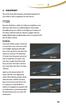 3. EQUIPMENT This section deals with mandatory and optional equipment for your vehicle as well as suggestions for safer road use. 3.1 Lights No person shall drive a vehicle on a highway at nighttime or
Points 5008001 Jay Walking N 0
 Offence Code Offence Wording Offence Endorsable Offence Points 5008001 Jay Walking 0 5008007 Breach of Signal Given by a Constable 5008008 Failing to stop for Police 0 5008013 Excess Speed 5008019 Driving
DRIVING TEST POSSIBLE QUESTIONS & ANSWERS.
 DRIVING TEST POSSIBLE QUESTIONS & ANSWERS. Question 1. What shape and colour is a warning sign? Diamond Shape - Yellow and Black Question 2. When should you not drive? While under the influence of alcohol,
FREQUENTLY USED CODES
 FREQUENTLY USED CODES RT88191 Use motor vehicle - No Insurance 300 6 RT88334 Drive Otherwise than in accordance with a licence 100 3 RC86321 Use mobile phone while driving motor vehicle 100 3 RR84061 Excess
UNTIL FURTHER NOTICE THE USE OF THE GREEN LIGHTS AND SIRENS ARE SUSPENDED AS DECIDED BY THE RCCF COMMITTEE.
 PLEASE TAKE NOTE: UNTIL FURTHER NOTICE THE USE OF THE GREEN LIGHTS AND SIRENS ARE SUSPENDED AS DECIDED BY THE RCCF COMMITTEE. 21 Use of Lights and Sirens 21.1 National Road Traffic Act, 1996 National Road
BY-LAW NUMBER 284-94
 BY-LAW NUMBER 284-94 A by-law to consolidate the by-laws that regulate traffic on roads under the jurisdiction of The Corporation of the City of Vaughan, and to repeal By-laws Numbered 281-90, 54-83, 299-86,
The State Government recognises. areas, and regulates bicycle
 cycling & THE LAW rules introduction for roads The State Government recognises The cycling South Australian as a legitimate Road Traffic form of Act including transport the Australian and an increasingly
SUBJECT: FLORIDA LAW: SECTION:
 SUBJECT: FLORIDA LAW: SECTION: Motorcycles. Any person operating a motorcycle shall be granted all of the rights and shall be subject to all of the duties applicable to the driver of any other vehicle
New Jersey Bicycle Laws
 39:1-1 Words and phrases defined Right-of-way means the privilege of the immediate use of the highway. Traffic means pedestrians, ridden or herded animals, vehicles, streetcars, and other conveyances either
1. Rules for users of powered wheelchairs and powered mobility scooters
 Jersey Highway Code Introduction The Minister for Transport and Technical Services has issued directions for the guidance of road users, the Highway Code. The Highway Code for Jersey is the Official Highway
NASHVILLE BICYCLE LAW 3/18/09
 NASHVILLE BICYCLE LAW 3/18/09 12.60.010 Compliance with Title 12 provisions. It is unlawful for any person to do any act prohibited or fail to perform any act required by Title 12 of this code. (Prior
By-Law Enforcement Officer means the City s By-Law Enforcement Coordinator and any other person appointed for the purpose of enforcing City bylaws.
 Table of Contents Off-Road Vehicles By-Law... 2 Part 1 Interpretation... 2 1.1 Short Title... 2 1.2 Schedules... 2 1.3 Reference Aids... 2 1.4 Severability... 3 1.5 Definitions... 3 Part 2 General Provisions...
USE OF HIGHWAY AND RULES OF THE ROAD REGULATION
 Province of Alberta TRAFFIC SAFETY ACT USE OF HIGHWAY AND RULES OF THE ROAD REGULATION Alberta Regulation 304/2002 With amendments up to and including Alberta Regulation 105/2014 Office Consolidation Published
(1 May 2015 to date) NATIONAL ROAD TRAFFIC ACT 93 OF 1996
 (1 May 2015 to date) NATIONAL ROAD TRAFFIC ACT 93 OF 1996 (Government Notice 1892 in Government Gazette 17603 dated 22 November 1996. Commencement date: 1 August 2000, unless otherwise indicated [Proc.
LAWS. Colorado Revised Statutes Regarding Motorcycles. 42-1-102. Definitions.
 LAWS Colorado Revised Statutes Regarding Motorcycles 42-1-102. Definitions. (55) Motorcycle means every motor vehicle designed to travel on not more than three wheels in contact with the ground, except
Summary of Bicycle Ordinances Tulsa Metropolitan Region. Passing requirement. Use of permanent seat
 May 2009 Updated 10/2011 Summary of Bicycle Ordinances Tulsa Metropolitan Region Mandatory Sidepath Two Abreast Bicycles considered vehicles Passing requirement Use of permanent seat Ride as far to the
Minibus Driving - Code of Practice
 Minibus Driving - Code of Practice RESPONSIBILITY The Minibus It is the responsibility of Campus Service Supervisor/Fleet Manager to ensure that all minibuses used by the University are in a roadworthy
Bike Laws: Massachusetts
 Bike Laws: Massachusetts Do you know your rights of the road? Do you know what your responsibilities are when biking in Massachusetts? Here is a summary of Massachusetts bike law that covers equipment,
PART I TRAFFIC VIOLATIONS
 PART I TRAFFIC VIOLATIONS A. MOTOR VEHICLE STATUTES N.J.S.A. 39:3-4 Driving or parking unregistered motor vehicle 39:3-9a Failure to notify change in name $22 39:3-9a Failure to endorse license $42 39:3-10
CHAPTER 5-A. Bicycle and Skateboard Ordinance
 CHAPTER 5-A Bicycle and Skateboard Ordinance Article I. Bicycles. 5-A.01. Definitions. 5-A.02. Applicability. 5-A.03 Registration Required. 5-A.04. General Bike Regulations. Article II. Skateboards, Scooters
ACT THE ROAD TRAFFIC ACT, 2007 ARRANGEMENT OF SECTIONS. Section PART I PRELIMINARY
 Section 1. Interpretation ACT THE ROAD TRAFFIC ACT, 2007 ARRANGEMENT OF SECTIONS PART I PRELIMINARY PART II REGISTRATION AND LICENSING OF MOTOR VEHICLES AND TRAILERS 2. Registration of motor vehicles and
BERMUDA TRAFFIC OFFENCES (PENALTIES) ACT 1976 1976 : 30
 QUO FA T A F U E R N T BERMUDA TRAFFIC OFFENCES (PENALTIES) ACT 1976 1976 : 30 TABLE OF CONTENTS 1 2 3 3A 4 4A 4B 4C 4D 4E 5 6 7 8 9 10 11 12 Interpretation Prosecution and punishment of traffic offences
ORDINANCE NO. Section 21-197. Traffic laws apply to persons riding bicycles, shall be amended to read as follows:
 ORDINANCE NO. AN ORDINANCE TO AMEND CHAPTER 21, ARTICLE V, CODE OF ORDINANCES, CITY OF MEMPHIS, TO UPDATE REGULATIONS REGARDING THE OPERATION OF BICYCLES WITHIN THE CITY OF MEMPHIS WHEREAS, the current
Cycle Safety. Some tips on safer cycling. Údarás Um Shábháilteacht Ar Bhóithre Road Safety Authority
 Cycle Safety Some tips on safer cycling Údarás Um Shábháilteacht Ar Bhóithre Road Safety Authority Be safe For further information on safe cycling, please look at the Rules of the Road website at www.rulesoftheroad.ie
1. LICENSING OF DRIVERS
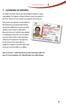 1. LICENSING OF DRIVERS Possession of a driver s licence and the privilege of driving is a major responsibility. The Registrar of Motor Vehicles, under the authority of the Motor Vehicle Act issues, renews
Now Therefore, The Corporation of the City of Peterborough by the Council thereof hereby enacts as follows:
 The Corporation of the City of Peterborough By-Law Number 14-096 Being a By-law to Regulate Bicycles, Skateboards, Inline Skates, Roller Skates, E- bikes, Segways and other conveyances drawn, propelled
Regulations relating to pedestrian and vehicle traffic (traffic rules)
 Regulations no. 747 of 21 March 1986: Regulations relating to pedestrian and vehicle traffic (traffic rules) Table of contents: Regulations relating to pedestrian and vehicle traffic (traffic rules)....2
Atlanta, Georgia Road Test
 1. When driving your car Into traffic from a parked position, you should: A. Sound your horn and pull Into the other lane. B. Signal and proceed when safe. C. Signal other traffic and pull directly into
ORDINANCE NO. 2011-1
 ORDINANCE NO. 2011-1 THE BOARD OF COUNTY COMMISSIONERS OF THE COUNTY OF BOULDER, COLORADO AN ORDINANCE PERTAINING TO THE ENFORCEMENT OF PARKING RESTRICTIONS ON COUNTY PROPERTY WITHIN INCORPORATED CITY
The law about licences; Goods vehicle categories; Vocational licensing; Production of driving licences; Issue of driving licences and information
 Leseprobe Part 1 Driver licensing, driving tests and qualifications 1.1 Driver licensing The law about licences; Goods vehicle categories; Vocational licensing; Production of driving licences; Issue of
New and Alternative Vehicles
 New and Alternative Vehicles Vehicles that can operate on roads: Limited-Speed Motorcycles Motor-Assisted Bicycles Motor Tricycles Bicycles Electric Bicycles ("e-bikes") Electric Vehicle Conversions Personal
Bicycle riding is a great way to get into shape
 Bicycle riding is a great way to get into shape and have fun. To remain safe on Illinois roads, it is important to follow the same traffic safety laws that govern vehicle drivers. No amount of bicycle
ATV & Off Road Motorcycle Regulations
 ATV & OFF ROAD MOTORCYCLE REGULATIONS PUBLISHED BY AUTHORITY The following Regulations have been made by the Town Council of Happy Valley-Goose Bay under Section 414 (2)(s) of the Municipalities Act, Chapter
ORDINANCE NO. 15,083
 ORDINANCE NO. 15,083 AN ORDINANCE to amend the Municipal Code of the City of Des Moines, Iowa, 2000, adopted by Ordinance No. 13,827, passed June 5, 2000, as heretofore amended, by amending Section 114-234,
HOW TO PREPARE FOR YOUR MARYLAND NONCOMMERCIAL CLASS C DRIVER S TEST
 ` HOW TO PREPARE FOR YOUR MARYLAND NONCOMMERCIAL CLASS C DRIVER S TEST A portion of your noncommercial driving test will be conducted on a closed course to test your basic control of the vehicle, and a
211 CMR: DIVISION OF INSURANCE 21 APPENDIX A: TRAFFIC LAW VIOLATIONS. The following abbreviations are used in Appendix A:
 211 CMR: DIVISION OF INSURANCE 21 APPENDIX A: TRAFFIC LAW VIOLATIONS The following abbreviations are used in Appendix A: "M.G.L. c., ", " CMR ", Chapter and Section of the Massachusetts General Laws Code
No. R DEPARTMENT OF TRADE AND INDUSTRY
 611 National Regulator for Compulsory Specifications Act (5/2008): Amendment to the Compulsory Specification for motor vehicles of Category N2/3 39220 DEPARTMENT OF TRADE AND INDUSTRY STAATSKOERANT, 18
Massachusetts Private Passenger Automobile Statistical Plan Appendix C Traffic Law Violations
 The following abbreviations are used in Appendix C: M.G.L. c., Chapter and Section of the Massachusetts General Laws CMR Code of Massachusetts Regulations The following out-of-state incidents are to be
Ministerial Declaration (Loaded Silage Trailer) Order 2013
 Ministerial Declaration (Loaded Silage Trailer) Order 2013 Under the ROAD TRANSPORT (GENERAL) ACT 2005 I, Duncan Gay, Minister for Roads and Ports, pursuant to section 16 of the Road Transport (General)
87-A DISTRICT DIVISION MOST COMMON TRAFFIC CIVIL INFRACTION VIOLATIONS
 87-A DISTRICT DIVISION MOST COMMON TRAFFIC CIVIL INFRACTION VIOLATIONS Revised as of 04/2016 Misdemeanor violations may require a hearing date at which time fine and costs will be assessed. Section Code
Department of Transport. Cycling Rules
 Department of Transport Cycling Rules 2 Contents Definition of a bicycle Standard requirements Power-assisted pedal cycles Carrying or towing loads The rider, passenger and helmets Rules affecting cycling
ILLINOIS STATUTES REGARDING BICYCLES Updated March 2009
 ILLINOIS STATUTES REGARDING BICYCLES Updated March 2009 ILLINOIS VEHICLE CODE 625 ILCS 5/ "Every person riding a bicycle upon a highway shall be granted all of the rights and shall be subject to all of
CHAPTER 8 PARKING REGULATIONS (SEE CHAPTER 6 FOR DEFINITIONS, SCOPE AND APPLICATION RELATING TO THIS CHAPTER.)
 CHAPTER 8 PARKING REGULATIONS (SEE CHAPTER 6 FOR DEFINITIONS, SCOPE AND APPLICATION RELATING TO THIS CHAPTER.) Section 8.01 Liability of Owner...8-1 Section 8.02 General Parking Prohibitions...8-1 Section
CITY OF TSHWANE METROPOLITAN MUNICIPALITY DRAFT PARKING METER BY-LAWS. 1.1 Act means the National Road Traffic Act, Act No 93 of 1996 as amended;
 CITY OF TSHWANE METROPOLITAN MUNICIPALITY DRAFT PARKING METER BY-LAWS 1. DEFINITIONS 1.1 Act means the National Road Traffic Act, Act No 93 of 1996 as amended; 1.2 demarcated space means a place referred
MOTOR TRADERS- EXTERNAL- Absa Select
 MOTOR TRADERS- EXTERNAL- Absa Select Defined events The company will in accordance with the terms, exceptions and conditions of Articles I and II indemnify the Insured in respect of any accident, loss
CAR DAILY VEHICLE PRE CHECKS INFORMATION. Page 1 of 6
 Page 1 of 6 CAR DAILY VEHICLE PRE CHECKS INFORMATION There are approximately 2.5 million vehicles in national fleet in Ireland. As vehicles age they are subject to wear and tear and unless attended to
The All Terrain Vehicles Act
 1 ALL TERRAIN VEHICLES c. A-18.02 The All Terrain Vehicles Act being Chapter A-18.02 of the Statutes of Saskatchewan 1988-89 as amended by of the Statutes of Saskatchewan 1989-90, c.15 and c.54; 1990-91,
Crossrail Vehicle Safety Equipment Supplementary Guidance. Works Information Ref: 26.14.8
 FRESNEL Lens Ref: 26.14.8 1 of 10 Product Description The Fresnel Lens is a visual device for lorry drivers and is not a mirror in the conventional sense. It is a clear thin plastic lens that is press
Bicycle Safety Quiz Answers Parental Responsibilities
 Bicycle riding is a great way to get into shape and enjoy the outdoors. To remain safe on Illinois roads, it is important to follow the same traffic safety laws that govern vehicle drivers. No amount of
2006 California Vehicle Code Portions relevant to Motorized Bicycles
 2006 California Vehicle Code Portions relevant to Motorized Bicycles Division 1 Words and Phrases Defined 406 Motorized Bicycle (a) A "motorized bicycle" or "moped" is any two-wheeled or three-wheeled
New Hampshire State Laws Pertaining To Bicycles. CHAPTER 230 STATE HIGHWAYS Planning and Laying Out Bicycle Routes
 New Hampshire State Laws Pertaining To Bicycles Current as of April 21, 2009; most but not all laws mentioning bicycles are included below. For current laws, see http://www.gencourt.state.nh.us/rsa/. Compiled
SAFE CYCLING GUIDE. 6th Edition
 SAFE CYCLING GUIDE 6th Edition BEFORE SETTING OUT A WELL-MAINTAINED BICYCLE is key A Check tire pressure B Check that the chain does not slip C Check the brakes D Check lights and reflectors: 3 4 1 5 2
Penalty points and fixed charge offences
 Appendix : points and fixed charge offences s that carry penalty points Payment Conviction 8 next 8 Speeding E0 Failure by Driver to comply with front seat belt requirements (for self and for passengers
Drivers Licence - Authorising You to Drive Motorcycles in Australia
 111 Part 7 Appendices 112 Appendix 1 - Driver Licence Authorisations and Eligibility The Western Australian driver's licence authorisations and eligibility requirements are: R-N (Moped) You can be granted
PEDESTRIAN LAWS OF NORTH CAROLINA
 PEDESTRIAN LAWS OF NORTH CAROLINA Under North Carolina law, pedestrians have the right of way at all intersections and driveways. However, pedestrians must act responsibly, using pedestrian signals where
PART I CONVENTION ON ROAD TRAFFIC DONE AT VIENNA ON 8 NOVEMBER 1968. (Consolidated version*)
 PART I CONVENTION ON ROAD TRAFFIC DONE AT VIENNA ON 8 NOVEMBER 1968 (Consolidated version*) * Including the amendments to the Convention which entered into force on 3 September 1993 (marked in the margin
Vehicle Standards Instruction (General 18.0) Projecting Loads Released January 2014
 Vehicle Standards Instruction (General 18.0) Projecting Loads Released January 2014 This Vehicle Standards Instruction (VSI) has been produced to explain the requirements for transporting projecting loads
Road Traffic Offenders Act 1988. Schedule 2 PROSECUTION AND PUNISHMENT OF OFFENCES. Part I OFFENCES UNDER THE TRAFFIC ACTS.
 Part 3.7 Driving disqualification/endorsement, Schedule 2 Road Traffic Offenders Act 1988 Schedule 2 PROSECUTION AND PUNISHMENT OF OFFENCES Part I OFFENCES UNDER THE TRAFFIC ACTS England [ Offences under
Bylaw No. 6884. Codified to Bylaw No. 8994 (December 19, 2011)
 Bylaw No. 6884 A Bylaw of The City of Saskatoon to control and regulate the operation of bicycles upon and in the streets, parks, and other places in the City of Saskatoon. Codified to Bylaw No. 8994 (December
BICYCLE AND IN-LINE SKATE LAWS ROAD SHARING RESPONSIBILITIES OF BICYCLISTS AND MOTORISTS, REQUIRED EQUIPMENT AND PARENTAL RESPONSIBILITY
 BICYCLE AND IN-LINE SKATE LAWS ROAD SHARING RESPONSIBILITIES OF BICYCLISTS AND MOTORISTS, REQUIRED EQUIPMENT AND PARENTAL RESPONSIBILITY The statutes in this material have been generated from the database
Reproduced by Sabinet Online in terms of Government Printer s Copyright Authority No. 10505 dated 02 February 1998 STAATSKOERANT, 1 APRIL 2010
 STAATSKOERANT, 1 APRIL 2010 No. 33059 59 No. 246 1 April 2010 NATIONAL REGULATOR FOR COMPULSORY SPECIFICATIONS ACT (Act 5 of 2008) AMENDMENT TO THE COMPULSORY SPECIFICATION FOR MOTOR VEHICLES OF CATEGORY
! ' ()*#+,-". ' " ' / "+0 "+ +1+
 !" #$ %"&! ' ()*#+,-". ' " ' / "+0 "+ +1+ Offence Abandoning a motor vehicle 2,000 3 months [51 weeks] Accident - failing to give particulars 5,000 6 months [51 weeks] E5-10 report 5,000 6 months [51 weeks]
Safe Cycling in Stillwater
 Safe Cycling in Stillwater by Logan West 2011/9/3 1 Bicycle Laws and Safe Riding Habits Motorists are sometimes unaware of the rights that cyclists have on the road but cyclists themselves are often guilty
CARS AND CAR ALLOWANCES POLICY COMPANY CARS MSR ROUP. www.msrgroup.org.uk
 COMPANY CARS MSR ROUP www.msrgroup.org.uk CARS AND CAR Company cars If you are provided with a company car, this will be set out in your contract of employment. Unless you are notified otherwise, a company
Australian Road Rules
 Version: 1.9.2014 South Australia Australian Road Rules under the Road Traffic Act 1961 Contents Reader's Guide Part 1 Introductory Division 1 General 1 Citation 2 Commencement 3 Object of the Australian
Model Fleet Safety Program Short
 TM Model Fleet Safety Program Short CORPORATE HEADQUARTERS 518 EAST BROAD STREET COLUMBUS, OHIO 43215 614.464.5000 STATEAUTO.COM TM Disclaimer: The information contained in this publication was obtained
Vehicle Testing by RTA
 Vehicle Testing by RTA In alignment with its vision to ensure Safe and Smooth Transport for all, Roads and Transport Authority (RTA) launched many Vehicle Testing Centers (VTC) all around the emirate of
PART I TRAFFIC RELATED VIOLATIONS
 PART I TRAFFIC RELATED VIOLATIONS A. MOTOR VEHICLE STATUTES N.J.S.A 39:3-4 Driving or parking unregistered motor vehicle 39:3-9a Failure to notify change in name $55 39:3-9a Failure to endorse license
Chapter 10.64 BICYCLES
 Chapter 10.64 BICYCLES Sections: 10.64.110 Serial number required. 10.64.120 Retail sales--information required. 10.64.130 Removal, destruction, or alteration of serial number. 10.64.140 Seizure--Period
Land Transport (Road User) Rule 2004 SR 2004/427. Rule 61001
 Land Transport (Road User) Rule 2004 SR 2004/427 Rule 61001 2004/427 Land Transport (Road User) Rule 2004 Pursuant to sections 152, 153, and 157 of the Land Transport Act 1998, the Minister for Transport
Using your Minibus legally and safely Church of Scotland Law Department
 Circular August 2012 Minibus Guidance CoS Law Department Using your Minibus legally and safely Church of Scotland Law Department Why is this guide important? The use of minibuses and other large vehicles
ANS: 3. Q. 2 The following sign represents.. Stop No parking Hospital ahead ANS: 1
 Q. 1 Near a pedestrian crossing, when the pedestrians are waiting to cross the road, you should Sound horn and proceed Slow down, sound horn and pass Stop the vehicle and wait till the pedestrians cross
GUIDELINES. for oversize and overmass vehicles and loads MAY 2006. Government of South Australia. Department for Transport, Energy and Infrastructure
 ESCORTING GUIDELINES ESCORTING GUIDELINES SCORTING GUIDELINES ESCORTING GUIDELINES ESCORTING ESCORTING GUIDELINES for oversize and overmass vehicles and loads Government of South Australia Department for
Economic and Social Council
 UNITED NATIONS E Economic and Social Council Distr. GENERAL TRANS/WP.1/2003/1/Rev.4 23 April 2004 ENGLISH Original: ENGLISH, FRENCH and RUSSIAN ECONOMIC COMMISSION FOR EUROPE INLAND TRANSPORT COMMITTEE
SAFE CYCLING GUIDE. 7th Edition
 SAFE CYCLING GUIDE 7th Edition BEFORE SETTING OUT A Check tire pressure B Check that the chain does not slip C Check the brakes D Check lights and reflectors: 1 A WELL-MAINTAINED BICYCLE is key 3 4 5 Adjust
YOUR GUIDE TO INTRA-TOWN CYCLING
 YOUR GUIDE TO INTRA-TOWN CYCLING Content 04 Introduction 05 Attire Before you set off 06 Safety Checklist for Bicycle 07 Maintenance 08 Preventing Bicycle Theft What to look out for on the way 10 Signs
Health and Safety Office
 Health and Safety Office Topic: Driving at Work Policy Date: January 2010 Version: 3.0 Revision Date; Revision Date 2012 Scope: The following policy and guidance outlines health and safety precautions
3. Commercial Trailer Lighting Requirements Federal Motor Carrier Safety Regulations (FMCSR) 49 CFR, Subpart B Of FMCSR Part 393
 FMCSR 393.9.26 3. Commercial Trailer Lighting Requirements Federal Motor Carrier Safety Regulations (FMCSR) 49 CFR, Subpart B Of FMCSR Part 393 Lighting Devices, Reflectors, and Electrical Equipment 393.9
CHART OF MOVING VIOLATIONS
 CHART OF MOVING VIOLATIONS The following chart lists the moving violations that are designated by the Texas Department of Public Safety pursuant to statutory authority. The violations listed are subject
TORONTO MUNICIPAL CODE CHAPTER 880, FIRE ROUTES. Chapter 880 FIRE ROUTES
 Chapter 880 FIRE ROUTES 880-1. Definitions. 880-2. Application for designation of private road as fire route. 880-3. Consideration of application. 880-4. Disposition of application. 880-5. Appeals. 880-6.
chapter 3 basic driving skills
 chapter 3 basic driving skills When curving to the left, keep the front wheels close to the right edge of the lane to keep your driver s side rear wheels out of the next lane of traffic. Curve ahead slow
Code of practice for the depositing of skips on the highway. 4 th edition
 Code of practice for the depositing of skips on the highway 4 th edition Code of Practice for the Depositing of Skips on the Highway 4 th Edition Revised August 2012 Produced by: Highways & Engineering
Road Transport Authority Information Bulletin
 70,055 (06/2016) Road Transport Authority Information Bulletin Headlights and Lamps There are numerous lights and lamps on a vehicle which the driver needs to see the road, pedestrians and other vehicles
TITLE 13. LAW AND PUBLIC SAFETY, CHAPTER 18 SUBCHAPTER 1. PERMITS FOR OVERDIMENSIONAL OR OVERWEIGHT VEHICLES
 NOTE: This is a courtesy copy of N.J.A.C. 13:18-1. The official version can be found in the New Jersey Administrative Code. Should there be any discrepancies between this text and the official version,
New and Emerging Vehicles Fact Sheet #1
 New and Emerging Vehicles Fact Sheet #1 Operating E-bikes, Mopeds and Motor Scooters in Ontario This document is intended for information purposes only. While the Ministry of Transportation does its best
CITY OF MONTRÉAL BY-LAW 98-049 BY-LAW CONCERNING TRAFFIC AND PARKING. At the Montréal city council meeting of March 23, 1998, it was enacted that:
 CITY OF MONTRÉAL BY-LAW 98-049 BY-LAW CONCERNING TRAFFIC AND PARKING At the Montréal city council meeting of March 23, 1998, it was enacted that: CHAPTER I GENERAL PROVISIONS SECTION I APPLICATION 1. This
Bicycle Riding. WHAT ARE the. One Final Note... It is against the law to ride a bicycle under the influence of alcohol and/or drugs. (21200.
 One Final Note... It is against the law to ride a bicycle under the influence of alcohol and/or drugs. (21200.0 VC) Bicycle Riding WHAT ARE the CALIFORNIA HIGHWAY PATROL CHP 909 (12/11) OPI 013 94 75015
New York Laws. Title 11, ARTICLE 48-B REGISTRATION OF ALL TERRAIN VEHICLES
 New York Laws 2281. Definitions. For the purposes of this article: 1. (a) "All terrain vehicle" or "ATV" means any self-propelled vehicle which is manufactured for sale for operation primarily on off-highway
PREPARING FOR YOUR DRIVING TEST
 PREPARING FOR YOUR DRIVING TEST An túdarás Um Shábháilteacht Ar Bhóithre Road Safety Authority The Road Safety Authority is Working to Save Lives. If you want to pass your driving test make sure your instructor
AUSTRALIAN CAPITAL TERRITORY Road Transport (Dimension and Mass) ACT 1990 OVERSIZE VEHICLES EXEMPTION NOTICE INSTRUMENT NO.
 AUSTRALIAN CAPITAL TERRITORY Road Transport (Dimension and Mass) ACT 1990 OVERSIZE VEHICLES EXEMPTION NOTICE INSTRUMENT NO. 331 OF 2000 1. Under paragraph 31 A( 1 )(b) of the Road Transport (Dimensions
JCB Fastrac in Heavy Goods Vehicle Applications
 JCB Fastrac in Heavy Goods Vehicle Applications Agricultural or General Haulage? Alan Mendelson JCB Consultant Introduction The JCB Fastrac is an instantly recognisable modern agricultural tractor. It
THE REGIONAL MUNICIPALITY OF NIAGARA BY-LAW NO. 122-2013 SIGN BY-LAW
 THE REGIONAL MUNICIPALITY OF NIAGARA BY-LAW NO. 122-2013 SIGN BY-LAW WHEREAS Section 11 of the Municipal Act, 2001, S.O. 2001, c. 25, authorizes the Regional Municipality of Niagara to pass by-laws respecting
Bicycle Safety in North Dakota
 North Dakota State University Bicycle Safety & Rules of the Road I. Introduction Bicycling is a fun and healthy exercise. Before riding your bicycle on roadways, take time to learn the rules. Many bicyclists
STATUTORY INSTRUMENTS. S.I. No.[ ] of 2014 SMALL PUBLIC SERVICE VEHICLE (CONSOLIDATION AND REFORM) REGULATIONS 2014
![STATUTORY INSTRUMENTS. S.I. No.[ ] of 2014 SMALL PUBLIC SERVICE VEHICLE (CONSOLIDATION AND REFORM) REGULATIONS 2014](/thumbs/31/14922152.jpg "STATUTORY INSTRUMENTS. S.I. No.[ ] of 2014 SMALL PUBLIC SERVICE VEHICLE (CONSOLIDATION AND REFORM) REGULATIONS 2014") STATUTORY INSTRUMENTS S.I. No.[ ] of 2014 SMALL PUBLIC SERVICE VEHICLE (CONSOLIDATION AND REFORM) REGULATIONS 2014 SMALL PUBLIC SERVICE VEHICLE (CONSOLIDATION AND REFORM) REGULATIONS 2014 ARRANGEMENT OF
STATUTORY INSTRUMENTS S.I. No.[ ] of 2014 SMALL PUBLIC SERVICE VEHICLE (CONSOLIDATION AND REFORM) REGULATIONS 2014 SMALL PUBLIC SERVICE VEHICLE (CONSOLIDATION AND REFORM) REGULATIONS 2014 ARRANGEMENT OF
AUGUST 2013 INFORMATION BULLETIN. Livestock transport
 AUGUST 2013 INFORMATION BULLETIN Livestock transport Introduction This information bulletin provides information that is relevant to operators and drivers involved in the transport of livestock. It details
Full Spectrum Print Media Limited DRIVING AT WORK POLICY
 Full Spectrum Print Media Limited DRIVING AT WORK POLICY 1 PURPOSE AND SCOPE The purpose of this policy is to ensure that adequate controls are in place to protect both members of staff and the company
This Article shall be known as the Villa Rica Personal Transportation Vehicle Ordinance.
 Sec. 11-18 11.49 Reserved ARTICLE III. PERSONAL TRANSPORTATION VEHICLES. Sec. 11.50. Short Title. This Article shall be known as the Villa Rica Personal Transportation Vehicle Ordinance. Sec. 11.51. Findings
A Bicyclist s Guide to Traffic Law in Tucson and Pima County. Traffic Laws, Fines and Phone Numbers
 A Bicyclist s Guide to Traffic Law in Tucson and Pima County Traffic Laws, Fines and Phone Numbers This booklet contains a listing of relevant Arizona State, Pima County and City of Tucson laws as of January,