
Differences Between Neighborhood and Market Areas & Analysis
|
|
|
- Paulina Bridges
- 9 years ago
- Views:
Transcription
1 Differences Between Neighborhood and Market Areas & Analysis When examining appraisal reports, it is commonly noted that the Neighborhood section of the 1004 appraisal report contains data for sales of properties that are comparable and competing to the subject, rather than for sales of all homes of the same category (i.e., single family detached). Professional appraisal reference works, such as Appraising Residential Properties, 4 th Edition (published by Appraisal Institute) address the differences between a neighborhood and a market area. Further, various Fannie Mae selling guides and announcements, and the HUD handbook contain guidance for appraisers regarding the analysis of neighborhood and market data, and what is expected to be reported in the Neighborhood, Inventory Analysis and 1004MC sections of the appraisal report. This document contains excerpts from these publications with relevant portions highlighted for easy reference. Additionally, comments and observations have been included to assist in understanding their applicability to the topic. Professional Appraisal Reference Works Appraising Residential Properties, 4 th Edition contains discussions of neighborhood and market area on pages 36, 78 and 198. The statements contained therein indicate that data and analysis related to a neighborhood is broad and general in nature, whereas data and analysis related to a market area is specific and related to a particular property type or category. Some of the statements appear below (bold added for emphasis). Appraisers make a distinction between the neighborhood in which a residence is located and the market area in which comparable properties will be found. The latter (market area) is formally defined as the geographic or locational delineation of the market for a specific category of real estate, i.e., the area in which alternative, similar properties effectively compete with the subject property in the minds of probable, potential purchasers and users. In contrast, a neighborhood is defined more generally as a group of complementary land uses. In other words, the neighborhood boundaries in which the subject property is located may contain residential properties that are not comparable to the subject as well as commercial properties that serve the residents of the neighborhood, whereas the boundaries of the market area for the subject will be defined first and foremost by the proximity of comparable properties. In some cases, the subject s neighborhood and market area may have concurrent boundaries, but in others the market area may contain several neighborhoods or portions of different neighborhoods. A neighborhood is an area of complementary land uses. The term neighborhood suggests a variety or balance of complementary land uses. Broad market conditions provide the background for local and neighborhood market influences that have a direct bearing on the value of the subject property. Page 1 of 10
2 The market area is the area in which properties effectively compete with the subject property in the minds of purchasers. A market area is defined by the type of property, the type of transaction (rental or sale), the geographic area in which competition exists, and the homogeneity of properties within its boundaries. Market analysis is defined as the study of real estate market conditions for a specific type of property. Market Analysis and Highest and Best Use, published by Hondros Learning, states the following on page 12: Market analysis needs to be done in general covering the conditions in the marketplace for the area where the property is located, and also on a specific level for the particular property compared with all the other properties against which it competes in the market. Fannie Mae (FNMA) Selling Guides and Announcements FNMA does not address the difference between neighborhood and market area as directly as HUD, and in fact blurs the distinction between the two by occasionally using the terms interchangeably. Verbiage on the 1004MC Market Conditions Addendum further clouds the issue. Nonetheless, statements made in the FNMA Selling Guides are instructive. For example, statements are made which are in line with the previously considered information from Appraising Residential Properties regarding the differences between neighborhood and market area. Several examples are shown below (bold added for emphasis). Section XI, in the neighborhood section of our appraisal forms, the appraiser reports on general neighborhood trends. Comment: This statement makes reference to general trends, as opposed to trends that are specific to properties that compete with the subject property. Section XI, 308. If there is a lack of truly comparable sales in the neighborhood either because of the level of rehabilitation or the relatively low number of sales transactions the appraiser may need to analyze and use as comparable sales not only less similar properties from the subject neighborhood, but also properties from competing neighborhoods. Comment: This statement indicates that truly comparable sales are a subset of all sales in the neighborhood, and acknowledges that less similar properties may exist in the neighborhood. This illustrates that differences may (and usually do) exist between neighborhood data for one-unit housing, versus market area data for one-unit properties that compete with the subject. Page 2 of 10
3 Section XI, 403. Neighborhood characteristics and trends also influence the value of one-family to four-family residences neighborhood characteristics, and neighborhood trends are determinants that the appraiser uses in the property valuation process. Comment: This statement illustrates that analysis of general neighborhood trends and characteristics influences the appraiser s analysis related to the valuation of the subject property. Therefore, this statement indicates that two analysis should be performed, one to determine the neighborhood characteristics and trends, and another when the appraiser is engaged in the property valuation process. Section XI, 403. Neighborhood characteristics. These can be addressed by the types of structures and architectural styles in the neighborhood (detached, attached, row or townhouse, colonial, ranch, Victorian, etc.); current land use (single-family residential, commercial, industrial, etc.); typical site size (one-eighth acre, two acres, etc.); or street patterns or design (one-way street, cul-de-sac, court, etc.). Section XI, The degree of development of a neighborhood (which is referred to as "built-up" on the appraisal report forms) is the percentage of the available land in the neighborhood that has been improved. Section XI, Some of our appraisal report forms provide an area for the appraiser to categorize the predominant occupancy status of the neighborhood as "owner" or "tenant" and as "vacant (zero to five percent)" or "vacant (over five percent)" as part of his or her description of the neighborhood. Section XI, The appraiser should report separately the percentage of developed one-family sites, developed two-family to four-family sites, etc. Undeveloped land should be reported as vacant. In addition, if there is a significant amount of vacant or undeveloped land in the neighborhood, the appraiser should include comments to that effect to ensure that he or she adequately describes the neighborhood. Comment: These statements indicate that neighborhood characteristics include data that is not specific to properties that compete with the subject. It would therefore be inconsistent for an appraiser to analyze and comment in the Neighborhood section on characteristics as noted above, and then to report one-unit housing and age data that is specific to properties that compete with the subject. To be consistent, the appraiser s one-unit housing and age data would need to reflect all the types of structures and architectural styles in the neighborhood which are of the same type or category as the subject property (i.e., single family detached). Page 3 of 10
4 Section XI, 403. Generally accepted appraisal standards and our appraisal report forms require the appraiser to research, analyze, and report on the factors in the neighborhood that may affect the market value or marketability of the properties in the market area. Section XI, The appraiser must report on the primary indicators of market condition for properties in the subject neighborhood by noting the trend of property values ( increasing, stable, or declining ), the supply of properties in the subject neighborhood ( shortage, in-balance, or over-supply ), and the marketing time for properties ( under three months, three to six months, or over six months ) as of the effective date of the appraisal. 04/2009 Appraisal Guidance. In general terms, a declining market is one in which home prices are currently declining Handbook for Appraisers. Your analysis of the neighborhood data must include trends in the supply of and demand for houses in the neighborhood An oversupply of properties may be a neighborhood or citywide problem. Comment: In these and several other statements related to the neighborhood, FNMA references property(ies), houses, and home(s). It is notable that they do not modify the terms by preceding them with the word comparable. This is consistent with other statements in the FNMA publications which indicate that the neighborhood analysis is broad and general, and includes an analysis of all homes of the same category (i.e., single family detached). Section XI, 403. The results of a neighborhood analysis enable the appraiser not only to identify the factors that influence the value of properties in the market area, but also to define the area from which to select the market data needed to perform a sales comparison analysis. Comment: This statement indicates that the neighborhood analysis is a separate process which enables the appraiser to subsequently perform the analysis of the subject s market. One of the purposes of the neighborhood analysis is to help establish the conformity, or lack thereof, of the subject property with respect to typical neighborhood characteristics. The FNMA Selling Guide addresses this when it states The improvements should generally conform to the neighborhood in terms of age, type, design, and materials used for their construction. If there is market resistance to a property because its improvements are not compatible with the neighborhood or with the requirements of the competitive market the lender should underwrite the mortgage more carefully and, if appropriate, require more conservative mortgage terms. (Section XI, ) Page 4 of 10
5 If an appraiser fails to accurately report neighborhood characteristics, it is not possible to determine with certainty whether or not the subject property conforms to the neighborhood, thereby adversely affecting the lender s risk analysis related to the subject as security for the pending mortgage. Several statements in the FNMA Selling Guides provide evidence of this (bold added for emphasis). Section XI, For example, if the typical one-family building site in a particular area (based on the zoning, the highest and best use of the land, and the present land use) is two acres in size, the mortgage will be eligible for purchase or securitization regardless of the percentage of the total appraised value of the property that the site represents as long as the appraiser demonstrates through the use of comparable sales that the property is a typical residential property for that particular neighborhood. 04/2009 Appraisal Guidance. The lender must review carefully the appraisal report for properties that have sites larger than those typical for residential properties in the area. Comment: These statements indicate that FNMA is interested in determining if the subject property is typical, or conforms, to the neighborhood with regard to site size. This can be properly addressed only when the appraiser accurately reports neighborhood data in the appraisal report. Section XI, The appraiser must indicate the price range and predominant price of properties in the subject neighborhood. The price range must reflect high and low prevailing prices for residential properties that are comparable to the property being appraised (one-family properties, two-family to four-family properties, condominium units, or cooperative units) and, in some cases, for competing properties (one-family properties when the property being appraised is a two-family to four-family property or a condominium unit, or condominium units when the property being appraised is a cooperative unit) the predominant price will be that which is the most common or most frequently found in the neighborhood When the subject property has a sales price (or value) that exceeds the upper price range, the property is considered as an "over-improvement" for the neighborhood. The property is considered as an "under-improvement" if its sales price (or value) is less than the lower price range Handbook for Appraisers. Report the prevailing high and low prices for single-family homes in the area... We consider the predominant price to be the price most frequently found in a neighborhood If a property has a sales price or value that exceeds the indicated upper range or is less than the indicated lower range, the property may be an over-improvement or an under-improvement for the neighborhood. Page 5 of 10
6 Comment: These are some of the most direct statements from FNMA as to what they want to see in the Neighborhood section. It is notable that, although they make reference to providing data for properties that are comparable to the property being appraised, in this instance comparable means homes of the same category; i.e., if the subject property is a one-unit property, then the data should be for all other one-unit properties within the neighborhood (not filtered to include data only for properties that compete with the subject property.) Additionally, these statements illustrate that only the reporting of accurate neighborhood data for all homes of the same comparable category can facilitate the determination of whether or not the subject property conforms to the neighborhood with regard to home values, or if it is an under or overimprovement for the neighborhood. Section XI, The appraiser must indicate the age range and predominant age of properties in the subject neighborhood. The age range should reflect the oldest and newest ages for similar types of residential properties (one-family properties, twofamily to four-family properties, condominium units, or cooperative units) and, in some cases, for competing properties (one-family properties when the property being appraised is a two-family to four-family property or a condominium unit, or condominium units when the property being appraised is a cooperative unit.) The predominant age is the one that is the most common or most frequently found in the neighborhood The age of a property should be within the general age range of the neighborhood. Normally, neighborhoods are developed over a relatively narrow span of time so that most dwelling units will fall within a particular age range. A property that has an age outside of the general age range must receive special consideration. 04/2009 Appraisal Guidance. The appraisal must indicate the age range and predominant age of properties in the subject neighborhood. The age range must reflect the oldest and newest ages for similar types of residential properties The predominant age in the neighborhood is the one that is most common or most frequently found The age of a property should be within the general age range of the neighborhood A property that has an age outside of the general age range must receive special consideration. Comment: These statements illustrate that only the reporting of accurate neighborhood data for all homes of the same comparable category can facilitate the determination of whether or not the subject property falls within the age range for the neighborhood, and therefore conformity with regard to age. As noted, FNMA uses this data in their risk analysis. Page 6 of 10
7 HUD Handbook (Appraisal Guidelines for FHA Insured Mortgages) HUD provides several statements in the Handbook which more directly address the differences between neighborhood and market area than does FNMA. Several examples are shown below (bold added for emphasis). Section 3 - Neighborhood. This section should reflect the area surrounding the subject property. The appraiser must observe neighborhood characteristics and surrounding properties to make determinations that will be incorporated into the valuation of the subject property. Mark the box describing the current trend in property values for One-Unit single family homes in the community. To determine the equilibrium status of supply and demand in the neighborhood, compare the number of houses sold to the number of houses listed for sale in a recent time period. Neighborhood Description. Discuss factors that would attract residents or cause them to reject the neighborhood. Some typical factors important to discuss include: level of maintenance and condition of homes, housing styles, ages, sizes, etc Comment: These statements makes reference to general trends, as opposed to trends that are specific to properties that compete with the subject property. Section 6 Comparable Data Pool. The appraiser is required to report the number of comparable properties currently offered for sale, as of the effective date of the appraisal, and the number of comparable sales in the subject neighborhood, within 12 months of the effective date of the appraisal, in this section. Unlike the neighborhood price data, which includes all sales, this section focuses only on those properties that are comparable to the subject, not the universe of sales. Comment: This statement draws a clear distinction between what is expected to be reported in the Neighborhood section (data for all sales) with what is to be reported in the Inventory Analysis section above the sales comparison grid (data for properties that are comparable to the subject). Page 7 of 10
8 1004MC Market Conditions Addendum The 1004MC contains the following verbiage that some appraisers have interpreted as meaning that the data on the 1004MC must mirror that in the neighborhood section of the appraisal report: The appraiser must use the information required on this form as the basis for his/her conclusions, and must provide support for those conclusions, regarding housing trends and overall market conditions as reported in the Neighborhood section of the appraisal report form. It is of note that HUD has addressed this issue directly with an FAQ which is reproduced below and can be accessed at: Question: Should data on the 1004MC mirror that in the neighborhood section of the appraisal report? Answer: Not necessarily, the information on the 1004 MC relates to properties that are comparable to the subject property and which a buyer may select as a competitive property. This reflects the subject s micro market. The information in the neighborhood section is broader and encompasses market activity in the subject s macro market. Additionally, a review of the relevant portion of the 2010 FNMA Selling Guide provides some guidance on this issue. The section is reproduced below (bold added for emphasis). B , Appraisal Report Review: Trend of Neighborhood Property Values, Demand/Supply, and Marketing Time (10/30/2009) Introduction This topic contains information on trend of neighborhood property values, demand/supply, and marketing time, including: Overview Market Conditions Addendum to the Appraisal Report (Form 1004MC) Assessment of Market Conditions Overview The appraiser must report the primary indicators of market condition for properties in the subject neighborhood as of the effective date of the appraisal by noting: Page 8 of 10
9 Trend of Supply of Properties in Marketing Time Property Values the Subject Neighborhood for Properties increasing, shortage, under 3 months, stable, or in-balance, or 3 to 6 months, or declining. over-supply. over 6 months. Note: The appraiser must provide their conclusions for the reasons a market is experiencing declining property values, an over-supply of properties, or marketing times over six months. The appraiser s analysis of a property must take into consideration all factors that affect value. Because Fannie Mae purchases mortgages in all markets, this is particularly important for market areas that are experiencing significant fluctuations in property values including sub-markets for particular types of housing within the market area. Comment: FNMA s guidance in B appears to be inclusive of both the macro market when using the terms property and properties, and the micro market when referencing sub-markets for particular types of housing. Since data for the micro submarket (properties comparable and competing with the subject property) is included in the macro market, it is reasonable to conclude that the one-unit housing price and age grid would reflect data for all sales of homes of the same category as the subject property (i.e., single family detached). To avoid confusion, information specific to the subject s sub-market can be presented in the comment section, or the reader of the report can be directed to the 1004MC Market Conditions Addendum to find that information. The statement that the appraiser s analysis of a property must take into consideration all factors that affect value, implies that factors outside of the subject s micro submarket, such as the price and age ranges of the neighborhood, must be considered as part of the analysis, and therefore reported accurately in the Neighborhood section. It is also notable that the FNMA statement appearing on the 1004MC references only housing trends and overall market conditions, not property prices or ages. While it is true that in most cases trends relating to the subject s micro sub-market are similar to the overall neighborhood trends, there are occasions when the sub-market trends are different from the overall neighborhood trends. In those rare instances, the appraiser must not allow the FNMA statement to preclude them from communicating an accurate report. Explanation and support for the appraiser s conclusions of divergent trends for the overall neighborhood and the subject s submarket should be included in the appraisal report. Page 9 of 10
10 Conclusion Based on the foregoing, which included information from professional appraisal reference works, FNMA and HUD, it can be concluded that: The neighborhood analysis should include data for sales of all homes of the same category as the subject property (i.e., if the subject property is a single family detached home, then all sales of single family detached homes within the neighborhood should be analyzed). o The results of this analysis should be reported in the Neighborhood section on page 1 of the URAR. The market area analysis includes filtered data from the neighborhood which includes sales of properties that are comparable and competing to the subject, and excludes data for properties that are not comparable to the subject. o The results of this analysis should be reported in the 1004MC Market Conditions Addendum and in the Inventory Analysis section above the sales comparison grid. o Additionally, for clarity, the results of this analysis can be reported in the comments field in the Neighborhood Section on page 1 of the URAR. Relevant USPAP issues include: Proper identification of assignment conditions (acceptable and unacceptable) as part of the Scope Of Work problem identification. Knowledge and experience to properly perform the neighborhood analysis and market analysis (Competency). Standards Rule 1-1(a), employ recognized methods and techniques to produce a credible appraisal. Standards Rule 1-2(e)(a), identify the characteristics of the property that are relevant to the type and definition of value and intended use of the appraisal, including its location and physical, legal, and economic attributes. Standards Rule 2-1(a), Each written or oral real property appraisal report must clearly and accurately set forth the appraisal in a manner that will not be misleading. Standards Rule 2-2(b)(iii), summarize information sufficient to identify the real estate involved in the appraisal, including the physical and economic property characteristics relevant to the assignment. Standards Rule 2-2(b)(viii), summarize the information analyzed, the appraisal methods and techniques employed, and the reasoning that supports the analyses, opinions, and conclusions. Page 10 of 10
Market Conditions Addendum to the Appraisal Report
 Market Conditions Addendum to the Appraisal Report Supplement PMKTCOND--C Fannie Mae Releases Market Conditions Addendum On November 14, 2008, Fannie Mae released a Market Conditions Addendum to the Appraisal
Appraisal Checklist. Single Family Appraisal or Marketability Report type required: 1004 2055 Exterior Only 2070 Exterior Only 2075 Exterior Only
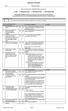 Appraisal Checklist Loan # Borrower Name Single Family Appraisal or Marketability Report type required: 1004 2055 Exterior Only 2070 Exterior Only 2075 Exterior Only *This appraisal checklist is a TOOL
Uniform Appraisal Dataset (UAD) Frequently Asked Questions FAQs
 Uniform Appraisal Dataset (UAD) Frequently Asked Questions FAQs The following provides answers to questions frequently asked about Fannie Mae s and Freddie Mac s Uniform Appraisal Dataset (UAD). July 13,
Appraisal Review Reminders
 Use the following list of reminders as a tool when underwriting the appraisal report. For complete information on appraisal requirements, refer to the Freddie Mac Seller/Servicer Guide (Guide) Chapter
Preparation of Appraisal : Chase Requirements : Subject Information - All Appraisal Reports:
 Preparation of Appraisal : Chase Requirements : Assigned Appraiser Authorized Appraiser Appraiser Trainee Appraisal Prepared by Trainee acceptable only if countersigned by eligible Supervisory Appraiser
Appraisal Standards and Guidelines chapter
 Appraisal Standards and Guidelines chapter Union Capital requires appraisers and appraisal reports to meet USPAP and applicable Union Capital, FNMA, FHLMC, FHA and VA policies and requirements, as applicable.
Appraisal Management Services Inc. Field Review Guidelines for the URAR and One-Unit Residential Field Review Report (678)354-8363
 Field Review Guidelines for the URAR and One-Unit Residential Field Review Report This manual is for the intended use of Appraisal Audit.com or NIA Consulting Ltd s contracted reviewers or employees. Appraisal
4150.2 APPENDIX C: APPRAISAL OF SINGLE FAMILY HOMES ON NATIVE AMERICAN LANDS
 APPENDIX C: APPRAISAL OF SINGLE FAMILY HOMES ON NATIVE AMERICAN LANDS C-1 OVERVIEW For purposes of this appraisal guidebook, if a lender specifically needs an appraisal under HUD/FHA's Section 248 program
Selling Guide Announcement SEL-2014-03
 Selling Guide Announcement SEL-2014-03 Selling Guide Updates April 15, 2014 The Selling Guide has been updated to include changes to the following: Property Eligibility and Appraisal Requirements Retirement
Understanding the Appraisal
 Understanding the Appraisal Understanding the Appraisal Much of the private, corporate and public wealth of the world consists of real estate. The magnitude of this fundamental resource creates a need
First Time Home Buyer Glossary
 First Time Home Buyer Glossary For first time home buyers, knowing and understanding the following terms are very important when purchasing your first home. By understanding these terms, you will make
Recertification of Value, Appraisal Updates and Retypes
 Recertification of Value, Appraisal Updates and Retypes By Bill King, June 2003 Recertification of Value Appraisers are frequently called with requests for recertifications of value, and often the call
Useful information for Loan Officers regarding Residential Appraisals
 Useful information for Loan Officers regarding Residential Appraisals USPAP USPAP stands for Uniform Standards of Professional Appraisal Practice. USPAP establishes the standards and guidelines for real
Freddie Mac Condominium Unit Mortgages
 For all mortgages secured by a Condominium Unit in a Condominium Project, you must meet the requirements of Freddie Mac Single-Family Seller/Servicer Guide (Guide) Chapter 42, Special for Condominiums,
Vacant Properties Rehabilitation Program
 City of Columbus Department of Development Housing Division Vacant Properties Rehabilitation Program Redevelopment for Homeownership/ Lease-Purchase Guidelines Old Oaks City of Columbus Department of Development
CONDOMINIUM PROCESSING Q&A s
 CONDOMINIUM PROCESSING Q&A s 1 P age FAQ s-ml 2009-46B Condominium Processing Contents Page/s General Processing for DELRAP & HRAP. 3-6 DELRAP Processing. 6-8 HRAP Processing.. 8 Project Recertification.
The principle of excess land is a fundamental concept in appraisal practice,
 A Discussion of Excess Land Concepts and Theory by Joseph M. Webster, MAI The principle of excess land is a fundamental concept in appraisal practice, but surprisingly few articles have been devoted to
506 Loan Terms The Loan amount is $14,000.00 and will be a second mortgage lien closed with a DCA-approved Lender s first mortgage.
 Chapter 5 Georgia Dream NSP Purchase Program 501 Georgia Dream NSP Purchase Program The Georgia Dream NSP Purchase Program is funded with proceeds from an allocation of federal funds from the Housing and
Announcement 08-16 June 25, 2008
 Announcement 08-16 June 25, 2008 Amends these Guides: Selling Bankruptcy, Foreclosure, and Conversion of Principal Residence Policy Changes; and Revised Property Value Representation and Warranty Requirements
NRMLA Q & A HUD's New Appraisal Guidelines
 1) Is a well located in the basement okay? If not allowed by FHA, what if local laws permit it? A. Typically, a well located within the foundation walls of a dwelling is not acceptable except in arctic
Fannie Mae Short Sale: Improving the Short Sale Experience
 Fannie Mae Short Sale: Improving the Short Sale Experience An Important Note About the Content of This Presentation While every effort has been made to ensure the accuracy of the content, Fannie Mae s
Loan-Level Price Adjustment (LLPA) Matrix and Adverse Market Delivery Charge (AMDC) Information
 Loan-Level Price Adjustment (LLPA) Matrix and Adverse Market Delivery Charge (AMDC) Information This document provides the LLPAs applicable to loans delivered to Fannie Mae and provides details of the
The Process of Taxation
 The Process of Taxation The property taxes you pay fund services provided by the combination of taxing entities within the tax district you reside. Property taxes are also known as real estate taxes and
Using the StreetLinks Website
 Client User Guide Using the StreetLinks Website 1.1 Placing an Order Log in to www.streetlinks.com using your StreetLinks issued username and password, specific to your lender. Please be sure to use Internet
The FHA Appraisal. The short version
 The FHA Appraisal The short version Health Safety HUD Requirements to Security Remember: (FHA defines this as the three Ss.) S s History of HUD and FHA Originally designed to encourage home ownership
Broker. Real Estate Valuation. Chapter 6. Copyright Gold Coast Schools 1
 Broker Chapter 6 Real Estate Valuation 1 Learning Objectives Define a federally related transaction Distinguish among price, cost, and value Distinguish among the different types of value Distinguish among
MORTGAGE DICTIONARY. Amortization - Amortization is a decrease in the value of assets with time, which is normally the useful life of tangible assets.
 MORTGAGE DICTIONARY Adjustable-Rate Mortgage An adjustable-rate mortgage (ARM) is a product with a floating or variable rate that adjusts based on some index. Amortization - Amortization is a decrease
Condo Project Approval Documentation Requirements
 All documentation should be submitted at one time to our Condo Project Approval Department at [email protected]. The subject line of the email should contain the loan number, Borrower s last
Announcement 08-11 May 16, 2008. Jumbo-Conforming Mortgage Loans Expanded Eligibility and Products
 Announcement 08-11 May 16, 2008 Amends these Guides: Selling Jumbo-Conforming Mortgage Loans Expanded Eligibility and Products Introduction Announcement 08-05, Temporary Increase to Our Conventional Loan
APPRAISERS, APPRAISALS, & YOU: A LENDER S GUIDE TO USPAP
 APPRAISERS, APPRAISALS, & YOU: A LENDER S GUIDE TO USPAP 1 2 In the lending world, the three C s (credit, capacity and collateral) are common knowledge. It is the valuation of the collateral that creates
Paramount Residential Mortgage Group Appraisal Guidelines
 Paramount Residential Mortgage Group Appraisal Guidelines Each appraisal assignment is to include a complete and thorough effective analysis of the subject s market area to determine if property values
MORTGAGE PARTICIPATING LENDER AGREEMENT
 MORTGAGE PARTICIPATING LENDER AGREEMENT This Agreement, entered into this day of, by and between the South Dakota Housing Development Authority ( SDHDA ), 3060 East Elizabeth Street, Pierre, South Dakota,
Paramount Residential Mortgage Group Appraisal Guidelines
 Paramount Residential Mortgage Group Appraisal Guidelines Each appraisal assignment is to include a complete and thorough effective analysis of the subject s market area to determine if property values
Multiple Financed Properties Program Fannie Mae/Freddie Mac. Table of Contents
 Table of Contents 1. Category... 2 2. High Balance... 2 3. Property Types...2 4. Applying the Multiple Financed property Policy to Manually Underwritten Loans... 2 5. Applying the Multiple Financed property
Announcement 08-05 March 6, 2008. Temporary Increase to Our Conventional Loan Limits
 Announcement 08-05 March 6, 2008 Amends these Guides: Selling Temporary Increase to Our Conventional Loan Limits Introduction The Economic Stimulus Act of 2008, signed into law on February 13, 2008, establishes
Types of Value LEARNING OBJECTIVES KEY TERMS INTRODUCTION
 3C H A P T E R T H R E E Types of Value LEARNING OBJECTIVES Students will be able to 1. understand that there are objective and subjective views of value and know which applies to real estate valuation.
PREPARATION OF TECHNICAL APPRAISAL REVIEW REPORTS
 INTRODUCTION PREPARATION OF TECHNICAL APPRAISAL REVIEW REPORTS The reporting of the results of an appraisal review is one of the most critical efforts the professional review appraiser undertakes. The
Appraiser Independence Requirements Frequently Asked Questions (FAQs) November 2010
 Appraiser Independence Requirements Frequently Asked Questions (FAQs) November 2010 The Appraiser Independence Requirements (AIR) were developed by Fannie Mae, the Federal Housing Finance Agency (FHFA),
Section 1.10 - Leasehold Estate Guidelines
 Section 1.10 - In This Section This section contains the following topics: Overview... 2 General... 2 Related Bulletins... 3 Identifying a Leasehold Estate... 4 Occupancy/Property Types... 5 Eligible Occupancy/
Announcement 07-06 June 15, 2007
 Announcement 07-06 June 15, 2007 Amends these Guides: Selling Manufactured Housing Requirements, Clarifications, and New Forms Fannie Mae s commitment to homeownership involves helping to make lower cost
Chapter 40B - Frequently Asked Questions
 What is Chapter 40B? Chapter 40B - Frequently Asked Questions Also known as the Comprehensive Permit Law, Chapter 40B (http://www.mass.gov/?pageid=ehedsubtopic&l=3&l0=home&l1=community+ Development&L2=Chapter+40B+Planning&sid=Ehed)
The City of MIDWEST CITY GRANTS MANAGEMENT DEPARTMENT Terri L. Craft, Grants Manager. MIDWEST CITY Homebuyer Assistance Program
 The City of MIDWEST CITY GRANTS MANAGEMENT DEPARTMENT Terri L. Craft, Grants Manager Grant Amount: $5,000.00 MIDWEST CITY Homebuyer Assistance Program The Homebuyer Assistance Program promotes homeownership
Full Condo Questionnaire
 Full Condo Questionnaire Project Name: Project Address: City: State: Zip: HOA Contact: Loan must have a Gateway Mortgage Group loan number for CPM review. Clients that have a FNMA Seller/Servicer Number
Announcement 08-22 September 5, 2008. Miscellaneous Eligibility, Policy, and Pricing Updates
 Announcement 08-22 September 5, 2008 Amends these Guides: Selling Miscellaneous Eligibility, Policy, and Pricing Updates Introduction This Announcement contains updates and clarifications to Fannie Mae
RPM Mortgage Appraisal Division Appraiser Certification. To: Approved Appraiser Panel
 RPM Mortgage Appraisal Division Appraiser Certification To: Approved Appraiser Panel From: Gary Vujovich, SRA Chief Appraiser-Appraisal Division Re: Current Status and RPM Guidelines Your receipt of this
RHODE ISLAND HOUSING AND MORTGAGE FINANCE CORPORATION RULES AND REGULATIONS OF THE CORPORATION APPLICABLE TO THE MORTGAGE CREDIT CERTIFICATE PROGRAM
 RHODE ISLAND HOUSING AND MORTGAGE FINANCE CORPORATION RULES AND REGULATIONS OF THE CORPORATION APPLICABLE TO THE MORTGAGE CREDIT CERTIFICATE PROGRAM SECTION 1. THE MORTGAGE CREDIT CERTIFICATE PROGRAM 1.1
Chapter 11. Lender Underwriting HUD Review. 11.1 Lender Underwriting
 Lender Underwriting HUD Review 11.1 Lender Underwriting A. Pre-application. When a Lender is contemplating submitting a pre-application to HUD, the Lender should provide HUD immediately in writing the
FREDDIE MAC CONDO-PUD MATRIX Consult the Client Guide for complete condominium eligibility details
 FREDDIE MAC CONDO-PUD MATRIX Consult the Client Guide for complete condominium eligibility details PROJECT CLASSIFICATION PROJECT TYPE ELIGIBILITY/LEGAL/DOCUMENTATION INSURANCE PUD PROJECTS ESTABLISHED
FHA Single Family Housing Policy Handbook (SF Handbook; HUD Handbook 4000.1)
 FHA Single Family Housing Policy Handbook (SF Handbook; HUD Handbook 4000.1) Frequently Asked Questions Last Updated: August 26, 2015 SF Handbook General Q1: Where is the official version of the SF Handbook
6/25/2013. Construction-To-Perm Lending Rules. Comparing Fannie to Freddie. Why? How It Works. MortgageCurrentcy.com. New Construction Niche
 Construction-To-Perm Lending Rules Comparing Fannie to Freddie MortgageCurrentcy.com Why? New Construction Niche Do More Business with Builders Affiliation with Community Banks How It Works 6 Month Construction
LAND CONTRACTS: DEAD OR ALIVE? contracts in Michigan. Since that time, based on the number of calls to the Legal Hotline, it
 LAND CONTRACTS: DEAD OR ALIVE? On January 10, 2014, new federal regulations went into effect which impact sales on land contracts in Michigan. Since that time, based on the number of calls to the Legal
Answers to Chapter 7 Questions
 Answers to Chapter 7 Questions 1. Mortgage markets are examined separately from bond and stock markets for several reasons. First, mortgages are backed by a specific piece of real property. If the borrower
Achieving your goals through Financing. Cooperative Financing Models that may work for you
 Achieving your goals through Financing Cooperative Financing Models that may work for you Overview Cooperative Financing Overview of the environment Interest Rates Why now is the best time to borrow Reasons
Refi Plus Mortgages Only
 Refi Plus Mortgages Only Loan-Level Price Adjustment (LLPA) Matrix This document provides the LLPAs applicable to loans delivered to Fannie Mae under the DU Refi Plus and Refi Plus (manual underwriting)
Mortgages and Mortgage -Backed Securiti curi es ti Mortgage ort gage securitized mortgage- backed securities (MBSs) Primary Pri mary Mortgage Market
 Mortgages and Mortgage-Backed Securities Mortgage Markets Mortgages are loans to individuals or businesses to purchase homes, land, or other real property Many mortgages are securitized Many mortgages
Selling Guide Announcement SEL-2011-12
 Selling Guide Announcement SEL-2011-12 Updates to Refi Plus and DU Refi Plus November 15, 2011 The Federal Housing Finance Agency (FHFA) recently announced changes to the Home Affordable Refinance Program
Appendix 11: AFFORDABLE HOUSING TERMS & CRITERIA
 Appendix 11: AFFORDABLE HOUSING TERMS & CRITERIA (Provided by the Southampton Housing Authority March 18, 2013) What is Affordable Housing? There are a number of definitions of affordable housing as federal
The Texas Master Disaster. Master Mortgage Loan Purchase Agreement Accession Number 1017062-98-506 Filed On 3/10/98 SEC File 333-38651
 The Texas Master Disaster Master Mortgage Loan Purchase Agreement Accession Number 1017062-98-506 Filed On 3/10/98 SEC File 333-38651 [Selected Excerpts] 1998 Definitions: "Assignment and Conveyance":
Vacant Properties Rehabilitation Program
 City of Columbus Department of Development Housing Division Vacant Properties Rehabilitation Program Redevelopment for Homeownership/ Lease-Purchase Guidelines Capital Bond Funds Home Funds NSP 1, 2, 3
CITY OF HUNTSVILLE, ALABAMA. DOWNPAYMENT ASSISTANCE PROGRAM - DAP Program Description & Guidelines
 CITY OF HUNTSVILLE, ALABAMA DOWNPAYMENT ASSISTANCE PROGRAM - DAP Program Description & Guidelines Contact information: Community Development, 120 E. Holmes Ave, Huntsville, Ala. 35801, 256-427-5400, fax.
Legacy BPO. Vendor Rules and Tolerances V3.3
 OVERVIEW: BPO VENDOR RULES AND TOLERANCES The intended purpose of a BPO is to provide an opinion of pricing of a property at a given time, based on facts regarding the location, other sold and listed properties
U.S. BANK WHOLESALE DELEGATED UNDERWRITING REQUIREMENTS
 U.S. BANK WHOLESALE DELEGATED UNDERWRITING REQUIREMENTS The following information is required by U.S. Bank Wholesale Department to be eligible for consideration of delegated underwriting authority. 1.
CITY OF CAMBRIDGE, MASSACHUSETTS. Housing Profile
 CITY OF CAMBRIDGE, MASSACHUSETTS Housing Profile Cambridge Community Development Department August 2010 CAMBRIDGE HOUSING MARKET INFORMATION TABLE OF CONTENTS GENERAL INFORMATION 1. 2010 Cambridge Housing
Table of Contents. Table of Contents... 1. Chapter 1 Introduction... 3. 1.1 Goals & Objectives... 3 1.2 Required Review... 3 1.3 Applicability...
 [ Client]... 1 Chapter 1 Introduction... 3 1.1 Goals & Objectives... 3 1.2 Required Review... 3 1.3 Applicability... 4 Chapter 2 Accountability and Monitoring... 5 2.1 Internal Controls... 5 Chapter 3
Chapter 13: Residential and Commercial Property Financing
 Chapter 13 Outline / Page 1 Chapter 13: Residential and Commercial Property Financing Understanding the Mortgage Concept - secured vs. unsecured debt - mortgage pledge of property to secure a debt (See
Southeast Texas Housing Finance Corporation (SETH) 5 Star Texas Advantage Program Invitation to Participate
 Southeast Texas Housing Finance Corporation (SETH) 5 Star Texas Advantage Program Invitation to Participate Southeast Texas Housing Finance Corporation (SETH) is pleased to extend an invitation to its
APPRAISAL REPORT OF AS OF PREPARED FOR PREPARED BY
 APPRAISAL REPORT OF CONSTANTINE 160. WALNUT CREEK Dr. AS OF 2003 PREPARED FOR GREEN FINANCIAL SERVICES GREEN FINANCIAL SERVICES 81 CIVIC CENTER DR STE 10,San Francisco CA 95618 PREPARED BY Sample Sam Bradford
CITY OF HUNTSVILLE, ALABAMA DOWNPAYMENT ASSISTANCE PROGRAM - DAP. 2009-2010 Program Description & Guidelines. Contact information:
 CITY OF HUNTSVILLE, ALABAMA DOWNPAYMENT ASSISTANCE PROGRAM - DAP 2009-2010 Program Description & Guidelines Contact information: Community Development 120 E. Holmes Ave, Huntsville, AL P.O. Box 308 Huntsville,
Market Segmentation: The Omaha Condominium Market
 Market Segmentation: The Omaha Condominium Market Page 1 Market Segmentation: The Omaha Condominium Market Roger P. Sindt Steven Shultz Department of Economics and Real Estate University of Nebraska at
SECTION 184 INDIAN HOUSING LOAN GUARANTEE PROGRAM Processing Guidelines 2014
 SECTION 184 INDIAN HOUSING LOAN GUARANTEE PROGRAM Processing Guidelines 2014 Chapter 11: Refinances 11.1 Overview 11.2 Tribal Trust Land Documentation 11.3 No Cash-Out Refinance 11.4 Cash-Out Refinance
Lesson 15: Closing Real Estate Transactions
 1 Real Estate Principles of Georgia Lesson 15: Closing Real Estate Transactions 2 Closing Closing: Final stage in real estate transaction. Also called settlement. Buyer pays seller; seller transfers title
Tenure by Household Size - 2009
 NEIGHBORHOOD APARTMENT MARKET ANALYSIS CITY OF CHICAGO Market Composition & Distribution The neighborhood apartment market consists of a range of properties developed from the early 1900s to more modern,
Southeast Texas Housing Finance Corporation (SETH) 5 Star Texas Advantage Program Invitation to Participate
 Southeast Texas Housing Finance Corporation (SETH) 5 Star Texas Advantage Program Invitation to Participate Southeast Texas Housing Finance Corporation (SETH) is pleased to extend an invitation to its
Get Your Multifamily Deal Done With FHA
 January 7, 2009 Get Your Multifamily Deal Done With FHA Arbor Commercial Mortgage, LLC Overview In 2008, the housing finance system came to a near standstill as creditors began losing confidence in the
PLANNING COMMISSION REPORT Regular Agenda - Public Hearing Item
 Z-15-00063 Item No. 1-1 PLANNING COMMISSION REPORT Regular Agenda - Public Hearing Item PC Staff Report 04/20/2015 ITEM NO. 1 Z-15-00063 CS TO RS5; 832 Ohio Street (BJP) Z-15-00063: Consider a request
A. Volume and Share of Mortgage Originations
 Section IV: Characteristics of the Fiscal Year 2006 Book of Business This section takes a closer look at the characteristics of the FY 2006 book of business. The characteristic descriptions include: the
4 PROPERTY REQUIREMENTS
 4 PROPERTY REQUIREMENTS IN GENERAL Only Single-Family Residences located in the state of Washington may be financed under the Program. QUALIFYING SINGLE-FAMILY RESIDENCES Single-family detached, attached,
Condo Guidelines. Pinnacle Capital Mortgage. November 2011
 Condo Guidelines Pinnacle Capital Mortgage November 2011 Condo & PUD Guidelines Condo and PUD Definitions FNMA FHA VA Site and Detached Condos 2-4 Unit Condo Projects PUDs FNMA Project Approval Types FNMA
HMDA DATA ON DEMAND FREQUENTLY ASKED QUESTIONS
 HMDA DATA ON DEMAND FREQUENTLY ASKED QUESTIONS About the Home Mortgage Disclosure Act (HMDA) One of the most comprehensive sources of publically available application-level information on the single-family
Home Valuation Code of Conduct Frequently Asked Questions (FAQs) Updated March 2010
 Home Valuation Code of Conduct Frequently Asked Questions (FAQs) Updated March 2010 To help enhance the integrity of the home appraisal process in the mortgage finance industry, in March 2008, Fannie Mae
Section 1.26: Subordination of SunTrust Second Mortgage Loans
 Section 1.26: Subordination of SunTrust Second Mortgage Loans In This Section This section contains the following topics. Overview... 2 Related Bulletins... 2 General... 2 Subordination of SunTrust Combo
Announcement 09-19 June 08, 2009. Miscellaneous Underwriting, Eligibility, and Property-Related Updates
 Announcement 09-19 June 08, 2009 Amends these Guides: Selling Miscellaneous Underwriting, Eligibility, and Property-Related Updates Introduction Fannie Mae conducted a comprehensive review of current underwriting
Announcement 08-34 December 16, 2008. Project Eligibility Review Service and Changes to Condominium and Cooperative Project Policies
 Announcement 08-34 December 16, 2008 Amends these Guides: Selling Project Eligibility Review Service and Changes to Condominium and Cooperative Project Policies Introduction Announcement 07-18, Lender