
Femoral Artery Closure After Cardiac Catheterization
|
|
|
- Rosamund Barton
- 9 years ago
- Views:
Transcription

1 Femoral Artery Closure After Cardiac Catheterization Wallace J. Hamel Crit Care Nurse 2009;29:39-46 doi: /ccn American Association of Critical-Care Nurses Published online Personal use only. For copyright permission information: Subscription Information Information for authors Submit a manuscript alerts Critical Care Nurse is the official peer-reviewed clinical journal of the American Association of Critical-Care Nurses, published bi-monthly by The InnoVision Group 101 Columbia, Aliso Viejo, CA Telephone: (800) , (949) , ext Fax: (949) Copyright 2009 by AACN. All rights reserved.

2 Clinical Article Femoral Artery Closure After Cardiac Catheterization Wallace J. Hamel, RN, BSN, MSN, APRN PRIME POINTS After diagnostic and interventional cardiac catheterization, femoral artery closure devices offer quicker time to hemostasis, ambulation, and discharge than does manual compression. Nurses should understand how femoral artery closure devices work, the potential vascular complications that may occur with their use, and the recommended time to ambulation and discharge. Coronary heart disease is the leading cause of death in the United States today. 1 Treatment options include medical management, coronary interventions, and cardiac revascularization. An estimated 1.3 million inpatient cardiac catheterizations are performed annually; half of those patients have percutaneous cardiac interventions and about undergo coronary artery bypass graft operations. 1 Since the late 1990s, the death rate due to coronary heart disease has decreased by more than 30%. 1 Because percutaneous cardiac interventions quickly reestablish blood flow to the heart, patients have a shorter length of stay and less cost. Cardiac catheterization is the traditional method for examining coro- CEContinuing Education This article has been designated for CE credit. A closed-book, multiple-choice examination follows this article, which tests your knowledge of the following objectives: 1. Identify 2 benefits resulting from percutaneous cardiac interventions quickly restoring blood flow to the heart 2. Describe 3 traditional things cardiac catherization is designed to do 3. List 2 risks related to the cardiac catherization method of arterial closure 2009 American Association of Critical- Care Nurses doi: /ccn nary anatomy, determining coronary artery disease, and providing percutaneous intervention. Access to the heart is through a catheter via the femoral or radial artery. The femoral artery is preferred because of its larger diameter. Catheters range in size from 4F to 10F. Which size to use depends on the vascular and cardiac anatomy, the need to adequately opacify the coronary arteries and cardiac chambers, how much the catheter must be manipulated, and the desire to limit vascular injury and complications. 2 Catheters from 7F to 10F are considered large. They allow increased manipulation and excellent visualization, but because of their large size, they can cause complications such as injury of the coronary or peripheral vasculature and bleeding. Because of their smaller size, catheters from 4F to 6F are less traumatic and subsequently have less chance of complications. In addition, hemostasis is easier to achieve when smaller catheters are removed. 3 A smaller size, however, may decrease the quality of the study because of limitations in the ability to deliver contrast material. 2 A 6F catheter is used most often because it is large enough for percutaneous intervention but small enough to allow rapid hemostasis. 2,4 CRITICALCARENURSE Vol 29, No. 1, FEBRUARY

3 Table 1 Complications of femoral artery access during cardiac catheterization a Complication Vessel laceration Hematoma Retroperitoneal hemorrhage Pseudoaneurysm Arteriovenous fistula Acute vessel closure/thrombus Neural damage Infection Cause Puncture or laceration of femoral artery Bleeding into groin or thigh a Based on data from Turi, 5 Weisz, 6 White, 7 and Davis et al. 8 Bleeding behind the serous membrane lining the walls of the abdominal and pelvic cavities Commonly a puncture of one of the weaker walls of the branch of the femoral artery, causing bleeding in the tissue surrounding the artery via a small tract and forming a wall around the artery Puncture of the artery and vein causing a tract to form and allowing direct communication between them Embolized thrombus from catheter Thrombus from dissection flap Femoral nerve injury during access Retroperitoneal hematoma or pseudoaneursym hematoma causing compression of lumbar plexus Femoral hematoma causing nerve compression Foreign body administration, compromised sterile technique, prolonged in-dwelling sheath time, hygiene Clinical findings Secondary complications from bleeding: hematoma, retroperitoneal hemorrhage, pseudoaneursym, arteriovenous fistula Hard palpable swelling at the access site Variation in size: small, <1 cm; medium, 1-5 cm; large >5 cm Pain in groin area Hypovolumia, hypotension, decreased hematocrit that may require blood transfusion, flank pain (diagnosed by using computed tomography) Painful pulsatile mass, new bruit, groin pain or burning, swelling at groin site (confirmed by using ultrasonography) Usually asymptomatic, high-output congestive heart failure, palpable thrill, audible bruit (confirmed by using ultrasonography) Leg: paresthesia, pain, pallor, pulseless, cold Pain, tingling at groin site, numbness at site or down leg, difficulty moving leg, leg weakness, decreased patellar tendon reflex Pain, erythema, fever, swelling, purulent drainage at access point Author Wallace J. Hamel is an advanced practice registered nurse for the Connecticut Multispeciality Group s division of cardiology at Hartford Hospital in Hartford, Connecticut. Corresponding author: Wallace J. Hamel, RN, BSN, MSN, APRN, Cardiology Division, Hartford Hospital, 80 Seymour St, Hartford, CT ( [email protected]). To purchase electronic or print reprints, contact The InnoVision Group, 101 Columbia, Aliso Viejo, CA Phone, (800) or (949) (ext 532); fax, (949) ; , [email protected]. Complications of Cardiac Catheterization Cardiac catheterization (even with a 6F catheter) can cause complications, both vascular access complications and complications from closure of the arteriotomy incision. Like any invasive procedure, accessing the heart through the femoral artery has risks. In 2% to 10% of cases, complications such as bleeding, thrombotic complications, and vascular trauma occur 5-8 (Table 1). Procedural factors that influence risk include sheath size greater than 8F, excessive use of anticoagulants, and site of entry below the common femoral artery. 8 Vascular complications can also be affected by any of the following patient-specific factors: history of hypertension, female sex, bleeding diathesis, peripheral vascular disease, age, obesity, and anticoagulation regimen. 4,9,10 Additional complications can arise from closure of the arteriotomy incision. After removal of the catheter, hemostasis is traditionally achieved by manual compression. This technique, developed by Dr Sven Seldinger, a radiologist from Sweden, in the 1950s, 11 has been the reference standard for hemostasis of the vascular access site. In order to achieve hemostasis, a significant amount of pressure over the access site is required, along with prolonged bed rest for the patient. Manual compression may cause pain for some patients and deep vein thrombosis due to femoral vein compression and stasis CRITICALCARENURSE Vol 29, No. 1, FEBRUARY

4 In 1994, femoral artery closure devices (FACDs) were introduced as an alternative to compression. Their purpose was to reduce time to hemostasis and ambulation. The superiority of FACDs over manual compression remains unclear. 9,13,14 Vascular access complications remain the leading source of morbidity, cost, and legal ramifications. 13 In this article, I examine the safety and effectiveness of 4 methods of closing arteriotomy incisions: manual compression and FACD closure with sutures, a collagen plug, and a clip. Then I describe the complications, advantages, and disadvantages of each method. Last, I address nursing care after cardiac catheterization and discharge instructions. Safety and Effectiveness of Closure Methods The method of arterial closure is chosen by the physician. Arterial closure can be managed by manual compression. The purpose of manual compression is to stop bleeding from the femoral artery by compressing the artery and allowing clot formation. Actual compression of the artery can be done manually or with mechanical compression devices. With mechanical devices, a stand with a compression disk like a C- clamp or a compression arch with a pneumatic dome is used to compress the artery. Although compression is relatively safe and easy to perform, achieving hemostasis by compression can be painful and can take up to a mean of 20 minutes, especially if a large catheter or anticoagulants were used. 4 Arterial closure can also be accomplished with an FACD. These devices mechanically close the puncture site in the femoral artery. The suturemediated closure device ties off the femoral artery with the use of sutures, similar to conventional surgical techniques. Another device available uses an extravascular clip rather than sutures to close off the puncture site in the artery. Another device seals the arteriotomy by using a collagen plug that stimulates thrombus formation and platelet aggregation. All 3 FACDs (suture, clip, and plug) must be deployed through a specialized carrier device. The device is introduced through the sheath put in place during the catheterization. The devices can accommodate a variety of sheath sizes and can close puncture sites up to 10F. Table 2 summarizes the effectiveness and safety of all 4 methods of arterial closure. Time to Table 2 Safety and effectiveness of the different methods of arterial closure Arterial closure method Feature Safety, a % Effectiveness, b % Suture Clip Plug Manual compression a Safety is defined as the percentage of patients with major or minor vascular complications. Minor vascular complications are hematoma greater than 10 cm, arteriovenous fistulas, or pseudoaneurysm. Major vascular complications are death due to vascular complications, vascular repair, major vascular bleeding where hemoglobin level decreases more than 3 g/dl due to bleeding at the access site or retroperitoneal bleeding, vessel occlusion, and loss of pulse. b Effectiveness is defined as the percentage of patients in whom the device was deployed successfully and the femoral artery was closed. Table 3 Device-specific complications Device/manufacturer Compression Perclose Proglide Abbott Vascular Devices Redwood City, California Angio-Seal St Jude Medical St Paul, Minnesota Starclose Abbott Vascular Devices Redwood City, California achieve hemostasis specific to each method is discussed in the sections on advantages and disadvantages. Vascular Complications Related to Method of Arterial Closure In addition to the vascular complications associated with accessing the femoral artery, specific complications can occur depending on the method of arterial closure (Table 3). No large randomized trials have been done to determine vascular complications specific to any device. Typically, safety data compare major Complication Deep venous thrombosis due to femoral vein compression and stasis 12 Potential for pulmonary embolism related to deep venous thrombosis Limb ischemia 16 Laceration of the femoral artery by the foot pedals 13 Partial dissection of the posterior wall by the foot pedals, which may lead to abrupt or subacute femoral artery closure 13 Infection 13 Anchor embolization 13 Intra-arterial deposition of the collagen plug 13 Malalignment of the anchor, leading to cessation of blood flow 17 Risk of capture of the lateral wall of the femoral artery 18 Oozing at the insertion point from the tissue track 18 CRITICALCARENURSE Vol 29, No. 1, FEBRUARY

5 and minor vascular complications, as described earlier. One complication that all 3 FACDs have in common is failure of the device, which occurs in up to 8% of cases. 12 When failure occurs, manual compression is used. Selection of Closure Method: Preventing Complications at the Vascular Site In an effort to avoid complications, a femoral angiogram is recommended to rule out marked peripheral vascular disease, extensive calcification, or plaque and to aid in proper sheath placement in the common femoral artery. 10,14,19 The results of the femoral angiogram, examination of the patient for such features as size and anticoagulant use, and procedural risk factors help physicians decide which method to use to close the arteriotomy incision. Table 4 displays the indications for use of compression vs an FACD. The Closure Devices Suture-Mediated Closure System The Perclose system, introduced in 1994, was the first suture-mediated device to be approved by the Food and Drug Administration. Abbott Vascular Devices in Redwood City, California, manufactures and distributes these suture-mediated devices: Prostar XL, Perclose A-T, and Perclose ProGlide. The Perclose ProGlide is the latest generation, introduced in It offers improvements in the ease of knot delivery and strength and the noninflammatory nature of the suture material. 13 The Perclose ProGlide allows percutaneous delivery of a suture to close the access site to the common femoral artery during either diagnostic or interventional catheterization Table 4 Indications for different methods of femoral artery closure Method Manual compression Devices procedures with 5F to 8F sheaths. 21 The system is composed of a sheath, a guide, a knot pusher accessory, and a suture trimmer. Inside the guide are needles, sutures, and the foot. 19 The guide is advanced through the sheath into the femoral artery and precisely controls the placement of needles around the puncture site with the help of the foot. 21 The needles are deployed to capture the sutures (Figure 1). The plunger holding the needles is retracted, and the knot is advanced by using a knot pusher. The Perclose ProGlide is Needles a 2 Foot Link Indication Arteriotomy site is below the femoral bifurcation 10 Common femoral artery is less then 5 mm in diameter 10 Extensive plaque or calcification is present in the common femoral artery 10 Extensive scar tissue is present at the access site 10 Patient is obese Patient is on an anticoagulation regimen Femoral puncture entry point in the common femoral artery, 1 or 2 cm above the femoral bifurcation 20 Patient has undergone many procedures and has extensive fibrosis around the artery 20 Artery is very calcified (collagen plug) 20 Vessel is free from excessive calcium and severe fibrosis (suture-mediated closure) 20 Needles b Foot Link Needle Tip completely removed from the artery, and the knot is tightened. Hemostasis is achieved when the knot is fully advanced to the arterial surface. Last, the tails of the sutures are trimmed below the surface of the skin. A dry, sterile dressing is applied at the insertion point. 21 Collagen Plug Closure System The Angio-Seal vascular closure device is manufactured and marketed by St Jude Medical, Incorporated, in St Paul, Minnesota. The models available include Angio-Seal VIP Foot Figure 1 Perclose ProGlide Suture-Mediated Closure System: needle deployment. Cuff Marker Lumen Needle Plunger Reprinted from Perclose ProGlide Suture-Mediated Closure System, 21 with permission. Collar 42 CRITICALCARENURSE Vol 29, No. 1, FEBRUARY

6 A Clip applier Collagen plug Femoral artery Nitinol clip Anchor Figure 2 Angio-Seal vascular closure device. Reprinted from Angio-Seal [instructions for use] 22 ; used with permission. B Platform, Angio-Seal STS Plus Platform, and Angio-Seal STS Platform. The main difference among them is the range in size of the anchor that holds the collagen plug in place in the arteriotomy incision. The Angio-Seal device is made up of 3 components: a specially designed polymer anchor, an absorbable collagen sponge, and an absorbable self-tightening suture. All 3 components dissolve in 60 to 90 days. The sponge is positioned in the puncture track outside the artery wall by a pulley system created by the anchor and suture. The device seals and sandwiches the arteriotomy between the anchor and the collagen plug. The collagen not only acts as a plug at the puncture site but has coagulation-inducing properties that aid in hemostasis (Figure 2). 22 Clip Closure System The StarClose is a clip-mediated closure device developed by Abbott Vascular in Redwood City, California. It was approved by the Food and Drug Administration in 2005 but Figure 3 Use of the StarClose: (A) application of the clip. (B) Hemostasis of the femoral artery. (C) Hemostasis with StarClose device in place. From StarClose Vascular Closure System 19 ; reprinted with permission. has been successfully used in Europe since In January 2007, StarClose was approved for interventional use. The StarClose introduces a small, circumferential, flexible clip that C Nitinol clip Clip applier mechanically binds the surface of the femoral artery together (Figure 3). The clip is made of nitinol, a nickeltitanium alloy whose superelastic properties allow it to return to its CRITICALCARENURSE Vol 29, No. 1, FEBRUARY

7 Table 5 Advantages and disadvantages specific to the method of arterial closure Method of closure Compression Suture Collagen plug Clip Advantages Technique is easy to learn Minimal cost for manual compression No pain at arteriotomy site Short mean time to achieve hemostasis: 7.8 minutes 24 Short mean time to safe ambulation: 4.5 hours 24 No pain at arteriotomy site Short mean time to achieve hemostasis: 8.2 minutes 15 Shorter mean time to safe ambulation: 2.2 hours 10 Because of extraluminal design, can be used on patients with peripheral vascular disease or insertion sites below the femoral artery 13 No pain at arteriotomy site Short mean time to achieve hemostasis: 1.46 minutes 4 Short mean time to safe ambulation: 2.71 hours 4 Because of the extraluminal design of the clip to achieve hemostasis, it can be used on patients who have peripheral vascular disease and arteriotomies below the femoral artery bifurcation 13 Disadvantages Pain at arteriotomy site due to compression Prolonged mean time to achieve hemostasis: 15 to 20 minutes 14 Prolonged mean time to safe ambulation: 4 to 6 hours 14 Difficult technique to learn, has its own learning curve, may take up to 20 cases to become proficient 20 Cost of device: $ Difficult technique to learn, has its own learning curve, may take up to 20 cases to become proficient 20 Repuncture not recommended because a fibrous reaction of the groin triggered by the collagen and a new sheath could embolize the plug into the femoral artery or disrupt the plug in the tissue track, leading to bleeding at the previous arteriotomy site 13 Switching to manual compression because of incomplete hemostasis not recommended because critical flow obstruction may occur if intraluminal collagen anchor becomes attached to the posterior wall of the artery due to the force of compression 12 Cost of device: $ Difficult technique to learn, has its own learning curve, may take up to 20 cases to become proficient 20 Oozing from the incision or tissue track may occur when the clip is used, but can be controlled with compression or a pressure dressing 18,19 Cost of device: $ original shape once released from the device. 23 Its use involves a 4-step or click process: (1) replacement of the procedural sheath with the Star- Close sheath, (2) deployment of the vessel locator, (3) delivery of the clip, and (4) deployment of the clip, achieving hemostasis. 19 Because the clip is on the outside of the artery, nothing is left behind on the inside to cause potential blockages later. Advantages and Disadvantages of Closure Methods The various methods of femoral artery closure have numerous advantages and disadvantages (Table 5). A reduction in time to hemostasis and ambulation is an important advantage of using any of the FACDs compared with compression. Other advantages include a reduction in work load for cardiac catheterization staff, an increase in patients comfort, a decrease in patients length of stay, and the subsequent cost savings. The cost savings is reduced somewhat by the initial cost for a closure device and supplies compared with the costs of manual compression. No one device is considered superior to another. A variety of variables must be considered for safe and effective closure of the femoral artery such as patient and procedural factors and the physician s ability in deploying the device. Nursing Care After Cardiac Catheterization The nursing standards of care for patients undergoing an interventional cardiac catheterization are not well established. 27 The main goals of management after the procedure are the maintenance of hemostasis at the puncture site and assessment for vascular complications. Meeting these goals requires effective assessment of patients before the procedure, knowledge of exactly how hemostasis of the arteriotomy incision was achieved, and diligent monitoring of vital signs, groin site, and pulses (Table 6). 6,19,28,29 Oozing at the groin site may be controlled by 10 minutes of manual pressure, mechanical compression, or a pressure dressing. 19,29 Duration of bed rest and time to ambulation depend on the method of arterial closure. The criteria for determining whether a patient is ready for ambulation and discharge are that the overall clinical condition of the patient (including vital signs) 44 CRITICALCARENURSE Vol 29, No. 1, FEBRUARY

8 has returned to baseline levels, sedation has worn off, and hemostasis at the groin site has been maintained. 13,19,29 The final decision for time to ambulation and discharge is up to the cardiac interventionalist. Discharge Instructions Before a patient leaves the hospital, discharge instructions (Table 7) should be reviewed with the patient and the patient s family. The information should be presented at a level they understand. Conclusion Methods of femoral artery closure after cardiac catheterization include compression, suture, collagen plug, and clip closure. A variety of factors can influence the choice of which method to use, including the physician s preference, ability to successfully deploy the device, cost, and patient-specific factors such as peripheral vascular disease and use of anticoagu lation. No one method is better than the others. Although all 4 methods are comparable in terms of safety and effectiveness, the FACDs consistently are associated with quicker hemostasis and ambulation. Information on vascular complications from access of the femoral artery, the methods of arterial closure, and postprocedural care including discharge instructions helps critical care nurses provide safe and effective care to patients after cardiac catheterization. CCN d tmore To learn more about coronary heart disease issues, read Uncertainty and Health-Related Quality of Life 1 Year After Coronary Angiography, by Jo-Ann Eastwood et al in the American Journal of Critical Care 2008;17: Available at Table 6 Checklist for prevention of vascular access complications after cardiac catheterization a Assessment of patient before procedure (check all that apply) Age Sex Anticoagulant use Coagulopathy Diabetes mellitus Hypertension Obesity Peripheral vascular disease Procedure-related factors Catheter size used Method of arterial closure Successful device deployment Vascular complications during access Vascular complications during closure Nursing interventions after the procedure Sterile, clean dressing intact Monitoring: every 15 min x 4 every 30 min x 2 every 60 min x 2 Blood pressure Heart rate Distal pulses Access site Oxygen saturation Report signs of vascular complications to the physician immediately: Hypotension Hematoma development Loss of distal pulses Limb ischemia Signs and symptoms of infection (fever, drainage, and excessive pain) Analgesic used Bed rest until AM/PM (6 hours after hemostasis achieved with compression) (2 hours after hemostasis achieved with device) May be discharged AM/PM a Based on data from Weisz, 6 StarClose Vascular Closure System, 19 Cardiac Cath Lab Post PCI Orders, 28 and Clinical Policy: AngioSeal Hemostatic Puncture Closure Device. 29 Table 7 Discharge instructions after cardiac catheterization a 1. Do not strain or lift anything greater than 10 lb (22.4 kg) for 2 to 3 days. 2. Do not drive or operate any dangerous machinery for 24 hours. 3. Keep the dressing on, clean, and dry for 24 hours. 4. After 24 hours, the dressing may be removed and a shower is allowed. 5. Clean the area with mild soap and water and then cover it with a bandage. 6. Once the skin has healed, bathing in a tub or swimming is allowed. 7. Inspect the groin site daily and report to the physician any bleeding at the site that cannot be controlled with manual pressure for 10 minutes, unusual pain at the access site or affected extremity, unusual swelling at the access site, or signs or symptoms of infection such as redness, pain, or fever. a Based on data from Clinical Policy: AngioSeal Hemostatic Puncture Closure Device, 29 Cardiac Instructions: Cardiac Cath/PTCA, 30 and Tremko CRITICALCARENURSE Vol 29, No. 1, FEBRUARY

9 Financial Disclosures None reported. eletters Now that you ve read the article, create or contribute to an online discussion about this topic using eletters. Just visit and click Respond to This Article in either the fulltext or PDF view of the article. References 1. American Heart Association. Heart Disease and Stroke Statistics: 2007 Update. Dallas, TX: American Heart Association; Reddy BK, Brewster PS, Walsh T, Burket MW, Thomas WJ, Cooper CJ. Randomized comparison of rapid ambulation using radial, 4 French femoral access, or femoral access with Angioseal closure. Catheter Cardiovasc Interv. 2004;62(2): Turi Z. Overview of vascular closure. Endovasc Today. 2005;43: Hermiller J, Simonton C, Hinohara T, et al. Clinical experience with a circumferential clip-based vascular closure device in diagnostic catheterization. J Invasive Cardiol. 2005;17(10): Turi ZG. The essentials of vascular access and closure [PowerPoint presentation]. April 8, Show.aspx?id= Accessed October 28, Weisz G. Diagnosis and management of femoral site complications III: AV-fistulae, perforations, infections [PowerPoint presentation]. Oct 16, csportal/appmanager/tctmd/main?_nfpb= true&_pagelabel=tctmdcontent&hdcon = Accessed March 19, White C. Vascular access and complications [PowerPoint presentation]. November 6, tctmd/main?_nfpb=true&_pagelabel= TCTMDContent&hdCon= Accessed March 19, Davis C, VanRiper S, Longstreet J, Moscucci M. Vascular complications of coronary interventions. Heart Lung. 1997;26(2): Exaire JE, Tcheng JE, Kereiakes DJ, et al. Closure devices and vascular complications among percutaneous coronary intervention patients receiving enoxaprin, glycoprotein IIb/IIIa inhibitors and clopidogrel. Catheter Cardiovasc Intern. 2005;64(3): Applegate RJ, Sacrinty M, Kutcher MA, et al. Vascular complications with newer generations of Angioseal vascular closure devices. J Interv Cardiol. 2006;19(1): Seldinger SI. Catheter replacement of the needle in percutaneous arteriography. Acta Radiol. 1953;39(5): Eggebrecht H, Naber C, Woertgen U, et al. Percutaneous suture-mediated closure of femoral access sites deployed through the procedure sheath: initial clinical experience with a novel vascular closure device. Catheter Cardiovasc Intern. 2003;58(3): Kim M. Vascular closure devices. Cardiol Clin. 2006;24(2): Koreny M, Riedmüller E, Nikfardjam M, Siostrzonek P, Müllner M. Arterial puncture closing devices compared with standard manual compression after cardiac catheterization: systematic review and meta-analysis. JAMA. 2004;291(3): Applegate RJ, Sacrinty MT, Kutcher MA, et al. Propensity score analysis of vascular complications after diagnostic cardiac catheterization and percutaneous coronary intervention Catheter Cardiovasc Interv. 2006;67(4): Arora N, Matheny M, Sepke C, Resnic F. A propensity analysis of the risk of cardiovascular complications after cardiac catheterization procedures with the use of vascular closure devices. Am Heart J. 2007;153(4): Goyen M, Manz S, Kroger K, et al. Interventional therapy of vascular complications caused by the hemostatic puncture closure device Angio-Seal. Catheter Cardiovasc Interv. 2000;49(2): Desideri A, Tonello D, Coscarelli S, et al. Early mobilization after percutaneous catheterization and vascular closure with a novel device (Star-Close). Am J Cardiol. 2005; 96(10): StarClose Vascular Closure System [instructions for use]. Redwood City, CA: Abbott Vascular; 2007: Roubin G. Rapid ambulation after CAS. Endovasc Today. 2005;4: Perclose Proglide 6F Suture-Mediated Closure System [instructions for use]. Redwood City, CA: Abbott Vascular; 2005: Angio-Seal [instructions for use]. Minnetonka, MN: St Jude Medical Center; 2005: Cardiovascular/Cardiology News. FDA Approves StarClose Vascular Closure System, Abbott, December 26, Accessed October 28, Gerckens U, Cattelaens N, Lampe EG, Grube E. Management of arterial puncture site after catheterization procedures: evaluating a suture-mediated closure device. Am J Cardiol. 1999;83(12): Rickli H, Unterweger M, Sütsch G, et al. Comparison of costs and safety of a suture-mediated closure device with conventional manual compression after coronary artery interventions. Catheter Cardiovasc Interv. 2002;57(3): Resnic F, Arora N, Matheny M, et al. A cost minimization analysis of the Angioseal vascular closure device following percutaneous coronary intervention. Am J Cardiol. 2007; 99(6): Tagney J, Lackie D. Bed-rest post-femoral arterial sheath removal what is safe practice? A clinical audit. Nurs Crit Care. 2005; 10(4): Cardiac Cath Lab Post PCI Orders [physician s order form]. Hartford, CT: Hartford Hospital; Vanderbilt University Medical Center. AngioSeal hemostatic puncture closure device, cl page, December 11, Manual/Hpolicy.nsf/AllDocs/ F1C0ADD32DF2B7E D00603E Discharge Instructions: Cardiac Cath/PTCA [critical path-consumer/patient teaching materials, forms] Glendale, CA: Glendale Adventist Medical Center; Tremko L. Understanding diagnostic cardiac catheterization. Am J Nurs. 1997;92(2): CRITICALCARENURSE Vol 29, No. 1, FEBRUARY

10 CE Test Test ID C0912: Femoral Artery Closure After Cardiac Catheterization Learning objectives: 1. Identify 2 benefits resulting from percutaneous cardiac interventions quickly restoring blood flow to the heart 2. Describe 3 traditional things cardiac catherization is designed to do 3. List 2 risks related to the cardiac catherization method of arterial closure 1. What size of cardiac catherization catheters allows increased manipulation and excellent visualization but can result in complications including injury of coronary and peripheral vasculature and bleeding? a. 4F to 10F c. 7F to 12F b. 7F to 10F d. 4F to 6F 2. What size of cardiac catherization catheter is used most often because it is large enough for percutaneous intervention but small enough to allow rapid hemostasis? a. 6F c. 7F b. 4F d. 10F 3. How often do complications such as bleeding, thrombotic complications, and vascular trauma occur in cardiac catherizations? a. 5% to 10% c. 2% to 25% b. 10% to 25% d. 2% to 10% 4. Who developed a technique to achieve hemostasis by manual compression after removal of the cardiac catheter? a. Alexander Swan b. Sven Seldinger c. Marion Ganz d. William Arrow 5. When were femoral closure devices introduced as an alternative to compression to reduce time until hemostasis and ambulation? a c b d What is the leading source of morbidity, cost, and legal ramifications after cardiac catherization? a. Cardiac insult b. Vascular complications c. Hematoma d. Hemodynamic instability Test answers: Mark only one box for your answer to each question. You may photocopy this form. 1. a 2. a 3. a 4. a 5. a 6. a 7. Which of the following is correct regarding hemostasis by compression after cardiac catheter removal? a. It is difficult to achieve and takes up to a mean of 20 minutes. b. It is painful but quick to achieve depending on the catheter size. c. It is ineffective if incorrectly applied. d. It is painful and can take up to a mean of 20 minutes. 8. Which of the following complications do all 3 femoral artery closure devices have in common? a. Hematomas 8% of the time b. Failure 8% of the time c. Vascular 8% of the time d. Inappropriate for 8% of patients 9. Which of the following procedures is recommended to avoid complications at the vascular site? a. Femoral angiogram b. Ultrasound of the femoral artery c. Lower abdominal radiograph d. Coagulation studies 10. In what year was the Perclose system the first suture-mediated device approved by the Food and Drug Administration introduced? a c b d Which of the following are the goals after cardiac catherization? a. Early ambulation and hemostasis b. Hemostasis and assessment for vascular complications c. Assessment for vascular complications and cardiac compromise d. Early ambulation and assessment for cardiac compromise 12. Which of the following methods of closure is associated with quicker hemostasis and ambulation? a. Clip closure c. Manual closing b. Collagen plug d. Femoral artery closure devices Test ID: C0912 Form expires: February 1, 2011 Contact hours: 1.0 Fee: AACN members, $0; nonmembers, $10 Passing score: 9 correct (75%) Category: A, Synergy CERP A Test writer: Brenda Hardin-Wike, RN, CNS, MSN, CCNS. Program evaluation Yes No Objective 1 was met Name Address Member # Objective 2 was met Objective 3 was met City State ZIP Content was relevant to my Country Phone For faster processing, take nursing practice this CE test online at My expectations were met This method of CE is effective RN Lic. 1/St RN Lic. 2/St ( CE Articles in this issue ) for this content or mail this entire page to: The level of difficulty of this test was: Payment by: Visa M/C AMEX Discover Check easy medium difficult AACN, 101 Columbia To complete this program, Card # Expiration Date Aliso Viejo, CA it took me hours/minutes. Signature The American Association of Critical-Care Nurses is accredited as a provider of continuing nursing education by the American Nurses Credentialing Center s Commission on Accreditation. AACN has been approved as a provider of continuing education in nursing by the State Boards of Nursing of Alabama (#ABNP0062), California (#01036), and Louisiana (#ABN12). AACN programming meets the standards for most other states requiring mandatory continuing education credit for relicensure. 7. a 8. a 9. a 10. a 11. a 12. a

Complications of Femoral Catheterization. Daniel Kaufman, MD University Hospital of Brooklyn December 16, 2005
 Complications of Femoral Catheterization Daniel Kaufman, MD University Hospital of Brooklyn December 16, 2005 Case Presentation xx yr old female presents with fever, chills, and painful swelling of R groin
Femoral Vascular Access: Technique, Closure Devices, and Complications
 TCT 2011 November 7-11, 2011 Femoral Vascular Access: Technique, Closure Devices, and Complications Robert J Applegate, M.D. Professor of Internal Medicine-Cardiology Disclosures Advisory Board Research
ANGIO-SEAL EVOLUTION VASCULAR CLOSURE DEVICE INSTRUCTIONS FOR USE
 ANGIO-SEAL EVOLUTION VASCULAR CLOSURE DEVICE INSTRUCTIONS FOR USE TO ENSURE PROPER DEPLOYMENT AND USE OF THIS DEVICE AND TO PREVENT INJURY TO PATIENTS, READ ALL INFORMATION CONTAINED IN THESE INSTRUCTIONS
TRANSPARENT FILM DRESSING VS PRESSURE DRESSING AFTER PERCU- CORONARY ANGIOGRAPHY TANEOUS TRANSLUMINAL. Evidence-Based Practice in Critical Care
 Evidence-Based Practice in Critical Care TRANSPARENT FILM DRESSING VS PRESSURE DRESSING AFTER PERCU- TANEOUS TRANSLUMINAL CORONARY ANGIOGRAPHY By Stacie McIe, RN, BSN, Trisha Petitte, RN, BSN, Lori Pride,
Groin Dressing post Cardiac Catheterization: Traditional pressure Versus Transparent Film. BSN, MSN, Clinical nursing, Critical Care Nursing
 Groin Dressing post Cardiac Catheterization: Traditional pressure Versus Transparent Film BSN, MSN, Clinical nursing, Critical Care Nursing Introduction Transfemoral percutaneous coronary procedures have
12276408.3. Instructions for Use Cordis EXOSEAL TM VASCULAR CLOSURE DEVICE
 12276408.3 Instructions for Use Cordis EXOSEAL TM VASCULAR CLOSURE DEVICE Figure 1: Components of the EXOSEAL TM Vascular Closure Device 1. Handle Assembly 2. Plug Deployment Button 3. Indicator Window
Patient Information Booklet. Endovascular Stent Grafts: A Treatment for Abdominal Aortic Aneurysms
 Patient Information Booklet Endovascular Stent Grafts: A Treatment for Abdominal Aortic Aneurysms TABLE OF CONTENTS Introduction 1 Glossary 2 Abdominal Aorta 4 Abdominal Aortic Aneurysm 5 Causes 6 Symptoms
Cardiac Catheter Lab Information for patients having a Coronary Angiogram
 Cardiac Catheter Lab Information for patients having a Coronary Angiogram Page 1 of 5 What is a Coronary Angiogram? This is a test that uses dye and special x-rays to show the inside of your coronary arteries.
X-Plain Subclavian Inserted Central Catheter (SICC Line) Reference Summary
 X-Plain Subclavian Inserted Central Catheter (SICC Line) Reference Summary Introduction A Subclavian Inserted Central Catheter, or subclavian line, is a long thin hollow tube inserted in a vein under the
Cardiac Catheterization
 Thank you for choosing Rose Medical Center for your cardiac care. Our goal is to make your stay as comfortable and pleasant as possible. Please let our knowledgeable and friendly staff know if there is
Policies & Procedures. I.D. Number: 1087
 Policies & Procedures Title: CARDIAC CATHETERIZATION CARE OF THE CLIENT I.D. Number: 1087 Authorization: [X] SHR Nursing Practice Committee Source: Heart Health Cross Index: Date Revised: November 2013
Cardiac Catheterization
 Page 1 Cardiac Catheterization What Other Terms Are Used To Describe Cardiac Catheterization? Heart Cath (catheter) Angiogram What Is Cardiac Catheterization? This procedure is nonsurgical and is performed
Catheter Embolization and YOU
 Catheter Embolization and YOU What is catheter embolization? Embolization therapy is a minimally invasive (non-surgical) treatment that occludes or blocks one or more blood vessels or vascular channels
A PATIENT S GUIDE TO CARDIAC CATHETERIZATION
 A PATIENT S GUIDE TO CARDIAC CATHETERIZATION The science of medicine. The compassion to heal. This teaching booklet is designed to introduce you to cardiac catheterization. In the following pages, we will
Percutaneous Transluminal Angioplasty (PTA) and Stenting For PVS Patients
 Percutaneous Transluminal Angioplasty (PTA) and Stenting For PVS Patients There are two types of blood vessels in the body arteries and veins. Arteries carry blood rich in oxygen from the heart to all
A Patient s Guide to Minimally Invasive Abdominal Aortic Aneurysm Repair
 A Patient s Guide to Minimally Invasive Abdominal Aortic Aneurysm Repair Table of Contents The AFX Endovascular AAA System............................................ 1 What is an Abdominal Aortic Aneurysm
An Informative Guide for Heart Catheterization Patients & Families
 An Informative Guide for Heart Catheterization Patients & Families What is a Cardiac Cath? Cardiac catheterization is a procedure used to diagnose and treat patients who have various forms of heart disease.
Policies and Procedures. Related to. IABP Therapy
 Policies and Procedures Related to IABP Therapy Courtesy of Datascope Corp. Clinical Support Services The following policies and procedures are intended to serve as guidelines for developing hospital policy.
Understanding your Renal Stent Procedure. A patient Guide (COVER PAGE) TABLE OF CONTENTS (inside front page)
 Understanding your Renal Stent Procedure. A patient Guide (COVER PAGE) TABLE OF CONTENTS (inside front page) The Kidney and the Renal Arteries... 1 Renal Artery Disease... 2 Diagnosis of Renal.Artery Disease...
Femoral artery bypass graft (Including femoral crossover graft)
 Femoral artery bypass graft (Including femoral crossover graft) Why do I need the operation? You have a blockage or narrowing of the arteries supplying blood to your leg. This reduces the blood flow to
Peripherally Inserted Central Catheter
 Peripherally Inserted Central Catheter (PICC) by Patricia Griffin Kellicker, BSN En Español (Spanish Version) Definition A peripherally inserted central catheter is a long, thin tube that is inserted through
Cardiac Catheterization Lab Procedures
 UW MEDICINE PATIENT EDUCATION Cardiac Catheterization Lab Procedures This handout describes how cardiac catheterization works. It also explains how to prepare for your procedure and the self-care needed
Liau DW : Injuries and Liability Related to Peripheral Catheters: A Closed Claims Analysis. ASA Newsletter 70(6): 11-13 & 16, 2006.
 Citation Liau DW : Injuries and Liability Related to Peripheral Catheters: A Closed Claims Analysis. ASA Newsletter 70(6): 11-13 & 16, 2006. Full Text An anesthesiologist inserted a 14-gauge peripheral
Vaxcel PICCs Valved and Non-Valved. A Patient s Guide
 Vaxcel PICCs Valved and Non-Valved A Patient s Guide Information about your Vaxcel PICC is available by calling the Navilyst Medical Vascular Access Information Line 800.513.6876 Vaxcel Peripherally Inserted
Recurrent Varicose Veins
 Information for patients Recurrent Varicose Veins Sheffield Vascular Institute Northern General Hospital You have been diagnosed as having Varicose Veins that have recurred (come back). This leaflet explains
Inferior Vena Cava filter and removal
 Inferior Vena Cava filter and removal What is Inferior Vena Cava Filter Placement and Removal? An inferior vena cava filter placement procedure involves an interventional radiologist (a specialist doctor)
What You Should Know About Cerebral Aneurysms
 What You Should Know About Cerebral Aneurysms From the Cerebrovascular Imaging and Interventions Committee of the American Heart Association Cardiovascular Radiology Council Randall T. Higashida, M.D.,
Section 4: Your Vascular Access. What is vascular access?
 Section 4: Your Vascular Access What is vascular access? What is a fistula? Taking care of a new fistula What is a graft? Taking care of a new graft What is a hemodialysis catheter? Taking care of a hemodialysis
Mesenteric Angiography
 Information for patients Mesenteric Angiography Sheffield Vascular Institute Northern General Hospital You have been given this leaflet because you need a procedure known as a Mesenteric Angiogram. This
Cardiac Catheterization Curriculum for Fellows in Cardiology Dartmouth-Hitchcock Medical Center Level 1 and Level 2 Training 2008-2009
 Cardiac Catheterization Curriculum for Fellows in Cardiology Dartmouth-Hitchcock Medical Center Level 1 and Level 2 Training 2008-2009 I. Overview of Training in Cardiac Catheterization Cardiac catheterization
Peripherally Inserted Central Catheter (PICC) for Outpatient
 Peripherally Inserted Central Catheter (PICC) for Outpatient Introduction A Peripherally Inserted Central Catheter, or PICC line, is a thin, long, soft plastic tube inserted into a vein of the arm. It
PATIENT INFORMATION BOOKLET
 PATIENT INFORMATION BOOKLET Wingspan Stent System with Gateway PTA Balloon Catheter TABLE OF CONTENTS Definitions... 2 What is the Purpose of This Booklet?... 3 What is an Intracranial Lesion?... 3 Who
An Overview of Transradial Patient Set-up. Susan R. Cooney RN,BSN,CCRN Durham VAMC Cardiac Catheterization Lab Duke University School of Nursing
 An Overview of Transradial Patient Set-up Susan R. Cooney RN,BSN,CCRN Durham VAMC Cardiac Catheterization Lab Duke University School of Nursing Advantages of the Transradial Approach from a Nursing Perspective!!
Coronary angiogram : An author view Patwary MSR
 The ORION Medical Journal 2008 Sep;31:599-601 Coronary angiogram : An author view Patwary MSR Abstract It is relatively safe, though minimally invasive, test. Coronary angiogram is an x-ray of the coronary
Understanding your Peripherally Inserted Central Catheter (PICC) Patient Information
 Understanding your Peripherally Inserted Central Catheter (PICC) Patient Information The Purpose of this Information Sheet This information sheet has been written by patients, members of the public and
A4.7 Management of a totally occluded central catheter and persistent withdrawal occlusion (PWO)
 A4.7 Management of a totally occluded central catheter and persistent withdrawal occlusion (PWO) Types of Catheter Related Thrombotic A catheter-related thrombus may be intraluminal (inside the catheter)
Aneurysm Embolization System for the Treatment of Cerebral Aneurysms. Information for Patients and Families
 this booklet is provided for for any non emergency questions, contact us at Aneurysm Embolization System for the Treatment of Cerebral Aneurysms Information for Patients and Families 2 3 Information for
What Is an Arteriovenous Malformation (AVM)?
 What Is an Arteriovenous Malformation (AVM)? From the Cerebrovascular Imaging and Intervention Committee of the American Heart Association Cardiovascular Council Randall T. Higashida, M.D., Chair 1 What
Ultrasound in Vascular Surgery. Torbjørn Dahl
 Ultrasound in Vascular Surgery Torbjørn Dahl 1 The field of vascular surgery Veins dilatation and obstruction (varicose veins and valve dysfunction) Arteries dilatation and narrowing (aneurysms and atherosclerosis)
CardiacAdvantage. Catheterization. Patient Guide. Cardiac
 Cardiac Catheterization Patient Guide CardiacAdvantage CardiacAdvantage Cardiac Catheterization For more information, please visit: stjoeshealth.org/cardiovascular Understanding Your Cardiac Catheterization
UW MEDICINE PATIENT EDUCATION. Aortic Stenosis. What is heart valve disease? What is aortic stenosis?
 UW MEDICINE PATIENT EDUCATION Aortic Stenosis Causes, symptoms, diagnosis, and treatment This handout describes aortic stenosis, a narrowing of the aortic valve in your heart. It also explains how this
KNEE LIGAMENT REPAIR AND RECONSTRUCTION INFORMED CONSENT INFORMATION
 KNEE LIGAMENT REPAIR AND RECONSTRUCTION INFORMED CONSENT INFORMATION The purpose of this document is to provide written information regarding the risks, benefits and alternatives of the procedure named
OPERATION:... Proximal tibial osteotomy Distal femoral osteotomy
 AFFIX PATIENT DETAIL STICKER HERE Forename.. Surname NHS Organisation. Responsible surgeon. Job Title Hospital Number... D.O.B.././ No special requirements OPERATION:..... Proximal tibial osteotomy Distal
CORONARY ANGIOGRAPHY WHAT IS CORONARY ANGIOGRAPHY:
 CORONARY ANGIOGRAPHY WHAT IS CORONARY ANGIOGRAPHY: This is an x-ray exploration of the main arteries connected to the heart. The objective of the examination is to determine if the inner walls of the arteries
Heart Attack: What You Need to Know
 A WorkLife4You Guide Heart Attack: What You Need to Know What is a Heart Attack? The heart works 24 hours a day, pumping oxygen and nutrient-rich blood to the body. Blood is supplied to the heart through
Resection, Reduction, and Revision of Aneurysmal AV Fistulas
 Resection, Reduction, and Revision of Aneurysmal AV Fistulas Patrick R. Cook DO, FACS Timothy G. Canty Jr. MD Robert J. Hye MD, FACS Kaiser Permanente San Diego, CA Aneurysmal AVF Over last decade K-DOQI
Renal Vascular Access Having a Fistula For Haemodialysis
 Renal Vascular Access Having a Fistula For Haemodialysis Delivering the best in care UHB is a no smoking Trust To see all of our current patient information leaflets please visit www.uhb.nhs.uk/patient-information-leaflets.htm
Having denervation of the renal arteries for treatment of high blood pressure
 Having denervation of the renal arteries for treatment of high blood pressure The aim of this information sheet is to help answer some of the questions you may have about having denervation of the renal
The degree of liver inflammation or damage (grade) Presence and extent of fatty liver or other metabolic liver diseases
 ilearning about your health Liver Biopsy www.cpmc.org/learning What is a Liver Biopsy? A liver biopsy is a procedure where a specially trained doctor (typically a hepatologist, radiologist, or gastroenterologist)
Provided by the American Venous Forum: veinforum.org
 CHAPTER 1 NORMAL VENOUS CIRCULATION Original author: Frank Padberg Abstracted by Teresa L.Carman Introduction The circulatory system is responsible for circulating (moving) blood throughout the body. The
Electrophysiology study (EPS)
 Patient information factsheet Electrophysiology study (EPS) The normal electrical system of the heart The heart has its own electrical conduction system. The conduction system sends signals throughout
Listen to Your Heart. What Everyone Needs To Know About Atrial Fibrillation & Stroke. The S-ICD System. The protection you need
 Listen to Your Heart The S-ICD System What Everyone Needs To Know About Atrial Fibrillation & Stroke The protection you need without Stroke. touching Are you your at heart risk? Increase your knowledge.
X-Plain Abdominal Aortic Aneurysm Vascular Surgery Reference Summary
 X-Plain Abdominal Aortic Aneurysm Vascular Surgery Reference Summary Ballooning of the aorta, also known as an "abdominal aortic aneurysm," can lead to life threatening bleeding. Doctors may recommend
Reporting Transcatheter Aortic Valve Replacement (TAVR) Procedures in 2013
 Reporting Transcatheter Aortic Valve Replacement (TAVR) Procedures in 2013 There are nine new CPT codes effective January 1, 2013, for reporting TAVR procedures. Five of these codes are Category I codes
Col league. SMMC Vascular Center Opens A PUBLICATION FOR SOUTHERN MAINE PHYSICIANS
 A PUBLICATION FOR SOUTHERN MAINE PHYSICIANS Col league 8 2012 SMMC Vascular Center Opens By Frank Lavoie, MD, Executive Vice President and Chief Operating Officer During the last year, Southern Maine Medical
Open Discectomy. North American Spine Society Public Education Series
 Open Discectomy North American Spine Society Public Education Series What Is Open Discectomy? Open discectomy is the most common surgical treatment for ruptured or herniated discs of the lumbar spine.
Confirmed Deep Vein Thrombosis (DVT)
 Confirmed Deep Vein Thrombosis (DVT) Information for patients What is deep vein thrombosis? Blood clotting provides us with essential protection against severe loss of blood from an injury to a vein or
Oxford Centre for Respiratory Medicine Bronchial-Artery Embolisation Information for patients
 Oxford Centre for Respiratory Medicine Bronchial-Artery Embolisation Information for patients This leaflet tells you about the bronchial-artery embolisation procedure. It explains what is involved and
PERIPHERAL STEM CELL TRANSPLANT INTRODUCTION
 PERIPHERAL STEM CELL TRANSPLANT INTRODUCTION This booklet was designed to help you and the important people in your life understand the treatment of high dose chemotherapy with stem cell support: a procedure
Endovascular Repair of an Axillary Artery Aneurysm: A Novel Approach
 Endovascular Repair of an Axillary Artery Aneurysm: A Novel Approach Bao- Thuy D. Hoang, MD 1, Jonathan- Hien Vu, MD 2, Jerry Matteo, MD 3 1 Department of Surgery, University of Florida College of Medicine,
Components of CVC Care Bundle. selection
 Components of CVC Care Bundle Catheter site selection Site of insertion influences the subsequent risk for CR-BSI and phlebitis The influence of site is related in part to the risk for thrombophlebitis
LEARNING MODULE FOR. LATE ARTERIAL & VENOUS SHEATH REMOVAL Post Cardiac Catheterizaton and Percutaneous Coronary Intervention (PCI)
 LEARNING MODULE FOR LATE ARTERIAL & VENOUS SHEATH REMOVAL Post Cardiac Catheterizaton and Percutaneous Coronary Intervention (PCI) (DELEGATED MEDICAL FUNCTION) CC 10-060 APPROVED BY: Karen MacRury-Sweet
AORTOENTERIC FISTULA. Mark H. Tseng MD Brooklyn VA Hospital February 11, 2005
 AORTOENTERIC FISTULA Mark H. Tseng MD Brooklyn VA Hospital February 11, 2005 AORTOENTERIC FISTULA diagnosis and management Mark H. Tseng MD Brooklyn VA Hospital February 11, 2005 AORTOENTERIC FISTULA Aortoenteric
PATIENT GUIDE. Understand and care for your peripherally inserted central venous catheter (PICC). MEDICAL
 PATIENT GUIDE Understand and care for your peripherally inserted central venous catheter (PICC). MEDICAL Introduction The following information is presented as a guideline for your reference. The best
Inferior Vena Cava Filter Placement and Removal
 Scan for mobile link. Inferior Vena Cava Filter Placement and Removal What is Inferior Vena Cava Filter Placement and Removal? In an inferior vena cava filter placement procedure, interventional radiologists
Y O U R S U R G E O N S. choice of. implants F O R Y O U R S U R G E R Y
 Y O U R S U R G E O N S choice of implants F O R Y O U R S U R G E R Y Y O U R S U R G E O N S choice of implants F O R Y O U R S U R G E R Y Your Surgeon Has Chosen the C 2 a-taper Acetabular System The
Antiplatelet and anticoagulation treatment of patients undergoing carotid and peripheral artery angioplasty
 Round Table: Antithrombotic therapy beyond ACS Antiplatelet and anticoagulation treatment of patients undergoing carotid and peripheral artery angioplasty M. Matsagkas, MD, PhD, EBSQ-Vasc Associate Professor
ARTHROSCOPIC HIP SURGERY
 ARTHROSCOPIC HIP SURGERY Hip Arthroscopy is a relatively simple procedure whereby common disorders of the hip can be diagnosed and treated using keyhole surgery. Some conditions, which previously were
Atrioventricular (AV) node ablation
 Patient information factsheet Atrioventricular (AV) node ablation The normal electrical system of the heart The heart has its own electrical conduction system. The conduction system sends signals throughout
Provided by the American Venous Forum: veinforum.org
 CHAPTER 17 SURGICAL THERAPY FOR DEEP VALVE INCOMPETENCE Original author: Seshadri Raju Abstracted by Gary W. Lemmon Introduction Deep vein valvular incompetence happens when the valves in the veins (tubes
Ankle Block. Indications The ankle block is suitable for the following: Orthopedic and podiatry surgical procedures of the distal foot.
 Ankle Block The ankle block is a common peripheral nerve block. It is useful for procedures of the foot and toes, as long as a tourniquet is not required above the ankle. It is a safe and effective technique.
Renovascular Disease. Renal Artery and Arteriosclerosis
 Other names: Renal Artery Stenosis (RAS) Renal Vascular Hypertension (RVH) Renal Artery Aneurysm (RAA) How does the normal kidney work? The blood passes through the kidneys to remove the body s waste.
Cilostazol versus Clopidogrel after Coronary Stenting
 Cilostazol versus Clopidogrel after Coronary Stenting Seong-Wook Park, MD, PhD, FACC Division of Cardiology, Asan Medical Center University of Ulsan College of Medicine Seoul, Korea AMC, 2004 Background
CATHETER for Hemodialysis
 CATHETER for Hemodialysis What You Need to Know to Stay Healthy with a Catheter One treatment choice for kidney failure is hemodialysis (HD). HD removes wastes and excess fluid from your blood. Your lifeline
X-Plain Varicose Veins Reference Summary
 X-Plain Varicose Veins Reference Summary Introduction Varicose veins are very common, in both women and men. Varicose veins can be painful and unattractive. Vein doctors use non-invasive ultrasound imaging
Planning: Patient Goals and Expected Outcomes The patient will: Remain free of unusual bleeding Maintain effective tissue perfusion Implementation
 Obtain complete heath history including allergies, drug history and possible drug Assess baseline coagulation studies and CBC Assess for history of bleeding disorders, GI bleeding, cerebral bleed, recent
A Patient s Guide to Primary and Secondary Prevention of Cardiovascular Disease Using Blood-Thinning (Anticoagulant) Drugs
 A Patient s Guide to Primary and Secondary Prevention of PATIENT EDUCATION GUIDE What Is Cardiovascular Disease? Cardiovascular disease (CVD) is a broad term that covers any disease of the heart and circulatory
X-Plain Inguinal Hernia Repair Reference Summary
 X-Plain Inguinal Hernia Repair Reference Summary Introduction Hernias are common conditions that affect men and women of all ages. Your doctor may recommend a hernia operation. The decision whether or
Cook Celect and Günther Tulip Vena Cava Filter Patient Guide
 Cook Celect and Günther Tulip Vena Cava Filter Patient Guide www.cookmedical.com Filter patient guide Contents Pulmonary embolism 4 5 What is pulmonary embolism? What causes it? What are the symptoms of
CHAPTER 15 SCLEROTHERAPY FOR VENOUS DISEASE
 Introduction CHAPTER 15 SCLEROTHERAPY FOR VENOUS DISEASE Original authors: Niren Angle, John J. Bergan, Joshua I. Greenberg, and J. Leonel Villavicencio Abstracted by Teresa L. Carman New technology has
The science of medicine. The compassion to heal.
 A PATIENT S GUIDE TO ELECTROPHYSIOLOGY STUDIES OF THE HEART The science of medicine. The compassion to heal. This teaching booklet is designed to introduce you to electrophysiology studies of the heart.
Venous Reflux Disease and Current Treatments VN20-87-A 01/06
 Venous Reflux Disease and Current Treatments Leg Vein Anatomy Your legs are made up of a network of veins and vessels that carry blood back to the heart The venous system is comprised of: Deep veins Veins
Integumentary System Individual Exercises
 Integumentary System Individual Exercises 1. A physician performs an incision and drainage of a subcutaneous abscess in his office for a particularly uncooperative established patient. How should this
Hip Replacement. Department of Orthopaedic Surgery Tel: 01473 702107
 Information for Patients Hip Replacement Department of Orthopaedic Surgery Tel: 01473 702107 DMI ref: 0134-08.indd(RP) Issue 3: February 2008 The Ipswich Hospital NHS Trust, 2005-2008. All rights reserved.
Ch. 138 CARDIAC CATHETERIZATION SERVICES 28 138.1 CHAPTER 138. CARDIAC CATHETERIZATION SERVICES GENERAL PROVISIONS
 Ch. 138 CARDIAC CATHETERIZATION SERVICES 28 138.1 CHAPTER 138. CARDIAC CATHETERIZATION SERVICES Sec. 138.1 Principle. 138.2. Definitions. GENERAL PROVISIONS PROGRAM, SERVICE, PERSONNEL AND AGREEMENT REQUIREMENTS
CorCap Cardiac Support Device Patient Information Booklet
 What is Heart Failure? CorCap Cardiac Support Device Patient Information Booklet Heart failure is a condition in which the heart is unable to pump enough blood to meet the needs of the body. To compensate
Varicose Vein Treatment (Endovenous Ablation of Varicose Veins)
 Scan for mobile link. Varicose Vein Treatment (Endovenous Ablation of Varicose Veins) Varicose vein treatment, also known as endovenous ablation, uses radiofrequency or laser energy to cauterize and close
Chapter 6. Hemorrhage Control UNDER FIRE KEEP YOUR HEAD DOWN
 Hemorrhage Control Chapter 6 Hemorrhage Control The hemorrhage that take[s] place when a main artery is divided is usually so rapid and so copious that the wounded man dies before help can reach him. Colonel
Hernia- Open Inguinal Hernia Repair PROCEDURAL CONSENT FORM. A. Interpreter / cultural needs. B. Condition and treatment
 DO NOT WRITE IN THIS BINDING MARGIN v5.00-04/2011 SW9317 Hernia- Open Inguinal Hernia Repair Facility: A. Interpreter / cultural needs An Interpreter Service is required? Yes No If Yes, is a qualified
Arterio-Venous Fistula or Arterio-Venous Graft for Haemodialysis
 Department of Nephrology Care of your Fistula Nephrology Department Lower Lane Liverpool L9 7AL Tel:0151-525-5980 Arterio-Venous Fistula or Arterio-Venous Graft for Haemodialysis Haemodialysis access In
V03 Varicose Veins Surgery
 V03 Varicose Veins Surgery What are varicose veins? Varicose veins are enlarged and twisted veins in the leg. They are common and affect up to 3 in 10 people. More women than men ask for treatment, with
CARDIOLOGY FEMORAL SHEATH REMOVAL PROTOCOL
 Revised 9/10/03 CARDIOLOGY FEMORAL SHEATH REMOVAL PROTOCOL I. Outcome Goals: A. Patients having diagnostic and/or interventional cardiac procedures will: 1. Be free of significant hematoma 2. Have adequate
Chapter 11. Everting skin edges
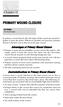 Chapter 11 PRIMARY WOUND CLOSURE KEY FIGURE: Everting skin edges In primary wound closure, the skin edges of the wound are sutured together to close the defect. Whenever possible and practical, primary
PATIENT CONSENT TO PROCEDURE - ROUX-EN-Y GASTRIC BYPASS
 As a patient you must be adequately informed about your condition and the recommended surgical procedure. Please read this document carefully and ask about anything you do not understand. Please initial
Posterior Cervical Decompression
 Posterior Cervical Decompression Spinal Unit Tel: 01473 702032 or 702097 Issue 2: January 2009 Following your recent MRI scan and consultation with your spinal surgeon, you have been diagnosed with a
GOING HOME AFTER YOUR TAVR PROCEDURE
 GOING HOME AFTER YOUR TAVR PROCEDURE HENRY FORD HOSPITAL CENTER FOR STRUCTURAL HEART DISEASE GOING HOME After your TAVR procedure, you will need help when you go home. It is hard to predict how much help
Case 2. 30 year old involved in a MVA complaining of chest pain. Bruising over the right upper chest. Your Diagnosis
 Case 2 30 year old involved in a MVA complaining of chest pain. Bruising over the right upper chest. Your Diagnosis Diagnosis: Posterior Sterno-clavicular dislocation [PSCD] A posterior sterno-clavicular
FEMORAL ARTERY SHEATH MANAGEMENT
 Centre for Education & Practice Development Learning Module FEMORAL ARTERY SHEATH MANAGEMENT For Registered Nurses Division 1 February 2008 Acknowledgment This document has been compiled utilising the
Weight Loss before Hernia Repair Surgery
 Weight Loss before Hernia Repair Surgery What is an abdominal wall hernia? The abdomen (commonly called the belly) holds many of your internal organs. In the front, the abdomen is protected by a tough
Understanding Your. Hemodialysis. Access Options
 Understanding Your Hemodialysis Access Options aakp American Association of Kidney Patients 3505 E. Frontage Road, Suite 315 Tampa, FL 33607 Toll-Free: 800-749-2257 Fax: 813-636-8122 www.aakp.org Overview