
Inherited disorders result in dental anomalies Dr. Barta Adrienn
|
|
|
- Vernon Cobb
- 9 years ago
- Views:
Transcription
1 Inherited disorders result in dental anomalies Dr. Barta Adrienn Semmelweis University of Budapest Clinics of Orthodontics and Paediatric Dentistry

2 Anomalies inherited (genetic) acquired harms mutation abnormalities of placenta radiation medication virus infections (rubeola, influenza)

3 Genetics Mendel forming of the science of genetics 1865 today: Mendelian lows of heredity he examined 22 different types of pea

4 Genetic disorders 3 groups: anomalies caused by harms of 1 gene (locus) autosomal (dominant, resessive) X-linked (dominant, resessive) multifactorial inherited anomalies chromosome aberrations

5 Autosomal dominant inheritance 1. Scheuthauer-Marie-Sainton syndrome (dysostosis cleidocranialis) 2. Osteogenesis imperfecta 3. Crouzon syndrome 4. Apert syndrome 5. Treacher Collins-Franceschetti syndrome (dysostosis mandibulofacialis) 6. Gardner syndrome 7. Waardenburg I. syndrome 8. Marfan syndrome

6 Autosomal dominant inheritance 1. Scheuthauer-Marie-Sainton syndrome (Marie and Sainton P, 1898.) (dysostosis cleidocranialis) general dysplastic bone formation manifested in typical malformations in skull, pelvis and thoracic region (abnormal ossification persistence of sutures for years or for life) prevalence: 1:

7 Autosomal dominant inheritance 1. Scheuthauer- Marie-Sainton syndrome (dysostosis cleidocranialis) General symptoms: short stature ankylosis absent or hypoplastic clavicules (hypermobility of shoulders)

8 Autosomal dominant inheritance 1. Scheuthauer-Marie-Sainton syndrome (dysostosis cleidocranialis) Symptoms: large, broad and short cranium (macrocephalus, brachycephalus) frontal and paritel bossing broad and depressed nasal bridge nem légtartó sinusok hypoplastic midface relative progenia

9 Autosomal dominant inheritance 1. Scheuthauer-Marie- Sainton syndrome Dental symptoms: high and narrow palate (with or without cleft palate) supernumerary teeth delayed eruption crowns and roots are in abnormal localisation teeth in retention are in ectopic places extremely long-lasting second dentition

10 Autosomal dominant inheritance 2. Osteogenesis imperfecta - complex harm of connective tissue (collagen) - it is characterized by bones that break easily - 4 types: type I mild type II lethal type III type IV - severe

11 Autosomal dominant inheritance 2. Osteogenesis imperfecta Type I (mild) Symptoms: problems with the production of collagen Type I (collagen structure is normal, but the amount is less than normal) bones break very easily ossification is quick after fracture, but not normal

12 Autosomal dominant inheritance 2. Osteogenesis imperfecta Type I (mild) Symptoms: normal or near-normal stature blue sclera hearing loss dentinogenesis imperfecta

13 Autosomal dominant inheritance 3. Crouzon-syndrome (Octave Crouzon) (dysostosis craniofacialis) premature fusion of cranial sutures (increasing intracranial pressure)

14 Autosomal dominant inheritance 3. Crouzon syndrome (dysostosis craniofacialis) Symptoms: cerebral harms mid-face hypoplasia shallow orbits exophthalmus strabismus blindness hearing loss syndactyly

15 Autosomal dominant inheritance 3. Crouzon syndrome (dysostosis craniofacialis) Dental symptoms: maxilla hypoplasia (narrow arch) crowding of teeth progenia open bite cross bite (1 or 2 side)

16 Autosomal dominant inheritance 4. Apert syndrome (E. Apert, 1906) (acrocephalosyndactyly) - it is characterized by the premature closure of the seams between the skull bones, which results in a peaked head and an unusual facial appearancei - it has many different types in combinations of clinical symptoms and severity - 1:

17 Autosomal dominant inheritance 4. Apert syndrome (acrocephalosyndactyly) Symptoms: unusual facial appearance skeletal (limb) abnormalities full-length webbing or fusion between the fingers and toes retarded intellectual development prominent or bulging eyes

18 Autosomal dominant inheritance 4. Apert syndrome (acrocephalosyndactyly) Dental symptoms: maxilla hypoplasia progenia high and narrow palate cleft palate late dentition crowded teeth

19 Autosomal dominant inheritance 5. Treacher Collins-Franceschetti syndrome (dysostosis mandibulofacialis) - a defect of the 5q locus - causes mainly facial defects

20 Autosomal dominant inheritance 5. Treacher Collins- Franceschetti syndrome (dysostosis mandibulofacialis) Symptoms: abnormal to almost completely absent external ears hearing loss defect in the lower eyelid (coloboma) narrow face

21 Autosomal dominant inheritance 5. Treacher Collins syndrome (dysostosis mandibulofacialis) Symptoms: very small jaw (micrognathia) sinus maxillaris hypoplasia parotis aplasia macrostomia macroglossia cleft palate crowded teeth
22 Autosomal dominant inheritance 6. Gardener syndrome Symptoms: multiple osteomas (particularly of the jaws and facial bones) multiple polyps of the large intestine epidermoid cysts and fibromas of the skin polyps have a tendency to rapid malignant change supernumerary teeth
23 Autosomal dominant inheritance 7. Waardenburg syndrome (Petrus Johannes Waardenburg: Dutch eye doctor, who first noticed it in 1951.) there are at least 4 types WS1, WS2A, WS2B, WS3 (WS4 alternative) WS1 (classic form) - characterized by varying degrees of hearing loss and changes in skin and hair pigmentation
24 Autosomal dominant inheritance 7. Waardenburg I. syndrome Symptoms: hearing loss (20%) disorder of eyelid differently colored eyes (one eye is usually blue and the other is brown) distinctive hair coloring (patch of white hair) broad nasal bridge maxilla and mandibula hypoplasia associated symptoms also: abnormal development of heart and limbs
25 Autosomal dominant inheritance 8. Marfan syndrome disorder of connective tissue, that affects: skeleton lungs eyes heart blood vessels defect: a protein called fibrillin is defficient or Abnormal (the fibrillin gene on chromosome 15)
26 Autosomal dominant inheritance 8. Marfan syndrome Symptoms: cardio-vascular system wide and more fragile aorta aortic aneurysms a mitral and/or aortic valve prolapse lungs spontaneous collapse of the lung (pneumothorax) eyes near-sighting dislocation of the ocular lens retinal detachment
27 Autosomal dominant inheritance 8. Marfan syndrome Symptoms: sceleton: tall stature hyperasthenia arms, legs and fingers are long scoliosis pectus deformity long face
28 Autosomal dominant inheritance 8. Marfan syndrome Dental symptoms: high palate malocclusion
29 Harms of 1 locus autosomal dominant recessive X-linked dominant recessive
30 Autosomal recessive inheritance 1. Dubowitz syndrome 2. Ellis van Creveld syndrome 3. Pierre Robin syndrome 4. Johanson-Blizzard syndrome 5. Morquio syndrome 6. Sanfilippo syndrome 7. Papillion LeFevre syndrome (hyperkeratosis palmoplantaris et periodontoclasia) 8. Goldscheider syndrome (epidermolysis bullosa dystrophica)
31 Autosomal recessive inheritance 1. Dubowitz syndrome (1965) 3 main symptoms: - dwarfizm - eczema - peculiar face the fenotype varies from mild to severe aberrations about 200 affected patients
32 Autosomal recessive inheritance 1. Dubowitz syndrome Characteristics: growth retardation (short stature) primary microcephaly characteristic facial appearance: small face micrognathia broad nasal bridge telecanthus broad and high forehead mild mental retardation eczematous skin eruption (min. 50 %) photosensitivity sparse body and scalp hair anaemia anaemia jug-ear short neck poly- or syndactyly
33 Autosomal recessive inheritance 1. Dubowitz-syndrome Characteristics: large or small mouth high and narrow palate cleft palate micrognathia dental symptoms: delayed eruption crowded teeth micro- or macrodontia malocclusion diastema oligodontia fused teeth doubled teeth
34 Autosomal recessive inheritance 2. Ellis van Creveld syndrome chondroectodermal dysplasia with oral symptoms - the gene has been mapped to the short arm of chromosome 4 ( EVC-gene ) - the function of a healthy EVC gene is not known - this syndrome is often seen in a little isolated group of people in Pennsylvania
35 Autosomal recessive inheritance 2. Ellis van Creveld szindróma Symptoms: malformations of the bones short limbs short stature dystrophy of the fingernails and hair mental retardation congenital heart defects (50%) polydactyly (additional digit next to the 5 th finger) Prognosis
36 Autosomal recessive inheritance 2. Ellis van Creveld syndrome Symptoms: oral problems: prenatal eruption of the teeth mainly lower incisors are affected hypodontia abnormal frenulae missing or peg-shaped teeth enamel hypoplasia tendency to get cavities (early dental care!)
37 Autosomal recessive inheritance 3. Pierre Robin syndrome It was first described in Prevalence: 1 per pathophysiological theories exist to explain the occurance, the most accepted: The mechanical theory: The mandibular hypoplasia occurs between the 7th and 11th week of gestation. This keeps the tongue high in the oral cavity, causing a cleft in the palate by preventing the closure of the palatal shelves.
38 Autosomal recessive inheritance 3. Pierre Robin syndrome Symptoms: respiratoric distress syndrome in the newborn heart defects syndactyly, polydactyly (in 70-80%) clubfeet otitis media hearing loss gastroesophageal reflux esophagitis
39 Autosomal recessive inheritance 3. Pierre Robin syndrome Symptoms: micrognathia (91.7%) glossoptosis (70-85%) macroglossia and ankyloglossia cleft palate
40 Autosomal recessive inheritance 4. Johanson-Blizzard syndrome Extremely rare inherited disorder! Symptoms: congenital absence or underdevelopment of the nostrils: beak shaped nose insufficient intestinal absorption (malabsorption) pancreatic insuffitiency short stature hypothyroidism weakness of mental and physical activity (psychomotor retardation) congenital hearing loss
41 Autosomal recessive inheritance 4. Johanson-Blizzard syndrome Symptoms: dental symptoms: abnormally small, malformed primary teeth problems with the development of permanent teeth misshapen or absent permanent teeth
42 Autosomal recessive inheritance 5. Morquio syndrome 2 types: mucopolysaccharidosis type IVA (galactoseamine-6-sulfatase enzyme deficiency) mucopolysaccharidosis type IVB (ß-galactosidase enzyme deficiency) Consequence: accumulation in the body and brain of abnormally large amounts of mucopolysaccharide
43 Autosomal recessive inheritance 5. Morquio syndrome Symptoms: short stature coarse facial features abnormal development of many bones including the spine hypermobile joints enamel defects life expectancy: may exceed 20 years Symptoms are delayed until after the 1 st year!
44 Autosomal recessive inheritance 6. Sanfilippo syndrome (Dr. Sylvestor Sanfilippo, 1963) - mucopolysaccharidosis - absence of one of several enzymes - large amounts of heparan-sulfate (mucopolysaccharide) are excreted in the urine - 4 main types: Sanfilippo A Sanfilippo B Sanfilippo C Sanfilippo D Heparan-N-sulphatase a-n-acetylgucosaminidase AcetylCoA:N-acetyltransferase N-Acetylglucosamine 6-sulphatase
45 Autosomal recessive inheritance 6. Sanfilippo syndrome Symptoms: short stature coarse facial features mental retardation gait disturbances short, massive bones stiff joints liver and spleen enlargement speech disturbances full lips bulky eyebrow gargoyle-face macroglossia
46 Autosomal recessive inheritance 6. Sanfilippo syndrome Characteristics: symptoms are delayed until after the 1 st year! bulky eyebrow life expectancy: may exceed 20 years 1:
47 Autosomal recessive inheritance 7. Papillion LeFevre syndrome (hyperkeratosis palmoplantaris et periodontoclasia) main characteristics: - palmoplantar hyperkeratosis - juvenile parodontitis
48 Autosomal recessive inheritance 7. Papillion LeFevre syndrome Symptoms: right after the eruption of primary teeth: chr. gingivitis fast destruction of the alveolar bone primary teeth are eliminated from the granulated tissue 1-2 years after the eruption mucous membrane is intact in the toothless oral cavity after the eruption of permanent teeth: parodontitis again fast bone destruction 1st molars are missing before the eruption of incisors individual becomes totally toothless for years
49 Autosomal recessive inheritance 8. Goldscheider syndrome (epidermolysis bullosa dystrophica) Epidermolysis bullosa (skin blisters develop in response to minor trauma): - 2-4: more, than 10 genes - 4 main types: - epidermolysis bullosa simplex - epidermolysis bullosa junctionale - epidermolysis bullosa dystrophica - epidermolysis bullosa hemidesmosomale
50 Autosomal recessive inheritance 8. Goldscheider syndrome (epidermolysis bullosa dystrophica) fluid-filled blisters that develop in response to minor trauma or temperature change (or spontaneous) chafing of the skin, rubbing or even increased room temperature may cause blisters to form scarring after blister may cause deformities there are 4 main types and many different subtypes varies in severity from minor blistering of the skin to a lethal form involving other organs
51 Autosomal recessive inheritance 8. Goldscheider syndrome (epidermolysis bullosa dystrophica) Symptoms: blistering of the skin nail loss or deformed nails alopecia (hair loss) hoarse cry and cough other respiratory difficulties blistering in or around the mouth and throat enamel hypoplasia tooth decay
52 Autosomal recessive inheritance 8. Goldscheider-syndrome (epidermolysis bullosa dystrophica) Prevention: keeping rooms at an even temperature applying lubricants using simple, soft clothing that requires minimal handling when dressing a child wearing mittens at bedtime regular controll in dental office
53 Genetic disorders 3 groups: anomalies caused by harms of 1 gene (locus) multifactorial inherited anomalies chromosome aberrations
54 Harms of 1 locus autosomal dominant recessive X-linked dominant recessive
55 X-linked inheritance 1. Aarskog syndrome 2. Albright-Buttler-Bloomberg syndrome 3. Goltz (Goltz-Gorlin) syndrome 4. Rapp-Hodgkin syndrome (ectodermalis dysplasia)
56 1. Aarskog syndrome X-linked inheritance X-linked recessive genetic disorder main symptoms: short stature musculosceletal and genital anomalies facial abnormalities
57 X-linked inheritance 1. Aarskog syndrome Symptoms: short stature, which not be obvious until the child is between 1 and 3 delayed sexual maturation mild to moderate mental retardation macrocephalia underdeveloped mid-portion of the face rounded face wide set eyes with droopy eyelids small nose hypoplasia of the upper and lower jaws delayed eruption of teeth
58 X-linked inheritance 2. Albright-Buttler-Bloomberg syndrome Fuller Albright Allan Macy Butler Esther Bloomberg X-linked, dominant genetic disorder
59 X-linked inheritance 2. Albright-Buttler-Bloomberg syndrome Symptoms: dwarfism rachitis osteomalatia hypophosphataemia hyperphosphaturia the amount of Ca in the serum is normal! bone anomalies do not respond to vitamin D treatment enamel hypoplasia
60 X-linked inheritance 3. Goltz (Goltz-Gorlin) syndrome (focal dermal dysplasia) (RW Goltz, 1962) - X-linked, dominant disorder; de novo mutation - gene: short arm of the X chrom. - women (1998: 150 females and 11 males) - it is characterized by malformed skin (appearance, function); hair, nails, teeth also
61 X-linked inheritance 3. Goltz (Goltz-Gorlin) symptoms Symptoms: Skin: epidermis: deformed or absent dermis: abnormal formation of IV type collagen Hair: missing in patches or completely absent Teeth and nails: unusual appearance The skin is completely absent, or discolored, itchy, or blistered.
62 X-linked inheritance 3. Goltz (Goltz-Gorlin) syndrome Symptoms: Skin lesions: depigmentation inflammed, irritated areas (itching, blistering, reddening, swelling, crusting, bleeding) papillomas (gums, lips, tongue, vaginal opening, anus) excessive skin growth: hyperhidrosis hypohidrosis Skeleton: fingers and toes (webbing, fusion or polydactyly) curvature of the spine underdevelopment or protrusion of the lower jaw fused vertebrae Facial asymmetry eyes, ears, chin
63 3. Goltz (Goltz-Gorlin) syndrome Dental symptoms: incomplete tooth enamel frequent cavities teeth malformed mispositioned absent X-linked inheritance
64 X-linked inheritance 4. Rapp-Hodgkin syndrome (anhidrotic ectodermal dysplasia) - it has many different types - X-linked, dominant inherited anomaly is the most common - it is characterized by abnormal development of the skin and associated structures (hair, nails and teeth, sweat glands)
65 X-linked inheritance 4. Rapp-Hodgkin syndrome (anhidrotic ectodermal dysplasia) Symptoms: absent or decreased sweat and tear glands temperature control is a problem (heat intolerance, extremely high fevers) chronic nasal infections foul-smelling discharge thin skin decreased pigment photophoby absent or scanty body hair alopecia small and abnormal nails
66 4. Rapp-Hodgkin syndrome X-linked inheritance (anhidroticus ectodermalis dysplasia) oral structures: small mouth cleft palate hypodontia enamel hypoplasia delayed or absent tooth formation
67 Genetic disorders 3 groups: harms of one locus multifactorial inherited anomalies chromosome aberrations
68 Multifactorial inherited disorders there are many gene variations in a population (set of genes, environmental effects) many gene pairs make individual being susceptible to disorders caused by the environment accumulation can be in a family risk is higher amoung near relatives (shared genes) when the parent is healthy the anomaly will recur in offspring in 1-15% distribution of normal and abnormal genes (limit) the limit can be different in males and females disorders having quantity character: hypertony ischemic heart disease psychiatric diseases diabetes mellitus disorders having quality character: cleft palate and lip spina bifida
69 Genetic disorders 3 groups: harms of one locus multifactorial inherited anomalies chromosome aberrations
70 Chromosome aberrations numerical structural (in shape) one or more chromosomes have changed morphology (size, pattern) combinated
71 Chromosome aberrations Numerical changes 1. Changes in the number of autosomal chromosomes Down syndrome Edwards syndrome Patau syndrome 2. Changes in the number of sex chromosomes Turner syndrome
72 Chromosome aberrations Numerical changes: (autosomal) Down syndrome - the commonest of all malformation, affecting up to 1 in 600 births - extra 21 st chromosome (trisomy 21) in 95% - it caused by translocation in about 3-4% of people with Down syndrome
73 Chromosome aberrations Down syndrome Symptoms: severe mental retardation short stature microcephalia decreased muscle tone extremely flexible joints characteristic facial appearance mongoloid eye: epicanthal folds over the eye small nose with flattened nasal bridge abnormal outer ear short and wide hand single palmar crease
74 Chromosome aberrations Down syndrome Symptoms: macroglossia microdontia hypodontia dysgnathia delayed eruption of teeth cross bite open bite parodontitis after the eruption of primary teeth mild gingivitis but deep sulcus it can not be explained with the bad oral hygiene
75 Chromosome aberrations Down syndrome Symptoms: frequent congenital heart defects susceptibility to infections life expectancy is good the risk of Down syndrome increases with age after 40 years prenatal diagnosis (amniocentesis) is recommended for all pregnant women age 35 or older
76 Down syndrome Diagnosis: Chromosome aberrations screening tests blood tests ultrasound scan chorionic villus testing amniocentesis
77 Chromosome aberrations Numerical changes: (autosomal) Edwards syndrome - trisomy 18-1 out of 3000 live births - the multiple abnormalities make hard for infants to live longer than a few months
78 Chromosome aberrations Edwards syndrome Symptoms: severe mental deficiency abnormal development: heart kidney eye clenched hands and underdeveloped fingernails microcephalia flat forehead protruded occiput abnormal ears cleft palate and lip
79 Chromosome aberrations Numerical changes: (autosomal) Patau syndrome - trisomy 13 - frequency: 1 out of every 5000 live birth - the multiple abnormalities often are not compatible with life (80% of children die in the 1 st month)
80 Patau syndrome Chromosome aberrations Symptoms: multiple congenital aberrations severe mental retardation congenital heart diseases poly- or hexadactyly microcephalia wide nasal bridge and face small eyes (microphthalmia) and eyes close set cleft palate and lip
81 Chromosome aberrations Numerical changes 1. Changes in the number of autosomal chromosomes Down syndrome Edwards syndrome Patau syndrome 2. Changes in the number of sex chromosomes Turner syndrome
82 Chromosome aberrations Numerical changes: (gonadal) Turner syndrome - monosomy X - frequency: 1 out of 2000 live birth
83 Chromosome aberrations Turner syndrome Symptoms: it occurs only in females sexual infantilism or gonadal dysgenesis mental deficiency short height webbed neck low hairline underdeveloped body hair shield-shaped chest heart and kidney abnormalities
84 Turner syndrome Chromosome aberrations Dental symptoms: mandibula hypoplasia narrow and high palate crowded teeth
85 Inherited disorders result in dental anomalies: early diagnosis preventive treatment (reqiured time and required methods) special knowledge thoroughness more often control as usually
86 Thank you!
The Newborn With a Congenital Disorder. Chapter 14. Copyright 2008 Wolters Kluwer Health Lippincott Williams & Wilkins
 The Newborn With a Congenital Disorder Chapter 14 Congenital Anomalies or Malformations May be caused by genetic or environmental factors Approximately 2% to 3% of all infants born have a major malformation
a guide to understanding moebius syndrome a publication of children s craniofacial association
 a guide to understanding moebius syndrome a publication of children s craniofacial association a guide to understanding moebius syndrome this parent s guide to Moebius syndrome is designed to answer questions
Anatomic Anomalies. Anomalies. Anomalies. Anomalies. Supernumerary Teeth. Supernumerary Teeth. Steven R. Singer, DDS 212.305.5674 srs2@columbia.
 Anatomic Anomalies Steven R. Singer, DDS 212.305.5674 [email protected] Anomalies! Anomalies are variations in the:! Size! Morphology! Number! Eruption of the teeth Anomalies Anomalies There are two categories:!
Congenital Anomalies In Diamond Blackfan Anemia (DBA)
 Congenital Anomalies In Diamond Blackfan Anemia (DBA) CS217857 National Center on Birth Defects and Developmental Disabilities Division of Blood Disorders Congenital Anomalies In Diamond Blackfan Anemia
Cystic Fibrosis. Cystic fibrosis affects various systems in children and young adults, including the following:
 Cystic Fibrosis What is cystic fibrosis? Cystic fibrosis (CF) is an inherited disease characterized by an abnormality in the glands that produce sweat and mucus. It is chronic, progressive, and is usually
Each person normally has 23 pairs of chromosomes, or 46 in all. We inherit one chromosome per pair from our mother and one from our father.
 AP Psychology 2.2 Behavioral Genetics Article Chromosomal Abnormalities About 1 in 150 babies is born with a chromosomal abnormality (1, 2). These are caused by errors in the number or structure of chromosomes.
a guide to understanding crouzon syndrome a publication of children s craniofacial association
 a guide to understanding crouzon syndrome a publication of children s craniofacial association a guide to understanding crouzon syndrome this parent s guide to Crouzon syndrome is designed to answer questions
Genetic Mutations. Indicator 4.8: Compare the consequences of mutations in body cells with those in gametes.
 Genetic Mutations Indicator 4.8: Compare the consequences of mutations in body cells with those in gametes. Agenda Warm UP: What is a mutation? Body cell? Gamete? Notes on Mutations Karyotype Web Activity
Human Growth and Reproduction
 Human Growth and Reproduction Sperm reach ovum and cluster around it Only one sperm is allowed to penetrate egg When the sperm penetrates the egg, the egg immediately releases a chemical creating a hard
Child Abuse or Osteogenesis Imperfecta?
 Child Abuse or Osteogenesis Imperfecta? 804 W. Diamond Ave., Ste. 210 Gaithersburg, MD 20878 (800) 981-2663 (301) 947-0083 Fax: (301) 947-0456 Internet: www.oif.org Email: [email protected] The Osteogenesis
Classification of Malocclusion
 Classification of Malocclusion What s going on here? How would you describe this? Dr. Robert Gallois REFERENCE: Where Do We Begin? ESSENTIALS FOR ORTHODONTIC PRACTICE By Riolo and Avery Chapter 6 pages
Basic Human Genetics: Reproductive Health and Chromosome Abnormalities
 Basic Human Genetics: Reproductive Health and Chromosome Abnormalities Professor Hanan Hamamy Department of Genetic Medicine and Development Geneva University Switzerland Training Course in Sexual and
Preventive Pediatric Dental Care. Lawrence A. Kotlow DDS Practice Limited to Pediatric Dental Care 340 Fuller Road Albany, New York 12203
 Preventive Pediatric Dental Care Lawrence A. Kotlow DDS Practice Limited to Pediatric Dental Care 340 Fuller Road Albany, New York 12203 Patient comfort and safety 1. All children are treated using the
The ultrasound detection of chromosomal anomalies 1
 The ultrasound detection of chromosomal anomalies 1 Werther Adrian Clavelli, MD 2, Silvia Susana Romaris de Clavelli, MD 2, Philippe Jeanty, MD, PhD 3 Adapted from The Ultrasound Detection of Chromosomal
23. TERATOGENS AND THEIR EFFECTS
 23. TERATOGENS AND THEIR EFFECTS Wendy Chung, M.D. Ph.D. Telephone: 851-5313 e-mail: [email protected] SUMMARY A congenital malformation is an anatomical or structural abnormality present at birth. Congenital
a guide to understanding pierre robin sequence
 a guide to understanding pierre robin sequence a publication of children s craniofacial association a guide to understanding pierre robin sequence this parent s guide to Pierre Robin Sequence is designed
DISABILITY-RELATED DEFINITIONS
 DISABILITY-RELATED DEFINITIONS 1. The Americans with Disabilities Act (ADA) of 1990 is a civil rights law, which makes it unlawful to discriminate on the basis of disability. It covers employment in the
Patient Information. Patient s First and Last name: Preferred Name: Mailing Address: City: State: Zip Code: Date of Birth: Gender:
 Patient Information: Patient Information Patient s First and Last name: Preferred Name: Mailing Address: Date of Birth: Gender: Best Number to Confirm Your Appointments: Alternate Phone Number: Social
Trisomies 13 and 18. -Maternal age. (Patau and Edward s syndrome)
 Trisomies 13 and 18 (Patau and Edward s syndrome) Trisomy 21 (Down syndrome) is the commonest chromosomal disorder at birth, and has been considered in detail in previous annual reports 23. Other relatively
Trisomy 13 (also called Patau s syndrome or T13)
 Screening Programmes Fetal Anomaly Trisomy 13 (also called Patau s syndrome or T13) Information for parents Publication date: April 2012 Review date: April 2013 Version 2 117 Information sheet to help
Developmental Disorders
 Developmental Disorders General Principles Causes: Genetic Environmental (Maternal, Physical, Chemical) Mechanisms (Retinoic Acid) General Principles Teratology Study of Monsters Teratogen agent that produces
95% of childhood kidney cancer cases are Wilms tumours. Childhood kidney cancer is extremely rare, with only 90 cases a year in
 James Whale Fund for Kidney Cancer Childhood kidney cancer factsheet Kidney cancer rarely afflicts children and about 90 paediatric cases are diagnosed in the UK each year. About 75% of childhood kidney
Introduction to Dental Anatomy
 Introduction to Dental Anatomy Vickie P. Overman, RDH, MEd Continuing Education Units: N/A This continuing education course is intended for dental students and dental hygiene students. Maintaining the
Chromosomal Abnormalities
 Chromosomal Abnormalities George E Tiller, MD, PhD Regional Chief, Dept. Genetics Southern California Permanente Medical Group Los Angeles, CA Objectives of Lecture list several indications for karyotyping
C CS. California Children Services Alameda County
 C CS California Children Services Alameda County The California Children Services (CCS) Program strives to assure access to medical services essential to the health and well-being of children with catastrophic
Mendelian inheritance and the
 Mendelian inheritance and the most common genetic diseases Cornelia Schubert, MD, University of Goettingen, Dept. Human Genetics EUPRIM-Net course Genetics, Immunology and Breeding Mangement German Primate
Dental health following cancer treatment
 Dental health following cancer treatment Treatment for cancer often increases the risk for dental problems. As a cancer survivor, it is important for you to understand the reasons why dental care is especially
Influences on Birth Defects
 Influences on Birth Defects FACTS About 150,000 babies are born each year with birth defects. The parents of one out of every 28 babies receive the frightening news that their baby has a birth defect There
CRANIOFACIAL ABNORMALITIES
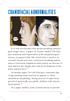 CRANIOFACIAL ABNORMALITIES It is well documented that mouth-breathing children grow longer faces. A paper by Tourne entitled The long face syndrome and impairment of the nasopharyngeal airway, recognised
A Guide to Prenatal Genetic Testing
 Patient Education Page 29 A Guide to Prenatal Genetic Testing This section describes prenatal tests that give information about your baby s health. It is your choice whether or not to have these tests
Making the Connections District 75 NYCDOE
 Medical Syndromes and Their Effect on Learning Making the Connections District 75 NYCDOE Cerebral Palsy The most frequent medical condition in 12:1:4 classes Associated with other disabilities including
Muscular Dystrophy. By. Tina Strauss
 Muscular Dystrophy By. Tina Strauss Story Outline for Presentation on Muscular Dystrophy What is Muscular Dystrophy? Signs & Symptoms Types When to seek medical attention? Screening and Diagnosis Treatment
Why is prematurity a concern?
 Prematurity What is prematurity? A baby born before 37 weeks of pregnancy is considered premature. Approximately 12% of all babies are born prematurely. Terms that refer to premature babies are preterm
DIAGNOSING CHILDHOOD MUSCULAR DYSTROPHIES
 DIAGNOSING CHILDHOOD MUSCULAR DYSTROPHIES Extracts from a review article by KN North and KJ Jones: Recent advances in diagnosis of the childhood muscular dystrophies Journal of Paediatrics and Child Health
Closed Automobile Insurance Third Party Liability Bodily Injury Claim Study in Ontario
 Page 1 Closed Automobile Insurance Third Party Liability Bodily Injury Claim Study in Ontario Injury Descriptions Developed from Newfoundland claim study injury definitions No injury Death Psychological
The etiology of orthodontic problems Fifth session
 بنام خداوند جان و خرد The etiology of orthodontic problems Fifth session دکتر مھتاب نوری دانشيار گروه ارتدنسی Course Outline( 5 sessions) Specific causes of malocclusion Genetic Influences Environmental
Bone Marrow or Blood Stem Cell Transplants in Children With Certain Rare Inherited Metabolic Diseases *
 Bone Marrow or Blood Stem Cell Transplants in Children With Certain Rare Inherited Metabolic Diseases * A Review of the Research for Parents and Caregivers * Wolman Disease, Farber Disease, Niemann-Pick
Range of Injury Scale Values
 Range of Injury Scale Values Civil Liability Regulations 2014 SCHEDULE 4 Range of Injury Scale Values (summary) Item Injury ISV Range Part 1-Central Nervous System and Head Injuries 1 Quadriplegia 75 100
Jennifer A. Defant, M.S., C.G.C. Certified Genetic Counselor Division of Genetics and Metabolism University of Florida
 Jennifer A. Defant, M.S., C.G.C. Certified Genetic Counselor Division of Genetics and Metabolism University of Florida 60% of childhood hearing loss is genetic Syndromic Nonsyndromic 40% of childhood hearing
Heredity - Patterns of Inheritance
 Heredity - Patterns of Inheritance Genes and Alleles A. Genes 1. A sequence of nucleotides that codes for a special functional product a. Transfer RNA b. Enzyme c. Structural protein d. Pigments 2. Genes
Rigid spine syndrome (RSS) (Congenital muscular dystrophy with rigidity of the spine, including RSMD1)
 Rigid spine syndrome (RSS) (Congenital muscular dystrophy with rigidity of the spine, including RSMD1) What is RSMD1? The congenital muscular dystrophies are a group of conditions which share early presentation
First Trimester Screening for Down Syndrome
 First Trimester Screening for Down Syndrome What is first trimester risk assessment for Down syndrome? First trimester screening for Down syndrome, also known as nuchal translucency screening, is a test
ICD-10 Codes for Orthodontics
 Introduction Kirt E. Simmons, DDS, PhD This document is meant to provide general information on diagnostic coding, specifically coding using the ICD-10 code set. Proper and accurate diagnostic coding is
Pseudohypoparathyroidism: A Variation on the Theme of Hypoparathyroidism
 Pseudohypoparathyroidism: A Variation on the Theme of Hypoparathyroidism Amanda Tencza MS IV 1 and Michael A. Levine, MD 2 1 Cleveland Clinic Lerner College of Medicine of Case Western Reserve University
Non-covered ICD-10-CM Codes for All Lab NCDs
 Non-covered ICD-10-CM s for All Lab NCDs This section lists codes that are never covered by Medicare for a diagnostic lab testing service. If a code from this section is given as the reason for the test,
Prenatal screening and diagnostic tests
 Prenatal screening and diagnostic tests Contents Introduction 3 First trimester routine tests in the mother 3 Testing for health conditions in the baby 4 Why would you have a prenatal test? 6 What are
Obstetrical Ultrasound and Prenatal Diagnostic Center
 Obstetrical Ultrasound and Prenatal Diagnostic Center Prenatal Diagnosis: Options and Opportunities Learn about various screening options including Early Risk Assessment (ERA), now available to women of
X-Plain Low Testosterone Reference Summary
 X-Plain Low Testosterone Reference Summary Introduction Testosterone is the most important male sex hormone. It helps the body produce and maintain adult male features. Low levels of testosterone affect
Developing Human Fetus
 Period Date LAB. DEVELOPMENT OF A HUMAN FETUS After a human egg is fertilized with human sperm, the most amazing changes happen that allow a baby to develop. This amazing process, called development, normally
UNIT 13 (OPTION) Genetic Abnormalities
 Unit 13 Genetic Abnormailities 1 UNIT 13 (OPTION) Genetic Abnormalities Originally developed by: Hildur Helgedottir RN, MN Revised (2000) by: Marlene Reimer RN, PhD, CCN (C) Associate Professor Faculty
Abnormalities of the Teeth. Abnomalities of teeth. Local factors associated with enamel defects. Environmental alterations
 Abnormalities of the Teeth Abnomalities of teeth Environmental alterations Developmental alterations Steven Chussid D.D.S. Director, Division of Pediatric Dentistry Environmental alterations Effects on
CELL DIVISION. STAGES OF MITOTIC DIVISION (Diag. C1)
 1 CELL DIVISION Cell division is the process by which cells replicate in order to replace cell loss, repair tissue damage and reproduce the organism. Two types of cell division are encountered in the Eukaryotic
ORTHODONTIC TREATMENT
 ORTHODONTIC TREATMENT Informed Consent for the Orthodontic Patient As a general rule, positive orthodontic results can be achieved by informed and cooperative patients. Thus, the following information
Ear, Nose, Throat, Teeth and the Jaw
 Many people suffer from ear related problems, such as ear pain, a feeling of pressure or fullness of the ear, or ringing of the ear. If you suffer from any of these symptoms, it may surprise you to learn
Optional Tests Offered Before and During Pregnancy
 Plano Women s Healthcare Optional Tests Offered Before and During Pregnancy Alpha-Fetoprotein Test (AFP) and Quad Screen These are screening tests that can assess your baby s risk of having such birth
A trait is a variation of a particular character (e.g. color, height). Traits are passed from parents to offspring through genes.
 1 Biology Chapter 10 Study Guide Trait A trait is a variation of a particular character (e.g. color, height). Traits are passed from parents to offspring through genes. Genes Genes are located on chromosomes
Life Insurance Application Form
 Life Insurance Application Form INSTRUCTION To be completed by all applicants PERSONAL DETAILS Surname First name Middle name Sex Female Male Marital status (please tick) Single Married Other Current residential
ORAL MAXILLO FACIAL SURGERY REFERRAL RECOMMENDATIONS
 ORAL MAXILLO FACIAL SURGERY REFERRAL RECOMMENDATIONS Diagnosis / Symptomatology Evaluation Management Options Referral Guidelines General problems include: Soft tissue conditions of the face and oral cavity
Dentistry. Dental Services
 Dentistry Dental Services The Department of Dentistry s multi-disciplinary team cares for your oral health and wellness, and provides you with personalised service that is integrated, comprehensive, teambased
Pregnancy and Substance Abuse
 Pregnancy and Substance Abuse Introduction When you are pregnant, you are not just "eating for two." You also breathe and drink for two, so it is important to carefully consider what you put into your
Central core disease
 Central core disease Central core disease falls under the umbrella of congenital myopathies which are characterised by muscle weakness and wasting. It is a rare condition, and symptoms are usually present
Common types of congenital heart defects
 Common types of congenital heart defects Congenital heart defects are abnormalities that develop before birth. They can occur in the heart's chambers, valves or blood vessels. A baby may be born with only
DENTAL FOR EVERYONE SUMMARY OF BENEFITS, LIMITATIONS AND EXCLUSIONS
 DENTAL FOR EVERYONE SUMMARY OF BENEFITS, LIMITATIONS AND EXCLUSIONS DEDUCTIBLE The dental plan features a deductible. This is an amount the Enrollee must pay out-of-pocket before Benefits are paid. The
05 - DENTAL SURGERY. (02) MS (Oral Surgery) Part II Examination
 05 - DENTAL SURGERY (02) MS (Oral Surgery) Part II Examination 01. October 1990 02. October 1991 03. October 1992 04. October 1993 05. October 1994 06. November 1995 07. October 1996 08. November 1997
Birth defects. Report by the Secretariat
 EXECUTIVE BOARD EB126/10 126th Session 3 December 2009 Provisional agenda item 4.7 Birth defects Report by the Secretariat 1. In May 2009 the Executive Board at its 125th session considered an agenda item
Removable appliances II. Functional jaw orthopedics
 Removable appliances II. Functional jaw orthopedics Melinda Madléna DMD, PhD Associate professor Department of Pedodontics and Orthodontics Faculty of Dentistry Semmelweis University Budapest Classification
Dental Care and Chronic Conditions. Respiratory Disease Cardiovascular Disease Diabetes
 Dental Care and Chronic Conditions Respiratory Disease Cardiovascular Disease Diabetes Shape Up Your Smile and Avoid Some Complications of Chronic Diseases When you take good care of your oral health,
Spina Bifida Occulta. Lo-Call 1890 20 22 60. Occulta Means Hidden
 Occulta Means Hidden Spina Bifida Occulta is not easily detected because skin covers the area, such as the spinal cord, spinal bone or nerve roots, which may be affected. Spina Bifida Occulta can affect
(970) 663-6878 WWW. REYNOLDSORALFACIAL. COM
 (970) 663-6878 WWW. REYNOLDSORALFACIAL. COM Glossary Anterior-Posterior - Front-back Class I - Normal relationship of teeth Class II - Distal (posterior) relationship of mandibular teeth to maxillary teeth.
THE LUNGS IN MARFAN SYNDROME
 THE LUNGS IN MARFAN SYNDROME Many people with Marfan syndrome and some related disorders experience pulmonary complications, or problems with their lungs. If you have Marfan syndrome, it is important for
Emory Eye Center New Patient Questionnaire
 Patient Name: Date: Current Address: Current Phone: Date of Birth: Primary Care Physician: Referring Physician: (First & Last Name) (First & Last Name) Pharmacy Name: Phone #: ( ) Please answer all questions
Management in the pre-hospital setting
 Management in the pre-hospital setting Inflammation of the joints Two main types: Osteoarthritis - cartilage loss from wear and tear Rheumatoid arthritis - autoimmune disorder Affects all age groups,
CHROMOSOMES Dr. Fern Tsien, Dept. of Genetics, LSUHSC, NO, LA
 CHROMOSOMES Dr. Fern Tsien, Dept. of Genetics, LSUHSC, NO, LA Cytogenetics is the study of chromosomes and their structure, inheritance, and abnormalities. Chromosome abnormalities occur in approximately:
Liver Function Essay
 Liver Function Essay Name: Quindoline Ntui Date: April 20, 2009 Professor: Dr. Danil Hammoudi Class: Anatomy and Physiology 2 Liver function The human body consist of many highly organize part working
Best Practices for Oral Health Assessments for School Nurses. Jill Fernandez RDH, MPH. National Association of School Nurses June 22, 2012
 Best Practices for Oral Health Assessments for School Nurses Jill Fernandez RDH, MPH National Association of School Nurses June 22, 2012 Jill Fernandez RDH, MPH Clinical Associate Professor Department
21 WEEKS FETUS WITH TRISOMY 18 (EDWARD SYNDROME), BONE MALFORMATIONS HIGHLIGHTED
 THE PUBLISHING HOUSE MEDICINE OF THE ROMANIAN ACADEMY Research article 21 WEEKS FETUS WITH TRISOMY 18 (EDWARD SYNDROME), BONE MALFORMATIONS HIGHLIGHTED BOGDAN BOTEZATU 1 and BOGDAN MARINESCU 1 1 Obstetrics
Leader's Resource. Note: Both men and women can have an STD without physical symptoms.
 Leader's Resource Information on Sexually Transmitted Diseases (STDs) Signs and Symptoms of STDs Note: Both men and women can have an STD without physical symptoms. Any of the following can indicate to
PATIENT HEALTH QUESTIONNAIRE Radiation Oncology (Patient Label)
 REVIEWED DATE / INITIALS SAFETY: Are you at risk for falls? Do you have a Pacemaker? Females; Is there a possibility you may be pregnant? ALLERGIES: Do you have any allergies to medications? If, please
ORTHODONTIC SCREENING GUIDE FOR NORTH DAKOTA HEALTH TRACKS NURSES
 ORTHODONTIC SCREENING GUIDE FOR NORTH DAKOTA HEALTH TRACKS NURSES The North Dakota Department of Human Services Medical Services Division and the North Dakota Department of Health s Oral Health Program
Accent on Health Obgyn, PC HERPES Frequently Asked Questions
 1. What is herpes? 2. How common is herpes? 3. Is there a cure for herpes? 4. What is oral herpes (cold sores)? 5. How is oral herpes spread? 6. What is genital herpes? 7. How is genital herpes spread?
INTELLIGENCE. Key: Alfred Binet. Key: William stern.
 1 INTELLIGENCE Total hours 14 hours Total marks 20 24 marks Approx no of questions on this chapt. (1 mark-1 or 2, 2 marks- 1 or 2, 5 marks-2, 10 marks-01) 1 Mark Questions : 1. Who gave the concept of
Chapter 10. All chapters, full text, free download, available at http://www.divingmedicine.info SINUS BAROTRAUMA ANATOMY OF THE SINUSES
 Chapter 10 All chapters, full text, free download, available at http://www.divingmedicine.info SINUS BAROTRAUMA ANATOMY OF THE SINUSES The sinuses are air filled cavities contained within the bones of
Clinical Practice Guideline For Orthodontics
 Clinical Practice Guideline For Orthodontics MOH- Oral Health CSN -Orthodontics -2010 Page 1 of 15 Orthodontic Management Guidelines 1. Definitions: Orthodontics is the branch of dentistry concerned with
MEDICATION GUIDE COUMADIN (COU-ma-din) (warfarin sodium)
 MEDICATION GUIDE COUMADIN (COU-ma-din) (warfarin sodium) Read this Medication Guide before you start taking COUMADIN (warfarin sodium) and each time you get a refill. There may be new information. This
In many cases, the cause of a birth defect is not known. But sometimes a defect may be caused by one of the following:
 Common Birth Defects CHAPTER 12 119 TYPES OF BIRTH DEFECTS One out of every 100 or so babies is born with some kind of obvious defect or deformity. There are many different types. In this chapter we describe
BIRTH DEFECTS IN MICHIGAN All Cases Reported and Processed by April 15, 2008
 MICHIGAN DEPARTMENT OF COMMUNITY HEALTH Division for Vital Records and Health Statistics MICHIGAN BIRTH DEFECTS SURVEILLANCE REGISTRY BIRTH DEFECTS IN MICHIGAN All Cases Reported and Processed by April
ARTICLE #1 PLEASE RETURN AT THE END OF THE HOUR
 ARTICLE #1 PLEASE RETURN AT THE END OF THE HOUR Alcoholism By Mayo Clinic staff Original Article: http://www.mayoclinic.com/health/alcoholism/ds00340 Definition Alcoholism is a chronic and often progressive
Dental Admission Form
 Dental Admission Form PERSONAL HISTORY All of the information which you provide on this form will be held in the strictest confidence. Although some questions may seem unimportant at the time, they may
UNMH Oral and Maxillofacial Surgery Clinical Privileges
 All new applicants must meet the following requirements as approved by the UNMH Board of Trustees effective: 09/26/2014 INSTRUCTIONS Applicant: Check off the "Requested" box for each privilege requested.
X-Plain Sinus Surgery Reference Summary
 X-Plain Sinus Surgery Reference Summary Introduction Sinus surgery is a very common and safe operation. Your doctor may recommend that you have sinus surgery. The decision whether or not to have sinus
Objectives AXIAL SKELETON. 1. Frontal Bone. 2. Parietal Bones. 3. Temporal Bones. CRANIAL BONES (8 total flat bones w/ 2 paired)
 Objectives AXIAL SKELETON SKULL 1. On a skull or diagram, identify and name the bones of the skull 2. Identify the structure and function of the bones of the skull 3. Describe how a fetal skull differs
35-40% of GBS disease occurs in the elderly or in adults with chronic medical conditions.
 What is Group B Strep (GBS)? Group B Streptococcus (GBS) is a type of bacteria that is found in the lower intestine of 10-35% of all healthy adults and in the vagina and/or lower intestine of 10-35% of
Brain Cancer. This reference summary will help you understand how brain tumors are diagnosed and what options are available to treat them.
 Brain Cancer Introduction Brain tumors are not rare. Thousands of people are diagnosed every year with tumors of the brain and the rest of the nervous system. The diagnosis and treatment of brain tumors
INFUSE Bone Graft (rhbmp-2/acs)
 1 INFUSE Bone Graft (rhbmp-2/acs) For patients who need more bone to place dental implants Enjoy living with INFUSE Bone Graft. www.medtronic.com Medtronic Spinal and Biologics Business Worldwide Headquarters
Prolia 2 shots a year proven to help strengthen bones.
 Ask your doctor if Prolia (denosumab) is right for you and visit us at www.prolia.com For women with postmenopausal osteoporosis at high risk for fracture: there s Prolia. Prolia 2 shots a year proven