
Canine Viral Diseases
|
|
|
- Shanon Doyle
- 9 years ago
- Views:
Transcription
1 Canine Viral Diseases Canine Parvovirus (CPV) ** Canine Parvovirus has a special affinity for attacking rapidly reproducing cells such as those lining the gastrointestinal tract, bone marrow, lymph nodes, and the heart. This highly contagious virus is transmitted from one dog to another via contaminated droplets and feces. It can be carried on the dog s hair and feet, as well as on contaminated cages, shoes, and other objects. Dogs of all ages are affected, but the highest mortality occurs among puppies less than five months old. There are two main syndromes that are recognized: Enteritis: occur generally after an incubation period of 10 to 14 days. include severe depression, loss of appetite, vomiting, dehydration, fever, and diarrhea that is often bloody. The dog appears to be in great pain, with a tucked up abdomen. Stomatitis (mouth inflammation) can occur. Myocarditis: This form of CPV affects the muscle of the heart, most commonly in puppies under 3 months old. Puppies will stop nursing, cry out and gasp for breath. Death can occur suddenly or within days. Puppies that recover risk developing a chronic form of congestive heart failure that can lead to sudden death within weeks or months. In almost all but mild cases hospitalization is essential. However, if symptoms are caught early, intensive home treatment can be very beneficial. Home treatment of CPV includes fluid and electrolyte replacement (Pedialyte), medication to control diarrhea and vomiting (Pepto Bismol) and administration of broad spectrum antibiotics to prevent post secondary infection (Amoxicillin). The quarters of an infected dog must be cleaned and thoroughly disinfected. The Parvo virus is extremely hardy and is resistant to most household cleaners. The best disinfectant is Javex (one part to thirty parts water). CPV can be prevented by an appropriate vaccination schedule. Note that in puppies between six and twenty six weeks of age there is a one- to four- week interval when they are susceptible to infection despite diligent vaccination. Canine Distemper ** Distemper is a highly contagious disease that is caused by a virus. Worldwide it is the leading cause of infectious disease deaths in dogs. The distemper virus can live for many years in a cold state. It is most common in unvaccinated puppies three to eight months of 1

2 age; however, any unvaccinated dog can acquire the disease. Among infected dogs only about half show signs of illness. The distemper virus has a special affinity for attacking epithelial cells. These are the cells that line the surfaces of the body including the skin, conjunctival membranes of the eye, breathing tubes and mucus membranes of the intestinal tract. The brain can also be severely affected. The disease takes a variety of forms. Secondary infections and complications are common and can sometimes be the cause of death. Typically, the signs of first stage distemper appear three to fifteen days after exposure. First stage: begin with fever, loss of appetite, lethargy and watery discharge from the eyes and nose. Within days the discharge changes from watery to thick and yellow and is often accompanied by a pronounced dry cough. Pus blisters may appear on the abdomen and diarrhea and dehydration are a frequent problem. For the next few weeks the dog will appear at time to get better and then get worse again. Second stage: Two or three weeks after the onset of the disease some dogs develop signs of brain involvement, which includes brief attacks of slobbering, head shaking, chewing movements, epileptic like seizures, running around in circles, falling over, kicking all four feet wildly, appearing confused and shy, and wandering aimlessly. These are all symptoms of encephalitis. Another sign of brain involvement is chorea, characterized by rhythmic jerks or twitches that affect any part of the body but commonly the head. They are first seen when the dog is relaxed or sleeping, and gradually become continuous. Pain accompanies the chorea and dogs whine and cry, especially at night. Dogs with brain involvement typically do not survive. Because of the complexity of the disease, treatment should be under veterinary supervision. There is no antibiotic affective against the distemper virus. Antibiotics (Amoxicillin) are indicated to avoid secondary infections. Fluid and electrolyte replacement (Pedialyte) are used to correct dehydration. Diarrhea should be controlled with appropriate drugs (Pepto Bismol). Anticonvuslants and sedatives help to manage seizures. The success of the treatment depends on how soon the disease is realized. Distemper vaccinations must be kept current in all dogs. Infectious Canine Hepatitis (CAV-1) * Infectious canine hepatitis (Canine Adenovirus-1) is a highly contagious viral disease transmitted only to dogs. Primarily it affects the liver, kidneys and lining of the blood vessels. The virus presents a variety of signs and symptoms that range from those of a mild or subclinical infection at one extreme to a rapidly fatal infection at the other. At time is it difficult to distinguish the disease from distemper. 2

3 A few days after a dog is exposed, the virus multiplies in the dogs tissues and is shed in its stool, saliva, and urine. At this stage, the disease is most contagious. It is spread to other dogs coming into contact with the sick dog or its urine, stool and saliva. Convalescent dogs may shed the virus in its urine, sometimes for months. The most severe cases occur in puppies during the first few months of life, but dogs of all ages are susceptible. Fatal Fulminating form: The dog suddenly becomes ill, develops bloody diarrhea, collapses and dies. Puppies may die suddenly without obvious illness. Acute form: The dog runs a fever, passes bloody diarrhea, may vomit blood and refuses to eat. The dog appears in pain and has a tucked-up belly, which is caused by painful swelling of the liver. The dogs eyes become sensitive to light and may squint and tear. Tonsillitis, bleeding beneath the gums and under the skin, and jaundice may occur. Mild or Subclinical form: The dog simply appears lethargic or below a normally good condition. There is a loss of appetite. After acute symptoms have subsided, about 25% of dogs develop a characteristic clouding of the cornea of one or both eyes, called blue eye. In most dog it clears spontaneously in a few days. If it persists, it should be treated by a veterinarian. Blue eye can occur after vaccination against infectious hepatitis if the vaccine contains CAV-1 instead of CAV-2. This happens to only a small percentage of dogs. Infectious hepatitis is usually recognized by the typical clinical depiction. It is confirmed by blood tests. Acute cases should be hospitalized for intensive veterinary care. The disease can be prevented by proper vaccination. These vaccinations must be kept current in all dogs. Rabies Rabies is a fatal disease that occurs in nearly all warm-blooded animals. In North America, vaccination programs for dogs and other domestic animals have all but eliminated the risk of rabies in both pets and their owners. The major reservoir for rabies is now the skunk, resulting in about 40% of cases. However raccoons, bats, foxes, and other wild carnivores can carry the disease, thereby accounting for sporadic cases. Any strange animal that allows you to approach it without running away from you is acting abnormally. Do not pet or handle such an animal as rabies should be suspected. Outside of North America, the main source of infection for humans remains a bite from an infected dog or cat. 3

4 The rabies virus, which is present in infected saliva, usually enters at the site of a bite. Saliva on an open wound or mucus membrane also constitutes exposure to a bite. Animals suspected of rabies should be handled with great care- preferably not at all! The average incubation period in dogs is three to eight weeks, but can be as short as a week or as long as a year. The virus travels to the brain along nerve networks. The further the bite is from the brain, the longer the incubation period. The virus then travel back along nerves to the mouth where it enters the saliva. The signs and symptoms of rabies are caused by encephalitis (inflammation of the brain). The first signs are quite subtle and consist of personality changes. Affectionate and sociable pets may become irritable and aggressive. Shy and less outgoing pets may become overly affectionate. Soon the animal becomes withdrawn and stares off into space. The animal will avoid light, which hurts the eyes (photophobia), and will seek seclusion. Finally, the animal will resist handling. Fever, vomiting, and diarrhea are common. There are two characteristic forms of encephalitis. One is the so-called furious form and the other is the paralytic form. A rabid animal may show signs of one or a combination of both forms. Furious form: Referred to as mad dog form of rabies. Here the animal becomes frenzied and vicious, attacking anything that moves. The muscles of the face are in spasm, drawing the lips back to expose the teeth. When running loose, the animal shows no fear and snaps and bites at any person or animal along the way. Paralytic form: The muscles of the head become paralyzed, causing the mouth to drop open and the tongue to hang out. The swallowing muscles become paralyzed, which causes drooling, coughing spells, and pawing at the mouth. As encephalitis progresses, the animal loses control of movement, staggers about, collapses and is unable to get up. Once symptoms develop, the disease in dogs and humans is invariably fatal. If there is the slightest possibility that a dog or cat is rabid, and if there has been any sort of human contact, impound the animal immediately and consult your physician and veterinarian. This holds true even if the animal is known to have been vaccinated for rabies. There is no effective treatment for dogs. Be sure that all dogs are vaccinated at three to four months of age, then follow the procedure of your veterinarian to keep vaccinations current. 4

5 Tracheobronchitis (Kennel Cough) ** Kennel cough is a highly contagious respiratory infection in dogs. Its name comes from the fact that dogs often catch it while boarding at a kennel, where they are exposed to other dogs that either have the disease or are carriers of it. Several viruses and bacteria, alone or in combination, are the causative agents. The most common ones are canine adenovirus 2 (CAV-2), canine parainfluenza virus (CPI) and the bacteria Bordetella bronchiseptica. A harsh, dry, spastic cough is the characteristic sign of this illness. Otherwise, the dog looks bright and alert, eats relatively well and seems to maintain an overall good condition. Most cases are mild. Given rest and proper care, these dogs often recover in two weeks. In puppies, kennel cough is a more serious illness. It may be accompanied by nasal congestion. The narrow airways of youngsters are prone to obstruction. Puppies may need intensive support to loosen thick secretions, improve breathing and prevent pneumonia. This is also true of toy breeds. Dogs suspected of having kennel cough should be isolated so as not to affect others. The dog s temperature should be taken every day, as a fever indicates a complication. Rest and proper humidification of the atmosphere are important items in the treatment of bronchitis. Confine the dog in a warm room and use a vaporizer. Daily exercise or a moderate nature is beneficial, as it assists in bronchial drainage. Coughing helps to clear the bronchial tree, but excessive spasms of dry, unproductive cough can cause greater irritation and lead to exhaustion. Cough suppressants (Children s Benalyn) may be indicated, especially if the dog is unable to rest. Antibiotics (Ampicillin or Chloromycetin) are used to prevent secondary bacterial invaders and to treat B. bronchiseptica when it is suspected. They have no effect on viruses. Vaccines effective against some of the kennel cough viruses are available. They will not prevent all cases. Canine Coronavirus ** The distribution of this virus is worldwide. While the virus affects dogs of all ages, it is particularly devastating to young puppies and individuals that have been subjected to environmental stress and concurrent infection, especially parvovirus. The disease is transmitted by contact with infected oral and fecal secretions. Signs and symptoms can vary from unapparent infection (the usual situation) to rapid death. Outbreaks typically occur in a kennel of dogs. 5

6 The early signs are depression and a loss of appetite, followed by vomiting that may contain blood. Fever is not common. A moderate to severe diarrhea ensues. Characteristically, the stool is yellow-orange in color, foul-smelling, watery and sometimes bloody. Dehydration, loss of weight and death can occur. Dogs that appear to recover may suffer a relapse three to four weeks later. It is the same as that for parvovirus. Antibiotics usually are not indicated because of the mild nature of most infections. Killed virus vaccines are available for the prevention of the coronavirus infection. Vaccination is recommended for dogs that have frequent contact with other dogs, such as show dogs, or dogs living in a kennel where new dogs are moving in and out. If one dog in a household or kennel becomes infected, all dogs should be vaccinated. Canine Bacterial Diseases Leptospirosis * Canine leptospirosis is a disease cause by a bacteria called a spirochete. The disease is spread in the urine of an infected animal. Spirochetes enter a dog s system through a break in the skin or via the alimentary route when a dog drinks water or eats food contaminated by infected urine. Most cases are mild or subclinical. Signs of illness appear within five to fifteen days. Fever is present in the early stage of the disease. It is accompanied by listlessness, loss of appetite and depression. Leptospirosis affects many symptoms, but mainly the kidneys. include a hunched-up gait because of pain on the kidney area, the formation of ulcers on the mucus membranes of the mouth and tongue, the appearance of a thick brown coating on the tongue, bleeding from the mouth or the passage of bloody stools and severe thirst with increased urination. The whites of the eyes may turn yellow. This indicates liver involvement. Persistent vomiting and diarrhea are common. Dogs have difficulty eating and swallowing because of sores in the mouth. A presumptive diagnosis can be made on the basis of the dog s clinical signs and physical findings. This can be confirmed by finding spirochetes in its urine or blood, and by blood tests. 6

7 Severely ill dogs should be hospitalized for public health reasons and to provide intensive care. Antibiotic combinations are effective. Supportive measures include control of vomiting and diarrhea (Pepto Bismol), replacement of fluids and maintenance of nutrition. Some dogs develop chronic progressive kidney failure. They become carriers and shed bacteria in their urine for up to a year. It is advisable to vaccinate dogs in areas where leptospirosis is a problem. Lyme Disease Lyme disease is a tick-borne illness caused by the bacteria Borrelia burgorferi. It is now regarded as the most common tick-borne disease in North America. The white-tailed deer and the white-footed mouse are the reservoir for the disease, but a wide variety of wild and domestic animals and birds can harbour the infection. Lyme disease typically occurs from May through August, peaking in the month of July. The disease in dogs is typified by the sudden onset of lameness caused by tender swollen joints that are painful to the touch. The dog appears weak and runs a fever. The lameness may last a few days but can recur for several months. Serological blood tests will confirm the diagnosis. Antibiotics are effective. Ampicillin, erythromycin or tetracycline are the drugs of choice. A vaccine is available for the prevention of disease in dogs. Protozoan Diseases Giardiasis Protozoans are one-celled animals. They are not visible to the naked eye but may be seen under the microscope. A fresh stool specimen is required to find the parasites. They are responsible for seven major infectious diseases in dogs. The life cycle of protozoans is complicated. Basically, infection usually results from the ingestion of the cyst form (oocyst). Cysts invade the lining of the bowel where they mature into adult form and are shed in the feces. Under favorable conditions they develop into the infective form. 7

8 This illness is caused by a protozoan of the Giardia species. Most giardial infections in dogs are asymptomatic; but when giardia does cause infection, usually it is immature dogs that are affected. The principle sign is diarrhea, occasionally mixed with mucus and blood. Diagnosis is made by finding the protozoan in saline smears of fresh stool, or by finding characteristic cysts in the stool. Smears from rectal swabs are satisfactory for this purpose. However, a negative smear does not exclude the diagnosis; affected dogs can shed the cysts intermittently. It takes negative smears for three consecutive days to rule out the diagnosis. Giardiasis responds well to Flagyl (metronidazole). It should not be used in pregnant bitches because it can cause fetal damage. Other drugs are available. Fleas Parasites The ordinary cat flea (C. felis) is the leading cause of skin problems in dogs. All dogs are affected except those living at higher elevations. Fleas do not live above 5000 ft. They occur year round in pets living indoors. Fleas survive by feeding on blood. In many dogs the bites cause only a mild itch, but a heavy infestation can cause severe anemia and even death. Fleas are also an intermediate host of the dog tapeworm. Some dogs experience a marked hypersensitivity reaction to the saliva of the flea. Flea infestation can be diagnosed by finding fleas on the dog or seeing salt and pepper like black and white grains of about the size of sand grains in the coat. These particles are flea feces and flea eggs. Fecal material is made up of digested blood. When brushed onto a wet paper, it turns a reddish brown. Look for fleas on your dogs back and around the tail and hind quarters. They are sometimes found in the groin. Itching is most severe in these areas. The adult flea is a small dark brown insect that can be seen with the naked eye. Although the flea has no wings and cannot fly it does have powerful back legs and can jump great distances. Fleas can move through hair rapidly and are difficult to catch. A number of insecticide products are available for killing fleas on the dog, including shampoos, sprays, and powders. 8

9 Lice (Pediculosis) Lice are not very common. They occur primarily in dogs that are run down and poorly kept. Lice are often found beneath matted hair and are around the ears, head, neck, shoulders, and anal area. The usual picture is intense itching because of the constant irritation. Bare spots may be seen where the hair has been rubbed off. There are two types of lice. Biting lice feed on skin scales. Sucking lice feed on the dog s blood and can cause severe anemia. Adult lice are pale coloured insects about two or three millimeters long. They lay eggs called nits, which look like white grains of sand and are found attached to the hairs. They are difficult to brush off. Nits may look something like dandruff (seborrhea); but dogs with seborrhea do not itch as they do with lice. Inspection with a magnifying glass makes differentiation easy as nits are well formed rounded eggs attached to hair shafts. Lice do not show much resistance to insecticides and do not live long off of the dog. They can be killed by giving a thorough bath followed by an insecticide dip affective against fleas. Three to four dips must be given at ten day intervals. In between, dust the dog with a 5% Seven powder. Infected bedding should be destroyed and the dogs sleeping quarters disinfected. Severely anemic dogs may require a blood transfusion or a build up of vitamins, iron, and a high protein diet. Ticks The male tick is a small flat insect about the size of a match head. A Blood tick is a female tick feeding on the dog. She may swell up to the size of a pea. Males and females mate at this time and the female feeds on the host. When you see a puffed up tick look for a small male tick nearby. There are several species of ticks that live on the dog. The brown dog tick is most common. All are capable of transmitting diseases. Rocky mountain spotted fever, canine ehrlichiosis, canine babesiosis, canine hepatozoonosis, tularemia and Lyme Disease are some of the illnesses transmitted by ticks. Ticks are capable of secreting a toxin that causes paralysis in dogs. Ticks are usually found on the ears, neck, head, and between the toes. A dog might be found with hundreds of ticks all over the body. 9

10 If the dog has only a few ticks, the easiest thing to do is try to remove them. First, kill the tick by applying alcohol, gin, ether or fingernail polish directly to the tick by means of a cotton-tipped applicator. After a few moments, grasp the dead tick as close to the skin as possible with tweezers and apply steady traction until it releases its hold. The blood of ticks can carry diseases dangerous to people. Therefore, do not crush or squeeze the tick with your bare fingers. If the dog has numerous ticks, you will have to resort to a commercial insecticide preparation such as 4% malathion powder, or a dip such as Paramite or Kem Dip. Contact a veterinarian to find out what product should be used. 10

Canine Distemper Virus
 Canine Distemper Virus Canine Distemper (CD) is a highly contagious infectious disease of dogs worldwide caused by the canine distemper virus (CDV). It is often fatal. CD is a multisystemic disease that
Cat flu VETERINARY GUIDE 16
 Cat flu VETERINARY GUIDE 16 Cat flu is a common illness that affects the upper respiratory tract of cats. It can be caused by a number of infectious agents, including viruses and bacteria and can be life
Guidelines for Hand Foot and Mouth Disease HFMD
 Guidelines for Hand Foot and Mouth Disease HFMD Hand, foot, and mouth disease, or HFMD, is a contagious illness caused by different viruses. Infants and children younger than 5 years are more likely to
Canine Influenza. What do I need to know?
 Canine Influenza What do I need to know? What is canine influenza? Canine influenza is a newly emerging infectious disease caused by a flu virus. In dogs, a highly contagious strain of the influenza A
Feline Coronavirus (FCoV) and Feline Infectious Peritonitis (FIP)
 Feline Coronavirus (FCoV) and Feline Infectious Peritonitis (FIP) VETERINARY GUIDE 10 What is Feline Coronavirus or FCoV? FCoV is a common and contagious virus which is passed in the faeces of cats. It
Parasitic Diseases. There are three main classes of parasites that cause disease in humans: Protozoa. Helminths. Ectoparasites.
 Parasitic Diseases Introduction Parasites are living things that use other living things, like your body, for food and a place to live. You can get them from contaminated food or water, a bug bite or sexual
Swine Flu and Common Infections to Prepare For. Rochester Recreation Club for the Deaf October 15, 2009
 Swine Flu and Common Infections to Prepare For Rochester Recreation Club for the Deaf October 15, 2009 Supporters Deaf Health Community Committee Members Julia Aggas Cathie Armstrong Michael McKee Mistie
Feline Immunodeficiency Virus (FIV) and Feline Leukaemia Virus (FeLV)
 Feline Immunodeficiency Virus (FIV) and Feline Leukaemia Virus (FeLV) VETERINARY GUIDE 9 FIV and FeLV are both viruses within the same family of retroviruses, but are in different groups within that family.
General Practice Service Willows Information Sheets. Ectoparasites (fleas and other skin parasites) in dogs
 General Practice Service Willows Information Sheets Ectoparasites (fleas and other skin parasites) in dogs Flea Tick Mite Louse Ectoparasites (fleas and other skin parasites) in dogs What types of skin
2 P age. Babies from Birth to Age 2
 Contents Babies from Birth to Age 2... 2 Vaccines give parents the power... 2 Vaccines are recommended throughout our lives... 3 Talk to your doctor... 3 Vaccines are very safe... 3 Whooping Cough (Pertussis)...
READ THIS LEAFLET VERY CAREFULLY, AND KEEP IT IN A SAFE PLACE. FLU IS SPREADING IN IRELAND, AND THIS INFORMATION IS IMPORTANT FOR YOU AND YOUR FAMILY.
 READ THIS LEAFLET VERY CAREFULLY, AND KEEP IT IN A SAFE PLACE. FLU IS SPREADING IN IRELAND, AND THIS INFORMATION IS IMPORTANT FOR YOU AND YOUR FAMILY. Information and medical advice for the public on Pandemic
RSV infection. Information about RSV and how you can reduce the risk of your infant developing a severe infection.
 RSV infection Information about RSV and how you can reduce the risk of your infant developing a severe infection. What is RSV? RSV is one of the most common respiratory viruses and is spread easily. By
For the Patient: Paclitaxel injection Other names: TAXOL
 For the Patient: Paclitaxel injection Other names: TAXOL Paclitaxel (pak'' li tax' el) is a drug that is used to treat many types of cancer. It is a clear liquid that is injected into a vein. Tell your
2 What you need to know before you have Ampiclox
 Reason for update: GDS 14 & QRD Updates Response to questions for variation update section 4.1 of SPC MHRA Submission Date: 6 November 2014 MHRA Approval Date: Text Date: October 2014 Text Issue and Draft
FOLFOX Chemotherapy. This handout provides information about FOLFOX chemotherapy. It is sometimes called as FLOX chemotherapy.
 FOLFOX Chemotherapy This handout provides information about FOLFOX chemotherapy. It is sometimes called as FLOX chemotherapy. What is chemotherapy? Chemotherapy is a method of treating cancer by using
www.macdillfss.com 7804 Blackbird St., Bldg. 936 MacDill AFB, FL 33621 (813) 828-3558/3559 Monday - Friday 8 am to 4 pm
 7804 Blackbird St., Bldg. 936 MacDill AFB, FL 33621 (813) 828-3558/3559 Monday - Friday 8 am to 4 pm www.macdillfss.com NOTE: Clinic services are limited to those personnel in possession of a military
LYMPHOMA IN DOGS. Diagnosis/Initial evaluation. Treatment and Prognosis
 LYMPHOMA IN DOGS Lymphoma is a relatively common cancer in dogs. It is a cancer of lymphocytes (a type of white blood cell) and lymphoid tissues. Lymphoid tissue is normally present in many places in the
C. difficile Infections
 C. difficile Infections Introduction C. difficile is a type of bacteria that can cause diarrhea and infection of the colon. This bacterium is more likely to infect patients at hospitals and other healthcare
The Health of Your Basenji
 Course # 101 Owner s Guide Basenji University Preserving Our Past and Educating Our Future The Health of Your Basenji A variety of factors affect the health of your dog. In addition to regular preventative
What Is Clostridium Difficile (C. Diff)? CLOSTRIDIUM DIFFICILE (C. DIFF)
 What Is Clostridium Difficile (C. Diff)? Clostridium difficile, or C. diff for short, is an infection from a bacterium, or bug, that can grow in your intestines and cause bad GI symptoms. The main risk
Leader's Resource. Note: Both men and women can have an STD without physical symptoms.
 Leader's Resource Information on Sexually Transmitted Diseases (STDs) Signs and Symptoms of STDs Note: Both men and women can have an STD without physical symptoms. Any of the following can indicate to
X-Plain Sinus Surgery Reference Summary
 X-Plain Sinus Surgery Reference Summary Introduction Sinus surgery is a very common and safe operation. Your doctor may recommend that you have sinus surgery. The decision whether or not to have sinus
Childhood Diseases and potential risks during pregnancy: (All information available on the March of Dimes Web Site.) http://www.modimes.
 Childhood Diseases and potential risks during pregnancy: (All information available on the March of Dimes Web Site.) http://www.modimes.org/ Fifth disease (erythema infectiosum) is a common, mild, childhood
Problems of the Digestive System
 The American College of Obstetricians and Gynecologists f AQ FREQUENTLY ASKED QUESTIONS FAQ120 WOMEN S HEALTH Problems of the Digestive System What are some common digestive problems? What is constipation?
Conjunctivitis - Pink Eye
 Conjunctivitis - Pink Eye Introduction Conjunctivitis is often called pink eye. It causes inflammation of the thin, clear lining inside the eyelid and on the white of the eye. The inflammation gives the
Symptoms of Hodgkin lymphoma
 Produced 28.02.2011 Revision due 28.02.2013 Symptoms of Hodgkin lymphoma Lymphoma is a cancer of cells called lymphocytes. These cells are part of our immune system, which helps us to fight off infections.
For the Patient: Dasatinib Other names: SPRYCEL
 For the Patient: Dasatinib Other names: SPRYCEL Dasatinib (da sa' ti nib) is a drug that is used to treat many types of cancer. It is a tablet that you take by mouth. Tell your doctor if you have ever
Bites, Bats, and being safe a a quiz about RABIES. Dr. Emily Beeler, DVM Los Angeles County Public Health Veterinary Public Health and Rabies Control
 Bites, Bats, and being safe a a quiz about RABIES Dr. Emily Beeler, DVM Los Angeles County Public Health Veterinary Public Health and Rabies Control Overview What is rabies? What animals transmit rabies?
Infection control. Self-study course
 Infection control Self-study course Course objectives By the end of this course you will be able to: 1) Define a germ 2) Define the environment that a germ needs to live and grow 3) Explain the chain of
Chemotherapy Side Effects Worksheet
 Page 1 of 6 Chemotherapy Side Effects Worksheet Medicines or drugs that destroy cancer cells are called cancer chemotherapy. It is sometimes the first choice for treating many cancers. Chemotherapy differs
Gemcitabine and Cisplatin
 PATIENT EDUCATION patienteducation.osumc.edu What is Gemcitabine (jem-site-a been)? Gemcitabine is a chemotherapy medicine known as an anti-metabolite. Another name for this drug is Gemzar. This drug is
Streptococcal Infections
 Streptococcal Infections Introduction Streptococcal, or strep, infections cause a variety of health problems. These infections can cause a mild skin infection or sore throat. But they can also cause severe,
You are planning to travel on vacation or business does your destination require a vaccination?
 Disease, travel and vaccinations You are planning to travel on vacation or business does your destination require a vaccination? If you are planning to stay in a resort or a city and you are in good health,
Pneumonia. Pneumonia is an infection that makes the tiny air sacs in your lungs inflamed (swollen and sore). They then fill with liquid.
 Pneumonia Pneumonia is an infection that makes the tiny air sacs in your lungs inflamed (swollen and sore). They then fill with liquid. People with mild (not so bad) pneumonia can usually be treated at
SCRIPT NUMBER 88 FOOD POISONING (ONE SPEAKER)
 SCRIPT NUMBER 88 FOOD POISONING (ONE SPEAKER) PROGRAM NAME: HEALTH NUGGETS PROGRAM TITLE: FOOD POISONING PROGRAM NUMBER: 88 SUBJECT: CAUSES, DIAGNOSIS, TREATMENT, PREVENTION OF FOOD POISONING KEY WORDS:
How To Care For A Sick Person
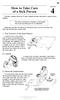 39 How to Take Care of a Sick Person Sickness weakens the body. To gain strength and get well quickly, special care is needed. Medicines are often not necessary. But good care is always important. The
Key Facts about Influenza (Flu) & Flu Vaccine
 Key Facts about Influenza (Flu) & Flu Vaccine mouths or noses of people who are nearby. Less often, a person might also get flu by touching a surface or object that has flu virus on it and then touching
Bile Duct Diseases and Problems
 Bile Duct Diseases and Problems Introduction A bile duct is a tube that carries bile between the liver and gallbladder and the intestine. Bile is a substance made by the liver that helps with digestion.
Paclitaxel and Carboplatin
 PATIENT EDUCATION patienteducation.osumc.edu What is Paclitaxel (pak-li-tax-el) and how does it work? Paclitaxel is a chemotherapy drug known as an anti-microtubule inhibitor. Another name for this drug
PATIENT HEALTH QUESTIONNAIRE Radiation Oncology (Patient Label)
 REVIEWED DATE / INITIALS SAFETY: Are you at risk for falls? Do you have a Pacemaker? Females; Is there a possibility you may be pregnant? ALLERGIES: Do you have any allergies to medications? If, please
What You Should Know About Lyme Disease and Other Tick-Borne Diseases. Sudbury Board of Health
 What You Should Know About Lyme Disease and Other Tick-Borne Diseases Sudbury Board of Health Goals of presentation Be aware of Lyme disease and other tick-borne diseases Recognize basic signs and symptoms
The Disease is a commonly diagnosed infectious disease that affects all equidae worldwide. Caused by the bacterium Streptococcus equi (S.equi), this d
 ADVICE ON The Disease is a commonly diagnosed infectious disease that affects all equidae worldwide. Caused by the bacterium Streptococcus equi (S.equi), this disease is highly contagious and is spread
Kidney or renal disease
 Kidney or renal disease VETERINARY GUIDE 6 The kidneys are responsible for filtering waste products out of the blood to form urine. Disease of the kidneys is one of the most common problems affecting middle-aged
Clinic Infectious Disease Control
 Chapter 2 - Lesson 4 Clinic Infectious Disease Control Introduction Infectious and parasitic disease control is important in veterinary clinics. The main objective is to prevent the spread of infections
TCH: Docetaxel, Carboplatin and Trastuzumab
 PATIENT EDUCATION patienteducation.osumc.edu TCH: Docetaxel, Carboplatin and Trastuzumab What is TCH? It is the short name for the drugs used for this chemotherapy treatment. The three drugs you will receive
What Is. Norovirus? Learning how to control the spread of norovirus. Web Sites
 Web Sites Centers for Disease Control and Prevention (CDC) http://www.cdc.gov/norovirus/index.html Your Local Health Department http://www.azdhs.gov/diro/lhliaison/countymap.htm What Is Ocument dn Norovirus?
Accent on Health Obgyn, PC HERPES Frequently Asked Questions
 1. What is herpes? 2. How common is herpes? 3. Is there a cure for herpes? 4. What is oral herpes (cold sores)? 5. How is oral herpes spread? 6. What is genital herpes? 7. How is genital herpes spread?
Peptic Ulcer. Anatomy The stomach is a hollow organ. It is located in the upper abdomen, under the ribs.
 Peptic Ulcer Introduction A peptic ulcer is a sore in the lining of your stomach or duodenum. The duodenum is the first part of your small intestine. Peptic ulcers may also develop in the esophagus. Nearly
Diarrhea National Digestive Diseases Information Clearinghouse
 Diarrhea National Digestive Diseases Information Clearinghouse National Institute of Diabetes and Digestive and Kidney Diseases NATIONAL INSTITUTES OF HEALTH Diarrhea Diarrhea loose, watery stools occurring
Multiple Choice Questions
 C hapter 13 WHY DO WE FALL ILL Multiple Choice Questions 1. Which one of the following is not a viral disease? (a) Dengue (b) AIDS (c) Typhoid (d) Influenza 2. Which one of the following is not a bacterial
University of Mary Washington
 University of Mary Washington Student Health Center (540) 654-1040 Instructions for Treatment of Mononucleosis Mononucleosis is caused by a virus. Antibiotics do not help mono but may be prescribed for
Multiple Myeloma. This reference summary will help you understand multiple myeloma and its treatment options.
 Multiple Myeloma Introduction Multiple myeloma is a type of cancer that affects white blood cells. Each year, thousands of people find out that they have multiple myeloma. This reference summary will help
HEAT ILLNESS PREVENTION PLAN FOR SUTTER COUNTY SUPERINTENDENT OF SCHOOLS
 HEAT ILLNESS PREVENTION PLAN FOR SUTTER COUNTY SUPERINTENDENT OF SCHOOLS TABLE OF CONTENTS 1.0 Purpose... 1 2.0 Heat Illness Prevention... 2 2.1 Heat Stroke... 2 2.2 Heat Exhaustion... 2 2.3 Heat Cramps...
Ear Infections Chickenpox chickenpox
 Ear Chickenpox Infections chickenpox Chickenpox Chickenpox is a common, very contagious viral infection that over 90% of people get during childhood unless they have been immunised. After an infection,
Canine Lymphoma Frequently Asked Questions by Pet Owners
 Canine Lymphoma Frequently Asked Questions by Pet Owners What is lymphoma? The term lymphoma describes a diverse group of cancers in dogs that are derived from white blood cells called lymphocytes. Lymphocytes
BE SURE. BE SAFE. VACCINATE.
 DON T GET OR GIVE THE FLU THIS YEAR THANK YOU Vaccination is the only protection. www.immunisation.ie BE SURE. BE SAFE. VACCINATE. FLU VACCINE 2013-2014 Healthcare workers prevent the spread of flu and
SKIN CONDITIONS IN PIGS
 DEPARTMENT: AGRICULTURE SKIN CONDITIONS IN PIGS Jenny Turton 2001 Compiled by Directorate Communication, Department of Agriculture in cooperation with the ARC-Onderstepoort Veterinary Institute Printed
Questions & Answers on Rabies
 BUCKS COUNTY DEPARTMENT OF HEALTH Neshaminy Manor Center, Health Building 1282 Almshouse Road Doylestown, PA 18901 215-345-3318 Questions & Answers on Rabies Q: What is rabies? A: Rabies is a deadly disease
TC: Docetaxel and Cyclophosphamide
 PATIENT EDUCATION patienteducation.osumc.edu What is TC? It is the short name for the drugs used for this chemotherapy treatment. The two drugs you will receive during this treatment are Docetaxel (Taxotere
Arthritis VETERINARY GUIDE 1
 Arthritis VETERINARY GUIDE 1 Arthritis causes inflammation of the joint and the condition is extremely common in cats. Unfortunately, it often goes unnoticed as owners think the cat is just slowing down
External Radiation Side Effects Worksheet
 Page 1 of 6 External Radiation Side Effects Worksheet Radiation therapy uses special equipment to deliver high doses of radiation to cancerous tumors, killing or damaging them so they cannot grow, multiply,
Quick Reference H1N1 Flu (swine flu)
 Quick Reference H1N1 Flu (swine flu) The United States declared a public health emergency in response to the recent reports of swine flu. UMR wants to help you understand some important facts about H1N1
Frequently asked questions for malaria
 Frequently asked questions for malaria 1. What is malaria? Malaria is an infectious disease caused by a parasite that is transmitted through bite of an infected mosquito at night. There are two main types
Lesson 7: Respiratory and Skeletal Systems and Tuberculosis
 Glossary 1. asthma: when the airways of the lungs narrow, making breathing difficult 2. bacteria: tiny living creatures that can only be seen with a microscope; some bacteria help the human body, and other
Personal Injury TYPES OF HOLIDAY ILLNESSES. www.simpsonmillar.co.uk Telephone 0844 858 3200
 TYPES OF HOLIDAY ILLNESSES Whilst on holiday many different contractable illnesses exist, the list below contains the most common. This list is by no means exhaustive and if you have suffered from an illness
Cystic Fibrosis. Cystic fibrosis affects various systems in children and young adults, including the following:
 Cystic Fibrosis What is cystic fibrosis? Cystic fibrosis (CF) is an inherited disease characterized by an abnormality in the glands that produce sweat and mucus. It is chronic, progressive, and is usually
Diagnostics: Page 2 of 5
 Proteinuria Proteinuria is a condition in which there are increased amounts of protein in the urine. There are a number of different diseases which can result in proteinuria. In the early stages of the
SHAKEN BABY SYNDROME:
 SHAKEN BABY SYNDROME: A SAFETY MANUAL FOR HAND IN HAND CHILD CARE SHAKEN BABY SYNDROME BACKGROUND: The dangers of shaking a baby are becoming more and more apparent, often with disastrous results. The
AC: Doxorubicin and Cyclophosphamide
 PATIENT EDUCATION patienteducation.osumc.edu What is AC? It is the short name for the drugs used for this chemotherapy treatment. The two drugs you will receive during this treatment are Doxorubicin (Adriamycin
Why is prematurity a concern?
 Prematurity What is prematurity? A baby born before 37 weeks of pregnancy is considered premature. Approximately 12% of all babies are born prematurely. Terms that refer to premature babies are preterm
Blood borne Pathogens
 Blood borne Pathogens What Are Blood borne Pathogens? Blood borne pathogens are microorganisms such as viruses or bacteria that are carried in blood and can cause disease in people. Types of Blood borne
Head lice FACTS. Life CYCLE
 Head Lice FACTS Head lice FACTS Headlice are a common problem all over the world. They are small, flat insects about 2 3 mm long that breed all year round. Headlice: live on the human scalp which provides
Ear Disorders and Problems
 Ear Disorders and Problems Introduction Your ear has three main parts: outer, middle and inner. You use all of them to hear. There are many disorders and problems that can affect the ear. The symptoms
VAD Chemotherapy Regimen for Multiple Myeloma Information for Patients
 VAD Chemotherapy Regimen for Multiple Myeloma Information for Patients The Regimen contains: V = vincristine (Oncovin ) A = Adriamycin (doxorubicin) D = Decadron (dexamethasone) How Is This Regimen Given?
The Immune System and Disease
 Chapter 40 The Immune System and Disease Section 40 1 Infectious Disease (pages 1029 1033) This section describes the causes of disease and explains how infectious diseases are transmitted Introduction
BASIC INFORMATION ABOUT HIV, HEPATITIS B and C, and TUBERCULOSIS Adapted from the CDC
 BASIC INFORMATION ABOUT HIV, HEPATITIS B and C, and TUBERCULOSIS Adapted from the CDC HIV What are HIV and AIDS? HIV stands for Human Immunodeficiency Virus. This is the virus that causes AIDS. HIV is
Other Causes of Fever
 T e c h n i c a l S e m i n a r s Other Causes of Fever Febrile Illness Causes Fever After Seven Days Referral Relapsing Fever - Borreliosis Overview JHR Adaptation Sore Throat Overview Prevention Management
IMPORTANT: PLEASE READ
 PART III: CONSUMER INFORMATION combined hepatitis A (inactivated) and hepatitis B (recombinant) vaccine This leaflet is part III of a three-part "Product Monograph" published when was approved for sale
Lesson 1 Understanding the Epidemiologic Triangle through Infectious Disease
 Lesson 1 Understanding the Epidemiologic Triangle through Infectious Disease Section Diseases Investigative Questions What is our experience with infectious diseases and what do we know about them? What
The Anorexic Cat For this reason, any cat that stops eating for any reason is considered an emergency situation.
 The Anorexic Cat Introduction Any cat that stops eating (anorexic) or begins to eat much less than their normal amount should be seen by a veterinarian right away. The primary reason why a cat stops eating
& WHEN SHOULD I WORRY?
 WHEN SHOULD I WORRY? - Your guide to Coughs, Colds, Earache & Sore Throats Information For:- Who is this booklet for? Having an ill child can be a very scary experience for parents. If you understand more
Chickenpox in pregnancy: what you need to know
 Chickenpox in pregnancy: what you need to know First published December 2003 Revised edition published November 2008 What is chickenpox? Chickenpox is a very infectious illness caused by a virus called
What is whooping cough. (pertussis)? Information and Prevention. Ocument dn
 What is whooping cough Ocument dn (pertussis)? Information and Prevention IMPORTANT Pertussis (or whooping cough) is a highly contagious infection that can cause uncontrollable, violent coughing. If you
Whooping Cough. The Lungs Whooping cough is an infection of the lungs and breathing tubes, both of which are parts of the respiratory system.
 Whooping Cough Introduction Whooping cough is a serious bacterial infection of the lungs and breathing tubes. It is also called pertussis. About 16 million cases of whooping cough happen worldwide each
Pneumonia Education and Discharge Instructions
 Pneumonia Education and Discharge Instructions Pneumonia Education and Discharge Instructions Definition: Pneumonia is an infection of the lungs. Many different organisms can cause it, including bacteria,
HOW TO GROOM BOLOGNESE
 Bol Bolognese (Dolly) Waiting For Her Bath HOW TO GROOM BOLOGNESE Compiled by Greta Franklin, Photos by Gareth Franklin Copyright Greta & Gareth Franklin For www.bolognese.org EQUIPMENT REQUIRED Toothbrush
HOW TO CARE FOR A PATIENT WITH DIABETES
 HOW TO CARE FOR A PATIENT WITH DIABETES INTRODUCTION Diabetes is one of the most common diseases in the United States, and diabetes is a disease that affects the way the body handles blood sugar. Approximately
guide for all dog owners How to keep your dog healthy
 guide for all dog owners How to keep your dog healthy Welcome Getting a new addition to your family can be a rewarding and fun experience. However, taking the decision to own a dog should not be taken
SHINGLES (Herpes zoster infection)
 SHINGLES (Herpes zoster infection) What are the aims of this leaflet? This leaflet has been written to help you understand more about shingles. It will tell you what it is, what causes it, what can be
Animal Bites. The role and responsibilities of Town Health Officers
 Animal Bites The role and responsibilities of Town Health Officers What is rabies? Rabies is a fatal viral disease that affects humans and other mammals. People get rabies by and large from the bite of
CHAPTER 35 HUMAN IMMUNE SYSTEM STANDARDS:SC.912.L.14.52 & SC.912.L.14.6
 CHAPTER 35 HUMAN IMMUNE SYSTEM STANDARDS:SC.912.L.14.52 & SC.912.L.14.6 SECTION 1 - Infectious Disease 1.Identify the causes of infectious disease. 2.Explain how infectious diseases are spread. Causes
Diar in cattle. D. Luseba
 Diar iarrhoea in cattle D. Luseba 2002 First print 2005 Second print Printed and published by Department of Agriculture Obtainable from Directorate: Agricultural Information Services Private Bag X144 Pretoria
Recognizing and Treating Fevers in Children with Complex Medical Issues by Susan Agrawal
 www.complexchild.com Recognizing and Treating Fevers in Children with Complex Medical Issues by Susan Agrawal Fevers can be some of the scariest symptoms we see in our children, but they are also some
disease causing micro-organisms
 disease causing micro-organisms What are disease causing micro-organisms? How many times have we been told to wash our hands before sitting down at the supper table or after touching money and other dirty
Chlamydial Abortions in Sheep and Goats
 Chlamydial Abortions in Sheep and Goats History Reported for the first time in 1959 in Germany, then diagnosis of the disease occurred in Bulgaria, Spain, USA, France, India, Japan, United Kingdom, Chad,
Enteric Septicemia of Catfish
 Enteric Septicemia of Catfish Jesse Chappell Extension Fisheries Specialist Revised 2008 Enteric Septicemia of Catfish (ESC) has become one of the two most significant diseases of economic significance