
Antibiotic Guidelines for Primary Care
|
|
|
- Cecil McGee
- 9 years ago
- Views:
Transcription
1 Antibiotic Guidelines for Primary Care West Coast District Health Board 2015 PREPARED BY: WCDHB Infection Control Committee 2009 REVIEWED AND UPDATED BY: WCDHB Infection Control Committee October 2015 Source of Guidelines

2 These guidelines are based on 2012 West Coast District Health Board antibiotic susceptibility statistics, the Australian 2011 Antibiotic Guideline, BPAC Antibiotics choices for common conditions 2013 edition, WCDHB Health Pathways and local availability. They have been reviewed by WCDHB clinical and pharmacy staff, Dr Anja Werno, Medical Microbiologist Canterbury Health Laboratories and Dr Holt, Chairman of the Infection Control committee. The guidelines are endorsed by the West Coast Primary Health Organisations and co-ordinate with WCDHB inpatient guidelines Oral versus parenteral (IV, IM) antibiotics Oral therapy is generally preferred. Exceptions include: The patient cannot take anything orally (e.g., swallowing problems) or is unlikely to absorb the antibiotic (e.g., vomiting, severe diarrhea) An oral antibiotic with suitable spectrum is not available High doses are required for difficult sites of infection (e.g., endocarditis, meningitis, osteomyelitis, septic arthritis) Urgent treatment for severe or rapidly progressive infection The patient is unlikely to adhere to oral therapy Penicillin and cephalosporin cross-reactivity There is a 3-10% cross-reaction rate between penicillins and cephalosporins. If a patient has a mild penicillin allergy or adverse reaction (e.g., mild rash, diarrhea) then you may prescribe a cephalosporin (and vice versa) If a patient has a severe penicillin allergy (e.g., severe rash, urticaria, angioedema, anaphylaxis, hypotension or bronchospasm) then do not prescribe a cephalosporin (and vice versa). Infection Prevention & Control Hand Hygiene as per the World Health Organization 5 moments of hand hygiene 1. Before Patient Contact 2. Before a Procedure 3. After a Procedure or Body Fluid Risk 4. After Patient Contact 5. After Contact with a Patients Surroundings Wear non sterile gloves and apron if having patient contact with infected skin or if a multi-drug resistant organism (e.g., MRSA) is suspected or known. Wear a surgical mask within 1 metre of a patient with droplet-transmitted infection, such as meningococcal, whooping cough or influenza infection. Wear a NIOSH certified N95 respirator mask when having contact with a patient with suspected or confirmed airborne- transmitted infection, such as TB or chicken pox.

3 Antibiotic Guidelines Empiric Choices Metronidazole 625mg (child: plus either 10mg Amoxycillin Doxycycline 1 or /kg/dose) tds for 7 Cotrimoxazole 3 Bites animal or human Prophylaxis for 5 with same antibiotics if bite 8 hours ago; wound unable to be debrided adequately; wound on hands, feet or face; involves bone, joint or tendon; or in immunocompromised person. Debride non-viable tissue. Consider tetanus toxoid. Refer if joint involved. Blastocystis hominis gastroenteritis Nil As for giardiasis Usually a non-pathogenic commensal ignore. If persistent diarrhea, where no other cause found, give trial of therapy Boils Flucloxacillin 500mg (child: 12.5mg/kg/dose) qds for 5-7 Erythromycin; if MRSA: consider Cotrimoxazole (only if sensitive) Small lesions can be treated with drainage alone. If recurrent (e.g., more than 10 boils over more than 3 months) consider decolonization Bordetella pertussis See Whooping cough Breast postpartum mastitis or abscess Flucloxacillin 500mg qds for Erythromycin Ethyl Succinate 400mg qds for or Cephalexin 500mg qds for Continue breastfeeding throughout infection. If fail, swab for Candida Breast nonpuerperal infection Bronchiolitis under 1 yr or wheezy bronchitis in children Bronchitis acute in adults, no underlying lung disease 625mg tds 7 Nil Nil Clindamycin 2 Sub-areolar infections usually involve anaerobes RSV and other viruses are the cause. Exclude from pre-school/ school until coryzal phase is over Most cases viral. Purulent sputum alone is not an indication for antibiotics. Give antibiotics if bacterial infection diagnosed in laboratory or for patients with severe infection, underlying medical co-morbidity or advanced age Bronchitis infective exacerbation in adults with COPD Amoxycillin 500mg TDS for 5-10 Doxycycline 1 200mg stat then 100mg daily for Doxycycline: do not use in children under 12 years, in pregnancy after 16 weeks gestation or if breastfeeding 2. Clindamycin: subsidized only with specialist endorsement; please consult in individual case. 3. Cotrimoxazole: do not use in pregnancy

4 Cotrimoxazole 1g (child 75mg/kg/ 960mg (child dose) tds for 14 24mg/kg) bd for 14 Bronchitis protracted bacterial (ie moist, loose cough for >4 weeks, no cause identified) Campylobacter gastroenteritis treat only if severe or prolonged Candida vulvo-vaginal or oral thrush Cellulitis Nil usually selflimited Topical azole or Nystatin Flucloxacillin 500mg qds for 7 to 10 (child: 100 mg/kg/day) Erythromycin Ethyl Succinate (EES) 400mg (child: 10 mg/kg) qds for 5 or Azithromycin 500mg daily for 3 Fluconazole 2 150mg single dose (vulvovaginal) or 100mg daily for 7-14 (oral) Erythromycin Ethyl Succinate 800mg bd (child: 10mg/kg) Treatment only if severe or prolonged; may also be justified in late (third trimester) pregnancy or in food handlers and childcare workers. Notifiable If recurrent vulvo-vaginal thrush (4 or more symptomatic episodes/yr), induce remission with topical azole or oral Fluconazole 50mg daily (takes 2 weeks to 6 months) then maintain with weekly vaginal cream or oral Fluconazole 150 to 300mg. Treat partner Keep affected area elevated. Do not use NSAIDs (increased risk of necrotizing fasciitis) Cellulitis periorbital in child Cellulitis periorbital in adult or in any age if associated with stye, dacryocystitis, impetigo or wound Chlamydia and other non-gonococcal urethritis or cervicitis Clostridium difficile - toxin-positive diarrhea Common cold upper respiratory tract viral infection (child:75-100mg/kg per day) Cefaclor Refer to Paediatrician in all but very mild cases Flucloxacillin Cefaclor Seek specialist advice urgently Azithromycin 1g (10mg/kg for children) single dose Metronidazole 400mg (child 10 mg/kg) orally TDS for 10 Nil Doxycycline 1 100mg BD for 7 In pregnancy: Azithromycin has a B1 safety rating, alternative is Amoxycillin 500mg tds for 7 Stop other antibiotics is possible. Avoid anti-diarrhoeals. If unresponsive, relapsing or severe, consult Infectious Diseases specialist Antibiotics do not prevent bacterial infection. Nasal purulence does not predict response to antibiotics 1. Doxycycline: do not use in children under 12 years; in pregnancy after 16 weeks gestation or if breastfeeding 2. Fluconazole: do not use in pregnancy. 150mg stat needs endorsement with vaginal candidiasis, other regimens need specialist endorsement

5 Conjunctivitis See Topical - conjunctivitis COPD Dental infections Dermatophytoses nail, scalp or body Diabetic foot infections Dientamoeba fragilis gastroenteritis Epiglottitis Topical azole, Oral Terbinafine 6, oral Itraconazole 1 625mg tds for 7 Doxycycline 4 100mg (child > 12 yrs: 2.5 mg/kg) BD for 3 to 7 Clindamycin 2 plus Ciprofloxacin 3 Metronidazole 400mg (child: 10mg/kg) TDS for 3 to 7 See Bronchitis infective exacerbation in patients with COPD See Tooth abscess or Gingivitis Oral treatment indicated if culture-proven and has either failed topical treatment, is widespread, involves scalp or nail or is being treated with concomitant topical steroid Refer all foot ulcers for hospital assessment. Bone infection more likely if ulcer >2cm 2, positive probe to bone, ESR > 70, substantially raised CRP or abnormal plain X-ray Treat only if symptomatic. Refer for hospital assessment Gastroenteritis acute, cause unknown Giardiasis Gingivitis acute ulcerative (trench mouth, Vincent s disease) Nil Metronidazole 2g (child: 30mg/kg) orally daily for 3 Metronidazole 400mg (child: 10mg/kg) BD for 5 Gonorrhoea Ciprofloxacin 3 500mg orally as single dose Ornidazole 1.5g (child: 40mg/kg) in evening for 1-2 Ceftriaxone mg IM if acquired in Auckland or overseas or if pharyngeal or ano-rectal infection Fluid replacement is mainstay of treatment. Exclude from pre-school, school or work until symptoms settle. Some causes are notifiable and a few may benefit from antibiotic treatment see individual organisms Treat only if symptomatic. If fails, try Metronidazole 400mg (child: 10mg/kg) TDS for 7. Notifiable Antibiotics are only an adjunct to debridement, plaque control and chlorhexidine mouthwash (e.g., Rivacol ) BD or TDS. Consider HSV Treat for Chlamydia as well (ie also use Azithromycin 1g stat) 1. Itraconazole: use with caution in pregnancy. Subsidized only with specialist endorsement; 2. Clindamycin: subsidized only with specialist endorsement; please consult in individual case 3. Ciprofloxacin: use with caution in children under 14 years and in pregnancy 4. Doxycycline: do not use in children under 12 years, in pregnancy after 16 weeks gestation or breastfeeding 5. Ceftriaxone: subsidized on prescription or PSO for treatment of gonorrhoea 6. Terbinafine: B1 classification in pregnancy

6 Impetigo Influenza See Topical section NIL antibiotics, may consider Tamiflu (Oseltamivir) 1 75mg BD for 5 Laryngitis/Croup Nil Almost always viral Treat only if onset 48 hr. Avian or pandemic influenza is notifiable Leptospirosis Penicillin for 5-7 Doxycycline 2 Mastitis 100mg BD for 5-7 d Start within 1 wk of onset. Notifiable See: Breast Meningococcal infection, meningitis or severe sepsis prior to transport to hospital Otitis media See Comments Antibiotics NOT usually indicated Pharyngitis/ tonsillitis see comments before deciding to treat Ceftriaxone 3 50 mg/kg up to 2g IV or IM NB: Penicillin 1 st choice if < 3 months old Amoxycillin 30 mg/ kg TDS for 5 (7-10 if < 2 yr, underlying medical condition, perforated drum or chronic or recurrent infection) Penicillin 500mg (child: 20mg/kg) BD for 10 or Amoxycillin: child <30kg 750mg daily; child > 30kg 1500mg daily for 10 Adult: Penicillin 1.2g IV or IM Child: Penicillin 25-50mg/kg IV or IM If fails or persists try Amoxycillin/ clavulanate. If penicillin-allergic use Cefaclor 20 mg/kg up to 500 mg BD for 5 If penicillin allergy: Erythromycin Ethyl Succinate 800mg (child 20mg/kg/ dose) BD for 10 Give if haemorrhagic rash in febrile person or in a suspected case in whom the delay to assessment in hospital is likely to be greater than 30 minutes. Notifiable Spontaneous resolution common. Benefit of antibiotics is small; consider if under 2 yr or with bilateral or severe infection. For others, educate and give paracetamol and antibiotic prescription to redeem if unresolved at hrs Usually viral. Give antibiotics only if: Key features of group A strep. infection (fever > 38 0 C, tender cervical nodes, tonsillar exudates and no cough), esp. if aged 3 to 14 yrs. If uncertain, swab throat Patient aged 2 to 25 yrs and high risk group for rheumatic fever (Maori or Pacific Islander from Northland, Hawkes Bay, Counties/Manukau, Waikato Gisborne, or Bay of Plenty) Existing rheumatic heart disease (treat at any age) Scarlet fever (Notifiable)?peritonsillar abscess (trismus, refer to hospital) Exclude from school until 24 hours after antibiotics started. 1. Oseltamivir: use with caution in pregnancy; not subsidized 2. Doxycycline: do not use in children under 12 years in pregnancy after 16 weeks gestation or breastfeeding 3. Ceftriaxone: subsidized on prescription or PSO if endorsed suspected meningitis

7 Amoxycillin 25 If penicillin allergy or mg/kg TDS for 7 no response in 48 hr (Maximum of review diagnosis and 500mg/dose if <5 consider yrs; 1000mg/dose if Erythromycin > 5 yrs) 10mg/kg/dose QDS for 7 Pneumonia child ( > 4 months to 15 yr) Pneumonia adult, no co-morbidity or prior antibiotics (Note: it is not possible to distinguish typical from atypical pneumonia in individual cases treat all patients for both sets of causative organisms) Pneumonia adult, suspect aspiration Prophylaxis for endocarditis in patients with heart valve lesions prior to dental procedures or tonsillectomy/adenoidectomy Prostatitis acute Amoxycillin 1g TDS for 7 and/or Roxithromycin 300mg daily for 7 or Doxycycline 200mg stat then 100mg daily for 7 or Azithromycin 500mg stat then 250mg daily for 4 for 7 As for UTI - cystitis in adult men (treat for 2 wks) Prostatitis chronic Ciprofloxacin 3 500mg orally BD for 4 weeks Pyelonephritis Ringworm Salivary gland infection acute bacterial/suppurative Flucloxacillin 500mg (child 12.5mg/kg/dose) QID for 10 Mild penicillin allergy: replace Amoxycillin with Cefaclor 500mg TDS for 7 Severe penicillin allergy: Roxithromycin or Azithromycin as single agent Clindamycin 2 Trimethoprim 300mg daily for 4 weeks, or Doxycycline 1 200mg orally BD for 4 weeks Cefaclor, Clindamycin 2 If <5yrs, most are viral. In a young child, suspect pneumonia if tachypnoea, grunting, indrawing and high fever in absence of wheeze (auscultatory findings uncommon) If <4 months, seek advice Patients with co-morbidity (e.g. COPD, diabetes, renal failure, cancer, steroids), recent antibiotics, resident in Rest Home or recently discharged from hospital are more likely to have infections caused by gram-negative bacilli. Substitute for Amoxycillin in these cases See: rg.nz/uploads/infective%20e ndocarditis%20guide(3).pdf Consider checking for STI pathogens 90% of chronic prostate pain not due to infection and has no proven treatment avoid repeated courses of empiric antibiotics. Test urine and expressed prostate secretions and treat it possible. Consider STIs See UTI - pyelonephritis See Dermatophytoses Typically in elderly and neonates usually Staphylococcus aureus. May need surgical drainage 1. Doxycycline: do not use in children under 12 years, in pregnancy after 16 weeks gestation or breastfeeding 2. Clindamycin: subsidized only with specialist endorsement; please consult in individual case 3. Ciprofloxacin: use with caution in children under 14 years and in pregnancy.

8 Cotrimoxazole 1 Ciprofloxacin 3 960mg (child 500mg daily for 7-24mg/kg) BD for (14 if immunocompromised) Salmonella gastroenteritis only if severely ill or immunocompromised School sores Septicaemia or overwhelming infection Shigella gastroenteritis Sinusitis acute See Comments Antibiotics NOT usually indicated use analgesia, saline spray or douches, intranasal steroids and decongestants Thrush Tinea Tonsillitis Tooth abscess superficial (involving canine or buccal space) Traveler s diarrhea Cotrimoxazole 1 if susceptible 960mg (child: 24 mg/kg) BD for 5 ) Amoxycillin 500mg (child: 15-30mg/kg/ dose) TDS for 7 If fails, try Amox/ clavulanate for 7 to 14 Penicillin 500mg (child 10mg/kg) QID for 5 If unresponsive add Metronidazole or use Ciprofloxacin 3 500mg (child 20mg/kg) BD for 1 day Ciprofloxacin 3 500mg (child: 20 mg/kg) BD for 5 Cefaclor 500mg (child: 10mg/kg) TDS for 5 to 7 or Doxycycline 2 200mg on day 1 then 100mg daily for 2-7 (adult or child >12 years only) If penicillin allergic use Clindamycin 4 alone Ciprofloxacin 3 500mg (child 20mg/kg) BD for 3 Antibiotics generally make no difference to outcome and may prolong infectivity. Some treat if < 1 yr, > 50 yr, vascular grafts or prosthetic joint. Notifiable See Topical section See Meningitis (for empiric antibiotics prior to urgent transfer) Treat all cases. Use Ciprofloxacin if immunocompromised. Notifiable Consider antibiotics only if 3 of: Mucopurulent nasal drip for 7 Facial pain Tenderness over the sinuses, esp. unilateral Maxillary tenderness Tenderness on percussion of upper teeth (which cannot be attributed to a single tooth) See Candida See Dermatophytoses See Pharyngitis Antibiotic treatment is only an adjunct to an appropriate dental procedure. Give antibiotics only if face swelling, systemic symptoms or fever. If spread to neck, hospitalize Many causes, especially enterotoxigenic E. coli. Antibiotics only for moderate to severe cases. Antimotility agents indicated in adults without fever or bloody stools 1. Cotrimoxazole: do not use in pregnancy 2. Doxycycline: do not use in children under 12 years, in pregnancy after 16 weeks gestation or breastfeeding 3. Ciprofloxacin: use with caution in children under 14 years and in pregnancy 4. Clindamycin: subsidized only with specialist endorsement; please consult in individual case.

9 Trichomoniasis Metronidazole 2g If relapse, use Metronidazole single dose 400mg BD for 7. Treat partners Tuberculosis See comment Refer for hospital assessment Ulcers leg or foot, actute infection (excessive purulent discharge, redness and pain Ulcers leg or foot, possible low-grade, chronic infection (purulent discharge, non-healing) Urinary tract infection cystitis in adult women Urinary tract infection cystitis in adult men Urinary tract infection pyelonephritis; mild with low fever and no vomiting Urinary tract infection indwelling catheter Notifiable on suspicion Flucloxacillin Erythromycin Increase local cares (lavage, debridement, absorptive dressings); consider cadexomer iodine or silver dressings. Swab if Flucloxacillin fails Regular dressing changes, cadaxemar iodine or silver dressings, debridement Trimethoprim mg/day for 3 Trimethoprim mg/day for 7 Ciprofloxacin 250mg to 500mg BD for 5 to 7 ( mg TDS for no longer recommended due to high E coli resistance) mg TDS for if can t wait for results of culture If fails, take a swab to guide antibiotic choice. Cleanse/wipe with saline to remove secretions before swabbing Nitrofurantoin 3 50 mg QID for 5 Nitrofurantoin 50 mg QID for 7 Cotrimoxazole 1 960mg BD for 10-14, or Cefaclor 500mg TDS for Norfloxacin 2 The presence of bacteria on superficial swabs does not alone indicate a need for antibiotics. It no leucocytes on microscopy, infection much less likely Asymptomatic bacteriuria common in elderly women; treat if pregnant, renal transplant or pre- or posturological procedure. In pregnancy, repeat urine culture to ensure cure Often underlying urinary tract abnormality or co-existent prostatitis or epididymitis. Investigate all males with UTI for underlying anatomical or functional abnormality Identify underlying anatomical or functional abnormalities, especially obstruction. If severe, dehydrated or vomiting refer for IV treatment Asymptomatic bacteriuria and pyuria are common and should not be treated. Culture urine and treat only if febrile or rigors, patient has risk factors (e.g., neutropenia, transplantation, pregnancy) or before urological surgery. Treat for 10 to 14. Always change catheter 1. Cotrimoxazole (or trimethoprim alone): do not use in pregnancy 2. Norfloxacin: use with caution in children < 14 yr; do not use in pregnancy. Only subsidised if prescription endorsed for UTI unresponsive or resistant to first line agents 3. Nitrofurantoin: avoid at 36+ weeks pregnancy or in significant renal impairment

10 Cotrimoxazole 24 mg/kg up to 960mg BD for 5 Urinary tract infection - child Urinary tract infection Candida sp. Vaginosis - bacterial Whooping cough (Bordetella pertussis) Wound infection deep penetrating or post-operative Fluconazole 1 200mg (child: 5mg/kg) daily for 7 and change or remove any catheter or stent Metronidazole 400mg BD for 7 or 2g stat if compliance a concern Azithromycin child < 6mths:10mg/kg daily for 5 ; >6mths 10mg/kg on day 1(max 500mg) then 5mg/kg daily (max 250mg) for 4 more, Adults: 500mg on day 1 then 250mg daily for 4 more NB: for post-operative infections consult the operating surgeon urgently 12.5mg/kg of Amoxycillin up to 500mg BD for 5, or Cefaclor 50mg/kg/day in 3 divided doses for 5 Ornidazole 500mg BD for 5-7 Erythromycin Ethyl Succinate (EES) 400mg (child > 1 month: 10 mg/kg to max 400mg) QID for 14. If allergy to macrolides: Cotrimoxazole Cefaclor, Clindamycin 2 (add Ciprofloxacin 4 to Clindamycin if abdominal wound) 1. Fluconazole: do not use in pregnancy. Subsidized only with specialist endorsement; 2. Clindamycin: subsidized only with specialist endorsement; please consult in individual case 3. Cotrimoxazole: do not use in pregnancy 4. Ciprofloxacin: use with caution in children under 14 years and in pregnancy. Accurate diagnosis very important make every effort to collect a sample before starting treatment. Re-culture urine 48 hours after treatment to ensure cure. Refer for inpatient treatment if very unwell or < 6 mo old. Discuss with Paediatrician if < 2 yrs. Refer for ultrasound if > 2 yrs Frequently a meaningless colonizer, especially with indwelling catheter. Treat if symptomatic, neutropenic, imminent urological manipulation or infant of low birth weight If pregnant use Clindamycin 2 Avoiding sex or using condoms increases cure rate by 50% Admit if cyanotic spells. Treatment after early paroxysmal cough phase (approx. 21 ) has no effect on illness or infectivity. Exclude from school until 5 after treatment started. Notifiable on suspicion Drainage and irrigation are often all that is needed. Culture pus to guide antibiotic choice. Give tetanus toxoid if indicated.

11 Topical Antibacterial Agents Burns prevention of infection Resistance rates for Staphylococcus aureus to Mupirocin and Fusidic acid have increased dramatically in New Zealand over the last decade as a result of overuse of these agents. Please use them only when indicated see below. Silver sulphadiazine cream 1% (Flamazine ) Conjunctivitis bacterial Decolonisation of MRSA in health-care workers or S. aureus in patients with recurrent boils Impetigo/school sores localized; treatment of other minor skin infection Eczema - infected Mild: cleansing and lubricants +/- Propamidine drops or ointment (OTC) Mupirocin ointment 1 2% Chlorhexidine body wash Topical hydrogen peroxide 1% (e.g., Crystacide ) (Povidone iodine probably not effective) A steroid/antibiotic combination e.g. Pimafucort Sofradex drops 3 4 to 6 drops 2 to 3 times a day Moderate or severe: Chloramphenicol eye drops during day +/- ointment at night Fusidic acid cream or ointment 2% If Impetigo generalized or severe use oral Flucloxacillin or Erythromycin Very broad spectrum, painless, soothing and well studied. Infected burns need systemic antibiotic treatment. If?deep, don t use until fully assessed as disguises depth Swab neonates or if suspect STI treat chlamydial and gonococcal conjunctivitis systemically. Consult specialist if meningococcal conjunctivitis. If contact lens wearer, swab and assess for keratitis Best used as part of comprehensive decolonization protocol including oral antibiotics, antiseptic body wash and environmental cleaning. Contact Infection Control ext 2651 to discuss protocol For impetigo, wash crusts off. Exclude from pre-school or school until treatment started and ensure sores completely covered with water-tight dressing Severely infected eczema needs targeted systemic antibiotic treatment as per cellulitis Otitis externa acute Keep ear canal dry, consider diffuse suction. Swab and treat empirically with flucloxacillin or cefaclor if fever, spread to pinna or folliculitis Prevention of Povidone iodine Almost any topical Topical antibiotics reduce risk of 10% ointment, antiseptic or infection. Consider especially in infection in hydrogen peroxide antibacterial agent patients with face wounds, superficial wounds 1% cream probably works, even heavily contaminated wounds, - traumatic or postoperative previous cellulitis in that region. (Crystacide ) honey or manuka oil. immuno-compromised or Please avoid agents that have key roles in other conditions (e.g., mupirocin, fusidic acid, silver sulphadiazine) Ulcers - chronic Nil Not effective. May delay healing 1. Mupirocin Ointment 2% (Bactroban): only partially subsidized; extra cost approximately $ Sofradex Drops: only partially subsidized; extra cost approximately $9.10

12 Contacts Dr Anja Werno, Medical Microbiologist Canterbury Health Laboratory Dr Paul Holt, Infection Control Committee Chairman, Grey Hospital, Greymouth Acknowledgements: Australia Antibiotic Guidelines 2006 West Coast District Health Board Inpatient Antibiotic Guidelines Endorsed by West Coast Primary Health Organization

Antibiotic Guidelines: Ear Nose and Throat (ENT) Infections. Contents
 Antibiotic Guidelines: Ear Nose and Throat (ENT) Infections. Classification: Clinical Guideline Lead Author: Antibiotic Steering Committee Additional author(s): Authors Division: DCSS & Tertiary Medicine
POAC CLINICAL GUIDELINE
 POAC CLINICAL GUIDELINE Acute Pylonephritis DIAGNOSIS COMPLICATED PYELONEPHRITIS EXCLUSION CRITERIA: Male Known or suspected renal impairment (egfr < 60) Abnormality of renal tract Known or suspected renal
Treatment of sexually transmitted and other genital infections
 www.bpac.org.nz keyword: sti Treatment of sexually transmitted and other genital infections Key reviewer: Dr Murray Reid, Sexual Health Physician, Auckland Sexual Health Service General points: If one
Nursing college, Second stage Microbiology Dr.Nada Khazal K. Hendi L14: Hospital acquired infection, nosocomial infection
 L14: Hospital acquired infection, nosocomial infection Definition A hospital acquired infection, also called a nosocomial infection, is an infection that first appears between 48 hours and four days after
Urinary Tract Infections
 Urinary Tract Infections Overview A urine culture must ALWAYS be interpreted in the context of the urinalysis and patient symptoms. If a patient has no signs of infection on urinalysis, no symptoms of
Streptococcal Infections
 Streptococcal Infections Introduction Streptococcal, or strep, infections cause a variety of health problems. These infections can cause a mild skin infection or sore throat. But they can also cause severe,
THE UNITED REPUBLIC OF TANZANIA MINISTRY OF HEALTH AND SOCIAL WELFARE
 THE UNITED REPUBLIC OF TANZANIA Treat for Lymphogranuloma venereum MINISTRY OF HEALTH AND SOCIAL WELFARE Appoint to return after Patient complains of Use Discharge from Continue to 2nd Refer to surgeon
Title: Antibiotic Guideline for Acute Pelvic Inflammatory Disease
 Title: Antibiotic Guideline for Acute Pelvic Inflammatory Disease Version 3 Date ratified December 2007 Review date December 2009 Ratified by NUH Antimicrobial Guidelines Committee Gynaecology Directorate
Leader's Resource. Note: Both men and women can have an STD without physical symptoms.
 Leader's Resource Information on Sexually Transmitted Diseases (STDs) Signs and Symptoms of STDs Note: Both men and women can have an STD without physical symptoms. Any of the following can indicate to
Clinical Reasoning Handout: URI Symptoms Sore Throat. 1) Pearls
 Clinical Reasoning Handout: URI Symptoms Sore Throat 1) Pearls Background: Sore throat is one the most common symptoms evaluated in primary care Almost 5% of patient report sore throat as the primary reason
Swine Flu and Common Infections to Prepare For. Rochester Recreation Club for the Deaf October 15, 2009
 Swine Flu and Common Infections to Prepare For Rochester Recreation Club for the Deaf October 15, 2009 Supporters Deaf Health Community Committee Members Julia Aggas Cathie Armstrong Michael McKee Mistie
COMMON BACTERIAL SKIN INFECTIONS IN GENERAL PRACTICE
 COMMON BACTERIAL SKIN INFECTIONS IN GENERAL PRACTICE The two most common bacteria to cause skin infections are staphylococcus aureus (staph aureus ) and streptococcus pyogenes ( strep) (see Table 1). Staphylococcus
THE KIDNEY. Bulb of penis Abdominal aorta Scrotum Adrenal gland Inferior vena cava Urethra Corona glandis. Kidney. Glans penis Testicular vein
 29 THE KIDNEY 9. Recurrent urinary tract infections Recurrent urinary tract infections The urinary tract consists of the urethra, the bladder, the ureters, the kidneys and in men the prostate gland. An
INFECTION CONTROL MANUAL
 Page 1 of 19 Key Words: staff, communicable diseases, diseases, infectious diseases Policy Applies to: All staff employed by Mercy Hospital, Credentialed Specialists and Allied Health Professionals involved
EAST CAROLINA UNIVERSITY INFECTION CONTROL POLICY. Methicillin-resistant Staph aureus: Management in the Outpatient Setting
 EAST CAROLINA UNIVERSITY INFECTION CONTROL POLICY Methicillin-resistant Staph aureus: Management in the Outpatient Setting Date Originated: Date Reviewed: Date Approved: Page 1 of Approved by: Department
Appropriate Treatment for Children with Upper Respiratory Infection
 BCBS ACO Measure Appropriate Treatment for Children with Upper Respiratory Infection HEDIS Measure CPT II coding required: YES Click here to go to Table of Contents BCBS Measure: Page 50 of 234 Dated:
Health Professionals Advice: Azithromycin now fully funded 3 December 2012
 Health Professionals Advice: Azithromycin now fully funded 3 December 2012 SITUATION UPDATE The Pertussis epidemic has continued all year, and is expected to continue throughout 2013. Between 1 January
Pertussis Information for GPs and other Health Care Providers on Clinical and Public Health Management. March 2010
 Pertussis Information for GPs and other Health Care Providers on Clinical and Public Health Management March 2010 Infectious Agent Bordetella pertussis (a bacterium) Clinical Features Infants and Young
Laboratory confirmation requires isolation of Bordetella pertussis or detection of B. pertussis nucleic acid, preferably from a nasopharyngeal swab.
 Pertussis Epidemiology in New Zealand New Zealand has continued to experience outbreaks of pertussis in recent decades. This is in part due to historically low immunisation rates and in part because immunity
C-Difficile Infection Control and Prevention Strategies
 C-Difficile Infection Control and Prevention Strategies Adrienne Mims, MD MPH VP, Chief Medical Officer [email protected] 1/18/2016 1 Disclosure This educational activity does not have commercial
PACKAGE LEAFLET. CLINDAMYCIN capsules Clidamycin. One capsule of 75 mg contains 75 mg Clindamycin (as hydrochloride).
 PACKAGE LEAFLET CLINDAMYCIN capsules Clidamycin COMPOSITION One capsule of 75 mg contains 75 mg Clindamycin (as hydrochloride). One capsule of 150 mg contains 150 mg Clindamycin (as hydrochloride). PROPERTIES
Treatment of Fever and Infection in Children with Transfusion Dependent Thalassaemia
 Treatment of Fever and Infection in Children with Transfusion Dependent Thalassaemia Document Information Version: 2 Date: June 2014 Authors (incl. job title): Professor David Rees, Sue Height (consultant
Childhood ENT disorders. When to refer to specialists. Claire Harris
 Childhood ENT disorders When to refer to specialists Claire Harris Background. Ear, nose and throat (ENT) are among the commonest reasons for attendance in general practice. Acute problems are managed
FREQUENTLY ASKED QUESTIONS ABOUT PERTUSSIS (WHOOPING COUGH)
 FREQUENTLY ASKED QUESTIONS ABOUT PERTUSSIS (WHOOPING COUGH) What is pertussis? General Questions About Pertussis Pertussis, or whooping cough, is a contagious illness that is spread when an infected person
APPENDIX B: UWHC SURGICAL ANTIMICROBIAL PROPHYLAXIS GUIDELINES
 APPENDIX B: UWHC SURGICAL ANTIMICROBIAL PROPHYLAXIS GUIDELINES Principles of prophylaxis 1) Use antimicrobials for surgical procedures where prophylactic antimicrobials have been found to be beneficial.
A guide for people with genital herpes
 A guide for people with genital herpes Contents Getting the facts 4 The key facts 6 What is genital herpes? 8 Genital herpes symptoms 10 Getting tested 12 The first outbreak 14 Recurrent outbreaks 16 Common
Recognizing and Treating Fevers in Children with Complex Medical Issues by Susan Agrawal
 www.complexchild.com Recognizing and Treating Fevers in Children with Complex Medical Issues by Susan Agrawal Fevers can be some of the scariest symptoms we see in our children, but they are also some
FAQs on Influenza A (H1N1-2009) Vaccine
 FAQs on Influenza A (H1N1-2009) Vaccine 1) What is Influenza A (H1N1-2009) (swine flu) 1? Influenza A (H1N1-2009), previously known as "swine flu", is a new strain of influenza virus that spreads from
A Summary of the Guideline for the Diagnosis and Management of. Urinary Tract Infections in Long Term Care
 A Summary of the Guideline for the Diagnosis and Management of Urinary Tract Infections in Long Term Care Exclusions Community acquired UTIs UTIs in acute care Prevention Limit use of catheters Ensure
VARICELLA ZOSTER (VZ) VIRUS, CHICKENPOX & SHINGLES GUIDANCE
 VARICELLA ZOSTER (VZ) VIRUS, CHICKENPOX & SHINGLES GUIDANCE Summary This guidance provides background information on varicella zoster (VZ), chickenpox and shingles and sets out the infection control measures
Antibiotic Prophylaxis for the Prevention of Infective Endocarditis and Prosthetic Joint Infections for Dentists
 PRACTICE ADVISORY SERVICE FAQ 6 Crescent Road, Toronto, ON Canada M4W 1T1 T: 416.961.6555 F: 416.961.5814 Toll Free: 1.800.565.4591 www.rcdso.org Antibiotic Prophylaxis for the Prevention of Infective
SCOPE: Western Australia CLINICAL PROTOCOL - MINOR SURGICAL PROCEDURES. Introduction
 SCOPE: Western Australia CLINICAL PROTOCOL - MINOR SURGICAL PROCEDURES Introduction To provide appropriate management of wounds, there are occasions where either wound biopsy or sharp debridement procedures
Remove this cover sheet before redistributing and replace it with your own. Please ensure that DPHHS is included on your HAN distribution list.
 State of Montana Health Alert Network DPHHS HAN ADVISORY Cover Sheet DATE: May 15, 2012 SUBJECT: Pertussis INSTRUCTIONS: DISTRIBUTE to your local HAN contacts. This HAN is intended for general sharing
Blue Team Teaching Module: Periorbital/Orbital Infections
 Blue Team Teaching Module: Periorbital/Orbital Infections Format: 1. Case 2. Topic Summary 3. Questions 4. References Case: A 3-year-old boy presents with 2 days of increasing redness, swelling, and pain
Prevention and Recognition of Obstetric Fistula Training Package. Module 8: Pre-repair Care and Referral for Women with Obstetric Fistula
 Prevention and Recognition of Obstetric Fistula Training Package Module 8: Pre-repair Care and Referral for Women with Obstetric Fistula Early detection and treatment If a woman has recently survived a
CONSUMER MEDICINE INFORMATION ARROW - ROXITHROMYCIN
 CONSUMER MEDICINE INFORMATION ARROW - ROXITHROMYCIN Roxithromycin 150 mg and 300 mg tablets What is in this leaflet This leaflet answers some common questions about ARROW - ROXITHROMYCIN. It does not contain
Have a shower, rather than a bath to avoid exposing your genitals to the chemicals in your cleaning products for too long. Always empty your bladder
 Cystitis, Avenue Medical Practice Neat Guideline Introduction Cystitis means 'inflammation of the bladder'. It causes: an urgent and frequent need to urinate, and Pain, or stinging, when passing urine.
UTI in children. Quick reference guide. Issue date: August 2007. Urinary tract infection in children: diagnosis, treatment and long-term management
 Issue date: August 2007 UTI in children Urinary tract infection in children: diagnosis, treatment and long-term management Developed by the National Collaborating Centre for Women s and Children s Health
Diseases that can be spread during sex
 Diseases that can be spread during sex Did you know... over 65 million people in the United States have a chronic, incurable sexually transmitted disease (STD)? and that every year another 19 million persons
GUIDELINES ON UROLOGICAL INFECTIONS
 GUIDELINES ON UROLOGICAL INFECTIONS (Text update April 2014) M. Grabe (chair), R. Bartoletti, T.E. Bjerklund-Johansen, M. Çek, K.G. Naber, R.S. Pickard, P. Tenke, F. Wagenlehner, B. Wullt Introduction
Wound Care on the Field. Objectives
 Wound Care on the Field Brittany Witte, PT, DPT Cook Children s Medical Center Objectives Name 3 different types of wounds commonly seen in sports and how to emergently provide care for them. Name all
GUIDELINES ON UROLOGICAL INFECTIONS
 GUIDELINES ON UROLOGICAL INFECTIONS (Text update April 2010) M. Grabe (chairman), T.E. Bjerklund-Johansen, H. Botto, M. Çek, K.G. Naber, R.S. Pickard, P. Tenke, F. Wagenlehner, B. Wullt Introduction Infections
Other Causes of Fever
 T e c h n i c a l S e m i n a r s Other Causes of Fever Febrile Illness Causes Fever After Seven Days Referral Relapsing Fever - Borreliosis Overview JHR Adaptation Sore Throat Overview Prevention Management
GLOBAL OVERVIEW OF ANTIMICROBIAL RESISTANCE STD AGENTS
 GLOBAL OVERVIEW OF ANTIMICROBIAL RESISTANCE STD AGENTS IN Dr.P.Bhalla Director Professor and Head Dept. of Microbiology Maulana Azad Medical College New Delhi, INDIA STDs & RTIs l HIV l Gonococcal infections/
GONORRHOEA. Use of lidocaine as a diluent when using ceftriaxone (see Appendix 1)
 Key practice notes: 1 st line therapy GONORRHOEA Decreasing sensitivity of gonorrhoea to cephalosporins is now a real threat: CEFTRIAXONE 500mg IM stat first-line for all gonococcal infections AZITHROMYCIN
Frequently Asked Questions
 Frequently Asked Questions Testing for Gonorrhea Q1: What test should be completed for accurately diagnosing gonorrhea? A1: Testing is done with either a culture or a NAAT (nucleic acid amplification test).
A PRINTED copy of this guideline may not be the most recent version. The OFFICIAL version is located on IHNET at the Policies & Procedures Home Page
 A PRINTED copy of this guideline may not be the most recent version. The OFFICIAL version is located on IHNET at the Policies & Procedures Home Page IX0200: Prevention & Control of Catheter Associated
Educational Module for Nursing Assistants in Long-term Care Facilities: Antibiotic Use and Antibiotic Resistance
 Educational Module for Nursing Assistants in Long-term Care Facilities: Antibiotic Use and Antibiotic Resistance Antibiotic resistance is an increasing concern for everyone. This module: Defines antibiotic
Frequently Asked Questions
 Guidelines for Testing and Treatment of Gonorrhea in Ontario, 2013 Frequently Asked Questions Table of Contents Background... 1 Treatment Recommendations... 2 Treatment of Contacts... 4 Administration
MRSA. Living with. Acknowledgements. (Methicillin-Resistant Staphylococcus aureus)
 How can I keep myself healthy? Hand washing and use of an alcohol-based hand sanitizer are the primary way to prevent acquiring or transmitting bacteria. If you get a cut or scrape, wash it well with soap
Policy for Screening Patients for MRSA Colonisation
 Policy for Screening Patients for MRSA Colonisation To whom this document applies: All staff in Colchester Hospital University Foundation Trust screening Patients for MRSA Procedural Documents Approval
COMPOSITION: Each capsule contains clindamycin hydrochloride equivalent to 150 mg clindamycin base.
 APPROVED PACKAGE INSERT DALACIN C 150 mg CAPSULES SCHEDULING STATUS: S4 PROPRIETARY NAME (and dosage form): DALACIN C TM 150 mg (Capsules) COMPOSITION: Each capsule contains clindamycin hydrochloride equivalent
Antibiotic use in the management of uncomplicated URTIs and bronchitis
 Antibiotic use in the management of uncomplicated URTIs and bronchitis Aims of clinical audit To review your prescribing of antibiotics for uncomplicated upper respiratory tract infections (URTIs) and
signs suggesting chlamydia:
 Chlamydia - uncomplicated genital - Management View full scenario When should I suspect and test for chlamydia? Women: o Test for chlamydia if they are sexually active with symptoms and signs suggesting
Expedited Partner Therapy (EPT) for Sexually Transmitted Diseases Protocol for Health Care Providers in Oregon
 Expedited Partner Therapy (EPT) for Sexually Transmitted Diseases Protocol for Health Care Providers in Oregon Oregon Health Authority Center for Public Health Practice HIV/STD/TB Section Principles of
Accent on Health Obgyn, PC HERPES Frequently Asked Questions
 1. What is herpes? 2. How common is herpes? 3. Is there a cure for herpes? 4. What is oral herpes (cold sores)? 5. How is oral herpes spread? 6. What is genital herpes? 7. How is genital herpes spread?
Urinary Tract Infections
 1 Infections in the urinary tract are relatively common. These infections are often referred to as bladder infections. They are also known as UTI s or urinary tract infections. When an infection is confined
Transient Hypogammaglobulinemia of Infancy. Chapter 7
 Transient Hypogammaglobulinemia of Infancy Chapter 7 An unborn baby makes no IgG (antibody) and only slowly starts producing it after birth. However, starting at about the sixth month of pregnancy, the
2016 PQRS OPTIONS FOR INDIVIDUAL MEASURES: REGISTRY ONLY
 Measure #65 (NQF 0069): Appropriate Treatment for Children with Upper Respiratory Infection (URI) National Quality Strategy Domain: Efficiency and Cost Reduction 2016 PQRS OPTIONS FOR INDIVIDUAL MEASURES:
Guidelines for Hand Foot and Mouth Disease HFMD
 Guidelines for Hand Foot and Mouth Disease HFMD Hand, foot, and mouth disease, or HFMD, is a contagious illness caused by different viruses. Infants and children younger than 5 years are more likely to
Recurrent or Persistent Pneumonia
 Recurrent or Persistent Pneumonia Lower Respiratory Tract Dr T Avenant Recurrent or Persistent Pneumonia Definitions Recurrent pneumonia more than two episodes of pneumonia in 18 months Persistent pneumonia
Methicillin resistant staphylococcus aureus (MRSA)
 Methicillin resistant staphylococcus aureus (MRSA) Patient information Service: Infection Control Team Divison: Intergrated Medical and Rehabiltitation Services [email protected] Telephone
STD Treatment Chart Nancy Harris, N.P. Women s Health Coordinator August 2003 Disease Treatment Alternative treatment
 STD Treatment Chart Nancy Harris, N.P. Women s Health Coordinator August 2003 Disease Treatment Alternative Pregnancy Chlamydia Chancroid Epdidymitis Gonorrhea: Uncomplicated (cx, urethra, and rectum):
Fungal Infection in Total Joint Arthroplasty. Dr.Wismer Dr.Al-Sahan
 Fungal Infection in Total Joint Arthroplasty Dr.Wismer Dr.Al-Sahan Delayed Reimplantation Arthroplasty for Candidal Prosthetic Joint Infection: A Report of 4 Cases and Review of the Literature David M.
PERTUSSIS SURVEILLANCE AND RESPONSE PROTOCOL
 PERTUSSIS SURVEILLANCE AND RESPONSE PROTOCOL Public Health Action 1. Educate the public, particularly parents of infants, about the dangers of whooping cough and the advantages of initiating immunization
Antibiotic-Associated Diarrhea, Clostridium difficile- Associated Diarrhea and Colitis
 Antibiotic-Associated Diarrhea, Clostridium difficile- Associated Diarrhea and Colitis ANTIBIOTIC-ASSOCIATED DIARRHEA Disturbance of the normal colonic microflora Leading to alterations in bacterial degradation
Guidelines for Treatment of Infections in Primary Care in Hull and East Riding
 Hull and East Riding Prescribing Committee Guidelines for Treatment of Infections in Primary Care in Hull and East Riding This document is based on the Public Health England advice which can be found at
Rhode Island Department of Health Division of Infectious Diseases and Epidemiology
 Rhode Island Department of Health Division of Infectious Diseases and Epidemiology STD (Sexually Transmitted Disease) PROGRAM Expedited Partner Therapy (EPT) for STDs Guidance for Medical Providers in
Solid Organ Transplantation
 Solid Organ Transplantation Infection Prevention And Control Transplant Atlantic 2011 October 13/2011 Kathy Hart Introduction In the past several years, the drugs that we use, the surgeries themselves,
Teriflunomide (Aubagio) 14mg once daily tablet
 Teriflunomide (Aubagio) 14mg once daily tablet Exceptional healthcare, personally delivered Your Consultant Neurologist has suggested that you may benefit from treatment with Teriflunomide. The decision
POINCIANA INTERNAL MEDICINE PA. Patient Name: Social Security Number: Date of Birth: / / Sex: M/F (Circle One) Married/Single/Divorced/Widow Address:
 Patient Name: Social Security Number: Date of Birth: / / Sex: M/F (Circle One) Married/Single/Divorced/Widow Address: (Street) (City/State/Zip) Home Phone: ( ) E Mail Address: Would you be interested in
A Practical Guide to Diagnosis and Treatment of Infection in the Outpatient Setting Diagnosis and Treatment of Urinary Tract Infections
 A Practical Guide to Diagnosis and Treatment of Infection in the Outpatient Setting Diagnosis and Treatment of Urinary Tract Infections By Gary R. Skankey, MD, FACP, Infectious Disease, Las Vegas, NV Sponsored
CDC 2015 STD Treatment Guidelines: Update for IHS Providers Sharon Adler M.D., M.P.H.
 CDC 2015 STD Treatment Guidelines: Update for IHS Providers Sharon Adler M.D., M.P.H. Clinical Faculty, CA Prevention Training Center Disclosure Information Sharon Adler MD, MPH I have no financial relationships
Acton Early Childhood Centre HEALTH POLICY
 Acton Early Childhood Centre HEALTH POLICY AIM The Centre aims to provide a healthy and safe environment for staff and children in their care. EXPLANATION Spending time in child care centres or other facilities
PENNSYLVANIA DEPARTMENT OF HEALTH 2015 PAHAN 307 04-02-ADV Pertussis in Centre County
 PENNSYLVANIA DEPARTMENT OF HEALTH 2015 PAHAN 307 04-02-ADV Pertussis in Centre County DATE: 04/02/2015 TO: Health Alert Network FROM: Karen M. Murphy, PhD, RN, Acting Secretary of Health SUBJECT: DISTRIBUTION:
Keflex Online No Prescription Canada
 Keflex Online No Prescription Canada keflex tablets for dogs buying keflex amoxicillin keflex keflex and mrsa keflex canine uti keflex capsules what is it used for purchasing keflex online keflex mrsa
Common Childhood Infections
 Common Childhood Infections Most infections are caused by germs called viruses and bacteria. While you may be able to keep germs from spreading, you can t always keep your child from getting sick. It is
Why Do Some Antibiotics Fail?
 Why Do Some Antibiotics Fail? Patty W. Wright, M.D. April 2010 Objective To outline common reasons why antibiotic therapy is not successful and how this can be avoided. And to teach you a little bit about
Primary Options for Acute Care: Management of Adult Cellulitis
 Primary Options for Acute Care: Management of Adult Cellulitis These guidelines provide support for IV Management of Cellulitis in the community for initial oral treatment has failed. This is to be used
Management of Burns. The burns patient has the same priorities as all other trauma patients.
 Management of Burns The burns patient has the same priorities as all other trauma patients. Assess: - Airway - Breathing: beware of inhalation and rapid airway compromise - Circulation: fluid replacement
Conjunctivitis - Pink Eye
 Conjunctivitis - Pink Eye Introduction Conjunctivitis is often called pink eye. It causes inflammation of the thin, clear lining inside the eyelid and on the white of the eye. The inflammation gives the
State of Kuwait Ministry of Health Infection Control Directorate. Guidelines for Prevention of Surgical Site Infection (SSI)
 State of Kuwait Ministry of Health Infection Control Directorate Guidelines for Prevention of Surgical Site Infection (SSI) September 1999 Updated 2007 Surgical Wound: According to 1998 Kuwait National
Pneumonia Education and Discharge Instructions
 Pneumonia Education and Discharge Instructions Pneumonia Education and Discharge Instructions Definition: Pneumonia is an infection of the lungs. Many different organisms can cause it, including bacteria,
Urinary Tract Infections
 Urinary Tract Infections www.kidney.org Did you know that... n Urinary tract infections (UTIs) are responsible for nearly 10 million doctor visits each year. n One in five women will have at least one
17. Undiagnosed lumps and bumps and unexplained areas of pain. 2. Varicose veins (do not treat anything below the vein site).
 15. Acute rheumatism. 16. Asthma. 17. Undiagnosed lumps and bumps and unexplained areas of pain. 18. Whiplash. 19. Slipped Disc. LOCAL CONTRA-INDICATIONS 1. Skin diseases (non contagious). 2. Varicose
PREVENTION OF CATHETER ASSOCIATED URINARY TRACT INFECTIONS. (CAUTIs)
 PREVENTION OF CATHETER ASSOCIATED URINARY TRACT INFECTIONS (CAUTIs) CAUTIs A UTI where an indwelling urinary catheter was in place for >2 calendar days on the date of event. OR If an indwelling urinary
TB CARE EARLY DETECTION AND PREVENTION OF TUBERCULOSIS (TB) IN CHILDREN. Risk factors in children acquiring TB:
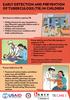 EARLY DETECTION AND PREVENTION OF TUBERCULOSIS (TB) IN CHILDREN Risk factors in children acquiring TB: Children living in the same household as a lung TB patient (especially children under 5) Children
2 P age. Babies from Birth to Age 2
 Contents Babies from Birth to Age 2... 2 Vaccines give parents the power... 2 Vaccines are recommended throughout our lives... 3 Talk to your doctor... 3 Vaccines are very safe... 3 Whooping Cough (Pertussis)...
What is whooping cough. (pertussis)? Information and Prevention. Ocument dn
 What is whooping cough Ocument dn (pertussis)? Information and Prevention IMPORTANT Pertussis (or whooping cough) is a highly contagious infection that can cause uncontrollable, violent coughing. If you
Additional details >>> HERE <<<
 Additional details >>> HERE http://dbvir.com/ringworm12/pdx/comw23/ Tags:
Riesa Gusewelle, MNSc, RN, APRN, GNP-BC. OBJECTIVES Identify early warning signs of urinary tract
 Detection, Early Management & Prevention, of Urinary Tract Infections in Older Adults Riesa Gusewelle, MNSc, RN, APRN, GNP-BC OBJECTIVES Identify early warning signs of urinary tract infections (UTIs)
Isolation Guidelines. VCU Health System Department of Epidemiology
 Isolation Guidelines VCU Health System Department of Epidemiology Goal of Isolation Prevent transmission of microorganisms from infected or colonized patients to other patients, hospital visitors, and
GUIDELINE Sinusitis. David M. Poetker MD, MA Associate Professor. Division of Rhinology and Sinus Surgery
 GUIDELINE Sinusitis David M. Poetker MD, MA Associate Professor Division of Rhinology and Sinus Surgery Guideline Fokkens et al. The European Position Paper on Rhinosinusitis and Nasal Polyps 2012. Rhinology.
BE SURE. BE SAFE. VACCINATE.
 DON T GET OR GIVE THE FLU THIS YEAR THANK YOU Vaccination is the only protection. www.immunisation.ie BE SURE. BE SAFE. VACCINATE. FLU VACCINE 2013-2014 Healthcare workers prevent the spread of flu and