
PHILADELPHIA RESIDENTIAL MORTGAGE FORECLOSURE DIVERSION PROGRAM
|
|
|
- Dustin Hopkins
- 10 years ago
- Views:
Transcription
1 PHILADELPHIA RESIDENTIAL MORTGAGE FORECLOSURE DIVERSION PROGRAM Mortgage Foreclosure Negotiation Training Manuel for Pro Bono Counsel Friday, September 27, 2013 Philadelphia VIP With many thanks to our host Exelon and to Pepper Hamilton, LLP for preparing the materials

2 Trainers T O N Y A B A T A Bilingual Housing Counselor, Unemployment Information Services S T E F A N I E F L E I S C H E R S E L D I N, E S Q U I R E Managing Attorney, Philadelphia VIP R O B E R T L U K E N S, E S Q U I R E Community Legal Services Philadelphia VIP 1500 Walnut Street, Suite 400 Philadelphia, PA September 2013 edition M O R T G A G E F O R E C L O S U R E N E G O T I A T I O N T R A I N I N G i

3 Table of Contents TRAINERS... I TABLE OF CONTENTS... II PHILADELPHIA VIP... 1 OVERVIEW... 1 WAYS TO VOLUNTEER WITH VIP S FORECLOSURE NEGOTIATION PROGRAM... 1 SUBSTANCE OF A FORECLOSURE CASE... 2 RELEVANT STATUTES... 2 Civil Procedure... 2 Act Act THE FORECLOSURE PROCESS IN PENNSYLVANIA... 5 BASIC VOCABULARY... 5 LOAN TYPES... 6 THE DIVERSION PROGRAM PROCESS... 7 INTRODUCTION... 7 Joint General Court Reg. No Program Description... 7 Philadelphia s Foreclosure Process with the Diversion Program... 8 HOW THE DIVERSION PROCESS (IDEALLY) WORKS... 9 Notifying Homeowners... 9 Housing Counseling... 9 Conciliation Conferences VIP Eligibility Requirements VOLUNTEER ATTORNEY RESPONSIBILITIES Client Communications Initial Tasks for Volunteer Attorneys Available Resources Case Analysis Negotiation Tasks for Volunteer Attorneys If There is No Agreement with the Lender s Counsel Troubleshooting Process Problems M O R T G A G E F O R E C L O S U R E N E G O T I A T I O N T R A I N I N G ii

4 Concluding Conciliation Conferences ONGOING COMMUNICATION In General While Negotiating Settlements CLOSING THE CASE Summary of Participation Guidelines HOUSING COUNSELORS Introduction Typical Documents Completed or Collected Challenges Housing Counselors Routinely Face RETENTION OPTIONS Introduction to General Options Introduction to FHA-Specific Options Refinancing HEMAP Payment Assistance Philadelphia Housing Retention Program Repayment Plan Forbearance Plan Partial Claim Reverse Equity Mortgage Loan Modification Key Steps to Ensuring Affordability Home Affordable Modification Program Lender Programs NON-RETENTION OPTIONS Straight Sale Short Sale Mortgage Assumption Deed in Lieu of Foreclosure Sheriff s Sale Cash for Keys FORECLOSURE AND BANKRUPTCY WHAT IS BANKRUPTCY? Chapter Chapter IMPORTANT CONCEPTS BASIC PROCEDURE AND TIMELINE DISADVANTAGES OF BANKRUPTCY BANKRUPTCY ISSUE SPOTTING IN THE DIVERSION PROGRAM M O R T G A G E F O R E C L O S U R E N E G O T I A T I O N T R A I N I N G iii

5 VIP CONTACT INFORMATION ADDITIONAL RESOURCES M O R T G A G E F O R E C L O S U R E N E G O T I A T I O N T R A I N I N G iv

6 Philadelphia VIP O V E R V I E W Philadelphia VIP is the hub of pro bono legal services in Philadelphia. Our mission is to provide equal access to justice to low income Philadelphians by harnessing the already existing capacity within the private bar. Philadelphia VIP handles cases from adoption to zoning and is a leader in recruiting and training private attorneys for pro bono work. As a volunteer attorney with VIP, you will have access to staff members for technical assistance. We also have a mentor program where volunteers may request the assistance of an expert senior level attorney. Mentors are assigned to a case and usually provide guidance for the duration of the volunteer s representation. In addition, VIP has a host of other volunteers including translators and court reporters that are available to our attorneys. VIP also offers free CLE trainings in many substantive areas and we are happy to partner with our volunteers to offer these trainings through firms and corporations. We have been involved in the Residential Mortgage Foreclosure Diversion Program since its inception in Members of VIP s staff sit on the Mortgage Foreclosure Steering Committee, which was responsible for the development of the program at the height of the housing crisis. VIP is committed to serving low-income homeowners throughout the diversion process by training and supporting volunteer attorneys, paralegals, and other professionals. W A Y S T O V O L U N T E E R W I T H V I P S F O R E C L O S U R E N E G O T I A T I O N P R O G R A M Ongoing Volunteer: VIP will refer mortgage foreclosure Diversion cases to volunteers on an ongoing basis until the matter is out of Diversion. VIP volunteers will obtain the client file in advance of the next conciliation conference, and that client will remain the volunteer s client until the case is out of Diversion. Temporary Solution Volunteer: VIP will ask volunteers to help clients for a single conciliation conference until we can make a referral to a volunteer who is able to commit to the client until her case is out of Diversion. Emergency Volunteer: While we expect that most cases will be given a continuance to allow VIP to find an attorney -- as lawyers and courts do consistently for other civil cases that VIP handles -- we know that there will be cases that lenders will refuse to continue. In those cases, we hope to be able to utilize volunteer attorneys who work near City Hall and can be available for same day representation. M O R T G A G E F O R E C L O S U R E N E G O T I A T I O N T R A I N I N G 1

7 Substance of a Foreclosure Case R E L E V A N T S T A T U T E S Civil Procedure An action of mortgage foreclosure is governed by Pennsylvania Rules of Civil Procedure and 1019, 1024, and Please refer to Appendix for these Rules. Act 91 A sample Act 91 Notice Act 91 of 1983 created HEMAP, the Homeowner s Emergency Mortgage Assistance Program. Under Act 91, a mandatory Act 91 Notice must provide HEMAP information to the homeowner prior to the institution of foreclosure proceedings. Please refer to Appendix for Act 91. Act 6 Act 6 governs mortgage foreclosure procedure in Pennsylvania. An Act 6 Notice is a Notice of Intent to Foreclose. Please refer to Appendixfor Act 6. A sample Notice of Intent to Foreclose. Usually combined with the Act 91 notice. M O R T G A G E F O R E C L O S U R E N E G O T I A T I O N T R A I N I N G 2

8 T H E F O R E C L O S U R E P R O C E S S I N P E N N S Y L V A N I A Foreclosure in Pennsylvania is a judicial process the lender must commence an action in court in order to foreclose on and sell the property. The homeowner receives an Act 91 / Act 6 notice before the complaint is filed, a 10-day notice of intention to take a default judgment before judgment is entered, and a notice that a sheriff s sale will occur before the sale. B A S I C V O C A B U L A R Y Originator (aka mortgage issuer or initial lender ): The financial institution usually a bank, thrift company, or mortgage banker that is the original mortgage lender. An originator may sell the loan, which often ends up in a pool of mortgages backing a security purchased by investors. Servicer: The company that collects monthly payments from the borrower and passes them to the lender or the investors in the mortgage pool. Trustee: The institution that manages the mortgages held in mortgage-backed securities for the investors. Loan Insurers or Guarantors : Institutions that guarantee the loan against default. A loan insurer may also hold the loan or the mortgage-backed security. These institutions include: Fannie Mae Federal National Mortgage Association Freddie Mac Federal Home Loan Mortgage Corporation FHA Federal Housing Administration VA Veteran s Administration Loan-to-value (LTV) ratio: expresses the amount of a first mortgage lien as a percentage of the total appraised value of real property. For instance, if a borrower wants $130,000 to purchase a house worth $150,000, the LTV ratio is $130,000/$150,000 or 87%.(LTV) PITI: principal, interest, taxes and homeowner s insurance M O R T G A G E F O R E C L O S U R E N E G O T I A T I O N T R A I N I N G 5

9 L O A N T Y P E S FHA Loans: These federally insured loans are made by the Federal Housing Administration and require the homeowner to purchase mortgage insurance. Conventional Prime Loans: These loans are given to homeowners with good credit and a lower Loan-To-Value ratio. Conventional prime loans may be fixed, meaning the interest rate does not change during the entire term of the loan, or adjustable, meaning that the interest rate changes periodically according to corresponding fluctuations in an index. Conventional Subprime Loans: These loans are given to homeowners with poorer credit and a higher Loan-to-Value ratio. While some of these loans are fixed, of late they are almost always adjustable. Predatory Loans: Any mortgage loan that contains excessive costs and / or fees at closing, and where the borrower s ability to pay the debt is questionable. These loans are often solicited by the lender using bait and switch tactics and are settled in the homeowner s house. Required disclosures usually are not provided. Please alert VIP staff if you suspect a loan is predatory! M O R T G A G E F O R E C L O S U R E N E G O T I A T I O N T R A I N I N G 6

10 The Diversion Program Process I N T R O D U C T I O N Joint General Court Reg. No Joint General Court Reg. No established the Residential Mortgage Foreclosure Diversion Pilot Program in June The program was reauthorized by court order on December 16, 2009, and is now a lasting fixture of the Philadelphia foreclosure process. Program Description The Philadelphia Residential Mortgage Diversion Program provides an opportunity for homeowners and lenders to avoid a foreclosure by negotiating an agreement that either allows the homeowner to keep the property or enables the homeowner to achieve a graceful exit. Created by the Honorable Annette M. Rizzo and a local task force comprised of representatives from many stakeholder agencies, the diversion program covers all mortgage foreclosure cases involving owner occupied residential properties in Philadelphia. These properties cannot proceed to judgment or to sale unless a conciliation conference is held under court supervision. PRACTICE Conferences convene every Thursday in City Hall Courtroom 676 POINT: at 9 a.m. and 1 p.m. 60 to 125 cases are heard per session. M O R T G A G E F O R E C L O S U R E N E G O T I A T I O N T R A I N I N G 7
11 Philadelphia s Foreclosure Process with the Diversion Program Gray boxes indicate steps requiring a lawyer s intervention. M O R T G A G E F O R E C L O S U R E N E G O T I A T I O N T R A I N I N G 8

12 H O W T H E D I V E R S I O N P R O C E S S ( I D E A L L Y ) W O R K S Notifying Homeowners STEP 1: STEP 2: STEP 3: The plaintiff files a complaint. The complaint is served on the homeowner. Service includes a letter from the Court of Common Pleas listing a conciliation conference date and the phone number for the Save Your Home Philly hotline ( HOME). The homeowner calls the hotline and receives a referral to a housing counseling agency. alternatively The homeowner calls a housing counseling agency as a result of outreach by the Office of Housing and Community Development or referral by a lender. STEP 4: STEP 5: The housing counselor submits a loan work-out proposal to the plaintiff s counsel at least 10 days before the conciliation conference. If a financial proposal was submitted prior to the conference, the lender s attorney, the housing counselor, and the homeowner will discuss foreclosure alternatives at the conciliation conference. alternatively If a financial proposal was not submitted in time or at all but the homeowner appears at the conciliation conference, the court will automatically schedule a second conciliation conference approximately 35 days hence. The financial proposal must be submitted no later than 14 days prior to the second conciliation conference so that foreclosure alternatives can be discussed at the second conference. Housing Counseling The City Office of Housing and Community Development (OHCD) has invested approximately $4 million a year in more than two decades of free housing counseling. Approximately 30 housing counseling agencies in Philadelphia have contracts with OHCD. These agencies typically include between one and six counselors. In most agencies, the counselor who prepares the homeowner s loan work-out application also will be present at the conciliation conference, although a few agencies do not send the housing counselor who worked up the homeowner s application. Counselors who did not prepare the application might not be as familiar with the homeowner s case but should have materials on file. M O R T G A G E F O R E C L O S U R E N E G O T I A T I O N T R A I N I N G 9

13 Conciliation Conferences Conferences take place on Thursday in City Hall, Courtroom 676. Conferences begin at 9 a.m. and 1 p.m. Homeowners check in at sign-in table and then at the housing counselor table. If they do not have a housing counselor, they are assigned to one at check-in. If the homeowner and the housing counselor determine that there is a need for a pro bono attorney, the client comes to VIP s intake table. Volunteer paralegals conduct client intake. VIP Eligibility Requirements The homeowner must be at or below 200 percent of the federal poverty level for the size of her or his household. The homeowner cannot own more than one residential property. The homeowner must either be living in the home or want to live in the home. The homeowner need not be on the deed to the property. M O R T G A G E F O R E C L O S U R E N E G O T I A T I O N T R A I N I N G 10

14 V O L U N T E E R A T T O R N E Y R E S P O N S I B I L I T I E S Client Communications It is important to be mindful of the client s emotional state going into conferences. This thoughtfulness can facilitate your conversation with the homeowner and help you frame your questions most effectively. Clients are frightened about the prospect of losing their home and are often intimidated by the legal process. Many clients cannot read well or comprehend the documents that they have received. Clients often have other problems in their lives such as illness, disability, unemployment, abuse, and separation or divorce. For all clients, VIP intake is a place to tell their story to someone who is sympathetic. PRACTICE POINTS Clients may become emotional reassure them calmly and let them know you will do your best to help them. Clients may go into great detail keep them focused on the details you need to know by steering the conversation firmly but politely. Initial Tasks for Volunteer Attorneys Obtain the homeowner s signature on VIP s representation agreement, which will be provided to you. Obtain the homeowner s signature on borrower s authorization to speak to the servicer, the lender, opposing counsel, and relevant federal and state agencies. This will be provided to you. Discuss the status of the case with the housing counselor and homeowner, then obtain a copy of the homeowner s budget information and loan work-out proposal if one has been submitted to the lender. Ensure that a list of documents required for the financial package has been approved by the lender s attorney and that the housing counselor, homeowner, and VIP staff each receive a copy. See Appendix for court-recommended list. PRACTICE POINT: The average time spent on a case is 11 hours over 4 to 6 months. M O R T G A G E F O R E C L O S U R E N E G O T I A T I O N T R A I N I N G 11
15 Available Resources Attorneys have multiple resources available to help them determine a successful negotiation strategy, even if they have not dealt with mortgage issues previously. These resources include the following: VIP Referral Packet: When you volunteer to take a case for ongoing representation, VIP will send you a referral packet. This will include copies of all relevant case documents, including: o Deed o Mortgage and any assignments o Property tax information and tax balances o Civil docket as of the date of referral o A copy of the referral letter sent to the client o Client intake form o VIP Representation Agreement o VIP Mortgage Foreclosure Resources Reference Sheet Legal Services Attorney: An attorney from legal services is available to assist with questions, pull up electronic copies of mortgages, deeds, and docket records, and review orders at your request. The legal services attorney also gives advice to housing counselors and VIP attorneys. Malpractice Insurance: The volunteer attorney is covered under VIP s malpractice insurance for ongoing assistance to eligible clients only. If the client s income increases during the continued representation and you become aware of the increase, contact VIP to determine whether the client is still eligible. Loss of eligibility status is only relevant if the attorney has no other malpractice insurance coverage. Documents Lender s Counsel Can Provide: You will need to formally request these documents. Once you have authorization from your client, the lender should be able to provide the following documents. The complaint A title report (possibly) An itemized list of arrearages, fees and costs, reinstatement amount and pay-off amount A payment history. The client should request this document directly from the lender if lender s counsel does not have a copy. The documents the homeowner submitted to lender s counsel as part of the financial packet. M O R T G A G E F O R E C L O S U R E N E G O T I A T I O N T R A I N I N G 12

16 Case Analysis After speaking with the homeowner and housing counselor, a volunteer attorney should consider the following relevant questions and issues: Why did client become delinquent on the loan? If the problem is or can be resolved, the client might have a better chance of reaching an agreement with the lender or servicer. If the problem is chronic or difficult to resolve, the client might want to carefully consider alternate means to avoid foreclosure, such as offering a deed in lieu of foreclosure or requesting permission to put the home up for short sale. How much is owed in arrears? The amount in arrears will determine the work-out option your client can afford. Can the client pay the arrears in a lump sum? Over a five-year bankruptcy period? Should the arrears be capitalized and paid over the life of the loan? In a breakdown of the arrears, does any amount seem unreasonable (e.g., excessive attorney s fees) or disputable (e.g., multiple appraisals)? How often has client come back for a conference? Why? If a homeowner has negotiated one or more unsuccessful arrangements with the plaintiff over a longer period of time, it might be difficult to settle on a mutually acceptable plan. On the other hand, if the homeowner has returned for a conference multiple times because of servicer errors or delay, the number of conferences might have no effect on negotiating an outcome. Has the client been setting aside funds for mortgage payments? If not, why not? The plaintiff might be more amenable to work-out proposals if the client can show that certain payments are escrowed. If no funds are escrowed, it is important to understand why the client has not been able to save money. Who pays the property taxes? Who pays the homeowner s insurance? Property taxes and homeowner s insurance are relevant for two reasons: First, they augment proof of who lives in the home. More importantly, back property taxes will result in a higher arrearage, as most lenders will advance the funds to pay the taxes and thus protect their loan s lien priority. Insurance payments affect the amount of the monthly loan payment, since lender-paid forced-place insurance is usually percent more expensive than homeowner-paid insurance. Is there a second or third mortgage on the property? The lender will not be inclined to negotiate a work-out agreement if a second or third mortgage is also delinquent. In Pennsylvania, the mortgage holder who takes the property to Sheriff s sale first gets paid first. Additionally, certain work-out options might not be available if there is another lien on the property. Does the homeowner have any other debt? Additional liens on the home will affect what work-out options are available to a client. For example, a bank will not accept a deed in lieu of foreclosure if there liens on the property that cannot be removed prior to a title transfer. If the homeowner has other debt, that might affect M O R T G A G E F O R E C L O S U R E N E G O T I A T I O N T R A I N I N G 13

17 whether she or he can afford a modified mortgage and whether she or he requires additional housing counseling. PRACTICE POINT Attorneys are strongly encouraged to use the Mortgage Foreclosure Issue Spotting Guide and Evaluating a Mortgage Foreclosure Diversion Case in the Appendix to evaluate options for the homeowner. Negotiation Tasks for Volunteer Attorneys Reach an agreement with opposing counsel regarding postponement of their entry of judgment (or postponement of a sheriff s sale). Under rules that went into effect January 1, 2011, so long as the homeowner appears at the first conference, a second conference is granted approximately 35 days hence and entry of judgment is automatically postponed to the day after the second conference. The order should include the date of the next conciliation conference. Entry of judgment should be postponed to the day AFTER the next conference. Be sure to review the order for accuracy. Ensure that all parties agree as to what the next steps required of each party shall be. If documents must be submitted to the lender s attorney, request a list of the required documents and review with the housing counselor and the homeowner. If There is No Agreement with the Lender s Counsel If opposing counsel states that he or she does not have authority to postpone entry of a default judgment or to grant another conciliation conference, ask court staff for a judge pro tem (JPT) conference. The JPT can recommend that judge order a postponement over counsel s objection. If another conciliation conference date is not granted, request a status conference to occur by or by phone between lender s counsel, the housing counselor, the court administrator, and you (if you intend to keep the case). You should reserve the right to request another conciliation conference later, if necessary. JUDGE PRO TEM A judge pro tem, or JPT, is an experienced attorney who has participated in a special training and acts as a mediator. The JPT does not address issues that must be litigated (e.g., lack of standing, predatory lending) but will make recommendations to Judge Rizzo. Once a JPT becomes involved, she or he often stays involved with the matter. Always ask for the JPT s contact information. For a sample JPT order, see Appendix. M O R T G A G E F O R E C L O S U R E N E G O T I A T I O N T R A I N I N G 14
18 Troubleshooting Process Problems The lender refuses to negotiate. Examine whether retention of the home is truly affordable for the client. If NO, evaluate other options. If YES, ask court for a conference with the JPT or the judge. Lender s counsel is unable to reach the plaintiff s representative to obtain a response. The court will not permit a sheriff sale or entry of default judgment without a response from the lender. Another conference will be scheduled. The lender refuses to provide an answer or cannot be reached during multiple conferences. The court can order a lender s representative with authority to negotiate to appear in person or be present by telephone during next conference. Please alert the Court Administrator Rachel Gallegos at [email protected] if the lender s response is lagging despite multiple (more than five) conferences. Concluding Conciliation Conferences At the end of each conciliation conference, volunteer attorneys should: Obtain copies of the unsigned court order from court staff and the list of documents that the homeowner must submit (if applicable) from opposing counsel. Make sure that copies are given to the client, the housing counselor, VIP paralegals, and yourself. Exchange contact information with all parties: the client, the housing counselor, the lender s attorney, and the JPT (if the JPT will continue to monitor the case). Confirm with the housing counselor and the homeowner that communications will go to the lender s counsel. M O R T G A G E F O R E C L O S U R E N E G O T I A T I O N T R A I N I N G 15

19 O N G O I N G C O M M U N I C A T I O N In General It is essential that you take the initiative in communicating with the client, the client s housing counselor, the lender s attorney, and court staff to ensure that the negotiation process moves forward. Do not wait for them to contact you! Check the docket record on a regular basis. This can be done easily by going to and clicking on Search Court Records, then Search Trial Division- Civil Dockets, then Civil Docket Record, entering the Case ID (the docket number that is listed on your client s intake form) and then clicking Submit and scrolling down to the bottom of the record to review the latest entries. A volunteer attorney is not the attorney of record and will therefore probably not receive copies of communications sent by the lender to the homeowner. That is why it is essential to follow up on a regular basis with your client to receive copies of any documents sent by the lender to your client. Again, you should insist that the homeowner forward copies of all documents she or he receives from the servicer or opposing counsel. VIP will a status update request to you one month after referral and every three months thereafter until the case closes. Thank you for responding to these requests. VIP staff is always available to answer questions and provide support! While Negotiating Settlements Request that both your client and you receive a copy of the written agreement. Again, it is important to remember that you are not the attorney of record unless you have entered your appearance in the actual foreclosure case, which you would do only if you file preliminary objections or an answer to the complaint. Remind your client to contact you upon receipt of the agreement so that you can review the agreement before it is signed. The turnaround time for these agreements is often short, but you should be granted more time upon request to lender s counsel. Review the agreement to determine if its terms are those negotiated at conciliation conference they often differ! Once the agreement is executed, obtain confirmation from opposing counsel and the case docket record that a praecipe to vacate the judgment and / or stay the sale and dismiss without prejudice was filed. M O R T G A G E F O R E C L O S U R E N E G O T I A T I O N T R A I N I N G 16

20 C L O S I N G T H E C A S E Once a case is resolved, the volunteer attorney should send the client a termination letter and send VIP a brief closing report with details of outcome. If your client s home was saved through a loan modification or other workout, copies of the signed agreement should be sent to VIP. If your client s home was saved, please request that the lender mark the case SETTLED, DISCONTINUED, AND ENDED on the docket. It is imperative that all cases are discontinued with the courts, ensuring that should a future foreclosure occur, the lender must begin the foreclosure process from the start. Summary of Participation Guidelines Volunteers receive 3 free CLE credits for representing clients on three separate occasions as a temporary solution or emergency volunteer OR for taking two cases for ongoing representation. Per Rule 6.5 of the PA Rules of Professional Responsibility, a volunteer need not obtain conflict waivers when acting as temporary solution or emergency volunteers. Ongoing representation is HIGHLY preferred there is a much higher likelihood of a positive outcome! To continue representation after an emergency or temporary solution experience, a volunteer must conduct a conflicts check with the firm. The volunteer must be proactive in communicating with the client and the housing counselor. Scheduling issues: To reschedule a conciliation conference during ongoing representation of a client, contact opposing counsel on your case, the client, the housing counselor, and VIP. M O R T G A G E F O R E C L O S U R E N E G O T I A T I O N T R A I N I N G 17

21 H O U S I N G C O U N S E L O R S Introduction Housing counselors handle some of the most detailed financial work with homeowners, and are directly responsible for submitting work-out proposals. Their process for working with homeowners is described below. STEP 1: STEP 2: STEP 3: STEP 4: STEP 5: The counselor holds a face-to-face meeting with homeowner. The counselor gathers information about the homeowner s financial situation, including information about: The type of mortgage (FHA, Conventional, VA, etc.) The hardship and circumstances surrounding the delinquency The counselor completes all necessary forms, including those required by the homeowner s specific lender. The counselor submits applications to emergency mortgage loan assistance programs if homeowner is eligible. The counselor sends forms and supporting documentation to lender s counsel (and possibly also to the lender). M O R T G A G E F O R E C L O S U R E N E G O T I A T I O N T R A I N I N G 18
22 Typical Documents Completed or Collected Usual Documentation Authorization to talk to the servicer on the client s behalf Income verification Bank statement(s) Utility bills Explanation of hardship (hardship letter) The list of documents that lender s counsel requires to complete the financial package. Making Home Affordable * Documentation * Note: Making Home Affordable is the federal mortgage assistance plan that includes the Home Affordable Modification Program (HAMP) under its umbrella. See for detailed information. A Request for Modification and Hardship Affidavit. See Appendix. A request for a transcript of tax returns (IRS Form 4506-T). See Appendix. Income verification no more than 90 days old. Residency verification (a credit report or utility bill) Verification of monthly gross expenses (i.e. taxes, property insurance, alimony, child support) Challenges Housing Counselors Routinely Face The proposal cannot be submitted any later than 10 days before first conference or 14 days before second conference. Documentation provided by the homeowner is missing or incomplete. Clients don t have required documentation available. Clients are difficult to reach. The conference might need to be postponed while more documentation is gathered, but opposing counsel refuses to agree to a postponement. The lender claims that documents were not submitted or were incomplete or requests additional documentation if submitted documents are more than 90 days old once the packet is complete, a new packet with more recent documentation must be submitted. Programs or lender-specific forms and requirements are constantly changing. M O R T G A G E F O R E C L O S U R E N E G O T I A T I O N T R A I N I N G 19
23 R E T E N T I O N O P T I O N S A variety of options are available to help homeowners retain their homes. Once a housing counselor has detailed information about the existing mortgage and homeowner budget, one or more of the following solutions can be pursued. Introduction to General Options Refinance the property. Apply to state and local payment assistance programs. o In Pennsylvania, HEMAP is available (administered by PHFA). o In Philadelphia, the Philadelphia Housing Retention Program gives grants until its annual allocation of funds is expended. Repay the loan. Obtain a forbearance agreement. Make a claim to the insurer if the homeowner has mortgage insurance. This is called a partial claim and includes all FHA loans. Request a reverse equity mortgage. These loans, available to senior homeowners age 62 and over, convert equity in the property into a loan that must be paid off only upon the homeowner s death or when the property is sold during the homeowner s lifetime. Modify the loan. Introduction to FHA-Specific Options The lender must evaluate a homeowner s eligibility for FHA options in a specific sequence. Lenders are not necessarily familiar with FHA guidelines, so housing counselors and attorneys must hold the lender accountable to ensure consideration of all options. Please confer with VIP staff or with the legal service attorney at the conciliation conference as she or he will be most familiar with FHA guidelines, which are constantly being revised. PRACTICE POINT In Pennsylvania, failure to consider FHA-mandated loss mitigation options is an equitable defense to the mortgage foreclosure action and might give the homeowner leverage within diversion program negotiations M O R T G A G E F O R E C L O S U R E N E G O T I A T I O N T R A I N I N G 20
24 Refinancing Definition Refinance (aka refi ): The borrower takes out a new loan that pays off the delinquent mortgage in full or in part and results in satisfaction of the mortgage. The lender must agree to a short pay if the refinance is less than what is owed. A homeowner in default is unlikely to be creditworthy enough to be approved for a refinance other than through a public program. HEMAP Payment Assistance Homeowners Emergency Mortgage Assistance Program Definition HEMAP is the Pennsylvania state payment assistance program for conventional (not FHA or VA) loans. Funding was reduced in the state budget, which was insufficient to allow the program to continue operating. However, in 2012 the State Attorney General allocated funds from a federal settlement with the five big banks back to the HEMAP program and it reopened for applications in August Requirements and Terms Only homeowners who become delinquent on their mortgage through no fault of their own through death, unemployment, disability, etc. are eligible. The homeowner must have a reasonable expectation of regaining employment and resuming mortgage payments. If the homeowner applies for HEMAP within 33 days of the Act 91 notice s mailing, the lender cannot continue with the foreclosure until PHFA has made a determination. A homeowner can apply for HEMAP after the 33-day period, but the application will not stall the proceedings. Application must be made through a housing counseling agency. If denied for HEMAP, the homeowner can appeal the decision. HEMAP can provide a one-time lump sum payment to cover arrears or can provide monthly assistance for up to 36 months. A homeowner must begin repayment of the HEMAP loan immediately. The repayment amount is based on affordability. Minimum payments are $25 per month. M O R T G A G E F O R E C L O S U R E N E G O T I A T I O N T R A I N I N G 21
25 Philadelphia Housing Retention Program Definition The Philadelphia Housing Retention Program (PHRP) is a grant program initially developed to prevent homelessness and now also available to homeowners facing foreclosure. PHRP can provide a grant of up to $2,000 to be used towards delinquency, but only if the homeowner will then be current on the mortgage. The program receives funding from the City of Philadelphia annually in July and shuts down when the funds have been expended (usually by the spring). Process The borrower must apply through one of certain specified counseling agencies. Strict income eligibility requirements apply. Proof of delinquency on the mortgage is required. Proof of availability of additional funds if needed to cure the delinquency must be submitted with the application for the grant. Repayment Plan Definition Negotiating a repayment plan is the simplest work-out option for many homeowners. The plan is a written agreement where the borrower agrees to cure the delinquency by adding an amount to regular monthly mortgage payments until the loan is made current. Requirements The repayment plan typically has a 3-12 month duration. The plan must be made in writing. Uses Repayment plans are most successful when the homeowner has: A financial crisis that has been resolved. Been unemployed but has since found work. Recovered from a temporary disability. Issues The homeowner must have sufficient income to make a higher payment. It is often difficult to complete a repayment plan without a significant income surplus. M O R T G A G E F O R E C L O S U R E N E G O T I A T I O N T R A I N I N G 22
26 Forbearance Plan Definition A forbearance plan is an agreement to suspend or reduce normal monthly payments for a fixed period of time. At end of the forbearance period, the borrower must cure the default through a lump sum payment or long-term repayment plan or loan work-out. Uses Forbearance plans are most successful when: The cause of the default is specific and temporary. There is reasonable evidence that the borrower will be able to resume making payments by a certain date and will have surplus income to support a repayment plan. Partial Claim Definition Partial claims are available primarily in the context of FHA and VA mortgages but may also be available when the lender has private mortgage insurance. Process and Requirements The insurer pays the lender the amount of the arrearage (the partial claim ) to bring the homeowner current on the mortgage. This amount paid becomes a loan that the homeowner must repay over time. The borrower may not be more than 12 months in arrears when the application is made. However, the borrower can pay the arrearage down to 12 months if he or she has funds. Reverse Equity Mortgage Definition A reverse mortgage is a loan that converts a senior homeowner s equity in their home into a loan that can be used to pay off a mortgage or to provide supplemental funds for the senior s needs. Requirements The homeowner must be 62 or older. The amount of the loan depends on the value of the home, the value of any liens on the property (including a mortgage), and the homeowner s life expectancy. The loan must be paid in full when the home is sold or when the homeowner who took out the reverse mortgage dies. Risk If a co-owner of the property is less than 62 years old, only the senior may be on title and receive the mortgage, putting the co-owner at risk of losing the home upon the senior s death. M O R T G A G E F O R E C L O S U R E N E G O T I A T I O N T R A I N I N G 23
27 Loan Modification Definition A loan modification changes the amount of the mortgage payment through a written agreement that permanently changes one or more of the loan s original terms, such as the: Interest rate Term Unpaid principal balance Uses Loan modifications are most appropriate when: The original loan terms were unreasonable and failure to modify the loan would result in foreclosure. The homeowner has a permanent or long-term reduction in income but still has sufficient income to make reduced mortgage payments. The original mortgage payment represents more than one third of the client s gross monthly income. Issues Paperwork More work for servicer Extreme delinquency means that the lender may be unwilling to consider a modification or that the payments may actually increase as a result of the modification. Key Steps to Ensuring Affordability Homeowners and homeowner advocates may pursue the following solutions in order to make a loan more manageable for the borrower. Interest rate reduction, preferably permanent Principal reduction (rarely granted) Extension of the mortgage term (the number of years over which the mortgage must be paid) Extension of the amortization period (the number of years used to calculate the amount of the monthly mortgage payment; e.g., a loan may be amortized over 40 years but may have to be repaid over 30 years, with a balloon payment representing the remaining 10 years of payments due at the end of the 30-year term) Fees / costs reduction, including: o Inspection / appraisal fees o Late charges o Attorney s fees (ask for itemization) o NOTE: A reduction in fees is easier to negotiate before judgment than after judgment entry of judgment adds approximately $2,000 to attorney fees and costs. M O R T G A G E F O R E C L O S U R E N E G O T I A T I O N T R A I N I N G 24
28 Home Affordable Modification Program Definition The Home Affordable Modification Program, more commonly referred to as HAMP, is a part of the federal Making Home Affordable program. Any mortgage lender or servicer that received federal bail-out funds must participate in the HAMP program. If a homeowner s mortgage is held or guaranteed by Fannie Mae or Freddie Mac, the homeowner must be offered a trial loan modification. There are special versions of HAMP for FHA and VA loans. For more information: Eligibility HAMP eligibility was recently expanded by the introduction of a HAMP Tier 2, effective June 1, A homeowner should first be evaluated for a Tier 1 modification. If they are not eligible for Tier 1 or fail a HAMP Tier 1 modification, they must be evaluated for and given a HAMP Tier 2, if eligible. A homeowner will be eligible for HAMP Tier 1 if: The mortgage was obtained on or before January 1, The homeowner owes up to $729,750 on his or her primary residence or single unit rental property The homeowner owes to $934,200 on a 2-unit rental property; $1,129,250 on a 3-unit rental property; or $1,403,400 on a 4-unit rental property The property has not been condemned The homeowner has financial hardship and is either delinquent or in danger of falling behind on his or her mortgage payments (non-owner occupants must be delinquent in order to qualify). The homeowner has sufficient, documented income to support a modified payment. The homeowner must not have been convicted within the last 10 years of felony larceny, theft, fraud or forgery, money laundering or tax evasion, in connection with a mortgage or real estate transaction. A homeowner will be eligible for HAMP Tier 2 if: The monthly mortgage payment may be less than 31% of the borrower's gross income. The loan must be a first lien originated before January The property may be owner-occupied OR a rental property. The loan may have been previously modified under HAMP Tier 1, but not under HAMP Tier 2. If previously modified under Tier 1, the borrower must document a change in circumstances OR 12 months must have passed since the effective date of the first modification. Note: Having filed for bankruptcy does not automatically make the homeowner ineligible for a HAMP evaluation. M O R T G A G E F O R E C L O S U R E N E G O T I A T I O N T R A I N I N G 25
29 Program Guidelines Once the homeowner has met the initial eligibility criteria, the servicer must follow standard modification waterfall steps to reduce the PITI payment to 31% of the household s gross monthly income. The investor must then calculate the net present value (NPV) of the income the investor can expect to receive from the modified loan and compare it to the net present value of the income the investor can expect to receive from proceeding to a foreclosure sale. If the NPV of the modified loan payments is equal to or greater than the NPV of the foreclosure sale proceeds, the servicer must offer the homeowner a trial modification, which requires the homeowner to make at least 3 timely monthly modified loan payments. If NPV is negative for HAMP Tier 1, but positive for HAMP Tier 2, the servicer must offer a HAMP Tier 2 trial period plan, with payments set between 25-42% of the borrower's gross income, and reduce principal and interest by at least 10%. The HAMP Tier 1 modification waterfall steps to reduce PITI to 31% is as follows: Capitalization of arrears (add the arrears to the remaining mortgage) Reduction of the interest rate to no lower than 2% Extension of the loan repayment period up to 40 years (480 months) Forbear principal in a non-interest balloon payment (not required more than 30% of balance) Forgive a portion of mortgage principal (optional, very rarely done) Under HAMP Tier 2, the steps are: Capitalization of arrears as in Tier 1 Adjustment of the interest rate to the Freddie Mac Primary Mortgage Survey rate plus a small adjustment (currently 50 basis points) Extension of the loan repayment period up to 40 years (480 months) Forbearance of loan principal if pre-modification balance is greater than 115% of the property's fair market value Program Guidelines continued The servicer must give the reason for the denial of a trial or permanent modification in writing to the homeowner. The homeowner may challenge the calculation used by the servicer to compute the NPV values of loan modification versus foreclosure sale but must do so in writing within 30 days of being notified of the denial. If a trial modification has been denied without a written communication or for spurious reasons, the case can be escalated to the HAMP Resolution Center. Escalations are generally submitted on a standardized HAMP form to [email protected]. Please contact VIP for additional information. Until a final determination is made on the homeowner s eligibility for a HAMP modification, the servicer may not proceed to a sheriff sale of the property. Once a homeowner in a trial modification has made 3 timely payments of the modified loan payments, the servicer is supposed to offer the homeowner a permanent loan modification. M O R T G A G E F O R E C L O S U R E N E G O T I A T I O N T R A I N I N G 26
30 Since servicers often take many more months to offer a permanent loan modification to the homeowner, the homeowner should be advised to continue making the modified loan payments on a timely basis until a permanent loan modification is signed. HAMP has a program that is designed to address the modification or release of second mortgages to avoid having the second mortgage go into foreclosure and derail the modification of the first mortgage. Please refer to Appendix and to for a detailed HAMP Analysis Guide. Lender Programs Many lenders and servicers have their own in-house loss mitigation programs, which are in constant flux. The housing counselor will submit an application for a non-hamp modification or other loan workout. PRACTICE VIP provides a binder at the conferences with information on federal, POINT: state, city and lender-specific programs. M O R T G A G E F O R E C L O S U R E N E G O T I A T I O N T R A I N I N G 27
31 N O N - R E T E N T I O N O P T I O N S Sometimes letting a home go gracefully is the best option for a homeowner. There are many alternatives to a foreclosure and sheriff sales that have a lesser impact on the borrower s remaining debt and credit rating. If the housing counselor determines that a homeowner cannot afford to keep the property, or if the homeowner does not want to keep the property, one or more of the following solutions can be pursued: Straight Sale Short Sale Mortgage Assumption Deed in Lieu of Foreclosure Sheriff s Sale Cash for Keys Straight Sale Definition The lender allows the homeowner to sell the property on the market for market value. Uses A straight sale is a good option if the homeowner cannot afford to keep the property but has equity in the property. A straight sale allows the homeowner to retain any equity that exceeds the balance of their mortgage. Requirements The lender requires a valid listing agreement with a real estate agency. The homeowner needs enough time to complete the sale. Short Sale Definition The sale of a property in which the borrower seeks less than the total amount due on the mortgage loan. Often, the lender will agree to accept less than the total amount due to satisfy the debt. However, a lender may also pursue a separate deficiency action against the homeowner after the foreclosure to try to obtain the remaining funds due. Uses A short sale is often the best option when a situation is incurable and the client has no equity in the property. Short Sale ALERTS A deficiency judgment might follow a short sale. Homeowner advocates should ask the lender to waive the deficiency judgment. A short sale must be an arms-length transaction. The homeowner cannot receive any of the sales proceeds. M O R T G A G E F O R E C L O S U R E N E G O T I A T I O N T R A I N I N G 28
32 Mortgage Assumption Definition A qualified prospective buyer (e.g. a member of the homeowner s family) will agree to take over, or assume, the liability for the loan payments. The person assuming the mortgage must meet all of the mortgage lender s underwriting standards. Requirements The person who is assuming the mortgage must have a decent credit rating, title to the property, and sufficient funds to make the mortgage payments. Deed in Lieu of Foreclosure Definition The borrower voluntarily conveys title to the lender in exchange for a discharge of any remaining debt. Uses A deed in lieu of foreclosure is most appropriate when: The property is abandoned. Other options have been exhausted. There are no other liens on property. Issues The lender might require property to be listed for sale for at least 90 days before accepting a deed in lieu. A deed in lieu requires lender / investor approval. Sheriff s Sale Allowing the home to go to sheriff s sale might be the only option if the homeowner has little or no income. A sheriff s sale is particularly undesirable for the homeowner because of its negative effect on credit ratings. After a sheriff s sale, a homeowner might have difficulty finding a new place to live because of the low credit score. Process Sheriff s sales are held the first Tuesday of every month, usually two to four months after entry of a default judgment. The homeowner has the right to cure the loan (i.e., pay off all the arrears and reinstate the loan) up to one hour before the sale. Once the sheriff s deed transferring title to the new owner is recorded, the purchaser (or lender, if the property is retained) must file an action in ejectment to evict the homeowner. This process takes at least six to eight weeks if the homeowner does not defend. M O R T G A G E F O R E C L O S U R E N E G O T I A T I O N T R A I N I N G 29
33 Cash for Keys Definition The borrower agrees to leave the property on a certain date and in broom-swept clean condition in exchange for a cash payment of up to $3,000, saving the new owner the cost of an ejectment. Uses This is a good option when a default is incurable and the sheriff s sale goes forward. A volunteer can often negotiate more time before homeowner must leave the property. The borrower receives funds to help with transition to a new property. M O R T G A G E F O R E C L O S U R E N E G O T I A T I O N T R A I N I N G 30
34 Foreclosure and Bankruptcy W H A T I S B A N K R U P T C Y? A practical definition: A proceeding brought in federal court by a debtor to discharge debts (relieve the debtor of personal liability) and/or reorganize financial affairs. Most individuals file a case under either Chapter 7 or Chapter 13 of the Bankruptcy Code. Chapter 7 A Chapter 7 bankruptcy is a straight bankruptcy in which assets of a debtor are theoretically liquidated by a Chapter 7 trustee. Creditors who file claims are then paid off with the proceeds on a pro rata basis. In reality, most individual Chapter 7 cases are declared no-asset cases, with no distribution made to creditors. From beginning to end, case usually lasts 3-4 months, after which the debtor is discharged of his obligation to pay most debts. Chapter 7 is generally is not helpful for mortgage defaults. Purpose of Chapter 7 is to discharge personal liability only. Liens ride through the bankruptcy unaffected. Mortgage creditors are routinely allowed to proceed with foreclosure if mortgage is in default. In certain circumstances it may be helpful to discharge unsecured debt in a Chapter 7 or remove judgment liens in order to better facilitate a mortgage loan modification. The Chapter 7 trustee controls the bankruptcy estate, making it difficult for a debtor to take action with respect to his/her home. Eligibility for Chapter 7 is partly dependent on income, i.e. some potential debtors earn too much to file a Chapter 7. This generally will not be an issue for VIP clients. NOTE: Both FHA and HAMP regulations expressly state that servicers must consider homeowners for HAMP even if they are in an active bankruptcy. Chapter 13 A Chapter 13 bankruptcy is a reorganization in which a debtor with regular income may present a good-faith plan to make payments to creditors over a period of time (five years maximum). Income can be from any source, including unemployment compensation, public benefits, and contributions from friends/family. Regular does not preclude seasonal income. At the end of the payment period, most unpaid debts are discharged. Chapter 13 debtors are allowed to use estate property. Chapter 13 trustee s purpose is to collect payments from the debtor and distribute them to creditors. The biggest benefit of Chapter 13 for homeowners in default on their mortgage is the ability to cure the arrears over time (up to 5 years) - if income allows them to do so and maintain current mortgage payments at the same time. As a general rule, a Chapter 13 plan may NOT modify the M O R T G A G E F O R E C L O S U R E N E G O T I A T I O N T R A I N I N G 31
35 rights of a secured creditor whose debt is secured by the debtor's primary residence. Therefore, the mortgage holder is entitled to all its contractual rights. This anti-modification protection does NOT apply to a second mortgage if the house is "under water" because of the first mortgage. The bankruptcy court can provide a centralized forum to litigate claims against mortgage holder/servicer to reduce the amount of arrears (and is generally more expedient than state court). A Chapter 13 debtor can also propose a plan to sell the home in a private sale to pay off the mortgage and realize any equity in the home. However, it is generally more cost-effective to do this outside of bankruptcy. Chapter 13 can provide a way to consolidate other debts that need to be paid, such as car loans and outstanding income taxes, perhaps even at lower interest rates, making it more likely for the debtor to catch up with all debts with a lesser single monthly payment to the Chapter 13 trustee. Chapter 13 may be helpful where the mortgage will mature within 5 years. In such instances the creditor's rights CAN be modified, i.e. the loan could be paid off at a lower interest and potentially eliminate post-petition fees and costs. Effective December 1, 2011, amended Bankruptcy rules require mortgage lenders and servicers to provide much more detailed breakdowns of arrears, including fees and costs, as well as file notice with the Court of any fees and costs that arise, including escrow advances, during the pendency of the Chapter 13 case. M O R T G A G E F O R E C L O S U R E N E G O T I A T I O N T R A I N I N G 32
36 I M P O R T A N T C O N C E P T S 1. The Automatic Stay - Few other legal steps can provide this immediate and powerful protection of bankruptcy. Functionally, the automatic stay is an injunction that springs into existence upon the filing of the bankruptcy petition. Prevents any attempt to enforce claims against the debtor or property of the debtor or property of the estate. It freezes a foreclosure proceeding and will prevent a sheriff s sale if notice is provided to sheriff and creditor prior to sale. a. Effect of Prior Bankruptcies - If the debtor had one or more bankruptcies within the prior year, the automatic stay may expire 30 days after the petition or may not spring into existence at all. If the debtor has abused bankruptcy in the past, there may also be prohibitions put in place by the bankruptcy judge. a. Duration- The stay typically is in place for the length of the case, but a creditor may seek relief from the stay for cause. In Chapter 7, relief from stay is routinely granted in to mortgage lenders if the loan is not current. In Chapter 13, relief from stay will be granted to the mortgage lender unless the plan proposes to cure arrears or otherwise pay off the loan. 2. The Bankruptcy Estate - The bankruptcy estate is created by the filing of the petition. It is broadly construed to include any and all property rights of the debtor as of the date of the petition. In Chapter 13 it includes property rights obtained post-petition. This includes expectant, contingent, and inchoate rights such as causes of action, expected inheritances. a. Exemptions The debtor is allowed to exempt (carve out) certain amounts of property out of the estate under either the Bankruptcy Code exemptions or under state law. Generally the federal exemptions are more generous than Pennsylvania exemptions. Exception: entireties property (owned by husband and wife) under PA law is immune to individual creditors of husband or wife. Assets that are not exempted may have to be sold, either by a Chapter 7 trustee or by the debtor in Chapter 13 to fund his/her plan. 3. The Discharge and Exceptions to Discharge Entered at the end of a bankruptcy case, the discharge absolves the debtor of personal liability on most debts as well as providing other protections, including a continuing injunction against collection of discharged debts. Some debts are excluded (excepted) from being discharged in bankruptcy, such as alimony, child-support, taxes, and student loans. In Chapter 13, some of these debts may be paid back over three to five years. M O R T G A G E F O R E C L O S U R E N E G O T I A T I O N T R A I N I N G 33
37 B A S I C P R O C E D U R E A N D T I M E L I N E 1. Pre-Bankruptcy Credit Counseling Course. Such a course is an absolute prerequisite to filing a bankruptcy case. It can be done online, over telephone, or in person. 2. Paperwork. A bankruptcy case is initiated by a 3-page Petition. In an emergency, this is all that needs to be filed, along with a certification that credit counseling was obtained, or exigent circumstances excused the failure to get it. a. Supporting schedules and statements must be filed within 14 days unless extension sought. At least one extension is usually granted. These are very indepth documents designed to get full disclosure of a debtor s financial circumstances, including a list of all debts, assets, income, living expenses and prior financial activities. a. Means testing: This requirement was added after the Bankruptcy Code was amended in It applies to debtors whose debts are primarily consumer (i.e. personal vs. business). The test essentially looks at a debtor s income for the six months prior to filing the bankruptcy and is used to determine whether a debtor should be in Chapter 7 or Chapter 13 bankruptcy and what the minimum length of a Chapter 13 plan should be. 3. Meeting of Creditors. This meeting is generally held days following the filing of the petition. Creditors are invited to attend but rarely do. In most cases, this is the only proceeding a debtor has to attend. The Trustee (Chapter 7 or 13) questions the debtor regarding her petition. In Chapter 13, the Trustee also wants to ensure that the debtor s proposed plan is feasible, i.e. the debtor can afford the payments, and the plan is funded sufficiently to pay the claims that need to be paid. 4. Discharge. a. In Chapter 7, the discharge order is generally entered about 60 days following the meeting of creditors. The case is closed. b. In Chapter 13, discharge is entered after all plan payments are completed, generally three to five years after the petition date. c. After the case is closed, the automatic stay ends, but the discharge injunction still protects debtor from collection of discharged debts. M O R T G A G E F O R E C L O S U R E N E G O T I A T I O N T R A I N I N G 34
38 D I S A D V A N T A G E S O F B A N K R U P T C Y 1. Cost. a. Attorneys fees for a Chapter 7 case in Philadelphia typically range from $ In a Chapter 13, they are typically $3000-$3500. This is for basic bankruptcy services only, and usually does not include additional work such as lien avoidance motions. Attorneys fees for a Chapter 7 must be paid in full before the filing. In Chapter 13, most attorneys will ask for some payment up front, usually in the range of $1000. b. Filing fees are $281 to $306 for the petition. Subsequent motions/proceeding may entail additional filing fees. c. Cure amount in bankruptcy: Generally, you must pay the entire reinstatement amount and reasonable attorneys fees and costs that might otherwise be recapitalized into the principal in a modification. a. Trustee s commission: If the homeowner is using Chapter 13 to cure mortgage arrears, an additional 10% will have to be paid to the trustee on the cure amount. Sale of the house in bankruptcy also includes a commission to the trustee and, depending on amount of equity, may require payment of some unsecured debts that would not otherwise have to be paid outside of bankruptcy. 2. May Actually Delay A Modification. While FHA and HAMP guidelines expressly allow modification to be considered by someone in bankruptcy, certain realities of bankruptcy law may make a modification difficult to pursue as efficiently as outside of bankruptcy. a. For example, in a Chapter 7 case, the debtor may have no standing to negotiate. The Chapter 7 trustee controls estate property for at least the first 60 days of the case, after which he/she is deemed to have abandoned the property to the debtor if no action is taken to administer the asset. b. Bankruptcy Court approval of modification may be required. c. The automatic stay precludes any continuation of negotiation through the Mortgage Foreclosure Diversion Program because it is part of the foreclosure action. M O R T G A G E F O R E C L O S U R E N E G O T I A T I O N T R A I N I N G 35
39 B A N K R U P T C Y I S S U E S P O T T I N G I N T H E D I V E R S I O N P R O G R A M The following are issues which may arise in the conciliation process and which should make you think about bankruptcy, including instances where bankruptcy may be raised by the lender s counsel. 1. Homeowner has significant unsecured debt making their debt-to-income ratio too high to qualify for a modification. A bankruptcy may address this, assuming the unsecured debt is not excepted from discharge (student loans, taxes, child support/alimony). 2. House is under water due to second or third mortgages. Depending on circumstances, including the type of mortgage and value of the home, secondary loans may be reduced or eliminated through a bankruptcy filing. 3. Homeowner has judgments against him/her which, under Pennsylvania law, may be liens against the residence. NOTE: judgments lose their lien status in five years unless renewed (42 Pa. C.S.A. 5526). Some lenders raise this because they have a policy of recording the modification agreement with the Recorder of Deeds, and wrongfully take the position that the modification would be lower in priority to the judgment liens. Depending on the amount of equity in the home and homeowner s ability to exempt it, bankruptcy can be used to eliminate judgment liens. However, this should not be required as a condition of modification. This should be taken to a JPT before considering bankruptcy to eliminate the judgment liens. 4. Lender is offering only a short repayment plan requiring a monthly payment that homeowner cannot afford. Chapter 13 may allow homeowner to repay over a longer term five-year maximum. 5. There is significant equity in the property and lender will not forbear to allow homeowner to conduct a private sale. Sale in bankruptcy should be a last resort. You can almost certainly get a postponement of the foreclosure sale to allow for a private sale through a JPT or conference with Judge Rizzo. 6. Lender will not give a loan modification or repayment plan to the homeowner because she/he is not on the Note but still has an ownership interest in the property. This may arise where the current owner inherited the property or the loan was taken out in the name of a co-owner with better credit. If homeowner is able to cure the arrears in five years, Chapter 13 is an option. 7. Homeowner was discharged in a prior bankruptcy. Some lenders/servicers have denied modifications because the homeowner has been discharged of personal liability, presumably out of fear of violating the discharge injunction. HAMP guidelines address this by requiring the following language to be inserted in Section 1 of the Home Affordable Modification Agreement: M O R T G A G E F O R E C L O S U R E N E G O T I A T I O N T R A I N I N G 36
40 I was discharged in a Chapter 7 bankruptcy proceeding subsequent to the execution of the Loan Documents. Based on this representation, Lender agrees that I will not have personal liability on the debt pursuant to this Agreement. M O R T G A G E F O R E C L O S U R E N E G O T I A T I O N T R A I N I N G 37
41 VIP Contact Information You can always contact VIP with any questions or concerns that you cannot otherwise resolve. We are always here to provide guidance or advice whenever we can. However, we do ask that our volunteer attorneys use our training materials as a primary resource. Our most current training materials, including sample forms, are available at (after you go through the disclaimer, under the Mortgage Foreclosure link on the left in the blue box), downloadable in Word and/or PDF format. Our website also contains recent developments and updates that are relevant to all of our mortgage foreclosure clients cases. VIP sets up relationships between volunteer attorneys and mentors with mortgage foreclosure experience. We strongly encourage our volunteers to make use of these mentors for consultation on substantive or procedural legal issues not otherwise addressed by the training materials or by any outside resources they reference. Please do not hesitate to contact VIP for referral to a mortgage foreclosure mentor. The VIP staff can be reached 1500 Walnut Street, Suite 400, Philadelphia, PA, 19102, (215) , fax (215) The following are staff members at VIP whom you may also contact directly: Stefanie Fleischer Seldin Kelly Gastley Managing Attorney Supervising Attorney (215) (215) [email protected] [email protected] Roxane Crowley Cindy Garo Homeownership Attorney Pro Bono Coordinator (215) (215) [email protected] [email protected] M O R T G A G E F O R E C L O S U R E N E G O T I A T I O N T R A I N I N G 38
42 Additional Resources Philadelphia VIP Website National Consumer Law Center Pennsylvania Legal Aid Network Federal Program Information and Updates M O R T G A G E F O R E C L O S U R E N E G O T I A T I O N T R A I N I N G 39
43 Mortgage Foreclosure Negotiation Training Appendix The following items are referenced in the training materials. Please check the training materials on the Philadelphia VIP website ( or contact VIP staff if you need additional information.
44 Table of Contents HOW TO ACCESS VIP S ONLINE TRAINING MATERIALS RELEVANT LEGISLATION PENNSYLVANIA RULES OF CIVIL PROCEDURE Rule Contents of Pleadings. General and Specific Averments Rule Verification Rule Preliminary Objections Rule Definition. Conformity to Civil Action Rule Venue Rule Commencement of Action Rule Parties. Release of Liability Rule Service Rule Pleading More Than One Cause of Action Rule The Complaint Rule Counterclaim Rule Judgment. Execution Rule Trial Without Jury ACT ACT SAMPLE DOCUMENTS VIP FORMS VIP Eligibility Intake Form VIP Authorization to Release Information Form AUTHORIZATION TO SPEAK WITH THIRD PARTIES CONCILIATION CONFERENCE ORDERS First Conciliation Conference Order Second and Subsequent Conference Order JPT Order DOCUMENTS TO BE SUBMITTED TO OPPOSING COUNSEL Workout Proposal Checklist VIP FINANCIAL ELIGIBILITY GUIDELINES CONCILIATION CONFERENCE ISSUE SPOTTER M O R T G A G E F O R E C L O S U R E N E G O T I A T I O N T R A I N I N G 41
45 EVALUATING A MORTGAGE FORECLOSURE DIVERSION CASE HAMP ANALYSIS GUIDE CONTACTS FOR LENDER S COUNSEL A NOTE ON FHA LOSS MITIGATION SAMPLE LOAN WORKOUTS HOUSING COUNSELOR CONTACT LIST M O R T G A G E F O R E C L O S U R E N E G O T I A T I O N T R A I N I N G 42
46 Step 1 How to Access VIP s Online Training Materials You can access extensive training materials on VIP s website, by hovering over the Training & Mentoring tab, then clicking on Training Materials. M O R T G A G E F O R E C L O S U R E N E G O T I A T I O N T R A I N I N G 43
47 Step 2 After clicking on Training Materials, scroll down and click on I agree to the Terms of Use. M O R T G A G E F O R E C L O S U R E N E G O T I A T I O N T R A I N I N G 44
48 Step 3 Once you have agreed to the terms of use, select the legal category link in the left-hand navigation bar. Note: Select Mortgage Foreclosure to access these training materials. M O R T G A G E F O R E C L O S U R E N E G O T I A T I O N T R A I N I N G 45
49 Relevant Legislation P ENNSYLVANIA R ULES OF C IVIL P ROCEDURE Rule Contents of Pleadings. General and Specific Averments.. (i) When any claim or defense is based upon a writing, the pleader shall attach a copy of the writing, or the material part thereof, but if the writing or copy is not accessible to the pleader, it is sufficient so to state, together with the reason, and to set forth the substance of the writing.. Rule Verification. (a) Every pleading containing an averment of fact not appearing of record in the action or containing a denial of fact shall state that the averment or denial is true upon the signer s personal knowledge or information and belief and shall be verified. The signer need not aver the source of the information or expectation of ability to prove the averment or denial at the trial. A pleading may be verified upon personal knowledge as to a part and upon information and belief as to the remainder. (b) If a pleading contains averments which are inconsistent in fact, the verification shall state that the signer has been unable after reasonable investigation to ascertain which of the inconsistent averments, specifying them, are true but that the signer has knowledge or information sufficient to form a belief that one of them is true. (c) The verification shall be made by one or more of the parties filing the pleading unless all the parties (1) lack sufficient knowledge or information, or (2) are outside the jurisdiction of the court and the verification of none of them can be obtained within the time allowed for filing the pleading. In such cases, the verification may be made by any person having sufficient knowledge or information and belief and shall set forth the source of the person s information as to matters not stated upon his or her own knowledge and the reason why the verification is not made by a party. M O R T G A G E F O R E C L O S U R E N E G O T I A T I O N T R A I N I N G 46
50 Rule Preliminary Objections. (a) Preliminary objections may be filed by any party to any pleading and are limited to the following grounds: (1) lack of jurisdiction over the subject matter of the action or the person of the defendant, improper venue or improper form or service of a writ of summons or a complaint; Official Note Of the three grounds available to challenge venue, only improper venue may be raised by preliminary objection as provided by Rule 1006(e). Forum non conveniens and inability to hold a fair and impartial trial are raised by petition as provided by Rule 1006(d)(1) and (2). See Rule of Appellate Procedure 311(b) for interlocutory appeals as of right from orders sustaining jurisdiction and venue. (2) failure of a pleading to conform to law or rule of court or inclusion of scandalous or impertinent matter; (3) insufficient specificity in a pleading; (4) legal insufficiency of a pleading (demurrer); Official Note The defense of the bar of a statute of frauds or statute of limitations can be asserted only in a responsive pleading as new matter under Rule (5) lack of capacity to sue, nonjoinder of a necessary party or misjoinder of a cause of action; (6) pendency of a prior action or agreement for alternative dispute resolution; Official Note An agreement to arbitrate may be asserted by preliminary objection or by petition to compel arbitration pursuant to the Uniform Arbitration Act, 42 Pa. C.S. 7304, or the common law, 42 Pa. C.S. 7342(a). M O R T G A G E F O R E C L O S U R E N E G O T I A T I O N T R A I N I N G 47
51 (7) failure to exercise or exhaust a statutory remedy; and (8) full, complete and adequate non-statutory remedy at law. (b) All preliminary objections shall be raised at one time. They shall state specifically the grounds relied upon and may be inconsistent. Two or more preliminary objections may be raised in one pleading. (c) (1) A party may file an amended pleading as of course within twenty days after service of a copy of preliminary objections. If a party has filed an amended pleading as of course, the preliminary objections to the original pleading shall be deemed moot. (2) The court shall determine promptly all preliminary objections. If an issue of fact is raised, the court shall consider evidence by depositions or otherwise. Official Note Preliminary objections raising an issue under subdivision (a)(1), (5), (6), (7) or (8) cannot be determined from facts of record. In such a case, the preliminary objections must be endorsed with a notice to plead or no response will be required under Rule 1029(d). However, preliminary objections raising an issue under subdivision (a)(2), (3) or (4) may be determined from facts of record so that further evidence is not required. Rule requires every court to promulgate Local Rule 1028(c) describing the local court procedure governing preliminary objections. Local Rule 1028(c) shall be published on the web site of the Administrative Office of Pennsylvania Courts ( (d) If the preliminary objections are overruled, the objecting party shall have the right to plead over within twenty days after notice of the order or within such other time as the court shall fix. (e) If the filing of an amendment, an amended pleading or a new pleading is allowed or required, it shall be filed within twenty days after notice of the order or within such other time as the court shall fix. (f) Objections to any amended pleading shall be made by filing new preliminary objections. M O R T G A G E F O R E C L O S U R E N E G O T I A T I O N T R A I N I N G 48
52 Rule Definition. Conformity to Civil Action. (a) As used in this chapter, action means an action to foreclose a mortgage upon any estate, leasehold or interest in land, or upon both personal property and an estate, leasehold or interest in land pursuant to Section 9604(a) of the Uniform Commercial Code, but shall not include an action to enforce a personal liability. Official Note Section 9604(a) of the Uniform Commercial Code, 13 Pa.C.S. 9604(a), provides that if a security agreement covers both personal and real property, the secured party may elect to proceed as to both the real property and the personal property in accordance with its rights with respect to the real property, in which case the other provisions of Article 9 of the Uniform Commercial Code do not apply. (b) Except as otherwise provided in this chapter, the procedure in the action shall be in accordance with the rules relating to civil action. Rule Venue. The action may be brought in and only in a county in which the land or a part of the land is located. Rule Commencement of Action. An action shall be commenced by filing a complaint with the prothonotary. Rule Parties. Release of Liability. (a) The plaintiff shall name as defendants (1) the mortgagor; (2) the personal representative, heir or devisee of a deceased mortgagor, if known; and (3) the real owner of the property, or if the real owner is unknown, the grantee in the last recorded deed. (b) Unless named as real owner, neither the mortgagor nor the personal representative, heir or devisee of the mortgagor, need be joined as defendant if the plaintiff sets forth in the complaint that the plaintiff releases such person from liability for the debt secured by the mortgage. M O R T G A G E F O R E C L O S U R E N E G O T I A T I O N T R A I N I N G 49
53 Rule Service. [Rescinded] Official Note For service of original process, see Rule 410 governing service in actions involving real property. Rule Pleading More Than One Cause of Action. The plaintiff may state in the complaint two or more grounds for foreclosure but may not state more than one cause of action. Rule The Complaint. (a) The plaintiff shall set forth in the complaint: (1) the parties to and the date of the mortgage, and of any assignments, and a statement of the place of record of the mortgage and assignments; (2) a description of the land subject to the mortgage; (3) the names, addresses and interest of the defendants in the action and that the present real owner is unknown if the real owner is not made a party; (4) a specific averment of default; (5) an itemized statement of the amount due; and (6) a demand for judgment for the amount due. Official Note The plaintiff may also set forth in the complaint a release of the mortgagor and the mortgagor s successors in interest. See Rule 1144(b). If the mortgage is a residential mortgage under Act No. 6 of 1974, 41 P. S. 101, the complaint should set forth an averment of compliance with the provisions of Section 403 of Act No. 6, 41 P. S (b) If the plaintiff is proceeding against both personal and real property covered by a mortgage as provided by Section 9604(a) of the Uniform Commercial Code, the plaintiff shall set forth in the complaint: M O R T G A G E F O R E C L O S U R E N E G O T I A T I O N T R A I N I N G 50
54 (1) the matters required by subdivision (a), and (2) a description of the personal property subject to the mortgage. Official Note Section 9604(a) of the Uniform Commercial Code, 13 Pa.C.S. 9604(a), relates to the rights of a secured party when the agreement covers real and personal property. Compliance with subdivision (b) of this rule is a prerequisite to executing in one proceeding pursuant to Rule 3180(b) against both the real and personal property secured by the mortgage. Rule Counterclaim. A defendant may plead a counterclaim which arises from the same transaction or occurrence or series of transactions or occurrences from which the plaintiff s cause of action arose. Rule Judgment. Execution. Judgment in the action shall be enforced as provided by Rules 3180 to 3183, inclusive. Official Note Rule 3180 et seq. govern the enforcement of a judgment whether against an estate, leasehold or interest in land or against both personal property and an estate, leasehold or interest in land if the plaintiff has elected to proceed as to both pursuant to Section 9604(a) of the Uniform Commercial Code. Rule Trial Without Jury. The trial of actions to foreclose a mortgage by a judge sitting without a jury shall be in accordance with Rule M O R T G A G E F O R E C L O S U R E N E G O T I A T I O N T R A I N I N G 51
55 A CT 91 Article IV-C. Homeowner s Emergency Assistance c. Notice and institution of foreclosure proceedings Prior to acceleration of mortgage or commencing legal action, mortgagee shall give the mortgagor notice as required by the statute. Mortgage company must wait for decision on HEMAP application before foreclosure 35 P.S c. Covered Mortgages Mortgage includes land sale agreement and security line on real property on which owner-occupied mobile home is located Does not include mortgage to noncorporate seller (not an entity in the mortgage lending business) Note: Act 6 including interest rate limit does apply 35 P.S c. HEMAP Eligibility One or two family owner occupied property Mortgage company has sent notice Payments are at least 60 days behind Mortgage not covered by FHA insurance Homeowner is permanent resident of PA Hardship beyond control Homeowner has reasonable prospects of resuming full payments w/in 24 months of default Homeowner has had favorable mortgage credit history for 5 years previous to current delinquency Homeowner not more than 24 months behind Not more than 2 mortgages on the property Arrears not more than $60,000 Eligibility requirements in 35 P.S c also in section that defines mortgage, 35 P.S c 35 P.S c. Delays Foreclosure Mortgage company must send notice of default and assistance program, but not before homeowner is 60 days delinquent Notice to be provided by PHFA. Official notice prepared by PHFA must include all information required by Act91 and section 403 of Act 6 Notice must be sent at least 30 days before mortgage company can begin foreclosure Homeowner has those 30 days to meet with mortgage company or credit counseling agency M O R T G A G E F O R E C L O S U R E N E G O T I A T I O N T R A I N I N G 52
56 Credit counseling agency must notify mortgage company that homeowner has set up meeting. Any mortgage company so notified cannot commence foreclosure for 30 days from date of meeting PHFA must make decision on HEMAP application w/in 60 days, during which mortgage company cannot file foreclosure. Homeowner can still apply for HEMAP after the 30-day period expires, but foreclosure will not be delayed 35 P.S c. Notice Requirements. Notice must include list of counseling agencies in the county. See Washington Mutual v. Carr, CCP Adams County (July 5, 2006) Act 91 notice defective, foreclosure complaint dismissed because notice included a list of all counseling agencies in PA rather than list of agencies in the county in which the property was located. Notice is deemed received on 3rd business day after mailing. If homeowner does not meet with counselor w/in 30 days, foreclosure can begin. Notice not required to be sent to homeowners: More than 24 months behind or w/ arrears more than $60,000; Already sent the notice but did not apply or were denied for HEMAP Who were receiving HEMAP but were cut off by PHFA. Notice sent during bankruptcy is valid, no new notice need be sent upon discharge or dismissal 35 P.S c. What HEMAP Will Pay. Will pay the full amount then due Including but not limited to principal, interest, taxes, assessments, ground rents, hazard insurance, any mortgage insurance or credit insurance premiums But not more than 24 months of arrears May also provide ongoing assistance by paying part or all of the mortgage payment each month, such that homeowner s total housing expense does not exceed forty 40% of income M O R T G A G E F O R E C L O S U R E N E G O T I A T I O N T R A I N I N G 53
57 A CT 6 LOAN INTEREST AND PROTECTION LAW Act of Jan. 30, 1974, P.L. 13, No. 6 Act 6 base figure for 2012: Act applies to mortgages with original principal amount of $230,110 or less P.S. 403 Section 403. Notice of Intention to Foreclose.--(a) Before any residential mortgage lender may accelerate the maturity of any residential mortgage obligation, commence any legal action including mortgage foreclosure to recover under such obligation, or take possession of any security of the residential mortgage debtor for such residential mortgage obligation, such person shall give the residential mortgage debtor notice of such intention at least thirty days in advance as provided in this section. (b) Notice of intention to take action as specified in subsection (a) of this section shall be in writing, sent to the residential mortgage debtor by registered or certified mail at his last known address and, if different, at the residence which is the subject of the residential mortgage. (c) The written notice shall clearly and conspicuously state: The particular obligation or real estate security interest; The nature of the default claimed; The right of the debtor to cure the default as provided in section 404 of this act and exactly what performance including what sum of money, if any, must be tendered to cure the default; The time within which the debtor must cure the default; The method or methods by which the debtor's ownership or possession of the real estate may be terminated; and The right of the debtor, if any, to transfer the real estate to another person subject to the security interest or to refinance the obligation and of the transferee's right, if any, to cure the default. (d) The notice of intention to foreclose provided in this section shall not be required where the residential mortgage debtor, has abandoned or voluntarily surrendered the property which is the subject of a residential mortgage. M O R T G A G E F O R E C L O S U R E N E G O T I A T I O N T R A I N I N G 54
58 41 P.S Limitation on attorney fees. With regard to residential mortgages, no residential mortgage lender shall contract for or receive attorney's fees from a residential mortgage debtor except as follows: (1) Reasonable fees for services included in actual settlement costs. (2) Upon commencement of foreclosure or other legal action with respect to a residential mortgage, attorney's fees which are reasonable and actually incurred by the residential mortgage lender may be charged to the residential mortgage debtor. (3) Prior to commencement of foreclosure or other legal action attorneys' fees which are reasonable and actually incurred not in excess of fifty dollars ($50) provided that no attorneys' fees may be charged for legal expenses incurred prior to or during the thirtyday notice period provided in section 403 of this act. M O R T G A G E F O R E C L O S U R E N E G O T I A T I O N T R A I N I N G 55
59 VIP F ORMS VIP Eligibility Intake Form Sample Documents M O R T G A G E F O R E C L O S U R E N E G O T I A T I O N T R A I N I N G 56
60 VIP Authorization to Release Information Form M O R T G A G E F O R E C L O S U R E N E G O T I A T I O N T R A I N I N G 57
61 A UTHORIZATION TO S PEAK WITH T HIRD P ARTIES M O R T G A G E F O R E C L O S U R E N E G O T I A T I O N T R A I N I N G 58
62 C ONCILIATION C ONFERENCE O RDERS First Conciliation Conference Order M O R T G A G E F O R E C L O S U R E N E G O T I A T I O N T R A I N I N G 59
63 Second and Subsequent Conference Order M O R T G A G E F O R E C L O S U R E N E G O T I A T I O N T R A I N I N G 60
64 JPT Order M O R T G A G E F O R E C L O S U R E N E G O T I A T I O N T R A I N I N G 61
65 D OCUMENTS TO BE S UBMITTED TO O PPOSING C OUNSEL Workout Proposal Checklist WORKOUT PROPOSAL REQUIRED MATERIALS Required Documents needed are checked off Homeowner Name: Date of the Request: Hardship Letter HAMP application 4506T Third Party Letter of Authorization Proposal, including amount of up-front funds Copies of 2 most recent pay stubs Copies of 2 most recent months bank statements Last 2 years of filed tax returns Proof of other household income (Unemployment, SS, child support, etc.) Copies of Utility Bills Proposal, including amount of up-front funds and any interest rate reduction request Financial statement sheet including monthly budget of income and expenses* Estimated HUD-1 Settlement Statement Listing agreement Agreement of Sale Mortgage Commitment Contact number and consent for bank access appraisal Financial statement sheet including monthly budget of income and expenses* Other M O R T G A G E F O R E C L O S U R E N E G O T I A T I O N T R A I N I N G 62
66 VIP Financial Eligibility Guidelines Issued in 2013 by Legal Services Corporation (LSC) federal regulation 100% 125% % 200% Family Size Monthly Yearly Monthly Yearly Monthly Yearly Monthly Yearly One $958 $11,490 $1,197 $14,363 $1,795 $21,544 $1,915 $22,980 Two $1,293 $15,510 $1,616 $19,388 $2,423 $29,081 $2,585 $31,020 Three $1,628 $19,530 $2,034 $24,413 $3,052 $36,619 $3,255 $39,060 Four $1,963 $23,550 $2,453 $29,438 $3,680 $44,156 $3,925 $47,100 Five $2,298 $27,570 $2,872 $34,463 $4,308 $51,694 $4,595 $55,140 Six $2,633 $31,590 $3,291 $39,488 $4,936 $59,231 $5,265 $63,180 Seven $2,968 $35,610 $3,709 $44,513 $5,564 $66,769 $5,935 $71,220 Eight $3,303 $39,630 $4,128 $49,538 $6,192 $74,306 $6,605 $79,260 See note* $335 $4,020 $419 $5,025 $628 $7,538 $670 $8,040 * NOTE: For family units with more than eight members, add the listed amount per each additional member. M O R T G A G E F O R E C L O S U R E N E G O T I A T I O N T R A I N I N G 63
67 Conciliation Conference Issue Spotter Question #1 Will the client be able to afford the house in the future? Facts to Consider Think through the elements of affordability (i.e., the total debt to income ratio), including The value of the home versus the balance of the mortgage. The client s other debt. Whether there is a second mortgage. Whether the housing counselor realistically determined the client s budget. o Did the housing counselor consider food, prescriptions, utilities, etc.? o Are all expenses included (e.g., assistance to other family, school tuition, etc.)? Subsequent Action If the budget IS realistic, then a home retention option might be manageable. If the budget IS NOT realistic, then a non-retention option such as a short sale, mortgage assumption, deed in lieu of foreclosure, and/or cash for keys might be more appropriate. Question #2 Is the client a current service member or veteran? If the client is an active service member or the dependent of an active service member, review the Servicemembers Civil Relief Act (50 U.S.C. 501 et seq.) If the client is not currently an active service member or is a veteran, see whether the client is eligible for a VA refinancing program. The client can contact the Veterans Affairs Regional Loan Center at Question #3 Is the mortgage a VA Home Loan? Help the client determine whether the client is eligible for VA-HAMP or another VA refinancing program: Have the client contact the Veterans Affairs Regional Loan Center at M O R T G A G E F O R E C L O S U R E N E G O T I A T I O N T R A I N I N G 64
68 Question #4 Is the client eligible for the federal government s Home Affordable Modification Program (HAMP) or HAMP Tier 2? The loan is held by Fannie Mae or Freddie Mac, or the servicer is a HAMP participant search See training Ma If the client is eligible for HAMP, please confer with the housing counselor or refer to FHA Loan Requirements Please refer to the FHA-HAMP requirements described in VIP s online HAMP handout. Question #5 Is the client eligible for a Philadelphia Housing Retention Program grant? (Division of Social Services - Office of Supportive Housing) This program provides a small grant in targeted zip codes as mortgage assistance to prevent homeowners from losing their homes. If your client is only slightly in arrears or needs to make a relatively low lump-sum payment ($2,000 or less), talk to your housing counselor and VIP about the Housing Retention Program. The client is the title owner. Requirements The client must be able to make mortgage payments after receiving this grant. The client must reside in specified zip code areas. o Clients with dependent children: 19104, 19121, 19122, 19132, 19133, 19134, 19139, 19140, 19143, 19144, 19145, or o Clients without dependent children: 19121, 19122, 19132, 19133, 19134, 19140, 19144, 19145, or M O R T G A G E F O R E C L O S U R E N E G O T I A T I O N T R A I N I N G 65
69 Evaluating a Mortgage Foreclosure Diversion Case Review the VIP intake form and use it as the basis for additional questions: Question #1 Who is on the deed and/or the mortgage? Possible Responses Client alone Client and spouse Client and someone else (who?) If the person on the deed or the mortgage is not the client, then who is that person? A parent? A spouse? A fraudulent deed transferor? The lease-purchase owner? There might be a problem with a fraudulent mortgage, fraudulent deed transfer, or client might need to probate an estate or file a quiet title action contact VIP for assistance. Question #2 If more than one person is on the mortgage and / or deed, are they all present at the conference? If not, why not? In general, the individual actually living in the property should be our client. If more than one person is at the conference and they are working together to save the home, include everyone in the interview, but note that only the person residing in the property (or with an ownership interest in the property and wishing to return) is our client. Question #3 How many people are in the household? If there are other adults, what is their income? If there is no income, then why not? If there are children, do they get Supplemental Security Income (SSI) or other support (child support, etc)? Are there renters in the household? How much rent do they pay? Including other adults or children s income / benefits might be beneficial to the loan modification application if the income can be relied upon and can be documented. This question also helps to identify which adults could be contributing to household expenses if they are not already doing so. M O R T G A G E F O R E C L O S U R E N E G O T I A T I O N T R A I N I N G 66
70 Question #4 To whom did client send mortgage payments? Is it the same party as the plaintiff in the case? If the plaintiff and payee are not the same, this may indicate that the mortgage has been assigned, the servicer is not the plaintiff in the case, or plaintiff is not actually the owner of record. These are potential grounds for litigation and might have resulted in accounting errors on the lender s part. Question #5 What are the current terms of the mortgage? Interest rate? Fixed or adjustable? Term of mortgage (number of years over which to repay)? When was mortgage obtained? How far is the mortgage in arrears? Attorneys should know these facts about the mortgage and loan to negotiate effectively. Question #6 What is the monthly payment? Does it include property taxes and insurance? If not, how much are property taxes and insurance (TI)? Take the full amount and divide by 12 to get monthly cost of TI. Add this figure to monthly Principal and Interest (PI) payment to get the total monthly payment (PITI). To calculate percentage of monthly income that goes towards PITI, divide the monthly PITI payment by monthly gross income (income before deductions) and then multiply by 100 to get a percentage. Under HAMP, if income is SSI or other non-taxable income such as TANF (welfare), food stamps, or VA benefits, multiply the income by 1.25 to get gross monthly income. If the resulting percentage is greater than 31%, then the client might be eligible for a HAMP modification. Question #7 Are there other mortgages on the property? Is the client current on those payments? More than one mortgage on the property complicates the loan workout, particularly if both are delinquent. M O R T G A G E F O R E C L O S U R E N E G O T I A T I O N T R A I N I N G 67
71 Question #8 Does client have other debt unpaid utility bills and/or property taxes, credit card debt, car loans, medical bills? Water/sewer bills, property taxes and Department of Public Welfare claims against estate for Medical Assistance are liens against the house that are paid with the proceeds of a sale before any mortgage gets paid. Gas / electric, credit card and medical bills are not liens against the house unless they are reduced to judgment by a court. These bills are paid off after the mortgage gets paid. If the client has a large amount of unsecured consumer debt, the client might benefit from declaring bankruptcy in order to improve his or her financial situation the client needs to consult with a bankruptcy attorney. Question #9 How far is the client behind in paying the mortgage? How many payments did the client make before defaulting on the loan? Did the client make payments on time or late? The client needs to be at least two payments behind to qualify for HAMP. There used to be a 12-month arrears limitation on FHA-HAMP, but as of late 2012 this is no longer the case. An unemployed homeowner cannot be more than 3 months behind in order to be eligible to request a 3- to 6-month forbearance with reduced payment under HAMP for unemployed homeowners. Question #10 What is the reason for the default? Did the client obtain a repayment / forbearance / loan modification before the current delinquency? Has the client filed for bankruptcy before? Determine whether the original mortgage was ever affordable. Explore the client s payment and delinquency history it may affect the mortgagee s willingness to enter into a workout. Question #11 Has housing counselor put together a budget? What expenses can be cut from the budget (realistically)? Take a look at budget and see if it passes gut check test it should include: M O R T G A G E F O R E C L O S U R E N E G O T I A T I O N T R A I N I N G 68
72 All income available to client (including rent from a renter under a signed lease, contributions from other adults in the household, benefits going to children and/or spouse, child support). All household, work and transportation expenses. Question #12 Has the client been saving up the money not being paid towards the mortgage? How much does the client have saved? The client should be reminded to save excess income not going towards monthly expenses so that the client can demonstrate ability to make modified mortgage payments. For non-hamp programs, an initial larger payment towards the arrearage is often required in order to obtain a loan modification or repayment plan. Question #13 Does the client have family who can help with finances? For HAMP, income received from other family members or from an ex-partner or spouse paying child support does not have to be included in the budget, but it can be if the client so desires. If a family member pays for a child s school tuition or other larger expenses on a regular basis, that should be noted in the budget. The family member may be able to help with downpayment on the arrears if required. Question #14 Does the client have sufficient funds left after all necessary expenses are paid to make a mortgage payment that covers property taxes, homeowner s insurance (hazard insurance, at a minimum), and sufficient principal and interest to allow the loan to be paid off in 30 or 40 years? The housing counselor should have made this calculation. Question #15 Has the client / housing counselor submitted all of the financial documentation requested to the lender s attorney? Was it for HAMP or for other loss mitigation? What was the result of the submission? If the client applied for HAMP, did the client submit two most recent paystubs with year-to-date income information, two most recent signed income tax returns, IRS Form 4506-T, and a Request for Modification and Affidavit (RMA) form or the lender s proprietary application and a Hardship Affidavit? M O R T G A G E F O R E C L O S U R E N E G O T I A T I O N T R A I N I N G 69
73 If the client did not apply for HAMP, what did the client submit, and what was the loan workout option requested? To whom was this information submitted, and how was the information submitted fax, , hand delivery? Was receipt confirmed by the lender s attorney? Under the diversion program rules in effect January 1, 2011, the lender s attorney is the primary recipient of the application, but in addition, the information may be submitted to the lender as well. Question #16 Which retention options has the housing counselor identified as feasible? Loan modification (HAMP, HAMP Tier 2, FHA-HAMP, VA-HAMP, in-house) Repayment plan Forbearance Partial claim (FHA loans) Refinance mortgage (FHA) Buy-out by a family member Question #17 If no home retention option is possible, what is the housing counselor s recommended disposition option? Market sale Short sale Deed in lieu of foreclosure Sheriff s sale For all non-retention options except a market sale, will the housing counselor seek Cash for Keys? Question #18 If this is the client s second or subsequent conference, what is the current status of the case? Has a default judgment been entered? Has the sheriff s sale been scheduled? When? Has the sheriff s sale been postponed? How often? M O R T G A G E F O R E C L O S U R E N E G O T I A T I O N T R A I N I N G 70
74 HAMP ANALYSIS GUIDE 1. Is the mortgage insured by FHA (Federal Housing Administration) or the VA (Veterans Administration)? This can be determined by asking the housing counselor or reading the mortgage document. YES: Consult FHA loss mitigation and FHA-HAMP guidelines or VA-HAMP guidelines. 2. Is the mortgage owned guaranteed by Fannie Mae or Freddie Mac (GSEs Government Sponsored Enterprises)? Check at following sites/numbers: Fannie Mae FANNIE (8am to 8pm EST Mon.-Fri.) Freddie Mac FREDDIE (8am to 8pm EST Mon.-Fri.) 3. If the loan is not a GSE-secured mortgage, does the servicer of the loan participate in HAMP? Check at following site: NOTE: Even though the loan servicer may participate in HAMP, this does not guarantee that the investor will agree to a loan modification. The servicer is obligated to make a reasonable effort to obtain the investor's approval for a loan modification under HAMP, but there is no independent way for a homeowner to verify a servicer's claim that the investor does not permit loan modifications unless the court orders plaintiff s counsel to produce the servicing agreement and evidence of the servicer s attempts to obtain approval. NO: Not eligible for HAMP. 4. Is the client on the deed but not on the mortgage? YES: Client may be eligible for a loan modification consult VIP staff. NO: If client is neither on the deed nor on the mortgage but has some legal right to the property (e.g., client is an heir or the administrator of the estate of the deceased owner of record or is a family member of the living owner of record), there may be instances in which the client can obtain a loan modification under HAMP please consult VIP staff. 5. Is client on the mortgage but not on the deed? YES: Client may have co-signed for the mortgage because of better credit; alternatively this might indicate that mortgage is fraudulent or that record owner fraudulently transferred title out of plaintiff s name please consult VIP staff. M O R T G A G E F O R E C L O S U R E N E G O T I A T I O N T R A I N I N G 71
75 6. Are all of the following requirements satisfied? The property is the client's primary residence and is currently occupied. The property has 1-4 units. The unpaid principal balance of the mortgage no more than $729,750 for a 1-unit property (higher limits if more units). The mortgage originated on or before January 1, The mortgage was not previously approved for a trial or permanent HAMP modification. NO: If any one of these requirements is not met, the mortgage is not eligible for HAMP. 7. Has client filed for bankruptcy, either before or during the HAMP evaluation process? YES: Borrower is still eligible for HAMP loan modification evaluation please consult VIP staff or HAMP website for details. 8. Does client (include other adults in the household or family who are willing to contribute to mortgage payment) have income that can be verified with documents (e.g., pay stubs, income tax returns, benefit award letters)? YES: Does any of the income consist of unemployment benefits? Unemployment benefits may no longer be included in household income; however, unemployed homeowners may be eligible for a 3- to 6-month forbearance (must pay only 31% of their reduced income to the lender) while they search for work if they are no more than 3 months behind in payments. NO: Not eligible for HAMP. 9. Does the client's income include untaxed income (e.g., SSI, welfare, food stamps)? Can the client provide only a net income figure? YES: "Gross up" untaxed or net income by multiplying it by 1.25 to get gross household income; otherwise, use monthly income before any deductions are subtracted as evidenced by paystubs or tax returns. 10. How much is client's current monthly mortgage payment? Add up Principal, Interest, property Taxes, homeowners Insurance premiums (hazard and/or flood), and homeowners association or condo fees to obtain the PITI amount, but do not add mortgage insurance premiums or mortgage payments to other lenders. M O R T G A G E F O R E C L O S U R E N E G O T I A T I O N T R A I N I N G 72
76 NOTE: If the mortgage company has a forced placed insurance policy on the property because client let insurance lapse in the past, the insurance cost is usually at least 50% higher than if client obtained her own policy. This is something for the client or the housing counselor to look into in order to lower the monthly payment, but the client must usually provide proof of prepayment for one year to the lender before the lender will drop its policy. 11. Divide PITI by the client's (or household's) monthly gross income (income before taxes and other deductions are subtracted) and multiply by 100 to calculate the percentage of client's monthly gross income the mortgage payment represents this is the front end ratio. Is the front end ratio greater than 31%? NOTE: Client is not required to but can include alimony, separation maintenance or child support income to qualify for HAMP, but only if including the income does not bring the front end ratio below 31%. NO: Not eligible for HAMP loan modification, but might still qualify for other retention options. 12. Add up all of client's recurring monthly or other regular payments for mortgages, car loans, credit card bills, alimony/child support, and consumer debt, then divide total debt by client's (or household's) monthly gross income and multiply by 100 to calculate the percentage of monthly gross income the total monthly debt represents this is the back end ratio. Is the back end ratio less than 55%? NO: credit Client might still qualify for HAMP modification but must participate in a counseling program in order to qualify for a loan modification. 13. Submit a HAMP application: Request for Modification and Affidavit servicer must accept the RMA or its equivalent (servicer s proprietary application forms and a Hardship Affidavit); in practice, most servicers require applicants to use their own proprietary forms, but under the guidelines, they must accept the RMA if submitted by applicant IRS Form 4506-T or 4506T-EZ must be signed by borrower Income documentation may not be more than 90 days old as of the date the completed financial packet is received by the servicer: - most recent federal income tax return - copies of two most recent paystubs or copy of most recent profit and loss statement (for self-employed borrowers) - other earned income: must have third-party documentation - benefit income: evidence of amount and frequency of payments, evidence of the receipt of payments (unemployment benefits are no longer considered countable income under HAMP) M O R T G A G E F O R E C L O S U R E N E G O T I A T I O N T R A I N I N G 73
77 - rental income (provide copy of lease agreement) - alimony, separation maintenance payments, child support: legal document stating amount and frequency of payment, evidence of receipt of payments 14. How loan modification eligibility is calculated by the servicer, assuming other HAMP eligibility requirements discussed above have been met: a. Multiply monthly gross income by 31% to obtain the target monthly mortgage payment (PITI). b. Subtract monthly property taxes, insurance and homeowners association or condo fees from the target payment to obtain the target monthly principal and interest payment (P&I). c. To reach the target P&I payment, take the following steps in order: 1) Capitalize accrued interest, escrow advances and servicing advances (to 3 rd parties) but not late fees! by adding to unpaid loan balance. 2) Reduce interest rate in.125% increments to not less than 2%. 3) Extend mortgage term by up to 480 months (40 years); servicer may also decide to extend the term by up to 30 years but amortize over 40 years, which results in a balloon payment at the end of the 30-year term (may be done only if necessary to reach the target payment). 4) Forgive principal to bring payment down this is strictly voluntary and rarely done by servicer. NOTE: Steps a, b and c should have been completed by the housing counselor before the HAMP application was submitted in order to determine whether a HAMP modification is a viable option (software used is called CounselorMax). d. Calculate the NPV (net present value) of the proceeds expected from a modified loan to the NPV of the proceeds expected from proceeding with foreclosure. If the NPV of the proceeds from the modified loan is greater than the NPV of the proceeds from a foreclosure (a positive test result), then a loan modification must be offered to the borrower. If the NPV of the proceeds of the modified loan is smaller than the NPV of the proceeds from a foreclosure (a negative test result), then a loan modification may be offered to the borrower but is not mandatory. NOTE: The more equity the borrower has in the home, the less likely it is that the NPV test will have a positive result. If the borrower s application is denied and the reason given is that the application failed the NPV test, the borrower can request the variables used in the calculation and then lodge an appeal if one of the variables used is inaccurate (e.g., the appraised value of the home) please consult VIP staff. M O R T G A G E F O R E C L O S U R E N E G O T I A T I O N T R A I N I N G 74
78 15. Servicer guidelines regarding communications about HAMP applications: If packet sent to servicer was incomplete, servicer must acknowledge borrower s HAMP application within 10 business days following receipt of application by sending a written notice describing the HAMP process, listing the documents still needed, and providing a specific date by when the documentation must be submitted by borrower. If packet sent to servicer was complete, servicer must complete its evaluation of borrower eligibility and notify borrower of its determination within 30 calendar days following receipt of the complete application: o If borrower is approved for a trial modification, servicer must send a notice with the starting date for the trial modification and the amount to be paid; in order to accept the offer, borrower must send the first payment no later than the end of the month in which it is due (payments must always be received by the end of the month in which they are due in order to be considered timely). o if borrower is denied for a trial modification, servicer must communicate that determination to the borrower in writing and provide a reason for the denial; servicer must also consider the borrower for other foreclosure prevention options, including an in-house modification (non-hamp modification). NOTE: If the borrower s mortgage is eligible under HAMP but is denied because the target payment cannot be achieved or because the NPV test is negative, the borrower can appeal the denial please consult VIP staff. 16. If a HAMP application is approved, the borrower enters into a trial period for three or more months: The borrower must keep making timely payments (by the end of the month in which each payment is due) until a permanent loan modification is offered and signed by both borrower and lender. Not making continuing timely payments will result in denial of the permanent loan modification. Before a permanent loan modification can be offered, the borrower must submit additional income verification documents, but unless the borrower s income has increased by more than 25% since the application was first submitted, no new NPV calculation should be made. VIP attorney should continue to follow up with borrower and with lender s counsel to ensure that payments are being made and lender is prepared to offer a permanent loan modification to borrower after 3 months of trial M O R T G A G E F O R E C L O S U R E N E G O T I A T I O N T R A I N I N G 75
79 modification payments; ensure that borrower and housing counselor submit income verification documents to lender as soon as requested. If borrower is offered a permanent modification, ask to see a copy before borrower signs; calculate whether PITI payment amount corresponds to 31% of client s gross income before borrower signs. Borrower must sign and return the agreement before the modification goes into effect and must make all payments in a timely manner in order to remain eligible for the modification. 17. Guidelines regarding continuation of foreclosure proceedings while borrower is being evaluated for HAMP: Once the HAMP evaluation process has been initiated, the foreclosure can proceed while borrower is being evaluated, but the property cannot go to sheriff s sale until the HAMP determination has been made and communicated to the homeowner in writing. The VIP attorney s and housing counselor s goal should be to avoid entry of default judgment as long as possible, until all retention options have been considered by lender. 18. If denied HAMP, has the housing counselor applied for HAMP Tier 2? See training manual or contact VIP staff for more information on HAMP Tier 2. M O R T G A G E F O R E C L O S U R E N E G O T I A T I O N T R A I N I N G 76
80 Contacts for Lender s Counsel FIRM NAME CONTACT PHONE FAX Barbara A. Fein Jessica [email protected] McVittie Fox & Fox Ben Witmer [email protected] and Craig Fox m [email protected] Greg Javardian Megan [email protected] O'Brien and Meghan Boyle ; [email protected] m ext Grenen & Birsic (Pitt) Kris Anthou [email protected] m GROSSMAN LAW FIRM, Jeff jgrossman@grossmanfirm P.C Grossman com James, Smith, Dietterick Shelly Elliott [email protected] & Connelly (Pitt) Klehr, Harrison, Harvey Anita Hahn [email protected] & Branzburg LLP KML Law Group homeretention@kmllawgr oup.com Law Offices of Daniel Mancini (Pitt) Christin Kennedy christin@attorneydanielm ancini.com Law Offices of Lauren Lauren Karl [email protected] Karl (Pitt) Martha VonRosentiel Jackie [email protected] McNally McCabe, Weisberg & Elizabeth [email protected] Conway Gluck McGrath Law Group, P.C. (Pitt) Gary W. Darr [email protected] Milstead and Associates (Renee Royer) Patrick Wesner lossmitigation@milsteadla w.com; [email protected] m [email protected] [email protected] om [email protected] Mitchell Klein Parker McKay Christine Pinto Paul D. Burke (Pitt) Sharon Menchyk Phelan Hallinan & Jenine [email protected] Schmieg Davey m ext 1333 Pluese, Becker & Rob [email protected] ; Saltzman, LLC Saltzman Shapiro and DeNardo Nina Arnone [email protected] Stern & Eisenberg Kevin Diskin [email protected] m Tom Federman Danielle [email protected] Boyle- Ebersole M O R T G A G E F O R E C L O S U R E N E G O T I A T I O N T R A I N I N G 77
81 Tucker Arensberg (Pitt) Udren Law Offices Vitti &Vitti & Associates (Pitt) Weltman, Weinberg & Reis Whelan, Doyle & Pressman LLC Zucker, Goldberg & Ackerman (Pitt) Mike Mazack Kyle Ward; Christina Schultx Melissa Zubik Tom Woodman Sandi Liberatori Janene Feijo m [email protected] m M O R T G A G E F O R E C L O S U R E N E G O T I A T I O N T R A I N I N G 78
82 A Note on FHA Loss Mitigation The Federal Housing Authority (FHA) insures many mortgage loans that participating lenders make with low-income borrowers. In order to protect FHA from excessive claims, the U.S. Department of Housing and Urban Development (HUD) requires servicers to engage in rigorous loss mitigation efforts prior to foreclosing on a property. 24 C.F.R In many states, courts have ruled that failure to follow HUD s prescribed loss mitigation guidelines can be an equitable defense to foreclosure. Pennsylvania agreed in Fleet Real Estate Funding Corp. v. Smith, 366 Pa. Super. 116, 530 A.2d 919 (1987). After 30 days without receiving a mortgage payment, the lender is encouraged to recommend the homeowner attend face-to-face pre-foreclosure counseling. Within 60 days, the lender must send the homeowner a copy of HUD s brochure, How to Avoid Foreclosure. Within 90 days, lenders must at least consider delinquent borrowers for the following loss mitigation efforts following this particular sequence outlined by HUD: If the homeowner can afford the mortgage payments, he or she must be considered for a: 1. Special forbearance 2. Loan modification 3. Partial claim If the homeowner cannot afford the mortgage payments, he or she must be considered for a: 1. Pre-foreclosure sale 2. Deed in lieu of foreclosure Servicers may also consider combinations of various remedies in order to make payments affordable for the borrower. M O R T G A G E F O R E C L O S U R E N E G O T I A T I O N T R A I N I N G 79
83 Sample Loan Workouts Example 1 Original loan terms: $39,000; 11.95% note rate; mo P&I $428; PITI $575 Balance at foreclosure: $39,500 Homeowner: 80 years old; income $1,400/mo Settlement terms: Debt of $18,000; client had saved $2,000, so $16,000; 7.5%; PITI $248 Example 2 Original loan terms: $22,500; 12.8% note rate; mo P&I $374 Balance at foreclosure: $25,800 Homeowner: 59 years old; income $900/mo Settlement terms: Debt of $21,000; 6.0%; P&I $ Example 3 Original loan terms: $27,000; 11.9% note rate; mo P&I $278 Balance at foreclosure: $30,600 Homeowner: 72 years old; income $675/mo Settlement terms: Debt of $10,000; 8.0%; P&I $77.18 Example 4 Original loan terms: $56,000; 12.9% note rate Balance at foreclosure: $68,000 Homeowner: 49 years old; income $1,100/mo Settlement terms: Debt of $50,000; 5.0% Example 5 Original loan terms: FHA loan, market rate Arrears: $5,700 in missed payments and late fees; $5,122 in fees and costs Settlement terms: Fees & costs reduced to $1,500 M O R T G A G E F O R E C L O S U R E N E G O T I A T I O N T R A I N I N G 80
84 Housing Counseling Agency Affordable Housing Center of Pennsylvania Asociacion Puertorriquenos en Marcha (APM) Housing Counselor Contact List Agency Phone No Housing Counselors Brian Heine Kenneth Bigos Housing Counselors Addresses Diane Reyes Evelyn Aponte CEIBA Diego Tapia Center in the Park Bernadette Prater Megan McCoy Concilio Aunnalea Grove Abigail Adorno Lucy Coss Congreso de Doris Carrion Latinos Unidos Luz Rivera Melissa Santiago Aaron Willians Clarifi Donna Tagliaferro Maria Bonilla Diversified Community Services (Dixon House) Hispanic Association of Contractors & Enterprises (HACE) Intercommunity Action Intercultural Family Services Korean Community Development Services Center Audrey Taylor Charlene Houston Carolyn Walton Mary Otero Amanda Diaz Diego Tapia Luz Lugo Maribel Rosario Barbara Davis Liberty Resources Mt. Airy USA New Kensington CDC Norris Square Civic Association Ann Marie Weisglass Mary Campbell Myra Brown Ramona Taylor Michael Rapaport Sandra Hernandez Tippy Laonady Kathryn McClenaghan Nancy Salandra Kim Henry Stephanie Butler Anne Czajka Frances Ryley Joe Filipski Miriam Kim Yelitza Negron Maria Sourbeer M O R T G A G E F O R E C L O S U R E N E G O T I A T I O N T R A I N I N G 81
85 Northwest Counseling Service Esperanza Philadelphia Council for Community Advancement Philadelphia Senior Center Southwest CDC The Partnership CDC Unemployment Information Center (PUP) United Communities Southeast Philadelphia Urban League of Philadelphia West Oak Lane CDC Greater Philadelphia Asian Social Services (GPASS) Bessie Tanksley Carnell Bellamy Khalil Walker Mike Brown Michelle Lewis Paula To Maria Angelica Alejandro Maria Iannarelli Shamoon Masih Rochelle Thomas Robin Brunson Judith Knorr Sophia Bell Wanda Rios LaShana Conn Carolyn Walker Alexis Williams Arlene Cole Lorraine Thomas Martin Lewis Shawn McGeth Adam Goldman Pamela Kennebrew Tony Abata Thurston Hyman Scott Winfree John Puca Michael Delorme Danyielle Gray Deserie Sills Gillian Pollard Mary Harper Diana Lynch Darcell McDaniel Margaret Shepherd Tom Stafford Keysha Abad Maribel Blas M O R T G A G E F O R E C L O S U R E N E G O T I A T I O N T R A I N I N G 82
To help you better understand the foreclosure process, these definitions are presented in a logical order, rather than alphabetical order.
 FORECLOSURE GLOSSARY NOTICE: This glossary of legal words and phrases related to foreclosure is provided to you by the Clermont County Common Pleas Court to help you better understand your legal problem
PHILADELPHIA RESIDENTIAL MORTGAGE FORECLOSURE DIVERSION PROGRAM
 PHILADELPHIA RESIDENTIAL MORTGAGE FORECLOSURE DIVERSION PROGRAM Mortgage Foreclosure Negotiation Training for Pro Bono Counsel Wednesday, May 11, 2011 Philadelphia VIP With many thanks to our host Pepper
I m behind in my mortgage payments, what should I do?
 FORECLOSURES This handout was prepared by Legal Services of Greater Miami, Inc.(LSGMI) with support from the Institute for Foreclosure Legal Assistance. LSGMI represents homeowners in foreclosure and homeowners
TEN LOOPHOLES THAT CAN STOP FORCLOSURE FAST
 TEN LOOPHOLES THAT CAN STOP FORCLOSURE FAST Copyright Notice All rights reserved. No part of this publication may be reproduced or transmitted in any form or by any means electronic or mechanical. Any
Home Affordable Modification Program (HAMP )
 Home Affordable Modification Program (HAMP ) Training for Trusted Advisors April 2015 Making Home Affordable Objectives 1 2 3 4 5 6 Step 1 Step 2 Step 3 Step 4 Step 5 7 8 MHA Program Highlights HAMP Overview
OPTIONS IN FORECLOSURE
 Section II: KEEPING YOUR HOME OPTIONS IN FORECLOSURE Deciding whether or not to keep your home is something that only you, the homeowner, can determine. The best housing counselors will ask what you d
Short Sale Seller Advisory
 Short Sale Seller Advisory Short Sale Seller Advisory Recent economic challenges have resulted in many homeowners needing to sell their home but owing more on their home than the home is worth. This advisory
GLOSSARY COMMONLY USED REAL ESTATE TERMS
 GLOSSARY COMMONLY USED REAL ESTATE TERMS Adjustable-Rate Mortgage (ARM): a mortgage loan with an interest rate that is subject to change and is not fixed at the same level for the life of the loan. These
MORTGAGE TERMS. Assignment of Mortgage A document used to transfer ownership of a mortgage from one party to another.
 MORTGAGE TERMS Acceleration Clause This is a clause used in a mortgage that can be enforced to make the entire amount of the loan and any interest due immediately. This is usually stipulated if you default
Common Mortgage and Foreclosure Terms
 H ELP FOR N EW Y ORK S TATE H OMEOWNERS C ONCERNED A BOUT F ORECLOSURE Common Mortgage and Foreclosure Terms Talking about mortgages can feel like speaking a foreign language and is even more confusing
AVOID FORECLOSURE HOW TO A CONSUMER GUIDE. Open mail from your mortgage company. Can you afford your home? Contact your mortgage company
 HOW TO AVOID FORECLOSURE A CONSUMER GUIDE Open mail from your mortgage company Can you afford your home? Contact your mortgage company Keeping or not keeping your home What happens if you do not contact
FOR SALE. Sheeley Moving Co. AVOIDING FORECLOSURE & FORECLOSURE SCAMS
 FAIR HOUSING UNIVERSITY FOR SALE Sheeley Moving Co. AVOIDING FORECLOSURE & FORECLOSURE SCAMS WHAT IS FORECLOSURE When a lender takes possession of a house from a homeowner who has not met the mortgage
The Cumberland County Residential Mortgage Foreclosure Diversion Program
 The Cumberland County Residential Mortgage Foreclosure Diversion Program March 9, 2012 Training Materials THE CUMBERLAND COUNTY RESIDENTIAL MORTGAGE FORECLOSURE DIVERSION PROGRAM 8:30 a.m. Welcome: President
The 8 Fastest Ways to STOP FORECLOSURE in 48 Hours or Less
 The 8 Fastest Ways to STOP FORECLOSURE in 48 Hours or Less Copyright Notice All rights reserved. No part of this publication may be reproduced or transmitted in any form or by any means electronic or mechanical.
CitiMortgage Home Affordable Foreclosure Alternative (HAFA) Matrix
 CitiMortgage Home Affordable Foreclosure Alternative (HAFA) Matrix All servicers that have signed agreements with the U.S. Department of the Treasury (Treasury) to participate in the Home Affordable Modification
PATHS OF A FORECLOSURE IN NEW YORK STATE
 PATHS OF A FORECLOSURE IN NEW YORK STATE BORROWER DELINQUENT 2-3 months late with mortgage payments Lender sends notices, bills, letters to borrower stating that he/she is delinquent Borrower has multiple
Reports on Philadelphia Mortgage Foreclosure Diversion Program
 Reports on Philadelphia Mortgage Foreclosure Diversion Program Executive Summary Philadelphia Residential Mortgage Foreclosure Diversion Program: Initial Report of Findings June 2011 The bursting of the
Avoid Foreclosure. How to Help Yourself (or someone you know) A Step-By-Step Consumer Self-Help Kit. Plus: How to Spot & Report Loan Scams!
 How to Help Yourself (or someone you know) Plus: How to Spot & Report Loan Scams! Avoid Foreclosure A Step-By-Step Consumer Self-Help Kit Open mail from your mortgage company Can you afford your home?
AVOID FORECLOSURE HOW TO A CONSUMER GUIDE. Open mail from your mortgage company. Can you afford your home? Contact your mortgage company
 HOW TO AVOID FORECLOSURE A CONSUMER GUIDE Open mail from your mortgage company Can you afford your home? Contact your mortgage company Keeping or not keeping your home What happens if you do not contact
Glossary of Foreclosure Fairness Mediation Terminology
 Glossary of Foreclosure Fairness Mediation Terminology Adjustable-Rate Mortgage (ARM) Mortgage repaid at the rate of interest that increases or decreases over the life of the loan based on market conditions.
Central Mortgage Company
 Central Mortgage Company Dear Borrower Are you struggling with your mortgage payment? We are concerned about your missed or potentially missed mortgage payment and want you to be aware of assistance available
BORROWER Q&AS. 2. I'm current on my mortgage. Will the Home Affordable Refinance help me?
 MAKING HOME AFFORDABLE BORROWER Q&AS 1. What is Making Home Affordable" all about? Making Home Affordable is part of President Obama's comprehensive strategy to get the housing market back on track. Through
Step-by-step process to apply for a loan modification with your lender/servicer
 Step-by-step process to apply for a loan modification with your lender/servicer Step 1: Determine your eligibility status before contacting your lender You must have a steady income and a positive budget
How To Avoid Foreclosure
 For most families, a home is a place to live and raise children; it s a plan for the future, and also a source of pride. The Town of Davie promotes home preservation. Your home is not only a significant
WELCOME TO THE MASCIA LAW FIRM NEW CLIENT PACKAGE
 In these trying times you need a law firm that believes in you, A firm that will make the impossible, POSSIBLE. WELCOME TO THE MASCIA LAW FIRM NEW CLIENT PACKAGE A WELCOME LETTER FROM MASCIA LAW FIRM On
About Northwest Counseling Service
 About Northwest Counseling Service Non Profit Agency No Cost Housing Counseling Services Any Service Related To A Home Specialize In Mortgage Delinquency 96% Rate In Keeping Residents In Homes HUD Certified/OHCD
I. RETURN INTEGRITY & ACCURACY TO FORECLOSURE AND BANKRUPTCY PROCEEDINGS
 I. RETURN INTEGRITY & ACCURACY TO FORECLOSURE AND BANKRUPTCY PROCEEDINGS A. Put an end to robosigning - signing affidavits filed with the court without personal knowledge. Affidavits/sworn statements utilized
Effective Foreclosure Time Line Management Reference Guide
 Effective Foreclosure Time Line Management Reference Guide A foreclosure time line is the number of days it takes to process a foreclosure, from the due date of the last paid installment (DDLPI) to the
The key components of the Making Home Affordable Program are:
 REVISED AS OF JULY 13, 2009 HOUSING COUNSELOR FREQUENTLY ASKED QUESTIONS 1. What is the Making Home Affordable (MHA) Program? The Making Home Affordable Program is part of the Obama Administration s broad,
How to Avoid Foreclosure
 How to Avoid Foreclosure M ost lenders do not want to foreclose. The process costs them money and they often sell the properties at less than the amount of the mortgage. Plus, lenders have some legal requirements
Definitions. In some cases a survey rather than an ILC is required.
 Definitions 1. What is the closing? The closing is a formal meeting at which both the buyer and seller meet to sign all the final documentation required for the buyer's mortgage loan. Once the closing
PROGRAM ELIGIBILITY REQUIREMENTS
 New Program Criteria effective June 1, 2012 PROGRAM ELIGIBILITY REQUIREMENTS Are you interested in the HomeSafe Georgia Program? Take a moment to look at the Program and the Eligibility Requirements that
FORECLOSURE. I don t think I can make my mortgage payments but I don t want to go through a foreclosure. What are some of my options?
 FORECLOSURE When you borrow money to buy a house or land, the creditor usually takes a security interest in the property you buy. This means that if you don t pay, the creditor can foreclose upon (or take
Bank of America Home Affordable Foreclosure Alternative (HAFA) Matrix
 Bank of America Home Affordable Foreclosure Alternative (HAFA) Matrix If you do not qualify for the Home Affordable Modification Program (HAMP) or other modification programs that we offer, you will be
Home Mortgage Foreclosures in Maine
 Home Mortgage Foreclosures in Maine Find more easy-to-read legal information at www.ptla.org Important Note: This is very general information about home mortgage and foreclosure rules in Maine. It is not
HAMP vs. HARP vs. HAFA
 HAMP vs. HARP vs. HAFA Over the last four years, the government has made a few sizable efforts to reduce the rising tide of foreclosures and help a significant number of homeowners stay in their homes.
FTC FACTS for Consumers
 ftc.gov FEDERAL TRADE COMMISSION FOR THE CONSUMER 1-877-FTC-HELP FTC FACTS for Consumers Mortgage Payments Sending You Reeling? Here s What to Do T he possibility of losing your home because you can t
Supplemental Directive 15-06 July 1, 2015 Making Home Affordable Program Streamlined Modification Process
 Supplemental Directive 15-06 July 1, 2015 Making Home Affordable Program Streamlined Modification Process In February 2009, the Obama Administration introduced the Making Home Affordable (MHA) Program
Federal Housing Finance Agency
 Fourth Quarter 20 FHFA Federal Property Manager's Report This report contains data on foreclosure prevention activity, refinance and MHA program activity of Fannie Mae and Freddie Mac (the Enterprises)
PATHS OF A FORECLOSURE IN NEW YORK STATE
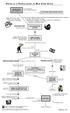 PATHS OF A FORECLOSURE IN NEW YORK STATE BORROWER DELINQUENT 2-3 months late with mortgage payments 90-DAY PRE-FORECLOSURE NOTICE Lender sends notices, bills, letters to borrower stating that he/she is
Foreclosure Rescue. You Have Options! Inside: Powerful Strategies to Avoid Foreclosure. Are You at Risk of Losing Your Home in Foreclosure?
 inside >>> The Foreclosure Process Your Options: - Negotiate a Loan Modification - Work out a Forbearance Plan - Obtain A Deed in Lieu of Foreclosure - Refinance Your House - File for Bankruptcy - Sell
Do You HAFA? The HAFA Short Sale Program under Making Home Affordable 2
 Table of Contents Do You HAFA? The HAFA Short Sale Program under Making Home Affordable 2 INTRODUCTION 2 Overview: Making Home Affordable ( MHA ) 2 HOME AFFORDABLE FORECLOSURE ALTERNATIVES PROGRAM ( HAFA
How to STOP Foreclosure
 1 How to STOP Foreclosure A Free Report from KentuckySolutions.com Kentucky s Real Estate Problem Solvers (Press Control-P to Print) 2 Introduction As Local Investors experienced in the Kentucky foreclosure
TESTIMONY OF IRWIN TRAUSS, ESQUIRE SUPERVISING ATTORNEY CONSUMER HOUSING UNIT PHILADELPHIA LEGAL ASSISTANCE
 TESTIMONY OF IRWIN TRAUSS, ESQUIRE SUPERVISING ATTORNEY CONSUMER HOUSING UNIT PHILADELPHIA LEGAL ASSISTANCE HOME FORECLOSURES: WILL VOLUNTARY MORTGAGE MODIFICATION HELP FAMILIES SAVE THEIR HOMES? BEFORE
The Math Behind Loan Modification
 The Math Behind Loan Modification A Webinar for Housing Counselors and Loan Modification Specialists Presented by Bill Allen Deputy Director, HomeCorps Overview Types of loan modifications Estimating eligibility
SHORT SALES Frequently Asked Questions
 SHORT SALES Frequently Asked Questions This factsheet is provided for information purposes only. It is not a substitute for advice from legal, accounting, housing, or real estate professionals. Please
Poll: Domestic Violence in Foreclosure: The Foreclosure Process, Defenses and Alternatives for Survivors. Do you consider yourself: advocate; or
 Domestic Violence in Foreclosure: The Foreclosure Process, Defenses and Alternatives for Survivors Karen Merrill Tjapkes Legal Aid of Western Michigan (616) 774-0672 ext. 120 [email protected]
Frequently Asked Questions
 Frequently Asked Questions On March 26, 2010, the Administration announced several enhancements to the existing Making Home Affordable Program (MHA) and the Federal Housing Administration (FHA) refinance
FTC FACTS for Consumers
 ftc.gov FEDERAL TRADE COMMISSION FOR THE CONSUMER 1-877-FTC-HELP FTC FACTS for Consumers Mortgage Payments Sending You Reeling? Here s What to Do T he possibility of losing your home because you can t
FHA Servicing Compliance The Collingwood Group Conference Call Summary April 12, 2012
 FHA Servicing Compliance The Collingwood Group Conference Call Summary April 12, 2012 Below is a summary of the April 12, 2012 mortgage industry call sponsored by The Collingwood Group. Questions may be
PATHS OF A FORECLOSURE IN NEW YORK STATE
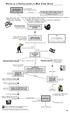 PATHS OF A FORECLOSURE IN NEW YORK STATE BORROWER DELINQUENT 2-3 months late with mortgage payments if S/P or N/T 90-DAY PRE-FORECLOSURE NOTICE* for all subprime and non-traditional loans (as defined by
8 Ways to Avoid or Stop Foreclosure...
 Free Special Report 8 Ways to Avoid or Stop Foreclosure... Dear Homeowner, If you are headed toward foreclosure, or are already in foreclosure, you need to know the rights and options available to you
Chapter 12 is a reorganization for family farmers and fishing families, which is similar to Chapter 13.
 GENERAL INFORMATION ABOUT THE BANKRUPTCY SYSTEM INCLUDING THE RIGHTS AND DUTIES OF CHAPTER 13 DEBTORS (and other information necessary to assist a debtor in completion of the chapter 13 plan) WHAT IS BANKRUPTCY?
General Program Questions
 General Program Questions What is Save the Dream Ohio (Ohio s Hardest-Hit Fund)? The Housing Finance Agency Innovation Fund for the Hardest-Hit Housing Markets gave 18 states including Ohio, via Save the
WHAT YOU SHOULD KNOW ABOUT YOUR CHAPTER 13
 WHAT YOU SHOULD KNOW ABOUT YOUR CHAPTER 13 (Revised January, 2002) This booklet was prepared to help you understand how your Chapter 13 case works and answer most questions that arise during your Chapter
adversary proceeding - A lawsuit arising in or related to a bankruptcy case that is commenced by filing a complaint with the court.
 Terminology adversary proceeding - A lawsuit arising in or related to a bankruptcy case that is commenced by filing a complaint with the court. assume - An agreement to continue performing duties under
Local Rules 2084-1 through 2084-26 govern chapter 13 practice in cases filed after October 16, 2005.
 RULE 2084-1. SCOPE CHAPTER 13 RULES Local Rules 2084-1 through 2084-26 govern chapter 13 practice in cases filed after October 16, 2005. RULE 2084-2. FILING REQUIREMENTS (a) Application to Pay Fee in Installments.
Foreclosure Prevention Guide
 Foreclosure Prevention Guide 8 Ways to Stop Your Foreclosure in Today s Challenging Economy About Foreclosure Foreclosure begins when a Homeowner is unable to make their mortgage payments on the scheduled
The Adam Lee Team 480-331-3501 [email protected]. Alternatives to Foreclosure & REASONS WHY SHORT SALES ARE THE BETTER SOLUTION!
 The Adam Lee Team 480-331-3501 Info@ Alternatives to Foreclosure & REASONS WHY SHORT SALES ARE THE BETTER SOLUTION! Options When Facing Foreclosure 1. Do Nothing: If you choose to do nothing, you will
Acquiring Institutions under Share Loss Agreements and LLC Servicers under LLC Servicing Agreements
 Federal Deposit Insurance Corporation Division of Resolutions and Receiverships 550 17 th Street, NW, Washington, DC 20429-9990 Risk Sharing Asset Management To: From: Acquiring Institutions under Share
Filing Bankruptcy: General Information. Debts
 Filing Bankruptcy: General Information The Big Picture The Big Picture when it comes to Bankruptcy is this: the person or entity that owes money and needs relief from creditors (the debtor ) is making
Foreclosure Options. Know Your Rights! Your Trusted Real Estate Resource
 Foreclosure Options Know Your Rights! Kirk Russell Managing Broker John L. Scott Firm [email protected] 206.390.5640 Your Trusted Real Estate Resource If you re listed with a license Realtor,
What Are My Options When My Home Is. Scheduled For A Sheriff Sale
 What Are My Options When My Home Is Scheduled For A Sheriff Sale 1. What is a sheriff sale? Once the lender has a judgment in its foreclosure case against you, it can then order your home to be sold at
FHA-Home Affordable Modification Program
 These guidelines supplement requirements outlined in e Letter 2009-23 Guidance e Mortgagors FHA-Home Affordable Modification Program The Servicer of the modified FHA-HAMP mortgage must be FHA-Approved.
LAUREN ROSS Attorney at Law 2550 N. Hollywood Way Suite 404 Burbank, CA 91505-5046 Tel.(818) 847-0211 Facsimile (818) 847-0214
 LAUREN ROSS Attorney at Law 2550 N. Hollywood Way Suite 404 Burbank, CA 91505-5046 Tel.(818) 847-0211 Facsimile (818) 847-0214 INITIAL CONSULTATION AGREEMENT AND REQUIRED NOTICES Please Note: These documents
An Overview of Foreclosure
 An Overview of Foreclosure While the rising number of foreclosures is an alarming national trend, the real hardship is for any individual or family who knows the threat of foreclosure firsthand. Unfortunately,
Homeowner Request for Assistance
 Homeowner Request for Assistance In this packet. Thank you in advance for allowing your Credit Union to review your account for mortgage assistance. Homeowner Checklist Details the documents and forms
Chapter 13 Bankruptcy
 Chapter 13 Bankruptcy Individual Debt Adjustment The chapter of the Bankruptcy Code providing for adjustment of debts of an individual with regular income. (Chapter 13 allows a debtor to keep property
Chapter 13 - Bankruptcy Basics. Background. Advantages of Chapter 13
 Chapter 13 - Bankruptcy Basics This chapter of the Bankruptcy Code provides for adjustment of debts of an individual with regular income. Chapter 13 allows a debtor to keep property and pay debts over
BANKRUPTCY SOME FREQUENTLY ASKED QUESTIONS AND ANSWERS
 BANKRUPTCY SOME FREQUENTLY ASKED QUESTIONS AND ANSWERS 1 You should file for bankruptcy only after carefully deciding that bankruptcy is the best way to deal with your financial problems. This pamphlet
HAMP Standard and Alternative Modification Waterfalls Training Presentation for Servicers
 HAMP Standard and Alternative Modification Waterfalls Training Presentation for Servicers Agenda 1 2 3 4 5 6 7 8 Overview of HAMP Eligibility HAMP Tier 1 Standard Modification Waterfall HAMP Tier 1 Alternative
September 20, 2013 MORTGAGEE LETTER 2013-32. Update to FHA s Loss Mitigation Home Retention Options
 U.S. DEPARTMENT OF HOUSING AND URBAN DEVELOPMENT WASHINGTON, DC 20410-8000 ASSISTANT SECRETARY FOR HOUSING- FEDERAL HOUSING COMMISSIONER September 20, 2013 MORTGAGEE LETTER 2013-32 To All Approved Mortgagees
Florida Foreclosure/Real Estate Law. E-Book. A Simple Guide to Florida Foreclosure/Real Estate Law. by: Florida Law Advisers, P.A.
 Florida Foreclosure/Real Estate Law E-Book A Simple Guide to Florida Foreclosure/Real Estate Law by: Florida Law Advisers, P.A. 1 Call: 800-990-7763 Web: www.floridalegaladvice.com TABLE OF CONTENTS INTRODUCTION...
Homeowners are NOT eligible if: The loan is a land contract transaction or privately held mortgage A Foreclosure Sale has already been completed
 Frequently Asked Questions 1. What is the Michigan s Hardest Hit Funds program? It is a federally funded loan program designed to help eligible homeowners who are struggling to make their mortgage payments.
Summary of the proposed changes to the Mortgage Servicing Rules. The Consumer Financial Protection Bureau is proposing several amendments to the
 Summary of the proposed changes to the Mortgage Servicing Rules The Consumer Financial Protection Bureau is proposing several amendments to the Bureau s Mortgage Servicing Rules under Regulation X, which
BANKRUPTCY TERMINOLOGY
 ADVERSARY PROCEEDING BANKRUPTCY TERMINOLOGY A lawsuit arising in or related to a bankruptcy case that is commenced by filing a complaint with the bankruptcy court. ASSUME An agreement to continue performing
FARM LEGAL SERIES June 2015 Mortgage Foreclosures
 Agricultural Business Management FARM LEGAL SERIES June 2015 Mortgage Foreclosures Phillip L. Kunkel, Jeffrey A. Peterson, Jason Thibodeaux Attorneys, Gray Plant Mooty INTRODUCTION If a farm debtor is
Creditor Lawsuits Handbook
 Creditor Lawsuits Handbook In Magisterial District Court A Handbook for people dealing with creditor lawsuits, including information on such suits and common defenses. Revised July 2009 Introduction This
Information on Avoiding Foreclosure
 Whitney Bank offers and provides financial products and services through its locations in Louisiana and Texas as "Whitney Bank" and as "Hancock Bank" in Mississippi, Alabama and Florida. Information on
Q. Under what circumstances wil my loan be cal ed due and payable? Q. What happens if one of the above occurs and my loan is cal ed due and payable?
 Financial Freedom, as servicer for your Home Equity Conversion Mortgage ( HECM or loan ), is required by the U.S. Department of Housing and Urban Development ( HUD ) to perform certain actions depending
Homeownership Preservation Toolkit
 Homeownership Preservation Toolkit A guide to understanding and avoiding foreclosure Sponsored and Endorsed by Loveland Berthoud Association of REALTORS CONSUMER CREDIT COUNSELING SERVICE OF NORTHERN COLORADO
H O W T O A V O I D F O R E C L O S U R E F O R E C L O S U R E
 U.S. Department of Housing and Urban Development H O W T O A V O I D F O R E C L O S U R E F O R E C L O S U R E This booklet explains how property owners can avoid losing their homes because of delinquent
How To Modify A First Lien Mortgage
 Making Home Affordable Program and Home Affordable Modification Program Frequently Asked Questions for Bankruptcy Filers Q1. What do these FAQs cover? These FAQs provide information on the Home Affordable
The 5 Fastest. Foreclosure in
 The 5 Fastest Ways to Stop Foreclosure in 48 Hours Or Less Copyright Notice All rights reserved. No part of this publication may be reproduced or transmitted in any form or by any means electronic or mechanical.
HAFA Servicer Training 1
 Home Affordable Foreclosure Alternatives (HAFA) Training for Servicers Agenda HAFA Eligibility Criteria HAFA Policy HAFA Documentation Protections Against Unnecessary Foreclosure Resources What Is HAFA?