
Vacant Property Toolbox, 2nd Edition
|
|
|
- Letitia White
- 10 years ago
- Views:
Transcription
1 Vacant Property Toolbox, 2nd Edition 4/1/2013 DISCLAIMER This material should be used as a reference only. It is not a substitute for legal advice. The law changes frequently. The information provided may not apply to your specific set of facts or circumstances. If you require legal advice, please consult your attorney. Nonprofit organizations are encouraged to contact Michigan Community Resources to apply for pro bono legal assistance.

2 Vacant Property Toolbox Second Edition COMMITTED TO THE REVITALIZATION OF DETROIT AND ITS NEIGHBORHOODS INITIATIVE OF DETROIT LISC LED BY COMMUNITY LEGAL RESOURCES

3 DVPC Toolbox Acknowledgements The Detroit Vacant Property Campaign wishes to thank the following: City of Detroit City Planning Commission City of Detroit Planning and Development Department City of Detroit Police Department Community Development Advocates of Detroit Detroit Catholic Pastoral Alliance Detroit Local Initiatives Support Corporation Fair Food Network Grandmont Rosedale Development Corporation Hantz Farms LaMont Title Company Michigan Community Resources Springdale Woodmere Block Club The Greening of Detroit The Urban Agritropolis Project University of Michigan Taubman College of Architecture and Urban Planning Urban Neighborhood Initiatives Funding for the Detroit Vacant Property Campaign is provided by the Ford Foundation, Kresge Foundation, Bank of America, JPMorgan Chase Foundation, and MSHDA. The views expressed in this publication do not necessarily reflect the views of all project funders. Michigan Community Resources Michigan Community Resources is a nonprofit organization that supports and empowers nonprofit community organizations in Michigan that serve lowincome individuals and communities, with an emphasis on community economic development, by providing pro bono legal services and technical assistance. Michigan Community Resources Staff: Shamyle Nesfield, Interim Chief Executive Officer and Director of Education & Outreach Programs Sara Jean Baker, Communications & Development Director Danielle Lewinski, Director of Planning & Technical Programs Wendy Richards, Director of Legal & Policy Programs Samira Guyot, Legal & Policy Program Manager Justin Sheehan, Legal & Policy Program Manager Sam Butler, Planning & Technical Program Manager Elizabeth Luther, Planning & Technical Program Manager Dalton Roberson, Jr., Education & Outreach Program Manager Janai Gilmore, Education & Outreach Program Manager Ji Sook Sandy Lee, Office Manager The Detroit Vacant Property Campaign The Detroit Vacant Property Campaign, led by Michigan Community Resources, is a cross-sector collaboration of community advocates and leaders who are working together to develop and implement strategies to address conditions of vacancy, blight, and abandonment in Detroit. DVPC is comprehensively responding to blight and abandonment issues through education, technical assistance, planing and policy work. 2 April 2013

4 DVPC Toolbox Table of Contents Chap.1: Chap.2: 2.1: 2.2: 2.3: 2.4: 2.5: 2.6: 2.7: Chap.3: 3.1: 3.2: 3.3: 3.4: 3.5: 3.6: 3.7: Chap.4: 4.1: 4.2: 4.3: 4.4: 4.5: 4.6: 4.7: 4.8: 4.9: 4.10: Introduction and Executive Summary (page 4) Neighborhood Based Vacant Property Campaigns (page 6) Building Neighborhood Capacity and Organizing to Address Vacant Properties Assessing the Situation Choosing and Prioritizing Strategies More About Determining Ownership and Responsibility Important Mortgage and Tax Foreclosure Updates Challenging Property Tax Assessments in Detroit Conclusion Marketing a Neighborhood (page 13) Reimaging and its Role in Stabilization and Redevelopment Asset Mapping Crafting the Brand The Role of Media Resident Involvement Building Partnerships Conclusion Greening Vacant Land (page 20) The Role of Greening in Vacant Property Work Community Gardens Fair Food and Economic Development Initiatives Commercial Agriculture Greenways Assembling Land Title and Zoning Issues Tax Issues around Vacant Land Urban Forests and Tree Nurseries Tax and Liability Issues Around Vancant Land Conclusion Chap.5: 5.1: 5.2: 5.3: 5.4: 5.5: 5.6: 5.7: 5.8: 5.9: 5.10: Chap.6: 6.1: 6.2: 6.3: 6.4: 6.5: Appendixes: Appx. 1: Appx. 2: Appx. 3: Appx. 4: Appx. 5: Appx. 6: Appx. 7: Appx. 8: Addressing Vacant Commercial Properties (page 28) The Problem of Vacant Commercial Properties The Location of Businesses and New Commercial Developments Preventing Commercial Vacancy through Community Partnerships Obtaining Ownership Information Obtaining Control through Zoning, Historic Designation and Preservation Information about Historic Tax Credits Maintaining, Securing, and Mothballing Vacant Commercial Structures Alternative Uses for Vacant Commercial Properties Odd Fellows Hall Case Study Conclusion Community Development Corporation Led Vacant Property Efforts and Possible Organizational Structures (page 41) The Role of Community Development Corporations in Vacant Property Work Successful Approaches to Vacant Property Work Utilizing Vacant Property Work Resources Optimizing Operational Resources to Serve Neighborhoods Conclusion Detroit Parcel Survey (page 47) Spectrum of Data Sources for Property Ownership Information (page 49) Vacant Property Toolbox Quick Reference Guide (page 51) Property Preservation Contacts (page 56) Government Grant and Loan Resources (page 65) Tax Credit Resources (page 68) Tax Abatement, Exemption and Recapture Resources (page 69) Other Resources (page 71) 3

5 1 Introduction and Executive Summary Introduction: The Problem of Vacancy Many residents, government officials, and other stakeholders acknowledge that Detroit has become a shrinking city. Population loss and a declining taxbase continue to place increasing strain on city systems and make the delivery of city services more difficult. The Detroit Vacant Property Campaign (DVPC) acknowledges all of these difficulties and believes that a comprehensive plan of action is essential for the city to thrive. This publication serves as a guide and information resource for residents, community organizations, and others working to hold neighborhoods together. In 2008, the foreclosure and abandonment crisis in Detroit s neighborhoods demanded an immediate response with information that residents could utilize quickly to deal with vacant properties in the short term. The first edition DVPC Toolbox responded to that need and provided strategies and techniques that thousands of residents are using to lessen the negative impacts of vacant properties every day. Recognizing that different neighborhoods require different strategies, the Detroit Vacant Property Campaign (DVPC) Toolbox second edition provides a more thorough explanation of particular strategies including marketing a neighborhood, greening strategies for vacant land, and strategies for managing commercial vacancy. Executive Summary: Knowing the Neighborhood Detroit s neighborhoods, the heart of our city, vary greatly in terms of organization, property conditions, vacancy rates, and resident involvement. Often, the best information available regarding these factors comes from the residents themselves or organizations directly engaged with residents on the ground. In the last year, DVPC has had the opportunity to work with many residents and neighborhood organizations utilizing strategies to keep their neighborhoods as strong as possible. Chapter 2, Neighborhood Based Vacant Property Campaigns, examines strategies for organizing a neighborhood, assessing neighborhood conditions, identifying vacant property strategies, and implementing a vacant property campaign. Telling the Neighborhood Story A number of Detroit neighborhoods including Grandmont Rosedale, MorningSide, and the area around Marygrove College have been featured in newspaper articles highlighting their vacant property work. Many more residents are also utilizing DVPC strategies to deal with vacant properties in their neighborhoods, determining how to tell the world about the positive actions they are engaged in, and trying to get vacant properties reoccupied. Marketing a neighborhood is a way of bringing residents and other community partners together for the purpose of developing and promoting an identity and story to tell others about the great things going on in a neighborhood. Chapter 3, Marketing a Neighborhood, highlights some strategies in a marketing campaign including seeking media attention, asset mapping, beautification efforts and website development. Finding Opportunity in Vacancy It is estimated that approximately 40 square miles of vacant land exist within Detroit. As a result, greening strategies will be an important part of any land use planning process. Because conditions vary in Detroit neighborhoods, and some neighborhoods have a surplus of vacant land, some residents may determine that they would rather put their collective energy into greening efforts rather than focusing on reoccupancy. A number of different approaches to greening are underway in the City including urban gardening, tree farming, greenways and plans for larger scale commercial agriculture. Greening will not only help with the utilization of vacant land but will also allow us to create 4

6 1 a healthier, more environmentally friendly city in the process. Chapter 4, Greening Vacant Land, provides additional information about these approaches. Securing, Reoccupying and Beautifying Blighted Borders When vacant commercial properties are not reused or reoccupied, abandoned commercial corridors and properties in the city often leave even the most stable and occupied neighborhoods bordered by blight. While many of the goals with regard to vacant commercial properties are similar to residential approaches (i.e. keeping properties occupied, maintaining and securing vacant structures, and getting properties reoccupied), the strategies and techniques within those goals are different for commercial properties. Residents play an important role in commercial strategies and can work with the owners of the vacant commercial properties to carry out strategies such as preserving historic structures and securing commercial buildings to prevent damage and crime. Increasing Community Capacity Often, neighborhoods need assistance to organize around vacant property issues. In Detroit, a number of Community Development Corporations (CDCs) are leading vacant property efforts and are one logical place to look for this type of assistance. Working with a CDC can have many advantages including physical meeting space, access to staff and volunteers, and participation of those experienced in advanced vacant property techniques including acquisition and redevelopment of vacant properties. Chapter 6, Community Development Corporation Led Vacant Property Efforts and Possible Organizational Structures, provides examples of the benefits of utilizing community based organizations to increase the capacity of neighborhoods and increase the effectiveness of vacant property activities. The Odd Fellows Hall project in Southwest Detroit is one example of the kinds of neighborhood conditions supportive of redevelopment including high traffic areas and community support and the various types of resources that must be brought together in our current economic environment to support a redevelopment or rehabilitation project. Chapter 5, Addressing Vacant Commercial Properties, provides information about approaches to commercial vacancy. 5

7 2 Neighborhood Based Vacant Property Campaigns Building Neighborhood Capacity and Organizing to Address Vacant Properties Neighborhood based vacant property campaigns generally begin with a group of engaged and interested residents who decide to work together toward a common goal. It is helpful if a neighborhood association or block club is already in place. However, for neighborhoods that are not yet organized, specific goals such as addressing vacant properties or developing a community garden can often spur participation. The City of Detroit Community Access Centers provide suggestions and detailed information about how to start a block club or community group. Some suggestions include developing a leadership team, setting boundaries, defining purposes and goals, electing officers, and writing a constitution. For more information and a sample constitution contact the City of Detroit Community Access Centers. See Appendix 3. Some block clubs and neighborhood associations choose to become a State of Michigan or IRS recognized tax exempt nonprofit organization. This can make the group eligible for various types of grants and donations. A group interested in pursuing this designation can contact Michigan Community Resources. Detroit has many active and committed residents. However, the busy schedules of most residents can make it increasingly difficult to organize. Many neighborhoods are countering this difficulty by combining traditional and new ways of keeping residents engaged and in touch. Some of the methods currently used by neighborhoods include the following: Door to door campaigns Newsletters Monthly meetings Telephone trees Neighborhood events Neighborhood websites Neighborhood blogs Neighborhood Facebook pages Twitter 2.2 Assessing the Situation Knowing the number of vacant properties and the condition of those properties is important to prioritizing strategies in a neighborhood vacant property campaign. For instance, a neighborhood with a high number of vacant lots may want to prioritize lot maintenance and greening strategies, while another neighborhood with a high number of blighted structures may want to prioritize code enforcement and demolition. In February 2010, Data Driven Detroit (D3) launched a new website providing information about vacancy rates and property conditions in Detroit neighborhoods. The information was gathered by Detroit residents and University of Michigan students. The project was funded by Living Cities and spearheaded by the Detroit Data Collaborative, a group involving the Detroit Office of Foreclosure Prevention and Response, Data Driven Detroit, and the Detroit Vacant Property Campaign. Residents can access information gathered in the survey by visiting The website allows a user to enter an address and get vacancy and property condition information for the surrounding area. The website also provides maps and allows neighbors to compare conditions in a particular area to conditions in the City overall. Because the vacant property situation in Detroit neighborhoods is dynamic, information is bound to become imperfect over time. Additionally, in well maintained areas it can be difficult for surveyors who are unfamiliar with a particular block to distinguish between vacant and occupied properties. To keep information as current and accurate as possible, many Detroit neighborhoods now use assessment tools to inventory vacant properties. The property condition assessment tool used by the surveyors has been included here. See Appendix 1. Generally neighbors acquire information about properties by driving or walking past properties in their neighborhoods. As they go, the neighbors fill out an assessment sheet for each vacant property and

8 record the current condition of that property. Neighbors participating in inventory and assessment activities should develop a plan for updating the list periodically. 2.3 Choosing and Prioritizing Vacant Property Strategies In many neighborhoods, residents want to engage in a number of vacant property strategies. However, limited time, resources, and manpower often mean that neighborhoods must think strategically and prioritize certain strategies in order to achieve the most impact. The strategies that neighbors choose to engage in will be largely guided by the condition of individual properties and overall neighborhood conditions. The Detroit Future City Strategic Framework Plan (available at www. detroitfuturecity.org) outlines many neighborhood types and recommends strategies based on existing conditions. Below is a sample of how existing conditions might affect stabilization efforts. This is only an example and most neighborhoods will want to customize approaches to their own unique conditions. Neighborhood / Area Type Neighborhood Conditions Goal Priorities and Strategies Lowest Vacancy Vacancy rates: Relatively low Property conditions: Generally well preserved Very few vacant lots Neighborhood engagement: High Retain current residents Get properties reoccupied Prevent vacancy Maintenance Marketing Increased code enforcement Address commercial vacancy on neighborhood borders Low Vacancy Vacancy rates: Relatively low Property conditions: Generally well preserved with some maintenance required Neighborhood engagement: Relatively high Retain current residents Get properties reoccupied Prevent vacancy Marketing Increased code enforcement Maintenance activities Repair and rehabilitation Address commercial vacancy Moderate Vacancy Vacancy rates: Midlevel vacancies Property conditions: Some open, dangerous and blighted properties Neighborhood engagement: Organization exists but involvement tends to be realtively low Retain current residents Prevent damage Demolition Greening and vacant lot maintenance Boarding and securing Increased code enforcement High Vacancy Vacancy rates: Relatively high Property conditions: Many blighted structures and vacant lots Neighborhood engagement: Low to nonexistent Obtain control Manage vacant lots Get dangerous properties demolished Demolition Large scale greening 7

9 2 Neighborhood Based Vacant Property Campaigns Explanation of Possible Priorities and Strategies: Retain Residents and Prevent Vacancy Possible Strategies: Foreclosure Prevention Preventing future vacancies is an important part of some neighborhood led vacant property campaigns. Neighbors often work toward this goal by trying to prevent mortgage and tax foreclosures. Michigan has passed new laws to address the mortgage foreclosure crisis and there is help available for those facing mortgage and tax foreclosure. For more information about foreclosure and preventing foreclosures see Chapter 2.5 and Appendix 3. Get / Keep Residents Involved effective neighbors are able to get organized and often combine traditional and modern means that make it easier and more convenient for neighbors to stay involved and in touch. See Chapters 2.1, 3.4 and 3.5. Repair and Rehabilitation Repair and rehabilitation activities send a signal to current residents that their neighbors still care about the neighborhood and deem it worthy of investing time and money. These activities can range from porch and roof repairs to whole house renovations. Funding for these types of activities may be available from a number of governmental sources. See Appendix 3. In addition, in some neighborhoods neighbors pool resources for needed repairs and donate their own labor for necessary projects. Obtain Control Possible Strategies: Determine Ownership - For many vacant property activities it is important to have information regarding who owns or is responsible for the condition of a particular vacant property. For example, ownership and responsibility information is necessary if a neighborhood is interested in acquiring vacant properties. In addition, the information is useful for demanding accountability for property conditions and can be useful for code enforcement and demolition activities. See Chapter 2.4 and Appendix 2. Acquisition Residents of some Detroit neighborhoods acquire vacant properties in order to obtain control. The Boston-Edison neighborhood and Grandmont Rosedale area engage in this strategy. Anyone considering acquiring a vacant property should carefully consider issues such as premises liability and insurance, holding costs, necessary maintenance, and taxes and liens. More information about these issues is available in publications from Michigan Community Resources. See Appendix 3. Proactive Code Enforcement This strategy includes engaging necessary City departments in a persistent and consistent manner to notify them of vacant properties to watch or those in need of attention. Common code violations involve open and dangerous conditions, solid waste, inoperable vehicles, snow and ice, and unmaintained exteriors. For a list of what types of conditions to report to particular departments, see Appendix 3. Prevent Damage Possible Strategies: Maintenance Activities Maintenance activities are often geared toward keeping vacant properties looking occupied and include projects such as planting flowers, mowing lawns, snow removal, clearing debris and flyers, putting up holiday decorations, and placing potted plants. Securing Activities Many neighborhoods now engage in various activities aimed to protect and secure vacant properties. Activities include paid security services, volunteer CB patrols, code enforcement patrols, and solar lighting. Some of these strategies involve what could be considered trespass, which could lead to arrest or civil lawsuits. We are not aware of any trespass charges or lawsuits resulting from these types of activities. However, it 8

10 may be possible to notify or obtain permission from the property owner or field servicer to secure the property. See Chapter 2.4 and Appendix 4. Get Vacant Properties Reoccupied: Marketing Activities These activities involve letting others know that the neighborhood is a neighborhood of choice, a place where people want to live. Activities may include signage, media engagement, tours, asset mapping, working with designated realtors, and many other activities. For more information on these strategies see Chapter 3. Get Dangerous Properties Demolished: Demolition Activities Open and dangerous properties invite crime and convey the message that the neighborhood is not safe and well maintained. Properties with any of the following conditions may be appropriate for demolition: missing doors or windows, fire damage, unstable structure, open to the elements or dangerous in some way. Engaging city departments and elected officials is important to this process. See Appendix 3. Manage Vacant Lots: Addressing Illegal Dumping Activities Vacant lots can invite illegal dumping. Neighbors should watch out for this type activity, record identifying information such as license plates or company names when possible, and notify the police or other City departments. To report illegal dumping call the Department of Public Works Environmental Enforcement section at (313) Greening Activities Greening activities can enhance the quality of life in neighborhoods by providing spaces to play, grow food, flowers, plants, and trees, meet, or just enjoy the outdoors. For more information on greening resources and initiatives see Chapter 4 and Appendix More about Determining Ownership and Responsibility Prior to foreclosure, many properties will be privately owned and the owner is responsible for property conditions. However, once a property begins to move through the foreclosure process, a Field Servicer or Property Preservation Company is often hired to oversee property conditions and maintain the property. Possible Sources of Private Ownership Information: Wayne County Treasurer s Property Tax Administration System State of Michigan Online Business Entity Search City of Detroit Online Property Tax Information System Wayne County Online Register of Deeds System For More Information see Appendix 2 Steps for Identifying and Working with a Field Servicer: Step 1: Look for a sticker on the property that contains contact information. Step 2: If no sticker is found, record street number, street name, and zip code. Step 3: Use the Mortgage Electronic Information System (MERS) online or by telephone to determine who the lending institution is for the property. Step 4: Contact the Mortgage Bankers Association Property Preservation Resource Center to determine the Preservation company or field servicer utilized by thr lending institution. Step 5: If field servicer cannot be identified, contact the real estate agent if one is associated with the property and demand maintenance on the property. For more information see Appendix 4. 9

11 2 Neighborhood Based Vacant Property Campaigns Important Mortgage and Tax Foreclosure Updates Preventing mortgage and tax foreclosure and mortgage rescue fraud is one way to prevent vacancy. The foreclosure crisis has spawned a whole new industry of home rescue and foreclosure prevention scams. In response, Michigan passed a new law requiring that anyone assisting a homeowner with foreclosure prevention be a certified nonprofit housing counselor or a licensed attorney. Two web-based resources that provide free information about foreclosure prevention resources include and www. miforeclosureresponse.org. These websites provide links to certified housing counselors, information about scams, and information about many other valuable subjects related to foreclosure. Signs of Foreclosure Rescue Scams: Sign 1: Requests large upfront fees Sign 2: Tells you to stop paying your mortgage Sign 3: Gives guarantees or makes unrealistic promises Sign 4: Asks you to sign over your home or give them the title Sign 5: Tells you not to talk with your lender directly Sign 6: Tells you they can have your mortgage declared invalid from the beginning Sign 7: Asks you to sign something you don t understand Sign 8: Asks you to pay to participate in a government program Sign 9: Tells you to file for bankruptcy to keep your home Sign 10: Uses high pressure or scare tactics New Mortgage Foreclosure Laws are in Effect The federal Making Home Affordable Plan helps homeowners stay in their homes by incentivizing lenders to lower interestrates and monthly payments to help homeowners avoid foreclosure. In addition, Michigan has passed new laws meant to help homeowners stay in their homes. Because of the changes in law, it is vitally important that anyone facing foreclosure contact a HUD or MSHDA Certified Counselor for immediate assistance. For a current list please see Appendix 3 or visit www. foreclosuredetroit.org. The new Michigan foreclosure laws also impose a number of responsibilities on homeowners and lenders including: 1. The lender must send a letter to the homeowner identifying the reason for foreclosure, information regarding the identity of the mortgage holder, and contact information for the party with authority to modify the mortgage on the lender s behalf. 2. The lender must include a list of housing counselors in the first foreclosure letter. 3. Within 14 days of receipt of the letter the Homeowner must request a meeting with the lender to discuss modification. It is advisable to contact a housing counselor or attorney at this point to make contact with the lender and set up the modification meeting. 4. Lender cannot foreclose for 90 days from sending the first letter if the homeowner requests a meeting within the 14 day time period. 5. Homeowner should respond to all requests by the lender for financial information. 6. Lender must prepare a separate HAMP analysis if no agreement is reached with the homeowner. 7. Michigan still has a six month redemption period for most residential properties. During this period the homeowner may still stay in their home and can remove the home from foreclosure if able to pay the lender in full.

12 2.5 Tax Foreclosure Residents can lose their property to tax foreclosure. If a homeowner has trouble paying taxes, he or she should contact the City of Detroit Assessor s Office or the Wayne County Treasurer s Office. Legal assistance with avoiding tax foreclosure is also available from Michigan Legal Services. See Appendix 3. The Property Tax Collection Process 1. A property owner will receive two tax bills each calendar year, a summer tax bill in July and a winter tax bill in December. 2. Taxes must be paid to the City of Detroit according to the following schedule: City of Detroit Property Tax Payment Calendar 1st Partial Summer Payment due August 15 (Detroit and 2/3 Wayne County Operating) 2nd Partial Summer Payment due January 15 (Detroit and 1/3 Wayne County Operating) Full Summer Payment due August 31 (Detroit and 2/3 Wayne County Operating) Winter Payment due January 15 (Balance of Wayne County Taxes) Note: If full summer payment is not made by August 31, any remaining summer balance, (principal tax interest and penalty) plus the winter balance are both due on January 15. Tax deferments should be applied for and approved by September 15. Taxes are deferred until February 15. Call the City of Detroit at (313) for more information. 3. The taxpayer has until the last day of February to pay taxes to the City of Detroit for the previous year. On March 1 st unpaid taxes are considered delinquent. At this point, the City of Detroit will send them to the County Treasurer for collection and the Treasurer imposes additional penalties. The penalty is 4% and the interest is 1% per month during the first year of delinquency and 1.5% per month during the second year. 4. Once the City of Detroit deems property taxes delinquent, it forwards them to the Wayne County Treasurer for collection. The following is a timeline of how the process will proceed once the City forwards the tax bill to the Wayne County Treasurer. Wayne County forfeiture and foreclosure timeline for 2010 taxes March 1, 2012: Property is forfeited to County Treasurer. State law requires the addition of a $175 fee and $26 in recording fees. Interest increases from 1% per month to 1.5% per month back to the date the taxes became delinquent. March 1, 2013: Circuit Court may enter a judgment of foreclosure. Property owners may redeem their property by paying the taxes, interest, and fees by March 31 st or lose their property. April 1, 2013: Property may be foreclosed. Property owners may lose all rights. Title to the property may pass to the County Treasurer. September & October 2013: Property is offered at public auction. Notifying Neighbors Preventing foreclosure is an important part of retaining residents and preventing vacancy. It is important to get the word out regarding changes in mortgage laws and tax foreclosure timelines. Neighbors can pass out information and organizing meetings in the neighborhood to share information. Important Messages about Foreclosure 1. The homeowner should act immediately DO NOT DELAY 2. If facing mortgage foreclosure, Seek help from a MSHDA or HUD-certified housing counselor. (See Appendix 3.) 3. If facing tax foreclosure, contact Michigan Legal Services, the City of Detroit Assessor s office, or the Wayne County Taxpayers Assistance Program immediately. (See Appendix 3. ) 4. When speaking with the mortgage lender be sure to specifically ask for the Loss Mitigation Department. 5. Michigan generally has a six month redemption period. This is a time when the homeowner may remain in the home and attempt to reclaim ownership of the property. This redemption period may be accelerated if the home is abandoned. THE HOMEOWNER DOES NOT HAVE TO MOVE OUT OF THE HOME UNTIL THE REDEMPTION PERIOD HAS EXPIRED. 11

13 2 Neighborhood Based Vacant Property Campaigns Challenging Property Tax Assessments in Detroit High property taxes can make it more difficult to get vacant properties or properties facing impending vacancy reoccupied. High property taxes will cause a potential buyer to think twice before acquiring a property and will raise the cost to occupy the property with renters as well. The amount of property taxes associated with a property is dependent on the State Equalized Value (SEV). The SEV should be equal to roughly half of the Fair Market Value (FMV) of the property. Put simply, Fair Market Value is the price that a buyer would pay for the property in the current market. So, it stands to reason that as home values fall, property taxes should fall simultaneously. However, the foreclosure crisis has made it difficult for assessment systems to keep up. As a result, many property owners are choosing to file an appeal to lower their property taxes. In Detroit, property owners must initiate this process with the City Assessor s Office between February 1st and February 15th. This can be an important step in a number of strategies including preventing vacancy and acquisition. Groups implementing demolition and greening strategies will want to carefully consider this approach as well because unimproved lots (lots without a building on them) should generally have lower property taxes. The following is a timeline for appealing property taxes associated with Detroit residential properties. This timeline is provided by the City of Detroit Assessor s Office. Assessment Review Dates Board of Assessors Review Board of Review (requires appeal to Board of Assessors Review) Homestead Exemption Affidavits Personal Property Statements Michigan Tax Tribunal (requires appeal to Board of Review) July Board of Review December Board of Review 2.7 Conclusion Assessment rolls are open for inspection February An appeal of property values must be made during this time. Begins the Friday following the first Monday in March and ends the first Monday in April. Must by filed by May 1 each year. Must be filed not later than February 20. Appeals must be filed before June 30. Tuesday following the third Monday in July. Tuesday following the second Monday in December. Armed with information about vacancy rates and conditions, residents can prioritize and implement strategies to tackle vacant properties in neighborhoods. As the City grapples with how to efficiently deliver services and address the vacancy issue, residents must play a crucial role in informing the process. A strong partnership between neighborhood residents and City government will mean better results for us all. Many residents will want to get the vacant properties in their neighborhood reoccupied. But, given the recent press about Detroit neighborhoods and housing values, getting new residents to move into a neighborhood requires more than just putting up a for sale sign. Chapter 3 examines strategies for attracting new residents.

14 3 Marketing a Neighborhood 3.1 Marketing and its Role in Stabilization and Redevelopment While Detroit has obviously been impacted by national and local economic conditions, some neighborhoods still have market conditions sufficient to support reoccupancy efforts. However, even the strongest Detroit neighborhoods face the recent negative national press regarding the Detroit housing market. As a result, it has become more important for neighborhoods to tell their own story about the strengths of the neighborhood including vacant property activities. The process of crafting and telling the neighborhood s story to support reoccupancy efforts, or marketing, helps to bring existing neighbors together and bring new residents to the neighborhood. Marketing a neighborhood is the process by which a neighborhood takes steps to promote, change, develop, or reshape its own identity and let others know about its successes. It reflects a desire of residents in a neighborhood to increase awareness of the neighborhood or redefine the way a neighborhood is perceived. Marketing a neighborhood is a process that can involve a number of steps. The process can involve community building, branding, public relations, and other practices. When most people think about marketing property they think about it on the individual level. People think of the process of selling or renting out a home. Generally, that process begins with an agent who is assigned the job of coming up with the right things to say about the home, defining its value, placing a for sale sign, listing the property, determining where to place ads, and hosting open houses. In a city with an excess of vacant and abandoned property and weak market conditions, marketing must take place on a wider level. Individual neighborhoods, new developments, and the city as a whole must develop marketing strategies in order to move vacant property back into productive reuse. Residents in strong neighborhoods and residents trying to build strong neighborhoods must tell people why their neighborhood is the best place to live. Addressing neighborhood weaknesses head on and marketing the neighborhood s positive attributes can encourage current residents to stay in the neighborhoodand attract new residents. In Detroit, a number of neighborhoods and organizations are involved in these efforts. Many marketing activities are inexpensive and consist of work that residents can do. Steps in a marketing effort could include the following: Strategy Creating Asset Maps Crafting a Brand Developing a Media Strategy Getting Neighbors Involved Developing Partnerships Purpose Attract investment and address barriers to revitalization Develop the identity of the neighborhood or city Inform potential buyers or investors about the neighborhood or city Encourage participation of surrounding residents in the marketing effort Obtain the support of local businesses, realtors, and other stakeholders in the area Process Highlight physical, social, and human resources or address the lack thereof Address history, define boundaries, and develop names, slogans, and logos Involve or develop various types of media to get the message out Establish home tours, neighborhood days, beautification projects, and social / community building activities Organize joint activities between residents and business owners 13

15 3 Marketing a Neighborhood 3.2 Asset Mapping On a neighborhood level asset mapping consists of identifying neighborhood strengths. These would include community centers, places of worship, schools, access to public transportation, access to major thoroughfares, and other neighborhood attributes. These are attributes that can actually be shown on a map that could be used in marketing tours and shared with realtors. An example of a neighborhood asset map is provided in this chapter. Mapping resources are available from Data Driven Detroit and Michigan Community Resources. The first step in asset mapping will be establishing neighborhood boundaries. Residents and other participants will probably want to decide what geographic area they are representing. These boundaries could be drawn differently than they were drawn in the past and may present an opportunity for an up and coming neighborhood to attach itself to a historically strong neighborhood in the vicinity. For example, a neighborhood of smaller homes or a new development nestled between two strong neighborhoods might attempt to draw boundaries indicating that all of the homes are one continuous neighborhood. Developers seeking to begin a new housing or commercial development can use asset maps to show investors why the development will be successful. The asset map could show roads and utilities in place, strong nearby neighborhoods or commercial areas, population density, access to public transportation, and local employment centers. These are things that might make it easier to attract the needed financial investment to complete the development and increase the likelihood that units will be sold or occupied. Asset mapping normally involves some neighborhood knowledge and is generally most useful when it involves neighbors directly. For example, an asset map created by someone who does not live in the neighborhood might suggest a lack of certain resources, like grocery stores. But, often residents in the neighborhood will have knowledge of particular information that can be used to address these issues, (see examples). In addition, having this information allows residents and others engaged in the marketing effort to have honest discussions and confront the issues head on. Take the following 3 examples that highlight neighborhood uses of asset maps: Example 1: Presence of small scale retail (no large scale retail within the boundaries) In one Detroit neighborhood, an asset map reveals a complete absence of large scale retail. This could make it difficult to attract new residents and new businesses. However, the neighborhood works closely with nearby small retail stores and includes information about those stores in their asset map and marketing materials. The information tells prospective buyers where local residents obtain goods like laundry detergent, clothing and medicine. Business and retail information is also useful to prospective commercial developers who need to rely on similar businesses to drive foot traffic. Example 2: Access to a variety of educational choices (low scoring public school within the boundaries) Another Detroit neighborhood features beautiful architecture, luxury homes at a low cost, and an active neighborhood association. However, an asset map reveals that the closest public school is one with very low test scores. Many residents in the neighborhood send their children to another nearby public school with high test scores and private and parochial schools in the area. Residents in the neighborhood have organized a carpool to these schools. An asset map highlights these nearby educational alternatives and information about the resident carpool to those schools. 14

16 Example 3: Well insulated neighborhood with private security patrol (surrounded by area with high crime) An asset map in another Detroit neighborhood reveals high crime rates in the surrounding area. However, when the boundaries of the map are drawn narrowly to include only the highlighted neighborhood the crime rate is very low. The neighborhood highlights this low crime rate information and other attributes that keep the neighborhood safe such as nearby police precincts, neighborhood security patrols and neighborhood watch systems. 3.3 Crafting the Brand Crafting a brand is important to the marketing campaign. Examples of branding a neighborhood might look something like this: Neighborhood of charming brick bungalows. Quiet residential streets and active block clubs. Or Exclusive neighborhood of historic homes with architectural detail. Private security patrol. Perfect homes for a large family at a great price. Or Hip downtown lofts. Close to shopping, transportation and entertainment. Live in the heart of it all. Each of these descriptions bring an image to mind of what the neighborhood looks like, why you would want to live there, and who the residents of the neighborhood might be. A neighborhood brand has the same elements and a few more. Naming a neighborhood or making others aware of a neighborhood s historic name can be an important step in crafting a neighborhood brand. For example, seeking media and publicity will be easier if a quick and easily identifiable way of referring to the neighborhood is developed. Detroit has many strong neighborhoods that will want to keep the positive images and feelings associated with the neighborhood s name. In other neighborhoods where residents are working towards positive transition and change, the neighborhood may want to choose a new name, slogan, and possibly a logo. The name should convey something about the neighborhood. Palmer Woods, MorningSide, University District, East English Village, Grandmont Rosedale, and Green Acres are all examples 15

17 3 Marketing a Neighborhood of neighborhoods that have incorporated physical attributes into their name. Like the words bungalow, colonial, or loft, these neighborhood names evoke certain images. Likewise, a logo or slogan further explaining or reinforcing the neighborhood image can be helpful to a marketing effort. A neighborhood with a university nearby might feature beautiful homes in the shadow of a large university in its logo. In deciding whether to keep a neighborhood s historic name, the associated history should be considered. For instance, a new development located where there was once a low-income and segregated housing project may want to change the name to reflect the positive changes that the new development will bring. One example of this in Detroit is the area that includes Wayne State University, Cass Corridor, and Brush Park all collectively now referred to as Midtown. 3.4 The Role of Media There are a number of inexpensive and relatively easy ways to engage the media, and positive media attention is a great marketing tool. ARISE Detroit and other community based organizations have garnered positive media attention in some Detroit neighborhoods by organizing Neighborhood Days, events where residents gather for fun community building activities. The Grandmont Rosedale, Indian Village, and Boston Edison neighborhoods have all been featured in newspaper articles recently highlighting their efforts to manage vacancy. Residents, CDCs, and other neighborhood stakeholders can engage local media by informing them of their efforts to manage vacant and abandoned properties and keep properties in their areas occupied. Participants in the marketing campaign can draw media attention by pitching stories to newspapers, submitting editorial pieces and responses, and offering themselves as a resource about neighborhood issues to reporters in print, television, and radio. One way residents and others can engage the print media is by submitting op-eds. The op-ed, also known as opposite the editorial or opinion editorial, is one way to engage the print media. An op-ed gives the writer(s) a chance to express an opinion about an issue that is important in the community. Often, this opinion either supports or refutes the opinion expressed by a newspaper s on staff editor about the same subject. Once written, the op-ed should generally be submitted to the editor of the publication that the writer is targeting. If someone in the neighborhood works for a newspaper or has contact with a particular newspaper writer it may be possible to submit through that contact. In most cases, pieces can be submitted by or fax. Local newspapers including the Detroit Free Press, Detroit News, Michigan Citizen and the Chronicle all publish op-eds. Several of these papers have recently featured articles on neighborhoods engaged in vacant property activities. When submitting an op-ed on behalf of your neighborhood it is helpful to remember a few key points: Check the newspaper s guidelines and follow them when drafting and submitting your piece Make a point and make it quickly Take a position Tell the reader why the issue (of vacancy) is important to them Include your contact information and a couple of sentences about who you are Submit your piece to one newspaper or outlet and let them know that it is an exclusive 16

18 Another way to make the media aware of neighborhood activities and successes is to draft and submit press releases to various news outlets. A press release should usually consist of the following: A catchy headline A first paragraph that summarizes everything and uses short sentences and facts where available websites to send out e-blasts or e-newsletters. These are both forms of direct marketing that use to communicate fundraising, commercial, and other promotional messages to an audience. E-marketing websites make it easy to target an organization s marketing information to the right audiences while offering a better designed and more professional eye-catching look than regular mass . Example of a neighborhood website: A description of the event or achievement A description of the people involved Contact information for the organization or author submitting the press release Another useful tool for CDCs, community groups, and neighborhoods to use for help with promoting a positive image and boosting re-occupancy efforts is to market their neighborhoods through websites, blogs, LISTSERV, and other social media. Websites can showcase neighborhoods by highlighting home tours, properties for sale and local realtors. The Historic Indian Village website ( provides an example. The Villages CDC website ( does a good job of promoting the benefits of the neighborhood and sharing useful information for interested buyers. There also is a blog housed in the website that promotes events and a discussion board that residents can use to boost re-occupancy efforts as well. Other areas engaging in web publicity include Woodbridge (www liveinwoodbridge.com) and Midtown (www. detroitmidtown.com). LISTSERVS, or mailing lists, can also be very useful in helping residents stay connected and mobilized on issues pertinent to their neighborhoods. Other social media sites such as Facebook can be powerful tools in connecting residents, sharing information, and attracting potential buyers. The Warrendale neighborhood page on Facebook is one example. In addition to listservs, it is worthwhile to use e-marketing Using an e-marketing site can be quickly broken down into 5 steps: Step 1: Create mailing list All e-marketing sites have the ability to import a mailing list and have easy-to-learn functions that allow for its management. Some sites offer the ability to purchase mailing lists that target a specific audience (i.e. by geography). However, it needs to be determined where this list was obtained from, how recent and accurate it is, and whether the potential benefit is worth the cost. 17

19 3 Marketing a Neighborhood Step 2: Select an design A gallery of design templates are available which can be customized to meet specific needs. Step 3: Write the Copy and paste text in and upload images to the e-blast or e-newsletter. There is no need to know HTML or other code to accomplish this. Step 4: Send the The e-marketing site will automatically deliver the complete message to the selected mailing lists. Step 5: Manage the The last benefit to signing up with an marketing site is the ability to track statistics on the , such as who opens the and how many times, when it was opened, and links clicked. There is also the ability to manage bounces and undeliverable messages. Some helpful hints for sending out a productive e-blast are: 1) ensure the send and reply address is your own and current; 2) offer the ability to opt-out; 3) ensure the subject line or address clearly informs the audience who the is from; and 4) make the subject line simple yet catchy. There are many different online sites that provide this service, such as Constant Contact ( contact.com), Lyris ( and VerticalResponse ( Most e-marketing sites charge by the total number in a mailing list, though some may charge additional for number of s sent. MailChimp ( offers free e-marketing services to groups with mailing lists under 500 addresses. term strategies, they may be able to complete particular tasks such as letter writing or tree planting that will contribute to the marketing campaign. Neighborhoods that are successful at getting residents involved find it most useful to mobilize around specific projects such as home tours and door to door campaigns. Organizing around particular projects gives the neighborhood the opportunity to celebrate successes when they complete projects or meet goals. It is helpful to identify residents interests and skills and make people responsible for specific tasks such as: Participating in letter writing campaigns to attract businesses Acting as neighborhood ambassadors to potential new residents Participating in neighborhood beautification efforts flower planting, graffiti removal, etc. Participating in and hosting home tours and neighborhood events Creating and managing an e-blast neighborhood news system 3.5 Resident Involvement Those leading the marketing campaign may want to identify quick or single tasks that other neighborhood residents can participate in. While some residents may not be able to commit to participating in long 18

20 Building Partnerships Partnerships are important to marketing efforts and benefit all community stakeholders. Successful partnerships in marketing efforts involve residents, local businesses, law enforcement, realtors, and those involved with other assets in or near the geographic boundaries such as places of worship, schools, and community centers. 3.7 Conclusion Neighborhoods with relatively strong conditions may benefit most from a marketing strategy. Other neighborhoods experiencing overall market weakness or pockets of weakness may want to investigate greening as a strategy for returning vacant land to productive reuse. Greening strategies vary widely and different strategies will be best suited to different neighborhoods. Chapter 4 examines these strategies. Residents and City officials can get valuable resources through partnerships. For example, boarding materials or flowers might be obtained from local hardware stores for neighborhood or citywide beautification projects. Partnerships with designated realtors can help ensure that agents involved with selling property are experts on the neighborhood and agree to market the neighborhood along with a particular property. A partnership with local schools could provide a volunteer base for property clean ups, painting, or other projects. 19

21 4 Greening Vacant Land The Role of Greening in Vacant Property Work A number of Detroit neighborhoods, nonprofits, government agencies, and business leaders are choosing to focus on the future and explore the opportunities presented by vacant lots and concentrated areas of vacant land. These stakeholders are responding to vacancy with new plans, ideas, and community programs. that take advantage of the vacant land and turn it into a community asset. The American Institute of Architects estimates that there are 51,000 acres of vacant lots in Detroit and that as the population stabilizes the city will have a surplus of 80 square miles that will not be used. As Detroit works to economically diversify, green industries and urban agriculture will play an integral role. Greening, the process of returning vacant land to productive use, plays an important role in the city of Detroit and there are several different viewpoints about how land should be used. Examples of some urban agriculture projects in the city include: Neighborhood gardens and small and large scale urban farms Food production to be consumed by residents and sold at farmers markets Greenways (using vacant land to build community connectors) Urban forests and tree nurseries Bioremediation sites While there are different approaches there is a common goal, to turn vacant and often blighted land into viable and useful spaces. This chapter reviews the current greening approaches being implemented to turn vacant land into a neighborhood asset. 4.2 Community Gardens and Urban Fields The term Community Garden is generally used to refer to small-scale resident led gardening efforts. These gardens provide a neighborhood with various opportunities and benefits. Studies show that community gardens have positive effects on the surrounding area by increasing land value in the vicinity, beautifying the area, improving health, providing residents with local produce, and decreasing crime. Greening projects also contribute to feelings of pride and connection to the neighborhood. One local citywide nonprofit organization, The Greening of Detroit, works directly with residents to create community gardens on vacant neighborhood lots. See appendix 3. By helping residents reclaim unused land, the organization has been able to help residents grow food and perennials and create playgrounds and pocket parks. These gardens also serve to combat hunger and provide increased access to locally grown nutritious foods. Urban fields can be used as a less labor intensive alternative to community gardening. When establishing an urban field volunteers plant sunflowers, native grasses, and other native plants and flowers that do not require the regular mowing, tending, watering, or harvesting that some community gardens require. Similarly, The Greening of Detroit makes recommendations to residents regarding slow growing and low maintenance grass and other plantings. Utilizing vacant lots to grow food increases the health of the surrounding community while providing fresh locally cultivated produce. Generally, where community efforts produce food from gardens, residents are allowed to take food from the garden free of charge. Food that is leftover is sold and the income is put back into the community. In Detroit, there is a network of nonprofits and community based organizations that work together on food growth initiatives.
22 The Garden Resource Program was founded through a collaborative project that included the Detroit Agriculture Network, The Greening of Detroit, Capuchin Soup Kitchen s Earthworks Garden, and Michigan State University. The program provides assistance and agricultural resources to hundreds of community gardens, schools, and homes. The focus of the program is to increase the independence of Detroit residents by assisting them in producing their own food. For a small fee, the program provides seeds, Detroit-grown transplants, a newsletter, and access to educational and training workshops. The Garden Resource Program is currently coordinated by the Detroit food and agriculture organization, Keep Growing Detroit. See Appendix 3. Steps for starting a neighborhood greening project Steps Get neighbors involved Form a garden group Find land for the garden Determine ownership Establish access to water Obtain permission from the land owner Have soil tested for contamination & suitability Plan the garden Create a budget and determine possible sources of materials & money Start the garden Acknowledge success Explanation Distribute community flyers, hold monthly meetings, and provide progress reports. Assign design, development, and maintenance tasks to group members. Ideal gardening spots are: 1. Sunny 2. Flat 3. Relatively free from large debris and rubble 4. Within walking distance of interested neighbors 5. Supported by the surrounding neighbors for gardening use This information can be obtained for free from the City of Detroit Tax Assessor s Office. The easiest way to establish water access is to get a neighboring home or business to provide the water for free or for a small fee, rain barrels can also provide low cost water access. Steps to obtaining permission: 1. Contact the land owner by mail or telephone and seek permission to use the site. 2. Negotiate a lease preferably for a term of three years or longer and include a hold harmless waiver. *** Contact Michigan Community Resources for legal assistance with obtaining permission Organizations such as The Greening of Detroit and the MSU Extension center can provide assistance with this step. Determine where various elements and plants will be located within the garden, determine how delivery of compost and other things will be accomplished, determine how water will be accessed at distributed. Seek donations from community businesses, seek donations from neighbors who may contribute money or plants, contact organizations that can provide resources. Clean up the lot, make sure water is accessible, and plant the plants, flowers, and trees. Thank participants and hold a community celebration. 21
23 4 Greening Vacant Land Steps for starting a neighborhood greening project (cont.) Steps Expect the unexpected Plan for maintenance Explanation Have a plan for replanting immediately if vandalism occurs and perhaps incorporating the garden into the neighborhood s existing security plan. Dealing with gardener drop out, weeding, composting, and clean up will be important to the success of the garden, anticipate these need ahead of time and plan ways to address them Fair Food and Economic Development Initiatives Urban Farming is an international nonprofit organization headquartered in Detroit. The organization plants food on unused land and space and gives it to the needy. A major goal of the organization is to eradicate hunger. Started by musical artist, Teja Seville, the organization involves many performing artists and celebrities. In March of 2008, the Detroit City Council passed a resolution adopting the Detroit Black Community Food Security Network s (DBCFSN) Food Security Policy for the City of Detroit. Part of that policy called for the formation of a Food Policy Council. This council seeks to end hunger in Detroit, promote the health of residents, and make it possible for Detroit residents to benefit economically from the local food system. The council consists of many local partners in the fair food movement including Detroit Black Community Food Security Network; City of Detroit City Planning Commission; Eastern Market Corporation; Greening of Detroit; Great Lakes Bioneers Detroit; The Urban Agritropolis Project; and Project SEED Wayne. Urban agriculture can also play an important role in local economic development. When gardening produces food, flowers, or plants residents and communities can often earn income through the sale of the items at local farmers markets and other venues. In addition, participants often receive skills training in a number of areas including production, processing, soil preparation and remediation, management, marketing, and sales. Trainees can transfer all of these skills to other industries as well. Earthworks Urban Farm, located in southeast Detroit, is a community-based farm that focuses on food production and provides an example of this important role. The farm produces fresh produce for the Capuchin Soup Kitchen program and includes an educational program for residents. Earthworks Urban Farm is currently engaged in several activities including: providing residents with fresh produce, distributing to the neighborhood at a local community center, distributing at WIC Centers and operating a program for children to grow, market, and sell their own produce. Patrick Crouch, the Program Manager of Earthworks Urban Farm has ideas to create another market stand near the farm and to increase the availability of fresh produce for residents by creating a program to distribute produce to local corner stores. Romanowski Park provides another example of the economic development role that urban agriculture can play. In addition to a two-acre community farm plot, teaching pavilion, playground, 118 fruit tree orchard, sugar maple grove, walking trail, soccer complex, and several other athletic fields, the park has The Greening of Detroit s Farmers Apprentice Program, which trains urban farmers every year and hundreds of students who come to the park to learn about nutrition and gardening.
24 Commercial Agriculture Debate Still exists about the extent to which vacant land should be used for commericial agriculture. Meredith E. Freeman, Director of Fair Food Detroit, a part of the Fair Food Network, warns that while there is room for all types of operations, it is critical that we give equal importance to small entrepreneurs and community owned and operated enterprises as we give to large corporations with vast resources. She also stresses that we must insist that food produced in large commercial operations in Detroit is not shipped elsewhere for purchase and consumption. The food must be made available to residents of the local community. With the goal of promoting access to fresh, nutritious food options for Detroit s largely African-American population, the Detroit Black Community Food Security Network (DBCFSN) manages a seven acre farm on the city s far west side. D-Town Farm produces a wide variety of fruits, vegetables and herbs. It also features multiple bee hives, four hoop houses for year-round food production, and a composting operation. D-Town Farm is tied in closely with other DBCFSN initiatives, including a cooperative food and household item buying club and engagement and education around food production. The farm annually attracts hundreds of visitors, including several from abroad. Additionally, the farm receives support from volunteers throughout the year. Some community-based organizations have concerns about large-scale commercial farms in Detroit. These organizations raise questions about the effect that large commercial urban farms, such as Hantz Farms, will have on Detroit communities. On one hand, there is great interest in the idea because of the vast quantities of vacant land that are not being used. In areas with high levels of vacancies, urban farms have the ability to reinvent the entire area. On the other hand, residents are concerned about compatibility with the surrounding neighborhoods due to possible loud noises from machinery and fumes or odors from manure used in compost and fertilizers. Another concern is that large commercial farms will displace and alienate communities, whereas smaller for-profit farms can fit into the community. Critics point to similar ventures in other cities where social goals such as job training, job creation, and combating hunger were abandoned to focus on profits. If Hantz Farms or another entity can answer the concerns of the neighborhood and show their commitment to financial and social investment, the project could be a revolutionary way to deal with vacant land in Detroit. 4.5 Greenways Another use for vacant land in the city is the creation of greenways. Greenways provide an open and inviting space for residents to bike, run, and walk between adjacent neighborhoods and vital, healthy environments within communities. These pathways, sometimes used for alternative transportation, can also serve as community assets by providing areas for neighborhood entertainment and connecting neighborhoods, downtown areas, and other employment, entertainment, and education centers. The Detroit Greenways Coalition is a group of nonprofits involved in developing greenways and trails within the Cities of Detroit, Highland Park, and Hamtramck. Members of the coalition are working together on the Detroit Greenways project. The project was formed in 2007 and has since picked 10 sites to transform into greenways. The Detroit Greenways project focuses on converting vacant or abandoned land into corridors for public use. The Dequindre Cut and the Detroit Riverwalk are examples of two downtown area greenway initiatives. 23
25 4 Greening Vacant Land In Midtown, another Greenway Project, The Midtown Loop, will connect the campuses of Wayne State University and the Detroit Medical Center, and will be linked to greenway initiatives in surrounding areas. It will provide a key component of a larger greenway network linking New Center to Downtown and the River. Neighborhood based greenway projects include the Lyndon Greenway Project and the Conner Creek Greenway. The Lyndon Greenway is located in a residential area of the Brightmoor Community in Detroit and is an important part of the area s revitalization efforts. The greenway will serve as a corridor to connect two large parks and will provide opportunity for recreational, educational, and social opportunities for residents. The Lyndon Greenway is partially complete and will serve as a 9 mile long corridor between 8 Mile Road and the Detroit River on the city s eastside. 4.6 Urban Forests and Tree Nurseries Rouge Park. Situated on 150 acres, the Walter Meyers tree nursery was founded in 1920 and was used by the City for tree supply for many years but use began to dwindle in the 1950s and 1960s when the City began to acquire trees from less expensive sources. As part of this project, the organization plans to establish 20,000 trees in the next five years and plans to plant 2,400 trees throughout the City of Detroit. Tree nurseries on vacant neighborhood lots can provide residents with trees for planting in neighborhoods, serve as a way of bringing neighbors together for a community project, and provide income to neighborhood associations and block clubs. One vacant lot in the city s Northend neighborhood is being used to grow Christmas Trees. Tree nurseries also provide an alternative use for land where soil is contaminated and unsuitable for growing food. Residents interested in growing trees on vacant neighborhood lots should contact The Greening of Detroit for information and assistance. See Appendix 3. Trees clean the air that we breathe and remove many pollutants from the atmosphere. The American Lung Association recently named Detroit the ninth most polluted city in the United States and warned that there could be serious health implications. Detroit was once known for its beautiful tree-lined streets and leafy canopies shading vibrant thoroughfares. However, many trees were destroyed as the result of Dutch Elm disease in the 1950s. More recently, the attack of the Emerald Ash Borer has led to further decimation of many trees in Detroit. The Greening of Detroit leads the reforesting of Detroit through their numerous neighborhood tree nurseries and community tree plantings. The organization s efforts include many tree nurseries on reclaimed vacant urban lots and they have assisted communities in planting over one thousand trees in the City of Detroit. The Greening of Detroit also recently announced the intended revitalization of the city s untended tree nursery in 24
26 Greening and Soil Contamination Urban agriculture plays an important role in managing environmental issues. Residents engaging in urban agriculture must be mindful of soil contamination. Soil can contain a number of contaminants including heavy metals and arsenic. The contaminant that poses the greatest threat is lead. There are several sources for lead contamination in soil including (1) lead-based paint chips mixed with the soil, (2) lead from auto-emissions, and (3) lead released into the soil from industrial areas. When creating a community garden or urban farm, participants must take steps to evaluate and address soil contamination. There are a number of ways to engage in urban gardening while avoiding or minimizing the contamination of the food produced including: 1. Gardening for a non-food purpose such as tree nurseries 2. Container gardening utilizing fresh, non-contaminated soil 3. Hanging container gardening using burlap bags or other materials that can be hung from fences 4. Raised bed gardening utilizing non-contaminated soil 5. Binding techniques to remediate soil utilizing rock phosphate, phosphate fertilizers, or compost 6. Remediation a technique using certain types of plants and fungi to reduce contamination content of the soil overall Some remediation techniques require several years to properly implement, and residents should contact an organization with expertise in this area for further assistance and information. The Michigan State Extension Master Gardeners are good resources for this type of information. See Appendix 3. In addition to the above strategies, some foods have been shown to be safer than others to consume when grown in soil with elevated contamination levels. May be safe if grown in contaminated soil Fruit from fruit trees, corn, cucumbers, peppers, squash, tomatoes, watermelon, zucchini, beans, legumes Not safe to consume if grown in contaminated soil Root vegetables, leafy greens, herbs Anyone utilizing urban lots to grow food should thoroughly wash the outside of any harvest with a solution of water and vinegar. Urban food gardeners should also consult an organization such as The Greening of Detroit for more information on safe growing and cleaning techniques. See Appendix 3. Managing storm water runoff to reduce development costs Storm water runoff occurs when precipitation from rain or snowmelt flows over the ground. Impervious surfaces like driveways, sidewalks, and streets prevent storm water runoff from naturally soaking into the ground. As a result, the water picks up contaminants and debris as it runs over the paved surfaces, and the contaminated water must be treated because it enters the City s water system through sewers. In development, urban agriculture is used as one way to manage storm water runoff and prevent soil contamination. Many municipalities have ordinances requiring new developers to address the issue of storm water runoff and minimize its impact in a new development. In Detroit, owners of commercial properties must pay a fee to the City for the impact of storm water runoff. One way to reduce the amount that owners of commercial property must pay to the City for storm water runoff is to put storm water retention processes in place. Often, the most cost efficient way to do this is to leave as much of the natural vegetation in place as possible. Water running over paved surfaces picks up more pollution and contamination than water running over natural surfaces. 25
27 4 Greening Vacant Land Managing storm water runoff to reduce development costs (cont.) Having more trees and natural vegetation in place can help to reduce this problem. Similarly, tree canopies and green roofs reduce the amount of water that reaches the ground and in turn prevent some of the contamination that occurs with storm water runoff. 4.8 Assembling Land Title and Zoning Issues In most neighborhoods that engage in urban gardening, land assembly is not necessary because the gardening takes place on individual parcels. Residents engaged in small-scale urban gardening and seeking to use individual parcels may be able to gain access to privately owned lots through various types of agreements with the land owner including contracts, leases, easements, and permits. These types of arrangements with the land owner will not include a transfer in ownership but may allow for the use of the land for a specific purpose. However, in neighborhoods with larger areas of vacant land where the residents wish to create a park or large scale garden, engage in commercial agriculture, or establish greenways, land assembly is an important consideration. The process of assembling the land will involve getting rid of any liens (tax, judgment, etc.) against the individual parcels so that the entity is the full owner of the property. This process can often be expensive and time consuming both in tracking down all of the ownership interests and in buying out the varied owners. In Detroit, a given city block might have forty (40) parcels on it. That could mean at least forty different owners have some ownership interest in that block. The community group would have to identify and contact the owner of each parcel. These owners could include the City, the County, the State, various lending institutions (as a result of mortgage foreclosures), and, of course, various private individuals. There are different strategies to employ in assembling the land, depending on who owns the property. It is worth contacting an attorney for assistance in assembling the land. While assembling land may not be the most glamorous step in making an urban garden, it is a vitally important one. The result of proper land assembly is property with clear title and the avoidance of ownership disputes once a project is established. The Detroit Land Bank Authority (DLBA) can be an important partner in resolving land assembly and title issues. The DLBA can partner with communities and neighborhoods to assist with identifying property owners and clearing certain liens and taxes through its statutory powers. In addition to title issues, groups engaging in greening in Detroit must also be aware of zoning issues that could get in the way of their plans. While Detroit s zoning ordinance has been updated in recent years to more accurately reflect the city s shifting population and changing development patterns, zoning districts in many areas reflect land uses from the 1960s. This condition presents unique challenges to communities who wish to redevelop sites with uses that are inconsistent with a particular zoning district s requirements. Many green initiatives which are generating growing interest of late, like the push to create urban farming plots on vacant parcels, are often not specifically recognized legal uses under current zoning code requirements. The city is aware of the value of urban agricultural uses and the City Planning Commission and other City Departments are working to design processes for approval of such uses. The City of Detroit recently passed an urban agriculture zoning ordinace that allows for some large-scale agricultural uses through a site plan review. Smaller scale urban gardening projects, such as creating plots on adjacent lots, are generally allowed and usually are not ticketed. If you want to determine whether your community s plans comply with City zoning, contact the Detroit City Planning Commission. See Appendix 3. 26
28 Tax and Liability Issues Around Vacant Land Once a community group owns property it has all of the normal responsibilities of an owner such as maintaining the property, keeping insurance on it, and paying taxes on it. If the community group is a 501(c) (3) nonprofit organization, it is possible for the community group to obtain exemption from local property taxes. Not all property owned by a nonprofit is eligible for a property tax exemption and there is no guarantee of an exemption even for eligible property. Many nonprofits have received exemptions for their own offices. Some nonprofits that were set-up for the sole purpose of maintaining parks and green space for the public have pushed hard to obtain an exemption for their parks and green space. This is certainly possible, but is more difficult to obtain. Generally, however, there is no exemption available for land owned by a nonprofit that is going to be developed and sold to someone else, even if the development is for affordable housing. It is important to understand the tax implications of owning property before becoming an owner. An accurate understanding of liability can help an organization make the right decision, whether to pursue the use or outright ownership of the land. Some very successful community organizations, like the Greening of Detroit, avoid issues of liability and taxes by engaging in alternatives to outright ownership. Alternatives include partnering with City and County government to cultivate government-owned land. Organizations using these alternatives have found a relationship that works well for everyone involved. The government maintains ownership and all of the responsibilities that come with that. The organizations, including Greening of Detroit have access to land where they can grow trees and gardens and establish parks. And, most importantly, the surrounding community now has an important asset where before there may have been a neglected lot owned by the government. Brownfield tax credits can be another source of tax relief. In an effort to encourage the reuse of contaminated sites, known as Brownfields, the government has created a special tax credit to assist in overcoming the financial obstacles involved with investigating and remediating such sites. Whether redeveloping and renovating an existing structure or building new construction on a vacant lot, Brownfield tax credits are a major incentive for many projects in the area. These incentives are largely aimed at development. While there is no record of these incentives supporting urban agriculture, it may be possible on a specific project Conclusion Greening strategies can prove useful in many different types of neighborhoods. Densely populated neighborhoods can explore the use of community gardens on the lots that occasionally become available. Neighborhoods with lower levels of density can explore some of the larger scale uses of greening strategies and may even want to attempt land assembly. While exact plans may differ by neighborhood, greening generally serves as a way to turn neighborhood eyesores into neighborhood assets. While residents work to address vacant residential properties, business associations are often working to maintain the commercial gateways to these same neighborhoods. Partnerships between residents and business associations are beneficial to neighborhoods. Chapter 5 examines approaches to commercial vacancy. 27
29 5 Addressing Vacant Commercial Properties 5.1 The Problem of Vacant Commercial Properties Commercial properties are increasingly under stress, with vacancies likely to push 20% in many parts of the country. Locally, the decline in occupancy of commercial properties began long before the foreclosure crisis. In Detroit, commercial corridors throughout the city have struggled to maintain high lease rates for many years and are especially susceptible to weak market forces. Large-scale commercial vacancy affects the look and feel of Detroit neighborhoods and thoroughfares. Businesses located downtown and in once vibrant and bustling shopping areas like the Livernois Avenue of Fashion on the west side of Detroit must be creative to remain open. Commercial vacancy occurs in different contexts. There are small shopping districts that once flourished but now fight to establish their place in the new economy. There are the new strip mall developments that offer energy efficiency and suitable locations but struggle to find tenants to fill space. And there are neglected grand old office buildings that are prime examples of the intricate architecture that can be found in the City. These varied contexts require varied approaches including building community partnerships, utilizing historic preservation, securing and preserving for future use (mothballing), and creating density. 5.2 The Location of Businesses and New Commercial Developments The placement of a new commercial development or venture should be considered because it will effect the success of the business and can help keep it occupied in the long term. When determining the location of a new business or commercial development an owner or developer must consider a number of factors including: General Location Considerations Factors Income density in the area Need for the particular convenience goods or services Similar comparison shopping goods or services businesses in the area Impact Businesses are better located in areas where more people have the ability to pay for the goods and services offered. Locating a business dealing in convenience goods or services, those that consumers purchase often and do not tend to compare between different stores, in an area where the exact same business already exists can make it more difficult for the business to survive. When trying to lease space in a commercial development the location of similar comparison shopping businesses can be an enticement. For example, a shoe store and clothing store can benefit from being located near each other. 28
30 Site Specific Considerations Factors Impact 5.3 Preventing Commercial Vacancy through Community Partnerships Infrastructure needs Cost to develop Transportation access Income density Cost to lease space Zoning Having infrastructure such as sewer lines, street lights, and roads already in place can significantly lower the cost of developing a commercial area. Some coverage of these costs may be available from the City but in general not having them in place will increase costs. When considering the location of a commercial development, developers must consider the costs to develop such as title clearance, land assembly, site contamination, etc. Access to transportation will affect where businesses want to locate because it will determine whether people can get to the businesses to obtain goods or services. Income density refers to whether there are enough people with sufficient income located in close proximity to the development or business such that they can afford the goods or services provided. When considering the location of a commercial development, developers must consider the costs to develop such as title clearance, land assembly, site contamination, etc. Costs to lease the space in a commercial development can be affected by development costs, taxes, energy efficiency of the building, etc. Spaces with a lower lease costs will initially be more attractive to business owners seeking a location. Zoning in the proposed area may conflict with current or planned use. Developers should consider whether zoning will be a hindrance to the proposed development and if so determine whether a variance may be available. Once a business is established or commercial development is completed, formal and informal community partnerships are important to helping businesses thrive in today s economy and preventing vacancies that follow business failures. Community partnerships contribute to the health and stability of neighborhoods through long-term, reciprocal relationships in which residents and businesses bring resources and contribute to each other s goals. At their core, community partnerships are about commitment. The business that is seeking community support must demonstrate commitment through providing quality products or services, maintaining the appearance of the business, and participating in or sponsoring neighborhood improvement activities. Residents in surrounding neighborhoods must show commitment to businesses located there by obtaining needed goods and services from those businesses. Business Associations and Business Improvement Districts (BIDs) are also forms of community partnerships. Business Associations are generally groups of businesses with similar interests or businesses located within a defined geographic area. Businesses in a business association work together to improve the commercial area and often the neighborhood surrounding it as well. The association may also host activities such as festivals that enhance the area and drive traffic to the businesses. BIDs operate much like a business association with the added benefit of being able to capture tax dollars in the area for specific uses. Uses of captured tax dollars may include façade improvements, clean and safe initiatives, and other activities that improve the business district and the surrounding area. Business owners considering location can request technical assistance from a number of agencies in the Detroit area including the Detroit Economic Growth Corporation: 29
31 5 Addressing Vacant Commercial Properties Organizations leading formal community business partnerships in Detroit: Jefferson East Business Association (JEBA) Operating on the east side of Detroit, JEBA grew out of the Jefferson Chalmers Business Association established in the late 1970s. The 501C3 organization works to improve businesses and their surrounding community through façade improvement programs, neighborhood beautification programs, and business recruitment, retention, and advocacy programs. University Commons University Commons is an organization of businesses, homeowners, and universities on Detroit s west side. The members of the organization work in partnership to keep the community clean and safe through patrol and beautification activities and to attract and retain businesses. those needs through strong partnerships, activities, community involvement and special promotions. MABA s mission is to create and sustain a clean, safe, vibrant, multi-national commercial district where businesses thrive and residents and visitors find quality goods and services. Grandmont Rosedale Development Corporation (GRDC) GRDC has a comprehensive strategy to improve its Grand River Avenue commercial strip. GRDC has developed commercial buildings for sale and lease, provided façade improvement grants, restored historic features on the commercial strip, and brought 1.2 million dollars in streetscape improvements to the community. GRDC also developed a neighborhood farmers market as part of its commercial strip promotional program. Woodward Avenue Action Association (WA3) The Woodward Avenue Action Association assists business and communities along the Woodward Avenue corridor in the city of Detroit and beyond. The organization engages residents through neighborhood clean-up and beautification activities and assists businesses through trainings, tools, and information. Southwest Detroit Business Association (SDBA) The Southwest Detroit Business Association partners with area housing, social services, job training, safety, environmental, and recreational agencies to advocate for quality of life improvements. SDBA helps bring commercial projects in the area to fruition. Michigan Avenue Business Association (MABA) Michigan Avenue Business Association (MABA) is a network of business owners, residents and entrepreneurs working together to build on Michigan Avenue strengths. MABA supports local businesses and the community by assessing the needs of Michigan Avenue and then customizing resources to meet 30
32 Obtaining Ownership Information Obtaining ownership information about vacant commercial properties is complicated by the fact that many commercial properties are owned by a business entity rather than an individual property owner. For this reason the Michigan Corporate Entity/Business Search may be particularly useful in obtaining ownership information. See Appendix 2. Another problem regarding the ownership of vacant commercial property is that it may be more difficult to tell when the property has changed hands. When a residential property is purchased there is generally a person or family that moves in. Even if the residential property is purchased by an investor it is usually evident when the for sale or for rent sign is posted as the investor markets the property for occupancy. Deed fraud can complicate ownership issues, especially with regard to vacant commercial properties. There are many cautionary tales of individuals purchasing apparently vacant commercial properties only to discover the properties were already sold to others. Using multiple sources of ownership information and cross-referencing the information discovered can help make sure that a search is thorough enough to reveal ownership issues. In the city of Detroit ownership information is available at varying levels of specificity and costs from the following sources: City of Detroit Online Property Tax Information System This system allows the user to search by property address, owner s name, or parcel ID. The user can view owner name and parcel ID for free. There is a fee of two dollars to access a detailed report. The fee is payable with a valid credit card at the time of the search. Wayne County Treasurer Property Tax Administration System To use this free system the user must provide either the property address or parcel ID. The system allows the user to view the taxpayer s name, delinquent taxes, and tax status of the property. Wayne County Online Register of Deeds System This system provides documentation of all recorded actions related to real estate ownership in Wayne County. The user can search by tax ID, legal description, document type, address, owner name, and instrument number. The user can retrieve information including owner name, ownership history, document type, dates transactions were recorded, and images of real estate documents. Fees for individuals are five dollars to search and either one dollar or five dollars to view. State of Michigan Online Business Entity Search This system provides information on corporate and business entities in the state of Michigan. The system is a way to get contact information for a corporate or business owner of vacant commercial property. The user can search by business name, keyword, or identification number. There is no fee. For more information see Appendix 2. 31
33 5 Addressing Vacant Commercial Properties The most thorough and reliable ownership information can be obtained through a title search. Title searches result in a title commitment; they are generally performed by private companies, and are the most costly way to obtain ownership information. Anyone considering acquiring a vacant commercial property must have a title search performed to get reliable ownership information. Although these searches are costly, typically between $150 and $200, some title companies may offer lower prices to nonprofits and CDCs. The Lamont Title Company in Detroit provides title services for the Michigan and Detroit Land Banks. LaMont Title also serves individual clients and offers ownership searches at low cost to nonprofits and CDCs. While these are not a full blown title searches and will not substitute, when necessary they are useful and reliable sources for initial information. Title companies serving land banks in other parts of the state include: Title Check Kalamazoo Capital Fund Title Services Lansing Greco Title Flint Purchasers of vacant commercial properties should be especially aware of unpaid water bills and/or liens. Commercial properties can have alarmingly high water bills. Unpaid water bills can result in liens against the property that can lead to the property reverting to government ownership. 5.5 Obtaining Control through Zoning, Historic Designation, and Preservation Because Detroit has changed so much in the last seventy years in terms of population shift and industry, zoning is sometimes inconsistent with current community needs. For example, communities that may want to redevelop an area that is zoned for light manufacturing uses with residential uses cannot build without a zoning change or special permit from the Board of Zoning Appeals. Building for residential uses in a manufacturing district is usually prohibited, even though the area in question is not currently being used for light manufacturing and there is no market for manufacturing uses in the foreseeable future. Processes for resolving zoning issues will differ depending upon the use requested and a number of other factors. The process may involve a number of different City departments and agencies including the Board of Zoning Appeals (BZA), Buildings, Safety Engineering & Environmental (BSEED), and the City Planning Commission (CPC). If you have a question about zoning or land use contact the City Planning Commission. See Appendix 3. Historic designation can be one way of obtaining control of commercial properties. Historic designation is the process by which a site, structure, or area is officially recognized as having historical, architectural, or archaeological significance. It is a primary means for identifying and protecting historic resources. The National Parks Service, which manages and monitors many historic sites, lists the following as some of the benefits of historic preservation: Job creation and economic development Increased demand for local materials and services Energy savings Reuse of infrastructure Existing usable space for quicker occupancy Access to durable high-quality materials that may no longer be affordable or available and increase commercial value Reduced debris Retention of history and authenticity 32
34 Historic designation is possible at both the state and local levels and is available for single structures and larger geographic areas. Designation of a geographic area is known as historic district designation. Generally, local historic designation is more widely used and is seen as offering greater protections and control. The protections and controls bestowed by historic designation can preserve the character and integrity of neighborhoods and commercial buildings. Designation offers property owners some assurance that drastic changes cannot be imposed on the historic resource without a rigorous public review process. Local designation might specify design guidelines and appropriate materials for rehabilitation of historic buildings. Historic preservation ordinances are similar to zoning in that they attempt to control land use to protect the historic value of the resource. In this way, local designation can be a strong tool for neighborhoods that desire to maintain the architectural integrity and character of their designated building, block or district. Historic Preservation is declared by the City of Detroit to be a public purpose and this allows the City to regulate designated properties in order to: 1. Safeguard the heritage of the city by preserving areas which reflect elements of its cultural, social, spiritual, economic, political, engineering or architectural history; 2. Stabilize and improve property values in such areas; 3. Foster civic beauty and community pride; 4. Strengthen the local economy; and 5. Promote the use of historic districts for the education, pleasure and welfare of the citizens of the city, the state and of the United States of America. (Code 1964, 28A-1-1). In Detroit s historic designation system, the Historic Designation Advisory Board recommends structures for designation and the Historic District Commission regulates structures once they are designated. The Historic Designation Process in Detroit Interested party petitions Detroit City Council for historic designation Request must state reasonable grounds, the historic and architectural values associated with the proposed district Request is placed on a list for an official study to be performed City Council initiates the official study through resolution directing the Historic Designation Advisory Board to complete the study and make a recommendation Criteria for Historic Designation in Detroit Sites, buildings, structures or archaeological sites where cultural, social, spiritual, economic, political or architectural history of the community, city, state, or nation is particularly reflected or exemplified Sites, buildings, structures, or archaeological sites which are identified with historic personages or with important events in community, city, state or national history Buildings or structure which embody the distinguishing characteristics of an architectural specimen, inherently valuable as a representation of a period, style or method of construction Notable work(s) of a master designer or architect whose individual genius influenced his or her age The National and State Program A tool for preserving historic properties, the National Register of Historic Places is the nation s list of cultural resources worthy of preservation and gives these places special consideration when considered for 33
35 5 Addressing Vacant Commercial Properties 34 federal aid. The National Register is a program of the National Park Service, United States Department of the Interior. The Secretary of the Interior has established Standards for the Treatment of Historic Properties within four distinct but combinable approaches to the treatment of historic properties: preservation, rehabilitation, restoration, and reconstruction. In Michigan, the State Historic Preservation Office (SHPO), part of the Michigan Historical Center, administers the program and also keeps the state register of historic sites. Michigan has over one thousand National Register listings, and of these, well over 200 are located in Detroit. However, unlike local designation, a listing in the National Register does not prevent a private citizen from altering, managing or disposing of the property so long as federal funds are not used. Michigan benefits from having one of the more progressive historic tax credit programs in the country. From an economic standpoint, developments in historic districts are eligible for state and federal tax credits, which can realize 25% or more in return on qualified investments. These development incentives can be utilized for qualified projects in any of Detroit s numerous historic districts and can help bridge the financing gap for projects. The Book-Cadillac project, for example, was able to realize $50 million of the nearly $200 million project in historic credits. To apply for designation an applicant must: 1. Submit the preliminary questionnaire 2. Receive eligibility opinion Some of the criteria included in evaluation are: Is the property or area associated with events that have made a significant contribution to the broad patterns of our history; or Is the property or area associated with the lives of persons significant in our past; or Does the property or area embody the distinctive characteristics of a type, period, or method of construction, or that represent the work of a master, or that possess high artistic values, or that represent a significant and distinguishable entity whose components may lack individual distinction; or have yielded, or may be likely to yield, information important in prehistory or history. Obtaining Greater Protection from National and State Designation One way to get stronger protection from national and state historic designation is through the Section 106 review process. This process is utilized when federally funded or licensed projects are used to impact the historic resource before it is altered or demolished. Section 106 of the National Historic Preservation Act requires that the federal agency must assess the effects of actions on the historic resource and consult with appropriate state and local officials, Native American tribes, applicants for federal assistance and members of the public before the funds are used to alter or demolish the resource. Another type of protection that may be utilized for National Register properties is a preservation easement. Here, a property owner voluntarily enters into an agreement with a third party to hold an easement. This historic preservation easement may limit the type of activities that take place on the property, such as alteration of the building exterior, or oblige the owner to certain activities, such as maintenance or keeping the property open to the public on a limited basis, and the holder of the easement is responsible for enforcement. For example, the holder of the easement
36 might give approval for renovation work or monitor the property to ensure the easement s conditions are met. These types of historic easements are usually offered to nonprofit historic preservation organizations or government agencies and can be donated or sold, which may afford the property owner certain tax benefits. An easement often affects the value of the property. The value may increase because the historic resource is protected. Or the value of the property may decrease because the use of the property is restricted. In all cases, planning an easement requires appropriate legal and financial advice, and consideration of the situation. 5.6 Information About Historic Tax Credits Federal Historic Tax Credits The Federal Historic Tax Incentives Program is offered through a partnership involving the National Park Service (NPS), the Internal Revenue Service (IRS), and the State Historic Preservation Offices (SHPOs). The purpose of the program is to encourage the rehabilitation and reuse of historic properties. Through the program, many abandoned and vacant historic buildings have been converted into occupied office buildings, schools, and housing facilities. Properties rehabilitated utilizing the 20% historic tax credit must be rehabilitated for income-producing purposes. And, while the property may be restored in a way that allows for efficient contemporary use, the rehabilitation project must be consistent with the historic character of the property. There are 4 factors that a rehabilitation project proposal should meet to be eligible for the 20% tax credit. 2. After rehabilitation, the historic building must be used for an income-producing purpose for at least five years. Owner-occupied residential properties do not qualify for the federal rehabilitation tax credit. 3. The project must meet the substantial rehabilitation test. In brief, this means that the cost of rehabilitation must exceed the pre-rehabilitation cost of the building. 4. The rehabilitation work must be done according to the Secretary of the Interior s Standards for Rehabilitation. These are ten principles that, when followed, ensure the historic character of the building has been preserved in the rehabilitation. Applying for the Federal Historic Tax Credit is a three part process. First, if the building is not individually listed in the National Register, the owner must apply for evaluation of the building as a historic structure. Next, the owner must submit a description of the project and the work involved for evaluation against the Secretary of Interior s Standards for Rehabilitation. Finally, once the work is completed the owner must request final approval to receive the twenty percent tax credit. It is highly recommended that anyone interested in receiving the 20% tax credit begin the application process prior to starting work on a project. State Historic Tax Credits Public Act 38 of 2011 and Public Act 39 of 2011 terminated the state historic preservation tax credit program effective January 1, The program is no longer available to property owners and no new state tax credit applications are being accepted. 1. The historic building must be listed in the National Register of Historic Places or be certified as contributing to the significance of a registered historic district. 35
37 5 Addressing Vacant Commercial Properties 5.7 Maintaining, Securing, and Mothballing Vacant Commercial Structures and can provide added benefit for a potential buyer or tenant to show that the building owner practices good risk management and cares about maintaining the property s value. Vacant commercial properties can be especially challenging because they require a higher level of vigilance to mitigate hazards, such as fire, water damage, vandalism and collapse, which in turn can lead to very costly repairs and fees. However, there are many steps that can be taken to preserve commercial property value, even while buildings are vacant for a significant period of time. This practice is commonly known as mothballing Mothballing involves preventing the long-term deterioration of a building while it is unoccupied as well as implementing methods to protect it from sudden loss by fire or vandalism. At an absolute minimum, this requires securing the building from unwanted entry, providing adequate ventilation to the interior, and shutting down or modifying existing utilities. Once utilities are shut down and the building is secured, the long-term success will depend on periodic maintenance and surveillance monitoring. Proper mothballing requires building owners to focus on four areas of concern: Areas of Concern Securing the building from vandalism, unwanted entry and natural events Providing proper ventilation to the interior to prevent mold, rot and insect infestation Addressing utilities and mechanical systems Planning for monitoring and maintenance Possible Preventative Measures 1. Seal and secure all entry points 2. Install fire and burglar alarms using battery packs 3. Remove valuable items susceptible to theft and vandalism 4. Board or fill in entry points such as windows on lower floors 5. Install lightning rods if necessary 6. Install security fence if property is not closely monitored 1. Use shutters in boarding materials to allow air to circulate 2. Consider leaving attic hatches open 3. Install monitoring devices to record temperature and humidity and determine stability of the interior environment 4. Use exhaust fans when possible to reduce the amount of lowering needed 5. Determine where fans will draw air from 1. Retain utilities that do not pose a fire hazard to help protect the building 2. Install temporary electric lines and panels so that all wiring is new and exposed (increases safety and ease of meter reading) 3. Shut down heating systems Oil furnace Drain or fill completely Gas system Turn off unless regularly maintained and there is frequent surveillance Radiators Take steps to protect against burst pipes, protect against freezing 4. Cap off and add glycol to sewer systems to prevent explosion 1. Inform fire and police departments that the building will be vacant 2. Provide for regular inspections for intrusion and damage 3. Keep site clear of debris and in good repair 36
38 Alternative Uses for Vacant Commercial Properties One new and interesting approach to the reuse of vacant commercial properties is to use the space to display art. In Detroit, where commercial corridors often border residential areas and serve as gateways to neighborhoods, this may be a particularly useful approach. The use of vacant structures to display art has been practiced in a number of cities recently including New York, San Francisco, and Baltimore. The large storefront windows of vacant commercial properties are often ideal spaces to display works of art such as paintings, sculptures, and textiles. While New York and San Francisco established the art displays in areas where there was already existing foot traffic, Baltimore created the foot traffic by designing tours around the art displays. Decorative boarding and murals can be a wonderful way to secure vacant commercial properties. They can also be sources of community activities that pull residents into the process of addressing vacant commercial properties. The blighted surfaces of a vacant commercial property often present a wonderful canvass that can be used by artists and become a focal point of a neighborhood. If residents want to pursue the idea of displaying art through the use of vacant commercial properties, they should contact the owner of the property to request permission and initiate conversations with local schools and colleges that may be interested in utilizing the space to display their work. Other uses could include after-school tutoring or other community service programs. Any use of a vacant commercial property will require the permission of the property owner. Vacant land or lots also present an opportunity for community borders. Farmers markets, tree farms, and parking space should also be considered as an alternative use for land near vacant commercial structures or structures slated for demolition. While this does not necessarily have the effect of contributing to the area s tax base, adequate parking can help existing businesses survive and prevent future vacancies. In addition to art displays, vacant commercial properties are increasingly used as advertising locations. The advertisements essentially serve as eye level billboards to promote various products and businesses. Pop up stores, retailers seeking temporary or seasonal use, are another possible source of occupancy. These approaches can serve as a way for the property owner to generate additional income. Any community considering these approaches may want to consult with neighbors to get an understanding of the types of advertisements or retailers they feel are appropriate to the neighborhood and City codes. 37
39 5 Addressing Vacant Commercial Properties 5.9 Odd Fellows Hall Case Study The Odd Fellows Hall rehabilitation project is a prime example of how the reutilization of abandoned buildings and land can improve the appearance of a community while enhancing employment and retail opportunities for residents. The rehabilitation turned an abandoned and vacant commercial structure and two abandoned lots into a source of pride for the neighborhood. Odd Fellows Hall is a 14,000 square foot building located at West Vernor and Lawndale in Southwest Detroit and listed on the National Register of Historic Places. The rehabilitation project was led by the Southwest Detroit Business Association, whose mission is to assist in bringing to fruition commercial projects that revitalize West Vernor Highway as well as sponsoring quality of life projects. The rehabilitation project relied on the vibrancy already existing on the commercial corridor, took advantage of a prime corner location, and complements nearby new housing developments. The project was supported by a 2001 market study that determined the specific location could support an additional 20,000 square feet of destination retail and that the wider area could support 281,900 square feet of additional retail development. The current state of the economy makes it necessary to tap numerous financial resources for development projects, and Odd Fellows Hall was able to take advantage of multiple sources of financing. 38
40 5.9 Odd Fellows Hall Construction Financing Sources: Odd Fellows Hall Construction Sources Comparison Construction Financing Financing NMTC Investment 54% 46% Equity Grants Detroit Renaissance Loan LISC Loan 0 1 million 2 million 3 million Construction NMTC Investment Construction Equity Construction Grants 2% 1% 21% 21% 58% 46% 54% 18% 36% 43% Section 108 Loan Equity to CDE (loan) Fed. Historic Tax Credit Developer CDBG EDI Grant OCS Grant Non profit Facilities Center Capital Grant LISC Grant Non profit Facilities Center Planning Grant 39
41 5 Addressing Vacant Commercial Properties Odd Fellows Hall Permanent Financing Sources: NMTC Investment Equity Grants Odd Fellows Hall Permanent Sources Comparison Permanent NMTC Investment 9% 18% 49% 24% 0 1 million 2 million 3 million 4 million Section 108 Loan Fed. Historic Tax Credit Equity (Fed. Historic Tax Credits) Equity CDE (Loan) Permanent Equity Permanent Grants 7% 2% 91% Single Business Tax Credit Developer CDBG 2% 1% 6% 6% 16% 38% 31% EDI OCS Nonprofit Facilities Center Capital Grant Façade Catalyst LISC Nonprofit Facilities Center Planning Grant Conclusion Activities to address the issue of vacancy require leadership on many levels. Within neighborhoods, neighborhood associations, block clubs, and task forces have been organized to lead successful vacant property efforts. Some of the most successful vacant property efforts are led by community organizations such as CDCs that have been present in neighborhoods for a number of years. These organizations can provide an advantage in getting to work quickly because they know the neighborhood s strengths, weaknesses, and most committed residents so well.
42 6 CDC Led Vacant Property Efforts and Possible Organizational Structures 6.1 The Role of Community Development Corporations in Vacant Property Work Community Development Corporations (CDCs) in Detroit are working to define their place and their role in the current economy. The low demand in the housing market and the abundance of vacant housing in the city make it difficult for CDCs to generate developer fee revenue from new developments. A number of local CDCs are engaged in vacant property work including cleaning and greening, maintaining, securing, acquiring, rehabbing, and getting vacant properties reoccupied. This chapter highlights a number of CDCs engaged in vacant property work and the techniques and strategies they are using. 6.2 Successful Approaches to Vacant Property Work CDCs can play an important role in addressing vacant property challenges serving as both developers and community based organizations committed to improving the quality of life and the welfare of residents in neighborhoods. CDCs often lead neighborhood based vacant property campaigns. A study of local CDCs engaged in successful vacant property approaches reveals that those CDCs are generally able to clearly address at least some of the following questions: 1. Who are the clients? 2. What do the clients need right now? 3. How do we develop and implement effective programs to meet those needs? 4. How do we get the clients to participate in and support the programs? 5. How can we work strategically with clients in neighborhoods to sustain the programs? 6. How do we know if the programs are working? The following three case studies illustrate strong approaches to answering these questions: Case Study One The Grandmont Rosedale Development Corporation (GRDC) Identifying the clients GRDC is a geographically based CDC working in the Grandmont Rosedale area on the west side of Detroit. The clients they serve are within their boundaries including both stable and less stable underserved neighborhoods. Identifying current needs GRDC recently undertook a door-to-door survey in their area asking residents to identify what they think are the most pressing needs 41
43 6 CDC Led Vacant Property Efforts and Possible Organizational Structures in their neighborhoods currently. In this way they involved clients in the process of identifying problems and crafting programs that pose solutions to those problems. In addition, GRDC is based in the area it serves, and staff live in the neighborhoods. This makes it easier to identify changing needs quickly. Developing and implementing effective programs to meet needs GRDC works closely with residents and involves them in the process of developing programs and solutions. The organization has been able to take advantage of student interns and shared staff arrangements to deal with current problems such as foreclosure and abandonment. Getting clients to participate and support programs GRDC stays close to residents by hiring staff that live in the community and having a board that has always been made up completely of neighborhood residents and neighborhood business owners. In this way, residents participate in decision making and are invested in getting their neighbors to participate in and support GRDC initiatives. Having staff that live in and are active in the community also lends a team-oriented approach to activities. Working strategically with clients to sustain programs GRDC supports a number of resident-led efforts such as foreclosure prevention task forces and vacant property working groups. While GRDC provides some support for coordination of activities, they allow residents to take responsibility for the direction of these groups and ask them to be actively involved in engaging neighbors and holding them accountable. GRDC also hosts larger neighborhood wide events around identified issues. This gets residents that do not normally participate in the task forces involved in the various programs. Evaluating programs to see if they are working GRDC regularly interacts with residents to get feedback on programs and initiatives. At some events the organization also provides evaluation forms allowing residents to tell them which aspects of programs are the most helpful. Case Study Two Detroit Catholic Pastoral Alliance (DCPA) Identifying the clients DCPA is a geographically based CDC working in the Gratiot Woods area of Detroit. Identifying current needs DCPA works in a mixed condition neighborhood that provides opportunities from home repair to new infill housing. DCPA realizes that residents need to see positive change and progress, and this informs their approach. Developing and implementing effective programs to meet needs To meet the need to demonstrate positive change and progress DCPA uses a block-by-block approach. In this way, changes are concentrated in confined areas and more visible to residents. Getting clients to participate and support programs DCPA began with home repair grants that directly included residents on target blocks by giving them funds to fix their homes. The organization later included repair/rehab activities. Working strategically with clients to sustain programs DCPA s strategic block-by-block approach has generated excitement among residents who tune in to find out what changes are coming next to their neighborhoods. In addition, when DCPA began a scattered infill housing project they were careful to preserve the character of the neighborhoods by designing homes that blend in architecturally with existing homes. Evaluating programs to see if they are working By working directly with residents and involving them in projects, DCPA receives feedback about the effectiveness of its programs. 42
44 6.2 Case Study Three Springdale Woodmere Block Club & Urban Neighborhood Initiatives (UNI) Identifying the Clients Urban Neighborhood Initiatives (UNI) serves all residents within the Springwells Village area of Southwest Detroit. A few years ago UNI, in collaboration with local nonprofits, split Springwells Village into neighborhoods based on natural boundaries, such as railroad tracks and major streets. Two of these neighborhoods, Woodmere and Springdale, formed a block club in 2009 that actually consists of 50 blocks. Identifying Current Needs The Springdale Woodmere Block Club s main goal is to preserve and enhance the quality of life in its community. This fits very well with UNI s mission which is to build vital neighborhoods. One deterrent to this goal is the concentration of poorly maintained vacant houses in the neighborhood, which increases crime and blight. In winter 2009, UNI and Bridging Communities, Inc, a local CDC that serves Southwest Detroit, partnered with the University of Michigan to undertake a detailed vacant property condition survey of the Springdale and Woodmere neighborhood and create a vacant property database. UNI s community organizer and a volunteer updated the database again in August This information allowed the Block Club to identify vacant houses that pose a threat to neighborhood vitality, as well as vacant houses that have redevelopment potential. Developing and Implementing Effective Programs to Meet Needs Urban Neighborhood Initiatives is collaborating with the Springdale Woodmere Block Club, nonprofits, local officials, universities, the Southwest Detroit Development Collaborative (SDDC), and neighborhood residents to implement a multi-strategy vacant property management approach in the Springdale and Woodmere neighborhoods. management activities through the support of UNI and other nonprofits that have access to resources and strong connections with local officials. Working Strategically with Clients to Sustain Programs The Springdale Woodmere Block Club believes that the key to a sustainable vacant property management approach is having empowered residents who are organized to do the required work. The Block Club s access to resources through UNI and other strong Southwest Detroit community organizations and, in turn, the commitment of these organizations to strengthen the Block Club neighborhoods ensure program sustainability. Evaluating Programs to See if They Are Working The Block Club s current system of documenting vacant property conditions, reporting code violations to the City, and writing follow up letters to the appropriate City departments has resulted in the demolition and boarding of several vacant houses. Residents intend to supplement these efforts by doing volunteer vacant property maintenance, beautification, and security activities to protect neighborhood assets and homes that may have redevelopment potential. The success of this multi-strategy approach will be measured by soliciting resident feedback, tracking attendance at block club meetings, updating the vacant property database, noting differences in crime reports, and taking before and after photographs of vacant properties. Getting Clients to Participate and Support Programs Springdale Woodmere Block Club has been able to sustain resident participation in vacant property 43
45 6 CDC Led Vacant Property Efforts and Possible Organizational Structures 6.3 Utilizing Vacant Property Work Resources Currently, a number of agencies and organizations help meet the needs of residents in Detroit neighborhoods. These agencies and organizations can provide information, technical assistance, data, and other resources that may be useful to CDCs or other organizations carrying out vacant property strategies. The following list illustrates some of the possible organizations and services provided: Organizations and Initiatives Detroit Vacant Property Campaign (DVPC) (313) Greening of Detroit (313) detroit.com WARM Training (313) Community Development Advocates of Detroit Detroiters Working for Environmental Justice (DWEJ) (313) Data Driven Detroit (D3) (313) Service(s) Technical assistance including vacant property planning, mapping, and vacant property mini-grants Publications, community presentations, and strategy identification surrounding vacant property issues Assistance with community gardening, tree planting, and other urban agriculture issues Educational, training, and technical assistance related to the development of efficient, affordable, healthy homes Provides community based planning services through its Strategic Framework planning model Educational seminars, remediation, clean ups, and green development programs Provides neighborhood data and allows CDCs and residents access to neighborhood data and trends 6.4 Maximizing Operational Resources to Serve Neighborhoods In the CDC industry in Detroit, funding has historically been tied to new developments that generate developer s fees. As a result, it can be difficult for CDCs to find ways to support operations while serving neighborhoods in ways that are not necessarily revenue generating such as foreclosure prevention and vacant property maintenance and management. Strategic alliances are one possibility for sharing program and operational costs. In addition, CDCs may be able to access professional services organizations to assist with internal needs including human resources, legal services, and accounting at no or low cost. Finally, the low profit limited liability company (L3C), discussed on the following page, could provide diverse funding sources for projects expected to generate low levels of profit. Strategic Alliances Strategic alliances are arrangements between organizations that are designed to increase efficiency and impact. Many organizations currently engage in strategic alliances without formally referring to them as such. Frequently, nonprofits collaborate on programming. There are a number of organizations that share administrative services, particularly as funding sources have changed or decreased. Strategic alliances can be an excellent vehicle for maintaining or even increasing services to clients. Collaboration and shared services could also be accomplished through a trade organization like CDAD. Strategic alliances come in various forms, but can include such things as (1) collaborations; (2) alliances; (3) joint ventures, (4) mergers, and (5) consolidations. These are listed on the following page beginning with the least formal type of arrangement. More formal alliances will require legal assistance in the formation like the type available from Michigan Community Resources. 44
46 Collaborations Alliances Joint Ventures Mergers Consolidations Agreements to work together Information sharing Sharing administrative resources Joint programming Commitments to share or transfer decision making power Generally project or issue specific Cooperative agreement Can be project specific or a continuous relationship Two organizations agree to become one organization Involves a permanent change in structure Two or more organizations combine into a new corporate entity Involves a permanent change in structure Least formal type of arrangement to formal arrangements that require legal assistance in formation Professional Services Providers CDCs could also make use of organizations that provide professional services as a way to reduce operational expenses. These entities offer both direct services and referrals and can be a source of professional support in the formation of strategic alliances. Examples of the types of support that could be obtained are legal assistance, funding assistance, and capacity-building assistance. These support organizations include: Organizations Michigan Community Resources (313) Detroit Local Initiatives Support Corporation (LISC) (313) Detroit Executive Service Corps (248) Michigan State Housing Development Authority (MSHDA) (313) Michigan Nonprofit Association (MNA) (313) Nonprofit Enterprises at Work (NEW) (734) Nonprofit Finance Fund (313) Operational Services Connects nonprofit organizations with free legal assistance; also provides planning technical assistance and mini-grants for vacant property work Serves as Detroit s local intermediary; Provides access to public and private capital, technical, management, and project development assistance and serves as a leader in the community development industry; also locally administers the U.S. Department of Housing and Urban Development (HUD) Section 4 CDC Capacity Building Program Offers workshops, seminars and business consulting services on a sliding scale basis to for-profit and nonprofit organizations Responsible for administering numerous government grant and loan programs Works to strengthen Michigan nonprofits by connecting them with service providers like grant writers and hosts trainings and seminars Offers low cost IT and media services, board training and matching, information about management issues, and affordable office and meeting space Provides loans, financial consulting and growth capital services to help nonprofits improve their capacity and strengthen their communities. 45
47 6 CDC Led Vacant Property Efforts and Possible Organizational Structures 46 Low Profit Limited Liability Companies (L3Cs) Low profit limited liability companies (L3Cs) could represent a new way for CDCs to fund revenue-generating programs or projects. They are a hybrid between for profit ventures and nonprofit organizations and are sometimes referred to as the for profit companies with nonprofit souls. The structure was designed to allow companies engaged in financially risky but socially beneficial projects to easily take advantage of Program Related Investments (PRIs) from foundations even when those companies generate a low level of profit, generally somewhere between 0 and 10 percent. The IRS has allowed Program Related Investment in for profit ventures since the 1960s. However, unlike the 501c(3) there was no simple registration process. The lack of a registration system made PRIs costly for foundations because they would have to seek IRS compliance rulings with each grant they made. L3Cs address this problem by attempting to build assured IRS compliance into the registration process when the L3C entity is created. L3Cs could provide new sources of financing for organizations with a social mission if the organization wishes to go through the change in structure or create a separate L3C structure for specific projects such as housing or economic development. An L3C may be a good option for organizations that engage in projects when there is potential for some cash flow and when there is a flexibility and willingness to supplement projects with revenue generating services or programs. Another advantage to L3Cs is that they allow for private investment to be layered into L3C financing. As a result, an L3C can use an initial investment from a foundation with a low rate of return on investment to attract dollars from the private sector while providing a higher rate of return to those private sector investors. This allows the investing foundation to better meet IRS requirements and requirements of meeting social needs. With respect to redeveloping abandoned buildings one possibility might be to form an L3C spin-off that purchases an abandoned commercial structure. The L3C could take advantage of government funding to rehab the building using green and energy efficient technologies. The L3C could then lease the building to a manufacturer or occupants at below market rate. The L3C in this way would contribute to the remediation of blight as well as possibly improving the economic and employment situation in the surrounding area. It is important to note that L3Cs are still largely untested. More information regarding IRS acceptance should be available soon. It is important to contact an attorney for advice if considering this type of organizational structure. 6.5 Conclusion Leadership will be needed at many levels to form collaborations and consensus about how to move forward in dealing with vacant structures and land in Detroit. CDCs could play a role in leading these efforts. CDCs and other organizations that work directly with neighborhoods and residents can help to ensure that opinions are heard and taken into account. They can also help to ensure that both hard data regarding neighborhood and market conditions and soft data regarding neighborhood organization and capacity are incorporated into an overall strategy. The DVPC is happy to be a part of the conversation.
48 Appendix 1 Detroit Parcel Survey Appendix 1: Detroit Parcel Survey Survey Fields Field Name Address/New Address Street Type Condition Vacancy VOD Fire Vacant Lot Data Entry Values number S, D, M, A, C or or 2 Directions If address number is different than address number provided, draw a line through the address listed and record the correct number of the address. If one address is listed for a structure with more than one dwelling (i.e. a duplex), write a circled plus sign before additional address number. This is the address number for the parcel. The value will already be entered. This is the street for the parcel. The value will already be entered. If parcel is not a vacant lot, record the property type of S, D, M, A, or C (see definitions below). If parcel is not a vacant lot, record the condition rank of 1, 2, 3, or 4 (see definitions below). Write 1 if the structure is vacant (see definition below) or write 2 if structure is possibly vacant; if structure is not vacant, leave blank. Write 1 if the structure is VOD (see definition below); if the parcel is not VOD, leave blank. Write 1 if the structure has fire damage (see definition below); if structure does not have fire damage, leave blank. Write 1 if the parcel is an unimproved vacant lot (see definition below), write 2 if the parcel is an improved vacant lot (see definition below); if the parcel is not a vacant lot, leave blank. Appendix 1: Survey definitions Type: Condition: S Single Family D Duplex M Multi Family A Apartment C Commercial 1 unit in dwelling 2 units in dwelling 3 or 4 units in dwelling More than 4 units in dwelling Non residential structure 1 Good Well maintained; structurally sound; no more than 2 minor repairs; partially constructed (i.e.: fix gutter, some paint needed) 2 Fair Maintained; structurally sound; minor exterior damage 3+ repairs needed; up to 1 major repair; property can still be rehabilitated fairly inexpensively (i.e.: repair door, window, porch) 3 Poor May not be structurally sound; major exterior damage, major repairs needed (i.e.: broken windows, Condition: (cont.) Vacancy: Fire Damage: VOD: Vacant Lot: 3 Poor missing door, poor roof condition, porch repair needed) 4 Demolish Not structurally sound (i.e.: major fire damage, roof caved in, leaning house) Structure appears to be uninhabited, possibly indicated by one of the following: foreclosure sign, lack of maintenance, accumulation of mail Structure has smoke or fire damage visible from exterior of structure Vacant, open, and dangerous: Structure has open point of entry, meaning a broken or missing window or door 1 Un-Improved Parcel with no structure and no improvement such as a paved lot, accessory structure, fence, park 2 Improved Parcel with no structure, but was improved with a paved lot, accessory structure, fence, or park 47
49 Survey Area: Survey Date: Surveyor: Address Street Name Type Condition Vacancy VOD Fire Vacant Lot 48
50 Appendix 2 Spectrum of Data Sources for Property Ownership Information Wayne County Treasurer s Property Tax Administration System Michigan Corporate Entity/Business Search City of Detroit s Online Property Tax Information System Wayne County Register of Deeds Title Search LOW HIGH INFORMATION DEPTH AND COST OF DATA Wayne County Treasurer Property Tax Administration System Description: Website: Cost: Registration process: Search fields: Information provided for free: This system lets homeowners pay their property taxes electronically. In addition, it provides access for third parties to information regarding a specific property. Free None Property Address Parcel ID Tax payer name Amount of delinquent taxes Years of delinquent taxes Wayne county tax status State of Michigan s Online Business Entity Search Description: Website: Cost: This website provides access to information on the formation of corporate entities and businesses. Free City of Detroit s Online Property Tax Information System Description: Website: Cost: Registration process: Search fields: Information provided for free: This system lets homeowners pay their property taxes electronically. In addition, it provides access for third parties to information regarding a specific property. Free to view owner s name, but $2.00 to access a detailed report. 1) Sign up create a user name and password to access the system 2) Log on using account information and select City of Detroit under Wayne county 3) Search 4) Provide valid credit card information when accessing detailed reports Property Address Owner name Parcel ID Owner name Parcel ID Registration process: Search fields: Information provided for free: None Business name Key word Identification number Business identification number Local business agent s name Date business formed Copy of the application Mailing office address 49
51 Appendix 2 Spectrum of Data Sources for Property Ownership Information 50 Information provided for a fee: Owner information: Owner address Tax information: Taxpayer name Taxpayer address Property class State equalized value Assessed value Taxable value Map # Date of last name change Land information: Acreage Zoning code Land value Land improvements Renaissance zone Frontage Depth Mortgage code Lot dimensions/comments Legal description Sales information: Sale date Sale price Instrument of sale Grantor Grantee Terms of sale Liber/page Building information: Building Description Floor area Occupancy Stories above ground Year built Percent complete Physical percent good Economic percent good Wayne County s Online Register of Deeds System Description: This system provides documentation of all recoded actions related to real estate ownership in Wayne County. Website: Cost: Registration process: On-Demand User: $5.00 for a search $1.00 to view a one-page document $5.00 to view a two or more page document Commercial User: $500 one-time application fee $10.00 for every 15 minutes $1.00 to print per pagewww1) Sign up create a user name and password to access the system 2) Log on using account information and select City of Detroit under Wayne county Wayne County s Online Register of Deeds System (Cont.) Registration process: Search fields: Information provided for a fee: 3) Search 4) Provide valid credit card information when accessing detailed reports Tax ID Legal Description Document Type Address Owner Name Instrument Number Owner name Ownership history Document type Dates transactions recorded Images of documents (i.e. liens, affidavits, mortgages, judgments of foreclosure) ** To help interpret the information provided on the Register of Deed s website, see the code list attached to this document. (Table 2 on pg 48). Title Search Description: Cost: Search fields: Information provided for a fee: A title search results in a title commitment which lists the property owner, other interests in the property, and delinquent taxes. Title commitments MUST be performed when a party is considering property acquisition. Title commitments may also be useful when other sources do not provide accurate ownership information. Title commitments typically range from $150 to $250. However, some local title companies will offer lower prices to non-profit organizations and Community Development Corporations to help them with a public purpose. Address Legal Description Owner name Ownership history Document type Dates transactions recorded Images of documents (i.e. liens, affidavits, mortgages, judgments of foreclosure).
52 Appendix 2 Common Codes Encountered in Register of Deeds Searches CODE: AFF ALR APP ASG ASS COF COI COR DC CLAIM: Affidavit Assignment of leases of Rents Abandonded Property Project Assignment Assessor Certificate of Forfeiture Claim of Interest Certificate of Redemption Death Certificate CODE: DD DJ EXD FD FJL FOC FXF JDG LC LCM LP CLAIM: Deed Divorce Judgment Executors Deed Fiduciary Deed Federal Judgment Lien Friend of Court Fixture Filing Judgment Land Contract Land Contract Memo Lis Pendens CODE: LS MD ML MSL MTG MTL NCI NCL ORD PA PCO PON CLAIM: Lease Master Deed Mechanics Lien Michigan State Lien Mortgage Municpal Tax Lien Notice Claim of Interest Notice Claim of Lien Order Power of Attorney Probate Court Order Proof of Notice CODE: PRD QCD QTA SD SHD TD TXD UTL USL WCA WD CLAIM: Personal Rep Deed Quit Claim Deed Quiet Title Action State Deed Sheriffs Deed Trust Deed Tax Deed Us Tax Lien Federal Tax Lean Wayne Civil Action Warranty Deed Appendix 3: Vacant Property Toolbox Quick Reference Guide The following list provides a quick-reference guide for commonly used telephone numbers to keep neighborhoods strong and safe. For more information, please contact the Detroit Vacant Property Campaign at (313) or Contact Name Tax payment extension Wayne County Treasurers Taxpayer Assistance Department Financial assistance Michigan Veterans Trust Fund and Wayne County Veteran Affairs Wayne County Department of Human Services Phone (313) (313) (313) (313) Notes Assistance with Wayne County tax issues If the taxpayer is a veteran with at least 6 months of wartime duty, he or she may qualify for financial assistance. This is a general number from which a taxpayer can obtain the phone number and address of his local DHS office. The taxpayer can also simply go to the local office and apply for State Emergency Relief (SER). home ownership & foreclosure Counseling (HUD or mshda certified) Home Ownership 1 (888) Foreclosure counseling and assistance Preservation Project Southwest Housing Solutions- Housing Opportunity Center (313) Foreclosure counseling and assistance 51
53 Appendix 3 Vacant Property Toolbox Quick Reference Guide Contact Name Phone Notes home ownership & foreclosure Counseling (HUD or mshda certified) United Community Housing Coalition (313) Detroit only Foreclosure help and housing placement Southwest Housing Solutions Corporation U-SNAP-BAC Non-Profit Housing Corp. (313) housing (313) Counseling Services (MSHDA certified) Homebuyer Education - Group and Individual Financial Management Education Pre-Purchase / Credit Repair Counseling Foreclosure Prevention Counseling Counseling Services Homebuyer Education - Group and Individual Financial Management Education Pre-Purchase / Credit Repair Counseling Foreclosure Prevention Counseling HELP Loan Counseling HUD Referral Counseling Detroit Non-Profit Housing Corporation (313) City of detroit community access centers Mortgage/Foreclosure Prevention Home Buyer Education Programs Loss Mitigation Marketing and Outreach Initiatives Mortgage Delinquency and Default Resolution Counseling Pre Purchase Counseling, Post Purchase Counseling Financial Literacy Predatory Lending West East Central Southwest (313) (313) (313) (313) Northwest Activities Center, Meyers Detroit, MI Butzel Family Center, 7737 Kercheval Detroit, MI Williams Community Center, 8431 Rosa Parks Detroit, MI Patton Recreation Center, 2301 Woodmere Detroit, MI
54 Appendix 3 Contact Name Phone foreclosure legal assistance Michigan Legal Services (313) Notes Wayne County Help with housing related and other legal issues Legal Aid and Defender (313) Wayne County Help with housing related and other legal issues General foreclosure information and referral Michigan Foreclosure Task Force United Way of Southeastern Michigan foreclosurefinsc.org General foreclosure information and assistance General foreclosure information and assistance blight, code violations, and demolition of abandoned or dangerous structures Buildings, Safety Engineering & Environmental Department (313) Rodent infestation, hazardous waste, or high grass Department of (313) To report environmental hazards including rodents and overgrown grass Public Works Abandoned Vehicles Call your local police district See Police Districts For buildings in need of demolition assessment and to report code violations To report criminal activity and abandoned vehicles Department of Public Works (313) To report environmental hazards including abandoned vehicles Buildings, Safety Engineering & Environmental Department Illegal Dumping Call your local police department or 911 Department of Public Works (313) See Police Districts (313) To report blight violations and abandoned vehicles If dumping is in progress To report dumping after the incident Stripping and property crimes Call your local police department See Police Districts Report it to the supervisor on duty and request that a car be dispatched immediately to the property. 53
55 Appendix 3 Vacant Property Toolbox Quick Reference Guide Contact Name Phone Notes common field servicers Mortgage companies often hire Field Servicers or property preservation companies to provide boarding and maintenance services on vacant properties owned by the mortgage company. Ocwen (877) (REO Division) Servicer for the U.S. Department of Veterans Affairs Freddie Mac (800) REO Division Michaelson, Connor and Boul, Inc (MCB) (248) Toll Free (877) Malfunctioning street light Public Lighting Department (313) City of Detroit Repair and rehab programs Senior Emergency Home Repair Program and Minor Home Repair Program (313) This is the servicer for HUD homes. The U.S. Department of Housing and Urban Development (HUD) uses Marketing and Management agencies for field service on its properties. If the defaulted mortgage was originally a Federal Housing Administration (FHA) mortgage then HUD will be the owner of the house once it is defaulted. To report broken street lights For information on senior home repair programs Citywide Lead Hazard Reduction Program and Childhelp Lead Hazard Reduction Program Landlord Rental Program (313) For information on lead hazard programs City of Detroit ombudsman Ombudsman (313) Gardening and greening resources Greening of Detroit (313) detroit.com Call this number when you do not get timely response from a City Department. Urban gardening, tree farming, and other greening project assistance Keep Growing Detroit- Garden Resource Program (313) agriculture.net Participants in the program receive basic resources for their garden, including seeds and Detroit grown transplants. Participants also become part of a growing network of community, school and family gardeners and garden advocates working to promote and encourage urban agriculture and community gardening across the City. Resources, technical assistance, educational opportunities, seeds, and workshops. 54
56 Appendix 3 Contact Name Phone Gardening and greening resources (cont.) Michigan State University Extension/Master Gardeners of Greater Detroit Notes Classes and information relevant to urban gardeners The Boggs Center Urban Farming (313) This non-profit organization also provides some information and opportunities for involvement in urban gardening. Urban gardening education and assistance Michigan Trails and Greenways Alliance (517) Information about greenways in Detroit Marketing a Neighborhood ARISE Detroit Detroit Vacant Property Campaign (313) (313) org Historic designation and preservation City Planning Commission (313) Detroit neighborhoods day and other community building activities Neighborhood mapping and other vacant property assistance Historic designation information and general assistance Michigan State Historic Preservation Office (517) Assistance with historic designation and historic tax credits General Reference Numbers Mayor s Office: (313) Dave Bing City Council Members: (313) Charles Pugh, Saunteel Jenkins, Kenneth V. Cockrel Jr., Brenda Jones, Andre Spivey, James Tate, Kwame Kenyatta, JoAnn Watson Police Districts Central District: (313) Eastern District: (313) Northeastern District: (313) Northwestern District: (313) Southwestern District: (313) Western District: (313)
57 Appendix 4 Property Preservation Contacts Company Name Mailing Information Key Contacts Title/Department Phone Amtrust Bank 1111 Chester Avenue Jaques Hawkins Property Preservation Specialist, Cleveland, OH [email protected] Foreclosure Dept Bank of America BB&T 301 E. Vanderbilt Way San Bernardino, CA Corporate Drive Plano, TX College Street 6th Floor Greenville, SC Stephen Murphy [email protected] Property Preservation Specialist, Foreclosure Dept. fs.resolutioncenter@bankofamerica com com/fswebsite/# Tiaquanda S. Turner VP, Control Tower/Field tiaquanda.turner@bankofamerica. Services com [email protected] BBVA Compass 15 20th Street S. Sharonda Sails AVP, Retail Special Assets Birmingham, AL [email protected] Group BNY Mellon mbs.property.inquiries@bnymellon com Carrington Mort E St. Andrew Sharif Touny Director of Default gage Services, LLC Santa Ana, CA [email protected] Chris Castruita Preservation [email protected] Victor Revis [email protected] REO Manager Capital One P.O. Box Jeremy Atkinson Default Control Plano, TX Elaine Parker Default Control Derrick Weber Default Control [email protected] 56
58 Appendix 4 Company Name Mailing Information Key Contacts Title/Department Phone Central Mortgage Company 801 John Barrow Road Ste. 1 Little Rock, AR Shelia Roeling [email protected] Asset Preservation Specialist, Default Asset Management Department Chellie Stewart REO Supervisor, Default [email protected] Asset Management Department Jan Davis Default Asset Manager, [email protected] Default Asset Management Department Chase 800 Brooksedge Blvd. [email protected] Officer, Property Preservation Westerville, OH and Hazard Claims Attn: MC OH property.preservation@jpmchase com Vicky Beever Officer, Property Preservation [email protected] Citi Mortgage 1000 Technology [email protected] Code Violations Department , Drive Option 2 O Fallon, MO MS 305 Property Preservation De , [email protected] partment Option 1 Deutsche Bank National Trust Company* Dovenmuehle Mortgage, Inc. Everhome Mortgage 1 Corporate Drive Suite 360 Lake Zurich, IL Nations Way Jacksonville, FL , David Mazanek david.mazanek@safeguardproperties. com Field Service Contact Ext [email protected] Paula Borshell Property Preservation Department [email protected] Manager Rachel Deuser Property Preservation Department [email protected] Supervisor Shannon Hudson Supervisor, Property Preservation [email protected] 57
59 Appendix 4 Property Preservation Contacts Company Name Mailing Information Key Contacts Title/Department Phone Fannie Mae Dallas Parkway Ste Dallas, TX Elonda Crockett property_preservation@fanniemae. com Vice President, REO Fulfillment Michael Lawler Director, Loss Mitigation, Credit Paul Hayes Manager, REO Foreclsoure, Credit Fifth Third Bank 5001 Kingsley Drive Hoss Gabbard Default Valuations and Prop Cincinnati, OH [email protected] erty Preservation Manager MD 1MOB1o Director, MCS Jill Cannon [email protected] First Bank Mortgage 1 First Missouri Center Karen Hanawinkel Foreclosure Manager St. Louis, MO [email protected] Loss Mitigation Manager Lou Sanders [email protected] Collection Manager Autumn Kingsbury-Buck [email protected] First Niagara Bank 6950 S. Transit Rd. Trish Harris Collections PO Box 514 [email protected] Lockport, NY Christina Palmer Recovery Services [email protected] Franklin Credit 101 Hudson Street Glenn Murphy Vice President Jersey City, NJ [email protected] Freddie Mac 8000 Jones Branch Joe Moschetto Senior Manager, FC/Bank Drive [email protected] ruptcy Operations McLean, VA Deloise Browne-Miller Deloise_E_Browne-Miller@freddi- Unit Mnaager, FC/Bank emac.com ruptcy Mahad Ali [email protected] FC/Bankruptcy Associate
60 Appendix 4 Company Name Mailing Information Key Contacts Title/Department Phone GMAC Mortgage 3451 Hammond Ave. Corporation Waterloo, IA HSBC Mortgage Mortgage Services Services, Inc. 636 Grand Regency Blvd. Brandon, FL HSBC Mortgage Mortgage Corporation Corporation 2929 Walden ave., Depew NY Homeward Residential, Inc. (Non-GSE Solutions Alticource Portfolio Loans) Attn: Property Preservation & Inspection 2002 Summit Blvd, Suite 200 Atlanta, GA Patric F. McCool Key Partner Manager Analyst [email protected] Property Preservation Department Property Preservation Department [email protected] Code Violations Department Safeguard Properties/Field code.violations@safeguardproperties. Service Contact com General: propertypreservation-bangalore@ altisource.com Additional Contact: Reid Schermer Code Compliance Manager [email protected] , Option , Ext , ex Escalations: Director, Property Preserva- Michael Dougherty tion and Inspections , [email protected] ex Homeward Residen- Ocwen Mortgage General tial, Inc. (GSE Loans) Servicing [email protected] 1 CoreLogic Drive West Lake, TX Additional Contact: Caryl Borcherding Customer Loan Administra [email protected] tion Director Escalations: Manager, Property Preserva- Pat McCool tion and Inspections [email protected] HUD Prior To Conveyance: See MCB Below reo/mm/ mminfo.cfm Post Conveyance: Follow Link For State Coverages & Contacts 59
61 Appendix 4 Property Preservation Contacts Company Name Mailing Information Key Contacts Title/Department Phone Key Bank 4910 Tiedeman Road Lori Tierney Brooklyn, OH Laudan Properties 1750 Highland Rd. Twinsburg, OH Nico Cottone COO Liberty Bank 2251 Rombach Ave. Wilmington, OH JB Stamper Litton Loan Servic Loop Cebtral Terrell Phearse Property Preservation Pro ing Drive [email protected] cessor Houston, TX Sharon Graham Property Preservation Pro [email protected] cessor Amy West Property Preservation Super [email protected] visor Nelly Jabbour Community Coordinator [email protected] Sandra Jones-Camble Property Preservation Lead [email protected] M&T Bank One Fountain Plaza Preservation Manager Preservation Department th Floor [email protected] Buffalo, NY Field Service Contact David Mazanek , david.mazanek@safeguardproperties. Ext com 60
62 Appendix 4 Company Name Mailing Information Key Contacts Title/Department Phone Michaelson, Connor & Boul, Inc. (MCB) 4400 Will Rogers Parkway Ste. 300 Oklahoma City, OK Justin Park [email protected] Greg Nelson [email protected] Over Allowables, Extensions, and Surchargeable Occupied Conveyance Requests Sheree McClure [email protected] Claims Department Gwen VanEvery [email protected] Title Department Dustin Harjo [email protected] Appeals Department Admin Remedies Midland Mortgage/ MidFirst Bank 999 NW Grand Blvd. Oklahoma City, OK Mary Cambero [email protected] Midfirst Property Preservation [email protected] Safeguard Code Violations code.violations@safeguardproperties. com Reconveyance Department Mortgage Contracting Services Nationstar Ocwen Financial Corporation One Urban Centre - Suite West Kennedy Blvd. Tampa, FL Highland Dr. Lewisville, TX M Street, NW, Suite 800 Washington, DC MCS Code Violations [email protected] [email protected] Field Service Provider Paul Belcer Vendor Manager [email protected] [email protected] Code Violations Sandeep Bhagat Manager Compliance, , Property Preservation and Ext Inspection Jasbir Chawdhary Senior Manager, Property Preservation and Inspection , Ext
63 Appendix 4 Property Preservation Contacts Company Name Mailing Information Key Contacts Title/Department Phone One West Bank 2900 Esperanza Crossing Austin, TX Kim Magel [email protected] Supervisor, Property Preservation (Pre-sale) Leah Collins [email protected] Supervisor, Property Preservation (REO) PA Housing Finance 211 North Front Street Tom Gouker Foreclosure Manager Agency PO Box8029 [email protected] Harrisburg, PA Bonita Russell Conventional REO Manager [email protected] Jennifer Smallwood FHA REO Manager [email protected] Dave Mazanek Field Services Provider , david.mazanek@safeguardproperties. Ext com PHH Mortgage 2001 Bishops Gate Bieu T. Corl P&P Rep II/Claims-REO Blvd [email protected] Mount Laurel, NJ Dana Young Claims Supervisor, REO Dept [email protected] Kelly Smyth Claims Assistant Supervisor [email protected] Safeguard Code Violations , code.violations@safeguardproperties. Ext com MCS Code Violations [email protected] 62
64 Appendix 4 Company Name Mailing Information Key Contacts Title/Department Phone PNC Mortgage (formally National City), dba Commonwealth United Mortgage, Accubank Mortgage and MidAmerica Bank 3232 Newmark Drive Miamisburg, OH Property Preservation Team: propertypreservation@pncmortgage. com Gail Klein [email protected] Process Leader Julie Kick [email protected] Process Manager Dave Mazanek Field Services Contact/Safe , david.mazanek@safeguardproperties. guard Properties Ext com Regions Mortgage 215 Forrest St. Denise McLaurin Legal Claims Processor PO Box [email protected] Hattiesburg, MS Paula Gilliland [email protected] Residential Credit 4282 North Freeway Susan Jorgensen Property Coordinator (REO) Solutions Ft. Worth, TX [email protected] Jeff Gideon [email protected] VP, FC, BK and REO Alicia Wood VP, Loan Administration [email protected] RRR 92 W 3900 South Joe Arico VP Salt Lake City, UT [email protected] Safeguard Proper- code.enforcement.violations@safe- Field Service Provider , ties guardproperties.com Ext Saxon Mortgage 4708 Mercantile Drive, Renee Tello Senior Manager, Property Services North, Fort Worth, TX [email protected] Preservation Peter Gilkey Senior Manager, Property [email protected] Preservation Code Violations Distribution Desk [email protected] 63
65 Appendix 4 Property Preservation Contacts Company Name Mailing Information Key Contacts Title/Department Phone SC State Housing 300C Outlet Pointe Lisa E. Rivers Director, Mortgage Servicing Blvd. Columbia, SC [email protected] Sovereign Bank Mail Code Shannon Lippert Consumer Default Manager MD4 601 Penn Street Reading, PA [email protected] Specialized 8742 Lucent Blvd. Susan Beck VP Consumer Support OP/DS Suite 300 Highland Ranch, CO [email protected] Suntrust Mortgage, Inc. Foreclosure Dept. RVW Semmes Ave. Fourth Florr Teri Ritter [email protected] Natish King Property Preservation Supervisor Property Preservation Team Richmond, VA [email protected] Lead U.S. Bank David Mazanek david.mazanek@safeguardproperties. com Code Enforcement Department Manager , Ext Amanda Ricci Team Lead , amanda.ricci@safeguardproperties. Ext com Vericrest Financial, 715 S. Metropolitan Hal Bartow AVP Inc. Ave., Oklahoma City, [email protected] OK Wells Fargo Home 1 Home Campus Andrew Hohensee Property Preservation Super Mortgage Des Moines, IA [email protected] vision Code Violations , [email protected] Fax CoreLogic Field Services Field Service Provider , [email protected] Option 3, Option 1 LPS Field Services Field Service Provider [email protected] Mortgage Contracting Services Field Service Provider [email protected] 64
66 Appendix 5 Government Grant and Loan Resources Table 4 Appendix 5: Government grant and loan resources Government grant and loan resources serve as the building blocks for many development and redevelopment projects. The following table provides a list of these types of programs and describes eligibility and uses. Program Purpose Eligibility Administrator(s) Requirements Eligible Activities Community Development Block Grant Program (CDBG) To fund activities that: Eliminate slums or blight Address urgent threats to health or safety Prevent or eliminate slums or blight Community based organizations Public service agencies Neighborhood organizations Neighborhood service organizations City of Detroit Planning & Development Department Rob Anderson - Director 65 Cadillac Square Suite 2300 Detroit, MI (313) City Planning Commission Marcel Todd - Director Coleman A. Young Municipal Center 2 Woodward Ave -Ste 202 Detroit, MI (313) Submit application annually to: City of Detroit Planning & Development Department 65 Cadillac Square Suite 2300 Detroit, MI Community development activities including but not limited to: Acquisition Construction Demolition Rehabilitation Historic restoration Infrastructure maintenance and improvement HOME Investment Partnership Program (HOME) To fund the development of long-term decent and affordable housing. Community Development Corporations (CDCs) Community Housing Development Organizations (CHDOs) Developers City of Detroit Planning & Development Department Rob Anderson - Director 65 Cadillac Square Suite 2300 Detroit, MI (313) Michigan State Housing Development Authority (MSHDA) Community Development Division P.O. BOX Lansing, MI (517) Jurisdiction must provide 25 cent match for every dollar from non-federal funds City must allot 15 percent to experienced community Based nonprofits Broad range of activities including: Construction Rehabilitation Homeowner/Homebuyer financing Assistance Site acquisition and improvement Demolition of dilapidated housing to Make way for HOME assisted Development 65
67 Appendix 5 Government Grant and Loan Resources Program Purpose Eligibility Administrator(s) Requirements Eligible Activities Neighborhood Stabilization Program (NSP) To provide emergency assistance to state and local governments to acquire and redevelop foreclosed properties that would otherwise become sources of abandonment and blight. Developers Nonprofit housing development corporations Community housing development organizations Faith based organizations Supportive housing organizations City of Detroit Planning & Development Department 65 Cadillac Square Suite 2300 Detroit, MI (313) (313) Current application period has passed. Future application processes are to be determined. All must be for foreclosed and abandoned Homes or property in target areas: Acquisition Construction (for sale and rental) Gap financing Demolition Rehabilitation Opportunity Resource Fund Increasing the supply of affordable housing and vibrant commercial spaces in Michigan. Community and faith-based nonprofits, developers and traditional financial institutions in community partnerships. The Opportunity Resource Fund nd Ave. Suite 608 Detroit, MI (313) (517) The Opportunity Resource Fund provides several types of loans and technical assistance. Section 108 Loan Guarantee Program (Provision of CDBG) To allow local governments to transform a small portion of CDBG funds into loans large enough to pursue physical and economic development projects that can renew entire neighborhoods. Local governments such as metropolitan cities and urban counties and non-entitlement communities that administer CDBG funds. City of Detroit Planning & Development Department Rob Anderson - Director 65 Cadillac Square Suite 2300 Detroit, MI (313) Not required but often paired with Economic Development assistance grants (EDI) or Brownfield Economic Development Initiative grants (BEDI). In addition to CDBG: Loan loss reserves Debt service reserves U.S. Small Business Administration 504 Loan (SBA 504 Loan) To provide healthy small and medium-sized businesses with long-term fixed rate financing for the acquisition or construction of fixed assets. Available to: Small and medium sized businesses Where the financing will help companies create jobs, export the product or service, retain jobs, and expand business ownership opportunities Metropolitan Growth and Development Corp Northline Road Suite 135 Southgate, MI (734) Michigan Certified Development Corporation 3737 Coolidge East Lansing, MI (517) The SBA 504 Loan Program has a low, down payment of 10%, fixed interest rates and longer terms on SBA s portion of projects for real estate financing and 10 years for equipment financing. Eligible projects include: land and building acquisition; new construction of buildings; building expansion or additions; leasehold improvements; and machinery and equipment 66
68 Appendix 5 Program Purpose Eligibility Administrator(s) Requirements Eligible Activities Wayne County Urban Loan Fund To address the most critical financing gaps for small businesses in the county and create jobs and to target projects that promote development in distressed communities or the expansion of minority based businesses. Detroit Micro-Enterprise Fund 440 Burroughs Suite 140 Detroit, MI (313) [email protected] The business applying for the loan must invest at least 10% of the project cost. Land and building acquisition; leasehold improvements; machinery and equipment; working capital in conjunction with one of the above; and projects that create or retain jobs Great Lakes Capital Fund Provide low-income housing tax credit investing, new markets tax credit investing, construction and permanent loan financing, technical assistance to developers, and assist in the financing of community economic development programs. For more information contact the GLCF at th St. Detroit MI, (313) (877) The Great Lakes Capital Fund provides several types of loans and technical assistance. The Dm-ef Core Loan Fund Provide micro-loans to start-up and established small businesses who lack access to traditional financial sources. Firm must be located in Detroit, Hamtramck, Highland Park, Ecorse, River Rouge, Pontiac, and Lincoln Park Detroit Micro-Enterprise Fund 440 Burroughs Suite 140 Detroit, MI (313) [email protected] Loans up to $10,000 for Start-ups and up to $35,000 for established firms (2+ years) The Detroit Food Movers Fund Put mobile distribution vehicles on the streets of Detroit to provide fresh fruits and vegetables to residents who otherwise would not have access to these products. Detroit Micro-Enterprise Fund 440 Burroughs Suite 140 Detroit, MI (313) [email protected] Up to $15,000 to purchase and outfit a truck (ex. Shelving, logo painting, food inventory, start-up costs); or $5,000 maximum for food inventory and other start-up costs. 67
69 Appendix 6 Tax Credit Resources Appendix 6: Tax Credit Resources Tax credits provide incentive and financial resources by giving the taxpaying entity a dollar for dollar savings to offset tax liability where applicable. This table describes a number of different types of tax credits. It is important to remember that some tax credits can be combined thereby creating a greater benefit and making development more affordable. Program Purpose Eligibility Administrator(s) Requirements Eligible Activities Low Income Housing Tax Credits (LIHTCs) To help developers of affordable multi-family housing take advantage of private equity and to provide an incentive for the investment of equity from the private sector. Developers of low income multi-family housing projects meeting certain rent restriction and occupant income criteria. Michigan State Housing Development Authority (MSHDA): (517) Percentage of rental units must be rent restricted and occupied by individuals whose income is less than 50 or 60 percent of area median gross income. Development New Market Tax Credits To stimulate business development in commercial districts in low income communities. Community Development Entities (CDEs) Nonprofit Finance Fund 645 Griswold Street Suite 2202 Detroit, MI (313) [email protected] National Community Investment Fund (312) A CDE must work with businesses in a low income community with a twenty percent poverty rate. A business must: Earn at least half of its revenue from conducting business in a low income community Have 40% of its property within that community Provide 40% of its services within that community Technical assistance and tax credit for equity investment Federal Historic Tax Credits To encourage the rehabilitation and reuse of historic properties. Property Owners Developers Nonprofit Organizations State Historic Preservation Office, Michigan Historical Center, Department of History, Arts and Libraries, P.O. Box 30740, 702 W. Kalamazoo St., Lansing, MI Robert McKay - Federal Tax credits (517) [email protected] Listed in the National Register or Certified Income Producing Purpose for at least 5 years Must Meet the Substantial Rehabilitation Test Must meet secretary of interior standards Restoration and Rehabilitation projects 68
70 Appendixes 6-7 Appendix 7: Tax Abatement, Exemption, and Recapture Resources Tax abatements can allow a developer or resident a period of time for which no taxes are owed. Tax exemption creates a permanent period of time for which a particular type of tax is not owed. Tax recapture is a method for allowing specific entities within communities to take some of the taxes paid by that community and reinvest it in the area for the benefit of the community. All of these are valuable resources for redevelopment and reoccupancy resources. The following table provides information about these types of tax resources. Program Purpose Eligibility Administrator(s) Requirements Eligible Activities Brownfield Redevelopment Authority Tax Increment Financing To promote the revitalization of environmentally distressed areas within the City of Detroit. Must be located on a Brownfield site or receive Brownfield designation. Detroit Economic Growth Corporation (313) Must be located on a Brownfield site or receive Brownfield designation. Tax Recapture: allows municipalities to implement Brownfield redevelopment financing plans to capture state and local property taxes that result from the increased value of the redeveloped parcel. Neighborhood Improvement Authority (NIA) To enable the use of economic dollars to promote and aid in the development of an area s residential and economic growth. NIA s are municipally created authorities. MEDC 300 N. Washington Square Lansing, MI [email protected] Promote economic and residential growth Expend revenues according to TOF plan only Annual operational budget Dissolve when purpose completed Tax Recapture: NIA is a tax increment financing tool. The authority can also use revenue from property ownership and sales of revenue bonds. Business Improvement District To focus tax dollars in specific areas and on specific projects according to needs of the neighborhood to enhance cleanliness, safety, and livability. BIDs are authorized by state legislation and approved by the City. MEDC 300 N. Washington Square Lansing, MI [email protected] Marketing Maintenance Physical Improvements Clean activities Safe activities Tax Recapture: BIDs are able to capture specific taxes levied in their communities. Payments in Lieu of Taxes (PILOT) To offset local impact of tax exemptions. Public Housing Facilities Detroit Housing Department 2201 Orleans St Detroit, MI (313) Pay 5 percent of occupant rents in lieu of taxes Public Housing 69
71 Appendix 7 Tax Abatement, Exemption and Recapture Resources Program Purpose Eligibility Administrator(s) Requirements Eligible Activities Neighborhood Enterprise Zone (NEZ) To induce home buyers to neighborhoods being reclaimed for residential occupancy and provide incentive for continued occupancy in stronger neighborhoods. Owners or developers of properties in NEZ designated areas. City of Detroit Assessment Division (313) Residents of qualifying properties pay property taxes on the value of land, and then an NEZ tax on the structures equal to half the state average millage rate. New Zones are eligible for reduced millage rates lower than standard Detroit millage rates. Tax abatement Renaissance Zone To encourage economic stability and development within the eight designated areas of the City. The program applies to participants who live, own property, or businesses conducting business within the area and are not delinquent in any local, county, or state taxes. City of Detroit Kim Miller (313) Residence or business must be physically located within one of the sixteen sub-zones and must be qualified. Tax Exemption: Tax incentives include a waiver of city income and utility users taxes, most city property taxes, county property taxes, and state income tax or single business tax. Obsolete Property Tax Abatement To redevelop functionally obsolete or blighted buildings. For more information contact the Detroit Economic Growth Corporation at (313) Once approved, the city allows an assessment of property taxes at their current value prior to rehabilitation for up to twelve years. 70
72 Appendix 8 Other Resources Table 7 Appendix 8: Other Resources Even with the downturn in the economy some resources are still available from sources other than government. The following table provides information on some of these other types of resources. Program Purpose Eligibility Administrator(s) Requirements Eligible Activities Detroit Local Initiatives Support Corporation (Detroit LISC) Detroit LISC helps community based developers strengthen and revitalize Detroit neighborhoods by providing financial and other resources. Community Based Developers. Staff contact varies according to geographic area and activity. To call their general offce, call: (313) Grants: Organizations must have a previous relationship/history with LISC. If an organization has an innovative concept/project they are encouraged to contact the relationship manager in their geographic area as a preliminary step. Grants, loans, lines of credit, and guarantees in all phases of project development. Detroit LISC also acts as an equity investor in various tax credit projects. Loans: Open to organizations. However, applicant must have a strong credit history to apply as guidelines are stringent. Detroit/Wayne County Port Authority Economic Development Program Helps corporations and nonprofits incorporate favorable financial ratios, maintain good credit, borrowing capacities. This program offers a streamlined approval process, from immediate issuance of bonds to quick and more corporate decision-making. Public and Private capital investment projects with private parties participating to capture equity. Nonprofits are eligible for free technical assistance for predevelopment plans for Brownfield s, tax credits and project surveys. For more information contact John Kerr (313) ext. 306 [email protected] Financial capacity for for-profit and nonprofit developers. Clients must be credit worthy through conventional means for bonding purposes. Pre development grant assistance, tax credits, Brownfield, Synthetic leasing, debt financing, financial and technical assistance, due diligence 71
73 Appendix 8 Other Resources Program Purpose Eligibility Administrator(s) Requirements Eligible Activities Invest Detroit Lower Woodward Housing Fund To improve the downtown Central Business District core, improve the vitality of the city by creating a 24-hour residential community and provide momentum for downtown Detroit s residential revitalization. Project must be located in in a targeted area. For more information contact Mary Seaberg King at Invest Detroit (313) mary.king@investdetroit. com Demonstrated ability to undertake residential development. Sponsorship from a financial institution. Residential development within the target boundaries Midtown Detroit, Inc. Façade Improvement Matching Grant Program To improve the physical appearances of businesses along Woodward Ave. between I-75 and I-94. Businesses are eligible to apply for a grant or loan to redesign or renovate their storefronts in order to make their businesses more attractive and appealing to customers. For more information contact Midtown Detroit, Inc. (313) info@midtowndetroitinc. org Businesses located within the boundaries of the Midtown community. Midtown Detroit Inc. is offering 50% matching grants up to $50,000 for facades of commercial buildings along Woodward Ave. between I-75 and I-94. Invest Detroit Predevelopment Loan Fund To act as a catalyst for commercial, residential and mixed-use development projects in targeted areas of the city. For nonprofit and community development projects, the entire City of Detroit is eligible. Community Based Nonprofits. Private developers. For more information contact Mary Seaberg King at Invest Detroit (313) mary.king@investdetroit. com To be considered for a loan under this program, applicants must be able to contribute meaningful owners equity in their projects, present a viable business or project plan, and demonstrate a successful track record. Eligible uses include land acquisition, environmental studies, legal work, tax credit consultants and fees, site planning and design, appraisals, survey work and construction required to preserve the structural integrity of a building. 72
74 Appendix 8 Program Purpose Eligibility Administrator(s) Requirements Eligible Activities Detroit Investment Fund- Real Estate Loans To provide financing for commercial projects and entities to stimulate economic development and job creation. Projects with significant economic impact within the city of Detroit. Sponsors with a proven track record and personal investment in the project. Clear exit strategy for the Fund with expected repayment within 7 years. For more information contact Mary Seaberg King at Invest Detroit (313) mary.king@investdetroit. com Residential and Community Development Commercial and Industrial Expansion or Relocation and Debt Restructuring Strategic Investments The purchase of real property Commercial Real Estate Development Strategic Investments that Create a Long-Term Benefit for the Community Transaction size of between $500,000 and $2.5 million. Small Business Detroit Microloan Loan Provides financial support for new and existing small businesses that are currently located in or wanting to locate in the city of Detroit. Business must be in the City of Detroit. Complete a loan application and submit supporting documentation (help can be provided) Two letters of denial from banks are required. Be current on all federal debt Loans range from $5,000 to $35,000 Michigan Center for Empowerment and Economic Development (313) Although the program is open to everyone, each business must be owned by either a minority or woman by 51%. Have a business plan (for businesses less than 3 years old) A $75 non-refundable application fee is required Demonstrate the inability to obtain credit (financing) from a traditional lending source Loans may be used for equipment, inventory, supplies and some working capital. Detroit Micro- Enterprise Loan Fund To provide support for small businesses in their initial stage of development. Businesses located in Detroit, Highland Park, and Hamtramck. For more information call (313) or visit: prisefund.com. Loans and peer support 73
75 Appendix 8 Other Resources Program Purpose Eligibility Administrator(s) Requirements Eligible Activities Detroit Development Fund Late Stage Pre- Development Loans To provide gap financing between early soft stages of predevelopment (i.e., concept development expenses, permit expenses, infrastructure needs, etc.) and the point where a project can qualify for construction financing. The loan amounts will average $50,000 to $200,000. Project must be located in or adjacent to Detroit neighborhoods that are predominantly lower-income. For more information contact Detroit Development Fund (formally Enterprise Detroit) (313) www. detroitdevelopmentfund. com Available to both forprofit and non-profit developers who have a track record and capacity, but the lack of cash to move the project forward and/or the balance sheet strength to leverage additional financing. Eligible uses include land acquisition, architectural drawings, environmental remediation, purchase of materials prior to construction, advance presale marketing efforts. Detroit Development Fund Pre- Construction Loans To foster real estate development projects that can yield positive social impact in low and moderate income Detroit neighborhoods The loan amounts will average $50,000 to $200,000. Project must be located in or adjacent to Detroit neighborhoods that are predominantly lower-income. For more information contact Detroit Development Fund (formally Enterprise Detroit) (313) www. detroitdevelopmentfund. com Targeted towards small to medium-sized developers, rehabbers, and contractors. We will also consider projects being developed by non-profit developers, including community development corporations and faithbased institutions with proven track records. Eligible uses include infrastructure improvements, construction of models, façade improvements. Detroit Development Fund Small Business Loan Program To support the growth of Detroit-based business, particularly those owned by entrepreneurs of color and by women. The loan amounts will average $50,000 to $150,000. Businesses must be located in the City of Detroit and have annual sales of at least $100,000. Businesses must also have fewer than 50 employees. For more information contact Detroit Development Fund (formally Enterprise Detroit) (313) www. detroitdevelopmentfund. com Targeted towards small businesses with growth potential and management insight that lack sufficient collateral or owner equity to qualify for financing from mainstream lenders lenders Loans may be used for most business purposes, including physical plant expansion and working capital for expansion. 74
76 Appendix 8 Program Purpose Eligibility Administrator(s) Requirements Eligible Activities Charter One Bank Loan Programs For more information contact Thomas Strausser (248) (866) Revolving line of credit, acquisition and development and individual builder spec loans. Charter One also offers programs to help first time home buyers and low to moderate home purchasers. Michigan Saves Commercial Loan Program To allow businesses save money and energy, with financing energy efficient upgrades such as the installation of new lightingor comprehensive renovations to the building. The loan amounts will average $10,000 to $150,000. For more information contact Detroit Development Fund (formally Enterprise Detroit) (313) Commercial buildings in the city of Detroit owned or occupied by local businesses or nonprofit organizations. Urban Retail Loan Fund To stimulate economic growth and support the residential and neighborhood development in Detroit s Greater Downtown area by providing loans to smalland medium-sized retail, service, and storefront businesses. These businesses, in turn, will provide necessary goods and services to the neighborhood, create and retain jobs, and promote a high quality of life. Target Area: Detroit s Greater Downtown area, including Corktown, Downtown, Eastern Market, Midtown, New Center and Riverfront. Retailers, service industries, and other storefronts with stable operations, demonstrated management strength, and successful business models. For more information contact Mary Seaberg King at Invest Detroit (313) mary.king@investdetroit. com Applicants must be able to contribute meaningful owners equity in their projects, present a viable business plan, and demonstrate a successful track record. Eligible uses include working capital, purchase of inventory and equipment, and tenant improvements. 75
77 615 Griswold Suite 1805 Detroit, Michigan Telephone: (313) Fax: (313)
Foreclosure Process Timeline
 Foreclosure A legal process spanning 150-415+ days, by which a creditor (bank, mortgage company, etc..) takes ownership of a property to satisfy a debt (mortgage, second mortgage or home equity loan).
CITY OF FLORENCE NEIGHBORHOOD REVITALIZATION STRATEGY SECOND PUBLIC MEETING
 CITY OF FLORENCE NEIGHBORHOOD REVITALIZATION STRATEGY SECOND PUBLIC MEETING Prepared for: City of Florence July 7th, 2014 AGENDA Review Feedback from First Community Meeting Present Catalytic Project Areas
Acquiring Bank Owned Foreclosures
 Acquiring Bank Owned Foreclosures The news and local conversations are full of stories about investors getting great deals on foreclosed houses. Why wouldn t affordable housing providers want to do the
So you d like to purchase Municipal Tax-foreclosed properties
 So you d like to purchase Municipal Tax-foreclosed properties All rights reserved. These materials may not be reproduced without permission of the Municipality of Anchorage. This brochure is designed to
Taking Control: Effective Property Acquisition Strategies
 Taking Control: Effective Property Acquisition Strategies NJ Cities Initiative 2012 Community Leadership Institute September 27, 2012 Moderator: Barbara George Johnson, John S. Watson Institute for Public
I m behind in my mortgage payments, what should I do?
 FORECLOSURES This handout was prepared by Legal Services of Greater Miami, Inc.(LSGMI) with support from the Institute for Foreclosure Legal Assistance. LSGMI represents homeowners in foreclosure and homeowners
To help you better understand the foreclosure process, these definitions are presented in a logical order, rather than alphabetical order.
 FORECLOSURE GLOSSARY NOTICE: This glossary of legal words and phrases related to foreclosure is provided to you by the Clermont County Common Pleas Court to help you better understand your legal problem
Short Sale Seller Advisory
 Short Sale Seller Advisory Short Sale Seller Advisory Recent economic challenges have resulted in many homeowners needing to sell their home but owing more on their home than the home is worth. This advisory
Protecting Your Investment
 Protecting Your Investment Understanding Home Financing and Avoiding Foreclosure Massachusetts Attorney General Consumer Hotline One Ashburton Place Boston, MA 02108-1518 (617) 727-8400 or (617) 727-4765
Financing Options for the Ford Highland Park Project
 Financing Options for the Ford Highland Park Project Prepared for: Woodward Heritage 5401 Woodward Avenue Detroit, Michigan 48202 Prepared by: 76 East Forest Avenue Detroit, Michigan 48201 December 2005
Scott County Collector Mark Hensley. Delinquent Tax Certificate Sale
 Scott County Collector Mark Hensley Delinquent Tax Certificate Sale Revised 7-27-15 7/27/2015 1:40 PM Dear Potential Delinquent Tax Certificate Sale Participant: THANK YOU for your interest in the 2015
Affordable Housing Partnership Housing Counseling Program
 Affordable Housing Partnership Housing Counseling Program ORGANIZATION AND STAFF INFORMATION Name of Organization: Affordable Housing Partnership of the Capital Region Inc. 255 Orange Street Albany, New
S.F. No. 2430, 3rd Engrossment - 86th Legislative Session (2009-2010) [s2430-3]
![S.F. No. 2430, 3rd Engrossment - 86th Legislative Session (2009-2010) [s2430-3]](/thumbs/27/11564477.jpg "S.F. No. 2430, 3rd Engrossment - 86th Legislative Session (2009-2010) [s2430-3]") 1.1 1.2 1.3 1.4 1.5 1.6 1.7 1.8 1.9 1.10 1.11 1.12 A bill for an act relating to mortgages; regulating reverse mortgages; requiring certain notices related to redemption rights be made to a mortgagor;
1.1 1.2 1.3 1.4 1.5 1.6 1.7 1.8 1.9 1.10 1.11 1.12 A bill for an act relating to mortgages; regulating reverse mortgages; requiring certain notices related to redemption rights be made to a mortgagor;
Why does TBI matter?
 Why does TBI matter? The Troubled Buildings Initiative has opened the door to a wide range of new or previously underutilized techniques for saving at-risk buildings: buying notes and mortgages, then completing
GREATER SYRACUSE PROPERTY DEVELOPMENT CORPORATION DISPOSITION OF REAL AND PERSONAL PROPERTY POLICY
 GREATER SYRACUSE PROPERTY DEVELOPMENT CORPORATION DISPOSITION OF REAL AND PERSONAL PROPERTY POLICY SECTION 1. PURPOSE. This policy (the "Policy") sets forth guidelines for the Land Bank's disposal of real
Bulletin No. 12 of 2014 Annual Calendar October 13, 2014
 89 (Rev. 01-11) RICK SNYDER GOVERNOR STATE OF MICHIGAN DEPARTMENT OF TREASURY LANSING R. KEVIN CLINTON STATE TREASURER TO: FROM: Equalization Directors and Assessors The State Tax Commission Bulletin No.
Land Banks and Affordable Housing
 September 2008 Volume 7 Issue 5 Land Banks and Affordable Housing You can hardly turn on the news today without hearing a report that the number of foreclosed properties continues to rise nationwide. In
Senate Bill 640 (S-2) would amend Section 78m of the General Property Tax Act to:
 SALES OF TAX-DELINQUENT PROPERTY S.B. 295 (S-4) & S.B. 640 (S-2): ANALYSIS AS REPORTED FROM COMMITTEE Senate Bill 295 (Substitute S-4 as reported) Senate Bill 640 (Substitute S-2 as reported) Sponsor:
CONTRACT FOR DEED. What Homebuyers and Sellers Need to Know to Achieve a Successful Outcome
 CONTRACT FOR DEED What Homebuyers and Sellers Need to Know to Achieve a Successful Outcome Copyright 2012 CONTRACT FOR DEED Is it the right option for me? This publication is intended to provide advice
WHEREAS, the City of Burlington contains several structures which are vacant in whole or large part; and;
 OF THE CITY OF BURLINGTON AMENDING THE CITY CODE IN ORDER TO ESTABLISH PROVISIONS GOVERNING THE MAINTENANCE OF VACANT AND ABANDONED PROPERTIES IN THE CITY AND ESTABLISHING REGISTRATION FEES FOR VACANT
First Time Home Buyer Glossary
 First Time Home Buyer Glossary For first time home buyers, knowing and understanding the following terms are very important when purchasing your first home. By understanding these terms, you will make
ORDINANCE NO. 2014-40
 ORDINANCE NO. 2014-40 AN ORDINANCE AMENDING 2006-106 AS AMENDED CHAPTER 530 OF THE CODE OF THE ENTITLED PROPERTY, ABANDONED AND NUISANCE WHEREAS, recent events in the local and national housing market
Home Mortgage Foreclosures in Maine
 Home Mortgage Foreclosures in Maine Find more easy-to-read legal information at www.ptla.org Important Note: This is very general information about home mortgage and foreclosure rules in Maine. It is not
FORECLOSURE. I don t think I can make my mortgage payments but I don t want to go through a foreclosure. What are some of my options?
 FORECLOSURE When you borrow money to buy a house or land, the creditor usually takes a security interest in the property you buy. This means that if you don t pay, the creditor can foreclose upon (or take
I. RETURN INTEGRITY & ACCURACY TO FORECLOSURE AND BANKRUPTCY PROCEEDINGS
 I. RETURN INTEGRITY & ACCURACY TO FORECLOSURE AND BANKRUPTCY PROCEEDINGS A. Put an end to robosigning - signing affidavits filed with the court without personal knowledge. Affidavits/sworn statements utilized
About Us. Contact Us. David Orr cookcountyclerk.com. a guide to the TAX REDEMPTION PROCESS
 About Us David Orr, Cook County Clerk The Cook County Clerk s office has a variety of property tax responsibilities. When delinquent or unpaid taxes are sold by the Cook County Treasurer s office, the
Revised Tax Lien Procedures and Fees (changes in bold effective 7/12/2012) When are taxes normally do, and what happens if you pay your taxes late?
 Revised Tax Lien Procedures and Fees (changes in bold effective 7/12/2012) When are taxes normally do, and what happens if you pay your taxes late? Property taxes due by 12/31 5% penalty if paid after
Tired of the Foreclosure Threat?
 Y o u r R e a l E s t a t e S t r e s s R e l i e f Tired of the Foreclosure Threat? Learn about the 6 options available to you when you are facing foreclosure Loan Modification Foreclosure Prevention
ORDINANCE NO. 14-19. WHEREAS, Section 125.01, Florida Statutes, authorizes the Board of County
 AN ORDINANCE OF MANATEE COUNTY, FLORIDA, CREATING CHAPTER 2-38 OF THE MANATEE COUNTY CODE OF ORDINANCES RELATING TO REGISTRATION OF VACANT REAL PROPERTY IN FORECLOSURE; PROVIDING PURPOSE AND INTENT; PROVIDING
Community Engagement for Preservation Rental Housing: Preservation and Rehabilitation
 Rhode Island Housing Page 1 of 3 Opting Out is Not an Option The preservation of our scarce inventory of affordable apartments has always been a priority for Rhode Island Housing. Faced with record-high
Will Lenders or Banks do short sales if the mortgage is current?
 Frequently Asked Questions FAQ What is a short sale? A short sale is when your Lien Holder(s) agree to accept less than you owe in order for you to sell your home. They agree to a discount of the mortgage
What you ve always wanted to know about property / TAX ASSESSMENTS but didn t know who to ask.
 What you ve always wanted to know about property / TAX ASSESSMENTS but didn t know who to ask. COURTESY OF THE FAIRBANKS NORTH STAR BOROUGH: The intent of this booklet is to provide answers to frequently
OVERVIEW: ANNUAL AND SCAVENGER PROPERTY TAX SALES. Office of Cook County Treasurer Maria Pappas
 OVERVIEW: ANNUAL AND SCAVENGER PROPERTY TAX SALES Office of Cook County Treasurer Maria Pappas October 3, 2012 SUMMARY Property Tax Cycle Overview Annual Tax Sale Scavenger Tax Sale 2 PROPERTY TAX CYCLE
Land Bank Property Sales Frequently Asked Questions
 1. Where can I find a list of properties for sale? We don t publish a list because the pool of available properties is always changing. All the structures listed for sale are on the MLS so you can find
PROJECT REHAB & THE DIRT FACTORY
 PROJECT REHAB & THE DIRT FACTORY November 2013 University City District s groundbreaking work to unlock the potential of underutilized neighborhood assets In 2 years, Project Rehab has created over $20
KERKSTRA REPORT RESPONSES
 KERKSTRA REPORT RESPONSES Re: Quality of Life and Blight Section 1 st Bullet: Our analysis of L&I violation shows that delinquent properties are major sources of blight. In light of this, will the city
Reforming Buffalo s Tax Foreclosure Process Jonathan Baird
 POLICY BRIEF September 30, 2011 Reforming Buffalo s Tax Foreclosure Process Jonathan Baird The Need for Reform The City of Buffalo holds an annual foreclosure auction to collect on delinquent taxes and
FARM LEGAL SERIES June 2015 Mortgage Foreclosures
 Agricultural Business Management FARM LEGAL SERIES June 2015 Mortgage Foreclosures Phillip L. Kunkel, Jeffrey A. Peterson, Jason Thibodeaux Attorneys, Gray Plant Mooty INTRODUCTION If a farm debtor is
- 1 - Neighborhood Stabilization Program Information Summary Sheet
 - 1 - Neighborhood Stabilization Program Information Summary Sheet Eligible Uses: Purchase and rehab abandoned or foreclosed homes and residential properties. Establishing financing mechanisms for purchase
H O W T O A V O I D F O R E C L O S U R E F O R E C L O S U R E
 U.S. Department of Housing and Urban Development H O W T O A V O I D F O R E C L O S U R E F O R E C L O S U R E This booklet explains how property owners can avoid losing their homes because of delinquent
DELINQUENT PERSONAL PROPERTY TAXES TABLE OF CONTENTS. Introduction: Tax Lien... 7305. General Tax Lien Information... 7310
 TABLE OF CONTENTS SECTION HEADING SECTION NUMBER Introduction: Tax Lien... 7305 General Tax Lien Information... 7310 Guidelines for Filing a Tax Lien... 7315 Notice of Tax Lien... 7320 Renewal of Tax Lien...
LISA MADIGAN. Home Repair and Construction
 OFFICE OF THE ATTORNEY GENERAL STATE OF ILLI NOIS LISA MADIGAN ILLINOIS ATTORNEY GENERAL Home Repair and Construction If you are like most Illinoisans, your home is your most valuable financial asset.
EVERY NEIGHBORHOOD HAS A FUTURE MIKE DUGGAN S NEIGHBORHOOD PLAN
 EVERY NEIGHBORHOOD HAS A FUTURE MIKE DUGGAN S NEIGHBORHOOD PLAN EVERY NEIGHBORHOOD HAS A FUTURE For the last six months, Mike Duggan has had more than 200 meetings with neighborhood and block club leaders,
National Mortgage Settlement
 National Mortgage Settlement Housing and Land Use Policy Program University of Iowa Public Policy Center Sally Scott, Ph.D. and Jerry Anthony, Ph.D. October 2012 Overview On February 9 of 2012, a bipartisan
Reviewed and Approved
 Action Plan Grantee: Grant: Hernando County, FL B-11-UN-12-0021 LOCCS Authorized Amount: Grant Award Amount: $ 1,953,975.00 $ 1,953,975.00 Status: Reviewed and Approved Estimated PI/RL Funds: $ 700,000.00
The Property Tax in Missouri
 The Property Tax in Missouri This brochure is designed to give taxpayers an understanding of the way property taxes are assessed and levied in Missouri, and how they affect individual taxpayers. A separate
Home Buying Insider Page 1 of 12
 Home Buying Insider Page 1 of 12 LEGAL NOTICE The Publisher has strived to be as accurate and complete as possible in the creation of this report, notwithstanding the fact that he does not warrant or While
FARM LEGAL SERIES June 2015 Mortgages and Contracts for Deed
 Agricultural Business Management FARM LEGAL SERIES June 2015 Mortgages and Contracts for Deed Phillip L. Kunkel, Jeffrey A. Peterson, Jason Thibodeaux Attorneys, Gray Plant Mooty INTRODUCTION Purchases
Ocwen Loan Servicing, LLC HELPING HOMEOWNERS IS WHAT WE DO! WWW.OCWEN.COM
 12/20/11 Paula Bachaman (203) 548-9046 [email protected] Property Address: 1024 Lindley Street, Bridgeport, CT 06606 Borrower Name: Jacqueline Muniz Antonio Muniz RE: Short Sale Request Package
FREE YOUR MIND http://freeyourmindonline.net. Stop House Repossession
 FREE YOUR MIND http://freeyourmindonline.net Stop House Repossession The purpose of this report is to open the curtains on the mortgage industry and give regular people in depth insights on foreclosure
PATHS OF A FORECLOSURE IN NEW YORK STATE
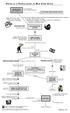 PATHS OF A FORECLOSURE IN NEW YORK STATE BORROWER DELINQUENT 2-3 months late with mortgage payments 90-DAY PRE-FORECLOSURE NOTICE Lender sends notices, bills, letters to borrower stating that he/she is
The Lien Handbook: An A to Z Guide on All Things Property Liens
 The Lien Handbook: An A to Z Guide on All Things Property Liens Introduction Anyone who buys, sells or owns real property will likely deal with property liens at some point and in some fashion. Some property
Michigan Communities and Squatting: What You Need to Know
 Michigan Communities and Squatting: What You Need to Know Authored by Samira Guyot, Wendy Richards, Janai Gilmore, and Michigan Community Resources with special assistance from Daimeon Cotton of Williams
AVOID FORECLOSURE HOW TO A CONSUMER GUIDE. Open mail from your mortgage company. Can you afford your home? Contact your mortgage company
 HOW TO AVOID FORECLOSURE A CONSUMER GUIDE Open mail from your mortgage company Can you afford your home? Contact your mortgage company Keeping or not keeping your home What happens if you do not contact
Community Investment Plan (CIP) 2014-2016
 Community Investment Plan (CIP) 2014-2016 SECTION 1: Community or constituency to be served by the organization The Downtown Taunton Foundation (DTF) is a place-based nonprofit Community Development Corporation
PROGRAM DESCRIPTION FY 2007 ANNUAL PROGRAM PERFORMANCE MEASURES. APPROPRIATION UNIT: Michigan State Housing Development Authority Date:02/12/08
 PROGRAM DESCRIPTION FY 2007 ANNUAL PROGRAM PERFORMANCE MEASURES DEPARTMENT: Michigan Department of Labor & Economic Growth APPROPRIATION UNIT: Michigan State Housing Development Authority Date:02/12/08
Joint Federal-State Mortgage Servicing Settlement EXECUTIVE SUMMARY
 Joint Federal-State Mortgage Servicing Settlement EXECUTIVE SUMMARY The settlement between the state attorneys general and the five leading bank mortgage servicers will result in approximately $25 billion
CITY OF BAY VILLAGE DEPARTMENT OF COMMUNITY SERVICES DOWN PAYMENT ASSISTANCE PROGRAMS
 CITY OF BAY VILLAGE DEPARTMENT OF COMMUNITY SERVICES DOWN PAYMENT ASSISTANCE PROGRAMS Cuyahoga County Loan and Grant Programs for Residents For application forms or more information on the programs below,
Spotlight on the Housing Market in the Detroit-WarrenLivonia, Michigan MSA
 U.S. Department of Treasury Spotlight on Housing Market in DetroitWarrenLivonia, Michigan MSA The DetroitWarrenLivonia, Metropolitan Statistical Area (Detroit) is located in souast Michigan and includes
PROPERTY TAXES. The Property Tax System
 PROPERTY TAXES The Property Tax System There are two types of property taxes: Secured (real property) and Unsecured (personal property), either of which may affect you. There are four steps in the property
OBSOLETE PROPERTY REHABILITATION ACT Act 146 of 2000. The People of the State of Michigan enact:
 OBSOLETE PROPERTY REHABILITATION ACT Act 146 of 2000 AN ACT to provide for the establishment of obsolete property rehabilitation districts in certain local governmental units; to provide for the exemption
Green Development Profile: Greater Cincinnati & Northern Kentucky LISC Complete Profile
 Green Development Profile: Greater Cincinnati & Northern Kentucky LISC Complete Profile The Local Initiatives Support Corporation of Greater Cincinnati & Northern Kentucky works to bring new, significant,
Commonwealth of Massachusetts HOUSING STABILIZATION FUND (HSF) Rental Application Guidelines
 Commonwealth of Massachusetts HOUSING STABILIZATION FUND (HSF) Rental Application Guidelines A. Overview Thousands of residential properties requiring moderate or substantial rehabilitation are located
Georgia 2013 Legislation as of March 14, 2013
 Georgia 2013 Legislation as of March 14, 2013 The Regular 2013 Session for the Georgia General Assembly began in January 2013. Below are updates on the bills of importance to the default servicing community.
The Homestead Act. Questions. and Answers. Massachusetts General Laws, Ch. 188, 1-10. William Francis Galvin Secretary of the Commonwealth
 Questions and Answers The Homestead Act Massachusetts General Laws, Ch. 188, 1-10 William Francis Galvin Secretary of the Commonwealth updated 8/1/13 William Francis Galvin Secretary of the Commonwealth
SHORT SALES Frequently Asked Questions
 SHORT SALES Frequently Asked Questions This factsheet is provided for information purposes only. It is not a substitute for advice from legal, accounting, housing, or real estate professionals. Please
Central Mortgage Company
 Central Mortgage Company Dear Borrower Are you struggling with your mortgage payment? We are concerned about your missed or potentially missed mortgage payment and want you to be aware of assistance available
(Space Above This Line For Recording Data) SECOND MORTGAGE
 This document was prepared by: When recorded, please return to: Illinois Housing Development Authority 401 N. Michigan Avenue, Suite 700 Chicago, IL 60611 Attn: Home Ownership Programs (Space Above This
Commercial financing from a lender that understands your business.
 Commercial Use Application See what fast and easy access to credit can do for you. As every independent business owner knows, everything turns on cash flow. That s why John Deere Credit makes it easy for
1$0675 ORDINANCE NO. _. An ordinance adding Article 7.2 to Chapter IV of the Los Angeles Municipal Code to regulate mortgage modification consultants.
 1$0675 ORDINANCE NO. _ An ordinance adding Article 7.2 to Chapter IV of the Los Angeles Municipal Code to regulate mortgage modification consultants. THE PEOPLE OF THE CITY OF LOS ANGELES DO ORDAIN AS
How a District should respond to Bank and Mechanics Lien Foreclosures and Bankruptcy Filings
 DISCLAIMER This presentation is intended to provide information about the law and is designed to help Board members of Colorado Special Districts gain a general understanding of relevant legal issues.
ALLOCATION OF MORTGAGE SERVICING SETTLEMENT FUNDS
 ALLOCATION OF MORTGAGE SERVICING SETTLEMENT FUNDS This Office along with 48 other Attorneys General, the United States Department of Justice, the United States Department of Housing and Urban Development
County Code Enforcement and the Foreclosure Crisis
 FLORIDA ASSOCIATION OF COUNTIES County Code Enforcement and the Foreclosure Crisis The Experience of Florida s Counties Diana Ferguson, Legislative Staff Attorney 2009 100 S O U T H M O N R O E S T R E
Table of Contents Section Page #
 HOMESTEAD STANDARD DEDUCTION AND OTHER DEDUCTIONS Frequently Asked Questions (FAQs) Revised January 5, 2011 For additional information regarding deductions, please visit http://www.in.gov/dlgf/2344.htm.
TOWN OF PITTSFIELD, NEW HAMPSHIRE. RSA 79-E Tax Relief for Renovations
 TOWN OF PITTSFIELD, NEW HAMPSHIRE RSA 79-E Tax Relief for Renovations DOES YOUR DOWNTOWN PITTSFIELD BUILDING NEED RENOVATION but your worried about the potential increase in taxes? In 2008, Pittsfield
ORDINANCE NO. 4002 Adopted 11/13/2008 AMENDED BY ORDINANCE NO. 4175 Adopted 01/26/2011 AMENDED BY ORDINANCE NO. 4322 Adopted 08/28/2012
 ORDINANCE NO. 4002 Adopted 11/13/2008 AMENDED BY ORDINANCE NO. 4175 Adopted 01/26/2011 AMENDED BY ORDINANCE NO. 4322 Adopted 08/28/2012 AN ORDINANCE CREATING CHAPTER 8.80 OF THE CODE OF THE CITY OF ELIZABETH
BUSINESS OWNER PROGRAM GUIDELINES
 BUSINESS OWNER PROGRAM GUIDELINES Table of Contents 1. Executive Summary 2. How the Business Owner Track Works 3. Award Details 4. Eligibility Criteria 5. Application Process 6. Selection Process 7. Match
The Firestone Cooperative Advertising Program
 The Firestone Cooperative Advertising Program Contents Introduction... 3 Internet Advertising & E-Communications... 4 Print Advertising... 6 Direct Mail... 9 Yellow Pages...12 Proof of Performance Form...13
NON-RESIDENTS PURCHASING REAL PROPERTY IN THE U.S.
 NON-RESIDENTS PURCHASING REAL PROPERTY IN THE U.S. A. The Attorneys Role in the Purchase of Real Estate The purchase of real estate in the U.S. without the proper assistance can become a complex transaction.
LEARN ABOUT YOUR RIGHTS AND OPTIONS IN A FORECLOSURE
 Helpful Agencies Here are some agencies which may lead you to lawyers who can help you: Lake County Bar Association 7 North County Street Waukegan, IL 60085 847-244-3140 www.lakebar.org Prairie State Legal
Information on Avoiding Foreclosure
 Whitney Bank offers and provides financial products and services through its locations in Louisiana and Texas as "Whitney Bank" and as "Hancock Bank" in Mississippi, Alabama and Florida. Information on
Texas Problem Properties Toolkit
 Texas Problem Properties Toolkit A RESOURCE TO HELP TEXAS COMMUNITIES ADDRESS PROBLEMS CREATED BY VACANT AND ABANDONED PROPERTIES 2010 Edition Created by: The Community Development Clinic at the University
How To Avoid Foreclosure
 For most families, a home is a place to live and raise children; it s a plan for the future, and also a source of pride. The Town of Davie promotes home preservation. Your home is not only a significant