
Part 1 Test Question Bank
|
|
|
- Robyn Reeves
- 10 years ago
- Views:
Transcription

1 Module 1 1. Which is true regarding unemployment rates? a. The unemployment rate for people with a bachelor s degree and a high school diploma are the same. b. People with a bachelor s degree experience an unemployment rate that is half that of those with a high school diploma. c. The unemployment rate depends on how hard you try to get a job, not the level of education you have received. d. None of the above are true. 2. Which is true regarding earnings? a. Someone with a bachelor s degree will earn almost twice as much as someone with just a high school diploma. b. Earnings mostly depend on how much you work. c. The amount you earn is not really related to your level of education. d. All of the above are true. 3. Since the most important priority in college is academic study, you should not distract yourself with clubs, organizations, or activities. This statement is:

2 Module 2 1. Which is true regarding the costs of college? a. College costs are going down because of the state of the economy. b. Everyone has to pay the full costs of whatever college they attend, it s only fair. c. All colleges cost about the same. d. None of the above are true. 2. What is normally not a required cost in college? a. Tuition and fees b. Books and course supplies c. Room and board d. Study abroad expenses 3. What does tuition mean? a. How successful you think you will be in completing your degree. b. The cost of taking classes in college. c. A term for a formal event held during the sophomore year. d. The term for the cost of eating and place to live. 4. Most colleges measure the amount of time a course is worth by: a. The number of students who want to take the course. b. The number of credit hours for the course. c. The amount of time you need to study for the course to get a good grade. d. None of the above.
3 5. What s one way a college sets graduation requirements? a. By the number of credit hours earned towards a major. b. By your age. c. By the total amount of tuition you have paid. d. By the total amount of time you have spent in class, whether you have passed the course or not. 6. Most colleges set their prices by the type of degree you earn. That means the cost is the same, no matter how long you take to get the degree. This statement is:.. c. Not enough information supplied to make a correct choice. 7. An academic advisor: a. Helps you know what credits will transfer from another school. b. Helps you know what classes you need to take to graduate with a certain major. c. Helps you find out if it will take longer to graduate if you change your academic major. d. All of the above. e. None of the above. 8. What is true about books used during college courses? a. They are supplied for free by the school since they are required. b. They are always available in the library. c. Their cost could be several hundred dollars per semester. d. They are usually not needed if you take good notes.

4 9. The best way to deal with the costs of college is to: a. Not worry, the government will take care of most of the costs. b. Understand the specific costs and plan for them. c. Deal with them one at a time after arriving at college. d. Decide that college is not worth the time, expense, and effort. 10. Living on campus is usually easier than living off campus. This is true for all of the following reasons EXCEPT: a. Almost everything covered by the term room and board is included in the cost to live on campus. b. There is usually a greater sense of community. c. You may not have to deal with a roommate in the same room. d. It is easier to use campus services. Module 3 1. There are many sources of funds to pay for the costs of college. Which of the following sources would you have to pay back? a. A TEACH grant if the service obligation is not completed. b. Money you saved for college. c. Money you earn while in college. d. A scholarship from a local church or civic organization.

5 2. It s a good idea to pay a company to search for grants and scholarships for you if they promise you will get into your #1 school. 3. What is the rule of thumb for the amount of time you should spend studying outside of class for you college courses? a. Most college classes do not require you to study outside the classroom. b. You should plan to study three hours for every hour you spend in class. c. You should not try to plan your study time; just try to study when you are in the mood. d. None of the above. 4. A financial aid award letter from a school is valid for any school of the same type. Module 4 1. Doing your FAFSA every year could make you eligible for the following: a. Federal Student Loans b. Federal Education Grants c. Federal Work Study d. Some scholarships e. All of the above

6 2. The fastest way to file a FAFSA is to: a. Print it and put it in the mail. b. File it online. c. Neither way is faster. 3. Pick the way you electronically sign the FAFSA. a. With fingerprint scanning technology. b. With the information from your most recent paycheck. c. With a PIN. d. There is no way to electronically sign a FAFSA. 4. If no one claims you as their dependent on their tax return, you are automatically considered independent for the FAFSA. 5. Special rules apply for students whose parents have separated or divorced when filling out the FAFSA.
7 6. All of the following are true about the Expected Family Contribution (EFC) number on the FAFSA EXCEPT: a. It is the exact amount your family will have to pay for one year at college. b. It describes you family s financial strength. c. It is used to calculate the amount of financial aid for which you are eligible. d. It is calculated by a formula established by law. 7. The best way to think about the term Date for Priority Consideration when applying for student aid or completing a FAFSA is. a. The first day the school will accept applications. b. The date to submit an application if you are notified you are a priority applicant. c. The deadline. d. None of the above. Module 5 1. If you need a loan to help with college costs it should be a Federal Student Loan. What is NOT true regarding federal student loans? a. They are usually less expensive (have lower interest rates and fees) than other types of loans a student can get. b. They are easier to get (the student s credit history is not considered). c. The interest rates are higher on these loans than most other types of student loans. d. The have repayment plans that are usually better than most other loans used to meet the costs of college
8 2. The two main kinds of Federal Student Loans that may be available to a student are: a. Pell and PLUS. b. Perkins and Stafford. c. PLUS and IRA. d. IRA and Stafford. 3. If a student doesn t make satisfactory academic progress, as defined by their school, they could lose eligibility for federal student aid. 4. Which is NOT true regarding private education loans? a. The borrower usually has to pass a credit history check. b. Repayment plans are usually not as flexible as Federal Student Loans. c. Interest rates and fees are usually lower than Federal Student Loans. d. Interest rates and fees are usually higher than Federal Student Loans. 5. Why are home equity loans riskier than some other types of loans? a. Because the interest rates on these loans are usually higher than credit card interest rates for the same person. b. Because your home is used as collateral for the loan, meaning that if you fail to make the payments, the lender could foreclose on your home. c. Because payments are usually required on a weekly basis. d. None of the above are true.

9 6. All of the following are reasons not to cash in a retirement savings to pay for college expenses EXCEPT: a. You may have to pay penalties for withdrawing funds before you reach a certain age. b. If you withdraw the funds as a loan and you stop making payments, the amount left in the loan becomes a withdrawal and you might have to pay a tax penalty. c. You could cheat yourself out of the future value of what you are taking out. d. All of the above are true. Module 6 1. What is the best way to think about the maximum amount of student loans you should borrow? a. You should borrow as much as you need to get the degree you want at the school of your choice. b. You can borrow up to three times what you will earn in your first year of employment after school. c. Your loan payment should not exceed more than 10% of your gross monthly income. d. b and c above are correct. 2. What is the way a student shows exceptional financial need to qualify for a Perkins loan? a. By having no savings account in their name. b. From information entered in the FAFSA. c. By the number of part-time jobs the student needs to get by in college. d. None of the above
10 3. The grace period is the time between when the student leaves school or drops below full-time status and a student loan repayment period starts. What is different about the grace period for a Perkins loan and other Federal Student Loans? a. The grace period is longer for a Perkins loan. b. There is a 10 year grace period on a Perkins loan. c. Perkins loans do not have to be repaid so the grace period does not apply. d. None of the above. 4. Stafford loans can be subsidized or unsubsidized. A subsidized loan means: a. Interest is charged from the time the loan is made. b. You will never pay interest on a subsidized loan. c. The federal government pays the interest for you during the time the loan is subsidized. d. These are subprime loans and should be avoided. 5. How does a person qualify for either a subsidized or unsubsidized Stafford loan? a. By the financial information on their FAFSA. b. By a direct appeal to the Director of Financial Aid at your school. c. By maintaining sufficient academic progress. d. None of the above.
11 6. 3 different students borrow the same amount of money using federal student loans. One student has a Perkins Loan, one student has mostly subsidized Stafford Loans, and the other student has Stafford loans that are all unsubsidized. If they all pay off their loans in the standard 10 year repayment period, who will pay the most interest? a. The student with the Perkins loan. b. The student who has subsidized Stafford loans. c. The student with the unsubsidized Stafford loans. d. Since all students have federal student loans they will all pay the same amount of interest. 7. What is the purpose of a PLUS loan? a. It can be used to help students earning a degree in science or mathematics. b. It is a federal student loan that parents can use to help their children meet the costs of college. c. Students use it to plus up their lifestyle while in college. d. None of the above. 8. What are some disadvantages of private student loans as compared to federal student loans? a. The interest rates on private student loans are usually higher. b. If a student does not have a good credit history they may not be able to qualify for these loans without a co-signer. c. Repayment plans for these loans may not be a flexible as the plans for federal student loans. d. All of the above are true.

12 9. What are some of the features of the flexible repayment plans for federal student loans? a. It is possible to extend the time period for loan repayment. b. It is possible to start a plan with a lower payment at the beginning. c. It is possible to temporarily stop loan payments by asking for a loan deferment or forbearance. d. All of the above are correct. 10. What is one of the first things you should do if you start to have difficulty in repaying student loans? a. Change your address and phone number. b. Contact your loan servicer. c. Borrow more money to cover the shortage. d. File for bankruptcy. 11. What is NOT a possible consequence of going into default (failing to make payments) on a federal student loan? a. You may be sued. b. All or part of your tax refunds and other government payments may be taken. c. Your wages may be garnished so that your employer is required to send part of your salary to pay off your loan. d. Your name will be published in the newspaper as part of the national delinquency list (NDL).
13 12. Which one of the following is NOT true about Income-Based Repayment Plans for federal student loans? a. The plan lasts 20 years or more. b. Most of your income is taken to make repayment. c. You must do paperwork every year to update income and family size information. d. Most federal student loans, not in default, except Parent PLUS loans, are eligible for the IBR program. 13. What is a good way to think about what deferment and forbearance mean as they apply to federal student loans? a. They are temporary ways to postpone payments on student loans due to life circumstances. b. These are almost never granted to people who have student loans. c. You do not need to make payments if you know you have a good reason not to. d. None of the above are correct. 14. It is easy to have a federal student loan cancelled or forgiven. 15. It is easy to have a private student loan cancelled or forgiven.

14 Module 7 1. Select the best way to think about how to pay for college. a. For most people college will be paid for by using money from several sources. b. Most people should pay for their college education by only borrowing the money. c. Since colleges cost so much, a degree really doesn t pay off anymore. d. It s impossible for most people to save so you shouldn t try to save for college. 2. Scams and fraud are common in many areas, except for college scholarship opportunities. 3. Select a way that will help you avoid scams and fraud while searching for scholarships: a. Only search on web sites that require you to give them a credit card or bank account number. b. Only search on sites that guarantee you will get a scholarship. c. Make sure you apply for scholarships that are easy to apply for; you ll need to save your energy for college. d. None of the above. 4. What should you do when searching for scholarships? a. Remember that all scholarships are only for a specific college. b. Only look for scholarships from a single organization. c. Always pay for help in searching for scholarships. d. Realize that scholarships can come from many sources.

15 5. Which option is better if you ve already filled out the green and yellow sections of the College Financial Planning Worksheet, but you still haven t met the costs of the college of your choice? a. Look into a part-time job or Federal Work Study program that fits into your schedule if you haven t done this yet. b. Borrow from private student loans. c. Convince a parent or other relative to cash out their retirement savings. d. Invest in the lottery.
fyi Federal loans: The smart way to borrow
 Federal loans: The smart way to borrow If you don t receive enough free money to pay for college and you aren t able to cover your costs with savings or other resources, consider federal student loans.
Federal Direct Stafford Loan Request Form for 2015-16
 Federal Direct Stafford Loan Request Form for 2015-16 Name: G#: Address: City: State: ZIP: Phone: Email: Stafford Loan Requirements and Acknowledgements We strongly recommend that you borrow loans conservatively
The Financial Aid Application Process and Frequently Asked Questions
 The Financial Aid Application Process and Frequently Asked Questions Step 1 - To apply for financial aid, a student must complete the Free Application for Federal Student Aid (FAFSA) each year. Students
How do you receive financial aid?
 What types of financial aid are available and in what order are they awarded? 1. Scholarships and Fee Waivers 2. Grants 3. Work-Study 4. Student Loans: Subsidized, Unsubsidized, Perkins, Parent PLUS How
What Is Direct Loan Entrance Counseling?
 What Is Direct Loan Entrance Counseling? Federal regulations require that you, as a first-time student loan borrower, complete an Entrance Counseling session. You can complete the entire session online
Widener University School of Law. Exit Interview Counseling Presentation Managing your student loan repayment
 Widener University School of Law Exit Interview Counseling Presentation Managing your student loan repayment Types Of Education Debt Three Types Federal Loans Stafford Subsidized/Unsubsidized Federal Direct
Filling Out the FAFSA
 Filling Out the FAFSA Free Application for Federal Student Aid The Path to Financial Aid Starts Here FAFSA What s Inside? Federal student aid is provided by the U.S. government to help you pay for college.
8/4/2015. Agenda. Student Loan Repayment and other exciting activities after GRADUATION! Types of Loans. Key Players. Stafford Loan Interest Rates
 Student Repayment and other exciting activities after GRADUATION! Agenda types & interest rate The grace period Repayment plans Forgiveness Avoiding delinquency & default Financial Planning 1 2 Key Players
WINNING AT THE COLLEGE FINANCIAL AID GAME
 Helping Yourself. Helping Your Parents. Helping Your Children. By the numbers WINNING AT THE COLLEGE FINANCIAL AID GAME With college expenses having risen significantly, financial aid can be a critical
William D. Ford Federal Direct Loan Program Direct Subsidized Loan and Direct Unsubsidized Loan Borrower s Rights and Responsibilities Statement
 Important Notice: This Borrower s Rights and Responsibilities Statement provides additional information about the terms and conditions of the loans you receive under the accompanying Master Promissory
Understanding Your 2015 16 Luther Financial Aid Award
 Understanding Your 2015 16 Luther Financial Aid Award Jan Cordell Director of Financial Aid Aaron Steffens Associate Director of Financial Aid Kathy Kerber Financial Aid Counselor Carolyn Schwendeman Financial
Good morning everyone! Welcome! My name is Daniel Hewitt and I m the Director of Financial Aid here at VCOM. I know I ve talked to some of you
 Good morning everyone! Welcome! My name is Daniel Hewitt and I m the Director of Financial Aid here at VCOM. I know I ve talked to some of you already, and Eloise and I are looking forward to working with
Student loan terms to know
 Definition of words related to federal student loans and the Nelnet payment process. Accrue The act of interest accumulating on the borrower s principle balance. Aggregate Loan Limit The maximum total
Accepted Student Reception Financial Aid Presentation. March 29, 2015
 Accepted Student Reception Financial Aid Presentation March 29, 2015 Understanding Your Financial Aid Award Letter Screen shot of award letter here Screen shot of award letter here Estimated costs and
Introduction to Financial Aid: An Overview for High School Students and Parents. presented by: Hayato Suzuki Director of Financial Aid
 Introduction to Financial Aid: An Overview for High School Students and Parents presented by: Hayato Suzuki Director of Financial Aid Tonight s Topics Types and sources of aid How financial need is determined
Private Loan Guide. Apply for free, federal and state financial aid programs:
 Private Loan Guide Private loan basics Private student loans are non-federal loans. You should only borrow private loans to fund your education as a last resort. Do all of the following before you consider
Direct loan Information. Federal Direct Student Loans A simple and flexible way to finance your education. Welcome!
 Direct loan Information Federal Direct Student Loans A simple and flexible way to finance your education. Welcome! Beginning Spring Semester 2012, Ogeechee Technical College will be participating in the
William D. Ford Federal Direct Loan Program Loans made through this program are referred to as Direct Loans. Eligible students
 Frequently Asked Questions 1. How and when to apply for Financial Aid? To apply for financial aid at Northark, you should: Submit the Free Application for Federal Student Aid (FAFSA) at www.fafsa.gov Complete
MEFA s Guide to Paying for College
 MEFA s Guide to Paying for College Congratulations! The waiting is over, and your student has received college acceptance letters. Now what? Deciding which college or university to attend isn t always
Your Financial Aid Journey in 5 Steps
 Get the funds you need for college Your Financial Aid Journey in 5 Steps Joseph Statuto Market Relationship Manager 2014 Wells Fargo Bank, N.A. All rights reserved. 08/14 1 Agenda Why pursue a college
How to Understand your Student Loans
 How to Understand your Student Loans How do my student loans work? (edited from Bill Pratt s Extra Credit: The 7 Things Every College Student Needs to Know about Credit, Debt, & Ca$h) 1. Borrow all federal
Winning at the college financial aid game
 Winning at the college financial aid game By the numbers Average tuition and fees per year for four-year colleges in 2006-07: 1 Private institutions: $30,367, up 4.6% from the previous year Public colleges:
Student Loans A comprehensive look at student aid and the various repayment options
 Student Loans A comprehensive look at student aid and the various repayment options How Much Does College Cost? According to the Bureau of Labor Statistics and the US Department of Labor, the average cost
A Guide to Financial Aid 2015-16. The bottom line and how to pay for it.
 A Guide to Financial Aid 2015-16 The bottom line and how to pay for it. The Financial Aid Basics We re glad you are interested in attending Anderson University. Perhaps you have already received your acceptance
FINANCIAL AID. Experience the Mercy Difference.
 FINANCIAL AID Experience the Mercy Difference. FINANCING YOUR EDUCATION at Mercy College Congratulations on exploring the many educational options at Mercy College of Ohio! Mercy College is committed to
Federal Student Aid Glossary (edited. Original at: http://studentaid.ed.gov/glossary) Academic Year This is the amount of the academic work you must
 Federal Student Aid Glossary (edited. Original at: http://studentaid.ed.gov/glossary) Academic Year This is the amount of the academic work you must complete each year, and the time period in which you
Your Financial Aid Package and Guide
 Your Financial Aid Package and Guide 3 SAINT MICHAEL S COLLEGE smcvt.edu What You Need to Know The Office of Student Financial Services at Saint Michael s College has created this guide to explain the
A Guide to Financial Aid 2016-17. The bottom line and how to pay for it.
 A Guide to Financial Aid 2016-17 The bottom line and how to pay for it. The Financial Aid Basics We re glad you are interested in attending Anderson University. Perhaps you have already received your acceptance
William D. Ford Federal Direct Loan Program Direct Subsidized Loan and Direct Unsubsidized Loan Borrower s Rights and Responsibilities Statement
 Important Notice: This Borrower s Rights and Responsibilities Statement provides additional information about the terms and conditions of the loans you receive under the accompanying Master Promissory
How To Get A Loan From A College
 STUDENT LOANS: AFTER YOU BORROW Student Loan Basics Nearly Everyone CAN Borrow, however: Loans have to be repaid! Borrow only what you need!! Interest What you are charged for using someone else s money
Helping Students Repay their Loans: Repayment Plan Overview. Greg Carlo Senior Client Relationship Manager
 Helping Students Repay their Loans: Repayment Plan Overview Greg Carlo Senior Client Relationship Manager Agenda Information you can share with your students Understanding Loan Repayment Top 10 Things
William D. Ford Federal Direct Loan Program Direct Subsidized Loan and Direct Unsubsidized Loan Borrower s Rights and Responsibilities Statement
 Important Notice: This Borrower s Rights and Responsibilities Statement provides additional information about the terms and conditions of the loans you receive under the accompanying Master Promissory
STUDENT LOAN REPAYMENT
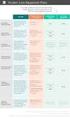 STUDENT LOAN REPAYMENT Chase College of Law Financial Aid Presentation April 14 th, 2011 TOPICS TO BE COVERED General Repayment Information Loan consolidation Repayment Plans Public service loan forgiveness
Minnesota Office of Higher Education TUDENT OANS & CONSUMER PROTECTION
 4 Minnesota Office of Higher Education TUDENT OANS & CONSUMER PROTECTION Student Loans and Consumer Protection in Higher Education: These are important words to know as you are going through the process
Financial AID. for Law School: A PRELIMINARY GUIDE. A Publication of the Law School Admission Council. Visit us at www.lsac.org or call 215.968.1001.
 Financial AID for Law School: A PRELIMINARY GUIDE A Publication of the Law School Admission Council. Visit us at www.lsac.org or call 215.968.1001. Introduction Considering law school but concerned about
Guidelines and Requirements in Applying for a Federal Direct Stafford Student Loan
 2014-2015 Guidelines and Requirements in Applying for a Federal Direct Stafford Student Loan Entrance Counseling On Line: Go directly to www.studentloans.gov and use your PIN to sign in. If you need assistance
FINANCIAL AID FOR LAW SCHOOL: A PRELIMINARY GUIDE. LSAC.org
 LSAC.org FINANCIAL AID FOR LAW SCHOOL: A PRELIMINARY GUIDE INTRODUCTION Legal education is an investment in your future and is a serious financial investment as well. As with any investment, it is important
ENTRANCE COUNSELING GUIDE
 ENTRANCE COUNSELING GUIDE For Direct Loan Borrowers Contents Direct Loan Types 1 Borrow Wisely 2 Borrow Direct Subsidized Loans and Direct Unsubsidized Loans First 2 You Must Repay Your Loans 3 Use of
Financial Aid Night. 180 Remsen Street Brooklyn, NY 11201 Phone 718-489-5255 Fax 718-643-0076 [email protected]
 Financial Aid Night 180 Remsen Street Brooklyn, NY 11201 Phone 718-489-5255 Fax 718-643-0076 [email protected] What is Financial Aid? Scholarships Grants Employment opportunities Loans How To Apply
Mapping Your Future Guide to Life after High School SM : Senior Year
 Mapping Your Future Guide to Life after High School SM : Senior Year Get prepared for life after high school Some people know from an early age exactly what they want to be when they are adults and how
Repayment of Your Student Loan Debt
 Repayment of Your Student Loan Debt your dream, your plan, your future Florida Department of Education (FDOE) Office of Student Financial Assistance (OSFA) Repayment of Your Student Loan Debt Table of
2005-06 UC Merced Catalog pp. 32-34 excerpted
 UNDERGRADUATE FINANCIAL AID AND SCHOLARSHIPS The Office of Financial Aid and Scholarships strives to make a college education affordable for all students regardless of their families' financial situations.
https://youtu.be/rfrdgmzy-ri
 https://youtu.be/rfrdgmzy-ri Federal Loan Exit December 2015 Jess Christensen Assistant Director of Financial Aid [email protected] 218-299-3010 Types of Direct Student Loans Subsidized Federal Direct
FINANCIAL AID VOCABULARY
 Award Letter Notification of the terms and requirements of the financial aid package offered by a college. College Scholarship Service (CSS) Profile A financial aid application, in addition to the FAFSA,
Types of Title IV Loans - Loan Modification Options
 Loans 101: Understanding the Basics Objectives 1 2 3 4 The role of loans in financial aid Overview of the Title IV Loan Program Repayment options Counseling resources The Role of Student Loans in Financial
Loan Counseling Presentation
 Loan Counseling Presentation Financing Options Federal Stafford Loans In Student s name Subsidized Unsubsidized Federal Parent Loans for Undergraduate Students (PLUS) In Parent s name Maximum Annual Loan
Office of Student Financial Aid Direct Stafford Loan Processing Information
 Montgomery College endless possibilities Office of Student Financial Aid Direct Stafford Loan Processing Information Attention all first-time borrowers at Montgomery College. In order for your loan proceeds
The VSAC no-nonsense guide to education loans VSAC
 The VSAC no-nonsense guide to education loans VSAC for families of undergraduate students Fall 2014 The straight scoop on undergraduate education loans from VSAC, your trusted college planning advisor
ENTRANCE COUNSELING GUIDE
 ENTRANCE COUNSELING GUIDE For Direct Loan Borrowers ENTRANCE COUNSELING GUIDE For Direct Loan Borrowers CONTENTS TYPES OF DIRECT LOANS Direct Subsidized Loans, Direct Unsubsidized Loans, Direct PLUS Loans,
Glossary Financial Aid & Student Loan Terms
 Glossary Financial Aid & Student Loan Terms A Academic year A period of time schools use to measure a quantity of study. For example, a school s academic year may consist of a fall and spring semester,
EXIT COUNSELING GUIDE FOR BORROWERS OF DIRECT LOANS AND FEDERAL FAMILY EDUCATION PROGRAM LOANS
 EXIT COUNSELING GUIDE FOR BORROWERS OF DIRECT LOANS AND FEDERAL FAMILY EDUCATION PROGRAM LOANS U.S. Department of Education Arne Duncan Secretary Federal Student Aid James W. Runcie Chief Operating Officer
Direct Loan Exit Counseling
 Direct Loan Exit Counseling Understanding your student loan rights and responsibilities is critical to successful repayment! This guide will help you understand Federal Stafford Loans and Direct Loans.
Paying For College Strategies
 2014 Counselor Training Paying For College Strategies after all of the student s free money has been exhausted OASFAA is a non-profit organization OASFAA has provided the information today as a free service
New Directions. New Directions. A Guide to Repaying Your Federal Student Loans
 New Directions New Directions A Guide to Repaying Your Federal Student Loans This booklet is a resource to help you learn more about: Your rights and responsibilities as a student loan borrower of a Federal
Your Student Loan Record
 Your Student Loan Record STUDENT LOAN RECORD There are lots of people ready to help with information about your student loans, if you need it Ombudsman: 1-877-557-2575 or www.ombudsman.ed.gov National
William D. Ford Federal Direct Loan Program Direct PLUS Loans Borrower s Rights and Responsibilities Statement
 William D. Ford Federal Direct Loan Program Direct PLUS Loans Borrower s Rights and Responsibilities Statement Important Notice: This Borrower s Rights and Responsibilities Statement provides additional
REPAYING YOUR FEDERAL FAMILY EDUCATION LOAN
 What s Inside: REPAYING YOUR FEDERAL FAMILY EDUCATION LOAN Getting Started Understanding My Statement Repayment Plans Standard Income Sensitive Graduated Extended Income-Based Repayment (IBR) PLUS Interest
Your Financial Aid Award
 Your Financial Aid Award The Financial Aid Office of California Institute of the Arts is pleased to enclose your Financial Aid Award Letter. After carefully reviewing your application, we have offered