
UNIVERSITY OF MICHIGAN-FLINT
|
|
|
- Kelly Henderson
- 10 years ago
- Views:
Transcription
1 UNIVERSITY OF MICHIGAN-FLINT SPILL PREVENTION CONTROL AND COUNTERMEASURE PLAN AND POLLUTION INCIDENT PREVENTION PLAN Prepared by: UM-Flint Environment, Health and Safety Department 204 University Pavilion, 303 East Kearsley Flint, Michigan 48502, (810) UM-Ann Arbor Occupational Safety and Environmental Health Department 1239 Kipke Dr Ann Arbor, Michigan 48109, (734) Revised April 2009

2 Table of Contents Acronyms and Abbreviations... iii SPCC Plan Requirements Reference... iv Distribution List... v Document Control and Revision History... v 1.0 General Information Facility Information Management Approval Engineer Certification Substantial Harm Certification Purpose of Plan Implementation Plan Plan Review and Revisions Notifications Regarding PIPP Facility Description Facility Drainage Oil Storage, Distribution and Use Polluting Material Storage, Distribution and Use Best Management Practices for Polluting Materials in Portable Containers Best Management Practices for Lithium Bromide Systems Best Management Practices for Ethylene Glycol System Spill History Potential Releases and Prevention Controls Loading and Unloading Operations Spill Response Plan General Initial Response Measures and Spill Reporting Spill Notifications to Outside Entities Remedial Action Inspections, Tests, and Records Inspections Record Keeping Integrity Testing Personnel Training Security Facility Improvements i

3 Table of Contents (Continued) FIGURES 1. Facility Relative to the Surrounding Area Map 2. South Riverfront Campus Map 3. North Riverfront Campus Map 4. Central Energy Plant First Floor 5. Central Energy Plant Basement TABLES 1. Bulk Oil Storage Inventory 2. Polluting Material Storage Inventory APPENDICES A. Campus Emergency Response Plan (ERP) B. EHS Off-Campus Spill Notification Guide for EHS Manager C. SPCC/PIPP Inspection Guidelines D. SPCC/PIPP Inspection Checklists E. UM-Flint Annual SPCC Site Visit Inspection Checklist F. SPCC/PIPP Training Records G. Resources Environmental Update Training Materials OSEH SPCC Plan Fact Sheet SPCC Plan Secondary Containment and Catchment Guidance US EPA SPCC Regulation- A Facility Owner/Operator s Guide to Oil Pollution Prevention MDEQ Part 5 Spillage of Oil and Polluting Materials MDEQ Pollution Incident Prevention Plan (PIPP) Informational Packet ii

4 Acronyms and Abbreviations AST CEP DOT DPS EHS ERP HAZWOPER HVAC LEPC MDEQ MSB MSDS NBC OSEH PE PIPP RA SPCC UM-AA UM-Flint US EPA UPAV UST VCA WSW Aboveground Storage Tank Central Energy Plant Department of Transportation Department of Public Safety Environment, Health and Safety Department Emergency Response Plan Hazardous Waste Operations and Emergency Response Heating, Ventilation, and Air Conditioning Local Emergency Planning Committee Michigan Department of Environmental Quality Murchie Science Building Material Safety Data Sheet Northbank Center Building Occupational Safety and Environmental Health Professional Engineer Pollution Incident Prevention Plan Regional Administrator Spill Prevention, Control, and Countermeasure University of Michigan-Ann Arbor University of Michigan-Flint United States Environmental Protection Agency University Pavilion Underground Storage Tank Vice Chancellor for Administration William S. White Building iii

5 SPCC Plan Requirements Reference Applicable Regulatory Citation Plan Requirement Location in Plan (by Section) 112.3(d) Plan review by P.E. Section (b) Plan revision every 5 years Section Management approval of plan Section (a)(3) Facility Description, Physical layout with diagram marking the location of each container Section 2.0 Figures (a)(3)(i) Type of oil and capacity Section (a)(3)(ii) Discharge prevention measures including Section 2.2 procedures 112.7(a)(3)(iii) Discharge controls Section (a)(3)(iv) Countermeasures for discharge discovery Section (a)(3)(v) Methods of disposal of recovered materials Section (a)(3)(vi) Contact list and phone numbers Section (a)(4) Reporting procedures Section (a)(5) Description of emergency procedures Section (b) Description of reasonable potential for equipment failure. Include prediction of direction, flow rate, and quantity of oil that could be discharged. Section 2.8 Figures (c)(1) Description of containment or diversionary Section 2.2 structures (e) Inspections and records Section (f) Training Section (g) Security Section (h) Facility tank truck loading and unloading Section (c)(1) Use compatible containers Section (c)(2) Construct bulk storage containers to provide secondary means of containment for the largest single container and sufficient freeboard Section (c)(4) Protect any completely buried tanks Section (c)(6) Test each AST for integrity on a regular schedule Section 4.3 with both visual and another testing technique (c)(8) (i)-(v) Engineer each container installation with good Section 2.0 engineering practices (c)(10) Promptly correct visible discharges Sections 2.0, (c)(11) Position mobile storage containers to prevent Section 2.2 discharge (d)(1) Provide buried piping with protective wrapping and Section 2.2 cathodically protect (d)(2) Cap the terminal connection at the transfer point Section 6.0 when piping is not in service (e) Substantial harm certification Section 1.4 iv

6 Distribution List Copy Person Location 1* Michael Lane UM-Flint Environmental, Health and Safety (EHS) 2. Bill Webb UM-Flint Assistant Vice Chancellor for Administration (VCA) 3. Laura Alexander UM-Flint Facilities Management 4. Tim Barden UM-Flint Central Energy Plant (CEP) 5. Dave Anderson UM-Flint CEP 6. Chalmers Sanders UM-Flint Department of Public Safety (DPS) 7. Jody Kositzky UM-Ann Arbor (AA) UM Occupational Safety and Environmental Health (OSEH) 8. Tami Yorks Genesee County Emergency Management *Monthly inspection checklists and personnel training records are retained with the on-site plan in Appendixes B and C. Records of on site visits to follow up on the checklists are retained in this copy only. Document Control and Revision History In June 2003, this document was completely revised to address the updated federal and state regulations (40 CFR 112 and Michigan Department of Environmental Quality (MDEQ) Part 5 Rules for the Spillage of Oil and Polluting Materials). In addition, as allowed by both the US Environmental Protection Agency (US EPA) and the MDEQ, the Spill Prevention, Control and Countermeasure Plan (SPCC) and Pollution Incident Prevention Plans (PIPP) have been integrated to create one cohesive document. Therefore, previous revision dates have been removed. Initial Date: June 2003 By: Michael Lane, UM-Flint EHS Revision Date: June 2005 By: Michael Lane, UM-Flint EHS Revision Date: January 2006 By: Michael Lane, UM-Flint EHS Revision Date: April 2006 By: Malama Chock, UM-AA OSEH Revision Date: May 2007 By: Michael Lane, UM-Flint EHS Revision Date: April 2009 By: Michael Lane, UM-Flint EHS, Brandi Campbell, UM-AA OSEH, and Jody Kositzky, UM-AA OSEH v

7 1.0 General Information 1.1 Facility Information 1. NAME OF FACILITY: University of Michigan-Flint (UM-Flint) 2. FACILITY STREET ADDRESS 3. FACILITY MAILING ADDRESS 303 East Kearsley Flint, Michigan University of Michigan-Flint EHS 204 University Pavilion Flint, Michigan FACILITY PHONE NUMBER (810) (8:00AM - 5:00PM) (810) (24 hours - DPS) 5. NEAREST SURFACE WATER BODY/ DISTANCE The Flint River is directly adjacent to the UM- Flint Campus. The river divides the Flint Campus into the North and South sides of campus. The Facility Response Coordinator is responsible for the Spill Prevention Program including employee training and awareness and coordination with management. The Facility Response Coordinator is also responsible for coordinating and leading spill response, spill response training, management approvals, and necessary equipment, materials, and outside services. Facility Response Coordinator: Working Hours Phone Number: After Hours Phone Number: First Alternate: Working Hours Phone Number: After Hours Phone Number: Second Alternate: Working Hours Phone Number: After Hours Phone Number: Third Alternate: Working Hours Phone Number: After Hours Phone Number: Michael Lane (810) (office) (810) (cell) Bill Webb (810) (office) (586) (cell) Laura Alexander (810) (office) (810) (cell) Tim Barden (810) (office) (810) (cell) Contact UM-Flint DPS at (810) in the unlikely event that you are unable to reach the Facility Response Coordinator or alternates. 1-1

8 1.2 Management Approval I hereby certify that management of this facility extends its full approval of this SPCC/PIPP Plan and will commit the necessary resources for implementation. Name: William Webb Assistant Vice Chancellor for Administration Signature: Date: Name: Laura Alexander Director, Facilities Management Signature: Date: 1.3 Engineer Certification I hereby certify that I have visited and examined the facility and, being familiar with the provisions of 40 CFR Part 112 and this Plan, attest that this Plan has been prepared in accordance with good engineering practices and the regulations, and that it is adequate for the facility. Certifying Engineer: State: Registration No.: Jody Lynn Kositzky, PE Michigan A Signature: Certification Date: Engineering Seal: 1-2

9 1.4 Substantial Harm Certification 40 CFR 112 APPENDIX C, ATTACHMENT C-II - CERTIFICATION OF THE APPLICABILITY OF THE SUBSTANTIAL HARM CRITERIA Facility Name: University of Michigan-Flint Facility Address: Flint, MI Does the facility transfer oil over water to or from vessels and does the facility have a total oil storage capacity greater than or equal to 42,000 gallons? Yes No X 2. Does the facility have a total oil storage capacity greater than or equal to 1 million gallons and does the facility lack secondary contamination that is sufficiently large to contain the capacity of the largest above-ground oil storage tank plus sufficient freeboard to allow for precipitation within any aboveground oil storage tank area? Yes No X 3. Does the facility have a total oil storage capacity greater than or equal to 1 million gallons and is the facility located at a distance (as calculated using the appropriate formula in Attachment C-III (to 40CFR112 Appendix C) or a comparable formula 1 ) such that a discharge from the facility could cause injury to fish and wildlife and sensitive environments? For further description of fish and wildlife and sensitive environments, see Appendices I, II, and III to US Department of Commerce (DOC)/ National Oceanic and Atmospheric Administration s (NOAA) Guidance for Facility and Vessel Response Plans: Fish and Wildlife and Sensitive Environments (see Appendix E, (to 40 CFR Part112) section 10, for availability) and the applicable Area Contingency Plan. Yes No X 4. Does the facility have a total oil storage capacity greater than or equal to 1 million gallons and is the facility located at a distance (as calculated using the appropriate formula in Attachment C-III (to 40 CFR 112) or a comparable formula 1 ) such that a discharge from the facility would shut down a public drinking water intake 2? Yes No X 5. Does the facility have a total oil storage capacity greater than or equal to 1 million gallons and has the facility experienced a reportable oil spill in an amount greater than or equal to 10,000 gallons within the last 5 years? Yes No X 1 If a comparable formula is used, documentation of the reliability and analytical soundness of the comparable formula must be attached to this form. 2 For the purposes of 40 CFR part 112, public drinking water intakes are analogous to public water systems as described at 40 CFR 143.2(c). 1-3

10 Substantial Harm Certification (Continued) I certify under penalty of law that I have personally examined and am familiar with the information submitted in this document, and that based on my inquiry of those individuals responsible for obtaining this information, I believe that the submitted information is true, accurate, and complete. Signature Michael James Lane Name (please type or print) Environment, Health, & Safety Regional Manager Title Date 1-4

11 1.5 Purpose of Plan SPCC/ PIPP This combined Spill Prevention Control and Countermeasure Plan and Pollution Incident Prevention Plan (SPCC/PIPP) provides guidelines for preventing the release of petroleum substances and polluting materials into the environment, especially to surface water. The SPCC/PIPP provides guidelines for inspections, preventive maintenance, commitment of resources, and emergency response procedures that will be implemented in the event of an oil product spill at the University of Michigan Flint Campus (UM-Flint). This SPCC/PIPP has been prepared in accordance with United States Environmental Protection Agency (US EPA) 40 CFR Part 112 and Michigan Department of Environmental Quality (MDEQ) Part 5 Rules. In addition, this Plan creates mechanisms for responding to oil and chemical discharges. The aim is to minimize any impact to human health, the environment, and employee safety. The specific purpose of the SPCC and PIPP portions of the plan are outlined separately below. SPCC The US EPA has developed regulations (40 CFR 112) for the prevention of pollution of waters of the United States by oil from non-transportation related onshore and offshore facilities. Because the facility s underground oil storage capacity is greater than 42,000 gallons, the facility is required to prepare and implement a SPCC Plan. The purpose of the SPCC Plan is to outline procedures to prevent the discharge of oil and oil products or hazardous substances into the environment, especially to surface water. SPCC regulations prohibit the discharge of oil when: It affects water quality. It causes a film, sheen, or discoloration of the water itself. It causes a film, sheen, or discoloration upon the water surface. It causes a film, sheen, or discoloration upon the adjoining shorelines. It causes a sludge or emulsion to be deposited beneath the surface of the water. It causes a sludge or emulsion to be deposited upon adjoining shorelines. The SPCC Plan is not required to be filed with the US EPA, but a copy must be available for on site review by the Regional Administrator (RA) during normal working hours. The SPCC Plan must be submitted to the US EPA Region 5 RA and the state agency along with the other information specified in Section 112.4(a) if either of the following occurs: 1. The facility discharges more than 1,000 gallons of oil into or upon the navigable waters of the United States or adjoining shorelines in a single spill event, or 2. The facility discharges oil in quantities greater than 42 gallons in each of two spill events within any twelve-month period 1-5

12 PIPP UM-Flint is also required to complete a PIPP as defined in the MDEQ Part 5 Spillage of Oil and Polluting Materials Rules (R through R ; henceforth referred to as MDEQ Part 5 Rules ). MDEQ Part 5 Rules were developed to address release prevention planning, secondary containment, surveillance, and release reporting requirements of MDEQ-defined polluting materials. Because UM-Flint stores MDEQdefined polluting materials in excess of the threshold management quantity, it is required to prepare and implement a PIPP. The MDEQ Part 5 threshold management quantity is defined as: Salt, in solid form, at any location in a quantity greater than 5 tons. Salt, in liquid form, at any location in a quantity greater than 1,000 gallons. Oil, stored aboveground in quantities greater than 1,320 gallons or in a single aboveground storage tank (AST) with a capacity greater than 660 gallons. Oil storage and use does not need to be addressed in a PIPP if a facility complies with 40 CFR 112. All other polluting materials at any discrete outdoor location in aggregate quantities greater than 440 pounds. All other polluting materials at any discrete indoor location in aggregate quantities greater than 2,200 pounds. 1.6 Implementation Plan Provisions of this Plan required by 40 CFR 112 will be or were implemented by February 18, Provisions of this Plan required by MDEQ Part 5 Rules will be or were implemented by August 31, Training on implementation of the plan is provided to facility employees on an ongoing basis. 1.7 Plan Review and Revisions The minimum review and revision requirements are listed below: 1. This Plan must be amended and recertified by a Professional Engineer (PE) within 6 months of a change in facility design, construction, operation, or maintenance that materially affects the facility's potential for the discharge of oil or oil products into the environment. 2. Document reviews and updated PE Certifications for the record must be conducted at least once every 5 years and recorded in the SPCC/PIPP. 1-6

13 3. The Plan will be revised more often if: The Plan fails in an emergency. The Response Coordinator or alternate information changes. Processes or procedures identified change. The MDEQ determines the SPCC/PIPP is incomplete or inadequate. There is a release that requires implementation of the SPCC/PIPP. There is a release of greater than 1000 gallons in a single discharge There are more than two releases of greater than 42 gallons of oil within any twelve-month period. The SPCC/PIPP is available for review during normal business hours. When the SPCC/PIPP is updated, UM-Flint shall re-notify appointed agencies as detailed in Section Notifications Regarding PIPP The MDEQ, Local Emergency Planning Committee (LEPC) and Local Health Departments have been notified that UM-Flint is in compliance with the MDEQ Part 5 Rules. Notifications were sent to the following: Michigan Department of Environmental Quality Lansing District Office (main telephone number) (517) Water Bureau District Supervisor Tim Benton (517) W. Allegan (Constitution Hall) 4 th Floor North P.O. Box Lansing, Michigan Genesee County Local Emergency Planning Commission Ms. Tamara J. Yorks (810) Beach Street, Room G-25 Flint, Michigan Genesee County Health Department Floyd J. McCree Courts and Human Services Center (810) S. Saginaw St Flint, Michigan If requested, within 30 days, UM-Flint will submit a copy of the SPCC/PIPP to the requesting agency. If the MDEQ determines that the SPCC/PIPP is incomplete or inadequate, then the department may inform UM-Flint, in writing, of the MDEQ s findings and recommendations and request modification of the Plan. UM-Flint shall modify the Plan and resubmit it to MDEQ within 30 days after receipt of the MDEQ s request, unless a longer response period is authorized by the MDEQ in writing. 1-7

14 2.0 Facility Description The University of Michigan-Flint is located at 303 East Kearsley Street Flint, Michigan. This institution is involved in higher education. It is in operation seven days a week. The student body is approximately 7,000 graduate and undergraduate students. Approximately 875 employees work at UM-Flint. The main campus is situated adjacent to both the Flint River and I-475, a major north-south expressway. UM-Flint also has property on the north side of the Flint River across from the main campus. In effect, the campus straddles the Flint River in Downtown Flint, Michigan. I-69 is a major eastwest expressway about 1/2 mile south of the riverfront campus. Please refer to Figure 1 for reference of the facility site. The Central Energy Plant (CEP) provides steam and hot water for the facility s roughly 2,000,000 gross square feet of infrastructure. This CEP uses natural gas fired boilers to power the facility s operations. Three (3) underground storage tanks (USTs) are located at the power plant. Each UST has a capacity to store 30,000 gallons of heating oil for backup energy generation purposes. Currently, all three tanks (Tanks 1, 2 and 3) are in service. In addition there are emergency generator fuel tanks located throughout the university. The facility also has a vehicle maintenance area that provides limited maintenance for a small fleet of University vehicles and grounds keeping equipment. As discussed in 40 CFR 112.1, USTs that are regulated by MDEQ (a State approved program under 40 CFR 281) are not discussed in this SPCC/PIPP. However, heating oil USTs are not regulated by MDEQ and are therefore discussed in this SPCC/PIPP. Both regulated and non-regulated USTs are shown on Figure 2. The attached topographic and campus maps identify the specific location of the UM-Flint buildings and their relative locations. They also identify the locations of natural features, structures, roads, parking areas and the various tanks used for material storage. Figures are provided for those buildings with polluting materials that exceed the threshold management quantity and the respective discrete locations. 2.1 Facility Drainage Topography of the UM-Flint facility is generally level except for areas adjacent to the Flint River where the topography slopes toward the river. Onsite surface drainage generally flows into the onsite storm water sewer system. The facility storm water system discharges through a series of outfalls to the City of Flint storm water system, to the Flint River. Floor drains inside facility buildings discharge to the City of Flint sanitary sewer system. The UST fill area associated with the CEP is located in an enclosed compound that can act as a catchment area after sealing the drain located in the compound. The catchment drain located in the immediate area where the fuel tanks are located is equipped with a closable ball-valve that would prevent any material from entering the storm sewer. When receiving fuel, the drain valve located in the compound is closed to protect against accidental discharge to the storm drain. 2-1

15 2.2 Oil Storage, Distribution and Use There are four underground storage tanks (USTs) and ten aboveground storage tanks (ASTs) at the facility that contain oil. Waste oil from the vehicle maintenance area is stored in two 55 gallon drums located inside a completely closed/covered/locked container with secondary containment outside adjacent to the vehicle maintenance shop behind the Hubbard Building. In addition, 55-gallon drums of petroleum product may be stored throughout the campus (e.g. Hubbard Building, CEP). A summary of oil storage is attached as Table 1: Bulk Oil Storage Inventory. Interior petroleum product drum storage areas are located on secondary containment or are situated within the building such that the building provides secondary containment if a spill were to occur. All oil is stored in steel, fiberglass or compatible containers. Appropriate containment and/or diversionary structures or equipment are provided for the majority of bulk storage areas to prevent discharged oil from reaching navigable waters. Additional preventive measures to be performed at the facility are identified in Sections 2.4, 2.5, 2.6, 2.8 and 2.9 of this Plan. In addition, the facility has an effective facility-wide Emergency Response Plan (ERP) that is implemented for all chemical releases, including incidental releases and minor spills of oil. A copy of the ERP is included as Appendix A. 2.3 Polluting Material Storage, Distribution and Use Polluting materials, in excess of the threshold management quantity, are stored, distributed, and used at the CEP, Hubbard Compound, Murchie Science Building (MSB), Northbank Center (NBC), University Pavilion (UPAV), and William S. White Building (WSW). A list of the polluting materials, chemical abstract number, quantity, and the location of these materials are included as Table 2. Material Safety Data Sheets (MSDSs) for the CEP are stored in the office located on the first floor. MSDSs for the Hubbard Compound are stored in the vehicle maintenance area within the Hubbard Building. MSDSs for MSB, NBC, UPAV, and WSW as well as all other departments on campus are located within each department, usually in a supervisor s office or common work area for easy employee access. Additionally, copies of the MSDSs for all departments are on file and located in the EHS Department Office at 204 University Pavilion. Refer to the figures for further information. Secondary containment for polluting materials is provided by buildings with the exception of the Magnesium Chloride deicing solution located outdoors at the Hubbard Compound. The Magnesium Chloride deicing solution located outdoors at the Hubbard Compound is located within a secondary containment system. Within the buildings, where floor drains are present near the polluting materials, drains have been covered or additional secondary containment has been provided through the use of spill pallets. The secondary containment structure in the Hubbard Compound is constructed of concrete and the capacity is approximately 7,100 gallons (17.5 feet square with a wall height of 3.1 feet). Rainwater collected within the secondary containment is checked by visual observation and if clear, the rain water is allowed to evaporate or is discharged to the storm sewer. If the rain water contains any product, it is collected for proper disposal. The 2-2

16 Hubbard Compound is secured with a fence that is kept locked when UM-Flint employees are not present. Appropriate containment and/or diversionary structures or equipment are provided for the storage areas to prevent discharged polluting materials from reaching navigable waters. 2.4 Best Management Practices for Polluting Materials in Portable Containers UM-Flint has implemented the following best management practices for MDEQ Part 5 polluting materials stored within the buildings in portable containers (e.g., drums, totes). Designated personnel who work with the polluting materials should follow these best management practices to ensure proper handling. Loading and Unloading Procedures The Operator is present to (1) receive drums and containers of polluting materials with capacities that are greater than 10 gallons or 100 pounds at the loading and unloading dock and (2) assure that the material container is in good condition. The Operator transfers the polluting material drums and containers to the designated storage location. Storage Containers of polluting materials are stored closed when not in use and are properly labeled. The room in which polluting materials are stored will act as secondary containment in those areas where floor drains are not present. Containers of polluting materials stored in areas with floor drains or sumps are equipped with appropriately designed secondary containment to prevent polluting materials from entering a floor drain. The Operator regularly inspects the polluting material drums and containers for evidence of damage. In those buildings with sump pumps located in the basement, the sump pumps can be manually shutoff in the event of a spill. Transfer The Operator is present during transfer of polluting materials. The Operator transfers the polluting material drums and containers to the designated storage location. Spill Response The Operator is trained to detect any spilled material. If the Operator cannot clean up the spill, the Operator will call EHS at (810) If any spilled material enters a floor drain, the Operator will immediately contact DPS at (810) and EHS at (810) or (810) If this is beyond the Operators and EHS s ability to clean up, EHS will contact an Environmental Contractor. 2-3

17 2.5 Best Management Practices for Lithium Bromide Systems UM-Flint has implemented the following best management practices for storage of lithium bromide (an MDEQ Part 5 polluting material) within systems on campus. Lithium bromide systems are used on campus in heating and cooling systems. Typically, lithium bromide systems are located on the ground floor or in the basement of a building. Lithium bromide within the systems is fixed within the machine and does not circulate through the building. Designated personnel who work with the lithium bromide should follow these best management practices to ensure proper handling. Loading and Unloading Procedures The Plant Operations Air-Conditioning Operator is present to receive lithium bromide at the loading and unloading dock and assure that the material container is in good condition. Lithium bromide is only loaded or unloaded when needed. The Plant Operations Air-Conditioning Operator transfers lithium bromide containers to the designated storage location. Storage Containers of lithium bromide are stored closed when not in use. Oil absorbent material is available to contain and collect spilled material during service operations. The Plant Operations Air-Conditioning Operator is present in the storage area Monday through Friday. The Plant Operations Air-Conditioning Operator regularly inspects the lithium bromide containers for evidence of container damage. In those buildings with sump pumps located in the basement, the sump pumps can be electrically shutoff in the event of a spill. Chillers containing lithium bromide are operated under a vacuum, which reduces the likelihood of a release. Chillers containing lithium bromide have routine preventative maintenance. If more than five 30-gallon containers of lithium bromide are stored within a discrete area, an additional monthly inspection of the containers will be conducted for evidence of spills or leaks. Transfer Lithium bromide absorbent chiller equipment rarely requires the removal of lithium bromide. The Plant Operations Air Conditioning Operator is present during transfer of lithium bromide. 2-4

18 Spill Response The Operator is trained to detect any spilled material. If the Operator cannot clean up the spill, the Operator will call EHS at (810) If any spilled material enters a floor drain, the Operator will immediately contact DPS at (810) and EHS at (810) or (810) If this is beyond the Operators and EHS s ability to clean up, EHS will contact an Environmental Contractor. 2.6 Best Management Practices for Ethylene Glycol Systems UM-Flint has implemented the following best management practices for storage of ethylene glycol (an MDEQ Part 5 polluting material) within systems on campus. Ethylene glycol systems are used on campus in the heating, ventilation, and air-conditioning (HVAC) systems. Typically, ethylene glycol circulates throughout piping within buildings. Designated personnel who work with the ethylene glycol should follow these best management practices to ensure proper handling. Loading and Unloading Procedures The Plant Operations Air-Conditioning Operator is present to receive ethylene glycol at the loading and unloading dock and assure that the material container is in good condition. Ethylene glycol is only loaded or unloaded when needed. The Plant Operations Air-Conditioning Operator transfers or accompanies ethylene glycol containers to the designated storage location (typically a machine room) Storage Ethylene glycol containers are stored in 55-gallons drums prior to use in heating HVAC systems, which can include energy recovery systems, chilled water systems, or hot water heating systems. All of these systems are closed-loop and are not open to the atmosphere. Containers of ethylene glycol are stored closed when not in use. The Plant Operations Air-Conditioning Operator regularly inspects the ethylene glycol containers for evidence of container damage. In those buildings with sump pumps located in the basement, the sump pumps can be electrically shutoff in the event of a spill. Energy recovery systems, chilled water systems, or hot water heating systems containing ethylene glycol have routine maintenance. If more than five 55-gallon containers of ethylene glycol are stored within a discrete area (as defined by Michigan Part 5 rules), an additional monthly inspection of the containers will be conducted for evidence of spills or leaks. 2-5

19 Transfer During routine use, ethylene glycol is only added to the systems and not removed. Typically, during routine use, less than two 55-gallon drums of ethylene glycol are added to each system at a time. The Plant Operations Air-Conditioning Operator is present during transfer of ethylene glycol. When ethylene glycol systems are maintained or reconditioned, the Plant Operations Air-Conditioning Operator containerizes the ethylene glycol. Spill Response The Operator is trained to detect any spilled material. If the Operator cannot clean up the spill, the Operator will call EHS at (810) If any spilled material enters a floor drain, the Operator will immediately contact DPS at (810) and EHS at (810) or (810) If this is beyond the Operators and EHS s ability to clean up, EHS will contact an Environmental Contractor. 2.7 Spill History UM-Flint has had no federally reportable oil spills or SPCC spill events in the 12 months prior to the revised date of this Plan. In addition, there have been no oil spills in excess of 1,000 gallons or any two smaller spill events of oil or petroleum into a navigable waterway in the last 12 months. On June 18, 2003, UM-Flint notified MDEQ that two unregulated USTs (Tanks 2 and 3) containing heating oil, did not pass their tank integrity testing. The USTs were located near the CEP. The remaining heating oil in Tanks 2 and 3 was transferred into Tank 1 (which passed the integrity testing) or was removed by increasing the rate of the heating oil consumed at the CEP. UM-Flint has since contracted a consultant to investigate the UST area, remove the tanks, remediate impacted soil/groundwater, and replace the tanks with three, 30,000 gallon, double-walled fiberglass heating oil USTs with a continuous electronic monitoring system. The installation of the three 30,000 gallon double walled USTs was completed and operational by September Potential Releases and Prevention Controls New tank installations are fail-safe engineered to avoid spills. Consideration has been given to a variety of warnings and cut off devices during design and installation. Regulated facility UST systems meet the recent UST upgrade standards and are equipped with overfill protection, high liquid level alarms and/or automatic shutoff, leak detection, and or cathodic protection systems. Containment and diversionary structures for indoor AST and drummed oil storage areas typically consist of absorbent materials and diversions to spill collection sumps. All indoor AST areas are constructed so that secondary containment is provided for the entire contents of the largest single tank. The outdoor AST containing a deicing brine solution is located within a 2-6

20 diked area preventing any accidental release from entering the sanitary or storm drain. The brine solution has a color/odor that aids in spill detection. 2.9 Loading and Unloading Operations Catchment (containment for tank trucks) is used to prevent spills during loading and unloading operations. The catchment systems are specifically designed for each loading and unloading location. Operationally different types of catchment systems have been designed for each specific loading and unloading location. The size of the largest compartment in the tanker truck, area geography, size of storage tank, frequency of loading and unloading fuel, and location of the storm drains were all parameters that determined site-specific catchment design. The different catchment systems used by Facilities Management include portable and fixed engineering control systems. The portable catchment systems include dikes, flexible berms and the insertion of storm drain mats/plugs used in conjunction with storm drain spill mats. This approach enables the UM-Flint to maintain a secondary containment system capable of containing the volume of the largest compartment within the tanker truck servicing the area, while ensuring two separate means of blocking the down-gradient storm drains. The Department of Transportation (DOT) 49 CFR Loading and Unloading regulatory requirements are followed by tank truck operators and include: not smoking and keeping any fire or other person smoking away from the loading or unloading operation, ensuring the handbrake is set and the wheels are blocked, ensure that the operator stays in attendance the entire time during the operation, ensure that all valves are secure and closed after the operation, ensure that all valves are inspected after closure for possible leaks and the operator must ensure that all flexible or fixed transfer lines are disconnected prior to departure. To comply with the regulatory requirements of 49 CFR a warning sign is posted at each location where fuel is being loaded or unloaded to prevent vehicular departure before complete disconnect of flexible or fixed transfer lines. Specific information on the signs comply with regulations specified in DOT 49 CFR Part for Loading and Unloading. Each posted sign states: Ensure Catchment is in Place No Smoking Secure Vehicle with Parking Brake and Block Wheels Stay in Attendance During Loading or Unloading Close and Secure all Valves After Loading or Unloading Inspect all Valves for Leaking Disconnect all Flexible or Fixed Transfer Lines Prior to Departure Facility personnel at each location verify that these requirements are being followed by tank truck operators during fuel loading or unloading operations. 2-7

21 3.0 Spill Response Plan 3.1 General Initial Response Measures and Internal Spill Reporting The UM-Flint has an effective Emergency Response Plan (ERP) that serves as a guidance document to assist University employees as well as outside responding agencies in dealing with emergency operations on the facility. A copy of the ERP has been included as Appendix A. The facility ERP incorporates the majority of the criteria for oil removal contingency plans specified in 40 CFR Part 109 and addresses the information required by MDEQ Part 5 Rules. The ERP addresses emergency situations involving natural disasters, fires, explosions, chemical releases, and biological and radiological incidents. The plan covers incidental releases and minor spills of chemicals, including oil products. The plan specifies emergency procedures, and describes the hierarchy of incident command. In addition, it also describes internal and external notifications, emergency response actions, and spill response actions. To ensure that UM-Flint personnel are familiar with the ERP and how to approach incidents should they occur, approximately 20 UM-Flint personnel from several departments have completed 32 hour Hazardous Waste Operations and Emergency Response (HAZWOPER) Emergency Response Technician/Incident Command level training. Additionally, frequent Hazard Communication classes are offered to employees. The class covers general hazard communication topics as well as incidental spills and emergency release procedures, the emergency response plan and important notification requirements for reporting an emergency. Other health and safety classes are offered routinely and incorporate emergency reporting and preparedness planning as well as protection of storm drains and spill response into the class. 3.2 Spill Notifications to Outside Entities The UM-Flint has an effective facility-wide ERP that is implemented for all chemical releases. Emergency spill notifications (e.g., fire and police departments) are contained within the ERP. Notifications and follow-up reporting regarding reportable quantities of released material are conducted by the Manager of UM-Flint s EHS using the Off-Campus Notification Guide for the EHS Manager, included as Appendix B. 3.3 Remedial Action Because the nature and extent of potential spills can vary, the range of remedial actions will likewise vary. For small spills, leaks, or drips, the remedial action is as simple as removing the contaminated material (whether dirt, booms, or other adsorbents) and placing it in an approved container for subsequent treatment or disposal. A large spill, on the other hand, could result in an extensive clean-up of soil, groundwater, and surface water and may be beyond the immediately available facility resources. Licensed environmental remediation companies are under contract 3-1
22 with the University to respond if a spill occurs that is beyond the scope of UM-Flint s emergency response capabilities. The facility-wide ERP specifies procedures for post emergency actions such as clean-up and additional/follow-up notification. The UM-Flint has HAZWOPER trained employees capable of responding to a variety of spill situations specified in the ERP including oil and polluting material products. Many of these trained individuals are available by cell phone 24-hours a day. If a spill is identified during normal or after normal hours of operation, University staff are instructed to contact DPS who in turn contact one of the trained employees to arrive on site, evaluate the spill incident and either clean up the spill or contact the University s environmental remediation contractor to respond. 3-2
23 4.0 Inspections, Tests, and Records An effective inspection (including necessary testing) and maintenance program is critical to preventing environmental incidents. Therefore, the main objectives of such a program should be to discover conditions that could cause breakdowns or failures that could affect the environment and to have a system to adjust, repair, or replace equipment. 4.1 Inspections Inspections are performed on ASTs, USTs, and drum storage on a regular schedule. ASTs and USTs are visually inspected on a quarterly basis, with one exception of the UST located at the FWT Library which is inspected monthly. Drum storage is inspected on a monthly basis. As part of the outdoor AST inspection, inspection of secondary containment is also conducted. An inspection checklist is completed for each individual site. An OSEH Representative will perform a site visit to review the checklists at least annually and ensure inspections and documentation are being performed properly. A copy of inspection instructions and checklists are located in Appendices C, D, and E. When a specific site receives the SPCC/PIPP, the owner/operator conducts a site-specific briefing of the plan. The regulatory requirements, inspection protocols, and spill response procedures are discussed in the briefing. Once site personnel are briefed on the plan, they sign and date an SPCC/PIPP personnel training log, or sign an attendance sheet indicating that they have been briefed. There are written inspection guidelines for personnel at each individual site to follow while performing the inspection. After the inspection is completed, the checklist is placed in the department s on-site SPCC/PIPP file, a copy sent to UM-Flint EHS department, and the records are maintained for three years. 4.2 Record Keeping All records generated with this Plan (that is, inspection worksheets, and training records) will be maintained with the Plan for a minimum of 3 years. These records are filed on site in the record copy of the Plan. 4.3 Integrity Testing Based on 40 CFR 112.8(c)(6), integrity testing on bulk storage containers is required. An inventory of oil storage is included in the table section of this plan. Integrity testing of ASTs, supports, foundations, and containment are performed via visual inspections. For ASTs with capacities greater than 1,100 gallons, additional integrity testing will be based on industry standards. Above ground storage tanks shall be subject to periodic 4-1
24 integrity testing, using such techniques as hydrostatic testing, visual inspection, or a system of nondestructive shell thickness testing, as per manufacturer's recommendations. Currently, U-M Flint does not have any ASTs that require additional integrity testing beyond the visual inspections. 4-2
25 5.0 Personnel Training All appropriate personnel at the facility are trained in: The laws and regulations regarding spills, releases, and pollution control. The contents of the SPCC/PIPP. The operation and maintenance of equipment to prevent discharges. The level of employee training depends on the person's level of responsibility for spill prevention or control. Operations personnel with the day-to-day responsibility for spill prevention and response are given additional training. This includes exercises to complete the inspection checklists and thoroughly explain spill prevention and response activities. Supervisors will schedule, monitor and ensure that their employees participate in the annual SPCC/PIPP training sessions. Spill prevention and response training is conducted to the personnel designated as either responding to oil discharges or having the responsibility for working in and around areas where oil is stored, distributed, and used. Informal briefings are held periodically or distribution of fact sheets/training materials to assure adequate understanding of the SPCC/PIPP and to update employees on changes in the regulations, laws, or in-house procedures. Such briefings highlight and describe known spill events or failures, malfunctioning components and recently developed precautionary measures. Departments will maintain training records with their on-site SPCC/PIPP in Appendix F. Copies of departmental training should be forwarded to EHS for their records. 5-1
26 6.0 Security To assist in preventing a spill or release from being caused by accidental or unknown entry or vandalism, the following security measures are taken: USTs and ASTs access is secured. Only authorized employees have access to tanks. Direct outward flow valves are locked in the closed position when non-operating or in standby. All connecting lines and piping disconnected from the container and blanked off when not in service or when in standby for more than 6 months. Adequate lighting for the detection of spills by both facility personnel and the general public. USTs are reinforced in areas of vehicular traffic. The transportation and ground areas handling or storing oil or polluting materials are surrounded by fencing that is kept locked during non-working hours. Buildings storing oil or polluting materials are kept locked during non-working hours. 6-1
27 7.0 Facility Improvements The following table is designed to list improvements the facility plans to implement, as part of the facility SPCC/PIPP, to better prevent discharges of oil into the waters of the United States. Improvements can include best management practices, secondary containment, inspections, or training. Facility Improvements Improvement Removal/replacement of three heating oil USTs adjacent to CEP Implement secondary containment for used kitchen grease or switch to smaller containers stored covered/indoors. Weekly inspections on grease until secondary containment is installed. Implementation Date The USTs were removed in April The installation of three 30,000 gallon double walled USTs was completed September Fall Amendments or updates to this SPCC/PIPP plan after the certification date listed in Section 1.3, should be described in the table below. Include the section that was amended or updated and a description of the amendment or update, the date the amendment or update was completed, and the signature of the person authorizing the amendment or update. A Professional Engineer must approve all significant amendments or updates. Plan Amendments and Updates Sections Updated Date Table 1: Removed Murchie UST. June 2004 Table 1: Added ASTs at Central Energy Plant and Murchie. Table 1: Added diesel and gasoline ASTs with 2 nd containment in Hubbard Compound and Murchie Facilities Improvements CEP heating oil tanks removed/replaced with upgraded equipment September
28 Sections Updated 7.0 Facilities Improvements kitchen grease placed in smaller containers with secondary containment. September 2008 Date Inspections forms updated December 2007, January 2008 Plan was updated in various Sections April
29 FIGURES Figure 1 Figure 2 Figure 3 Figure 4 Figure 5 Facility Relative to the Surrounding Area Map South Riverfront Campus Map North Riverfront Campus Map Central Energy Plant First Floor Central Energy Plant Basement
30 University of Michigan-Flint Figure 1 Facility Relative to Surrounding Area Map Scale Miles University of Michigan Flint Campus Flint, Michigan O
31
32
33
34
35 TABLES Table 1 Table 2 Bulk Oil Storage Inventory Polluting Material Storage Inventory
36 Table 1: Bulk Oil Storage Inventory Tank Date Type of Location/Building ID installed Construction 1 Central Energy Plant 2006 UST (CEP) Double Walled Fiberglass 2 CEP 2006 UST Double Walled Fiberglass 3 CEP 2006 UST Double Walled Fiberglass 4 Thompson Library 1995 UST - Fiberglass Capacity in Substance gallons stored in tank Spill Prevention Controls 30,000 #2 heating oil Audible high/low alarm, interstitial leak alarms to EHS and Building Automation Services (BAS) and spill pads 30,000 #2 heating oil Audible high/low alarm, interstitial leak alarms to EHS and BAS and spill pads 30,000 #2 heating oil Audible high/low alarm, interstitial leak alarms to EHS and BAS and spill pads 1,000 diesel fuel Double wall, Secondary containment, interstitial leak detection, visual and audible high/low alarm Piping system type Composite doublewalled, high pressure, protected Composite doublewalled, high pressure, protected Composite doublewalled, high pressure, protected Steel suction singlewalled, unprotected 5 University Center basement 1998 AST 275 diesel fuel Double wall, Secondary containment, interstitial leak detection, visual and audible high/low alarm 6 French Hall 1998 AST 275 diesel fuel Double wall, Secondary containment, interstitial leak detection, visual and audible high/low alarm 7 Murchie Science Building (MSB) 1988 AST 110 elevator hydraulic oil Room acts as containment 8 MSB 2004 AST 250 diesel fuel Double wall, Secondary containment, interstitial leak detection, visual and audible high/low alarm 9 CEP 2004 AST 250 diesel fuel Double wall, Secondary containment, interstitial leak detection, visual and audible high/low alarm 10 Hubbard Compound 2006 AST 1000 diesel fuel Steel, single-walled tank located within secondary containment with rain shield, leak detection through visual inspection, and meter Steel suction singlewalled, unprotected Steel suction singlewalled, unprotected Single-walled, unprotected Steel suction singlewalled, unprotected Steel suction singlewalled, unprotected Steel braded hose with break away connector and overfill shut off for fueling UNIVERSITY OF MICHIGAN-FLINT Page 1 of 2 Environment, Health and Safety Department Revised 2/2009
37 Table 1: Bulk Oil Storage Inventory Tank Date Type of Capacity in Substance Location/Building ID installed Construction gallons stored in tank Spill Prevention Controls 11 Hubbard Compound 2006 AST 500 gasoline Steel, single-walled tank located within secondary containment with rain shield, leak detection through visual inspection, and meter 12 Thompson Library 1994 AST 55 elevator Room acts as containment hydraulic oil 13 Recreation Center 1982 AST 55 elevator Room acts as containment Building hydraulic oil NA CEP - Basement Various. Drum 55 oil Secondary containment pallets; Drums inspection provided by supplier. NA NA Hubbard Building (interior) Hubbard Building (exterior) Various. Drums provided by supplier Various. Drums provided by supplier NA University Pavilion Various. Exchanged by waste hauler NA University Center Various. Exchanged by waste hauler Drum 55 oil Secondary containment pallets; inspection Drum 55 oil Secondary containment shed; inspection Drum 30 grease Secondary containment pallets; inspection Drum 30 grease Secondary containment pallets; inspection Piping system type Steel braded hose with break away connector and, overfill shut off for fueling Single-walled, unprotected Single-walled, unprotected NA NA NA NA NA UNIVERSITY OF MICHIGAN-FLINT Page 2 of 2 Environment, Health and Safety Department Revised 2/2009
38 Table 2: Polluting Material Storage Inventory Central Energy Plant Product Name Chemical Name CAS # Container Size or Quantity Location Dowtherm SR-1 Ethylene Glycol , 55-gallon drums Basement Venture VI 6420 Sodium Hydroxide One 55-gallon drum Basement 500-XL Permanent Antifreeze Ethylene Glycol , 55-gallon drums Basement Intercool, NFE -30 Ethylene Glycol , 55-gallon drums Basement HOH 5651 HOH C2191 Cyclohexylamine (<25%) and Diethylethanolamine (<25%) 2, 2-Dibromo-3- nitrilopropionamide (biocide for water treatment) One 55-gallon drum and one 50 -gallon process tank (diluted 1:50) First Floor , 15-gallon drums First Floor HOH 8111 Sodium Nitrite , 15-gallon drums First Floor HOH C487A Hydrobromic Acid , 55-gallon drums First Floor HOH B765 Potassium Hydroxide , 55-gallon drums and four 50 - gallon process tanks HOH 5111 Sodium Sulfite (>95%) powder One 400 pound drum and one 100 gallon tank (15 pounds per 100 gallons) First Floor First Floor Ethylene Glycol Ethylene Glycol gallons within building systems Piping throughout building interior CAS = chemical abstract number NI = CAS number not identified Murchie Science Building Product Name Chemical Name CAS Number Container Size or Quantity Location Ethylene glycol Ethylene glycol ,800-gallons within building systems Piping throughout building interior UNIVERSITY OF MICHIGAN-FLINT Page 1 of 2 Environment, Health and Safety Department Revised 02/2009
39 Hubbard Compound Table 2: Polluting Material Storage Inventory Product Name Chemical Name CAS Number Container Size or Quantity Location Caliber M1000 Magnesium chloride NI 5000 gallon AST Within secondary containment in compound Caliber M1000 Magnesium chloride NI 300 gallon tote Within secondary containment in compound Road Salt Sodium Chloride NI 52 tons Within Pole Barn north of Hubbard Building Northbank Center Product Name Chemical Name CAS Number Container Size or Quantity Location Ethylene glycol Ethylene glycol ,600-gallons within building systems Piping throughout building interior University Pavilion Product Name Chemical Name CAS Number Container Size or Quantity Location Ethylene glycol Ethylene glycol ,600-gallons within building systems Piping throughout building interior William S. White Building Product Name Chemical Name CAS Number Container Size or Quantity Location Ethylene glycol Ethylene glycol ,000-gallons within building systems Piping throughout building interior UNIVERSITY OF MICHIGAN-FLINT Page 2 of 2 Environment, Health and Safety Department Revised 02/2009
40 APPENDICES Appendix A Campus Emergency Response Plan (ERP) Appendix B EHS Off-Campus Spill Notification Guide for EHS Manager Appendix C SPCC/PIPP Inspection Checklists Appendix D SPCC/PIPP Inspection Guidelines Appendix E UM-Flint Annual SPCC Site Visit Inspection Checklist Appendix F SPCC/PIPP Training Records Appendix G Resources Environmental Update Training Materials OSEH SPCC Plan Fact Sheet SPCC Plan Secondary Containment and Catchment Guidance US EPA SPCC Regulation- A Facility Owner/Operator s Guide to Oil Pollution Prevention MDEQ Part 5 Spillage of Oil and Polluting Materials MDEQ Pollution Incident Prevention Plan (PIPP) Informational Packet
41 CAMPUS EMERGENCY RESPONSE PLAN (ERP) Revised September 2008 Revised April 2008 Revised March 2008 Revised February 2004 Revised October 2002 Revised October 2001 Revised November 1999 Revised October 1998 IN THE EVENT OF AN EMERGENCY CALL: UM-Flint Public Safety 911 from any campus telephone or (810) This document is downloadable from EHS Web site
42 THE UNIVERSITY OF MICHIGAN-FLINT Campus Emergency Response Plan (ERP) Table of Contents Purpose and Scope 1 Site Description 1 Reporting an Emergency 3 Emergency Notification & Warning Systems 3 Incident Command System (ICS) 4 Campus Crisis Management Team (CMT) 5 Incident Command Member Roles and Responsibilities 7 ICS Chain of Command 12 Media Relations 14 UM-Flint Department Responsibilities 15 Key departments 15 All departments 18 Non-UM-Flint departments 19 EMERGENCY PROCEDURES 20 Building and Campus Evacuation 20 Fire 23 Fire Extinguisher Use 27 Medical and First Aid 29 Power Failure and Utility Emergencies 33 Tornado/Severe Weather Emergencies 36 Tornado/Severe Weather WATCH Procedures 37 Tornado/Severe Weather WARNING Procedures 37 Emergency Shelter Locations 40 Campus Closings 42 Hazardous Material/Waste Emergencies 44 Incidental Spill-Employees clean-up 45 Emergency Release -Immediately Notify Public Safety 47 Bomb Related Emergencies 51 Bomb Threat Procedures 53 UM-Flint Bomb Threat Report Form 56 Earthquake 57 Violent or Criminal Behavior 59 Secure in Place (Active Shooter) 62 Infectious Disease Outbreak 64 Pre-Emergency Planning 66 Training, Drills, and Exercises 70 Plan Review 74 Plan Distribution 75 Acronyms 76 Revised September 2008
43 UM-Flint Emergency Response Plan Purpose and Scope Providing a safe environment for employees to work and students to learn is a primary concern of the University of Michigan-Flint (UM-Flint) administration and campus community. All of us, regardless of our job description or title, want a safe and healthy environment. Critical to this goal is being knowledgeable about what to do in the event of an emergency. Planning and being prepared is our shared responsibility. PURPOSE This Emergency Response Plan (ERP) is designed to establish a framework for the UM-Flint to respond effectively and safely to an emergency. This includes assessing an emergency situation, coordinating a response effort and, most importantly, ensuring that individuals are informed, safely evacuated or sheltered and accounted for with reasonable assurance. This plan incorporates the many regulatory requirements concerning the development and implementation of a campus emergency plan into one meaningful and usable document. This plan shall act as the UM-Flint contingency plan, required by the U.S. Environmental Protection Agency, and an evacuation plan, required by the U.S. Occupational Safety and Health Administration (OSHA) and the Michigan Occupational Safety and Health Administration (MIOSHA), as well as a general safety plan, required by the U.S. Department of Transportation (DOT). This plan incorporates the necessary planning elements into a single document. Additionally, this plan is intended to be compliant with the National Incident Management System (NIMS). SCOPE This action plan applies to all occupants of facilities and grounds owned, operated and/ or leased by the UM-Flint. SITE DESCRIPTION The University of Michigan-Flint is located at 303 East Kearsley Street Flint, Michigan. This institution is involved in higher education. It is in operation seven days a week. On a typical day 4,000-7,000 people may be on the campus to work, attend class or other events. The main campus is situated adjacent to both the Flint River and I-475, a major north-south expressway. The property on the north side of the Flint River across from the main campus is the location of the William S. White (WSW) Building. The property is bordered by East Fifth Ave., James P. Cole Blvd., East Second Ave. North Harrison Street, and North Saginaw Street (see the attached campus map). Additionally, UM- Flint also owns the Northbank Center located at 532 North Saginaw Street. I-69 is a major east-west expressway about 1/2 mile south of Flint campus. The campus is susceptible to floods, hazardous material incidents, transportation incidents, medical emergencies, fires, bomb threats, tornadoes and severe weather emergencies, IT related disruptions, and acts of violence or terrorism. If a disaster were to occur on site, the primary concern would be to prevent injury to persons. Additional Revised September 2008 Page: 1
44 UM-Flint Emergency Response Plan Purpose and Scope concerns include preventing damage to facilities, equipment, the environment, the surrounding community, supplies and critical systems. The attached site map identifies the specific location of the UM-Flint buildings and their relative locations. It also identifies the locations of natural features, river, structures, roads, storm drains, parking areas and major population concentrations. TYPES OF EMERGENCIES The ERP covers the following types of emergencies: 1. Building or campus evacuation 2. Fire or Explosion 3. Medical crisis and first aid 4. Power outage or other utility related emergency 5. Tornado or other severe weather (sheltering in place) 6. Hazardous material or waste spill emergency 7. Bomb related emergencies 8. Earthquakes 9. Violent or criminal behavior 10. Secure in Place/Active Shooter 11. Infectious hazards and communicable disease outbreak EMERGENCIES NOT COVERED IN THIS DOCUMENT If you become aware of an emergency that is NOT specifically covered in this document, contact Public Safety for assistance at or 911 from any campus telephone. Revised September 2008 Page: 2
45 UM-Flint Emergency Response Plan Reporting an Emergency REPORTING AN EMERGENCY All emergencies must be reported immediately to UM-Flint Public Safety and your supervisor, if available. 1. Call Public Safety at or 911 from any campus phone. If you are calling from your cell phone or a pay phone on campus, 911 will connect you with the City of Flint Police, Fire and emergency response departments. Ask them to notify the UM-Flint Public Safety. 2. Provide the following information to the Public Safety dispatcher: Your name and telephone number Exact location of the incident (building and room number, if applicable) Description of what is happening Any other relevant information 3. Do not hang up the telephone until the Public Safety dispatcher has indicated that you have provided all of the necessary information. EMERGENCY NOTIFICATION AND WARNING SYSTEMS The following systems are used to notify persons of an emergency situation: Public Address Systems (PA Systems) in the following buildings: French Hall (FH) Murchie Science Building (MSB) University Pavilion (UPAV) Harding Mott University Center (UCEN) Recreation Center (REC CENTER) Frances Willson Thompson Library William S. White Building (WSW) Northbank Center (NBC) Hubbard Central Energy Plant (CEP) Student Housing (under construction) Fire alarms in all buildings Electronic mail, telephones and radios UM Emergency Alert notification system When possible and if time permits, Public Safety will use more than one method of notification to alert or warn building occupants this could include Public Safety staff walking through the building(s) and warning occupants in person. Additionally, if appropriate for some emergency situations, the University may utilize the UM Flint Revised September 2008 Page: 3
46 UM-Flint Emergency Response Plan Reporting an Emergency Emergency Alert Mass Notification System to communicate to faculty, staff and or students who have chosen to participate in the UM Flint Emergency Alert Mass Notification System by signing up, providing and their emergency telephone number(s). UM-Flint Emergency Alert is a mass urgent notification system, comprised of a variety of methods by which the University can contact students, faculty and staff of an active, major campus emergency utilizing one or more of the following methods of communication: Text messages (SMS) to cell phones Voice messages to phones s Students are encouraged to register their emergency contact information by logging into the Student Information System website using their personal login. Click Personal Information from the main menu. From there, students can select Sign up for UM-Flint Emergency Alerts. Students can also access the UM-Flint Emergency Alerts sign-up page by logging onto There will be a link to the Student Information System page where they can enter their UMID number and PIN. The rest of the information will be the same as above. All University of Michigan-Flint students addresses will be automatically entered into the system. Faculty and Staff: are encouraged to register their emergency contact information through Wolverine Access. All University of Michigan-Flint faculty and staff addresses will be automatically entered into the system. If you have trouble registering, please contact the Information Technology Services Help Desk at The emergency notification and warning systems are checked periodically by Public Safety to ensure that they are operational. Problems with the systems will be reported to the Facilities Management Department for service and repair. Revised September 2008 Page: 4
47 UM-Flint Emergency Response Plan Incident Command System (ICS) INCIDENT COMMAND SYSTEM The key to effectively and safely respond to emergency situations is establishing a strong, reliable, broadly accepted organizational structure as well as delegating authority when necessary. This allows UM-Flint to know what will be happening in the event of an emergency and plan accordingly. Most importantly, it minimizes much of the confusion that might otherwise occur at the scene. Most emergency situations require a multidisciplinary approach. Any given emergency may require a coordinated effort on the part of several departments. For example, Public Safety may be required to secure the scene, control a crowd, isolate an area, coordinate evacuations and ensure that individuals requiring physical assistance receive it. At the same time, the Facilities Management Department may be required to shut off utilities, interpret building drawings for the fire department, repair mechanical systems, or provide technical assistance to response teams. Lab Managers and/or faculty may be required to provide specific technical information concerning the contents of a particular laboratory and the associated physical and health hazards. The Environment, Health and Safety (EHS) Department may be required to advise the Incident Commander (IC) as to the health and safety of responders and potential short or long term effects of the proposed response activities. Department representatives may be asked to respond with DPS, EHS and Facilities Management. In order to effectively respond and maintain control over the emergency, UM-Flint will employ an Incident Command System (ICS) that establishes a single individual with broad authority for the purpose of implementing emergency procedures and directing the overall response at the site. This individual shall be designated the IC. On the UM-Flint campus, the IC will be the Director of Public Safety or designee. Some emergencies will require assistance from the Flint Fire Department (FFD) and or the Flint Police Department. Once the FFD responds to an emergency at UM-Flint, the senior FFD officer on site may choose to assume the responsibilities of IC, as permitted under State law. UM-Flint will continue to assist in the response effort under the direction of the FFD Incident Command System. The FPD and UMF DPS would operate under a unified command structure. UM-Flint will integrate the University s response efforts with other emergency response agencies utilizing NIMS or National Incident Management System approach/protocol. UMF CAMPUS CRISIS MANAGEMENT TEAM (CMT) In the event that an emergency occurs and is widespread requiring a comprehensive planning/response from multiple areas of the campus, it may be determined to initiate the Campus Crisis Management Team or CMT to meet and discuss the emergency event, the response activities. The UM-Flint Crisis Management Team can be fully activated or activated in part, depending upon the incident. The members of the CMT include the following individuals, or their designee: Revised September 2008 Page: 5
48 UM-Flint Emergency Response Plan Incident Command System (ICS) Chancellor s Office: Chancellor, Jack Kay Provost/ Academic Affair: Vahid Lotfi Administration Services: Bill Webb or Dave Barthelmes Student Issues: Mary Jo Sekelsky & Johnny Young Communication & Media Relations: Jennifer Hogan & Mel Serow Public Safety: Chalmers. Sanders or Allen Cozart Environment, Health and Safety:: Mike Lane or Lora Rometsch Health Services/UHWC: Diane Towers or ReeAnn Slagor Employee Issues: Dianna Curran or Beth Manning, Human Resources Information Technology Services: Scott Arnst or Ken Heiser Student Housing: Jeanine Bessette or Qiana Smith Rec Center, Building Services, NBC: Theresa Landis or Gray Parr Facilities Mgt: Laura Alexander or Larry King: NOTE: The CMT or portions of the team may also find it necessary to meet to discuss and participate in potential emergency scenarios, or anticipated incidents, drills or exercises, training, safety audits, or other campus preparedness planning related topics. Revised September 2008 Page: 6
49 UM-Flint Emergency Response Plan Incident Command System (ICS) ICS MEMBER S ROLES AND RESPONSIBILITIES Individuals performing or directing emergency response activities should have the skills and knowledge applicable to the tasks as outlined below. Incident Commander (IC) The Director of Public Safety, or designee, shall act as the IC until the FFD arrives on the scene. The IC is responsible for performing the function of emergency coordination. The IC must have the following qualifications: l. A thorough knowledge and understanding of the site layout and operation. 2. The authority to make decisions to implement protective measures and commit resources. 3. Leadership qualities and training for operating under stressful conditions. 4. Knowledge of local governmental operations and emergency management. The primary responsibilities of the IC are: 1. Activating the ERP and establishing the incident command post. Coordinating on site response forces and implementing protective actions. 2. Implementing decisions and directives on behalf of UM-Flint in order to safely respond to an emergency 3. Ordering the evacuation, sheltering and securing of building(s) and implementing recall or all clear procedures 4. Coordinating activities and resources between the emergency response agencies and UM-Flint. 5. Appointing, training and activating personnel to perform emergency tasks. (Emergency response training is also coordinated through the Environment, Health and Safety Department) 6. Organizing and maintaining an incident command post with adequate communications capability. 7. Suspending the response activities of UM-Flint employees if conditions pose an unreasonable degree of risk. 8. Notifying appropriate government authorities of an emergency and ensuring that the applicable reporting requirements are followed. Revised September 2008 Page: 7
50 UM-Flint Emergency Response Plan Incident Command System (ICS) 9. Coordinating the activities of volunteers during or after the incident. 10. In extreme situations, coordinate with other local emergency response agencies to assist in identifying emergency housing and feeding of personnel isolated at the site due to an emergency. 11. In conjunction with EHS, testing the ERP on a regular basis through planned drills and exercises. 12. Maintaining and updating a current copy of the ERP in conjunction with EHS. Area Emergency Coordinators (AECs) ~ (Supervisors and Faculty) Area Emergency Coordinator (AEC) positions are assigned by a department head to person(s) from each department or work area this includes building emergency coordinators and floor marshals (see building emergency coordinators and floor marshals section of this document on page 9). In general, they are responsible for notifying others in their immediate area to evacuate the building or move to the closest protective shelter and otherwise helping implement emergency response activities. The AEC shall possess knowledge and understanding of layout and operation of their specific department, classroom/laboratory or work area. Primary responsibilities are: 1. Notifying persons within their area of the need to evacuate or seek protective shelter. 2. Directing persons to evacuation assembly areas or protective shelters, when safe to do so. 3. Coordinating shut-down and start-up procedures with the appropriate personnel. 4. Accounting for persons to the greatest extent possible at the evacuation assembly areas or in protective shelters and identifying individuals that have not been accounted for to the IC. 5. Issuing further instructions and updates to individuals as necessary. 6. Assisting with disaster assessment and follow-up activities. 7. Reporting work areas and classrooms where the posted Emergency Guidelines Poster and evacuation maps are missing, or damaged to the Facilities Management, DPS and EHS departments. Revised September 2008 Page: 8
51 UM-Flint Emergency Response Plan Incident Command System (ICS) Building Emergency Coordinator (currently being developed) 1. Implement the campus response plan. Work with EHS, DPS & University Relations to modify to accommodate specific building/departmental needs. 2. Appoint Floor Marshals as appropriate and ensure they are adequately instructed in their duties and responsibilities. 3. Note: There must be adequate alternates to assume responsibilities in the absence of the Building Emergency Coordinator or Floor Marshals. These designations should also be made in the pre-planning stage. 4. Coordinate with EHS, DPS, your department and other emergency responders during an emergency regarding status of the emergency. 5. Communicate to building occupants when it is safe to re-enter the building. Floor Marshals (voluntary position) In some buildings, it is necessary to establish Floor Marshals to assist building occupants in safely evacuating or sheltering during an emergency. They are asked to: 1. Be familiar with the specific building plan and procedures. 2. Assist in evacuation by communicating evacuation routes/safe places of shelter to occupants during emergency evacuation or severe weather. 3. Conduct a sweep of assigned areas during fire alarm or severe weather warnings to spread the word if it is safe to do so. 4. Assist DPS officers with building evacuations and sheltering. 5. Assist DPS or firefighters in identifying person with special needs during a building evacuation. 6. Monitor building entrances if requested to do so. 7. Report the status of the evacuation to the Building Emergency Coordinator. 8. Assist the Building Emergency Coordinator in monitoring radios and other emergency communications, if radios are provided. 9. In the absence of the Building Emergency Coordinator during an emergency event, a Floor Marshal will assume responsibility initiating the plan and communicating with DPS and other responders. 10. When notified by DPS or the Building Emergency Coordinator, communicate to occupants that it is safe to re-enter. The Communications Officer (DPS Dispatch) The Communications Officer (CO) is responsible for emergency warnings and overall communication activities during an incident. The Public Safety Dispatcher shall perform this function at the direction of the IC. The primary responsibilities of the CO include: 1. Activating the on site warning and instructional systems as directed by the IC. 2. Establishing communication links between the incident command post and the News and Information Coordinator (the Office of University Relations), as directed by the IC. Revised September 2008 Page: 9
52 UM-Flint Emergency Response Plan Incident Command System (ICS) 3. Establishing a message control system for logging messages received by and dispatched from the IC and/or the incident command post. 4. Maintaining primary and backup communications systems between the IC, the incident command post, various responding personnel, departments on site and the local emergency management agencies, as directed by the IC. 5. Receiving and disseminating information to appropriate individuals. Safety and Health Officer The EHS Department manager, or designee, will act as Safety and Health Officer in emergency situations and assist the IC in emergency response activities. The Safety and Health Officer shall have the authority to "shut down" or stop response activities, if it is beyond the scope of UM-Flint s ability to respond safely. The primary responsibilities of the Safety and Health Officer are: 1. Remove personnel or stop operations if an imminent danger exists and cannot be controlled. 2. Develop measures for minimizing danger to personnel while involved in responding to emergencies. 3. Determine personal protective equipment and clothing needs for emergency responders. 4. Provide technical advice to the IC, about the incident or response activities as they relate to the environment or the health and safety of employees, students, visitors, or volunteers. 5. When appropriate, provide notifications and necessary spill reports to local, state and federal regulatory agencies. 6. Schedule debriefing meetings following incidents, when appropriate. 7. Participate in the annual ERP review with DPS. 8. Coordinate and assist departments in their emergency preparedness activities, training and exercises. Campus Health Officer and University Chief Health Officer During incidents that require the critical review, expertise and recommendation of a medical professional, the University may call upon the knowledge and experience of either UMF Health Officer, UHWC Clinical Director, and or the UM Chief Health Officer. These individuals will be able to provide the needed medical and health perspective and Revised September 2008 Page: 10
53 UM-Flint Emergency Response Plan Incident Command System (ICS) expertise to ensure that the University is responding appropriately to a wide type of incidents that might include the discovery of an infectious hazard or communicable disease outbreak, a biological agent of concern, or some other health or medical related incident. News and Information Coordinator The Director of University Relations or designee is to be the News and Information coordinator. The primary responsibilities are: 1. Obtaining verified disaster-related information from the IC. When appropriate, coordinate the distribution of this information concerning an incident, campus closings, class scheduling changes, drills, etc to the campus community via , M-Formation line, or other method(s). 2. Preparing and issuing news releases. 3. Establishing a media center (as necessary) during on site emergency situations to coordinate emergency information and brief the media. 4. Conducting media tours of the emergency scene, when safe to do so, under the direction of the IC and approval of the Safety and Health Officer (EHS). 5. Initiating notification of volunteers, at the direction of the IC, that help is needed. 6. Developing/maintaining a communications plan for a variety of anticipated campus emergency scenarios. Business Operations Administrator The Business Operations Administrator, or designee, shall assist in providing or arranging for additional support services, facilities and materials for response to an emergency. It may be necessary for the Business Operations Administrator to authorize additional funding for hiring contractors, purchasing equipment and/or materials for response to an emergency. On the UM-Flint Campus the Vice Chancellor for Administration or designee, shall act as the Business Operations Administrator. Employees and Building Occupants 1. Familiarize yourself with emergency guideline posters, location of shelters, assembly areas, safety equipment and campus/department emergency procedures. 2. Report all emergencies to DPS. 3. Participate in emergency drills and exercises. Revised September 2008 Page: 11
54 UM-Flint Emergency Response Plan Incident Command System (ICS) ICS CHAIN OF COMMAND It is important to clearly outline the chain of command so that all individuals involved in the emergency response efforts understand who is in charge and who needs to be kept informed. Normally, overall responsibility for university operations rest with the Chancellor. In his or her absence, the chain of command is as follows concerning university business: 1. Provost or designee 2. Vice Chancellor for Administration or designee 3. Vice Chancellor for Student Services and Enrollment Management or designee 4. Vice Chancellor for Development or designee However, during emergency situations when specific response activities (e.g. evacuation due to a credible bomb threat) are required, the UM-Flint Incident Commander shall be in charge and direct all University s response activities related to the threat or incident. The Incident Commander (IC) for UM-Flint is the Director of Public Safety. The IC will have broad authority to direct all emergency response activities and efforts. The Director of Public Safety can delegate this responsibility to other qualified individuals. Some emergencies will require assistance from other public emergency response agencies such as the Flint Fire Department (FFD). A transition of IC may occur from UM-Flint Public Safety Department to the responding public agency. For example, once the FFD responds to an emergency at UM-Flint, the senior FFD officer on site may choose to assume the responsibilities of IC, as permitted under state law. UM-Flint will continue to assist in the response effort under the direction of the FFD Incident Command System. Control over the emergency scene will return to Public Safety at the discretion of the agency. Revised September 2008 Page: 12
55 UM-Flint Emergency Response Plan Incident Command System (ICS) ESTABLISHING AN INCIDENT COMMAND POST When an emergency occurs or is imminent, it shall be the responsibility of Public Safety to set up and staff an emergency command post. This may turn out to be a mobile command post, depending upon the nature and location of the incident. 1. The IC shall establish a specific area for coordinating outside agencies' response activities. 2. The Incident Command Post should be located up-wind, up-hill, upstream, in other words a safe distance from the incident. This is true especially while coordinating the response activities for a hazardous material spill emergency release. When appropriate, the command post should be located outside the hot zone isolation distance published in the North American Emergency Response Guidebook. Emergency Operation Center (EOC) UM-Flint has established an Emergency Operations Center for circumstances in which the crisis management team required to meet and coordinate the University s response. It is an agreed upon location(s) that is able to accommodate all members of the crisis management team as well as the necessary communications equipment necessary to monitor and direct the response activities. The location of the EOC is not published. Revised September 2008 Page: 13
56 UM-Flint Emergency Response Plan Media Relations MEDIA RELATIONS The University of Michigan-Flint has a few guidelines addressing the activity of communicating information to the general public or media during an emergency incident. They include the following: Only an authorized spokesperson is to meet with the media and communicate information concerning an emergency incident on the campus. This is routinely, the Director of University Relations. Only factual information shall be released; no speculation is to be offered. The Director of University Relations will be responsible for establishing and coordinating the activities of a "media center" responsible for briefing the media on an emergency situation. The Director of University Relations will be contacted by IC and kept informed of the current status of emergency incidents. Before providing information concerning an emergency situation to the media, the Director of University Relations will review the information with the IC, and others if appropriate, to ensure that confidential or sensitive information is not inappropriately released. Revised September 2008 Page: 14
57 UM-Flint Emergency Response Plan Department Responsibilities DEPARTMENT RESPONSIBILITIES Key UM-Flint Departments Public Safety Department The Director, or designee, will act as IC during emergencies. Ensure that an adequate number of individuals are trained to Incident Commander Level. Coordinate communication and provide site security during an emergency. Initiate spill response efforts to contain hazardous spills. Provide emergency access to secured areas. Initiate and monitor building evacuations and in-place sheltering. Coordinate and monitor annual evacuation and protective shelter drills. Initiate request for volunteers for assistance in nonhazardous activities such as flood clean up. Routinely test the public address systems and fire extinguishers. Environment, Health and Safety Department Act as Safety and Health officer. Investigate reported health and safety related incidents. Conduct inspections of high hazard areas and provide safety recommendations. Ensure that evacuation routes and emergency procedures are posted. Coordinate, in conjunction with Public Safety, the response efforts for hazardous material related emergencies which may include initial containment and clean up activities. Provide assistance in the areas of environmental health and safety to all departments and assist in researching, understanding and complying with state, federal and local environment, health and safety regulations. Revised September 2008 Page: 15
58 UM-Flint Emergency Response Plan Department Responsibilities Assist departments in the coordination and/or development of employee safety training and drills/exercises. Work with Public Safety to review and revise the ERP as needed. Approve all purchases of personal protective equipment for UM-Flint personnel. When appropriate, notify regulatory and response agencies of spills. Facilities Management Department Develop, post, and maintain campus wide evacuation maps in cooperation with EHS and Public Safety. Designate an individual or team responsible for developing written procedures, for specific Emergency Response Plans for all critical operations and activities, and implementing the procedures. Ensure employees have been adequately trained to respond safely during an emergency. Coordinate training through EHS and DPS. Assign individuals, prior to an emergency, to act as automatic sprinkler control operator, fire pump operator, and utilities operator. Assist Public Safety in barricading emergency scenes. Test, service and repair emergency equipment consistent with established guidelines. Maintain and provide when needed current utility information to DPS, EHS and other emergency planning/response agencies including but not limited to gas shut off valve locations, water valves, storm and sanitary sewer lines, discharge points, floor plans, building layouts, and other relevant information.. Establish a "Salvage Team" and facilitate their activities. Careful to ensure safety training for those on the salvage team University Relations The Director of University Relations shall act as the News and Information Coordinator during an emergency. Receive incident/emergency information from the IC and coordinate communication with the media. Revised September 2008 Page: 16
59 UM-Flint Emergency Response Plan Department Responsibilities Develop a communication plan for anticipated emergencies or emergency scenarios requiring communication to the campus community. Coordinate notification of volunteers from the volunteer call list for assistance in response or salvage efforts, at the direction of the IC. Urban Health and Wellness Clinic (UHWC) The Campus Health Officer and or UHWC Clinical Director will provide medical/technical support planning for and while responding to an emergency involving infectious hazards, communicable disease or other potential health threatening situation in which professional medical consultation/guidance may be needed. Assist EHS in the investigation of reported communicable illnesses, infectious hazards or outbreaks involving student, faculty, staff or campus visitors, if appropriate. Provide recommendations on the best management practices or response actions related to infectious hazards and infectious disease management. UHWC Medical Director provides medical oversight for AED management program. Provide assistance in the areas of disease management and prevention to all departments and assist in researching, understanding and complying with state, federal and local health regulations or requirements. Assist departments in the coordination and/or development of employee disease management and prevention training. Work with EHS and Public Safety to review and revise the ERP. Revised September 2008 Page: 17
60 UM-Flint Emergency Response Plan Department Responsibilities All UM-Flint Departments Directors and Department Heads Designate individuals or teams responsible for developing "departmentspecific" emergency instructions beyond the emergency procedures identified in this document. Designate an appropriate number of individuals as AECs for response to emergencies (see Area Emergency Coordinators responsibilities outlined in previous section). Ensure that adequate emergency procedures, training, personal protective equipment (PPE) and safety equipment are in place for response to foreseeable emergencies. Ensure that laboratories are in compliance with UM-Flint Laboratory Safety Programs and that a Chemical Hygiene Plan is developed, implemented and up-to-date. Ensure that non-laboratory units that handle hazardous materials are in compliance with the UM-Flint Hazard Communication Program and other applicable programs. Ensure that the required hazardous chemical inventory is accurately maintained, updated at least annually, posted in a conspicuous location and a copy provided to EHS. Ensure that employees who deal with hazardous materials have the equipment and required training to safely respond to spills. Appropriate employee training should include hazard communication, respiratory training, Hazardous Waste and Emergency Response Operations (HAZWOPER) training depending upon the employee's job responsibilities. Supervisors and Faculty hey are responsible for notifying others in their immediate area to evacuate the building or move to the closest protective shelter and otherwise helping implement emergency response activities. The AEC shall possess knowledge and understanding of layout and operation of their specific department, classroom/laboratory or work area. Primary responsibilities are: Revised September 2008 Page: 18
61 UM-Flint Emergency Response Plan Department Responsibilities 1. Notifying persons within their area of the need to evacuate or seek protective shelter. 2. Directing persons to evacuation assembly areas or protective shelters. 3. Coordinating shut-down and start-up procedures with the appropriate personnel. 4. Accounting for persons to the greatest extent possible at the evacuation assembly areas or in protective shelters and identifying individuals that have not been accounted for to the IC. 5. Issuing further instructions and updates to individuals as necessary. 6. Assisting with disaster assessment and follow-up activities. 7. Reporting work areas and classrooms where the posted Emergency Guidelines Poster and evacuation maps are missing, or damaged to the Facilities Management and EHS departments. Revised September 2008 Page: 19
62 UM-Flint Emergency Response Plan Department Responsibilities Non UM-Flint Departments Risk Management in Ann Arbor, MI Process all UM-Flint Employee Report of Accident & Illness 101A forms. Compile the OSHA Occupational Injury and Illness Log. Administer the University of Michigan s Worker Compensation program. Provide general risk management support to UM-Flint. Occupational Safety & Environmental Health (OSEH) in Ann Arbor, MI Provide technical assistance in OSEH issues. Provide technical assistance in emergency planning. Flint Fire Department (FFD) Familiarize first responders with UM-Flint s campus, including general building layout, chemical storage areas, accessways, established ICS and any information necessary for safe and effective response to a variety of potential emergencies. Respond to emergencies when called upon by the UM-Flint. Implement their own emergency plan until UM-Flint Public Safety arrives. Act as IC. Flint Police Department (FPD), Genesee County Sheriff s Department, FBI, BATF, MSP UM-Flint DPS will provide notification to local, county and state law enforcement agencies, when appropriate. Law enforcement agencies will respond and assist in the investigation and/or response of emergency incidents and threats. UM-Flint DPS will continue to act as IC during an emergency, unless the State or Federal law enforcement agency with overriding jurisdiction takes control. Environmental Emergency Response Contractor UM maintains open purchase order(s) with at least one or more environmental contractors capable of responding to emergencies involving hazardous materials. The contractor s employees have the appropriate training and equipment to respond promptly and safely to HazMat situations beyond the immediate capabilities of UM-Flint employees. UM-Flint has the ability to utilize an environmental response contractor under contract with the Ann Arbor Campus. The UM-Flint EHS Department must be contacted to coordinate any environmental remediation or response activities. Revised September 2008 Page: 20
63 UM-Flint Emergency Response Plan Evacuation Procedures EVACUATION PROCEDURES Definitions Buddy System- A system of organizing individuals into groups in such a manner that each individual of the group is designated to observe at least one other individual in the group. The purpose of the buddy system is to provide rapid and more effective assistance to employees in the event of an emergency. Emergency responders as well as individuals evacuating an area or building use the buddy system. Evacuation Procedures In the event that an emergency should occur requiring a portion of campus to be evacuated, the following procedures shall be followed by UM-Flint employees unless directed differently by Public Safety. A. Building Evacuation 1. All occupants of a building shall evacuate when an alarm sounds or upon notification by Public Safety. 2. When the building evacuation alarm is activated, leave by the nearest marked exit and alert others to do the same. Faculty and supervisors are required to begin evacuation of the building whenever the fire alarm is sounded. Failure to do so may result in harm to individuals. Area Emergency Coordinators will advise the people to: Remain calm. Do not run, panic, or cause others to panic. Quickly gather in small groups of 3-4 people and use the "buddy system" when seeking protective shelter or evacuating the building. Identify the assembly area for occupants to meet Quickly and orderly go to the nearest exit. Do Not Use Elevators! Stay together and exit the building to the assembly area. 3. Faculty and supervisors shall take additional care to ensure that individuals with known mobility, hearing, visual disability, or other concerns are assisted to the nearest exit using the "buddy system". Faculty and supervisors should be encouraged to be the last to leave their area. Revised September 2008 Page: 21
64 UM-Flint Emergency Response Plan Evacuation Procedures Public Safety should be called immediately from the nearest telephone away from emergency incident if the "buddies" need assistance to evacuate or seek shelter. This includes assisting individuals with disabilities that can not otherwise be easily assisted in safely evacuating or seeking protective shelter. Everyone shares in the responsibility to assist each other; especially assisting those with known disabilities that may make it difficult to promptly evacuate or take shelter. Be alert, use common sense and take direction from those individuals with disabilities that you may be assisting. Some individuals can only be handled in a particular way in order to avoid serious injury. 4. Shut off equipment, close windows and doors, only if it can be done without risk or imminent physical harm. Examples include shutting down lab experiments, lock/secure cash or other valuables, secure hazardous areas i.e. chemical storage rooms. 5. Once you have safely evacuated the building, promptly proceed to your building's assigned assembly area. Keep streets, fire lanes, hydrant areas and walkways clear for emergency vehicles and personnel. The Area Emergency Coordinators will, to the best of their ability, account for occupants. This can be done by requesting that groups of "buddies" that evacuated the building together account for each other and report to the Area Emergency Coordinator. The Area Emergency Coordinators will notify Public Safety of persons that are not accounted for. It is important that individuals do not walk away from the assembly areas until they are accounted for by the Area Emergency Coordinators. First responders may place themselves in unnecessary danger in an attempt to search for and rescue persons that are not accounted for. 6. Do not return to the evacuated building unless directed to do so by the IC. Follow the directions of the IC when leaving the assembly area. B. Campus Area Evacuation (also see Campus Closing Section of this plan) 1. Evacuation of all or part of the campus will be announced by the IC or designee. Persons are to immediately vacate the area in question and relocate to another part of the campus, as directed by the IC. 2. Follow the Building Evacuation procedures outlined above when vacating buildings. Revised September 2008 Page: 22
65 UM-Flint Emergency Response Plan Evacuation Procedures Follow-up 3. The Incident Commander or designee will notify people when it is safe to return to the campus. 1. The IC will designate someone to review the area or building to ensure that it is safe to return. IC will broadcast an "ALL CLEAR", when the building is safe to enter. 2. The IC will notify the Vice Chancellor for Administration or designee and the Chancellor that the "ALL CLEAR" has been broadcast and the building is safe. 3. As building and UM-Flint operations return to normal and building occupants return to their respective work areas and classrooms, all individuals need to be aware of the following hazards that may exist: broken glass and other sharp objects electrical wires tripping hazards partial power to equipment chemical hazards 4. Hazards should be reported to your supervisor and to the Facilities Management Department at Do not attempt to make any repairs or enter an area in which these hazards are present. 5. If necessary, a salvage team will be assembled by Facilities Management to assess damage and coordinate salvage activities. Revised September 2008 Page: 23
66 UM-Flint Emergency Response Plan Fire & Explosion Emergencies FIRE EMERGENCY Prior to a fire related emergency know the location of fire extinguishers, fire exits, evacuation routes, alarm systems and how to use them. Ensure that you have the appropriate extinguisher(s) for the potential types of fires that could occur. In the event that a fire should occur, UM-Flint employees shall follow the following procedures, unless directed otherwise by Public Safety. 1. Promptly evacuate the area and activate the building alarm. Shut off equipment and terminate fuel sources, only if it can be done without risk. 2. Report all fires IMMEDIATELY to Public Safety, at or 911 from any campus phone, from a safe location. Provide the following information: Your name, department name, current location and telephone number. Location of the fire (building and room number). Description of the fire (size, materials involved, how long it has been burning, and what actions have been taken). The extent of injuries, if appropriate. If someone is trapped. 3. If a fire emergency involves a minor and controllable fire (incipient), attempt to put out the fire ONLY if you have been trained to put out such a fire and only if it can be done without risk to your safety and health and others. For those who have been trained in safely operating a fire extinguisher, remember to read the label on the fire extinguisher prior to discharge to ensure that the extinguishing material is appropriate for that particular type of fire. Direct the charge of the nearest fire extinguisher toward the base of the flame, Keeping your back to exit and keeping yourself between the fire and the exit. Do not attempt to fight the fire alone or without giving you an escape route! 4. When the building fire alarm is sounded, all building occupants are required to proceed quickly to the nearest marked exit and alert others to do the same. Close all doors and windows to confine the fire and reduce the supply of oxygen, only if it can be done safely. Do not lock any doors or windows. Follow the building evacuation procedures previously outlined in the section entitled "Evacuation Procedures". Remember that smoke is the greatest danger in a fire, so in the event that you are evacuating from an area filled with smoke, keep your Revised September 2008 Page: 24
67 UM-Flint Emergency Response Plan Fire & Explosion Emergencies head no more than 8-12 inches off of the floor, where the air is less toxic. Avoid liquids on the floor that could be harmful chemicals Before opening a door, feel it for heat that would indicate that a fire might be present on the other side of door. 5. Once Public Safety becomes aware of a fire emergency, the Public Safety dispatcher will immediately notify the following personnel of the location of the fire: a. The Flint Fire Department. The Public Safety dispatcher will confirm with the FFD that they are in route to the fire and assign a Public Safety Department member to guide the FFD to the scene of the fire. b. Public Safety shift supervisor, who will report immediately to the fire's location and take charge of the scene. After evaluation the specific conditions, the Director of Public Safety and Environment, Health and Safety manager or designee will be contacted. c. Director of Facilities Management, or designee (see Facilities Management's emergency call list). All radio communications shall be restricted to emergency related communications only. 6. The Incident Commander will assign Public Safety personnel to: a. Initiate and monitor the evacuation of all building occupants. Special attention shall be given to ensure that persons with mobility, vision, or hearing disabilities are safely evacuated to a safe distance from the immediate emergency scene to await the FFD's assistance in evacuating them from the building, if needed, as indicated in the evacuation procedures section of this document. b. Locate and advise medical rescue personnel of the location of all injured persons through the Public Safety dispatcher. c. Keep emergency routes open so that emergency vehicles can get to the fire scene. d. Keep non-emergency personnel a safe distance from the fire, emergency vehicles and equipment. e. Make a complete report of the fire. Revised September 2008 Page: 25
68 UM-Flint Emergency Response Plan Fire & Explosion Emergencies f. Secure the scene during and after the incident. g. Provide access to critical equipment areas for Facilities Management Department personnel and FFD. 7. During normal business hours, The Director of Facilities Management, or designee, will contact the HVAC group leader to assign individuals to the following duties: Automatic sprinkler control operator to ensure sprinklers are operating properly Fire pump operator to ensure that the fire pumps are operating properly Utilities operator to monitor or disconnect the utilities as required. After hours, weekends or on holidays, The FFD will assume the above roles until such time as the on-call Facilities Management representatives able to perform these duties arrive at the scene. 8. Once outside building occupants must move to a secure area away from the affected building as designated by the IC. Keep streets, fire lanes, hydrants and walkways clear for emergency vehicles and crews. 9. An Incident Command Post may be set up near the emergency site. Keep clear of the Command Post unless you have official business there. Do not call the Command Post unless it is an emergency. 10. Do not return to the evacuated building unless directed to do so by the IC, a member of Public Safety. After any evacuation, report to your designated assembly area. Stay there until an accurate headcount is taken. The Area Emergency Coordinators (AECs) will assist in accounting for all occupants. They must immediately notify Public Safety of any unaccounted for persons, if known. 11. The IC will reassign Public Safety personnel after the fire is out. Revised September 2008 Page: 26
69 UM-Flint Emergency Response Plan Fire & Explosion Emergencies Trapped in the Building During a Fire Should you become trapped inside a building during a fire, do the following Follow-up STAY CALM, DO NOT PANIC. Keep all doors and windows closed. Place an article of clothing inside or outside the window, if a window is available, as a marker for the emergency rescue crew. DO NOT LEAVE THE WINDOW OPEN. Stuff objects, such as wet cloth towels, into openings to prevent smoke from entering the area. Wet clothing if possible. Wrap wet clothing around face to minimize smoke inhalation. Fill sinks and tubs with water if possible to maintain a supply of water. Keep your head no more than 8-12 inches off the floor where the air is less toxic. Shout at regular intervals to alert emergency crews of your location. Maintain contact with Public Safety by telephone as long as possible. 1. The IC will designate someone to review the area or building to ensure that it is safe to return. IC will broadcast an "ALL CLEAR", when the building is safe to enter. 2. The IC will notify the Vice Chancellor for Administration or designee and the Chancellor that the "ALL CLEAR" has been broadcast and the building is safe. 3. As building and UM-Flint operations return to normal and building occupants return to their respective work areas and classrooms, all individuals need to be aware of the following hazards that may exist: broken glass and other sharp objects electrical wires tripping hazards partial power to equipment chemical hazards 4. Hazards should be reported to your supervisor and to the Facilities Management Department at Do not attempt to make any repairs or enter an area in which these hazards are present. 5. If necessary, a salvage team will be assembled by Facilities Management to assess damage and coordinate salvage activities. Revised September 2008 Page: 27
70 UM-Flint Emergency Response Plan Fire Extinguisher Use FIRE EXTINGUISHER USE BY TRAINED INDIVIDUALS The University of Michigan - Flint maintains several types of fire extinguishers throughout the campus. Before attempting to use a fire extinguisher, be sure that you are trained. Know that you are using the proper extinguisher for the fire. CAREFULLY CHECK THE EXTINGUISHER S LABEL. The use of the wrong type of extinguisher or using it improperly can endanger lives by spreading the fire. There are four recognized classes of fire you should be aware of when selecting the extinguisher. They are: 1. Class A fire (usually fueled by combustibles such as paper, cardboard, wood or cloth) use a WATER type extinguisher. 2. Class B fire (Flammable liquids, gasses and grease) use a CO2 or DRY CHEMICAL extinguisher. 3. Class C fire (energized electrical equipment) use a CO2 or DRY CHEMICAL extinguisher. 4. Class D fire (metals and metal hydrides) use a SPECIAL DRY POWDER extinguisher. UM-Flint maintains several ABC type fire extinguishers. ABC extinguishers can be used on Class A, B, and C fires. Prior to using any extinguisher check the label to ensure that the extinguisher is appropriate for the fire. Basic steps for using a fire extinguisher: 1. Remove the extinguisher from the hanger or cabinet and hold it upright. 2. Remove the pin. 3. Remove the nozzle from its hook on the side of the extinguisher and aim the nozzle at the base of the fire. DO NOT AIM THE NOZZLE DIRECTLY AT THE FLAMES. 4. Stand within 10 feet of the fire. Do not cause the fire to ignite other materials by blowing the fire with the extinguisher as you attempt to put it out. Never fight a fire alone and always leave an escape path. Do not block yourself in when trying to put out a fire. 5. Squeeze the handle together using short bursts. 6. Use a sideways sweeping motion, sweeping across the width of the fire, NOT UP AND DOWN. Continue to apply the extinguishing agent to the base of the flames. Revised September 2008 Page: 28
71 UM-Flint Emergency Response Plan Fire Extinguisher Use 7. As the flames retreat, walk forward while extinguishing the flames until the fire is out. If at any time a fire can not be promptly extinguished with a single extinguisher, IMMEDIATELY evacuate the area, pull the fire alarm to alert others in the area and notify Public Safety at or 911 from any campus phone, from a safe location. Be familiar with location and type of fire extinguishers in your area before using them. Report all fires to Public Safety. Report the use of an extinguisher to Public Safety so that it can be recharged. Do not remove or use extinguishers other than for their intended purpose. Fire Extinguisher Training Contact Public Safety or Environment, Health and Safety to coordinate training for you and your employees on the proper selection and use of fire extinguishers. Revised September 2008 Page: 29
72 UM-Flint Emergency Response Plan Medical and First Aid Emergencies MEDICAL AND FIRST AID Reporting a Medical Emergency University policy indicates that all medical emergencies involving faculty, staff, students and visitors must be reported immediately to Public Safety. If you require, or if you become aware of an individual who requires, emergency medical care, than immediately: 1. Call Public Safety at or 911 from any campus phone. The exception is if you are calling from a pay phone on campus, 911 will connect you with the City of Flint Police, Fire and emergency response departments. Ask them to notify the UM-Flint Public Safety. 2. Provide the following information to the Public Safety dispatcher: Your name and telephone number The name of the individual requiring medical attention, if known Description of individual requiring medical attention. Exact location of the individual (building and room number if applicable) Describe what is happening Any other relevant information 3. Do not hang up the telephone until the Public Safety dispatcher has indicated that you have provided all of the necessary information. Universal Precautions and Bloodborne Pathogens Universal Precautions refers to treating all bodily fluids as if they are contaminated and can cause serious illness or death. Only individuals trained in first aid, CPR, or emergency medical procedures should respond directly to medical emergencies. All other individuals should call 911 for medical assistance. Universal Precautions should be followed at all times during a medical emergency when there is a potential exposure to bodily substances. Protect yourself and others from communicable illness or disease. Waiting for Emergency Medical Assistance While waiting for help to arrive, your first actions should be as follow: 1. Survey the scene. Revised September 2008 Page: 30
73 UM-Flint Emergency Response Plan Medical and First Aid Emergencies Is it safe for you to approach the injured party? Remember that you cannot help a victim if you become a victim also! Do not attempt to move the person unless they are in immediate, life threatening danger. Introduce yourself to the victim. Reassure them that help is on the way. Keep the victim warm and as calm as possible. 2. Determine what happened. If you decide that you can safely approach the victim; determine the following: Is the person bleeding? Is the person breathing? Is the person choking? Does the person have a known medical condition, i.e. heart problems, diabetes, epilepsy, etc.? (Look for a medical alert tag) Has the person fallen? Was there a fire, chemical splash or spill, or a vehicle accident? 3. The information obtained should be immediately reported to the first Public Safety officer who responds to your call or to any trained medical first aid professional who arrives on the scene. Arranging transportation for injured persons Public Safety will arrange transportation for injured persons who are unable to provide their own transportation to and from an emergency medical facility. The means provided shall be at the discretion of the Public Safety shift supervisor. Employee Work-Related Emergency Medical Care The University of Michigan-Flint's primary emergency medical care provider for workrelated medical emergencies is Genesys Occupational Health Network. In the event of a work-related medical emergency, the employee's supervisor should take the following steps. Revised September 2008 Page: 31
74 UM-Flint Emergency Response Plan Medical and First Aid Emergencies 1. Notify Public Safety immediately when any injury occurs. 2. Inform the injured party of their right to medical treatment/evaluation at University's expense, if the University's provider is used. All persons who choose to seek medical treatment outside of the University provided network need to be aware that they may be responsible for any expenses incurred since private health insurance will not, in most cases, cover costs associated with work related injuries/illnesses. To avoid this possibility, employees should ALWAYS check with their private insurer before seeking care. According to state and federal workers compensation laws, the University has medical jurisdiction on a work related illness or injury for 10 days. 3. For minor injuries occurring during regular business hours, (Monday through Friday 8:00 a.m. to 5:00 p.m.) telephone Genesys Health System at to make arrangements for treatment. GENESYS Occupational Health Network 3021 S. Dort Highway Suite A, Flint, MI (810) Monday thru Friday 7 a.m. to 6 p.m. 4. For serious injuries occurring after regular business hours, the injured party may typically be directed to one of the following medical treatment facilities unless the responding emergency medical responder deems a different facility as more appropriate: EMERGENCY DEPARTMENT & URGENT CARE East Flint Campus West Flint Campus Health Park Campus 1460 N. Center Road Burton, MI Beecher Road Flint, MI One Genesys Parkway Grand Blanc, MI Corner of Davison Rd. Hours: 9 a.m. to Midnight Corner of Ballenger Hwy. Hours: 10 a.m. to 9 p.m. Holly Road at I-75 OPEN 24 HOURS AFTER-HOURS CLINICS EAST NORTH SOUTH 4154 W. Vienna Road Clio, MI (810) South Belsay Road, Suite F. Burton, MI (810) HOURS: 6 p.m.- 10 p.m. Monday thru Friday 1:00 pm to 10:00 pm Saturday, Sunday & Holidays, 8447 N. Holly Road, Suite A, Grand Blanc, MI (810) Revised September 2008 Page: 32
75 UM-Flint Emergency Response Plan Medical and First Aid Emergencies 5. The Authorization for Treatment form should accompany the injured employee to the medical treatment facility, if possible. The responding Public Safety Officer will provide copies of the form. In the event that the employee's supervisor is not available, a Public Safety Supervisor or designee or the Environment, Health & Safety Department may sign the Authorization for Treatment form. As a last resort or in the event of an extreme emergency that requires IMMEDIATE attention, send the injured person for treatment with no paperwork. However, make certain that the hospital or clinic is informed that the patient is being treated for UM-Flint under their contract with Genesys Occupational Health Network. 6. Contact the Environment, Health & Safety Department immediately, giving your name, department, the employee's name, location of treatment and details of accident/injury (leave message on voice mail if no one is available to take your phone call). 7. Within 24 hours of the accident/injury, the employee's immediate supervisor is required to fill out a UM Work Connections Illness or Injury Report Form. Completed forms need to be sent immediately to the Environment, Health & Safety Department for processing. A copy of this form is available on line at or through EHS. Refer to the University of Michigan's Standard Practice Guide #519.2 for further details concerning the policy and procedures for work-related accidents and injuries. Revised September 2008 Page: 33
76 UM-Flint Emergency Response Plan Power Failure & Utility Emergency POWER FAILURE/UTILITY EMERGENCY In the event a power outage should occur, the following procedures shall be followed by UM-Flint employees, unless directed differently by Public Safety. 1. Individuals who become aware of a power failure in their area should call Public Safety at or 911 from any campus phone and provide the following information: Name and telephone number The exact location of the area(s) experiencing a loss of power (building and room number if applicable). 2. Public Safety will forward the above information to the Director of Facilities Management Department, or designee, as well as notify the following: Public Safety shift supervisor. All on-duty Public Safety personnel. The Director of Public Safety (for a large power failure involving an entire building). Vice Chancellor for Administration, or designee (in the event of a large power failure involving an entire building). 3. In the event of a power failure covering a large area such as an entire building, the Incident Commander will: Contact Facilities Management to determine extent of the problem. Assess whether or not full or partial evacuation of the building is necessary. Assign Public Safety personnel to check each office/classroom in each building that is open to determine if anyone needs assistance getting out of any building. Priority should be given to individuals with disabilities. Confirm that laboratories using or storing chemicals and relying upon special ventilation equipment (fume hoods & Gross Anatomy Laboratory) have evacuated occupants. Assign Public Safety personnel to secure the building until the problem is corrected. Revised September 2008 Page: 34
77 UM-Flint Emergency Response Plan Power Failure & Utility Emergency 4. Facilities Management Department personnel will: Inform the Incident Commander of the extent of the problem. Assign personnel to promptly investigate the situation. Determine the appropriate and timely response. Inform the IC and Safety & Health Officer of any known hazards for occupants remaining in the building and the status of repairs. Coordinate and monitor the repairs. Assemble a salvage team, if necessary, to access the damage and coordinate salvage related activities. Salvage activities must be coordinated through EHS to ensure area(s) are safe asbestos, lead, mold, etc. Additional Utility Failure Information The following information provides the initial response to other types of utility related emergencies. In each case, ALWAYS contact Public Safety immediately from a safe location. Follow the evacuation procedures if evacuation of the area or building is required. Electrical/light Failure Natural lighting in the UM-Flint buildings may not provide sufficient illumination in corridors, stairways and inner offices. Having a flashlight and a portable radio available for emergencies is recommended. UM-Flint buildings are equipped with emergency lighting for the purpose of assisting individuals in safely exiting the building. Elevator Failure If you become trapped in an elevator, use the elevator emergency telephone to notify Public Safety. If there is not a telephone available within the elevator, activate the emergency alarm located on the front control panel that will alert others for help. Periodically, yell for help if none of the above options appears to be effective. If you discover an elevator that is not working or discover someone trapped in an elevator, immediately notify Public Safety. Public Safety will notify Facilities Management. Plumbing/Flooding If you discover a plumbing failure or flood, cease using electrical equipment. Immediately contact Public Safety. Public Safety will notify Facilities Management and Revised September 2008 Page: 35
78 UM-Flint Emergency Response Plan Power Failure & Utility Emergency secure the area. If necessary, the building may be evacuated and closed until the situation is controlled. Gas Leak All gas leaks should be treated as SERIOUS. Cease operations and IMMEDIATELY contact Public Safety. Do not switch on lights or any other equipment. If lights are on, leave them on. Electrical arcing can cause ignition or explosion. If necessary, evacuate the area and/or the building following the evacuation guidelines in this ERP. Public Safety will immediately contact Facilities Management to investigate the leak. Facilities Management will immediately report all serious gas leaks to Consumers Energy. Ventilation Problems Smoke or abnormal or irritating odors coming from the ventilation equipment should be immediately reported to Public Safety and Facilities Management. If necessary, evacuate the area and/or the building following the evacuation guidelines in this plan. Repairing Equipment Only trained and qualified individuals should attempt to service or repair university equipment that is involved in a utility related problem discussed in this section. Employees must involve Facilities Management if electrical repairs are needed. Revised September 2008 Page: 36
79 UM-Flint Emergency Response Plan Tornado & Severe Weather TORNADO AND SEVERE WEATHER EMERGENCIES Definitions Watches are issued by the National Severe Storm Forecast Center to indicate when and where severe thunderstorms and/or tornadoes are most likely to occur. A severe thunderstorm watch implies that storms may develop to sufficient strengths to produce large hail and/or damaging winds. A tornado watch means that conditions are favorable for the occurrence of both tornadoes and severe thunderstorms. Warnings are issued by National Weather Service offices when Severe Thunderstorms or tornadoes are indicated by radar or reported by trained spotters or other reliable sources. Severe Thunderstorm is defined by the National Weather Service as a severe thunderstorm having winds of 58 m.p.h. or more, or hail 3/4 of an inch in diameter or larger. Monitoring Severe Weather Information concerning severe weather that may require immediate action is obtained from the National Weather Service, or nearby city community and/or governmental emergency service agencies. The Public Safety dispatcher shall access this information by continuously monitoring weather broadcasts from the National Weather Service on a weather band radio located at the Public Safety base. The radio sounds an alarm when a severe weather/tornado watch or warning is announced by the National Weather Service. Campus Closings Due to a SNOW or ICE Emergency Decisions to close the campus due to snow or other severe weather are made by the UM-Flint Chancellor. The decision to close the UM-Flint Campus will be communicated through University Relations to the campus community. See Section titled CAMPUS CLOSINGS on page 37. In the event that a tornado or severe weather emergency should occur, the following procedures shall be followed by UM-Flint employees, unless directed otherwise by Public Safety. Revised September 2008 Page: 37
80 UM-Flint Emergency Response Plan Tornado & Severe Weather Tornado/Severe Weather WATCH Procedures 1. Should a severe weather WATCH (such as a severe snow, electrical, rain or wind storm) occur, the Public Safety dispatcher will immediately notify the Incident Commander or the on-duty Public Safety shift supervisor. 2. The Public Safety shift supervisor may provide a courtesy communication to persons of the WATCH conditions using electronic mail (using the all UM-Flint users address) or by some other effective means. Persons interested in being informed or updated of such conditions may choose to monitor their electronic mail for Public Safety's courtesy communication or monitor their own radio for a status of the conditions. 3. The Public Safety supervisor will instruct on duty Public Safety personnel to closely monitor the weather for any funnel clouds or threatening conditions, until the Public Safety dispatcher communicates that the WATCH has been discontinued. 4. Public Safety will continue to monitor the weather conditions. All building occupants shall be notified via electronic mail by Public Safety, if the WATCH condition is revised and/or is no longer in effect. If the WATCH conditions are "upgraded" to a WARNING status then Public Safety shall follow the procedures and notifications outlined in the next section. Tornado WARNING Procedures 1. If there is a Tornado WARNING, the Public Safety base will immediately notify the IC, or the on-duty Public Safety shift supervisor. 2. The IC or Public Safety shift supervisor will notify persons in all UM-Flint buildings by using the building's public address system, or by some other effective means, that a Tornado WARNING is in effect and that all persons shall immediately move to the nearest shelter area. Public Safety may use the following announcement, or some other equally informative statement: "The National Weather Service has issued a tornado warning for Genesee County. This means that a tornado has been spotted in Genesee County. Everyone go to their assigned tornado shelter area and await instructions." (Repeat at frequent intervals) Revised September 2008 Page: 38
81 UM-Flint Emergency Response Plan Tornado & Severe Weather 3. The on-duty Public Safety shift supervisor will assign Public Safety personnel to: Warn persons in all campus buildings. Report the number of people in each building's basement or in the designated area to the Public Safety dispatcher. Report any persons injured or property damage to the Public Safety dispatcher. 4. When notified by Public Safety of a Tornado Warning, all occupants must stop their work and proceed to the nearest designated shelter area. Area Emergency Coordinators (AECs) will advise individuals in their area to: Remain calm. Do not run, panic, or cause others to panic. Quickly gather in small groups of 3-4 people and use the "buddy system" while moving to the nearest shelter. Faculty and supervisors shall take additional care to ensure that individuals with known mobility, hearing, visual disability, or other concerns are assisted to the nearest shelter area using the "buddy system", or assisted by their faculty/supervisor, or Public Safety personnel. Faculty and supervisors shall be the last to leave their area. The Area Emergency Coordinators (AECs) will, to the best of their ability, take assist in the accounting of occupants. This can be done by requesting that groups of "buddies" who evacuated to the shelter area together account for each other. The AECs will notify Public Safety of unaccounted person(s) known to them. 5. All persons will remain at their shelter area until the "ALL CLEAR" is given by Public Safety. 6. All radio users shall be instructed by Public Safety to keep channels clear for emergency communications. 7. The Public Safety dispatcher will continue to monitor the local weather conditions under direction of the IC or Public Safety shift supervisor, and shall broadcast the "ALL CLEAR" status to all Public Safety personnel over the radio, when the Tornado WARNING is canceled. Updates will be Revised September 2008 Page: 39
82 UM-Flint Emergency Response Plan Tornado & Severe Weather Follow-up provided to building occupants, when possible, as to the status of the severe weather warning. 8. The Public Safety supervisor will assign Public Safety personnel to notify all persons in each building that the "ALL CLEAR" has been broadcast. 1. The IC will designate someone to review the area or building to ensure that it is safe to return. IC will broadcast an "ALL CLEAR", when the building is safe to enter. 2. The IC will notify the Vice Chancellor for Administration, or designee and the Chancellor that the "ALL CLEAR" has been broadcast and the building is safe. 3. As building and UM-Flint operations return to normal and building occupants return to their respective work areas and classrooms, all individuals need to be aware of the following hazards that may exist: broken glass and other sharp objects electrical wires tripping hazards partial power to equipment chemical hazards 4. Hazards should be reported to your supervisor and to Facilities Management Department at Do not attempt to make any repairs or enter an area in which these hazards are present. 5. If necessary, a salvage team will be assembled by Facilities Management to assess damage and coordinate salvage activities. Revised September 2008 Page: 40
83 UM-Flint Emergency Response Plan Emergency Shelter Locations SEVERE WEATHER EMERGENCY SHELTER LOCATIONS In the event that building occupants are asked to seek shelter in the nearest building shelter area, building occupants should go to the following shelter areas: Campus Building Name University Pavilion (UPAV) Pavilion Annex French Hall (FH) Murchie Science Building (MSB) Theater Harding Mott University Center Recreation Center Frances Wilson Thompson Library Lapeer Street Annex William S. White Building (WSW) WSW Early Childhood Development Center (ECDC) Northbank Center (NBC) Central Energy Plant (CEP) Student Housing Emergency Shelter Location Basement level Men and women's restroom and basement level of UPAV Rooms 111, 161, 163, 164, & Building (French Hall) 144 on the first floor in French Hall First floor in east and west wings of MSB away from glass doors and windows as well as Restrooms on second floor as well as rooms 111, 161, 163, 164, & 144 on the first floor in French Hall Basement level Basement level Basement level microforms room Internal corridor away from outside doors and rooms 123 & 127 Move to first and second floor of the Unit 1 and shelter in common hallways, internal offices and classrooms, restrooms, stairwell away from any/all glass windows/doors. Rooms 1159 &1160 on first floor in main section of the building Basement Level Basement Level Move to first floor and shelter in the internal common hallways, internal offices and classrooms, restrooms, stairwell away from any/all glass windows/doors Designated shelter areas should be equipped with emergency lighting and some means of communicating with Public Safety. Revised September 2008 Page: 41
84 UM-Flint Emergency Response Plan Emergency Shelter Locations Building shelter areas are shown on the Evacuation Maps posted in your area and labeled with shelter identification signage: Revised September 2008 Page: 42
85 UM-Flint Emergency Response Plan Campus Closings CAMPUS CLOSINGS ~ Suspension of Classes and Scheduled Campus Events Campus Closings or Suspension of Classes and Scheduled Campus Events due to severe weather, snow, ice, flooding, utility failure, or other emergency conditions, are determined by the UM-Flint Chancellor. The Director of Facilities Management or designee and the Vice Chancellor for Administration, or designee will advise the Chancellor of the specific conditions that exist or the predicted conditions impacting the decision to close the campus. For public health emergencies involving a potential infectious hazard, communicable disease, or other medical/health related emergency that might require total or partial suspension of campus activities, EHS, UHWC Clinical Director or Campus Health Officer and or the UM Chief Health Officer will provide guidance and recommendations to the Chancellor, or designee and members of the CMT of the specific conditions that exist or the anticipated conditions impacting the decision to close or suspend activities on the campus, The Chancellor, or appointee, will communicate the decision to close the campus to the Director of University Relations. Whether the decision to suspend classes, partially close or completely close the UM- Flint campus occurs during regular business hours (8am 5pm) or not, the decision will be communicated through UM-Flint Office of University Relations to the campus community by the following methods: 1. Radio and television stations from several southeastern and mid-michigan counties are contacted by 6 a.m. the morning of a closing. They broadcast to their listening audience the notification of UM-Flint's campus closing status. WUOM WIOG WEYI WEYI WDIV WWJ WDZZ WSGW WNEM WJR WCRZ WKCQ WXYZ WWCK WFBE WJRT WJBK 2. An up-to-date message will be available on the UM-Flint's Mformation Line indicating the status of the campus closing. The Mformation telephone number is UMF ( ) 3. An electronic message will be used to announce the initial closing. Additionally, an message will also be used to report the status to the campus 4. School closing information will be posted on on the home page. 5. Other web sites may also report the campus closing. They include: Revised September 2008 Page: 43
86 UM-Flint Emergency Response Plan Campus Closings a. b. c. d. e. Revised September 2008 Page: 44
87 UM-Flint Emergency Response Plan Hazardous Material Spills HAZARDOUS MATERIAL SPILL EMERGENCY This section serves as a guidance document to assist employees as well as outside responding agencies in dealing with hazardous material/waste spill emergencies on UM-Flint property. It incorporates and references other contingency plans that deal with radioactive material issues, but does not replace or supersede those plans. Definitions Incidental Spill- A release of hazardous materials that requires a response effort by employees from the immediate work area where the released material can be absorbed, neutralized, contained or otherwise controlled at the time of release by employees in the immediate release area, is not considered to be an emergency response within the scope of this policy. Employees responding to incidental releases must receive proper training as part of the Hazard Communication and/or Laboratory Safety Standards (including Chemical Hygiene Plans, as well as training regarding personal protective equipment and spill clean-up procedures). Emergency Release- An uncontrolled release of hazardous materials that requires an emergency response effort by employees from outside the immediate release area or by other designated responders to an occurrence (spill, fire, explosion) which results, or is likely to result, in an uncontrolled release of hazardous materials outside the immediate release areas. High Hazard Emergency- An emergency of unknown nature; a situation which may be immediately dangerous to life and health; is a threat to personnel and/or the public; threatens the surrounding area or facility; and/or involves a toxic gas leak, or a toxic, corrosive or reactive hazardous material. Buddy System- A system of organizing individuals into groups in such a manner that each individual of the group is designated to be observed by at least one other individual in the group. The purpose of the buddy system is to provide rapid and more effective assistance to employees in the event of an emergency. The buddy system is used by emergency responders as well as individuals evacuating an area or building. Revised September 2008 Page: 45
88 UM-Flint Emergency Response Plan Hazardous Material Spills Hazardous Material Spill Clean-up Procedures Any person who discovers an imminent or actual spill or release of hazardous material/waste or suspected hazardous material/waste shall take appropriate action to protect the safety and health of individuals in the area and immediately: A. Secure the area When discovering a release of hazardous or suspected hazardous material, promptly notify your supervisor as well as everyone in the immediate area of the situation. Secure the area so that only individuals who have the proper training are admitted. "Caution - Do Not Enter" tape, rope and warning signs may be used to secure spill area. B. Determine if spill is incidental or an emergency release. Promptly evaluate the situation and determine whether or not it is an incidental release or an emergency release. If you are unsure whether or not it is an "incidental" or "emergency" release, contact your supervisor. If your supervisor is unavailable, call Public Safety, at or 911 from any campus phone or EHS at for assistance. Once the determination is made, take one of the following actions: 1. Incidental Spill - Employees Clean Up If the spill is of a known material and is determined to be an incidental spill, within the response capabilities of the immediate employees working in the area, then perform the clean up according to your department's spill clean up procedures. Spill control/clean-up equipment is located in several areas across campus, including at each of the shipping and receiving areas. Spill equipment may also be stored in the individual departments. The spill control/clean-up equipment contains basic personnel protective equipment and absorbent materials. Coordinate the packaging, preparation for transportation, transportation and disposal of the hazardous material spill clean up debris with EHS. Keep in mind the following when responding to any spill: a. Protect Yourself. Before attempting to do any sort of spill clean up activity you are required to wear personal protective equipment and clothing appropriate for the material(s) spilled. Entry into a hazardous situation is contingent upon having the proper training. b. Familiarize yourself with the health and safety information contained on the product label and the material safety data sheet (MSDS). Keep the MSDS available during clean up, when possible. Revised September 2008 Page: 46
89 UM-Flint Emergency Response Plan Hazardous Material Spills c. Avoid breathing vapors and having any direct physical contact with the spilled material. d. Keep all ignition sources away (i.e., sparking tools and equipment). Have necessary safety and/or fire fighting equipment on hand. e. Stop and contain the release of material, if feasible. Do this by shutting down equipment, closing valves, or picking up a fallen container if this can be done safely. Do not operate or shut down equipment for which you are not qualified. Absorbent pads and booms can be utilized to contain and stop the further migration of hazardous material from the immediate spill area. f. Using your department's established procedures, clean up spilled material and place in a sealed container with appropriate label(s). Contact the EHS Department to ensure that the appropriate information is contained on the label and for further instructions. g. DO NOT DISPOSE OF SPILL DEBRIS or CONTAMINATED Personal Protective Equipment (PPE) into the general trash, compactor, down a drain or onto the ground. Contact EHS for disposal instructions. h. DO NOT call an outside agency to assist in response, unless directed to do so by Public Safety, the IC, or EHS. i. Decontaminate and/or properly dispose of any equipment used in the clean up process. Scrub spill area. Clean all spill equipment thoroughly before reuse. Replenish materials used from any spill kit. j. Evaluate incident to determine cause of incident, how to prevent future incidents as well as identify what, if any, equipment or procedural changes may be necessary. k. Determine whether or not the reportable quantity has been released. Notify EHS for assistance and for coordinating any required reports to the appropriate regulatory agencies. Revised September 2008 Page: 47
90 UM-Flint Emergency Response Plan Hazardous Material Spills 2. Emergency Release- Immediately Notify Public Safety If the spill is uncontrollable, involves an unknown material, or in a quantity and nature that is beyond the response capabilities of the employees working in the area, immediately contact your supervisor. Your supervisor or you if your supervisor is unavailable, will notify Public Safety at or 911 from any campus phone and express the need for HAZWOPER trained personnel to assist in the spill response activities. a. Call Public Safety from a telephone outside the immediate spill area, out of danger, and provide in a clear and concise manner the following information: Your name, title and department. Telephone number where you are located. Your exact location and the location of the incident. Describe the container(s) or equipment that are involved (size, shape, color). Labeling and any other relevant information you can identify from a safe distance. Type of material (solid, liquid, gas, mist). The specific name, if known, of hazardous material(s) and the associated hazard, (benzene, flammable/carcinogen) The estimated quantity of material(s). The estimated rate or flow of released material, i.e., dripping, pouring, "gushing. Injuries or exposures. Are sewer or storm drains located nearby? The actions taken to contain and secure the situation. b. Public Safety will notify the IC or designee, the Safety and Health officer (Environment, Health Safety Manager or designee) and the News and Information Coordinator (Director of University Relations). Additionally, the Director of Facilities Management, or designee, may be notified and asked to coordinate the isolation or control of critical operations such as building ventilation. c. The IC or the Safety and Health officer shall determine if the incident is within the scope and capabilities of UM-Flint trained employees present. The IC will establish an Incident Command Post located a safe distance from the spill area. d. Untrained person(s) at the scene of the spill who are not involved in the response effort must vacate the affected area at once. The area must be sealed off to prevent further contamination until the arrival of Public Safety, EHS or the Flint Fire Department. Revised September 2008 Page: 48
91 UM-Flint Emergency Response Plan Hazardous Material Spills e. If it is determined by either the IC or Safety and Health officer that it is beyond UM-Flint's capabilities to safely respond to the incident, the Flint Fire Department and or an environmental contractor familiar with campus shall be notified. EHS will maintain a current list of approved environmental contractors. f. At anytime during the response activities, the IC or the Safety and Health officer may declare the situation a High Hazard Emergency and STOP UM-Flint employees from continuing the response efforts if it is believed that they are unable to safely perform the response activities. g. Public Safety shall be responsible for securing the area, as well as initiating and monitoring the safe evacuation of the immediate area, building(s), or the campus, depending on the nature and extent of the spill incident. EHS and Public Safety shall coordinate the notification of outside agencies such as the Local Emergency Planning Committee. h. If occupants are evacuated to the outdoors, individuals should be directed to move to a clear area away from the affected building(s). Keep streets, fire lanes, hydrants and walkways clear for emergency vehicles and crews. A campus Incident Command Post may be set up near the emergency site. The assembly area(s) and the Incident Command Post should be located up-wind, up-hill and up-stream from the spill emergency. Keep clear of the Command Post, unless you have official business. i. Anyone who may be contaminated by the spill is to avoid contact with others as much as possible, remove contaminated clothing, remain in the vicinity but a safe distance from spill incident and provide their names to Public Safety. A safety shower or eyewash should be used as necessary to decontaminate the individual. Contaminated clothing should be held. Contact EHS for instructions on decontamination/disposal. j. Trained personnel shall perform required first aid and hazardous material clean up activities. k. If other hazards exist (fire, explosion, chemical exposure, personal injury), move to the nearest area of safety and follow the appropriate emergency procedures for the conditions, e.g., building evacuation. Revised September 2008 Page: 49
92 UM-Flint Emergency Response Plan Hazardous Material Spills l. Individuals should not attempt to rescue someone unless they know what hazards exist and know how to properly protect them from the hazard. Do not move an injured person, unless the person is in immediate danger. Provide first aid only if you are properly trained and are willing. DO NOT BECOME A VICTIM! m. If at all possible, have the material safety data sheets (MSDSs) readily available for emergency response personnel. C. Radioactive material spills- refer to the Radiation Safety Manual For radioactive material spills, isolate and contain the spill. Do not spread radioactive contamination beyond the immediate area. Immediately contact Todd Toulouse, UM-Flint Radiation Safety Service (RSS) Officer at during normal business hours. After business hours call Public Safety at 911 from any campus telephone or UM-Flint Radiation Safety Service shall perform the initial clean up and decontamination. If incident is beyond the scope of the UM-Flint Radiation Safety Service, UM Occupational Safety and Environmental Health (OSEH) in Ann Arbor shall be contacted ( or 4420) for further assistance. Refer to the Radiation Safety Manual provided to all UM-Flint Authorized Users. UM-Flint Radiation Safety Service and Public Safety will immediately notify the Safety and Health Officer (EHS Department) of the radioactive material spill Remember the effects of exposure to radioactive materials may be reduced by minimizing the time exposed, the distance between you and the radioactive materials, and providing shielding from the source of radiation. D. Decontamination procedures. Personnel cleaning incidental chemical spills shall decontaminate or properly dispose of any equipment used in the clean up process. Spill kits shall be restocked after use by the individual(s) that used the kit(s). All contaminated materials generated from a spill clean up shall be properly packaged and given to EHS for disposal. All personal protective equipment and equipment used in the response shall be decontaminated prior to storage for reuse. If cleaning is not possible, the item shall be properly packaged and given to the EHS Department for disposal. All supplies used in the clean up procedure must be replenished as soon as possible by the individual(s) that used the kit(s). Revised September 2008 Page: 50
93 UM-Flint Emergency Response Plan Hazardous Material Spills The EHS Department will deem the site safe for reentry. Upon termination of the incident, Public Safety personnel shall remove all barricade tape and posted signs. E. Departmental Emergency Response Plans Follow-up If working in a department or area with an additional Emergency Response Plan, refer to that plan for special actions to be taken, location of emergency equipment, etc. Be familiar with that plan prior to an emergency. 1. The IC will designate someone to review the area or building to ensure that it is safe to return. IC will broadcast an "ALL CLEAR", when the building is safe to enter. 2. The IC will notify the Vice Chancellor for Administration, or designee and the Chancellor that the "ALL CLEAR" has been broadcast and the building is safe. 3. As building and UM-Flint operations return to normal and building occupants return to their respective work areas and classrooms, all individuals need to be aware of the following hazards that may exist: broken glass and other sharp objects electrical wires tripping hazards partial power to equipment chemical hazards 4. Hazards should be reported to your supervisor and to Facilities Management Department at Do not attempt to make any repairs or enter an area in which these hazards are present. 5. If necessary, a salvage team will be assembled by Facilities Management to assess damage and coordinate salvage activities. Revised September 2008 Page: 51
94 UM-Flint Emergency Response Plan Bomb Related Emergencies BOMB RELATED EMERGENCIES If you observe a suspicious object, potential bomb, or have been told of a bomb that is on campus, DO NOT APPROACH OR HANDLE THE OBJECT. Clear the area and immediately call Public Safety at or 911 from any campus phone. Bomb Threat Procedures A. Any person receiving a phoned in bomb threat should ask the following: (See Bomb Threat Report Form) 1. When is the bomb going to explode? 2. Where is the bomb located? 3. What kind of bomb is it? 4. What does it look like? 5. Why did you place the bomb? 6. What is your name? B. Keep talking to the caller as long as possible and record the following: 1. Time of call 2. Age and sex of caller 3. Speech pattern, accent, possible nationality 4. Emotional state of caller 5. Background noise 6. Any other relevant information 7. Telephone number called from, if known C. Report the incident immediately to Public Safety. The Public Safety dispatcher will notify the IC who will notify the following individuals depending upon their assessment of the threat: Director of Public Safety Director of Facilities Management Department, or designee Revised September 2008 Page: 52
95 UM-Flint Emergency Response Plan Bomb Related Emergencies Environment, Health and Safety Manager or designee Vice Chancellor for Administration or designee Chancellor Provost or designee Director of University Relations If the situation warrants, Public Safety will notify the following agencies: Flint Fire Department Flint Police Department Michigan State Police Bomb Squad Other law enforcement agencies as deemed necessary, e.g. County Sheriff s Department, FBI, BATF, etc. D. The IC will assess the circumstances and determine whether an immediate and full evacuation of the building(s) is required. If the conditions warrant, the IC will implement the appropriate emergency notification and evacuation procedures. E. DPS will search assembly areas prior to initiating the building evacuation. F. Public Safety will alert the building occupants to begin evacuation. Alarms WILL NOT be used to alert occupants due to the possibility of setting off the bomb. E. Do not open drawers, cabinets or turn lights or equipment on or off. F. Once outside, individuals are required to move to a clear area away from the affected building. Streets, fire lanes, hydrants and walkways must be kept clear for emergency vehicles and crews. G. The IC, or Public Safety shift supervisor under the direction of the IC, will: 1. Identify the location of the command post. 2. Call available Public Safety personnel Command Post. Additional personnel from Facilities Management, EHS, OBE, etc., may be asked to assist DPS in assisting in the response effort and called to base or the incident command post. Revised September 2008 Page: 53
96 UM-Flint Emergency Response Plan Bomb Related Emergencies 3. Tell all Public Safety personnel and other personnel involved in the response effort: a. Turn off all radios and pagers before entering the building. b. Do not touch any suspicious object found in the building. Go outside of the building to report the exact location. c. Limit all radio transmissions to OUTSIDE of the building. 4. Assign Public Safety personnel to assist in evacuating the building and immediate area(s) adjacent to the effected building(s) as well as securing the building to prevent unauthorized persons from entering the building. Other personnel may be assigned according to their level of training and familiarity with the building and emergency procedures. 5. Assign Public Safety personnel to search for any suspicious objects in and around the exterior of the building(s). If UM-Flint personnel are assisting in searching for suspicious objects, they should be accompanied, if possible, by a person knowledgeable in recognizing bombs and experienced in bomb emergencies. H. Facilities Management Department personnel may be asked by the IC to provide assistance and/or advice concerning mechanical rooms, boiler rooms, penthouse areas, utility tunnels and other areas where access is restricted to Facilities Management Department employees. Facilities Management employees should be advised of the following: Turn off all radios and pagers before entering the building. Do not touch any suspicious object found in the building. Go outside of the building to report the exact location. Limit all radio transmissions to OUTSIDE of the building. Discovery of a Potential Bomb If a potential bomb is discovered, DO NOT APPROACH OR HANDLE THE OBJECT. Clear the area and immediately call Public Safety. 1. The person finding the suspicious object is to immediately evacuate the area and notify Public Safety as to its exact location, description and approximate size. 2. Public Safety Dispatcher will immediately inform the IC, and under the IC's direction, call one or more of the following individuals and agencies: Revised September 2008 Page: 54
97 UM-Flint Emergency Response Plan Bomb Related Emergencies Director of Public Safety Director of Facilities Management Department or designee Environment, Health and Safety Manager or designee Vice Chancellor for Administration or designee Chancellor Director of University Relations Flint Fire Department Flint Police Department Michigan State Police Bomb Squad 3. The IC, will assess the circumstances and determine whether an immediate and full evacuation of the building(s) is required. If the conditions warrant, the IC will implement the emergency notification and evacuation procedures. Public Safety will alert the building occupants to begin evacuation. Alarms WILL NOT be used to alert occupants due to the possibility of setting off the bomb. Bomb Explosion If a bomb explodes, Public Safety will do the following: 1. Public Safety Dispatcher will immediately notify the IC 2. The IC will secure the building, prohibit individuals from entering or coming near the building(s) in case a second bomb is present. 3. The IC will coordinate/delegate notification of the explosion to the following: Director of Public Safety Director of Facilities Management Department or designee Environment, Health and Safety Manager or designee Vice Chancellor for Administration or designee Chancellor Director of University Relations Flint Fire Department Flint Police Department Revised September 2008 Page: 55
98 UM-Flint Emergency Response Plan Bomb Related Emergencies Follow-up Bureau of Alcohol, Tobacco and Firearms (ATF) Federal Bureau of Investigation (FBI) Michigan State Police Bomb Squad 4. The IC will implement evacuation procedures for the area or building(s) affected. Alarm WILL NOT be used to alert occupants of the evacuation. 5. Assist medical rescue team(s) to locate and evacuate the injured. Other emergency procedures will be followed according to incident and conditions (e.g., spill emergency, fire and medical emergency procedures). 1. The IC will designate someone to review the area or building to ensure that it is safe to return. IC will broadcast an "ALL CLEAR", when the building is safe to enter. 2. The IC will notify the Vice Chancellor for Administration or designee and the Chancellor that the "ALL CLEAR" has been broadcast and the building is safe. 3. As building and UM-Flint operations return to normal and building occupants return to their respective work areas and classrooms, all individuals need to be aware of the following hazards that may exist: broken glass and other sharp objects electrical wires tripping hazards partial power to equipment chemical hazards 4. Hazards should be reported to your supervisor and to Facilities Management at Do not attempt to make any repairs or enter an area in which these hazards are present. 5. If necessary, a salvage team will be assembled by Facilities Management to assess damage and coordinate salvage activities. Revised September 2008 Page: 56
99 UM-Flint Emergency Response Plan Bomb Threat Report Form UM-FLINT BOMB THREAT REPORT FORM Report Threatening Call to Public Safety IMMEDIATELY at THREATENING PHONE CALL Time and date call Received Exact words of person placing call: QUESTIONS TO ASK: When is the bomb going to explode? Where is the bomb right now? What does it look like? Why did you place the bomb? What is your name? Where do you live? Call received on Telephone Number DESCRIPTION OF CALLER'S VOICE Male [ ] Female [ ] Tone of voice: Accent (if any): Was the voice familiar? BACKGROUND NOISES Remarks: Person receiving/monitoring call: Revised September 2008 Page: 57
100 UM-Flint Emergency Response Plan Earthquake EARTHQUAKE During an earthquake, remain calm and follow the steps below: Follow-up 1. IF INDOOR, seek refuge in a doorway, under a desk or table. Stay away from glass windows, shelves, and heavy equipment. 2. IF OUTDOORS, move quickly away from buildings, utility poles, and other structures. Always avoid power or utility lines as they may be energized. 3. IF IN AN AUTOMOBILE, stop in the safest place available, preferably away from power lines and trees. Stop as quickly as safety permits, but stay in the vehicle for the shelter it offers if no other shelter is available. 4. After the initial shock, evaluate the situation and if emergency help is necessary, call Public Safety at 911 from any campus phone or PROTECT YOURSELF AT ALL TIMES & BE PREPARED FOR AFTERSHOCKS 5. If hazards resulting from the earthquake should occur such as fires, hazardous material spills, and/or power outages contact Public Safety and follow the appropriate emergency guidelines established in this plan e.g., evacuation procedures. 1. The IC will broadcast an "ALL CLEAR", when the building is safe to enter. 2. The IC will notify the Vice Chancellor for Administration or designee and the Chancellor that the "ALL CLEAR" has been broadcast and the building is safe. 3. As building and UM-Flint operations return to normal and building occupants return to their respective work areas and classrooms, all individuals need to be aware of the following hazards that may exist: broken glass and other sharp objects electrical wires tripping hazards partial power to equipment chemical hazards Revised September 2008 Page: 58
101 UM-Flint Emergency Response Plan Earthquake 4. Hazards should be reported to your supervisor and to Facilities Management at Do not attempt to make any repairs or enter an area in which these hazards are present. 5. If necessary, a salvage team will be assembled by Facilities Management to assess damage and coordinate salvage activities. Revised September 2008 Page: 59
102 UM-Flint Emergency Response Plan Violent or Criminal Behavior VIOLENT OR CRIMINAL BEHAVIOR UM-Flint has zero tolerance for the violence of one person toward another. Everyone shares in the responsibility of helping make our community a safe place to live, learn and work. We are all asked to assist in making the campus a safe place by being alert to suspicious situations and promptly reporting them. If you are a victim or observe a criminal act or a suspicious person on campus, immediately report the incident to Public Safety at or 911 from any campus phone and provide the following: 1. Nature of the incident. 2. Location of the incident. 3. Description of person(s) involved. 4. Description of property involved. Assist Public Safety when they arrive by supplying them with all available information and ask others to cooperate. Should there be gunfire or explosives discharged, you should take cover immediately. After the disturbance, seek emergency first aid if necessary. Refer to Secure in Place (Active Shooter) Emergency Guidelines section on page 62 of this ERP) What to do if you are taken hostage Public Safety provides the following tips to help you in surviving a situation where you are taken hostage. Contact Public Safety at if you have any further concerns or questions specific to your area. 1. Be patient. Time is on your side. Avoid drastic action. 2. The initial 45 minutes are the most dangerous. Follow instructions, be alert and stay alive. The captor is emotionally unbalanced. Don't make mistakes which could endanger your well being. 3. Don't speak unless spoken to and then only when necessary. Don't talk down to the captor who may be in an agitated state. Avoid appearing hostile. Maintain eye contact with the captor at all times if possible, but do not stare. Treat the captor like royalty. Revised September 2008 Page: 60
103 UM-Flint Emergency Response Plan Violent or Criminal Behavior 4. Try to rest. Avoid speculating. Comply with instructions as best you can. Avoid arguments. Expect the unexpected. Displaying a certain amount of fear can possibly work to your advantage. 5. Be observant. When you are released, or when you escape, the personal safety of others may depend on what you remember about the situation. 6. Be prepared to answer the police on the phone. Be patient, wait. Attempt to establish rapport with the captor. If medications, first aid, or restroom privileges are needed by anyone, say so. The captors in all probability do not want to harm persons held by them. Such direct action further implicates the captor in additional offenses. Revised September 2008 Page: 61
104 UM-Flint Emergency Response Plan Secure in Place (Active Shooter) SECURE IN PLACE (Active Shooter or Similar Police/Security Incident) An active shooter is a person or persons who appear to be actively engaged in killing or attempting to kill people in populated areas on campus. Active shooter situations are dynamic and evolve rapidly, demanding immediate response by the community and immediate deployment of law enforcement resources to stop the shooting and prevent harm to the community. In general, how you respond to an active shooter will be dictated by the specific circumstances of the encounter. If you find yourself involved in an active shooter situation, try to remain calm and CALL 911 from a campus phone or from a non-university telephone as soon as possible. If an active shooter is OUTSIDE OR INSIDE YOUR BUILDING, you should: Try to remain calm. Try to warn other faculty, staff, students and visitors to take immediate shelter. Proceed to a room that can be locked or barricaded. Lock and barricade doors or windows. Turn off lights. Close blinds. Block windows. Turn off radios or other devices that emit sound. Silence cell phones. Keep yourself out of sight and take adequate cover/protection, i.e. concrete walls, thick desks, filing cabinets. Have one person CALL 911 and provide: o Your name and location and state that we have an active shooter on campus, gunshots fired. o If you were able to see the offender(s), give a description and location of the person(s). o If you observed any victims, give a description of the location and number of victims. o If you observed any suspicious devices (weapons, improvised explosive devices), provide the location and a description. o If you heard any explosions, provide a description and location. Wait patiently until a uniformed police officer, or a University official known to you, provides an all clear. An active shooter may try to lure you from safety; do not respond to voice commands until you can verify with certainty that they are being issued by a police officer or University official. Attempts to rescue people only should be attempted if rescue can be accomplished without further endangering the persons inside a secured area. Depending on circumstances, consideration also may be given to exiting ground floor windows as safely and quietly as possible. If an active shooter ENTERS YOUR OFFICE OR CLASSROOM, you should: Try to remain calm. Try not to do anything that will provoke the active shooter. Revised September 2008 Page: 62
105 UM-Flint Emergency Response Plan Secure in Place (Active Shooter) Only as a last resort when it is imminent that your life is in danger, make a personal choice to attempt to negotiate with or overpower the assailant(s) if there is no possibility of escape or hiding. Call 911 from a campus phone or from a non-university telephone, if possible, and provide the information listed above. Barricade the room or proceed to a safer location if the active shooter(s) leave the area. If YOU ARE OUTSIDE and encounter an active shooter, you should: Try to remain calm. Move away from the active shooter or the sounds of gunshot(s) and/or explosion(s). Look for appropriate locations for cover/protection, i.e. brick walls, retaining walls, large trees, parked vehicles, or any other object that may stop bullet penetration. Try to warn other faculty, staff, students and visitors to take immediate shelter. Call 911 and provide the information listed above. Keeping Updated If an active shooter situation develops, the University will combine efforts with law enforcement to support them in their efforts to manage the event. The University will provide the most accurate and timely information available to students, faculty, staff and the community through s, text messages, the University website ( PA announcements and the mass media. Department specific Secure in Place Plans Some departments may need to further evaluate their operations and determine if a department specific lockdown/lockout procedure is needed. DPS and EHS will assist departments in their evaluation of risks and development of their department specific procedures. Additionally, EHS and DPS recommend departments to exercise their procedures. DPS and EHS are willing to schedule drills with departments to test the effectiveness of their Secure in Place plans. Revised September 2008 Page: 63
106 UM-Flint Emergency Response Plan Infectious Hazards INFECTIOUS DISEASE OUTBREAK An infectious disease outbreak may involve an outbreak of meningitis, tuberculosis, mumps, SARS, avian flu, anthrax, botulism, smallpox, or some other public health problem that could cause significant impact or disruption to a portion or all of the campus community. 1. The UMF Urban Health and Wellness Center (UHWC) Clinical Director and Health Officer will coordinate the University s medical response to any infectious disease outbreak. The Director will coordinate their investigation and response with the UMF Environment, Health and Safety Manager (EHS Manager), or designee. The Director of UHWC will follow the American College Health Association Guidelines relating to infectious disease investigation and response, if appropriate. 2. Upon report of a possible infectious disease outbreak, the UHWC Clinical Director and Health Officer will obtain as much information as possible in the type of disease, where the outbreak occurred, and how may people are affected and appropriate restrictions for community contact, if appropriate. EHS and or the UHWC will validate infectious hazard information with the Genesee County Public Health Department. 3. The UHWC Clinical Director and Health Officer will contact the following individuals and provide a brief update of what is currently known at the time and indicate that EHS and UHWC are in process of validating the reported information: Environment, Health & Safety Manager, who will, in turn notify: o Assistant VC for Administration, who will notify the VCA o Director of Public Safety (via DPS Dispatch) o Director of Facilities Management Vice Chancellor for Student Services, who will, in turn, notify the Chancellor and Provost Director of Student Housing Director of University Relations 4. The UHWC Clinical Director and Health Officer will assess the situation, work with EHS to validate the information, determine the risk to the campus community, and, if needed, begin preventive measure to limit the spread of the disease. The UHWC Clinical Director and Health Officer will notify and provide an update to the following: Vice Chancellor for Student Services, who will, in turn, notify the Chancellor and Provost Assistant VC for Administration, who will notify the VCA Environment, Health and Safety Manager Director of Student Housing Director of University Relations Director of Public Safety (via DPS Dispatch) Director of Facilities Management Revised September 2008 Page: 64
107 UM-Flint Emergency Response Plan Infectious Hazards. 5. If a temporary quarantine is deemed necessary, the Department of Public Safety will be contacted and they will secure the area(s). 6. The UHWC Clinical Director, Health Officer and EHS Manager will coordinate with outside agencies, as deemed necessary. This might include, but not limited to the Genesee County Health Department, The State Department of Community Health Services, and the UM AA Chief Health Officer. 7. The UHWC Clinical Director and Health Officer or designee will notify the families of affected students. The Vice Chancellor for Student Services or designee will provide information to the student body, if necessary. Director of Student Housing will provide information to students living in University Residential Housing, if necessary. EHS or the Assistant VC for Administration or designee will provide information to employees. 8. The Director of University Relations will coordinate any media releases and interviews, as necessary. Information related to any widespread infectious disease outbreak will be available on the University of Michigan- Flint s website Information regarding Avian and Pandemic Flu and Business Continuity Planning: Currently, there are no reported cases of Avian Flu in humans in the US. Additionally, there have been very few cases of human-to-human transmission of Avian Flu suspected in the world. These cases have been reported to be somewhat ambiguous. University departments are encouraged to plan accordingly for the potential extended suspension of classes or campus closure that may accompany the escalation of the avian flu to a pandemic flu condition. For further information and resources on Pandemic Flu Preparedness Planning, visit the EHS website Revised September 2008 Page: 65
108 UM-Flint Emergency Response Plan Pre-Emergency Planning PRE - EMERGENCY PLANNING Departmental Emergency Response Plans Individual departments must evaluate their operations and responsibilities to determine if additional emergency planning is necessary. Departments must ensure that adequate emergency procedures, training, drills, exercises, personal protective equipment (PPE) and safety equipment are in place to work safely as well as respond safely and effectively to foreseeable emergencies. Directors and department heads will designate individuals or teams responsible for developing "department-specific" emergency instructions, above and beyond the emergency procedures identified in this document that are unique to that department or work area. Business Continuity Plans (BCPs) Background on UM Business Continuity Planning ~ One outcome of the University's successful planning for Y2K was the development of disaster and business continuity planning documents covering a wide variety of emergency situations. We now face a new challenge the potential for a pandemic disease outbreak. Unlike Y2K, a pandemic disease will not directly impact on the University infrastructure instead it will impact our most valuable resource the staff that keep the institution operating and the students that attend. UM-Flint Departments are asked to review their business processes and update contingency planning for this new threat. Some of the preparedness planning considerations that individual departments are encouraged to consider include employee absenteeism reaching as much as 30-40%, limited availability of critical supplies and resources, travel restrictions, State or County Health Department requiring isolation & quarantined areas as well as restriction of public gatherings or events, mandatory facility closures, non-symptomatic individuals may carry/spread the flu, estimated initial duration of impact to the United States is 6 months to 2 years with subsequent waves of influenza, and lastly, community resources may be diverted from your operation(s). The Flint Campus has adopted the OSEH s revised Business Continuity Planning (BCP) template as a guide in preparing individual units/departments. The BCP template was distributed by EO s within their respective areas. EHS is available to work with the designated individuals responsible for preparing/completing the BCP template for their unit. University Relations is available to help in the coordination of the communication planning portion of unit s BCP. ITS is available to assist with ITS related planning issues. The Business Continuity Planning (BCP) template can be downloaded from UMF EHS at Revised September 2008 Page: 66
109 UM-Flint Emergency Response Plan Pre-Emergency Planning Material Safety Data Sheets (MSDS) Having the appropriate material safety data sheets available to read is essential to being prepared and able to safely and effectively respond at the time of a hazardous material spill. Material safety data sheets must be readily available at or within close proximity to stored hazardous materials. Departments that use hazardous materials are responsible for ensuring that a current MSDS is on file within the department for each hazardous material and a copy (hard copy or electronic copy) is provided to EHS for their files. This means that as new products are purchased and the chemical inventory is updated, a MSDS must be on site and available to the employees working with the materials as well as on file with EHS. See UM-Flint Hazard Communication Program for the material safety data sheets (MSDS) and chemical inventory requirements. EHS, in cooperation with other departments, have made arrangements with some chemical suppliers to forward copies of the MSDSs directly to EHS. In these circumstances, EHS shall keep a copy of the MSDS and, if the department is known, forward a copy to the department that uses the chemical. Hazardous Material Chemical Inventory Departments storing or working with hazardous materials are required to maintain, update (at least annually), and post in a conspicuous location an accurate hazardous material chemical inventory as well as provide a copy to EHS by February of each year. The inventory must include, as a minimum, the following information in a format approved by EHS: 1. Product or Chemical(s) name 2. Manufacturer/supplier s name 3. Chemical Abstract Service # or CAS ID # 4. Size of container(s) 5. Maximum quantity of material on site at any given time 6. Average quantity of material on site at any given time 7. Exact storage location(s) 8. Estimated amount used during the year 9. Name of manufacturer/supplier 10. Indicate if you have a current MSDS on file Prior arrangements may be made between the EHS Department and other departments providing the chemical inventory to submit the requested information in a different format and/or at a different time. EHS asks departments to maintain their departmental chemical inventories on the UMF Chemical Inventory Database, an online chemical database for University departments to track their chemicals, locations and quantities. Visit Laboratory Chemical Inventory Revised September 2008 Page: 67
110 UM-Flint Emergency Response Plan Pre-Emergency Planning The UM-Flint academic laboratories are unique from other chemical users on campus in that they use and store a large variety of chemicals in small quantities and in numerous sized containers. Additionally, it is not practical to know exactly where, how much and the size of storage containers for all chemicals stored in any particular laboratory. Therefore, the format for reporting of laboratory chemicals will be: 1. Chemical(s) name 2. Manufacturer/supplier s name 3. Chemical Abstract Service # or CAS ID # 4. Storage locations (primary storage area and teaching laboratories) 5. Maximum quantity stored in each location 6. Average quantity stored in each location 7. Name of manufacturer/supplier (this is not required for pure reagent grade chemicals, however, it is for all mixtures). 8. Indicate if you have a current MSDS on file This information will be provided to the local fire department and the county local emergency management office for their emergency planning purposes. It will also be filed with EHS and available in the event that an emergency should occur in which the emergency responders require chemical information. Evacuation Maps Evacuation maps are typically maintained and posted in a conspicuous location for employees and visitors to readily view in the event of an emergency. Generally, evacuation procedures and maps are located near time clocks, employee bulletin boards or near the entry/exit of classrooms, conference rooms, and work areas. Design and installation of evacuation maps will be coordinated through the Facilities Management Department, Public Safety and EHS. Planning for Emergencies Back up your Data & Working Remotely. Here are the top five things all employees should do to ensure that they can work remotely if necessary as part of their continuity planning. 1. Make sure all employees have the Virtual Private Networking (VPN) software and quicknote. This software will allow you to remotely connect to the U of M Flint network and your desktop. See the following quicknote for information on how to set this up Leave your computer on and enable remote desktop access. This will allow you to remotely connect to your desktop on campus from anywhere (as long as you have setup or know how to setup the VPN). 1. PC Version Macintosh Version - Still being developed. Revised September 2008 Page: 68
111 UM-Flint Emergency Response Plan Plan Review & Distribution List 3. Create an distribution list of your staff Move all documents to H or I drive so they are backed up to tape instead of being stored on the C drive. 5. Change My Documents to H drive. Revised September 2008 Page: 69
112 UM-Flint Emergency Response Plan Plan Review & Distribution List TRAINING, DRILLS AND EXERCISES Department of Public Safety Training Public Safety personnel will be trained in the Incident Command System structure and how it is implemented on the UM-Flint Campus. Additionally, training will cover how to recognize a hazardous material spill and emergency containment techniques. They will also be trained in AED/CPR and how to properly use fire extinguishers. Designated persons will be trained in their evacuation roles and responsibilities. Written guidelines and assignments will be given to them at that time. The IC and designee(s) will receive formal IC training. EHS staff will be trained in hazardous materials spill response and clean up to a level that EHS staff can train Public Safety personnel in recognizing a hazardous material spill, distinguishing between and "incidental spill" and an "emergency release", and either cleaning up a small incidental spill or containing the spill/spill area until EHS employee(s) or off-site hazardous material first responders arrive and take charge of the spill incident. HAZWOPER Training will be offered to select DPS staff though UM OSEH in Ann Arbor. National Incident Management Systems (NIMS) Training Individuals involved in responding and coordinating response activities internally and externally with outside emergency response agencies may be required to complete one or more of NIMS online courses 100, 200, 700, and 800 courses depending upon the level of their involvement and degree of directing the University s emergency response efforts. The Emergency Management Institute (EMI), located at the National Emergency Training Center in Emmitsburg, MD., offers a broad range of NIMS-related training. EMI online courses are located at: NIMS-related Courses Offered online by EMI: IS-100 ICS-100 An Introduction to ICS IS-100 ICS-100 An Introduction to ICS for Federal Workers IS-100 ICS-100 An Introduction to ICS for Law Enforcement Personnel IS-100 ICS-100 An Introduction to ICS for Public Works Personnel IS-100 ICS-100 An Introduction to ICS for Healthcare/Hospital Personnel IS-200 ICS-200 Basic ICS for Single Resources and Initial Action Incident IS-200 ICS-200 Basic ICS Applying ICS to Healthcare Organizations IS-700 NIMS An Introduction IS-701 NIMS Multi-Agency Coordination System IS-702 NIMS Public Information System IS-703 NIMS Resource Management IS-800.A NRP An Introduction Revised September 2008 Page: 70
113 UM-Flint Emergency Response Plan Plan Review & Distribution List For more information on the Emergency Management Institute, go to the following FEMA website: New Employee Orientation/Training UM-Flint employees are encouraged to become familiar with the emergency response plan (ERP). Supervisors are responsible for ensuring that their employees understand what to do in the event of an emergency. Supervisors are responsible for reviewing the following items with each of their employees: The contents of the plan Primary and secondary evacuation routes Location of assembly areas and shelter areas Location of fire alarms, extinguishers, safety showers and eye wash units and any other safety equipment Procedures for reporting and responding to emergencies Familiarizing the employees with the hazards likely to be associated with the work area and protective measures that must be followed In order to ensure the success of the emergency response plan, supervisors should provide training to their employees at the following times: Contractors New employee orientation Annual plan review As the plan or operations change Contractors must become familiar with the Emergency Response Plan to the extent that they may be affected. Specifically, contractors are required to familiarize their employees and sub-contractors with the evacuation routes and shelter areas prior to working in a particular area. Departments hiring the contractors and the Project Managers overseeing the project are responsible for communicating to contractors these expectations. Project Managers should provide Contractors with a copy of the UM Contractor Safety Flipchart and for outdoor work the UM-Flint Contractor Environmental Due Care Notification and signature form. Evacuation and Taking Shelter Drills A pre-announced evacuation drill and a pre-announced protective shelter drill for each UM-Flint building must be held at least once each year. Evacuations and drills will be coordinated by Public Safety. It is suggested that the evacuation drill is conducted during the month of October and the protective shelter drills conducted during March or April Revised September 2008 Page: 71
114 UM-Flint Emergency Response Plan Plan Review & Distribution List Each department is required to participate in the drill. Public Safety personnel will monitor and assist in the coordination of the drill activities. An emphasis shall be placed on evacuating individuals with disabilities. Following the drill, departments are encouraged to perform a self-assessment of their ability to quickly evacuate. Public Safety and EHS will be available upon request to assist in departments selfassessments. Drills provide UM-Flint an excellent opportunity to evaluate the effectiveness of the plan. Exercises and drills could include a variety of scenarios involving fire, hazardous materials, medical emergencies, bomb threats, and tornado warnings. However, never take unnecessary risks during a drill or exercise such as carrying an individual with a mobility disability down the stairs. Periodic Testing of Alarms, Emergency telephones, Lighting, AEDs and Public Address Systems Public Safety personnel will test the public address systems in each building, where it exists, once each month to ensure that they are operational. The Facilities Management Department must be notified immediately of equipment that requires service. Public Safety will inspect all campus fire extinguishers monthly and replace those requiring service. Additionally, Public Safety shall assist in the selection and placement of new extinguishers. Public Safety will test all emergency telephones monthly. Facilities Management will test safety showers at least every six months. Each department will be responsible for inspecting and testing their emergency eye wash equipment on a regular basis (at least once every three months). The testing must be documented on the tag provided by Facilities Management Department. The Facilities Management Department must be notified immediately of equipment that requires service. The Facilities Management Department in conjunction with Public Safety should test at least annually the emergency lighting and emergency power system(s) in each of the UM-Flint buildings to ensure that they are operational. Departments with AEDs are required to follow the UMF AED Management Program, including routinely inspecting the equipment to ensure it is operational and reporting to DPS and EHS equipment that is no longer working. DPS will monthly inspect the AEDs in accordance with the UMF program. Fire Prevention (October) and Severe Weather (March-April) Education Revised September 2008 Page: 72
115 UM-Flint Emergency Response Plan Plan Review & Distribution List EHS in conjunction with Public Safety will distribute fire safety and severe weather planning information to the campus community. When possible, demonstrations shall be scheduled for individuals interested in learning more about safety and health issues. Public Safety will coordinate and/or provide fire extinguisher training to interested UM- Flint employees. First Aid and AED/CPR Training Individuals interested in receiving first aid or AED/CPR training should contact Urban Health and Wellness Clinic (UHWC). Classes are offered routinely. Hazard Communication Training EHS offers Hazard Communication (HazCom) training as well as other health and safety training classes routinely for employees who work with hazardous materials. Hazardous materials are broadly defined as any substance that can cause harm to human beings or the environment. Examples of commonly used hazardous materials on the campus are cleaning chemicals, paints, fuel, oils, solvents, adhesives, corrosives, etc. Employees who work with these types of materials should be trained on or before the date that they begin work, annually thereafter and when new hazards are introduced in the workplace. The purpose of this training is to provide employees with the basics of identifying, safely handling, storing and arranging for disposal of hazardous materials. A brief discussion of "Universal Precautions" and basic recognition and understanding of bloodborne pathogens as well as a discussion of emergency preparedness. Additional specific departmental training is usually required and is provided by the employee's supervisor or designated trainer. Visit the EHS website for more information on health and safety training Contact EHS at to make arrangements for health and safety training. Revised September 2008 Page: 73
116 UM-Flint Emergency Response Plan Plan Review & Distribution List PLAN REVIEW AND AMENDMENTS The Campus Emergency Response Plan will be periodically reviewed by Public Safety and EHS and amended as needed. The frequency of the plan review will be determined as follows: An annual review will occur to determine if significant changes to the facilities, personnel, operations, or materials used and stored have changed to such a degree that change and amendment of the action plan are necessary. A review will be completed when significant changes, of the facilities design, construction, operation, maintenance, which increase the potential for fire, explosion, releases of hazardous material or the response necessary in an emergency occur. An amendment will be made if the emergency response personnel or their responsibilities change. The effectiveness of the plan will be reviewed following an emergency that requires implementing the plan. The IC and EHS shall coordinate the review of the plan implementation following such an emergency. PLAN DISTRIBUTION LIST The following is a list of individuals and departments that will receive copies of the plan and any updates. Additionally, a copy of the ERP document will be available in electronic format on the UM-Flint EHS homepage for the entire campus to download/print. Chancellor Provost Vice Chancellors Director of Public Safety Director of University Relations Environment, Health and Safety Department UM-Flint UHWC Director/Health Officer Director of Facilities Management Department City of Flint Fire Department City of Flint Police Department Genesee County Emergency Management and Homeland Security Office of General Counsel, UM-Ann Arbor OSEH, UM-Ann Arbor Risk Management, UM-Ann Arbor UM Chief Health Officer Revised September 2008 Page: 74
117 UM-Flint Emergency Response Plan Plan Review & Distribution List EMERGENCY PLANNING RESOURCES Although this emergency response planning document is comprehensive in nature, there are several other supporting documents that address a variety of emergency preparedness and response related activities. Be sure that when your department and staff are preparing for and or responding to an emergency that these other requirements and planning documents are considered and when and where appropriate complied with. Other UM-Flint planning and response related documents and programs: Spill Prevention Control and Countermeasure (SPCC) and Pollution Incident Prevention Plan (PIPP) UMF Hazardous and Special Waste Guidelines UM Hazard Communication Bloodborne Pathogens Program Respiratory Protection Program UMF Campus Chemical Hygiene Plan (CHP) AED Management Program Medical Emergency Poster Work Connections Accident and Injury Report Form UM Business Continuity Planning Template and related documents UMF Office of Study Abroad Managing Emergencies Abroad (draft document) Check with supervisor or department head for specific emergency planning and response documents or call out lists developed for your area/department. Michigan HB 4460 Links and Resources For additional information and resources on emergency management and preparedness planning check out the following University of Michigan websites: UM-Flint, Environment, Health and Safety: UM-Flint, Department of Public Safety: UM Ann Arbor, OSEH Emergency Management: UM Ann Arbor, Department of Public Safety: Revised September 2008 Page: 75
118 UM-Flint Emergency Response Plan Acronyms ACRONYMS AEC Area Emergency Coordinator BBP CPR EHS ERP DOT EPA ERP FFD FWT CEP CO2 FH HVAC IC ICS ICP IDLH LSA MIOSHA MSB MSDS NIMS OSEH OSHA PA system PPE REC Center SPG UMF UPAV UCEN Bloodborne Pathogens Cardiopulmonary Resuscitation Environment, Health and Safety Department Emergency Action Plan U.S Department of Transportation United States Environmental Protection Agency UM-Flint Emergency Response Plan Flint Fire Department Frances Willson Thompson Library Central Energy Plant Carbon dioxide French Hall Heating, Cooling and Air conditioning Incident Commander Incident Commander System Incident Command Post Immediately Dangerous to life and health Lapeer Street Annex Michigan Occupational Safety and Health Administration Murchie Science Building Material Safety Data Sheet National Incident Management System UM-Ann Arbor, Occupational Safety and Environmental Health Occupational Safety and Health Administration Public Address System Personal Protective Equipment Recreation Center Standard Practice Guide The University of Michigan -Flint University Pavilion Harding Mott University Center Revised September 2008 Page: 76
119 Appendix A Campus Emergency Response Plan (ERP)
120 Appendix B EHS Off-Campus Spill Notification Guide for EHS Manager
121 Off-Campus Spill Notification Guide for the EHS Manager Revised December 2008 UM-Flint Public Safety 911 from any campus telephone or (810) Or contact Environment, Health and Safety &
122 UM-Flint Off-Campus Notification Guide Hazardous Material Spills Spill Notifications to Be Completed by the Manager of the Department of Environment, Health and Safety Only MDEQ Part 5 Rules Emergency notifications to offsite entities should be completed when the facility has: 1. A release of greater than 1000 gallons into a secondary containment unless the cleanup is begun prior to 24 hours after the leak is detected and the cleanup is completed prior to 72 hours after the leak is detected. 2. A release of a polluting material within a 24-hour period in quantities greater than the threshold reporting quantities. Threshold reporting quantities for polluting materials are attached. For UM-Flint, the threshold reporting quantities are: Product Name Chemical Name CAS Number Location TRQ (pounds) Dowtherm SR-1 Ethylene Glycol CEP-Basement 500 Venture VI 6420 Sodium Hydroxide CEP-Basement XL Permanent Antifreeze Ethylene Glycol CEP-Basement 500 Venture VI 8111 Sodium Nitrate CEP-First Floor 10 Venture VI 1511 Potassium Hydroxide CEP-First Floor 100 Ethylene Glycol Ethylene Glycol CEP-First Floor 100 Ice-Ban M-50 Magnesium chloride NI Hubbard Compound 5000 gallon AST Ice-Ban M-50 Magnesium chloride NI Hubbard Compound 300 gallon tote Road Salt Magnesium chloride NI Hubbard Compound 52 tons CAS = chemical abstract number NI = CAS number not identified CEP = Central Energy Plant TRQ = Threshold reporting quantity When notifying an offsite entity, the following information should be documented: 1. Date/Time of Incident 2. Location/Area of Incident 3. Impacted Areas 4. Operation in Progress 5. Preventative Measures (List the spill preventative measures the operation required) 6. Incident Description (List the chemicals or products involved and quantities)
123 UM-Flint Off-Campus Notification Guide Hazardous Material Spills 7. Emergency Response and Spill Containment Measures Taken 8. Employee Injuries (List injuries caused by the incident) 9. Notification of Key Personnel 10. Drainage Systems (Describe releases to sanitary/stormwater drain) 11. Government Agencies/Departments Involved (Describe action taken) a. Police b. Fire Department c. MDEQ Emergency Response Division d. MDEQ Pollution Emergency Alert System e. National Response Center f. Other Agencies 12. Remedial/Corrective Action Taken (List site remedial action taken or date of proposed action) A list of offsite entities is presented on the following page. Within 10 days after contacting the Michigan Department of Environmental Quality, a written report should be sent to: Chief Waste Management Division Michigan Department of Environmental Quality Lansing District Office 525 W. Allegan 4 th Floor North Lansing, Michigan The written report should include the cause of the release, discovery of the release and the response measures taken or a schedule for completion of measures to be taken, or both, to prevent a reoccurrence of a similar release.
124 UM-Flint Off-Campus Notification Guide Hazardous Material Spills A. Michigan Department of Environmental Quality Oil and Hazardous Material Control Section Lansing, Michigan Pollution Emergency Alert System (PEAS) (800) or Emergency Response Division Lansing, Michigan 24-Hour Telephone (517) or MDEQ Lansing District Office (main telephone number) (517) MDEQ Water Bureau District Supervisor Tim Benton (517) B. Michigan Department of Environmental Quality Lansing District Office (517) W. Allegan (Constitution Hall), 4 th Floor North P.O. Box 30242, Lansing, Michigan C. National Response Center Federal Emergency Response Center, Washington D.C. 24-Hour Telephone (Toll Free) (800) D. Genesee County Local Emergency Planning Commission Ms. Tamara J. Yorks (810) Beach Street, Room G-25, Flint, Michigan E. Genesee County Health Department Floyd J. McCree Courts and Human Services Center (810) S. Saginaw St, Flint, Michigan F. Emergency Only Flint Fire and Police 911 G. Flint Fire Department (810) H. Flint Police Department (810) I. Flint Water Pollution Control Emergency - 24-Hour (810) J. Spill Clean-Up Contractor Marine Pollution Control (810) Youngs Environmental (800) K. US EPA Regional Administrator Region V 77 West Jackson Boulevard Chicago, Illinois (312)
125 UM-Flint Off-Campus Notification Guide Hazardous Material Spills Characterization and Disposal of Recovered Materials For small spills, leaks, or drips, the contaminated material should be placed it in an approved container for the EHS Manager to characterize the material for disposal. Characterization may be determined based on the EHS Manager s knowledge of the spilled material or a sample of the spilled material may be sent to an offsite laboratory for waste characterization. All recovered materials are disposed of offsite by a licensed contractor. For large spills, the EHS Manager should contact one of the licensed environmental remediation companies to respond if a spill occurs that is beyond the scope of U-MUM- Flint s emergency response capabilities. The contractor typically is responsible for the characterization and disposal of the recovered materials. A listing of these contractors is presented on the previous page. Other reporting Depending on the material released, further reporting may be required by various federal, state or local regulations. The List of Lists guidance document has been attached to aid the EHS Manager is determining the appropriate agency to notify and the timeframe in which notification is required. The List of Lists was prepared by the MDEQ and was last updated in April 29, Generally, when further material reporting is required, the EHS Manager should: Contact the designated agency within the designated timeframe when a reportable quantity has been released within a 24-hour period. If a reportable quantity has been released, the following information should be provided when the report is made: Name, address, and telephone number of the emergency coordinator or supervisor reporting the release Exact location of the spill Name and location of the facility Time and type of accident Materials involved and the volume and cause Name of water body involved, or nearest body of water to the spill Action taken to contain and clean up the spill Extent of injuries, if any
126 UM-Flint Off-Campus Notification Guide Hazardous Material Spills Hazards to humans or the environment A reportable quantity (chemical release) includes discharges of chemicals that: Violate applicable water and air quality standards Cause a film or sheen upon or discoloration of the surface of the water or adjoining shorelines Cause a sludge or emulsion to be deposited beneath the surface of the water or upon adjoining shorelines May adversely affect the surface or groundwaters of the State of Michigan FOLLOW-UP PROCEDURES Often, a follow-up report is required by an agency. If required, the EHS Manager should file a written report on the incident to the agency. In addition to the information listed above, the report should include: An assessment of the actual or potential hazards to human health or the environment. The estimated quantity and disposition of recovered material that resulted from the incident. Continued remediation activities or groundwater investigations. Emergency response follow-up critique. All documentation submitted to a federal, state or local agency should be sent via certified mail or another delivery service that provides proof of submittal.
127 Appendix C SPCC/PIPP Inspection Guidelines
128 Storage Tank and Bulk Oil Drum Storage Inspection Guidelines University of Michigan- Flint The following is a list of guidelines to be used for the monthly inspections for the Underground Storage Tanks (UST), the aboveground storage tanks (AST), and the bulk oil drum storage areas that are operated by the University of Michigan. The United States Environmental Protection Agency (US EPA) requires these inspections under the Spill Prevention Control and Countermeasures (SPCC) regulations. The inspections are in place to help prevent the release of fuel into the environment. 1) In the SPCC plan binder, there are three separate inspection checklists provided to perform the monthly inspections for the USTs, the ASTs and the bulk oil drum storage areas. Use the correct inspection checklist for the tanks and the bulk drum storage areas. 2) Upon arrival at the area to be inspected: Note the condition of the pad around the ASTs and the ground above the USTs. Is there any staining on the pad or leaking from the tanks? Is there any discoloration around the ASTs? Please note the condition separately on each inspection checklist. Note the condition of the pad around the drums or is there any staining or leaking from the drums? Is there any oil leaking on the pallets? Please note separately on the bulk drum storage area checklists and be specific to the locations of the storage area and incident. 3) Note if any spilled fuel is detected under the fill port covers for the USTs, on the AST pads, or in the spill pallets. If present, immediately contact EHS at or cell phone In the meantime, locate the nearest spill kit/response materials. If available, place oil dry, towels, or other absorbent materials on the spilled fuel and contain it as much as possible. 4) Verify that the leak detection system is functioning properly where applicable. Test the alarm. If the alarm is not functioning properly, immediately contact the Director of Facilities Management at and the Environment, Health and Safety Department at ) Fill out and sign the UST, AST, and bulk oil drum storage area inspection checklists. Keep a copy in your department s SPCC plan and forward a copy to EHS in room 204 UPAV. Keep this log in the SPCC plan for minimum of three years. Every six months, an Environment, Health and Safety representative will be on site to check the inspection checklists. Revised MLJ
129 Appendix D SPCC/PIPP Inspection Checklists
130 Underground Storage Tank #1 SPCC Inspection Checklist University of Michigan - Flint Inspection Date: Inspector: General Location: Central Energy Plant Facility Contact: Facilities Management General Information Container Location: Central Energy Plant Container Material: Fiberglass Container Capacity: 30,000 gallons Secondary Containment Parameters Substance in Container: #2 Heating Oil Containment Type: Double-walled Liquid Level: Containment Capacity: 100% Tank Area: This inspection is to verify the system is in good operating condition and review any items that may require maintenance. Y N N/A Comments or Resolution of Problem Is the ground surface above the tank in good condition? i Is the tank pad in good condition? Are covers, plugs and lids in place and locked? Is the fuel nozzle operating properly? Is the fuel hose frayed, split or crushed? Is the fuel system working properly? Any fuel detected in interstitial monitoring wells? Is there a leak detection system? If yes, is it functioning properly? Is the piping leak detection alarm working properly? Is the overfill protection working properly? Type: overfill alarm shutoff valve Are buried metallic tanks protected from corrosion by coating, cathodic protection, or other means compatible with soil conditions? Page 1 of 30 S:\EP3\MI Part V & PIPP-SPCC\SPCC\Flint\Appendix D Inspection Checklists.xls
131 Security: This inspection to discourage acts of vandalism and allow a spill to be easily detected. Y N N/A Comments or Resolution of Problem Is lighting adequate to discover spills during hours of darkness? Is the facility secured when the facility is not in operation? (example: fencing, locks, etc.) Loading: These requirements are to prevent the accidental release of transported materials into the environment. Y N N/A Comments or Resolution of Problem In the truck unloading area, does drainage flow to catchment or treatment? a. If yes, is the containment system designed to hold the least maximum capacity of any single compartment of the truck being unloaded? b. If no, does the facility have some other control or practice in place that is equally protective of the environment? Visible inspections of the underground storage tank area should be completed on a monthly basis. For any additional questions contact Environment, Health, and Safety at or cell phone Please keep the original copy of this log in your SPCC plan for three years. Signature: Date: In the event of a spill, contact EHS at or DPS at or 911 from campus phone. If there are no health and safety risks, block any nearby drains and try to prevent the spill from spreading. Page 2 of 30 S:\EP3\MI Part V & PIPP-SPCC\SPCC\Flint\Appendix D Inspection Checklists.xls
132 Underground Storage Tank #2 SPCC Inspection Checklist University of Michigan - Flint Inspection Date: Inspector: General Location: Central Energy Plant Facility Contact: Facilities Management General Information Container Location: Central Energy Plant Container Material: Fiberglass Container Capacity: 30,000 gallons Secondary Containment Parameters Substance in Container: #2 Heating Oil Containment Type: Double-walled Liquid Level: Containment Capacity: 100% Tank Area: This inspection is to verify the system is in good operating condition and review any items that may require maintenance. Y N N/A Comments or Resolution of Problem Is the ground surface above the tank in good condition? i Is the tank pad in good condition? Are covers, plugs and lids in place and locked? Is the fuel nozzle operating properly? Is the fuel hose frayed, split or crushed? Is the fuel system working properly? Any fuel detected in interstitial monitoring wells? Is there a leak detection system? If yes, is it functioning properly? Is the piping leak detection alarm working properly? Is the overfill protection working properly? Type: overfill alarm shutoff valve Are buried metallic tanks protected from corrosion by coating, cathodic protection, or other means compatible with soil conditions? Page 3 of 30 S:\EP3\MI Part V & PIPP-SPCC\SPCC\Flint\Appendix D Inspection Checklists.xls
133 Security: This inspection to discourage acts of vandalism and allow a spill to be easily detected. Y N N/A Comments or Resolution of Problem Is lighting adequate to discover spills during hours of darkness? Is the facility secured when the facility is not in operation? (example: fencing, locks, etc.) Loading: These requirements are to prevent the accidental release of transported materials into the environment. Y N N/A Comments or Resolution of Problem In the truck unloading area, does drainage flow to catchment or treatment? a. If yes, is the containment system designed to hold the least maximum capacity of any single compartment of the truck being unloaded? b. If no, does the facility have some other control or practice in place that is equally protective of the environment? Visible inspections of the underground storage tank area should be completed on a monthly basis. For any additional questions contact Environment, Health, and Safety at or cell phone Please keep the original copy of this log in your SPCC plan for three years. Signature: Date: In the event of a spill, contact EHS at or DPS at or 911 from campus phone. If there are no health and safety risks, block any nearby drains and try to prevent the spill from spreading. Page 4 of 30 S:\EP3\MI Part V & PIPP-SPCC\SPCC\Flint\Appendix D Inspection Checklists.xls
134 Underground Storage Tank #3 SPCC Inspection Checklist University of Michigan - Flint Inspection Date: Inspector: General Location: Central Energy Plant Facility Contact: Facilities Management General Information Container Location: Central Energy Plant Container Material: Fiberglass Container Capacity: 30,000 gallons Secondary Containment Parameters Substance in Container: #2 Heating Oil Containment Type: Double-walled Liquid Level: Containment Capacity: 100% Tank Area: This inspection is to verify the system is in good operating condition and review any items that may require maintenance. Y N N/A Comments or Resolution of Problem Is the ground surface above the tank in good condition? i Is the tank pad in good condition? Are covers, plugs and lids in place and locked? Is the fuel nozzle operating properly? Is the fuel hose frayed, split or crushed? Is the fuel system working properly? Any fuel detected in interstitial monitoring wells? Is there a leak detection system? If yes, is it functioning properly? Is the piping leak detection alarm working properly? Is the overfill protection working properly? Type: overfill alarm shutoff valve Are buried metallic tanks protected from corrosion by coating, cathodic protection, or other means compatible with soil conditions? Page 5 of 30 S:\EP3\MI Part V & PIPP-SPCC\SPCC\Flint\Appendix D Inspection Checklists.xls
135 Security: This inspection to discourage acts of vandalism and allow a spill to be easily detected. Y N N/A Comments or Resolution of Problem Is lighting adequate to discover spills during hours of darkness? Is the facility secured when the facility is not in operation? (example: fencing, locks, etc.) Loading: These requirements are to prevent the accidental release of transported materials into the environment. Y N N/A Comments or Resolution of Problem In the truck unloading area, does drainage flow to catchment or treatment? a. If yes, is the containment system designed to hold the least maximum capacity of any single compartment of the truck being unloaded? b. If no, does the facility have some other control or practice in place that is equally protective of the environment? Visible inspections of the underground storage tank area should be completed on a monthly basis. For any additional questions contact Environment, Health, and Safety at or cell phone Please keep the original copy of this log in your SPCC plan for three years. Signature: Date: In the event of a spill, contact EHS at or DPS at or 911 from campus phone. If there are no health and safety risks, block any nearby drains and try to prevent the spill from spreading. Page 6 of 30 S:\EP3\MI Part V & PIPP-SPCC\SPCC\Flint\Appendix D Inspection Checklists.xls
136 Underground Storage Tank SPCC Inspection Checklist University of Michigan - Flint Inspection Date: Inspector: General Location: Thompson Library Facility Contact: Facilities Management General Information Container Location: Thompson Library Container Material: Fiberglass Container Capacity: 1,000 gallons Secondary Containment Parameters Substance in Container: Diesel fuel Containment Type: Double-walled Liquid Level: Containment Capacity: 100% Tank Area: This inspection is to verify the system is in good operating condition and review any items that may require maintenance. Y N N/A Comments or Resolution of Problem Is the ground surface above the tank in good condition? i Is the tank pad in good condition? Are covers, plugs and lids in place and locked? Is the fuel nozzle operating properly? Is the fuel hose frayed, split or crushed? Is the fuel system working properly? Any fuel detected in interstitial monitoring wells? Is there a leak detection system? If yes, is it functioning properly? Is the piping leak detection alarm working properly? Is the overfill protection working properly? Type: overfill alarm shutoff valve Are buried metallic tanks protected from corrosion by coating, cathodic protection, or other means compatible with soil conditions? Page 7 of 30 S:\EP3\MI Part V & PIPP-SPCC\SPCC\Flint\Appendix D Inspection Checklists.xls
137 Security: This inspection to discourage acts of vandalism and allow a spill to be easily detected. Y N N/A Comments or Resolution of Problem Is lighting adequate to discover spills during hours of darkness? Is the facility secured when the facility is not in operation? (example: fencing, locks, etc.) Loading: These requirements are to prevent the accidental release of transported materials into the environment. Y N N/A Comments or Resolution of Problem In the truck unloading area, does drainage flow to catchment or treatment? a. If yes, is the containment system designed to hold the least maximum capacity of any single compartment of the truck being unloaded? b. If no, does the facility have some other control or practice in place that is equally protective of the environment? Visible inspections of the underground storage tank area should be completed on a monthly basis. For any additional questions contact Environment, Health, and Safety at or cell phone Please keep the original copy of this log in your SPCC plan for three years. Signature: Date: In the event of a spill, contact EHS at or DPS at or 911 from campus phone. If there are no health and safety risks, block any nearby drains and try to prevent the spill from spreading. Page 8 of 30 S:\EP3\MI Part V & PIPP-SPCC\SPCC\Flint\Appendix D Inspection Checklists.xls
138 Aboveground Storage Tank SPCC Inspection Checklist University of Michigan - Flint Inspection Date: Inspector: General Location: University Center Facility Contact: Facilities Management General Information Container Location: Basement - tank/phone room Container Material: Steel Container Capacity: 275 gallons Secondary Containment Parameters Substance in Container: Diesel fuel Containment Type: Double-walled Liquid Level: Containment Capacity: 100% Tank Area: This inspection is to verify the system is in good operating condition and review any items that may require maintenance. Y N N/A Comments or Resolution of Problem Is the external tank surface showing any signs of rusting, cracking, splitting or any other signs of compromised tank integrity? If there are signs of corrosion, are there signs of leaking such as drip marks, tank discoloration or puddles around the tank? Are all pumps, valves, hoses, and piping intact, operating properly, and free of corrosion, discoloration and other signs of compromised integrity? Are all tank supports and foundations intact and free of cracks, discoloration and other signs of compromised integrity? Does the overfill alarm or shutoff valve work properly? Are contents of tank clearly labeled? Secondary Containment: This inspection reviews the secondary containment which should prevent the spreading of any potential spill and limit its ability to reach navigable waters. Y N N/A Comments or Resolution of Problem Is the tank within a secondary containment area? Is the secondary containment structure free of standing liquid? Is the secondary containment system free of corrosion cracks, holes, and/or other breaches? Are containment release valves closed and operating properly? Page 9 of 30 S:\EP3\MI Part V & PIPP-SPCC\SPCC\Flint\Appendix D Inspection Checklists.xls
139 Security: These requirements are designed to discourage acts of vandalism and allow a spill to be easily detected. Y N N/A Comments or Resolution of Problem Is lighting adequate to operate fueling system? Is lighting adequate to discover spills during hours of darkness? Is the facility secured after hours? (example: fencing, locked pumps) Is access to the storage area restricted when the facility is not in operation or is unattended? Loading: These requirements are to prevent the accidental release of transported materials into the environment. Y N N/A Comments or Resolution of Problem In the truck unloading area, does drainage flow to catchment or treatment? a. If yes, is the containment system designed to hold the maximum capacity of the largest single compartment of the truck being unloaded? b. If no, does the facility have some other control or practice in place that is equally protective of the environment? Visible inspections of the aboveground storage tank area should be completed on a monthly basis. For any additional questions contact Environment, Health, and Safety at or cell phone Please keep the original copy of this log in your SPCC plan for three years. Signature: Date: In the event of a spill, contact EHS at or DPS at or 911 from campus phone. If there are no health and safety risks, block any nearby drains and try to prevent the spill from spreading. Page 10 of 30 S:\EP3\MI Part V & PIPP-SPCC\SPCC\Flint\Appendix D Inspection Checklists.xls
140 Aboveground Storage Tank SPCC Inspection Checklist University of Michigan - Flint Inspection Date: Inspector: General Location: French Hall Facility Contact: Facilities Management General Information Container Location: French Hall Tunnel Container Material: Steel Container Capacity: 275 gallons Secondary Containment Parameters Substance in Container: Diesel fuel Containment Type: Double-walled Liquid Level: Containment Capacity: 100% Tank Area: This inspection is to verify the system is in good operating condition and review any items that may require maintenance. Y N N/A Comments or Resolution of Problem Is the external tank surface showing any signs of rusting, cracking, splitting or any other signs of compromised tank integrity? If there are signs of corrosion, are there signs of leaking such as drip marks, tank discoloration or puddles around the tank? Are all pumps, valves, hoses, and piping intact, operating properly, and free of corrosion, discoloration and other signs of compromised integrity? Are all tank supports and foundations intact and free of cracks, discoloration and other signs of compromised integrity? Does the overfill alarm or shutoff valve work properly? Are contents of tank clearly labeled? Secondary Containment: This inspection reviews the secondary containment which should prevent the spreading of any potential spill and limit its ability to reach navigable waters. Y N N/A Comments or Resolution of Problem Is the tank within a secondary containment area? Is the secondary containment structure free of standing liquid? Is the secondary containment system free of corrosion cracks, holes, and/or other breaches? Are containment release valves closed and operating properly? Page 11 of 30 S:\EP3\MI Part V & PIPP-SPCC\SPCC\Flint\Appendix D Inspection Checklists.xls
141 Security: These requirements are designed to discourage acts of vandalism and allow a spill to be easily detected. Y N N/A Comments or Resolution of Problem Is lighting adequate to operate fueling system? Is lighting adequate to discover spills during hours of darkness? Is the facility secured after hours? (example: fencing, locked pumps) Is access to the storage area restricted when the facility is not in operation or is unattended? Loading: These requirements are to prevent the accidental release of transported materials into the environment. Y N N/A Comments or Resolution of Problem In the truck unloading area, does drainage flow to catchment or treatment? a. If yes, is the containment system designed to hold the maximum capacity of the largest single compartment of the truck being unloaded? b. If no, does the facility have some other control or practice in place that is equally protective of the environment? Visible inspections of the aboveground storage tank area should be completed on a monthly basis. For any additional questions contact Environment, Health, and Safety at or cell phone Please keep the original copy of this log in your SPCC plan for three years. Signature: Date: In the event of a spill, contact EHS at or DPS at or 911 from campus phone. If there are no health and safety risks, block any nearby drains and try to prevent the spill from spreading. Page 12 of 30 S:\EP3\MI Part V & PIPP-SPCC\SPCC\Flint\Appendix D Inspection Checklists.xls
142 Aboveground Storage Tank SPCC Inspection Checklist University of Michigan - Flint Inspection Date: Inspector: General Location: Murchie Science Building Facility Contact: Facilities Management General Information Container Location: Room 174 Container Material: Steel Container Capacity: 250 gallons Secondary Containment Parameters Substance in Container: Diesel fuel Containment Type: Double-walled Liquid Level: Containment Capacity: 100% Tank Area: This inspection is to verify the system is in good operating condition and review any items that may require maintenance. Y N N/A Comments or Resolution of Problem Is the external tank surface showing any signs of rusting, cracking, splitting or any other signs of compromised tank integrity? If there are signs of corrosion, are there signs of leaking such as drip marks, tank discoloration or puddles around the tank? Are all pumps, valves, hoses, and piping intact, operating properly, and free of corrosion, discoloration and other signs of compromised integrity? Are all tank supports and foundations intact and free of cracks, discoloration and other signs of compromised integrity? Does the overfill alarm or shutoff valve work properly? Are contents of tank clearly labeled? Secondary Containment: This inspection reviews the secondary containment which should prevent the spreading of any potential spill and limit its ability to reach navigable waters. Y N N/A Comments or Resolution of Problem Is the tank within a secondary containment area? Is the secondary containment structure free of standing liquid? Is the secondary containment system free of corrosion cracks, holes, and/or other breaches? Are containment release valves closed and operating properly? Page 13 of 30 S:\EP3\MI Part V & PIPP-SPCC\SPCC\Flint\Appendix D Inspection Checklists.xls
143 Security: These requirements are designed to discourage acts of vandalism and allow a spill to be easily detected. Y N N/A Comments or Resolution of Problem Is lighting adequate to operate fueling system? Is lighting adequate to discover spills during hours of darkness? Is the facility secured after hours? (example: fencing, locked pumps) Is access to the storage area restricted when the facility is not in operation or is unattended? Loading: These requirements are to prevent the accidental release of transported materials into the environment. Y N N/A Comments or Resolution of Problem In the truck unloading area, does drainage flow to catchment or treatment? a. If yes, is the containment system designed to hold the maximum capacity of the largest single compartment of the truck being unloaded? b. If no, does the facility have some other control or practice in place that is equally protective of the environment? Visible inspections of the aboveground storage tank area should be completed on a monthly basis. For any additional questions contact Environment, Health, and Safety at or cell phone Please keep the original copy of this log in your SPCC plan for three years. Signature: Date: In the event of a spill, contact EHS at or DPS at or 911 from campus phone. If there are no health and safety risks, block any nearby drains and try to prevent the spill from spreading. Page 14 of 30 S:\EP3\MI Part V & PIPP-SPCC\SPCC\Flint\Appendix D Inspection Checklists.xls
144 Aboveground Storage Tank SPCC Inspection Checklist University of Michigan - Flint Inspection Date: Inspector: General Location: Murchie Science Building Facility Contact: Facilities Management General Information Container Location: Elevator Room Container Material: Steel Container Capacity: 110 gallons Secondary Containment Parameters Substance in Container: Hydraulic oil Containment Type: Room acts as containment Liquid Level: Containment Capacity: 100% Tank Area: This inspection is to verify the system is in good operating condition and review any items that may require maintenance. Y N N/A Comments or Resolution of Problem Is the external tank surface showing any signs of rusting, cracking, splitting or any other signs of compromised tank integrity? If there are signs of corrosion, are there signs of leaking such as drip marks, tank discoloration or puddles around the tank? Are all pumps, valves, hoses, and piping intact, operating properly, and free of corrosion, discoloration and other signs of compromised integrity? Are all tank supports and foundations intact and free of cracks, discoloration and other signs of compromised integrity? Does the overfill alarm or shutoff valve work properly? Are contents of tank clearly labeled? Secondary Containment: This inspection reviews the secondary containment which should prevent the spreading of any potential spill and limit its ability to reach navigable waters. Y N N/A Comments or Resolution of Problem Is the tank within a secondary containment area? Is the secondary containment structure free of standing liquid? Is the secondary containment system free of corrosion cracks, holes, and/or other breaches? Are containment release valves closed and operating properly? Page 15 of 30 S:\EP3\MI Part V & PIPP-SPCC\SPCC\Flint\Appendix D Inspection Checklists.xls
145 Security: These requirements are designed to discourage acts of vandalism and allow a spill to be easily detected. Y N N/A Comments or Resolution of Problem Is lighting adequate to operate fueling system? Is lighting adequate to discover spills during hours of darkness? Is the facility secured after hours? (example: fencing, locked pumps) Is access to the storage area restricted when the facility is not in operation or is unattended? Loading: These requirements are to prevent the accidental release of transported materials into the environment. Y N N/A Comments or Resolution of Problem In the truck unloading area, does drainage flow to catchment or treatment? a. If yes, is the containment system designed to hold the maximum capacity of the largest single compartment of the truck being unloaded? b. If no, does the facility have some other control or practice in place that is equally protective of the environment? Visible inspections of the aboveground storage tank area should be completed on a monthly basis. For any additional questions contact Environment, Health, and Safety at or cell phone Please keep the original copy of this log in your SPCC plan for three years. Signature: Date: In the event of a spill, contact EHS at or DPS at or 911 from campus phone. If there are no health and safety risks, block any nearby drains and try to prevent the spill from spreading. Page 16 of 30 S:\EP3\MI Part V & PIPP-SPCC\SPCC\Flint\Appendix D Inspection Checklists.xls
146 Aboveground Storage Tank SPCC Inspection Checklist University of Michigan - Flint Inspection Date: Inspector: General Location: Central Energy Plant Facility Contact: Facilities Management General Information Container Location: CEP Energy Room, 1st floor Container Material: Steel Container Capacity: 250 gallons Secondary Containment Parameters Substance in Container: Diesel fuel Containment Type: Double-walled Liquid Level: Containment Capacity: 100% Tank Area: This inspection is to verify the system is in good operating condition and review any items that may require maintenance. Y N N/A Comments or Resolution of Problem Is the external tank surface showing any signs of rusting, cracking, splitting or any other signs of compromised tank integrity? If there are signs of corrosion, are there signs of leaking such as drip marks, tank discoloration or puddles around the tank? Are all pumps, valves, hoses, and piping intact, operating properly, and free of corrosion, discoloration and other signs of compromised integrity? Are all tank supports and foundations intact and free of cracks, discoloration and other signs of compromised integrity? Does the overfill alarm or shutoff valve work properly? Are contents of tank clearly labeled? Secondary Containment: This inspection reviews the secondary containment which should prevent the spreading of any potential spill and limit its ability to reach navigable waters. Y N N/A Comments or Resolution of Problem Is the tank within a secondary containment area? Is the secondary containment structure free of standing liquid? Is the secondary containment system free of corrosion cracks, holes, and/or other breaches? Are containment release valves closed and operating properly? Page 17 of 30 S:\EP3\MI Part V & PIPP-SPCC\SPCC\Flint\Appendix D Inspection Checklists.xls
147 Security: These requirements are designed to discourage acts of vandalism and allow a spill to be easily detected. Y N N/A Comments or Resolution of Problem Is lighting adequate to operate fueling system? Is lighting adequate to discover spills during hours of darkness? Is the facility secured after hours? (example: fencing, locked pumps) Is access to the storage area restricted when the facility is not in operation or is unattended? Loading: These requirements are to prevent the accidental release of transported materials into the environment. Y N N/A Comments or Resolution of Problem In the truck unloading area, does drainage flow to catchment or treatment? a. If yes, is the containment system designed to hold the maximum capacity of the largest single compartment of the truck being unloaded? b. If no, does the facility have some other control or practice in place that is equally protective of the environment? Visible inspections of the aboveground storage tank area should be completed on a monthly basis. For any additional questions contact Environment, Health, and Safety at or cell phone Please keep the original copy of this log in your SPCC plan for three years. Signature: Date: In the event of a spill, contact EHS at or DPS at or 911 from campus phone. If there are no health and safety risks, block any nearby drains and try to prevent the spill from spreading. Page 18 of 30 S:\EP3\MI Part V & PIPP-SPCC\SPCC\Flint\Appendix D Inspection Checklists.xls
148 Aboveground Storage Tank SPCC Inspection Checklist University of Michigan - Flint Inspection Date: Inspector: General Location: Hubbard Building Facility Contact: Facilities Management General Information Container Location: Adjacent to CEP Container Material: Steel Container Capacity: 1000 gallons Secondary Containment Parameters Substance in Container: Gasoline Containment Type: Secondary containment with rain shield Liquid Level: Containment Capacity: 100% Tank Area: This inspection is to verify the system is in good operating condition and review any items that may require maintenance. Y N N/A Comments or Resolution of Problem Is the external tank surface showing any signs of rusting, cracking, splitting or any other signs of compromised tank integrity? If there are signs of corrosion, are there signs of leaking such as drip marks, tank discoloration or puddles around the tank? Are all pumps, valves, hoses, and piping intact, operating properly, and free of corrosion, discoloration and other signs of compromised integrity? Are all tank supports and foundations intact and free of cracks, discoloration and other signs of compromised integrity? Does the overfill alarm or shutoff valve work properly? Are contents of tank clearly labeled? Secondary Containment: This inspection reviews the secondary containment which should prevent the spreading of any potential spill and limit its ability to reach navigable waters. Y N N/A Comments or Resolution of Problem Is the tank within a secondary containment area? Is the secondary containment structure free of standing liquid? Is the secondary containment system free of corrosion cracks, holes, and/or other breaches? Are containment release valves closed and operating properly? Page 19 of 30 S:\EP3\MI Part V & PIPP-SPCC\SPCC\Flint\Appendix D Inspection Checklists.xls
149 Security: These requirements are designed to discourage acts of vandalism and allow a spill to be easily detected. Y N N/A Comments or Resolution of Problem Is lighting adequate to operate fueling system? Is lighting adequate to discover spills during hours of darkness? Is the facility secured after hours? (example: fencing, locked pumps) Is access to the storage area restricted when the facility is not in operation or is unattended? Loading: These requirements are to prevent the accidental release of transported materials into the environment. Y N N/A Comments or Resolution of Problem In the truck unloading area, does drainage flow to catchment or treatment? a. If yes, is the containment system designed to hold the maximum capacity of the largest single compartment of the truck being unloaded? b. If no, does the facility have some other control or practice in place that is equally protective of the environment? Visible inspections of the aboveground storage tank area should be completed on a monthly basis. For any additional questions contact Environment, Health, and Safety at or cell phone Please keep the original copy of this log in your SPCC plan for three years. Signature: Date: In the event of a spill, contact EHS at or DPS at or 911 from campus phone. If there are no health and safety risks, block any nearby drains and try to prevent the spill from spreading. Page 20 of 30 S:\EP3\MI Part V & PIPP-SPCC\SPCC\Flint\Appendix D Inspection Checklists.xls
150 Aboveground Storage Tank SPCC Inspection Checklist University of Michigan - Flint Inspection Date: Inspector: General Location: Hubbard Building Facility Contact: Facilities Management General Information Container Location: Adjacent to CEP Container Material: Steel Container Capacity: 500 gallons Secondary Containment Parameters Substance in Container: Diesel fuel Containment Type: Secondary containment with rain shield Liquid Level: Containment Capacity: 100% Tank Area: This inspection is to verify the system is in good operating condition and review any items that may require maintenance. Y N N/A Comments or Resolution of Problem Is the external tank surface showing any signs of rusting, cracking, splitting or any other signs of compromised tank integrity? If there are signs of corrosion, are there signs of leaking such as drip marks, tank discoloration or puddles around the tank? Are all pumps, valves, hoses, and piping intact, operating properly, and free of corrosion, discoloration and other signs of compromised integrity? Are all tank supports and foundations intact and free of cracks, discoloration and other signs of compromised integrity? Does the overfill alarm or shutoff valve work properly? Are contents of tank clearly labeled? Secondary Containment: This inspection reviews the secondary containment which should prevent the spreading of any potential spill and limit its ability to reach navigable waters. Y N N/A Comments or Resolution of Problem Is the tank within a secondary containment area? Is the secondary containment structure free of standing liquid? Is the secondary containment system free of corrosion cracks, holes, and/or other breaches? Are containment release valves closed and operating properly? Page 21 of 30 S:\EP3\MI Part V & PIPP-SPCC\SPCC\Flint\Appendix D Inspection Checklists.xls
151 Security: These requirements are designed to discourage acts of vandalism and allow a spill to be easily detected. Y N N/A Comments or Resolution of Problem Is lighting adequate to operate fueling system? Is lighting adequate to discover spills during hours of darkness? Is the facility secured after hours? (example: fencing, locked pumps) Is access to the storage area restricted when the facility is not in operation or is unattended? Loading: These requirements are to prevent the accidental release of transported materials into the environment. Y N N/A Comments or Resolution of Problem In the truck unloading area, does drainage flow to catchment or treatment? a. If yes, is the containment system designed to hold the maximum capacity of the largest single compartment of the truck being unloaded? b. If no, does the facility have some other control or practice in place that is equally protective of the environment? Visible inspections of the aboveground storage tank area should be completed on a monthly basis. For any additional questions contact Environment, Health, and Safety at or cell phone Please keep the original copy of this log in your SPCC plan for three years. Signature: Date: In the event of a spill, contact EHS at or DPS at or 911 from campus phone. If there are no health and safety risks, block any nearby drains and try to prevent the spill from spreading. Page 22 of 30 S:\EP3\MI Part V & PIPP-SPCC\SPCC\Flint\Appendix D Inspection Checklists.xls
152 Aboveground Storage Tank SPCC Inspection Checklist University of Michigan - Flint Inspection Date: Inspector: General Location: Thompson Library Facility Contact: Facilities Management General Information Container Location: Elevator Room Container Material: Steel Container Capacity: 55 gallons Secondary Containment Parameters Substance in Container: Hydraulic oil Containment Type: Room acts as containment Liquid Level: Containment Capacity: 100% Tank Area: This inspection is to verify the system is in good operating condition and review any items that may require maintenance. Y N N/A Comments or Resolution of Problem Is the external tank surface showing any signs of rusting, cracking, splitting or any other signs of compromised tank integrity? If there are signs of corrosion, are there signs of leaking such as drip marks, tank discoloration or puddles around the tank? Are all pumps, valves, hoses, and piping intact, operating properly, and free of corrosion, discoloration and other signs of compromised integrity? Are all tank supports and foundations intact and free of cracks, discoloration and other signs of compromised integrity? Does the overfill alarm or shutoff valve work properly? Are contents of tank clearly labeled? Secondary Containment: This inspection reviews the secondary containment which should prevent the spreading of any potential spill and limit its ability to reach navigable waters. Y N N/A Comments or Resolution of Problem Is the tank within a secondary containment area? Is the secondary containment structure free of standing liquid? Is the secondary containment system free of corrosion cracks, holes, and/or other breaches? Are containment release valves closed and operating properly? Page 23 of 30 S:\EP3\MI Part V & PIPP-SPCC\SPCC\Flint\Appendix D Inspection Checklists.xls
153 Security: These requirements are designed to discourage acts of vandalism and allow a spill to be easily detected. Y N N/A Comments or Resolution of Problem Is lighting adequate to operate fueling system? Is lighting adequate to discover spills during hours of darkness? Is the facility secured after hours? (example: fencing, locked pumps) Is access to the storage area restricted when the facility is not in operation or is unattended? Loading: These requirements are to prevent the accidental release of transported materials into the environment. Y N N/A Comments or Resolution of Problem In the truck unloading area, does drainage flow to catchment or treatment? a. If yes, is the containment system designed to hold the maximum capacity of the largest single compartment of the truck being unloaded? b. If no, does the facility have some other control or practice in place that is equally protective of the environment? Visible inspections of the aboveground storage tank area should be completed on a monthly basis. For any additional questions contact Environment, Health, and Safety at or cell phone Please keep the original copy of this log in your SPCC plan for three years. Signature: Date: In the event of a spill, contact EHS at or DPS at or 911 from campus phone. If there are no health and safety risks, block any nearby drains and try to prevent the spill from spreading. Page 24 of 30 S:\EP3\MI Part V & PIPP-SPCC\SPCC\Flint\Appendix D Inspection Checklists.xls
154 Aboveground Storage Tank SPCC Inspection Checklist University of Michigan - Flint Inspection Date: Inspector: General Location: Recreation Building Facility Contact: Facilities Management General Information Container Location: Elevator Room Container Material: Steel Container Capacity: 55 gallons Secondary Containment Parameters Substance in Container: Hydraulic oil Containment Type: Room acts as containment Liquid Level: Containment Capacity: 100% Tank Area: This inspection is to verify the system is in good operating condition and review any items that may require maintenance. Y N N/A Comments or Resolution of Problem Is the external tank surface showing any signs of rusting, cracking, splitting or any other signs of compromised tank integrity? If there are signs of corrosion, are there signs of leaking such as drip marks, tank discoloration or puddles around the tank? Are all pumps, valves, hoses, and piping intact, operating properly, and free of corrosion, discoloration and other signs of compromised integrity? Are all tank supports and foundations intact and free of cracks, discoloration and other signs of compromised integrity? Does the overfill alarm or shutoff valve work properly? Are contents of tank clearly labeled? Secondary Containment: This inspection reviews the secondary containment which should prevent the spreading of any potential spill and limit its ability to reach navigable waters. Y N N/A Comments or Resolution of Problem Is the tank within a secondary containment area? Is the secondary containment structure free of standing liquid? Is the secondary containment system free of corrosion cracks, holes, and/or other breaches? Are containment release valves closed and operating properly? Page 25 of 30 S:\EP3\MI Part V & PIPP-SPCC\SPCC\Flint\Appendix D Inspection Checklists.xls
155 Security: These requirements are designed to discourage acts of vandalism and allow a spill to be easily detected. Y N N/A Comments or Resolution of Problem Is lighting adequate to operate fueling system? Is lighting adequate to discover spills during hours of darkness? Is the facility secured after hours? (example: fencing, locked pumps) Is access to the storage area restricted when the facility is not in operation or is unattended? Loading: These requirements are to prevent the accidental release of transported materials into the environment. Y N N/A Comments or Resolution of Problem In the truck unloading area, does drainage flow to catchment or treatment? a. If yes, is the containment system designed to hold the maximum capacity of the largest single compartment of the truck being unloaded? b. If no, does the facility have some other control or practice in place that is equally protective of the environment? Visible inspections of the aboveground storage tank area should be completed on a monthly basis. For any additional questions contact Environment, Health, and Safety at or cell phone Please keep the original copy of this log in your SPCC plan for three years. Signature: Date: In the event of a spill, contact EHS at or DPS at or 911 from campus phone. If there are no health and safety risks, block any nearby drains and try to prevent the spill from spreading. Page 26 of 30 S:\EP3\MI Part V & PIPP-SPCC\SPCC\Flint\Appendix D Inspection Checklists.xls
156 SPCC Inspection Checklist Drum Storage University Of Michigan - Flint Inspection Date: Inspector: General Location: Central Energy Plan Facility Contact: Tim Barden General Information Container Location: Basement and First Floor Container Material: Plastic/Metal Container Capacity: 55 gallons each Secondary Containment Parameters Substance in Container: Oil Containment Type: Liquid Level: Containment Capacity: Drum Storage Areas: This inspection is to verify the drums are in good condition and no spillage has occurred. Y N N/A Comments or Resolution of Problem Are the contents of each drum clearly labeled? Are drums stored on pallets or racks above the ground surface? Are all drums within a secondary containment system? If no, are there fewer than 5 total t and in active use in plant processes? Are drums intact? If not, describe any leakage. Are drums closed / sealed when not in use? Secondary Containment: This inspection reviews the secondary containment which should prevent the spreading of any potential spill and limit its ability to reach navigable waters. Is the secondary containment system free of cracks, holes, and other breaches? Is there any standing liquid in the secondary containment structure? Security: These requirements are designed to discourage acts of vandalism and allow spills to be easily detected. Is lighting adequate to discover spills during hours of darkness? Is access to the storage area restricted when the facility is not in operation or is unattended? Visible inspections of the drum storage area should be completed on a monthly basis. For any additional questions contact Environment, Health, and Safety at or cell phone Please keep the original copy of this log in your SPCC plan for three years. Signature: Date: In the event of a spill, contact EHS at or DPS at or 911 from campus phone. If there are no health and safety risks, block any nearby drains and try to prevent the spill from spreading. Page 27 of 30 S:\EP3\MI Part V & PIPP-SPCC\SPCC\Flint\Appendix D Inspection Checklists.xls
157 SPCC Inspection Checklist Drum Storage University Of Michigan - Flint Inspection Date: Inspector: General Location: Hubbard Building Facility Contact: Tim Barden General Information Container Location: Interior and Exterior Container Material: Plastic/Metal Container Capacity: 55 gallons each Secondary Containment Parameters Substance in Container: Oil Containment Type: Liquid Level: Containment Capacity: Drum Storage Areas: This inspection is to verify the drums are in good condition and no spillage has occurred. Y N N/A Comments or Resolution of Problem Are the contents of each drum clearly labeled? Are drums stored on pallets or racks above the ground surface? Are all drums within a secondary containment system? If no, are there fewer than 5 total t and in active use in plant processes? Are drums intact? If not, describe any leakage. Are drums closed / sealed when not in use? Secondary Containment: This inspection reviews the secondary containment which should prevent the spreading of any potential spill and limit its ability to reach navigable waters. Is the secondary containment system free of cracks, holes, and other breaches? Is there any standing liquid in the secondary containment structure? Security: These requirements are designed to discourage acts of vandalism and allow spills to be easily detected. Is lighting adequate to discover spills during hours of darkness? Is access to the storage area restricted when the facility is not in operation or is unattended? Visible inspections of the drum storage area should be completed on a monthly basis. For any additional questions contact Environment, Health, and Safety at or cell phone Please keep the original copy of this log in your SPCC plan for three years. Signature: Date: In the event of a spill, contact EHS at or DPS at or 911 from campus phone. If there are no health and safety risks, block any nearby drains and try to prevent the spill from spreading. Page 28 of 30 S:\EP3\MI Part V & PIPP-SPCC\SPCC\Flint\Appendix D Inspection Checklists.xls
158 SPCC Inspection Checklist Drum Storage University Of Michigan - Flint Inspection Date: Inspector: General Location: University Pavilion Facility Contact: Facilities Management General Information Container Location: In alley behind building Container Material: Various Container Capacity: 30 gallons Secondary Containment Parameters Substance in Container: Kitchen grease Containment Type: Liquid Level: Containment Capacity: Drum Storage Areas: This inspection is to verify the drums are in good condition and no spillage has occurred. Y N N/A Comments or Resolution of Problem Are the contents of each drum clearly labeled? Are drums stored on pallets or racks above the ground surface? Are all drums within a secondary containment system? If no, are there fewer than 5 total t and in active use in plant processes? Are drums intact? If not, describe any leakage. Are drums closed / sealed when not in use? Secondary Containment: This inspection reviews the secondary containment which should prevent the spreading of any potential spill and limit its ability to reach navigable waters. Is the secondary containment system free of cracks, holes, and other breaches? Is there any standing liquid in the secondary containment structure? Security: These requirements are designed to discourage acts of vandalism and allow spills to be easily detected. Is lighting adequate to discover spills during hours of darkness? Is access to the storage area restricted when the facility is not in operation or is unattended? Visible inspections of the drum storage area should be completed on a monthly basis. For any additional questions contact Environment, Health, and Safety at or cell phone Please keep the original copy of this log in your SPCC plan for three years. Signature: Date: In the event of a spill, contact EHS at or DPS at or 911 from campus phone. If there are no health and safety risks, block any nearby drains and try to prevent the spill from spreading. Page 29 of 30 S:\EP3\MI Part V & PIPP-SPCC\SPCC\Flint\Appendix D Inspection Checklists.xls
159 SPCC Inspection Checklist Drum Storage University Of Michigan - Flint Inspection Date: Inspector: General Location: University Center Facility Contact: Facilities Management General Information Container Location: Northeast corner of building Container Material: Various Container Capacity: 30 gallons Secondary Containment Parameters Substance in Container: Kitchen grease Containment Type: Liquid Level: Containment Capacity: Drum Storage Areas: This inspection is to verify the drums are in good condition and no spillage has occurred. Y N N/A Comments or Resolution of Problem Are the contents of each drum clearly labeled? Are drums stored on pallets or racks above the ground surface? Are all drums within a secondary containment system? If no, are there fewer than 5 total t and in active use in plant processes? Are drums intact? If not, describe any leakage. Are drums closed / sealed when not in use? Secondary Containment: This inspection reviews the secondary containment which should prevent the spreading of any potential spill and limit its ability to reach navigable waters. Is the secondary containment system free of cracks, holes, and other breaches? Is there any standing liquid in the secondary containment structure? Security: These requirements are designed to discourage acts of vandalism and allow spills to be easily detected. Is lighting adequate to discover spills during hours of darkness? Is access to the storage area restricted when the facility is not in operation or is unattended? Visible inspections of the drum storage area should be completed on a monthly basis. For any additional questions contact Environment, Health, and Safety at or cell phone Please keep the original copy of this log in your SPCC plan for three years. Signature: Date: In the event of a spill, contact EHS at or DPS at or 911 from campus phone. If there are no health and safety risks, block any nearby drains and try to prevent the spill from spreading. Page 30 of 30 S:\EP3\MI Part V & PIPP-SPCC\SPCC\Flint\Appendix D Inspection Checklists.xls
160 Appendix E UM-Flint Annual SPCC Site Visit Inspection Checklist
161 UM-Flint Annual SPCC Site Visit Inspection Checklist 40 CFR Part Oil Pollution Prevention, all bulk oil drum storage areas, undergrounds storage tanks, aboveground storage tanks, transformers, and oil/water separators containing petroleum products must be inspected regularly. An Occupational Safety and Environmental Health Representative will perform annual SPCC visits to review the inspection records. The inspection records must be maintained on site for three years. Site Name: Date : Contact Name: Phone Number: Inspector name: Bulk Storage Drums Underground Storage Tank(s) Above Ground Storage Tank(s) Inspection Interval Every month Every 3 months* Every 3 months Records required Records available Complete per required time interval Administratively complete Comments: * With the exception of the FWT Library UST, which is inspected monthly Rev 04/09
162 Appendix F SPCC/PIPP Training Records
163 THE UNIVERSITY OF MICHIGAN-FLINT Environment, Health and Safety Department Spill Prevention Control and Countermeasure Plan (SPCC) & Pollution Incident Prevention Plan (PIPP) Training The level of employee training depends on the person s level of responsibility for spill prevention or control. Operations personnel with the day-to-day responsibility for spill prevention and response are given additional training. This includes exercises to complete the inspection checklists and thoroughly explain spill prevention and response activities. Spill prevention and response training is conducted to the personnel designated as either responding to oil discharges or having the responsibility for working in and around areas where oil is stored, distributed and used. Informal briefings are held periodically to assure adequate understanding of the SPCC/PIPP and to update employees on changing in the regulations, laws or in-house procedures. Such briefings highlight and describe known spill events or failures, malfunctioning components and recently developed precautionary measures. In general, personnel are trained in the following items that are relevant for them to perform their job responsibilities: The laws and regulations regarding spills, releases, and pollution control. The contents of the UM-Flint s SPCC/PIPP. The general operation and maintenance of equipment to prevent discharges. Print Name Signature Department Date Departments will maintain training records with their on-site SPCC/PIP in Appendix F. Copies of departmental training should be forwarded to EHS for their records.
164 Appendix G Resources Environmental Update Training Materials OSEH SPCC Plan Fact Sheet SPPC Plan Secondary Containment and Catchment Guidance US EPA SPCC Regulation-A Facility Owner/Operator s Guide to Oil Pollution Prevention MDEQ Part 5 Spillage of Oil and Polluting Materials MDEQ PIPP Informational Packet
SPILL PREVENTION, CONTROL AND COUNTERMEASURE PLAN
 SPILL PREVENTION, CONTROL AND COUNTERMEASURE PLAN XXXX FARM (CITY OR COUNTY), MICHIGAN CONTACT (NAME), OWNER CERTIFICATION: I hereby certify that I have examined the facility, and being familiar with the
ACTIVITY NAME. Training Requirements for Spill Prevention Control and Countermeasures (SPCC) 40 CFR Part 112 Naval Air Station Corpus Christi Texas
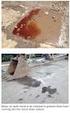 ACTIVITY NAME Training Requirements for Spill Prevention Control and Countermeasures (SPCC) 40 CFR Part 112 Naval Air Station Corpus Christi Texas CY 2014 BOTTOM LINE UP FRONT To prevent oil discharges
Spill Prevention, Control and Countermeasure (SPCC) Rule
 Spill Prevention, Control and Countermeasure (SPCC) Rule Code of Federal Regulations Title 40 CFR Part 112 Training Guide for Oil and Fuel handlers on Farms 1 Purpose of SPCC Rule To prevent oil discharges
History of the SPCC Rule
 2010 SPCC Training SPCC Rule History of the SPCC Rule The SPCC plan is a document required under the clean water act (CWA) It became effective in 1972 and has changed little in 32 years. The rule was formally
Spill Control Prevention Plan (SCPP)
 Spill Control Prevention Plan (SCPP) FACILITY INFORMATION PLEASE PRINT Facility Name: Mailing Address: Physical address if different: Owner Name: Owner Address: Primary Contact Name: Work Phone Number:
TRAINING SPCC/SWPP Training UGA. Automotive Center. Campus Transit
 SPILL PREVENTION, CONTROL, AND COUNTERMEASURE TRAINING SPCC/SWPP Training UGA STORM WATER Automotive Center POLLUTION Campus Transit PREVENTION PLAN PLAN Goals of SPCC/SWPP Training Introduce facility
Appendix VIII: Spill Prevention, Control and Countermeasure (SPCC) Plans
 Appendix VIII: Spill Prevention, Control and Countermeasure (SPCC) Plans Background What is a Spill Prevention, Control and Countermeasure (SPCC) Plan? An SPCC plan is a written document that describes
SPILL PREVENTION, CONTROL AND COUNTERMEASURE PLAN. for the PIÑON RIDGE MILL 16910 HIGHWAY 90 BEDROCK, COLORADO 81411. Prepared by:
 SPILL PREVENTION, CONTROL AND COUNTERMEASURE PLAN for the PIÑON RIDGE MILL 16910 HIGHWAY 90 BEDROCK, COLORADO 81411 Prepared by: ENERGY FUELS RESOURCES CORPORATION September 2009 SPILL PREVENTION, CONTROL,
FACILITY ENVIRONMENTAL COMPLIANCE
 FACILITY ENVIRONMENTAL COMPLIANCE 2014 TxDOT Environmental Conference 2014 TxDOT Environmental Conference 2014 TxDOT Environmental Conference Table of Contents 1 Introduction 1 2 Facility Environmental
Spill Prevention, Control, and Countermeasures (SPCC) Regulations Update
 Spill Prevention, Control, and Countermeasures (SPCC) Regulations Update The current deadline for most facilities (including typical mining and aggregate operations) is November 10, 2011. All facilities
ABOVE-GROUND STORAGE TANKS
 ABOVE-GROUND STORAGE TANKS Above-ground storage tanks in Georgia are regulated by the State Fire Marshall and by the EPA. Above-ground tanks containing 1,100 gallons or less do not require any secondary
 Section A SPCC Plan Implementation Checklist This section of the report addresses compliance with certain requirements of Federal Regulations 40 CFR 112. I. STATUS OF SPCC PLAN (40 CFR 112.3) YES NO A.
Spill Prevention, Control and Countermeasure (SPCC)
 Spill Prevention, Control and Countermeasure (SPCC) History Original promulgation 1973, effective 1974 Codified in 40 CFR 112 (EPA Jurisdiction) Proposed rulemaking 1991, 1993 and 1997 Amended July 17,
CITY OF WASHINGTON SPILL PREVENTION, CONTROL AND COUNTERMEASURE PLAN
 CITY OF WASHINGTON SPILL PREVENTION, CONTROL AND COUNTERMEASURE PLAN Adopted October 5, 2009 Table of Contents Chapter Description Page 1 Facility Descriptions... 3 1.1 Municipal Power Plant, 1001 Park
Kurt Wilson Louisiana Dept. of Environmental Quality Business & Community Outreach Division Small Business/Small Community Assistance Program
 Kurt Wilson Louisiana Dept. of Environmental Quality Business & Community Outreach Division Small Business/Small Community Assistance Program LDEQ Water Regulations Spill Prevention and Control (SPC) Authorized
Safety Manual Title: Spill Prevention & Response Review Date: 6/1/2014
 Operation s Purpose The purpose of this plan is to document spill prevention and response requirements. Each Elkhorn Construction, Inc. jobsite will develop a spill prevention and response plan based on
UNIVERSITY OF WISCONSIN MADISON
 UNIVERSITY OF WISCONSIN MADISON Contractor Spill Contingency Plan (while working on campus) Departments of: Environment, Health & Safety Physical Plant Table of Contents Spill Contingency Plan Most Common
SPILL PREVENTION, CONTROL AND COUNTERMEASURE (SPCC) PLAN
 SPILL PREVENTION, CONTROL AND COUNTERMEASURE (SPCC) PLAN DEPARTMENT OF PUBLIC WORKS, New Jersey Prepared by Date This is a sample document and is not to be used as an actual SPCC Plan for the applicable
OIL STORAGE REQUIREMENTS OF THE SPCC REGULATIONS. Christopher J. Ecsedy, P.E. Fuss & O'Neill, Inc. 146 Hartford Road Manchester, CT 06040
 ABSTRACT OIL STORAGE REQUIREMENTS OF THE SPCC REGULATIONS Christopher J. Ecsedy, P.E. Fuss & O'Neill, Inc. 146 Hartford Road Manchester, CT 06040 The SPCC regulations entail numerous requirements for the
SPILL PREVENTION AND RESPONSE PLAN TEMPLATE FOR BUSINESSES IN DAYTON S SOURCE WATER PROTECTION AREA
 SPILL PREVENTION AND RESPONSE PLAN TEMPLATE FOR BUSINESSES IN DAYTON S SOURCE WATER PROTECTION AREA Regulated Substance Management: All Regulated Substances, including chemical wastes, are to be managed
Spill Prevention, Control, and Countermeasures (SPCC) Course Material
 Introduction Welcome to the Spill Prevention, Control, and Countermeasures (SPCC) Training course. The ultimate goal of this course is to help you recognize the ways you can avoid pollution of the local
DIRECTIVE 055: STORAGE REQUIREMENTS FOR THE UPSTREAM PETROLEUM INDUSTRY. August 2012
 DIRECTIVE 055: STORAGE REQUIREMENTS FOR THE UPSTREAM PETROLEUM INDUSTRY August 2012 SECTION 2 The storage requirements in Directive 055 apply to upstream petroleum facilities, well sites, and pipelines
SPILL PREVENTION, CONTROL AND COUNTERMEASURES (SPCC) PLAN
 Note: This sample plan was developed by the U.S. Environmental Protection Agency Region 5 The following is a sample SPCC Plan for a small marina in the Midwest which stores petroleum products. This fictional
Civil Engineering Sector Labour-Management Health and Safety Committee
 PROCEDURE FOR THE STORAGE AND HANDLING OF FUEL ON CONSTRUCTION SITES Civil Engineering Sector Labour-Management Health and Safety Committee July 2008 PROCEDURE FOR THE STORAGE AND HANDLING OF FUEL ON CONSTRUCTION
SPILL PREVENTION, CONTROL AND COUNTERMEASURE (SPCC) PLAN
 SPILL PREVENTION, CONTROL AND COUNTERMEASURE (SPCC) PLAN HUDSON VALLEY COMMUNITY COLLEGE 80 VANDENBURGH AVENUE TROY, NEW YORK March 2015 Page i FIVE-YEAR SPCC PLAN REVIEW AND EVALUATION In accordance with
SPILL PREVENTION CONTROL AND COUNTERMEASURE PLAN PREPARED FOR: ARKANSAS STATE UNIVERSITY JONESBORO, ARKANSAS ORIGINAL DATE OF PLAN: APRIL 2005
 SPILL PREVENTION CONTROL AND COUNTERMEASURE PLAN PREPARED FOR: ARKANSAS STATE UNIVERSITY JONESBORO, ARKANSAS ORIGINAL DATE OF PLAN: APRIL 2005 DATE OF LAST PLAN AMENDMENT/P.E. CERTIFICATION: MAY 24, 2005
Spill Prevention Control and Countermeasures (SPCC) Plan (Onshore, Nonproduction Facility) Kennesaw State University
 Spill Prevention Control and Countermeasures (SPCC) Plan (Onshore, Nonproduction Facility) Kennesaw State University 1000 Chastain Road Kennesaw, GA 30144 This document was prepared by AMEC Environment
OIL POLLUTION PREVENTION REGULATIONS
 OIL POLLUTION PREVENTION REGULATIONS The Newly Revised SPCC Rules Spill Prevention Control and Countermeasure NON-TRANSPORTATION RELATED ONSHORE AND OFFSHORE FACILITIES Code of Federal Regulations Title
MASSACHUSETTS INSTITUTE OF TECHNOLOGY MASSACHUSETTS INSTITUTE OF TECHNOLOGY CAMPUS SPILL PREVENTION, CONTROL, AND COUNTERMEASURE (SPCC) PLAN
 MASSACHUSETTS INSTITUTE OF TECHNOLOGY MASSACHUSETTS INSTITUTE OF TECHNOLOGY CAMPUS SPILL PREVENTION, CONTROL, AND COUNTERMEASURE (SPCC) PLAN Prepared for: Massachusetts Institute of Technology Cambridge,
Suffolk County Department of Health Services. Division of Environmental Quality
 Suffolk County Department of Health Services Division of Environmental Quality Guidelines For the Construction of Storage Areas for Portable Containers ~~~~ Clare B. Bradley, M.D., M.P.H. Suffolk County
for Gary Hughes GARY HUGHES SELF SERVICE LLC State of Missouri ID: ST 3004261
 SPILL PREVENTION CONTROL & COUNTERMEASURE (SPCC) PLAN for Gary Hughes GARY HUGHES SELF SERVICE LLC State of Missouri ID: ST 3004261 Reporting conditions as of January 1, 2005 TABLE OF CONTENTS Subpart
Section 5. Secondary Containment and Impracticability. (as applicable to APSA tank facilities)
 Section 5 Secondary Containment and Impracticability (as applicable to APSA tank facilities) Summary Secondary Containment Requirements APSA/SPCC Plan Compliance Primer Several SPCC rule requirements and
Critical Regulations SUMMARY OF. Stormwater Management Regulations (National Pollutant Discharge Elimination System or "NPDES ) 40 CFR 122.
 SUMMARY OF Critical Regulations Stormwater Management Regulations (National Pollutant Discharge Elimination System or "NPDES ) 40 CFR 122.26 Spill Prevention, Control, and Countermeasures Rule (SPCC) 40
Spill Prevention Control and Countermeasure (SPCC) Regulations Fact Sheet
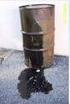 Spill Prevention Control and Countermeasure (SPCC) Regulations Fact Sheet REGULATORY SUMMARY The Spill Prevention Control and Countermeasure (SPCC) regulations strive to prevent oil from entering navigable
Farm Fuel Tank Safety Guide
 Farm Fuel Tank Safety Guide This brochure is provided by North Dakota Department of Emergency Services, your Local Emergency Planning Committee, and the State Emergency Response Commission along with assistance
Contact Person Sarah Morris-Benavides Revision 1.1 Document Plan 10200.037 Effective Date 07/01/2014 Review Date 03/15/2017.
 Ames Laboratory Federal SPCC regulations (40 CFR Part 112) were created under the authority of the Clean Water Act. The stated purpose is " to prevent oil discharges from reaching navigable waters of the
Spill Prevention, Control & Cleanup SC-11
 Objectives Cover Contain Educate Reduce/Minimize Product Substitution Description Spills and leaks, if not properly controlled, can adversely impact the storm drain system and receiving waters. Due to
U.S. ENVIRONMENTAL PROTECTION AGENCY TIER I QUALIFIED FACILITY SPCC PLAN TEMPLATE
 U.S. ENVIRONMENTAL PROTECTION AGENCY TIER I QUALIFIED FACILITY SPCC PLAN TEMPLATE Instructions to Complete this Template This template is intended to help the owner or operator of a Tier I qualified facility
Contingency Plan Template. Hazardous Materials and Waste Management Division (303) 692-3300
 Contingency Plan Template Hazardous Materials and Waste Management Division (303) 692-3300 October 2008 Contingency Plan A Large Quantity Generator of hazardous waste must have a written contingency plan
Improper storage of fuel on construction sites will increase the risk of water pollution that may occur as a result of leaks or spills.
 WQ-10 Best Management Practice (BMP) Water Quality Protection Guideline Secondary Containment Design Standards Fuel Storage on Construction Sites According to the EPA, the majority of water pollution in
Waste Oil Collection / Storage
 ENVIRONMENTAL & REGULATORY SERVICES Storage Tank Regulation Section P. O. Box 7837 Madison, Wisconsin 53707-7837 TDD #: (608) 264-8777 http://www.commerce.state.wi.us http://www.wisconsin.gov Jim Doyle,
~CSRMA ALERT~ REVISED SPCC RULE WILL IMPACT MOST POTW S
 ~CSRMA ALERT~ September 17, 2004 REVISED SPCC RULE WILL IMPACT MOST POTW S A CSRMA member in the San Francisco Bay Area was recently inspected by the EPA and Bay Area Regional Water Quality Control Board
Pollution Prevention And Best Management Practices For Dry Cleaners Operating In Broward County
 FORWARD In 1991, the Broward County Environmental Protection and Growth Management Department, who was then known as the Department of Natural Resource Protection (DNRP), initiated the development of Pollution
ALLEGANY WIND POWER PROJECT CONSTRUCTION SPILL PREVENTION PLAN
 ALLEGANY WIND POWER PROJECT CONSTRUCTION SPILL PREVENTION PLAN Best Management Practices (BMPs) will be implemented during construction of the Allegany Wind Power Project to prevent and contain spills.
The Federal Spill Prevention, Control & Countermeasures (SPCC) Rule Overview
 The Federal Spill Prevention, Control & Countermeasures (SPCC) Rule Overview January 2012 Presented by: Annie Macmillan, Stephanie Congo The purpose of the SPCC rule is to prevent discharges of oil into
PREVENTING GROUNDWATER POLLUTION: SECONDARY CONTAINMENT
 PREVENTING GROUNDWATER POLLUTION: SECONDARY CONTAINMENT PREVENTING GROUNDWATER POLLUTION IS EVERYONE S JOB! Even if our drinking water comes from rivers, lakes, or reservoirs, we need to be mindful of
GUIDANCE FOR DEVELOPMENT OF SPILL AND SLUG PREVENTION CONTROL PLANS AND FACILITIES FOR THE CITY OF ATTLEBORO SEWER USERS
 Company Name: Address: The City of Attleboro s Rules and Regulations for the use of Wastewater Facilities require each user to provide protection from accidental discharge of prohibited materials and substances
MODULE IV Secondary Containment, Oil Spill Control & Spill Prediction
 Page 1 How to Prepare Your Own SPCC Plan: A Step-by-Step Guide for Tier 1 Qualified Facilities Using the US EPA Tier I SPCC Template MODULE IV Secondary Containment, Oil Spill Control & Spill Prediction
Application for the Construction or Installation of Aboveground Storage Tank (AST) Systems or Associated Underground or Over-water Piping Systems
 Page 1 of 5 Application for the Construction or Installation of Aboveground Storage Tank (AST) Systems or Associated Underground or Over-water Piping Systems New Hampshire Department of Environmental Services
Environmental Health & Safety
 Environmental Health & Safety Title: Oil Spill Notification, Reporting, and Response Effective Date: 04/01/2008 Document #: PBS-007-001.JPB Revision Date: Rev. 0 I. Purpose of the Policy: To ensure Oil
SPCC Rule Review. Spill Prevention Control & Countermeasures NON-TRANSPORTATION RELATED ONSHORE AND OFFSHORE FACILITIES
 SPCC Rule Review Spill Prevention Control & Countermeasures NON-TRANSPORTATION RELATED ONSHORE AND OFFSHORE FACILITIES Code of Federal Regulations Title 40 CFR Part 112 40 CFR PART 112 Prevention requirements:
Good Housekeeping Practices for DPW/Fleet Maintenance Facilities
 Good Housekeeping Practices for DPW/Fleet Maintenance Facilities Kevin P. Walker C&S Engineers, Inc. Best Management Practices Best Management Practices (BMPs) are measures and/or controls used to prevent
SPCC for Food Services
 Welcome to the University s Annual Oil Spill Prevention, Control and Countermeasures (SPCC ) Compliance Awareness Training for Food Service Employees. Completing this training will fulfill your annual
How To Safely Handle A Spill
 WD DWGB 22 6 2010 Best Management Practices for Fueling and Maintenance of Excavation and Earthmoving Equipment Env Wq 401, Best Management Practices for Groundwater Protection, applies to a variety of
DOES YOUR COMPANY NEED AN SPCC PLAN? Larry Seabolt Remtech Engineers Remediation Specialists
 DOES YOUR COMPANY NEED AN SPCC PLAN? Larry Seabolt What is a Spill Prevention, Control and Countermeasures Plan? Is your company required to have a SPCC plan? What constitutes a SPCC plan? The answer to
FUELING AND FUEL STORAGE
 FUELING AND FUEL STORAGE BENCHMARK Implement spill prevention measures whenever fuel is handled or stored. Report, minimize, contain and clean up spills that do occur. FUELING BMPS Spills of diesel, oil,
Spill Prevention, Control and Countermeasure (SPCC) Training
 Spill Prevention, Control and Countermeasure (SPCC) Training Fort Jackson 2015 Origins of SPCC Regulatory History 1972 Clean Water Act Oil Pollution Act of 1990 Spill Prevention Control and Countermeasures
UDOT SPILL PREVENTION and RESPONSE PLAN for CONSTRUCTION SITES
 UDOT SPILL PREVENTION and RESPONSE PLAN for CONSTRUCTION SITES February 2014 The plan contained in the following pages was developed in part from UDOT Construction Division s Safety and Health Manual,
MAGB HEALTH, SAFETY AND ENVIRONMENT GROUP POLLUTION INCIDENT RESPONSE PLAN
 MAGB HEALTH, SAFETY AND ENVIRONMENT GROUP POLLUTION INCIDENT RESPONSE PLAN SCOPE: This guidance sets out best practice for producing a Pollution Incident Response Plan to deal with an environmental incident
SPILL PREVENTION, CONTROL, AND COUNTER MEASURES PLAN (SPCC)
 SPILL PREVENTION, CONTROL, AND COUNTER MEASURES PLAN (SPCC) UNIVERSITY RISK MANAGEMENT Occupational and Health Programs 19 Hagood Avenue, Suite 908 Charleston SC 29425 843-792-3604 Revised: June 2015 Spill
Spill Prevention, Control and Countermeasure Plan Checklist
 Spill Prevention, Control and Countermeasure Plan Checklist Attachments To complete your SPCC plan for this facility, it will be necessary to prepare and attach the following documents including, but not
Contingency Plan. Facility Name
 Contingency Plan Facility Name This plan is reviewed annually and amended whenever changes occur that will significantly affect the ability of this facility to respond to an emergency situation. This includes
1. Site plans assist the Fire Department to determine where a potential spill can be contained. The detailed site plan shall include the following:
 Secondary Containment, Spill Control and Drainage Guidelines for Hazardous Materials per 2010 CFC PURPOSE The intent of this guideline is to provide the requirements for the design and construction of
COMPLIANCE MANAGEMENT STRATEGIES. Presented by: Megan Kazmierczak, ECS Eclipse
 COMPLIANCE MANAGEMENT STRATEGIES Presented by: Megan Kazmierczak, ECS Eclipse AST vs. UST Compliance requirements Aboveground Storage Tanks (ASTs): Misconception that ASTs are unregulated Most are subject
APPENDIX O. Spill Prevention and Emergency Response Plan. G3 Terminal Vancouver Port Metro Vancouver Project Permit Application APPENDIX O
 APPENDIX O Spill Prevention and Emergency Response Plan APPENDIX O G3 Terminal Vancouver Port Metro Vancouver Project Permit Application G3 TERMINAL VANCOUVER: PORT METRO VANCOUVER SPILL PREVENTION AND
SILICON VALLEY CLEAN WATER. May 2015
 SILICON VALLEY CLEAN WATER May 2015 Slug Discharge Control and Spill Containment Guidelines This document was revised and used with the permission of the Los Angeles County Sanitation District, Industrial
A Guide to Hazardous Substance Storage Capacity
 New Jersey Department of Environmental Protection Bureau of Release Prevention A Guide to Hazardous Substance Storage Capacity August 7, 2014 Introduction The Spill Compensation and Control Act (the Spill
MAINE DEPARTMENT OF ENVIRONMENTAL PROTECTION
 Oxford Hills Bus Garage 36 Brown St, Norway, ME Oil Storage Inspection 2/20/14 CONDITIONS OBSERVED Underground Oil Storage: 12,000 gallon underground oil storage tank (split 10,000 gallon diesel/2,000
APPENDIX G Materials Storage and Handling Guidelines
 APPENDIX G Materials Storage and Handling Guidelines 1.0 INTRODUCTION Operations at Austin-Bergstrom International Airport (ABIA) comprise several different industrial activities including aircraft, ground
SPCC. Created by EPA in 1973 under the Clean Water Act. 10/22/2014. Spill Prevention Control & Countermeasure Plan
 SPCC Created by EPA in 1973 under the Clean Water Act. Purpose: To protect the "navigable" waters of the United States, a business or organization must develop a plan that would prevent any pollution from
Outdoor Storage of Raw Materials SC-33
 Objectives Cover Contain Educate Reduce/Minimize Description Raw materials, by-products, finished products, containers, and material storage areas exposed to rain and/or runoff can pollute stormwater.
Spill Prevention Control and Countermeasure Plan
 Spill Prevention Control and Countermeasure Plan Boston College Prepared by: Rizzo Associates, Inc. March 5, 1997 Reviewed and Updated by: ENSR International May, 1998 Last Update Boston College January,
OREGON FIRE CODE Interpretations and Technical Advisories
 OREGON FIRE CODE Interpretations and Technical Advisories A collaborative service by local and state fire professionals, along with our stakeholders and customers, to provide consistent and concise application
The following definitions apply with regard to requirements specified in this document:
 GUIDELINES FOR INSTALLATION OF TEMPORARY AND PERMANENT ABOVEGROUND DIESEL FUEL TANKS FOR EMERGENCY AND STANDBY POWER SYSTEMS LOCATED OUTSIDE OF BUILDINGS For Use by Unidocs Member Agencies or where approved
Facility Scenario - Example Tier I Qualified Facility SPCC Plan
 Facility Scenario - Example Step 1: Determine if the Doe Family Farm needs an SPCC Plan. John Doe, owner of the Doe Family Farm, has learned that he may have to develop, maintain, and implement a spill
Underground Storage Tanks
 Underground Storage Tanks An Informational and Guidance Document for the University Community. Please contact Yale Environmental Health and Safety for latest Regulatory Requirements. A typical UST installation
The Fuel Storage Tank Regulations 2009
 The Fuel Storage Tank Regulations 2009 October 2009 ED/RO1/015 The Fuel Storage Tank Regulations Issued by: The Regulation and Supervision Bureau for the water, wastewater and electricity sector in the
SPILL PREVENTION CONTROL AND COUNTERMEASURES PLAN
 SPILL PREVENTION CONTROL AND COUNTERMEASURES PLAN Abilene Christian University 1600 Campus Court Abilene, TX 79699 HRP JOB # ABI2002.WM Prepared August 2012 Prepared by: 1327-D Miller Road Greenville,
Safe Operating Procedure
 Safe Operating Procedure (Revised 3/14) ABOVEGROUND PETROLEUM STORAGE TANKS INTRODUCTION Aboveground storage tanks (ASTs) are used to store petroleum products at several UNL locations. For example, ASTs
Title: Aircraft Parking
 Environmental Standard Operating Procedure Originating Office: Revision: Prepared By: Approved By: MCAS Miramar Environmental Original Environmental Management Department William Moog Management Department